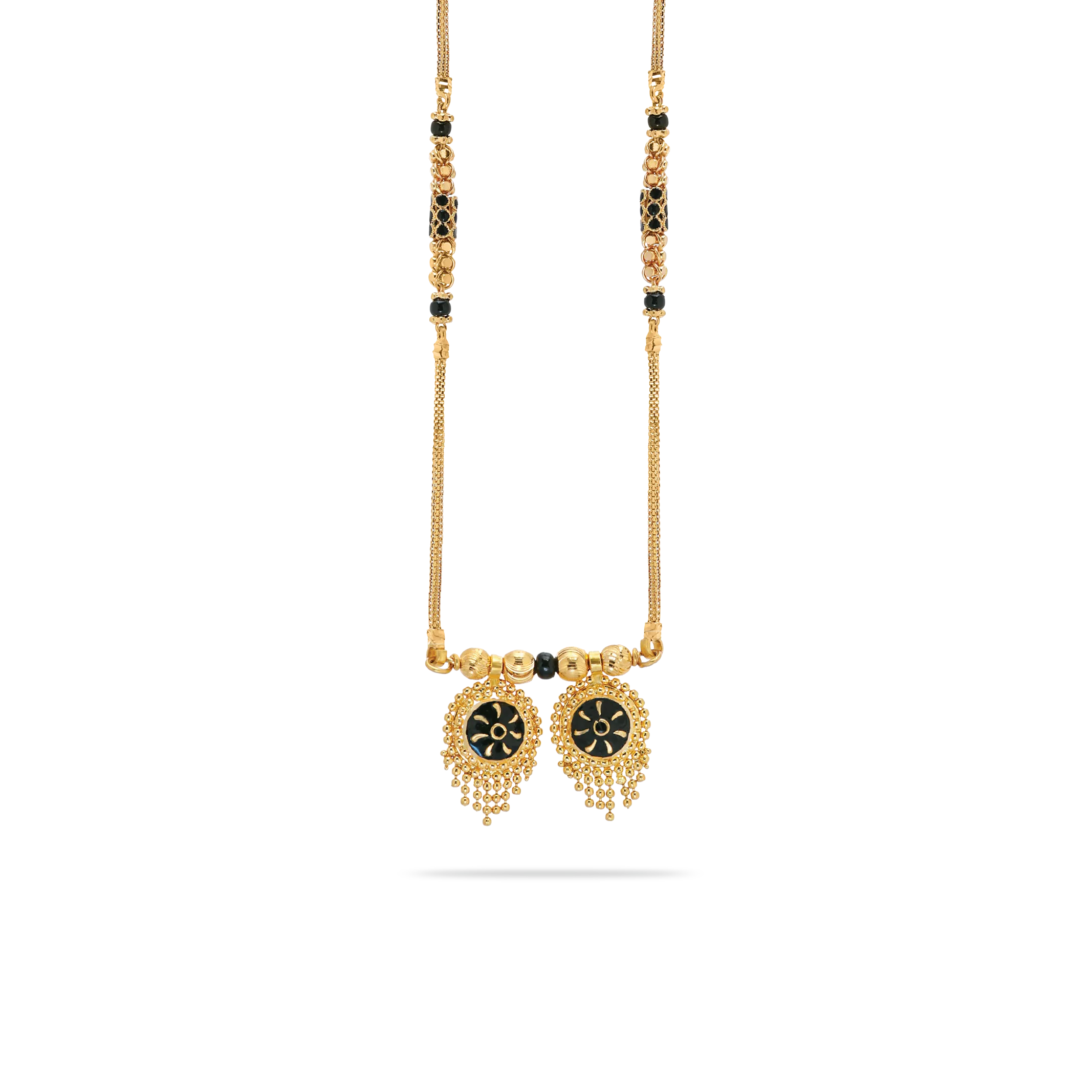
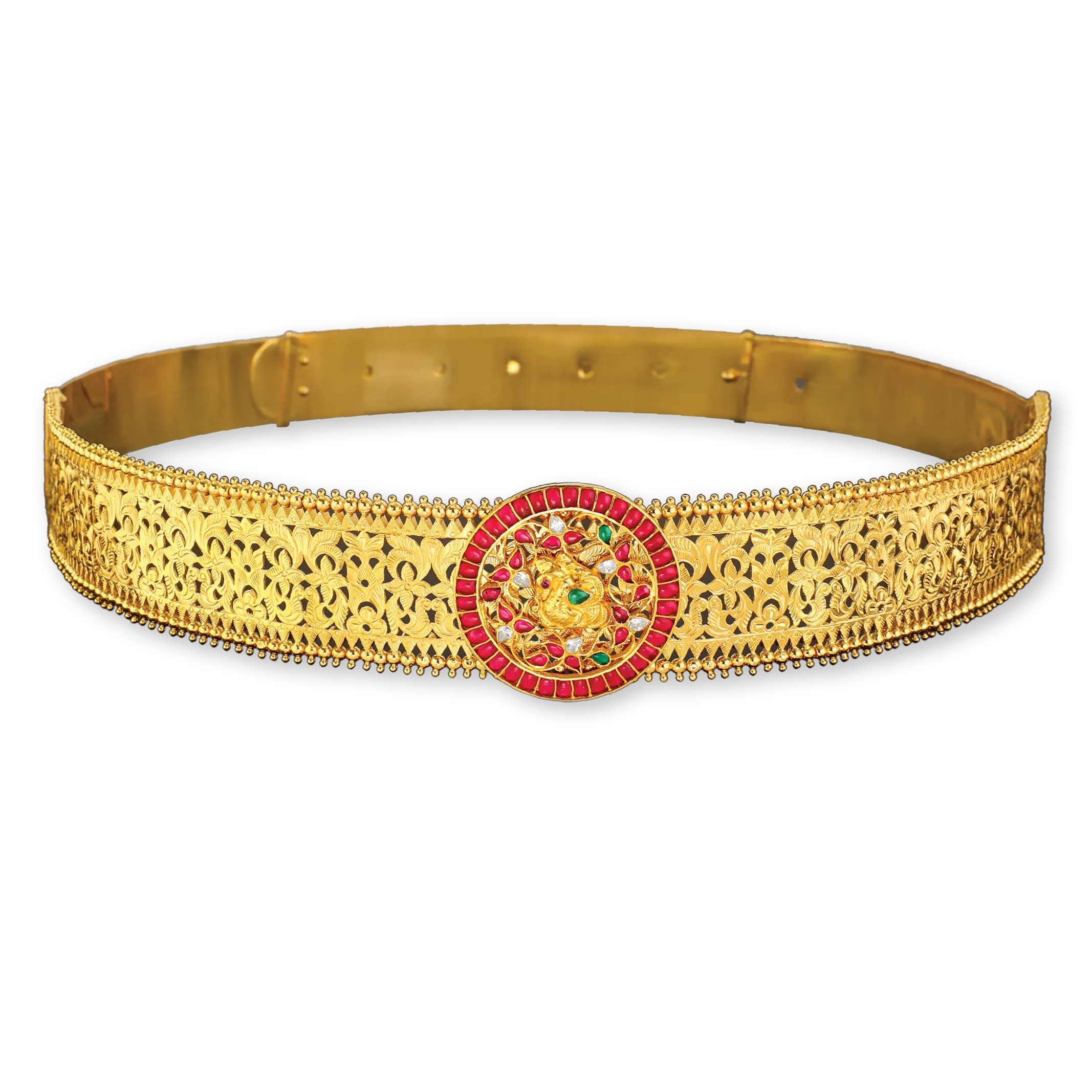
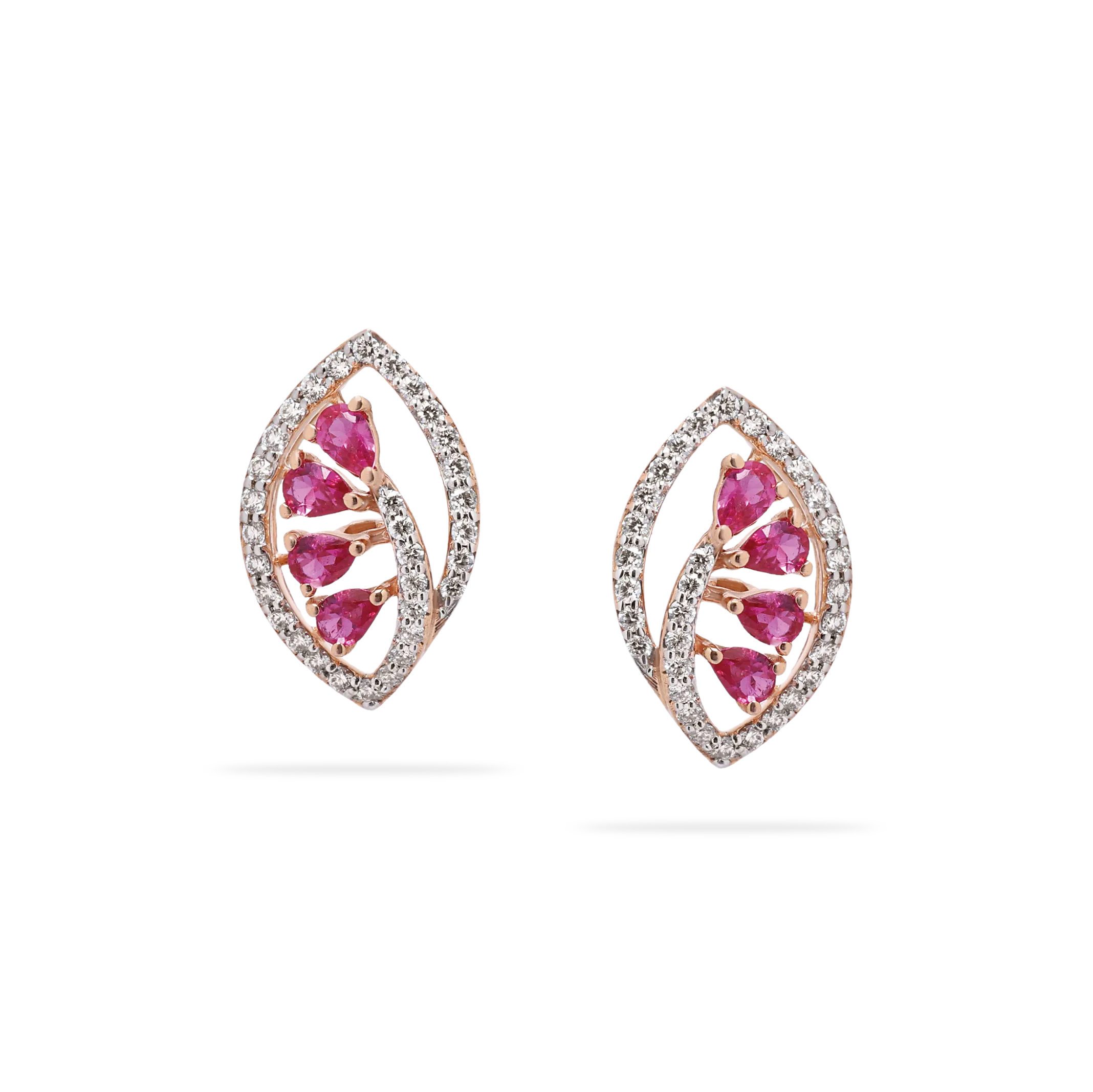
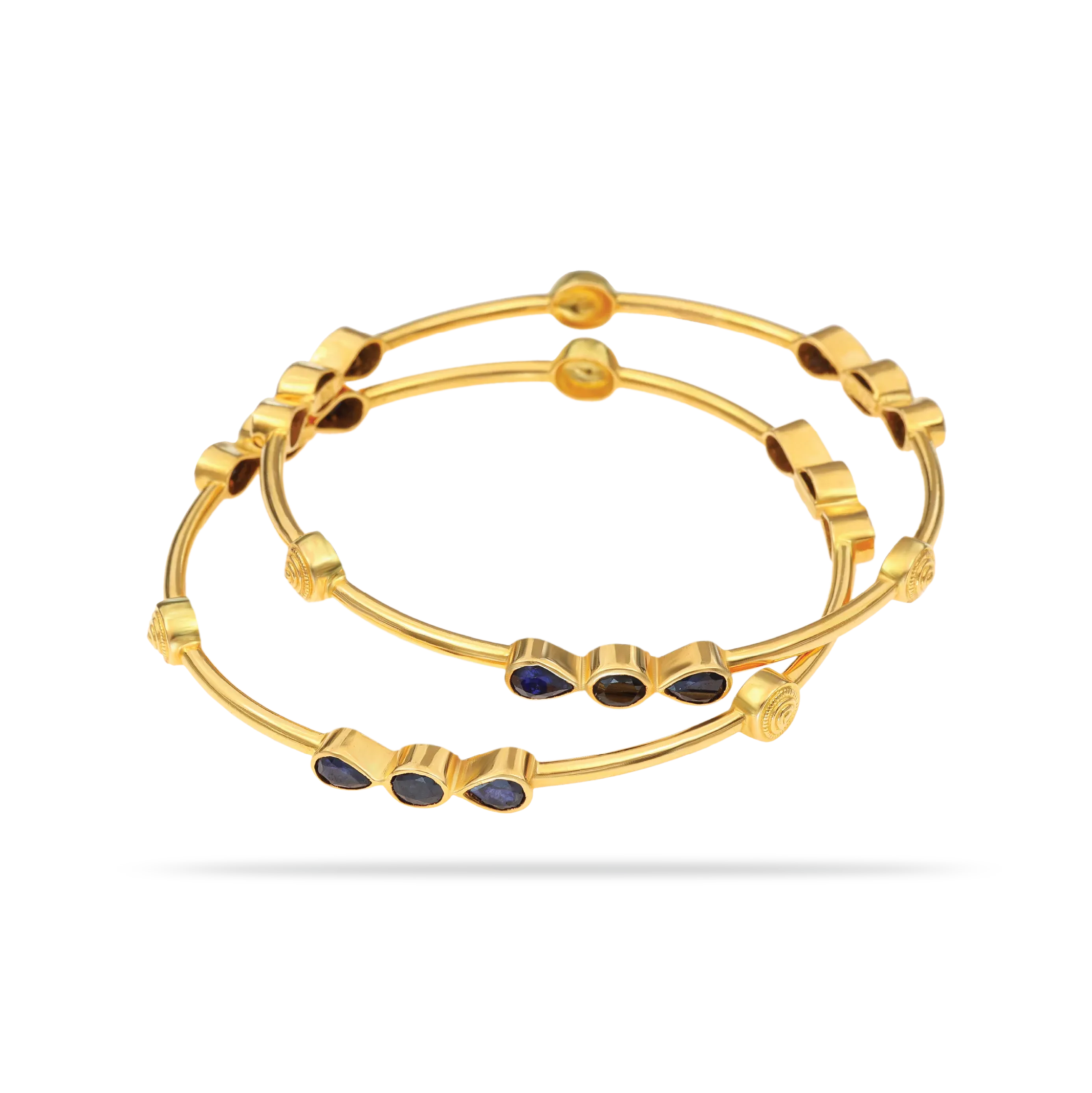
Bridal jewellery for mehendi function: a complete guide to choosing the perfect look
August 28, 2026 | 10 minutes read
Key Takeaways
A mehendi look should feel festive, expressive, and easy to wear through a long daytime celebration.
- Choose jewellery that suits the relaxed energy of the mehendi function.
- Floral pieces, colourful beads, pearls, gold, kundan, and polki can all work beautifully.
- Balance statement jewellery with the neckline, embroidery, and scale of the outfit.
- Keep the mehendi design visible and secure every piece for comfortable movement.
- Shop early, compare materials carefully, and budget for the complete look.
Understand the mehendi function and its jewellery style
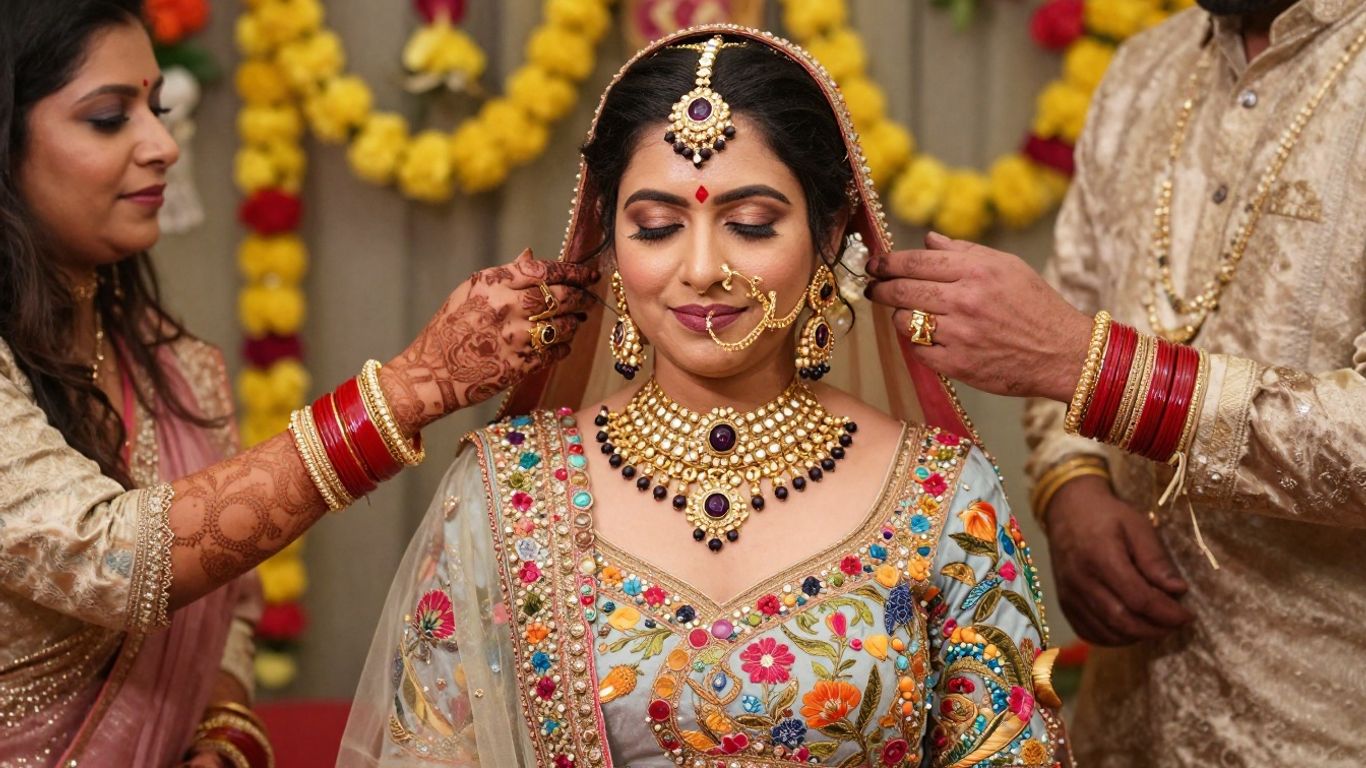
The mehendi ceremony often has a brighter, more informal mood than the wedding ceremony itself. Music, outdoor seating, games, photography, and long hours of conversation call for jewellery that looks special without feeling overly formal. When choosing bridal jewellery for mehendi function celebrations, think about the setting as much as the outfit. A beautiful look should move easily with you from the first photograph to the last dance.
How mehendi jewellery differs from wedding jewellery
Wedding jewellery is often designed around grandeur, ceremony, and heirloom presence. Mehendi jewellery can be more playful, colourful, and experimental, with floral details or lighter versions of traditional pieces. You might choose a necklace with a shorter profile, bright earrings, or a decorative hair accessory rather than wearing every major bridal piece at once. The aim is to create a distinct look for the function, not to repeat the jewellery story of the wedding day.
Balancing festive details with daytime comfort
Daylight makes colour, texture, and shine especially noticeable, so small details can have plenty of impact. Choose one focal point, then let the remaining pieces support it rather than compete with it. A statement necklace may need simpler earrings, while dramatic earrings can work with a delicate chain and slim bangles. Comfort shapes confidence, especially when the ceremony includes henna application and hours of sitting, greeting, and posing.
Choosing jewellery that complements the ceremony setting
Consider whether the mehendi will take place in a garden, courtyard, banquet hall, or intimate home setting. Fresh flowers and soft colours feel natural outdoors, while kundan, polki, or enamel may suit a more decorated indoor venue. Also check the lighting: warm indoor lights flatter gold, whereas daylight reveals the exact undertone of coloured stones and flowers. The best choice feels connected to the surroundings without looking like a costume.
Choose the right materials and colours
Material sets the emotional tone of the look, while colour determines how naturally it sits beside the bridal outfit. Fresh flowers feel cheerful and temporary; gold and gemstone styles feel more enduring; beads, pearls, and enamel offer room for coordination. You do not need to choose only one category. Combining a traditional base with a playful accent can make the styling feel personal.
Floral jewellery for a fresh and playful look
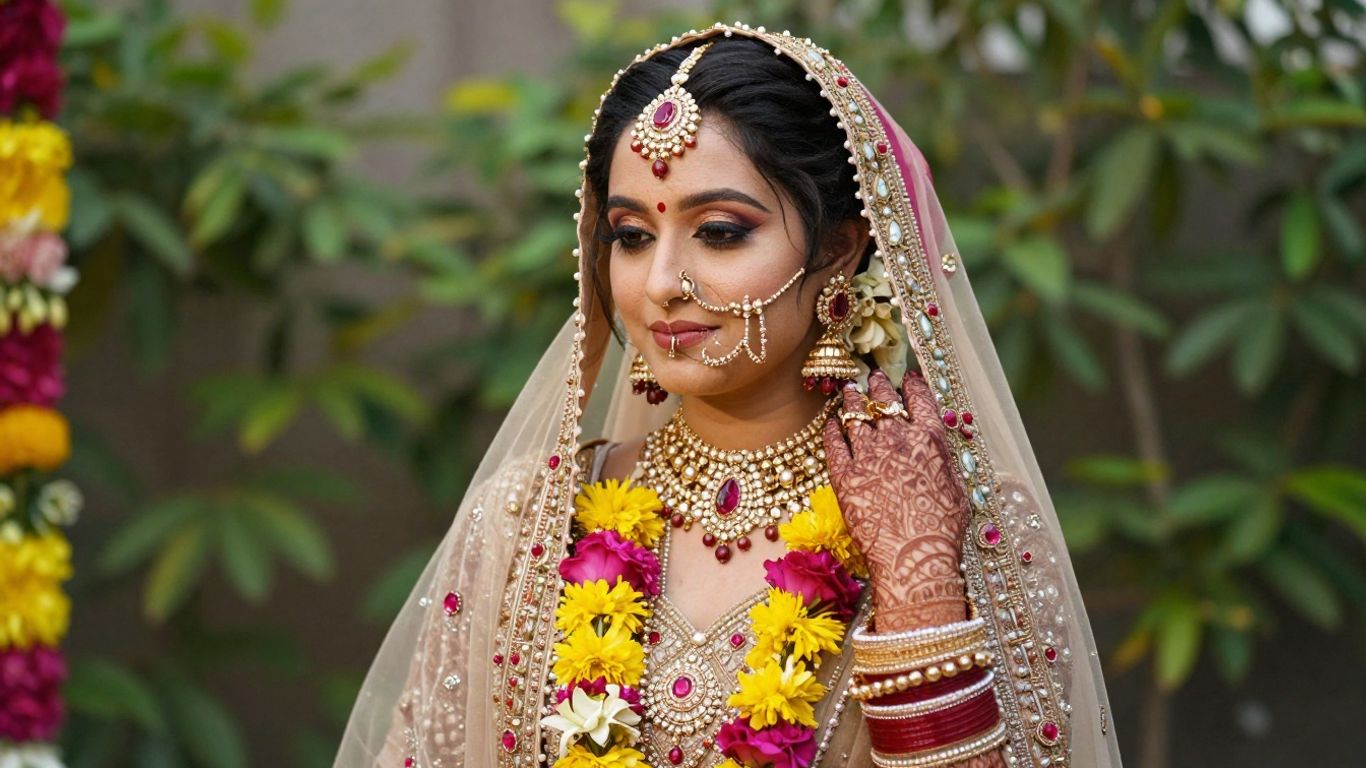
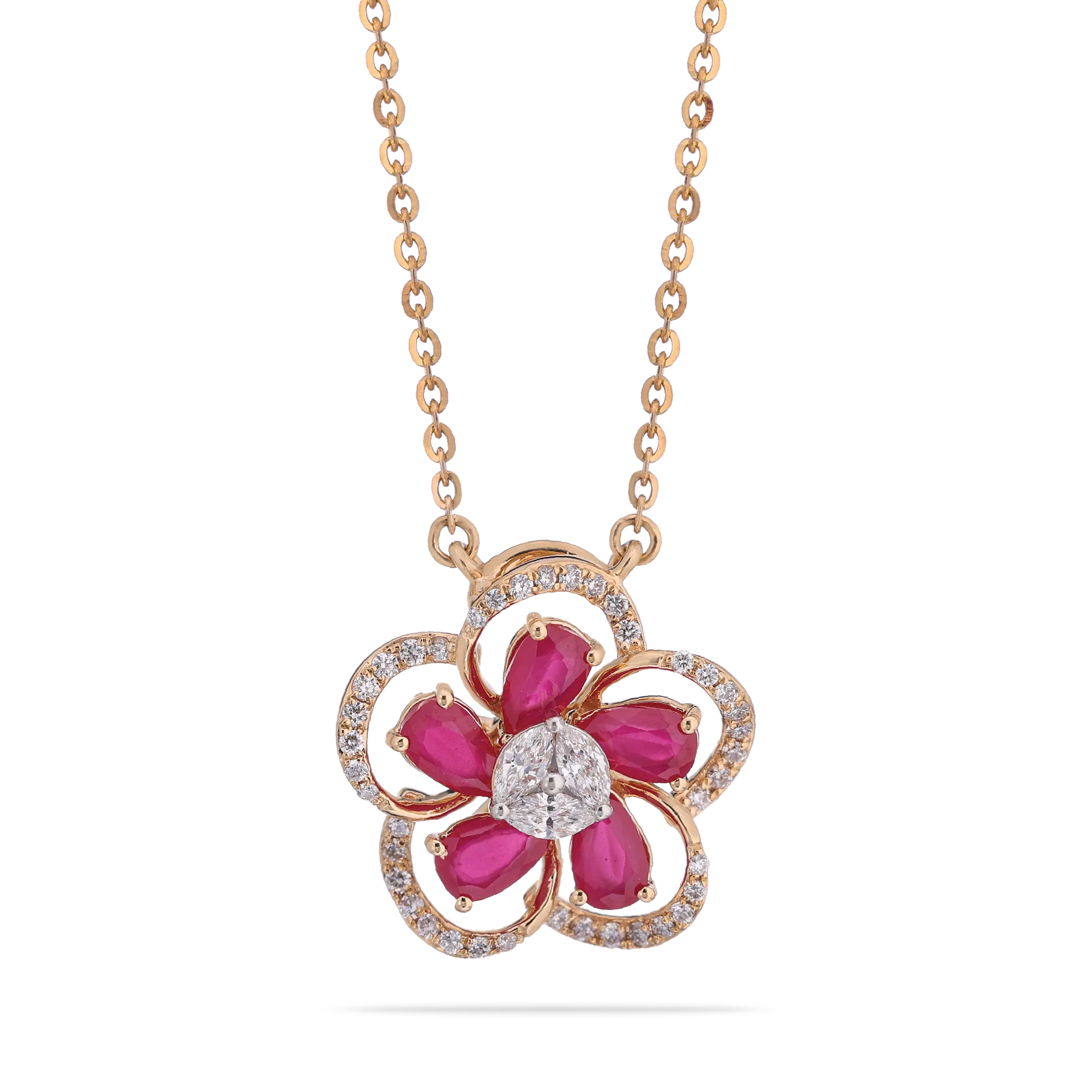
Floral jewellery is a natural choice for a daytime mehendi, especially when the outfit includes yellow, green, pink, coral, or pastel tones. A floral necklace, matching earrings, maang tikka, or wrist piece can create a coordinated look without the weight of a full fine-jewellery set. For inspiration, browse these floral jewellery sets, then decide whether you prefer fresh flowers, fabric flowers, or a combination of both. Ask how long the flowers are expected to remain fresh and keep a small repair kit nearby.
Gold, kundan, and polki for a traditional style
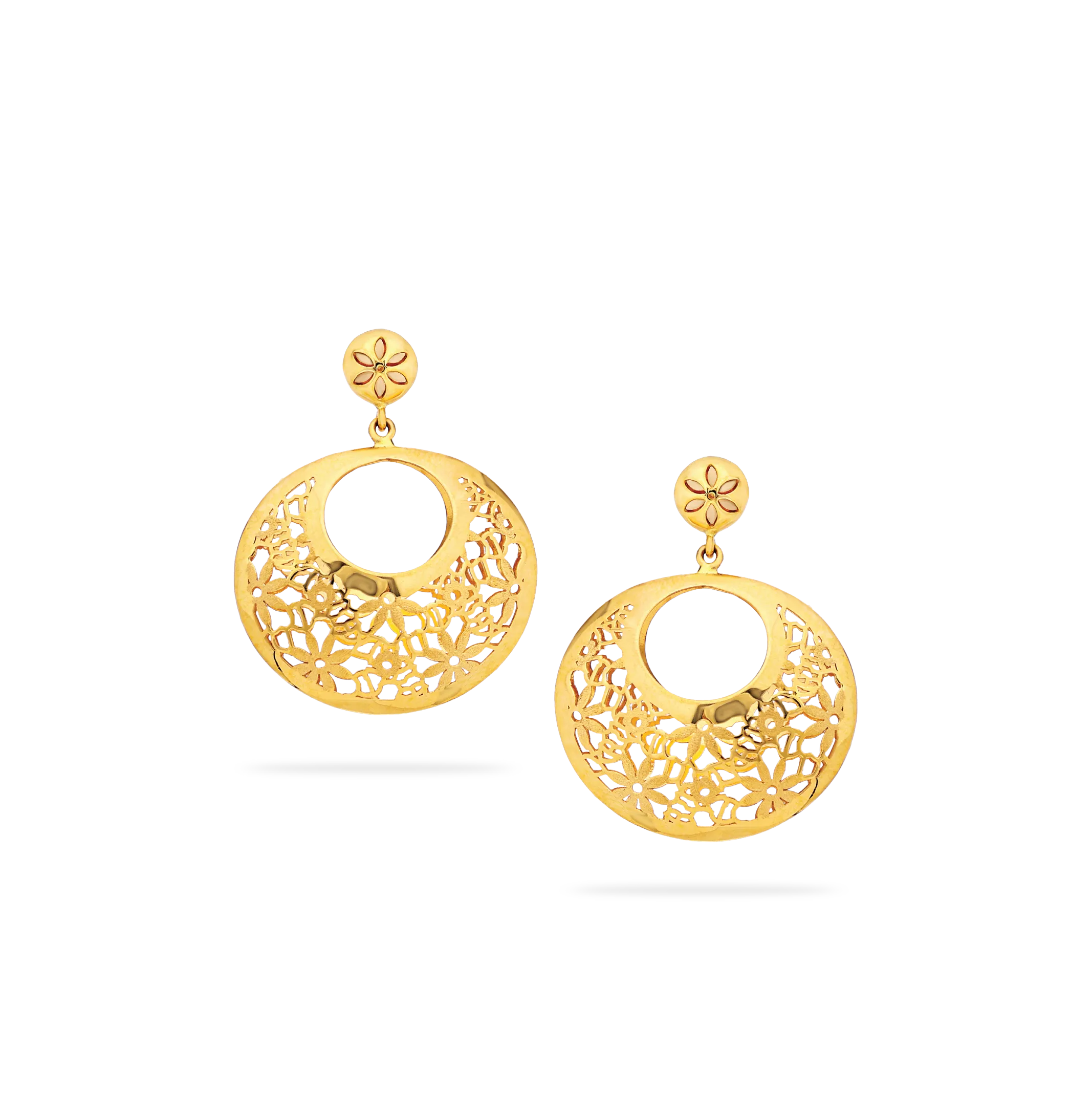
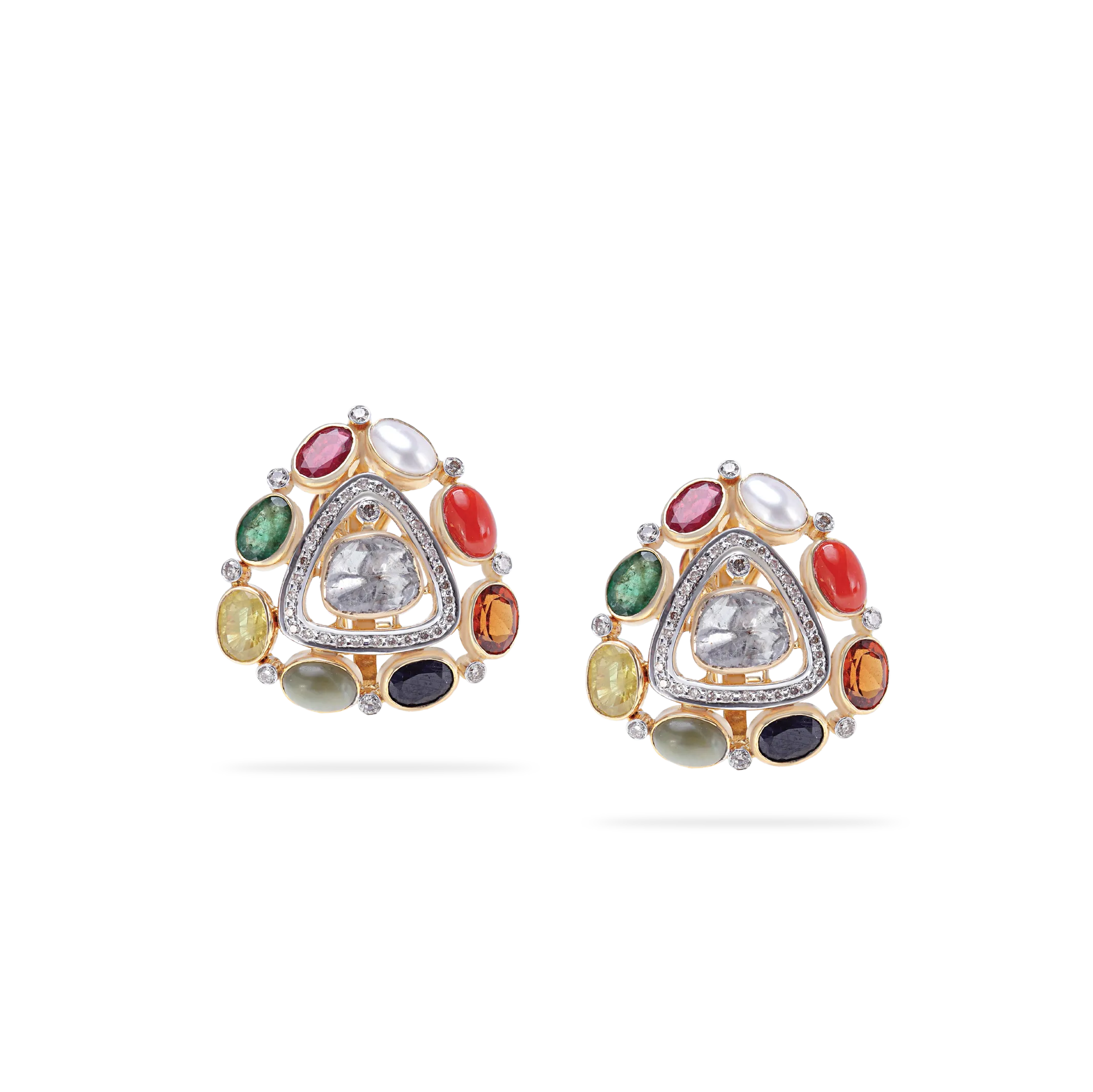
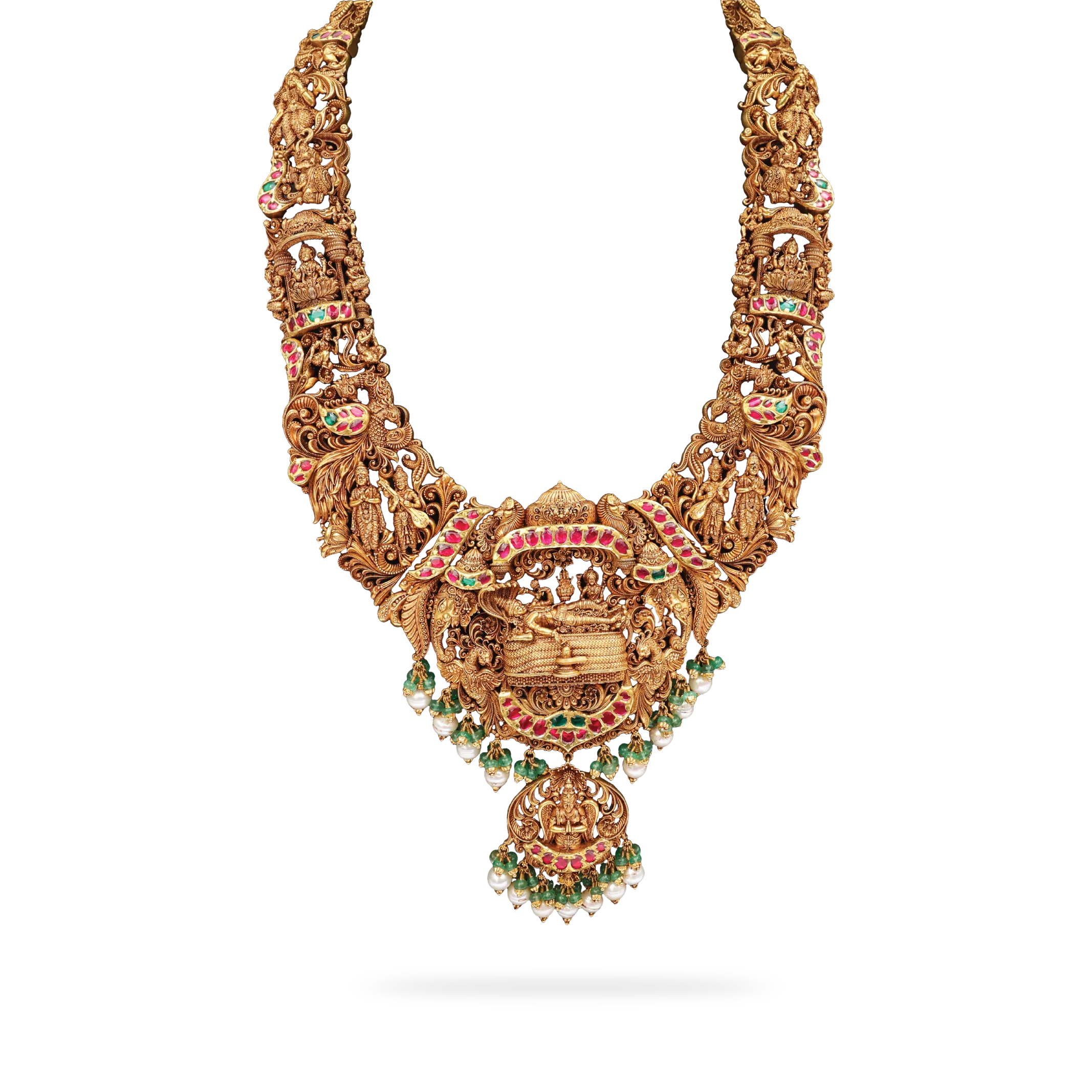
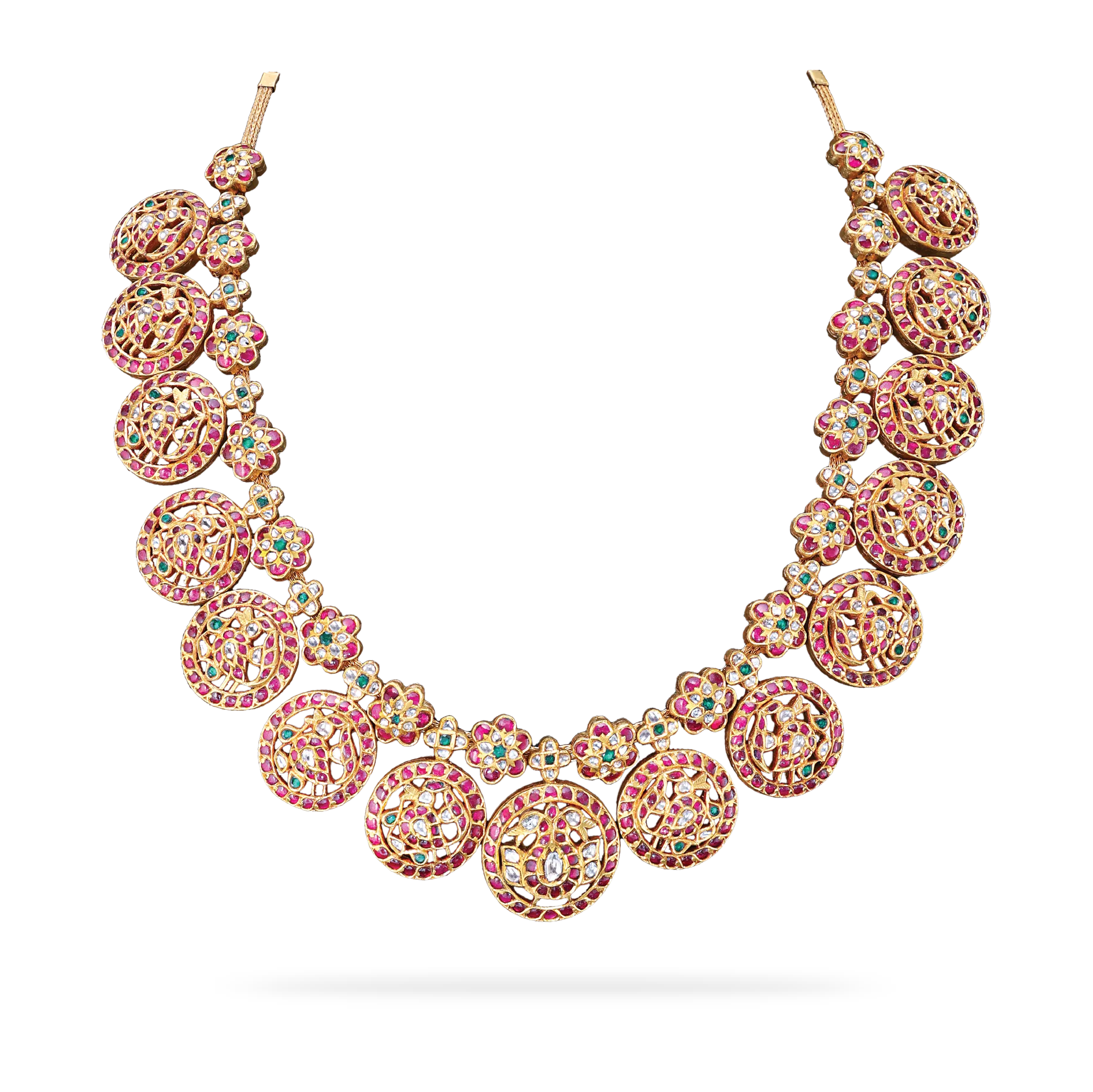
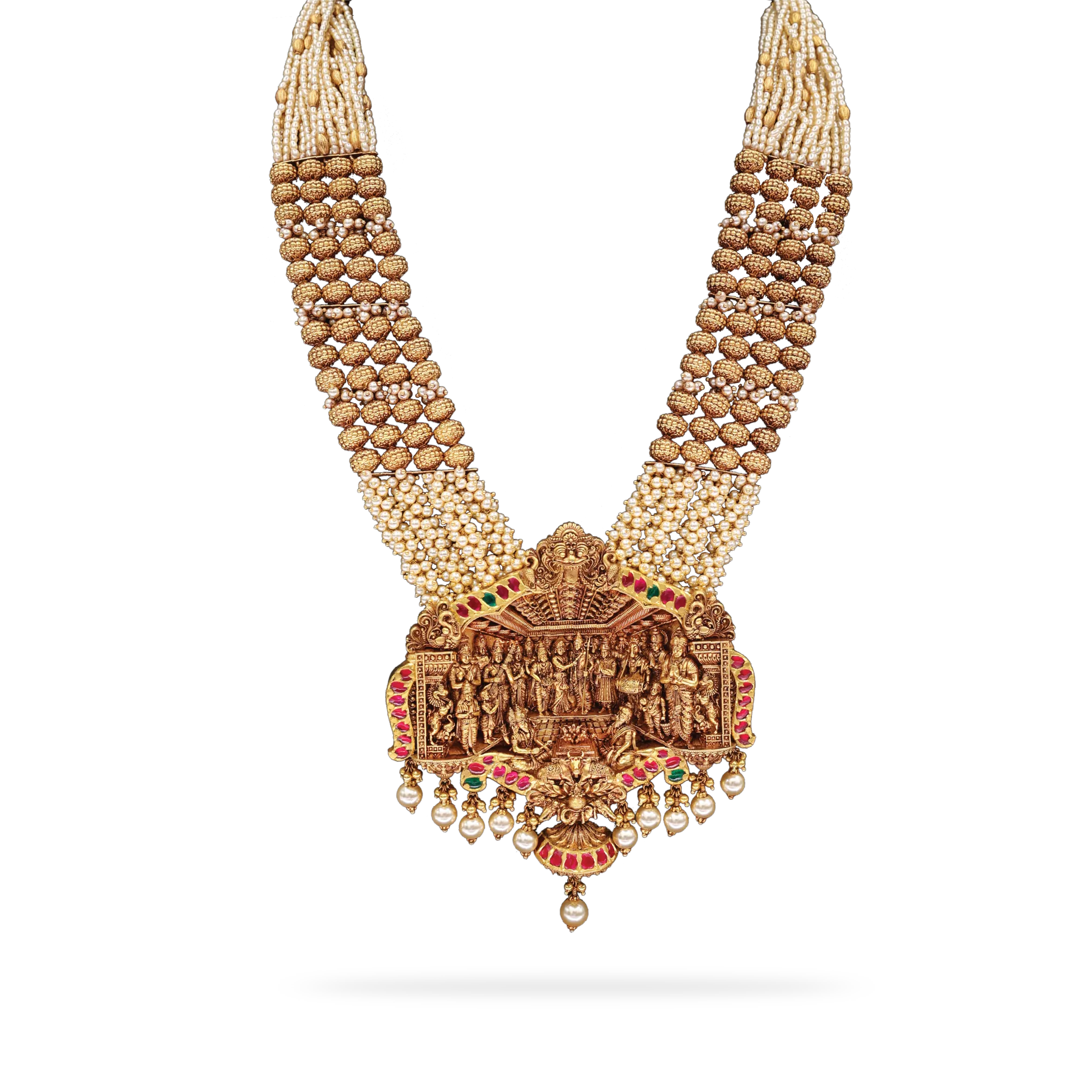
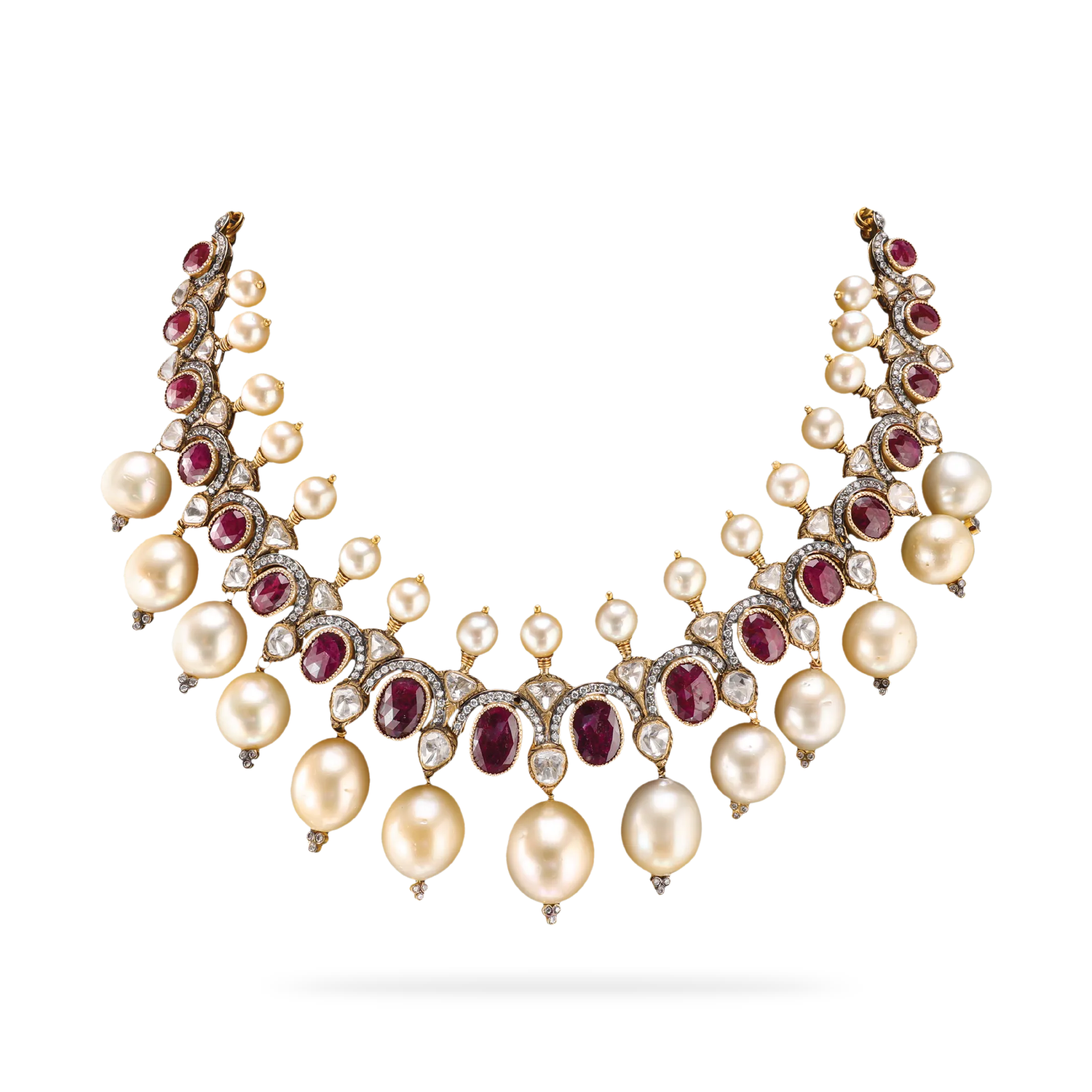
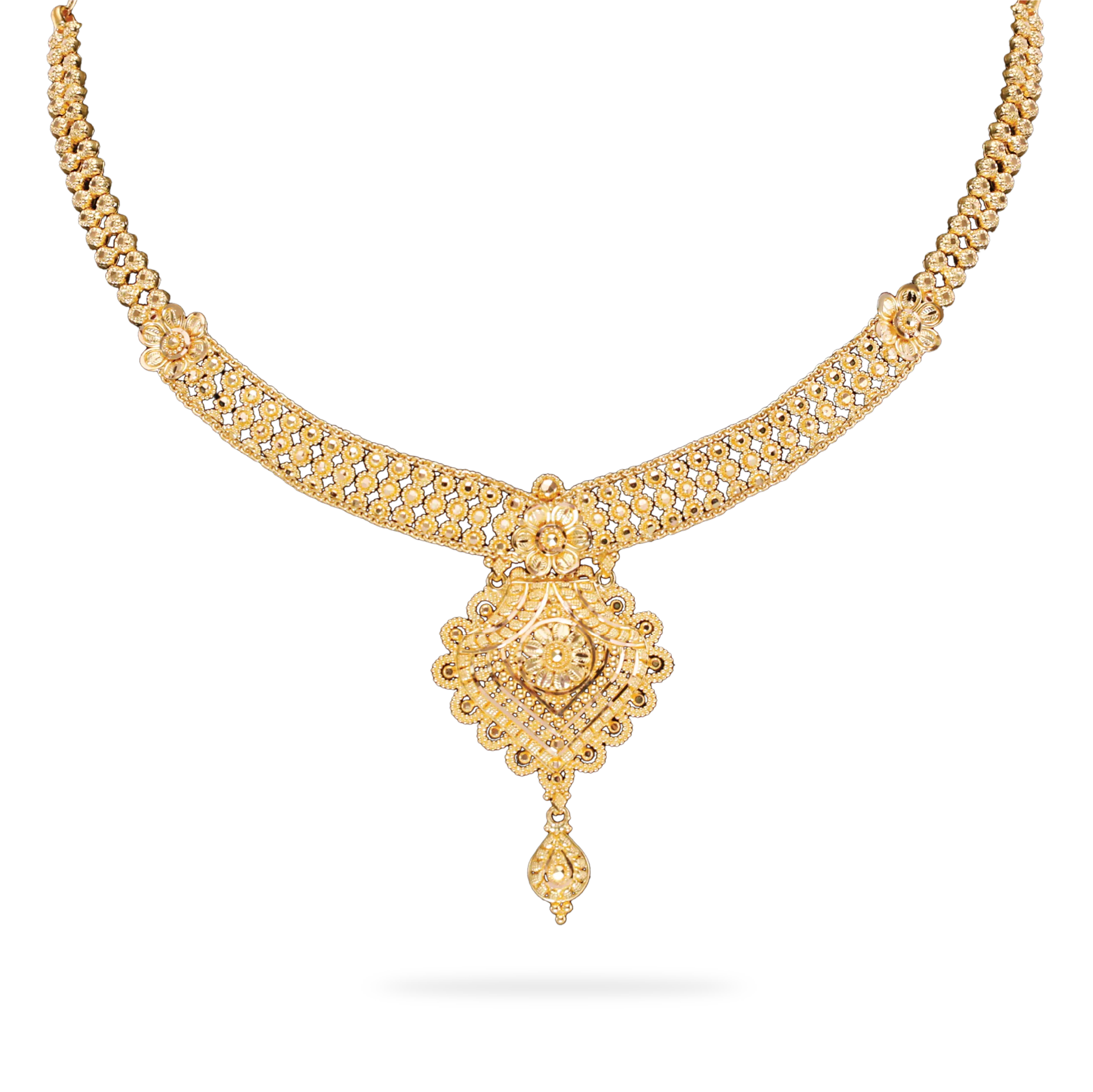
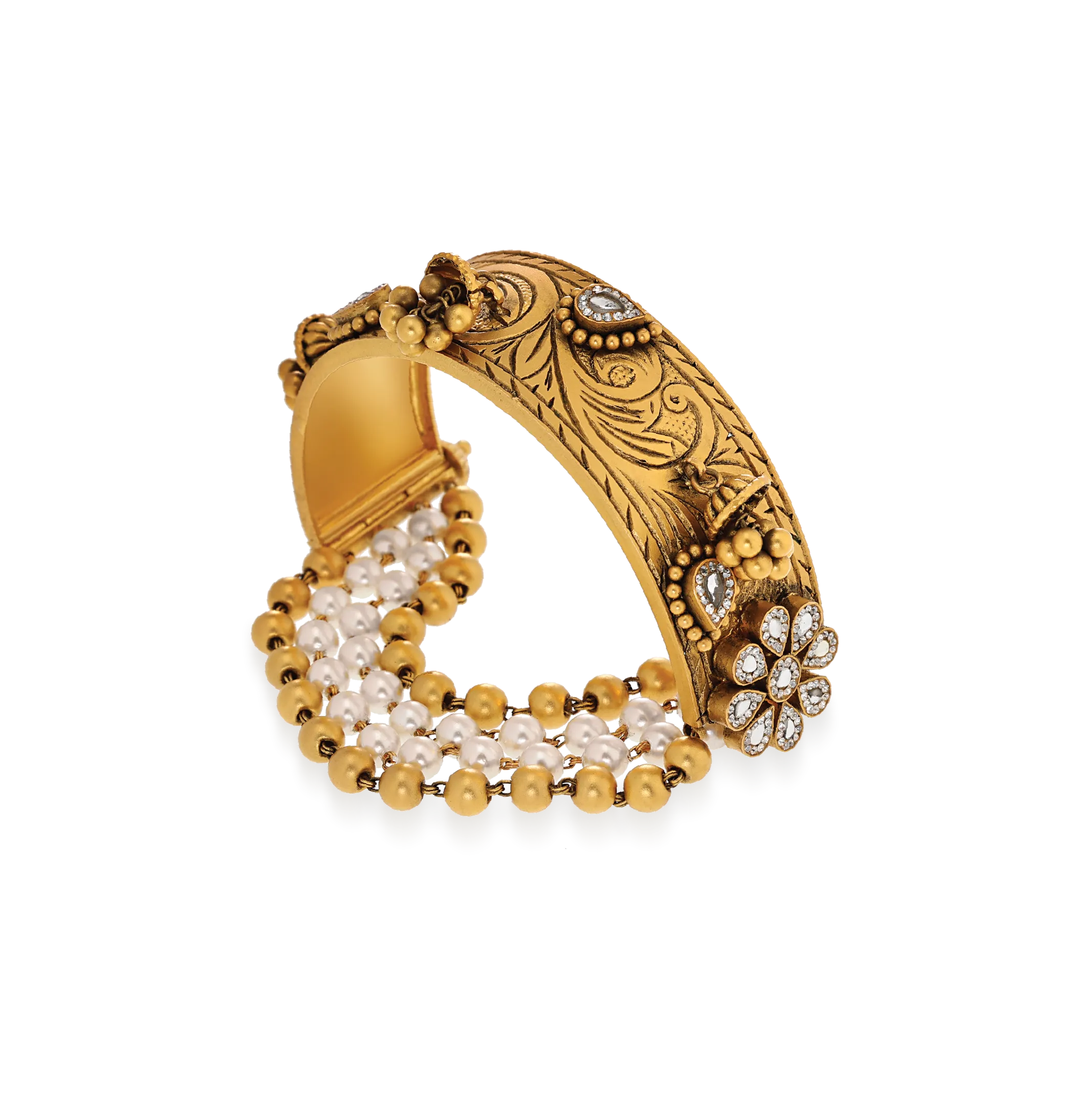
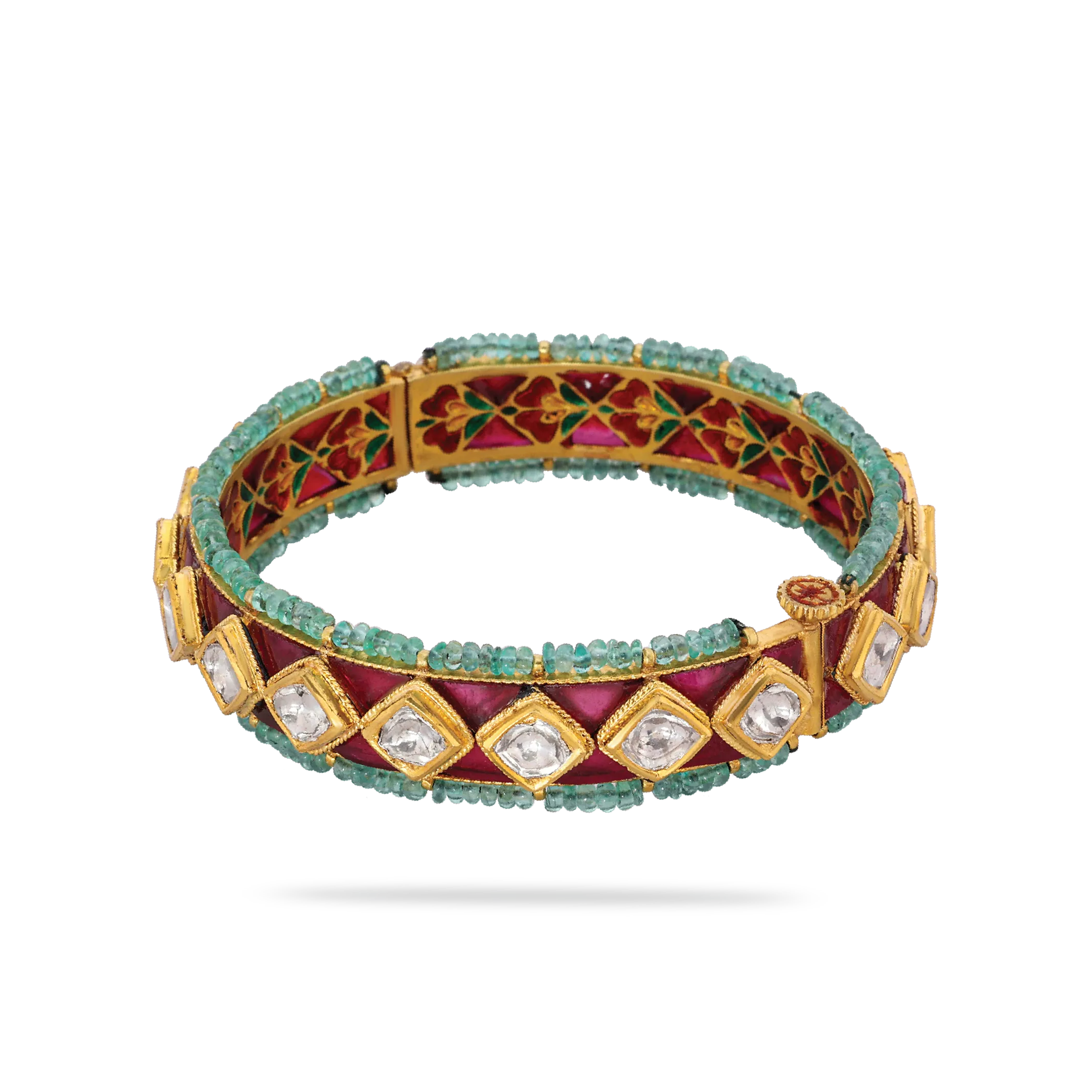
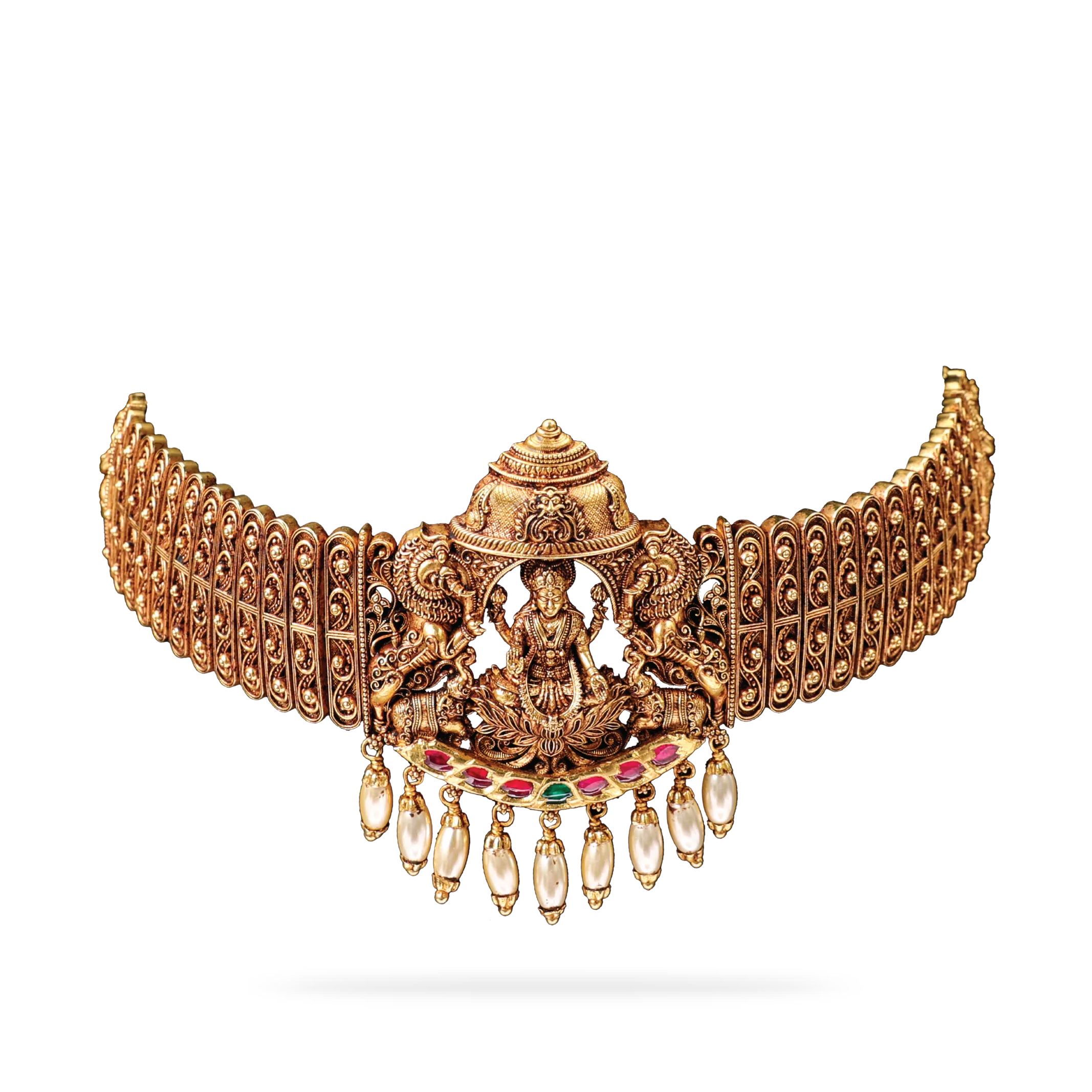
Gold adds warmth and works well when the outfit has zari, brocade, metallic thread, or rich jewel tones. Kundan and polki bring a more regal surface, but their visual weight can be balanced with a simple blouse neckline or a lighter necklace length. If you prefer jewellery that can be worn beyond the ceremony, consider the broader principles in this wedding jewellery guide, particularly its advice on balancing heritage designs with modern wearability. For mehendi, select one traditional highlight rather than automatically building a complete wedding-scale set.
Beads, pearls, and enamel for colourful coordination
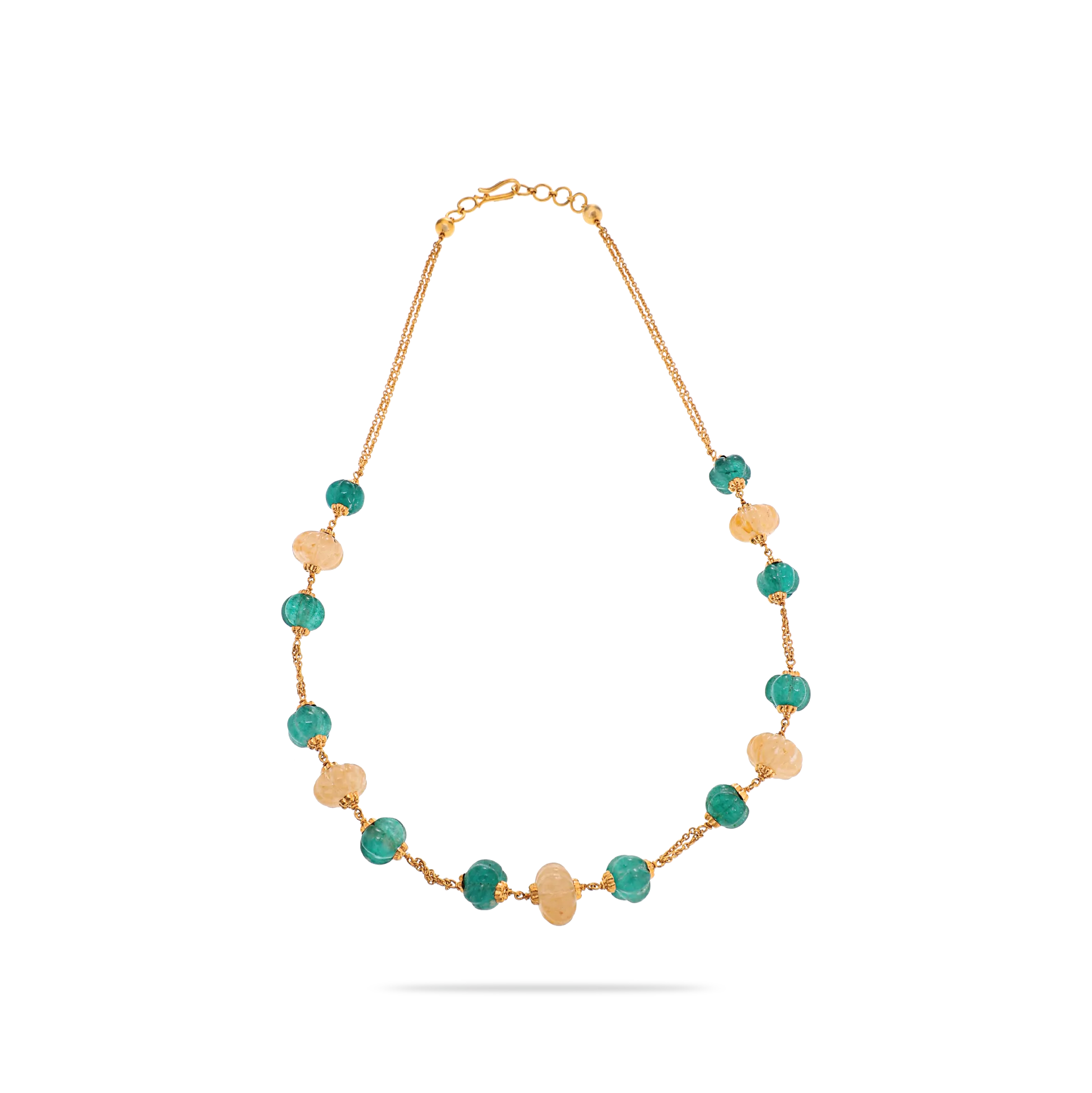
Beads are useful when you want to pick up several colours from the outfit without adding intense sparkle. Pearls soften a bright palette and can look lovely with organza, chiffon, or delicate embroidery. Enamel gives you a clear way to repeat a specific shade in the earrings, bangles, or hair jewellery. The finish should echo at least one detail in the outfit, but it does not have to match every colour exactly.
Matching jewellery colours with the bridal outfit
Start with the dominant colour of the outfit, then identify one secondary shade from its border, embroidery, dupatta, or embellishment. A simple colour plan keeps the accessories connected while leaving room for contrast. Use this quick guide when narrowing down options:
| Outfit direction | Jewellery colour idea | Useful accent |
|---|---|---|
| Yellow, mustard, or lime | Gold, ivory, or green | White flowers or pearls |
| Pink, coral, or peach | Rose tones, gold, or ruby shades | Fresh marigold or enamel |
| Blue, teal, or emerald | Gold, kundan, or contrasting pink | Pearl or polki detail |
| Ivory, beige, or pastel | Gold, pearls, or soft multicolour | Delicate floral pieces |
The table is only a starting point. Skin tone, lighting, embroidery, and the exact fabric can shift how a colour appears, so try the jewellery with the complete outfit rather than judging it on its own.
Select essential bridal jewellery pieces
A complete mehendi look does not require every traditional bridal accessory. Begin with the pieces that will appear most clearly in photographs and feel easiest to wear for several hours. Then add smaller accents only if they improve the balance. The final selection should frame the face, complement the hands, and leave enough visual space for the mehendi itself.
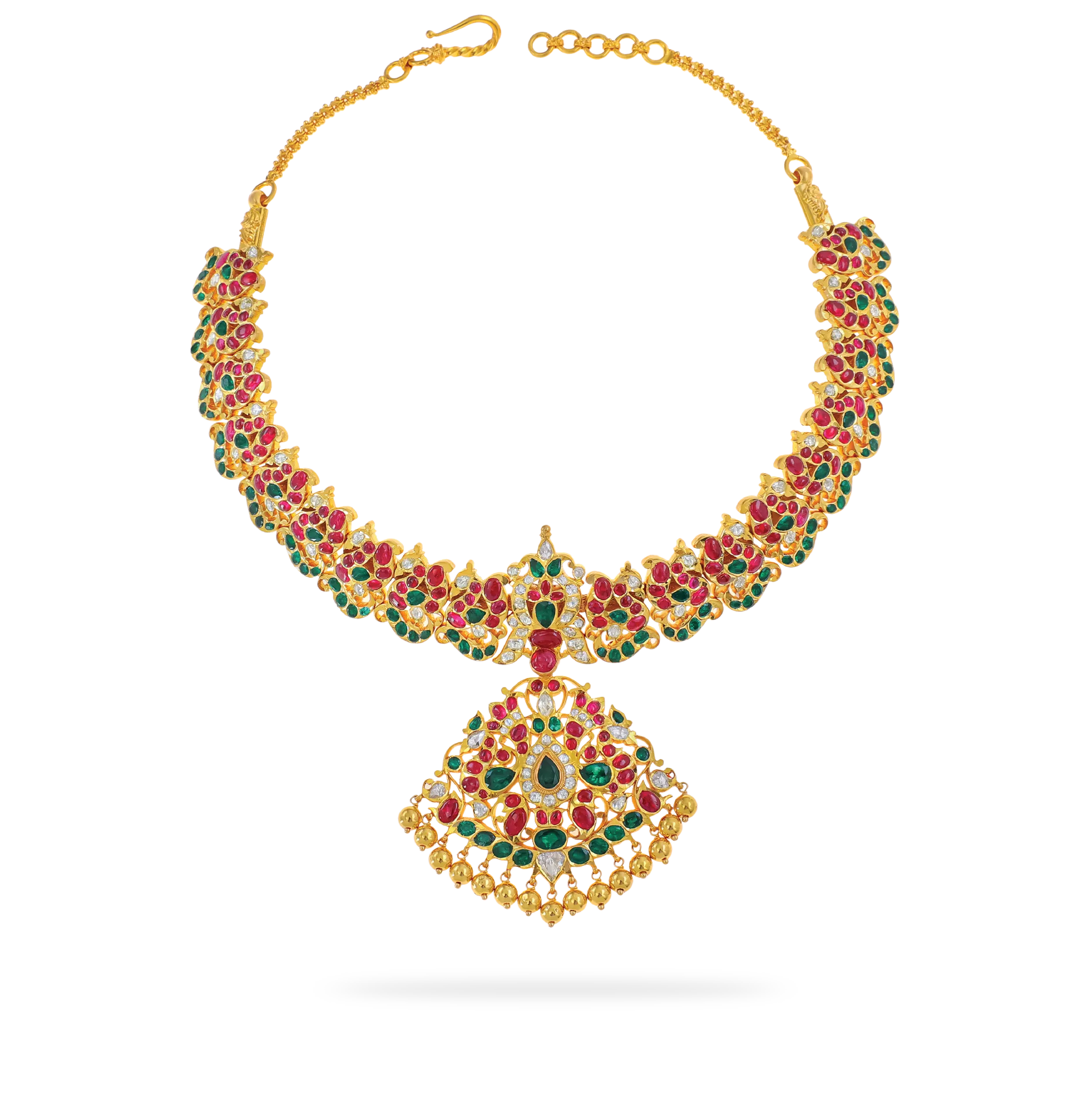
Statement necklaces and layered haar sets
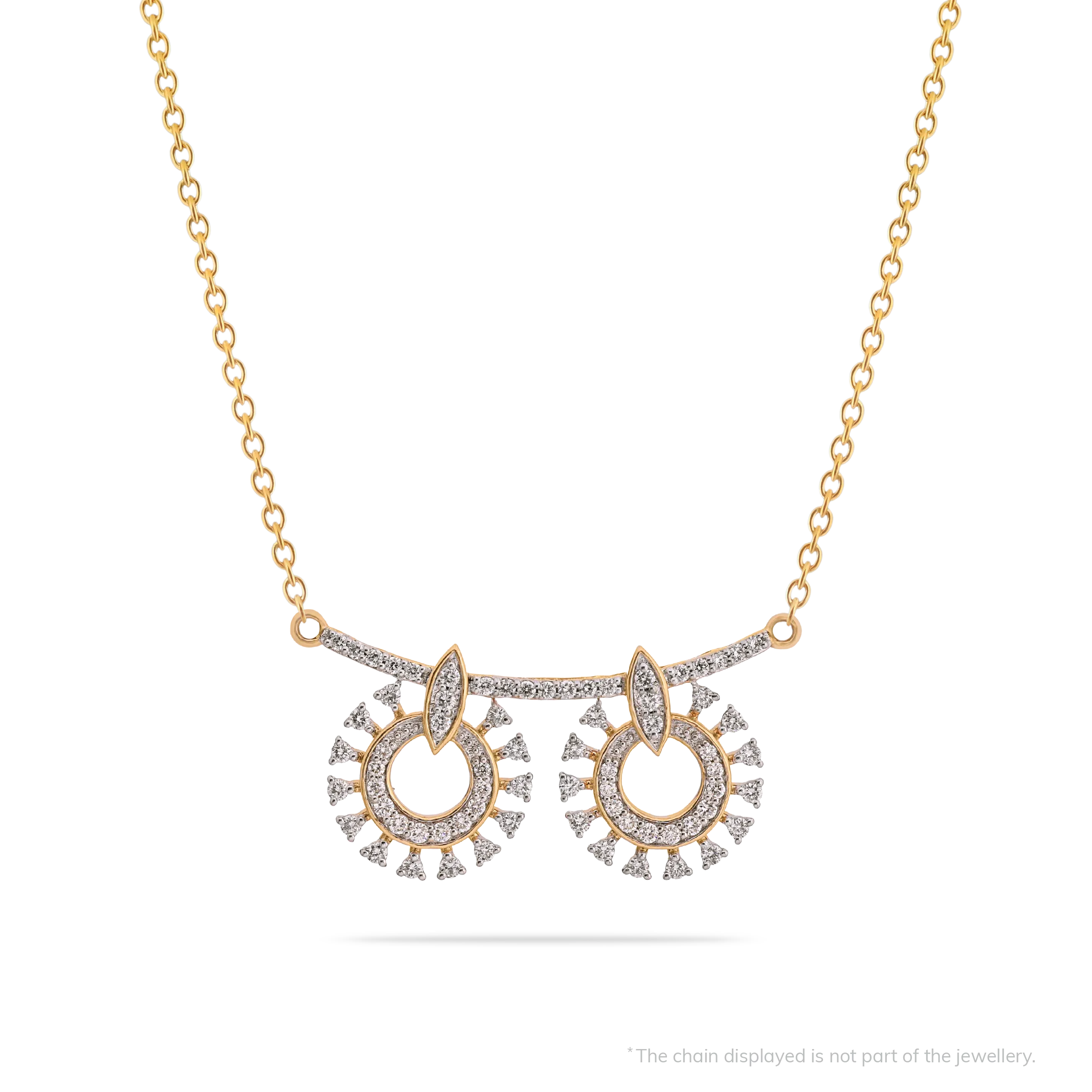
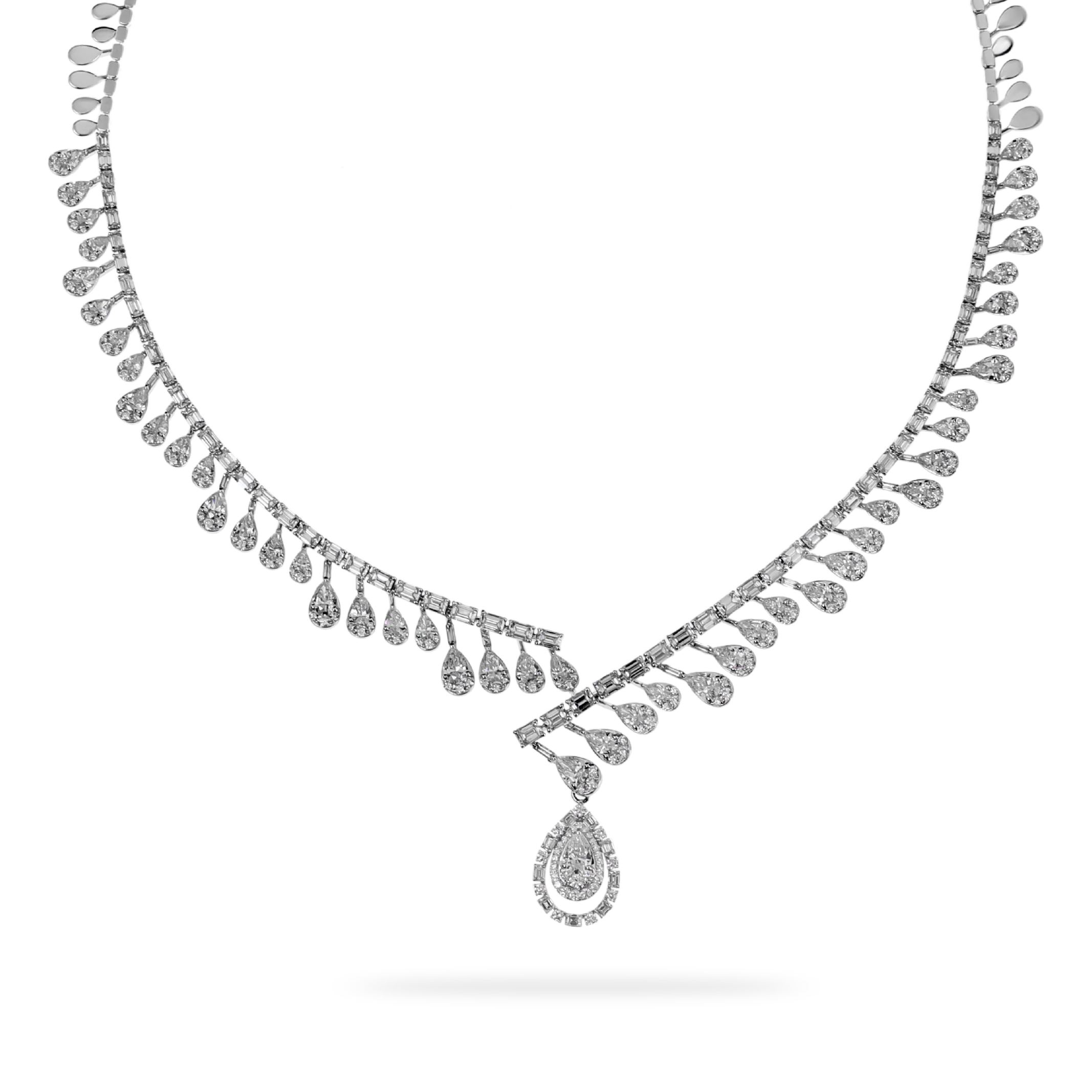
A statement necklace can anchor a simple lehenga blouse or plain kurta, while layered haar sets suit outfits with a broad neckline or richly decorated bodice. Check where the necklace sits when you move, bend forward, or adjust your dupatta. If the set already has several layers, avoid adding a very elaborate choker unless the neckline has enough space to separate both pieces. The proportions should look intentional from both close-up and full-length angles.
Earrings that frame the face without feeling heavy
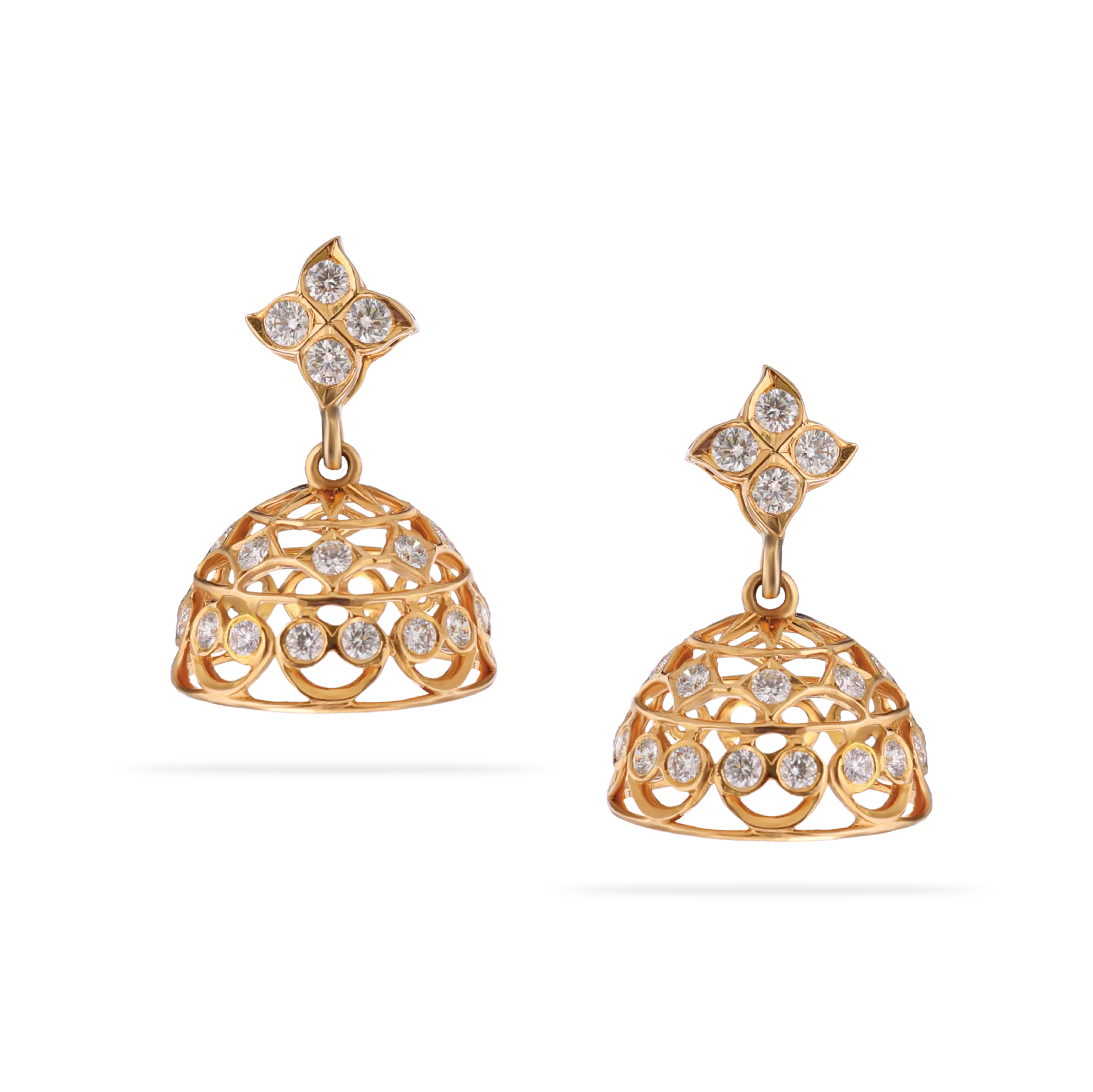
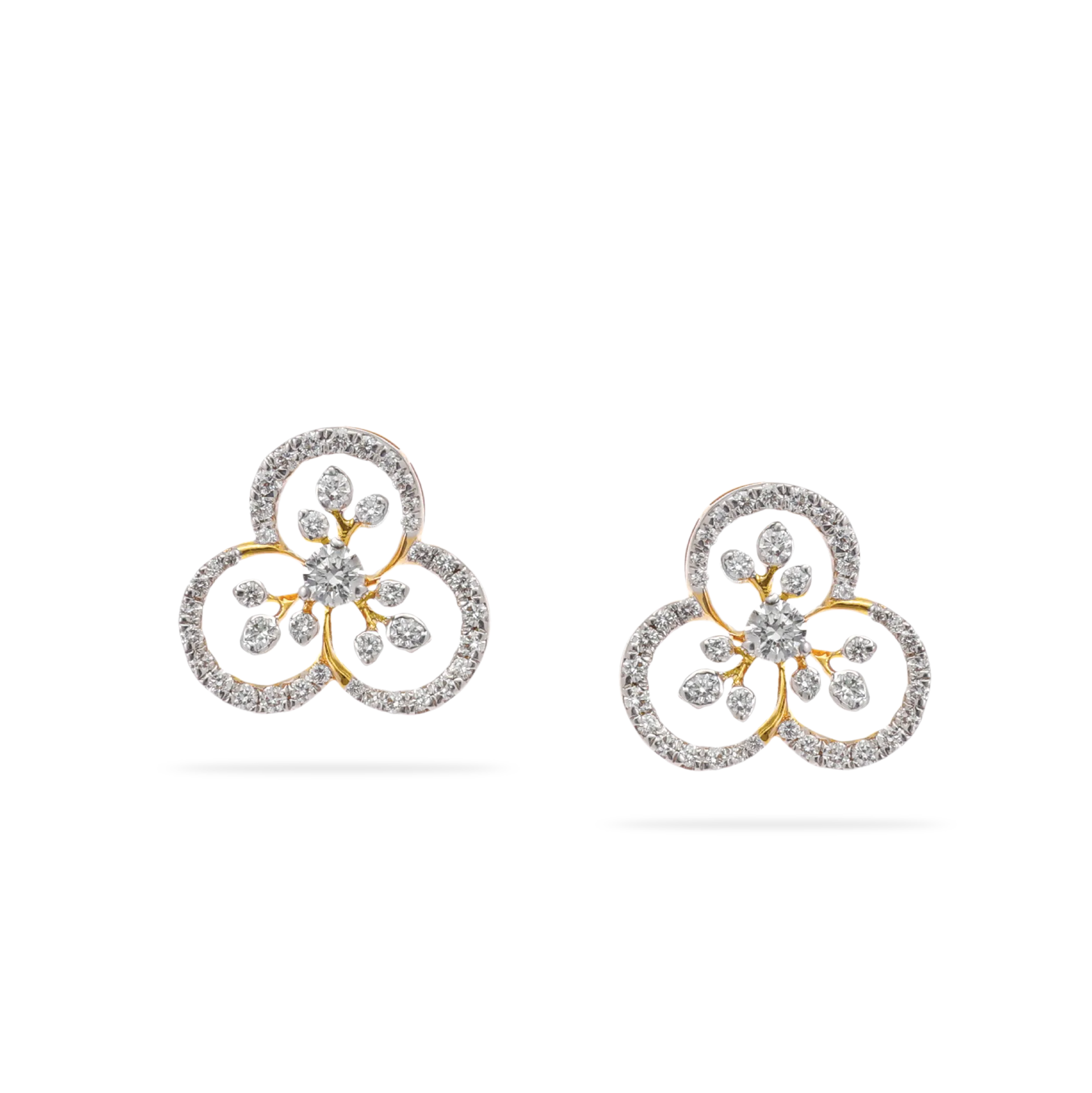
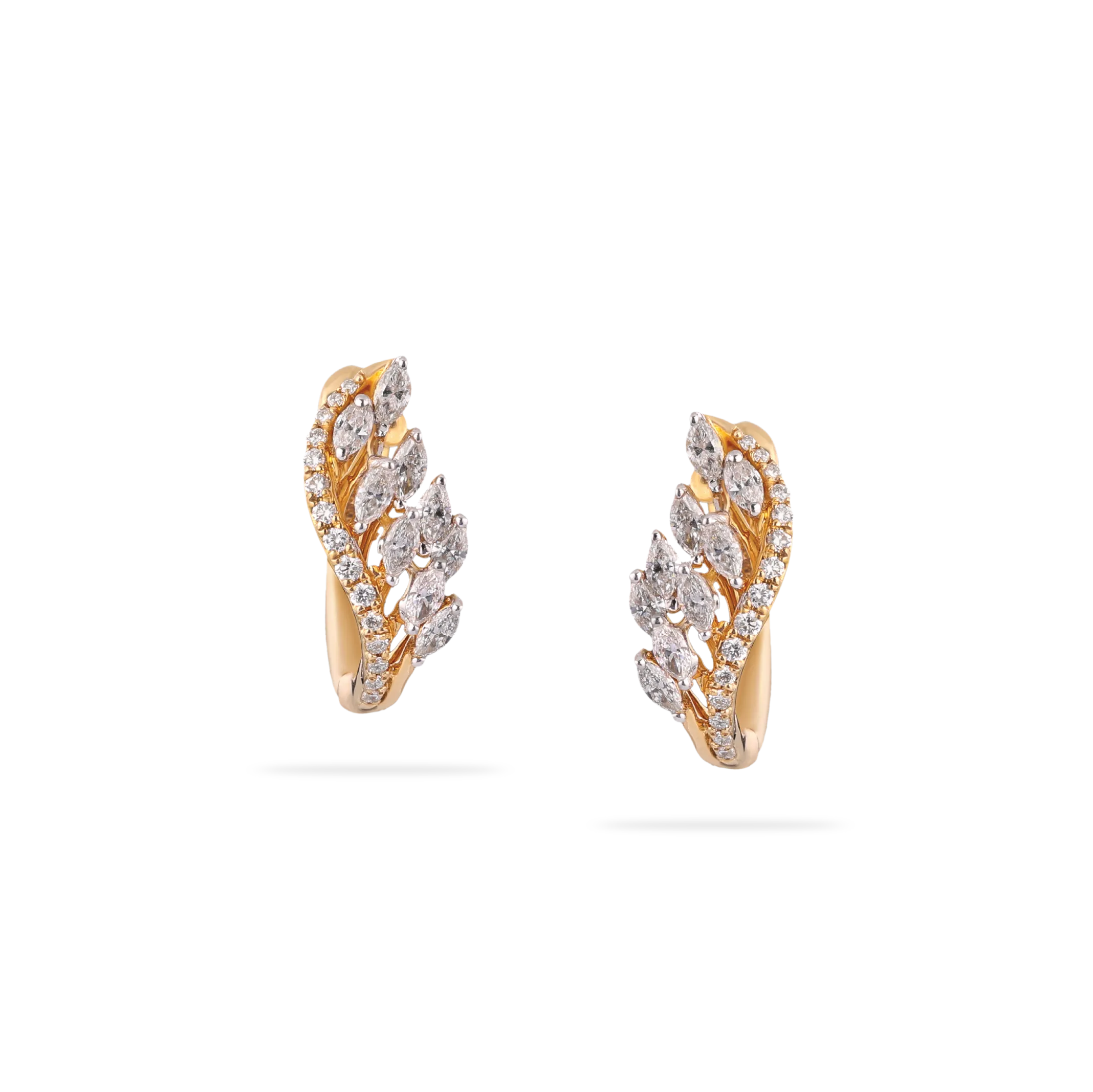
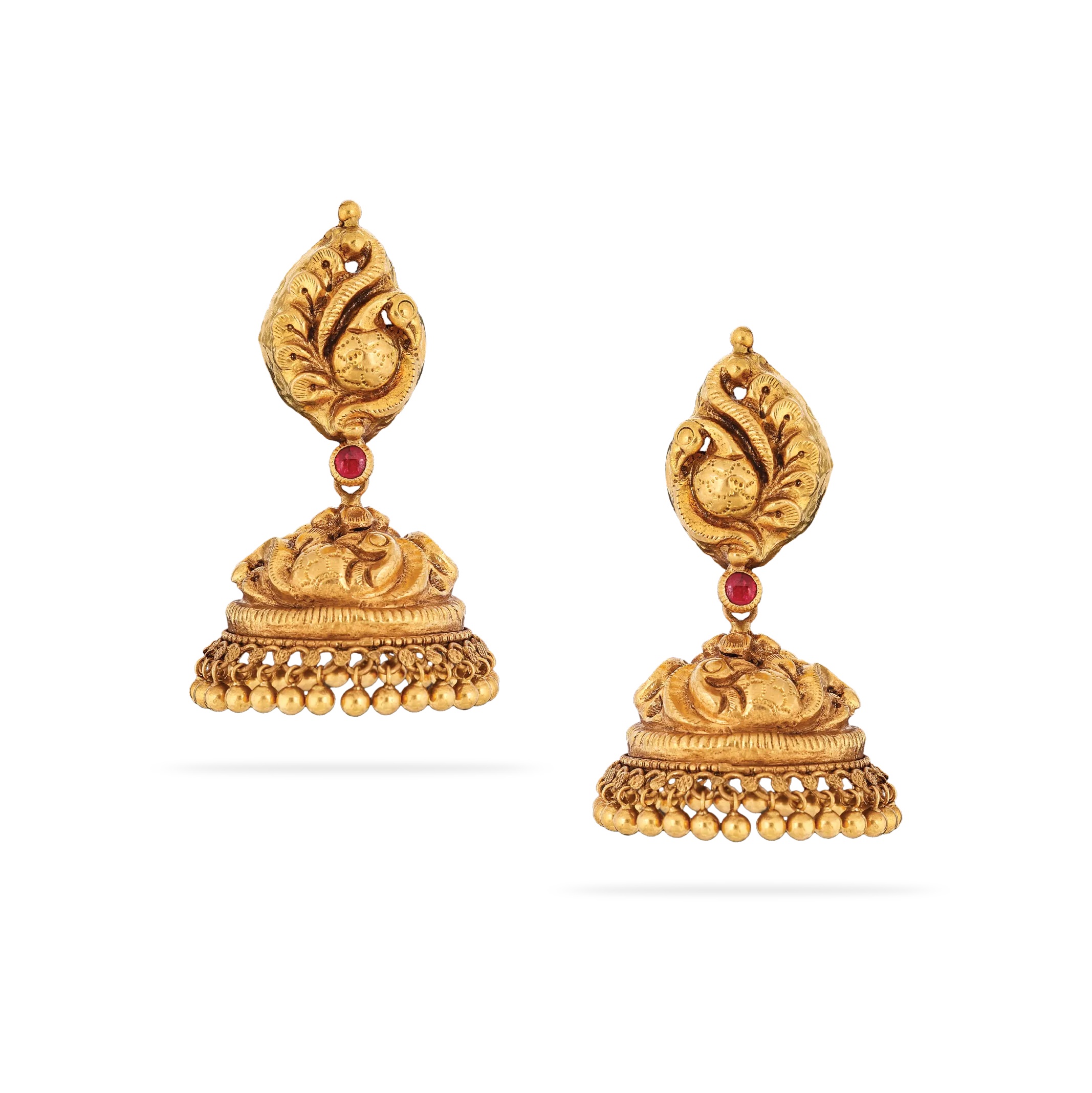
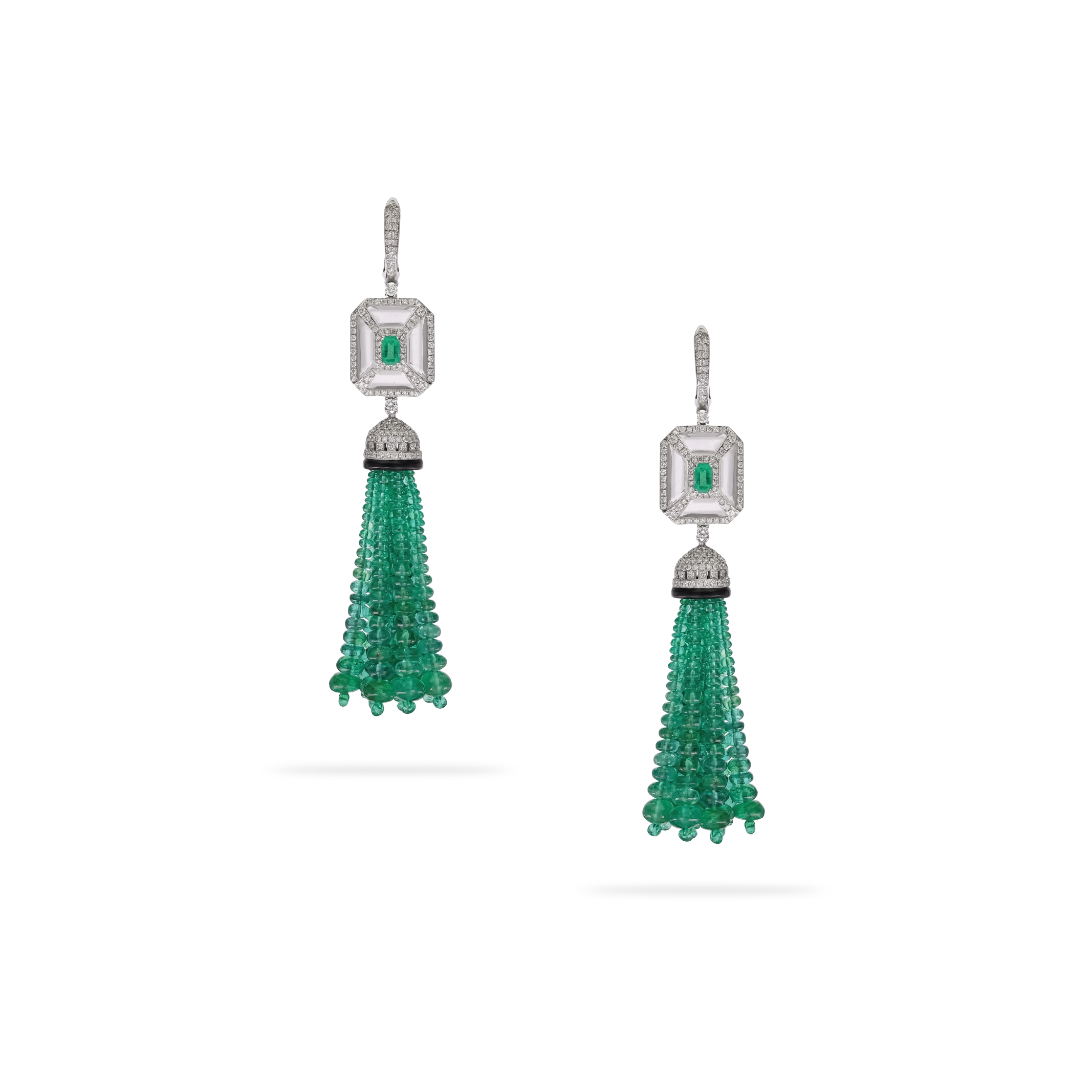
Jhumkas, chandbalis, studs, and medium drops can all work for a mehendi, depending on the hairstyle and neckline. Try the earrings with your hair styled as planned because volume around the face can change their apparent size. If you love a large pair, choose a secure backing and test it for at least an hour before the event. A lighter pair is often more flattering than one that pulls the earlobe down during photographs.
Maang tikka, passa, and other hair accessories
A maang tikka draws attention to the centre of the face, while a passa creates an elegant side detail, especially with a side-parted hairstyle. Floral tiaras, gajra-inspired pieces, pins, and decorative clips offer a softer alternative. Choose one dominant hair accessory and keep the rest of the hairstyle clean enough for it to be seen. The placement should be tested with the veil or dupatta so the piece does not disappear or catch on the fabric.
Bangles, bracelets, rings, and hath phool
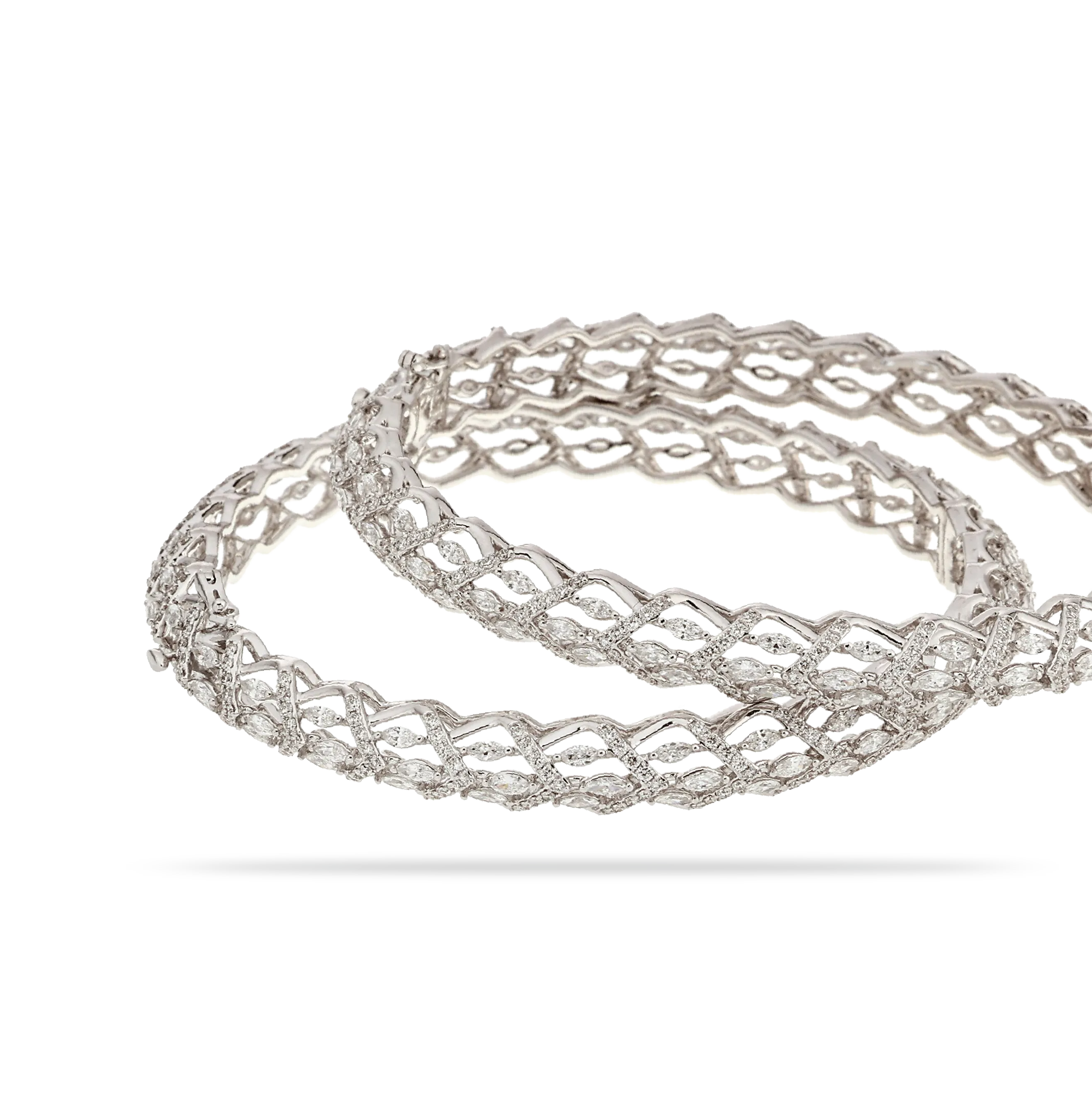
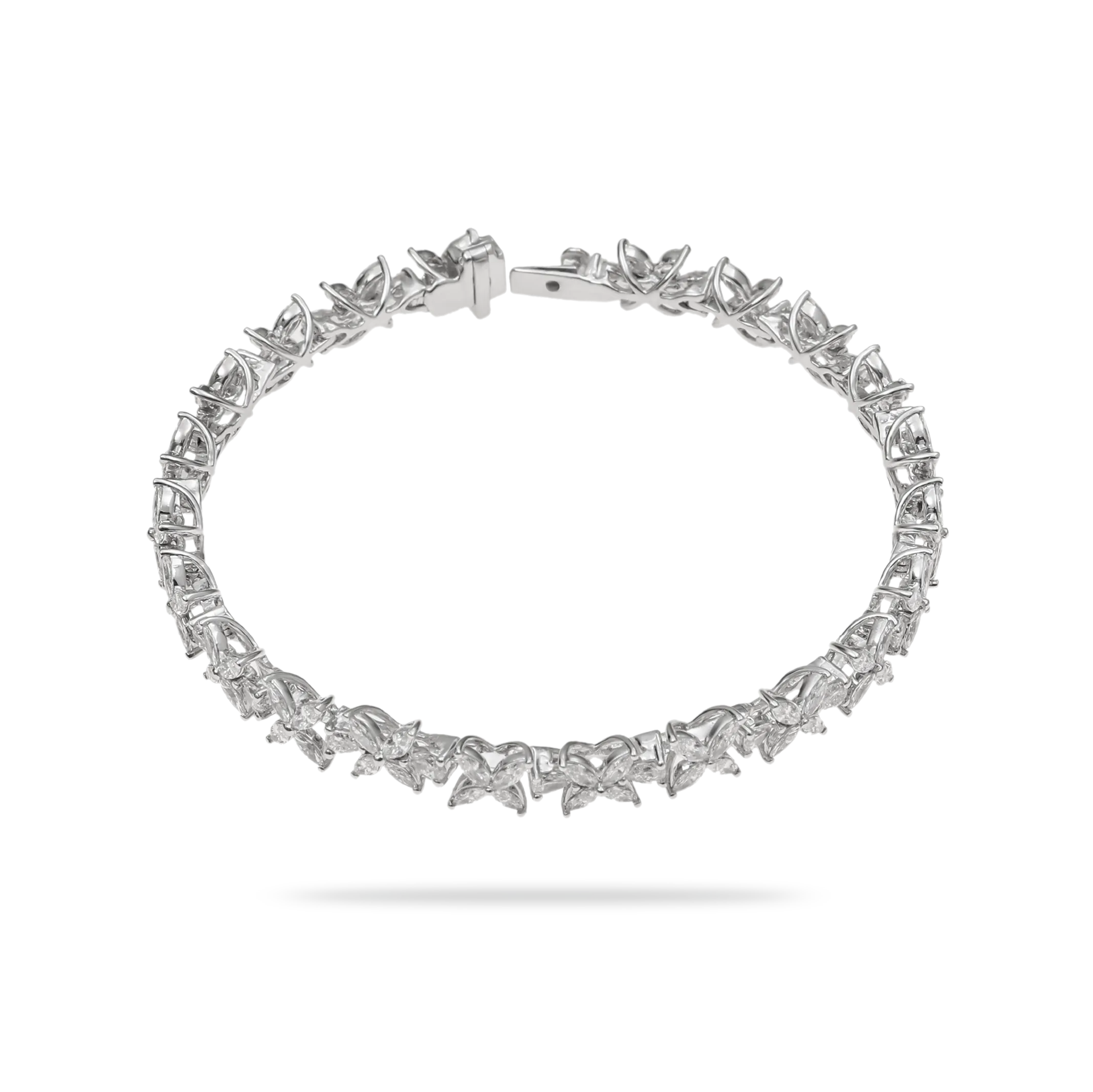
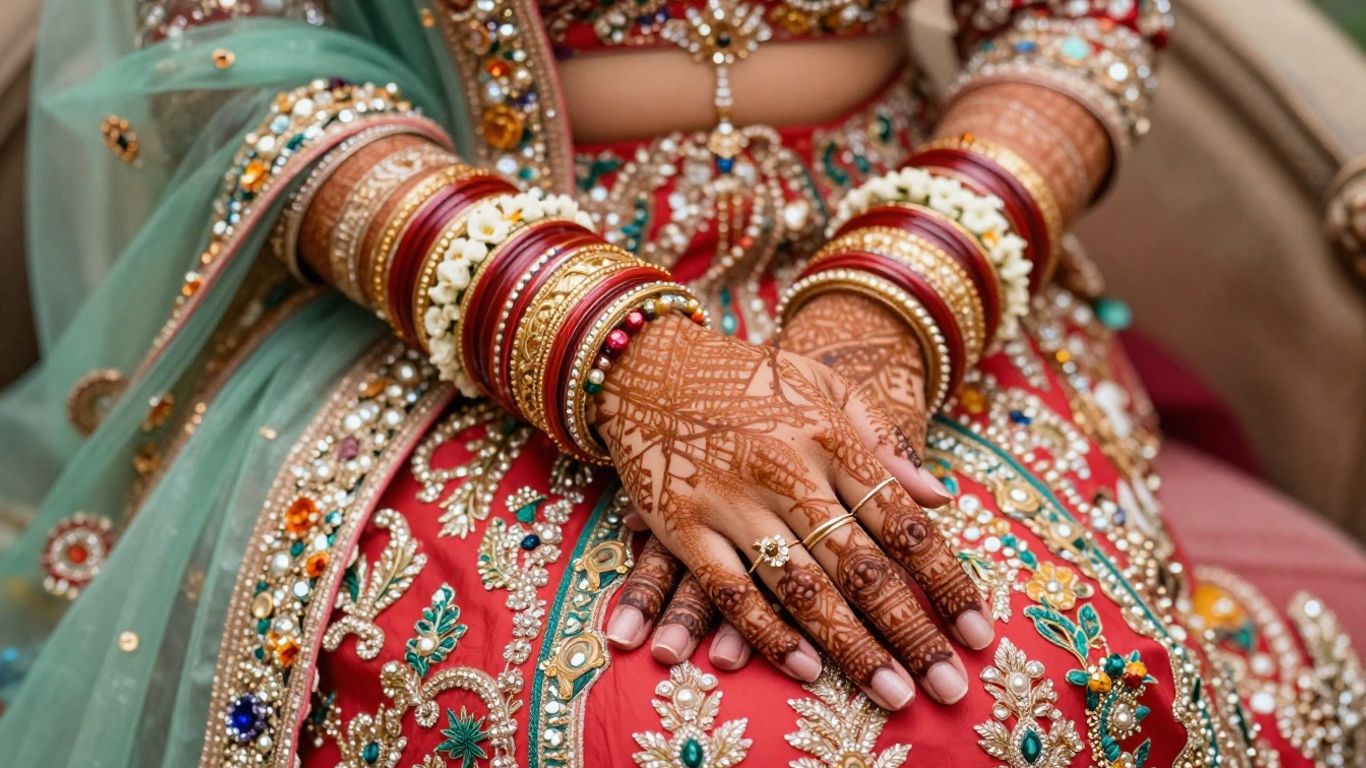
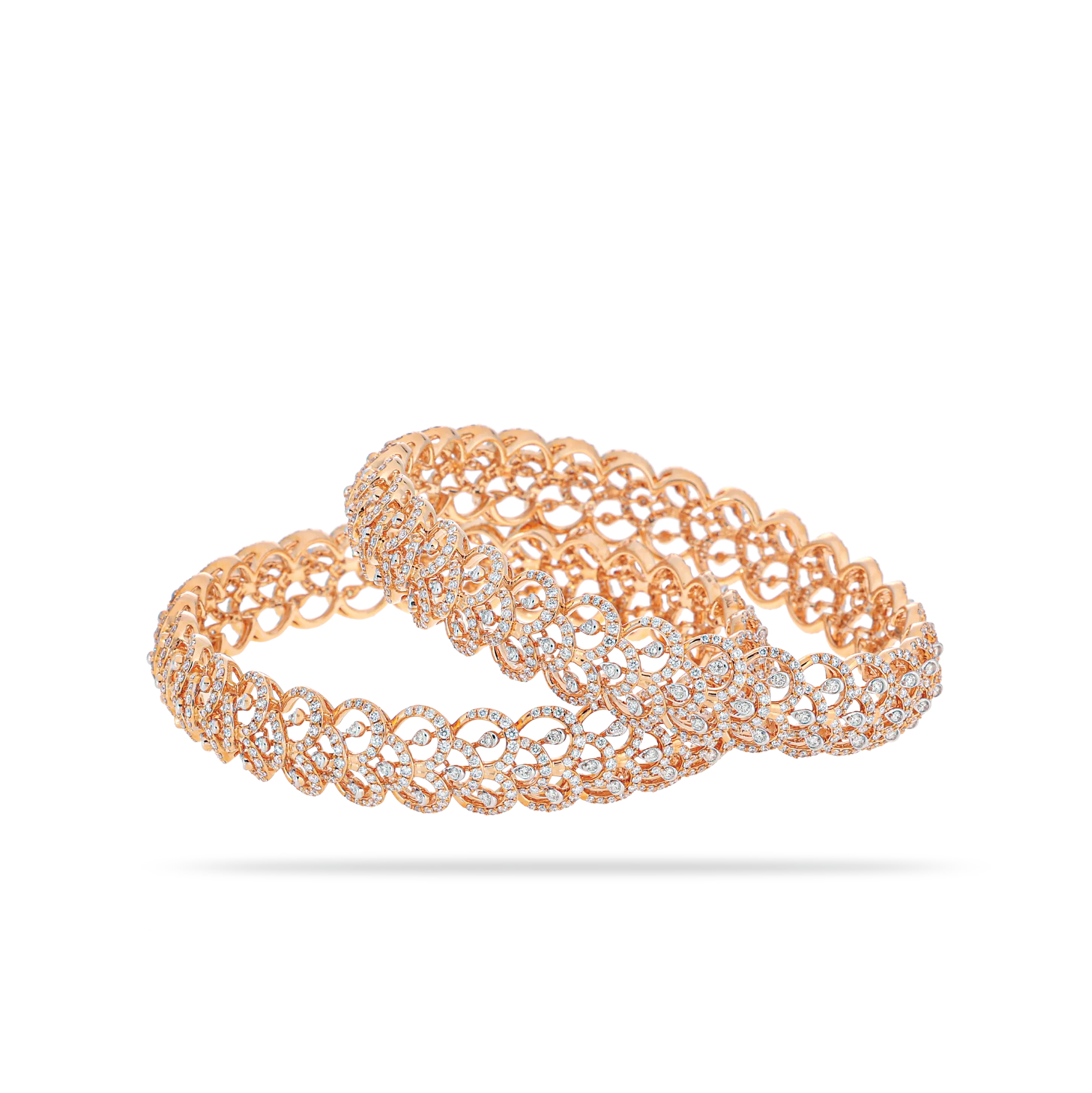
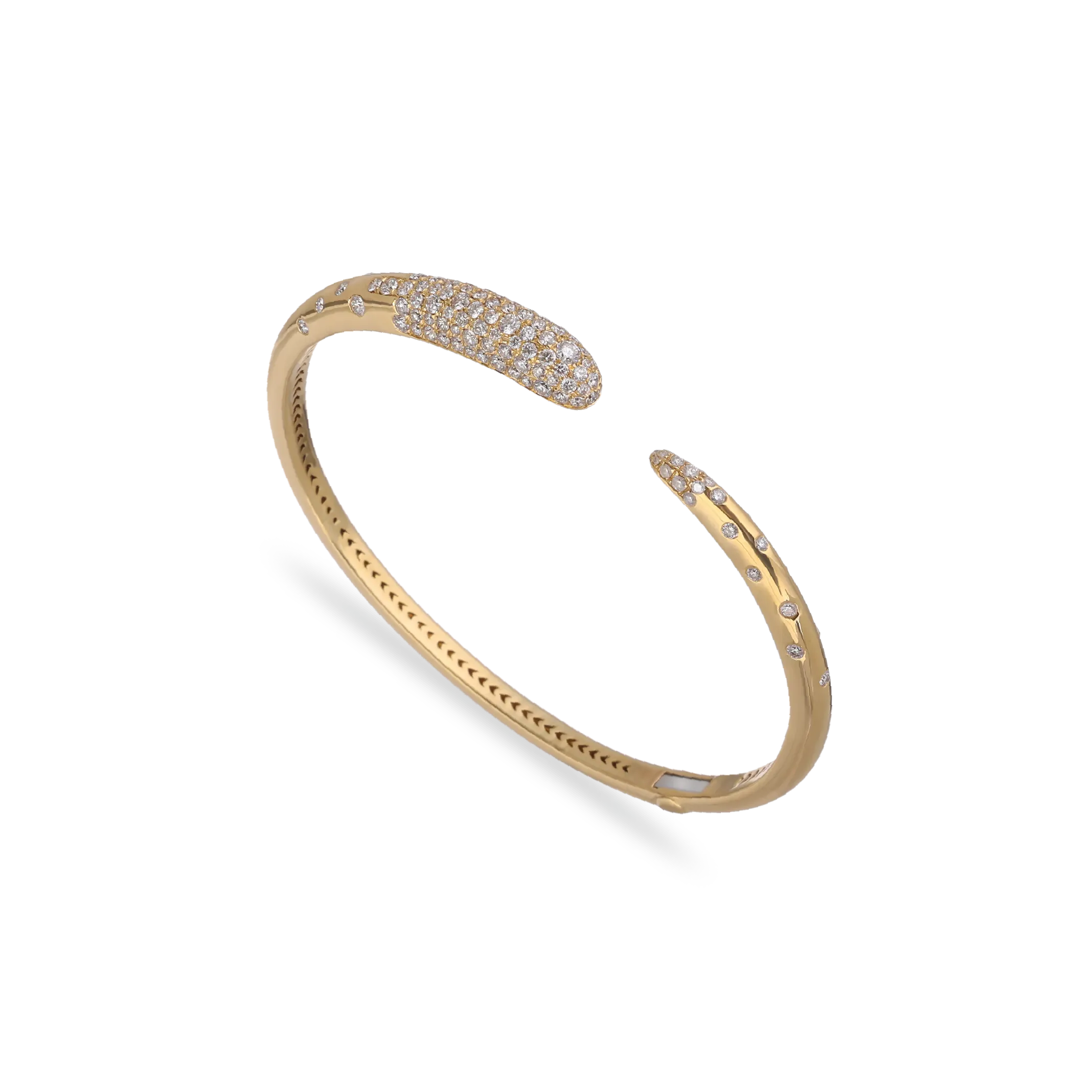
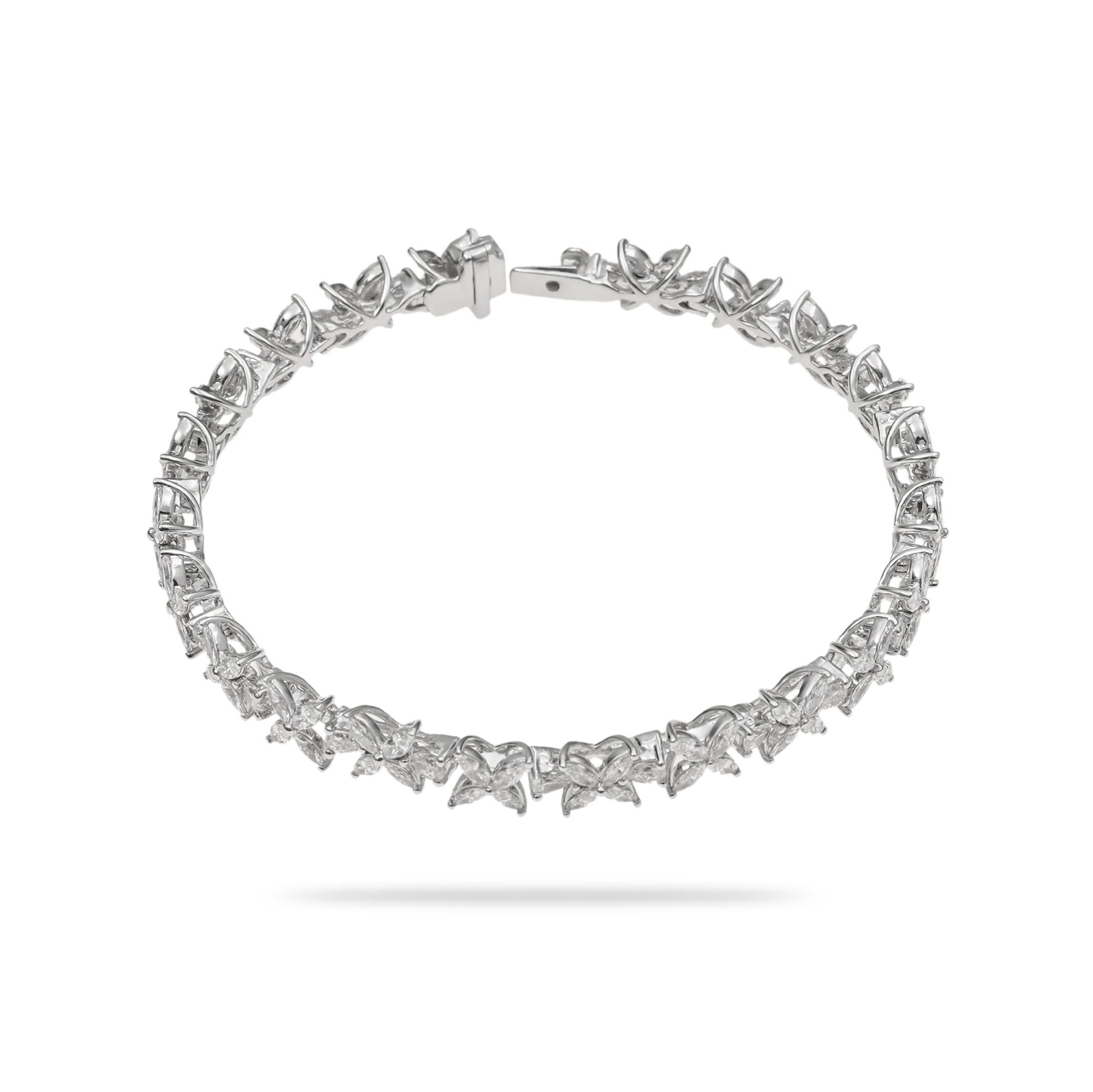
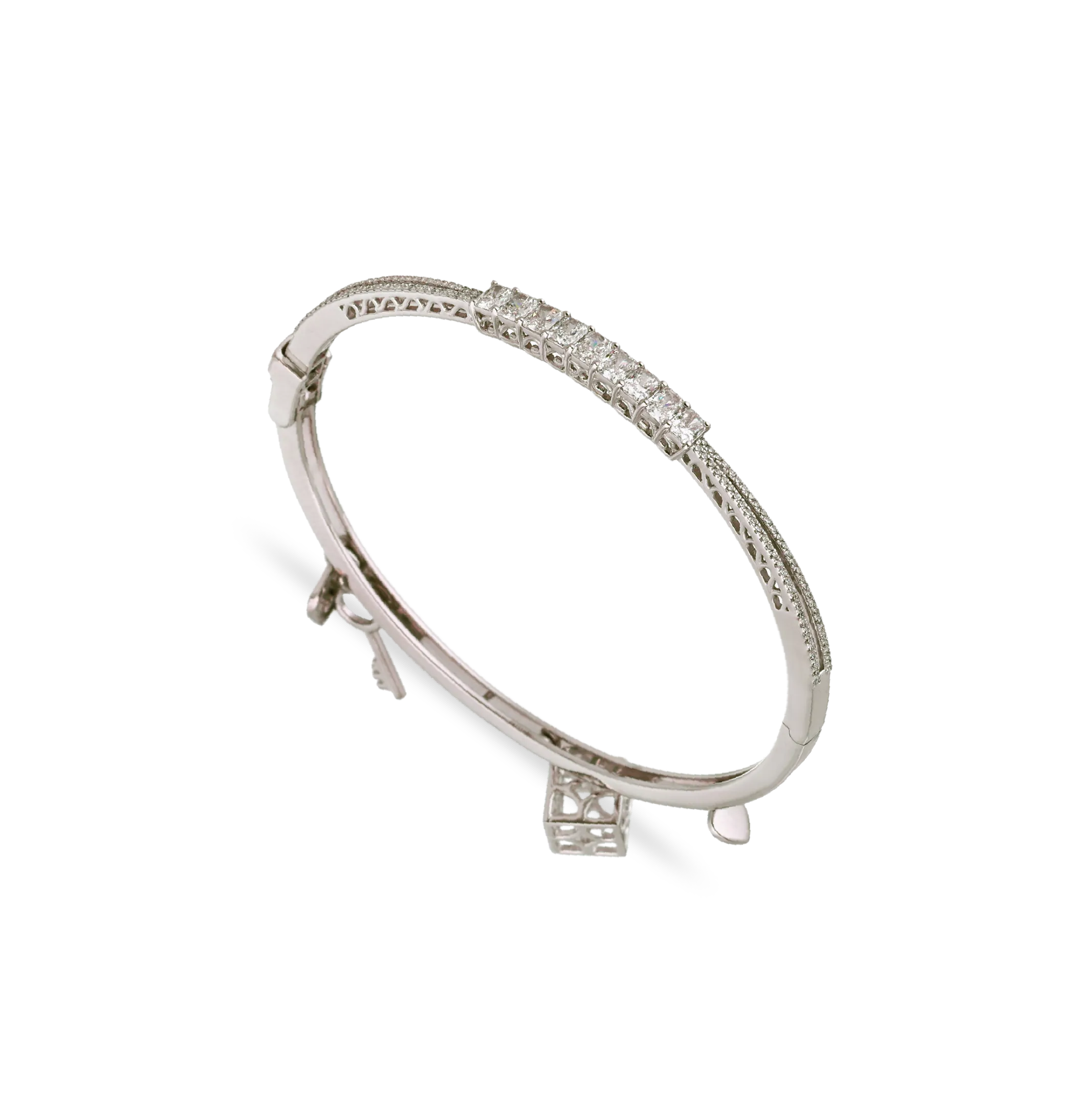
Wrist jewellery adds movement and colour, but it should not interfere with the mehendi artist or leave the hands crowded in photographs. Wear bangles on the opposite wrist during application if necessary, then put them on once the design is complete. For a balanced set, combine one wider bangle with slimmer pieces, or choose a bracelet and a few rings instead of many layers. A hath phool is especially pretty when its chain lies flat and does not cross the central mehendi motifs.
Match jewellery to your outfit and mehendi design
The outfit, jewellery, hairstyle, and henna design should read as one composition. That does not mean everything must be identical; contrast often gives the look its energy. Pay attention to where the eye will land in photographs, including the neckline, hands, and face. A coordinated look leaves breathing room around each important detail.
Coordinating jewellery with lehengas, sarees, and shararas
A lehenga can support layered necklaces and playful earrings, while a saree may look better with jewellery that follows the blouse neckline and pallu border. Sharara sets often have movement and volume, so a shorter necklace or a strong pair of earrings can keep the upper half from feeling busy. For silk sarees, this guide to jewellery with silk sarees offers useful direction on coordinating metals, gemstones, and necklace layers with the weave and colour of the fabric. Adapt those principles to the lighter, more relaxed mood of the mehendi.
Creating contrast with complementary colours
Complementary colours can make both the outfit and jewellery look clearer. Try pink accents with green clothing, blue details with orange or coral, or warm gold against cool teal. Contrast works best when one colour remains dominant and the second appears in controlled touches. Repeating the accent in two or three places—such as earrings, bangles, and a hair detail—usually feels more polished than scattering many unrelated shades.
Keeping the mehendi design visible on the hands
Hands are central to the mehendi ceremony, so avoid covering the most detailed parts of the design with wide cuffs or oversized rings. Ask the mehendi artist where the key motifs will sit before finalising hath phool chains and bangles. Leave the fingertips, central palm, or wrist area open when those spaces carry the strongest pattern. This small adjustment makes the jewellery and henna look better together rather than forcing one to compete with the other.
Pairing accessories with embroidery and embellishments
Match the scale of jewellery to the embroidery. Fine threadwork pairs well with delicate stones or pearls, while dense mirror work or metallic embroidery can support bolder pieces. If the outfit has tassels, shells, or playful trims, a strictly formal necklace may feel disconnected. Look for a shared shape or finish—round stones, floral motifs, antique gold, or enamel —and repeat it selectively across the set.
Plan a comfortable and practical jewellery look
Mehendi celebrations can last longer than expected, and comfort affects how naturally you move in every photograph. Jewellery also has to coexist with henna, food, seating, dancing, and changing temperatures. Build in time for a full trial rather than discovering a problem on the event day. Practical planning does not make the look less beautiful; it protects the details you chose.
Choosing lightweight pieces for long celebrations
Check the weight of necklaces, earrings, bangles, and hair accessories individually, then wear the full combination for a short trial. A piece that seems manageable alone may feel tiring when several are layered. Choose hollow, fabric, floral, or lighter construction where appropriate, especially for earrings and long necklaces. If you plan to sit for henna for several hours, keep the wrist and hand accessories easy to remove and replace.
Securing earrings, hair jewellery, and layered necklaces
Ask your stylist to use discreet pins, silicone stoppers, or an additional support chain where needed. Layered necklaces should sit at different lengths instead of tangling at the collarbone. Hair jewellery needs a stable anchor in the hairstyle, not just a decorative clip placed on the surface. Do a movement test that includes turning your head, adjusting the dupatta, and leaning forward.
Selecting skin-friendly materials and finishes
If you have sensitive skin, discuss the metal composition and finish before ordering. Test earrings, necklace edges, and bangles against the skin for a short period, particularly if the event is outdoors or warm. Smooth edges and secure settings matter as much as colour. Keep a clean cloth and any personally recommended skin-care item in your event kit, but do not apply unfamiliar products immediately before wearing jewellery.
Preparing a backup plan for outdoor events
Outdoor celebrations bring heat, wind, dust, and changing light. Pack spare earring backs, hairpins, floral replacements if available, and a small pouch for pieces you remove. Keep fine jewellery away from perfume, sunscreen, and direct moisture. A backup pair of earrings or a simpler necklace can save the look if a clasp fails or the weather makes heavier styling uncomfortable.
Personalise the bridal jewellery styling
Personal style is often clearest in the small decisions: a family bangle, an unusual colour, a meaningful motif, or a modern piece worn beside something traditional. Mehendi styling gives you room to be more relaxed and creative than the main ceremony. Choose details that feel connected to your story rather than adding decoration simply because there is space for it.
Adding family heirlooms and meaningful details
A grandmother’s bangle, a pendant, or a small pair of earrings can become the emotional centre of the look. If an heirloom is delicate, wear it as the only fine-jewellery highlight and let the rest of the set remain lighter. Have the piece checked for loose stones, weak clasps, or sharp edges before the ceremony. Its meaning will stand out more when it is styled with restraint.
Combining modern and traditional jewellery
A classic gold bangle can sit comfortably beside a contemporary bracelet, and a traditional maang tikka can work with a clean, modern necklace. The trick is to connect the pieces through one shared element, such as metal colour, stone shape, or finish. A mixed look feels deliberate when one category leads and the other provides contrast. Avoid combining several unrelated statement pieces at once.
Customising floral arrangements and motifs
Floral jewellery can be tailored through flower size, colour, shape, and placement. Small buds create a delicate finish, while larger blooms feel more celebratory and visible in wide photographs. You can repeat a flower from the décor or select a motif from the embroidery without copying the outfit literally. For more personal design ideas, personalised jewellery styling can help you think through meaningful symbols, materials, and long-term wear before commissioning a piece.
Coordinating jewellery with bridesmaids and family
The bride should remain distinctive, but coordinated accents can make group photographs feel beautifully connected. Bridesmaids might wear one shared flower colour, while close family members repeat a metal finish or small motif. Keep their jewellery simpler in scale so the bridal pieces remain the visual centre. A short colour note shared in advance can prevent accidental clashes without making everyone look identical.
Shop for bridal jewellery for mehendi function
Shopping becomes easier when you separate the look you imagine from the pieces you truly need. Save photographs of the outfit, blouse, hairstyle, and mehendi design, then compare jewellery against all four. Ask about care, sizing, delivery, and alterations before paying. If you are building a larger bridal wardrobe, C Krishniah Chetty & Co’s wedding jewellery planning guide discusses prioritising pieces and shopping thoughtfully across categories.
Comparing handmade, artificial, and fine jewellery
Handmade and artificial pieces can offer expressive colours, floral shapes, and lower-cost experimentation. Fine jewellery may be preferable when you want lasting materials, repeat wear, or a meaningful keepsake. Compare not only the price but also the finish, comfort, repair options, and intended use. A mixed approach is sensible: invest in a versatile piece and use fashion jewellery for the more playful accents.
Checking sizing, quality, and product photographs
Look closely at clasp construction, earring backs, chain length, stone settings, and the reverse side of each piece. Product photographs can hide scale, so ask for measurements and a worn image when possible. For rings and bangles, confirm the exact size rather than relying on a general small, medium, or large label. C Krishniah Chetty & Co’s guidance on bridal jewellery in Bengaluru also covers comparing craftsmanship, materials, documentation, and realistic budgets.
Ordering timelines, alterations, and delivery
Order floral pieces close enough to the event for freshness, but leave time to correct colour or sizing issues. For fine or customised jewellery, ask about production, approvals, resizing, and delivery dates in writing. Schedule a complete trial after every alteration. Keep packaging and invoices together until after the function in case a repair or exchange question arises.
Estimating the budget for a complete jewellery set
Set a total budget before choosing individual pieces, then divide it between the focal item, supporting accessories, alterations, and contingency costs. Include hair jewellery, bangles, storage, delivery, and any fresh-flower replacement in the estimate. C Krishniah Chetty & Co’s wedding jewellery budget guide offers a useful framework for prioritising pieces and understanding the factors that influence cost. A clear ceiling makes it easier to choose confidently instead of accumulating expensive extras.
Conclusion
The perfect bridal jewellery for mehendi function look is one that suits the ceremony, complements the outfit and henna, and remains comfortable enough for genuine celebration. Start with one clear focal point, add colour or tradition with intention, and test every piece before the day. When the styling feels like you, the photographs will capture more than jewellery—they will capture ease, movement, and joy.
Frequently Asked Questions
What jewellery is best for a mehendi function?
Lightweight floral jewellery, colourful beads, pearls, enamel, gold, kundan, and polki can all work well. Choose according to the outfit, venue, comfort needs, and the level of formality you want.
Can I wear fine jewellery to my mehendi ceremony?
Yes. Fine jewellery is a good choice if you want a lasting piece or prefer a traditional look. Keep the overall combination lighter than your main wedding jewellery so it suits the daytime setting.
Should bridal mehendi jewellery match the outfit exactly?
Exact matching is not necessary. Repeating one or two colours from the outfit while adding a complementary shade usually creates a more interesting and balanced result.
How can I keep jewellery from hiding my mehendi?
Leave the most detailed parts of the design uncovered, especially the central palm, fingertips, and key wrist motifs. Choose slim bangles, delicate rings, or a hath phool that does not cross the main pattern.
How many jewellery pieces should I wear for a mehendi?
There is no fixed number, but one focal piece plus coordinated supporting accents is a reliable approach. For example, pair statement earrings with a slim necklace, or a bold necklace with simpler earrings.
When should I buy jewellery for the mehendi function?
Shop early enough to allow outfit trials, resizing, alterations, and delivery. Fresh floral jewellery should be arranged closer to the ceremony, while customised or fine pieces may require substantially more preparation time.
How do I make mehendi jewellery comfortable for several hours?
Test the complete look before the event, choose lighter pieces, secure hair and earrings properly, and keep removable accessories available during henna application. A small emergency kit can also handle loose clasps or missing earring backs.
How to choose bridal jewellery for sangeet: Styles, pairings, and practical tips
10 minute read
How to Choose Bridal Jewellery for Engagement Ceremony: A Complete Style Guide
10 minute read
Related blogs:
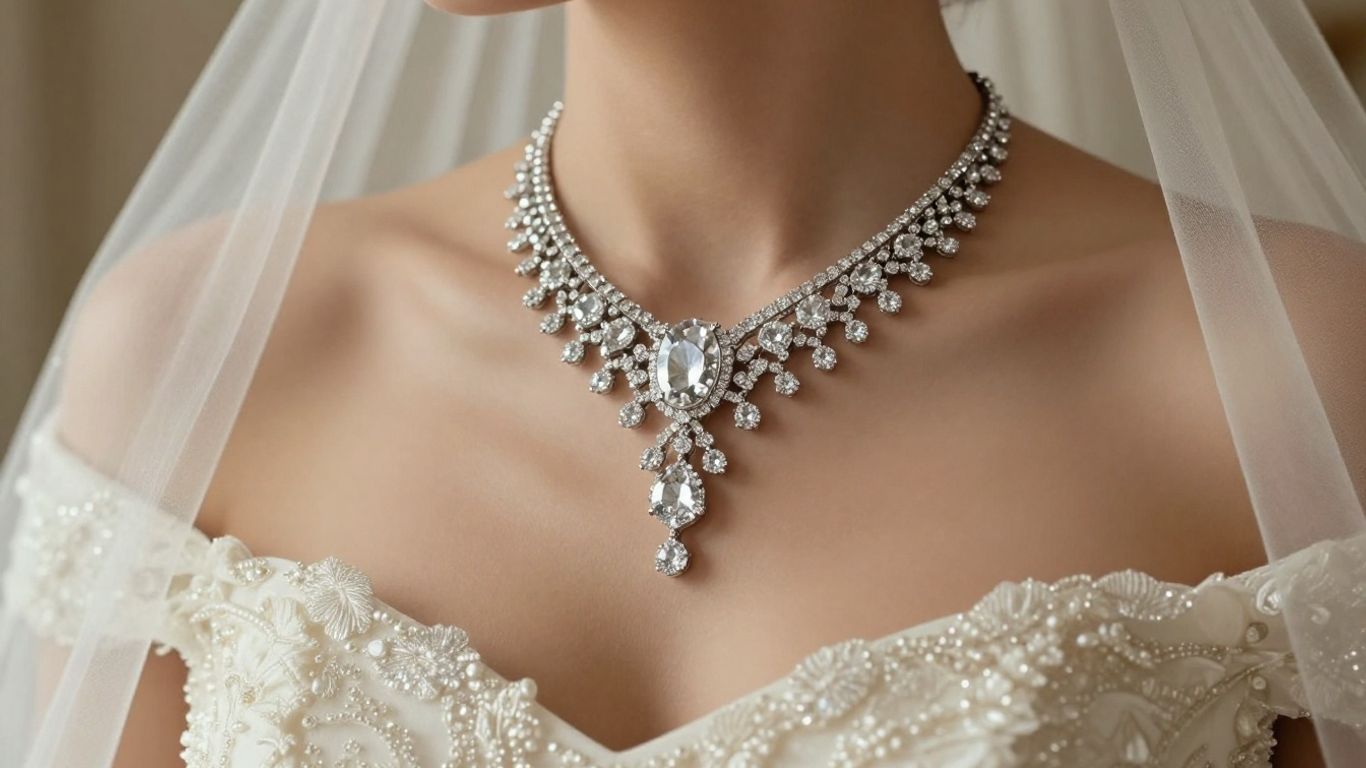
September 17, 2026
How to Choose the Perfect Diamond Necklace for Bride on Her Wedding Day
Read More
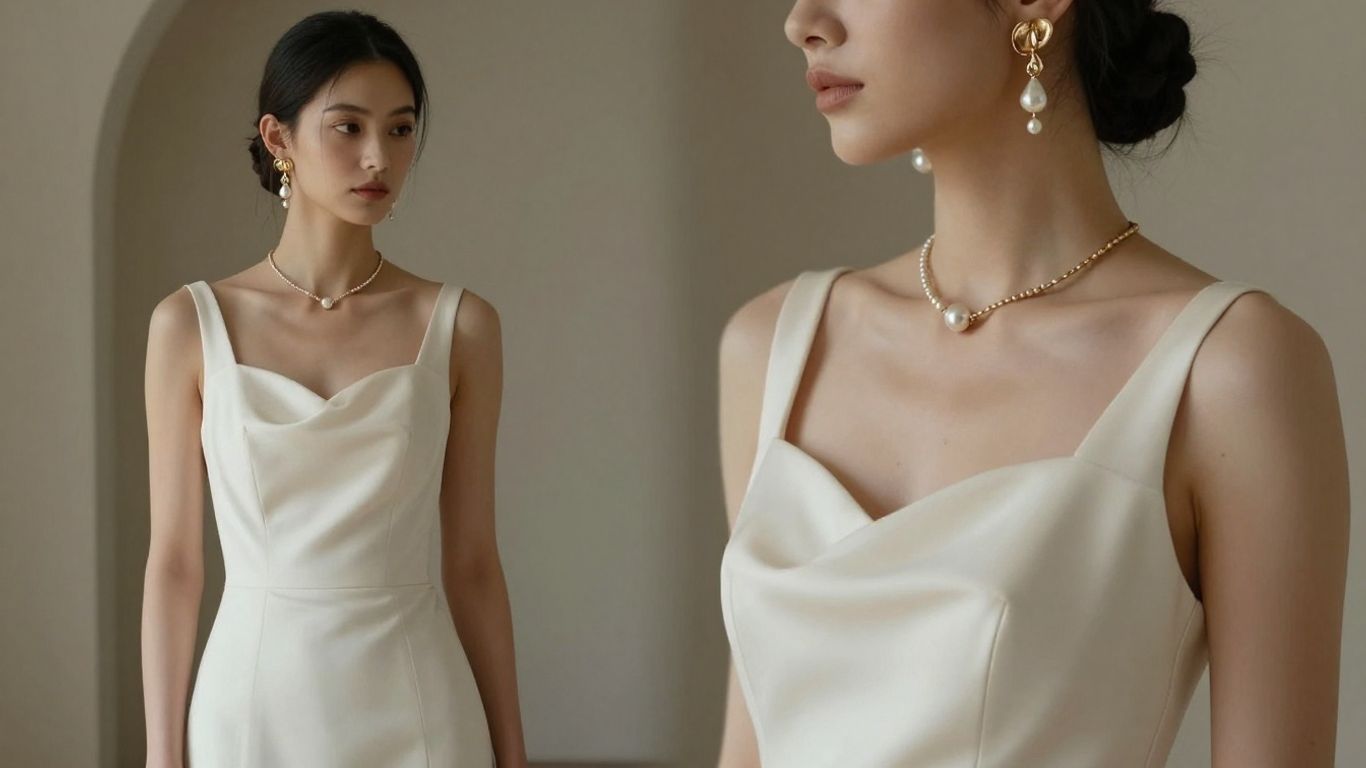
September 17, 2026
Wedding jewellery for modern brides: how to choose timeless pieces with contemporary style
Read More
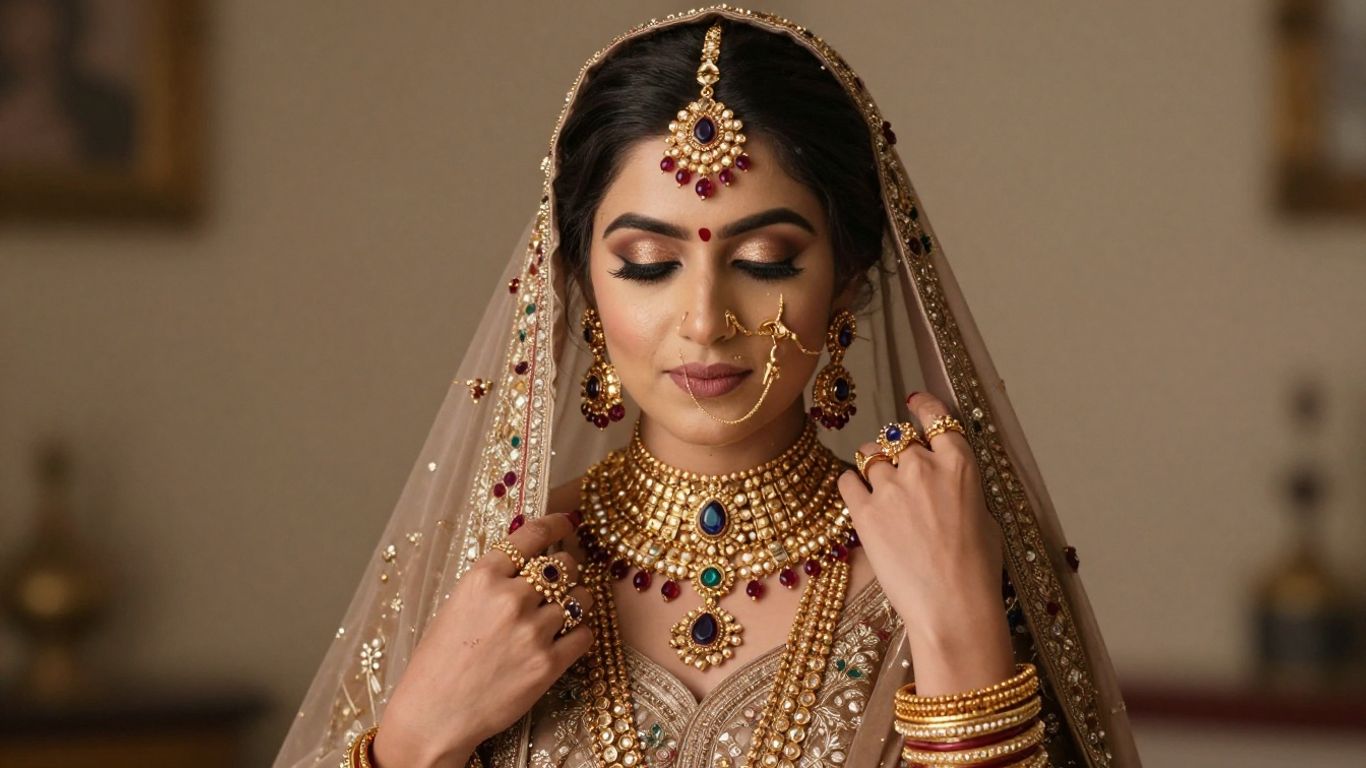
September 17, 2026
Wedding jewellery for traditional brides: A complete guide to choosing timeless bridal pieces
Read More
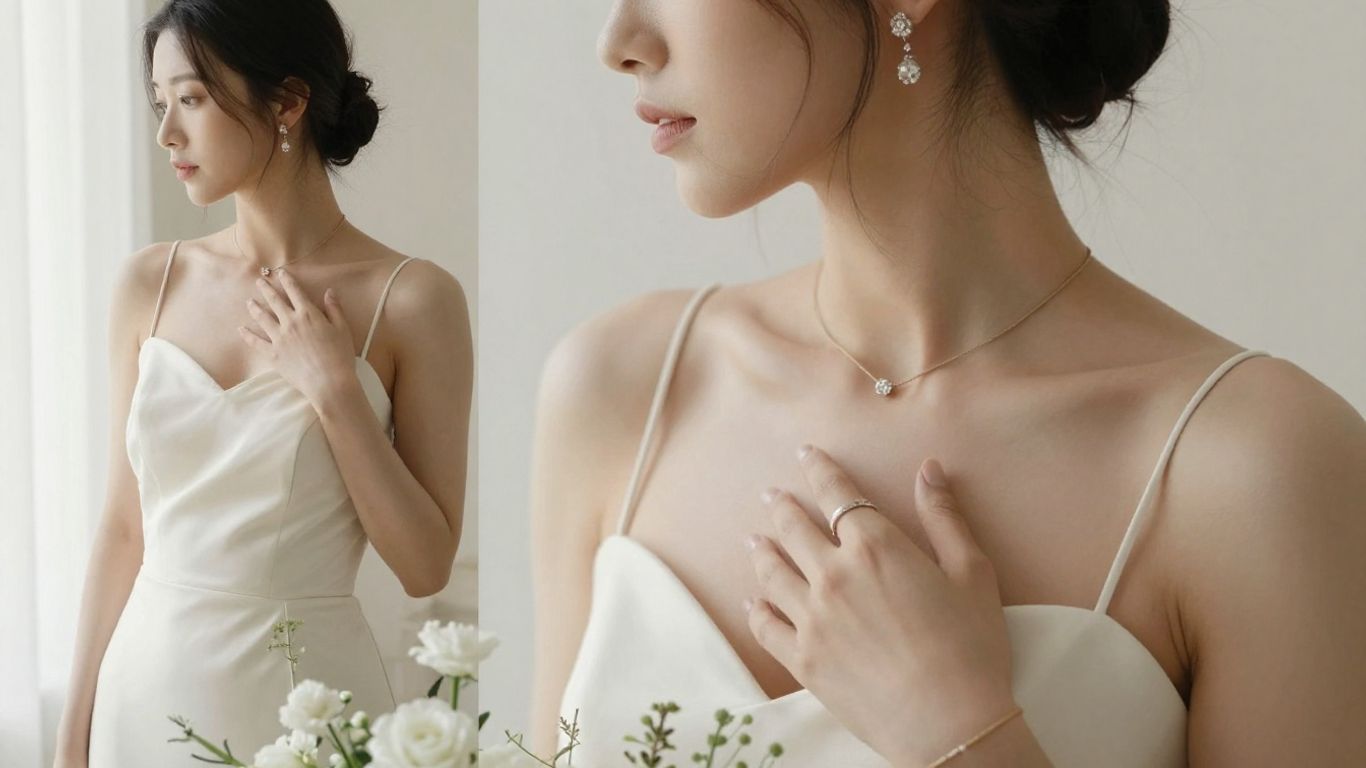
September 17, 2026
Wedding jewellery for minimalist brides: A complete guide to choosing timeless pieces
Read More









.webp)
.webp)