Custom jewellery Bangalore: A complete guide to designing personalised pieces
August 27, 2026 | 10 minutes read
Key Takeaways
Custom jewellery is most successful when the design reflects the wearer while remaining comfortable and practical. A clear concept, an honest budget, and a well-documented process make the experience more rewarding.
- Begin with the memory, purpose, or feeling you want the piece to express.
- Choose metals and gemstones according to appearance, durability, and use.
- Review a designer’s portfolio, communication style, pricing, and policies.
- Approve the design, measurements, materials, and payment terms in writing.
- Plan for inspection and ongoing care, not only the day of delivery.
Understanding custom jewellery in Bangalore
Custom jewellery in Bangalore can range from a small modification to an entirely new piece developed from a sketch. The city’s mix of contemporary taste and South Indian design traditions gives clients plenty of room to create something personal. Whether you are commissioning a ring for a milestone or a necklace for everyday wear, the central question is how well the finished piece belongs to your life. A thoughtful consultation usually matters as much as the final metal and stones.
What makes a piece truly custom
A piece is truly custom when its design, proportions, materials, and finishing choices are developed for a particular wearer rather than selected from a fixed catalogue. That might mean altering a setting, incorporating an old stone, engraving a private detail, or starting with a completely original form. The difference is not simply that the item has a name or date on it. It should feel considered from several angles: how it looks, how it sits on the body, and what it will mean years from now.
Personalisation also includes practical decisions. A ring may need a lower profile because the wearer works with their hands, while a pendant may need a particular chain length or clasp. Ask which parts of the design can be changed and which are constrained by the chosen stone, metal, or method of construction. That conversation helps separate genuine design work from minor decoration.
Popular reasons to commission personalised jewellery
People often commission jewellery to mark engagements, weddings, anniversaries, births, graduations, or family occasions. Others want to carry a cultural symbol in a quieter, more contemporary form. A custom piece can also bring together details from several generations, such as a gemstone from an inherited ring set into a new pendant.
The occasion should guide the design without dictating every detail. A bridal necklace may be ornate for the ceremony but still need to work with other outfits later. A sentimental ring may be deeply personal while remaining visually simple. Before speaking with a designer, write down the occasion, the intended wearer, how often the piece will be used, and the feeling you hope it will carry.
How local designers approach bespoke work
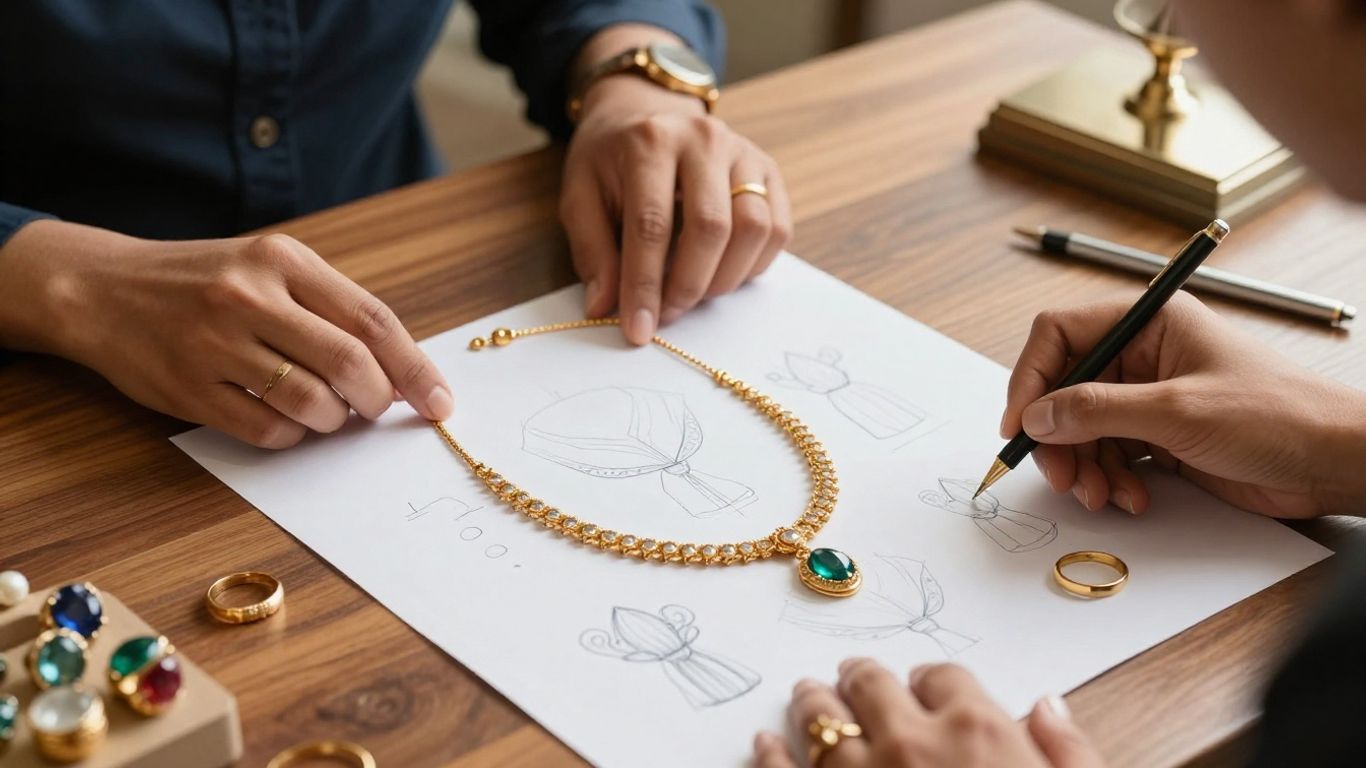
A local designer may begin with an in-person conversation, photographs, rough sketches, or examples of materials. Bangalore clients can often discuss proportions and comfort directly, which is useful when a piece needs careful fitting or several rounds of refinement. It is worth visiting a fine jewellery boutique in Bangalore when you want to compare craftsmanship, consultation quality, and documentation rather than judging a piece only from a display case.
C Krishniah Chetty & Co’s boutique guide also frames the choice around craftsmanship, personalised consultations, lifestyle, and clear documentation. Those are sensible standards for any custom commission. A designer who listens carefully at the beginning is more likely to identify the small practical details that make the finished piece feel natural to wear.
Defining your design concept
The most useful design brief is not necessarily the most technical one. It explains the story, mood, and use of the jewellery in language that both client and designer can understand. Start with a few strong references instead of trying to combine every idea you have seen. From there, the designer can turn an emotional starting point into proportions, textures, settings, and finishes.
Turning memories, symbols, and ideas into a design
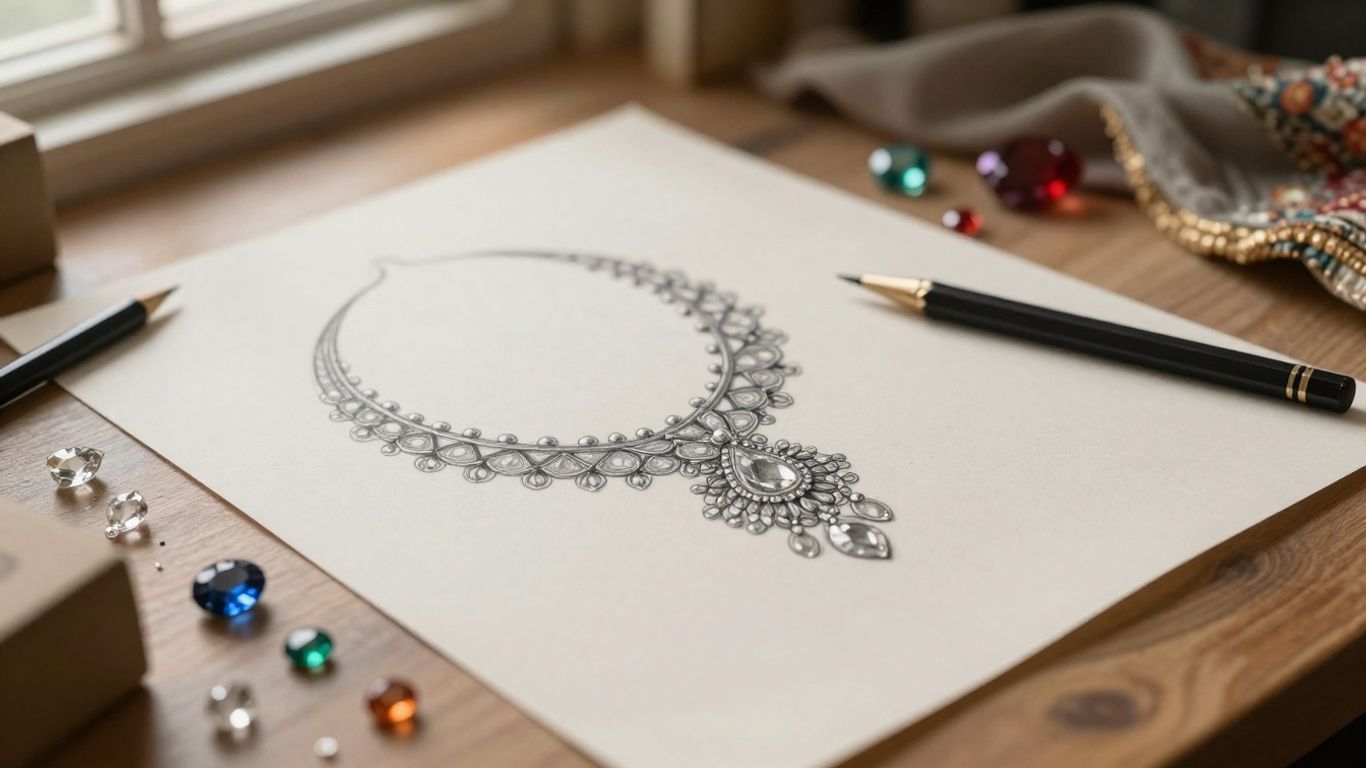
Begin by gathering the details that matter: a place, flower, family motif, architectural shape, phrase, or inherited object. Describe why each detail is meaningful, not only what it looks like. A memory of a garden, for instance, might become an open arrangement of curved forms rather than a literal flower carved into the piece.
It helps to distinguish essential elements from optional ones. Perhaps the gemstone is non-negotiable, while the engraving can be subtle; perhaps the overall silhouette matters more than a particular surface pattern. A clear emotional brief gives the designer room to solve the visual problem without losing the reason the piece was commissioned.
Choosing between classic, modern, and traditional styles
Classic jewellery usually relies on balanced proportions and familiar silhouettes that can remain appealing for many years. Modern designs may use clean geometry, negative space, unusual asymmetry, or a restrained stone layout. Traditional styles can draw on regional motifs, temple-inspired details, heirloom forms, or ceremonial conventions, sometimes with a lighter construction for contemporary wear.
You do not have to choose one category completely. A traditional motif can sit within a streamlined setting, or a classic solitaire can include an engraving known only to the wearer. C Krishniah Chetty & Co’s guide to wedding jewellery in Bangalore discusses blending South Indian traditions with contemporary designs, a useful approach when the piece must feel rooted without appearing costume-like.
Think about your existing wardrobe as well. If most of your clothing is understated, an intricate piece may work best as an occasional accent. If you wear traditional textiles often, a modern setting can provide contrast rather than repetition.
Using reference images without copying another piece
Reference images are useful for communicating scale, texture, stone color, and overall mood. They should be treated as visual vocabulary, not as instructions to reproduce someone else’s jewellery. Bring several images and identify what attracts you in each one: the curved shoulders of one ring, the surface finish of another, or the way a necklace rests near the collarbone.
Ask the designer to combine those observations into an original design. A responsible process should make room for a concept sketch and a discussion of what can be adapted ethically. The final piece should have its own proportions and details, even when its starting point was a well-known style.
Selecting metals, gemstones, and finishes
Material choices shape the appearance, weight, maintenance, and price of custom jewellery. They also affect how freely a design can be made, particularly when a stone has unusual dimensions or a delicate structure. Rather than choosing metal and gemstones separately, consider how they will interact under daylight, indoor lighting, and regular wear.
Comparing gold, platinum, silver, and alternative metals
Gold offers familiar warmth and can be considered in different colors and purities, while platinum has a naturally pale appearance and a substantial feel. Silver can suit lighter, more accessible designs, though it may require more regular polishing and care. Alternative metals may offer a distinct color or useful hardness, but they should be assessed for skin sensitivity, repairability, and how they will age.
Purity, alloy composition, weight, and labor all influence the final result. If you are buying gold, learn to read the relevant hallmark and pricing details; C Krishniah Chetty & Co’s guide to gold purity and value is a helpful reference for understanding karats, hallmarks, origin, and value. For an engagement ring or another frequently worn piece, the choice should also account for the setting and the wearer’s daily routine.
Choosing diamonds, coloured gemstones, and birthstones
Diamonds can provide a bright, durable focal point, while colored gemstones bring variation in hue, character, and price. Birthstones may add personal meaning, but not every stone is equally suited to a ring worn every day. Ask about hardness, treatments, origin documentation where relevant, and whether the stone can be replaced if it is damaged or lost.
Shape matters as much as color. A narrow elongated stone can create a different visual effect from a round or cushion shape, even when the overall carat weight is similar. C Krishniah Chetty & Co’s solitaire jewellery guide covers diamond shapes, metal choices, settings, comfort, durability, and the distinction between natural and lab-grown diamonds, all of which can inform a custom conversation.
Balancing durability, colour, and everyday wear
A beautiful design needs to survive the way it will actually be used. Consider whether the wearer removes jewellery for cooking, sport, bathing, or work, and whether the piece will catch on clothing. Low settings, rounded edges, secure clasps, and protected stone arrangements can make a large difference to comfort.
The metal’s color should support the stones and the wearer’s usual style, not compete with them. Mixed metals can add definition, but they may complicate future repairs or matching. If the piece is intended for daily use, ask the designer to explain likely points of wear and the maintenance schedule before you approve the final materials.
Choosing the right custom jewellery designer
Selecting a designer is partly an aesthetic decision and partly a trust decision. You are relying on someone to interpret an idea, handle valuable materials, and communicate clearly when a design needs to change. A polished portfolio is useful, but it should be considered alongside workmanship, written estimates, and the designer’s willingness to explain limitations.
Reviewing portfolios and previous commissions
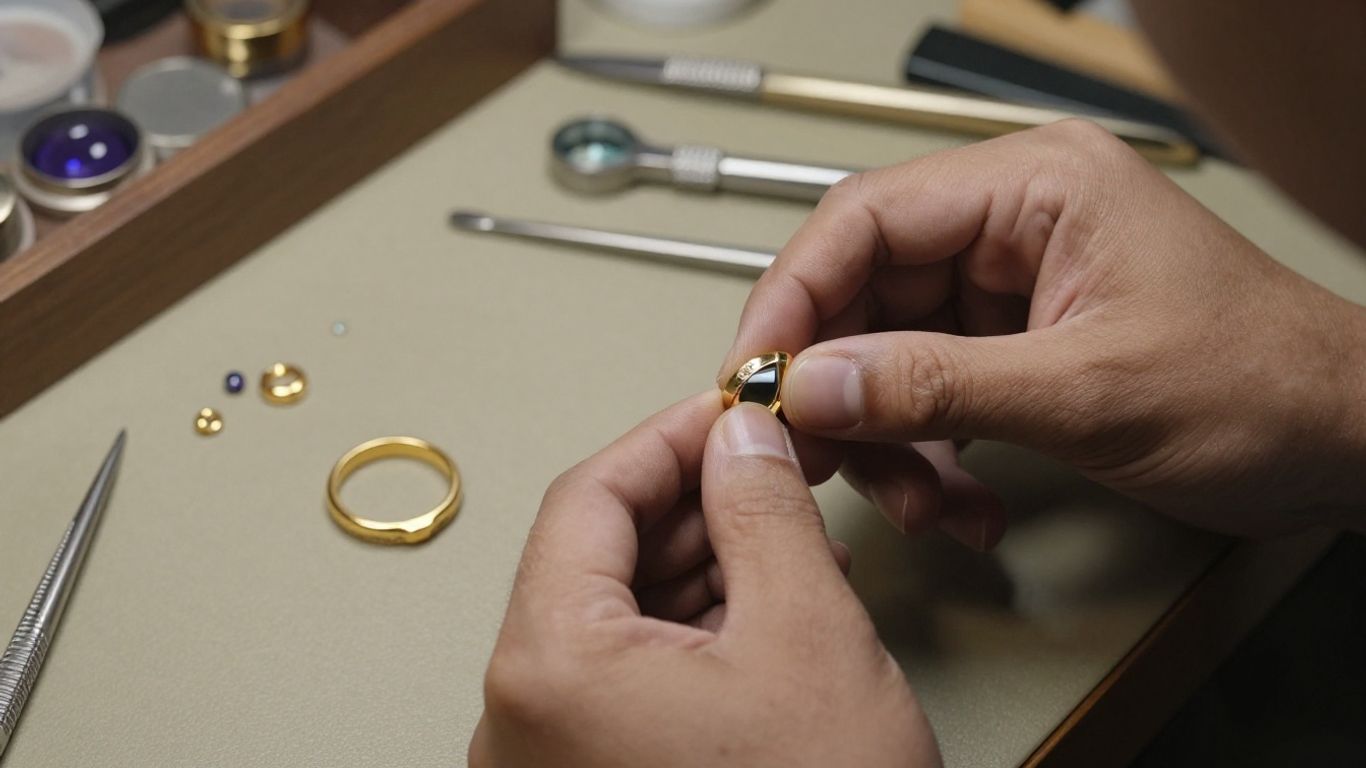
Look for work that demonstrates range without appearing inconsistent in quality. Study close photographs of prongs, edges, joins, clasps, engraving, and the backs of pieces, not only front-facing images. If possible, ask to see a finished commission similar in scale and construction to your idea.
A portfolio should also show whether the designer can work across styles. Someone experienced with delicate modern rings may not be the right fit for a heavily detailed bridal set, and the reverse can be true. Pay attention to how the pieces appear on people, since proportion and wearability are difficult to judge from isolated product images.
Evaluating craftsmanship, communication, and transparency
During the consultation, notice whether the designer asks about your lifestyle, budget, timeline, and existing jewellery. Good communication does not mean agreeing to every request; it means explaining what is feasible, what may affect the cost, and where a compromise would improve the result. You should leave with a clear sense of the next step.
Transparency should extend to metal purity, stone details, making charges, taxes, delivery expectations, and aftercare. Written records protect both sides and reduce the chance that an important verbal detail is forgotten. The personalized jewellery ideas available online can help you prepare for a conversation, but your final brief should be tailored to your wearer and use rather than copied from a product page.
Questions to ask before placing an order
A short list of questions can reveal how organized and candid a designer is. Ask who creates the design, where the piece is made, which materials are confirmed, and how revisions are handled. Also clarify what happens if the finished piece differs from the approved drawing or if a chosen stone becomes unavailable.
Consider asking these before paying a deposit:
- What exactly is included in the quoted price?
- Which purity, gemstone, and certification details will appear on the invoice?
- How many design revisions are included?
- What is the expected delivery date, and what could delay it?
- What are the resizing, repair, return, and cancellation policies?
The answers should be specific enough to record. If several important points remain vague, pause before committing and request a written proposal.
Planning your custom jewellery budget
A custom piece does not have to be extravagant, but it does need a realistic financial plan. The price reflects more than the visible amount of metal and the central stone. Design time, skilled labor, setting complexity, finishing, certification, taxes, and sometimes sourcing or prototype work all contribute to the total.
Understanding the main factors that affect price
Metal weight and purity are obvious factors, but they are only part of the calculation. A fine openwork design may require considerable bench skill, while a heavy piece may cost more because of its material weight. Stone size, quality, matching requirements, treatment, setting style, and availability can also shift the quote.
The following comparison is a useful starting point when reading an estimate:
| Cost factor | What it may influence | What to clarify |
|---|---|---|
| Metal | Weight, color, purity, and base material cost | Purity, net weight, and rate used |
| Gemstones | Size, quality, treatment, and availability | Stone details and supporting documents |
| Craftsmanship | Complexity, setting, engraving, and finishing | Making charges and included work |
| Certification | Independent reports or material documentation | Which items are certified and by whom |
| Service | Design revisions, fitting, delivery, and aftercare | What is included after the sale |
The table is not a substitute for a detailed quote, but it helps you spot missing categories. Two estimates that appear similar at first may cover very different levels of documentation or service.
Setting priorities when the budget is limited
When the budget is fixed, decide which elements carry the meaning of the piece. You may prefer a smaller stone in a better-proportioned setting, or a simpler silhouette in the desired metal. Reducing unnecessary surface detail can preserve the overall design while lowering labor costs.
You can also consider whether the piece needs to be worn daily, whether a future upgrade is realistic, and whether an existing gemstone can be incorporated. Be cautious about sacrificing the structural parts that protect a stone or secure a clasp. A cheaper design is not a saving if it quickly needs repair.
Comparing quotes without overlooking quality or service
Request comparable information from each designer: metal purity and weight, stone specifications, making charges, taxes, delivery date, certification, and aftercare. Ask whether the quote is fixed or subject to changes in material rates. It is reasonable to ask for a staged estimate if the design is still evolving.
The lowest number may omit design development, revisions, packaging, or post-delivery support. Compare what you are receiving, not just the total at the bottom. A slightly higher quote can make sense when it includes clearer documentation and a more careful fitting process, but the difference should be explained rather than assumed.
Navigating the custom jewellery process
Most custom commissions move through a sequence of conversations rather than one dramatic design moment. The early stages establish purpose and direction; later stages confirm measurements, materials, and construction. Keeping your own folder of sketches, approvals, invoices, and messages makes the process easier to follow.
From consultation and sketches to design approval
The first consultation should turn a broad idea into a workable brief. Bring reference images, measurements if you have them, photographs of clothing or existing jewellery, and a clear statement of how often the piece will be worn. The designer may then suggest alternate proportions, settings, or materials that suit the intended use.
Review sketches for more than surface appearance. Check width, height, stone placement, chain or band proportions, edges, and how the piece is likely to sit on the body. Approval should be explicit and written, with the agreed materials and estimated price attached to the approved version.
Understanding measurements, prototypes, and revisions
Measurements are especially important for rings, bangles, bracelets, and fitted earrings. Ask how the measurement will be taken and whether factors such as temperature, finger shape, or a wide band will affect the result. For complex or high-value work, a wax, resin, or digital prototype may help you judge scale before precious materials are used.
Revisions are normal, but they should follow an agreed process. Record which changes are included and which may add cost or time. A small alteration to a contour may be straightforward, while moving a stone or changing the construction can require the design to be reconsidered from the beginning.
Reviewing invoices, certifications, and payment terms
Before the deposit, read the invoice line by line. It should identify the metal, purity, approximate or confirmed weight, gemstones, labor, taxes, certification, and any included services. Payment milestones should be clear, as should the conditions for cancellation, changes, delays, and final acceptance.
Ask when certificates or reports will be provided and whether they relate to the specific stone or finished piece. Keep copies of every approved drawing and written revision. A transparent paper trail is not excessive formality; it is a practical way to protect the meaning and value of the commission.
Managing timelines, delivery, and aftercare
Custom work takes time because design, sourcing, making, finishing, and inspection each add a stage. A simple ring and a detailed bridal set should not be given the same expected schedule. Share your event date at the first meeting, then leave room for fitting, revisions, and unexpected material delays.
Typical timelines for rings, necklaces, and bridal pieces
A straightforward ring may move faster than a necklace with many matched stones or a bridal set with extensive hand-finishing. The timeline also depends on whether the materials are immediately available and whether the design needs a prototype. Made-to-order work can take several weeks or longer, so avoid planning delivery around the final few days before an important event.
Ask for milestone dates rather than one distant promise. A useful schedule might include concept approval, material confirmation, prototype review, completion, quality inspection, and delivery. If the date is critical, confirm whether expedited work is possible and what additional cost or design limitation it may involve.
Inspecting the finished jewellery before accepting it
Inspect the piece in good light and compare it with the approved design. Check the fit, symmetry, stone security, surface finish, clasp or closure, engraving, and overall weight. Run a clean piece of fabric gently over the edges to identify snags, but do not force a clasp or try to reshape anything yourself.
Confirm that the invoice, certificate, hallmark information, and care instructions accompany the jewellery. Photograph the piece and packaging when it arrives, particularly if it was delivered. If something is not as agreed, contact the designer promptly and document the concern before wearing or altering the item.
Cleaning, storage, resizing, and repair considerations
Ask for care instructions specific to the metal, stones, and finish. Some gemstones and surface treatments can be affected by heat, chemicals, ultrasonic cleaning, or rough handling. Store pieces separately in soft compartments so that stones and polished surfaces do not rub against one another.
For regular wear, arrange occasional checks of prongs, hinges, clasps, and settings. Remove jewellery during activities likely to cause impact or chemical exposure, and have resizing or repairs performed by a qualified professional. C Krishniah Chetty & Co’s bridal care guide covers cleaning, storage, and protection for engagement rings, wedding necklaces, bangles, diamonds, gemstones, plain gold , and intricate heritage designs, making it a useful general care reference.
Conclusion
The best custom jewellery in Bangalore begins with a personal idea but succeeds through careful decisions. Define what the piece should say, choose materials that suit its life, compare designers honestly, and keep every approval and cost in writing. With patience and sensible aftercare, a personalised piece can become more than an occasion purchase: it can become part of the family story.
Frequently Asked Questions
How long does custom jewellery usually take?
The timeline depends on the design’s complexity, material availability, stone sourcing, prototype needs, and revision rounds. Ask for milestone dates and allow extra time before a wedding or other fixed event.
Is custom jewellery more expensive than ready-made jewellery?
It can be, because custom work may include design development, skilled labor, prototypes, special sourcing, and multiple finishing steps. A simpler design and clearly defined priorities can help keep the cost within range.
Can an inherited gemstone be used in a new piece?
Often, yes, but the stone should first be examined for condition, suitability, and dimensions. The designer can then recommend a setting that protects it and complements its shape.
Which metal is best for everyday jewellery?
There is no single best choice. Gold, platinum, silver, and other metals differ in purity, color, weight, hardness, maintenance, and price, so the right option depends on the wearer’s routine and preferences.
How many design revisions should I expect?
The number varies by designer and project. Confirm how many revisions are included before ordering, and ask whether changes to the setting, materials, or construction will affect the price or delivery date.
What documents should accompany a custom jewellery purchase?
Keep the invoice, metal purity or hallmark information, gemstone details, certificates or reports where applicable, warranty terms, and care instructions. These records are useful for insurance, future repairs, and resale discussions.
How should personalised jewellery be cleaned and stored?
Follow care advice for the specific metal, gemstone, and finish. In general, keep pieces away from harsh chemicals and impact, store them separately in soft compartments, and arrange periodic professional checks for settings and clasps.
Designer jewellery Bangalore: A practical guide to choosing, buying, and styling unique pieces
10 minute read
Related blogs:
September 17, 2026
How to Choose the Perfect Diamond Necklace for Bride on Her Wedding Day
Read More
September 17, 2026
Wedding jewellery for modern brides: how to choose timeless pieces with contemporary style
Read More
September 17, 2026
Wedding jewellery for traditional brides: A complete guide to choosing timeless bridal pieces
Read More
September 17, 2026
Wedding jewellery for minimalist brides: A complete guide to choosing timeless pieces
Read More









.webp)

.webp)