How to choose solitaire jewellery in Bangalore: A complete buying guide
August 25, 2026 | 10 minutes read
Key Takeaways
A thoughtful solitaire purchase comes down to the stone, the setting, the seller, and the care you can give the piece over time.
- Decide whether you want a ring, pendant, earrings, or another solitaire form.
- Set a complete budget that includes the diamond, metal, taxes, certification, and custom work.
- Compare the 4Cs alongside the diamond’s shape, finish, fluorescence, and documentation.
- Choose a setting and metal that suit your daily habits and personal style.
- Confirm policies, authenticity, delivery details, and after-sales support before paying.
Understand what makes solitaire jewellery special
Solitaire jewellery places one gemstone at the centre of attention, allowing its cut, colour, and natural character to carry the design. That simplicity can feel especially elegant in Bangalore, where a piece may need to move comfortably between work, family occasions, and celebrations. Before searching for solitaire jewellery bangalore options, consider how often you will wear it and what you want the stone to say about your style. A useful overview of the form is this solitaire jewellery guide, which explains why the single-stone design remains so enduring.
How a solitaire setting highlights the center stone
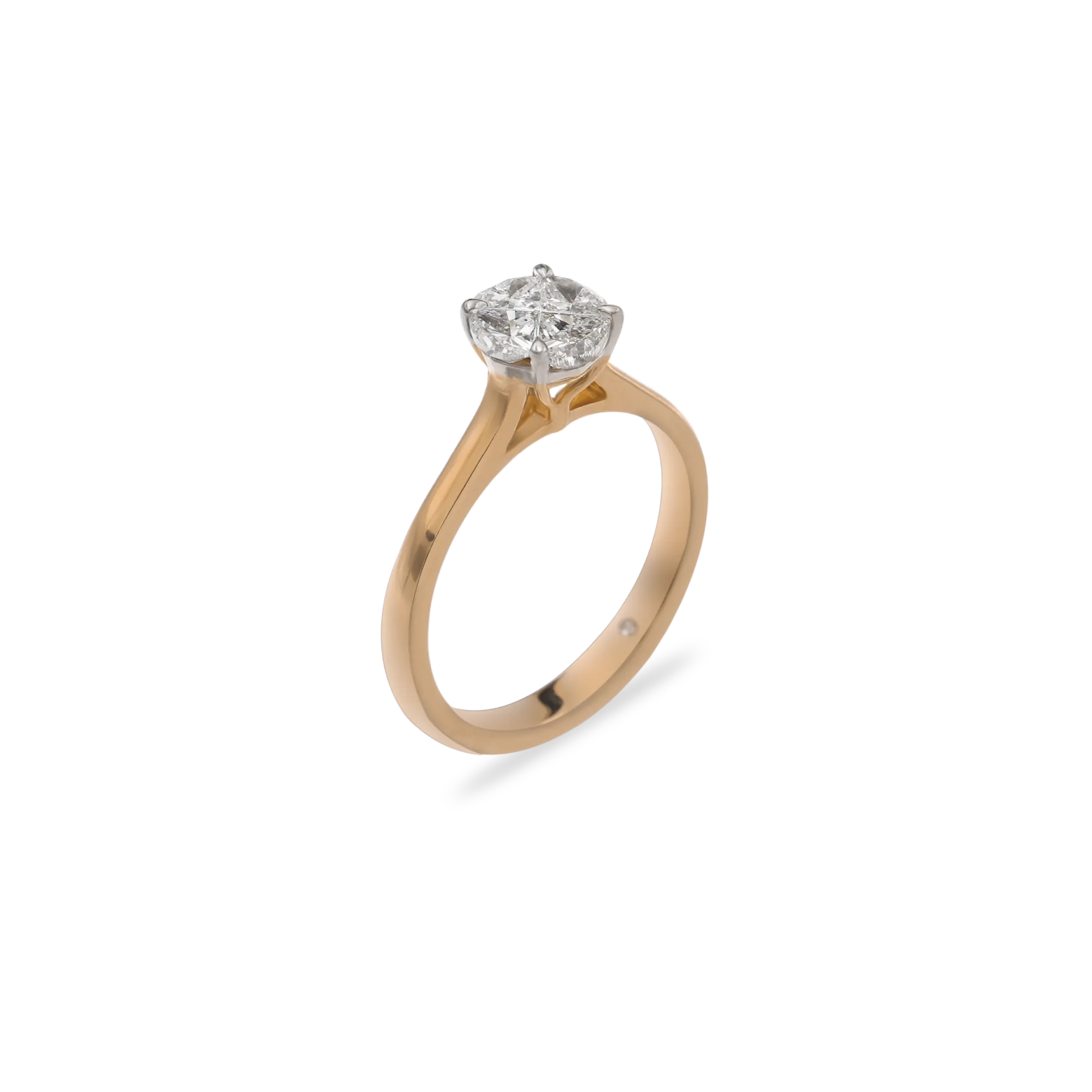
A solitaire setting is designed to support rather than compete with the centre stone. Prongs can lift the gemstone and allow light to enter from several angles, while a bezel setting gives the edges a cleaner, more protected outline. The right choice depends on the stone’s shape, your tolerance for visible metal, and how much protection you want around the girdle. Look closely at whether the setting feels balanced from the top, side, and back.
Popular solitaire jewellery styles in Bangalore
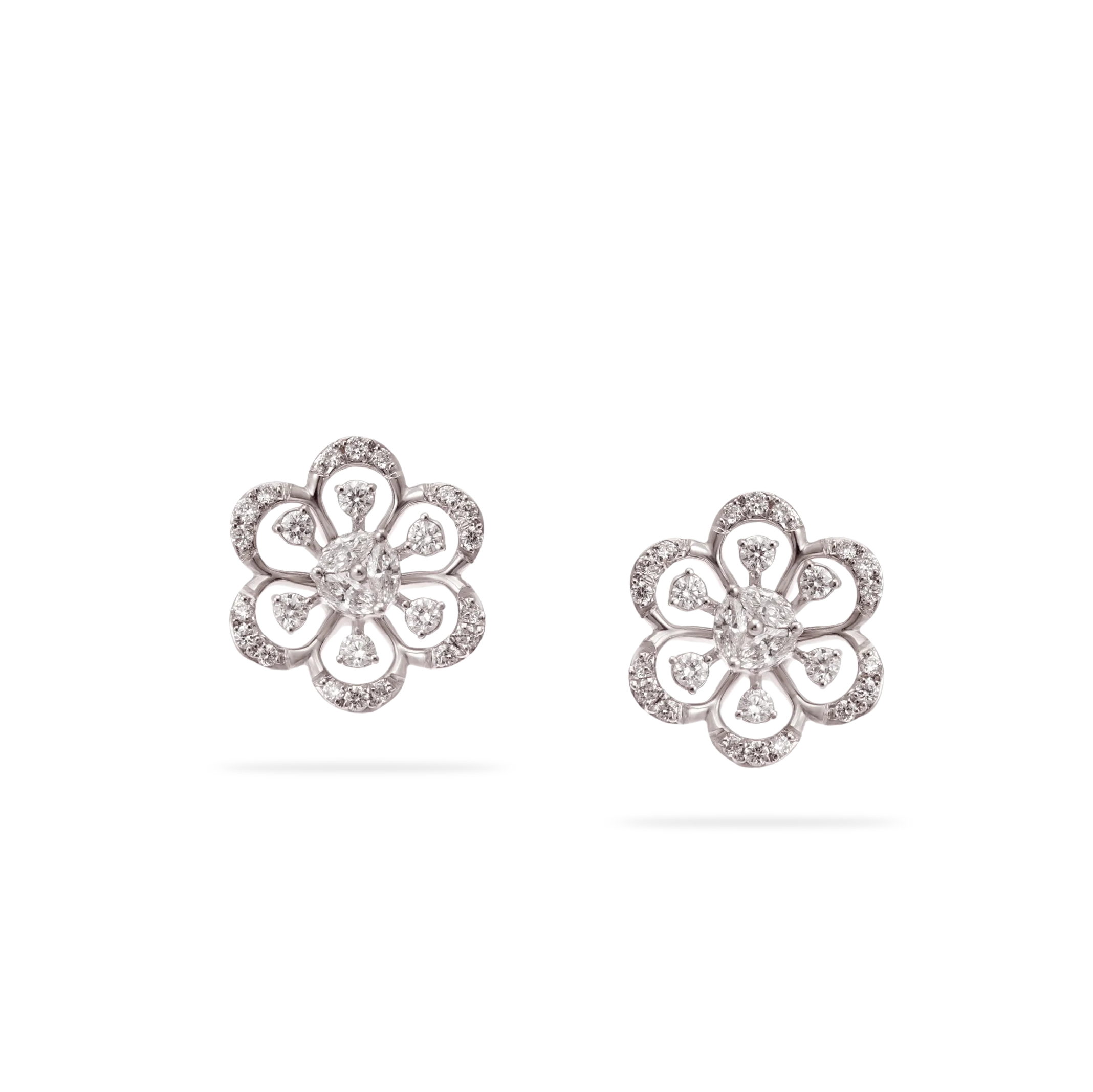
The classic round diamond ring remains familiar, but oval, pear, emerald, cushion, and princess shapes offer very different impressions. A slender band can look understated, while a heavier band or split shank gives the same single stone a more substantial presence. Pendants and stud earrings are often easier to wear regularly, particularly if you prefer jewellery that does not dominate your outfit. The best style is less about fashion and more about proportion, comfort, and the occasions you expect it to serve.
Choosing between rings, pendants, earrings, and bracelets
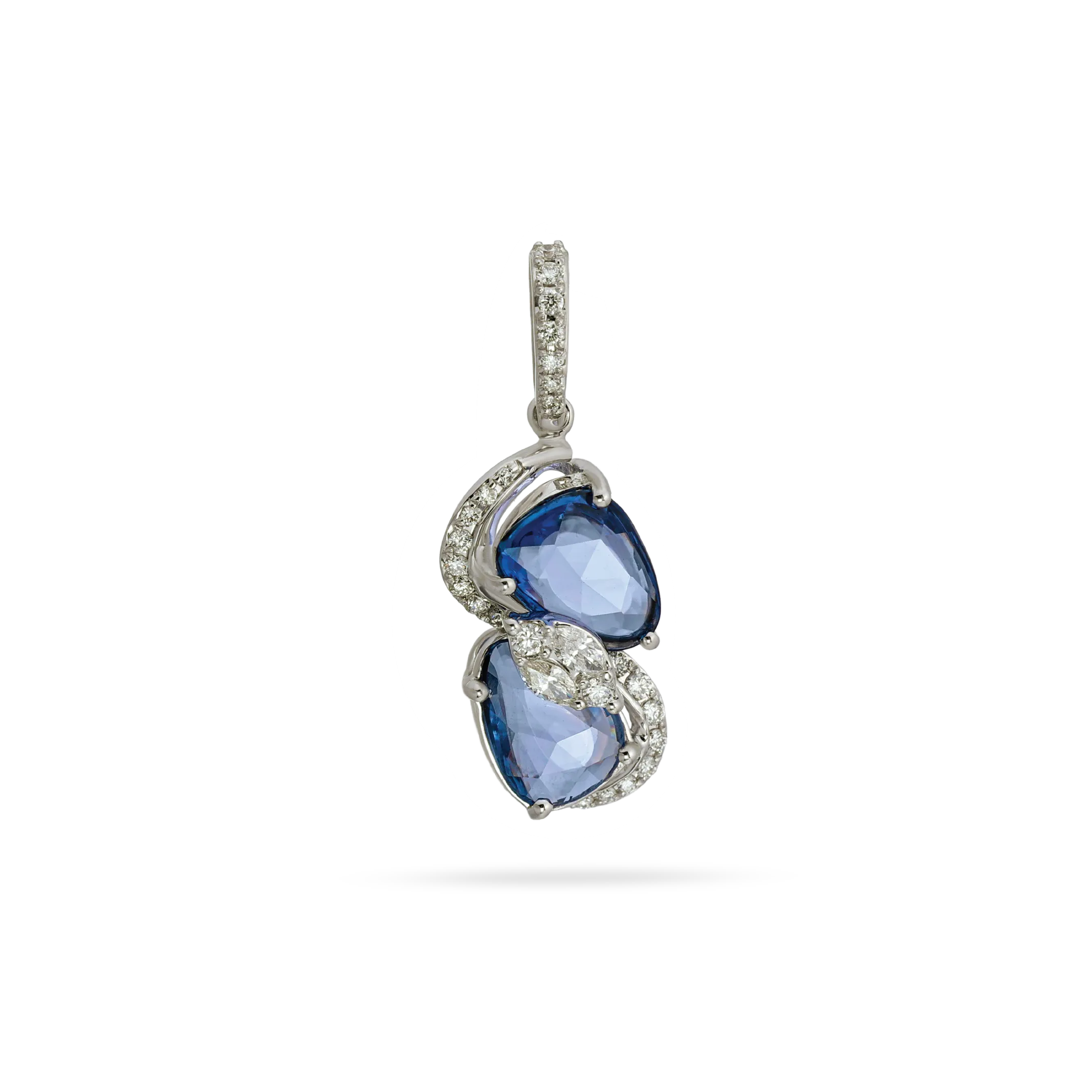
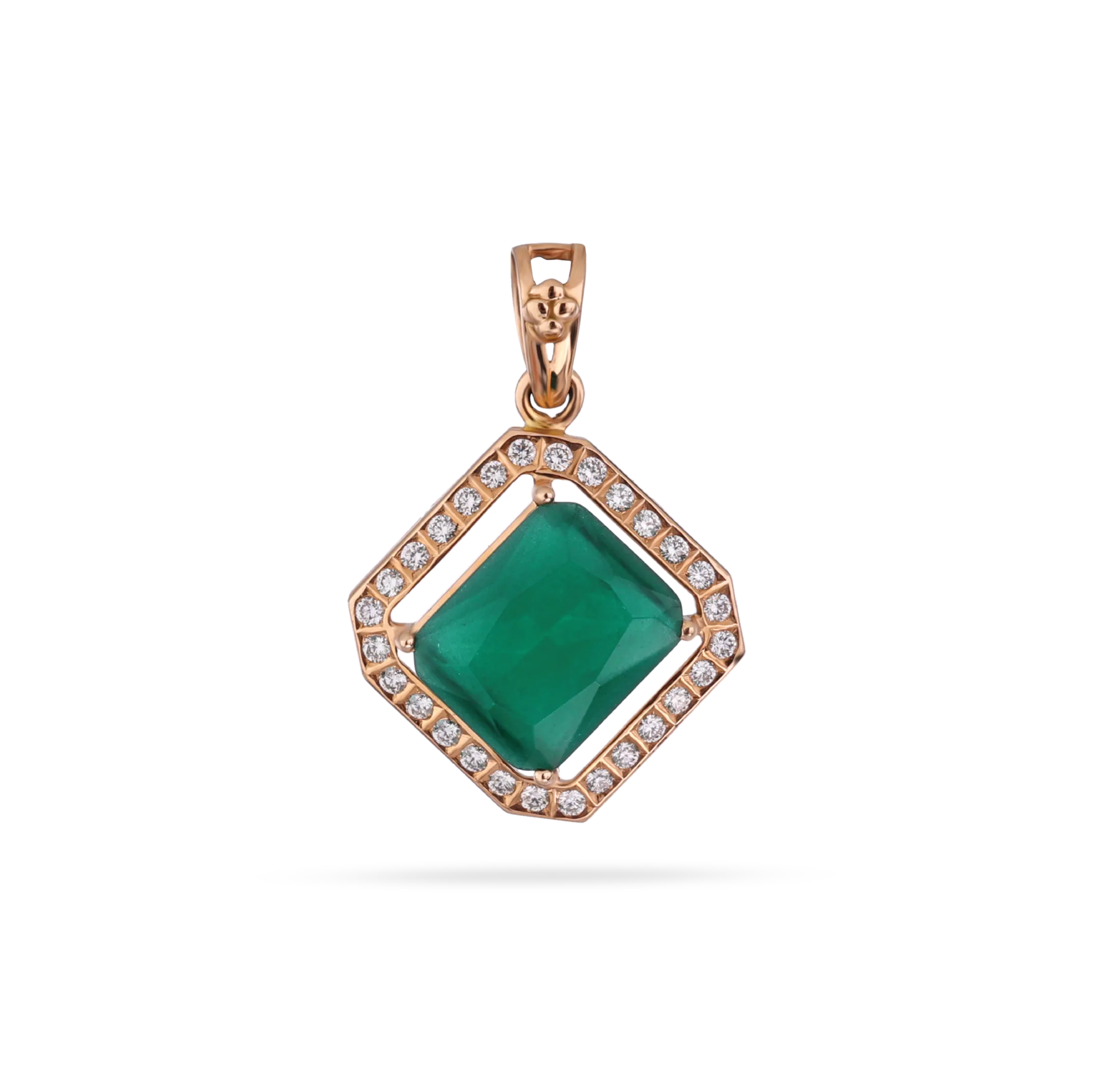
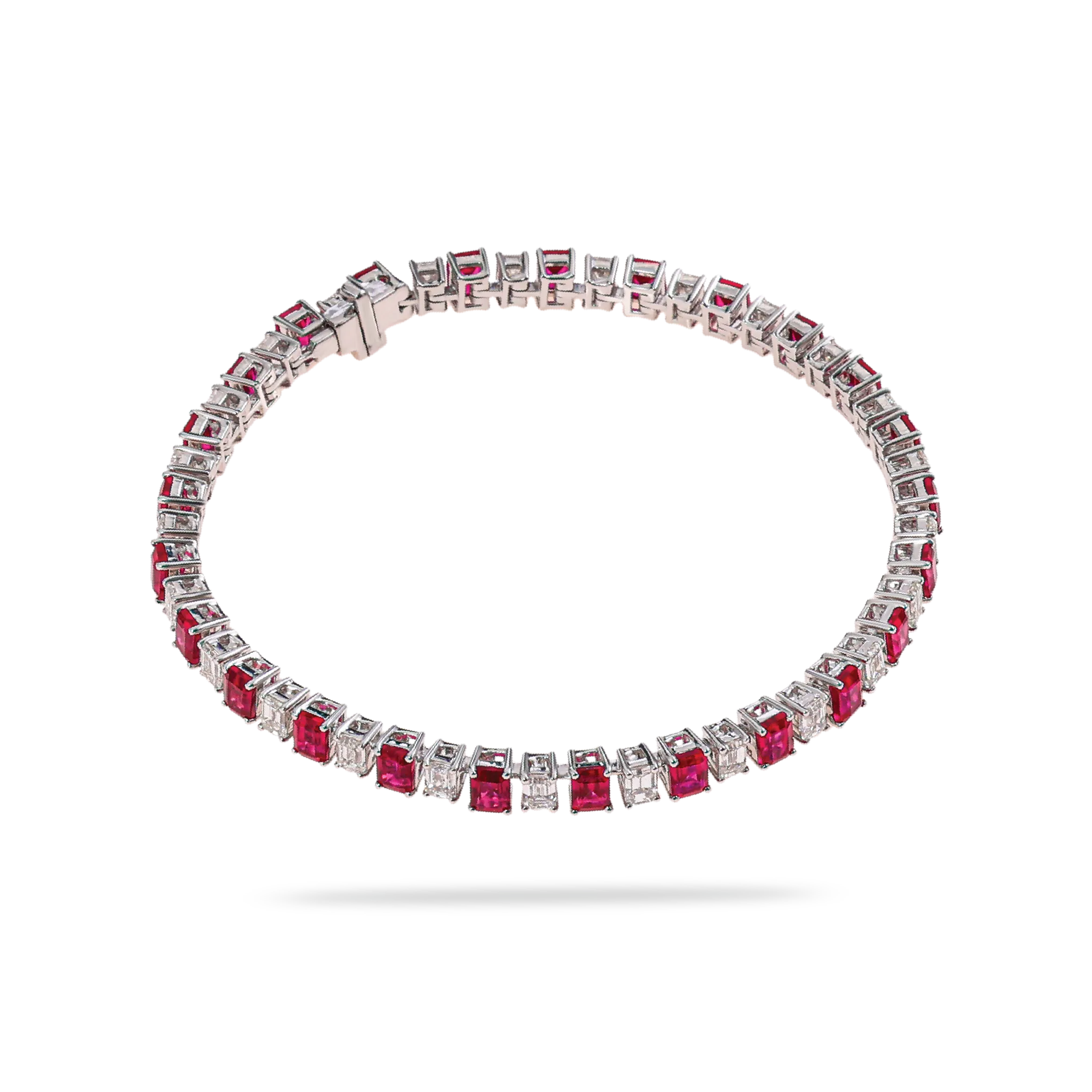
Rings invite frequent attention but may face more knocks, water, and hand movement than a pendant. A pendant keeps the stone near the neckline and can be worn alone or with other chains, while earrings offer symmetry and a quieter sparkle. Solitaire bracelets are less conventional, so inspect the clasp and stone protection carefully. Try to imagine the piece with your actual wardrobe, rather than judging it only under showroom lighting.
When solitaire jewellery works for engagements and everyday wear
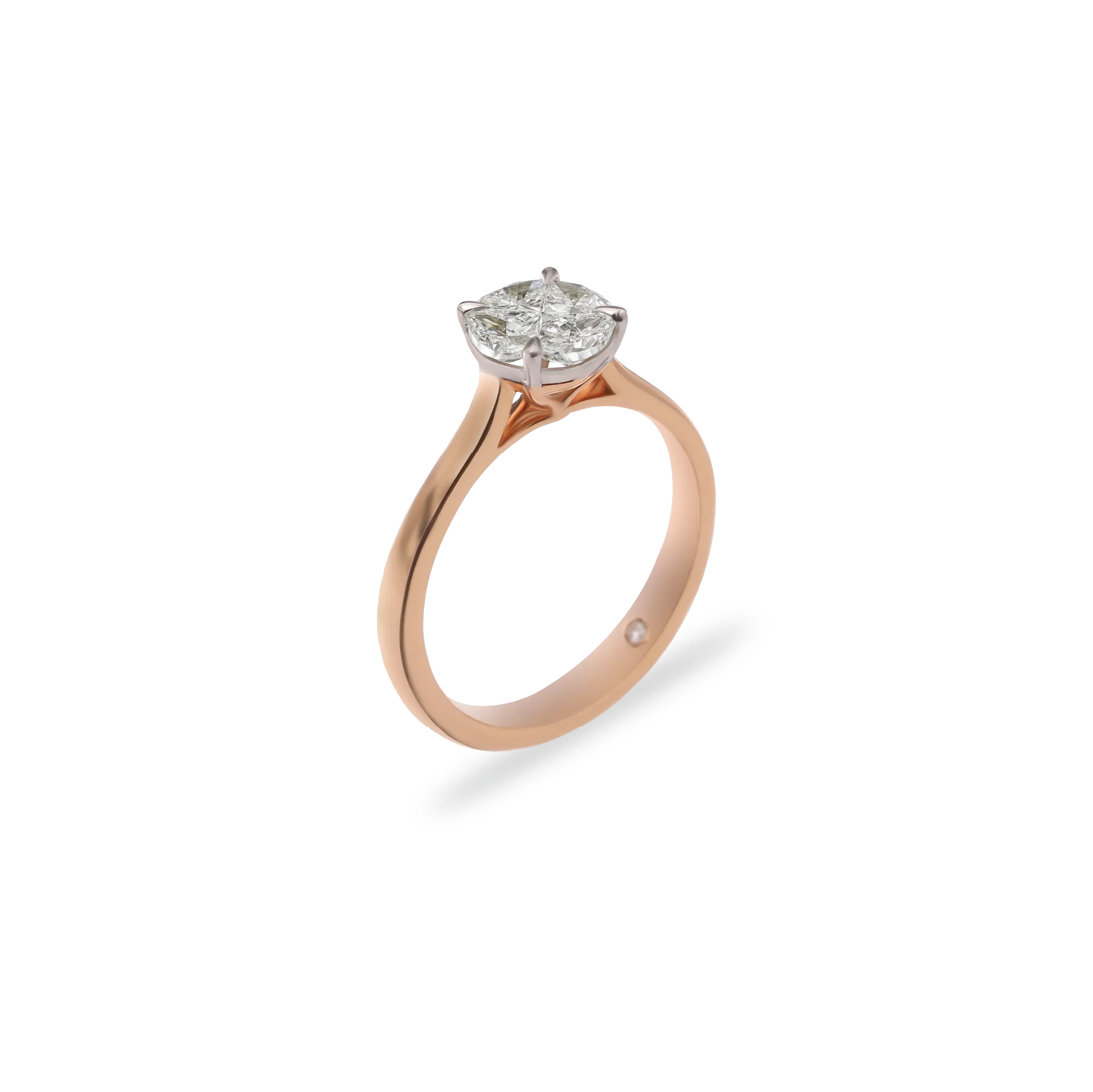
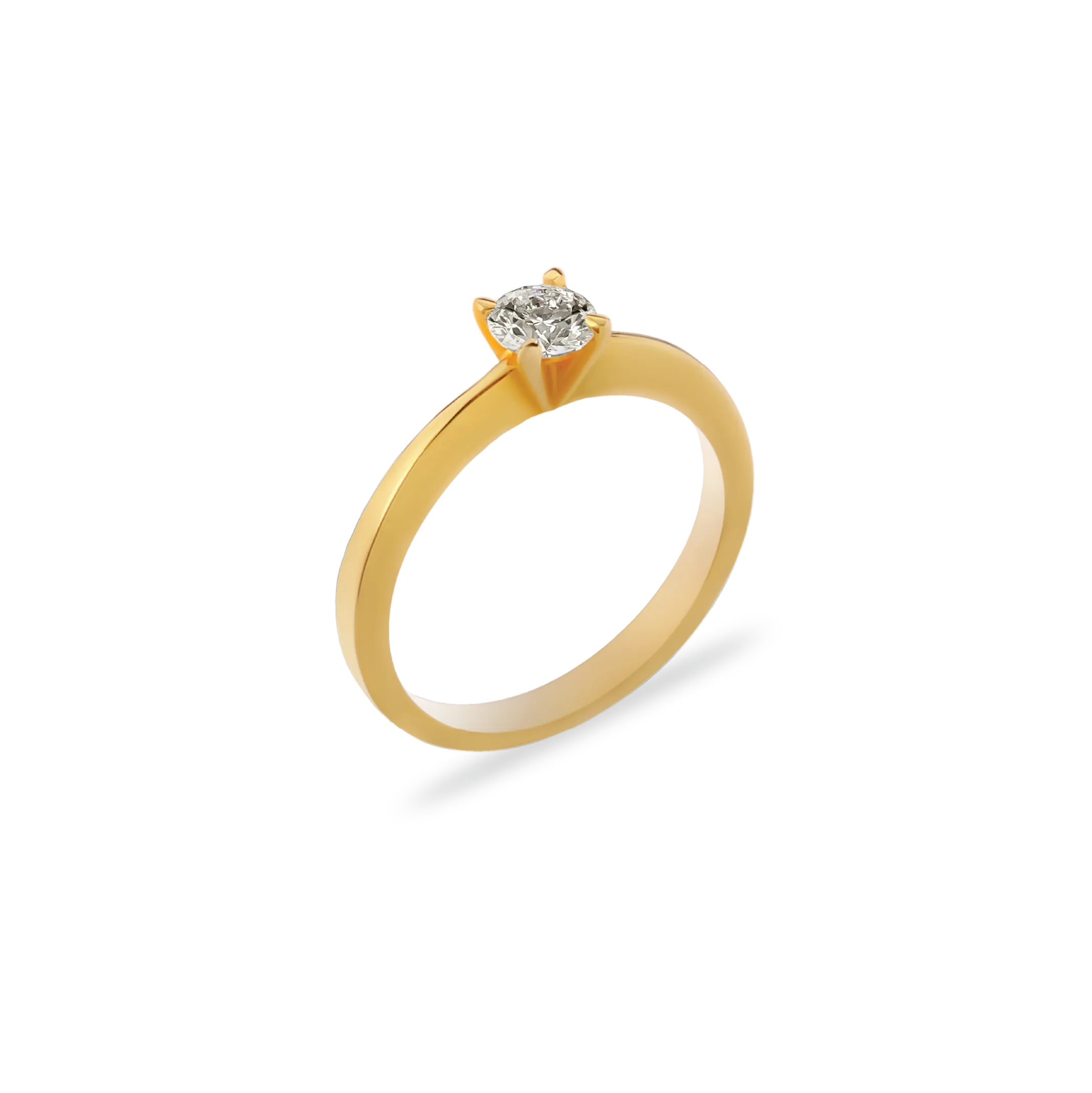
A solitaire ring can be a strong engagement choice because its clean design leaves room for the centre stone to remain the visual focus. For everyday wear, lower settings and secure claws are generally more practical than delicate structures that catch on clothing. A small pendant or pair of studs may suit someone who wants a meaningful piece without changing their routine. If you are comparing engagement styles, a solitaire ring collection can provide useful ideas about silhouettes and proportions.
Set a realistic budget for your purchase
A budget should describe the complete purchase, not just the advertised stone price. Diamond size, grading, shape, metal, setting complexity, and the jeweller’s service all affect the final number. Prices can also vary between natural and lab-grown diamonds, even when the stones share similar grading characteristics. Give yourself enough room to compare like for like instead of choosing from a single quote.
Typical price factors for solitaire jewellery
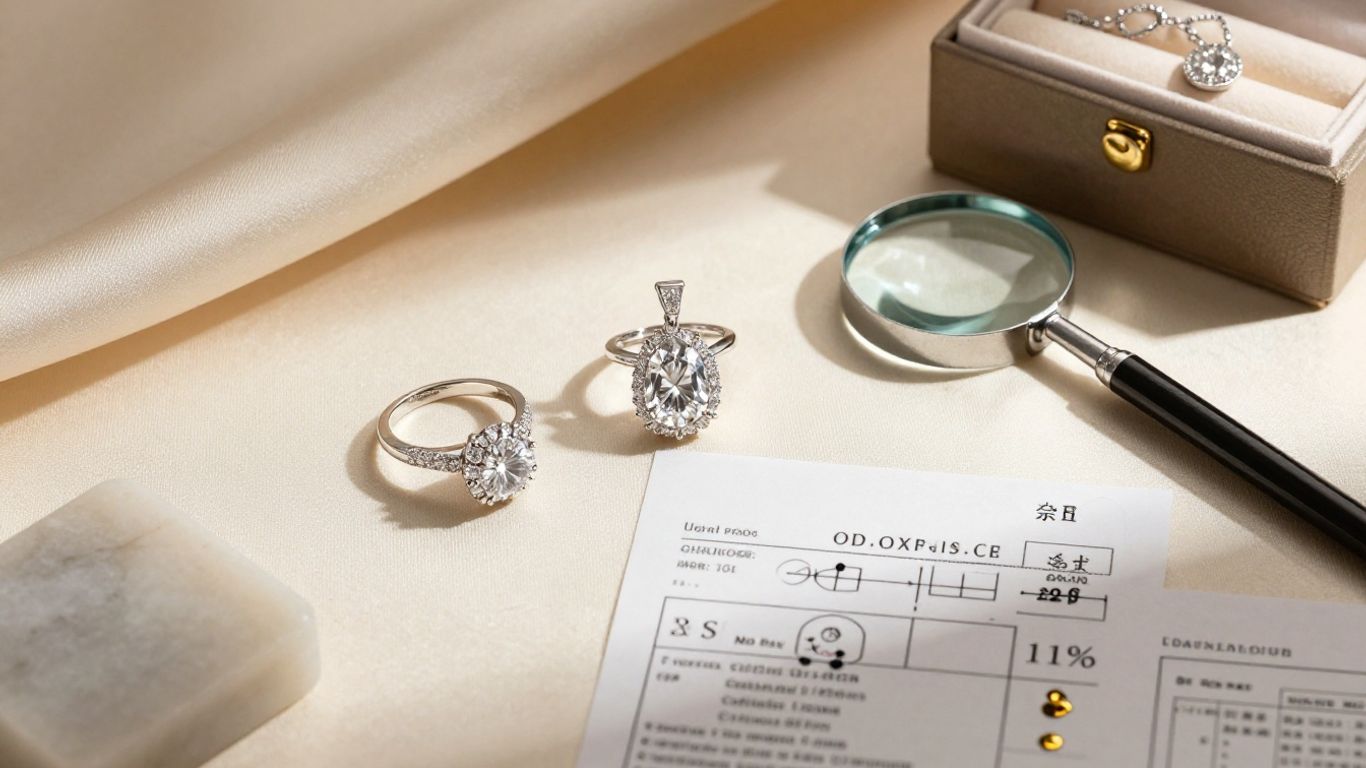
The centre stone will usually have the greatest effect on price, but it is not the only consideration. A larger carat weight, higher colour or clarity grade, platinum construction, intricate handwork, and custom sizing can each increase the total. Certification, insurance, shipping, and taxes also belong in the calculation. Ask for an itemised quotation so that a low headline price does not conceal costs that appear later.
Balancing diamond quality, metal, and design
There is no universal reason to spend more on one part of a piece. A well-cut diamond with slightly lower clarity may look more attractive than a larger stone with weak proportions, while a durable setting may matter more than a decorative detail you rarely notice. The practical goal is a balanced overall purchase, where the stone looks lively, the metal feels appropriate, and the design remains comfortable. Compare the piece in daylight as well as under display lights when possible.
Comparing natural and lab-grown diamonds
Natural and lab-grown diamonds are different purchasing choices, and the seller should identify which one is being offered. Both are assessed through familiar grading categories, but origin can affect price, personal preference, and expectations about future value. Ask whether the certificate clearly states the stone’s origin and whether the quoted price compares stones of similar cut, colour, clarity, and carat. Avoid treating a lower price as proof that one option is automatically better.
Planning for taxes, certification, and customisation costs
A final quote should show the diamond, metal weight, making charges, taxes, certification, resizing, engraving, and delivery separately where applicable. Custom work may involve design approval or a longer production period, so request those details before placing the order. A written breakdown also makes it easier to compare two jewellers fairly. Keep the invoice and certificate together after purchase; they are useful for insurance, servicing, and future questions.
Evaluate the diamond before you buy
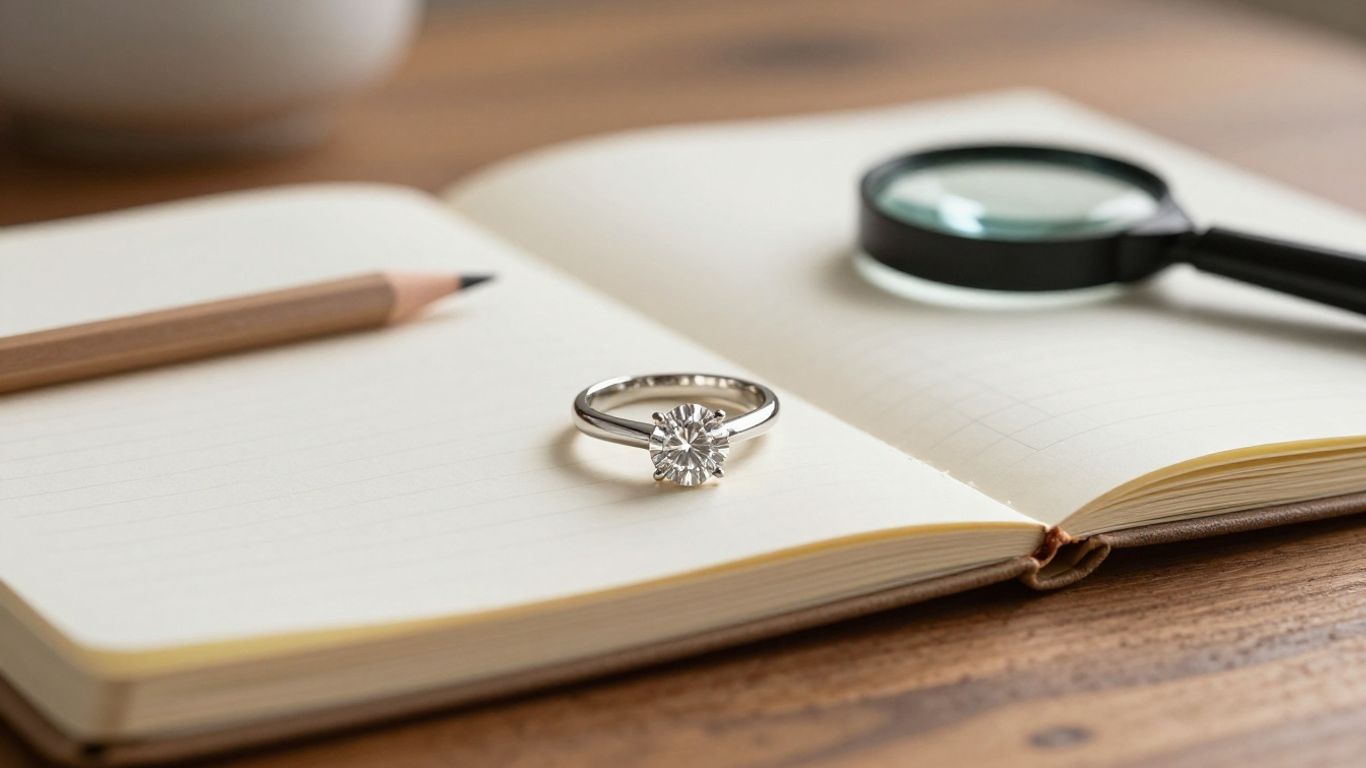
A solitaire has nowhere for a weak centre stone to hide, so diamond evaluation deserves patient attention. The 4Cs provide a common language, but a certificate alone cannot tell you how attractive a particular stone looks in person. Compare stones of similar size under consistent lighting and ask to see the grading report before making a decision. Take a short pause between options; visual fatigue can make small differences seem more significant than they are.
Using the 4Cs to compare stones
Cut influences how efficiently a diamond returns light, while colour describes how much tint is visible and clarity records internal or surface characteristics. Carat refers to weight, not directly to visual size or beauty. Begin with cut and overall appearance, then decide which colour, clarity, and carat trade-offs suit your budget. A smaller, lively stone can be a better choice than a larger one that looks dull or poorly proportioned.
Why diamond shape affects brilliance and price
Round diamonds are often valued for their traditional brilliance, while fancy shapes create a longer, wider, softer, or more architectural look. Oval and pear shapes may appear larger face-up for their weight, but their outlines and symmetry need careful inspection. Emerald cuts reveal clarity more readily because of their broad, open facets. Shape influences both appearance and price, so choose with your hand, wardrobe, and preferred kind of sparkle in mind.
Checking certification and stone authenticity
Ask for a grading report from a recognised gemological laboratory and confirm that its report number corresponds to the stone being shown. If the diamond has an inscription on its girdle, the jeweller may be able to demonstrate how it matches the report. The invoice should identify the stone and the metal accurately, without vague wording. For a significant purchase, an independent appraisal can provide another layer of documentation after the sale.
Understanding fluorescence, symmetry, and polish
Fluorescence describes how a diamond may react under ultraviolet light; its effect varies from stone to stone and should be judged visually. Symmetry concerns how precisely the facets align, while polish describes the quality of the facet surfaces. Neither should be considered in isolation from cut and appearance. Ask to view the stone face-up and from the side, since a pleasing top view can sometimes conceal a deep or poorly balanced profile.
Choose the right design and metal
The setting is where beauty meets daily practicality. A high, exposed design may show more of the stone but can catch on sleeves, while a lower profile may feel easier to live with. Metal colour changes the overall mood, and the band’s width affects how large the centre stone appears. Try on several versions before deciding, especially if this is your first substantial jewellery purchase.
Matching the setting to your lifestyle
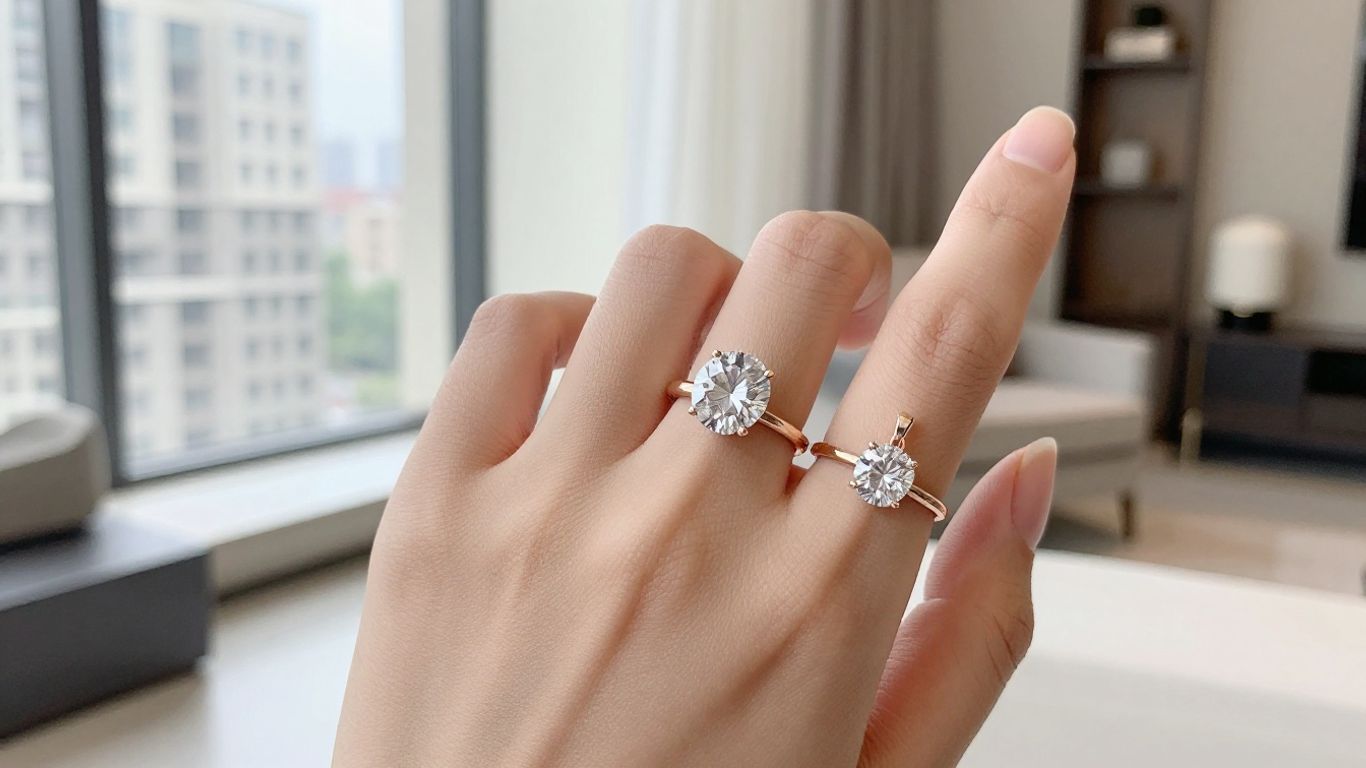
If you work with your hands, exercise often, or prefer not to remove jewellery, prioritise a secure setting and a band that does not snag easily. Prong settings should be checked for even alignment and smooth edges, while bezel settings can offer more coverage around the stone. Consider whether the piece will be worn alongside a wedding band, watch, or other rings. Comfort is not a minor detail; it determines whether the jewellery becomes part of your real routine.
Comparing gold, platinum, and other metal options
Yellow gold has a warm traditional appearance, white gold offers a bright neutral look, and rose gold brings a softer pink tone. Platinum is dense and naturally white, though its weight and price may differ from gold options. Ask about alloy composition, rhodium plating where relevant, care requirements, and possible allergies. Match the metal to both your existing jewellery and the level of maintenance you are willing to accept.
Selecting a diamond shape for different hand proportions
Elongated shapes such as oval, pear, and marquise can create a lengthening effect on the finger, while round and cushion stones tend to look more balanced and classic. Broader bands can suit larger stones or longer fingers, whereas a fine band may flatter a petite hand. These are starting points, not rules. The most useful test is to try the actual setting on your hand and view it from a normal conversational distance.
Customising solitaire jewellery for a personal touch
Personalisation can be as subtle as choosing a specific band finish, adding an engraving, or selecting a stone shape with family meaning. Before approving a custom design, request a drawing or digital rendering and confirm the dimensions, stone specifications, metal, timeline, and revision terms. Make sure the finished piece will still be serviceable if it needs resizing or repair. A personal detail works best when it remains comfortable and structurally sound.
Find a trustworthy jeweller in Bangalore
Bangalore offers many ways to shop, from appointments in local showrooms to online consultations and home delivery. Convenience is useful, but it should not replace clear documentation or the opportunity to ask direct questions. Compare sellers using the same stone details, metal purity, certification standard, and policy terms. A polished website is only one part of trust; consistent answers and transparent paperwork matter more.
Comparing local showrooms and online jewellery stores
A showroom lets you examine proportions, try on settings, and compare how stones look under different angles. An online store may offer a broader browsing experience, but you should confirm whether photographs are representative, whether appointments or video viewings are available, and how returns work. Do not compare only the displayed price. Compare the final delivered piece, its paperwork, delivery method, and service access in Bangalore.
Questions to ask before placing an order
A good jeweller should answer practical questions without rushing you. Ask who graded the stone, whether the certificate is included, how the metal purity is marked, and what happens if the finished item does not fit. Also ask about production time, insurance during shipping, exchange restrictions, and the process for reporting a defect. Written answers are preferable for custom or high-value orders.
Verifying warranties, return policies, and resizing services
Read the warranty for exclusions as carefully as the benefits. Some policies cover manufacturing defects but exclude damage caused by wear, lost stones, or third-party repairs. Confirm whether resizing is possible for the specific setting and whether it carries a fee or changes the warranty. Return windows, cancellation rules, and custom-order exceptions should be clear before you pay a deposit.
Checking reviews, certifications, and after-sales support
Reviews can reveal patterns in communication, delivery, and repair handling, but they should be read alongside formal business details. Look for a jeweller that provides proper invoices, stone documentation, and clear contact channels after the sale. Ask how inspections and repairs are managed and whether work is done in-house or sent elsewhere. Reliable after-sales support is especially valuable for a solitaire because a loose setting needs prompt attention.
Buy and care for solitaire jewellery with confidence
The purchase is not complete when the box opens. Take a few minutes to inspect the jewellery, preserve its documents, and understand how to protect it from avoidable damage. Even a durable diamond can be loosened by impact, and metal surfaces can collect scratches over time. A simple care routine will help the piece retain its appearance and make problems easier to spot early.
Inspecting the piece before completing your purchase
Check the stone from several angles for chips, movement, or an unusual gap between the gemstone and setting. Run a clean fingertip carefully over the claws and edges to identify anything sharp or rough, and verify the ring size, metal stamp, certificate number, and invoice details. Look at the finish under neutral light rather than relying only on the display case. Raise discrepancies before accepting the piece.
Understanding safe payment and delivery practices
Use a payment method that provides a clear receipt and avoid transferring funds to an account that does not match the seller’s documented business details. Confirm whether the parcel is insured, sealed, and trackable, and ask what identification or signature will be required at delivery. For a custom order, retain the design approval and promised completion date. These small records make resolving a genuine delivery or specification issue much easier.
Cleaning and storing solitaire jewellery at home
Routine care does not need to be complicated, but it should be gentle. Keep the piece away from harsh chemicals, abrasive cloths, and situations where it may receive a sharp impact. A few habits are particularly useful:
- Remove rings before heavy cleaning, gardening, or strenuous manual work.
- Wash jewellery with mild soap, lukewarm water, and a soft brush when appropriate.
- Dry each piece thoroughly before putting it away.
- Store solitaires separately in a lined compartment so stones and metal do not scratch one another.
These steps protect both the stone and the setting, but they do not replace professional attention when a claw feels loose or the piece has suffered a knock. When in doubt, stop wearing it until it has been checked.
Scheduling professional inspections and maintenance
Have the setting examined periodically, especially if the jewellery is worn every day. A jeweller can inspect prongs, clasps, solder points, and the fit of the stone, then clean the piece using methods suitable for its materials. Replating, polishing, or tightening should be discussed before work begins because each service changes the finish or structure in a different way. Keep service records with the original invoice and certificate.
Conclusion
Choosing solitaire jewellery in Bangalore becomes much less daunting when you separate the decision into stone quality, design, budget, seller reliability, and long-term care. Take your time, compare documentation as carefully as sparkle, and choose a piece that feels natural in your everyday life rather than impressive only for a few minutes in a showroom.
Frequently Asked Questions
What is solitaire jewellery?
Solitaire jewellery features one principal gemstone, usually a diamond, as the central focus of the piece. The surrounding setting is generally simple so the stone’s shape, cut, and brilliance remain prominent.
Is a solitaire ring suitable for everyday wear?
It can be, provided the setting is secure and suits your routine. People who work with their hands may prefer a lower profile, protected edges, and regular inspections for loose claws or damage.
How much should I budget for solitaire jewellery?
Budget for the complete purchase, including the stone, metal, making charges, taxes, certification, resizing, customisation, and delivery. Comparing itemised quotes gives you a more realistic view than comparing headline prices.
Which diamond shape is best for a solitaire?
There is no single best shape. Round, oval, cushion, pear, emerald, and other shapes create different looks and price points, so consider your preferred sparkle, hand proportions, style, and budget.
Are lab-grown diamonds real diamonds?
Lab-grown diamonds are diamonds created in a laboratory rather than formed naturally underground. Ask for clear origin disclosure and an appropriate grading report when comparing them with natural diamonds.
What documents should I receive with a solitaire purchase?
You should generally receive an itemised invoice and the diamond’s grading report, along with details of metal purity, warranty coverage, return terms, and any customisation or resizing agreement.
How often should solitaire jewellery be inspected?
The frequency depends on how often you wear it and how demanding your routine is. Arrange an inspection sooner if the stone moves, a claw feels rough, the clasp weakens, or the piece has received an impact.
How to choose wedding necklace sets in Bangalore for every bridal style and budget
10 minute read
Related blogs:
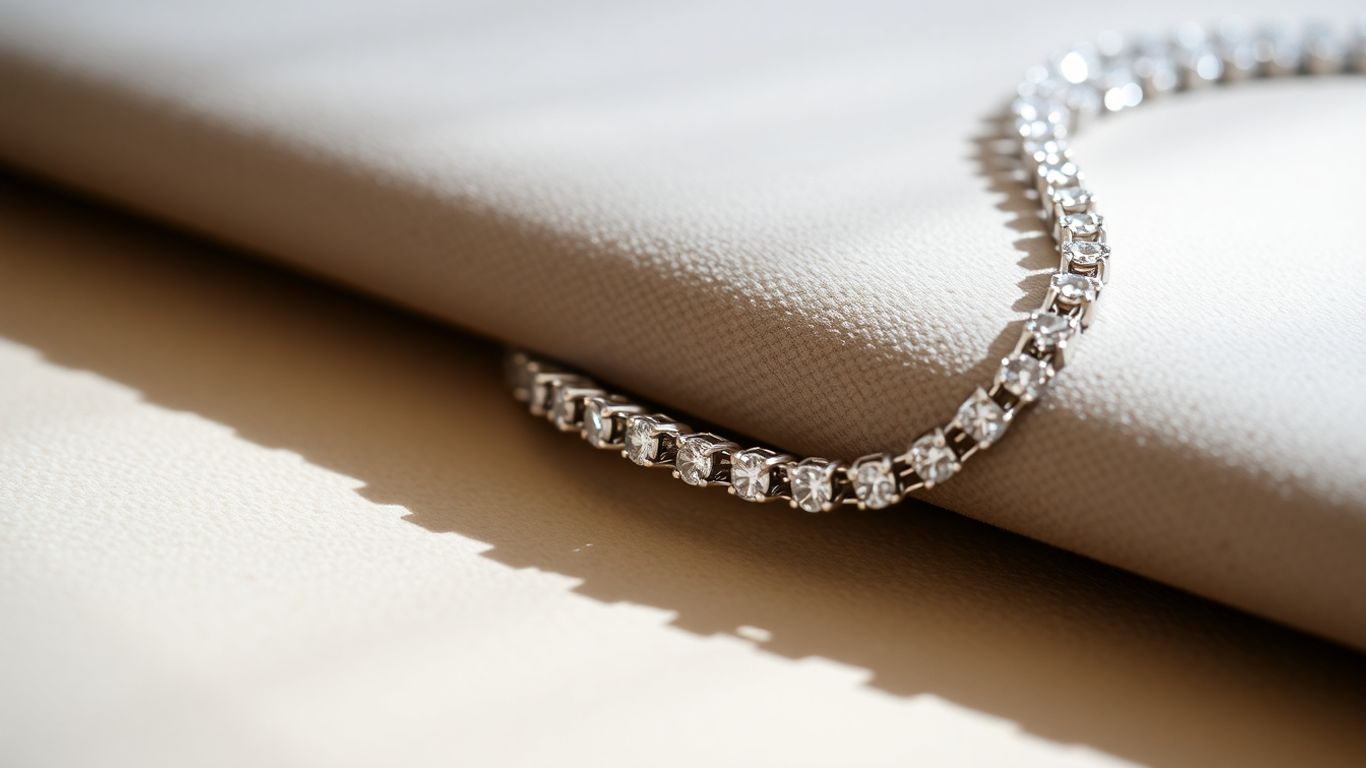
November 20, 2025
The Timeless Elegance of the Tennis Bracelet: A Comprehensive Guide
Read More
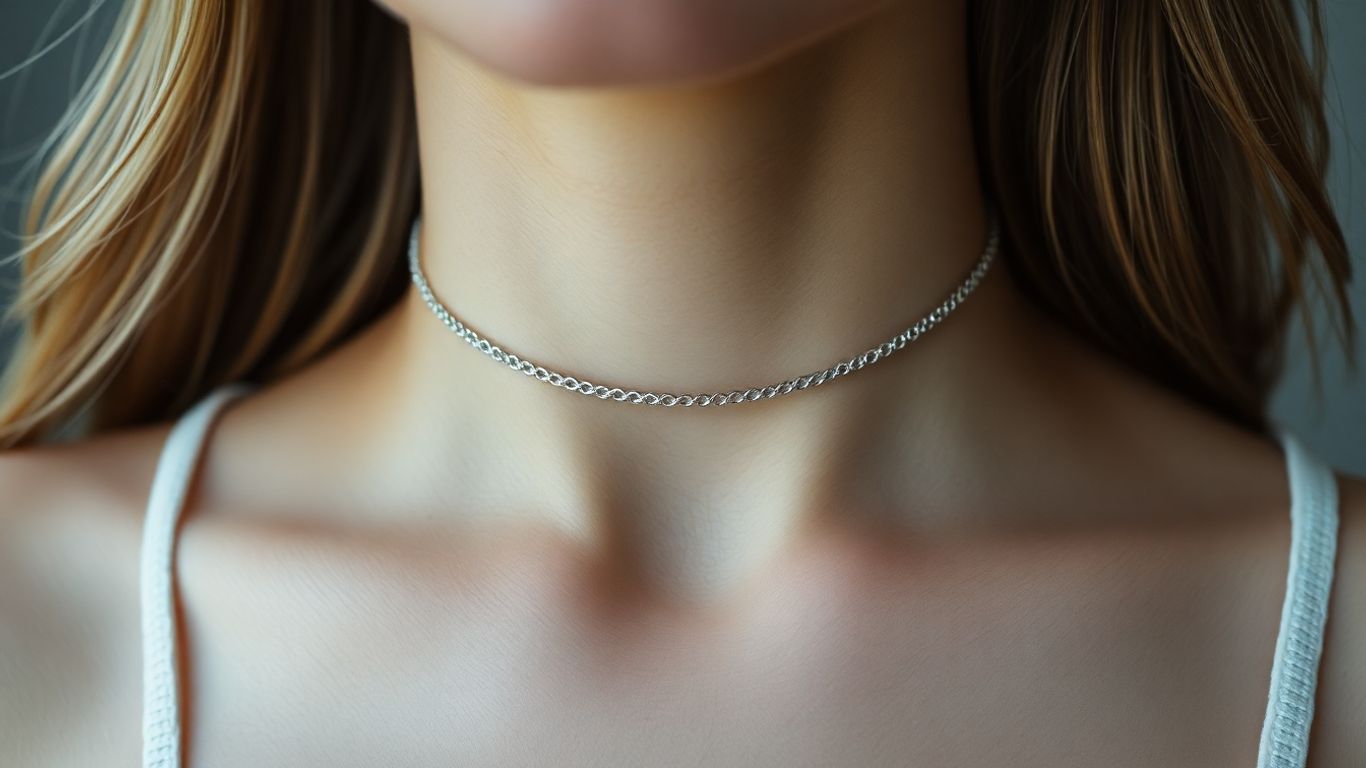
November 20, 2025
The Ultimate Guide to Styling and Wearing a Choker Necklace
Read More
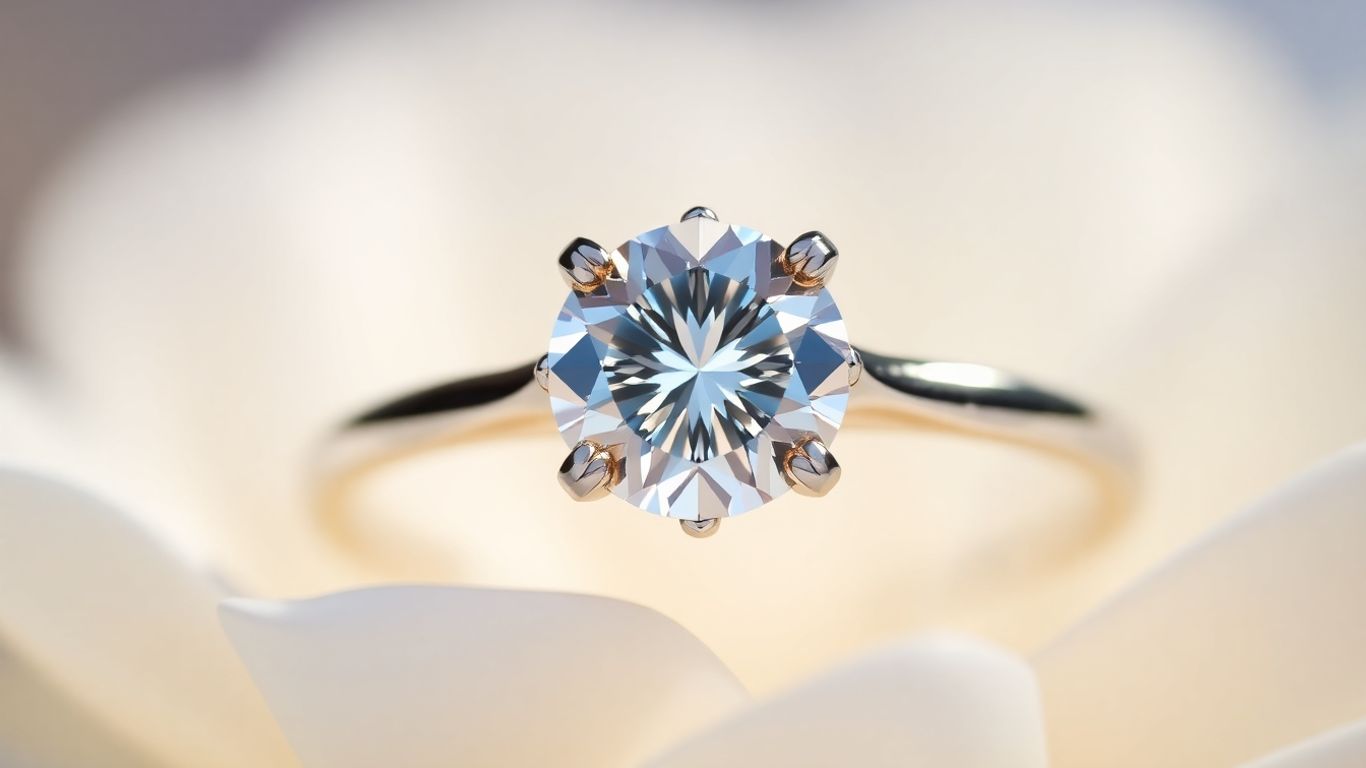
November 20, 2025
Find Your Perfect Engagement Ring: A Comprehensive Guide to Styles and Diamonds
Read More
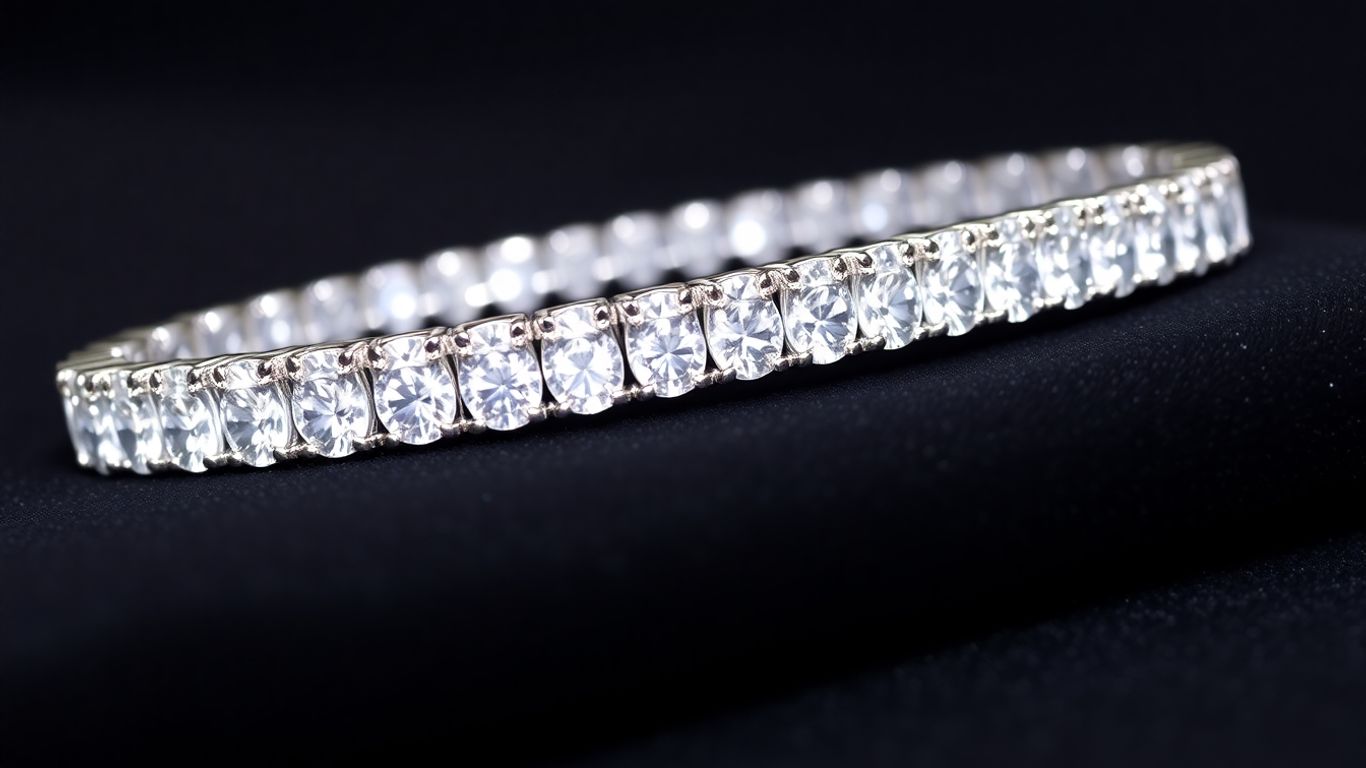
November 20, 2025
The Timeless Elegance of a Diamond Tennis Bracelet: A Buyer's Guide
Read More









.webp)
.webp)