How to choose diamond engagement rings Bangalore couples will love
August 25, 2026 | 10 minutes read
Key Takeaways
Choosing an engagement ring becomes easier when you treat it as a series of considered decisions rather than a single dramatic purchase.
- Compare styles, diamond origins, settings, and metals before visiting a jeweler.
- Set a complete budget that includes taxes, certification, resizing, and insurance.
- Judge a diamond by cut and visible brilliance, not carat weight alone.
- Ask for clear documentation, written policies, and realistic delivery dates.
- Choose a comfortable design that suits everyday life as well as the proposal.
Understand the diamond engagement ring market in Bangalore
Bangalore offers plenty of variety, from understated rings for daily wear to elaborate designs intended to become family heirlooms. Couples often compare online listings with showroom appointments before deciding where they feel most comfortable buying. The city’s mix of traditional jewellery preferences and modern design tastes makes it useful to start with personal style, not a trend. A little research also makes conversations about quality and price much less intimidating.
Popular styles among local couples
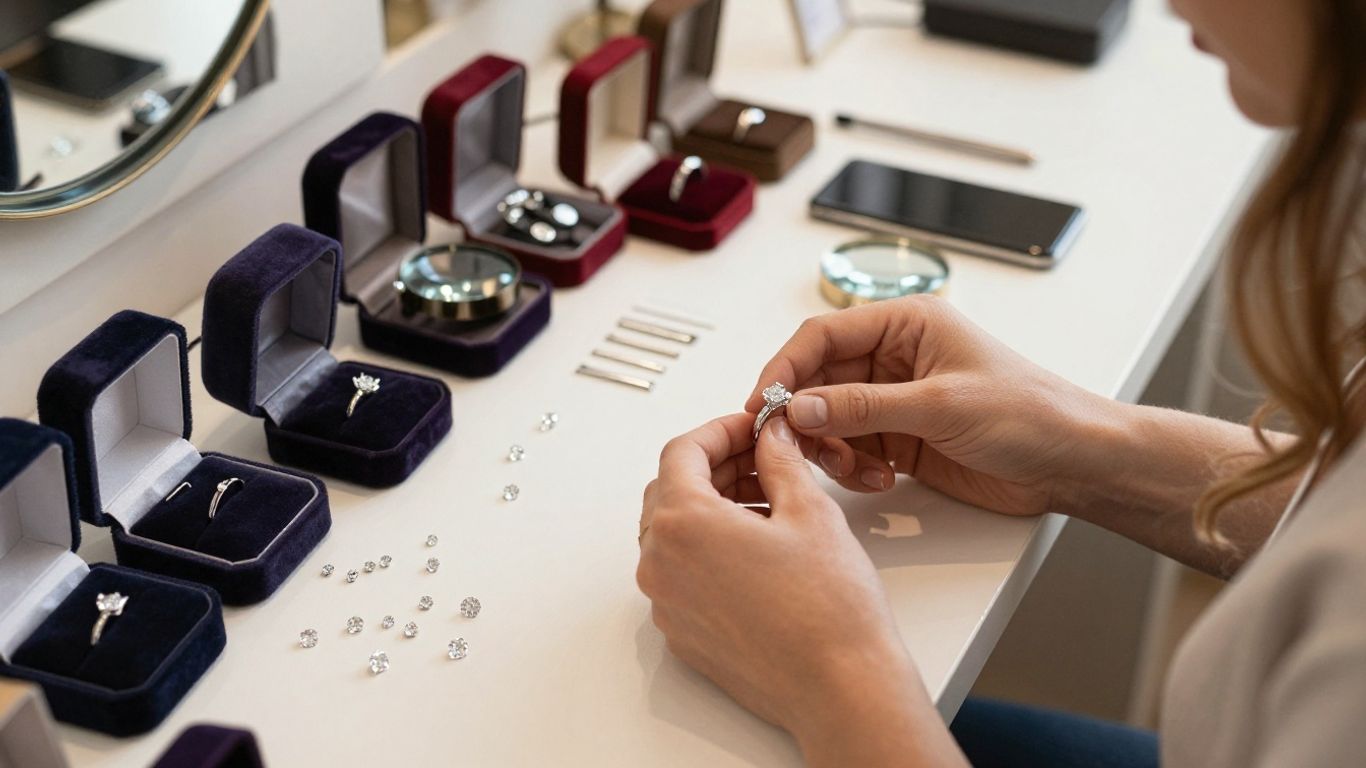
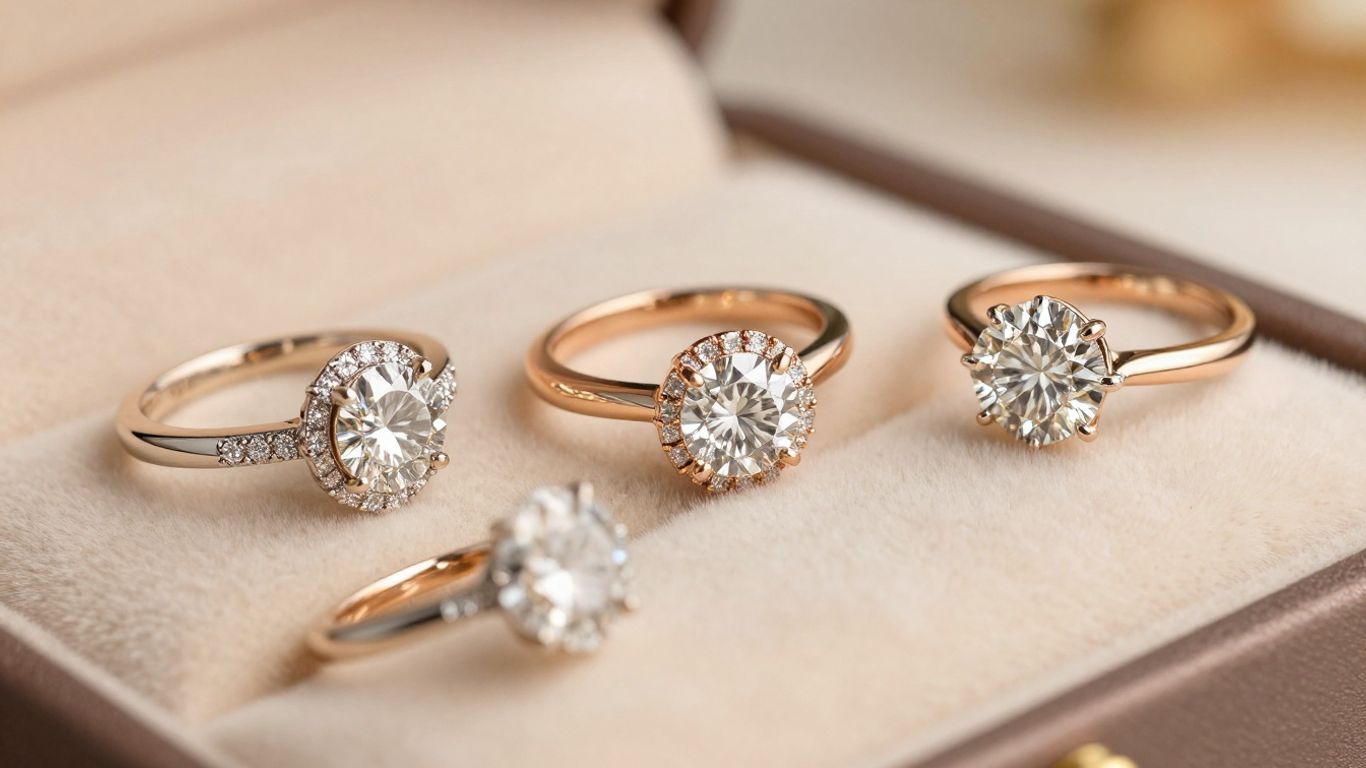
Solitaire rings remain appealing because they are easy to wear and keep attention on the centre diamond. Halo designs can create a larger-looking face, while three-stone rings carry a more symbolic feel. Some couples prefer slim bands, low-profile settings, or designs that can sit neatly beside a future wedding band. Think about the recipient’s existing jewellery: the shapes, metal colours, and scale they already wear are often more revealing than a saved inspiration board.
Natural versus lab-grown diamonds
Natural and lab-grown diamonds are both considered through the same broad quality questions: cut, colour, clarity, carat weight, documentation, and setting quality. Lab-grown options may appeal to buyers who want a different sourcing story or a particular size within a fixed budget. Natural diamonds may carry a preference rooted in rarity, tradition, or family expectations. Ask how the stone is documented and compare like with like rather than assuming origin alone determines the right choice.
For a wider perspective on the local market, this Bangalore jewellers guide is a useful starting point when comparing certification, craftsmanship, and after-sales considerations.
Current pricing factors in Bangalore
The quoted price reflects more than the diamond’s carat weight. Cut quality, shape, colour, clarity, metal purity, setting complexity, labour, certification, and taxes can all change the final figure. A well-cut oval may look more impressive than a poorly cut round stone of similar weight, while platinum or intricate handwork can add substantially to the setting cost. Request an itemised quote so you can see which trade-offs are actually being made.
Online retailers versus in-store studios
Online shopping makes it convenient to filter by shape, metal, size, and price, but photographs cannot fully answer questions about fit or sparkle. A showroom lets you try different widths and settings, examine the ring from several angles, and discuss adjustments face to face. Some buyers begin online and visit in person before paying; others prefer a studio from the outset. CaratLane, for example, is described as offering an engagement-ring buying experience through both online and in-store routes, so the useful comparison is the level of information and support you receive at each stage.
Set a realistic budget before you shop
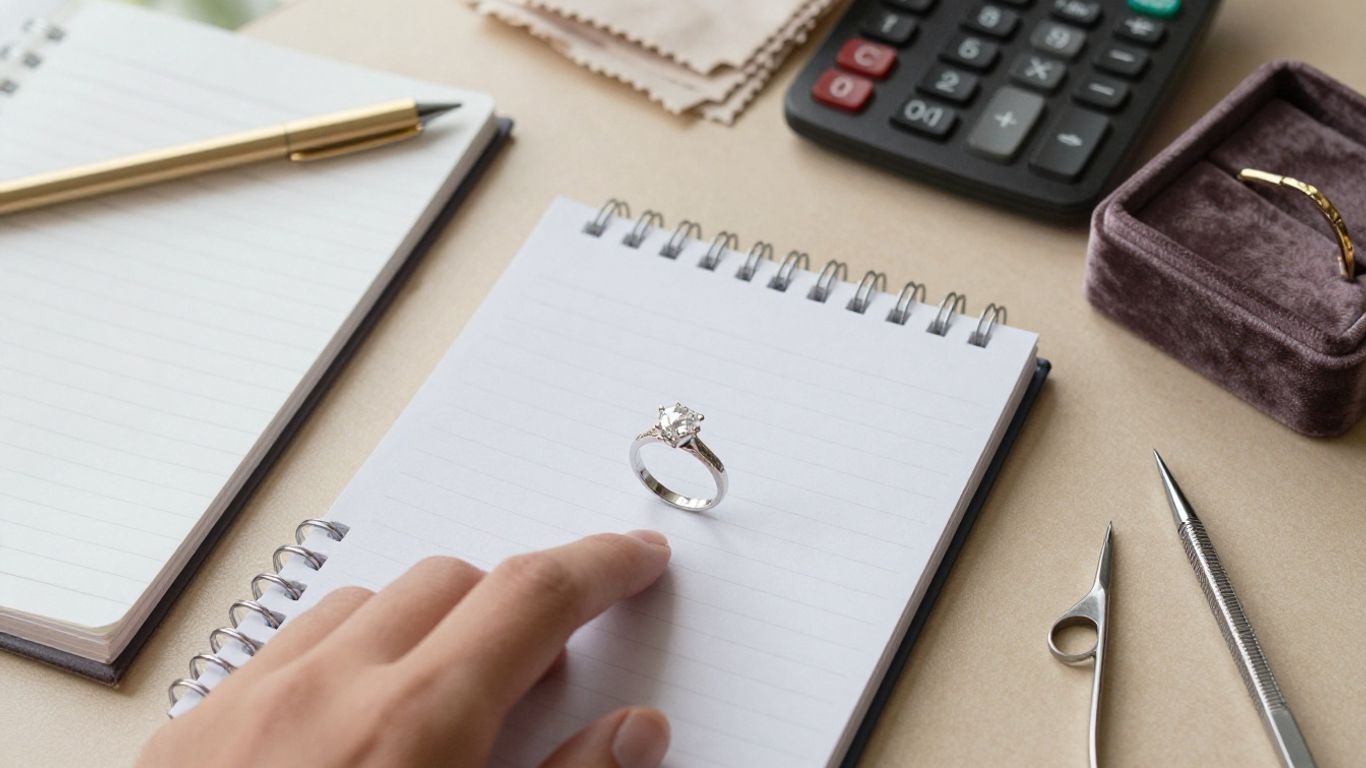
A sensible budget should leave room for the rest of the proposal and for life after it. There is no universal salary rule that makes one ring appropriate for everyone. Instead, decide what monthly commitments, savings goals, and shared priorities allow without creating avoidable pressure. The best budget is one you can explain clearly to yourself before a salesperson shows you something more expensive.
How much to allocate for the ring
Start with a maximum amount, then create a comfortable target below it. That gap gives you room for a design you genuinely prefer, unexpected taxes, or a necessary size adjustment without turning the purchase into a financial stretch. If the ring is being bought jointly, agree whether the budget includes only the ring or also the proposal, travel, photography, and related gifts. A written figure prevents a beautiful display piece from quietly resetting your plans.
Balancing diamond size, quality, and metal
The most visible improvement often comes from a lively, well-proportioned cut rather than simply choosing a heavier stone. You can also adjust the shape, clarity threshold, or metal to preserve the look you want. White gold , yellow gold , rose gold , and platinum each create a different visual frame around the diamond. Compare complete rings in person where possible, because the relationship between stone and setting matters more than any isolated specification.
Additional costs for customization and resizing
Engravings, unusual band profiles, pavé details, hidden accents, and made-to-measure settings can add labour and time. Resizing may be straightforward for some bands but difficult for designs with stones around the circumference. Before approving a custom change, ask whether it affects the warranty, return eligibility, future resizing, or the delivery date. These questions are practical, not unromantic; they protect the meaning of the purchase.
Planning for taxes, certification, and insurance
Ask whether the displayed price includes taxes, the grading report, hallmarking where applicable, and any delivery or alteration fees. Keep the invoice, certificate, payment record, and final ring measurements together once you buy. Insurance is easier to arrange when the paperwork states the stone’s identifying details and the ring’s total value. Treat these documents as part of the purchase rather than paperwork to deal with later.
Choose the right diamond for your ring
A diamond can look different in a display case, under showroom lighting, and on the hand. That is why the familiar 4Cs are best used as a framework for comparison rather than as a scorecard. Decide first what kind of sparkle and shape feel right, then use the grading information to compare stones within that preference. If you are uncertain, return to the ring’s everyday purpose and the wearer’s taste.
Comparing cut, color, clarity, and carat
Cut affects how effectively a diamond returns light, while colour describes how much body colour is visible. Clarity concerns internal and external characteristics, and carat weight measures mass rather than apparent beauty. These factors interact: a slightly smaller stone with stronger cut performance may look more attractive than a larger stone with dull proportions. Compare stones in the same lighting and ask to inspect them without relying only on a product photograph.
Selecting a diamond shape for personal style
Round diamonds suit a classic, symmetrical look, while oval and pear shapes can feel softer or more elongated on the finger. Emerald and Asscher cuts offer a quieter, architectural effect because their broad facets reveal clarity more readily. Cushion and radiant shapes bridge traditional and contemporary tastes. Consider hand proportions, preferred jewellery shapes, and how the outline will sit with a wedding band before settling on a shape.
Evaluating brilliance beyond carat weight
Look for balanced brightness across the stone, lively flashes when it moves, and a face-up appearance that does not rely on one intense spotlight. Dark areas, uneven patches, or a sleepy centre deserve a closer look. A jeweller should allow you enough time to tilt the ring and view it from different angles. Visible sparkle matters most when the ring will be worn in ordinary daylight, offices, restaurants, and homes.
Understanding diamond certificates and grading labs
A grading report should match the stone you are considering, including its measurements, shape, carat weight, proportions, and identifying marks where provided. Read the report rather than accepting a verbal description, and ask who issued it and whether the seller’s details agree with the document. The diamond buying guide from C Krishniah Chetty & Co covers comparing the 4Cs, examining sparkle and symmetry, reviewing inclusions, and checking seller and return information. Those checks are useful regardless of where you ultimately shop.
Select a setting and precious metal
The setting determines how the diamond is held, how high it sits, and how the ring feels during ordinary tasks. A design that looks dramatic in a photograph may catch on clothing or feel too tall for someone who uses their hands constantly. Metal colour changes the overall mood, while band width influences both comfort and visual balance. Consider the complete ring, not just the centre stone.
Classic solitaire and halo settings
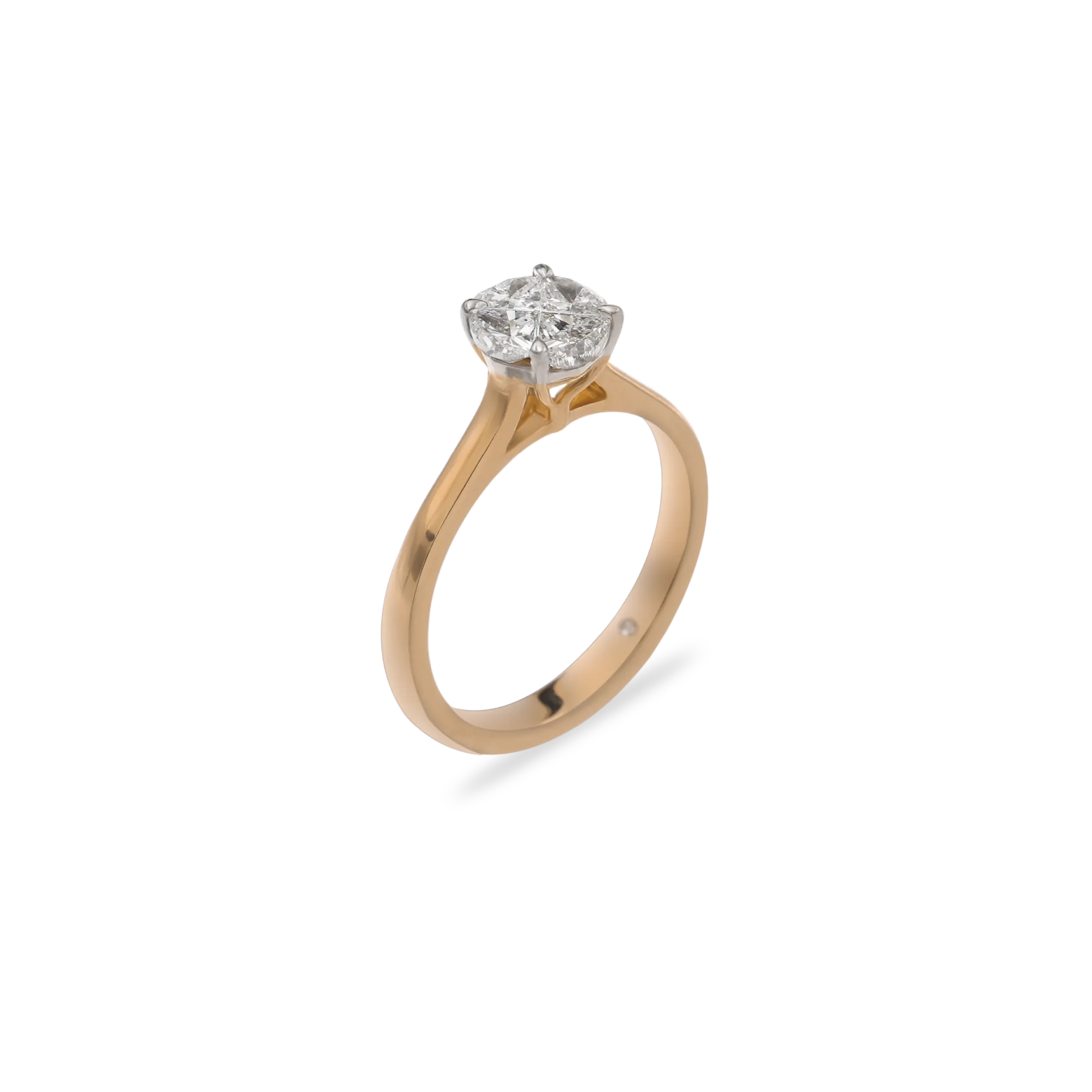
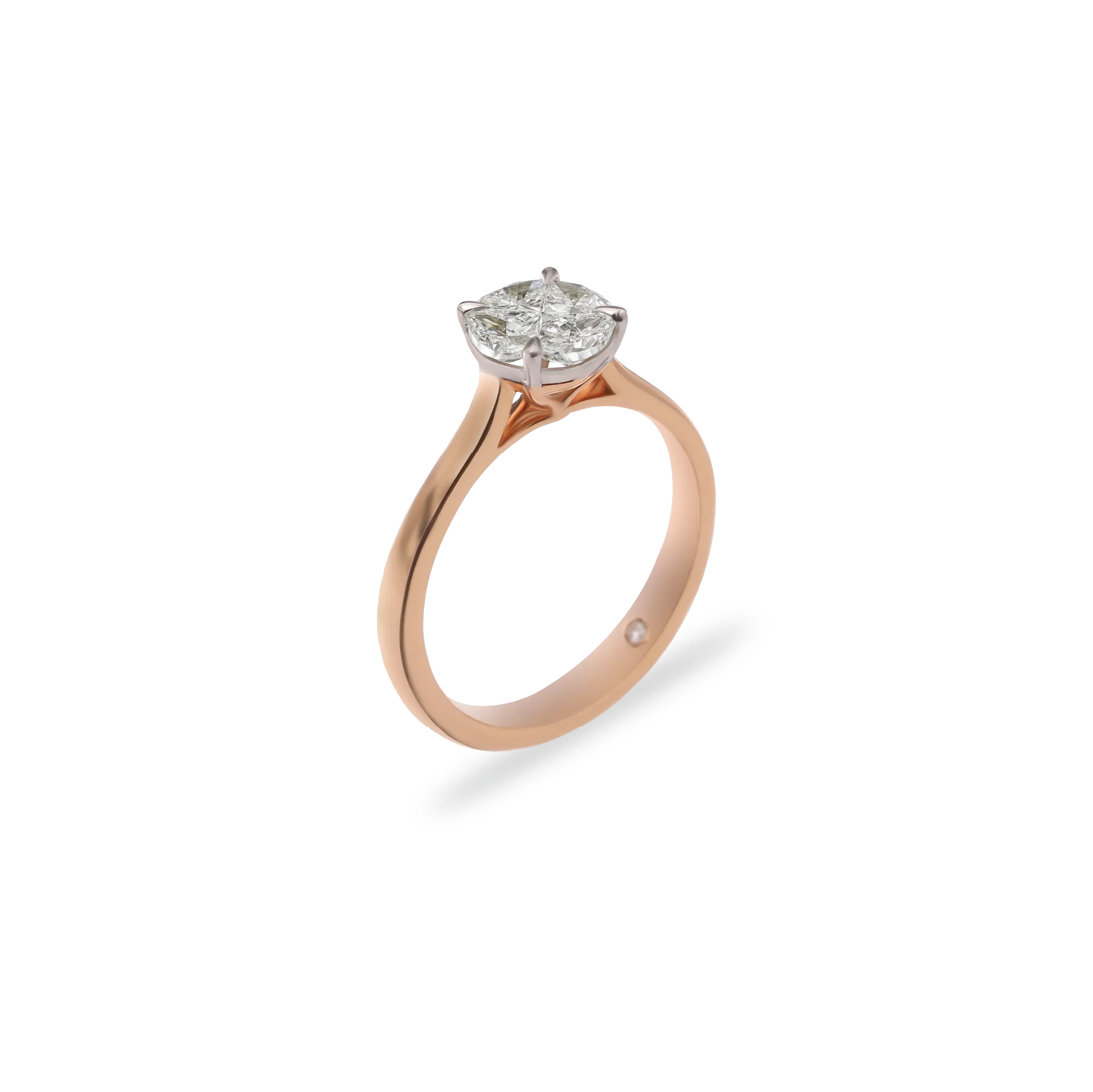
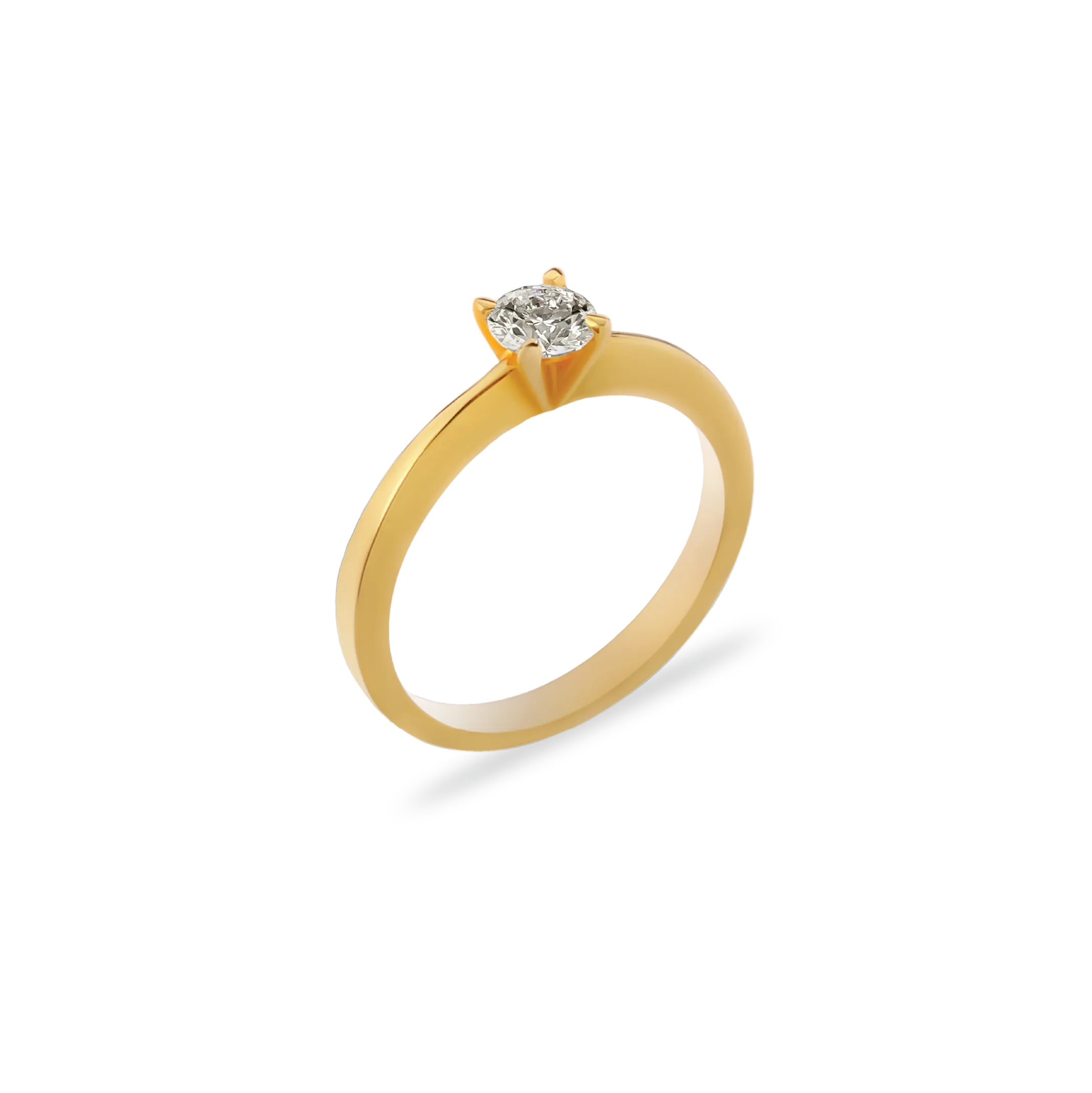
A solitaire keeps the design focused and usually offers a clean, adaptable silhouette. A halo surrounds the centre with smaller stones, adding detail and often making the centre appear broader from a distance. Prong shape, gallery height, and the band’s width can make either style feel delicate or substantial. Try several versions of the same basic design before assuming you know which one will suit the hand.
Modern three-stone and hidden-halo designs
Three-stone rings create a stronger sense of symmetry and can carry personal meaning through the relationship between the stones. A hidden halo adds sparkle beneath the centre without making the top view excessively ornate. These details are easy to miss in a catalogue image, so ask to see the ring from the side and underneath. The underside should feel finished, secure, and comfortable against the finger.
Choosing between yellow, white, and rose gold
Yellow gold has a warm, familiar presence, white gold creates a cooler and often more seamless backdrop, and rose gold brings a soft pink undertone. The choice can follow existing jewellery, skin preference, or the colour of the wedding band you expect to buy later. Mixed-metal designs can bridge different collections, but they require a deliberate rather than accidental look. Ask about care requirements and any plating involved in the metal finish.
Matching the setting to lifestyle and comfort
Someone who works with their hands, exercises frequently, or dislikes noticeable jewellery may prefer a lower profile and protected stone edges. Those who want maximum visual presence might accept a higher setting in exchange for greater elevation. Check whether the prongs feel smooth, whether the band rotates, and whether the ring leaves enough room for a wedding band. Comfort is a quality test you can perform immediately.
Find reputable diamond engagement rings Bangalore jewelers
A trustworthy buying experience is usually clear before the transaction is complete. The seller should explain the stone, setting, metal, price, documentation, and after-sales terms without rushing you. Visit more than one jeweller if possible, but compare written details rather than polished displays alone. The goal is not simply to find a beautiful ring; it is to know exactly what you are agreeing to buy.
Questions to ask before making a purchase
Ask whether the diamond is natural or lab-grown, which grading report accompanies it, and whether the report number can be checked. Confirm the metal purity, total carat weight, setting construction, taxes, resizing terms, and expected delivery date. You should also ask what happens if the ring arrives with a loose stone or does not fit. Clear answers are more valuable than a vague promise of “premium quality.”
How to verify certifications and business credentials
Match the report to the diamond’s measurements and identifying details, then compare the invoice with the final ring. For gold, check the relevant hallmark and purity information rather than relying on colour or weight alone. Review the business address, customer-service contact, and written terms before making a deposit. A practical diamond jewellery buying checklist can help you remember these checks when several rings begin to look alike.
Comparing warranties, returns, and maintenance services
A warranty may cover manufacturing issues but exclude accidental damage, wear, or unauthorised repairs. Return and exchange windows can differ for ready-made, resized, engraved, and custom rings. Ask whether cleaning, inspection, polishing, and prong checks are available, and whether those services carry fees. Put the answers in your purchase file so you do not have to reconstruct them months later.
Warning signs of unreliable sellers
Be cautious when a seller refuses to provide a report, cannot explain the invoice, pressures you to pay immediately, or offers a price that seems disconnected from the specifications. Vague guarantees and undocumented upgrades are also reasons to pause. Do not send payment through an unfamiliar link or rely on messages that cannot be verified through the jeweller’s official contact details. Walking away is always preferable to trying to repair a rushed decision.
Customize the ring for a meaningful proposal
Personalization works best when it adds meaning without making the ring difficult to wear or maintain. A private engraving can matter more than a crowded band of decorative details. Start with the recipient’s habits and preferences, then decide which elements should remain visible and which can stay between you. Custom work deserves patience because small design changes can affect structure, price, and timing.
Choosing an engraving and personal details
Initials, a date, a short phrase, or coordinates can create a quiet connection to the proposal. Check the character limit and the engraving style before approving the design, especially if the band is narrow. Ask to see a digital or paper preview and confirm spelling twice. The best detail is one that will still feel personal years after the proposal photographs are forgotten.
Designing a practical ring size and fit
A ring should pass over the knuckle with gentle resistance and sit securely without pinching. Fingers change with temperature, activity, and time of day, so a single hurried measurement may not tell the whole story. If the proposal must remain secret, borrow a ring worn on the same finger or ask a trusted friend to help. Confirm the jeweller’s resizing policy before using an estimated size.
Coordinating the engagement ring with a wedding band
Consider whether the engagement ring needs a straight band, a curved band, or a small gap to sit comfortably beside it. A low setting may pair easily with many bands, while a prominent halo or side-stone design may require a shaped companion. You do not need to choose both rings at once, but you should understand the likely pairing options. This prevents a later wedding-band decision from dictating an unwanted alteration.
Managing custom orders and delivery timelines
Custom work can involve sketches, stone selection, approval, production, inspection, and final adjustments. Rings & I describes a designer ring studio with customization choices including size, engraving, metal tones, and finishes, alongside guidance from an expert team. If you explore a service like this, confirm which options apply to your chosen design and obtain the delivery date in writing. Leave a buffer before the proposal for delays, resizing, or a final quality check.
Protect and care for your engagement ring
An engagement ring is worn through ordinary life, so care should be simple enough to follow consistently. Remove it before handling harsh chemicals, doing heavy work, swimming, or applying products that can build up around the setting. Store it separately from other jewellery to reduce scratches and snagging. A few small habits can preserve both the stone’s appearance and the setting’s security.
Inspecting the ring before accepting it
Examine the diamond under good light and look for chips, scratches, cloudy areas, or an unexpected inclusion pattern. Run a clean fingertip gently over the prongs and band to detect rough edges, then check that the stone does not move when handled carefully. Compare the finished ring with the invoice and report. Raise discrepancies before taking the ring home, while the purchase record and jeweller’s inspection are still immediate.
Cleaning and storing the diamond safely
For routine cleaning, use lukewarm water, mild soap, and a soft brush, then rinse over a secure bowl rather than an open drain. Avoid abrasive powders, harsh chemicals, and improvised tools that can scratch the metal or loosen a setting. Dry the ring with a soft, lint-free cloth and store it in a fabric-lined box. More care guidance is available in this diamond ring care guide, including storage, gentle cleaning, and checks for loose stones.
Scheduling professional checks and maintenance
Have the ring inspected periodically, especially if it is worn every day or has delicate pavé work. A professional can examine prongs, the band, and the fit of smaller stones before a minor issue becomes a lost diamond. Cleaning can also restore brightness in areas that home washing misses. Schedule a check after an impact, even if the ring looks unchanged.
Insuring the ring against loss or damage
Ask an insurer what documentation, valuation, exclusions, deductible, and claims process apply to the ring. Coverage may differ for loss, theft, accidental damage, and repairs, so read the policy rather than assuming all risks are included. Keep updated photographs and copies of the certificate and invoice in a secure location. Review the value after significant changes or a new professional appraisal.
Conclusion
The right engagement ring is a meeting point between personal taste, responsible spending, documented quality, and everyday comfort. Compare complete rings, ask direct questions, leave time for custom work, and choose a design that feels natural on the hand. With that groundwork in place, shopping for diamond engagement rings Bangalore couples will love can feel thoughtful rather than overwhelming.
Frequently Asked Questions
How much should I spend on an engagement ring?
Choose an amount that fits your savings, income, and other priorities rather than following a fixed rule. Include taxes, certification, resizing, insurance, and possible customization in the total budget.
Are lab-grown diamonds a good choice for an engagement ring?
They can be a suitable choice for buyers who value a particular sourcing preference, size, or budget. Compare their cut, colour, clarity, carat weight, report, and setting quality just as you would with any other diamond.
Which diamond shape looks largest for its carat weight?
Elongated shapes such as oval, pear, and some radiant cuts can have a larger face-up appearance for their weight. Proportions and cut quality still matter, so compare actual measurements rather than shape names alone.
Is cut more important than carat weight?
Cut often has a strong effect on brightness and sparkle, while carat weight describes mass. A well-cut diamond with slightly less weight may look more lively and attractive than a heavier stone with weaker proportions.
What certificate should come with a diamond?
Ask for a grading report from a recognised gemological laboratory and ensure its details match the stone being sold. The report should agree with the diamond’s measurements, shape, carat weight, and identifying information where available.
How can I choose the correct ring size secretly?
Borrow a ring the recipient wears on the intended finger, ask a trusted friend, or use a jeweller’s discreet sizing advice. Confirm the seller’s resizing policy before ordering because some custom or engraved rings may have restrictions.
How often should an engagement ring be inspected?
A periodic professional inspection is sensible for a ring worn daily, particularly when it has delicate prongs or multiple small stones. Arrange an extra check after an impact or whenever the diamond feels loose.
Luxury bridal jewellery Bangalore: A complete guide to choosing timeless wedding pieces
10 minute read
Related blogs:
September 17, 2026
How to Choose the Perfect Diamond Necklace for Bride on Her Wedding Day
Read More
September 17, 2026
Wedding jewellery for modern brides: how to choose timeless pieces with contemporary style
Read More
September 17, 2026
Wedding jewellery for traditional brides: A complete guide to choosing timeless bridal pieces
Read More
September 17, 2026
Wedding jewellery for minimalist brides: A complete guide to choosing timeless pieces
Read More









.webp)
.webp)