Real diamond buying tips: How to choose a genuine diamond with confidence
August 22, 2026 | 10 minutes read
Key Takeaways
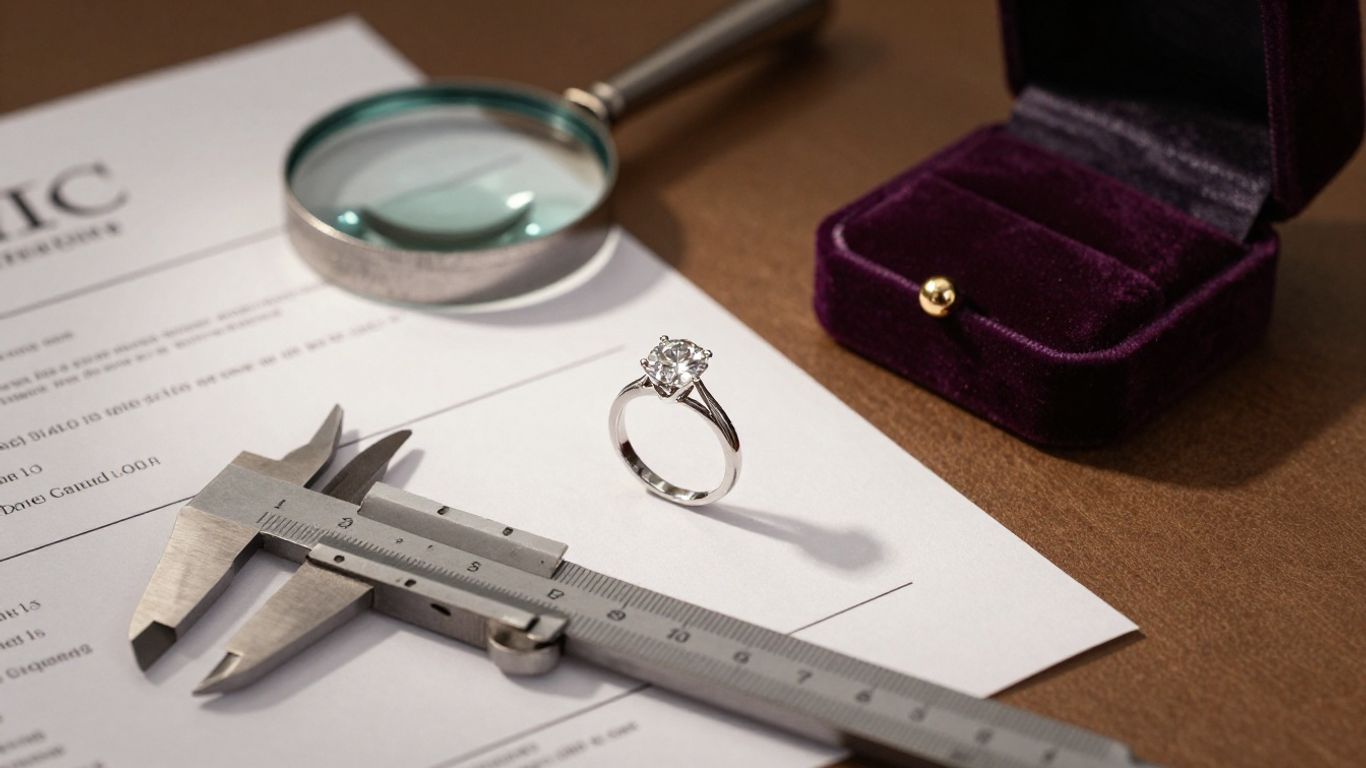
A genuine diamond purchase becomes much easier when you slow down, compare like with like, and keep the paperwork with the stone.
- Set a complete budget that includes the ring and future care.
- Judge the 4Cs together rather than chasing one perfect grade.
- Read the grading report and match its number to the diamond.
- Inspect sparkle, inclusions, setting security, and everyday durability.
- Buy from a seller with clear policies and no high-pressure sales approach.
Define your budget and buying priorities
A diamond budget should leave room for the complete piece, not just the center stone. Start with a number that feels comfortable rather than one based on a traditional spending rule. Then decide which visual qualities matter most to you, because a smaller, well-cut diamond can look more lively than a larger stone with weak proportions.
Set a total budget beyond the diamond
The diamond is only one part of the purchase. Your total may also include the setting, accent stones, taxes, resizing, shipping, insurance, and a future appraisal. Ask for an itemized estimate early, so a beautiful stone does not quietly push the finished ring beyond what you planned.
Balance size, quality, and sparkle
Carat weight affects price, but it does not automatically determine beauty. If the ring needs to stay within a firm budget, compare stones just below popular weight thresholds and pay close attention to cut and face-up appearance. Visible beauty matters most when the ring is being worn, not the number alone.
Decide which features matter most
Before browsing, make a short priority list. You might care most about a bright appearance, a larger-looking outline, a particular shape, or a diamond with a specific origin. Having a hierarchy helps you make a deliberate compromise instead of reacting to whichever stone happens to be displayed most attractively.
Account for the setting, insurance, and maintenance
A delicate setting may need more attention than a sturdy everyday design, while a detailed ring can cost more to clean or repair. Include those realities in the budget. Guidance on buying diamond jewellery can also help you think about the stone and the craftsmanship as one purchase rather than two unrelated decisions.
Learn how the 4Cs affect diamond value
The 4Cs—carat, cut, color, and clarity—give you a shared vocabulary for comparing diamonds. They are useful measurements, but they do not replace looking at the actual stone. A report can describe grades consistently while two diamonds with similar grades still differ in sparkle, shape, and overall balance.
Compare carat weight with visible size
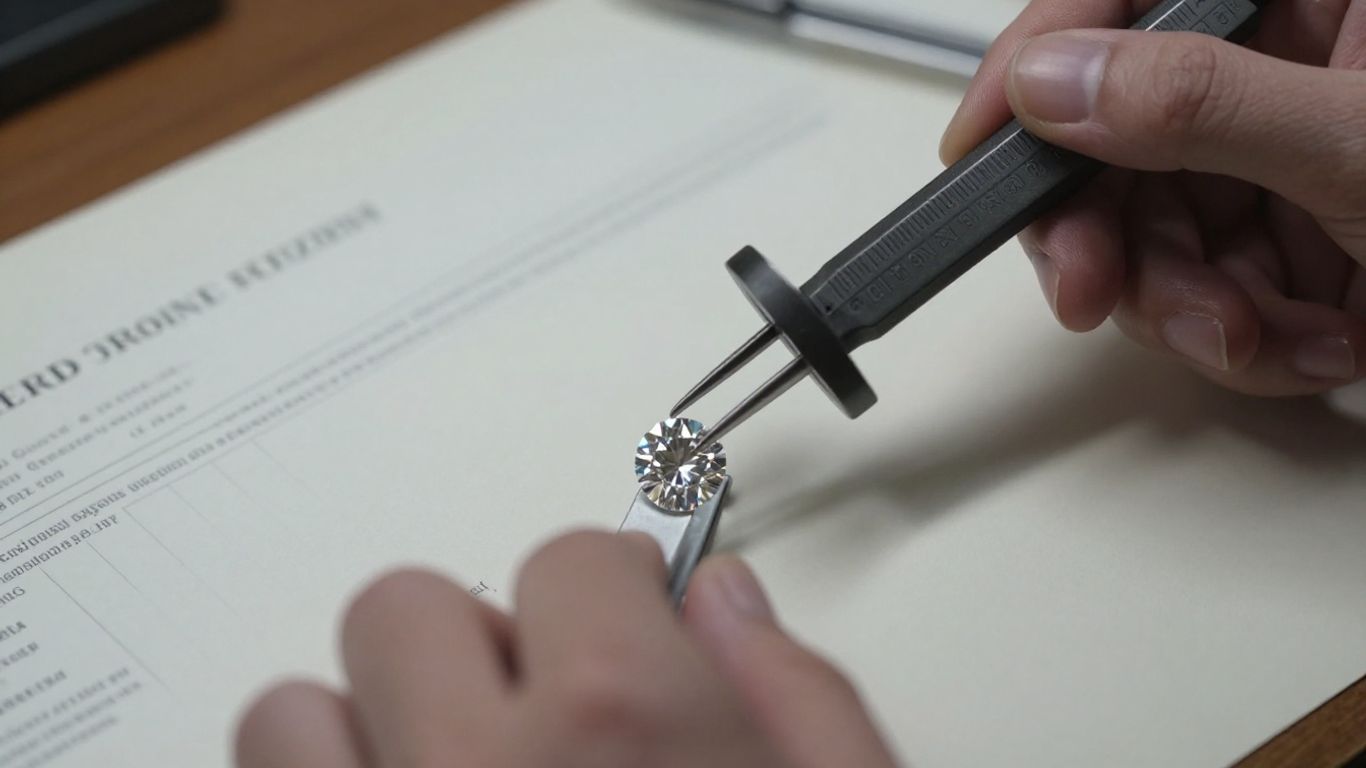
Carat is a measure of weight, not the width or length you see from above. Two diamonds with the same carat weight can have different proportions and therefore different face-up dimensions. Compare millimeter measurements and outline, especially when a larger-looking stone is more important than reaching a round-number carat milestone.
Evaluate cut for brilliance and light performance
Cut affects how a diamond handles light, including brightness, contrast, and flashes of color. Look for a lively stone rather than relying only on a single grade. The 4Cs diamond guide is useful background when you want to understand why cut and proportions can influence the visual experience so strongly.
Understand color grades and near-colorless options
Color grades describe how much body color is visible in a traditional white diamond. Near-colorless stones can offer a pleasing appearance without the premium attached to the highest grades, particularly in a yellow-gold setting. The best choice depends on the diamond’s shape, setting metal, lighting, and your own tolerance for warmth.
Review clarity without overpaying
Clarity records the presence and visibility of inclusions and blemishes. A diamond does not need the highest clarity grade to look clean to the unaided eye. Ask whether inclusions are visible from the top, whether they affect durability, and whether a slightly lower grade would free money for better cut or a more suitable setting.
Consider diamond shape and its impact on appearance
Shape changes both personality and perceived size. Elongated outlines may look larger across the finger, while step-cut shapes often show a calmer, glassier pattern than brilliant cuts. Fancy shapes deserve close visual review because their proportions and symmetry can matter more than a simple grade comparison.
Verify that a diamond is real and properly graded
Confidence comes from matching the stone to reliable documentation. A grading report describes identified characteristics and quality factors; it is not the same thing as an appraisal or a promise about future resale value. Take time to read the report before discussing payment, and ask questions whenever the paperwork is vague.
Check for an independent grading report
For a significant purchase, request a report from an established independent laboratory. Confirm that it identifies the diamond clearly and states whether it is natural or laboratory-grown, where applicable. A practical diamond report guide explains why certification, grading, and appraisal answer different questions.
Compare the report number with the diamond
The report number should correspond to the documentation supplied with the stone. Where a microscopic inscription is present, ask a jeweler to verify it under magnification. Also compare the listed shape, measurements, carat weight, color, clarity, and any comments with what you have been shown.
Distinguish natural, lab-grown, and imitation diamonds
Natural and lab-grown diamonds are both diamond material, but they have different origins and market contexts. Imitation stones such as cubic zirconia or moissanite are different materials altogether. Make sure the seller uses precise language and that the report identifies the category you believe you are buying.
Look for treatments and disclosure requirements
Some diamonds may receive treatments intended to alter their apparent color or clarity. These should be disclosed because they can affect care, value, and how the stone should be repaired. Ask directly whether any treatment is present and have the answer recorded on the invoice or supporting documents.
Use professional testing for high-value purchases
A qualified gemologist or independent appraiser can examine the stone, report, and mounting together. This is especially sensible when the diamond is valuable, the documentation is unfamiliar, or the purchase is private. Professional testing adds a second opinion without replacing your own careful review of the terms.
Inspect the diamond’s quality before buying
Paperwork narrows the choices, but your eyes still have a role. View the diamond in more than one lighting condition and observe whether it stays bright as it moves. Check the center, edges, and outline rather than focusing only on the first flash of sparkle.
Examine sparkle, symmetry, and proportions
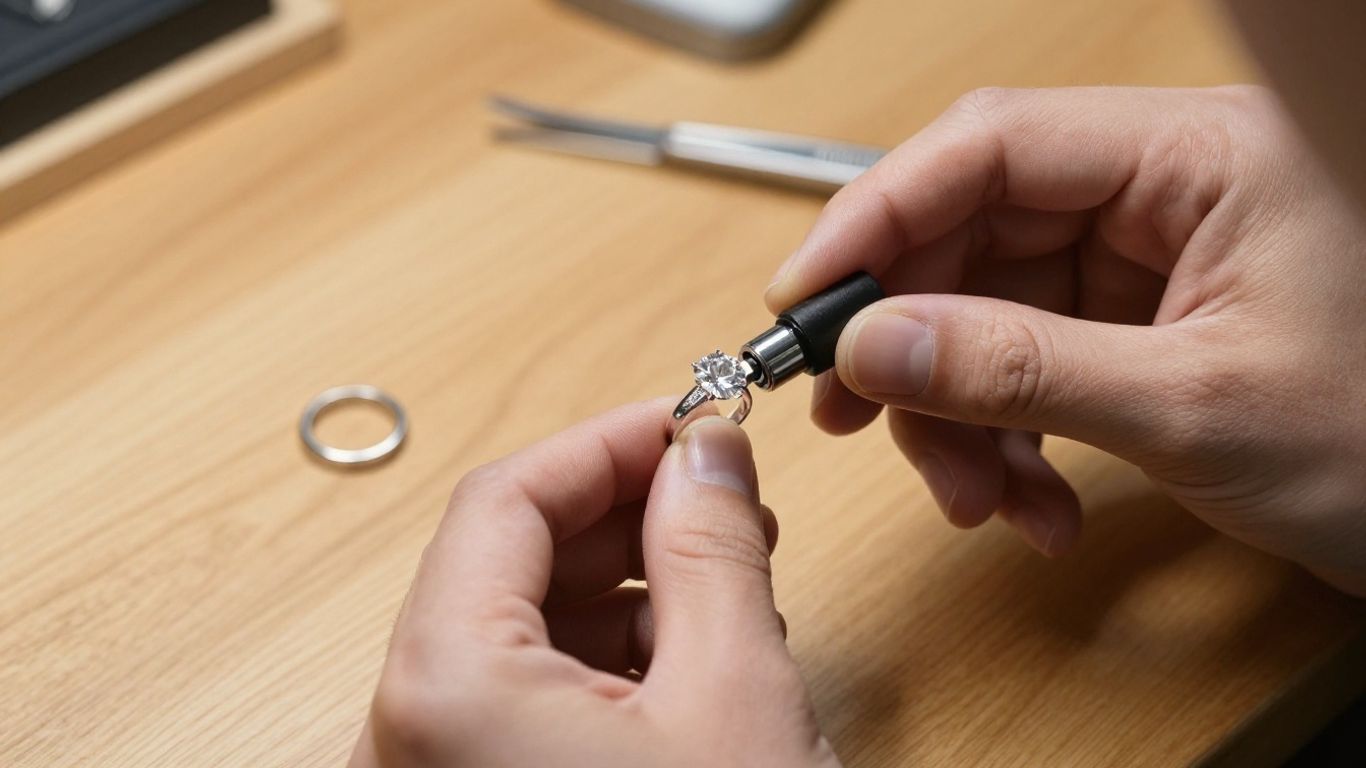
Rotate the diamond slowly and look for balanced reflections, lively contrast, and an outline that appears even. A stone can have attractive flashes yet show a distracting dark area or uneven shape. With a mounted ring, inspect whether the center stone sits straight and whether the design frames it cleanly.
Review inclusions under magnification
Magnification helps you understand what the clarity grade is describing. Ask the jeweler to show the inclusions on a plot or through a loupe, then look at the stone without magnification to judge whether they matter in normal wear. Location matters: an inclusion near the edge may raise different durability questions from one deep in the center.
Check for chips, damage, and durability concerns
Inspect pointed corners, thin girdles, and exposed edges with extra care. Look for chips, abrasions, loose prongs, or signs that the setting has been worn. A pretty diamond is not a sensible purchase if its shape or mounting makes it unusually vulnerable to knocks.
Compare videos, photos, and in-person viewing
Online images are helpful for narrowing a search, but they can vary with lighting, focus, and camera settings. Ask for a clear video and the stone’s measurements, then view it in person when possible. Compare several diamonds under the same conditions so the presentation does not become the deciding factor.
Understand how fluorescence can affect appearance
Fluorescence is a response to ultraviolet light recorded in a grading report. It may have little visible effect in ordinary lighting, though its appearance can vary from stone to stone. Ask to see the diamond in daylight and indoor light rather than treating fluorescence as automatically good or bad.
Choose a trustworthy diamond seller
A seller should make comparison easier, not more confusing. Look for clear descriptions, accessible documentation, and staff who answer direct questions without rushing you. A reliable buying process leaves you enough time to review the stone, the ring, and the agreement together.
Research reviews, credentials, and business policies
Read recent reviews for patterns rather than relying on one glowing comment. Check whether the business provides a physical address, customer-service contact, grading information, and written policies. Experience and transparency matter more than polished photography alone.
Compare prices across reputable retailers
Compare diamonds with similar shape, measurements, grades, report details, and treatments. A lower price may reflect a meaningful difference that is not obvious in a short listing. Side-by-side comparisons are most useful when the stones are genuinely comparable, not merely the same carat weight.
Ask clear questions about sourcing and treatments
Ask where the diamond came from, whether it is natural or lab-grown, and whether treatments are present. You can also ask how the seller handles repairs and what documents accompany the purchase. Straight answers are a good sign; evasive language deserves a pause before you commit.
Confirm the seller’s return and exchange terms
Read the policy for the exact ring you are considering. Check the return window, inspection requirements, refund method, resizing exclusions, and whether custom work changes your rights. Keep a copy of the policy at the time of purchase, since website terms can change.
Avoid pressure tactics and deals that seem unrealistic
A countdown clock, a claim that someone else is about to buy the stone, or a discount that disappears within minutes should not make the decision for you. Diamonds can be emotionally meaningful, but urgency is not evidence of quality. If a deal seems far below comparable stones, ask what explains the difference.
Select the right setting and ring design
The setting affects how large the diamond looks, how much light reaches it, and how safely it can be worn. It also determines whether the finished ring feels comfortable with your daily clothes and habits. Choose the design alongside the stone instead of treating the setting as a last-minute frame.
Match the setting to the diamond’s shape
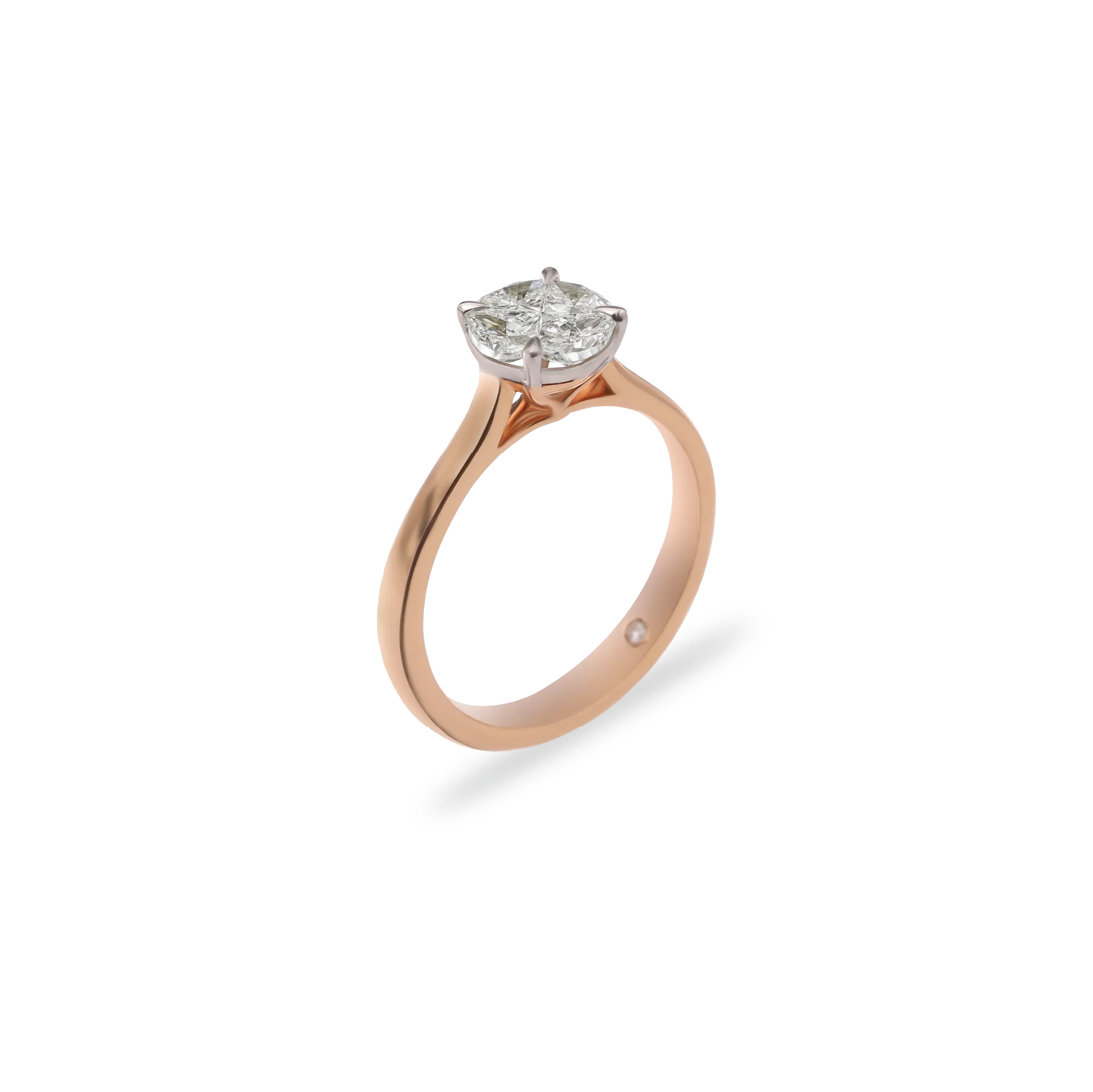
A solitaire can give a round, oval, or pear-shaped diamond a clean focus, while a halo can change its apparent scale and outline. Bezel and protective designs may suit pointed or vulnerable shapes. Consider how the setting’s lines interact with the diamond rather than choosing from a trend photograph alone.
Choose a metal based on color and durability
Yellow, white, and rose gold create different visual effects around a diamond. Metal purity, alloy, finish, and daily use also affect maintenance and resilience. If you are comparing options, this gold jewellery buying guide offers a useful reminder to check purity, karat, hallmarks, and pricing together.
Consider prong protection and everyday wear
Prongs should hold the stone securely without overwhelming its outline. Pointed shapes often benefit from protection at the tip, while low-profile settings may be more practical for people who use their hands frequently. Ask how often the setting should be inspected and what early signs of looseness look like.
Check ring sizing and customization options
Get the wearer’s size measured properly, preferably more than once if the ring is wide or the weather is unusually hot or cold. Ask whether the band can be resized and whether customization affects returns. Confirm the final dimensions, engraving, metal, and accent-stone details before authorizing the work.
Plan for future cleaning and repairs
Even a well-made ring collects residue and experiences ordinary wear. Ask who will clean, inspect, and repair it, and whether those services are included or charged separately. For routine care, this guide to cleaning diamond jewellery covers gentle methods and situations where professional attention is safer.
Complete the purchase with confidence
The final review is not a formality. Before paying, make sure the physical ring, invoice, grading report, and promised services describe the same item. A few quiet minutes with the paperwork can prevent expensive confusion later.
Review the invoice and grading details
The invoice should identify the metal, ring size, diamond details, report number, treatments if any, and the agreed price. Check spelling and measurements, and ask for corrections before signing. Keep the original report and a digital copy of all supporting documents in a secure place.
Confirm shipping, insurance, and delivery procedures
For an online purchase, ask when the ring is insured during transit, how delivery is verified, and what happens if the parcel is delayed or damaged. Inspect the package before accepting it when possible. Photograph the unboxing and compare the contents with the invoice without discarding packaging immediately.
Understand return, warranty, and upgrade policies
A warranty may cover manufacturing defects but exclude normal wear, accidental damage, or lost stones. An upgrade policy may apply only to certain diamonds or require a minimum future spend. Read each condition carefully, especially for custom rings, resized pieces, and engraved items.
Arrange an independent appraisal
An appraisal can document the finished ring for insurance and provide an independent description of the piece. It is not the same as a laboratory grading report and should not be treated as a guarantee of resale value. Arrange it soon after purchase while the return period is still open if that is practical.
Insure and document the diamond after purchase
Store photographs, the report, invoice, appraisal, and policy details together. Ask your insurer whether scheduled jewelry coverage is appropriate and what proof is required for a claim. Periodic inspections, careful storage, and gentle cleaning help preserve both the ring’s appearance and its records.
Conclusion
The best real diamond buying tips are less about finding a magical bargain and more about making a calm, documented comparison. Set priorities, inspect the stone, verify its identity, understand the setting, and choose terms you can live with after the excitement of purchase has passed.
Frequently Asked Questions
How can I tell if a diamond is real?
Start with an independent grading report and match its details to the stone. For additional assurance, have a qualified jeweler or gemologist test and examine it, especially before a high-value purchase.
Is a lab-grown diamond a real diamond?
A lab-grown diamond is diamond material made through a laboratory process, while a natural diamond forms in the earth. They should be clearly identified and documented so you can choose according to your preferences and budget.
Which of the 4Cs matters most?
Cut often has a strong effect on visible brightness, but the right balance depends on shape, setting, color, clarity, and budget. Compare the complete stone rather than optimizing one grade in isolation.
Does a higher carat diamond always look bigger?
No. Carat measures weight, while visible size depends on measurements and proportions. Compare millimeter dimensions and the face-up outline when appearance on the finger is a priority.
Should I buy a diamond with visible inclusions?
That depends on their location, size, effect on appearance, and possible durability implications. A diamond that looks clean without magnification may offer better value than one with a higher clarity grade that you cannot see unaided.
What should a diamond grading report include?
It should identify the diamond and record relevant characteristics such as shape, measurements, carat weight, color, clarity, and comments about treatments or origin when applicable. Confirm that the report comes from an independent laboratory.
How often should a diamond ring be inspected?
Have the setting checked periodically and sooner if the ring catches on clothing, the stone moves, or a prong looks damaged. Regular gentle cleaning also makes it easier to notice changes before they become serious problems.
Bridal jewellery budget guide: How to plan, prioritize, and shop for your wedding jewelry
10 minute read
The difference between antique and modern jewellery: A guide to style, value, and care
10 minute read
Related blogs:
September 17, 2026
How to Choose the Perfect Diamond Necklace for Bride on Her Wedding Day
Read More

September 17, 2026
Wedding jewellery for modern brides: how to choose timeless pieces with contemporary style
Read More
September 17, 2026
Wedding jewellery for traditional brides: A complete guide to choosing timeless bridal pieces
Read More

September 17, 2026
Wedding jewellery for minimalist brides: A complete guide to choosing timeless pieces
Read More









.webp)
.webp)