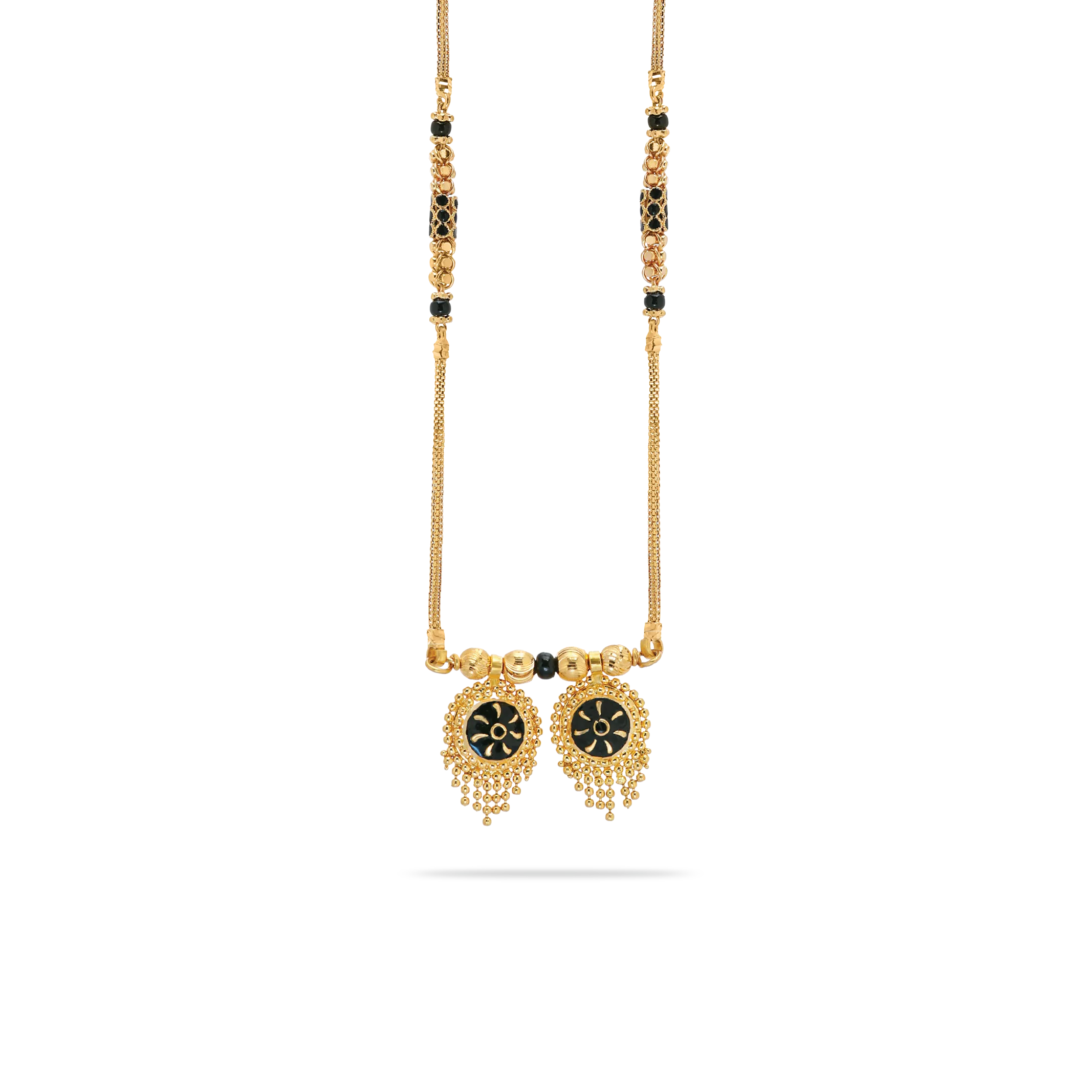
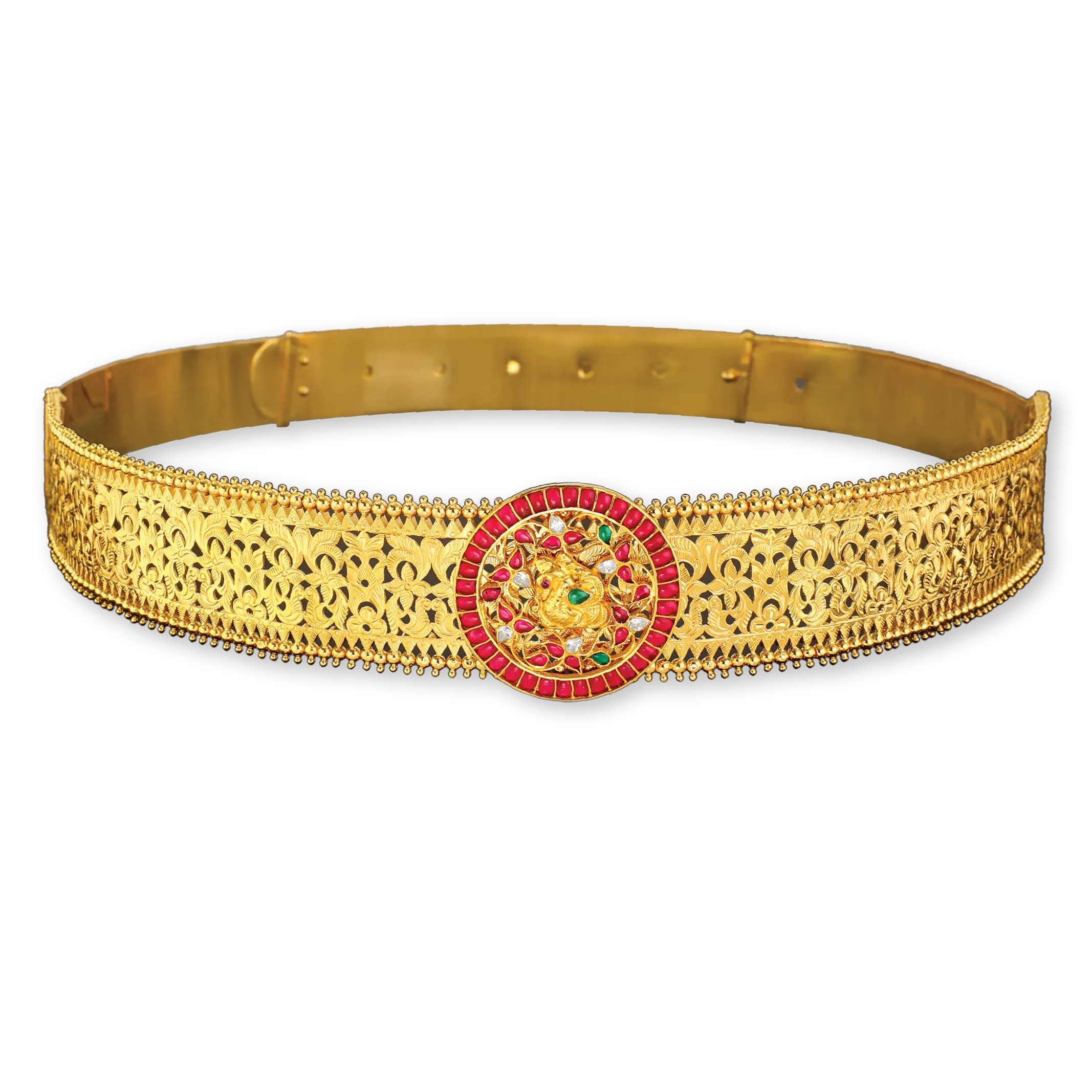
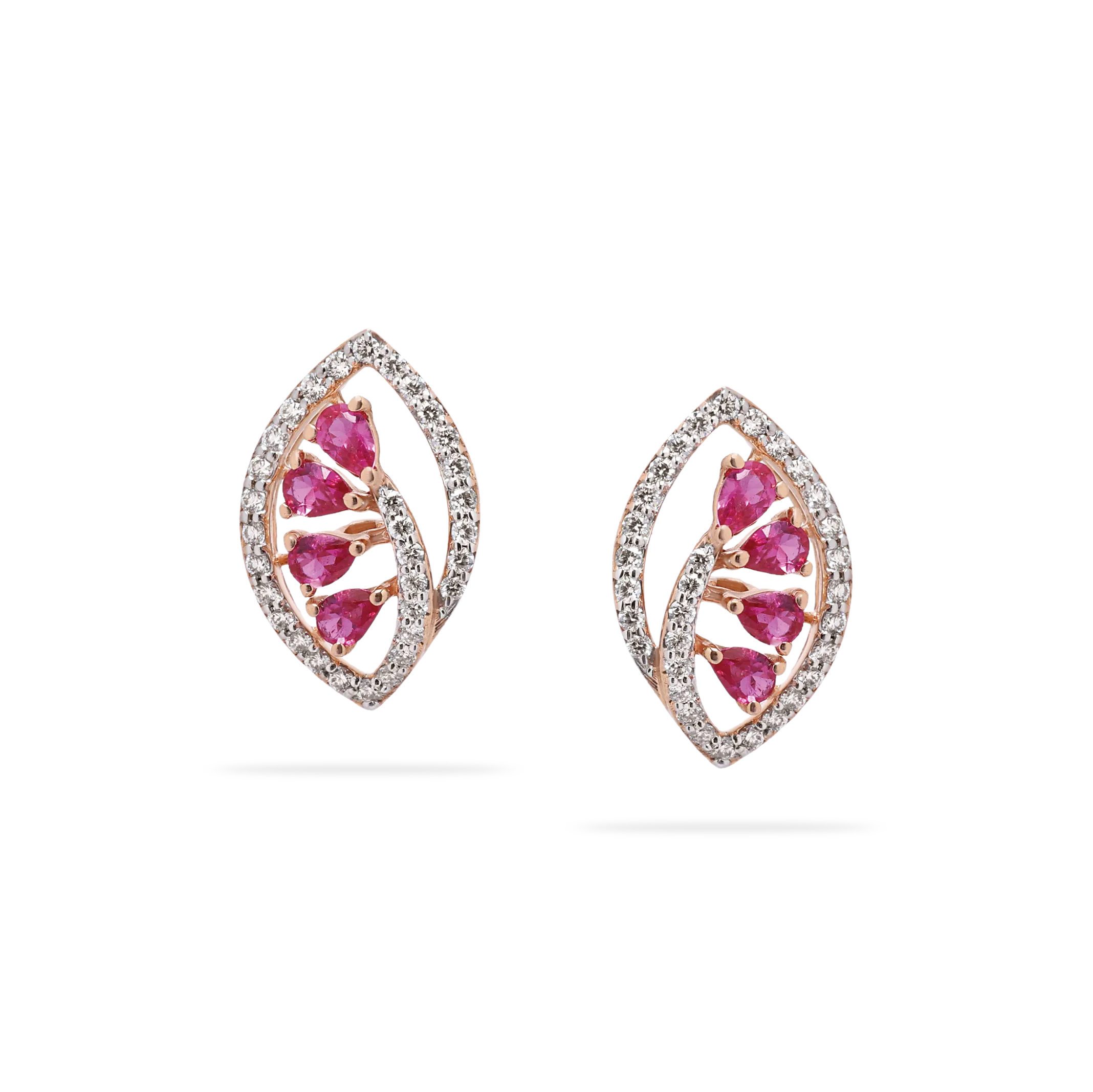
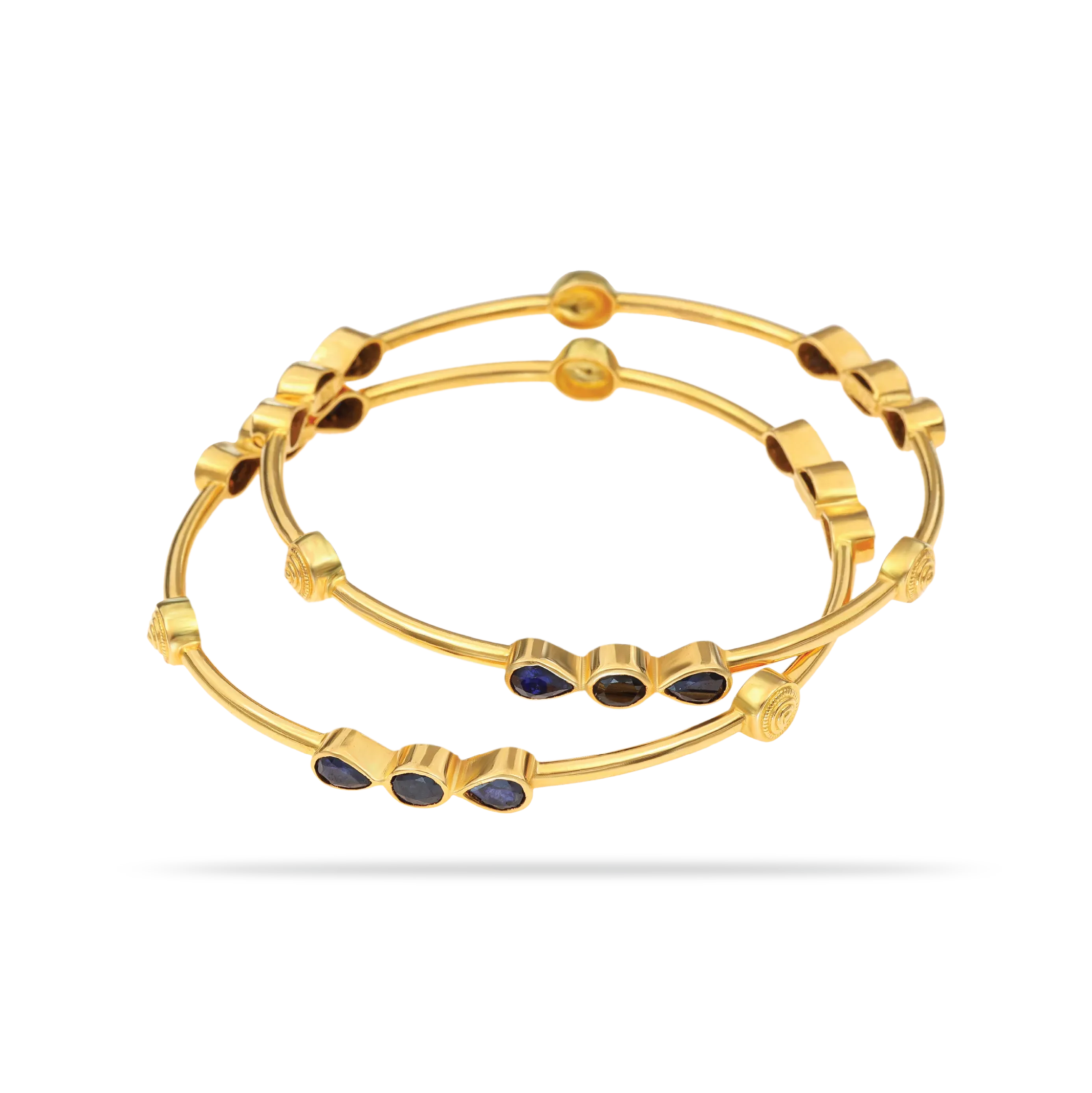
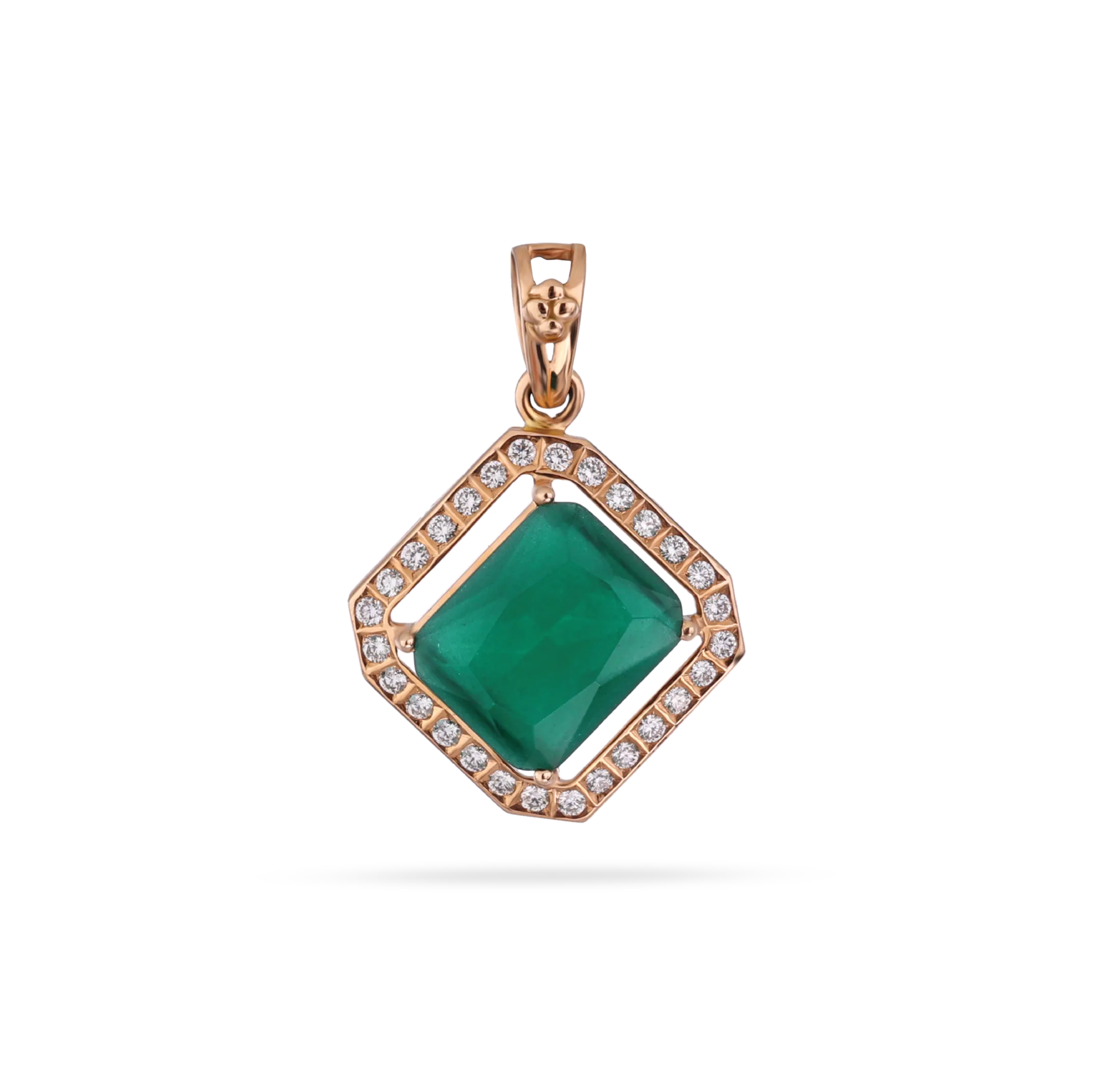
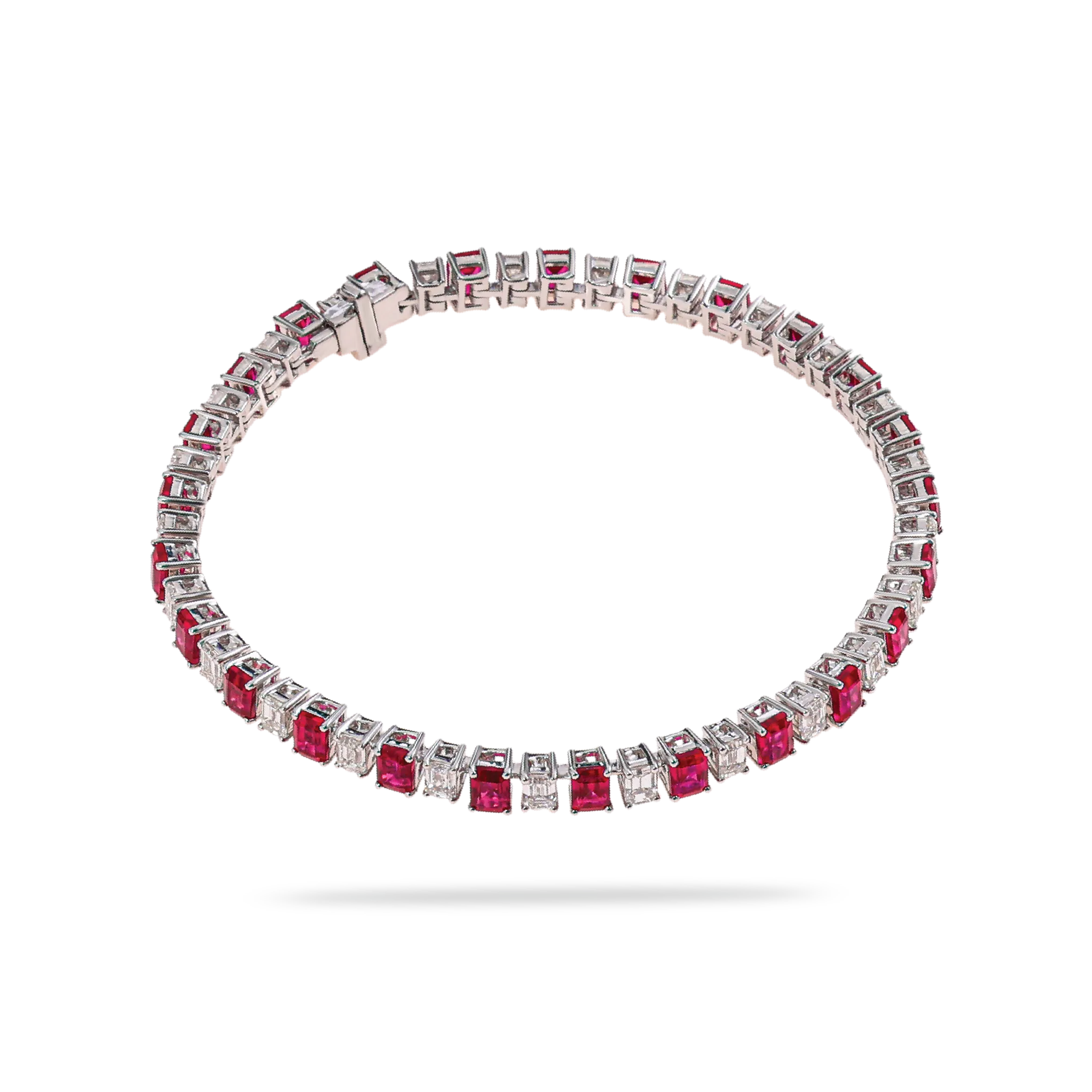
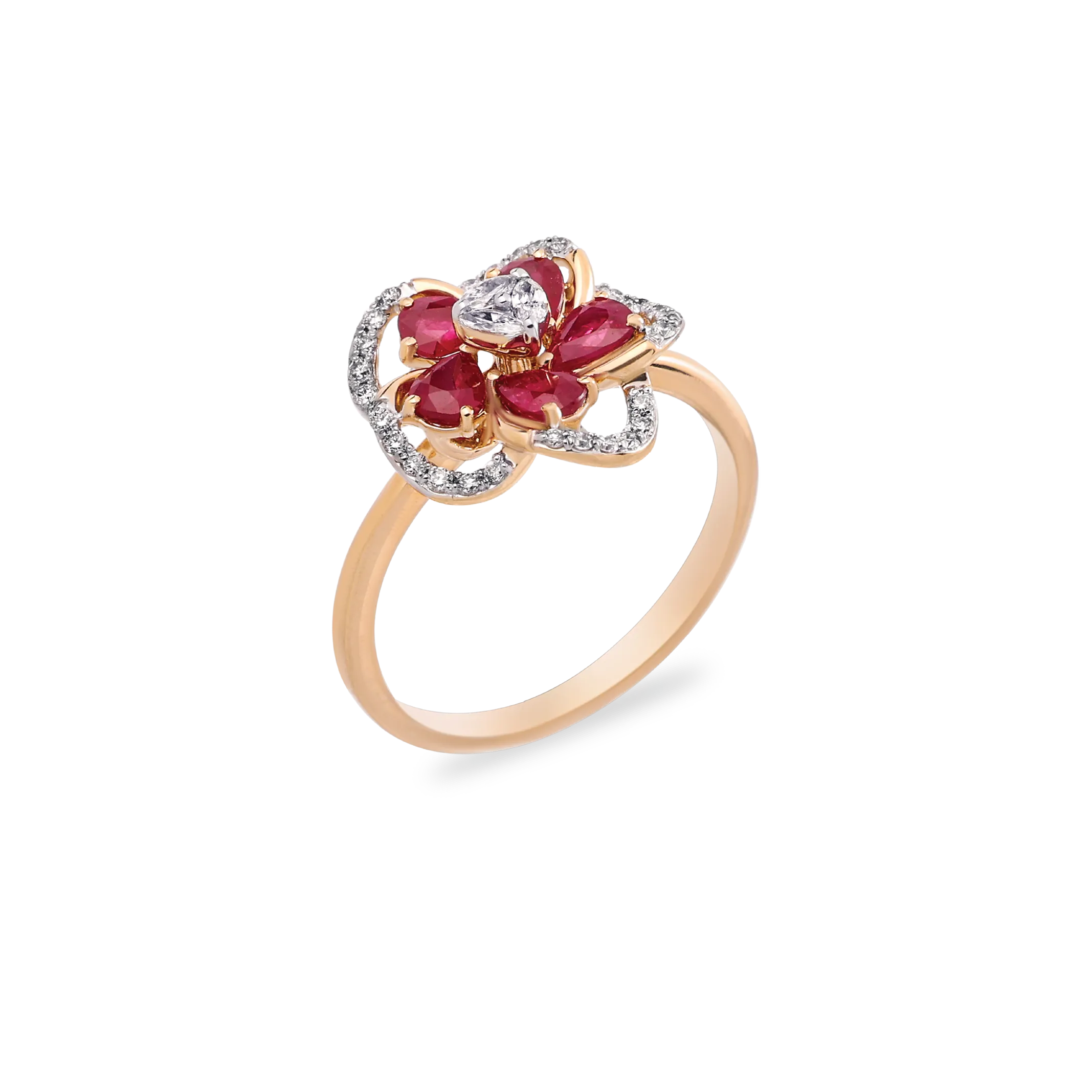
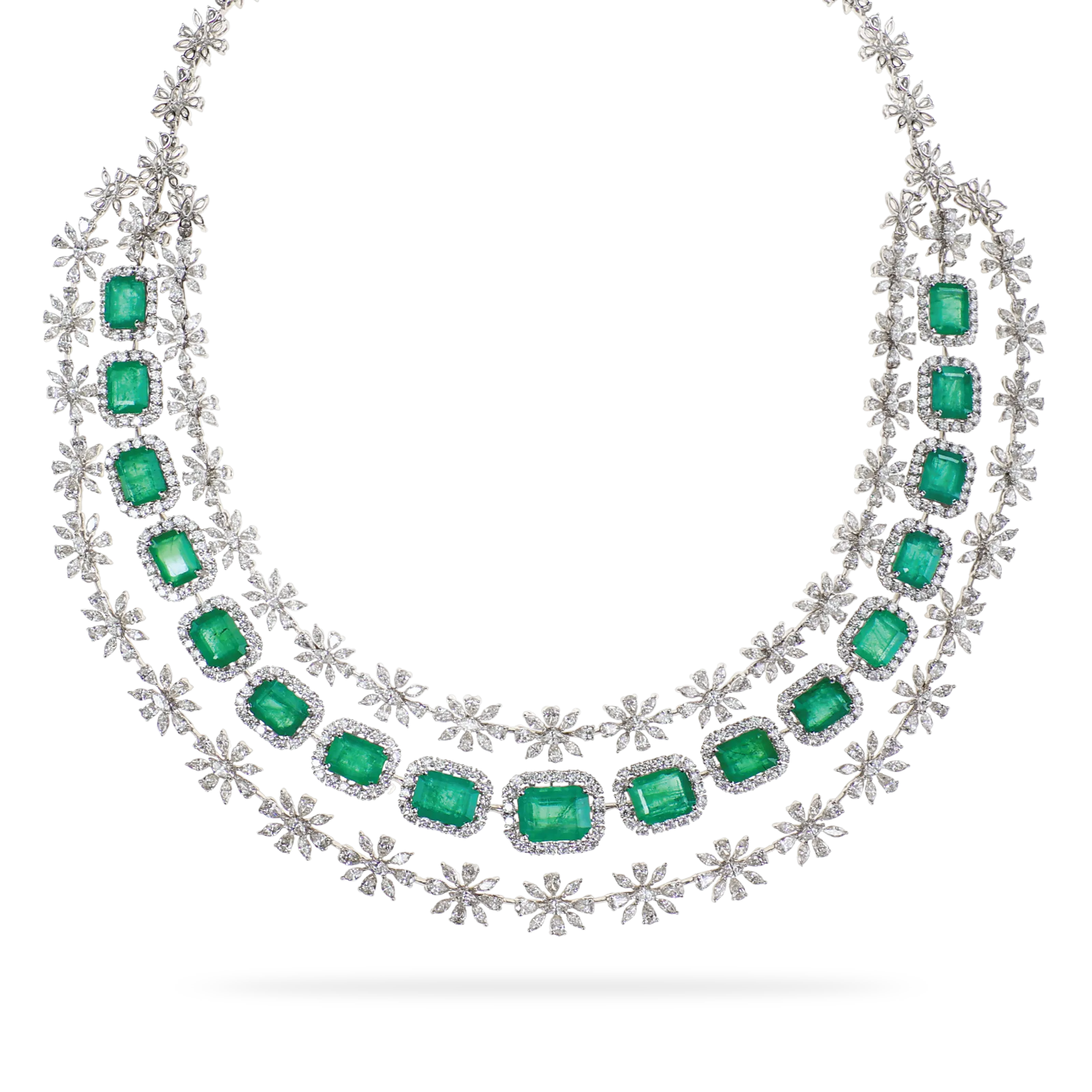
Luxury bridal jewellery Bangalore: A complete guide to choosing timeless wedding pieces
August 25, 2026 | 10 minutes read
Key Takeaways
Choosing luxury bridal jewellery bangalore is less about collecting the most pieces and more about building a considered wardrobe for every ceremony. Start early, compare quality carefully, and allow tradition and personal style to share the spotlight.
- Plan jewellery around each ceremony, outfit, and neckline.
- Balance heritage designs with pieces you will wear again.
- Check purity, certifications, settings, finishing, and written pricing.
- Personalize proportions, motifs, gemstones, and metal tones.
- Store, clean, insure, and maintain valuable pieces thoughtfully.
Understanding Bangalore’s luxury bridal jewellery landscape
Bangalore gives brides room to move between South Indian gold traditions, regal North Indian techniques, and clean contemporary design. The city’s wedding jewellery scene is broad enough for a layered kasu malai one day and a sculptural diamond necklace the next. Begin with the atmosphere you want to create, then refine the selection around ceremony, clothing, and comfort.
The best result usually feels collected rather than assembled in a hurry. A bridal wardrobe may include one substantial heritage piece, a versatile diamond or gemstone design, and lighter ornaments for smaller celebrations. Personal style matters as much as tradition when these choices are made thoughtfully.
How Bangalore bridal jewellery blends tradition and modern design
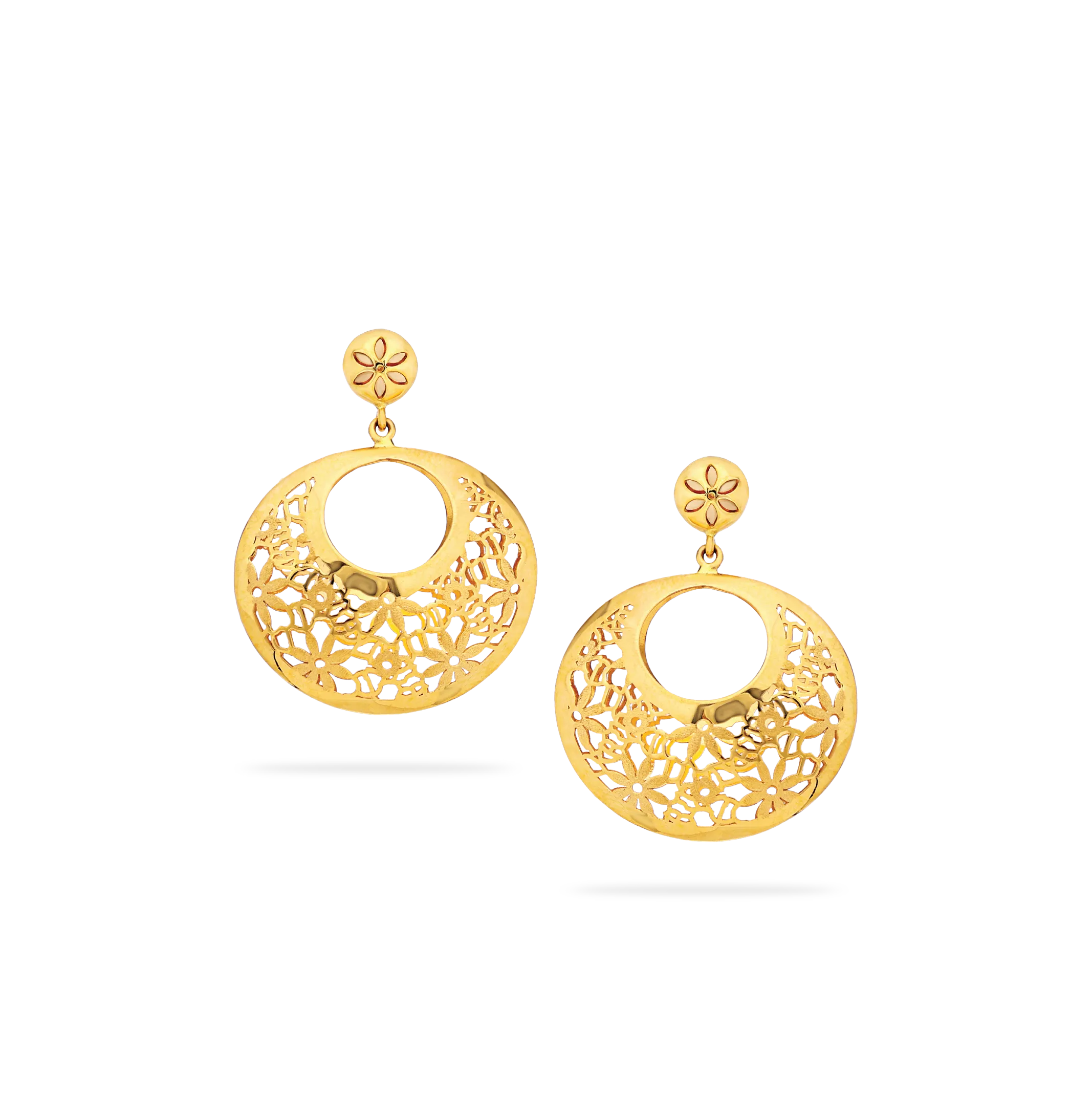
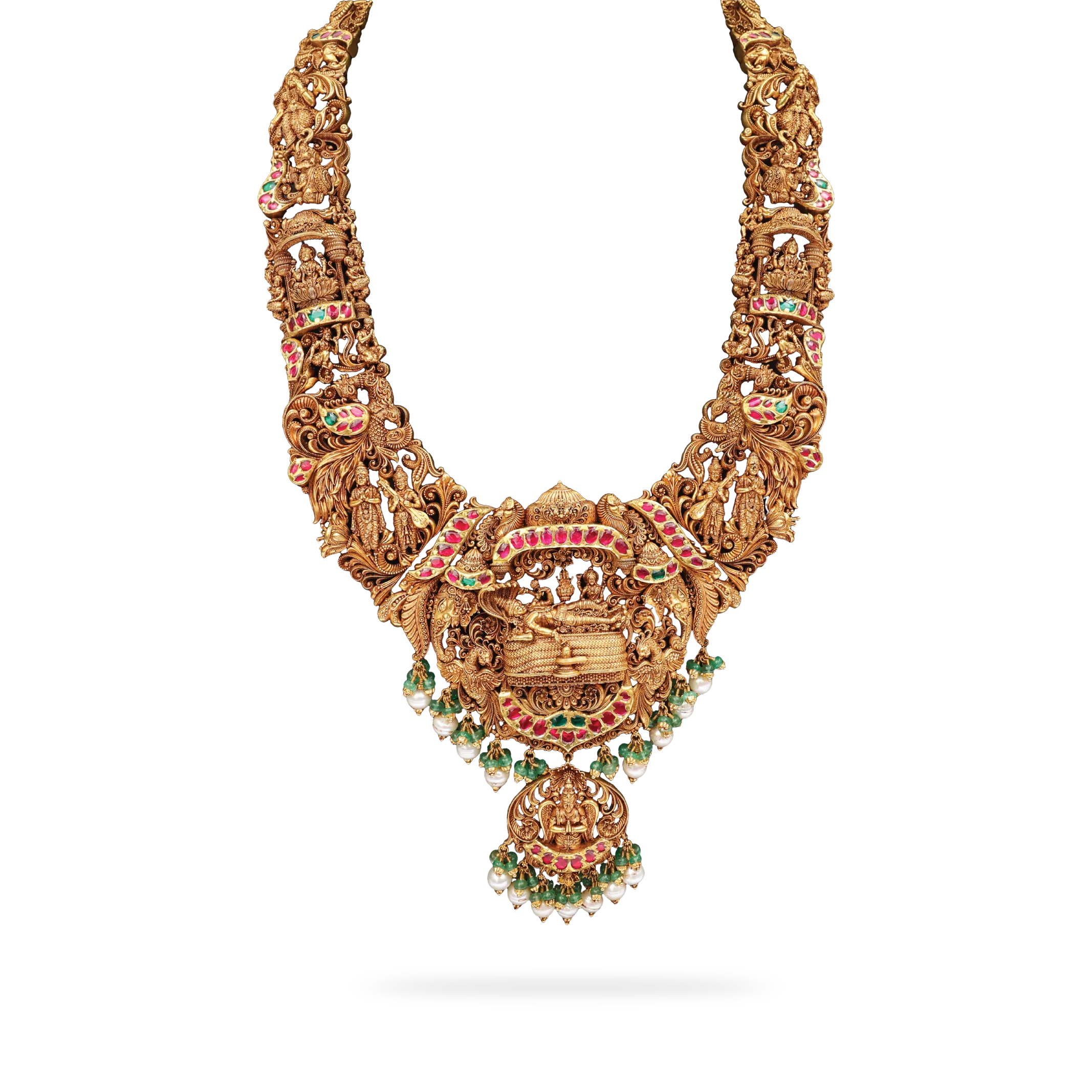
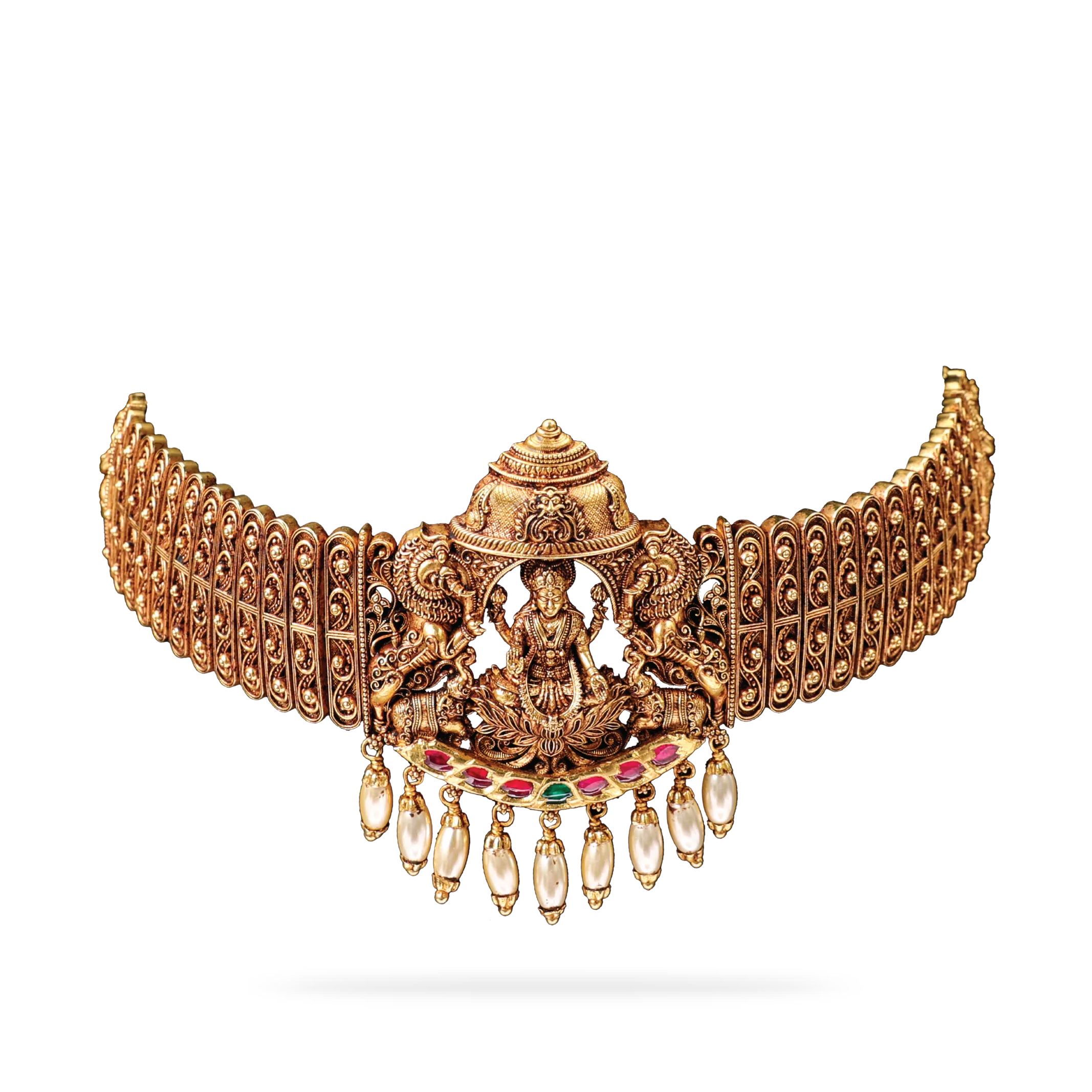
Traditional South Indian motifs such as Lakshmi figures, mango forms, coins, peacocks, and floral borders remain popular because they carry cultural meaning as well as visual richness. Modern collections may simplify those motifs, use cleaner outlines, or pair them with diamonds and restrained gemstone colour. The effect can be ceremonial without feeling dated.
Consider how the jewellery will look in photographs, in motion, and beside the bridal fabric. A polished contemporary choker can sit comfortably with a traditional silk saree, while antique gold bangles can lend warmth to a modern lehenga. The aim is not to choose between old and new, but to create a deliberate conversation between them.
Popular luxury jewellery districts and shopping destinations
Bangalore’s established commercial areas, high-street showrooms, and destination malls each offer a different shopping rhythm. A central jewellery district may make comparison easier, while a private appointment can provide more time for custom discussions and detailed trials. Before visiting, define whether you are seeking ready-to-wear pieces, a family-style heirloom, or a bespoke commission.
A useful starting point is this guide to bridal jewellery stores in Bengaluru, particularly if you want to compare design variety, materials, pricing transparency, and service before making appointments. Take photographs of your outfits, note your preferred metal tone, and leave enough time between visits to compare impressions rather than buying from the first display.
The difference between heritage craftsmanship and contemporary collections
Heritage-inspired jewellery often relies on established motifs, dense detailing, and techniques that make a piece feel connected to a region or family tradition. Contemporary collections may focus on lighter construction, cleaner geometry, and more adaptable proportions. Neither approach is automatically better; the right choice depends on how often you expect to wear the piece and what kind of visual presence you want.
Look closely at the back, edges, clasps, and joins. A design can appear traditional from the front while incorporating modern comfort features such as smoother surfaces and more secure closures. For a broader comparison of antique and modern aesthetics, this discussion of heritage and contemporary jewellery can help clarify the differences in style, value, and care.
When to begin your bridal jewellery search
Start the search roughly four to six months before the wedding when possible. That window gives you time to try different proportions, coordinate with finished outfits, order custom work, and arrange resizing or alterations. Bespoke work may require more time, especially when motifs or gemstones need to be selected individually.
Begin with the pieces that define the look, usually the main necklace, earrings, and a significant hair or waist ornament. Once those are settled, smaller additions become easier to judge. A calm schedule also makes it less likely that you will compromise on comfort or craftsmanship simply because the wedding date is close.
Choosing jewellery for every wedding ceremony
Each wedding event has its own pace, lighting, clothing, and emotional character. The jewellery for a morning muhurtham need not have the same scale as the pieces worn at an evening reception. Planning by ceremony prevents the common problem of buying one grand set and trying to force it into every occasion.
Use the outfit as a guide, not a restriction. Silk, brocade, sequins, embroidery, and florals all interact differently with metal and stones. A small trial with the actual blouse neckline and dupatta can reveal whether a necklace sits correctly or competes with the fabric.
Temple jewellery for traditional South Indian ceremonies
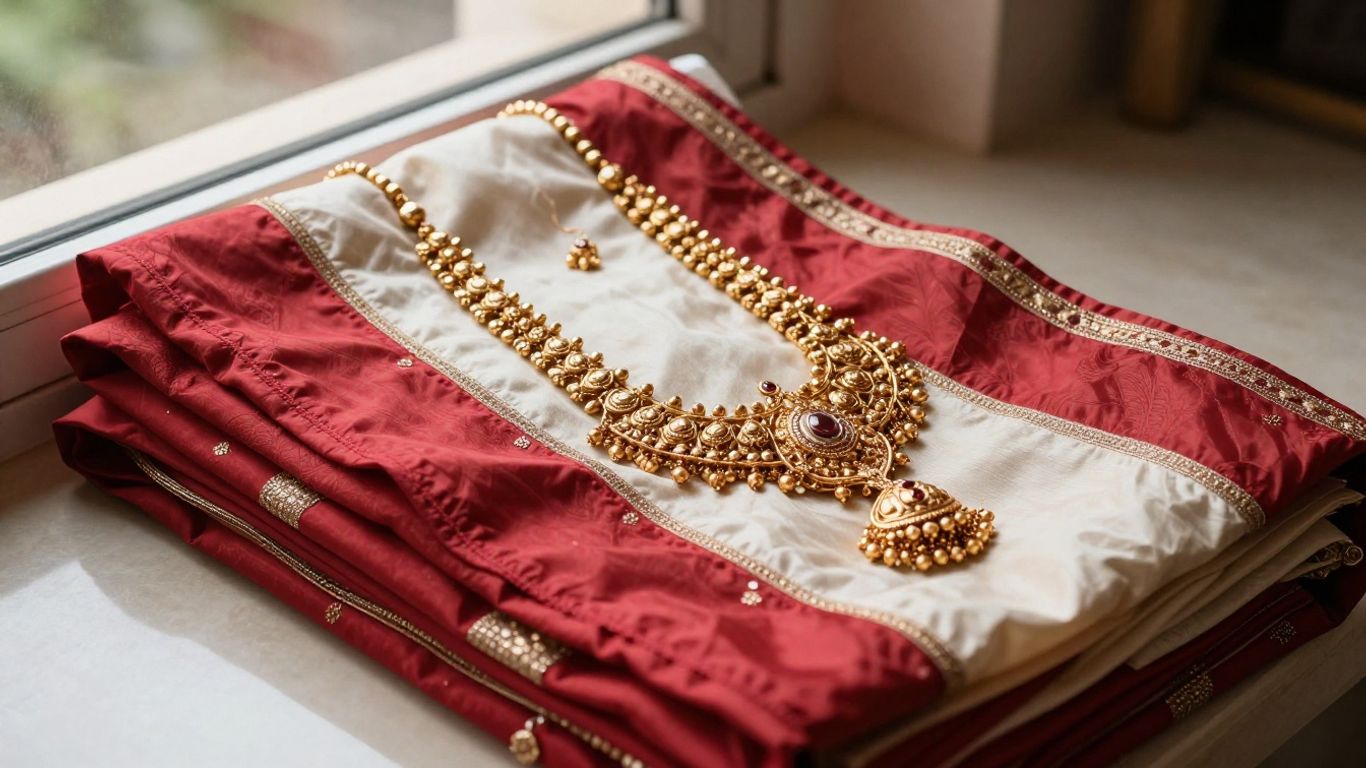
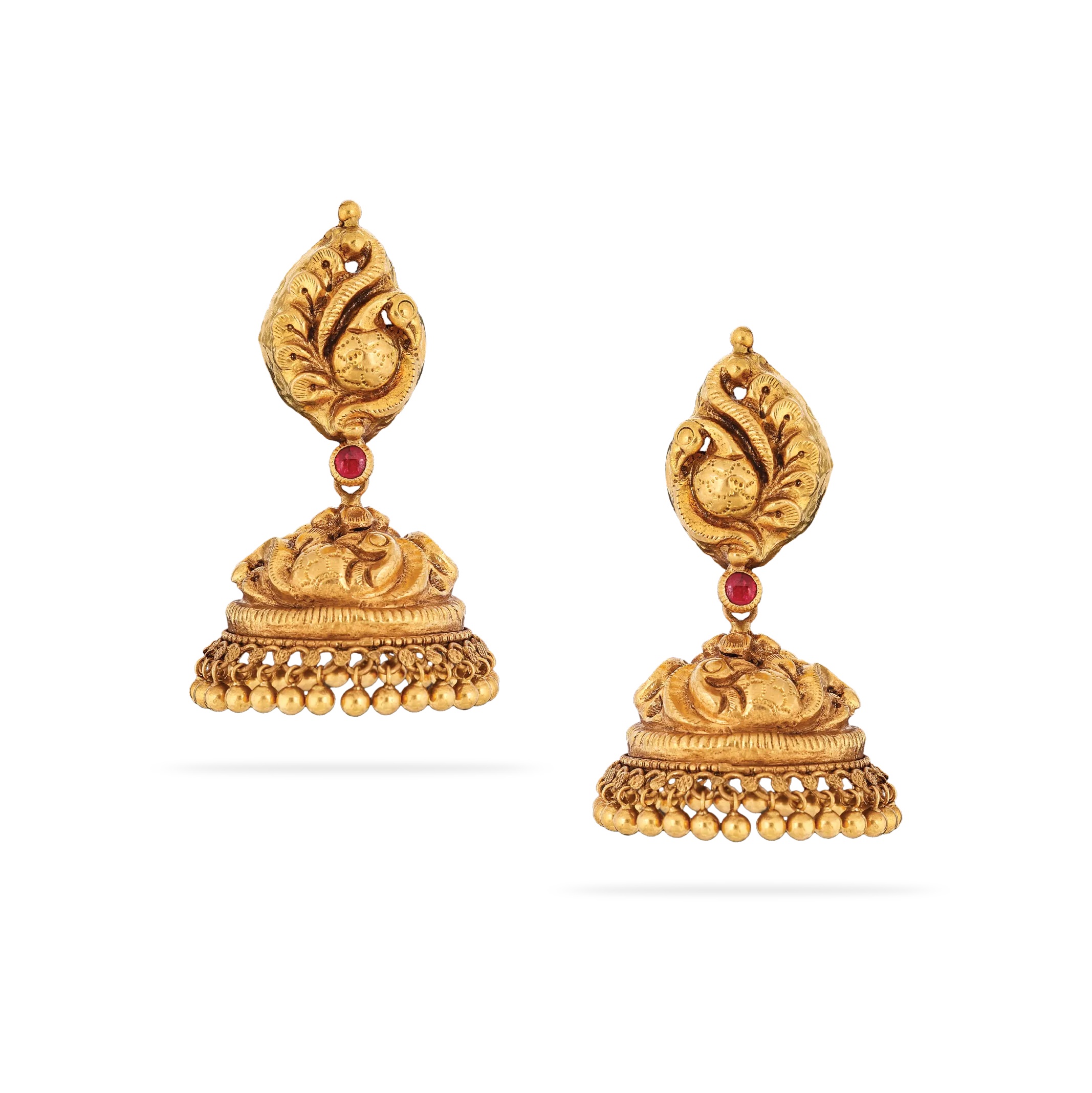
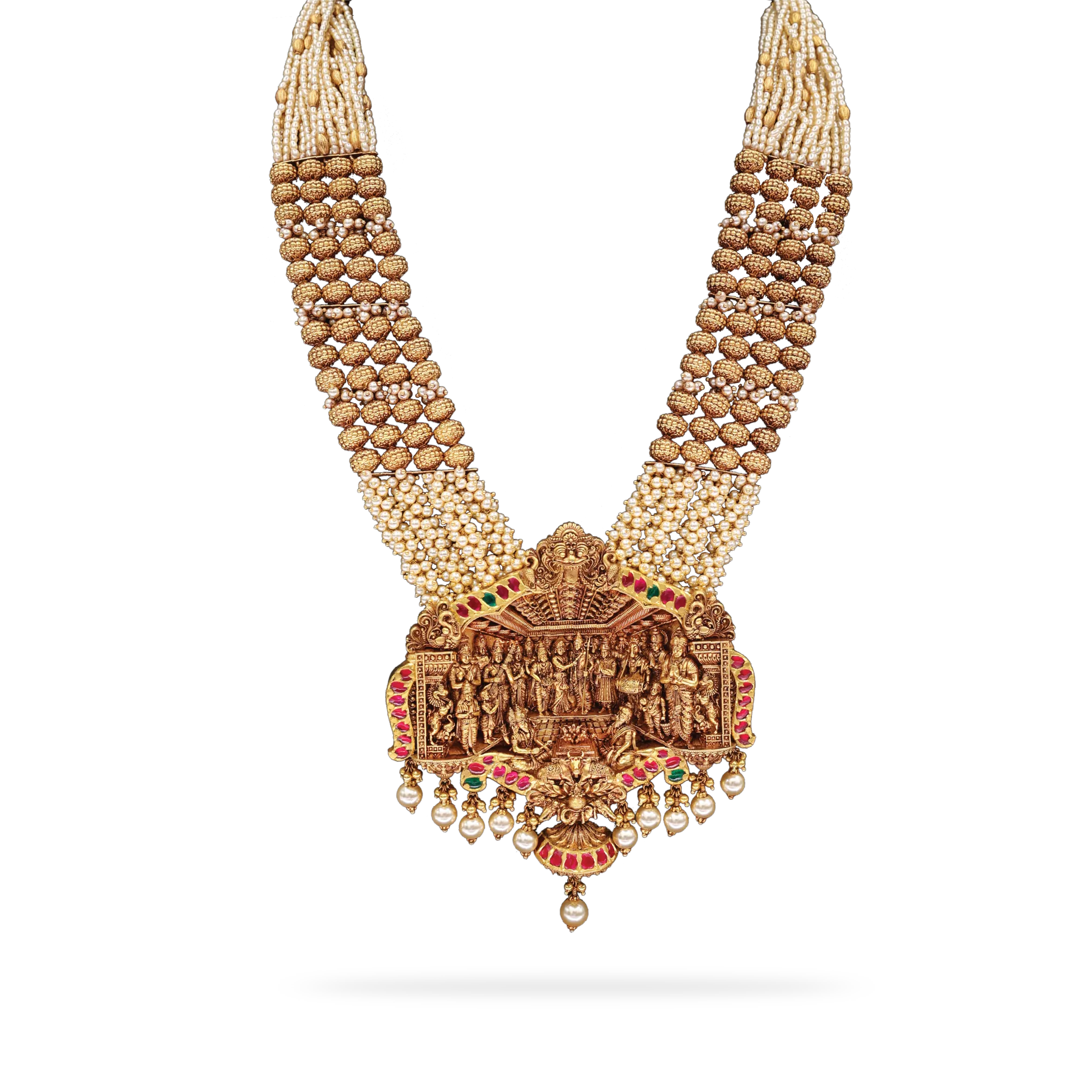
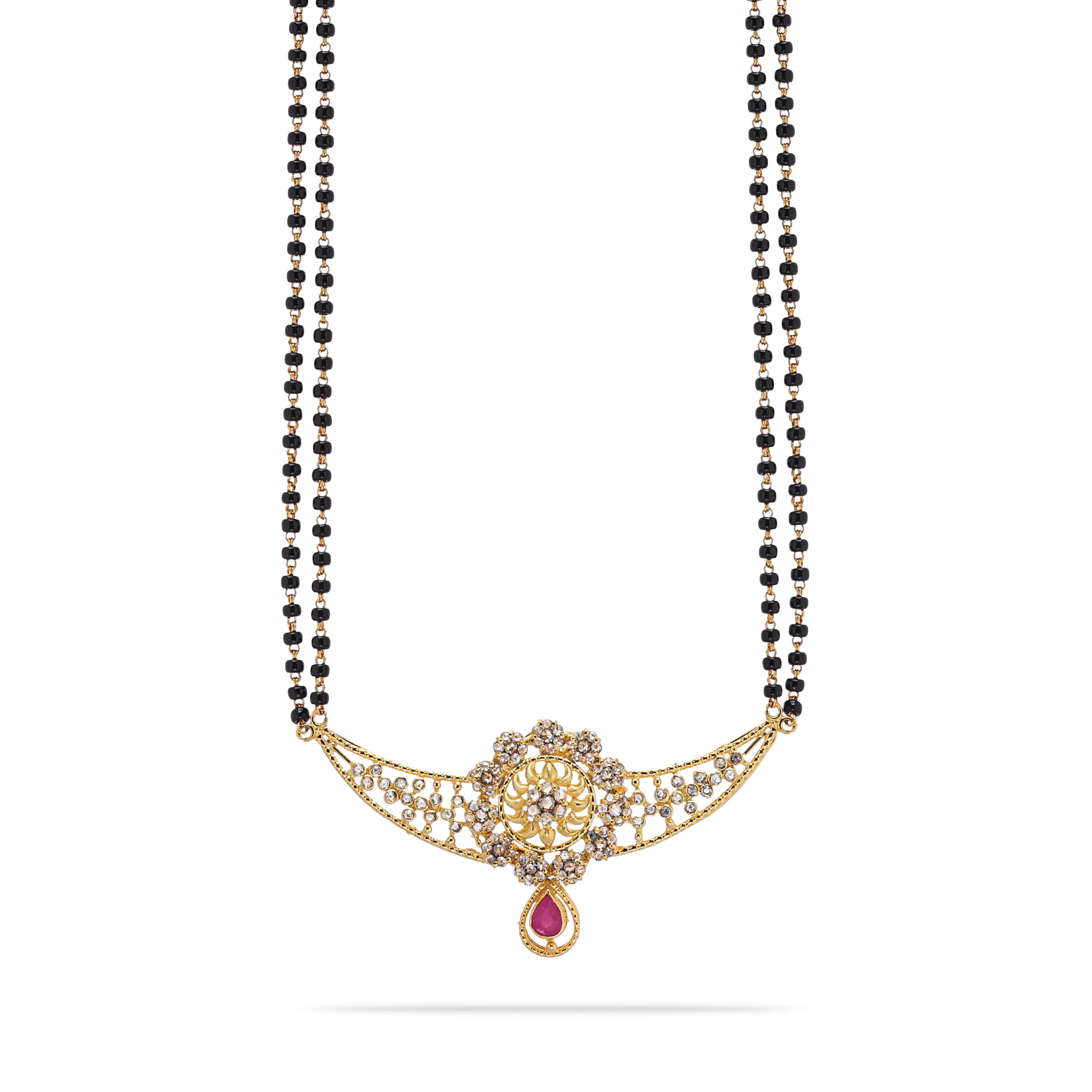
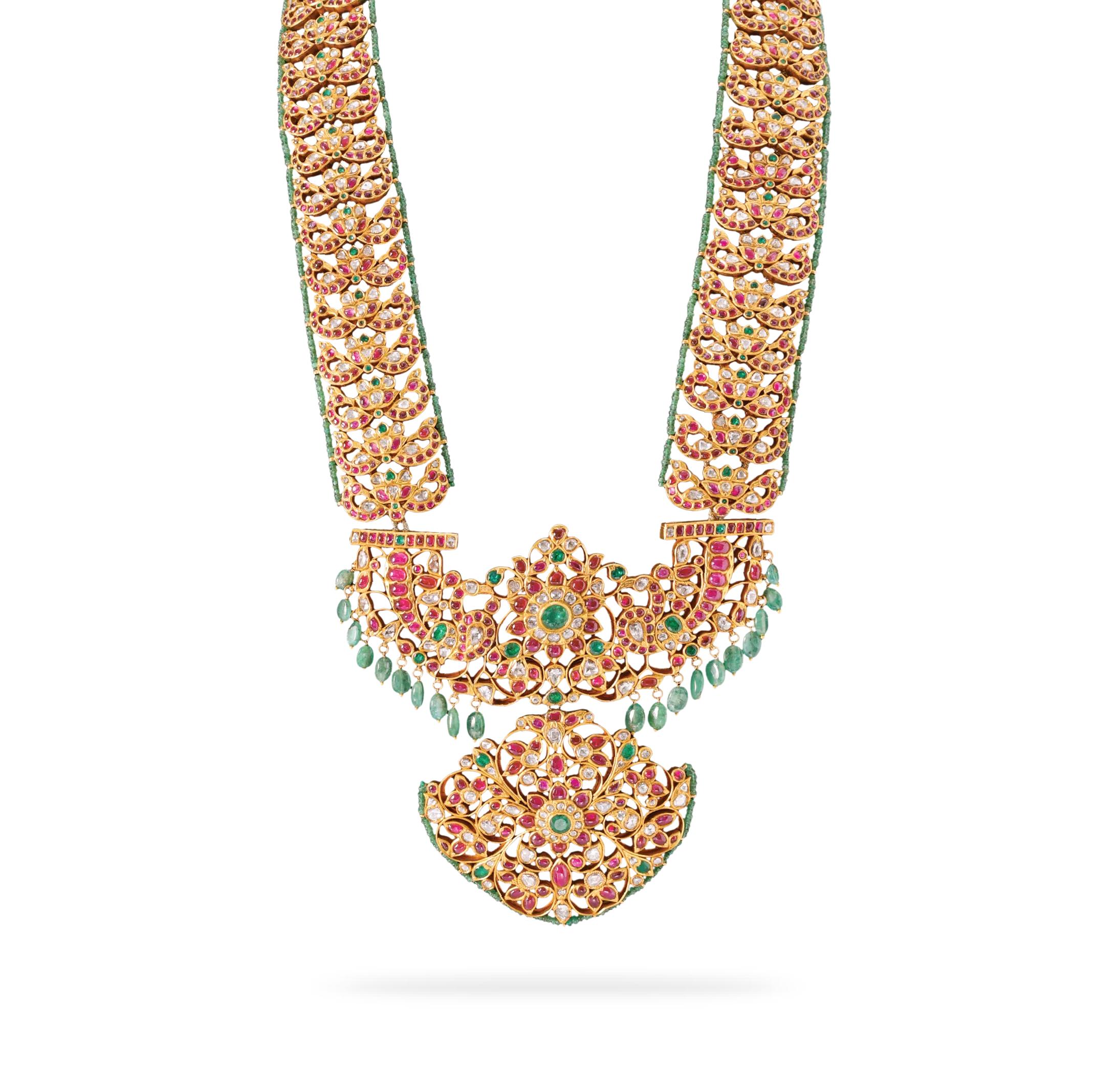
Temple jewellery suits ceremonies where symbolism, gold warmth, and traditional silk are central to the styling. Lakshmi motifs, coin details, mango shapes, and jhumkas can create a strong visual line without needing excessive colour. Choose pieces with proportions that allow the saree border and blouse work to remain visible.
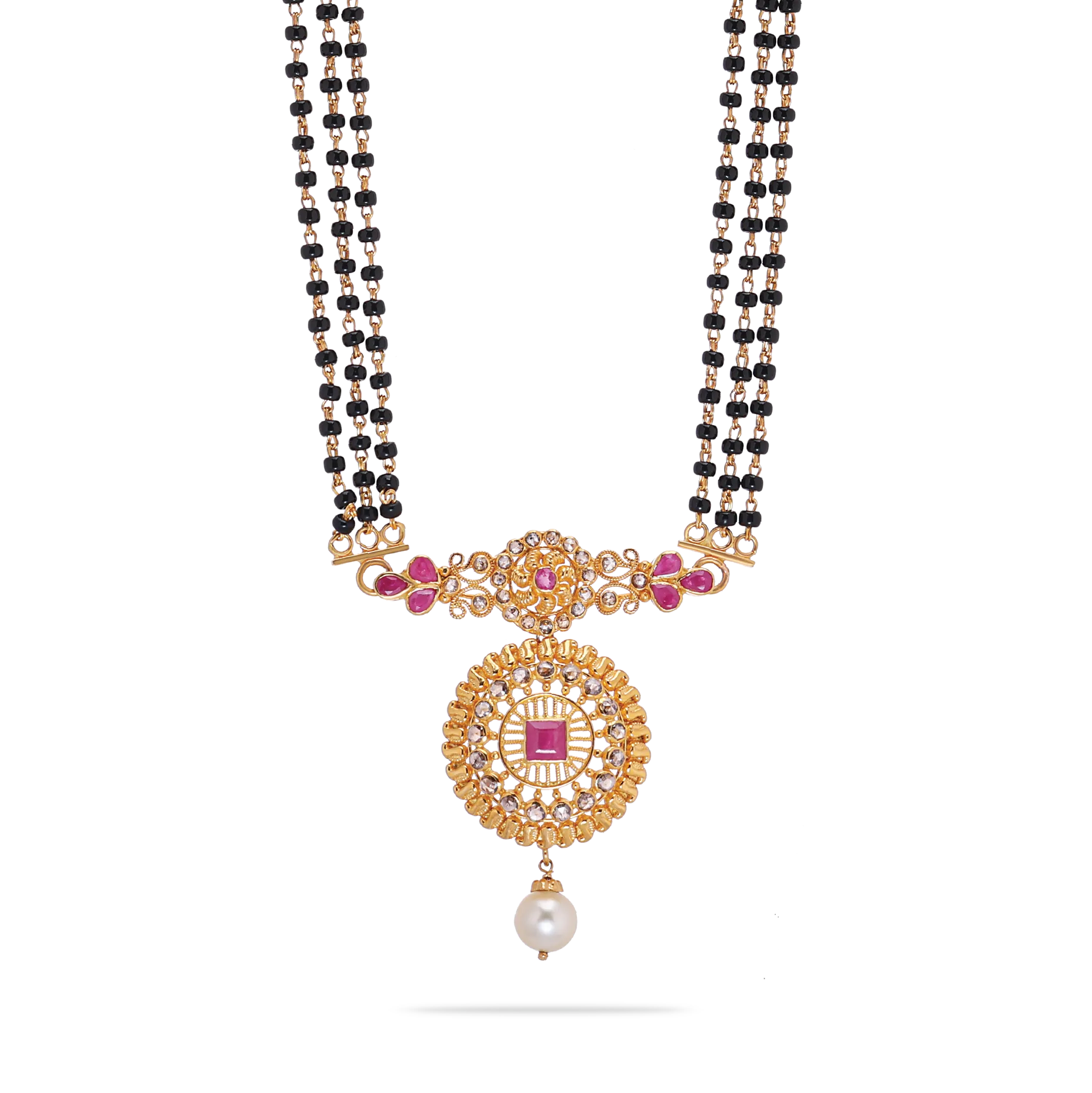
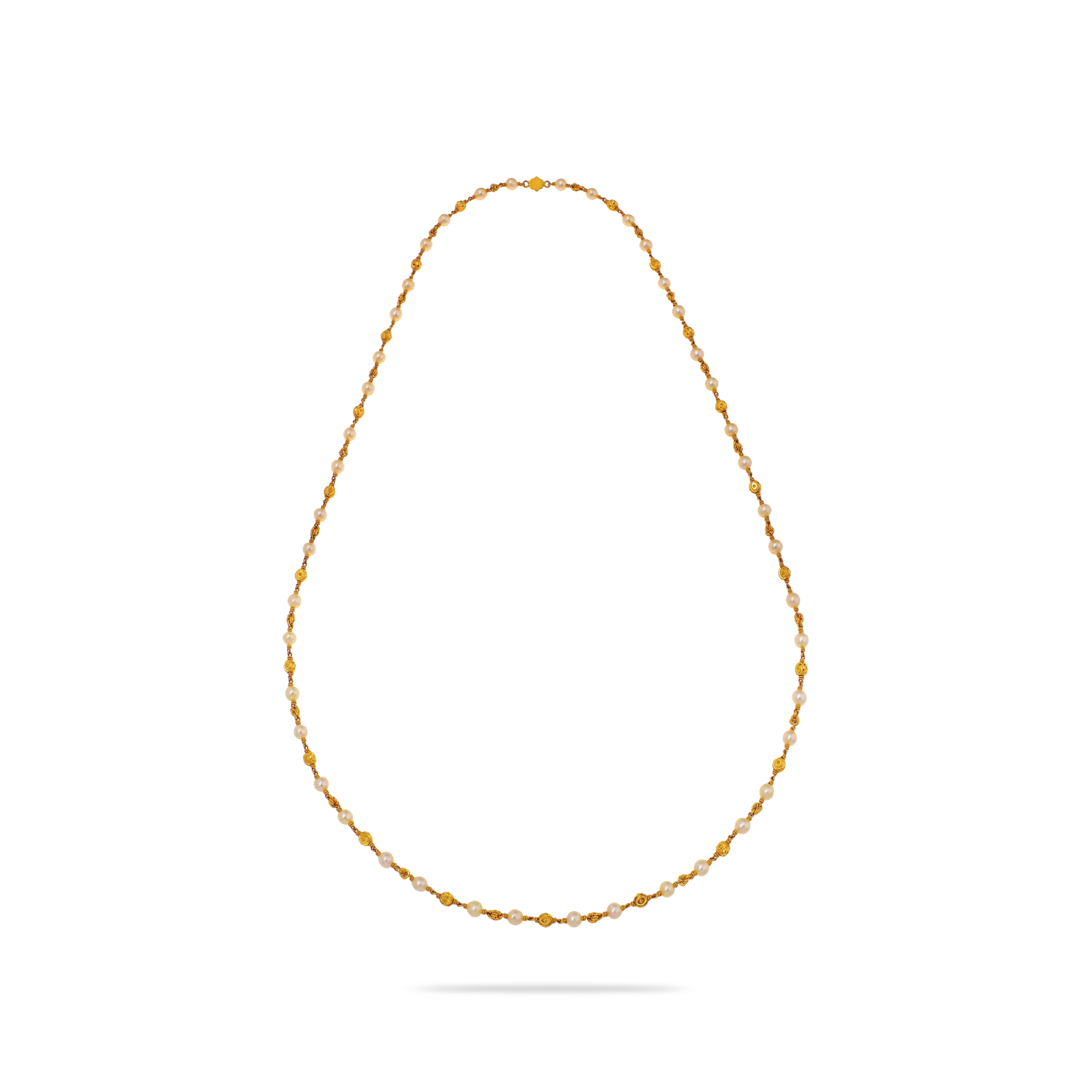
For a classic combination, pair a long haram or kasu-style necklace with a shorter chain, substantial earrings, and restrained hair jewellery. The set should feel cohesive rather than identical. If the pieces are heavy, test them while seated and walking, since ceremony length can make weight more noticeable than it seemed in the showroom.
Kundan and jadau designs for grand celebrations
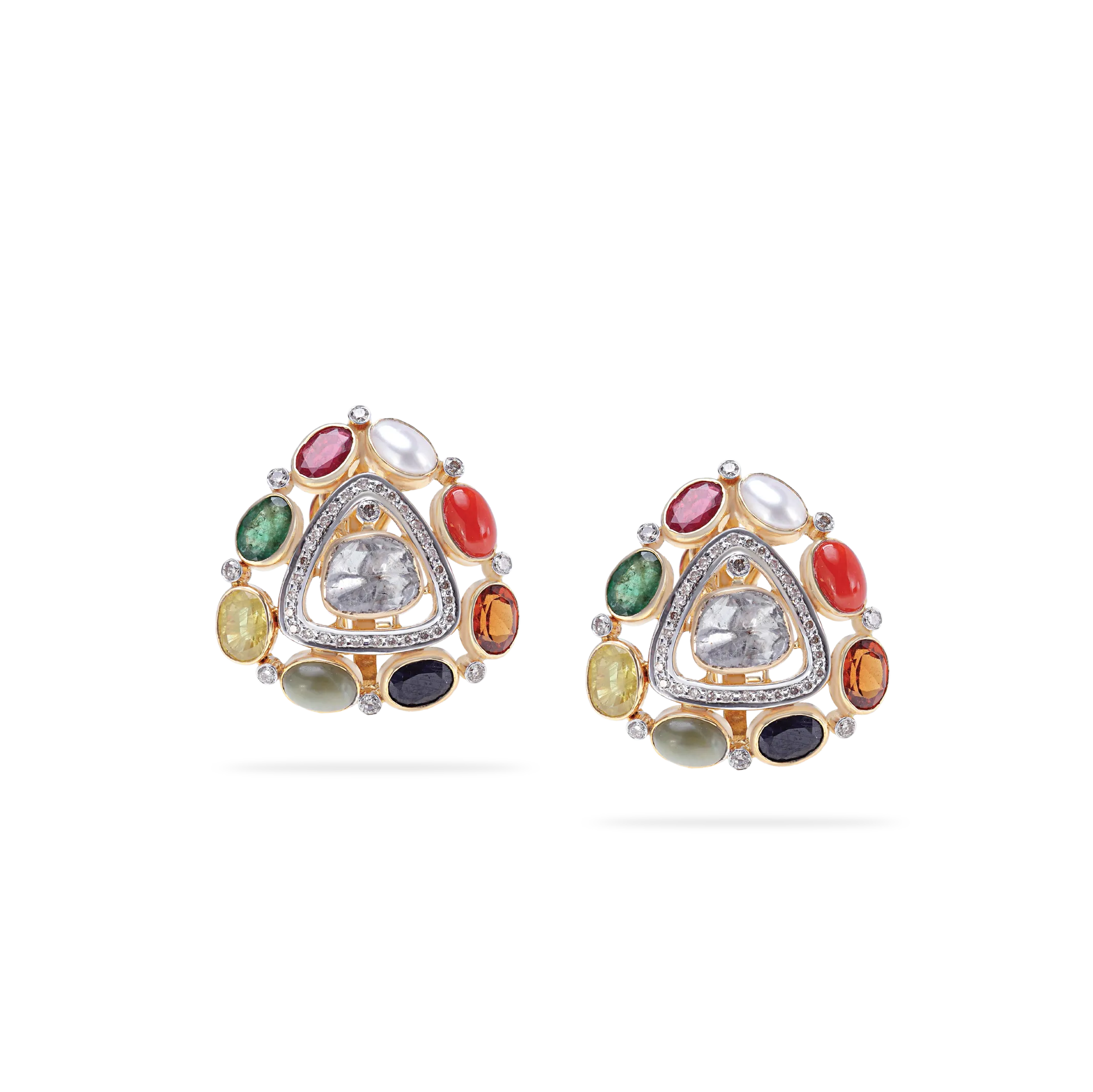
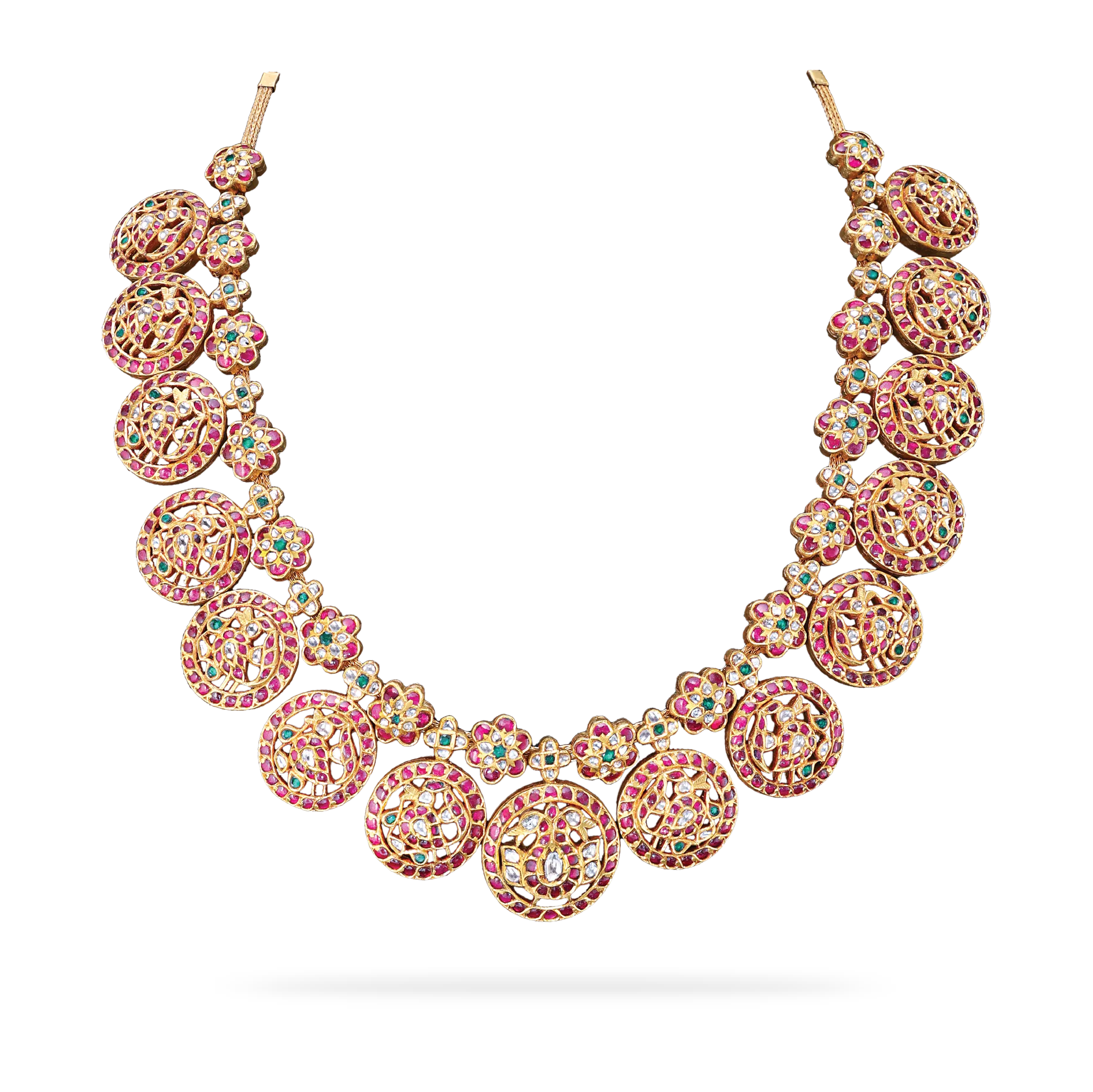
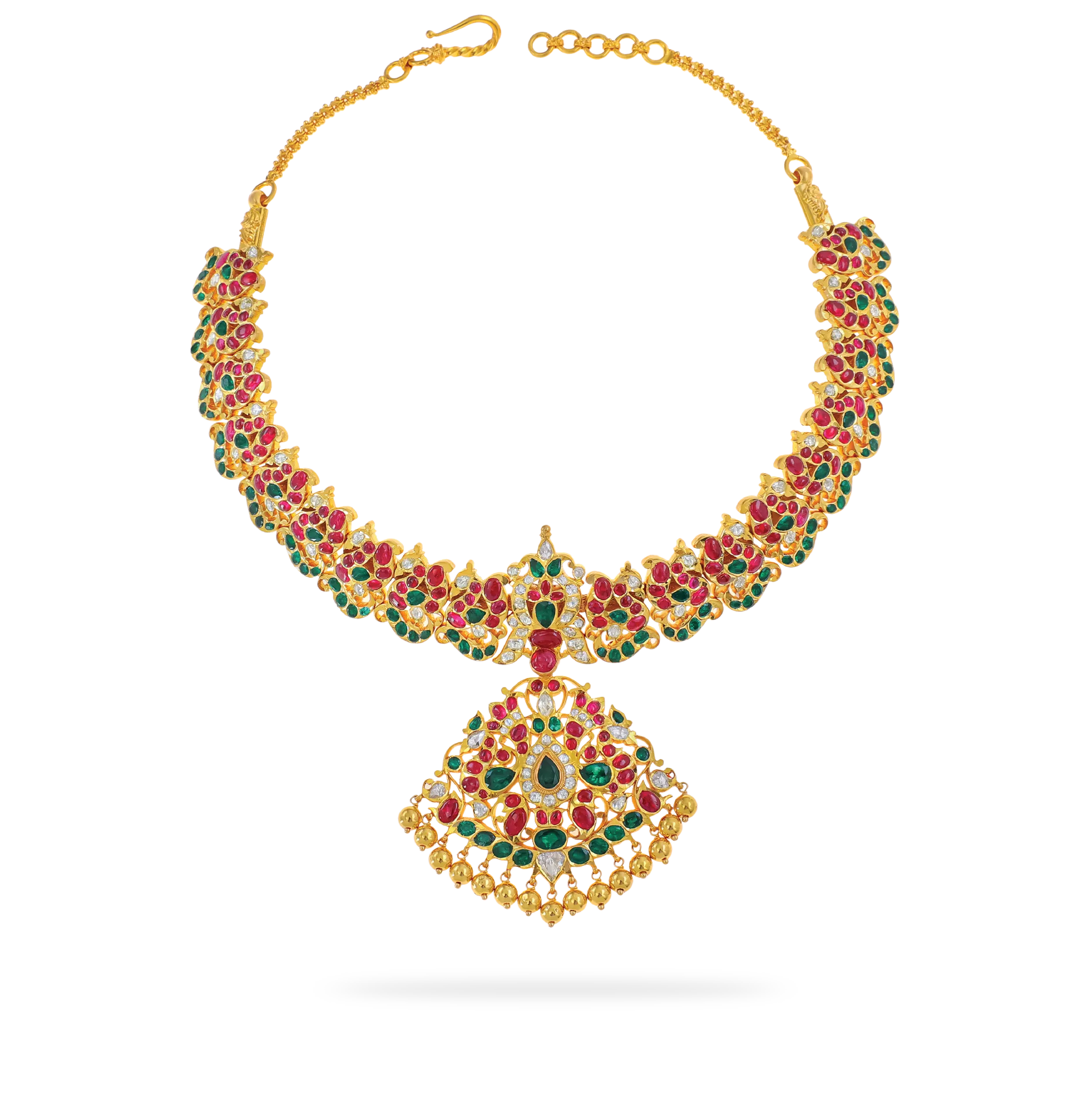
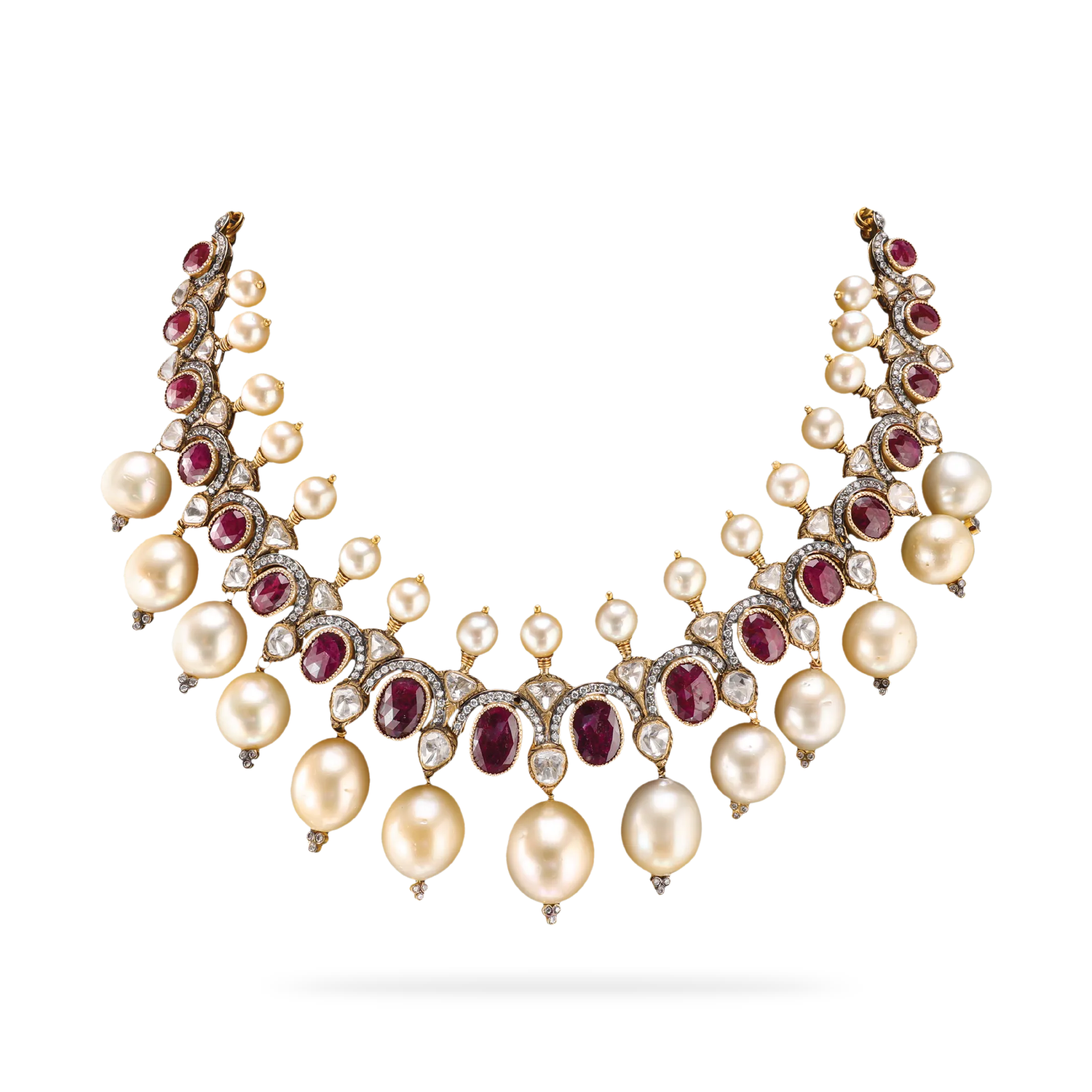
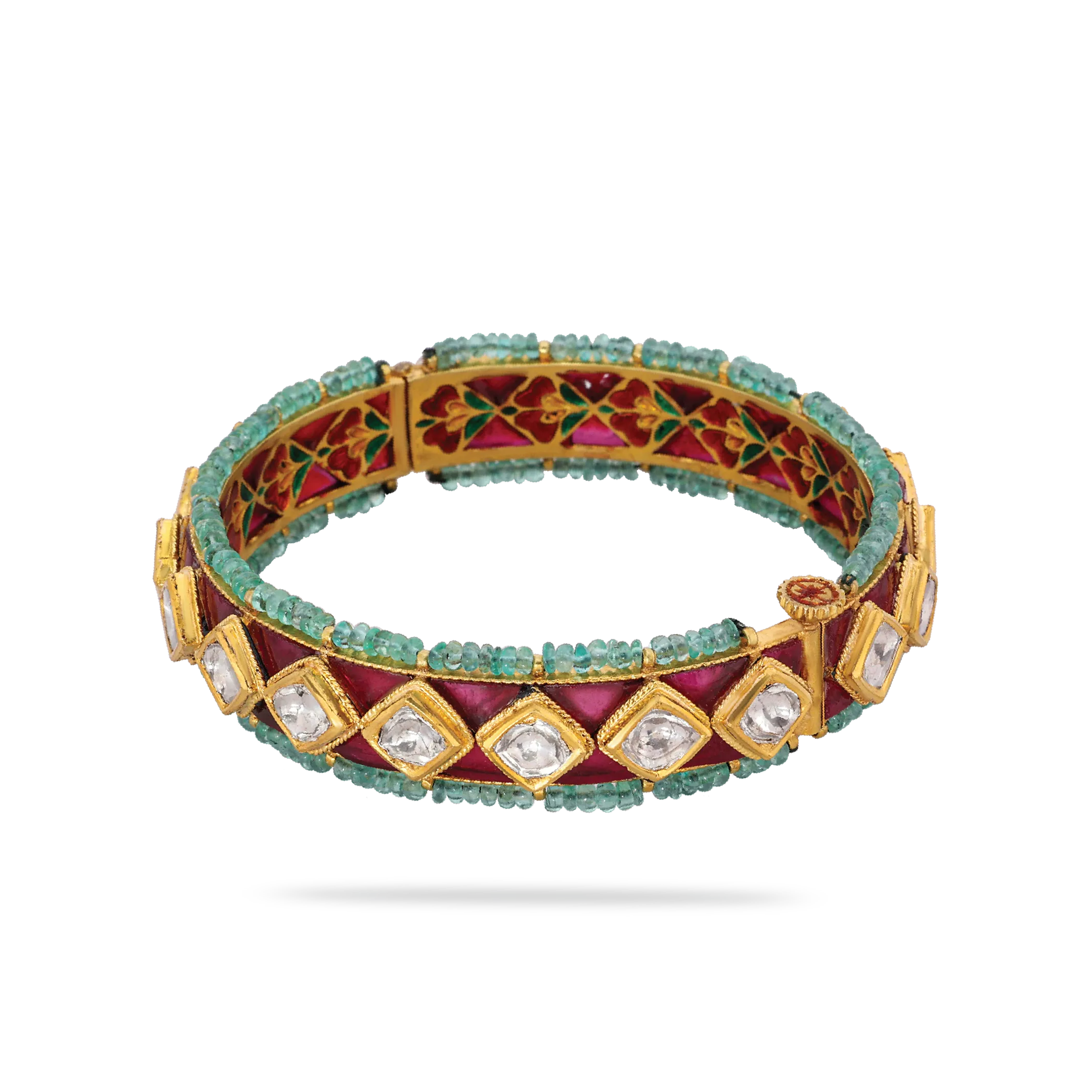
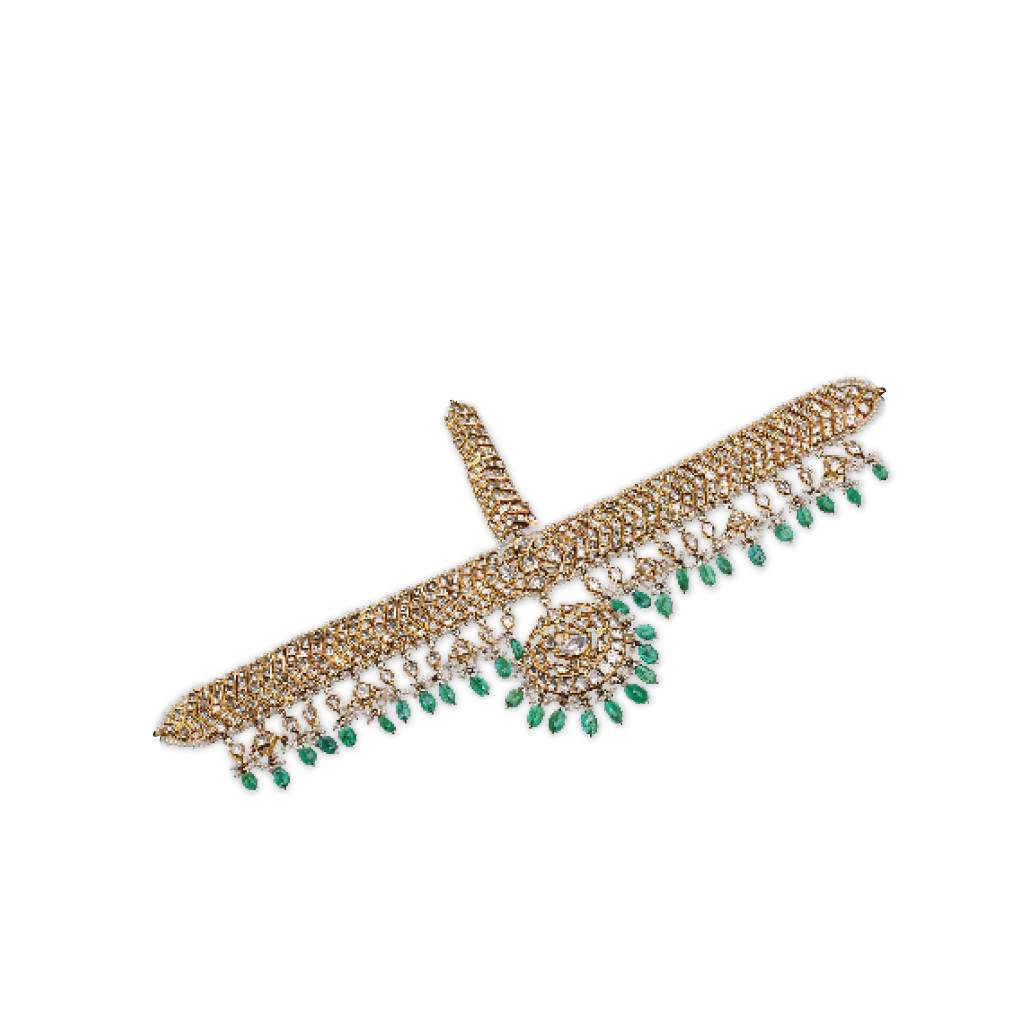
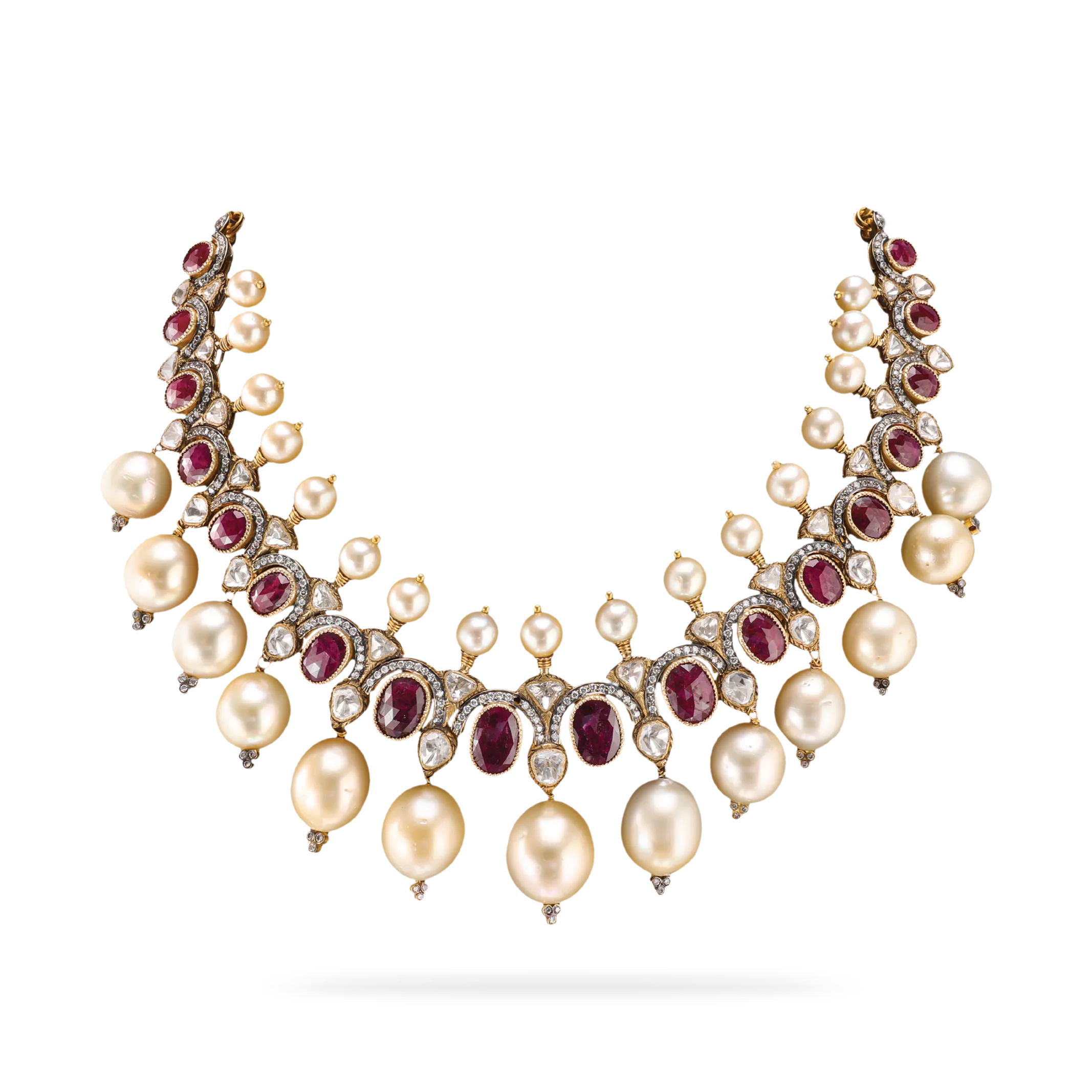
Kundan and jadau designs bring a courtly quality to evening ceremonies, especially when the outfit has rich embroidery or a wide dupatta. Uncut-looking surfaces, coloured stones, pearls, and detailed settings can add depth under warm reception lighting. These pieces often work best when the neckline is simple enough to give the necklace room.
A grand choker may be enough with statement earrings, while a longer necklace can create a more layered royal effect over a lehenga. Inspect how the piece rests against the skin and whether the reverse side is comfortable. The visual drama should not come at the cost of movement, particularly during greetings, photographs, and dancing.
Diamond and Polki jewellery for reception looks
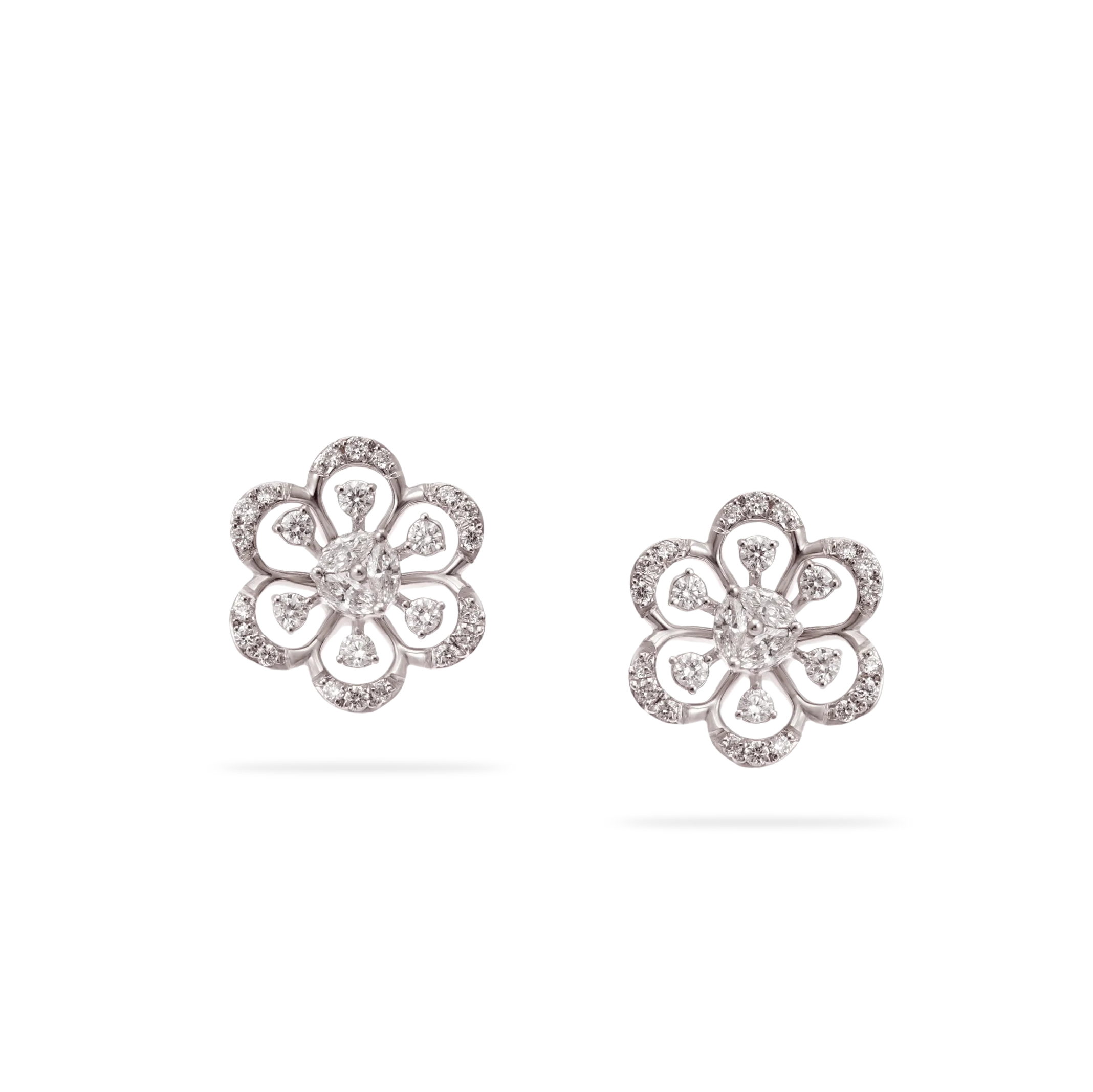
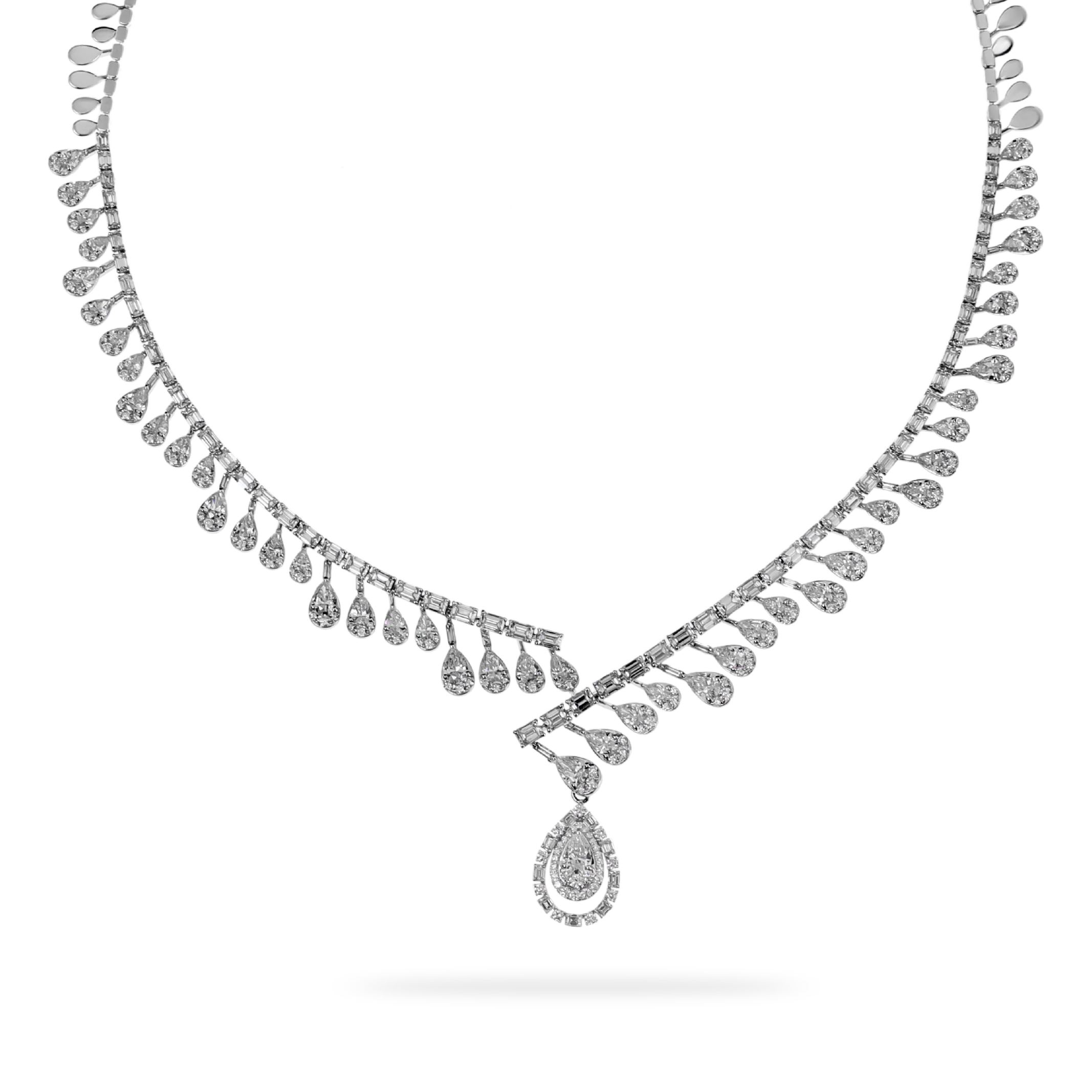
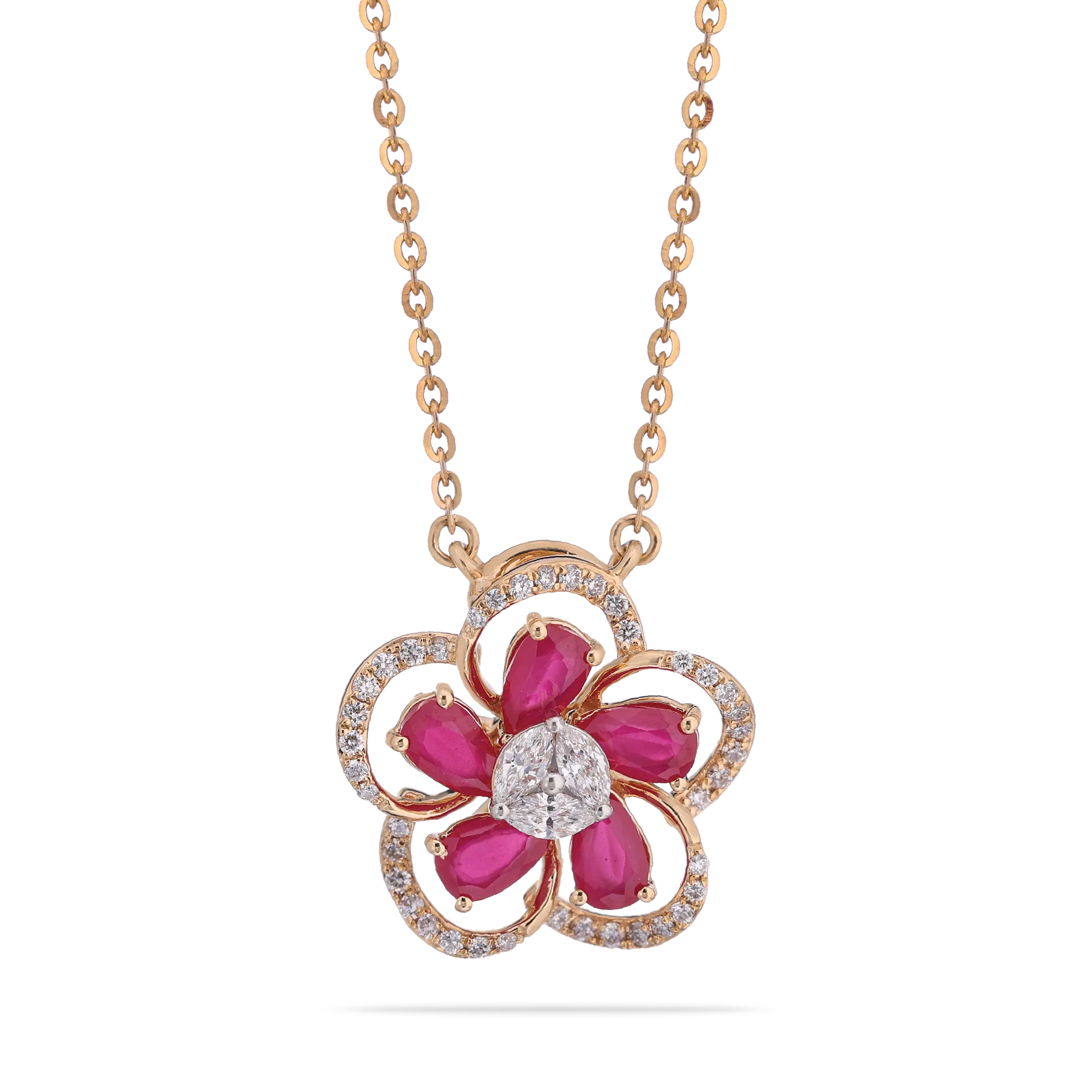
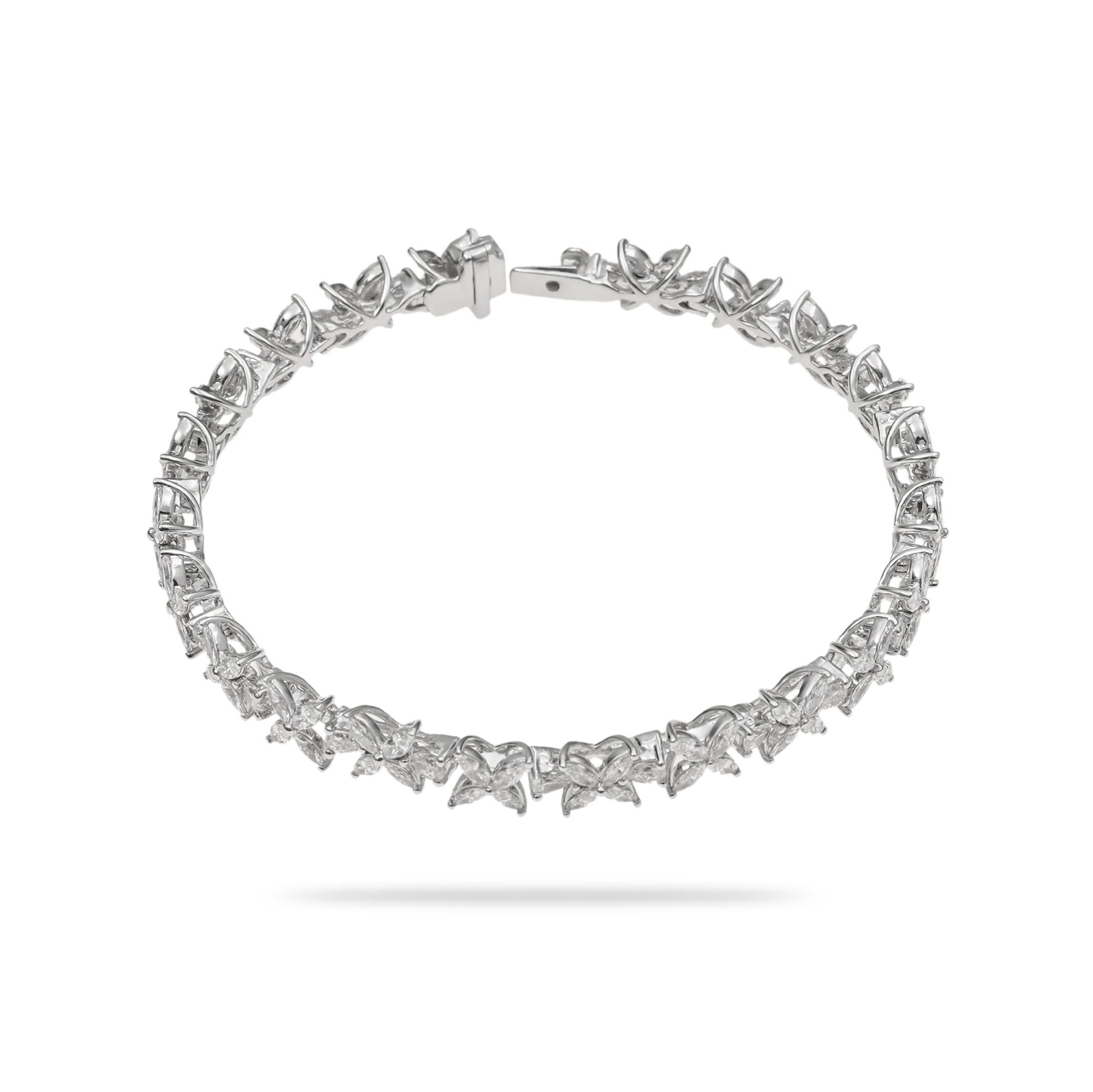
Diamond jewellery brings crisp sparkle and can suit a modern reception gown, saree, or lightly embellished lehenga. Polki offers a softer, more textural glow, making it an appealing bridge between traditional richness and contemporary styling. Let the fabric’s surface determine the jewellery’s finish: heavily sequined clothing may call for cleaner lines, while plain fabric can carry more detail.
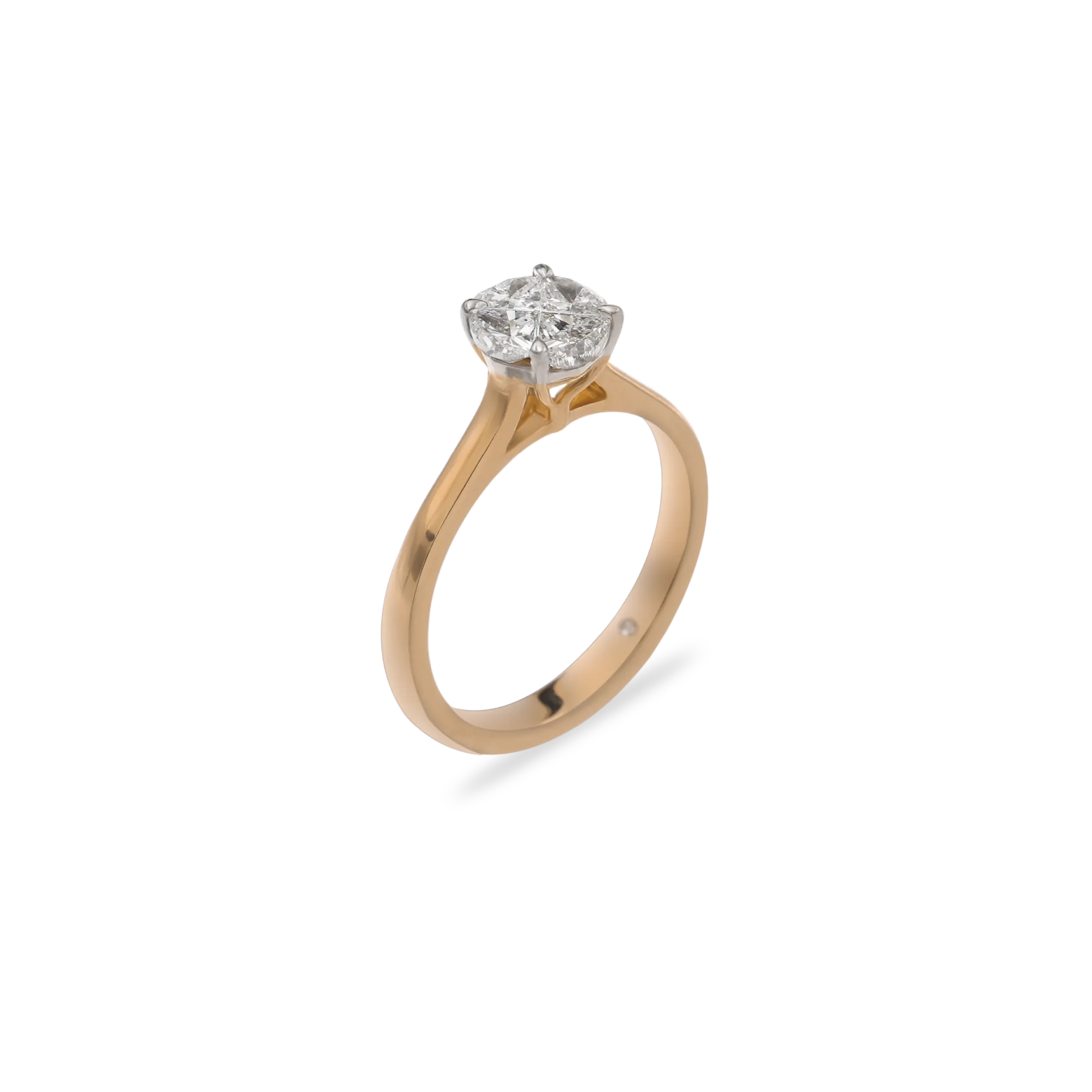
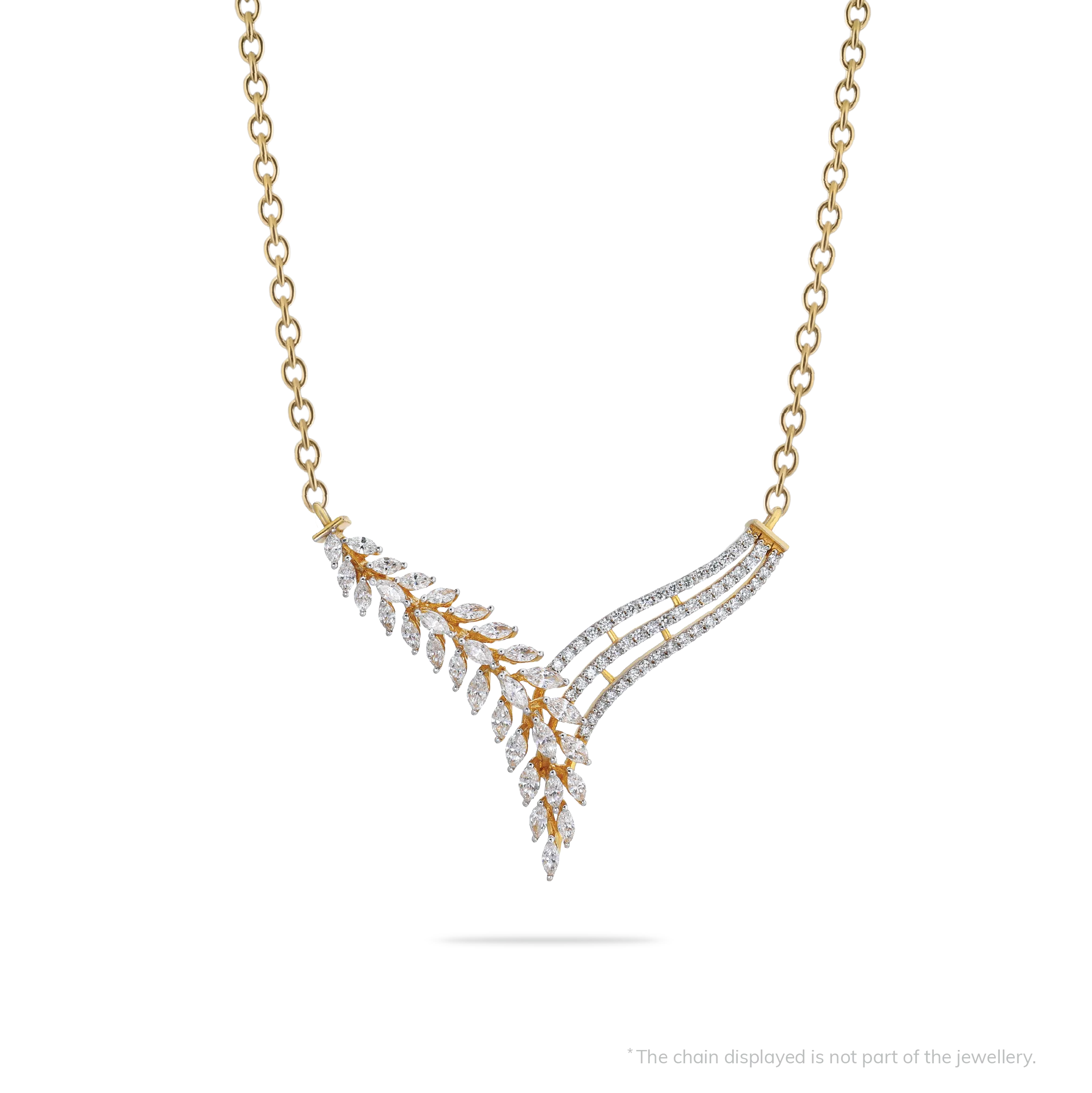
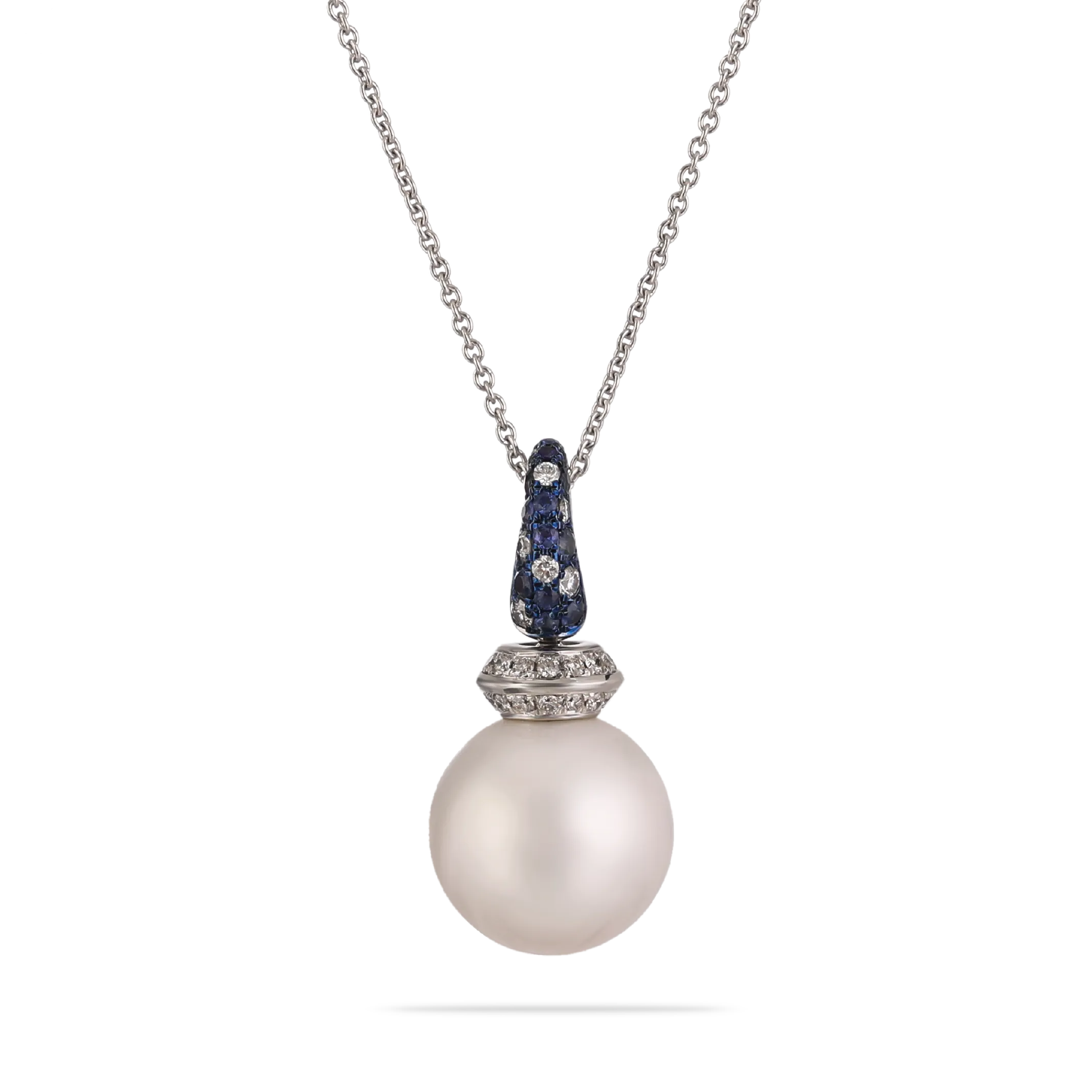
A collar necklace or close-set choker is effective with an open neckline, while a longer pendant can lengthen a high or modest neckline. This guide to diamond jewellery buying is useful when comparing reports, the 4 Cs, settings, and craftsmanship before choosing a reception piece.
Lightweight statement pieces for pre-wedding events
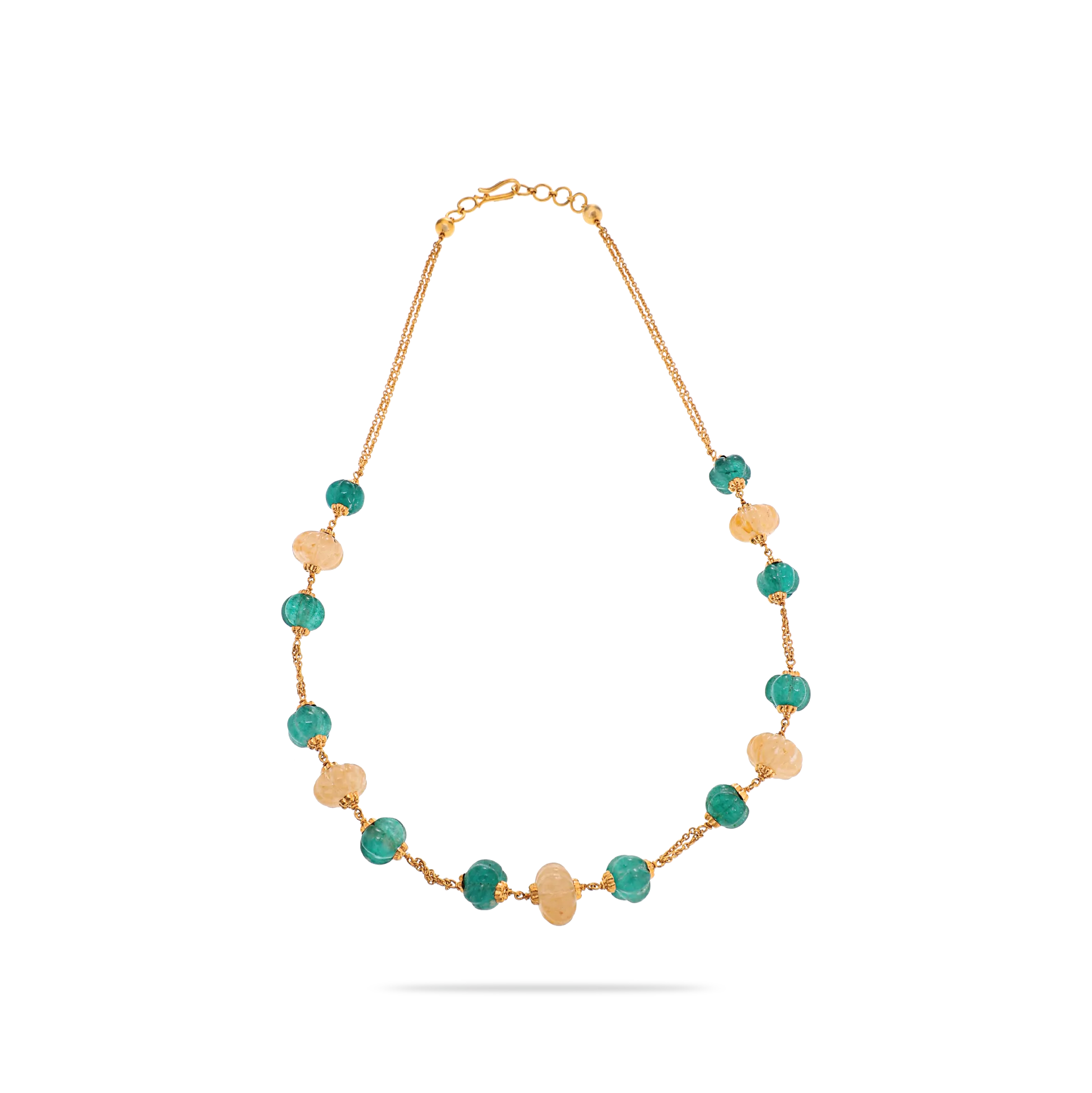
Haldi, mehendi, sangeet, and welcome events usually reward lighter jewellery that can withstand movement and outdoor conditions. Colourful beads, delicate chandbalis, layered chains, floral-inspired earrings, and slim bangles can make an outfit feel festive without overwhelming it. The best pieces are easy to secure and comfortable for several hours.
Build the look around one feature rather than stacking every available ornament. A bold earring with a simple necklace, or a layered necklace with small studs, often photographs more clearly. For budget-conscious events, well-finished fashion jewellery can provide variety while reserving fine jewellery for the ceremonies where it has the greatest meaning.
Building a bridal jewellery collection
A bridal collection works best as a series of related decisions, not a single purchase made from a matching display. Start with the pieces that will appear most prominently in portraits, then fill in the details around them. Think about balance from the front, side, and back, since hair ornaments and earrings are visible from several angles.
It is also wise to separate wedding-day impact from long-term usefulness. Some ornaments may be intentionally elaborate and worn rarely, while others can become part of festive or formal dressing later. This approach makes the collection feel personal and keeps the budget focused on pieces that truly earn their place.
Selecting the bridal necklace and choker combination
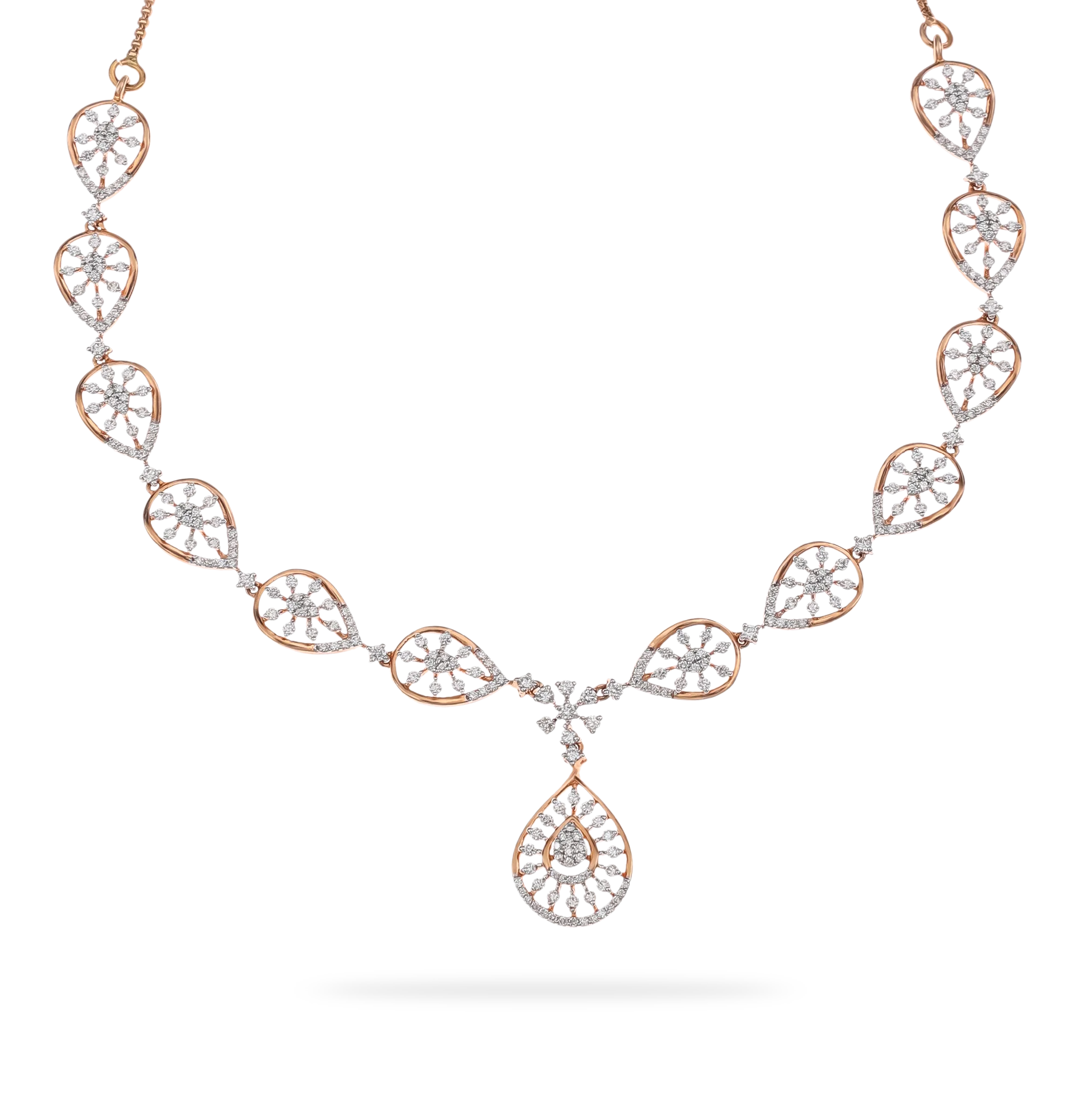
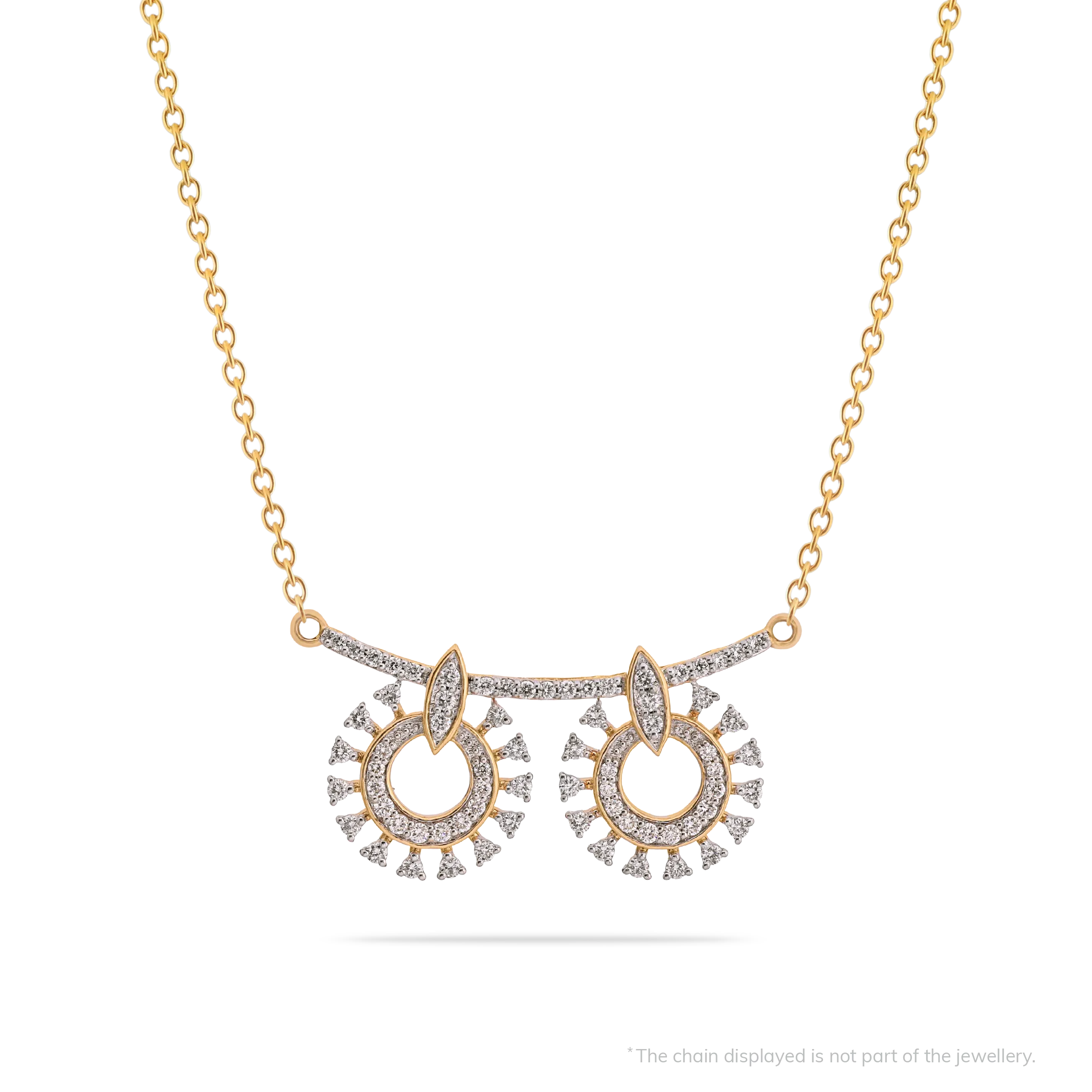
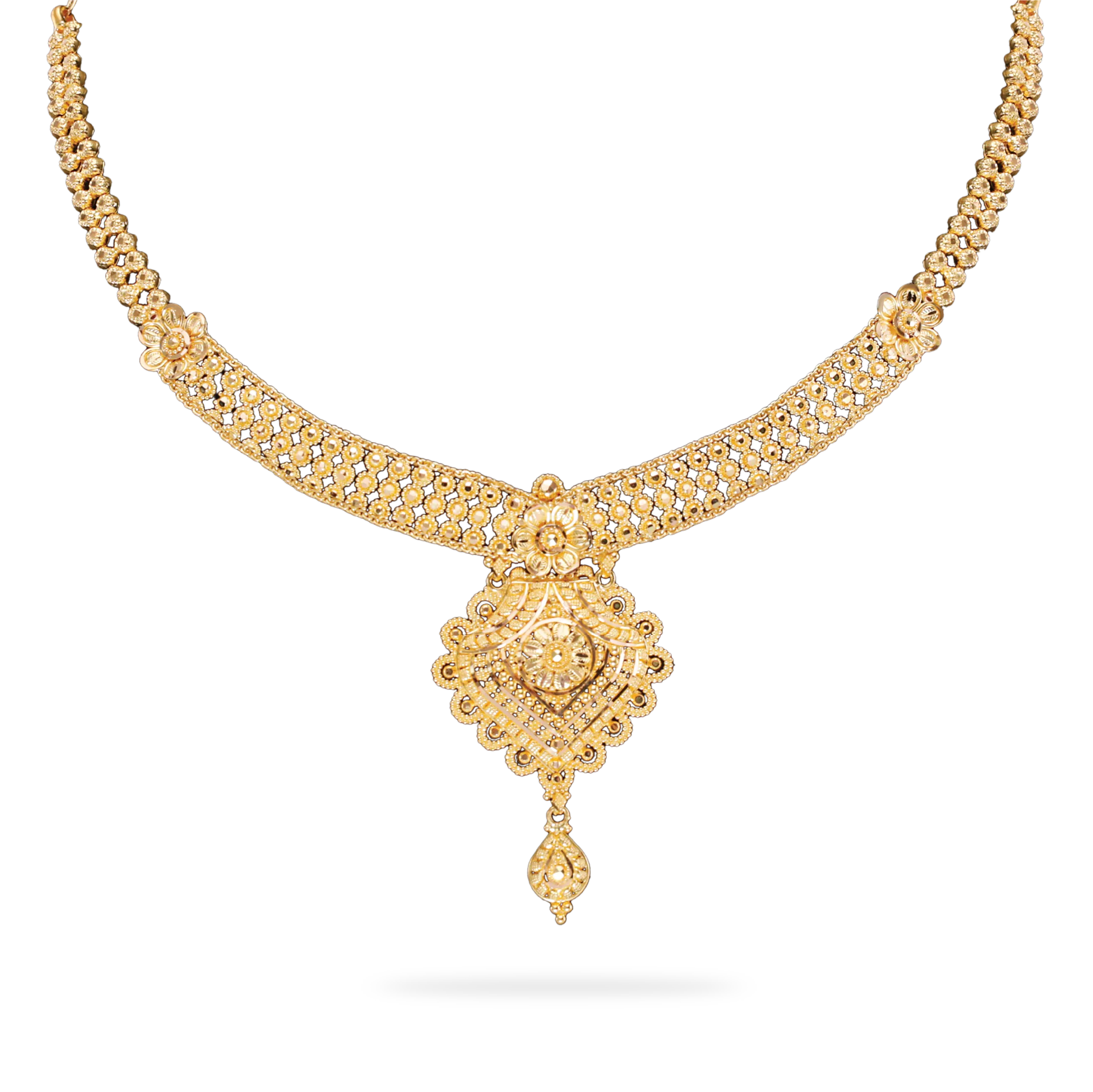
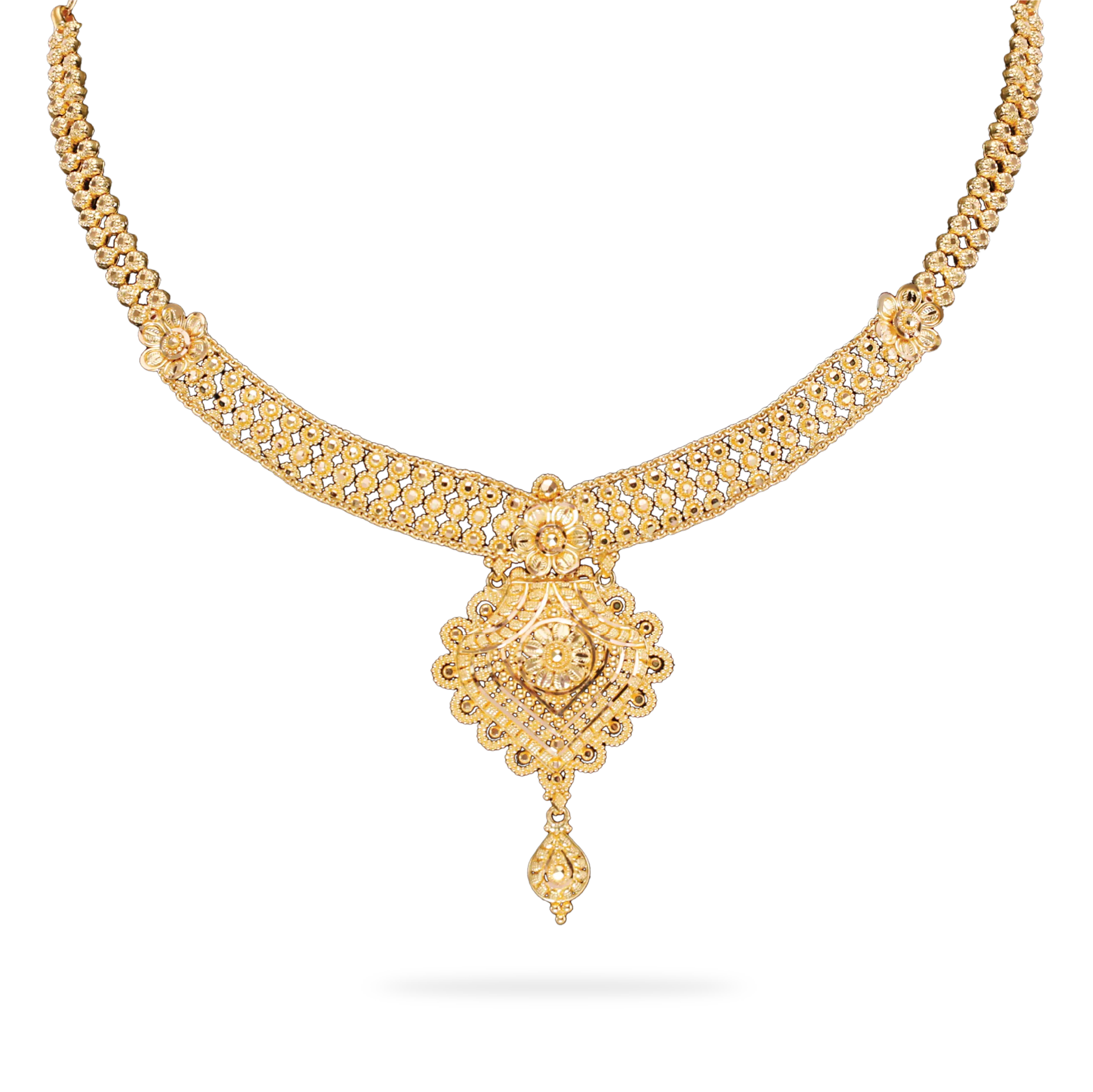
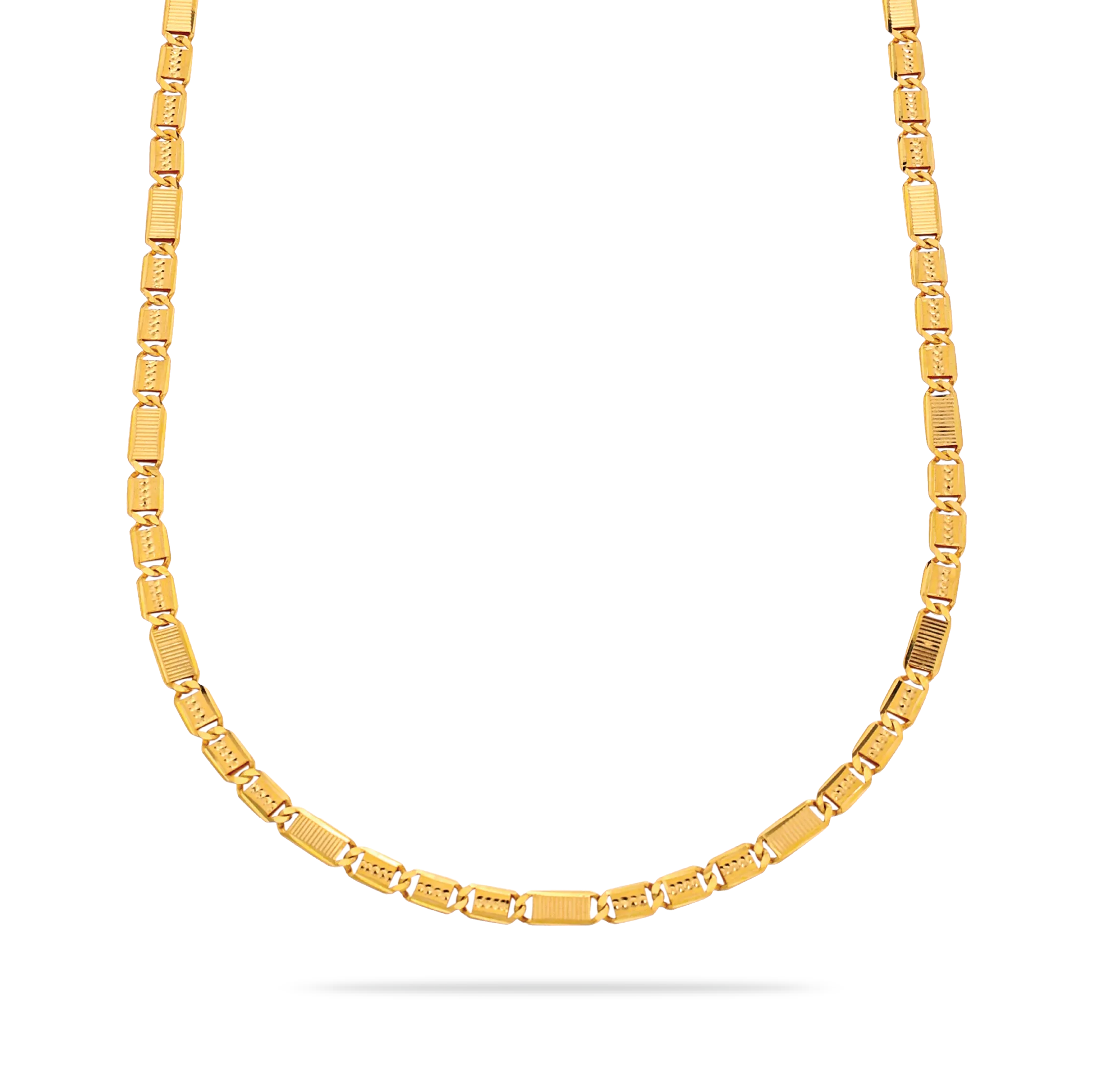
The necklace and choker should complement one another in scale, metal tone, and visual density. A close choker can frame the collarbone while a longer haram creates length, but the gap between the two should look intentional rather than accidental. Try both pieces with the blouse and any dupatta or saree drape you will actually wear.
For guidance on balancing ceremony, neckline, fit, and long-term wear, explore this wedding jewellery planning guide. It is often better to choose one exceptional central set and a simpler companion than to purchase several pieces that compete for attention.
Matching earrings, maang tikka, and nose rings
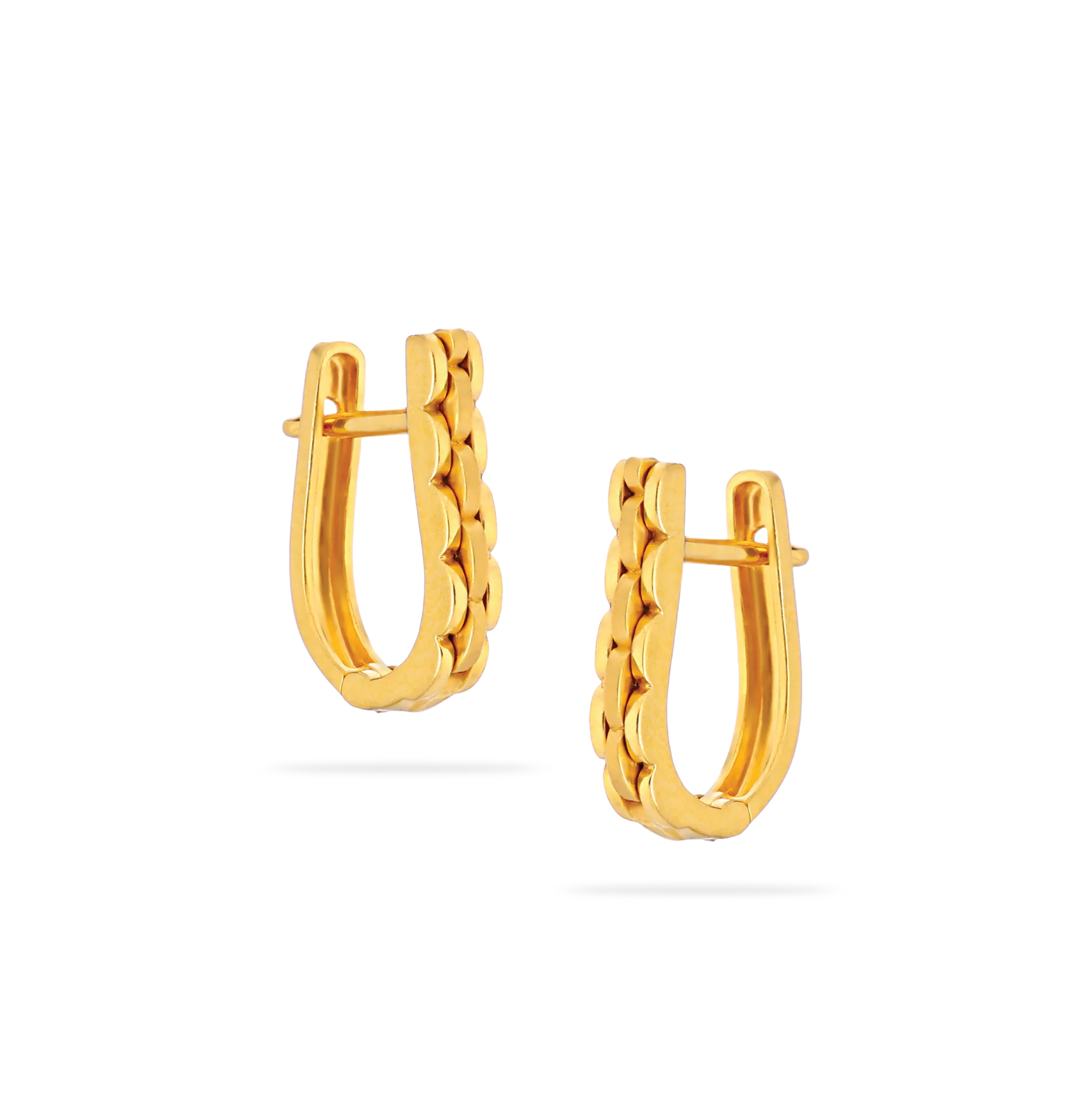
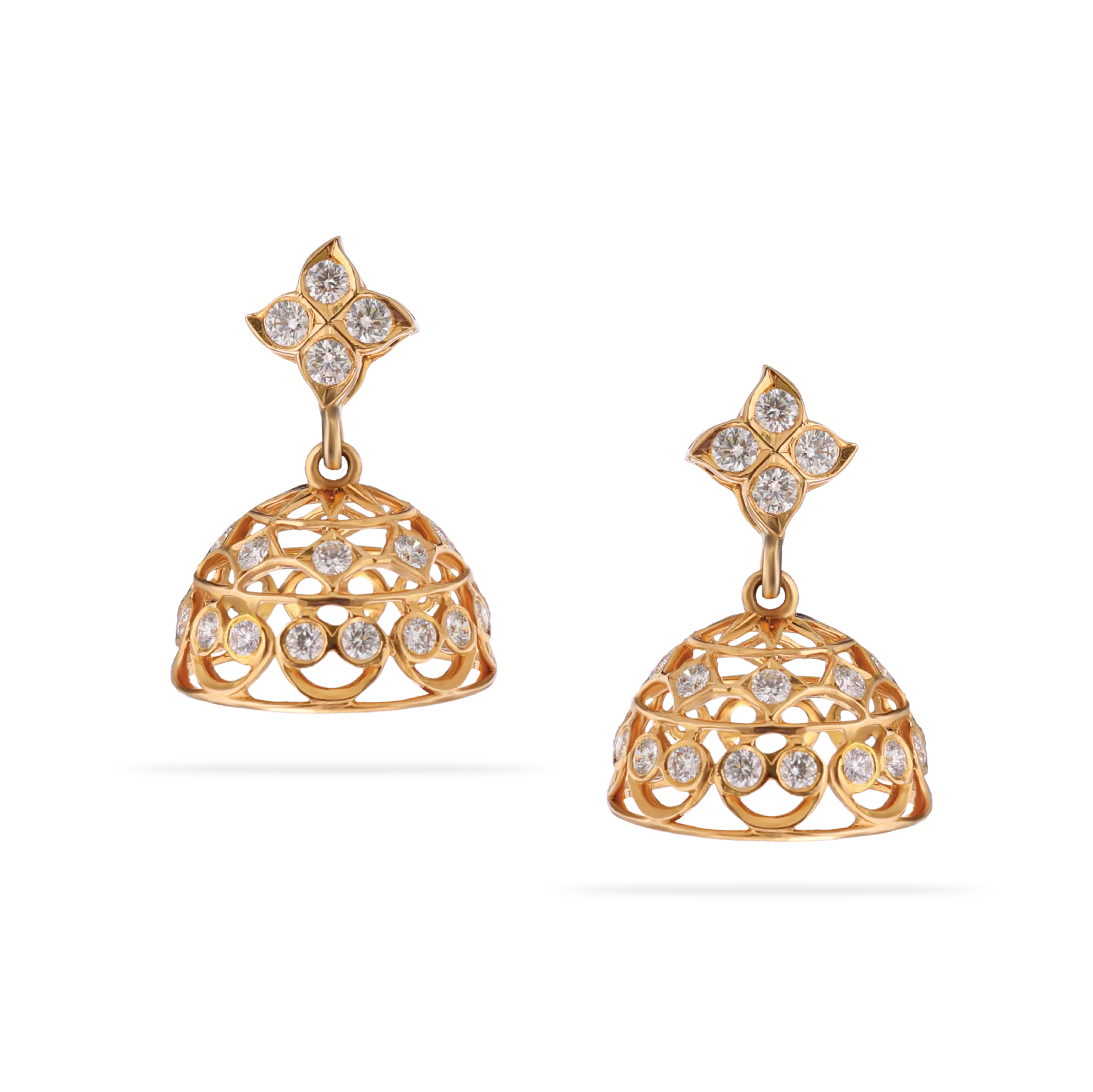
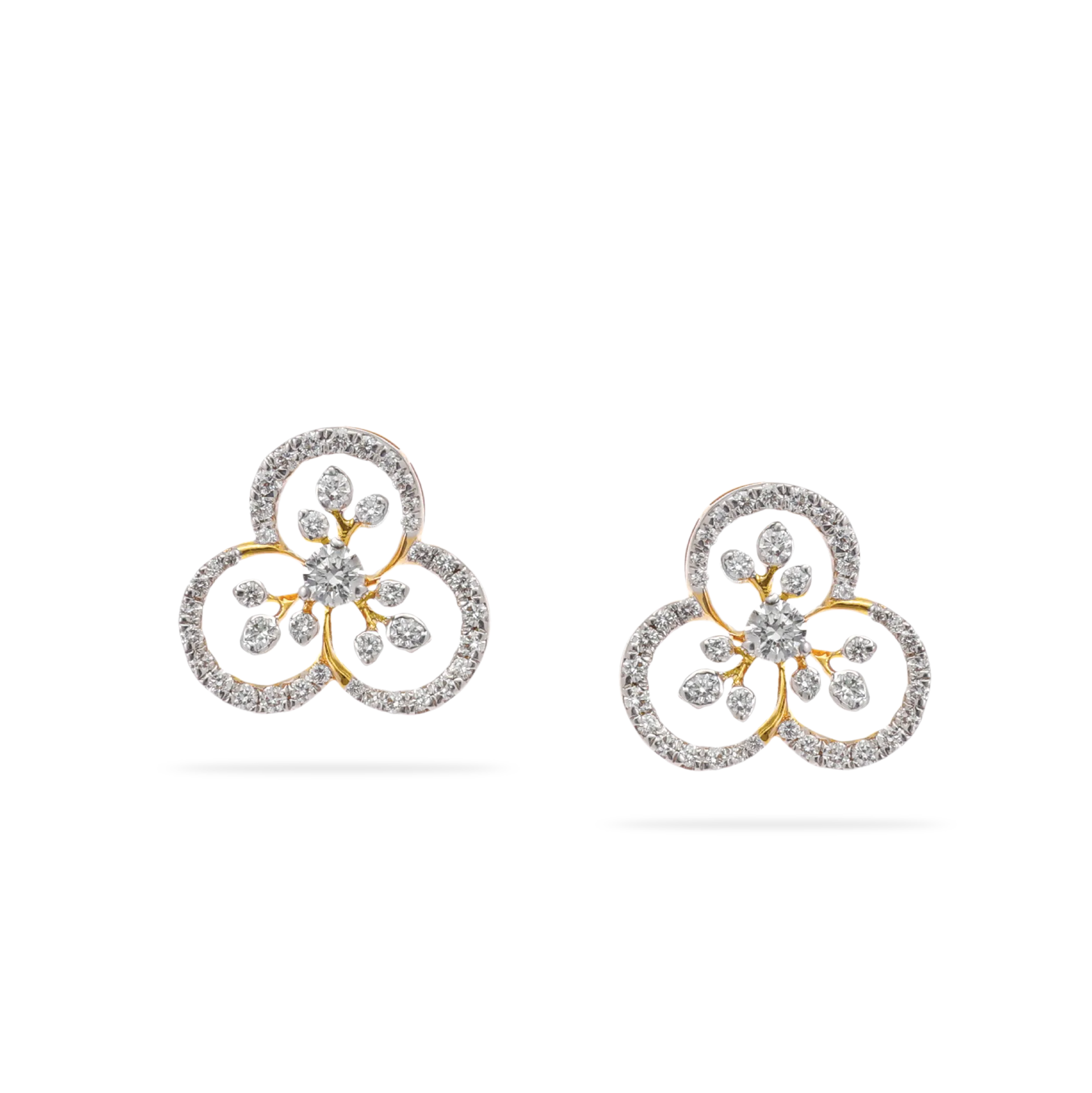
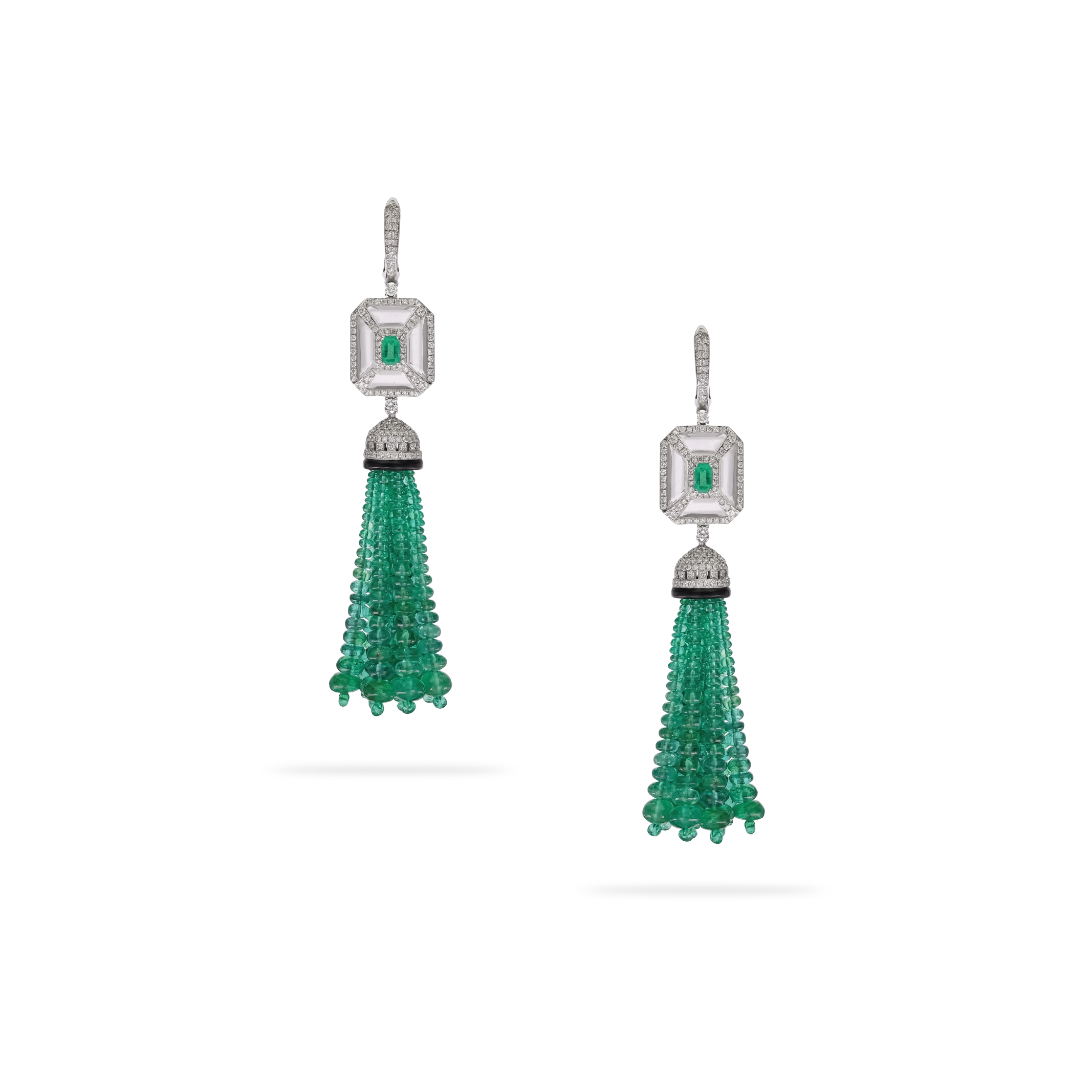
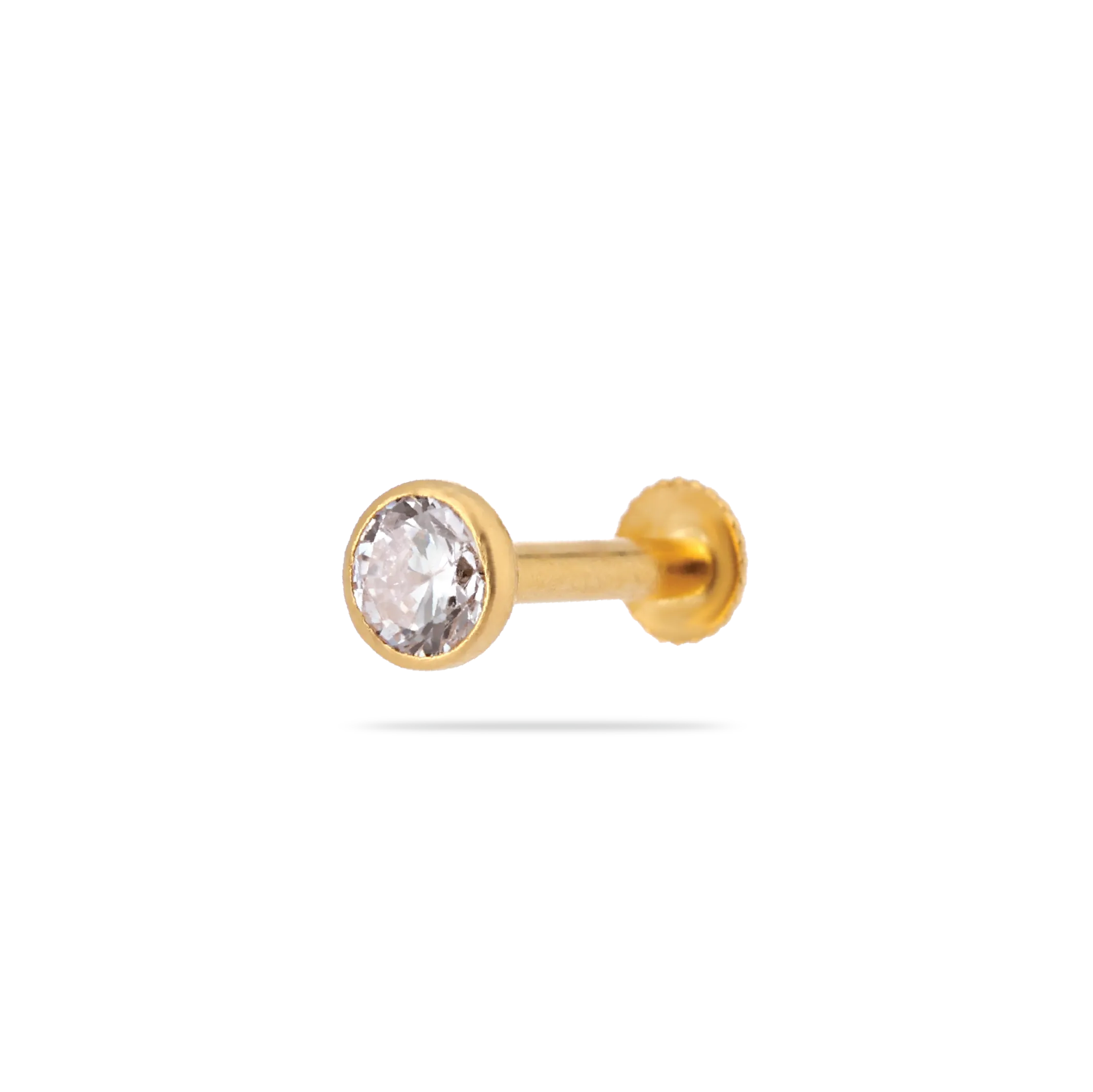
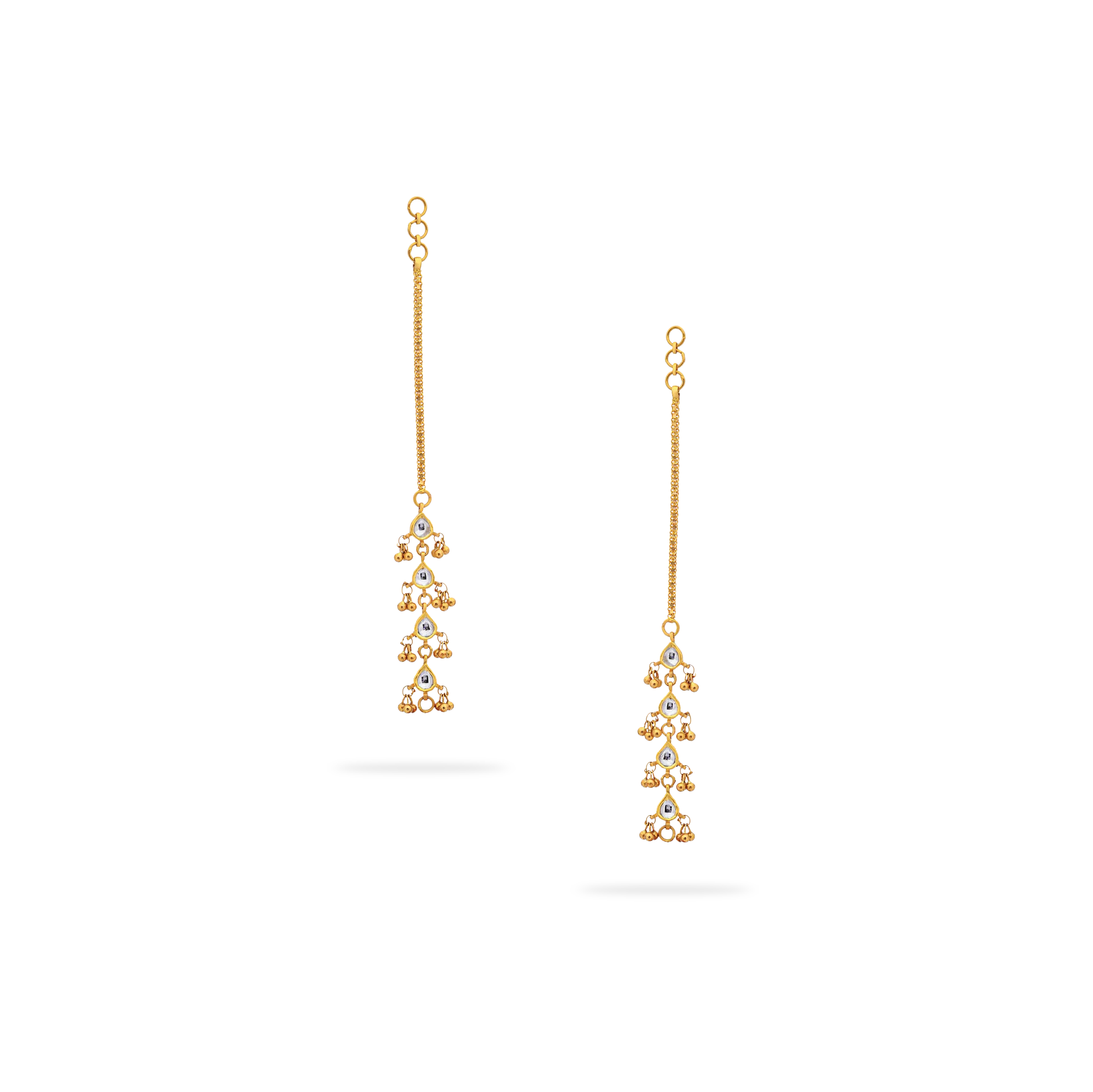
Earrings should echo the necklace without becoming a duplicate of it. Jhumkas, chandbalis, studs, and drops create different effects depending on face shape, hairstyle, and the width of the neckline. A maang tikka should sit securely at the hairline, with a chain that feels stable rather than tight.
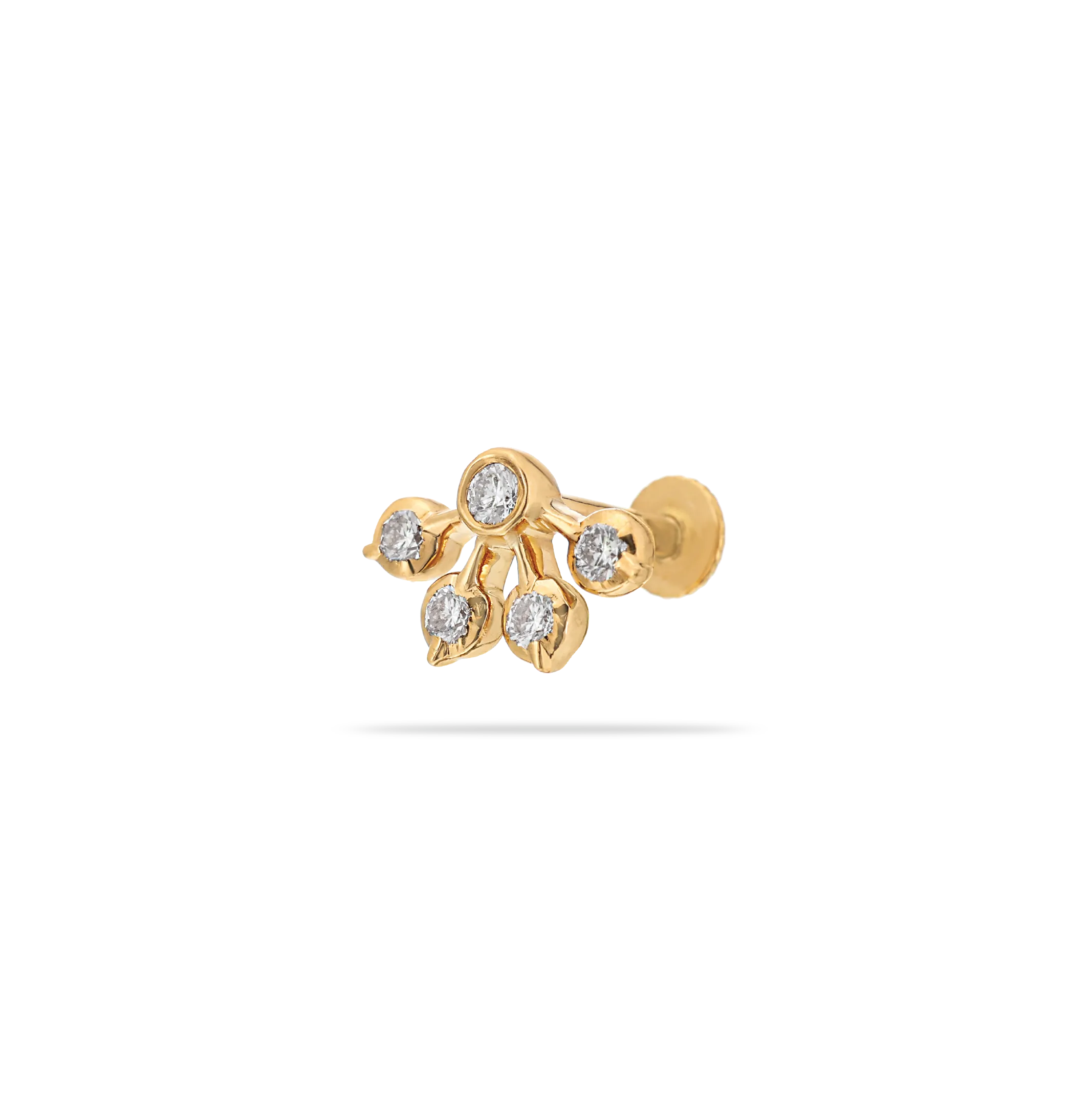
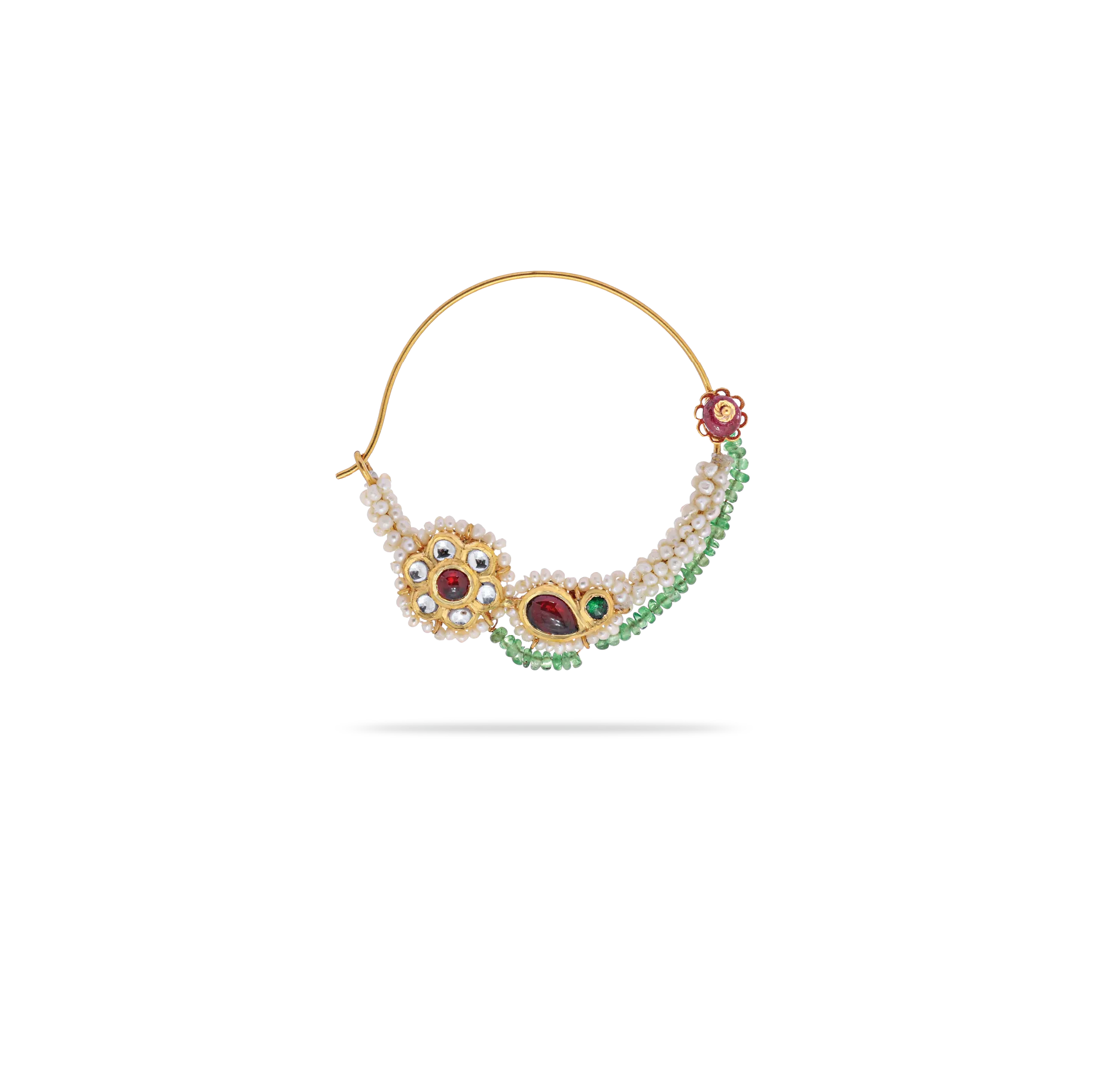
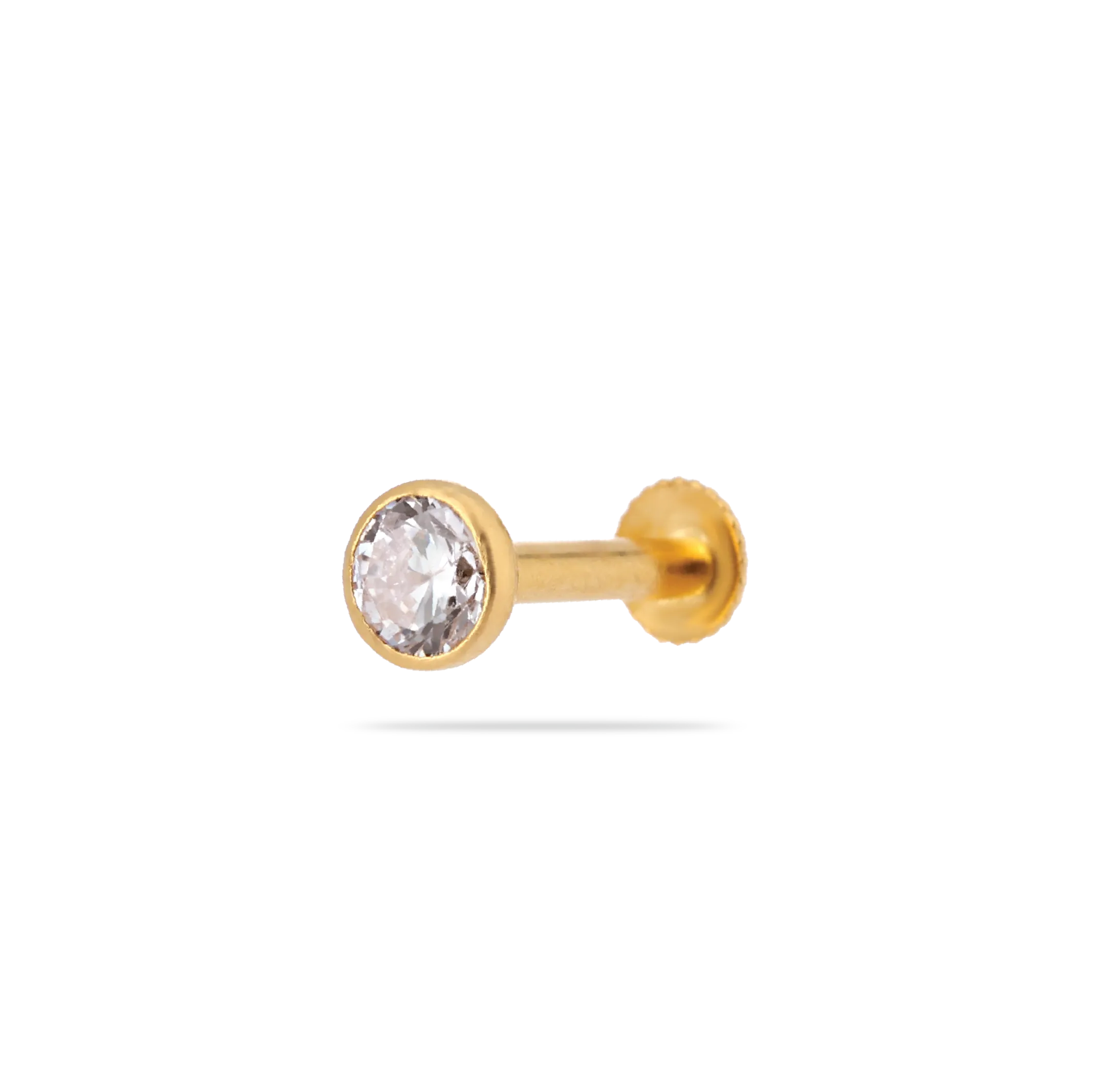
If you wear a nose ring or nath, test it with the full hairstyle and veil arrangement. The chain should follow a natural line across the cheek, and the ornament should not pull when you speak or smile. Small differences in length and weight can make a substantial difference over a long day.
Choosing bangles, vaddanam, and hand jewellery
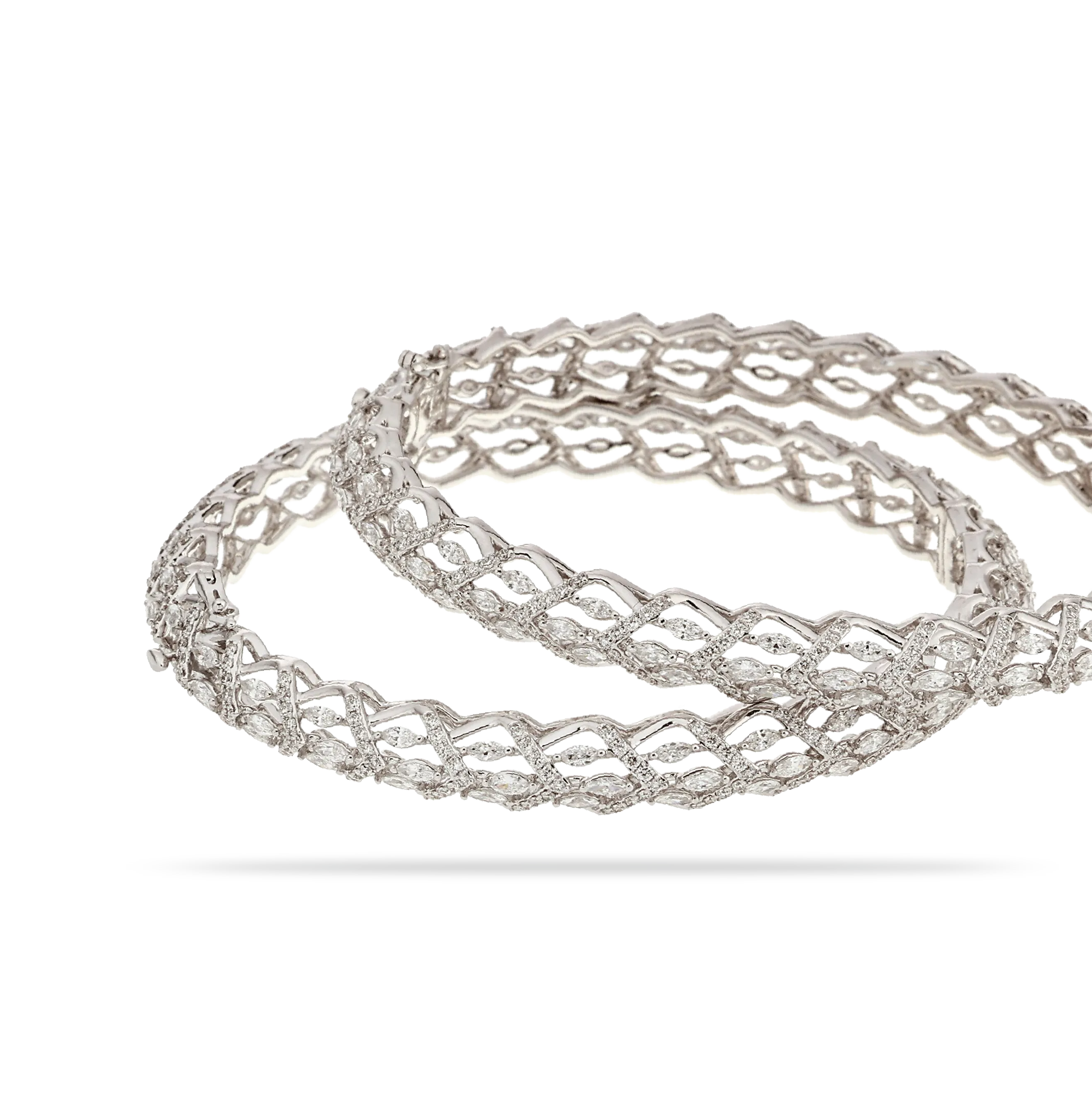
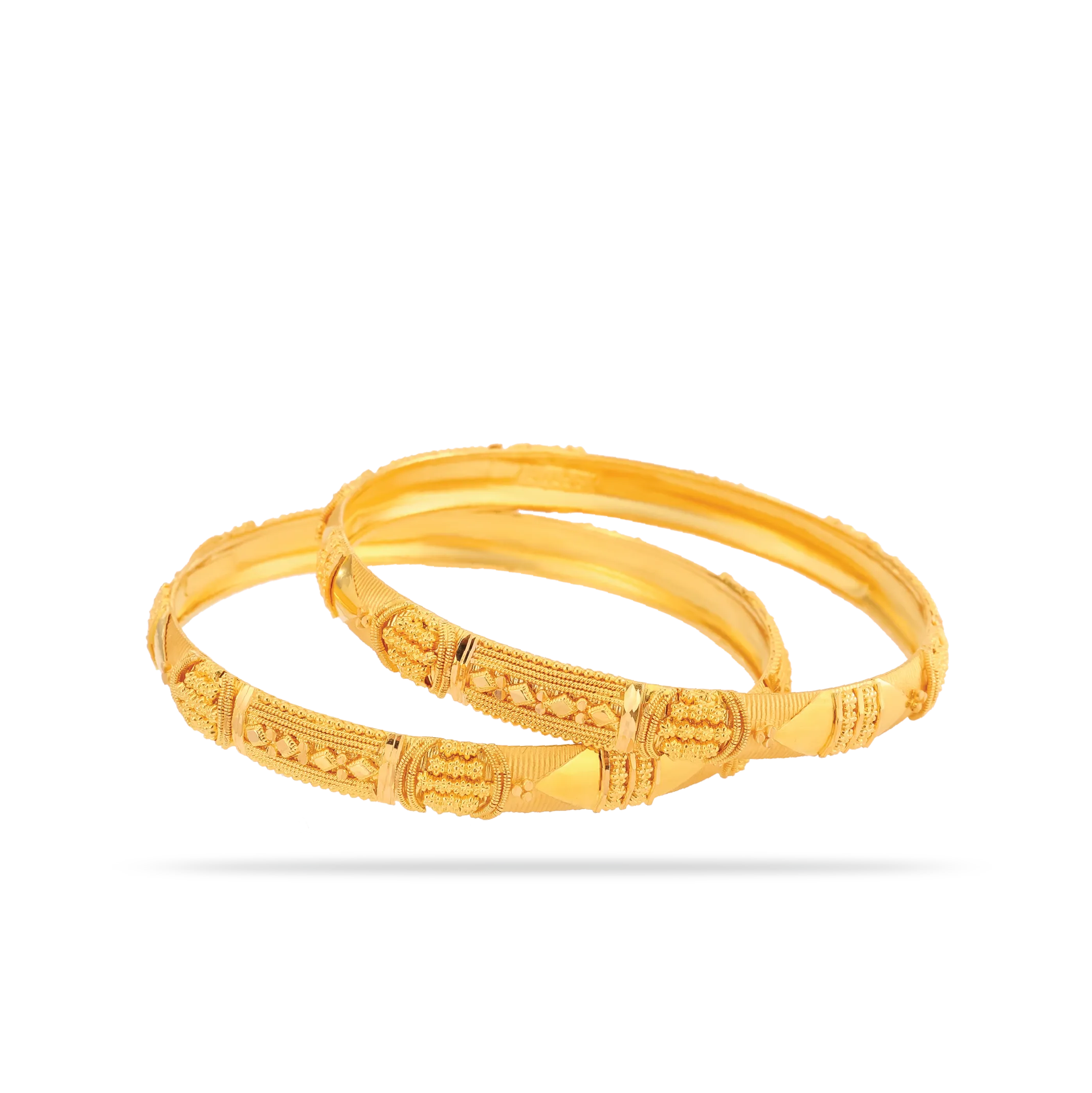
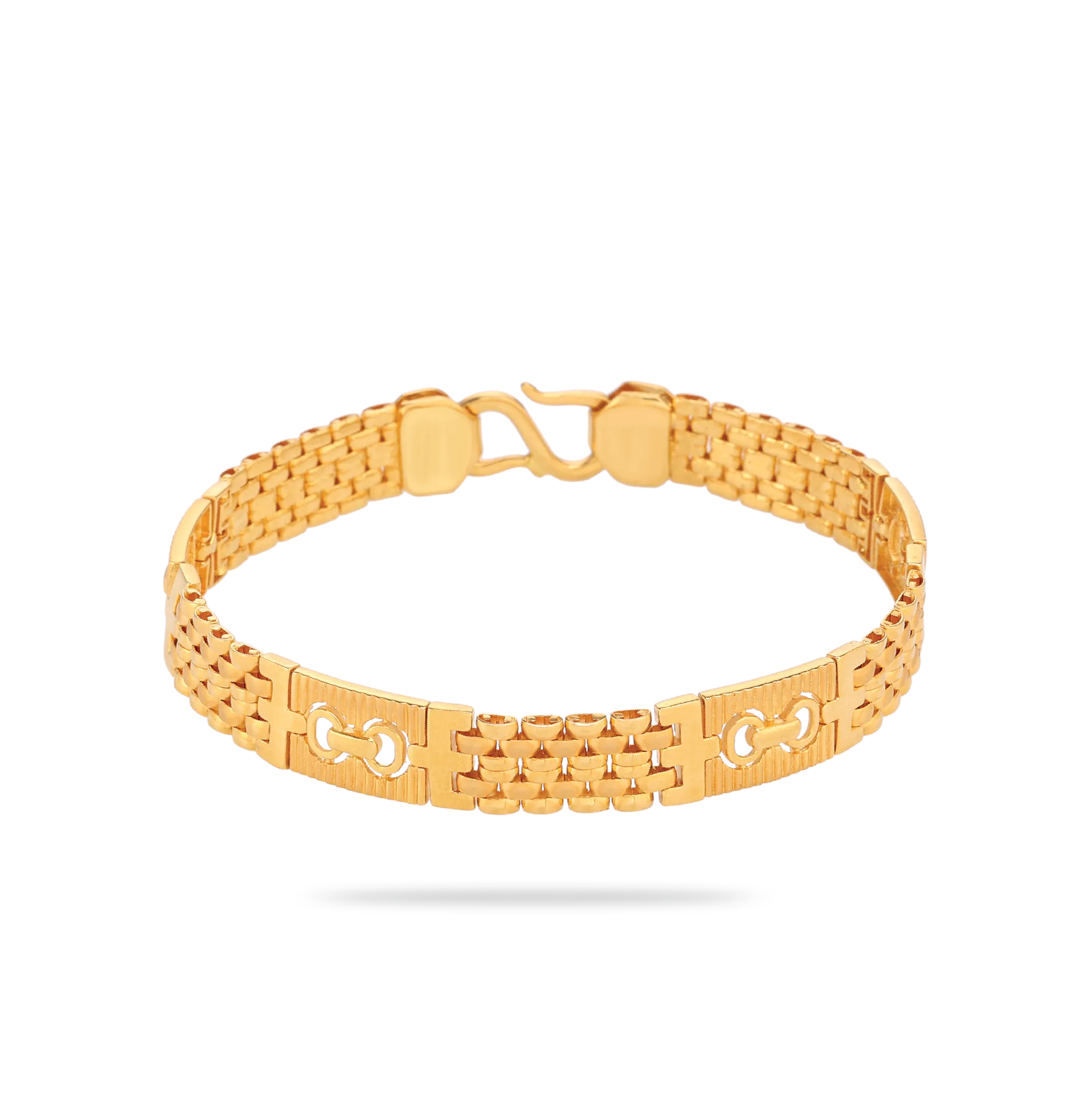
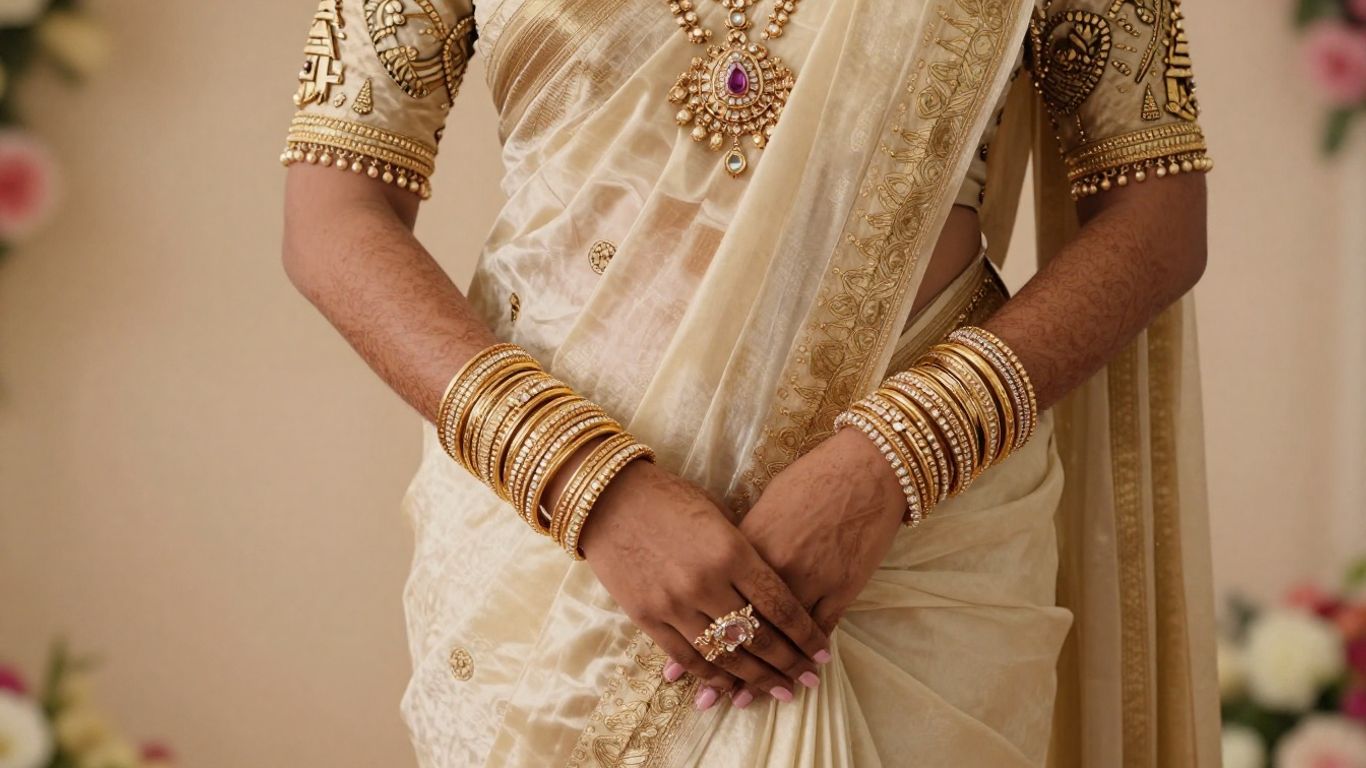
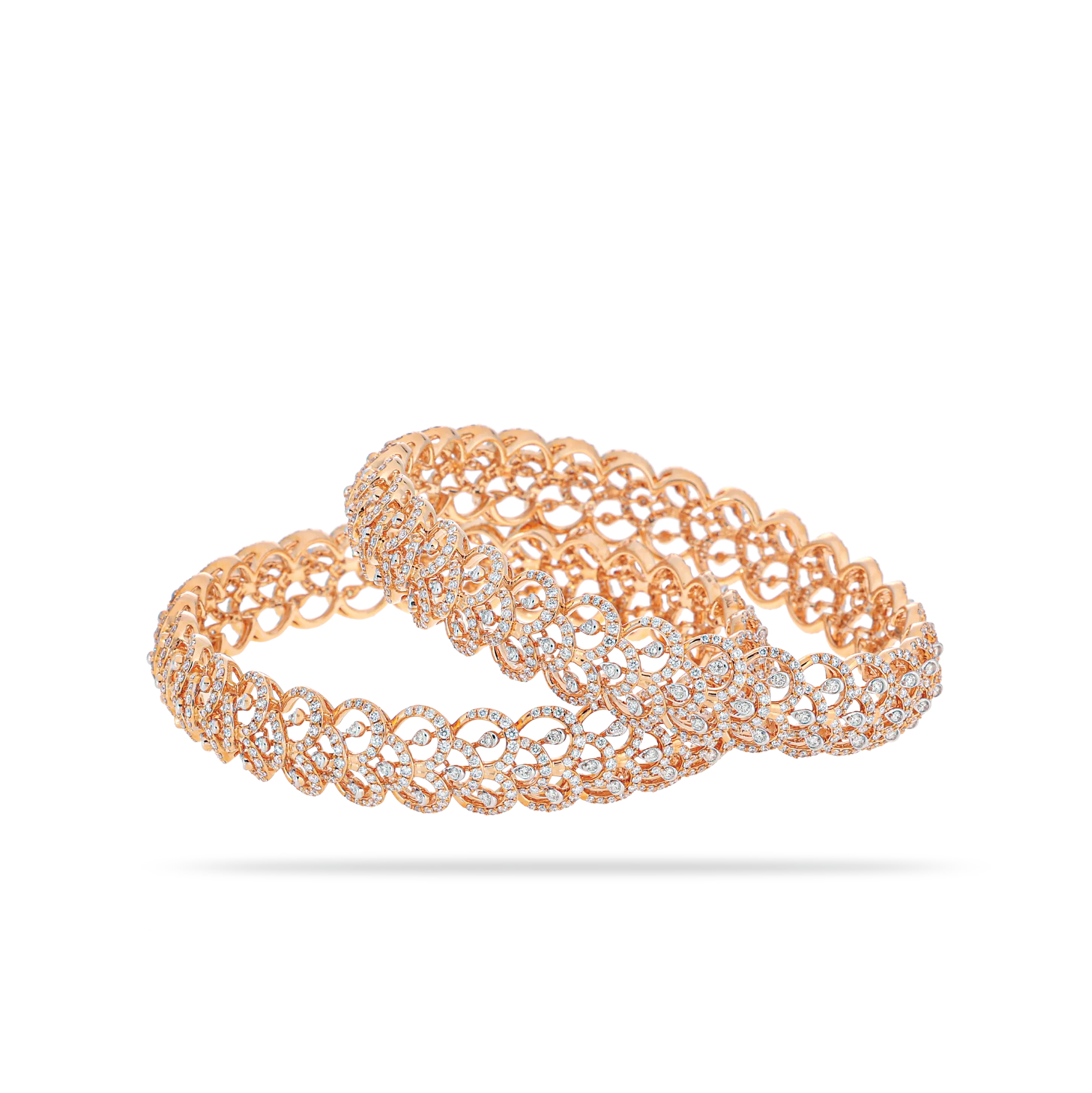
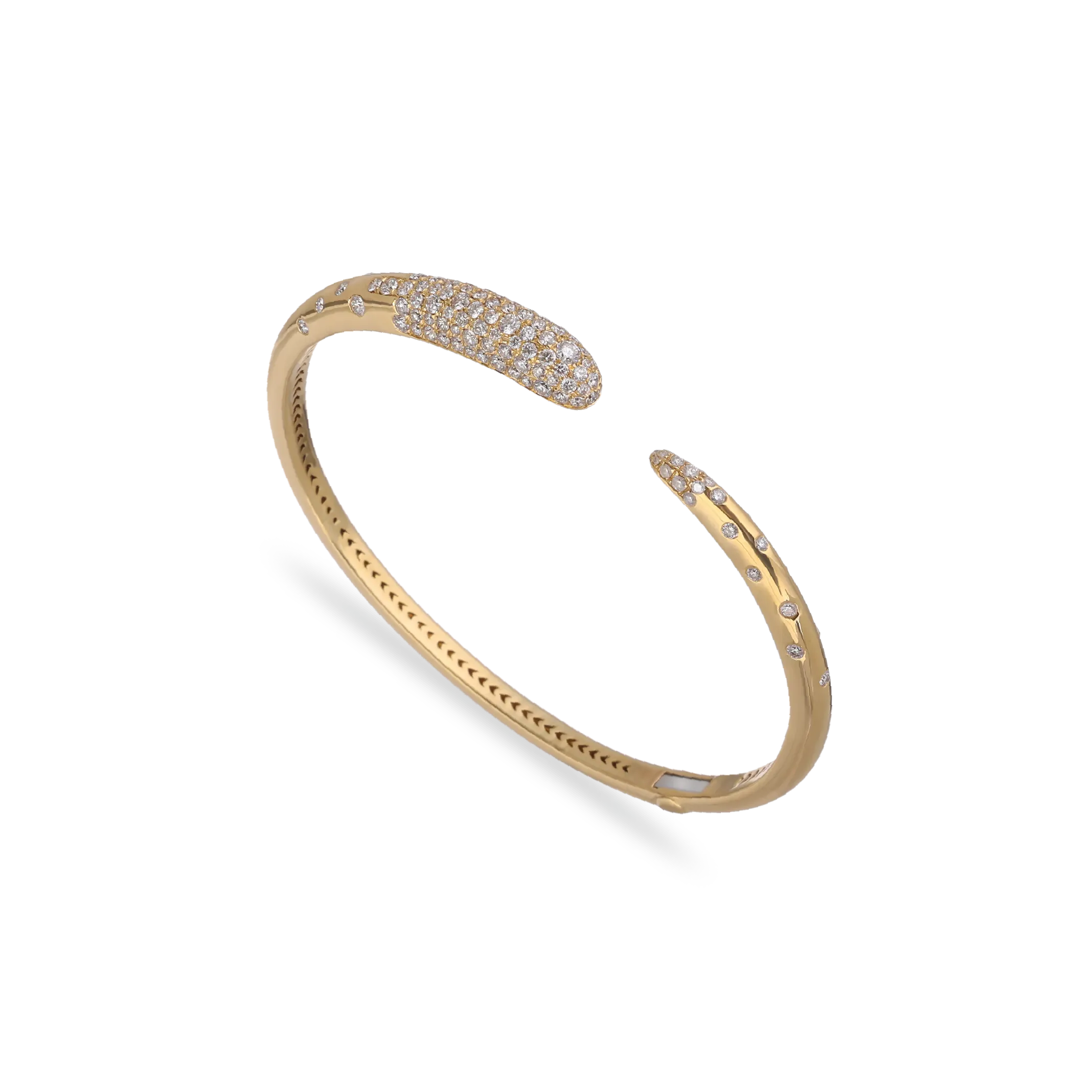
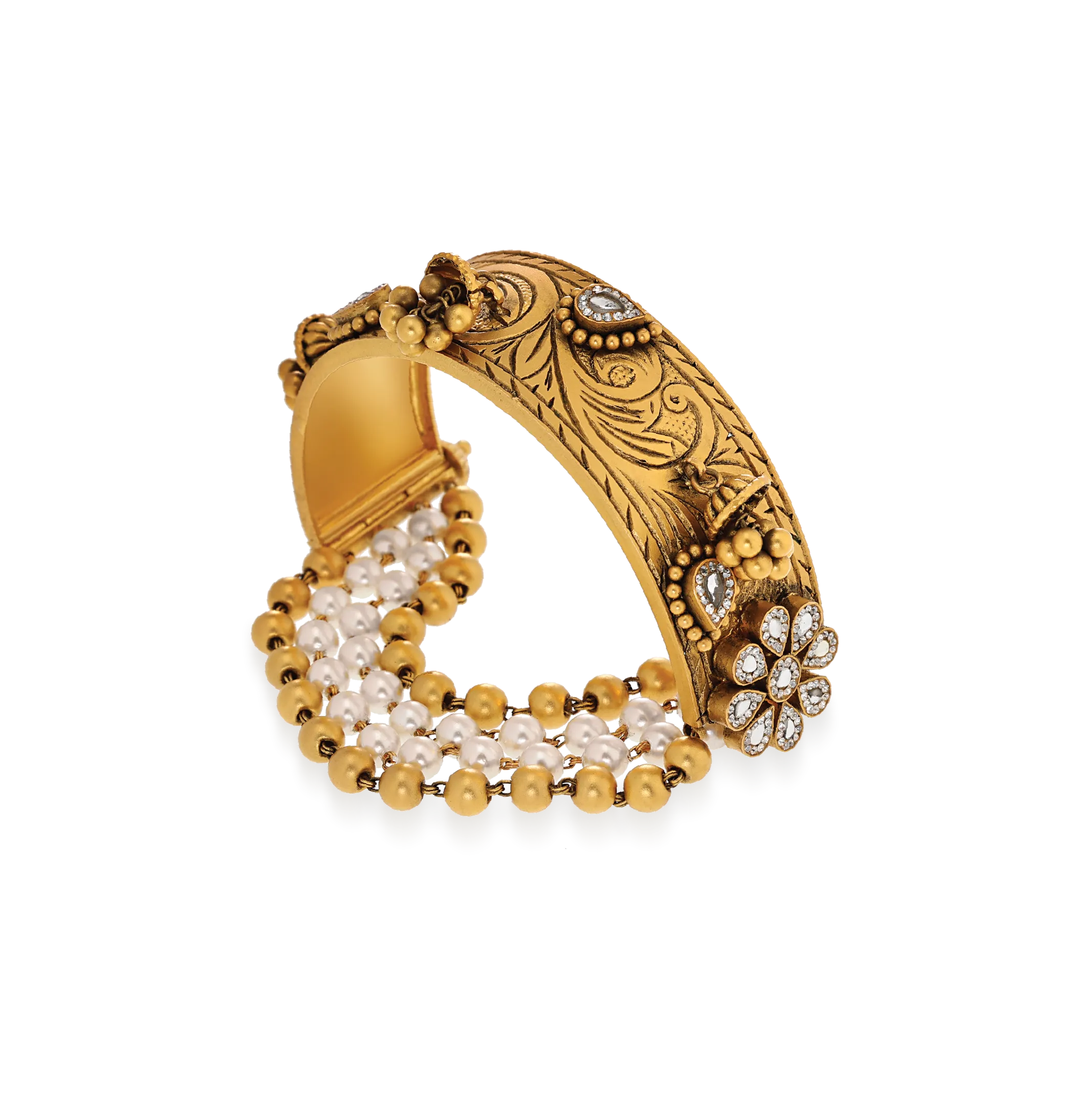
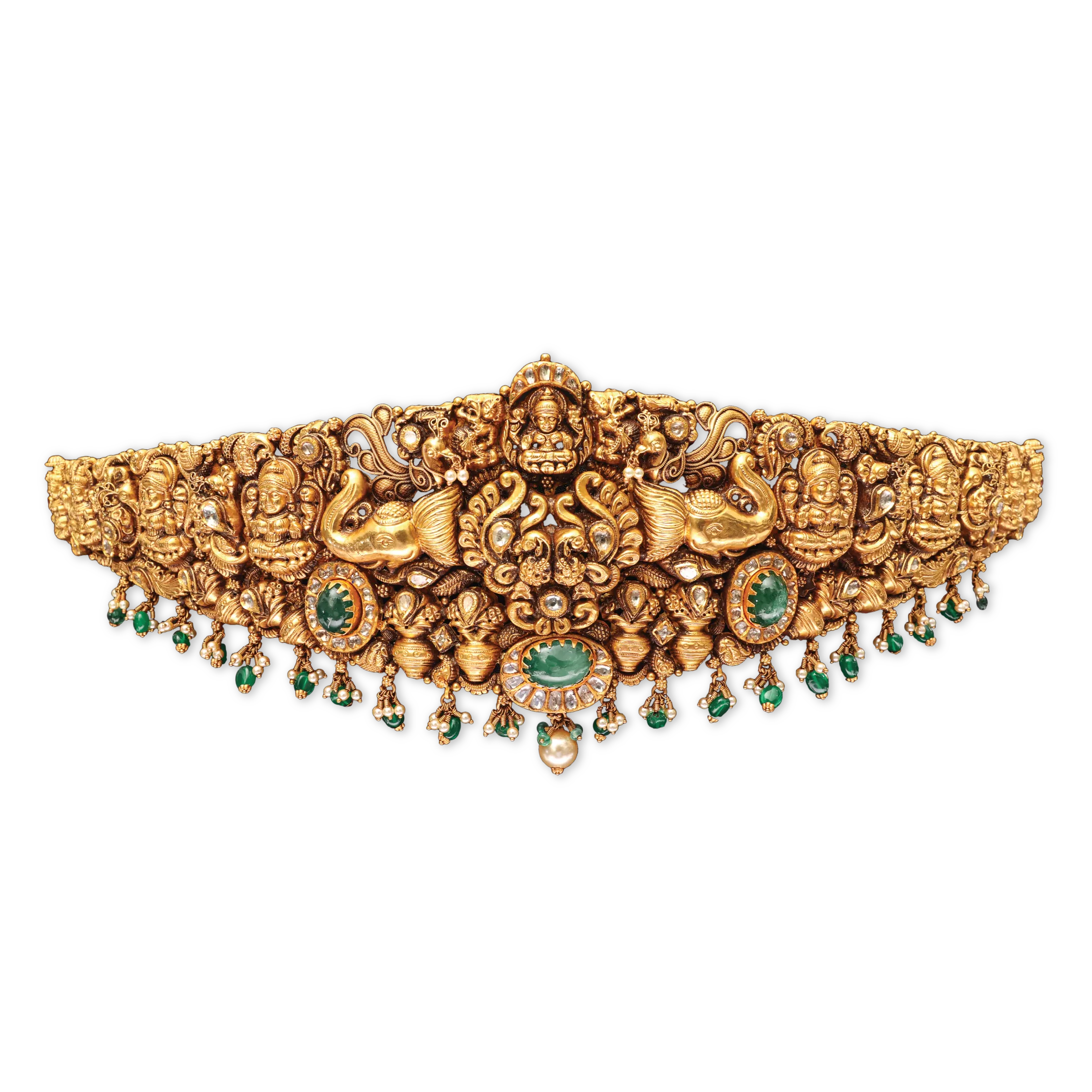
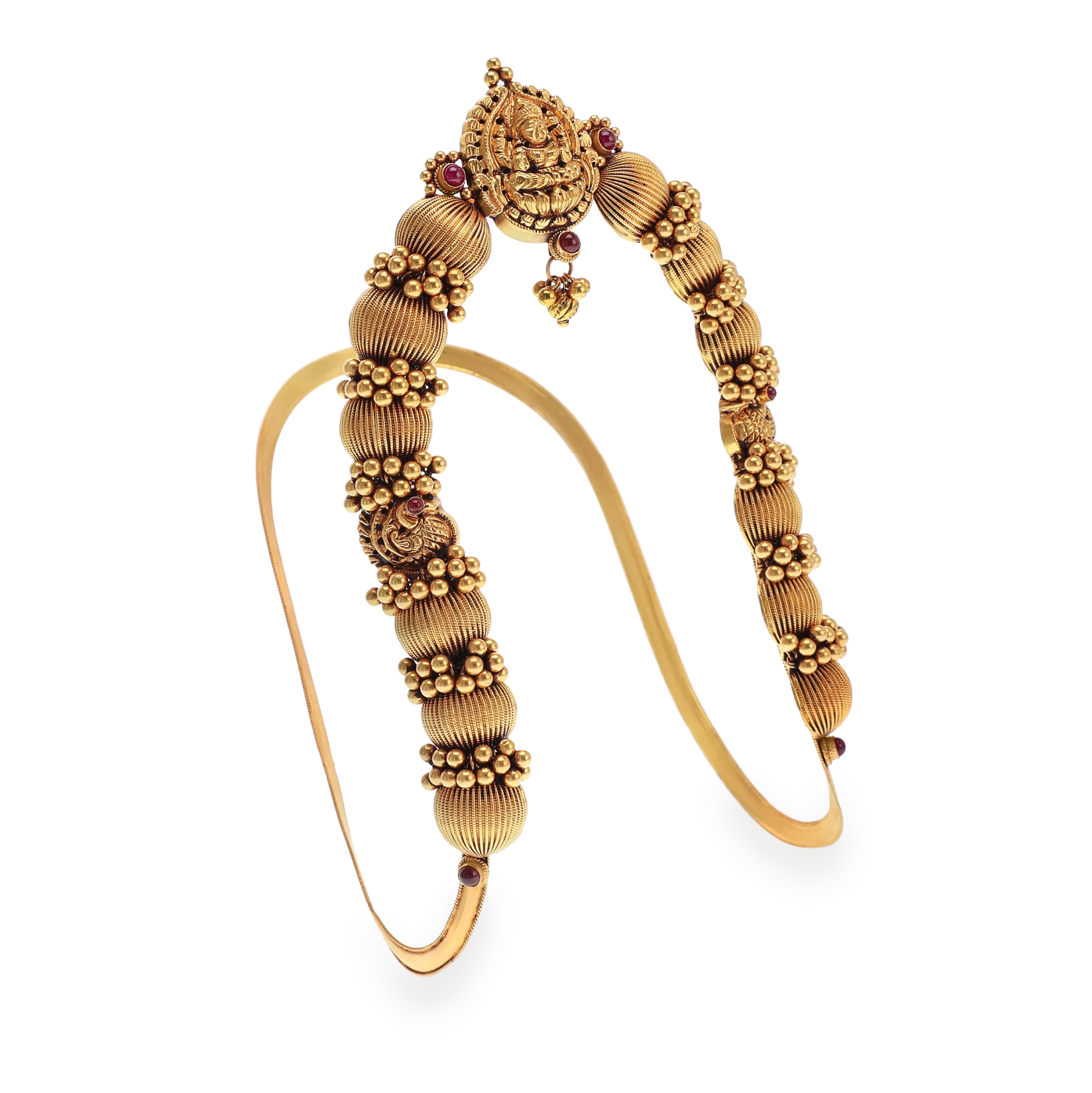
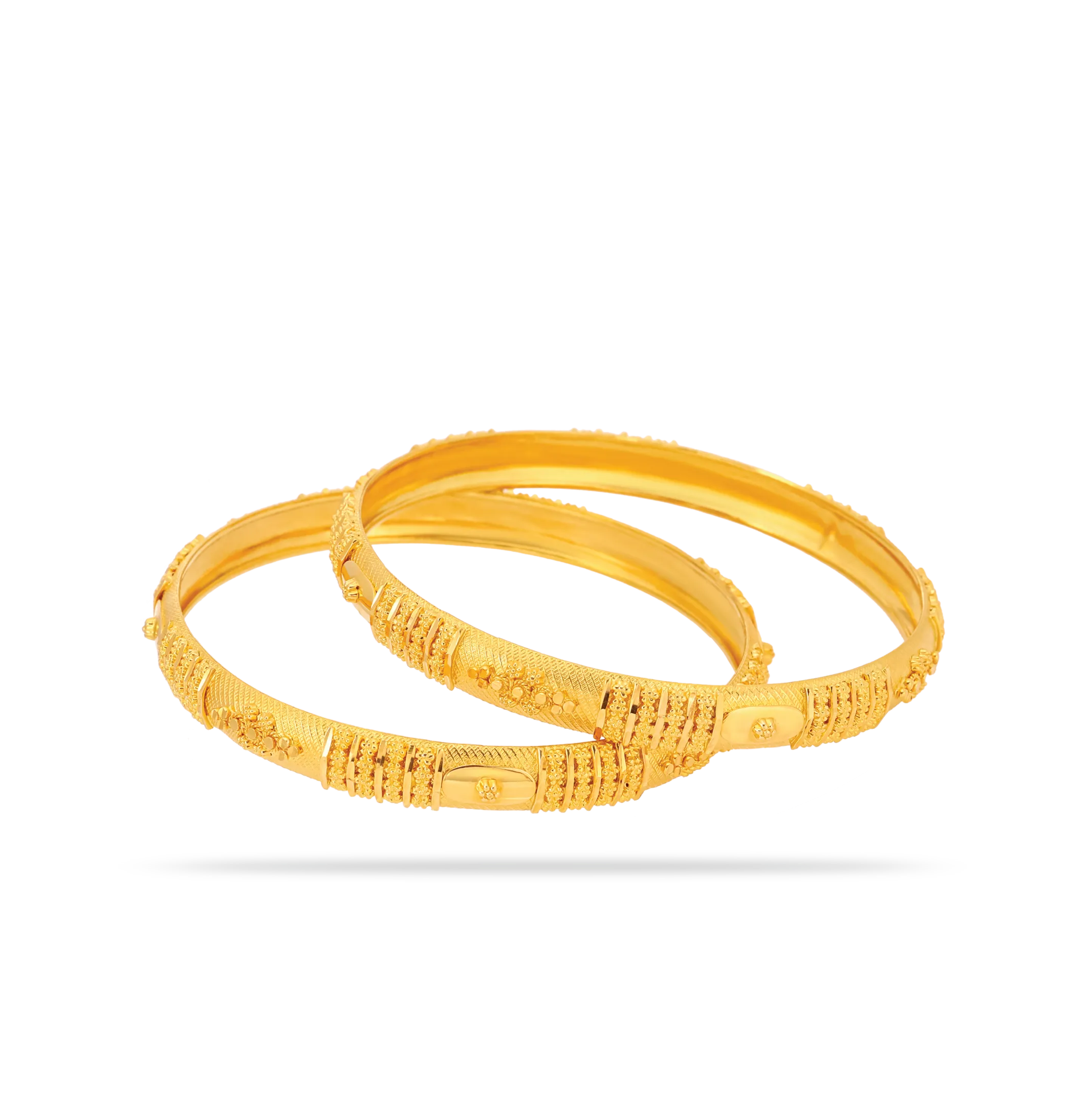
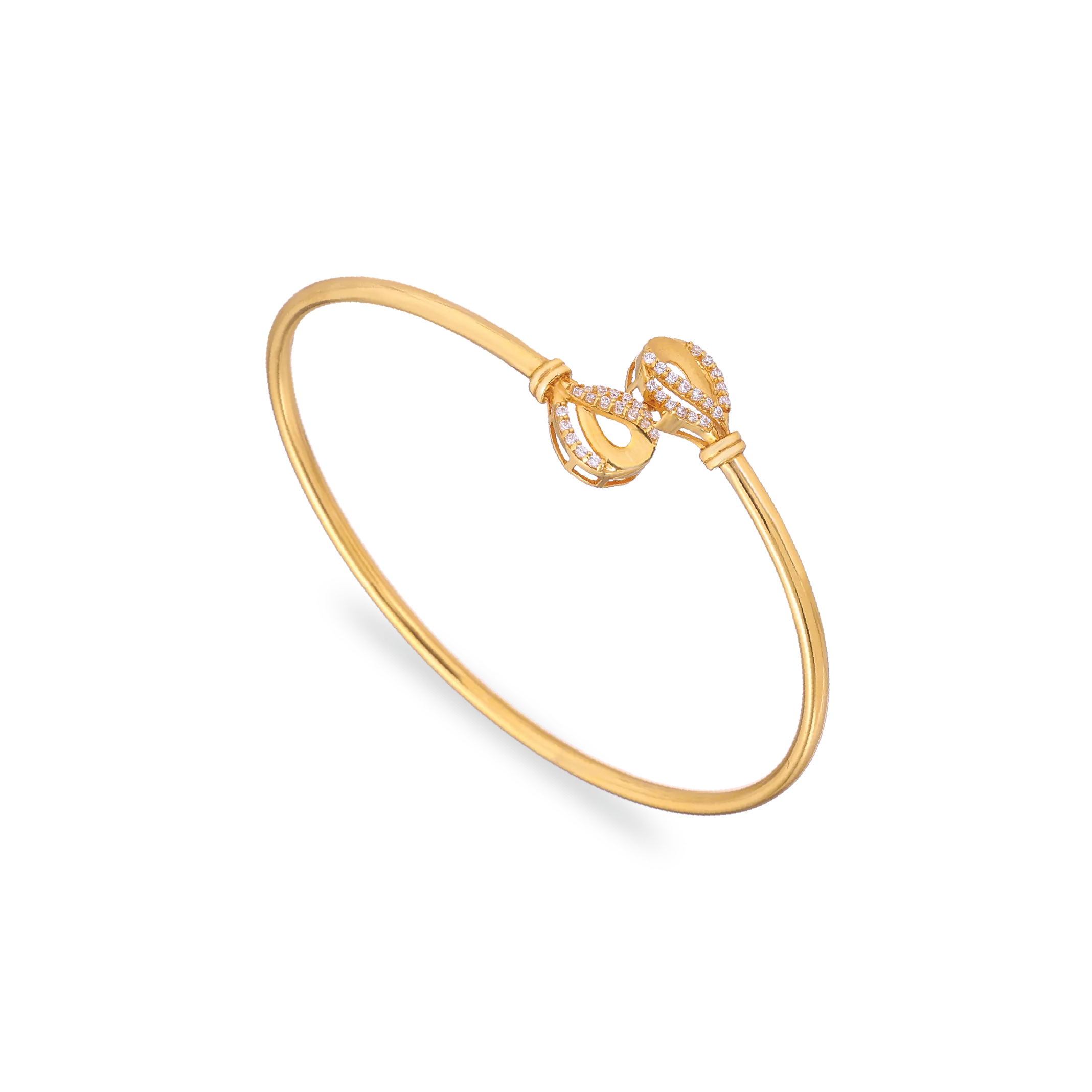
Bangles add sound, movement, and colour, while a vaddanam defines the waist and can help secure a saree drape. Vankis and hath phools bring detail to the arms and hands, but they need careful sizing because the bride will be greeting guests, holding flowers, and posing for photographs. Try the complete combination rather than judging each item alone.
Keep the wrist stack comfortable enough for repeated movement. A few substantial bangles may look more refined than a crowded assortment, especially when the necklace and earrings are already elaborate. Make sure clasps, chains, and finger loops are easy to operate before the wedding day.
Coordinating jewellery with the bridal saree or lehenga
Match jewellery to the visual weight and colour story of the outfit rather than searching for an exact motif match. Antique gold can enrich deep reds and greens, while diamonds may suit ivory, pastel, silver, or jewel-toned reception clothing. Pearls soften an ornate look, and coloured stones can repeat a small accent from the embroidery.
Photograph the outfit and jewellery together in daylight and indoor light. The combination may look balanced in a mirror but appear crowded in a close photograph. Leave enough breathing room around the face and neckline so that the bride, rather than only the jewellery, remains the focus.
Evaluating quality, craftsmanship, and value
Luxury jewellery deserves a slower inspection than a quick try-on in front of a mirror. Ask for the specifications, examine the piece from multiple sides, and compare similar designs on both total price and construction. A beautiful surface is only one part of a sound purchase.
Keep invoices, reports, and written terms together from the beginning. Clear documentation helps with insurance, future servicing, and family records. It also makes comparisons more objective when two pieces have a similar appearance but different weights, stones, or making charges.
Understanding gold purity and hallmarking
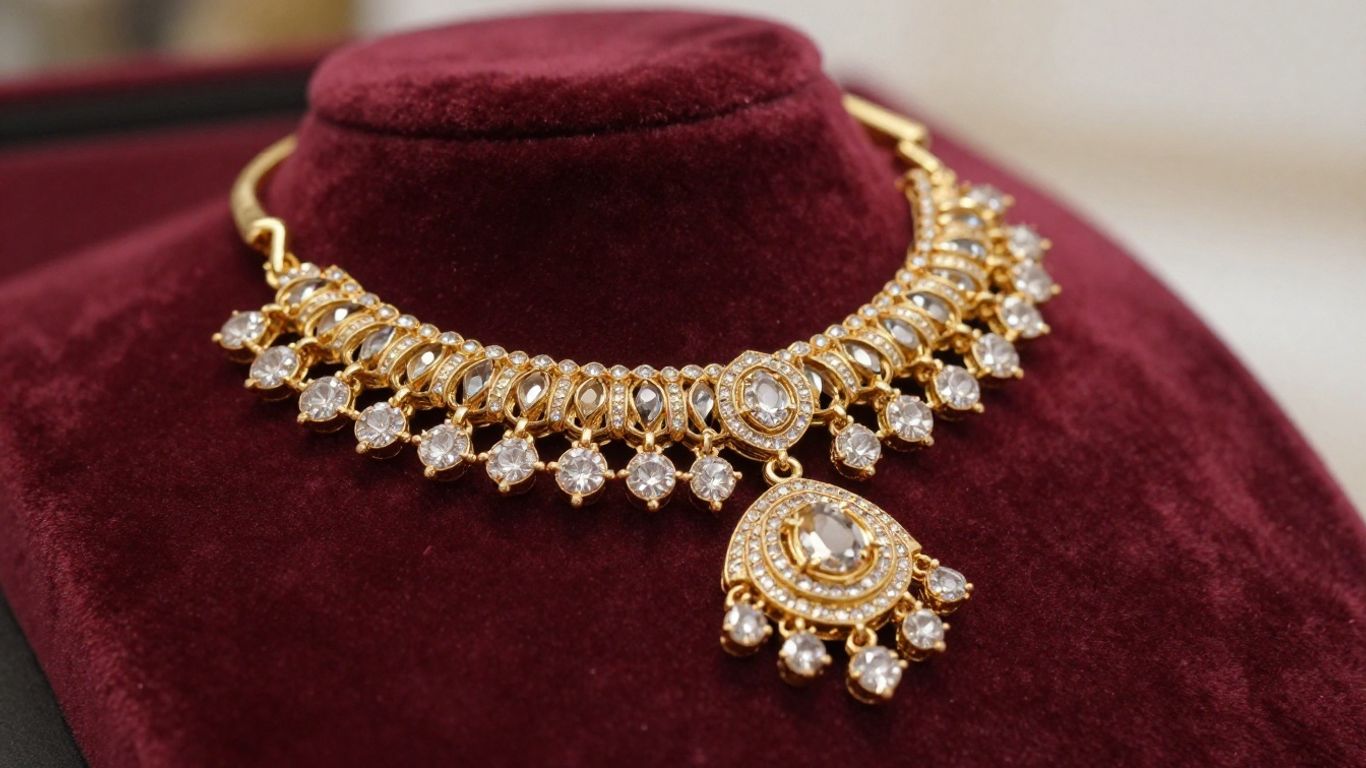
Gold purity is expressed in karats, with 24K referring to nearly pure gold and lower karats indicating an alloy made for strength and wearability. Bridal pieces are commonly discussed in 22K or 18K terms, but the right choice depends on design, setting, and how frequently the piece will be worn. Ask what the hallmark covers and ensure the invoice states purity clearly.
This practical guide to gold purity and hallmarks offers a useful framework for checking karats, origin, and value. Do not rely on colour alone; two pieces with a similar finish can differ in purity, alloy composition, weight, and workmanship.
Comparing diamonds, gemstones, Polki, and Kundan work
Diamonds should be assessed through their report details and the familiar 4 Cs, while gemstones require attention to colour, clarity, treatment, and durability. Polki and Kundan have their own visual language, with surface character and setting style playing a major role in the final appearance. Compare like with like rather than treating every stone-based piece as an interchangeable investment.
Ask whether stones are natural, treated, synthetic, or imitation, and request that the description appears in writing. The Bangalore diamond jeweller guide can help structure comparisons around certification, comfort, craftsmanship, and after-sales considerations. The most valuable piece for you may be the one that combines credible documentation with a design you will genuinely wear.
Inspecting finishing, setting security, and durability
Run a clean finger lightly along the edges to detect rough spots, catches, or unfinished joins. Check that stones sit evenly, prongs feel secure, and clasps open and close without hesitation. Earrings should hang at the intended angle, while necklaces should lie flat rather than twisting under their own weight.
Ask how the piece should be handled during travel and whether repairs or tightening are available. Delicate settings may be perfect for occasional wear but less suitable for daily use. Durability is not simply about thickness; it also depends on construction, moving parts, soldering, and the security of each setting.
Assessing pricing, making charges, and resale value
Request a line-by-line breakdown showing metal weight, purity, stone details, making charges, taxes, and any other fees. Compare the total cost of pieces with similar materials and construction, not just their displayed discount. Resale or exchange terms should be treated as part of the purchase information, never assumed.
A budget guide from C Krishniah Chetty & Co discusses prioritizing bridal pieces, understanding cost drivers, and balancing statement jewellery with more affordable additions. Resale value can vary considerably by material, condition, design demand, and the buyer’s policies, so preserve the original documentation and keep expectations realistic.
Personalizing luxury bridal jewellery
Personalization does not require a dramatic custom commission. Sometimes it is as simple as choosing a more flattering necklace length, changing a stone colour, or mixing an heirloom bangle with a new pair of earrings. The most successful choices feel connected to the bride’s features, clothing, and life beyond the wedding.
Try the jewellery while sitting, turning, smiling, and moving your arms. Bridal styling is experienced for hours, not just seen for a few seconds in a display case. Comfort and confidence tend to make the final photographs feel more natural.
Choosing designs that suit your face shape and neckline
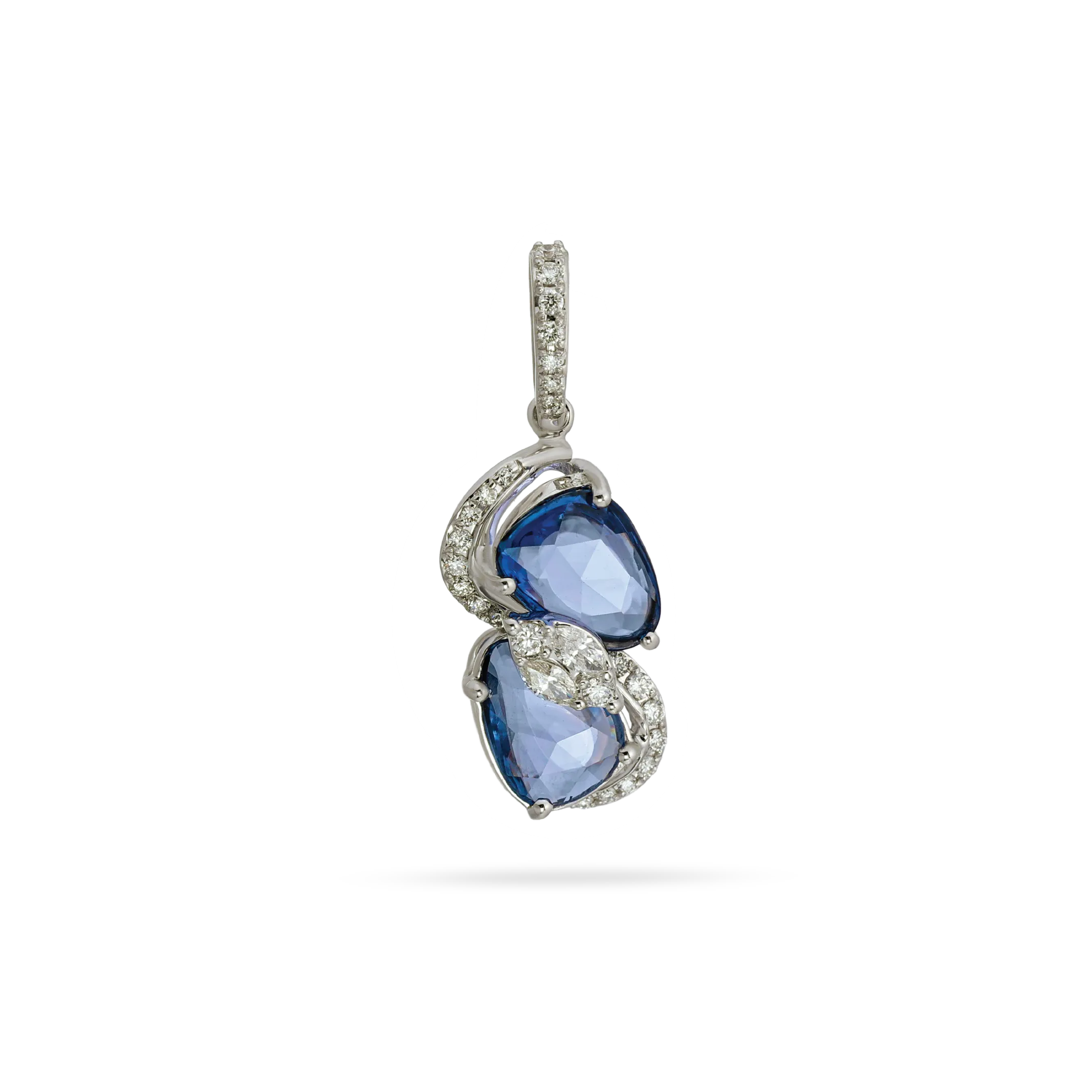
Long earrings and vertical pendants can add length, while rounded earrings and curved chokers echo softer facial contours. A broad collar necklace may suit an open neckline, whereas a pendant or longer chain can work better with a higher blouse. These are useful starting points, not strict rules.
The neckline also determines where visual weight sits. A heavily embellished blouse may need a simpler necklace, while a plain neckline gives a detailed choker space to shine. Take a front-facing photograph during fittings; it often reveals proportion more clearly than a mirror does.
Coordinating jewellery with skin tone and wedding colours
Yellow gold brings warmth and works naturally with many traditional wedding palettes. White metals and diamonds create a cooler, sharper effect, while rose tones can soften blush, peach, and neutral clothing. Gemstones offer another route to coordination, especially when a shade repeats a border, flower, or embroidery detail.
Rather than matching every colour exactly, select one or two deliberate accents. Too many competing gemstone colours can make an already detailed outfit feel busy. Daylight testing is especially helpful because indoor lighting may change the apparent warmth and intensity of metal and stones.
Customizing motifs, gemstones, and metal finishes
A bespoke conversation can begin with a family symbol, a regional motif, an anniversary date, or a favourite gemstone. Discuss scale, repetition, texture, and the reverse side of the design, since customization affects comfort as much as appearance. Ask for sketches or a clear description before approving the final work.
Metal finishes also change the mood of a piece. High polish feels crisp, brushed surfaces appear quieter, and antique finishes add depth to traditional forms. Keep a written record of the agreed materials, dimensions, stones, and delivery date so the finished piece can be evaluated fairly.
Balancing family heirlooms with new bridal pieces
An heirloom can anchor the collection emotionally, even if it is not in perfect condition or does not match the new jewellery exactly. Have it inspected and cleaned professionally before planning the look. A new choker , earrings, or bangle can then bridge differences in scale and finish.
Avoid forcing every family piece into one ceremony. Wearing an heirloom for the morning ritual and choosing a new contemporary set for the reception may give each piece its own moment. It also protects delicate older jewellery from unnecessary wear during a long schedule.
Planning the purchase and shopping experience
A smooth buying experience begins with a clear brief. Write down the ceremonies, outfits, must-have pieces, preferred materials, and approximate budget before entering a showroom or beginning an online conversation. Bring one trusted companion if helpful, but keep the final decision grounded in the bride’s comfort and taste.
Plan at least one fitting after the main purchase. Necklaces, bangles, and nose rings may require adjustments, and photographs can expose issues that are not obvious during a short trial. A little preparation makes the experience calmer and leaves more room for enjoyment.
Setting a realistic bridal jewellery budget
Separate the budget into essential ceremony pieces, versatile fine jewellery, accessories, and a contingency for resizing or customization. Allocate more to pieces that carry sentimental or long-term value, and be cautious about spending heavily on items that will be worn once. A written ceiling helps keep attractive additions from quietly taking over the plan.
Include taxes, making charges, stone costs, insurance, and care in the overall figure. A lower displayed price does not necessarily mean better value if the design is uncomfortable or the documentation is incomplete. Revisit the budget after trying on the main set, since actual proportions can change your priorities.
Comparing bespoke, ready-to-wear, and rental options
Ready-to-wear jewellery provides speed and the chance to compare finished pieces immediately. Bespoke work offers greater control over motifs, dimensions, and stones, but it requires more time and clearer communication. Rental jewellery can be useful for a one-time statement look, provided the condition, deposit, fit, and damage terms are understood.
Consider the emotional role of each piece. A family-style gold necklace may justify a long-term purchase, while a dramatic accessory for a single photoshoot may not. Combining options can create variety without asking every item to serve the same purpose.
Questions to ask a luxury jeweller before buying
Good questions make the appointment more useful and expose details that a display label may leave out. Ask who made the piece, what each stone is, how it should be worn, and which services are available after purchase. You should leave with fewer assumptions than you had when you arrived.
A practical appointment checklist includes:
- What purity, weight, and hallmark details appear on the invoice?
- Are the stones natural, treated, synthetic, or imitation?
- What do the warranty, exchange, and repair terms cover?
- Can the necklace, bangles, or earrings be resized or adjusted?
These answers help distinguish a considered purchase from an impulsive one. They also make it easier to compare two pieces whose display prices initially seem similar.
Reviewing certifications, warranties, resizing, and after-sales service
Read every certificate and invoice before payment, checking that names, weights, stone information, and purity agree with the piece. Confirm how long warranties last and whether routine cleaning, tightening, polishing, or resizing is included or charged separately. After-sales service matters because bridal jewellery is likely to travel, be stored for long periods, and be worn again for family occasions.
Keep digital copies as well as the originals. If the item is customized, retain the design approval and final measurements. A jeweller that explains these terms clearly gives you a stronger basis for caring for the piece over time.
Caring for bridal jewellery after the wedding
Post-wedding care should begin as soon as the celebrations finish. Jewellery may have been exposed to perspiration, makeup, flowers, perfume, humidity, and repeated handling, so each piece deserves a gentle inspection before storage. Separate delicate designs from heavier ornaments to prevent scratches and bent components.
Create a simple record with photographs, invoices, certificates, and notes about repairs or special handling. This makes the collection easier to organize and helps with insurance. For a detailed reference, see this guide to cleaning and storing bridal jewellery, which covers diamonds, gemstones, plain gold , and intricate heritage designs.
Storing gold, diamonds, and gemstone pieces safely
Store each necklace, earring pair, and bangle separately in a soft-lined compartment or pouch. Long chains should be secured to prevent tangling, and pieces with sharp settings should not share space with softer surfaces. Keep the jewellery in a cool, dry location away from direct sunlight and sudden temperature changes.
Do not leave valuable pieces loose in a drawer or packed tightly in a single box. A basic inventory with photographs and descriptions makes it easier to check the collection periodically. It also reduces the chance that a small missing component will go unnoticed.
Cleaning different jewellery materials correctly
Plain gold can usually be wiped with a soft, lint-free cloth, while diamonds may need gentle cleaning appropriate to their settings. Porous or treated gemstones, pearls, enamel, and antique finishes can be more sensitive and should not be placed automatically in the same cleaning solution. When uncertain, ask for material-specific instructions.
Avoid abrasive cloths, stiff brushes, and unverified home remedies. Cleaning should remove residue without loosening stones or changing the surface finish. Professional inspection is sensible for intricate pieces or jewellery that has been worn extensively during wedding events.
Protecting delicate settings from moisture and chemicals
Remove jewellery before bathing, swimming, exercising, cooking, or applying perfume and hairspray. Moisture and chemicals can affect finishes, adhesives, pearls, enamel, and some gemstones, while lotions can collect around settings. Put pieces on last and remove them first when dressing.
After wearing, allow each item to dry naturally before placing it in storage. If a stone looks loose, a clasp behaves differently, or a chain has developed a kink, stop wearing the piece until it has been checked. Small repairs are generally easier before damage spreads.
Insuring and maintaining valuable bridal jewellery over time
Review insurance requirements for high-value jewellery and keep appraisals, invoices, and photographs current. Ask whether the policy covers loss, theft, accidental damage, travel, and items kept outside the home. Update the documentation after major repairs or changes in value.
Schedule occasional professional inspections, particularly for frequently worn rings, earrings, and necklaces with multiple settings. Maintenance may include cleaning, clasp checks, prong inspection, polishing, or restringing. Consistent care preserves both the appearance and the family story attached to each piece.
Conclusion
Timeless bridal jewellery comes from choices that respect ceremony, craftsmanship, comfort, and the bride’s own point of view. By starting early, comparing materials and terms, and caring for each piece after the wedding, you can build a collection that feels magnificent on the day and meaningful for years afterward.
Frequently Asked Questions
How early should I buy bridal jewellery?
Begin four to six months before the wedding when possible, allowing extra time for bespoke work, alterations, fittings, and careful comparisons.
How many jewellery sets does a bride need?
There is no fixed number. One principal ceremony set, a reception option, and lighter pieces for pre-wedding events can be enough when each item serves a clear purpose.
Should bridal jewellery match the outfit exactly?
Exact matching is unnecessary. Coordinating metal tones, one or two gemstone colours, and the visual weight of the outfit usually creates a more natural result.
What should I check on a gold jewellery invoice?
Check the stated purity, net metal weight, stone details, making charges, taxes, total price, and hallmark information before completing the purchase.
Is Kundan jewellery suitable for a reception?
Yes. Kundan can work especially well for grand evening styling, although the necklace scale and setting should be balanced with the neckline and embroidery.
How should I store bridal necklaces?
Store each necklace separately in a soft-lined pouch or compartment, secure long chains to reduce tangling, and keep the collection in a cool, dry place.
Can I wear heirloom jewellery with new bridal pieces?
Yes. Use the heirloom as an anchor and choose new pieces that bridge differences in scale, colour, and finish rather than requiring every item to match perfectly.
Related blogs:
November 20, 2025
The Timeless Elegance of the Tennis Bracelet: A Comprehensive Guide
Read More
November 20, 2025
The Ultimate Guide to Styling and Wearing a Choker Necklace
Read More
November 20, 2025
Find Your Perfect Engagement Ring: A Comprehensive Guide to Styles and Diamonds
Read More
November 20, 2025
The Timeless Elegance of a Diamond Tennis Bracelet: A Buyer's Guide
Read More









.webp)
.webp)