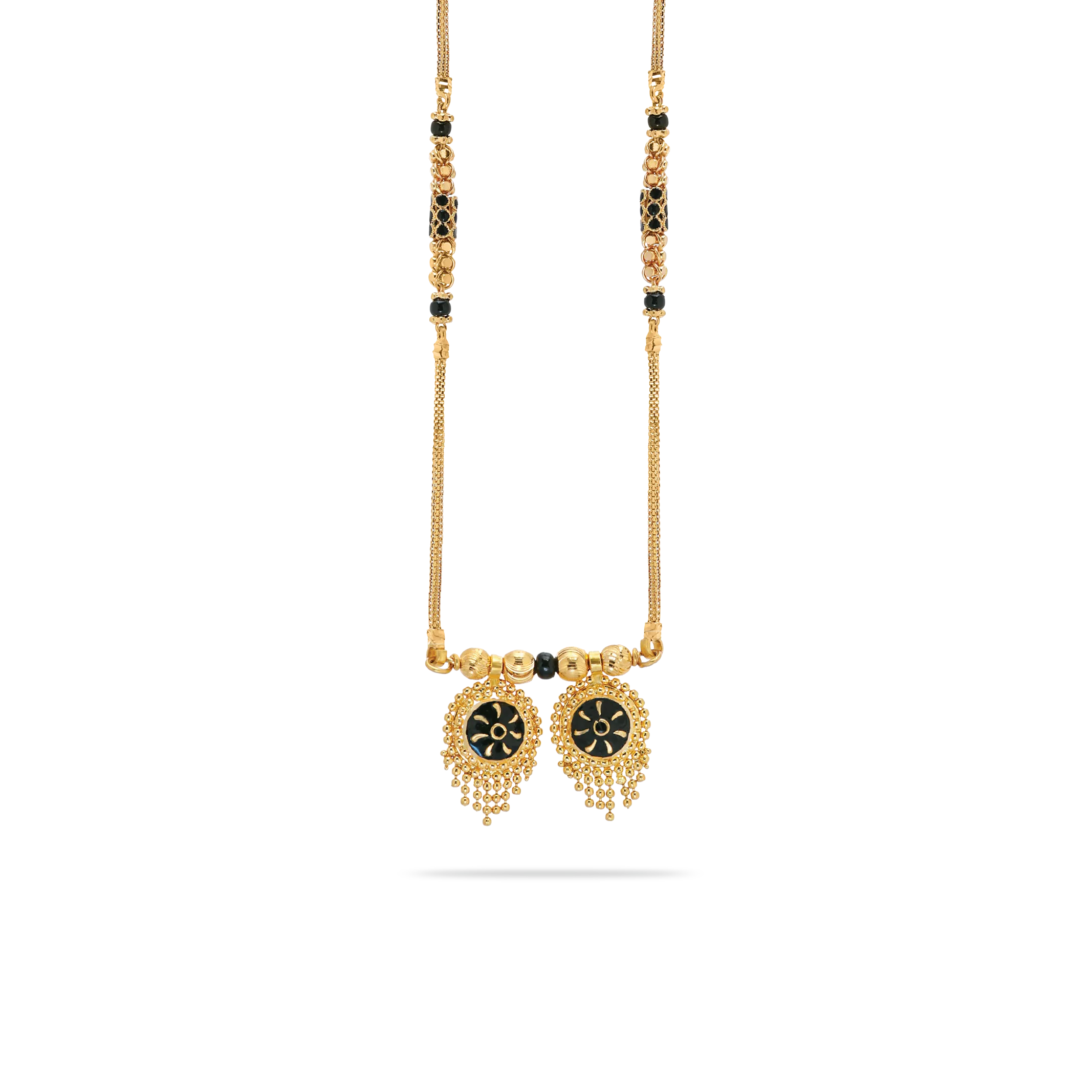
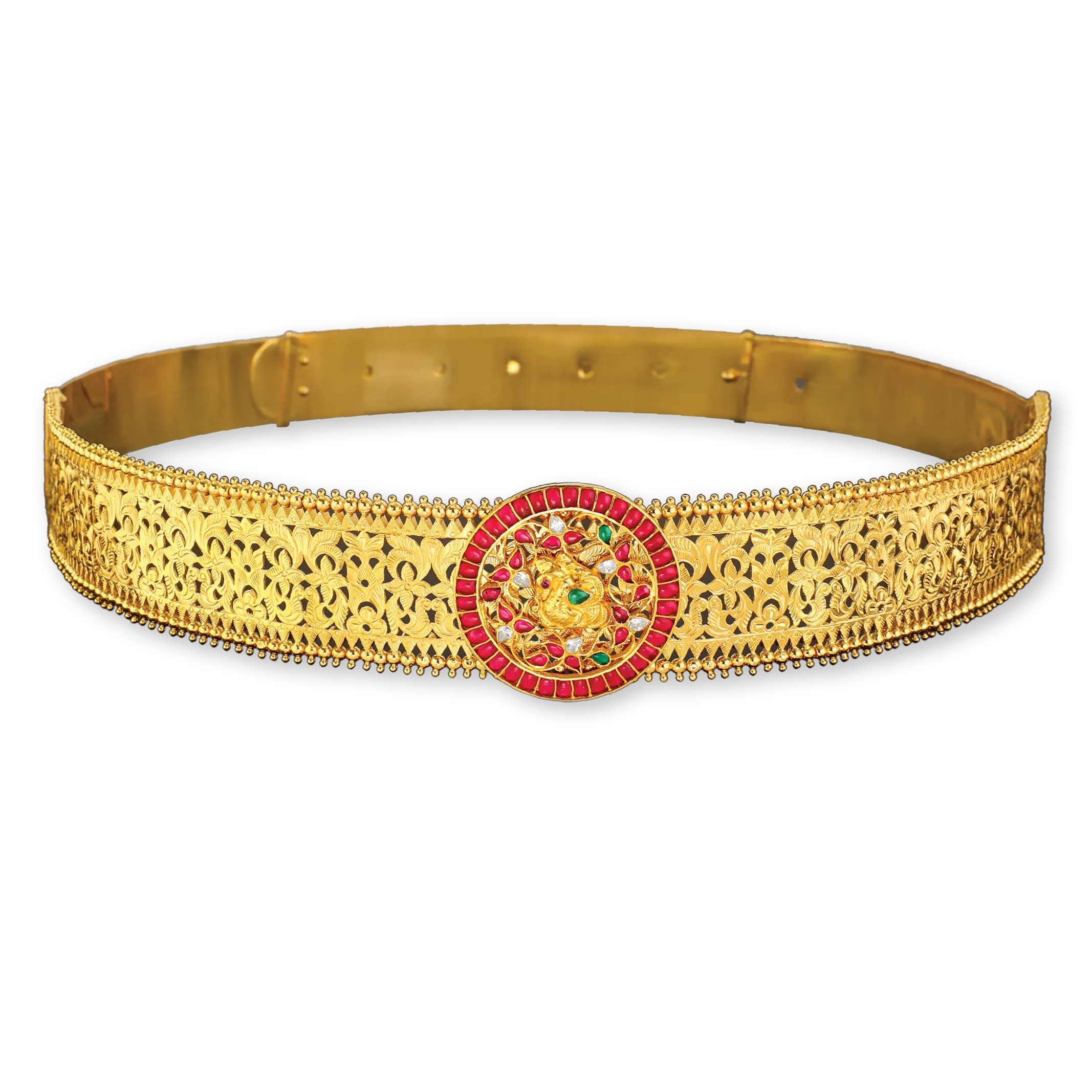
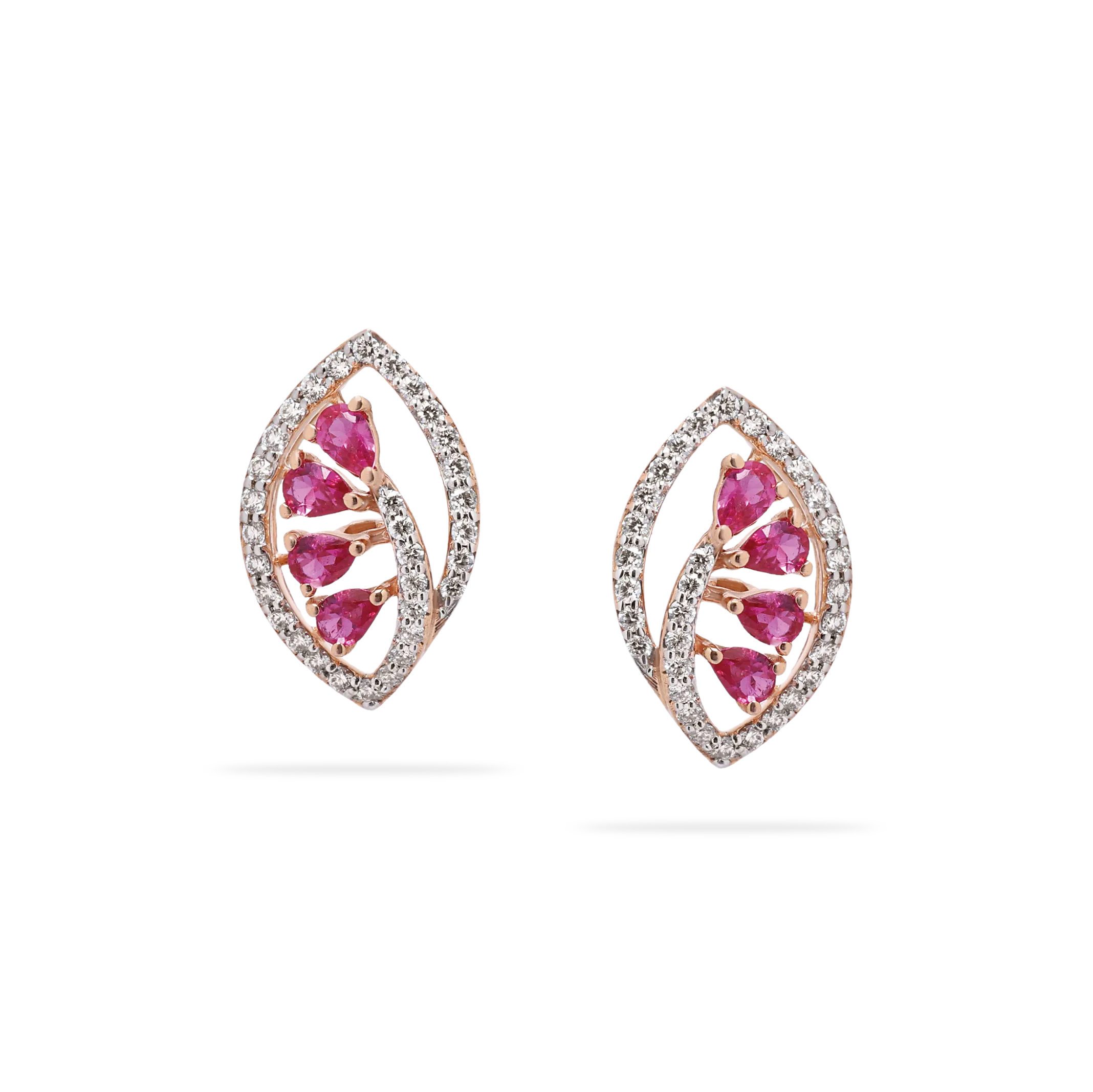
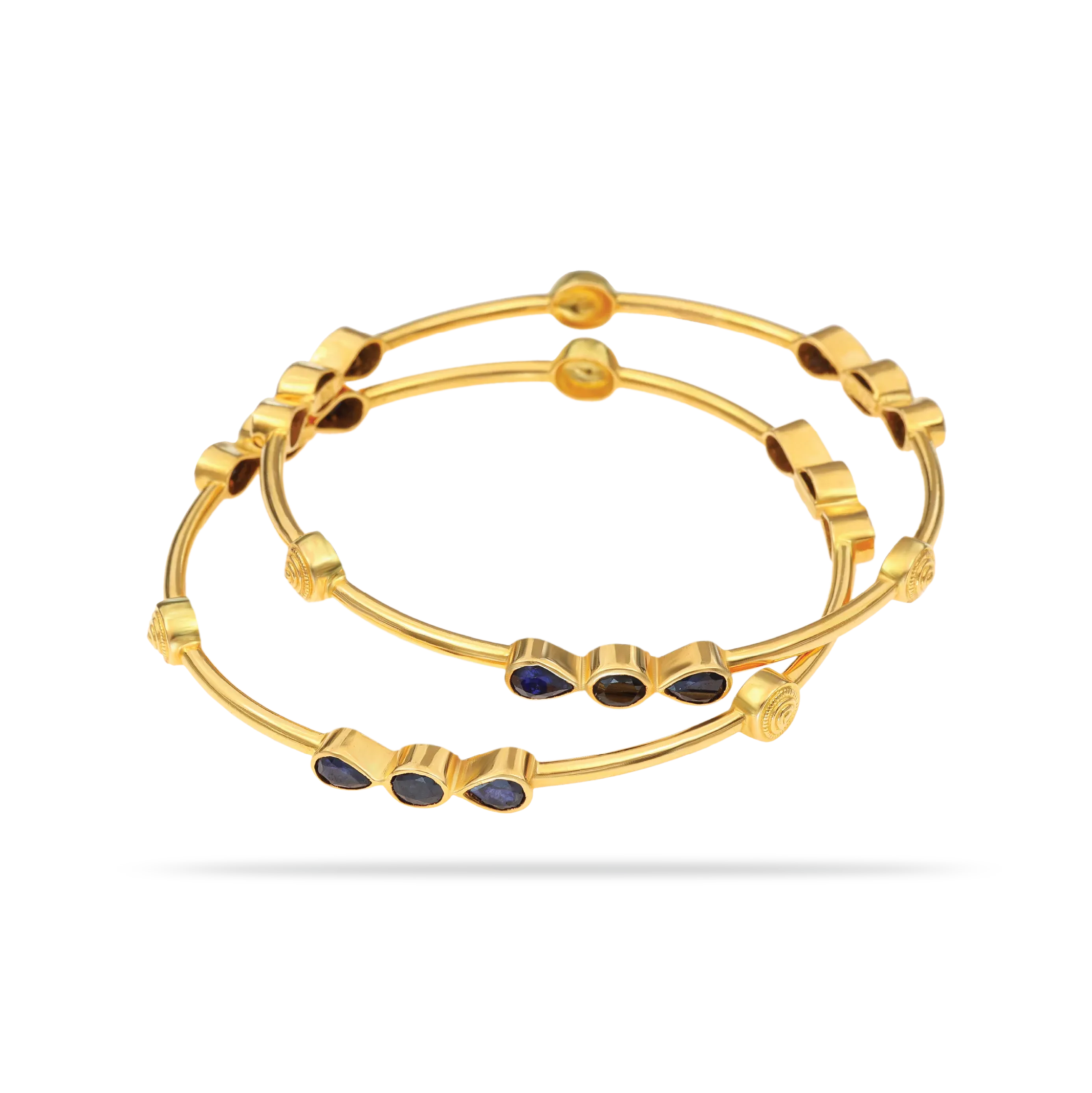
How much to spend on wedding jewellery: A practical budget guide
August 23, 2026 | 10 minutes read
Key Takeaways
There is no universal answer to how much wedding jewellery should cost. A good budget reflects your wider wedding plans, the pieces you will wear again, and the quality you can comfortably afford.
- Set a jewellery limit after reviewing your full wedding budget and other priorities.
- Price rings, earrings, necklaces, bracelets, hair pieces, and gifts separately.
- Let your dress neckline, metal tones, and wedding formality guide your choices.
- Compare durability and long-term wear, not just the initial price tag.
- Leave room for taxes, shipping, alterations, engraving, and custom-order timelines.
Set a realistic wedding jewellery budget
The first step in deciding how much to spend on wedding jewellery is to look at the wedding as a whole. Jewellery should support the celebration rather than quietly consume money set aside for the venue, photography, attire, or post-wedding plans. Start with a figure that feels comfortable in your actual finances, not one borrowed from tradition or social media. A clear limit also makes browsing more enjoyable because you know which options deserve your attention.
Start with your total wedding budget
Write down the total amount available for the wedding, then list the large fixed costs before assigning money to accessories. Include attire, alterations, beauty services, transportation, and any ceremony-specific items that could affect the jewellery allowance. If several people are contributing, agree on what each contribution covers so that jewellery is not assumed to be someone else's expense. A private conversation with your partner about priorities can prevent an attractive pair of earrings from becoming a stressful last-minute purchase.
Use percentage guidelines as a starting point
A percentage can be useful as a rough starting point, but it is not a rule. Some couples may spend very little because they already own their jewellery, while others may place a larger share on wedding bands or a piece intended for daily wear . Treat the percentage as a ceiling to test against your cash flow, rather than an amount you are expected to reach. This broader approach is consistent with the advice in this wedding budget guide, which favors a personal figure over a one-size-fits-all answer.
Account for existing jewellery and family pieces
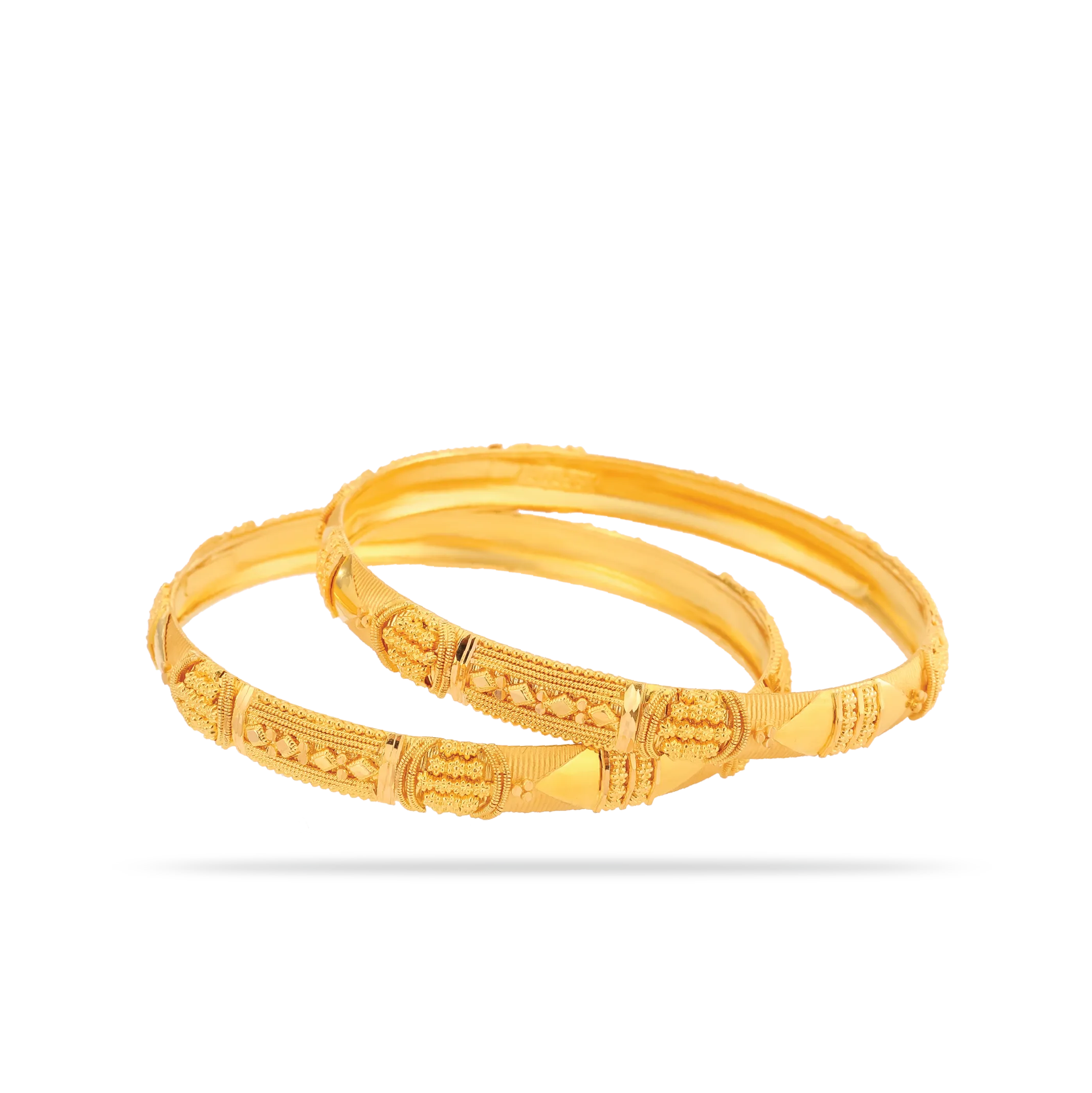
Before shopping, inventory what you already have. An heirloom necklace, inherited bangles, or a pair of earrings from a parent may cover an important part of the look, although cleaning, restringing, resizing, or insurance can still add cost. Family jewellery may also need styling adjustments to work with the dress and hairstyle. Photograph each piece, check its condition, and decide whether its sentimental value is worth making it the foundation of your accessories.
Prioritize the pieces you will wear again
When money is limited, put more of it toward pieces that fit your life after the wedding. A classic band, simple earrings, or a versatile bracelet may earn more wear than a highly specific hair ornament. Long-term wear matters more than creating a perfectly matched set for one day. Reserve a smaller amount for decorative extras once the pieces with everyday potential are covered.
Understand the cost of each wedding jewellery piece
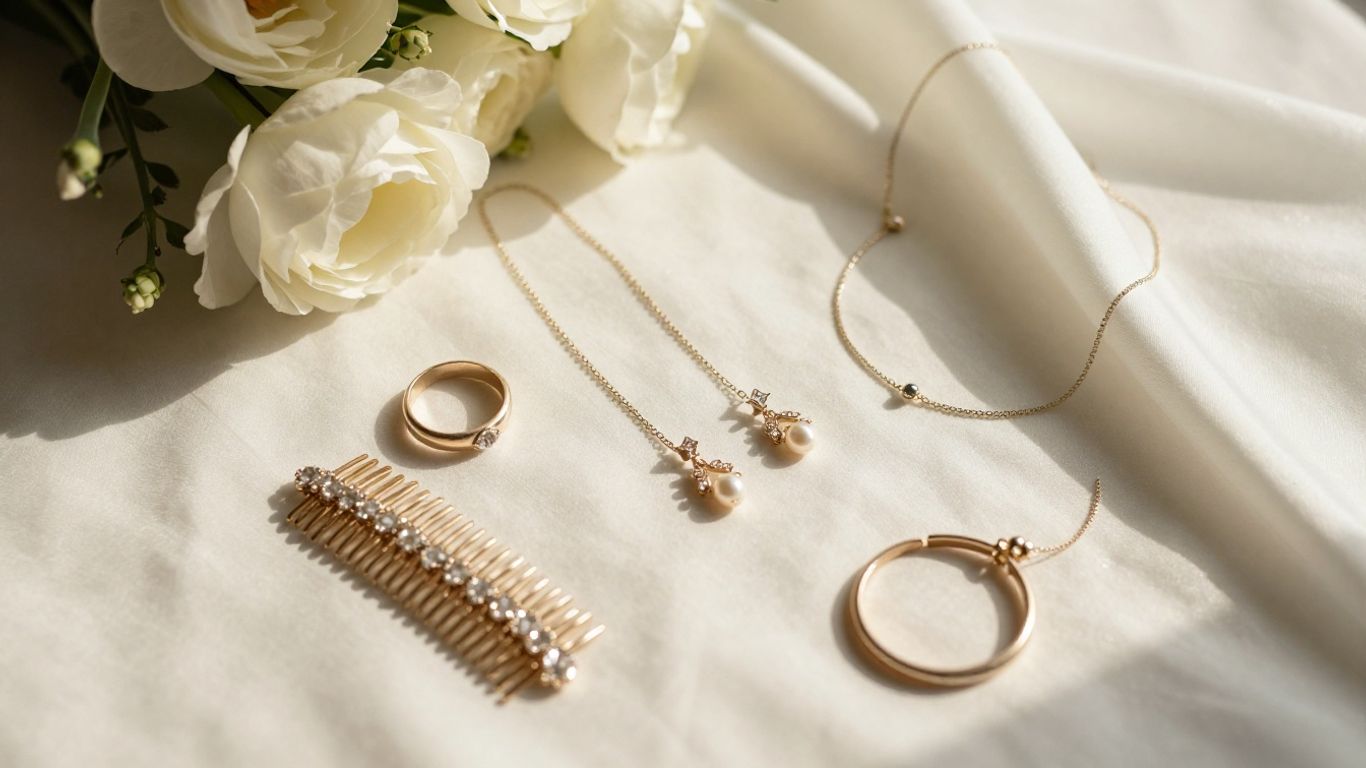
Wedding jewellery is not one expense, and separating it into categories makes the total easier to control. Rings may involve sizing or design changes, while earrings and necklaces vary widely with metal weight, gemstones, and craftsmanship. Accessories such as hairpins can be inexpensive individually but add up when several are purchased. The wedding jewellery poll offers a useful reminder that real couples make choices across a wide range of spending levels, rather than following one standard number.
Wedding bands and ring upgrades
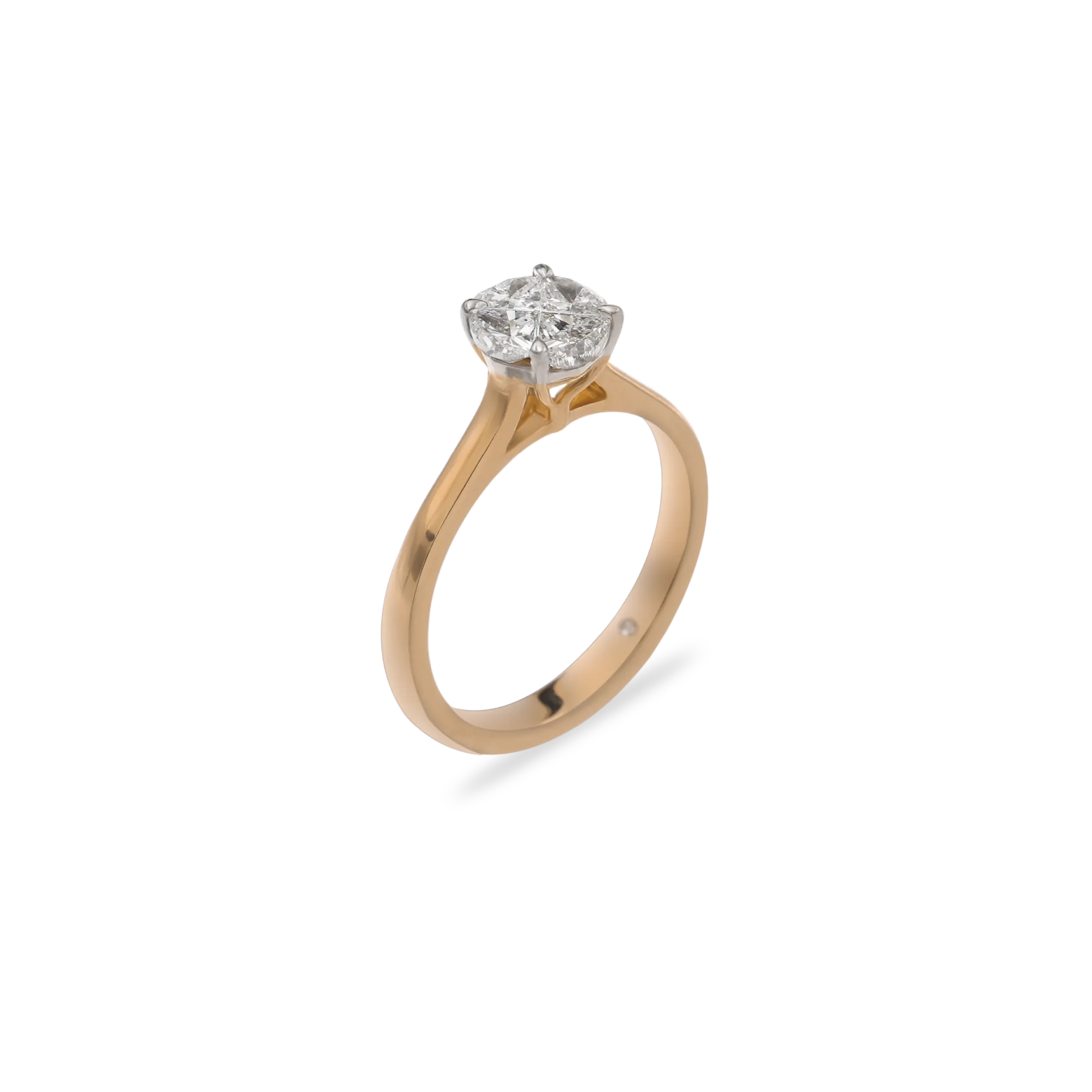
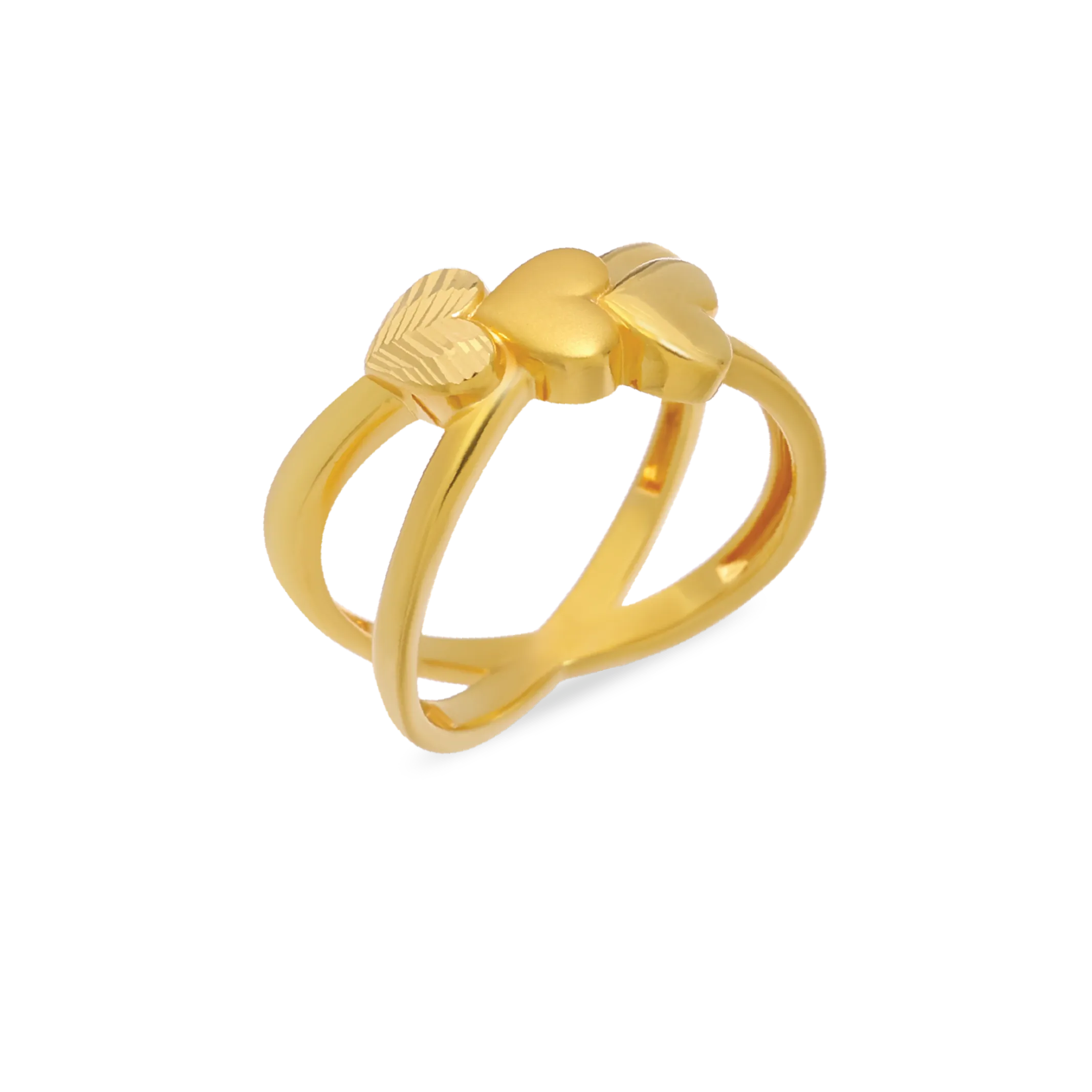
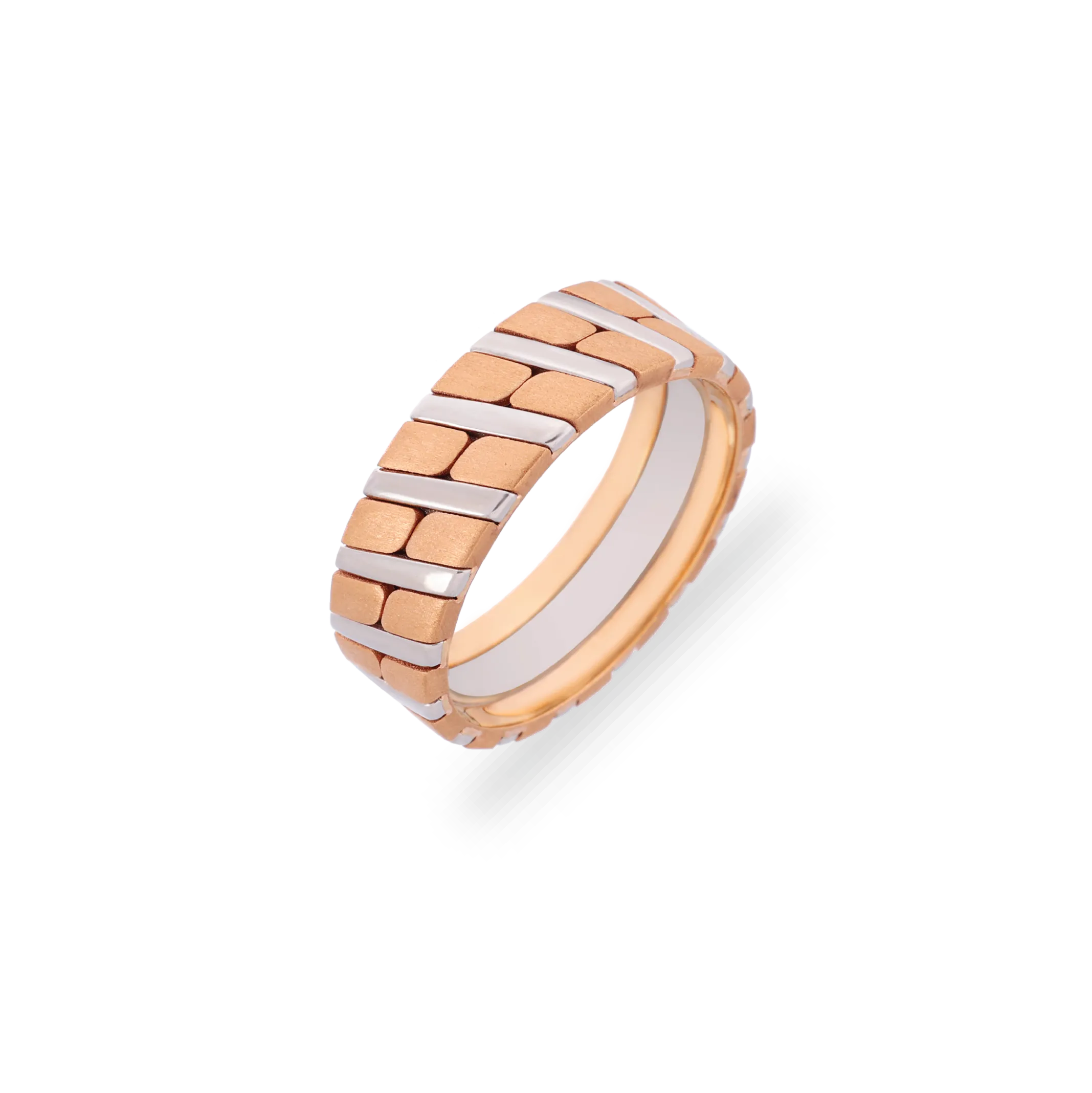
Wedding bands usually deserve their own line in the budget because they are worn frequently and may be purchased as a pair. The price depends on metal purity, width, finish, stones, and whether the design is made to sit neatly beside an engagement ring. Ring upgrades, custom details, and resizing can shift the final figure, so ask for those costs before approving a design. If an engagement ring already carries a strong visual presence, a quieter band may be both more comfortable and more economical.
Bridal earrings, necklaces, and bracelets
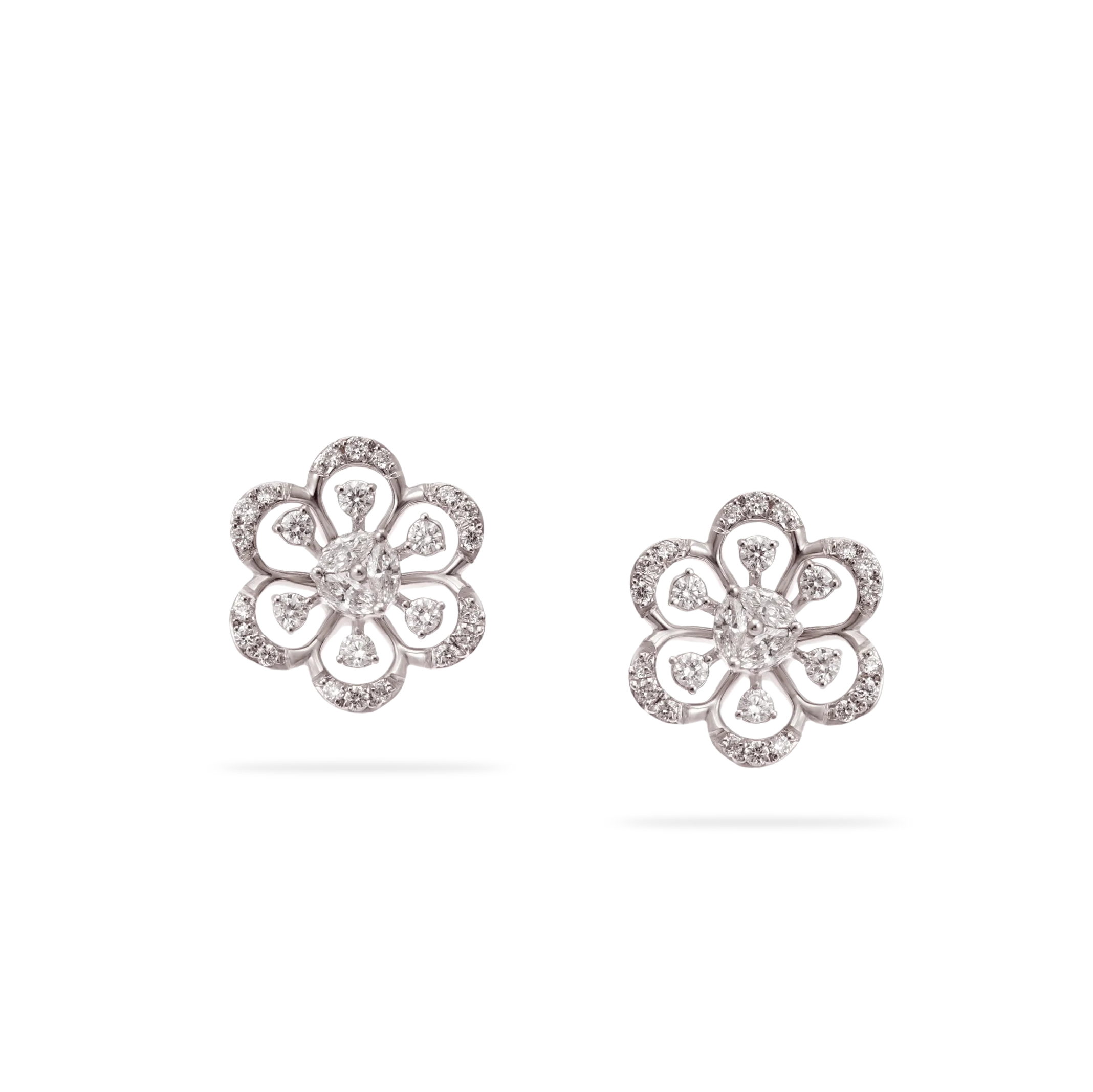
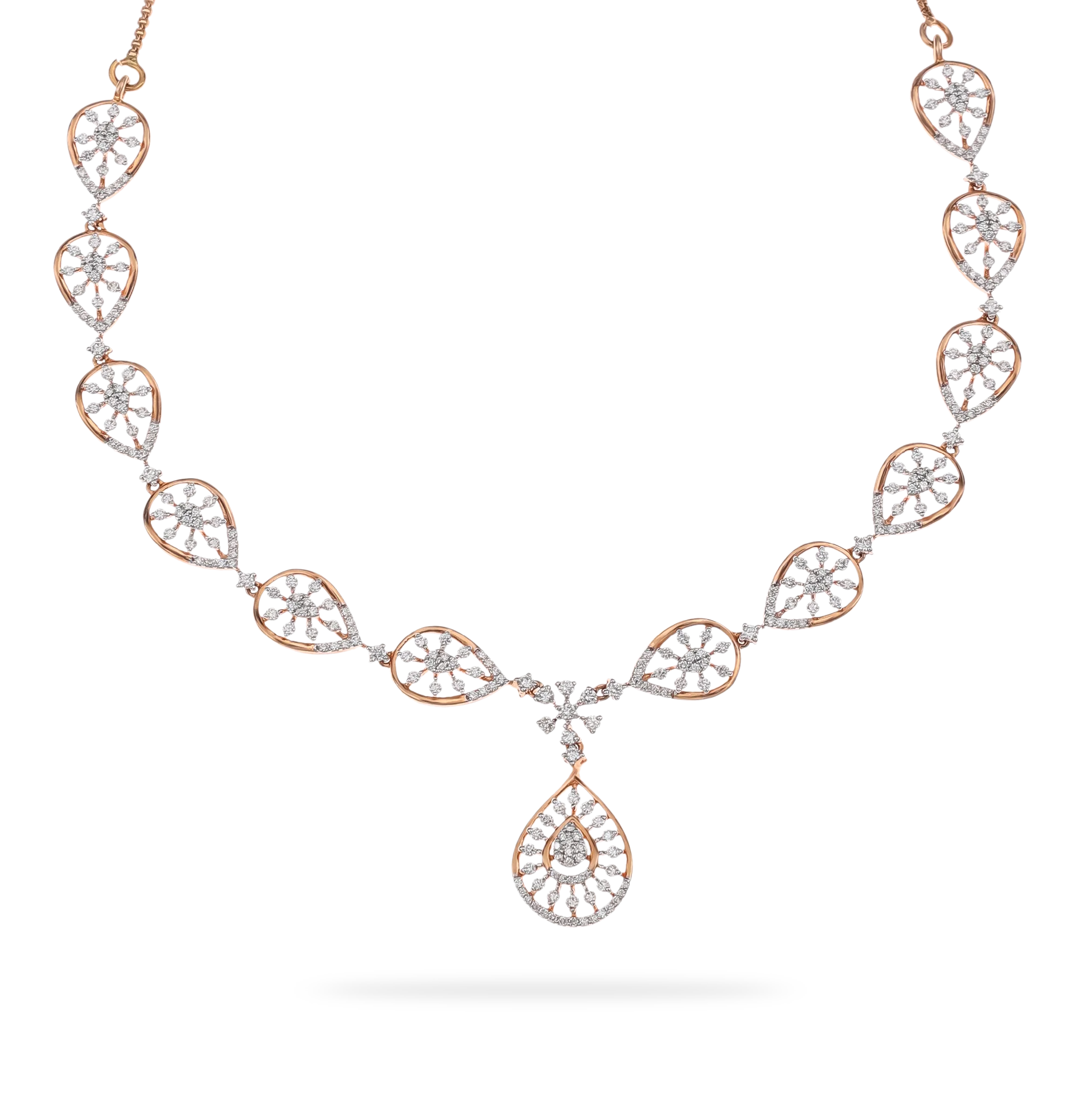
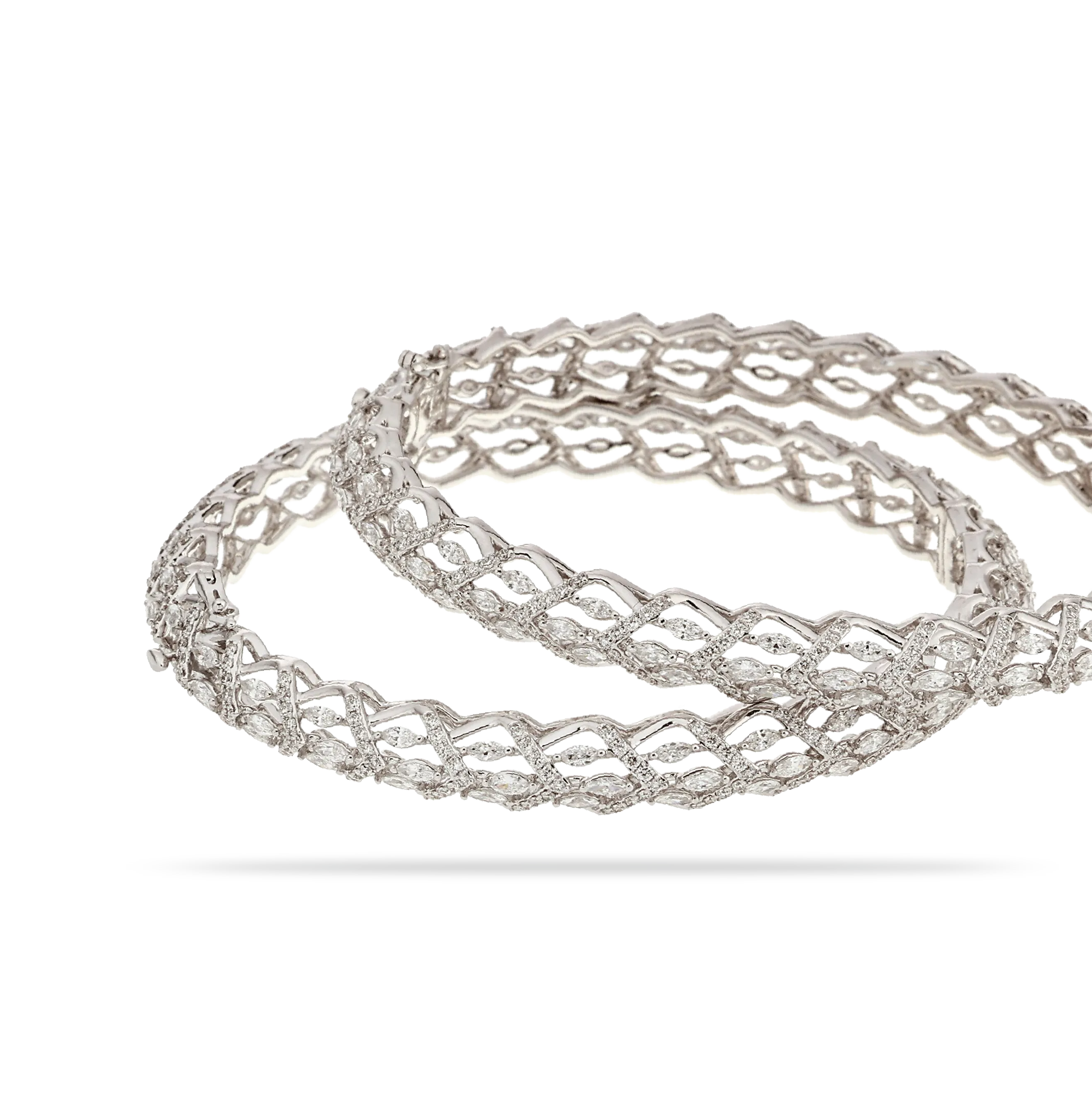
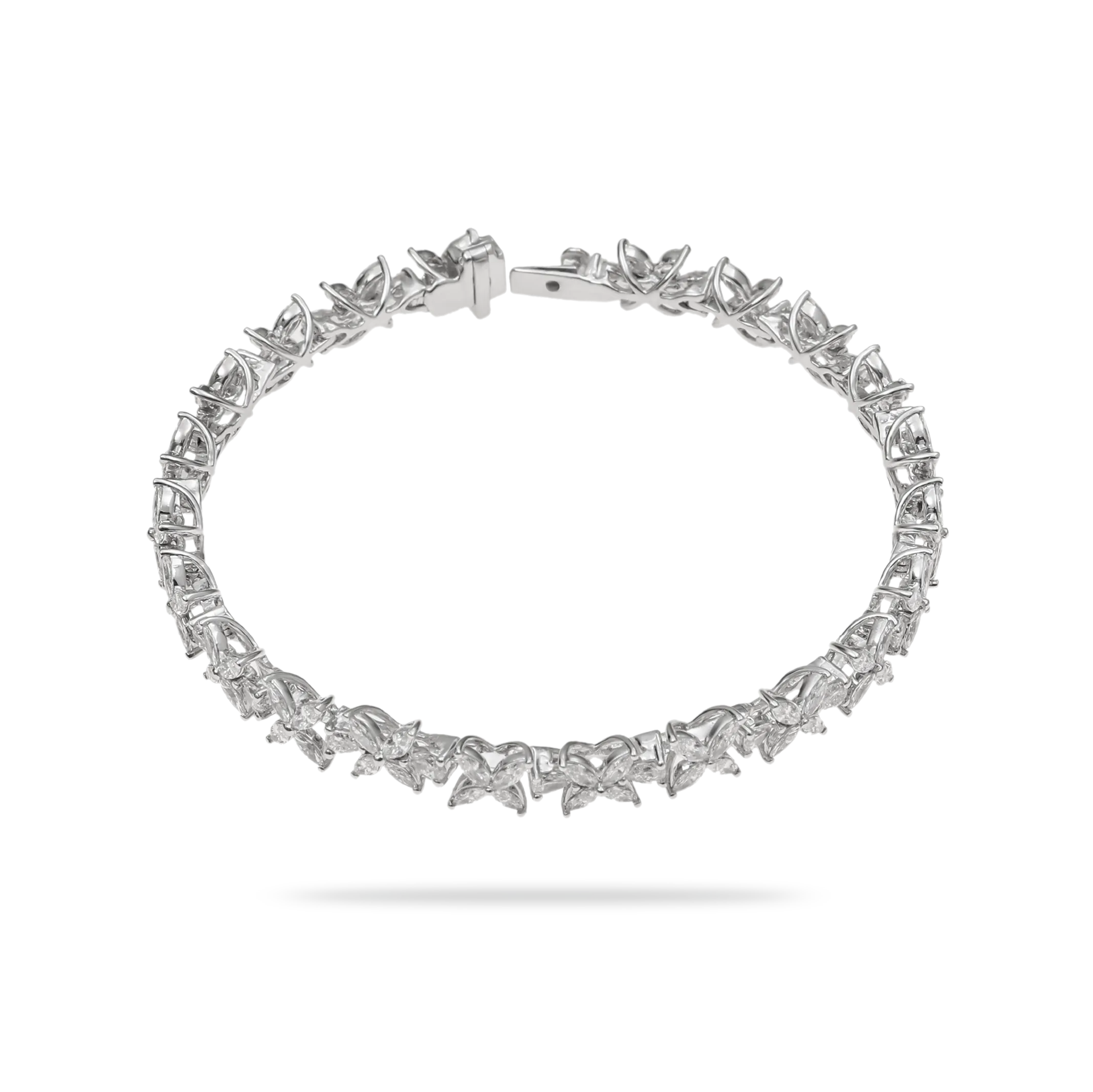
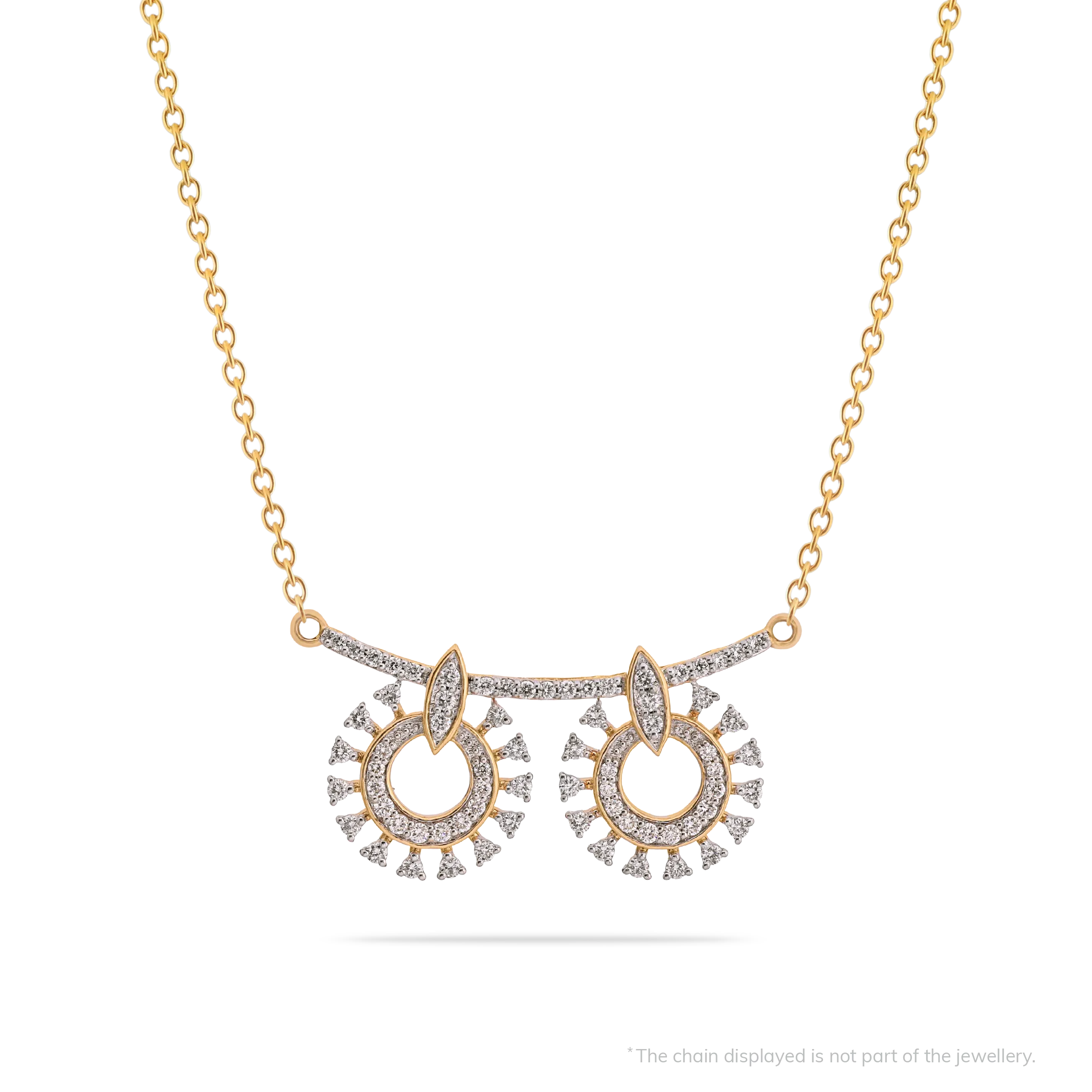
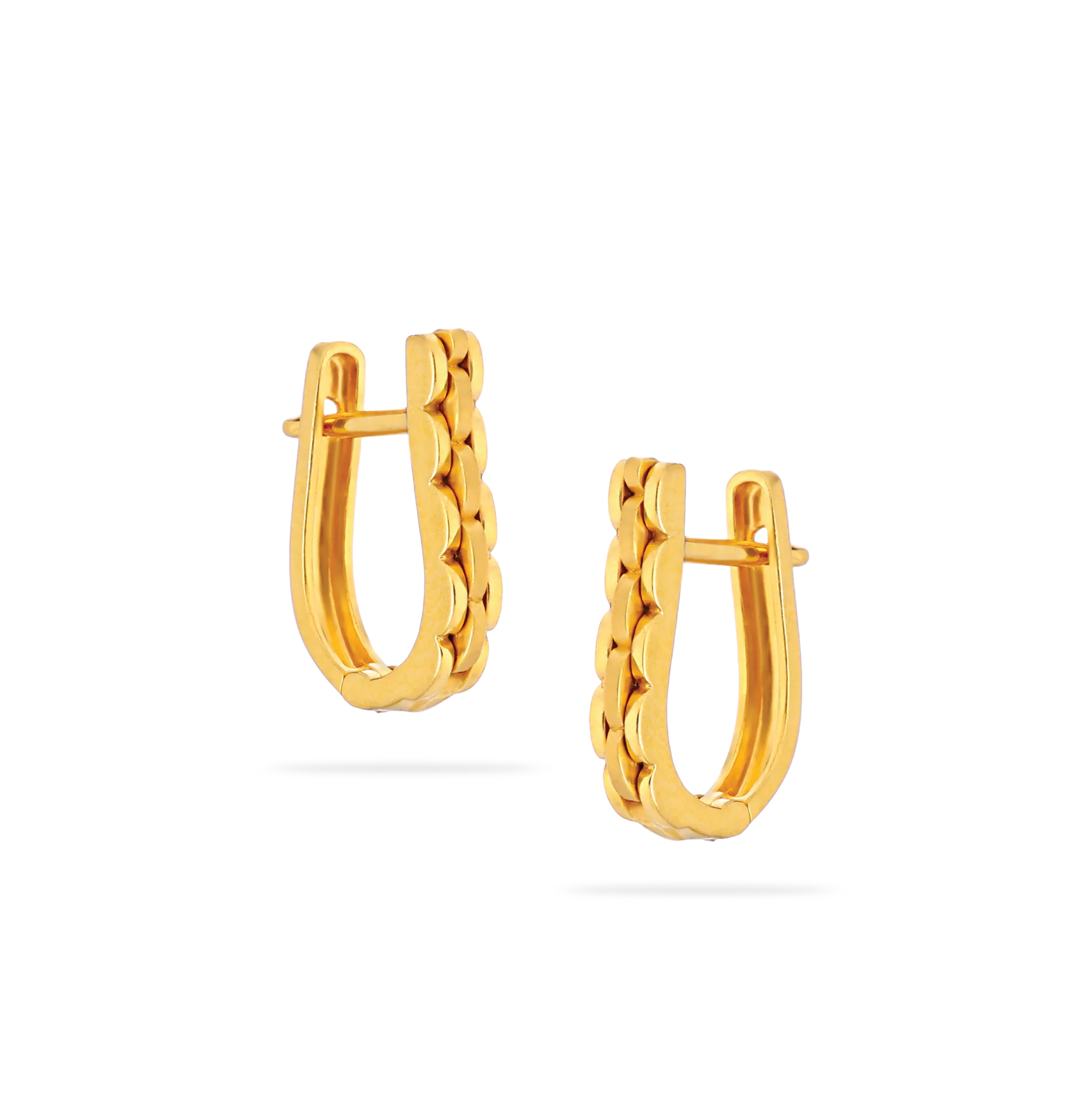
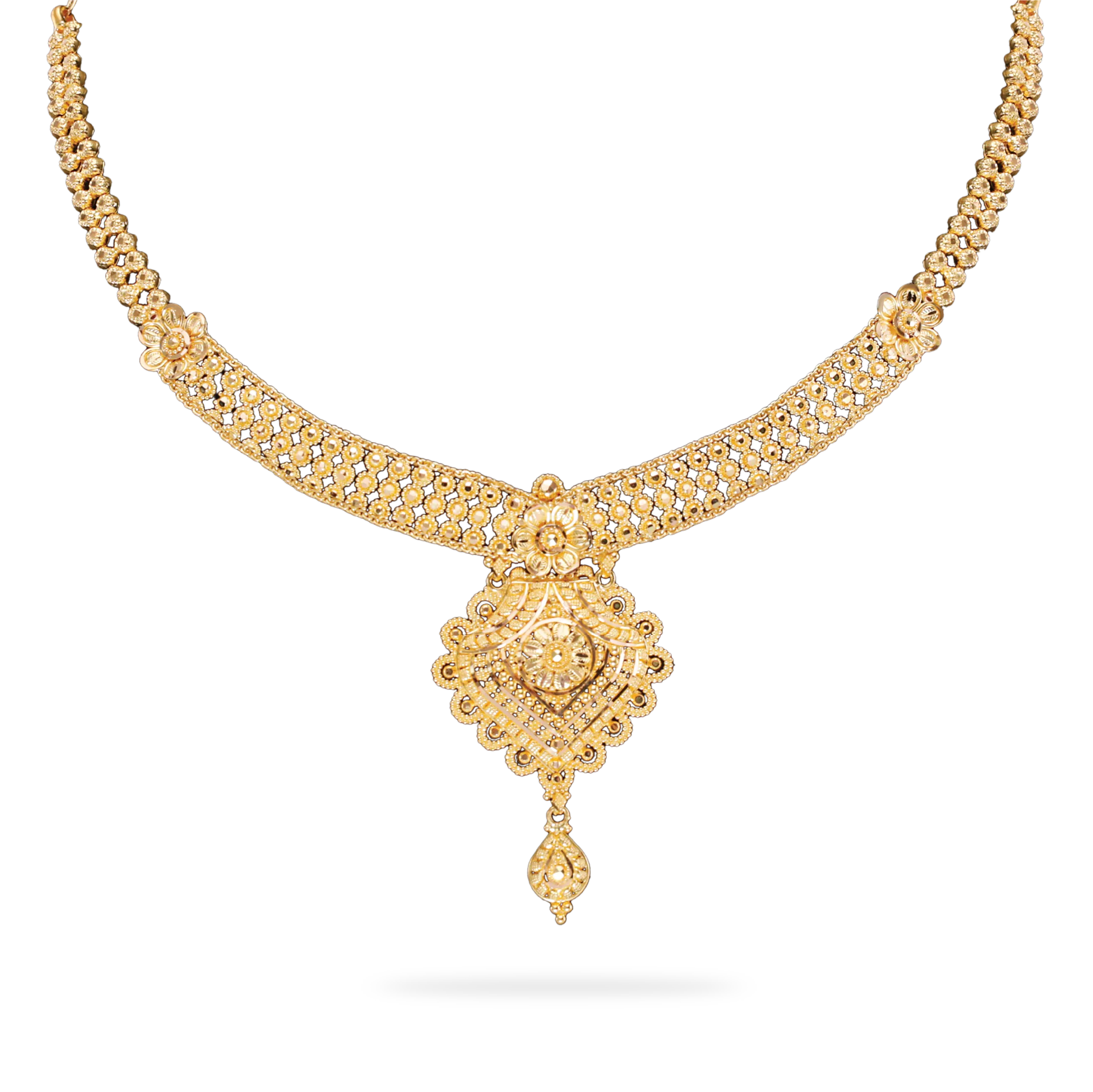
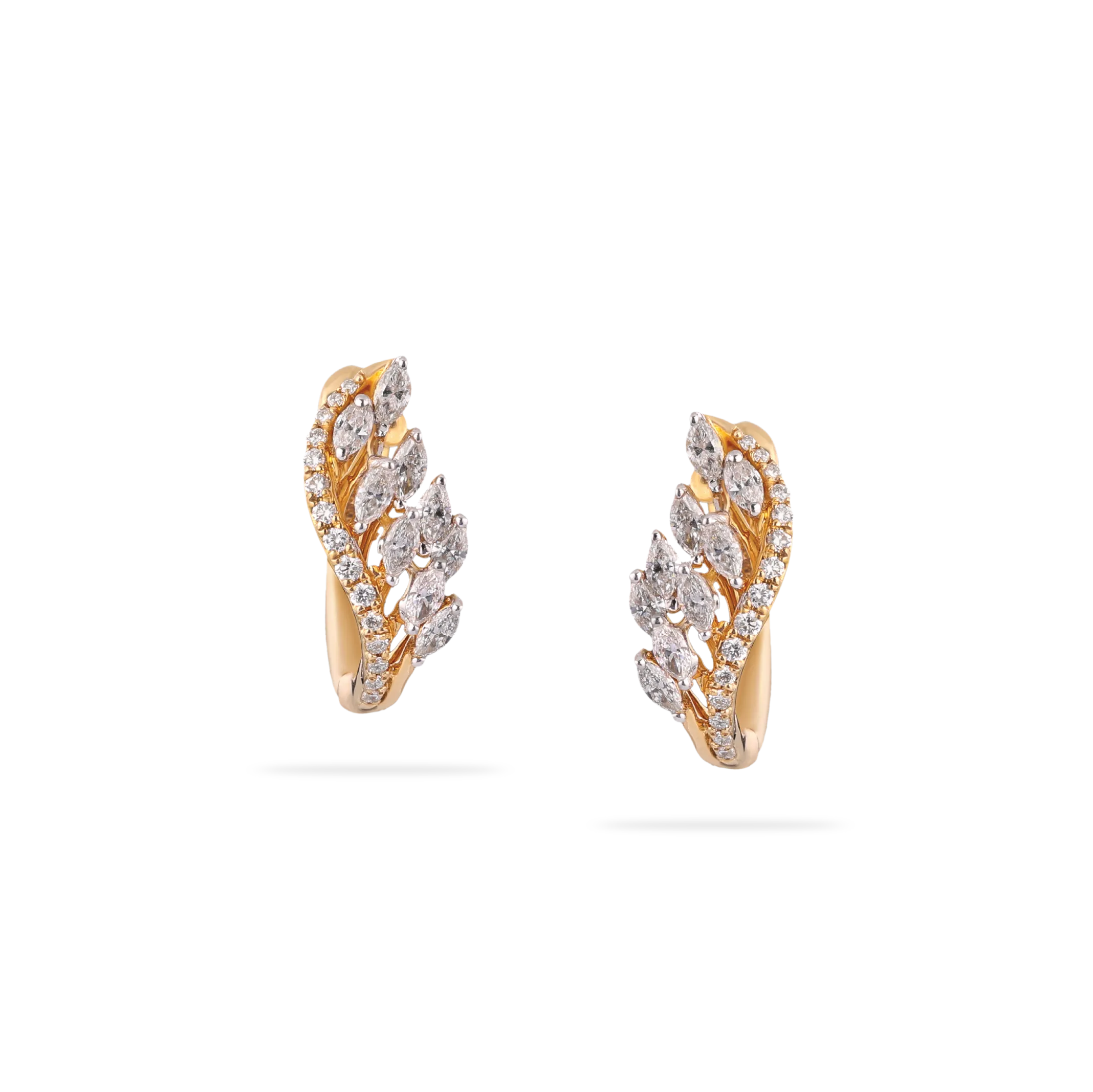
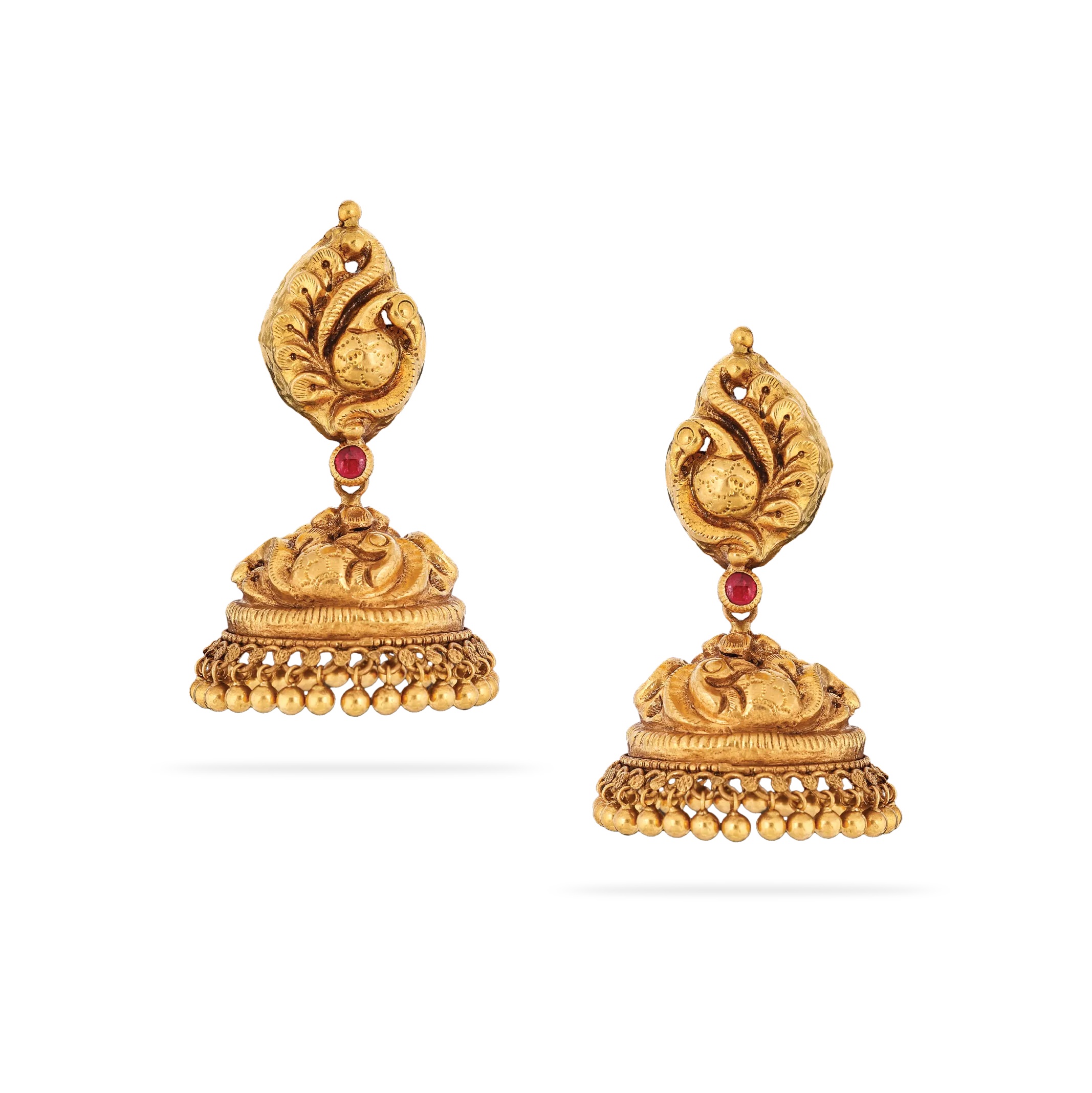
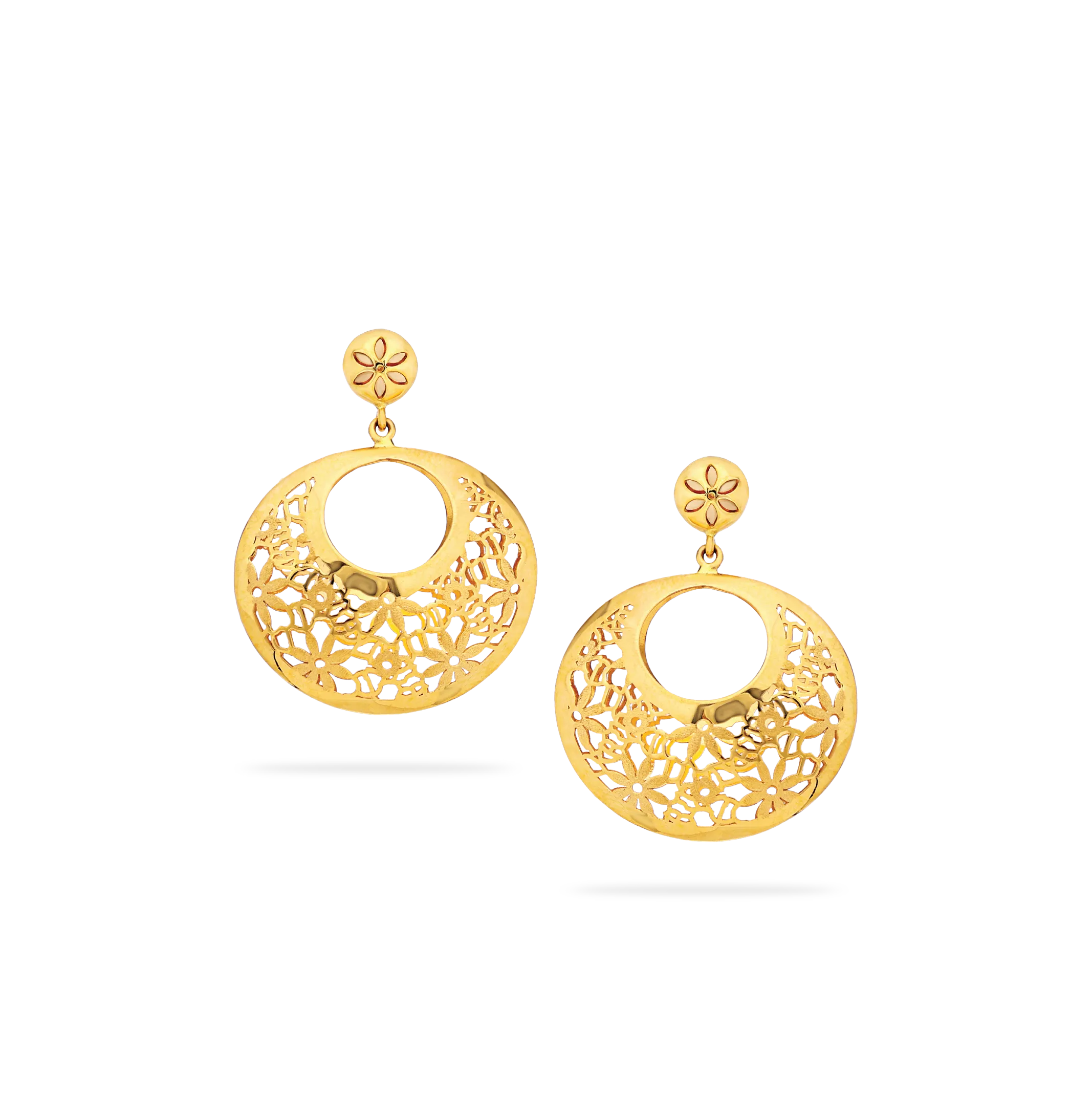
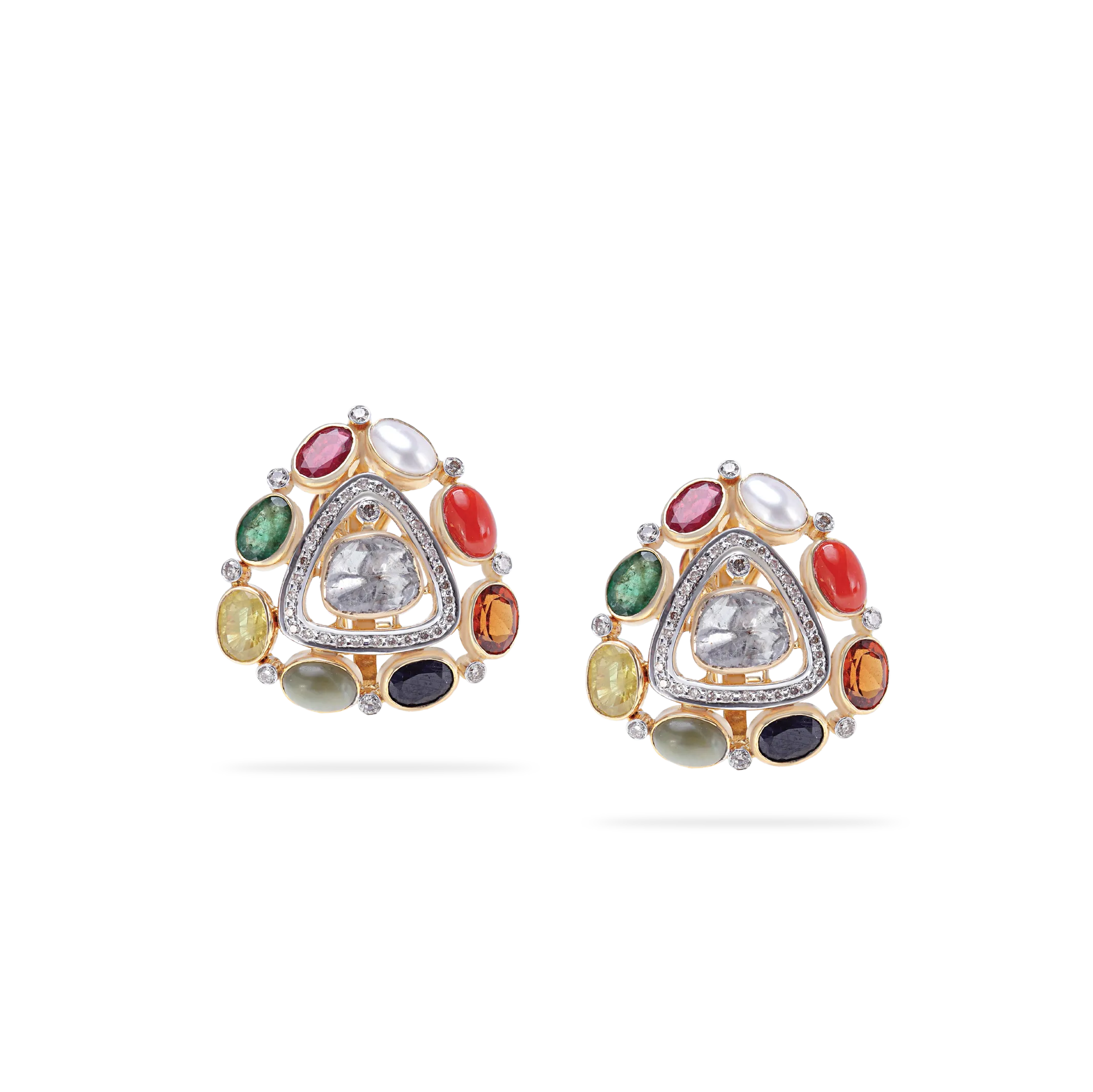
Earrings, necklaces, and bracelets should be priced according to the role each one plays in the outfit. A low neckline may invite a necklace, while a detailed bodice might call for earrings alone. Gemstones, pearl arrangements, diamond size, metal weight, and clasp construction all influence price. Choose one focal area first, then decide whether the other pieces genuinely improve the look.
Hair jewellery and other accessories
Hair combs, pins, tiaras, anklets, and other accessories often look modest on their own, but several small purchases can become a meaningful portion of the budget. Check how securely each item sits and whether it is comfortable for several hours. A simple piece that stays in place is usually a better choice than a delicate accessory that needs constant adjustment. If you are working with a stylist, confirm placement and quantity before ordering.
Jewellery for the wedding party
Gifts for attendants and family should be planned separately from the couple's bridal jewellery. Decide whether everyone will receive the same piece or whether you will choose within a shared price range. A useful budget worksheet can look like this:
| Jewellery category | Main cost drivers | Budget question |
|---|---|---|
| Wedding bands | Metal, width, stones, sizing | Will they be worn every day? |
| Bridal jewellery | Gemstones, metal weight, craftsmanship | Which piece is the focal point? |
| Hair and accessories | Quantity, materials, fastening | Can the pieces be reused? |
| Wedding party gifts | Number of recipients, personalization | Is the amount equal and comfortable? |
After totaling the categories, keep a small cushion for unexpected adjustments. That extra space is particularly helpful when several recipients need different sizes or when a family piece requires professional preparation.
Choose jewellery based on your wedding style
Jewellery should feel like part of the outfit, not a separate purchase placed on top of it. Consider the dress, hairstyle, venue, ceremony traditions, and the way you normally dress. The most expensive piece will not look right if its scale or color fights with the rest of the ensemble. For additional inspiration, C Krishniah Chetty & Co's wedding jewellery trends guide discusses coordinating accessories with necklines, hairstyles, and dress codes.
Match jewellery to the dress neckline
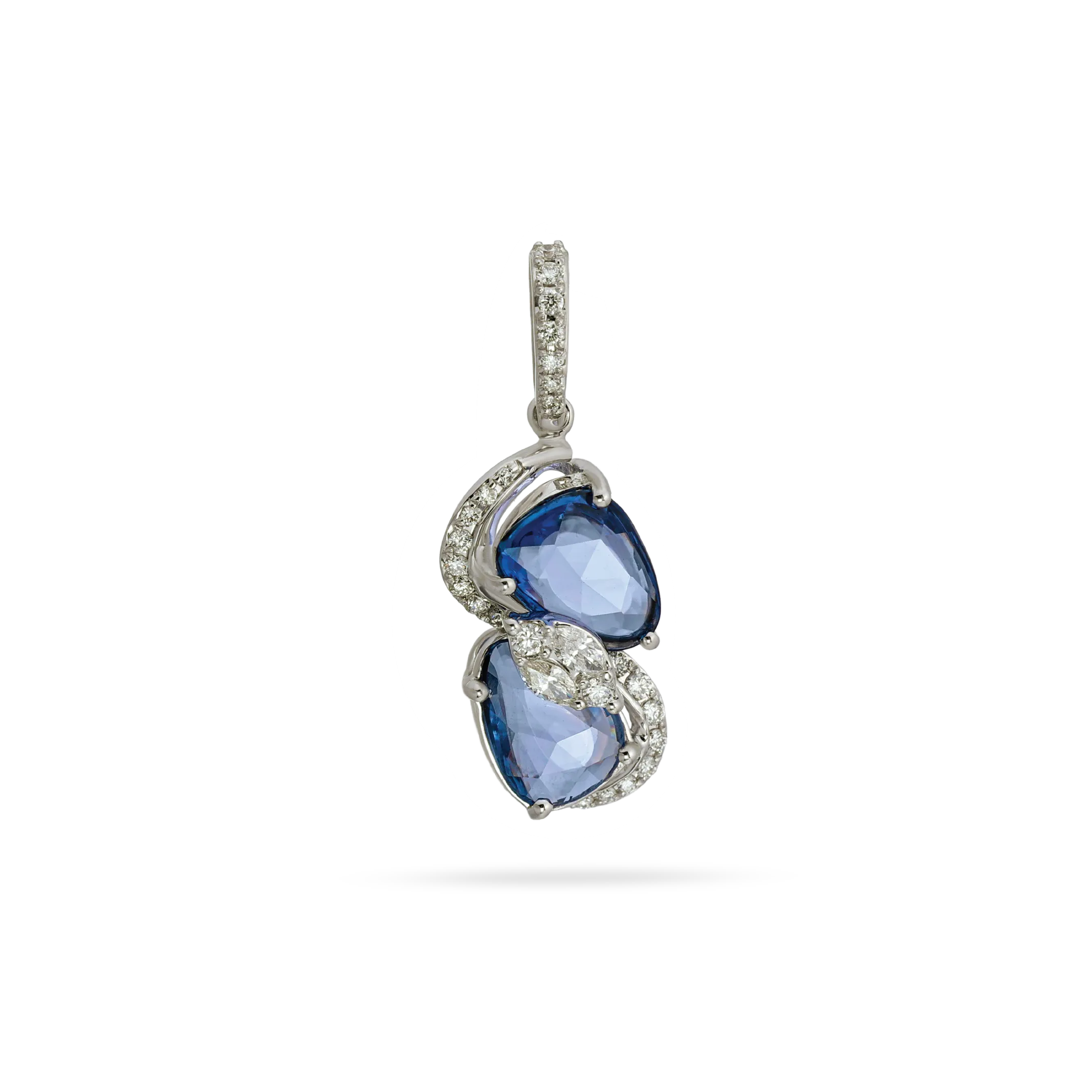
The neckline gives you a practical starting point. A strapless or sweetheart dress can leave room for a necklace, while a high neckline may look cleaner with earrings and a bracelet. V-shaped necklines often suit a pendant that follows the same direction, but the pendant should not compete with ornate fabric. Try pieces with the actual dress or a close approximation of its neckline before committing to a full set.
Coordinate metals, gemstones, and embellishments
Look for relationships between the jewellery and the dress details rather than demanding an identical match. Warm metal can sit naturally with ivory fabric, while cool metal may complement bright white or silver embellishment; personal preference still matters most. Pearls, colored stones, crystals, and diamonds each create a different texture and level of sparkle. If the dress already has heavy beading, a restrained metal finish can keep the overall look balanced.
Adjust your choices for formal and casual weddings
A formal evening wedding can accommodate larger stones, more shine, or a coordinated set, while a courthouse ceremony, garden gathering, or daytime reception may call for lighter pieces. Venue details matter too: a dramatic necklace can disappear against a heavily decorated dress but feel overwhelming in a simple setting. Think about photographs as well as comfort, since jewellery that looks beautiful standing still should also work while moving, greeting guests, and dancing.
Balance statement pieces with minimal accessories
A statement earring, necklace, or cuff usually needs breathing room. Choose the focal piece first, then add only what supports it. A restrained combination may be more flattering than wearing every item that matches, and it can reduce the overall cost without making the outfit feel unfinished. This is also a sensible way to build a future jewellery collection: buy one memorable piece now and add complementary items later.
Compare fine jewellery and affordable alternatives
Price is only one part of the comparison between fine jewellery and more accessible alternatives. Materials, construction, intended frequency of wear, care requirements, and sentimental importance all deserve a place in the decision. A lower-priced piece can be entirely appropriate for a single event, while a ring or pair of earrings worn weekly may justify a stronger investment. Compare like with like and ask what you need the jewellery to do after the wedding.
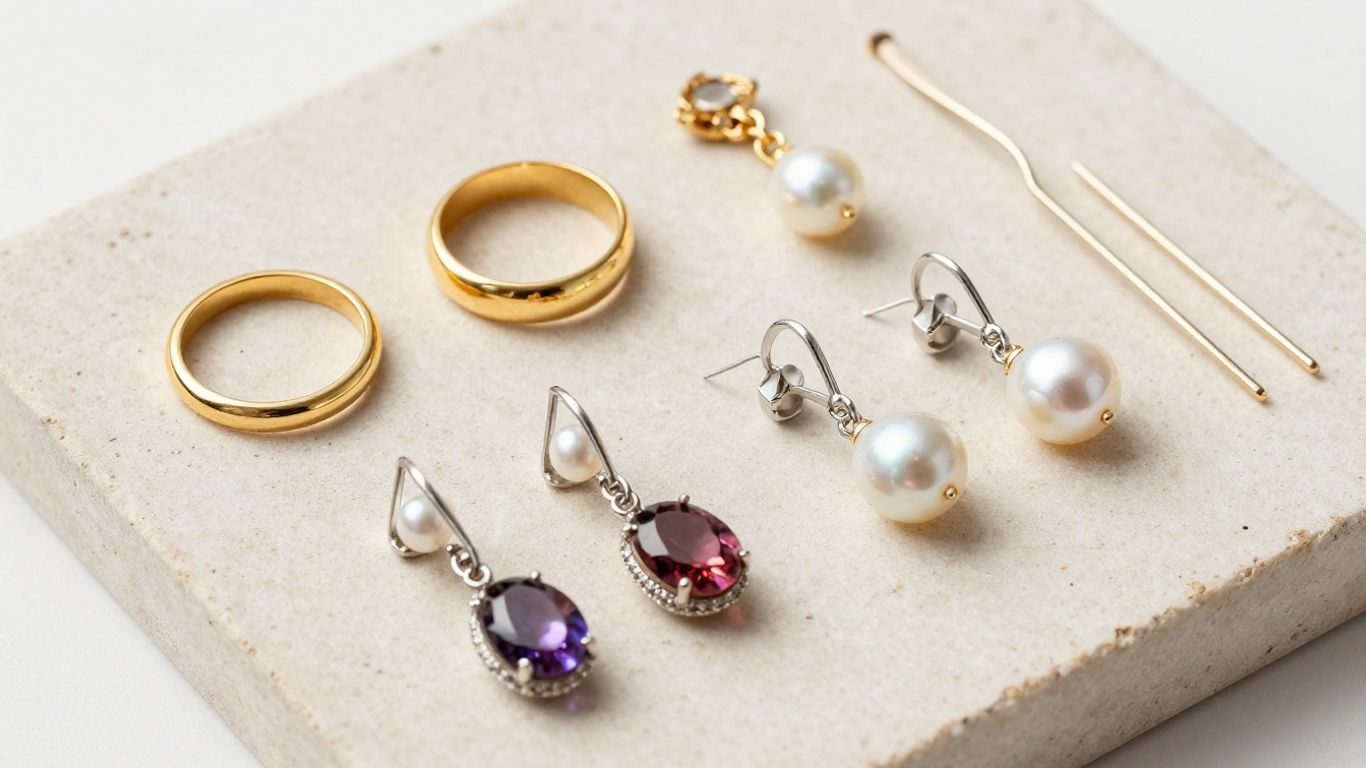
Decide when solid gold is worth the investment
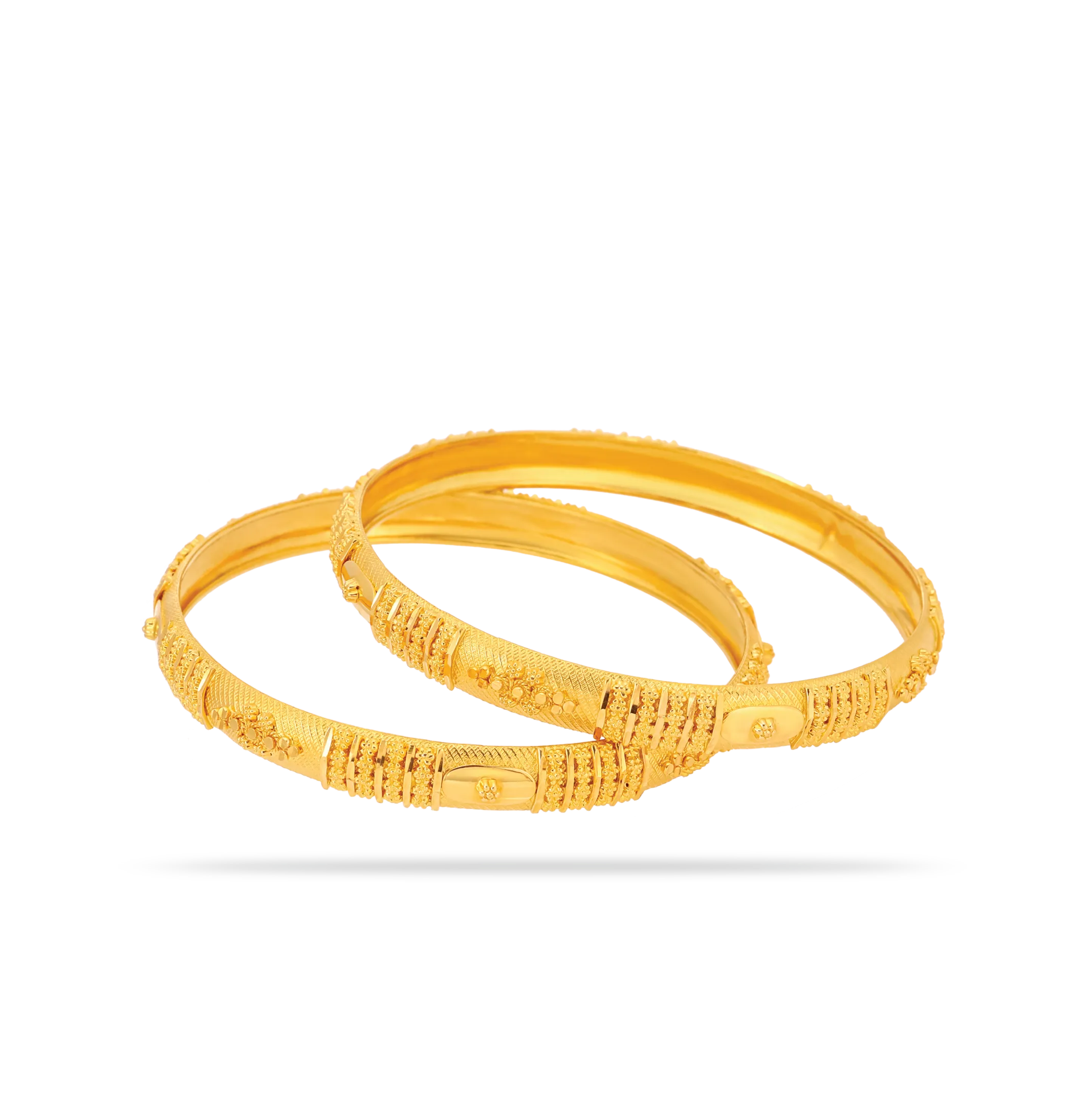
Solid gold may make sense for pieces exposed to frequent wear, especially rings, everyday earrings, or a bracelet you expect to keep for years. Purity, weight, design, and workmanship affect the price, so a higher karat alone does not tell the whole story. For practical guidance on purity, price, and quality, C Krishniah Chetty & Co's gold buying guide is a relevant resource. For a one-day accessory, a less expensive material may leave more room for other priorities.
Consider lab-grown and alternative gemstones
Gemstone choice can change the price substantially while preserving the color, cut, or visual character you want. Lab-grown stones and alternatives may fit a tighter budget, but compare their care needs, documentation, durability, and appearance in person when possible. The goal is not to make a choice sound more valuable than it is; it is to understand exactly what you are buying. Ask how the stone is graded, set, and supported by the seller's care or return terms.
Evaluate gold vermeil, plated, and sterling silver pieces
Vermeil, plated metal, and sterling silver can be attractive options for earrings, hair jewellery, and occasional pieces. Their finishes may change with moisture, cosmetics, friction, or frequent wear, so they require realistic expectations and proper storage. Confirm the base metal, coating details, clasp quality, and care instructions before buying. These materials are most useful when their intended lifespan matches the occasion and your wearing habits.
Check quality, durability, and resale value
Look beyond the shine in product photographs. Examine the setting, prongs, hinges, clasps, soldered joins, chain thickness, and return policy, and ask whether repairs or maintenance are available. Resale value is difficult to predict and should not be the main reason for buying a wedding piece; personal use and condition usually matter more to the owner. For diamond purchases, a practical diamond buying checklist can help you consider grading and craftsmanship before comparing prices.
Plan for wedding jewellery gifts
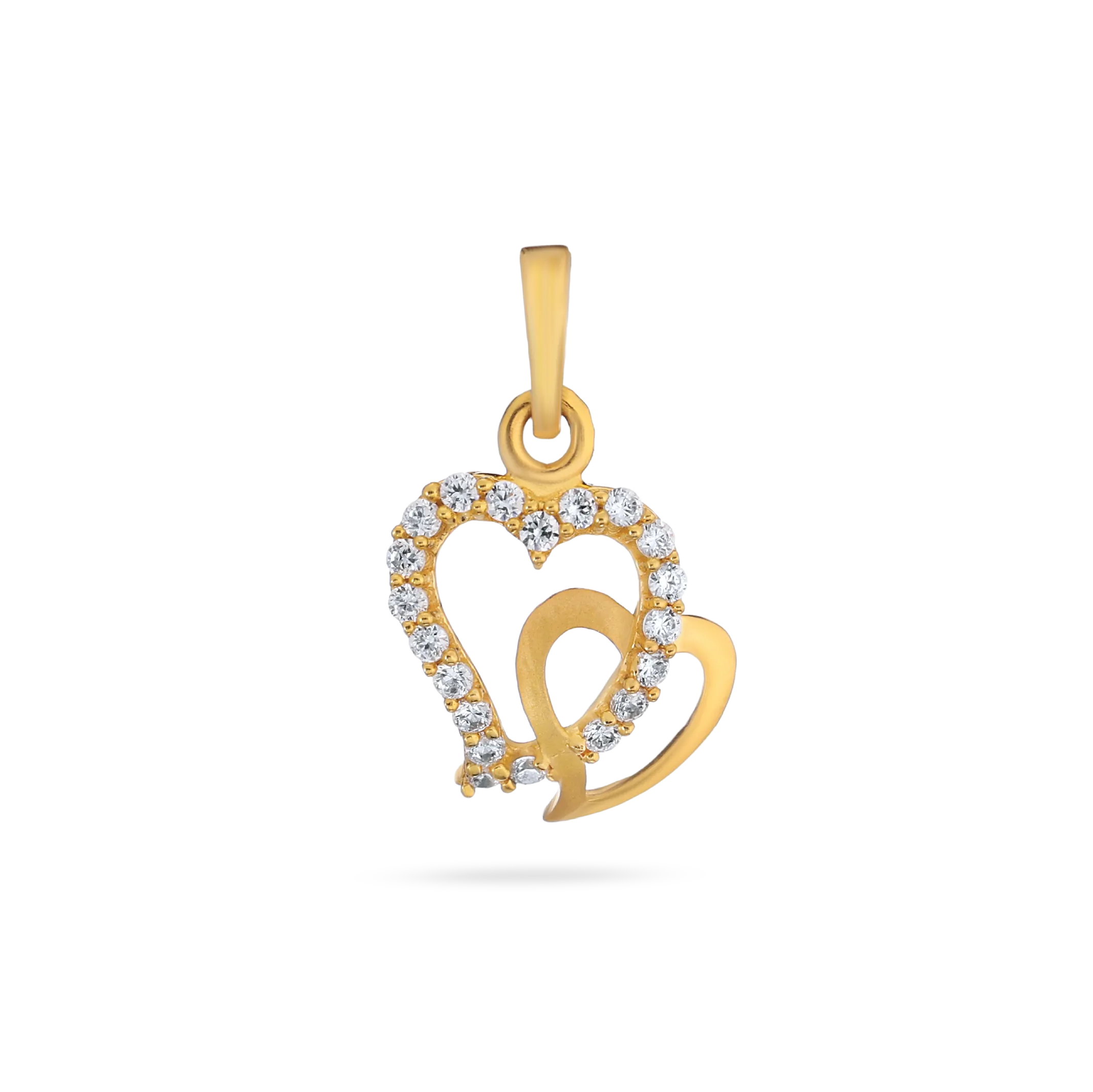
Jewellery gifts can be meaningful without being extravagant. The right amount depends on your relationship with the recipient, your total wedding budget, and whether the gift is meant to be worn on the day or kept as a long-term keepsake. Start by setting a total gift allowance, then divide it among the people you want to recognize. A thoughtful design that suits the recipient will generally feel more generous than an expensive item chosen without their preferences in mind.
Set spending limits for the wedding party
Choose a per-person ceiling before browsing, especially if you are buying for several attendants. Simple earrings, bracelets, pendants, or birthstone details can work well when they are wearable beyond the ceremony. Keep the value reasonably consistent unless there is a clear reason to make different choices. If attendants are expected to wear the jewellery at the wedding, check whether they are comfortable with the style before placing a large order.
Choose meaningful gifts for parents and family
Parents and close family members may appreciate a piece connected to a shared memory, cultural tradition, or personal milestone. That does not require a high price. Consider a pendant in a familiar motif, a practical pair of earrings, or a piece that complements jewellery they already wear. When using an heirloom design as inspiration, discuss the idea first rather than assuming someone wants a new version of a family piece.
Match gifts to personal style and practicality
A gift is more likely to be cherished if it fits the recipient's daily habits. Notice whether they favor yellow, white, or rose-toned metal, small or bold silhouettes, and earrings, necklaces, or bracelets. Avoid choosing a style only because it matches the wedding colors. A subtle item may suit someone who rarely wears jewellery, while a colorful stone could be right for a relative known for expressive accessories.
Account for engraving, packaging, and shipping
Personalization, gift boxes, shipping, and rush fees should be included in the original calculation. Engraving may require extra time and can affect return options, while multiple sizes can complicate fulfillment. Order early enough to inspect every piece and replace anything damaged or incorrect. Keep a record of recipients, sizes, inscriptions, and delivery dates so the gift plan remains manageable alongside the rest of the wedding.
Avoid common wedding jewellery budget mistakes
Even a careful budget can drift when small costs and emotional decisions go unchecked. A piece may look affordable until taxes and alterations are added, or a discount may tempt you to overlook a weak clasp. The safest approach is to slow the process down and judge each purchase against your original priorities. A wedding accessory should bring pleasure, not create a repair problem or financial hangover.
Forgetting taxes, shipping, and alterations
The displayed price is not always the final price. Add sales tax, delivery, resizing, engraving, cleaning, restringing, and any stylist or jeweler fees before deciding whether an item fits. Custom pieces may also involve deposits and nonrefundable balances. Keep a separate line for these extras so your jewellery allowance reflects what will actually leave your account.
Buying pieces that compete with the engagement ring
The engagement ring often acts as the visual anchor, and additional sparkle can make the overall look feel crowded. Try wedding bands, bracelets, and earrings beside it rather than evaluating them alone. Consider scale, metal tone, stone shape, and the amount of detail at the hand. A complementary piece can make the ring look more intentional without matching every feature exactly.
Sacrificing quality for temporary savings
A very low price is not a bargain if the item breaks before the ceremony or cannot be repaired. Inspect closures, settings, edges, chain links, and plating, and read the care instructions honestly. Spend less by reducing quantity, choosing a simpler design, or selecting a different stone before accepting visibly poor construction. The bridal jewellery care guide is also useful when comparing how different materials may need to be stored and maintained.
Leaving purchases and custom orders too late
Late shopping removes your ability to compare, resize, repair, or return a piece calmly. Custom work, engraving, heirloom preparation, and ring sizing can all take longer than expected, particularly during busy wedding seasons. Set a personal deadline well before the ceremony and schedule a final fitting after the jewellery arrives. That buffer protects both your budget and your peace of mind.
Conclusion
The best wedding jewellery budget is one that fits your finances, your outfit, and your life after the celebration. Price each category honestly, spend more where durability and repeated wear matter, and leave room for the unglamorous extras. When the choices feel personal rather than pressured, the jewellery becomes part of the memory instead of another source of wedding stress.
Frequently Asked Questions
How much should I spend on wedding jewellery?
Choose an amount that fits comfortably within your overall wedding budget after essential costs and savings goals are covered. There is no universal percentage or required price point.
Should wedding jewellery be included in the attire budget?
It can be included in the attire budget if that makes your planning clearer, but list it separately so rings, accessories, gifts, and alterations are not overlooked.
Is it worth buying fine jewellery for one wedding?
Fine jewellery can be worthwhile when you expect to wear it regularly or value its materials and craftsmanship. For a one-time accessory, an affordable alternative may be more sensible.
What jewellery should I prioritize first?
Prioritize wedding bands and pieces you expect to wear again, then choose accessories that suit the dress and support your main focal piece.
How can I save money on bridal jewellery?
Wear existing or heirloom pieces, choose one statement accessory, compare materials, reduce the number of coordinated items, and avoid rushing into custom work.
Should the wedding party receive matching jewellery?
Matching jewellery is optional. A shared style or similar price range can create cohesion while allowing each person to receive a piece that suits their taste.
How early should I buy wedding jewellery?
Begin several months ahead when possible, especially for custom designs, engraving, heirlooms, resizing, or gifts in multiple sizes. Build in time for inspection and corrections.
Is diamond jewellery worth buying? Value, quality, and smart buying decisions
10 minute read
Bridal jewellery budget guide: How to plan, prioritize, and shop for your wedding jewelry
10 minute read
Related blogs:
September 17, 2026
How to Choose the Perfect Diamond Necklace for Bride on Her Wedding Day
Read More
September 17, 2026
Wedding jewellery for modern brides: how to choose timeless pieces with contemporary style
Read More
September 17, 2026
Wedding jewellery for traditional brides: A complete guide to choosing timeless bridal pieces
Read More
September 17, 2026
Wedding jewellery for minimalist brides: A complete guide to choosing timeless pieces
Read More









.webp)
.webp)