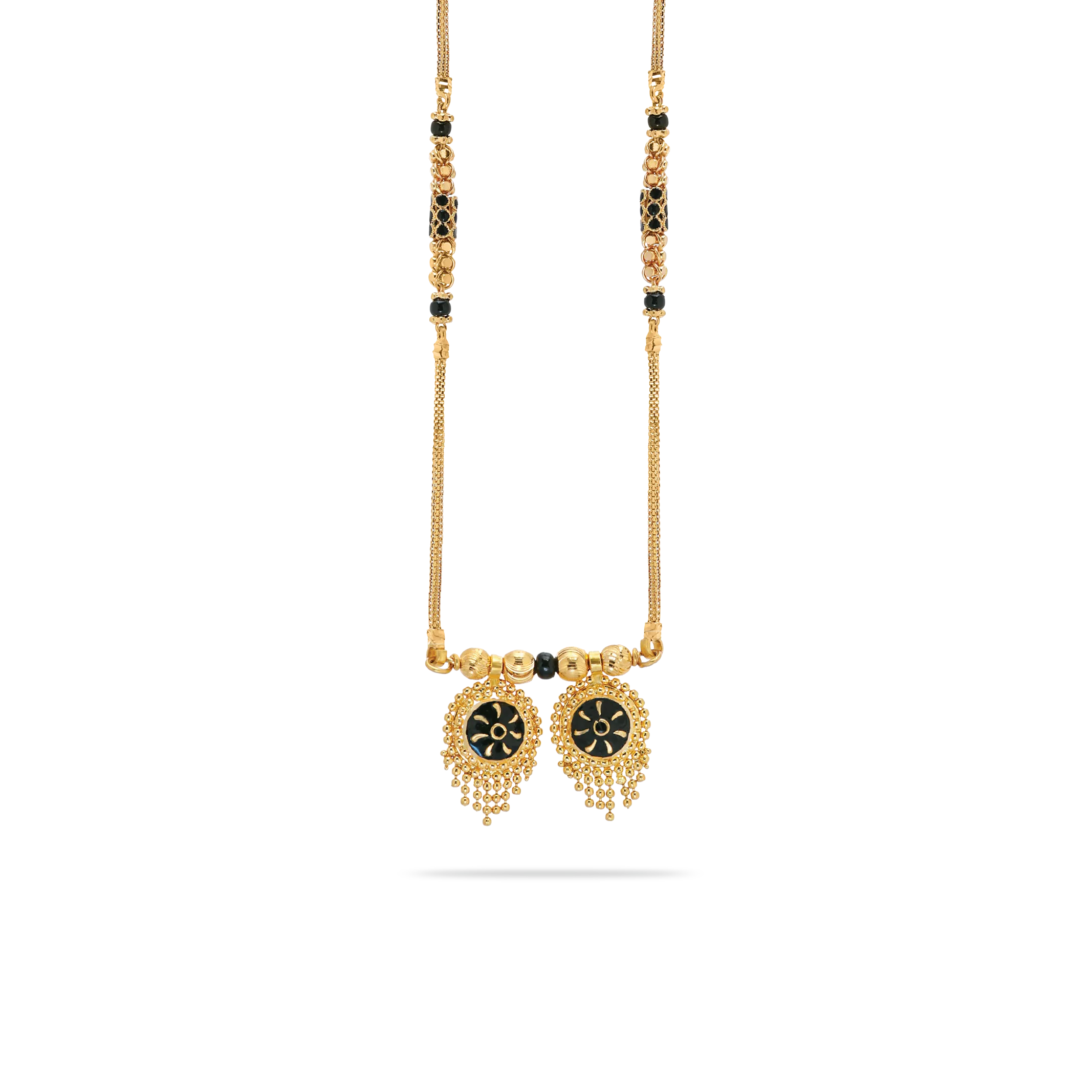
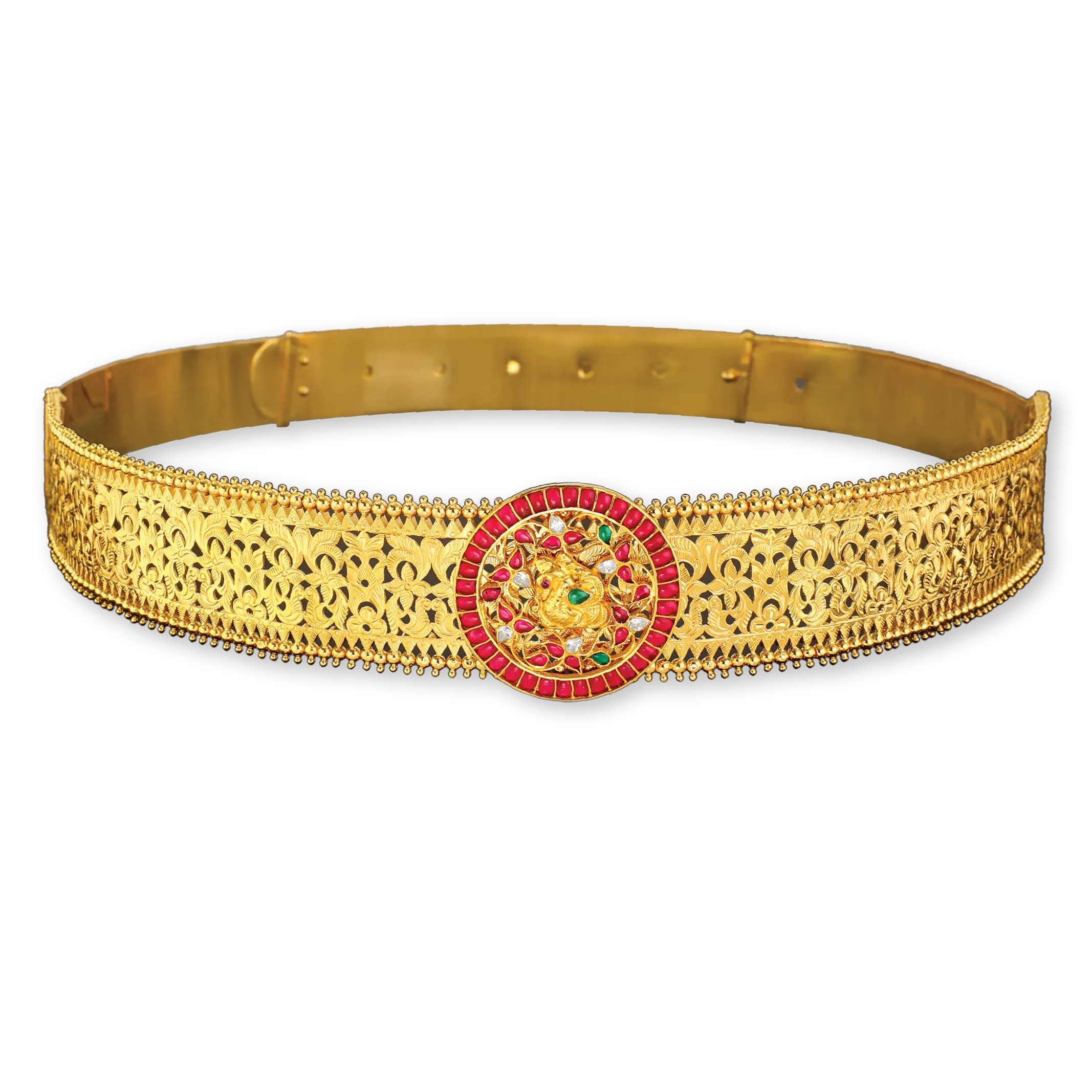
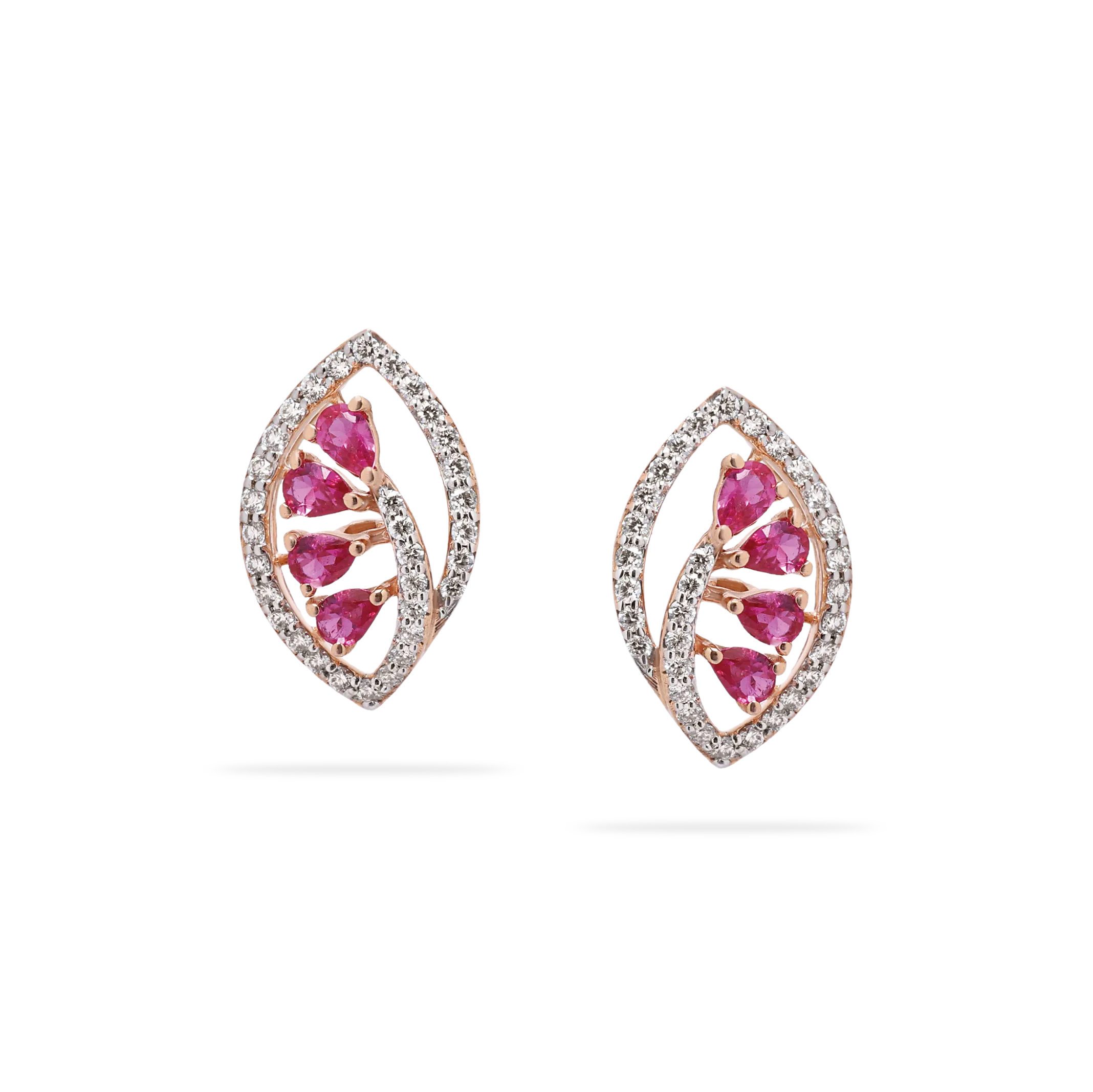
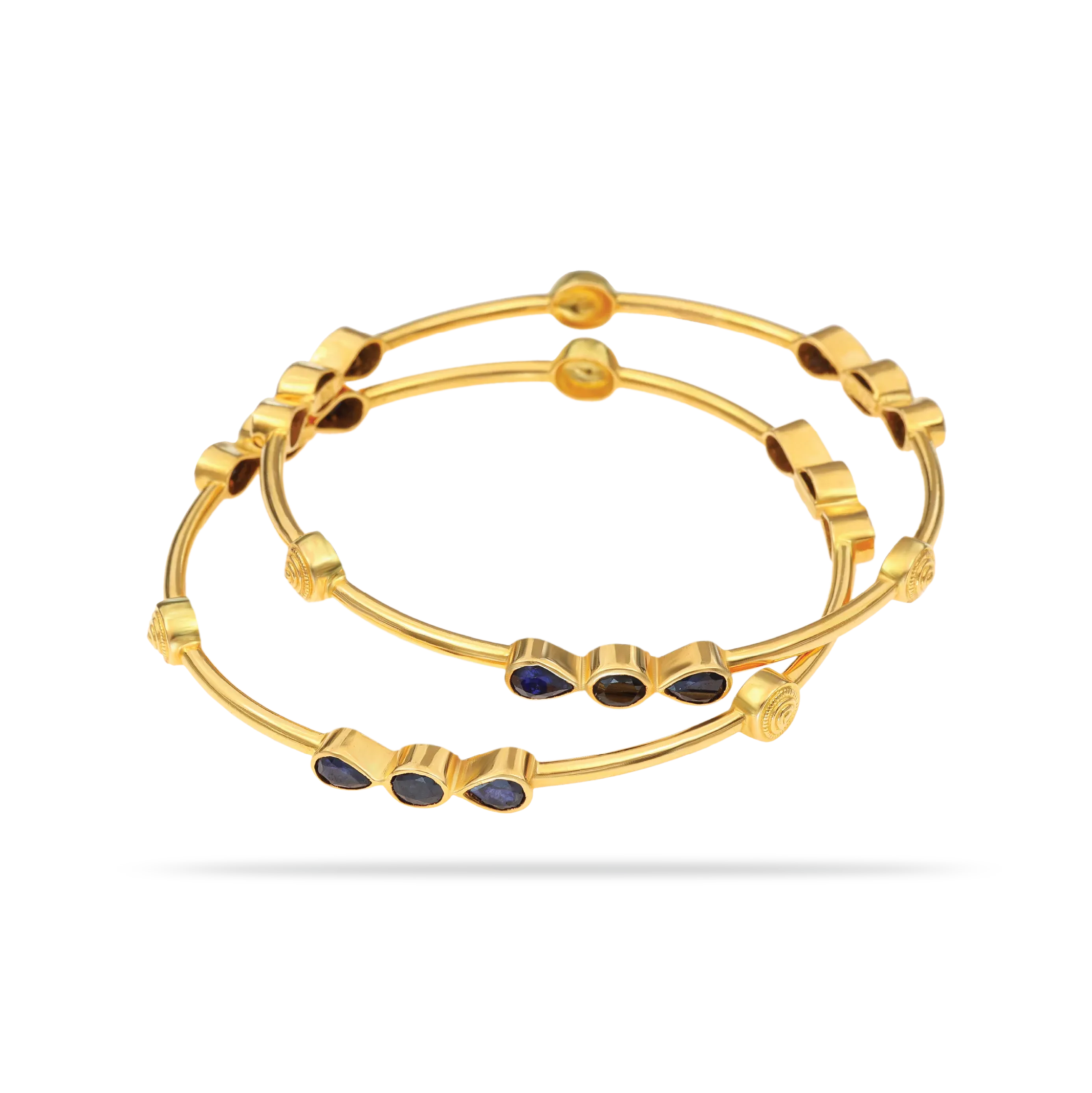
How to store bridal jewellery: A complete guide to protecting every precious piece
August 19, 2026 | 10 minutes read
Key Takeaways
Bridal jewellery lasts longer when it is cleaned, separated, and stored somewhere calm and dry. A little documentation and regular checking can protect both its condition and its memories.
- Clean and dry every piece before putting it away.
- Store necklaces, earrings, bracelets, and rings in separate soft-lined spaces.
- Keep jewellery away from humidity, sunlight, chemicals, and temperature swings.
- Give pearls, antique pieces, and embellished accessories extra protection.
- Inspect stored jewellery periodically and refresh its protection when needed.
Prepare bridal jewellery before storage
The safest answer to how to store bridal jewellery begins before the box is closed. Residue from a wedding day can be almost invisible, yet makeup, perspiration, perfume, and moisture may affect metals and stones over time. Set aside a clean, well-lit surface and gather every piece before you start, including spare earrings, hair ornaments, and sentimental items that may have been packed separately.
Work slowly rather than trying to finish the job in a hurry. If a piece is especially valuable, fragile, or unfamiliar, its care instructions should take priority over a general cleaning routine.
Clean each piece according to its materials
Different materials need different treatment, so avoid giving the entire collection one identical bath. Diamonds and sturdy gold jewellery may tolerate a gentle method, while pearls, porous stones, enamel, and antique settings may need a specialist’s advice. For a diamond piece, the C Krishniah Chetty & Co cleaning guide recommends mild dish soap, lukewarm water, and a soft brush, while also advising against harsh chemicals and abrasive materials.
Use only a soft, lint-free cloth when the care instructions call for dry cleaning. Rinse carefully where appropriate, and dry each item completely before it touches a lining or pouch. Material-specific care matters more than a quick shine, especially when several kinds of jewellery are stored together.
Inspect clasps, settings, stones, and chains
Cleaning is a useful moment to look closely at the construction of each piece. Test clasps gently, run your eyes along chains, and check whether stones move inside their settings or catch on fabric. Do not wear or pack an item that appears loose, cracked, bent, or unusually delicate until a qualified jeweller has examined it.
A small problem can become harder to repair when a piece is stored under pressure or handled repeatedly. Keep questionable items in a separate soft pouch and make a note of what needs attention.
Remove moisture, makeup, and fragrance residue
Wedding jewellery often collects traces of foundation, hairspray, lotion, perfume, and skin oils around clasps and settings. Blot away surface residue with a clean cloth, but do not scrub at a mark simply because it is visible. Heavily soiled or embellished pieces are better assessed by a professional than exposed to an unsuitable household cleaner.
Allow freshly cleaned jewellery to air-dry in a protected spot. Never close a damp pouch or box, since trapped moisture can encourage tarnish and may affect delicate organic materials.
Photograph and document valuable items
Before storage, photograph each valuable piece from several angles, including its hallmark, setting, and any distinctive damage. Record the materials, approximate purchase date, certificates, appraisal papers, and the box or pouch in which it will be kept. This makes future inspections easier and helps distinguish matching pieces when a bridal set contains several similar items.
Keep digital records in a secure location and store paper documents away from humidity. Documentation is particularly helpful for heirlooms that may eventually be passed to another family member.
Choose the right storage containers
A good container should separate jewellery, cushion it, and limit exposure to dust and changing conditions. The prettiest box is not automatically the safest one; deep, crowded compartments can allow pieces to rub together or become difficult to inspect. Choose storage that suits the materials and shape of each item rather than forcing the entire bridal collection into one container.
A dedicated jewellery box can also make the collection easier to revisit. If you like a visible display, use one that still shields pieces from dust and strong light, rather than leaving them exposed on an open surface.
Use individual soft-lined compartments
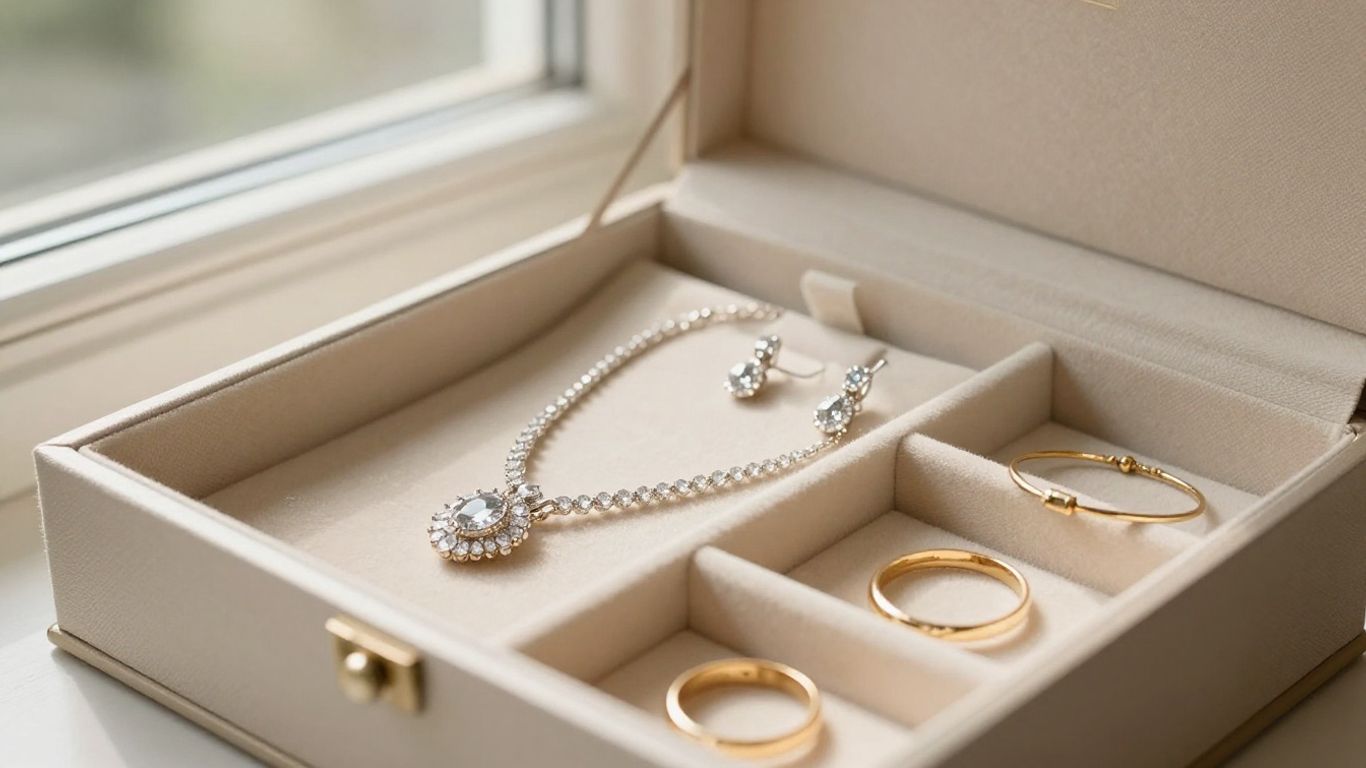
Place each piece in its own compartment, pouch, or drawer whenever possible. Soft, clean linings reduce contact between hard surfaces and help prevent scratches, particularly on polished metal and gemstones. Keep pendants, earrings, and rings from sharing a small space simply because they belong to the same set.
Choose pouches that are clean and free from loose fibers. A compartment should hold the item comfortably without squeezing it against the lid or another piece.
Select anti-tarnish materials for silver pieces
Silver can tarnish when it reacts with substances in the surrounding air, so anti-tarnish cloth or purpose-made jewellery storage materials can be useful. Wrap silver loosely in a suitable anti-tarnish material, then place it where it will not rub against harder pieces. Replace or refresh the protective material according to the maker’s directions.
Do not let an anti-tarnish strip press directly against a delicate stone or an organic material unless it is specifically designed for that use. The storage material should protect the silver without creating a new contact risk.
Avoid airtight plastic bags and untreated paper
Thin plastic bags can trap moisture, cling to surfaces, and offer little protection from impact. Untreated paper may contain compounds that are unkind to metals over long periods, while newspaper and printed tissue can transfer ink. Breathable fabric pouches and clean, archival-quality materials are generally more suitable for keepsakes.
If plastic is the only short-term option, make sure the jewellery is fully dry and do not seal it tightly for long-term storage. Move the pieces into a more appropriate container as soon as possible.
Match container size to each jewellery type
The shape of the container affects how well an item keeps its form. A necklace needs a way to stay extended, earrings need a pair of secure spaces, and rings need enough room to stand without knocking into one another. A bracelet should lie flat or rest on a supportive form rather than being folded sharply.
The following simple arrangement can help you choose storage before you begin packing:
| Jewellery type | Suitable storage approach | Main risk reduced |
|---|---|---|
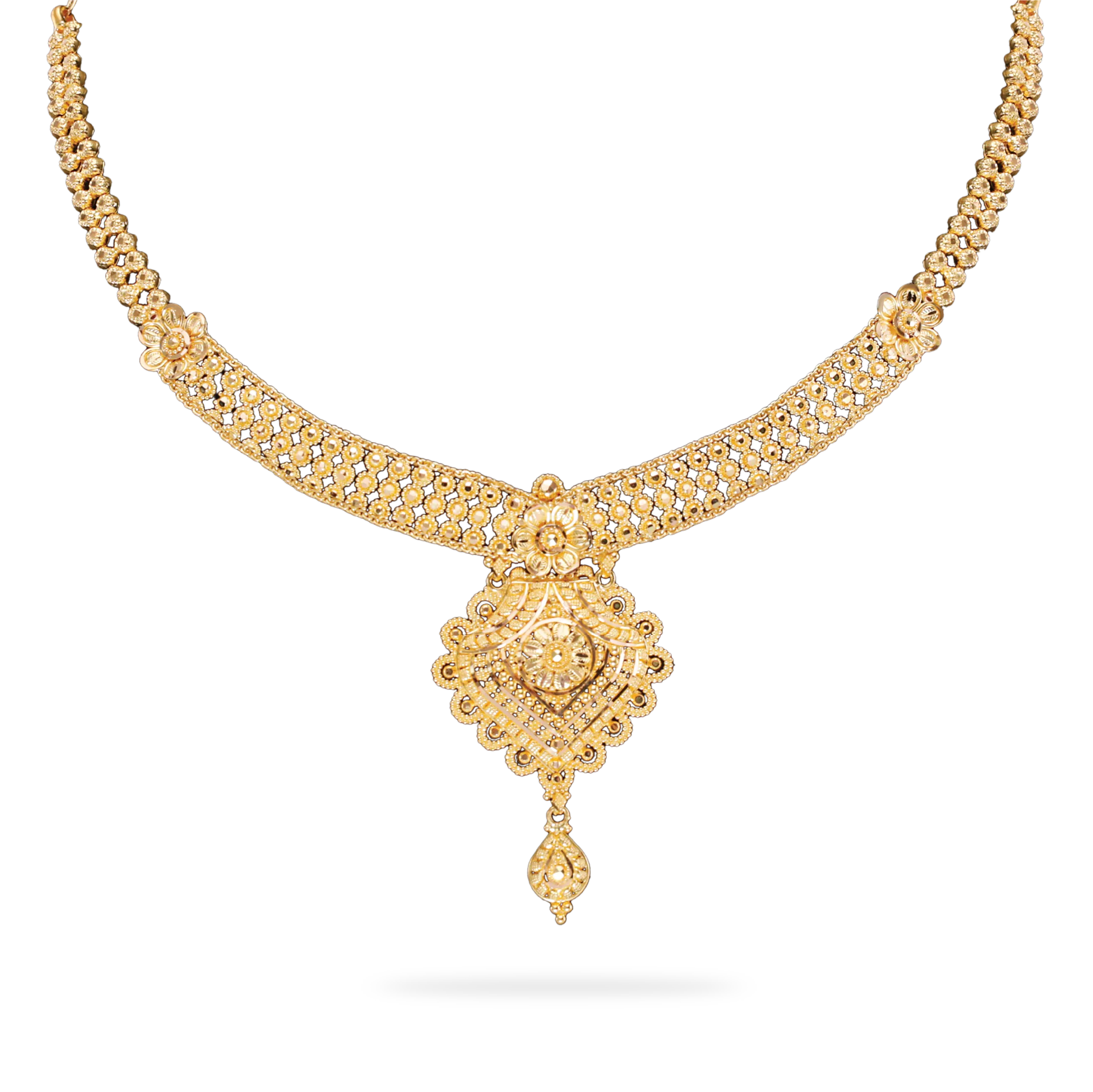
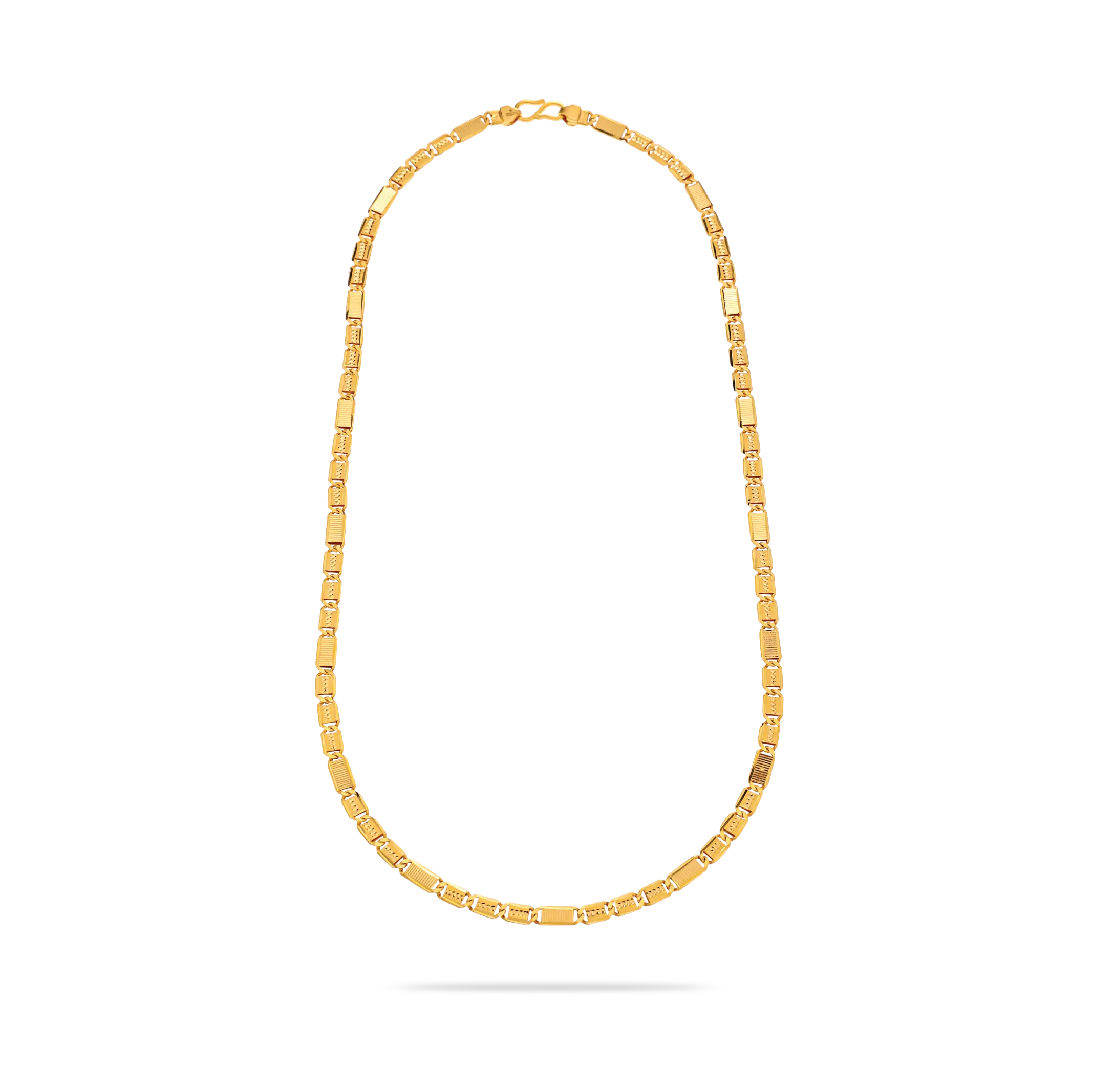
| Necklaces and chains | Hooks, slots, or separate long pouches | Tangling and kinks |
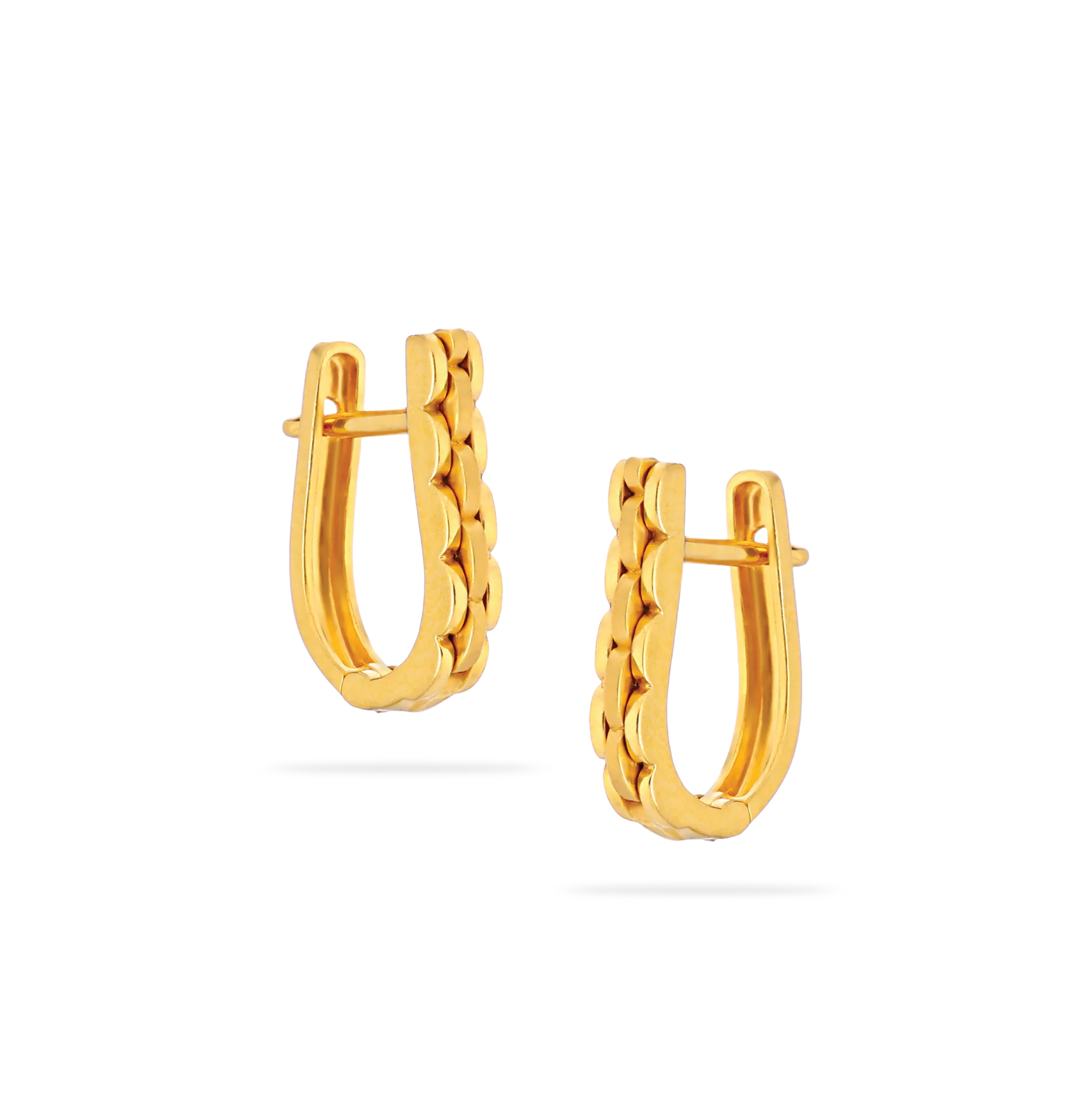
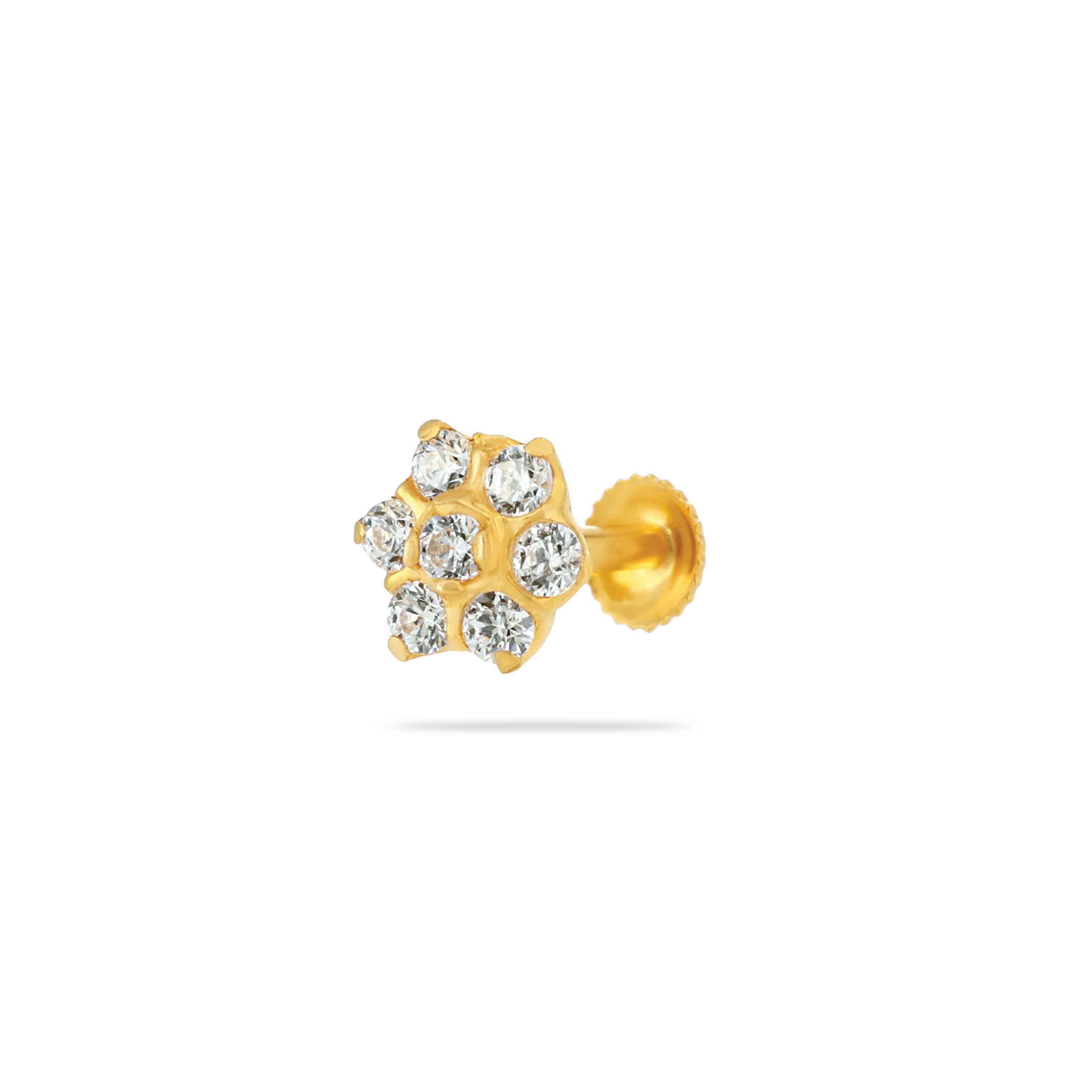
| Earrings | Paired holders or small soft compartments | Lost mates and scratches |
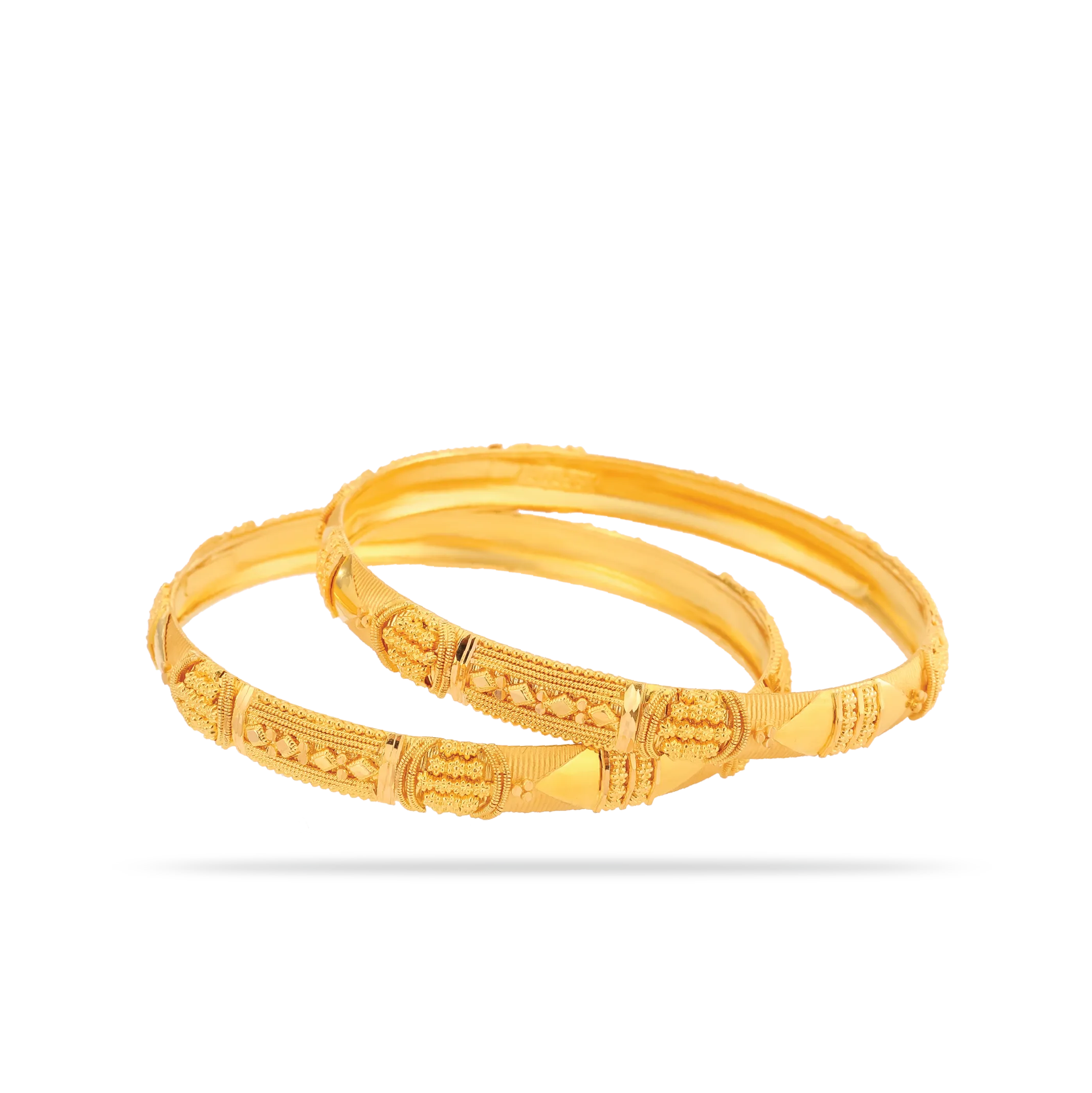
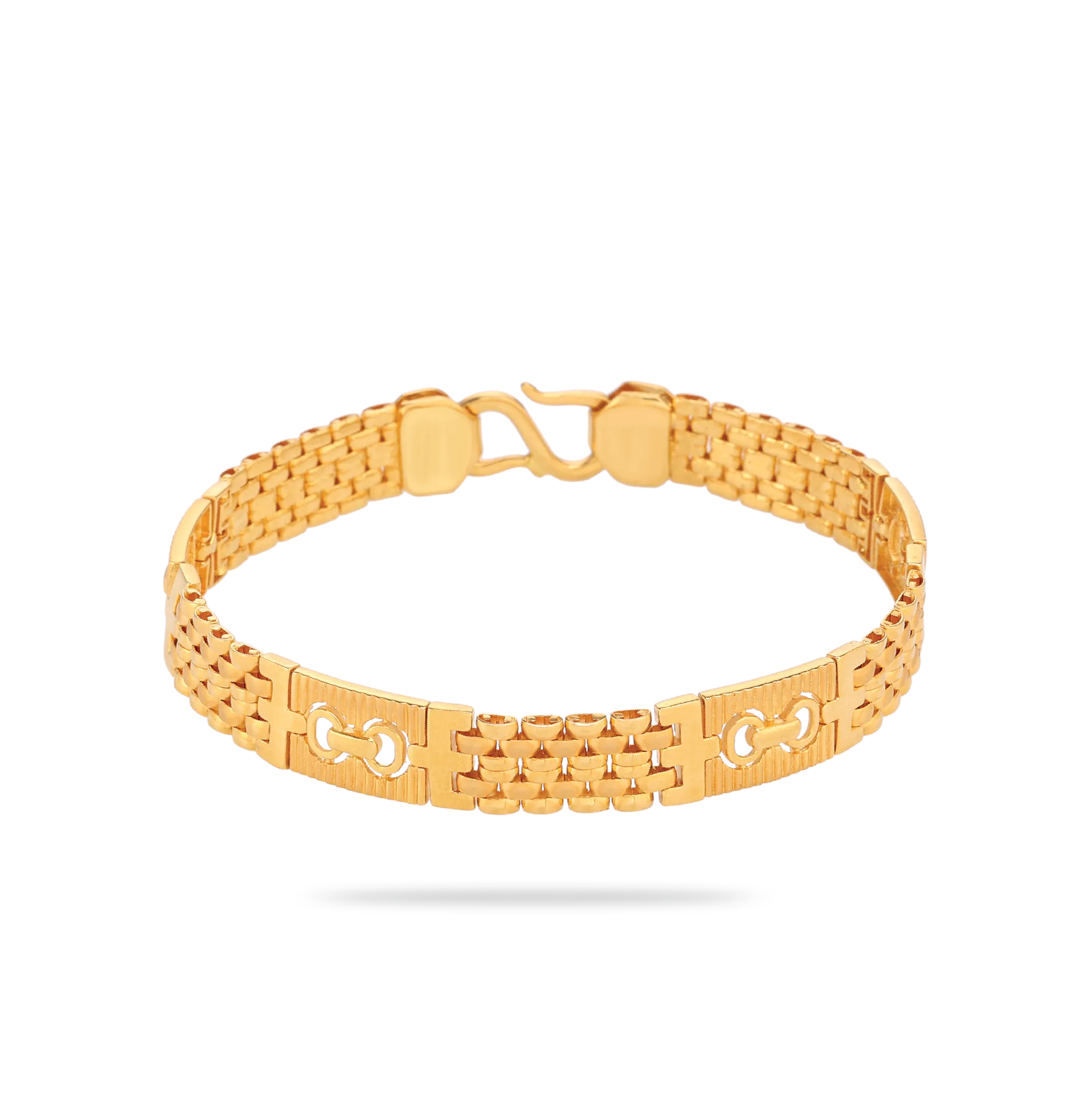
| Bracelets and bangles | Flat compartments or supported rolls | Bending and surface contact |
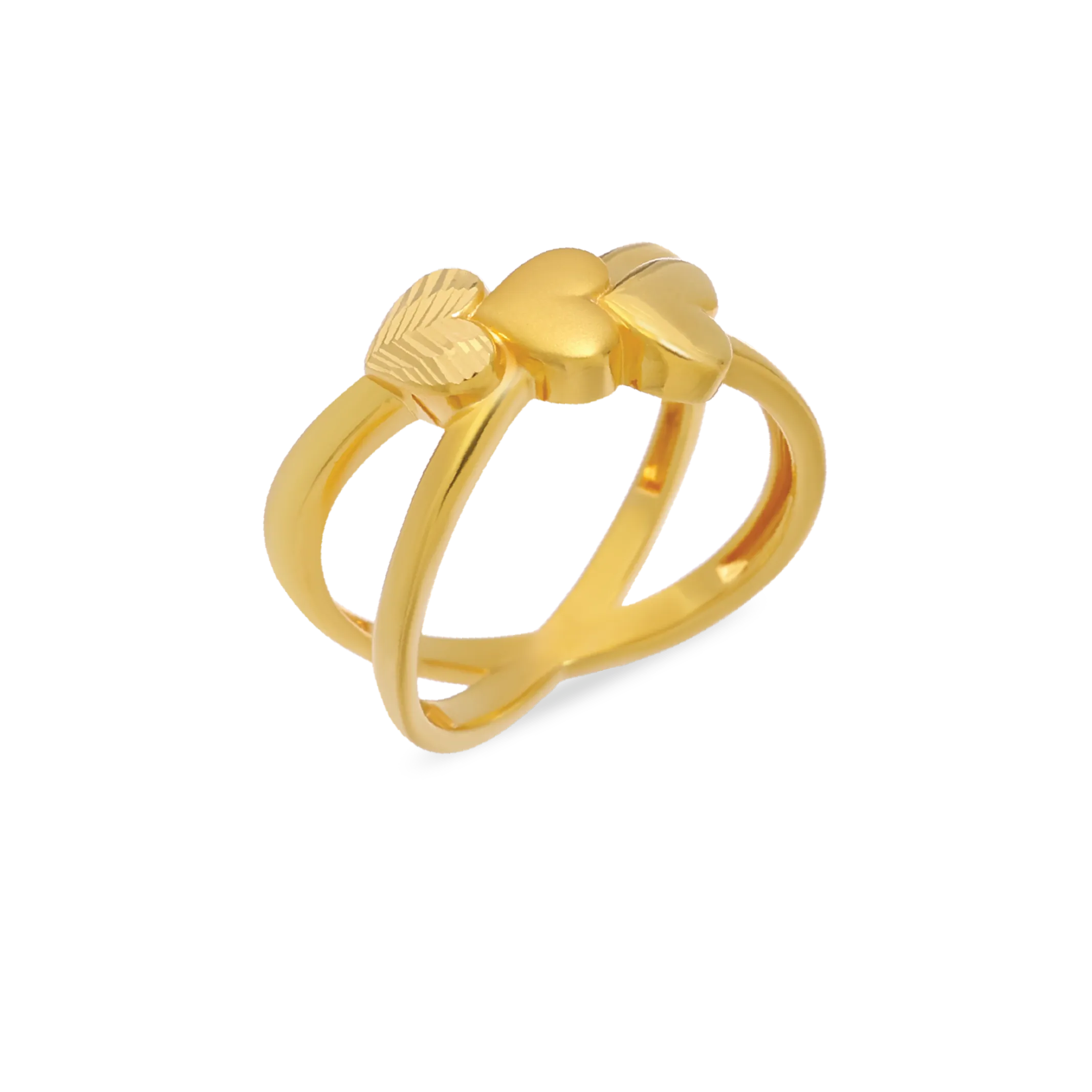
| Rings | Individual upright slots or boxes | Scratches and stone impact |
Once each piece has a correctly sized place, resist the temptation to fill every empty corner. A little spare room makes removal safer and allows you to see whether anything has shifted or become damaged.
Store necklaces, earrings, bracelets, and rings safely
Storage becomes much easier when each jewellery type has a predictable home. Bridal sets often contain chains, layered necklaces, stud earrings, bangles, bracelets, and rings that can damage one another when packed together. Separate them by form as well as by material, and keep matching pieces together without allowing them to touch unnecessarily.
Before closing the box, check that no chain is caught under a lid and that stones are not resting against metal edges. The goal is gentle organization, not tight packing.
Prevent necklaces and chains from tangling
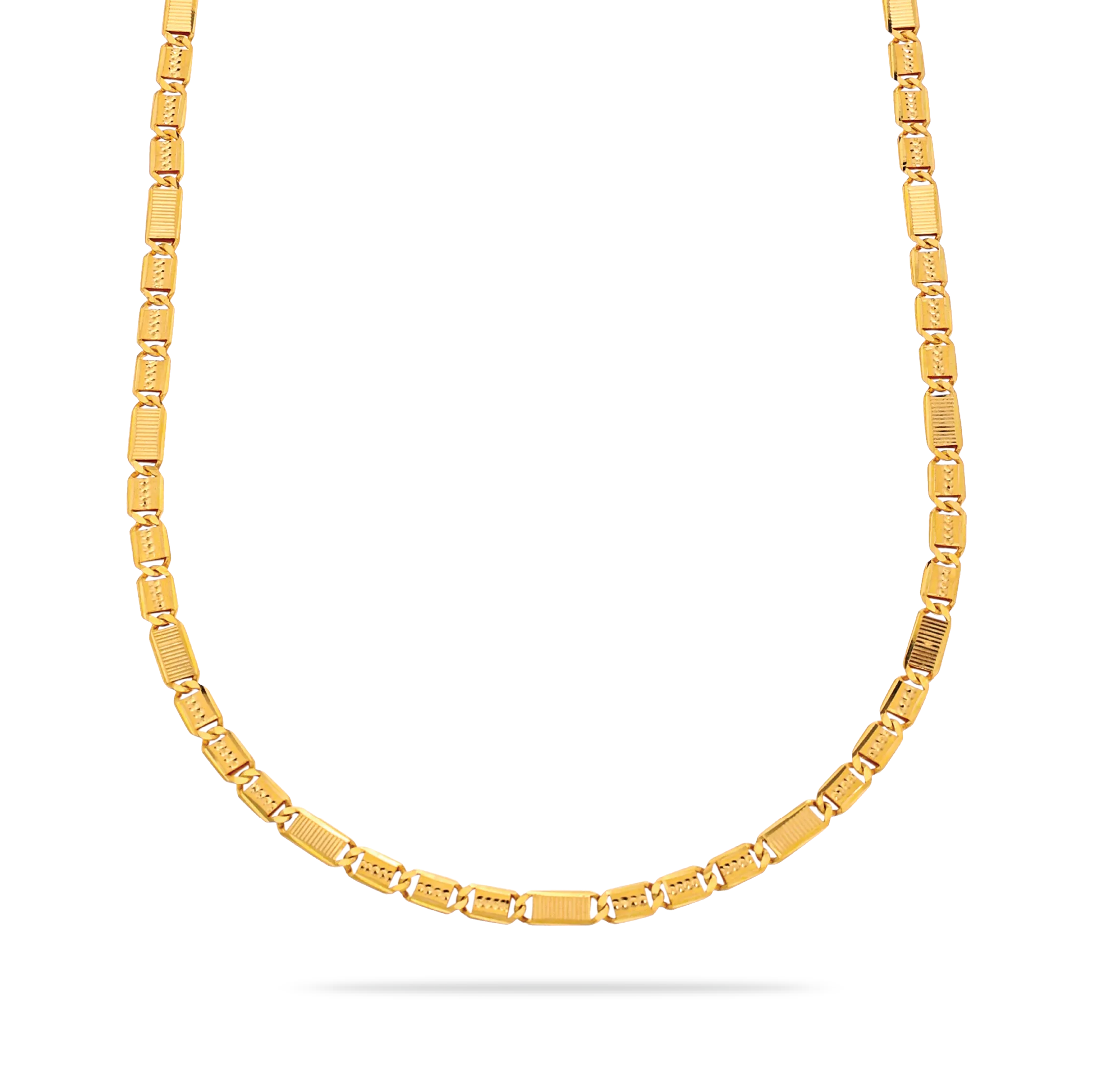
Fasten a necklace clasp before storing it, then use a hook, slot, or long individual pouch to keep the chain extended. For a fine chain, threading one end through a narrow straw can help during short-term transport, but it is better to use a purpose-made compartment for long-term storage. Avoid laying several chains in one shallow drawer.
When removing a necklace, lift it by the clasp or a stronger section rather than pulling on a pendant. Untangle knots over a clear, padded surface so a small component cannot disappear.
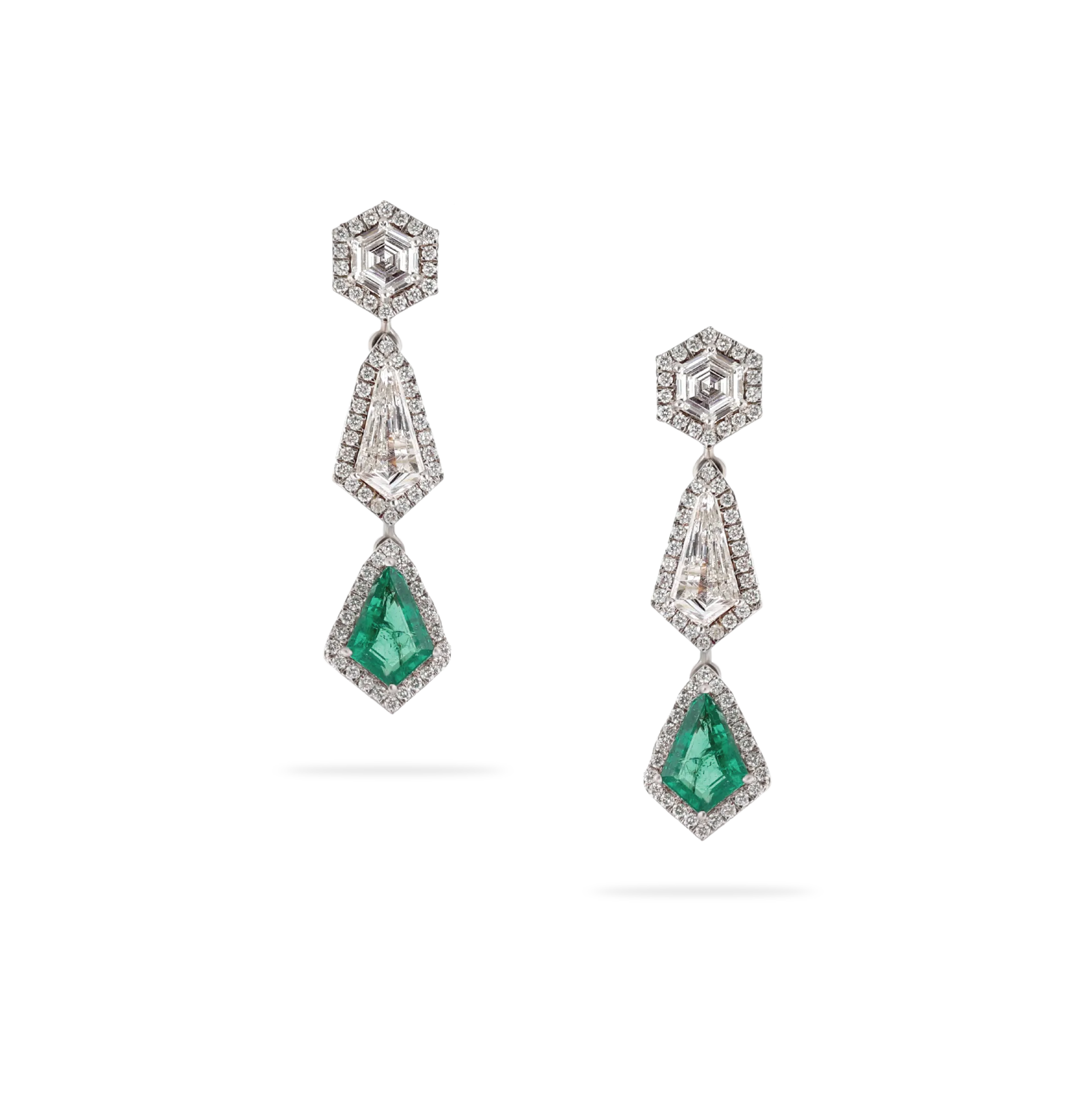
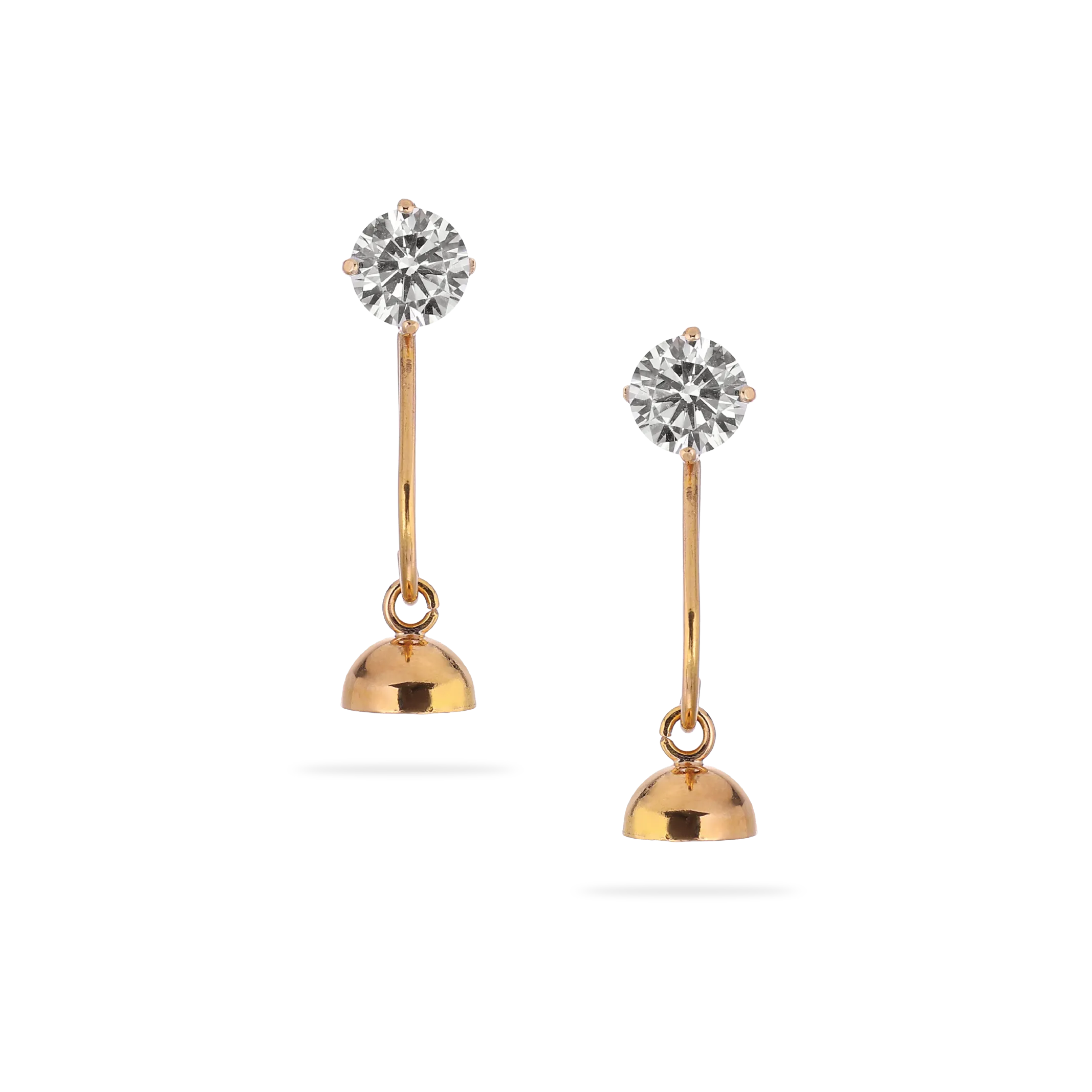
Keep earrings secured in pairs
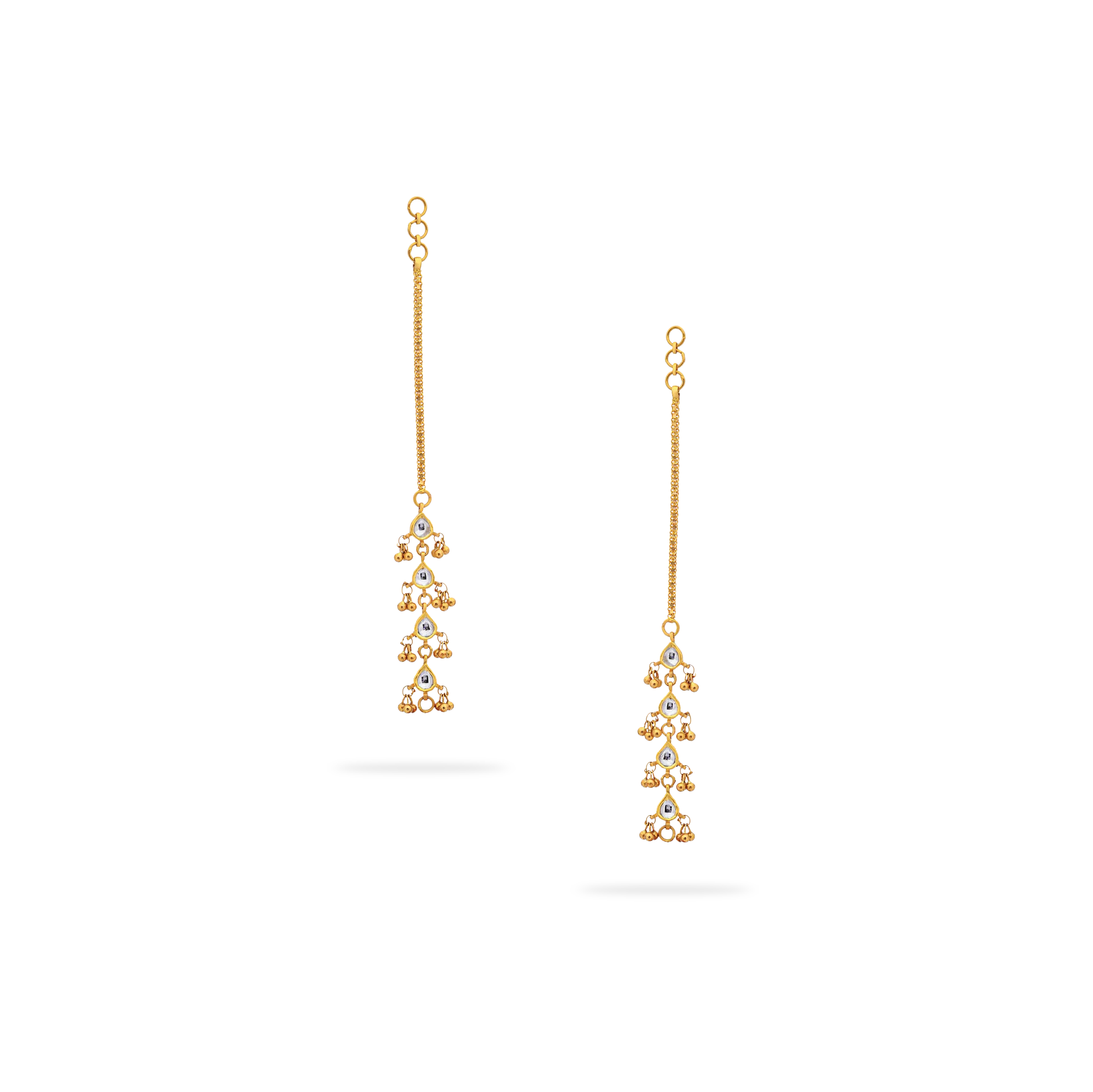
Store earrings through a holder, card, or dedicated pair of slots so the posts and backs remain together. Drop earrings should have enough length to lie without bending, while heavy pieces need support that does not strain their hooks. Keep backs in a small closed compartment rather than loose in the main box.
Matching pairs are easier to check when they are photographed and stored in the same labeled space. This also prevents a delicate earring from rubbing against a harder stone from another set.
Protect bracelets from bending and scratching
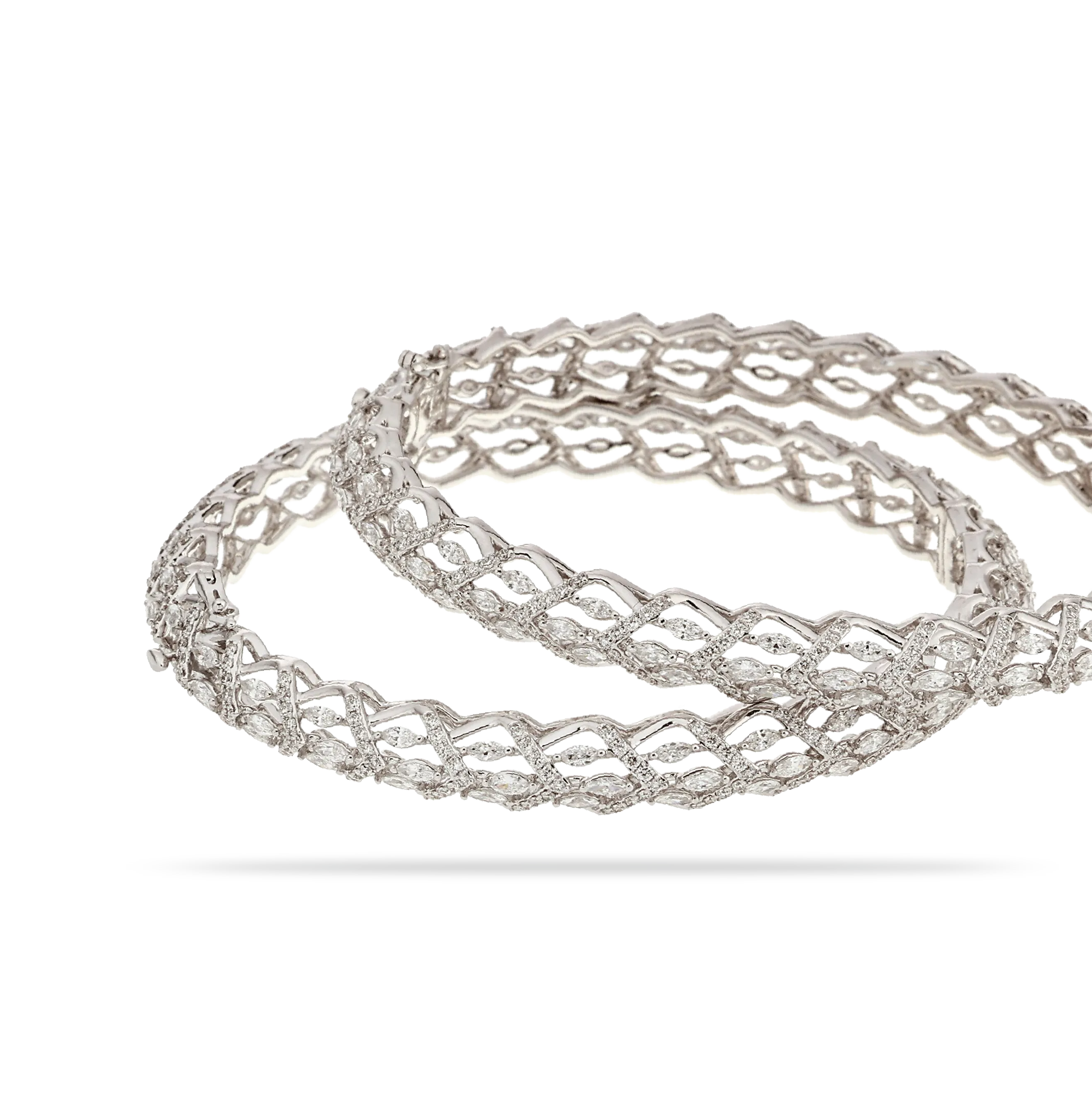
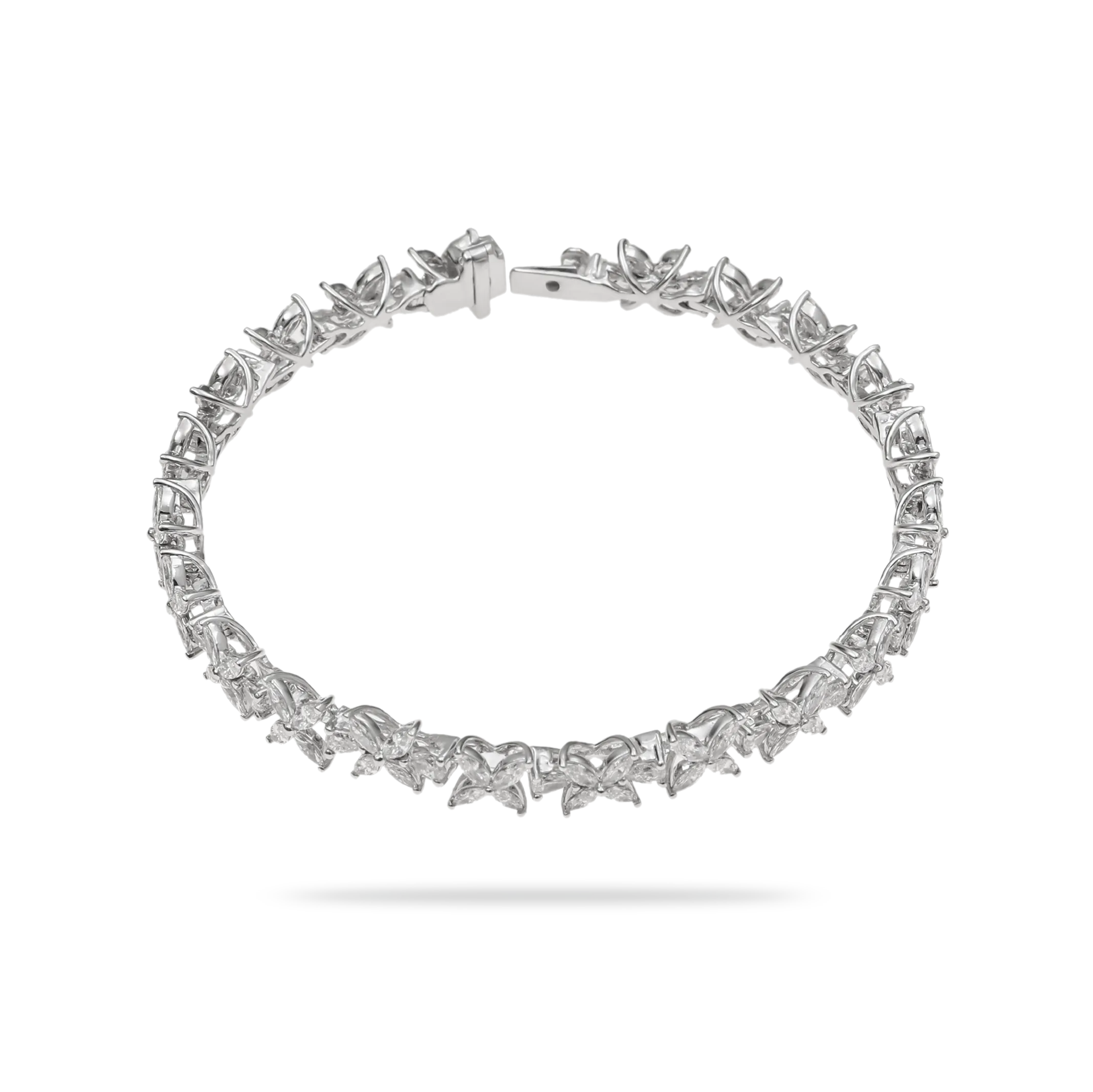
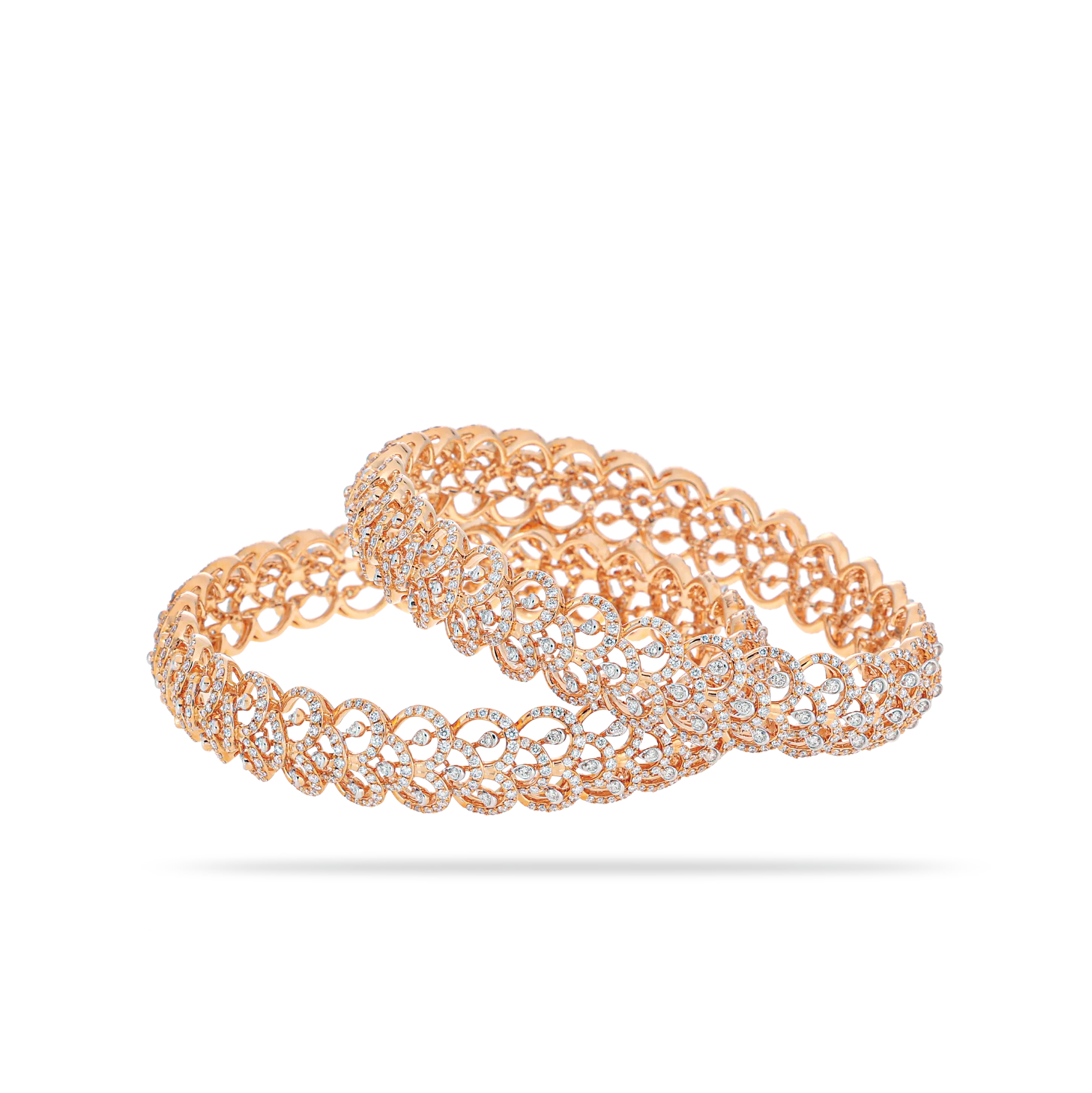
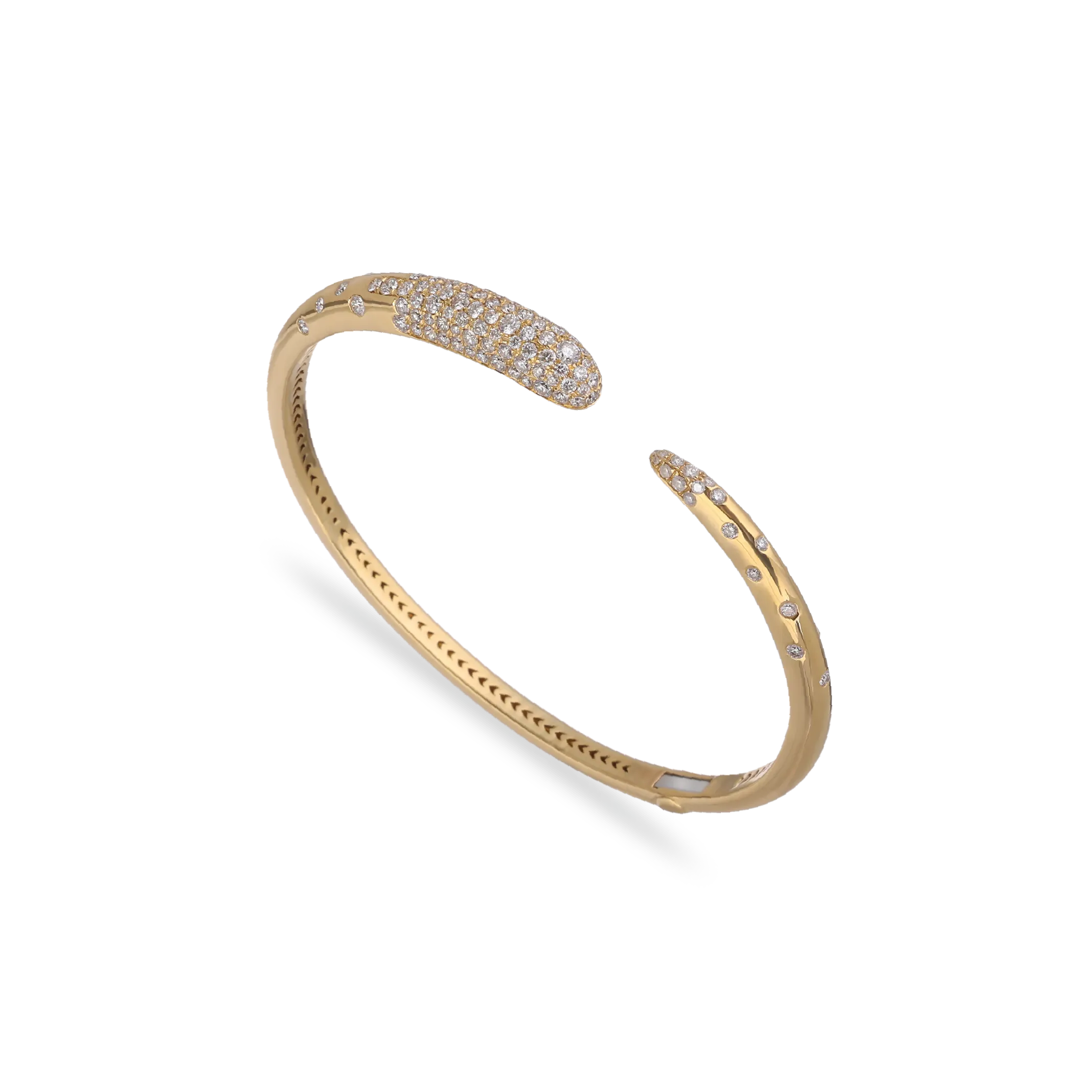
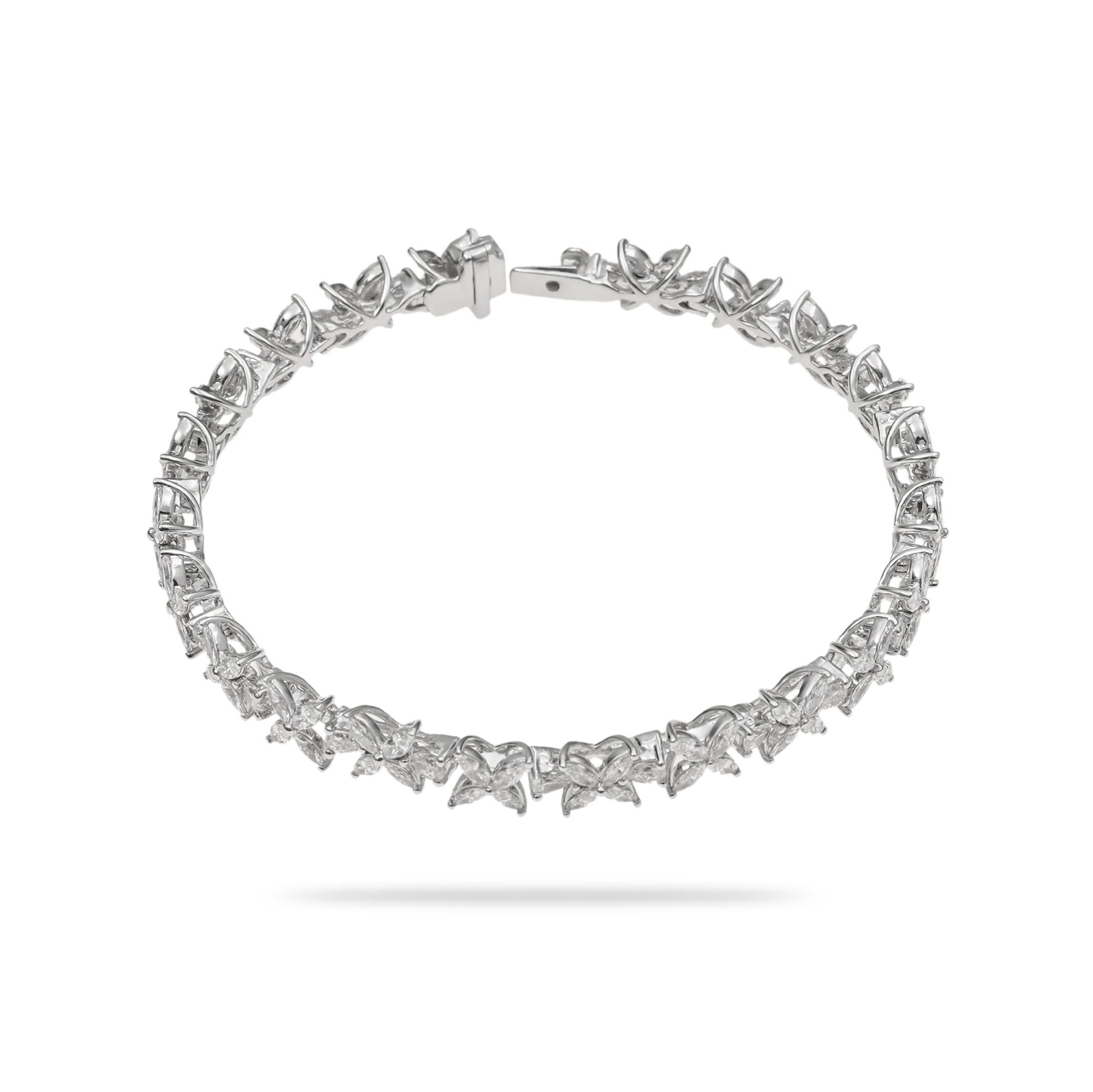
Lay flexible bracelets flat if they can kink, and use a supportive roll for pieces that are designed to wrap around one. Bangles should have enough room that they do not press against one another or against the sides of a drawer. Soft separation is especially useful for polished surfaces that show fine marks easily.
Do not stack bracelets merely to save space. A shallow, divided tray is often safer than a deep container where pieces slide together every time it is moved.
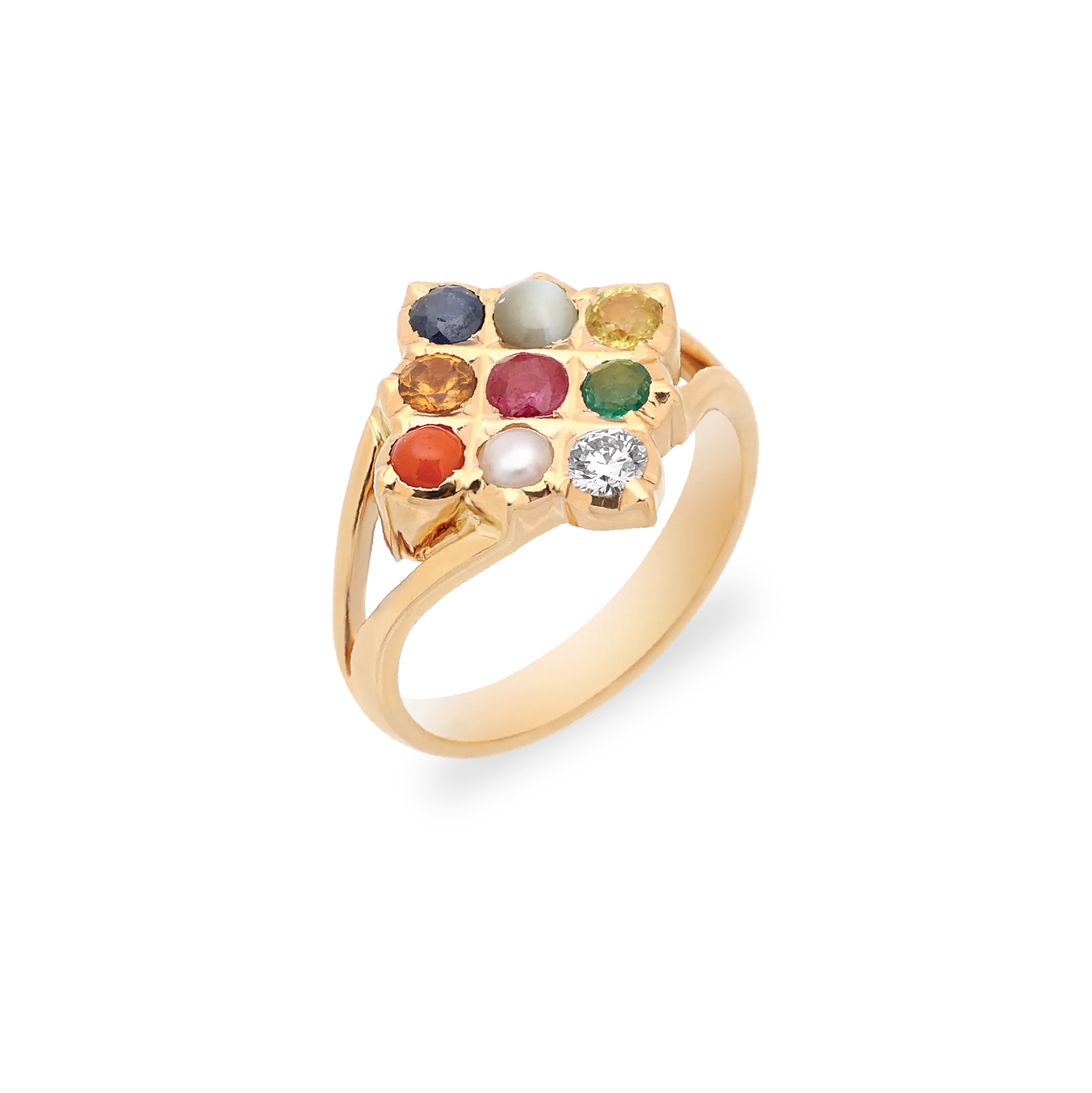
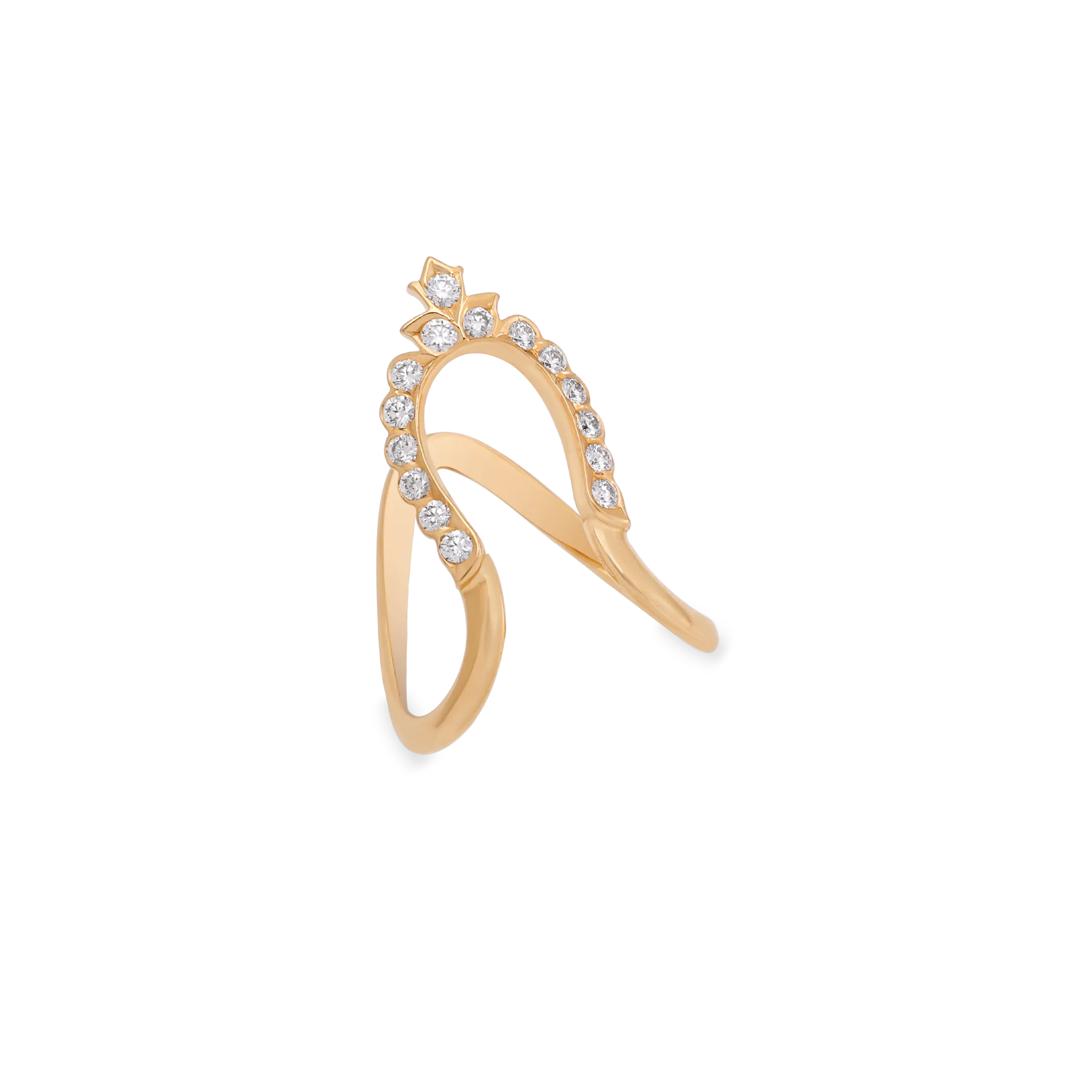
Store rings upright and separate from harder pieces
Rings can be placed in individual slots or small upright boxes, with the setting facing away from neighboring metal. Keep rings with prominent stones separate from plain bands, since movement can cause one piece to scratch another. If a ring has a fragile setting, avoid placing pressure on its stone while closing the lid.
Check that each ring is fully seated in its slot and cannot roll into an adjoining compartment. A labeled position is useful for a bridal set, but physical separation remains more important than keeping every item in one row.
Control the storage environment
Even well-packed jewellery can suffer in an unsuitable room. Humidity, heat, sunlight, and sudden changes in temperature may affect metals, stones, pearls, and other materials in different ways. Choose a location that stays reasonably stable throughout the year rather than one that is convenient only for a few weeks.
The storage area should also be easy to access for inspections. A forgotten box in a difficult corner is more likely to remain unchecked until a small problem has grown.
Choose a cool, dry, and stable location
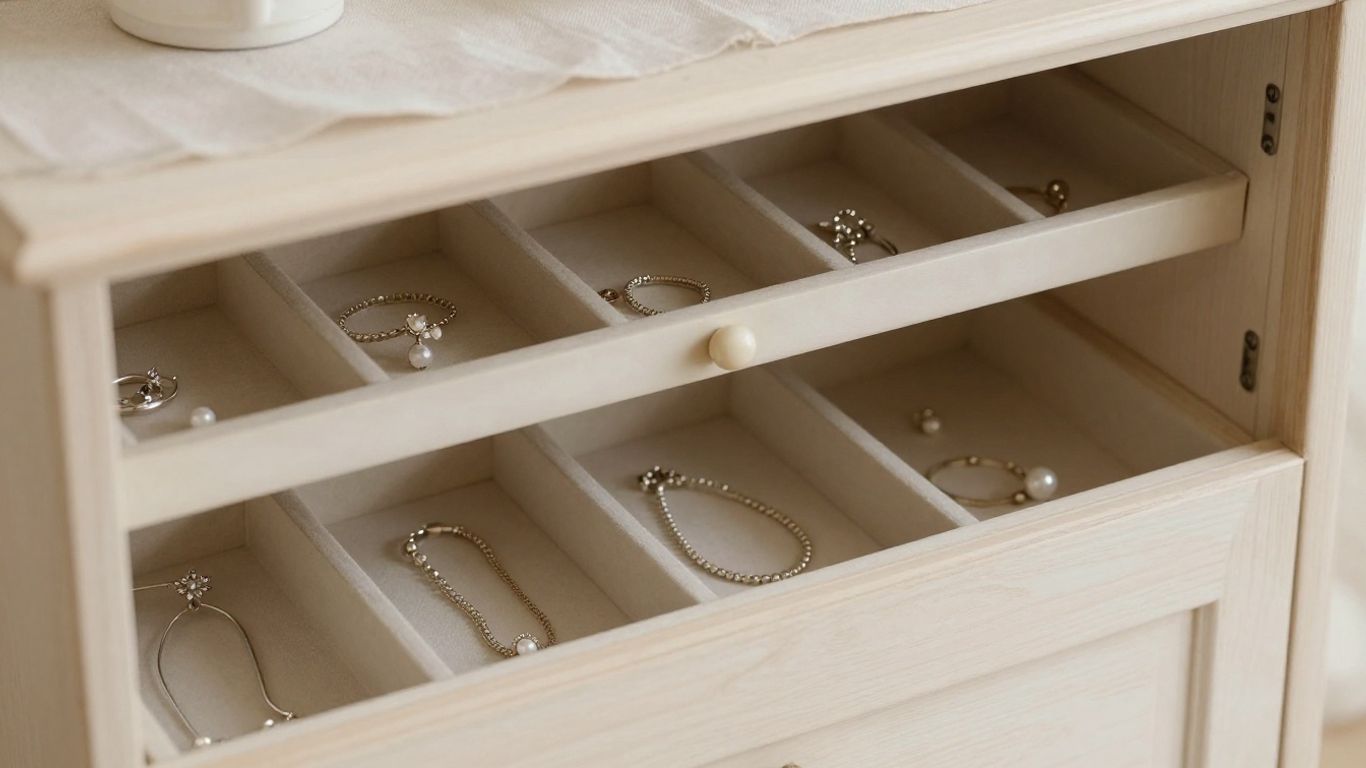
A cupboard or drawer in a temperature-stable living area is usually more suitable than a spot exposed to outdoor conditions. Keep the box raised from the floor and away from windows, vents, radiators, and other sources of heat or drafts. Stability matters because repeated changes can be stressful for some delicate materials.
Do not store jewellery beside cleaning products, cosmetics, or open containers of liquid. Even when a box is closed, spills and vapors can reach its contents.
Keep jewellery away from direct sunlight
Sunlight can heat a container and may affect the appearance of certain stones and organic materials over time. Store the box in a dark drawer or cupboard, and use an opaque cover if the container has a glass lid. A display should be treated as occasional viewing rather than permanent exposure.
When you inspect a piece, do so under gentle indoor light and return it to its protected place afterward. This preserves visibility without making the jewellery sit in bright conditions day after day.
Manage humidity to reduce tarnishing
Moist air can speed tarnishing and may create problems for boxes, linings, and soft accessories as well. A room with steady, moderate conditions is preferable to one that becomes damp after showers or during seasonal weather. If you use a desiccant, keep it contained and follow its instructions so it cannot touch the jewellery directly.
A small humidity monitor can help you notice changes in a storage area, though it is not a substitute for suitable placement. Open the container during a scheduled inspection if the room has recently been unusually damp.
Avoid bathrooms, attics, and extreme temperatures
Bathrooms experience frequent humidity swings, while attics and garages may become very hot or cold. These spaces also tend to collect dust and expose stored items to harsher fluctuations than an interior cupboard. A bedroom dresser, interior wardrobe, or other calm location is often easier to monitor.
For broader guidance on preserving wedding pieces, this wedding jewellery care guide also discusses tarnishing, light, heat, and the effect of everyday products. Apply the same principle here: choose surroundings that reduce exposure rather than relying on cleaning after damage occurs.
Protect heirlooms and delicate bridal pieces
Some bridal accessories need more than a standard jewellery compartment. Pearls, soft gemstones, antique settings, veils, hairpieces, and embellished accessories can be vulnerable to pressure, chemicals, light, or changes in humidity. Give these pieces their own packing decisions, even when they are part of one wedding-day look.
It is also wise to separate sentimental importance from assumptions about durability. A piece can look sturdy and still have an old setting, a fragile surface, or a material that should not be treated with ordinary metal cleaners.
Add extra safeguards for pearls and soft gemstones
Pearls and other softer or porous gemstones should be kept away from abrasive materials, harsh chemicals, and hard jewellery that could mark their surfaces. Wrap them individually in a soft material and avoid pressing them beneath other items. Do not use a routine intended for diamonds or sturdy gold unless the stone’s care instructions specifically allow it.
Pearl strands may benefit from being laid gently rather than hung for long periods, particularly if the stringing is old or weakened. If the strand feels loose or the surface looks unusually dry, ask a specialist for advice before cleaning it.
Handle antique jewellery with particular care
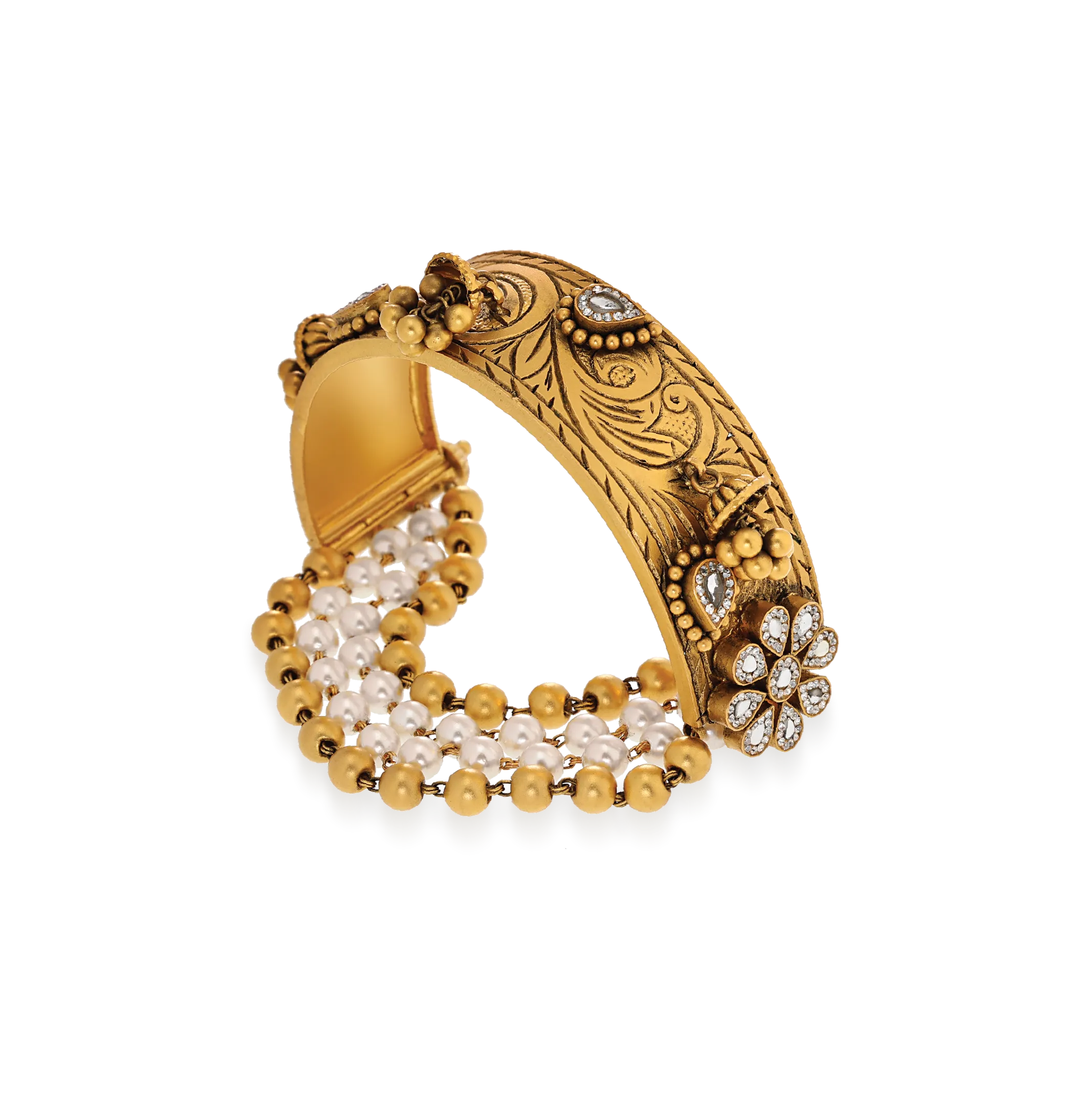
Antique jewellery may have aged solder, thin metal, fragile settings, or repairs that are not obvious at first glance. Handle it by the edges or stronger metal sections, and avoid forcing clasps that resist movement. A soft individual pouch inside a stable box is safer than a crowded compartment.
Do not polish an antique piece aggressively in an effort to make it look new. Its surface and construction may require conservation-minded treatment, and a professional can help distinguish harmless age from active damage.
Store veils, hairpieces, and embellished accessories separately
Veils, combs, clips, and embellished shoes or belts should not share a jewellery box with loose chains and stones. Pack fabric accessories in clean, breathable materials with enough room to avoid crushing, and keep metal hairpieces in a separate soft-lined container. Remove visible pins, makeup, and moisture before packing fabric.
Label the accessory containers clearly and keep them near, but not inside, the jewellery box. This preserves the complete bridal set while preventing a sharp ornament from catching on a veil or textile.
Decide when professional appraisal or insurance is worthwhile
A professional appraisal may be sensible for a high-value item, a substantial heirloom, or jewellery whose materials and condition are uncertain. It can provide a written description and a clearer record for future decisions. Insurance questions depend on the item, your policy, and your circumstances, so discuss coverage with an appropriate adviser rather than assuming ordinary household protection is enough.
Keep appraisals, certificates, receipts, and photographs together in a secure record. The documents should be accessible without storing them in a damp jewellery box.
Maintain bridal jewellery during long-term storage
Storage is not a one-time task. Even a carefully packed bridal set benefits from occasional attention, particularly when it includes silver, pearls, older settings, or pieces that are rarely worn. A brief inspection can reveal tarnish, loose stones, damaged linings, or trapped moisture before the issue becomes serious.
Choose a recurring date that is easy to remember, such as the month of the anniversary. Handle one piece at a time and return it to its original compartment when the check is complete.
Schedule regular inspections and gentle cleaning
Inspect the jewellery at least periodically for discoloration, residue, broken threads, loose stones, and changes in clasps. Clean only according to the material and care instructions, using a soft cloth or an approved gentle method. If a piece needs more than light maintenance, stop and seek professional advice.
A gold jewellery cleaning guide from C Krishniah Chetty & Co covers gentle methods for gold jewellery and cautions against unsuitable products. Its scope is useful when a gold bridal piece needs attention, but it should not be treated as a universal method for pearls or softer stones.
Rotate stored pieces to check for hidden damage
Take each item out occasionally rather than inspecting only what is visible at the top of the box. Look beneath pouches, around clasps, and along the parts that rest against a lining. Rotation also lets you confirm that chains have not slipped into neighboring compartments and that small backs or charms are still present.
Place the pieces on a clean, padded surface during this process. Avoid leaving them scattered near sinks, open windows, or other places where a dropped item could be difficult to recover.
Refresh tarnish protection when needed
Anti-tarnish materials do not last forever. Check their condition during each inspection and replace them when they are spent, soiled, or no longer performing as intended. Keep replacement materials compatible with the jewellery and prevent direct contact with sensitive stones or organic pieces.
If tarnish has already formed, use a method appropriate to that particular metal and finish. Heavy tarnish, intricate surfaces, and jewellery with delicate stones are good reasons to consult a professional rather than applying repeated home treatments.
Prepare jewellery safely for future wear or travel
Before wearing a stored piece, inspect the clasp, settings, chain, and lining once more. Allow perfume, hairspray, lotion, and makeup to settle or dry before putting on the jewellery, and remove the piece before bathing, swimming, or exercising. For travel, use a compact case with individual sections and keep the case inside your carry-on rather than placing precious jewellery in checked luggage.
After the occasion, clean and dry the piece before returning it to storage. That simple reset prevents a short period of wear from becoming a long period of trapped residue.
Conclusion
Learning how to store bridal jewellery is mostly a matter of thoughtful preparation: clean each material properly, separate every piece, control the environment, and check the collection from time to time. With the right container and a little patience, treasured jewellery can remain ready for future celebrations while preserving the story attached to it.
Frequently Asked Questions
Should bridal jewellery be cleaned before storage?
Yes. Remove makeup, perfume, perspiration, and moisture before packing, but use a cleaning method suited to each metal, stone, and finish. When a piece is fragile or heavily soiled, professional care is safer than experimentation.
Is it better to store bridal jewellery in a box or a pouch?
Either can work if it is clean, soft-lined, and suited to the item. Individual pouches are useful for separation, while a divided box can make a complete set easier to organize and inspect.
Can all bridal jewellery be stored together?
It is better to keep the collection in one general storage area while separating pieces into individual compartments. Chains can tangle, stones can scratch metal, and delicate materials may need different protection from sturdy pieces.
Where should bridal jewellery not be stored?
Avoid bathrooms, attics, garages, windowsills, and areas near radiators, vents, cleaning products, or changing temperatures. Damp or hot locations can increase tarnishing and place stress on some delicate materials.
How should pearls be stored after a wedding?
Keep pearls away from hard jewellery, chemicals, and abrasive surfaces. Store them gently in a soft, breathable space without pressure, and ask a specialist for advice if the strand, stringing, or surface appears compromised.
How often should stored jewellery be inspected?
A periodic check is sensible, with more frequent attention for silver, pearls, antique pieces, and jewellery kept in a variable room. Use the inspection to look for tarnish, loose settings, moisture, broken threads, and damaged storage materials.
Should valuable bridal jewellery be appraised?
An appraisal may be worthwhile for high-value, inherited, unusual, or poorly documented pieces. It can support accurate records and insurance discussions, although the right decision depends on the jewellery and your personal circumstances.
Related blogs:
November 20, 2025
The Timeless Elegance of the Tennis Bracelet: A Comprehensive Guide
Read More
November 20, 2025
The Ultimate Guide to Styling and Wearing a Choker Necklace
Read More
November 20, 2025
Find Your Perfect Engagement Ring: A Comprehensive Guide to Styles and Diamonds
Read More
November 20, 2025
The Timeless Elegance of a Diamond Tennis Bracelet: A Buyer's Guide
Read More









.webp)

.webp)