How to clean gold jewellery safely at home and keep it shining
August 19, 2026 | 10 minutes read
Key Takeaways
Gold jewellery usually needs less force, not more, to look bright again. The safest routine starts with identifying the piece, using mild supplies, and knowing when to stop.
- Check the karat, finish, gemstones, and overall condition first.
- Use lukewarm water, mild soap, a soft brush, and a lint-free cloth.
- Soak briefly, brush lightly, rinse carefully, and dry completely.
- Keep bleach, chlorine, toothpaste, and rough materials away from gold.
- Store pieces separately and seek professional help when damage is visible.
Understand your gold jewellery before cleaning it
Before learning how to clean gold jewellery, take a quiet minute to understand what you are holding. Gold pieces can vary in purity, finish, construction, and the materials set beside the metal. A simple solid-gold band is more forgiving than a plated piece with a delicate stone setting. That small inspection can prevent an enthusiastic clean from becoming an expensive repair.
Identify the gold karat and finish
Look for a hallmark or purchase record that indicates the karat, such as 10K, 14K, 18K, or 22K. Higher-karat gold contains more gold but can also be softer, so it deserves a lighter touch. Notice whether the surface is polished, brushed, hammered, engraved, or deliberately textured; aggressive rubbing can flatten or change those details. If you cannot identify the metal confidently, use only a dry, gentle wipe until a jeweler advises you.
Check for gemstones, pearls, and delicate settings
Gold jewellery with gemstones needs a more cautious assessment than plain metal. Pearls, porous stones, glued settings, and open-backed designs may not tolerate soaking or household cleaners. Check whether stones move, look cloudy, or have visible chips before adding water. If the piece is a treasured ring or heirloom, professional advice is sensible before a home wash.
Look for plating, coatings, or mixed metals
Gold-plated jewellery has a thin gold surface that can wear away with repeated rubbing, while mixed-metal designs may include silver, enamel, or other finishes. Treat any uncertain piece as delicate rather than assuming it is solid gold. A useful guide to cleaning gold-plated pieces can help you compare care approaches, but the safest choice remains a mild, brief clean with minimal friction.
Inspect clasps, prongs, and existing damage
Examine clasps, chain links, earring posts, bezels, and prongs under good light. A loose stone, stretched link, cracked solder point, or weak clasp may worsen during rinsing or brushing. Photographing the piece before cleaning can also help you notice changes later. If something catches on fabric or rattles when moved, pause and have it checked instead of testing it in water.
Gather the right cleaning supplies
A safe cleaning setup is deliberately ordinary. You do not need a cabinet full of specialist formulas to remove everyday oils and dust from suitable gold jewellery. Mild soap, lukewarm water, a very soft brush, and a clean cloth are usually enough for a basic surface wash.
Choose a mild soap and lukewarm water
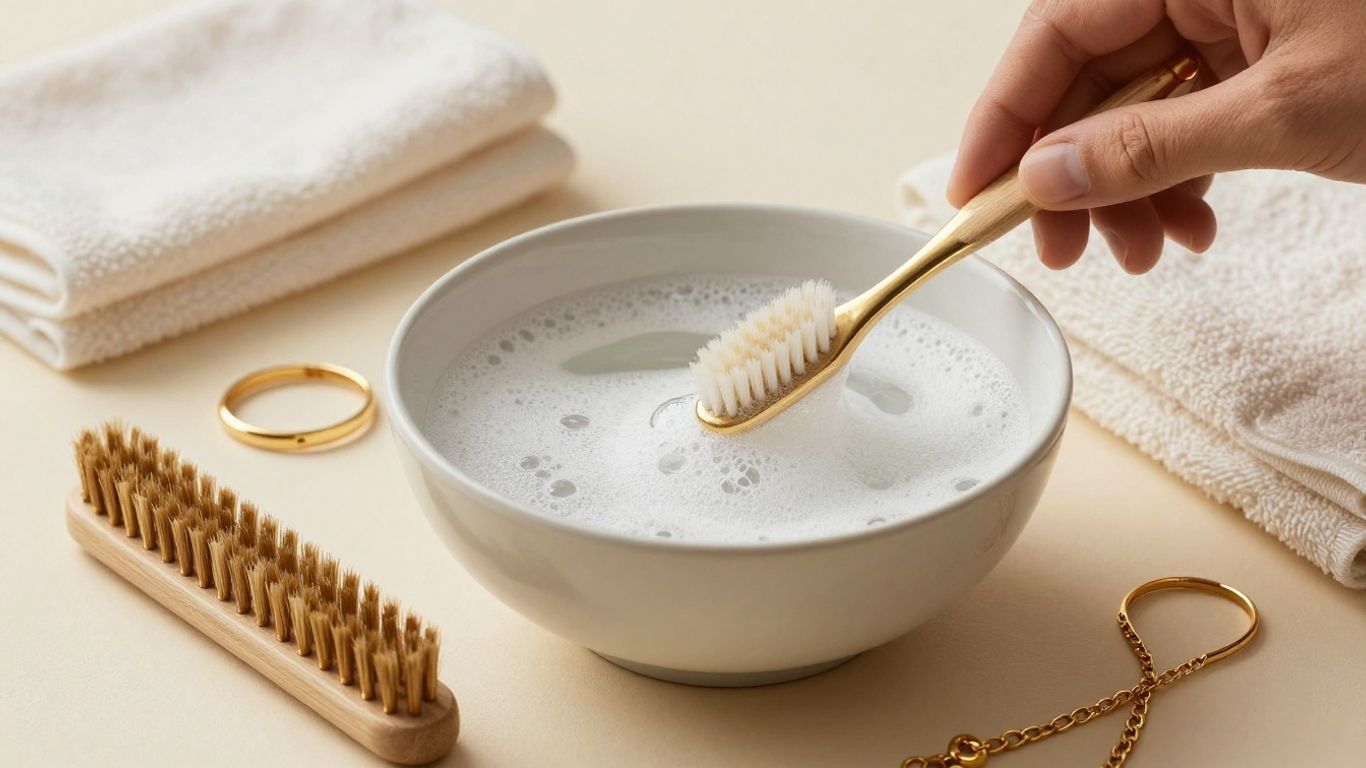
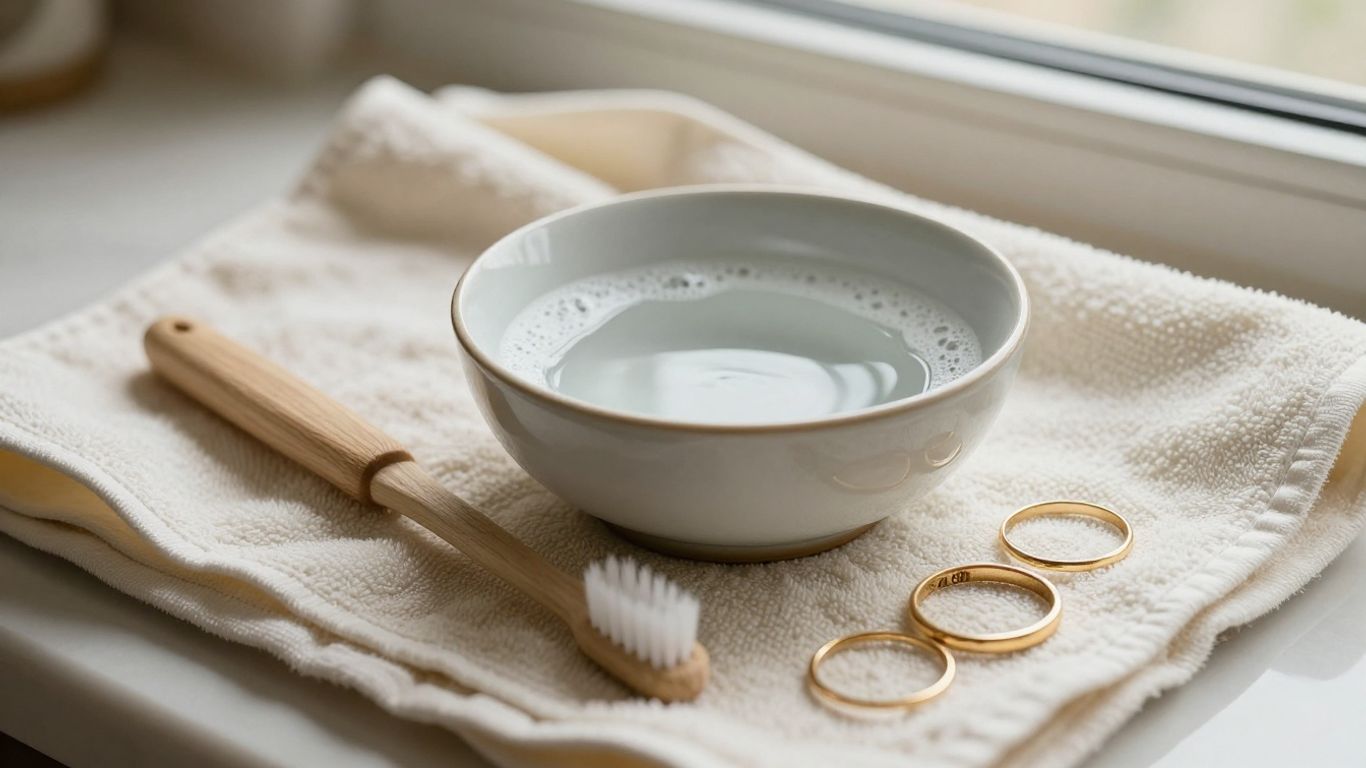
Fill a small bowl with lukewarm water and add only a few drops of mild, non-bleach soap. The water should feel comfortable rather than hot, since sudden heat can be unhelpful for some stones, adhesives, or delicate construction. Mix gently so the soap disperses without creating a mountain of bubbles. A simple at-home necklace cleaning method follows this same practical approach for everyday buildup.
Use a soft toothbrush and lint-free cloth
Choose a clean, soft-bristled toothbrush with no stiff or worn edges. A lint-free microfiber cloth is useful for lifting moisture and fingerprints without leaving fibers around settings or clasps. Keep these tools dedicated to jewellery rather than sharing them with household cleaning. The goal is to loosen residue, not polish the metal by force.
Avoid abrasive powders and harsh chemicals
Baking soda, polishing powders, metal dips, and strong solvents may sound useful for stubborn grime, but they can scratch surfaces or affect plating and stones. Toothpaste is also too unpredictable because many formulas contain abrasive particles. Gentle pressure protects detail far better than a stronger product. When in doubt, stop at soap and water.
Prepare a secure workspace to prevent loss
Work over a bowl or towel, away from an open sink drain. Place a folded, light-colored towel beneath the piece so a dropped earring or tiny clasp is easier to see. Close the drain before rinsing, and clean one item at a time rather than creating a pile of chains and rings. This preparation is nearly as valuable as the cleaning solution itself.
Follow a gentle cleaning method
The best home routine is short, controlled, and easy to stop. Do not leave jewellery unattended in water or scrub until every trace of dullness disappears. Work around the piece in stages, checking the setting as you go.
Soak the jewellery for a short time
Place suitable plain gold jewellery in the soapy water for a few minutes. A brief soak softens oils and dust around links, grooves, and the underside of a ring. Skip or shorten the soak for plated pieces, pearls, glued stones, or any item with a questionable setting. If residue remains, repeat a gentle pass rather than extending the time dramatically.
Loosen dirt with light brushing
Lift the jewellery from the bowl and brush with small, soft movements. Concentrate on crevices where lotion, skin oils, and dust collect, especially behind a setting and around a clasp. Hold the item securely but do not pinch or pull a chain. Several light passes are safer than one vigorous scrub.
Rinse away soap without stressing delicate parts
Rinse over the bowl or a securely closed sink, using lukewarm water. Let the water flow over the item rather than directing a forceful stream at a stone or hinge. Support chains from both ends so they do not twist, and keep prongs from catching on the cloth beneath. Soap left behind can make a clean piece look hazy, so rinse patiently.
Dry and polish the surface carefully
Pat the jewellery with a soft lint-free cloth, then allow it to air-dry fully on a clean towel. Avoid pulling moisture from narrow chain links or pushing cloth fibers into settings. Once dry, buff the broad metal surfaces lightly, leaving textured or plated areas alone if they feel fragile. Inspect the piece again before putting it away.
Clean different types of gold jewellery
The same basic supplies can work across a collection, but the handling changes with shape and construction. Rings hide residue beneath stones, chains trap it between links, and textured surfaces can catch fibers. Adjust the pressure and drying time rather than treating every item as though it were a plain band.
Wash gold rings without loosening stones
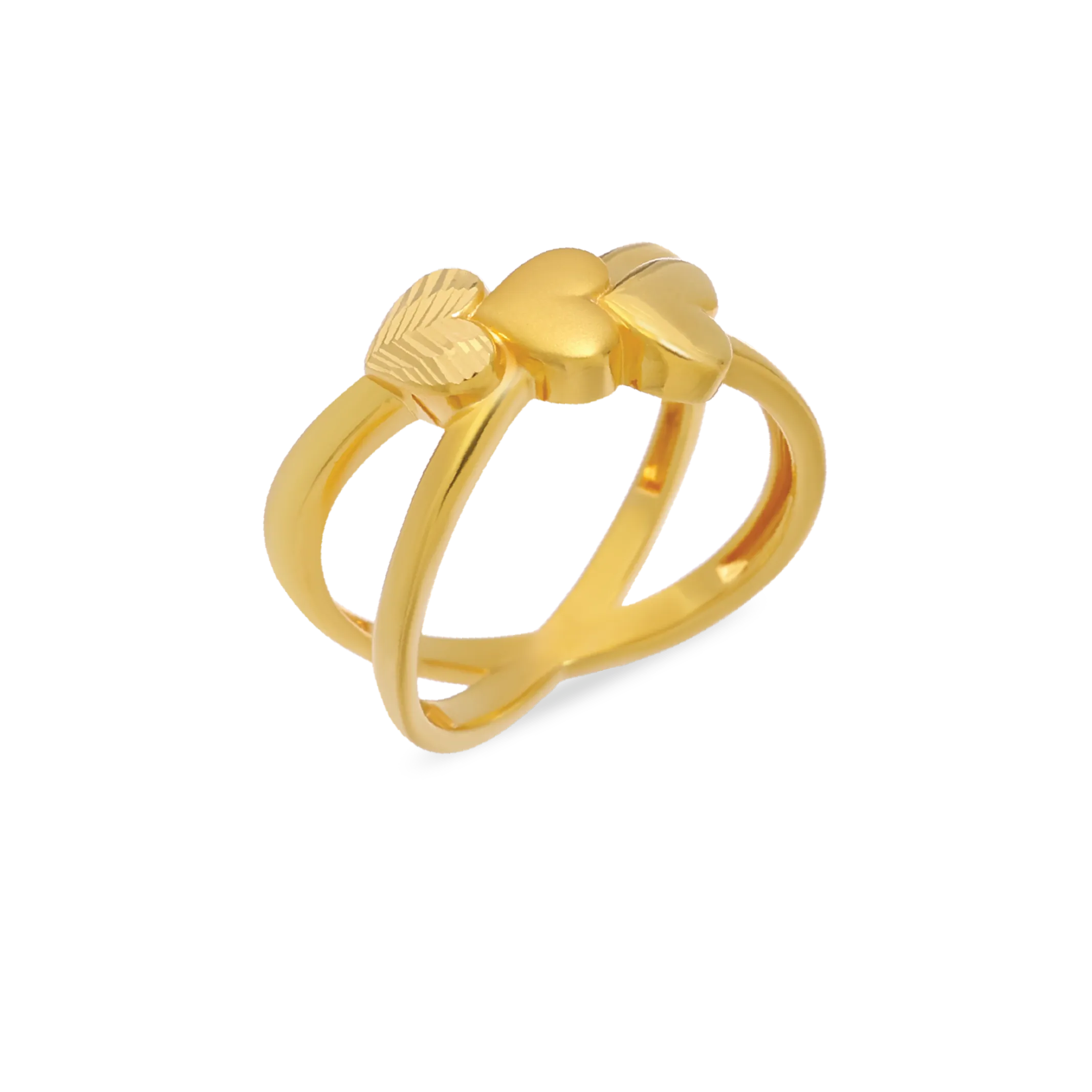
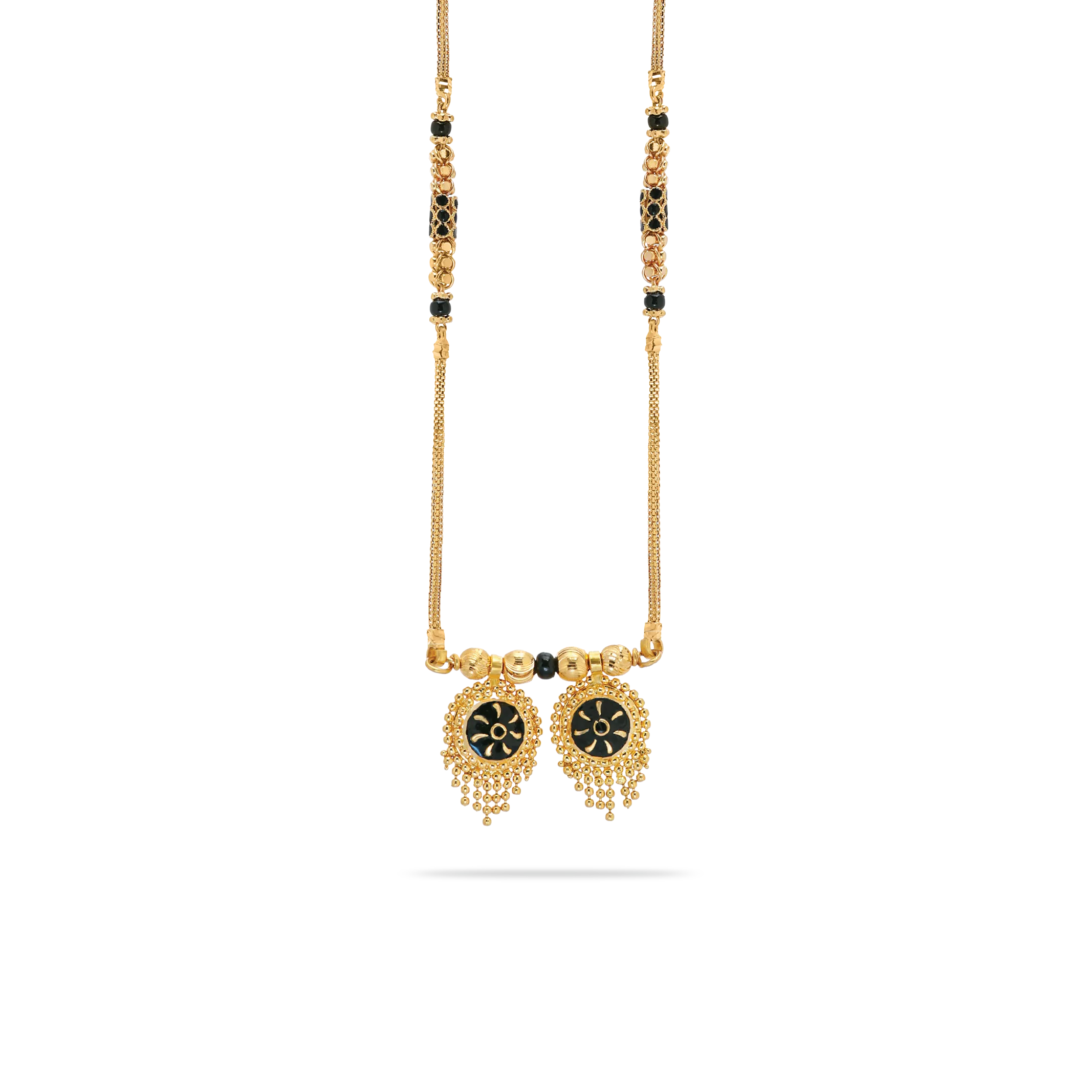
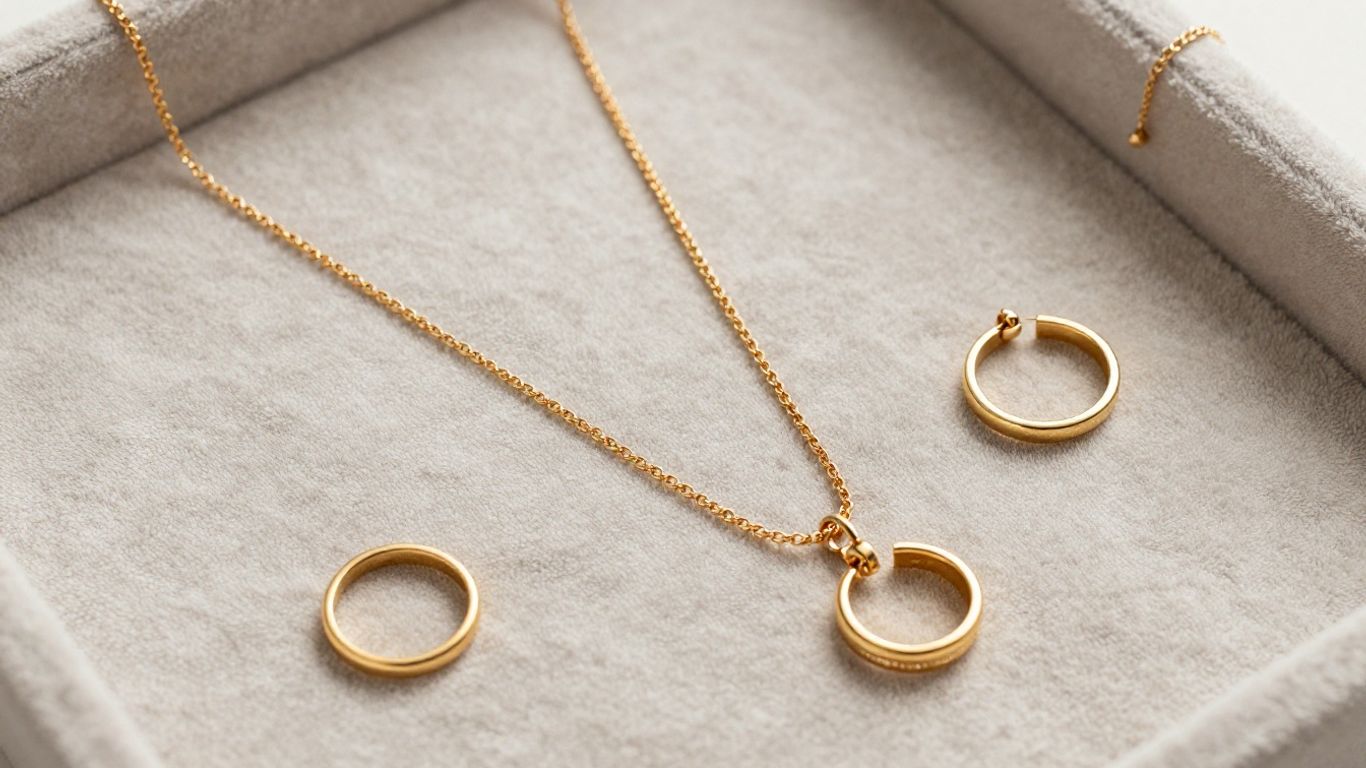
Hold a ring by its solid metal edges while brushing around, not directly against, the stone. Clean beneath the setting only if the prongs feel secure and the stone does not move. Pay attention to the inner band, where soap and skin oils often collect. For design inspiration that discusses secure fittings and everyday wear, daily-wear mangalsutra guidance offers useful context, though its care advice should not replace a jeweler’s assessment of your particular ring.
Remove buildup from gold chains and necklaces
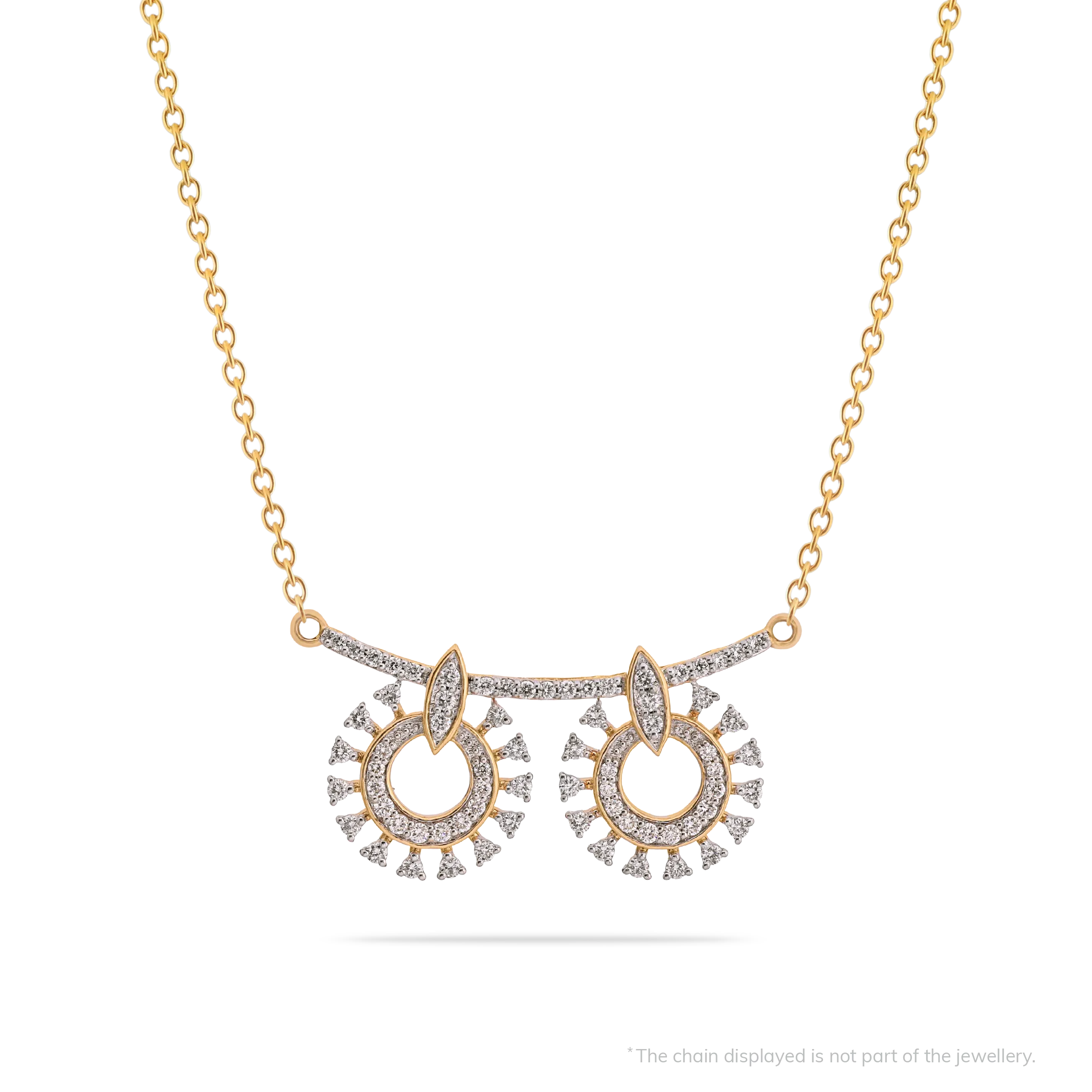
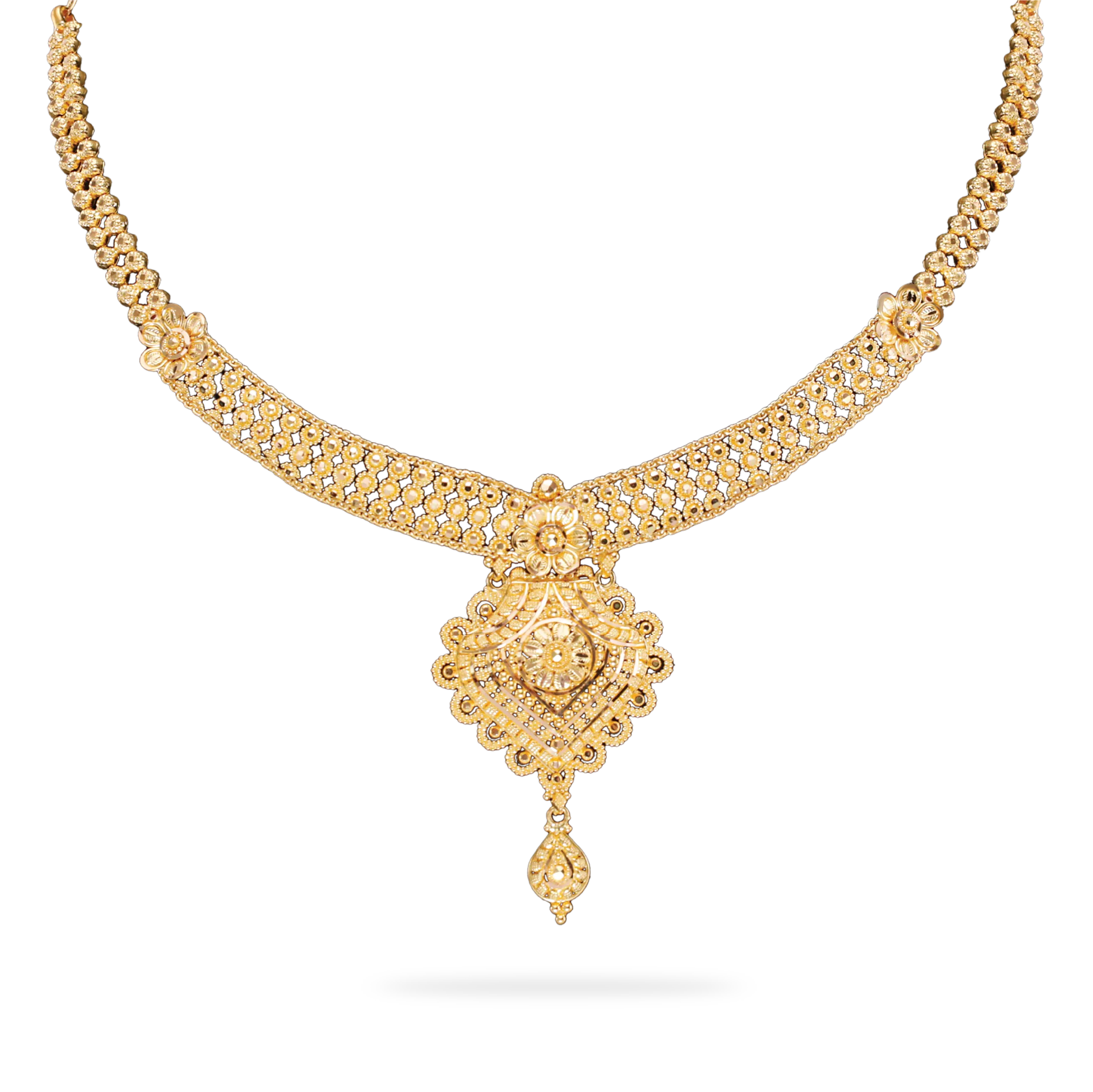
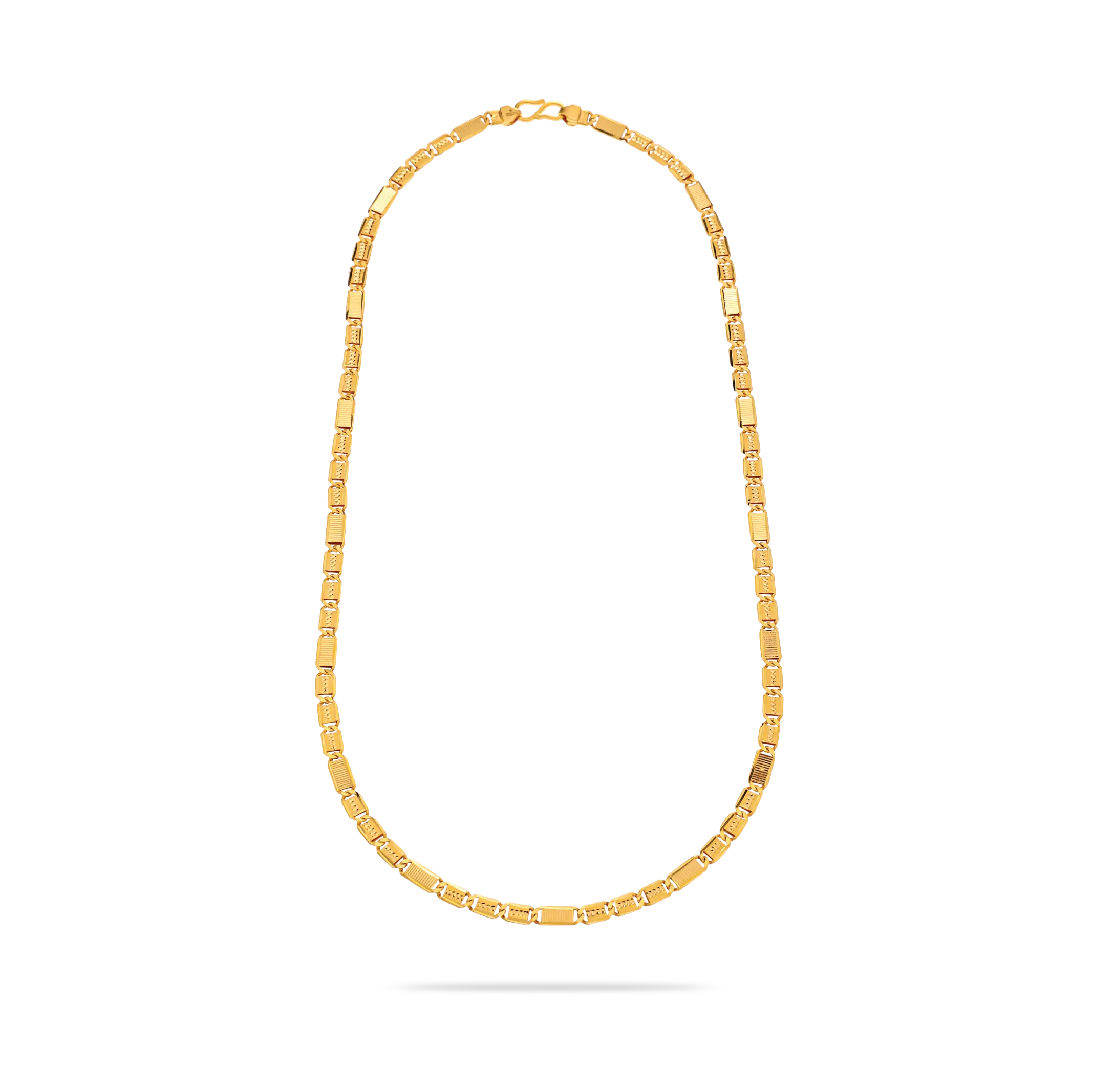
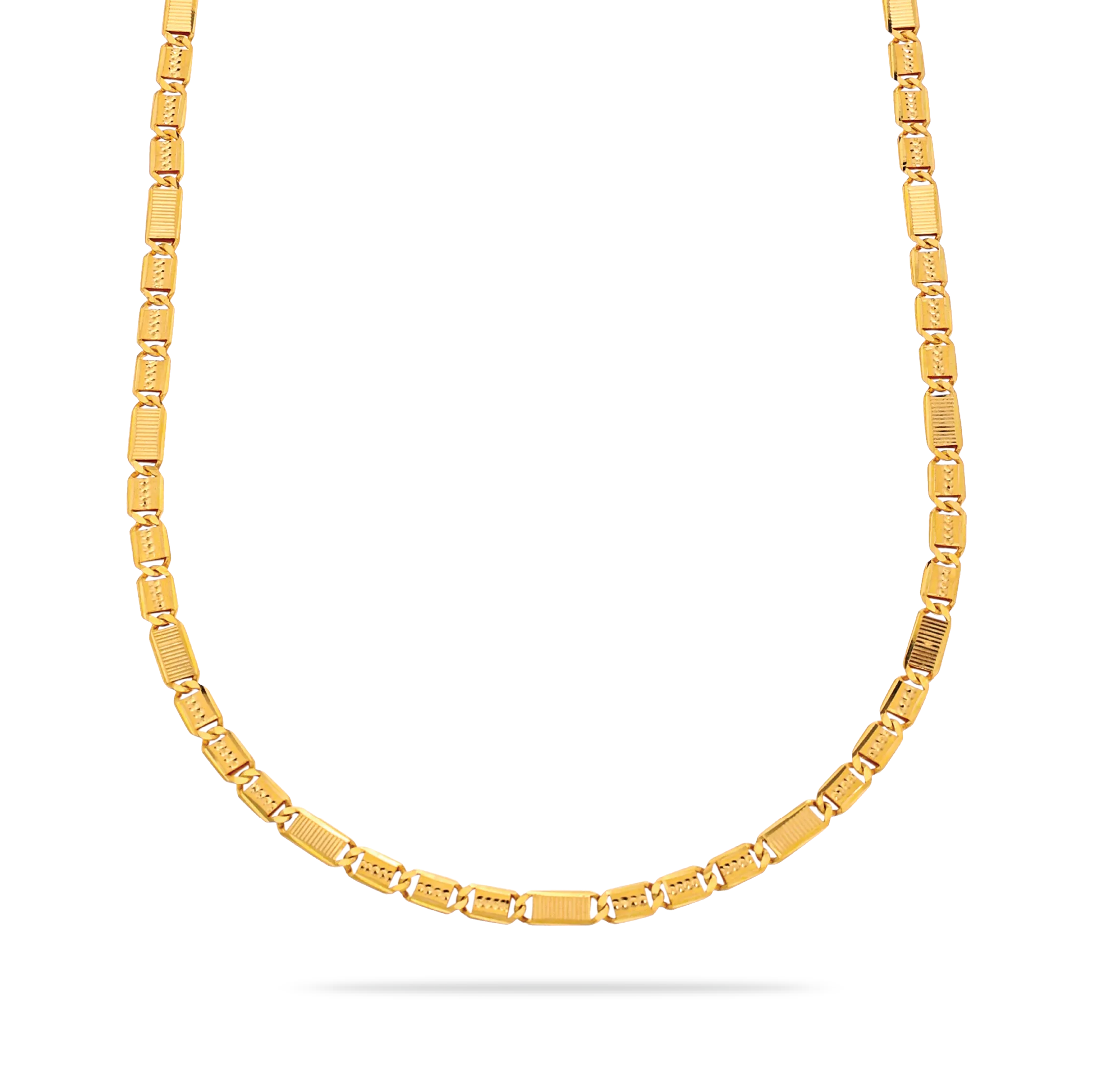
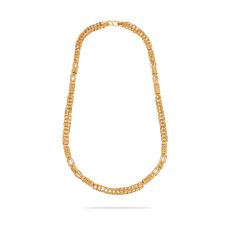
Lay a chain flat before cleaning rather than dropping a tangled bundle into water. Brush gently along the links, clasp, and pendant junctions, then rinse while supporting both ends. If the chain begins to knot, stop and let it dry instead of tugging at wet links. The gold jewelry cleaning guide also stresses identifying materials and using proper storage, two habits that make chain care less troublesome.
Handle earrings, bracelets, and textured designs
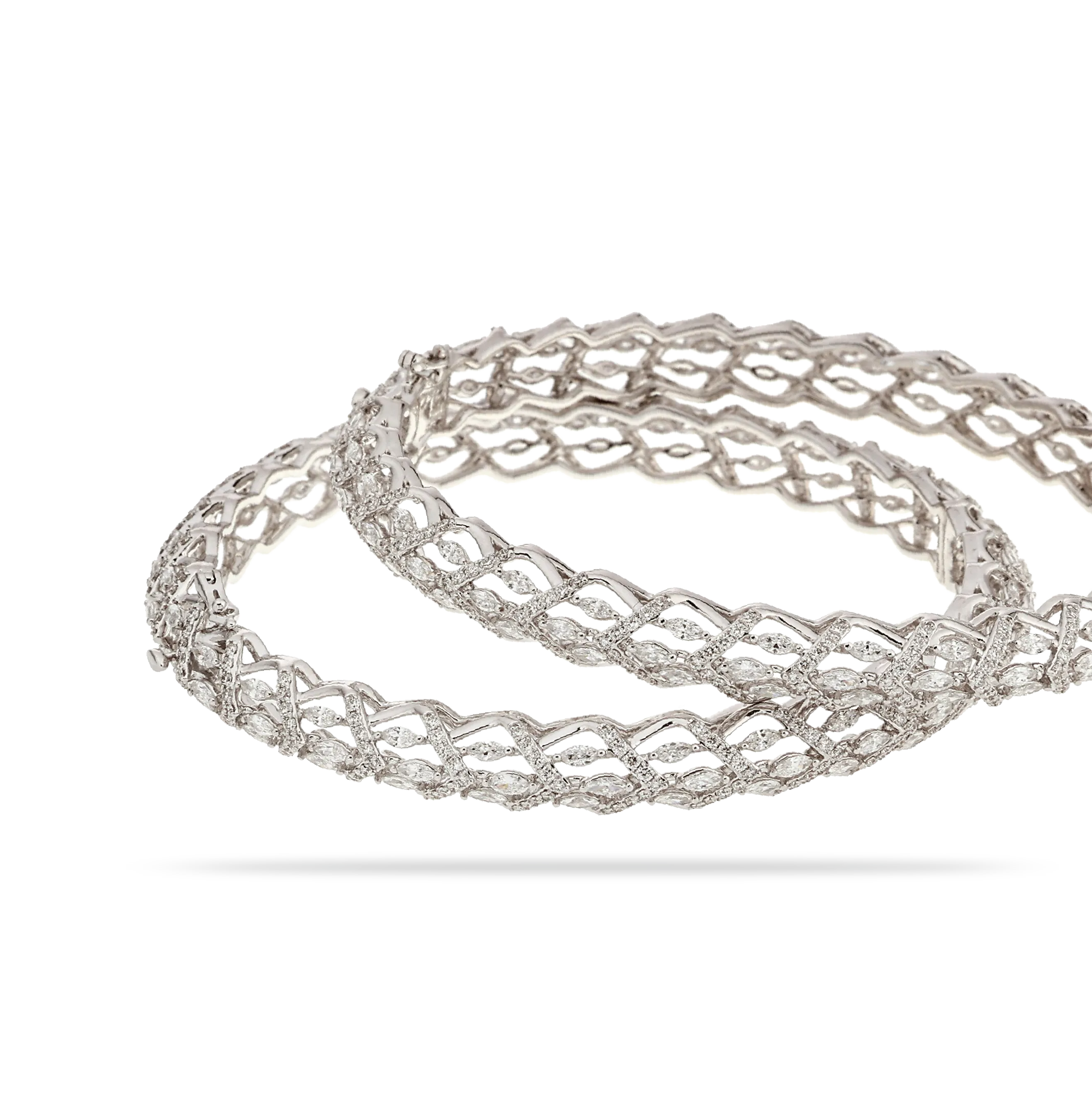
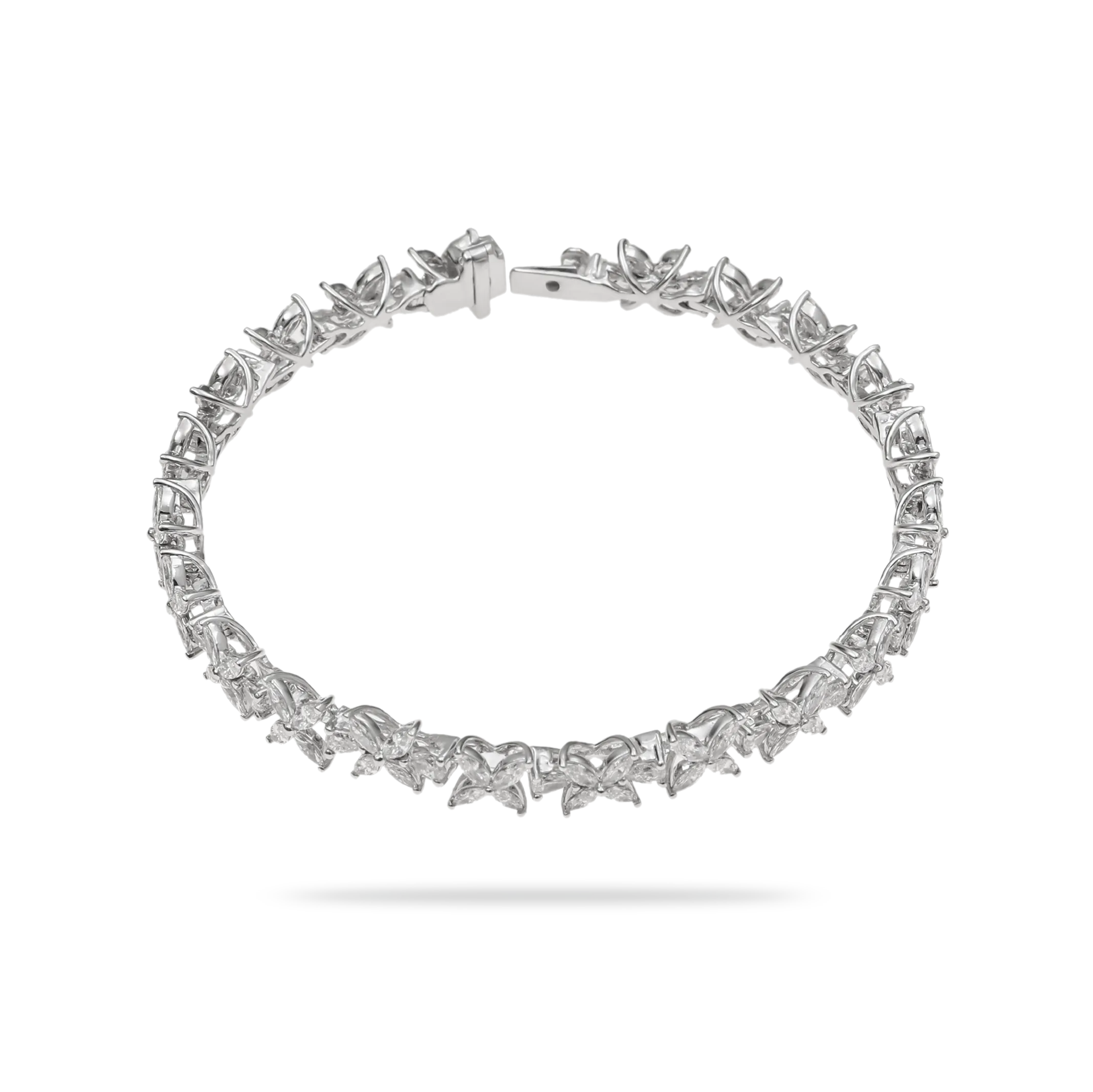
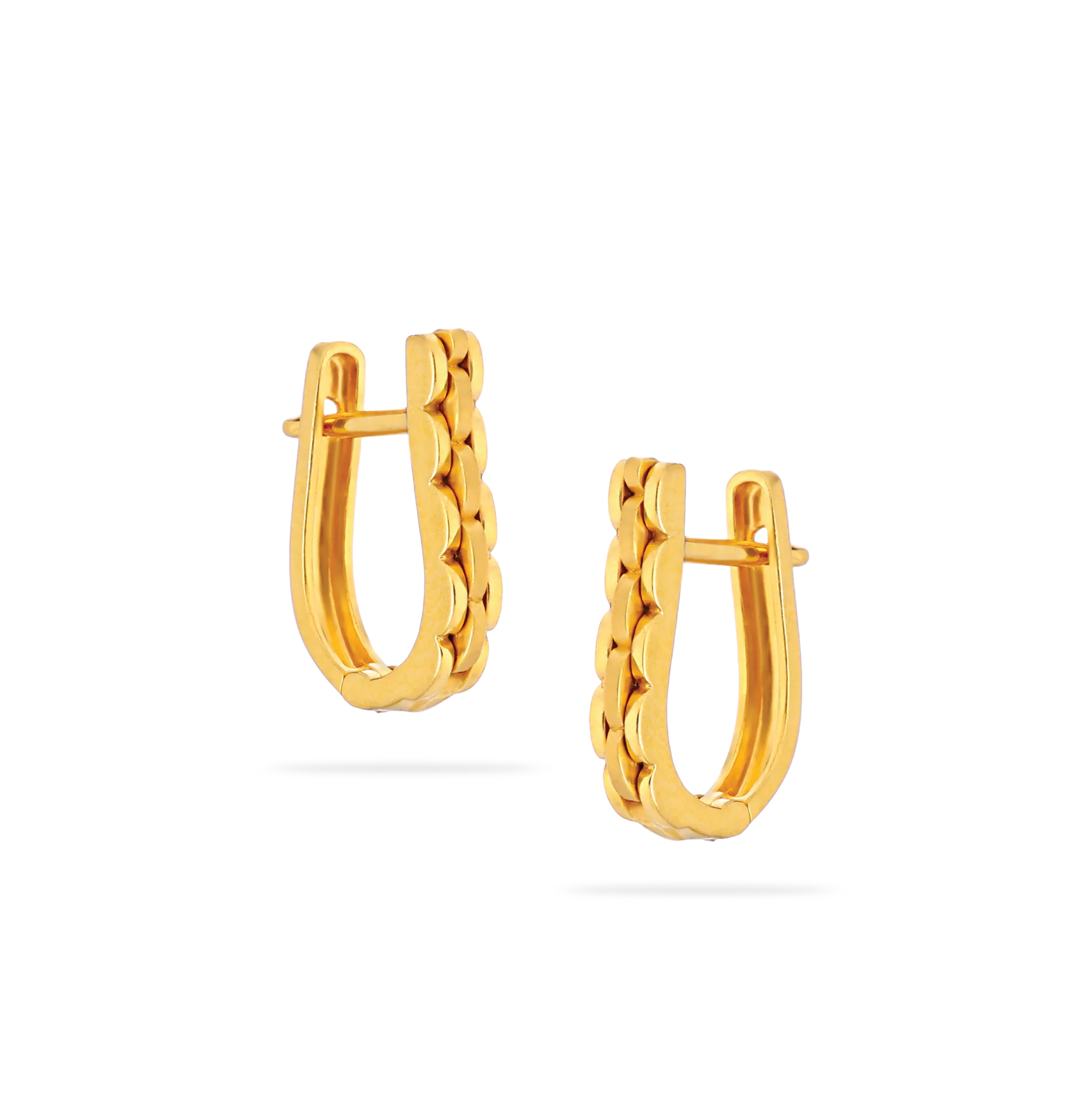
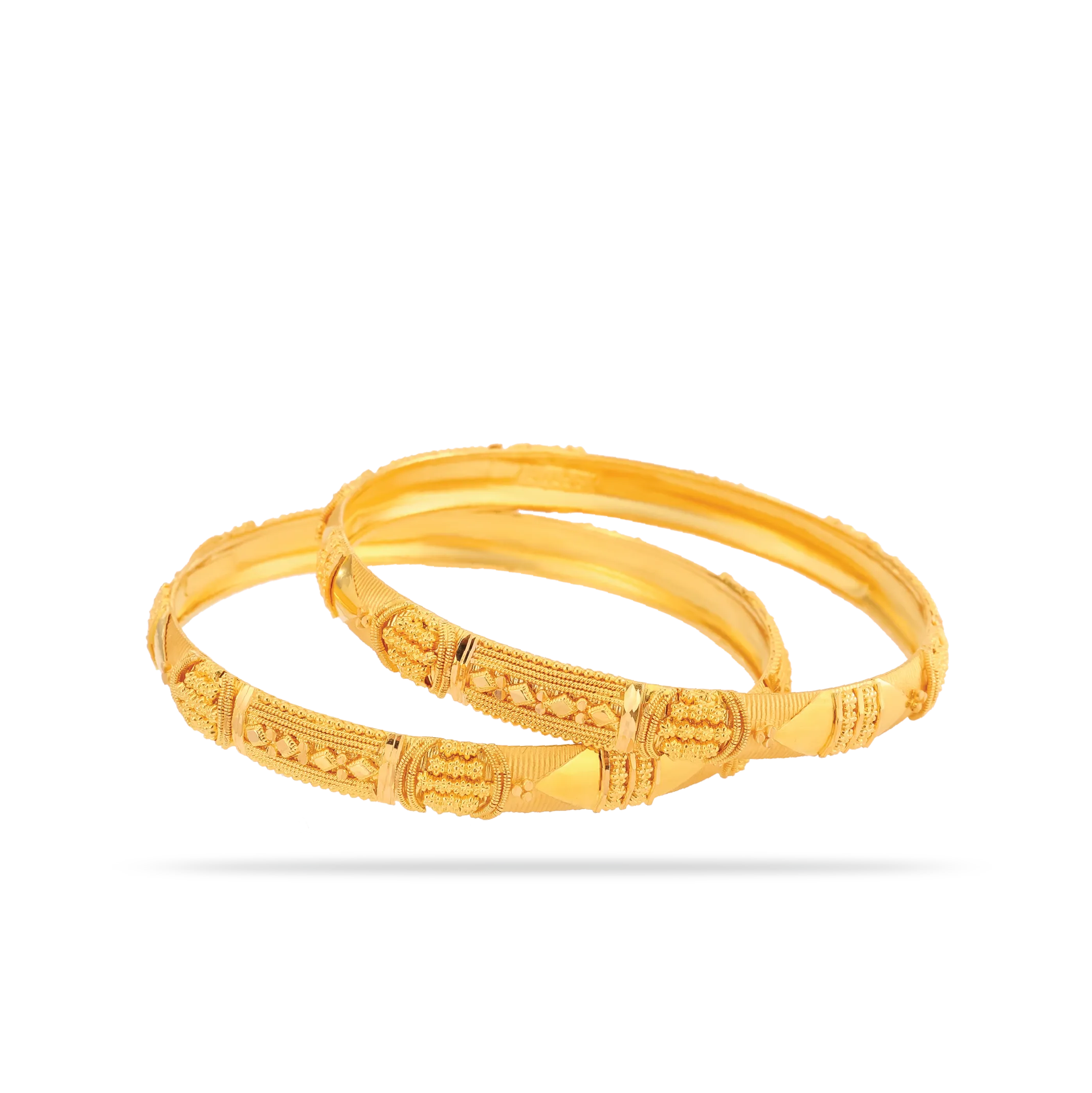
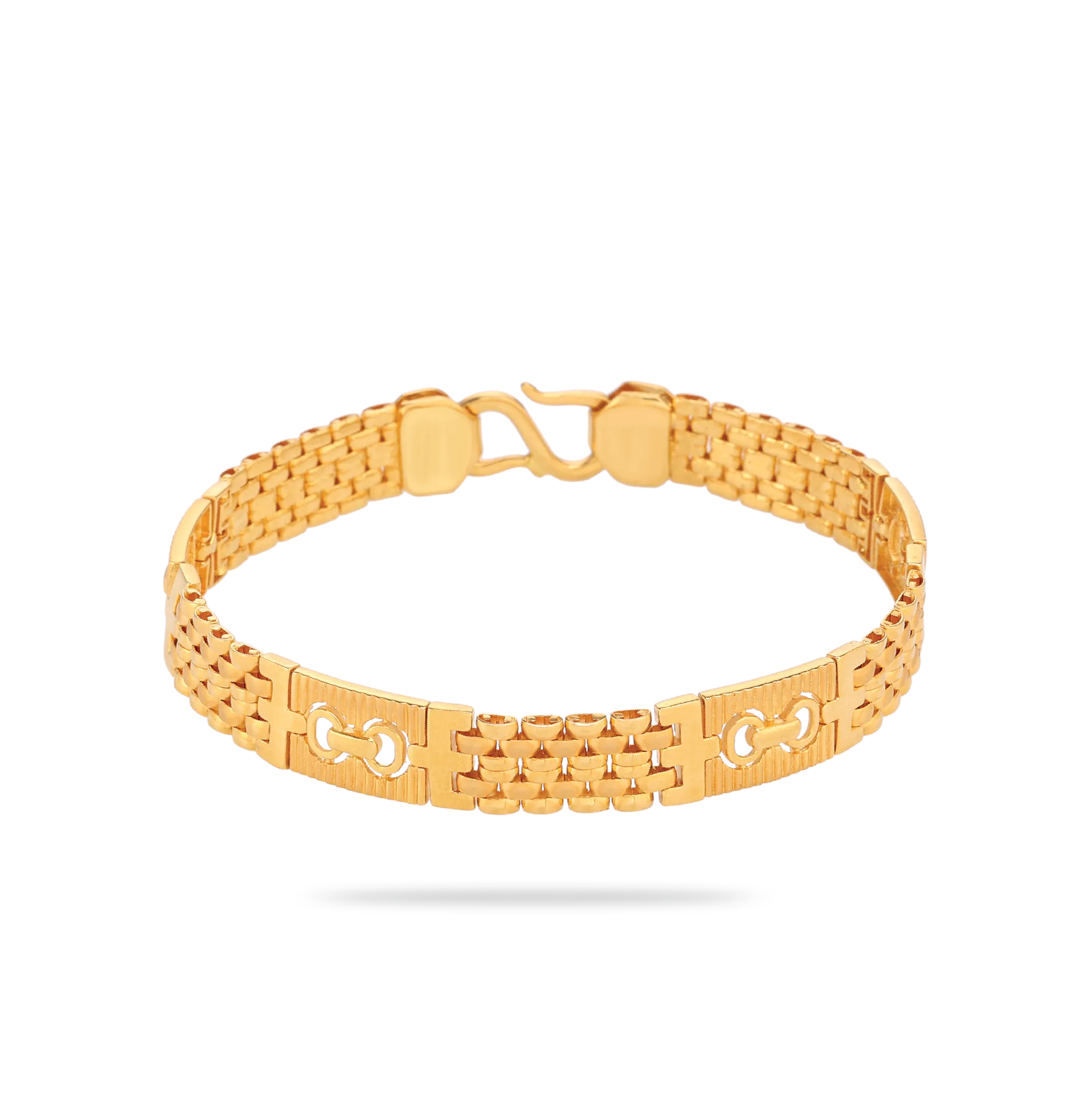
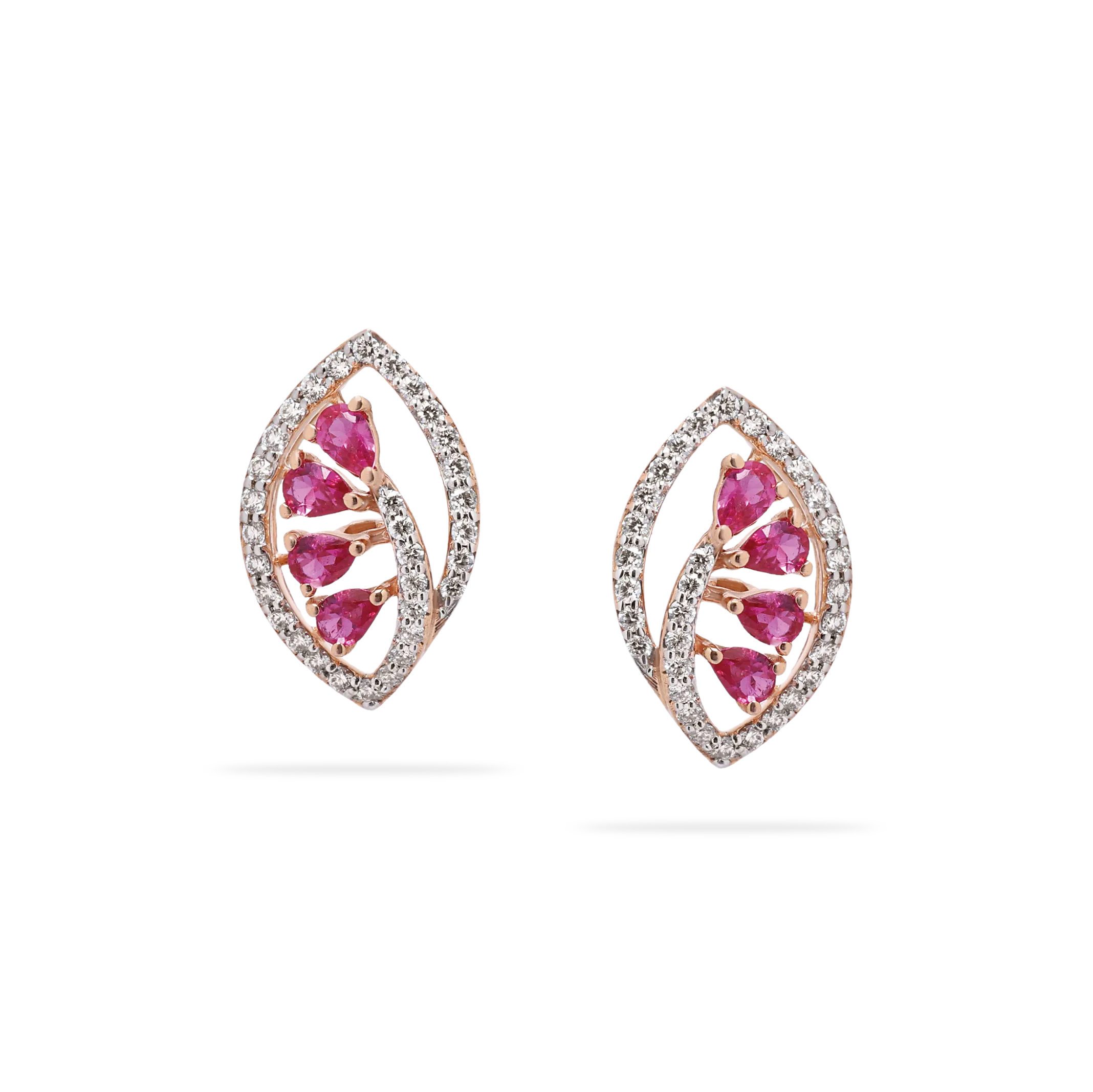
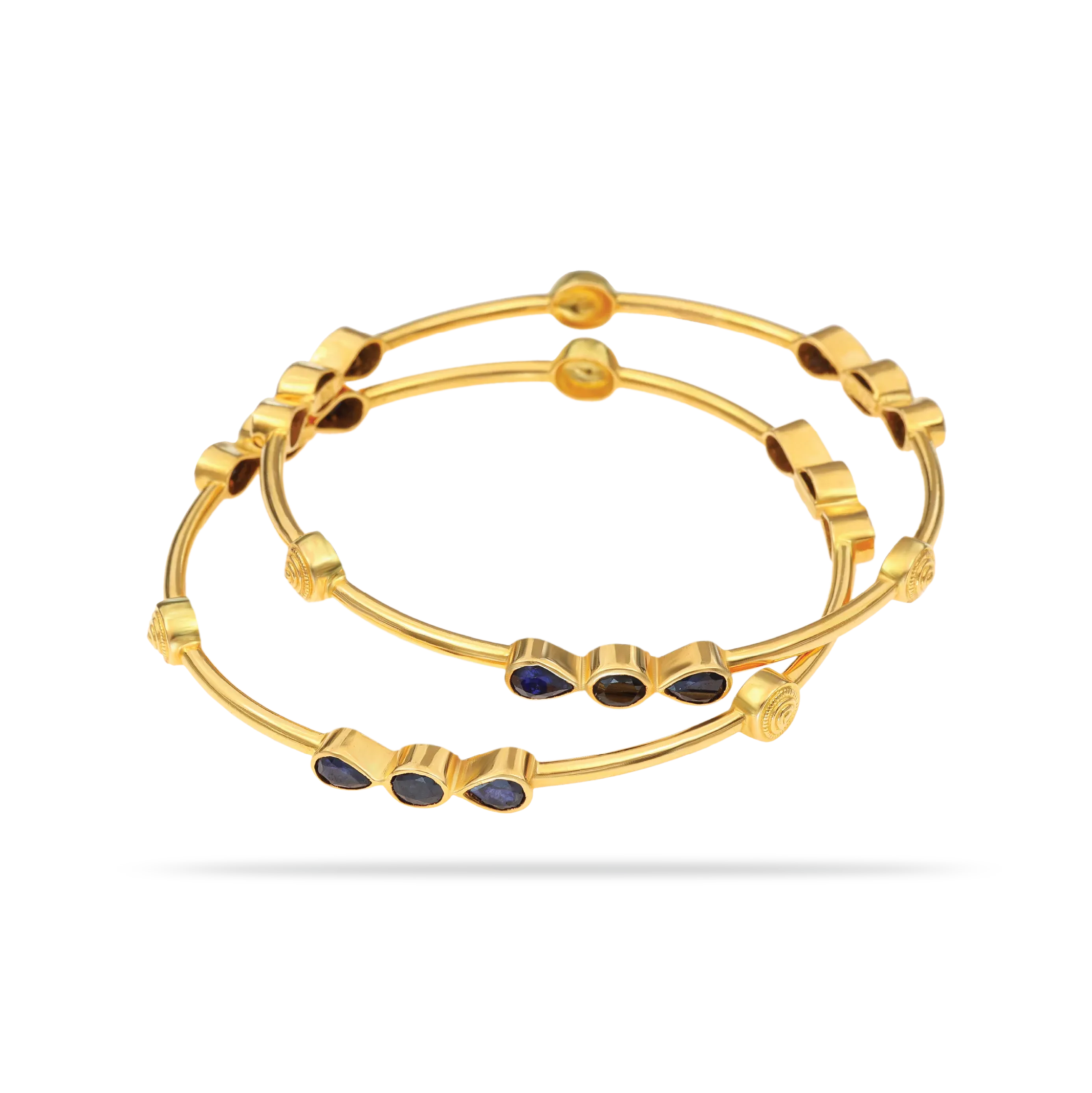
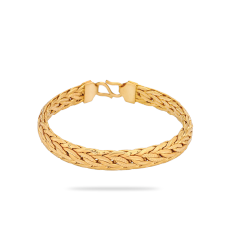
Clean earrings around the posts and backs, where cosmetics and skin oils can gather, but do not immerse pieces with glued components without confirmation. For bracelets, work in short sections and check hinges or safety catches. Textured, engraved, and matte designs should be dabbed and brushed softly so their finish stays even. Dry every joint and recess before storage.
Take extra care with white gold and rose gold
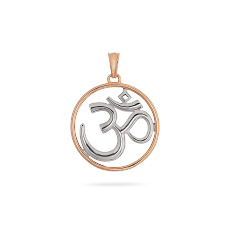
White gold may have a surface coating that changes gradually with wear, while rose gold gets its color from its alloy mix. Avoid trying to restore either finish with abrasive rubbing or household polish. Use a mild wash only when the construction allows it, and ask a jeweler about dullness, discoloration, or worn coating. Metal tone is a design feature, not an invitation to use a stronger cleaner; 2026 gold jewellery trends offers broader styling context for yellow, white, and rose gold pieces.
Avoid common cleaning mistakes
Most damage comes from overconfidence: too much heat, too much friction, or a chemical chosen for a different material. A piece can look sturdy while having a vulnerable clasp, coating, stone, or solder point. When the jewellery has sentimental or financial importance, restraint is part of good care.
Keep bleach, chlorine, and household cleaners away
Bleach, chlorine, ammonia-based products, and general household cleaners have no place in a routine gold wash. They may affect alloys, coatings, settings, or accompanying stones, even when the metal initially appears unchanged. Remove jewellery before handling cleaning products, and rinse accidental exposure with plain water only if it is safe to do so. Persistent discoloration or damage should be evaluated professionally.
Do not scrub with toothpaste or rough materials
Toothpaste, paper towels, whitening products, scouring pads, and stiff brushes can leave fine scratches or wear through a plated surface. Rough materials are especially risky on polished gold, engraved work, and soft high-karat pieces. If a mark does not lift with a mild wash, it may not be dirt at all. Stop rather than trying to erase it by force.
Prevent tangled chains and damaged settings
Never yank a wet chain from a bowl or pull at a knot with a pin. Lay chains straight, support pendants, and handle clasps with your fingertips rather than catching them on the cloth. Keep rings and earrings separate while rinsing so one piece does not knock against another. These small movements reduce stress on delicate connections.
Know when ultrasonic cleaners are unsafe
Ultrasonic cleaning can be unsuitable for pearls, porous or fractured stones, glued elements, loose settings, and some plated or antique jewellery. Even when a piece appears strong, hidden damage may make vibration risky. Home cleaning should stop when a stone moves, a prong is bent, or a finish is peeling. A jeweler can decide whether specialist equipment is appropriate.
Maintain clean gold jewellery between washes
Cleaning is easier when less residue reaches the surface in the first place. A quick wipe after wearing, sensible storage, and removing jewellery during messy activities can extend the time between deeper washes. Maintenance also gives you regular chances to notice a loose clasp or changing finish before it becomes a loss.
Store each piece separately
Keep rings, earrings, chains, and bracelets in separate soft pouches or compartments. Chains can be laid flat or fastened loosely so they do not knot, while pieces with stones should not rub against one another. Store jewellery in a cool, dry place away from direct sunlight and bathroom humidity. This approach also makes it easier to find and inspect each item.
Remove jewellery before swimming, bathing, or exercising
Take gold jewellery off before swimming, bathing, showering, or exercising. Chlorinated water, soaps, sweat, and repeated rubbing can leave residue or place extra strain on settings and clasps. Set pieces in a consistent, secure spot rather than on the edge of a sink. That habit prevents both chemical exposure and accidental loss.
Wipe away oils and cosmetics after wearing
After wearing a piece, gently wipe it with a clean lint-free cloth before storing it. This removes a light layer of body oil, lotion, sunscreen, and makeup before it settles into links or settings. Do not use the wipe as a vigorous polishing session. A few soft strokes are enough for everyday upkeep.
Recognize when professional cleaning is needed
Arrange a professional inspection when stones move, prongs catch, clasps fail to close, links are stretched, or the surface has a persistent coating or discoloration. Antique, heavily detailed, sentimental, and heavily worn pieces also deserve specialist handling. A jeweler can clean the item while checking its structure, which is more useful than simply making it shine. Regular care guidance, including advice on choosing jewellery for celebrations, can help with wear planning, but condition should always guide the cleaning method.
Conclusion
A careful home routine can keep suitable gold jewellery bright without turning cleaning into a risky project: identify the piece, choose mild supplies, use light pressure, rinse securely, and store it well. When a setting or finish seems uncertain, professional care is the safer way to protect both the jewellery and the memories attached to it.
Frequently Asked Questions
How often should gold jewellery be cleaned?
Clean frequently worn, suitable pieces whenever they look dull or feel coated with residue, often every few weeks. A light wipe after wearing can reduce the need for deeper cleaning.
Can I clean gold jewellery with dish soap?
A few drops of mild, non-bleach soap in lukewarm water can work for suitable solid-gold pieces. Avoid this method for materials or settings that are sensitive to soaking unless a professional confirms it is safe.
Is hot water safe for gold jewellery?
Lukewarm water is the safer choice for home cleaning. Very hot water may be unsuitable for some gemstones, adhesives, coatings, or delicate construction.
Can toothpaste make gold jewellery shine?
Toothpaste can contain abrasive ingredients that scratch gold or wear away plating. Use a soft cloth and mild soapy water instead.
Can I put gold jewellery in an ultrasonic cleaner?
Not every piece is suitable for ultrasonic cleaning. Pearls, porous or fractured stones, glued elements, loose settings, antique pieces, and some plated jewellery may be damaged by vibration.
How should I clean a gold chain without tangling it?
Lay the chain flat, support both ends, and brush lightly along the links and clasp. Do not pull at knots; let the piece dry and untangle it patiently, or ask a jeweler for help.
When should I take gold jewellery to a jeweler?
Seek professional care when a stone moves, a prong bends, a clasp fails, a link stretches, or the finish peels or changes unexpectedly. Professional cleaning can also include a useful condition check.
Diamond mangalsutra for modern brides: A guide to choosing the perfect design
10 minute read
Related blogs:

September 17, 2026
How to Choose the Perfect Diamond Necklace for Bride on Her Wedding Day
Read More

September 17, 2026
Wedding jewellery for modern brides: how to choose timeless pieces with contemporary style
Read More

September 17, 2026
Wedding jewellery for traditional brides: A complete guide to choosing timeless bridal pieces
Read More

September 17, 2026
Wedding jewellery for minimalist brides: A complete guide to choosing timeless pieces
Read More









.webp)

.webp)