Wedding season jewellery trends: A guide to choosing standout pieces for every celebration
August 6, 2026 | 10 minutes read
Key Takeaways
Wedding season jewellery trends are moving toward personal combinations, expressive silhouettes, and pieces that can be worn well beyond one celebration.
- Choose one focal piece before adding supporting jewelry.
- Let the neckline, hairstyle, venue, and dress code guide proportion.
- Mixed metals and colored gemstones can make formal looks feel personal.
- Bridesmaids, guests, and family members can coordinate without looking identical.
- Prioritize comfort, secure fastenings, and pieces you will enjoy wearing again.
The defining wedding season jewellery trends to know
The most appealing wedding jewelry this season feels considered rather than overly matched. Classic materials remain relevant, but they are appearing in fresher proportions, with sculptural shapes, layered lines, mixed finishes, and pearls that feel less formal. The best choice is usually the one that complements the celebration while still sounding like you.
Sculptural earrings and statement silhouettes
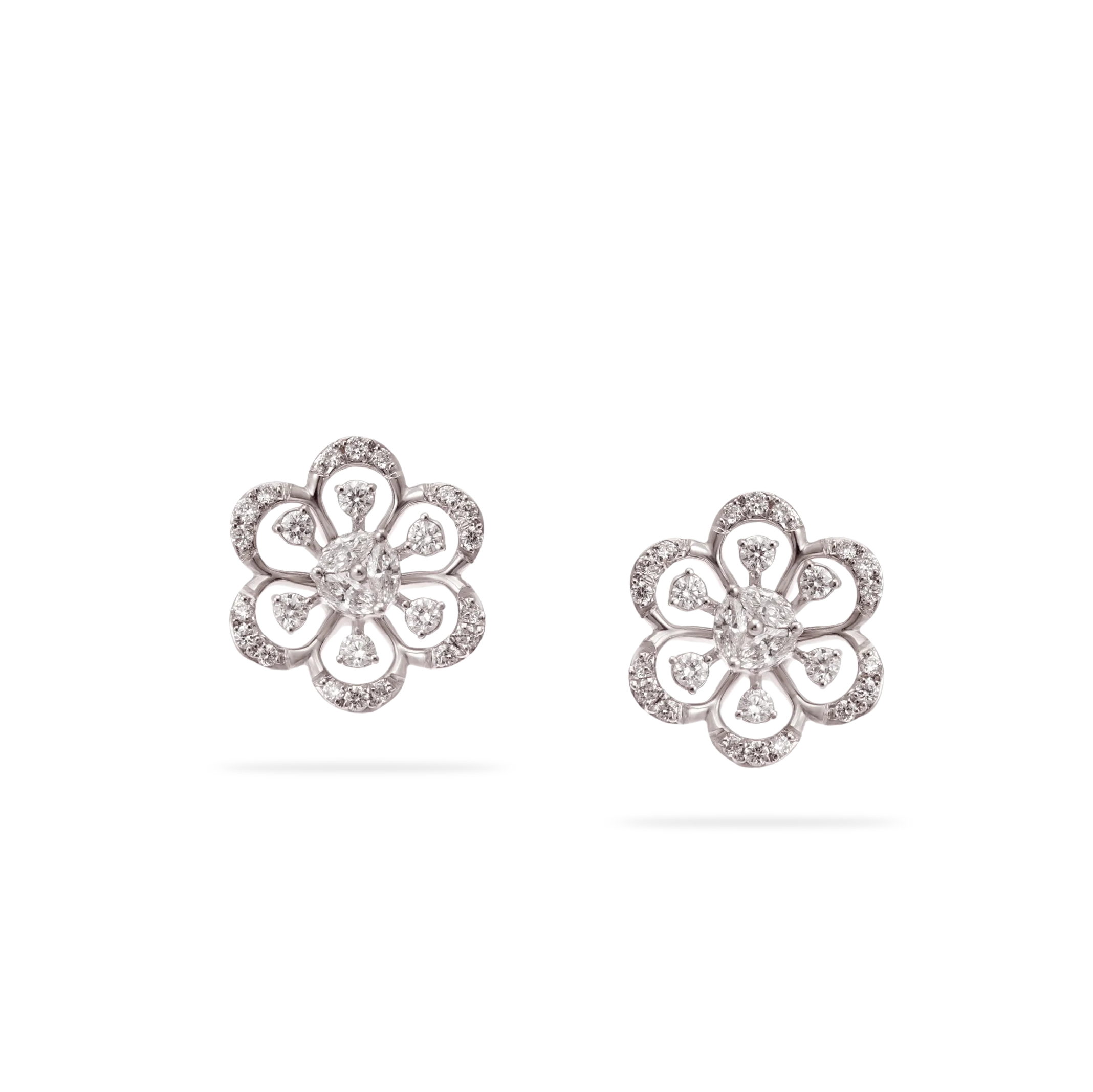
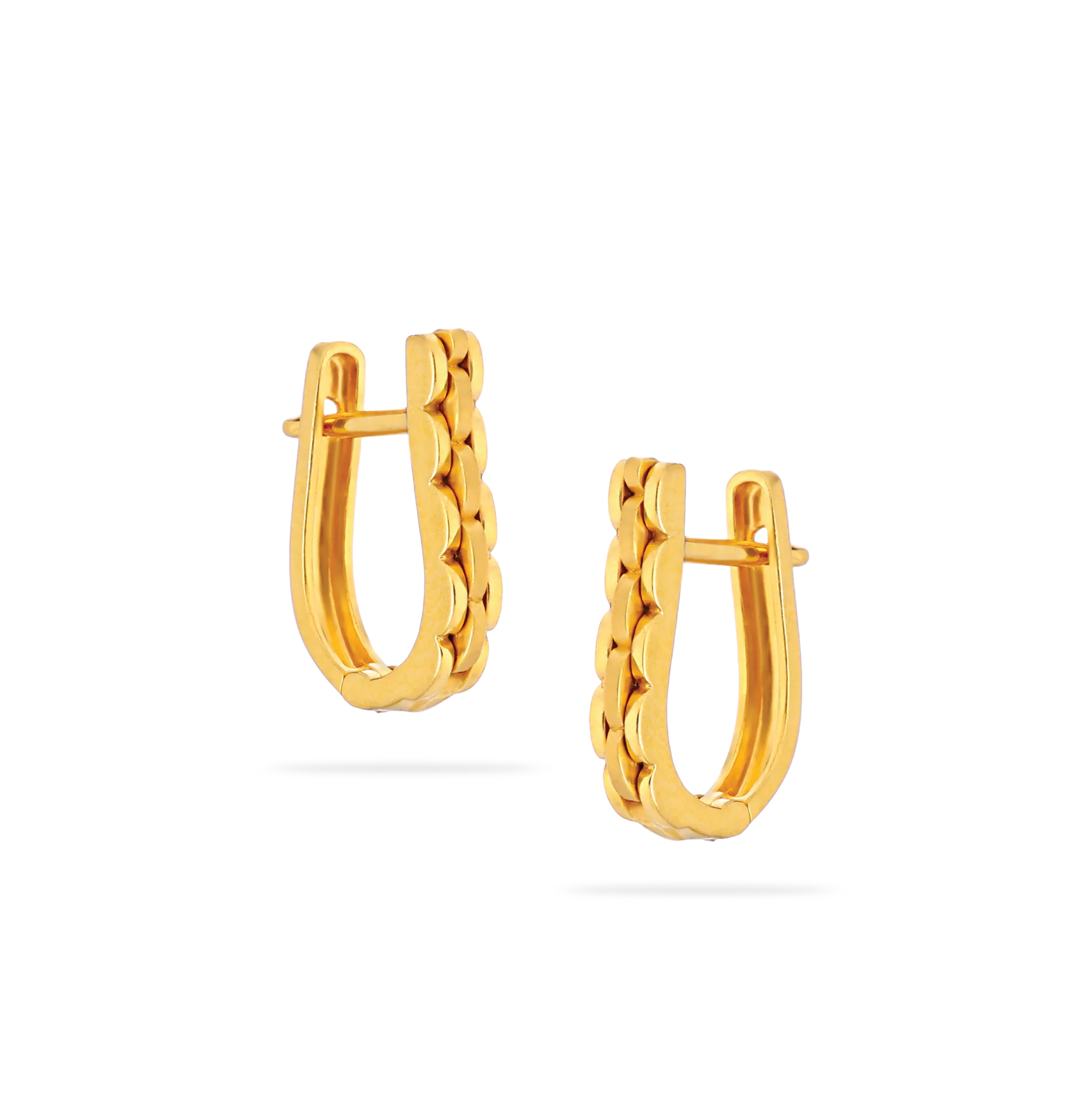
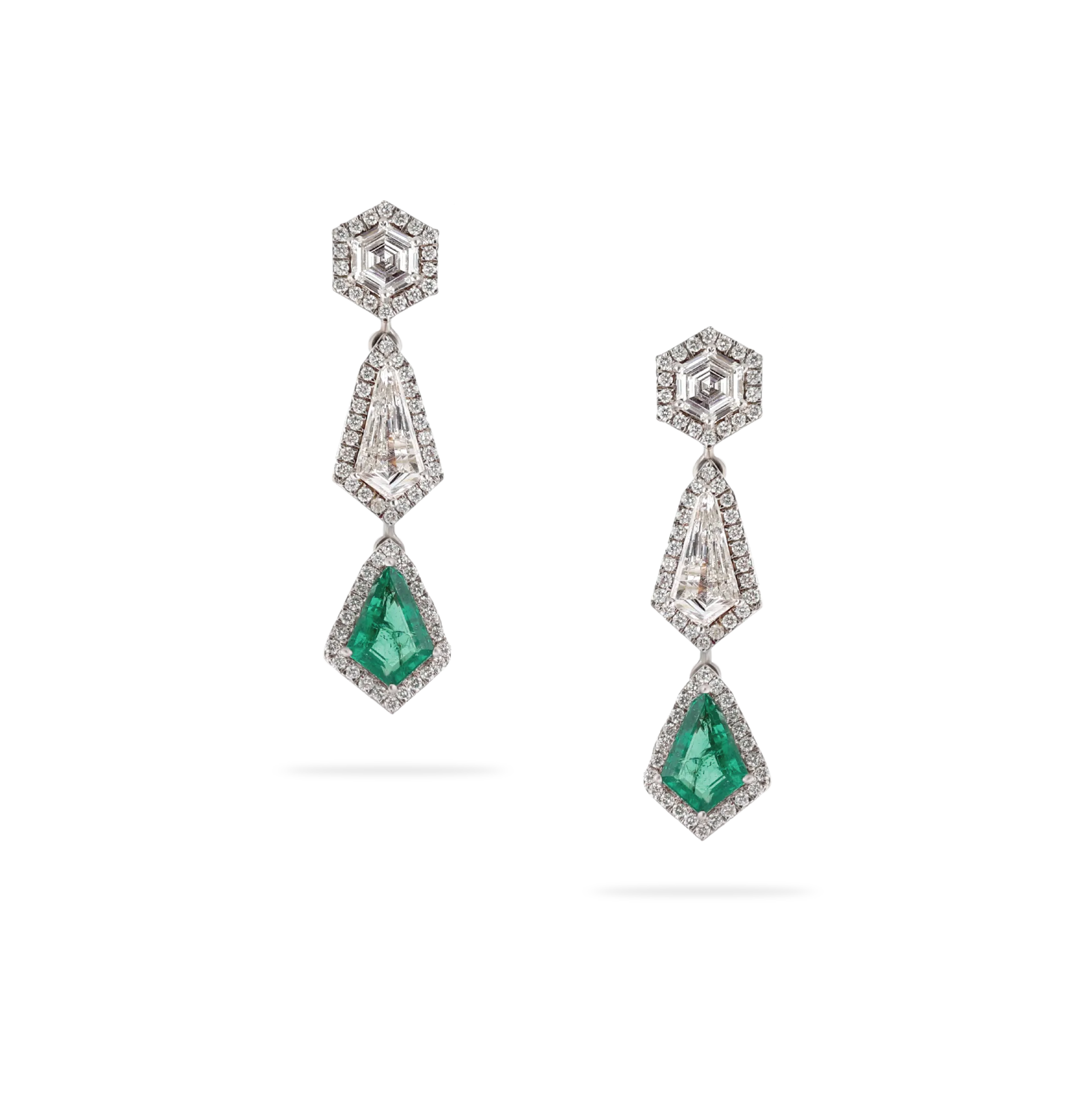
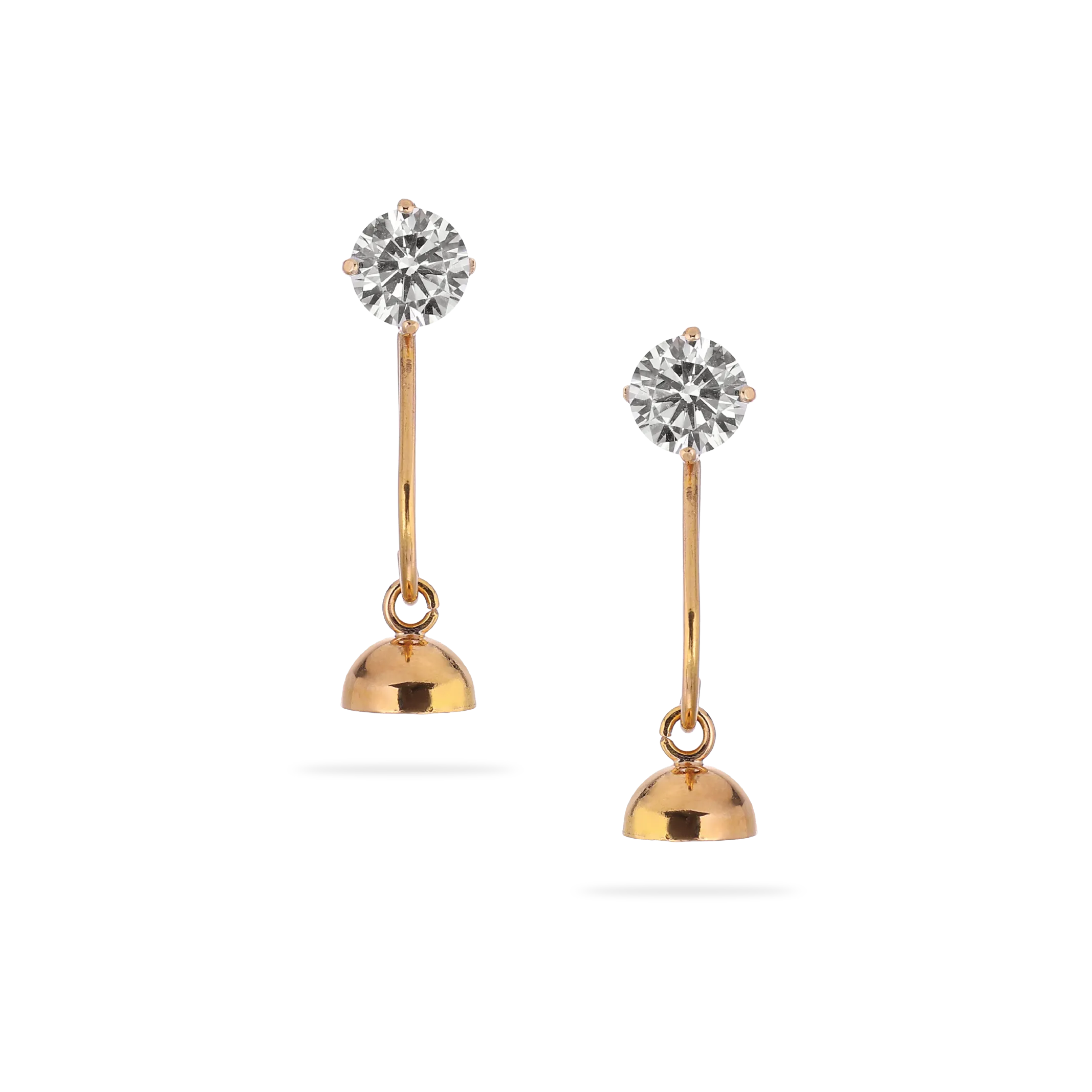
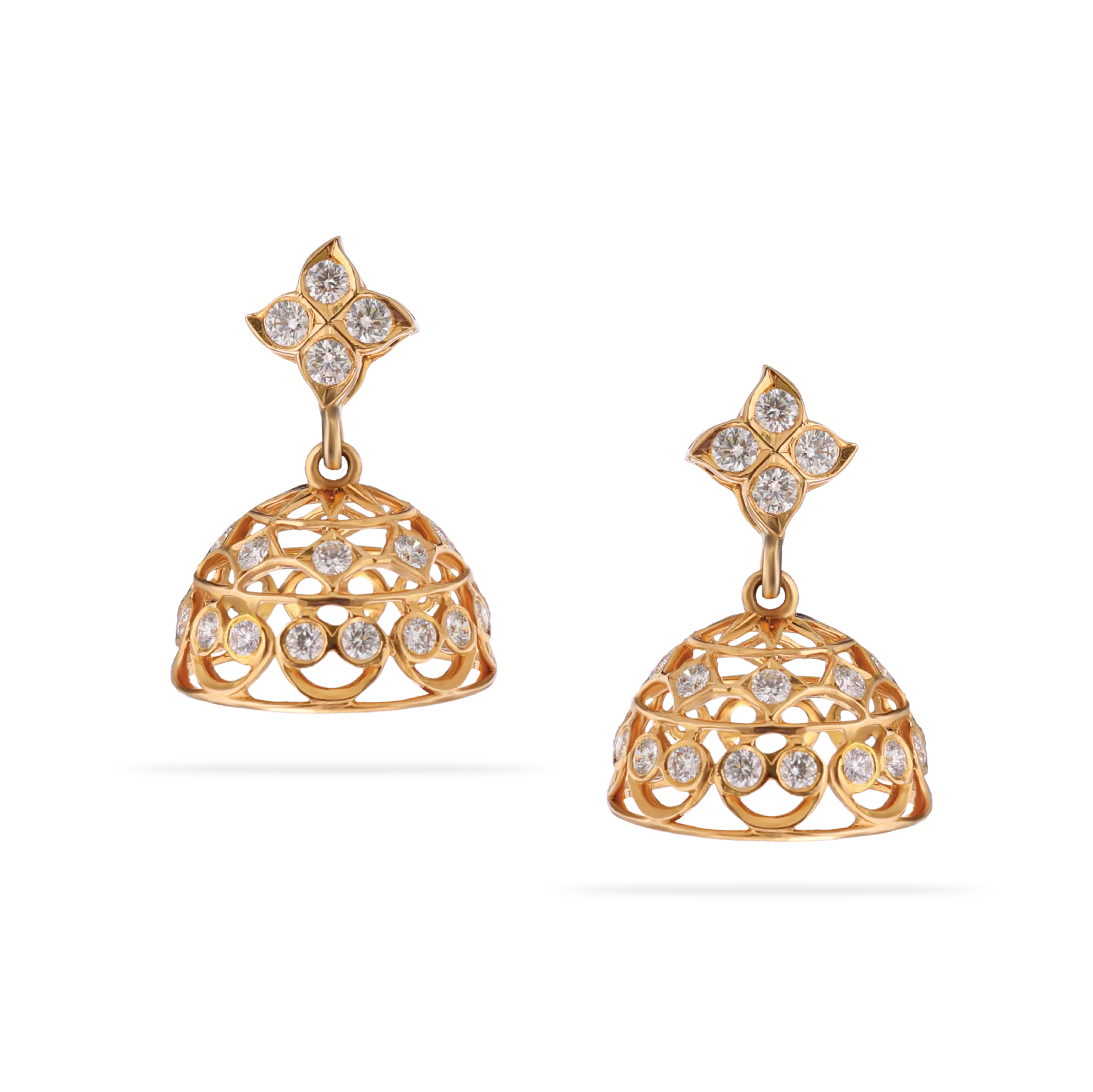
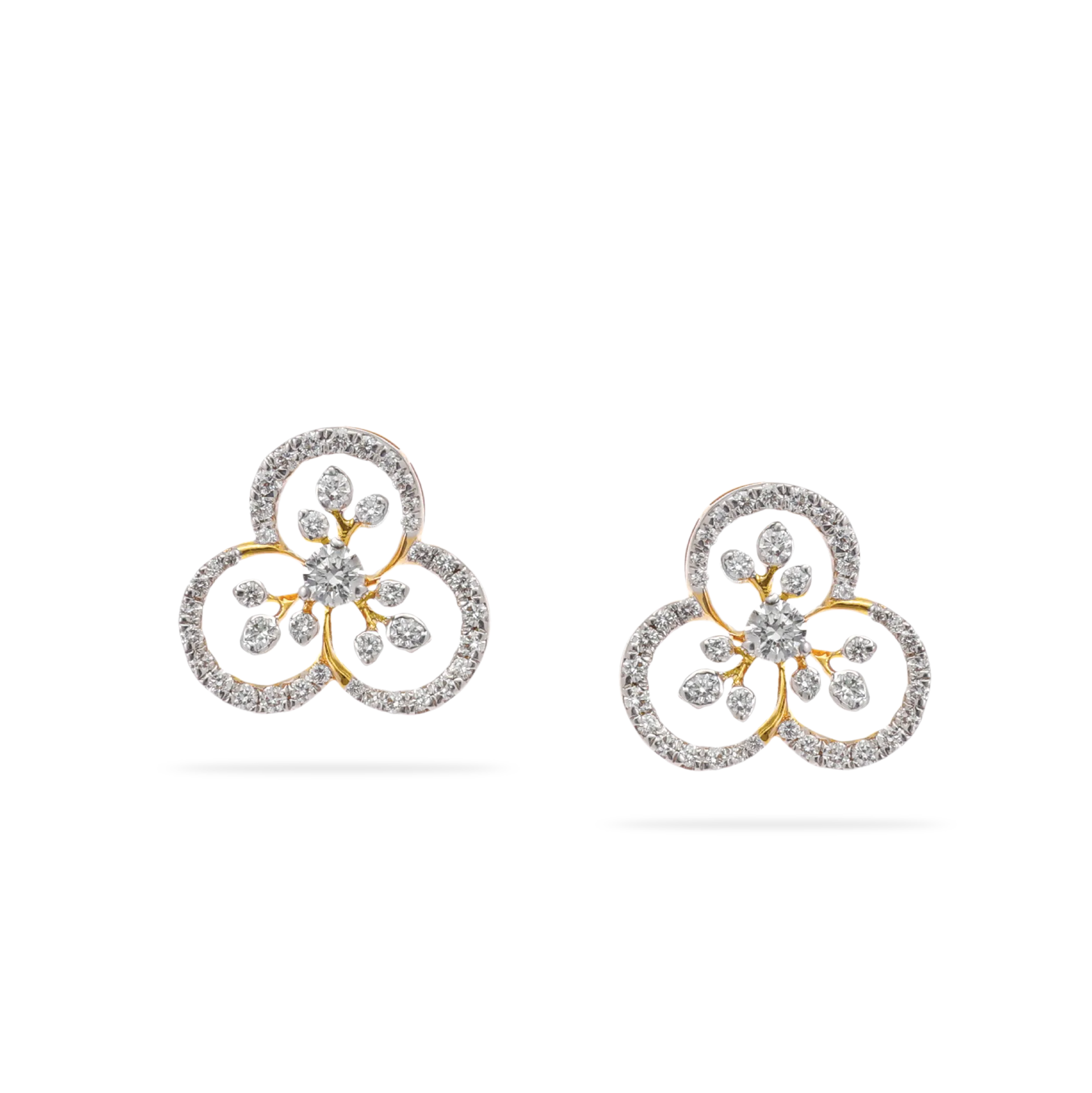
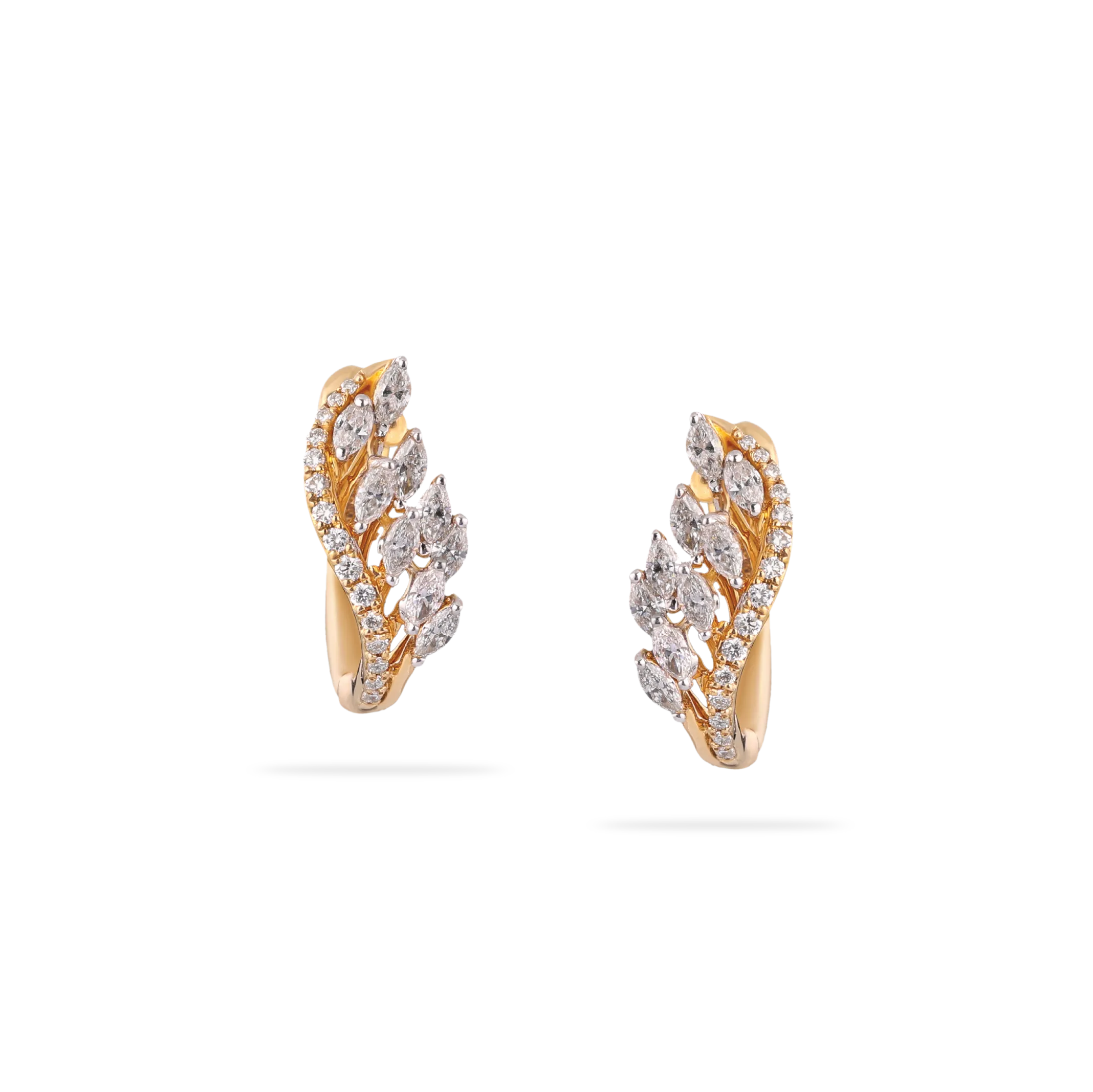
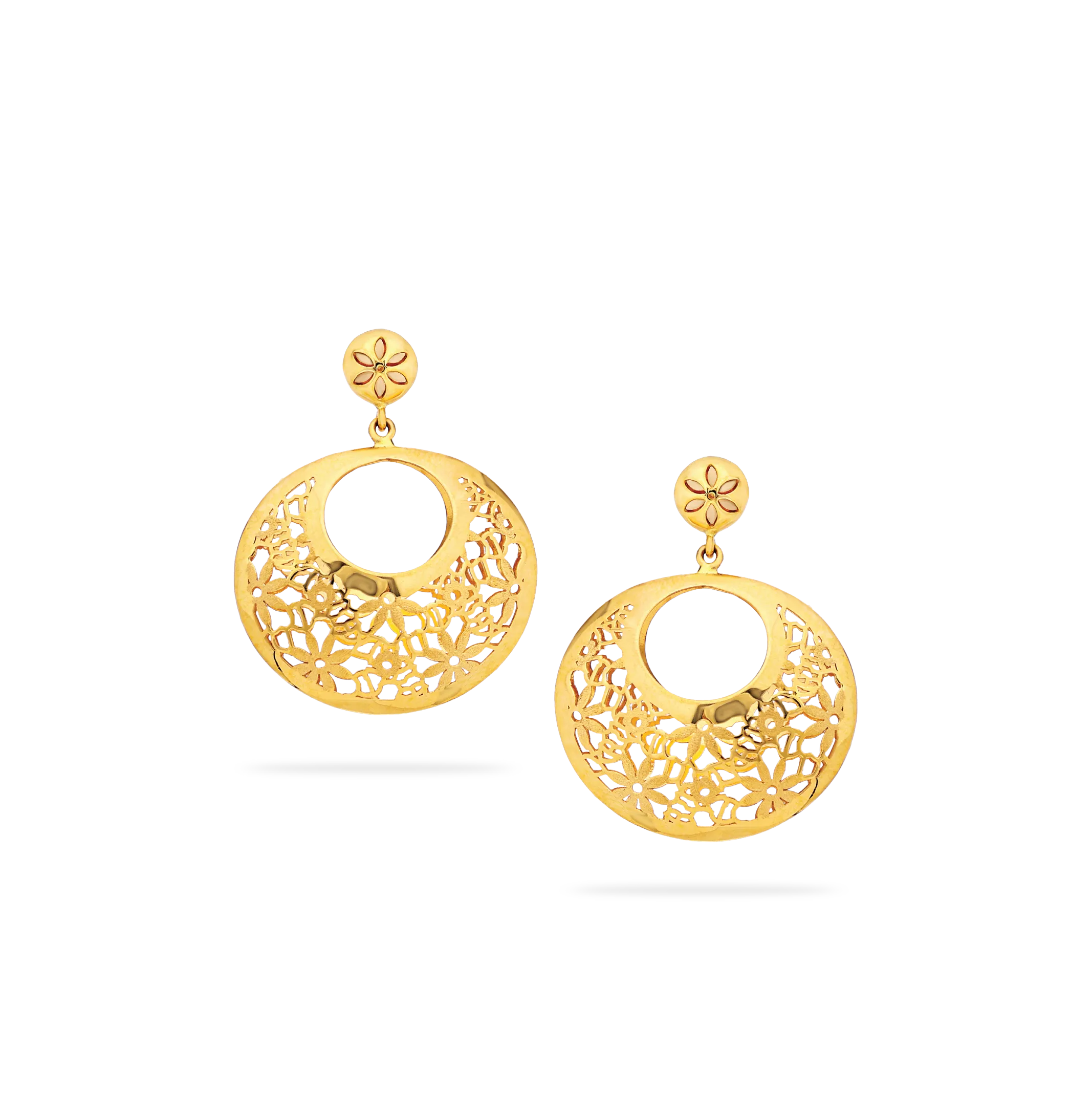
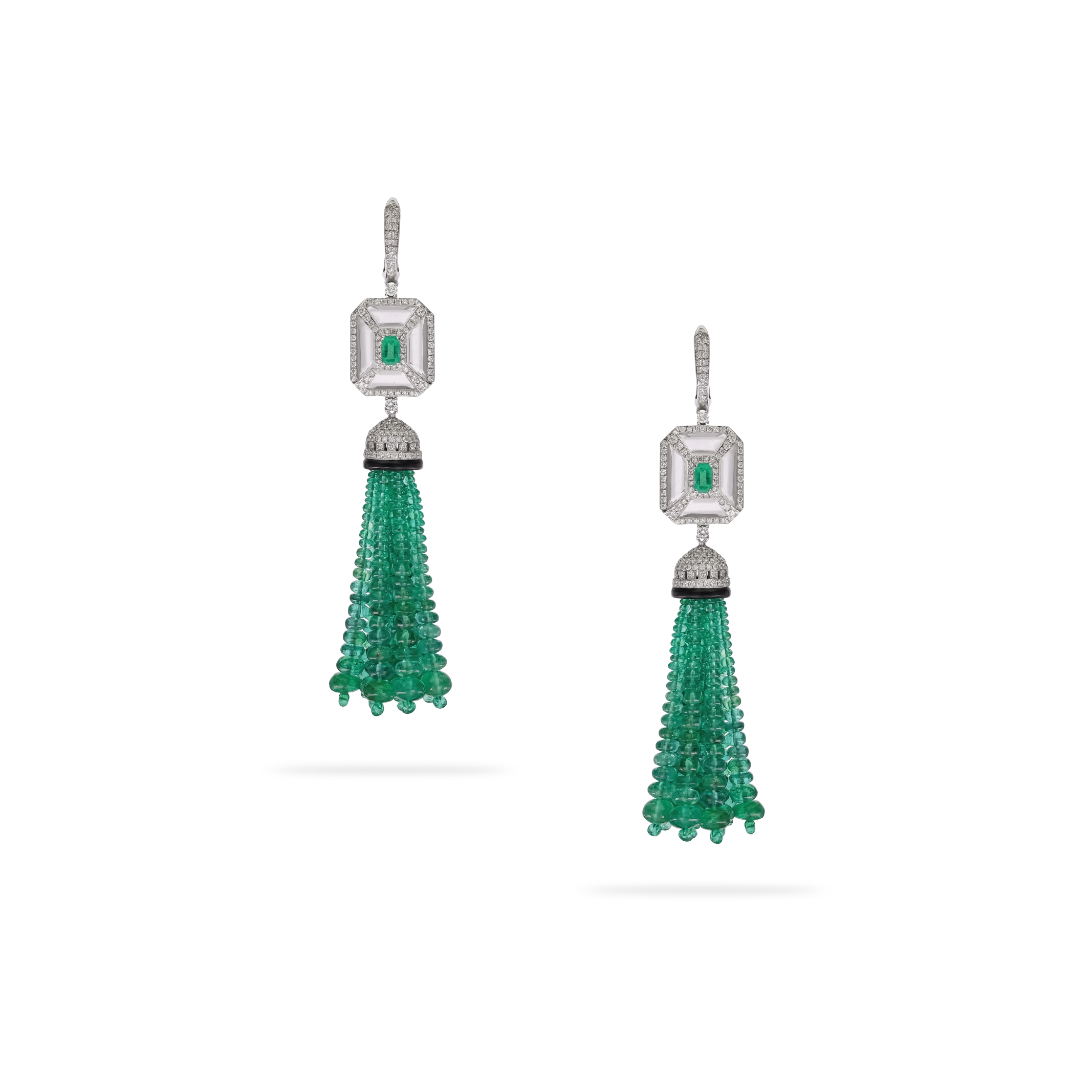
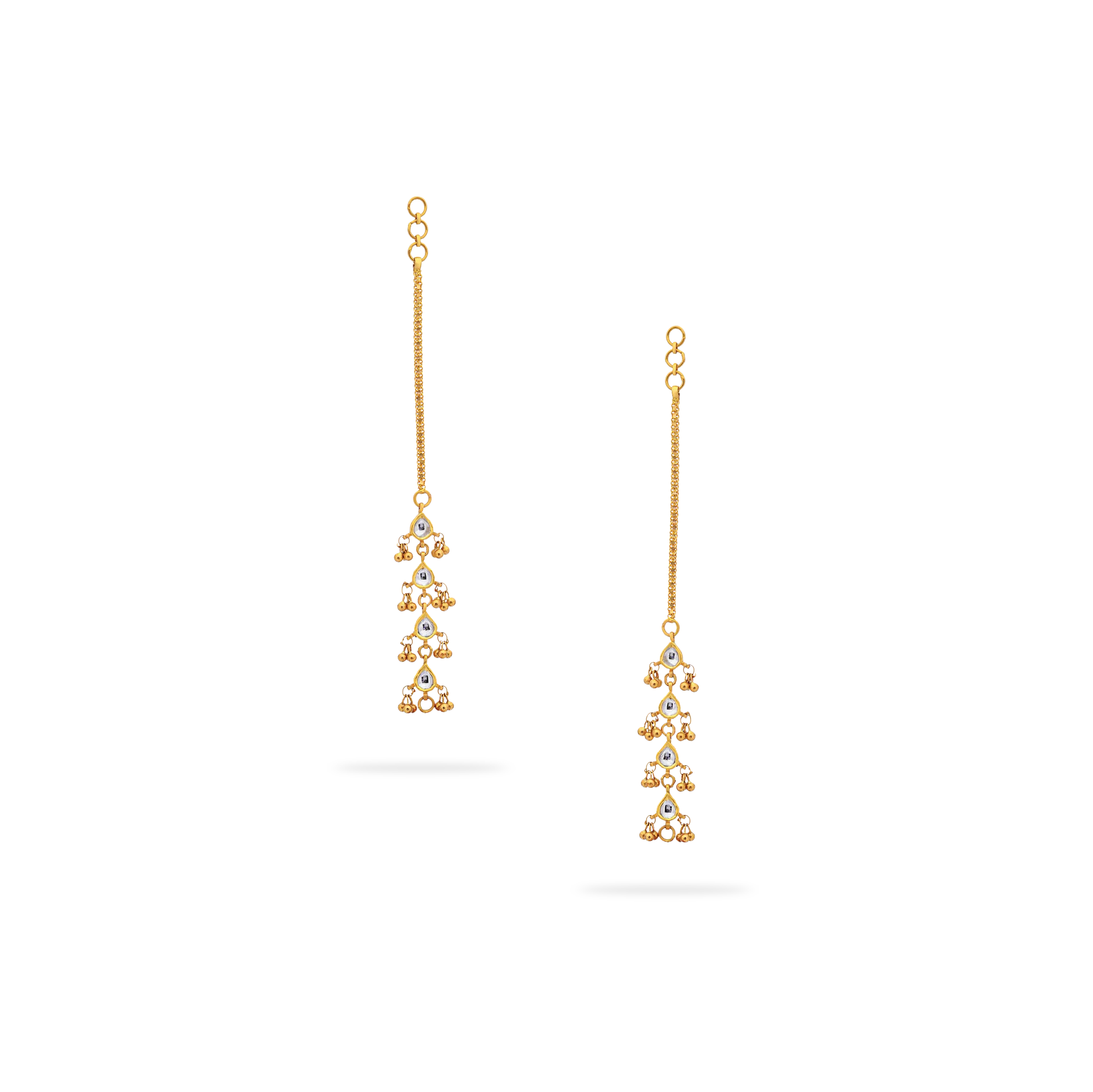
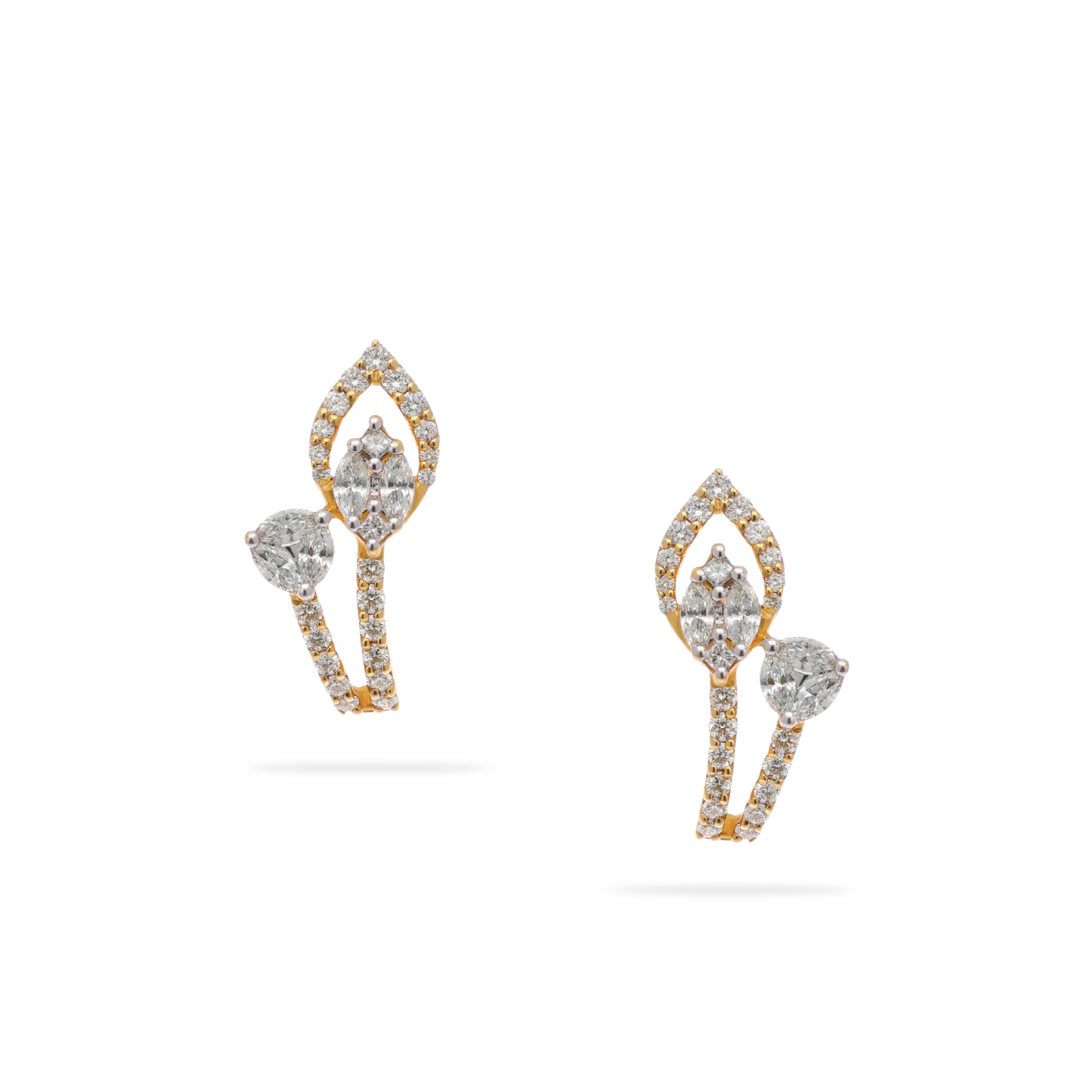
Oversized hoops, curved drops, architectural studs, and irregular gemstone shapes can give a simple dress an immediate point of interest. They work especially well when the rest of the jewelry is quiet, allowing the earrings to frame the face instead of competing with a necklace. If the piece is heavy, test it for at least an hour before the event; beauty loses its charm quickly when your ears are sore.
A statement silhouette does not have to mean maximum size. A clean metal curve or a single polished stone can feel just as distinctive as a heavily embellished chandelier. For a helpful look at personal bridal styling, browse this timeless bridal jewelry guide and pay attention to how shape, color, and dress details work together.
Layered necklaces with modern proportions
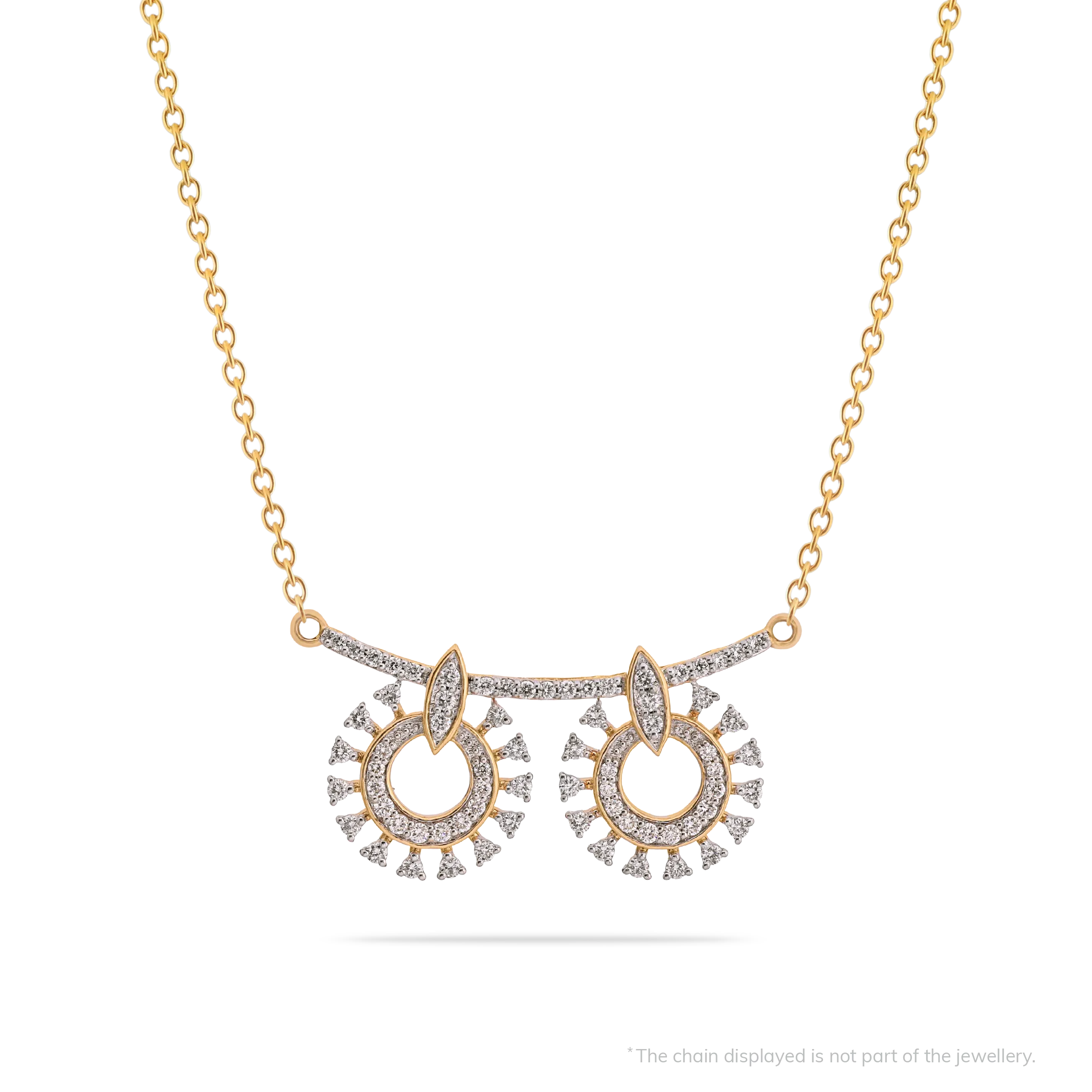
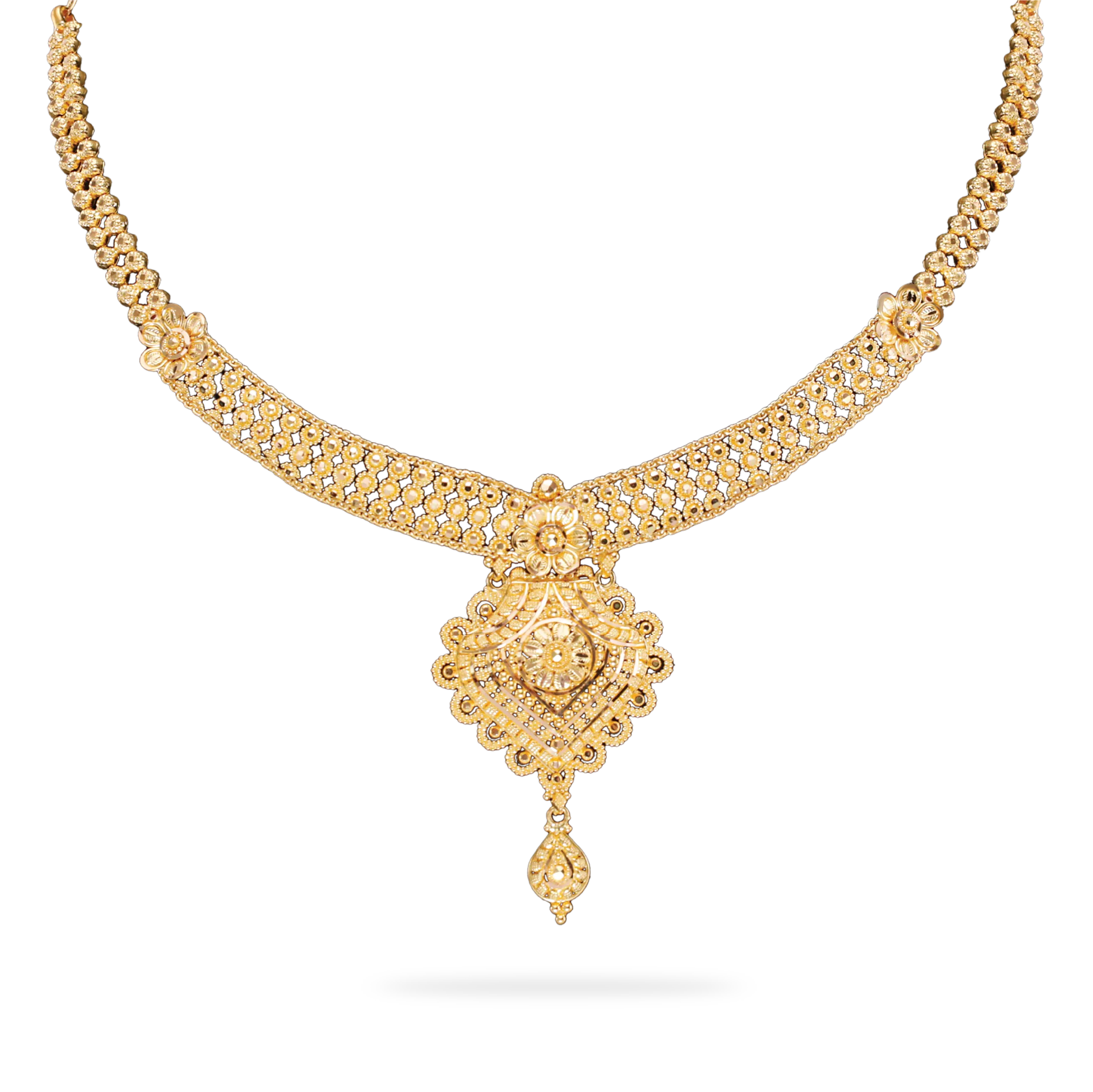
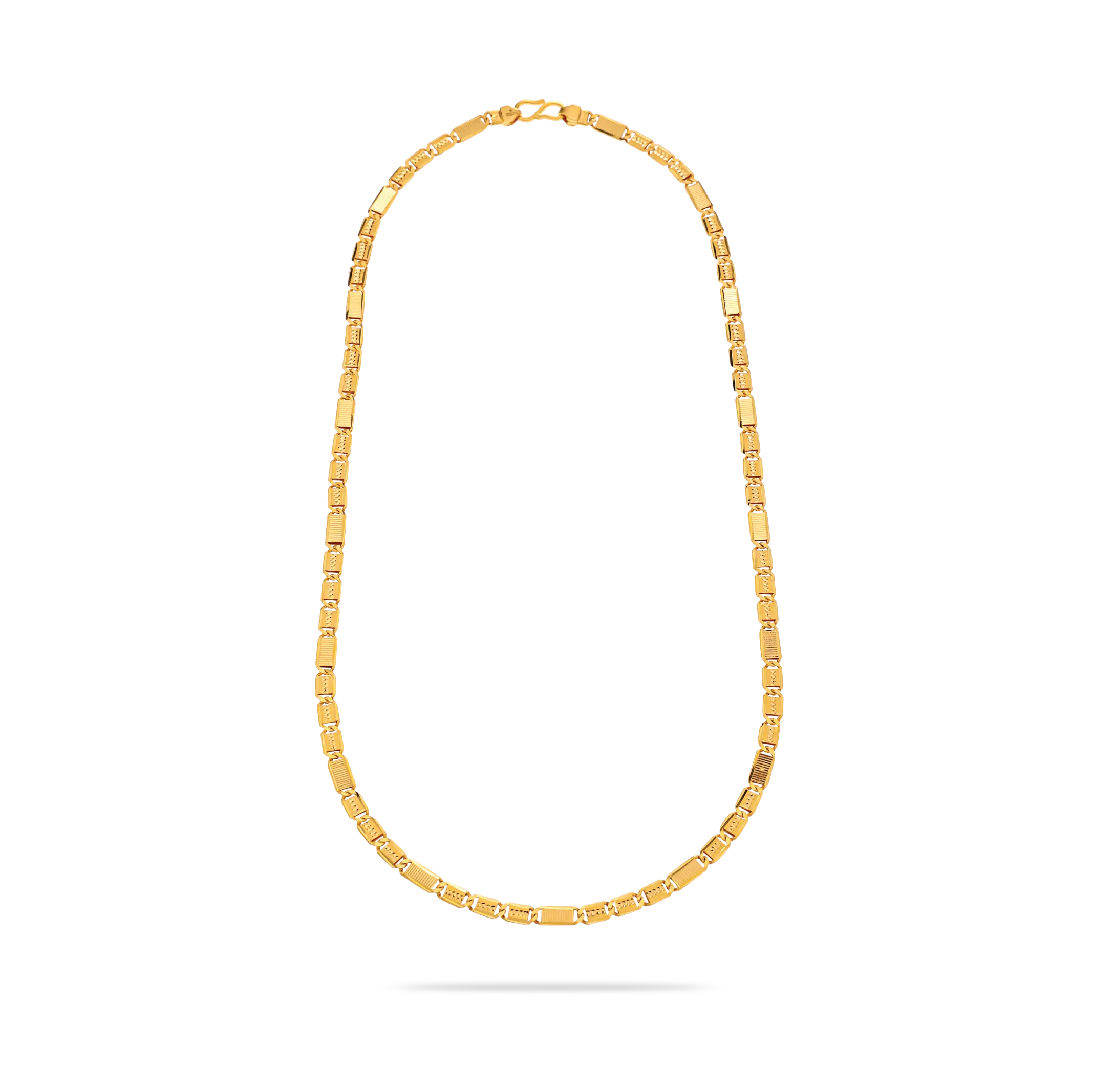
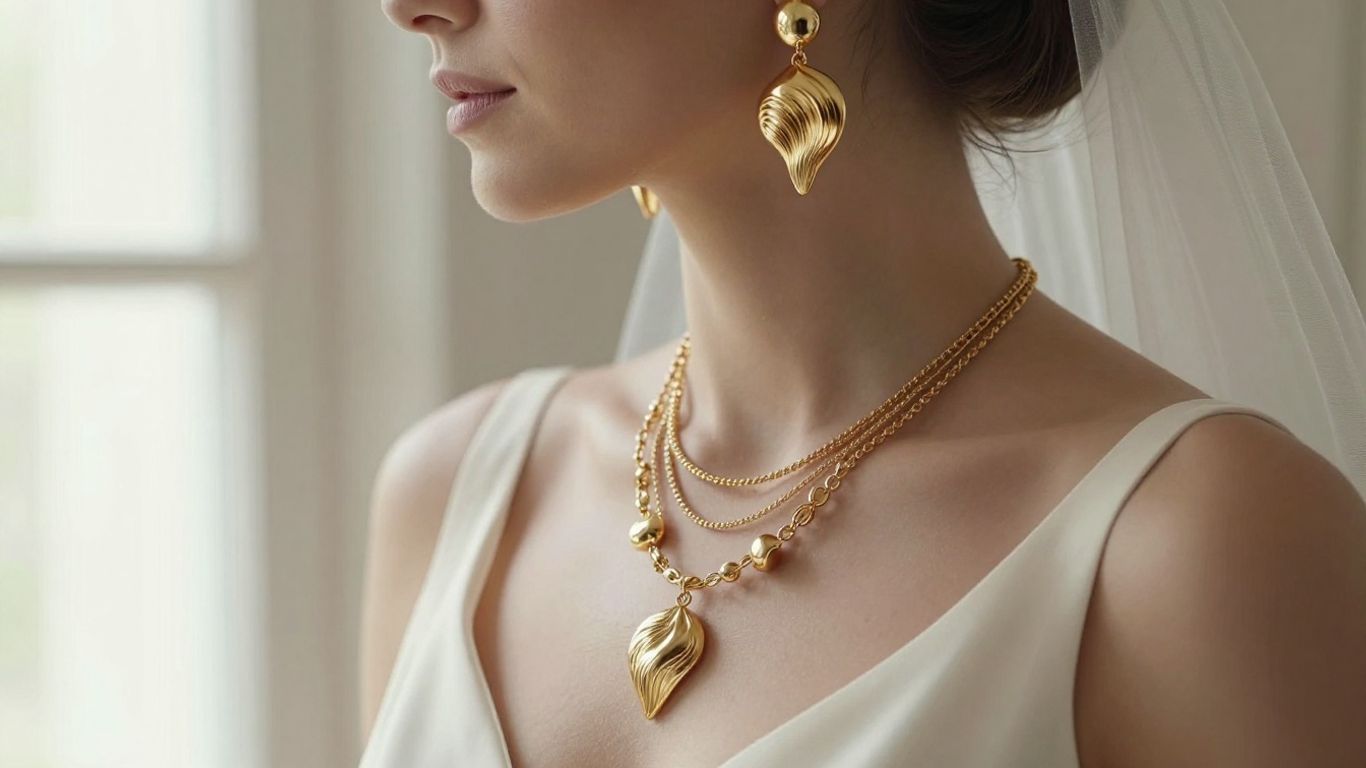
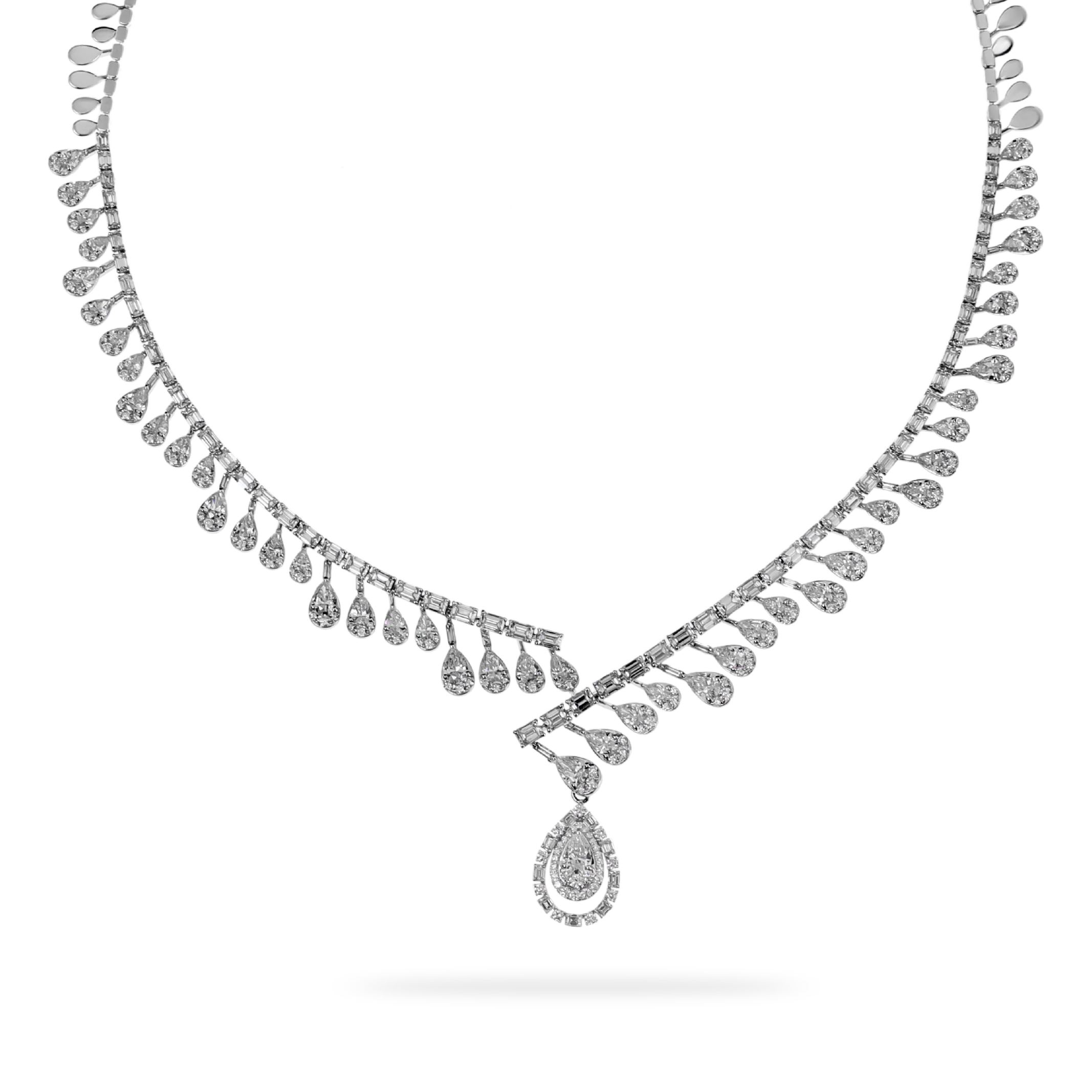
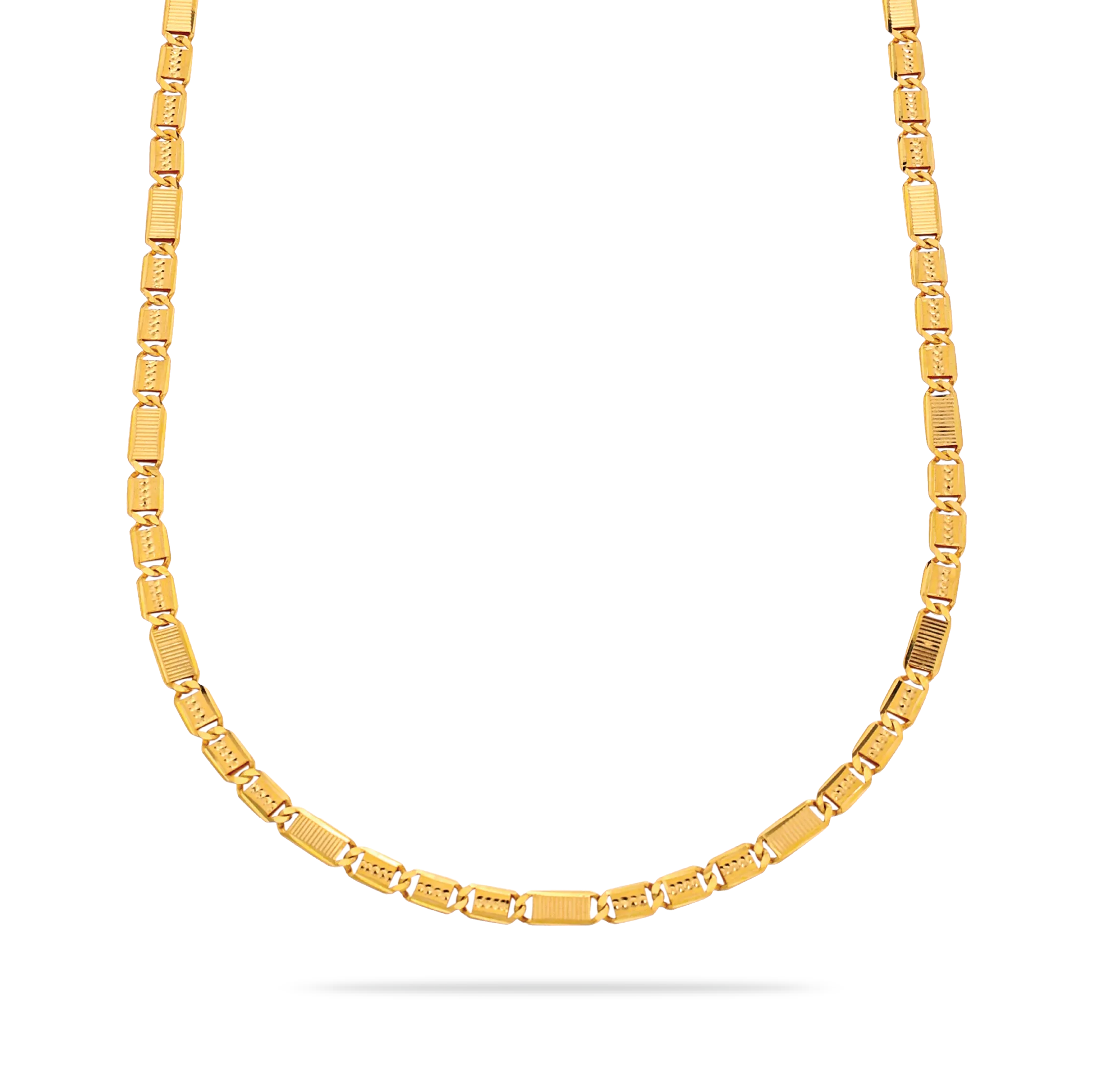
Necklace layering is becoming more deliberate. Instead of stacking several chains at random, combine two or three lengths that create visible space between them: perhaps a short pendant, a medium chain, and one longer line that follows the shape of the dress. Keep the textures related so the result looks edited rather than busy.
A layered look can be particularly effective with a minimalist gown, a plain silk dress, or a simple reception outfit. Choose one meaningful pendant and let the other pieces provide rhythm. The goal is a necklace arrangement that moves with the body and leaves enough open space around the collarbone.
Mixed metals for a more personal look
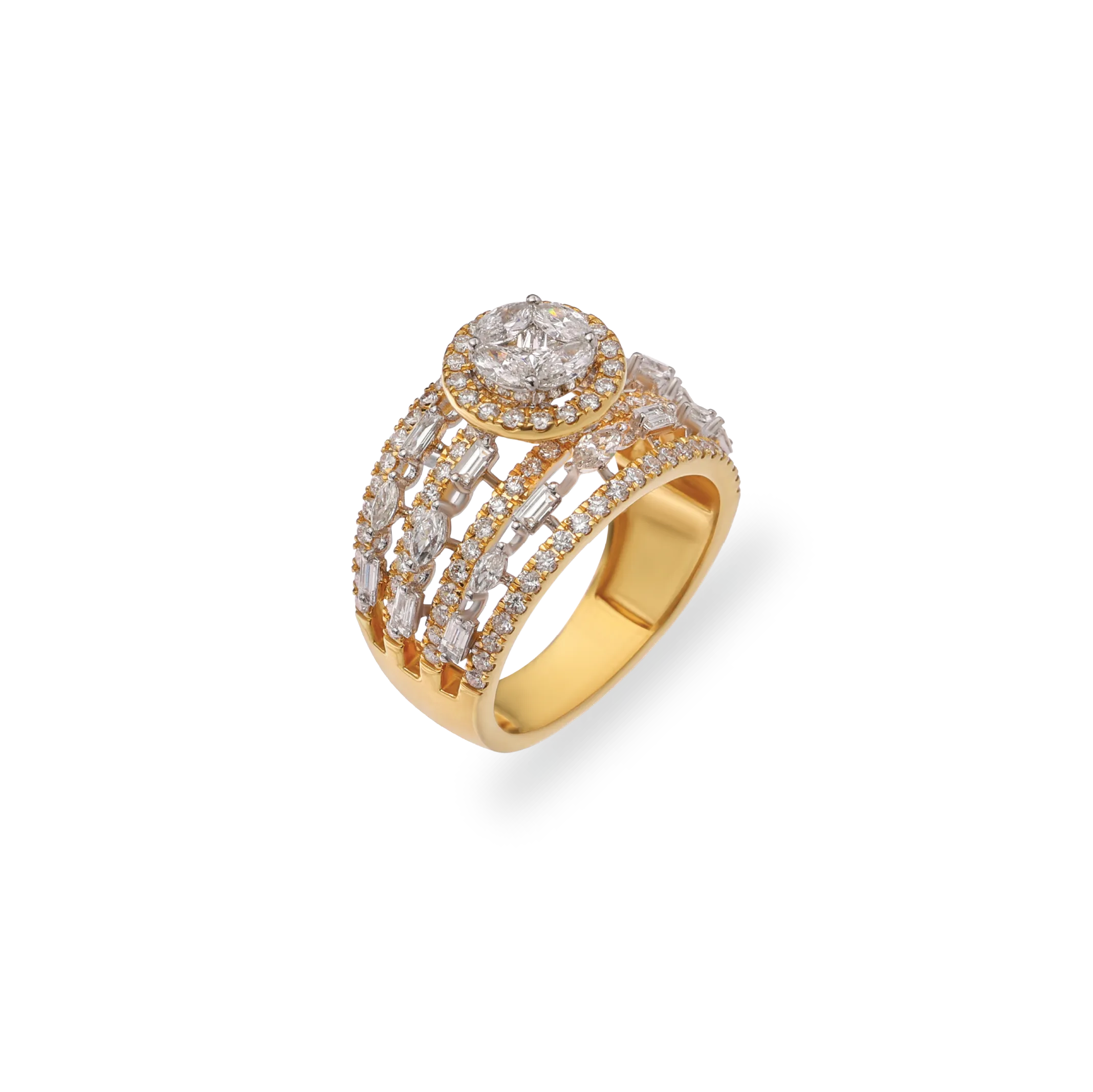
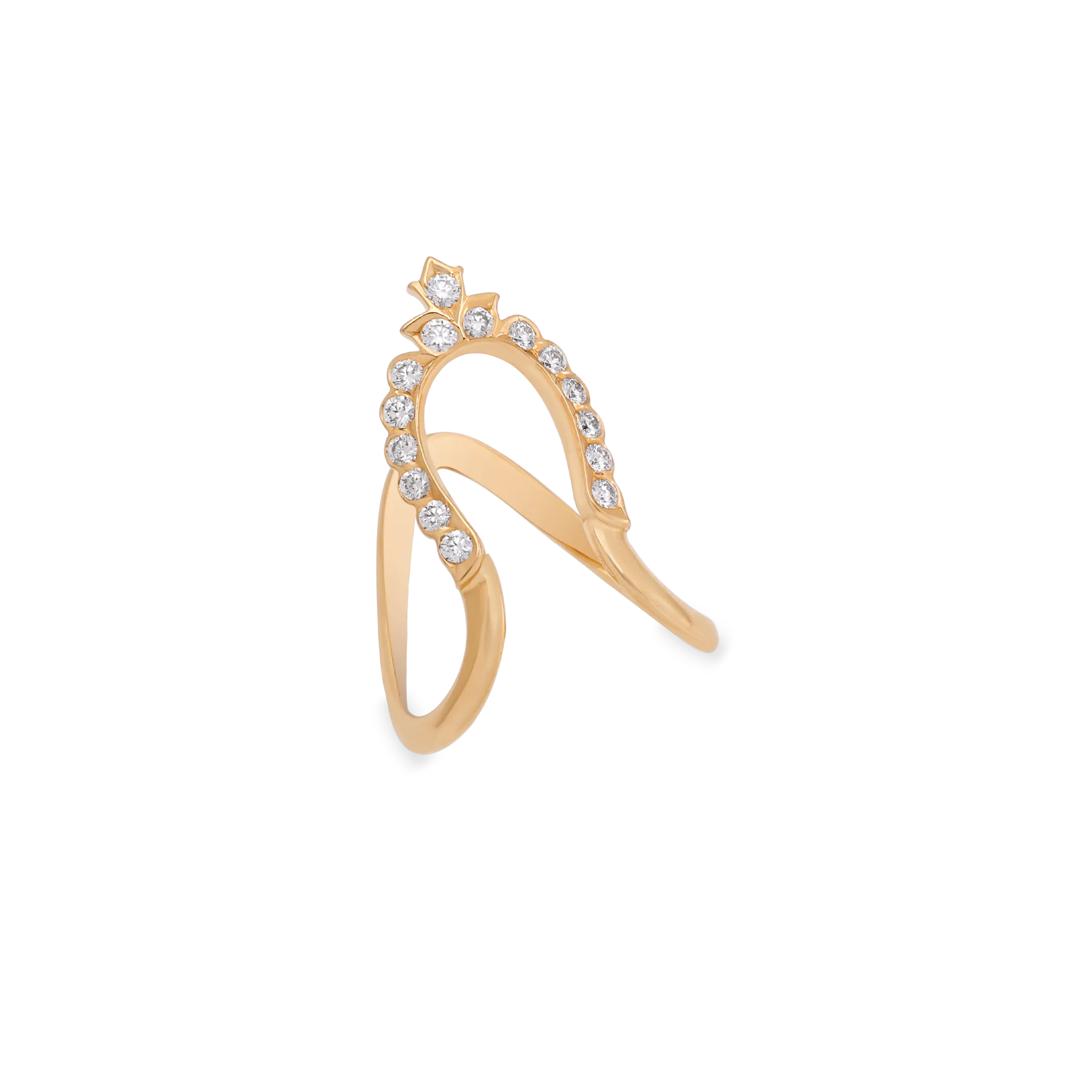
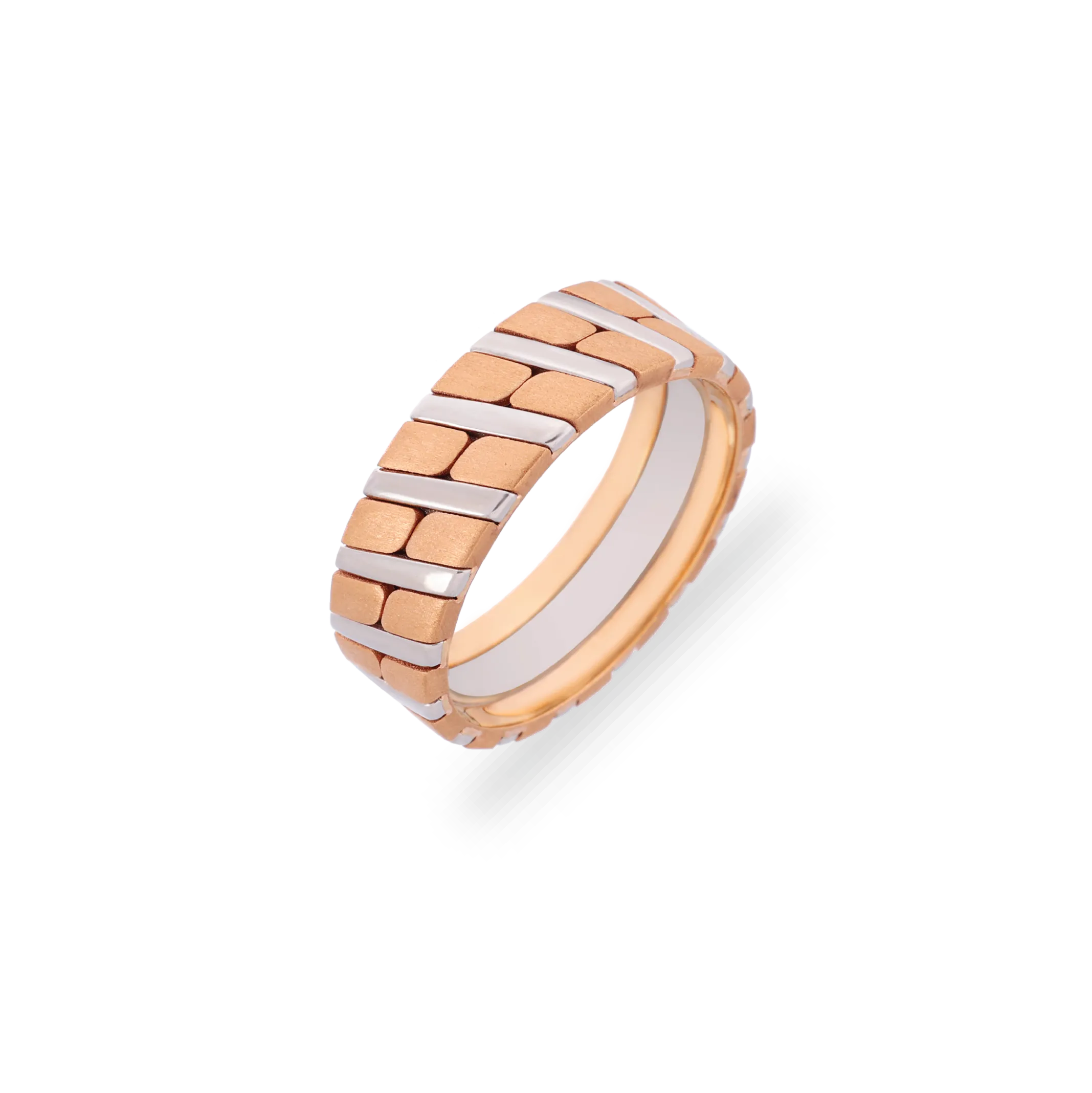
Combining yellow gold with white gold , silver, or rose-toned metal makes wedding jewelry feel collected rather than purchased as a single set. The easiest approach is to repeat one metal at least twice, then use the second as an accent. For example, warm gold earrings can be paired with a slim silver bracelet and a ring that includes both tones.
Mixed metals also help connect jewelry to accessories that do not match perfectly. A champagne shoe, a cool-toned hairpin, and a warm gold necklace can sit comfortably together when their shapes are simple. A little repetition creates harmony without requiring every detail to be identical.
Pearls beyond traditional bridal styles
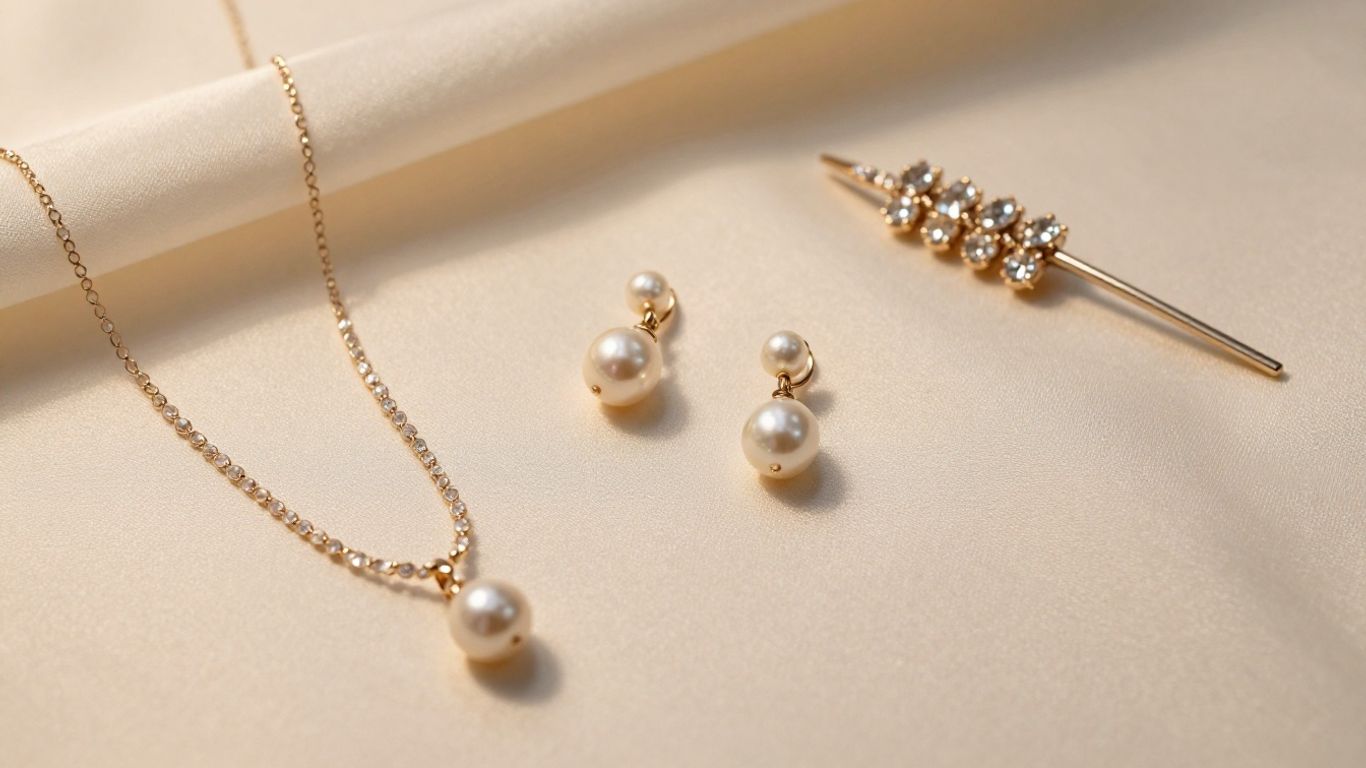
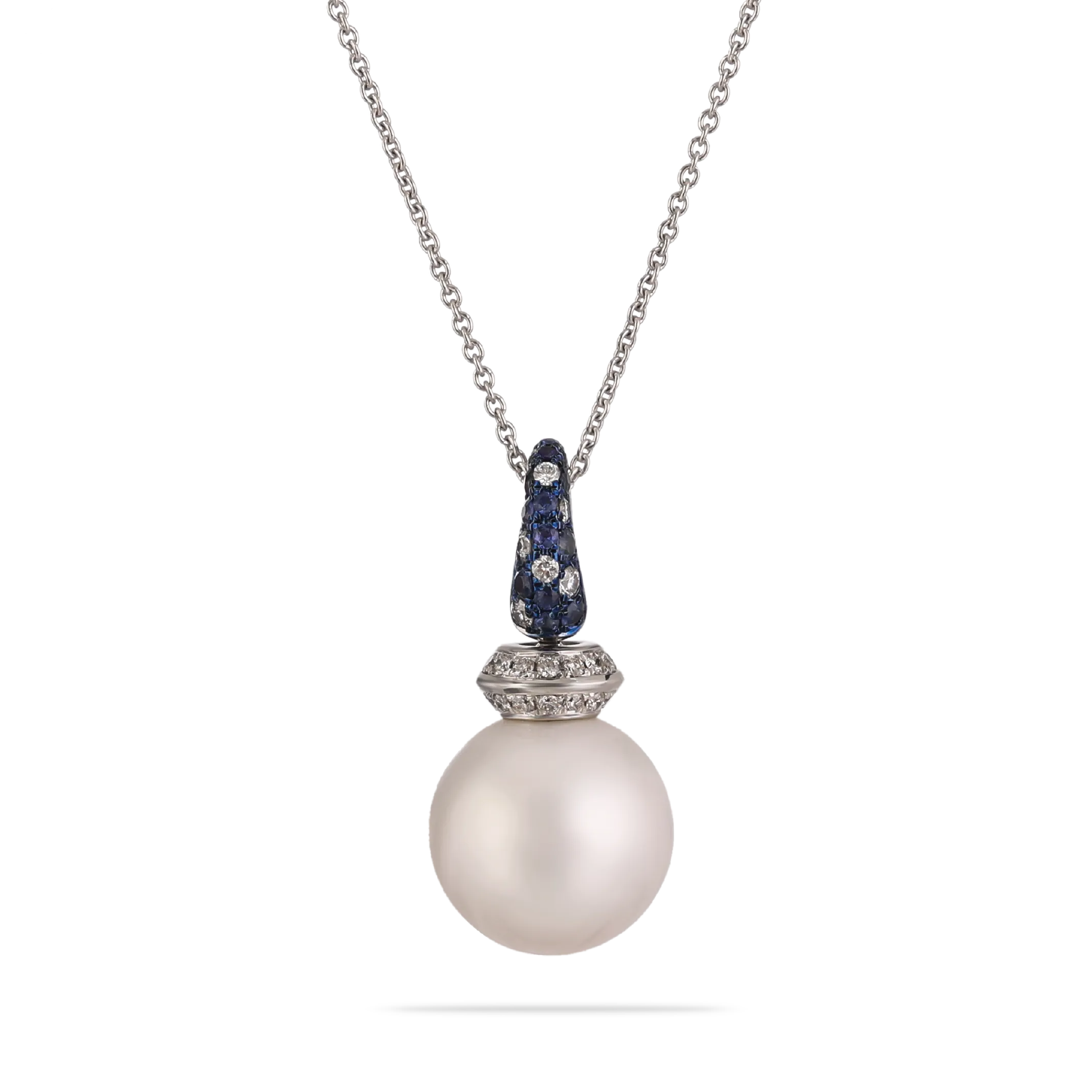
Pearls are no longer limited to delicate studs or a single strand. Baroque shapes, pearl drops, scattered pearl hairpins, and combinations of pearls with colored stones offer a more relaxed interpretation. Their soft luster suits daytime ceremonies, but a larger pearl silhouette can also hold its own at an evening reception.
Try pairing pearls with a plain metal chain or with an architectural earring rather than building a fully traditional set. A pearl bracelet with a tailored jumpsuit, for instance, can feel modern and polished. The most wearable version is often one that adds softness without making the entire outfit look sentimental.
How to choose jewellery for your wedding role
Your role at the wedding changes the balance between expression and restraint. A bride may want pieces that become part of the visual memory of the day, while a guest usually needs jewelry that feels polished without taking attention from the couple. Family members and attendants have more room for personality than rigid matching rules suggest.
Bridal jewellery that complements the dress
Start with the dress’s strongest feature. A dramatic neckline may need only earrings, while a plain bodice can support a necklace with more presence. Consider the fabric, embellishment, and veil together; glossy satin reflects light differently from matte crepe, and lace may already provide enough visual texture.
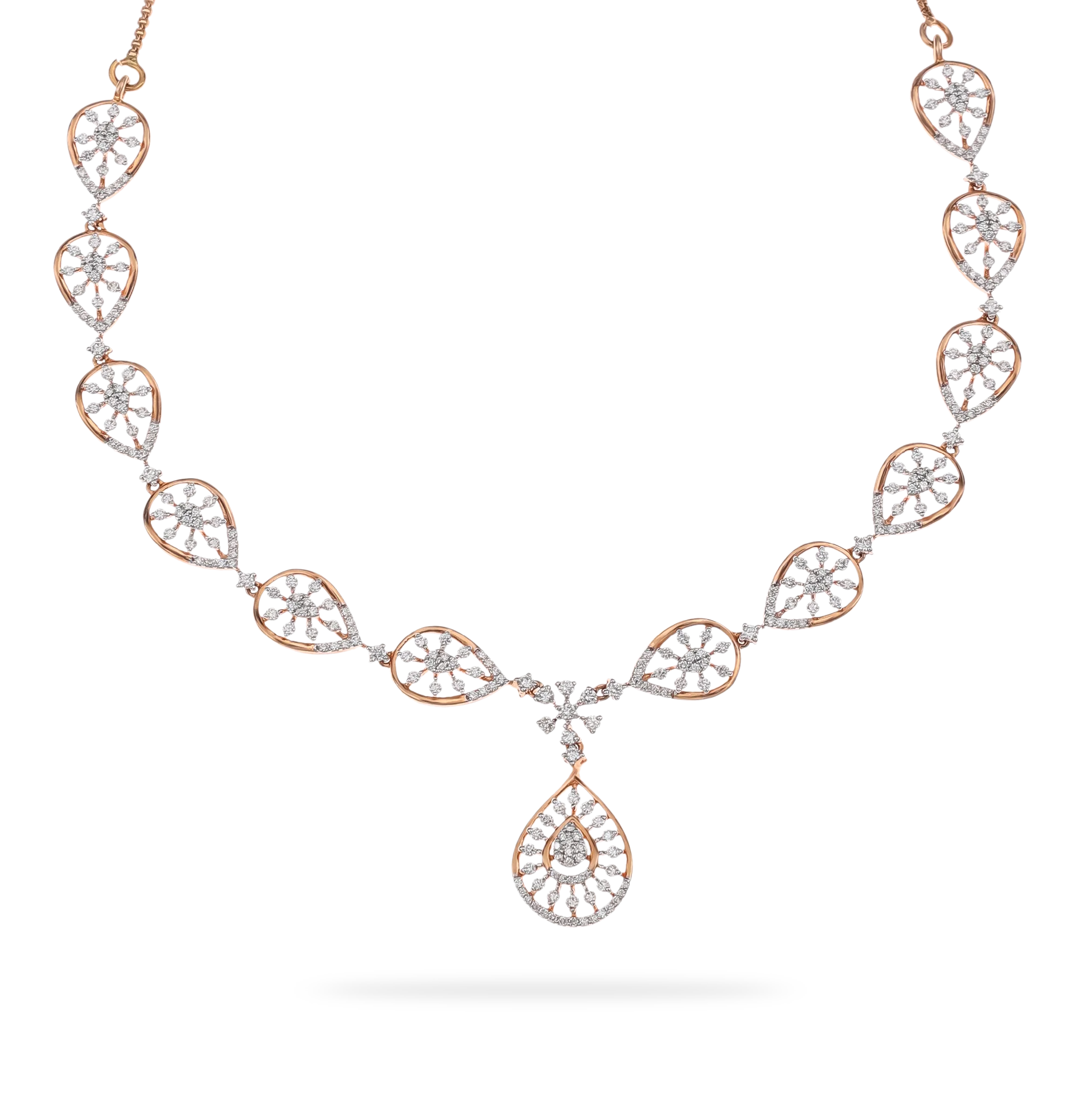
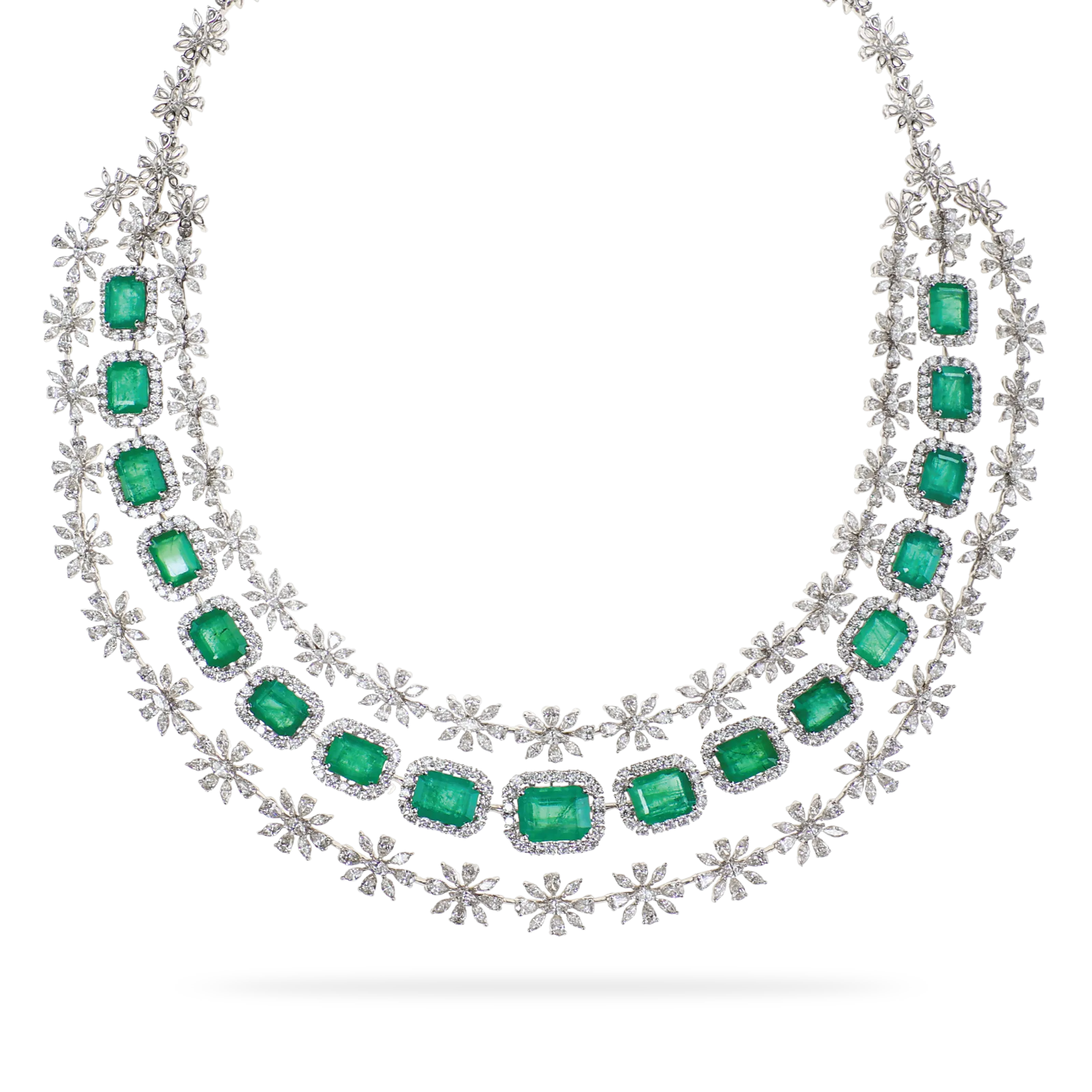
Bridal jewelry should also work in photographs from several distances. A delicate piece can disappear in a wide portrait, while an oversized design may dominate close-ups. A useful reference for choosing a wedding necklace is this necklace styling guide, especially when you are deciding between one statement piece and several lighter layers.
Bridesmaid accessories that coordinate without matching
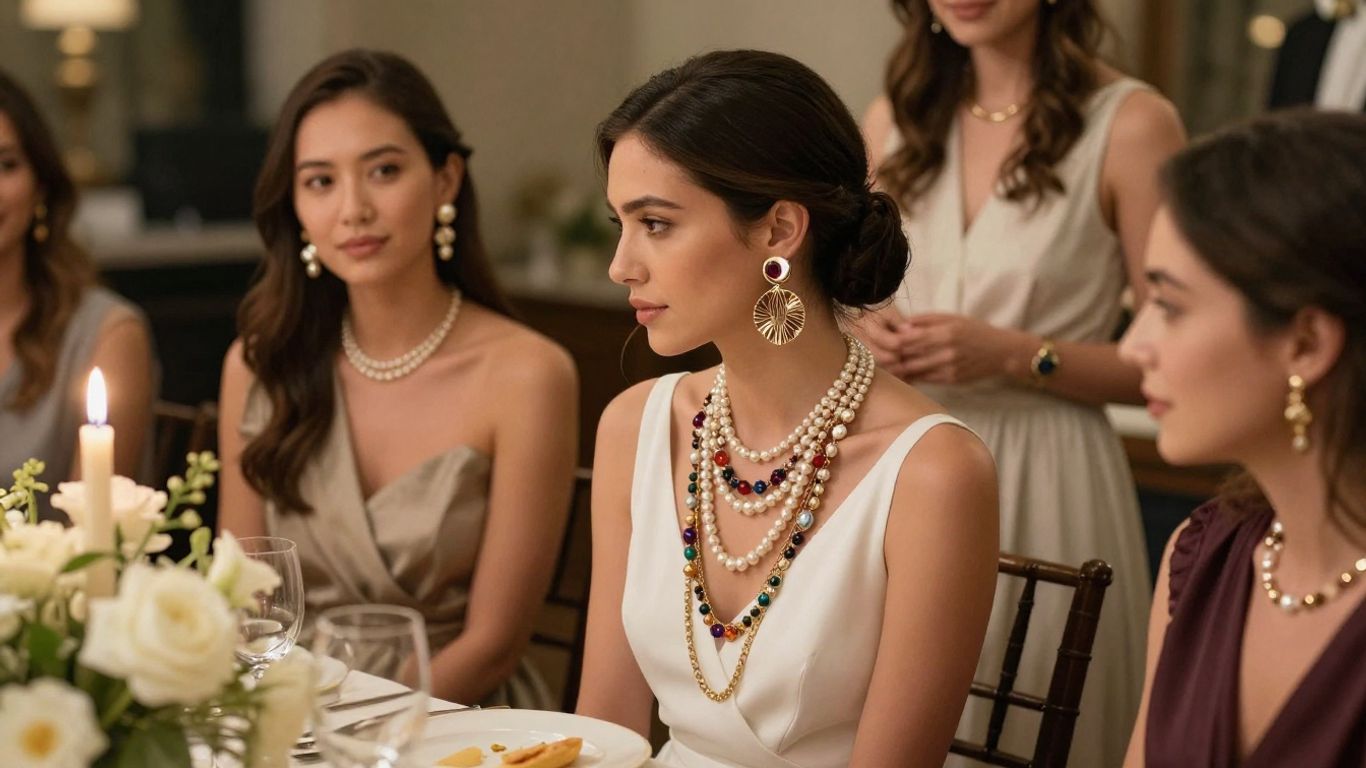
Bridesmaids look more cohesive when they share a visual idea rather than an identical jewelry set. The common thread might be metal color, a recurring stone, or a similar level of shine. Let each person choose between studs, drops, a bracelet, or a necklace according to her dress and comfort.
If the dresses are different colors, repeating one small detail can bring the group together. A row of pearl accents, warm gold finishes, or slim gemstone rings may be enough. For a gift with emotional weight, a personalized wedding song can sit alongside jewelry without adding another accessory everyone must wear.
Guest jewellery that feels polished but not overstated
Guests should consider the venue and the couple’s styling before reaching for the largest pieces in their collection. A single statement earring, a neat cuff, or a refined pendant usually feels intentional. Avoid wearing a tiara-like headpiece or an elaborate bridal-style necklace unless the invitation specifically invites dramatic dressing.
Color is a simple way to look memorable without looking overdone. Choose one seasonal accent, such as garnet, sapphire, emerald, or a soft pastel stone, and repeat it only once elsewhere. Jewelry should finish the outfit, not announce itself before you do.
Mother-of-the-bride and mother-of-the-groom styling
Mothers often suit jewelry with presence and comfort: polished earrings, a substantial brooch, a bracelet that sits securely, or a necklace that works with the neckline. Pieces with a little weight can look elegant in photographs, but avoid anything that catches on lace, hair, or a shawl.
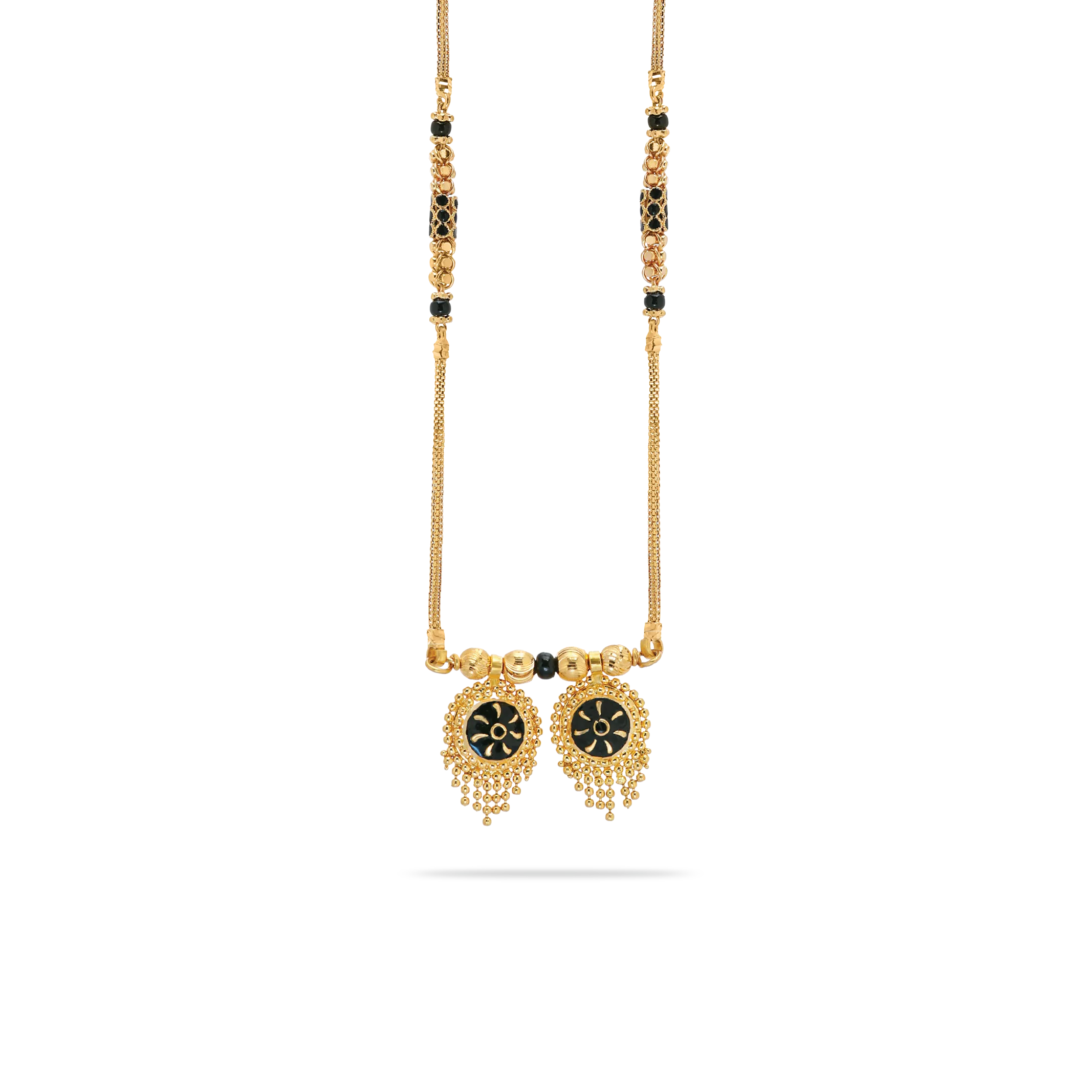
Personal history can guide the choice. An inherited ring, a familiar pearl strand, or a new piece selected around a favorite metal may feel more meaningful than a trend-led set. If jewelry is being given as a present, consider this wedding gift jewelry guide for ideas that balance lasting materials with personal style.
Jewellery trends for different wedding dress codes
Dress code is a useful filter, not a strict rulebook. The same pair of earrings can look formal with a floor-length gown and relaxed with a linen suit. Think about scale, shine, and movement, then adjust those elements to the room, the time of day, and the overall mood of the invitation.
Black-tie celebrations and formal venues
Black-tie settings welcome clear, elegant sparkle. Consider diamond or crystal drops, a smooth cuff, or a necklace with a clean line rather than several competing pieces. Updos create space for earrings and hair jewelry, while a low neckline can support a restrained pendant.
Formal does not mean heavily embellished. One luminous focal point often looks more expensive and photographs more clearly than a complete suite. Keep fastenings secure and check that your jewelry will not snag on the gown’s fabric during dinner or dancing.
Cocktail receptions and city weddings
City weddings give you permission to be sharper and more graphic. Try geometric earrings, a mixed-metal ring stack, or a compact pendant with a tailored dress or jumpsuit. Black, white, jewel tones, and metallic fabrics can all carry a stronger silhouette without feeling excessive.
Cocktail jewelry should transition easily from ceremony to reception. A removable drop, an adjustable chain, or a bracelet that sits close to the wrist can make the outfit feel practical as well as polished. For another perspective on contemporary personalization, see these modern wedding jewelry ideas.
Garden parties and outdoor ceremonies
Garden celebrations suit jewelry with movement and softer color. Floral forms, freshwater-style pearls, pastel stones, and brushed finishes echo the setting without turning the outfit into a costume. Medium-sized earrings are often more comfortable than very long drops if the ceremony is outdoors.
Weather matters here. Keep delicate pieces away from loose scarves and choose secure closures if there will be wind. A small pendant or colorful ring can provide enough interest when the dress already has floral print, embroidery, or a full skirt.
Beach weddings and destination celebrations
At the beach, lightness is usually more useful than grandeur. Consider shell-inspired forms, slim gold hoops, pearls, or polished stones in oceanic shades. Avoid jewelry that is so delicate it disappears in bright light, but also avoid heavy pieces that feel out of place with relaxed fabrics.
Destination celebrations call for a compact jewelry plan. Pack pieces in separate soft pouches, keep valuable items in your carry-on, and bring one versatile pair of earrings that can work for more than one outfit. A relaxed setting can still look elevated when the accessories are intentional.
How to match jewellery with your neckline and hairstyle
Neckline and hairstyle determine where the eye naturally lands. Jewelry should support that movement rather than creating a crowded cluster around the face and chest. Before buying anything, try the complete outfit with your hair arranged in the style you expect to wear; the result can be surprisingly different from a mirror test with hair down.
Earrings for strapless and sweetheart necklines
Strapless and sweetheart dresses leave the shoulders and upper chest open, so earrings can become the main framing element. Drops lengthen the neck, while rounded studs or compact hoops keep the look soft. If you add a necklace, choose a short, delicate style that follows the neckline instead of competing with it.
A higher hairstyle gives statement earrings more room, while loose waves can make long drops feel tangled or hidden. Look for a balance between the dress’s shape and the earring’s direction: curved with curved, angular with angular, or use a deliberate contrast.
Necklaces for high-neck and halter dresses
High-neck and halter styles often look best without a conventional necklace. The fabric already creates a strong line, so earrings, rings, or a bracelet may be the cleaner choice. If you want something near the neckline, consider a fine chain worn beneath a sheer layer only when the dress construction allows it.
A long pendant can work with a simple high neck if the dress is otherwise unembellished, but proportion matters. Keep the pendant narrow and let it fall into open fabric rather than over a dense pattern. The aim is to add length, not another horizontal break.
Bracelets for sleeveless and short-sleeve looks
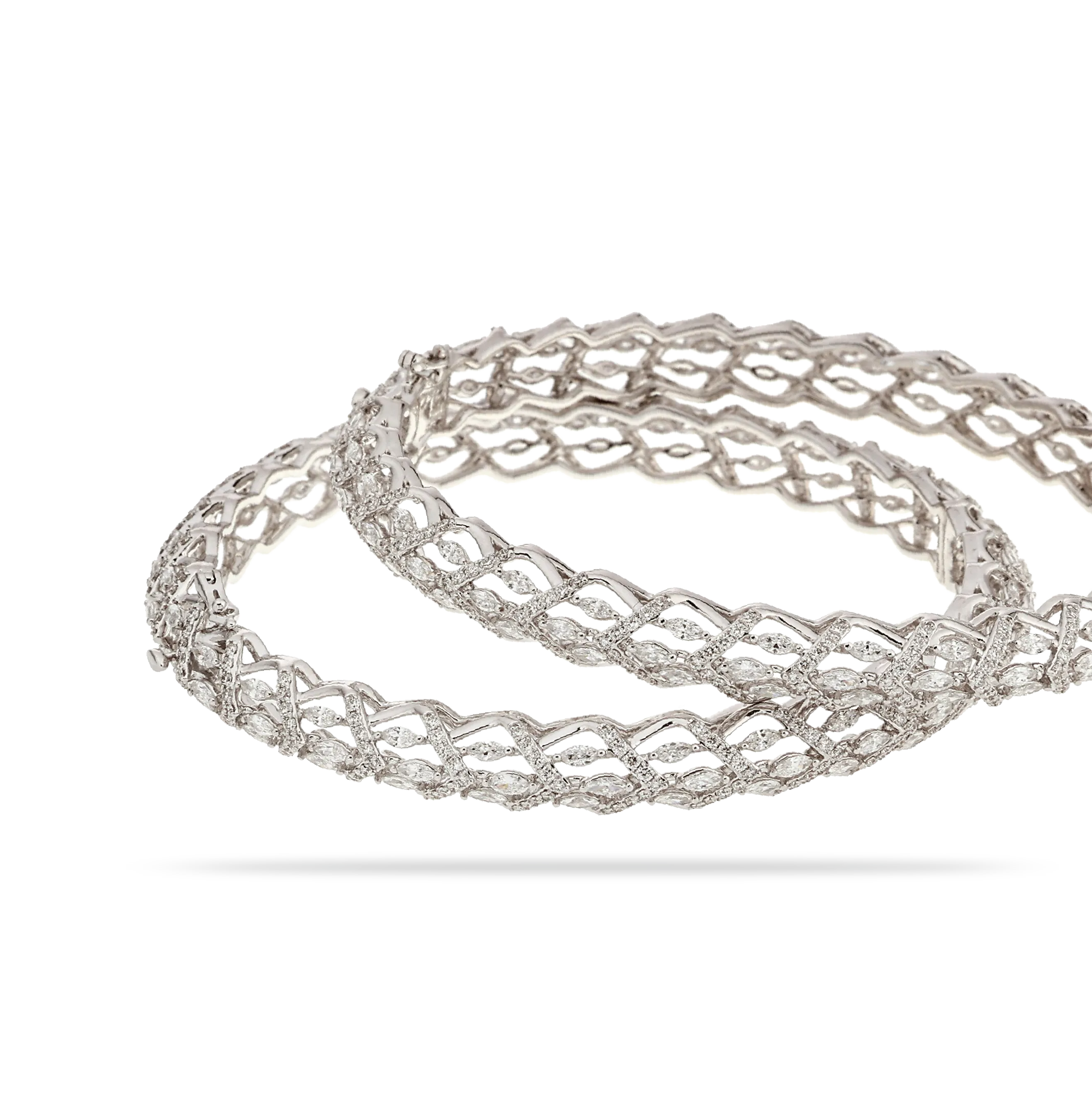
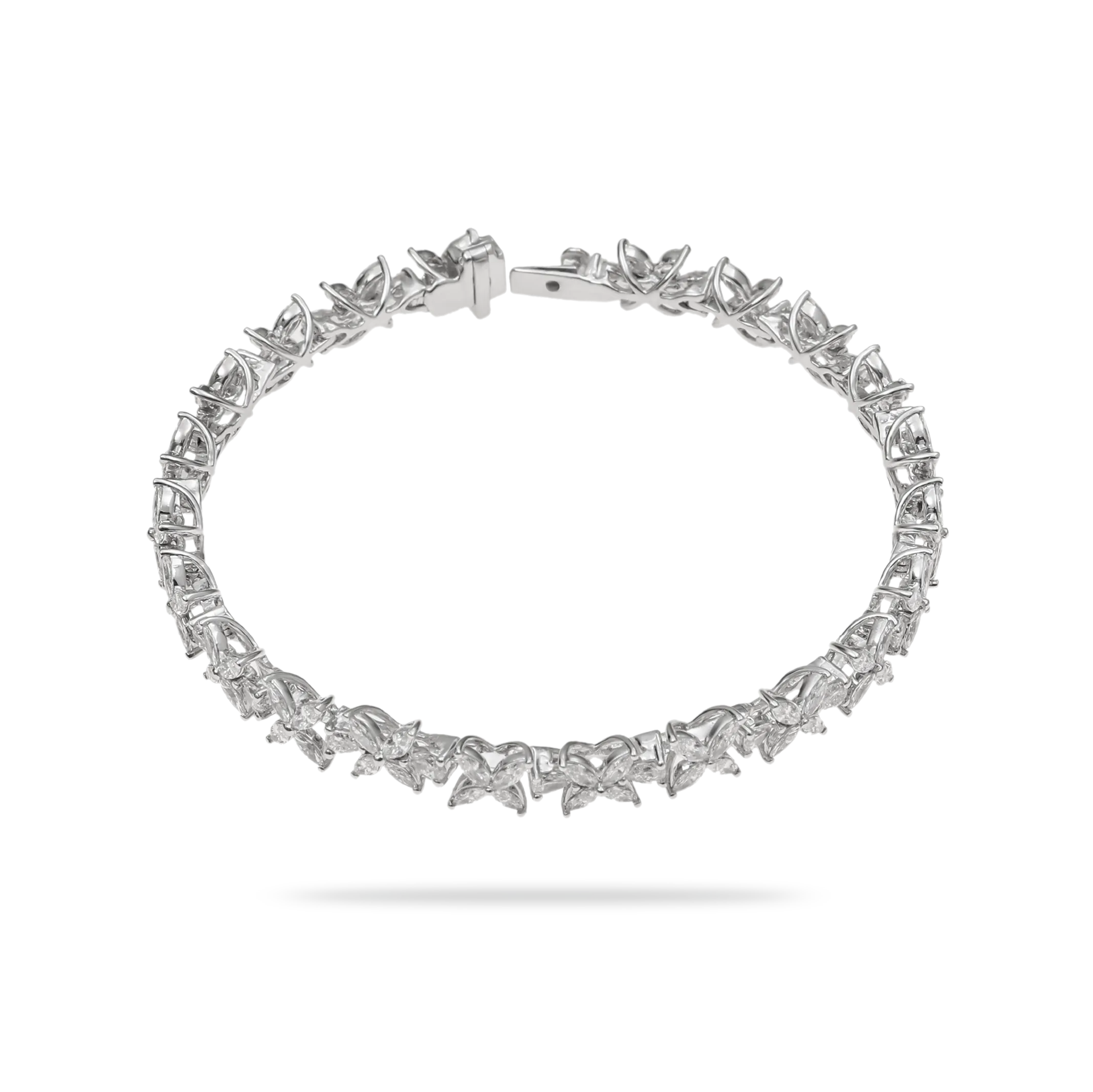
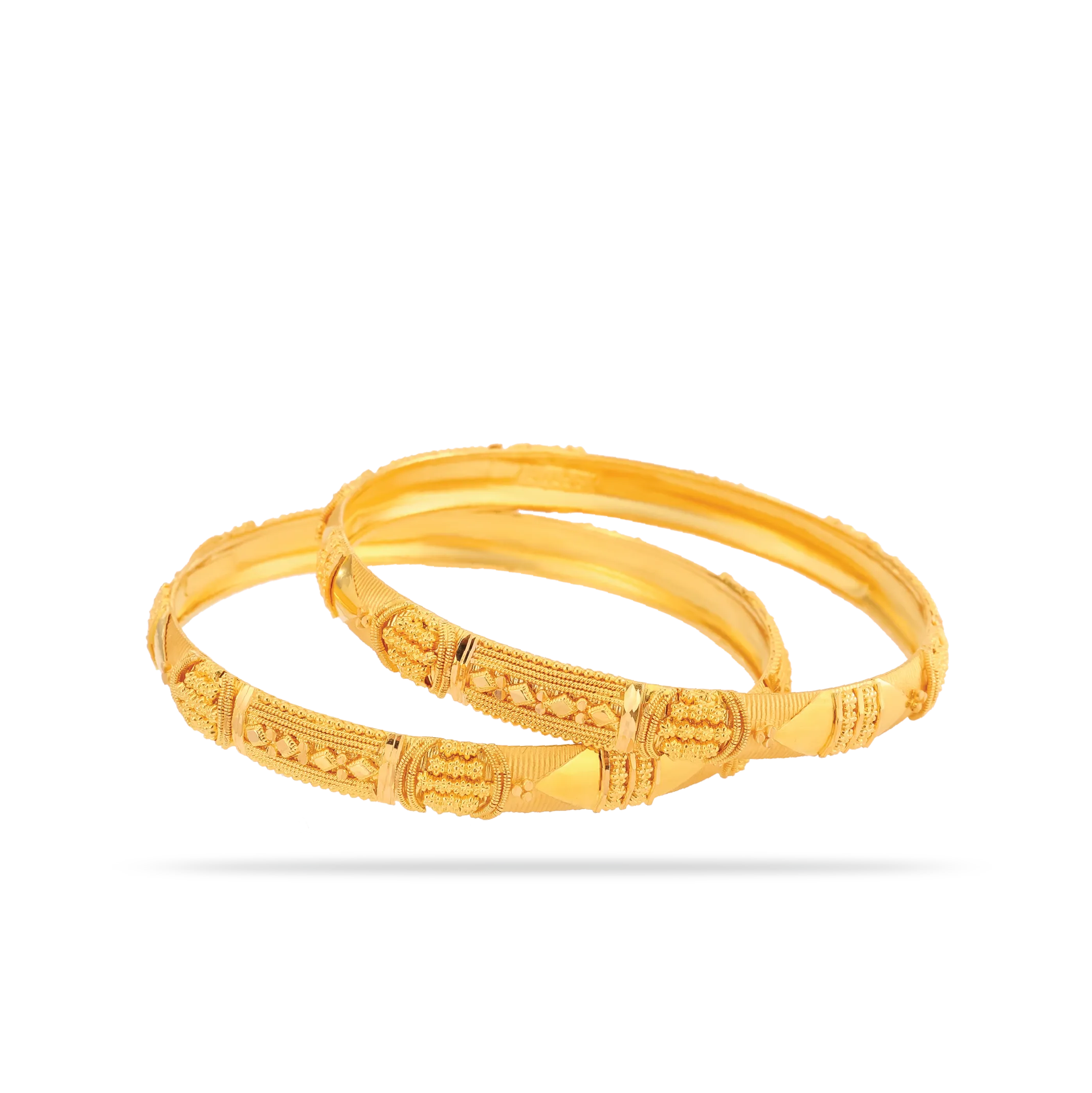
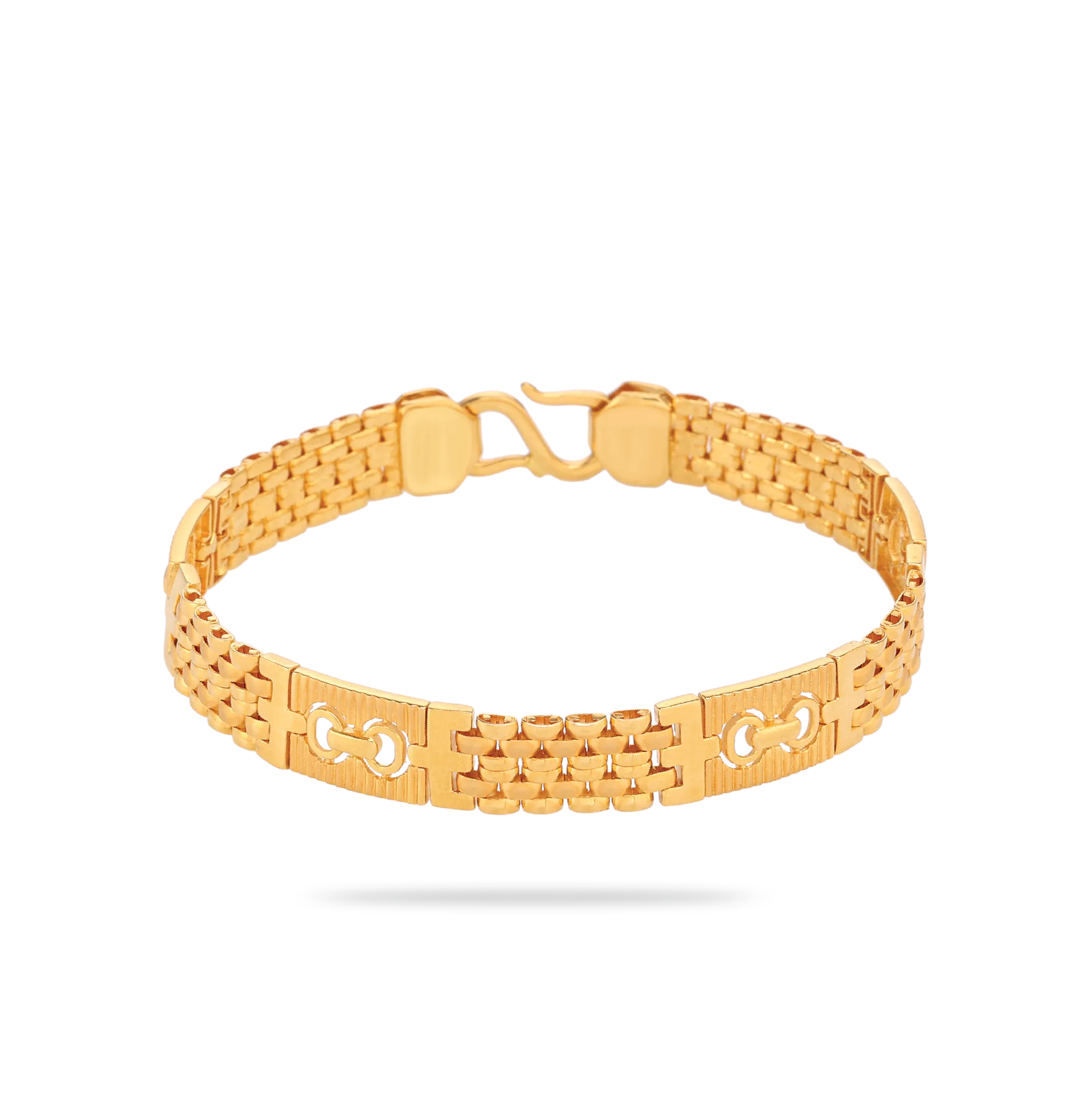
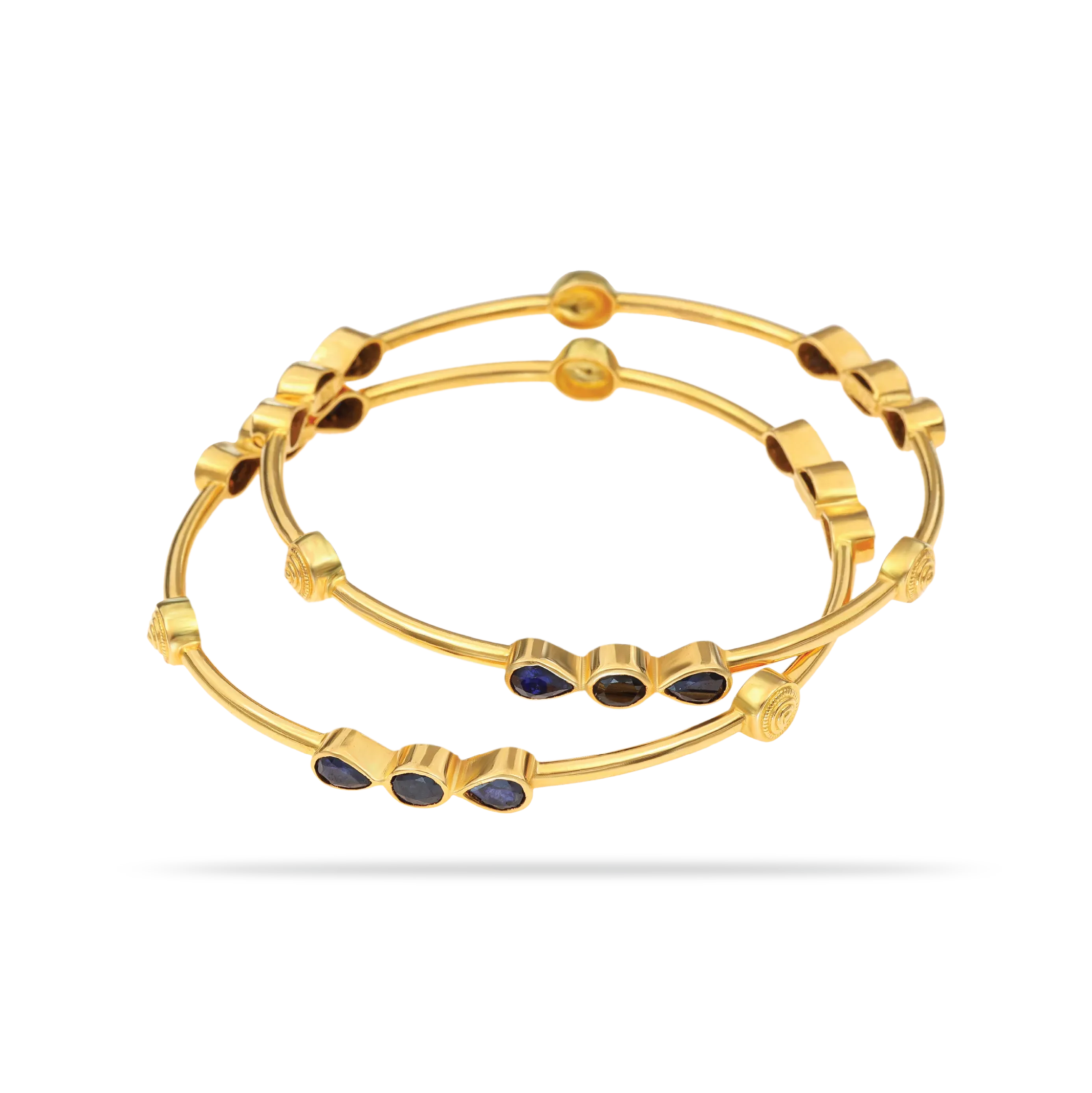
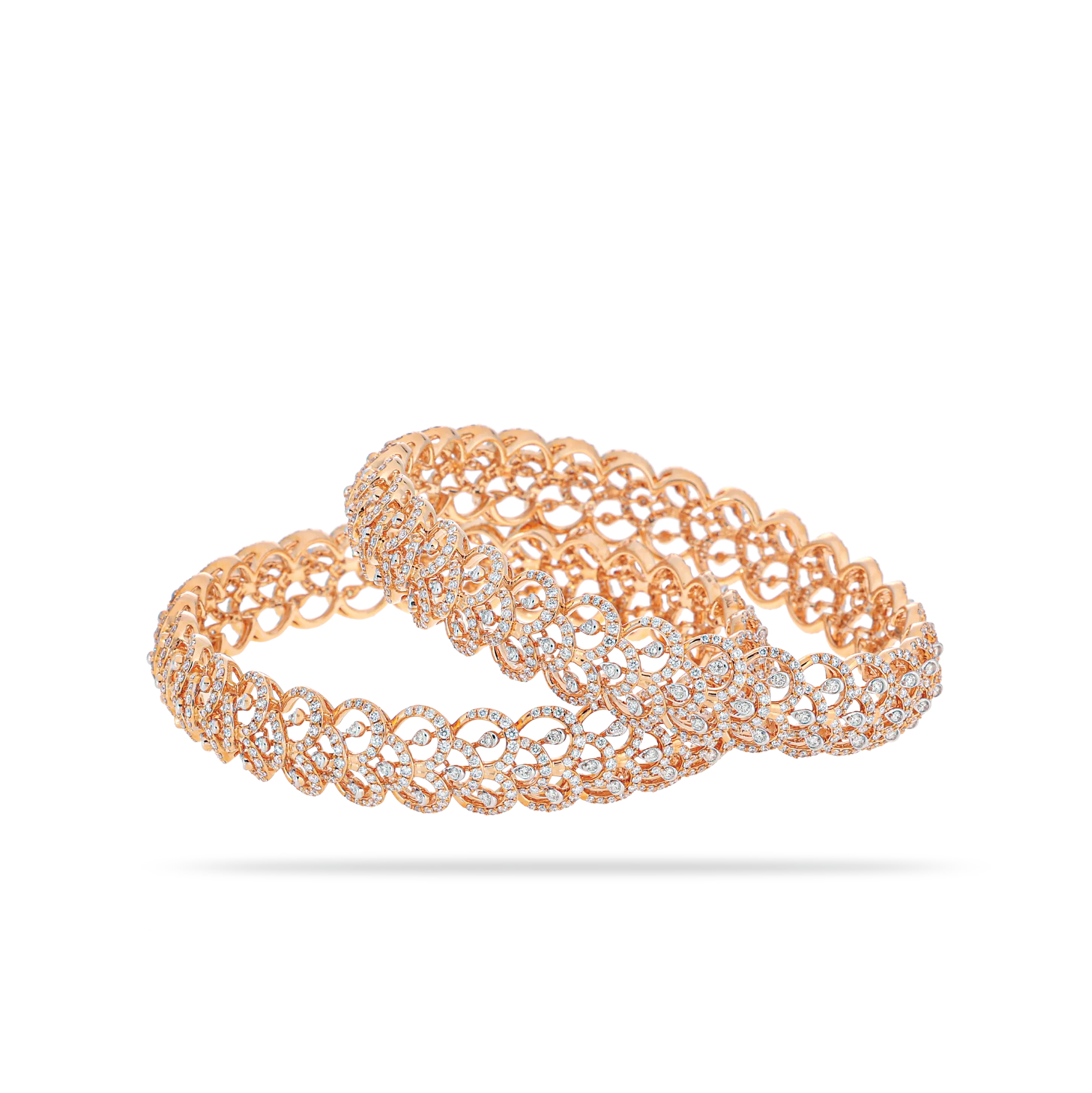
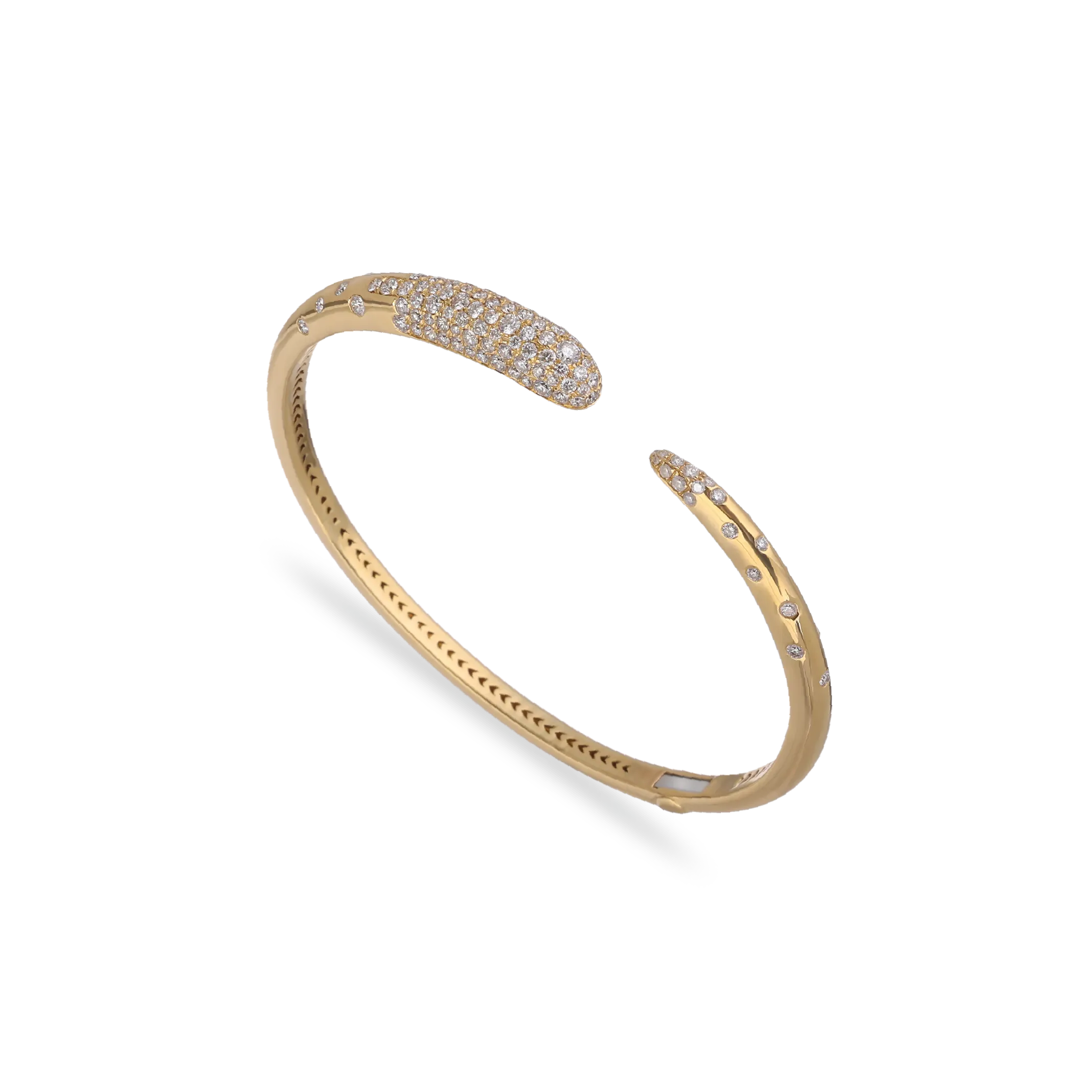
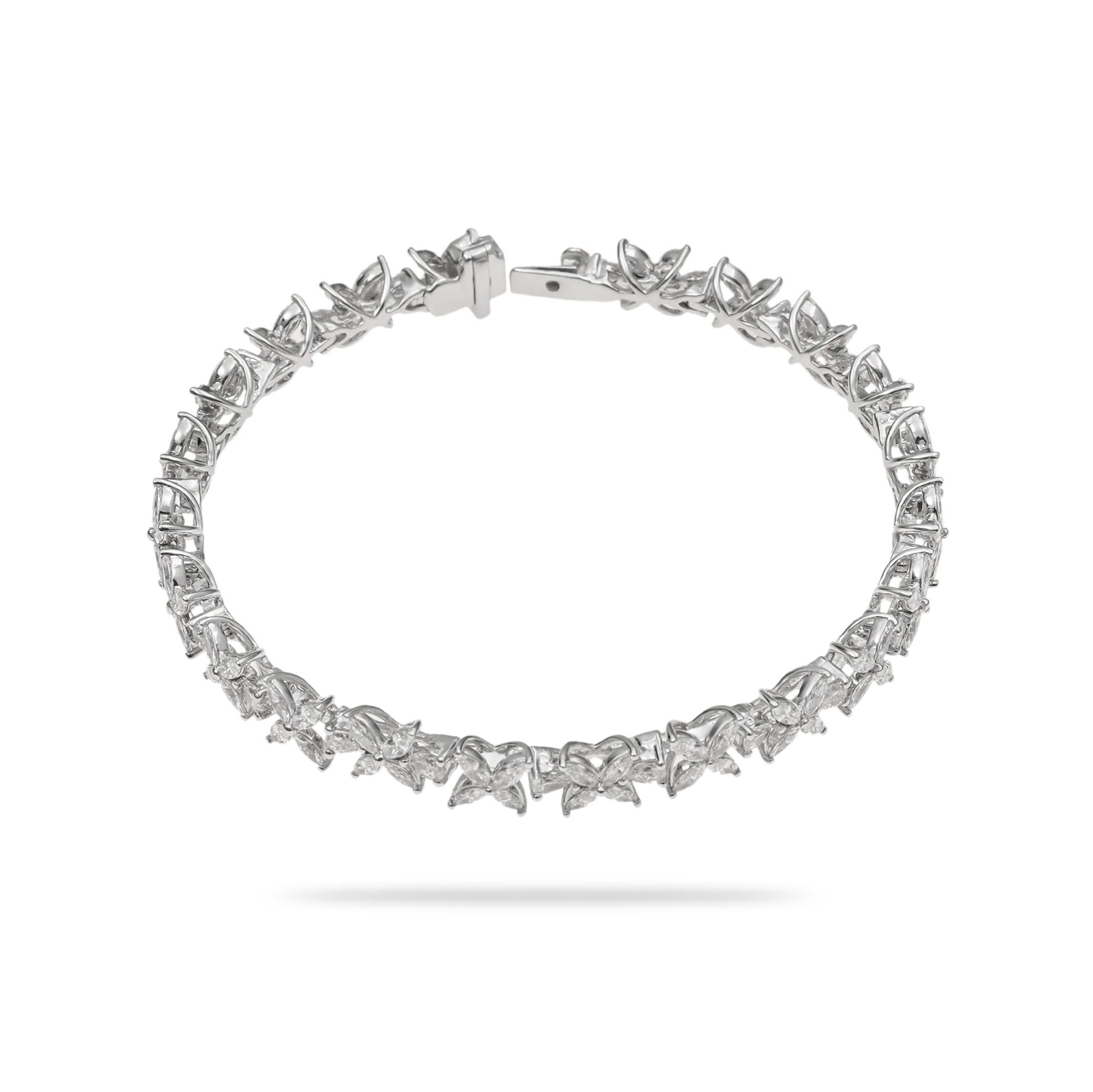
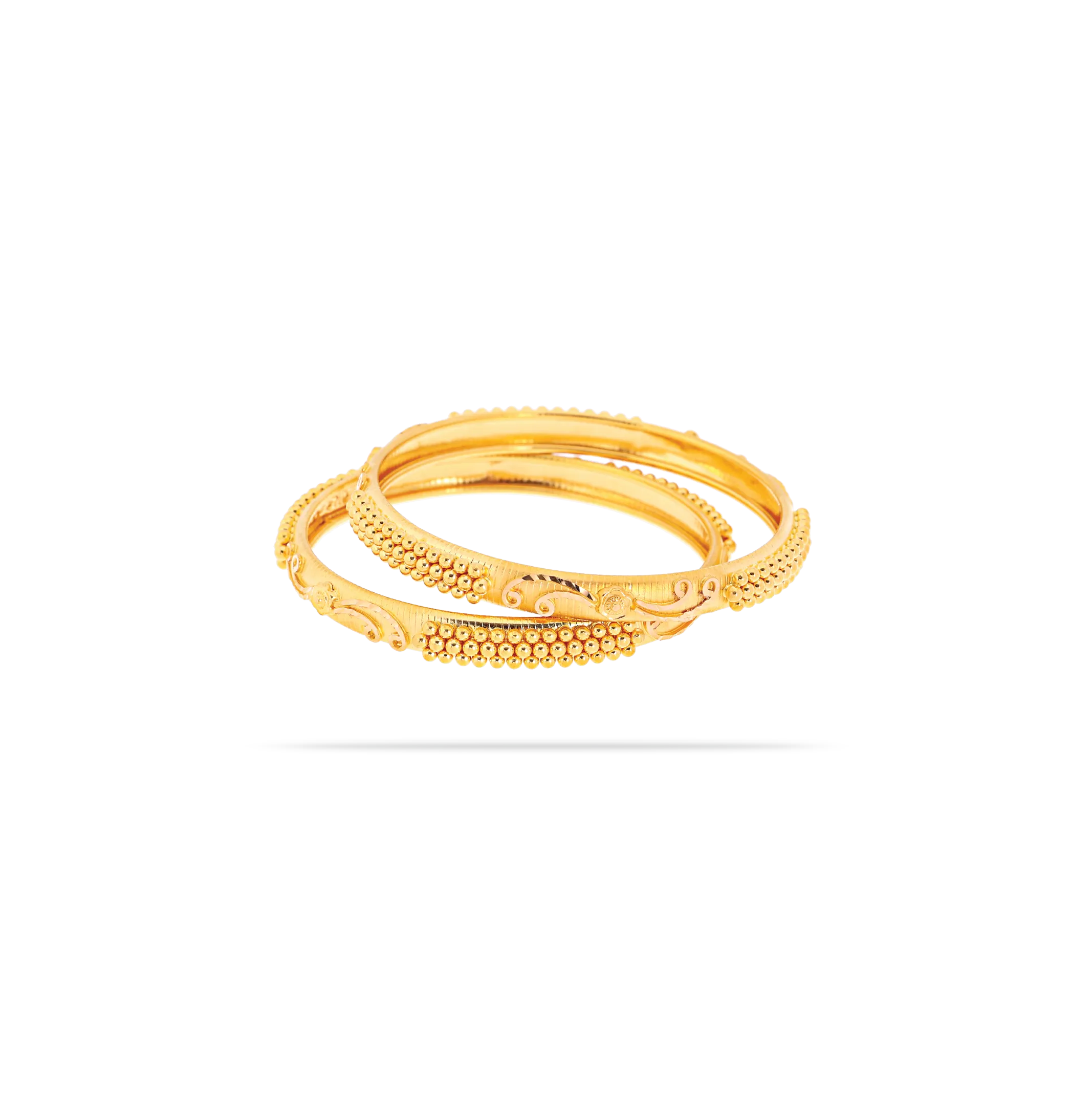
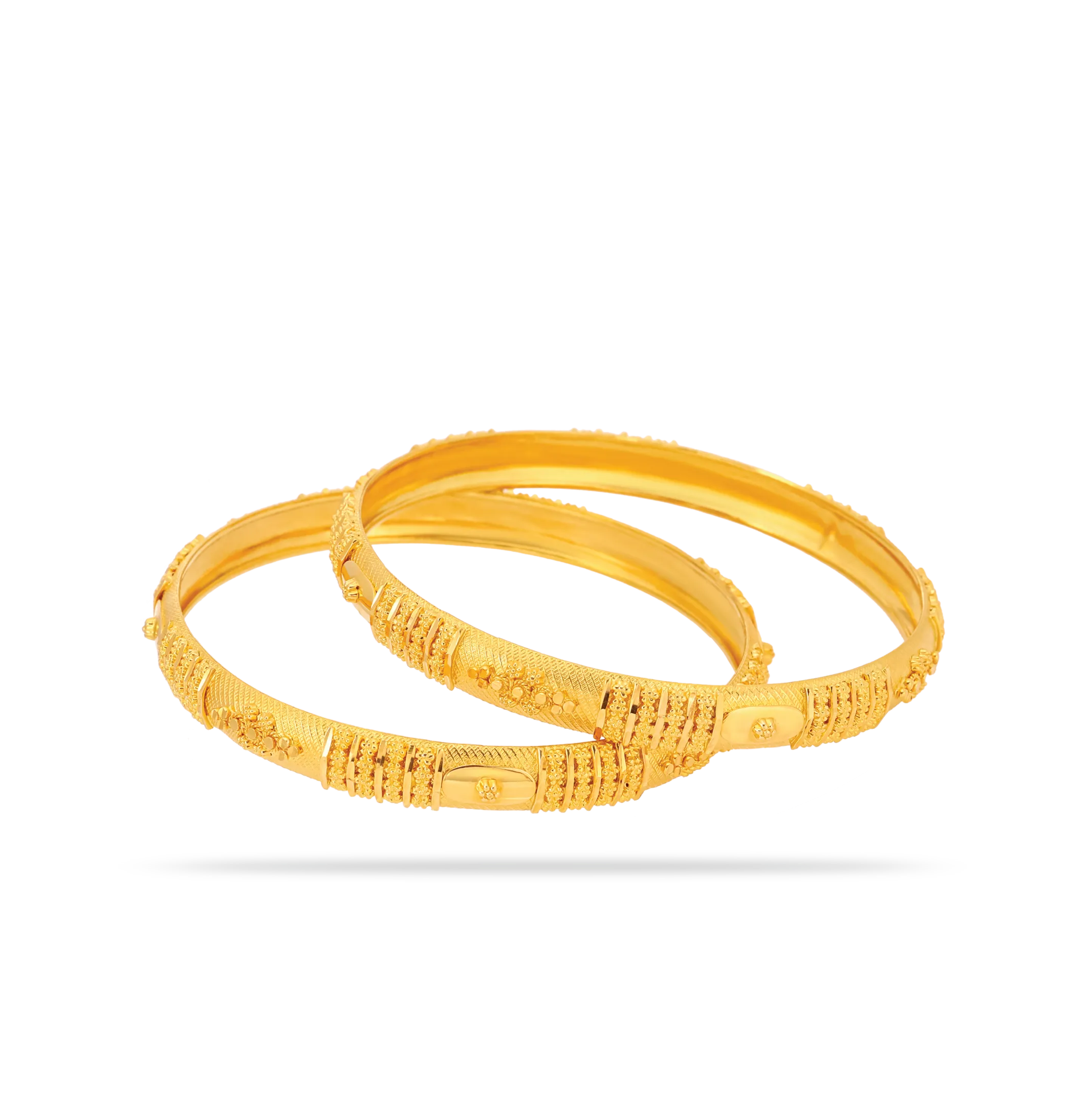
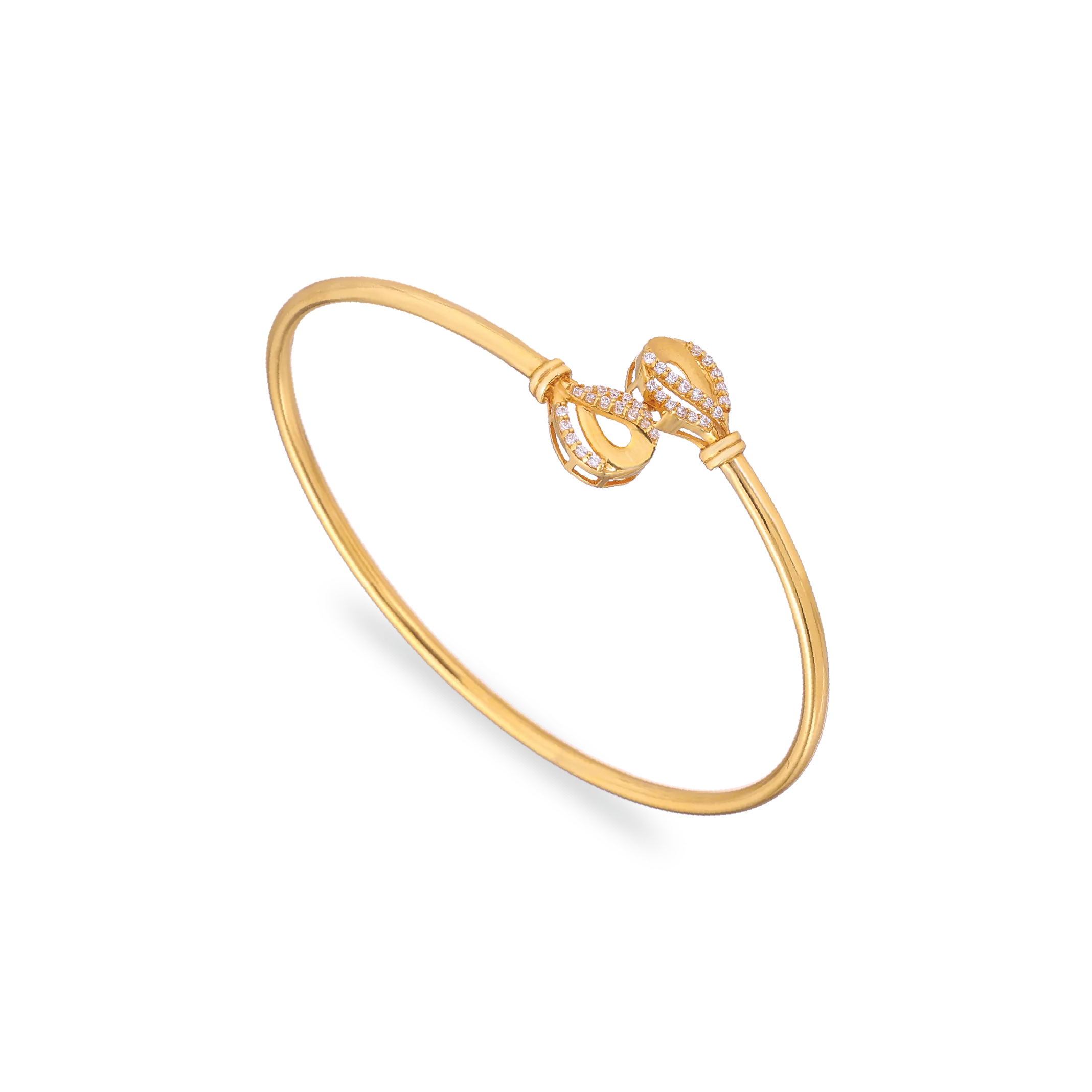
Sleeveless and short-sleeve dresses provide a natural setting for bracelets and bangles. Choose one substantial cuff, a pair of slim bangles, or a delicate chain bracelet that will not slide constantly as you move. The sleeve and fabric should determine the scale: a structured short sleeve can handle a stronger shape, while a soft chiffon sleeve usually needs something lighter.
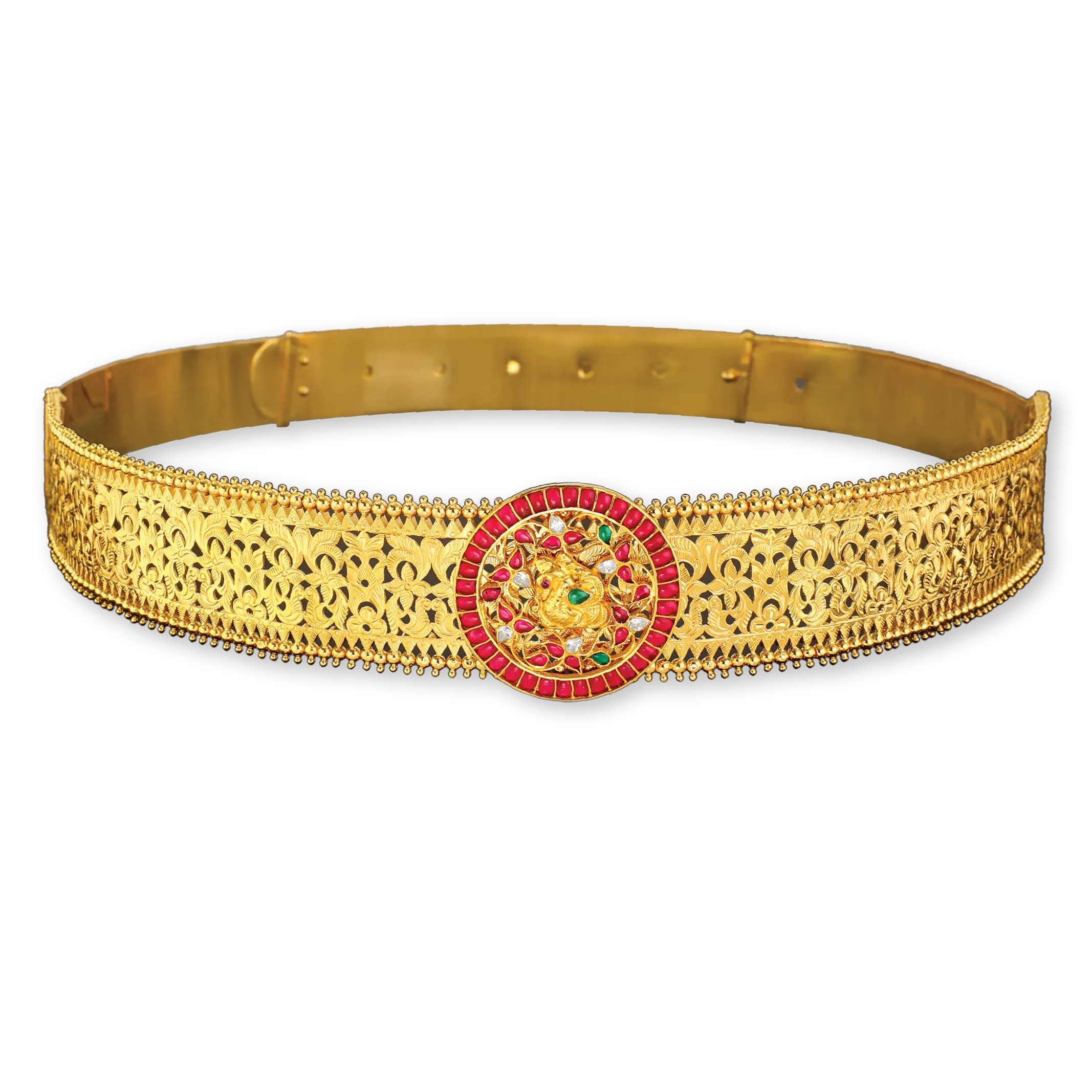
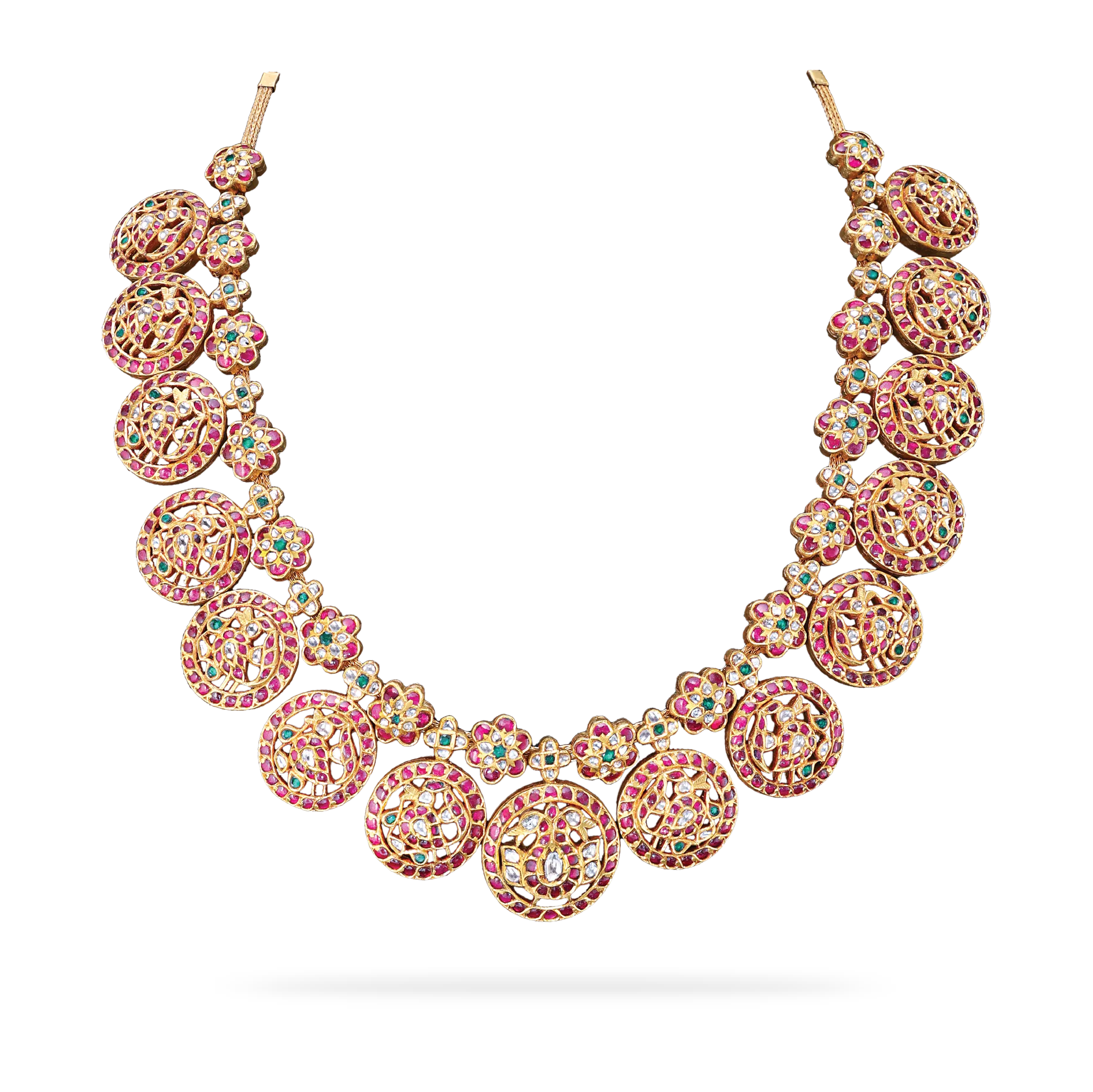
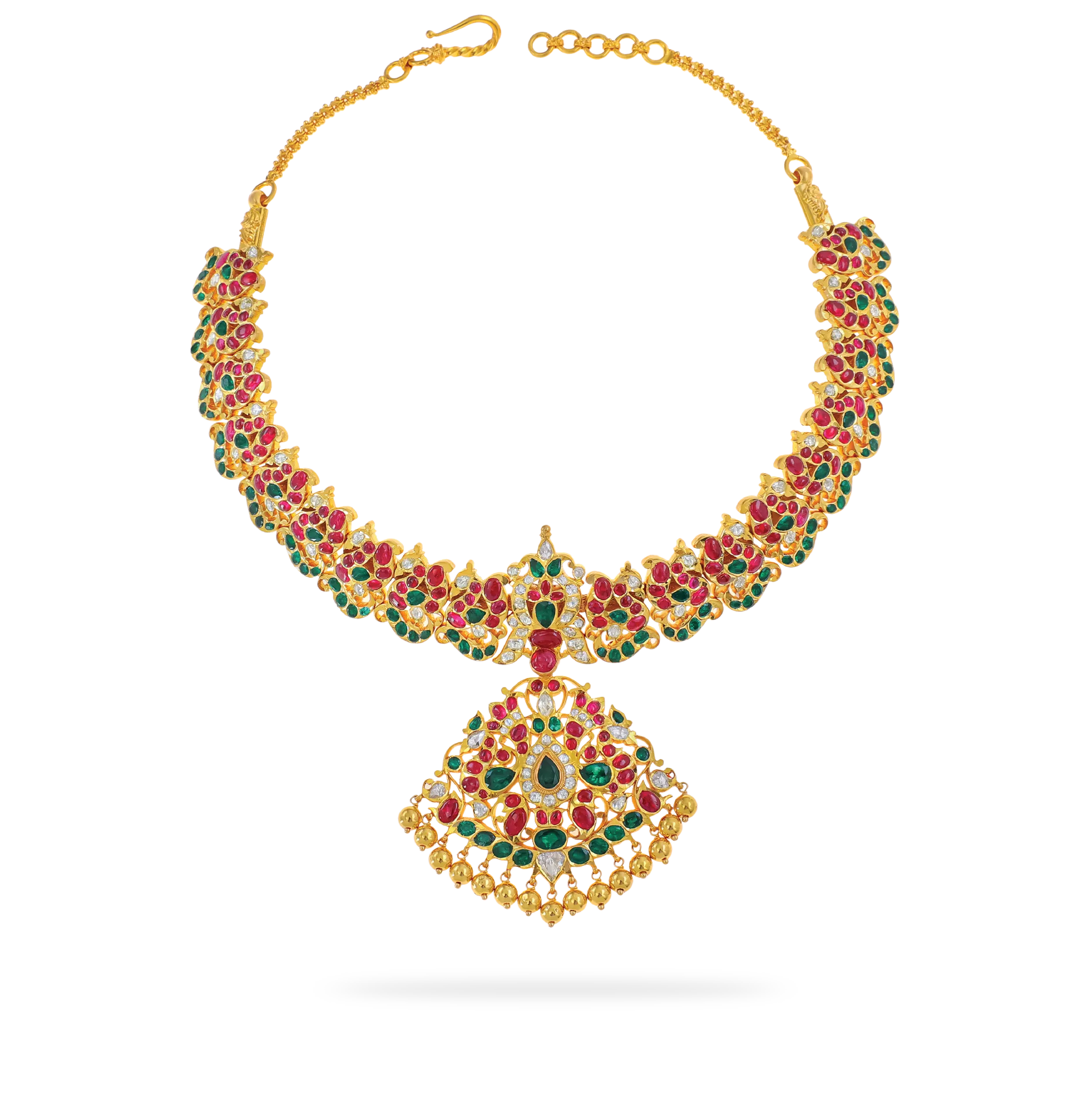
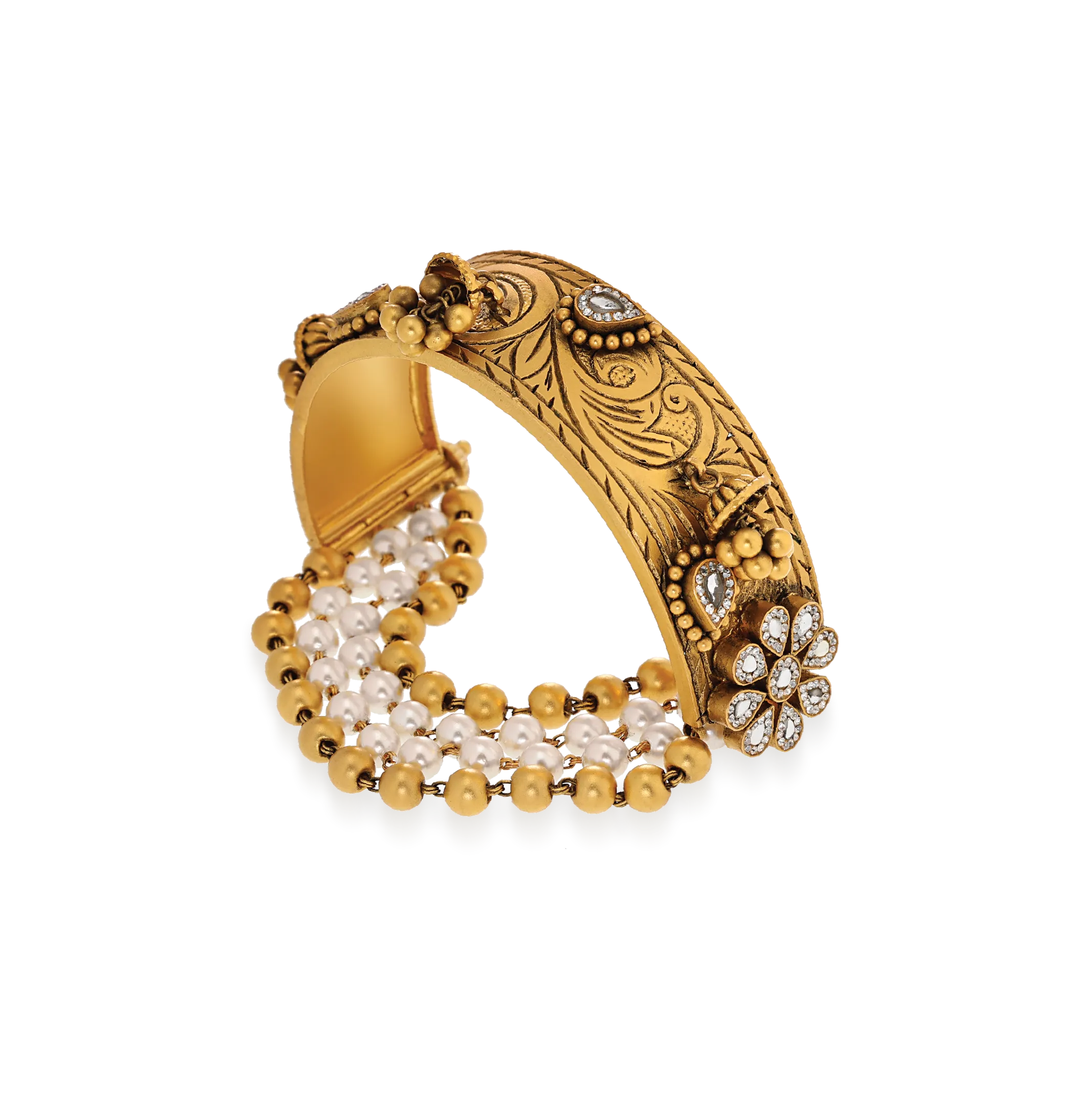
Try the bracelet with your clutch and watch, if you plan to wear one. Too many hard edges around the wrist can make the outfit feel cluttered. For heritage-inspired styling, this traditional jewelry guide offers useful visual direction on combining classic forms with contemporary clothing.
Hair jewellery for updos, braids, and loose styles
Hair jewelry can be as subtle as a pair of pins or as visible as a comb placed at the side of an updo. Braids suit small repeated accents, while a sleek bun can carry a more graphic comb or vine. Loose styles generally need lighter pieces so the accessory does not disappear into the hair.
Place hair jewelry where it can be seen from the front and side, not only from behind. Secure it during the hairstyle trial, then move your head, hug someone, and sit down to make sure it stays comfortable. A beautiful accessory is only useful if it remains in place through the ceremony.
Choosing metals, gemstones, and finishes
Material choices influence how jewelry behaves in photographs, how it sits with your wardrobe, and how often you will wear it afterward. There is no universal metal that suits every person or celebration. Skin tone can be a starting point, but existing jewelry, dress color, and personal preference matter just as much.
Yellow gold , white gold , and silver
Yellow gold brings warmth and often suits ivory, cream, rust, terracotta, and rich jewel tones. White gold and silver create a cooler, cleaner effect with white, gray, blue, and icy pastels. Rose-toned metal can soften a modern look, particularly when paired with blush, champagne, or neutral fabrics.
When comparing metals, look at the finish as well as the color. High polish reflects more light, while brushed or antique finishes feel quieter. If you already wear one metal every day, incorporating it into the wedding look can make the jewelry feel natural rather than costume-like.
Coloured gemstones for seasonal accents
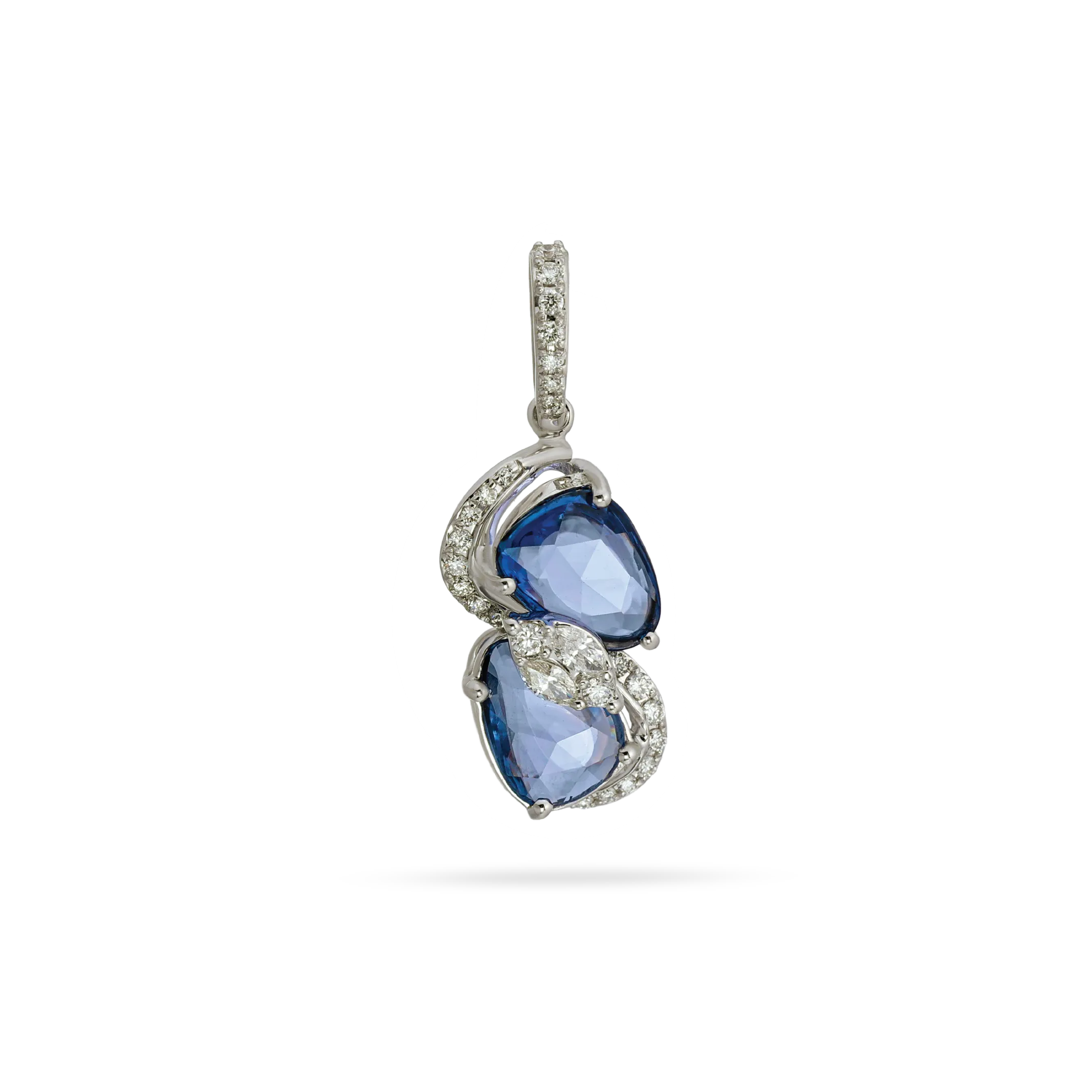
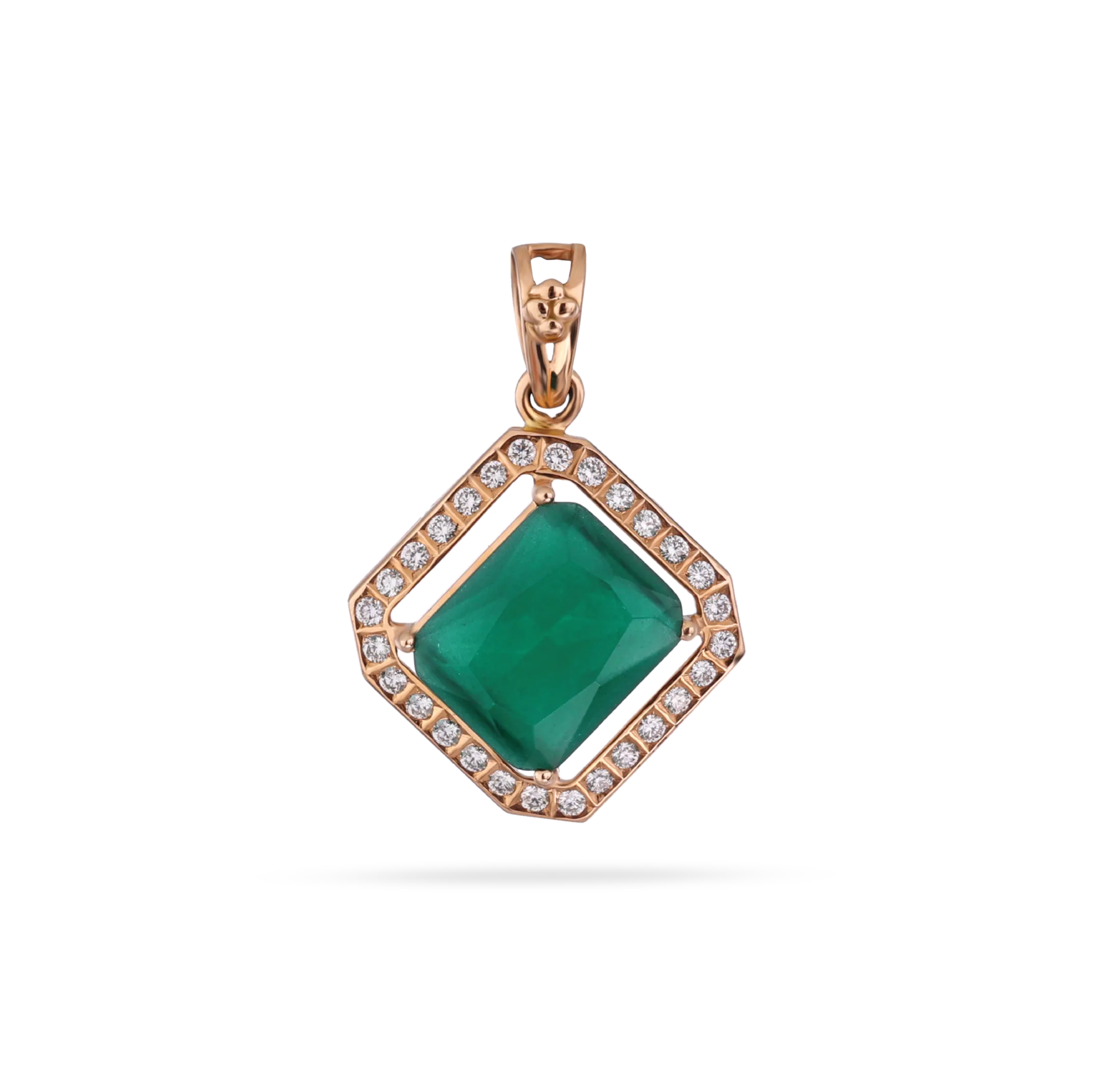
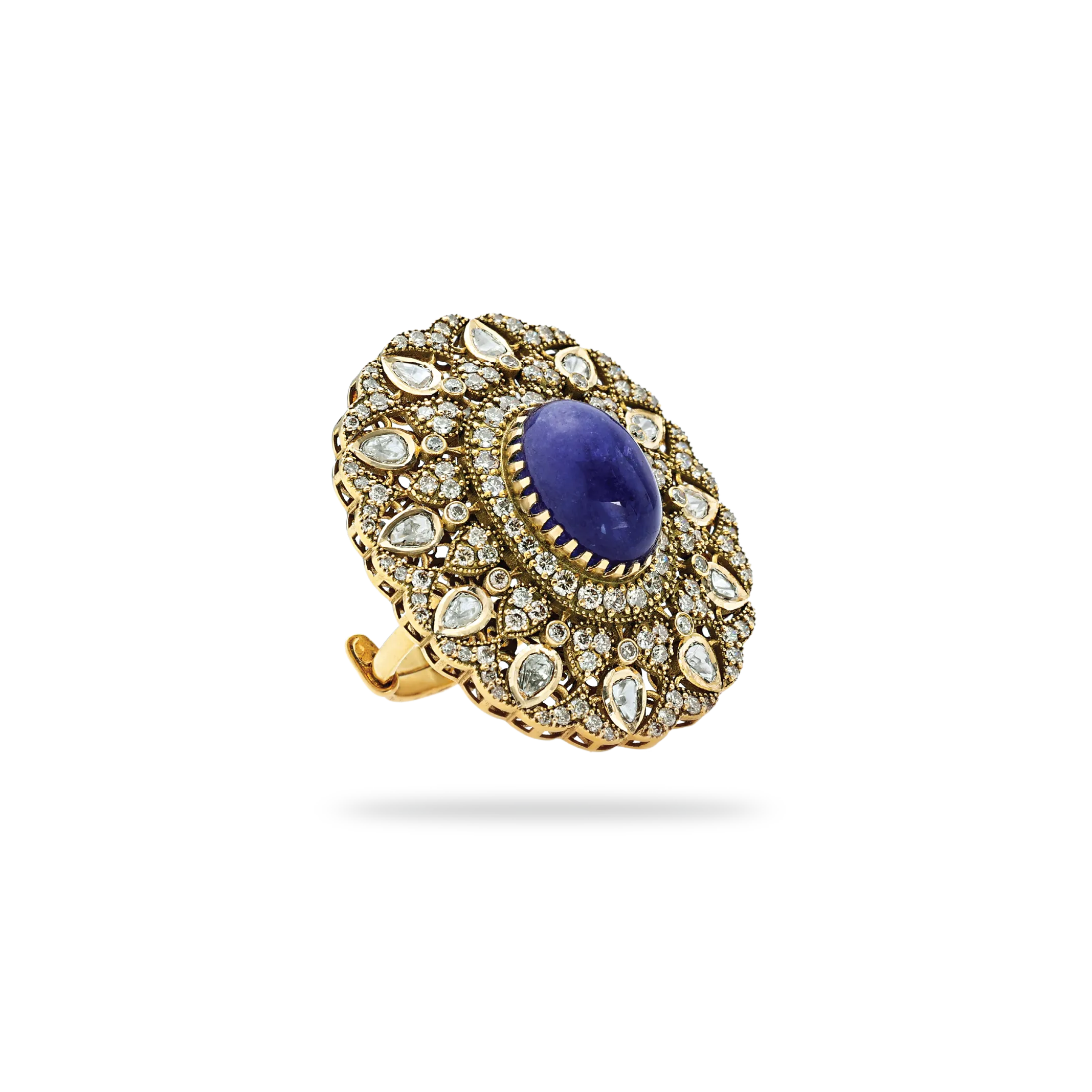
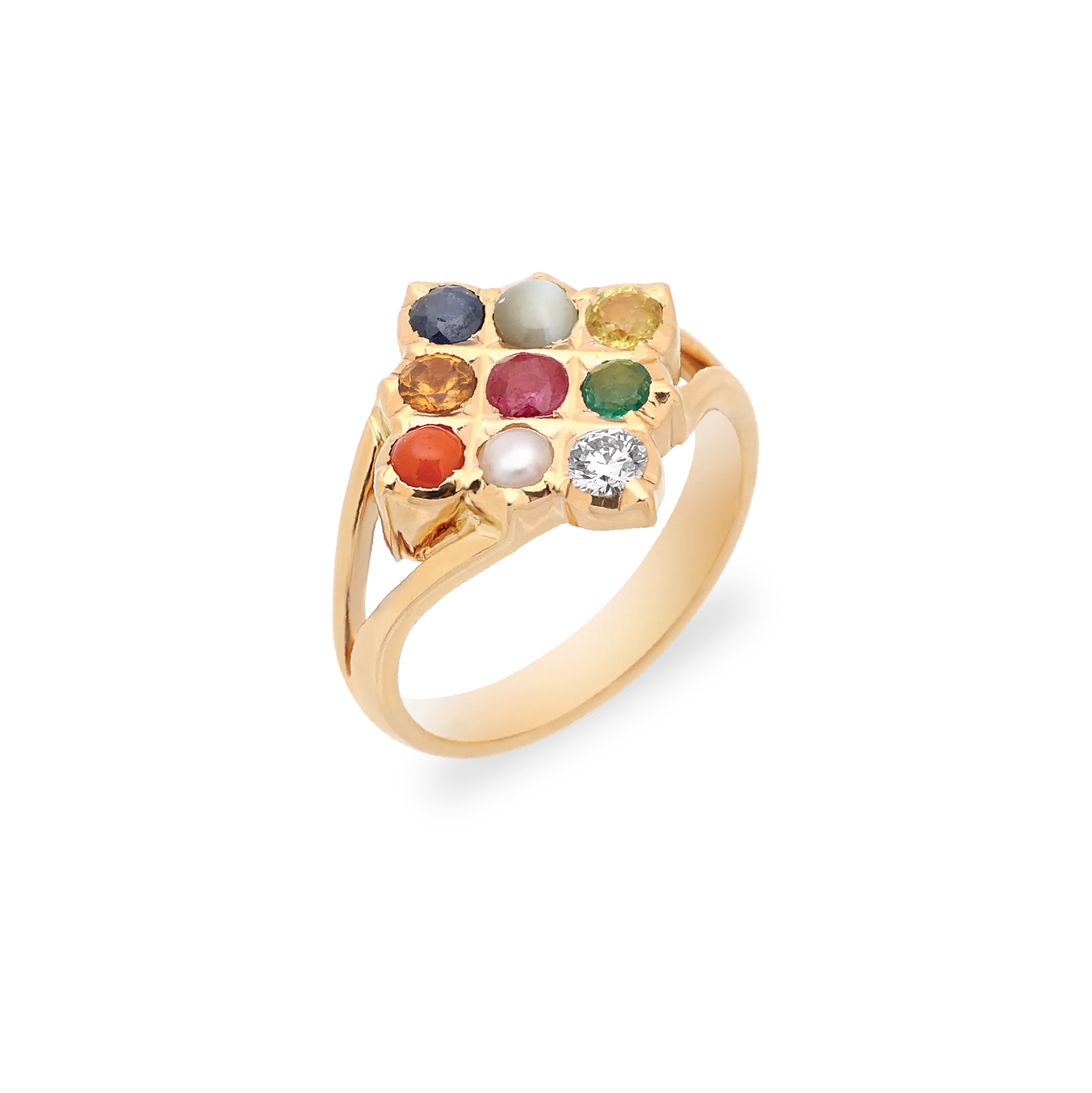
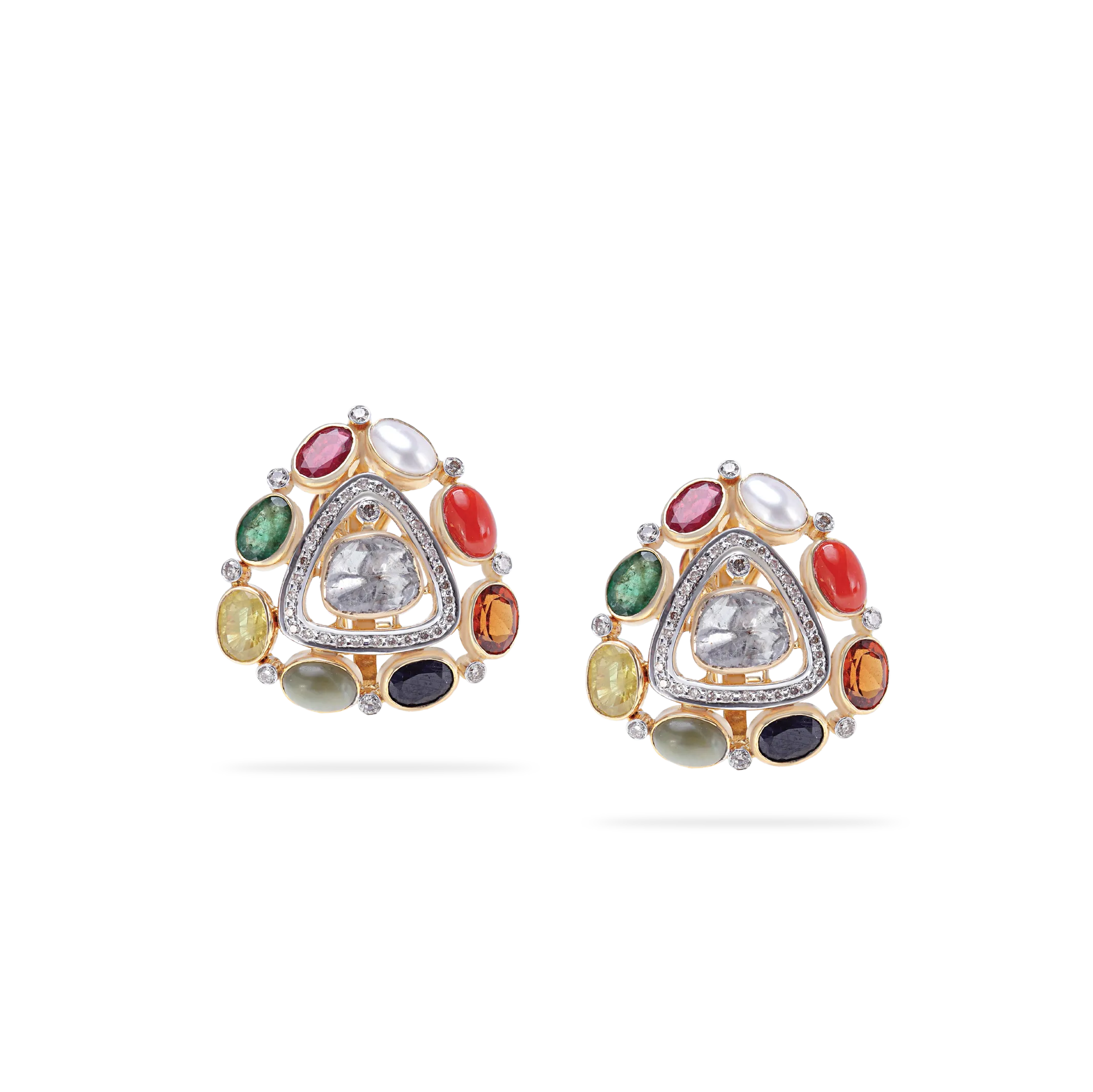
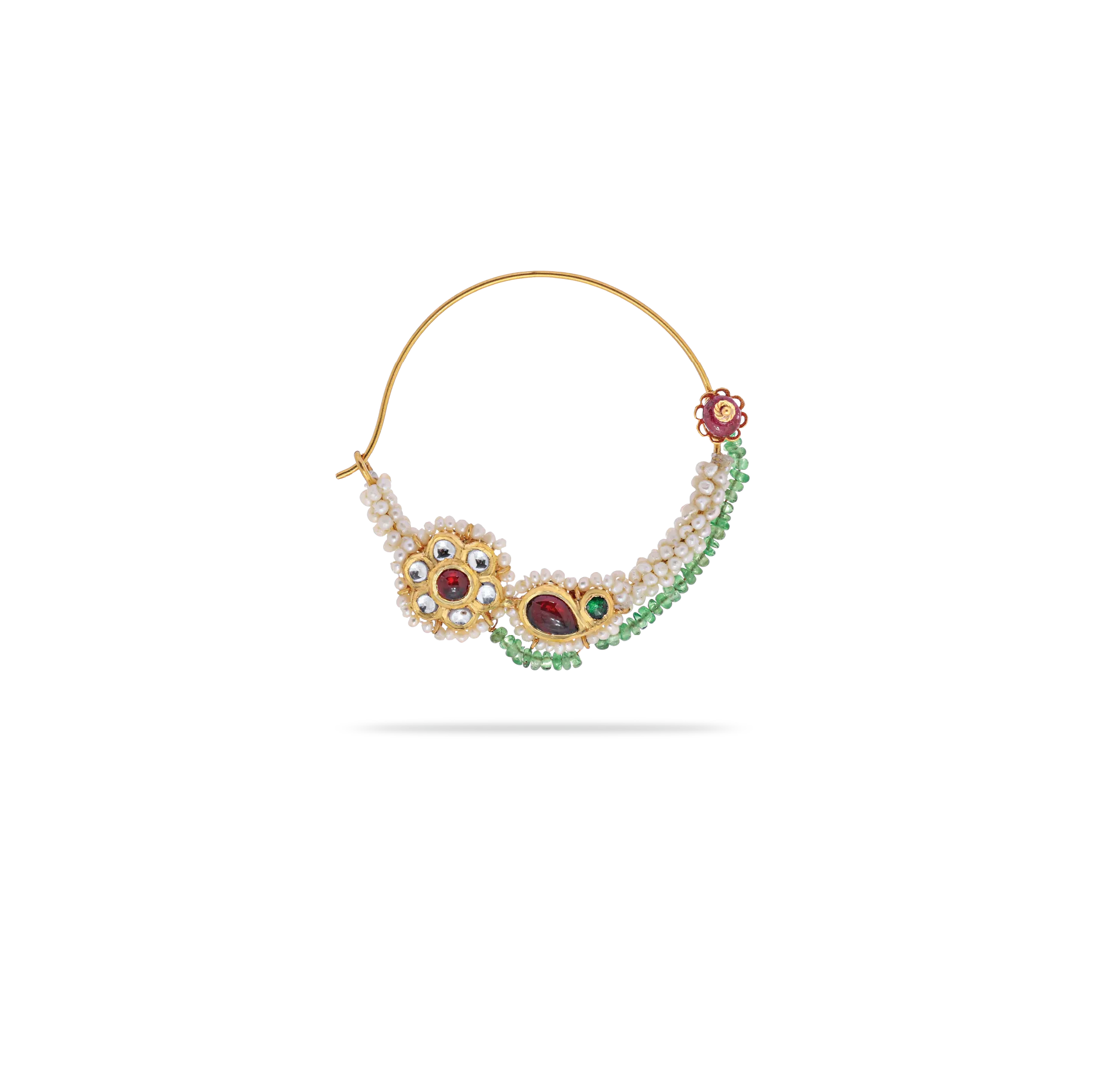
Colored gemstones add personality without requiring an elaborate design. A sapphire accent can bring depth to a pale outfit, ruby can sharpen a warm palette, and emerald can offer a rich contrast to ivory or black. Pastel stones work beautifully for daytime weddings when you want color that remains gentle.
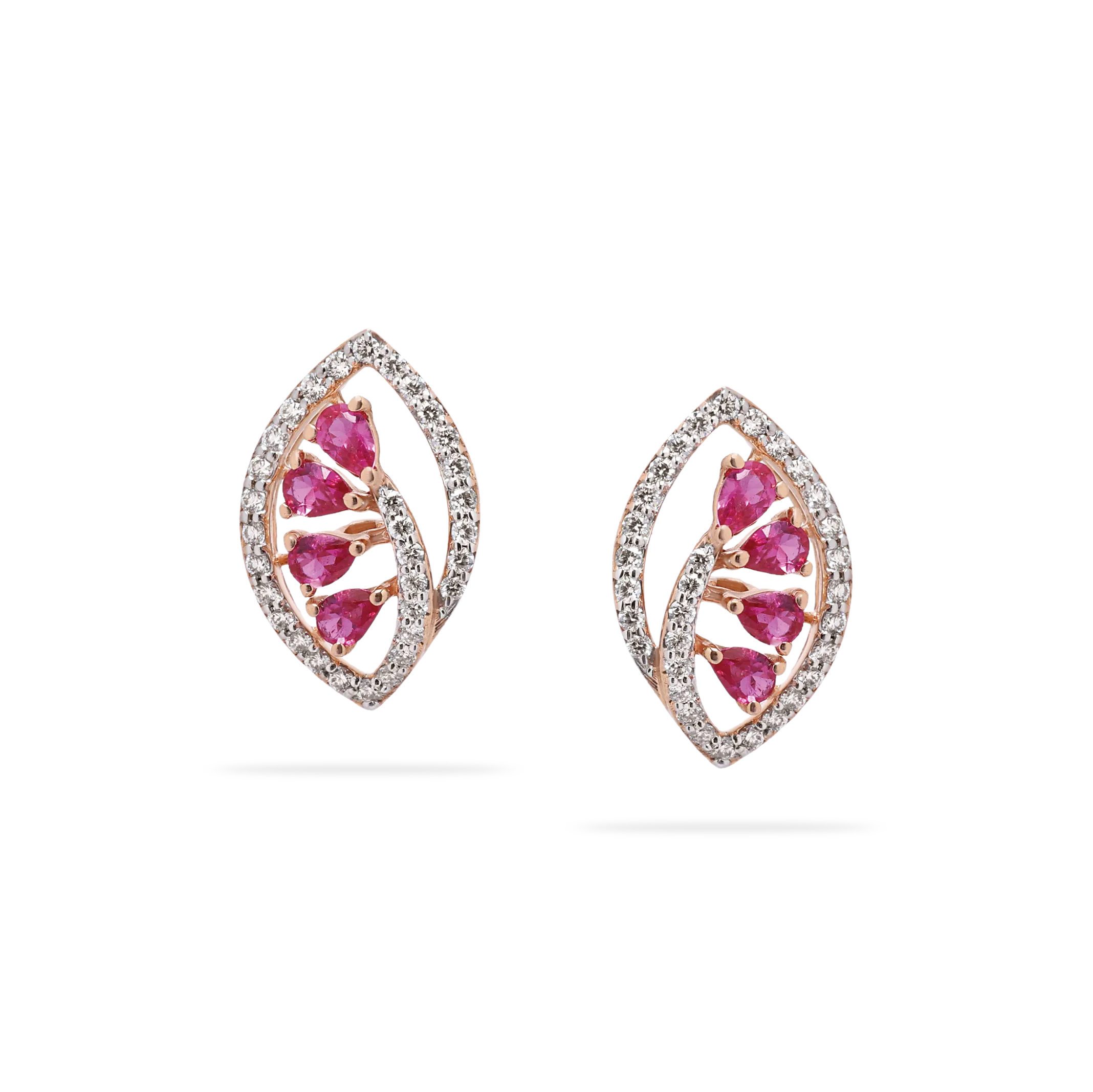
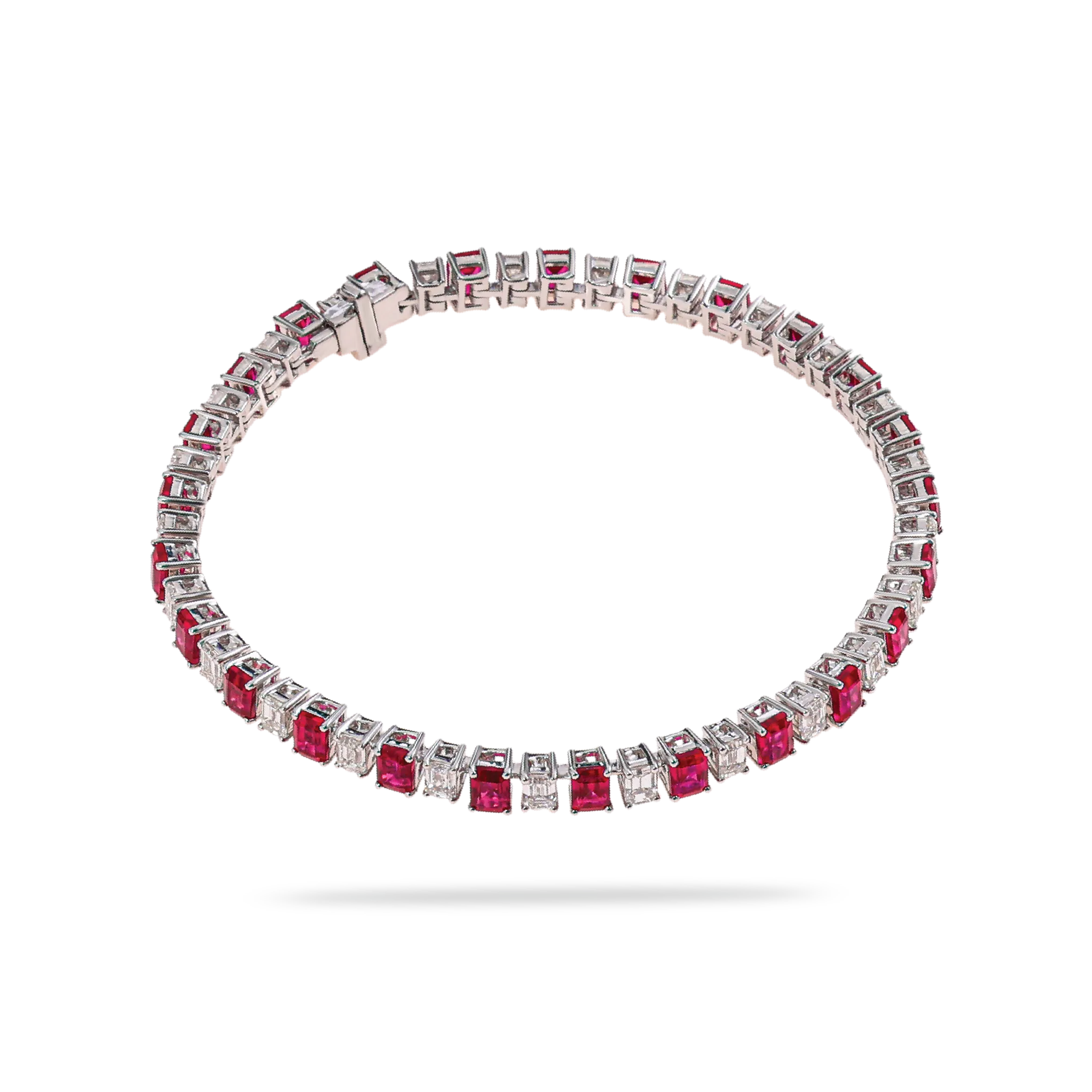
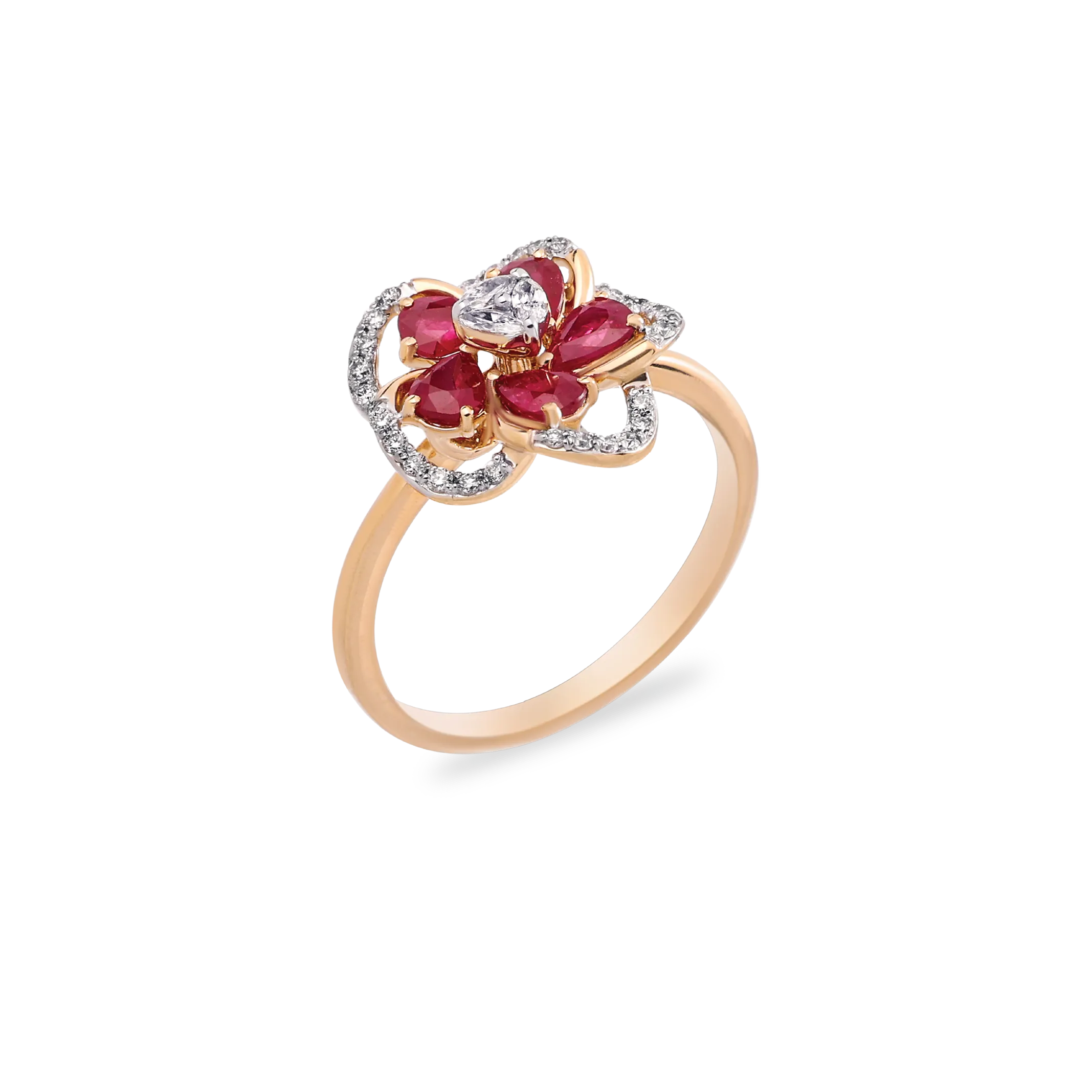
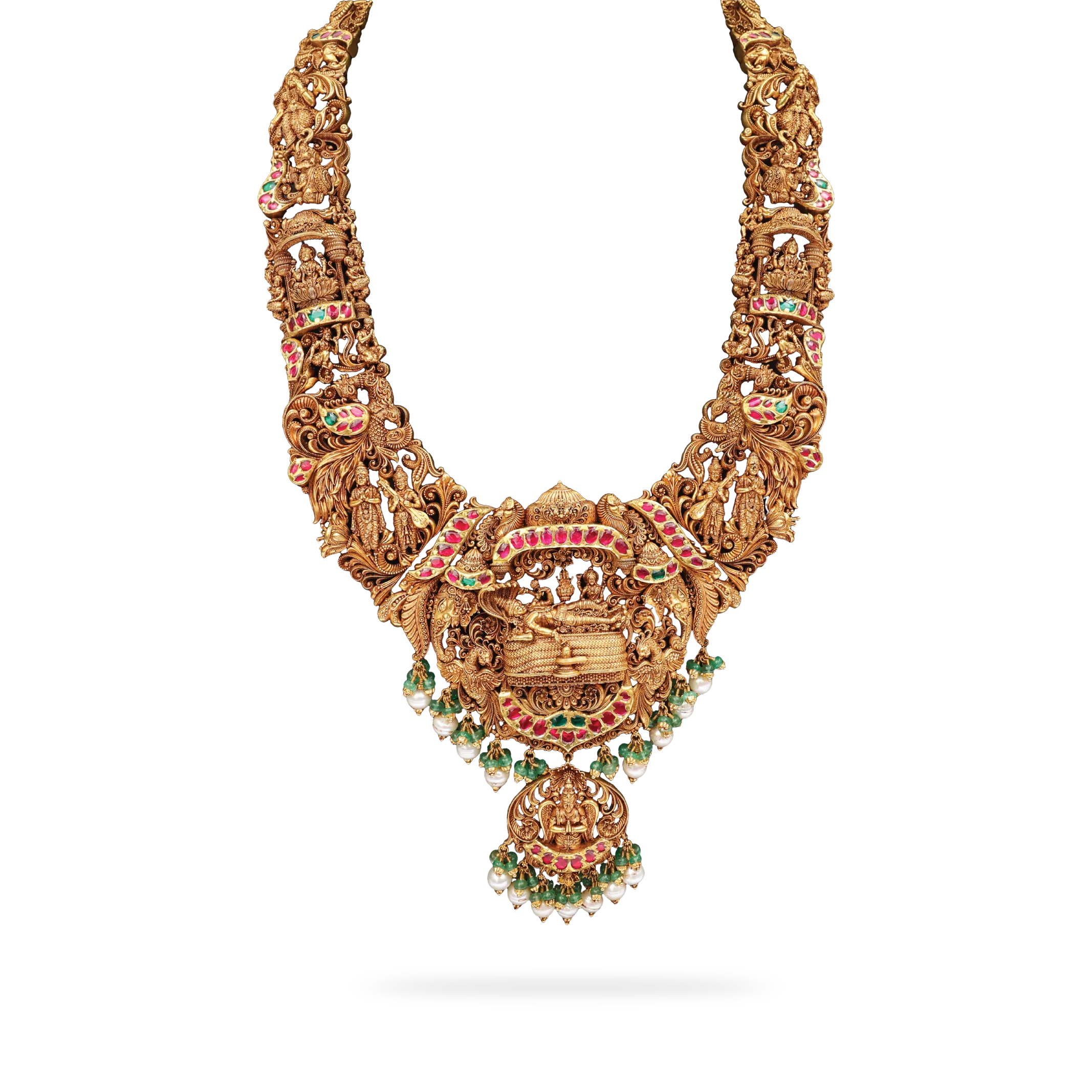
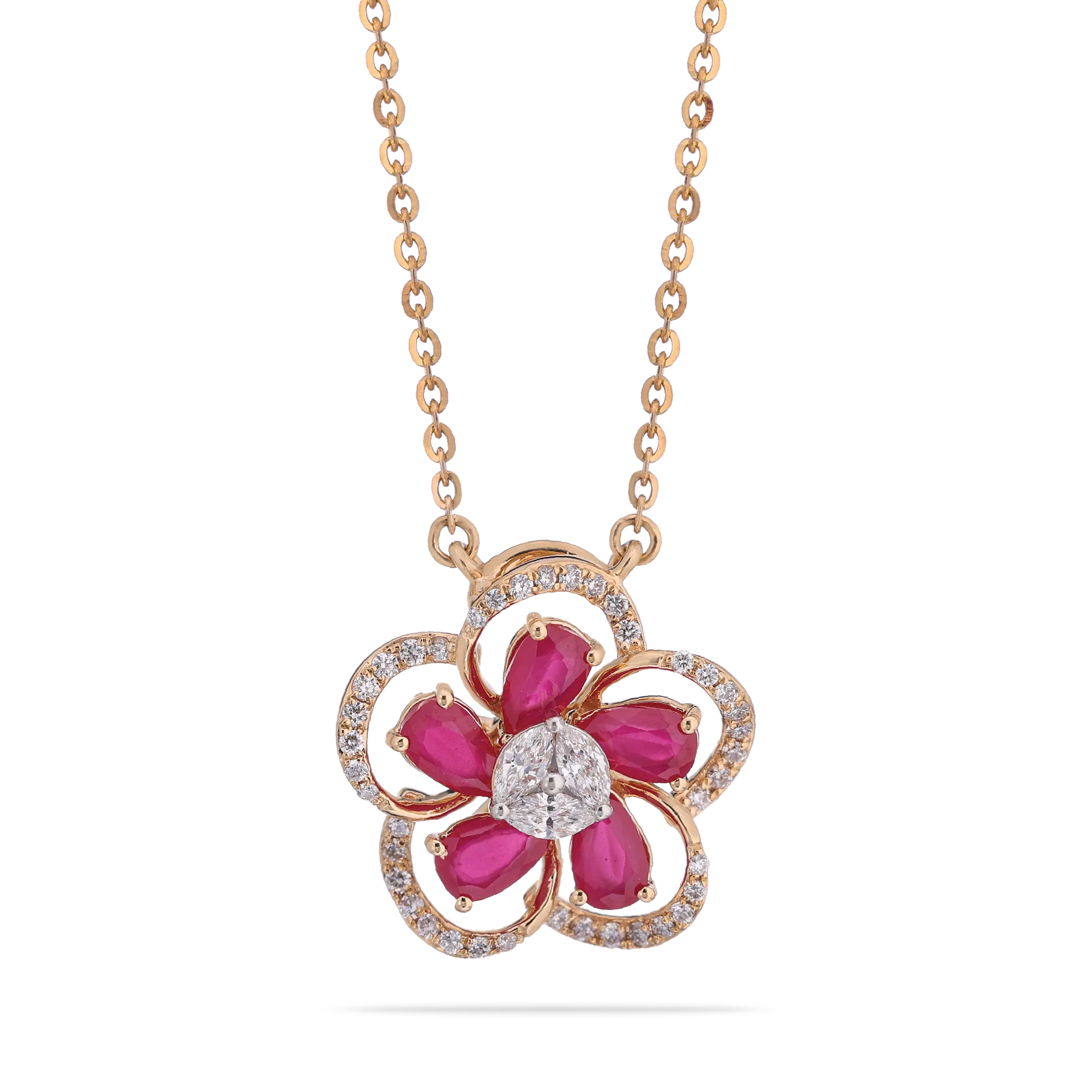
Use the stone as an accent, not a requirement to match every detail. A ring or pair of earrings can carry the color on its own. For specific ideas around ruby styling, explore this ruby bridal jewelry guide, then consider whether the same color could work with clothing you already own.
Diamonds, crystals, and understated sparkle
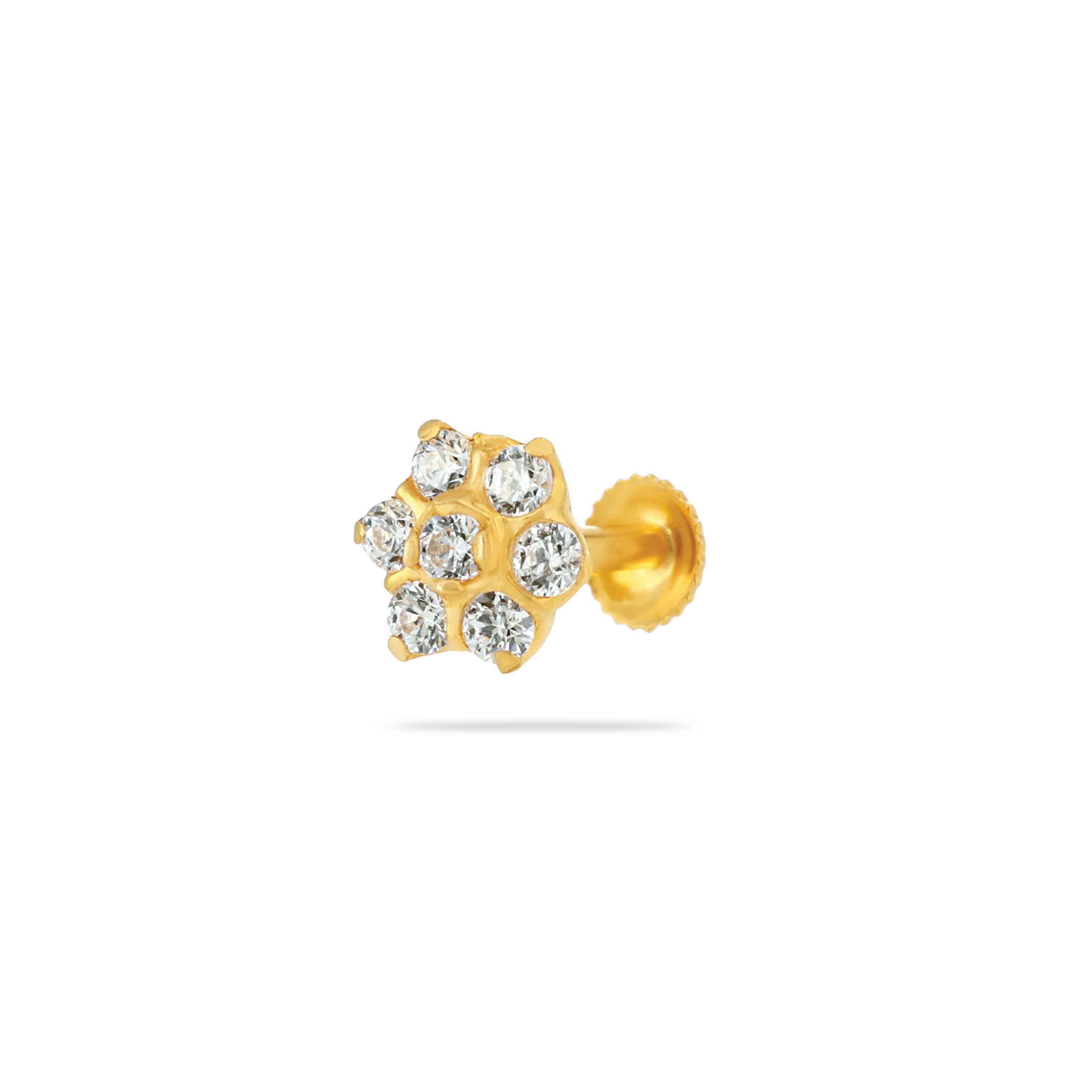
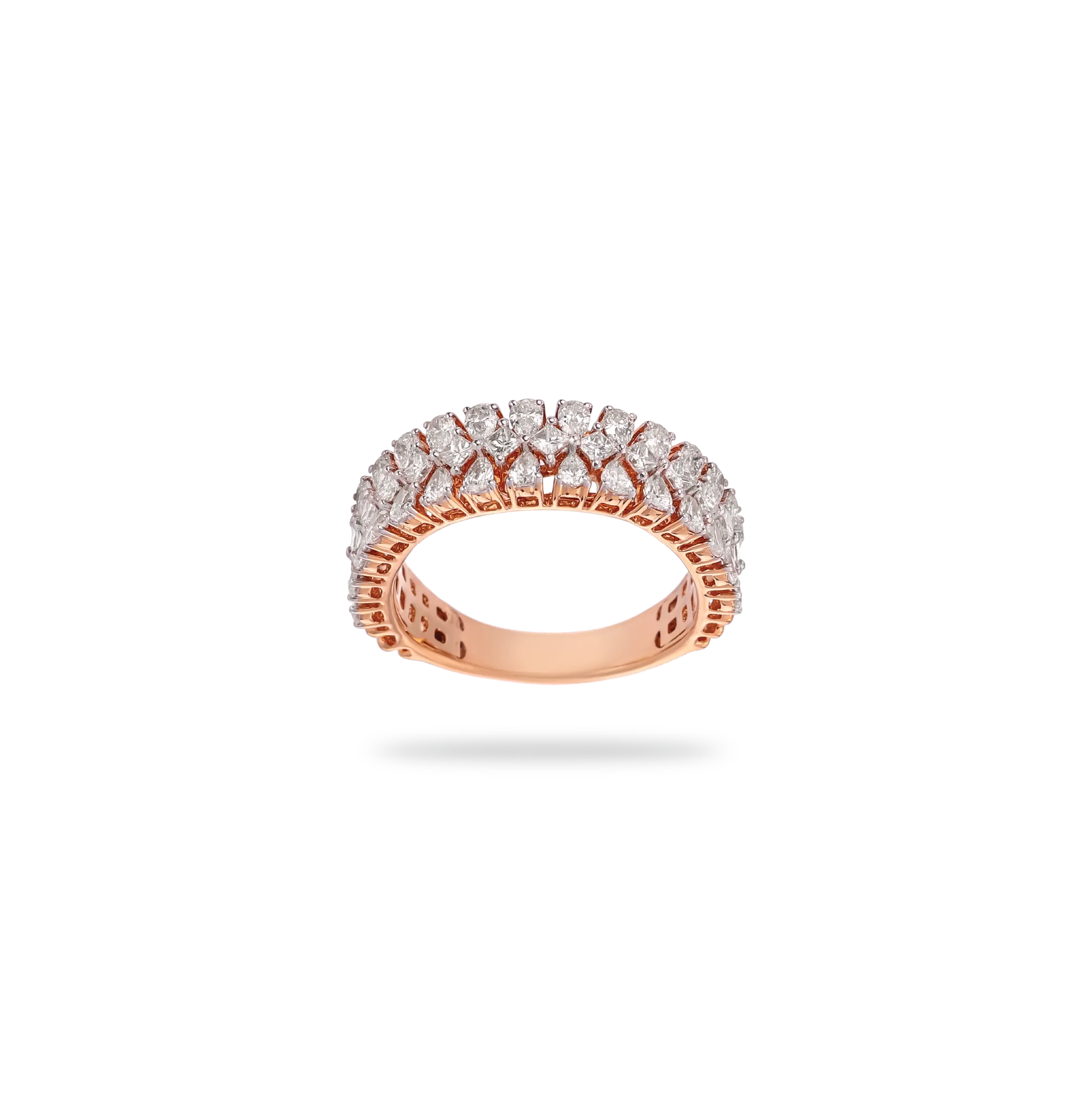
Diamonds offer crisp brilliance, while crystals can provide a similar flash in a wider range of shapes and price points. The distinction matters less than the cut, setting, and amount of sparkle in the complete outfit. A satin dress may need only a small luminous accent, while a matte fabric can support more reflective jewelry.
Think about the lighting at the venue. Candlelight softens sparkle, direct sunlight intensifies it, and flash photography can make highly reflective surfaces appear brighter than expected. A restrained piece often gives the most graceful result across all three.
Sustainable, vintage, and heirloom jewellery
Vintage and heirloom jewelry bring texture, history, and a sense of continuity to wedding dressing. They can be worn as a single focal point or paired with very simple modern pieces. Before the event, inspect clasps, prongs, and chains, especially if the item has not been worn recently.
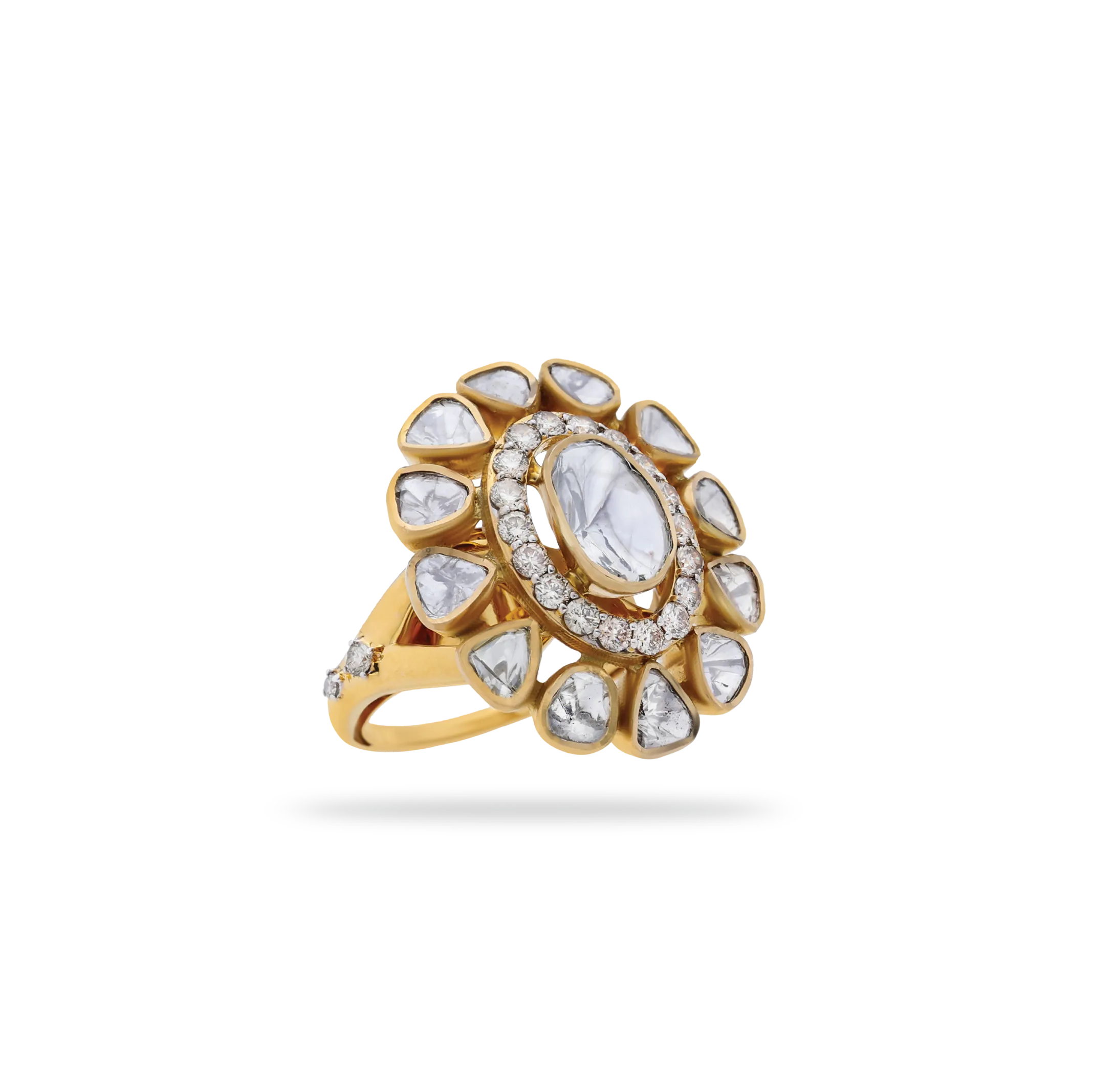
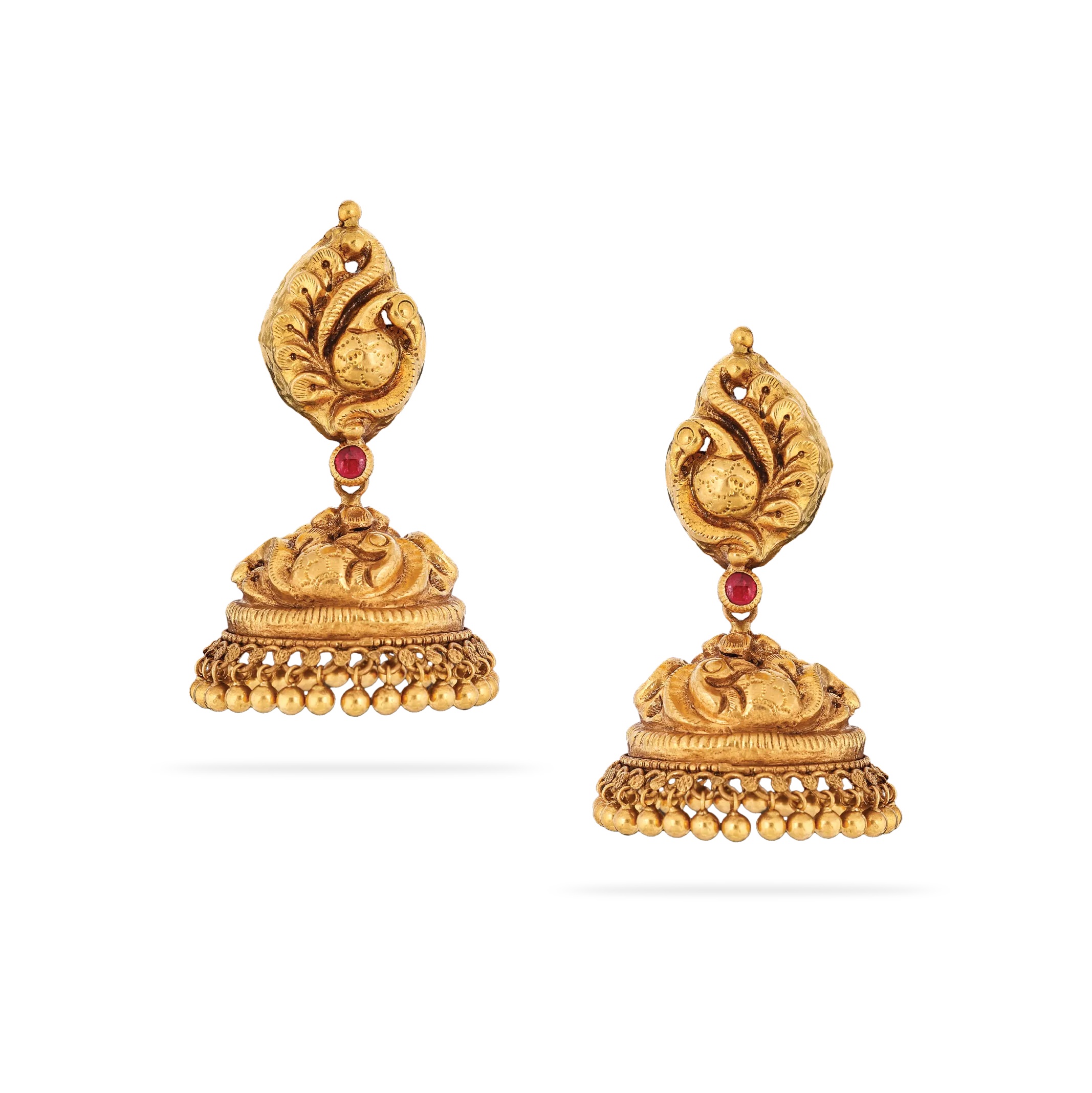
A sustainable approach can also mean buying less and choosing better. Borrow a family piece, repair something you already own, or select jewelry that can move into your everyday wardrobe. This heritage bridal styling guide is useful when combining older motifs with contemporary silhouettes.
How to wear wedding season jewellery with confidence
Confidence usually comes from removing uncertainty before the event. Try on the complete outfit, walk around, sit down, and take a few photographs in different light. These small tests reveal whether a necklace tangles, a bracelet slips, or an earring disappears against your hair.
Balancing statement pieces with simple clothing
A dramatic piece needs room to speak. Pair large earrings with a clean neckline, a bold necklace with simple earrings, or a sculptural cuff with an uncluttered sleeve. If your dress already has beading or architectural draping, choose jewelry that repeats one detail rather than introducing a new visual language.
The reverse is equally useful: a plain dress can carry more expressive jewelry. Start with one piece you love, then add only what solves a specific need, such as a little color near the face or a bracelet to balance bare arms.
Coordinating jewellery with shoes and accessories
Jewelry does not need to match your shoes and bag exactly, but it should share a sense of temperature or finish. Warm gold can sit beside tan leather and champagne satin; silver can work with pewter, cool gray, or crystal details. When colors differ, repeat a shape instead: a rounded clasp, a slim metallic line, or a softly curved silhouette.
Avoid coordinating every accessory too literally. A wedding outfit feels more modern when the elements belong together without appearing bought as one package. Let one accessory be unexpected, provided the overall proportion remains calm.
Building a versatile jewellery capsule
A small wedding-season capsule can cover several celebrations without becoming repetitive. Choose pieces that vary in scale and mood, then use different combinations for each event:
- One polished pair of everyday-to-evening earrings.
- One statement earring or sculptural drop.
- One fine necklace with an adjustable length.
- One bracelet or cuff that works with short sleeves.
- One colored gemstone or pearl accent.
This mix gives you options for black tie, daytime ceremonies, and destination events without buying a complete new set for every invitation. A capsule also makes packing easier and encourages you to choose pieces you will actually wear again.
Caring for pieces before and after the event
Store each item separately so chains do not knot and harder stones do not scratch softer surfaces. Put jewelry on after perfume, hairspray, and body lotion have dried, and remove it before changing clothes or swimming. On the day, keep a small soft pouch and a spare earring back in your bag.
After the celebration, wipe pieces with a suitable soft cloth and return them to a dry, protected place. Vintage, plated, and gemstone jewelry may need different care, so follow the maker’s instructions rather than using one cleaning method for everything.
Conclusion
The strongest wedding season jewellery trends leave room for individuality. Whether you choose sculptural earrings, layered chains, pearls, colored stones, or a treasured heirloom, the right piece should suit the celebration and still feel like part of your life after it. Start with comfort and proportion, edit with intention, and let the jewelry support the memory rather than compete with it.
Frequently Asked Questions
What jewelry is trending for wedding season?
Sculptural earrings, intentional necklace layers, mixed metals, modern pearls, and colored gemstone accents are all versatile directions. The most wearable trend is one that fits your personal style and can be used after the celebration.
Should wedding jewelry match the dress?
It should complement the dress rather than match it exactly. Consider the neckline, fabric, embellishment, and color, then choose jewelry that balances the strongest feature of the outfit.
Can I mix gold and silver jewelry at a wedding?
Yes. Repeat one metal at least twice or choose a piece that already combines tones, so the contrast looks deliberate. Keeping the shapes simple will make the combination feel cohesive.
What jewelry should a wedding guest avoid?
Avoid pieces that resemble a bridal crown, overwhelm the outfit, or create discomfort during a long ceremony. Unless the invitation says otherwise, choose one focal piece and keep the rest restrained.
Are pearls appropriate for modern weddings?
Absolutely. Baroque pearls, pearl drops, mixed-metal designs, and scattered pearl hair accessories can feel contemporary. Their soft luster works for both daytime and evening celebrations.
How should I choose jewelry for a high-neck dress?
A high-neck dress often looks best with earrings, rings, or a bracelet instead of a traditional necklace. If you add a pendant, keep it narrow and make sure it falls into clear, undecorated space.
How can I keep wedding jewelry comfortable all day?
Test every piece with the complete outfit before the event. Check the weight, clasp, length, and movement, and carry spare backs or a small pouch for anything that becomes uncomfortable during the celebration.
Akshaya Tritiya Jewellery Shopping: A Complete Guide to Choosing Gold, Diamond, and Traditional Designs
10 minute read
Related blogs:
November 20, 2025
The Timeless Elegance of the Tennis Bracelet: A Comprehensive Guide
Read More
November 20, 2025
The Ultimate Guide to Styling and Wearing a Choker Necklace
Read More
November 20, 2025
Find Your Perfect Engagement Ring: A Comprehensive Guide to Styles and Diamonds
Read More
November 20, 2025
The Timeless Elegance of a Diamond Tennis Bracelet: A Buyer's Guide
Read More









.webp)
.webp)