How to clean diamond jewellery safely at home: a complete care guide
August 19, 2026 | 10 minutes read
Key Takeaways
A gentle routine is usually enough to keep diamond jewellery bright at home. The safest approach is to use mild soap, lukewarm water, a soft brush, and careful handling.
- Inspect prongs, clasps, and stones before cleaning.
- Use mild dish soap and lukewarm water.
- Brush gently around the stone and setting.
- Protect the drain while rinsing jewellery.
- Ask a jeweller to inspect loose or damaged pieces.
Understand what your diamond jewellery needs
Diamond jewellery can collect soap, lotion, skin oils, dust, and everyday grime in surprisingly small spaces. The diamond itself is highly durable, but the metal setting, surface finish, and any additional gemstones still need considerate treatment. Learning what your jewellery can tolerate makes an at-home routine safer and more effective.
How diamonds and setting materials respond to cleaning
A diamond generally handles a mild soap-and-water wash well, while the setting may have more specific needs. Gold, platinum, and other metals can be scratched by abrasive powders or rough cloths, and small stones may be affected by forceful brushing. Move slowly, especially around thin bands, delicate claws, hinged parts, and fine decorative details.
Why regular cleaning helps preserve sparkle
A clean diamond reflects light more freely than one covered by an oily film. Frequent, gentle cleaning also keeps residue from building up beneath the stone and around the setting, where it can be difficult to remove later. For a broader look at the soap-and-water method, this diamond jewellery care guide offers a useful companion to the routine below.
When at-home cleaning is appropriate
At-home cleaning is best for jewellery that appears structurally sound and simply looks dull from normal wear. If the stone is secure and the setting has no visible damage, a short soak followed by gentle brushing is a reasonable maintenance step. People who wear a piece often may clean it periodically, while less frequently worn jewellery usually needs attention only when residue is visible.
Signs your jewellery needs professional attention
Stop before washing if a diamond moves when lightly touched, a prong catches on fabric, a clasp feels unreliable, or the metal looks bent. Cloudiness that remains after a careful wash can also point to buildup in an inaccessible area or an issue that needs closer inspection. When in doubt, place the piece somewhere secure and ask a jeweller to examine it.
Gather safe cleaning supplies
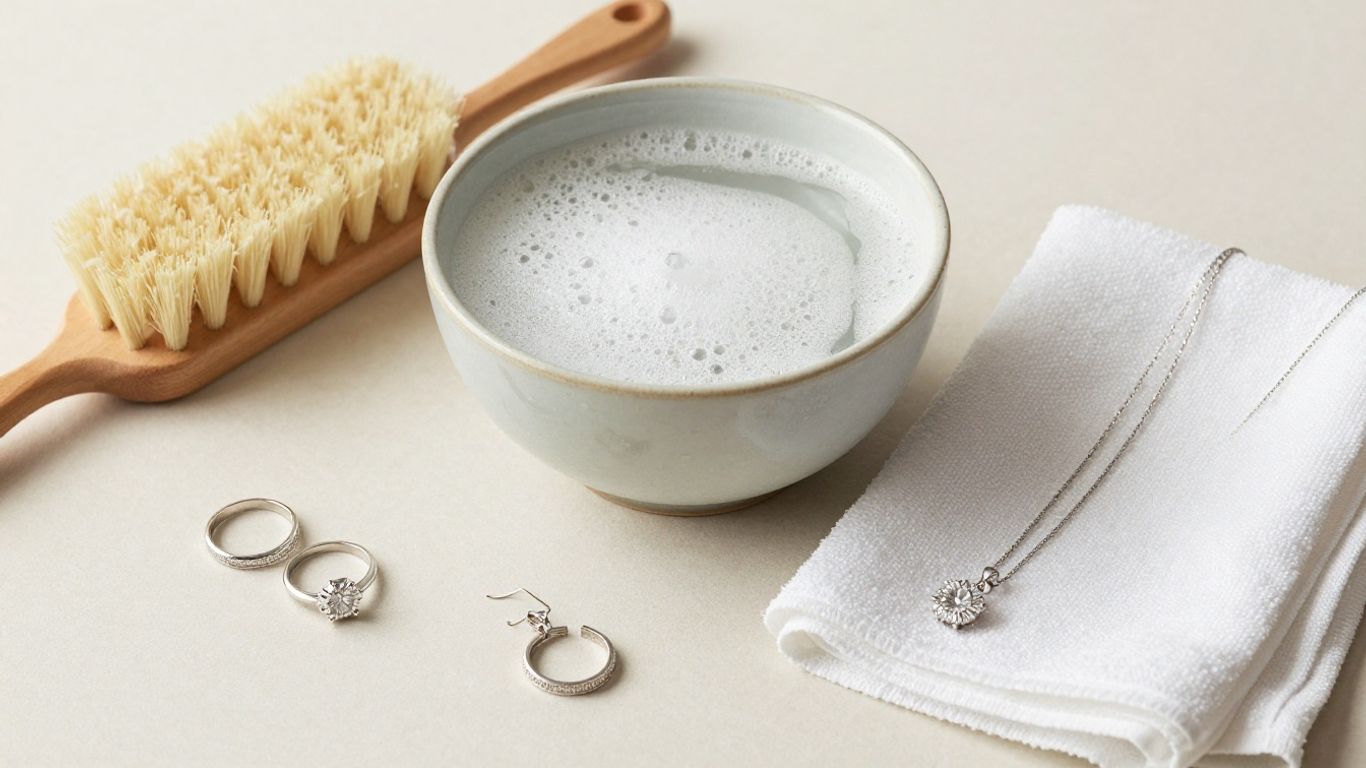
The best supplies are ordinary, gentle, and easy to control. You do not need a collection of specialized machines to clean most diamond jewellery at home. Set everything out before you begin so you are not carrying a wet ring or earring across the room looking for a towel.
Choosing a gentle dish soap
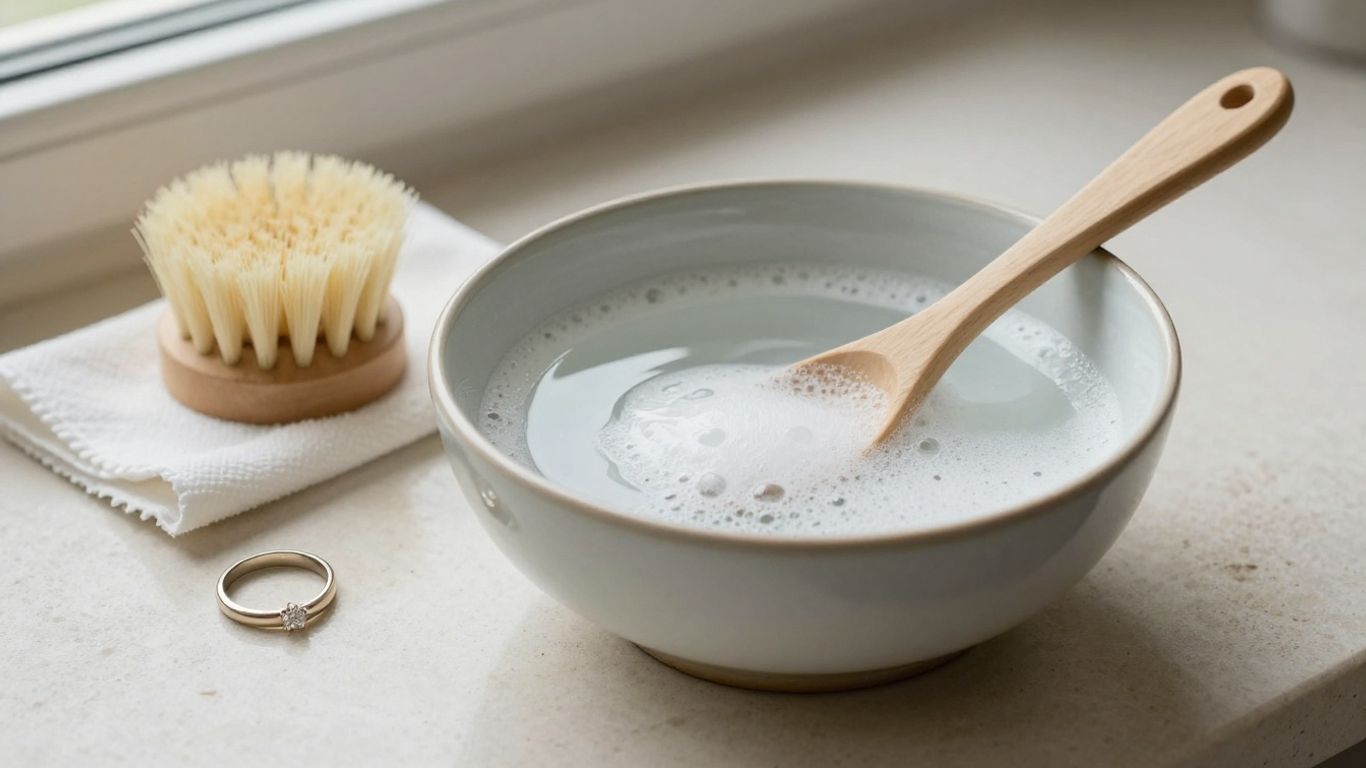
Choose a plain liquid dish soap without bleach, strong solvents, or moisturizing additives that may leave a film. A few drops mixed into water are enough; using more soap does not necessarily make the jewellery cleaner. If the solution feels heavily fragranced, oily, or harsh on your hands, choose a simpler alternative.
Selecting a soft brush and lint-free cloth
A small, soft-bristled brush can reach the underside of a diamond and the spaces around its setting without scraping the metal. Use a clean brush reserved for jewellery rather than one with stiff or worn bristles. Finish with a lint-free cloth, which is less likely to leave fibers caught in prongs than a fuzzy towel.
Using lukewarm water instead of hot water
Lukewarm water loosens everyday residue without exposing the jewellery to a sudden, extreme temperature change. It should feel comfortably warm rather than hot. Fill a stable bowl instead of working over an open sink, and keep the water level low enough that you can easily see the piece.
Cleaning tools and products to avoid
Abrasive household powders, toothpaste, bleach, vinegar, nail polish remover, and rough paper products can harm the finish or leave unwanted residue. Even a product marketed for jewellery may be unsuitable for a particular setting or gemstone. The simplest kit is often the safest one.
A small supply checklist keeps the process calm and repeatable:
- Mild liquid dish soap without bleach or moisturizer
- A bowl with lukewarm water
- A soft-bristled brush
- A lint-free cloth
Once these items are ready, there is little reason to improvise with a stronger cleaner. Gentle pressure and patience do more good than a harsh product.
Prepare your jewellery and cleaning area
Preparation prevents many of the accidents associated with home cleaning. Choose a well-lit, uncluttered surface where a dropped stone or earring would be easy to spot. Keep pets, children, and open containers away from the area until the jewellery is dry and stored.
Inspecting prongs, clasps, and stones first
Look closely at each prong, clasp, post, and stone before it touches water. Check for gaps, looseness, bent metal, or a setting that appears uneven. This quick inspection is also a useful habit before wearing jewellery, because cleaning should not be used to test or tighten a fragile piece.
Securing the sink and protecting the drain
If you must rinse near a sink, close the drain or cover it with a fine mesh stopper. A bowl placed inside the sink adds another layer of protection, but it should still sit on a stable surface. Never rely on being able to catch a small ring or earring after it slips from wet fingers.
Removing surface dust before washing
Use a dry, soft cloth to lift loose dust from the jewellery before soaking it. This makes the wash more controlled and reduces the need for vigorous brushing. A gentle pass is enough; rubbing repeatedly over dry grit can drag particles across the metal.
Separating delicate pieces before cleaning
Clean rings, earrings, necklaces, and bracelets one at a time when possible. Chains can tangle around other pieces, and earrings or small pendants can disappear beneath larger jewellery in a bowl. Separate items by type and close clasps only when doing so does not put pressure on a delicate mechanism.
Follow the step-by-step cleaning method
Once the area and supplies are ready, the cleaning itself is straightforward. Use a small bowl of mild solution, work over a protected surface, and keep the piece in view throughout. This at-home diamond ring cleaning method follows the same basic principle: loosen everyday residue first, then remove it gently rather than scrubbing aggressively.
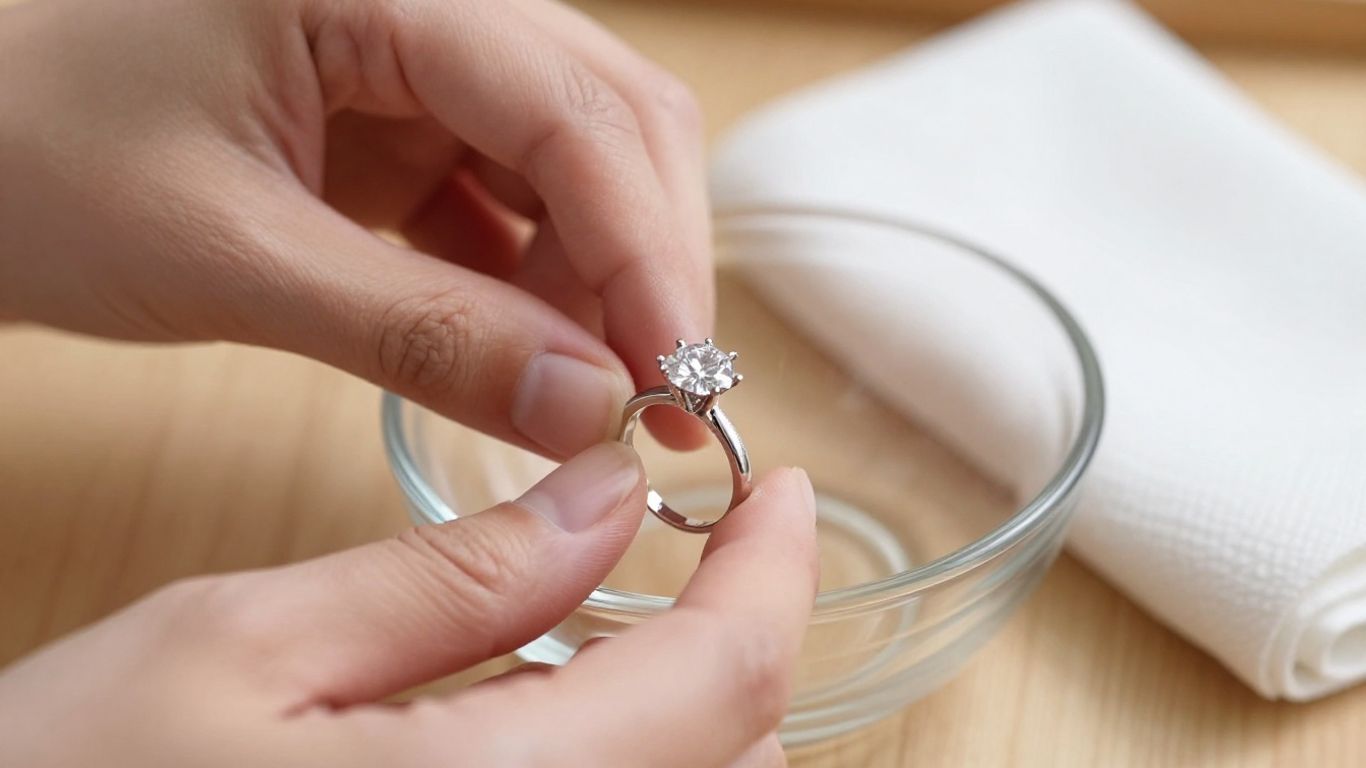
Soaking diamond jewellery in a mild solution
Add a few drops of gentle dish soap to lukewarm water and place the jewellery in the bowl. Let it sit for roughly 10 to 20 minutes so oils and dried residue have time to soften. A shorter soak may be enough for lightly worn pieces, while stubborn buildup is better handled with a second mild wash than with a stronger solution.
Brushing the diamond and setting gently
Lift the piece with clean fingers and brush it over the bowl, paying attention to the underside of the diamond and the areas where the setting meets the stone. Use small, light strokes rather than pressing the bristles into the prongs. Turn the jewellery slowly so you can clean each accessible surface without forcing the brush into narrow gaps.
Rinsing away soap residue safely
Rinse with lukewarm water over the protected bowl or a securely closed drain. Rotate the piece under a gentle stream only if you can keep a firm hold of it. Soap left behind can make jewellery look hazy, so continue until the surface feels clean and no suds remain.
Drying and polishing without scratching
Pat the jewellery with a lint-free cloth, then allow it to finish air-drying on a clean, soft surface. Avoid paper towels, tissues, and rough household towels that may scratch metal or leave fibers behind. Once dry, inspect the setting again; if residue remains, repeat the mild process rather than increasing the pressure.
Adjust the method for different jewellery types
The same basic wash does not feel identical on every piece. A ring may need attention beneath the center stone, while a necklace requires care around its chain and clasp. Consider how the jewellery is constructed before placing it in water, and treat any additional gemstone as a separate care question.
Cleaning diamond rings with intricate settings
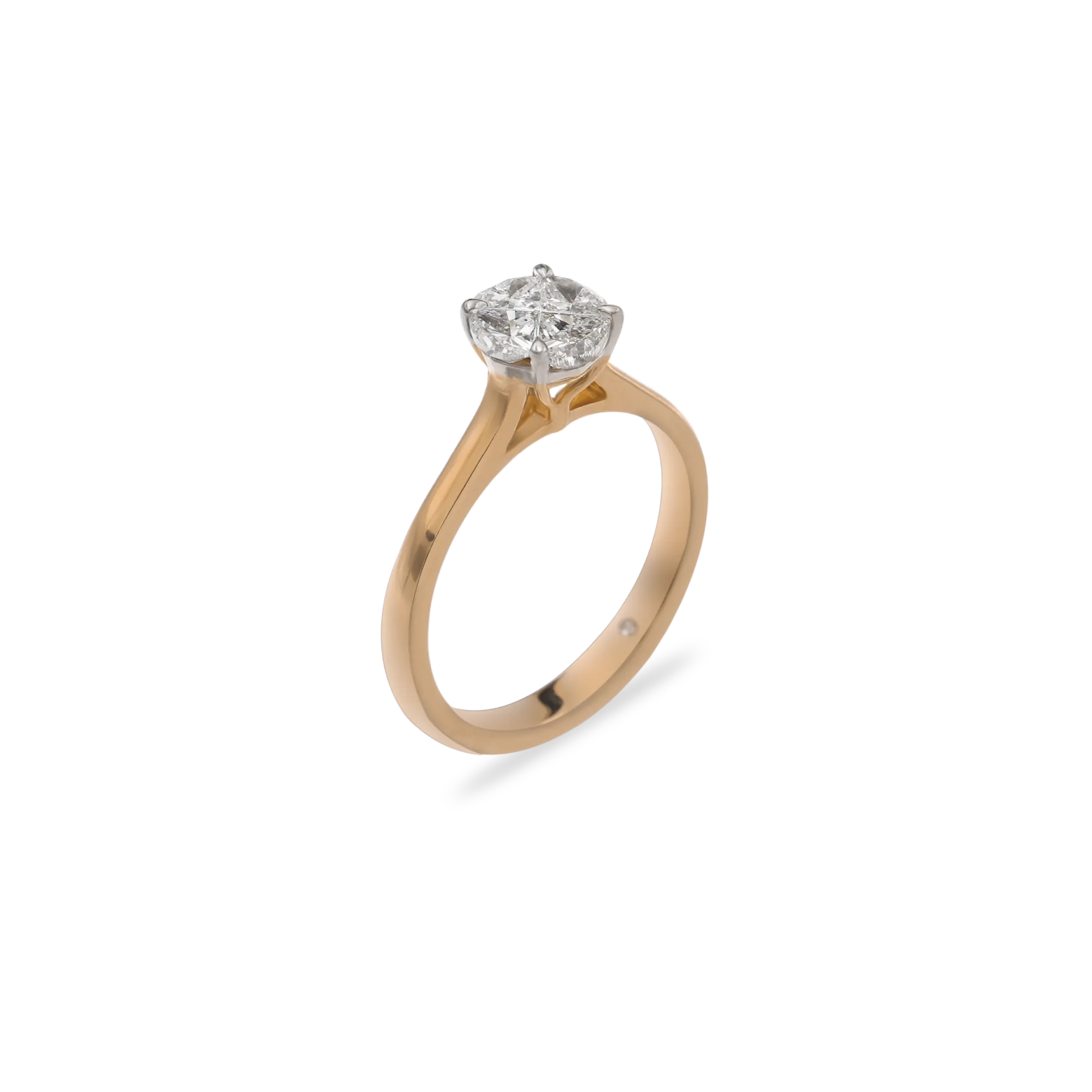
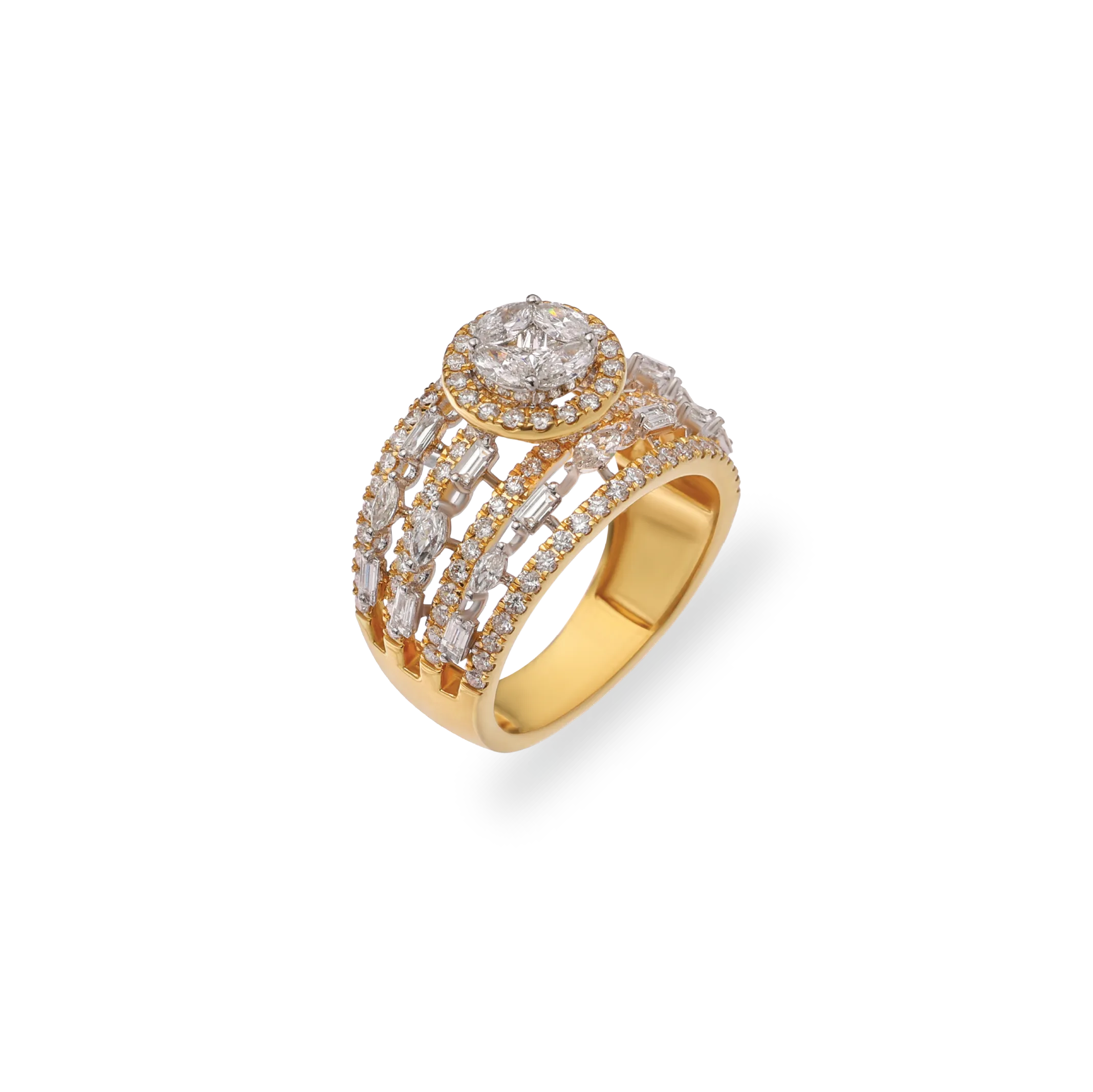
Intricate rings can trap lotion and soap beneath halos, baskets, milgrain edges, or pierced designs. Work from the underside with a soft brush, but do not push bristles into a space where they may catch. Rinse patiently and inspect the ring under bright light once it is dry.
Caring for diamond earrings and necklaces
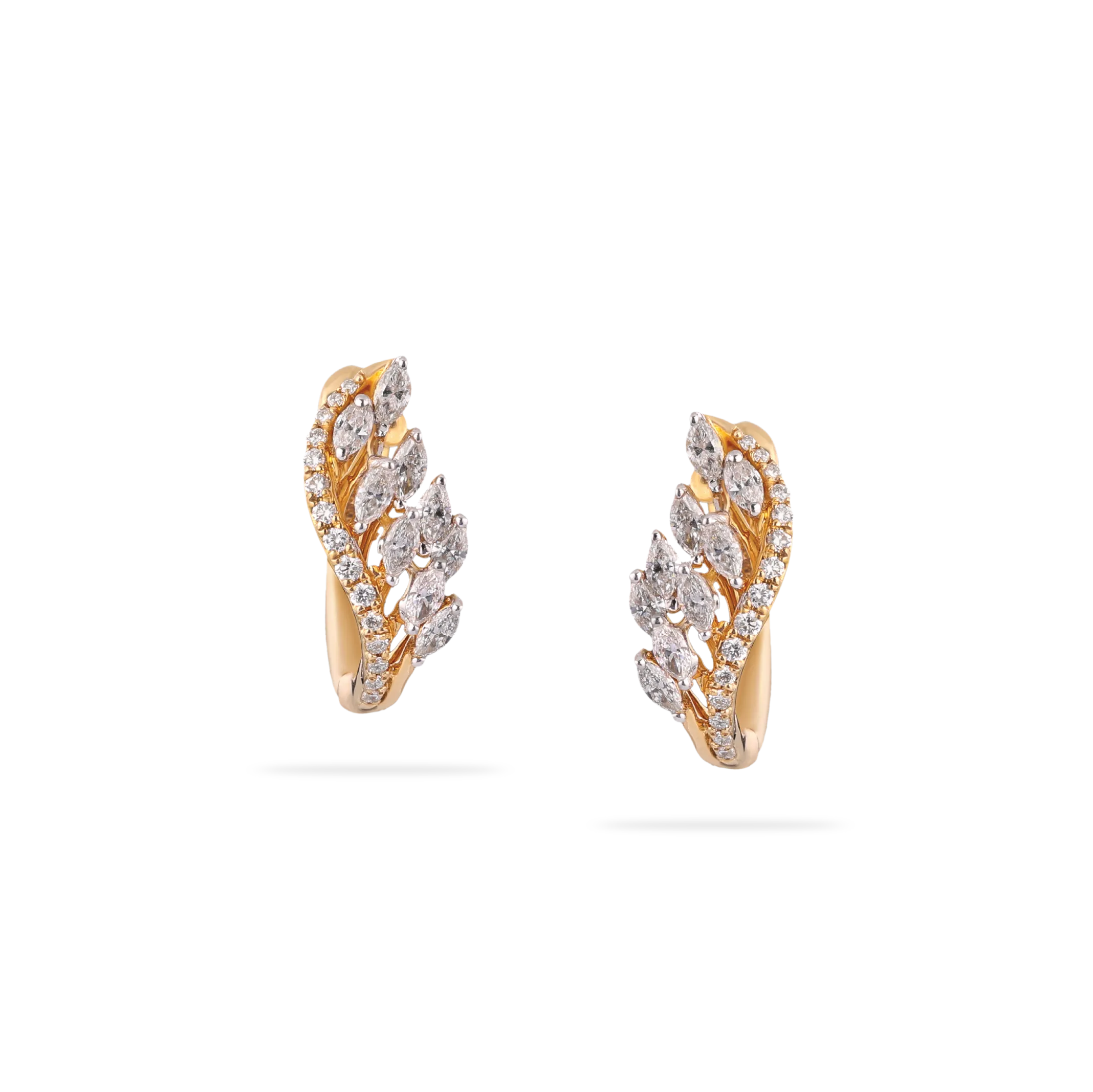
Earrings should be handled by the metal rather than pulled by the stone or post. Clean the front and back of the setting, then pay attention to the backs, which can collect skin oils. For necklaces, keep the chain supported in the bowl, and make sure the clasp is fully dry before storing it.
Handling pavé, halo, and cluster designs
Small stones set close together need especially light brushing. Do not snag the brush across the edges of multiple stones, and never assume that a tiny stone is secure simply because it looks in place. If debris remains between stones after a gentle wash, professional cleaning is safer than repeated scrubbing.
Cleaning jewellery with softer gemstones
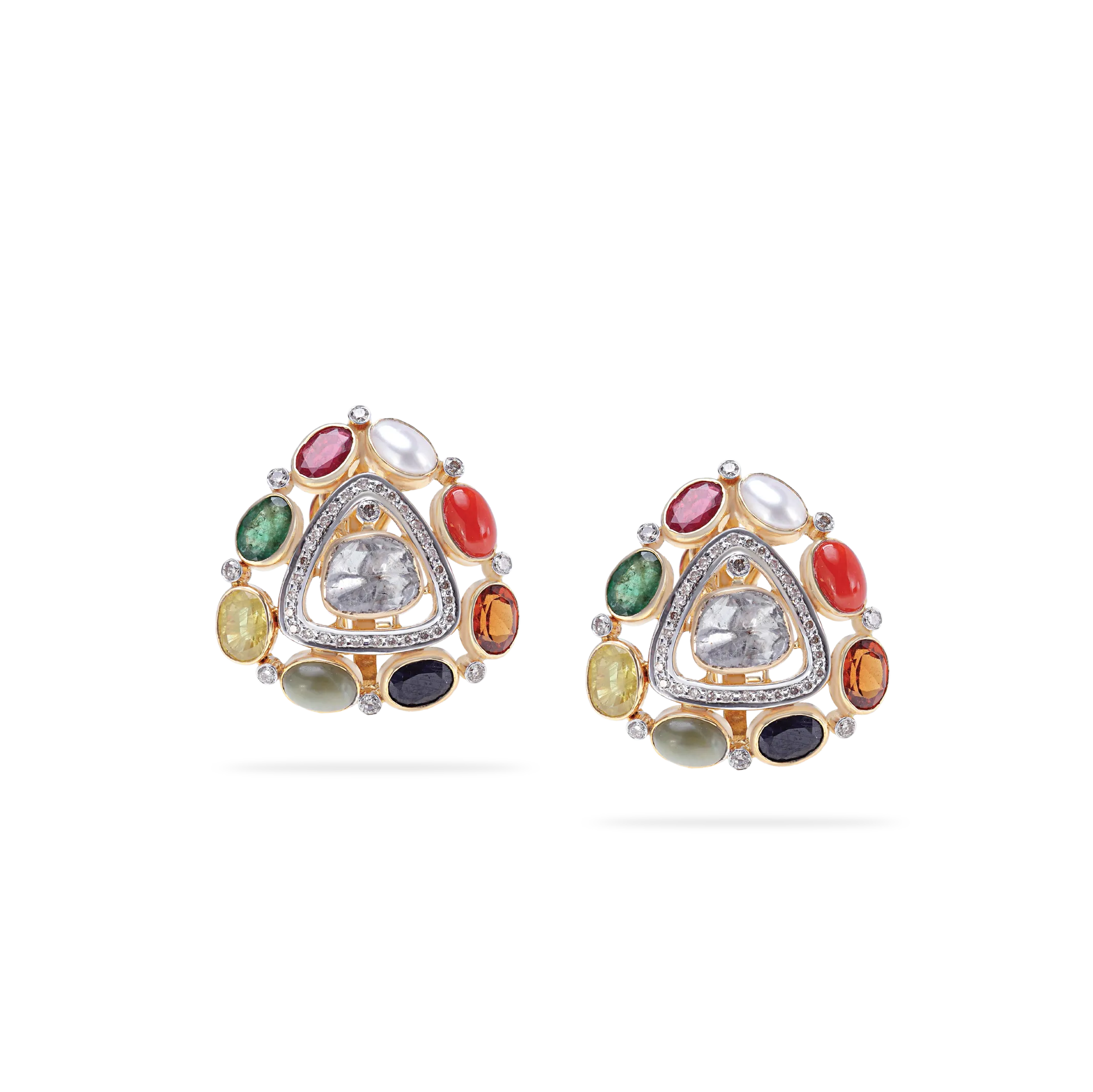
A diamond may be paired with a softer or more porous gemstone that requires different treatment. Some stones should not be soaked, exposed to chemicals, or brushed in the same way as a diamond. When a piece contains mixed gemstones, identify the most delicate material first and follow the gentlest suitable method.
Avoid common cleaning and care mistakes
Most home-cleaning problems come from rushing, choosing an overly strong product, or overlooking a loose setting. More force does not equal a better result. A careful routine protects both the visible sparkle and the small parts that hold the jewellery together.
Why harsh chemicals can damage settings
Bleach, acids, solvents, and abrasive cleaners can discolor metal, wear away finishes, or weaken components over time. They may also leave a film that makes a clean diamond appear cloudy. Keep household cleaning products away from jewellery, and rinse your hands before handling a piece after using them.
When ultrasonic and steam cleaners are risky
Ultrasonic and steam devices can be unsuitable for loose stones, fragile settings, treated gems, glued components, or jewellery with existing damage. Vibration and heat may worsen a weakness that is not obvious at first glance. If you are considering either method, have the piece inspected before using it.
How frequent handling affects cleanliness
Touching a diamond repeatedly transfers oil from your fingers back onto its surface. Pick jewellery up by the edges of the metal when possible, and avoid checking the stone by rubbing it with a thumb. If a piece becomes dull soon after cleaning, hand lotion, cosmetics, and frequent handling may be contributing to the film.
Storing diamond jewellery between wears
Let jewellery dry completely before putting it away. Store each piece separately in a soft-lined compartment or pouch so chains do not tangle and stones do not rub against one another. Keeping jewellery away from bathroom humidity and loose household objects helps preserve its finish between cleanings.
Know when to use professional cleaning services
At-home cleaning is maintenance, not a substitute for examining the structure of valuable jewellery. A professional can look into tight settings, check whether stones are secure, and clean areas that are difficult to reach without causing unnecessary wear. Regular inspection is particularly sensible for pieces worn every day.
Loose stones and damaged prongs that need inspection
A stone that shifts, clicks, or looks crooked should not be brushed or soaked. The same applies to a prong that feels sharp, catches on clothing, or appears shorter than the others. Put the jewellery in a small container and arrange an inspection before wearing it again.
Jewellery that remains cloudy after cleaning
If a diamond still looks hazy after a careful soap-and-water wash, the issue may be residue beneath the setting, surface wear, or a problem unrelated to ordinary dirt. Do not keep escalating the cleaning method at home. A jeweller can determine whether the piece needs professional cleaning, repair, or a closer assessment of the stone.
Recommended professional cleaning schedules
There is no single schedule that suits every piece, but an inspection about once a year is a reasonable starting point for frequently worn diamond jewellery. More frequent checks may make sense for an engagement ring, pavé design, or piece exposed to hard use. Home cleaning can maintain appearance between visits, provided the setting remains secure.
Preparing questions for your jeweller
Bring up anything you noticed during wear, including a loose-feeling stone, a bent clasp, recurring cloudiness, or a change in the metal’s finish. Ask which cleaning method suits the specific setting and whether any gemstones should be kept out of water. Clear questions help turn a routine cleaning visit into useful long-term care advice.
Conclusion
Learning how to clean diamond jewellery safely at home comes down to a mild solution, gentle tools, protected rinsing, and a careful inspection before and after the wash. Clean only jewellery that appears secure, store it dry and separately, and leave damaged or unusually delicate pieces to a professional.
Frequently Asked Questions
How often should I clean diamond jewellery at home?
Clean frequently worn pieces whenever oil or residue makes them look dull, using a gentle soap-and-water method. A light periodic cleaning is better than waiting for heavy buildup and then scrubbing hard.
Can I use hot water to clean a diamond ring?
Use lukewarm water rather than hot water. Comfortable warmth is enough to loosen everyday residue without exposing the jewellery to an unnecessary temperature change.
Is toothpaste safe for diamond jewellery?
Toothpaste can be abrasive and may scratch metal or damage surface finishes. Use mild dish soap, lukewarm water, a soft brush, and a lint-free cloth instead.
Can I clean diamond jewellery over an open sink?
It is safer to work over a bowl or a securely closed, protected drain. Small rings, earrings, and stones can slip quickly when they are wet.
Should I use an ultrasonic cleaner at home?
Not without knowing that the setting and gemstones are suitable for it. Ultrasonic cleaning can be risky for loose stones, fragile settings, treated gems, and glued components.
Why does my diamond still look cloudy after cleaning?
Cloudiness may come from residue in an inaccessible area, surface wear, or a structural issue rather than ordinary dirt. Have the piece assessed if a careful gentle wash does not improve it.
How should I store diamond jewellery?
Store each dry piece separately in a soft-lined compartment or pouch. Keep chains from tangling and prevent stones or metal from rubbing against other jewellery.
How to store bridal jewellery: A complete guide to protecting every precious piece
10 minute read
Related blogs:
September 17, 2026
How to Choose the Perfect Diamond Necklace for Bride on Her Wedding Day
Read More

September 17, 2026
Wedding jewellery for modern brides: how to choose timeless pieces with contemporary style
Read More

September 17, 2026
Wedding jewellery for traditional brides: A complete guide to choosing timeless bridal pieces
Read More

September 17, 2026
Wedding jewellery for minimalist brides: A complete guide to choosing timeless pieces
Read More









.webp)
.webp)