How to choose bridal jewellery stores in Bengaluru for your wedding
August 24, 2026 | 10 minutes read
Key Takeaways
Choosing bridal jewellery is easier when you decide what you need before comparing stores. Give equal attention to design, documentation, pricing, comfort, and after-sales care.
- Start with your wedding outfits, ceremonies, and cultural preferences.
- Compare stores by collection breadth, consultation style, and customization.
- Verify purity, hallmarking, certifications, settings, and finishing.
- Separate essential purchases from statement pieces and optional accessories.
- Keep every invoice, certificate, measurement, and policy in one place.
Define your bridal jewellery needs before visiting stores
A clear brief will make visits to bridal jewellery stores in Bengaluru more productive. Note the outfits you expect to wear, the ceremonies that need separate looks, and the pieces you already own or plan to inherit. A little preparation also helps you compare like with like rather than falling for the first glittering display.
Match jewellery styles to your wedding outfits
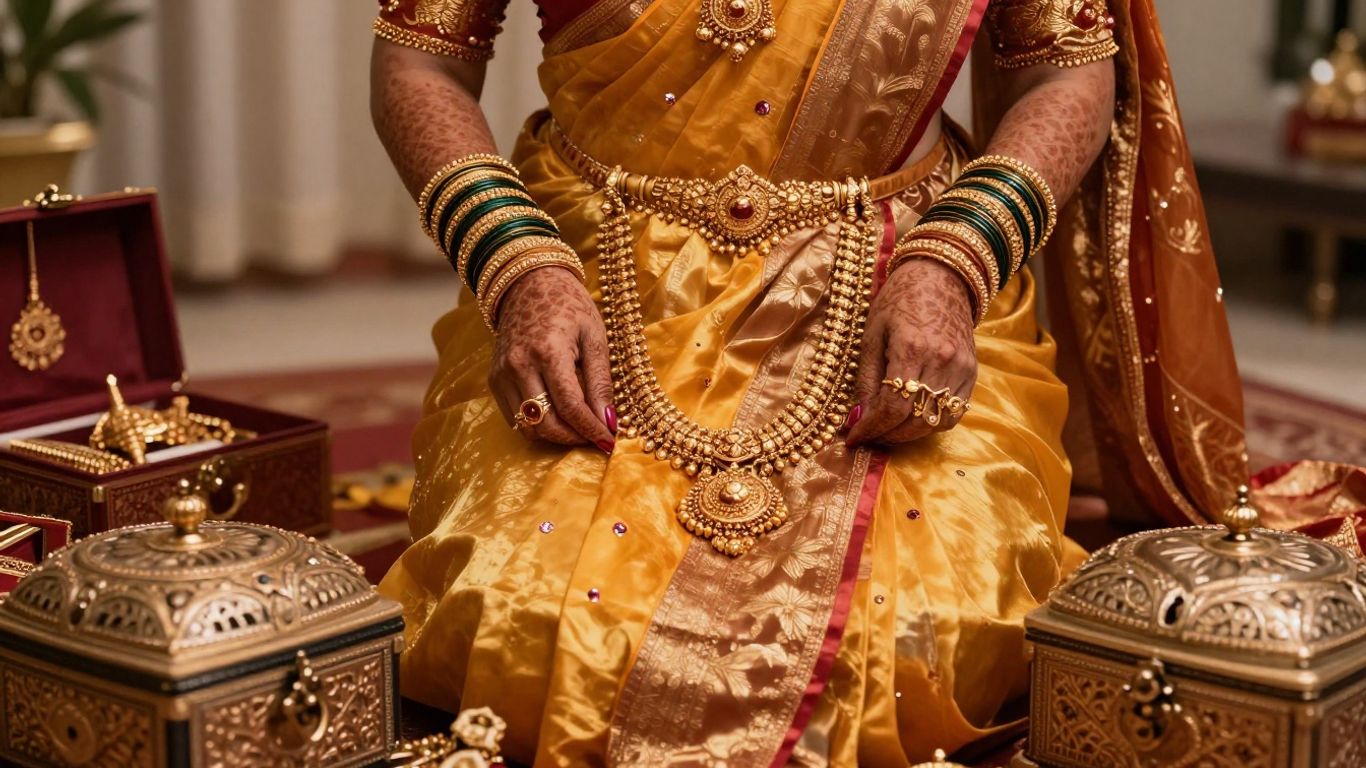
Begin with photographs or fabric swatches of your sarees, lehengas, and gowns. A heavily embroidered outfit may need a simpler necklace, while a plain silk saree can carry a more elaborate set. Consider colour as well as scale: warm gold sits naturally with many traditional silks, while diamonds or lighter-toned metals can feel at home with a contemporary reception outfit.
Take note of necklines, sleeve details, and blouse embellishments before you shop. The goal is a coordinated look, not a collection of beautiful pieces competing for attention. A planning resource from C Krishniah Chetty & Co can also help you prioritize necklaces, rings, bangles, and other wedding jewellery before appointments.
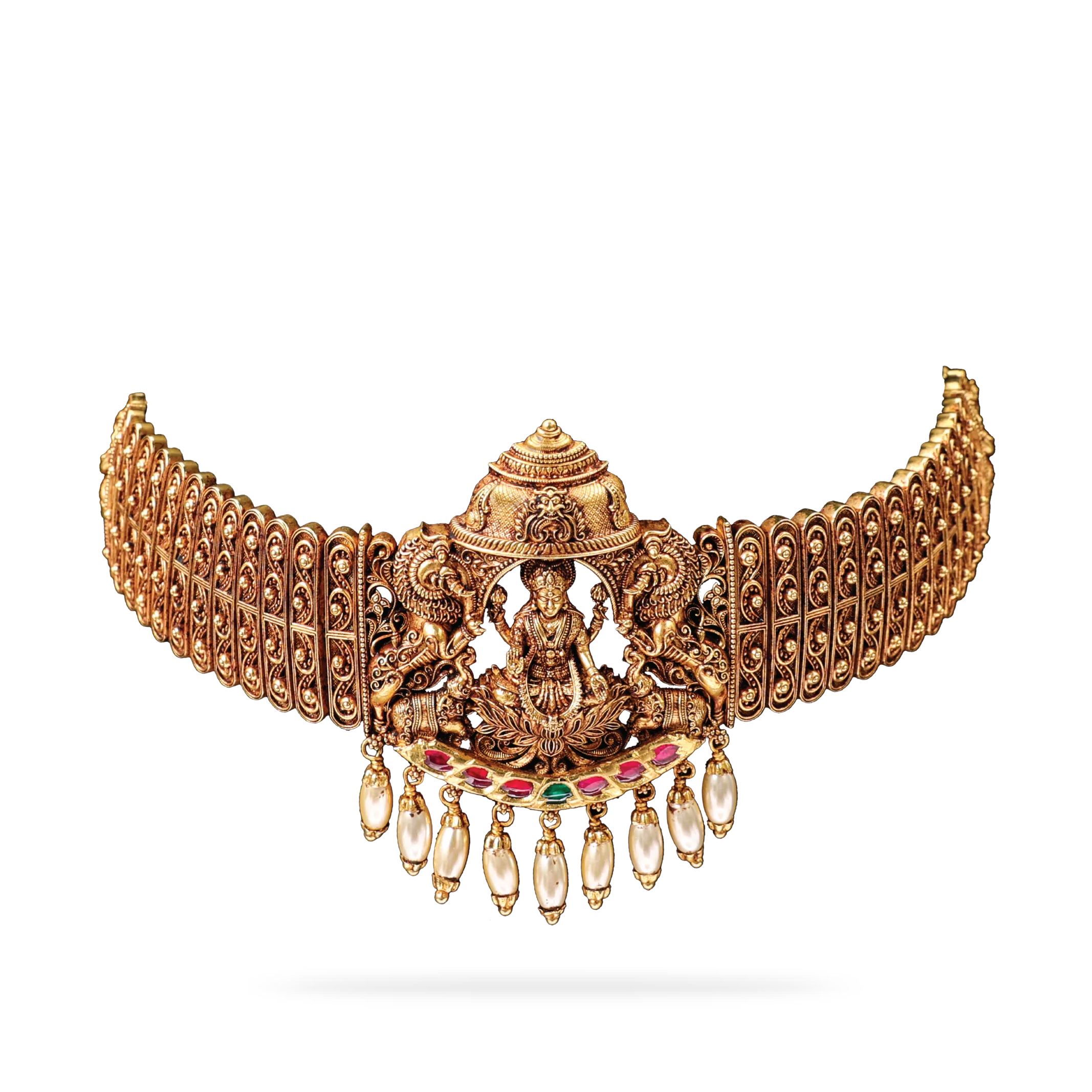
Decide between gold, diamond, kundan, polki, and jadau
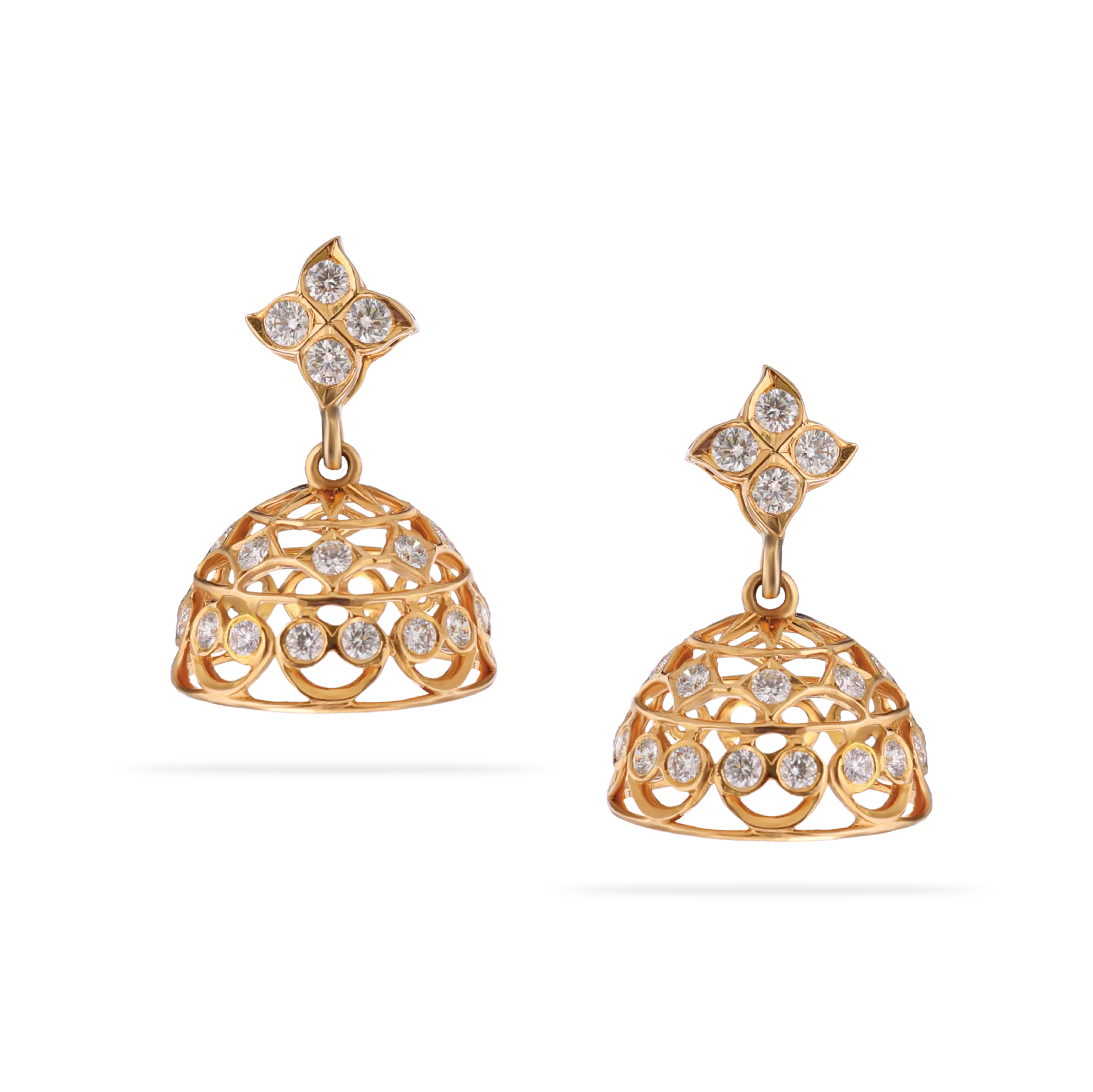
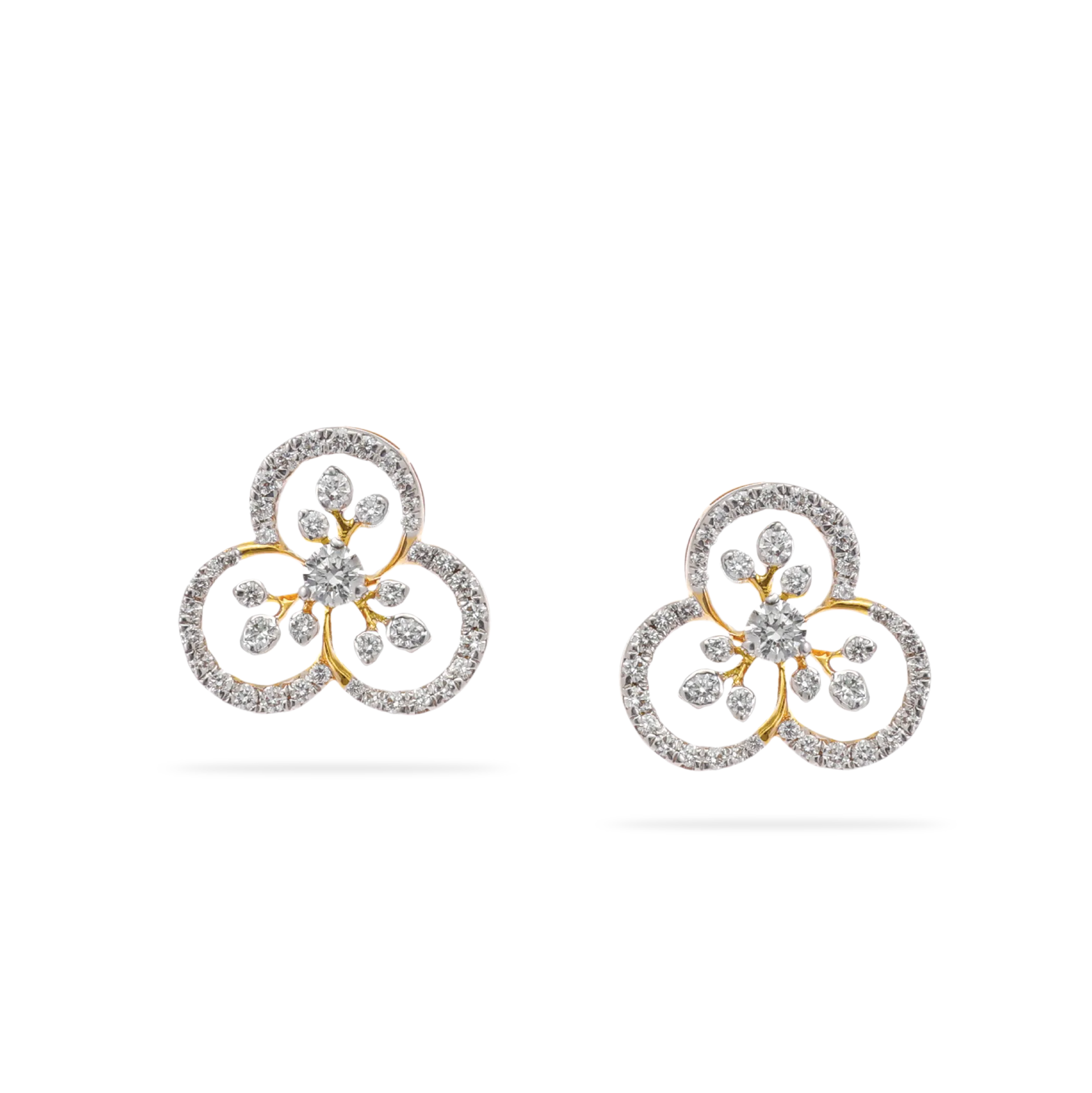
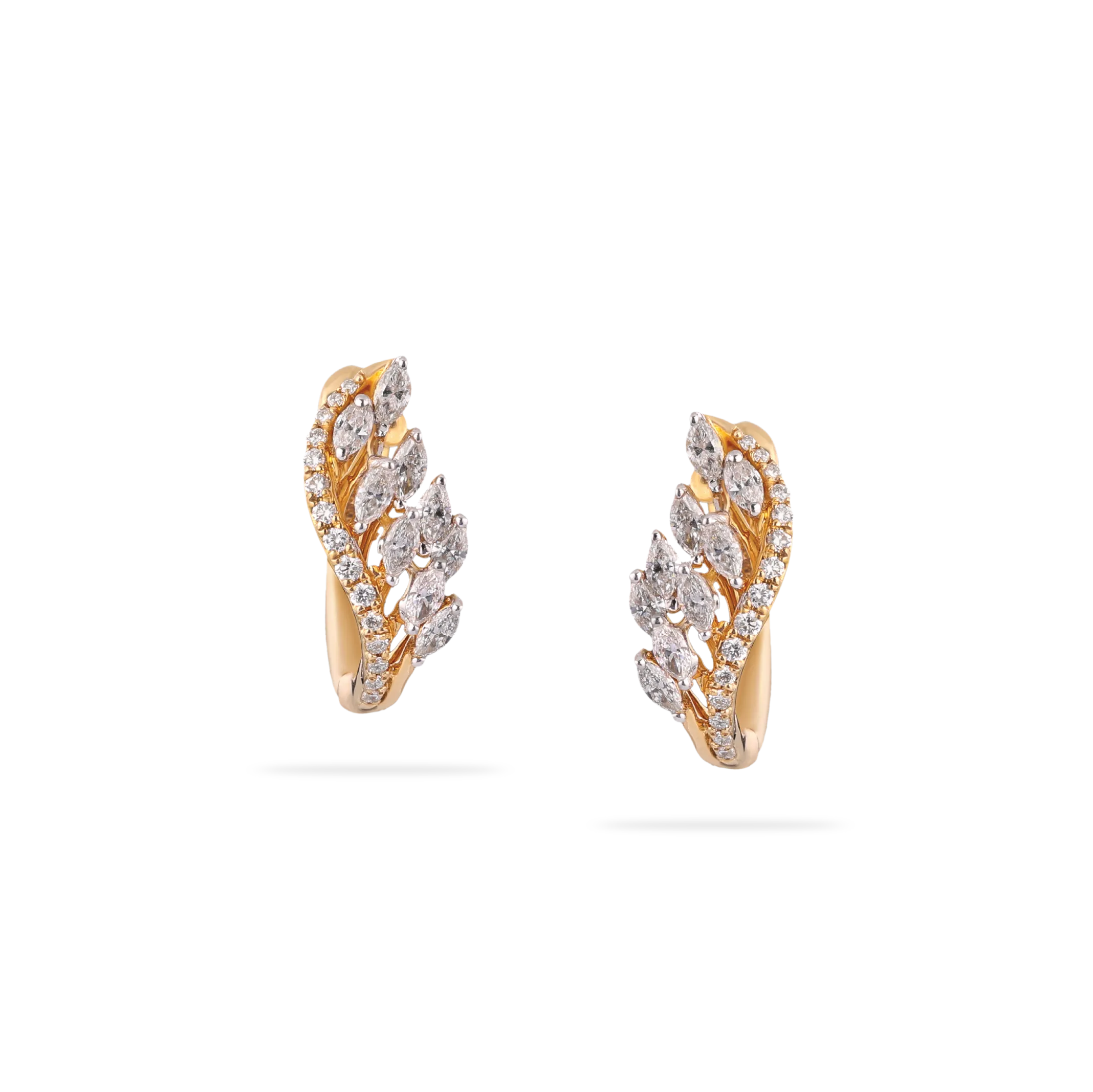
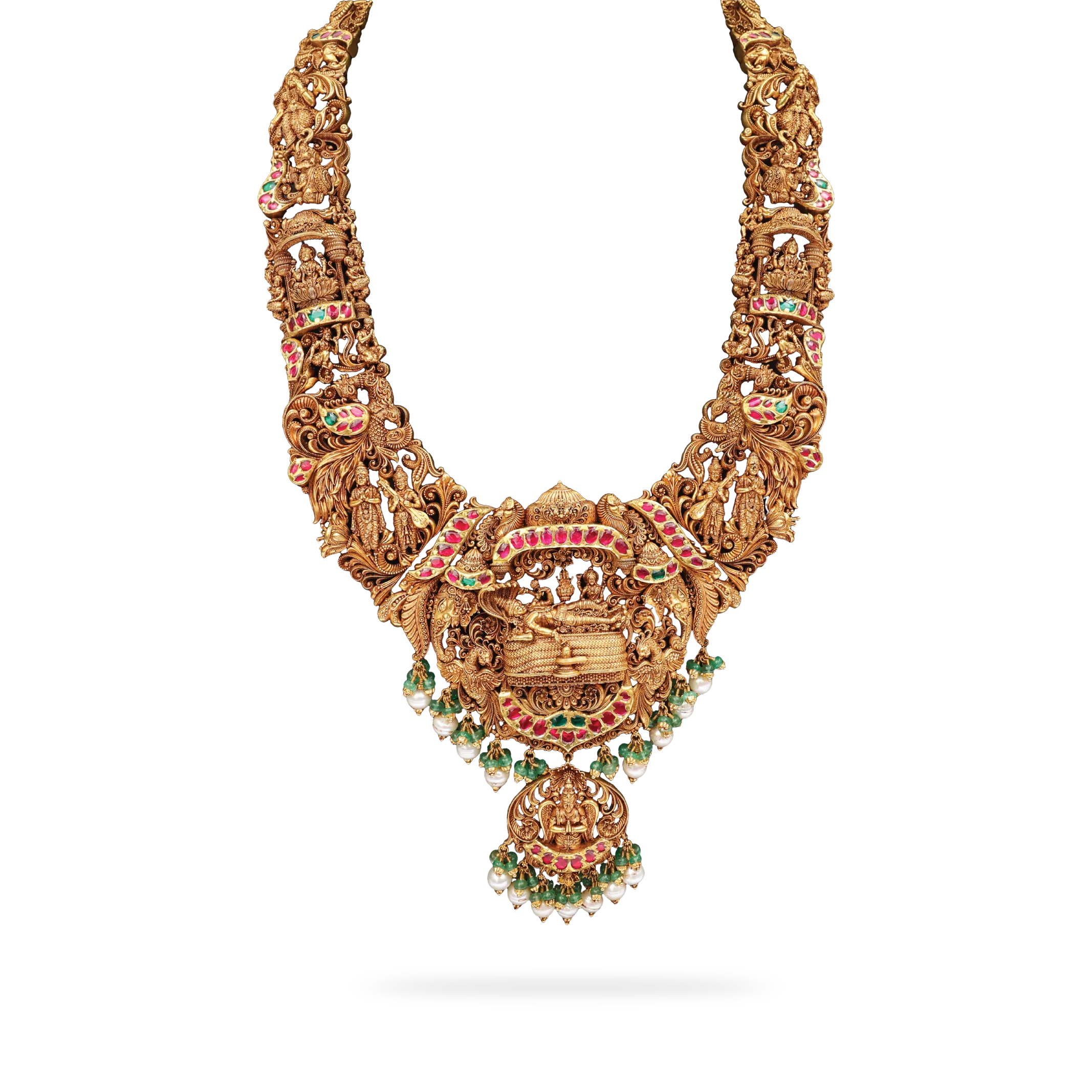
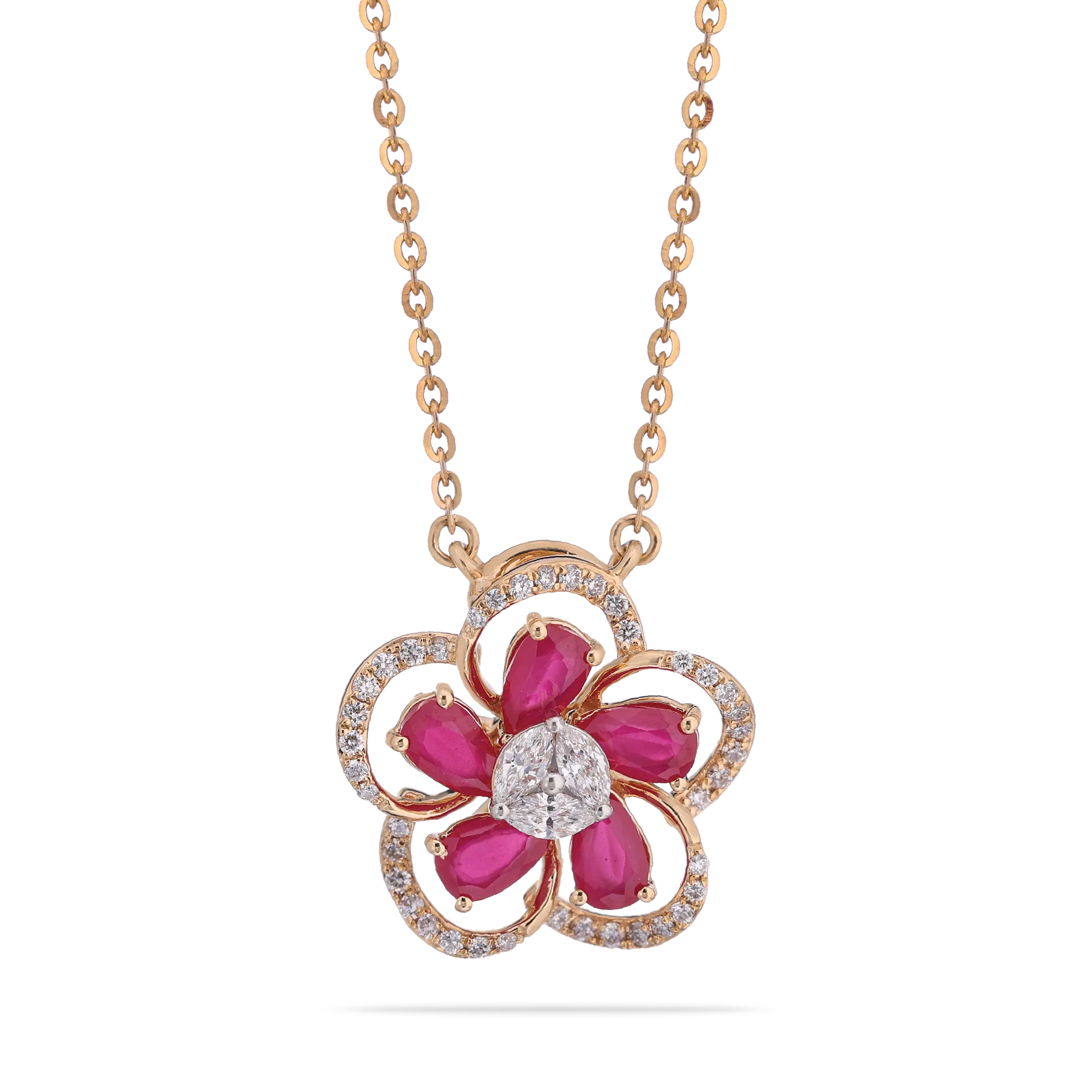
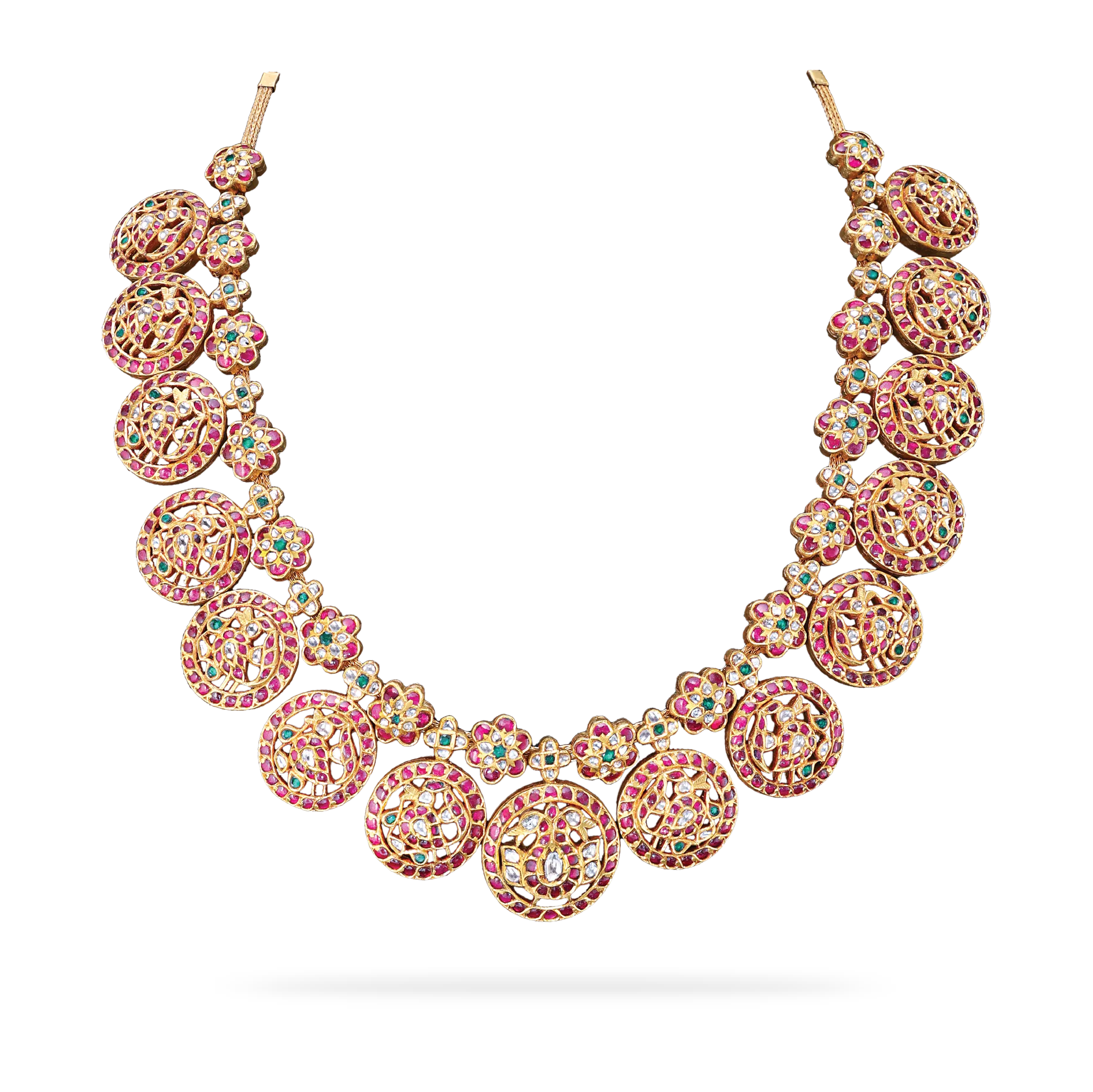
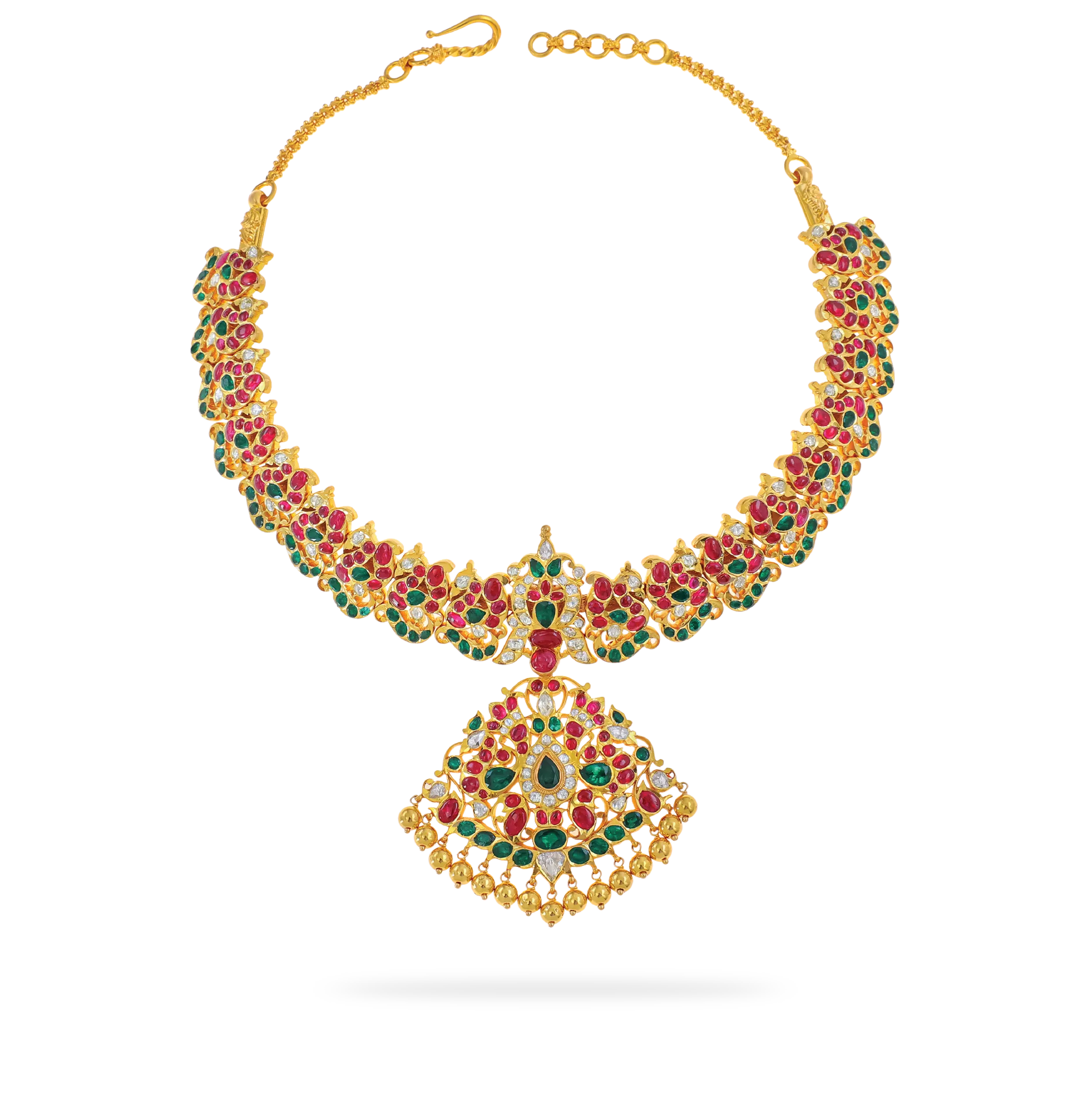
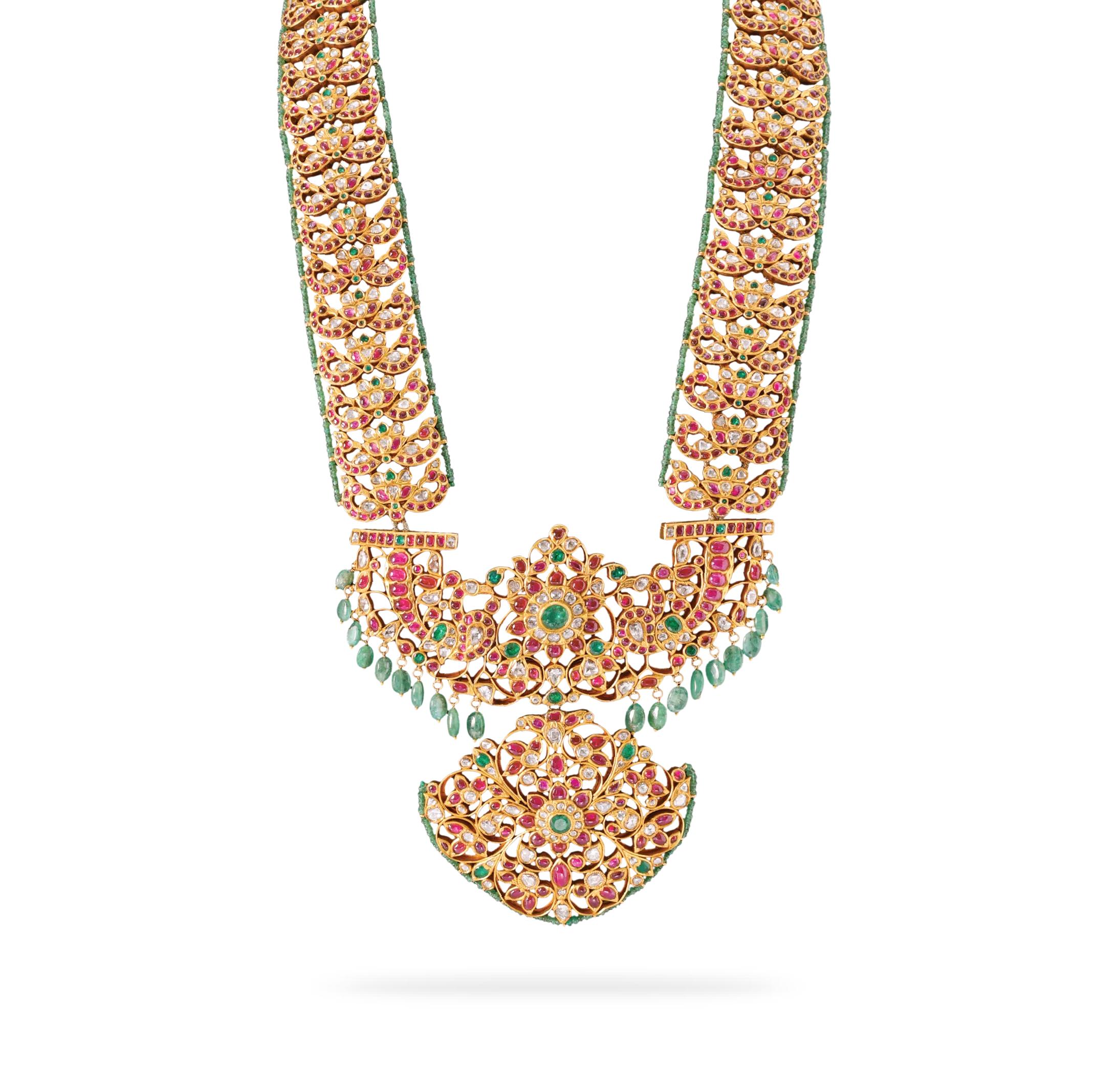
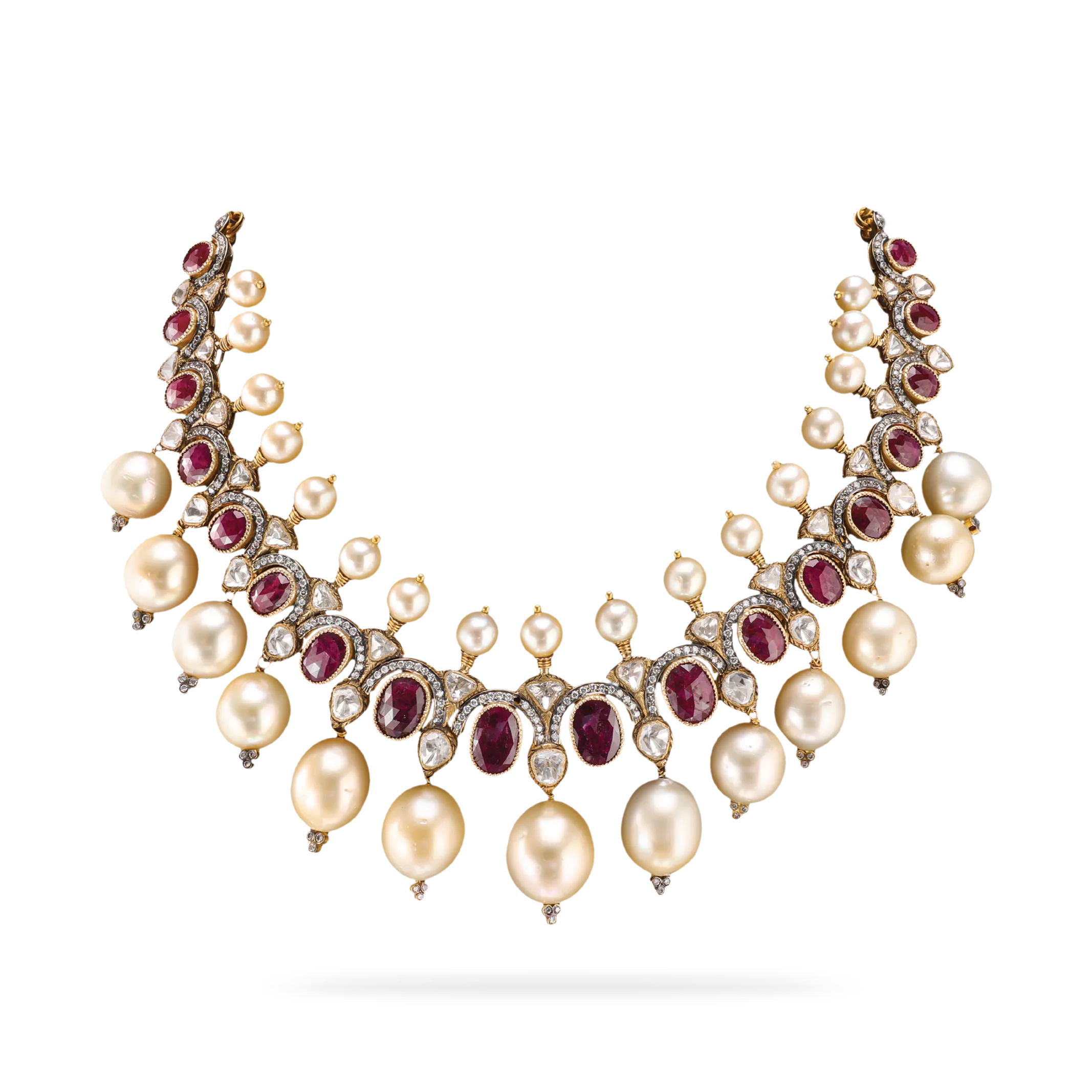
Each material creates a different mood and carries different considerations. Gold can feel deeply traditional and versatile, diamonds bring a clean sparkle, and kundan, polki, and jadau offer a more ornate, heritage-led appearance. Ask whether stones are natural, treated, or simulated, and understand how the metal weight and setting affect the price.
Do not choose only by the name of a style. Try on comparable pieces to see how their weight, height, and surface detail work with your face and outfit. If you want one investment piece to wear after the wedding, a restrained diamond or gold design may offer more occasions for use than a very elaborate set.
Separate essential pieces from optional accessories
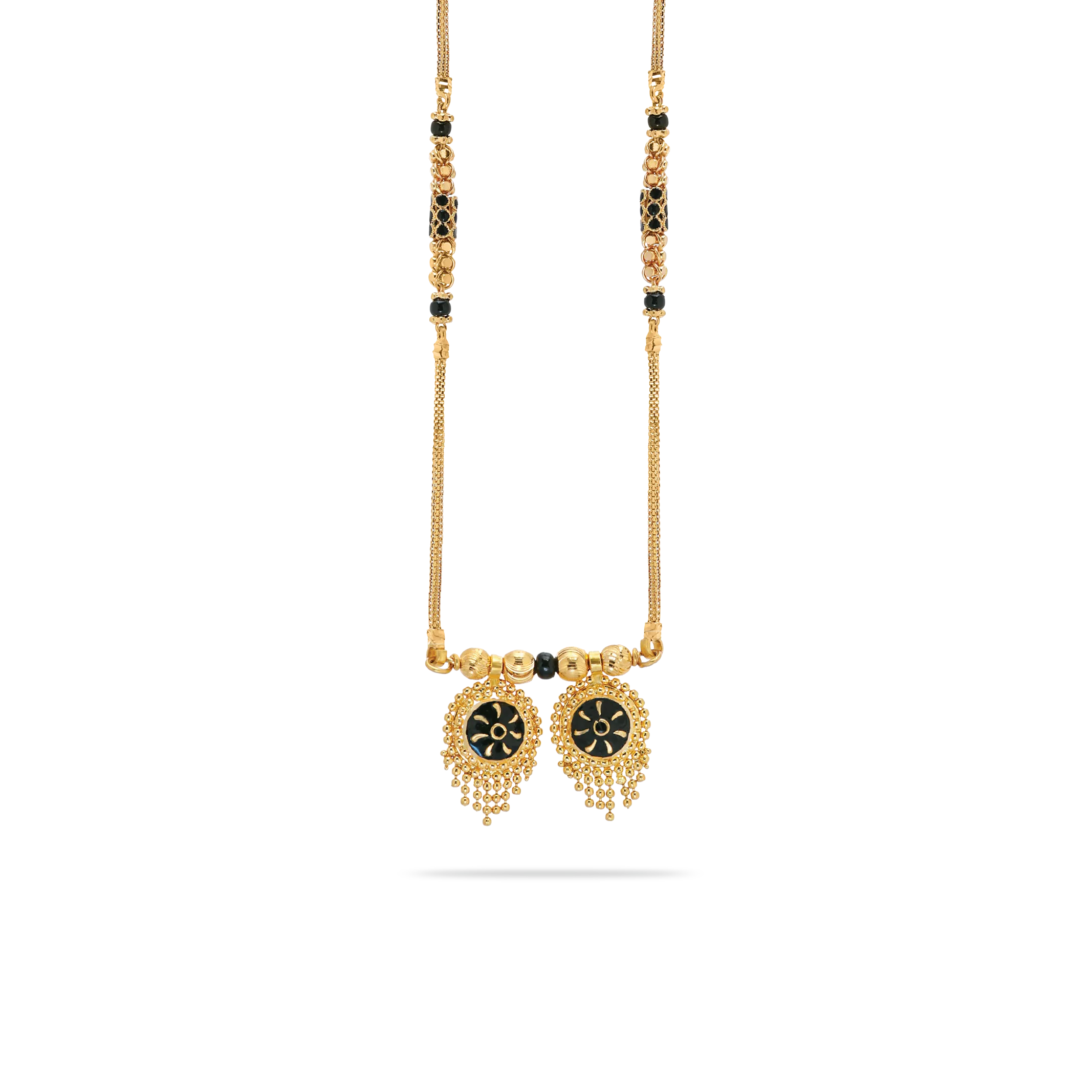
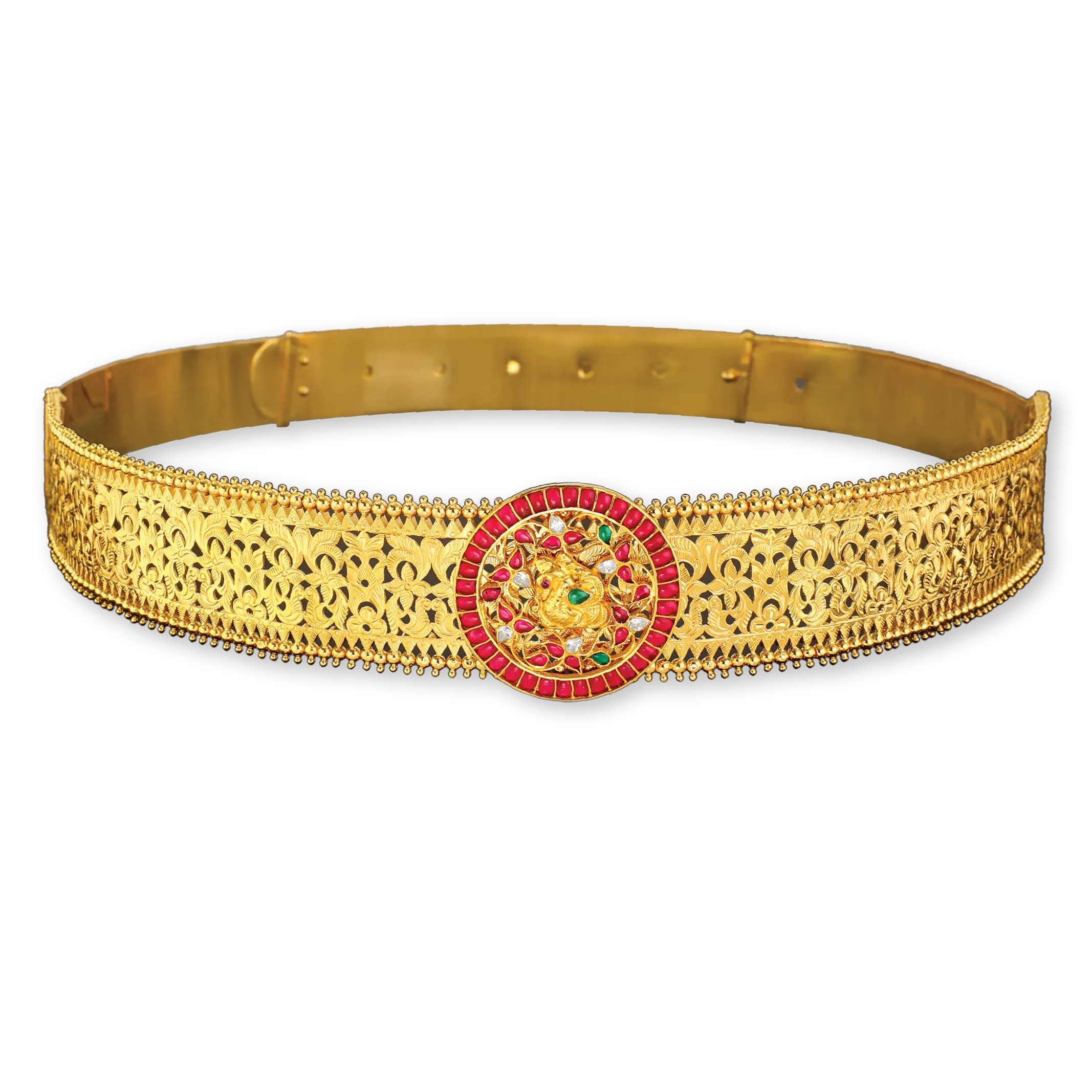
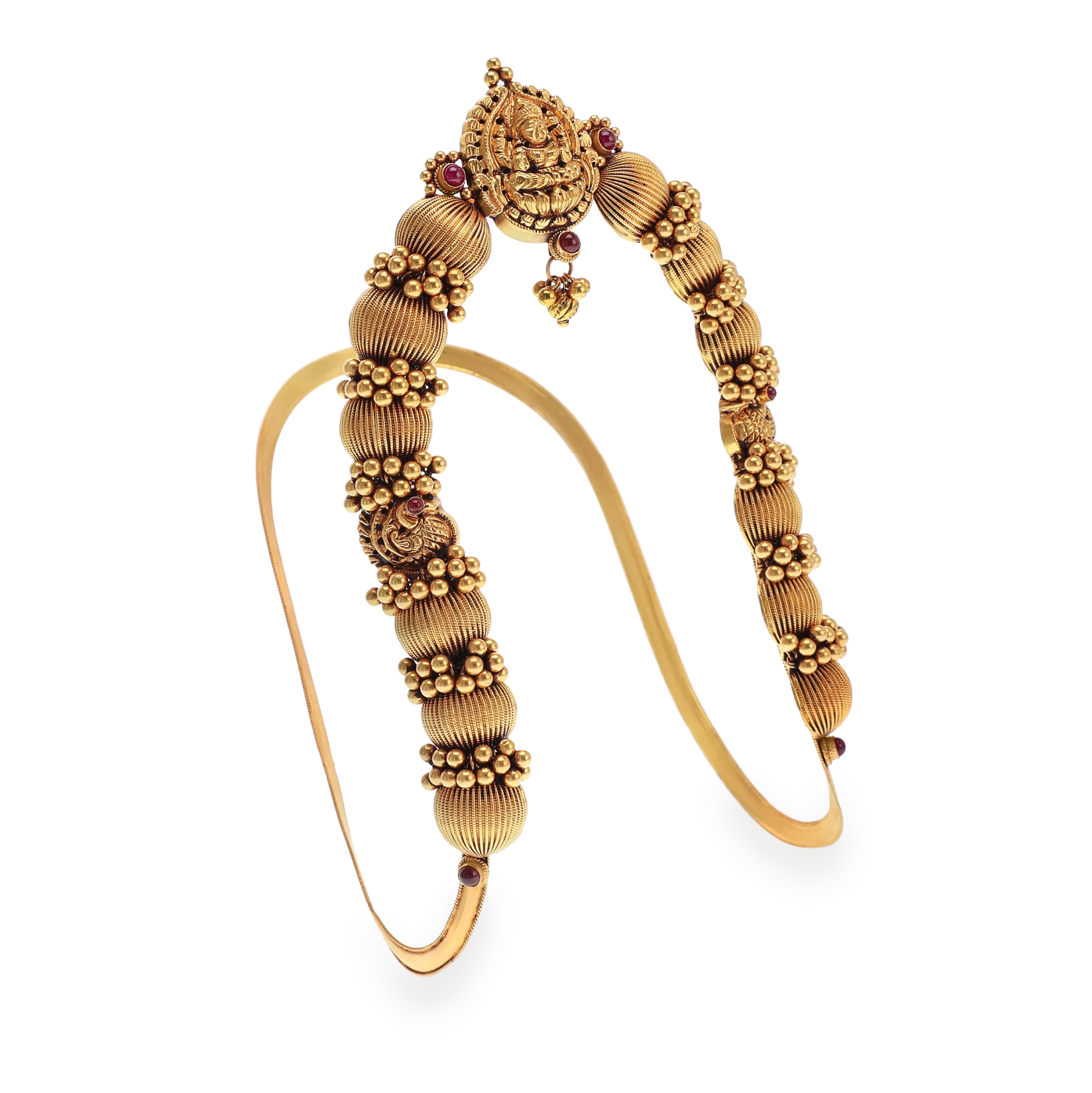
Write a first-pass list before browsing. It might include a wedding necklace, earrings, bangles, a ring, and a mangalsutra, while a waist belt, maang tikka, armlet, or additional chains may be optional. This prevents a dramatic display piece from quietly absorbing money intended for something you will wear throughout the ceremony.
Keep a small buffer for practical additions such as extra hooks, sizing, or a safer clasp. Comfort deserves a place in the budget, especially for jewellery worn through a long ceremony. The bridal shopping guide is useful background when you want to think through style, comfort, and versatility together.
Consider regional and cultural jewellery traditions
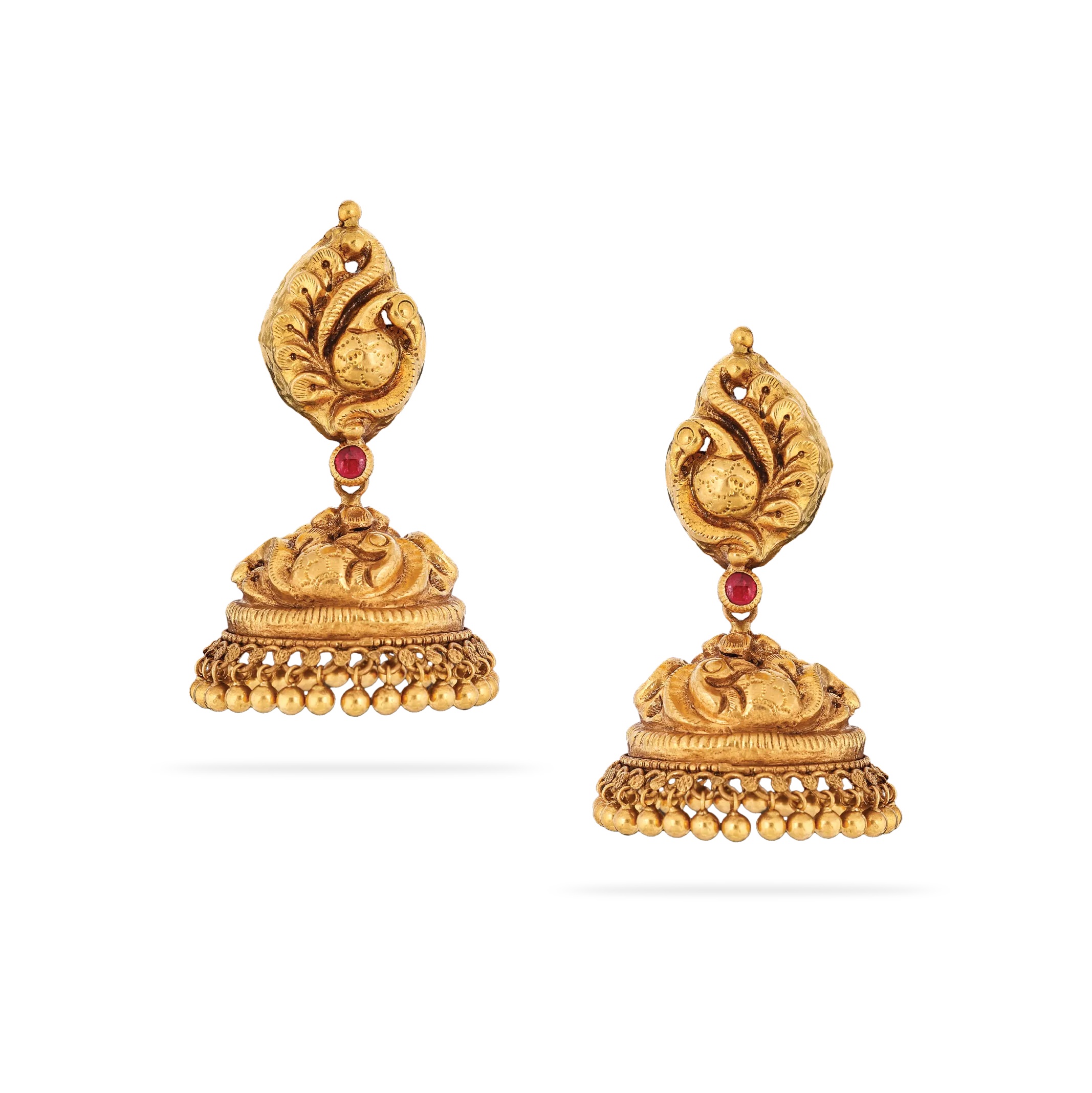
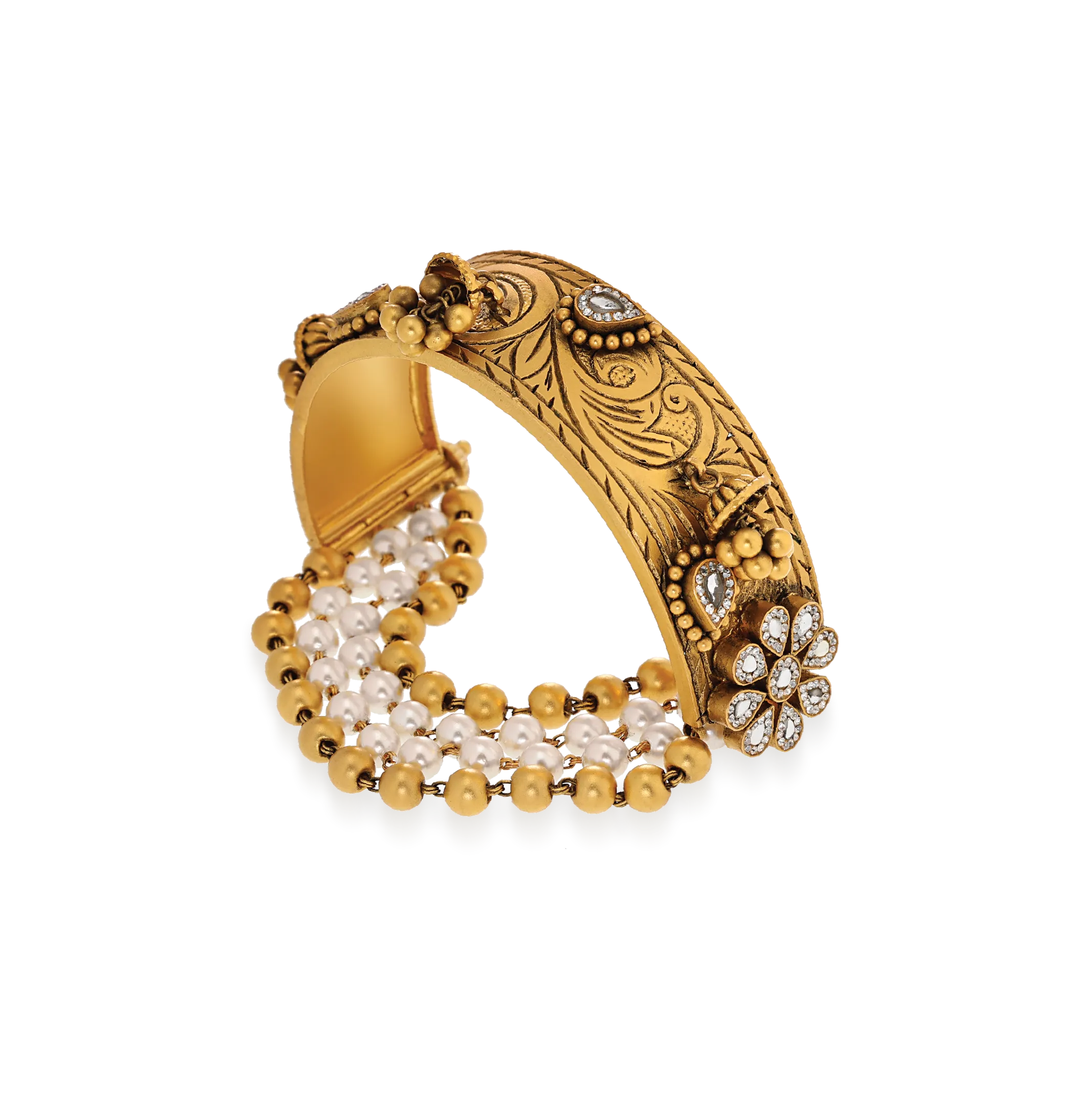
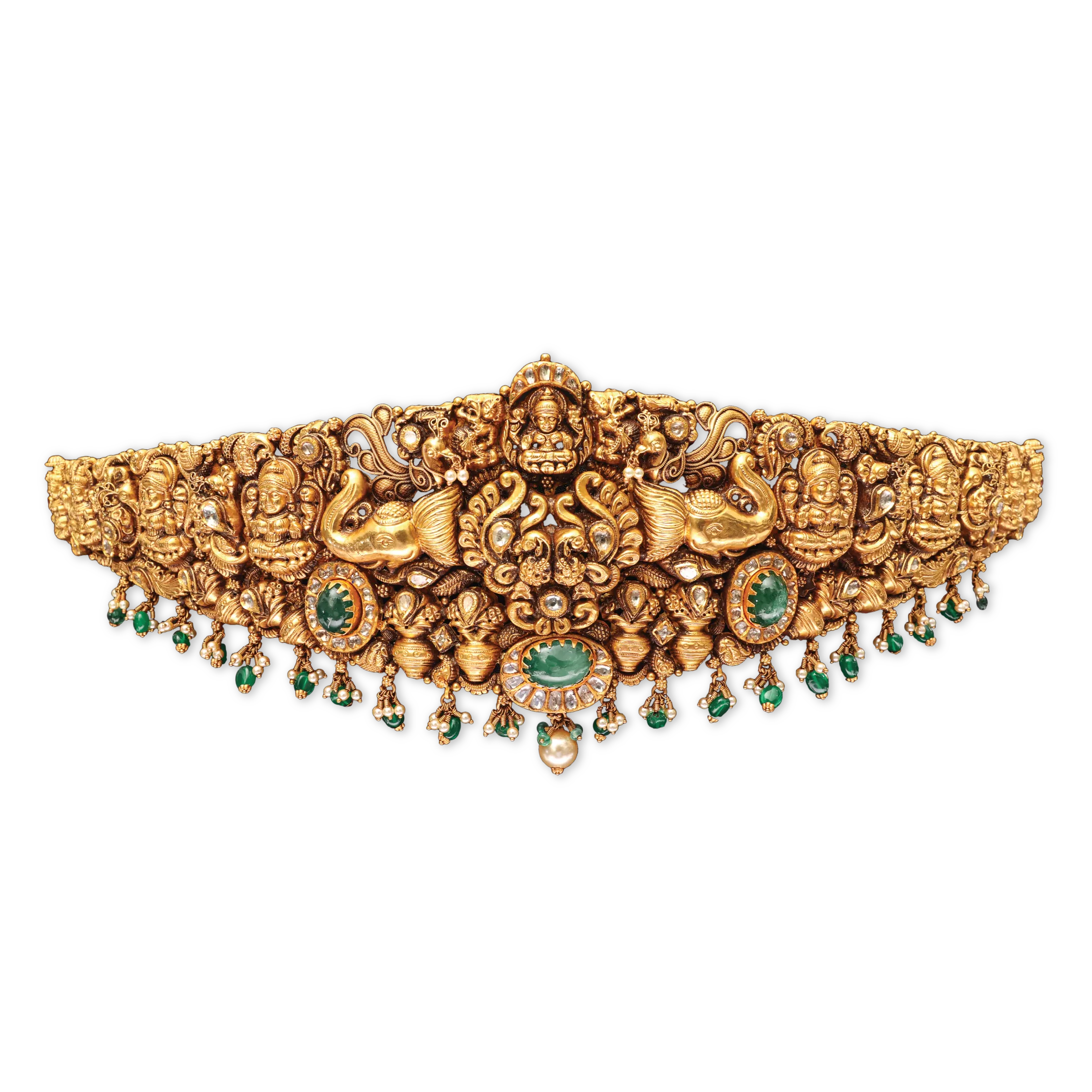
Bengaluru weddings may bring together traditions from different parts of Karnataka and beyond. Ask your family which pieces carry meaning, whether a particular motif is expected, and which ornaments are traditionally gifted or worn for a ceremony. Temple-inspired designs, kasu-style details, waist belts, and distinctive bangles can each tell a different cultural story.
You do not have to reproduce a family look exactly. A contemporary setting, a lighter chain, or a smaller version of a traditional motif can preserve the connection while making the jewellery easier to wear. Bring a trusted family member to the appointment if symbolism and custom are likely to influence the decision.
Compare bridal jewellery stores in Bengaluru
Once your needs are written down, compare stores on more than appearance or reputation. Look at the range of designs, how clearly prices are explained, whether staff listen to your brief, and how easily you can return for a second fitting. The best shortlist usually includes stores that suit your style and stores that make the buying process comfortable.
Explore stores in major jewellery shopping areas
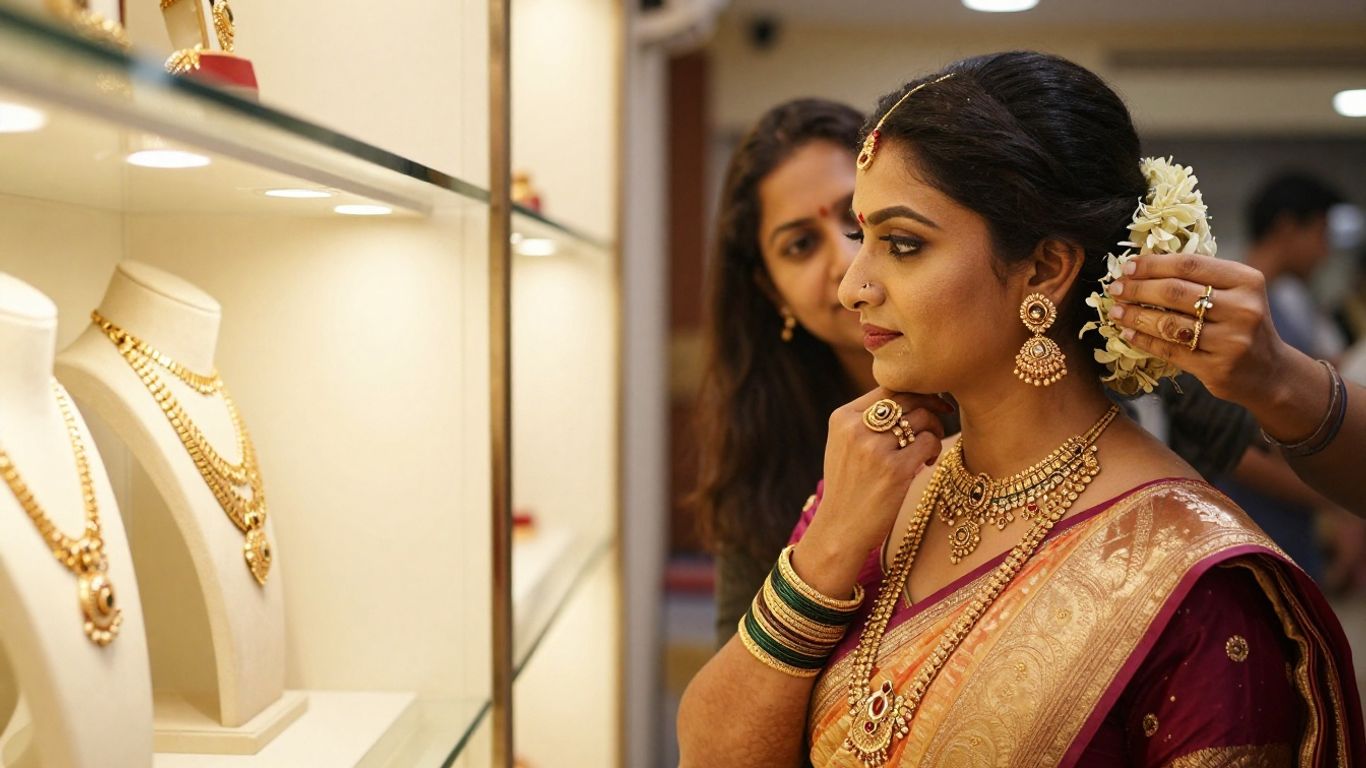
Plan visits by area so that you can compare several showrooms without rushing between appointments. Bengaluru has established jewellery-shopping stretches as well as standalone stores and mall showrooms, so check opening hours, parking, and appointment requirements in advance. A calm weekday visit often gives you more time to inspect pieces than a crowded weekend trip.
Carry your outfit notes, budget range, and measurements. After each visit, record the item code, quoted weight, making charge, delivery estimate, and your immediate reaction. Those details blur surprisingly quickly after seeing several similar necklaces.
Check bridal collections and design variety
A store may have a large inventory but still not suit your wedding style. Ask to see traditional gold, diamond, kundan, polki, or jadau options separately, then compare the range of necklace lengths, earring sizes, bangle profiles, and matching accessories. Also ask whether displayed items are available now or are samples for made-to-order work.
Look for variety within a style rather than a random assortment. The right collection should give you room to edit a look: perhaps a shorter necklace for the reception, a more ceremonial piece for the wedding, and earrings that can work independently later.
Compare in-store, online, and appointment-based shopping
Online browsing is helpful for building a shortlist, checking broad price bands, and saving design references. In-store shopping remains valuable for judging weight, scale, colour, and comfort, while appointment-based consultations can make a complex bridal purchase feel more focused. Use each channel for what it does best instead of treating them as interchangeable.
Before travelling, confirm whether online prices include taxes, whether the exact piece can be viewed in Bengaluru, and how returns or exchanges work. A digital image cannot tell you how a necklace sits against your blouse or whether an earring feels heavy after an hour.
Review customization and made-to-order options
Ask what can actually be changed: length, stone colour, pendant size, clasp type, bangle diameter, or matching details. Clarify whether a customization changes the quoted price and whether a deposit becomes non-refundable once production begins. Made-to-order work can be a good way to create a coherent set, but it needs more planning time.
Get the proposed design, materials, dimensions, and delivery date in writing. If a store cannot make the exact request, ask for the closest available alternative rather than assuming a verbal promise covers every detail.
Evaluate quality, authenticity, and craftsmanship
A bridal purchase should be beautiful in photographs and dependable in use. Inspect pieces under good light, ask direct questions, and avoid feeling hurried by a showroom presentation. Documentation matters, but it should support—not replace—your own look at the construction.
Verify gold purity and hallmarking
Ask for the karat level, net gold weight, other metal components, and the applicable hallmark details. Compare the information on the item with the invoice and ask which parts, if any, are plated, alloyed, or non-gold. A guide by C Krishniah Chetty & Co offers practical context on karats, purity, hallmarks, and the pricing factors that affect a gold jewellery purchase.
Do not compare two pieces only by their total weight. Stone weight, design complexity, and non-gold components can change the amount of gold in the item. Check that the final invoice separates these elements clearly enough for you to understand what you are paying for.
Understand diamond and gemstone certifications
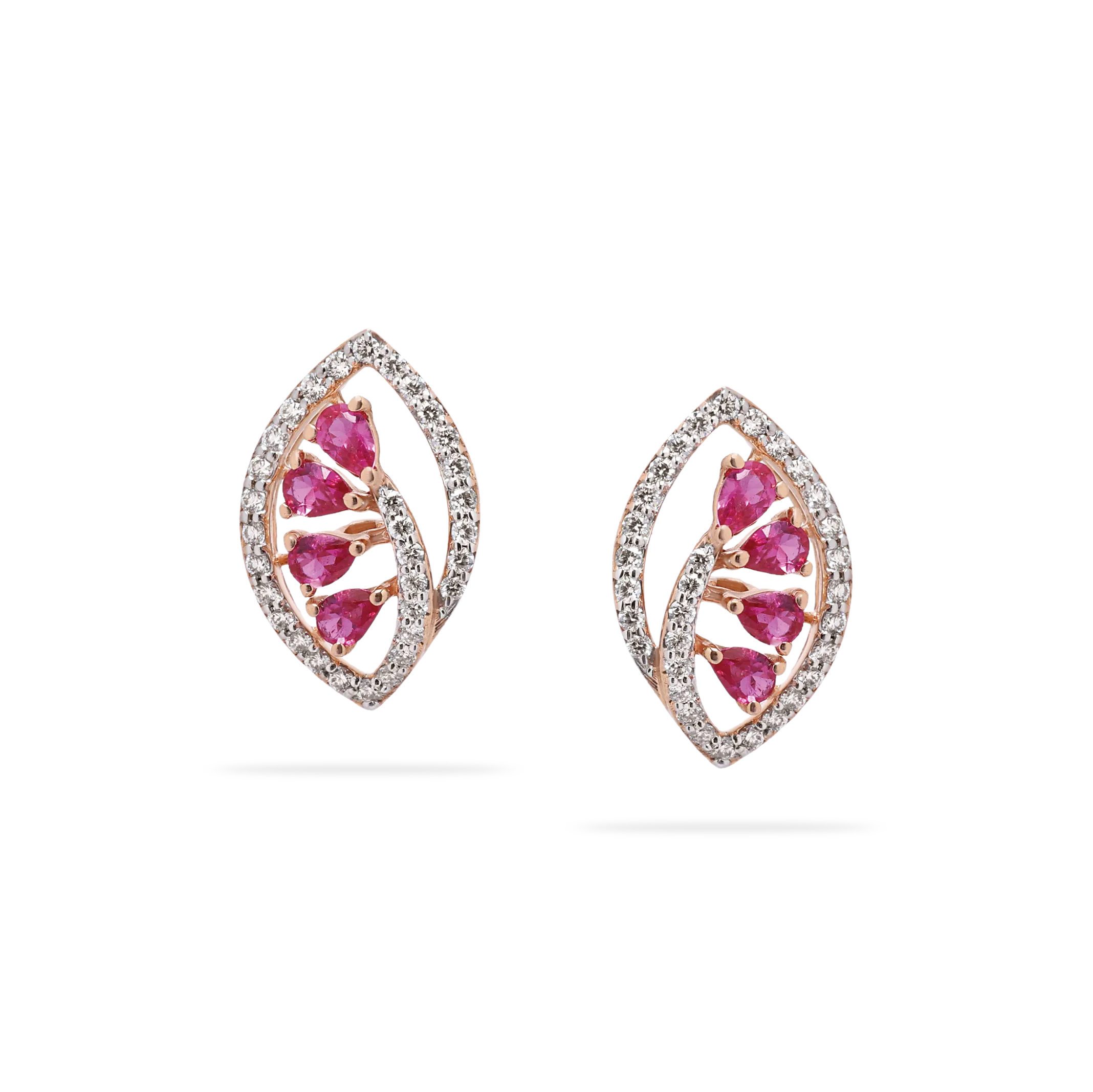
For diamond jewellery, ask for the grading report and confirm that its details correspond to the stone or piece being sold. Review the 4Cs—cut, colour, clarity, and carat weight—and ask whether the diamond is natural, laboratory-grown, or treated. For coloured gemstones, ask about treatment, origin claims, and the scope of any accompanying report.
A certificate is most useful when you understand what it covers. It may describe a stone’s characteristics without guaranteeing future resale value or proving every marketing claim. Ask the jeweller to explain unfamiliar terms in plain language before you sign an invoice.
Inspect settings, clasps, finishes, and detailing
Run your eyes over the back as well as the front of each piece. Prongs should hold stones securely, links should move without catching, and clasps should close firmly while remaining manageable for the wearer. Check necklace edges, earring backs, bangle joins, and the finish around every visible setting.
Try the piece on and move naturally. A necklace that twists, a bangle that pinches, or an earring that pulls downward may become frustrating during a long celebration. If the design is delicate or unusually intricate, ask how it should be transported and stored between ceremonies.
Ask about artisan craftsmanship and production standards
Ask who makes the piece, where production takes place, and how the finished item is inspected. The answer need not be romanticised; what matters is whether the store can explain its process, quality checks, and responsibility for defects. For custom work, request a sketch, sample, or approval stage before the final piece is completed.
Look for consistency in symmetry, stone placement, polish, and movement. Small handmade variations may be part of the character of a piece, but they should not be confused with loose settings, rough edges, or incomplete finishing.
Build a realistic bridal jewellery budget
Set a total ceiling before you fall in love with a particular set. Then divide it across pieces according to how often they will be worn, how central they are to the ceremony, and whether they have family or heirloom significance. Leave room for taxes, alterations, travel, and a modest contingency rather than spending every rupee on the first quotation.
Estimate costs by jewellery category
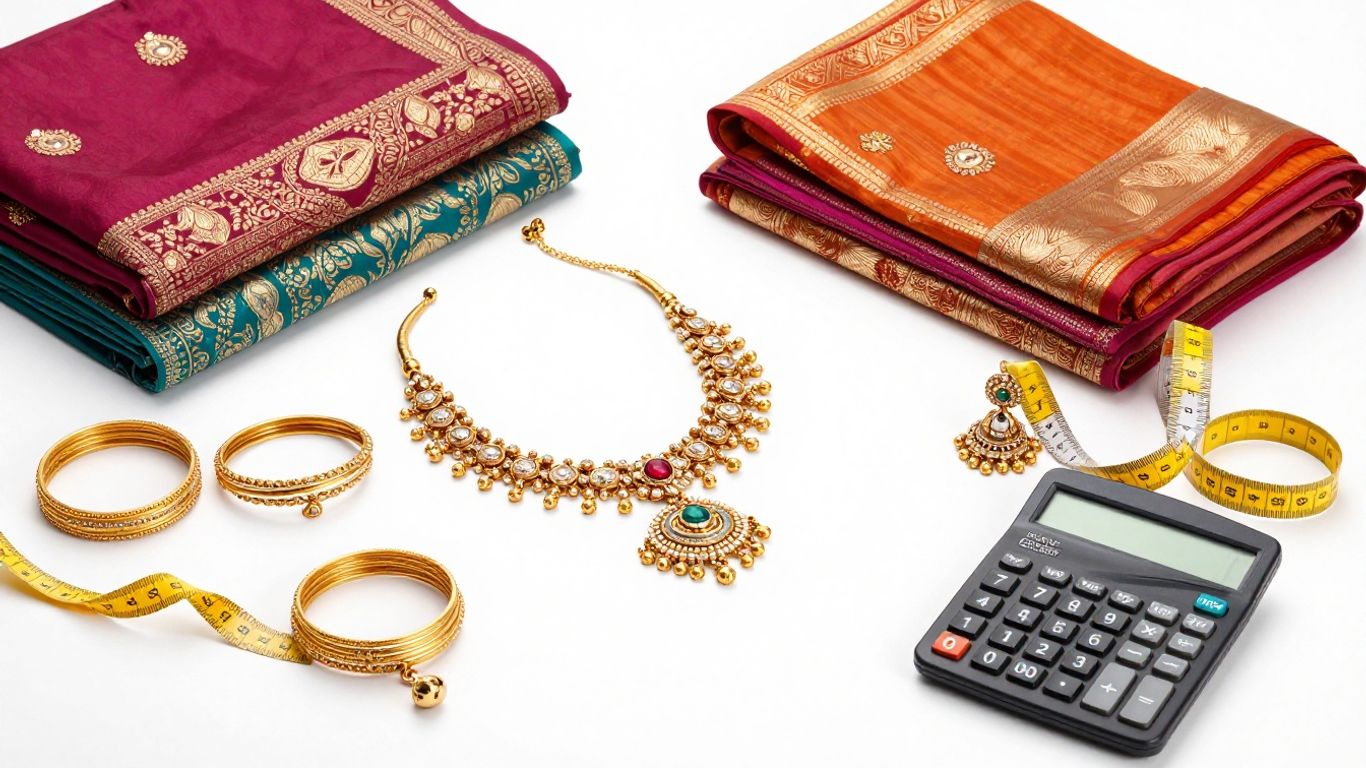
Start with categories rather than individual designs. Necklaces and diamond pieces can account for a large share of the budget, while earrings, bangles, rings, hair accessories, and waist jewellery each add up in different ways. Request comparable quotations so that you can see whether the difference comes from metal weight, stone value, craftsmanship, or design complexity.
A simple planning table can make the conversation more concrete:
| Jewellery category | Main cost drivers | Practical question |
|---|---|---|
| Necklace | Gold weight, stones, workmanship | Will it be worn after the wedding? |
| Earrings | Stone size, metal, backs, weight | Can I wear them comfortably for hours? |
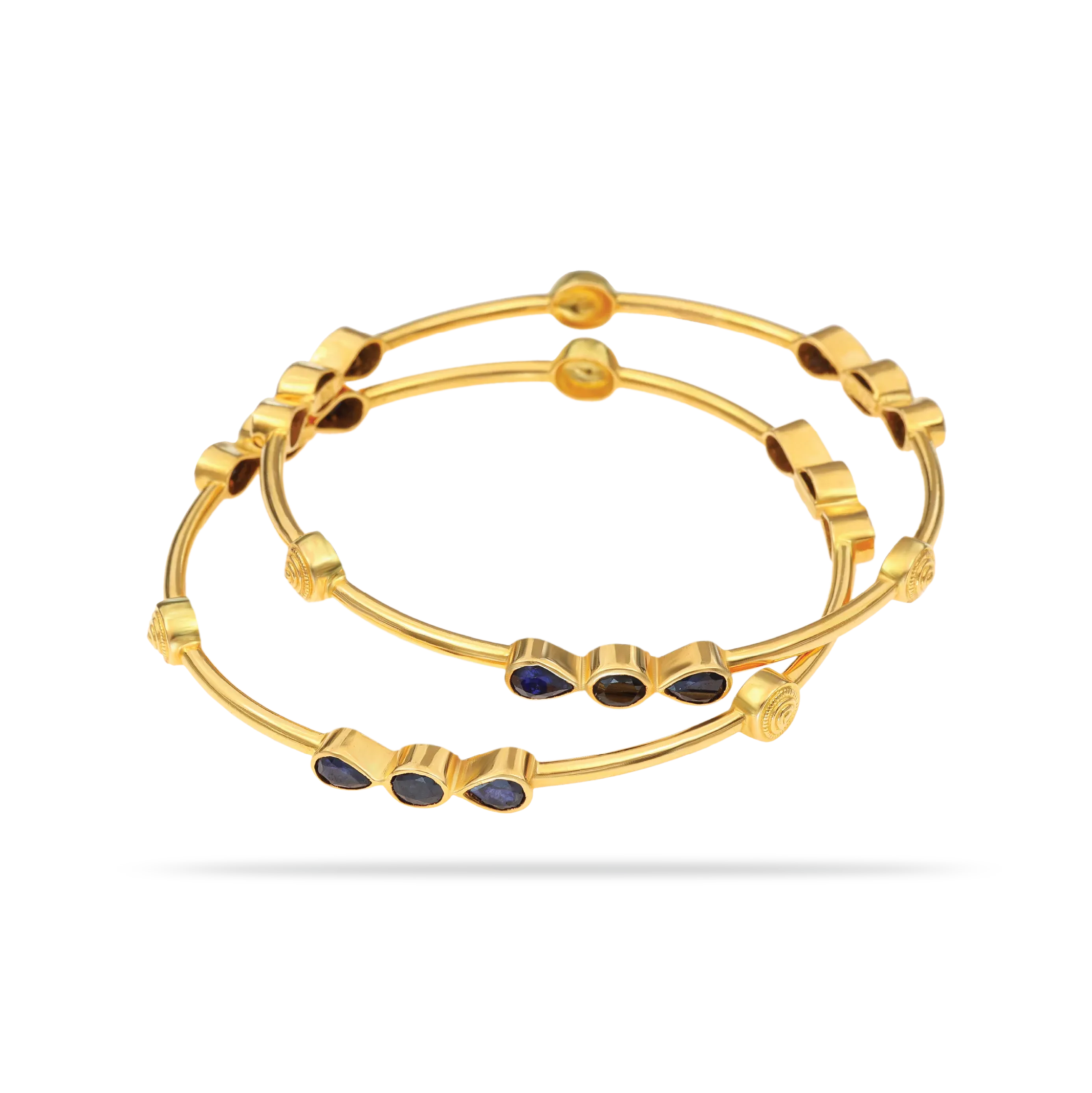
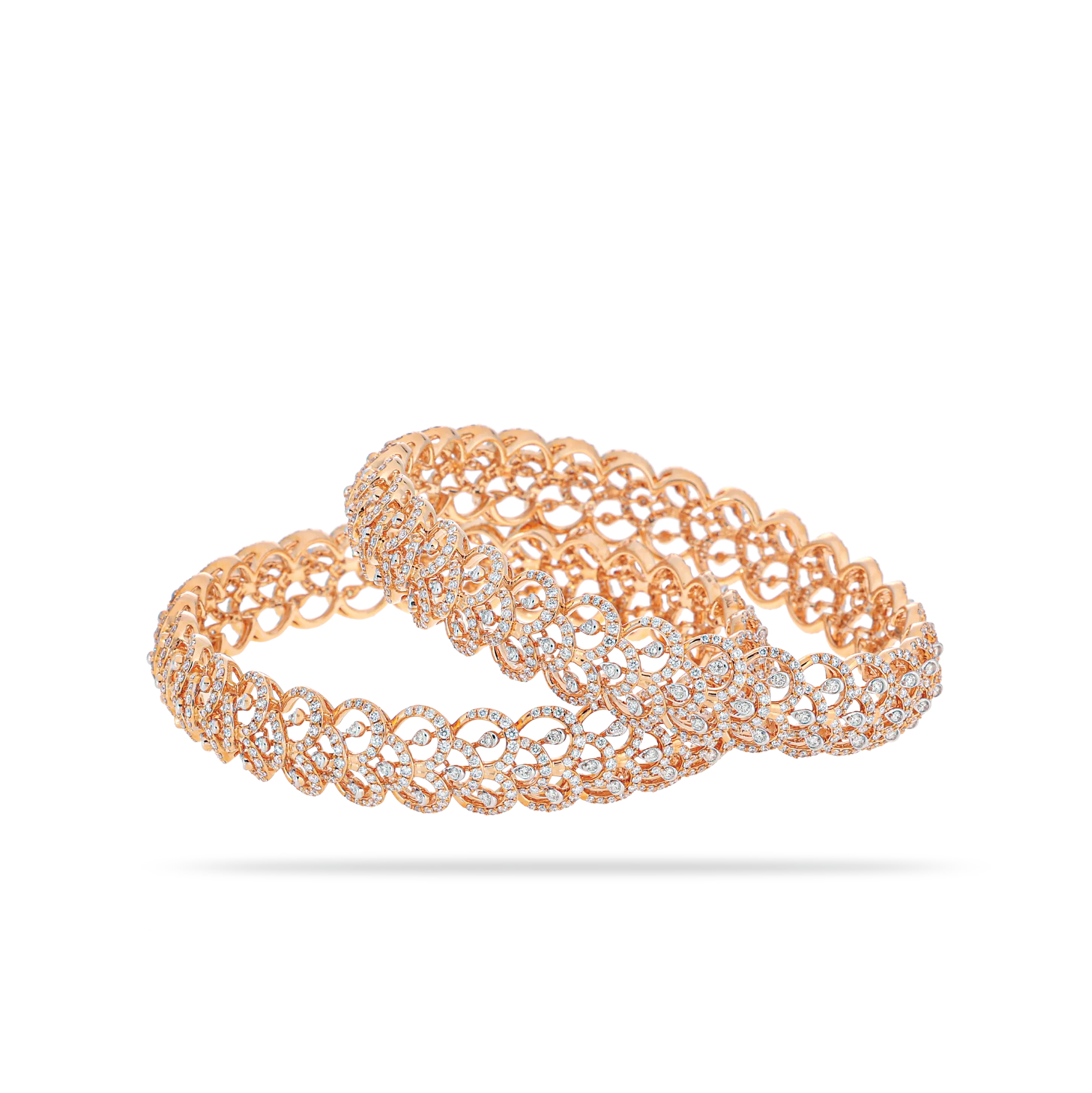
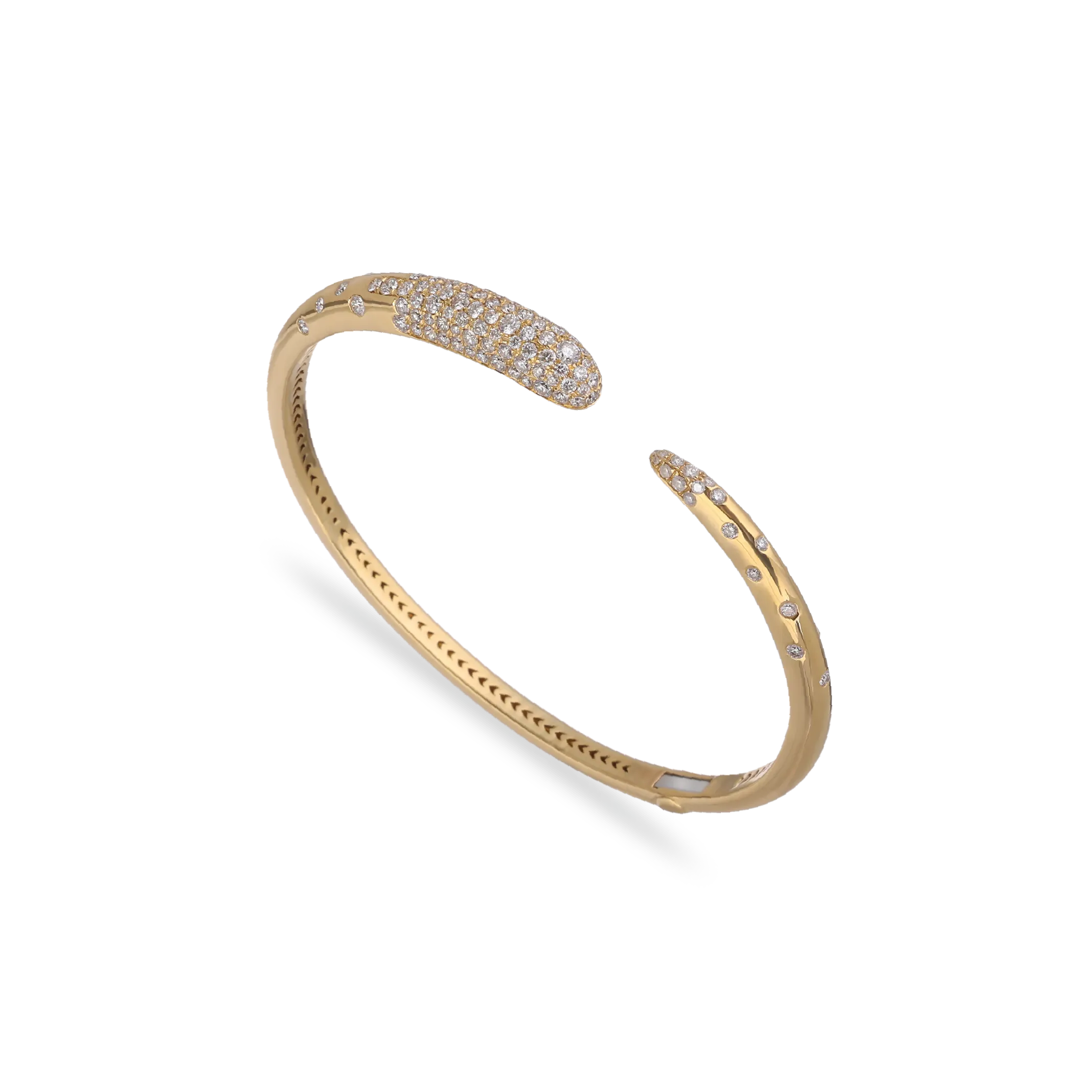
| Bangles | Number, thickness, gold weight | Do I need a full set or selected pieces? |
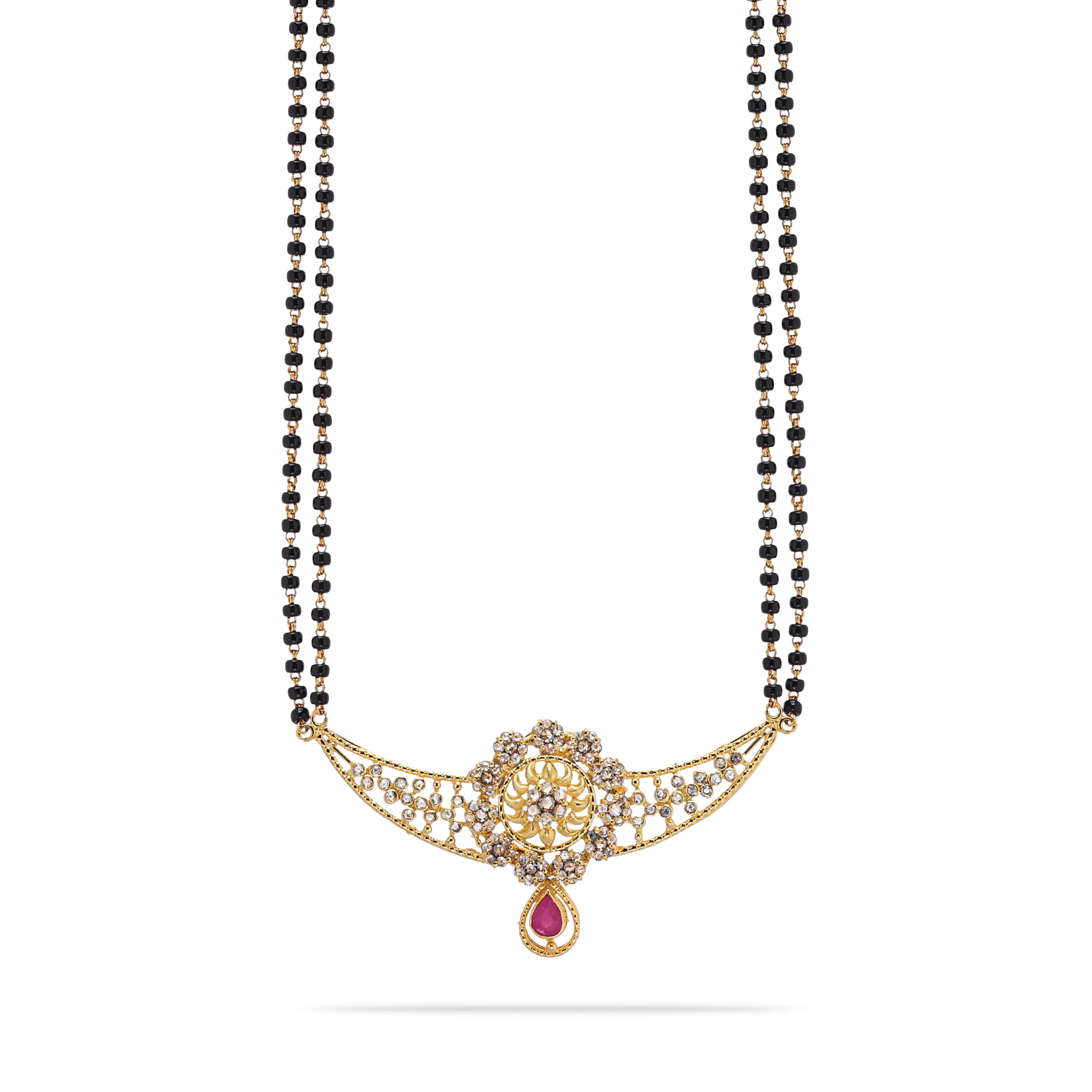
| Mangalsutra | Chain, pendant, beads, stones | Does the design suit daily wear ? |
Use the table as a starting point, not a fixed formula. A simpler necklace with excellent finishing may be a better purchase than a heavier design that rarely leaves its box.
Compare making charges, wastage, and taxes
Ask every store to itemize the quotation. Making charges may be calculated by weight or percentage, while wastage, stone charges, taxes, and discounts can be presented differently from one showroom to another. Compare the final payable amount for pieces of similar gold purity and approximate weight, not just the headline discount.
Request a revised invoice if the design changes during the appointment. This is also the right moment to ask whether the quoted stone weight is included in the net weight and how custom work affects making charges.
Ask about exchange, buyback, and upgrade policies
Policies vary, so ask for the written version before paying a deposit. Clarify how future exchange value is calculated, whether making charges or taxes are excluded, and whether diamonds or gemstones have separate conditions. Find out whether the original invoice, certificate, and packaging must be retained.
A generous-sounding buyback statement may still have important exclusions. Treat the policy as part of the price and compare it alongside craftsmanship, design, and service rather than assuming it will make an expensive purchase risk-free.
Balance statement pieces with long-term wearability
Choose one or two pieces to carry the visual drama, then let the rest support them. A statement necklace can be paired with smaller earrings; a grand reception set may be balanced by a versatile ring or a lighter bangle. This approach gives your wedding wardrobe shape without turning every accessory into a competing focal point.
Think about storage and future occasions too. Pieces that can be separated, shortened, or worn with simpler clothing often earn their place in your collection over time.
Choose jewellery that suits your wedding style
Your jewellery should belong to the whole wedding, not only to a display tray. Consider the mood of each event, the lighting, how long you will wear the pieces, and how they appear in photographs from different distances. The most convincing look usually has a clear focal point and enough restraint around it.
Coordinate pieces with sarees, lehengas, and gowns
For a richly woven saree, consider how the necklace will sit above the blouse and whether its motifs echo the border. A lehenga may allow more experimentation with layered necklaces, while a gown often benefits from a cleaner line and fewer competing details. Match metals and stone colours thoughtfully, but do not feel obliged to make every item identical.
Take trial photographs in natural and indoor light. Jewellery can look delicate in a mirror and much stronger in a full-length image, so check the balance from both close and distant views.
Select designs for the ceremony and reception
Ceremony jewellery often carries tradition, family meaning, and a stronger connection to the wedding attire. Reception jewellery can be more relaxed or modern, particularly if the outfit has a different neckline or silhouette. Planning separate roles for the two looks helps you avoid buying a single oversized set simply because it appears to cover everything.
Consider the order of events and changing time. A secure, comfortable set may be preferable for the ceremony, while a lighter pair of earrings or a more sculptural necklace can refresh the reception look.
Match jewellery to your neckline, face shape, and hairstyle
A choker draws attention to the neckline, while a longer necklace creates vertical movement. Earrings also change the balance of a look: wider shapes can complement a narrow face, and longer drops can echo a raised hairstyle. These are useful starting points, not strict rules; your comfort and personal taste should have the final say.
Bring a photograph of your planned hairstyle or try the jewellery with a similar hair arrangement. Check that a maang tikka, earrings, veil, or hair ornament can coexist without tangling or crowding the face.
Layer necklaces, bangles, earrings, and accessories effectively
Layering works best when the pieces differ in length or scale but share a visual thread. Start with the largest necklace, then add a shorter or longer companion only if the neckline has enough space. With bangles, decide whether you want a neat repeated rhythm or a deliberately mixed stack.
Try the complete arrangement before purchase. Remove one item at a time and photograph the result; the version that feels slightly less crowded often reads as more polished in person and on camera.
Make the final purchase with confidence
The final stage is about reducing uncertainty, not creating one last rush of excitement. Return to your shortlist, compare written quotations, and ask the same questions of each store. A confident purchase is one where you understand the piece, the price, the timeline, and the support available after the wedding.
Book consultations and compare shortlisted designs
Book enough time to try complete looks rather than isolated pieces. Take notes on comfort, proportions, stone sparkle, and how each item works with your actual outfit. If possible, bring one trusted companion who can help you remember details without turning the appointment into a committee meeting.
Limit the shortlist to a manageable number. Comparing three strong options is usually more useful than continuing to browse until every design begins to look alike.
Confirm measurements, delivery dates, and alterations
Check necklace length, bangle diameter, ring size, earring backs, and any chain adjustments before the order is placed. Ask who pays for alterations and how many fitting rounds are included. For made-to-order pieces, build in extra time for approval, production, inspection, and collection.
Write down the promised delivery date and what happens if it changes. Try the finished jewellery as soon as you receive it, while there is still time to request a correction.
Review invoices, certificates, and warranty terms
Read the invoice line by line before making the final payment. It should identify the item, metal purity, weights, stone details, charges, taxes, discounts, and any advance already paid. Keep certificates and warranty paperwork with the invoice rather than storing them separately.
The warranty may cover manufacturing defects but exclude wear, accidental damage, or unauthorised repairs. Ask for examples in plain language and make sure the name and details on the documents are correct.
Check care, cleaning, insurance, and after-sales services
Ask how often the jewellery should be inspected, which cleaning methods are safe, and whether the store offers cleaning or repairs. Enquire about insurance documentation, valuation support, and secure storage at home. A care guide from C Krishniah Chetty & Co covers cleaning, storage, documentation, and protection for precious bridal jewellery.
Before leaving, photograph each piece and its paperwork for your records. Store jewellery separately, keep it away from humidity and harsh chemicals, and use the jeweller’s recommended service rather than experimenting with household cleaners.
Conclusion
The right bridal jewellery stores in Bengaluru will not simply show you beautiful pieces; they will help you understand how those pieces fit your outfits, budget, traditions, and life after the wedding. Arrive with a clear list, compare patiently, verify every detail, and choose jewellery that feels as good to wear as it looks in photographs.
Frequently Asked Questions
How early should I start shopping for bridal jewellery?
Begin around three to six months before the wedding, or earlier for custom pieces. This leaves time for comparisons, fittings, production, alterations, and unexpected delays.
How many bridal jewellery stores should I compare?
Three to five well-chosen stores are usually enough for a meaningful comparison. Focus on stores that carry your preferred styles and can explain pricing and documentation clearly.
Should I buy all my bridal jewellery from one store?
Not necessarily. One store may simplify matching and after-sales service, while different stores may suit different materials or styles. Compare the complete cost and convenience before deciding.
What should I carry to a jewellery appointment?
Bring outfit photographs or fabric swatches, your budget range, ceremony schedule, existing jewellery, and any family design references. A hairstyle image can also help with earrings and headpieces.
Is heavier jewellery always better for a wedding?
No. Weight can add visual presence, but comfort, secure construction, proportion, and wearability matter just as much. Try pieces on for several minutes before deciding.
How can I compare two jewellery quotations fairly?
Compare purity, net metal weight, stone details, making charges, wastage, taxes, discounts, and the final payable amount. Also compare exchange terms, warranties, and delivery commitments.
How should I store bridal jewellery after the wedding?
Clean and dry each piece as recommended, store items separately in soft-lined containers, and keep certificates and invoices together. Periodic professional inspection can help identify loose settings or weakened clasps early.
Luxury bridal jewellery Bangalore: A complete guide to choosing timeless wedding pieces
10 minute read
Related blogs:
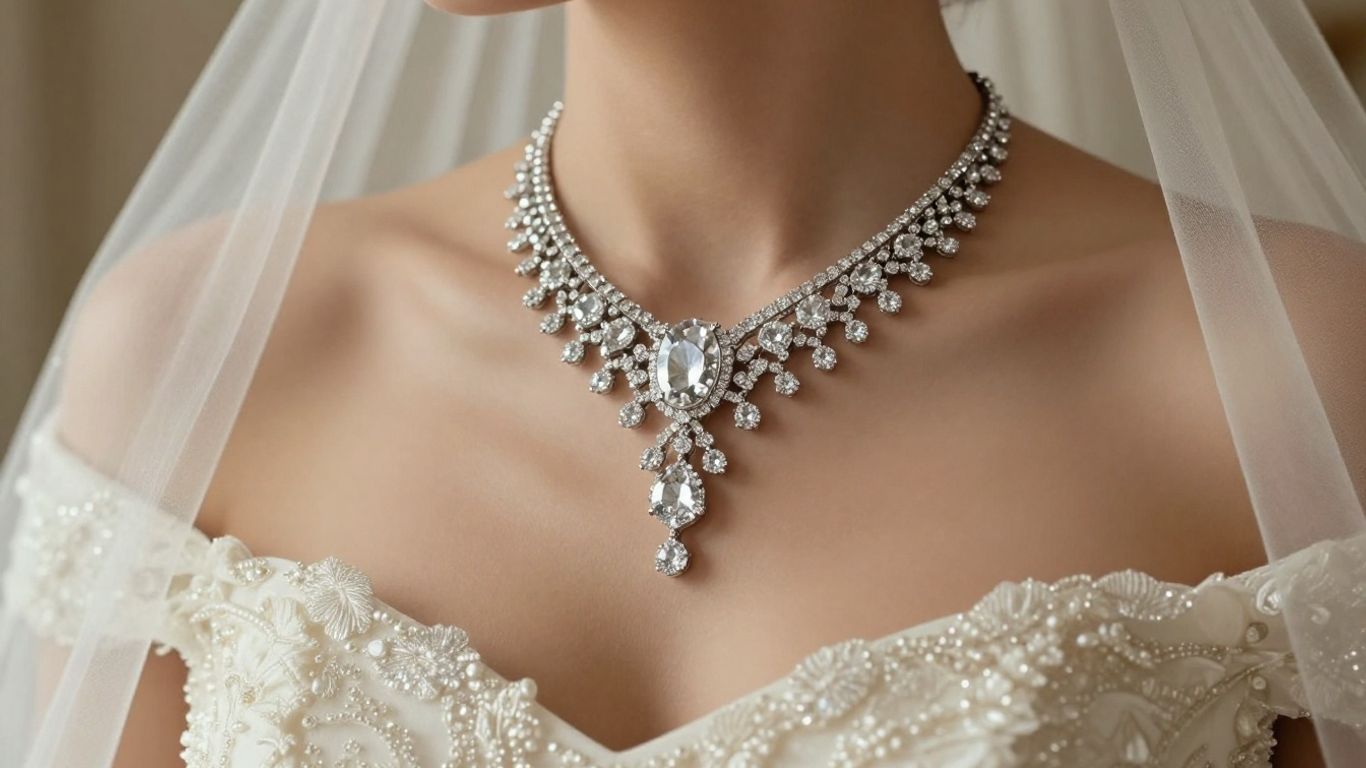
September 17, 2026
How to Choose the Perfect Diamond Necklace for Bride on Her Wedding Day
Read More
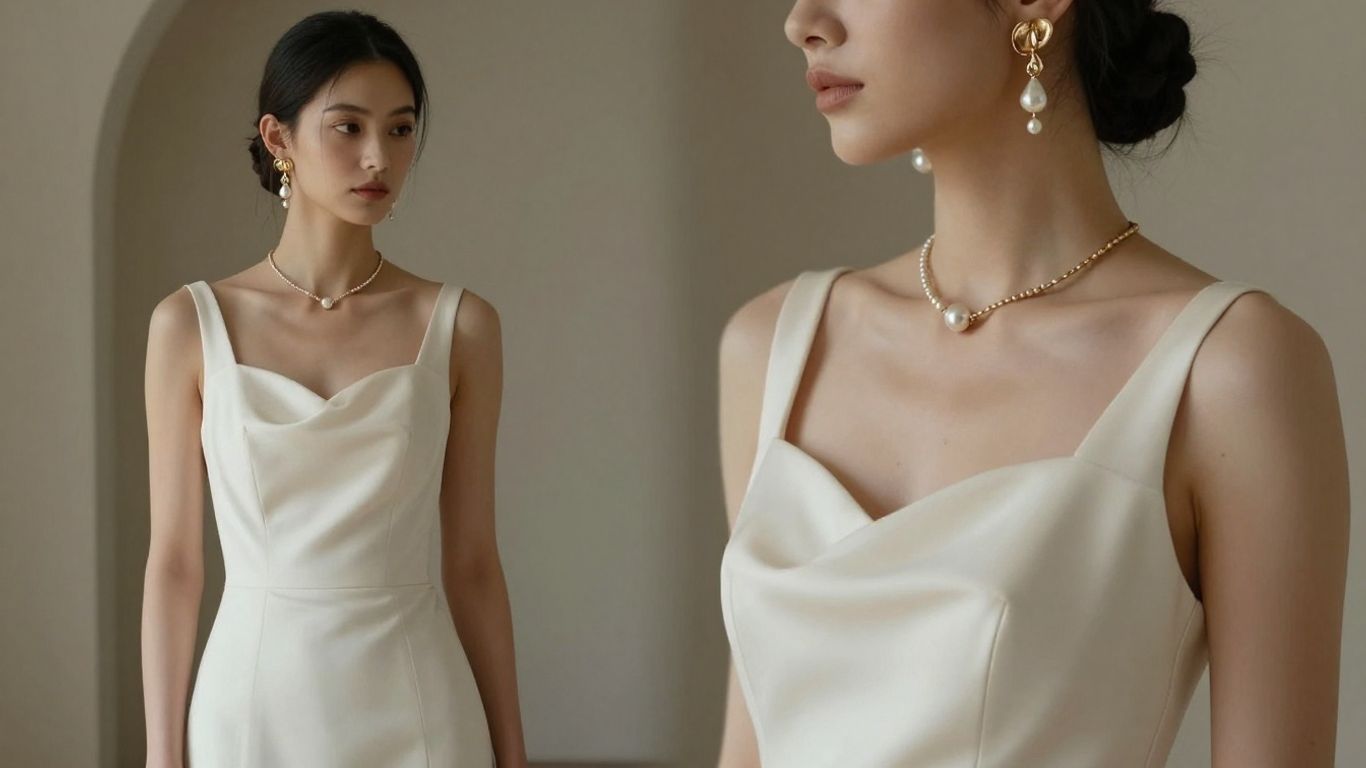
September 17, 2026
Wedding jewellery for modern brides: how to choose timeless pieces with contemporary style
Read More
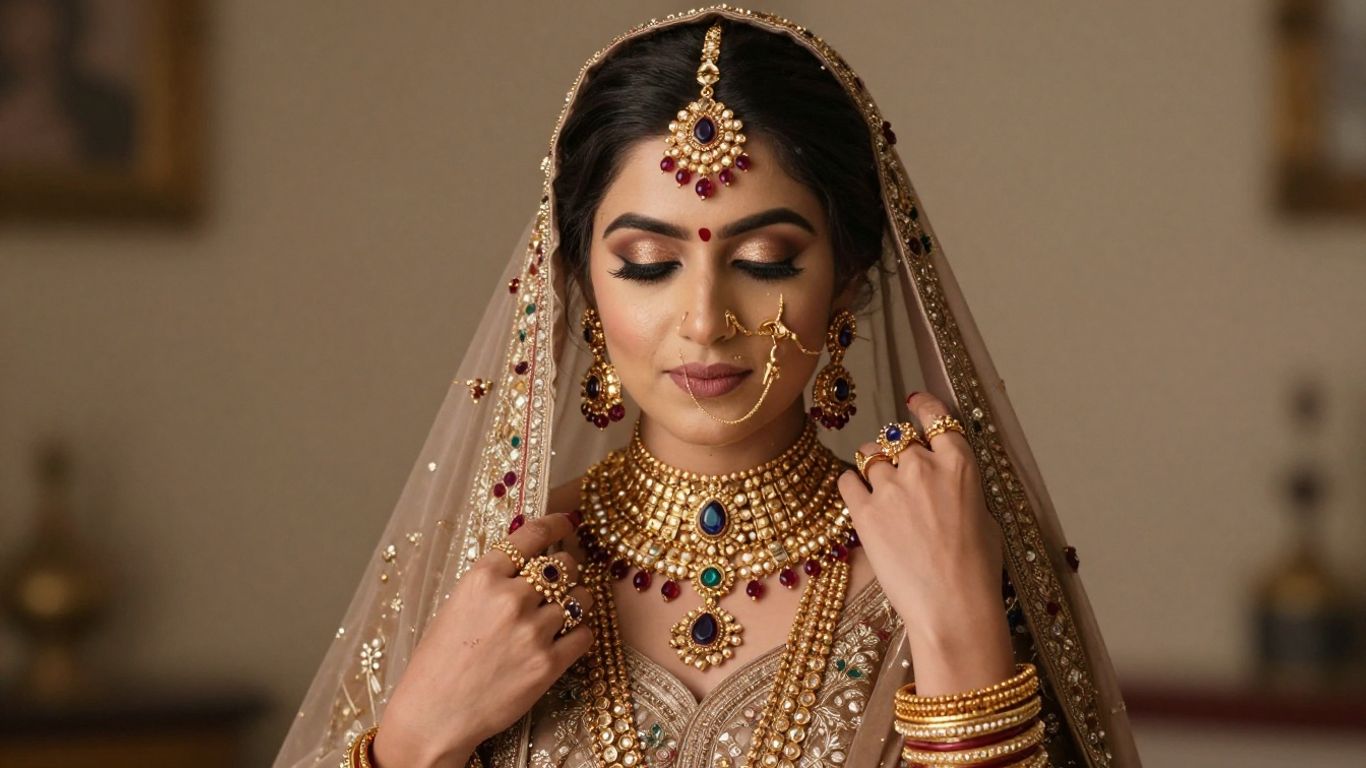
September 17, 2026
Wedding jewellery for traditional brides: A complete guide to choosing timeless bridal pieces
Read More
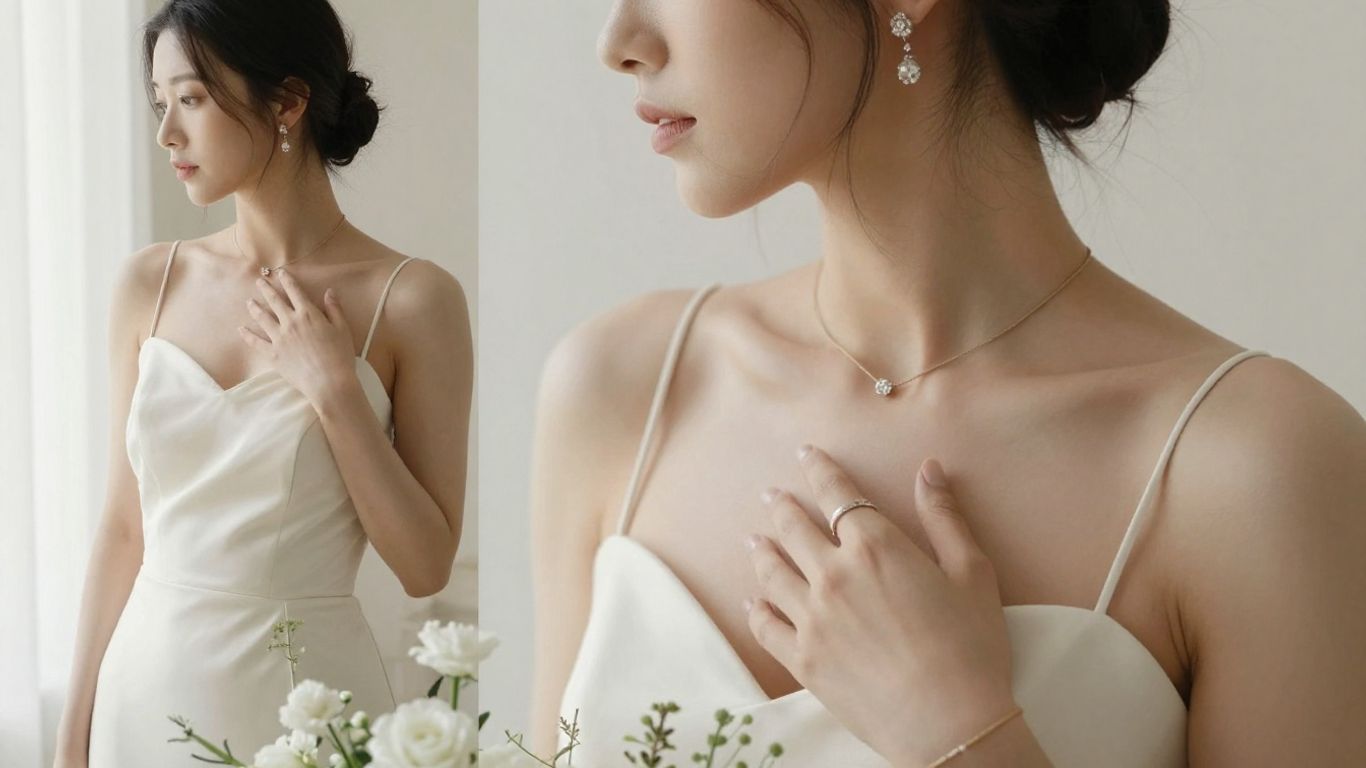
September 17, 2026
Wedding jewellery for minimalist brides: A complete guide to choosing timeless pieces
Read More









.webp)
.webp)