How to choose wedding necklace sets in Bangalore for every bridal style and budget
August 25, 2026 | 10 minutes read
Key Takeaways
Choosing wedding necklace sets bangalore becomes easier when you begin with the ceremony, outfit, and comfort rather than a trend. A thoughtful shortlist can look beautiful without stretching the wedding budget.
- Match the necklace style to the wedding tradition and outfit.
- Compare solid gold, plated, and imitation pieces honestly.
- Balance chokers, long necklaces, earrings, and hair jewelry.
- Ask for a complete cost breakdown before paying.
- Store and clean the set according to its materials.
Understand the necklace styles popular with Bangalore brides
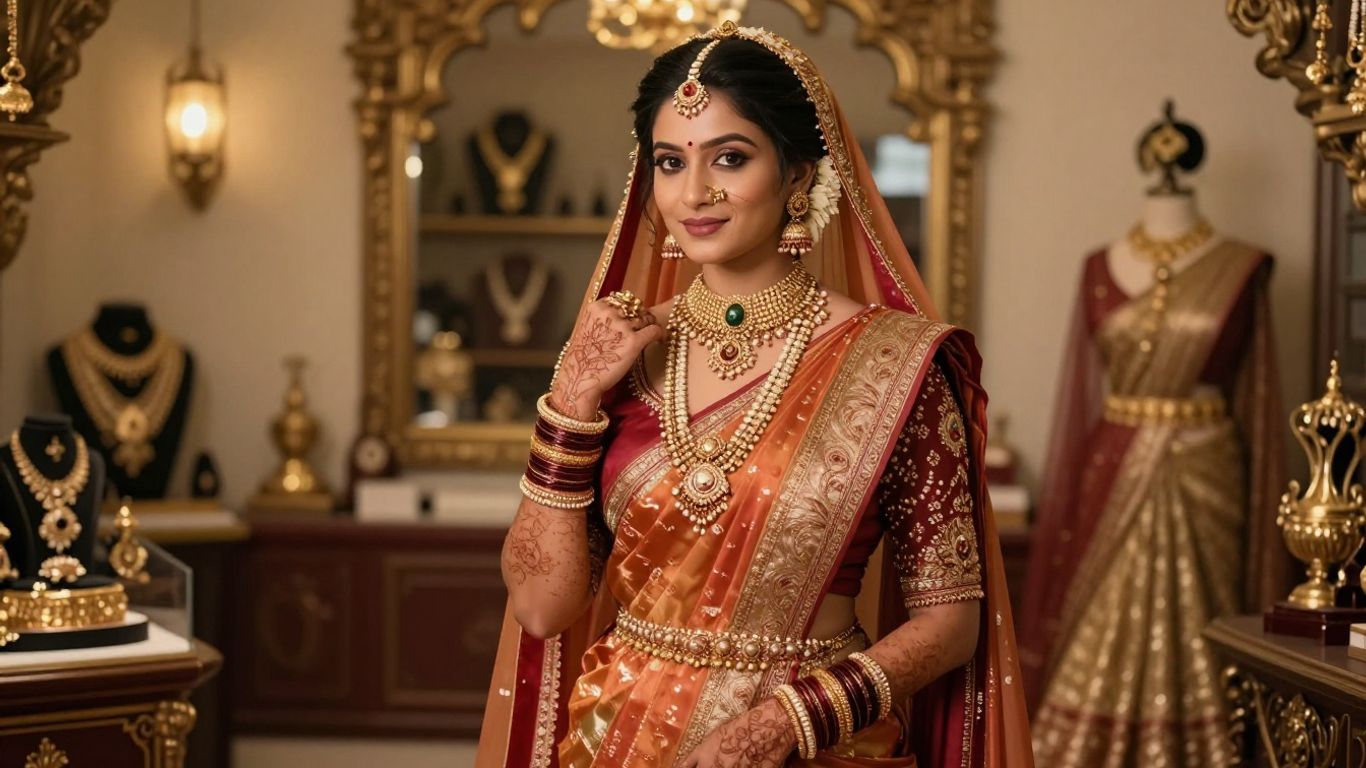
Bangalore brides often move between deeply traditional South Indian designs and lighter, more contemporary jewelry. The best choice depends on the ceremony, the saree or outfit, and how much visual detail you want near your face. Start by identifying the mood of the wedding, then narrow the search by metal, motif, length, and weight.
Temple jewelry for traditional South Indian weddings
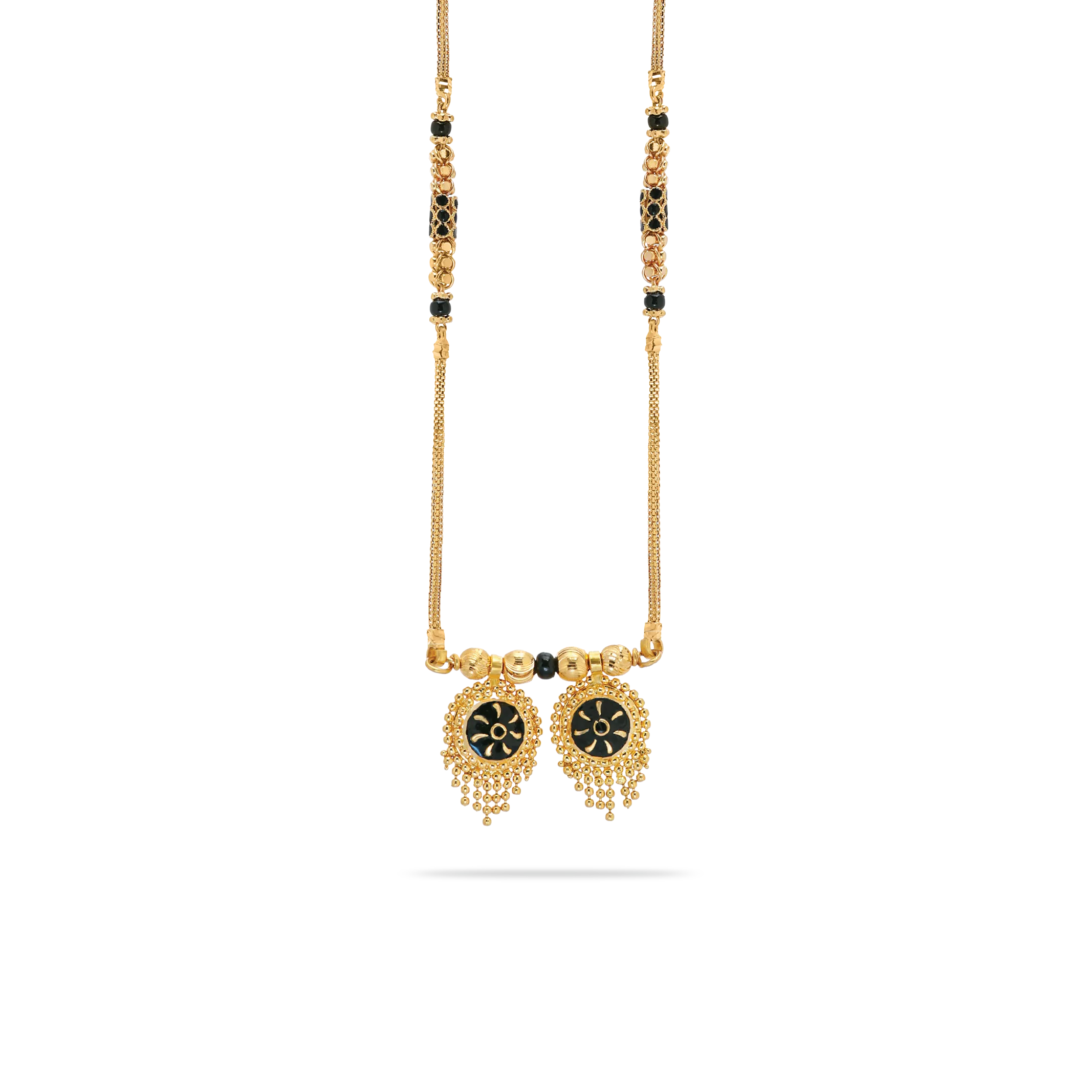
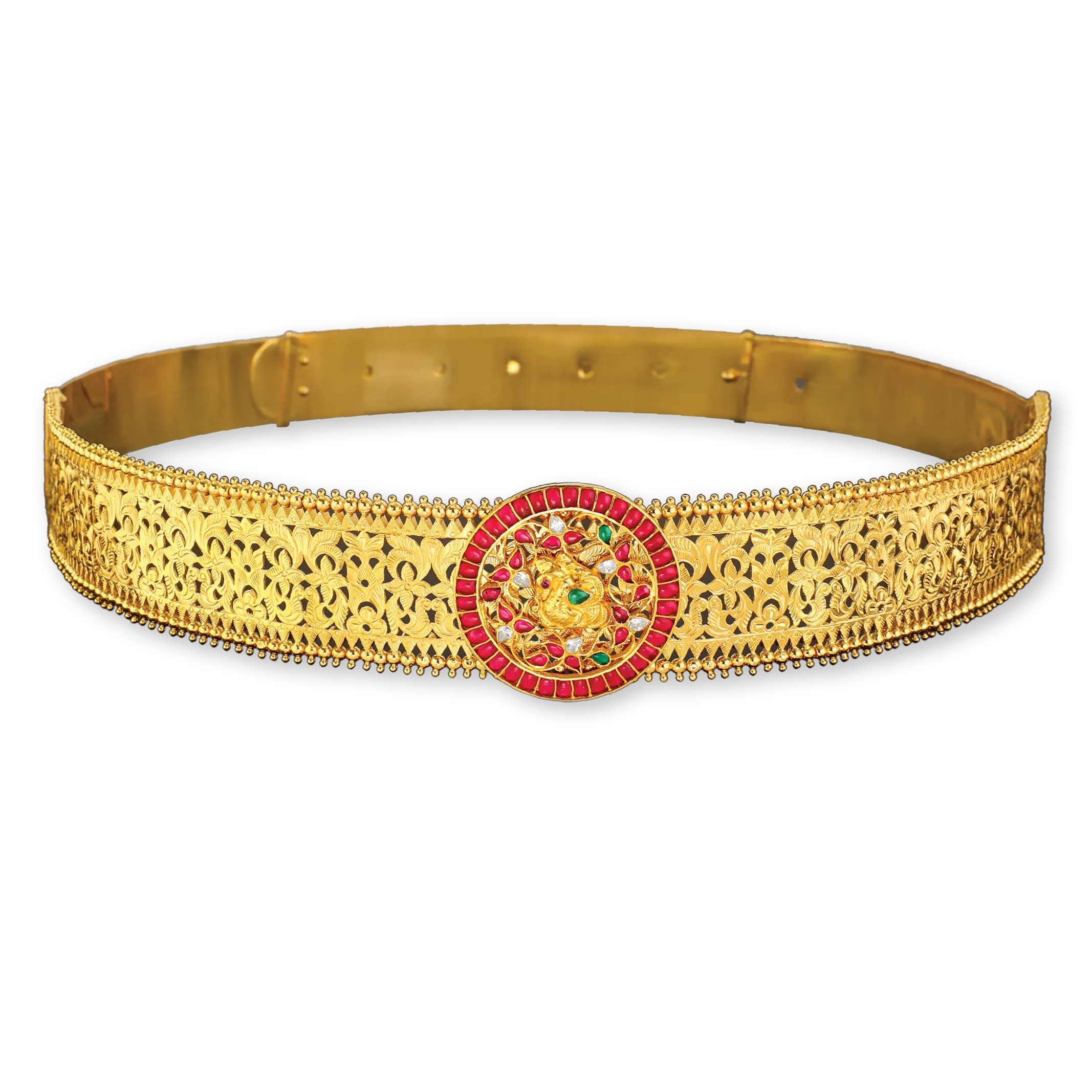
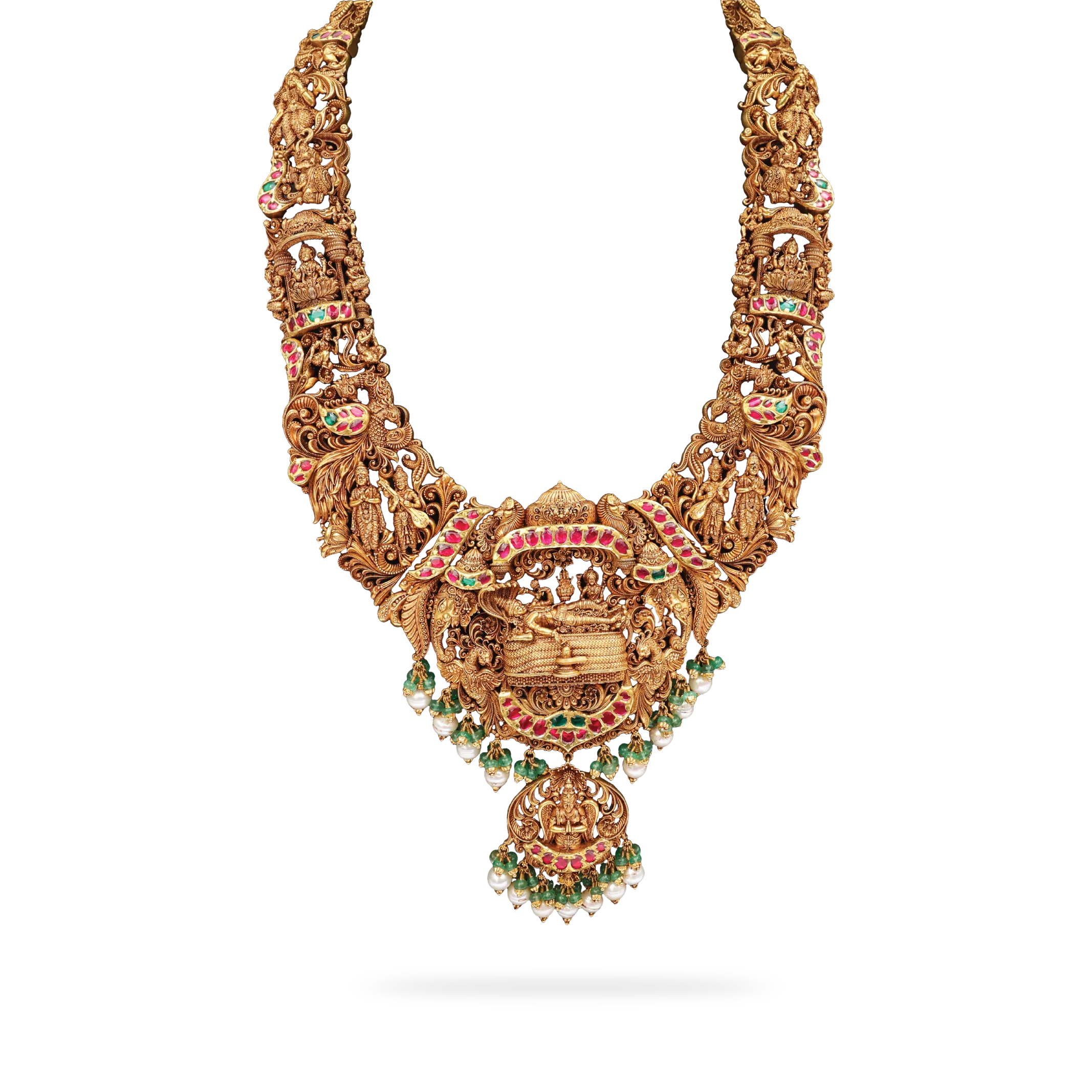
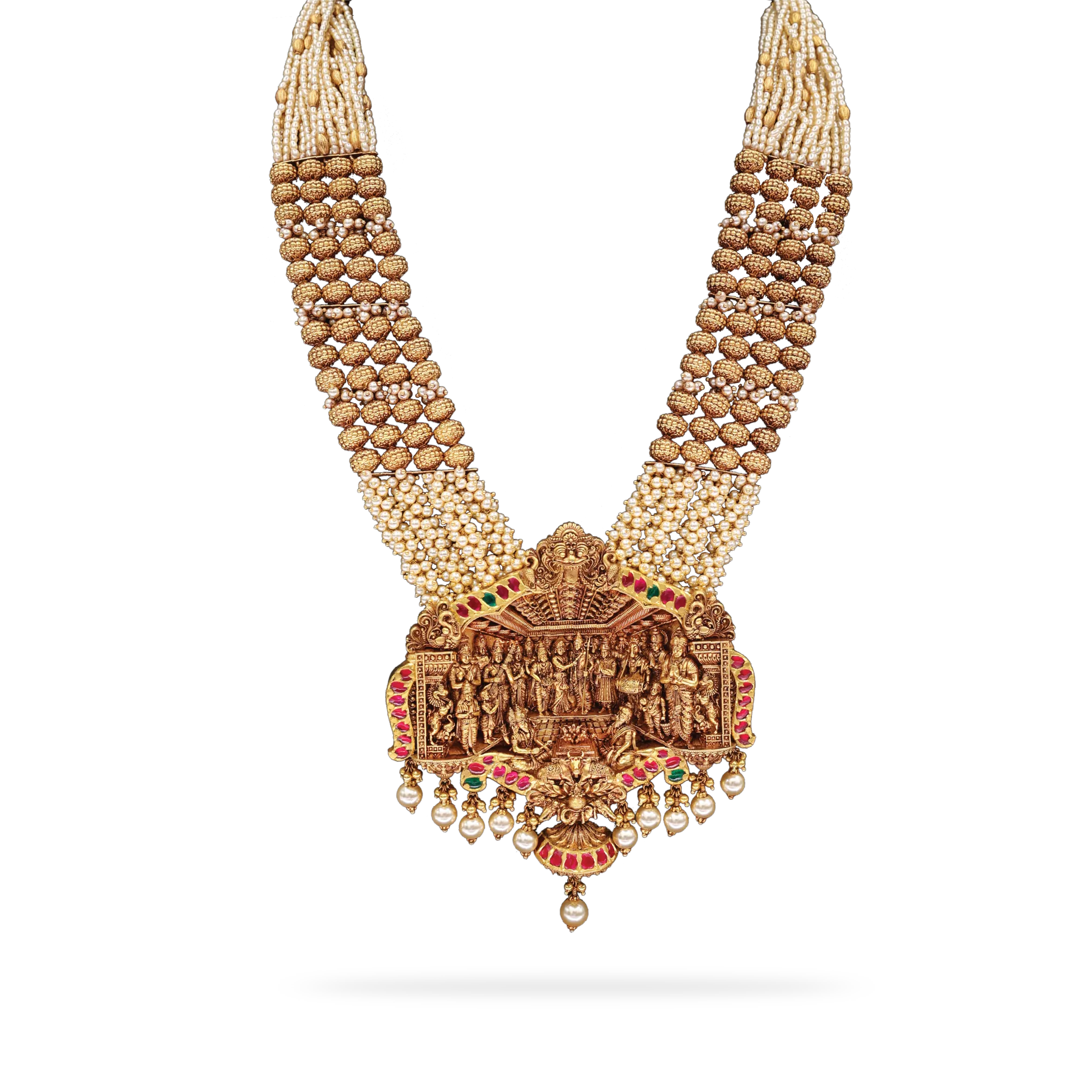
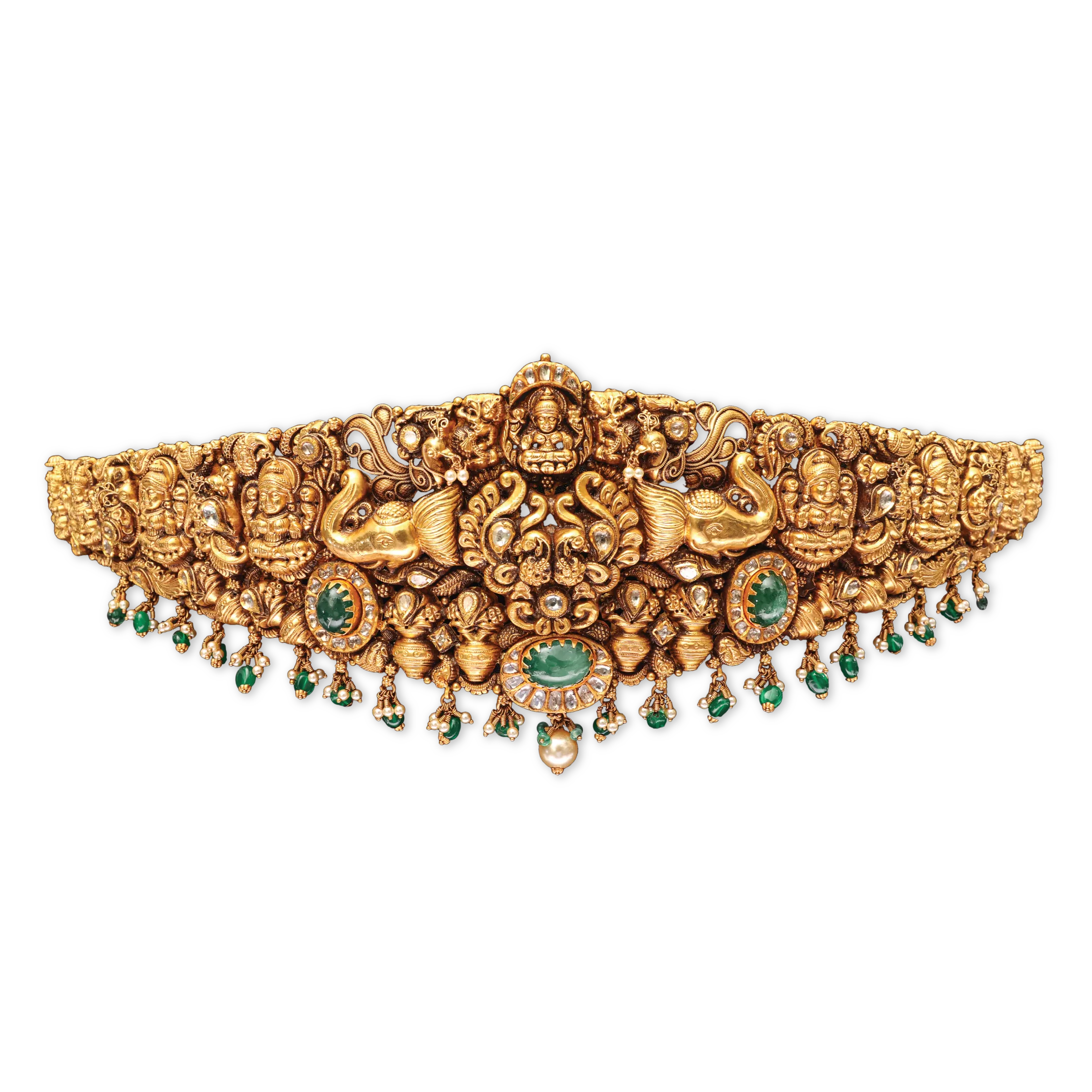
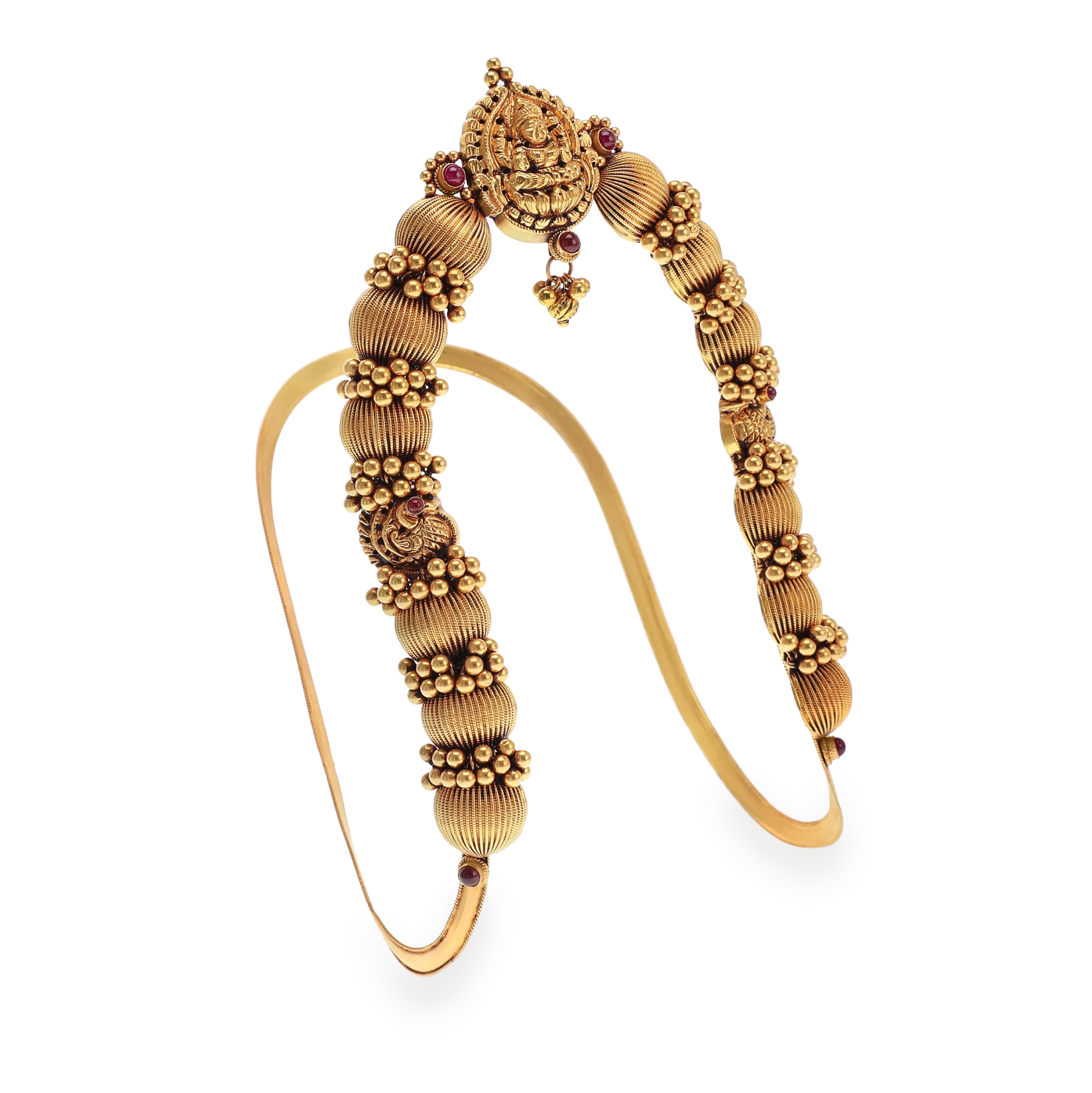
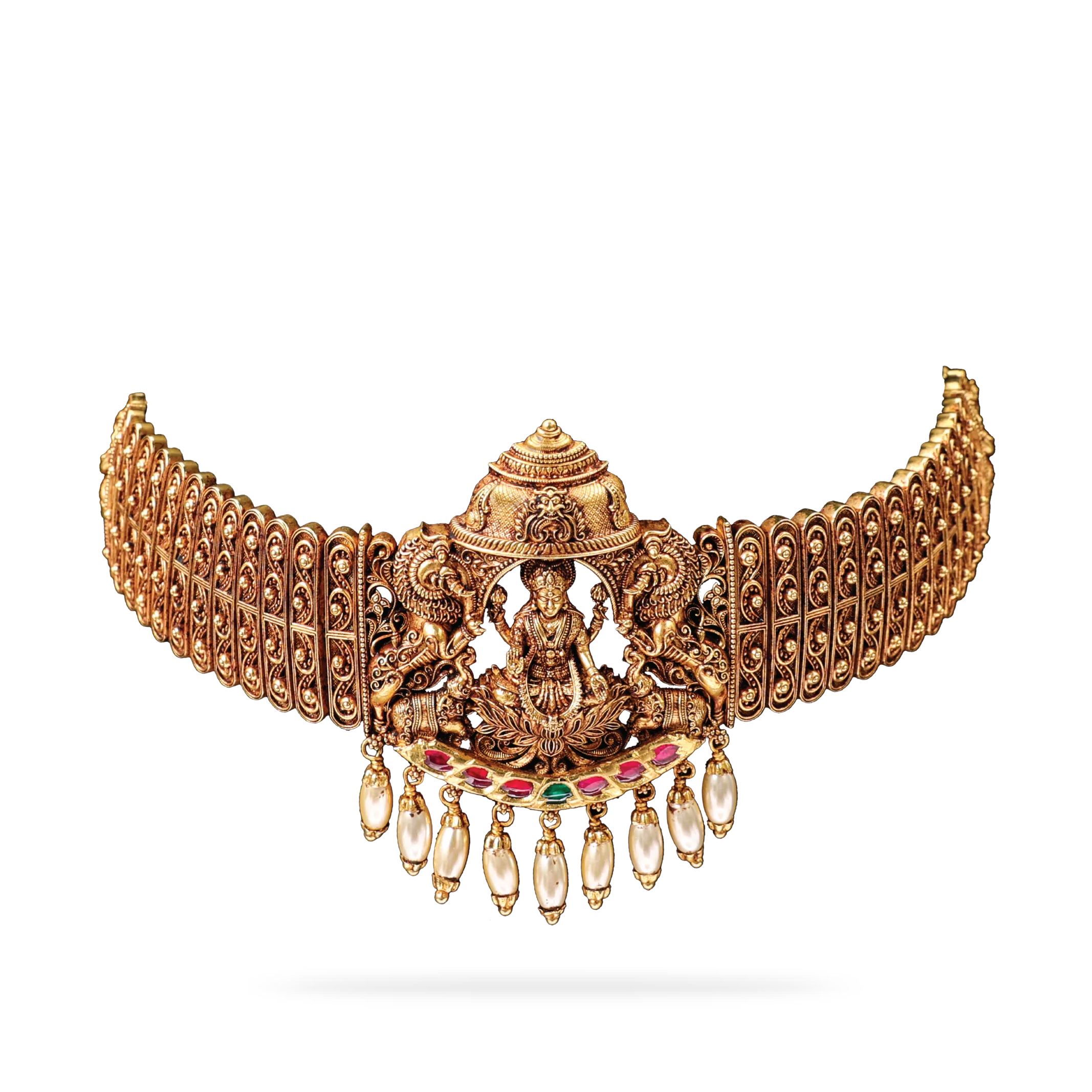
Temple jewelry suits ceremonies where heritage details matter. Designs with deities, coins, mango shapes, lotus forms, and other sculptural motifs work especially well with silk sarees and traditional drapes. Look for a necklace whose ornamentation feels intentional rather than so dense that it competes with the saree border.
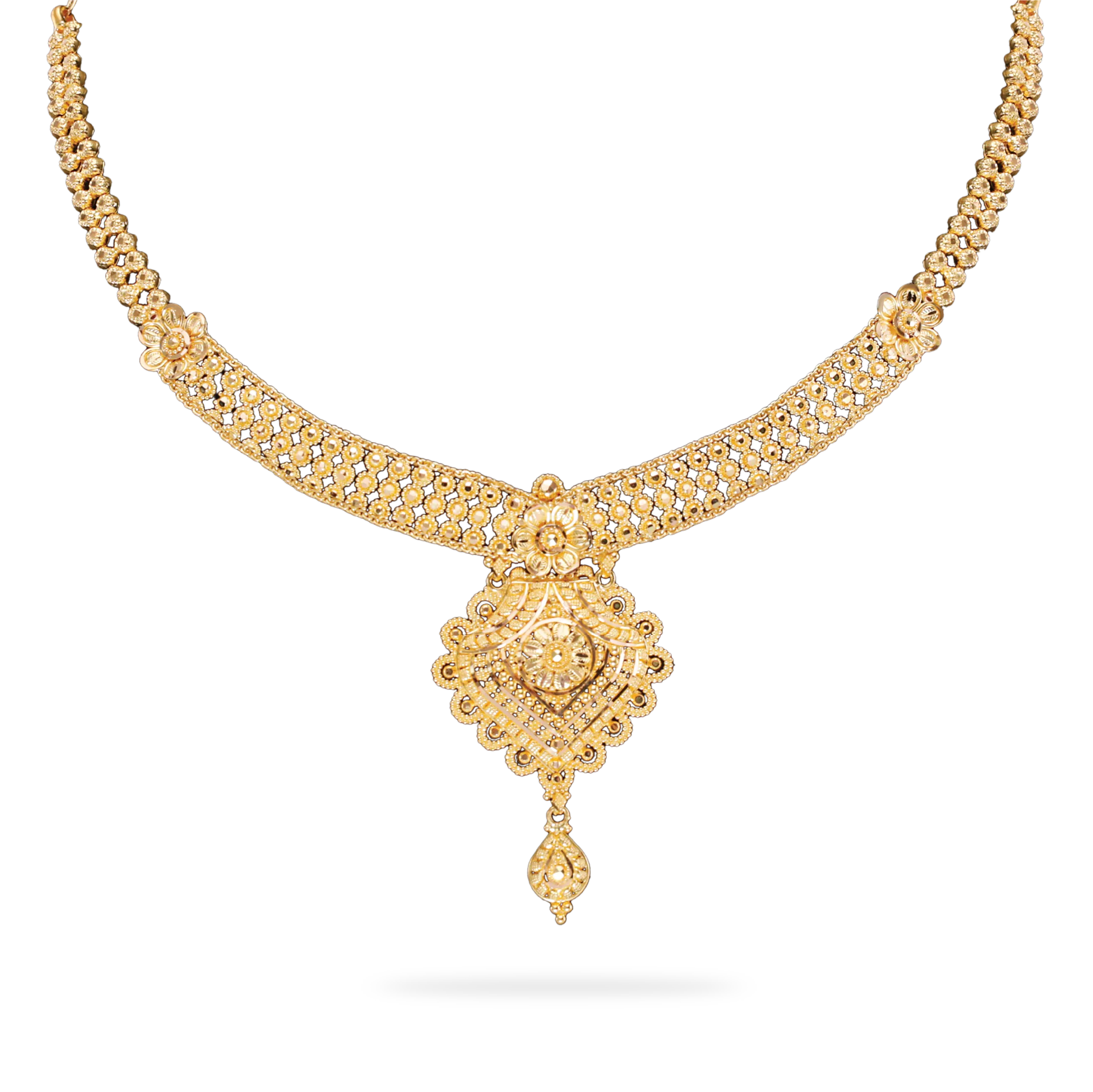
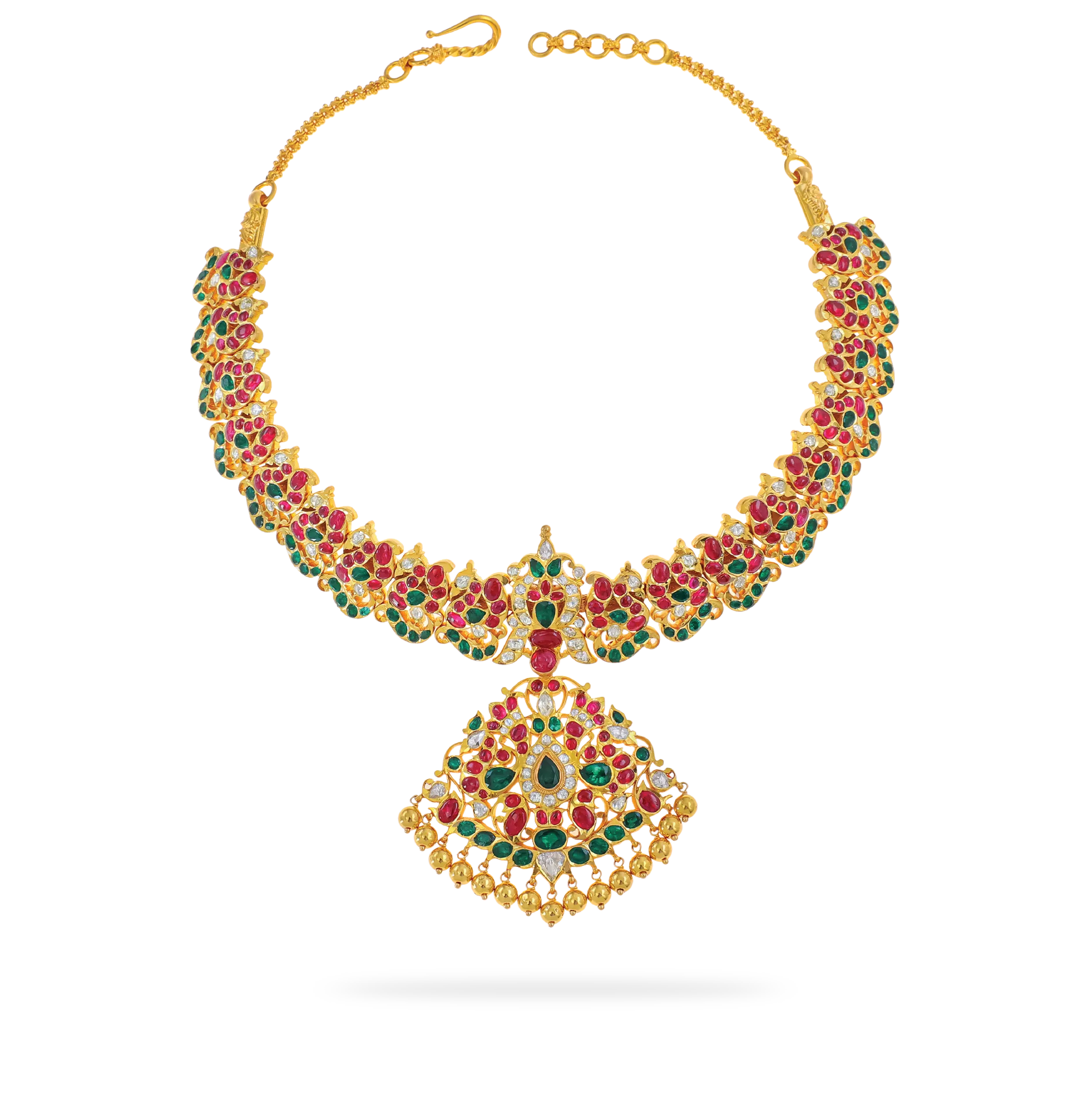
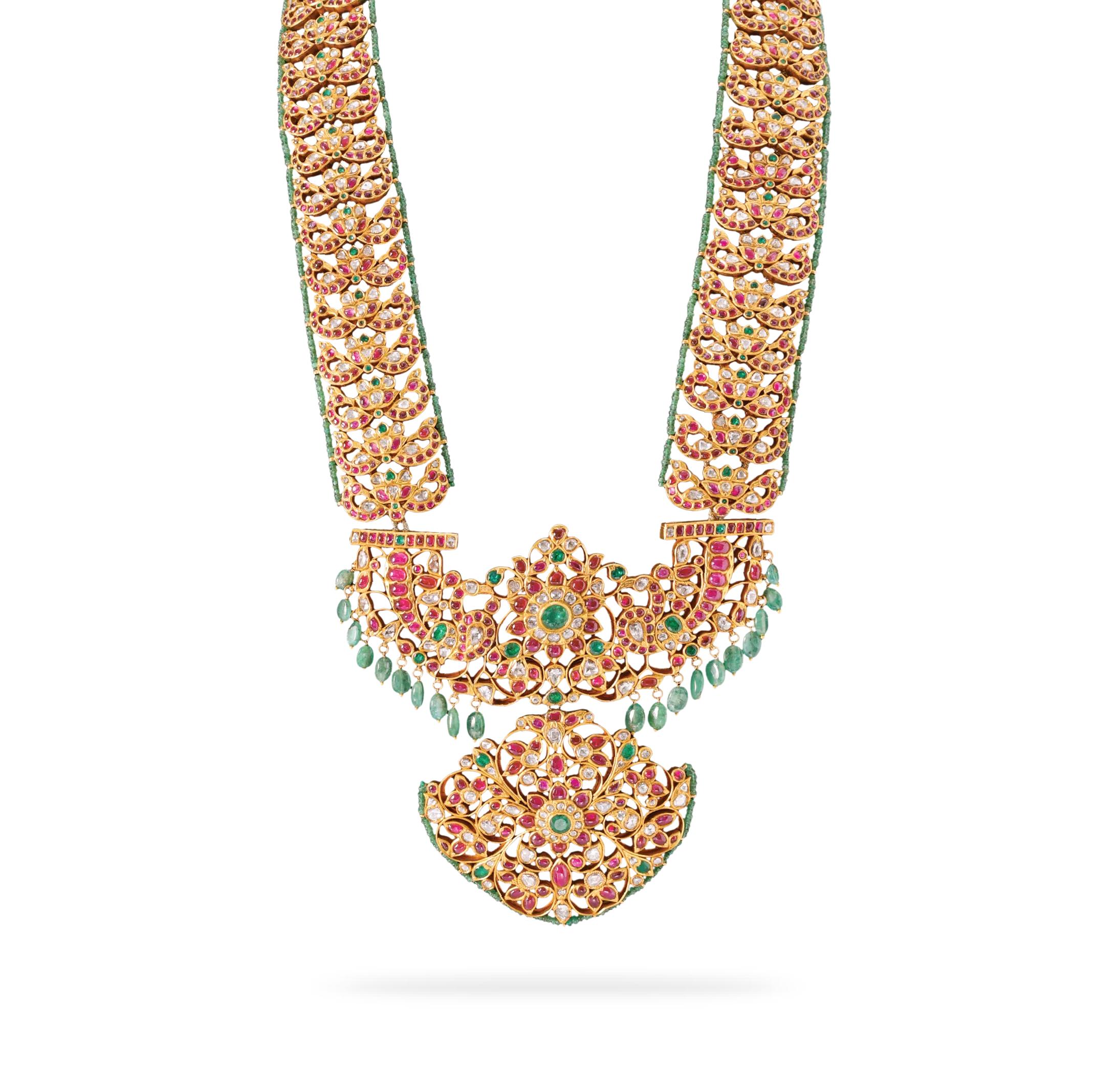
A shorter temple choker can frame the collarbone, while a longer necklace or haram adds movement. If you are comparing accessible plated options, temple jewelry sets can offer the traditional visual language without requiring the same spending level as a solid-gold piece.
Kundan and polki sets for grand bridal looks
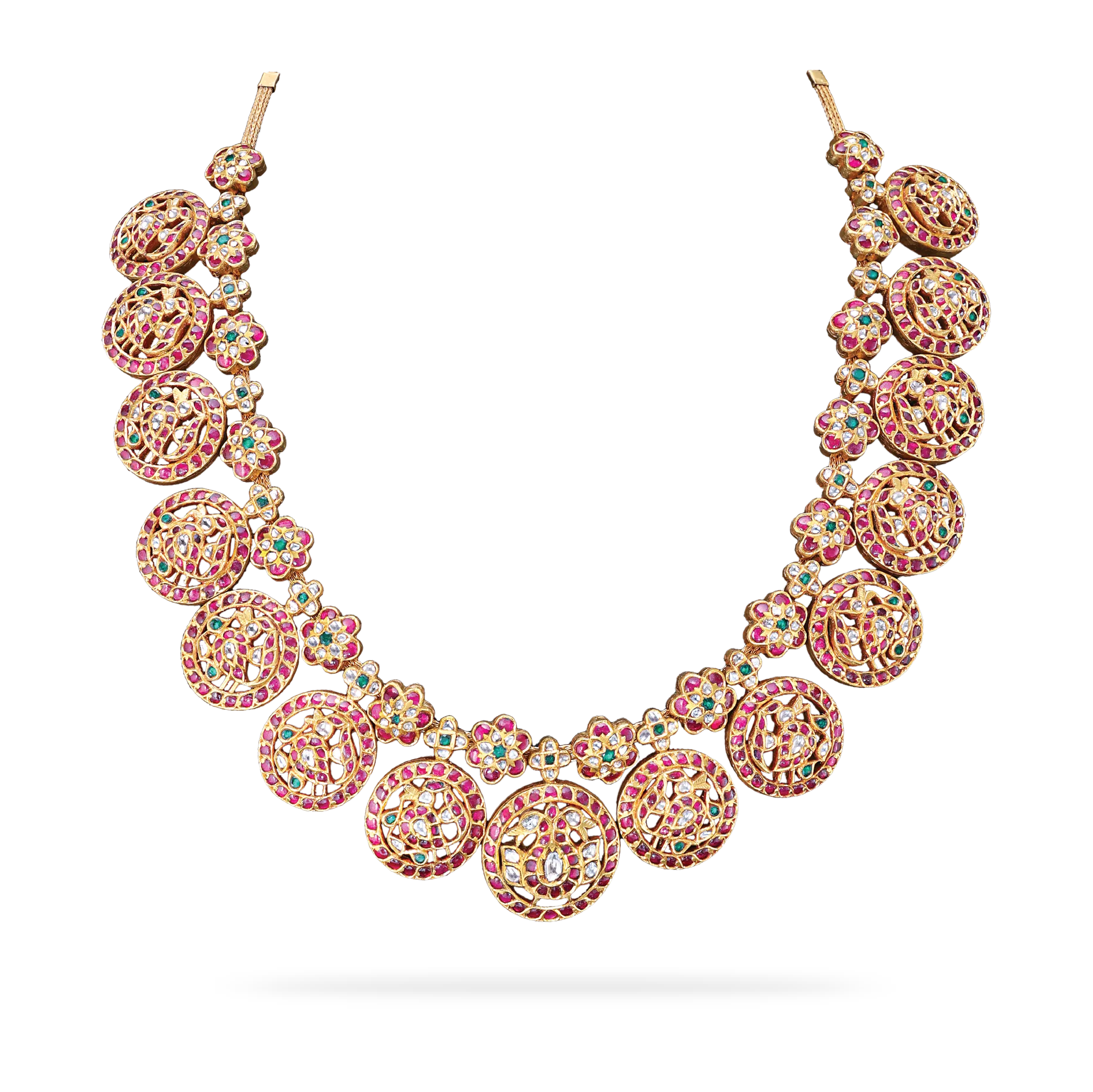
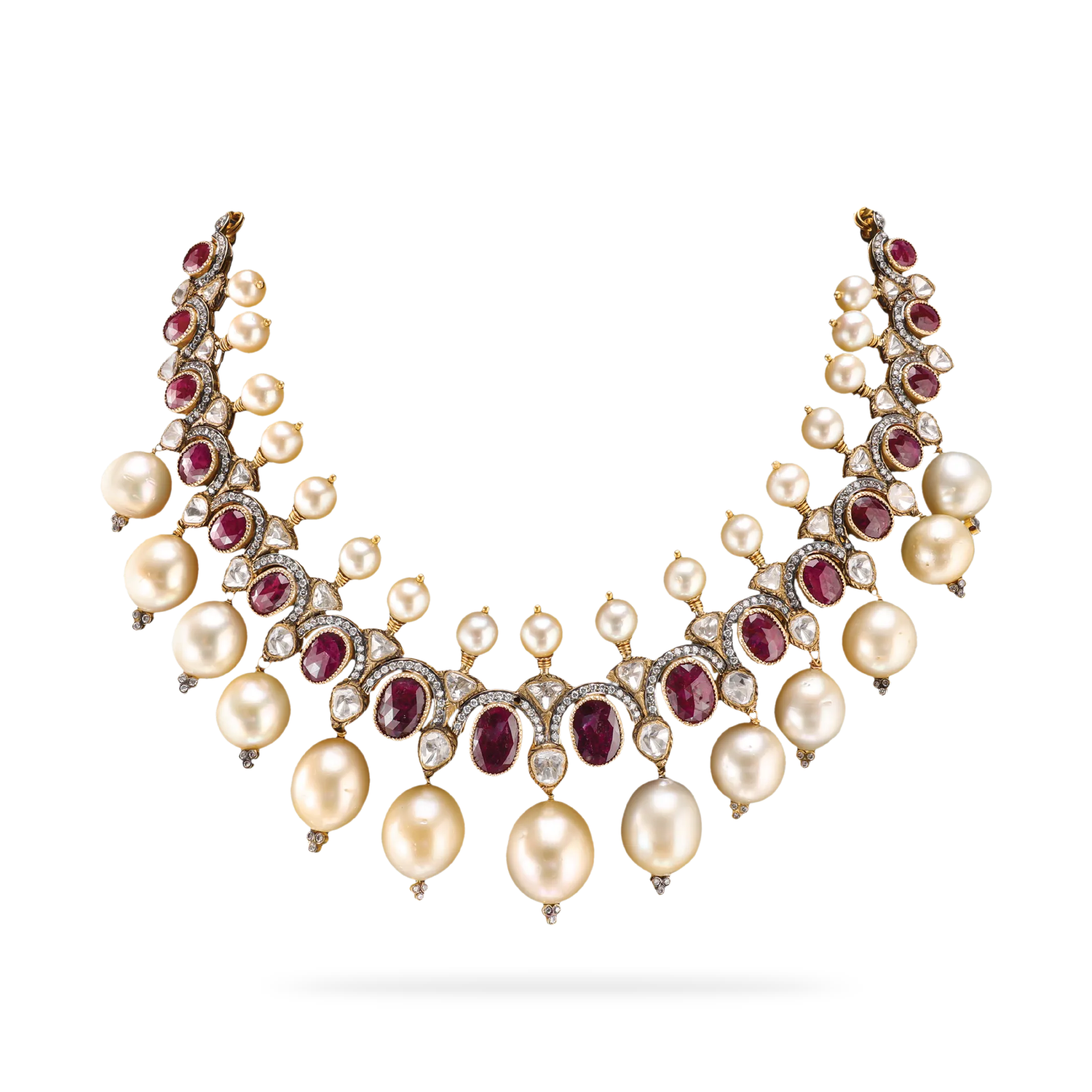
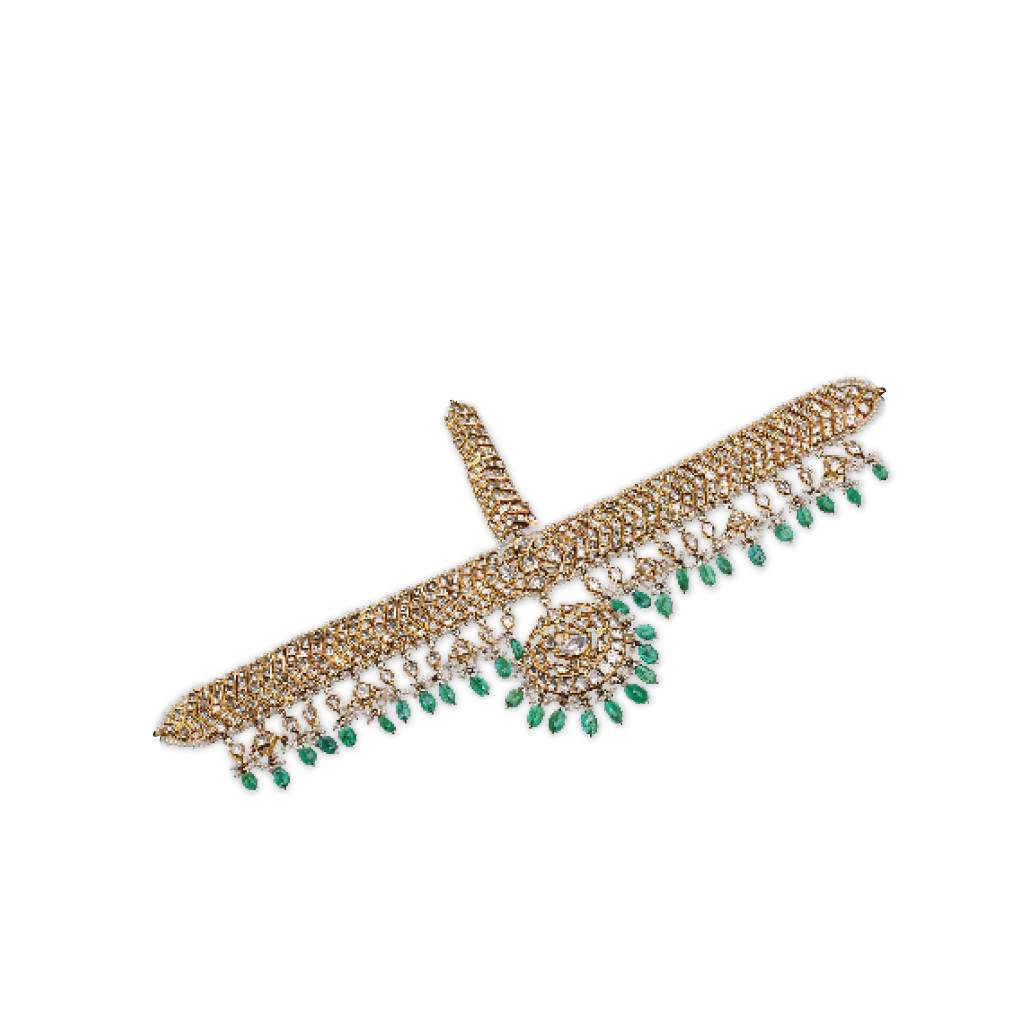
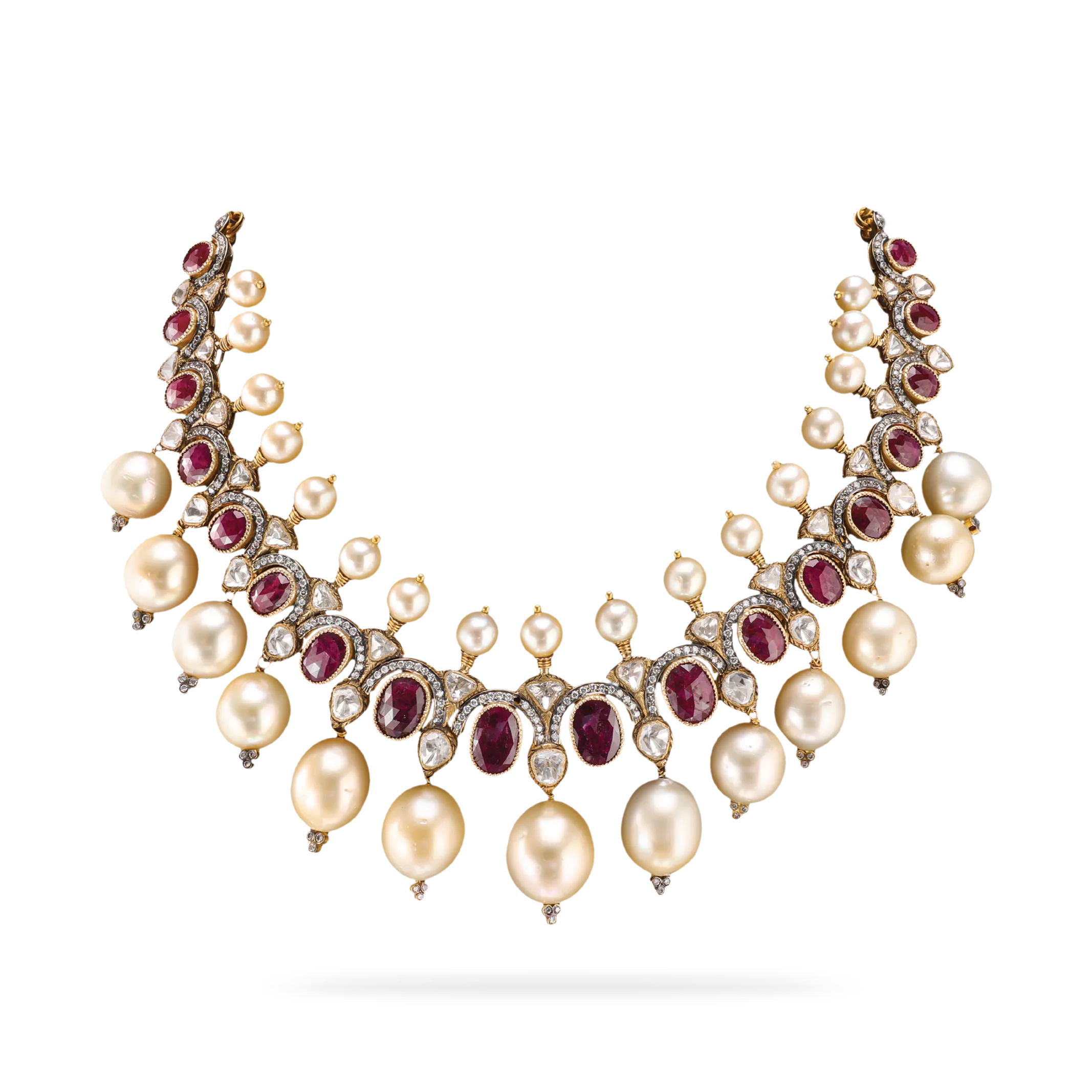
Kundan and polki jewelry bring a more regal, layered character to bridal styling. Uncut-looking stones, pale settings, colored accents, and pearl details can sit beautifully against a lehenga or richly embroidered saree. Because these sets already contain considerable detail, keep the rest of the jewelry coordinated in color and scale.
Consider the lighting at the venue as well. A set that feels dramatic in a showroom may look overwhelming in close photographs, so try it with the actual dupatta, blouse, or saree whenever possible.
Gold necklace designs for classic ceremonies
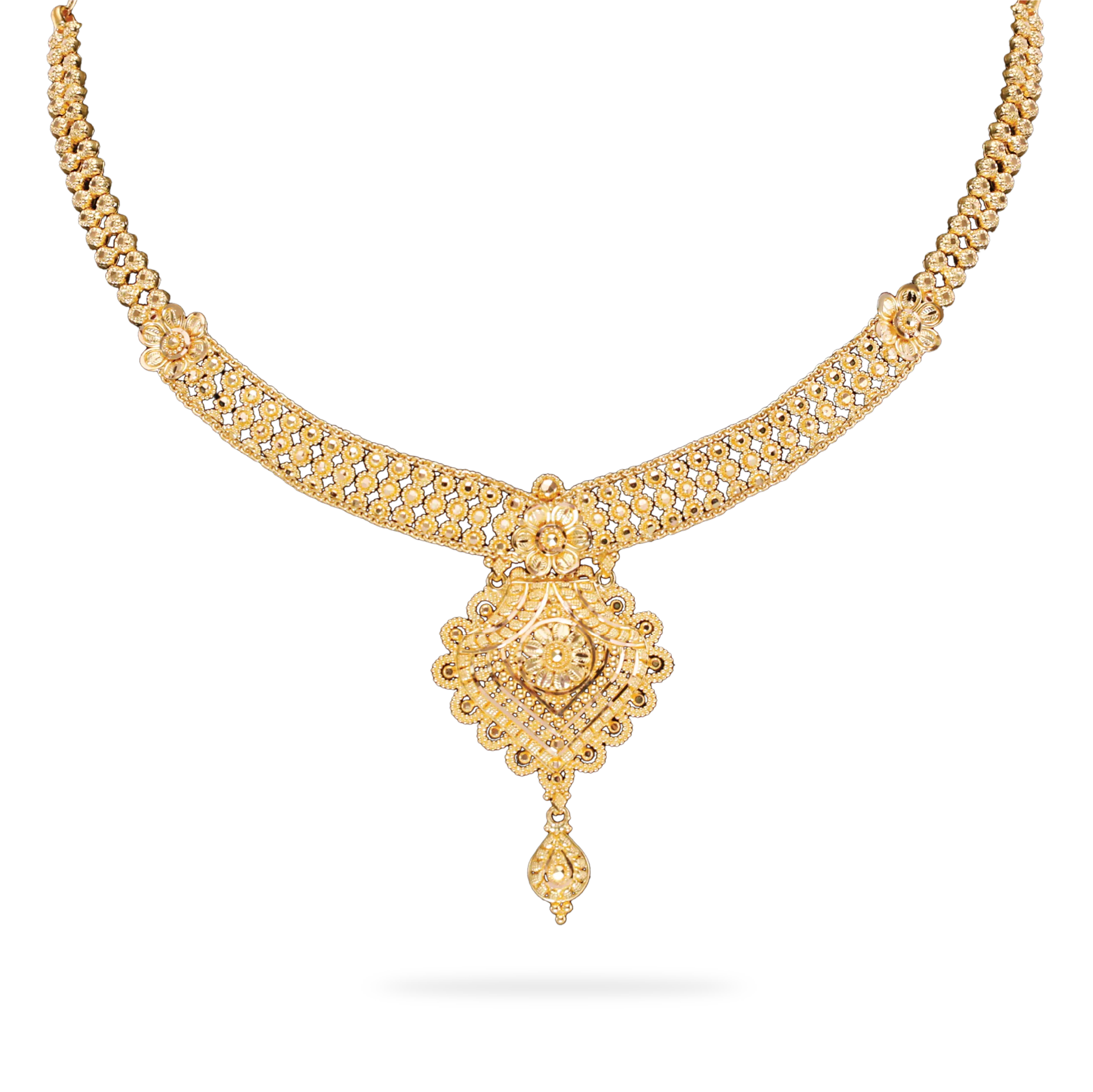
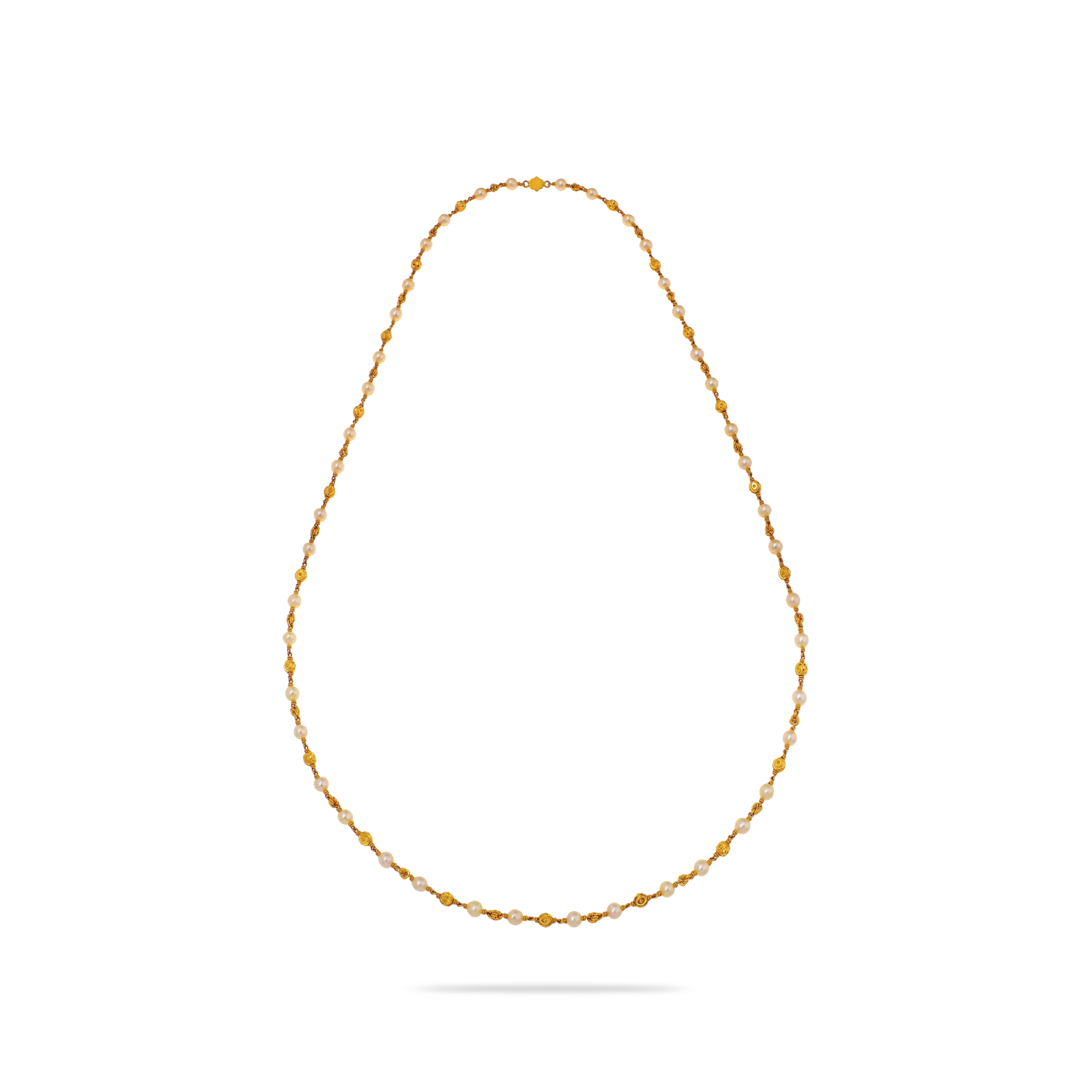
Gold remains a natural choice for brides who want a piece connected to family tradition and future wear. The design may be broad and antique-inspired, finely worked, or relatively plain with one prominent pendant. Compare the necklace’s width and length with the saree border so the two elements support each other.
For a useful checklist on purity, price, and workmanship, see this gold buying guide before visiting a showroom. It can help you prepare questions without allowing a familiar design to distract you from the invoice and quality details.
Contemporary and lightweight sets for modern brides
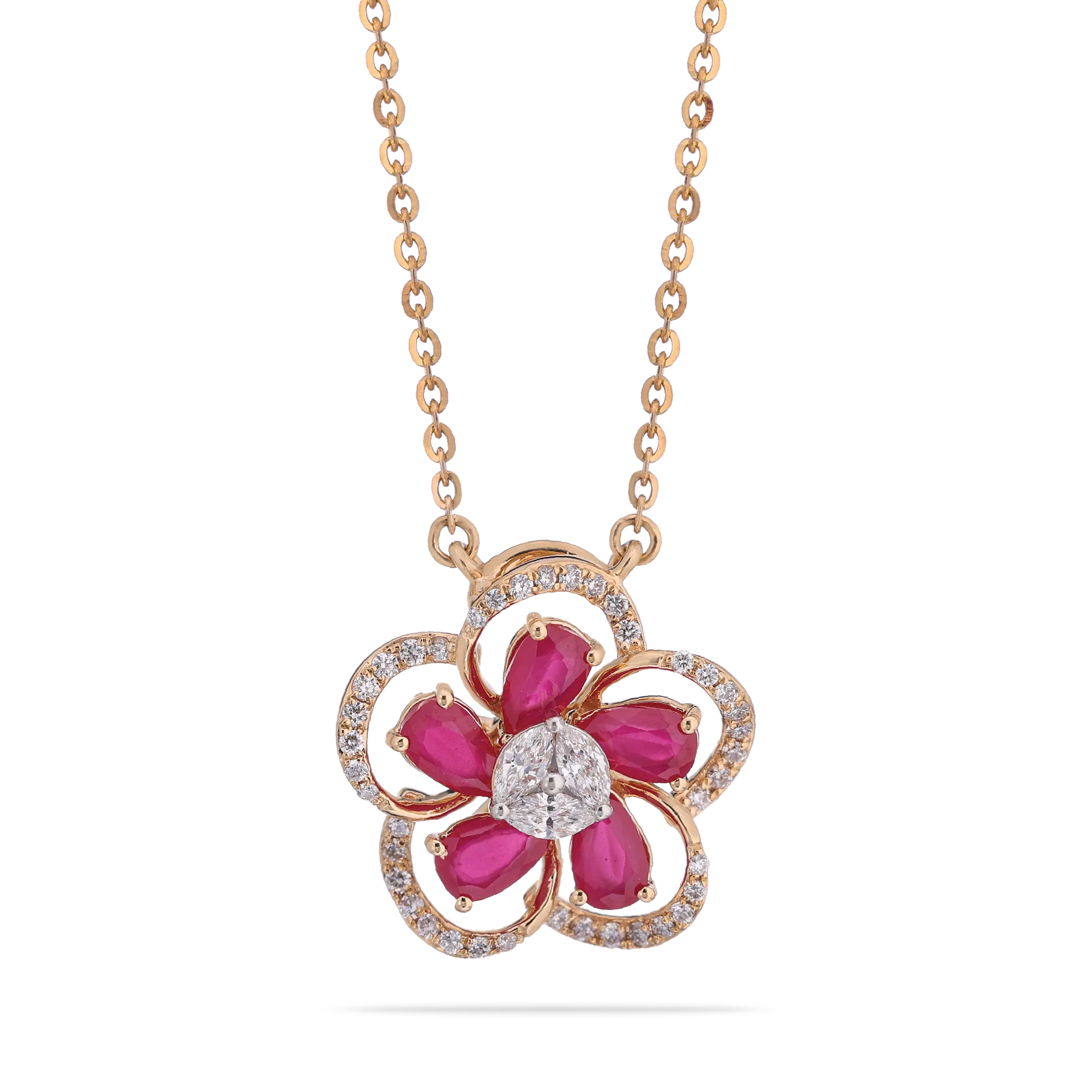
Modern brides may prefer clean lines, smaller pendants, geometric links, or a light necklace that can be worn after the wedding. These choices are particularly practical when several functions call for different outfits. A lightweight set can still look festive if its proportions are deliberate and the earrings provide enough presence.
Try sitting, turning, and speaking while wearing the necklace. Bridal jewelry should remain attractive in motion, not just in a still display photograph.
Match the necklace set to your wedding attire
The outfit should guide the necklace, not merely provide a background for it. Consider the fabric’s sheen, the blouse neckline, embroidery density, and the colors already present in the look. The same necklace may appear graceful with one blouse and crowded with another.
Choosing jewelry for a Kanjeevaram silk saree
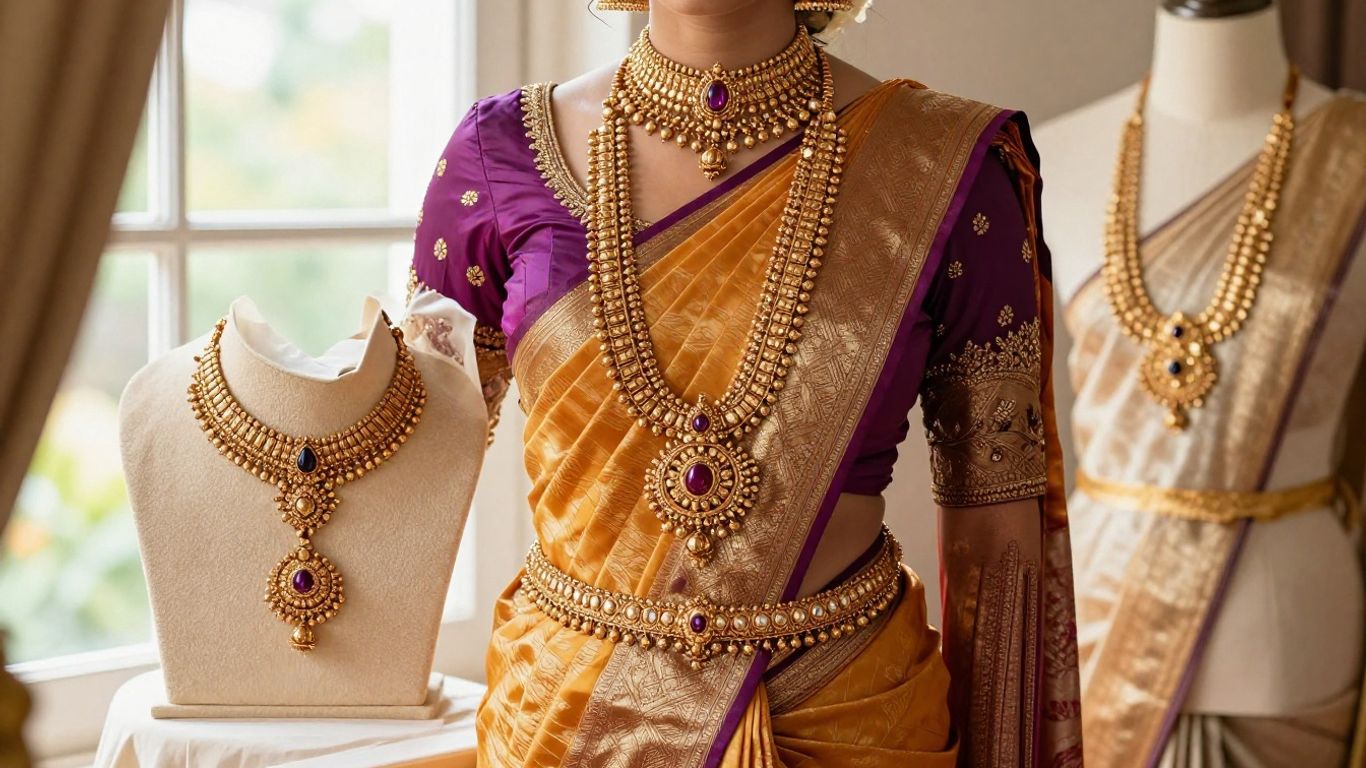
A Kanjeevaram silk saree already has structure through its zari, border, and pleats. Traditional gold forms, temple motifs, or a measured combination of a short necklace and long haram can complement it naturally. Match the warmth of the jewelry with the saree’s zari, while allowing one piece to be the clearest focal point.
If the pallu is heavily patterned, a simpler central pendant can keep the portrait area calm. If the saree is relatively restrained, more detailed work around the neck may feel balanced.
Pairing necklaces with bridal lehengas
Lehengas usually offer more freedom in scale and color. Kundan, polki, pearl, and colored-stone sets can echo embroidery on the blouse or dupatta without needing to match every thread exactly. A choker works well with a deep or sweetheart neckline, while a longer necklace can add vertical balance to a heavily decorated bodice.
Take a photo from the waist up before deciding. This reveals whether the necklace supports the neckline or disappears into the embroidery.
Styling sets with reception gowns and fusion outfits
A reception gown often benefits from restraint. A single statement necklace, a fine pendant, or a compact choker may be more polished than a full traditional combination. With a fusion outfit, repeat one visual detail—such as pearls, antique gold, or a particular stone color—rather than combining several unrelated finishes.
The jewelry should also suit the event’s movement. A low, comfortable necklace is easier to manage during dinner, dancing, and photographs than a heavy arrangement that requires constant adjustment.
Coordinating jewelry with blouse necklines and embroidery
Neckline shape is one of the quickest ways to test a necklace. High necklines may call for longer strands, while open necklines can accommodate chokers or layered pieces. Keep the pendant clear of dense embroidery, and check whether the earrings leave enough room beside the face.
A useful fitting session should include the blouse, hairstyle, and dupatta. Small changes in neckline or drape can alter the apparent length of the necklace more than expected.
Decide between gold, imitation, and plated jewelry
Material affects more than price. It changes weight, durability, upkeep, resale potential, and how the piece may be used after the wedding. Be clear about whether you want an heirloom, a single-day statement, or a versatile accessory for multiple celebrations.
Comparing solid gold, gold-plated, and imitation sets
Solid gold generally carries a higher material cost and may be suitable when long-term value and repeated wear matter. Gold-plated sets provide a gold-colored surface over another base material, while imitation jewelry can use a range of base metals, stones, and finishes. Ask exactly what is included rather than relying on labels such as “bridal” or “premium.”
| Option | Usually suits | Main question to ask | Long-term consideration |
|---|---|---|---|
| Solid gold | Heirloom and repeated wear | What is the purity and net weight? | Review care, resale, and exchange terms |
| Gold-plated | Festive styling at a lower cost | What base metal and plating are used? | Finish may need careful handling |
| Imitation | One event or rotating looks | How should it be cleaned and stored? | Check stones, clasps, and surface wear |
The right option is the one that fits both the occasion and your expectations. A lower-priced set is not a poor choice if you knowingly select it for limited or occasional use.
Understanding hallmarking and gold purity
When considering gold, ask to see the hallmark information, purity or karat details, net gold weight, and a detailed invoice. These details help distinguish the value of the metal from making charges, stones, and other costs. Do not compare two necklaces only by their displayed total price.
For broader background on identifying purity and value, this gold purity resource is a helpful preparation step. Still, confirm the documentation and terms for the specific item you are buying.
When lightweight jewelry is the practical choice
A lightweight necklace may be the better choice when the ceremony is long, the bride has several functions, or the outfit already has elaborate surface work. Comfort affects posture, photographs, and how freely you move. It also makes the set more likely to be worn again.
Weight is not the only comfort factor. Check the clasp, edges, chain width, pendant swing, and the points where the necklace rests against the neck.
Checking durability, finish, and maintenance needs
Inspect the reverse of the necklace, the joins, stone settings, and clasp. A smooth finish is more comfortable against the skin, while secure stones and a reliable closure matter during a crowded celebration. Ask whether the piece should avoid water, perfume, perspiration, or household cleaners.
Material honesty saves regret when the set is being chosen quickly. Keep the care instructions and invoice together so you can refer to them after the wedding.
Build a balanced bridal necklace combination
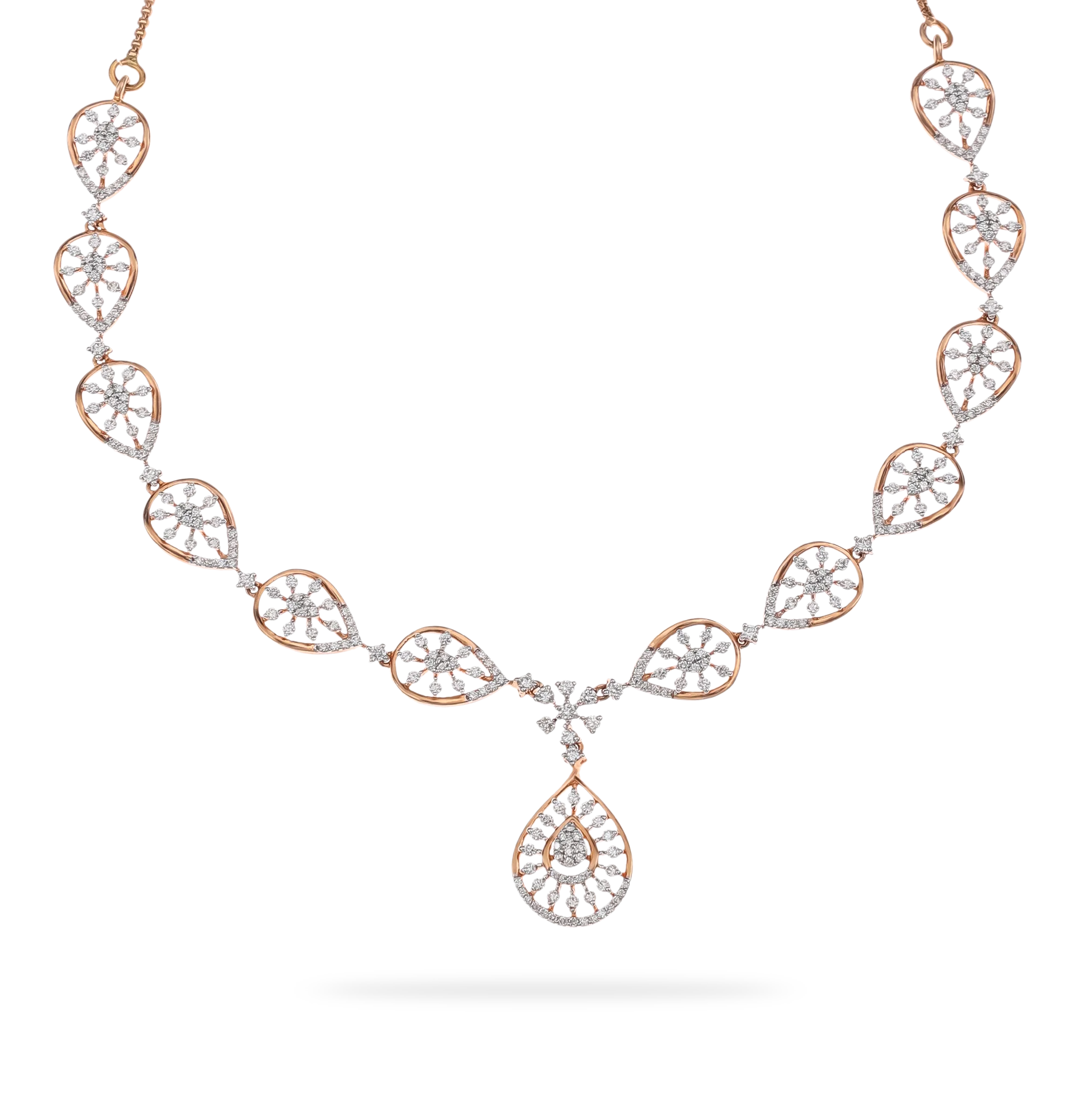
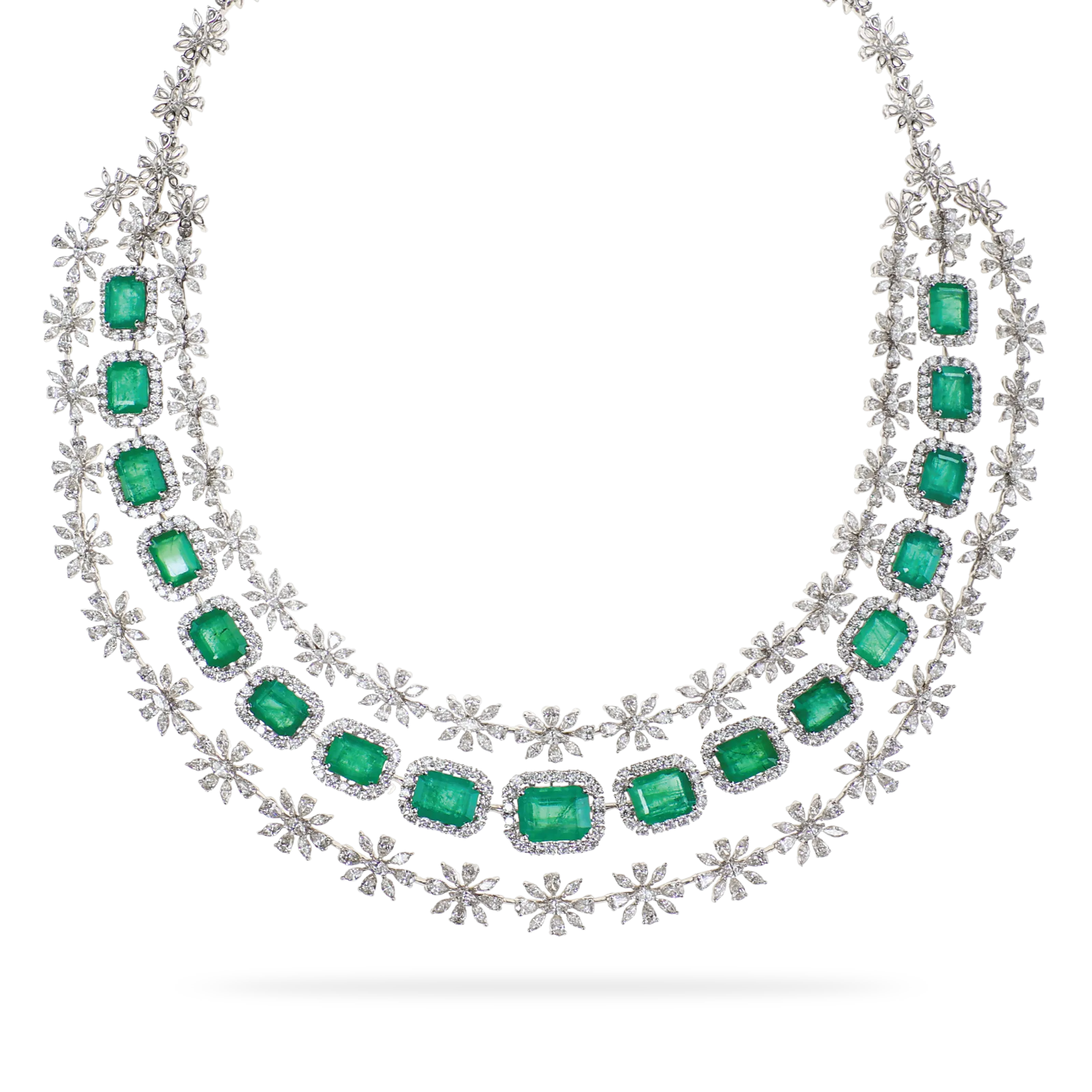
A bridal combination should look complete without making every piece compete for attention. Start with the necklace, then add earrings, forehead jewelry, bangles, and other accents according to its scale. Repetition of one motif or finish usually looks more cohesive than trying to match every item perfectly.
Layering short necklaces with long harams
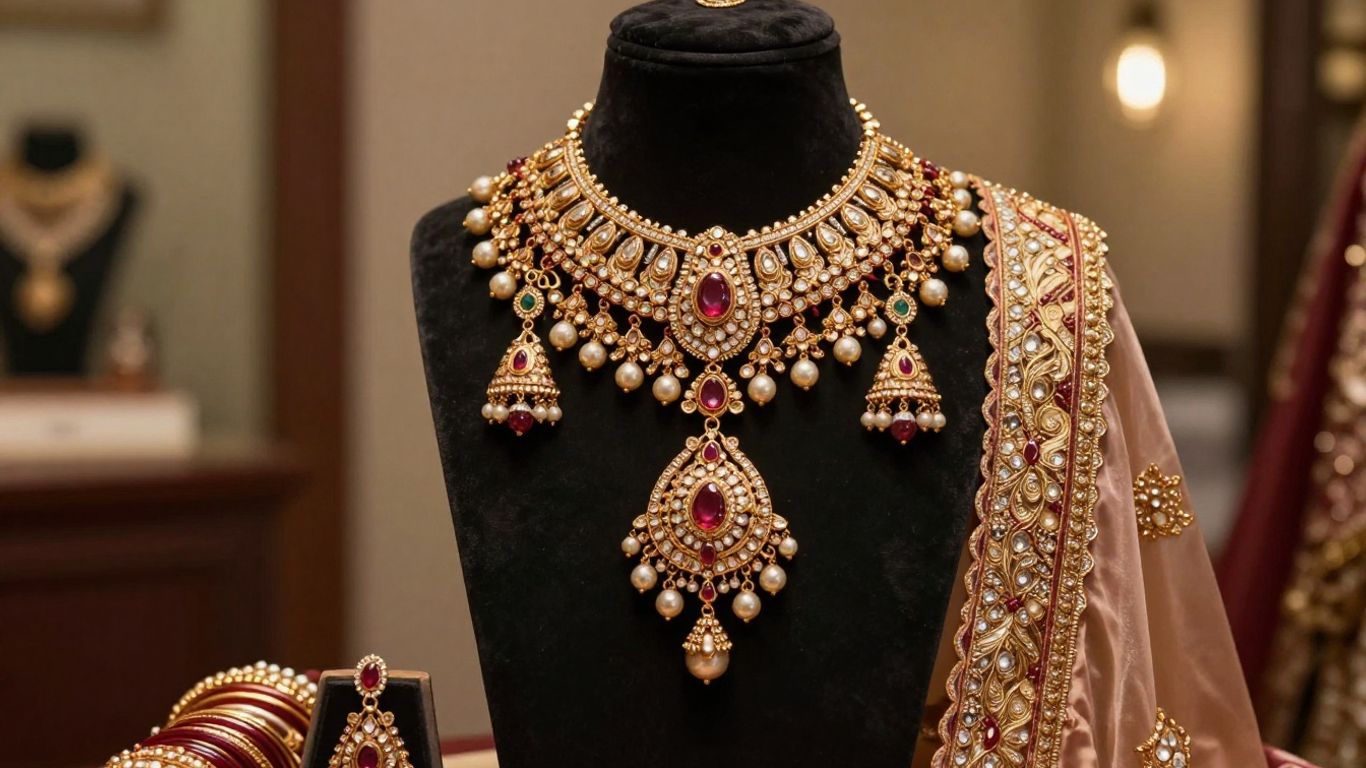
Layering works best when the lengths are clearly separated. A choker or short necklace can define the neckline, while a longer haram creates a vertical line over the saree or blouse. Leave enough space between layers for each silhouette to remain visible.
Try the full arrangement while seated and standing. The necklaces may shift during the ceremony, and a small overlap can become uncomfortable over several hours.
Matching pendants, chokers, and traditional motifs
The pendant should relate to the overall motif and not appear like an unrelated centerpiece. For example, a traditional necklace can be paired with a pendant that repeats its floral, coin, or temple-inspired language. With a bold choker , a smaller pendant or no additional central pendant may be enough.
Color also matters. Warm gold, pearls, enamel, and colored stones can be combined, but one dominant palette makes the finished look easier to read.
Coordinating earrings, maang tikka, and bangles
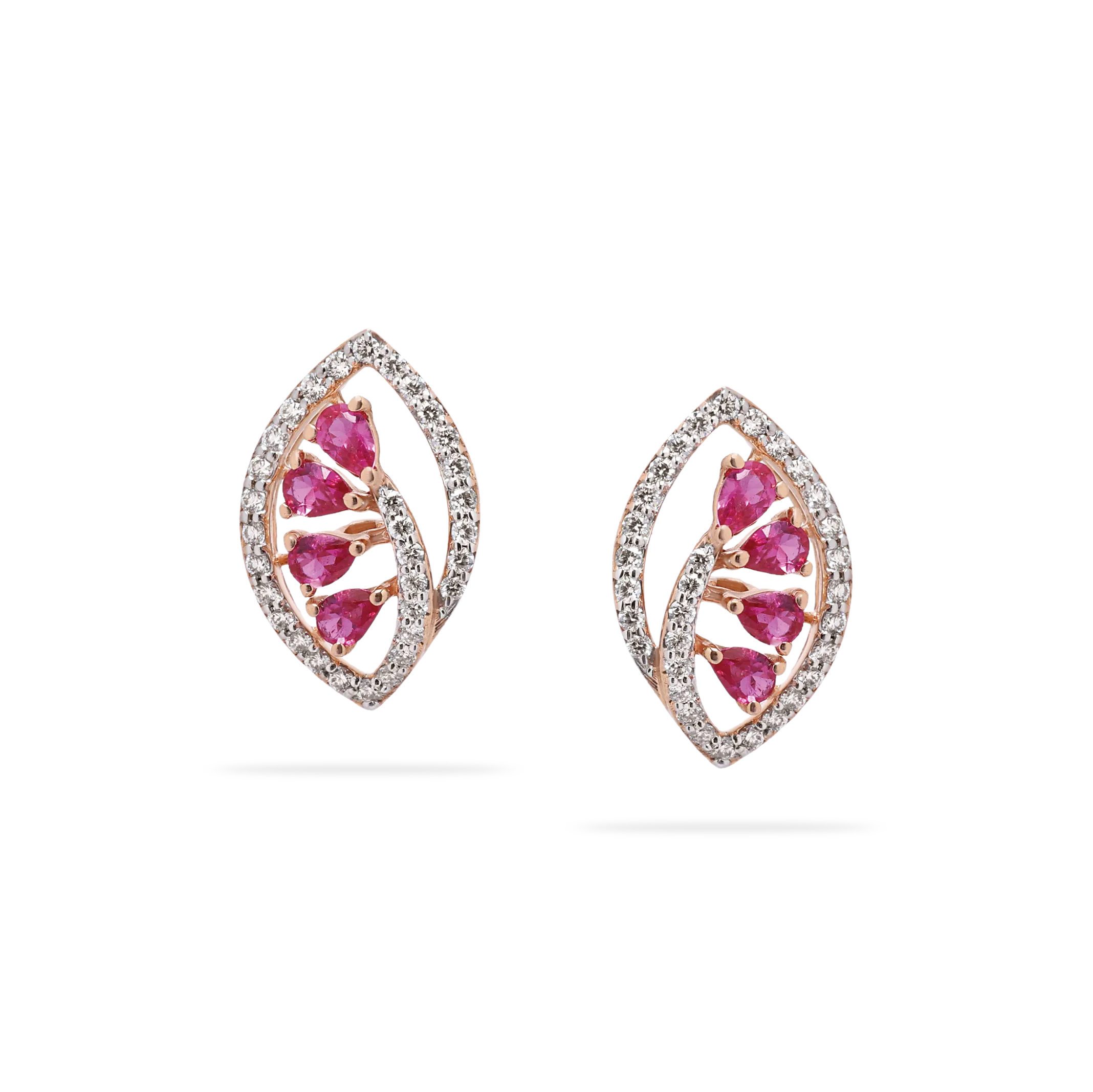
Earrings should support the necklace’s width and visual weight. A prominent necklace can take chandelier earrings, but a detailed maang tikka and heavy bangles may require simpler earrings. Check the full face and upper-body view rather than choosing each piece at a counter in isolation.
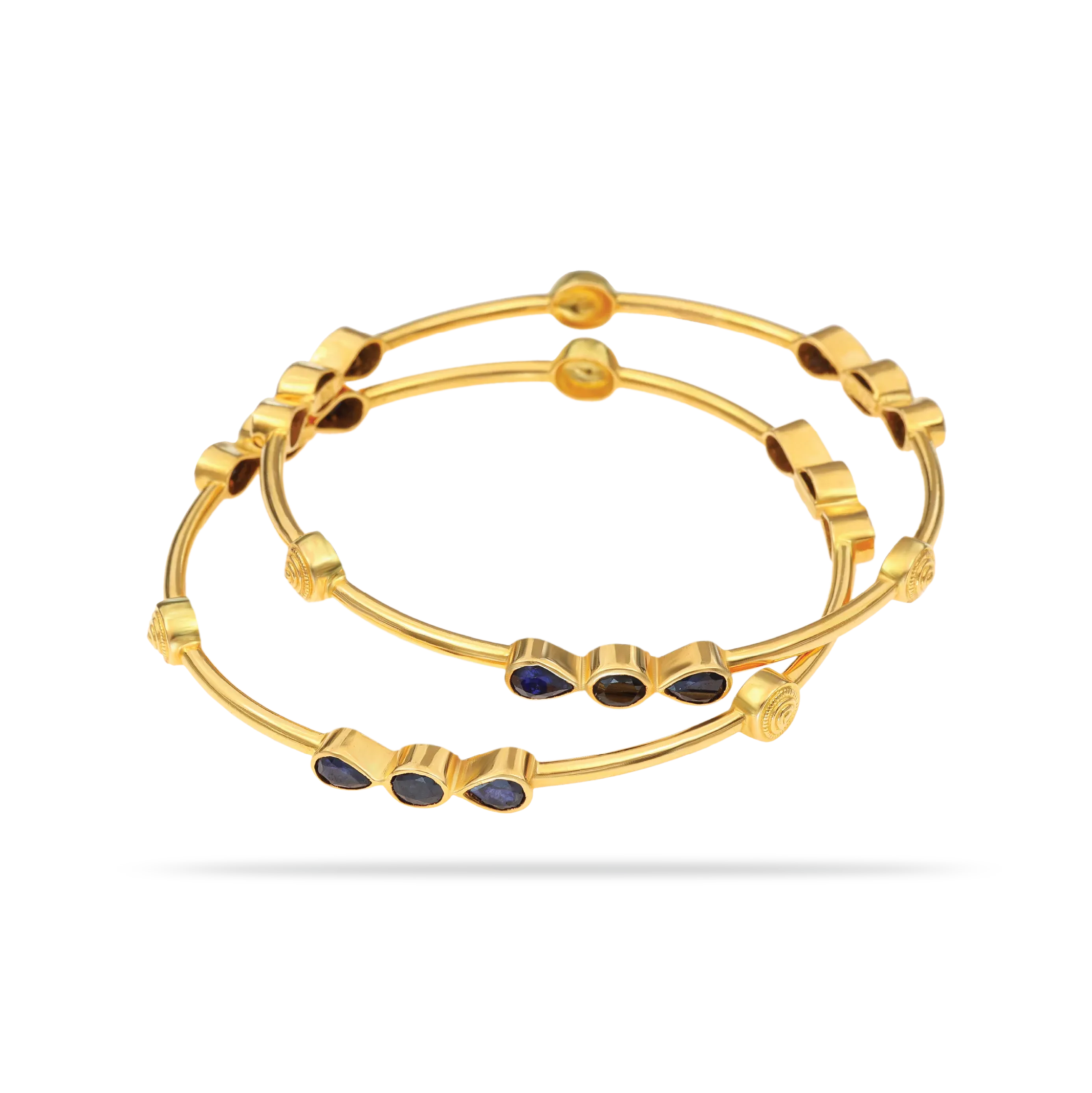
The hairline and hairstyle influence the maang tikka’s scale. Similarly, bangles should echo the jewelry without reproducing every necklace detail.
Avoiding an overcrowded or mismatched look
Remove one piece if the neckline, forehead, ears, and wrists all carry equal intensity. Bridal styling often improves when there is a quiet area between statement elements. Mixed metals can work when repeated deliberately, but accidental combinations of bright yellow gold , antique gold, and cool silver may look disconnected.
Take test photographs in natural and indoor light. If the necklace loses its shape or the details merge into the blouse, simplify the combination before the wedding day.
Set a realistic budget for wedding necklace sets in Bangalore
A budget is more useful when it describes the whole purchase, not just the necklace label price. Include the matching pieces, alterations, taxes, delivery, care, and any last-minute changes. Decide which items deserve long-term spending and which can be selected for one ceremony.
Typical price factors that affect the final cost
The final price may reflect metal purity, net weight, stone type, craftsmanship, design complexity, brand positioning, and making charges. Custom work and unusual proportions can add time and cost. Ask for an itemized quote so you can compare like with like.
You can also keep a simple priority order: the main necklace first, essential matching pieces second, and optional accessories last. This protects the core look if the budget tightens.
Comparing jewelry stores, boutiques, and online sellers
Showrooms offer physical trials and direct inspection, while boutiques may provide more specialized styling or customization. Online sellers can make browsing easier, but measurements, photographs, delivery timelines, and return terms need especially close attention. Compare the same material category and level of finish across sellers.
This bridal jewelry store guide can help organize questions about collections, materials, budgets, and store comparisons before you begin appointments.
Evaluating customization and rental options
Customization may allow you to adjust length, pendant size, stone color, or matching components. Confirm the design approval process, production schedule, advance payment, and what happens if the finished piece differs from the agreed sample. Rental can be sensible for a dramatic set that you do not expect to wear again.
Ask whether rental pieces are insured, how damage is assessed, and when the set must be returned. A lower initial cost is useful only when the conditions are clear.
Checking making charges, taxes, shipping, and return policies
Before paying, request the complete amount in writing. Check making charges, applicable taxes, shipping or delivery costs, alteration fees, cancellation terms, exchange rules, and the return window. For custom or personalized pieces, ask which terms differ from standard products.
Keep screenshots, invoices, measurements, and promised delivery dates in one place. This small habit makes follow-up much easier if the wedding schedule changes.
Shop for wedding necklace sets in Bangalore with confidence
Shopping becomes calmer when you arrive with a defined outfit plan and a short list of non-negotiables. Take fabric samples or clear photographs, but rely on an in-person trial for weight and fit whenever possible. Give yourself enough time to compare rather than making a decision at the first attractive counter.
Comparing local jewelry markets and bridal showrooms
Different shopping areas and showrooms may offer different levels of specialization, service, and design range. Visit with a realistic budget and compare workmanship, not just display quantity. A calm appointment often gives you more useful information than a crowded browsing trip.
Make notes about necklace length, quoted weight, finish, included components, and alteration timelines. These details prevent several similar sets from blending together in memory.
Verifying seller reputation and product authenticity
Look for clear business details, written invoices, material disclosures, and accessible after-sales support. For gold, examine hallmark and purity documentation; for plated or imitation pieces, ask about the base material and finish. Online reviews can provide context, but they should not replace checking the actual product and terms.
Be cautious when a seller avoids direct answers about weight, returns, or delivery. Trust grows from specific documentation, not from urgency or vague assurances.
Requesting measurements, photos, and trial appointments
Ask for the necklace’s total length, drop length, closure type, approximate weight, and the dimensions of the pendant or central elements. Request detailed photographs of the front, back, clasp, and stone settings if you are shopping remotely. A trial appointment is valuable because it reveals pressure points and how the necklace sits with your blouse.
Bring the hairstyle and dupatta plan to the appointment when possible. The goal is to assess the complete look, not a necklace floating against a plain display bust.
Planning purchases around wedding dates and alterations
Buy early enough to allow resizing, clasp changes, replacement stones, or styling revisions. Custom pieces need additional time, and even ready-made necklaces may require adjustments for the blouse neckline or desired layering. Confirm the final trial date rather than assuming the first fitting will be enough.
Keep the set safely packed during the final weeks. Avoid leaving it exposed while other wedding accessories are being sorted.
Care for your bridal necklace set after the wedding
Care begins with knowing what the set is made of and what its finish can tolerate. Solid gold, gemstones, plated surfaces, pearls, and imitation materials should not all receive the same cleaning treatment. When uncertain, use the seller’s instructions or seek professional advice before applying a household product.
Cleaning different metals and gemstone finishes
Wipe jewelry gently with a soft, dry cloth after wearing it, especially if it has touched perspiration, cosmetics, or perfume. Avoid abrasive pastes and unapproved solutions around stones or decorative finishes. Gold and gemstone pieces may need different professional cleaning methods, while plated surfaces can lose their finish if rubbed aggressively.
A detailed bridal jewelry care guide offers a useful reference for cleaning and protecting different types of wedding jewelry. Keep the advice relevant to the exact materials in your set.
Storing necklaces to prevent scratches and tangles
Store each necklace separately in a soft pouch or lined compartment. Fasten clasps before putting pieces away, and keep chains flat or supported so they do not knot around pendants. Separate hard stones and metal edges from delicate surfaces that could scratch.
Photographing the set before storage can also help you remember how components belong together. This is practical when a coordinated bridal set has many small pieces.
Protecting plated and imitation jewelry from moisture
Keep plated and imitation jewelry away from water, steam, perfume, hairspray, and damp storage areas. Let the piece dry completely after wear and return it to its pouch only when the surface is clean and dry. Avoid storing it in an open bathroom cabinet, where humidity can speed up discoloration.
These habits cannot make plating permanent, but they can reduce avoidable wear. Occasional use is often kinder to a delicate finish than daily exposure to moisture and cosmetics.
Deciding whether to repurpose, resell, or reuse the set
After the wedding, consider whether the necklace can serve another role. A long piece may work with festive sarees, a pendant may become an occasional standalone accessory, or selected elements may be combined with simpler jewelry. If you plan to resell or exchange it, retain the invoice, certificates, packaging, and original measurements.
Sentimental value matters as much as financial value. A set does not need to be worn frequently to remain a meaningful part of your bridal wardrobe.
Conclusion
The most successful wedding necklace sets bangalore choices bring together tradition, proportion, comfort, and financial clarity. Choose the style that suits your ceremony and clothes, verify what you are paying for, and leave enough time for trials and alterations. A carefully selected set can make the wedding look feel finished while still earning a place in your wardrobe afterward.
Frequently Asked Questions
What necklace style is best for a South Indian wedding?
Temple-inspired gold designs, layered necklaces, and harams are common choices for a traditional South Indian ceremony. Select the scale according to the saree border, blouse neckline, and your comfort.
How many necklaces should a bride wear?
There is no fixed number. One statement necklace may be enough, while a short necklace paired with a longer haram can create a classic layered effect when the lengths are clearly separated.
Is imitation jewelry suitable for a wedding?
Yes, imitation jewelry can be suitable when you want a particular look at a lower cost or need a set for one event. Check the finish, comfort, clasp, care requirements, and return terms before purchasing.
What should I check when buying a gold necklace?
Check purity or karat details, hallmark information, net gold weight, stone details, making charges, taxes, and the invoice. Also ask about exchange, resale, repair, and return policies.
How early should I buy a bridal necklace set?
Begin several weeks or months before the wedding, especially if the set is customized. Early shopping leaves time for comparison, fitting, alterations, delivery delays, and a final trial with the complete outfit.
How do I match a necklace to my blouse neckline?
Use the neckline as a guide to length and scale. Open necklines can suit chokers or shorter necklaces, while high necklines may work better with longer pieces that create separation from the fabric.
How should I store bridal jewelry after the wedding?
Clean and dry each piece, fasten clasps, and store necklaces separately in soft pouches or lined compartments. Keep them away from humidity, perfume, cosmetics, and surfaces that can scratch the finish.
Premium gold jewellery Bangalore: A guide to choosing quality, design, and value
10 minute read
Related blogs:
November 20, 2025
The Timeless Elegance of the Tennis Bracelet: A Comprehensive Guide
Read More
November 20, 2025
The Ultimate Guide to Styling and Wearing a Choker Necklace
Read More
November 20, 2025
Find Your Perfect Engagement Ring: A Comprehensive Guide to Styles and Diamonds
Read More
November 20, 2025
The Timeless Elegance of a Diamond Tennis Bracelet: A Buyer's Guide
Read More









.webp)

.webp)