How to choose the right fine jewellery boutique in Bangalore
August 26, 2026 | 10 minutes read
Key Takeaways
Choosing a fine jewellery boutique in Bangalore is easier when you know what to inspect beyond the display case.
- Look for careful craftsmanship, clear documentation, and designs that suit your life.
- Decide your preferred metal, stones, occasions, and budget before your appointment.
- Compare making charges, policies, customisation, and after-sales support—not just the sticker price.
- Ask to see hallmark details, gemstone or diamond certificates, and a complete invoice.
- Choose a boutique where the location, consultation style, and staff expertise make you comfortable.
Understand what makes a fine jewellery boutique different
A fine jewellery boutique usually offers a more considered setting than a high-volume showroom. You can take time with fewer, more distinctive pieces and discuss how a design might work for your wardrobe, ceremony, or collection. The right boutique will make room for questions instead of rushing you towards a purchase. That difference matters when the jewellery is personal, expensive, or intended to last across generations.
Boutique craftsmanship versus mass-produced designs
Mass-produced jewellery often prioritises repeatability, while boutique work may give greater attention to proportion, finishing, and small design details. Look closely at the symmetry of a piece, the smoothness of its edges, and whether the back is finished as carefully as the front. A design with a strong visual idea should also feel comfortable and secure when worn. Heritage jewellers such as C. Krishniah Chetty & Co are often considered for craftsmanship and value, but the practical test remains the piece in front of you and the information supplied with it.
The role of personalised consultations
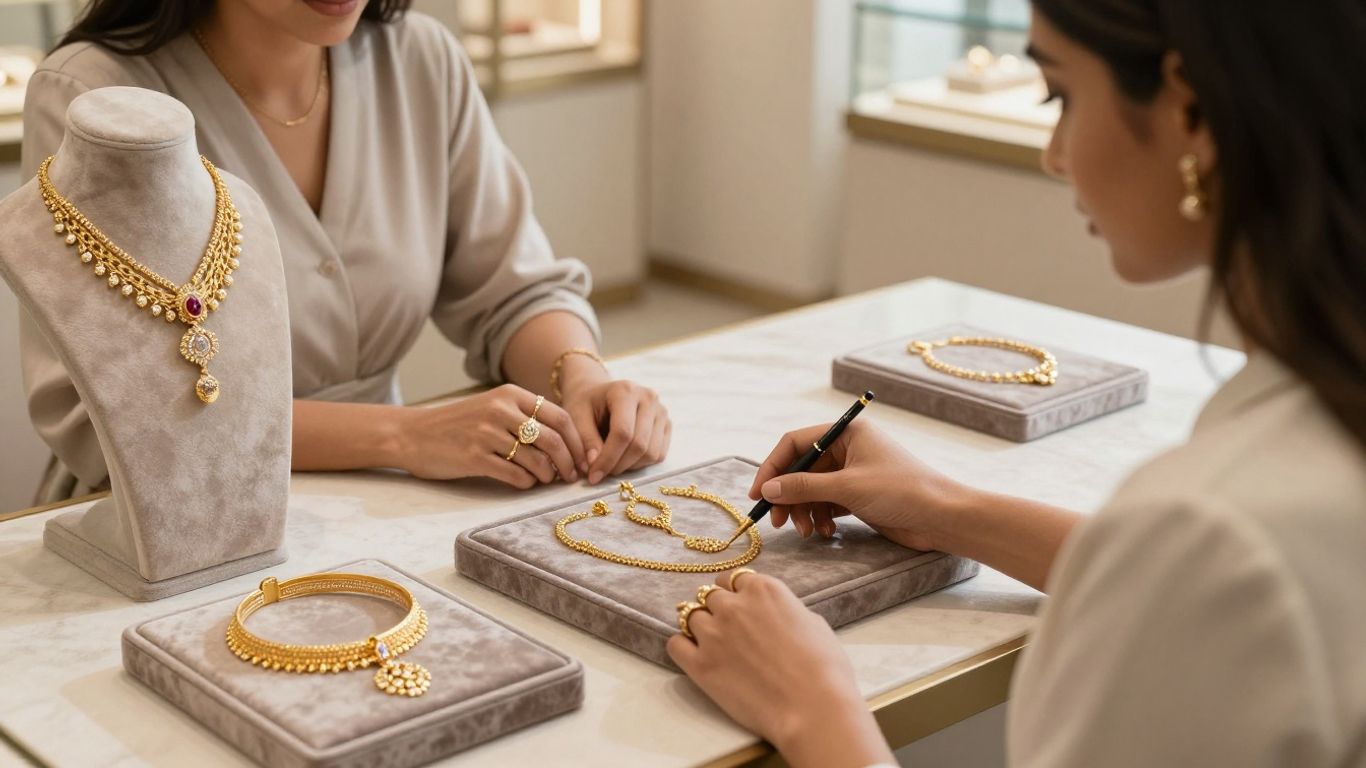
A useful consultation begins with questions about how and when you plan to wear the jewellery. Tell the consultant whether you prefer light pieces, bold silhouettes, warm or cool metal tones, or designs that can be worn in more than one way. You should be able to try alternatives without feeling committed to them. A good consultation clarifies choices; it does not replace your judgement.
Balancing heritage techniques with contemporary style
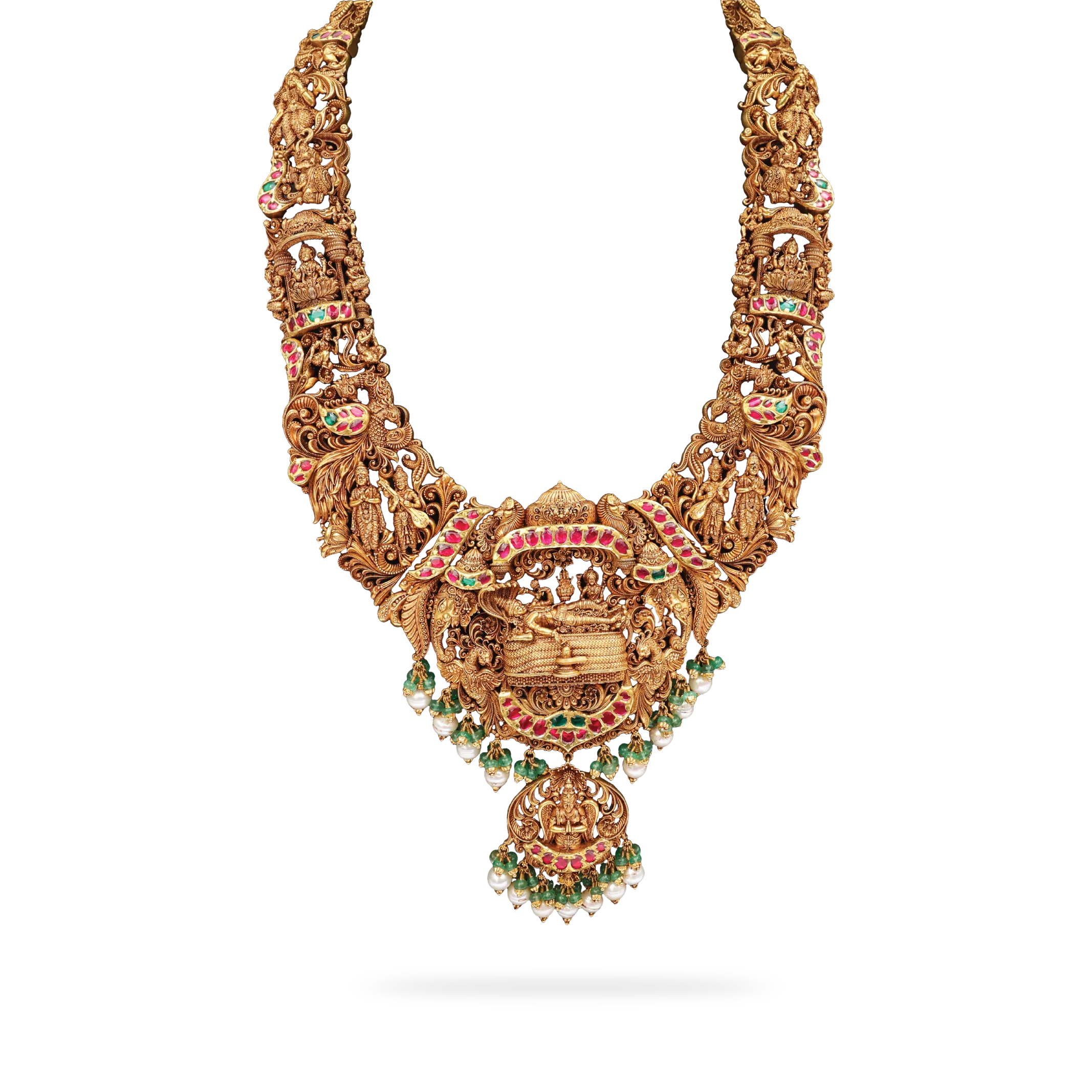
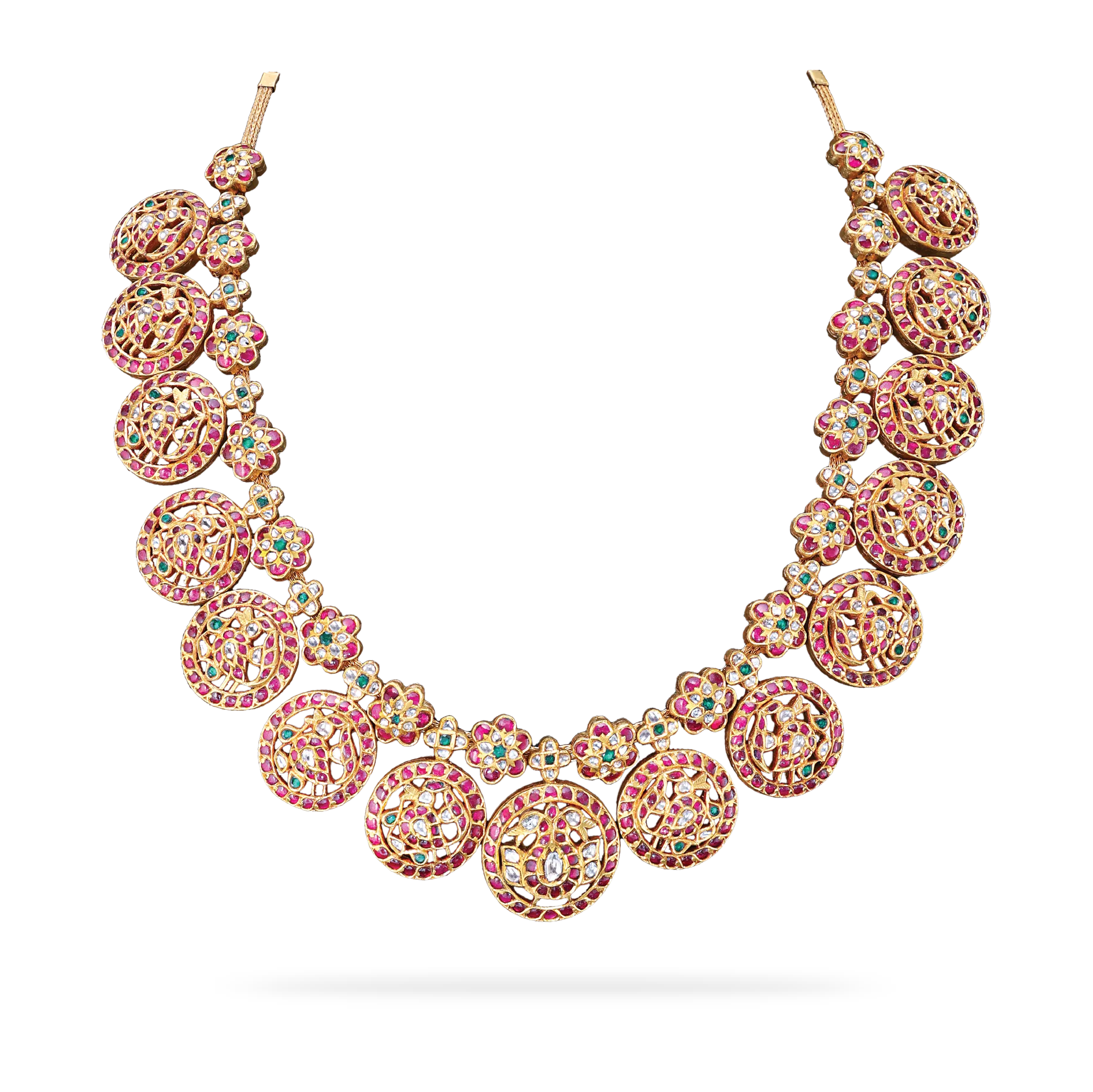
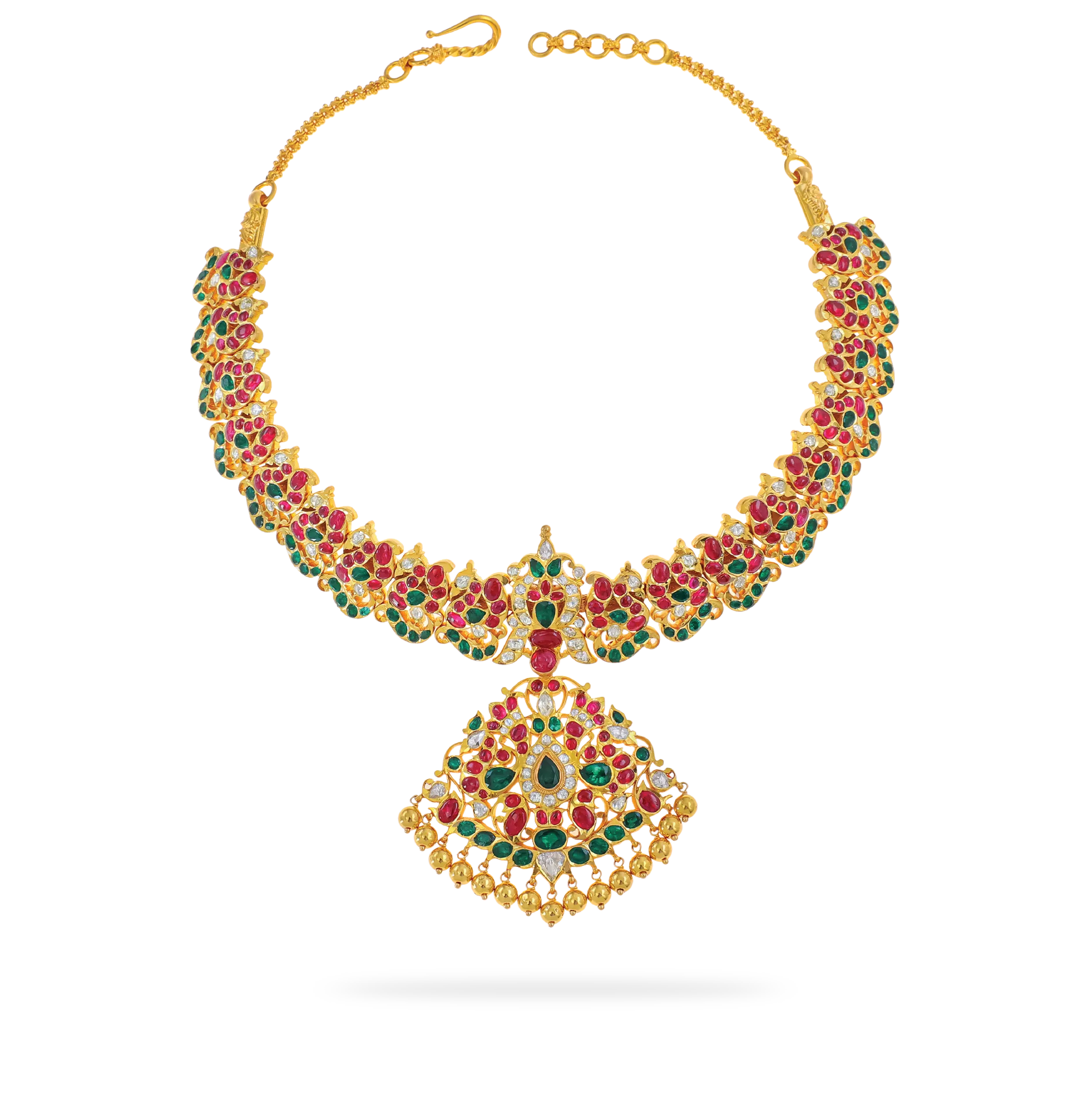
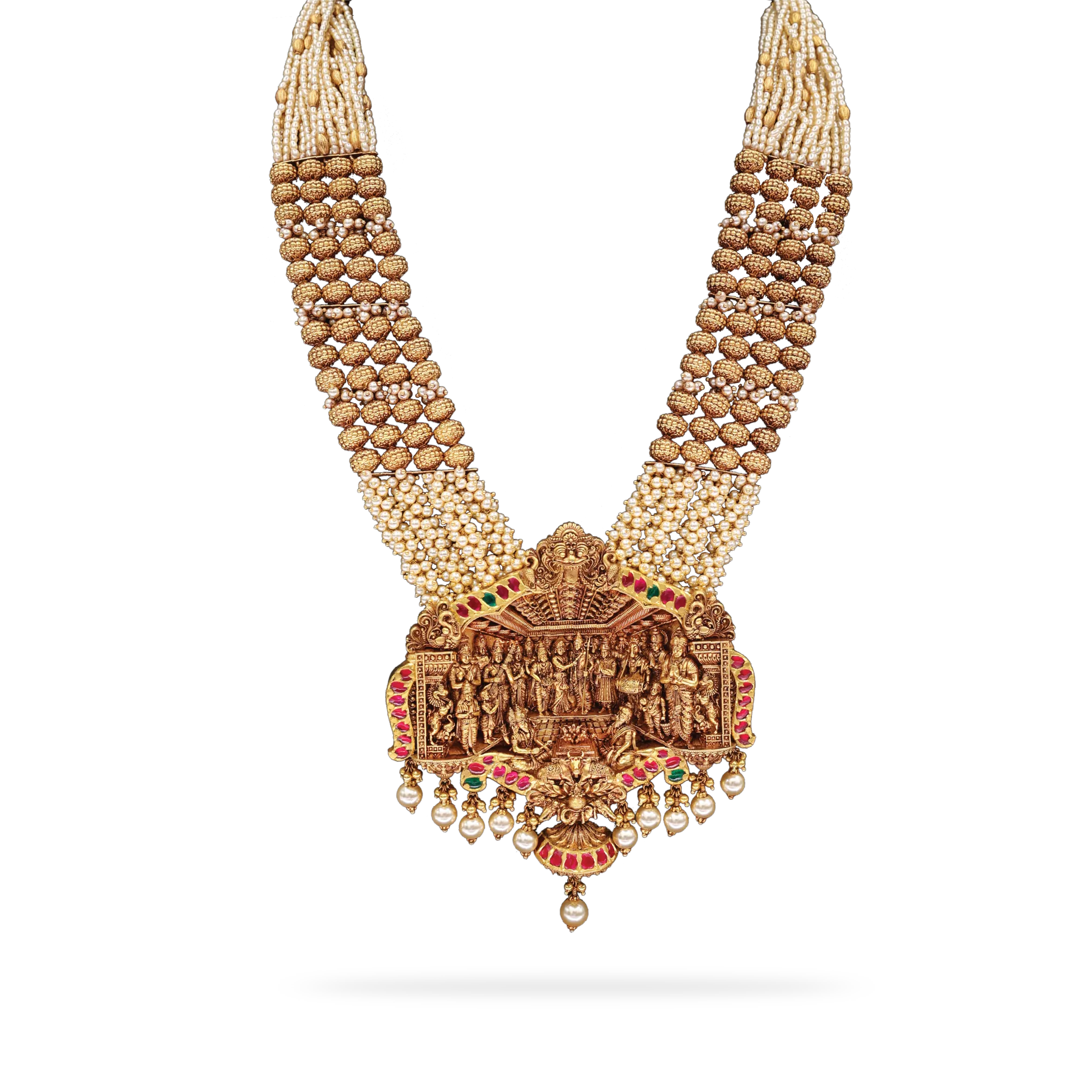
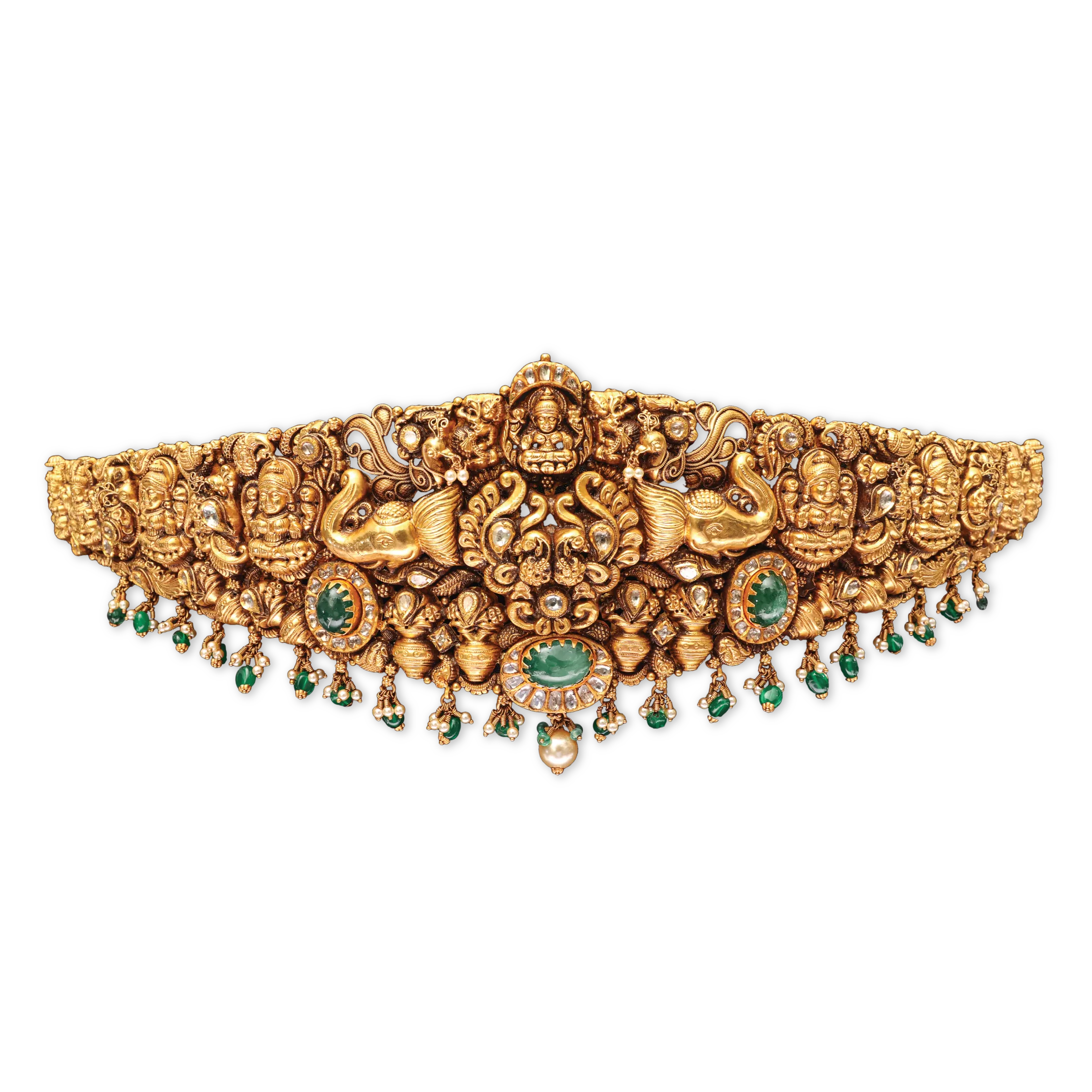
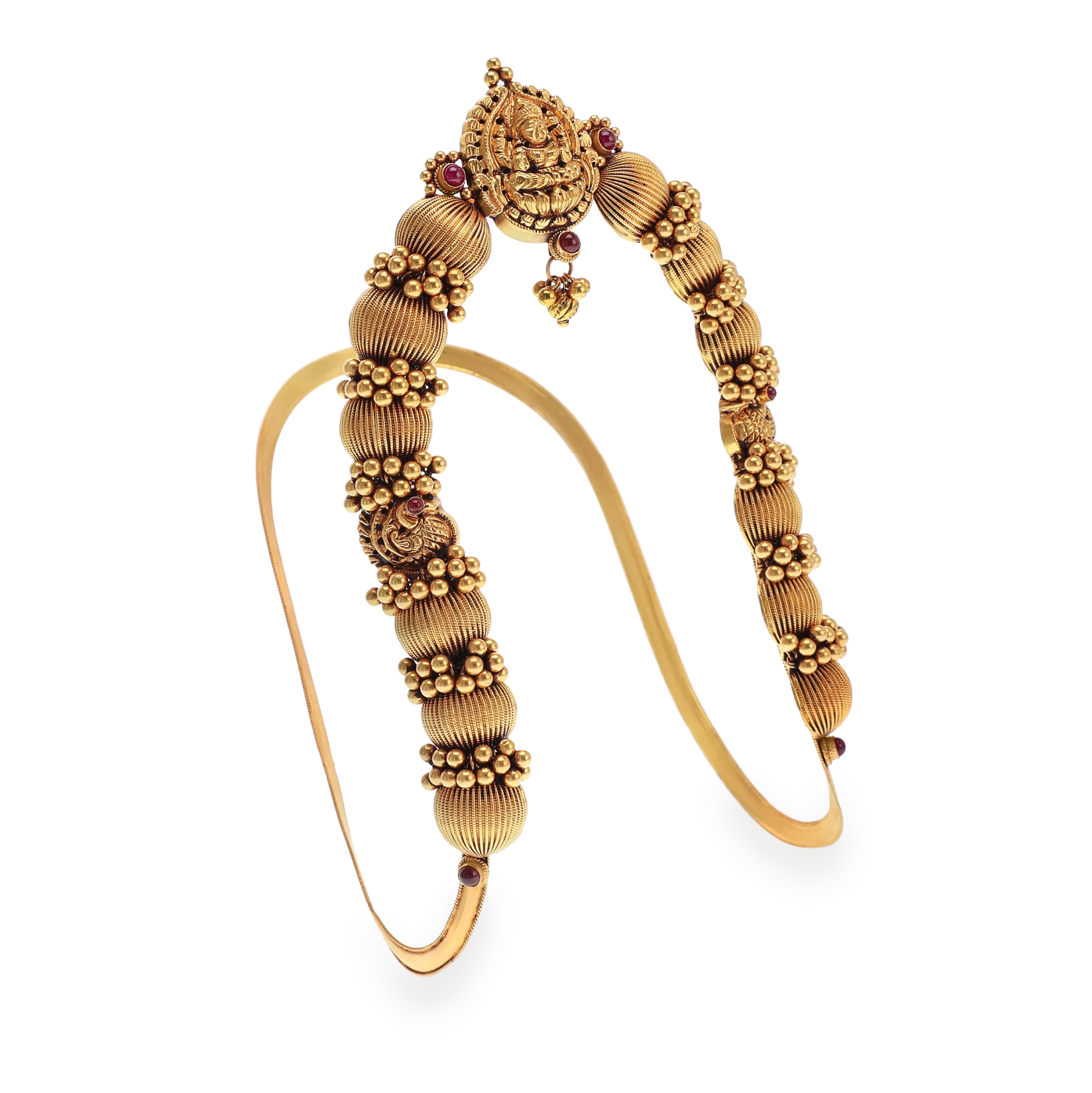
Traditional motifs can feel fresh when their scale, surface treatment, or setting has been thoughtfully adjusted. Temple-inspired forms, antique finishes, and regional details may work beautifully with contemporary clothing, while a clean modern design can sit comfortably beside inherited jewellery. Ask what part of the design reflects a technique or tradition, and what part has been adapted for present-day wear. This gives you a clearer sense of whether the piece will feel enduring rather than merely fashionable.
When a boutique experience is worth the investment
The boutique premium can make sense when you need guidance, a distinctive design, or a piece with long-term emotional value. It is particularly useful for engagement rings, wedding jewellery, milestone gifts, and bespoke work, where fit and proportion deserve more attention. It may be less necessary for a simple purchase you can evaluate quickly and confidently. Either way, judge the experience by the clarity it provides, not by how elaborate the room appears.
Define your jewellery needs before you visit
A little preparation prevents a beautiful appointment from becoming an unfocused one. Start by separating what you need now from what you may buy later, then think about how often each piece will be worn. Consider comfort, clothing, maintenance, and whether the jewellery should coordinate with items already in your collection. If bridal shopping is your priority, a bridal jewellery planning guide can help you organise the process before visiting boutiques.
Choosing pieces for everyday wear and special occasions
Everyday jewellery needs secure settings, wearable proportions, and surfaces that will not catch easily on clothing. Special-occasion pieces can be more dramatic, though weight and balance still affect how long you can wear them comfortably. Try sitting, moving your hands, and turning your head while wearing a piece rather than judging it only in a mirror. For wedding purchases, match the jewellery to the ceremony, outfit neckline, and other adornments instead of treating each item as an isolated statement.
Selecting gold, diamond, gemstone, or bespoke jewellery
Gold offers colour, weight, and a familiar sense of permanence; diamonds bring brilliance and can suit both daily and ceremonial pieces; coloured gemstones introduce a more individual palette. Bespoke jewellery is a different route, since the design conversation, approvals, and production timeline become part of the purchase. Decide whether your first priority is material, symbolism, versatility, or a particular design. That answer will narrow the field without forcing you into a style before you have tried it.
Setting a realistic budget and payment plan
Set a total ceiling before you fall in love with a particular stone or an elaborate setting. Ask for the price to be separated into metal value, stone value, making charges, taxes, and any additional services. If you are considering a payment plan, confirm the schedule, documentation, cancellation terms, and whether the quoted price can change. A budget should leave room for alterations, insurance, or future maintenance rather than consuming every available rupee.
Preparing inspiration images and design preferences
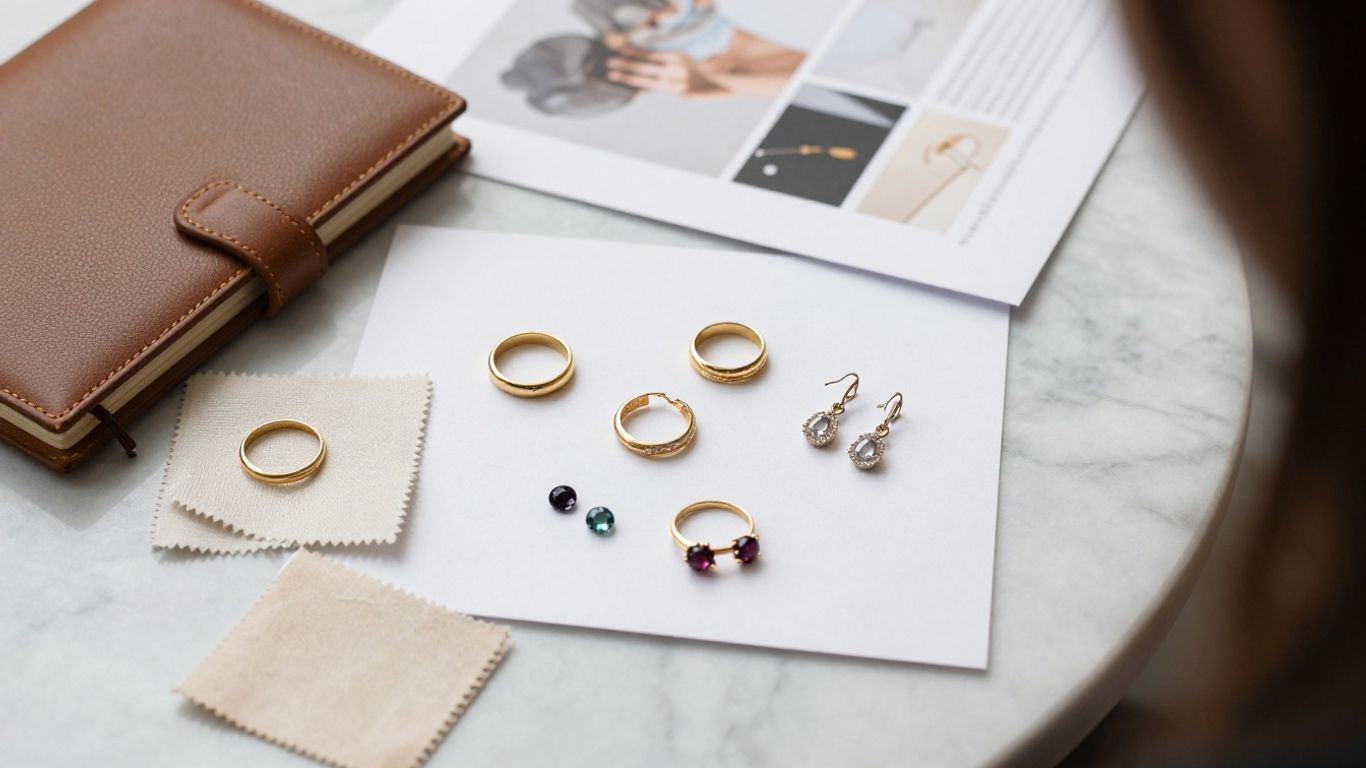
Bring a small, focused set of reference images rather than a large folder of unrelated styles. Note what you like in each image: a neckline, stone shape, texture, colour, scale, or clasp. Also mention what you dislike, since negative preferences can save time. If you are shopping with a partner or family member, agree beforehand on whose comfort and priorities will guide the final decision.
Evaluate quality, authenticity, and craftsmanship
A polished display is not proof of a well-made jewel. Quality becomes easier to assess when you combine what you can see and feel with the documentation behind the piece. Examine the item under good light, ask to handle it, and take your time comparing similar designs. Guides on checking gold purity and diamond jewellery essentials can help you arrive with the right vocabulary, but the boutique should still answer your questions directly.
Checking gold purity and hallmark certification
Ask about the karat of the gold and look for the applicable hallmark or certification details. The invoice should identify the purity clearly and correspond with the markings on the item. Do not rely on colour alone: alloy composition can change the appearance of gold, and plating can affect what you see at first glance. If a hallmark is difficult to locate, ask the staff to show it and explain how it relates to the paperwork.
Understanding diamond and gemstone grading
For diamonds, discuss the 4Cs—cut, colour, clarity, and carat weight—and request the relevant grading report where applicable. For coloured gemstones, ask about species, treatment, origin when documented, and the factors affecting durability and value. A gemstone’s beauty is not captured by one number, so inspect its colour and liveliness in person as well. Be wary of vague descriptions that make a stone sound rare without supporting information.
Reviewing setting quality, finishing, and durability
Run a fingertip gently along accessible edges to identify roughness, snags, or unfinished areas. Check that prongs appear even, stones sit securely, clasps close properly, and articulated sections move without grinding or excessive looseness. Earrings should feel balanced, rings should sit comfortably, and necklaces should not twist unnaturally. These small checks reveal whether the jewellery has been finished for real use rather than only prepared for photography.
Asking about certificates, invoices, and product details
Before paying, ask what documents will accompany the piece and keep them together in a safe place. A complete invoice should make the transaction understandable later, especially if you need a repair, exchange, valuation, or insurance record. Use a simple comparison table when two pieces look similar but differ in materials or service terms.
| Detail to compare | Why it matters | Question to ask |
|---|---|---|
| Gold purity and weight | Clarifies the metal component | What purity and net weight are recorded? |
| Stone description | Identifies quality and treatment | Is the stone natural, treated, or otherwise specified? |
| Certification | Supports authenticity and grading | Which report or certificate is supplied? |
| Service terms | Protects future use | What happens if the setting needs attention? |
Reading the answers alongside the piece helps separate genuine value from attractive presentation. If a boutique cannot provide a clear explanation, pause before making a decision.
Compare boutique collections and design services
Two boutiques may both carry fine jewellery while offering very different design languages and levels of service. One may favour restrained pieces for daily wear , another may specialise in ornate bridal forms, and a third may be strongest in commissioned work. Compare complete collections rather than judging one memorable necklace. The goal is to find a place whose design vocabulary feels compatible with your own.
Exploring signature collections and design aesthetics
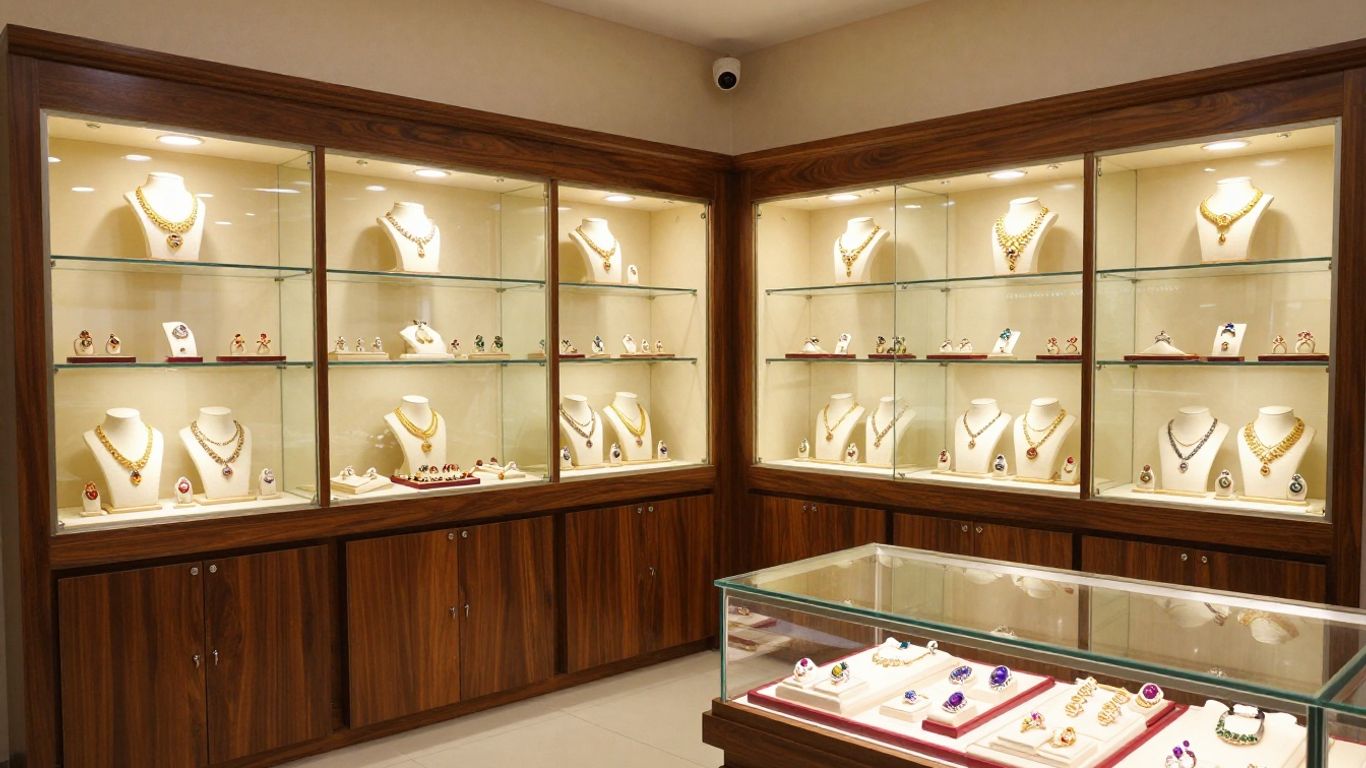
Look for consistency across rings, earrings, necklaces, and bracelets. Repeated choices in proportion, surface texture, stone placement, or colour can reveal a boutique’s point of view. Then ask whether that aesthetic can be adapted to your needs without losing its character. A signature collection should give you inspiration, not make every customer feel obliged to choose the same look.
Assessing custom jewellery and made-to-order options
Custom work requires a clear process. Ask how the initial idea is recorded, whether you will review sketches or renderings, how many revisions are included, and when the final approval occurs. Confirm the expected timeline, deposit structure, changes after approval, and what happens if a requested stone or material is unavailable. Made-to-order work can be rewarding, but the more specific the design, the more useful written expectations become.
Comparing traditional, modern, and fusion designs
Traditional designs often carry recognisable motifs and ceremonial associations, while modern pieces may focus on clean lines, unusual geometry, or lighter construction. Fusion designs can bridge both, but they need balance: too many competing details can make a jewel difficult to style. Try each category with clothing similar to what you actually wear. For broader background, this heritage jewellery guide offers a useful way to think about technique, authenticity, and heirloom appeal.
Looking for coordinated pieces and bridal jewellery
For a bridal wardrobe, consider how the necklace, earrings, bangles, ring, and hair ornaments will share space without becoming visually crowded. Coordination can come from a repeated stone, metal tone, motif, or finish; every piece does not need to be identical. Discuss the sequence of ceremonies and whether some items can be reused for receptions, festivals, or later family occasions. A boutique that listens to the whole wardrobe is more useful than one that shows only its grandest set.
Assess pricing, policies, and long-term value
The lowest quoted price is not automatically the best value, just as a high price does not guarantee superior workmanship. Compare like with like: purity, net metal weight, stone quality, design complexity, making charges, taxes, and service terms. Request a written estimate before approving a special order. Clear commercial details make it easier to enjoy the jewellery without second-guessing the purchase.
Understanding making charges and gemstone costs
Making charges reflect labour and design complexity, but they can vary considerably between pieces with similar metal weight. Ask whether the charge is calculated by weight, percentage, or a fixed amount. Stone costs should also be explained separately, particularly when several gemstones or diamonds are involved. A transparent breakdown lets you decide whether you are paying for material, workmanship, rarity, or a combination of all three.
Comparing buyback, exchange, and upgrade policies
Policies can differ in ways that matter years later. Check whether buyback or exchange applies to the full invoice value, only the metal, or excludes making charges and stones. Ask about deductions, eligible products, required documents, time limits, and whether the policy changes for bespoke jewellery. Never treat the phrase “lifetime value” as self-explanatory; request the exact written terms.
Reviewing warranties, repairs, and maintenance services
Find out what the warranty covers and for how long. Ask about resizing, restringing, polishing, stone tightening, cleaning, and damage caused by ordinary wear. If you live outside Bangalore or expect to travel, clarify how repairs are submitted and how long they usually take. Basic care also matters: a guide to maintaining bridal jewellery can help you protect delicate pieces once they leave the boutique.
Identifying transparent pricing and ethical sourcing
Ask where the metal and stones come from when sourcing information is available, and distinguish a documented answer from a broad assurance. Ethical purchasing is easier when the boutique explains its materials, invoices, certifications, and responsibilities without defensiveness. You should also understand the return and cancellation rules before leaving a deposit. A calm, complete explanation is a strong sign that the relationship will remain straightforward after the sale.
Choose a boutique location and shopping experience in Bangalore
Bangalore is spread out, so convenience can shape the quality of your shopping experience more than expected. A boutique that is easy to reach may make it simpler to return for fittings, approvals, or maintenance. At the same time, a central location is not a substitute for expertise and clear policies. Think about the complete journey from first appointment to eventual after-sales care.
Considering access, appointments, and private consultations
Ask whether appointments are recommended for bridal consultations, bespoke work, or viewing higher-value pieces. Find out how much time is reserved, whether you can bring reference materials, and if private viewing is available when several family members are involved. Consider parking, travel time, and the number of follow-up visits required. A relaxed appointment gives you more opportunity to compare pieces thoughtfully.
Exploring jewellery destinations across Bangalore
Different parts of the city offer different rhythms of shopping, from established commercial areas to quieter appointment-led boutiques. Rather than trying to cover the entire city in one day, group visits by location and shortlist only a few strong options. A Bangalore bridal jewellery guide can help you think through store formats, design variety, customisation, and authenticity checks before you plan your route.
Evaluating staff expertise and customer service
Notice whether the staff explain differences in plain language or rely on pressure and vague superlatives. They should be able to discuss purity, stone documentation, settings, pricing, and care without making you feel inexperienced. Good service also includes listening when you reject a style and remembering practical preferences such as weight or sensitivity. The best conversation leaves you better informed, even if you do not buy that day.
Making the final choice with confidence
Before committing, revisit your original needs and compare the shortlisted pieces on paper. Check the invoice, documents, delivery date, alteration terms, and after-sales policy one last time. Trust your response to the jewellery, but give equal weight to the boutique’s clarity and conduct. When the design suits your life and the transaction makes sense, choosing a fine jewellery boutique bangalore becomes a considered decision rather than an impulsive one.
Conclusion
The right boutique combines distinctive design with dependable materials, honest documentation, and patient service. Visit with a clear idea of your needs, inspect the workmanship carefully, compare the complete cost, and choose a team you can comfortably return to. That approach gives the jewellery a better chance of becoming part of your life—not simply a beautiful purchase on one memorable day.
Frequently Asked Questions
What should I look for in a fine jewellery boutique in Bangalore?
Look for strong craftsmanship, clear purity and gemstone documentation, transparent pricing, useful after-sales policies, and staff who answer questions without pressure. The collection should also suit your taste and intended use.
How early should I visit boutiques for bridal jewellery?
Start several months before the wedding if possible, especially when you need bespoke pieces, multiple coordinated sets, or alterations. Earlier visits leave time for comparisons, approvals, production, and unexpected adjustments.
How can I compare two jewellery pieces fairly?
Compare purity, net metal weight, stone characteristics, certification, making charges, workmanship, warranty, and exchange terms. Looking at the total package is more useful than comparing only the headline price.
Is bespoke jewellery always more expensive?
Not always. The price depends on the materials, complexity, stones, labour, and number of design revisions. Ask for a written estimate and confirm what is included before authorising production.
What documents should I receive with a jewellery purchase?
You should receive a complete invoice and any applicable hallmark, diamond report, gemstone certificate, warranty, or care information. Ask the boutique to explain each document and keep the originals securely.
How do I judge whether a setting is durable?
Check that stones are secure, prongs are even, clasps close properly, and edges feel smooth. Ask how the design should be worn, what maintenance it needs, and what the warranty covers if a setting loosens.
Should I book an appointment before visiting?
An appointment is helpful for bridal, bespoke, or higher-value purchases because it gives the staff time to prepare relevant pieces and offer a quieter consultation. For a simple purchase, a walk-in may be sufficient, but calling ahead can still save time.
Heritage jewellery stores Bangalore: How to choose timeless craftsmanship and value
10 minute read
Related blogs:
November 20, 2025
The Timeless Elegance of the Tennis Bracelet: A Comprehensive Guide
Read More
November 20, 2025
The Ultimate Guide to Styling and Wearing a Choker Necklace
Read More
November 20, 2025
Find Your Perfect Engagement Ring: A Comprehensive Guide to Styles and Diamonds
Read More
November 20, 2025
The Timeless Elegance of a Diamond Tennis Bracelet: A Buyer's Guide
Read More









.webp)

.webp)