Heritage jewellery stores Bangalore: How to choose timeless craftsmanship and value
August 26, 2026 | 10 minutes read
Key Takeaways
Heritage jewellery is as much about dependable workmanship and transparent documentation as it is about age or ornate design.
- Look for a traceable reputation, consistent finishing, and clear information about materials.
- Check gold hallmarks, diamond reports, gemstone disclosures, and the invoice before paying.
- Compare traditional temple, antique-inspired, polki, kundan, and contemporary heritage styles.
- Review making charges, customisation, buyback terms, repairs, and maintenance support.
- Choose pieces according to your occasion, budget, comfort, and plans for long-term wear.
What makes a jewellery store a heritage jeweller
A heritage jeweller is not defined only by a long-established storefront or a traditional-looking collection. The stronger test is whether the business has a credible history, preserves skilled techniques, and gives customers enough information to judge quality. For anyone researching heritage jewellery stores bangalore, reputation should be considered alongside design and price. A beautiful piece feels far more meaningful when its materials and workmanship can be explained clearly.
The history, legacy, and reputation behind the store
Begin with the store's history, but do not stop at the founding date. Ask how long it has served customers, whether its reputation is consistent across generations, and whether it can explain the origin and construction of the pieces it sells. A useful comparison is the heritage jewellery guide, which frames authenticity around lineage, craftsmanship, hallmarks, and certification rather than appearance alone.
A long history can offer reassurance, but it is not a substitute for present-day transparency. Look for a showroom that welcomes questions, records product details accurately, and treats after-sales care as part of the purchase rather than an afterthought. Those habits are often more revealing than an elaborate display.
Traditional craftsmanship and regional design influences
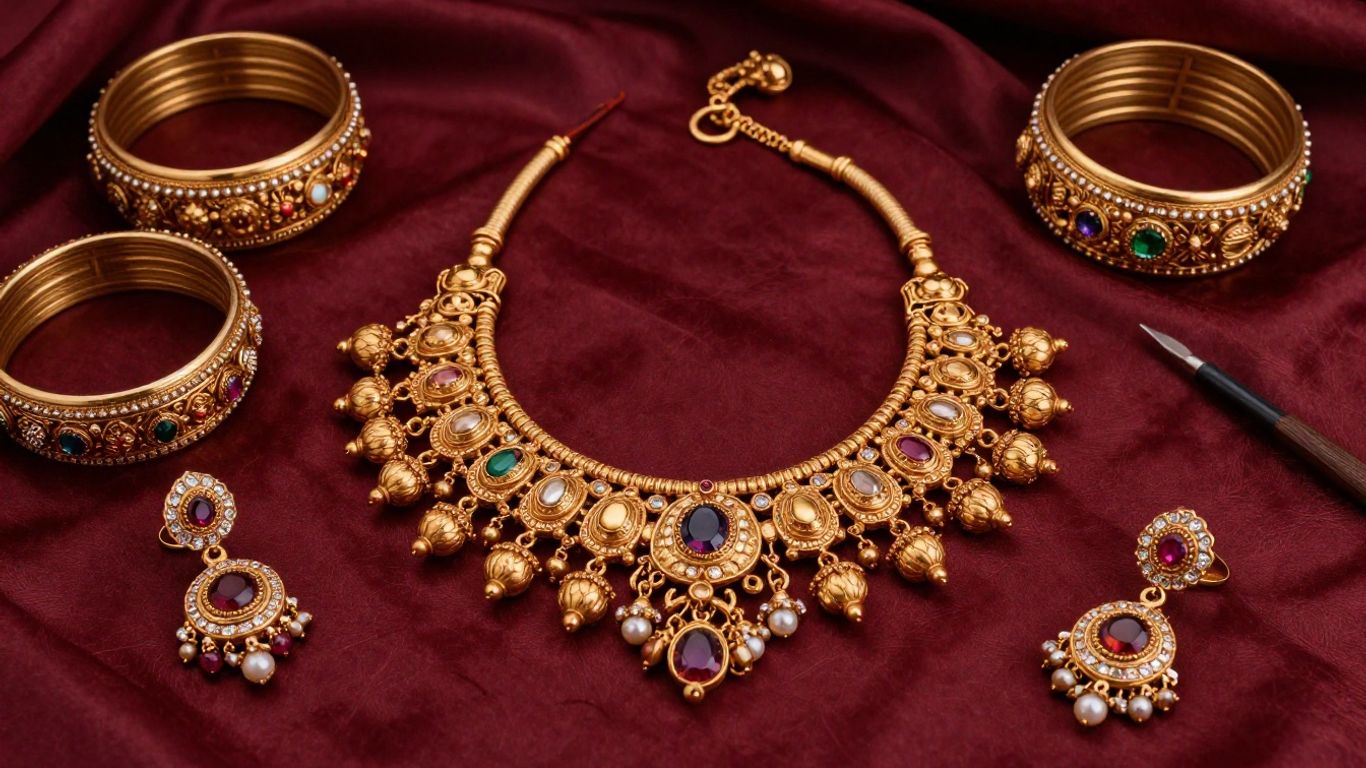
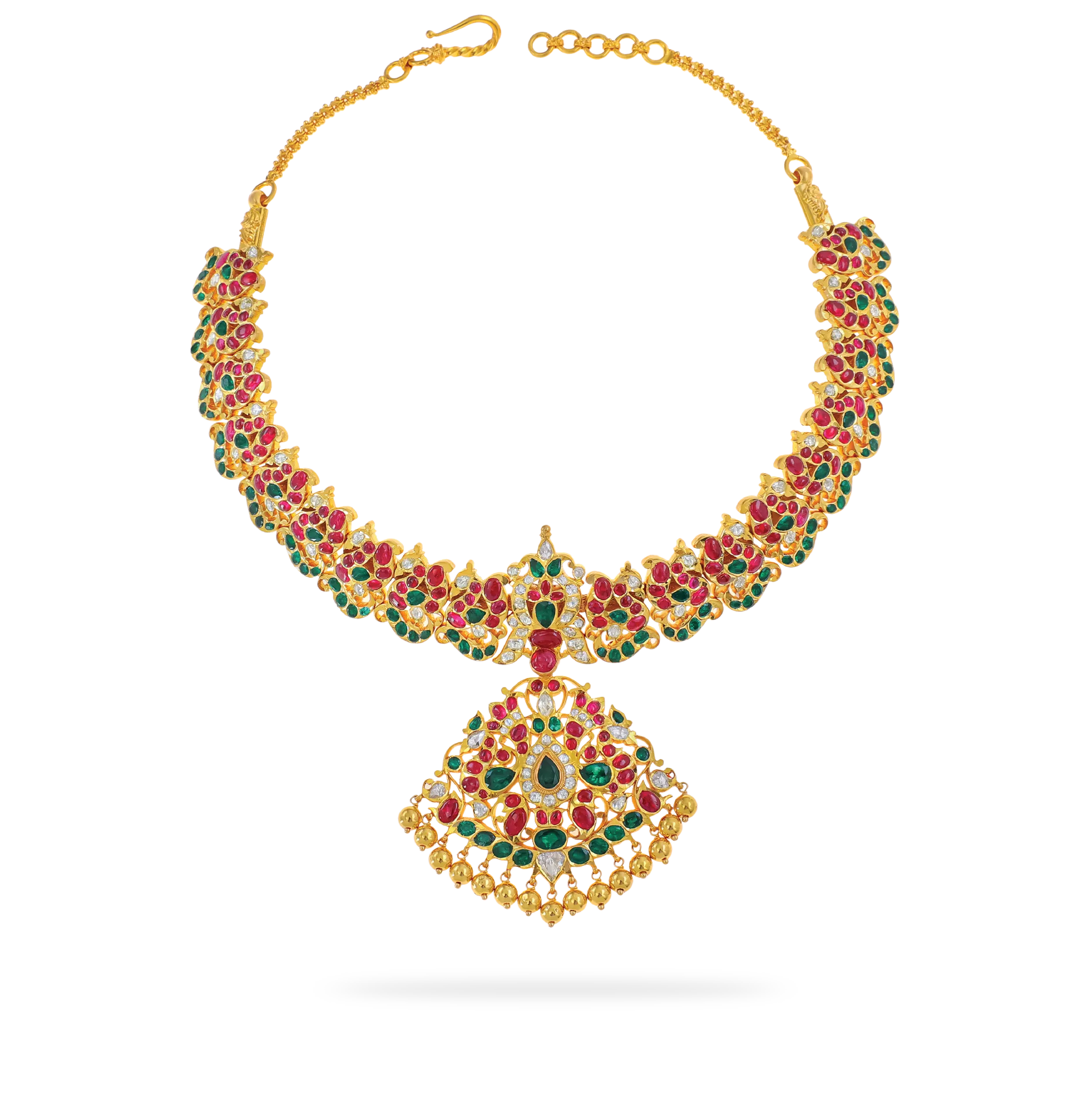
Traditional jewellery in Bangalore draws on South Indian visual language, including temple motifs, sculptural forms, layered necklaces, and detailed gold work. Other pieces may reflect Kundan, Jadau, Polki, or enamel traditions from different parts of India. The value of regional influence lies in the skill and intention behind the design, not simply in adding a familiar motif to a mass-produced form.
Ask whether the store can describe the technique, the setting method, and the practical care the piece needs. Hand-finished surfaces, secure settings, balanced proportions, and carefully joined components should feel deliberate. Design history is most useful when it helps you understand how a piece was made and how it will behave in regular wear.
Hallmarks of consistent quality and authenticity
Authenticity has several layers. The metal should be identified accurately, stones should be described honestly, and the finished piece should match its invoice and certification. Inspect the back, clasp, prongs, edges, and hinges as carefully as the front; small construction details often reveal whether the item was made for lasting use.
Clear documentation matters because visual impressions can be misleading. A well-finished piece should have even surfaces, firm stone settings, smooth contact points, and no obvious excess solder or rough edges. Compare these details across several pieces instead of judging one item in isolation.
How heritage expertise differs from mass-market jewellery
Mass-market jewellery can be attractive and convenient, but it is often designed around repeatable production and broad appeal. Heritage-led work tends to place greater attention on proportion, cultural references, finishing, and the possibility that a piece may be worn for years or passed through a family. The difference is not that one category is automatically better; it is that the buying questions are different.
A heritage store should be able to explain why a design uses a particular motif or construction, while also being candid about weight, treatments, and limitations. That conversation helps separate a genuinely considered piece from one that merely imitates an antique appearance.
How to evaluate gold, diamond, and gemstone quality
Jewellery quality cannot be judged reliably from sparkle, colour, or showroom lighting alone. Metal purity, stone characteristics, setting security, and documentation all contribute to the value and usefulness of a piece. Take your time, request written details, and compare like with like. A practical gold buying guide can help organise questions about purity, price, and quality before you visit a showroom.
Checking gold purity, hallmarking, and certification
Ask for the karat or fineness, the applicable hallmark information, and the net gold weight. The invoice should distinguish the metal from stones and other components where relevant. If the piece is old or being exchanged, ask how its purity will be assessed and whether deductions apply.
The gold purity guide from CKC & Co covers hallmarks, karats, origin, and value, making it a useful reference for the terminology you may encounter. Keep the final invoice and any supporting documents together; they are valuable for future insurance, resale, repair, or family records.
Understanding diamond grading and documentation
For diamonds, ask to see a grading report where one is provided and confirm that its details match the stone and the invoice. Cut, colour, clarity, and carat weight should be discussed together, since a larger stone is not automatically the most brilliant or suitable choice. Also ask whether the diamond is natural or lab-grown when that distinction affects your decision.
A report is useful, but it does not replace examining the setting and overall workmanship. Check that the stone sits securely, that prongs are even, and that the ring or pendant feels comfortable in the hand. For more background, this diamond quality checklist brings together the 4Cs, certification, and craftsmanship checks.
Assessing coloured gemstones and treatment disclosures
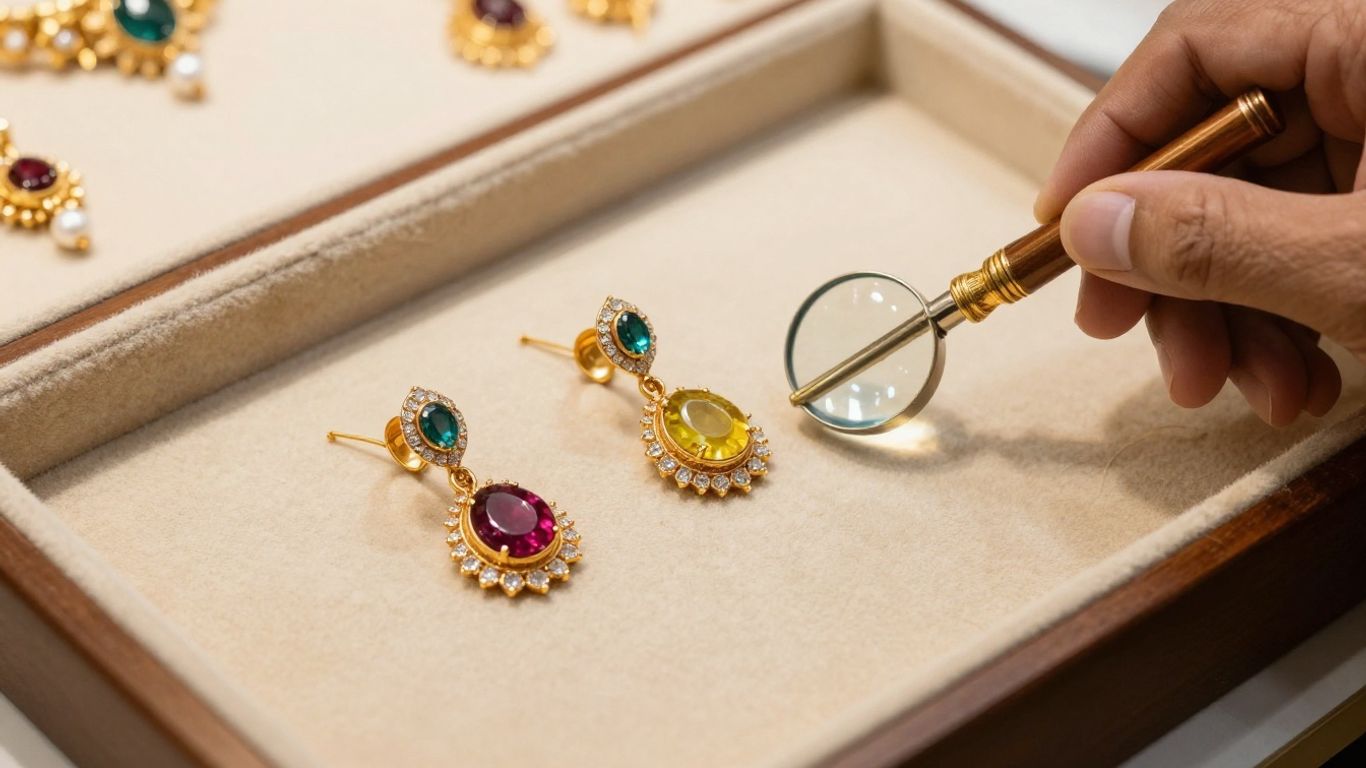
Coloured gemstones vary naturally in colour, clarity, durability, and availability. Ask for the stone name, whether it has been treated, and what care restrictions follow from that treatment. A reputable seller should not make a vague gemstone description sound more precise than it is.
View the stone under neutral light if possible, and inspect it for chips, abrasions, loose settings, or distracting inclusions. Treatments are not automatically a flaw, but they should be disclosed because they affect maintenance and how you compare prices.
Comparing craftsmanship, finishing, and durability
Once the materials are documented, compare how each piece has been made. Look at symmetry, polish, soldered joints, clasps, backs, and the way stones are held. A delicate design can still be durable when its weight is distributed sensibly and its moving parts are well constructed.
The following quick comparison keeps the conversation grounded in observable details rather than showroom atmosphere.
| Area to inspect | What to look for | Why it matters |
|---|---|---|
| Metalwork | Even surfaces, clean edges, secure joints | Indicates careful finishing and comfort |
| Stone setting | Firm prongs, balanced placement, no movement | Reduces the risk of loss or damage |
| Closures | Smooth operation and a secure catch | Supports safer repeated wear |
| Documentation | Matching descriptions, weights, and reports | Makes the purchase easier to verify |
After inspecting the piece, wear or handle it if the store permits. A necklace should sit comfortably, earrings should feel balanced, and a ring should not catch on ordinary fabric. Practical comfort is part of quality, especially for jewellery intended to become an heirloom.
Jewellery styles to explore in Bangalore
Bangalore offers a broad mix of South Indian tradition and pan-Indian bridal design. You may find substantial gold pieces beside lighter versions intended for contemporary wardrobes. Rather than choosing a style because it is fashionable, consider the ceremonies, clothing, complexion, comfort, and occasions that will shape its use. A thoughtful collection usually includes both statement pieces and simpler forms.
Temple jewellery and South Indian design traditions
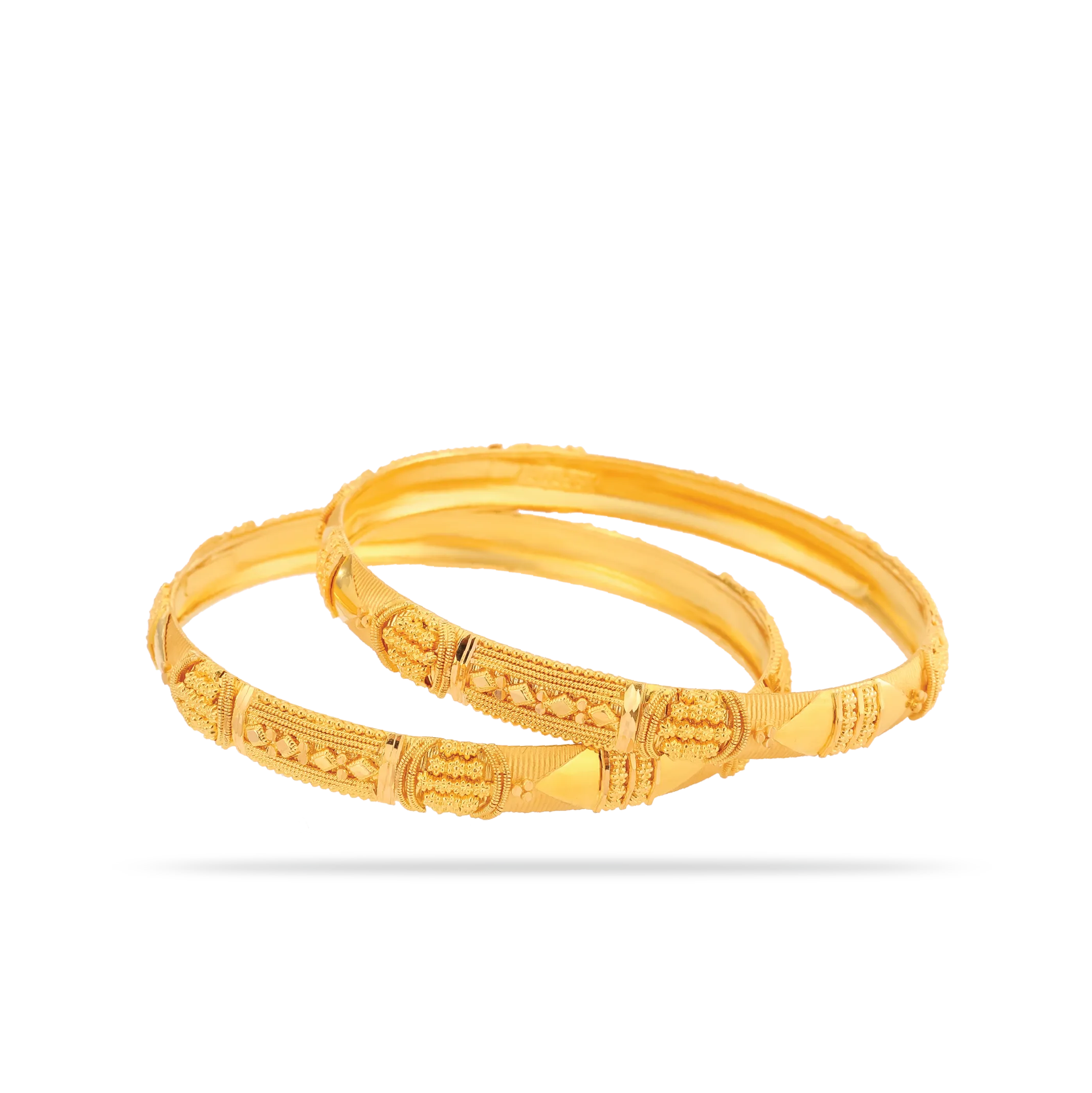
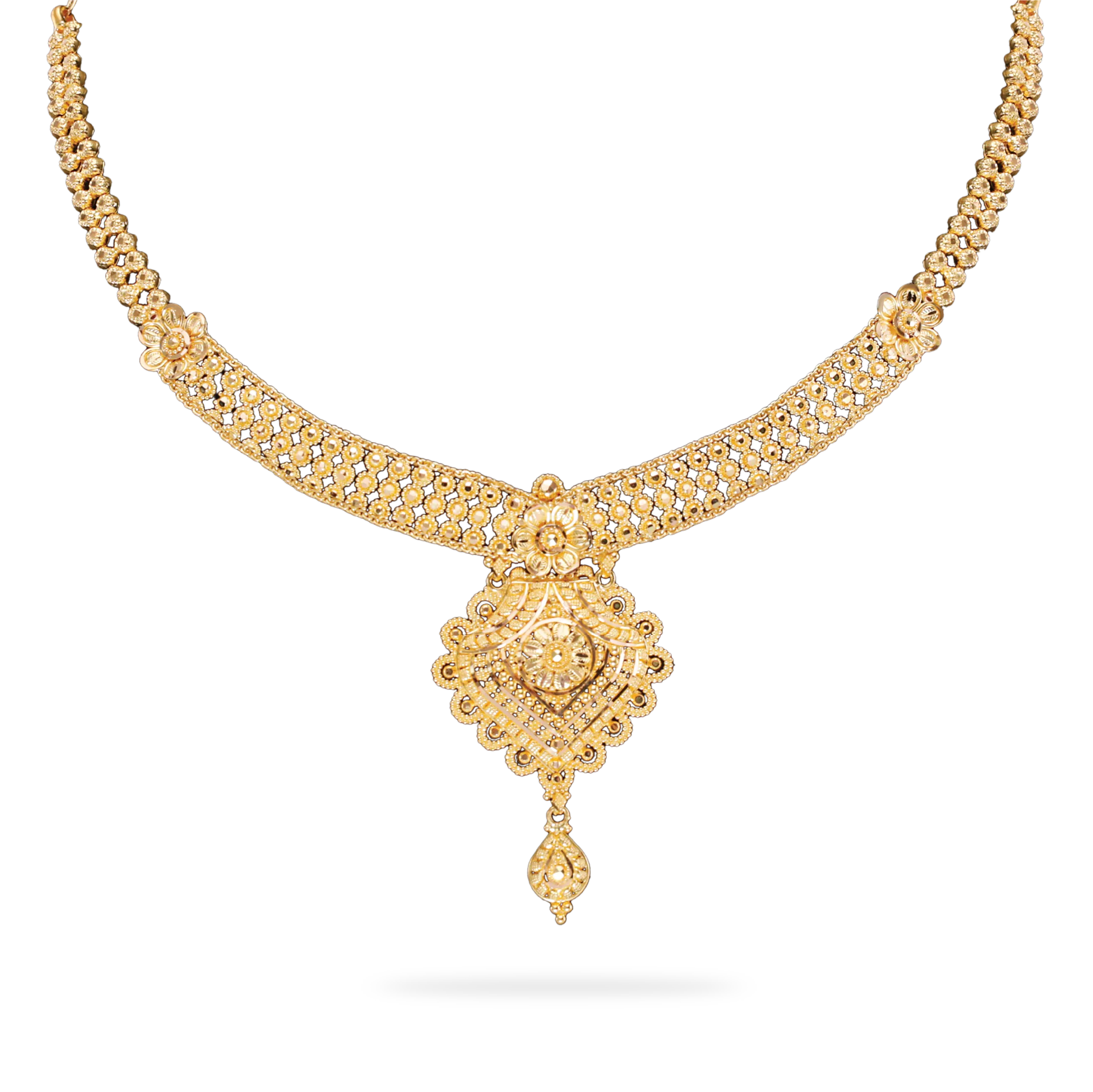
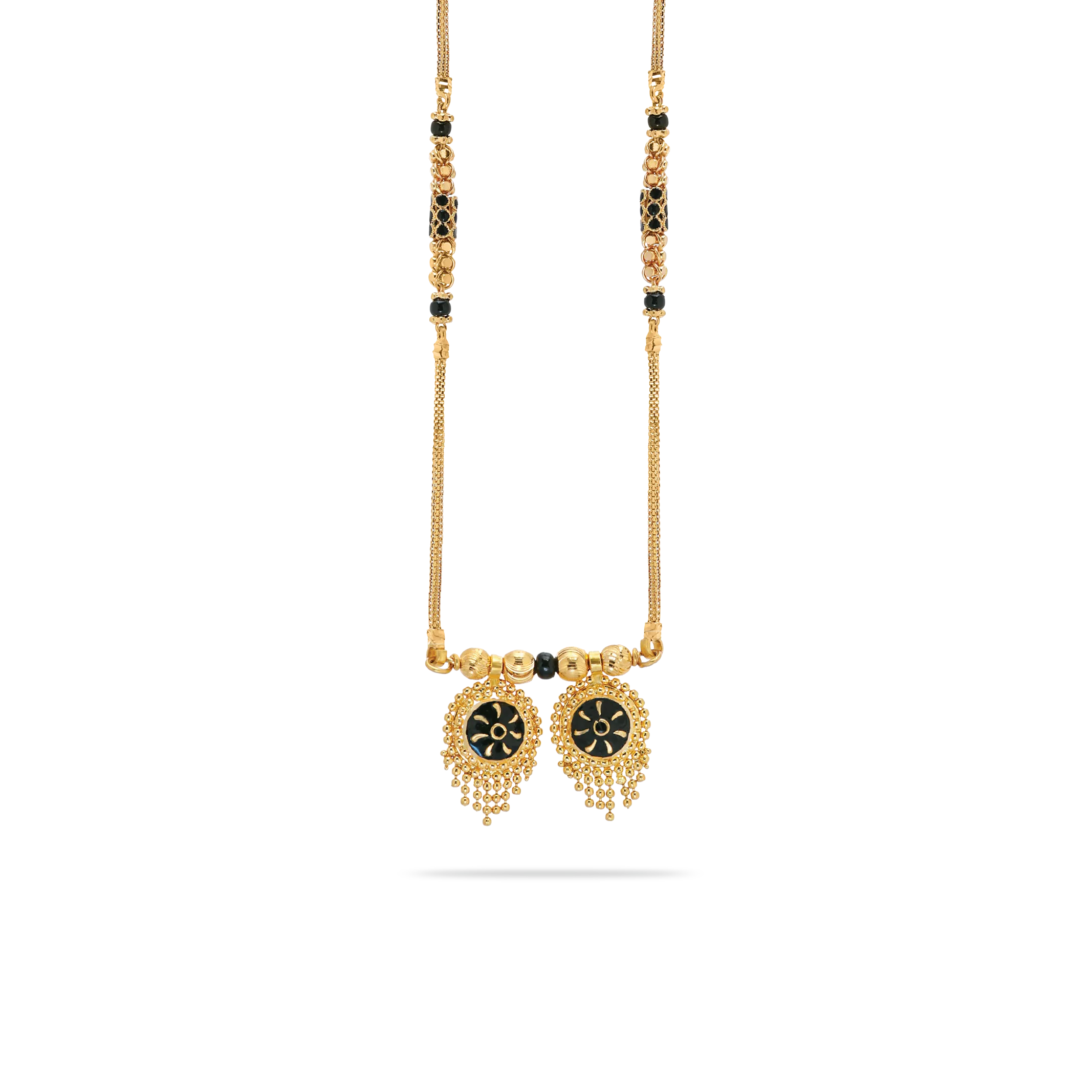
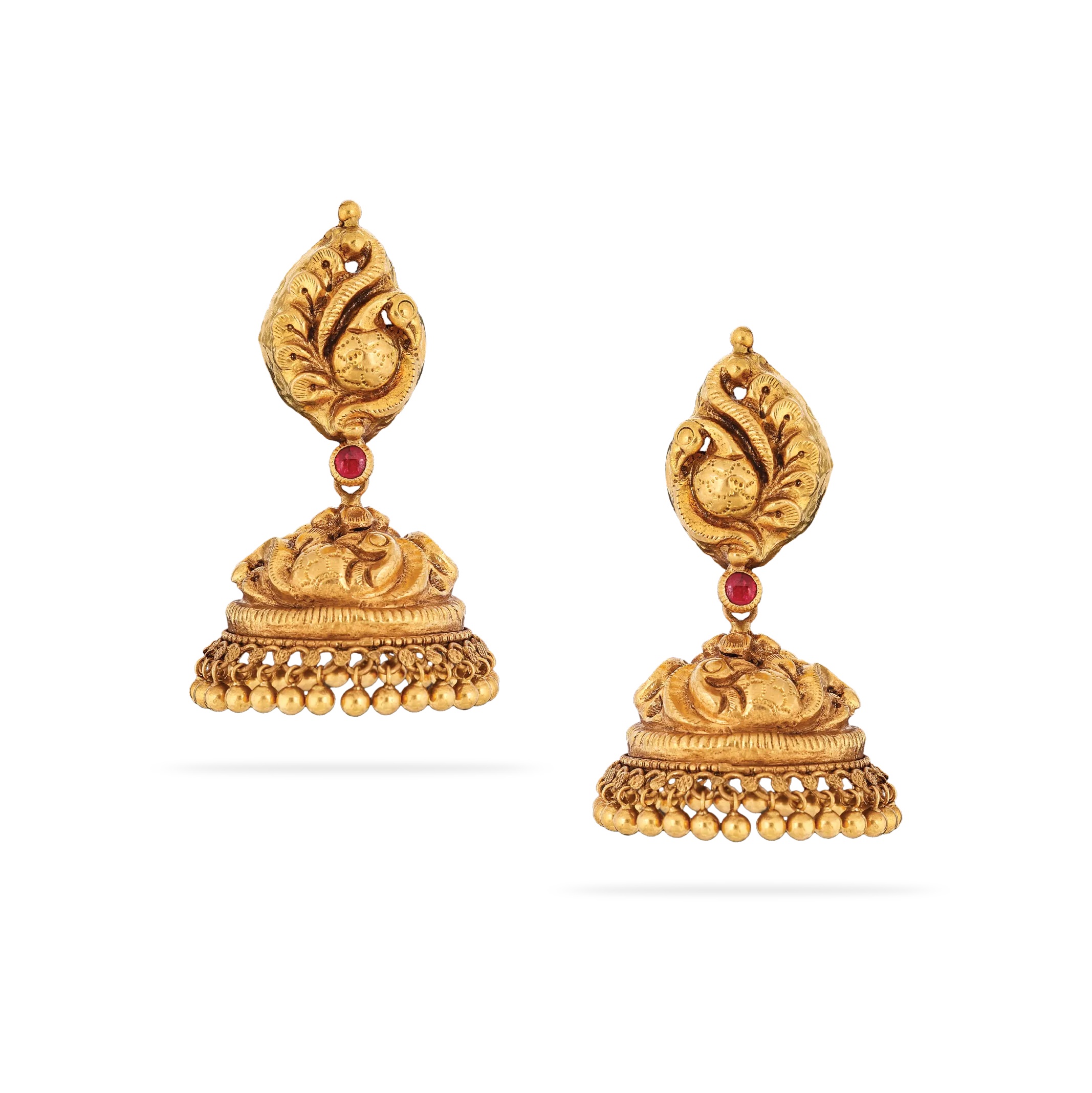
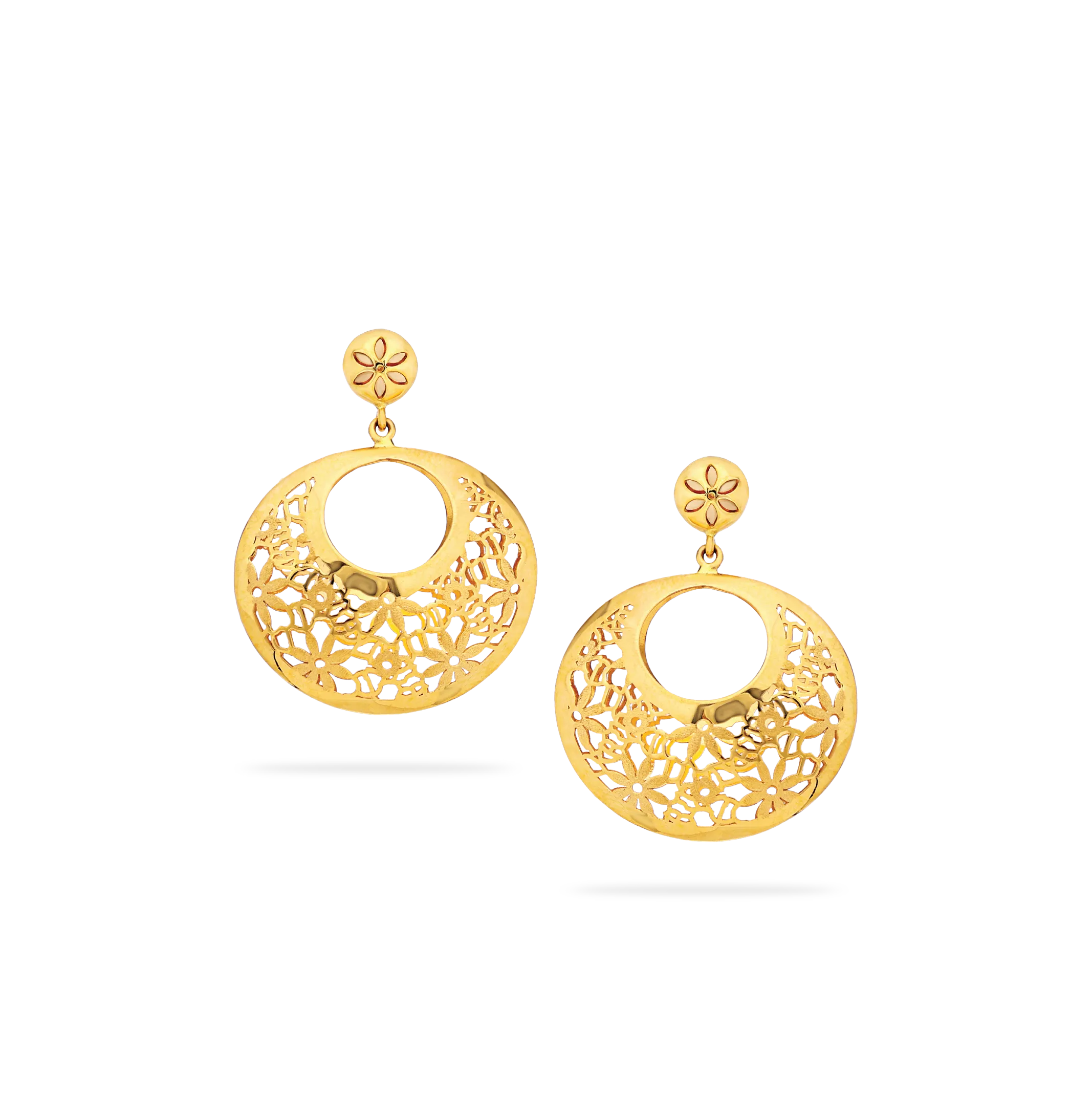
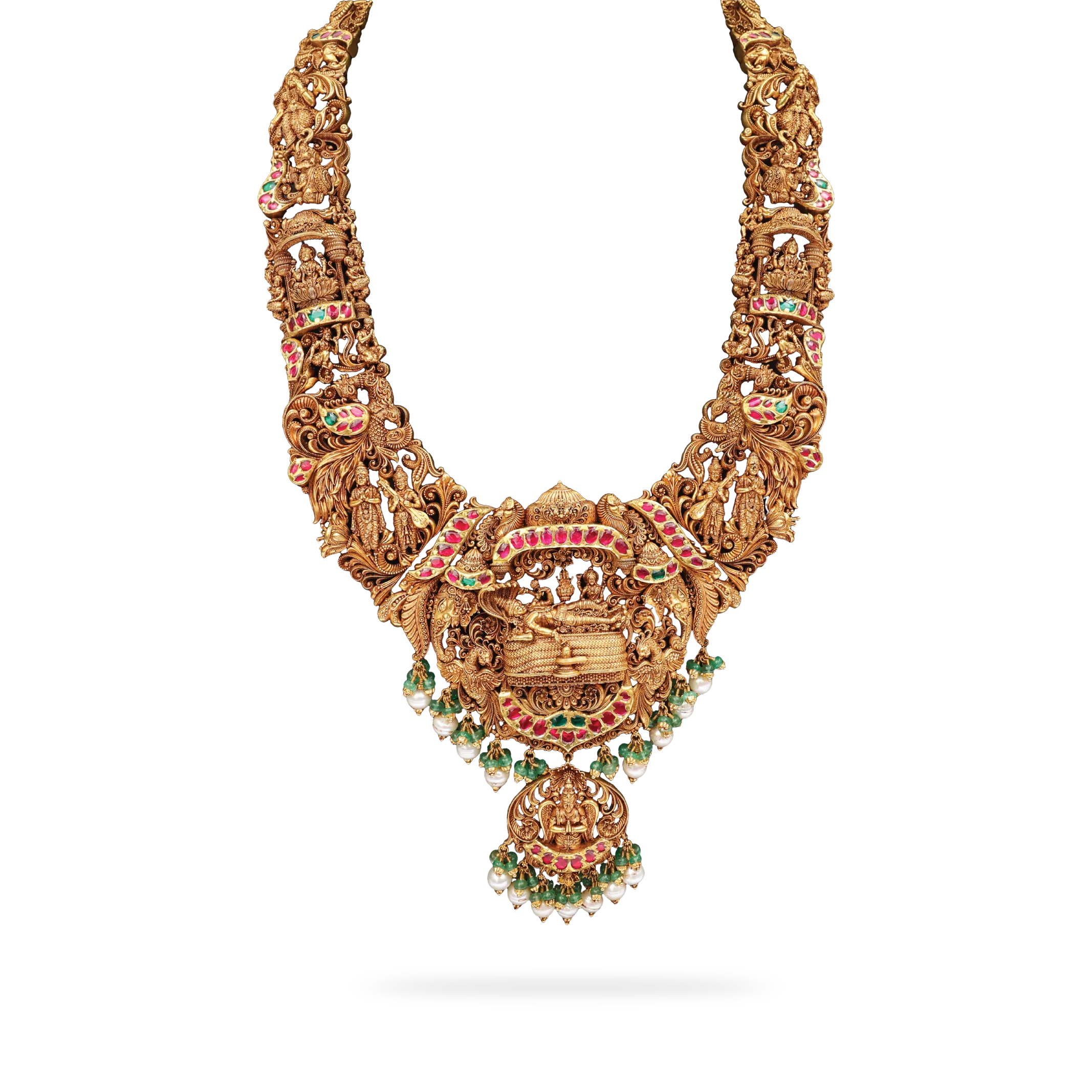
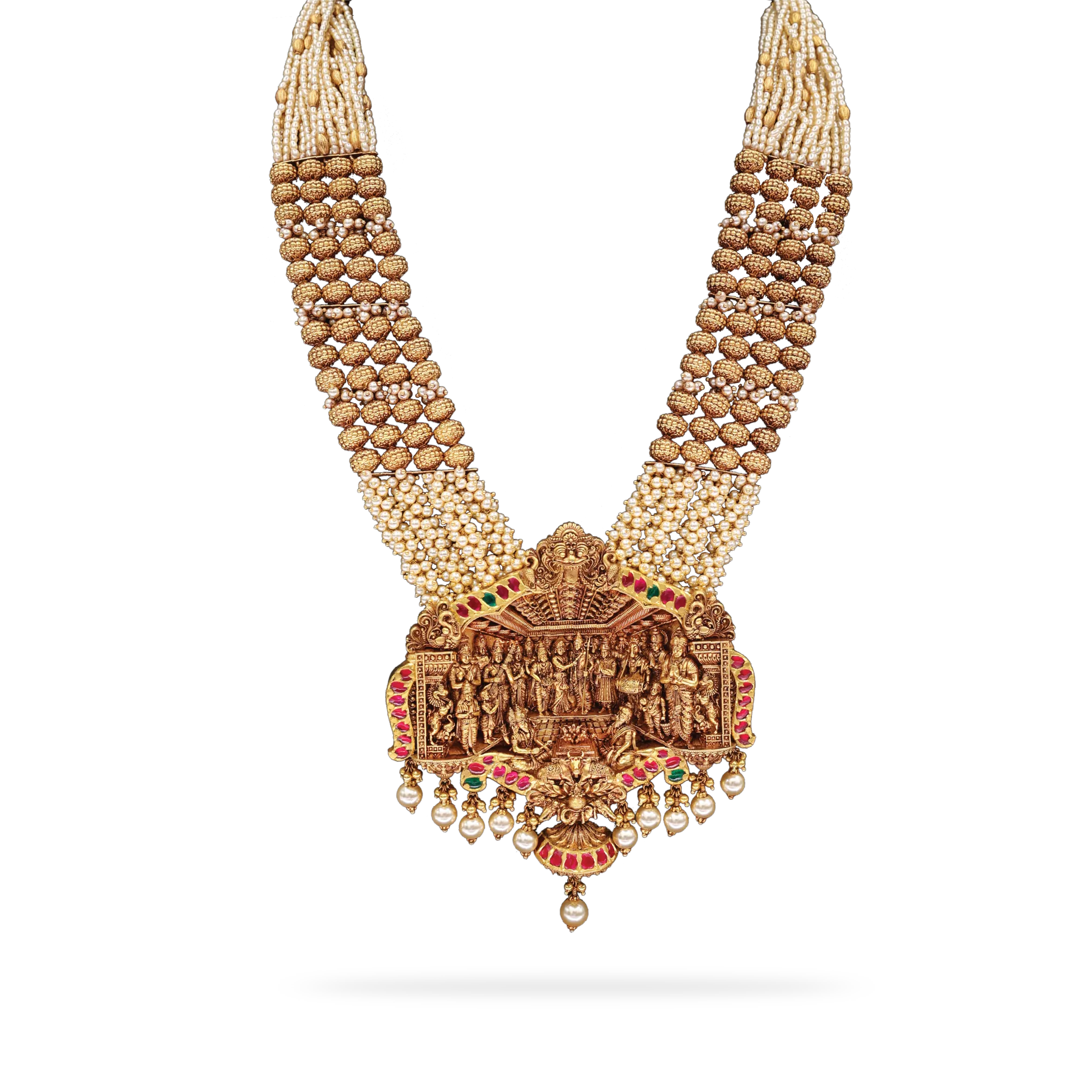
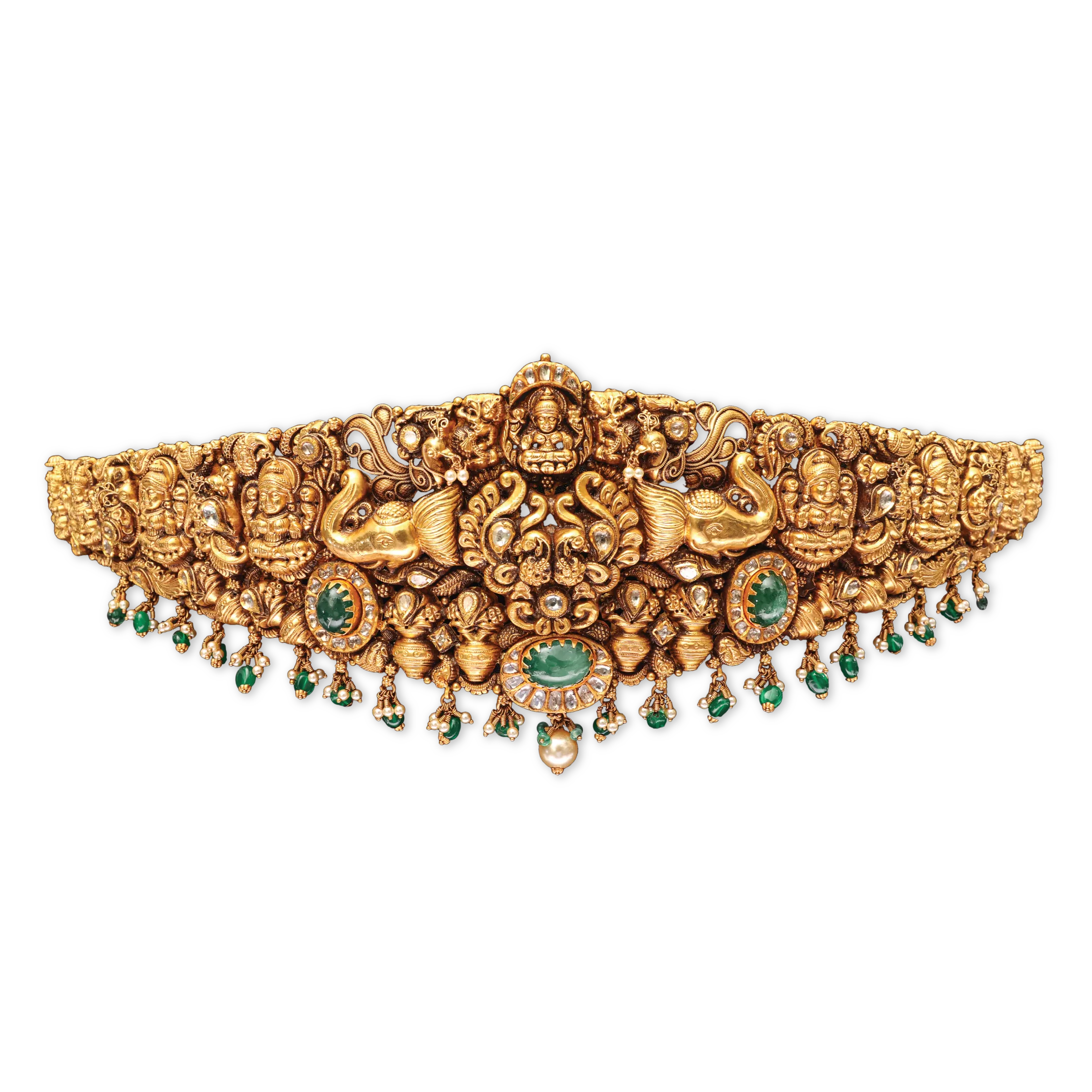
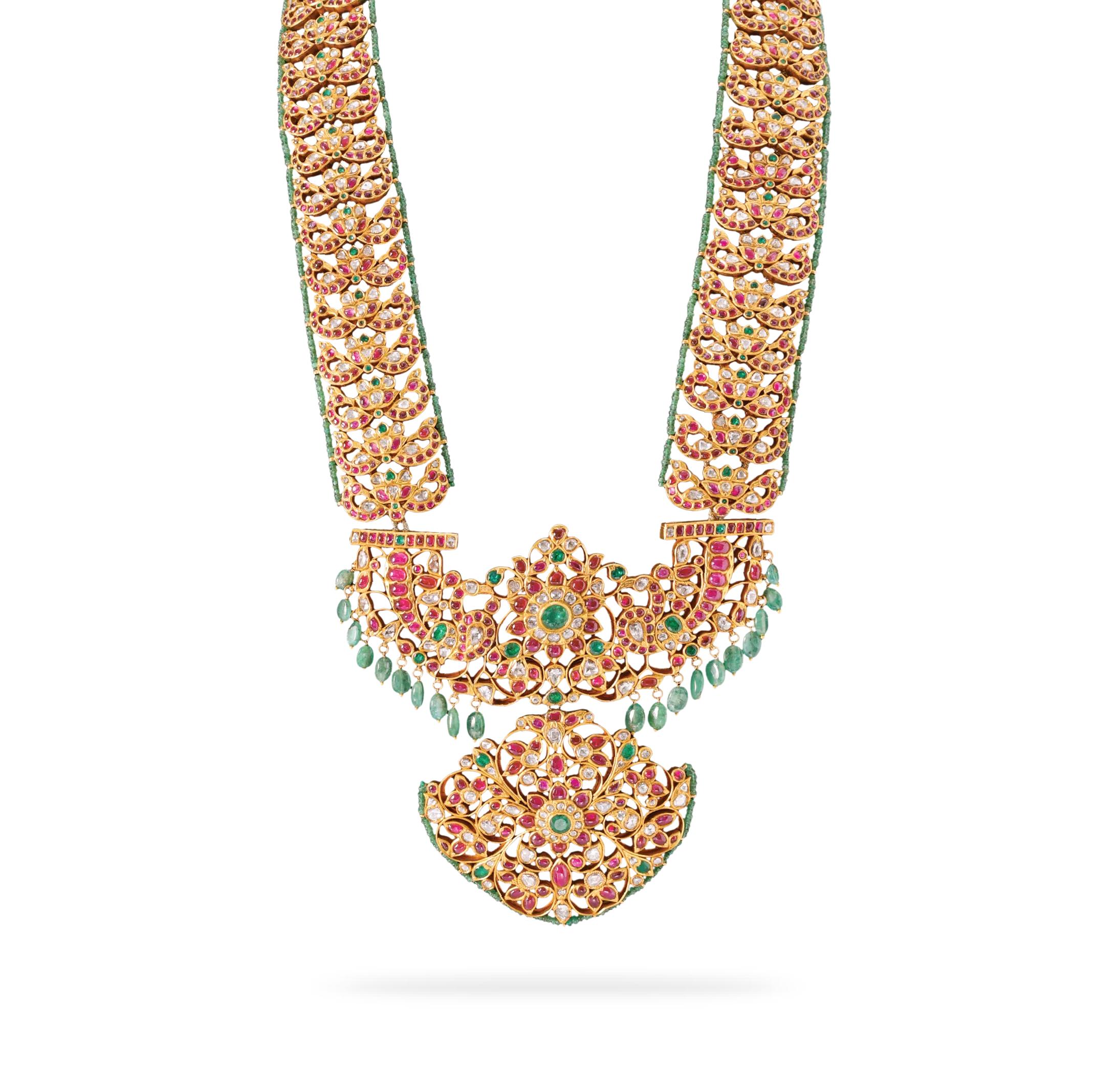
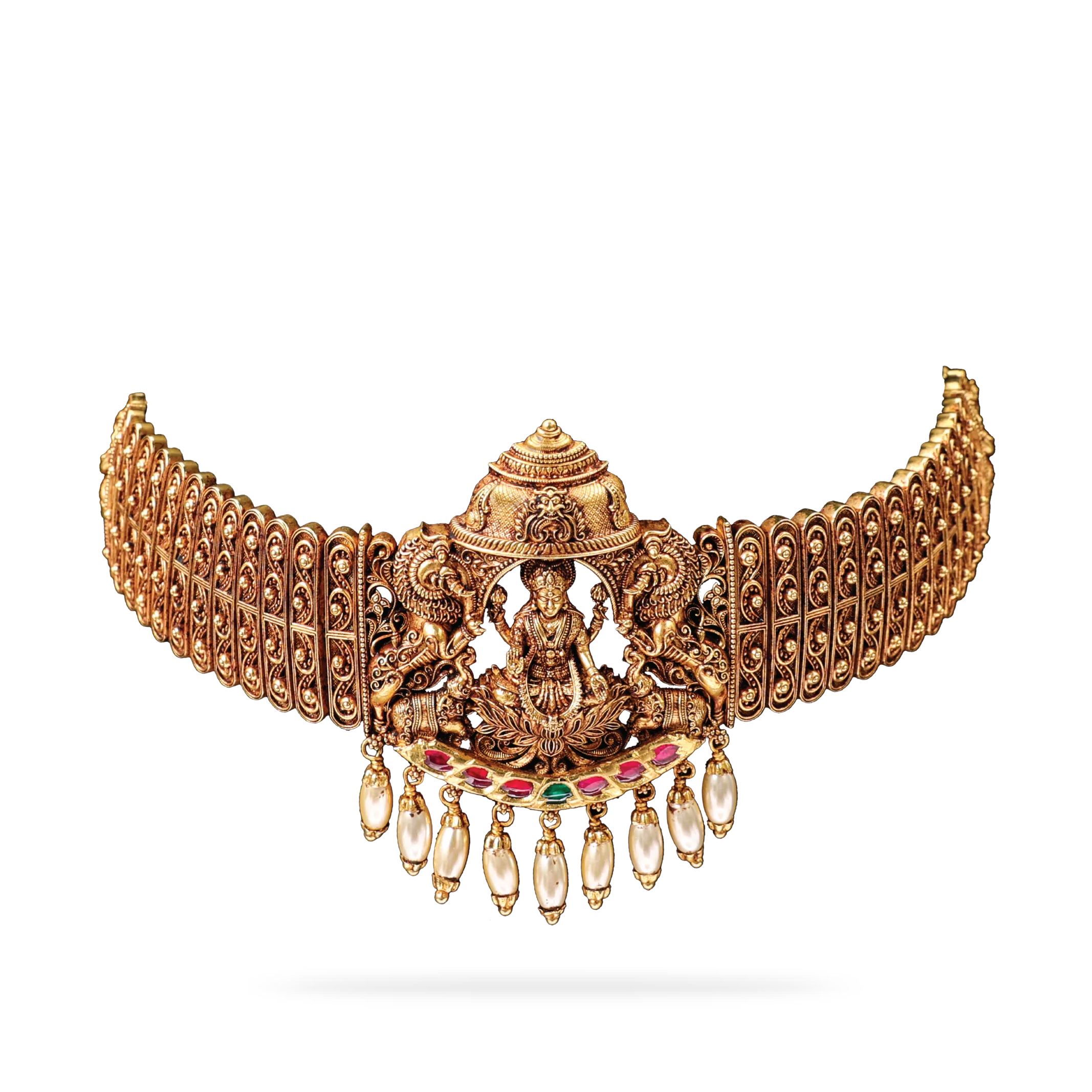
Temple jewellery often uses motifs associated with deities, flowers, leaves, coins, and other symbolic forms. It pairs naturally with silk sarees and wedding ceremonies, but smaller pendants, earrings, and bangles can also work with simpler festive outfits. Examine the relief and detailing closely: strong design depends on proportion and crisp finishing, not just a heavy gold appearance.
Ask how much of the look comes from the metal, enamel, stones, or surface treatment. This helps you compare pieces fairly and decide whether the design will remain versatile after the wedding season.
Antique-inspired gold and bridal collections
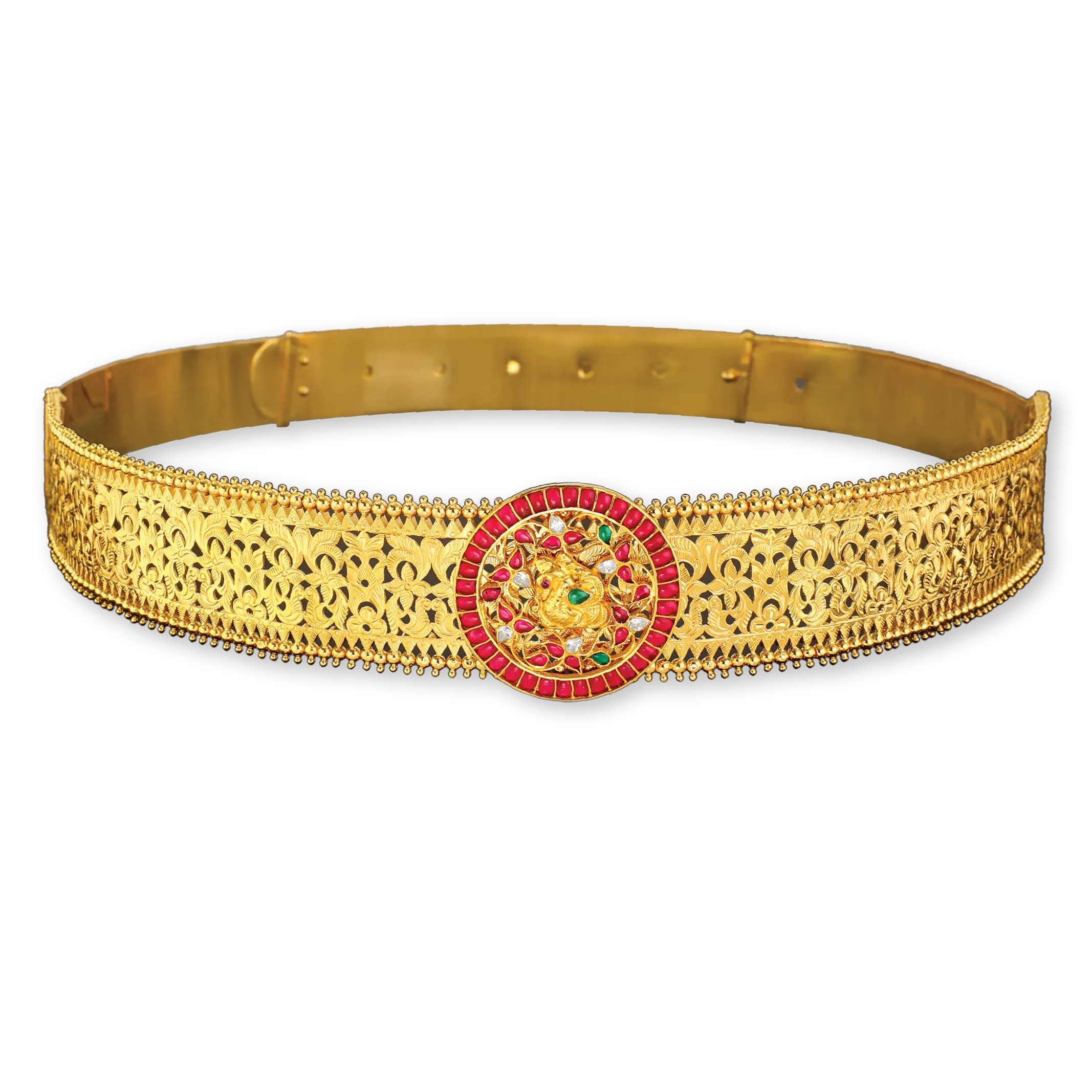
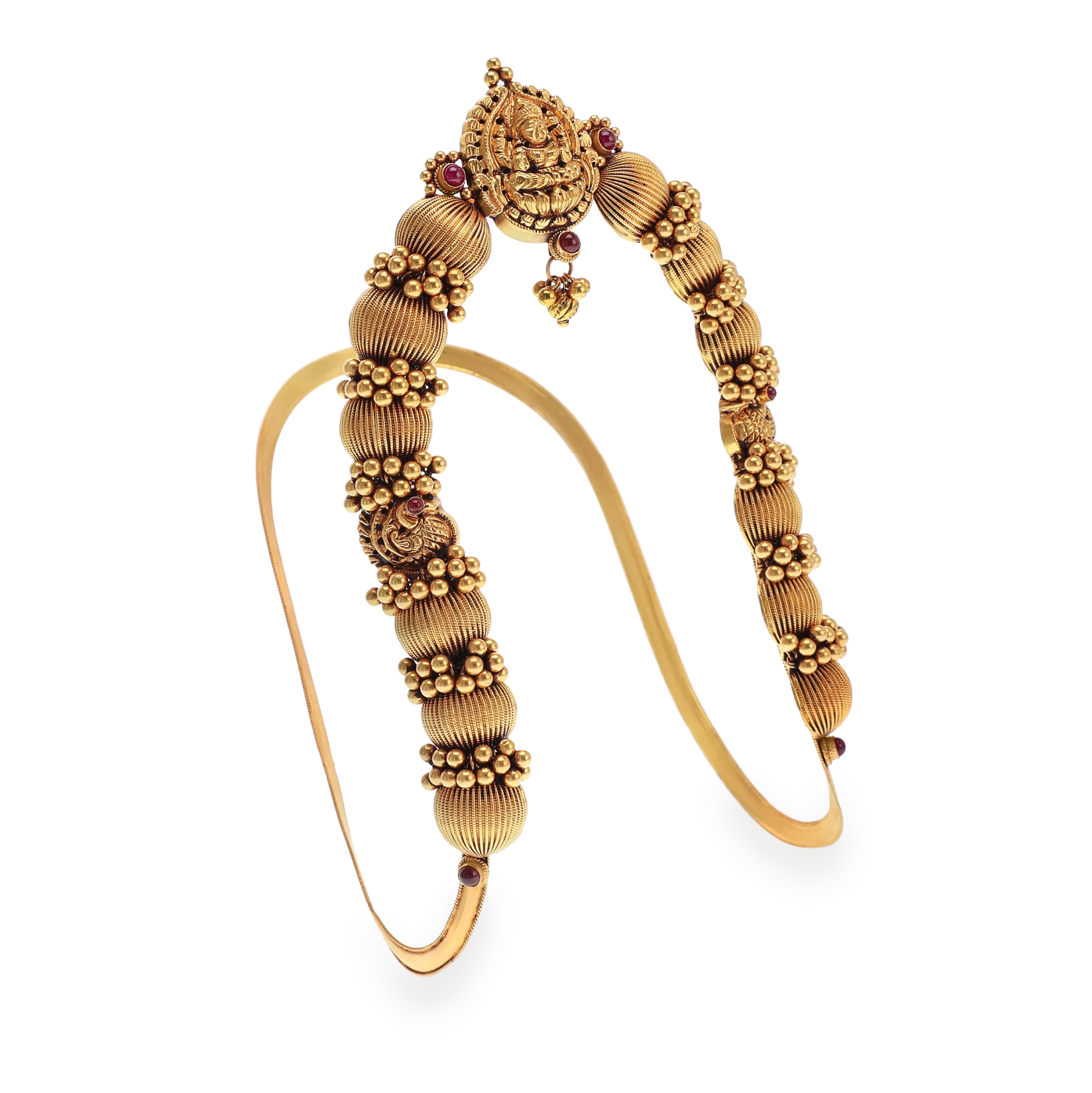
Antique-inspired jewellery is newly made but borrows visual cues from older forms, such as matte textures, aged finishes, granulation, and elaborate motifs. It can offer the look of an heirloom while allowing you to select a size and construction suited to present-day wear. Do not assume that an antique finish means the piece itself is historically old.
For bridal planning, consider the complete trousseau rather than one dramatic necklace. Necklines, blouse embroidery, ceremony length, and the balance between necklaces, earrings, bangles, and hair ornaments all affect how the collection will look together.
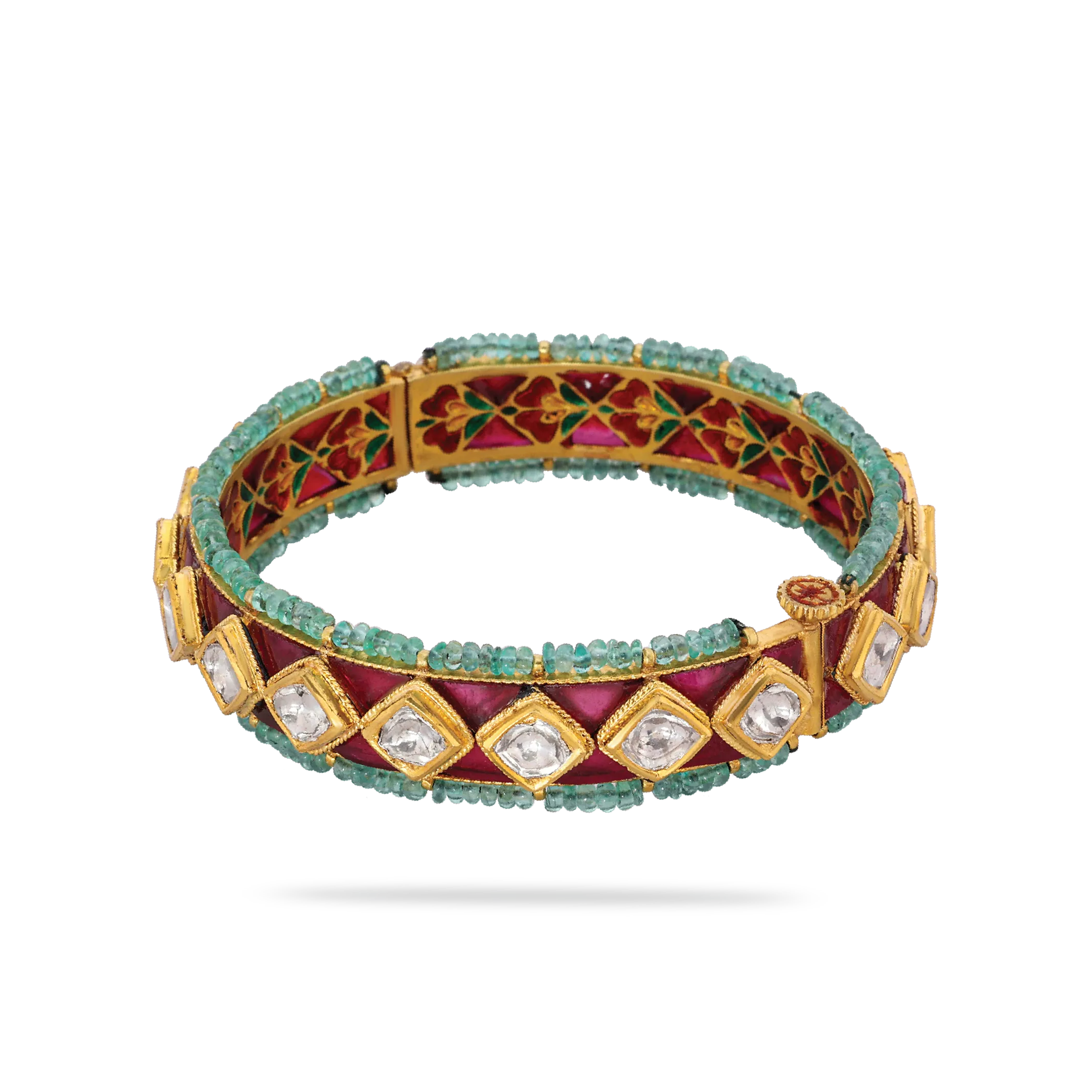
Polki, kundan, and uncut diamond designs
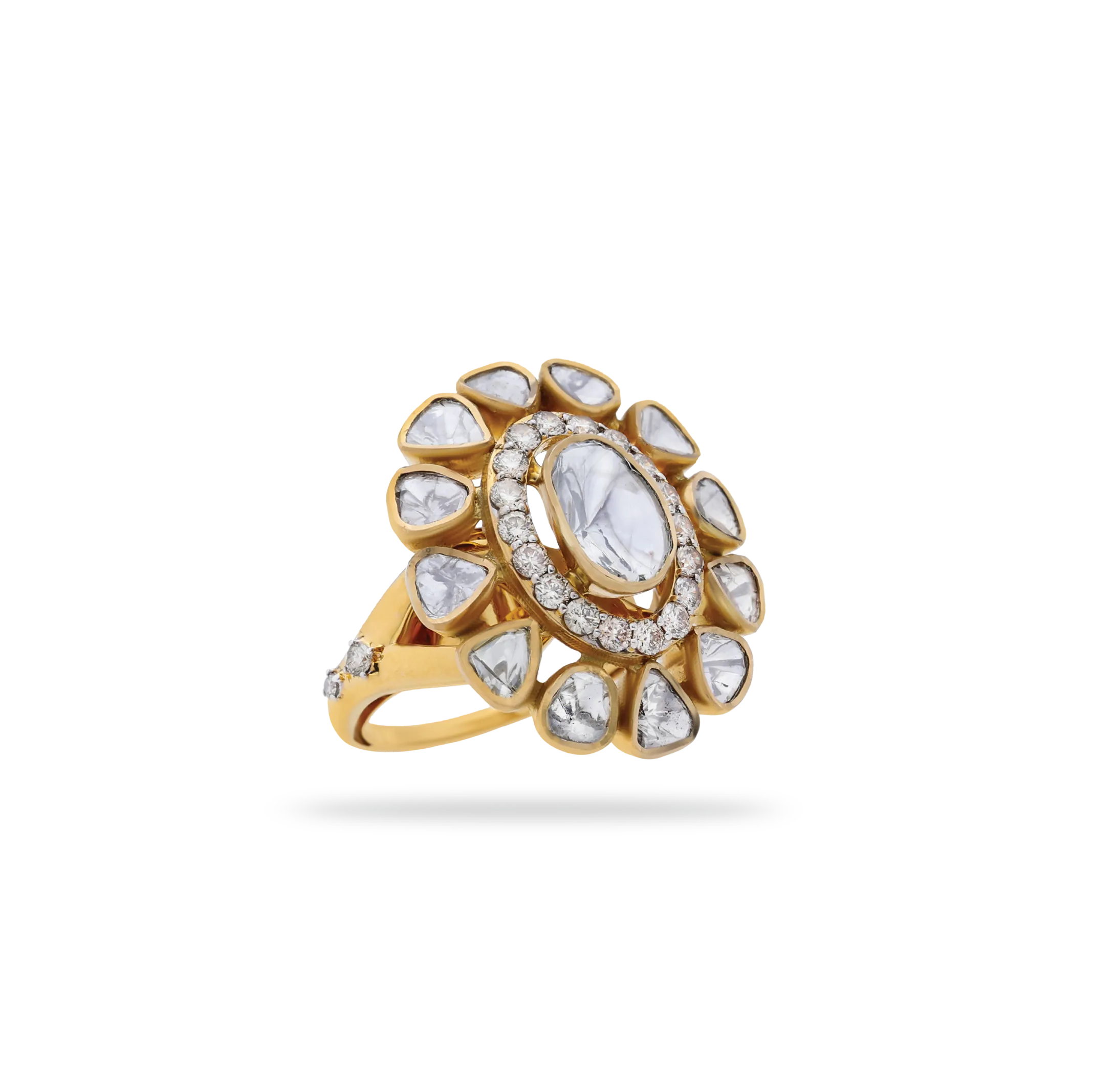
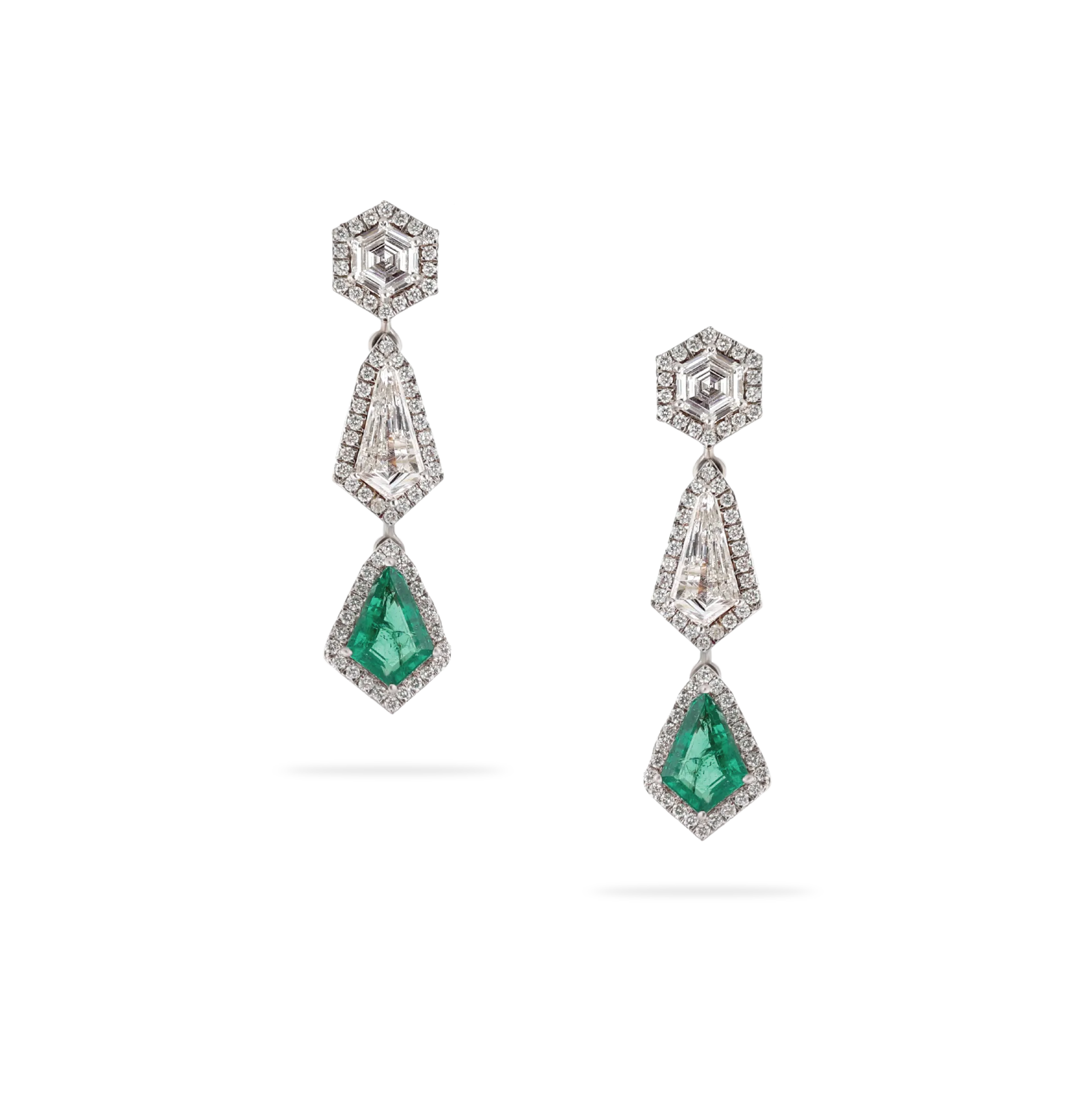
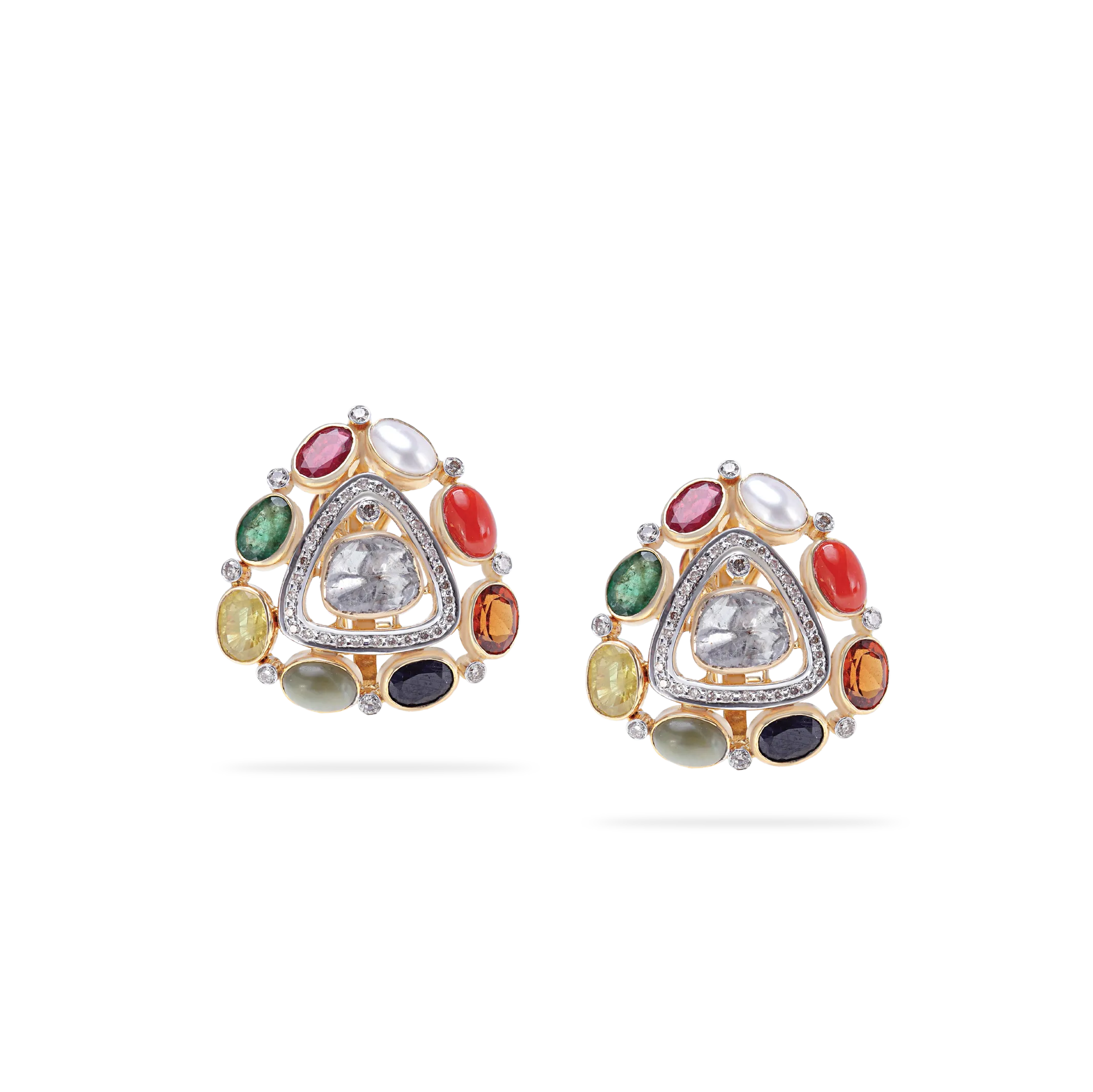
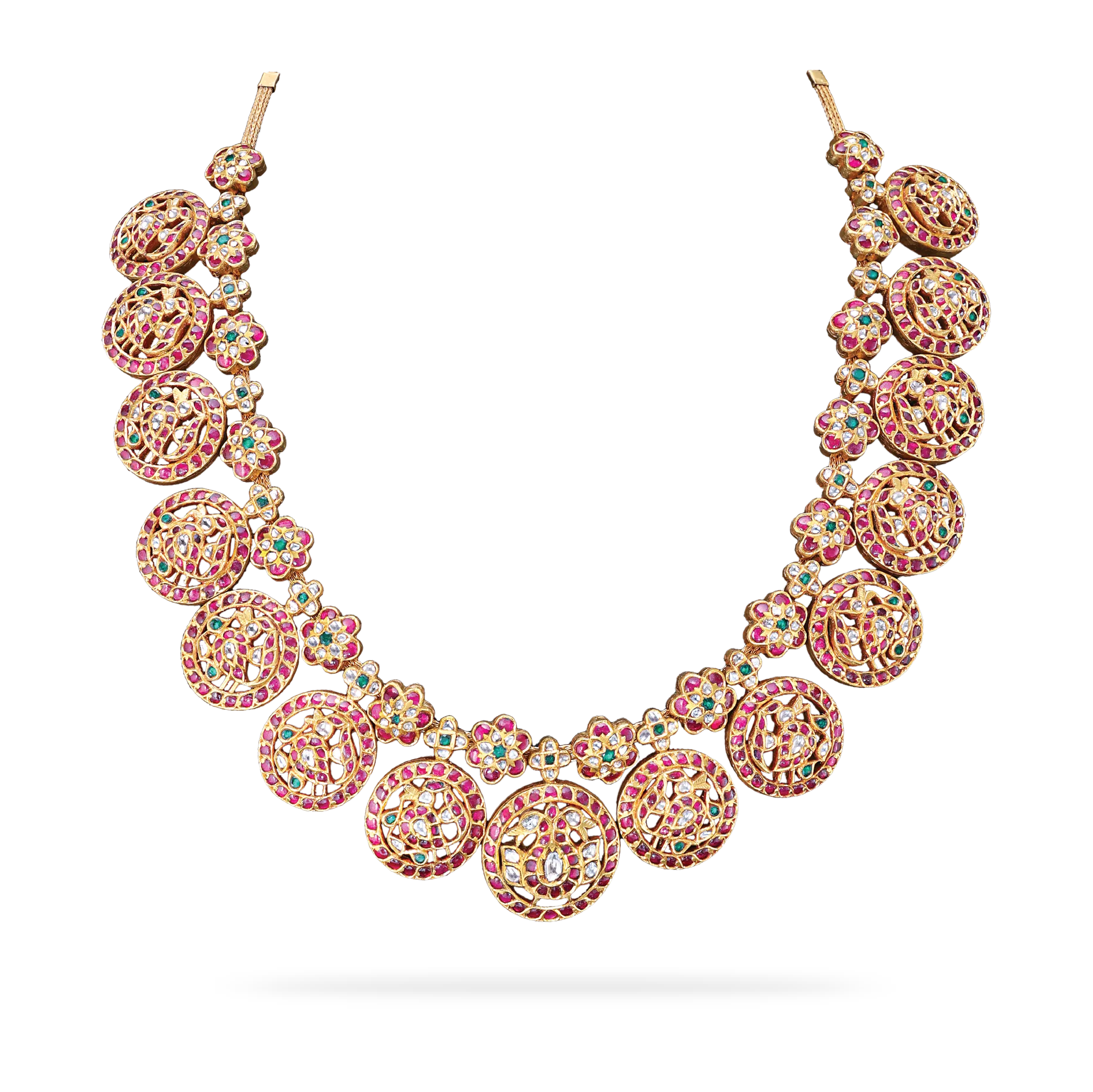
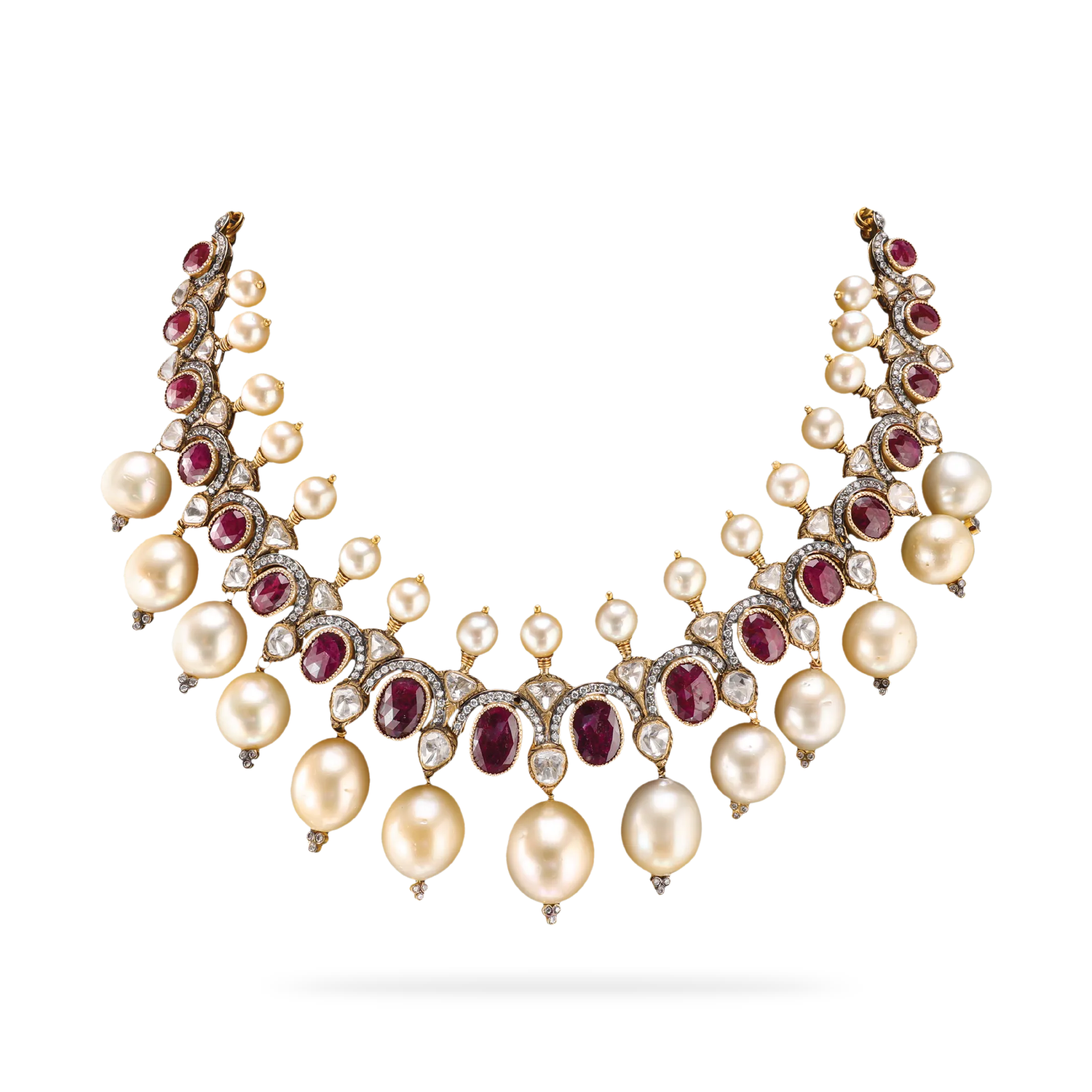
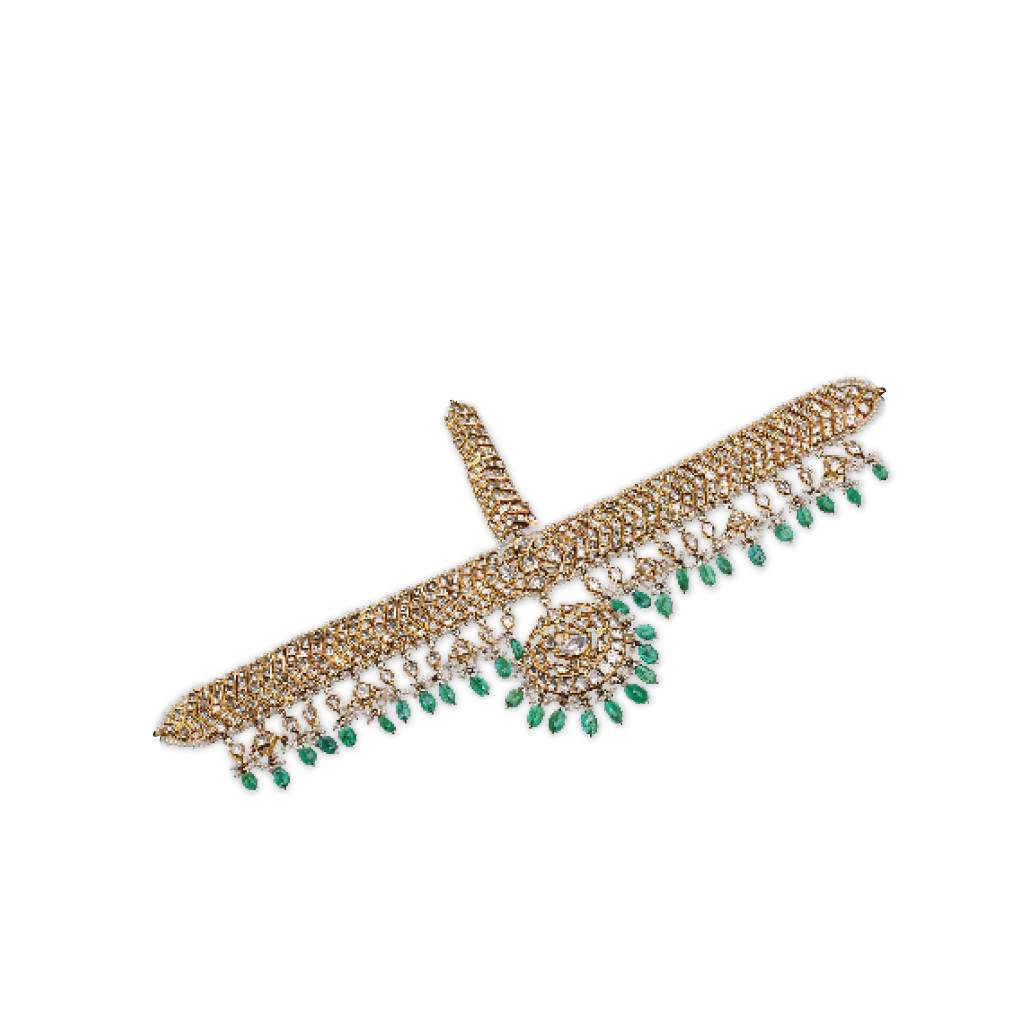
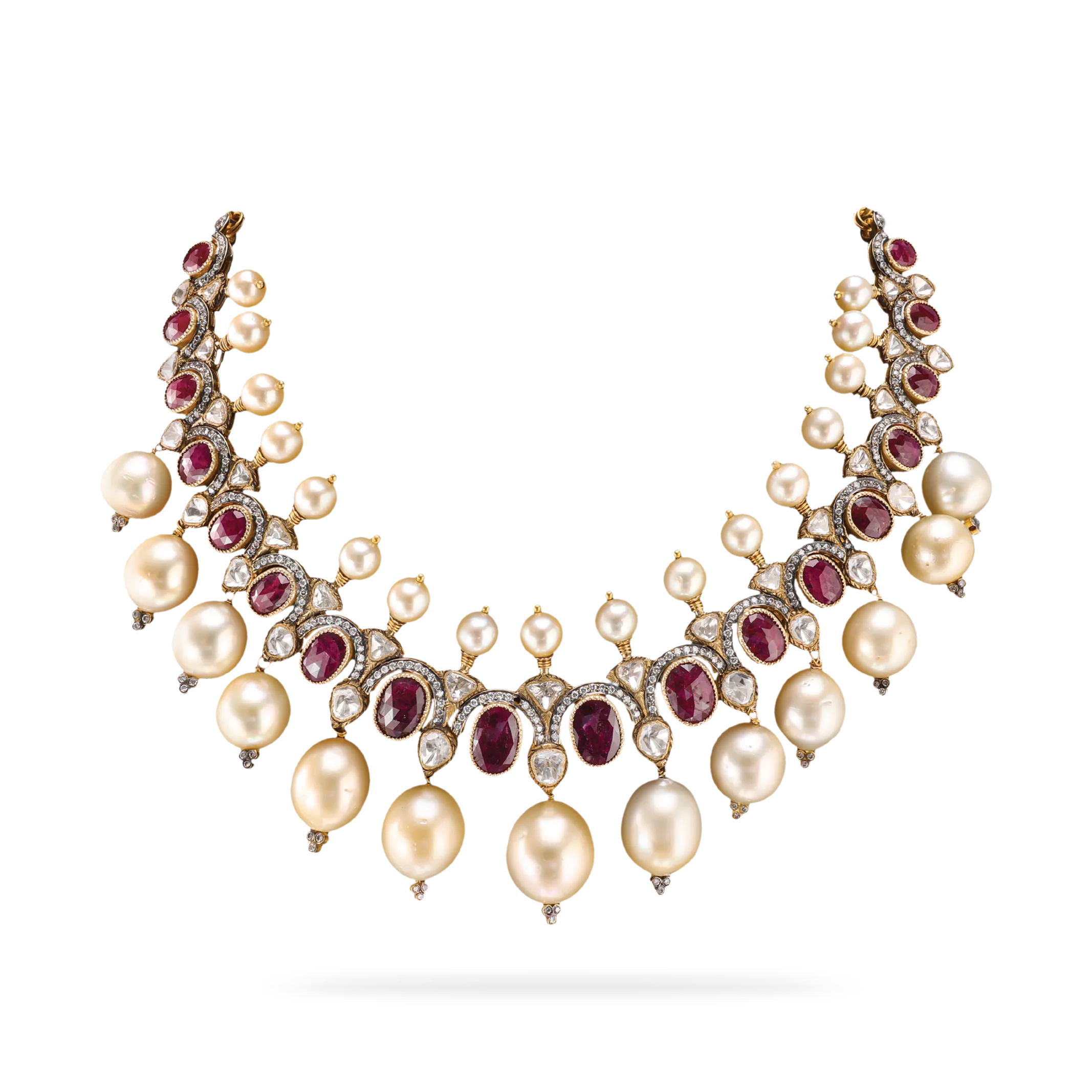
Polki and kundan designs have distinctive visual depth because of their use of uncut or minimally shaped stones, traditional settings, and reflective surfaces. They can appear especially rich under warm lighting, so view them in more than one setting before deciding. Ask about the backing, stone treatment, and care requirements, since intricate designs may need gentler handling.
The most successful piece is one that suits both the outfit and the wearer. A wide choker may be striking for a ceremony but less useful than a layered set or a pair of adaptable earrings after the event.
Contemporary pieces with heritage detailing
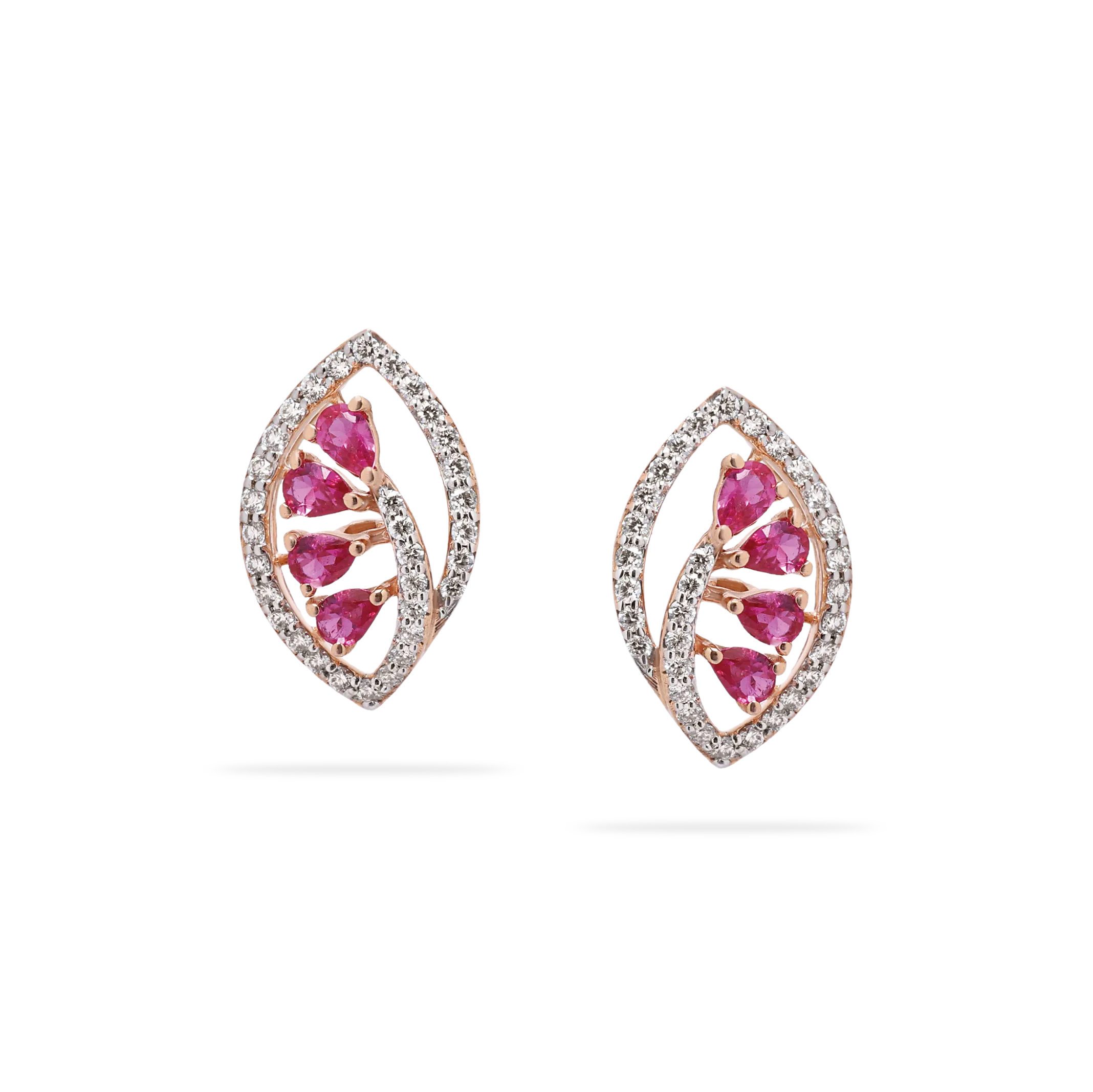
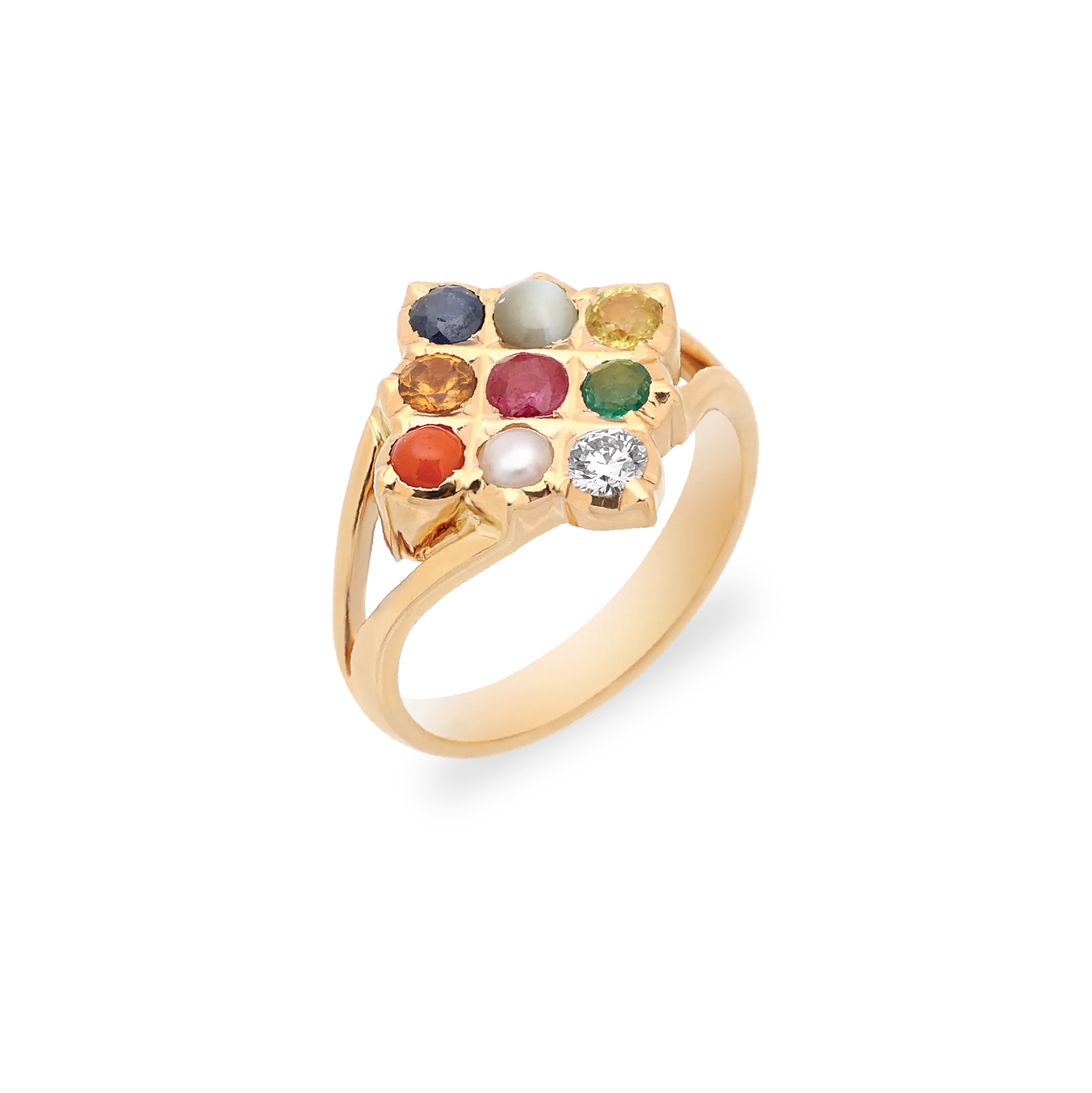
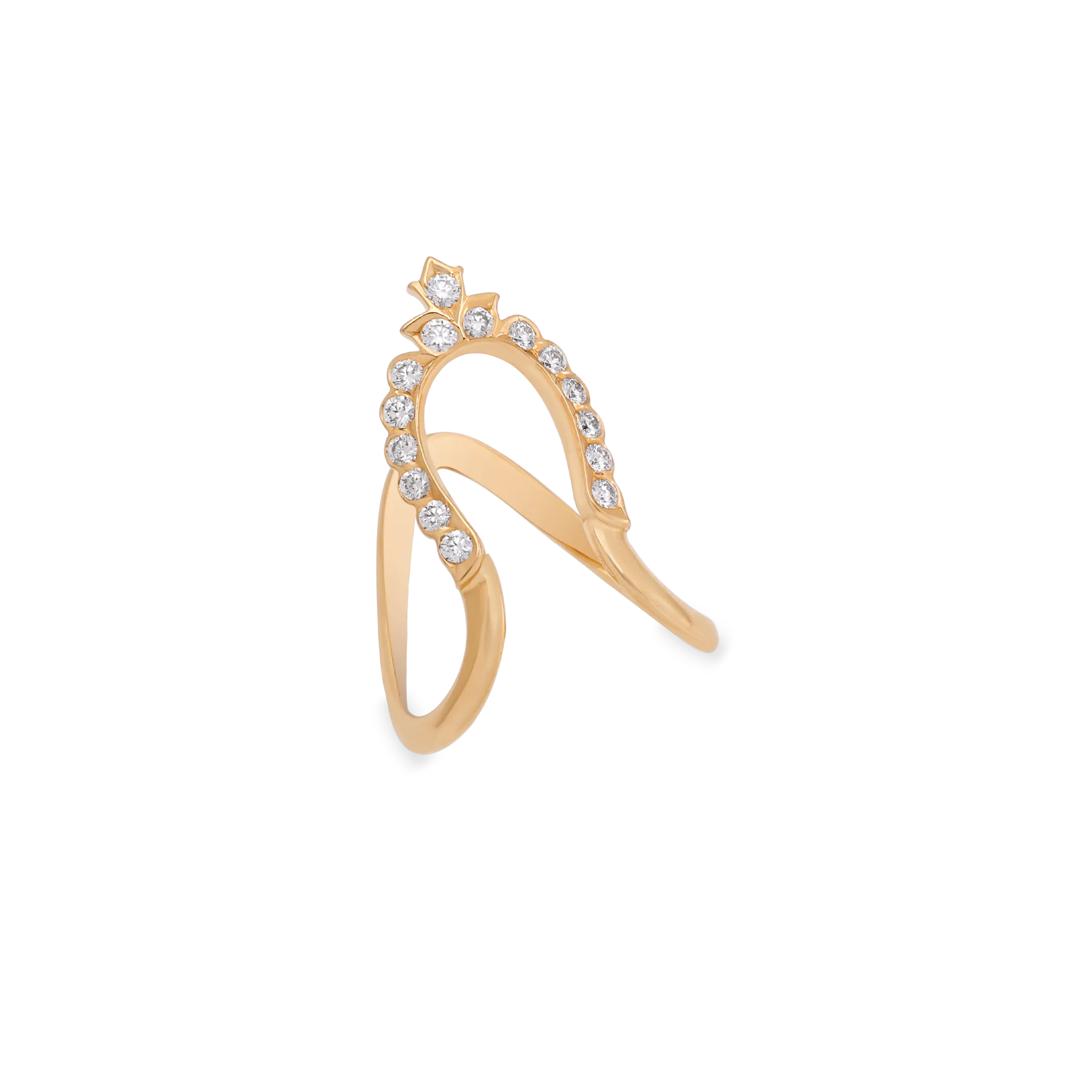
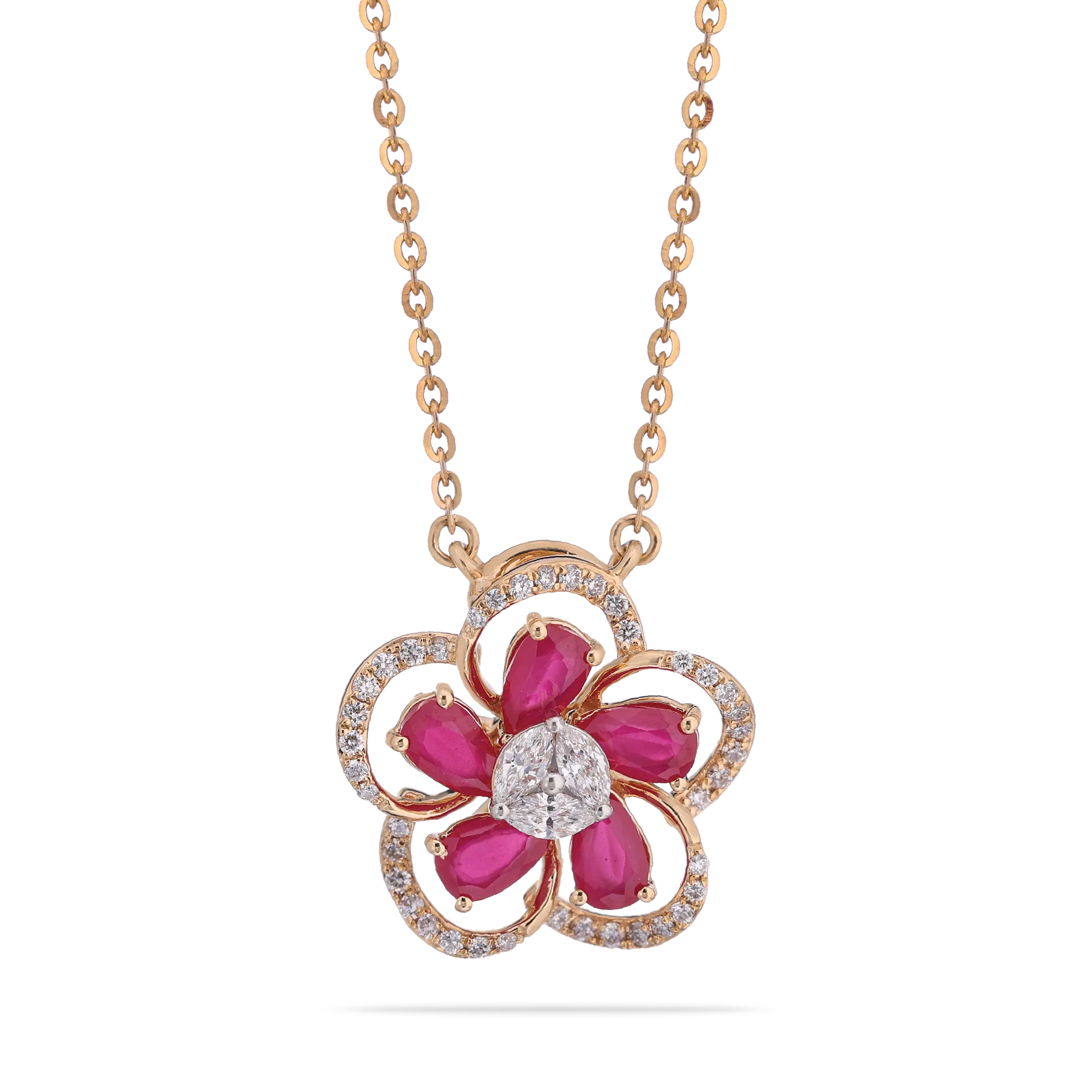
Contemporary heritage jewellery may retain a traditional motif while using cleaner lines, lighter proportions, or a setting designed for frequent wear. This is a good direction for buyers who want cultural character without a highly formal silhouette. Look for details that feel integrated rather than decorative elements added without regard to balance.
Try the piece with clothing similar to what you already own. A small pendant, textured band, or pair of earrings can carry heritage detailing into everyday dressing more naturally than a very ornate item.
How to compare heritage jewellery stores in Bangalore
The right store should make comparison easier, not more confusing. Visit with a short list of requirements and ask each showroom for the same information about weight, stones, making charges, delivery, and policies. Notice whether staff answer directly and whether the product details remain consistent from display to invoice. A calm shopping experience is especially valuable when several family members are involved.
Store location, showroom experience, and appointment options
Location affects convenience, but it should not be your only filter. Consider whether the showroom gives you enough time to compare pieces, offers private consultation when needed, and can arrange an appointment for bridal or custom discussions. Lighting, seating, security, and the ability to view pieces without pressure all shape the quality of the visit.
If you are comparing several heritage jewellery stores bangalore, record the date, salesperson, product reference, and quoted terms after each visit. This simple habit prevents similar designs and prices from blending together later.
Customisation, remodelling, and bespoke design services
Customisation can mean changing a length, adjusting a size, altering a clasp, or developing a new design from a family reference. Ask exactly what the store can do, how many design revisions are included, and whether a sketch or approval is provided before production. For remodelling, clarify how the old metal and stones will be weighed, tested, valued, and returned.
Bespoke work needs a written scope and a realistic timeline. Confirm the final metal purity, stone specifications, labour charges, and what happens if the finished piece differs from the approved design.
Pricing, making charges, and buyback policies
A lower headline price does not necessarily mean better value. Separate the gold rate, net metal weight, stone cost, making charges, taxes, and any other fees before comparing quotations. Buyback or exchange language should also be read carefully, since conditions may vary by product, documentation, stone type, and time of sale.
Use a simple written record when comparing quotes. Ask whether the policy covers the full purchase or only certain components, and whether deductions apply. The goal is not to predict resale value perfectly, but to understand the terms before they matter.
After-sales support, repairs, and maintenance
Ask how the store handles cleaning, resizing, loose stones, broken clasps, polishing, and periodic inspection. Find out whether repairs are performed in-house or sent elsewhere, how long they usually take, and how responsibility is recorded when a piece is handed over. These details matter more as designs become intricate or sentimental.
Care guidance should match the materials. Keep pieces separate, avoid exposing delicate settings to unnecessary impact, and request specific advice for gemstones, enamel, and antique-style finishes. Good after-sales support gives you a practical plan for preserving the jewellery, not just a general promise.
How to shop for heritage jewellery with confidence
Confident shopping is a process of slowing down at the right moments. Set a budget before the emotional part of the visit begins, and leave room for workmanship, documentation, and care rather than spending every rupee on the largest stone or heaviest design. Bring measurements, outfit references, and any family jewellery you want to match or redesign. Clear comparisons protect the pleasure of the purchase.
Setting a budget for the metal, stones, and workmanship
Divide your budget into the parts that create the final price: metal, gemstones or diamonds, workmanship, taxes, and possible alterations. Decide which qualities matter most for this piece. For example, daily earrings may prioritise comfort and secure backs, while a ceremonial necklace may justify more elaborate workmanship.
Keep a reserve for related costs such as storage, insurance, resizing, or future repairs. A slightly simpler piece that is worn often may bring more value than an elaborate item that remains in a box.
Verifying invoices, certifications, and product details
Before paying, read the invoice line by line. Check the item description, purity, gross and net weight, stone details, charges, taxes, delivery terms, and any serial or product reference. Diamond or gemstone reports should correspond to the stone being sold, and you should retain copies of every document.
Do not rely on a verbal assurance for a detail that affects value or care. Ask for corrections before payment, while the product and quotation are still in front of you.
Identifying imitation, plated, or misrepresented pieces
Imitation and plated jewellery can be perfectly suitable when sold and priced honestly. The problem is misrepresentation, especially when a coating, substitute stone, or lower purity is presented as something else. Ask direct questions about whether the piece is solid, plated, filled, treated, synthetic, or lab-grown where those distinctions apply.
Be wary of unexplained urgency, unusually vague invoices, and claims that depend only on appearance. A trustworthy seller should let documentation, inspection, and clear terms carry the conversation.
Questions to ask before placing an order
A short question list is useful when the purchase involves several materials or family members. Consider asking:
- What is the exact purity and net metal weight?
- Which stones are included, and are any treated or lab-grown?
- What certification or grading report accompanies the piece?
- How are making charges, taxes, exchange, and buyback terms calculated?
The answers should be specific enough to record. If a response changes between the display, quotation, and invoice, pause and resolve the discrepancy before placing the order.
Choosing the right store for different jewellery needs
There is no single best store for every jewellery decision. A bridal buyer may need breadth, coordinated styling, and reliable timelines, while someone buying a daily ring may care more about comfort and easy maintenance. Family restoration requires a different kind of technical conversation again. Match the store's demonstrated process to the job in front of you.
Bridal jewellery and wedding trousseau planning
Start bridal shopping with the ceremony schedule and outfits, then build the collection around pieces that work together. Consider what needs to be traditional, what can be lighter, and what will remain useful after the wedding. The wedding jewellery planning guide from CKC & Co focuses on planning, prioritising, and shopping for bridal pieces, which are sensible steps for any trousseau conversation.
Book early when a design may require customisation or coordinated orders. At the appointment, test the weight and fit rather than judging only how the set looks in a photograph.
Everyday heirloom pieces and gifting
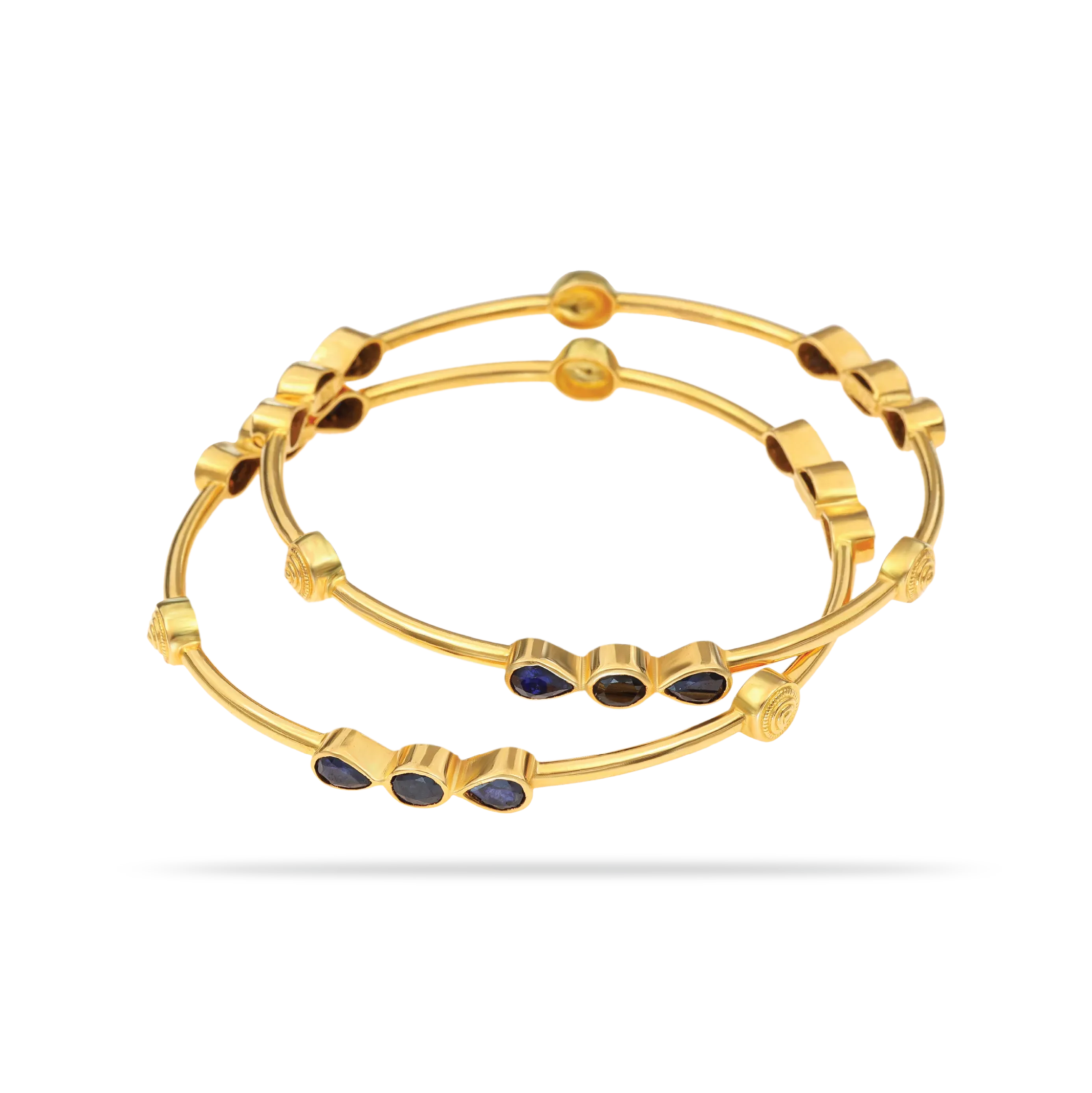
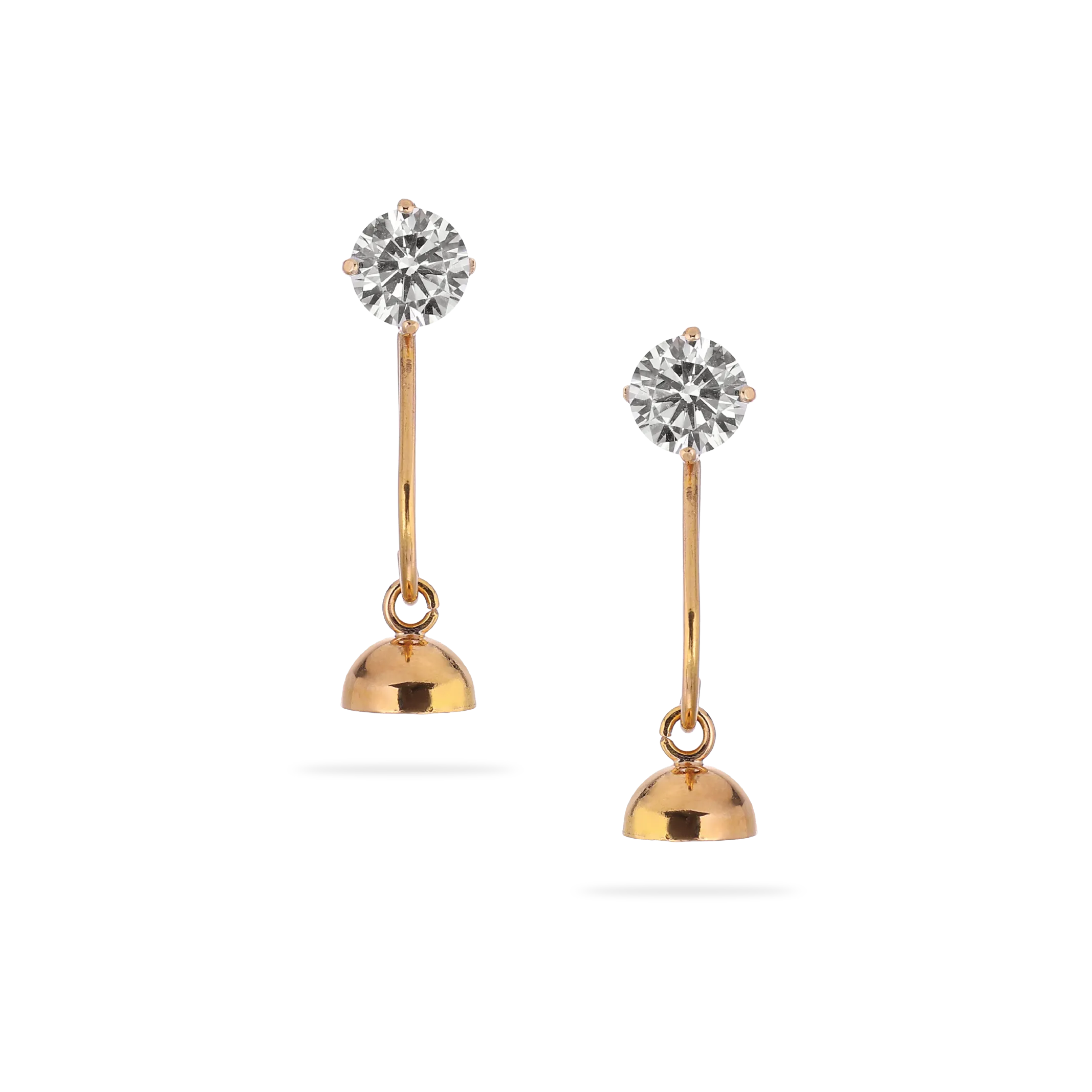
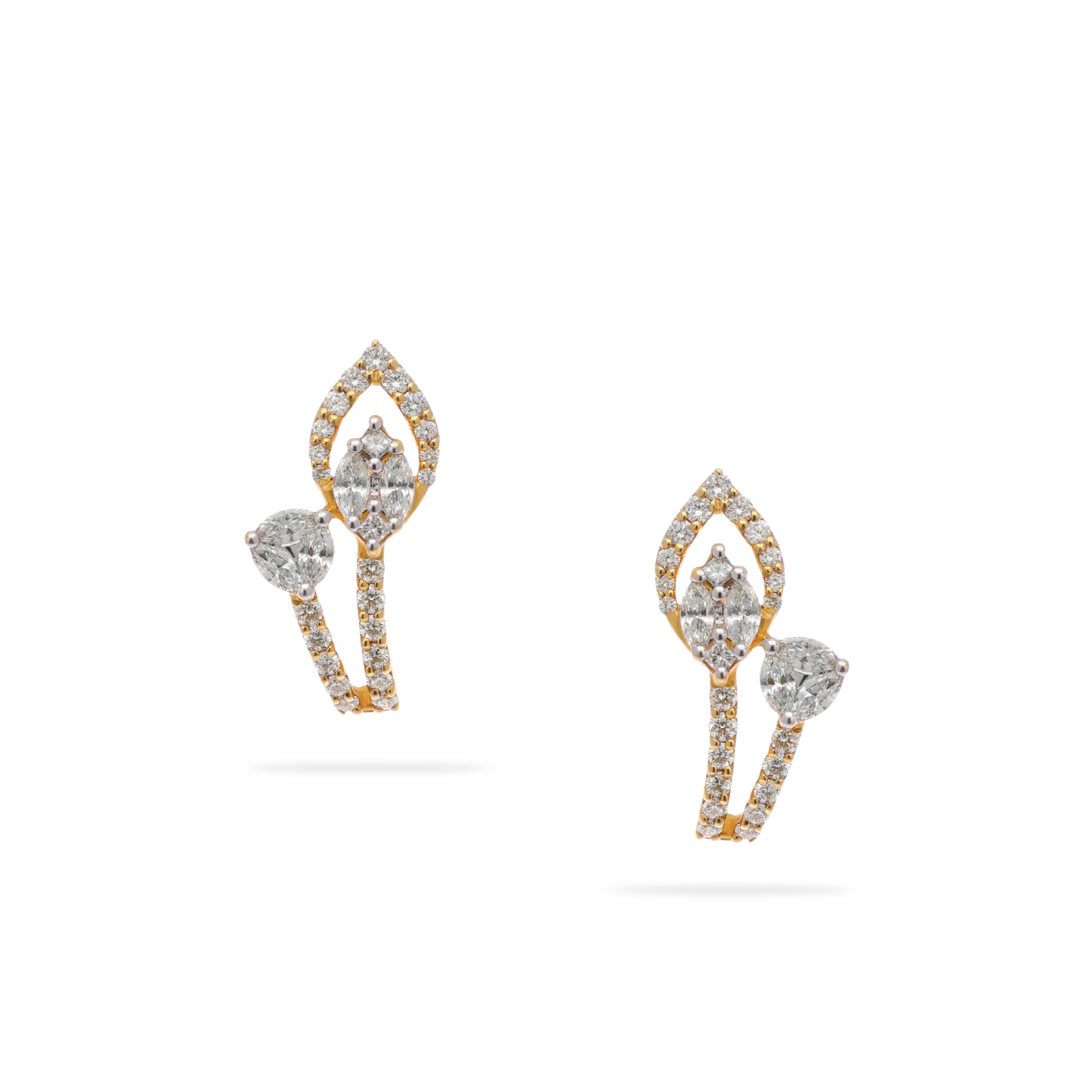
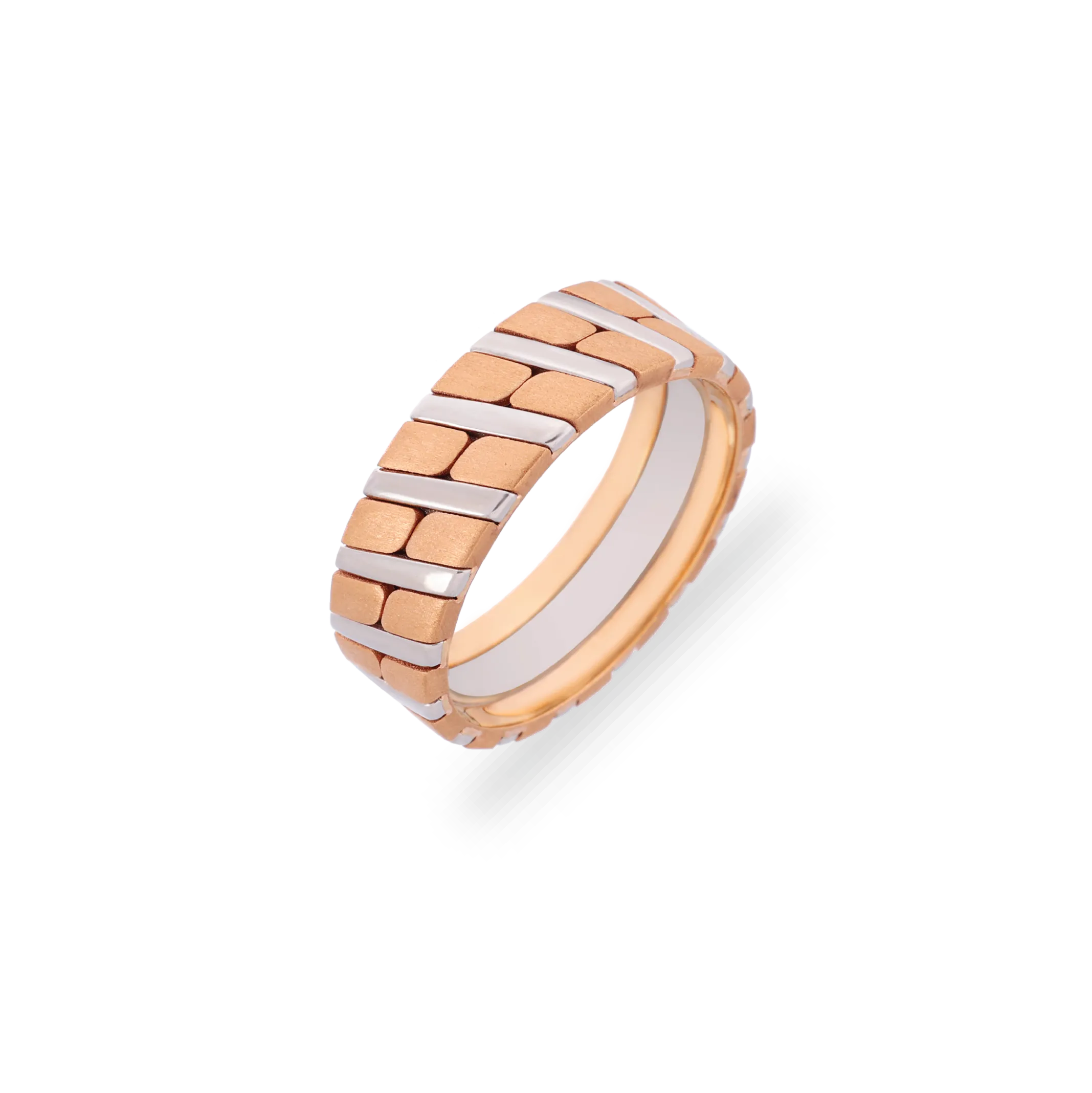
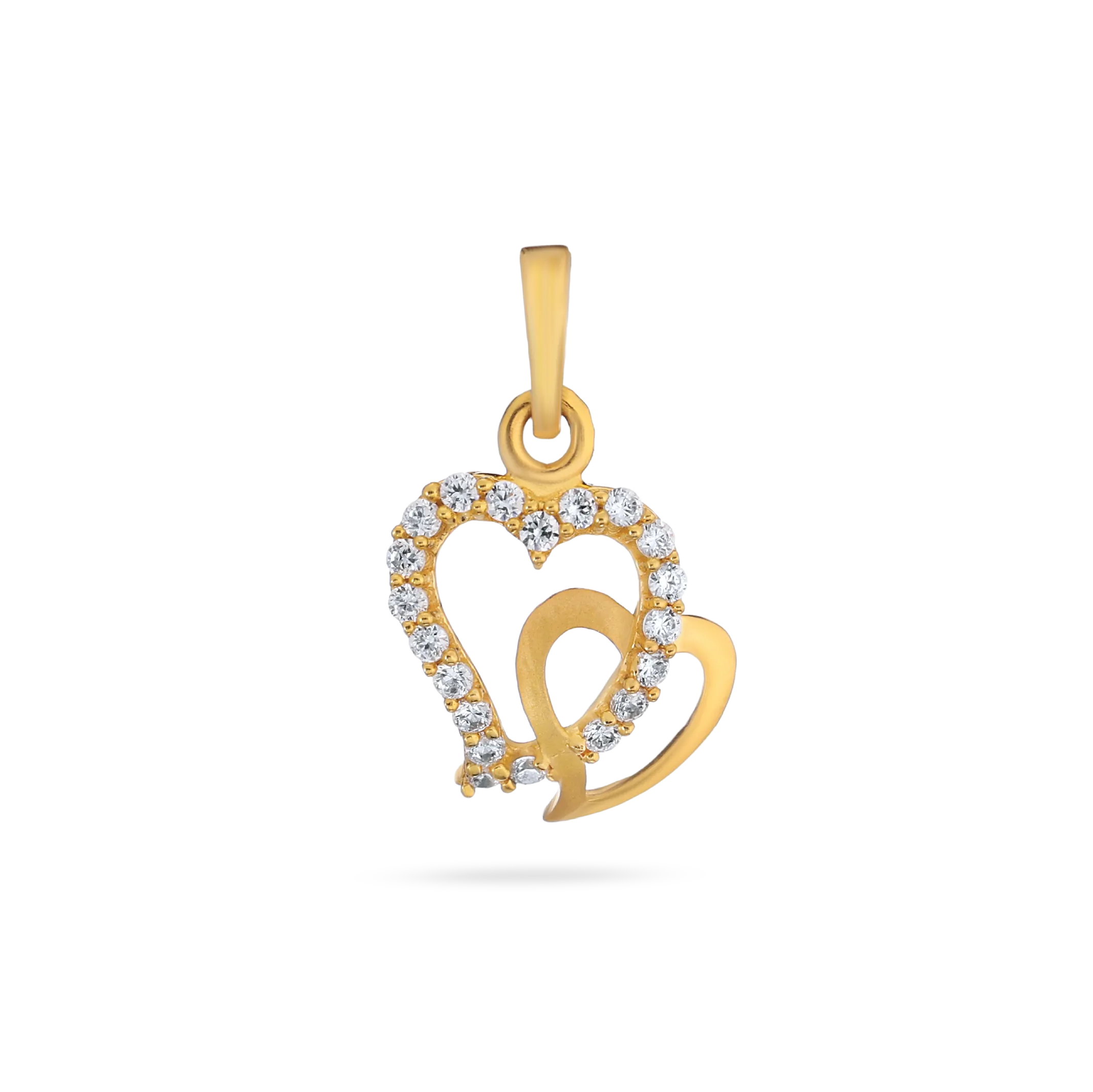
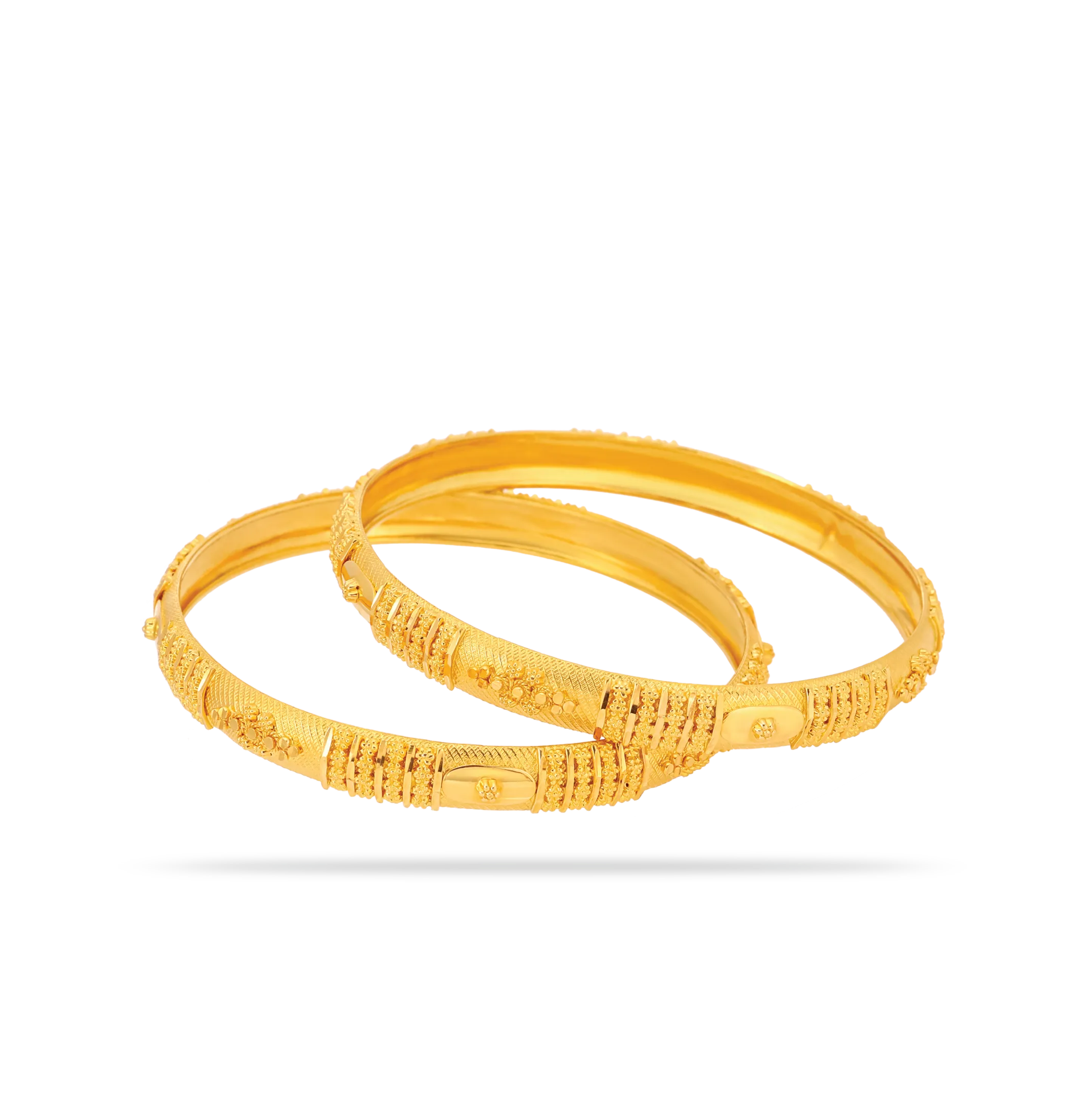
For daily wear or gifting, choose manageable proportions, secure closures, and designs that suit the recipient's routine. Small gold earrings, a pendant, a band, or a pair of bangles can carry heirloom value without requiring a formal occasion. Confirm sizing discreetly when buying rings or bracelets, and keep exchange terms in mind if the fit is uncertain.
A gift becomes more useful when its care requirements are realistic. Include the invoice and documentation, and explain any limitations around water, chemicals, impact, or storage.
Family jewellery restoration and redesign
Restoration begins with careful assessment, not immediate polishing or melting. Photograph the item, record stones and markings, and ask what can be preserved before approving any change. A redesign may retain a central stone, motif, or portion of the original metal while giving the piece a more wearable form.
Ask for a written account of the old metal and stones received, the proposed additions, and the final charges. Sentimental pieces deserve a clear chain of custody as well as skilled workmanship.
Investment-focused gold purchases versus statement designs
Investment-focused buying and statement jewellery are related but not identical goals. A buyer focused on gold may prioritise purity, weight, liquidity, and transparent charges, while a statement-design buyer may place greater value on artistry, rarity, stones, and personal expression. Neither approach should be described as a guaranteed financial return.
Compare the product according to the reason you are buying it. If your priority is gold value, read the gold jeweller comparison before visiting; if your priority is visual impact, spend more time assessing design, comfort, and long-term care.
Conclusion
Choosing among heritage jewellery stores in Bangalore becomes simpler when history is considered alongside evidence: verified materials, skilled finishing, honest pricing, and dependable care. Take time to compare the piece, the paperwork, and the store's willingness to answer practical questions. The result should be jewellery that feels beautiful now and remains understandable, wearable, and meaningful in the years ahead.
Frequently Asked Questions
What makes a jewellery store a heritage jeweller?
A heritage jeweller generally combines a credible history with traditional craftsmanship, consistent quality, clear documentation, and knowledge of regional design traditions. Age alone is not enough; present-day transparency and workmanship matter too.
How can I verify gold purity in jewellery?
Check the stated karat or fineness, relevant hallmark information, net metal weight, and invoice details. If you are exchanging older gold, ask how testing and any deductions will be handled.
What documents should accompany diamond jewellery?
Ask for an applicable grading report and confirm that its details match the stone and invoice. The invoice should also identify the metal, stone information, weight, and charges clearly.
Are antique-inspired and antique jewellery the same?
No. Antique-inspired jewellery is newly made with older visual references, while genuinely antique jewellery is an older object with its own history. Ask for an accurate description rather than relying on the finish or style.
How should I compare making charges?
Separate making charges from the gold rate, metal weight, stone costs, taxes, and other fees. Compare quotations that use the same categories, and read exchange or buyback conditions carefully.
Is Polki jewellery suitable for everyday wear?
It can be, depending on the construction, setting, weight, and care requirements. Ask how the piece should be stored and protected, and choose a simpler design if your routine involves frequent impact or exposure to chemicals.
When should I begin shopping for bridal jewellery?
Begin once the main outfits and ceremonies are reasonably planned. Starting early gives you time to compare designs, test comfort, arrange customisation, verify documents, and allow for alterations or production.
Related blogs:
November 20, 2025
The Timeless Elegance of the Tennis Bracelet: A Comprehensive Guide
Read More
November 20, 2025
The Ultimate Guide to Styling and Wearing a Choker Necklace
Read More
November 20, 2025
Find Your Perfect Engagement Ring: A Comprehensive Guide to Styles and Diamonds
Read More
November 20, 2025
The Timeless Elegance of a Diamond Tennis Bracelet: A Buyer's Guide
Read More









.webp)

.webp)