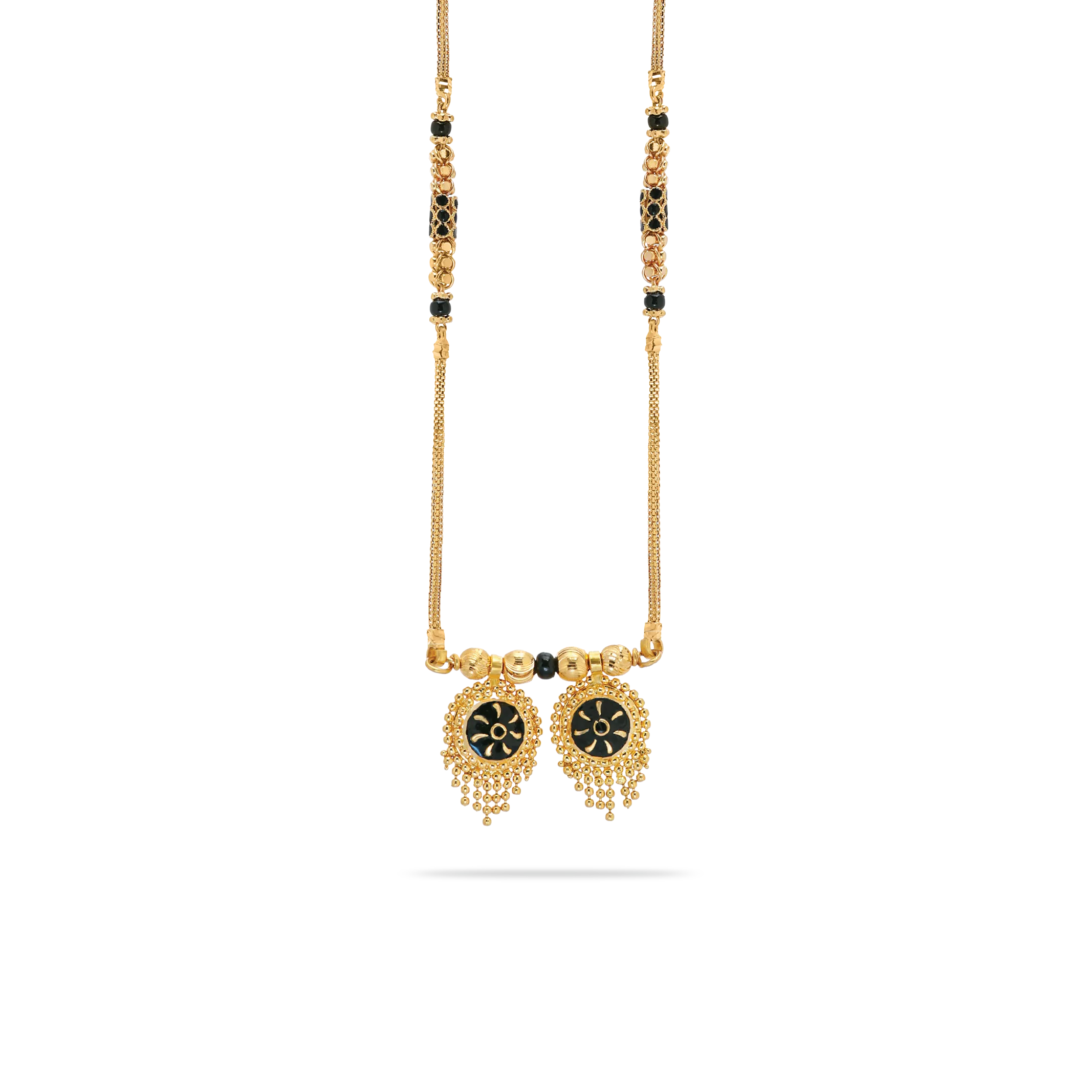
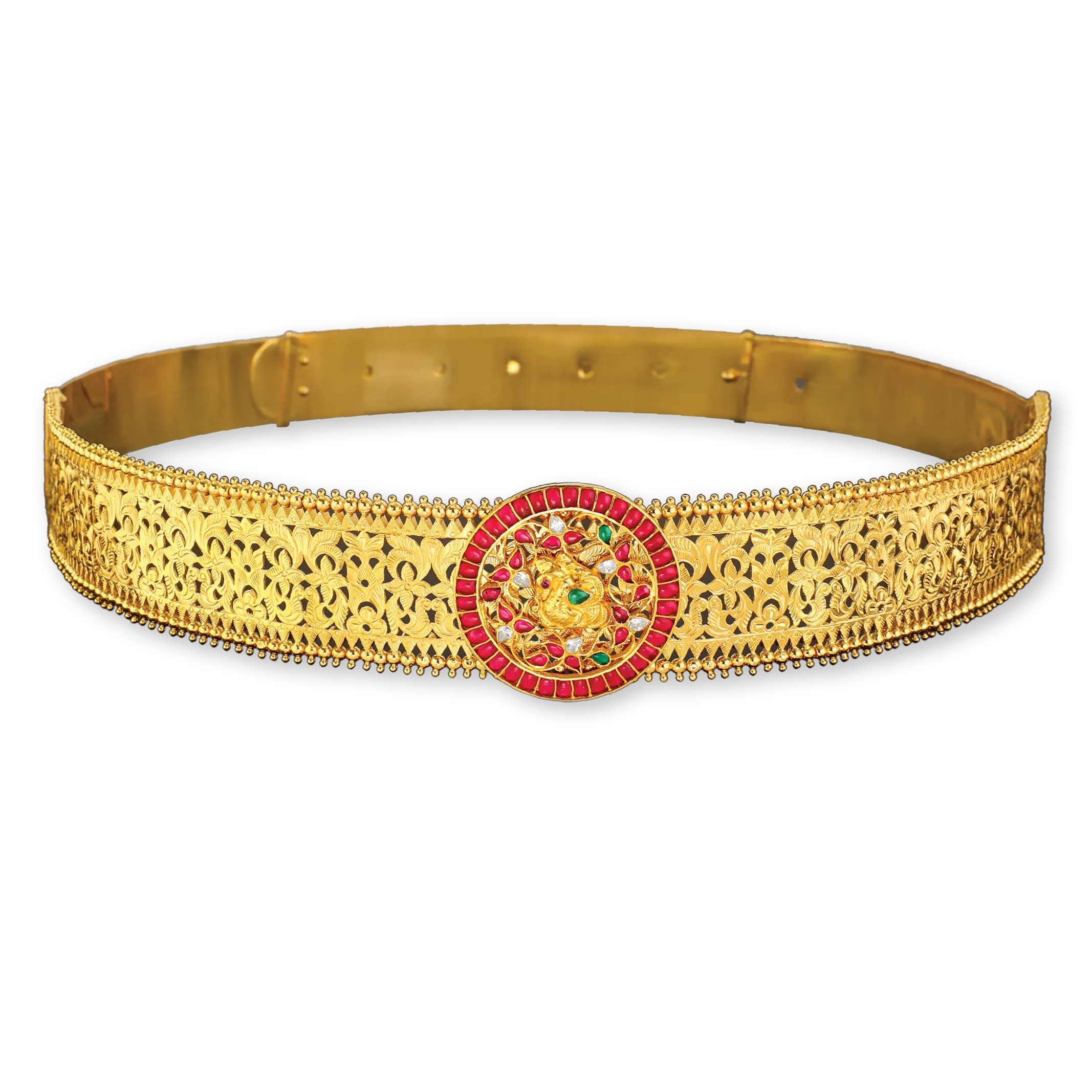
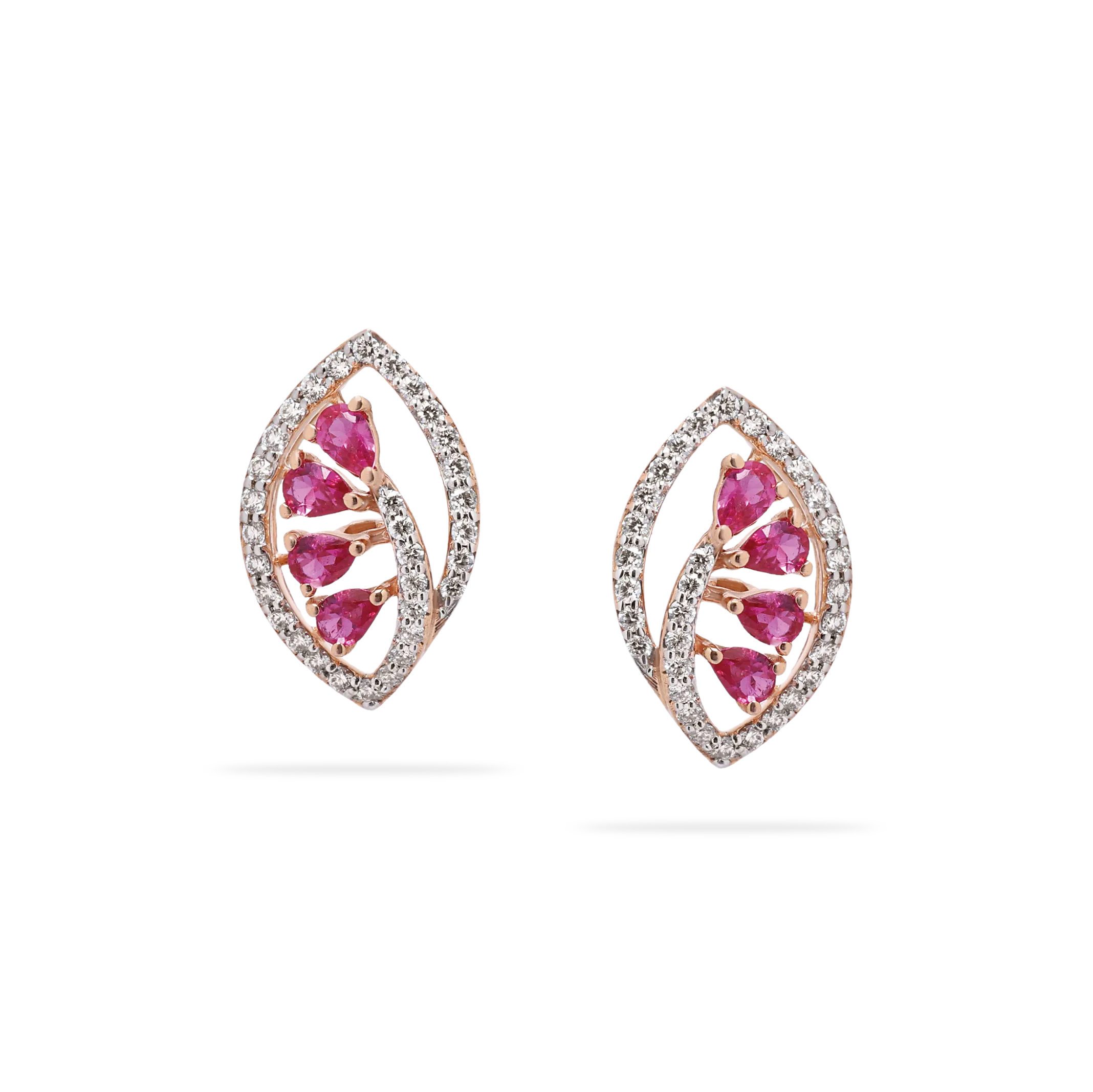
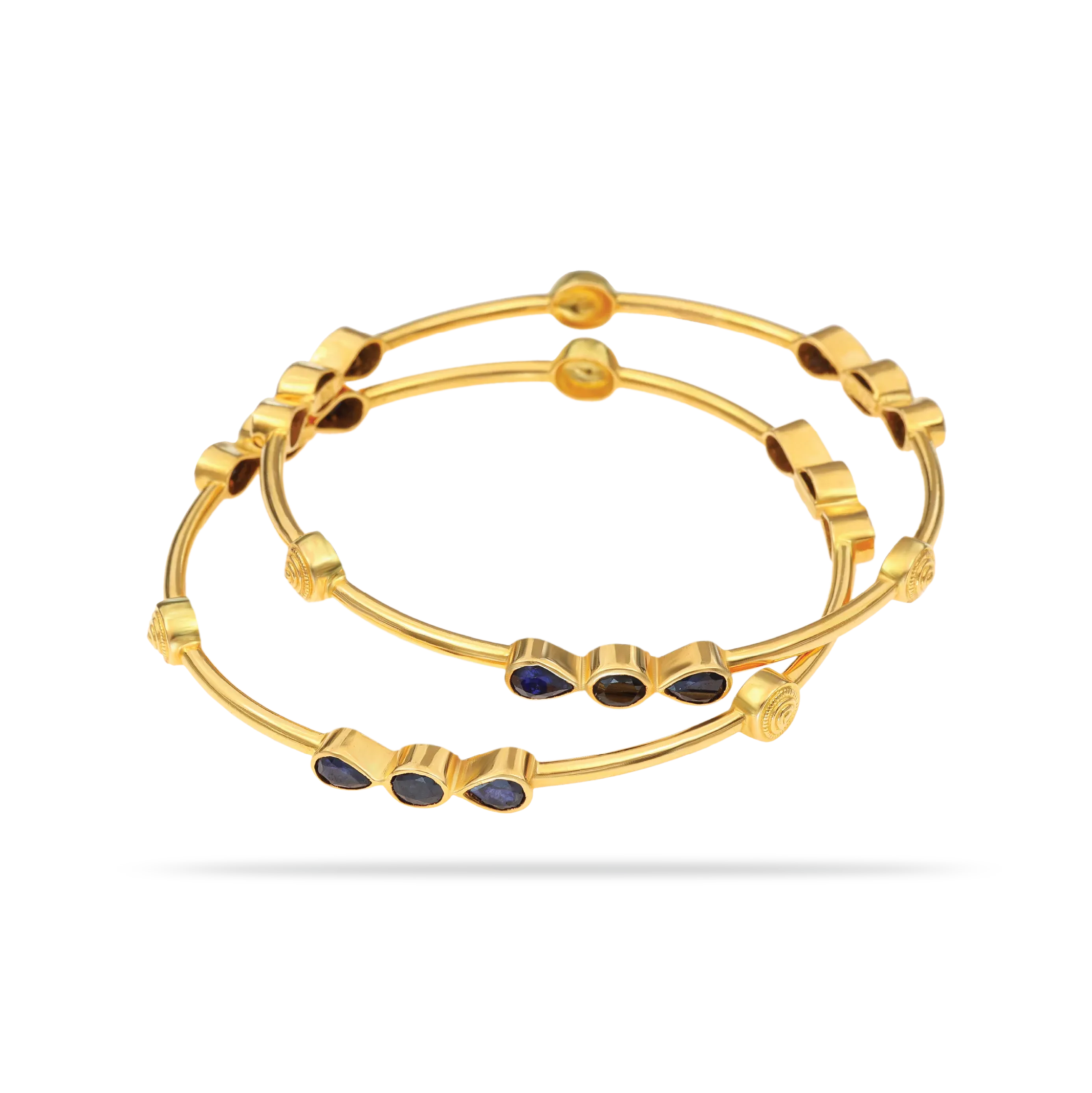
How to Choose Bridal Jewellery for Engagement Ceremony: A Complete Style Guide
August 28, 2026 | 10 minutes read
Key Takeaways
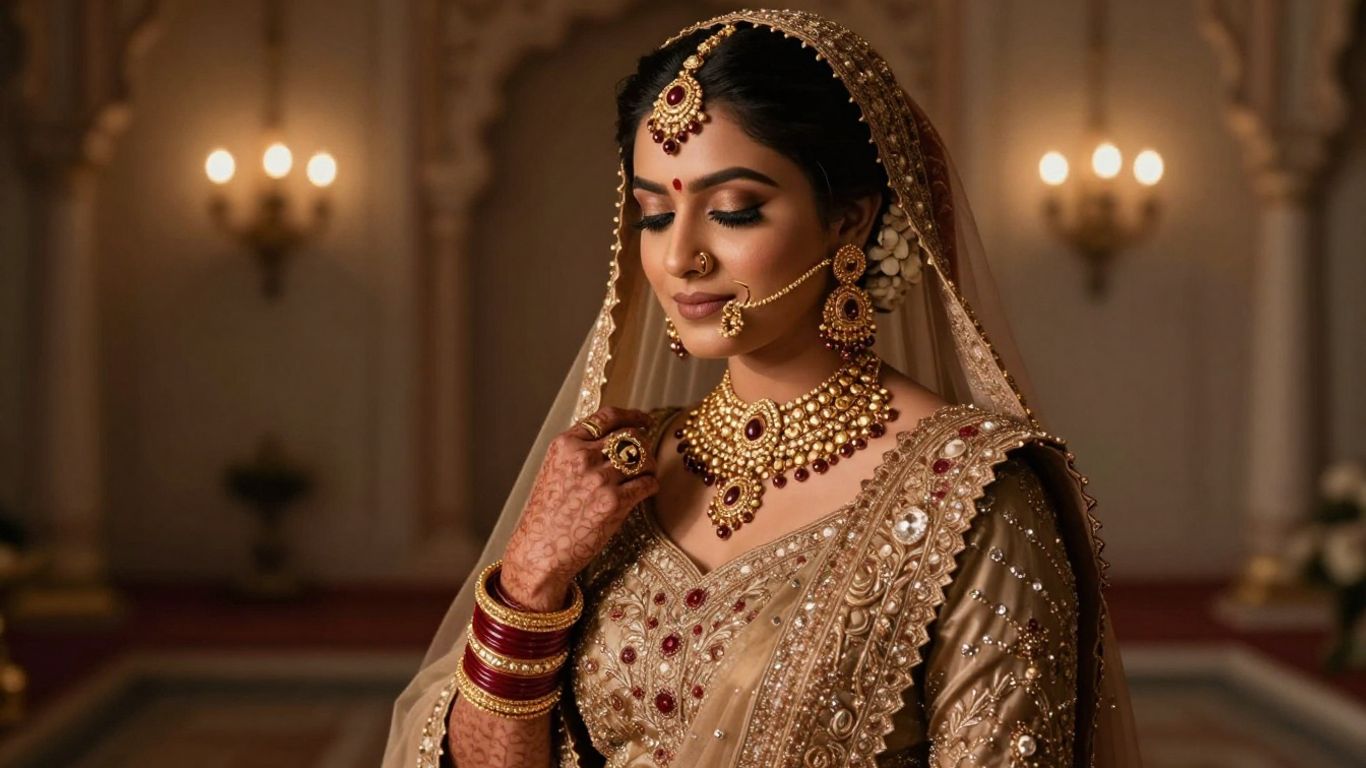
The best bridal jewellery for engagement ceremony looks intentional, comfortable, and personal rather than simply elaborate. Start with the event, outfit, and features, then make practical choices about quality and timing.
- Define the mood before choosing individual pieces.
- Match jewellery to the outfit’s neckline, color, and embellishment.
- Choose statement pieces selectively so the look stays balanced.
- Test comfort, security, and movement before the ceremony.
- Set a realistic budget and leave time for adjustments.
Define your engagement ceremony jewellery style
Your engagement ceremony may be intimate and understated or rich with regional customs and family traditions. The jewellery should respond to that setting while still feeling like you. Before visiting a store, decide whether you want a quiet glow, a classic bridal impression, or a more fashion-forward finish. That first decision makes every later choice easier.
Match jewellery to the ceremony’s formality
Consider the venue, guest list, time of day, and outfit before deciding how much jewellery is appropriate. A daytime gathering often suits lighter layers, while an evening celebration can carry a more noticeable necklace or polished gemstones. Formality is also about proportion: a grand setting does not require every piece in your collection to be equally dramatic.
A useful test is to imagine greeting guests, sitting for portraits, and standing beside your partner. If the jewellery feels excessive in those ordinary moments, remove one layer or replace a large piece with a simpler companion.
Choose between traditional, contemporary, and fusion designs
Traditional jewellery can bring family history and ceremonial meaning into the look, while contemporary designs may feel cleaner and easier to wear again. Fusion styling sits between the two: a heritage-inspired necklace with modern earrings, or classic gold bangles paired with a sleek ring. Choose the direction that fits your wardrobe as well as the ceremony.
You do not need to make every piece match an era. Repeating one detail—such as a stone color, finish, or motif—can make contrasting designs feel deliberately connected.
Build a coordinated jewellery story
Think of the full ensemble as a visual story with a beginning, a focal point, and quiet supporting details. The necklace may be the central feature, with earrings and bracelets echoing its shape or color. If the outfit is already ornate, a refined supporting cast usually looks more polished than several competing focal points.
For a broader look at balancing heritage designs with modern wearability, explore this timeless wedding jewellery guide. The same principle works for an engagement: choose pieces that feel right now but will not seem trapped in one trend.
Use inspiration without copying another bride’s look
Reference photos are useful for identifying proportions, colors, and combinations you like. They should not become a strict prescription. A necklace that looks perfect on someone else may sit differently on your neckline, compete with your embroidery, or feel too heavy after an hour.
Save images in groups—necklaces, earrings, color palettes, and hairstyles—rather than bringing one complete look to copy. This helps you borrow an idea while leaving room for your face, clothing, and personality.
Select jewellery that complements your outfit
The outfit gives jewellery its visual setting, so begin with the fabric and silhouette rather than shopping for accessories in isolation. Look at the neckline, sleeve detail, weave, embroidery, and dominant colors together. The goal is not perfect sameness; it is a relationship in which the jewellery adds light and structure without hiding the clothes.
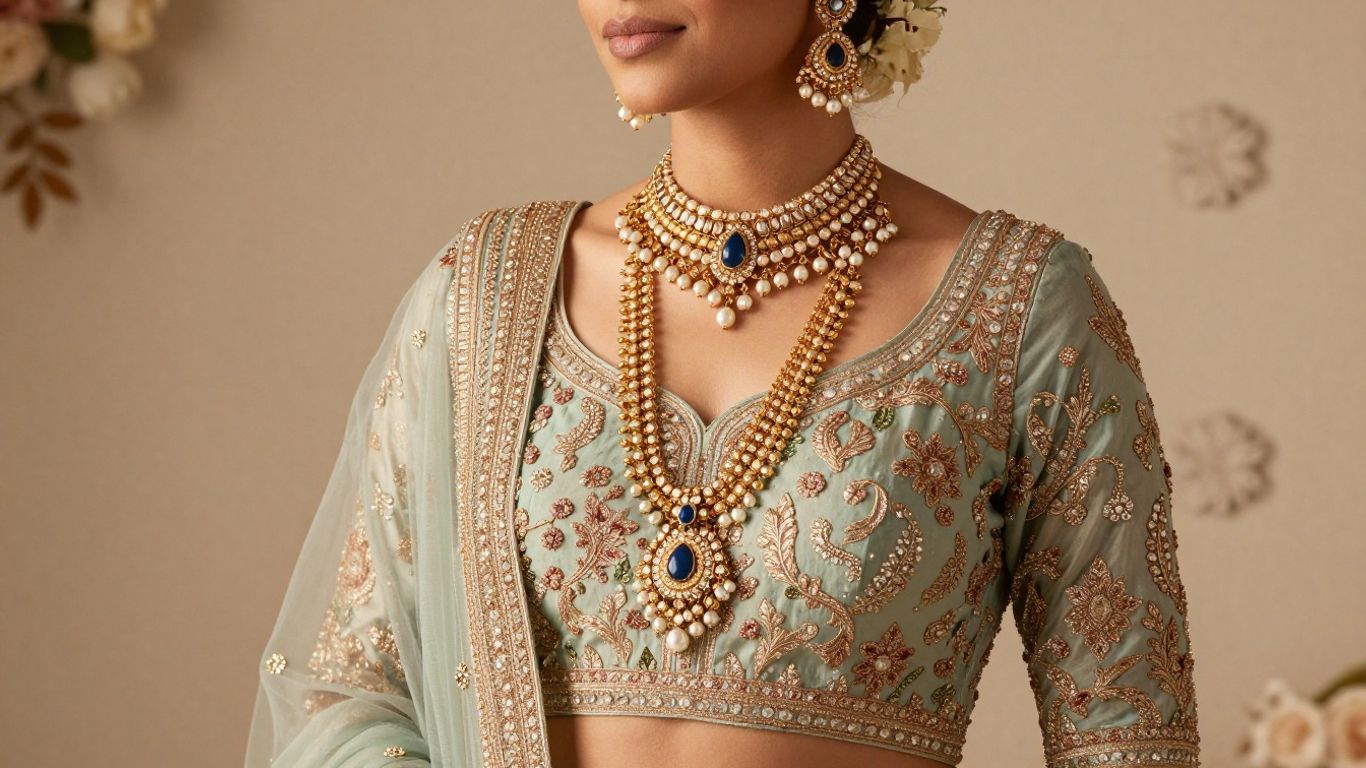
A considered pairing can make a familiar outfit feel individual. Use the dress or saree as your reference point, then bring in pieces that support its most beautiful details.
Coordinate pieces with your neckline
A close choker naturally follows an open or sweetheart neckline, while a longer pendant can complement a deeper V shape. High necklines and heavily embellished bodices may leave little room for a necklace, making earrings or a bracelet the stronger choice. For sarees and lehengas, also consider where the drape or dupatta will rest.
Try the actual outfit, or a close fabric sample, when testing necklace lengths. A piece that seems balanced on a display bust can look crowded once the neckline, blouse details, and drape are in place.
Match metals to fabric colors and embellishments
Warm gold often sits comfortably with cream, champagne, coral, red, orange, and earthy shades. White metals can sharpen cool ivory, silver, blue, or soft grey, while rose-toned metal can add warmth to blush and muted neutrals. These are starting points, not rigid rules: the existing threadwork and stones matter just as much as the fabric color.
Notice which metal already appears in the outfit’s embroidery or border. Repeating that finish once or twice usually creates cohesion without requiring every accessory to be identical.
Balance heavy embroidery with refined jewellery
An embroidered outfit already has visual weight. Pairing it with a dense necklace, elaborate earrings, stacked bangles, and a dramatic headpiece may make the face disappear inside the styling. Instead, select one primary statement and let the remaining pieces create breathing room.
For detailed advice on matching jewellery with fabric, beading, and necklines, this reception gown styling guide offers a useful adjacent reference. Even when your engagement outfit is traditional, its approach to proportion is easy to apply.
Consider regional and cultural attire
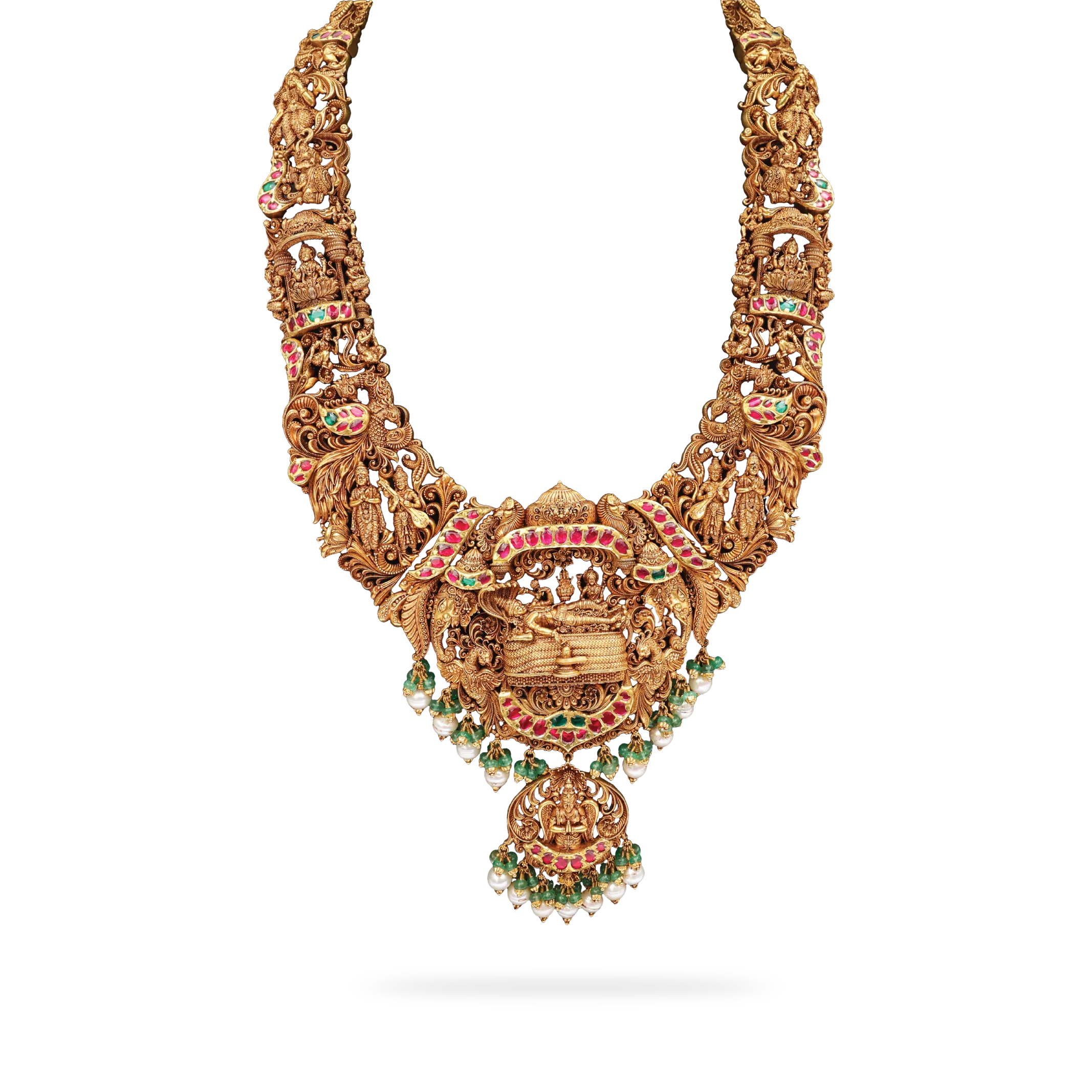
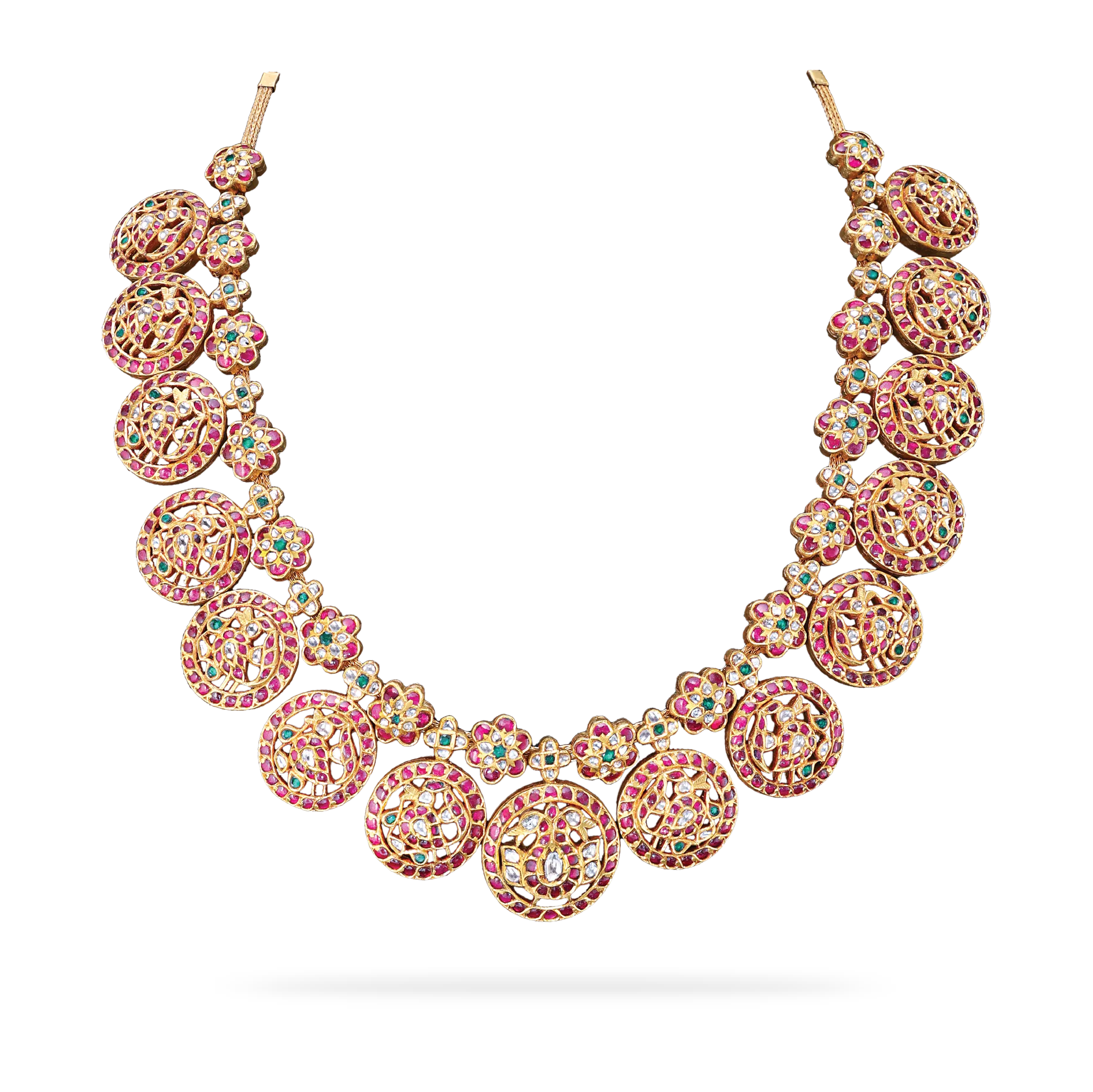
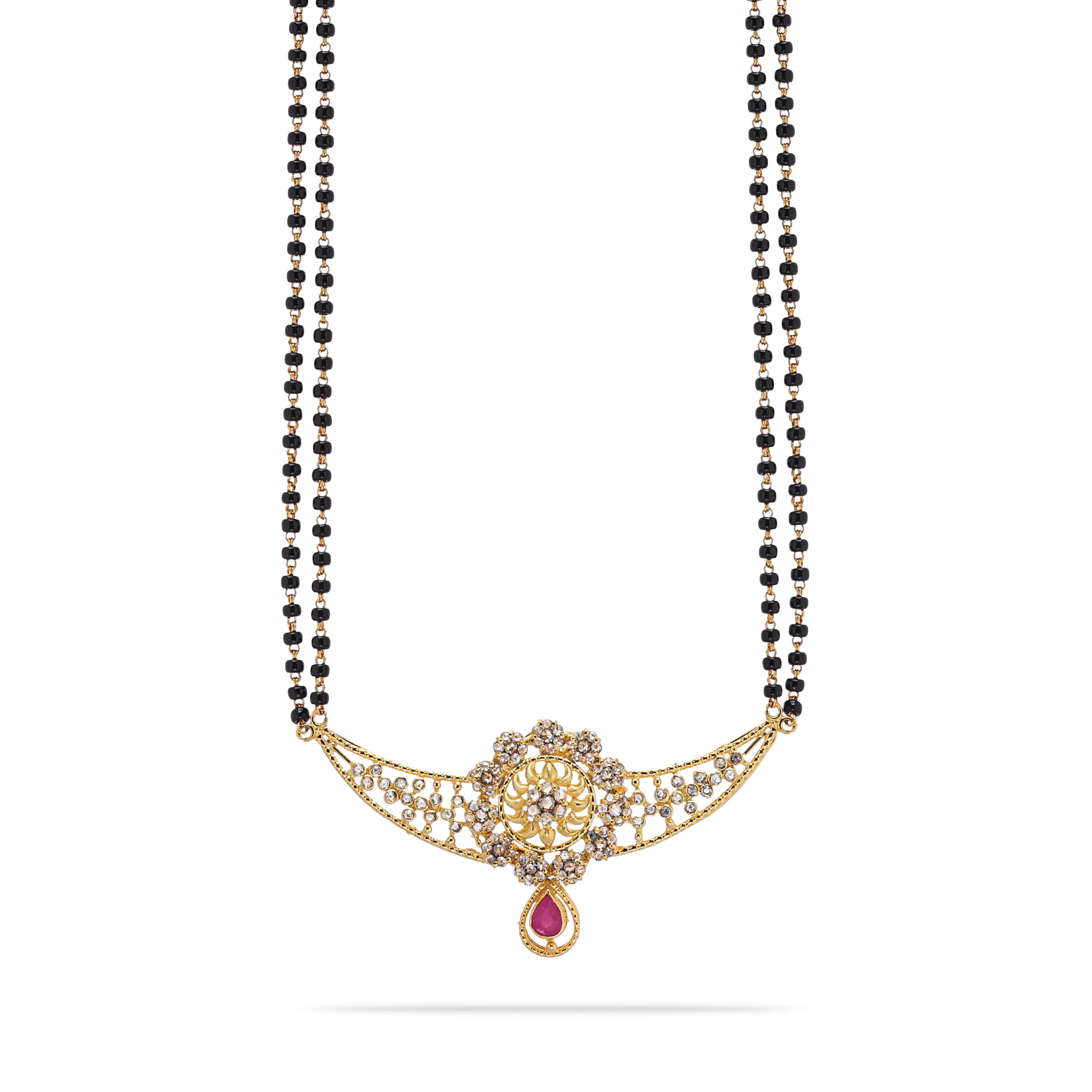
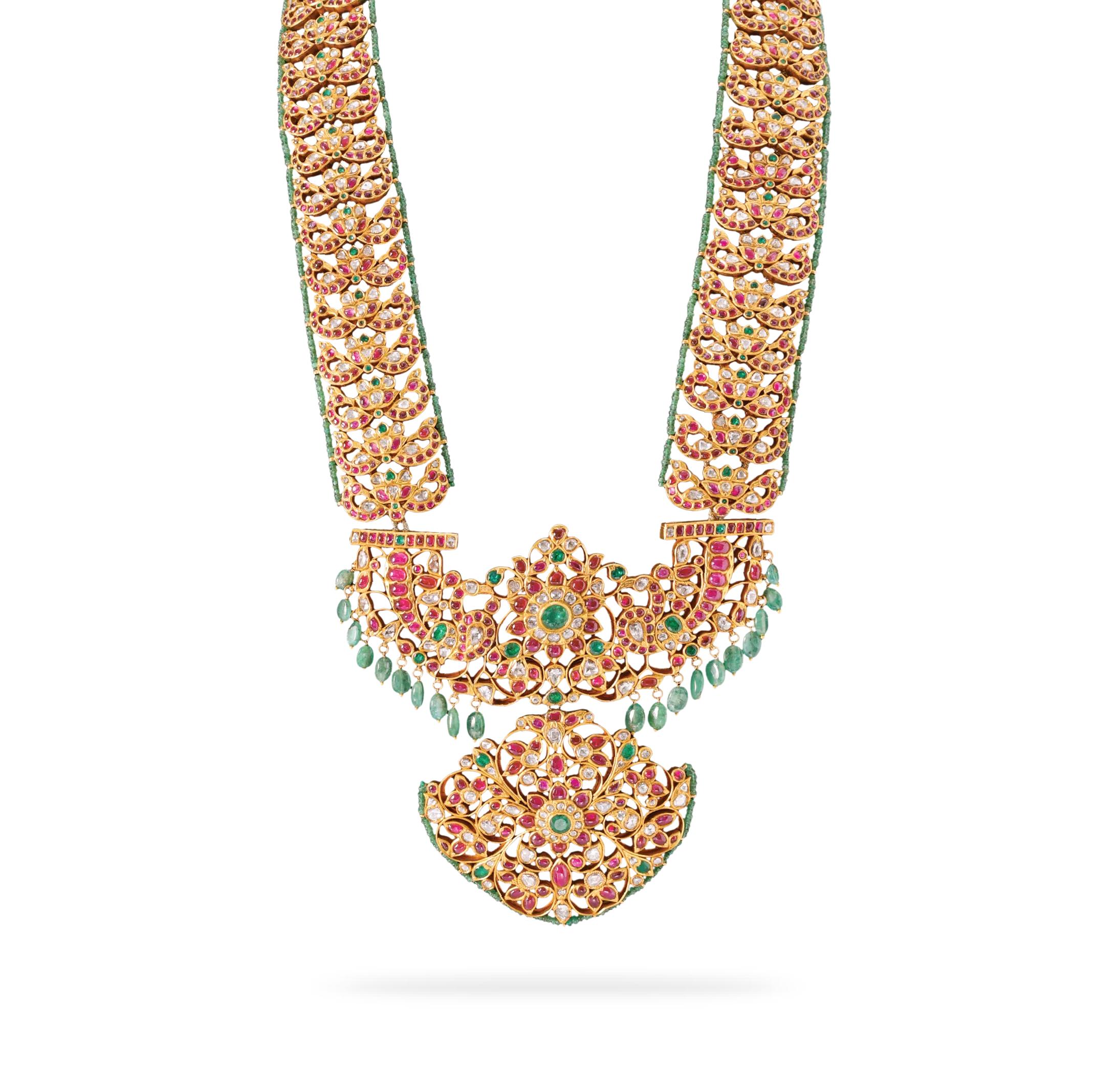
Regional dress carries its own vocabulary of motifs, metals, and proportions. A silk saree, for example, may call for a different balance from a pastel lehenga, while family customs may influence whether you include a maang tikka, nose ring, armlet, or particular necklace form. Ask relatives about meaningful pieces, but keep the final combination comfortable and authentic to you.
C Krishniah Chetty & Co’s silk saree jewellery guide discusses coordinating metals, gemstones, finishes, and traditional accessories with saree textures. Use that kind of outfit-specific thinking rather than treating all bridal clothing as interchangeable.
Choose the essential bridal jewellery pieces
A beautiful set does not have to contain every possible category. Begin with the pieces that will appear most clearly in portraits and that you genuinely expect to wear. Then add accents only when they improve the composition. This approach keeps the look focused and makes the buying process less overwhelming.
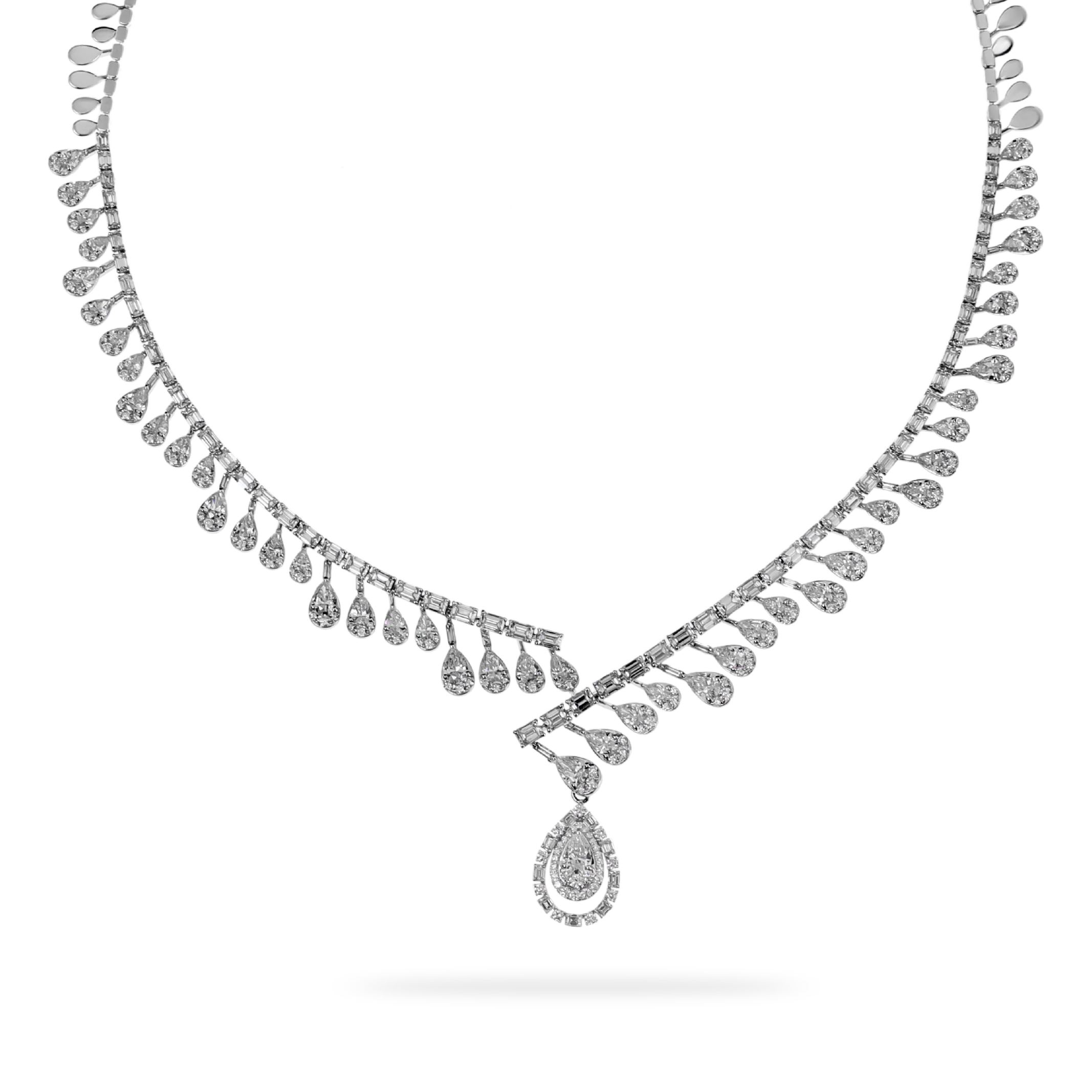
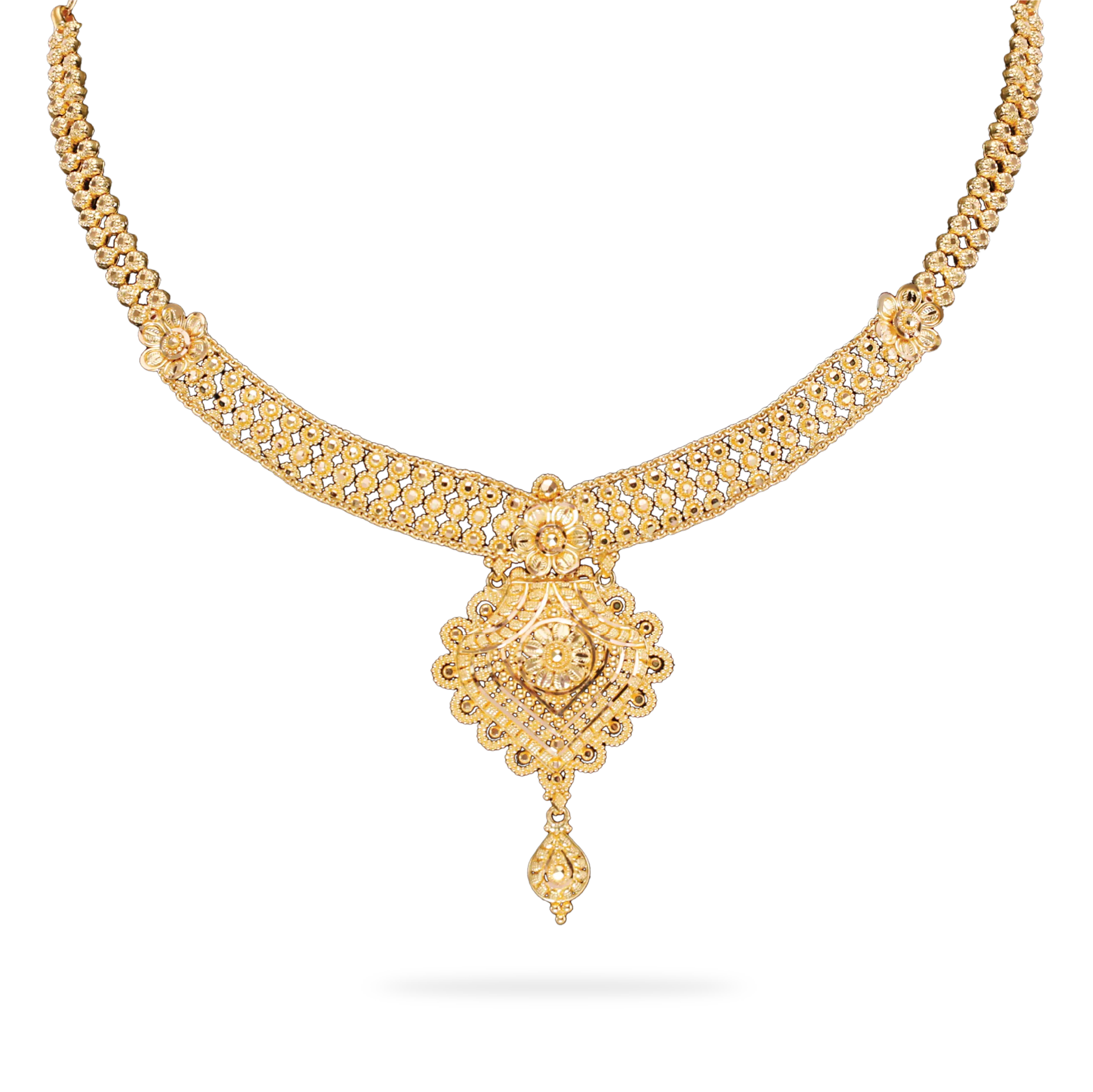
Select the right necklace or choker
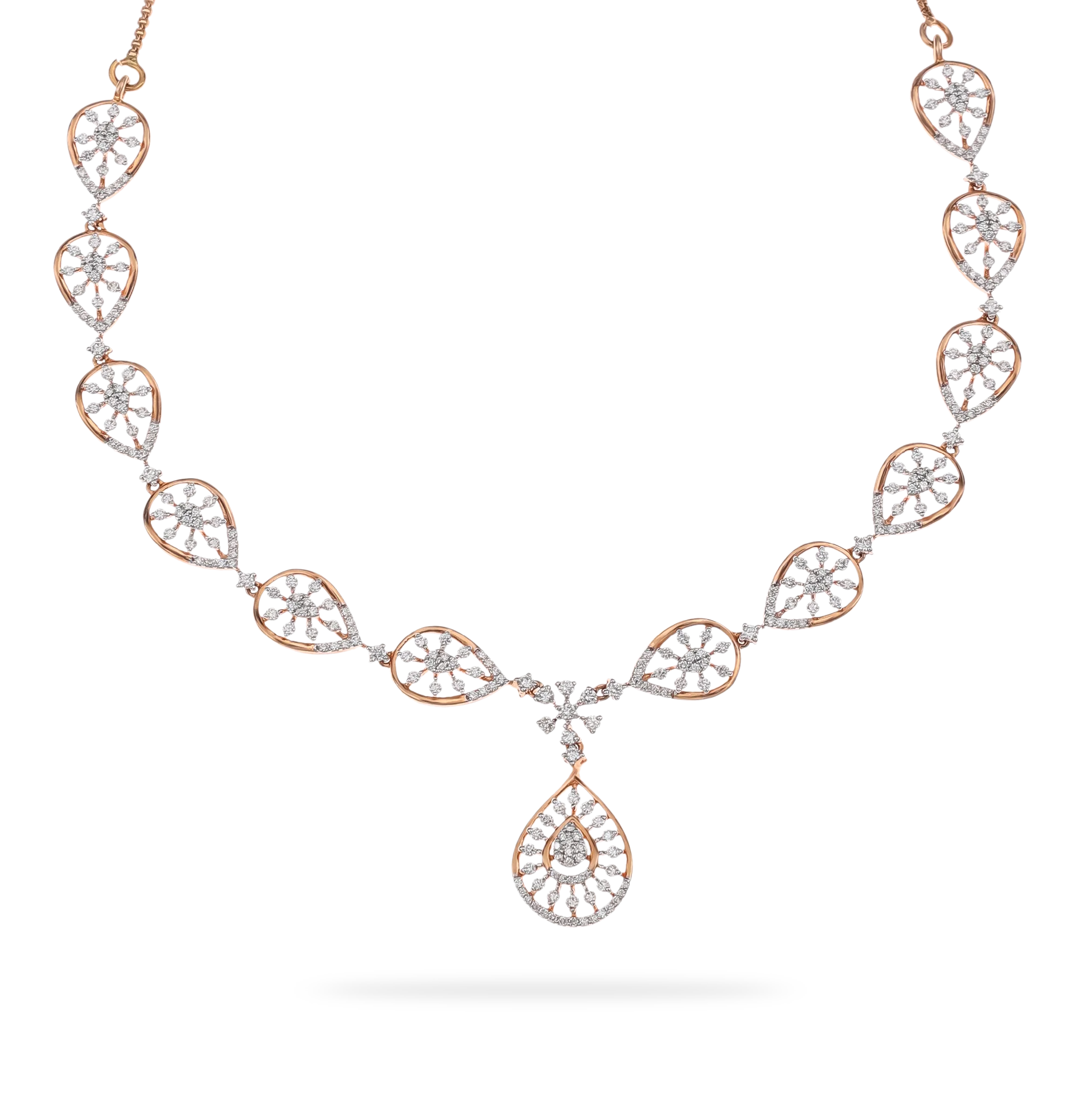
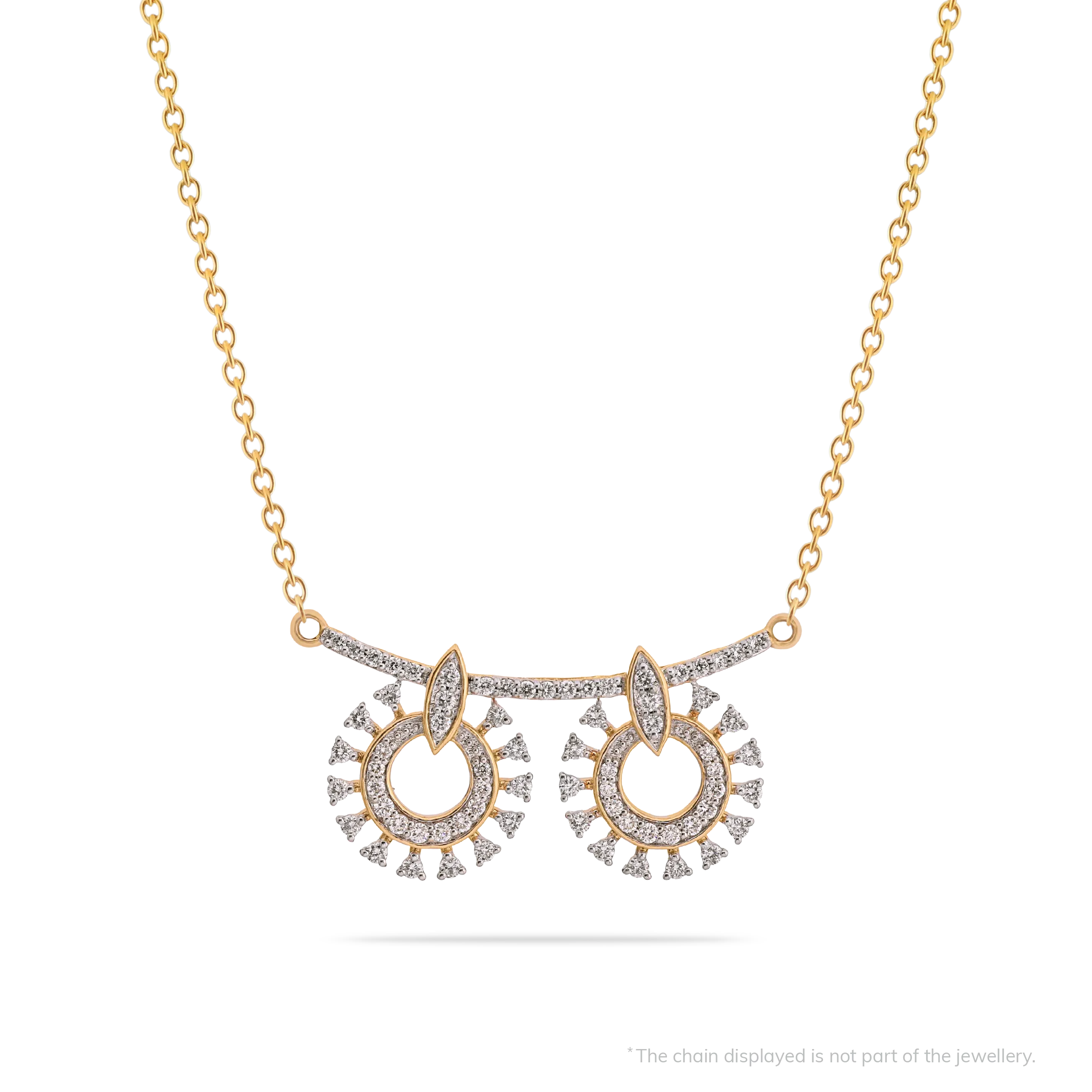
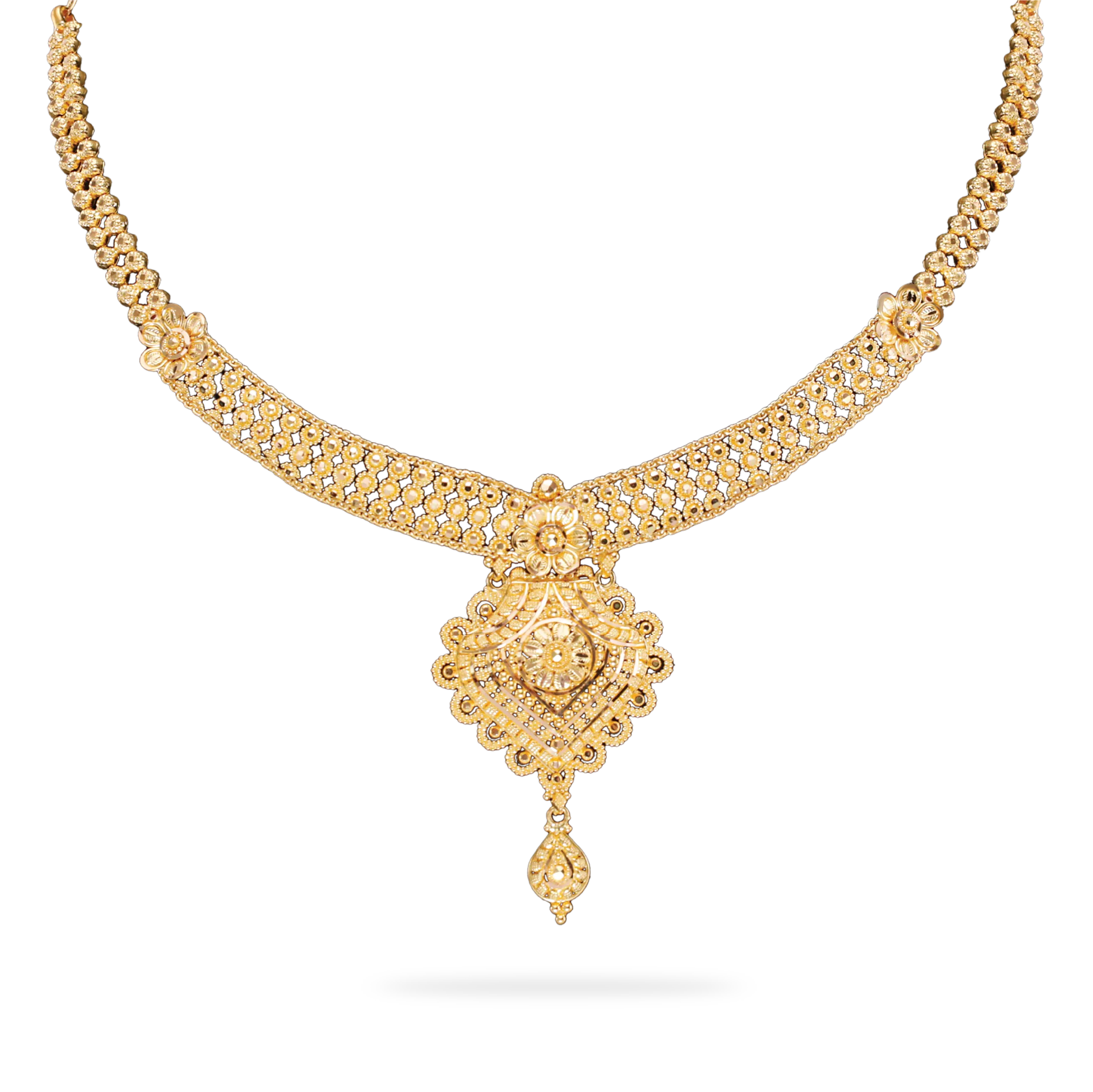
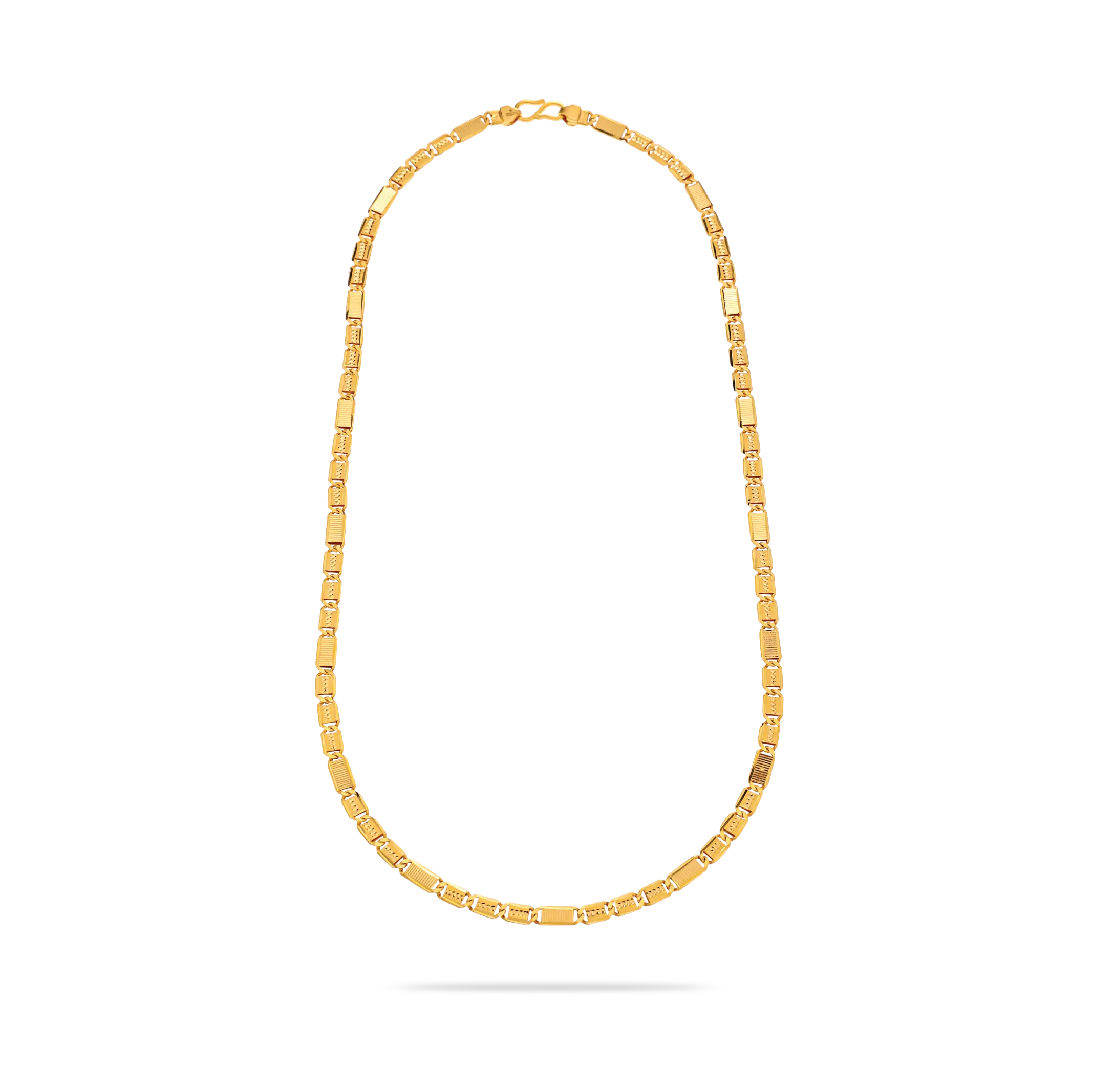
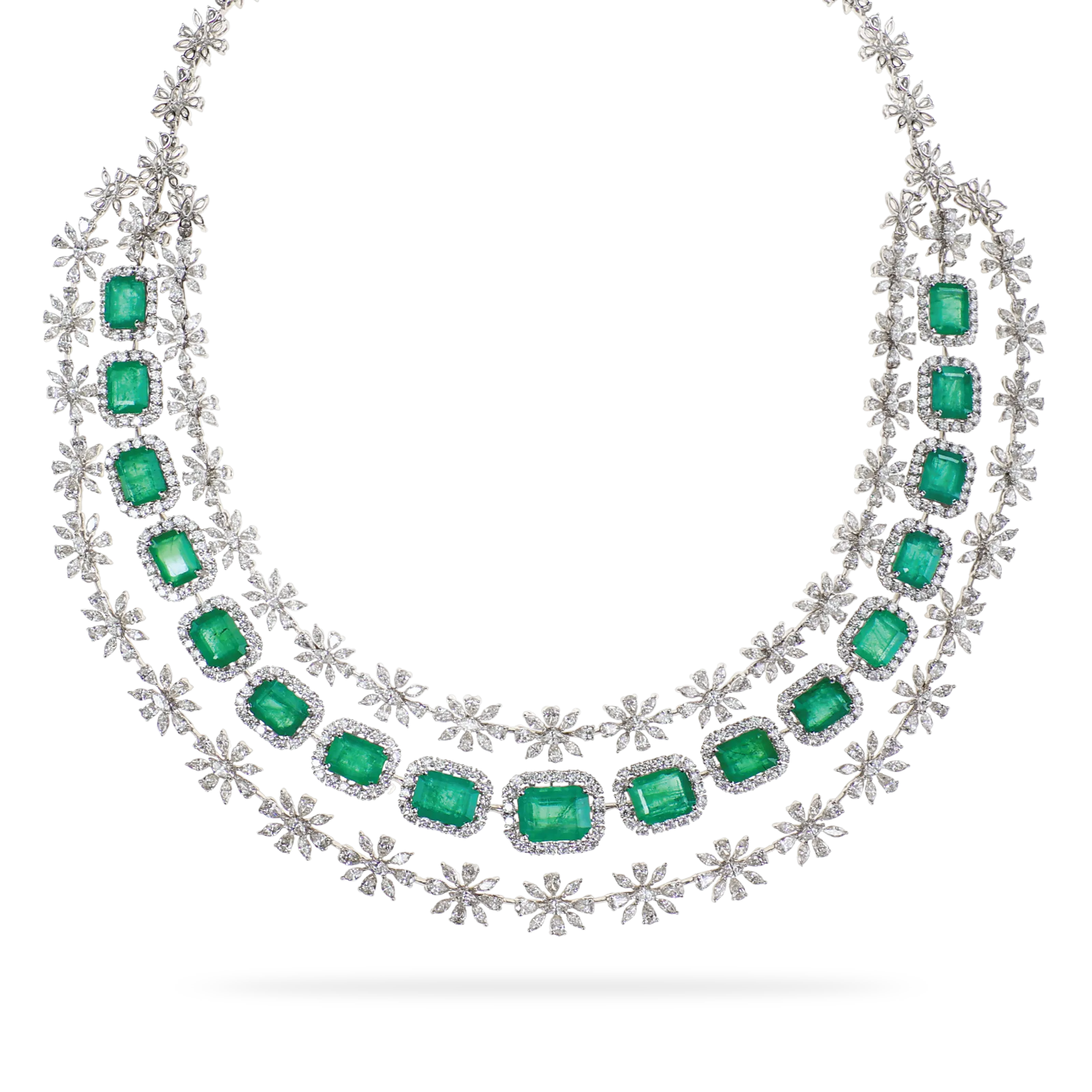
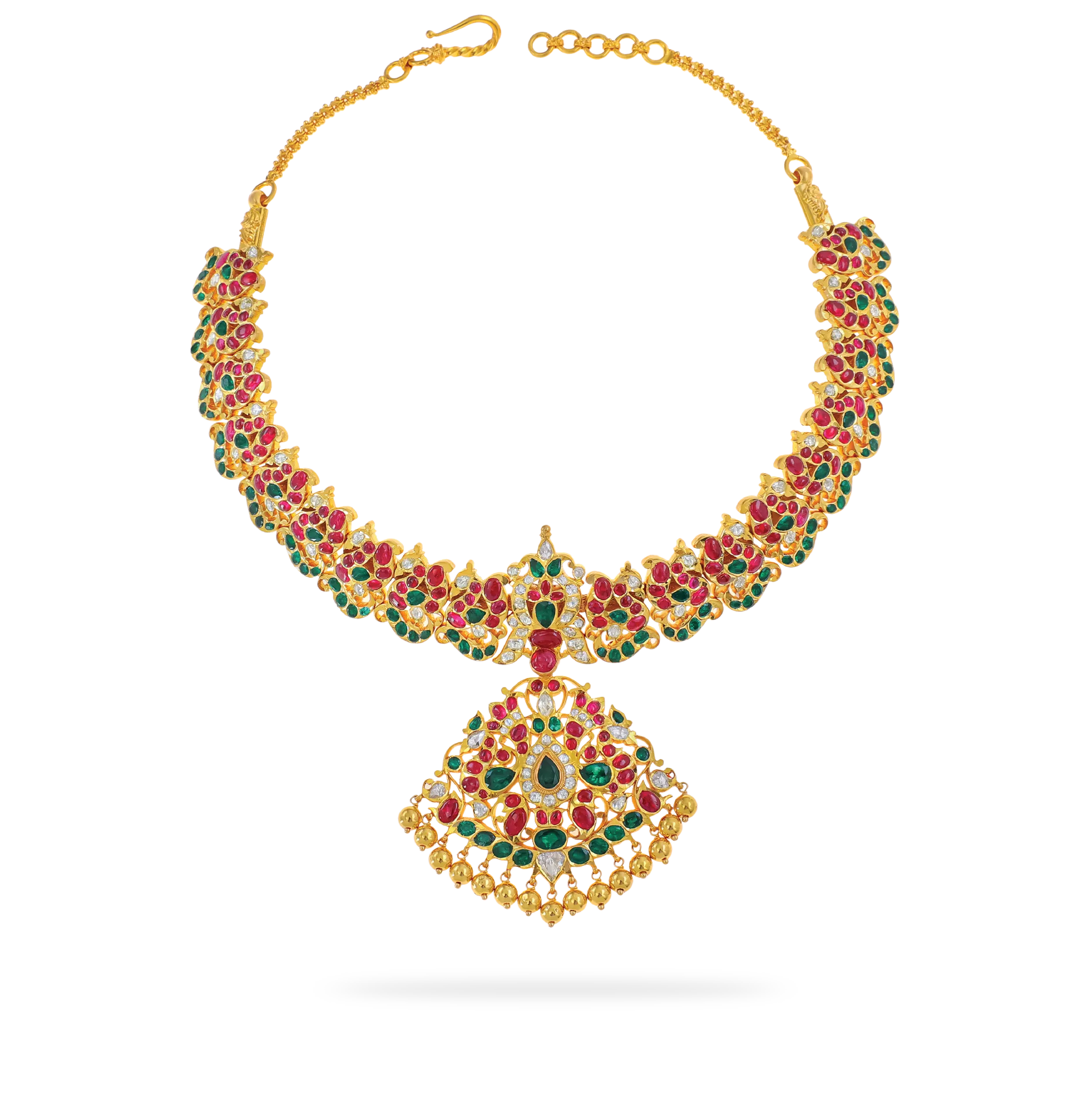
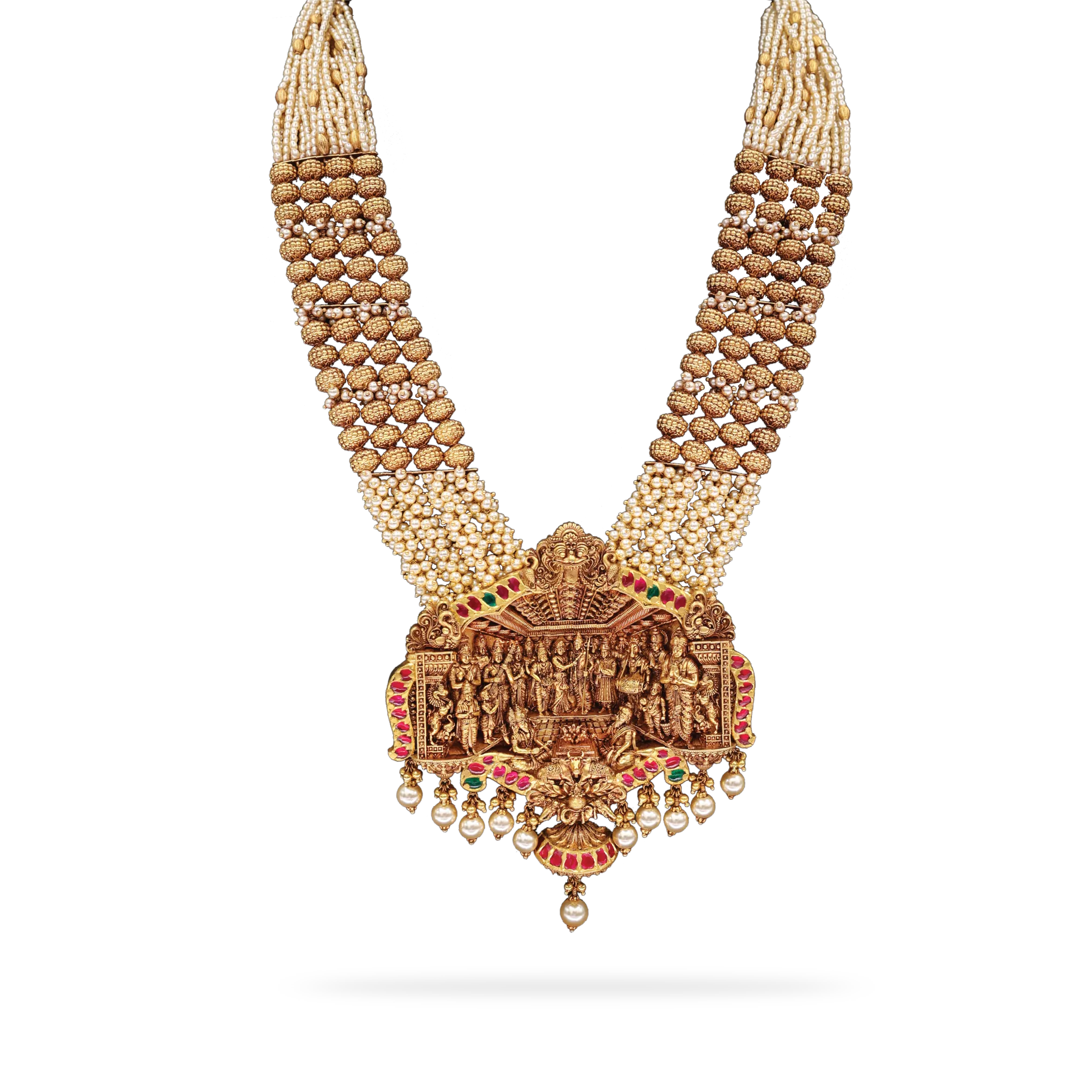
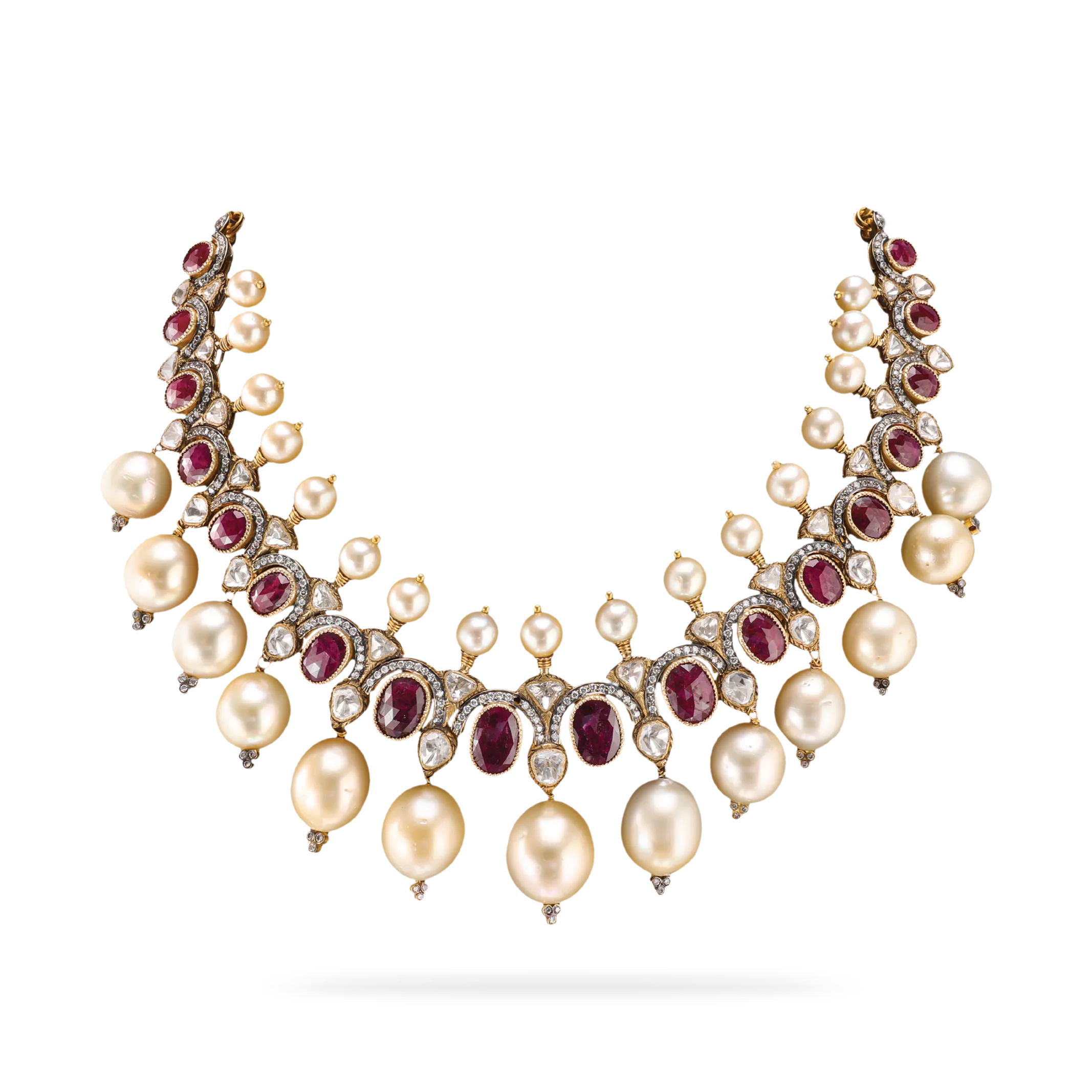
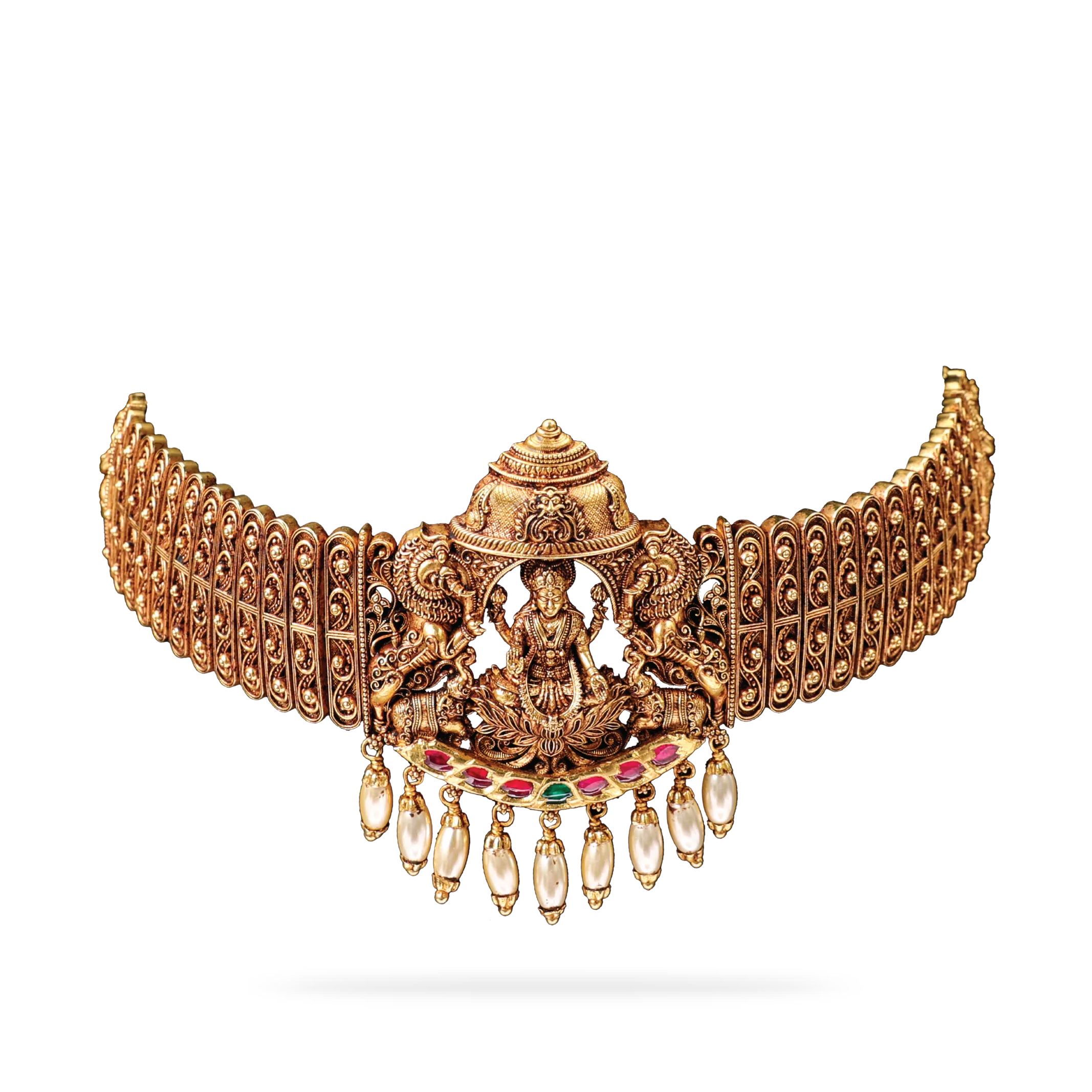
The necklace is often the anchor of engagement styling, but its width, length, and surface detail should suit both your neckline and the scale of your features. A choker can feel regal and defined; a longer necklace creates vertical movement and may work well with a simpler blouse. Layering can be elegant when the lengths are distinct rather than crowded together.
Stand, sit, and turn while wearing the piece. The ideal necklace stays visible beneath the drape, frames the face, and does not press uncomfortably against the throat.
Decide whether earrings need a statement design
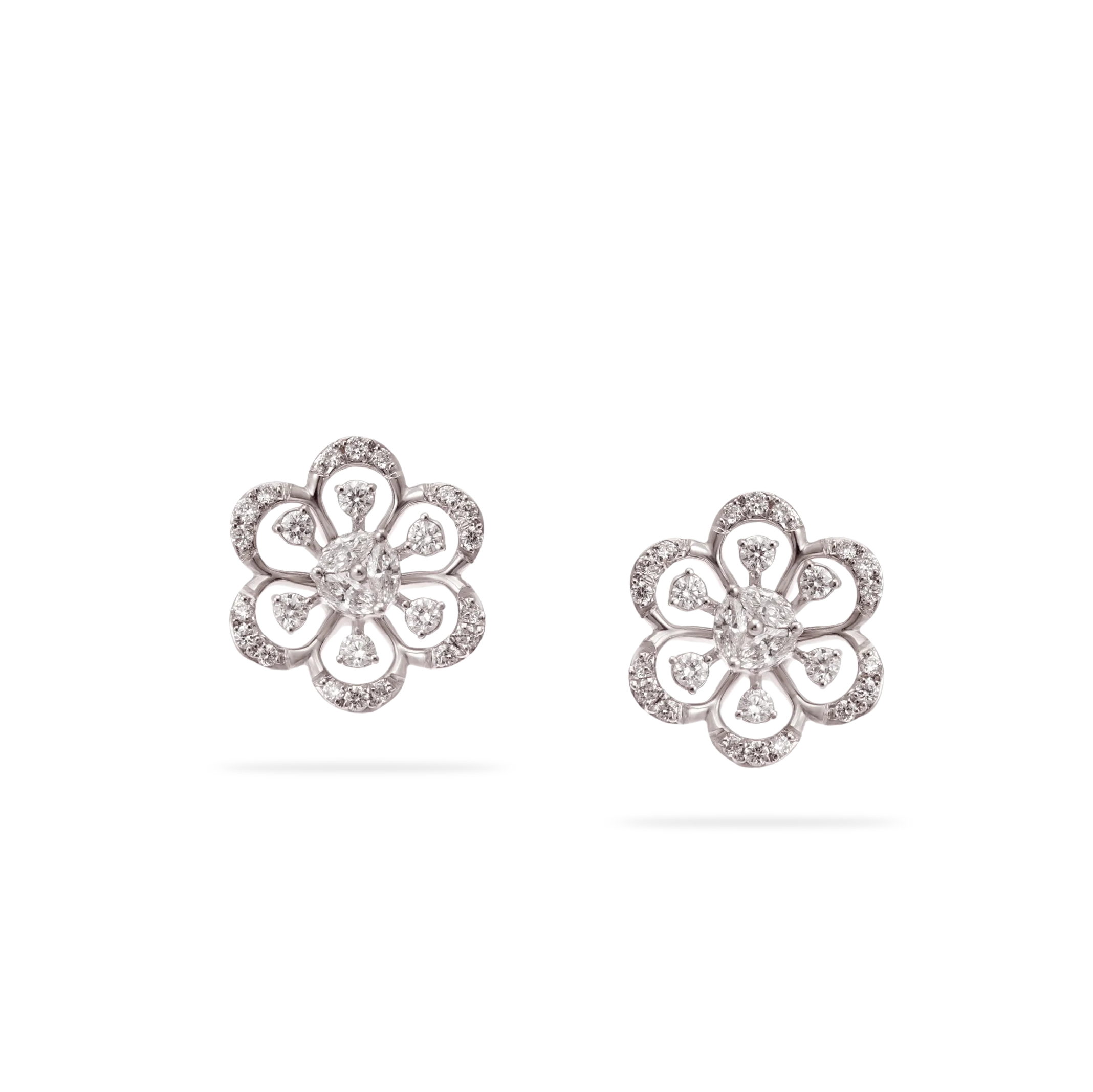
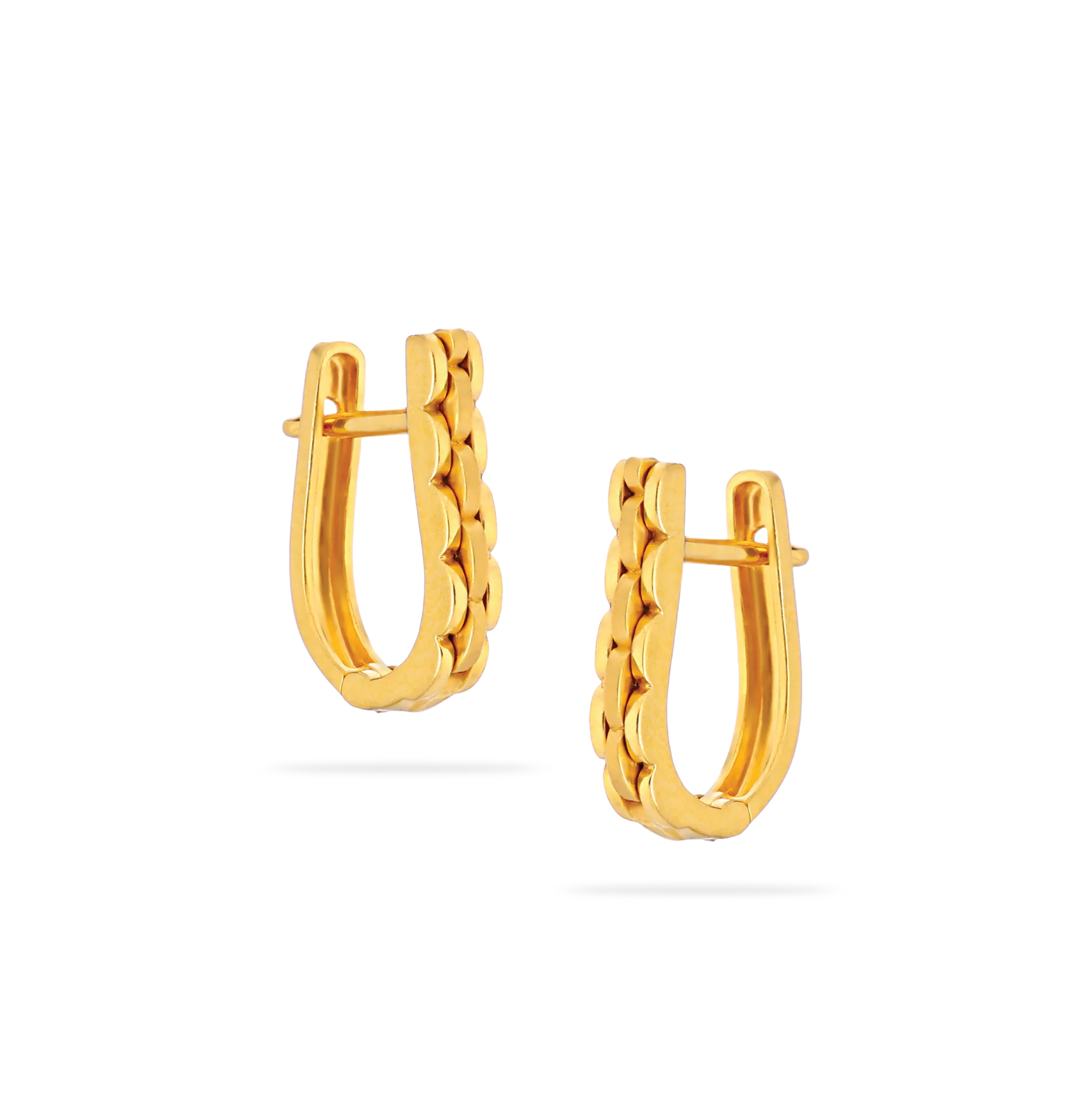
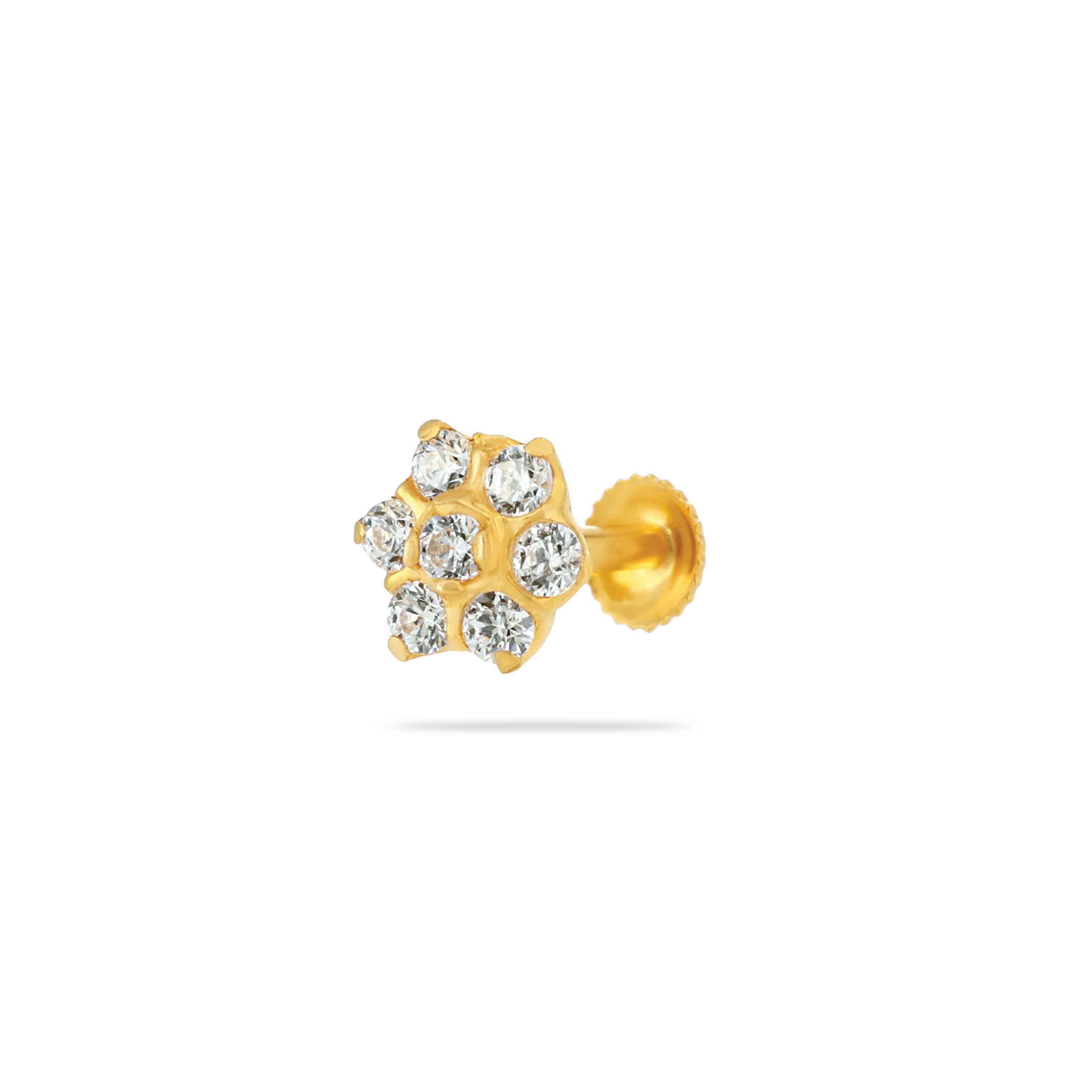
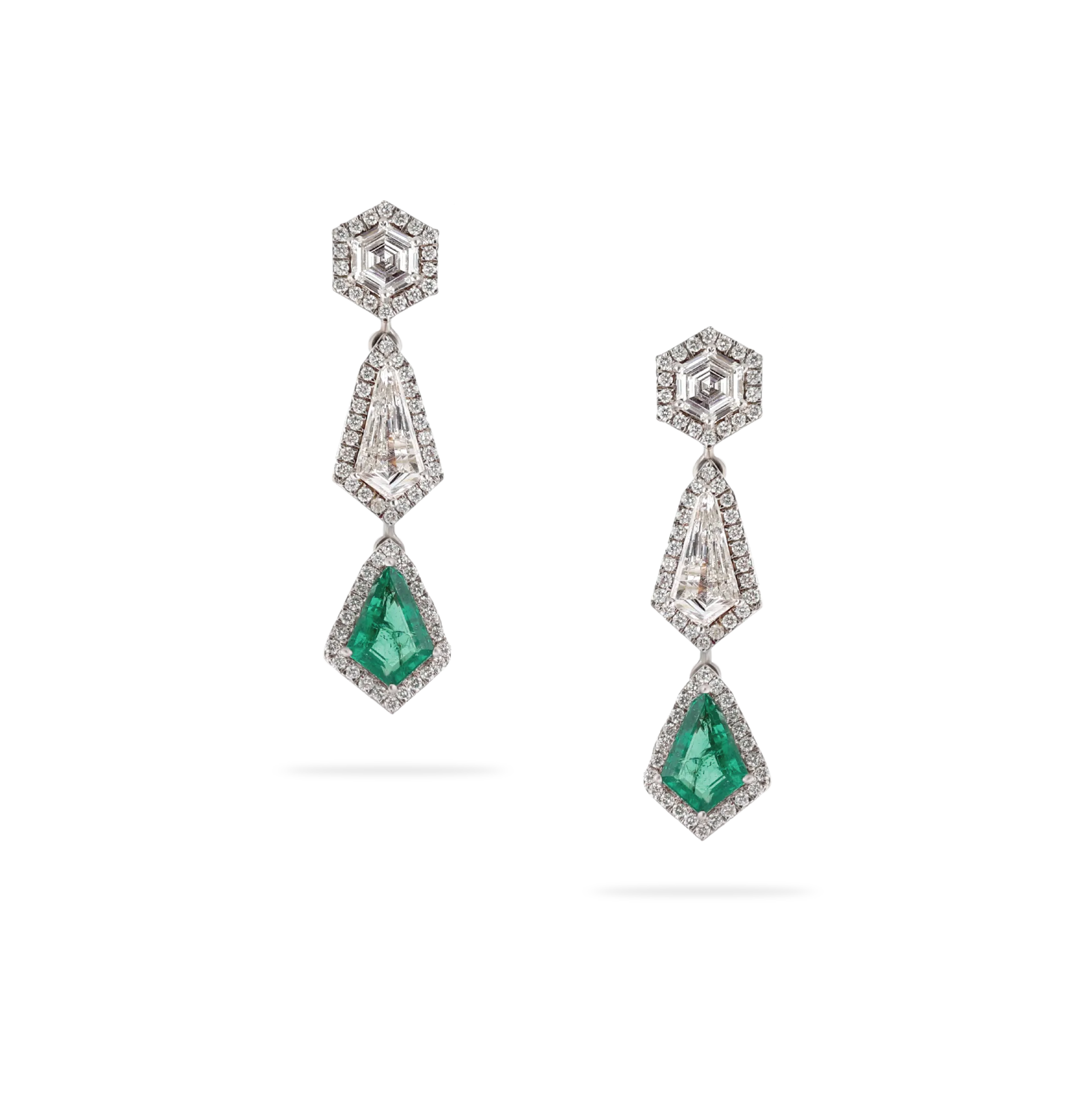
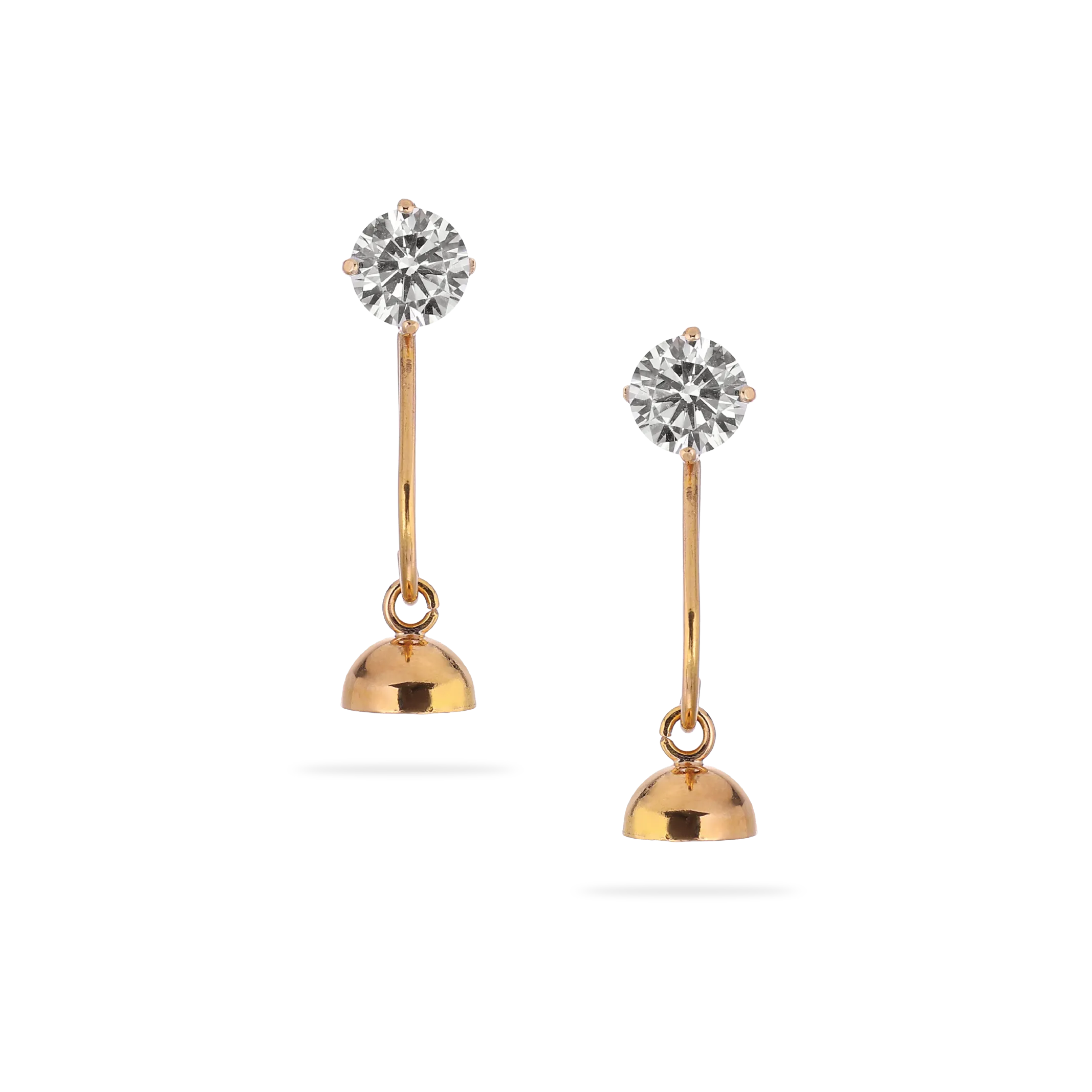
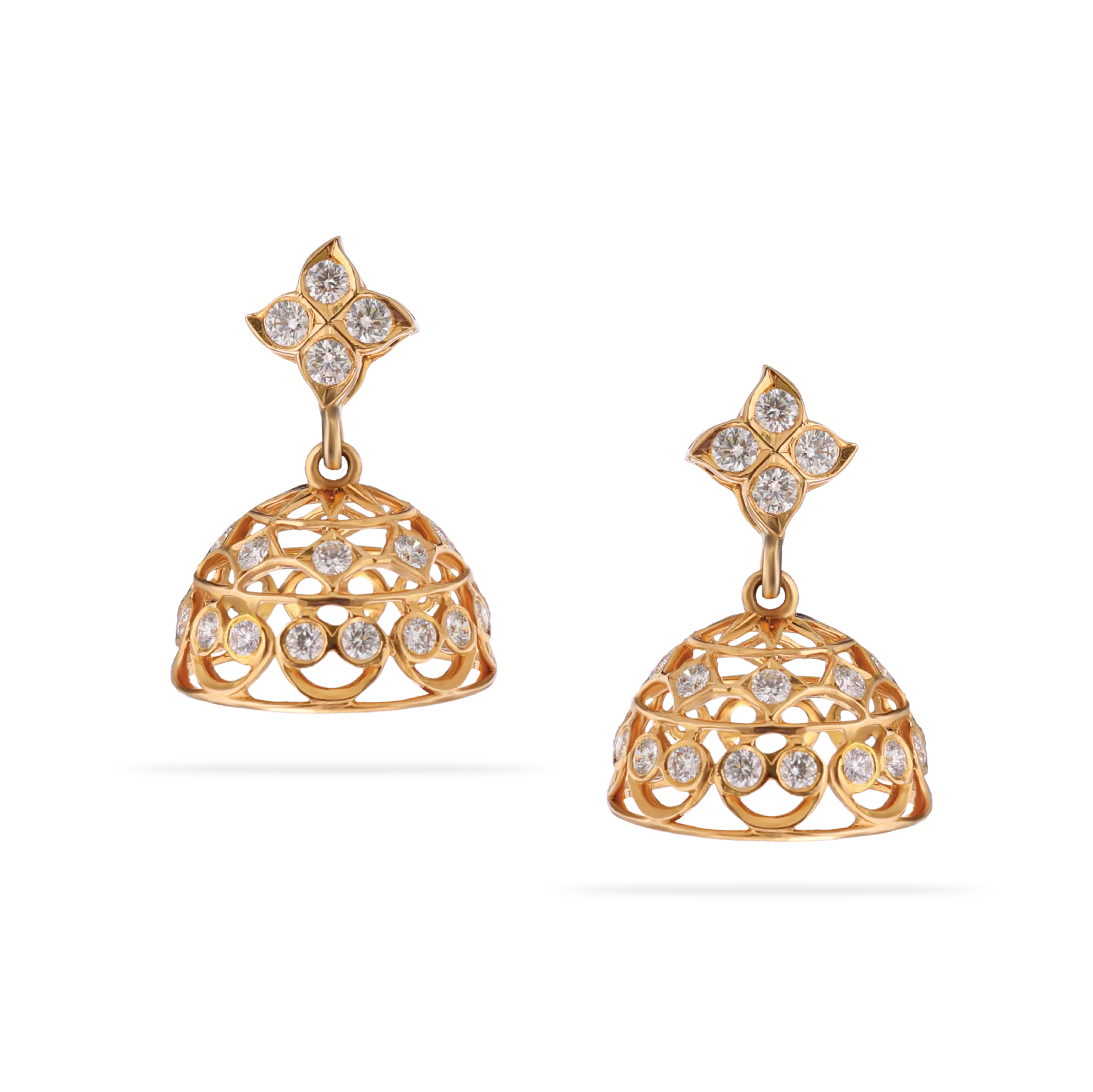
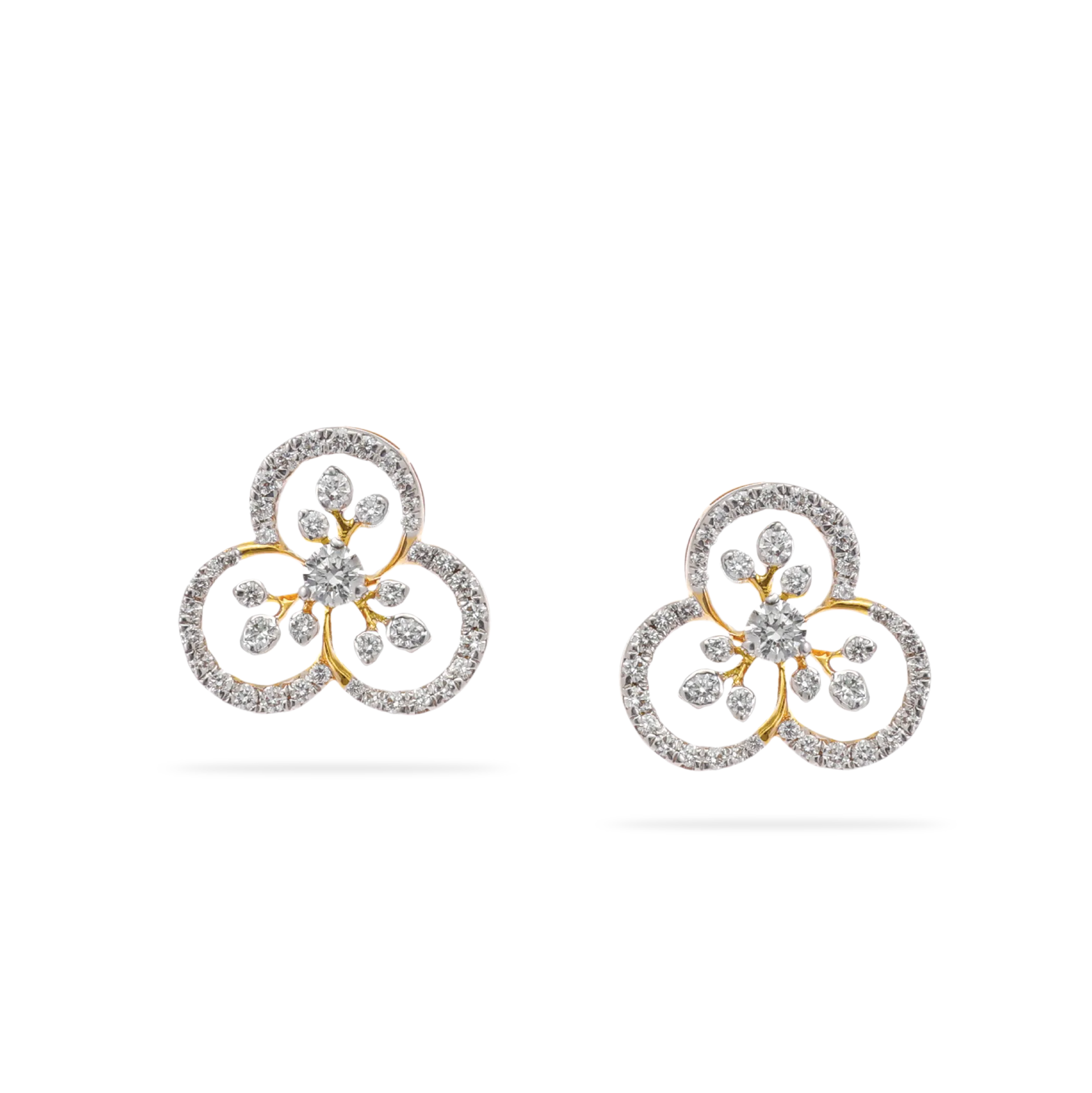
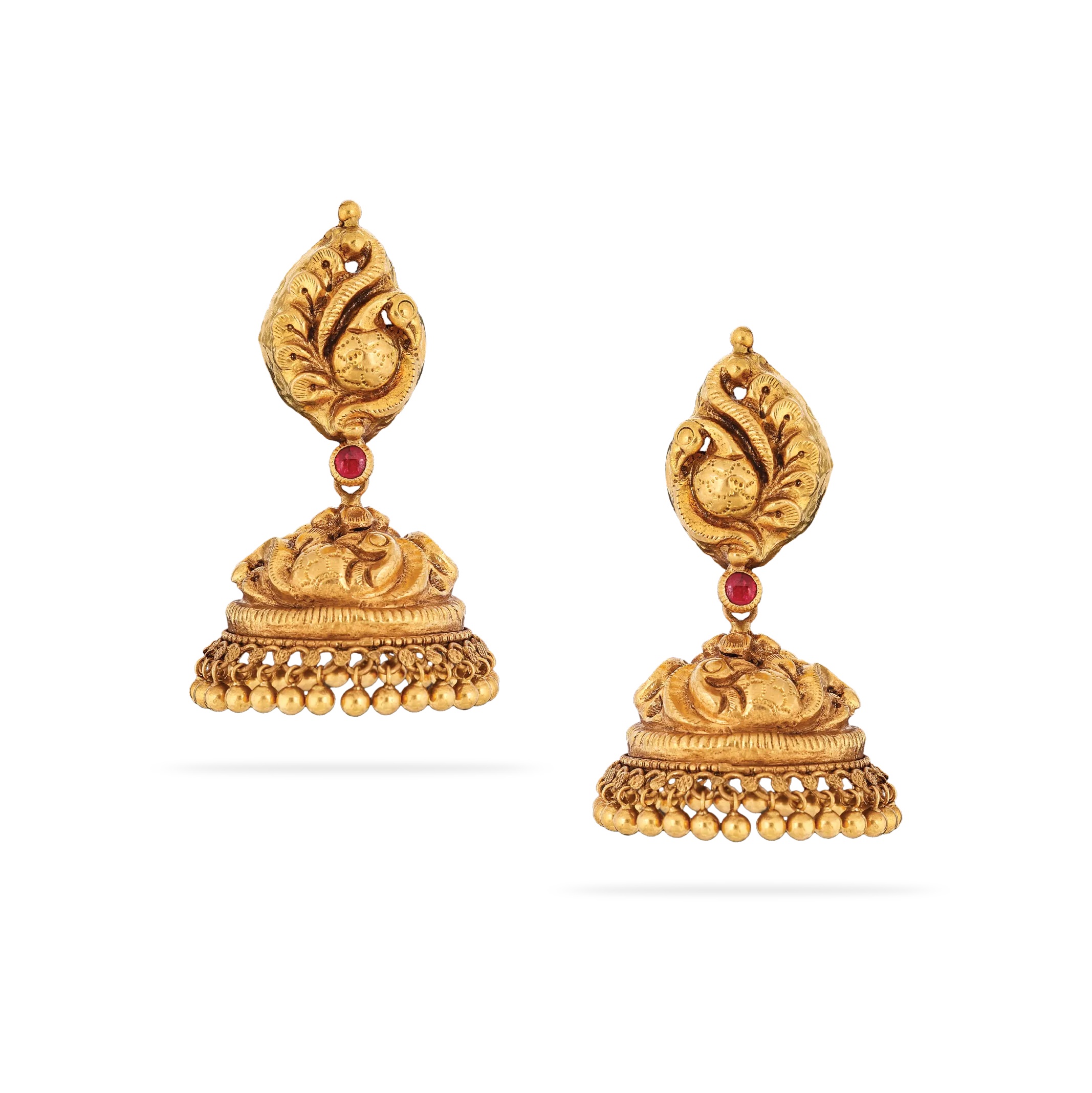
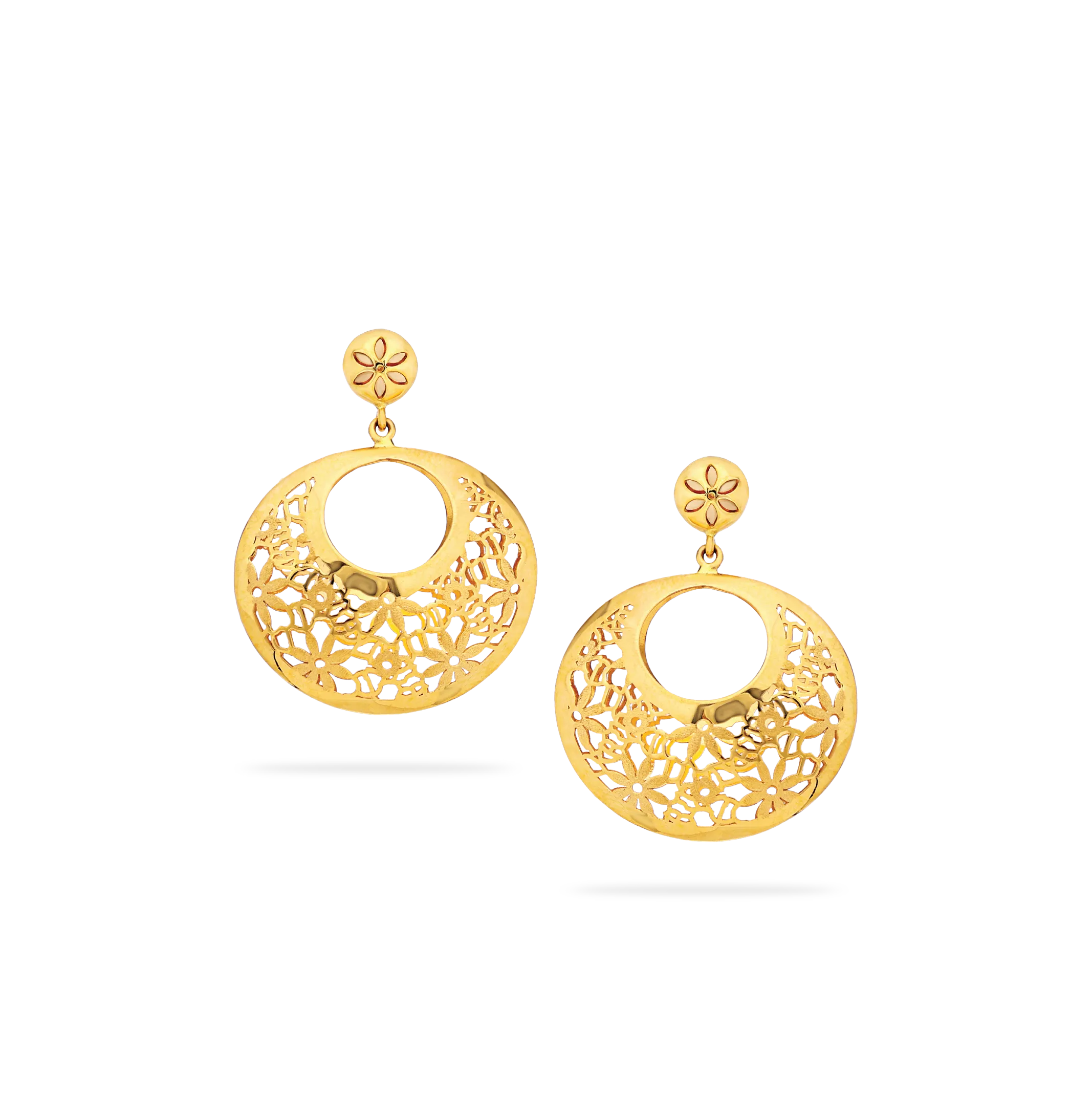
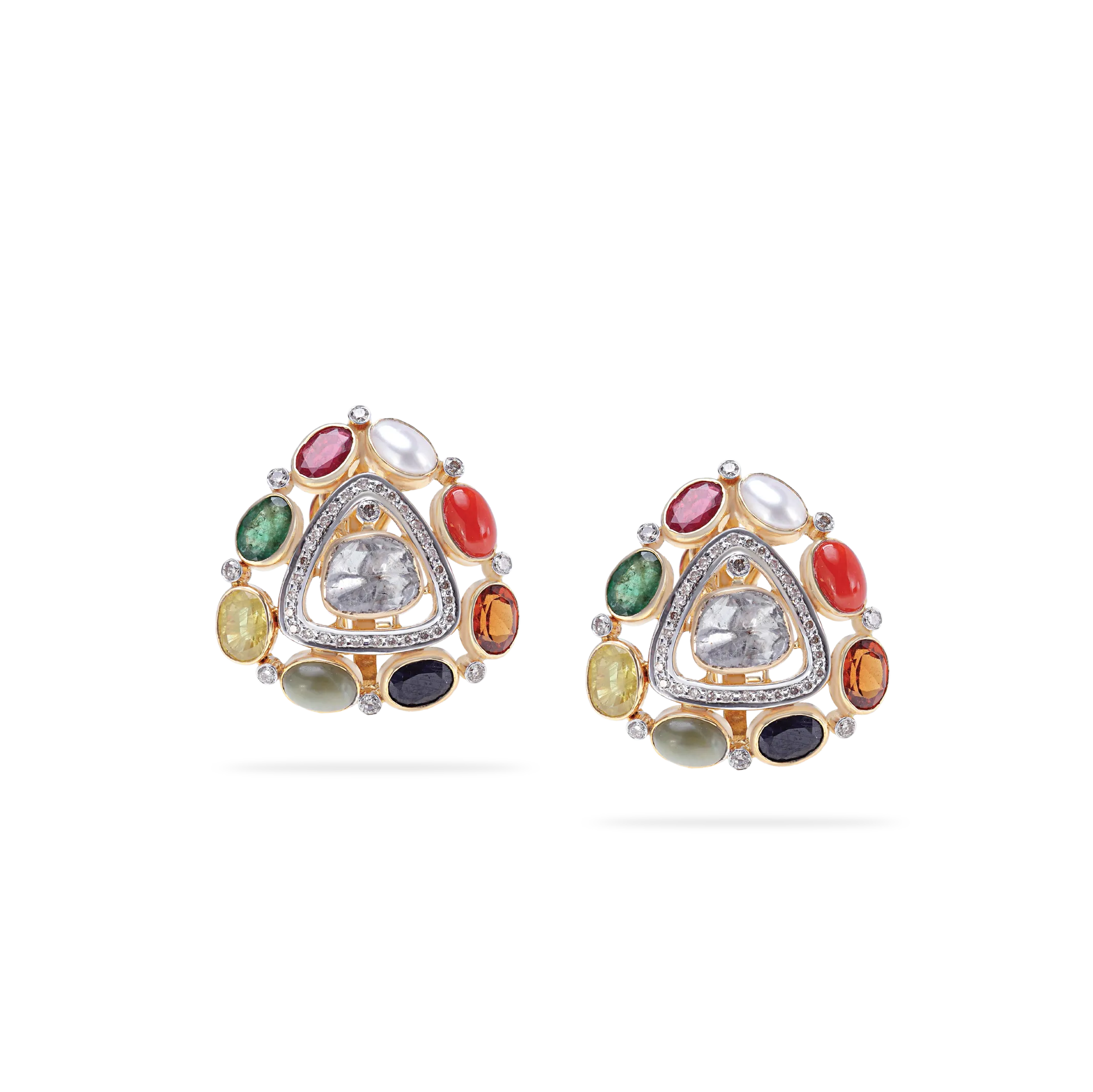
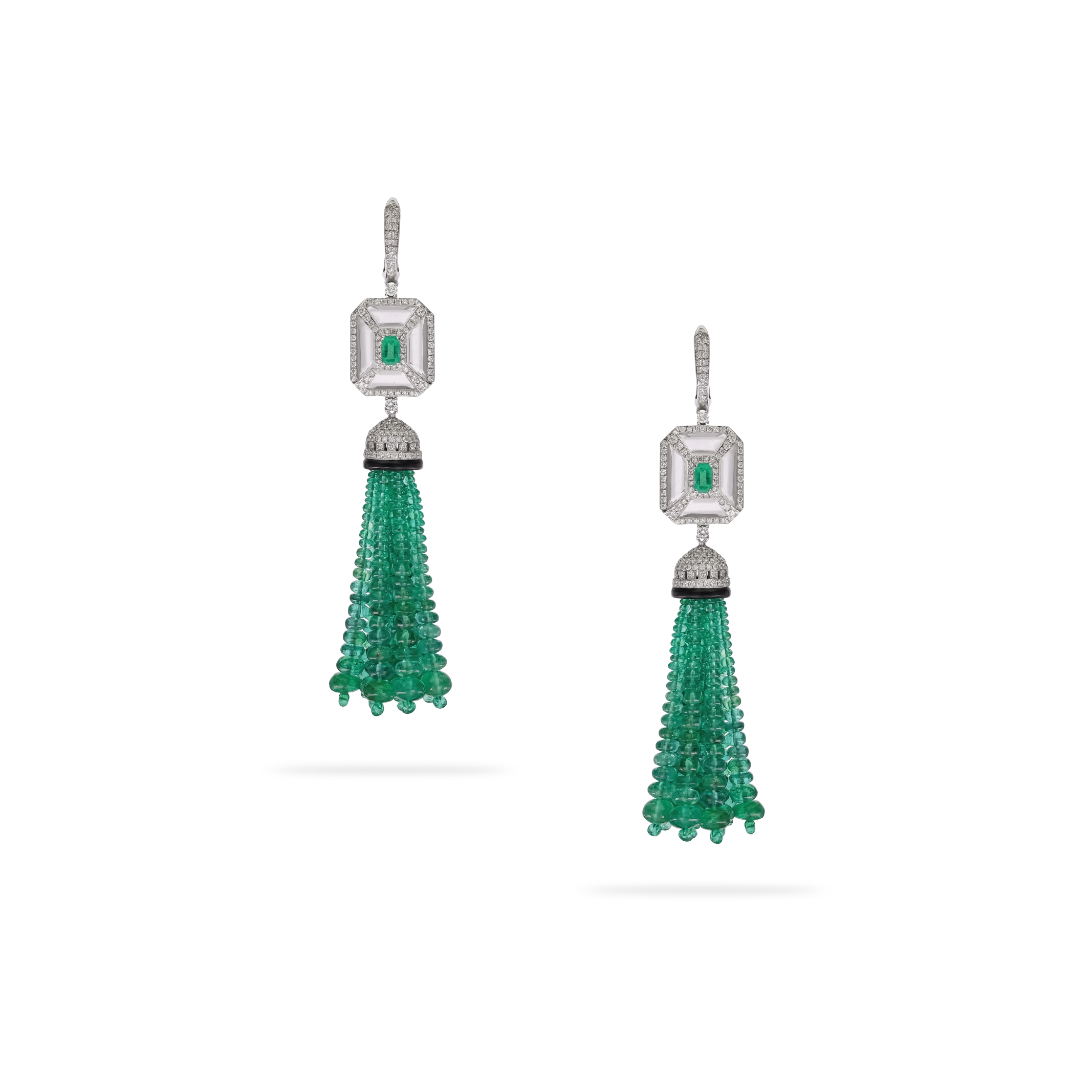
Earrings deserve more attention when the neckline is high or the necklace is minimal. Long drops can add movement to a simple outfit, while studs or compact jhumkas may be enough beside a substantial necklace. Consider how your hairstyle will expose or cover the earrings before choosing their scale.
If you want a single investment piece with broad versatility, a classic necklace, pair of earrings, or ring may serve more occasions than a highly specific matching set.
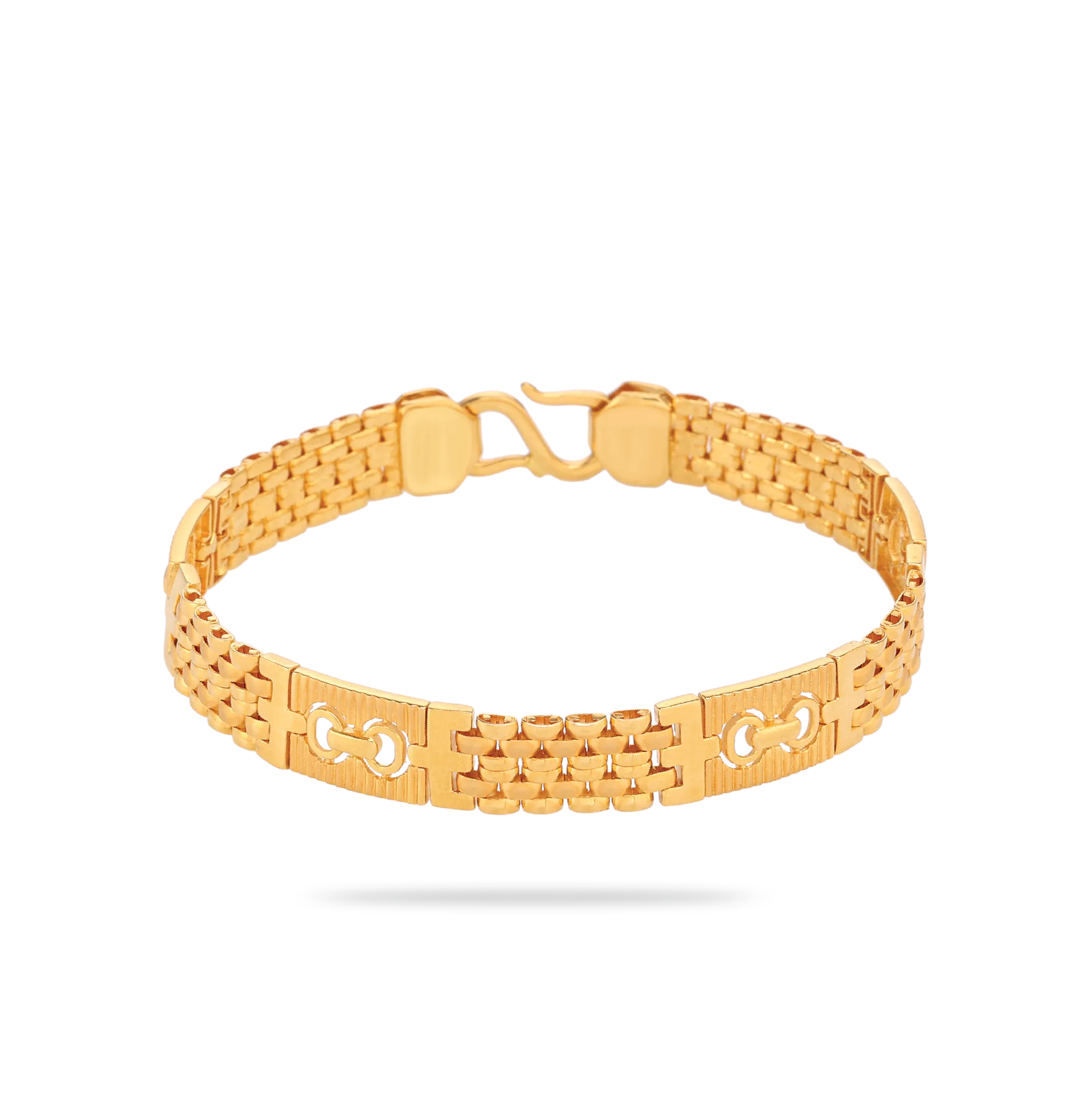
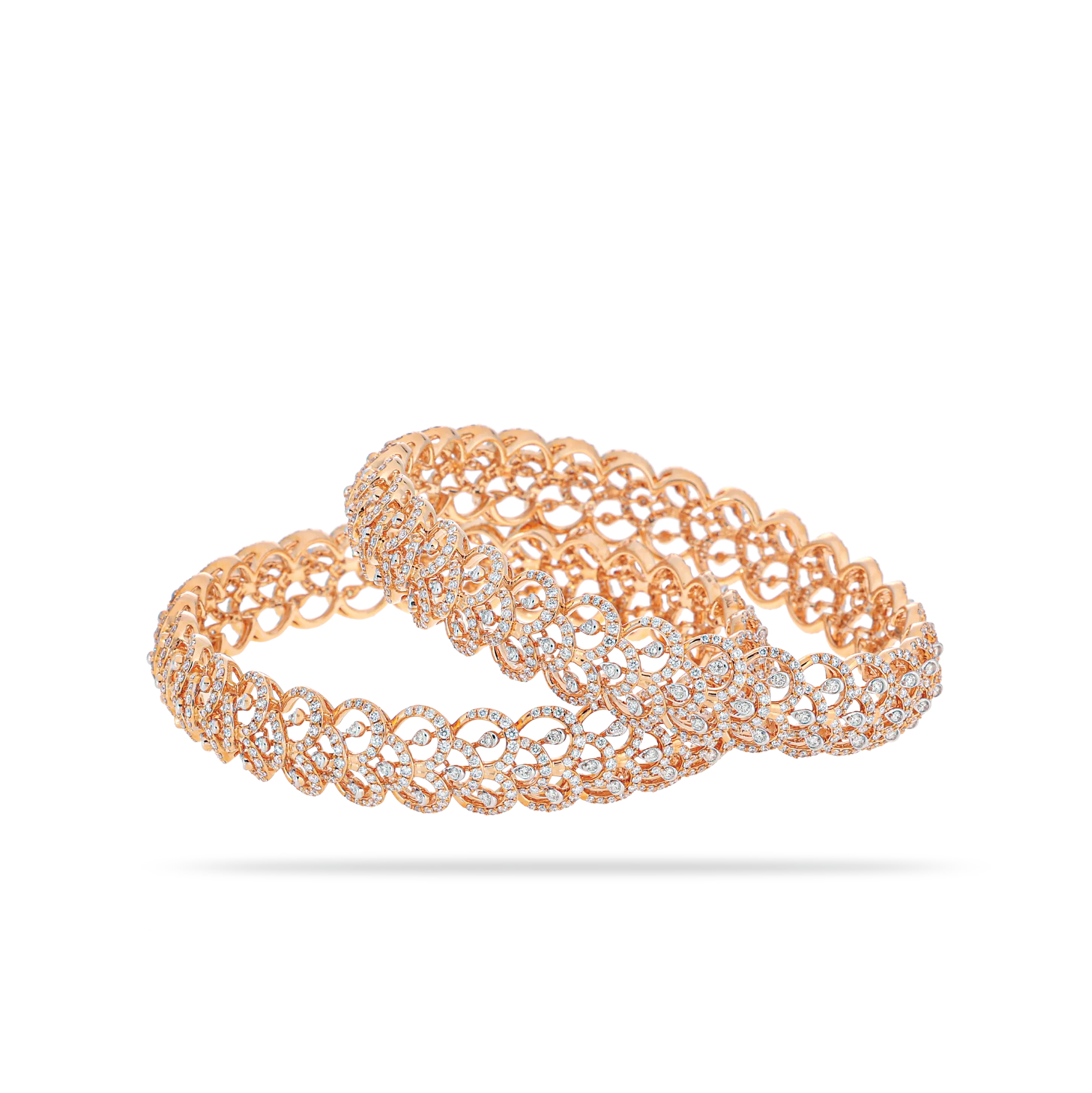
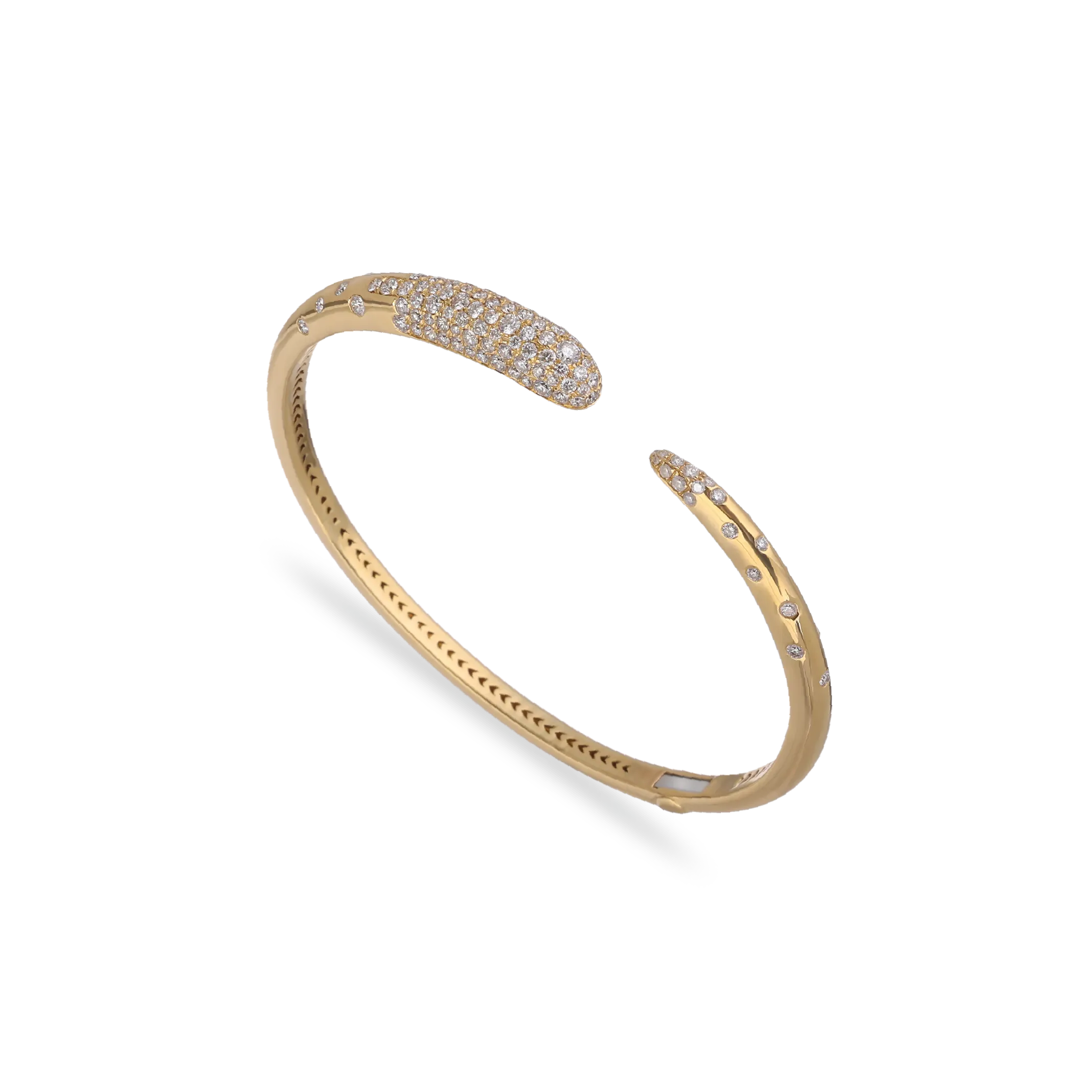
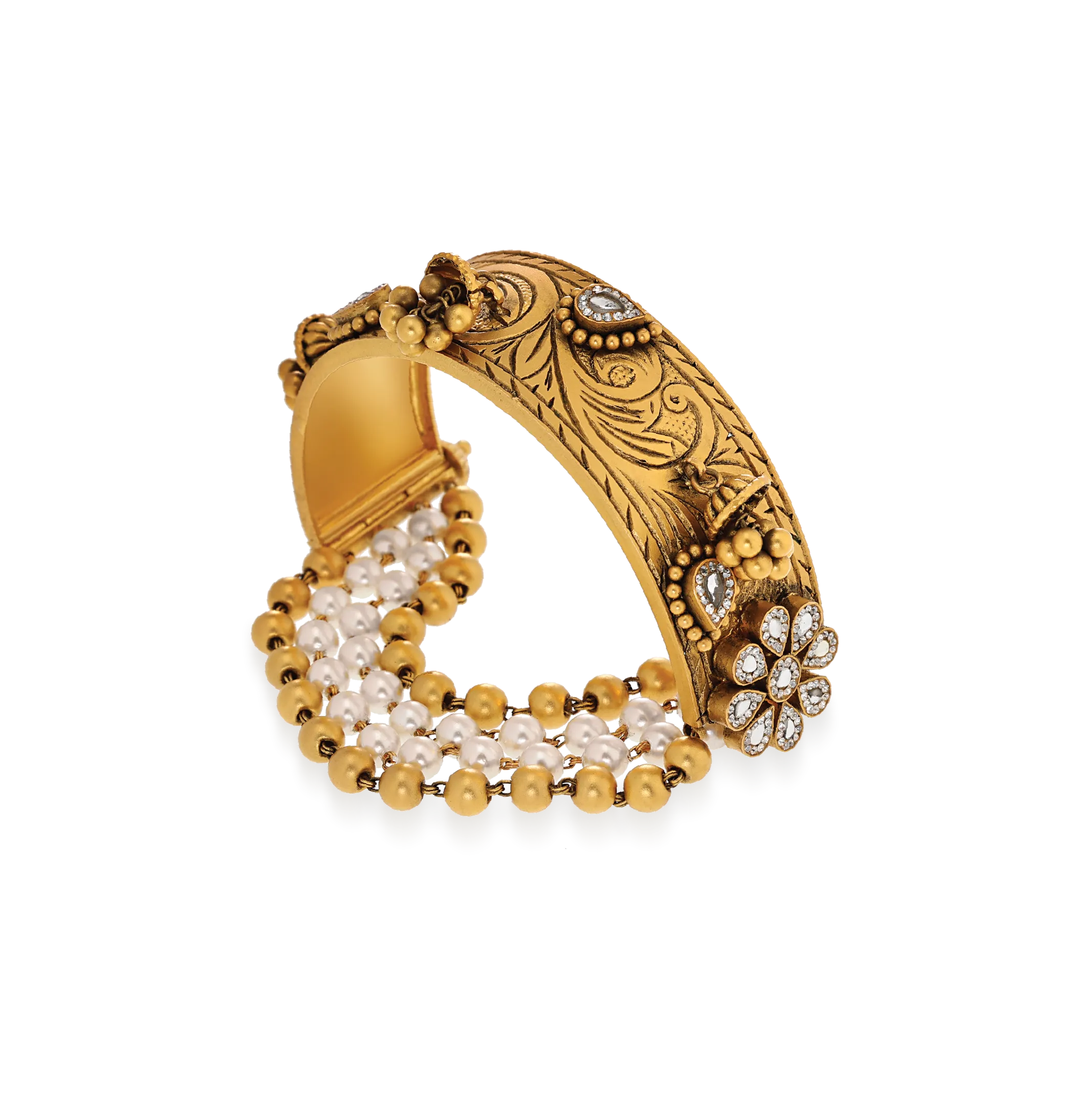
Add bangles, bracelets, or cuffs thoughtfully
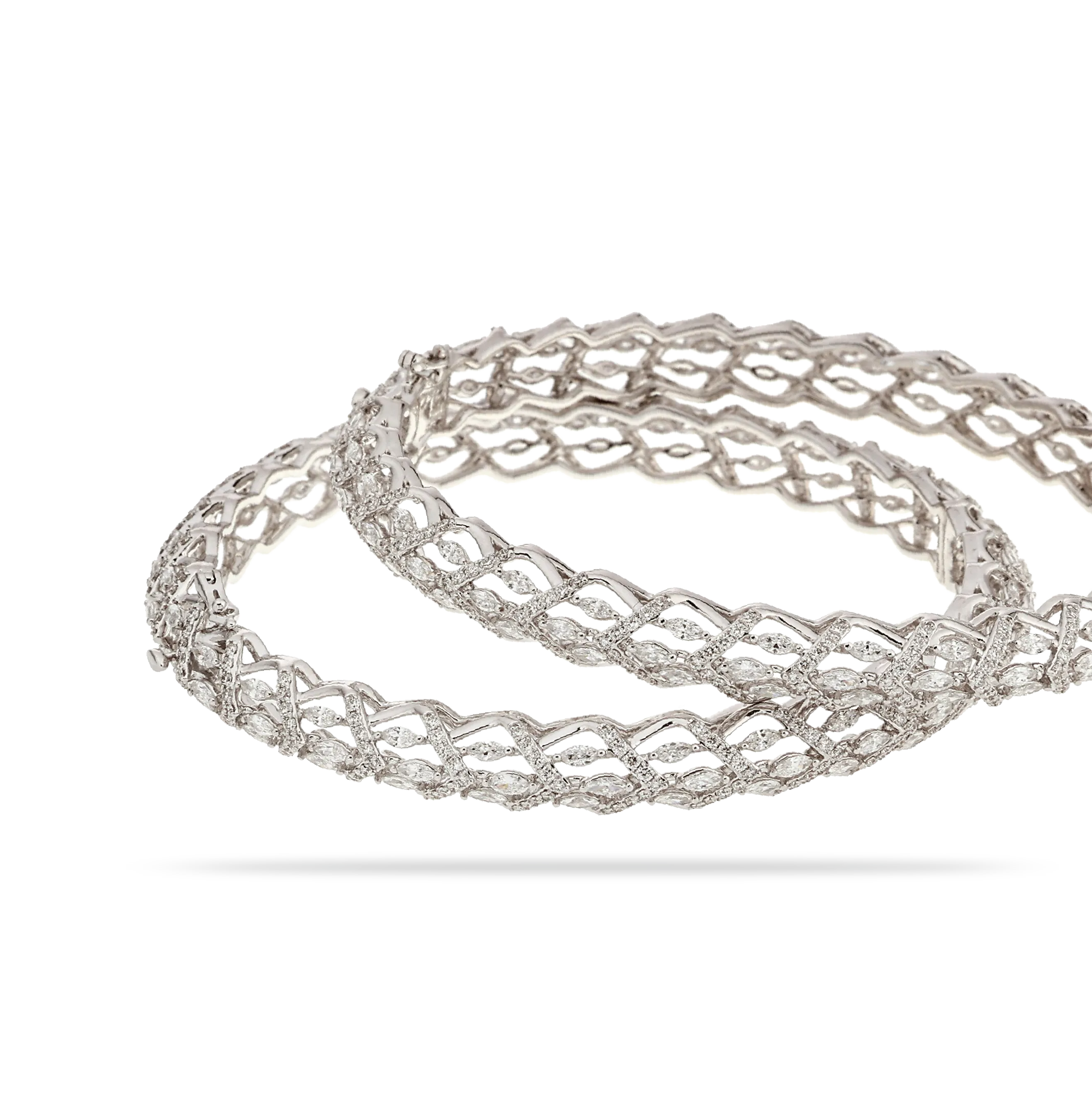
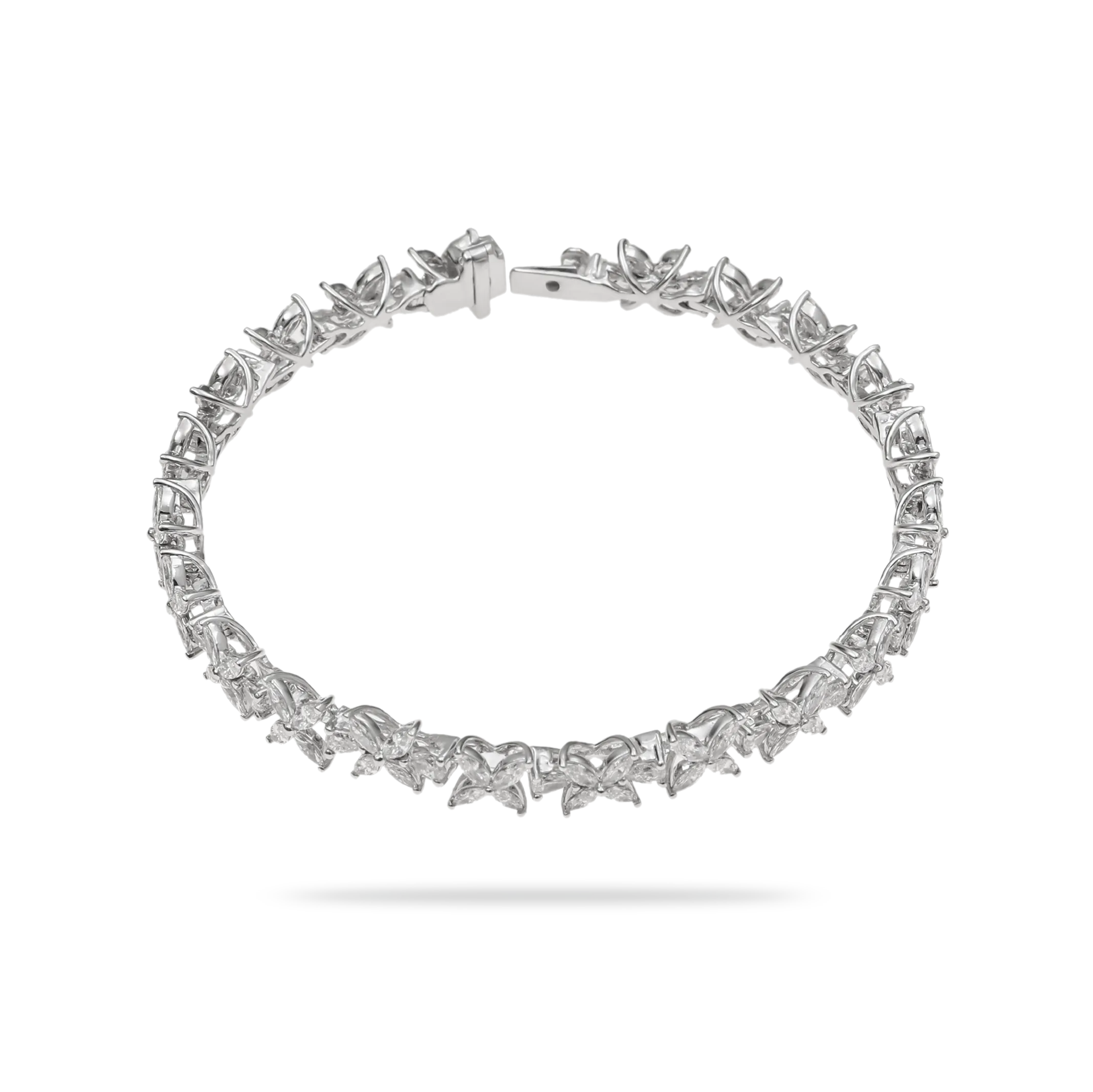
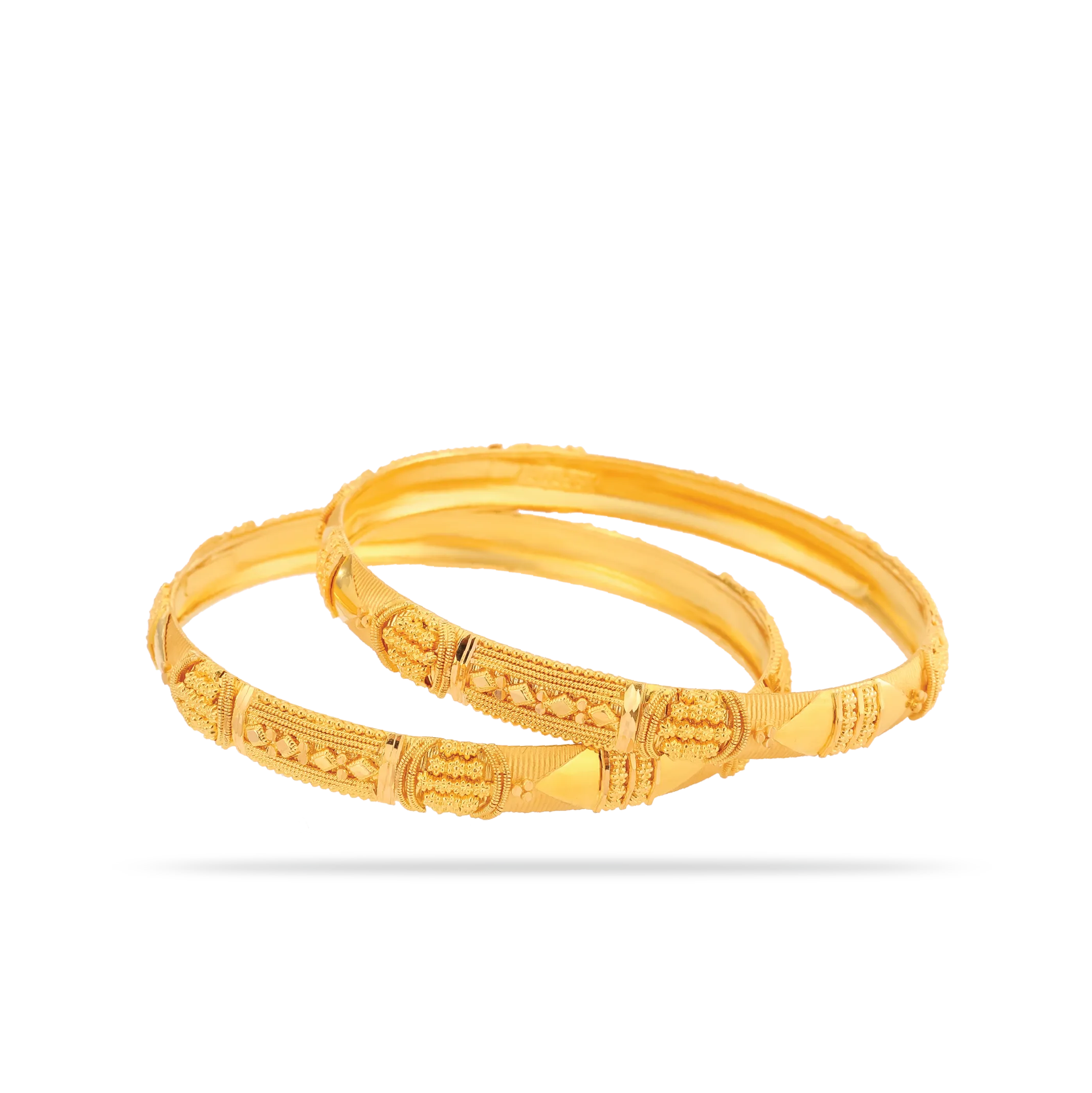
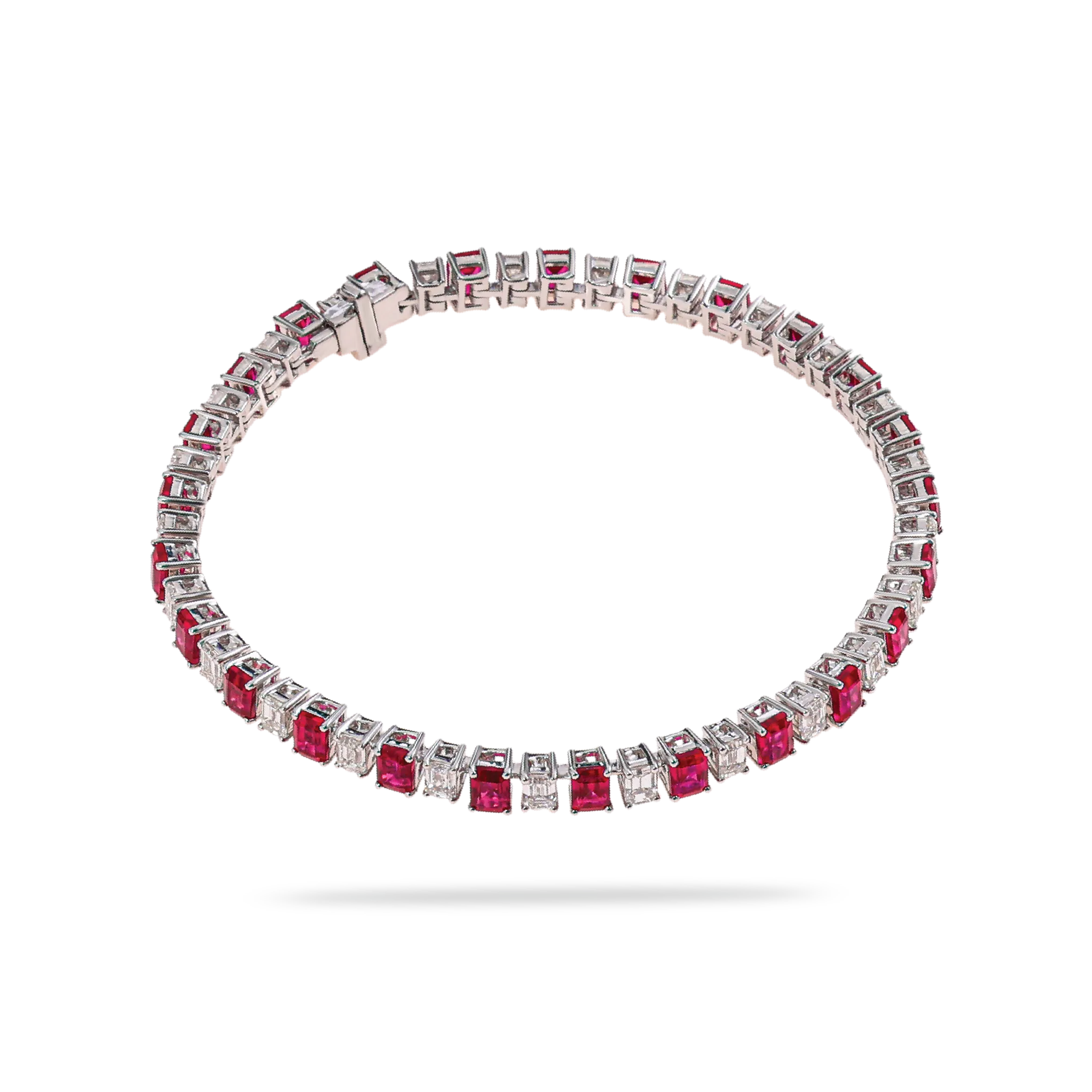
Bangles bring rhythm to photographs and movement, but their sound and weight can become distracting during greetings or dining. A slim stack can balance a statement necklace, while one sculptural cuff may be more effective with a contemporary outfit. Match the bracelet choice to the sleeve and to how much of the wrist remains visible.
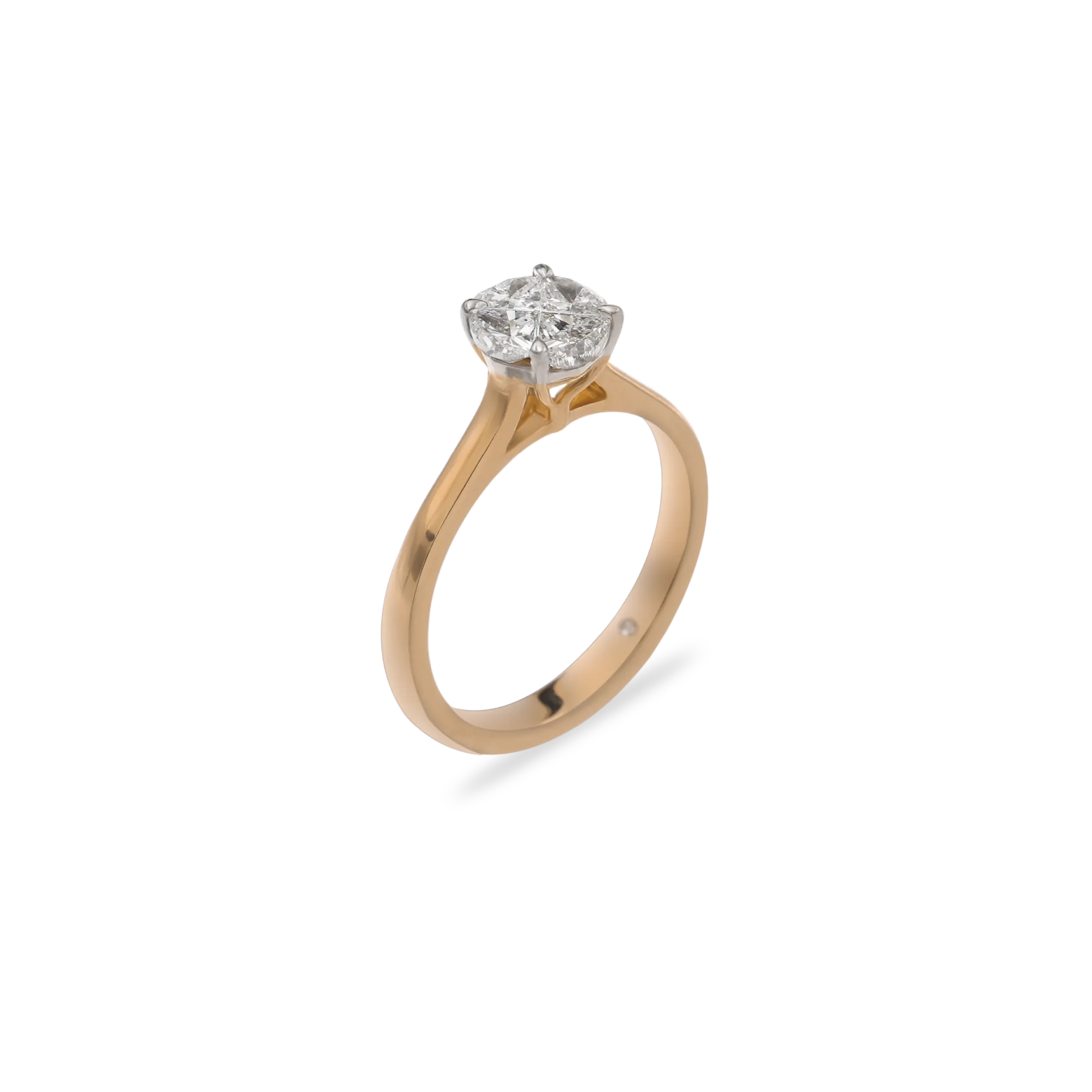
Keep the hand area considered rather than crowded. If the engagement ring is prominent, quieter bracelets can help it remain part of the composition.
Consider rings, maang tikka, and other finishing pieces
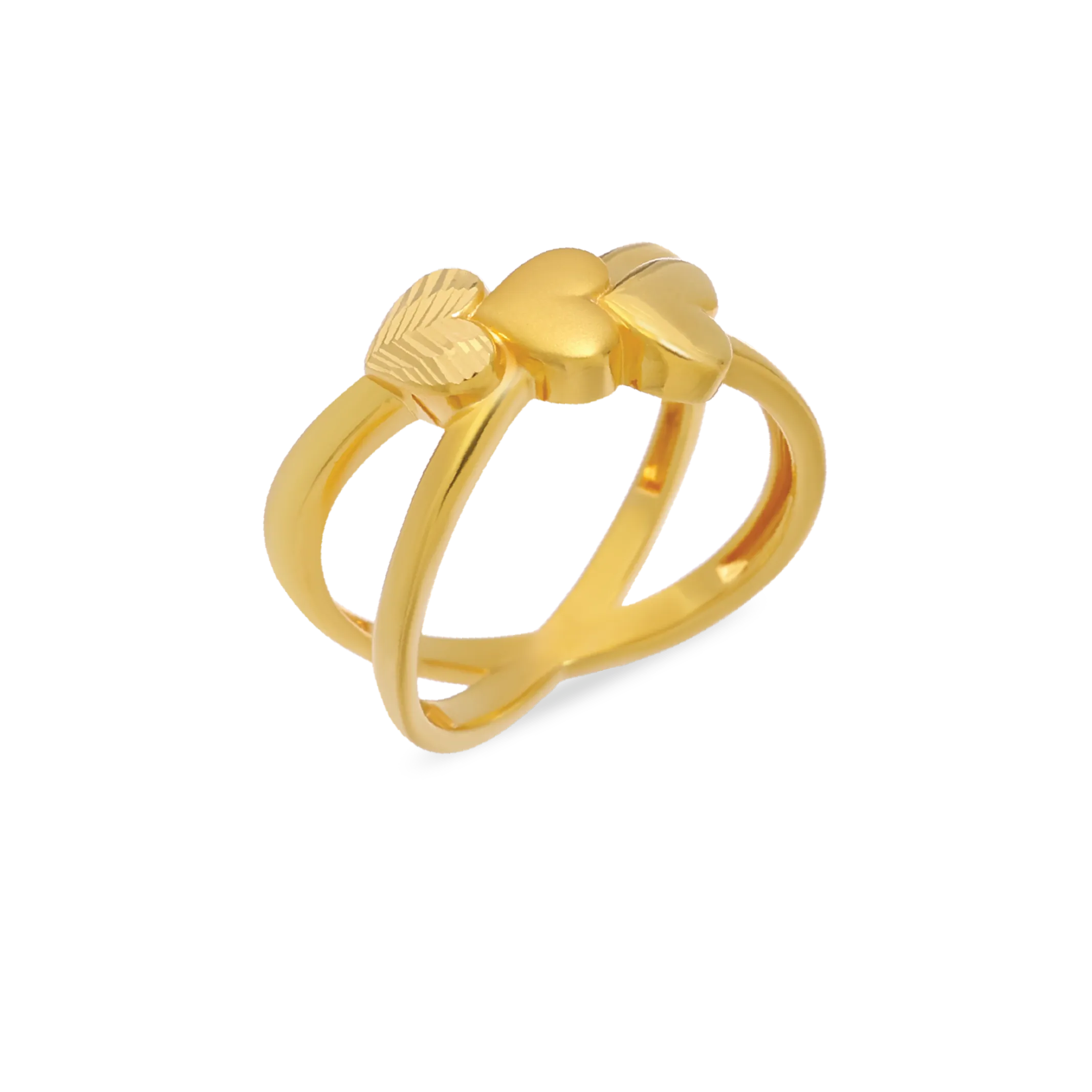
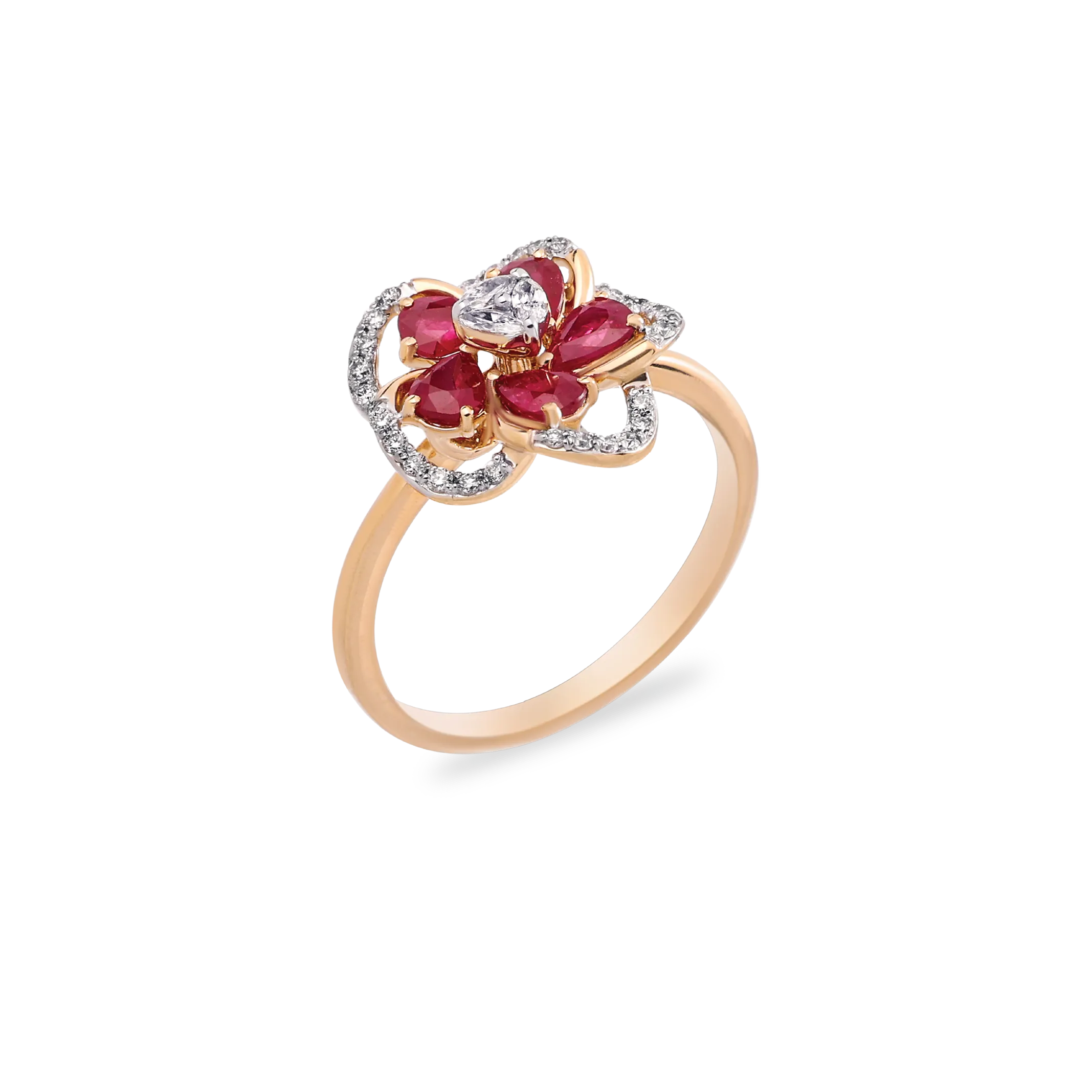
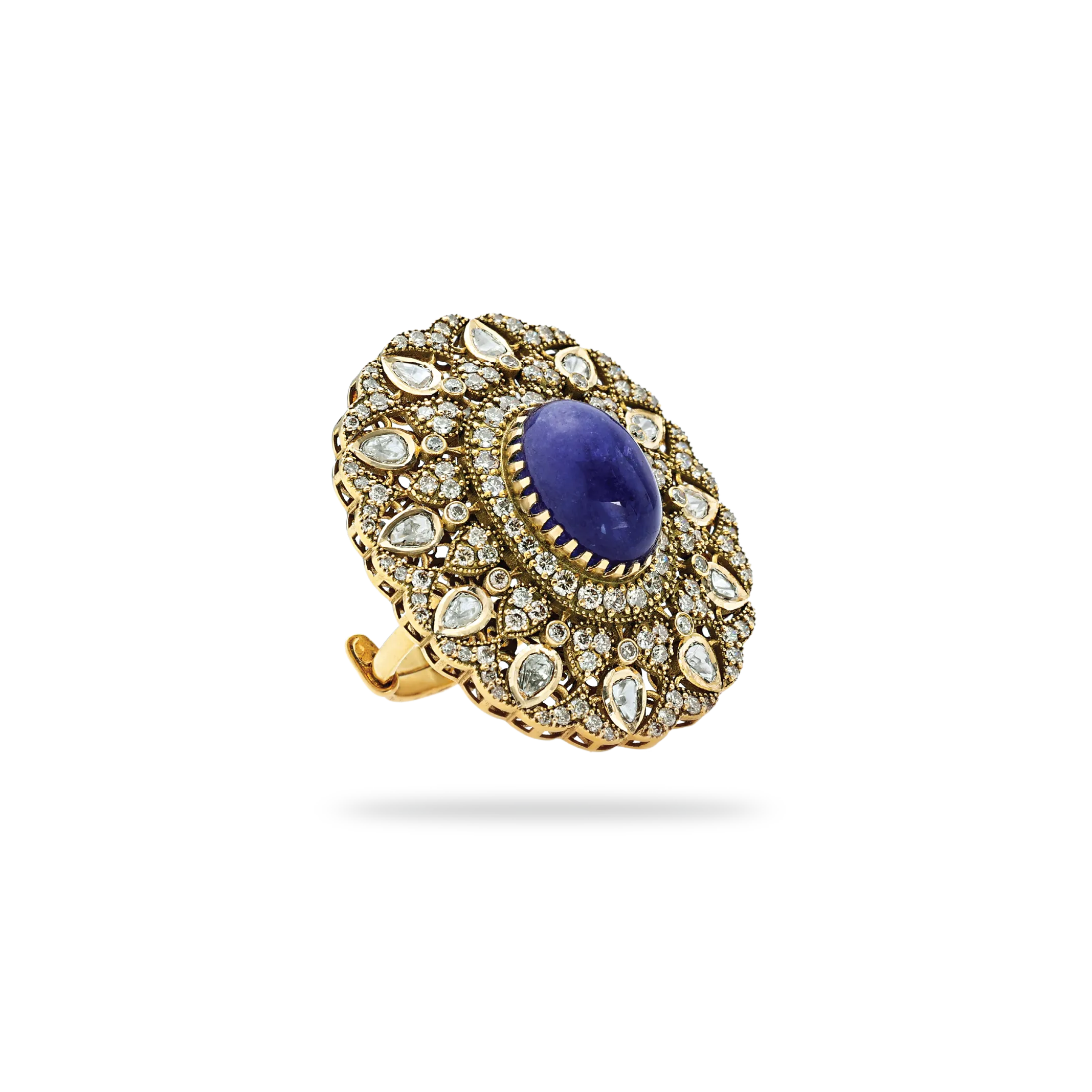
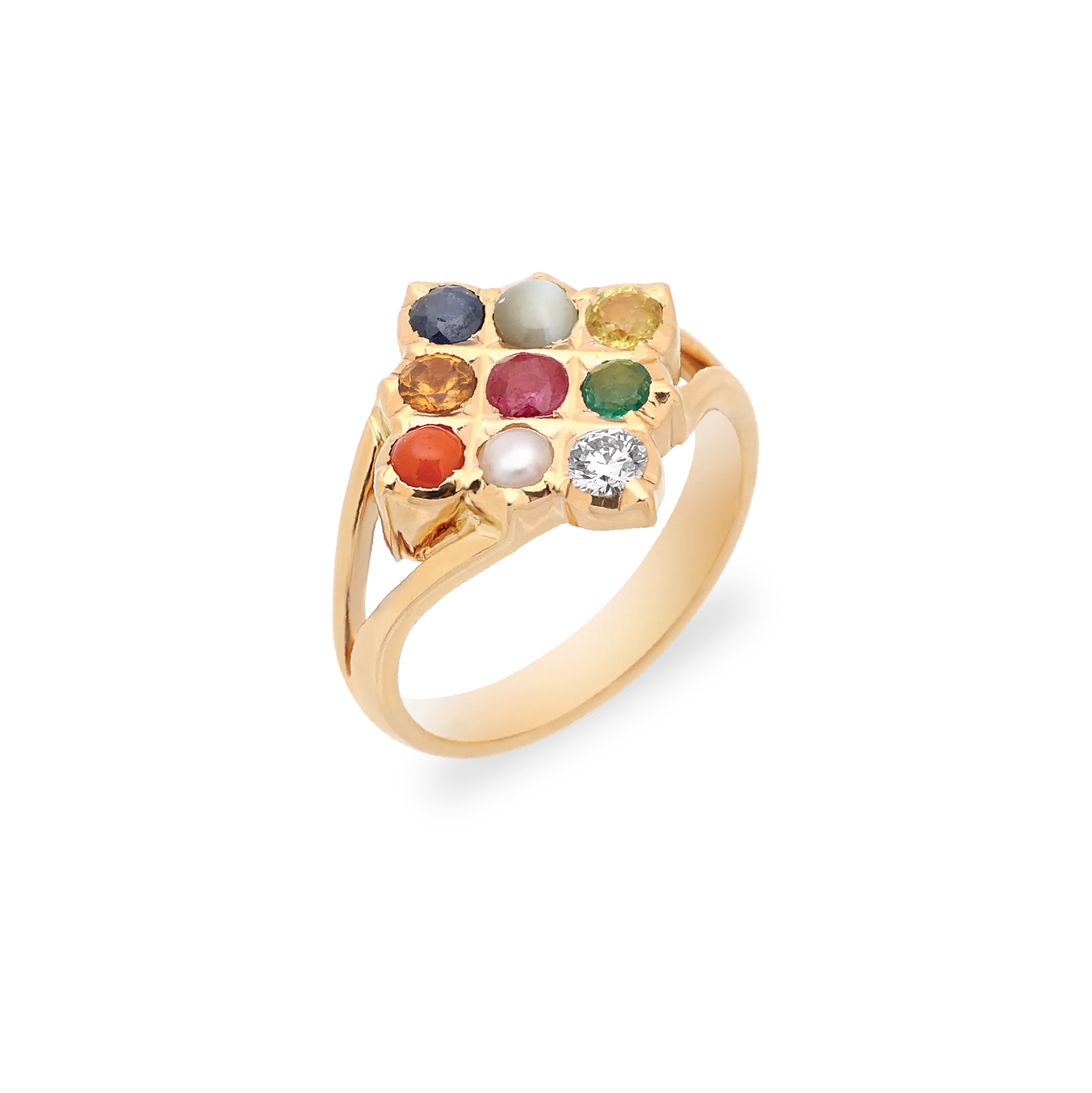
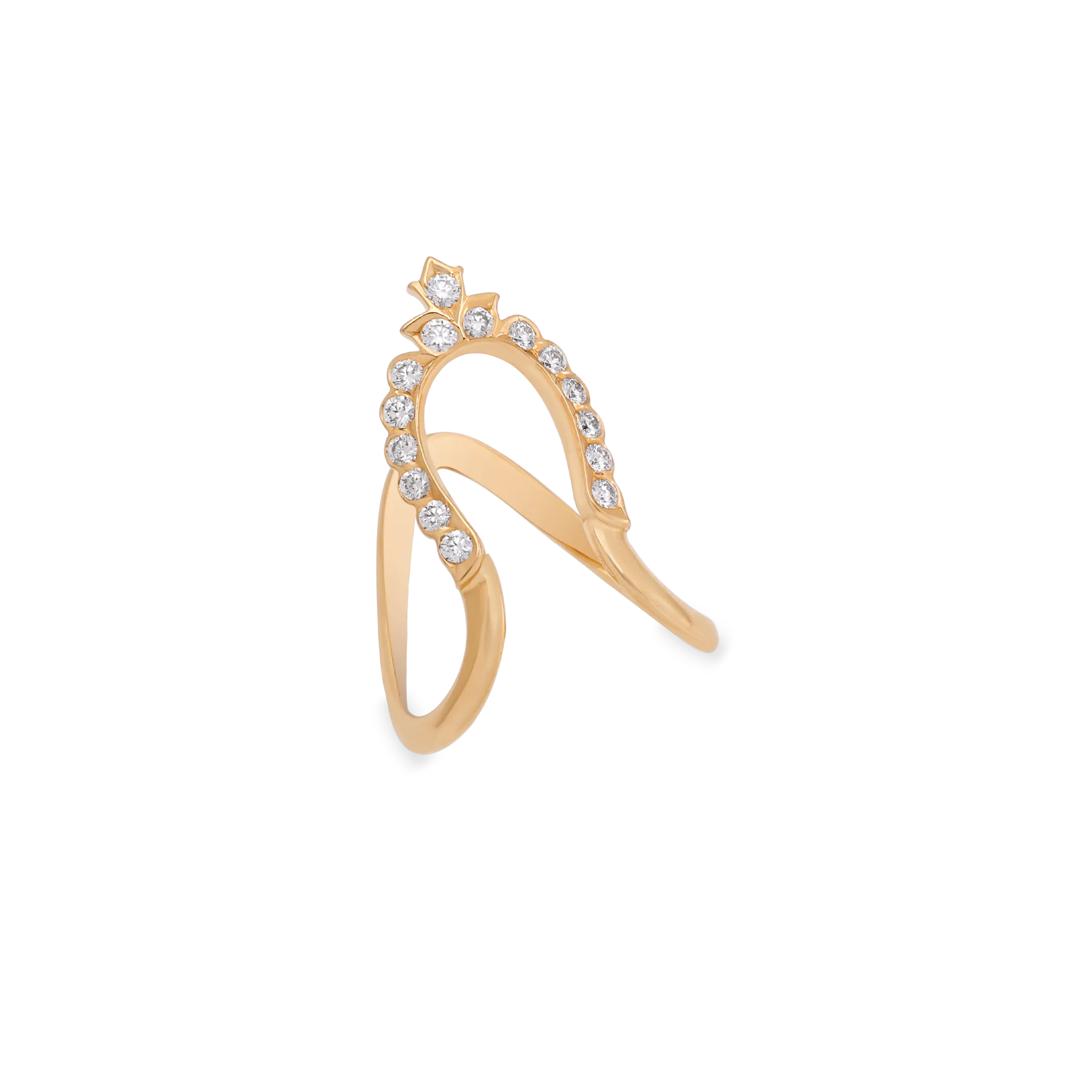
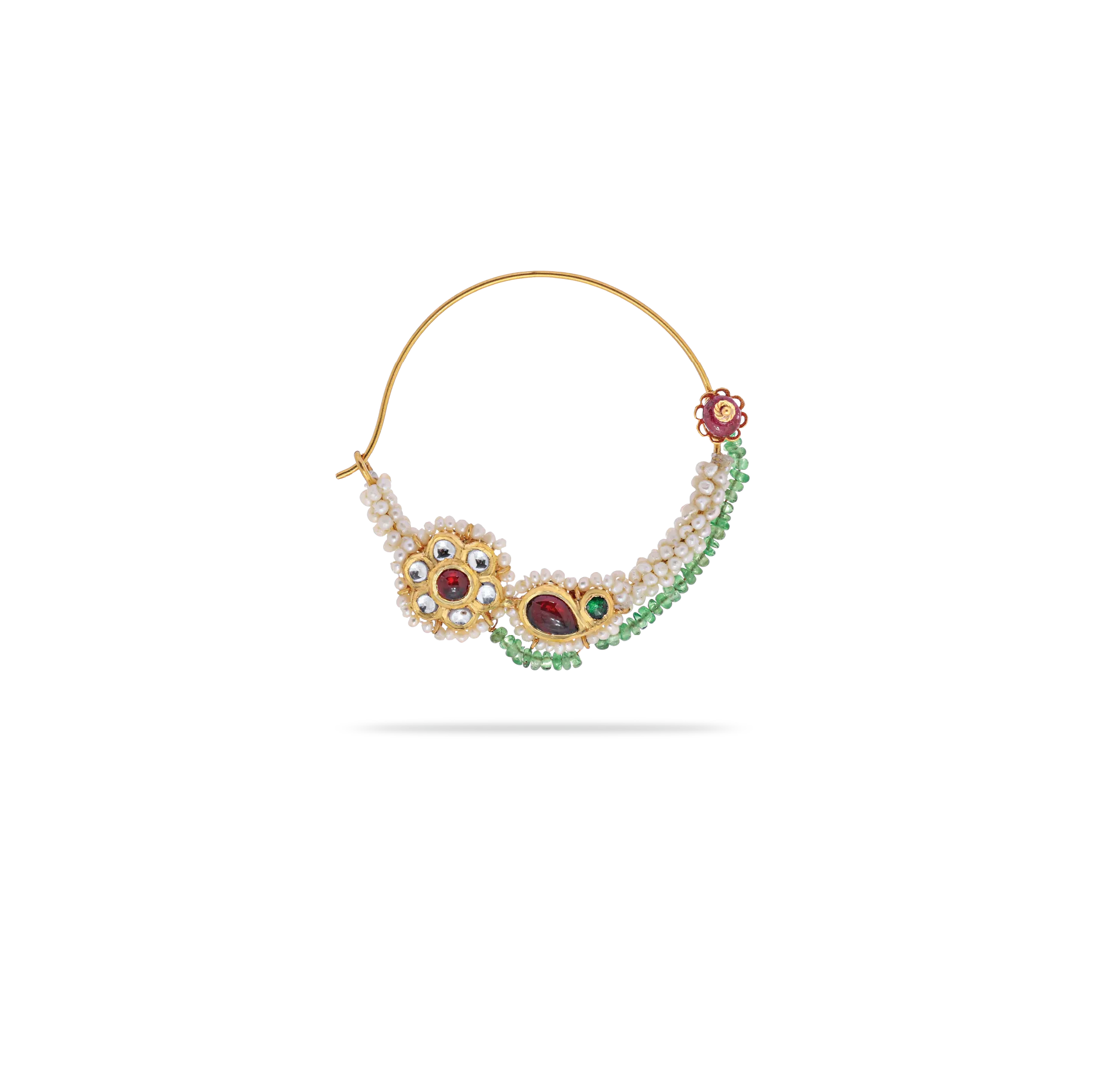
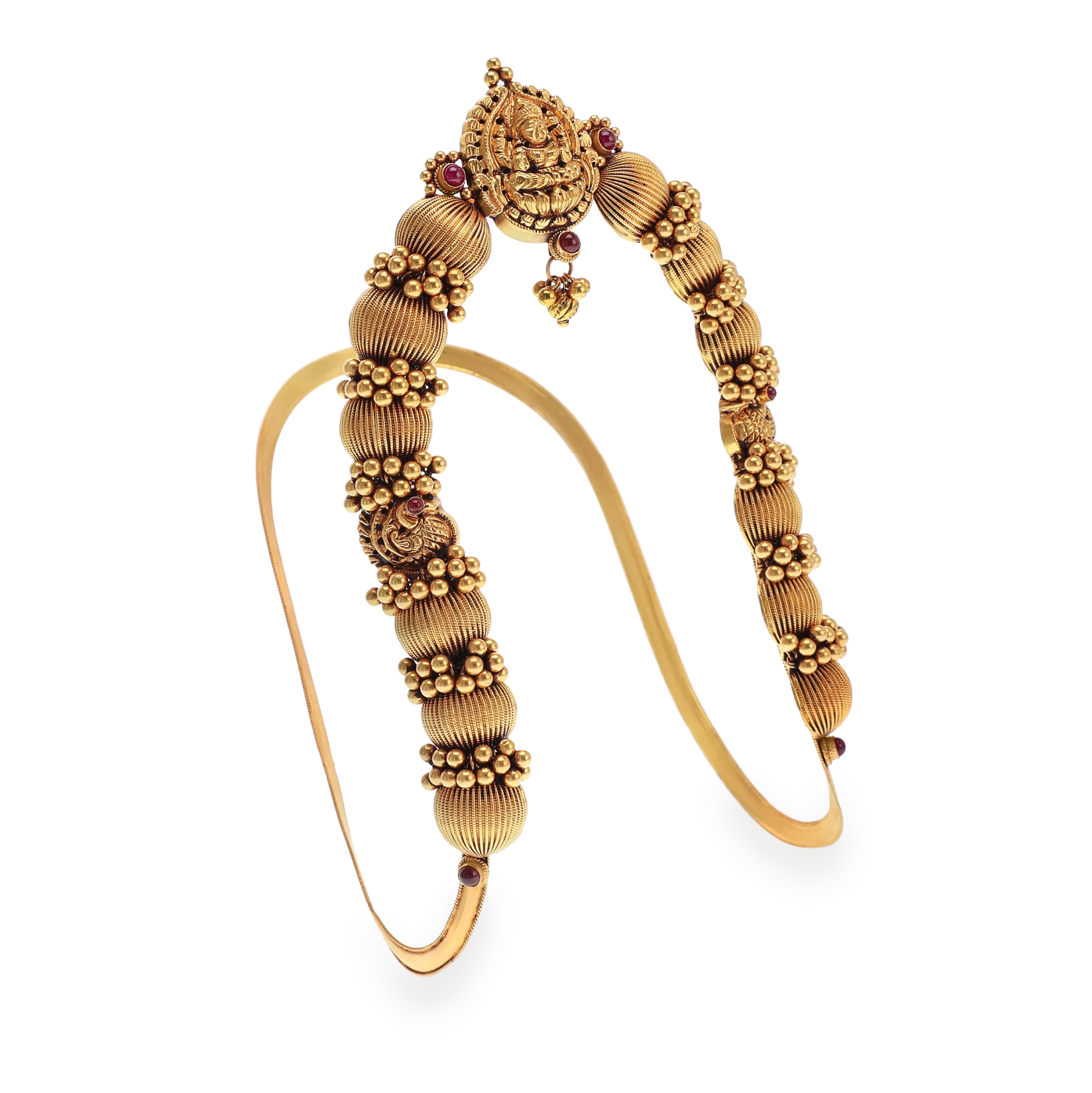
Small finishing pieces often complete the look, yet they should be chosen after the main jewellery is settled. A maang tikka can connect the hairstyle and necklace, while a ring adds polish without changing the outfit’s entire balance. Nose rings, brooches, and armlets may be meaningful, but include them because they belong to your styling—not because a checklist demands them.
Write down the pieces you will actually wear before purchasing. That simple list can prevent duplicate categories and leave more budget for the items that matter most.
Find jewellery that suits your face and features
Jewellery sits close to the face, so small differences in scale can change the whole impression. Face shape is a helpful guide, but it should never override personal taste. Look at the length of your neck, the width of your shoulders, your hairstyle, and the amount of visible skin as one combined picture.
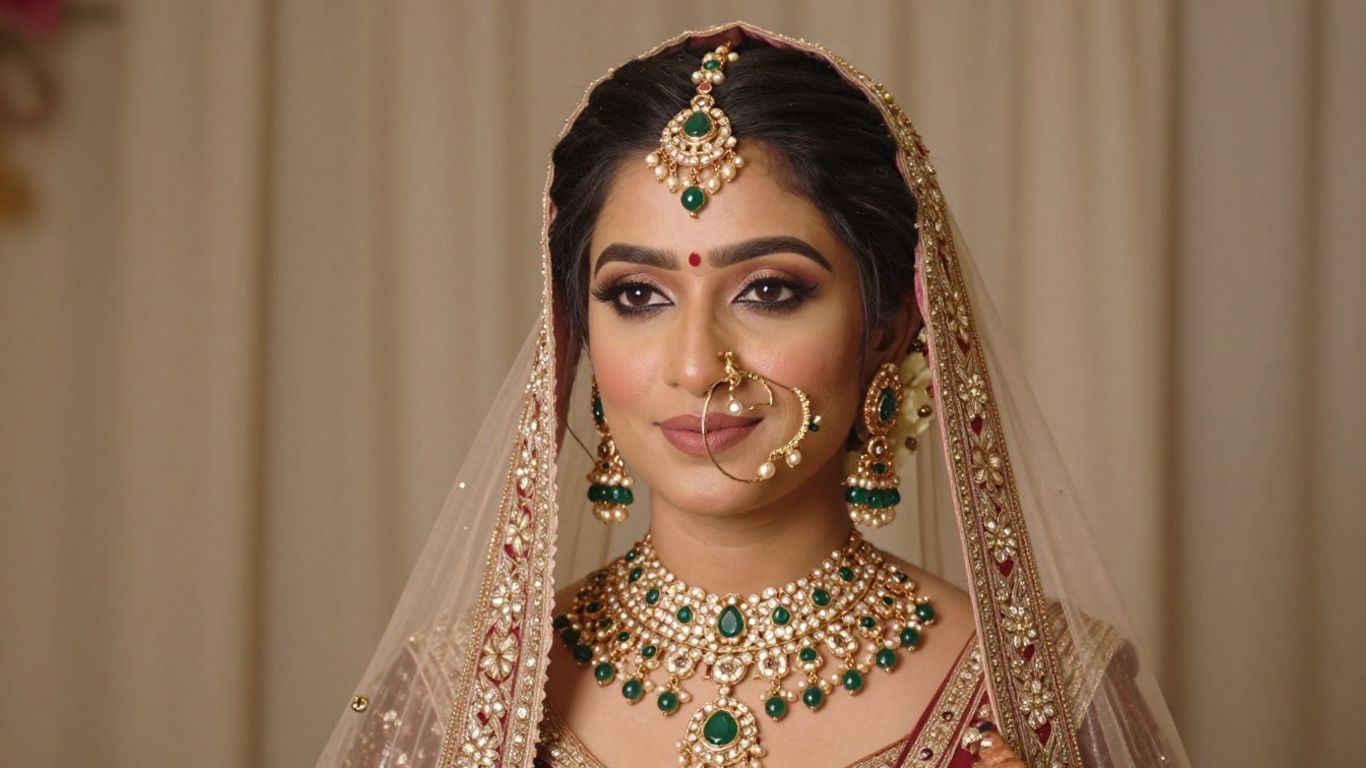
Photographs are especially revealing. Take front, three-quarter, and seated images in the actual outfit, because a piece that looks delicate in person may read as barely visible on camera.
Choose earrings for your face shape
Long drops and slim danglers can add length to a rounder face, while rounded or wider designs can soften a longer face. Oval faces can usually accommodate many silhouettes, from studs to chandeliers. For angular features, curved forms may create a gentler contrast; for softer features, geometric details can add definition.
These guidelines are starting points, not rules. Try several shapes with your hairstyle and observe which one makes you feel most at ease.
Pick necklace lengths that flatter your neckline
A short necklace draws attention toward the collarbone and lower face, while a longer style creates a vertical line through the torso. The most flattering length depends on the blouse, neckline, neck height, and other layers. Avoid choosing by measurement alone; the same length can look quite different on different bodies.
Take a quick phone photo while trying pieces. It often shows whether the necklace frames your face or pulls attention away from it more clearly than a mirror does.
Balance jewellery with your hairstyle
Hair can either reveal jewellery or compete with it. An updo exposes earrings and creates room for a visible necklace, while loose waves may call for larger earrings that will not vanish against the hair. A maang tikka needs a secure central parting or placement, and its scale should relate to the forehead and hairstyle.
Bring a reference image of your planned hair when shopping. If the hairstyle is not final, test the jewellery with both an updo and a loose option so you know what remains visible.
Use gemstones and colors to enhance your complexion
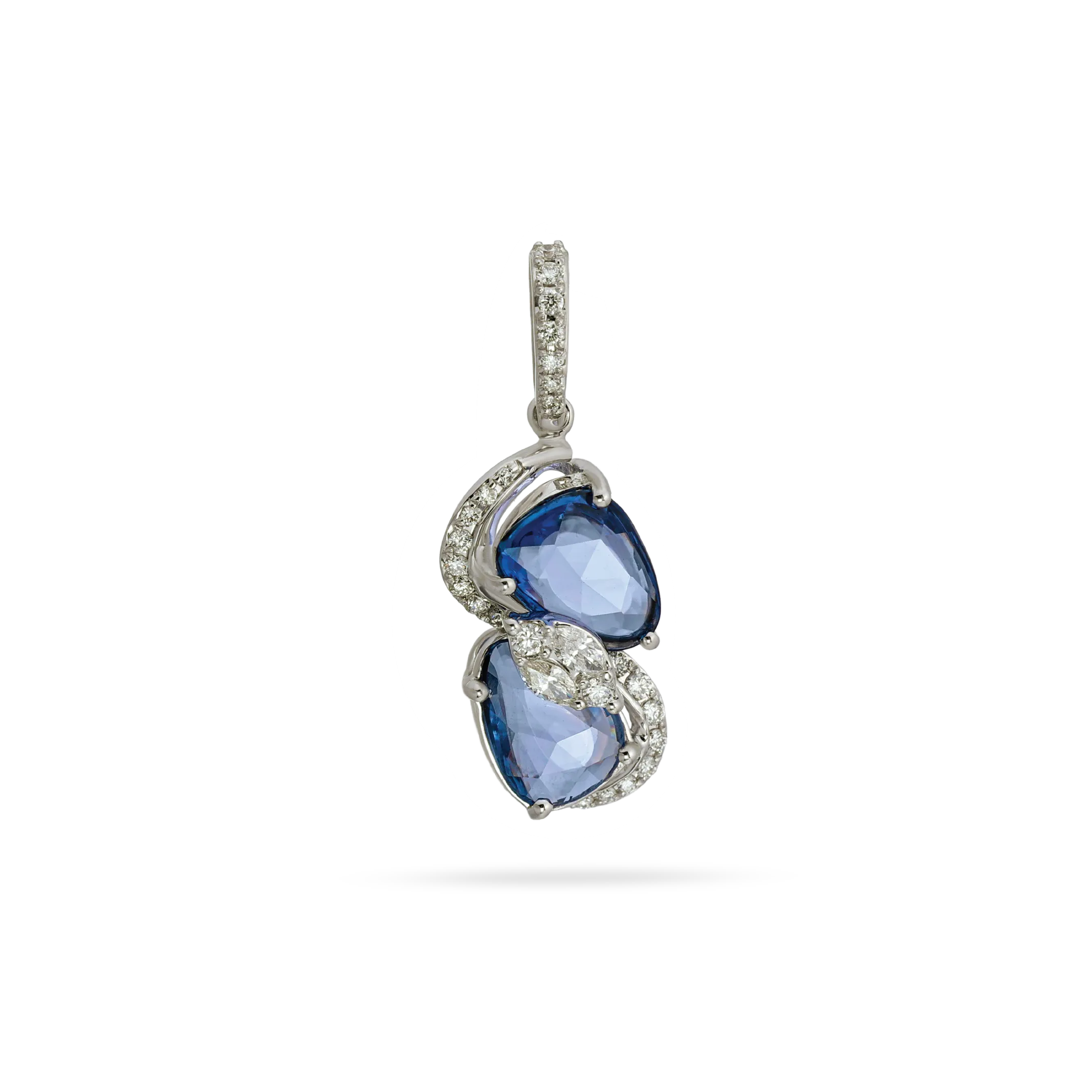
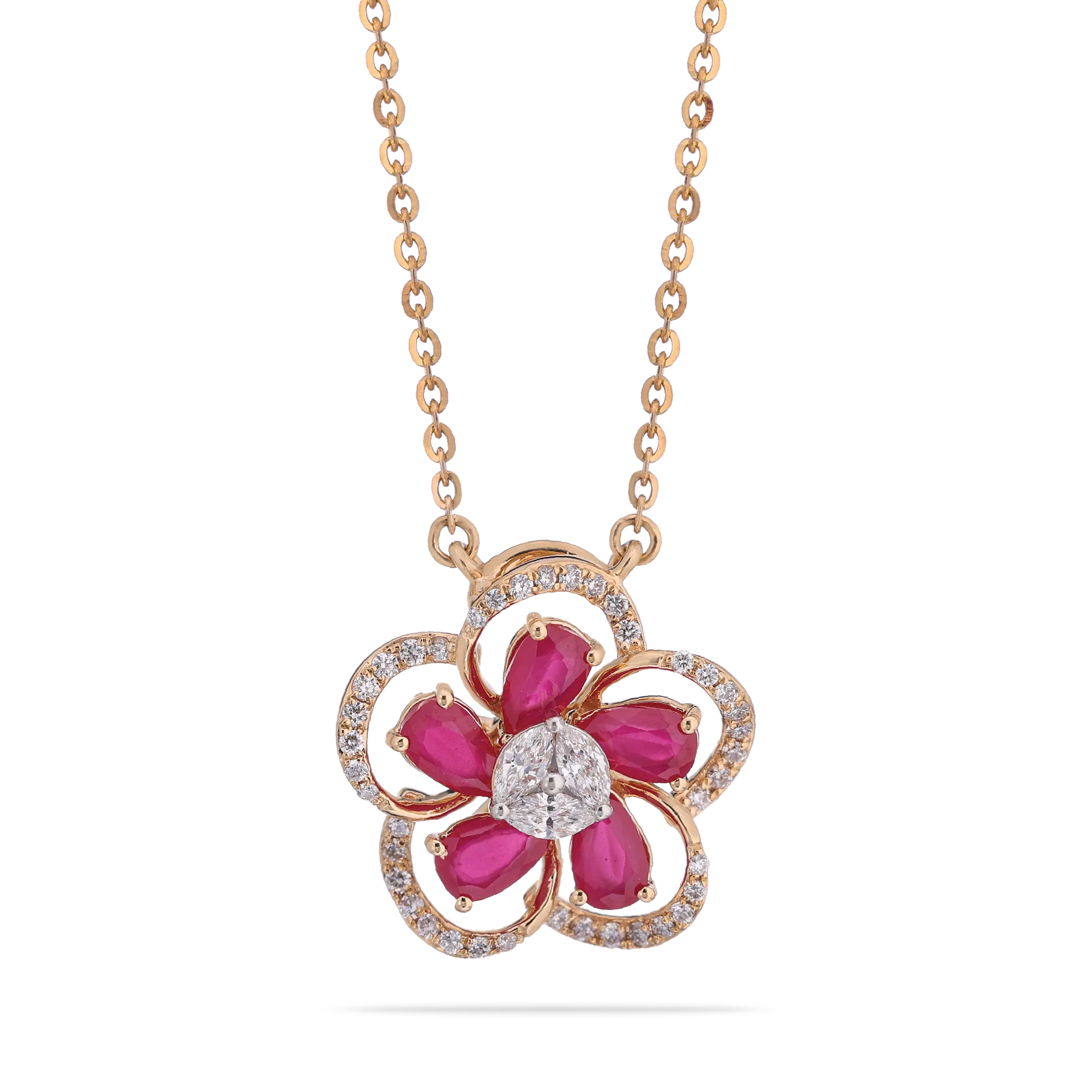
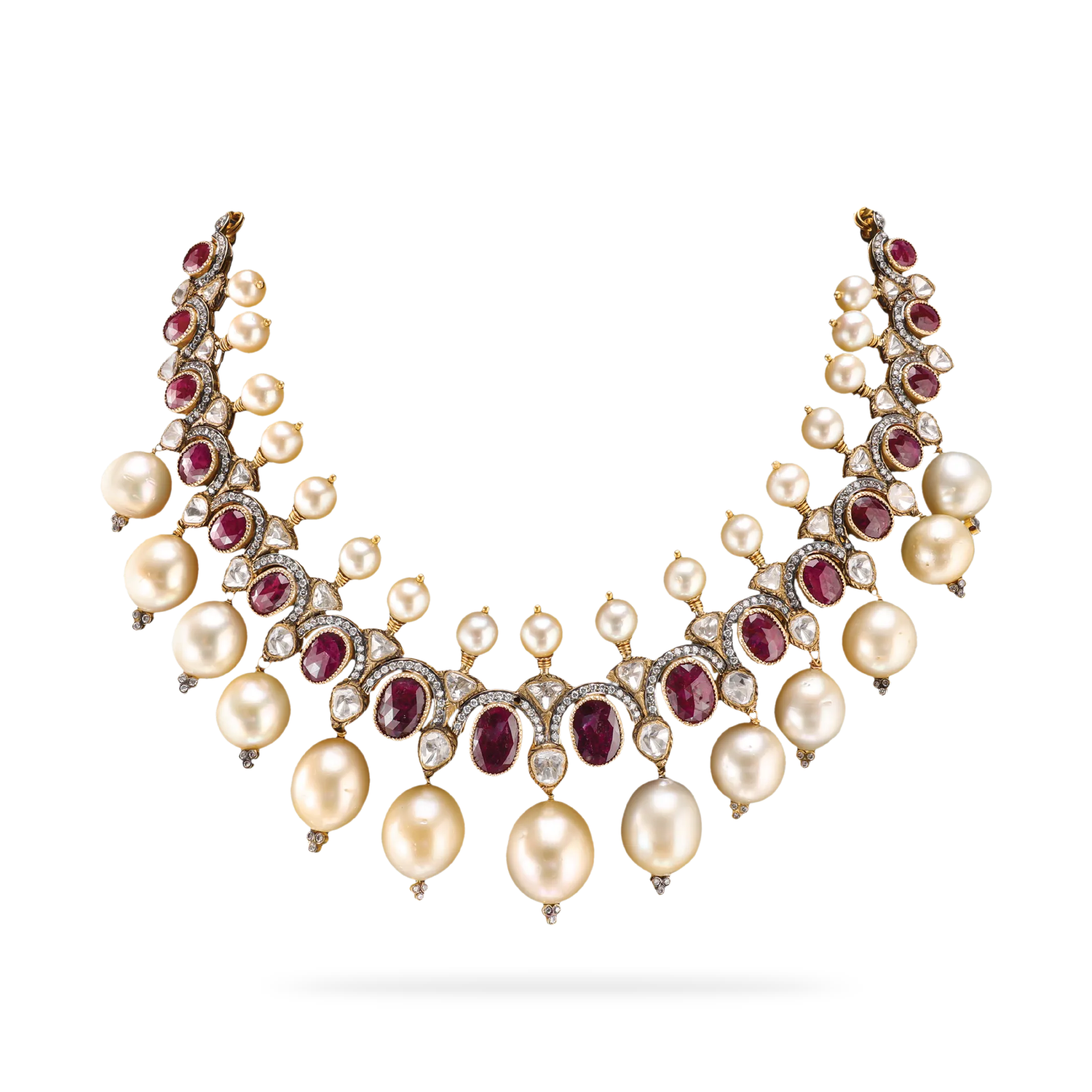
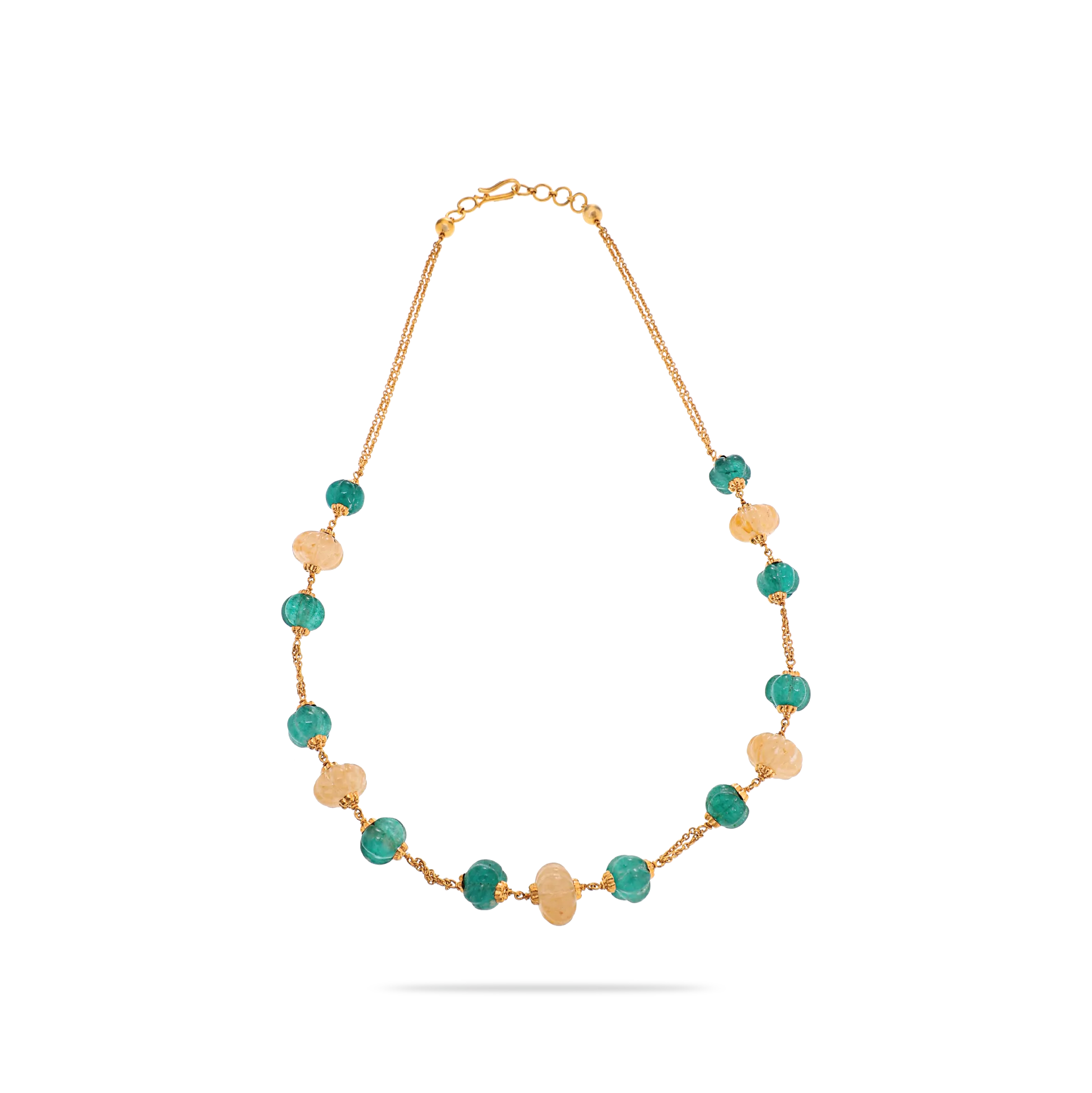
Gemstone color can add brightness near the face, especially when it repeats a subtle tone from the outfit. Deep reds, greens, blues, pearls, and clear stones each create a different effect against warm, cool, or neutral complexions. Metal finish also changes the result, so assess the stone and setting together.
Natural light is the best place to compare colors. Store lighting can be flattering but inconsistent, whereas daylight gives you a more dependable sense of how the jewellery will photograph.
Balance beauty, comfort, and practicality
Engagement ceremonies involve more movement than a styling photograph suggests. You may greet dozens of people, adjust your dupatta, pose repeatedly, and sit through a long meal. Jewellery that looks wonderful for ten minutes can become a burden over several hours. Comfort is therefore part of the design, not a compromise after beauty.
Check the weight before committing to a design
Ask to wear each major piece for at least several minutes, and move your head, shoulders, and arms as you would during the event. Notice pressure behind the ears, pulling at the neck, and whether bangles restrict your wrist. If a necklace or earring feels heavy in the showroom, it is unlikely to feel lighter during a long ceremony.
When comparing choices, assess the complete combination rather than each item alone. Several moderate pieces can create more fatigue than one statement piece.
Choose secure clasps and comfortable fastenings
Inspect the clasp, posts, backs, hooks, and safety chains before buying. Earrings should sit securely without pinching, and necklace fastenings should be easy for someone assisting you to check. A jeweller can sometimes add support or adjust a fitting, but ask about that before finalizing the design.
C Krishniah Chetty & Co’s wedding jewellery planning guide is a useful reminder to prioritize and shop smartly across essential bridal pieces. Apply that same discipline to fastenings: a beautiful item is not practical if you cannot trust it while moving.
Plan jewellery for photos, greetings, and movement
Consider how each piece behaves from different angles. Earrings should remain visible in a three-quarter portrait, necklaces should not disappear beneath the drape, and rings should be comfortable when clasping hands or holding a bouquet. Pack a small repair kit with spare backs, a soft cloth, and any approved fasteners.
Keep one trusted person responsible for checking the jewellery during the event. A quick glance between photo sessions can prevent a loose clasp or shifted headpiece from becoming a lasting problem.
Decide between real, rental, and imitation jewellery
Fine jewellery may offer long-term value and family significance, while rental pieces can provide a dramatic look for one event without the same purchase price. Well-made imitation jewellery can also suit a tightly coordinated outfit, particularly when you prefer variety or want to avoid wearing valuable pieces in a crowded setting.
Compare the finish, comfort, security, deposit, insurance, and return conditions—not just the headline price. The right choice is the one that fits your priorities and lets you enjoy the ceremony without worry.
Plan your budget and buying timeline
A budget gives your style direction instead of limiting it. Decide what you want to keep, what you might wear again, and which categories matter most in photographs. Include taxes, alterations, care, insurance, rental deposits, and possible custom work so the final figure does not arrive as a surprise.
Divide your budget across key jewellery pieces
Start with the necklace or earrings that will define the look, then allocate smaller amounts to supporting pieces. If the outfit is heavily embellished, directing more money toward one excellent focal piece may produce a stronger result than buying a complete set with compromises throughout.
A simple priority table can clarify trade-offs before you shop:
| Jewellery category | First question | Budget approach |
|---|---|---|
| Necklace or choker | Is it the visual anchor? | Fund first if the neckline is open |
| Earrings | Will the hairstyle expose them? | Increase spend when they carry the look |
| Bangles or bracelet | How much wrist is visible? | Add selectively after the main piece |
| Rings and finishing pieces | Will they be worn again? | Choose versatile accents |
Once the priorities are visible, you can adjust one category without losing the overall shape of the ensemble. For additional guidance on spending and cost drivers, read this wedding jewellery budget guide, which covers prioritization and alternatives.
Compare gold, diamond, pearl, and gemstone options
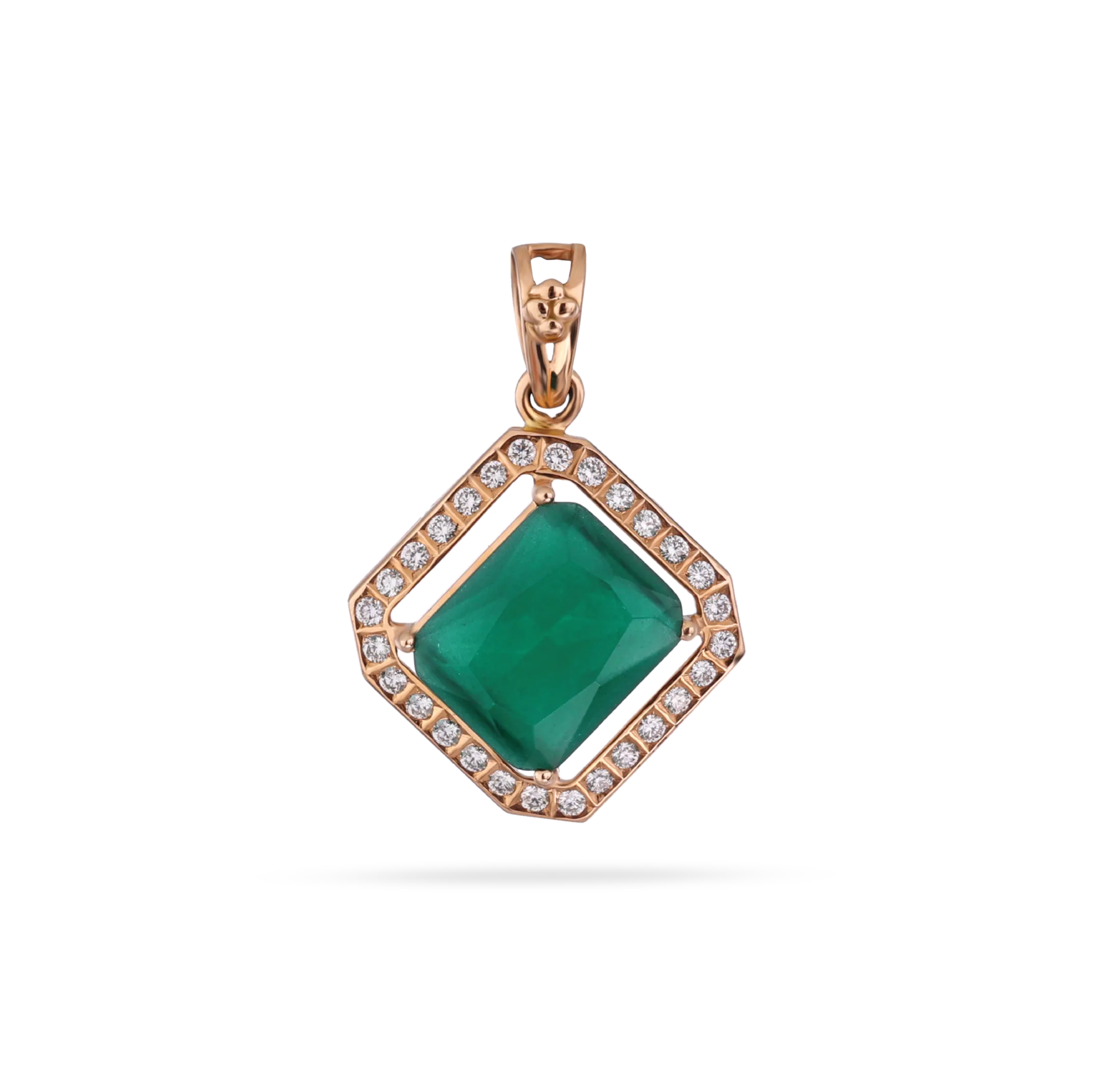
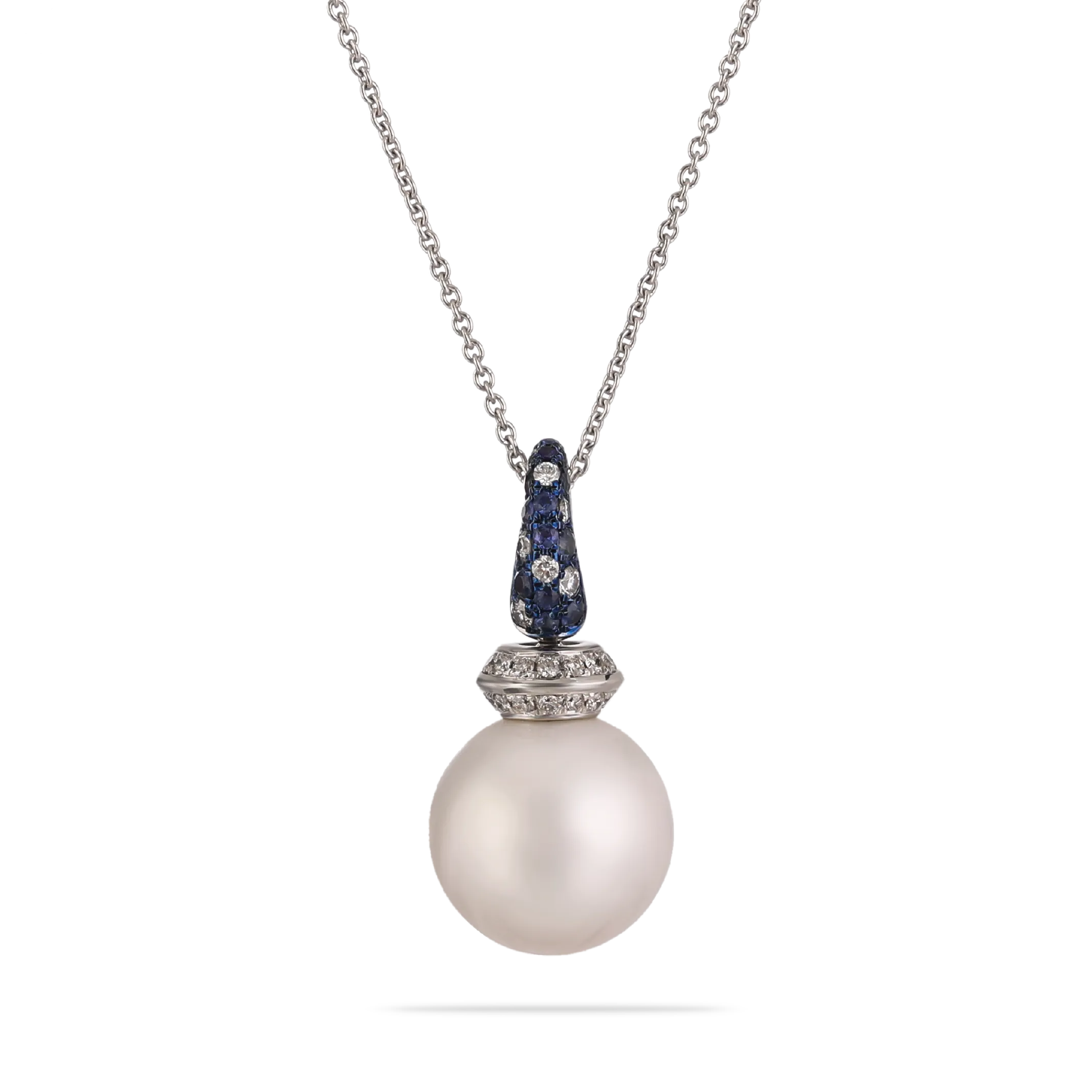
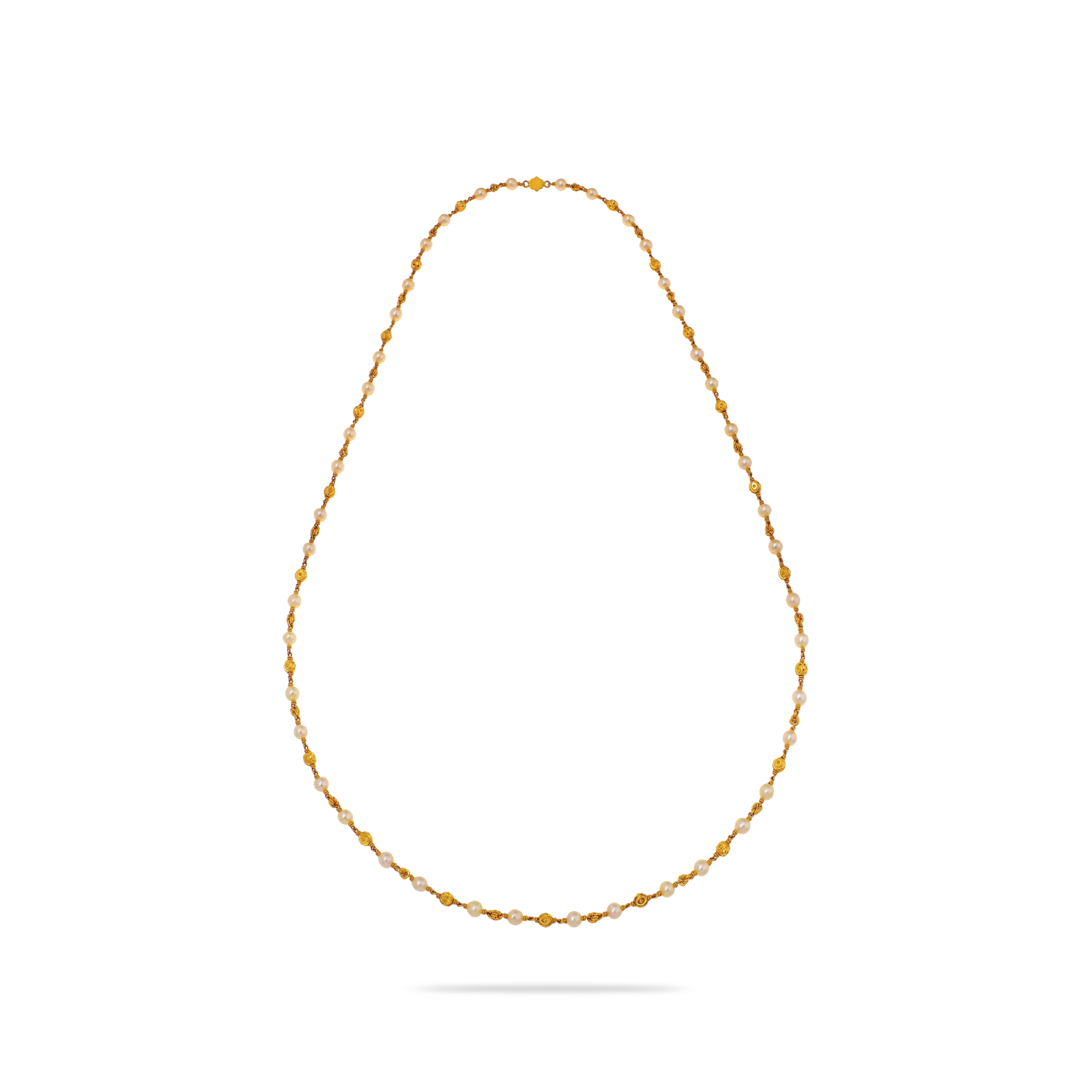
Materials change the look, maintenance, longevity, and price of a piece. Gold can offer warmth and a broad range of traditional and contemporary designs; diamonds bring crisp sparkle; pearls create a softer surface; and colored gemstones can connect the jewellery directly to the outfit. Compare settings and craftsmanship as well as the center material.
C Krishniah Chetty & Co’s gold jewellery buying guide explains how to think about purity, price, and quality when purchasing gold. For any material, ask what documentation accompanies the piece and how it should be cared for after the ceremony.
Verify quality, certification, and return policies
Request a detailed invoice that identifies the metal, stones, weight, making charges, and applicable taxes. For diamonds or graded gemstones, ask for relevant certification; for gold, check the applicable hallmarking and purity details. Read return, exchange, resizing, repair, and cancellation terms before paying a deposit.
Do not let a tight appointment push you into skipping these checks. Clear paperwork is part of a confident purchase, particularly when the piece is expensive or customized.
Schedule fittings and final adjustments before the ceremony
Complete the main selection early enough to allow resizing, clasp changes, polishing, and a full outfit trial. Try everything with the final blouse, drape, hairstyle plan, and shoes. This is when you discover whether a necklace catches on fabric or an earring needs extra support.
Keep a final check a few days before the event rather than the night before. Store each piece separately, photograph the complete set, and pack it in the order it will be worn.
Conclusion
Choosing bridal jewellery for engagement ceremony is a process of editing as much as adding. When the style reflects the event, the pieces complement the outfit and features, and every fitting has been tested for comfort, the final look feels natural, memorable, and distinctly yours.
Frequently Asked Questions
How much jewellery should I wear for an engagement ceremony?
Wear enough to create a clear focal point without allowing every piece to compete. One statement item supported by quieter accents is often easier to style and more comfortable than a full collection of equally dramatic pieces.
Should my engagement jewellery match my outfit exactly?
It does not need to match exactly. Repeating one metal, gemstone color, or motif can create harmony while a gentle contrast adds depth and keeps the look from feeling overly coordinated.
What jewellery works with a high neckline?
High necklines often leave limited space for a necklace, so earrings, bracelets, or a ring may be the better focus. If you choose a necklace, keep its scale and length compatible with the fabric and embellishment.
How can I make heavy bridal jewellery more comfortable?
Wear each piece before the event and ask whether the fastening, backing, or support can be adjusted. Limit the number of heavy items worn together, and arrange for someone trusted to check them during the ceremony.
Is it better to buy a matching jewellery set?
A matching set is convenient and cohesive, but individual pieces can give you more flexibility and future wear. Choose the option that suits your wardrobe, budget, and preferred level of coordination.
When should I buy engagement ceremony jewellery?
Begin once the outfit and overall style are reasonably clear. Buying several weeks ahead gives you time for comparisons, documentation, resizing, repairs, and a complete trial with the final clothing and hairstyle.
How do I choose jewellery that will look good in photographs?
Take photos from the front and at a three-quarter angle in natural light. Check that the main pieces remain visible beside the hairstyle and drape, and avoid combinations whose details merge into the outfit from a distance.
How to choose bridal jewellery for reception gown: A complete styling guide
10 minute read
Bridal jewellery for mehendi function: a complete guide to choosing the perfect look
10 minute read
Related blogs:
November 20, 2025
The Timeless Elegance of the Tennis Bracelet: A Comprehensive Guide
Read More
November 20, 2025
The Ultimate Guide to Styling and Wearing a Choker Necklace
Read More
November 20, 2025
Find Your Perfect Engagement Ring: A Comprehensive Guide to Styles and Diamonds
Read More
November 20, 2025
The Timeless Elegance of a Diamond Tennis Bracelet: A Buyer's Guide
Read More









.webp)
.webp)