How to style temple jewellery: A guide to blending tradition with modern fashion
July 23, 2026 | 10 minutes read
Key Takeaways
Temple jewellery blends divine inspiration with fashion-forward versatility for any wardrobe, providing a timeless aesthetic that honors heritage while adapting to modern styling needs.
- Understand how to mix traditional gold motifs with minimalist wear for balanced elegance.
- Master the art of layering necklaces of varying lengths to create depth and dimension.
- Curate pieces based on your unique skin tone to ensure the metal finish enhances your complexion.
- Maintain your accessories through proper cleaning techniques to preserve the intricate artisanal textures.
- Select complementary accessories like maang tikkas and bangles that enhance, rather than overwhelm, your chosen temple pieces.
Understanding the versatility of temple jewellery
Origins and aesthetic significance
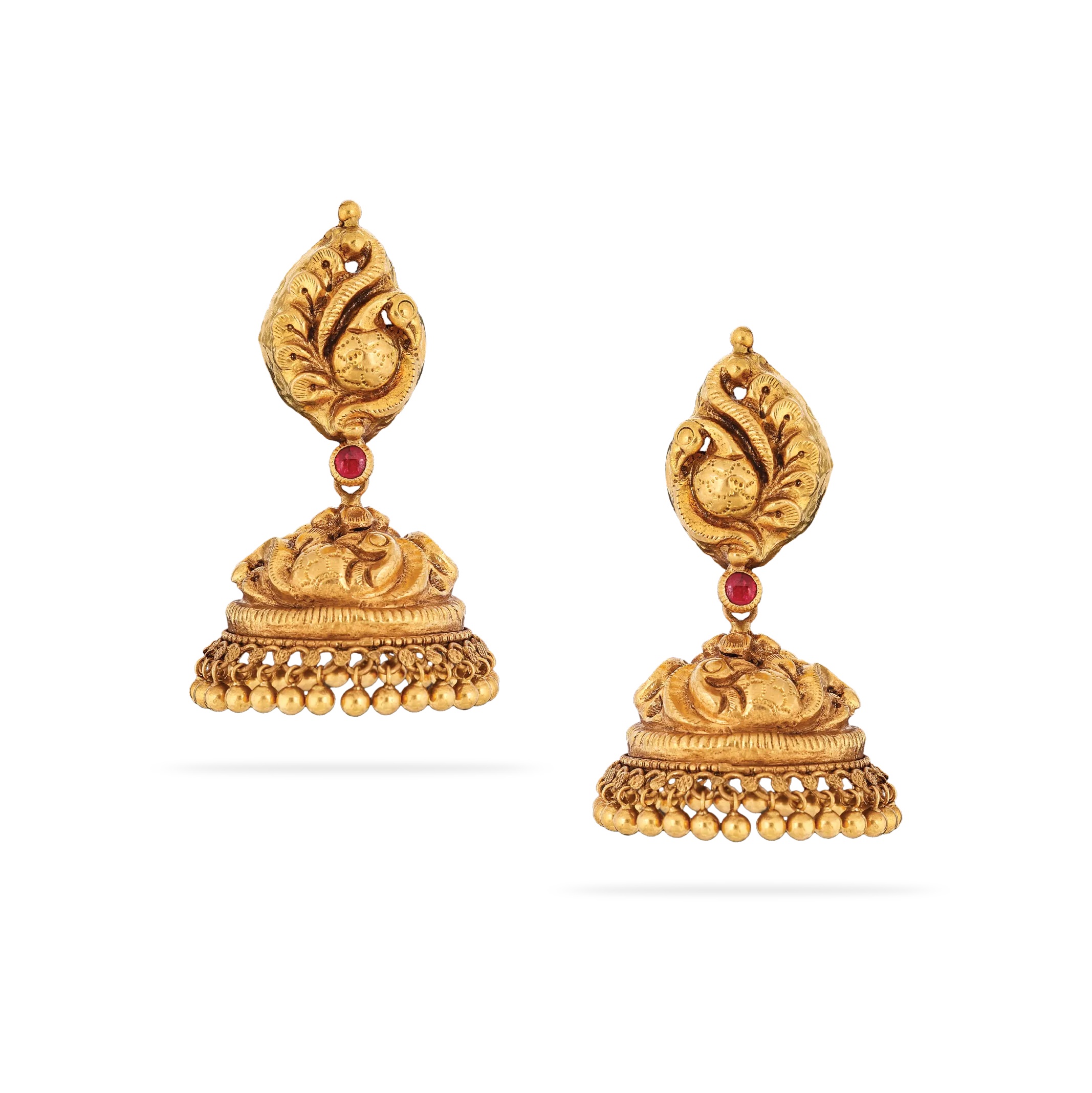
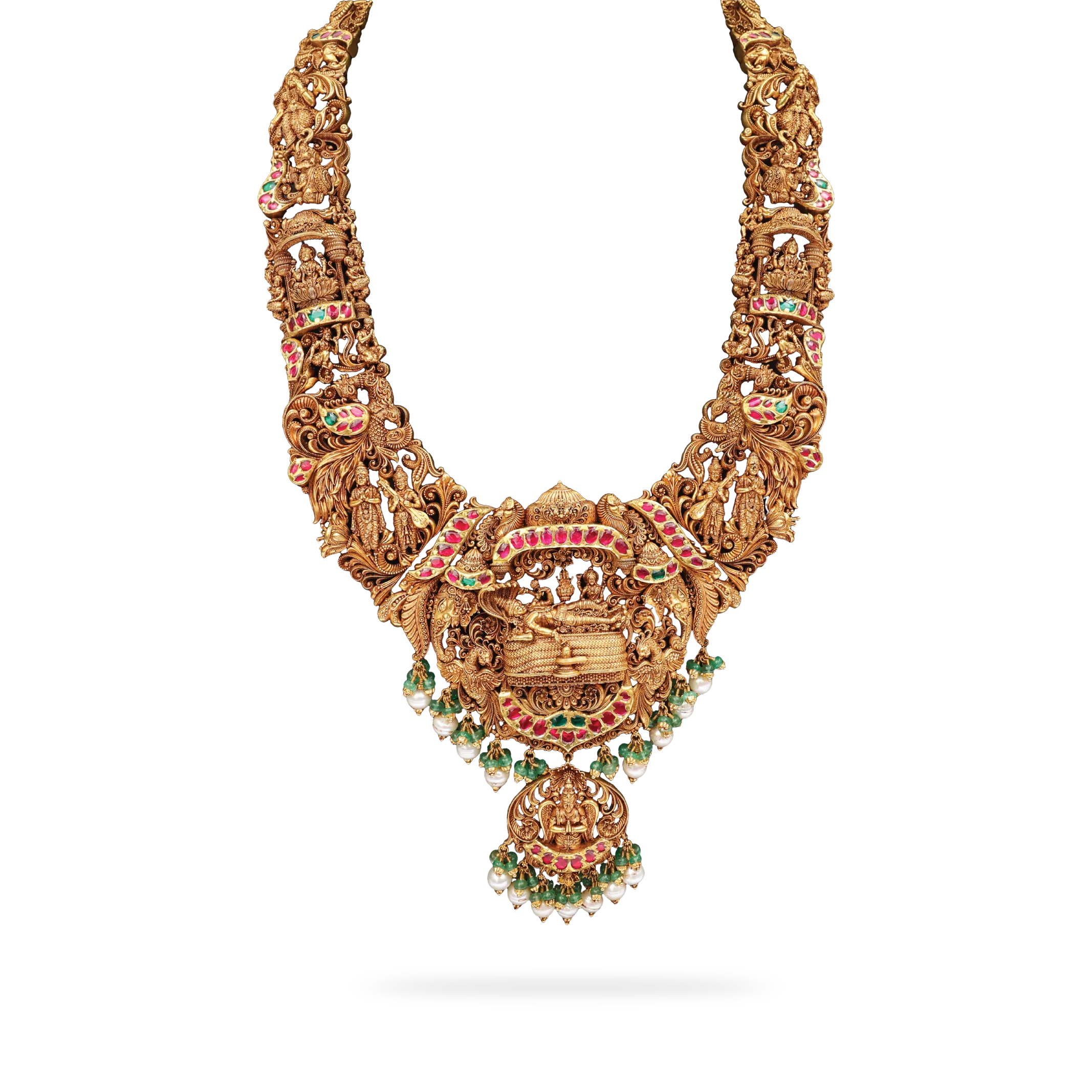
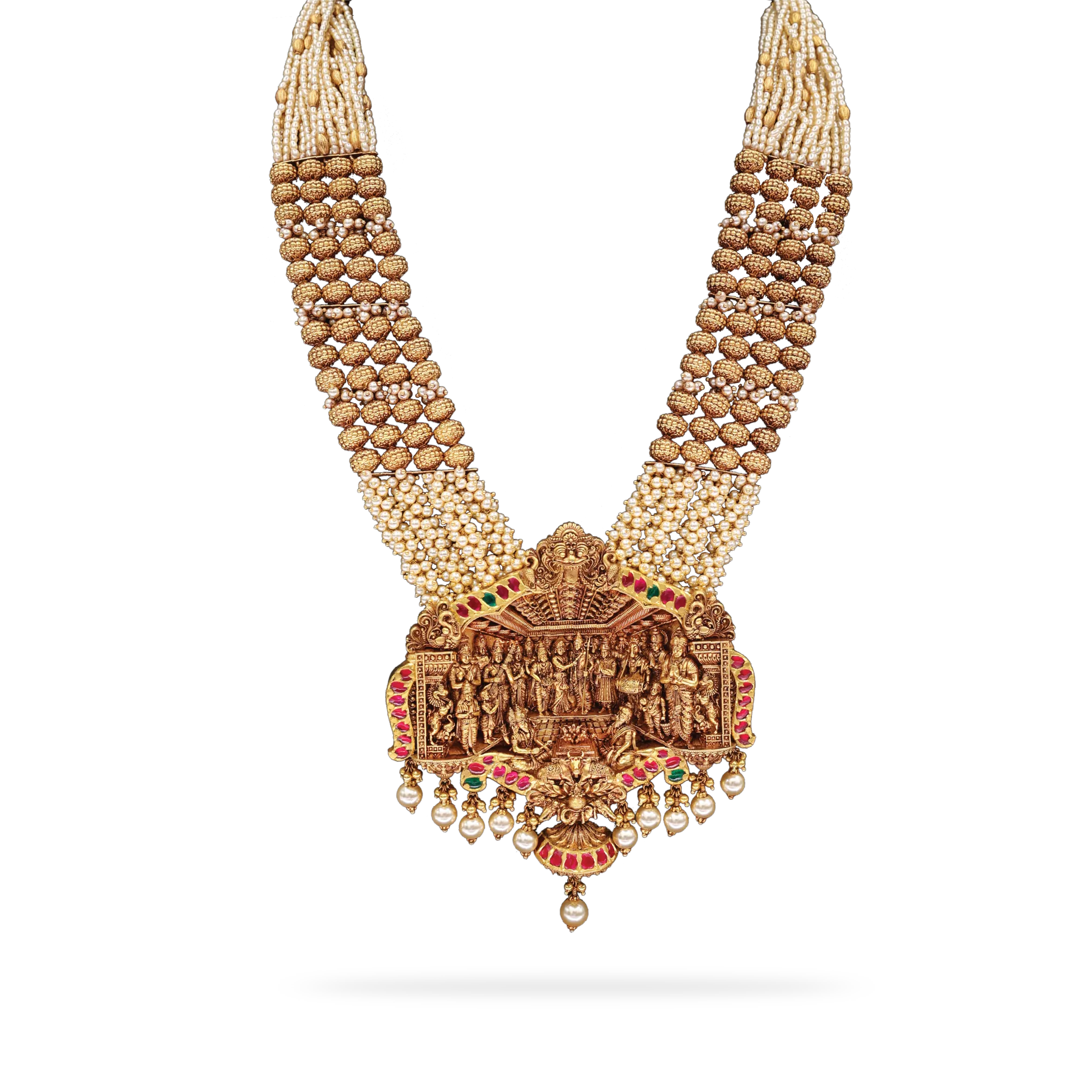
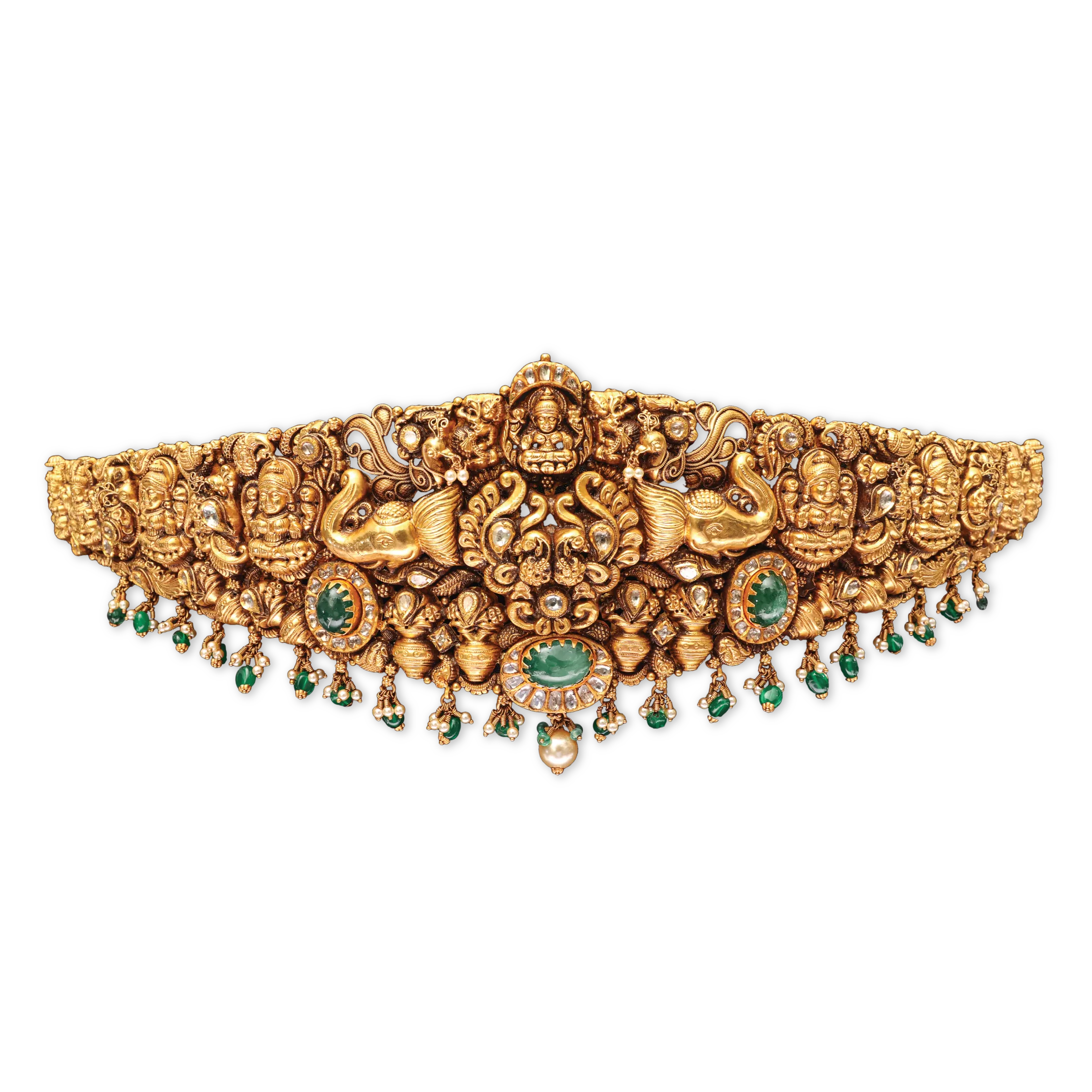
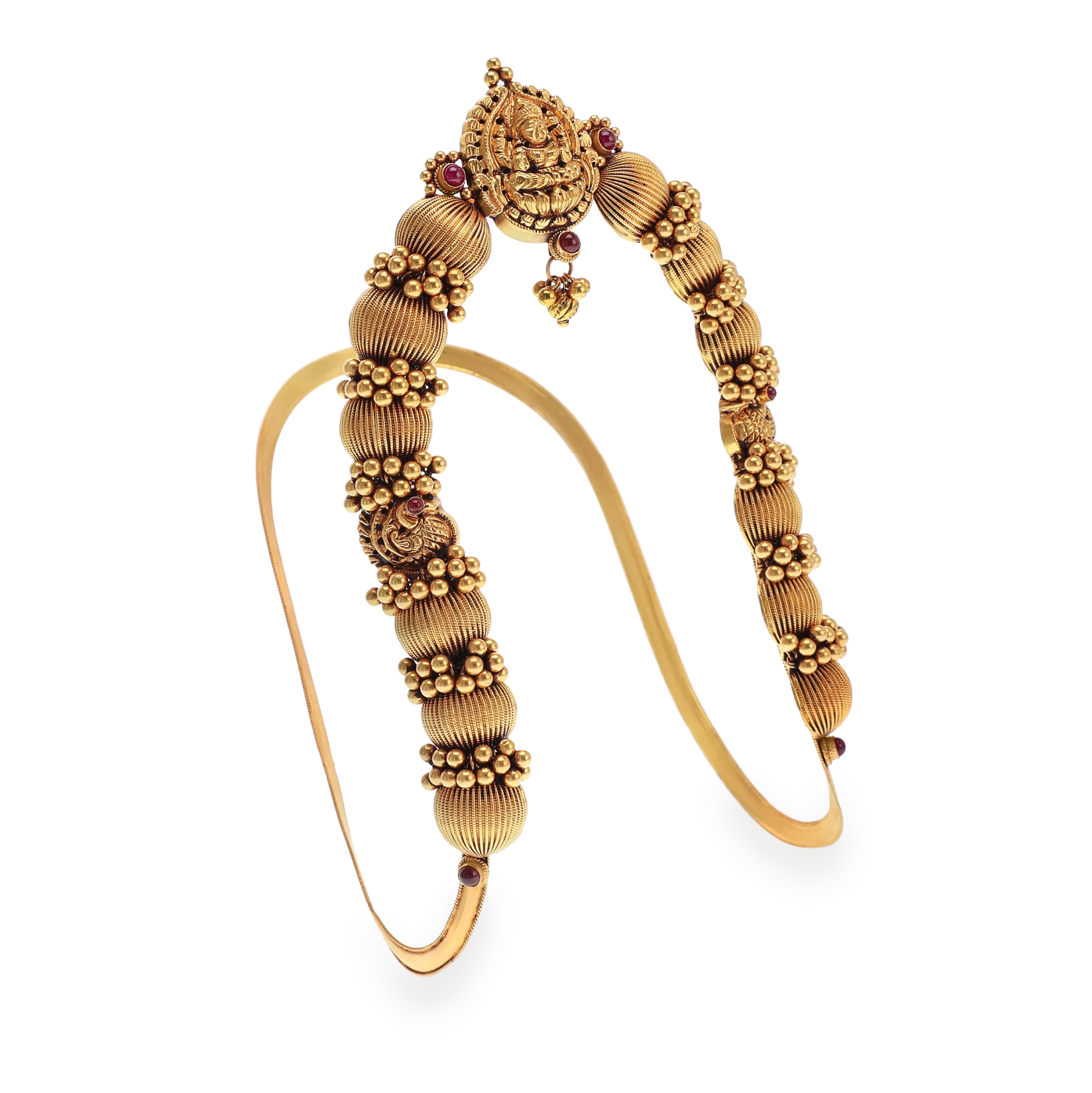
Rooted in the sacred traditions of South Indian temples, this jewelry style originally served as adoration for deities before entering the bridal trousseau. The craftsmanship often utilizes ancient craftsmanship techniques to replicate divine motifs—such as sculpted goddesses and mythical creatures—in gold. These pieces serve as a bridge to cultural heritage, transforming the wearer into a reflection of ancient artistry.
- Sculpted deity figurines representing prosperity.
- Floral patterns mimicking temple architecture.
- Auspicious animal motifs like peacocks and swans.
Understanding these origins helps one appreciate the weight and detail behind every piece. Modern collections at C Krishniah Chetty & Co continue to honor these roots while refining them for today’s fashion-conscious individuals.
Distinguishing between authentic gold and antique finishes
Authentic temple pieces are typically cast in high-purity gold, offering a luminous, heritage-grade finish that develops character over decades. Conversely, antique-finish jewelry often employs techniques like silver-base gold plating or dark oxidation to recreate the look of heirloom treasures without the prohibitive price point. Knowing the difference allows you to invest wisely, whether you are seeking a lifelong legacy piece or a trendy, accessible addition to your stash.
Adapting traditional motifs for contemporary looks
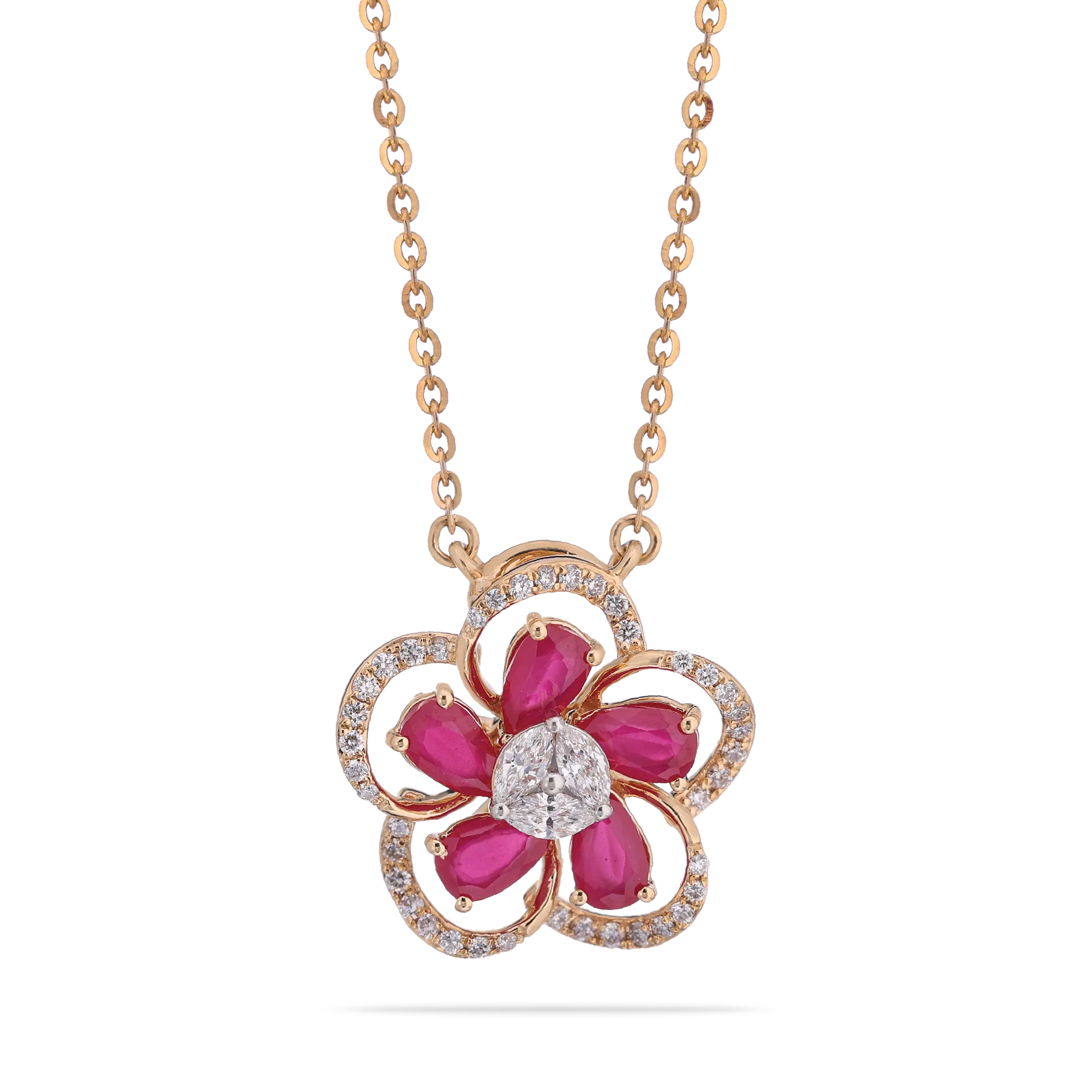
Contemporary fashion focuses on scaling down ornate designs to fit daily environments without sacrificing the spiritual weight of the jewelry. By isolating a single, bold temple motif—such as a small Lakshmi pendent—and pairing it with lighter chains, you maintain a subtle nod to tradition. This intentional blending makes learning how to style temple jewellery a matter of balancing heritage weight against the simplicity of modern fabrics. It is a powerful form of self-expression and aesthetic elevation that creates a dialogue between the past and the present.
Styling temple jewellery for traditional occasions
Deep dive into styling with Kanjeevaram sarees
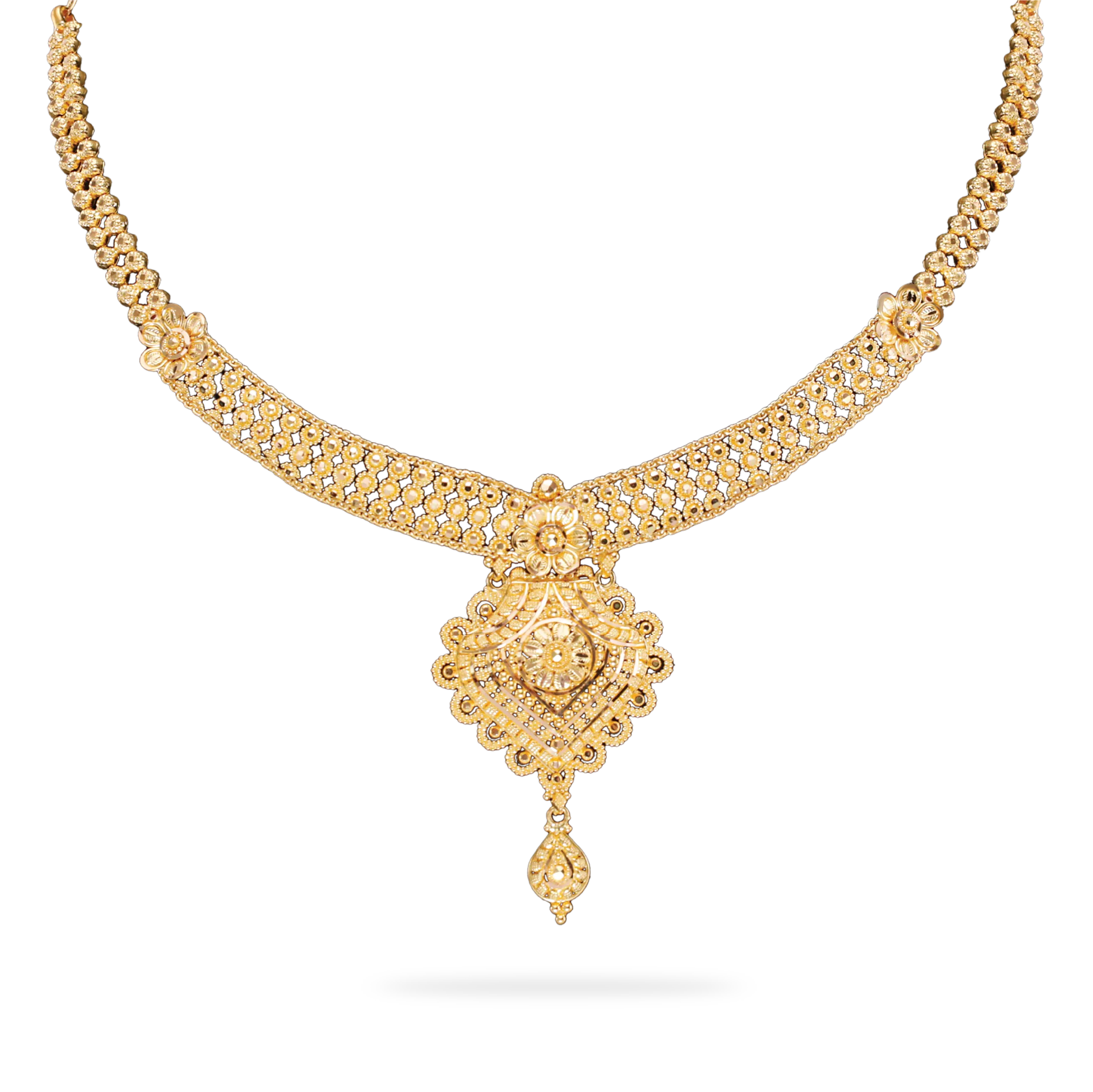
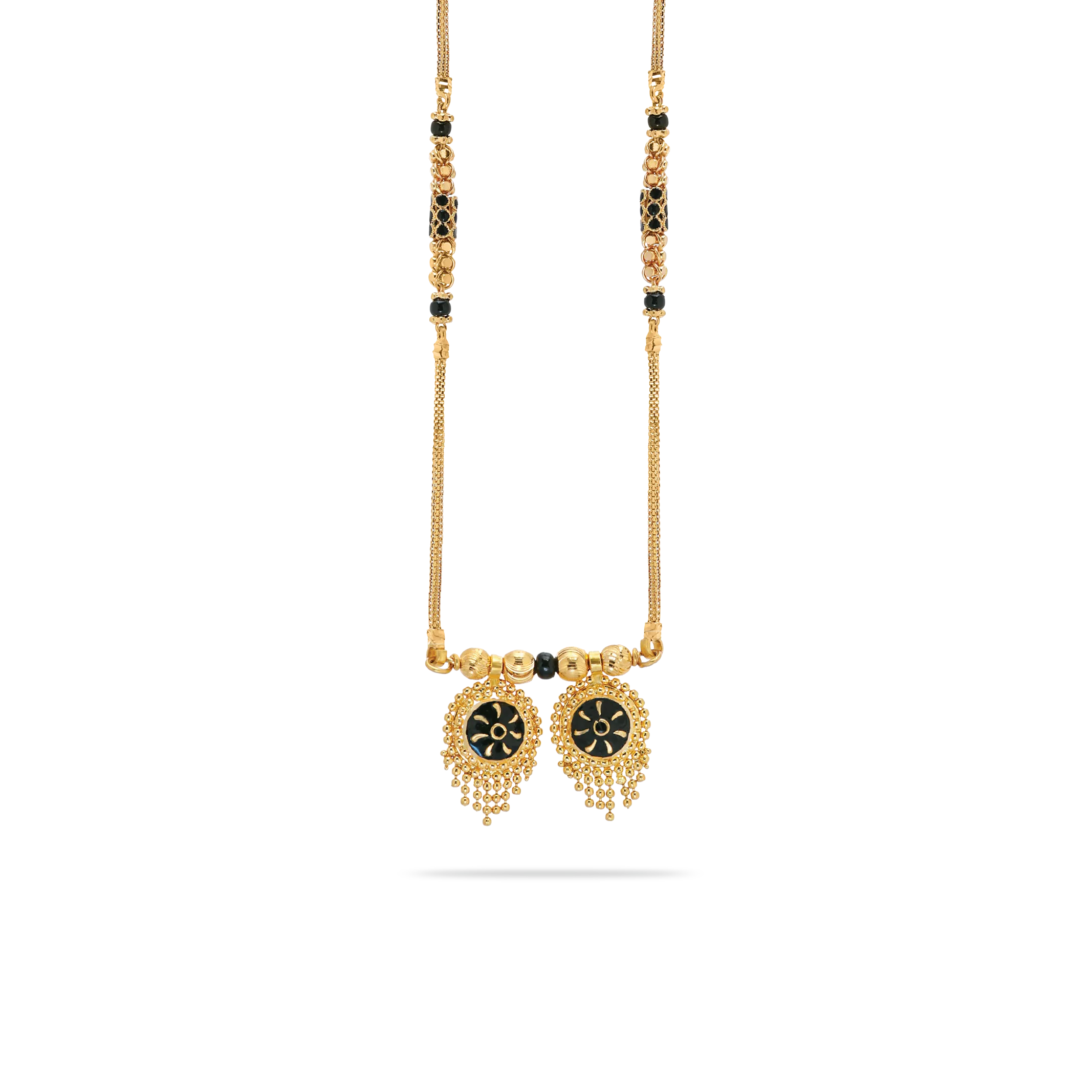
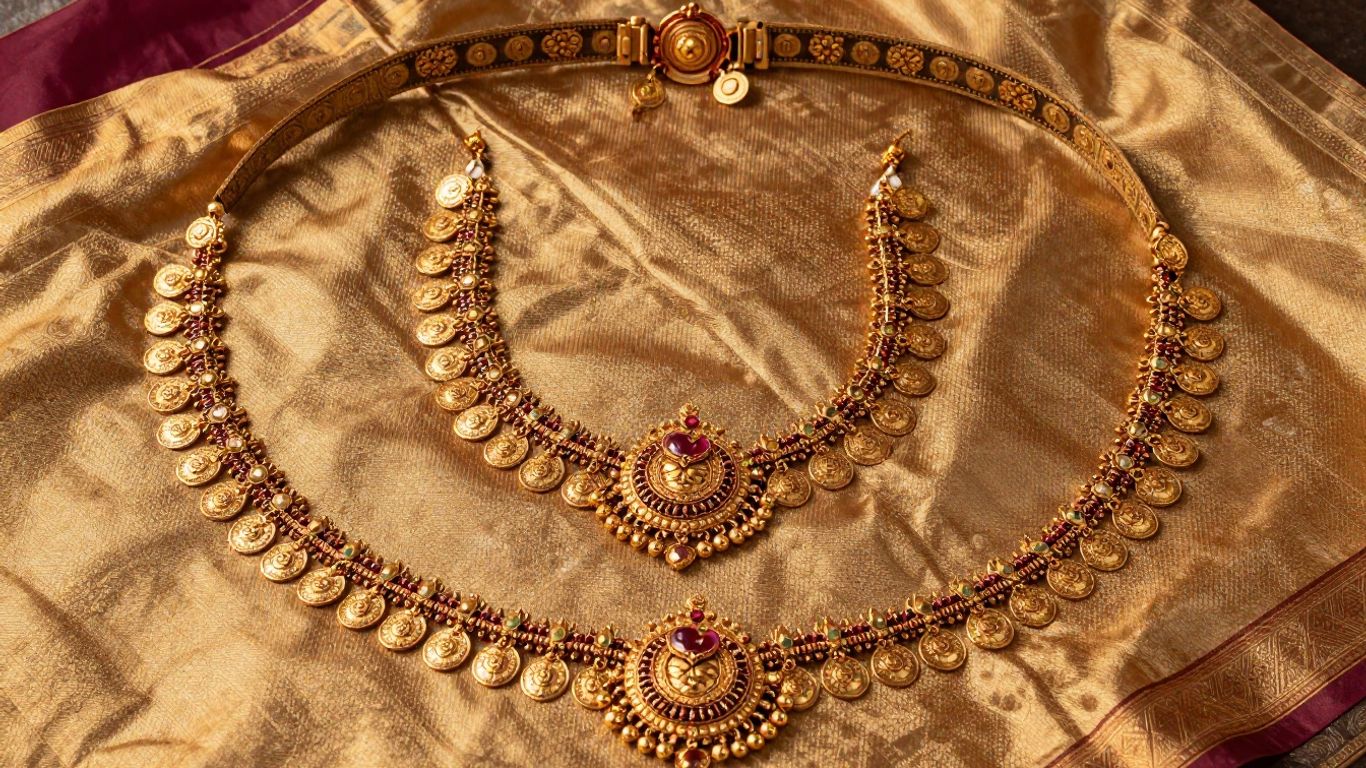
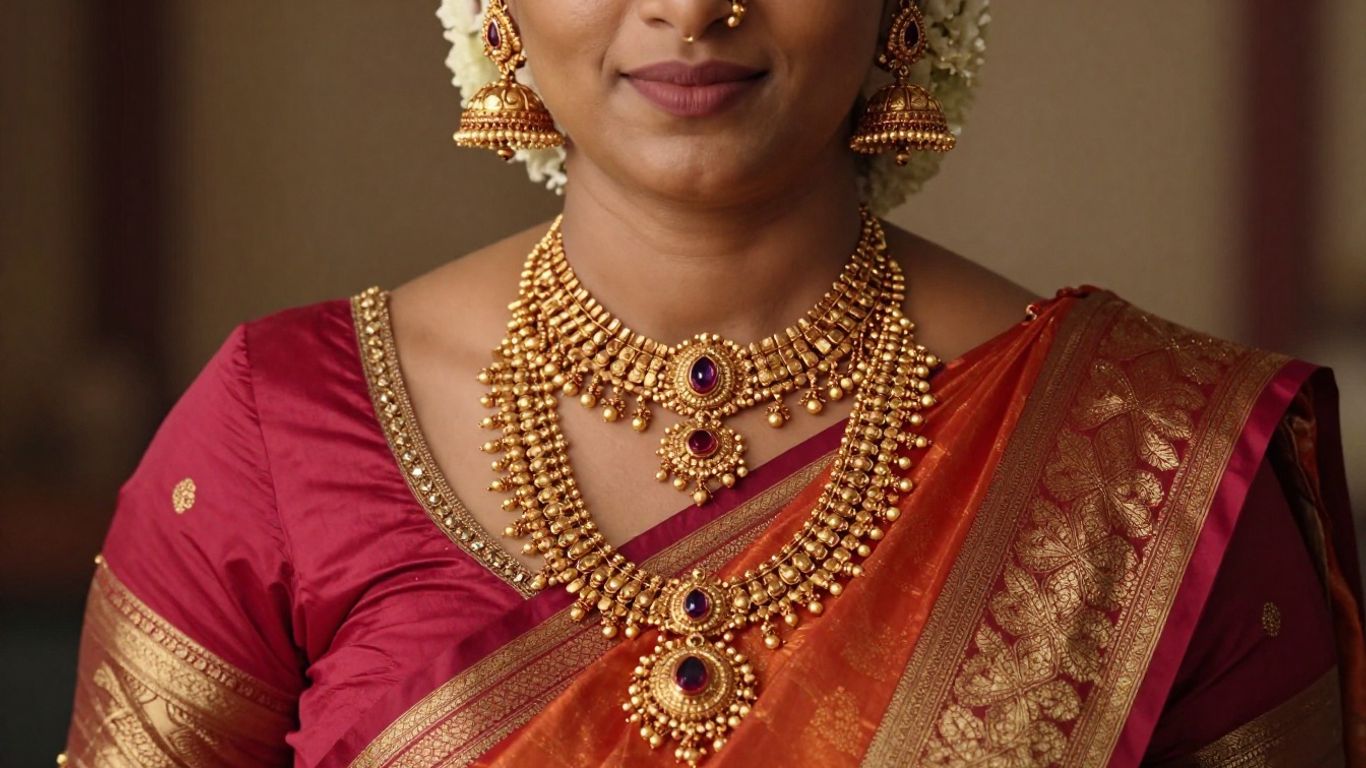
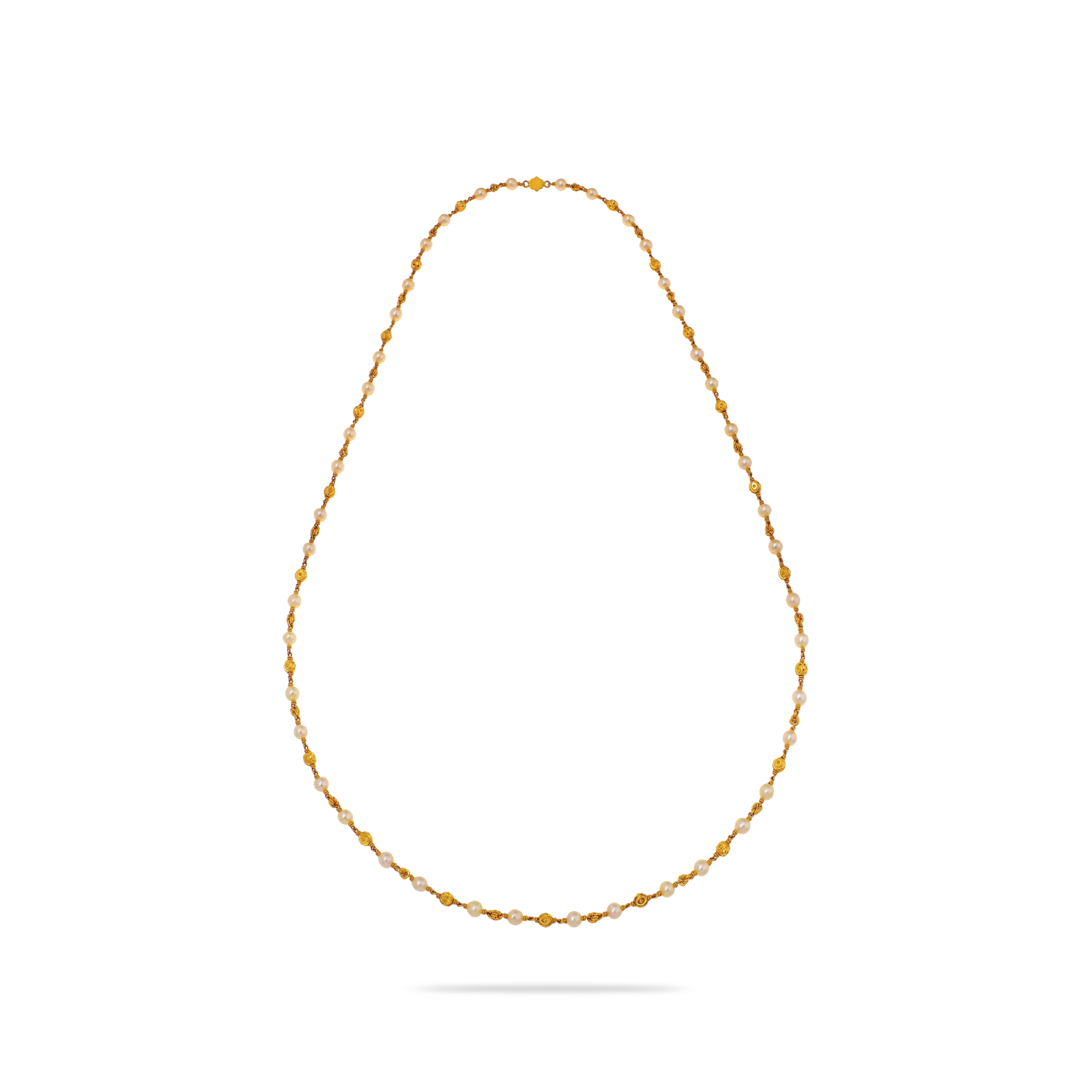
When wearing a heavy Kanjeevaram silk, the scale of your jewelry should match the grandeur of the weave. The dense border of the saree often acts as a frame, allowing layered temple neckpieces to stand out comfortably without creating visual clutter. A long, coin-style haram is perfect for a traditional silhouette, adding a regal length that complements the drape of the pallu.
Incorporating jewellery sets for bridal ensembles
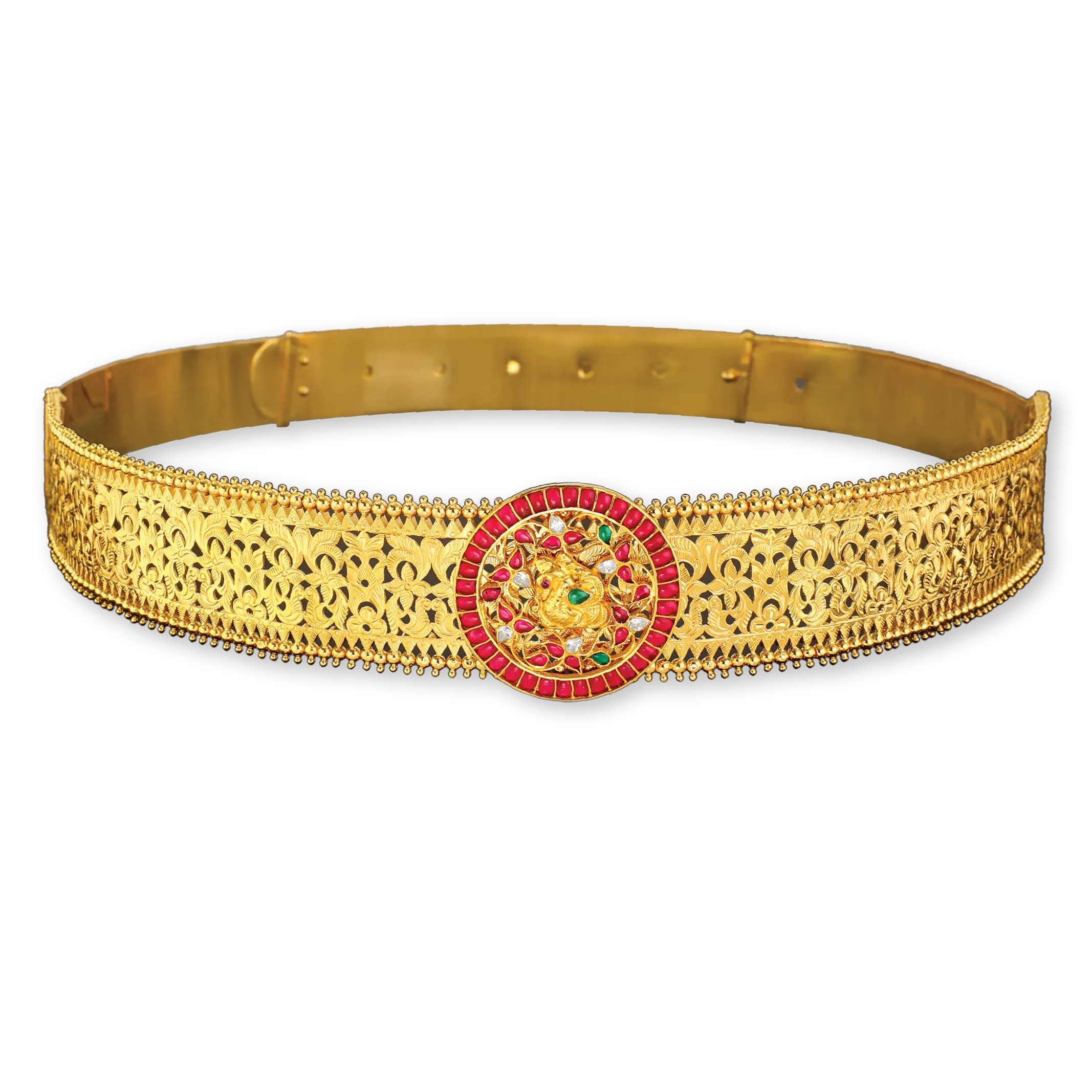
Bridal styling thrives on boldness, often requiring a complete set that includes a maang tikka, waist belt, and heavy jhumkas . To avoid an overly uniform appearance, try blending pieces from C Krishniah Chetty & Co rather than wearing a single monochromatic set that looks too plastic. This creates a curated, heirloom-style appearance where every piece tells its own story while remaining visually unified.
Complementing festive lehengas and Anarkali suits
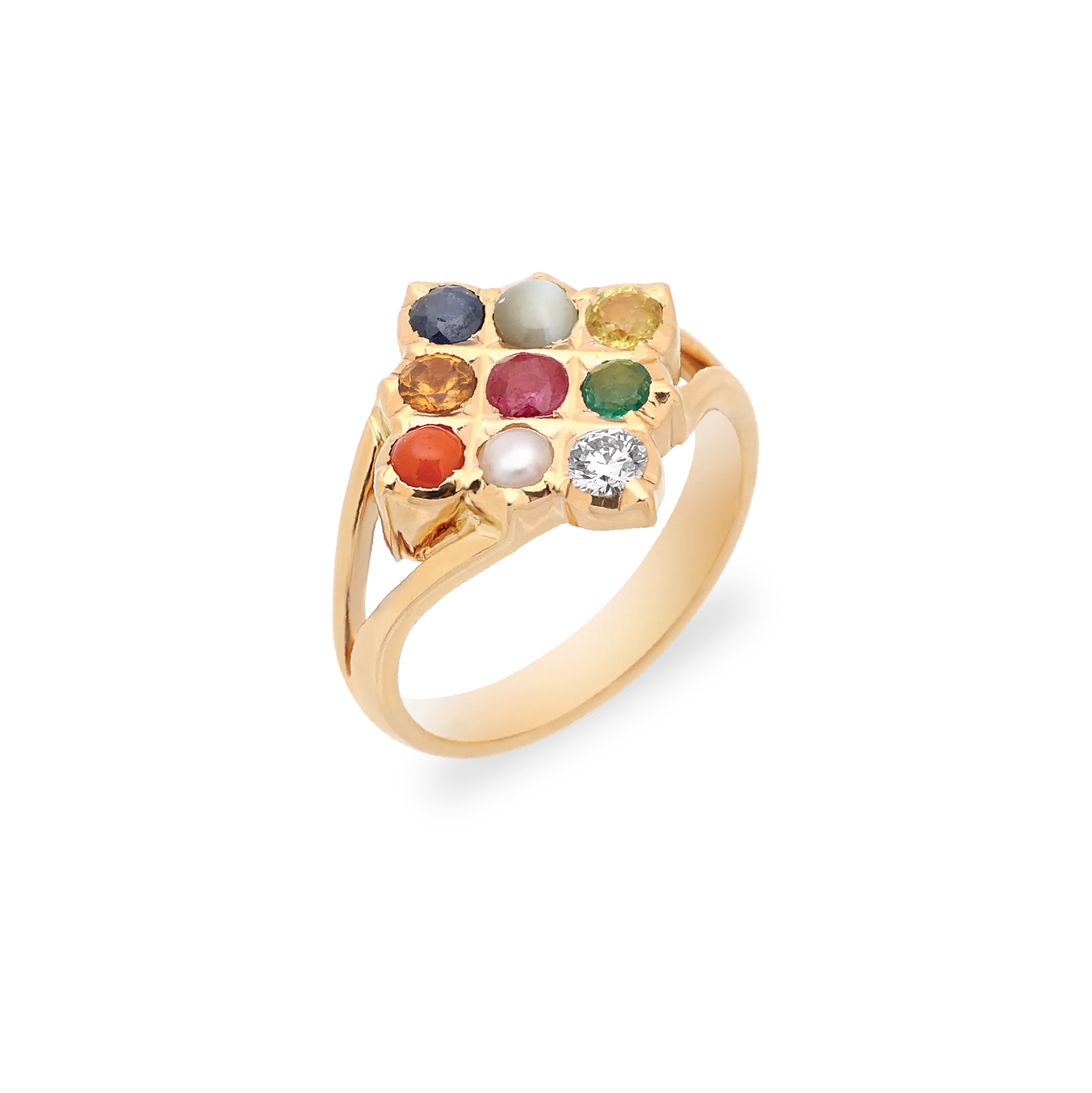
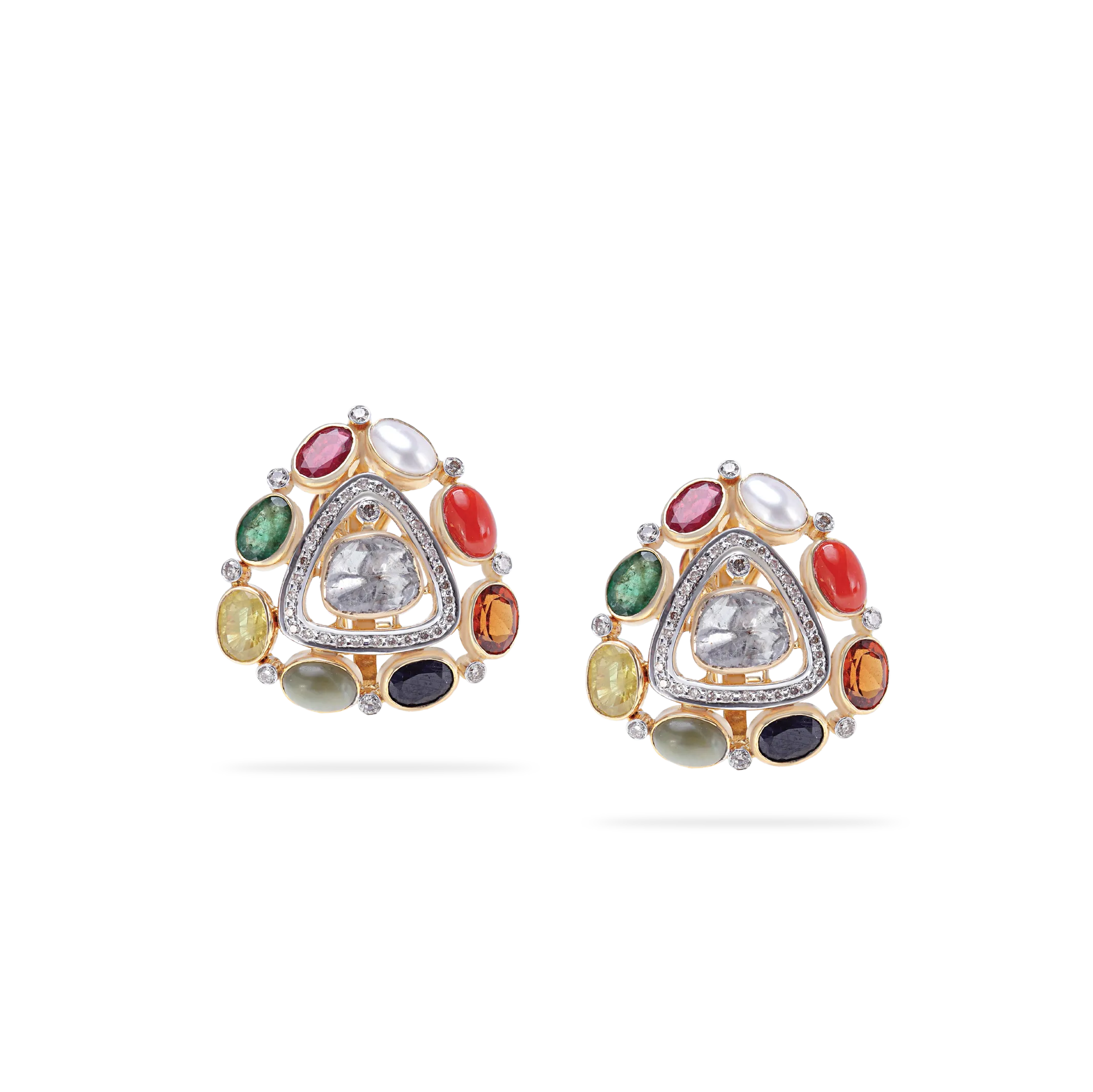
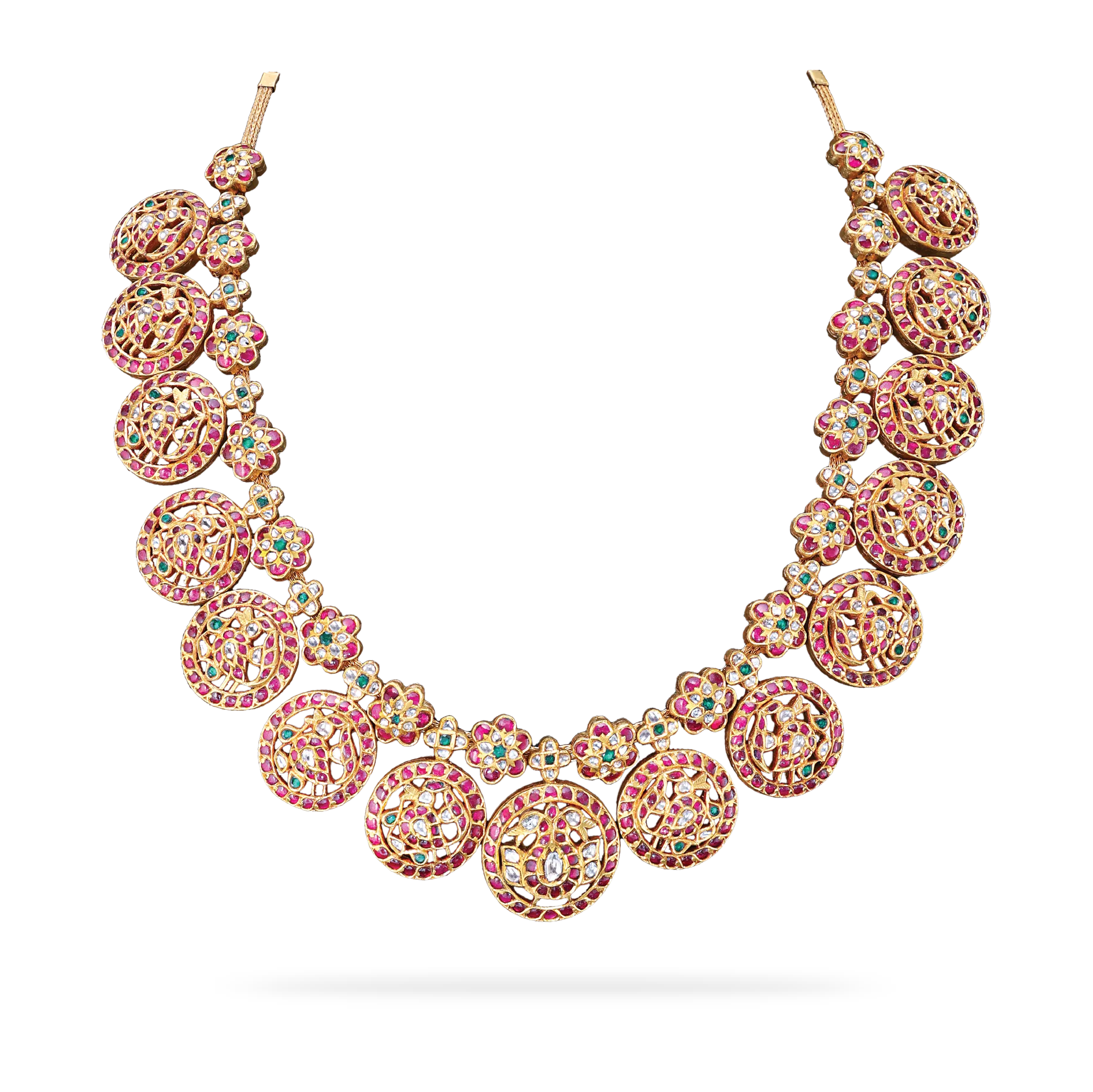
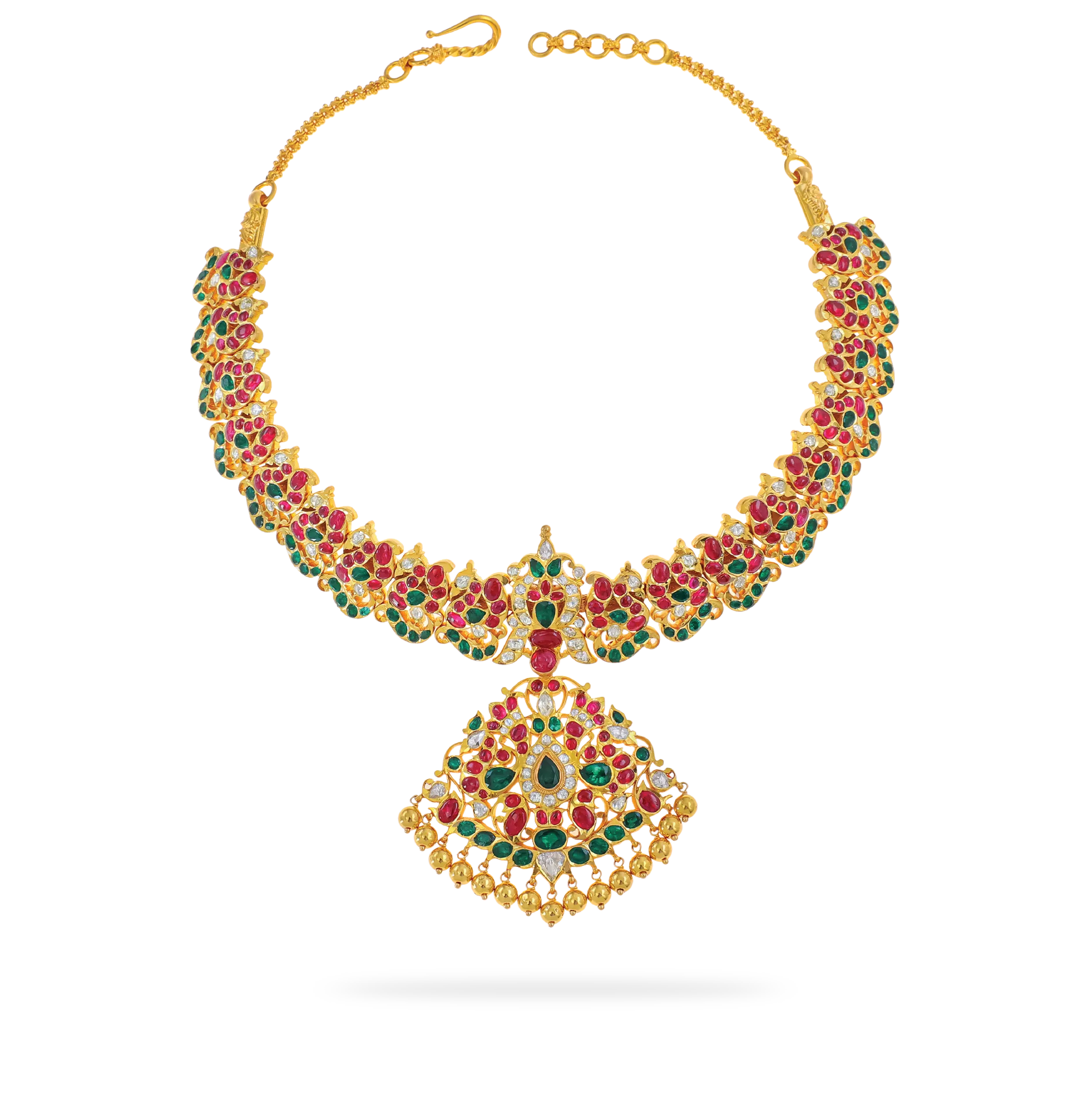
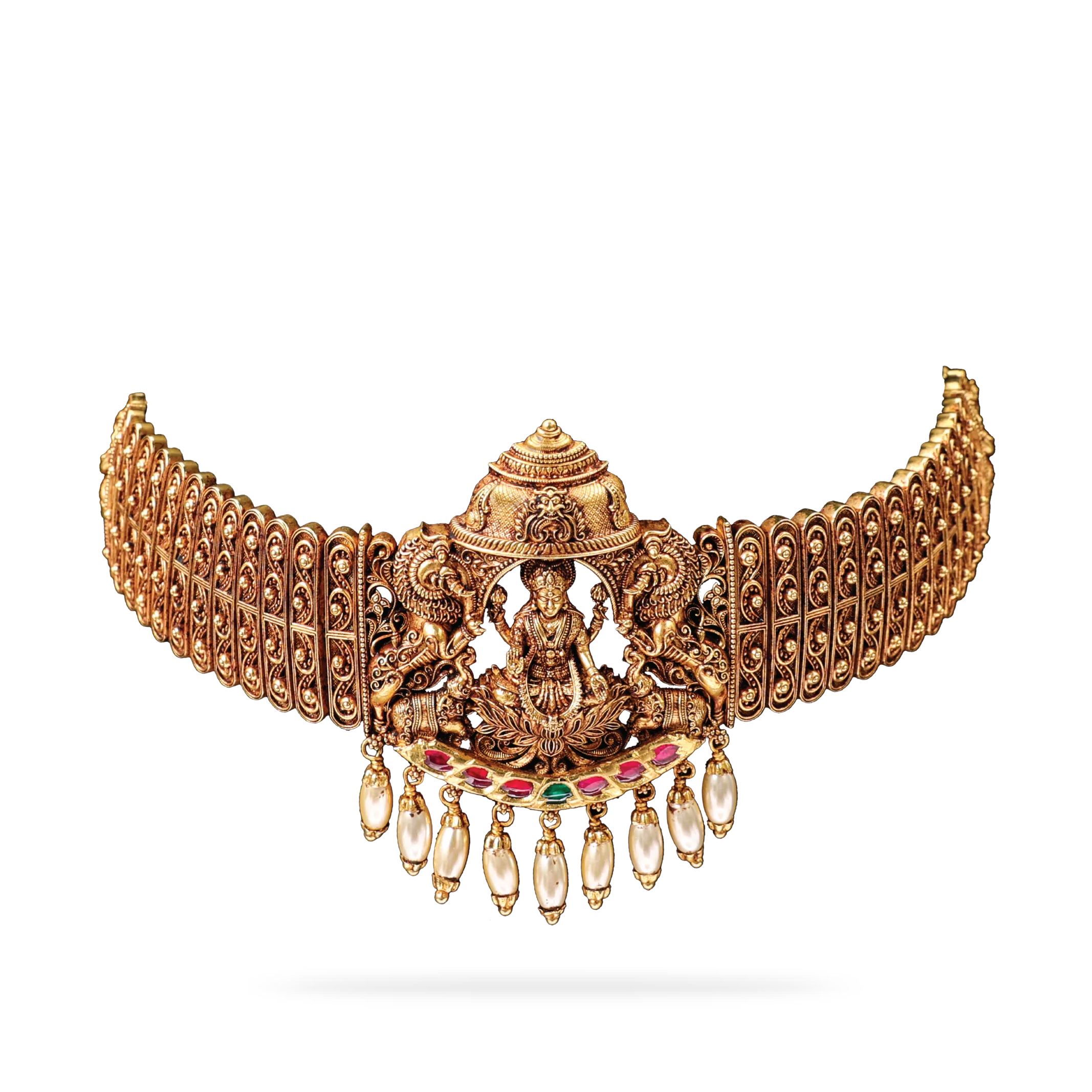
Lehengas and Anarkalis allow for a freer range of motion, making them ideal for highlighting statement temple chokers. Because these outfits often feature voluminous skirts or flared silhouettes, keeping the necklace area clear of heavy fabric allows your jewelry to become the focal point. Use navratna stones in your pieces to draw out colors in the embroidery, tying the entire look together with professional finesse.
Pairing temple jewellery with modern western outfits
Using temple pendants as statement neckpieces with shirts
Incorporating ethnic elements into standard office attire creates a sophisticated "fusion" vibe that works brilliantly for professional yet creative settings. By tucking a long temple pendant chain under a crisp white shirt collar, you add a sharp, unexpected element to your business attire. This provides a fresh contrast to typically sober corporate wardrobes without overcomplicating the outfit.
Layering temple chokers over minimalist silk dresses
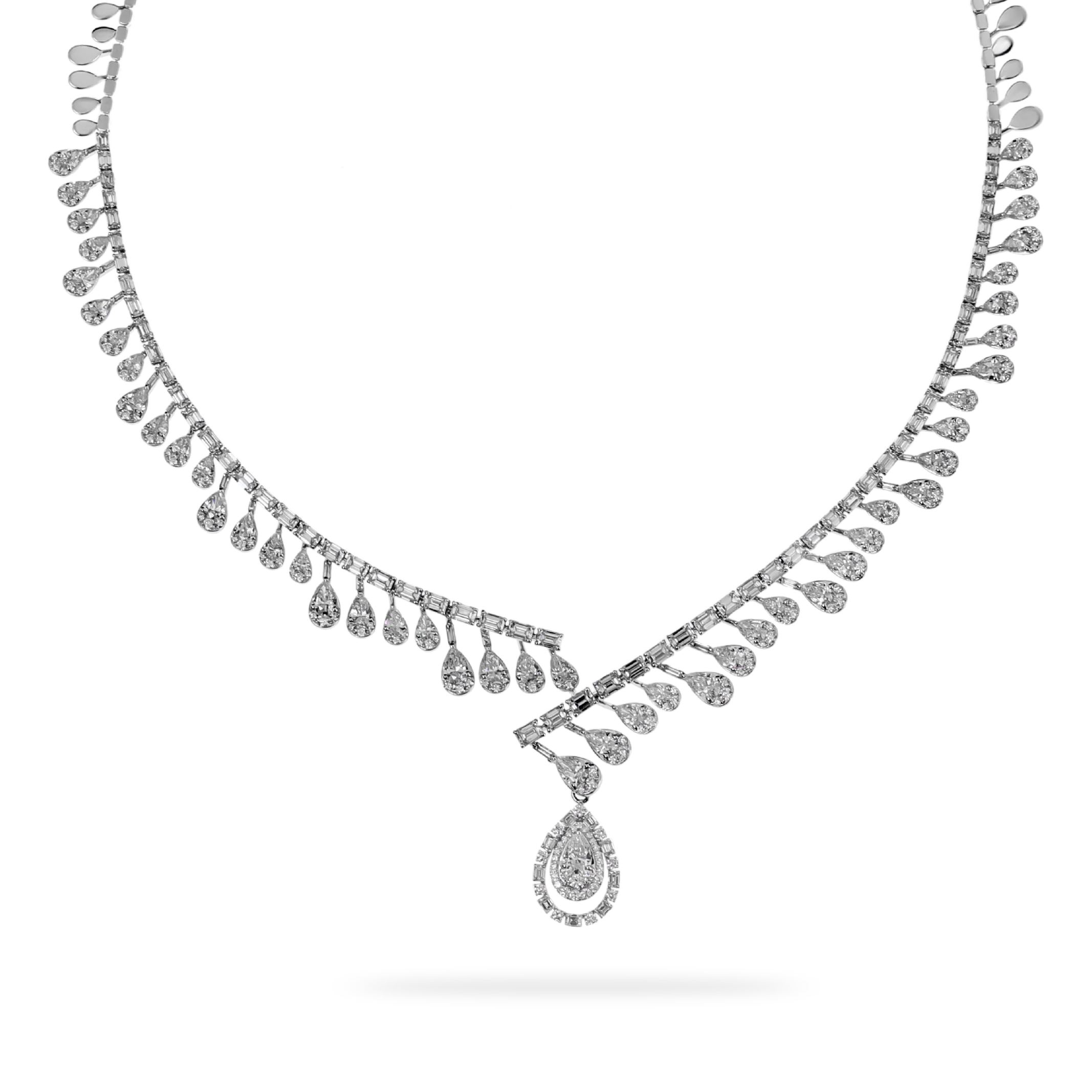
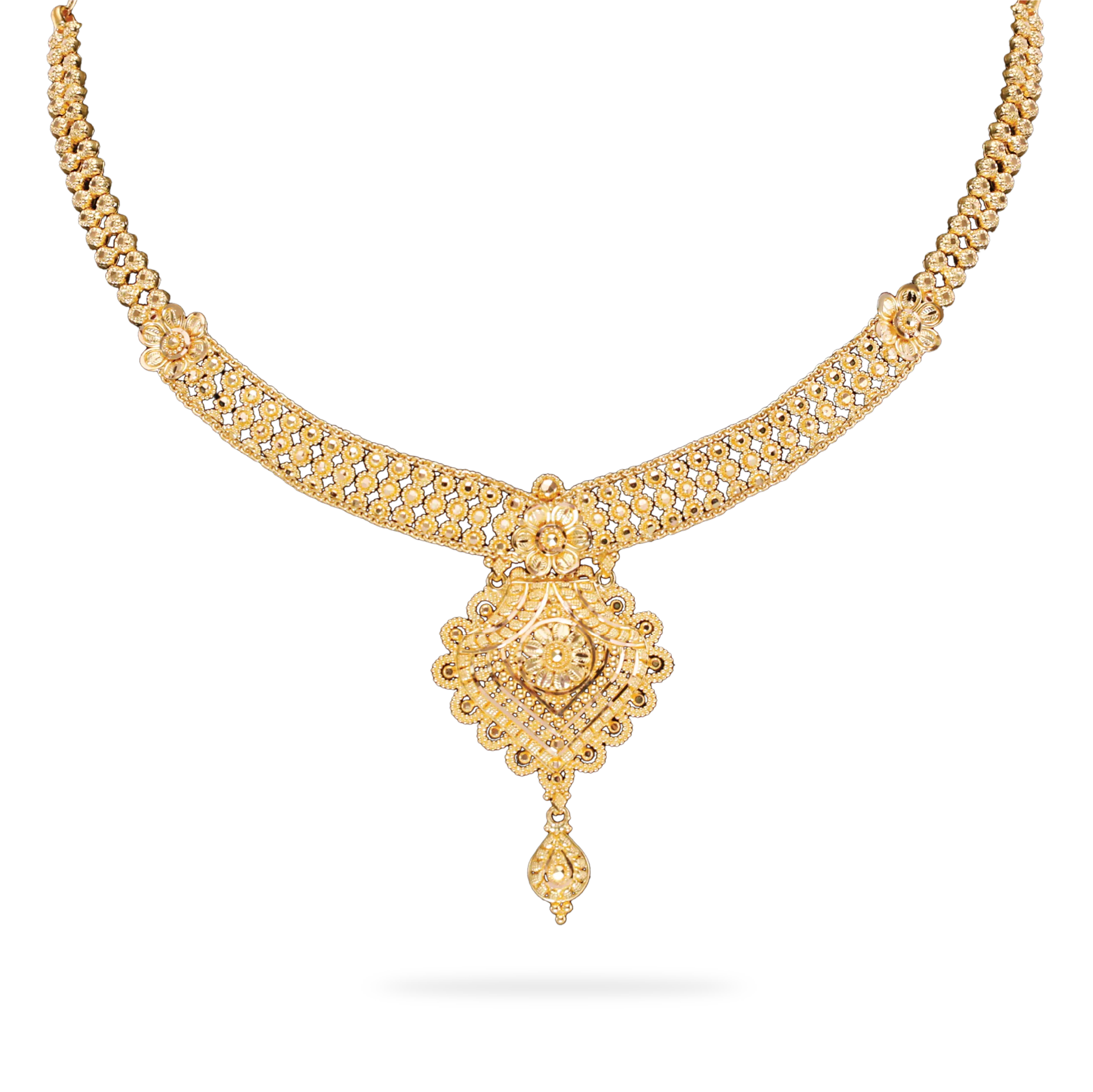
Minimalist silk dresses are the perfect canvas for rich, antique-gold textures that might otherwise be swallowed by busy patterns. A single, intricately detailed choker transforms a monochromatic dress into an evening-ready ensemble. The key here is to keep your hair pulled back, allowing the neckpiece to catch light and define your neckline clearly.
Mixing ethnic jewellery with denim or formal corporate wear
Denim provides a rugged, neutral background that highlights the intricate repoussé work found in temple designs. Combining a temple-inspired piece with casual jeans helps bridge the gap between street style and luxury. The mix of high-shine gold and casual cotton creates an intentional, artful look that feels both effortless and well-planned.
Selecting the right pieces for your skin tone and necklines
Matching antique gold tones to warm and cool complexions
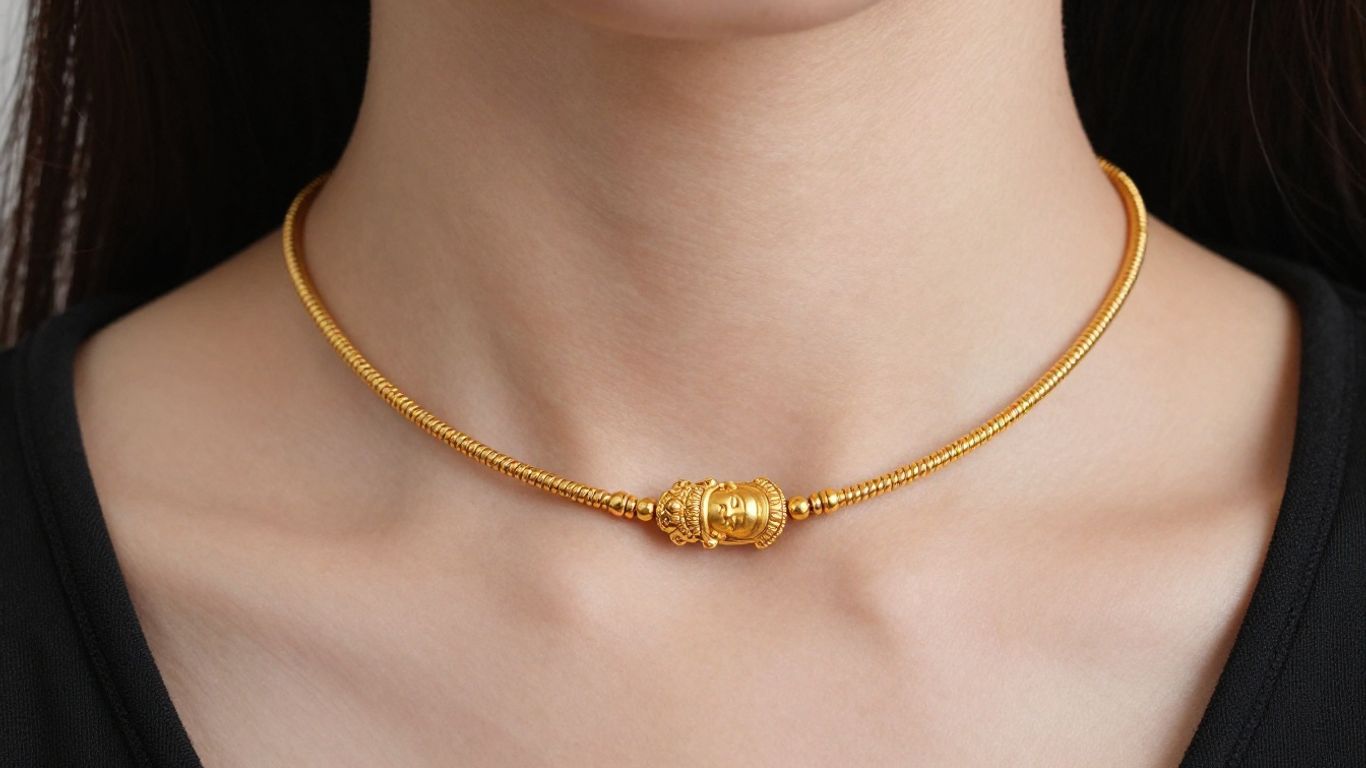
Selecting the right gold finish can make a significant difference in how the jewelry interacts with your natural skin tone. If you have cool undertones, white-gold or light-plated temple pieces tend to harmonize better, whereas warmer complexions glow under the influence of deeper, antique-finish yellow gold .
| Skin Undertone | Recommended Gold Finish | Typical Visual Goal |
|---|---|---|
| Warm Tone | Deep Antique Yellow Gold | Enhance golden radiance |
| Cool Tone | Light Gold or White | Add brightness and contrast |
| Neutral Tone | Standard Satin Gold | Maintain balanced warmth |
Selecting based on these nuances ensures the jewelry acts as a highlight to your face, not a distraction that competes with your features.
Choosing necklace lengths to suit specific necklines
Neckline choices fundamentally dictate the success of your accessories, as proper layering ensures no element looks stunted or lost. A V-neck beautifully accommodates a longer pendant, drawing the eye downward, while a high crew neck functions perfectly with a tight, ornate choker that serves as a stand-alone focal point.
Balancing heavy earrings with face shapes
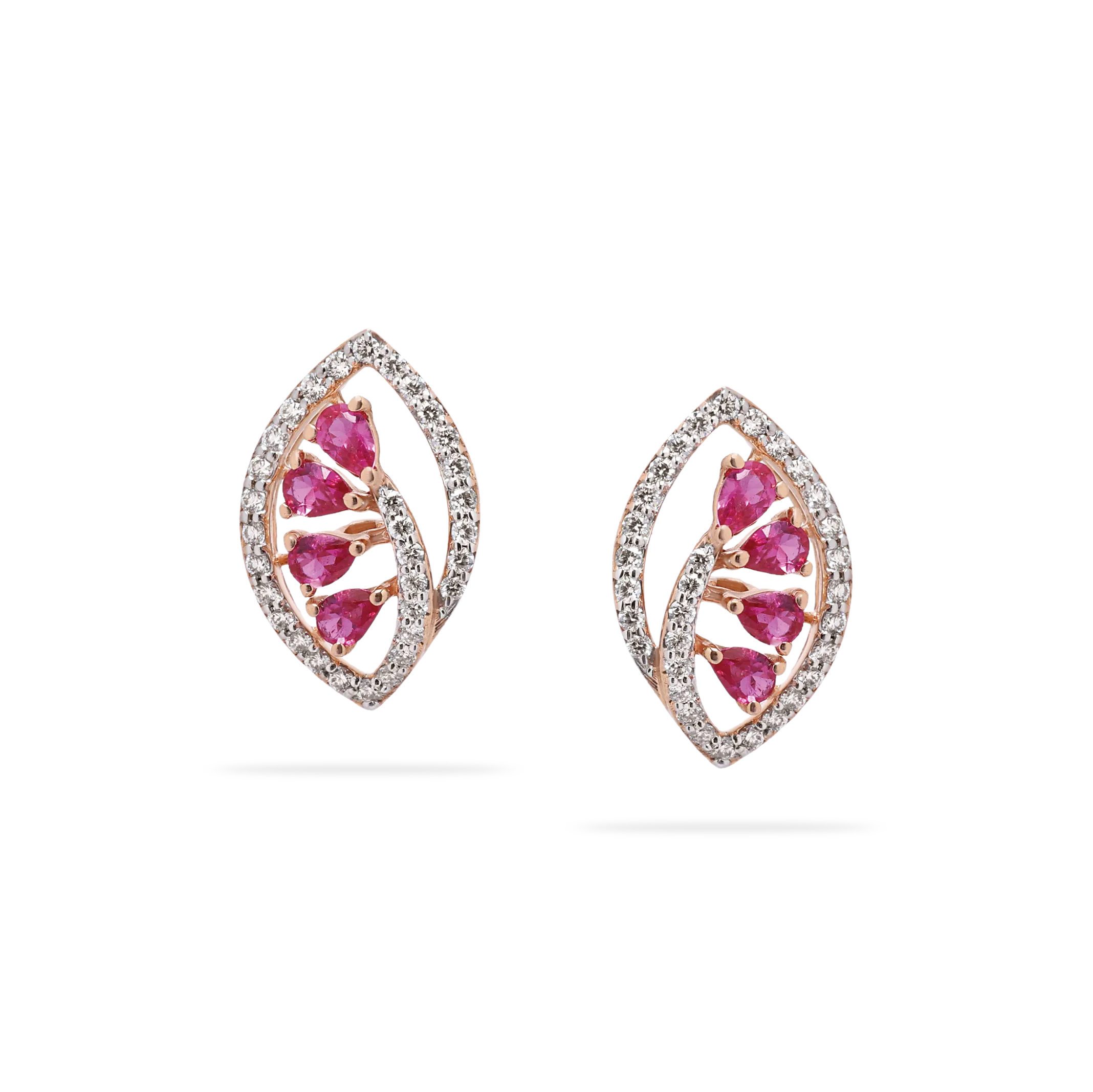
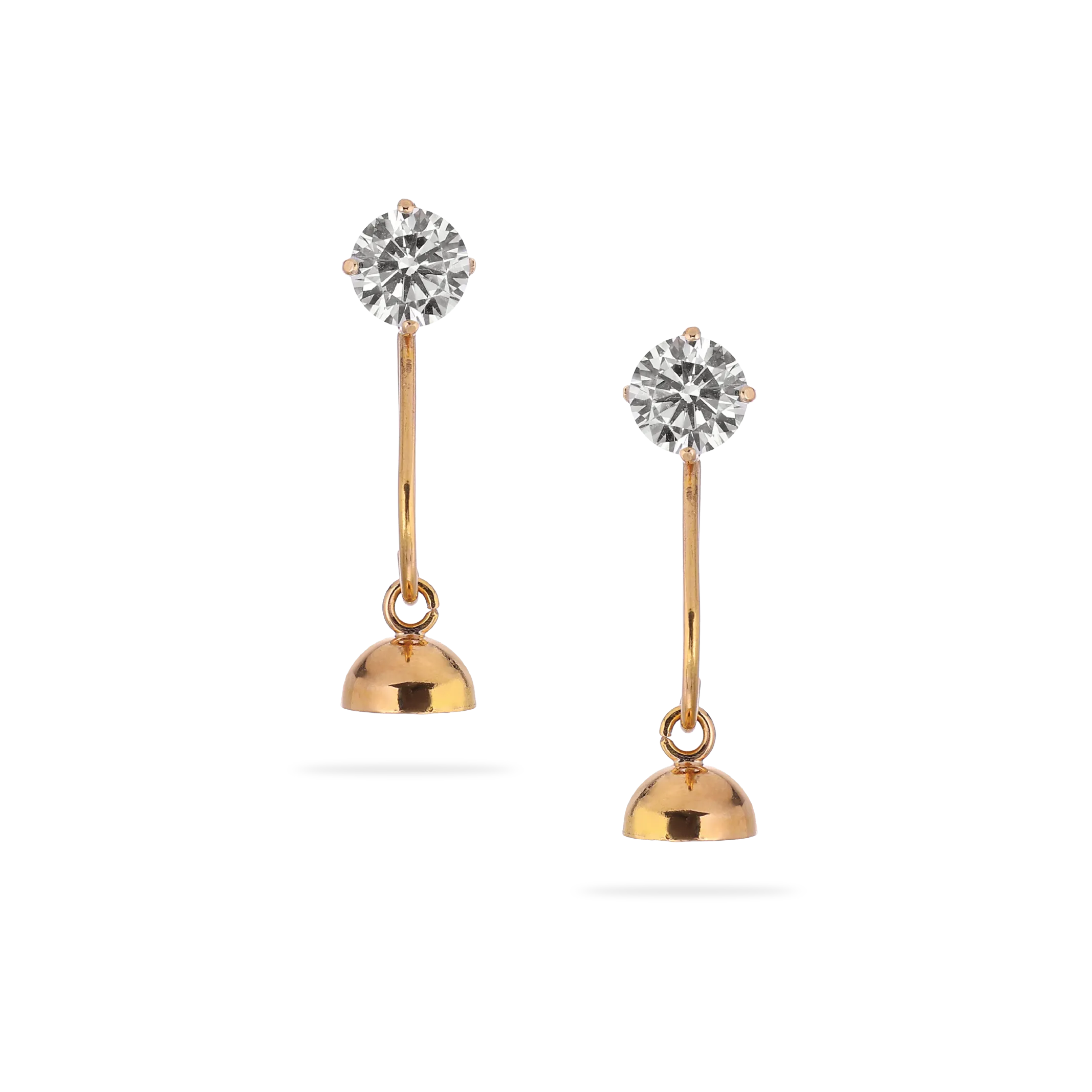
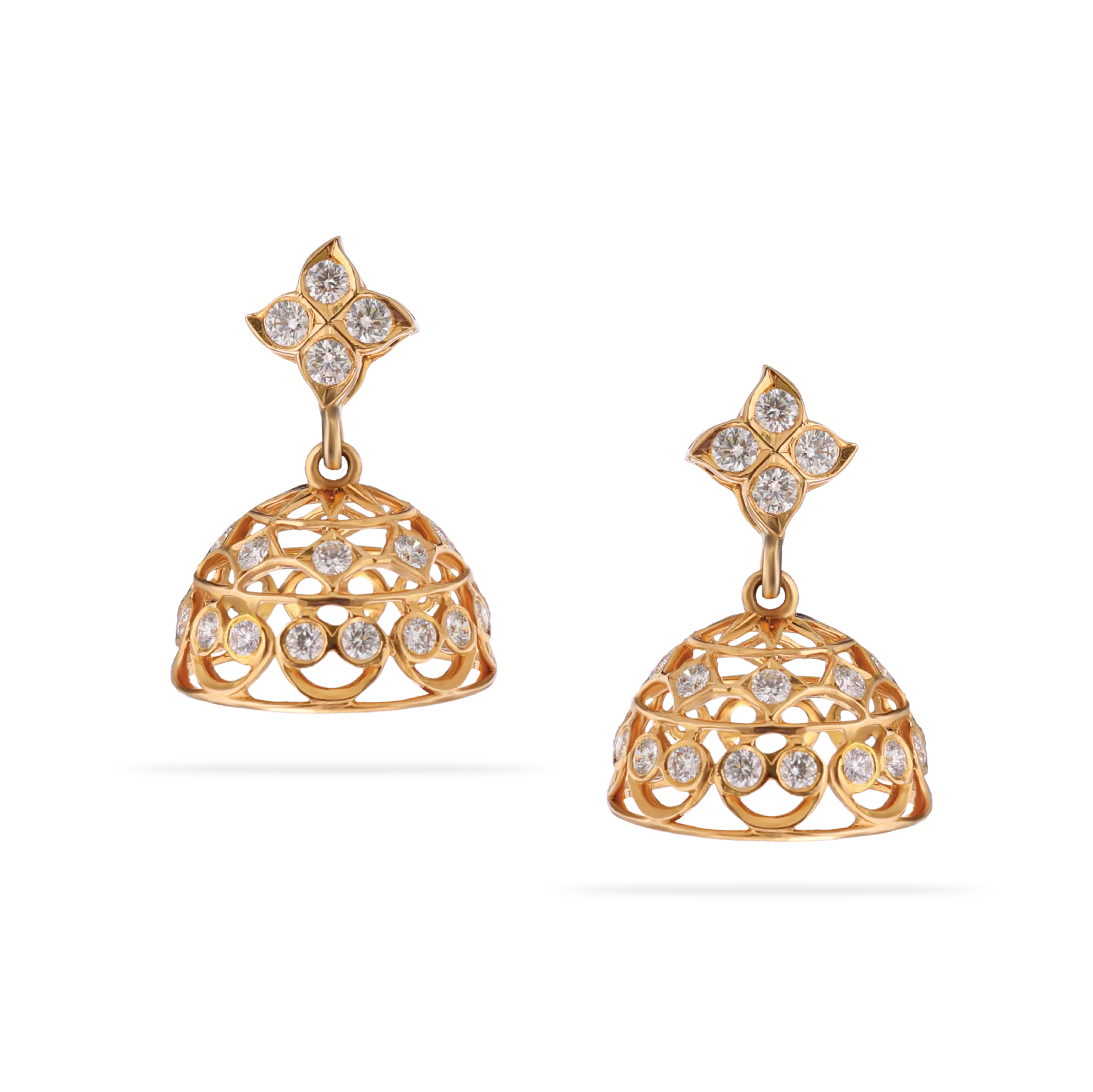
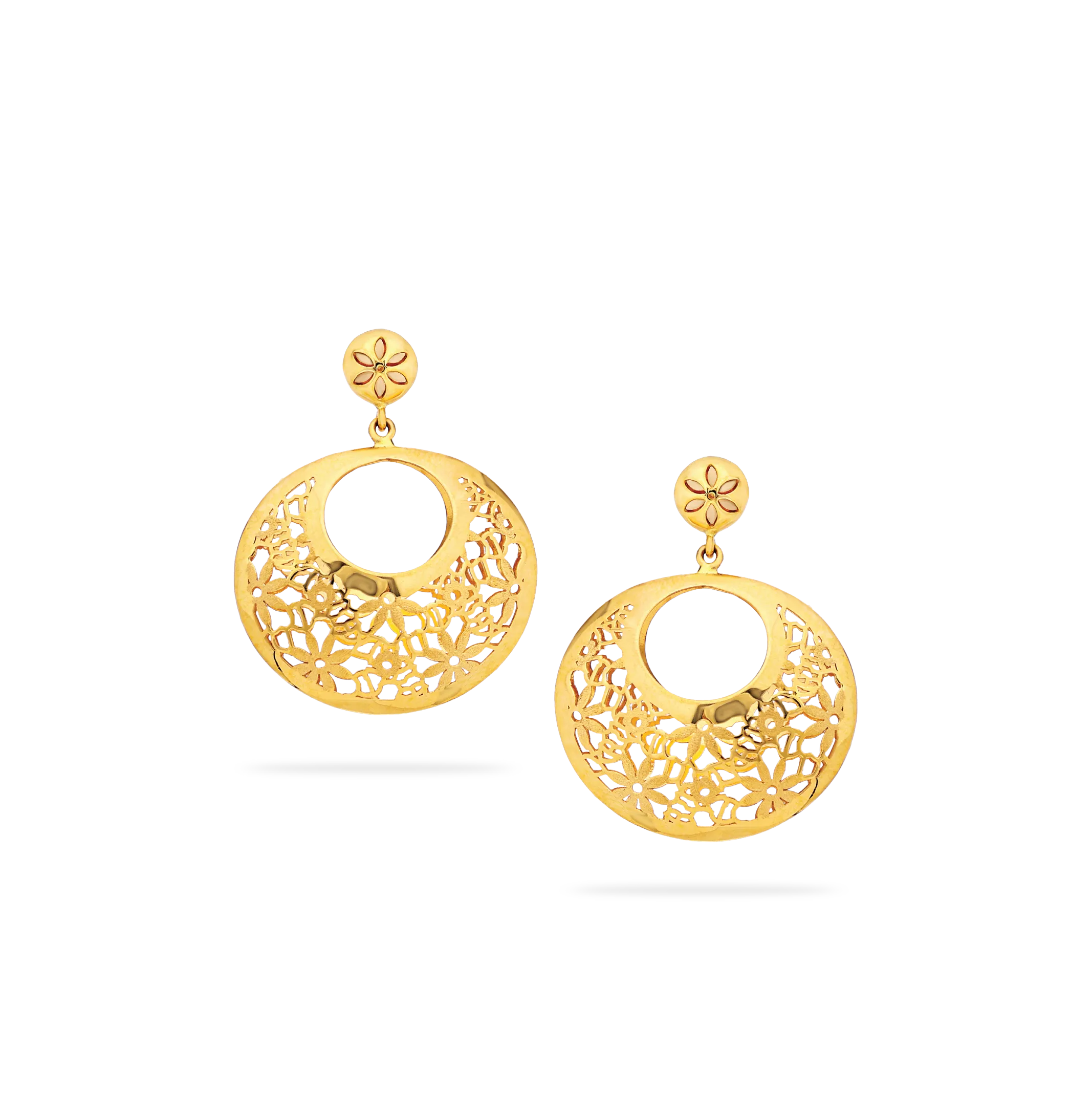
Heavier temple jhumkas are stunning due to their intricate bell shapes but can overwhelm smaller or more delicate faces. If you have a rounder face, opt for longer, more elongated earring designs that provide an illusion of verticality. Conversely, those with sharper, angular facial features can often carry wider, more decorative circular earring designs with ease.
Balancing temple jewellery with other accessories
Coordinating bangles and maang tikka with necklace sets
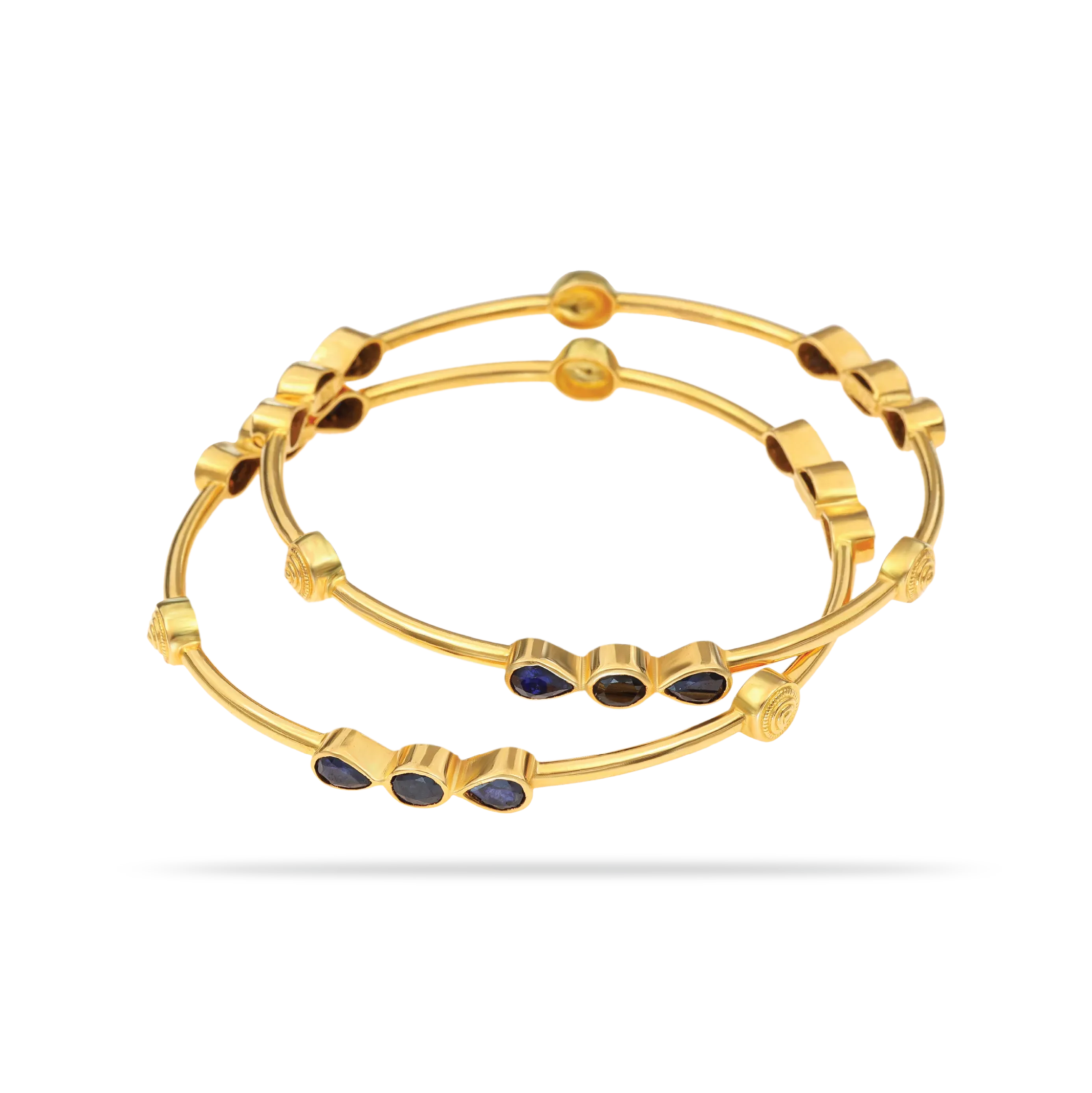
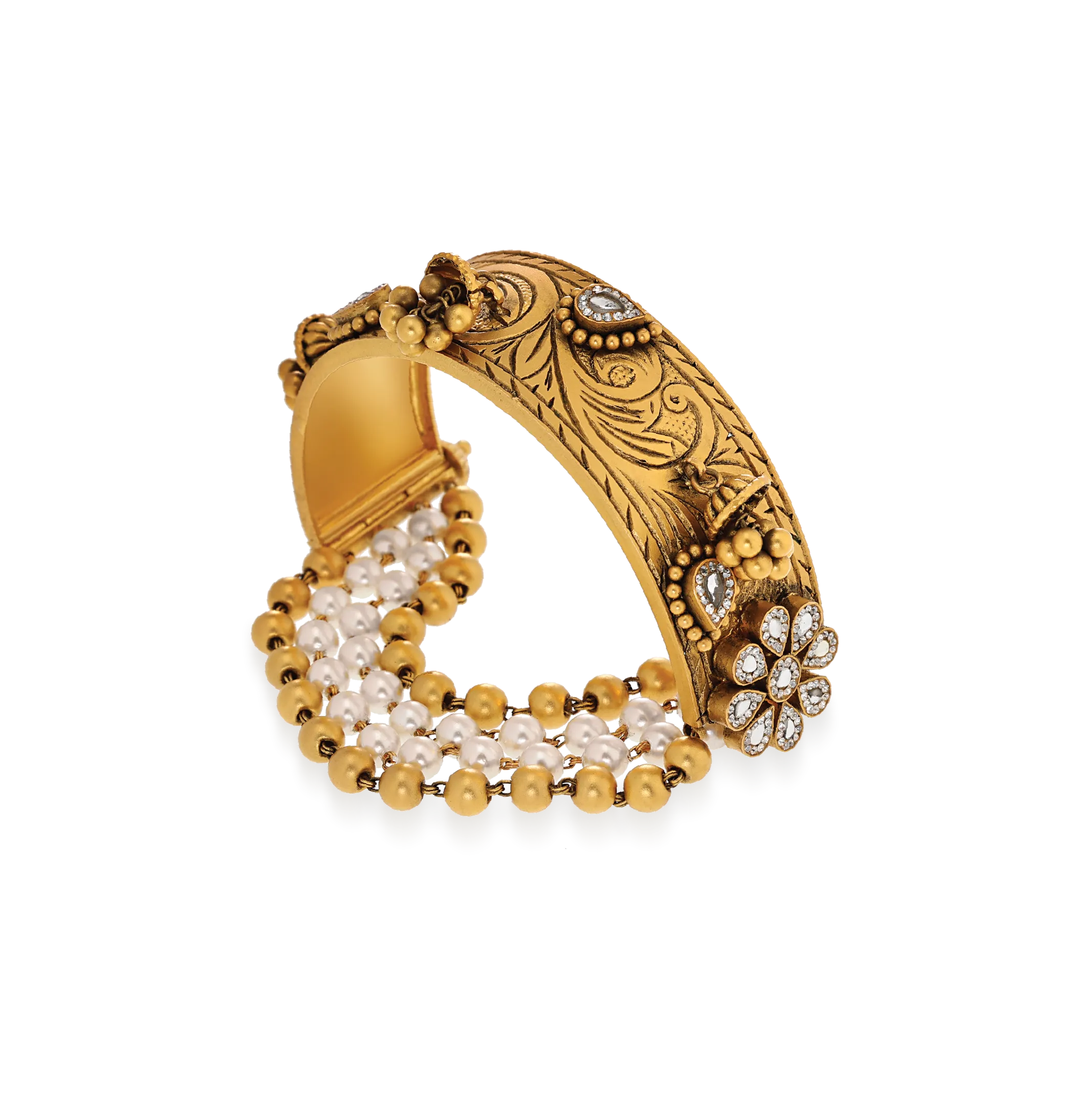
Accessorizing requires a subtle hand to ensure you do not turn your outfit into a jewelry store display. A good rule is to pick two focal points—typically earrings and a necklace—and keep accompanying accessories like bangles or maang tikkas thinner or more delicate. This spacing creates room for the eye to appreciate the complexity of the focal pieces without feeling crowded by excessive gold.
When to keep the rest of your look minimal
Sometimes, the true power of a piece, like those crafted by C Krishniah Chetty & Co, lies in its ability to stand alone. If your temple jewelry features a complex design, allow it to govern the rest of your aesthetic completely. Wearing simple, monochrome clothing and keeping the makeup clean ensures that the jewelry doesn't just adorn you—it defines your entire presence for the event.
Integrating stone-studded pieces versus plain gold designs
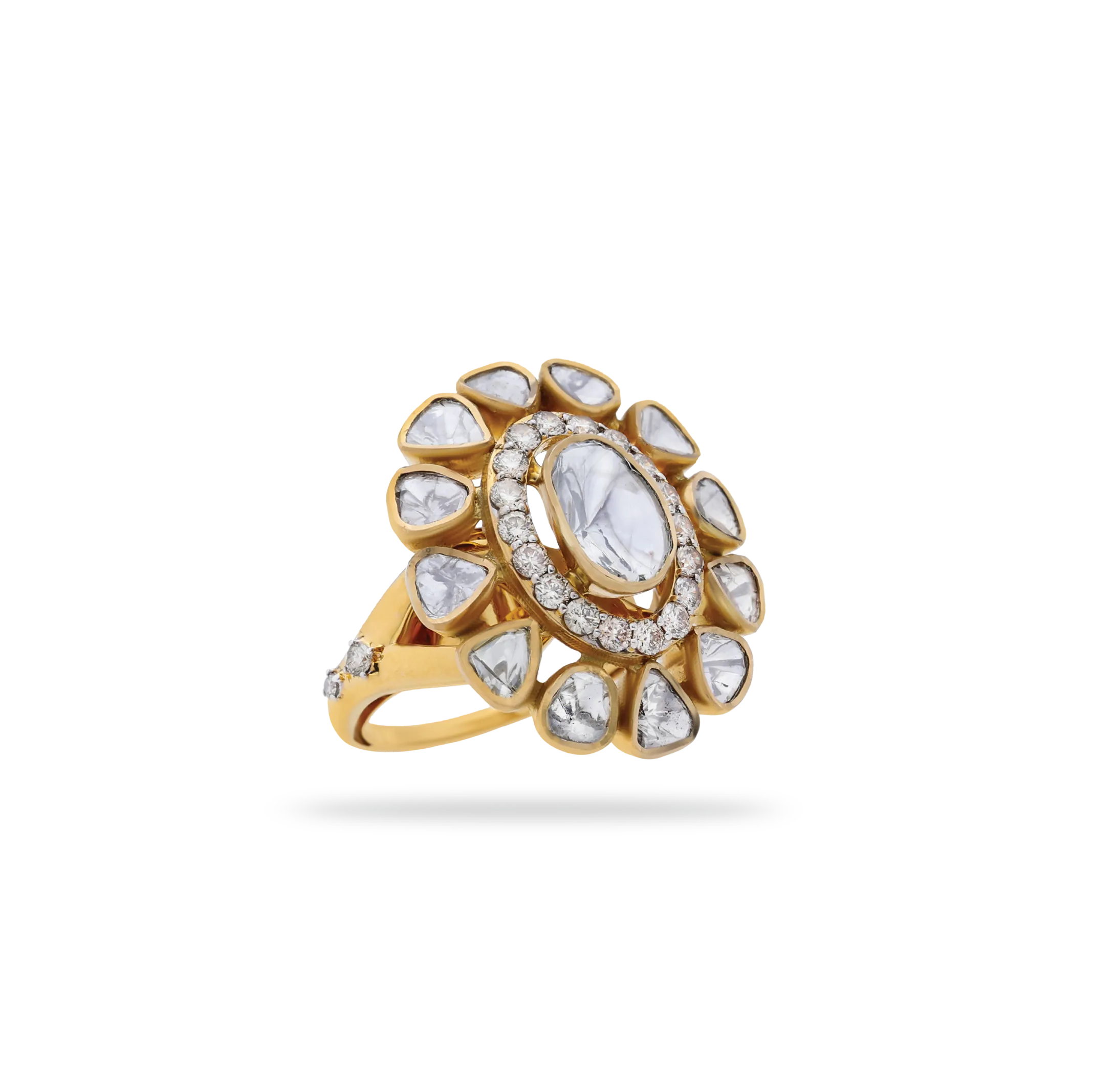
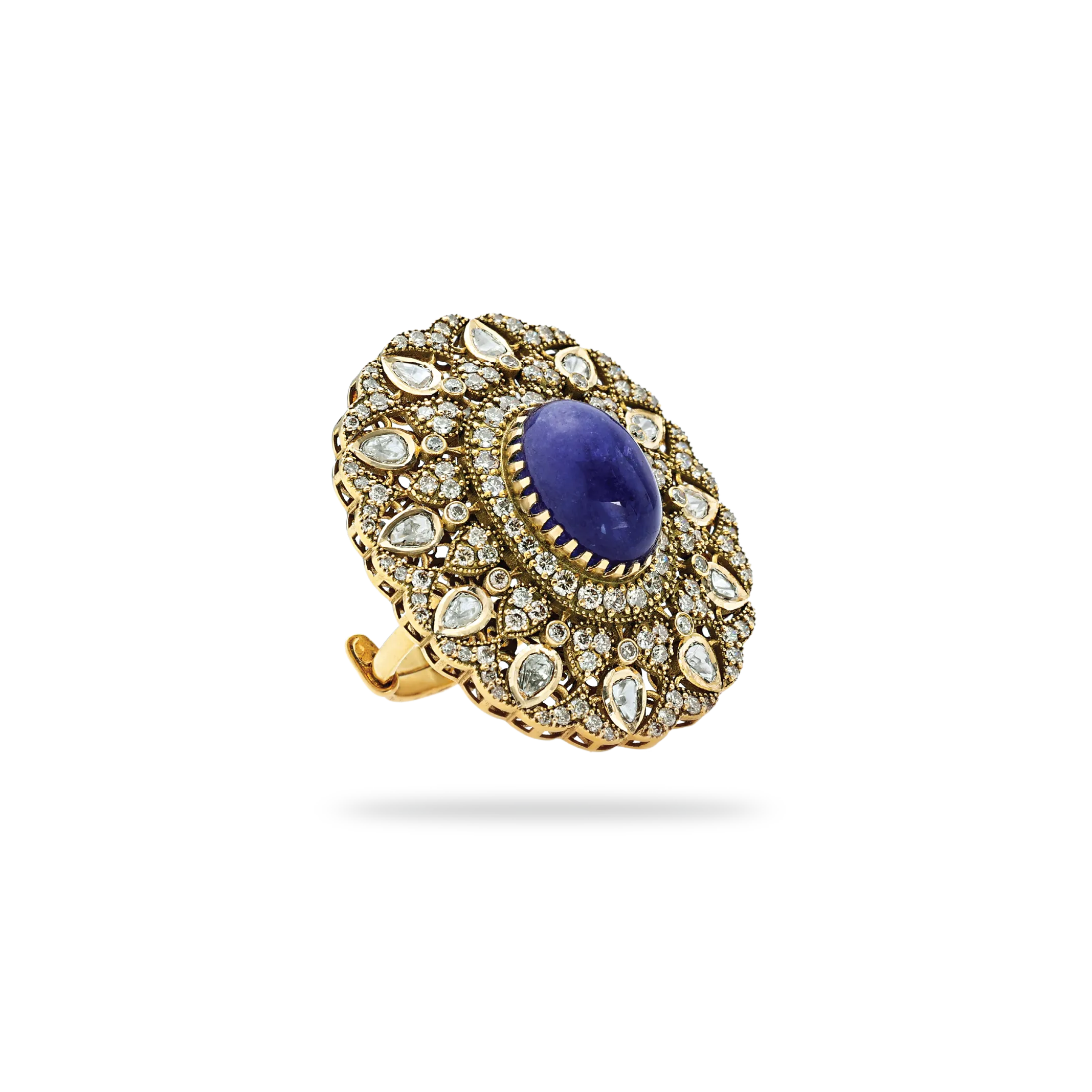
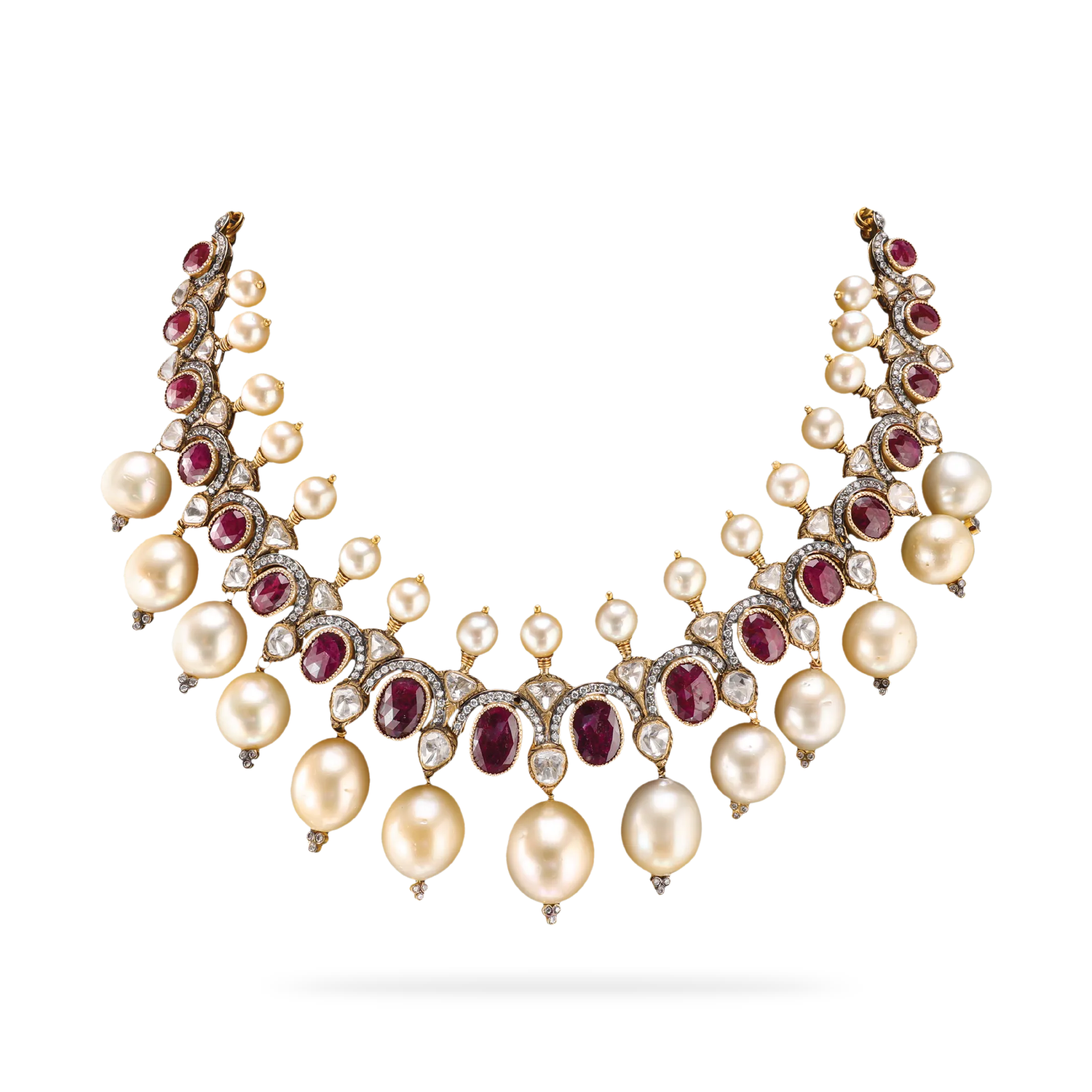
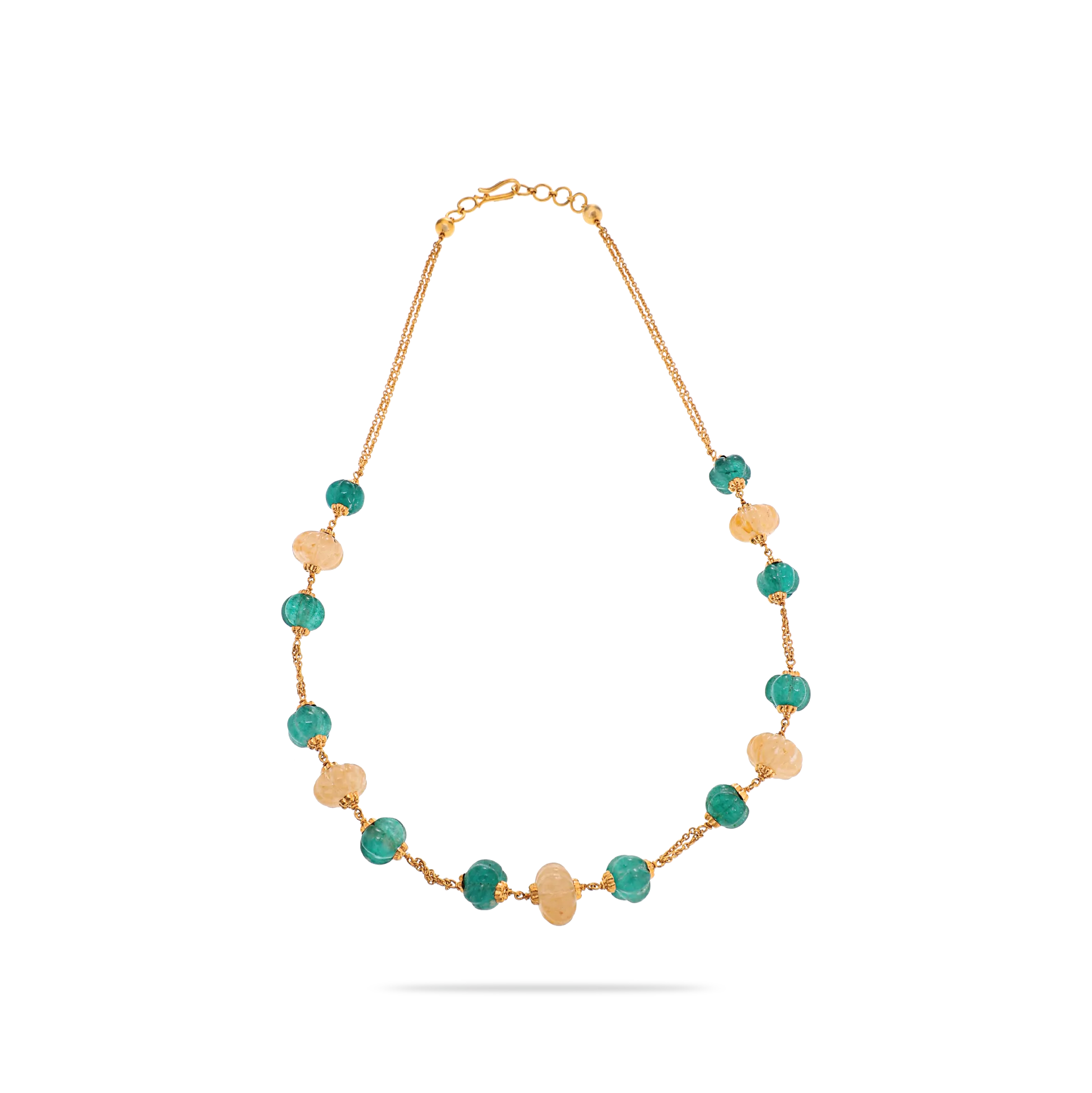
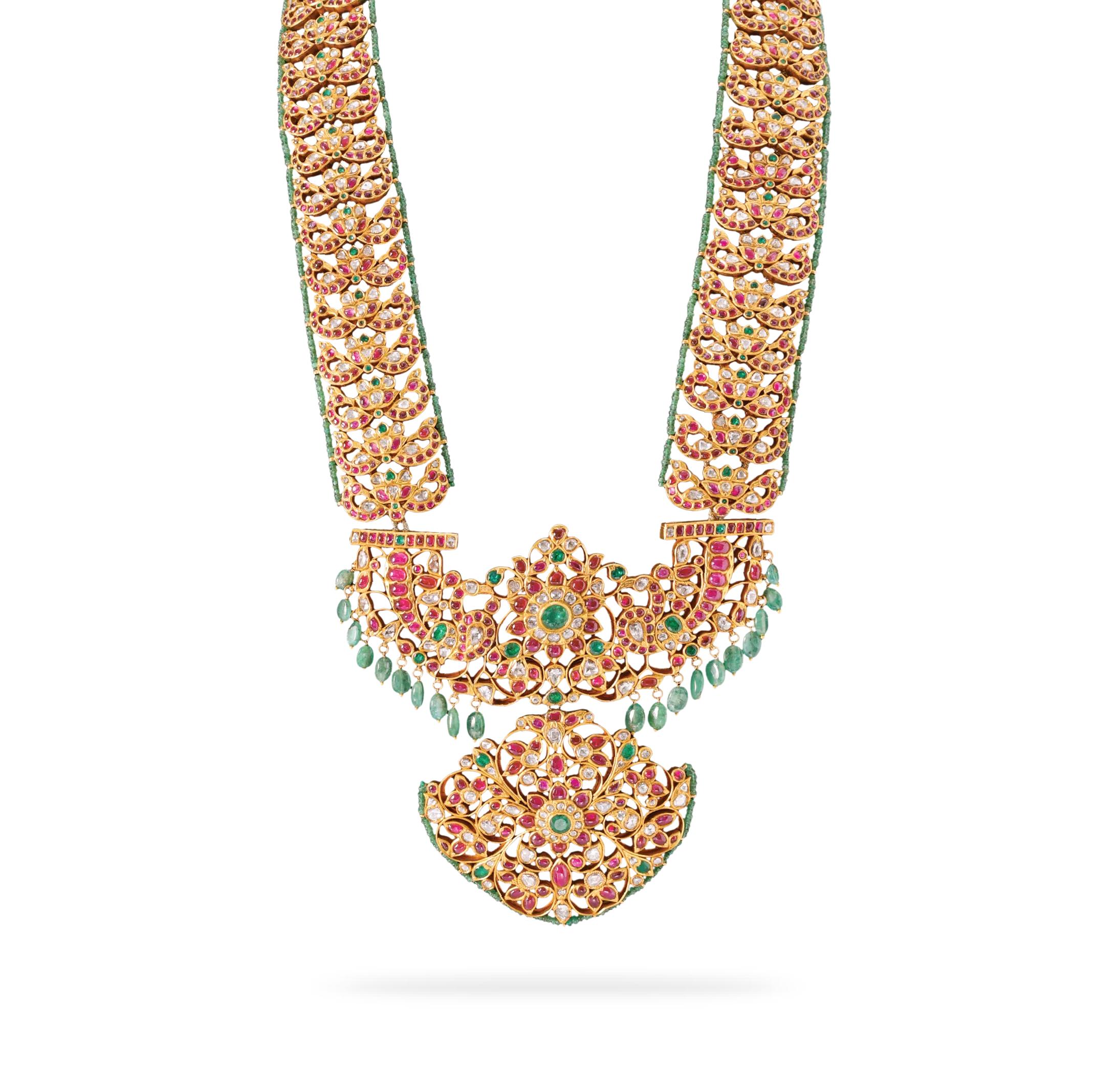
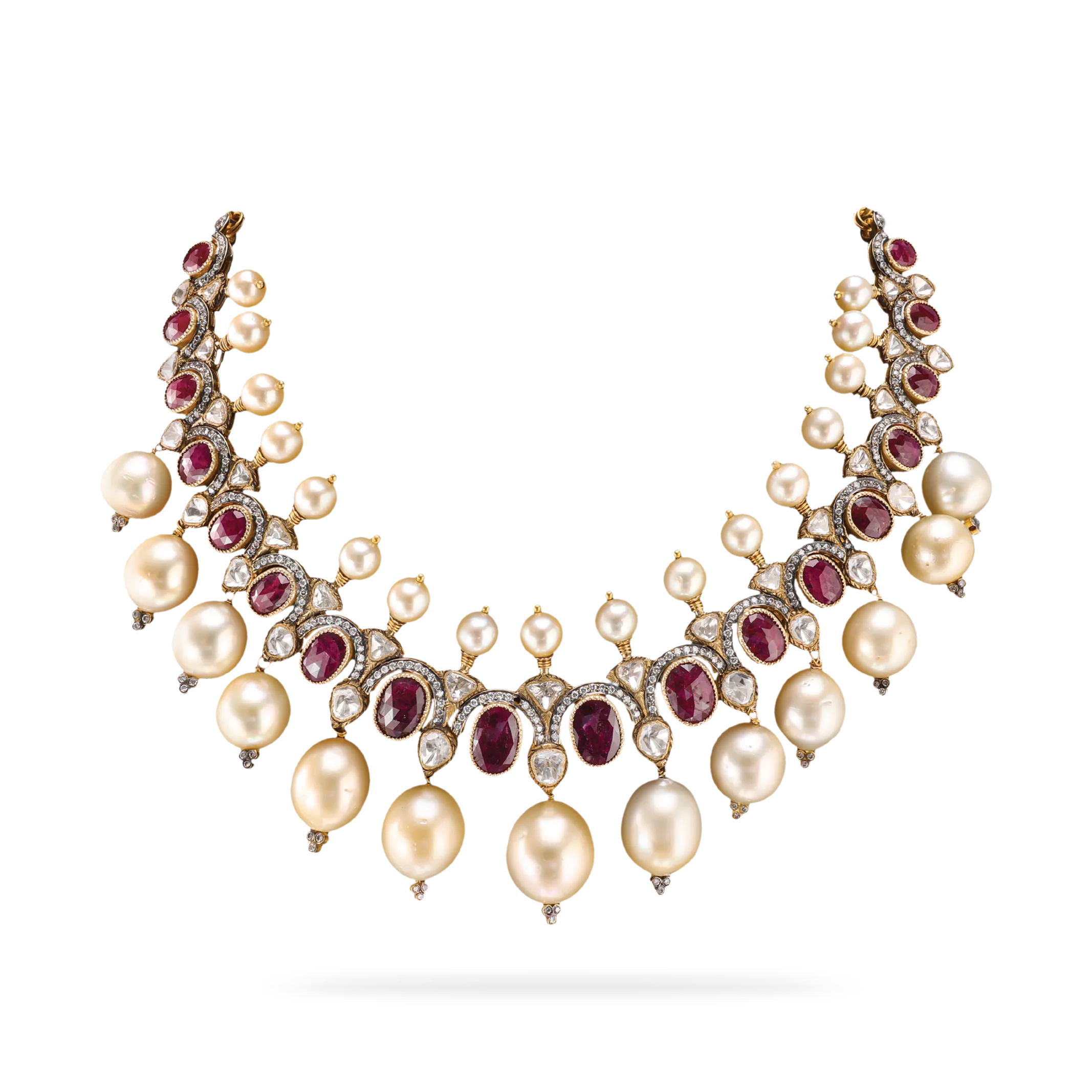
Stone-studded pieces often inject vibrant, multi-colored accents into your outfit, which is perfect for events where you want to emphasize specific palettes. Plain gold designs, however, favor architectural beauty and the play of light over surface textures. Choose stone-studded variations when you need to match specific clothing colors, and opt for plain gold when the richness of artisan sculpting is the primary message you want to communicate.
Essential tips for maintaining and storing your pieces
Cleaning gold-plated and antique finishes safely
Cleaning requires specific care to prevent damaging the plating or darkening the oxidation that gives antique finishes their character. Use only a soft, dry microfiber cloth to remove oils after wearing your pieces to avoid any buildup. Never dip antique-style jewelry in harsh chemicals, as this can strip the finish and ruin the intended rustic aesthetic of the piece.
Preventing tarnish during seasonal storage
Moisture and air are the primary culprits behind tarnishing, especially for base-metal gold-plated jewelry. Ensure each piece is stored in an airtight plastic bag, ideally with a small silica gel packet to absorb humidity before placing it into a velvet-lined jewelry box. This barrier keeps your heritage pieces looking pristine for years.
Handling delicate stone-work and intricate artisanal motifs
Intricate stone settings and sculpted deity motifs are prone to catching on textiles or suffering from impact. Handle these pieces by the metal frame rather than the stone settings themselves to avoid loosening the prongs or damaging the stones. With proper handling, your accessories will remain as stunning as the day they were added to your collection.
Conclusion
Mastering the art of styling temple jewellery is entirely about balancing respect for its ancient, divine roots with the demands of a modern lifestyle. Whether you are dressing for a grand traditional nuptial or elevating a casual business outfit with a single, tasteful pendant, the goal remains the same: choosing pieces that resonate with your personal style while honoring the rich craftsmanship that defines this timeless category. By selecting the right lengths, respecting your skin tone, and maintaining your heirlooms with care, you turn every wearing into an opportunity to showcase elegance that transcends fleeting fashion trends.
Frequently Asked Questions
Is temple jewellery suitable for everyday wear?
Because traditional pieces can be quite heavy and detailed, daily wear is better suited to lightweight, contemporary versions that feature smaller motifs and less elaborate stonework.
Can I mix temple jewellery with other metal types?
Blending metals is a modern stylistic choice, but it is often better to keep the base tone consistent to ensure the look remains cohesive rather than fragmented.
How do I know if the temple jewellery is high quality?
Quality is often reflected in the sharpness of the motif detailing, the weight of the base material, and the consistency of the plating or finishing across the entire piece.
Should I wear a necklace and earrings together?
Matching the necklace and earrings is a classic approach, but you can feel free to break the set if you feel that pairing two distinct but complementary designs creates a more personalized aesthetic.
What is the best way to travel with temple jewellery?
Use dedicated small pouches for each piece to prevent them from scratching against one another, and keep your jewelry in your carry-on luggage to ensure it stays safe and temperature-controlled.
Does skin type affect the lifespan of temple jewellery?
Individuals with higher body acidity or those who use heavy lotions and perfumes may see the plating on gold-toned jewelry wear down slightly faster, necessitating more frequent gentle oil removal.
Are maang tikkas too formal for non-wedding events?
Maang tikkas are generally reserved for weddings, religious ceremonies, or grand festive occasions, as they draw significant focus to the forehead area and are rarely seen in everyday or corporate settings.
Related blogs:
November 20, 2025
The Timeless Elegance of the Tennis Bracelet: A Comprehensive Guide
Read More
November 20, 2025
The Ultimate Guide to Styling and Wearing a Choker Necklace
Read More
November 20, 2025
Find Your Perfect Engagement Ring: A Comprehensive Guide to Styles and Diamonds
Read More
November 20, 2025
The Timeless Elegance of a Diamond Tennis Bracelet: A Buyer's Guide
Read More









.webp)

.webp)