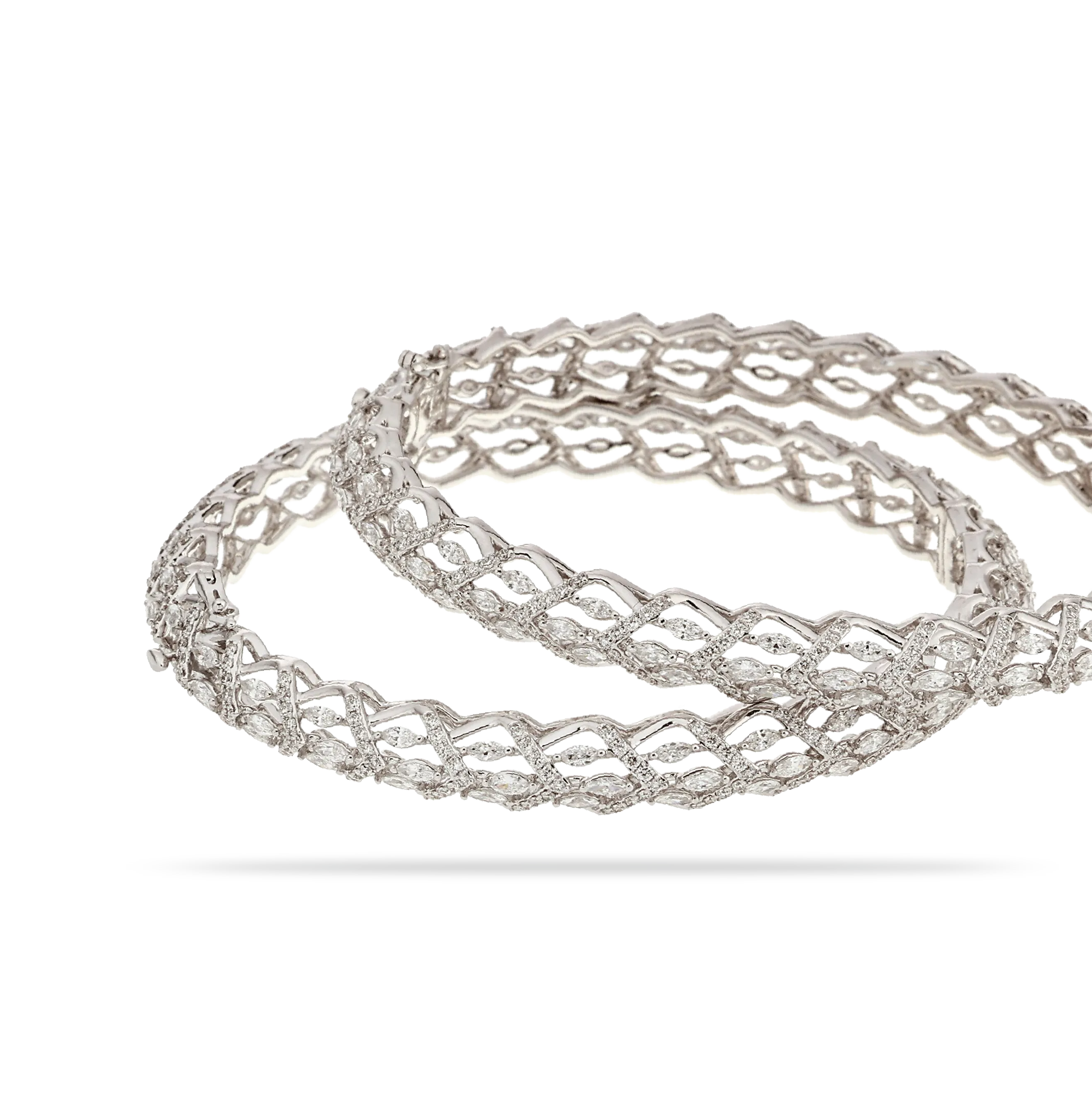
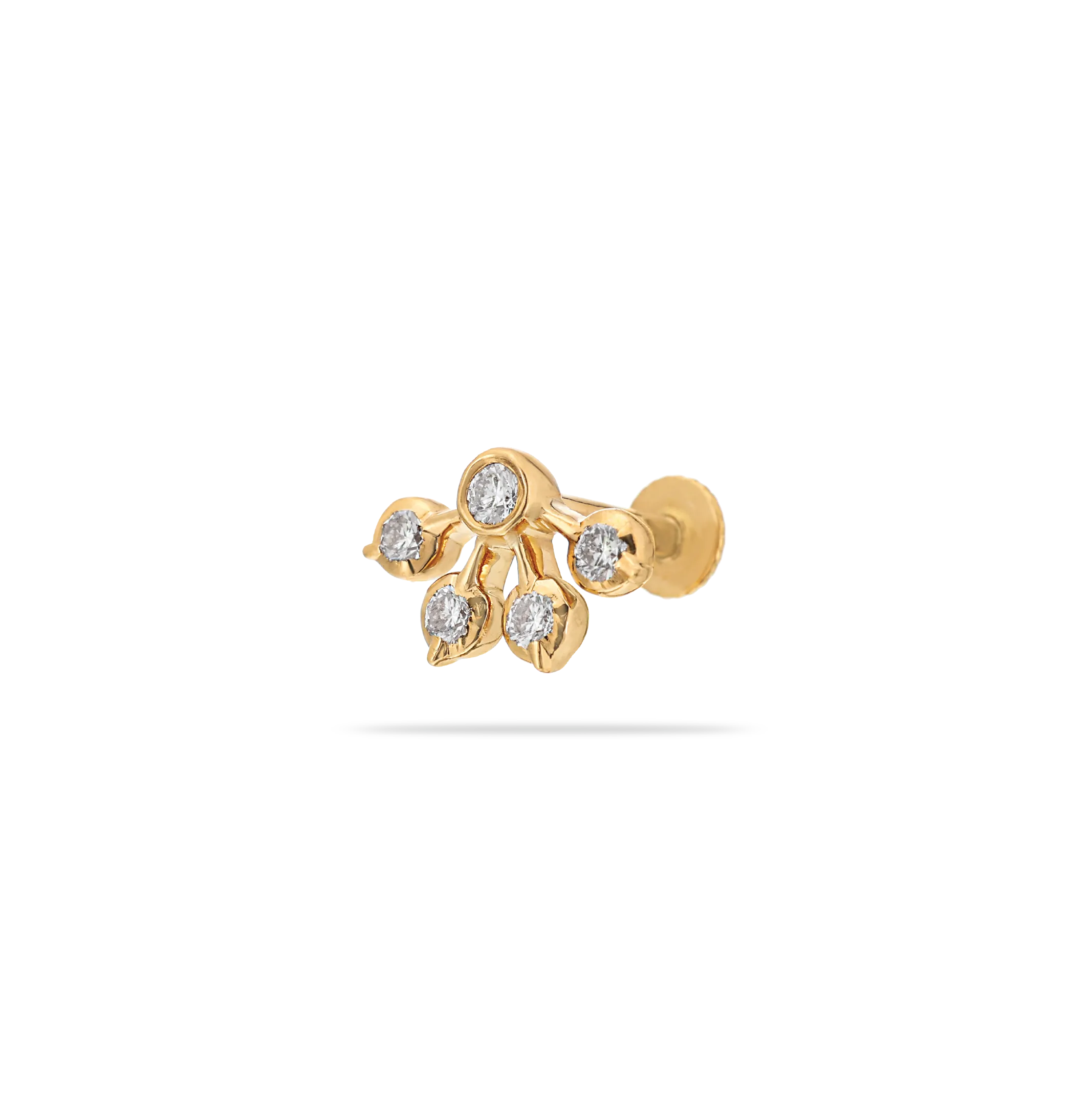
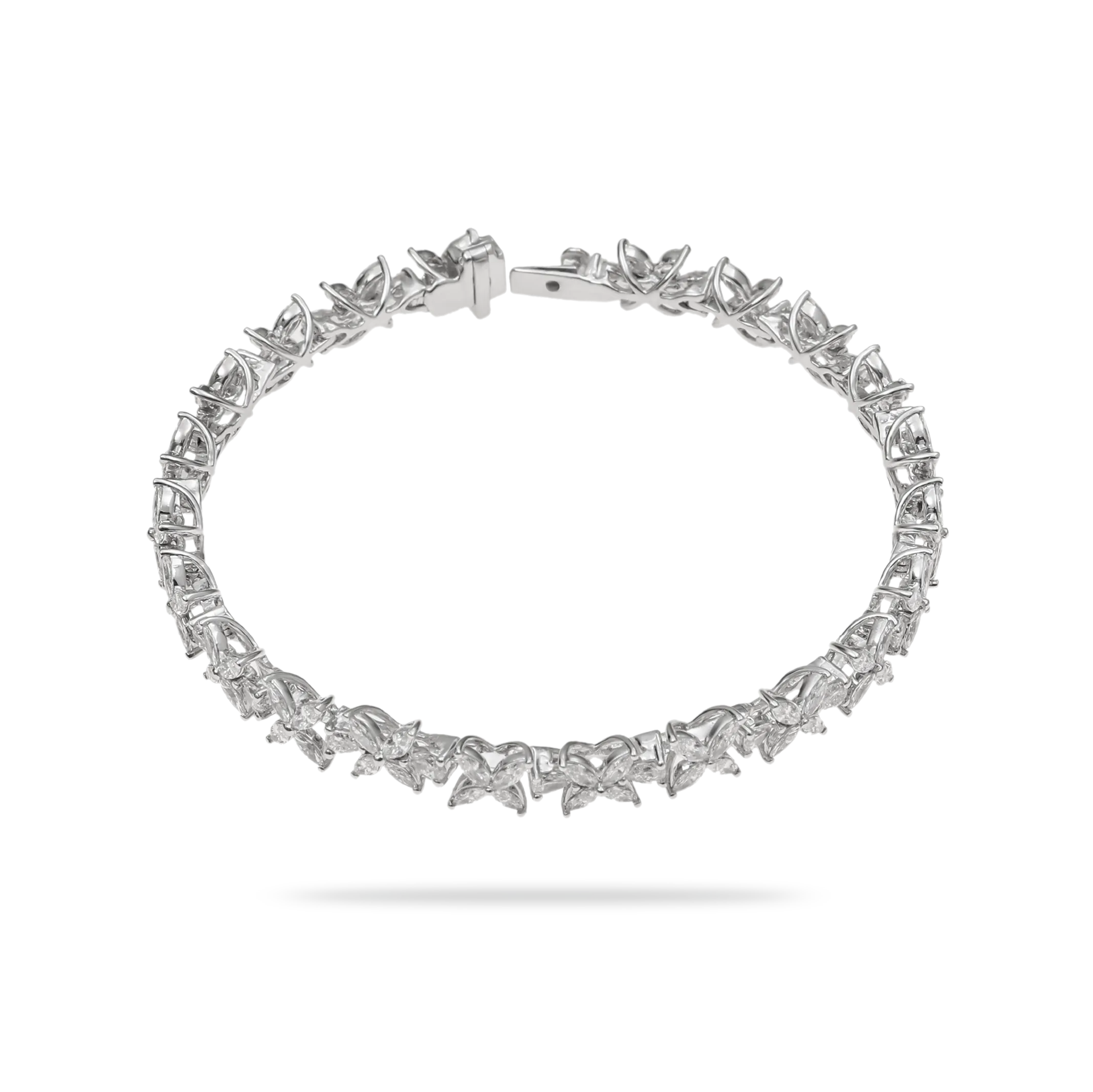
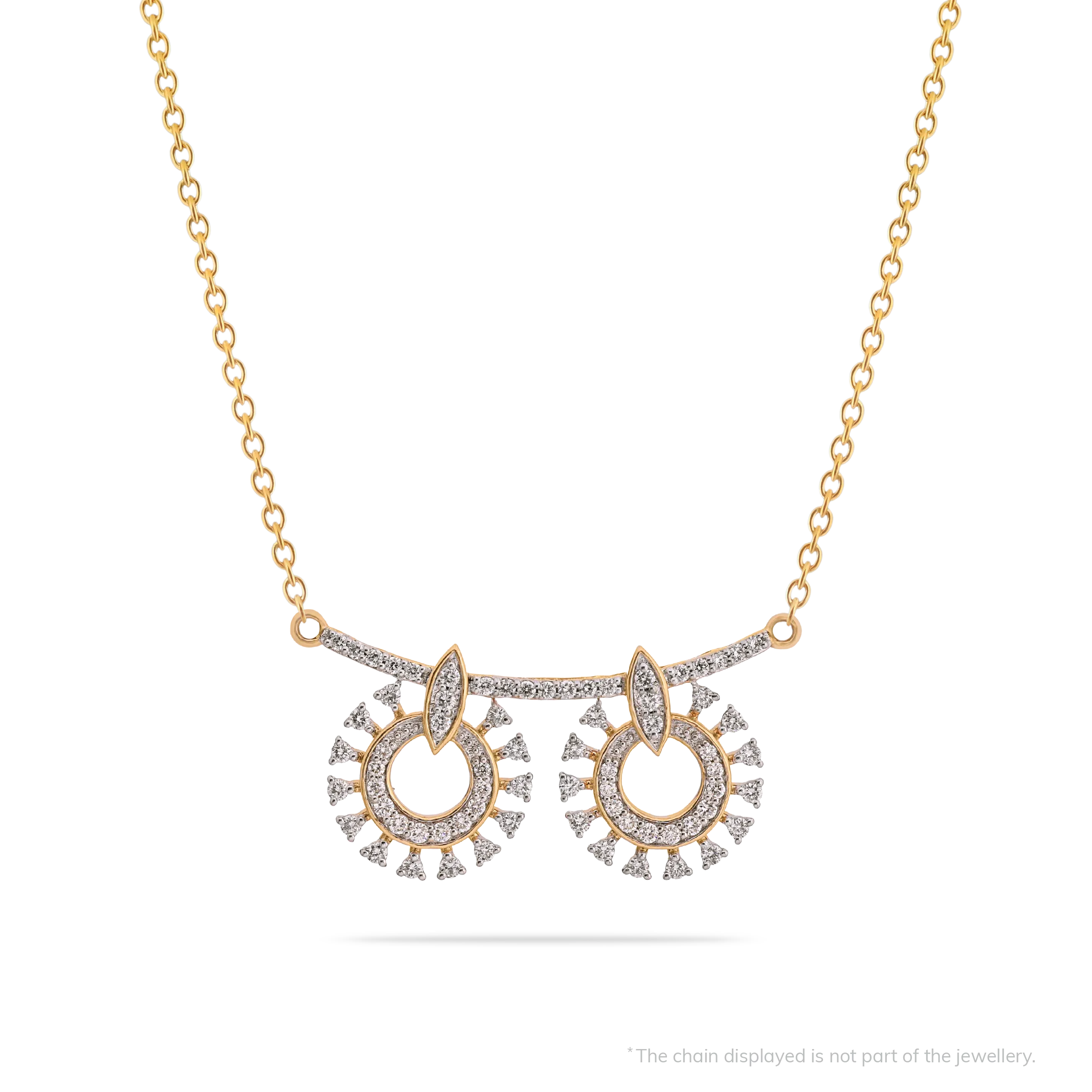
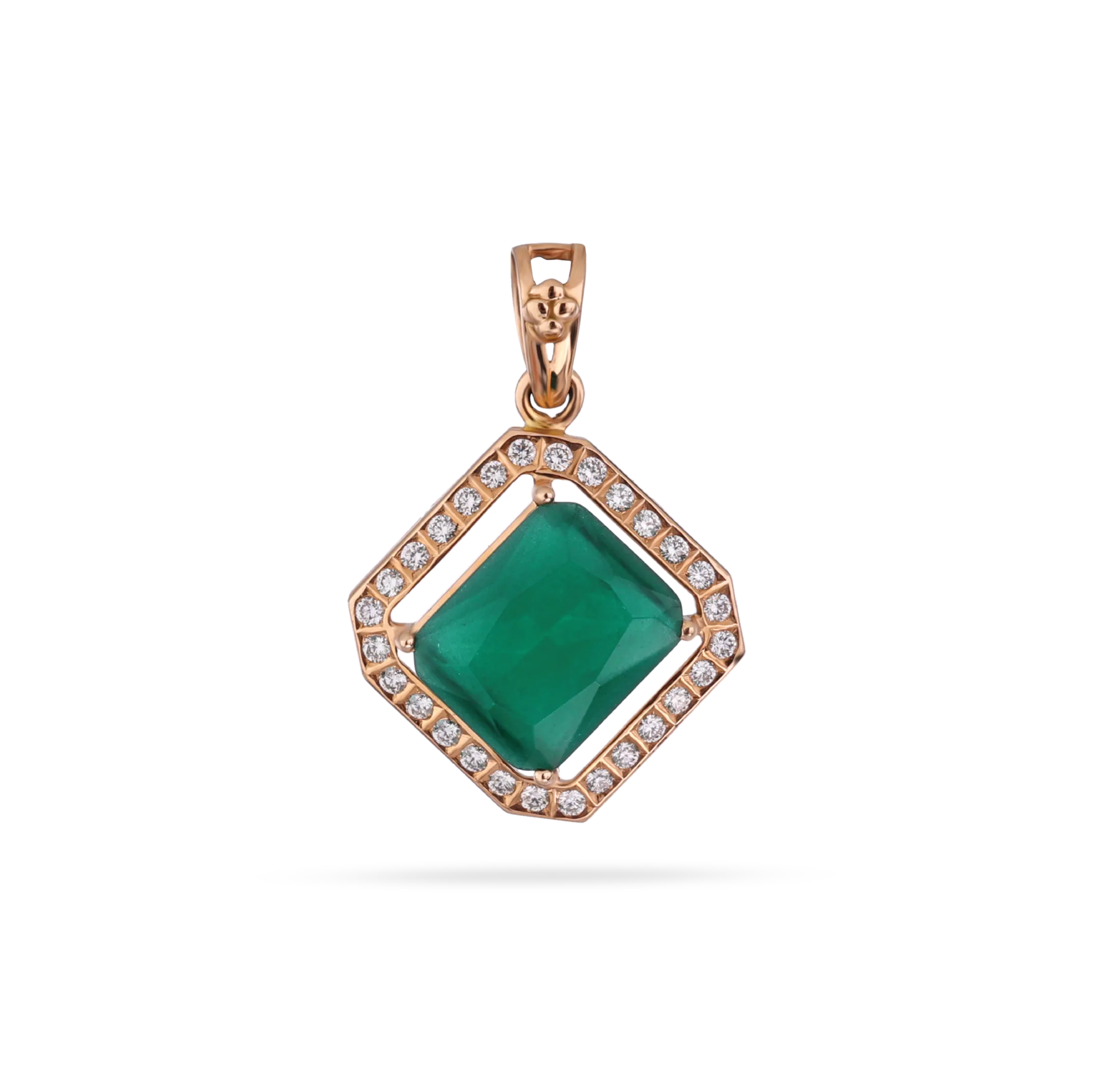
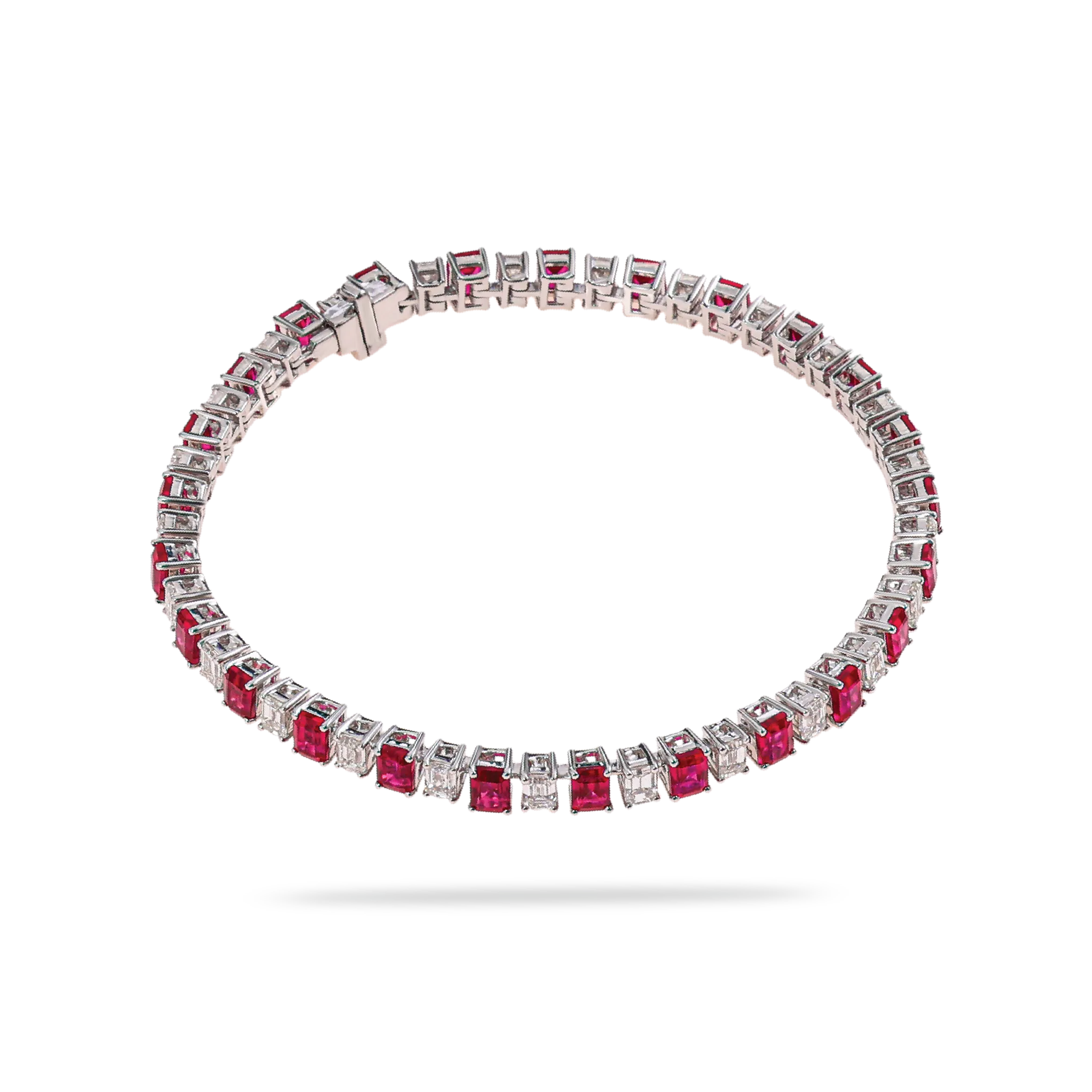
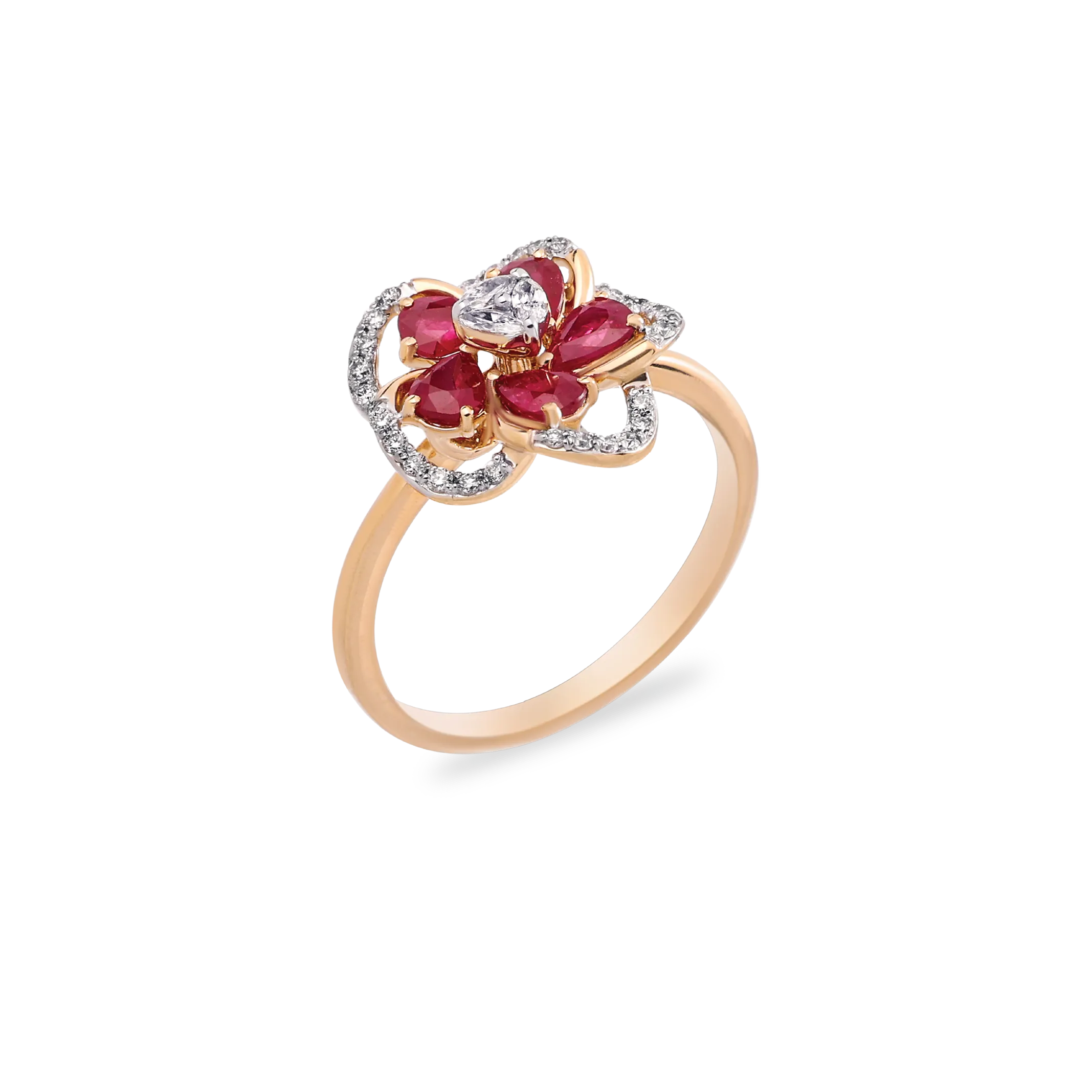
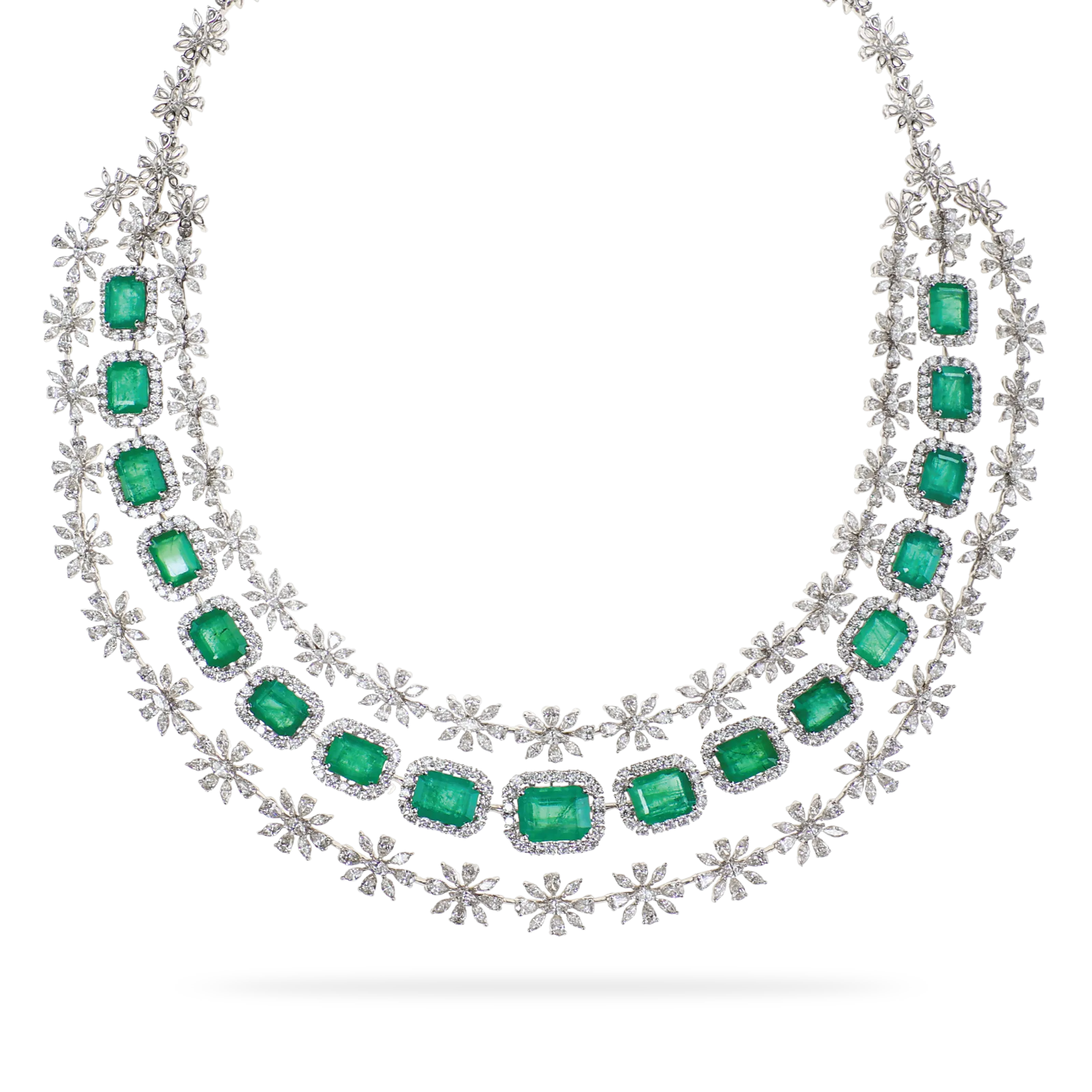
Discover Exquisite Temple Jewellery: Ancient Craftsmanship for Modern Elegance
June 23, 2026 | 10 minutes read
Here are the main things to remember about temple jewellery:
Key Takeaways
- Temple jewellery has deep roots in South Indian temples and royal history, originally used for deities and dancers.
- Its creation involves detailed work like lost wax casting, gemstone setting, and enameling, showing amazing skill.
- This jewellery holds cultural meaning, especially for weddings and classical Indian dances, symbolizing blessings.
- You can style temple jewellery with both traditional outfits like sarees and modern fusion wear for a unique look.
- Modern versions offer lighter designs and antique finishes, making this ancient art accessible for everyday elegance.
The Enduring Allure Of Temple Jewellery
A Legacy Of Devotion And Artistry
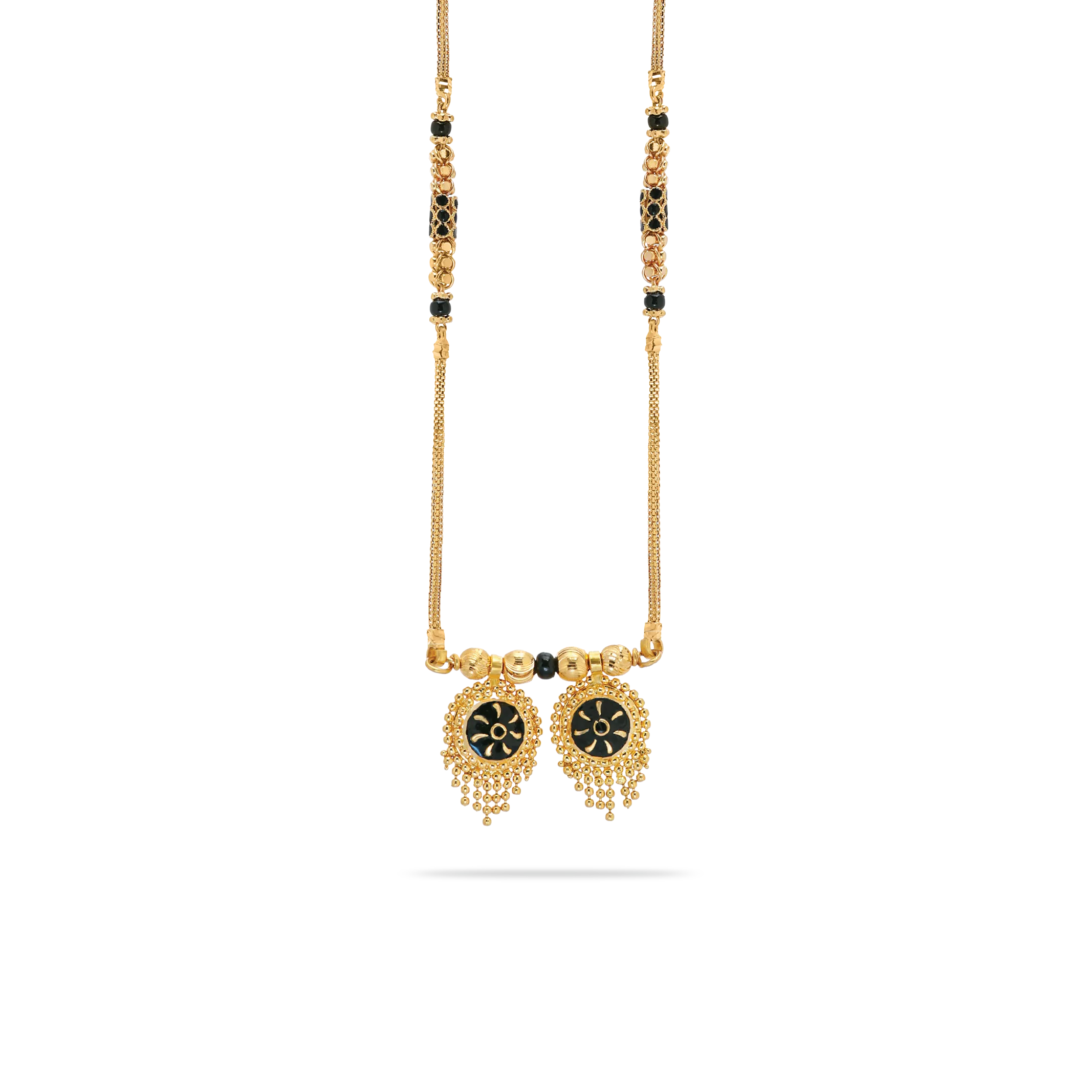
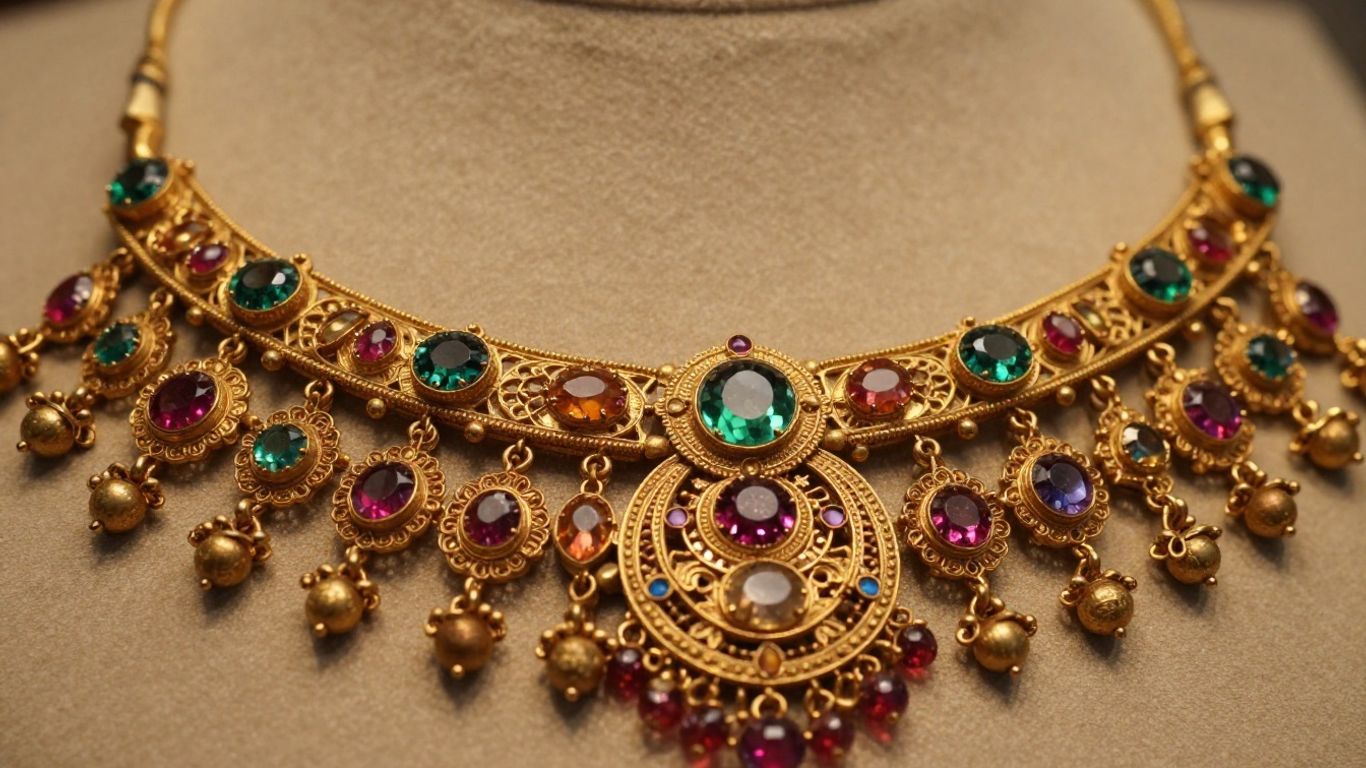
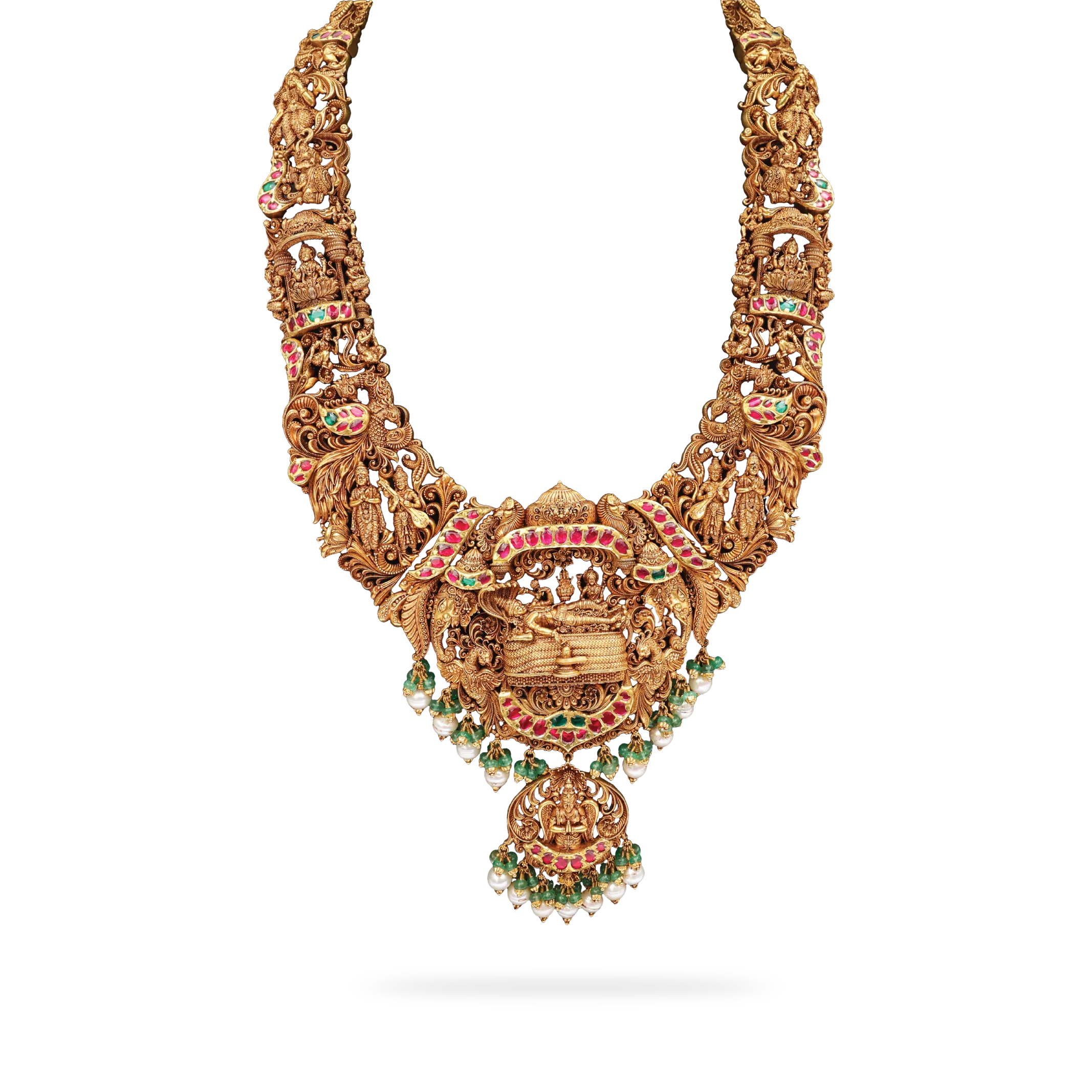
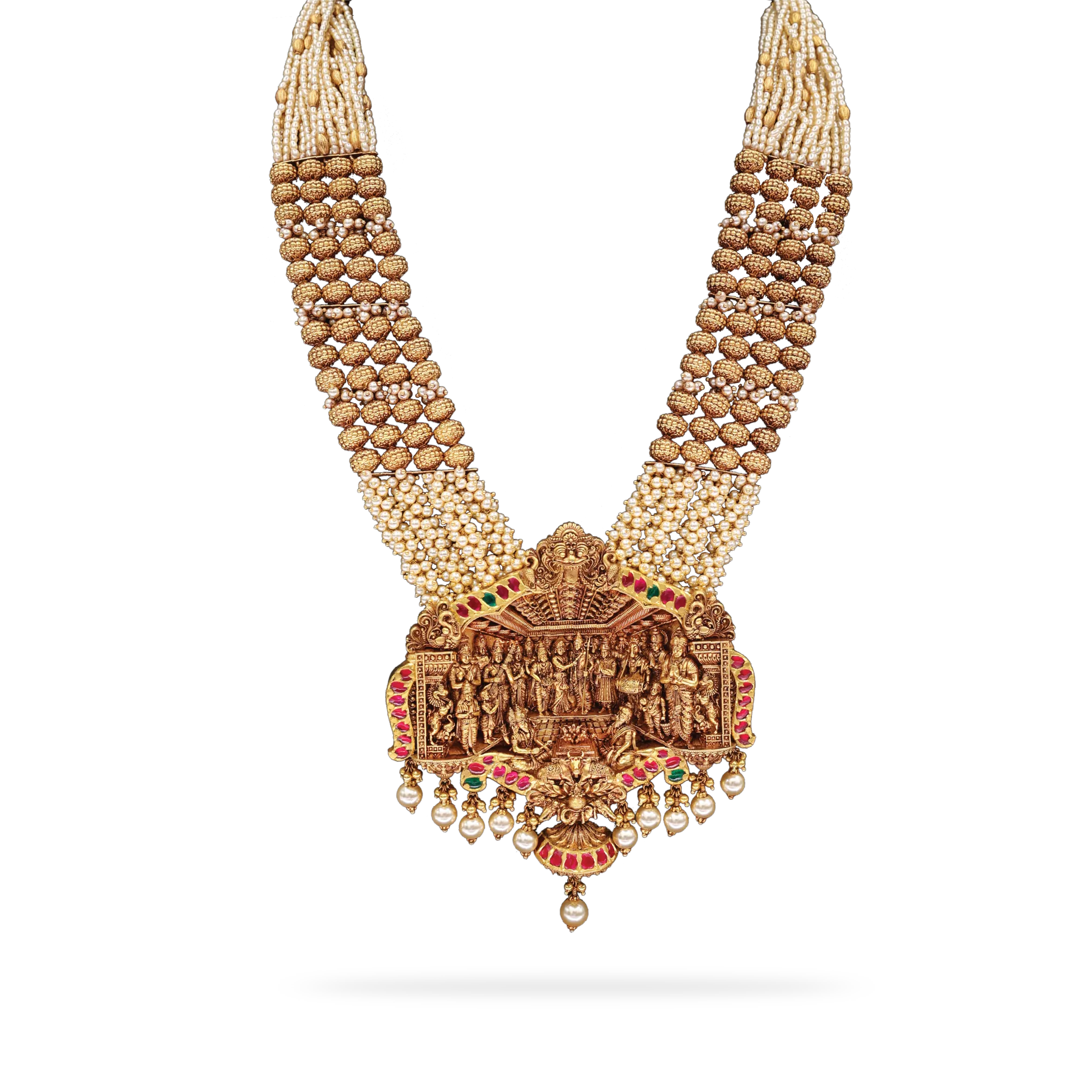
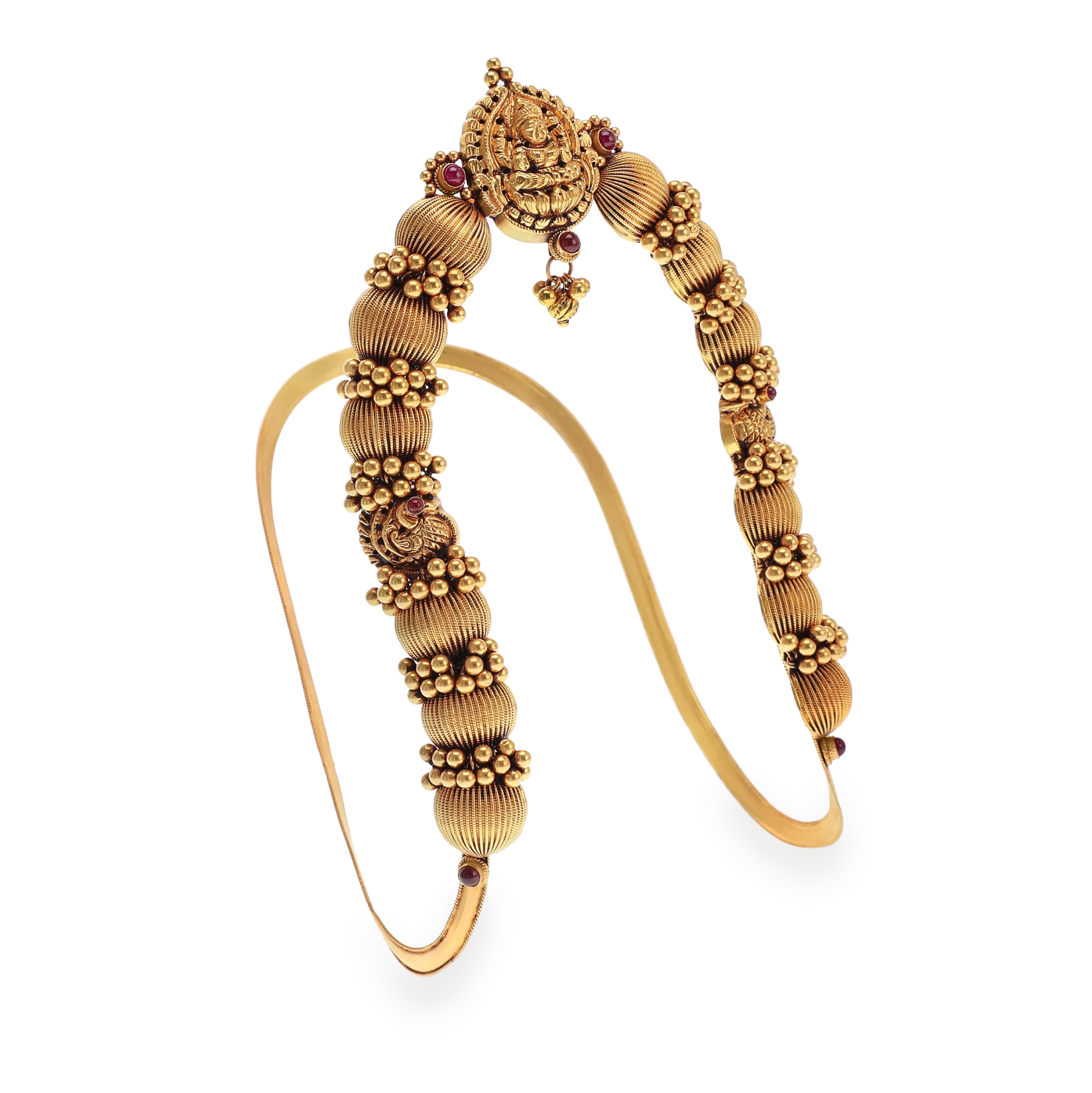
Temple jewellery isn't just about pretty adornments; it's a whole story woven into metal and stone. Its roots go way back, deeply connected to religious devotion and the incredible skill of ancient artisans. These pieces were originally made to decorate the deities in South Indian temples, reflecting the grandeur of the temple architecture itself. Think of intricate carvings, divine figures, and symbols of faith – all translated into wearable art. This connection to the sacred is a huge part of why temple jewellery feels so special and continues to captivate us. It’s a tangible link to a spiritual past, carrying blessings and positive vibes with every wear. It’s fascinating how these designs, inspired by gods and goddesses, have survived centuries and are still so admired today. You can find some truly stunning examples that showcase this rich history in various collections.
From Sacred Spaces To Royal Courts
Originally crafted for temples, the exquisite artistry of this jewellery didn't stay confined to sacred spaces for long. Royalty quickly took notice of its beauty and intricate craftsmanship. Over time, temple jewellery became a symbol of status and prestige, adorning queens and noblewomen in royal courts, especially during the Chola and Vijayanagara dynasties. It was also closely associated with the 'devadasis,' the temple dancers who performed sacred rituals. Their elaborate performances often featured these ornate pieces, further cementing the jewellery's connection to divine expression and cultural heritage. It’s amazing to think about the journey these pieces have taken, from being offered to gods to gracing the necks and ears of powerful rulers and graceful dancers.
Timeless Beauty For Modern Elegance
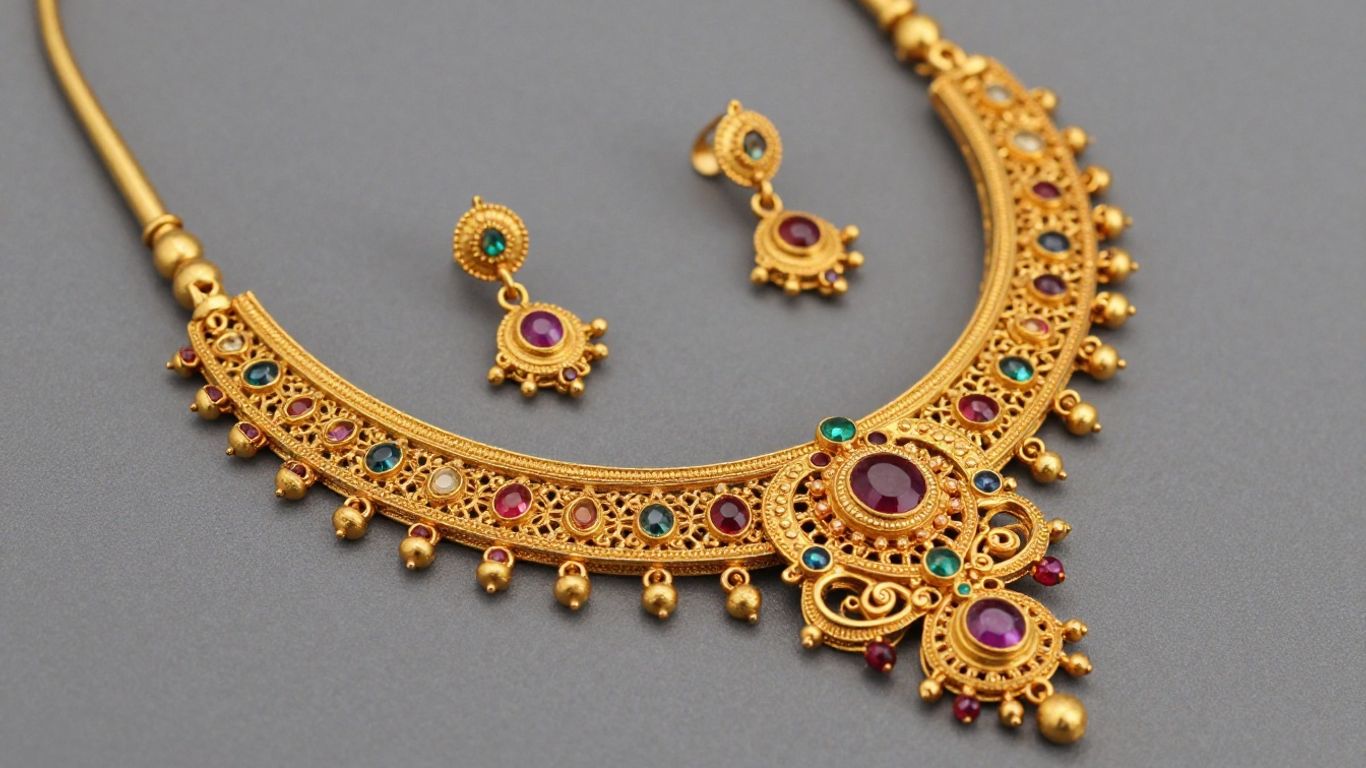
What's truly remarkable about temple jewellery is how it bridges the gap between ancient traditions and contemporary style. While deeply rooted in history, its timeless designs possess an elegance that fits right into today's fashion landscape. The detailed work, the rich motifs, and the often-substantial feel of these pieces give them a unique presence. They aren't just accessories; they're conversation starters, pieces of history you can wear. Whether you're dressing up for a wedding or adding a special touch to a more casual outfit, temple jewellery offers a way to connect with heritage while looking incredibly chic. It’s this blend of the old and the new that makes it so appealing across generations.
Intricate Craftsmanship In Every Piece
The real appeal of temple jewelry isn’t just in its beauty—it's in the extraordinary effort that goes into making every piece. Every ornament is a small masterpiece shaped by skilled hands, often taking days, sometimes weeks, to complete. Let’s take a look at what makes the craftsmanship of temple jewelry stand out.
The Art Of Lost Wax Casting
Lost wax casting is the foundation of traditional temple jewelry. It might sound old-school, but the method is unmatched for making detailed designs.
Here’s how it usually goes:
- First, a wax model is shaped—every curve, deity face, and motif formed by hand.
- The model gets covered in a special clay to create a sturdy mold.
- After drying, it’s heated until all the wax melts out, leaving a perfect space for molten gold.
- Gold is poured in, taking on every little detail.
- Once cooled, the clay shell is broken, and voila—the raw ornament is out, ready for more finishing.
It’s easy to see why these steps have stayed the same for centuries. The process creates solid gold pieces with patterns that look almost alive. For a deeper look at the historical roots, check out Indian jewellery's origins.
Gemstone Setting And Enameling Techniques
Plain gold is rarely left plain in temple jewelry. Color and texture come from two essential skills:
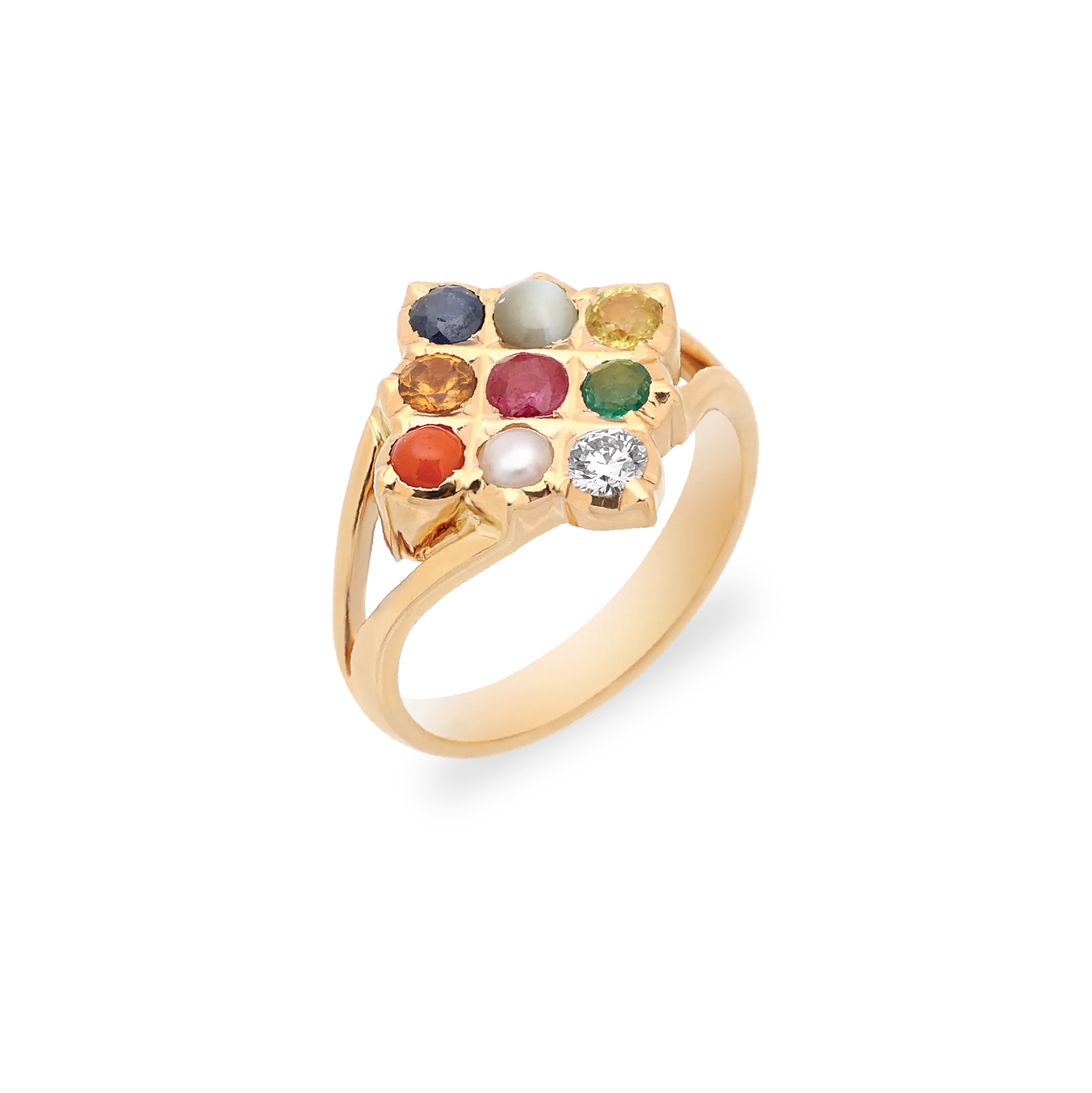
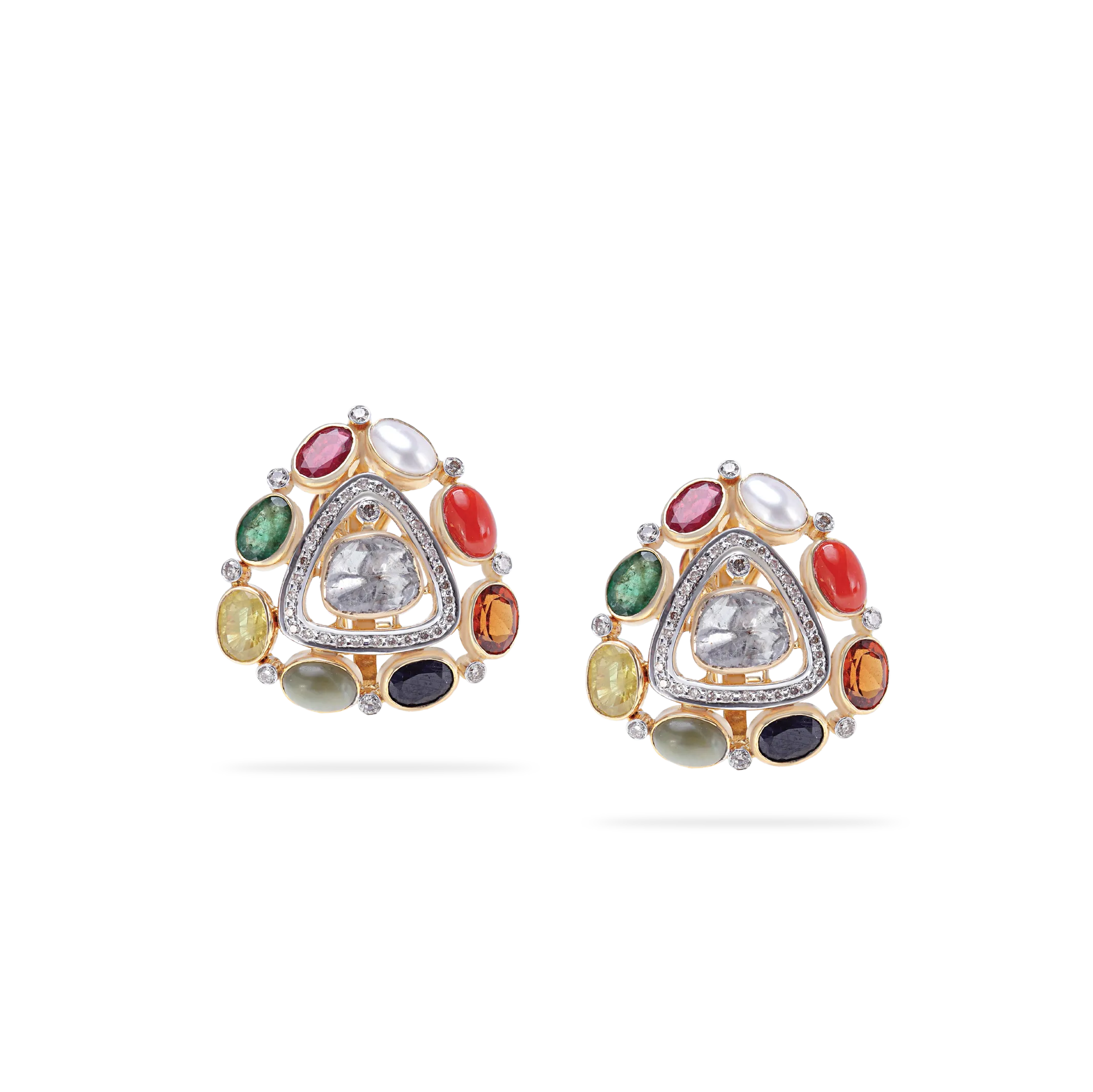
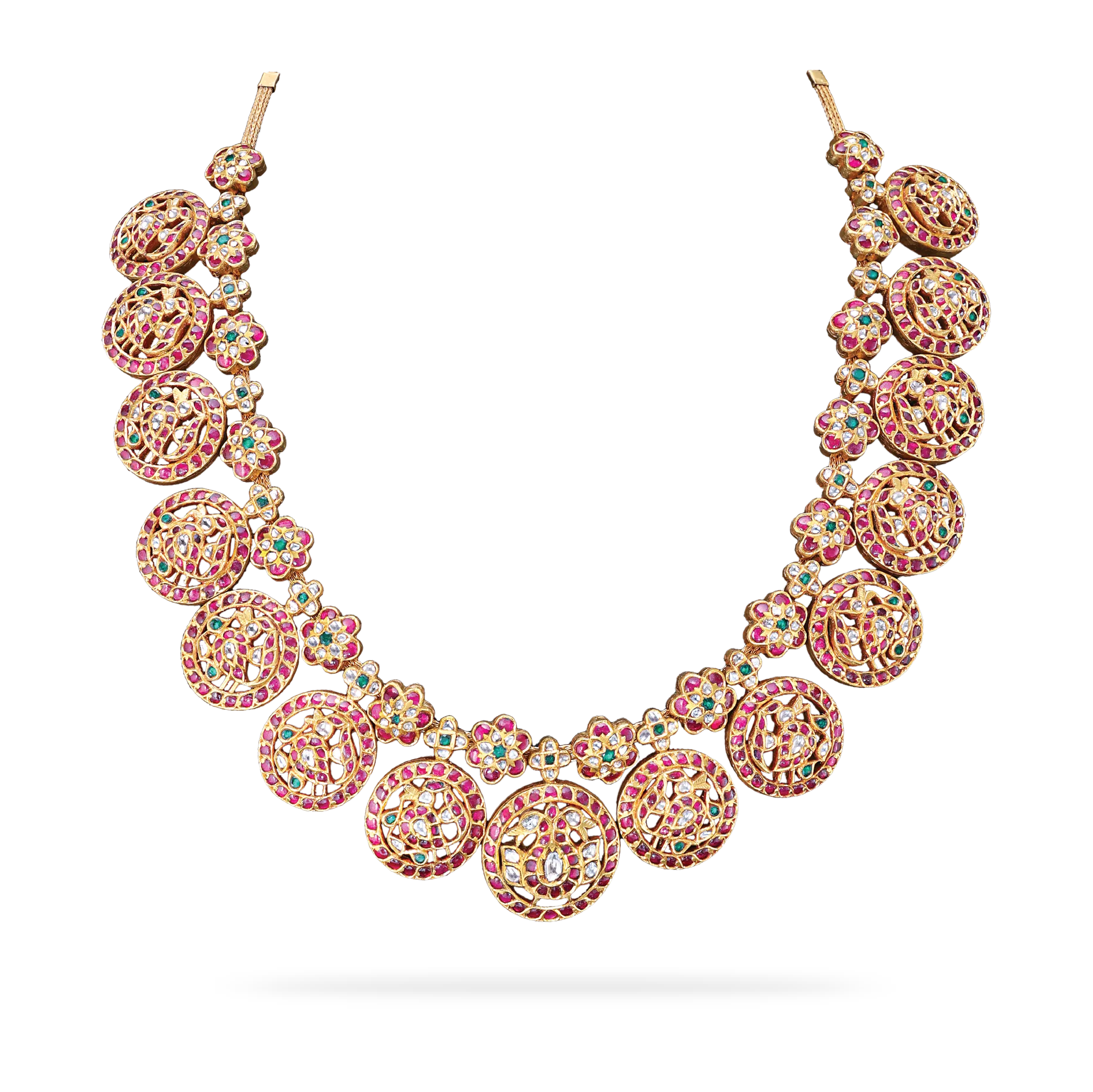
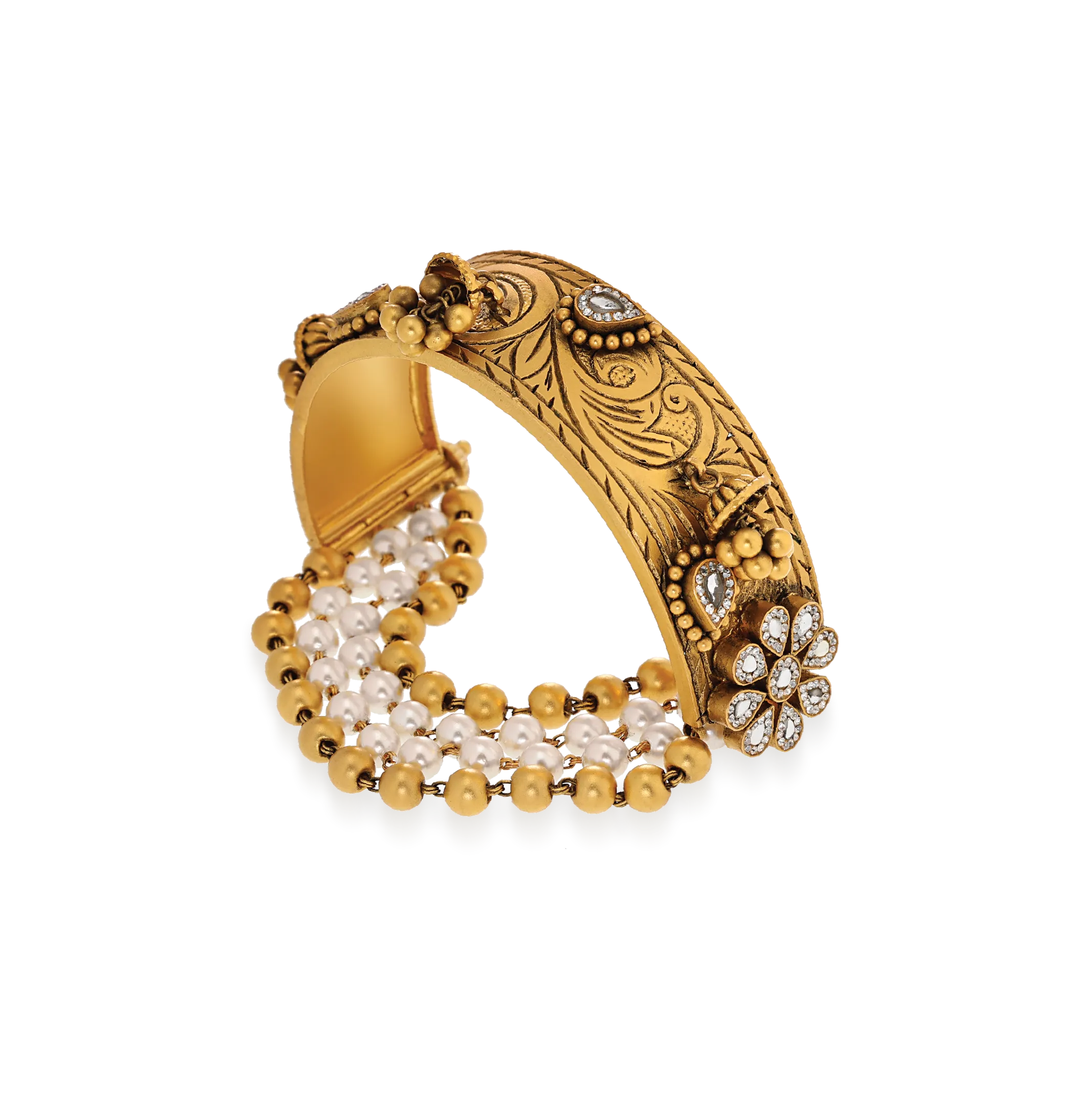
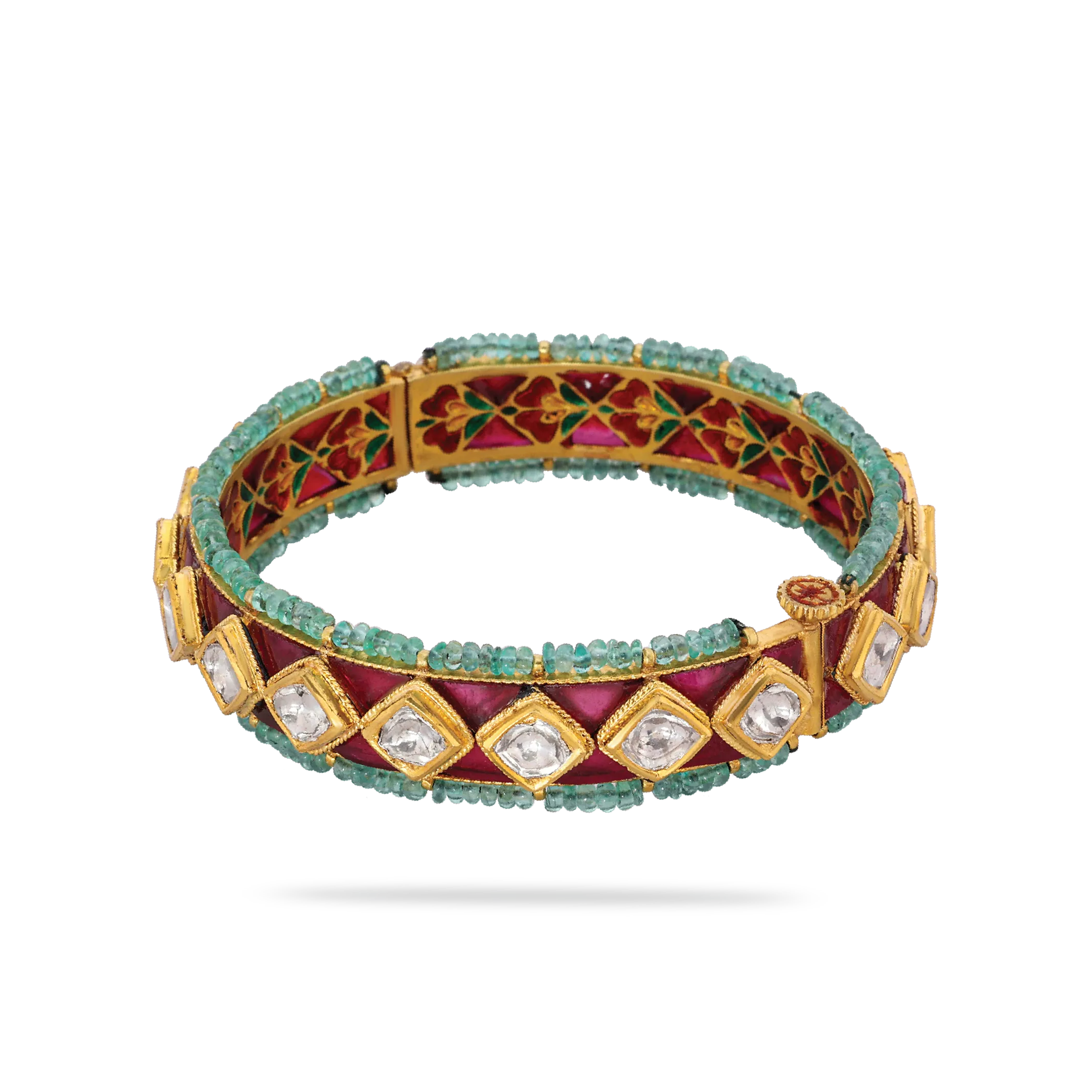
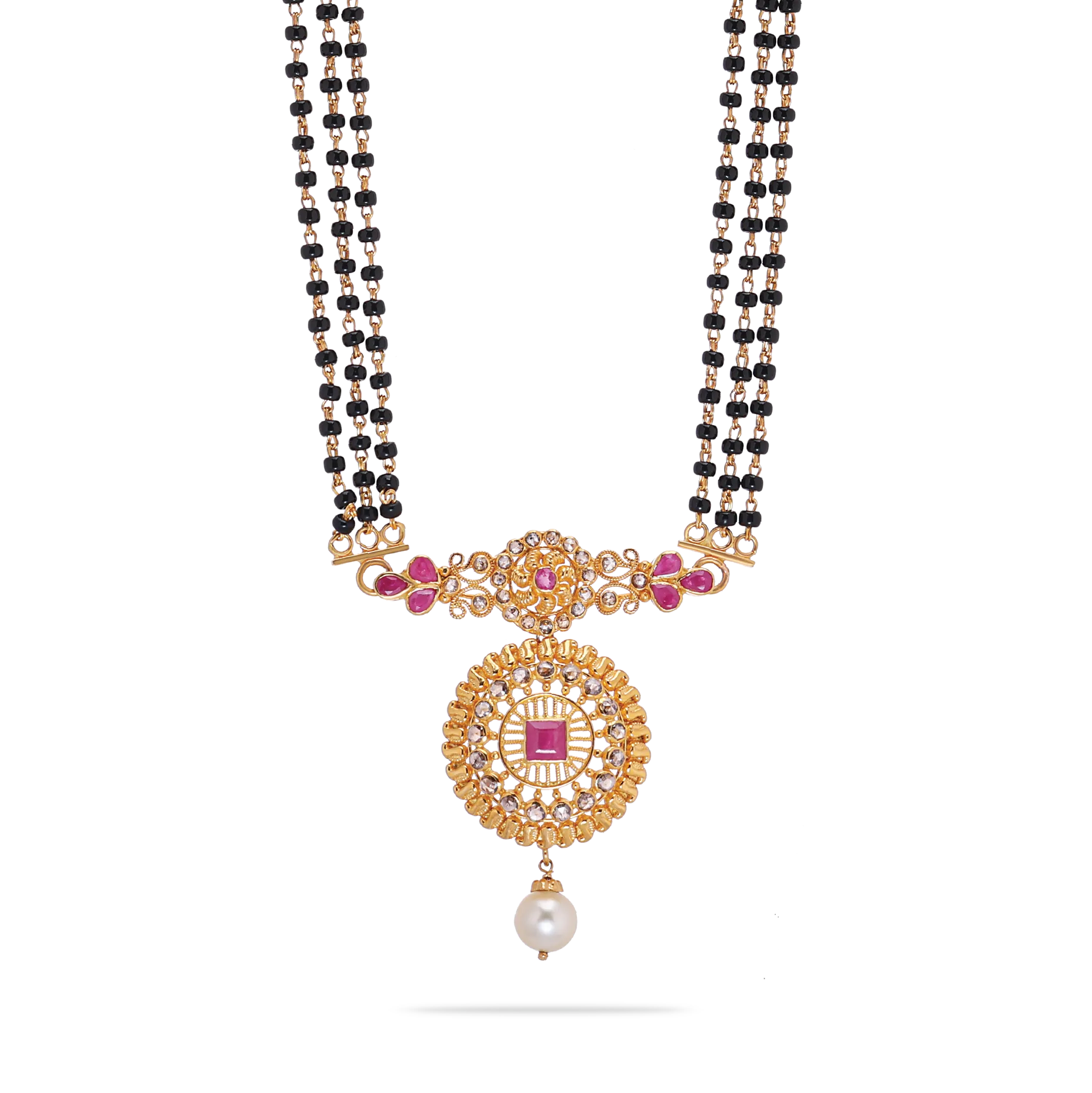
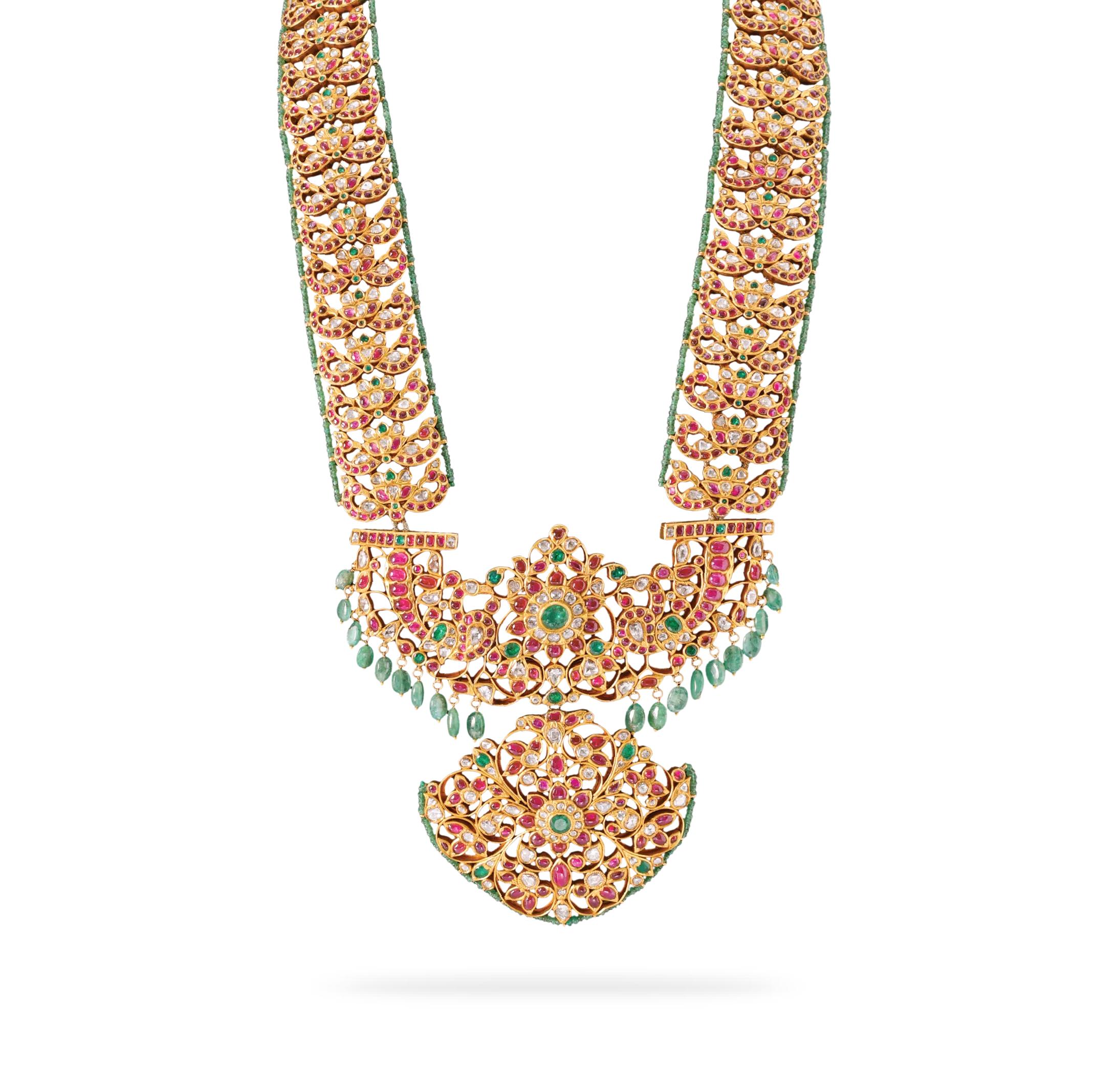
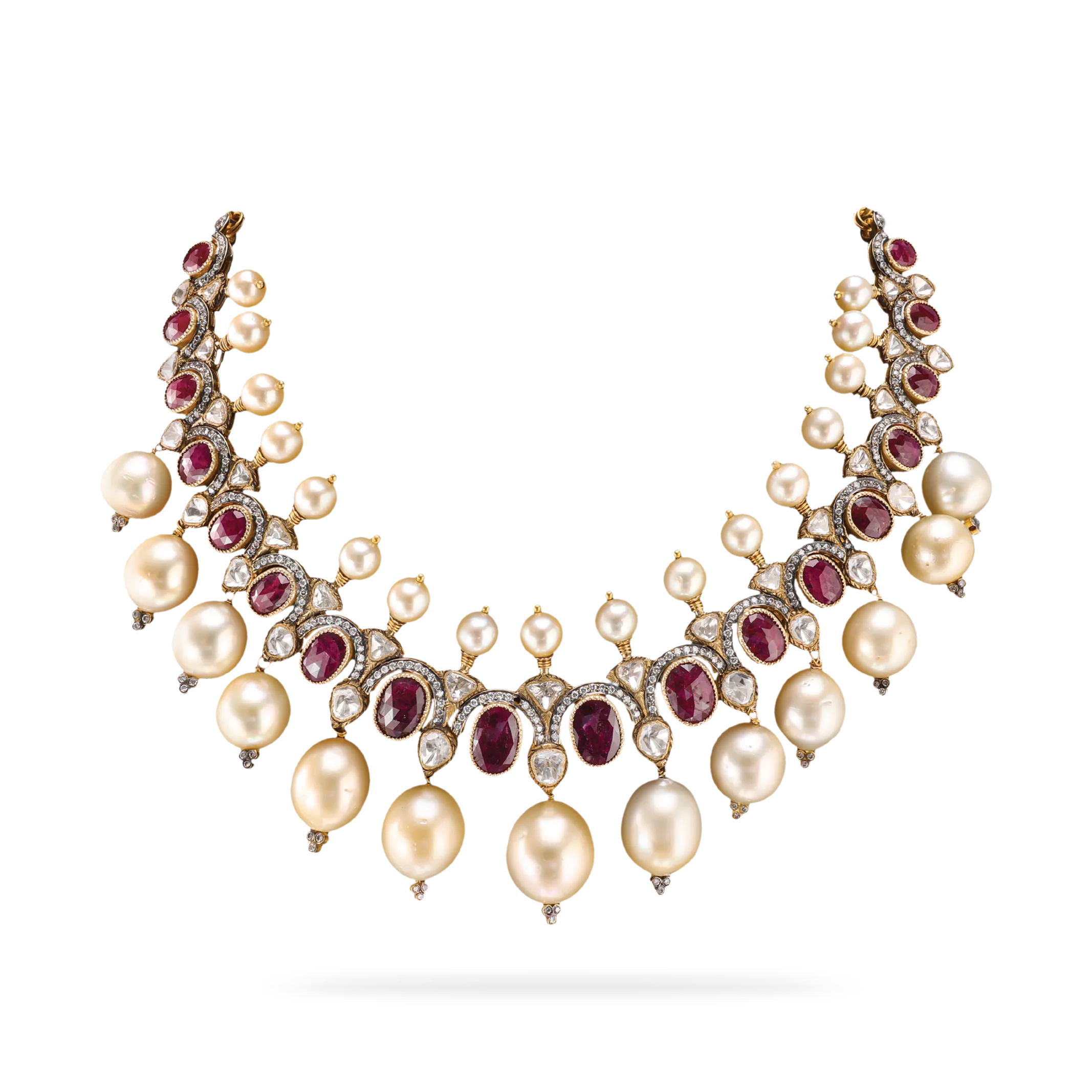
- Gemstone setting: Artisans use time-tested methods for placing rubies, emeralds, and pearls snugly into the gold. Most of the time, they use a technique called 'kundan'—using layers of gold foil to set stones without glue.
- Enameling: On some designs, the back side is animated with bold enamel work. Each color is added layer by layer, then fired for lasting gloss.
- Stone selection: Only the brightest, most uniform stones make the cut.
Some pieces can have dozens, even hundreds of tiny stones. It’s this extra attention and color contrast that makes temple jewelry so stunning.
Meticulous Attention To Detail
Finish is everything. After casting and setting, artisans:
- File and smooth away rough edges or marks.
- Hand-chisel patterns for sharper definition.
- Polish the finished piece until it shines like new.
| Crafting Step | Estimated Time | Tools Used |
|---|---|---|
| Wax modeling | 4–8 hours | Carving tools, wax |
| Lost wax casting | 8–16 hours | Kiln, gold |
| Gemstone setting | 6–12 hours | Tweezers, foil |
| Enameling (if needed) | 3–6 hours | Brushes, kiln |
| Final finishing | 2–4 hours | Polishers, cloth |
All this effort means you get jewelry that’s rich in detail and full of character, whether it’s handed down or newly made. When you’re picking out a gold piece for a special occasion , like a gift or keepsake, remember, the craftsmanship really shows—both in look and in lasting value. For those comparing classic jewelry types, there are meaningful differences in gold engagement ring craftsmanship as well.
Cultural Significance And Symbolism
Bridal Adornments and Auspicious Beginnings
Temple jewellery isn't just about looking pretty; it's steeped in meaning, especially when it comes to weddings. In many parts of India, particularly the South, these pieces are considered super auspicious for brides. Wearing them on your big day is thought to bring blessings and good fortune. It's like a beautiful, wearable prayer. The intricate designs often feature symbols of prosperity and well-being, making them a perfect choice for starting a new chapter. It’s no wonder brides often complete their bridal look with these stunning sets.
A Connection to Classical Dance
There's a really strong link between temple jewellery and classical Indian dance forms like Bharatanatyam and Kuchipudi. Dancers wear these pieces not just for decoration, but to help them connect with the divine and add a deeper layer to their performances. The jewellery becomes part of the storytelling, helping to embody the characters and emotions. It’s a way to bring ancient traditions and spirituality right onto the stage. You can see this connection in performances that aim to capture the essence of mythology and devotion.
Embodying Heritage and Devotion
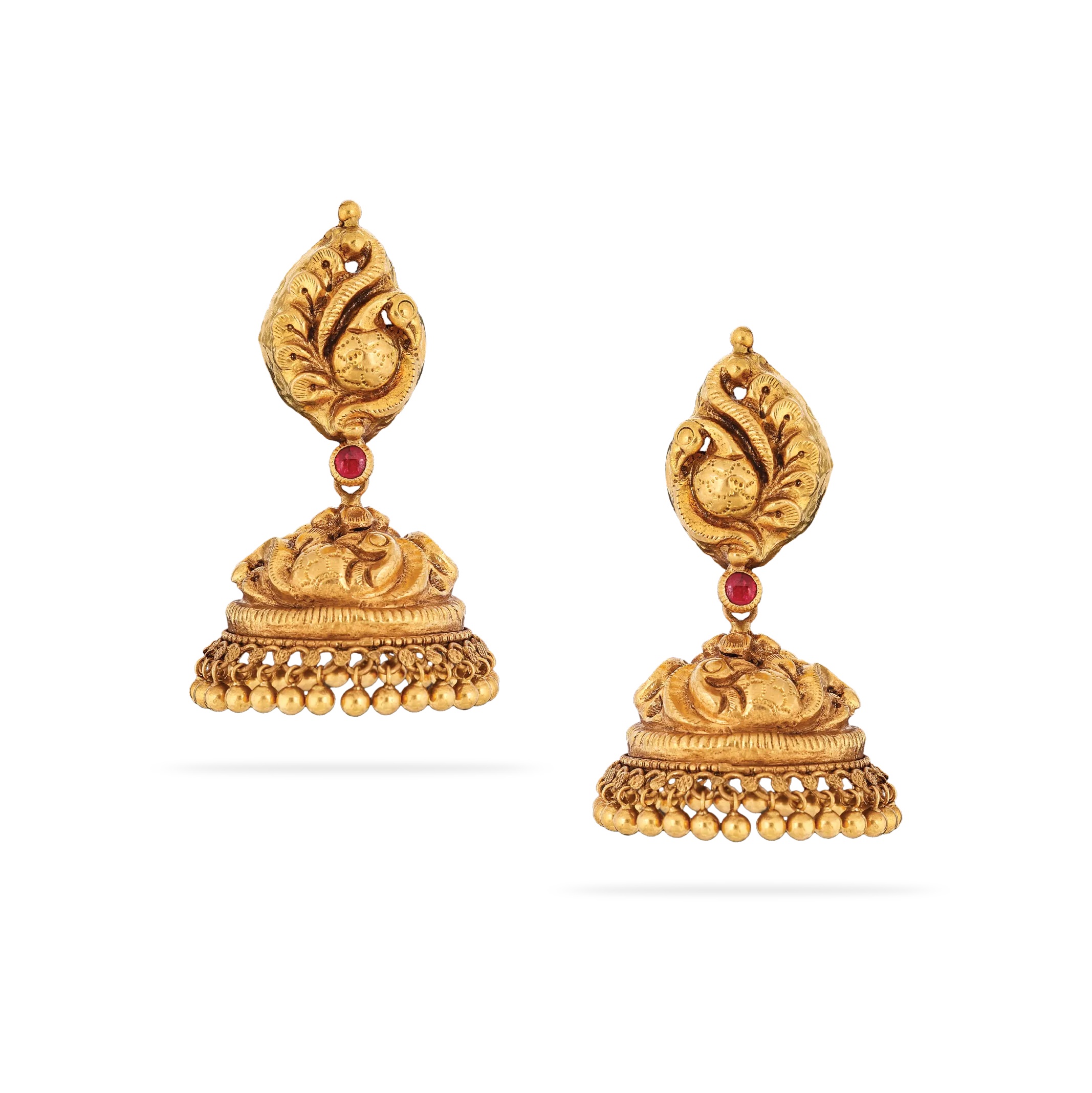
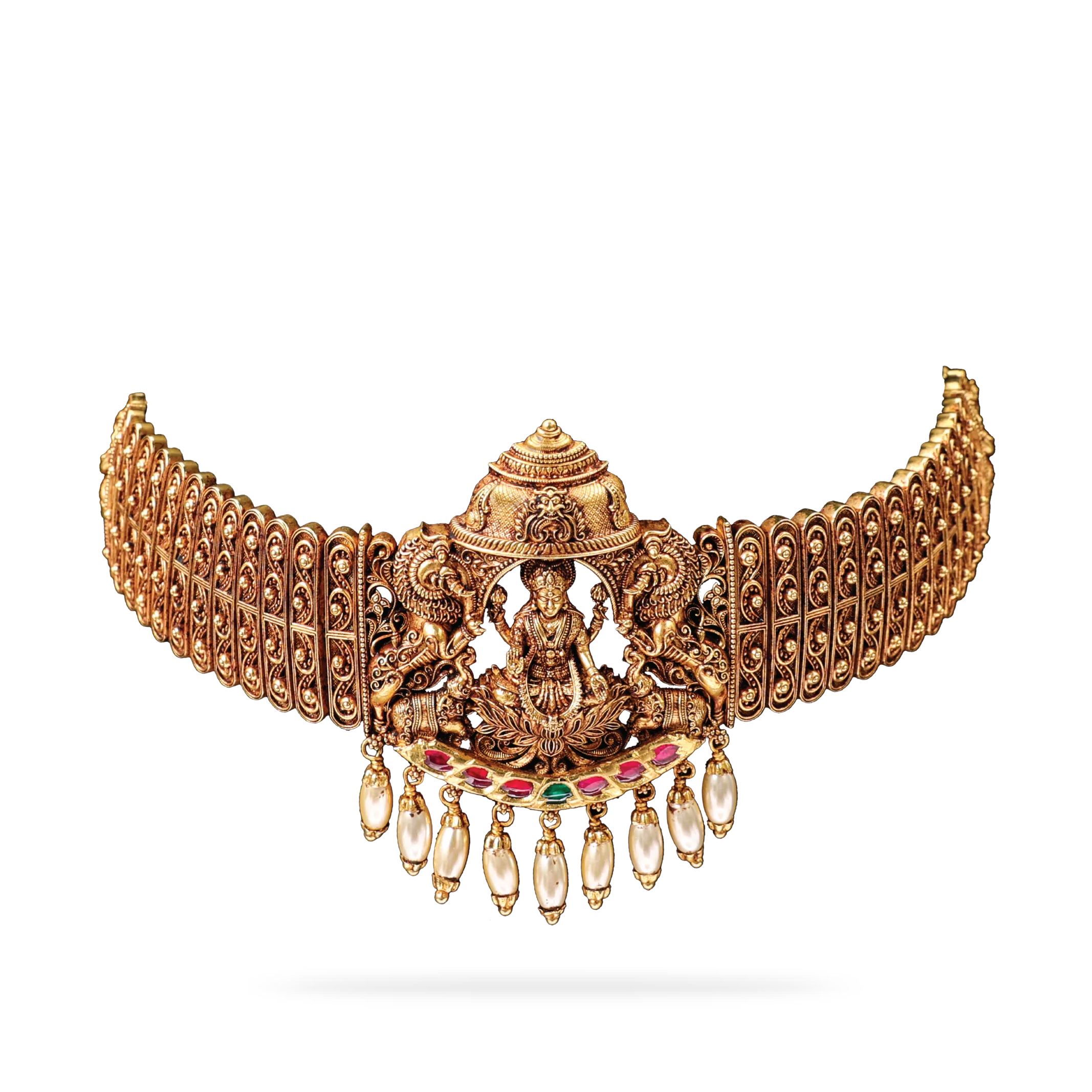
At its heart, temple jewellery is about devotion and heritage. These pieces were originally made to adorn deities in temples, so they carry a sense of the sacred. They often depict gods, goddesses, and other auspicious symbols from Hindu mythology. Think of motifs like the lotus, representing purity, or the peacock, symbolizing beauty and grace. Each piece tells a story, connecting the wearer to ancient traditions and a sense of spiritual continuity. It’s a way to carry a piece of history and faith with you. Many people find that wearing temple jewellery helps them feel more grounded and connected to their roots. It’s a beautiful way to express cultural pride and personal devotion, making it more than just an accessory; it's a statement of identity. For those interested in the deeper meanings, exploring the symbolism behind various motifs can be fascinating.
Styling Your Temple Jewellery
Temple jewellery, with its rich history and intricate designs, can be a stunning addition to any wardrobe. It’s not just for special occasions anymore; with a little thought, you can incorporate these beautiful pieces into your everyday style or make them the star of your festive looks. The key is to understand how to balance the ornate nature of temple jewellery with your outfit.
Pairing With Traditional Attire
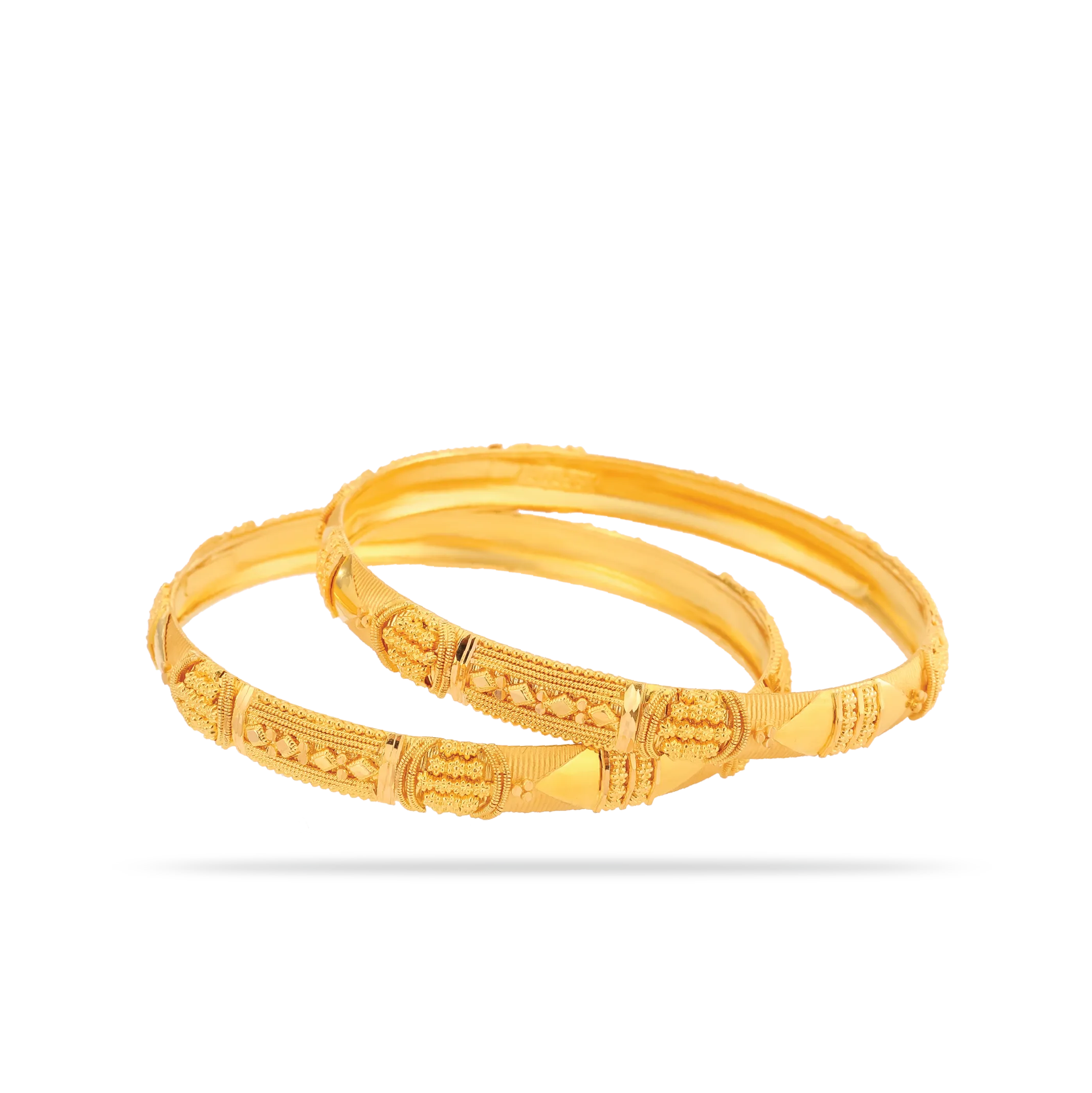
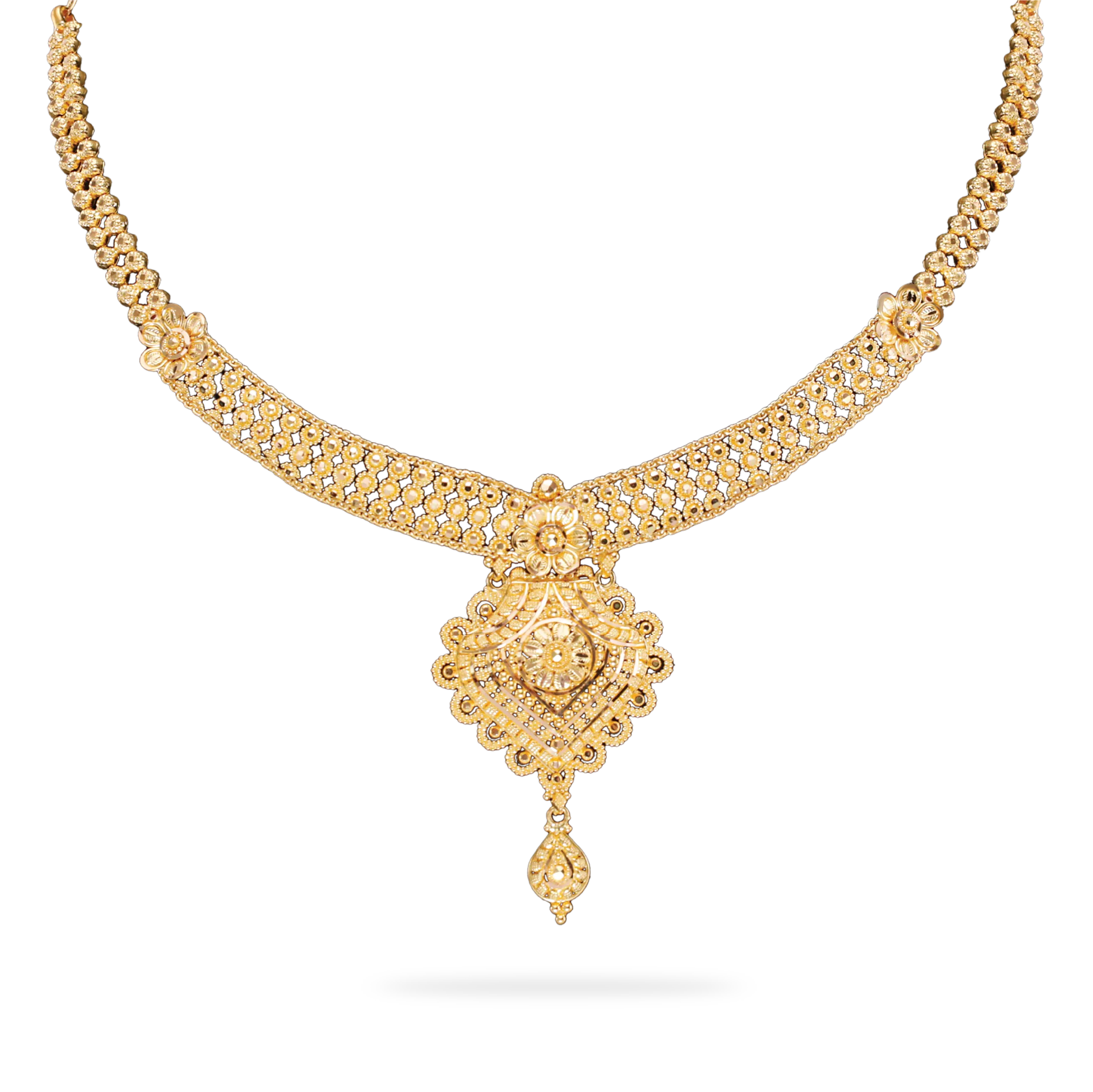
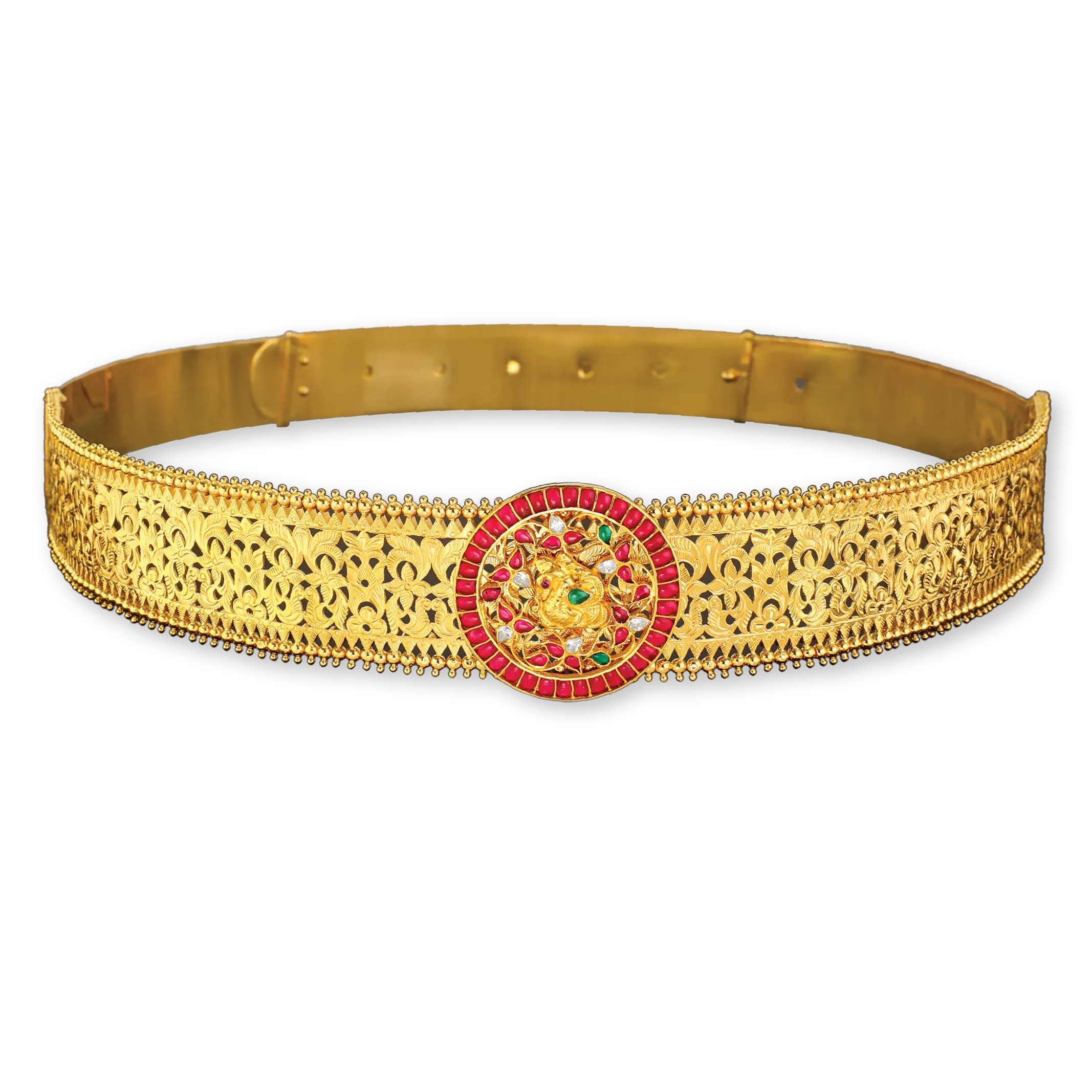
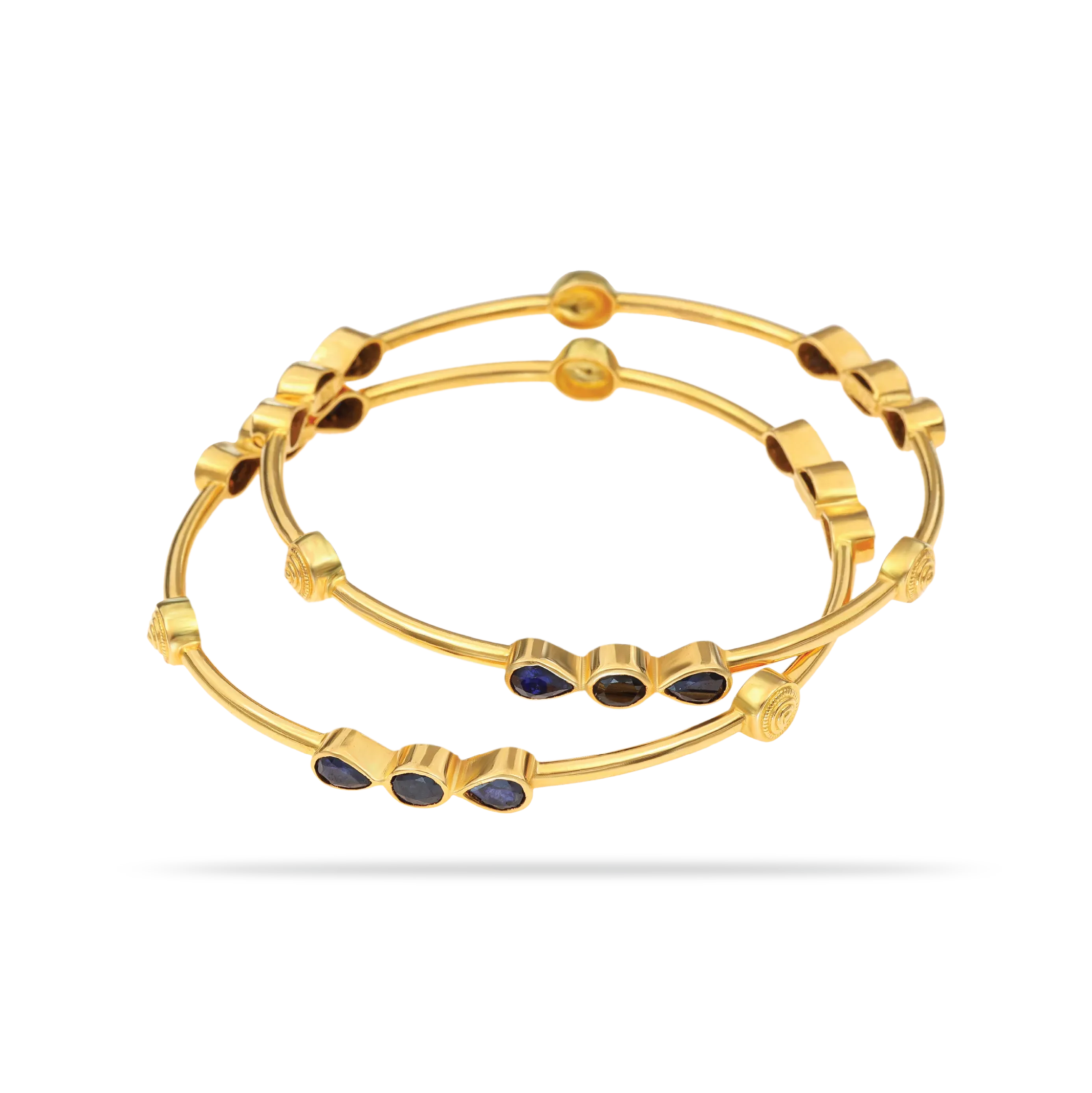
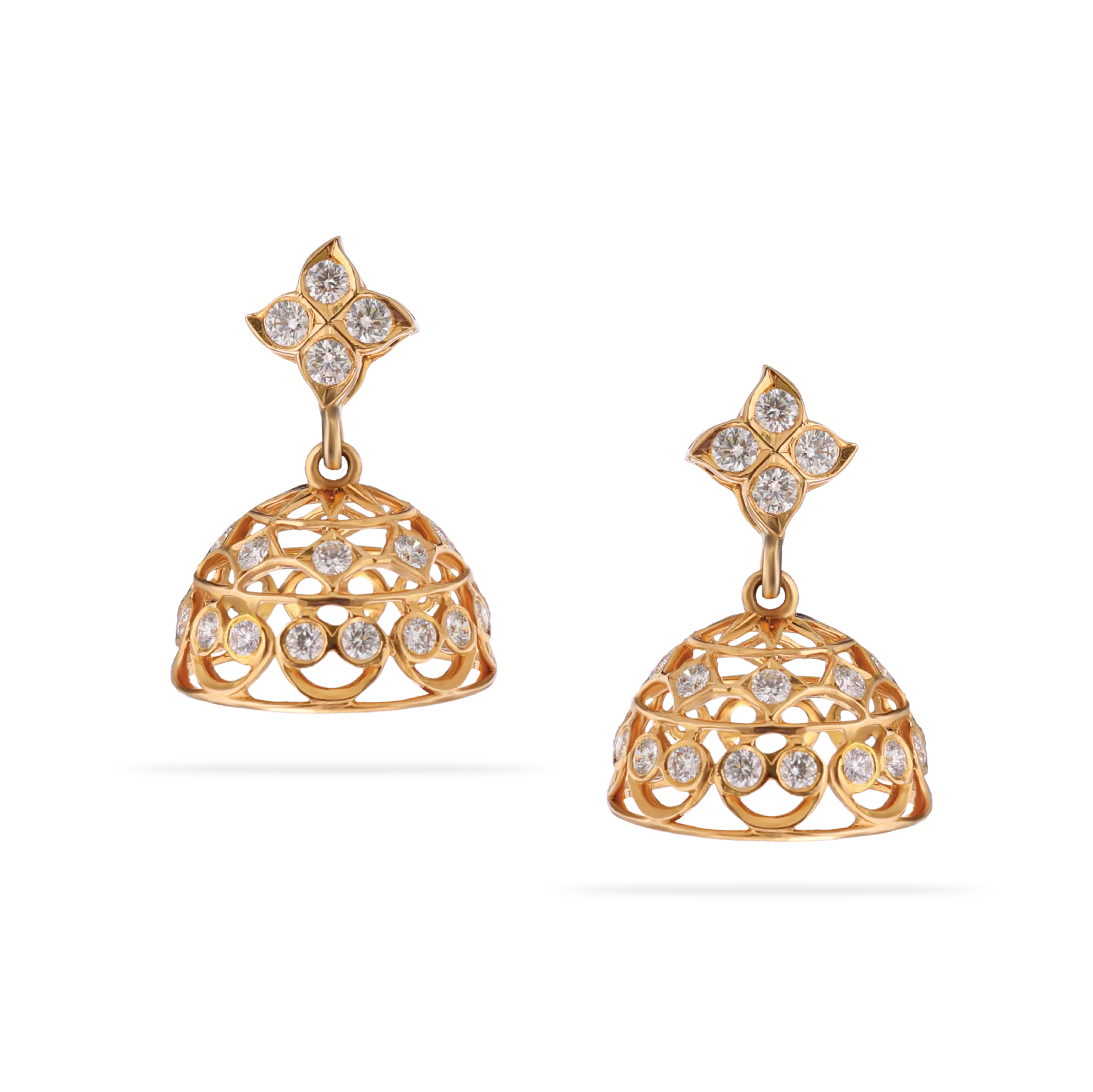
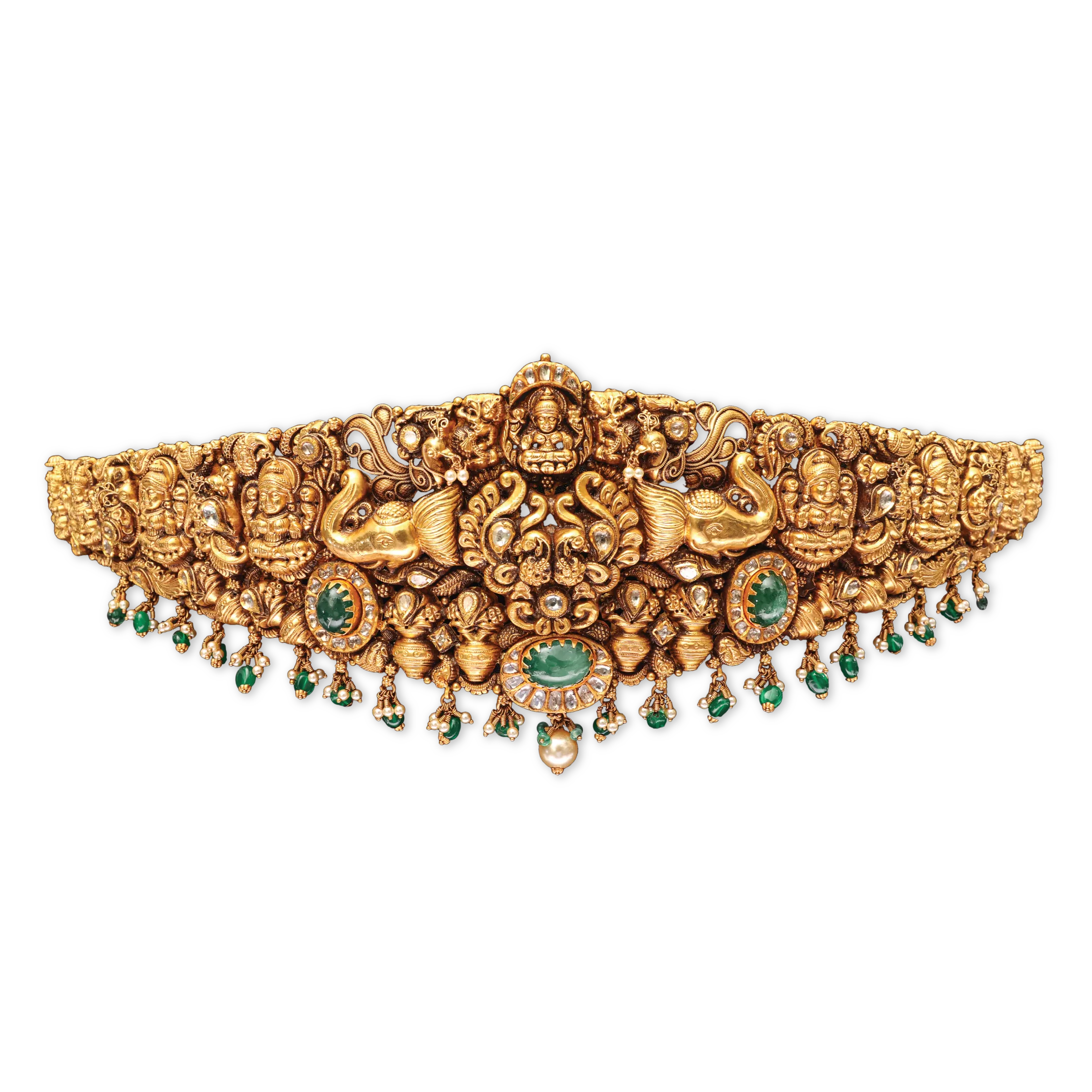
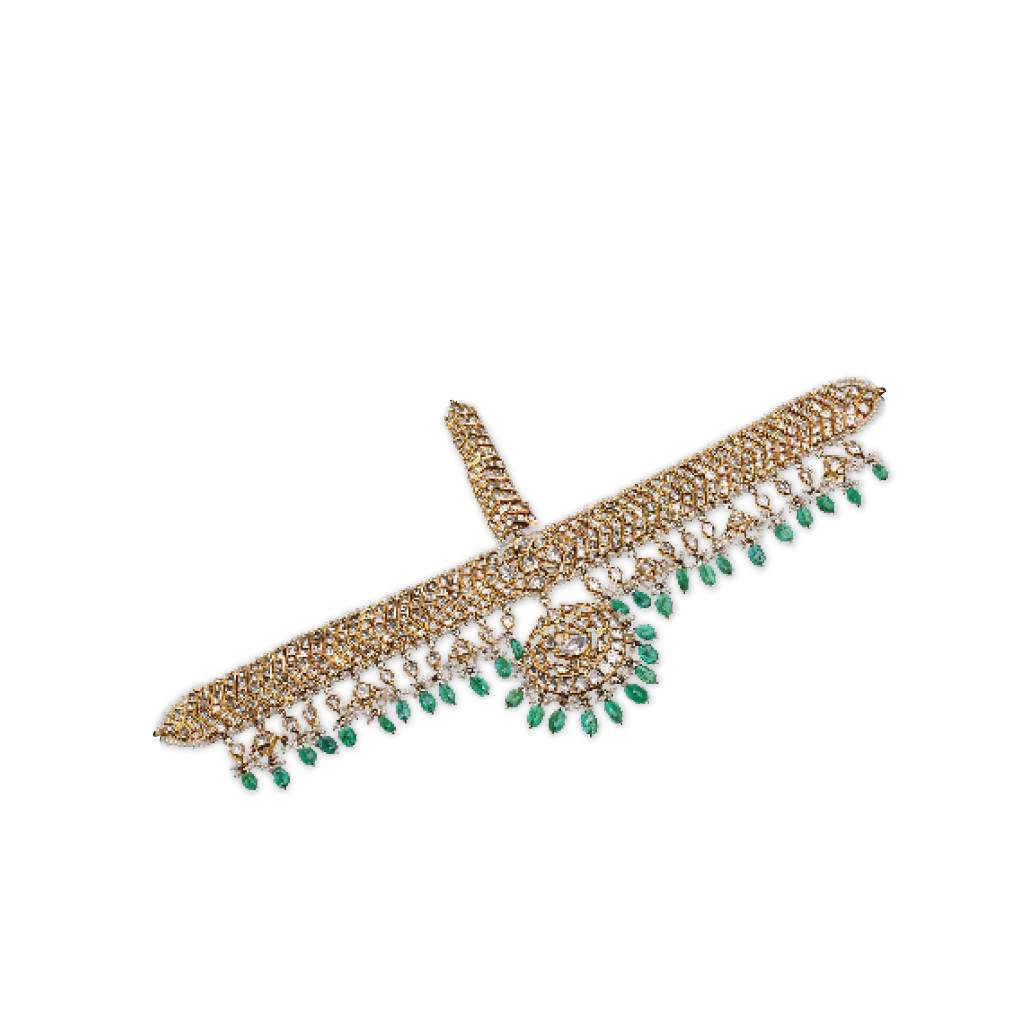
When it comes to traditional Indian wear, temple jewellery truly shines. Think classic silk sarees, elegant lehengas, or flowing anarkalis. For a timeless bridal look, layering a long haram (necklace) over a choker can create a beautiful silhouette, especially when paired with matching jhumkas (earrings). A statement necklace can also transform a simple saree into a regal ensemble. Remember, with such elaborate jewellery, it’s often best to let the pieces speak for themselves. A simple silk saree in a rich color, like a Kanjivaram, paired with a full temple jewellery set – think necklaces, earrings, bangles, and even a waist belt – is a classic combination that never fails.
Fusion With Contemporary Outfits
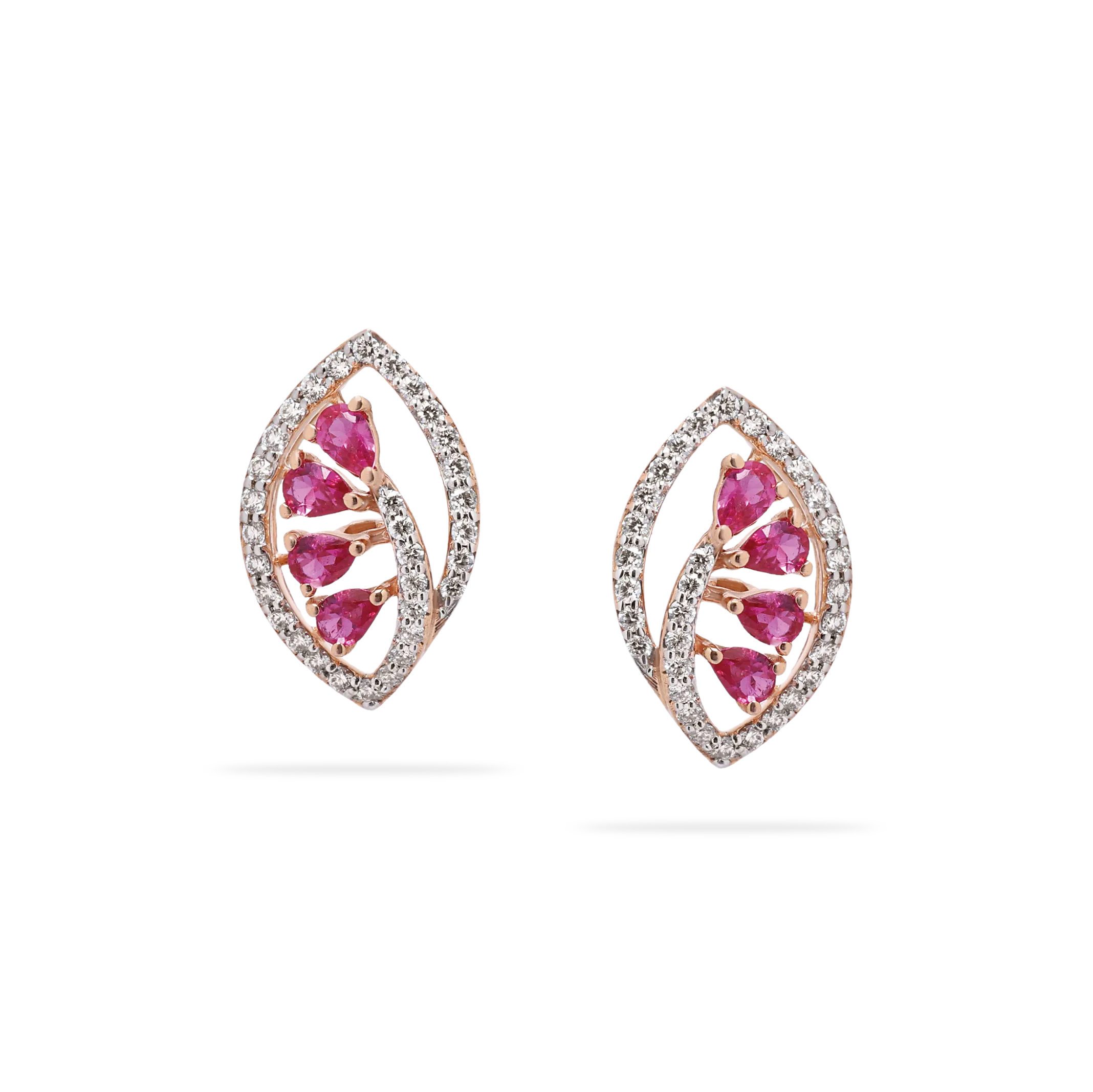
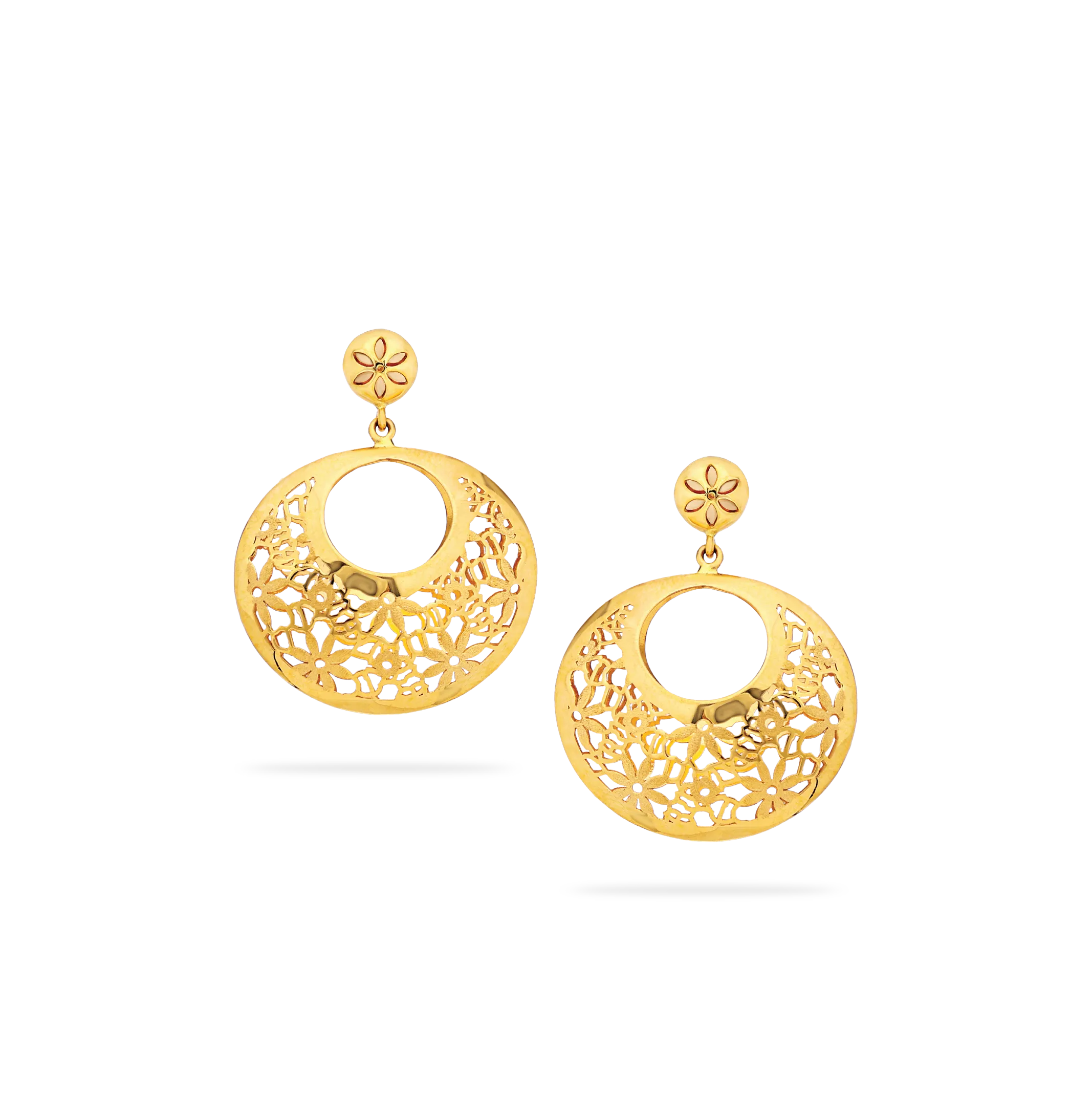
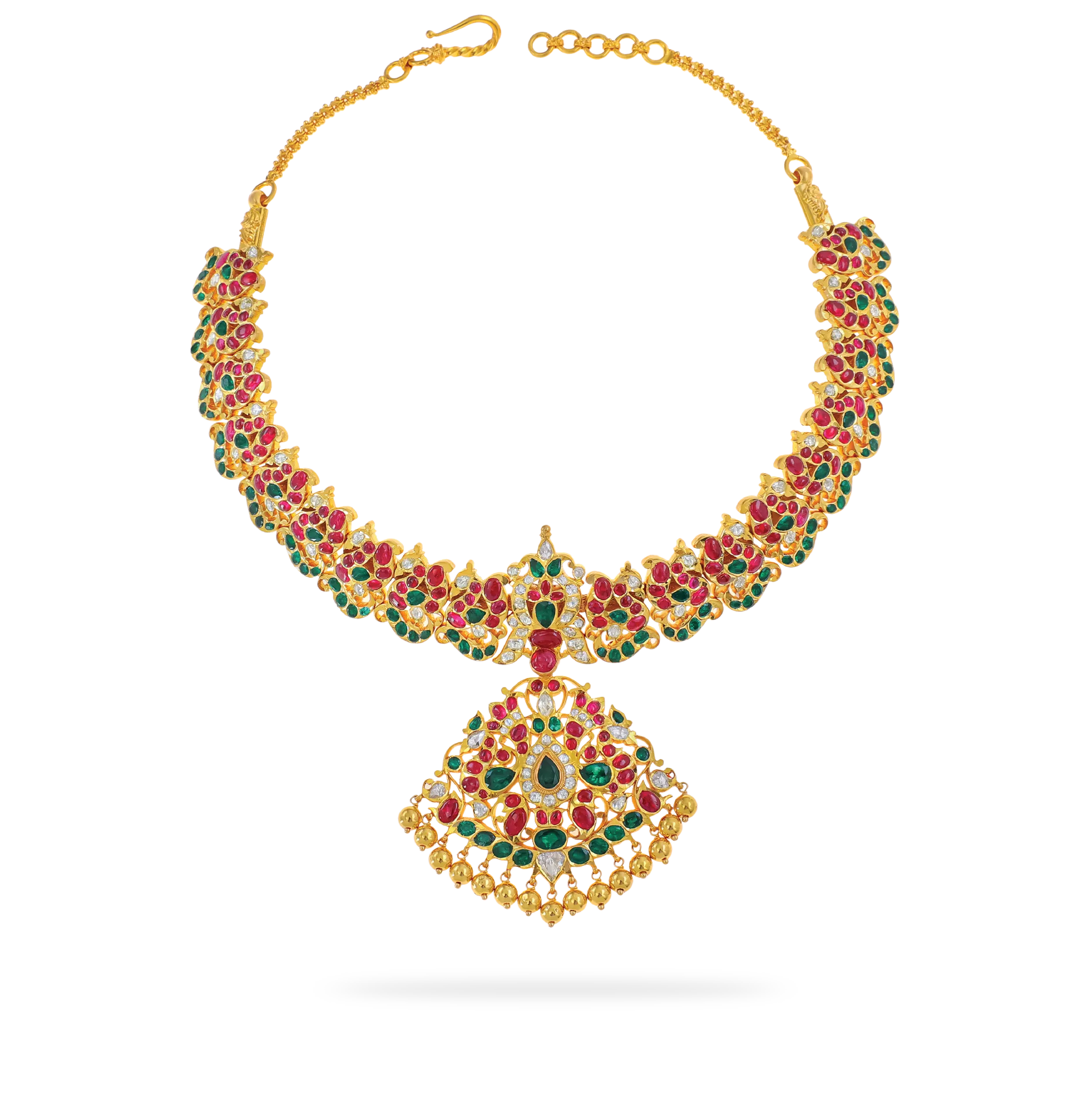
Don't shy away from mixing temple jewellery with modern, Western-inspired outfits. It’s all about creating an interesting contrast. Imagine a sleek temple choker paired with a plain, solid-colored maxi dress or a contemporary cape blouse. Even a single statement piece, like a pair of elaborate jhumkas , can add a touch of ethnic charm to a simple jumpsuit or a tailored western outfit. This fusion approach can create a look that's both unique and eye-catching. For instance, a geometric-inspired temple choker can beautifully complement a modern lehenga with mirror work, offering a fresh take on traditional attire. Mixing modern shapes with traditional settings can yield surprisingly chic results.
Accessorizing For Different Occasions
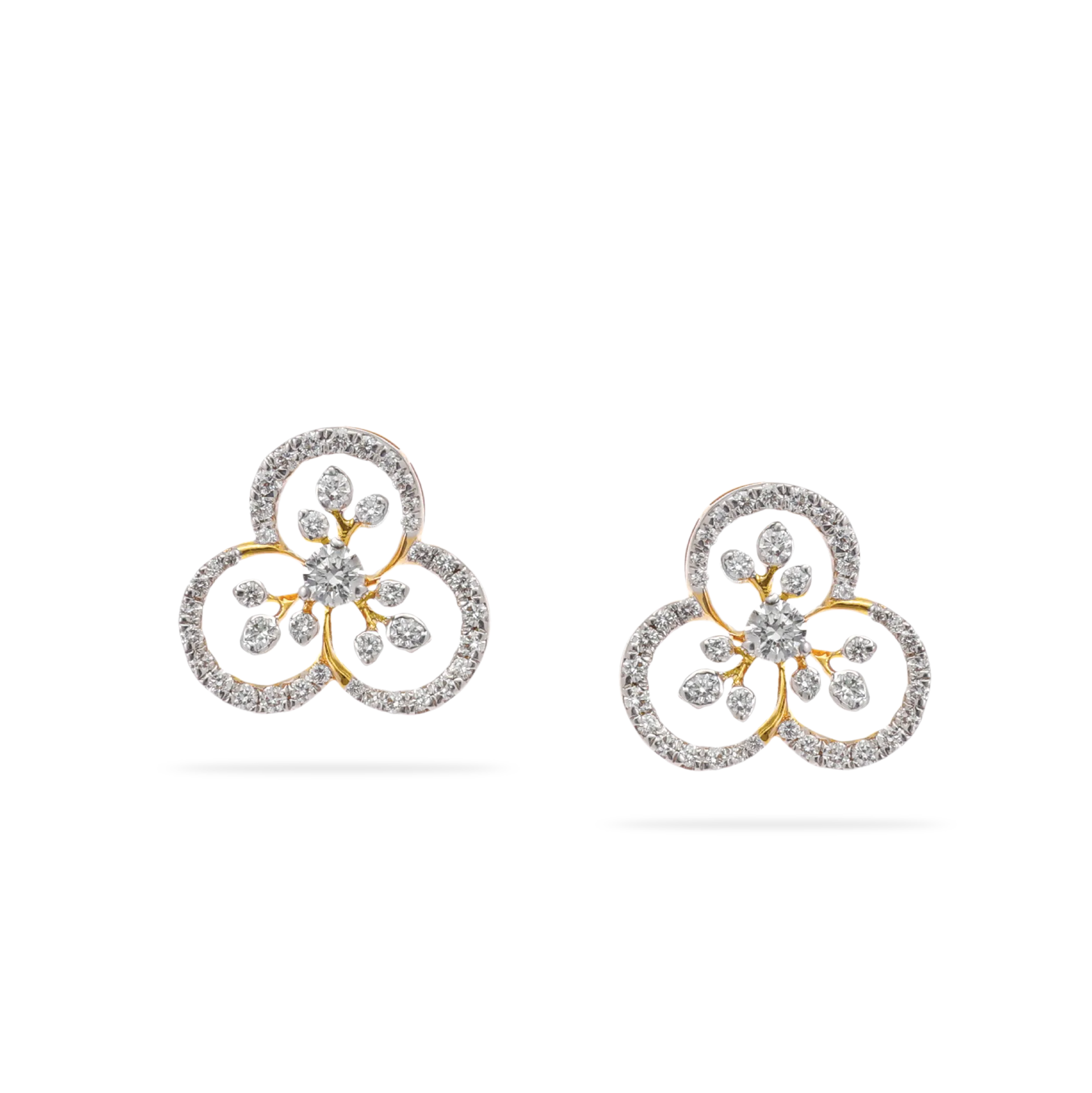
Temple jewellery can be adapted for various events. For festivals and family weddings, you might opt for a more elaborate set, layering necklaces and adding statement earrings. For a cultural event or a classical dance performance, the jewellery becomes an integral part of the storytelling. If you want to wear temple jewellery more casually, choose smaller, more delicate pieces like simple earrings, bangles, or a delicate maang tikka. These can add a subtle sparkle to your everyday look without being overwhelming. It's about finding the right piece for the right moment.
When styling temple jewellery, especially ornate pieces, it's wise to keep the rest of your accessories minimal. Let the intricate craftsmanship of the jewellery be the focal point of your ensemble. This allows the beauty and detail of each piece to be fully appreciated.
Modern Adaptations Of Temple Jewellery
Temple jewellery, with its deep historical roots, isn't just for special occasions anymore. Designers have really gotten creative, making these stunning pieces more accessible for everyday life. It’s pretty cool how they’ve managed to keep that old-world charm while making things lighter and more adaptable.
Lightweight Designs For Everyday Wear
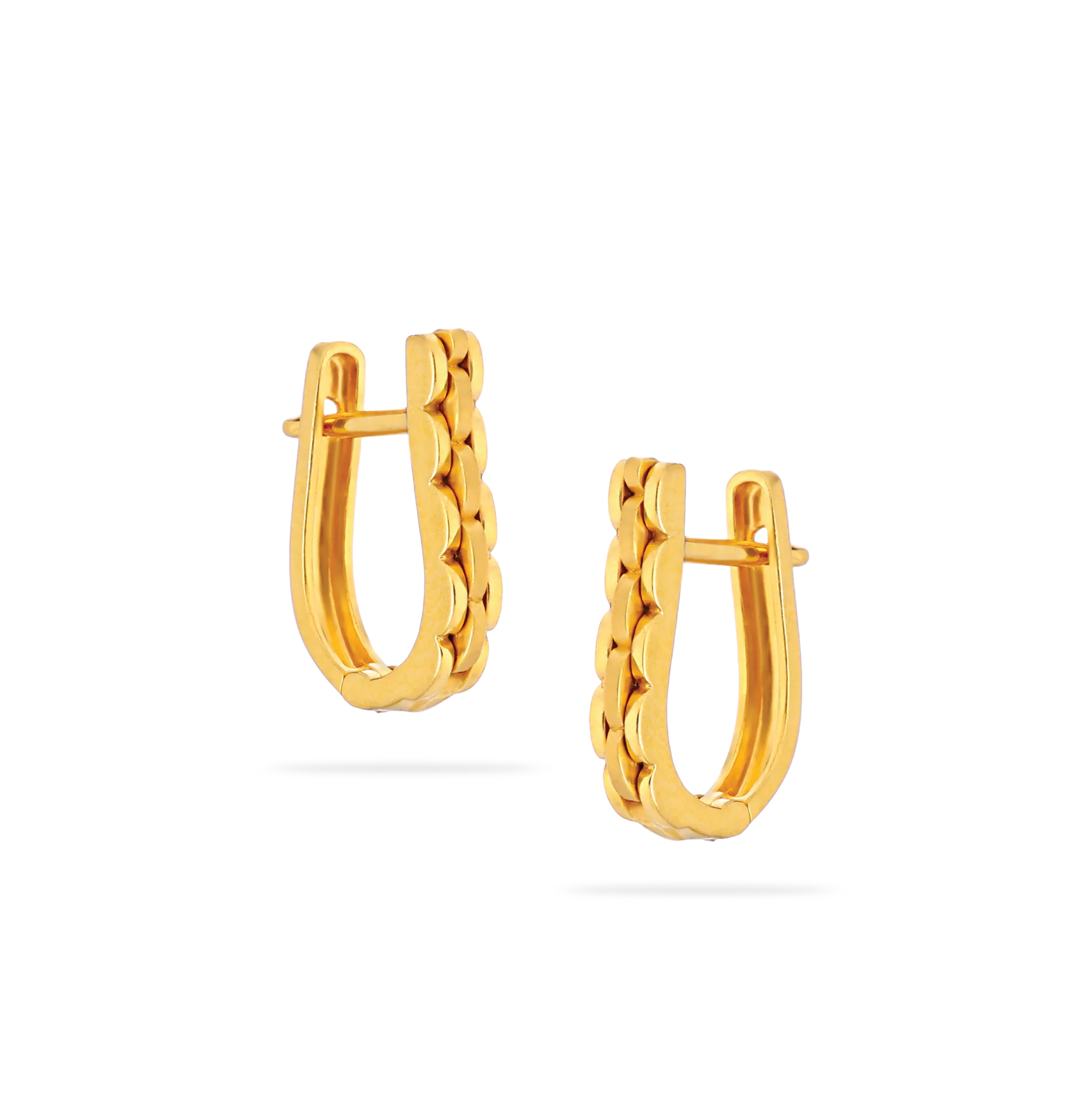
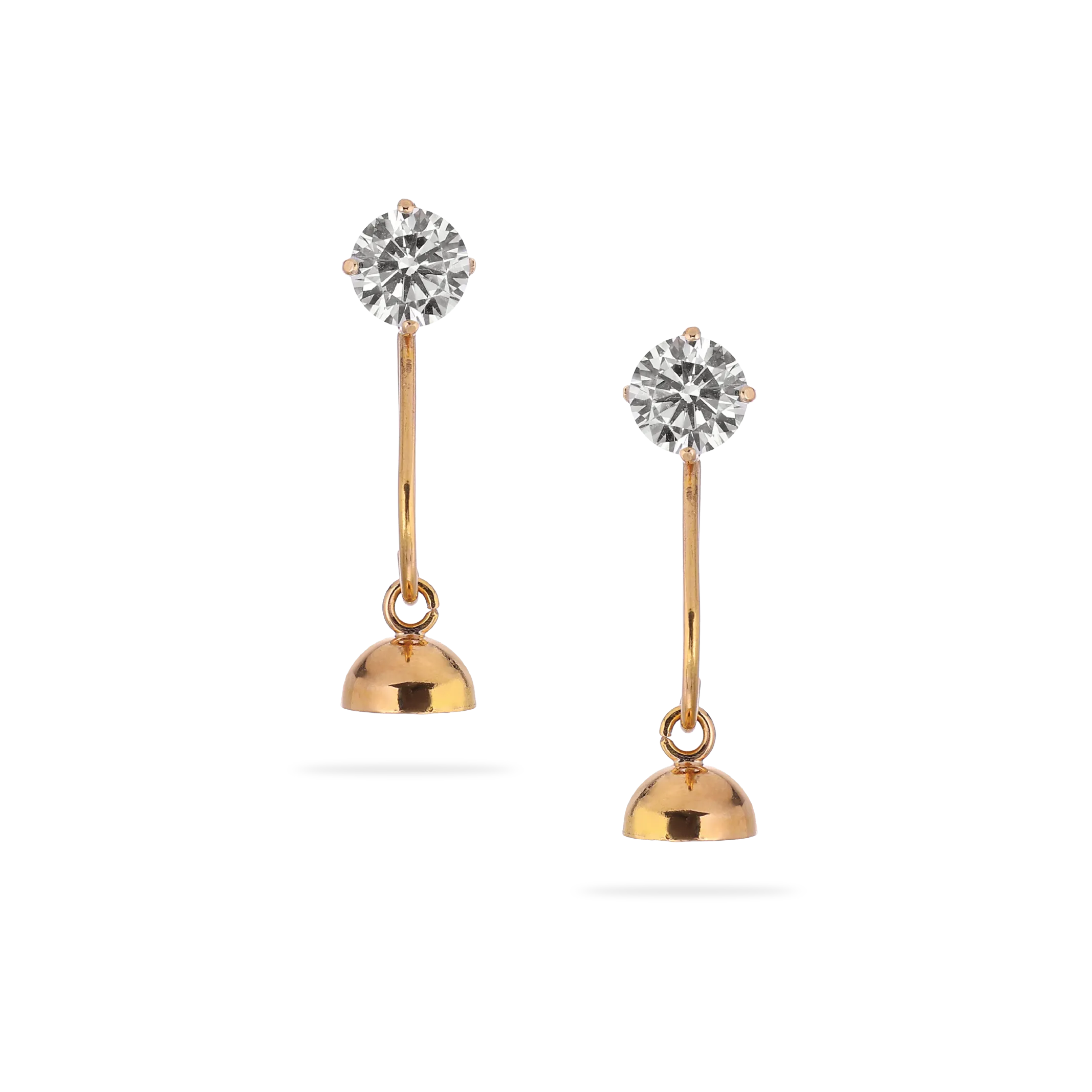
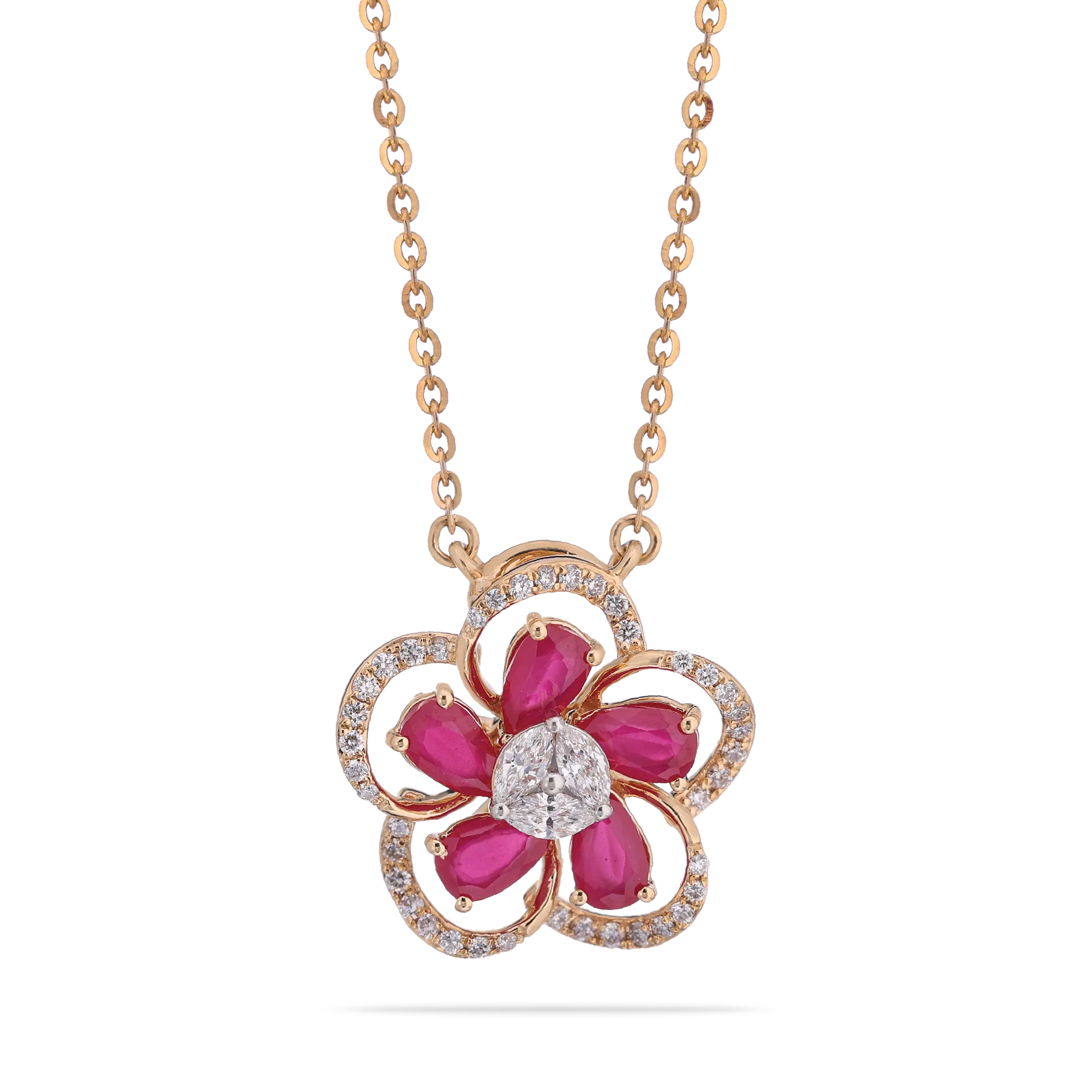
Forget those heavy, elaborate sets that were once only for brides or major festivals. Today, you can find temple jewellery designs that are much lighter. Think delicate necklaces, smaller jhumkas , or simple pendants that capture the essence of traditional motifs without weighing you down. These are perfect for adding a touch of heritage to your daily outfits, whether you're heading to the office or meeting friends for coffee. It’s a subtle way to carry a piece of history with you. You can even find beautiful silver hoop earrings that echo some of the simpler, circular motifs found in traditional Indian jewelry.
Antique Finishes And Gemstone Variations
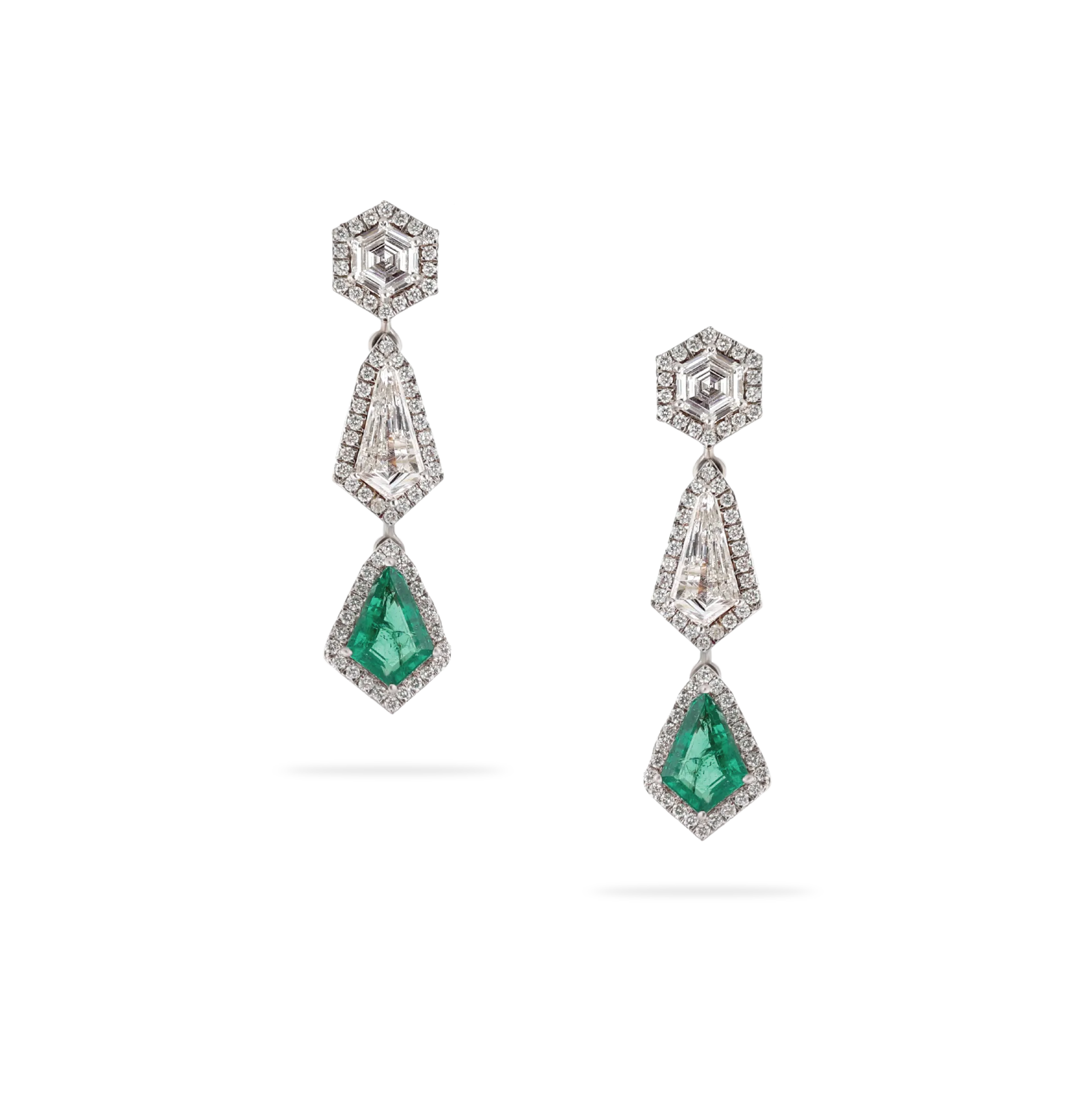
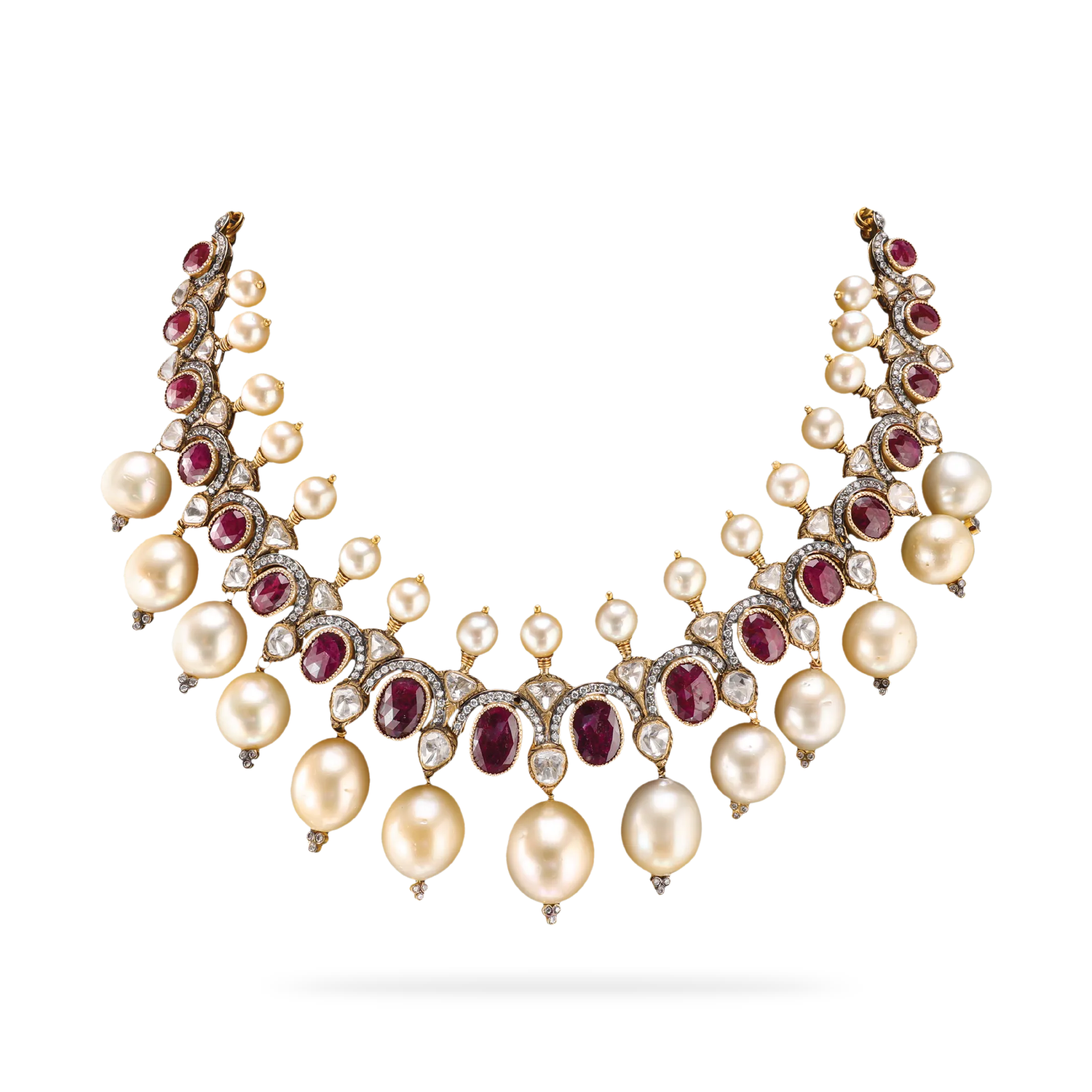
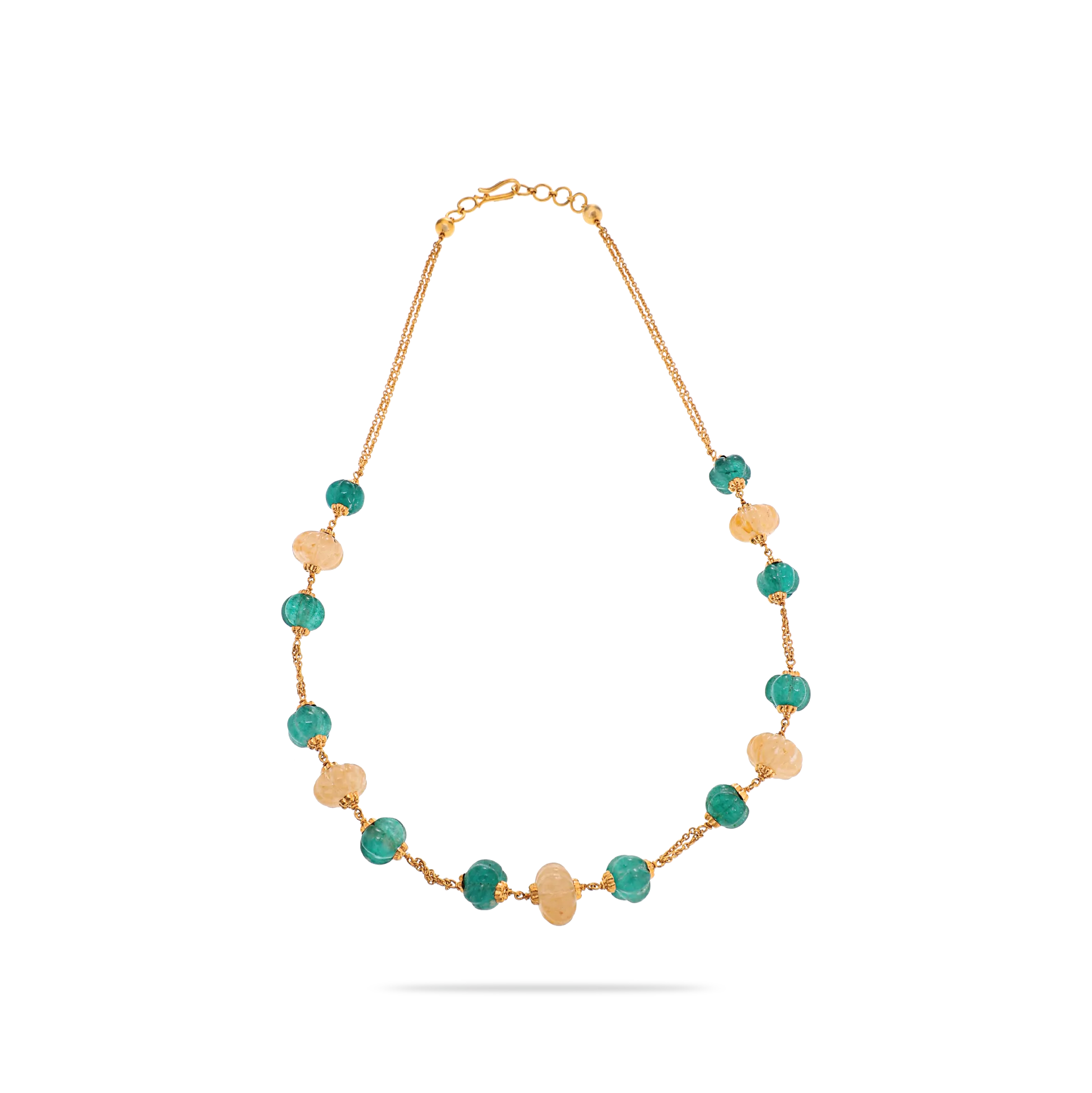
Another big trend is the use of antique finishes. Instead of bright, polished gold, many pieces feature a muted, aged look that mimics heirloom jewellery. This gives them a sophisticated, vintage vibe. Plus, there's a lot more variety in gemstones now. While traditional pieces often use rubies and emeralds, modern adaptations might incorporate semi-precious stones , cubic zirconia, or even colorful beads. This not only makes the jewellery more affordable but also allows for a wider range of color palettes to match different outfits.
Modular Pieces For Versatile Styling
This is where things get really clever. Some contemporary temple jewellery is designed to be modular. What does that mean? It means you can often detach parts of a set to create different looks. For example, a long necklace might have detachable pendants or charms, or earrings might have interchangeable drops. This versatility means one piece can serve multiple purposes, offering great value and allowing you to mix and match to your heart's content. It’s a smart way to get more wear out of your treasured items.
The evolution of temple jewellery shows a beautiful balance between honoring the past and embracing the present. It’s about making these intricate art forms relevant and wearable for everyone, every day.
These modern twists mean that temple jewellery is no longer just a symbol of bridal trousseaus or religious ceremonies. It’s become a versatile fashion statement that bridges the gap between tradition and contemporary style, proving that heritage can indeed be worn with modern elegance.
Choosing And Caring For Your Temple Jewellery
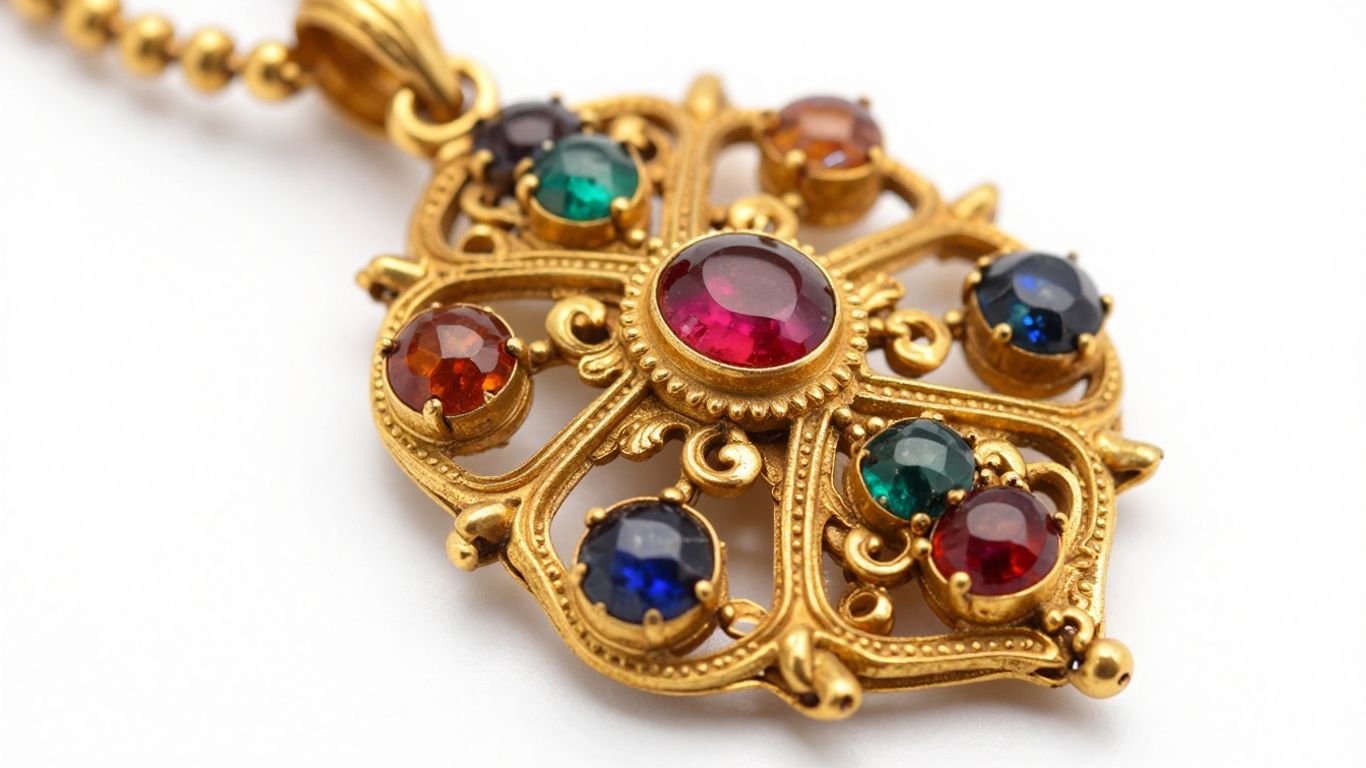
So, you've fallen for the charm of temple jewellery. That's totally understandable! These pieces are just stunning. But before you go all in, let's chat about picking the right ones and keeping them looking their best. It's not rocket science, but a little know-how goes a long way.
Real Gold Versus Imitation Options
This is a big one, and honestly, it depends on what you're looking for. Real gold temple jewellery is, well, real gold. It's got that intrinsic value, it can be passed down through generations, and there's a certain authenticity to it that's hard to beat. The downside? It's pricey, can be quite heavy, and you'll definitely want to keep it somewhere super safe. On the flip side, high-quality imitation or antique-finish temple jewellery offers a fantastic way to get that grand look without the hefty price tag. It's often lighter, which is a bonus for long events, and it's perfect if you're worried about traveling with valuable pieces. Plus, the variety in designs is huge. Just remember, imitation pieces need a bit more TLC to keep them from tarnishing.
Selecting The Perfect Set
Picking the right temple jewellery set can feel a bit overwhelming with all the gorgeous options out there. Think about the occasion first. Are you shopping for a wedding, a festival, or just a special party? Bridal sets tend to be more elaborate, while pieces for other events might be a bit more understated. Your outfit is another key factor. Consider the colour, the fabric, and the overall style. A heavy silk saree might call for a grander necklace and earrings, whereas a lighter lehenga could pair beautifully with a statement choker . Don't forget about your own frame, either. If you're petite, super chunky pieces might overwhelm you, while taller individuals can often carry off layered necklaces with ease. And comfort? Absolutely vital. You'll want to feel good wearing it, not constantly fidgeting.
Here’s a quick checklist to help you decide:
- Occasion: Bridal, festive, casual, or performance?
- Outfit: Colour, fabric, and silhouette compatibility.
- Personal Style: What feels most like you?
- Comfort: Can you wear it for hours without discomfort?
- Material: Real gold, gold-plated, or imitation?
Preserving the Brilliance of Your Jewellery
Okay, you've got your beautiful temple jewellery. Now, how do you keep it sparkling? It’s all about a little bit of regular care. The best way to keep your pieces looking their best is to store them properly and handle them with care. Always store each piece separately, maybe in a soft pouch or a lined jewellery box, to prevent scratches. Try to keep them away from moisture, perfumes, hairspray, and lotions, as these can dull the shine over time. A gentle wipe with a soft, dry cloth after each wear is a good habit to get into. For intricate pieces, avoid bending delicate parts. If you've got real gold heirlooms, consider getting them professionally cleaned every so often. For imitation pieces, look for anti-tarnish storage solutions. It’s amazing how much difference a little attention can make to the longevity of your jewellery.
Taking care of your temple jewellery isn't just about maintenance; it's about respecting the artistry and history embedded in each piece. It ensures that these treasures can continue to tell their stories for years to come, perhaps even becoming heirlooms themselves.
Conclusion
Temple jewellery is more than just pretty accessories; it's a piece of history you can wear. It connects us to old traditions and beautiful artistry. Whether you're a bride, a dancer, or just love unique style, this jewellery tells a story. It’s a way to carry a bit of India's rich past with you, looking elegant and feeling connected to your roots. So, embrace this timeless art and let your temple jewellery shine!
Frequently Asked Questions
What exactly is temple jewellery?
Temple jewellery is a special kind of jewellery that comes from South India. It's inspired by the designs found in temples and often features gods, goddesses, and nature motifs. Think of it as art made from metal that tells stories from temples.
How is temple jewellery made?
Making temple jewellery is a very careful process. Artisans use a method called 'lost wax casting' to shape the metal, often gold. They then carefully set colorful stones and sometimes add beautiful enamel colors. It takes a lot of skill and patience!
Why is temple jewellery important in Indian culture?
It's super important, especially for weddings! It's seen as a symbol of good luck and blessings for the couple. Also, classical Indian dancers wear it to connect with the divine and make their performances more beautiful.
Can I wear temple jewellery with modern clothes?
Absolutely! While it looks amazing with traditional clothes like sarees, you can totally mix it up. Try wearing a simple temple necklace with a western dress or a nice top. It adds a unique, elegant touch to your modern style.
Is all temple jewellery made of real gold?
Not always. Traditional temple jewellery is often made of real gold, which is quite valuable. But nowadays, you can find beautiful imitation or antique-finish temple jewellery made from other metals. These are more affordable and often lighter.
How should I take care of my temple jewellery?
To keep your temple jewellery looking its best, store each piece separately, maybe in a soft pouch. Try to keep it away from water, lotions, and perfumes. Gently wipe it after you wear it. This helps prevent it from losing its shine.
Timeless Elegance: Exploring the Enduring Appeal of Traditional Gold Jewellery
10 minute read
Related blogs:
November 20, 2025
The Timeless Elegance of the Tennis Bracelet: A Comprehensive Guide
Read More
November 20, 2025
The Ultimate Guide to Styling and Wearing a Choker Necklace
Read More
November 20, 2025
Find Your Perfect Engagement Ring: A Comprehensive Guide to Styles and Diamonds
Read More
November 20, 2025
The Timeless Elegance of a Diamond Tennis Bracelet: A Buyer's Guide
Read More









.webp)


.webp)