Exquisite South Indian Bridal Jewellery: Timeless Traditions for Your Special Day
June 4, 2026 | 10 minutes read
Planning a South Indian wedding? Then you're probably thinking a lot about the jewellery. South Indian bridal jewellery is really something special, isn't it? It's not just about looking pretty; it's about tradition, heritage, and telling a story. From the sparkle of gold to the intricate designs, these pieces are a big part of what makes a South Indian bride look absolutely stunning on her big day. We're going to take a look at some of the most beautiful and meaningful south indian bridal jewellery out there, so you can get inspired for your own celebration.
Key Takeaways
- South Indian bridal jewellery is rich in tradition and craftsmanship, with gold playing a central role.
- Iconic pieces like the Maang Tikka, Jhumkas, Vanki, and Kamarbandh are signature elements of the bridal look.
- Styles range from the divine inspiration of Temple Jewellery to the vibrant colours of Kundan and the raw beauty of Polki.
- A bride's trousseau typically includes a variety of necklaces, bangles, bracelets, nose rings, and ear chains.
- Modern brides can find contemporary designs that still honour traditional roots, incorporating elements like pearls and gold plating.
The Enduring Allure Of South Indian Bridal Jewellery
A Tapestry of Tradition and Craftsmanship
South Indian bridal jewellery is more than just pretty accessories; it's a whole story woven in gold and gems. Think of it as a living history book, passed down through families, each piece telling tales of generations before. The craftsmanship you see in these pieces is pretty amazing, really. Artisans spend ages perfecting these designs, often using techniques that have been around for centuries. It’s this dedication to detail that makes each necklace, bangle, and earring so special. The sheer amount of work that goes into creating these heirlooms is truly remarkable. It’s not just about looking good on the wedding day; it’s about carrying a piece of your heritage with you.
Symbolism Woven into Every Piece
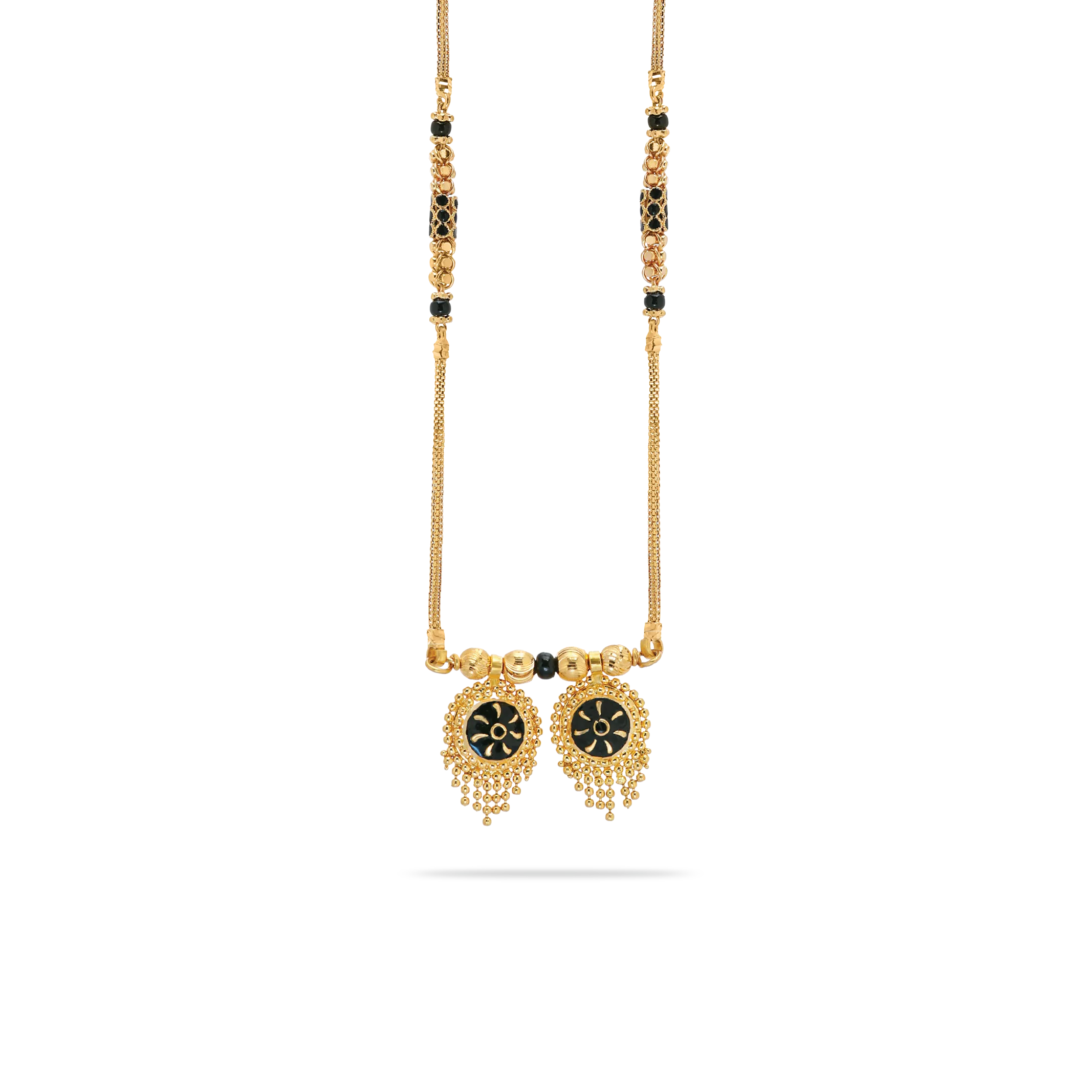
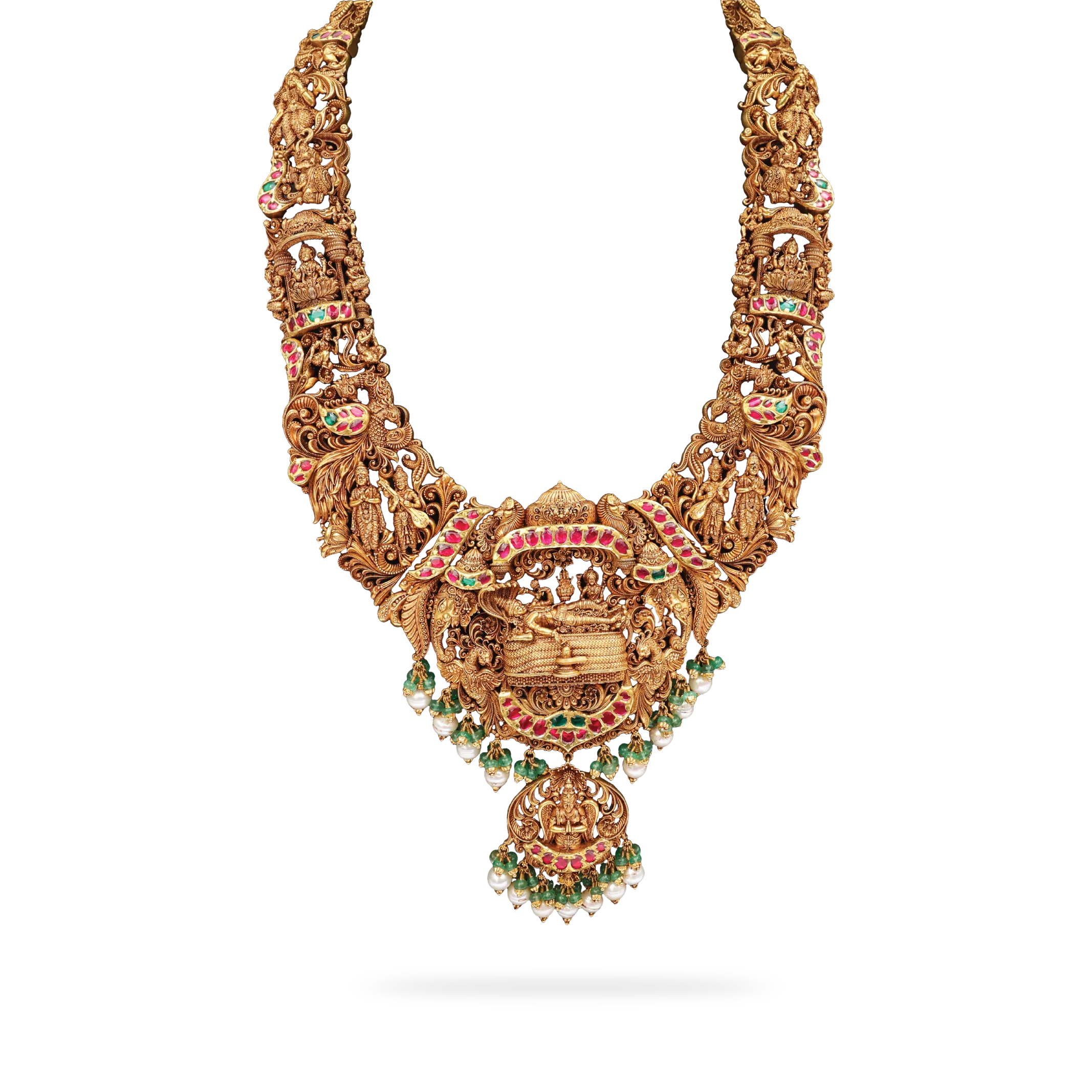
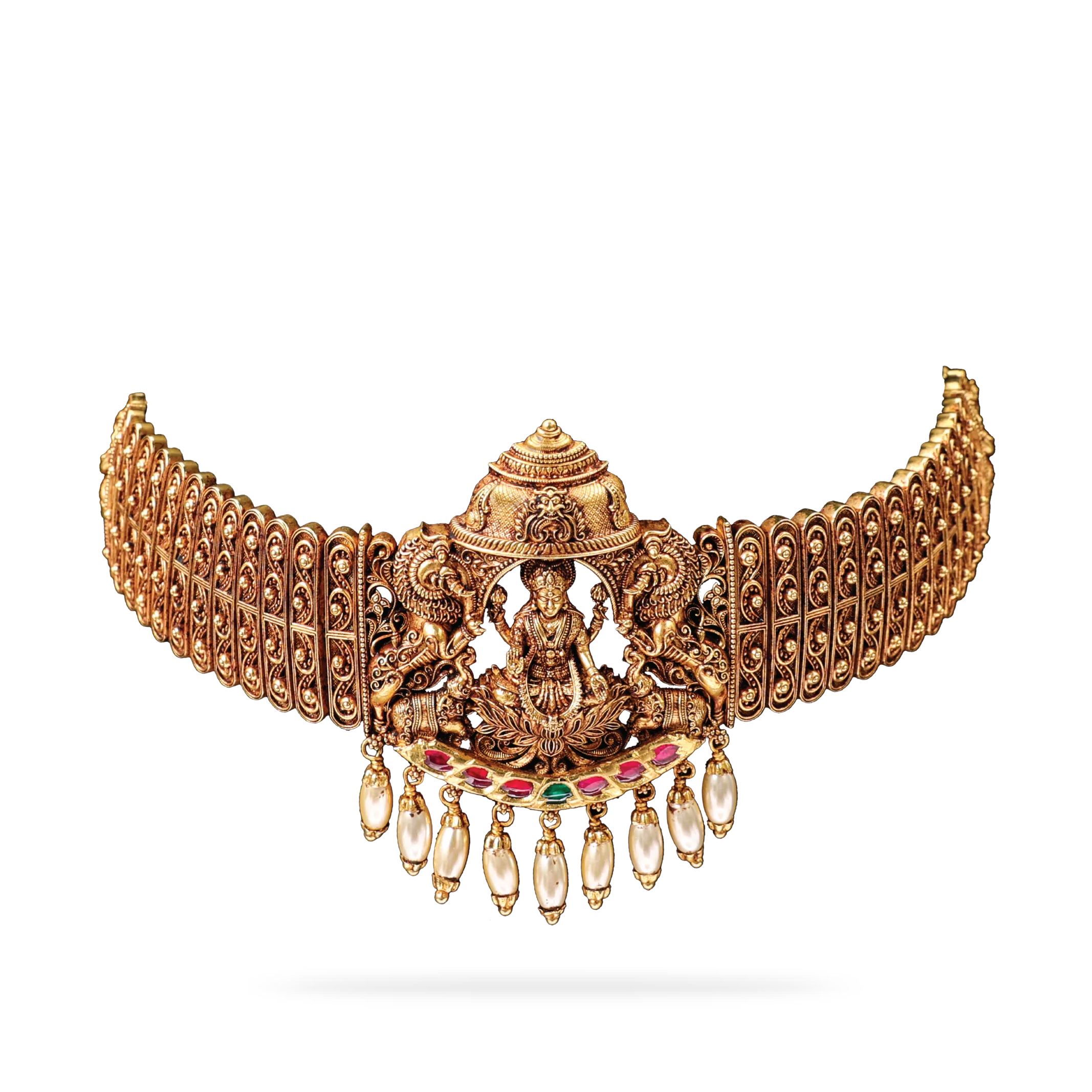
It’s not just random sparkle, you know. A lot of South Indian bridal jewellery is packed with meaning. You’ll often see motifs like peacocks, lotuses, elephants, and mangoes. These aren't just pretty pictures; they stand for things like prosperity, fertility, and good luck. Even the way the jewellery is worn can have significance. For instance, the Lakshmi Haar often features Goddess Lakshmi, the deity of wealth, bringing blessings to the new couple. It’s this deep-rooted symbolism that adds another layer of beauty to the adornments, connecting the bride to ancient beliefs and customs.
The Significance of Gold in South Indian Weddings
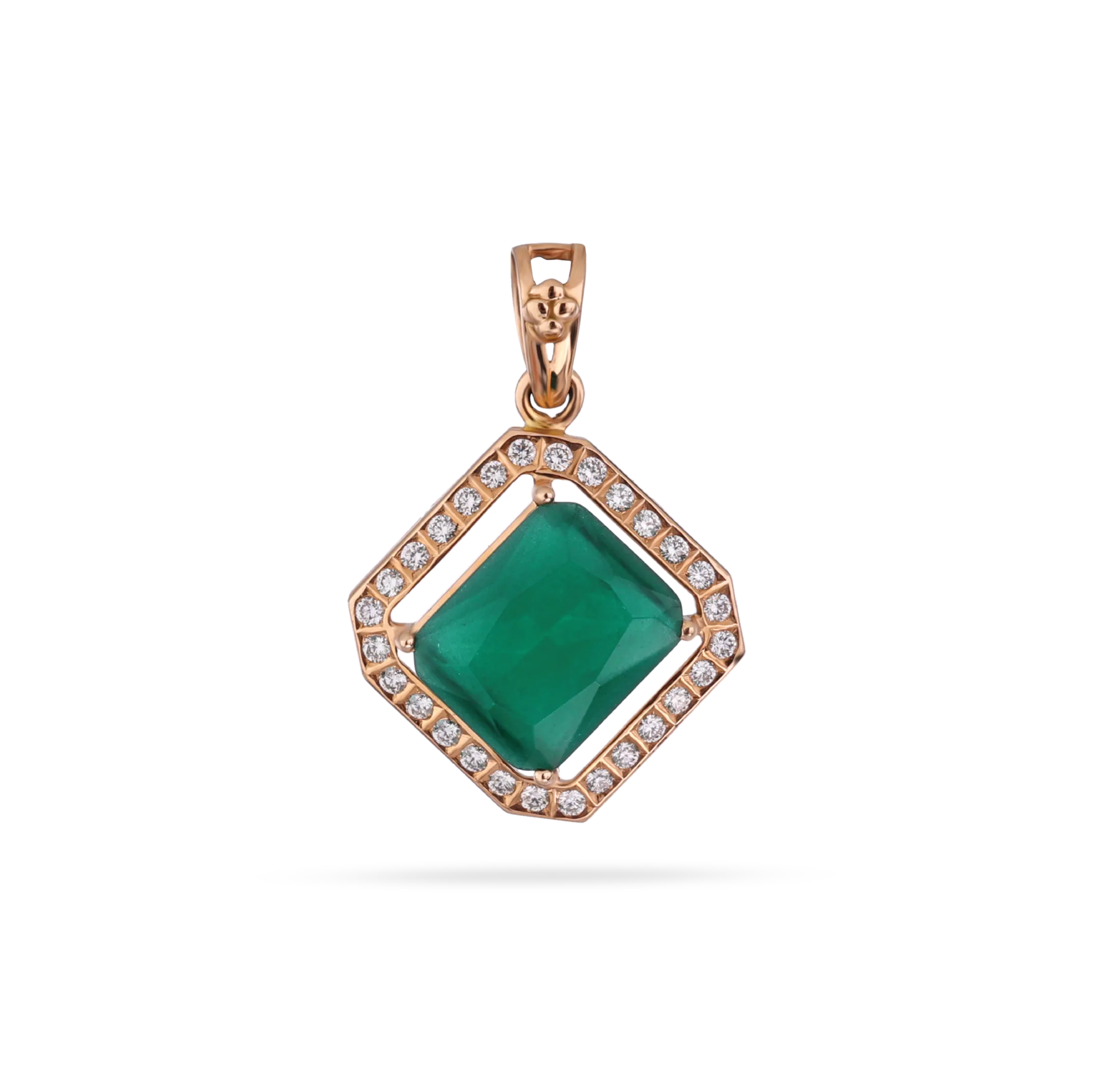
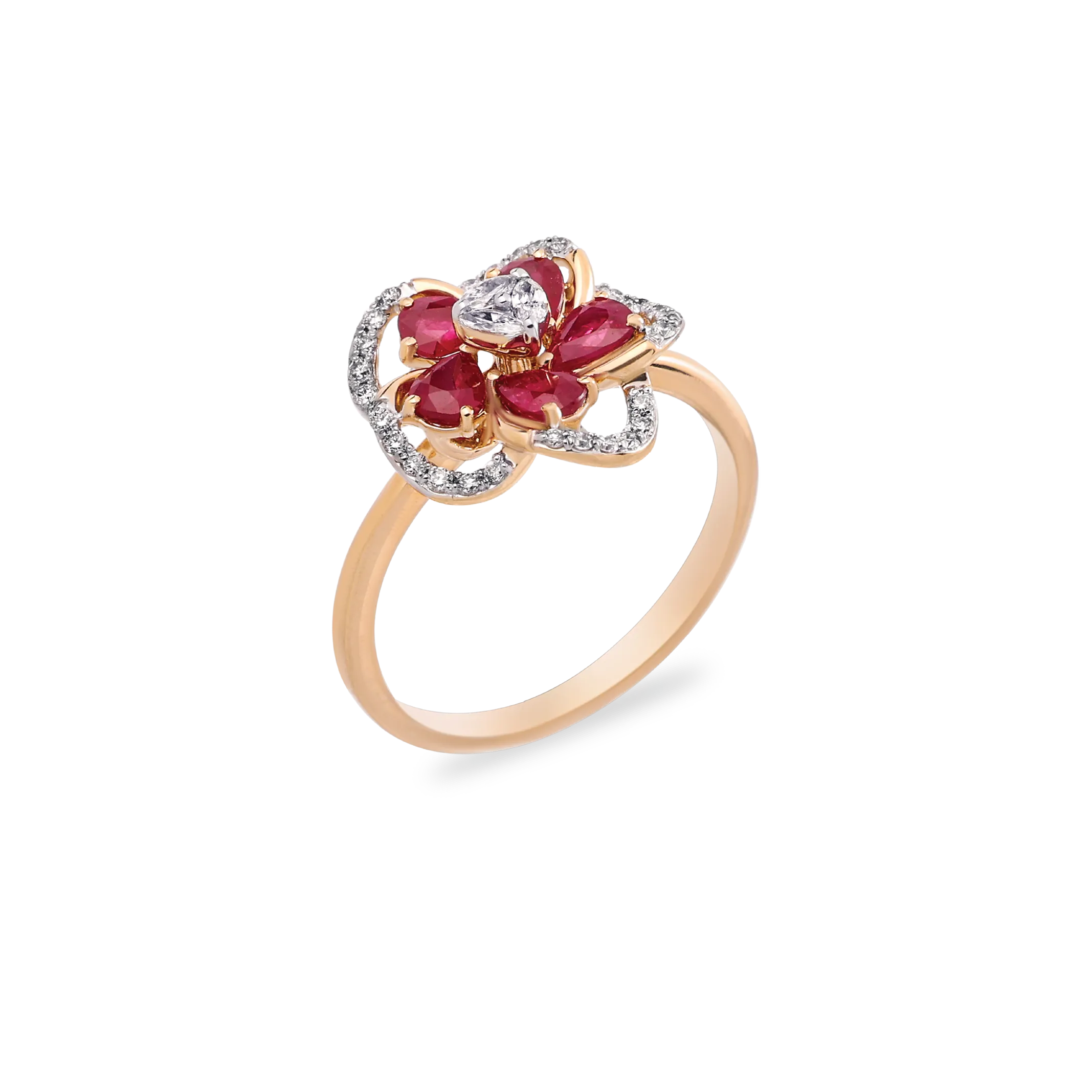
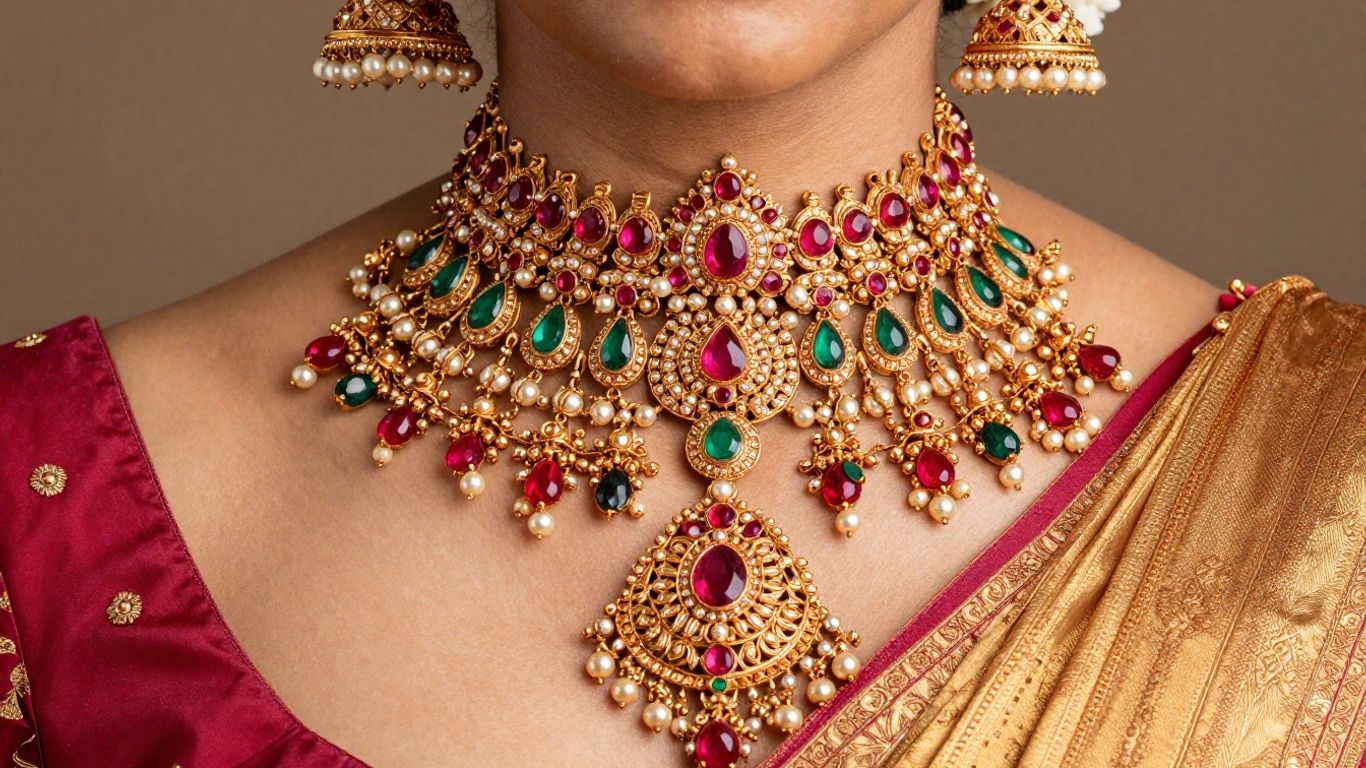
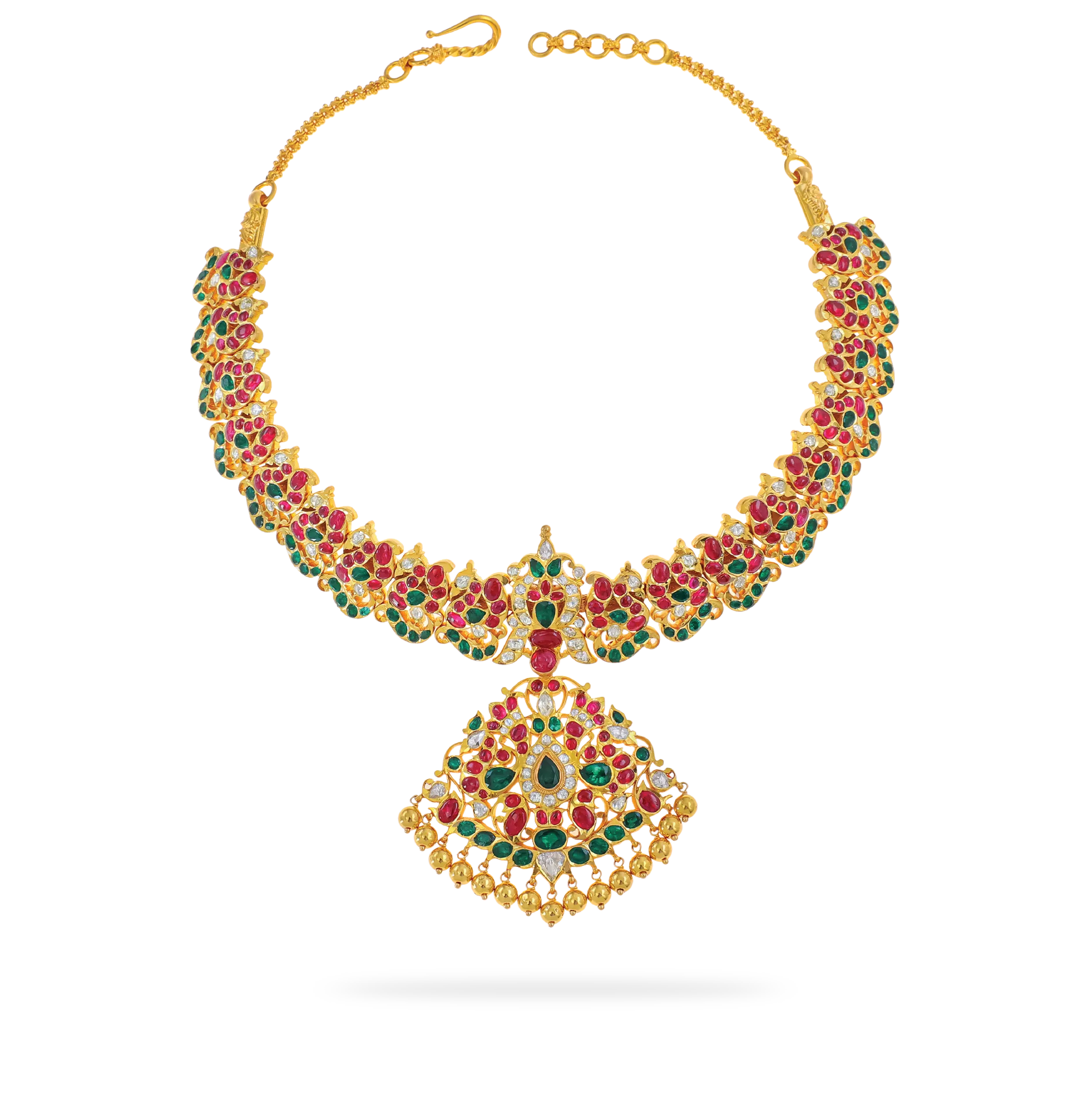
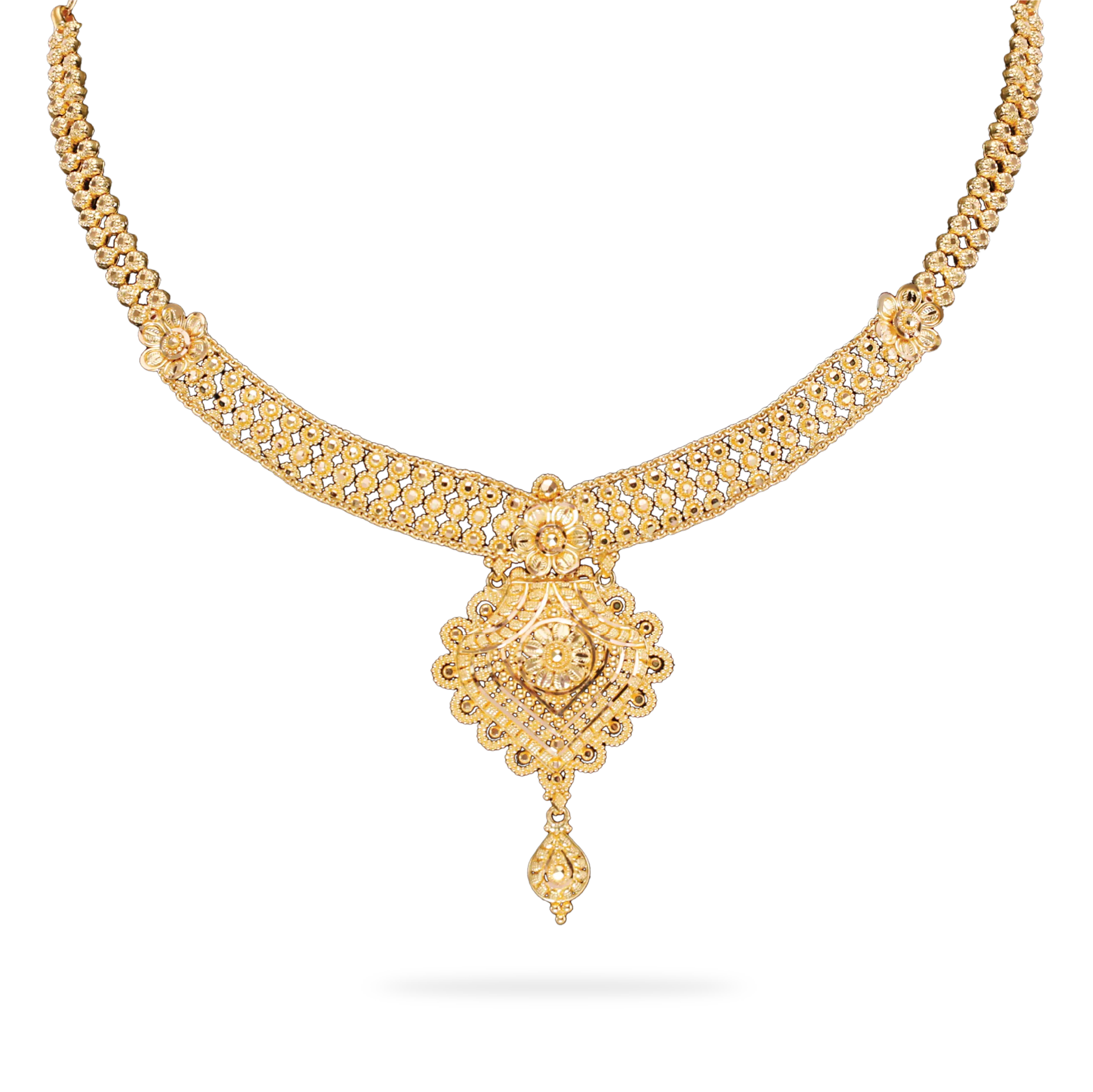
Gold is a really big deal in South Indian weddings, and honestly, it’s hard to miss. It’s not just for decoration; it’s seen as a symbol of wealth, purity, and prosperity. Brides are often draped in a lot of gold, and it’s considered a safe investment and a sign of the groom’s family’s commitment. The amount and type of gold jewellery a bride wears can also reflect her family’s status. While pure gold is traditional, you'll also find stunning pieces made with intricate designs and sometimes studded with precious stones like rubies and emeralds, adding to their grandeur. The warm glow of gold is pretty much synonymous with a South Indian bridal look, making it an indispensable part of the celebration. Exploring the rich heritage of South Indian jewellery features exquisite bridal sets, showcasing this very tradition.
Iconic Ornaments Defining South Indian Bridal Jewellery
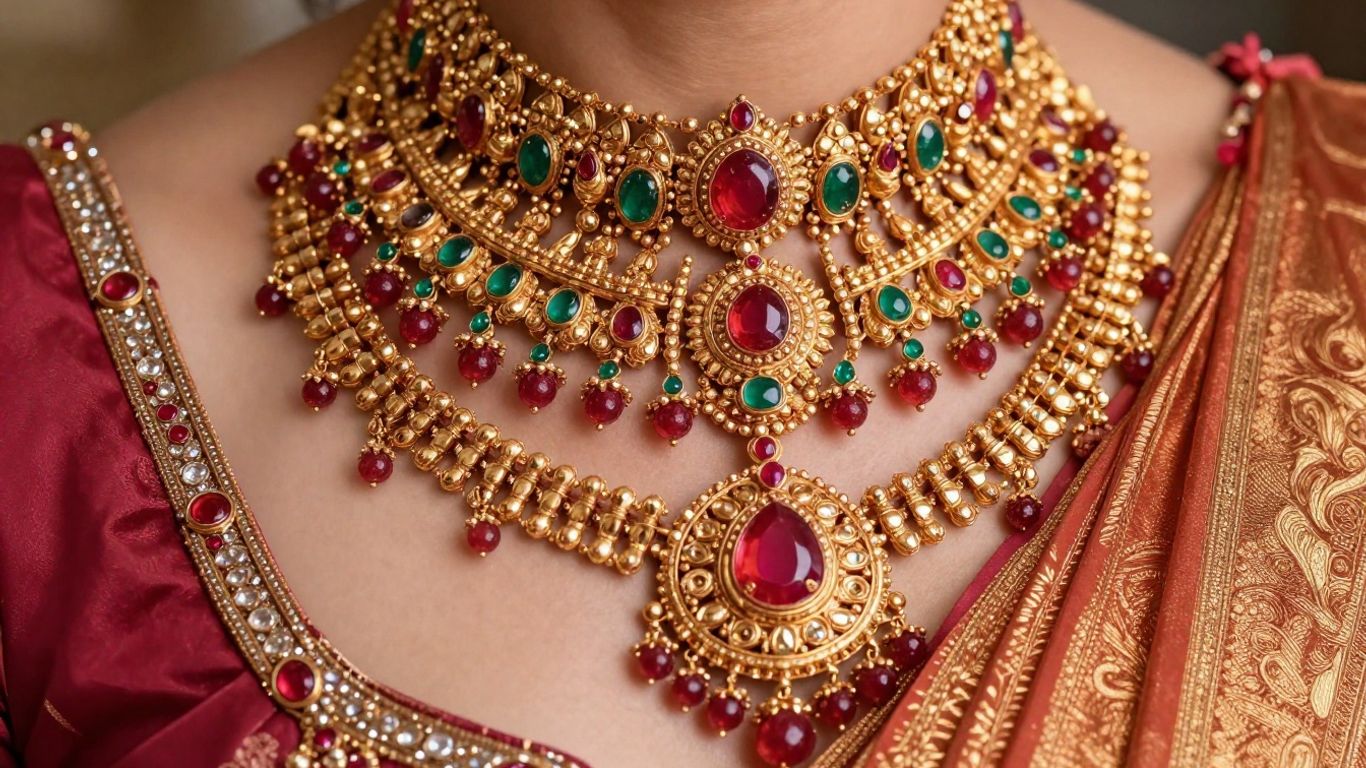
South Indian bridal jewellery is a whole world of its own, isn't it? It's not just about looking pretty; each piece has a story, a tradition, and a whole lot of craftsmanship behind it. When you think of a South Indian bride, certain pieces just come to mind, the ones that really make the whole look come together. These aren't just accessories; they're symbols of heritage and beauty.
The Majestic Maang Tikka
The Maang Tikka, or Nethichutti as it's sometimes called, is that stunning piece that sits right in the middle of the bride's forehead. It's usually made of gold and can be quite elaborate, often featuring pearls or precious stones . It really draws attention to the bride's face and is a classic symbol of marital status in many South Indian cultures. It's one of those pieces that just screams 'bride' in the most elegant way possible.
The Enchanting Jhumkas
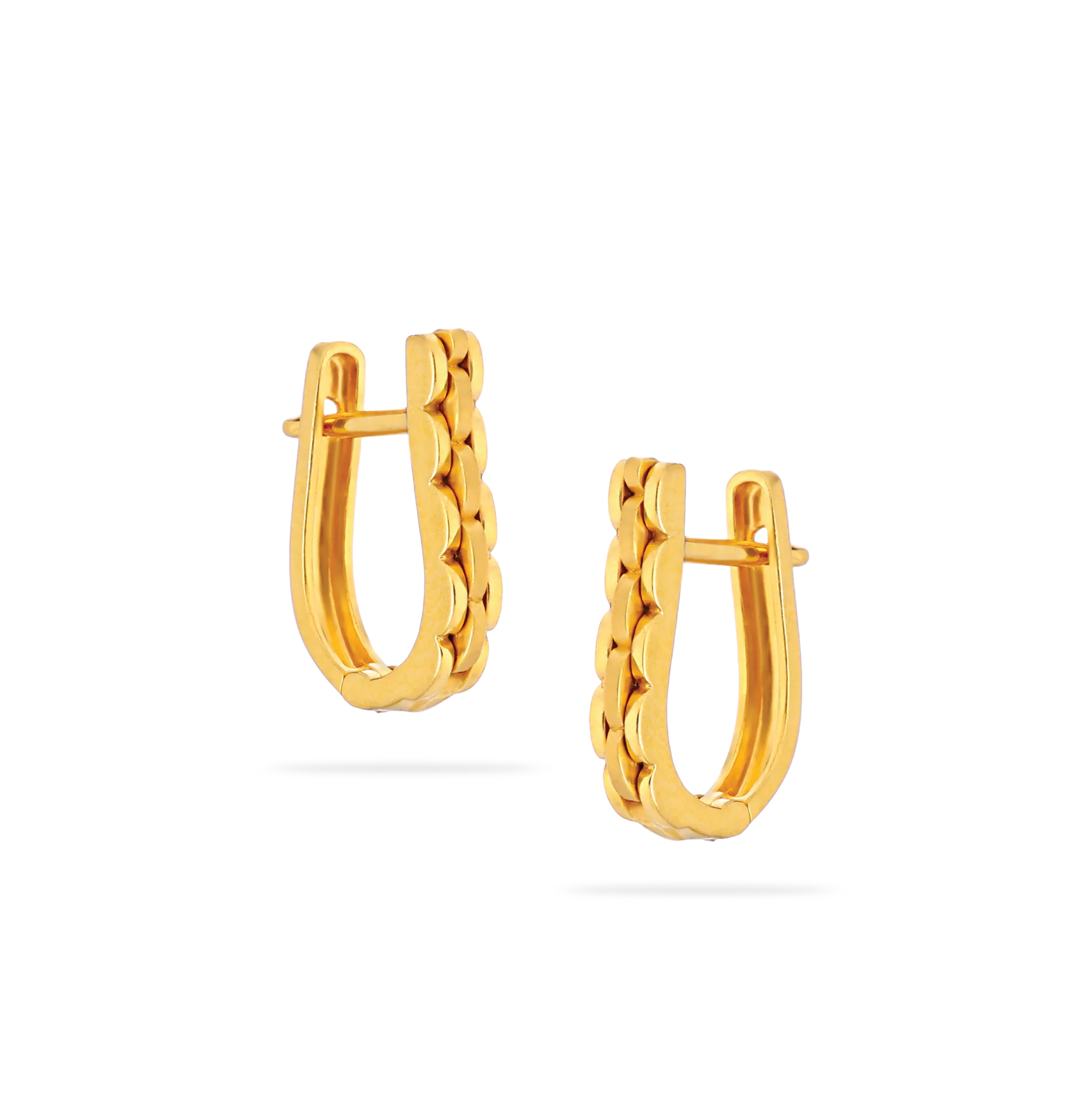
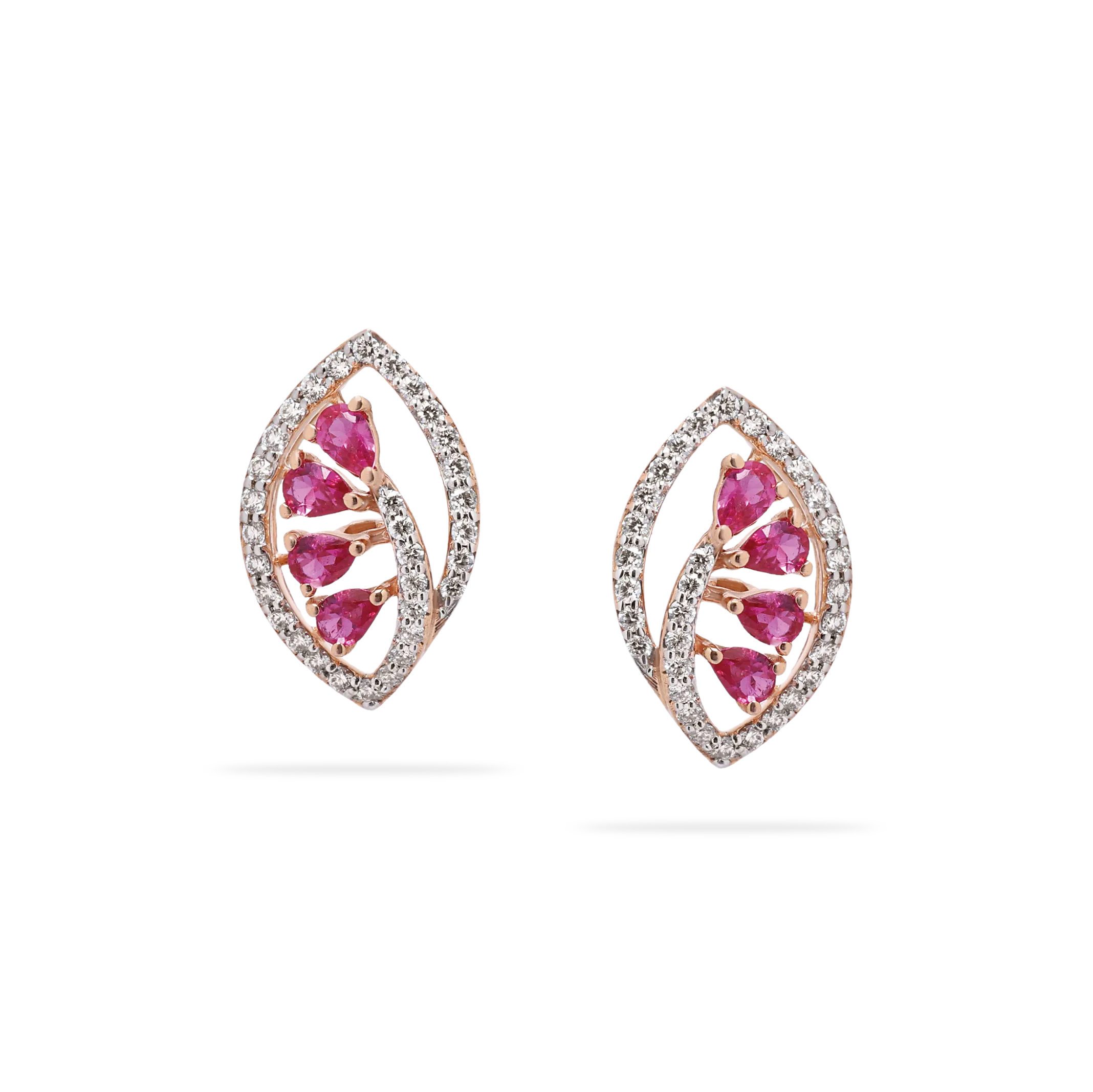
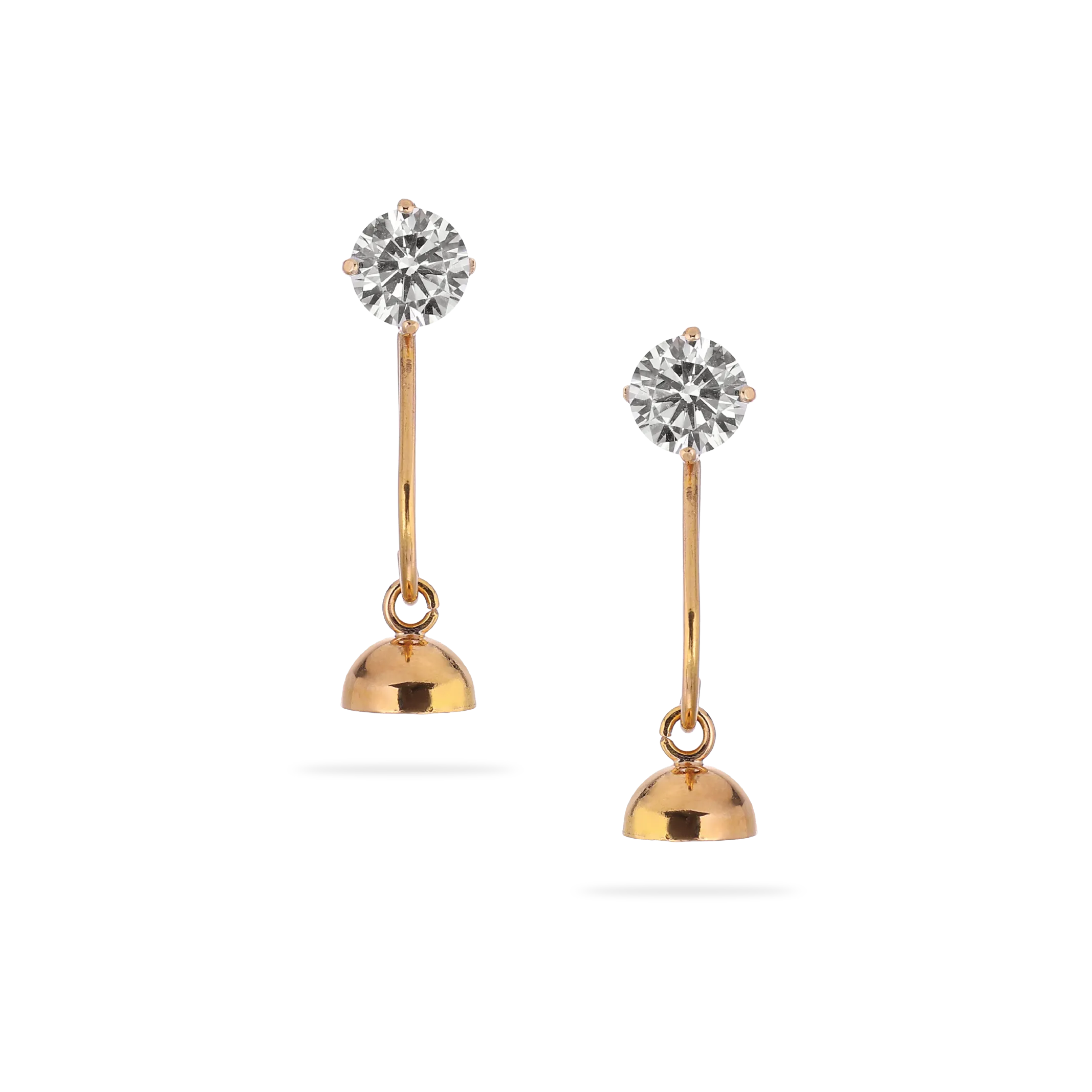
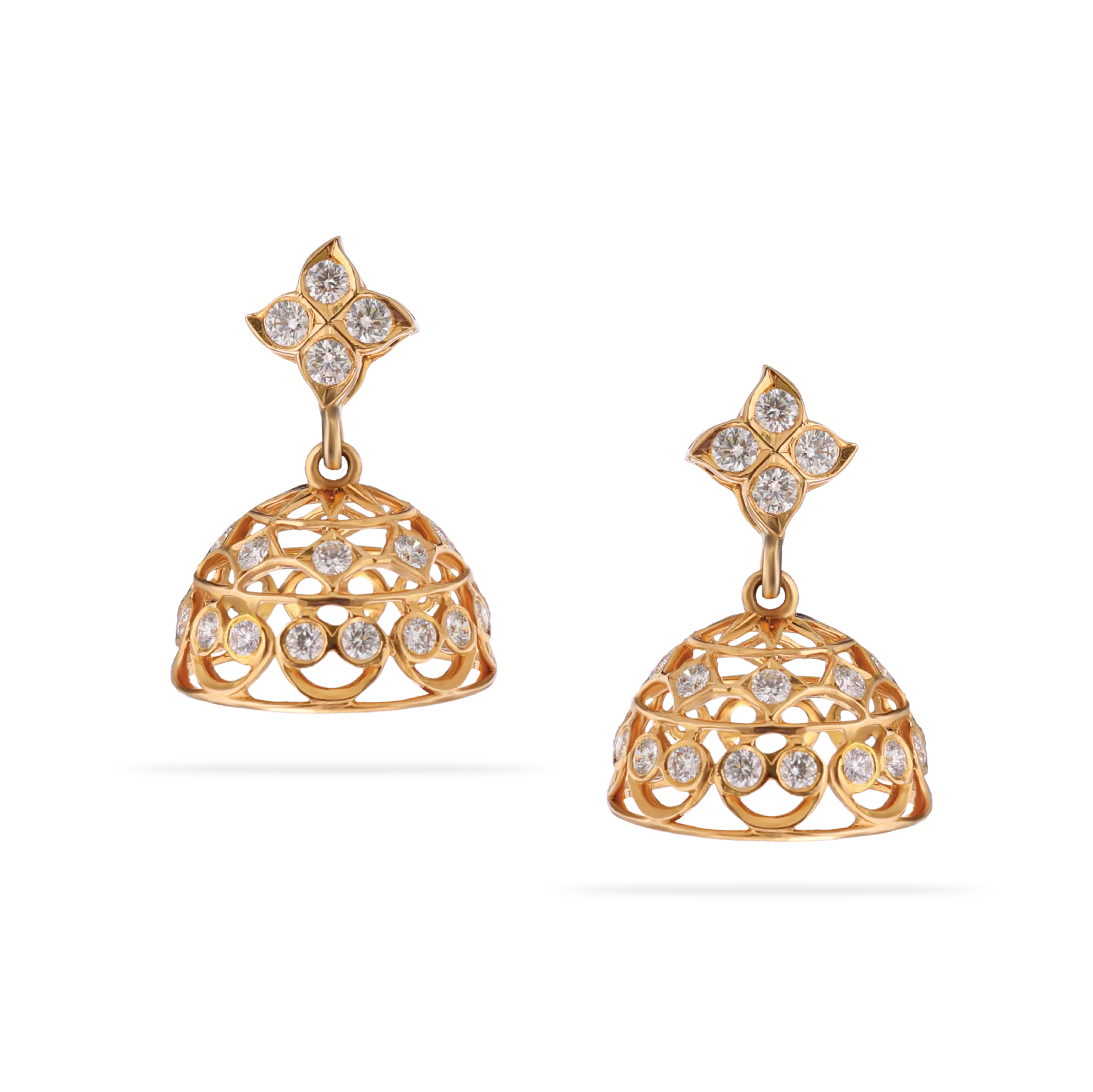
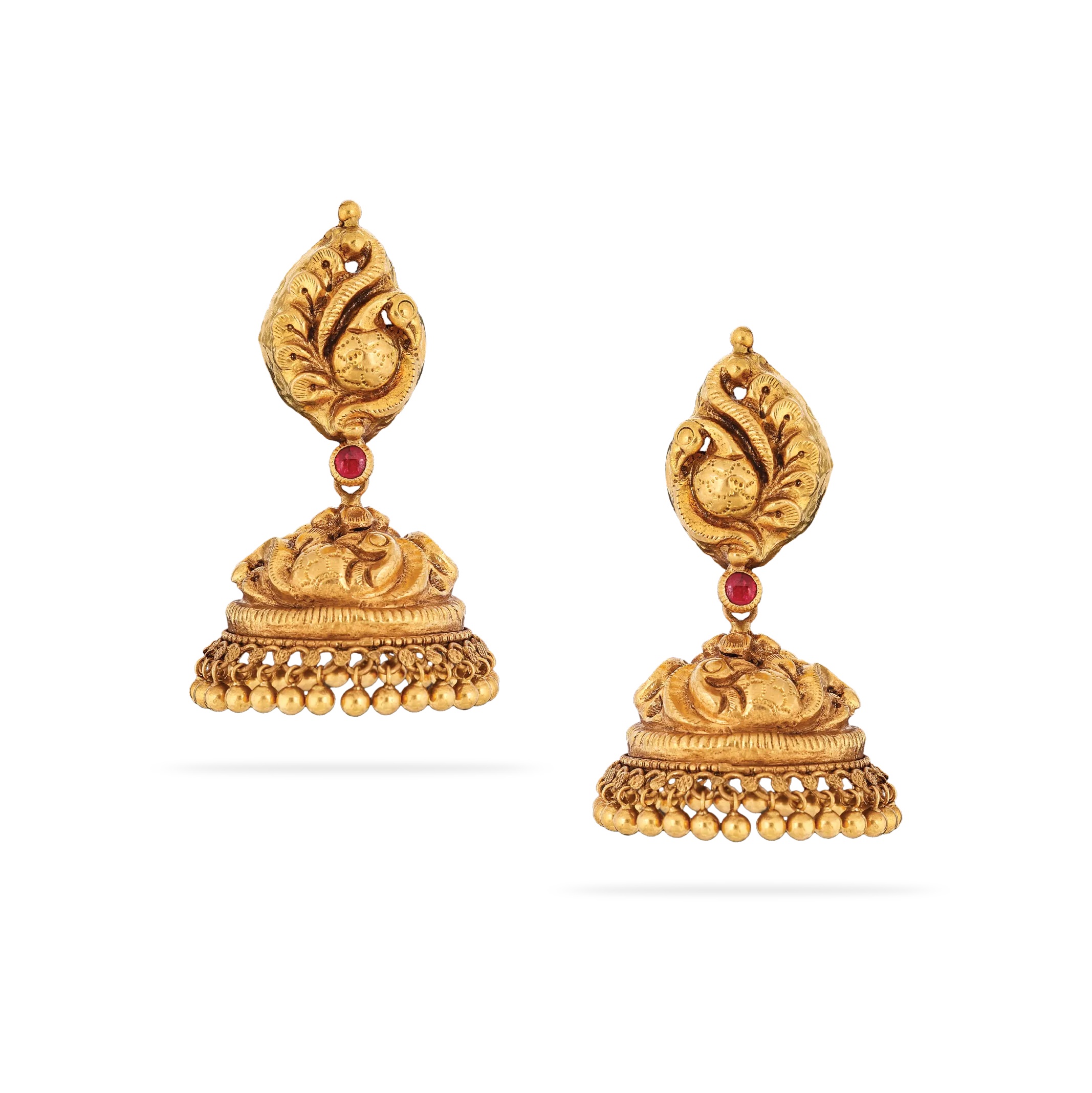
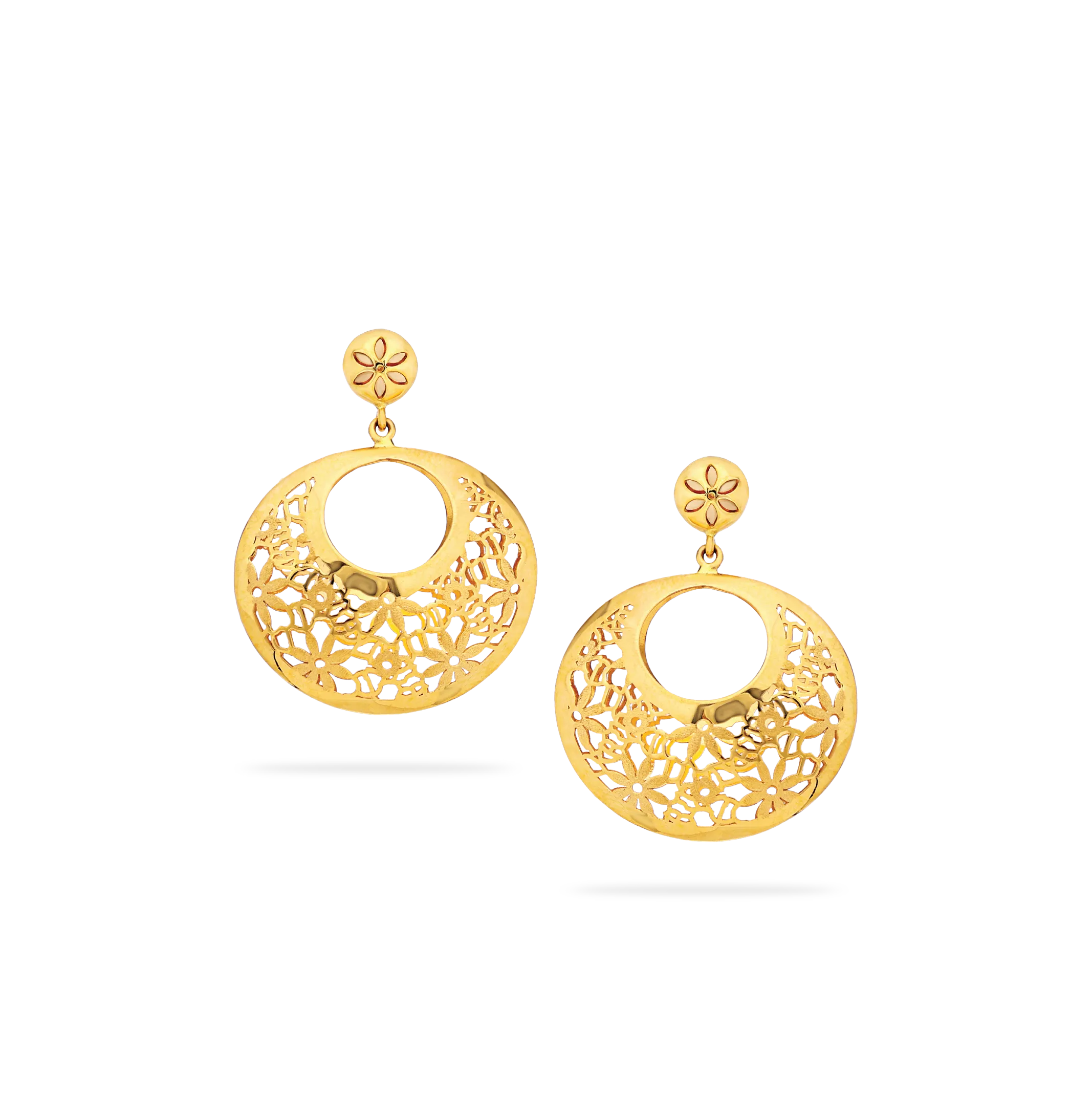
Then you have the Jhumkas . These are the quintessential South Indian earrings, famous for their bell-like shape. They come in so many designs, from simple gold ones to really ornate ones studded with rubies, emeralds, or tiny pearls. They add such a lovely swing and sparkle when the bride moves, and they just complete the traditional look perfectly. You'll see these on brides everywhere, and for good reason!
The Regal Vanki and Kamarbandh
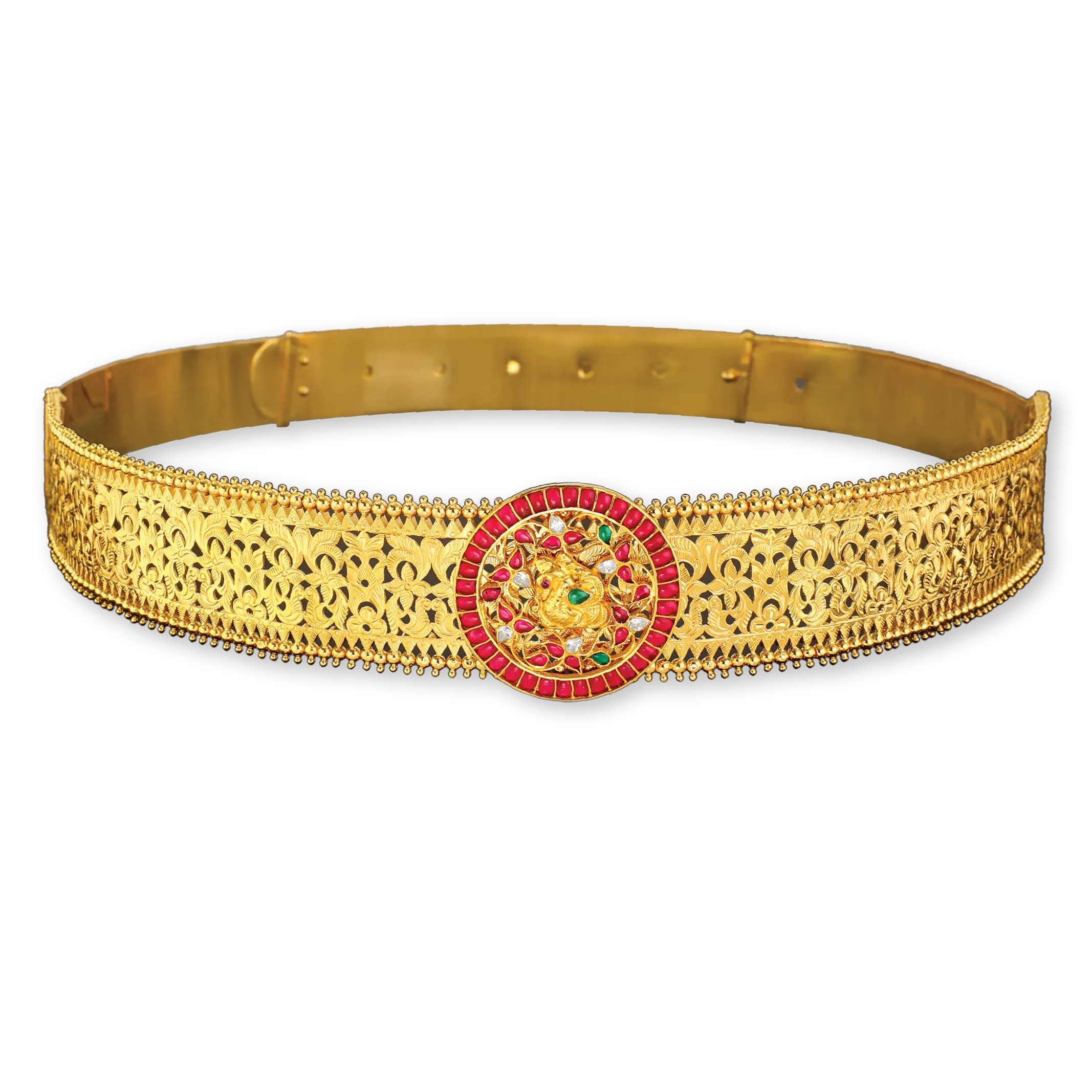
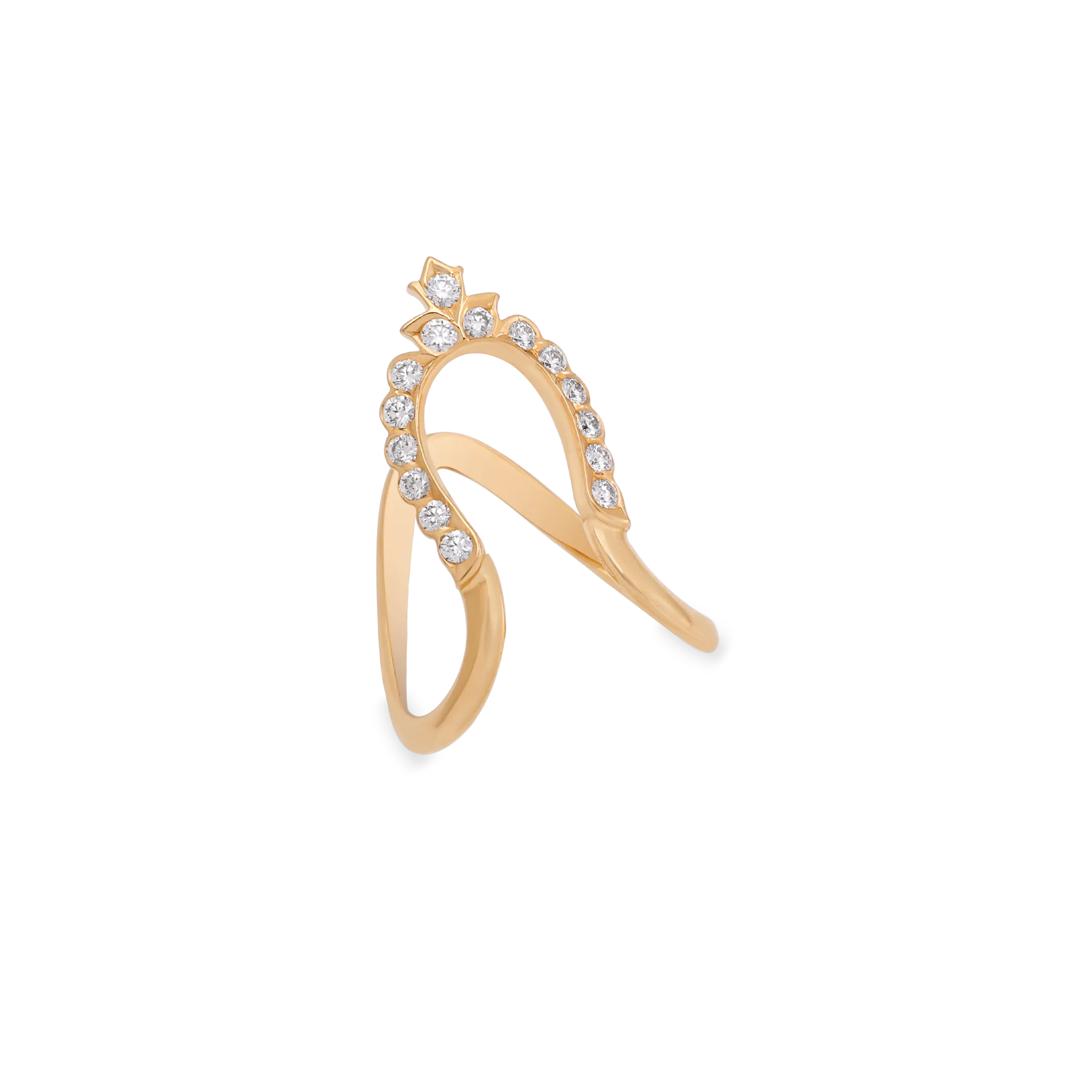
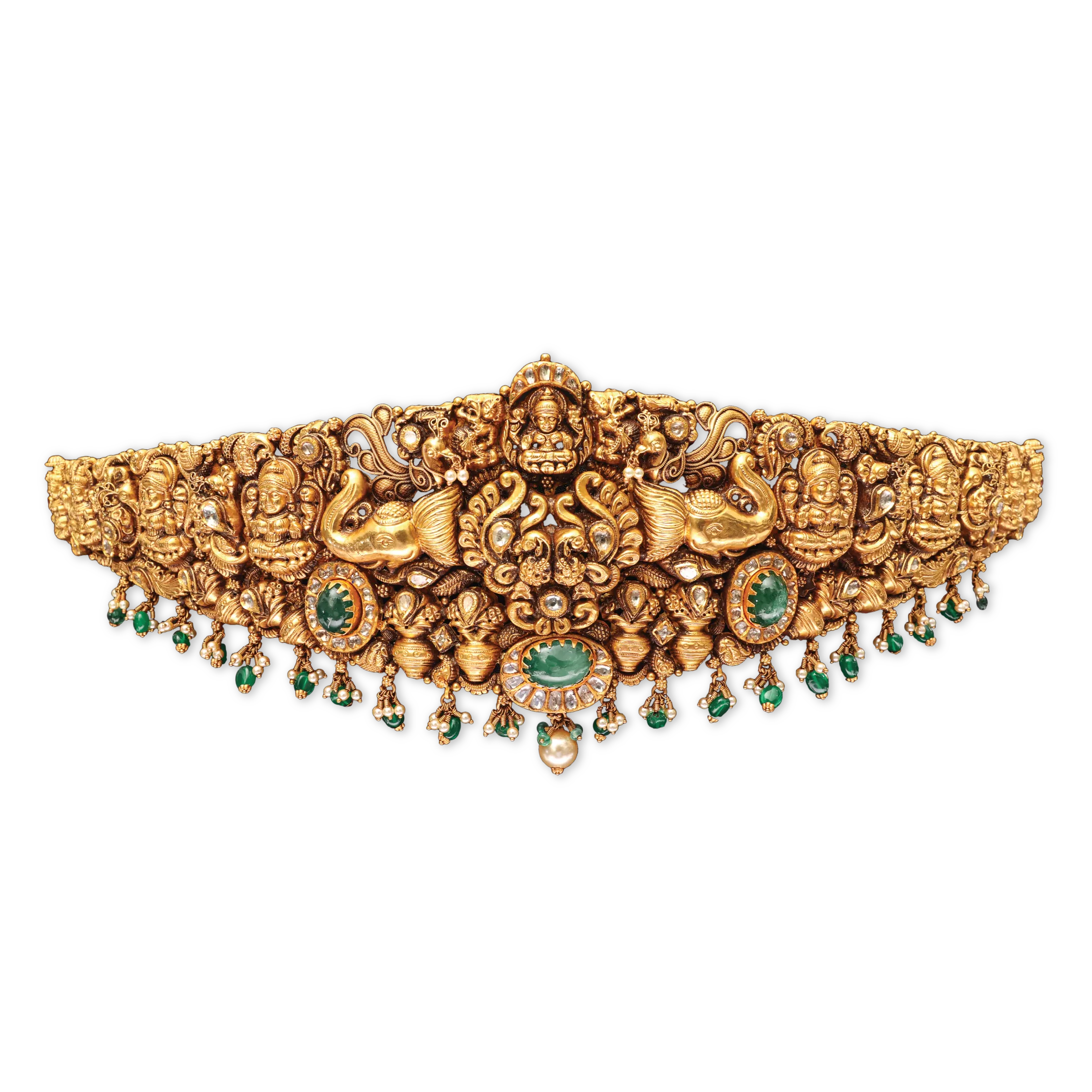
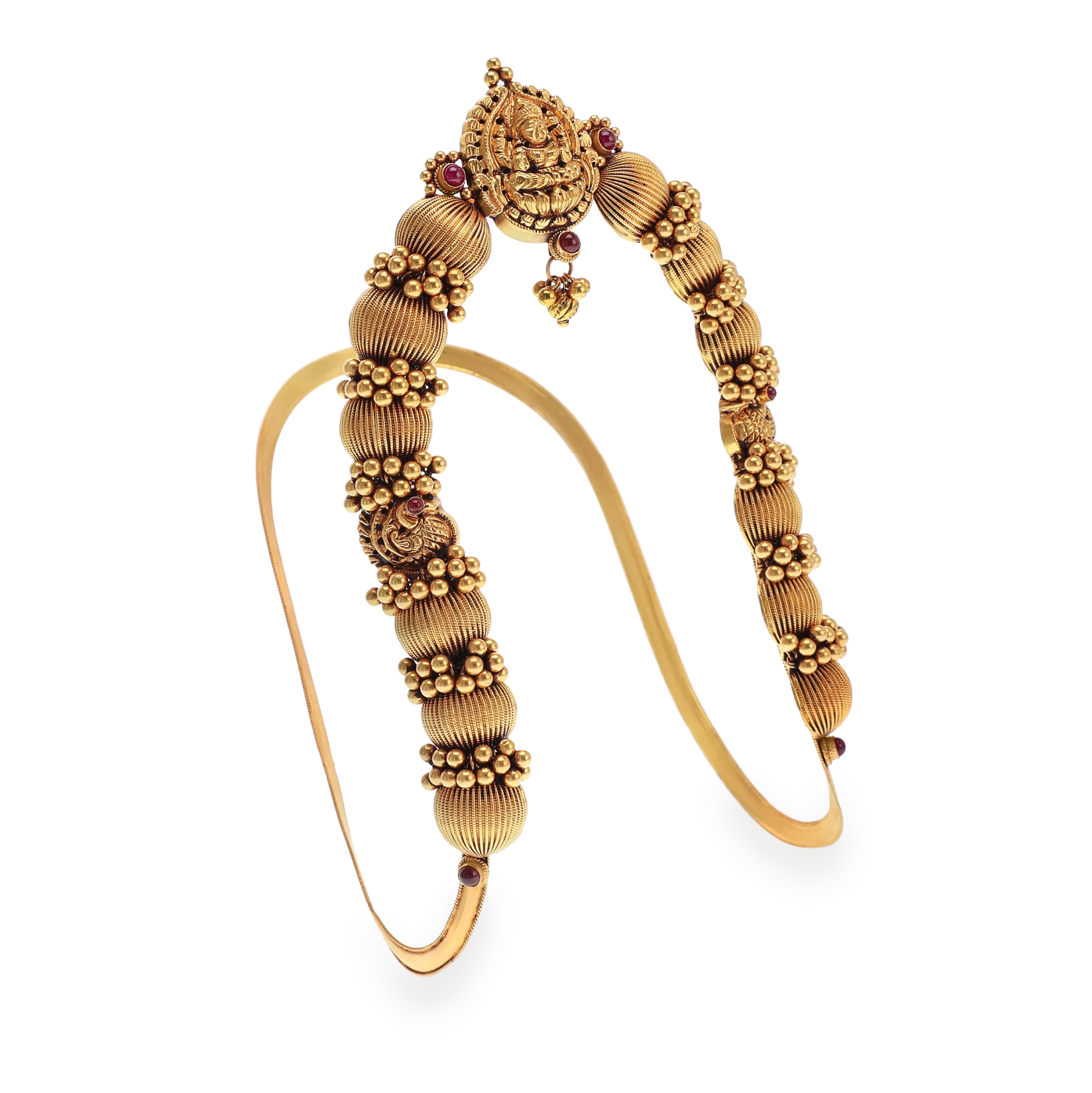
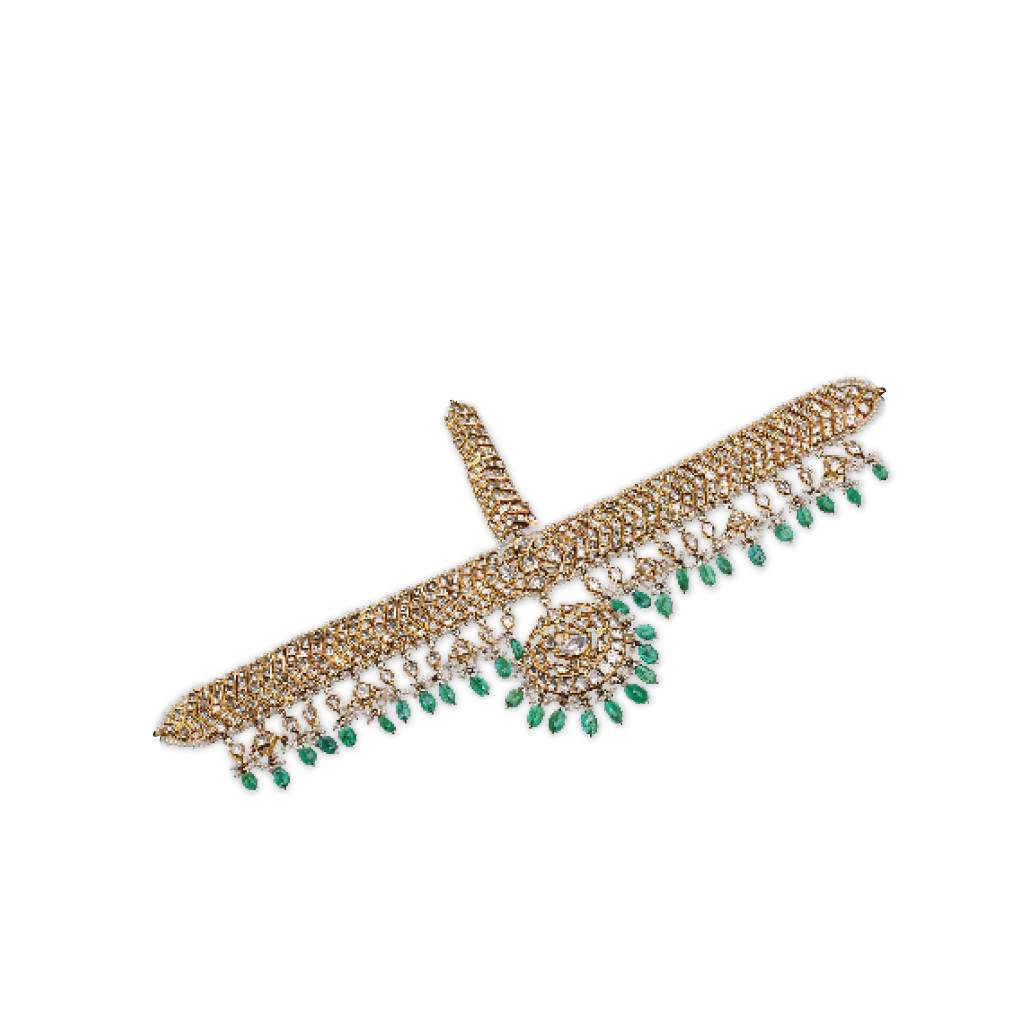
Two other pieces that really stand out are the Vanki and the Kamarbandh. The Vanki is an armlet, worn on the upper arm, often in a distinctive V-shape. It's usually crafted from gold and can be quite detailed, sometimes even depicting mythological scenes. It adds a unique touch of grandeur to the arms. The Kamarbandh, or waist belt, is another showstopper. It cinches the waist, adding definition to the saree or lehenga, and is often heavily embellished. It's both functional and incredibly beautiful, adding a regal flair.
Here's a quick look at some of these key pieces:
| Ornament | Description |
|---|---|
| Maang Tikka | Forehead ornament, often gold with stones/pearls |
| Jhumkas | Bell-shaped earrings, traditional and versatile |
| Vanki | Armlet worn on the upper arm, often V-shaped |
| Kamarbandh | Waist belt, accentuates the waistline |
These ornaments are more than just adornments; they are heirlooms passed down through generations, carrying stories and blessings. They represent a deep connection to cultural roots and add an unparalleled layer of significance to the bridal ensemble.
It's amazing how these pieces have stayed popular for so long, right? They really are timeless. Whether it's a simple gold Vanki or a heavily jeweled Maang Tikka, these iconic ornaments are what make South Indian bridal jewellery so special and unforgettable. They truly define the bridal look with their unique charm and cultural weight.
Exploring Diverse Styles in South Indian Bridal Jewellery
South Indian bridal jewellery is a fascinating world, far beyond just gold. It's a rich tapestry woven with history, artistry, and deep cultural meaning. While gold is certainly a star player, the styles themselves offer a beautiful spectrum, each with its own unique charm and story. Let's take a look at some of the most captivating styles you'll find.
The Timeless Elegance of Temple Jewellery
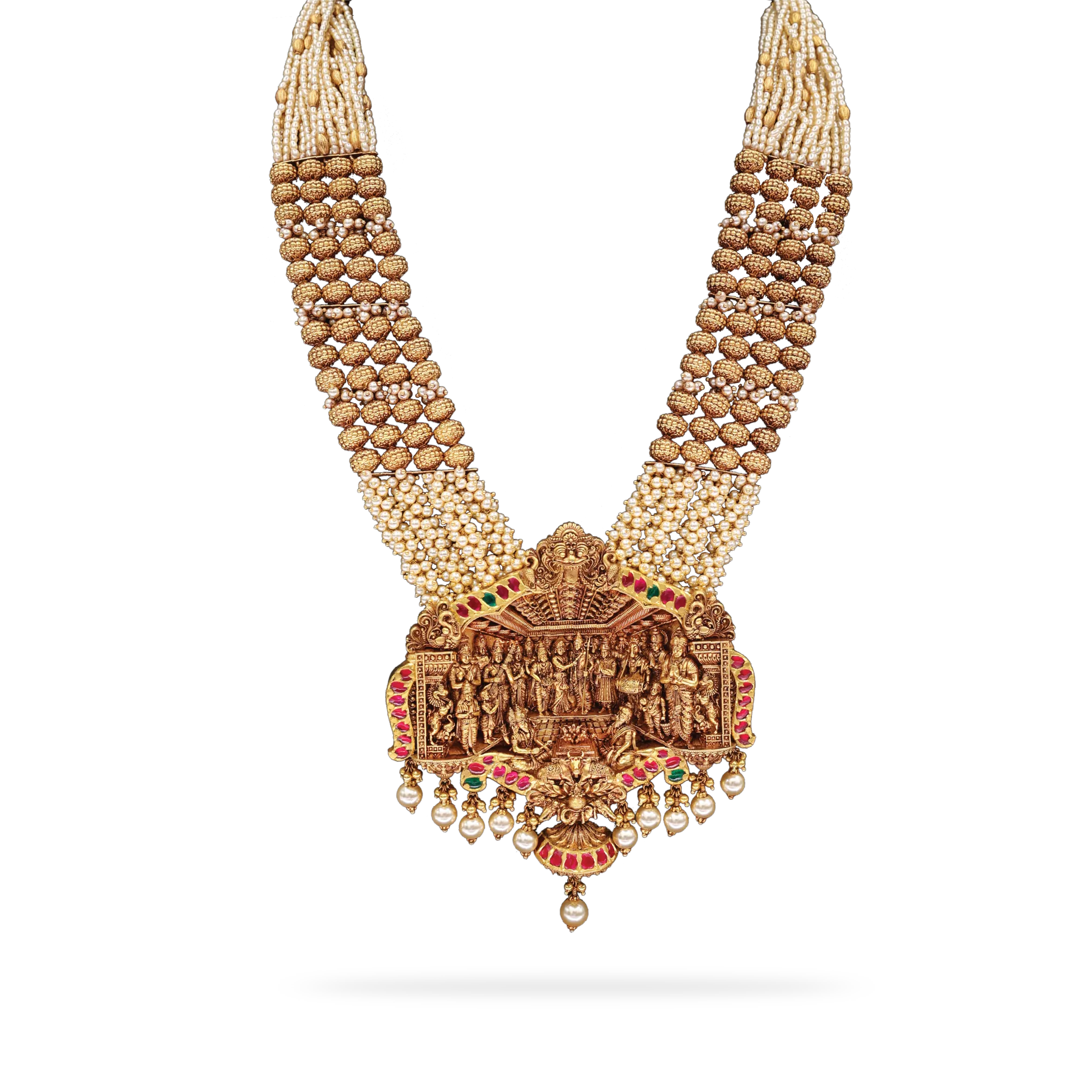
Temple jewellery is truly something special. It gets its name because the designs are inspired by the intricate carvings and sculptures found in ancient South Indian temples. Think divine deities, auspicious symbols, and stories from mythology brought to life in metal. These pieces are often crafted from gold and then adorned with precious stones like rubies, emeralds, and sometimes even diamonds. The craftsmanship is incredibly detailed, with each motif telling a part of a larger narrative. It's not just jewellery; it's wearable art with a spiritual connection. Many brides choose temple jewellery for its classic beauty and the sense of heritage it brings to their wedding day.
The Vibrant Charm of Kundan Sets
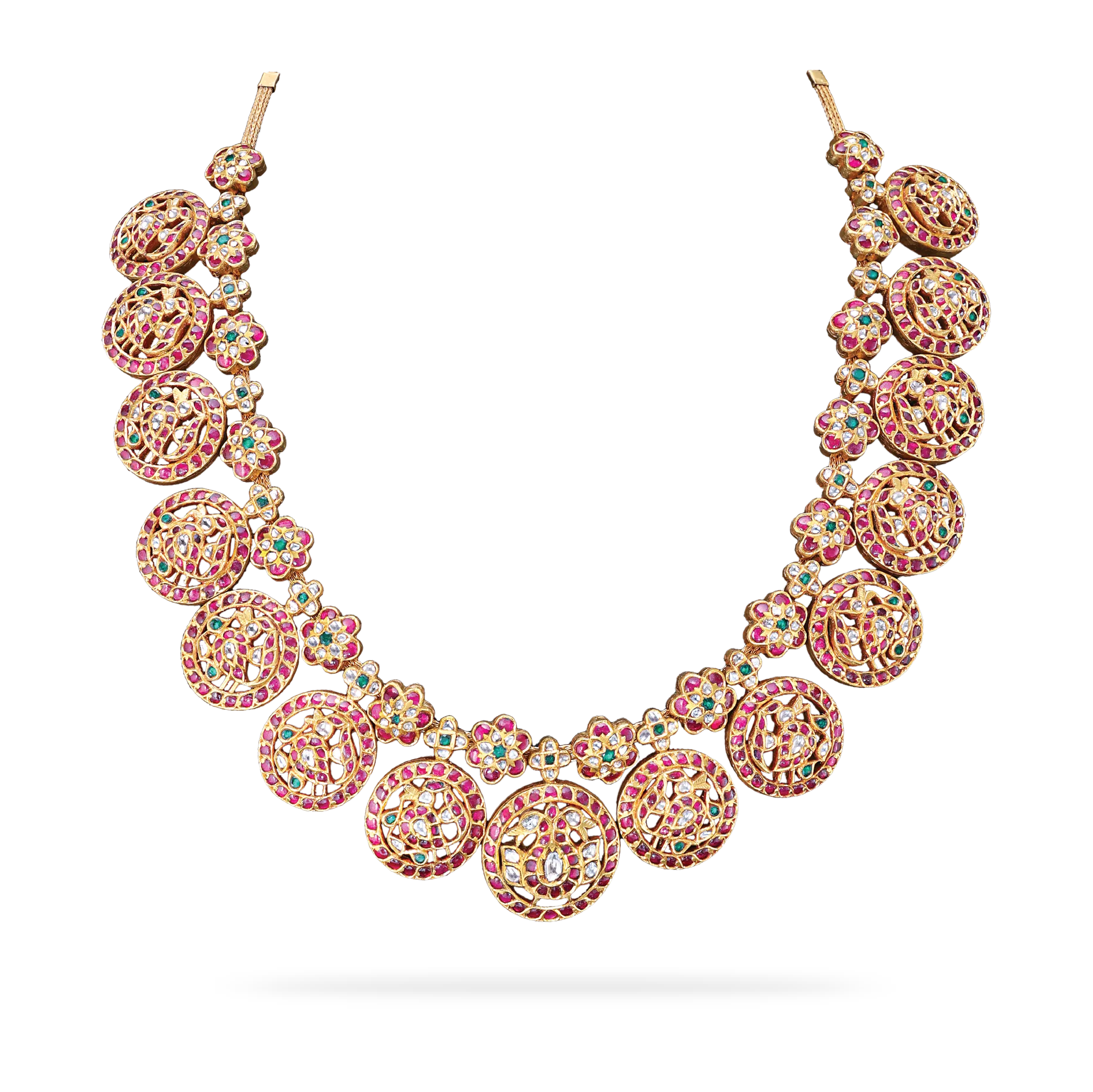
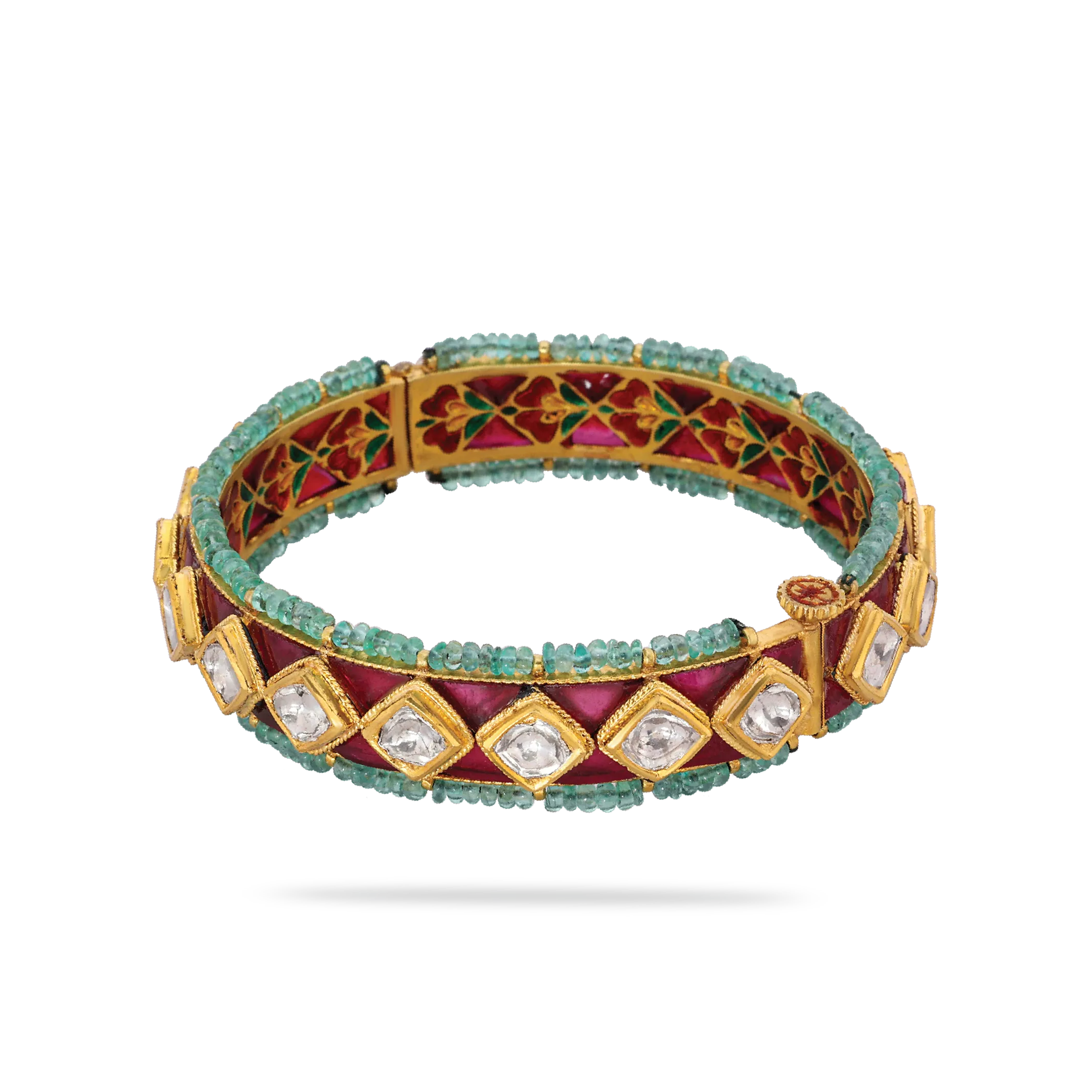
Kundan jewellery, though originating from Rajasthan, has found a beloved place in South Indian bridal trousseaus. This technique involves setting gemstones into a gold base, with a layer of pure gold foil (kundan) used to hold them in place. The result is a stunning, often colourful, and highly ornate look. Kundan pieces can be quite elaborate, featuring intricate patterns and a dazzling array of stones. They add a vibrant pop of colour and a regal feel, making them a popular choice for brides who want their jewellery to be a statement.
The Raw Beauty of Polki Jewellery
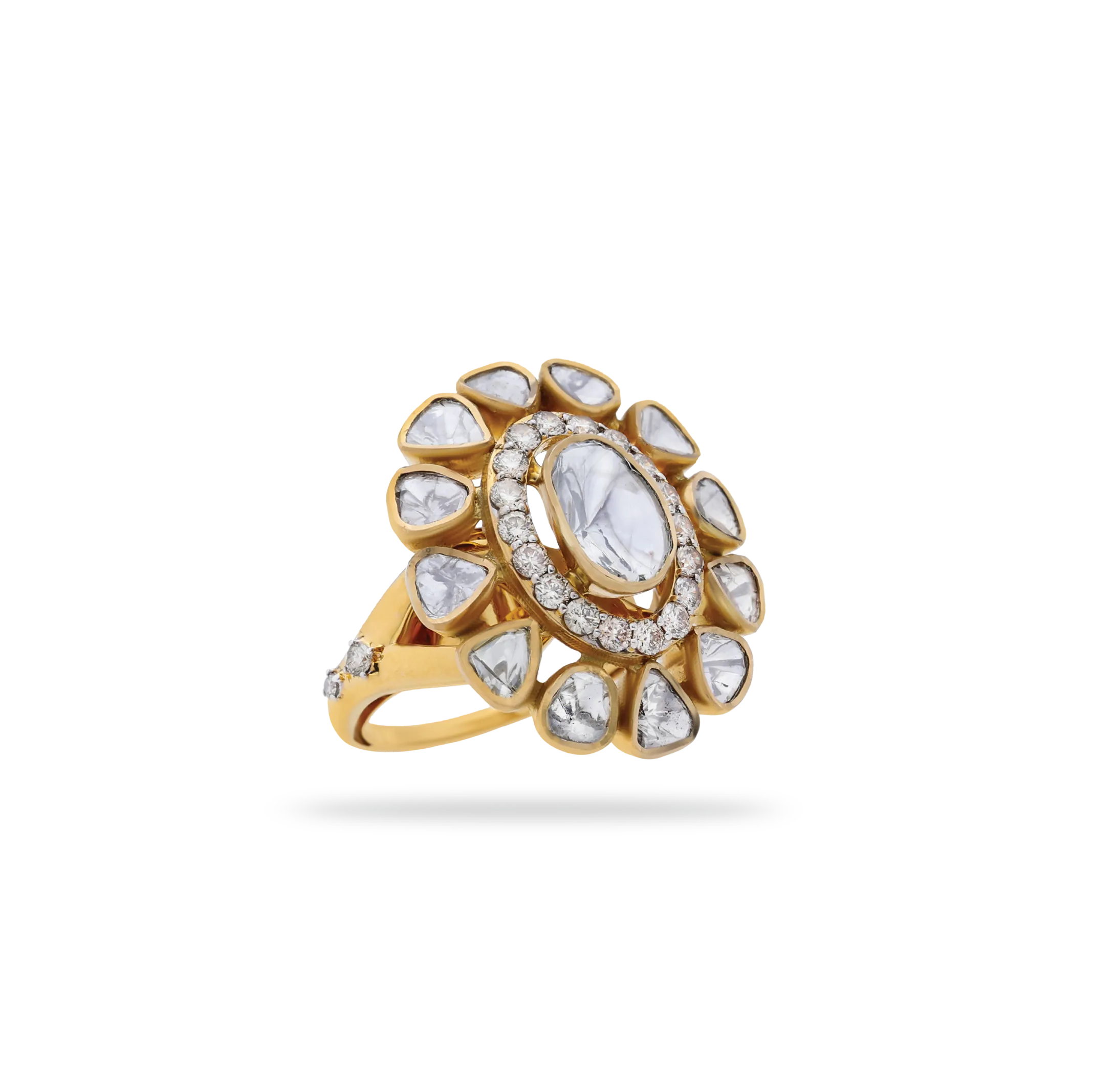
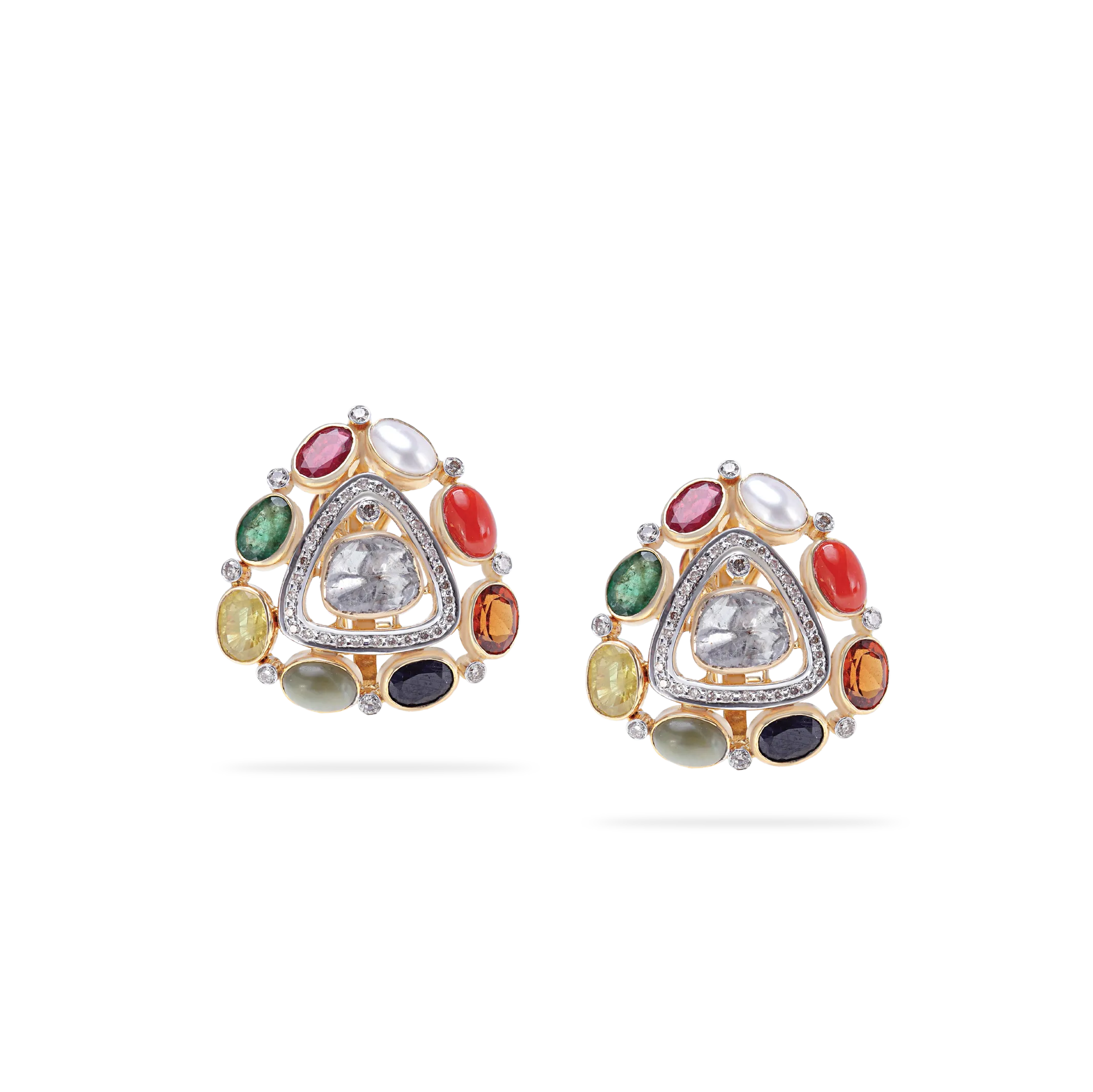
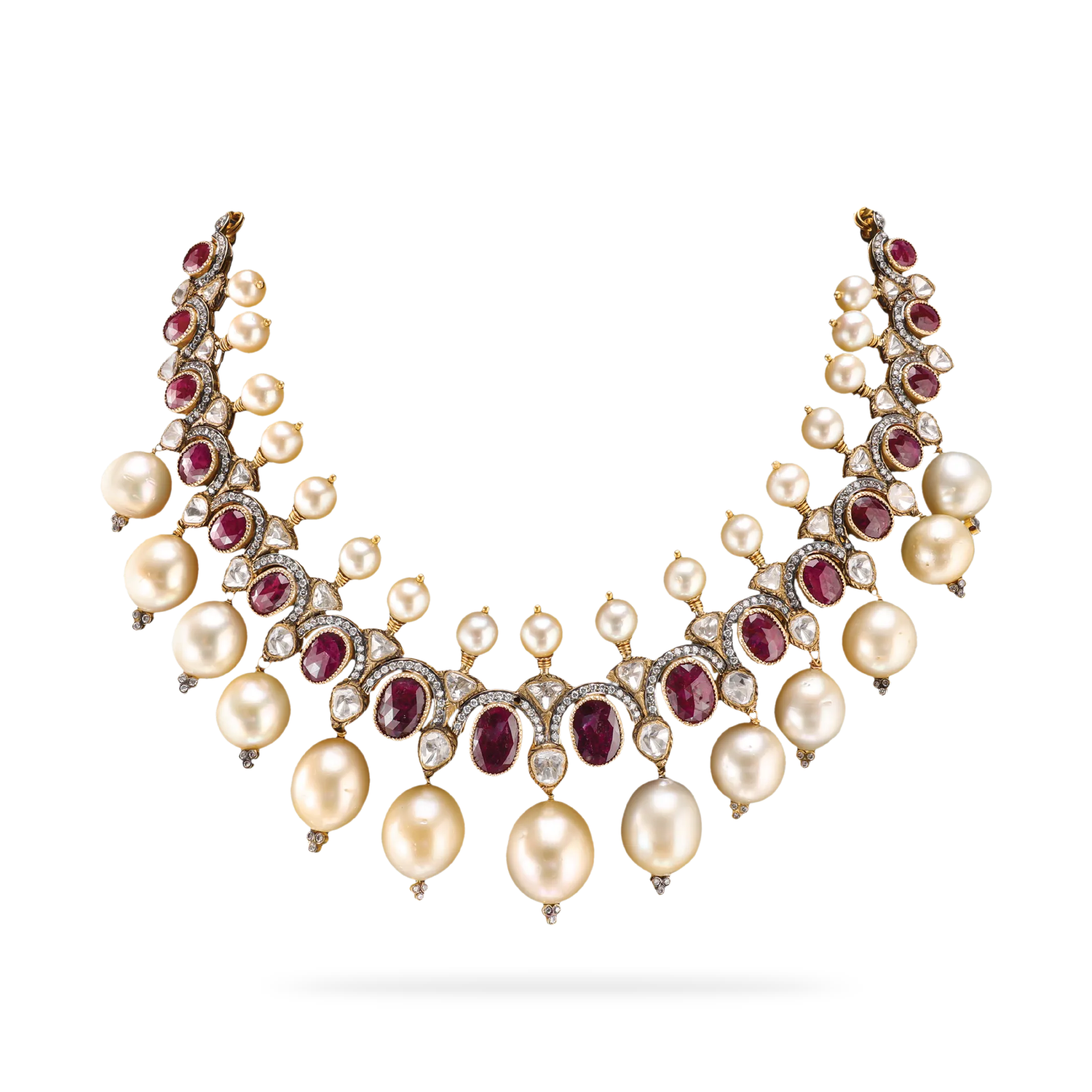
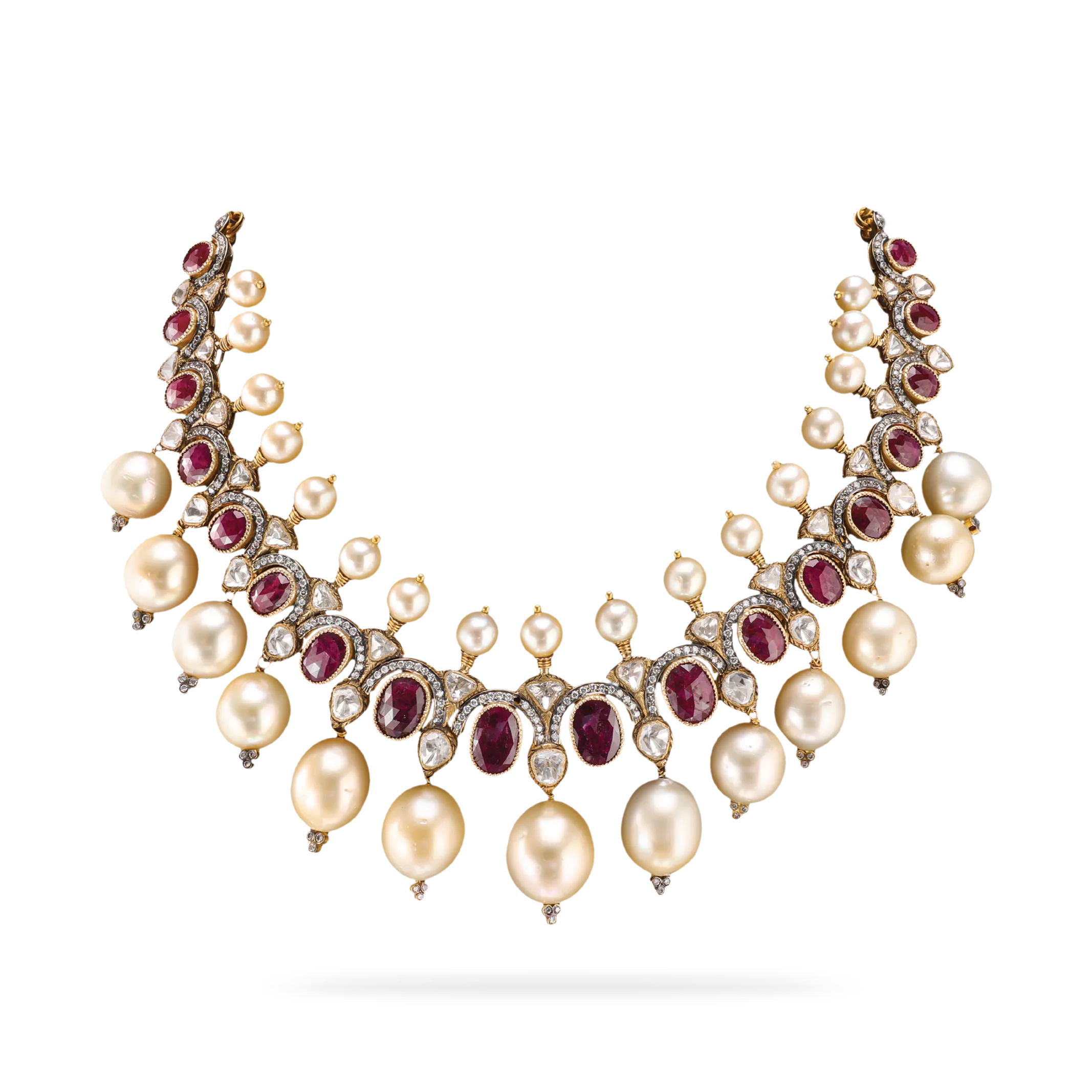
Polki jewellery offers a different kind of allure. Unlike Kundan, which uses cut and polished stones, Polki features uncut diamonds. This gives the jewellery a more natural, raw, and antique look. It's often set in gold, and the subtle sparkle of the uncut diamonds has a unique charm that many brides adore. Polki pieces can range from delicate chokers to statement earrings and bangles. They bring a touch of vintage elegance and a sophisticated, understated radiance to the bridal ensemble. It’s a style that feels both ancient and incredibly chic.
The beauty of South Indian bridal jewellery lies in its diversity. Whether you're drawn to the divine artistry of temple jewellery, the vibrant colours of Kundan, or the raw elegance of Polki, each style offers a unique way to express your personal style and honour tradition on your wedding day.
Essential Pieces for The South Indian Bridal Trousseau
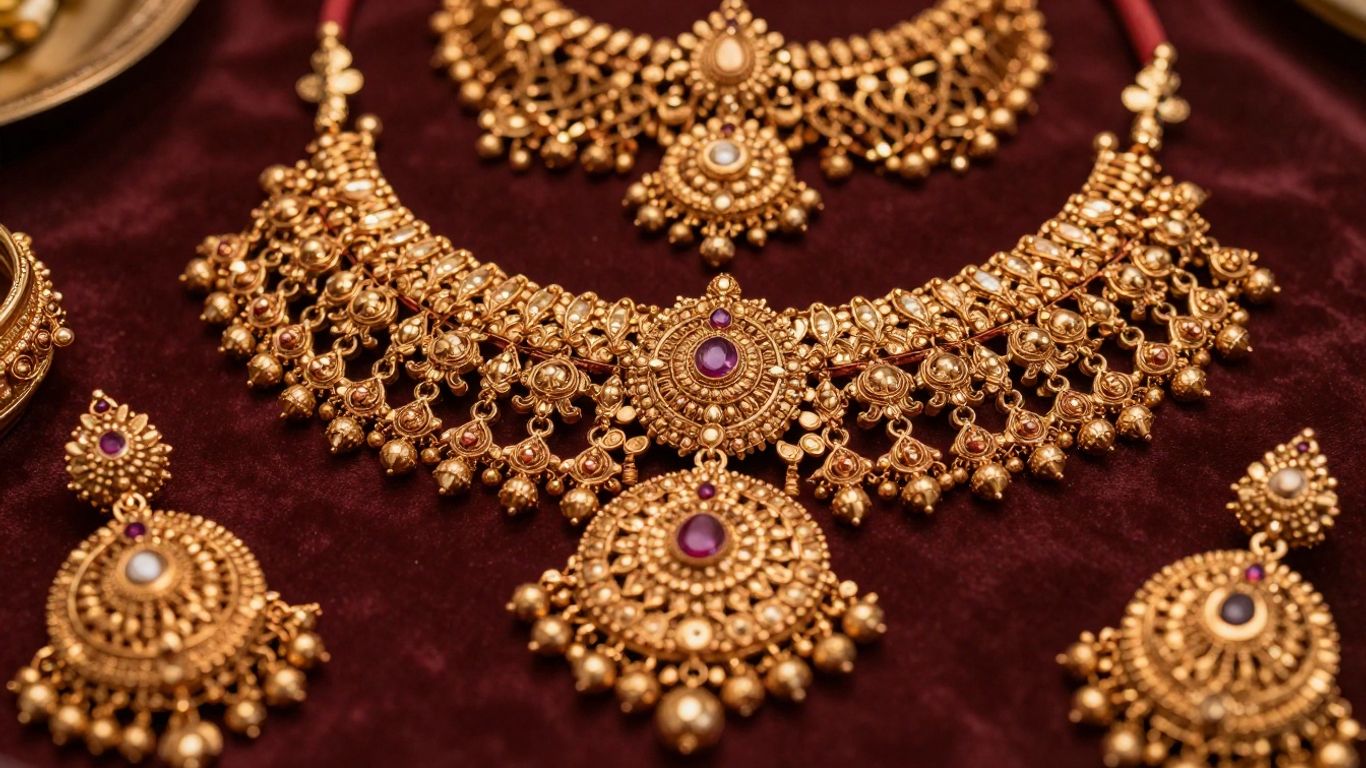
When putting together your wedding day look, the jewellery is just as important as the outfit itself. For a South Indian bride, the trousseau is a carefully curated collection, and certain pieces are absolute must-haves. These aren't just pretty accessories; they carry history, symbolism, and a whole lot of sparkle. Think of it as building a story with each piece you select.
Necklaces: From Chokers to Long Chains
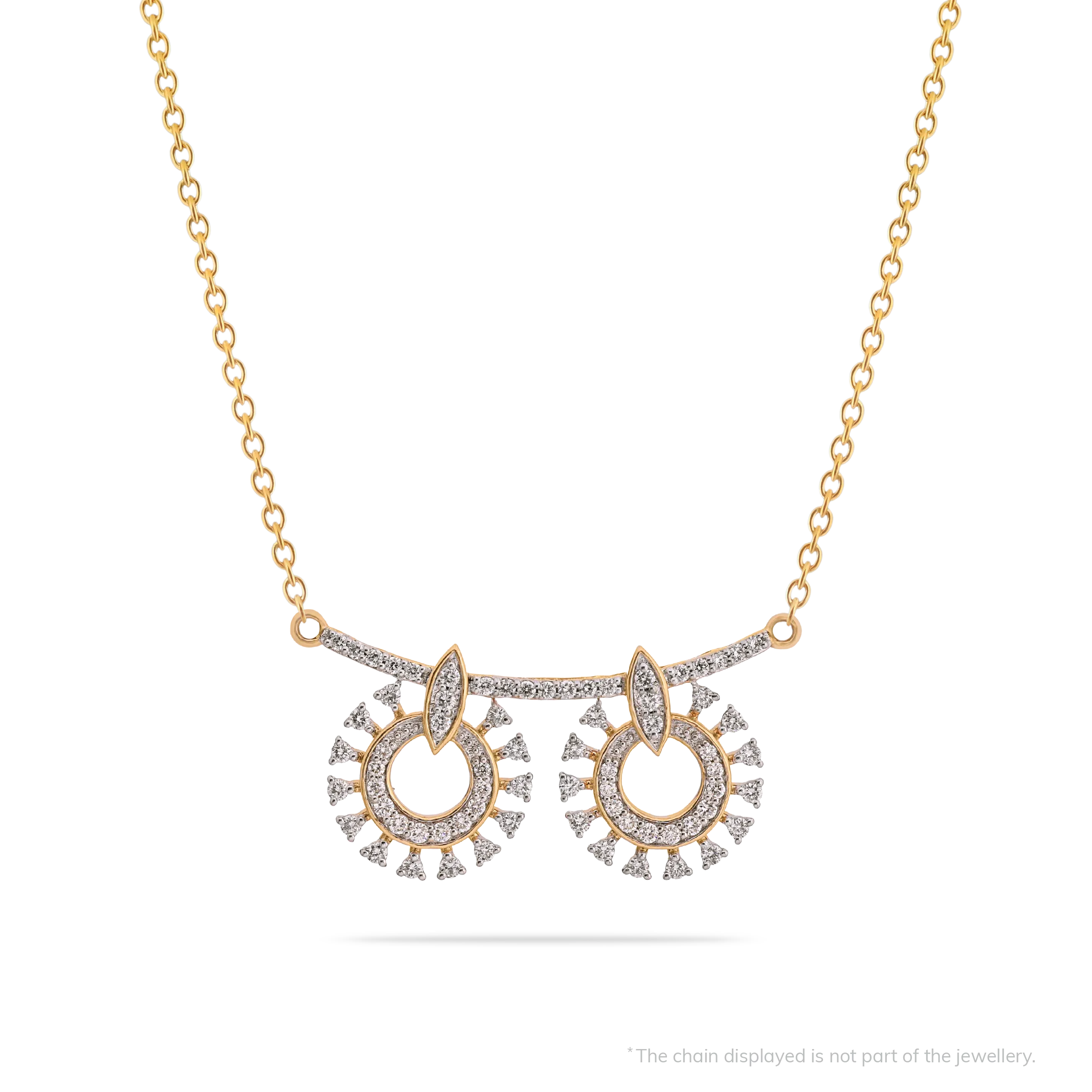
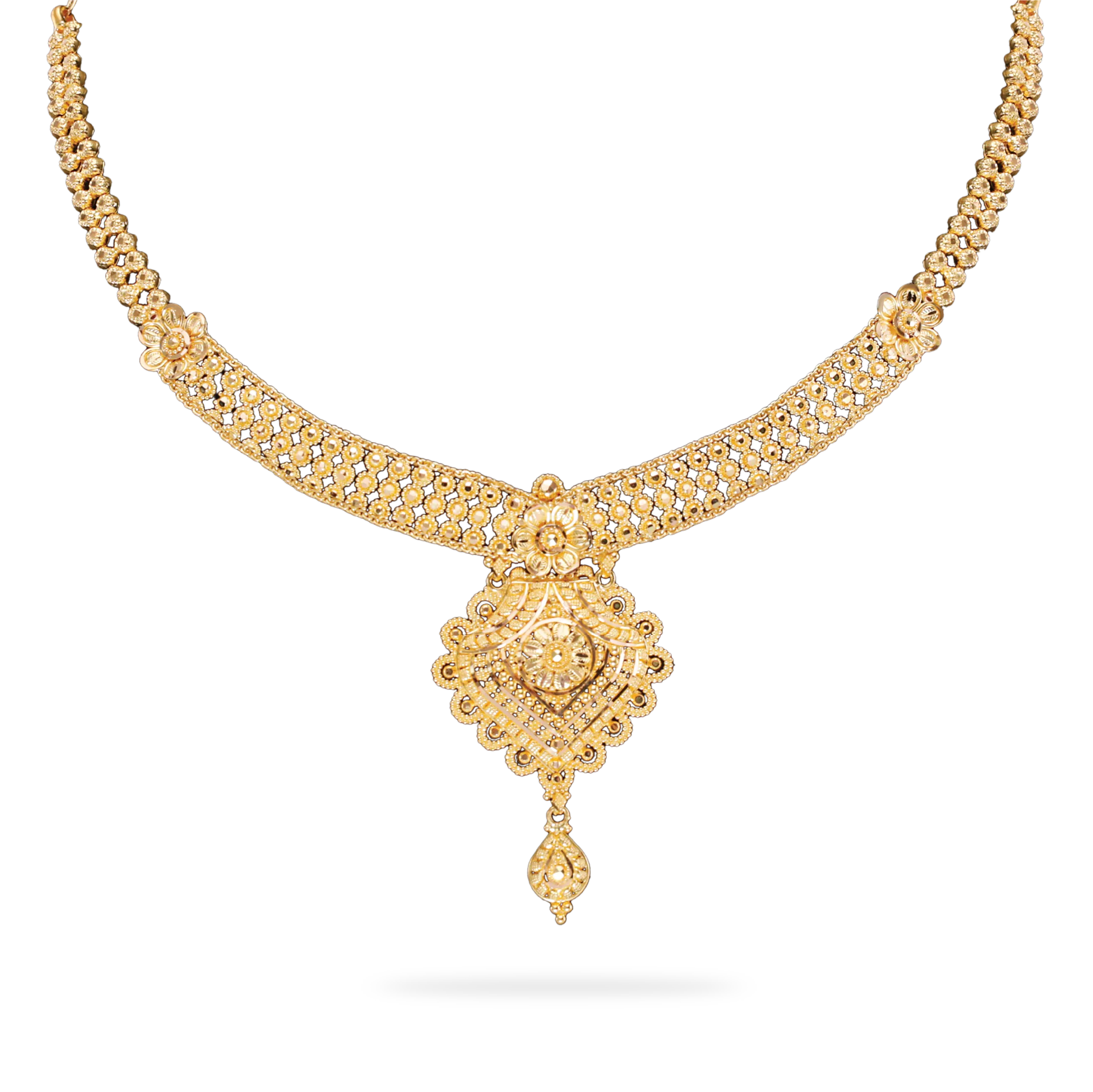
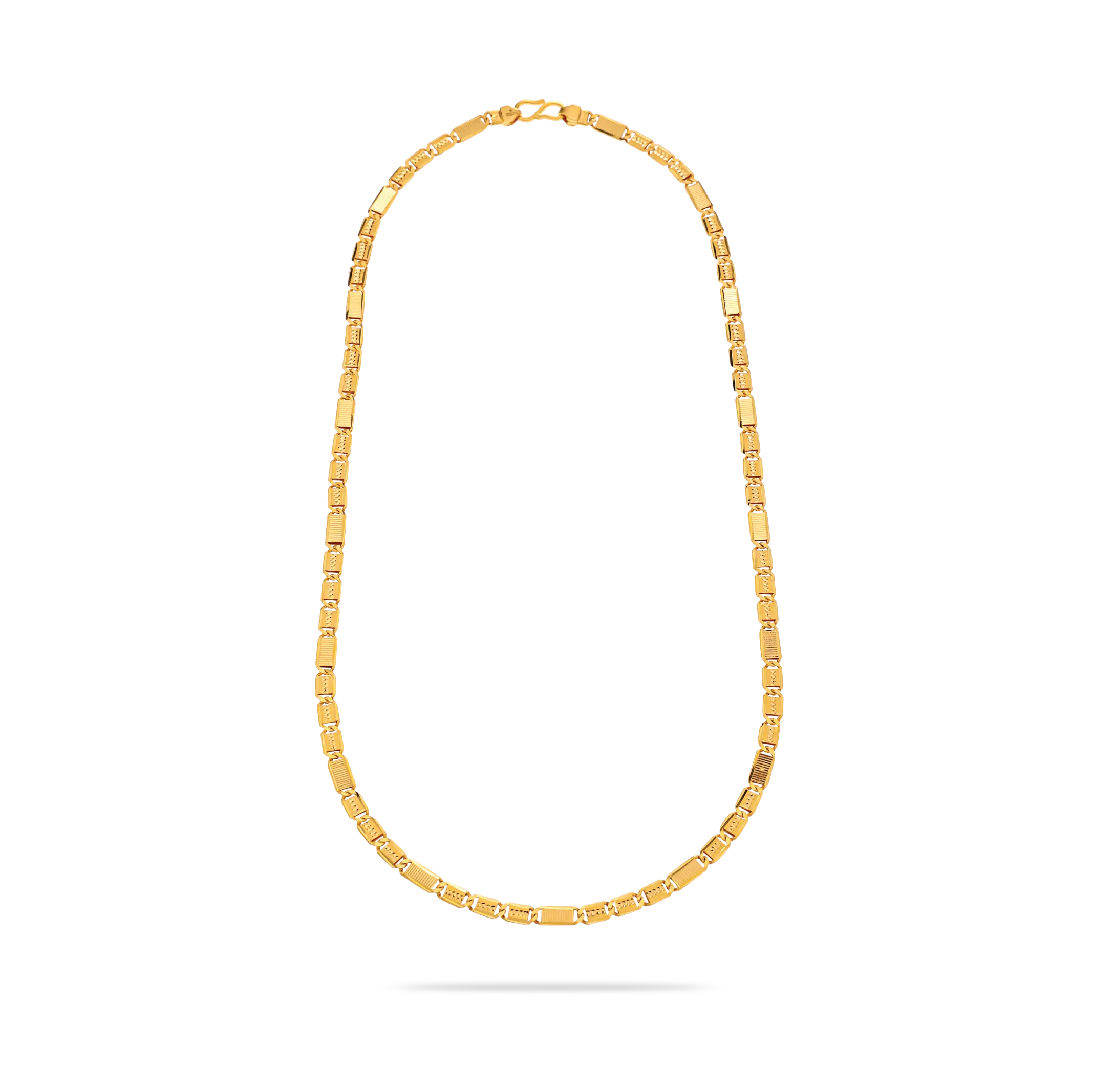
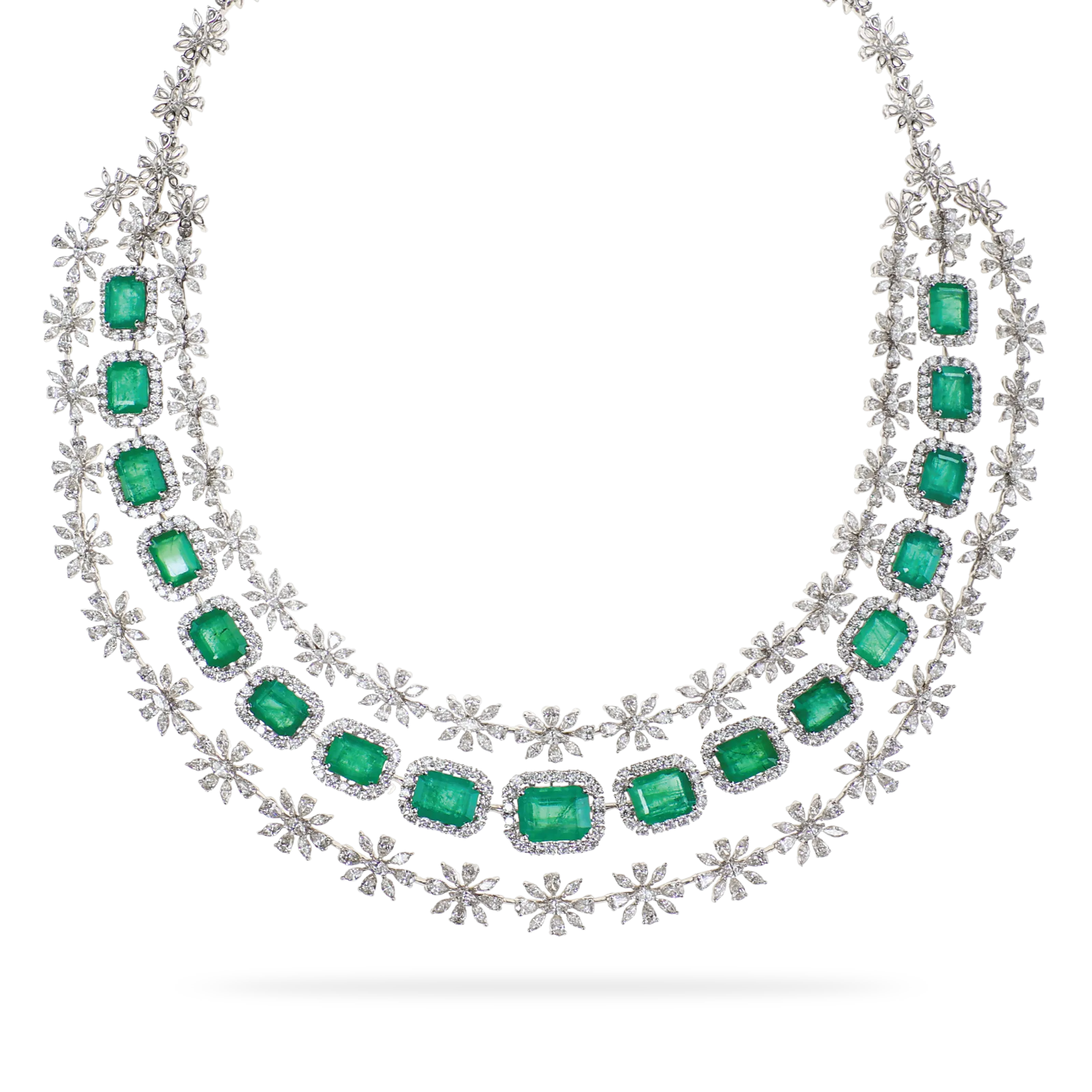
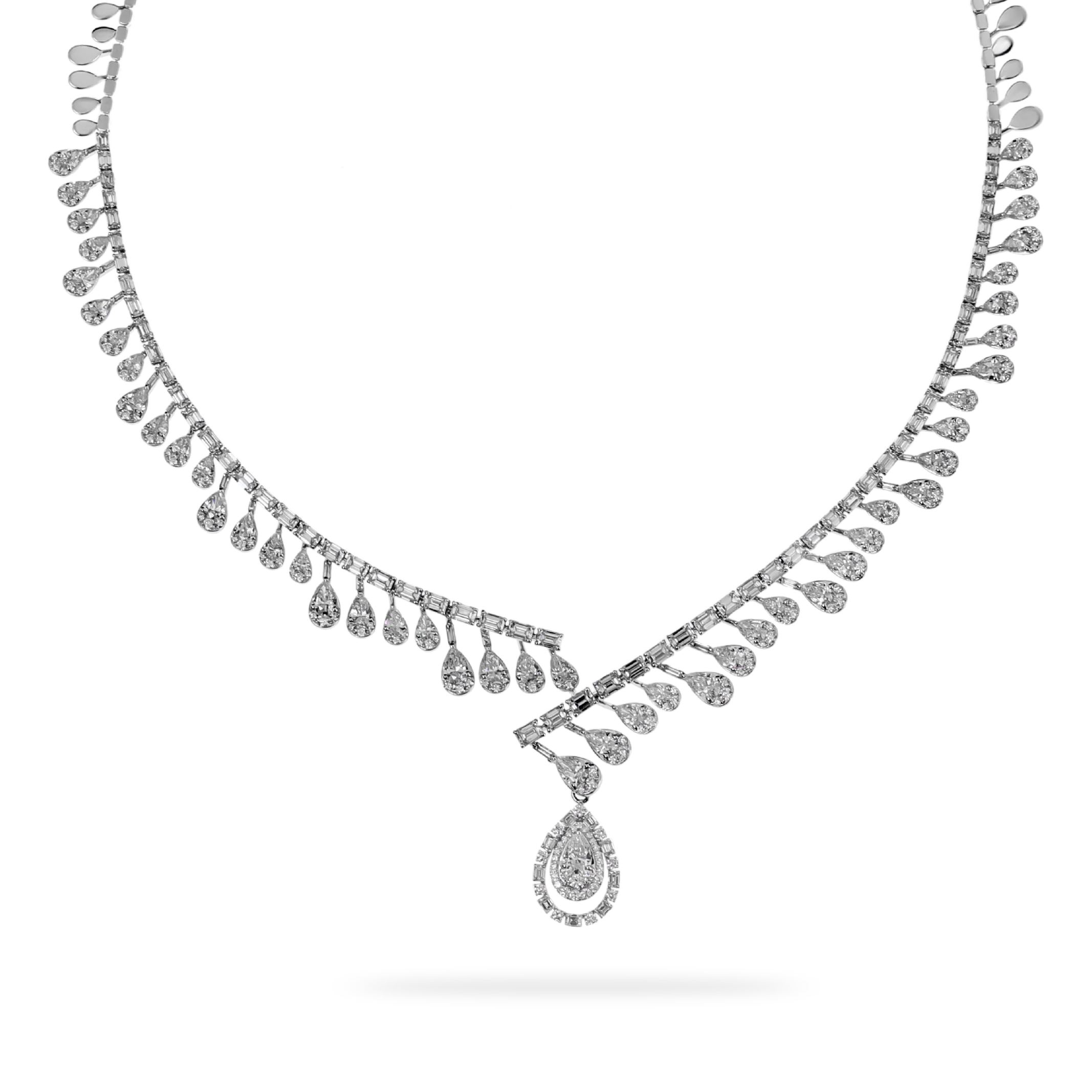
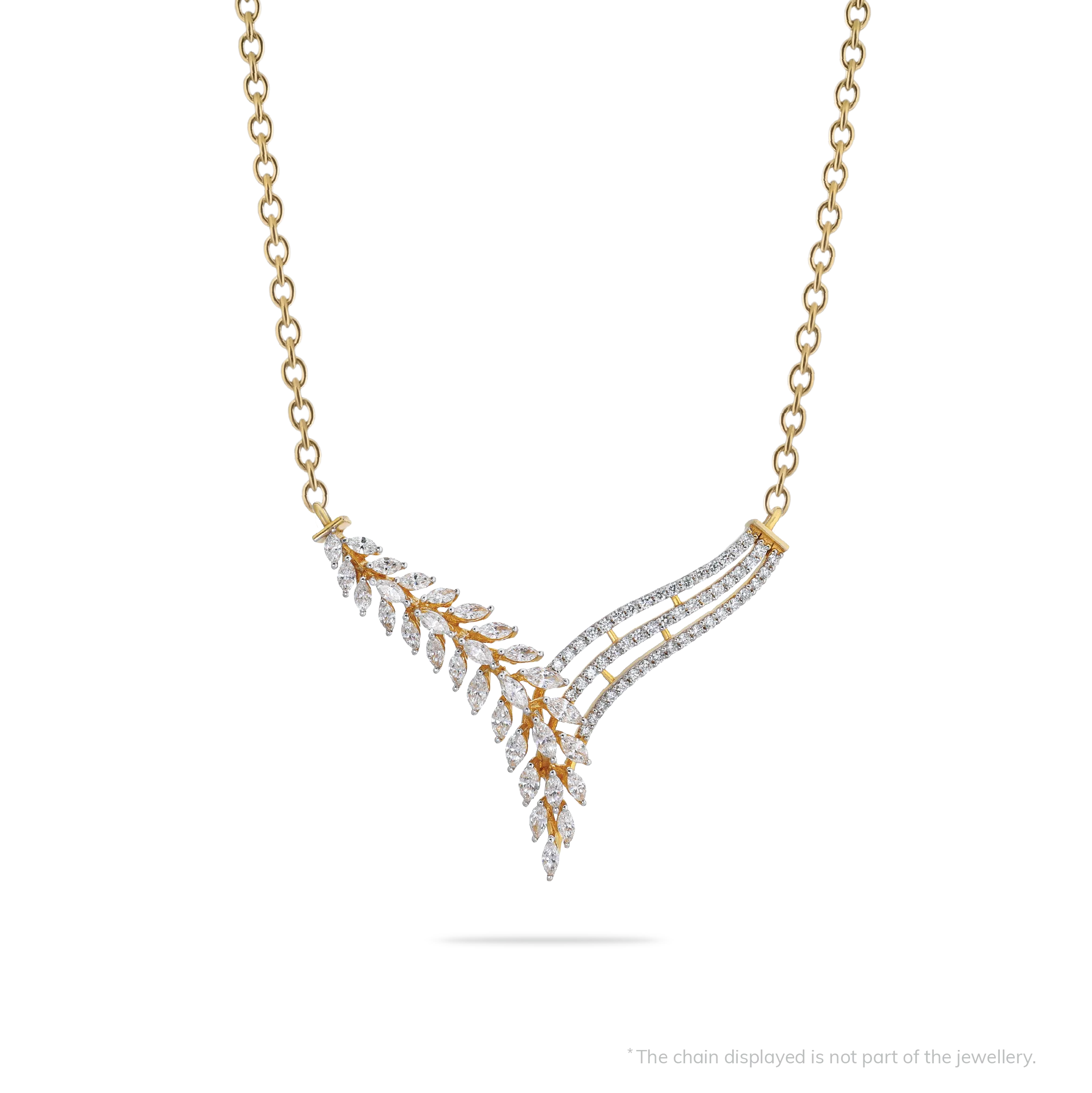
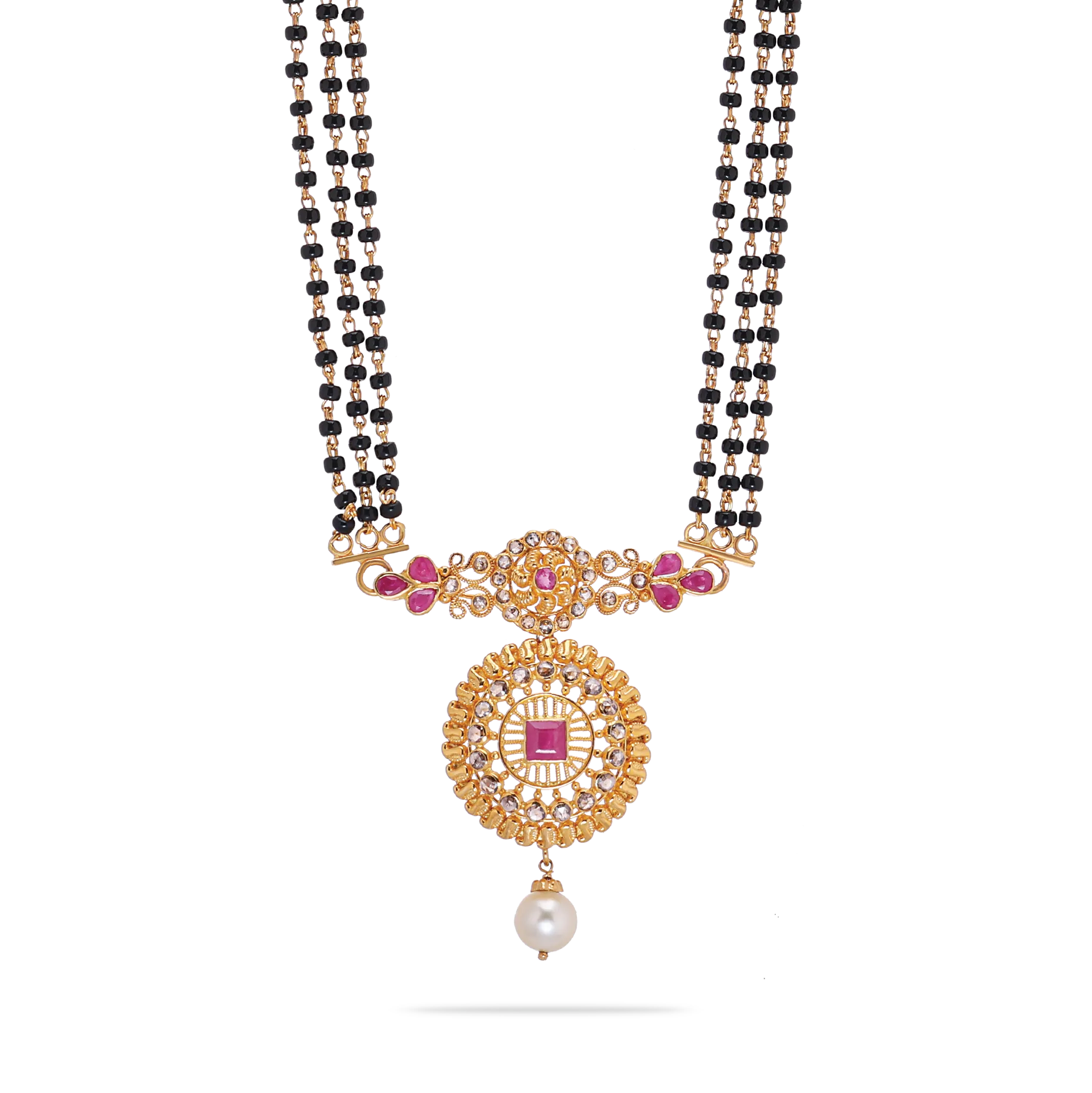
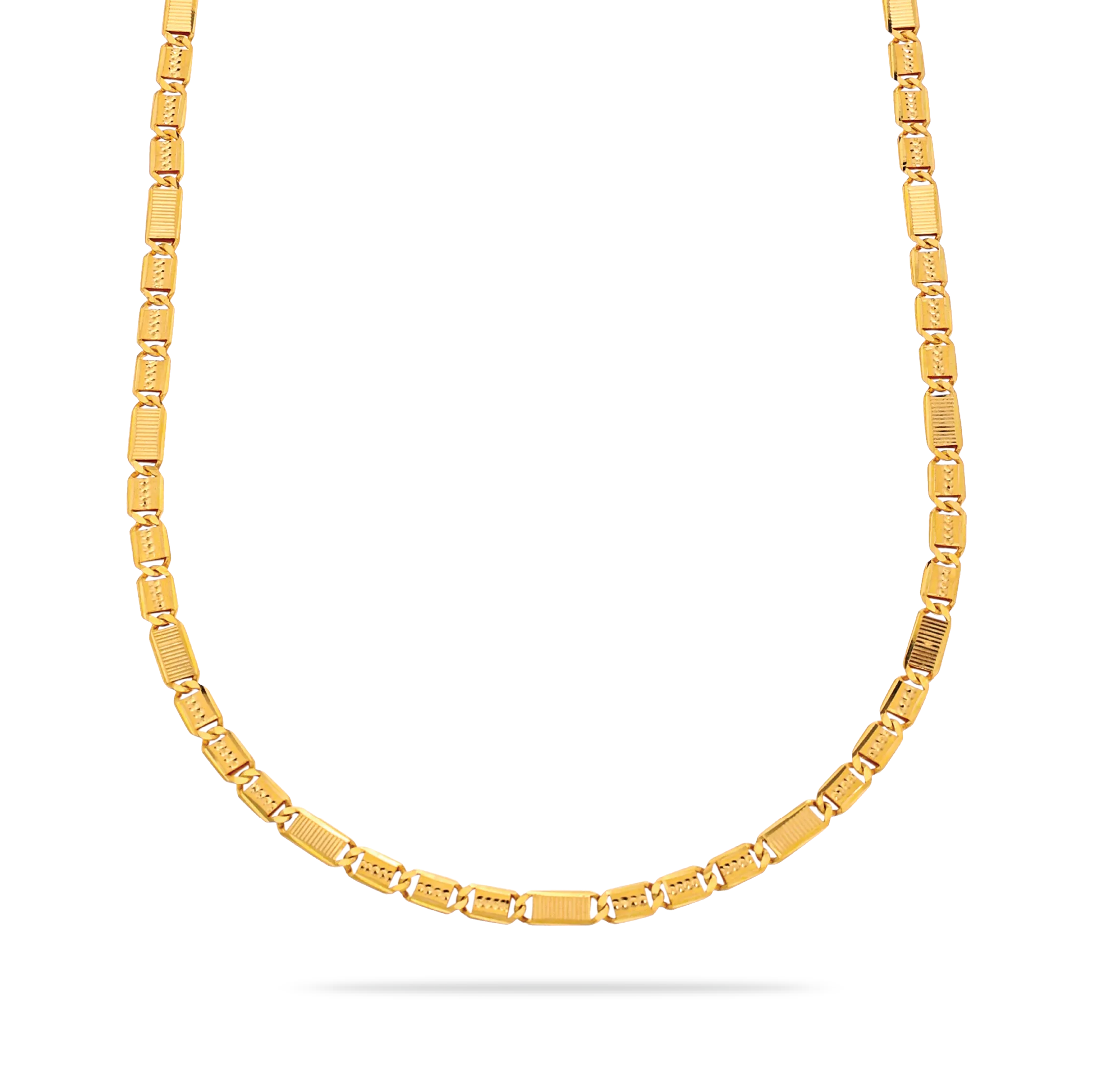
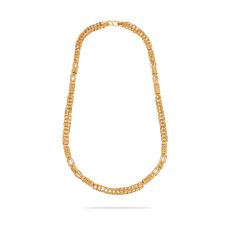
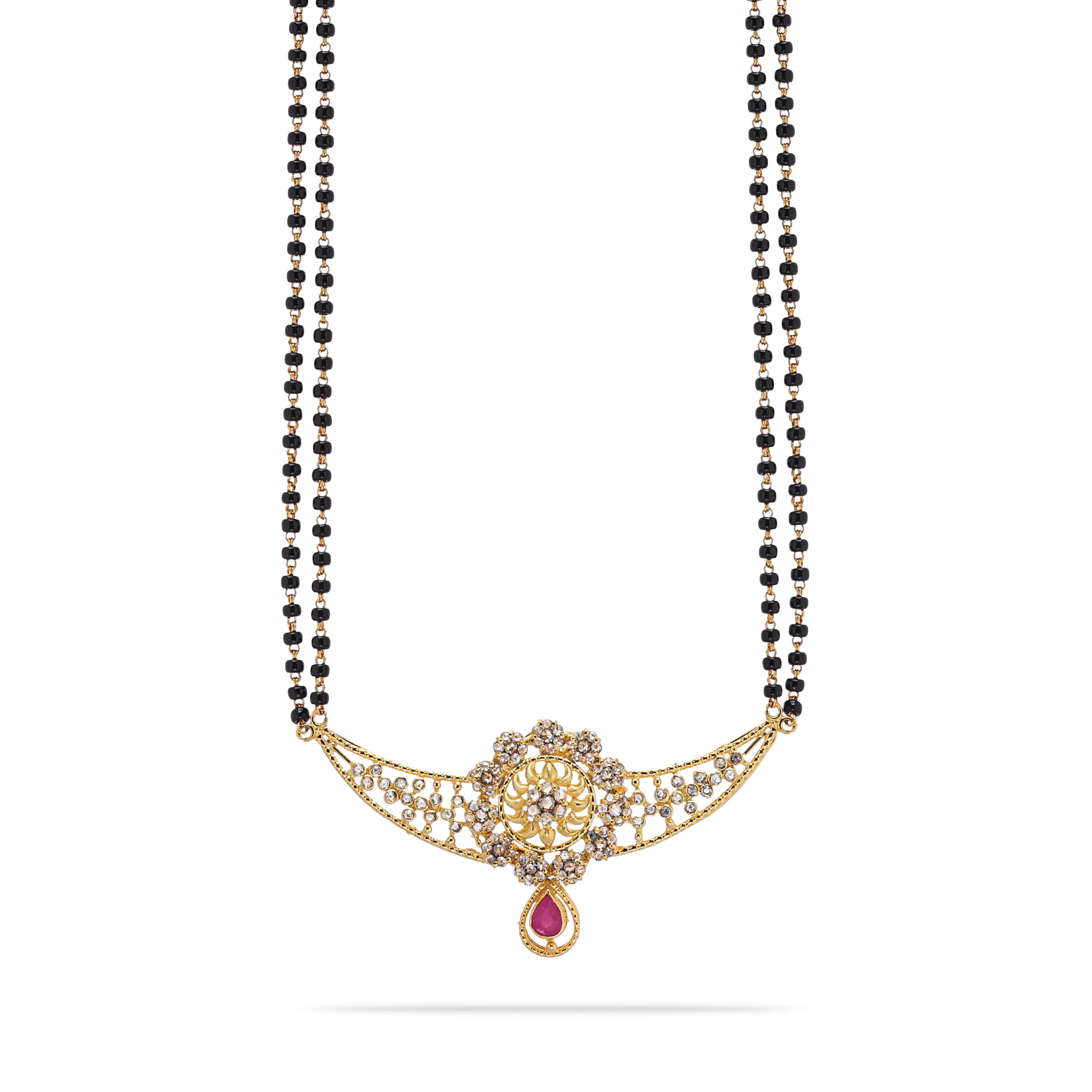
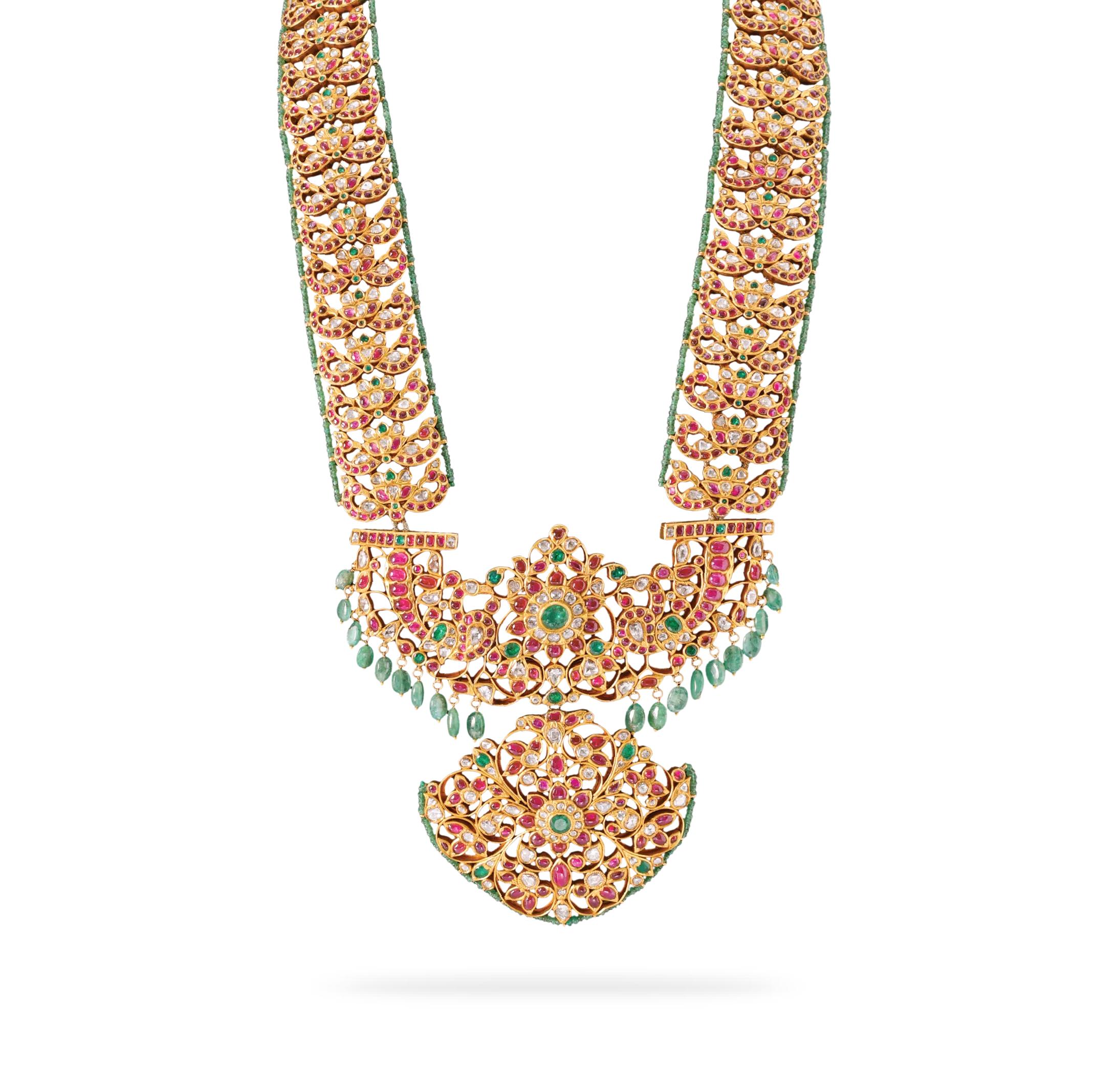
Necklaces are arguably the centerpiece of any bridal jewellery set. You'll want a variety to suit different necklines and occasions. A close-fitting choker can look stunning with certain saree styles, drawing attention to the bride's face. Then there are the longer chains, often called 'haars', which can be layered or worn alone. These often feature intricate designs, sometimes depicting deities or traditional motifs, adding a layer of cultural depth. Many families pass down heirloom necklaces, making them incredibly special.
- Chokers: Perfect for framing the face and complementing deeper necklines.
- Rani Haars: Longer necklaces that add grandeur and can be layered.
- Mango Malas: Necklaces with mango-shaped pendants, symbolizing prosperity.
- Lakshmi Haars: Featuring the goddess Lakshmi, believed to bring good fortune.
The choice of necklace often reflects family traditions and personal style, with many brides opting for a mix of classic and contemporary designs to ensure they have something for every event.
Bangles and Bracelets: A Symphony of Gold
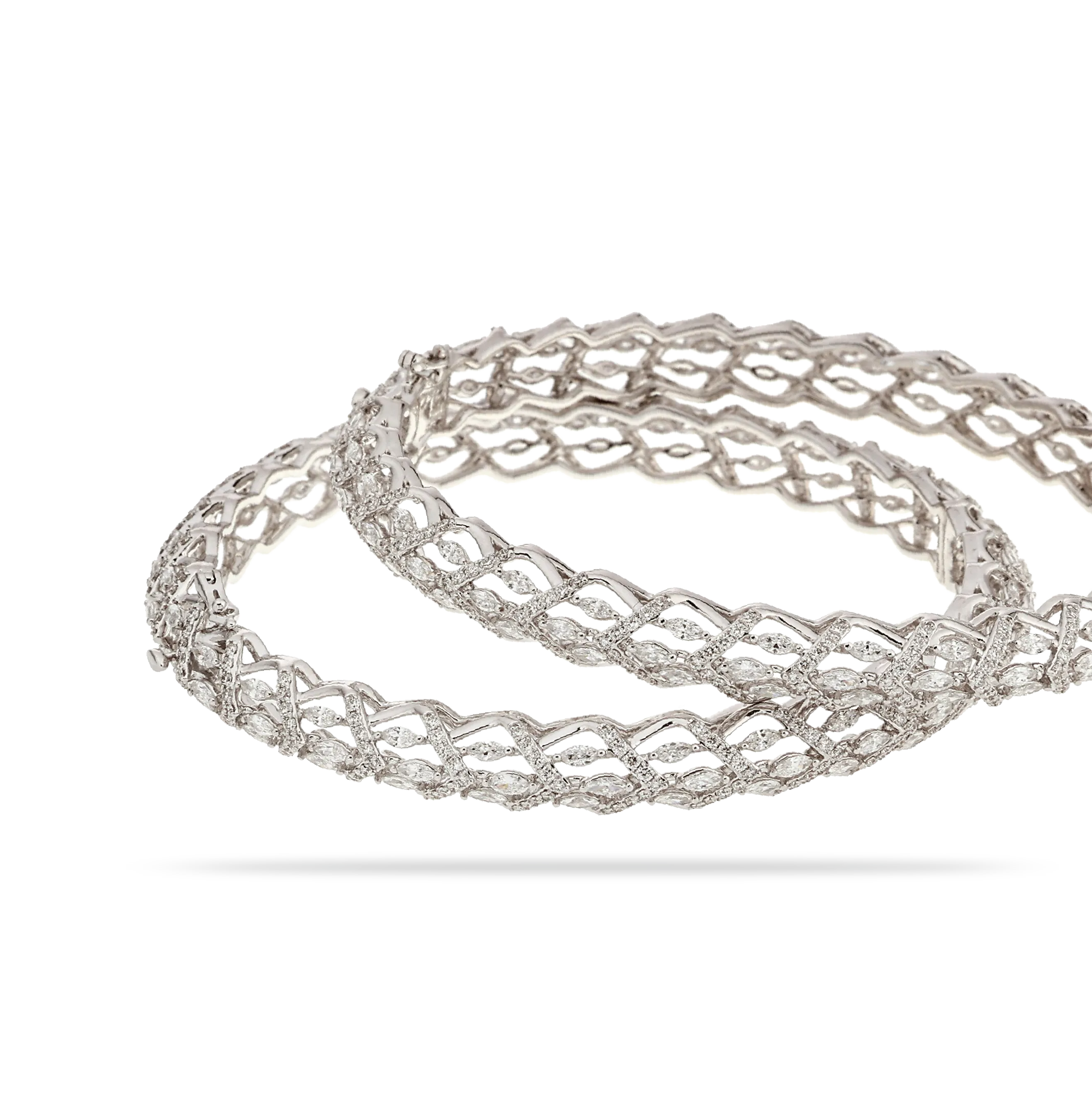
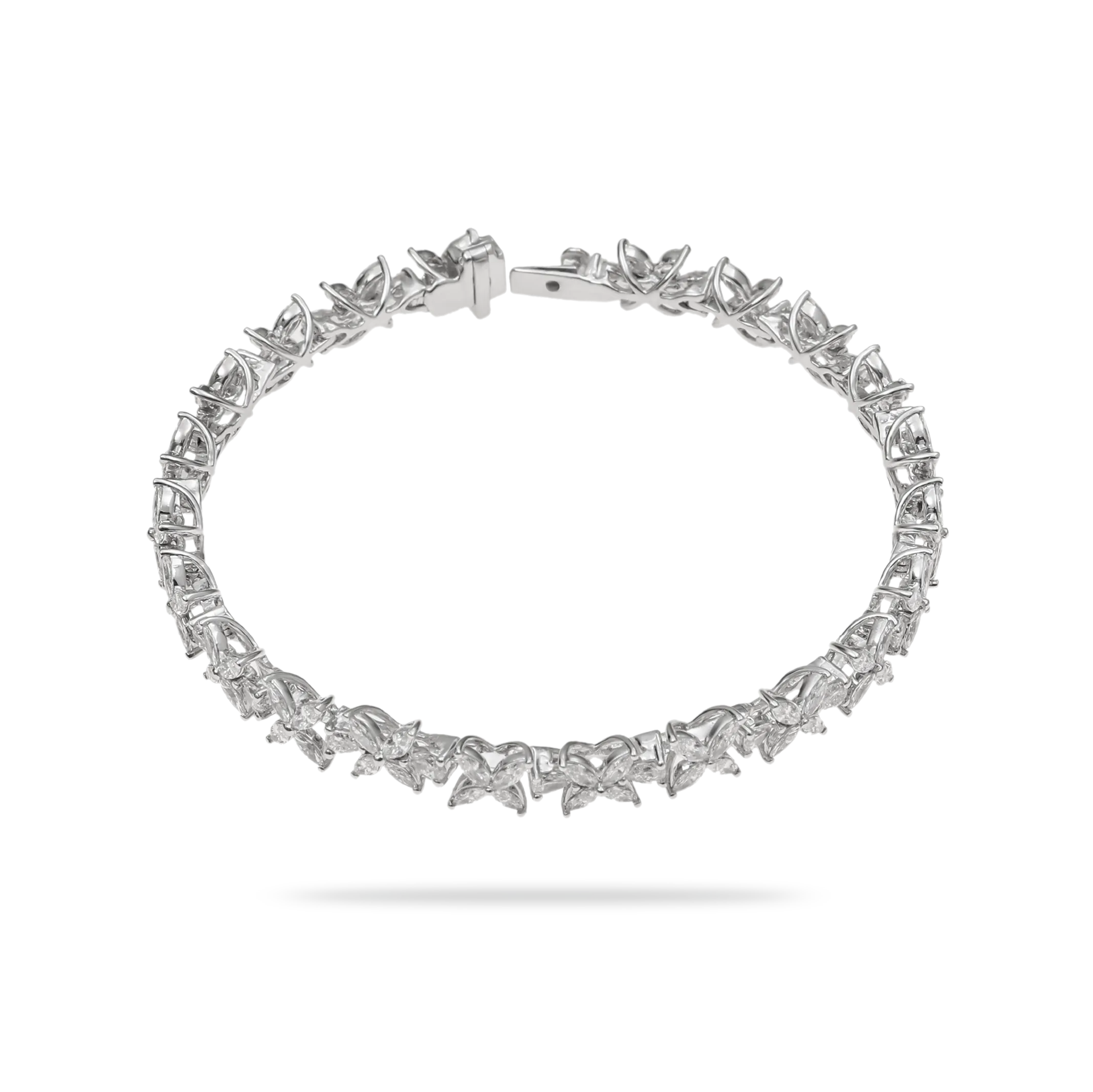
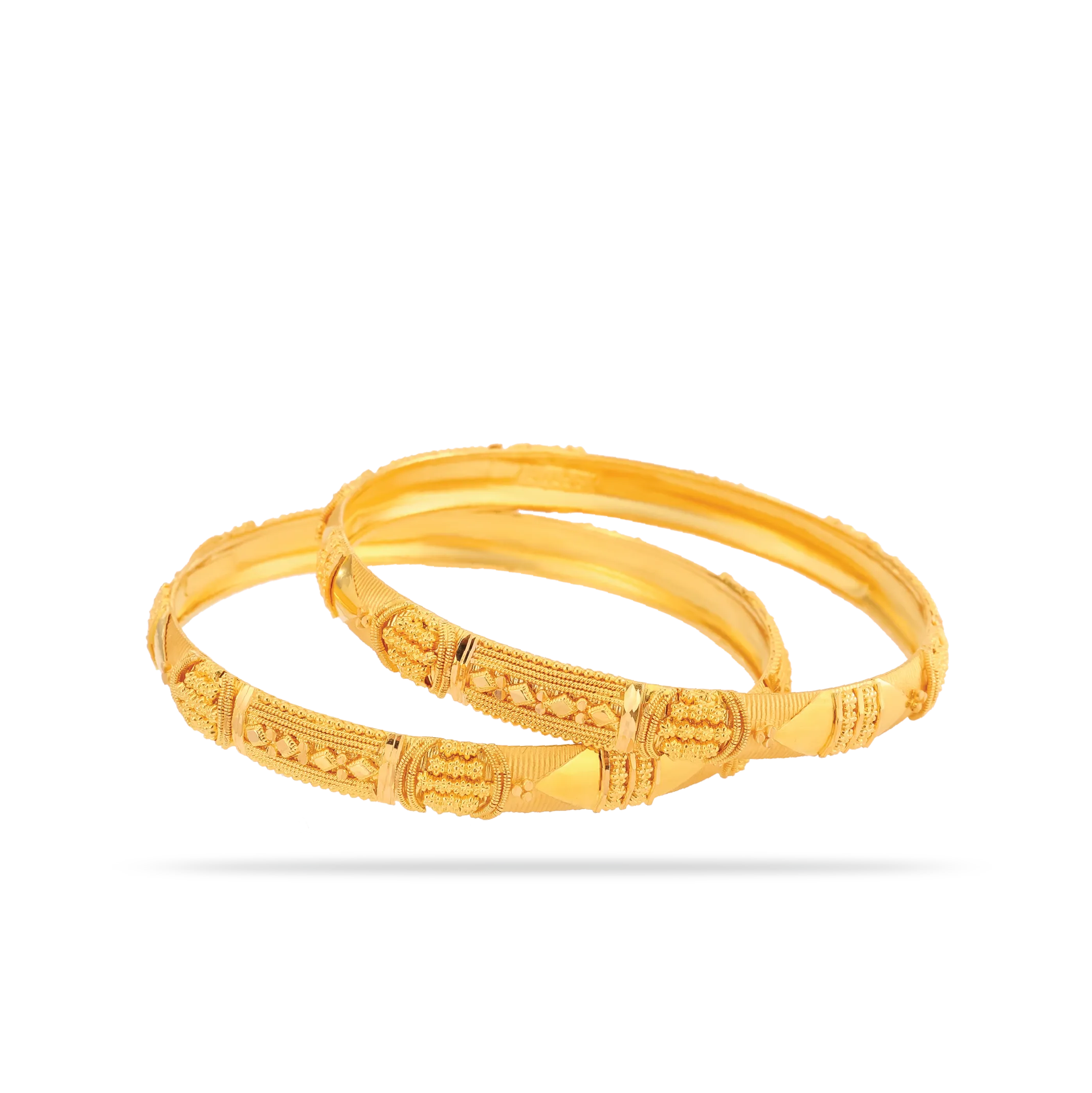
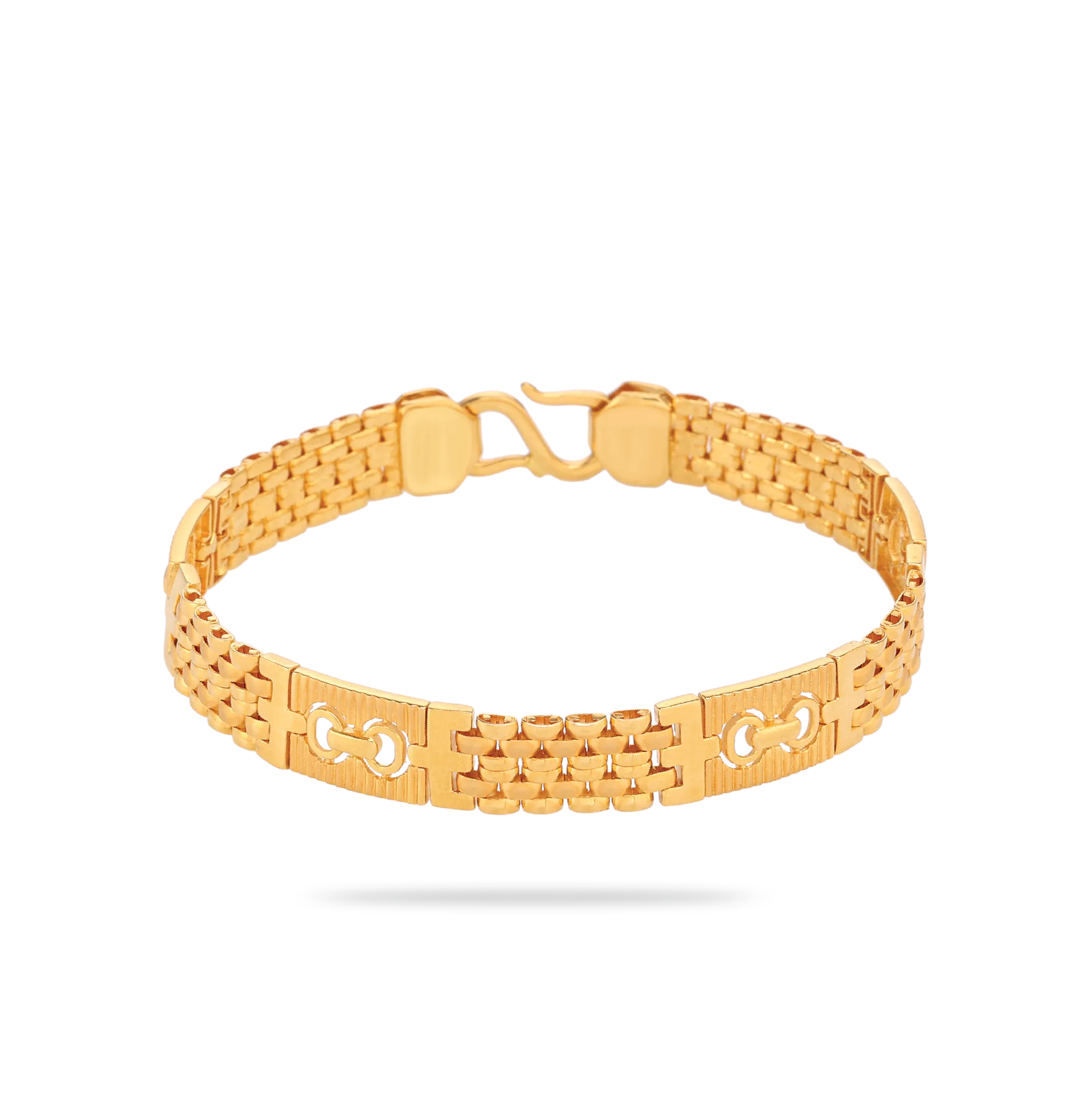
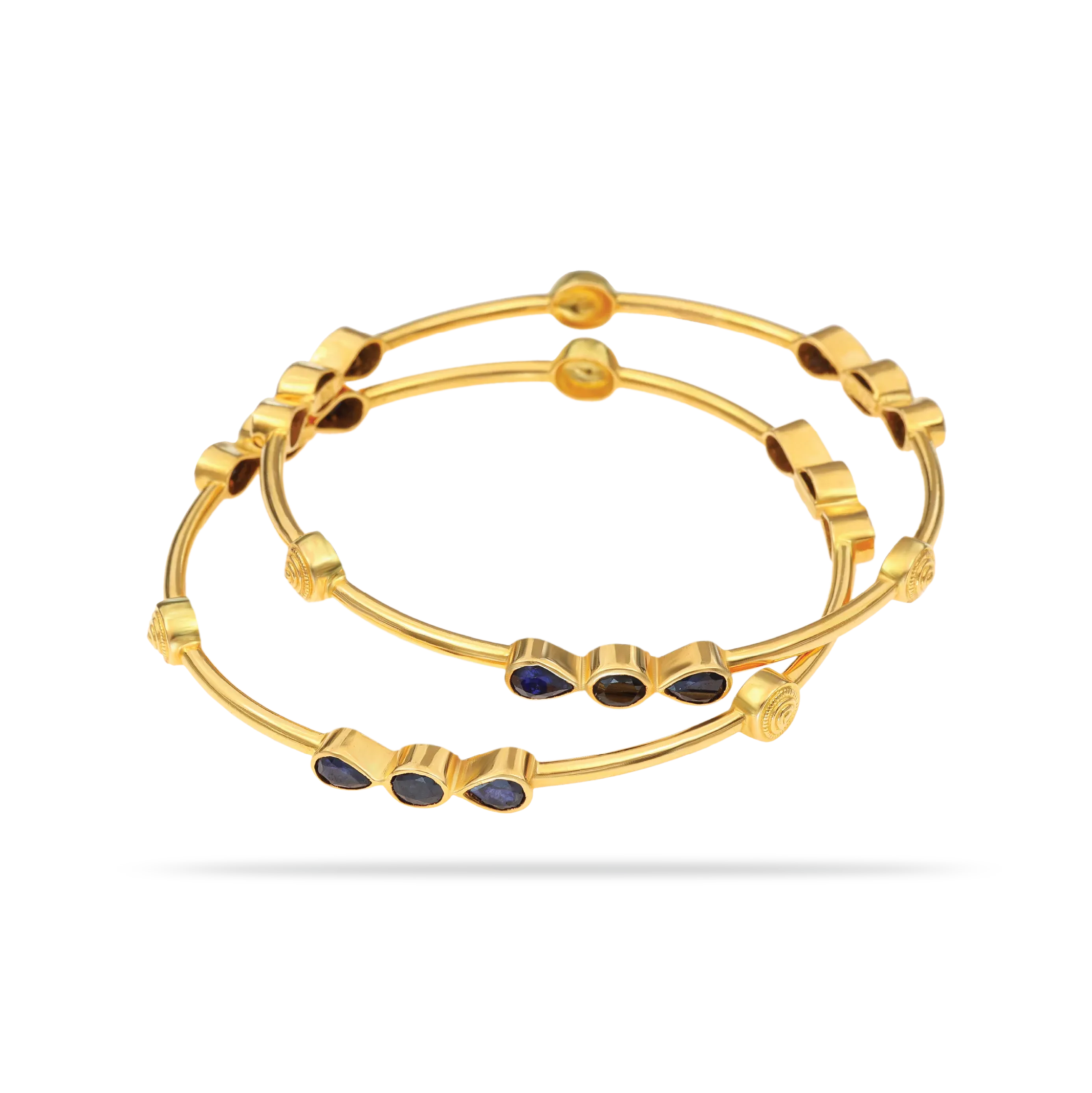
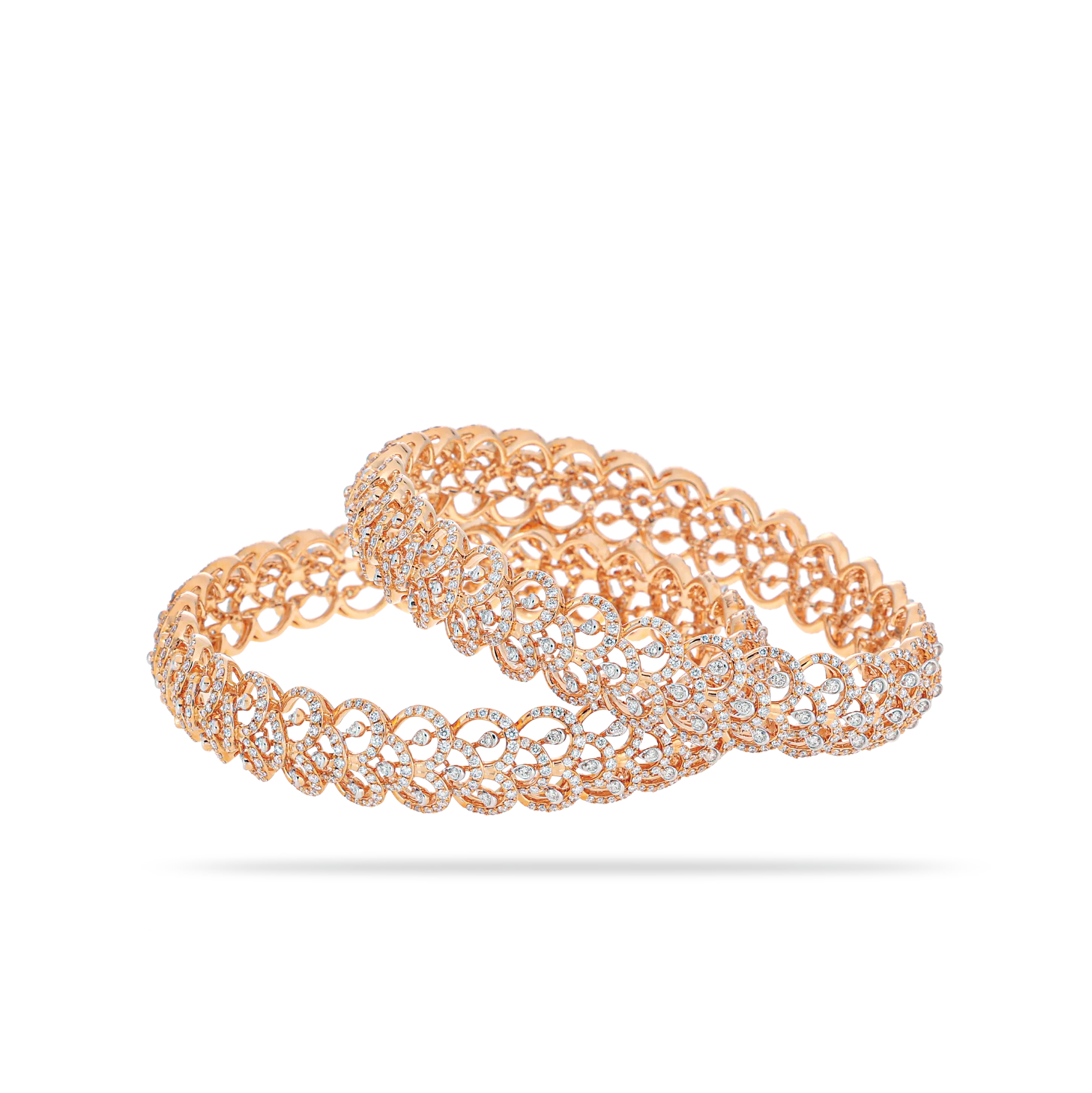
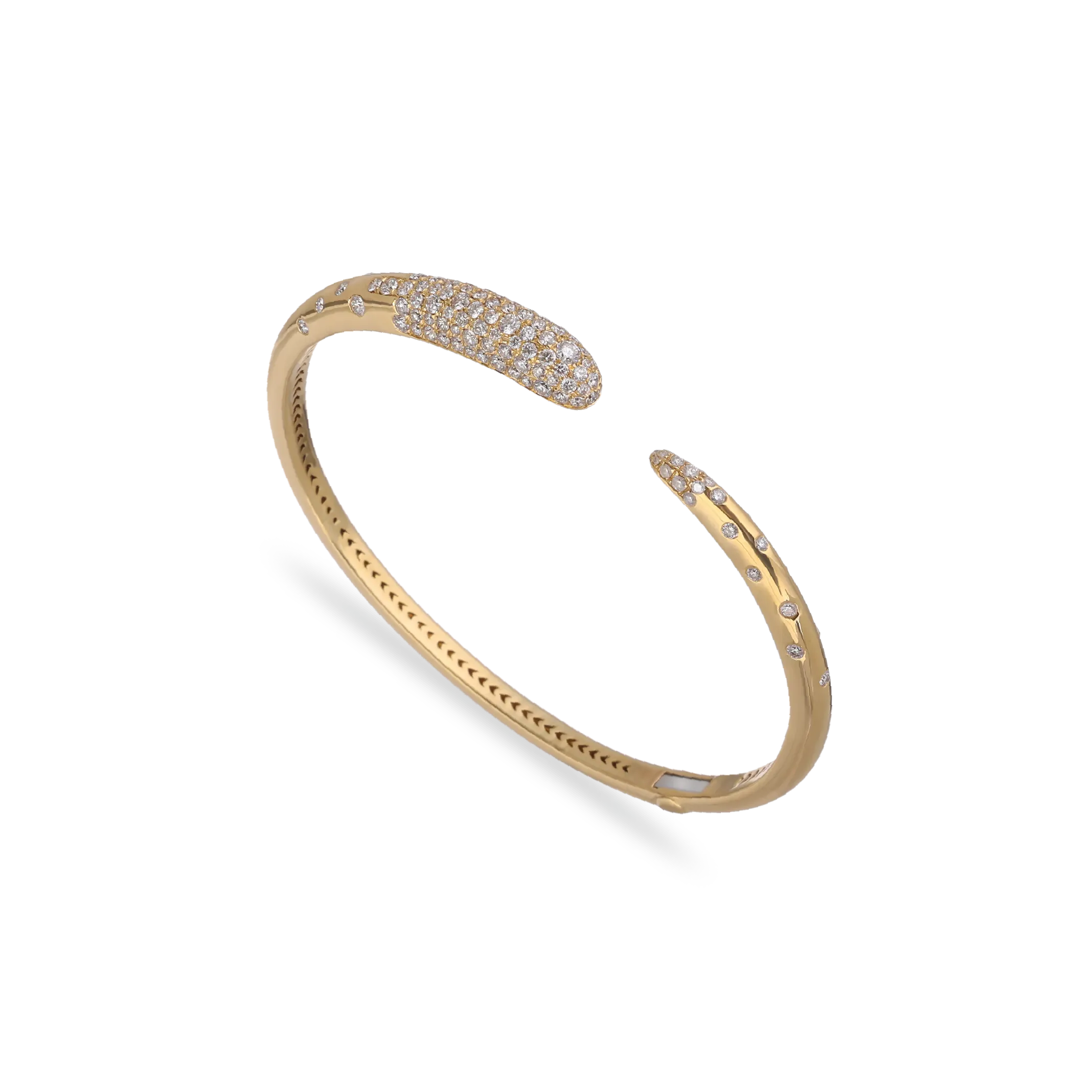
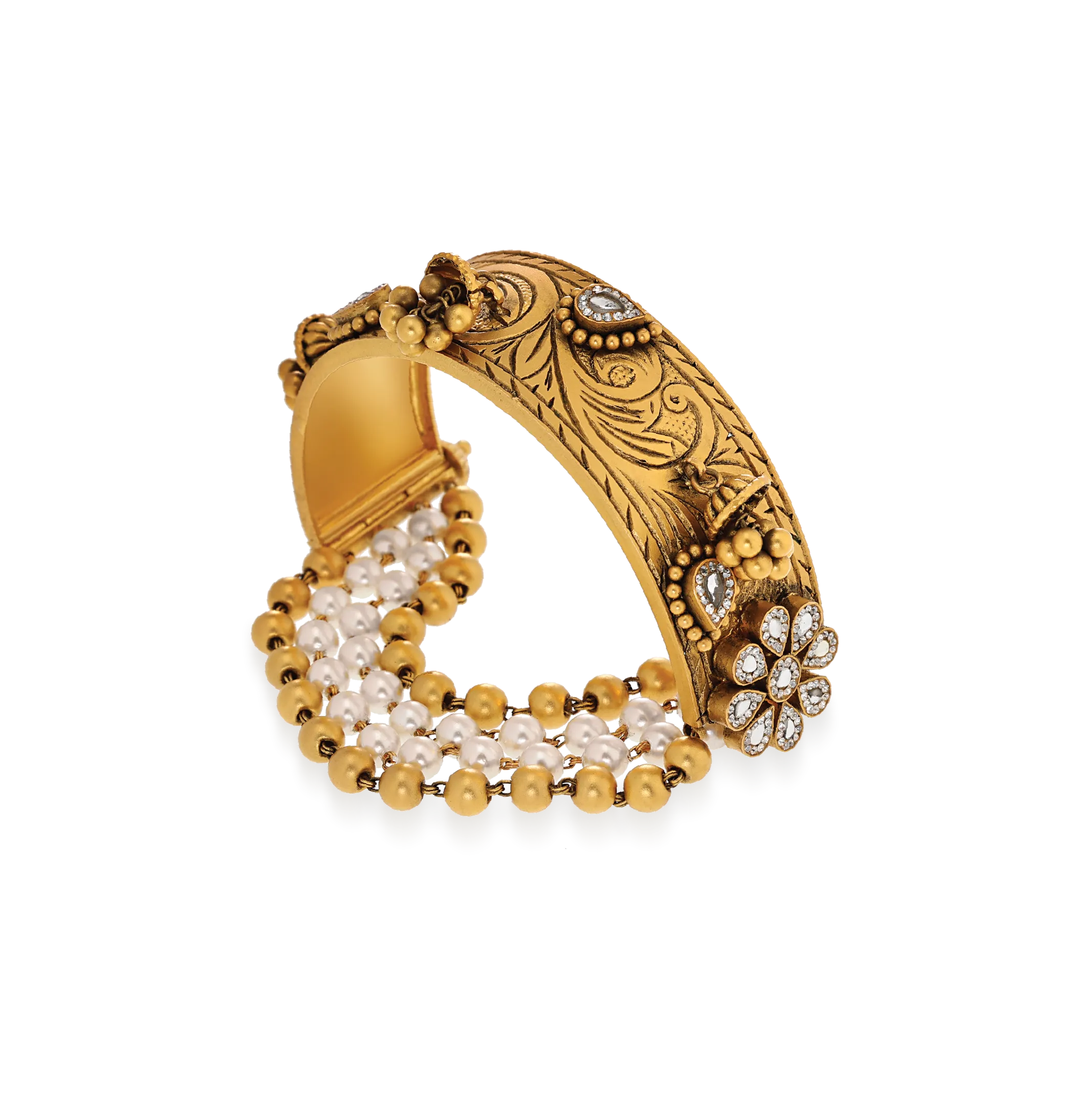
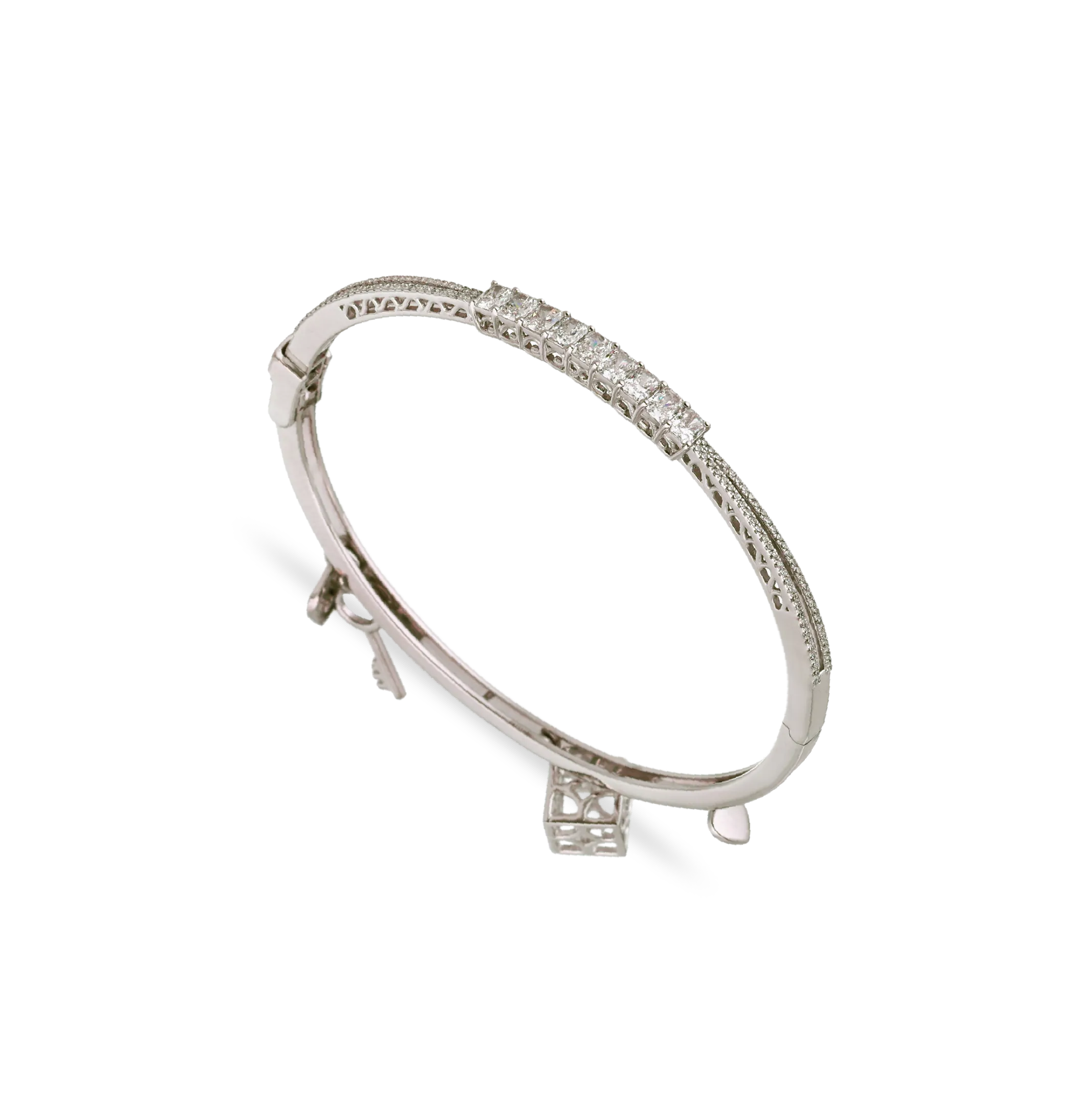
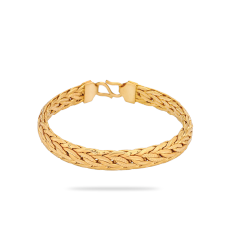
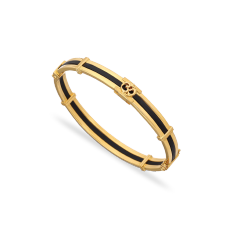
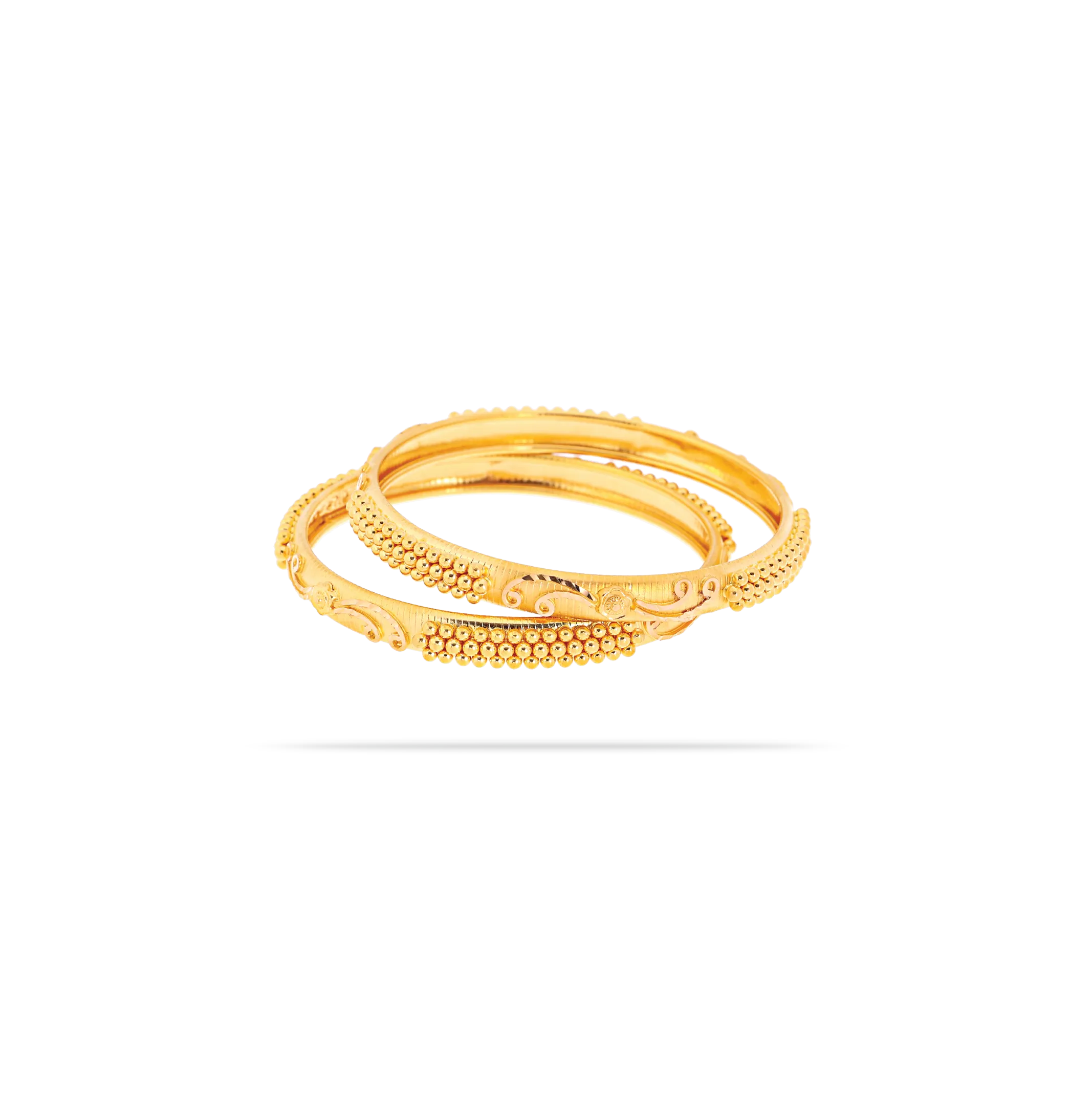
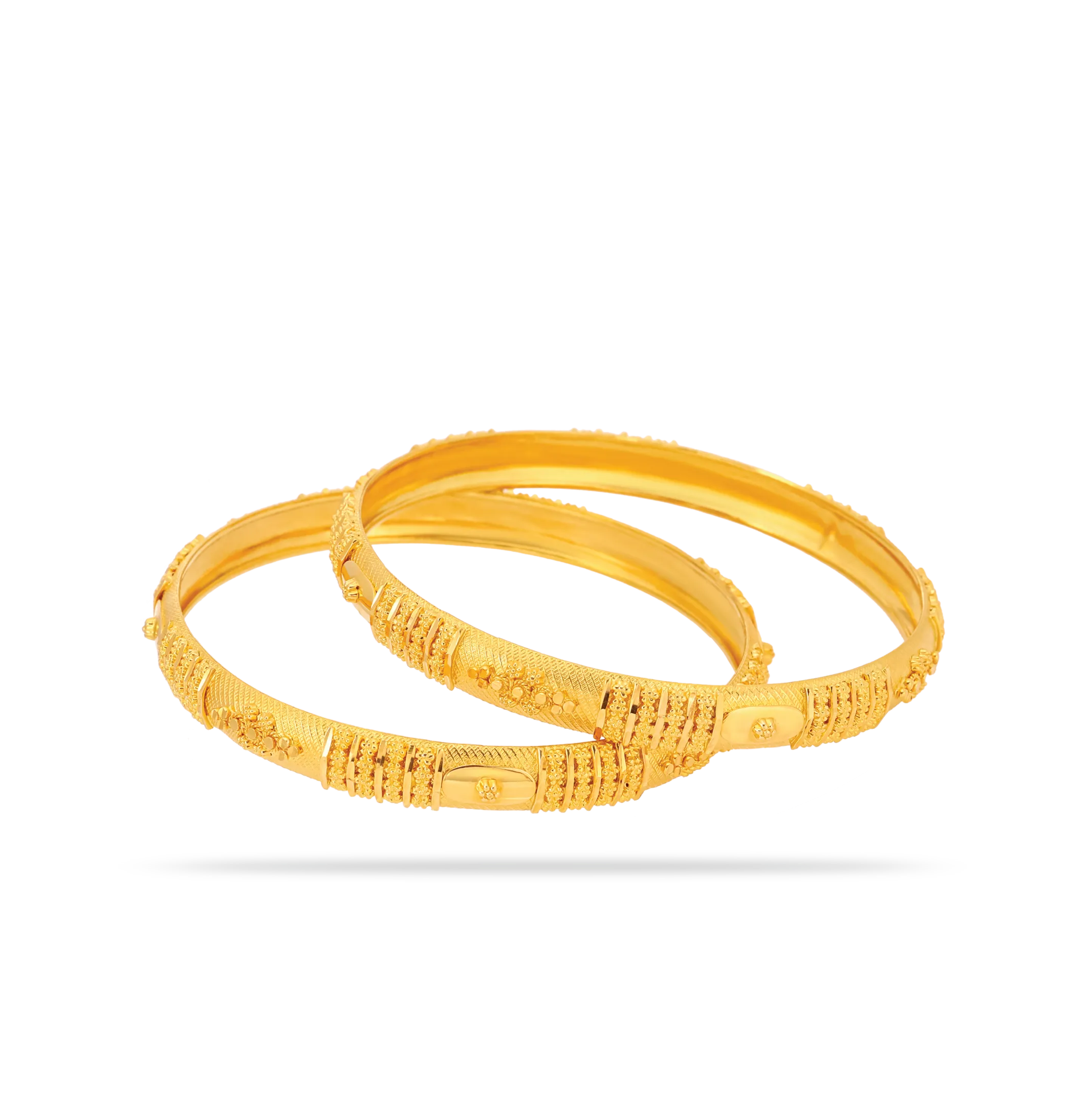
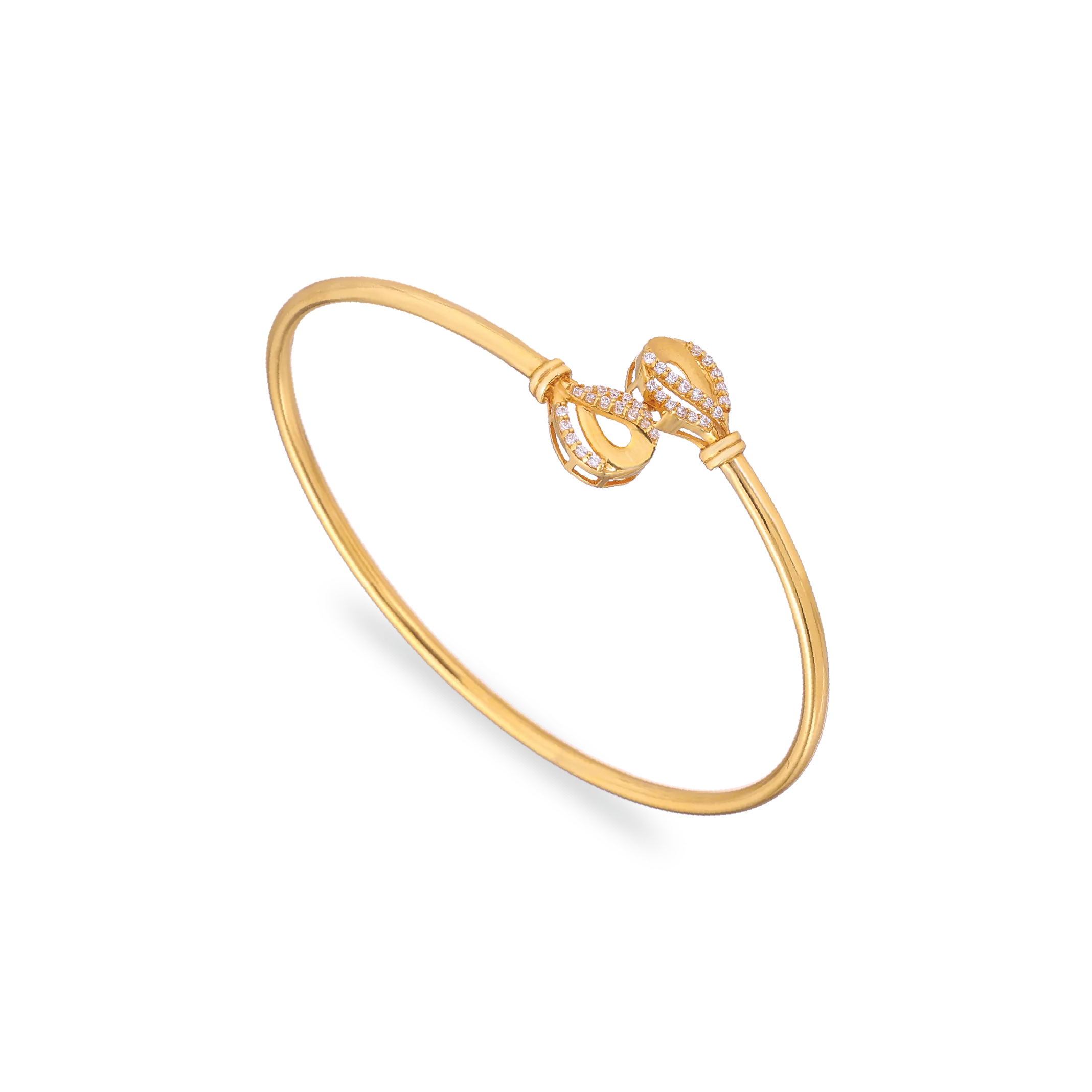
The sound of bangles is practically synonymous with South Indian weddings. Brides often wear a multitude of bangles, creating a beautiful, layered effect. These can range from simple, heavy gold bands to intricately carved pieces, sometimes studded with precious stones or pearls. Bracelets, too, play a role, offering a slightly different aesthetic. Stacking these pieces is an art form, and the more, the merrier is often the sentiment.
- Traditional Gold Bangles: Thick, often plain or with classic South Indian patterns.
- Kada: Sturdier, cuff-like bracelets.
- Gemstone-Encrusted Bangles: Adding colour and luxury.
- Mullamottu Bangles: Featuring a distinctive bud-like design.
Nose Rings and Ear Chains: Delicate Accents
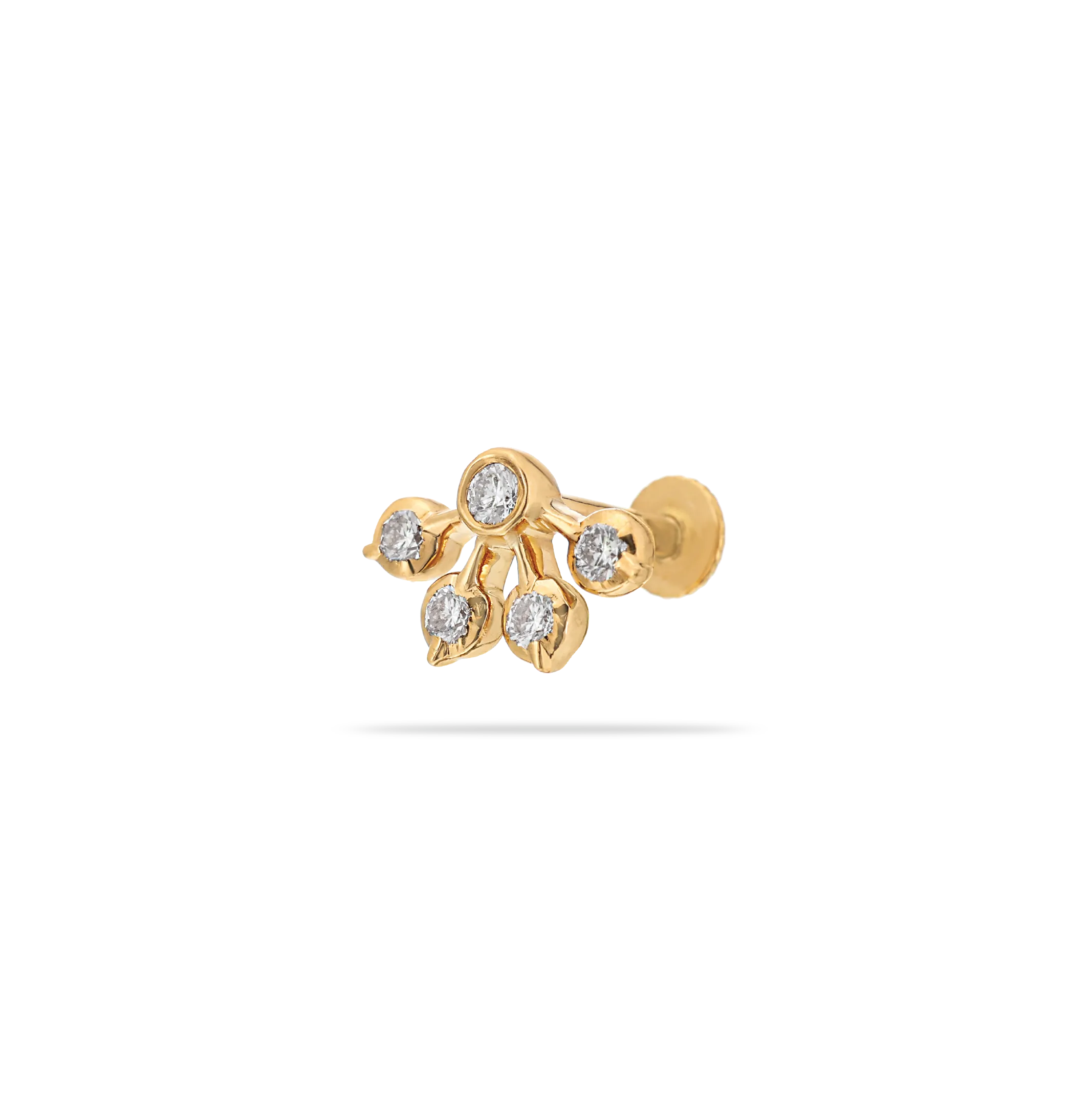
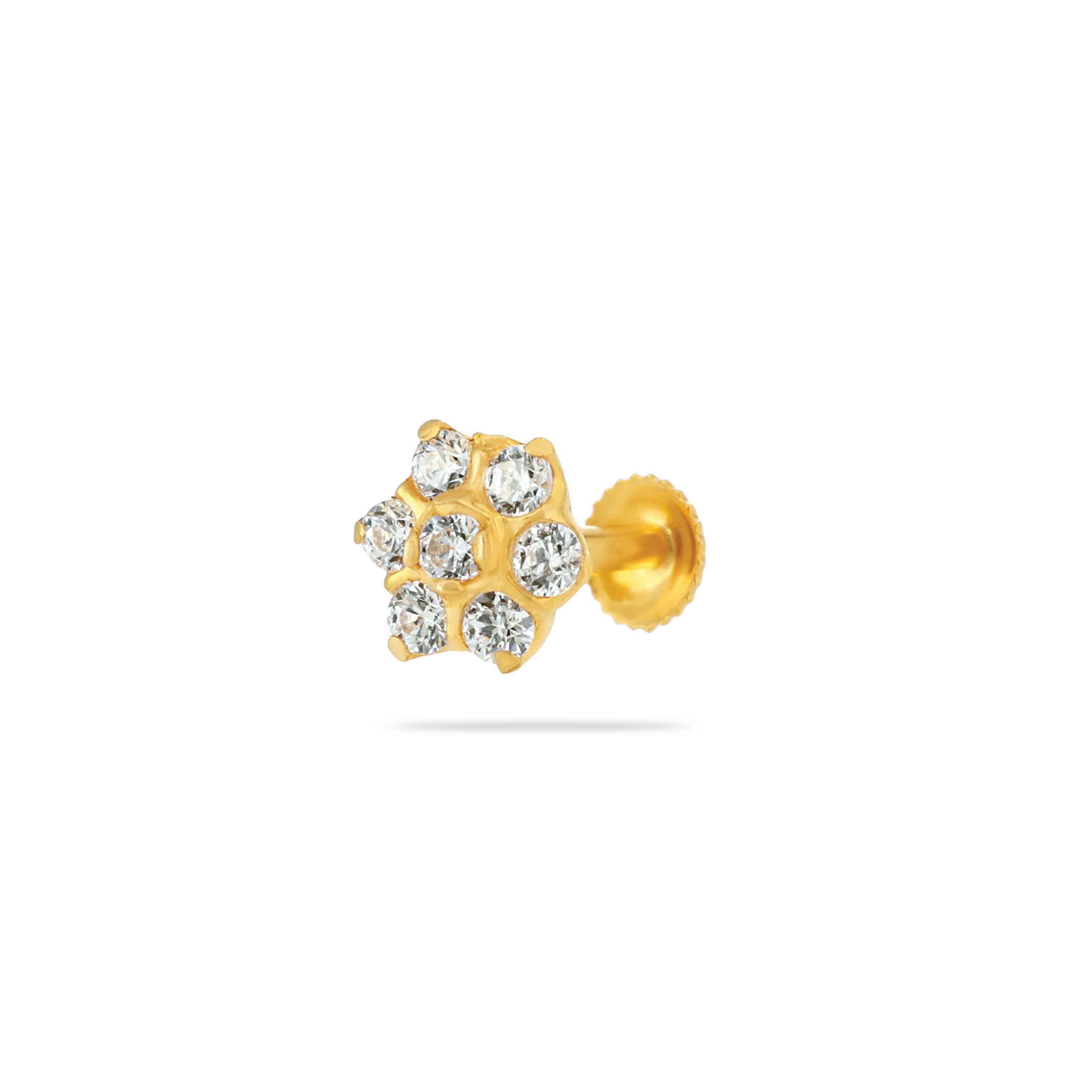
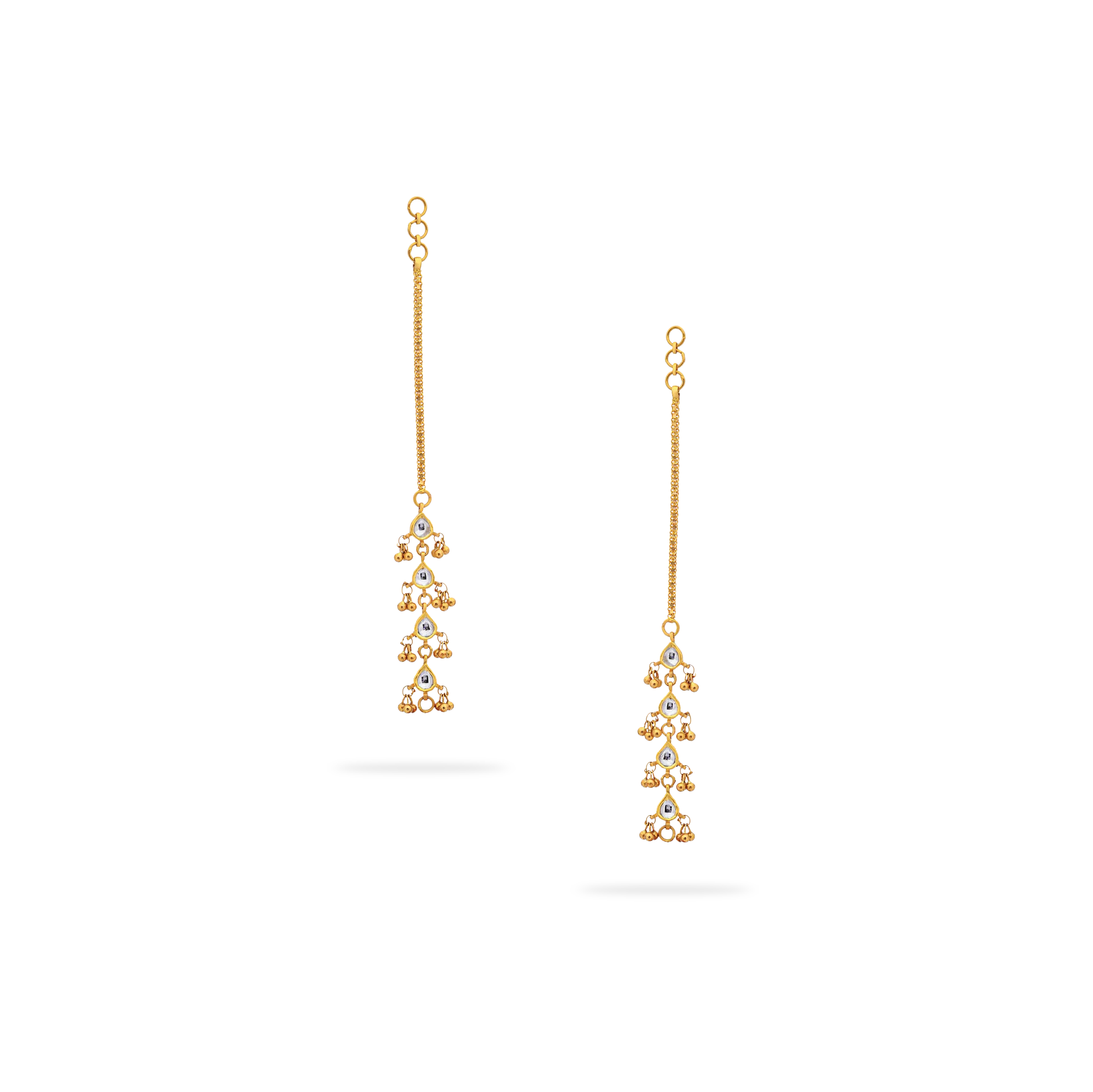
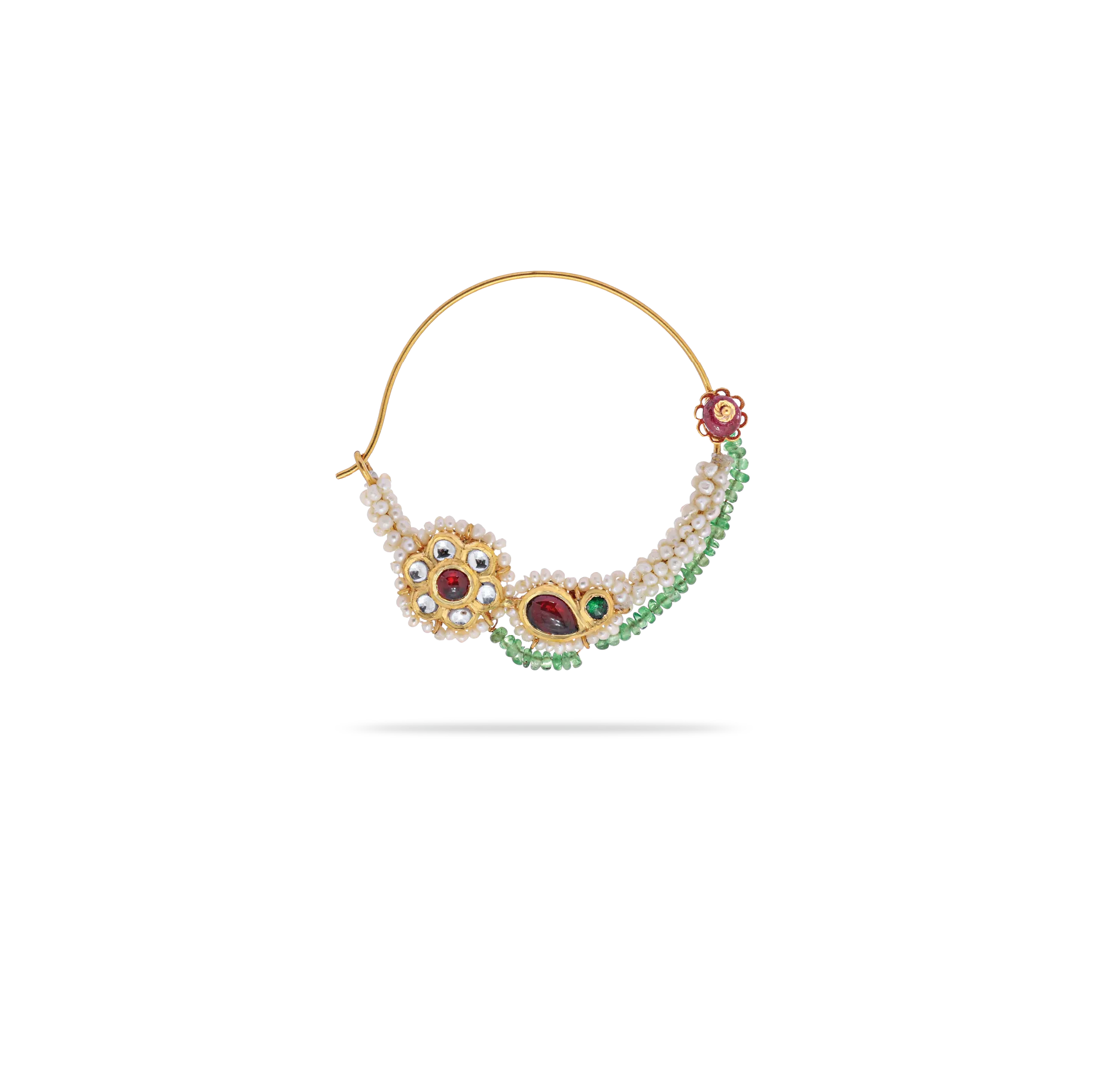
While statement necklaces and bangles grab attention, the smaller details can truly complete the bridal look. A nose ring, or 'nath', adds a touch of traditional charm and femininity. Ear chains, known as 'mattal' or 'pattidi', connect the earrings to the bride's hair, adding an extra layer of intricate adornment and movement. These pieces, though sometimes subtle, are incredibly significant in the overall bridal ensemble, often passed down through generations.
- Nath (Nose Ring): Can be simple or elaborate, often with pearls or small stones.
- Mattal (Ear Chain ): Connects earrings to the hair for added elegance.
- Jhumkas: While often considered standalone earrings, they are a staple.
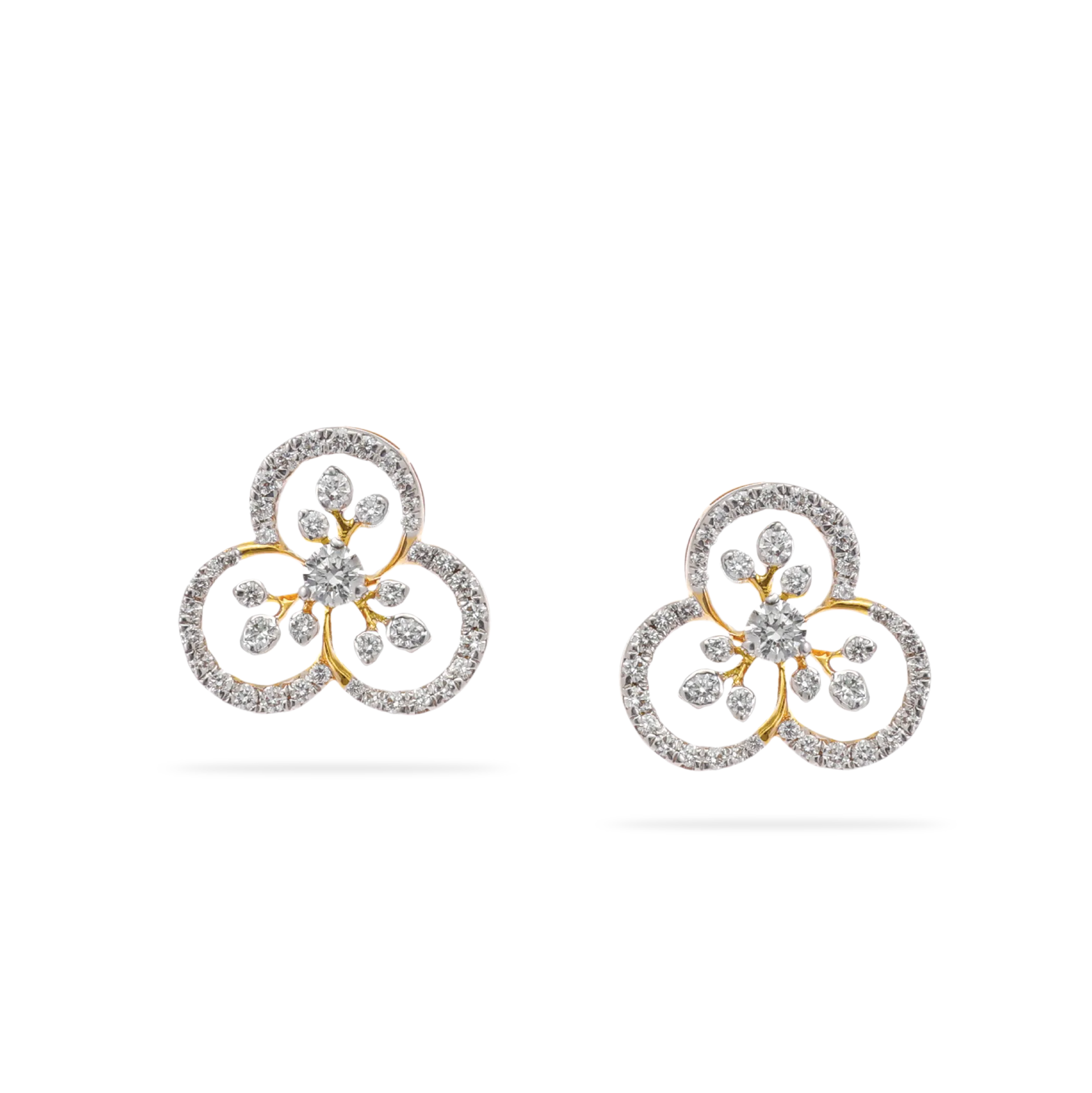
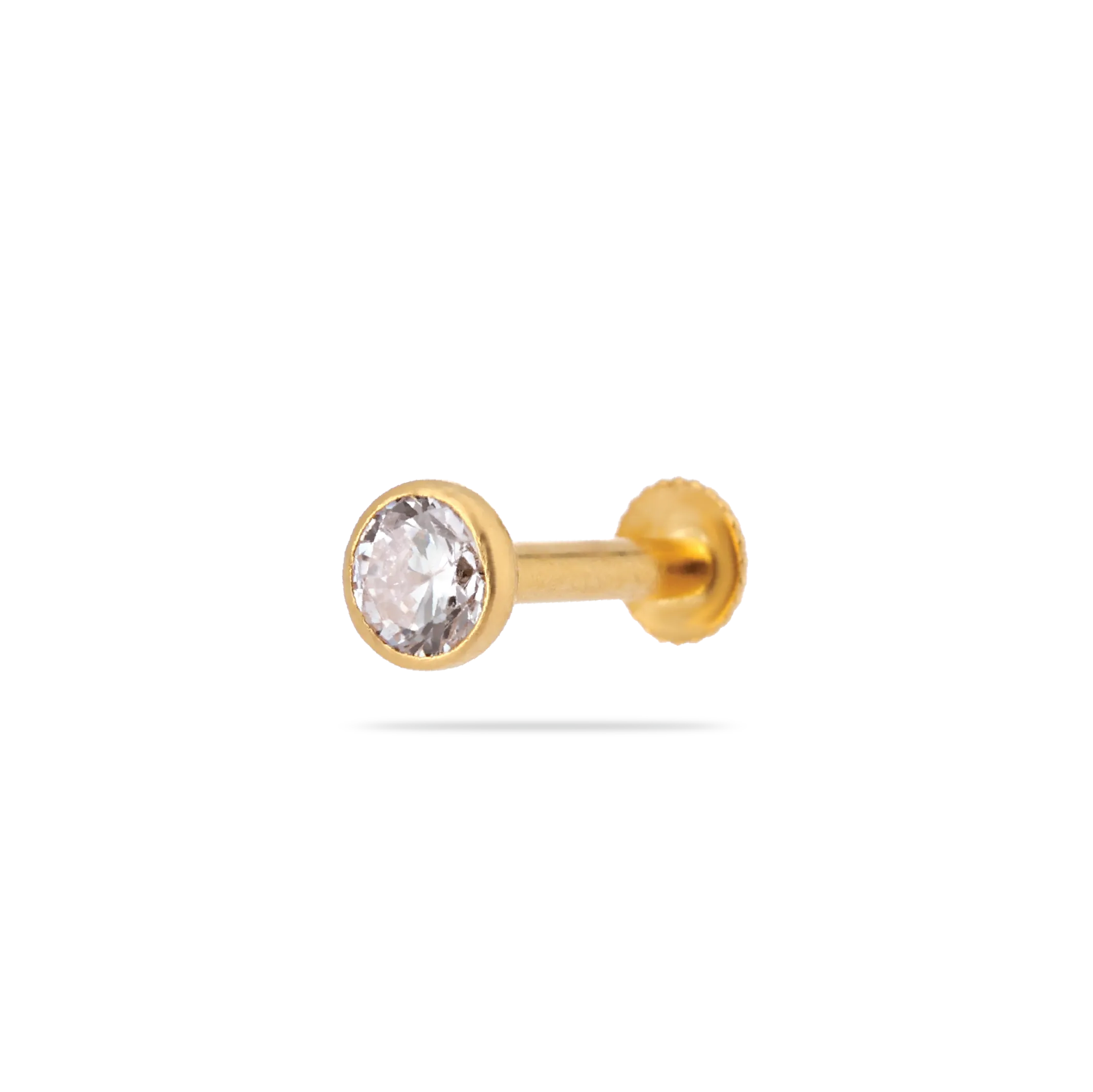
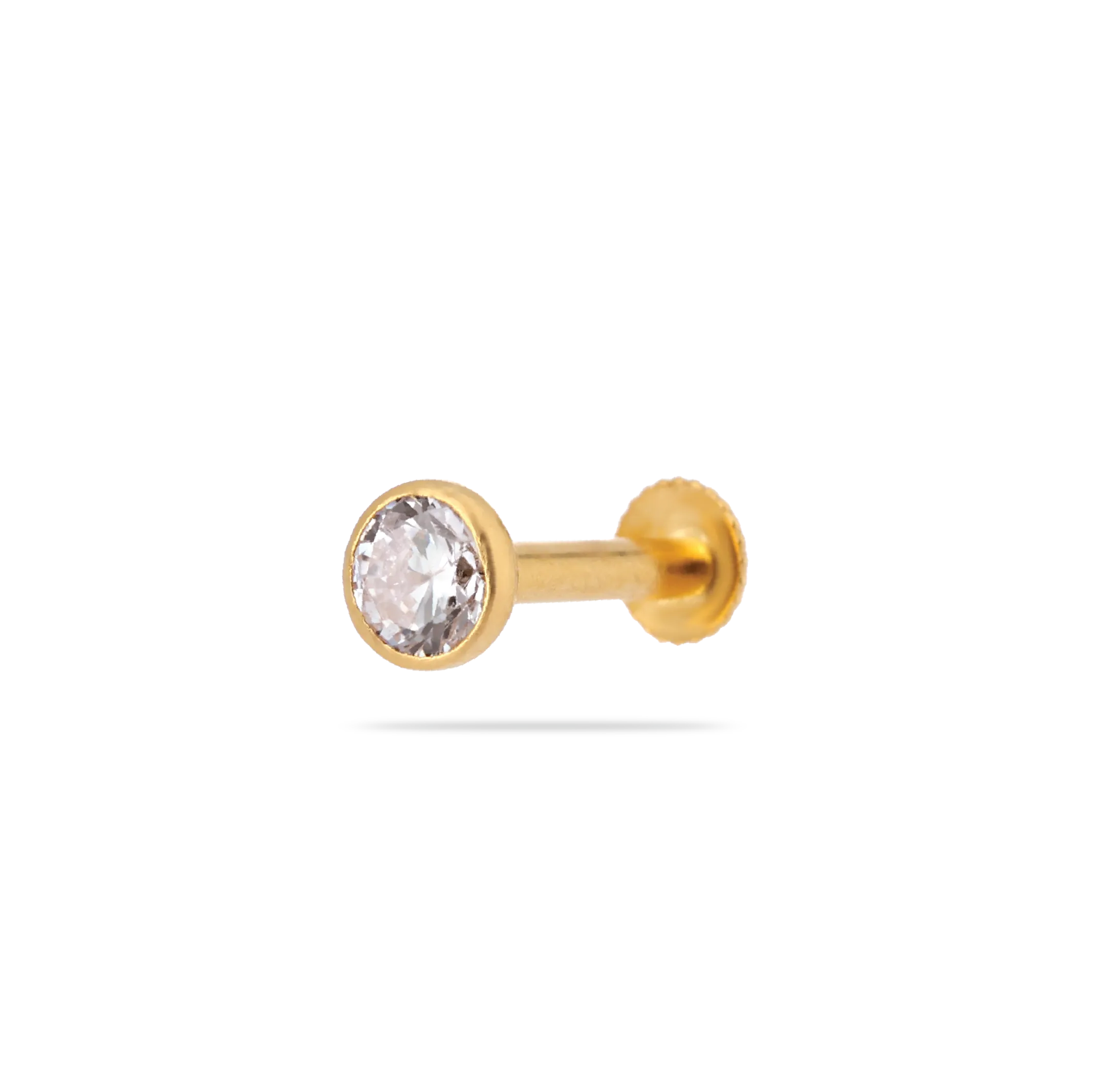
- Studs: Simpler options for a more understated look.
Modern Interpretations of South Indian Bridal Jewellery
While the heart of South Indian bridal jewellery beats with tradition, it's not stuck in the past. Today's brides are finding cool ways to mix old-school charm with a fresh, modern vibe. It's all about making those heirloom pieces feel like you, you know? Think of it as updating a classic recipe – you keep the core ingredients but add a little something new to make it pop.
Contemporary Designs with Traditional Roots
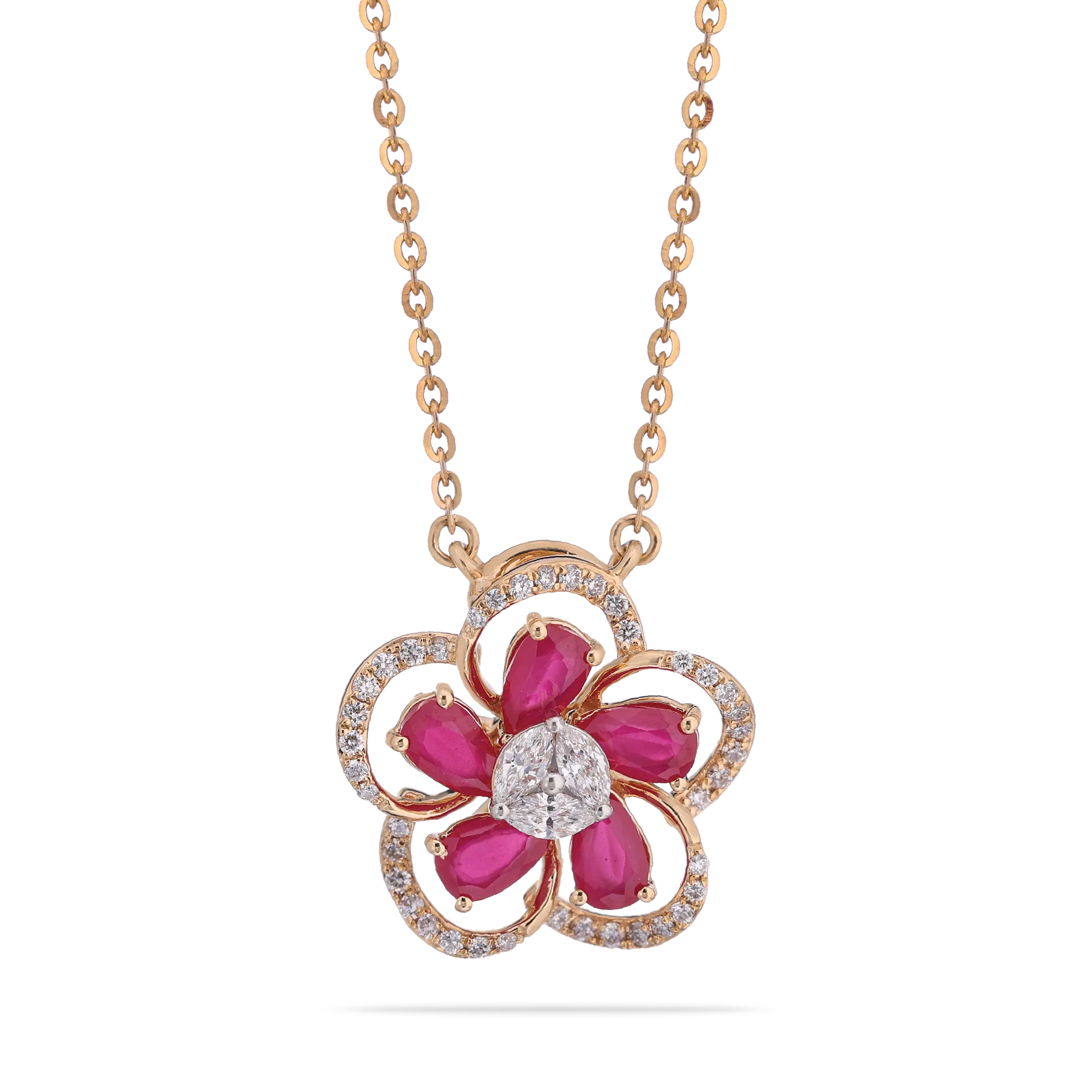
Many designers are taking classic South Indian motifs – like the peacock, lotus, or even temple carvings – and giving them a sleeker, more minimalist makeover. You'll see these familiar shapes in more delicate settings, perhaps with a single gemstone instead of a whole cluster, or in a more geometric arrangement. This approach lets you honor your heritage without feeling like you're wearing a costume. It’s about finding that sweet spot where tradition meets your personal style. For instance, a traditional Lakshmi Haar might be reimagined as a pendant on a finer gold chain, or jhumkas could be scaled down and given a more abstract, artistic twist. It’s a smart way to incorporate these meaningful designs into everyday wear too, not just for the wedding day.
Incorporating Pearls for Subtle Sophistication
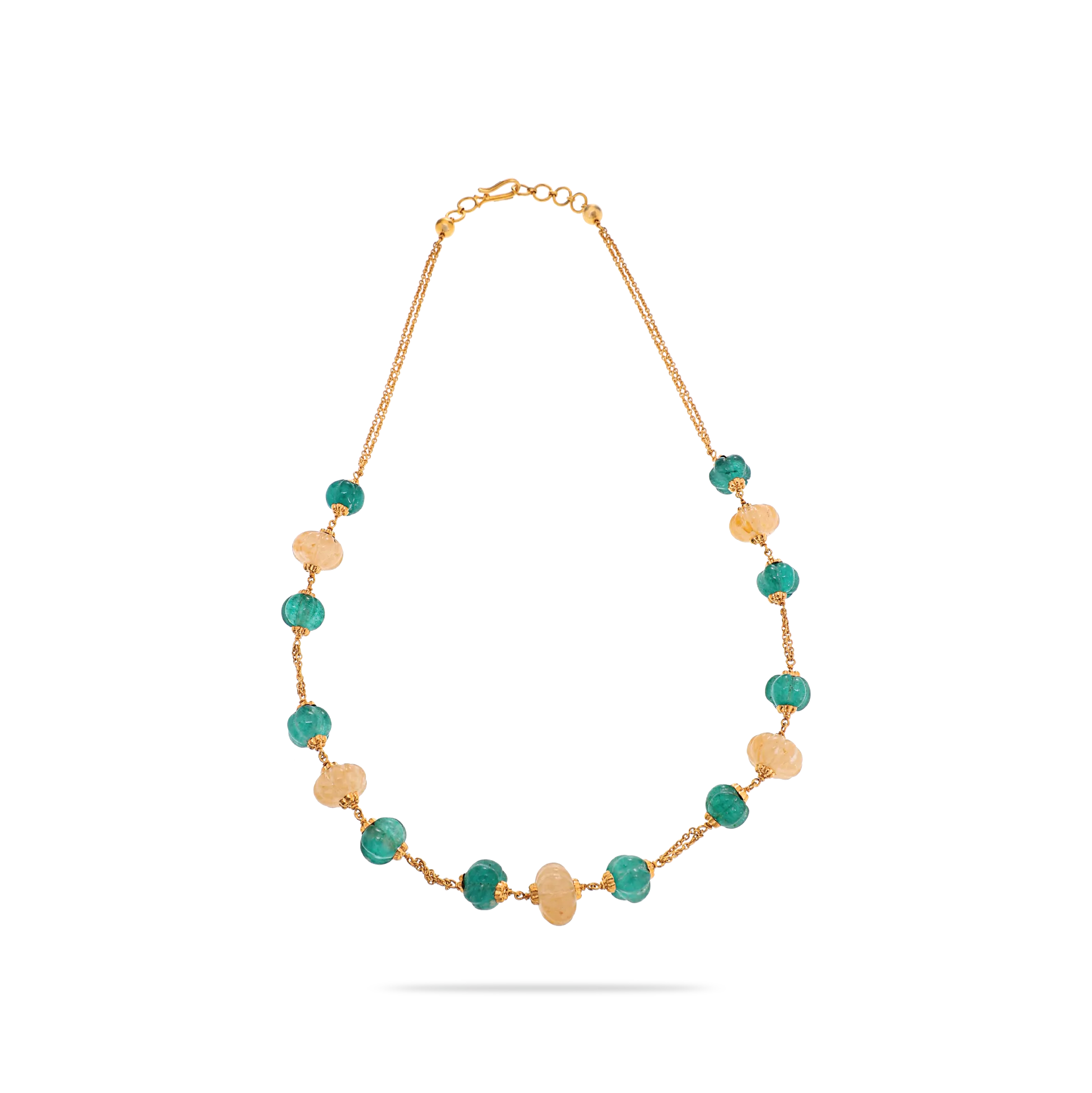
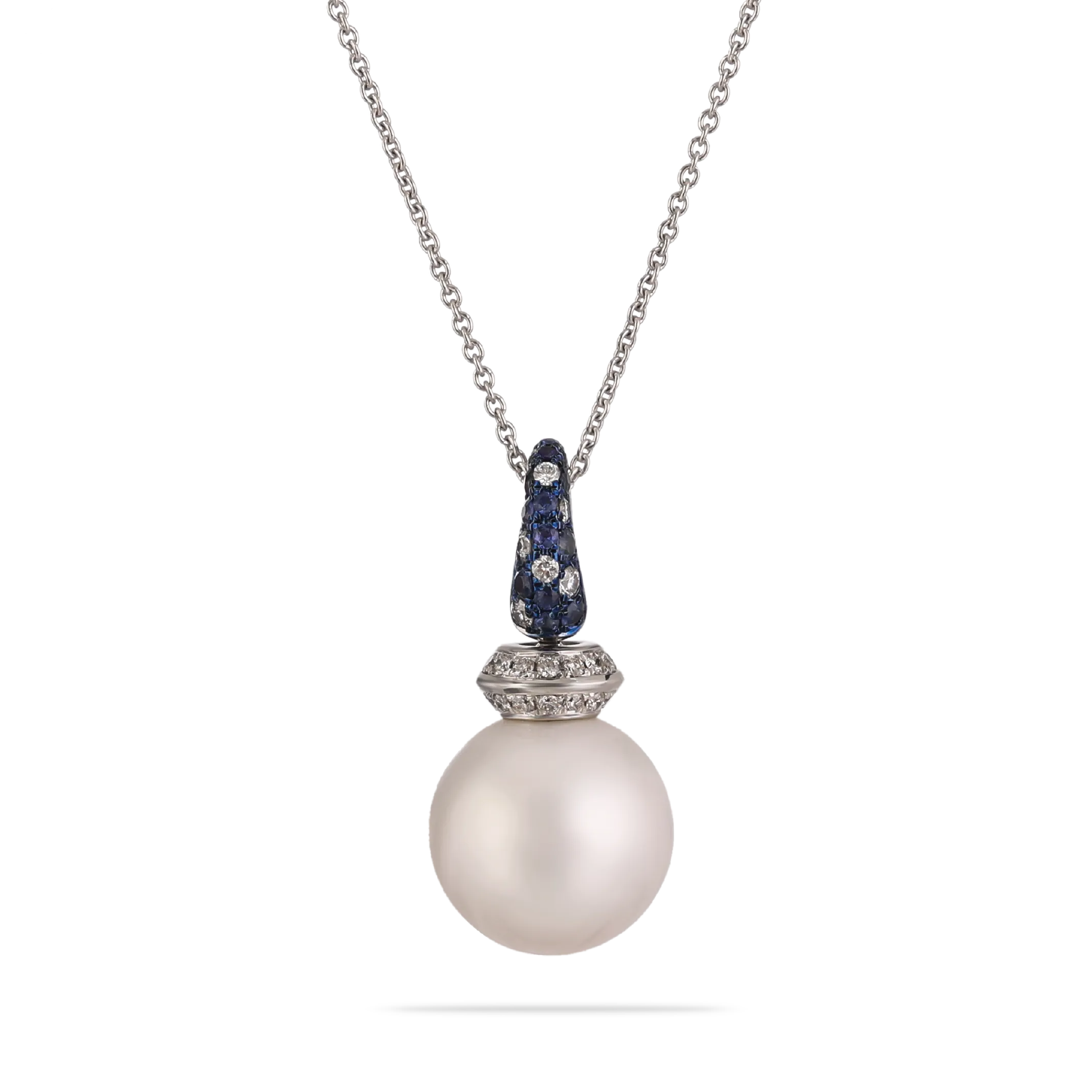
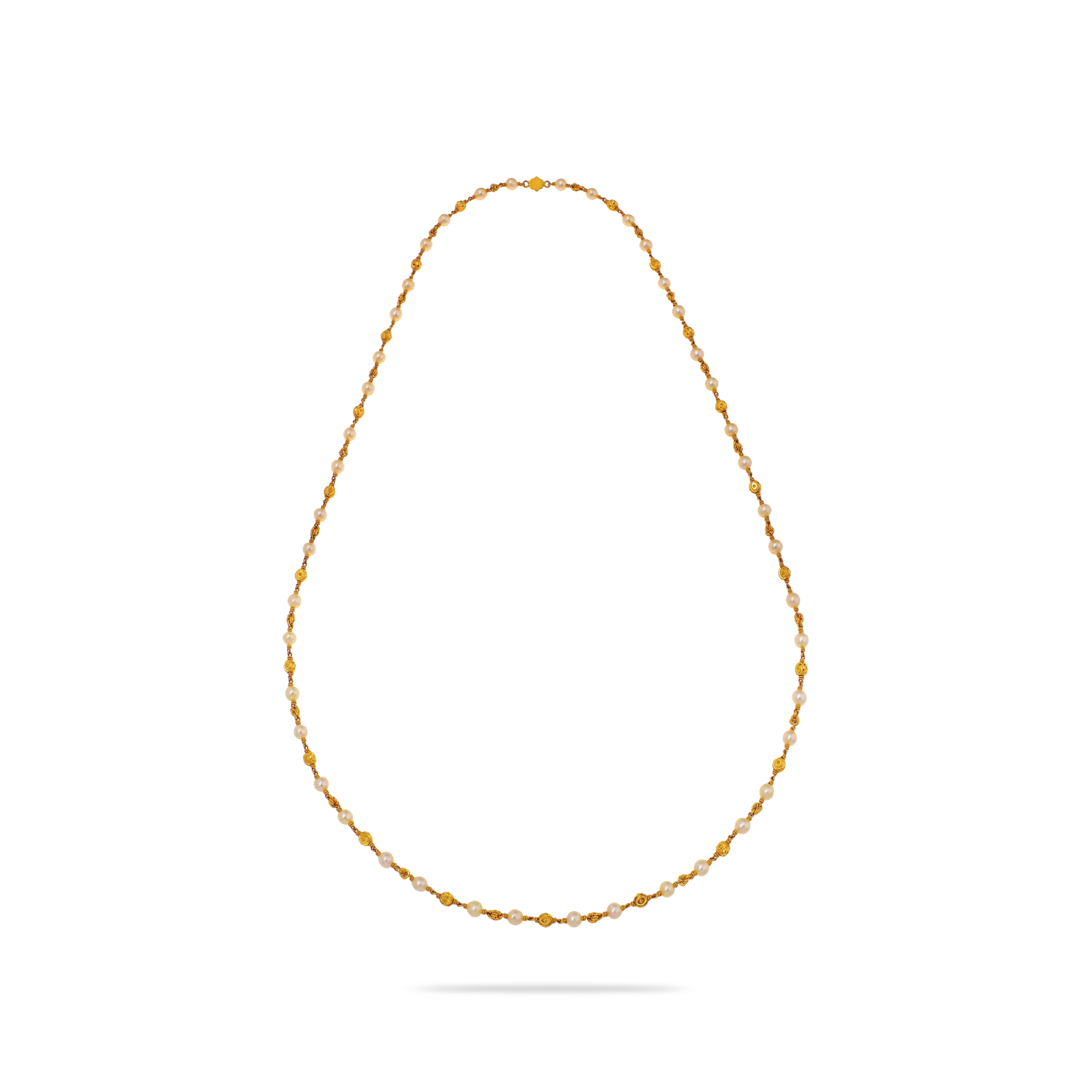
Pearls have always been a part of Indian jewellery, but they're really having a moment in modern bridal designs. They add a soft, luminous quality that contrasts beautifully with the richness of gold. You might find pearl-studded bangles that aren't as heavy as their all-gold counterparts, or chokers that feature pearls interspersed with small gold beads. Ear chains, often called 'mattal', are also being redesigned with delicate pearl drops. It’s a way to add a touch of understated elegance and a hint of vintage glamour. A necklace that combines traditional gold elements with a strand of pearls can be incredibly striking, offering a softer look that still feels very bridal. You can explore a wide range of these updated pieces at places like Tarinika's collection.
Gold-Plated Treasures for Added Radiance
Not every bride can go for solid gold for every single piece, and that's totally okay! Gold-plated jewellery has come a long way. Modern techniques mean these pieces look incredibly authentic and can be quite detailed. They often feature intricate designs inspired by traditional temple jewellery or Kundan work, but at a more accessible price point. This allows brides to complete their look with a wider array of accessories, like statement waistbands or elaborate armlets, without breaking the bank. It’s a practical choice that doesn’t compromise on the overall aesthetic. You can find some really beautiful, detailed gold-plated options that add that extra layer of sparkle to your bridal ensemble, making your special day even more dazzling.
The beauty of modern South Indian bridal jewellery lies in its adaptability. It respects the past while embracing the present, allowing each bride to craft a look that is uniquely her own, blending timeless symbols with contemporary flair.
A Legacy of Sparkle
So, there you have it. South Indian bridal jewelry is more than just pretty things to wear; it's a whole story of tradition, family, and looking absolutely amazing on your wedding day. Whether you're drawn to the classic gold pieces that have been passed down or you're digging the intricate designs of temple jewelry, each item adds its own special touch. Picking the right pieces isn't just about looking good, it's about carrying on a beautiful legacy. It’s about making sure your big day is as memorable and radiant as the jewelry you’ll be wearing.
Frequently Asked Questions
What makes South Indian bridal jewelry special?
South Indian bridal jewelry is special because it's made with lots of tradition and skill. It often uses a lot of gold and has beautiful designs inspired by temples and nature. Each piece tells a story and shows off the bride's culture.
What are some must-have jewelry pieces for a South Indian bride?
Some key pieces include a beautiful gold necklace set, fancy earrings like Jhumkas , bangles that jingle on her wrists, a waist belt called a Kamarbandh, and a Maang Tikka for her forehead. Armlets called Vanki are also popular.
What is Temple Jewellery?
Temple jewellery is inspired by the carvings and designs found in old South Indian temples. It often has pictures of gods and goddesses and uses precious stones and pearls. It's known for its detailed and sacred look.
Can I mix traditional and modern jewelry styles?
Absolutely! Many brides today mix old and new styles. You can wear a traditional necklace with more modern earrings, or choose jewelry made with classic designs but in a slightly different way. It's all about making your look unique.
What's the importance of gold in South Indian weddings?
Gold is super important! It's seen as a symbol of wealth, purity, and good luck. Brides wear a lot of gold jewelry because it's believed to bring prosperity to the new couple and is often passed down as a family treasure.
Are there different types of jewelry besides gold?
Yes! While gold is very popular, brides also wear jewelry with colorful stones like Kundan or uncut diamonds like Polki. Pearls are also used a lot for a touch of elegance. Sometimes, gold-plated jewelry is used to get a rich look without being too heavy.
Shine Bright on Your Big Day: Exquisite Bridal Diamond Jewellery Collections
10 minute read
Timeless Elegance: Exploring the Enduring Charm of Traditional Bridal Jewellery
10 minute read
Related blogs:
November 20, 2025
The Timeless Elegance of the Tennis Bracelet: A Comprehensive Guide
Read More
November 20, 2025
The Ultimate Guide to Styling and Wearing a Choker Necklace
Read More
November 20, 2025
Find Your Perfect Engagement Ring: A Comprehensive Guide to Styles and Diamonds
Read More
November 20, 2025
The Timeless Elegance of a Diamond Tennis Bracelet: A Buyer's Guide
Read More









.webp)

.webp)