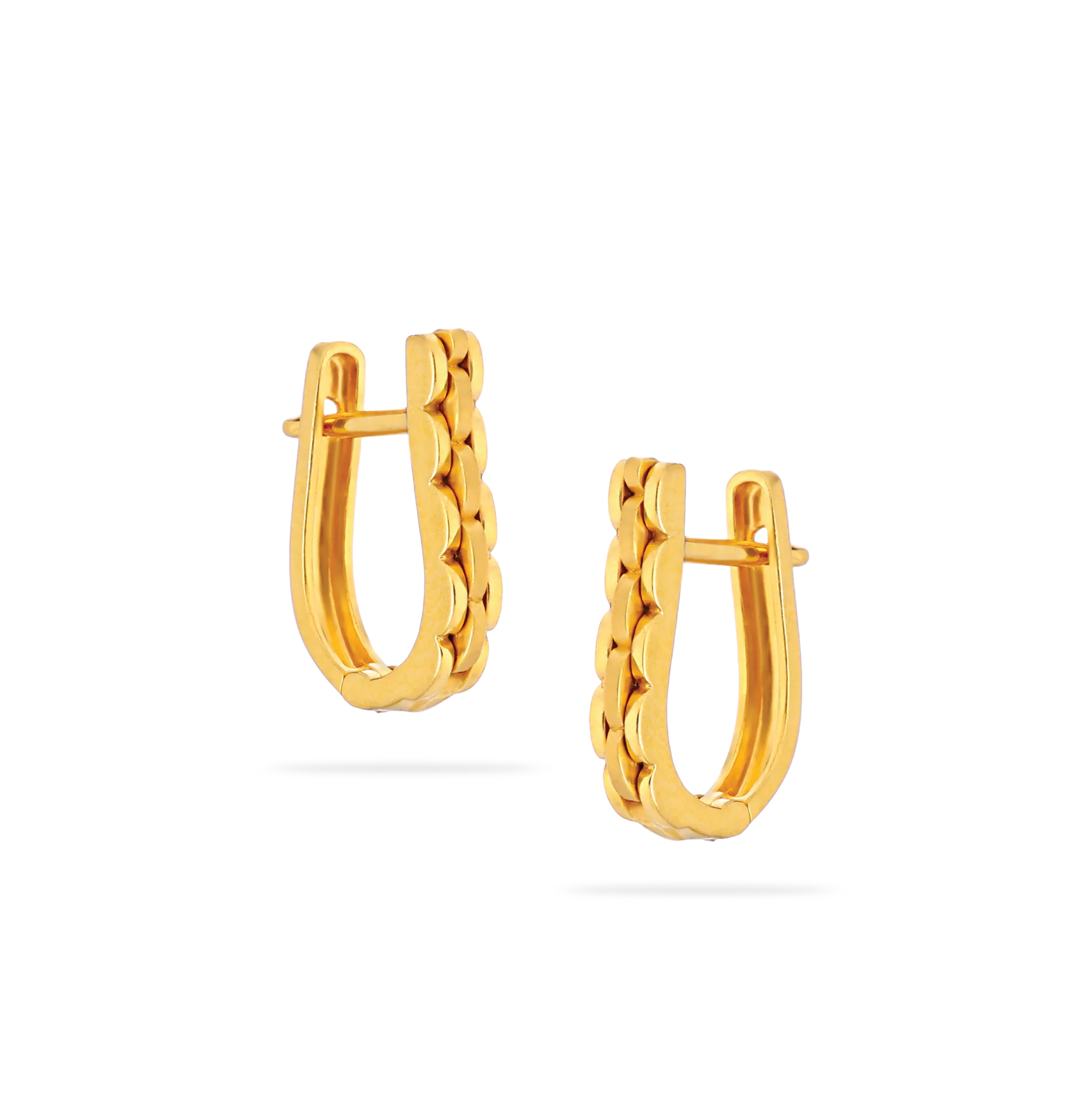
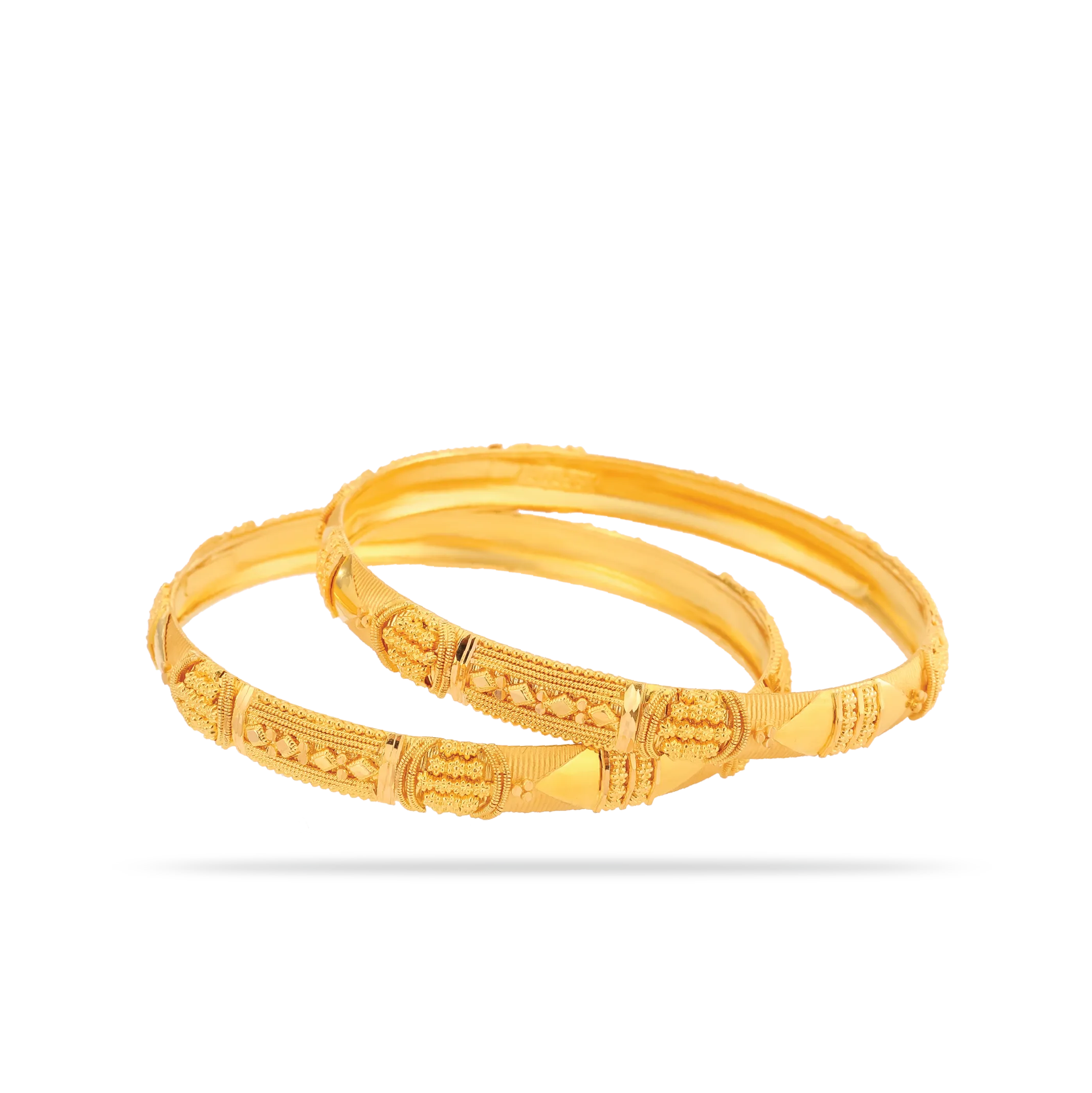
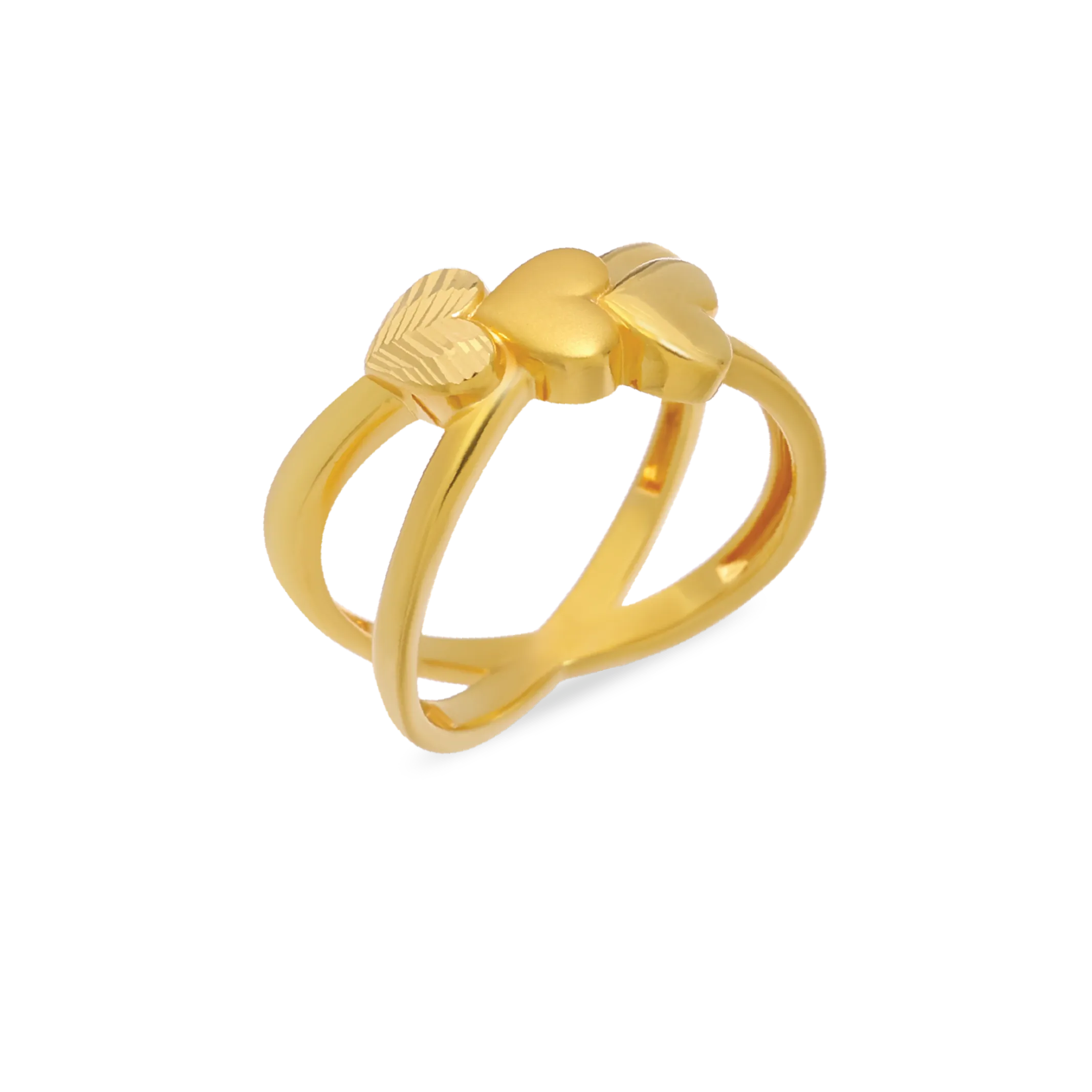
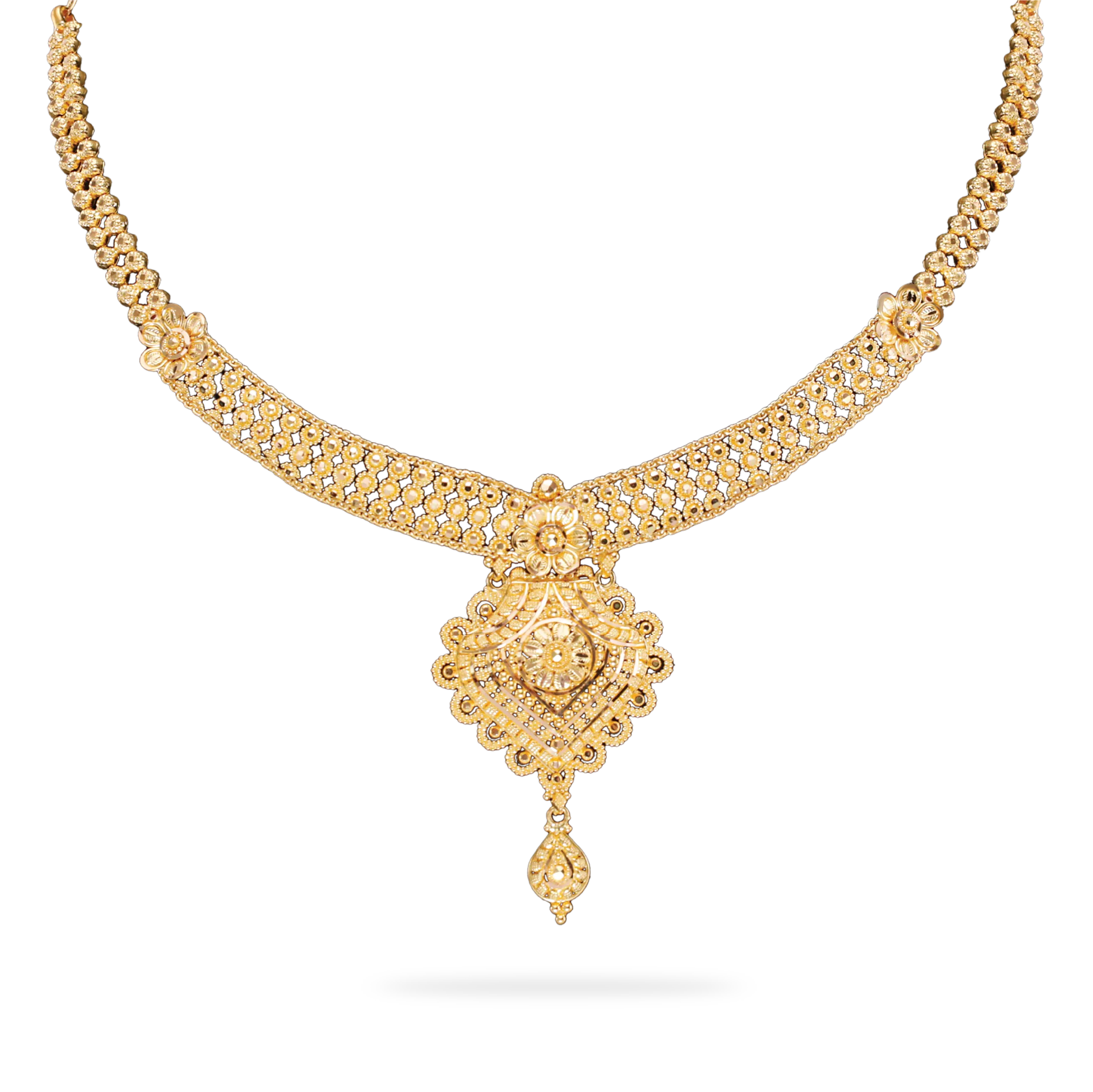
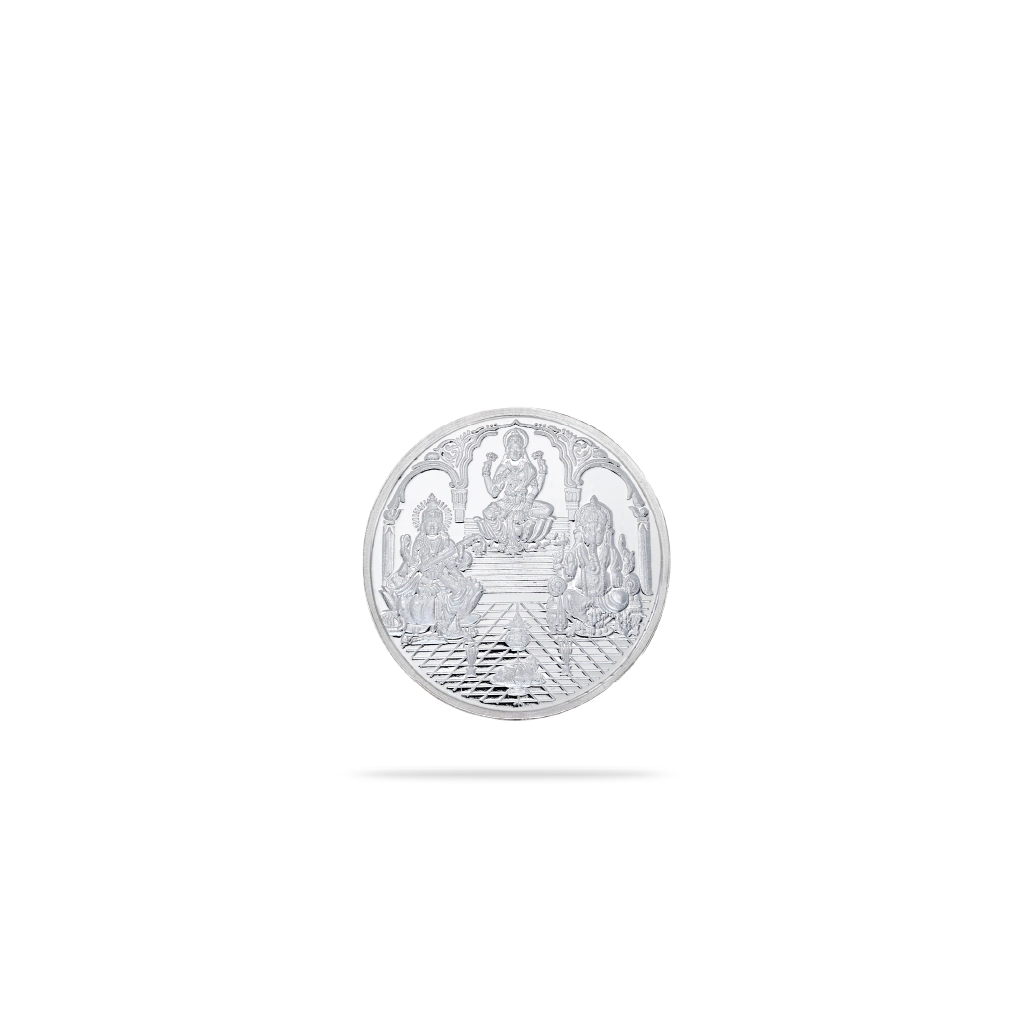
Discover Exquisite Temple Jewellery: A Guide to Timeless Indian Designs
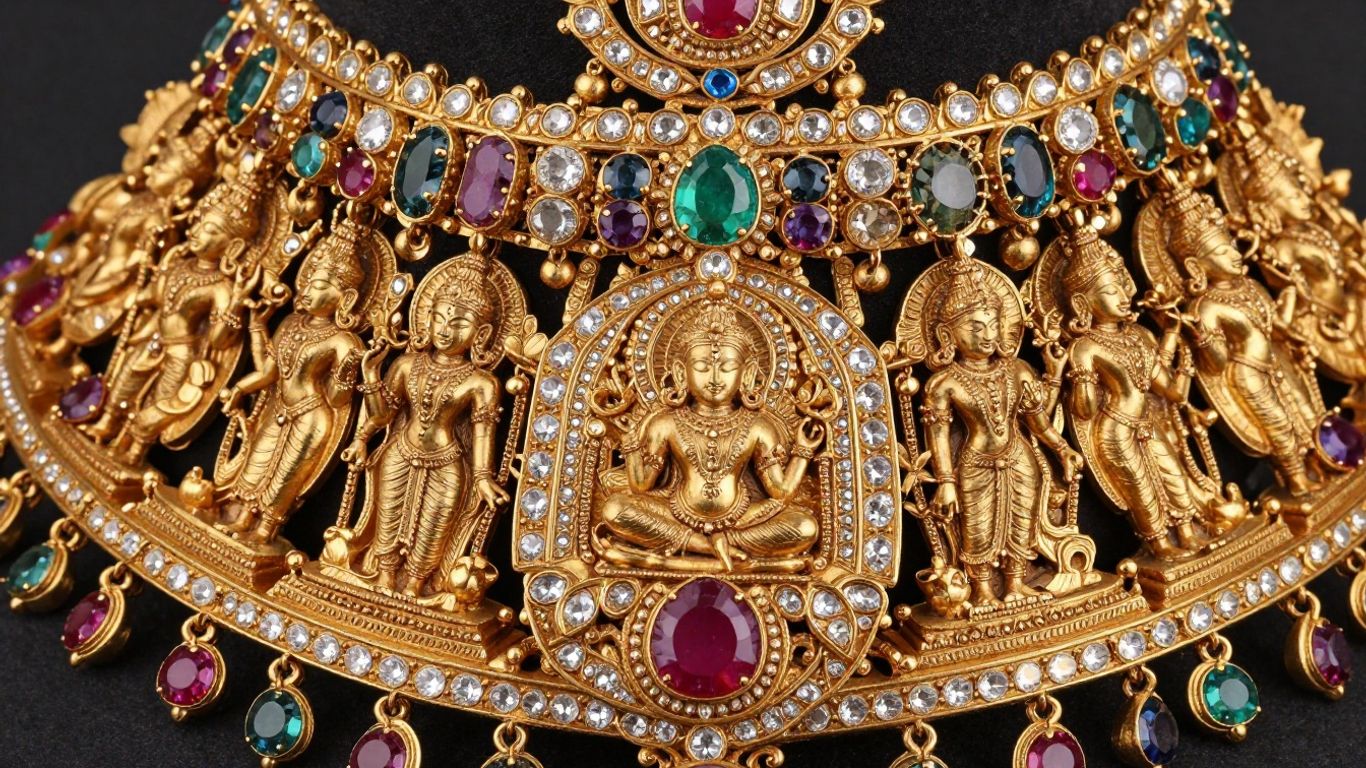
March 27, 2026 | 10 minutes read
Indian temple jewellery is something else, isn't it? It's not just pretty; it's got this whole history and spiritual vibe attached to it. Think intricate designs, religious symbols, and craftsmanship that's been passed down for ages. We're talking about pieces that have graced deities, royalty, and now, modern brides and dancers. This guide is all about exploring that unique world, from its ancient roots to how it's worn today. Get ready to discover why temple jewellery is so much more than just an accessory.
Key Takeaways
- Temple jewellery has deep historical roots, originating in South India and linked to temple art and deities.
- The designs are rich with symbolism, often featuring motifs from Hindu mythology and nature.
- Craftsmanship is a major aspect, with techniques like lost wax casting and intricate detailing passed down through generations.
- Traditionally made with gold and precious stones , temple jewellery is seen as an investment and an heirloom.
- Modern adaptations blend traditional temple jewellery designs with contemporary styles and materials, making them versatile for today's wearers.
The Enduring Allure Of Temple Jewellery
A Glimpse Into Its Rich History
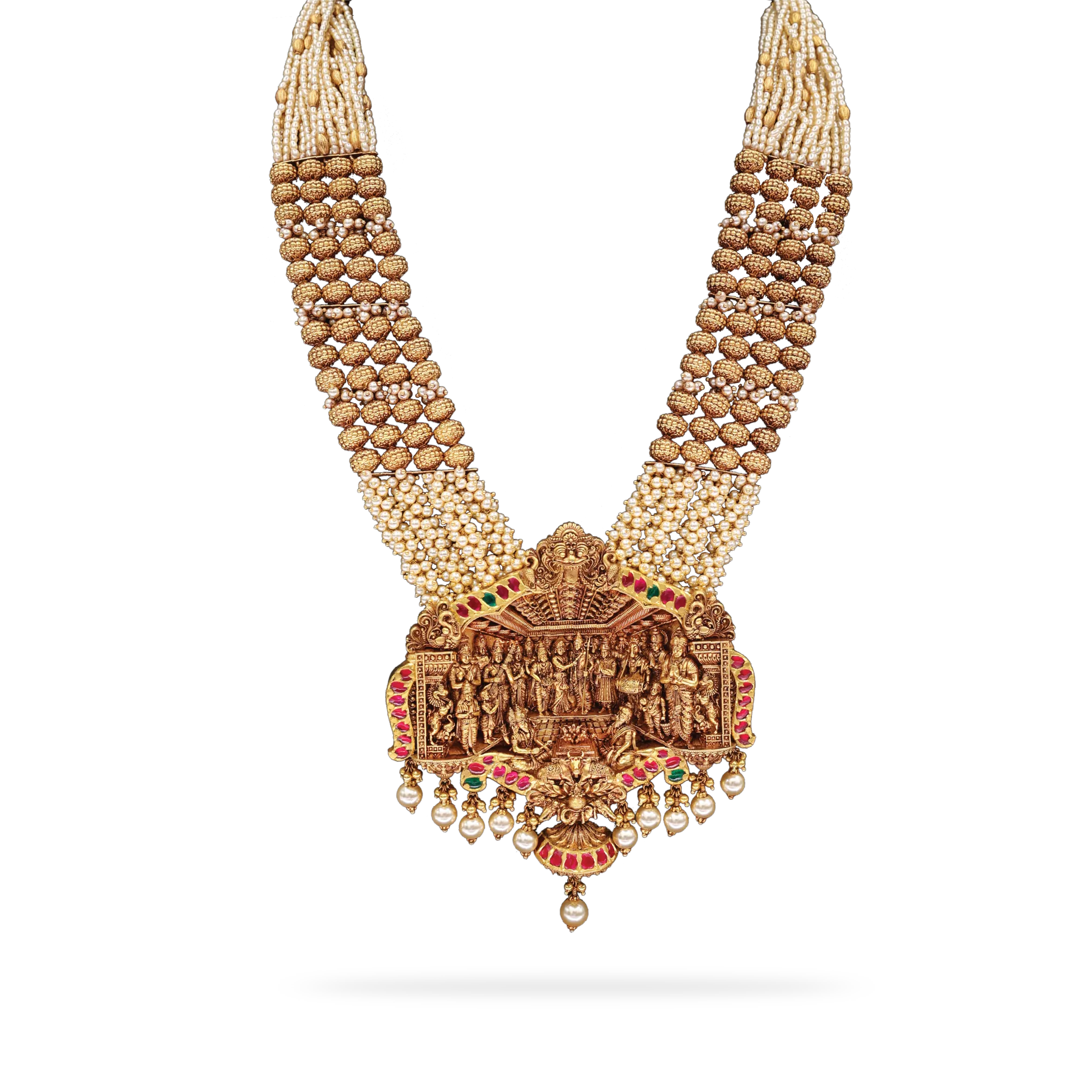
Temple jewellery isn't just about pretty things to wear; it's got a story that goes way back, like, centuries back. We're talking about designs that started in the temples of South India, particularly during the Chola and Pandya dynasties, which were big on art and culture between the 9th and 13th centuries. These weren't just decorations; they were often commissioned for the deities themselves. Imagine intricate gold pieces, sometimes depicting scenes from Hindu mythology, all made using old-school techniques like lost wax casting. It’s pretty wild to think about how these designs have survived and evolved.
Spiritual Significance And Symbolism
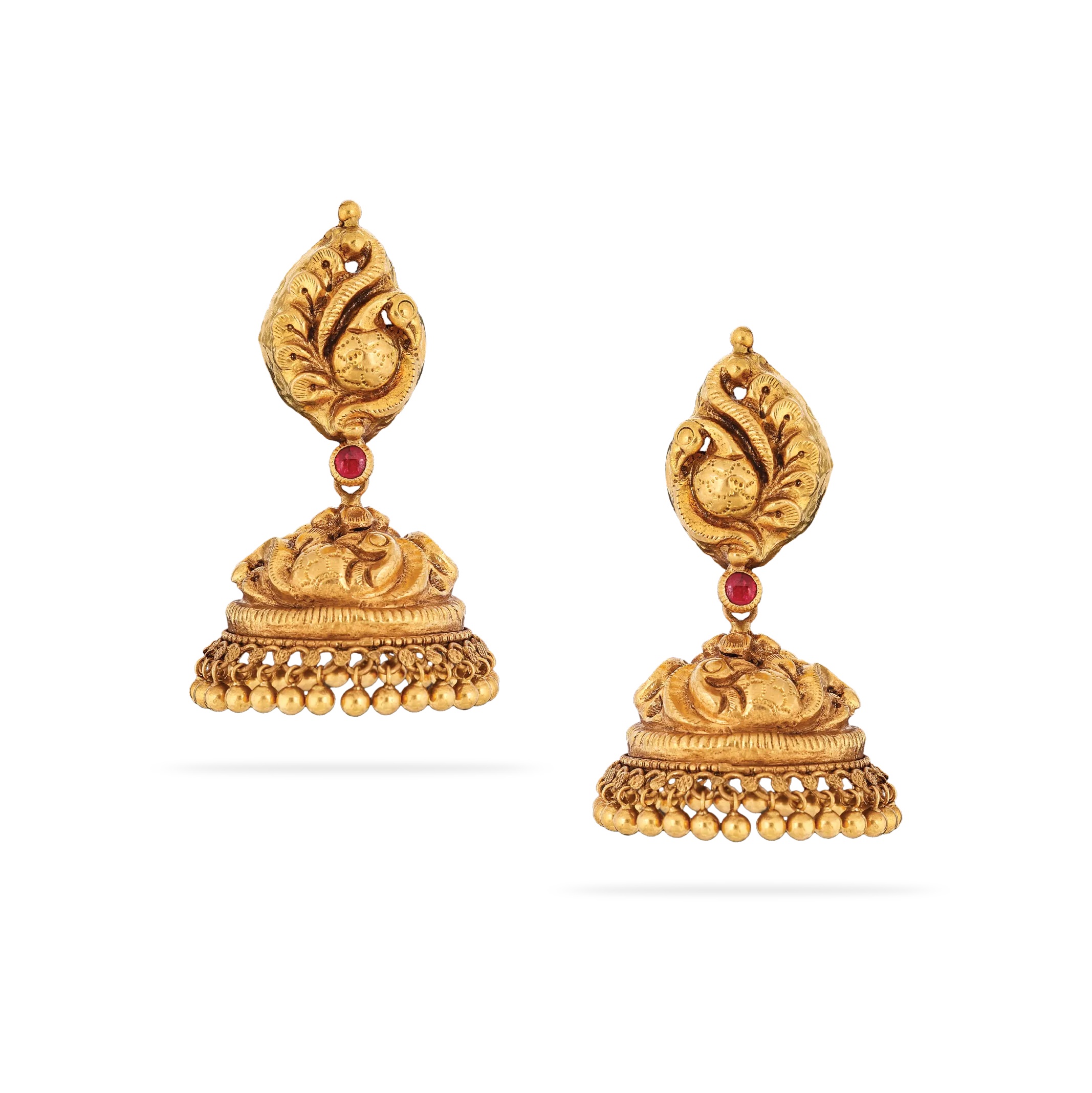
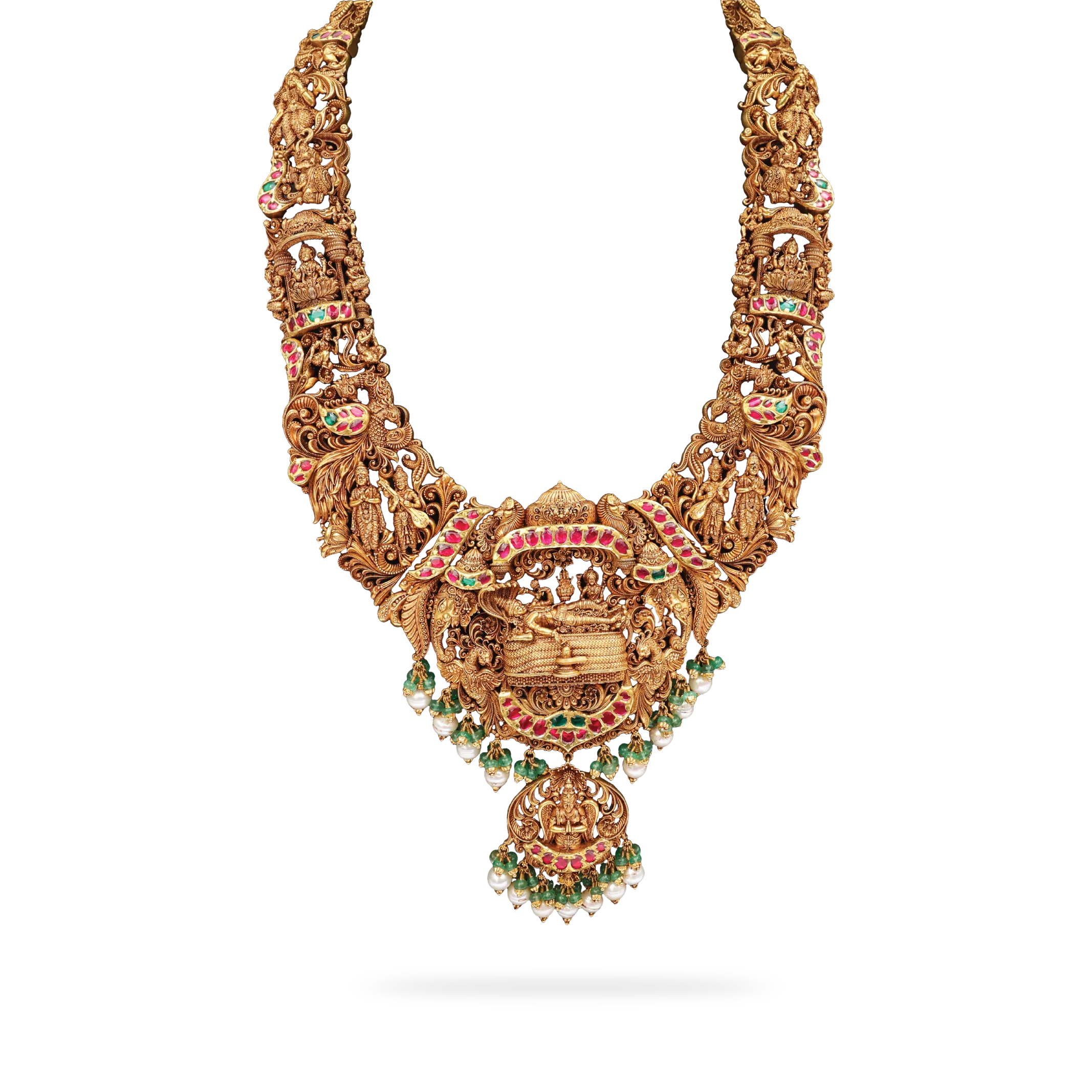
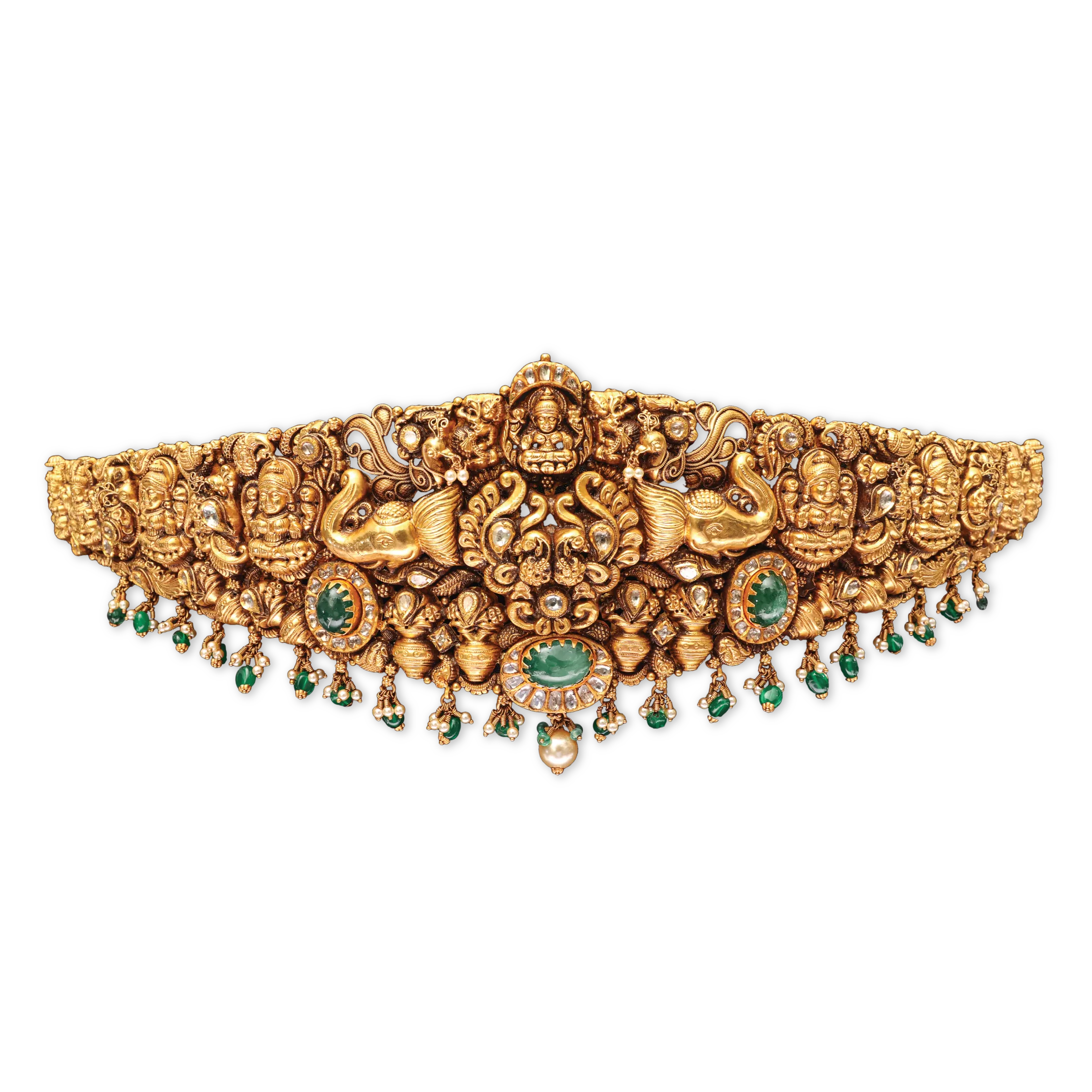
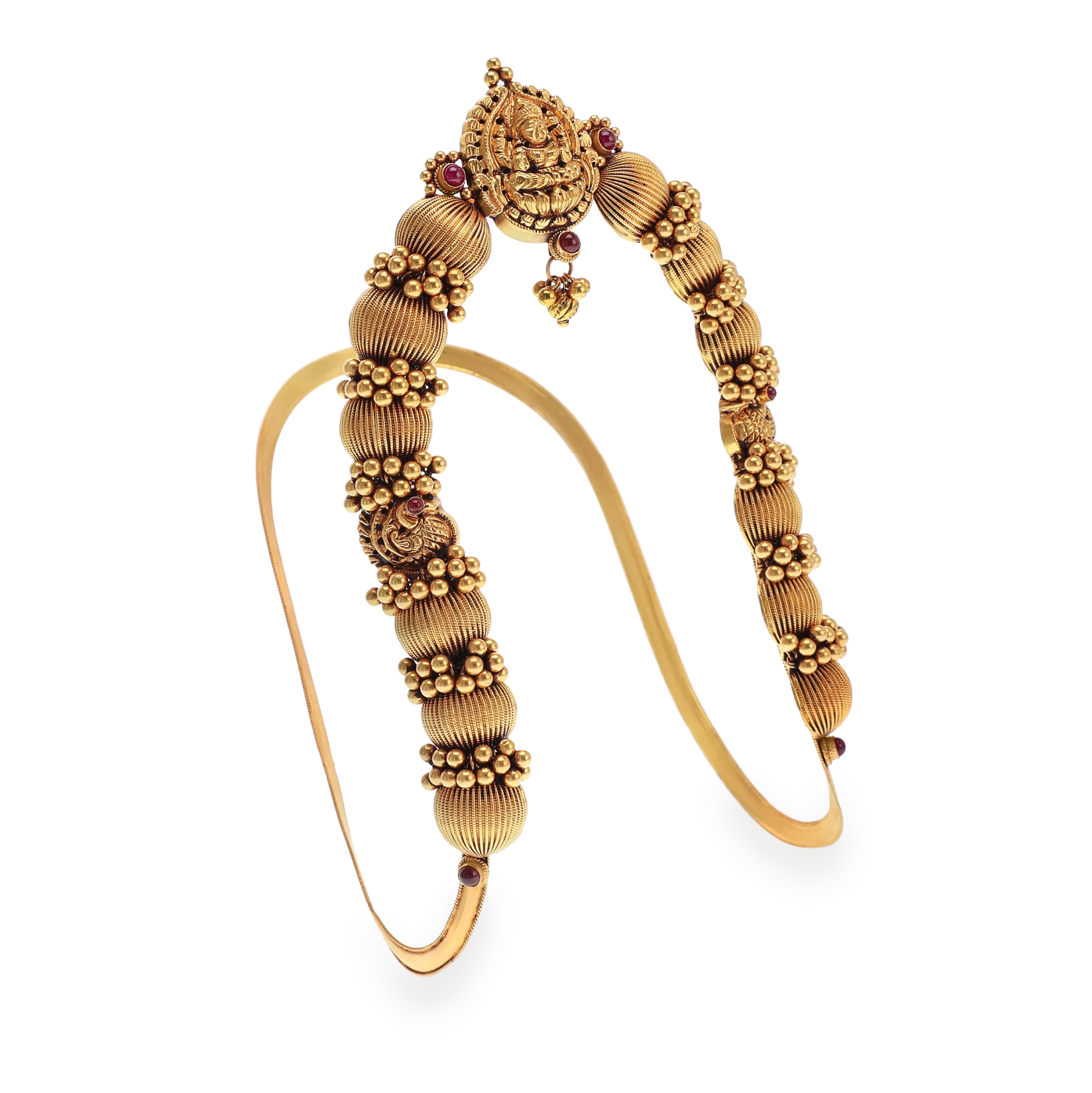
What really makes temple jewellery stand out is that it's packed with meaning. The motifs you see – like the lotus flower, peacocks, or even images of gods and goddesses like Lakshmi or Ganesha – aren't just random patterns. They're symbols tied to Hindu beliefs, representing things like prosperity, fertility, protection, and good fortune. Wearing these pieces was, and still is, thought to bring blessings and positive vibes to the wearer. It’s like carrying a little piece of spiritual protection and good luck with you.
The Craftsmanship Behind Each Piece
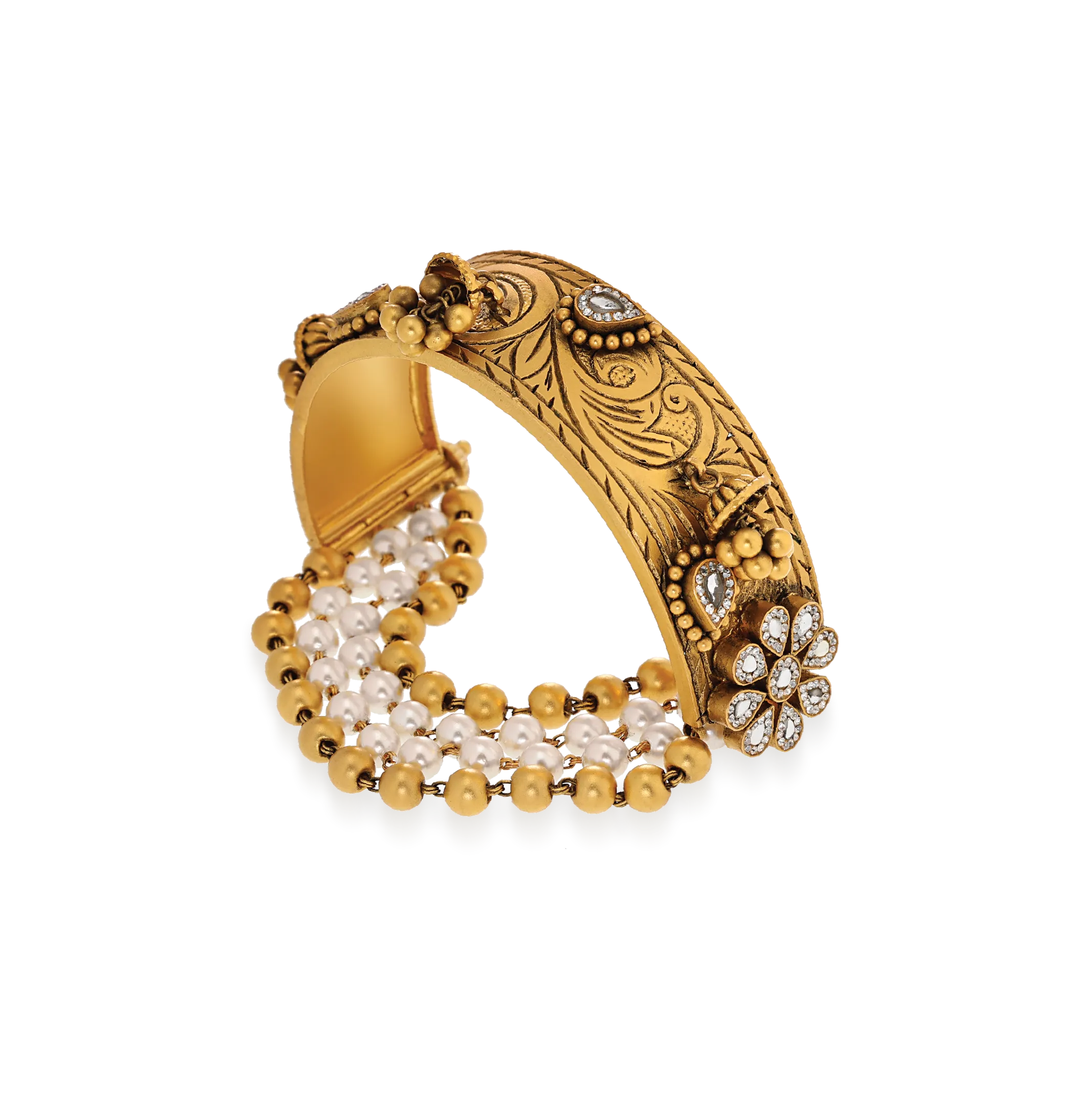
Seriously, the way these pieces are made is mind-blowing. It’s all about skilled artisans who have learned these techniques over generations. They often start with a base, usually gold or silver, and then meticulously add details. Think intricate filigree work, where they create delicate patterns with fine metal threads, and vibrant enamel work that adds pops of color. Then there are the gemstones, carefully set to catch the light. Each piece is handcrafted, and you can really see the attention to detail. It’s not mass-produced; it’s art you can wear.
The journey of temple jewellery from ancient temple adornments to modern-day treasures is a testament to its timeless appeal and the enduring skill of Indian artisans. It’s a connection to heritage that’s both beautiful and meaningful.
Exploring Traditional Temple Jewellery Designs
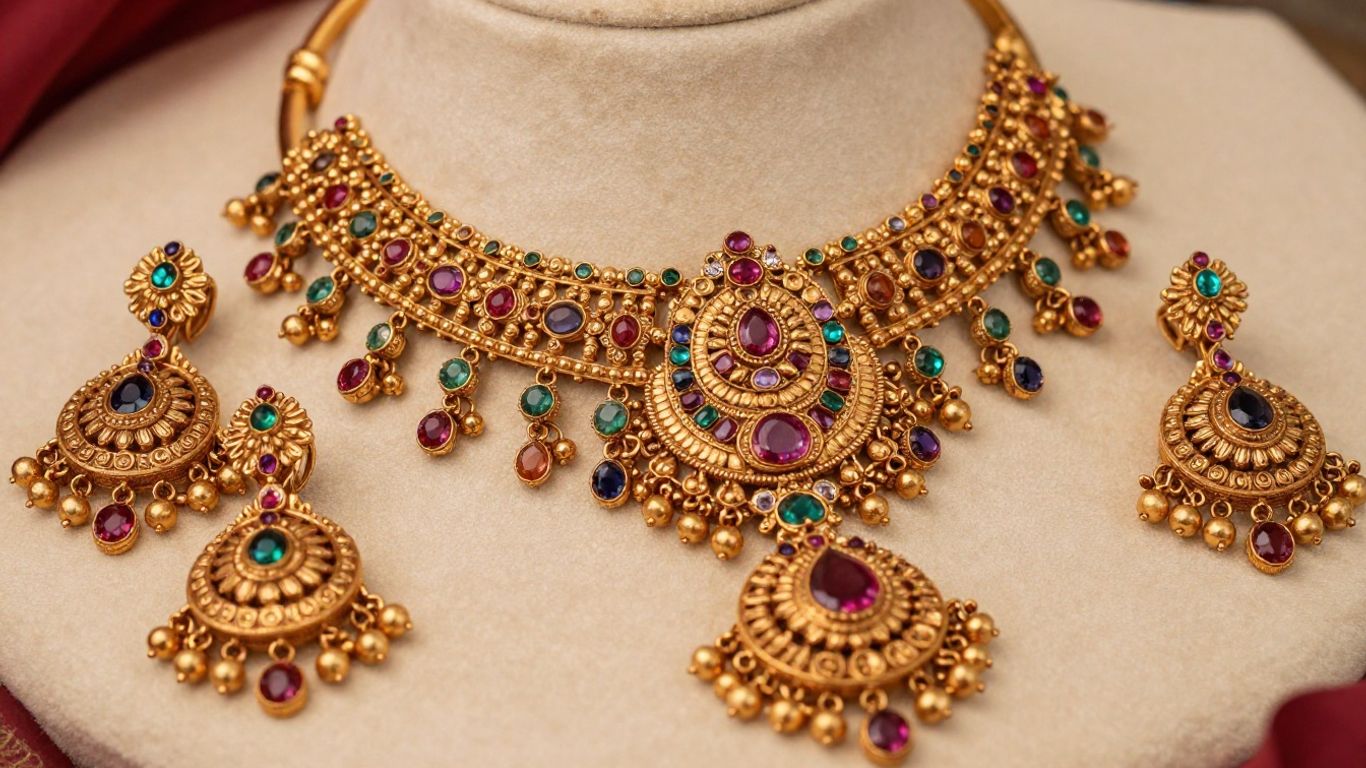
Temple jewellery isn’t just another trend—it’s an old South Indian art that’s remained special for centuries. When you hold a piece in your hand, you can sense the care that went into making it. Every detail, from the motifs to the goldwork, speaks of tradition and meaning. Let’s look at what sets these classic designs apart, especially their motifs, material choices, and cultural role.
Iconic Motifs And Their Meanings
- Deities: Images of gods and goddesses, like Lakshmi, Saraswati, and Ganesha, often feature front and center. They don’t just look beautiful—they’re meant to bring blessings and protection.
- Nature Symbols: Peacocks, elephants, mango leaves, and lotuses show up everywhere. Each symbol has a backstory—like the lotus, which stands for purity, or the elephant, a sign of wisdom and strength.
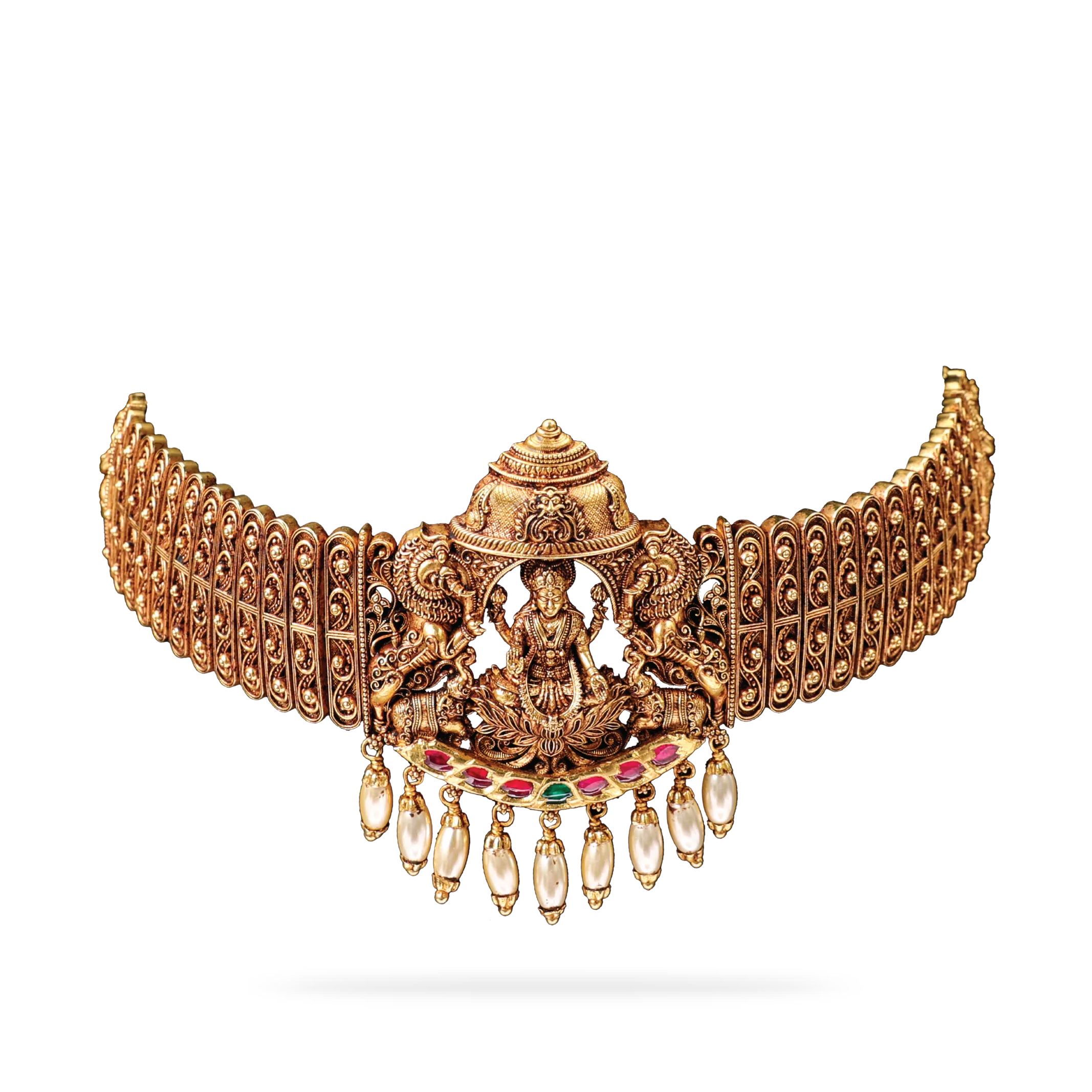
- Other Sacred Elements: Bells, coins (Kasina Sara), and temple domes remind everyone of the architecture and spirit inside South Indian temples.
| Motif | Symbolism |
|---|---|
| Lotus | Purity, beauty |
| Elephant | Strength, wisdom |
| Peacock | Spiritual grace |
| Lakshmi/Gods | Blessings, fortune |
Temple jewellery, inspired by temple decorations and worn by deities, carries deep cultural and spiritual meaning for every wearer.powerful and graceful designs
Materials And Gemstones Used
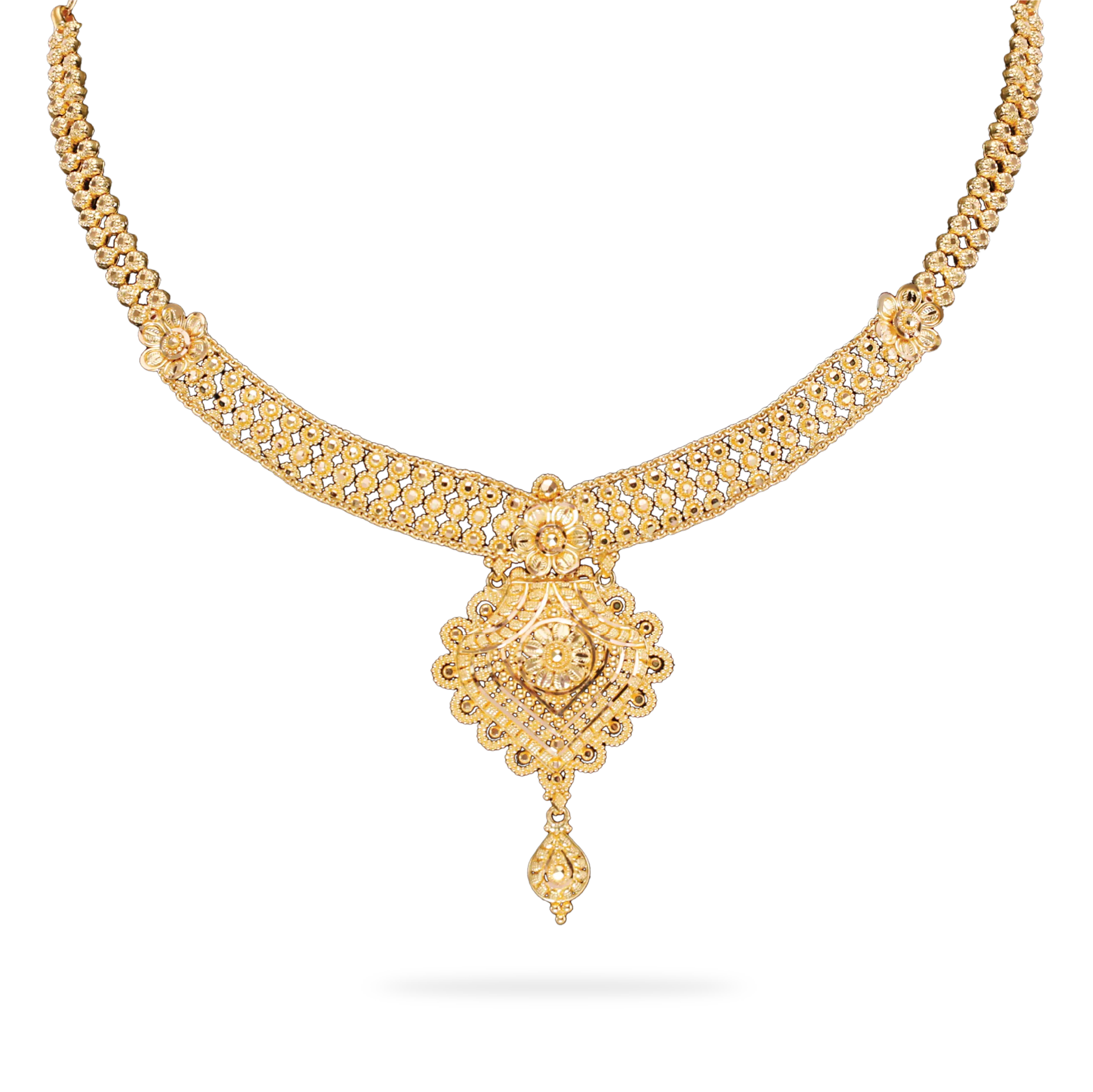
- Metals: Gold is king here. Sometimes pure gold, sometimes silver—occasionally mixed with copper or alloys for colors and strength.
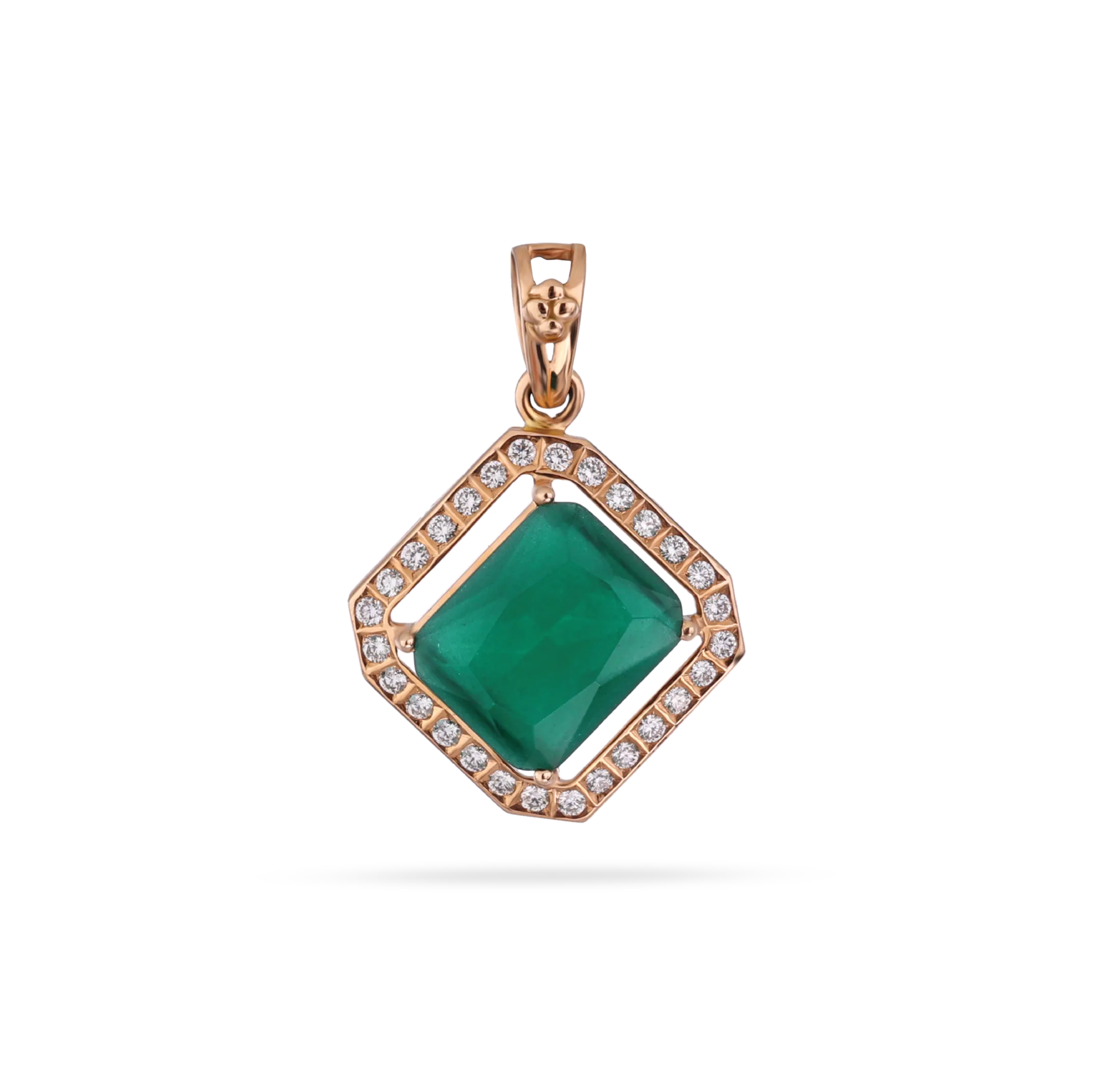
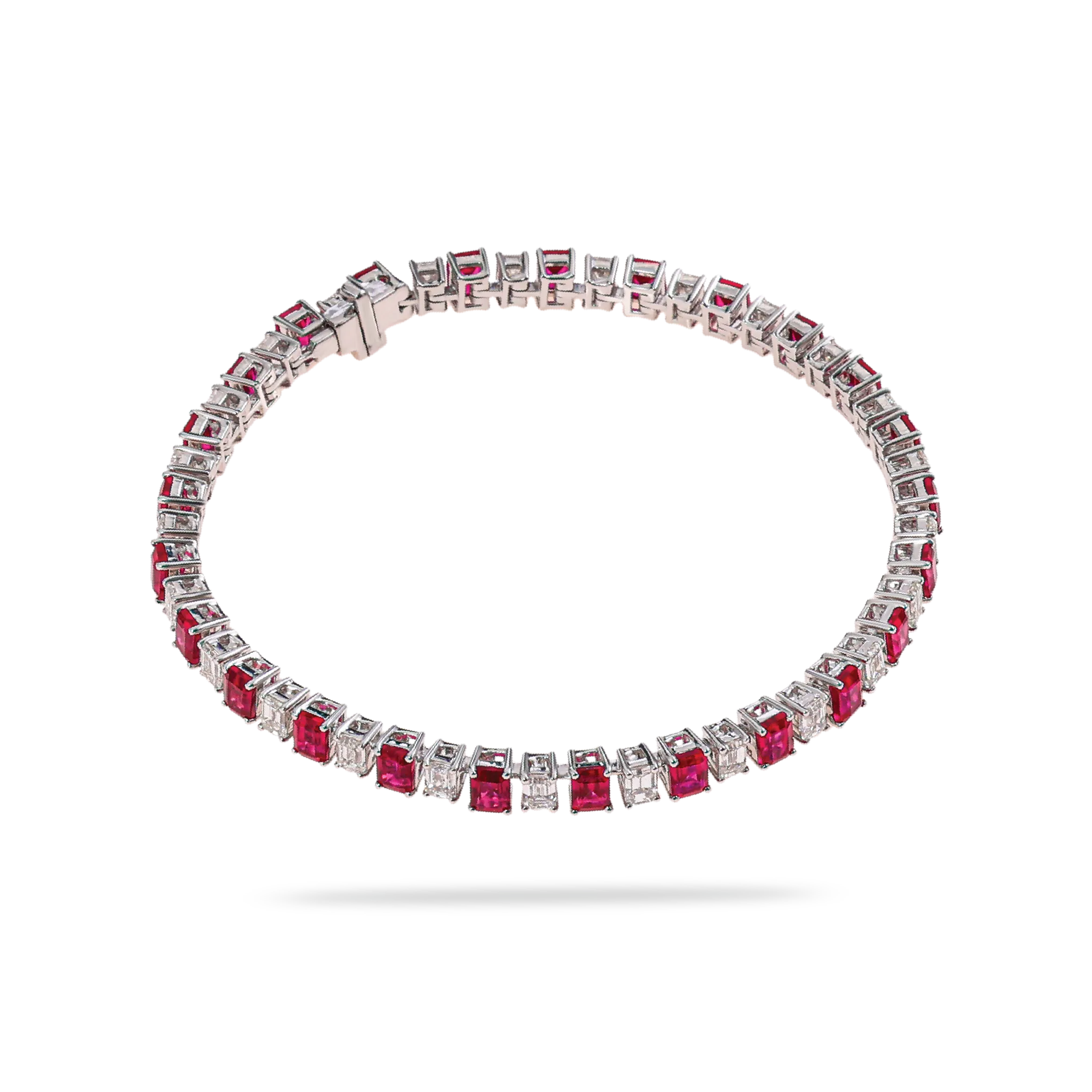
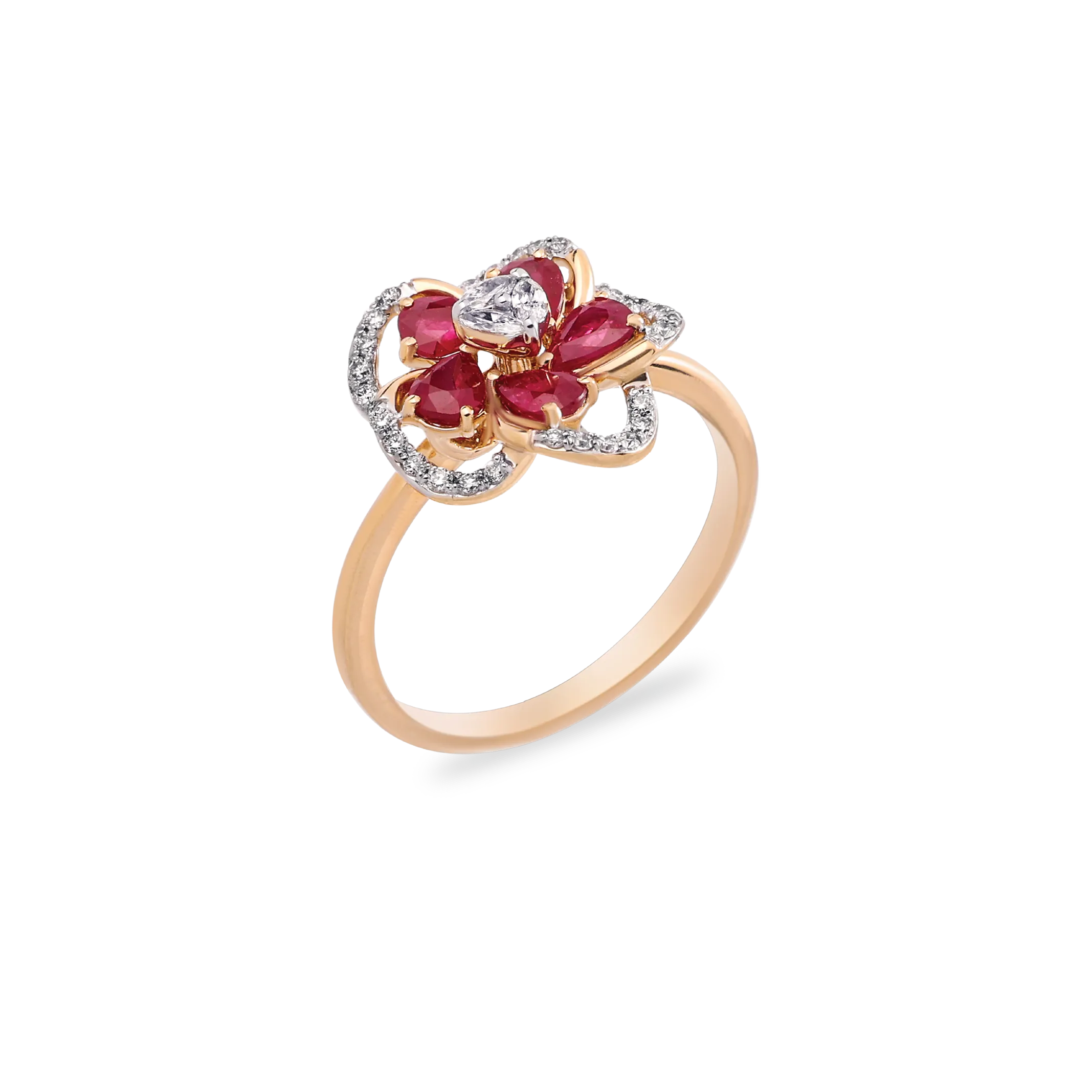
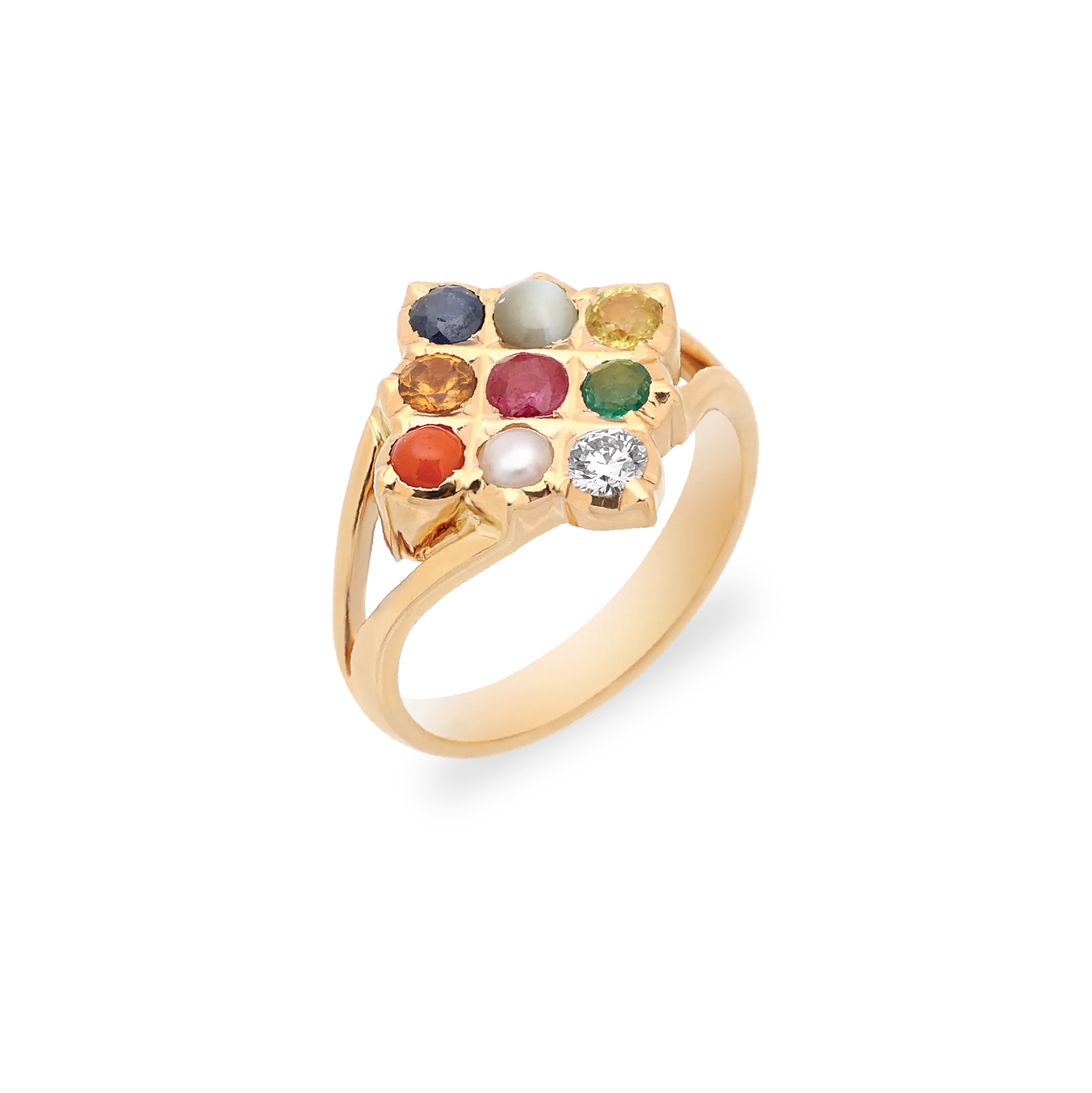
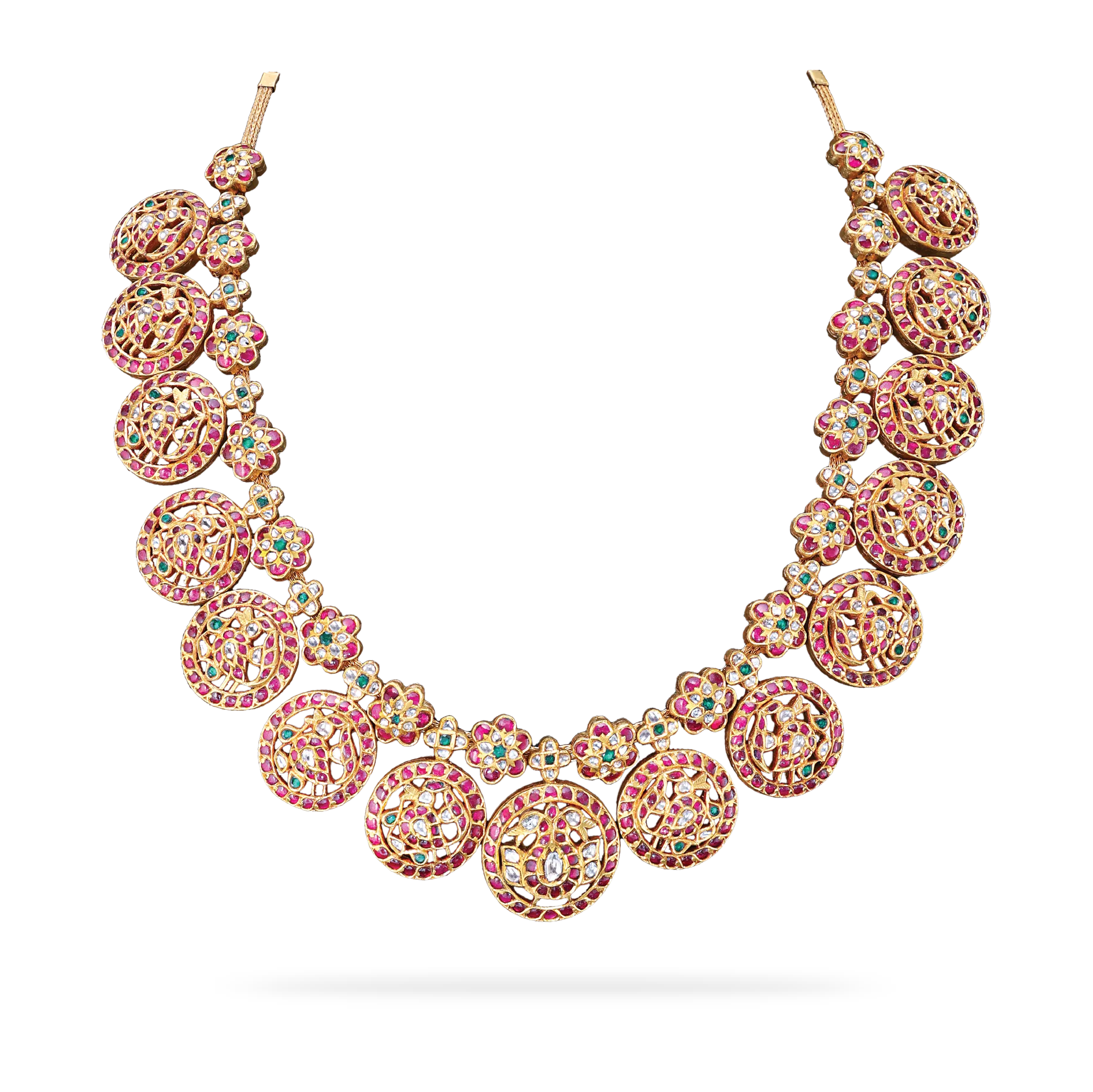
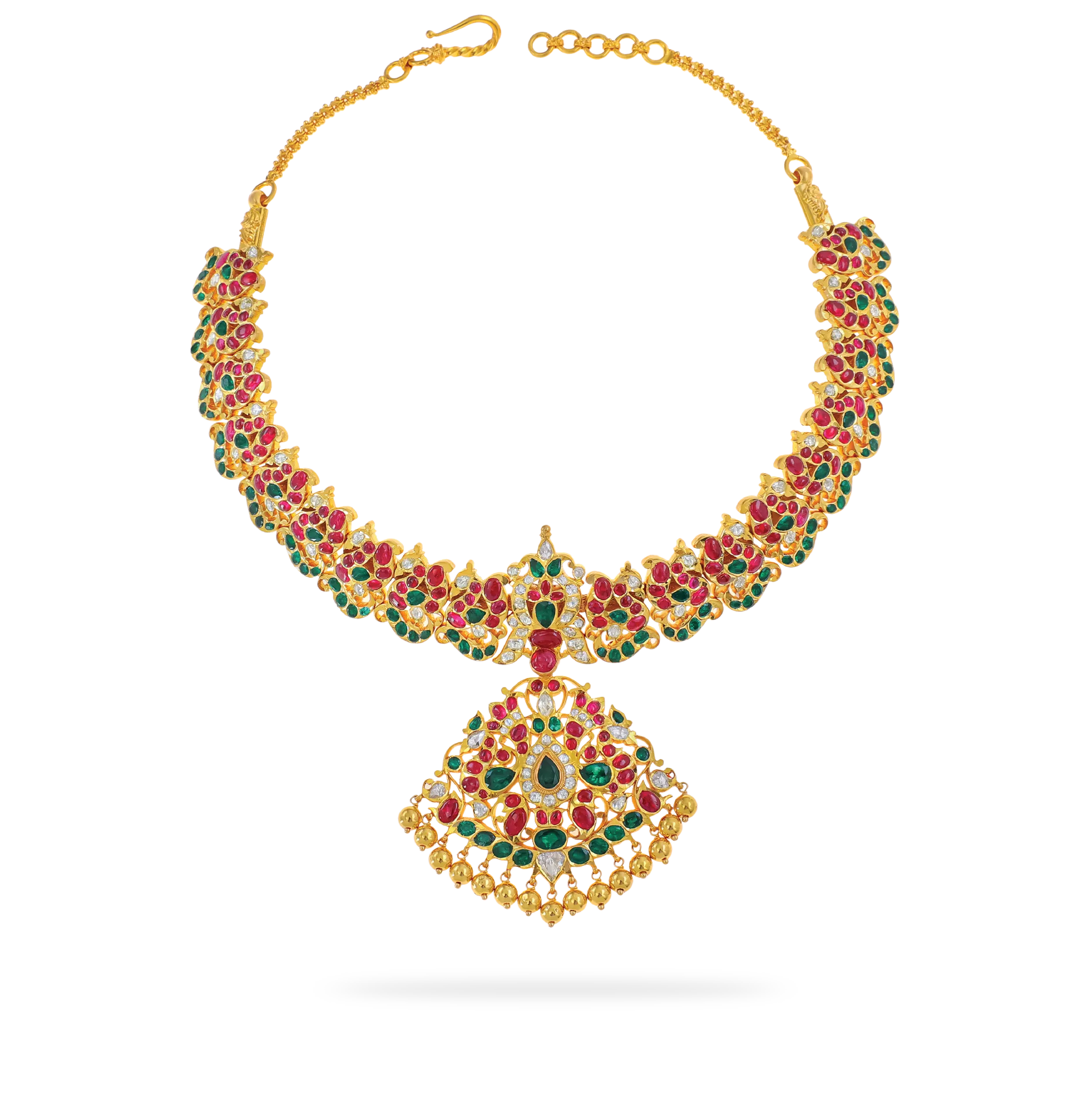
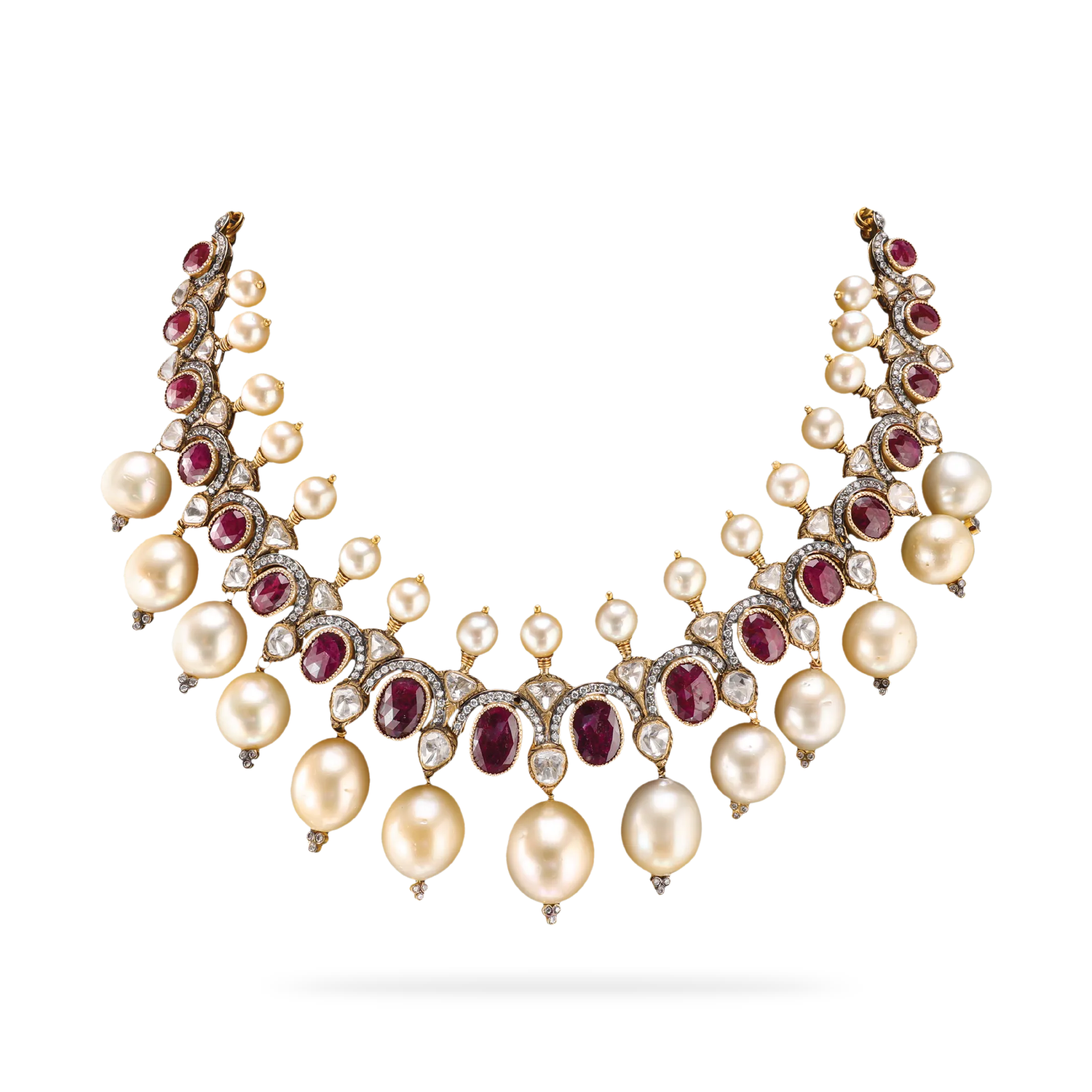
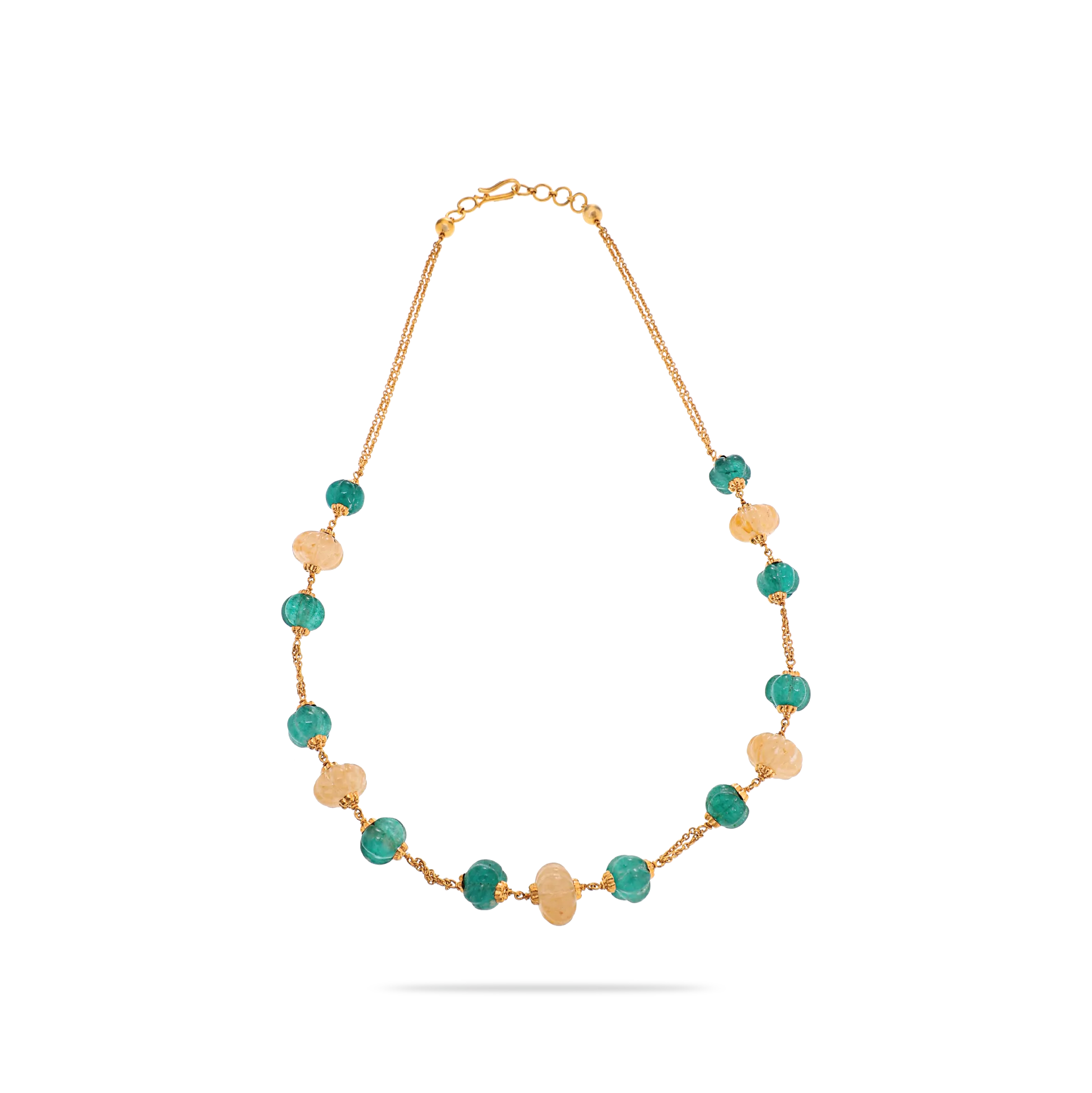
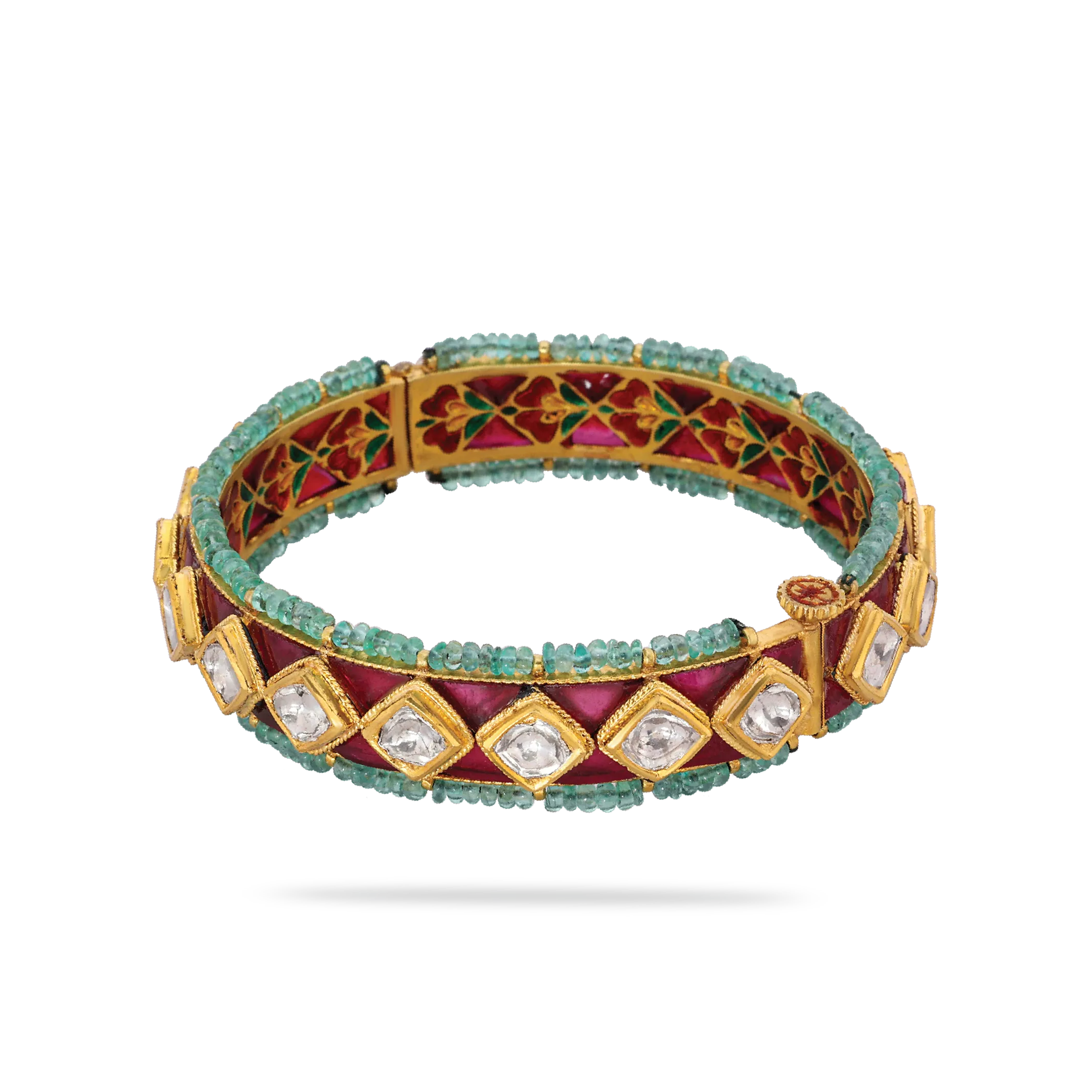
- Gemstones: Pearls, rubies, emeralds, and diamonds are common, but you’ll spot coral and turquoise too.
- Crafting Techniques: Artisans hammer, solder, and polish each component by hand. Lost wax casting lets them add all those tiny details.
| Material | Common Usage |
|---|---|
| Gold | Base and structure |
| Silver | Alternative, base metal |
| Pearls | Borders, highlights |
| Rubies/Emeralds | Motifs, accent stones |
The Role In South Indian Culture
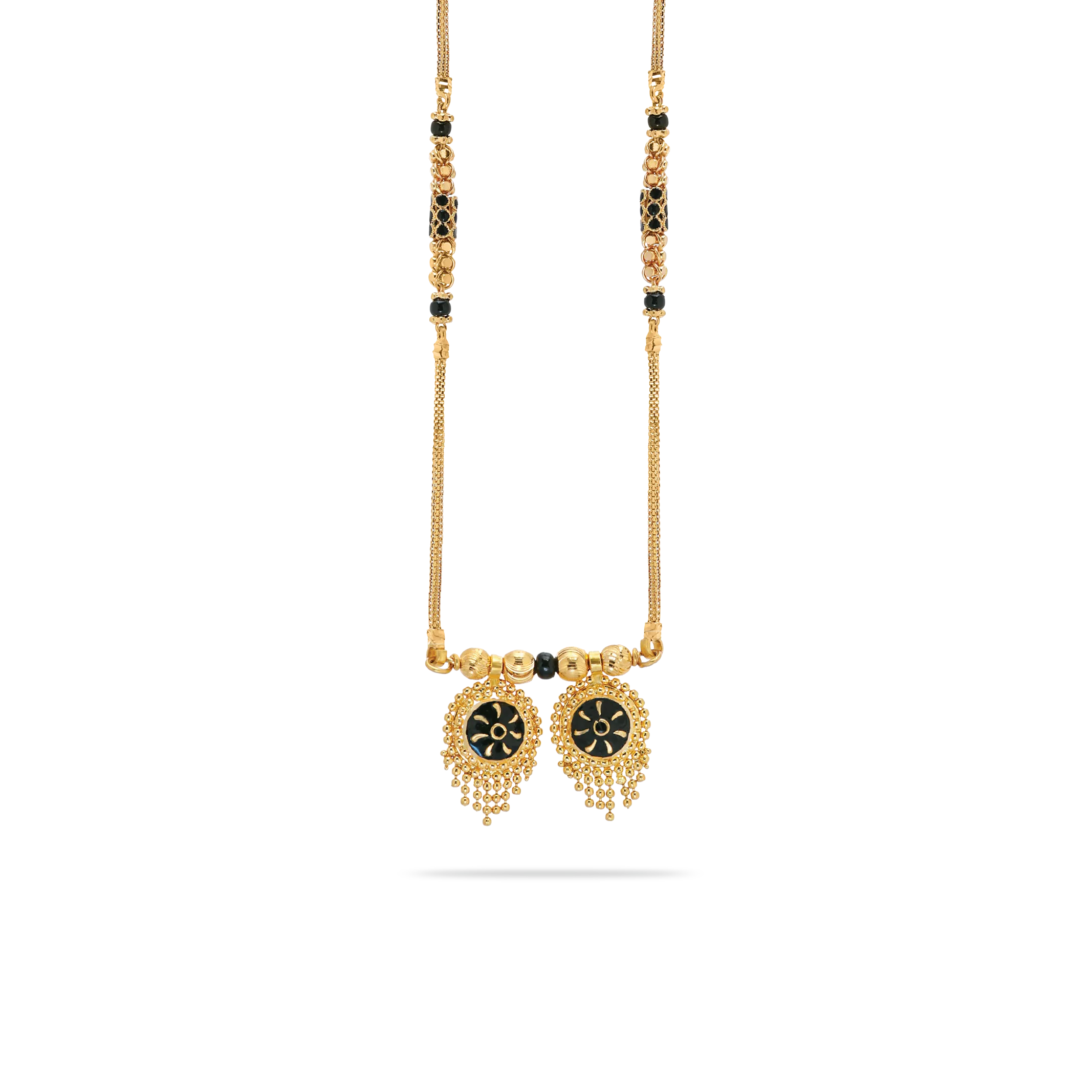
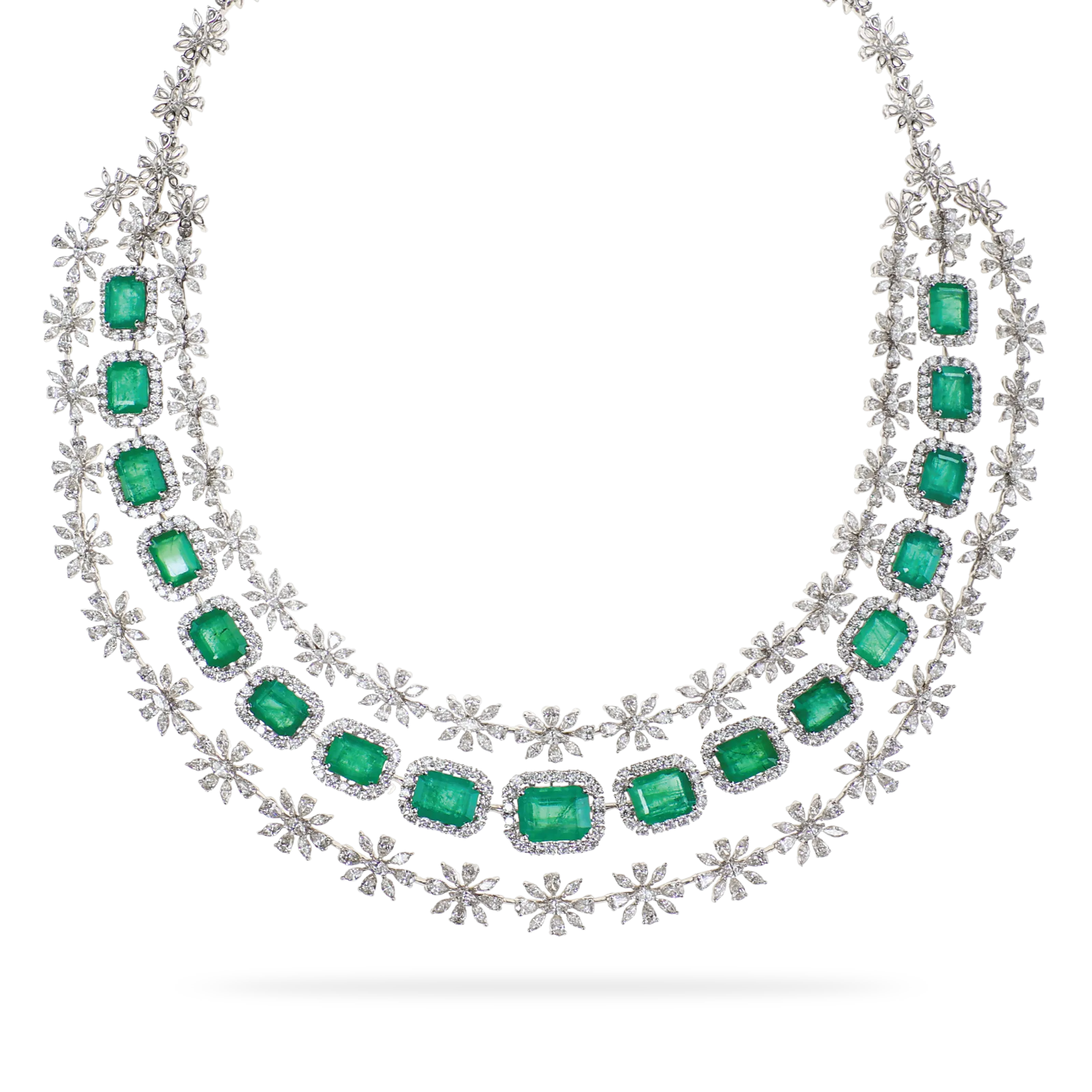
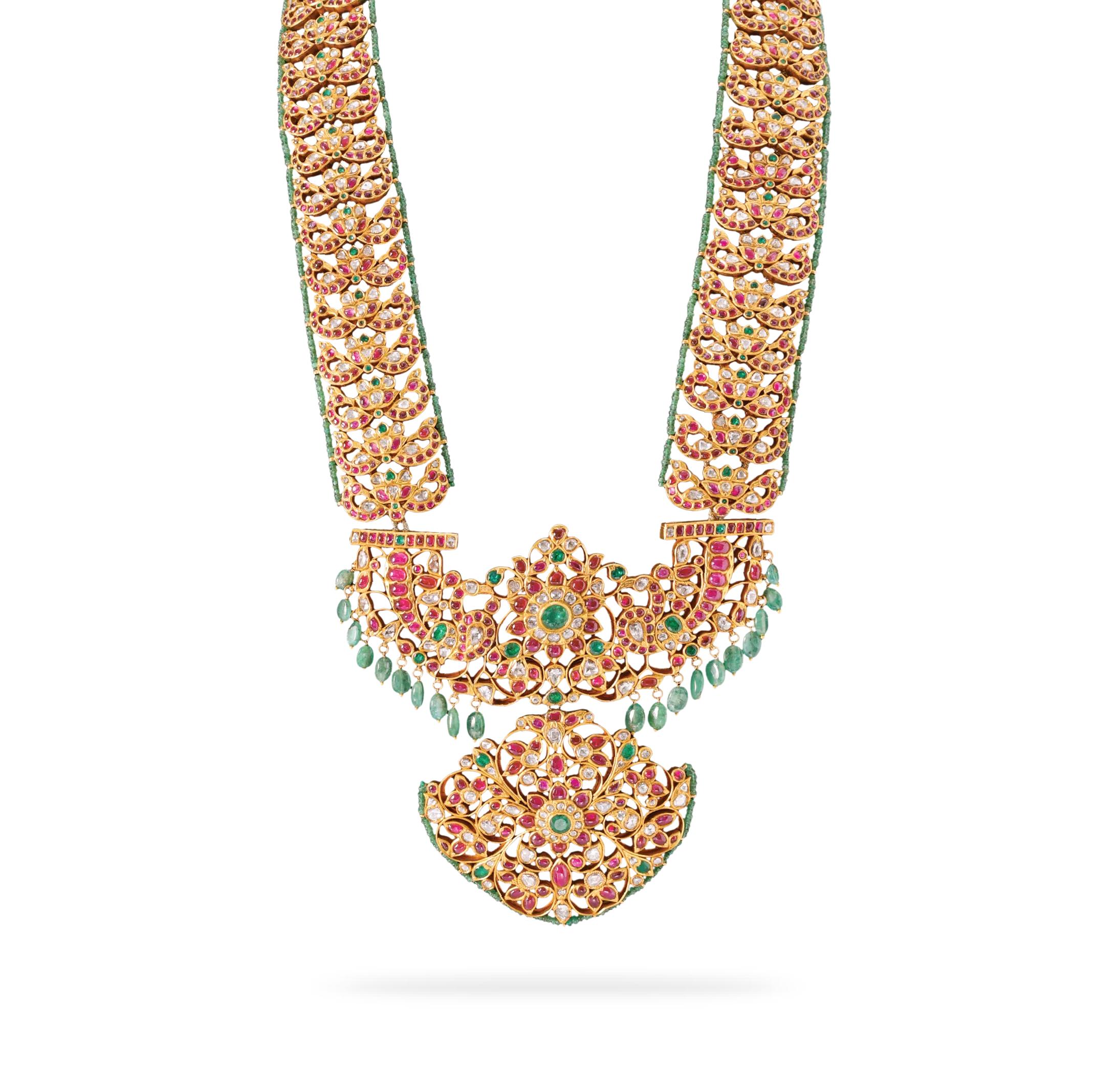
- Family Heirlooms: Passed down for generations, these pieces often form part of a bride’s trousseau—like the iconic Lakshmi haram necklace.
- Ceremonial Wear: Worn at weddings, festivals, and classical dance performances—especially Bharatanatyam and Kuchipudi.
- Status And Belief: More than just pretty accessories, they’re a sign of heritage, faith, and pride in one’s roots.
Temple jewellery cuts across all ages—mothers pass it on, daughters wear it for their big moments, and dancers display its drama onstage. For many South Indians, wearing these cherished designs isn’t just about style; it’s a living link to their traditions and stories.
Temple Jewellery Through The Ages
Origins In The Chola And Pandya Dynasties
Temple jewellery didn't just appear out of nowhere; its roots run deep into the history of South India, particularly during the reign of the Chola and Pandya dynasties. These powerful kingdoms, flourishing between the 9th and 13th centuries, were big patrons of the arts, and that included intricate metalwork. They commissioned stunning pieces, not for queens or courtiers, but for the deities themselves, to adorn the idols in their grand temples. Imagine massive necklaces, elaborate earrings, and heavy bangles, all crafted with incredible detail to honor the gods. The artisans of that era were masters of techniques like lost wax casting, which allowed them to create these complex, almost lifelike designs in metal. It was a way to express devotion and showcase the wealth and artistry of the kingdom, all through the medium of jewellery.
Evolution From Deities To Bridal Trousseau
What started as purely devotional pieces for temples gradually began to find their way into the lives of people. Over centuries, the designs that once adorned gods and goddesses started appearing in the jewellery worn by royalty and, eventually, by commoners for special occasions. The transition was quite natural; the motifs and craftsmanship were so admired that they became symbols of prosperity, auspiciousness, and divine blessings. By the time we get to more recent history, temple jewellery had become a staple for brides. It wasn't just about looking beautiful; wearing these pieces was believed to bring good fortune and blessings for the new journey ahead. It transformed from a sacred offering to a cherished heirloom, passed down through generations, carrying stories and significance with each passing year.
Influence On Classical Indian Dance
It's fascinating how art forms influence each other, and temple jewellery is a prime example. Classical Indian dancers, with their elaborate costumes and expressive movements, found that temple jewellery was the perfect complement to their performances. The weight and the way the pieces moved with the dancer added a dramatic flair, accentuating their every gesture. Think of the rhythmic jingle of heavy anklets or the way large earrings would sway during a pirouette. These pieces weren't just accessories; they became an integral part of the storytelling and the visual spectacle of the dance. The motifs, often depicting deities or mythological scenes, also resonated with the themes frequently explored in classical Indian dance, creating a beautiful synergy between the adornment and the art.
The Artistry Of Temple Jewellery Craftsmanship
Lost Wax Casting Techniques
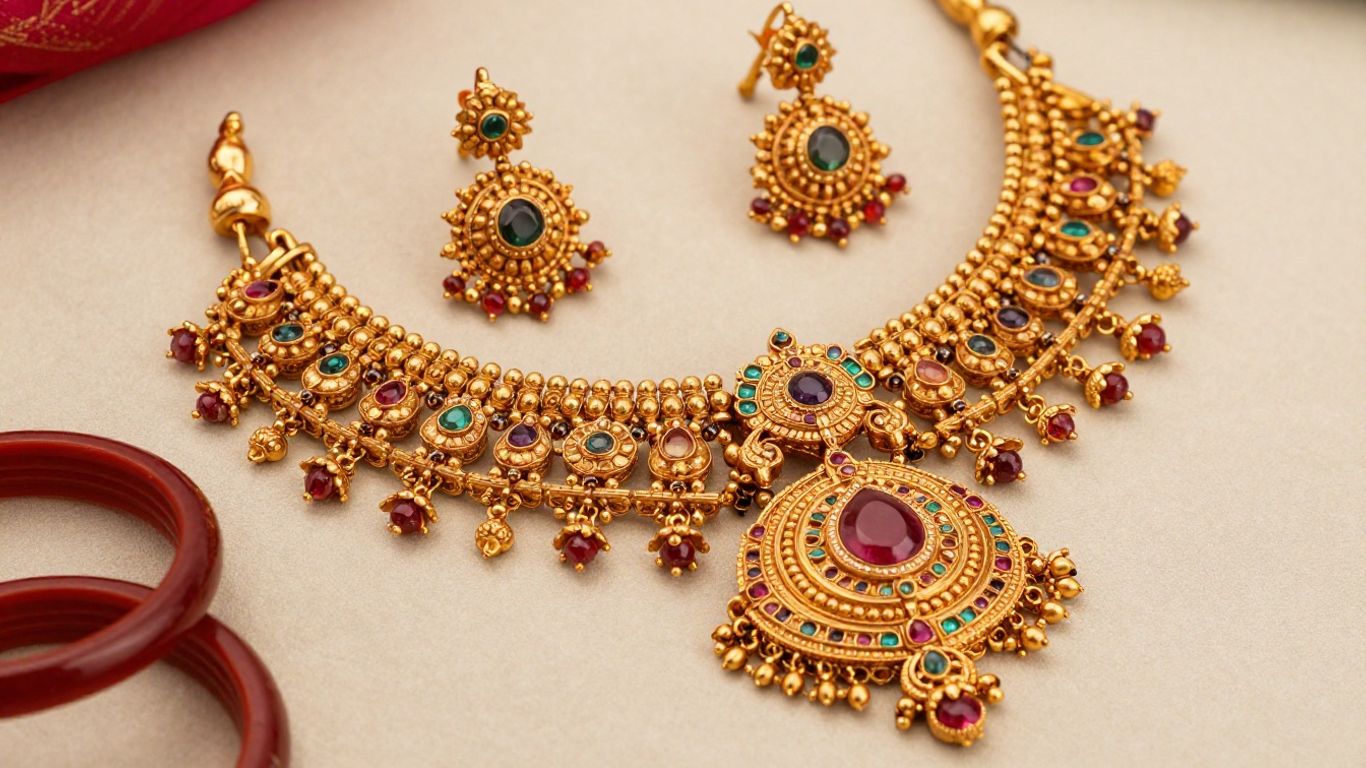
When you look at temple jewellery, it's easy to be struck by how intricate and detailed everything is. A lot of that comes down to the way it's made, and one of the oldest methods used is called lost wax casting. It’s a technique that’s been around for centuries, even dating back to the Chola dynasty. Basically, an artisan carves a detailed model of the jewellery piece out of wax. This wax model is then covered in a clay-like material, which hardens around it. Once that's baked, the wax inside melts away, leaving a hollow mold. Molten metal, usually gold or silver, is poured into this mold. After it cools, the outer mold is broken away, revealing the metal casting. This process allows for incredibly fine details and complex shapes that would be hard to achieve otherwise. It’s a labor-intensive method, but it’s what gives temple jewellery its unique, almost sculptural quality. It’s a real testament to the skill of the craftspeople who have perfected this art over generations. You can see examples of this ancient technique in much of the Indian jewelry that has survived through the ages.
Intricate Filigree And Enamel Work
Beyond the casting, there's more artistry involved. Filigree work is a big part of it. This involves using very fine threads of metal, often gold, to create delicate patterns and designs. These threads are twisted, curled, and soldered together to form lace-like structures. It’s incredibly delicate work, requiring a steady hand and a lot of patience. Then there's enamel work, also known as meenakari. This is where vibrant colors are added to the metal surface. Powders made from ground minerals are mixed with a binding agent and then applied to the engraved metal. The piece is then fired at high temperatures, which fuses the enamel to the metal, creating a smooth, glassy surface. Different colors can be layered and fired multiple times to achieve rich, deep hues. The combination of fine metal filigree and colorful enamel creates a stunning contrast and adds another layer of visual richness to the jewellery.
The Role Of Skilled Artisans
It’s important to remember that behind every piece of temple jewellery is a person, or often a team of people, with years of training. These artisans are the keepers of these traditional techniques. They learn from their elders, often starting as apprentices at a young age, honing their skills over decades. The precision required for lost wax casting, the dexterity for filigree, and the artistic eye for enamel work all come from dedicated practice. They don't just follow a pattern; they bring a deep understanding of the materials and the cultural significance of the motifs they are creating. It’s a craft that demands not only technical ability but also a connection to the heritage it represents. The continuity of this art form relies entirely on these skilled individuals passing their knowledge down, ensuring that these beautiful traditions don't fade away.
The creation of temple jewellery is a slow, deliberate process. Each hammer strike, each twist of wire, and each application of color is done with intention. It’s a form of artistry that values patience and perfection over speed, resulting in pieces that are not just ornaments but wearable works of art steeped in history and devotion.
Contemporary Adaptations Of Temple Jewellery
Modern Silhouettes And Materials
Temple jewellery isn't just for grand events anymore. Designers are taking those classic, divine motifs and giving them a fresh spin. Think smaller, more delicate pieces that you can actually wear every day. Instead of just heavy gold, you'll see more silver, oxidized finishes, and even mixed metals. It's about making these traditional designs feel accessible and relevant for today's world. They're also playing with different shapes and sizes, moving away from the very traditional, large-scale pieces to things that fit more easily into a modern wardrobe.
Fusion With Diamonds And Semi-Precious Stones
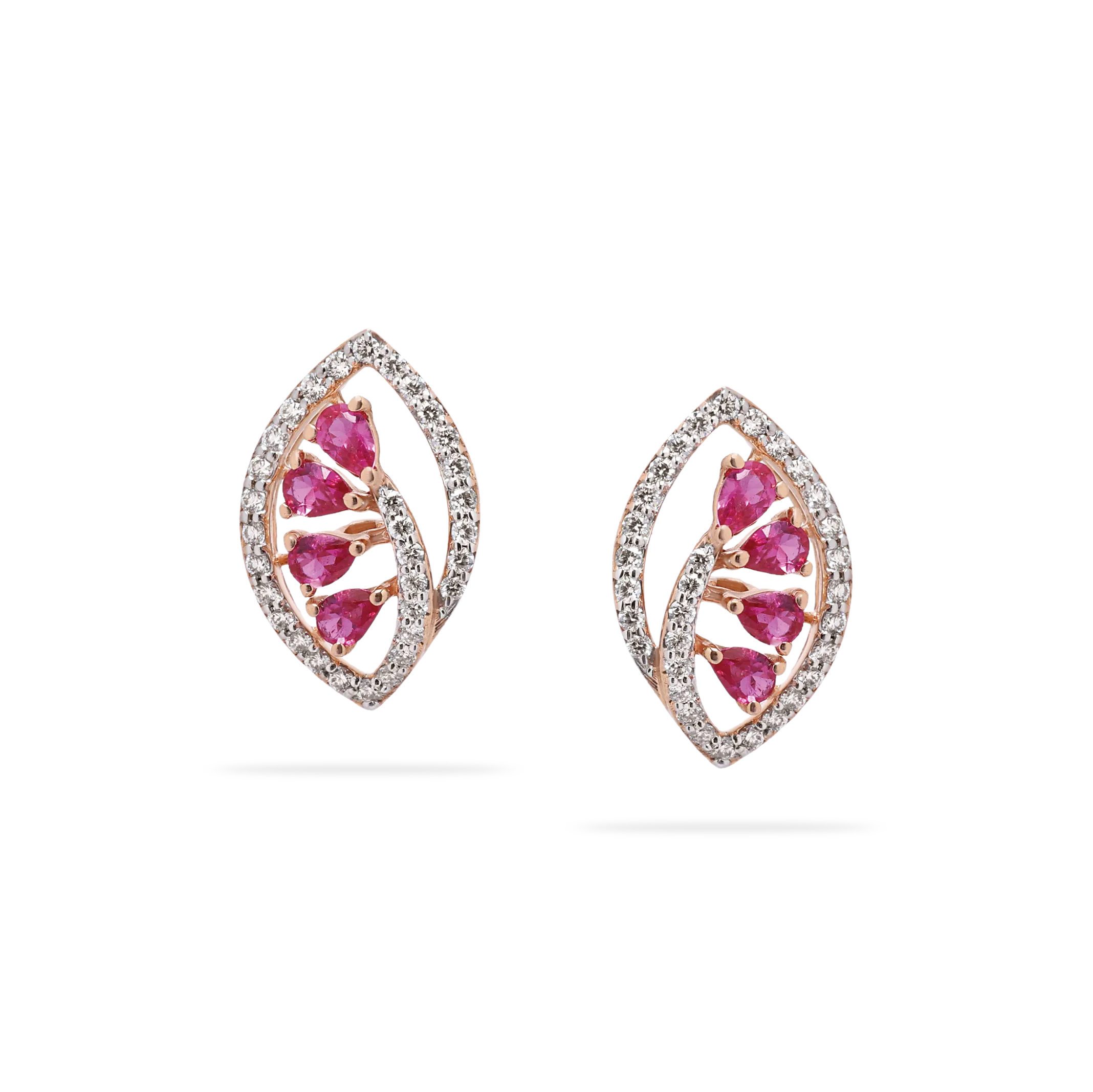
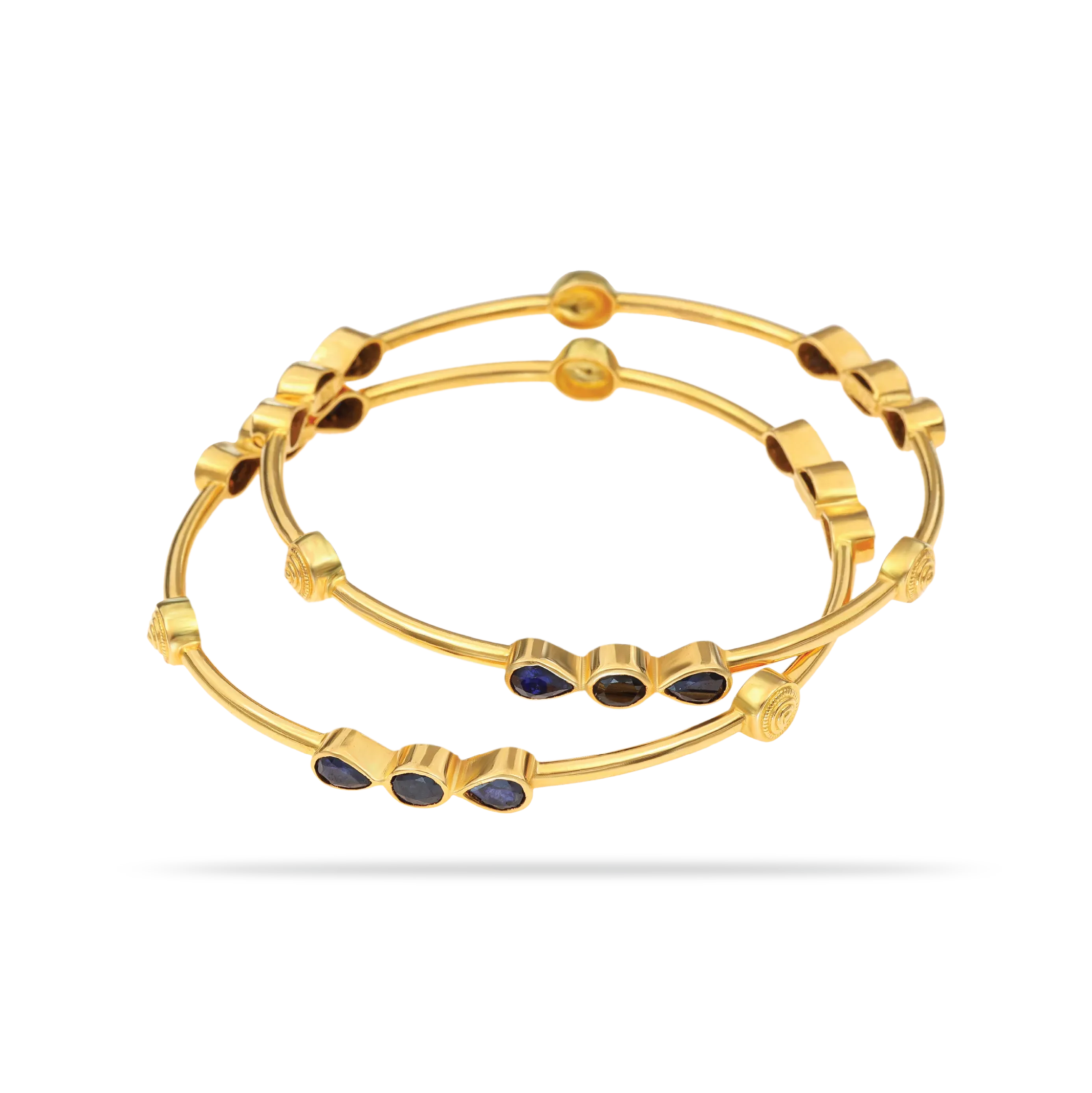
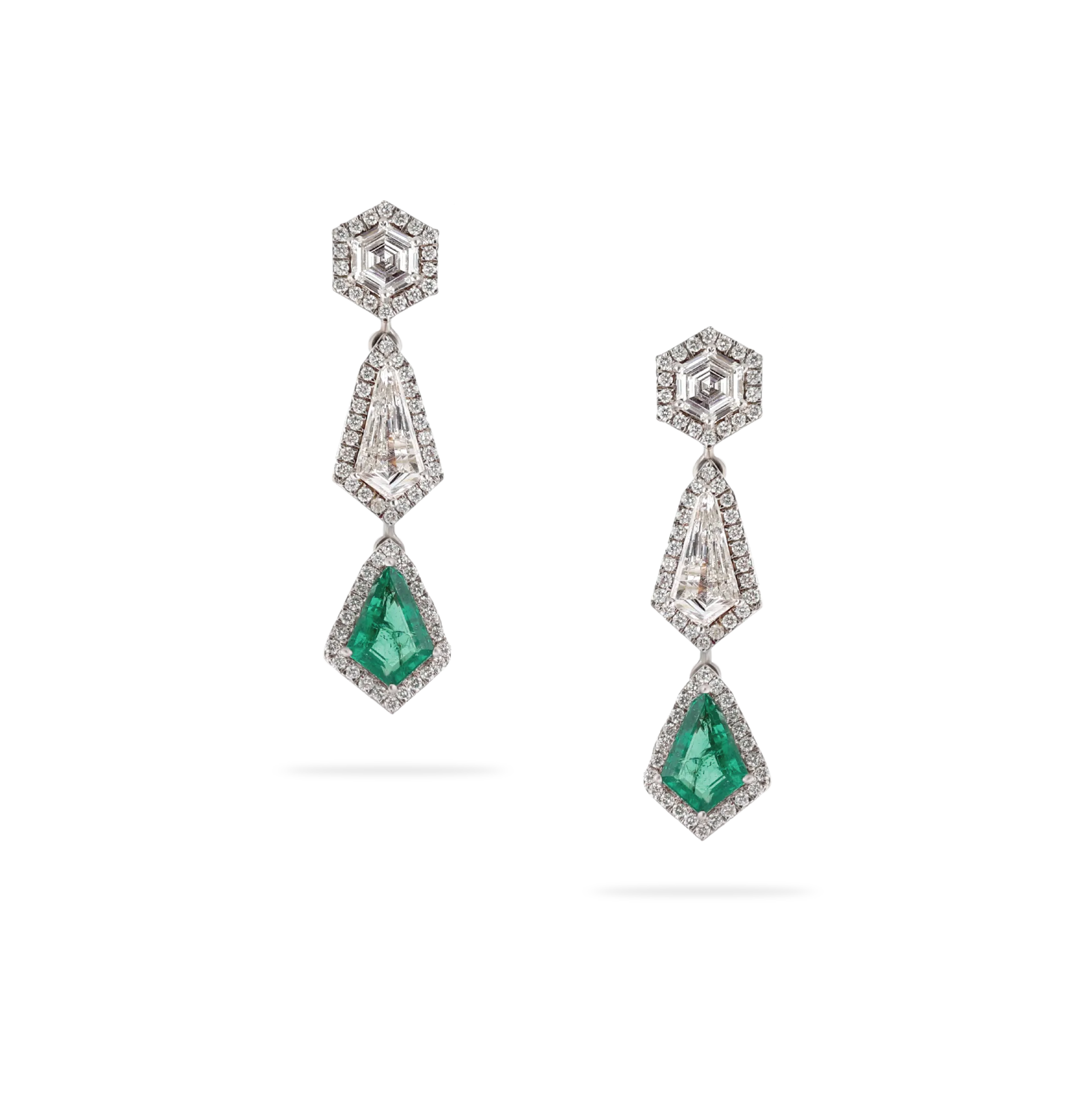
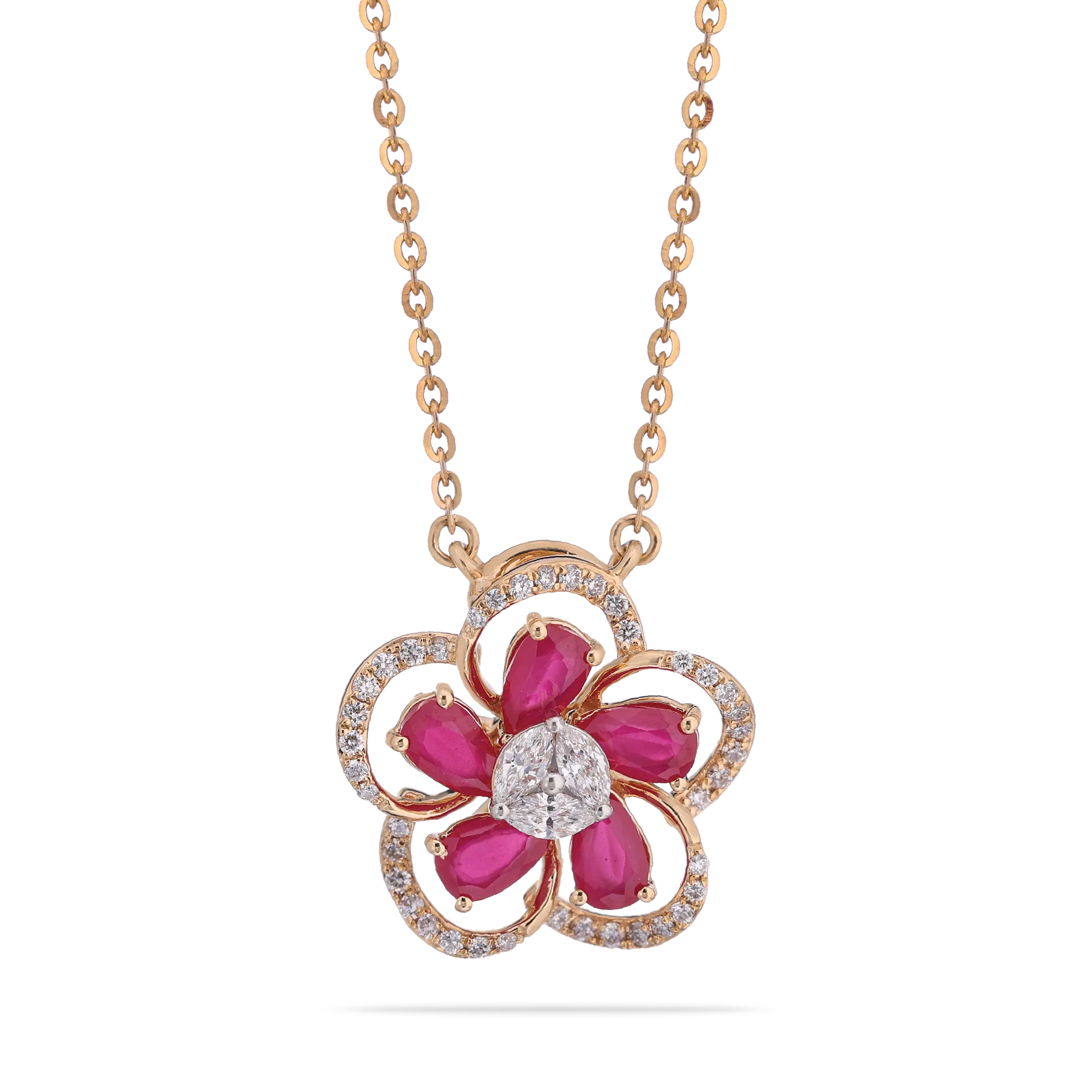
While the traditional temple jewellery often features uncut kemp stones or precious gems, contemporary versions are getting a bit more adventurous. You'll find these classic designs now incorporating diamonds, cubic zirconia, and a wider array of semi-precious stones like amethyst, peridot, and turquoise. This fusion brings a different kind of sparkle and color, making the pieces feel both familiar and excitingly new. It's a smart way to keep the essence of temple jewellery while appealing to a broader range of tastes and budgets.
Versatility For Modern Lifestyles
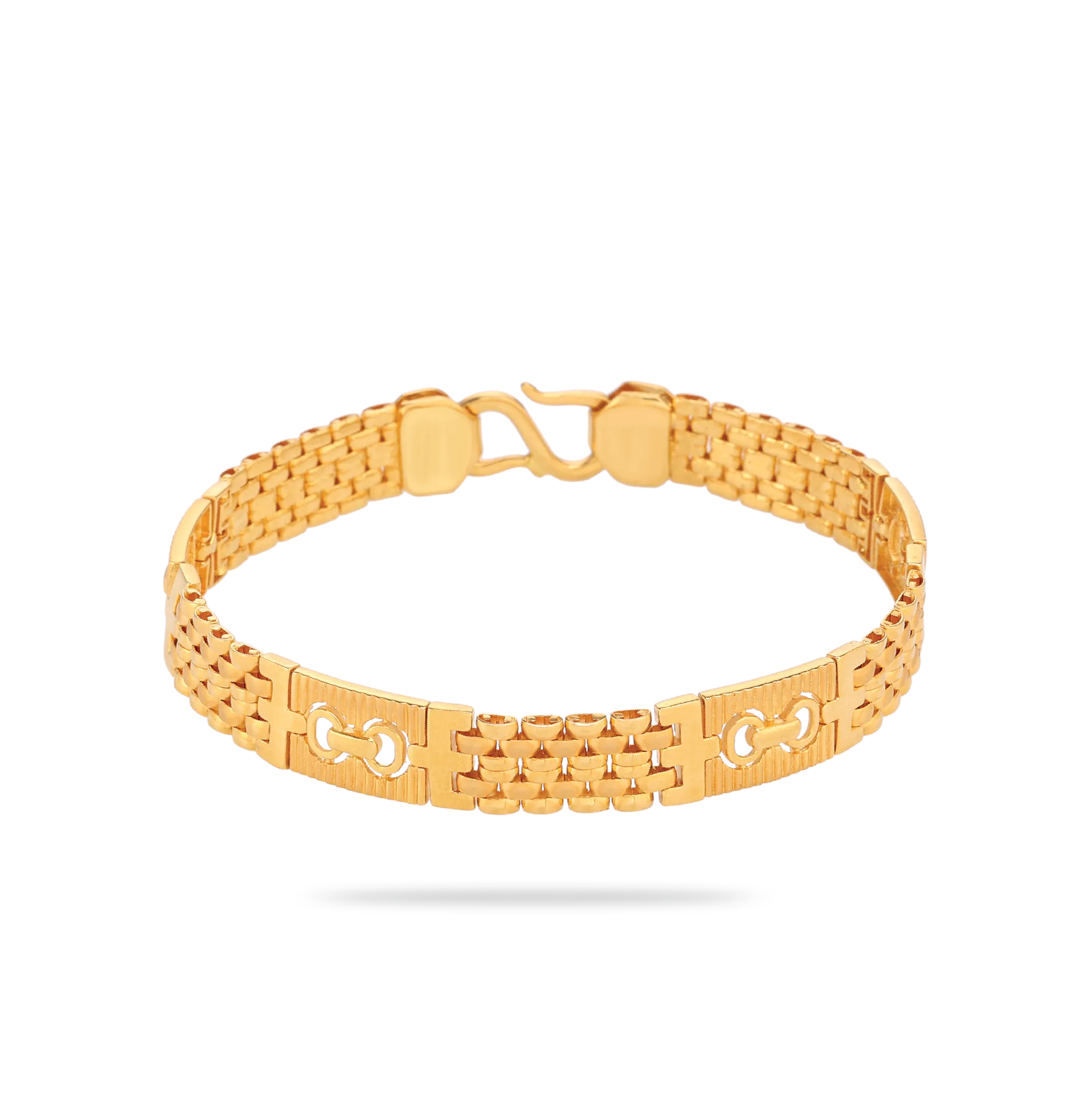
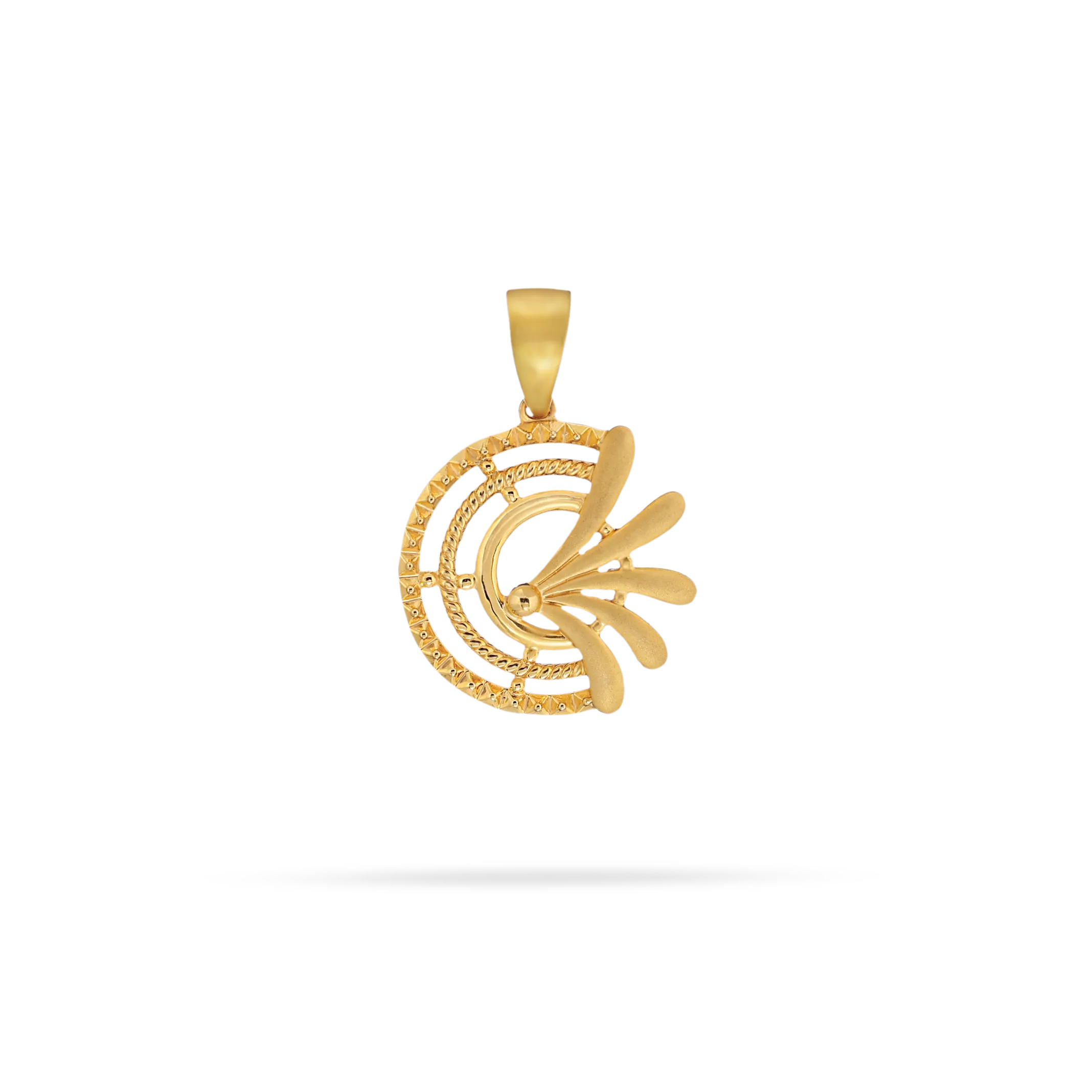
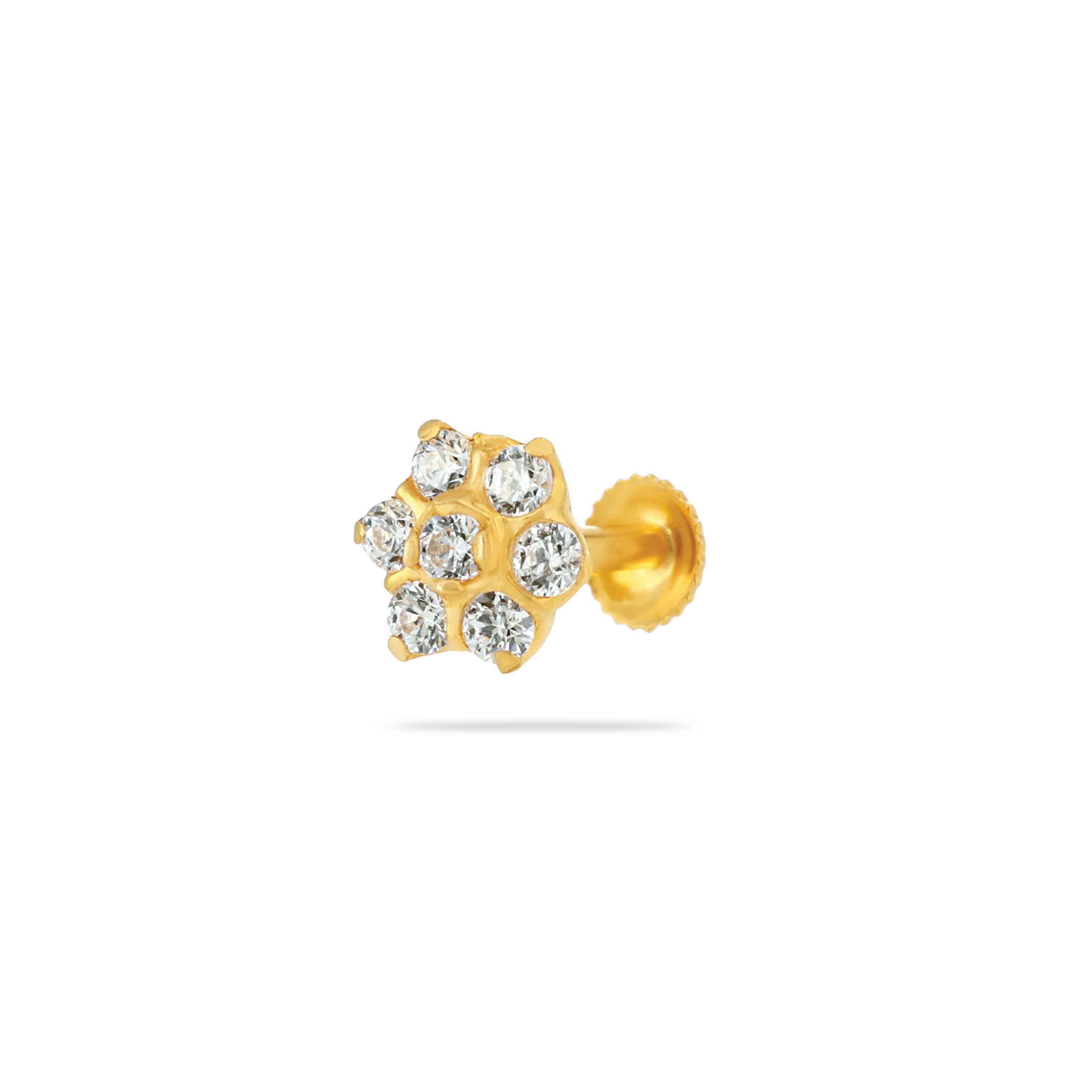
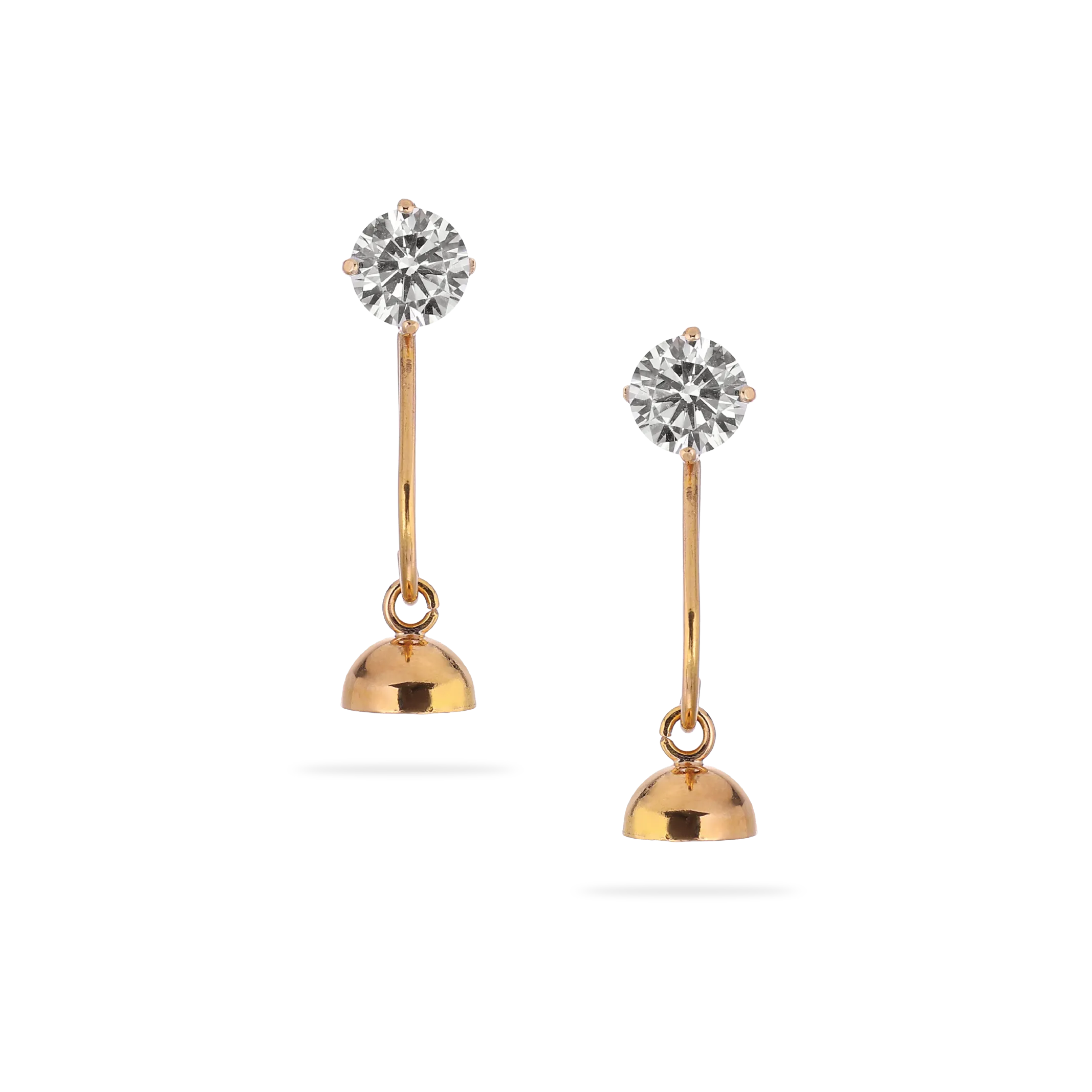
- Everyday Wear: Smaller pendants, stud earrings, and delicate bracelets featuring traditional motifs can easily be paired with casual outfits.
- Workplace Appropriateness: Lighter, more understated pieces can add a touch of cultural elegance to professional attire without being overpowering.
- Layering Potential: Modern temple jewellery pieces are designed to be layered with other necklaces or bracelets, allowing for personalized style expression.
The evolution of temple jewellery shows how deeply rooted traditions can adapt and thrive. By blending ancient artistry with modern sensibilities, these pieces are finding new life, proving that heritage can indeed be fashionable and functional for everyone, not just on special occasions.
| Traditional Material | Contemporary Alternative | Common Motifs |
|---|---|---|
| Heavy Gold | Silver, Oxidized Silver, Mixed Metals | Deities, Lotus, Peacock |
| Uncut Kemp Stones | Diamonds, Cubic Zirconia, Semi-Precious Stones | Elephants, Mangoes, Bells |
Adorning With Temple Jewellery
Bridal Significance and Investment Value
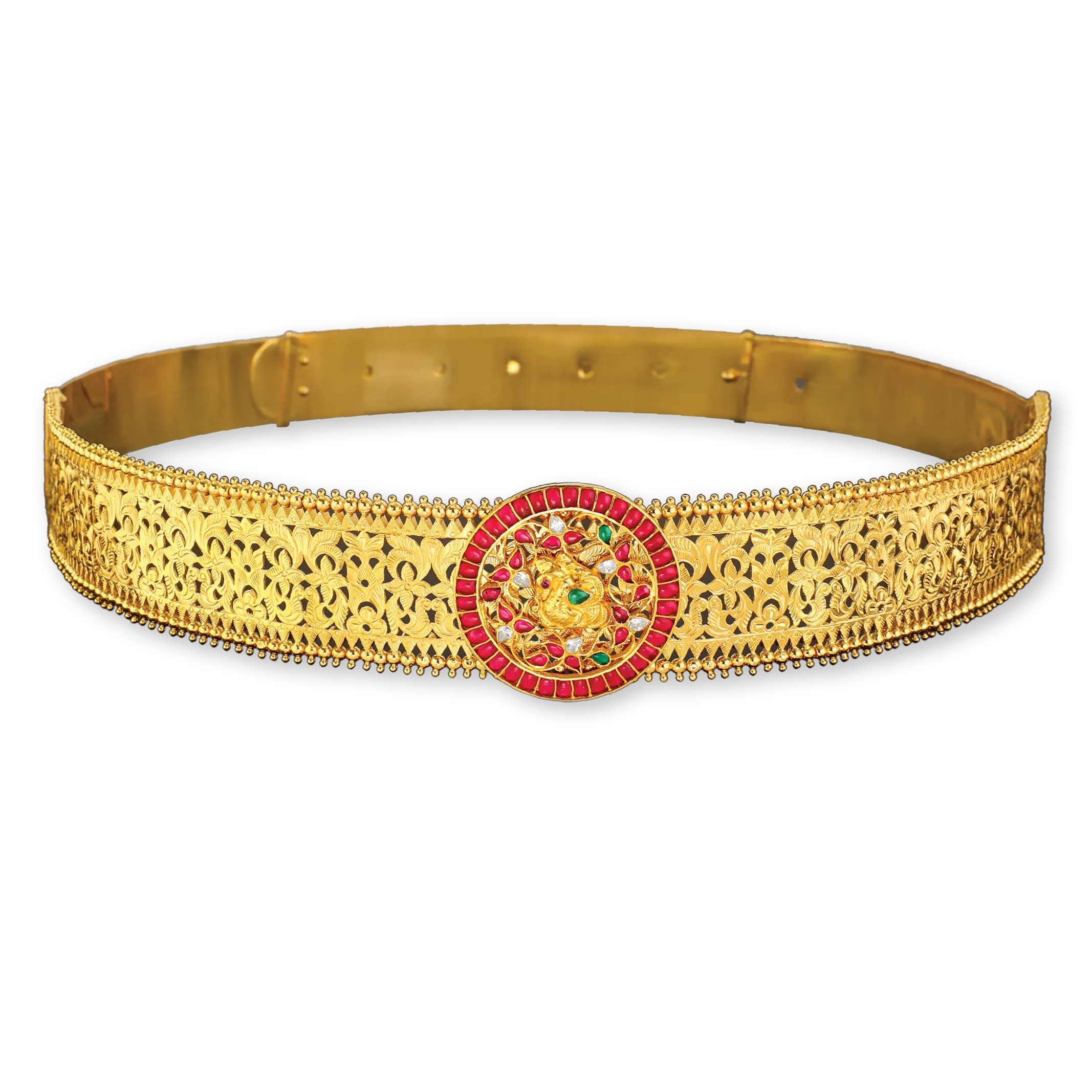
Temple jewellery has always been a top pick for brides, and honestly, it's easy to see why. It just has this divine feel to it, making you feel special on your big day. Even with all the modern trends, brides still want that touch of tradition, and temple jewellery really delivers. It's not just about looking good; it's a smart investment too. Since these pieces are often made with a good amount of gold, they hold their value. Think of it as a beautiful heirloom that you can pass down. It's a piece of history you get to wear and cherish. For those looking for something a bit more budget-friendly, there are some really stunning artificial options available online that don't compromise on the look.
Occasional Wear and Festive Adornments
Beyond weddings, temple jewellery shines during festivals and other special events. It's the kind of jewellery that makes any outfit pop, adding a touch of ethnic flair whether you're wearing a traditional saree or something more contemporary. The intricate designs and the way they catch the light are just captivating. You'll often see these pieces worn during religious ceremonies or family gatherings, adding to the festive atmosphere. They're not just accessories; they feel like a connection to our roots and traditions. It's amazing how a well-chosen piece can transform your entire look and make you feel so connected to the occasion.
Styling Temple Jewellery For Everyday Elegance
Who says temple jewellery is only for big events? It's totally possible to bring that timeless elegance into your daily life. Think about pairing a delicate temple necklace with a simple kurta or a pair of statement earrings with a solid-colored top. The key is to let the jewellery be the star. You don't need a lot of other accessories when you're wearing a striking temple piece. It's about finding those smaller, lighter pieces that can add a touch of sophistication to your everyday look without being overwhelming. It’s a fantastic way to carry a piece of Indian heritage with you, no matter where you go. It adds a unique charm that's hard to find elsewhere.
Wrapping Up: Why Temple Jewellery Still Matters
So, after looking at all these beautiful pieces and learning a bit about their background, it’s easy to see why temple jewellery has stuck around for so long. It’s not just about looking good—these designs carry stories, memories, and a whole lot of tradition. Whether you’re picking out a necklace for a wedding, a festival, or just because you love the style, you’re wearing something that’s been cherished for generations. And honestly, that’s pretty special. Temple jewellery isn’t just a trend; it’s a link to the past that still fits right in with today’s fashion. If you’re thinking about adding a piece to your collection, go for it. You’ll be getting more than just an accessory—you’ll be holding onto a little bit of history.
Frequently Asked Questions
What exactly is temple jewellery?
Temple jewellery is a special kind of jewelry from India. It's made with beautiful designs inspired by temples and gods. It's known for its detailed work and often uses gold, along with colorful stones.
Where did temple jewellery come from?
This style of jewelry started a very long time ago in South India, especially during the time of the Chola and Pandya kings. It was first made for the gods in temples and later worn by royalty.
What are some common designs or symbols in temple jewellery?
You'll often see symbols like lotus flowers, peacocks, elephants, and images of gods and goddesses. These symbols have special meanings, like good luck, wealth, or protection.
How is temple jewellery made?
It's made by skilled artists who use old techniques, like 'lost wax casting.' They carefully shape the metal and add intricate details, stones, and sometimes colorful enamel work. Each piece takes a lot of time and skill to create.
Is temple jewellery only for weddings?
While it's very popular for Indian weddings because it looks so grand and traditional, it's also worn for other special events and festivals. Some modern versions are even designed for everyday wear.
Why is temple jewellery considered valuable?
It's valuable because it's often made from real gold and decorated with precious or semi-precious stones . Plus, the detailed craftsmanship and the cultural history behind each piece add to its worth, making it something special to keep for a long time.
Beyond the Sparkle: Unpacking the Hottest Engagement Ring Trends for 2026
10 minute read
Related blogs:
November 20, 2025
The Timeless Elegance of the Tennis Bracelet: A Comprehensive Guide
Read More
November 20, 2025
The Ultimate Guide to Styling and Wearing a Choker Necklace
Read More
November 20, 2025
Find Your Perfect Engagement Ring: A Comprehensive Guide to Styles and Diamonds
Read More
November 20, 2025
The Timeless Elegance of a Diamond Tennis Bracelet: A Buyer's Guide
Read More









.webp)

.webp)