Bridal jewellery for muhurtham: How to choose the perfect South Indian bridal jewellery set
August 29, 2026 | 10 minutes read
Key Takeaways
A muhurtham jewellery look should feel ceremonial, coordinated, and comfortable enough to carry you through the rituals. Begin with the saree and ceremony, then build a set that suits your features and future wardrobe.
- Choose jewellery that respects South Indian bridal traditions while reflecting your taste.
- Coordinate necklace length, metal tone, and motifs with the saree and blouse.
- Prioritize essential pieces before adding statement accessories.
- Check craftsmanship, fit, comfort, and care requirements before purchasing.
- Plan early so alterations, reservations, and styling trials are not rushed.
Understand the role of jewellery in a muhurtham ceremony
Jewellery does more than add sparkle to a muhurtham ensemble. It helps bring together the saree, blouse, hairstyle, flowers, and the visual rhythm of the ceremony. The most successful look feels abundant without becoming difficult to wear. For that reason, choosing bridal jewellery for muhurtham begins with understanding both tradition and practicality.
Traditional significance of bridal jewellery
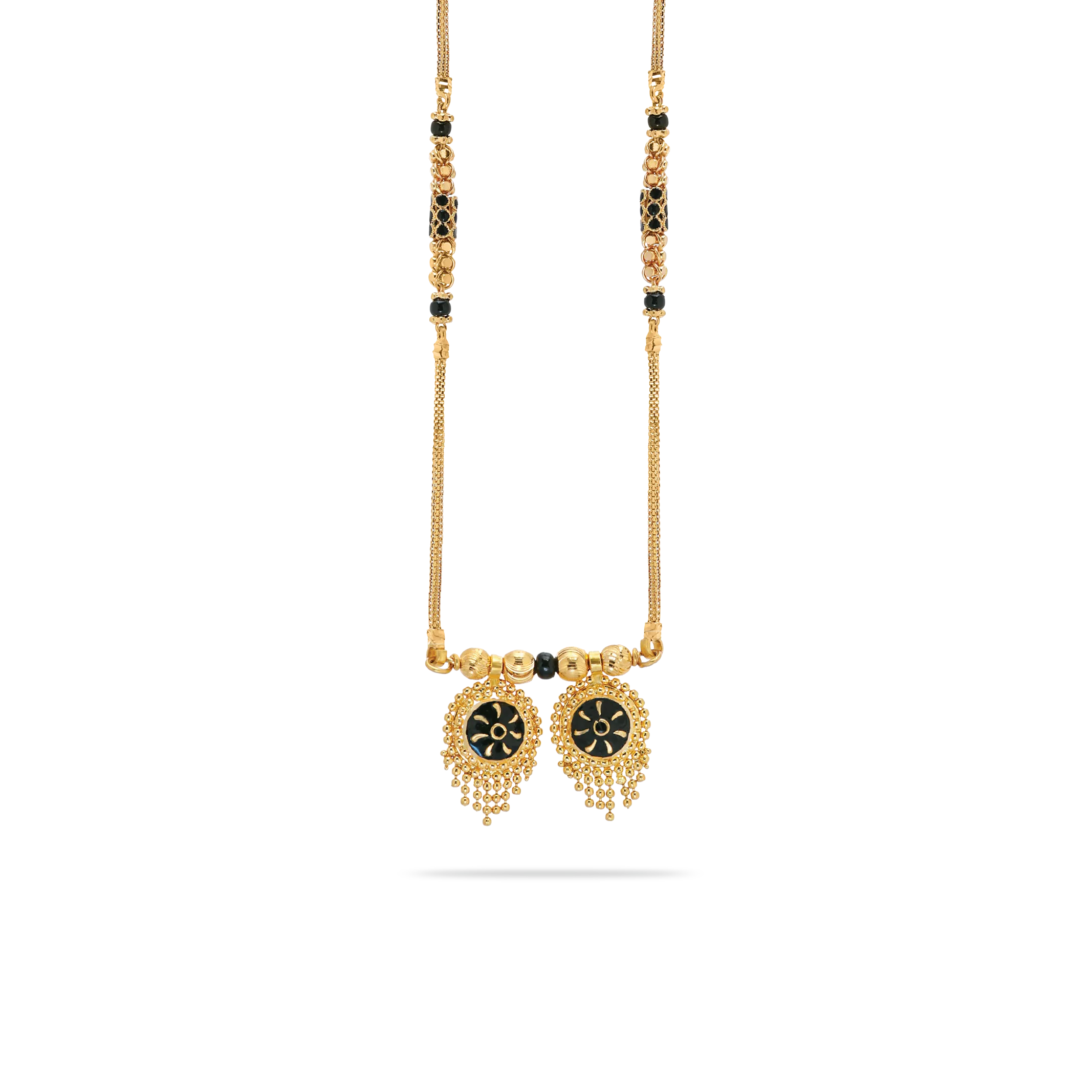
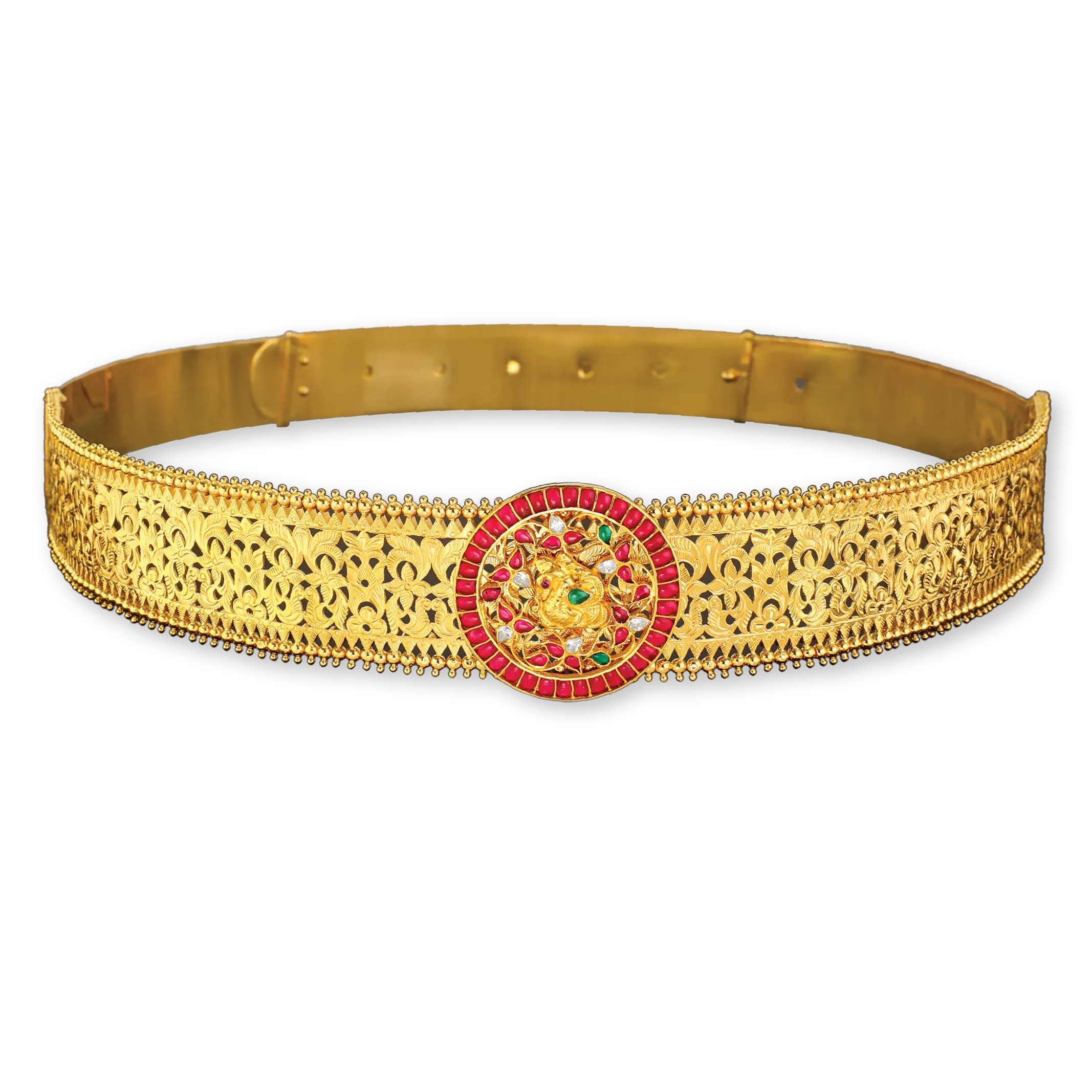
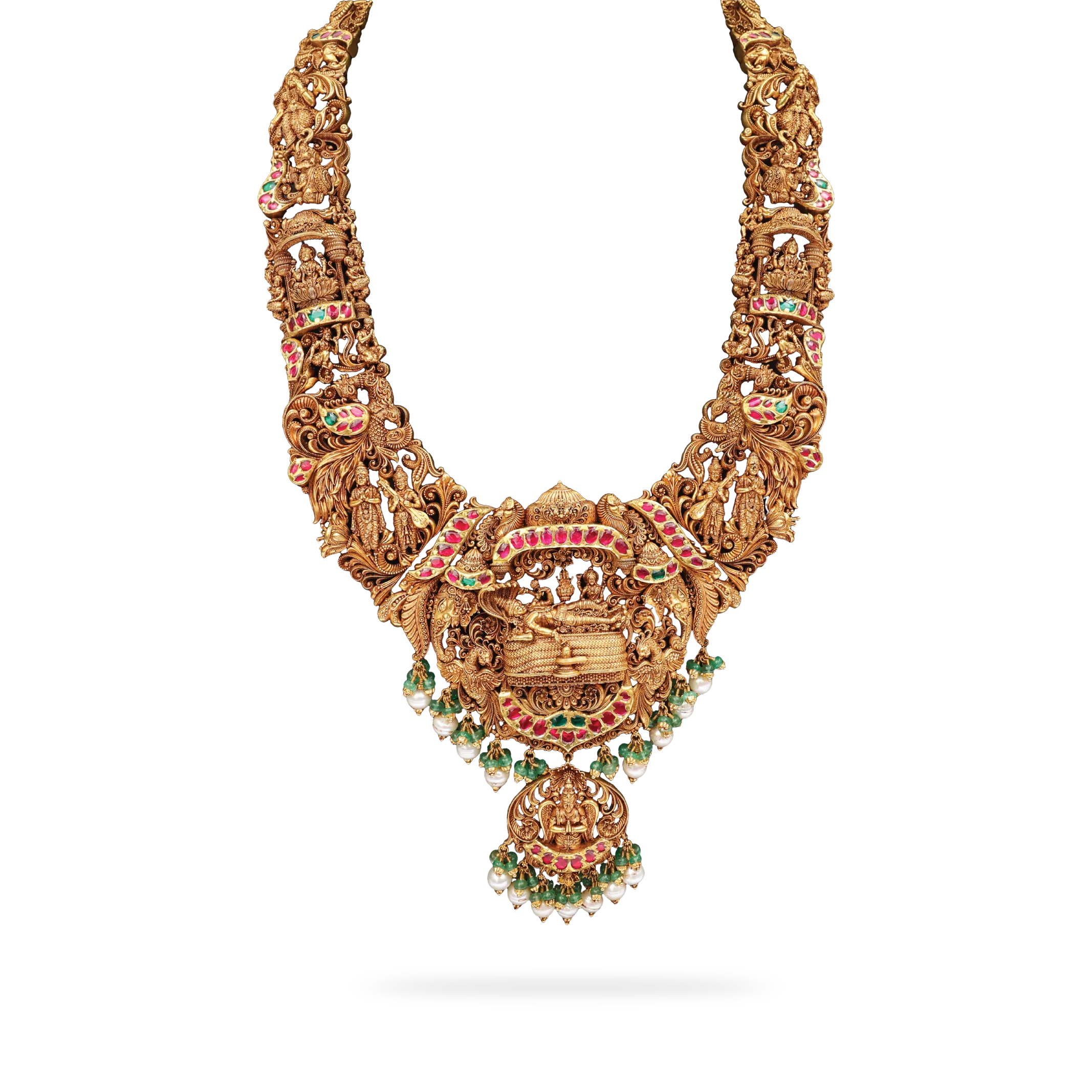
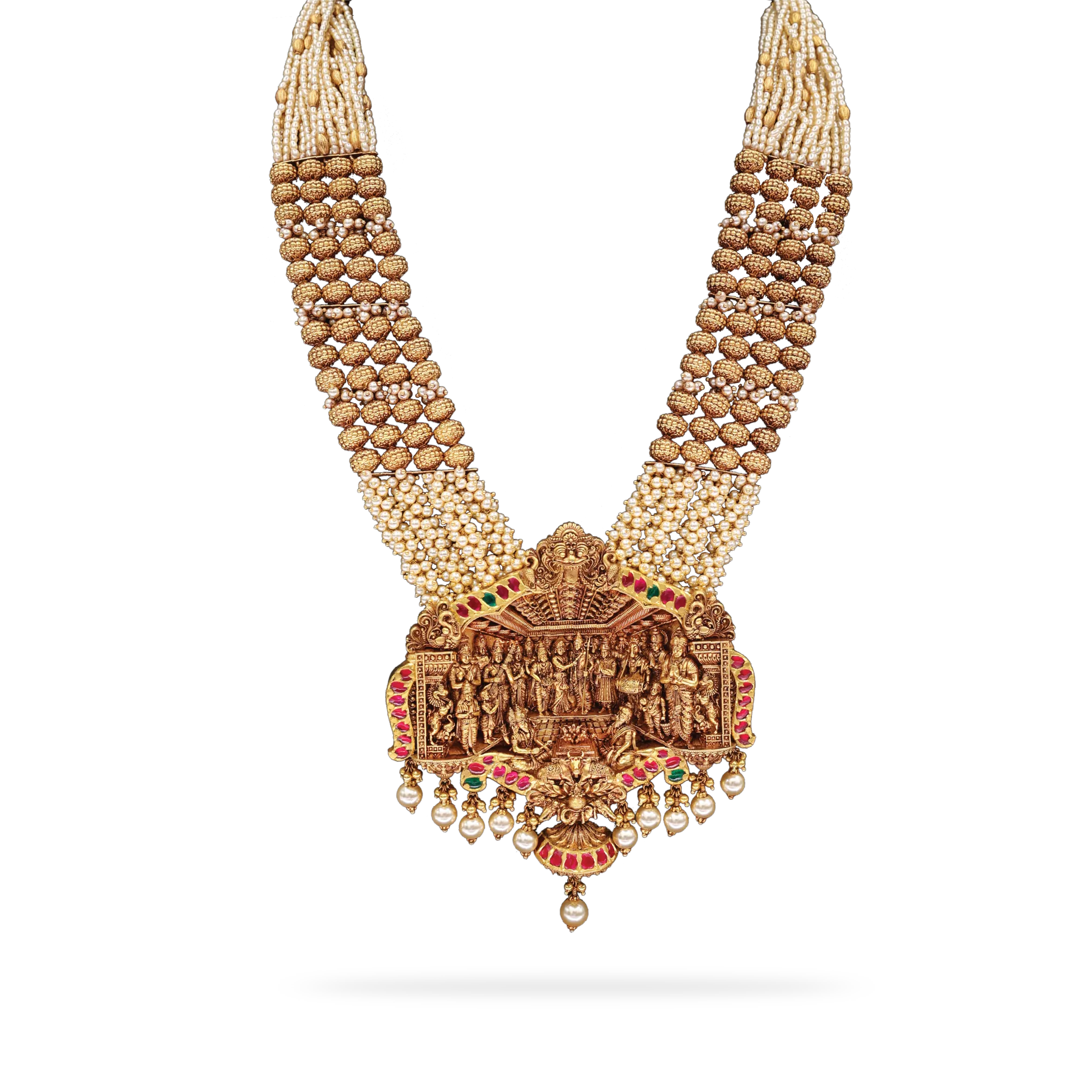
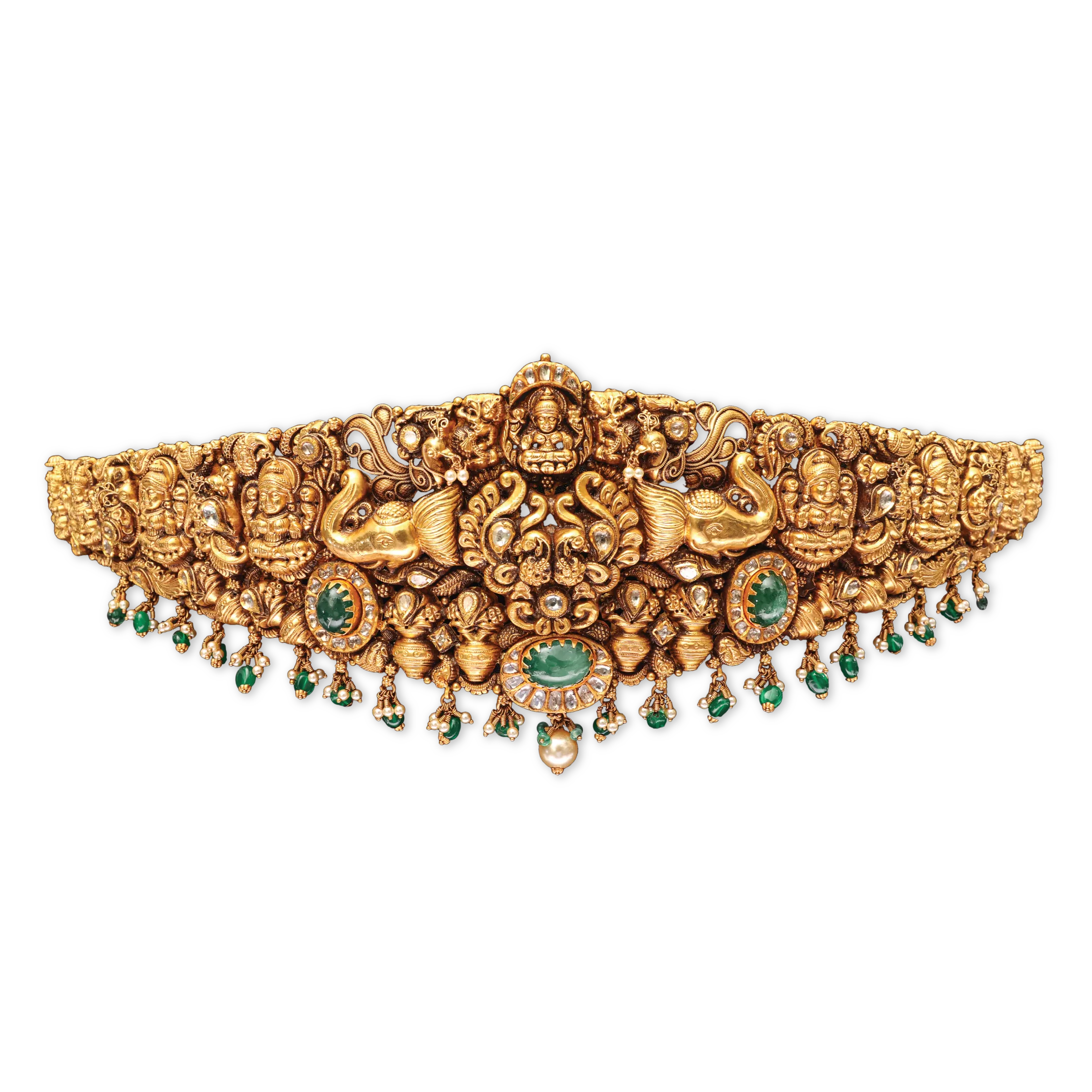
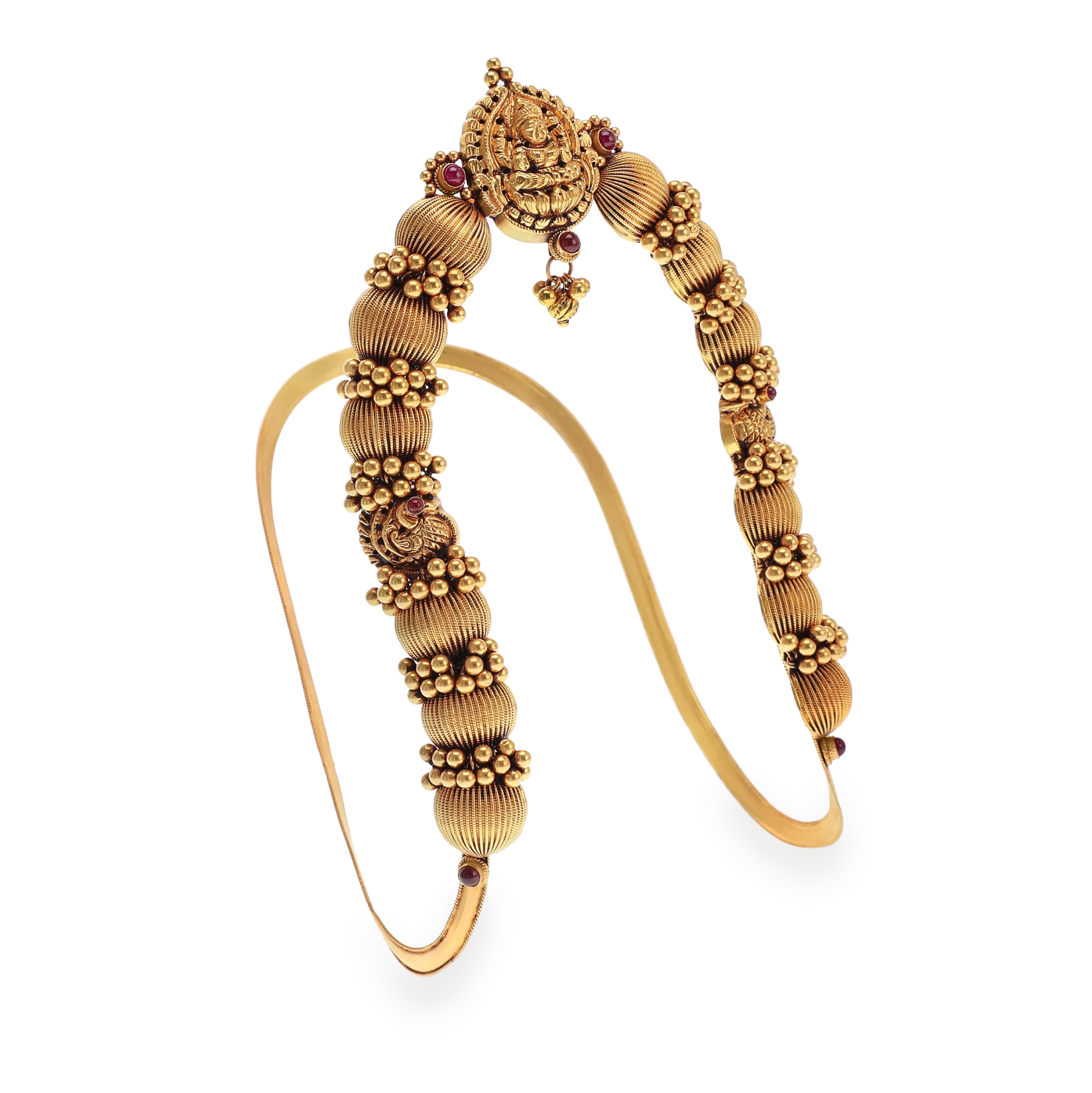
South Indian bridal jewellery often carries a sense of continuity, with motifs and forms passed through families and regional traditions. Temple-inspired designs, mango shapes, coins, floral details, and goddess imagery can give the bridal look a ceremonial character. Pieces such as the thaali, vaddanam, bangles, and earrings may also have personal or cultural importance, depending on the family. Ask which elements are essential in your ceremony before deciding how elaborate the full set should be.
How jewellery complements the wedding saree
A silk saree already has texture, sheen, and movement, so jewellery should work with those qualities rather than compete with them. A broad necklace can echo a richly woven border, while a more open pendant may suit a saree with intricate body motifs. Repeating one detail, such as a floral or coin motif, across the necklace and bangles creates visual order. This is the same principle explored in a silk saree jewellery guide, where weave, colour, metal, and neckline are considered together.
Common South Indian bridal jewellery styles
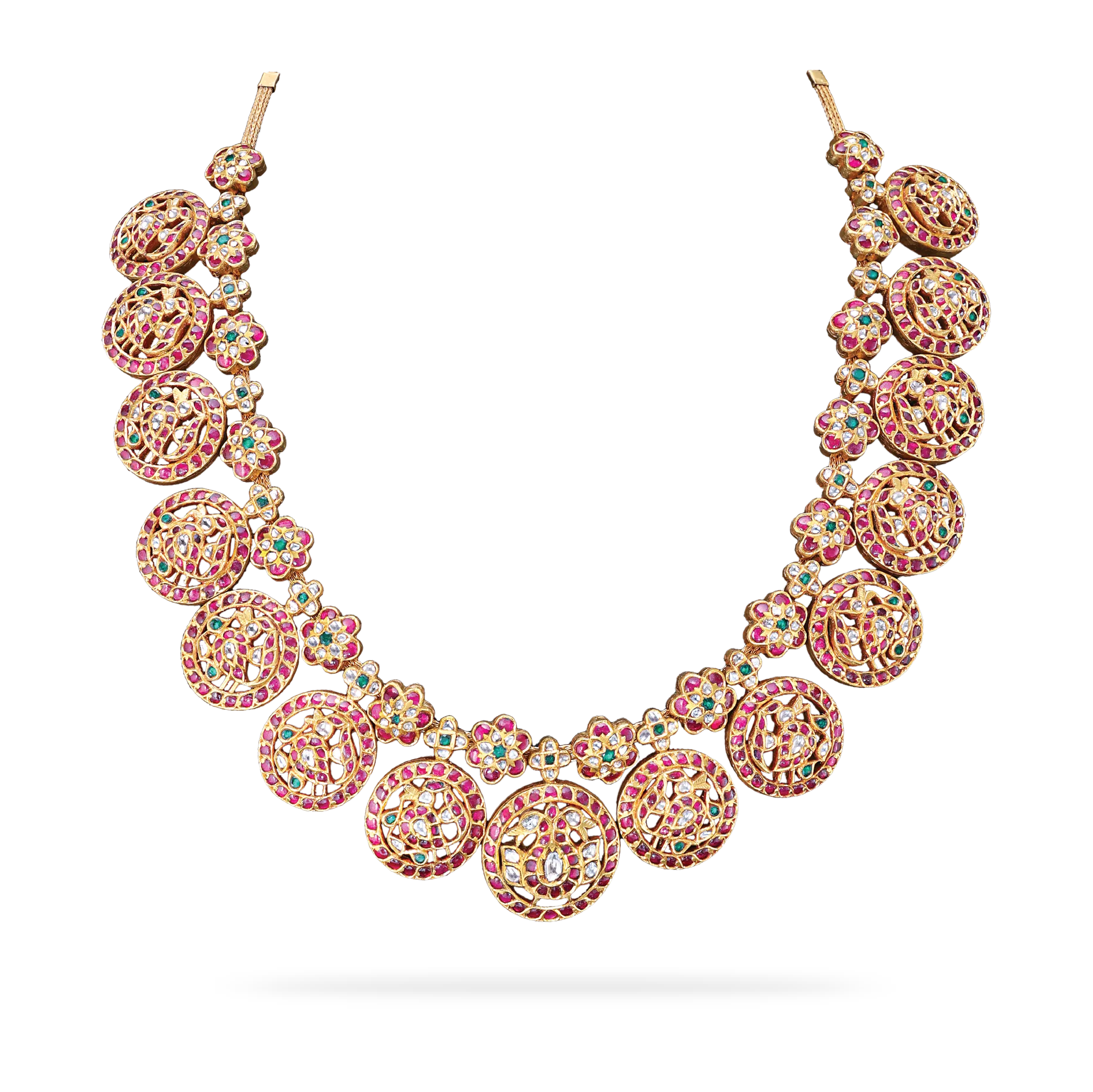
Temple jewellery remains a familiar choice for morning ceremonies, especially when the saree has a traditional Kanchipuram character. Bridal wardrobes may also include antique-inspired gold, stone-set necklaces, kasu malas, mango malas, vaddanams, jhumkas, and layered chains. Contemporary brides sometimes combine one heritage piece with cleaner earrings or a restrained hair accessory. The aim is not to wear every traditional form at once, but to create a recognisable bridal story.
Balancing tradition with personal preferences
Tradition can guide the foundation of the look without dictating every detail. If heavy necklaces feel uncomfortable, choose fewer layers and make one piece the focal point. If you prefer a quieter finish, let the saree’s zari and colour provide the drama. A personal, wearable balance will look more natural in photographs and feel more like you throughout the ceremony.
Choose the right bridal jewellery set
A bridal set is easiest to choose when it is treated as a collection of coordinated decisions rather than a single purchase. Start by listing the pieces required for the ceremony, then consider the saree, venue, time of day, and expected wearing duration. A set that looks impressive in a display case still needs to sit securely and comfortably on the bride.
Essential pieces for the bridal look
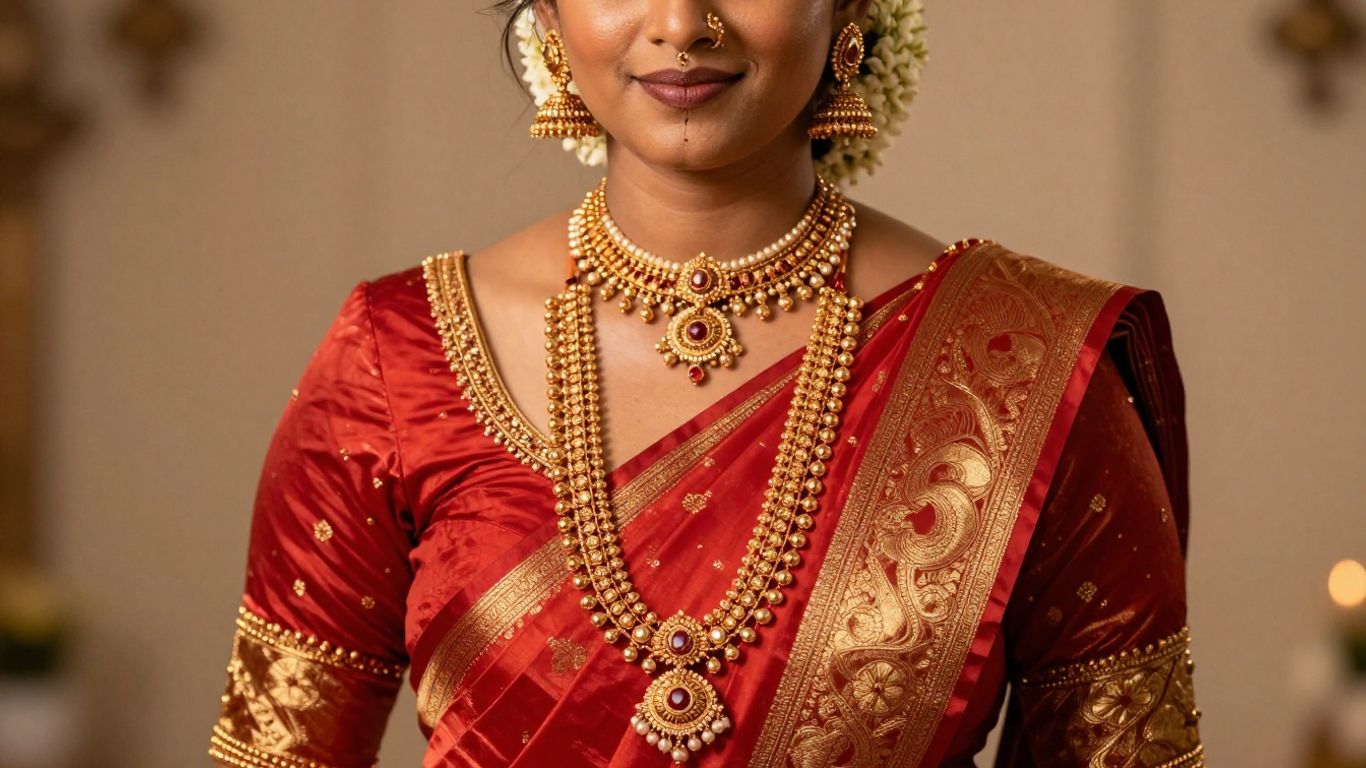
The core usually includes a necklace or layered necklaces, earrings, bangles, a maang tikka or nethi chutti, and bridal rings. Depending on the ceremony and family customs, a vaddanam and hair ornaments may also be important. Decide which pieces will be visible in close-up portraits and which will support the overall silhouette. This prevents the budget from being absorbed by accessories that rarely appear in the final look.
Temple jewellery versus contemporary designs
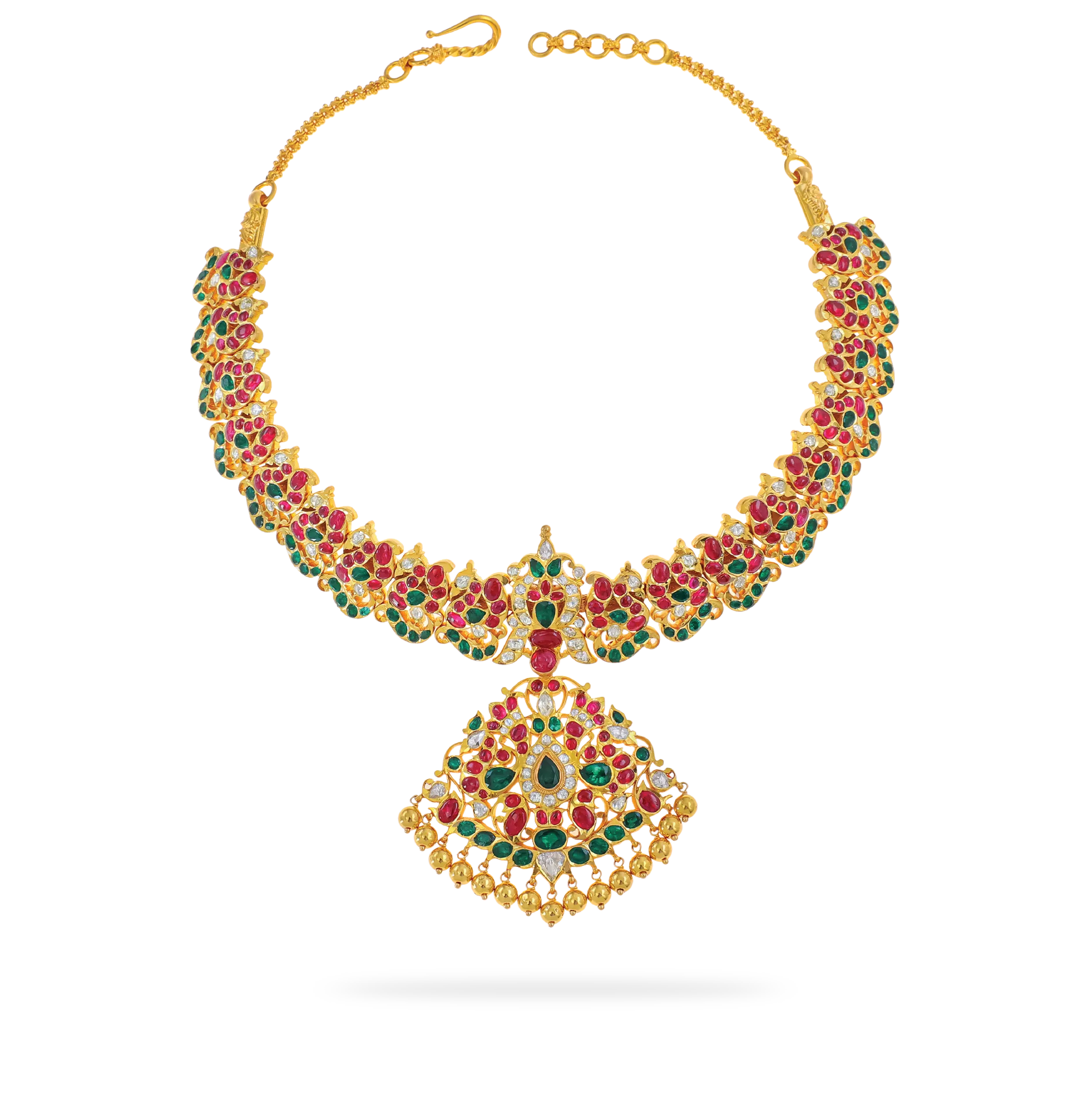
Temple jewellery tends to offer sculptural motifs, traditional proportions, and a sense of heritage. Contemporary designs may use cleaner lines, lighter construction, or a less crowded arrangement of stones. Neither approach is automatically better; the right choice depends on the saree, ceremony, and the bride’s comfort. A traditional necklace can sit beautifully beside modern earrings when they share a metal tone or a repeated detail.
Matching jewellery to the wedding theme
The wedding theme should be read broadly: a traditional morning muhurtham calls for a different level of ornament than an evening celebration with softer lighting. Consider whether the setting is intimate, grand, floral, or minimalist, and let that mood influence scale. The temple bridal jewellery set is one useful reference point for understanding how necklaces, jhumkas, bangles, and a maang tikka can form a unified traditional group.
Selecting a complete set or individual pieces
Complete sets make coordination simpler, but individual pieces offer more flexibility and may be easier to reuse. A bride who already owns family bangles or earrings might need only a necklace and headpiece. Before buying a complete set, lay out every piece and imagine it with the actual saree and blouse. The best purchase is the one that fills genuine gaps instead of duplicating jewellery already in the wardrobe.
Match jewellery with the bridal saree
The saree should be the starting point for colour, scale, and finish. Look at the border, pallu, zari pattern, and blouse neckline in natural light before selecting jewellery. A busy saree may need strong but clearly spaced layers, while a simpler weave can support a more detailed necklace. Try the pieces with the drape in place, not just over a folded saree.
Jewellery for Kanchipuram silk sarees
Kanchipuram silk sarees often have a substantial fall and a lustrous zari border, so jewellery with visual weight usually feels at home. Temple-inspired necklaces, kasu malas, mango motifs, and traditional jhumkas can reinforce that richness. If the saree is already heavily patterned, choose defined forms with enough space between layers. This keeps the ensemble grand without making the upper body look crowded.
Coordinating gold tones with saree colors
Yellow gold is a natural partner for red, maroon, green, mustard, and many jewel-toned silk sarees. Rose or lighter gold tones can soften blush, peach, cream, or contemporary pastel palettes, though the zari should remain part of the decision. When mixing tones, repeat the secondary metal in at least one smaller piece. A single, deliberate contrast looks more polished than several unrelated finishes.
Pairing necklaces with blouse necklines
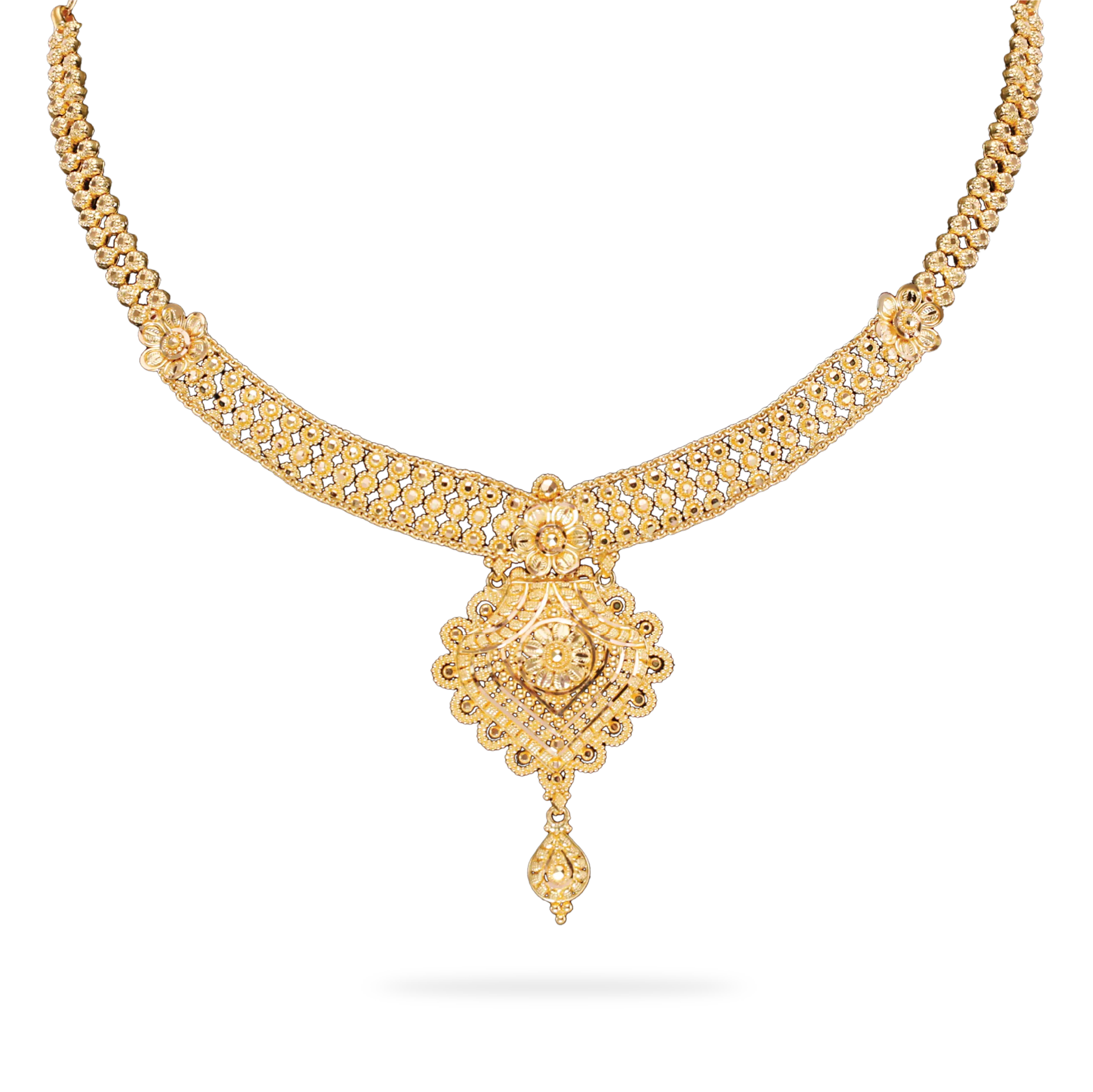
A high or closed neckline generally benefits from a shorter necklace that sits above or just below the blouse edge. With a wider U or V neckline, a longer pendant or layered arrangement can fill the open space gracefully. Avoid allowing the lowest necklace to end exactly at a visually awkward point on the blouse. A styling trial will reveal whether the layers remain visible after the saree pallu is pinned.
Choosing designs that enhance zari work
Zari has its own reflective pattern, and jewellery should leave enough visual breathing room for it to be seen. If the border has repeated floral or geometric details, a necklace with a related rhythm can make the saree look more intentional. For a heavily ornamented pallu, consider keeping the necklace structure simpler and moving detail toward the earrings or hair. The result should read as one ensemble rather than separate areas of decoration.
Select the most important jewellery pieces
Once the saree and overall direction are clear, choose the pieces that define the bridal silhouette. Necklaces frame the torso, earrings frame the face, and head jewellery draws attention upward in photographs. Bangles and rings add movement, while the vaddanam can visually anchor the saree drape. Select the foundation first, then add accents only when they improve balance.
 jhumkas bangles and nethi chutti" >
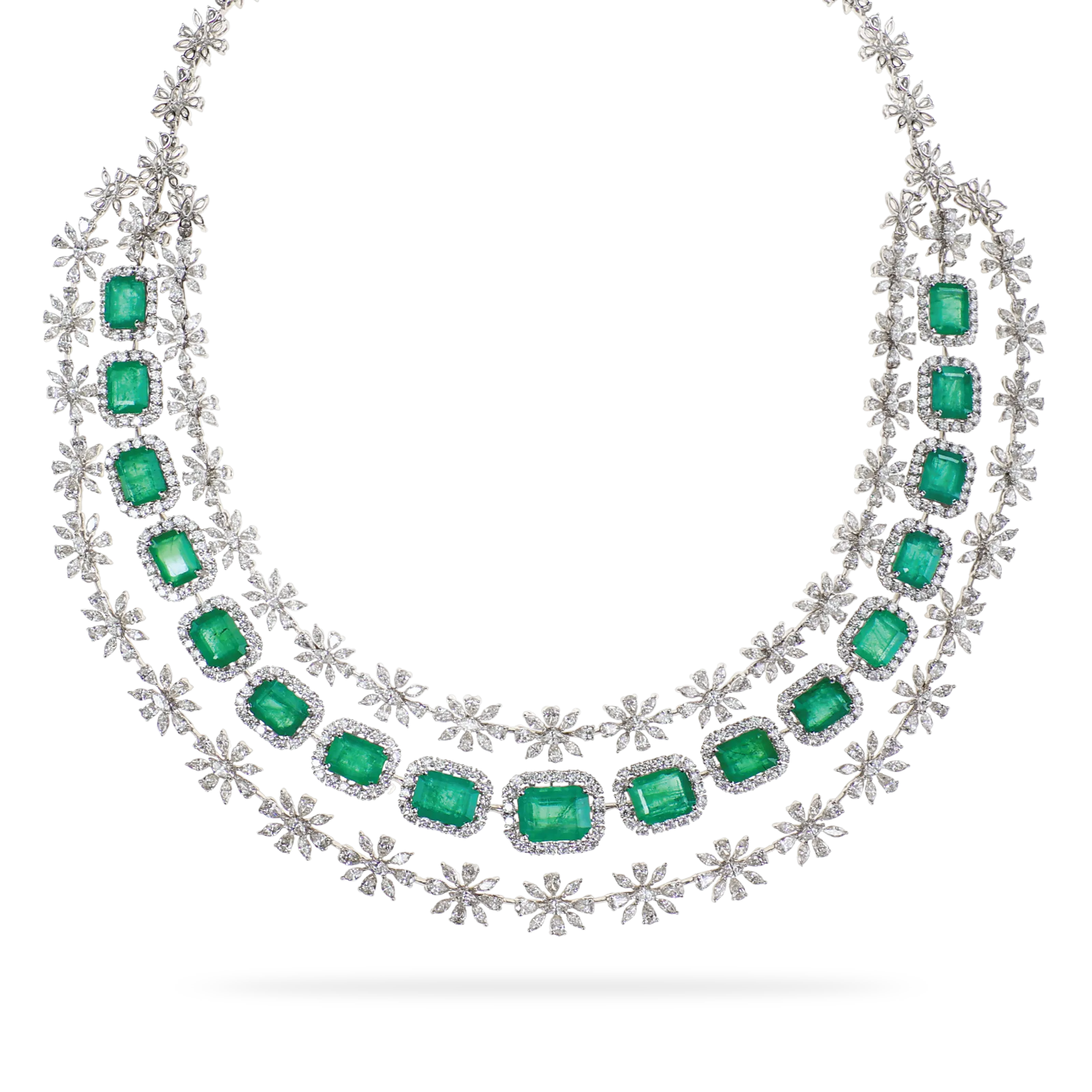
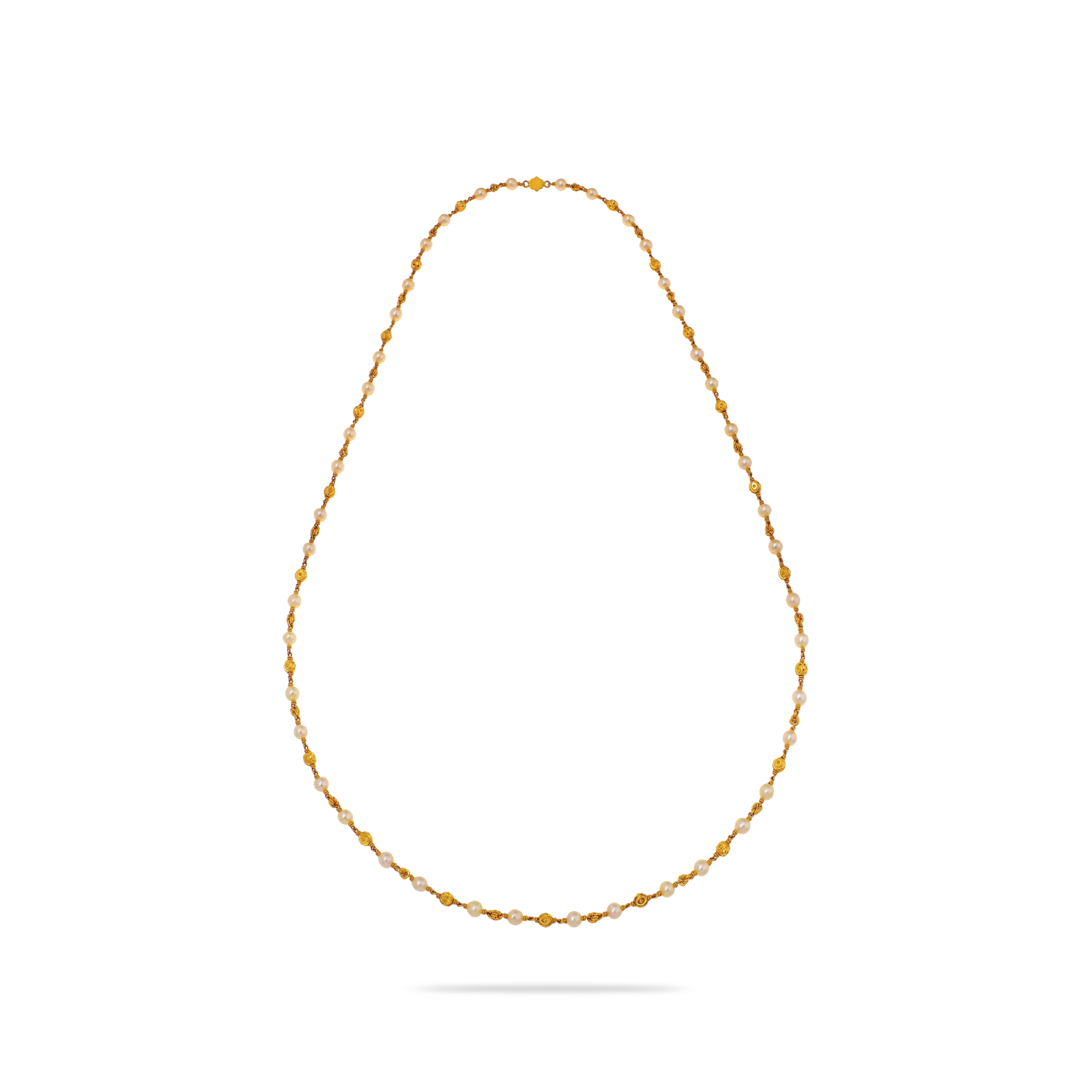
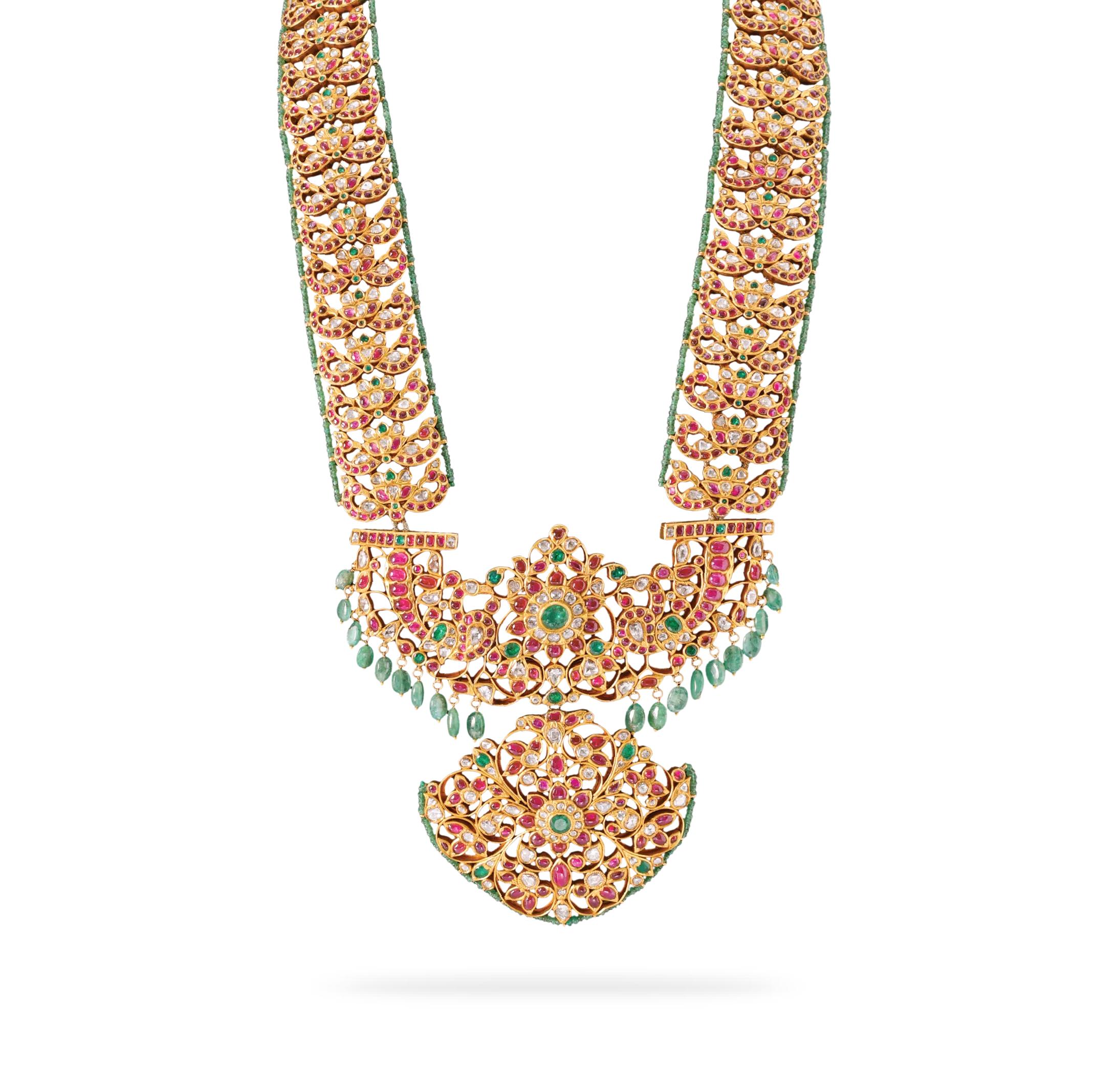
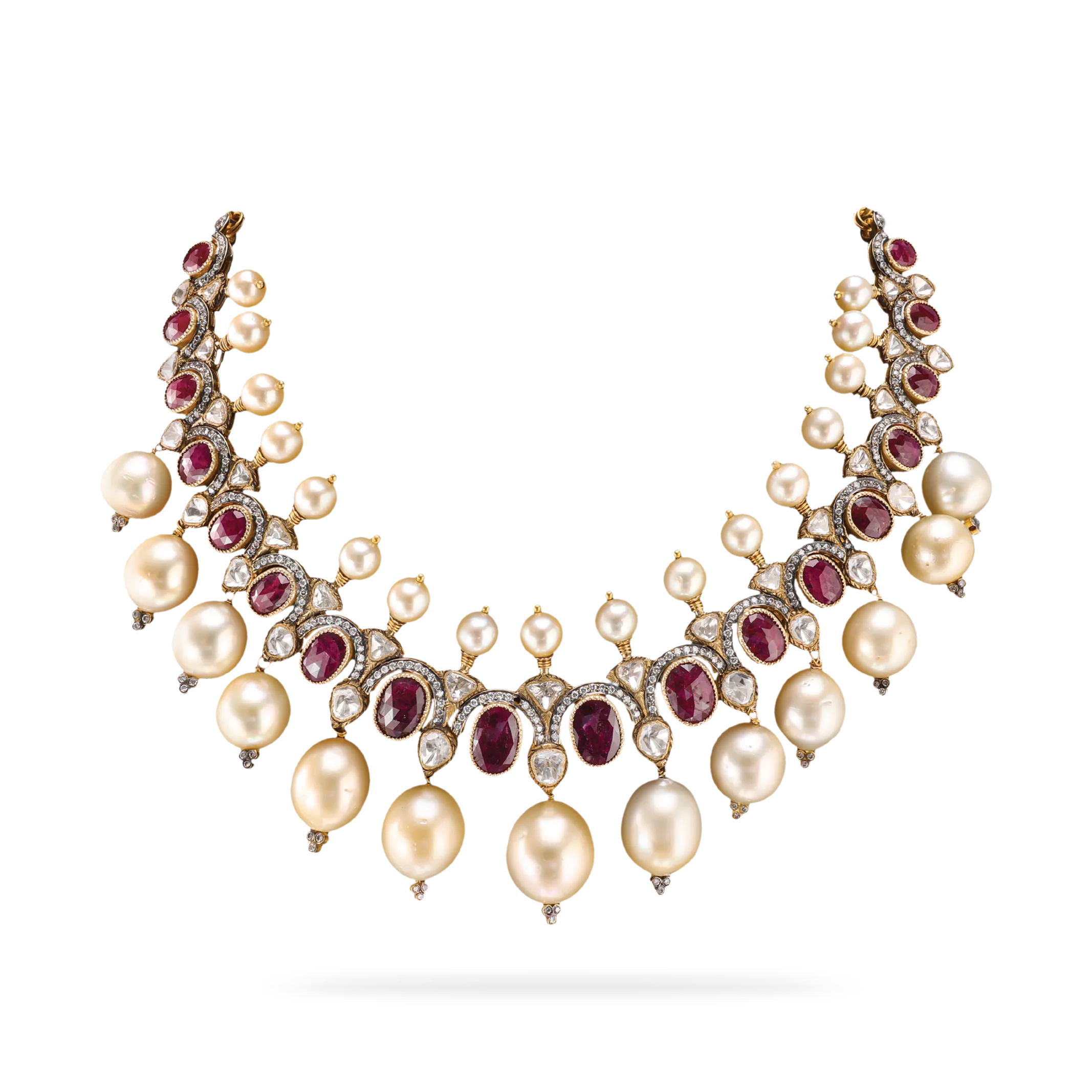
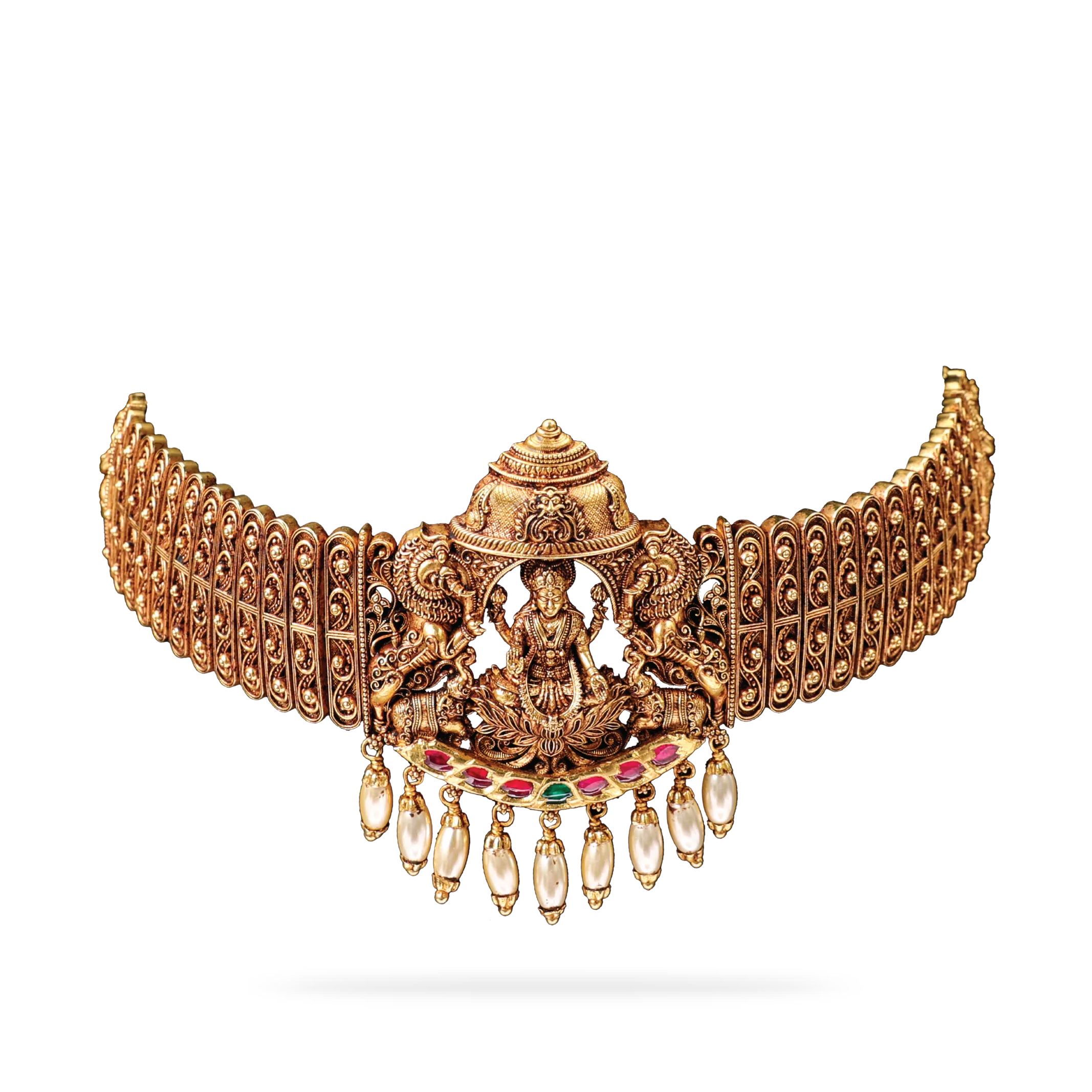
Layering short and long necklaces
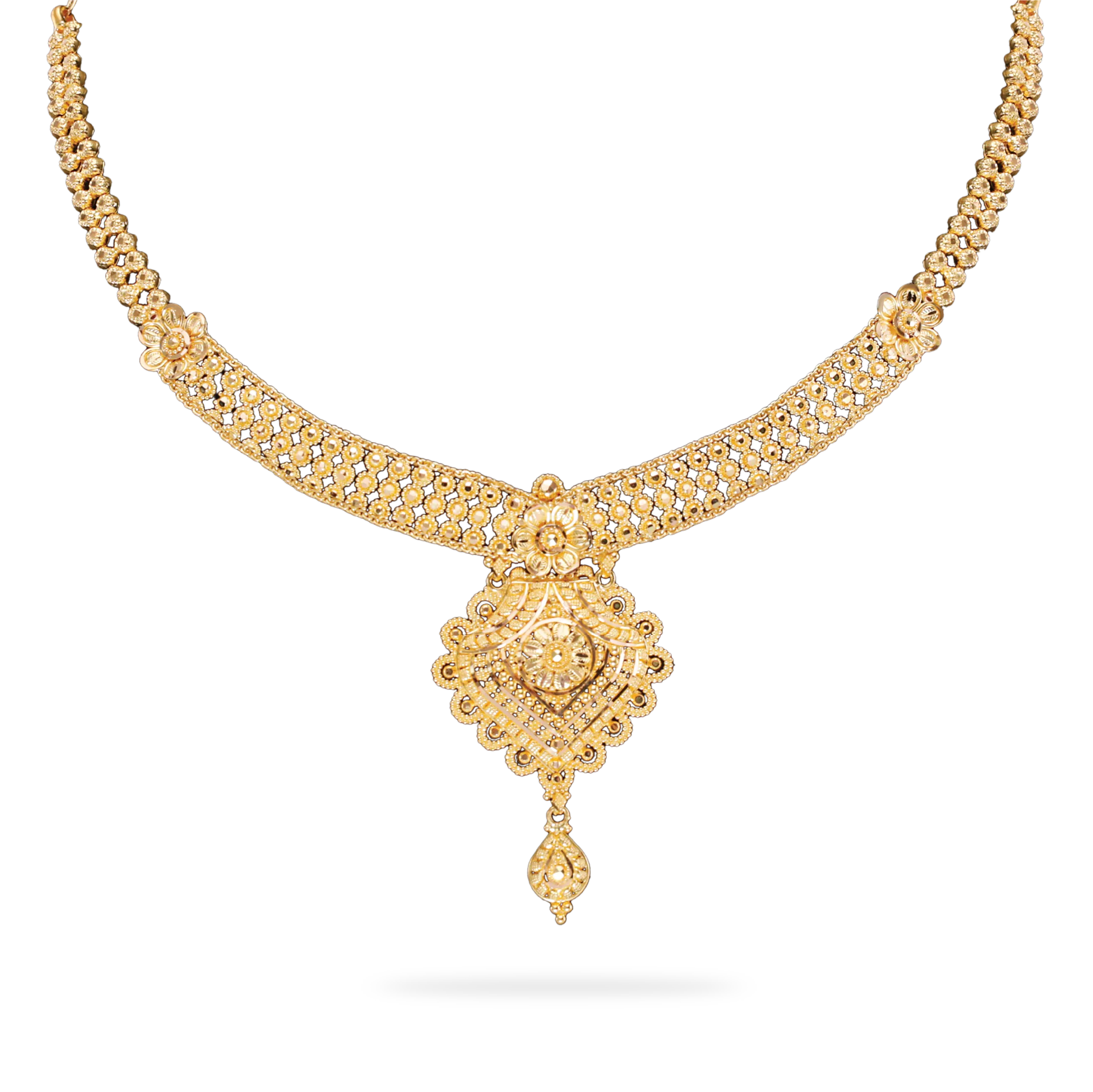
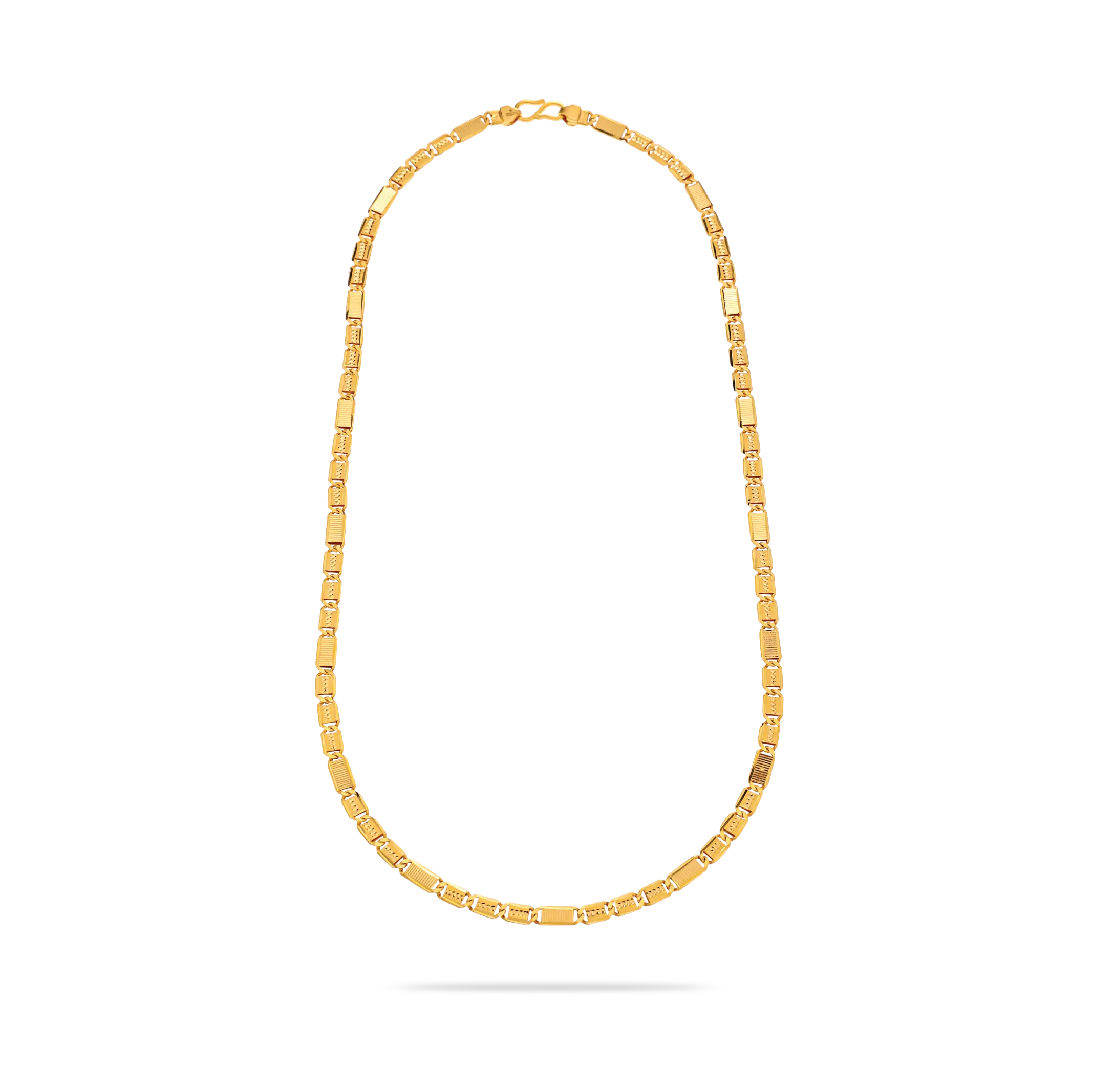
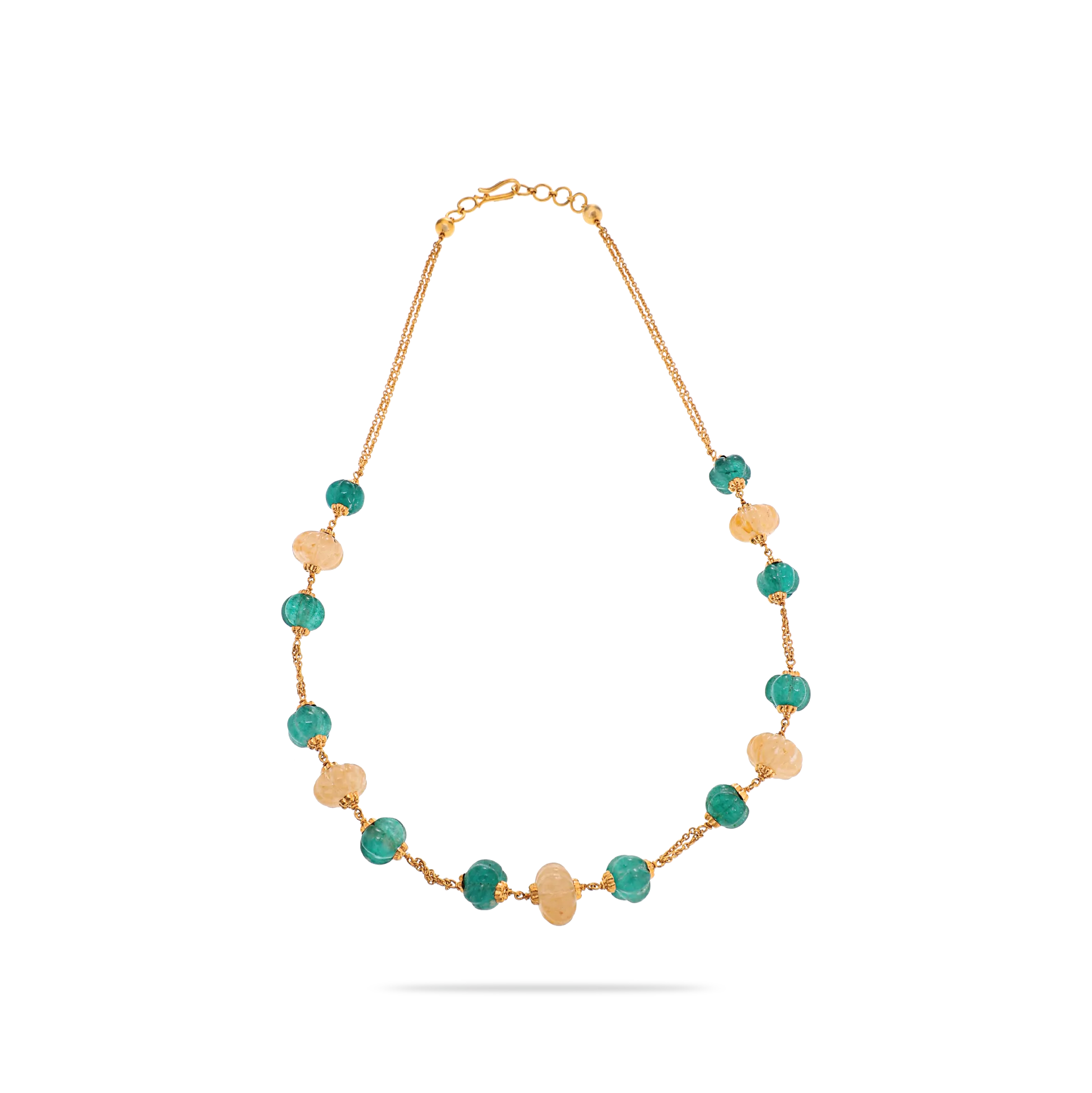
A choker or short necklace creates structure near the collarbone, while a longer mala or haram draws the eye down the saree. The two should differ enough in length to remain distinct, with their motifs or stones providing a connection. Test the layers while seated and standing, since necklace placement can shift during rituals. If the pieces overlap heavily, remove one rather than adding more spacing through constant adjustment.
Choosing the right temple jewellery earrings
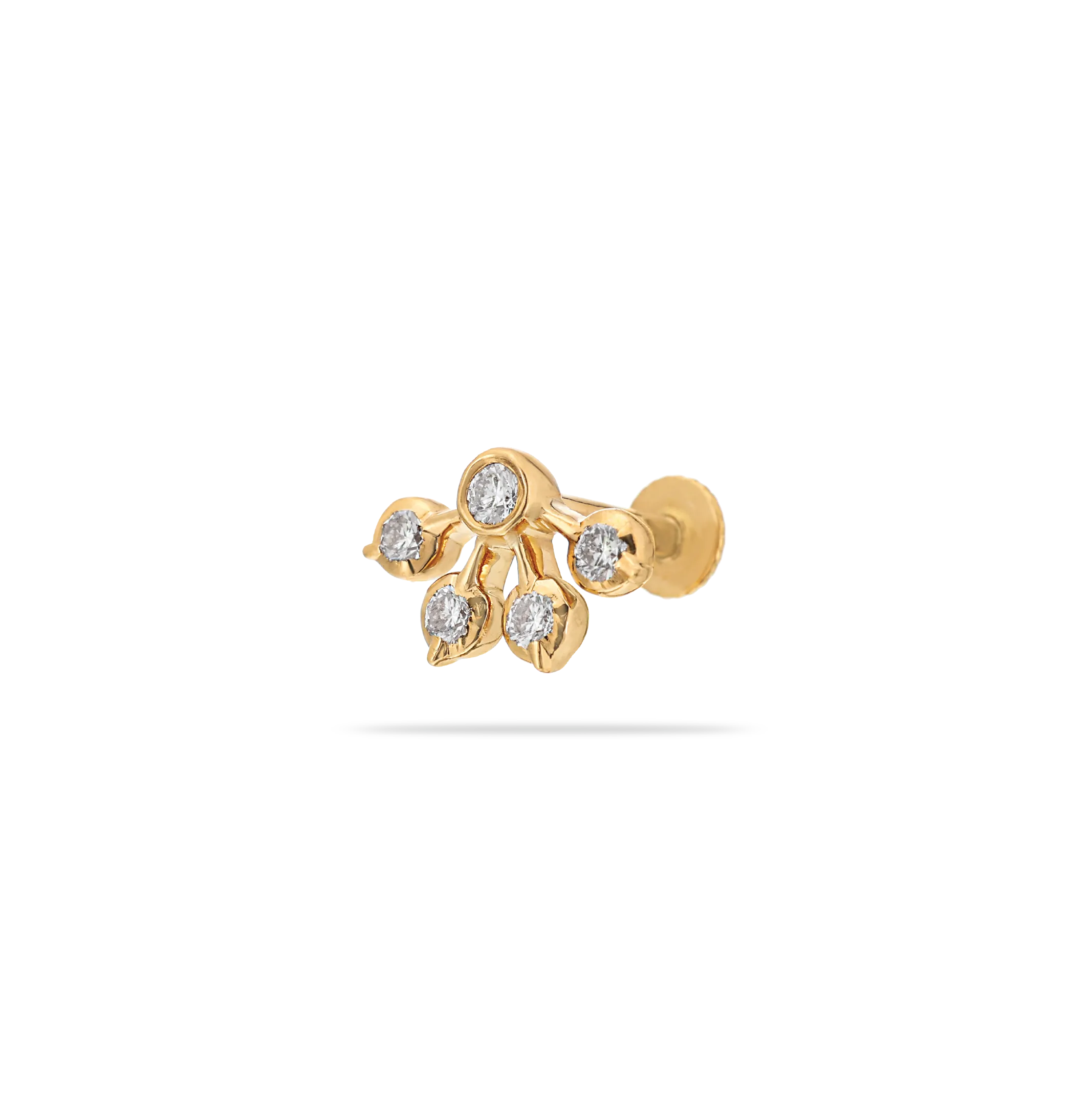
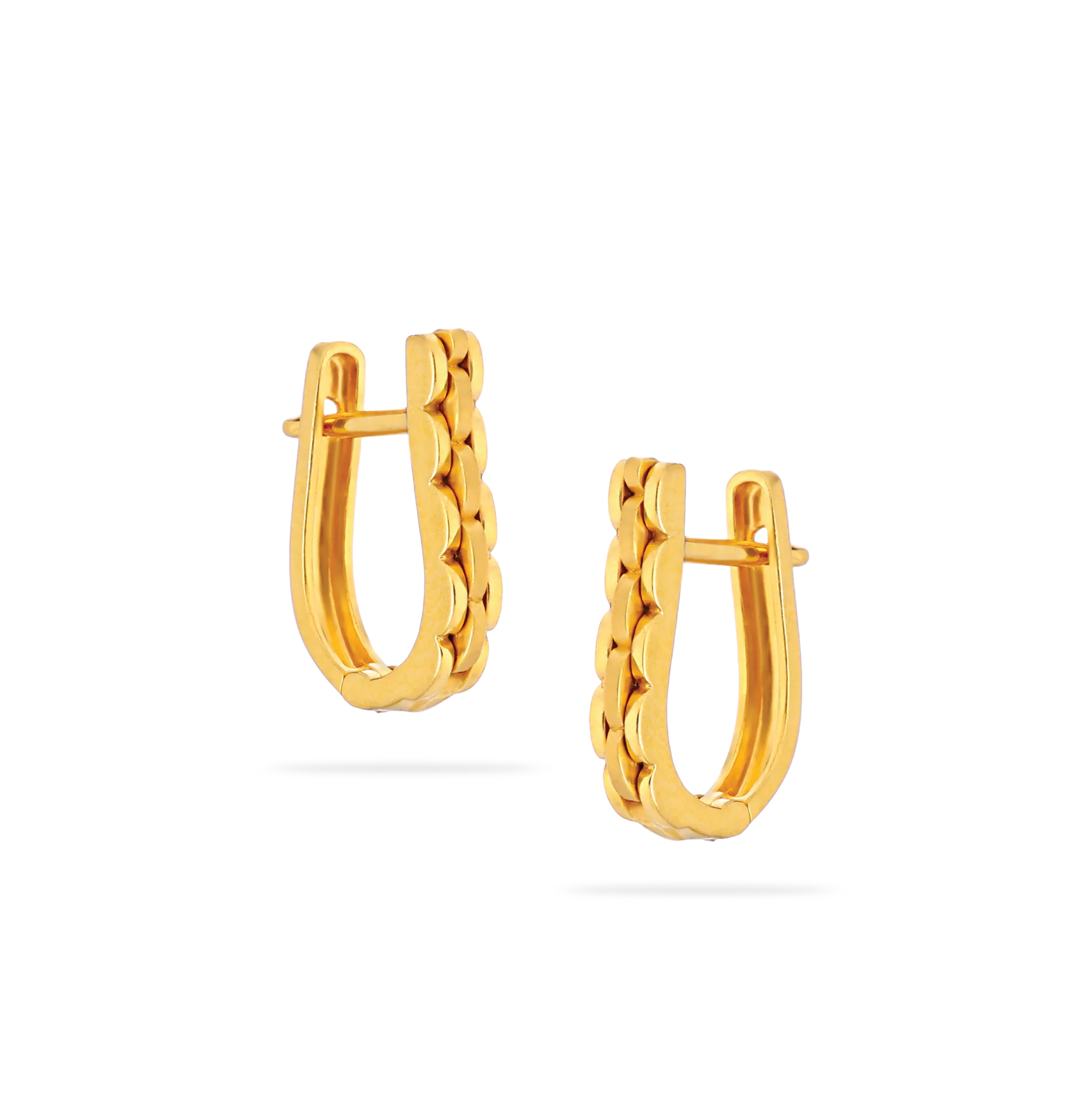
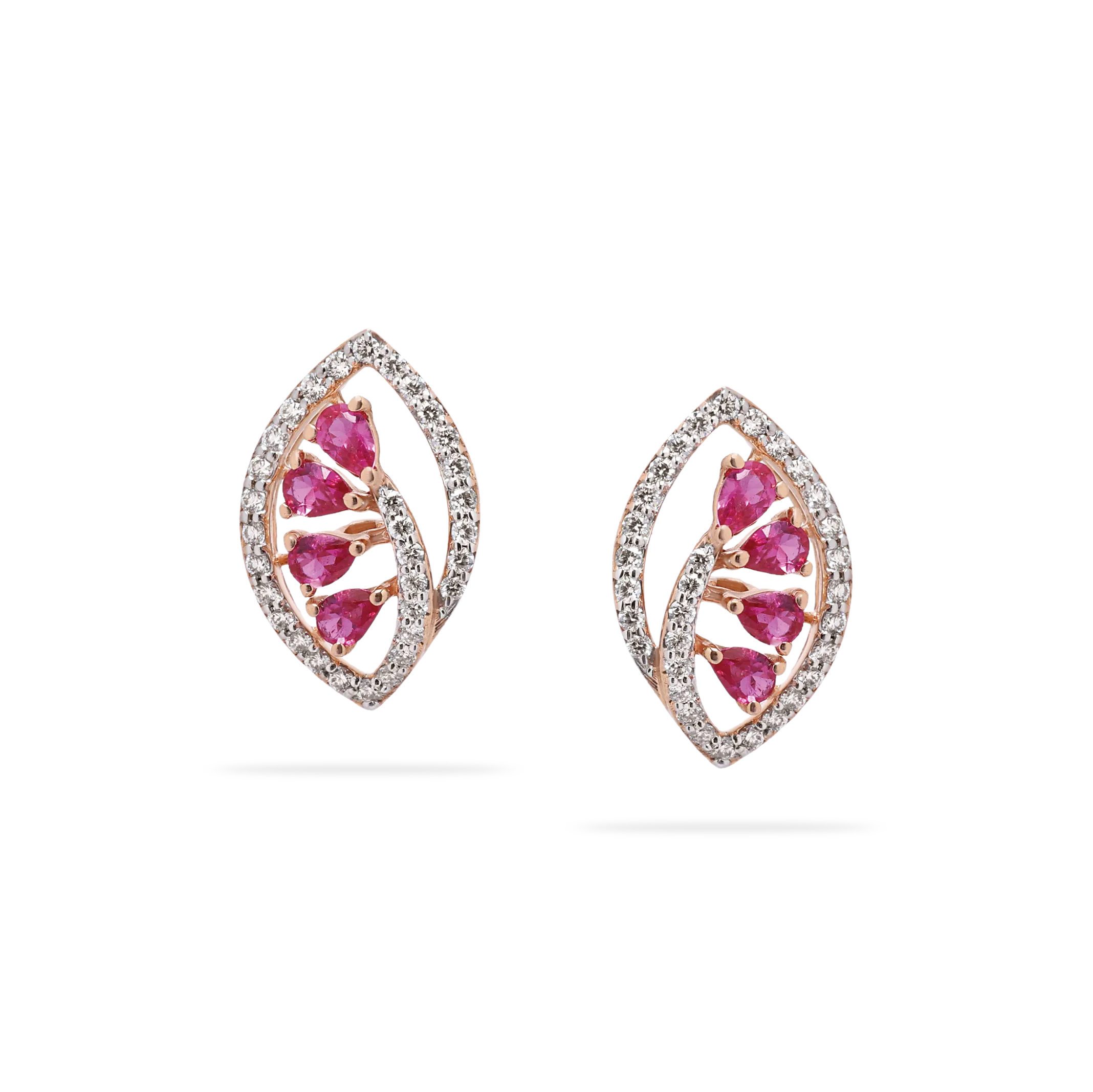
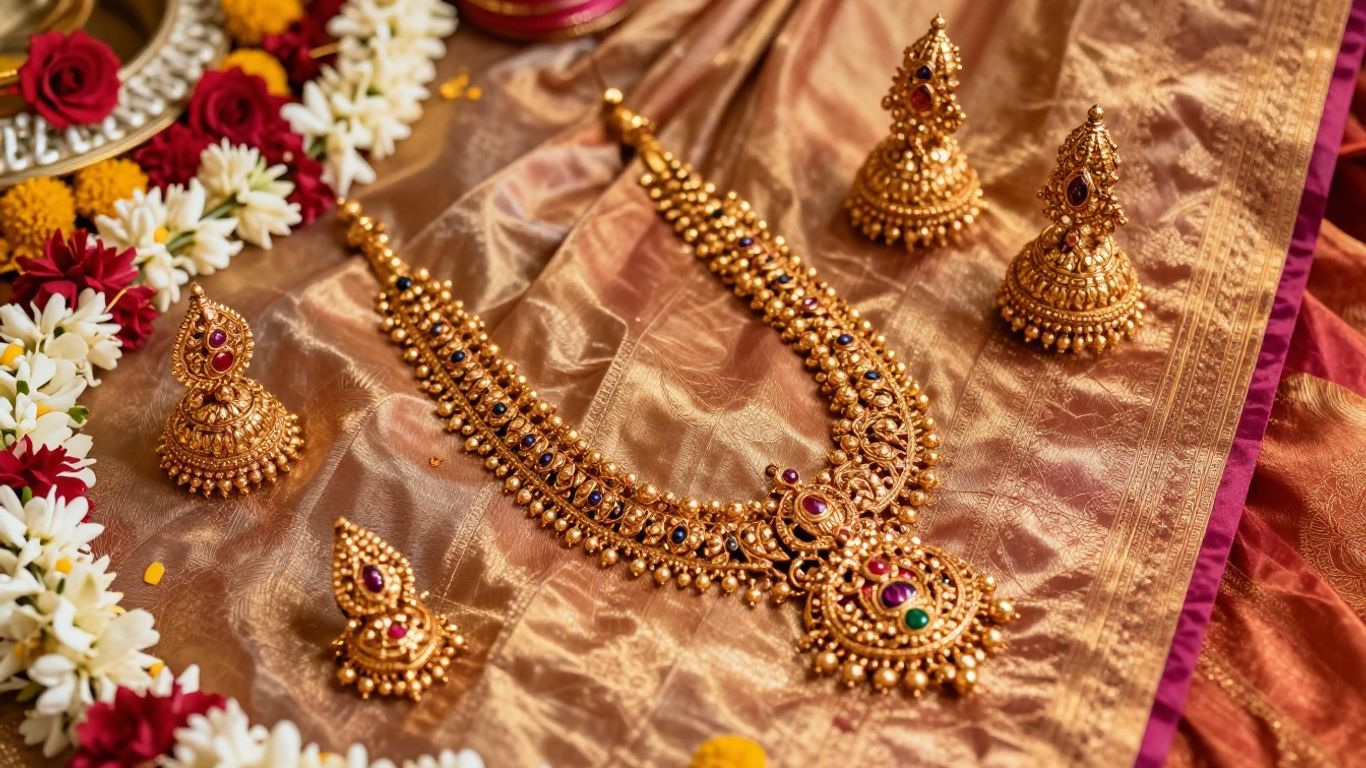
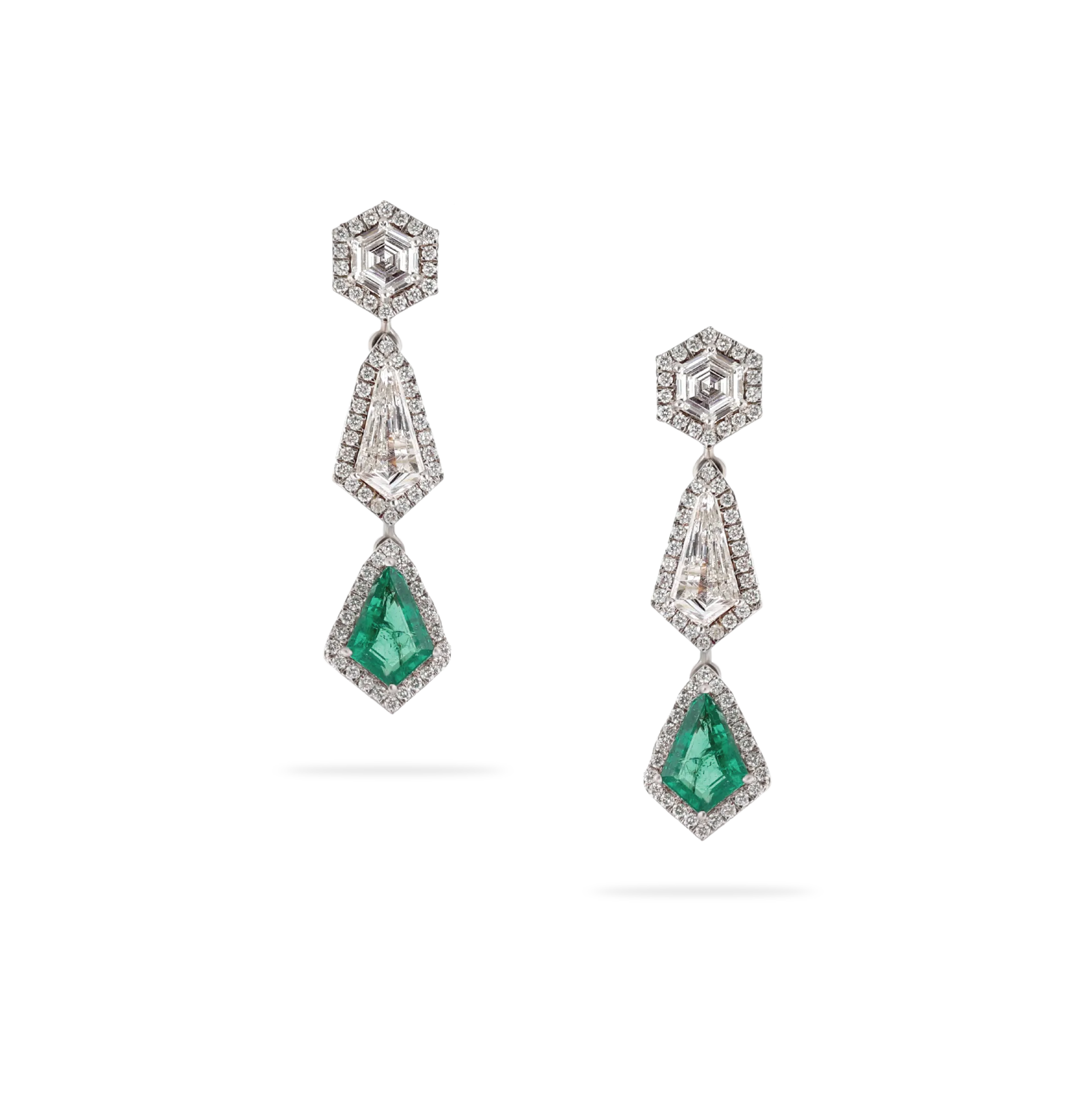
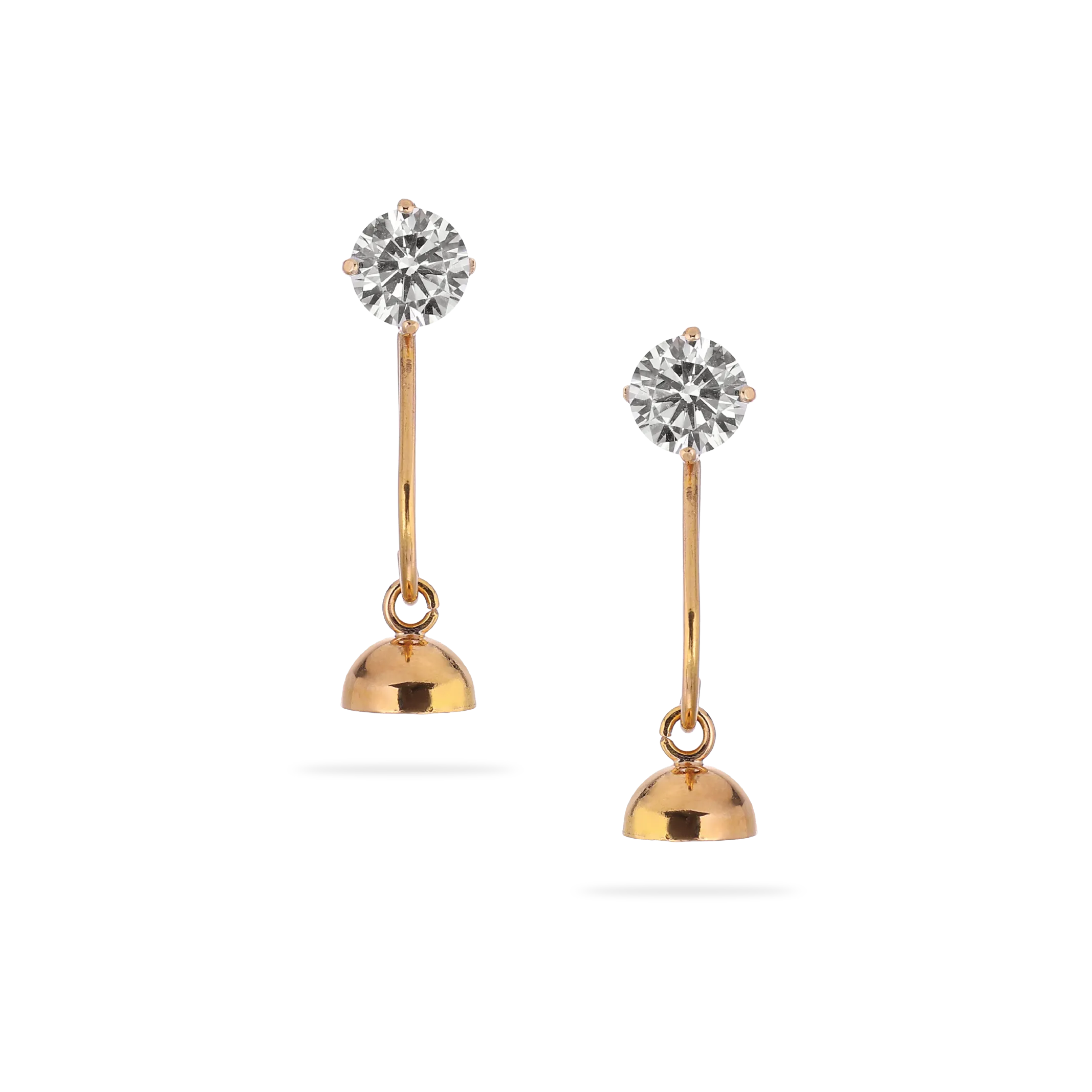
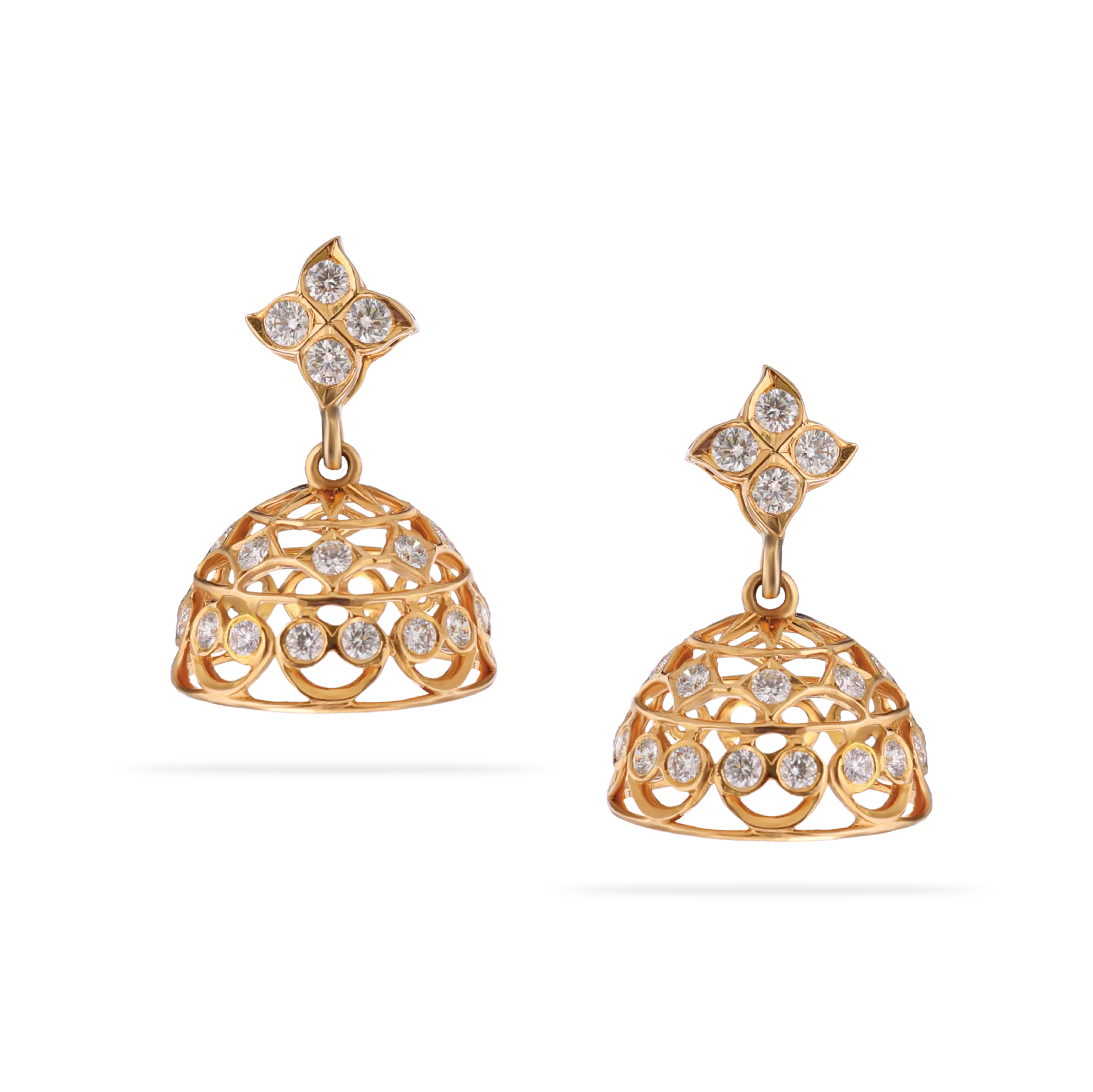
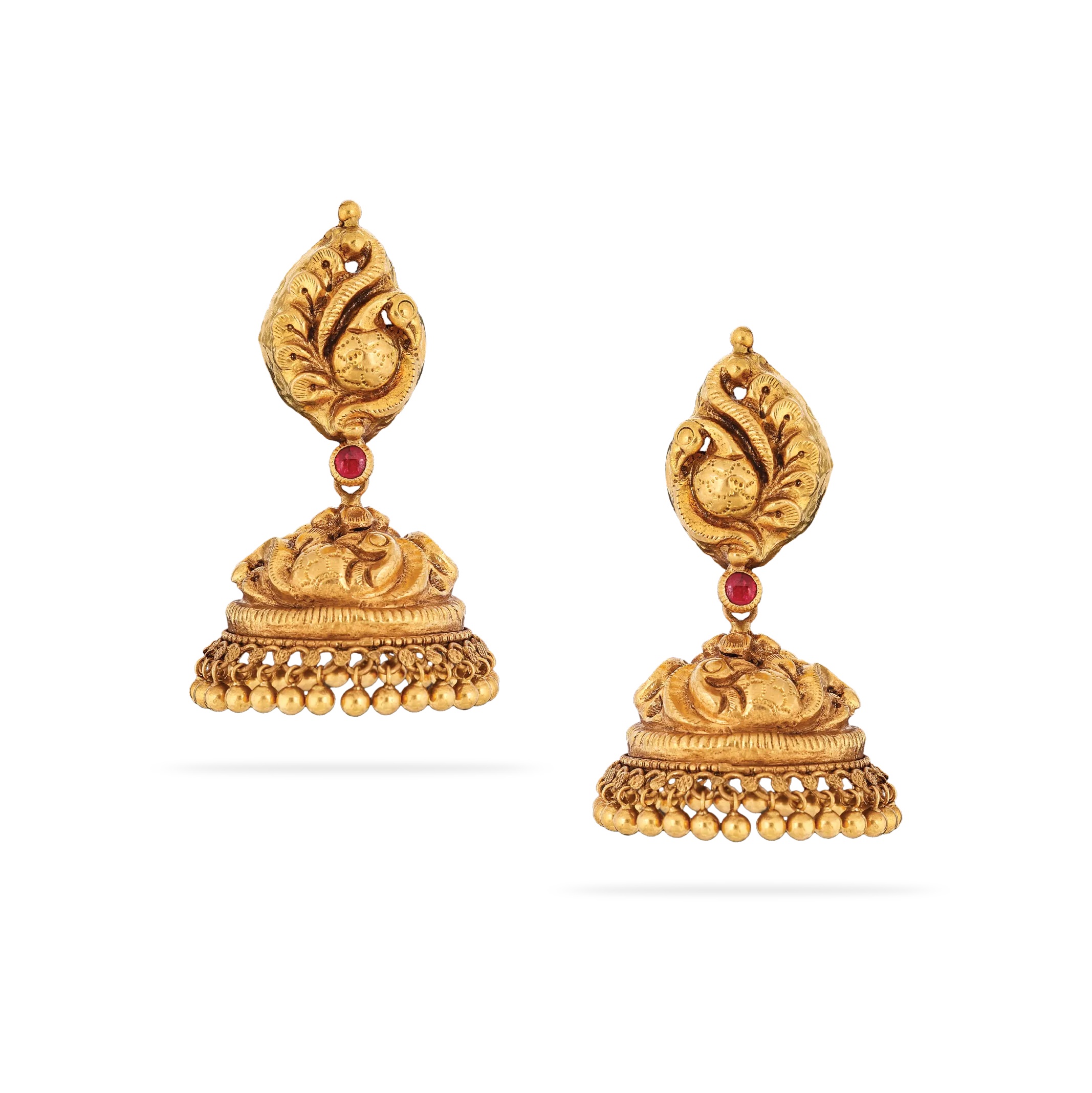
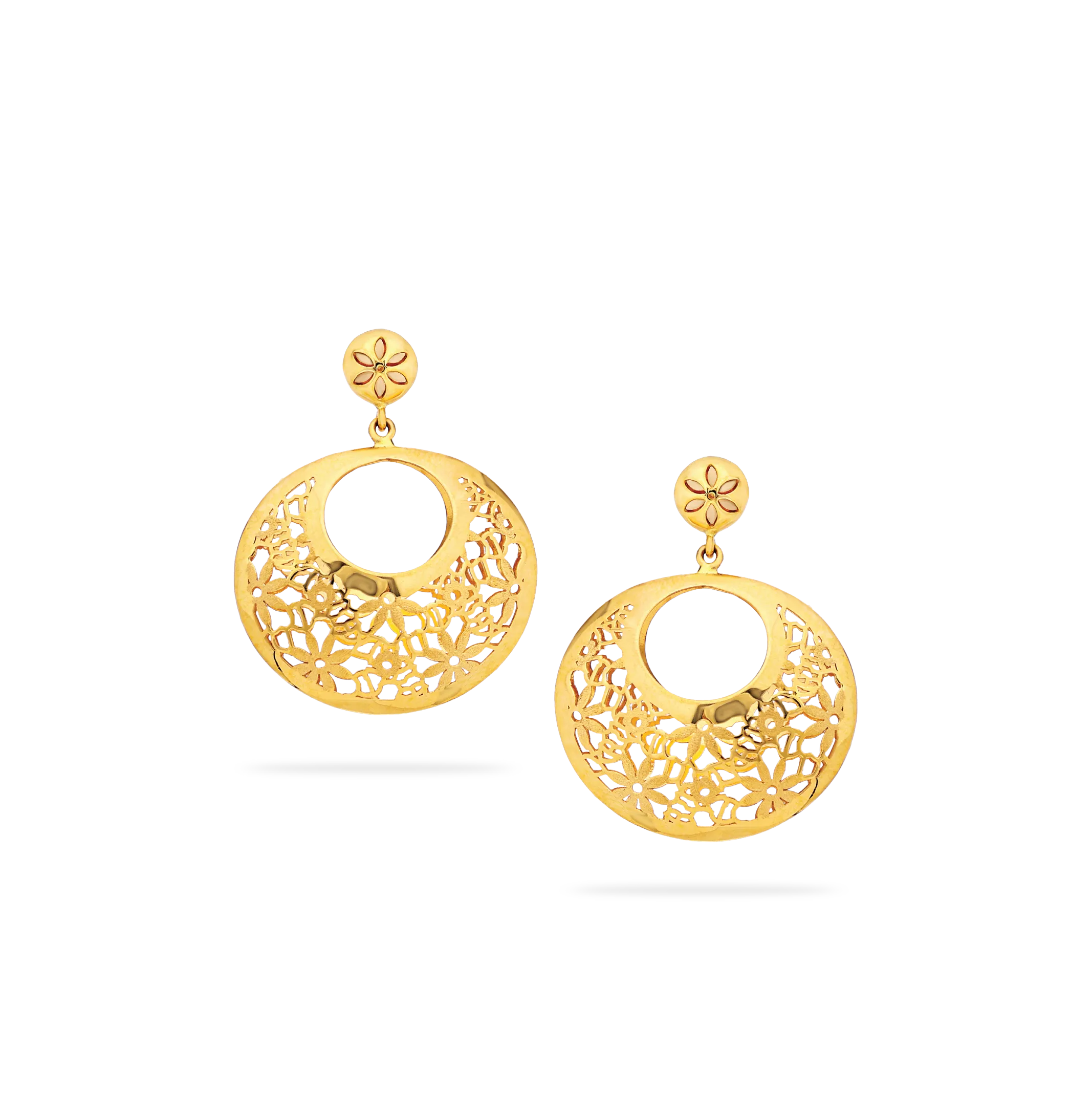
Jhumkas and other temple-style earrings should relate to the necklace in scale and detail. A broad necklace can support a more substantial earring, while a delicate necklace may look better with a medium-sized pair. Consider the bride’s hairstyle too: earrings need enough length to remain visible beside braids, flowers, or loose hair. Secure backs and comfortable weight matter more than a dramatic first impression.
Styling the maang tikka, nethi chutti, and hair accessories
The maang tikka or nethi chutti should sit along the centre of the forehead without pulling at the hairline. A nethi chutti creates a more elaborate frame, while a single tikka can feel cleaner and lighter. Coordinate the headpiece with the braid ornaments, flowers, or rakodi so that the hair does not become visually overloaded. Check the placement from the front and both sides before finalising it.
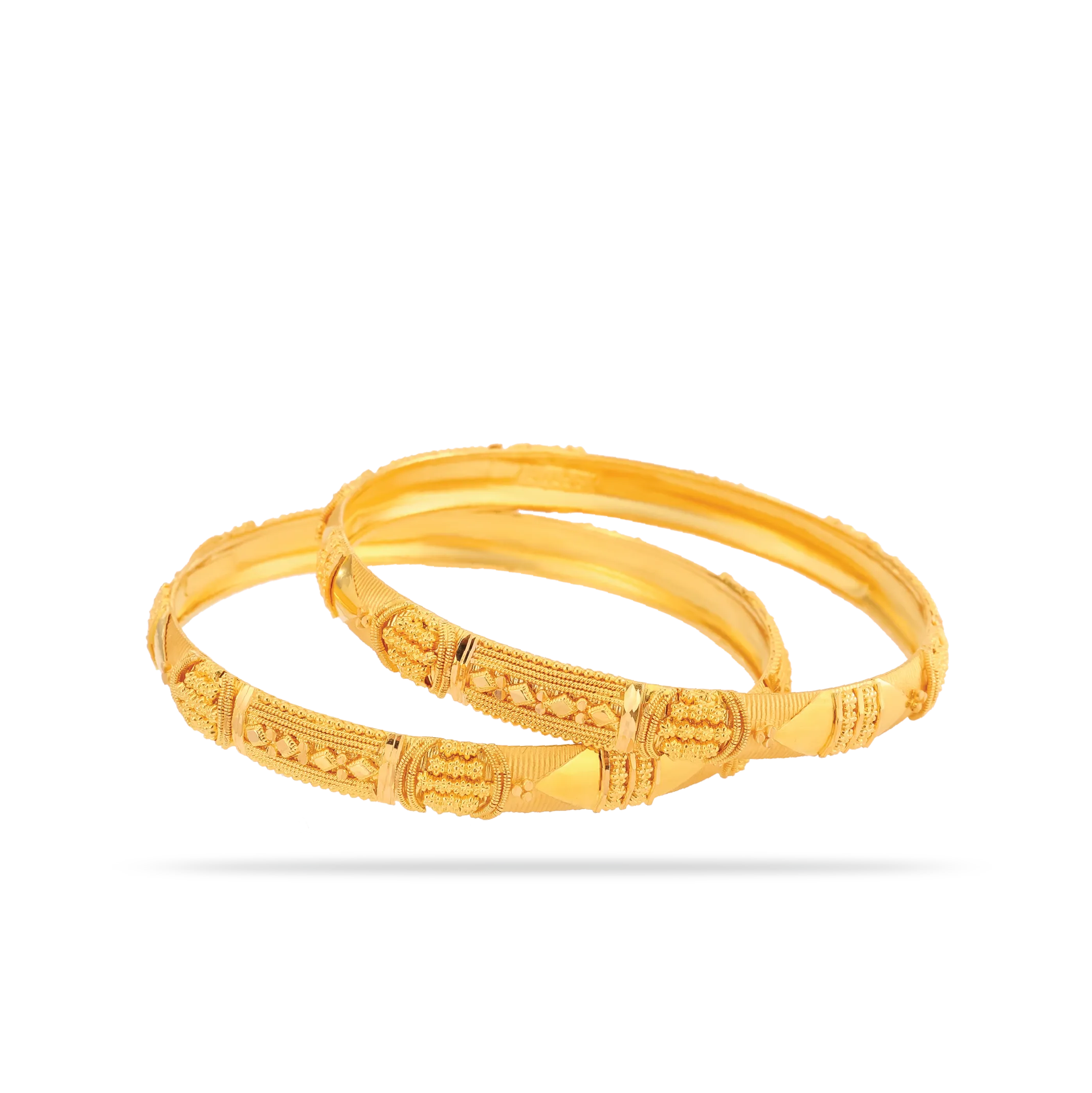
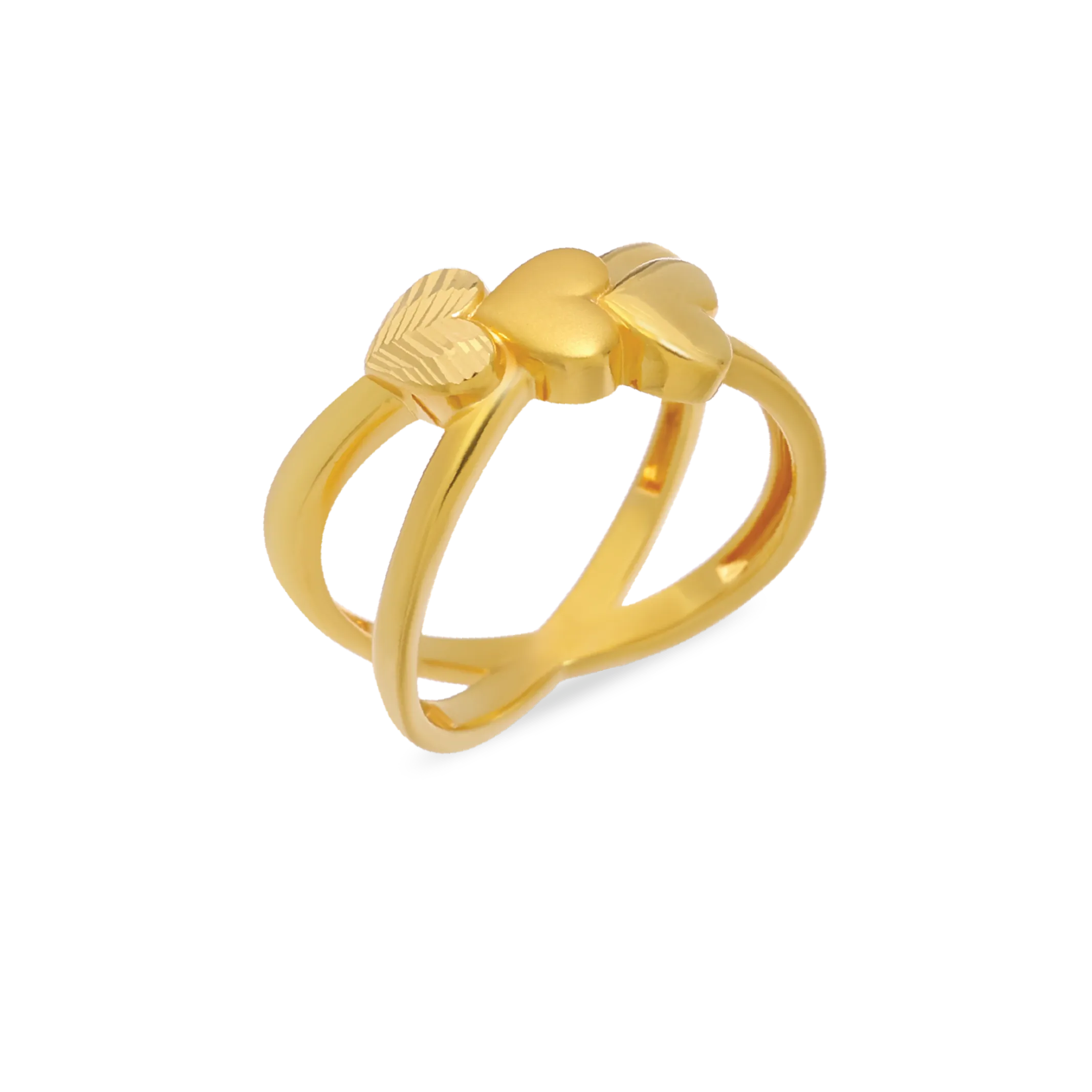
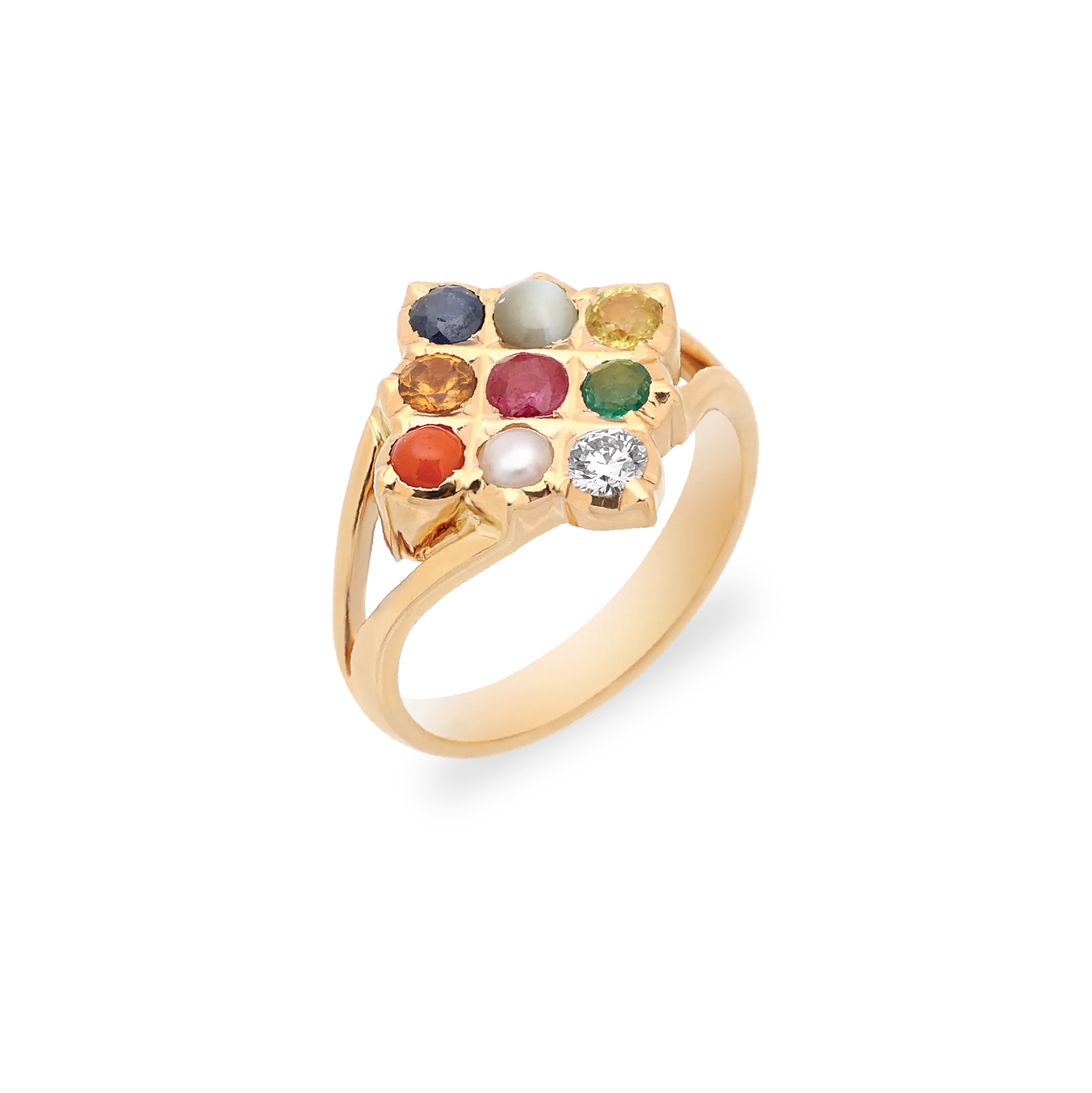
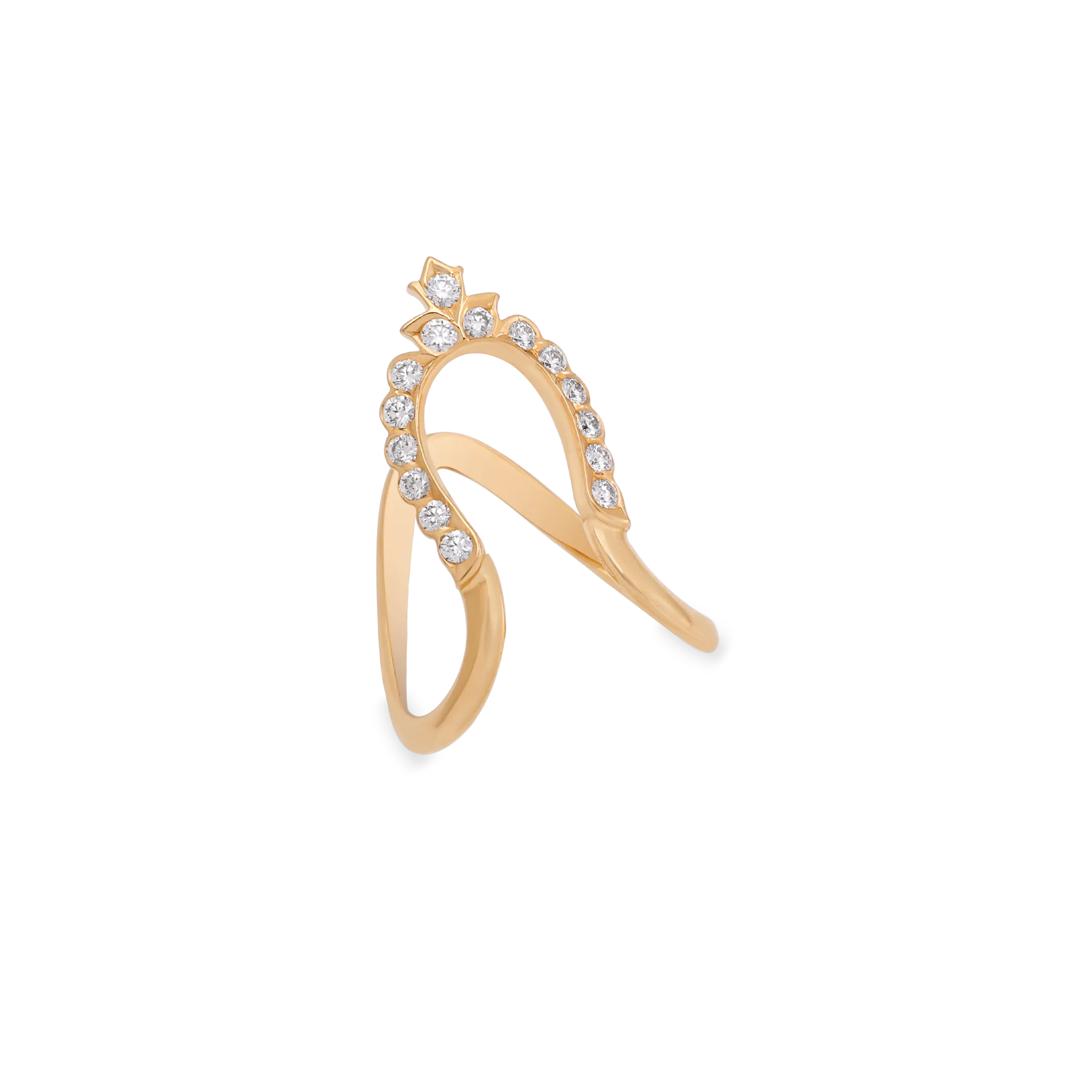
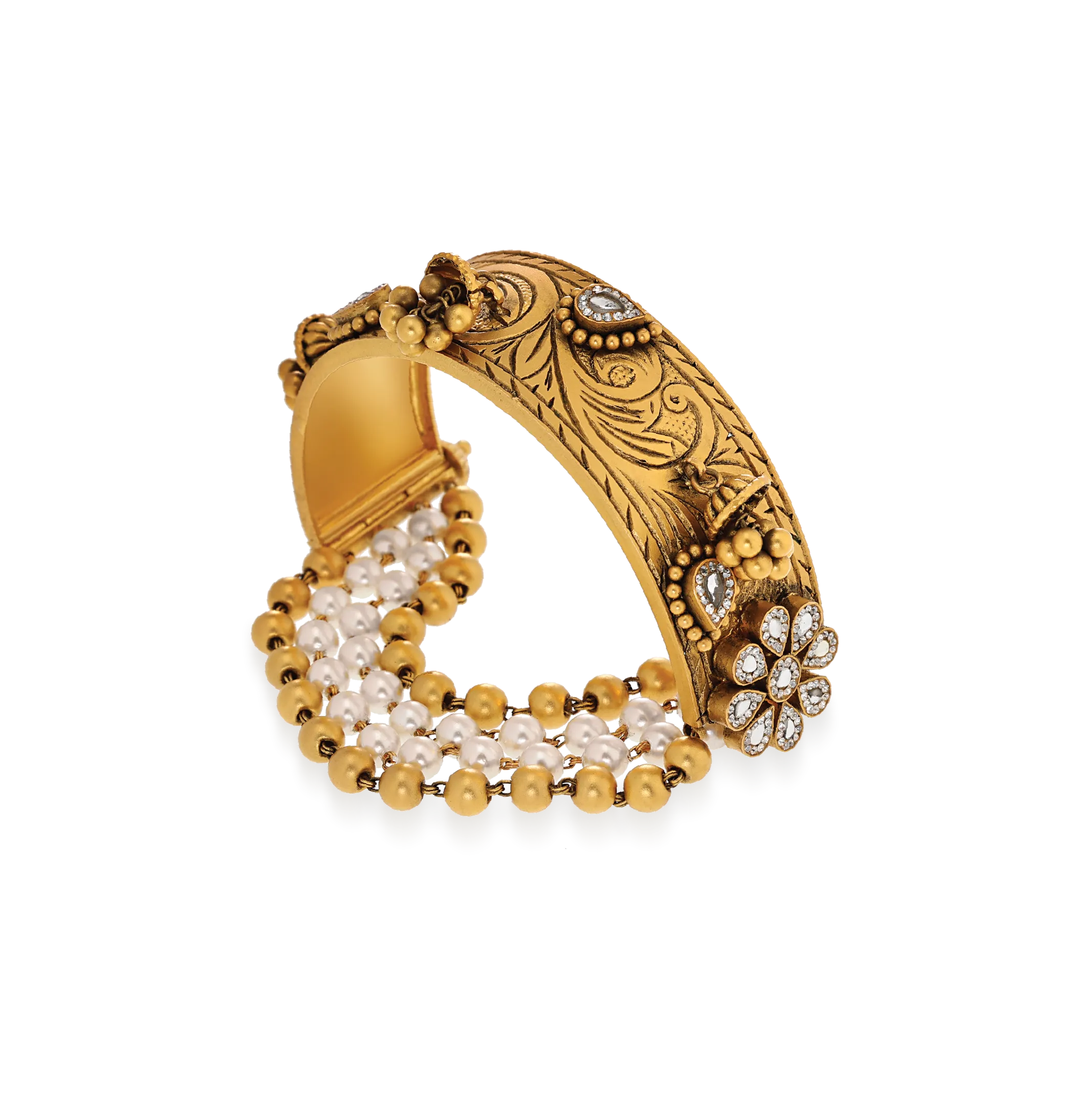
Adding bangles, vaddanam, and bridal rings
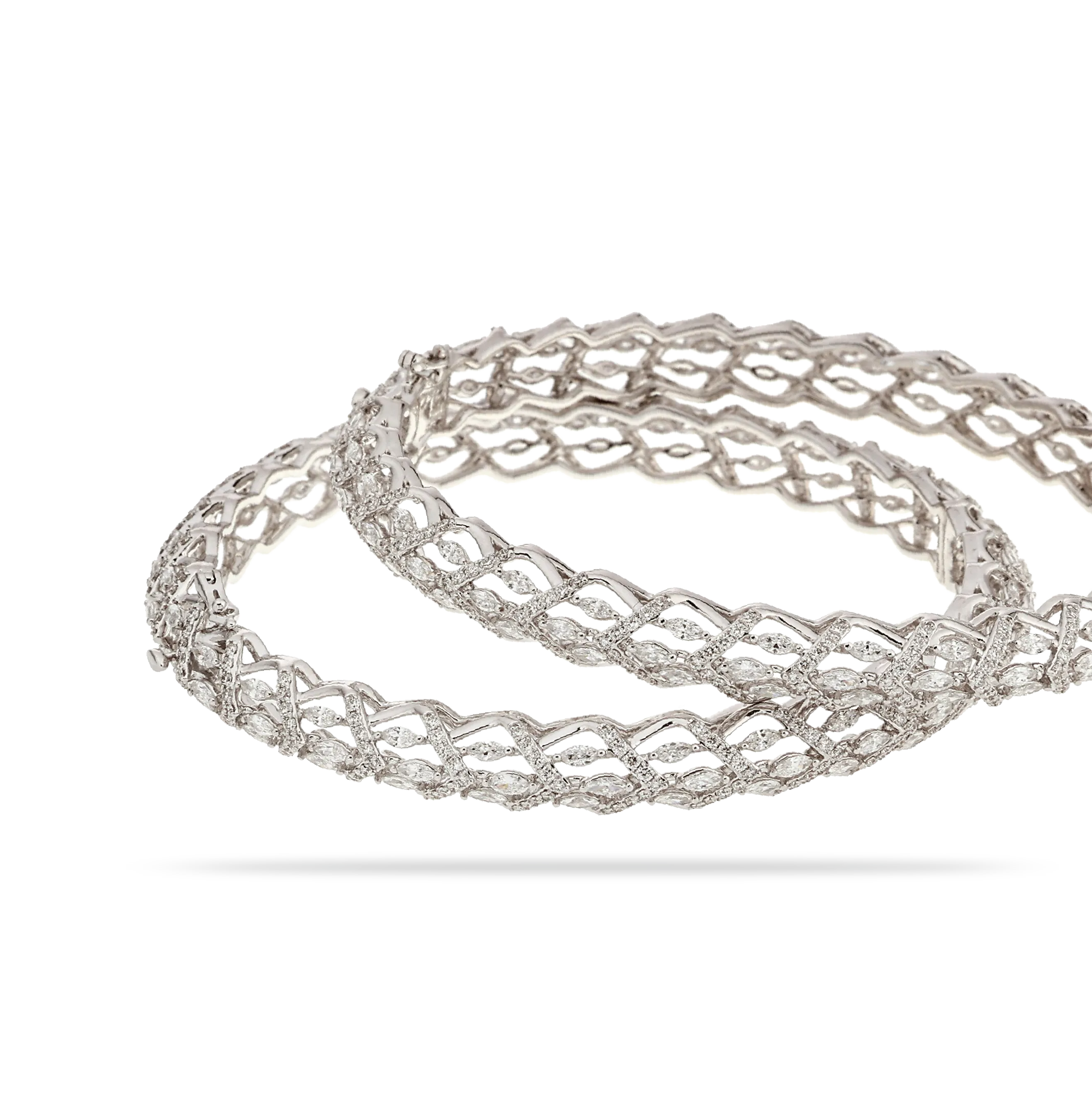
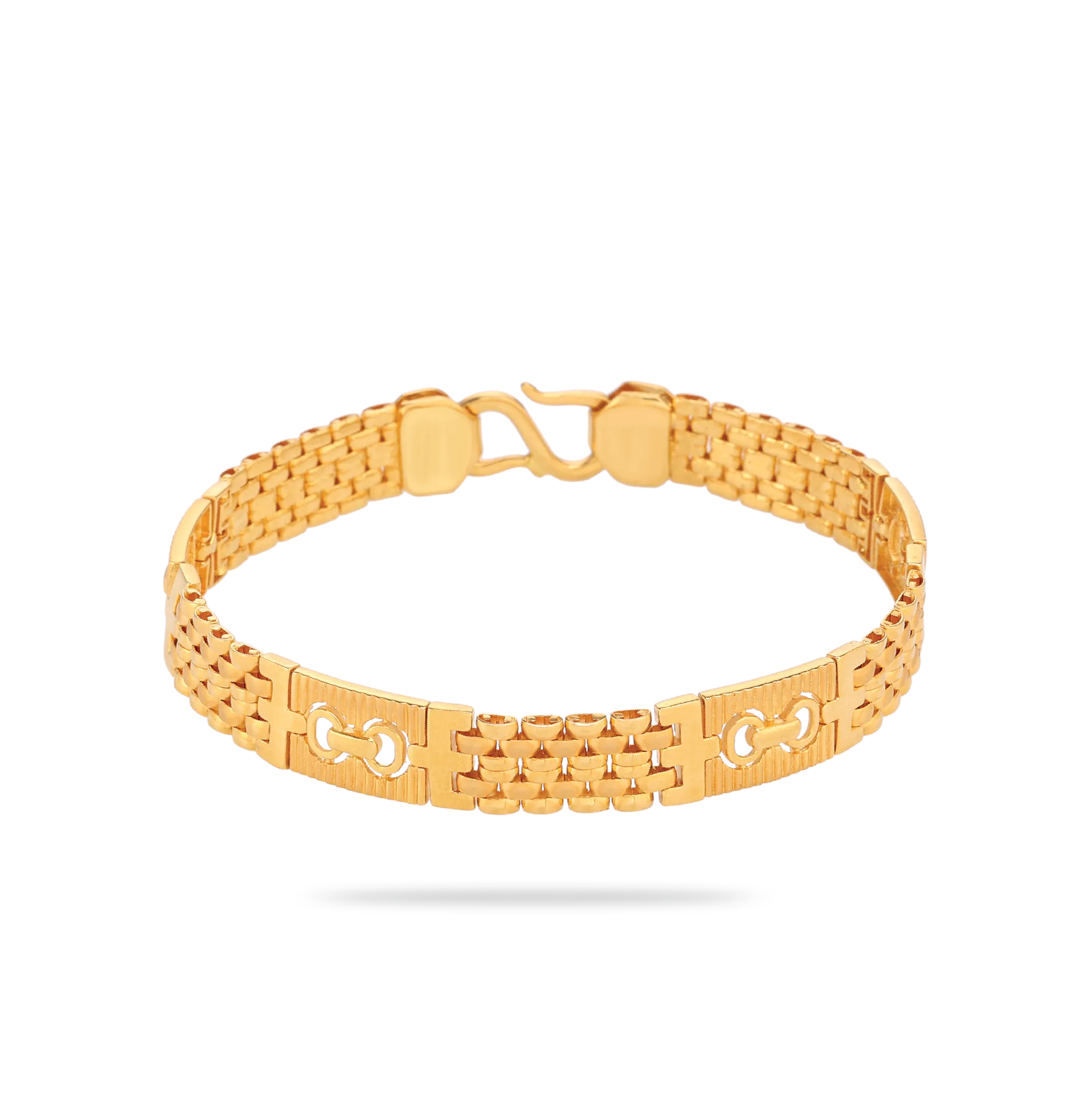
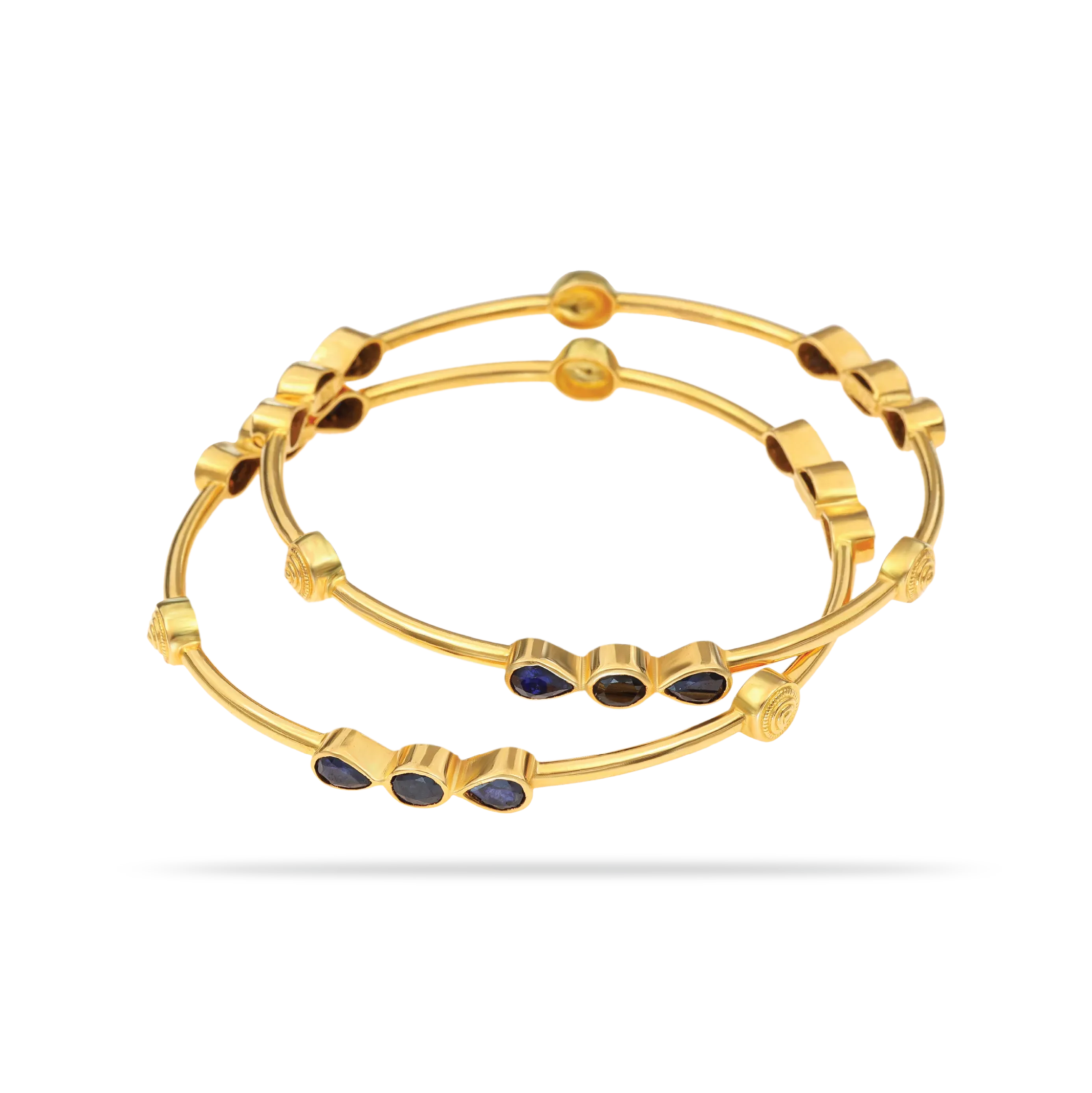
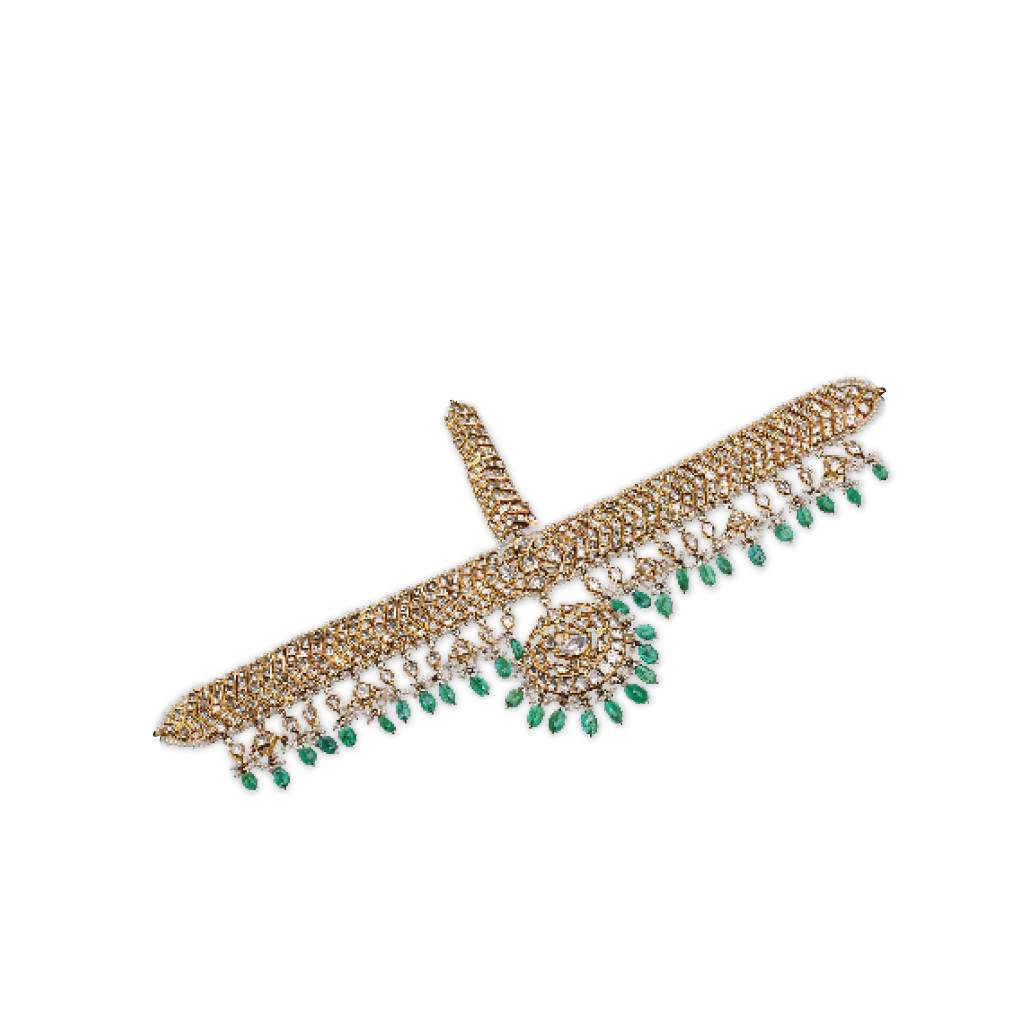
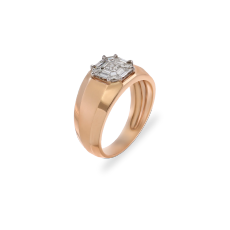
Bangles bring colour and sound to the hands, but too many rigid pieces can become tiring during a long ceremony. The vaddanam should sit securely at the waist and remain comfortable when the bride sits or bends. Rings should be chosen with attention to finger movement and the way they interact with the wedding ring or other family jewellery. Build in one final trial wearing the full combination for at least an hour.
Find the right materials, craftsmanship, and finish
Material affects appearance, price, weight, maintenance, and how often the jewellery can be worn after the wedding. Look beyond the front-facing design: clasps, hinges, earring backs, threadwork, and stone settings all influence the experience. Ask for clear details about the metal and finish before making comparisons. Good bridal jewellery should feel considered from every angle.
Comparing gold, gold-plated, and imitation jewellery
Solid gold offers intrinsic material value and can become an heirloom, while gold-plated and imitation pieces may provide a more accessible way to achieve a particular look. Their care requirements and long-term durability can differ, so the price should not be the only comparison. Consider which pieces deserve an investment and which are worn for a single styling idea. A mixed collection can be sensible when the choices are deliberate.
Understanding temple motifs and gemstone details
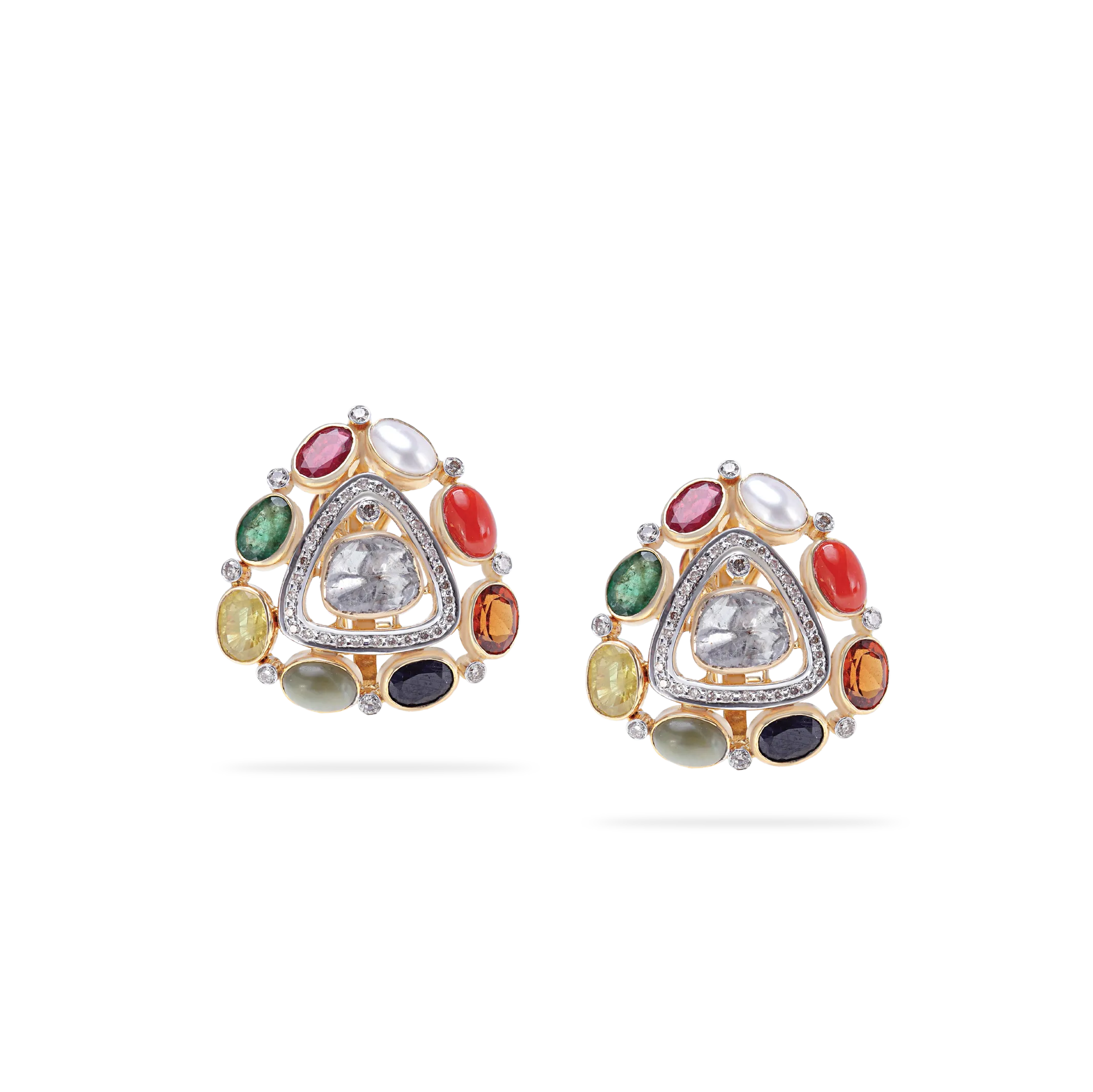
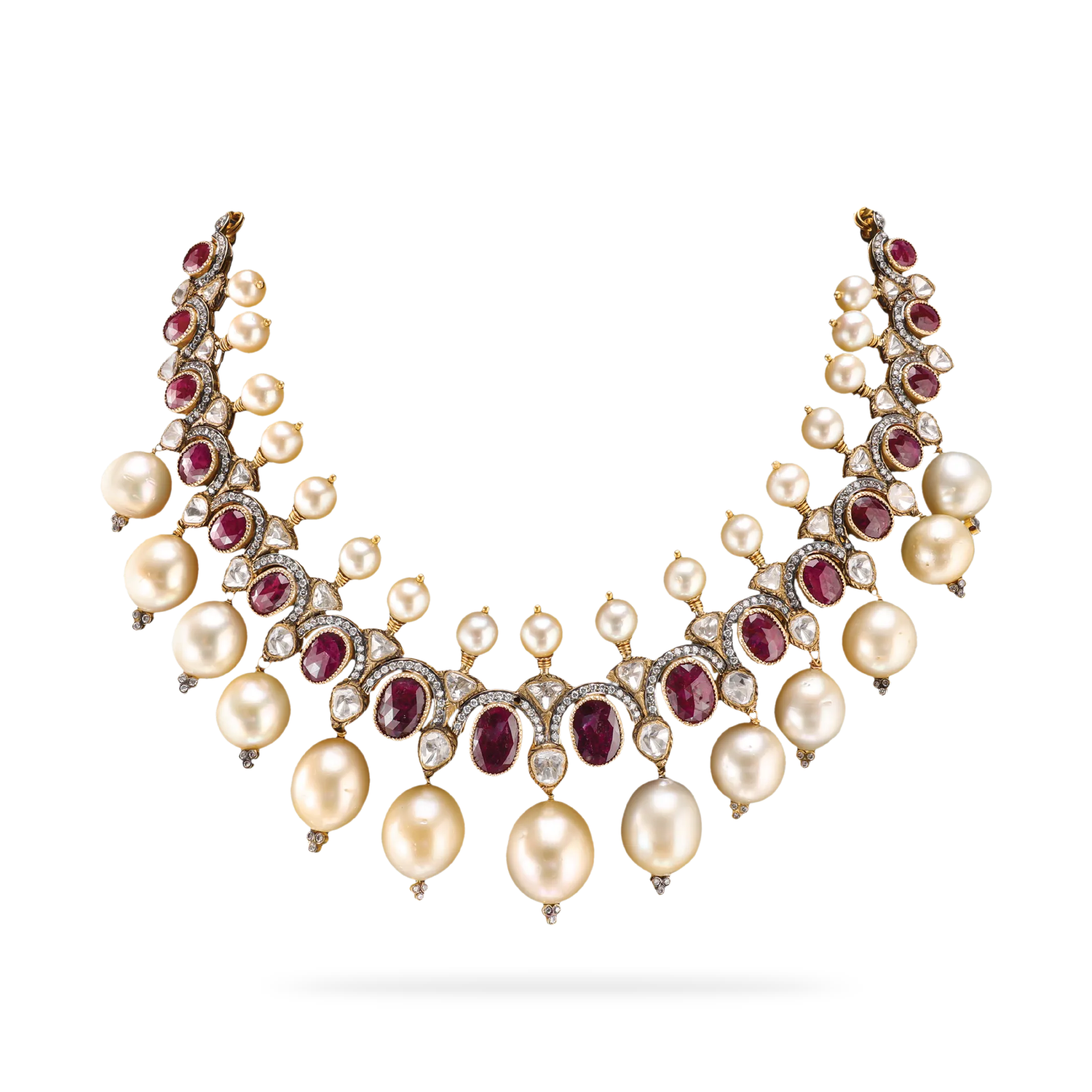
Temple motifs may include deities, florals, parrots, mangoes, or coin-like forms, each contributing a different visual mood. Gemstones can introduce colour that links jewellery to the saree, but the setting should remain secure and proportionate to the design. Look closely at the consistency of the motifs and the neatness of the edges. Small construction details often distinguish a refined piece from one that only looks impressive at a distance.
Checking quality, durability, and craftsmanship
Inspect the clasp, joints, earring posts, stone settings, and reverse side of each piece. Try fastening everything without assistance, since a complicated closure can be frustrating on the wedding morning. For heritage-focused buying advice, craftsmanship and value are useful lenses: documentation, hallmarks, construction, and after-sales care all deserve attention. Ask questions in writing when the purchase is significant.
Considering heirloom and reusable designs
An heirloom-minded choice does not have to look old-fashioned. Classic proportions, durable construction, and motifs that work with more than one saree can help a piece remain useful. Think about future family ceremonies, festive wear, and whether a necklace can be separated into smaller combinations. Reusability gives an expensive purchase a longer place in the wardrobe.
Personalize the bridal jewellery for comfort and style
A beautiful set becomes more convincing when it responds to the bride rather than simply reproducing a reference look. Face shape, hairstyle, height, drape, and tolerance for weight all affect how jewellery sits. Personalisation may involve changing a length, reducing a layer, or commissioning one connecting detail. These adjustments can make the final look feel relaxed instead of overly arranged.
Selecting jewellery for the bride’s face shape
Longer earrings and vertical necklace lines can add length to a rounder face, while broader earrings or a shorter necklace may complement a longer face. An oval face can accommodate many proportions, so the saree and hairstyle can lead the decision. These are styling suggestions, not strict rules. Use them as a starting point, then judge the pieces in photographs as well as in the mirror.
Considering hairstyle and floral decorations
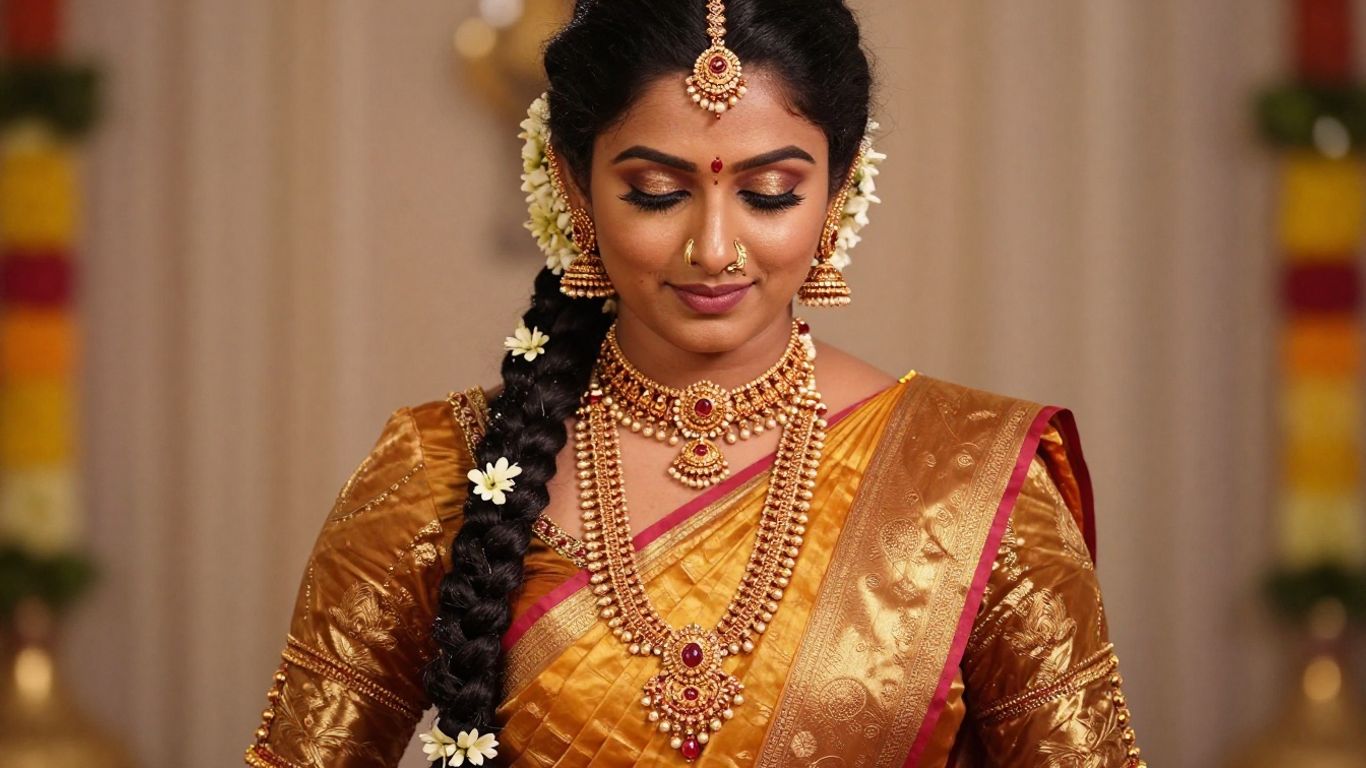
A long braid with jasmine or other flowers creates a strong traditional line, which can support a prominent headpiece and braid ornaments. A bun may call for a different balance, with detail concentrated around the ear and hairline. Discuss jewellery placement with the hairstylist before the wedding day. Pins, chains, and flower arrangements should work together without tugging or hiding the most meaningful pieces.
Managing weight and comfort during the ceremony
Muhurtham rituals may require extended sitting, standing, walking, and repeated movement, so comfort should be tested rather than assumed. Wear the necklace, earrings, bangles, and waist ornament together during a rehearsal. Notice pressure points, slipping, heat, and whether the pieces catch on the saree. A slightly lighter set that stays secure is usually more elegant than one that needs constant attention.
Creating a cohesive look with custom pieces
Custom work can be as simple as adjusting a chain or repeating a motif from the saree border in a smaller accessory. It may also involve creating a necklace length that suits a particular blouse or modifying an earring for comfort. Keep a clear reference of the saree, blouse, flowers, and existing heirlooms when discussing the design. The C Krishniah Chetty & Co boutique guide discusses coordinated bridal jewellery, custom options, and the value of a personalised consultation without requiring every bride to choose the same style.
Plan the purchase and styling process
The final look depends as much on preparation as on design. Create a piece-by-piece list, set a spending range, and allow time for sourcing, alterations, and a complete styling trial. Bring the actual blouse or accurate photographs when shopping. Early organisation leaves room for thoughtful changes instead of rushed compromises.
Setting a realistic jewellery budget
Divide the budget between must-have pieces, optional accents, and a reserve for adjustments or care. A necklace may take priority for one bride, while another may place more value on heirloom bangles or earrings. A practical wedding jewellery budget can help frame decisions around total wedding expenses, future wear, and the cost drivers of different pieces. Keep taxes, customisation, and storage in the conversation as well.
Deciding when to buy or reserve the set
Begin once the main saree and blouse direction are settled, especially if the design needs to be made, altered, or brought in for a specific date. Reserving early can provide time for a second fitting and a backup plan if proportions feel wrong. Do not rely on memory of the saree colour; carry a fabric swatch or clear daylight photograph. The closer the wedding gets, the more valuable a finished trial becomes.
Working with jewellers and bridal stylists
A good consultation should cover ceremony timing, outfit details, jewellery preferences, comfort, and how the pieces may be reused. Show reference images, but explain what you like about them rather than asking for an exact copy. The C Krishniah Chetty & Co wedding planning guide is a useful reminder to prioritise, plan, and shop methodically. Keep notes on proposed pieces, measurements, timelines, and agreed changes.
Checking fit, maintenance, storage, and return policies
Before collecting the jewellery, try every fastening and walk, sit, and turn while wearing it. Ask how each material should be cleaned, whether stones need special handling, and how the pieces should be stored between occasions. Confirm delivery dates, alteration terms, exchange or return policies, and any documentation supplied with the purchase. These practical details protect the calm, polished feeling you want on the wedding morning.
Conclusion
The perfect South Indian bridal jewellery set is not simply the largest or most ornate one. It is a thoughtful combination of heritage, saree coordination, personal style, secure fit, and pieces that remain meaningful after the muhurtham. Choose the foundation carefully, test it in real conditions, and leave enough time for the final look to become comfortably yours.
Frequently Asked Questions
What jewellery is traditionally worn for a South Indian muhurtham?
Common choices include layered necklaces, temple-style earrings, bangles, a maang tikka or nethi chutti, rings, and sometimes a vaddanam and hair ornaments. Exact customs vary by family, region, and ceremony.
How many necklaces should a bride wear?
There is no fixed number. Two or three well-spaced layers often create definition, but one substantial necklace may be more flattering and comfortable than several pieces that overlap.
Should bridal jewellery match the saree exactly?
It does not need to match exactly. Coordinating the metal tone, gemstone colours, motif family, and scale is usually more effective than copying every colour in the saree.
Is temple jewellery suitable for every bride?
Temple jewellery can suit many traditional muhurtham looks, but its scale and motif density should work with the saree, blouse, hairstyle, and the bride’s personal taste. A single temple-inspired piece can be enough.
How can a bride make heavy jewellery more comfortable?
Wear the set during a trial, check pressure points, use secure but comfortable fastenings, and reduce overlapping layers where necessary. Earring supports and adjusted chains may also help.
When should bridal jewellery be purchased?
It is best to begin after the main saree and blouse choices are clear, leaving time for sourcing, alterations, a full styling trial, and any custom work. Earlier planning is especially helpful for heirloom or made-to-order pieces.
Can bridal jewellery be reused after the wedding?
Yes. Choose adaptable necklaces, classic earrings, and pieces that can be separated or combined with simpler outfits. Durable materials and timeless proportions generally offer more opportunities for future festive wear.
Bridal jewellery for intimate wedding: A thoughtful guide to choosing meaningful pieces
10 minute read
Related blogs:
November 20, 2025
The Timeless Elegance of the Tennis Bracelet: A Comprehensive Guide
Read More
November 20, 2025
The Ultimate Guide to Styling and Wearing a Choker Necklace
Read More
November 20, 2025
Find Your Perfect Engagement Ring: A Comprehensive Guide to Styles and Diamonds
Read More
November 20, 2025
The Timeless Elegance of a Diamond Tennis Bracelet: A Buyer's Guide
Read More









.webp)

.webp)