Wedding jewellery for modern brides: how to choose timeless pieces with contemporary style
September 17, 2026 | 10 minutes read
Key Takeaways
Modern bridal jewellery should feel like an extension of your style, not a costume reserved for one day. Start with the dress and setting, then choose pieces that are beautiful, comfortable, and meaningful.
- Define your preferred balance of simplicity, heritage, and statement detail.
- Match metal tones, necklace shapes, and earrings to the gown and hairstyle.
- Create one clear focal point instead of wearing every favorite piece at once.
- Consider comfort, durability, skin sensitivity, and future wear.
- Shop with enough time for sizing, alterations, and final styling.
Define your modern bridal jewellery style
Wedding jewellery for modern brides can be sleek, romantic, expressive, or a thoughtful mixture of all three. The most successful look usually begins with a feeling rather than a shopping list: perhaps quiet polish, old-world charm, or a little drama. Give yourself permission to choose pieces that look like you on an especially good day.
Minimalist designs for a refined look
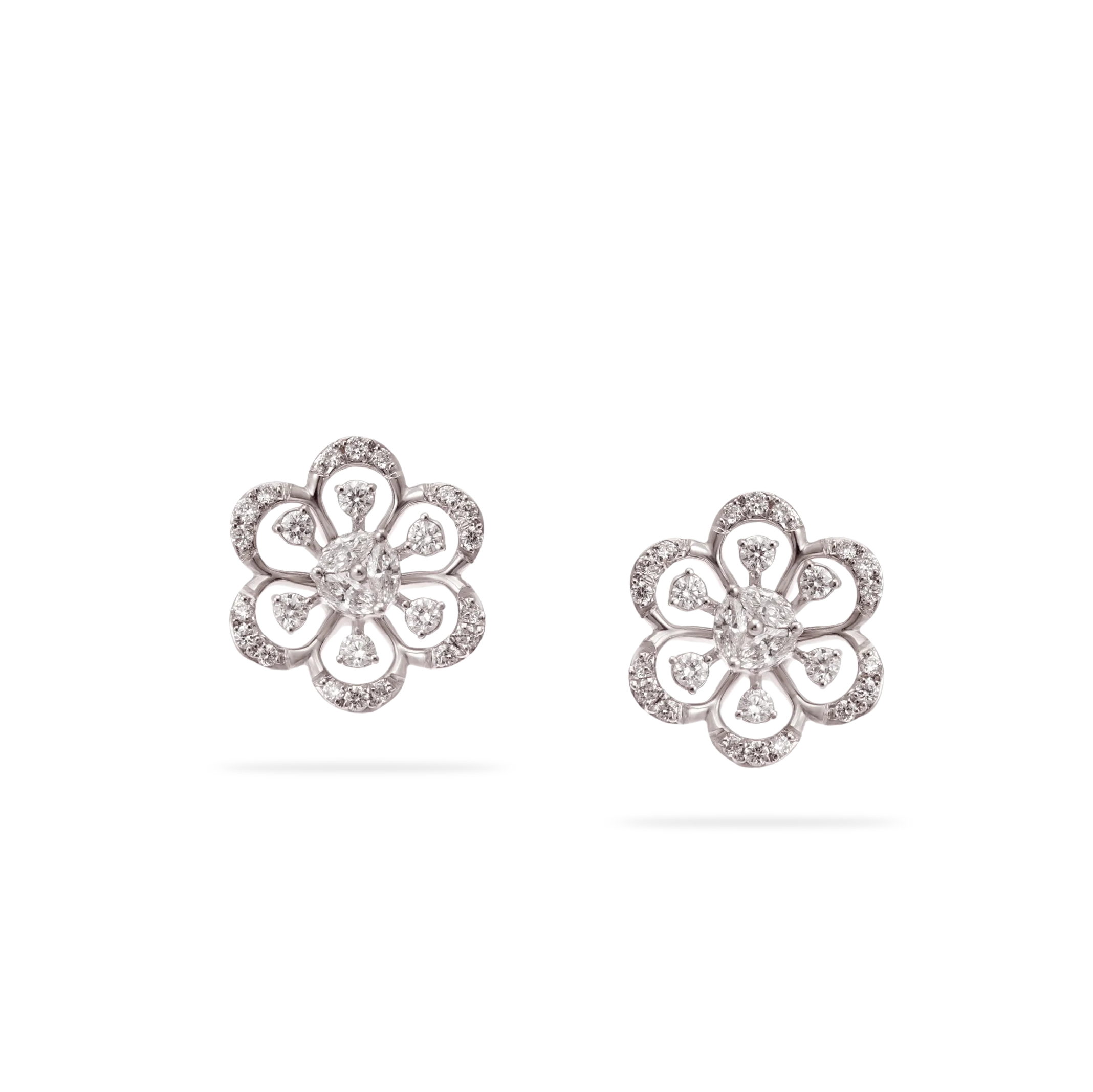
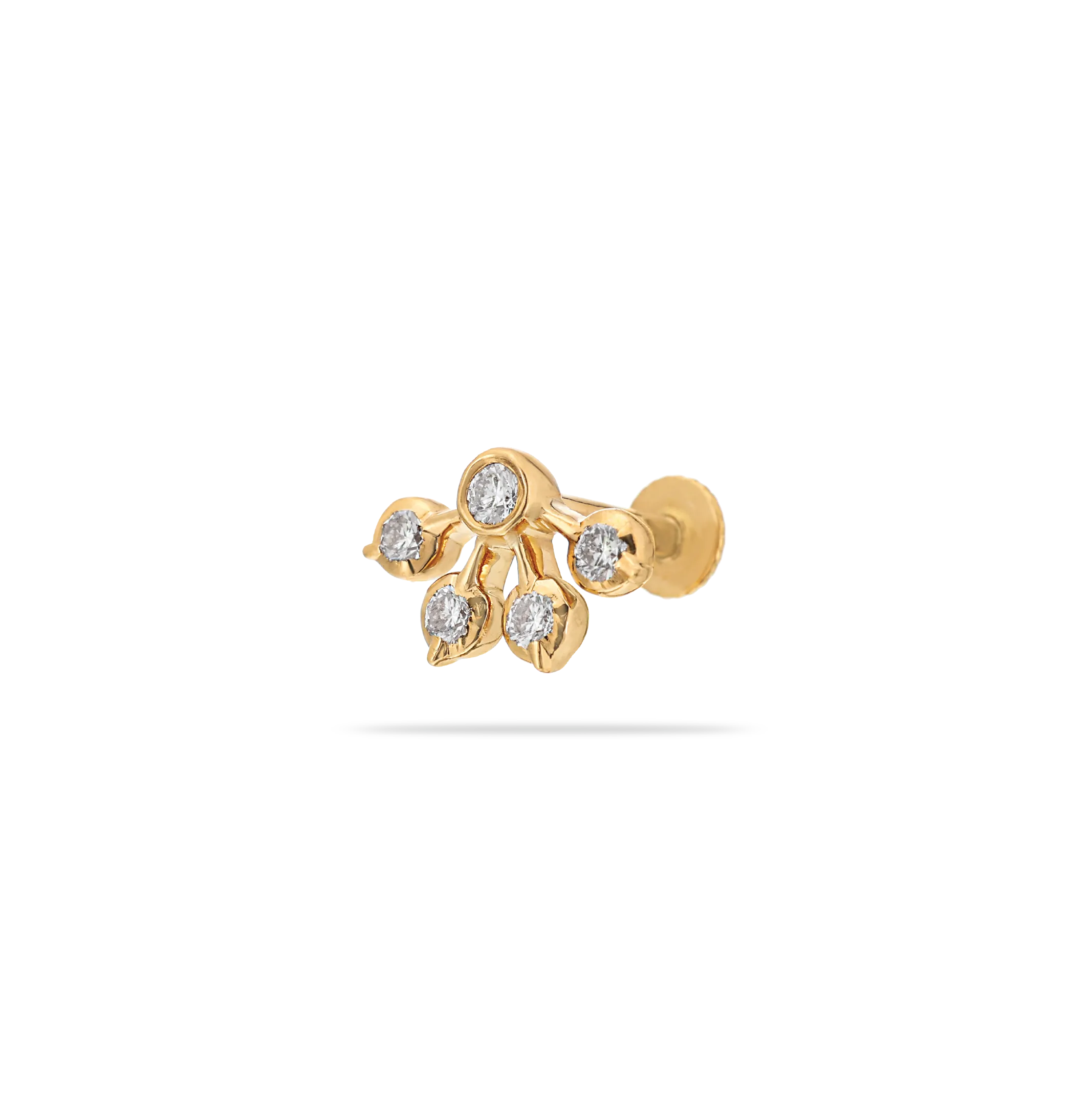
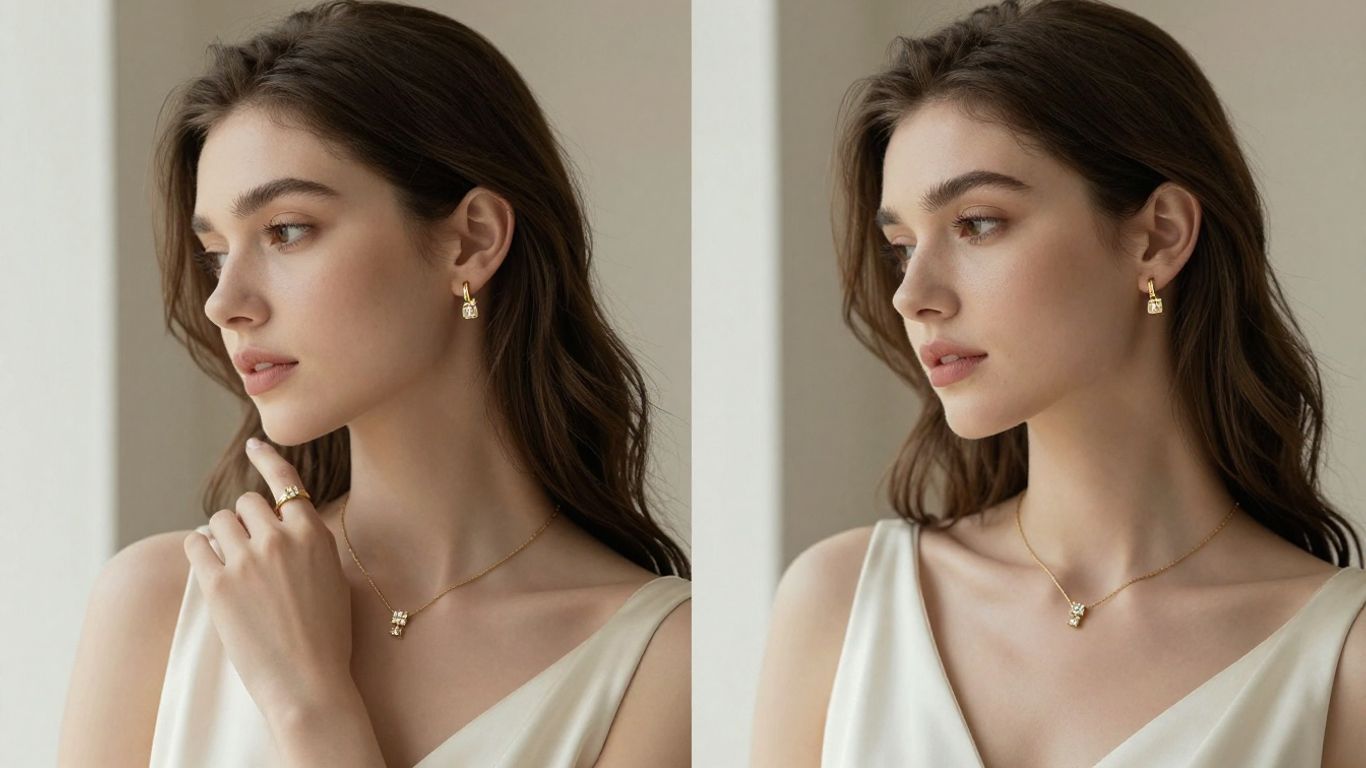
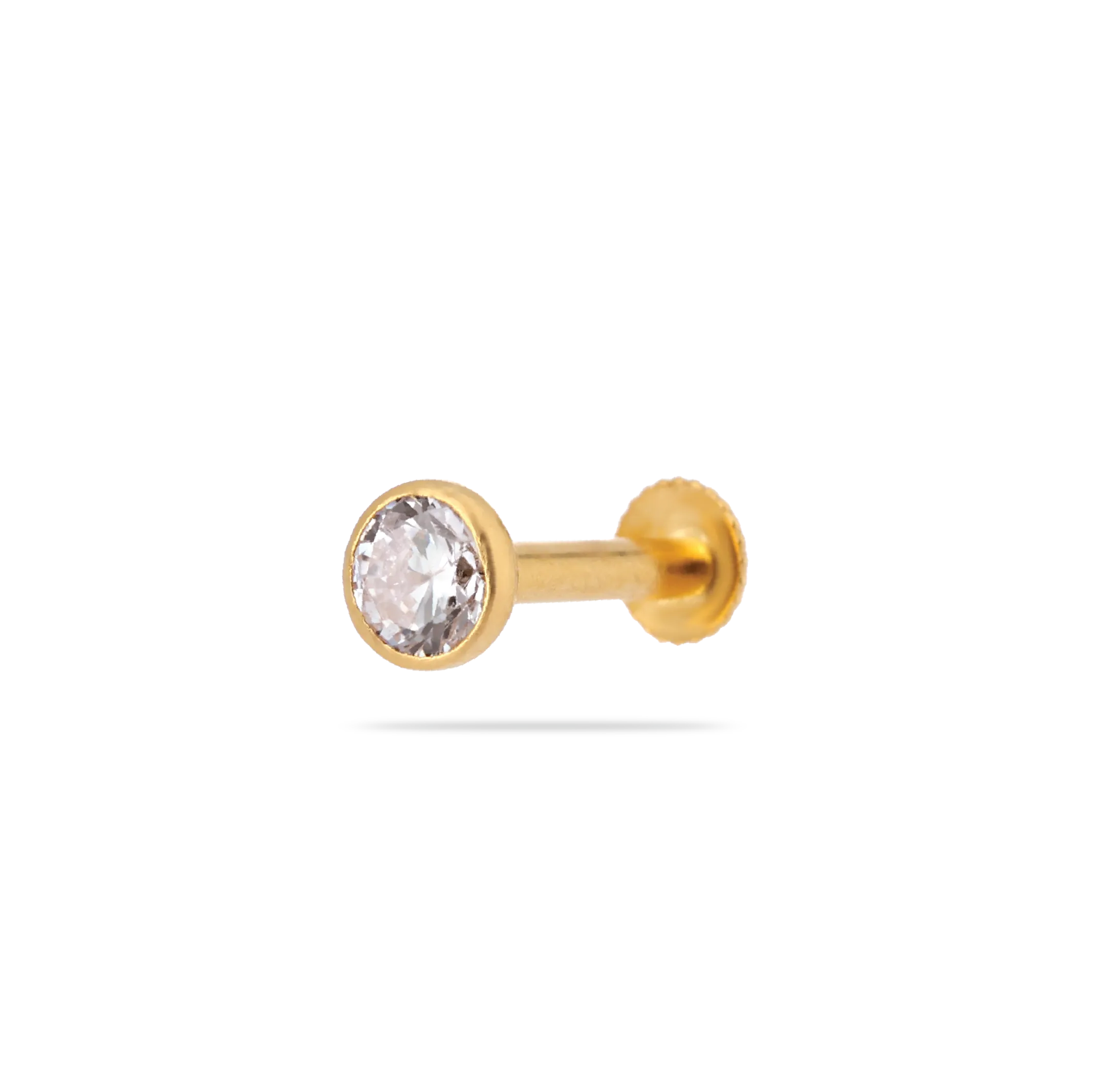
Minimalist jewellery relies on proportion, clean lines, and a restrained amount of sparkle. Small hoops, fine chains, slim bands, and simple studs can frame a detailed gown without competing with it. If your dress has a strong silhouette, a pared-back set often lets the cut and fabric remain the main event.
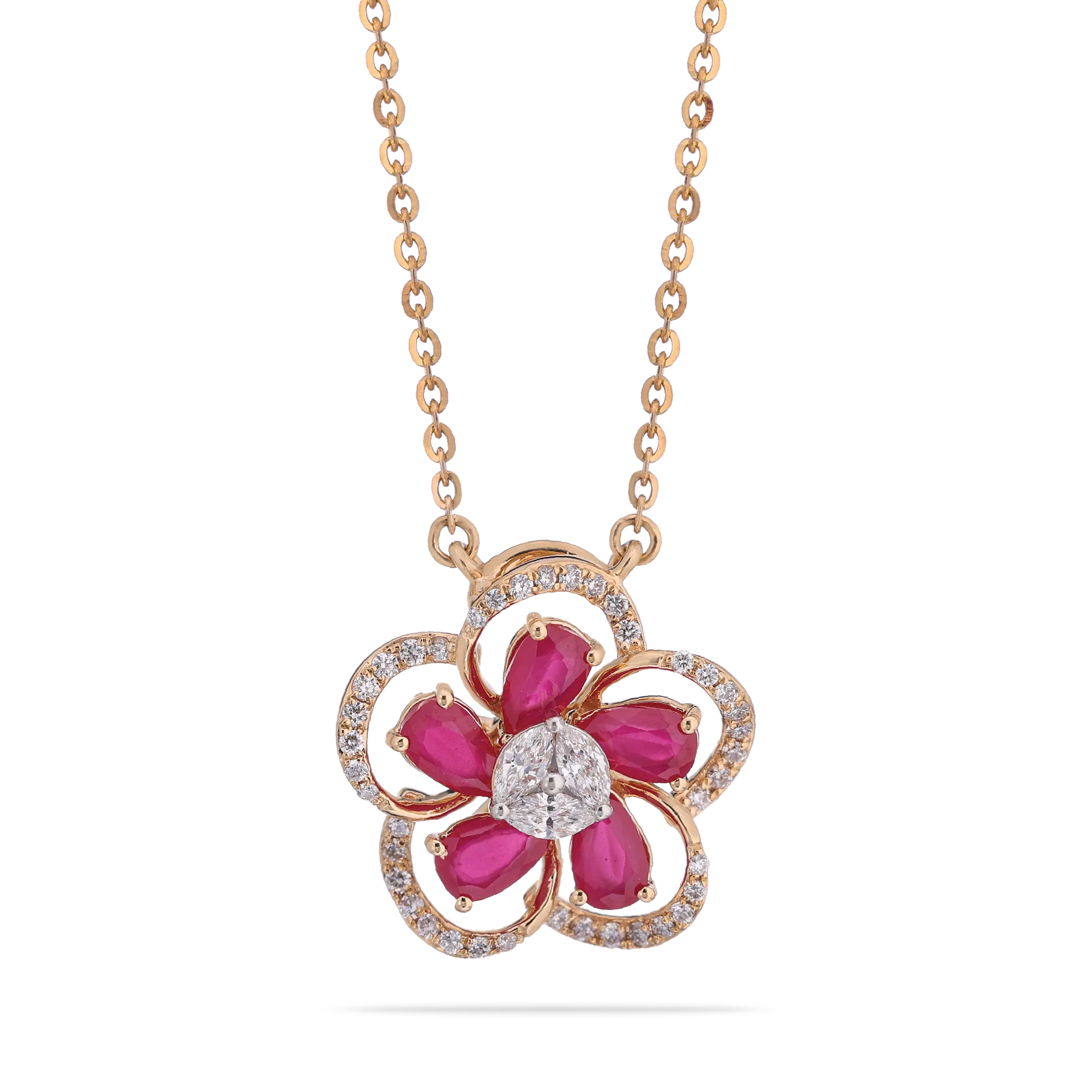
A refined look does not have to be plain. Look for thoughtful details such as a softly curved setting, a single luminous stone, or a pair of earrings with a graceful drop. The minimalist bridal jewellery guide is a useful starting point for considering personal style, metal, finish, and comfort together.
Vintage-inspired details with a current feel
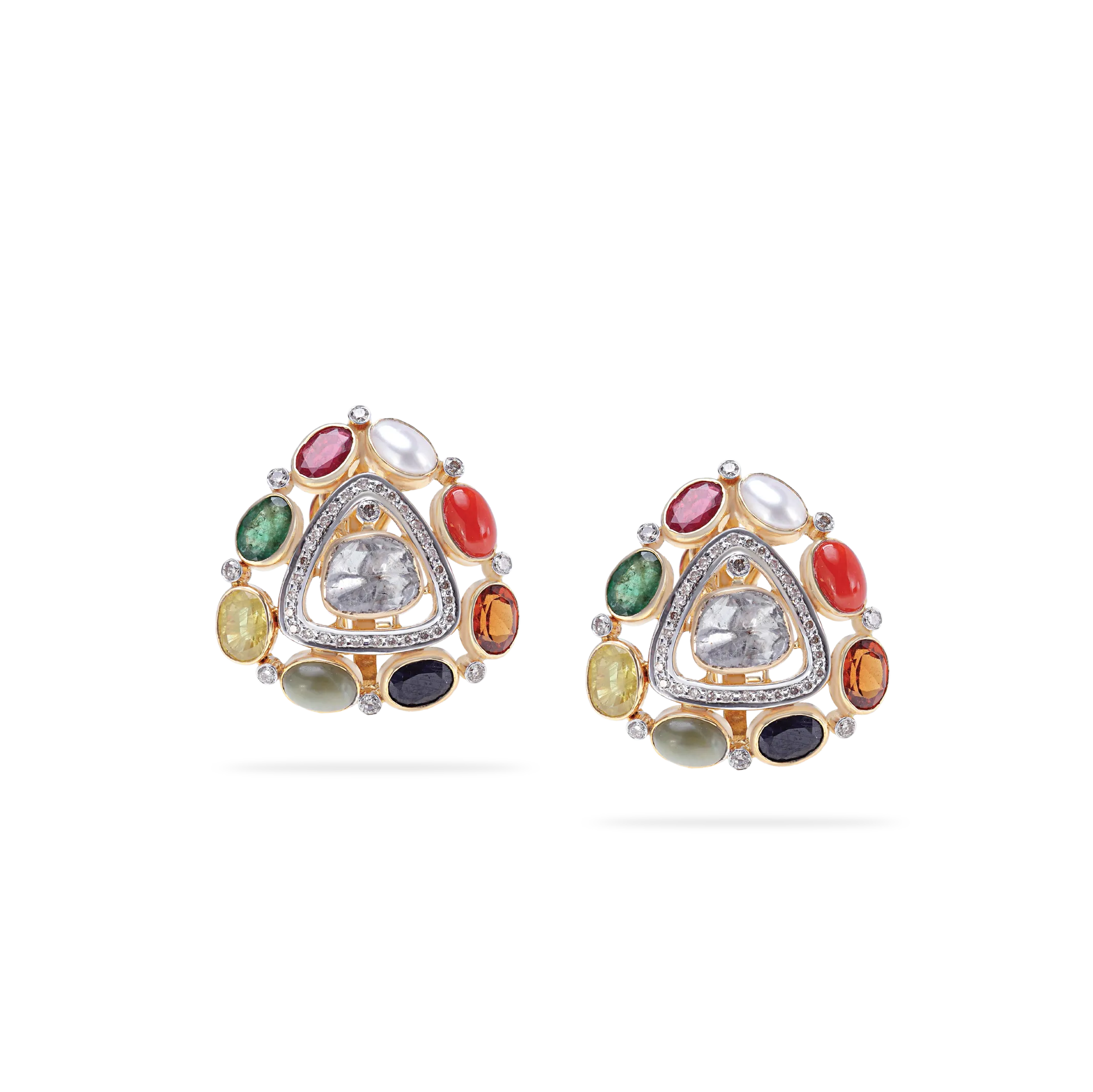
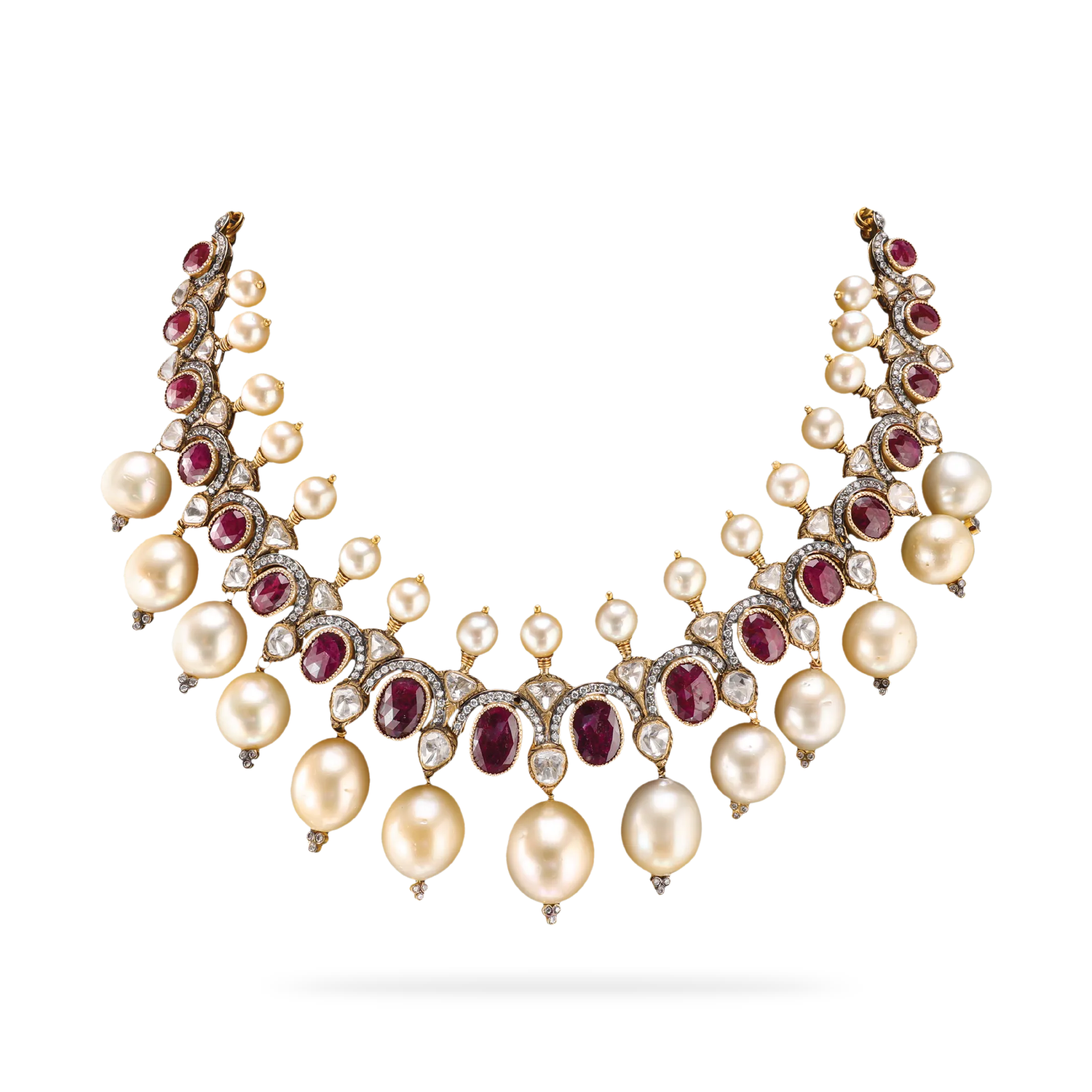
Vintage influence works best when it is edited rather than copied. A milgrain edge, pearl accent, old-cut appearance, or delicate botanical motif can bring history into the outfit while a simpler silhouette keeps it current. One heirloom-like element may be more convincing than a full set of pieces that all imitate the same era.
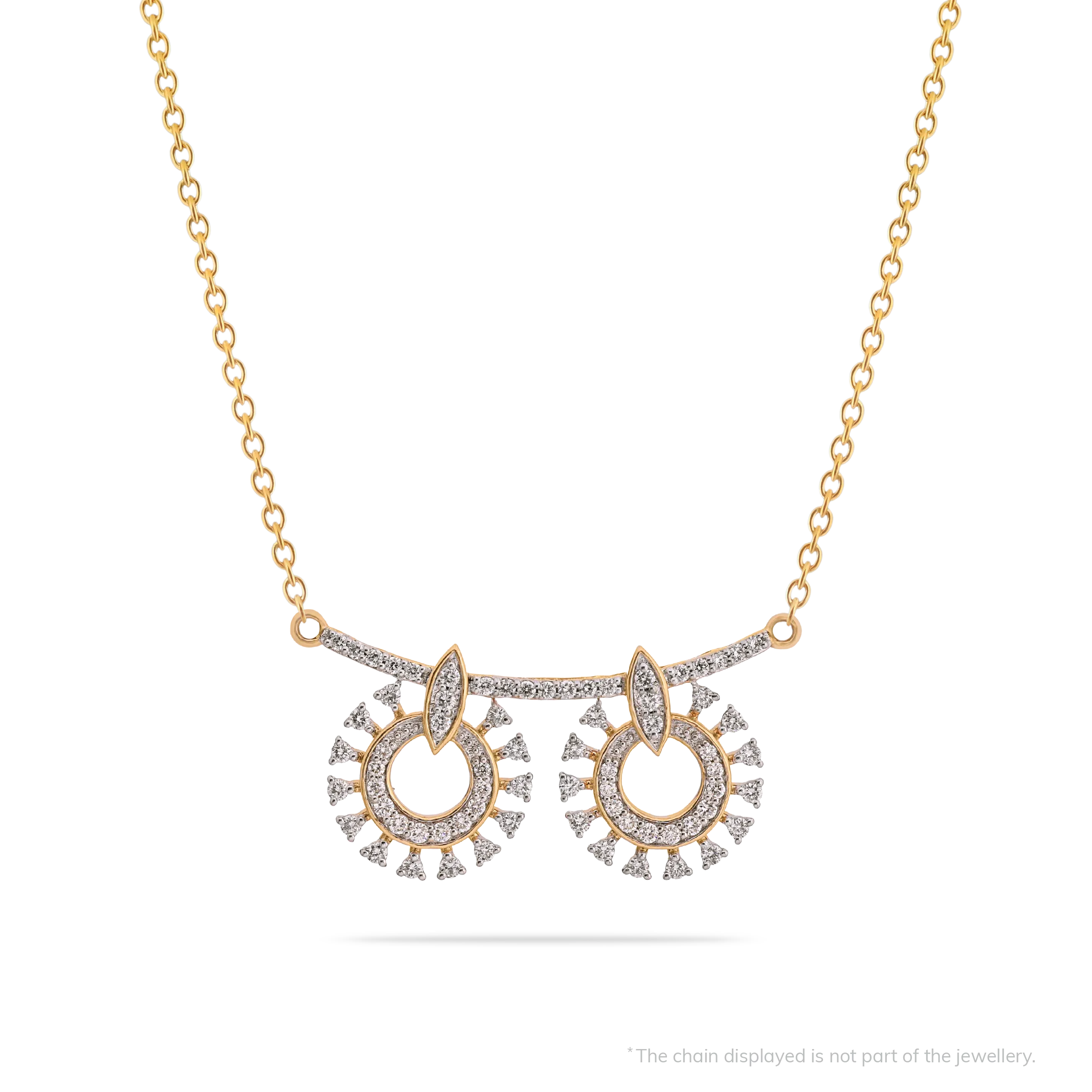
Try pairing an ornate pendant with modern studs, or antique-inspired earrings with an uncluttered neckline. This contrast gives the look some character and keeps it from feeling like formal dress-up.
Sculptural and fashion-forward pieces
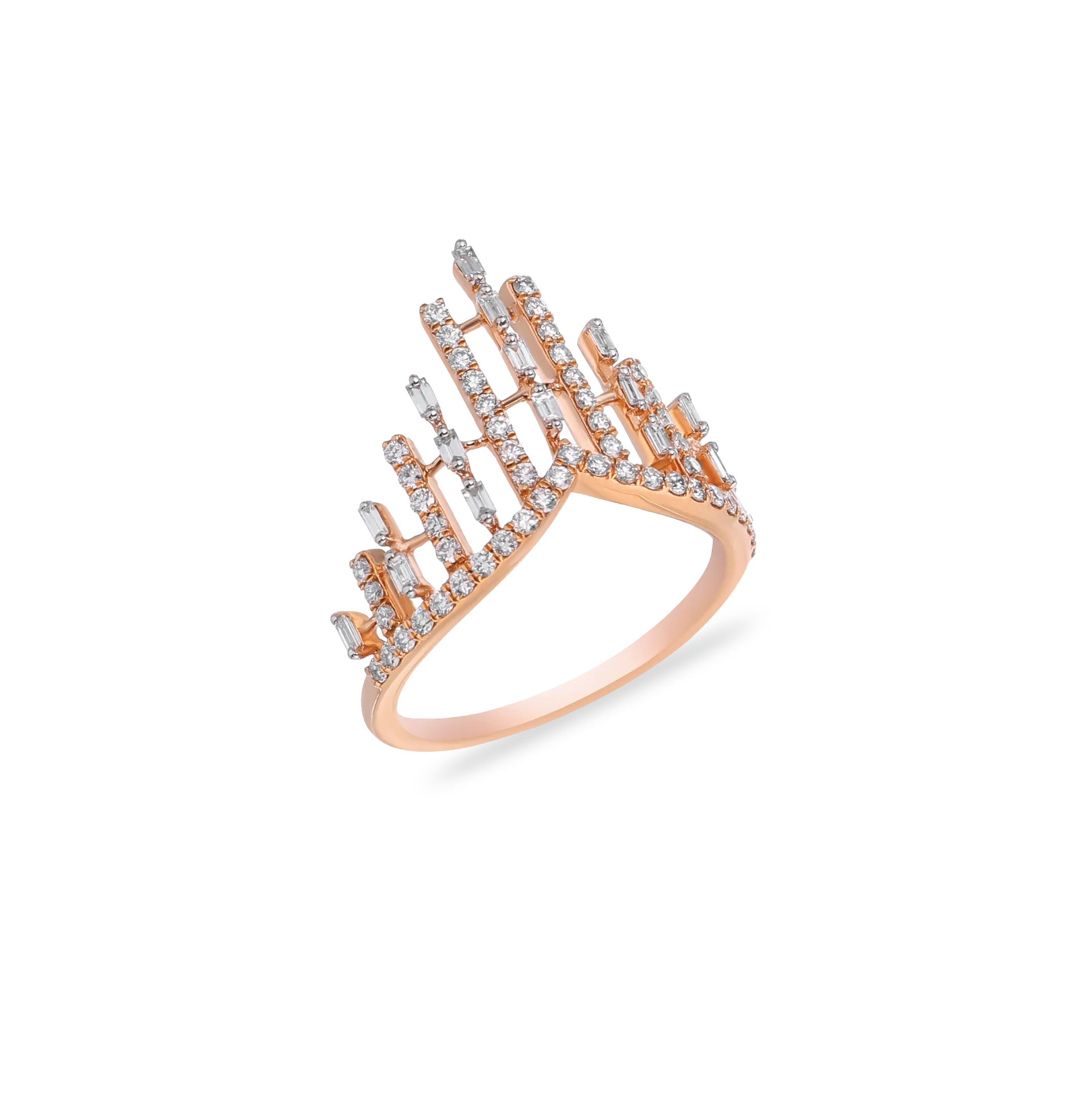
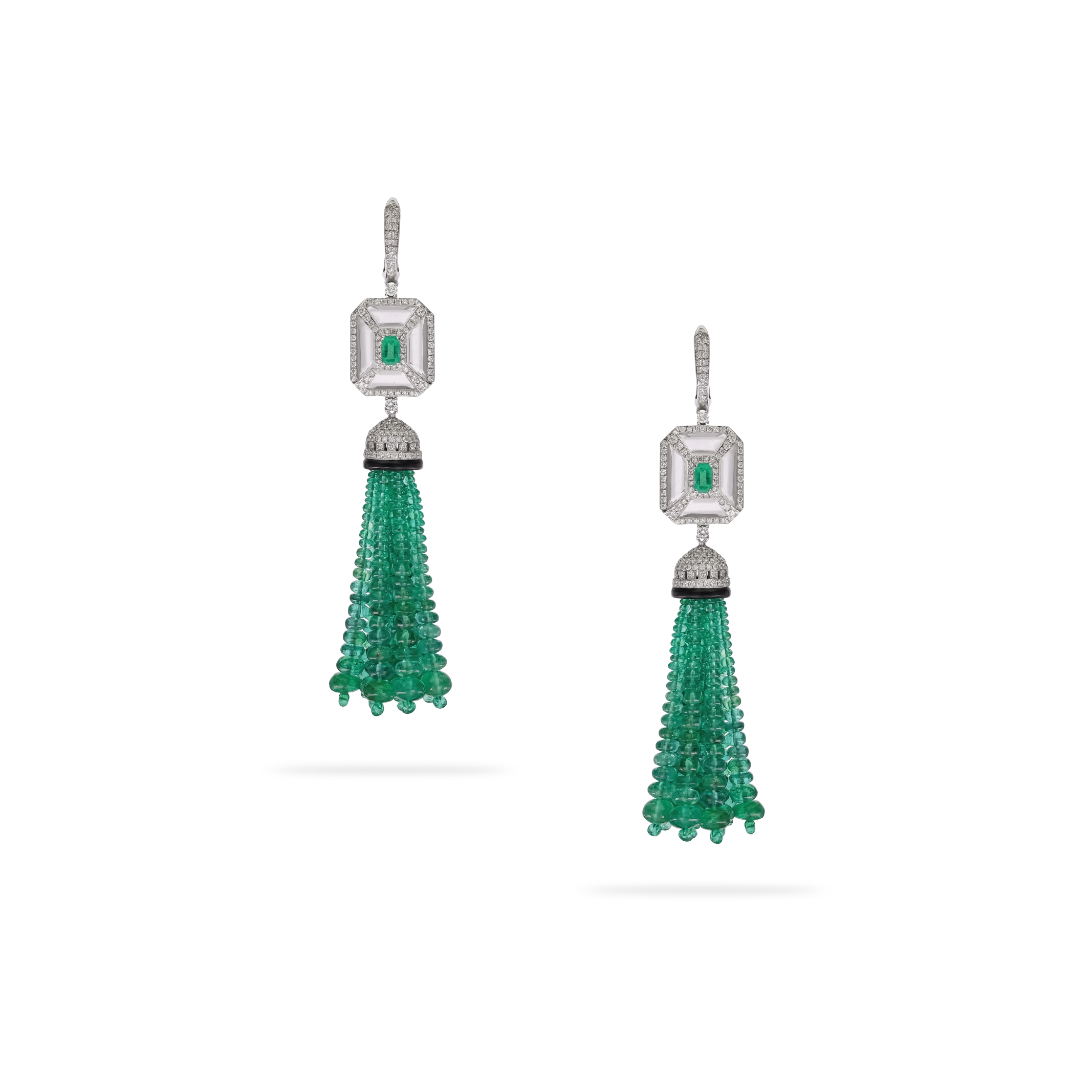
Sculptural jewellery draws attention through shape: an architectural ear climber, an asymmetrical earring, or a broad polished cuff can make a quiet gown feel more directional. These pieces suit brides who think of accessories as part of the design, not merely finishing touches.
Keep the rest of the set calm when one piece has a strong outline. A sculptural earring usually needs less competition around the face, especially if the hairstyle is swept back or the dress has an unusual neckline.
Personal symbolism and meaningful accents
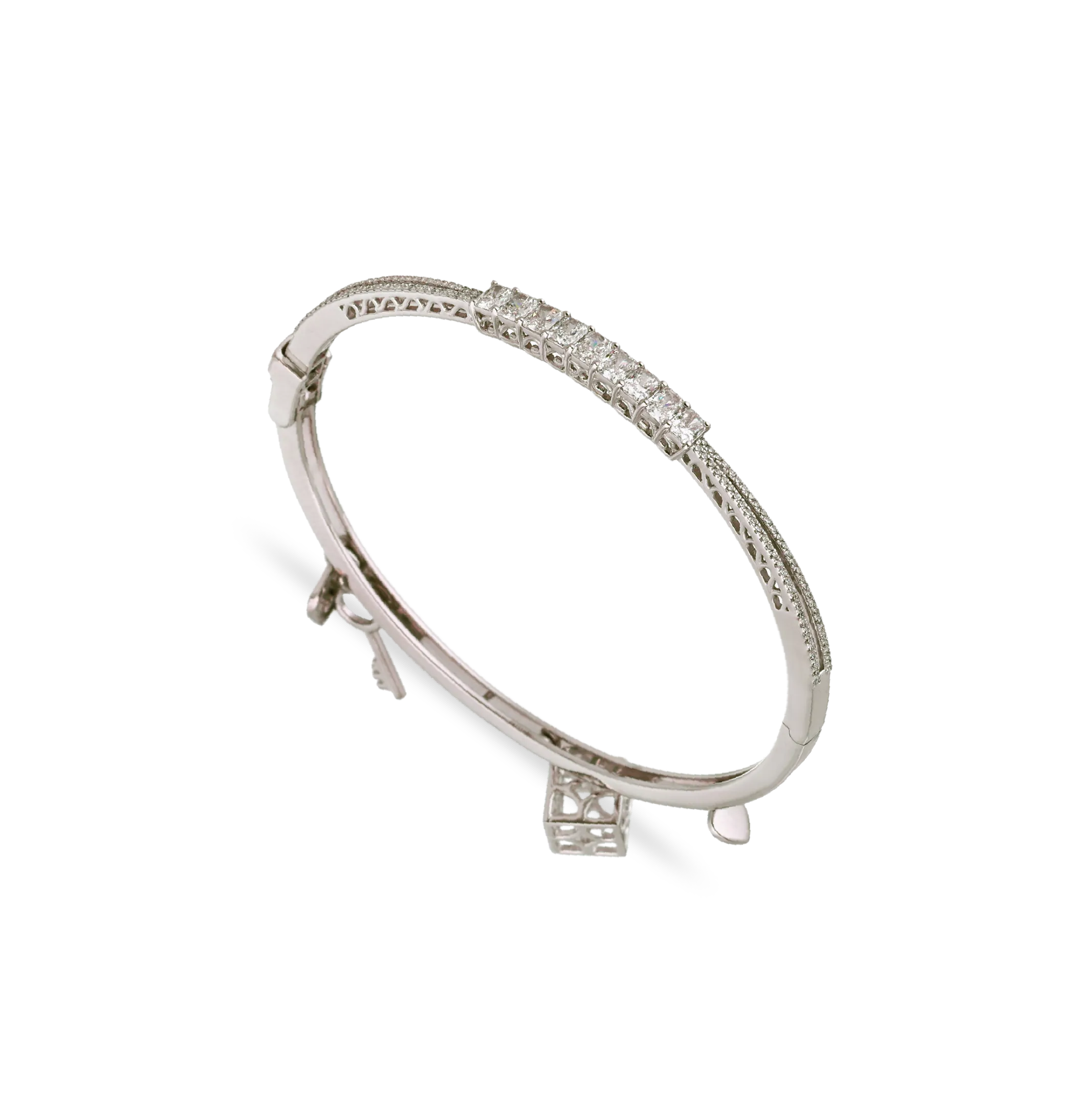
The most memorable pieces often carry a private reason for being there. A birthstone, a family pendant, a charm hidden inside a bracelet, or a gemstone chosen for its color can make the outfit feel connected to your life before the wedding. Meaning need not be visible to every guest to matter.
For ideas that balance heritage with individual style, the bridal jewellery inspiration guide considers metal, gemstones, cultural significance, and the way separate pieces can become a harmonious set. Let those ideas prompt your own story rather than dictate a fixed look.
Choose jewellery that complements your wedding dress
Your gown offers a visual language through its color, neckline, texture, and level of embellishment. Jewellery should answer that language, sometimes by matching it and sometimes by providing a clean contrast. Photograph the dress in natural and indoor light before you shop, since undertones and sparkle can look different from one setting to another.
Matching metals to the gown’s undertones
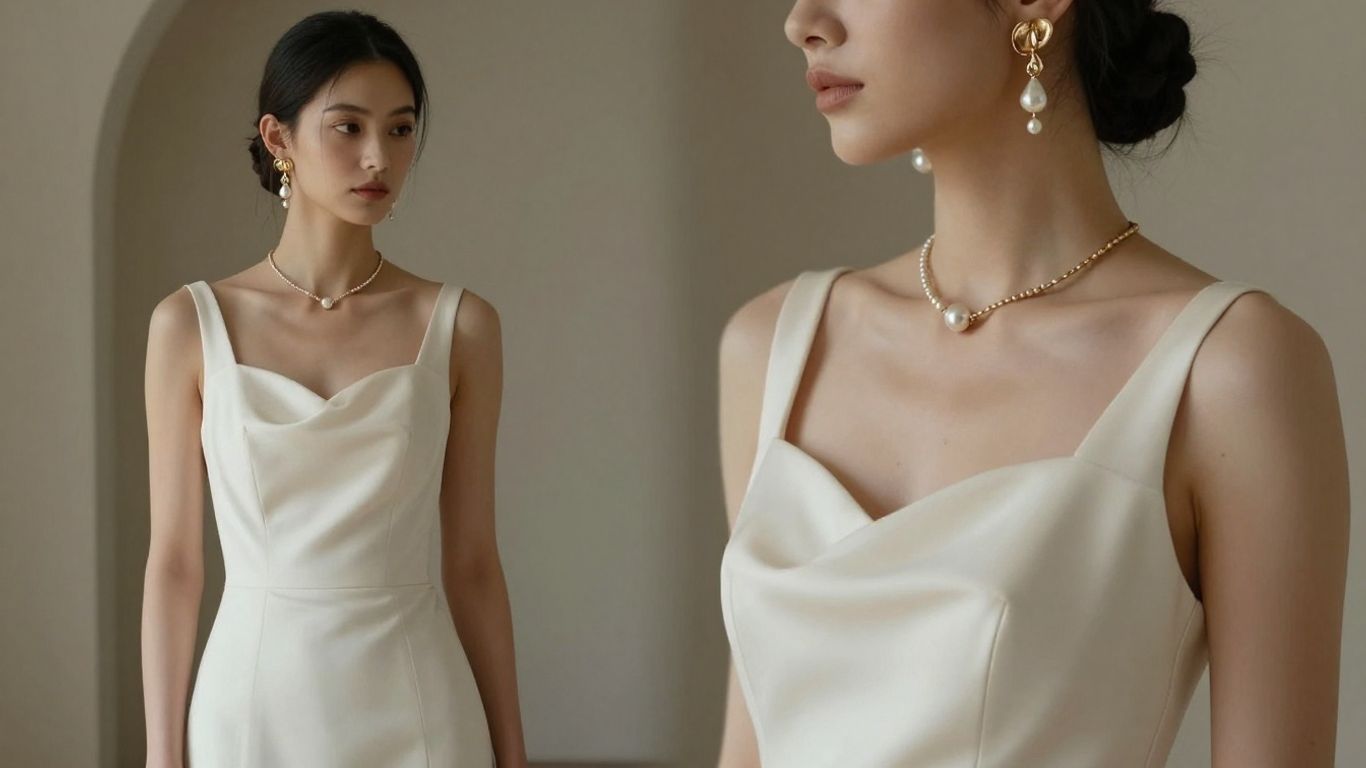
Bright white fabrics often sit comfortably beside platinum, white gold , or cool-toned finishes, while ivory and champagne shades can look especially warm with yellow or rose gold . These are useful starting points, not strict rules. A mixed-metal detail can bridge the gap when your engagement ring, gown, and preferred jewellery do not share one tone.
Hold sample pieces beside the actual dress if possible. A metal that looked flattering under a store’s lighting may read too yellow, too pale, or too stark beside the fabric.
Balancing necklines with the right necklace
A V-neck can welcome a pendant or a necklace that echoes its direction, while a strapless neckline may leave room for a short collar, a pendant, or no necklace at all. High necklines and heavily embellished bodices often look more composed with earrings doing the framing work.
The goal is not to fill every open space. Consider the shape created between your face, collarbone, and dress, then choose a necklace that supports that shape without stopping at an awkward point.
Selecting earrings for your hairstyle
Hair changes the scale and visibility of earrings. A low bun or swept-back style can support a longer drop, while loose waves may call for a brighter stud or compact hoop that will not disappear. Veils and hair accessories also deserve a trial fitting before you settle on the final pair.
Try moving your head, turning toward a window, and taking a few photographs. The right earrings should remain visible without catching in the veil or pulling uncomfortably on the lobe.
Coordinating jewellery with lace, beading, and embellishments
Detailed lace and beading already create rhythm across the gown, so jewellery should either repeat one subtle feature or offer deliberate simplicity. Pearls can echo soft texture; clear stones can pick up beading; a smooth metal can give a heavily decorated bodice some breathing room.
Use this quick comparison when narrowing down a set:
| Dress detail | Jewellery direction | What to watch |
|---|---|---|
| Clean satin or crepe | Polished metal or a defined stone | Keep proportions intentional |
| Floral lace | Organic curves or restrained pearls | Avoid competing motifs |
| Crystal or beadwork | Clear stones or sleek metal | Match the level of sparkle |
| Heavily embellished neckline | Earrings or a slim bracelet | Leave the neckline uncluttered |
The table is only a starting point; the overall silhouette still matters more than any single fabric rule. Step back from the mirror and judge the gown and jewellery as one composition.
Build a balanced bridal jewellery set
A bridal set does not need to contain every category of jewellery. It needs a clear relationship between the pieces you wear, the dress, and the visual focus around your face. Start with the item you love most, then add only what makes that first choice feel more complete.
When to wear a necklace, earrings, and bracelet together
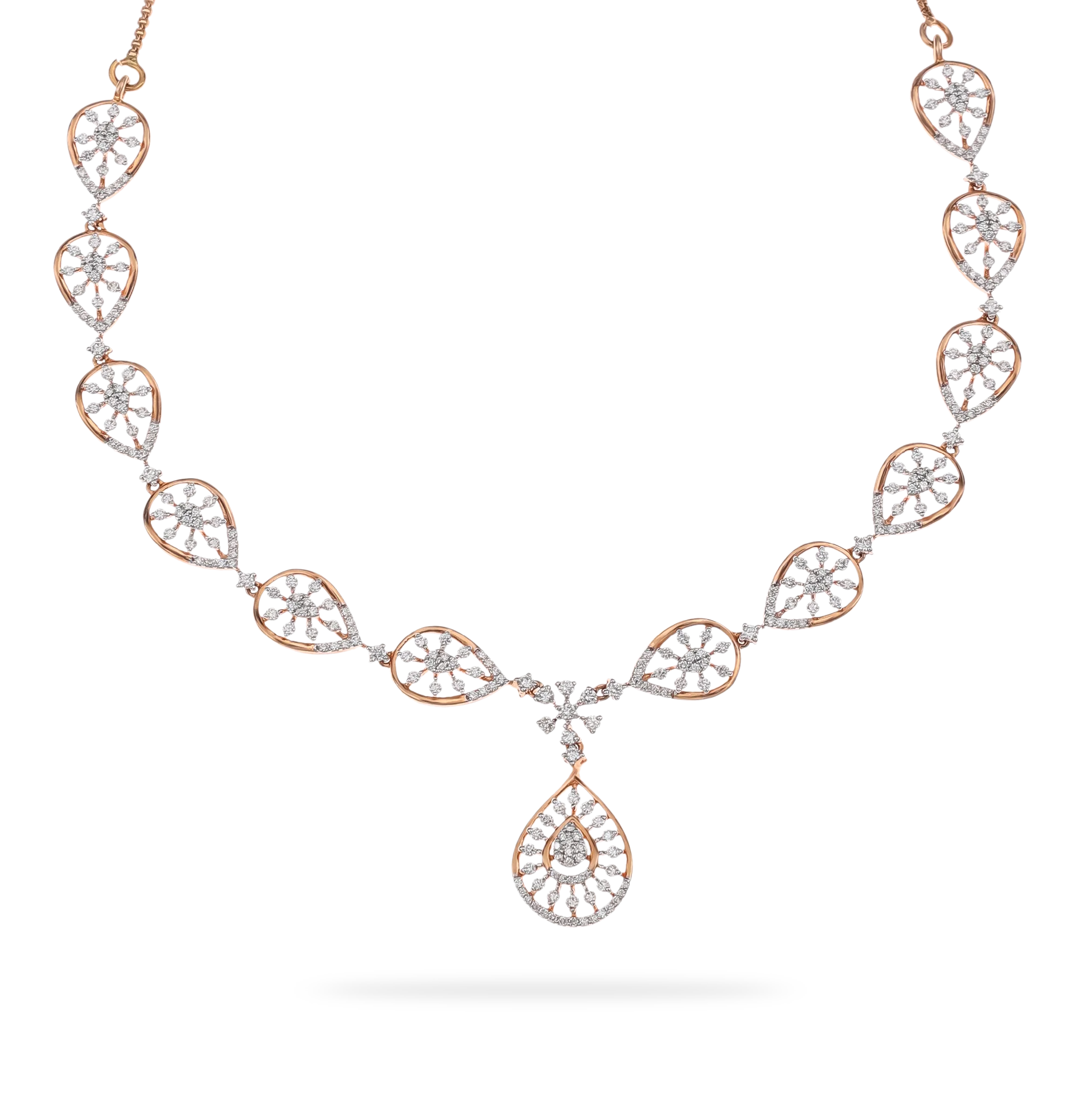
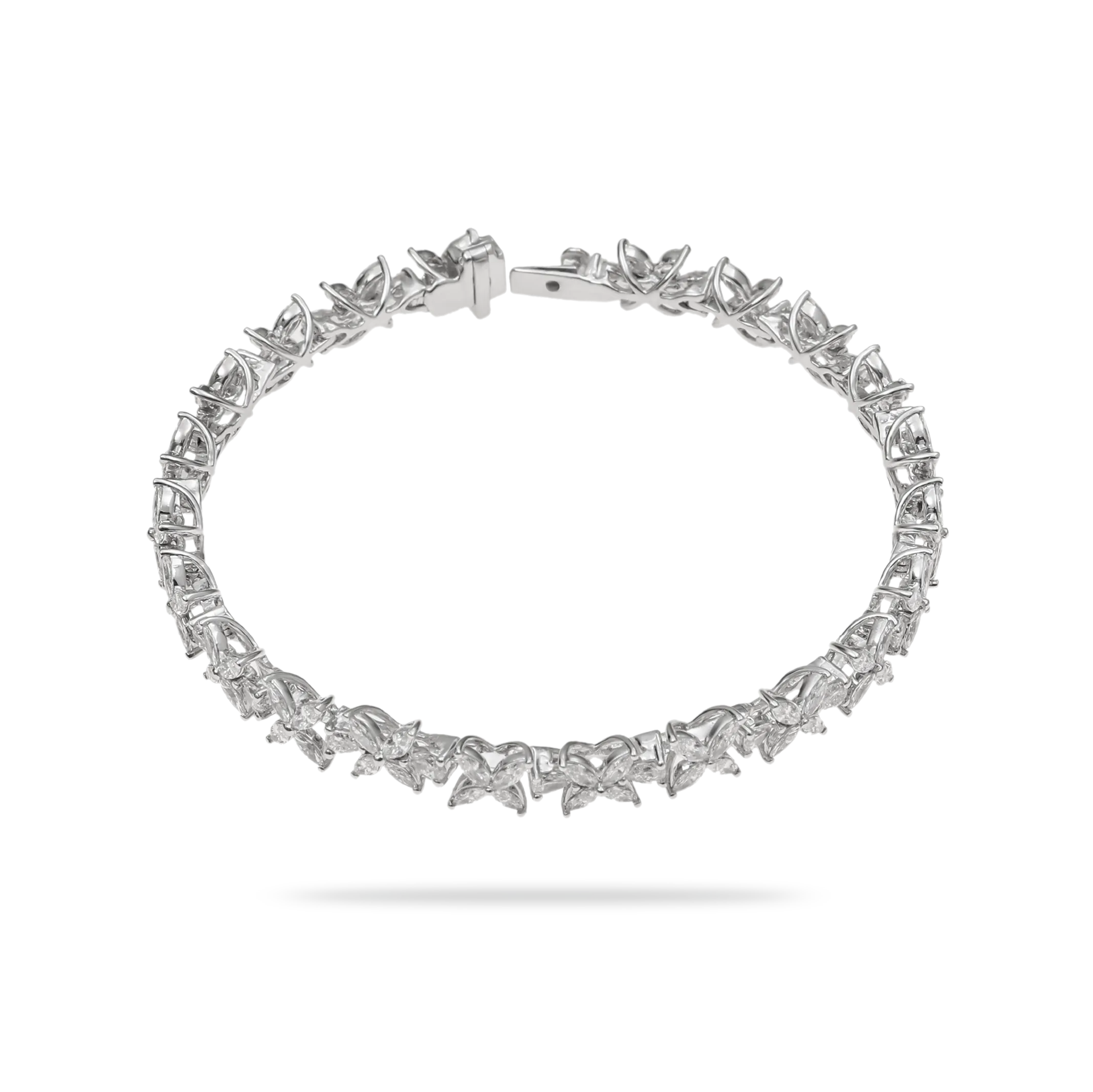
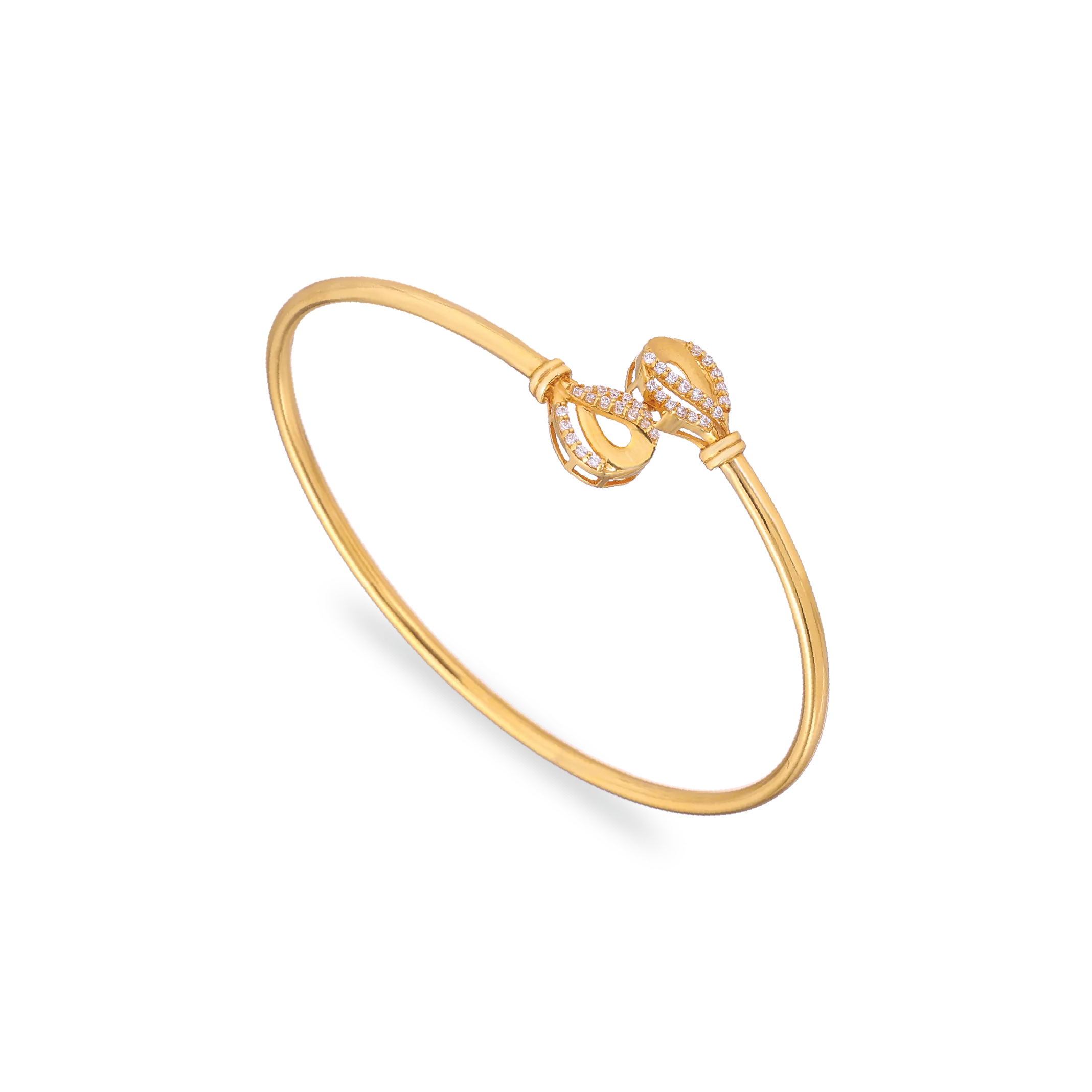
A necklace, earrings, and bracelet can work beautifully when each has a different job and similar visual weight. For example, a simple necklace may frame the neckline, earrings may bring light toward the face, and a bracelet may add a quiet detail when the hands are visible during the ceremony.
If all three pieces are highly ornate, the outfit can become busy quickly. Coordinated does not mean identical; shared metal or stone color is often enough to make the set feel intentional.
Creating a focal point without over-accessorising
Choose one area to lead: the face, neckline, hands, or perhaps a distinctive hairpiece. Once that decision is made, let the other accessories support it. One clear focal point usually photographs more elegantly than equal emphasis everywhere.
A statement earring can stand alone with a clean neckline. A prominent necklace may need smaller earrings, while a dramatic bracelet can be paired with an otherwise quiet set. Leave some visual space; it is part of the design.
Mixing delicate and statement pieces
Contrast can make a set feel modern. Pair a fine chain with a bolder earring, or wear a slim bracelet beside a ring with more presence. The connection might be a shared finish, a repeated curve, or simply a similar sense of delicacy.
Before the wedding, wear the combination around the house for an hour. You may discover that a seemingly perfect pairing tangles, catches on fabric, or feels heavier than expected.
Coordinating bridal jewellery with the engagement ring
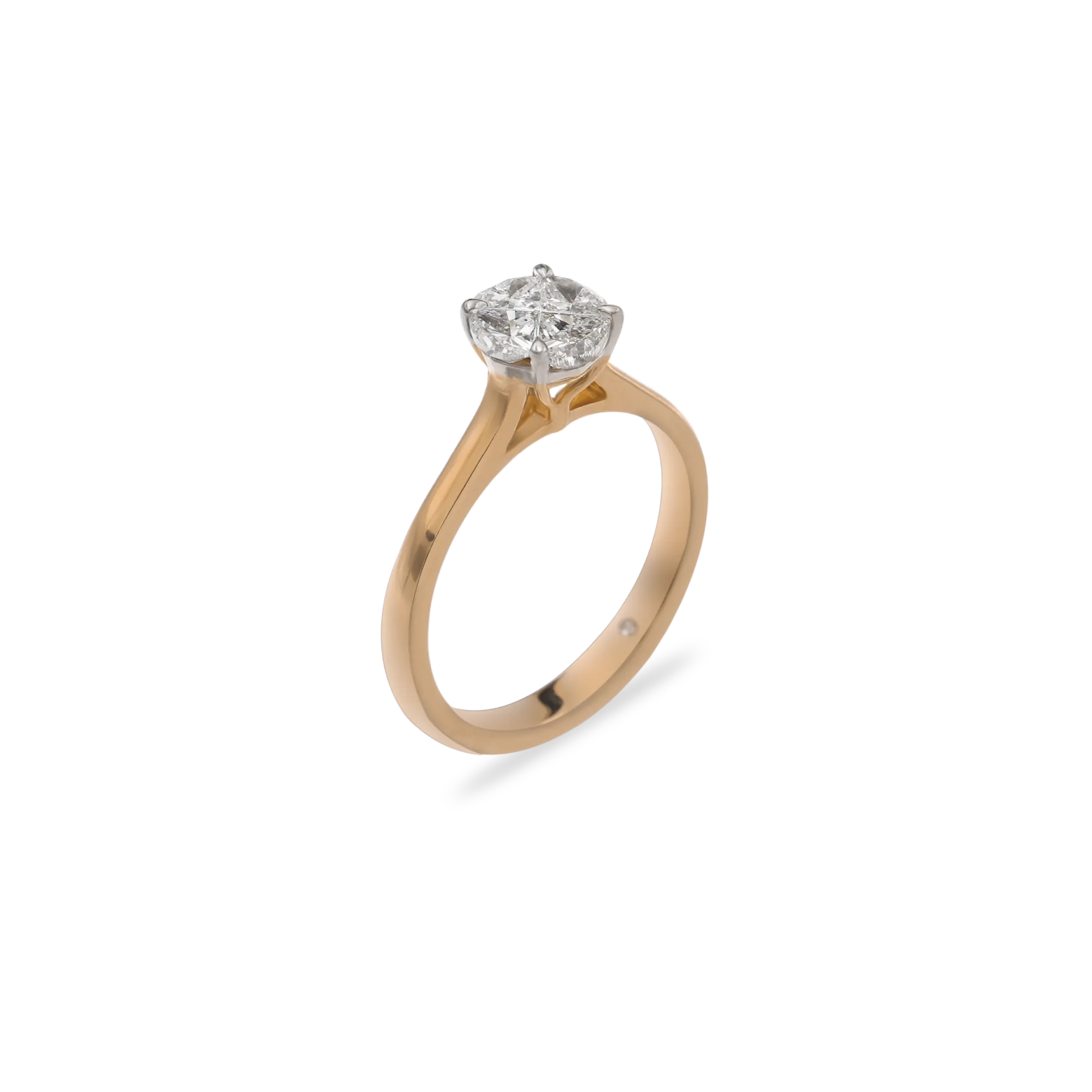
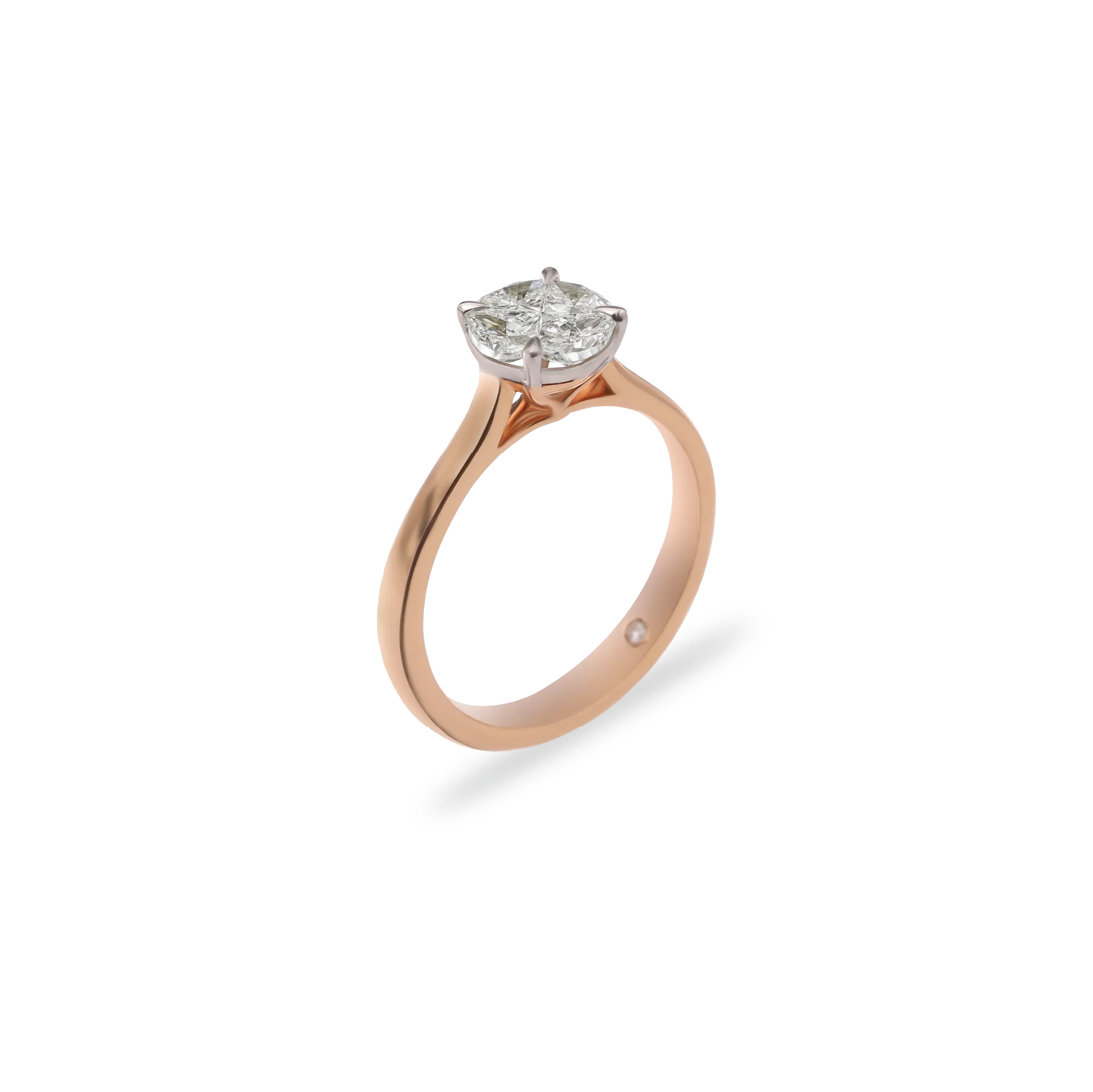
Your engagement ring will appear in photographs, during the ceremony, and whenever your hands are moving. Look for a comfortable relationship between its metal, stone shape, and the rest of the set. This does not require a matching suite, but it helps to repeat one detail, such as a warm metal or a rounded silhouette.
If the ring is elaborate, let it remain the strongest piece on the hand. A slim wedding band, understated bracelet, or polished earring can give it room rather than competing for attention.
Explore modern metals, gemstones, and finishes
Material choices affect more than color. They change how the jewellery catches light, how it feels against the skin, and how easily it may move into your everyday wardrobe. Browse broadly at first, then compare a short list of pieces in the same lighting and beside the gown.
Comparing yellow gold , white gold , rose gold , and platinum
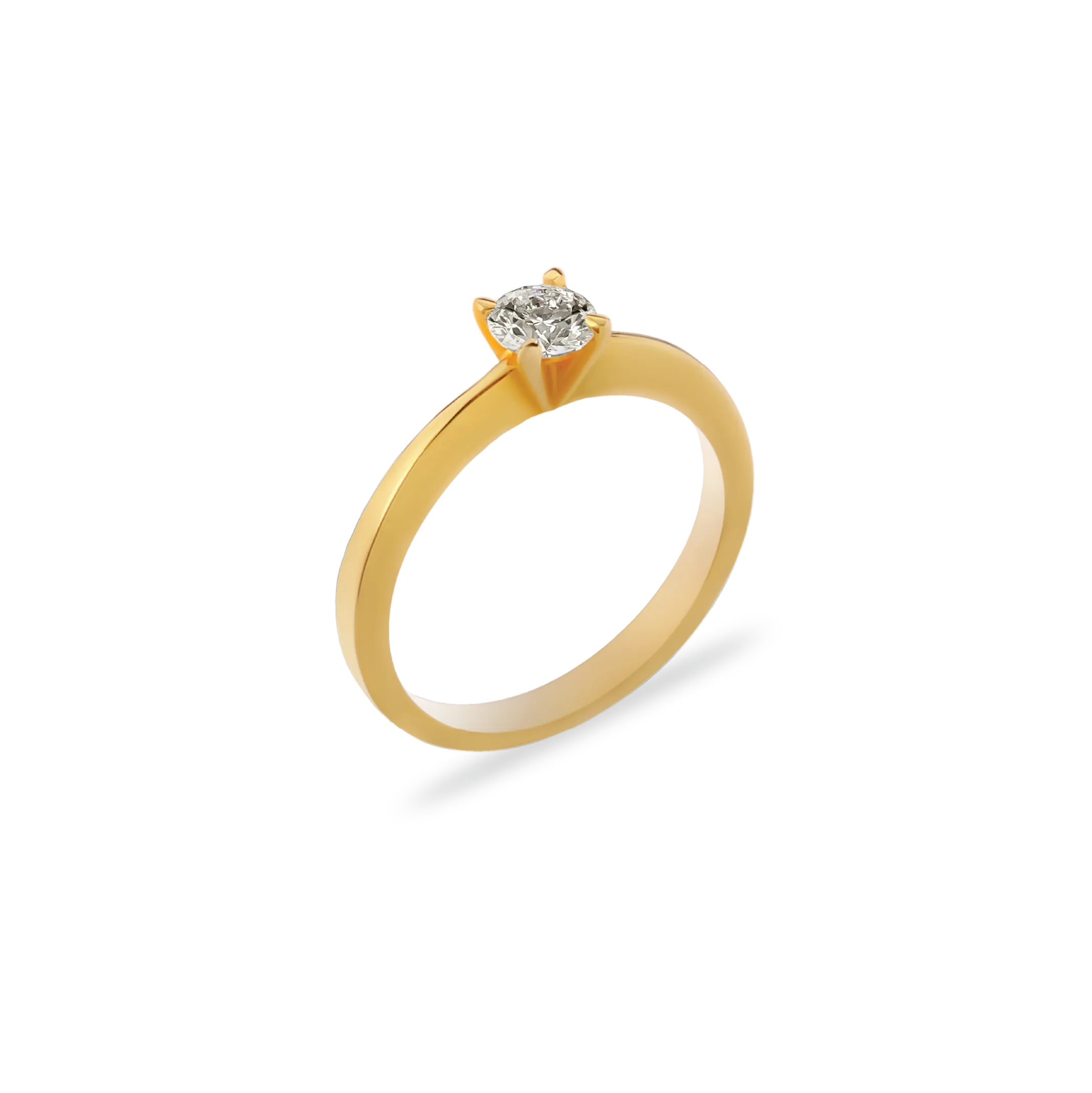
Yellow gold brings warmth and a classic presence, while white gold and platinum offer a cooler, cleaner impression. Rose gold adds a soft blush that can feel romantic without becoming overly sweet. Platinum is often chosen for its naturally pale appearance and substantial feel.
Think about the jewellery you already wear. A wedding set that works with your existing watch, rings, or favorite earrings is more likely to become part of your life after the ceremony.
Using pearls in contemporary bridal looks
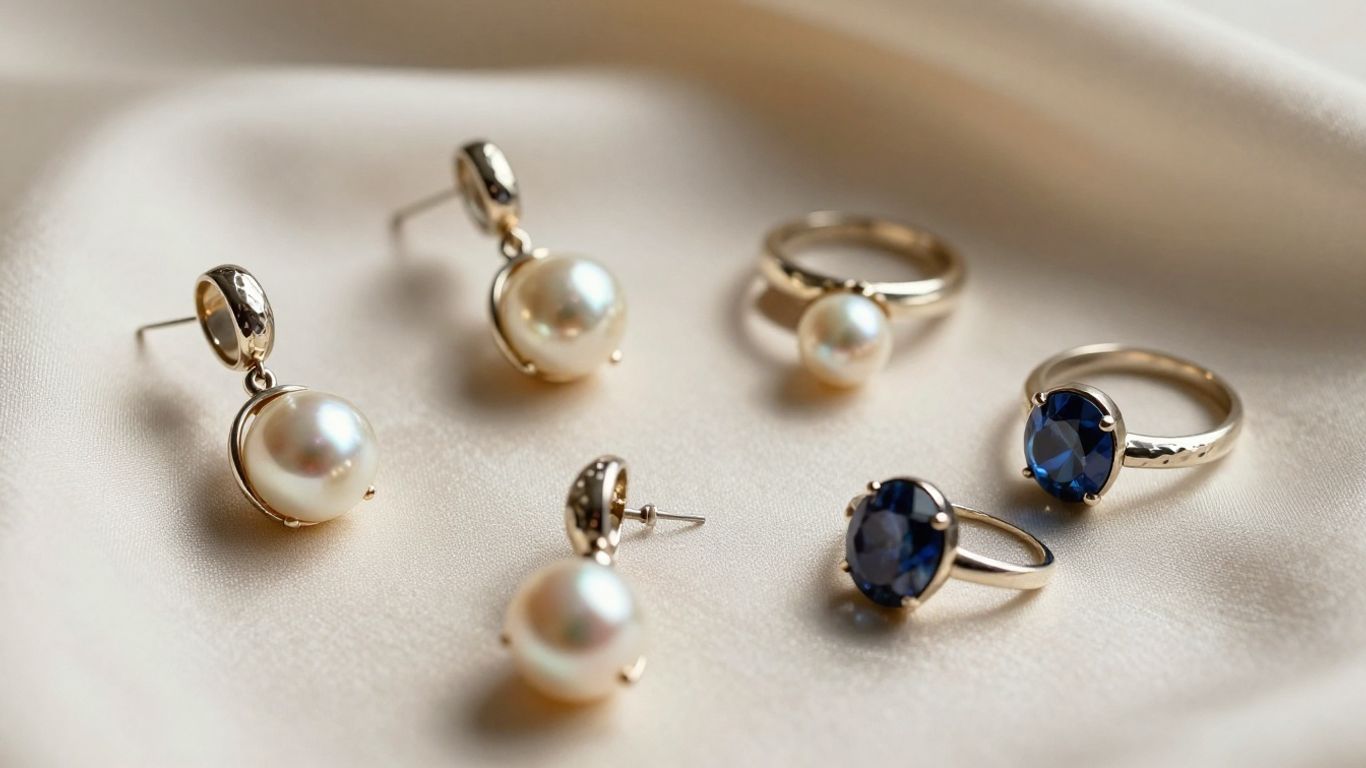
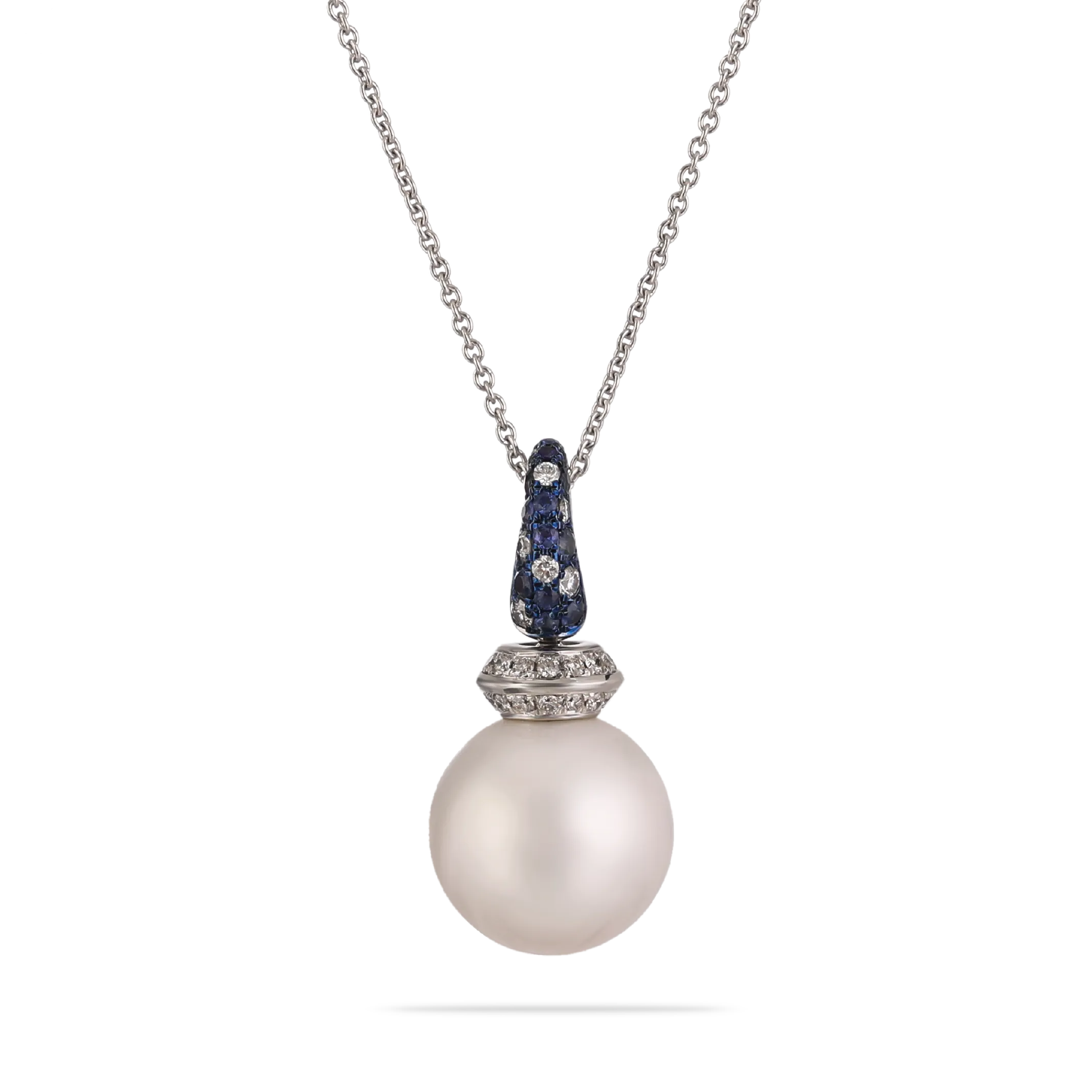
Pearls can be traditional, but their styling determines whether they feel formal or fresh. A single pearl drop, an irregular shape, or a short strand with modern spacing can look relaxed beside a simple gown. Mixing pearls with smooth metal also keeps the effect from becoming too uniform.
Their soft luster is particularly appealing when the dress has matte fabric or gentle draping. With a highly reflective gown, choose a smaller pearl detail so the two surfaces do not compete.
Adding colour with sapphires and other gemstones
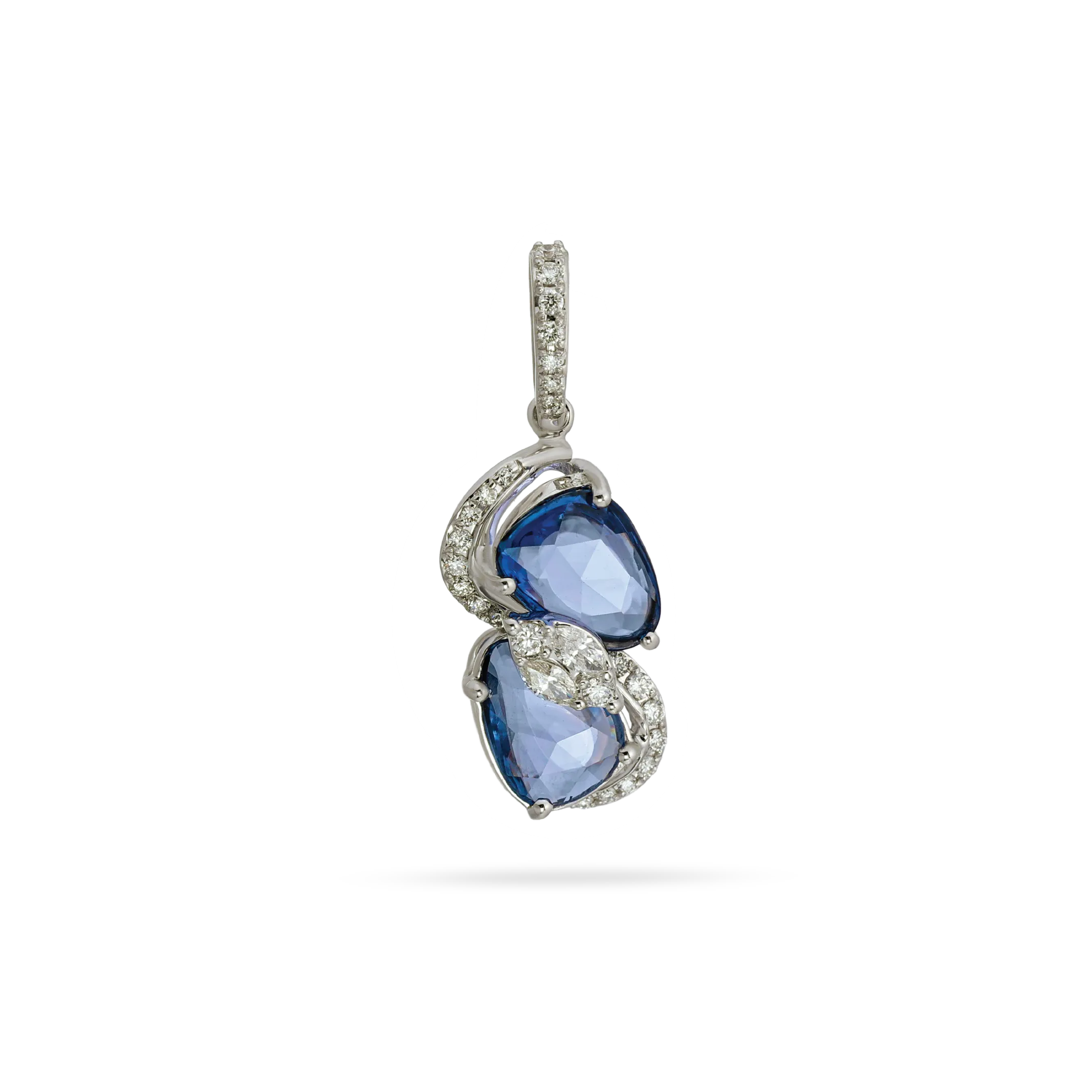
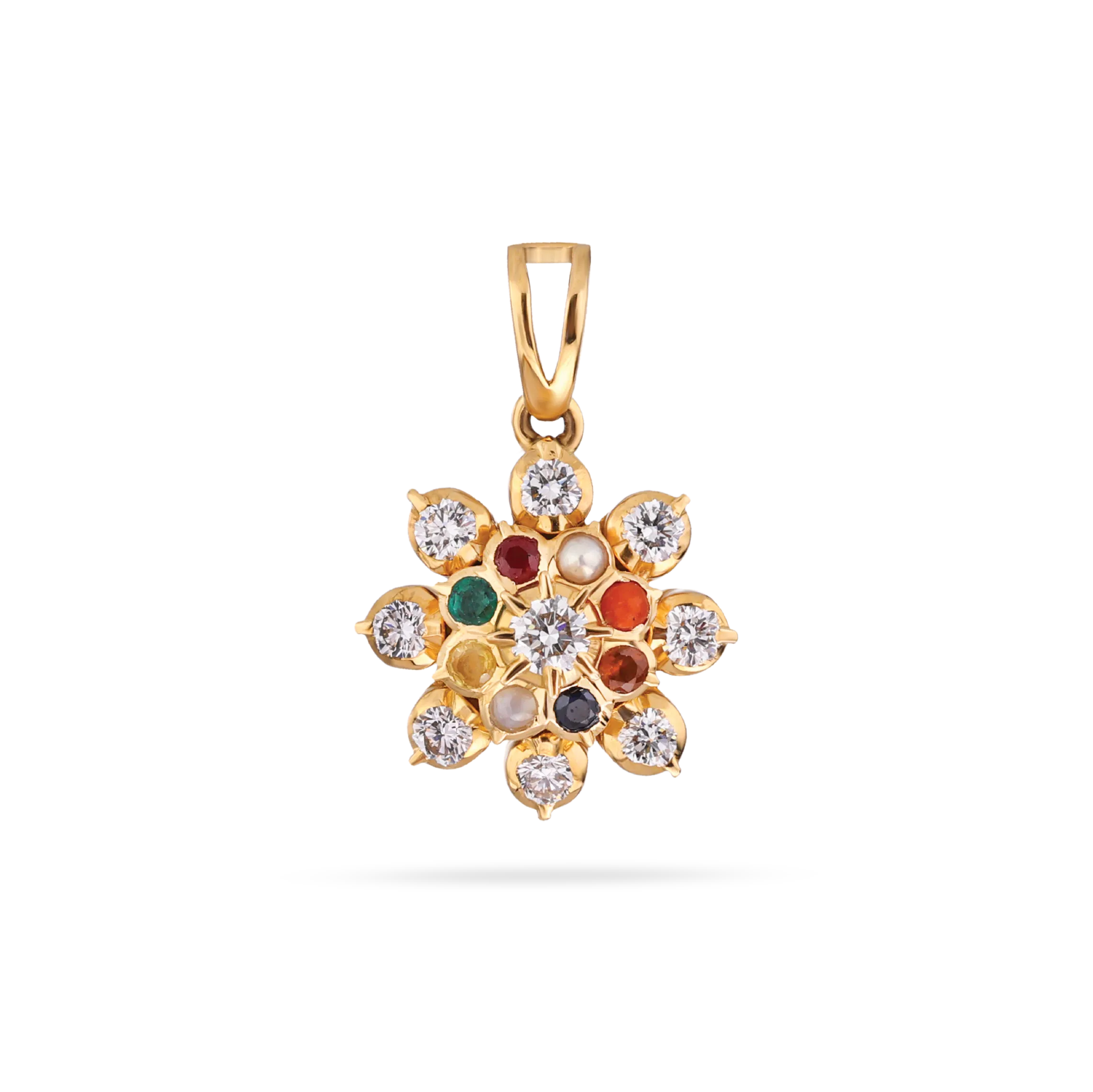
Color can arrive through a single stone rather than a fully colorful set. A blue sapphire , green accent, or warm champagne stone might appear in the earrings, ring, or a small hidden detail. Consider how the color will sit beside flowers, makeup, and the wedding setting as well as the gown.
Choose a hue you genuinely enjoy wearing. A meaningful color tends to feel more timeless than one selected only because it is currently fashionable.
Combining polished, hammered, and mixed-metal finishes
Finish changes the mood of a piece. Polished surfaces reflect light crisply, hammered textures feel more organic, and mixed metals create a deliberate point of contrast. Combining them can be elegant when one finish clearly leads and the others are used as accents.
The versatile jewellery ideas guide offers a helpful way to think about pieces that move from wedding traditions into everyday wear. Apply that principle here: choose textures you will still enjoy when the veil and bouquet are long gone.
Match your jewellery to the wedding setting
The venue affects how jewellery looks and behaves. Candlelight, daylight, open air, and polished interiors all reveal different qualities in metal and stones. Your setting can guide the mood, but it should not erase your personal style.
Elegant pieces for a city or ballroom wedding
A city or ballroom celebration can support sleek stones, polished metal, geometric lines, and a little more sparkle. The controlled surroundings make clean silhouettes easy to appreciate, especially against a structured gown or tailored suit-inspired look.
Consider how the jewellery will appear under reception lighting. A piece with movement can catch light as you walk, while a broad polished surface may give a quieter, more graphic effect.
Organic designs for outdoor and destination ceremonies
Outdoor settings pair naturally with softer curves, botanical motifs, pearls, and stones in muted colors. These forms echo foliage, coastline, or warm natural textures without requiring a rustic theme. Keep scale in mind, since small details can disappear against bright daylight or a large landscape.
For a destination wedding, choose pieces that pack securely and do not depend on fragile, easily tangled components. A simple travel case is a small but worthwhile part of the styling plan.
Statement jewellery for cultural and formal celebrations
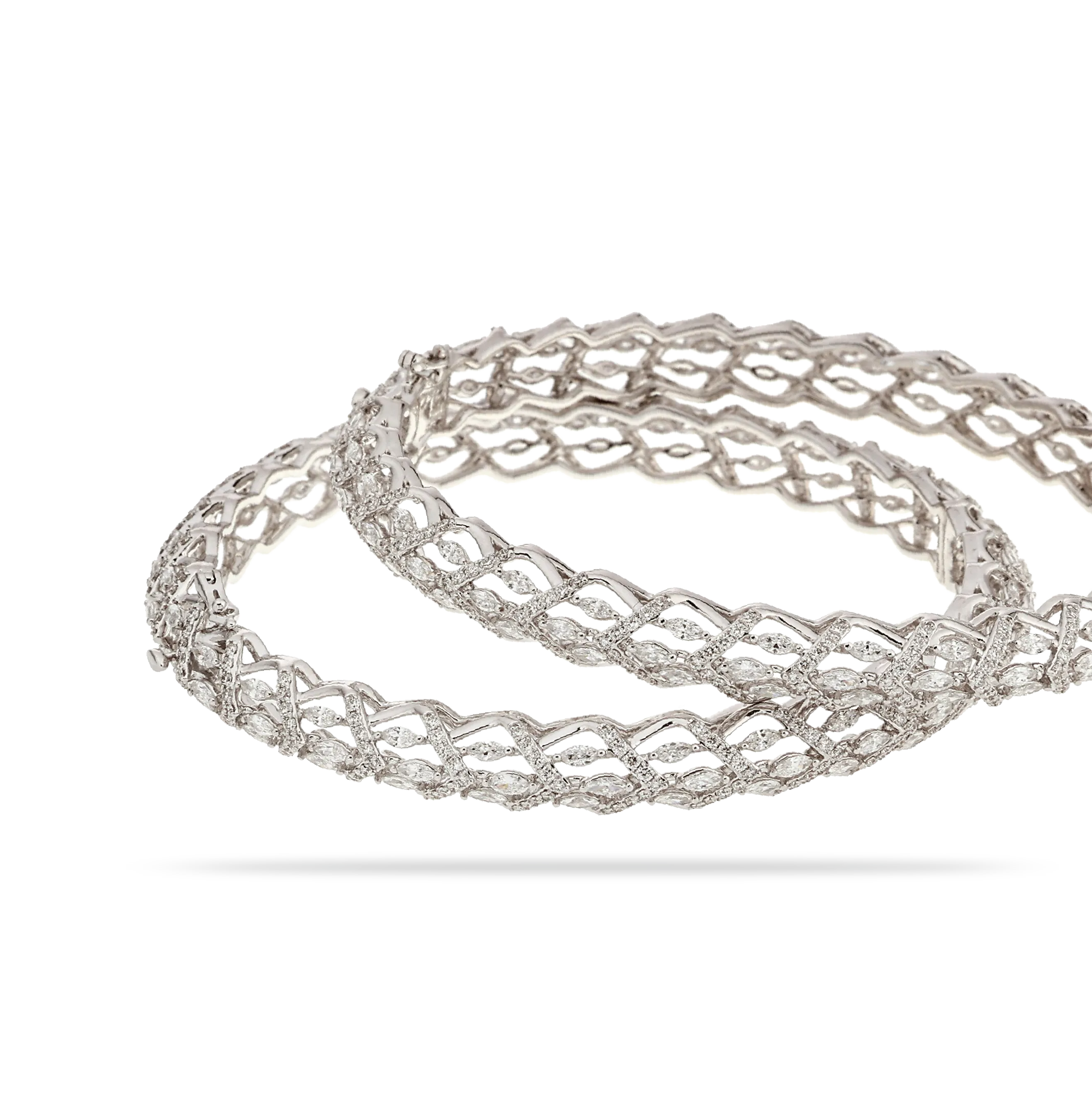
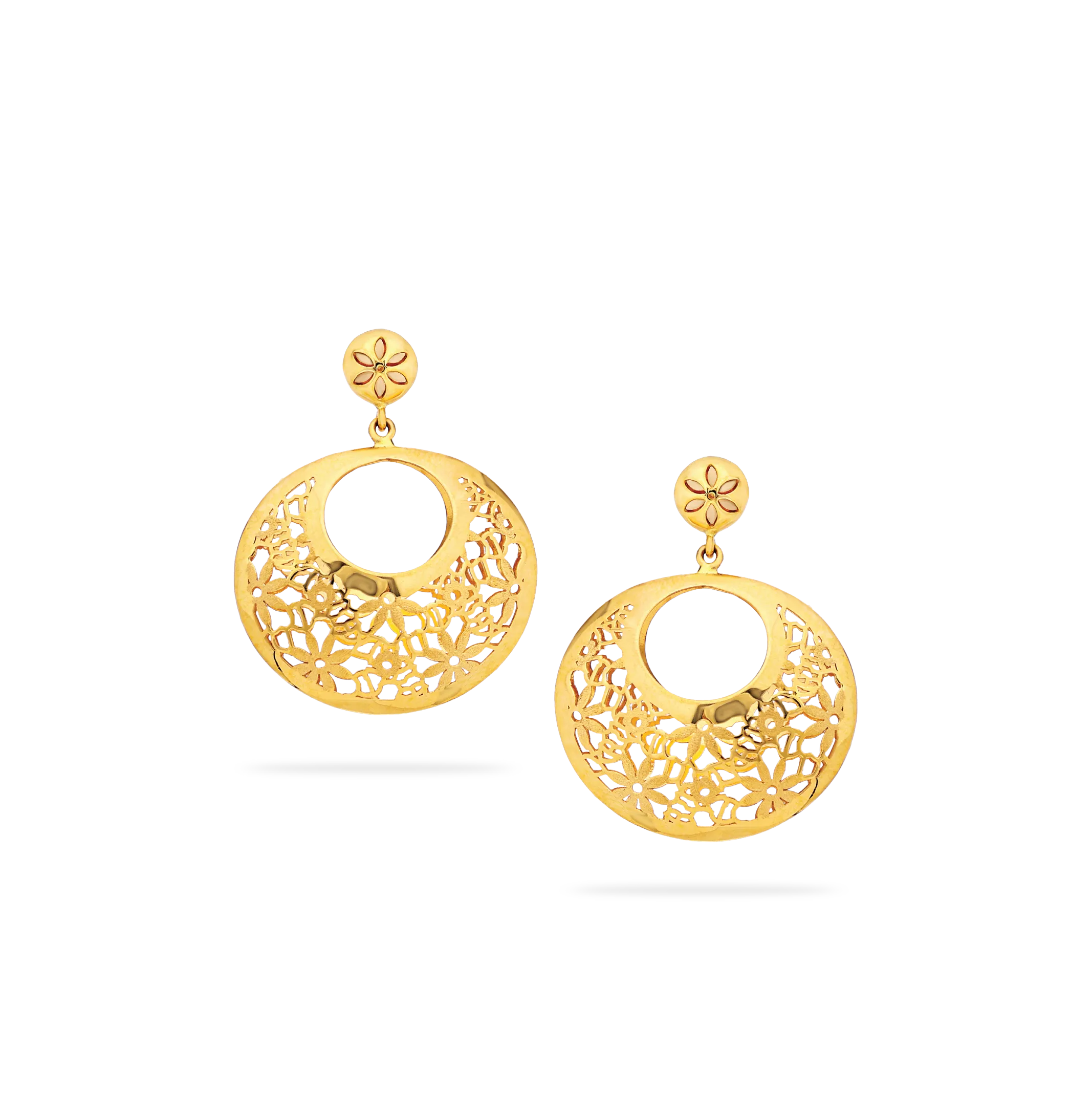
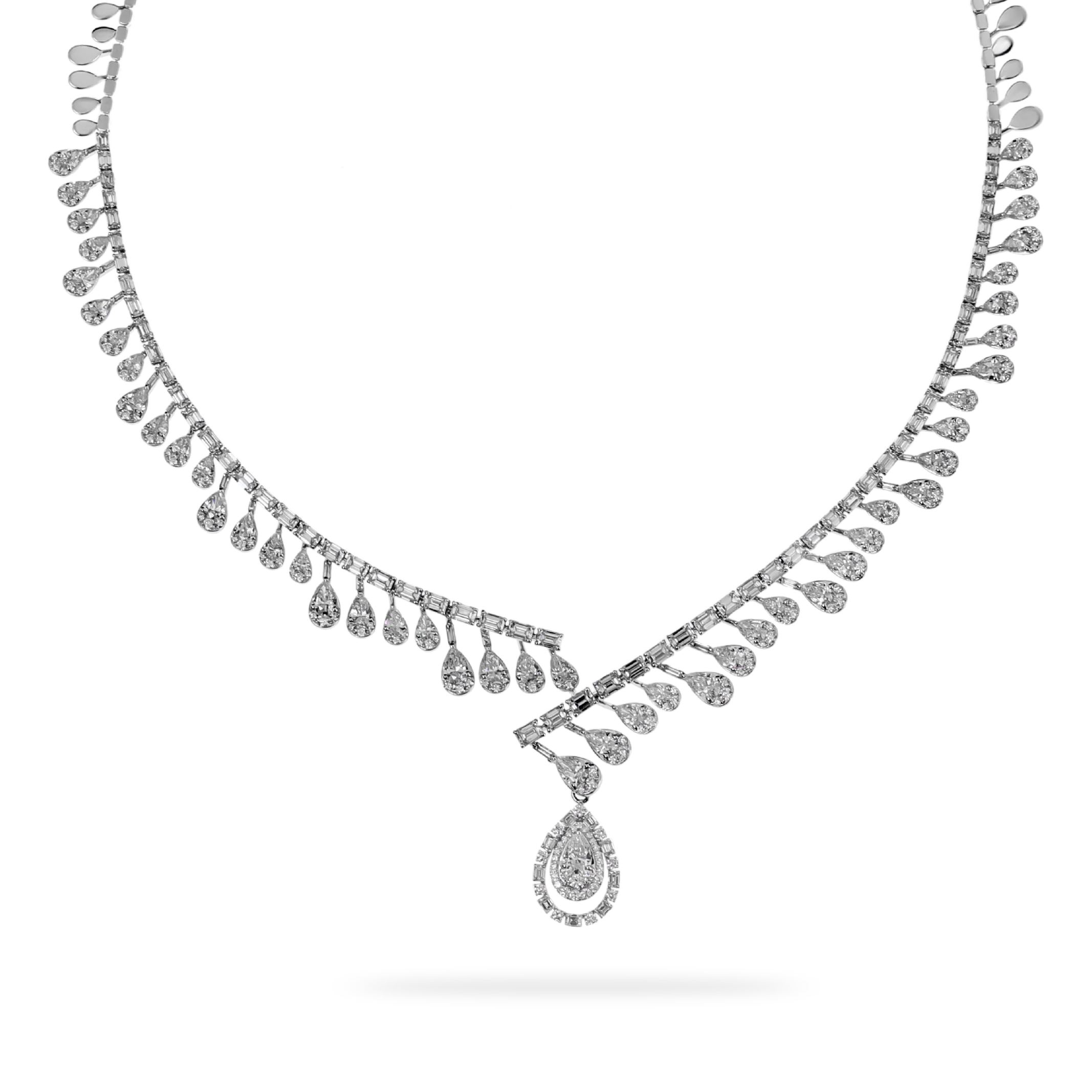
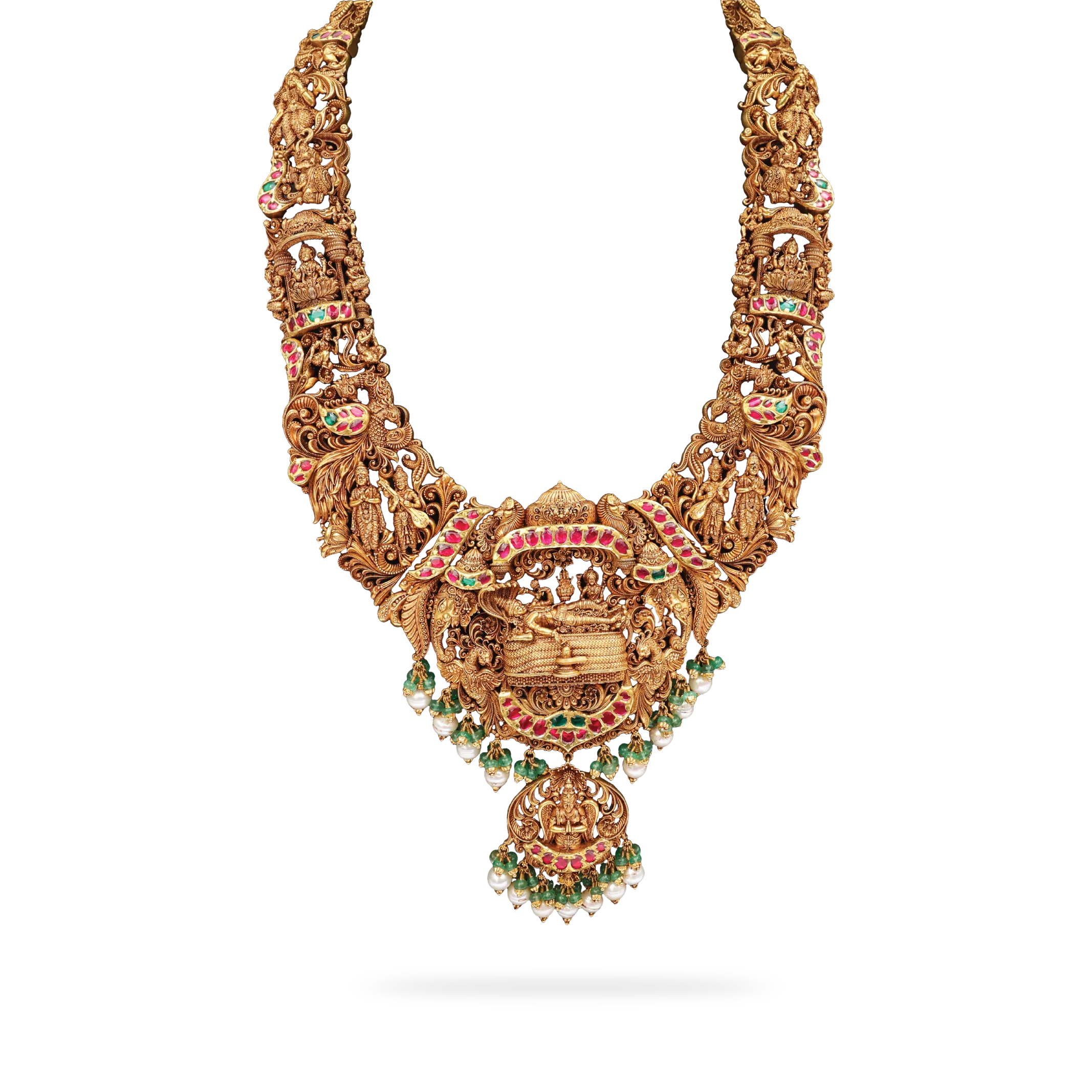
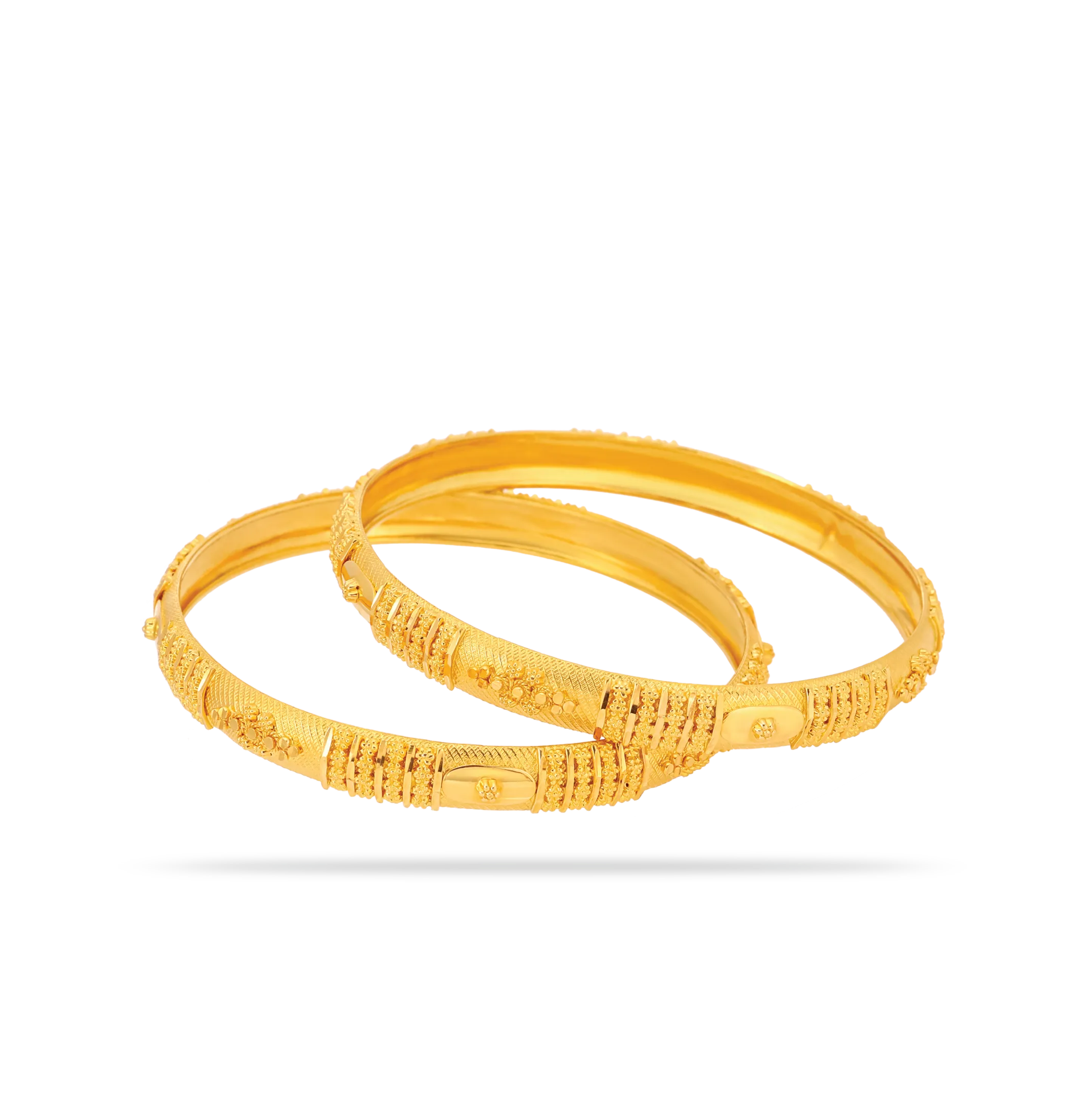
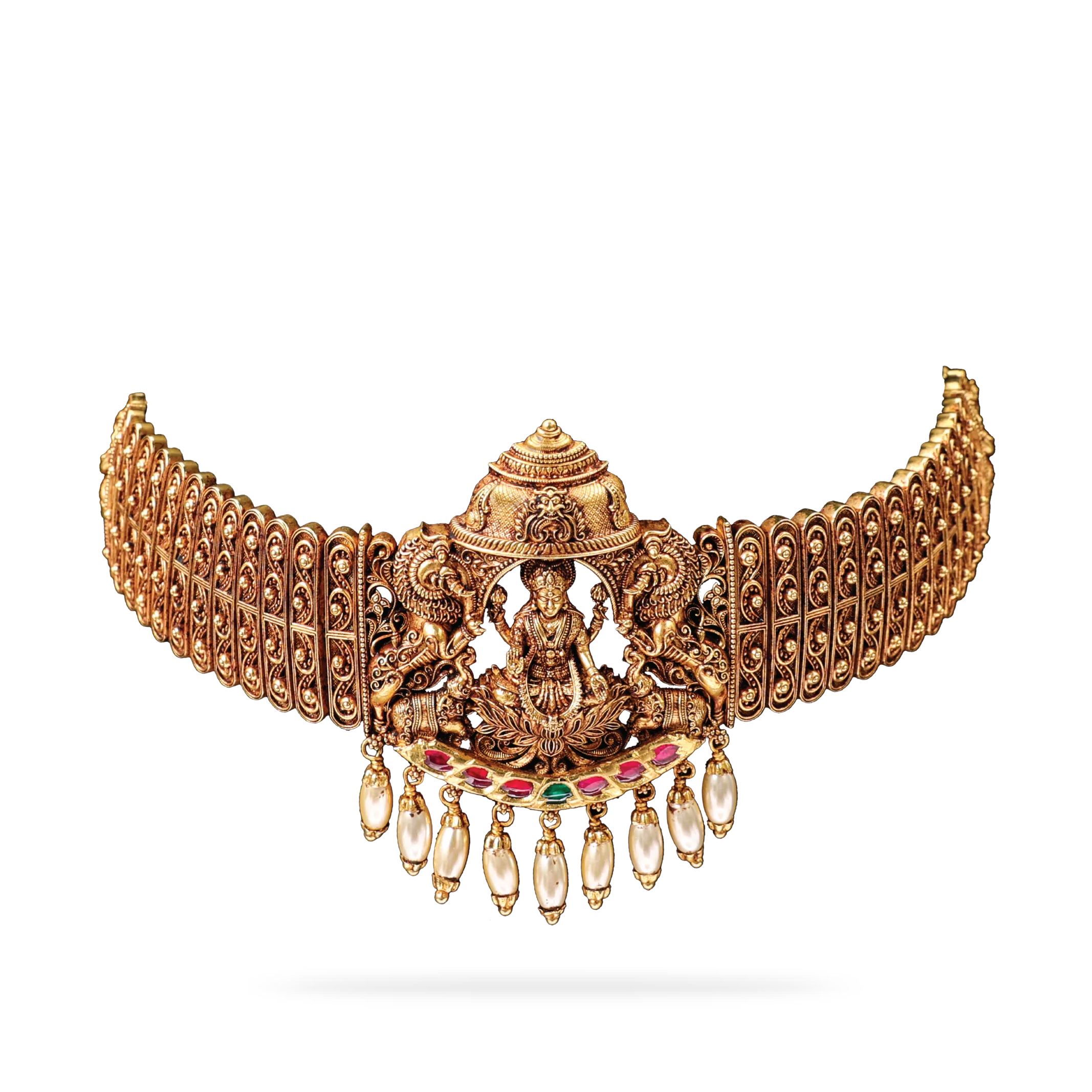
Some ceremonies call for jewellery with greater presence, whether because of cultural tradition, formal dress, or the visual importance of the celebration itself. A statement necklace, layered bangles, or substantial earrings can honor that richness while still feeling modern when the proportions are carefully edited.
Let significant pieces lead the conversation. You can keep the hairstyle, makeup, or remaining jewellery quieter so the result feels ceremonial rather than crowded.
Practical considerations for beach, garden, and summer weddings
Heat, wind, humidity, and movement can change what feels comfortable. Long earrings may catch in loose hair, bracelets can become distracting during outdoor photographs, and delicate clasps deserve extra attention when you are moving between locations.
A practical final check includes:
- testing clasps and earring backs before the wedding day;
- checking that pieces do not snag the gown or veil;
- carrying jewellery in a padded, closed case;
- asking someone trusted to help with fastening and removal.
These small preparations protect both the jewellery and your peace of mind. You should be thinking about the ceremony, not wondering whether an earring is still secure.
Make your bridal jewellery personal and practical
Beautiful jewellery earns its place when it feels good to wear and remains meaningful after the wedding. That may mean choosing a family piece, selecting an adaptable design, or simply refusing an accessory that makes you uncomfortable. Personal style becomes clearer when practical concerns are treated as part of the aesthetic decision.
Incorporating heirlooms without looking dated
An heirloom can be worn as it is, paired with modern pieces, or reset if its current form does not suit you. A vintage brooch might become a bouquet detail, while an old pendant can be layered with a shorter contemporary chain. You do not need to make every inherited piece visible at once.
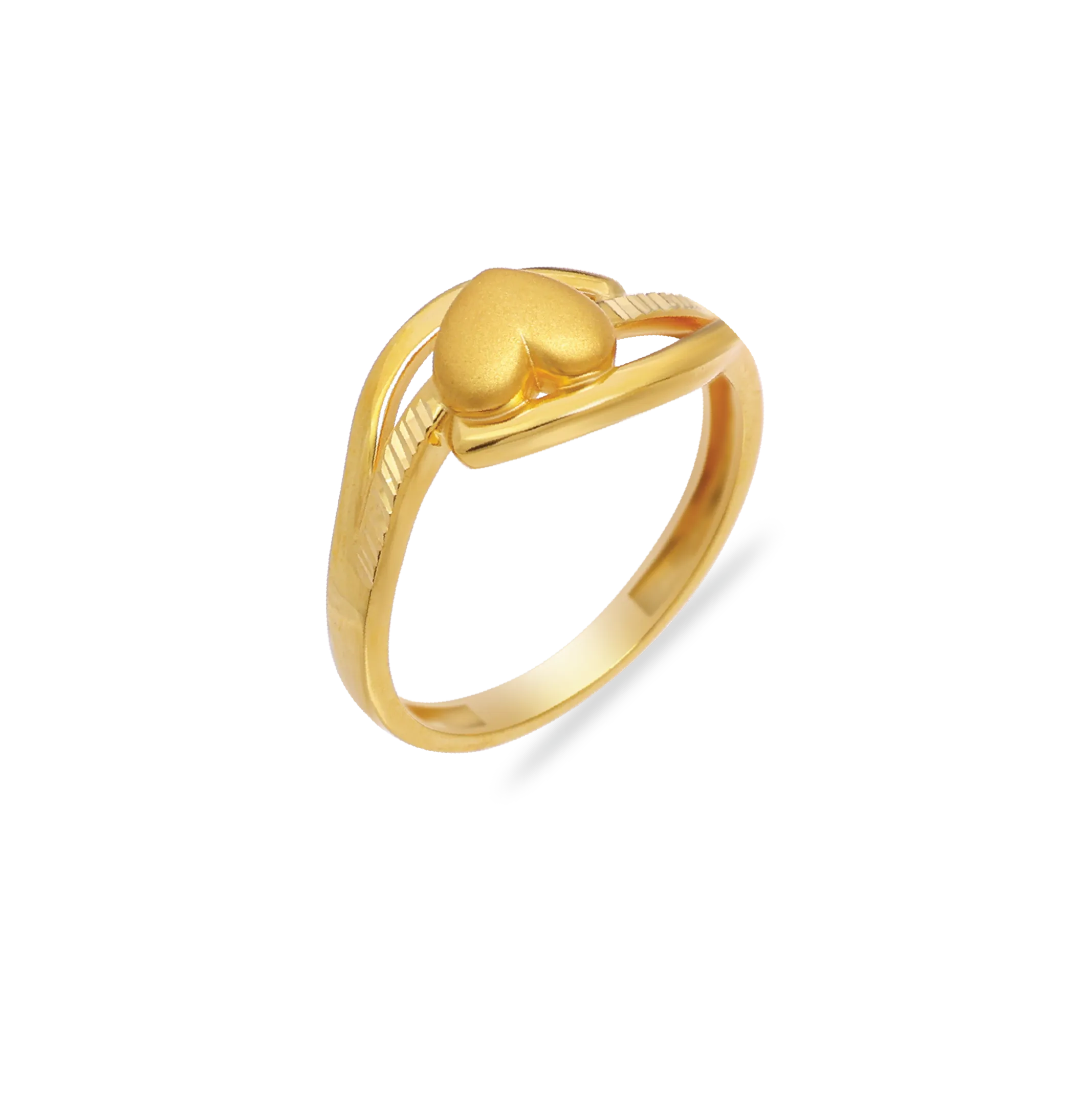
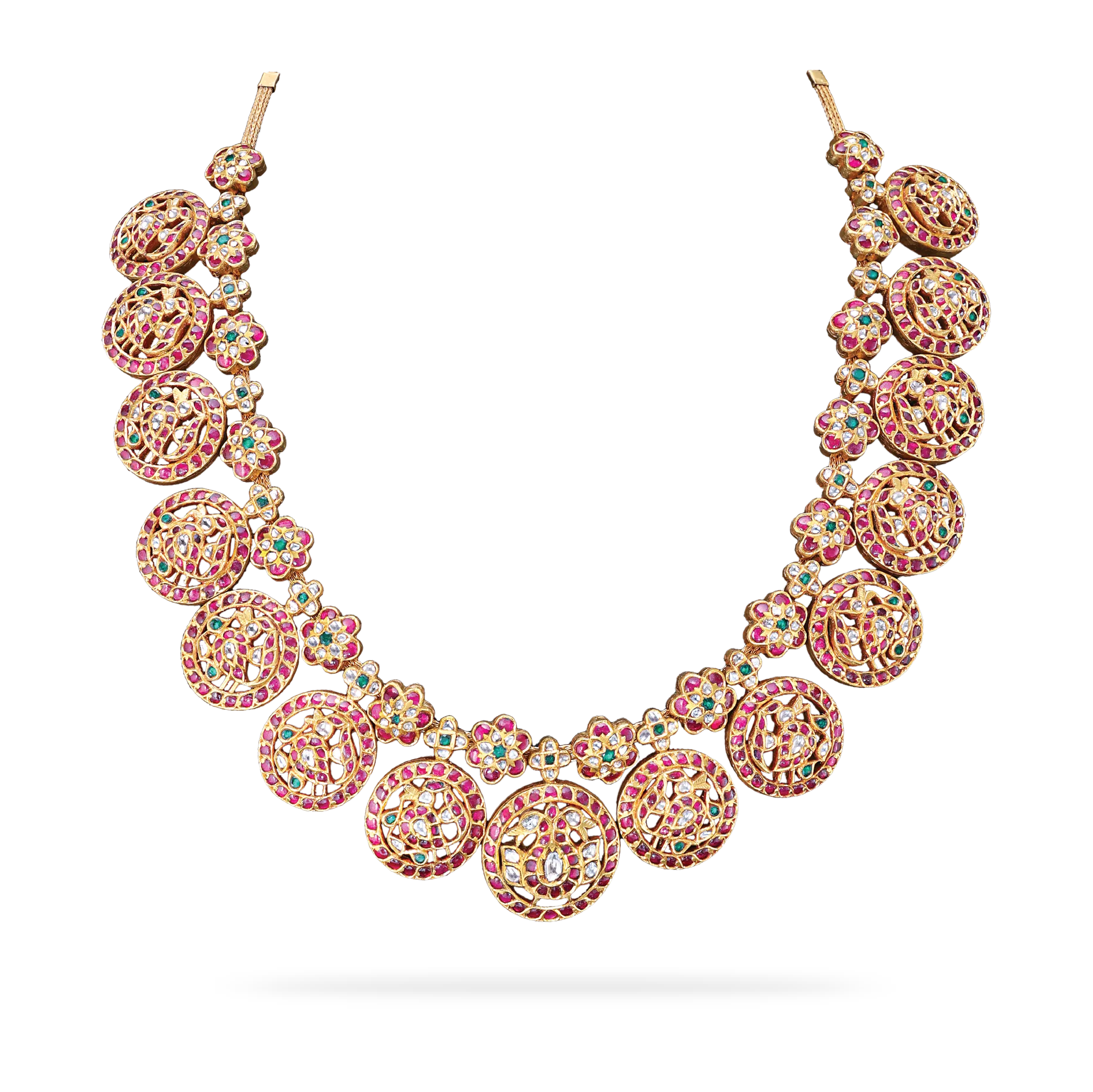
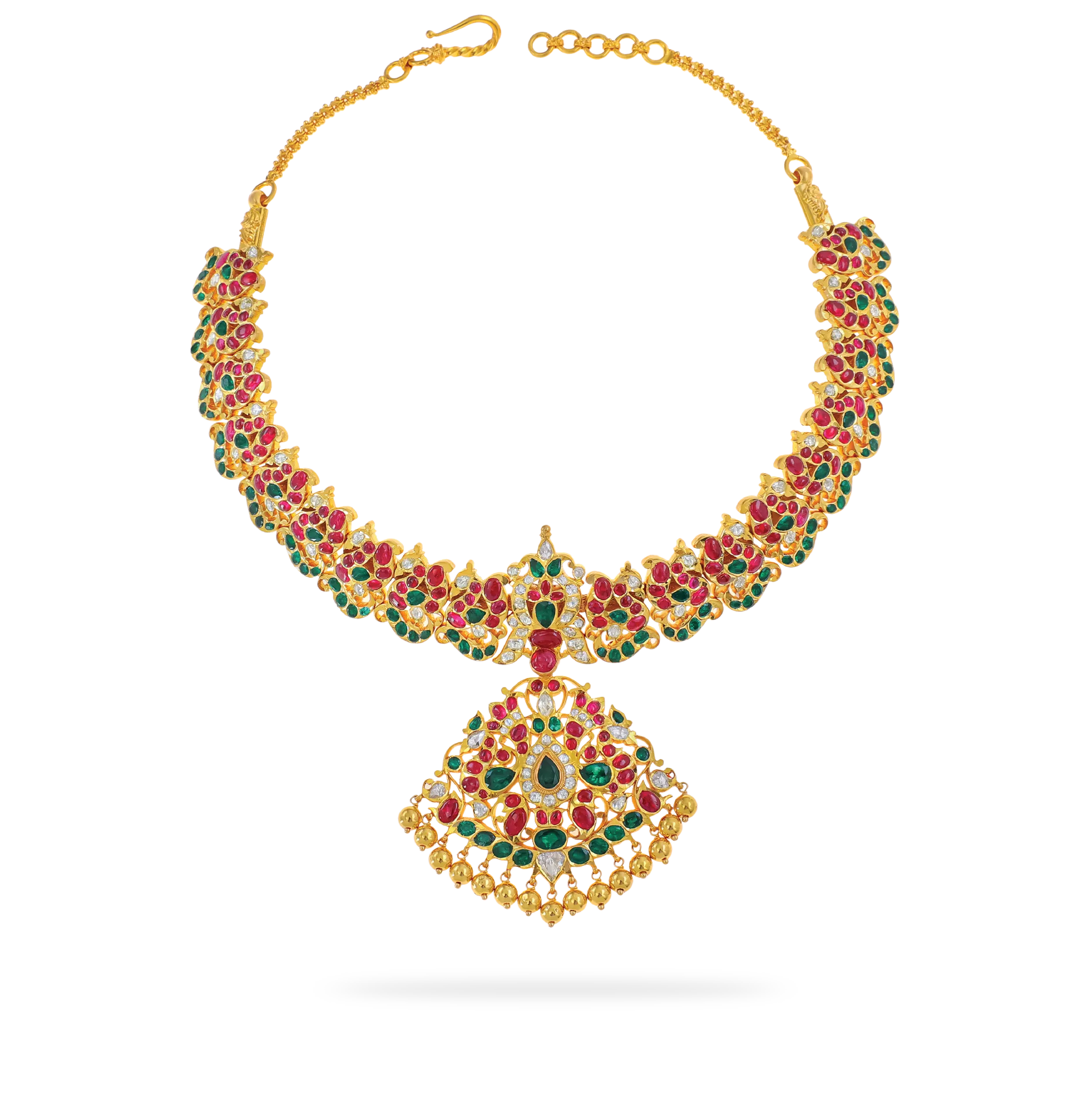
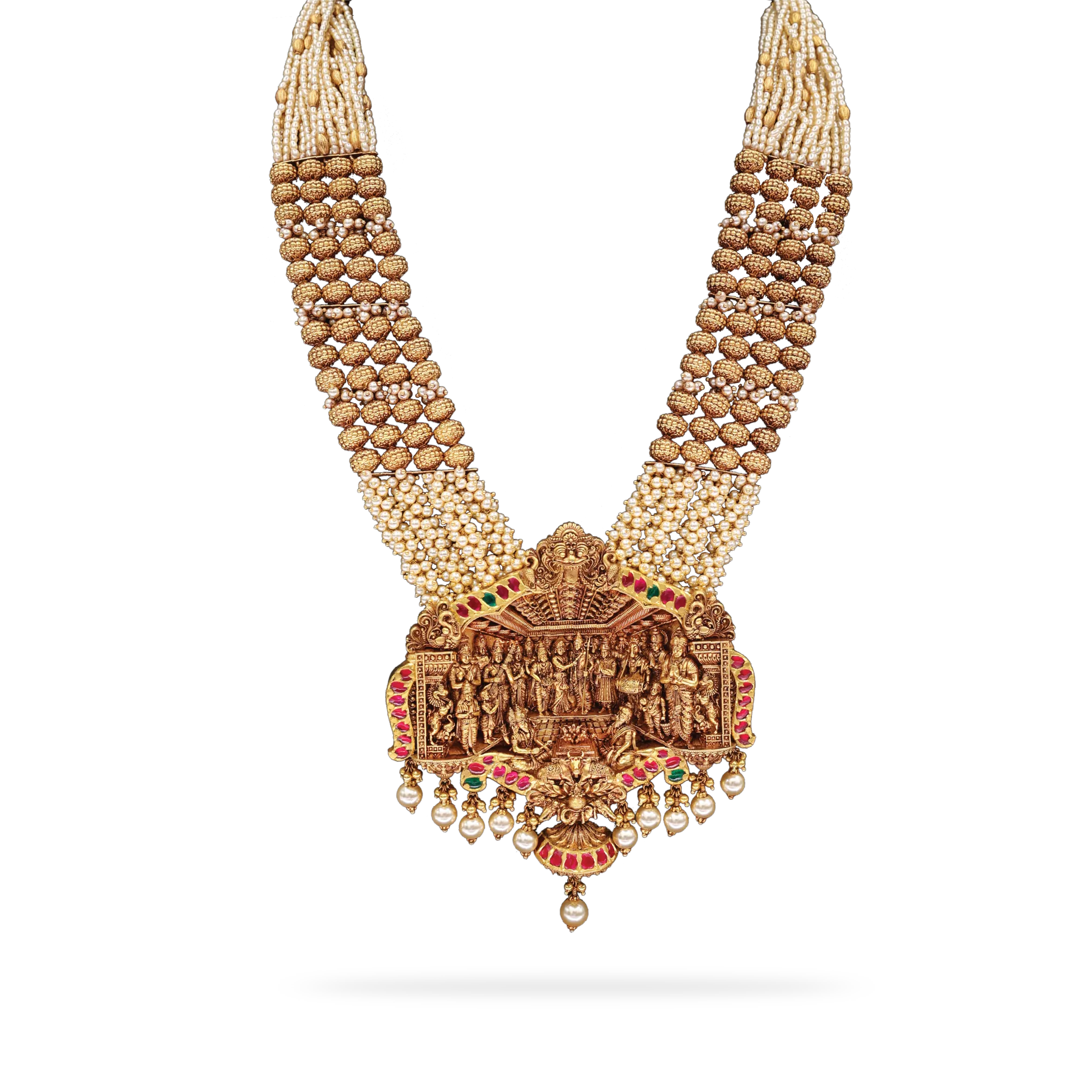
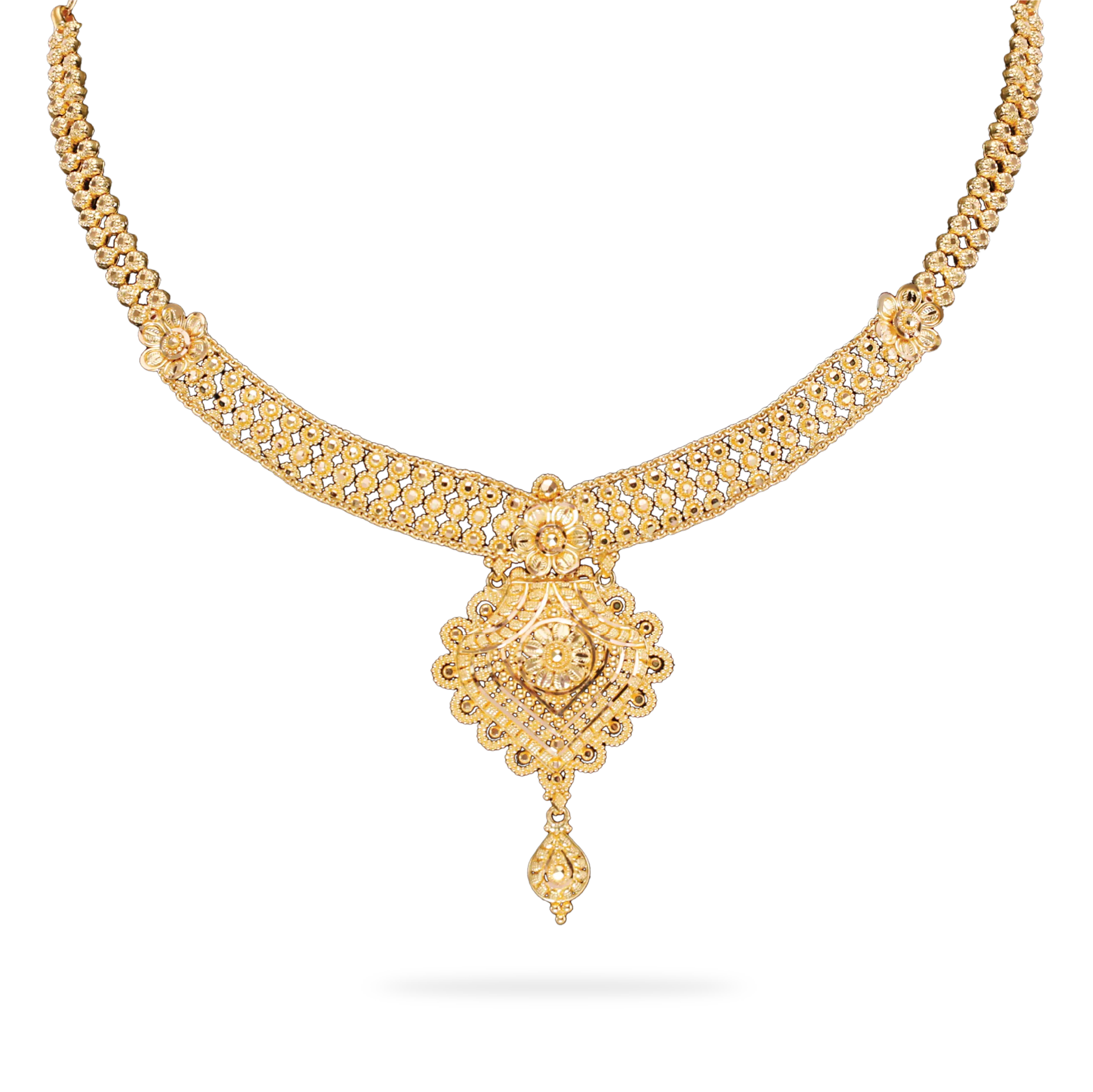
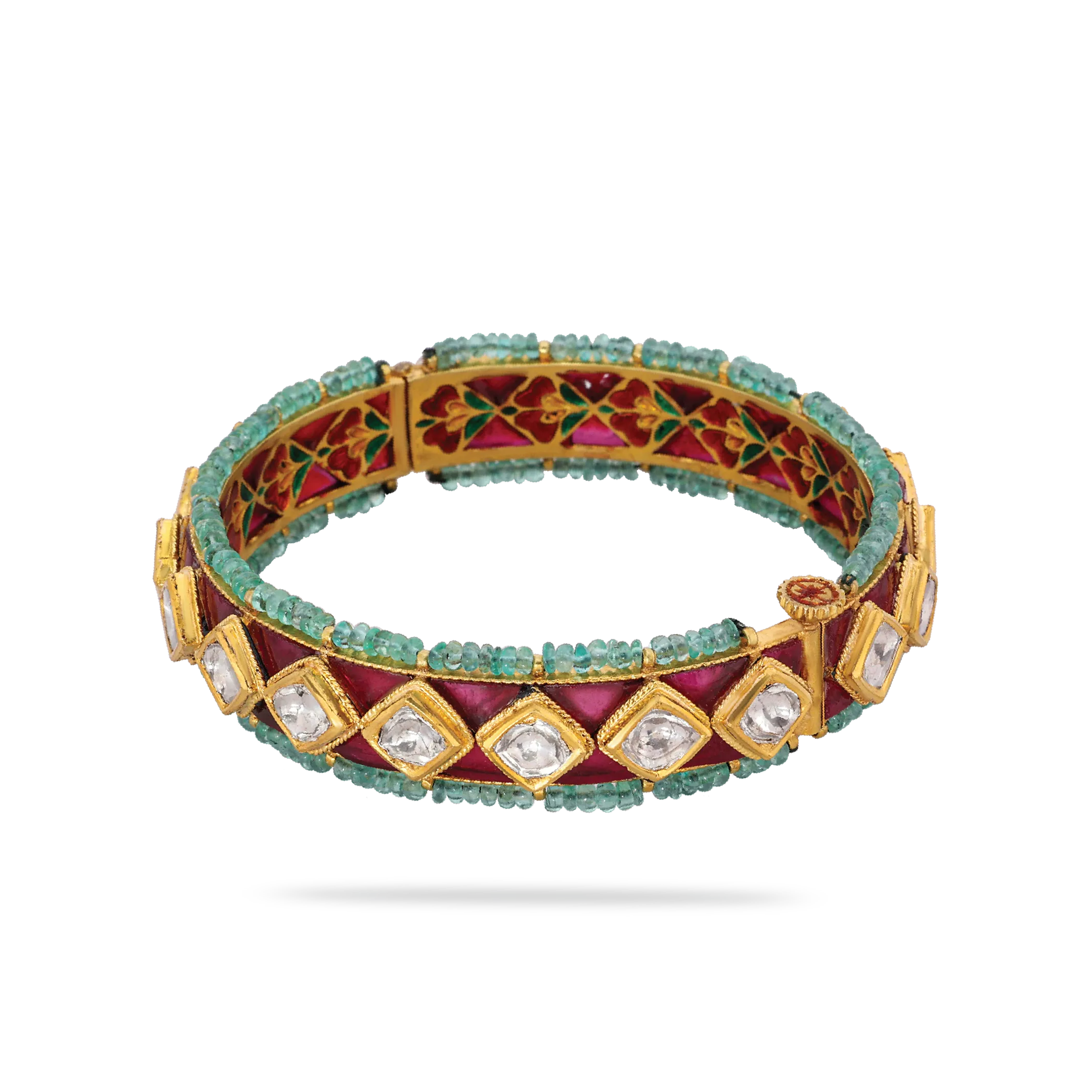
The heritage bridal jewellery guide explores the range from traditional gold and diamond pieces to distinctive regional styles. Use that breadth as inspiration, then choose the one heirloom detail that feels most emotionally present.
Choosing jewellery that feels comfortable all day
Wedding days involve hours of standing, hugging, dining, dancing, and posing. Test the weight of earrings, the fit of bracelets, and the length of necklaces with the hairstyle and dress you will actually wear. If a piece is beautiful for ten minutes but distracting for ten hours, it is not the right choice.
Bring the full set to your final dress fitting when possible. This reveals tangling, pressure points, and places where jewellery may catch on fabric.
Considering durability, security, and skin sensitivity
Inspect clasps, posts, backs, chains, and settings before buying. Ask what care the materials require and whether any plating, adhesive, or alloy may irritate your skin. If you have reacted to jewellery before, give yourself time to test a piece rather than discovering the problem on the wedding morning.
Secure fastenings are especially important for outdoor ceremonies and busy receptions. A discreet spare earring back and a small repair kit can be useful additions to an emergency bag.
Planning pieces you can wear after the wedding
The most practical bridal jewellery often has a second life. Studs can become workday staples, a slim bracelet can accompany a watch, and a pendant can mark anniversaries or other milestones. Think about your usual wardrobe, not an imagined future version of yourself.
Choose versatility where it matters, but do not force every piece to be an everyday basic. One special item can remain special while the rest of the set becomes part of your regular rotation.
Shop for wedding jewellery with confidence
Shopping becomes easier once you know what the gown, venue, and personal style are asking for. Set a budget before emotion takes over, compare measurements rather than relying on photographs, and keep notes about what you tried. A calm process gives you more room to enjoy the beautiful part.
Setting a realistic bridal jewellery budget
Decide whether the budget includes only the wedding-day set or also the engagement ring, alterations, heirloom work, storage, and future pieces. A smaller budget can still produce a polished look when it is concentrated on one strong focal point rather than spread across too many accessories.
Allow a little room for unexpected needs, such as resizing, replacement backs, or a different earring length after the hairstyle trial.
Checking quality, sizing, and craftsmanship
Read measurements carefully and look closely at joins, stone settings, clasps, backs, and edges. Ask how a bracelet or necklace is meant to fit, especially if it will be worn while dancing or moving through an outdoor venue. Product photographs are helpful, but dimensions and construction details tell you more.
Compare pieces in person when you can. The finish, weight, and movement often answer questions that a screen cannot.
Understanding customisation and personalisation options
Personalisation may involve choosing a metal tone, changing a chain length, selecting a gemstone, engraving a message, or adapting an heirloom. Ask which changes are possible, how they affect price, and whether a customised piece can be returned or altered later.
Bring reference images and explain what you like about them—the scale, shape, texture, or color—rather than asking for an exact copy. That gives the jeweller a clearer design brief.
Timing purchases, fittings, and final styling decisions
Choose the dress before making major jewellery decisions, then schedule enough time for delivery, custom work, and exchanges. A hair trial and final dress fitting are ideal moments to test the full combination. The coordinated bridal jewellery sets resource also reinforces the value of considering neckline, hairstyle, and fabric together.
Make final decisions before the last week if possible. Pack each piece separately, photograph how it is worn, and give your getting-ready team simple instructions for fastening and removing everything safely.
Conclusion
The best wedding jewellery for modern brides feels considered without looking overworked. Begin with your own style, let the dress and setting guide the proportions, and choose pieces that can carry both meaning and comfort. When the jewellery feels like yours, it will look timeless in the photographs and natural in the memories.
Frequently Asked Questions
How much jewellery should a bride wear?
There is no fixed number. Choose one focal point and add supporting pieces only when they improve the balance of the gown, hairstyle, and overall look.
Should bridal jewellery match the engagement ring?
It does not have to match exactly. Repeating a metal tone, stone shape, or finish can create harmony while still allowing each piece to retain its character.
What necklace works best with a strapless wedding dress?
A strapless neckline can suit a short necklace, a pendant, or no necklace at all. Let the gown’s embellishment and the desired focus around the face guide the decision.
Can a bride mix gold and silver jewellery?
Yes. Mixed metals look intentional when one tone leads and the second appears as a considered accent, rather than being added randomly across the set.
Are pearls too traditional for a modern wedding?
Not at all. A single pearl drop, irregular pearl, or pearl paired with clean metal can feel contemporary while retaining the softness associated with bridal style.
How can bridal jewellery stay comfortable all day?
Wear each piece during a trial, check its weight and fastening, and test it with the hairstyle and dress. Remove anything that pinches, snags, or needs constant adjustment.
When should wedding jewellery be purchased?
Begin after choosing the dress and allow time for customisation, delivery, sizing, exchanges, and a final styling appointment. Finishing the decision well before the wedding reduces last-minute stress.
Wedding jewellery for traditional brides: A complete guide to choosing timeless bridal pieces
10 minute read
Related blogs:
November 20, 2025
The Timeless Elegance of the Tennis Bracelet: A Comprehensive Guide
Read More
November 20, 2025
The Ultimate Guide to Styling and Wearing a Choker Necklace
Read More
November 20, 2025
Find Your Perfect Engagement Ring: A Comprehensive Guide to Styles and Diamonds
Read More
November 20, 2025
The Timeless Elegance of a Diamond Tennis Bracelet: A Buyer's Guide
Read More









.webp)
.webp)