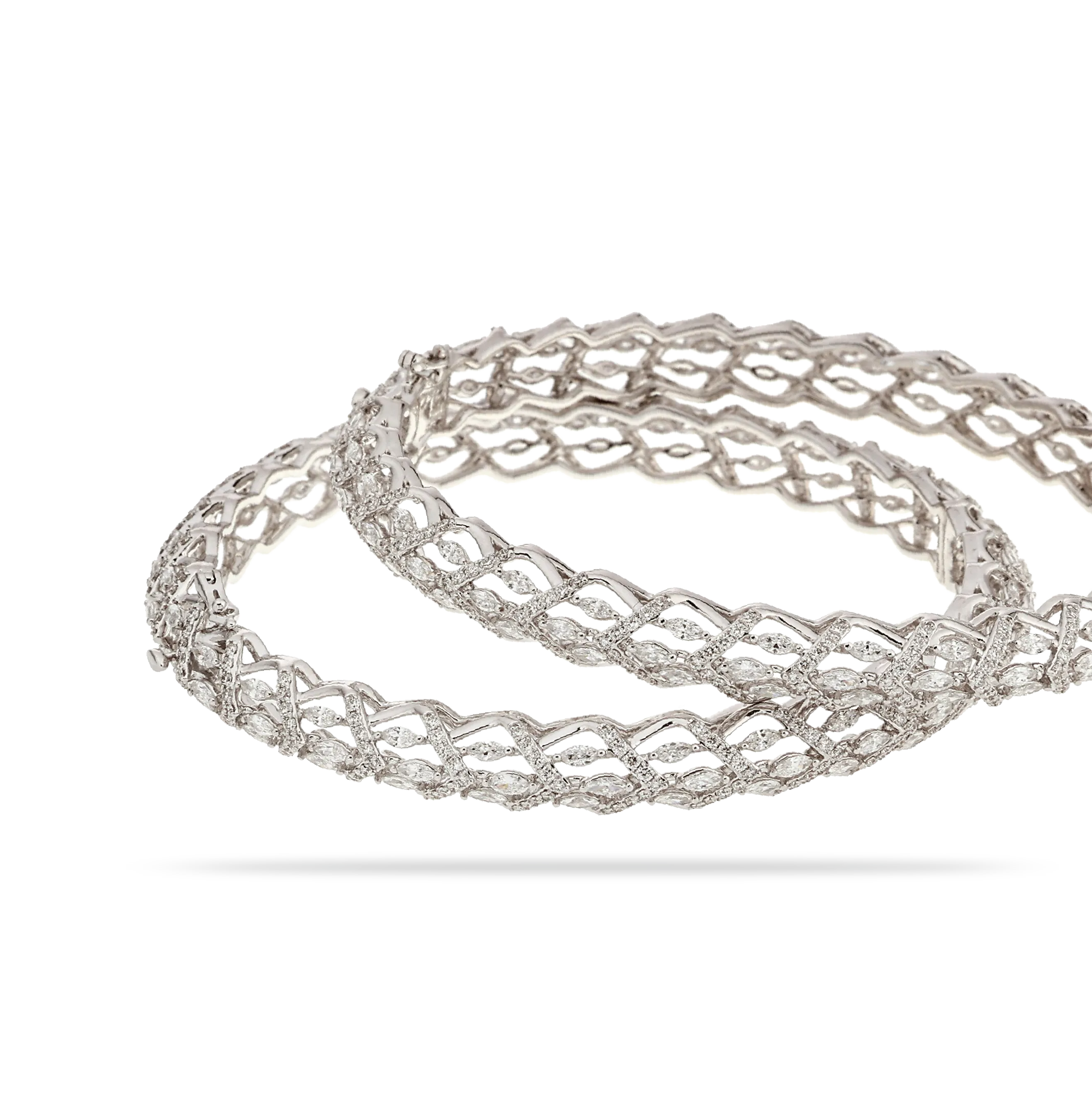
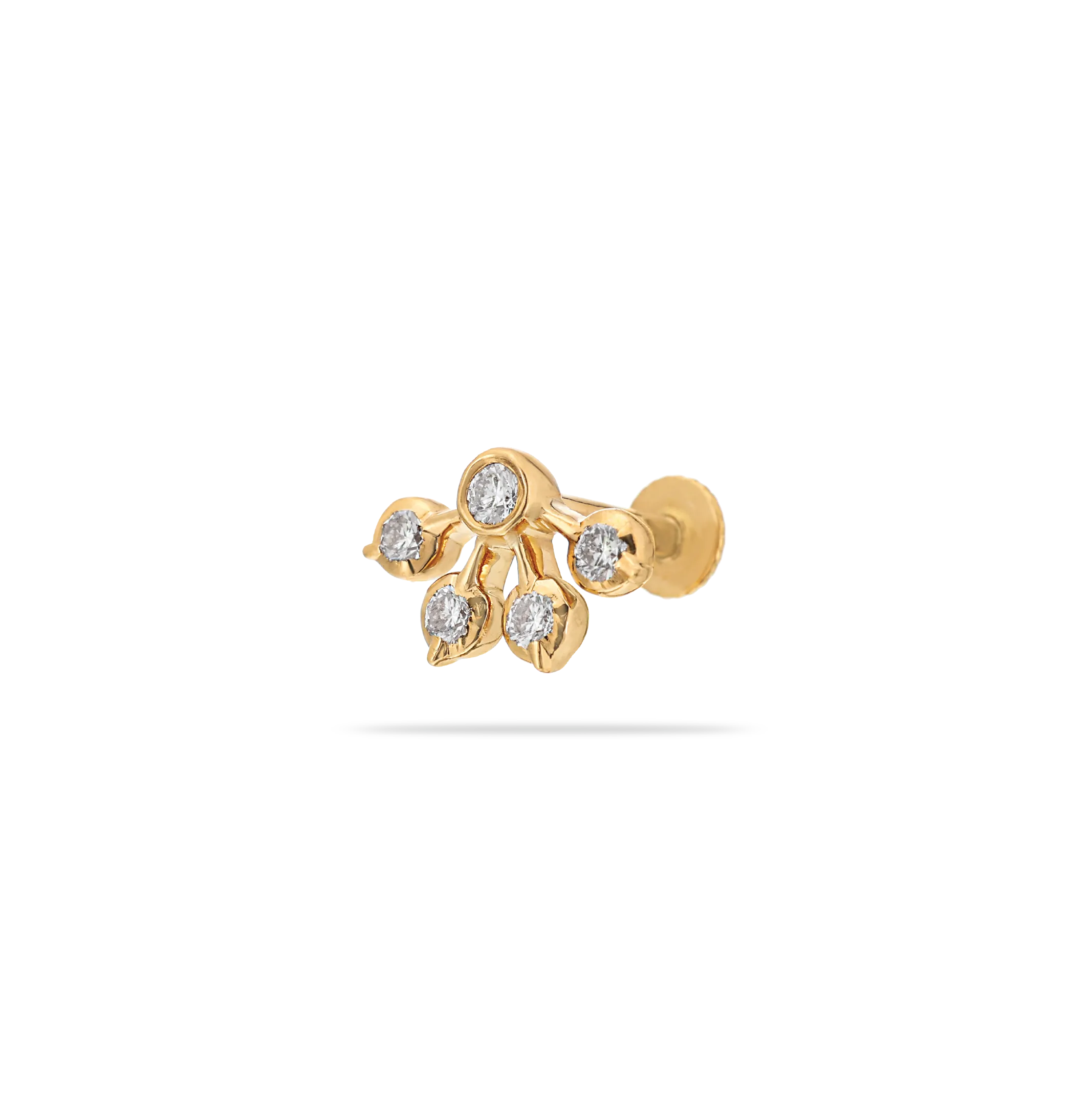
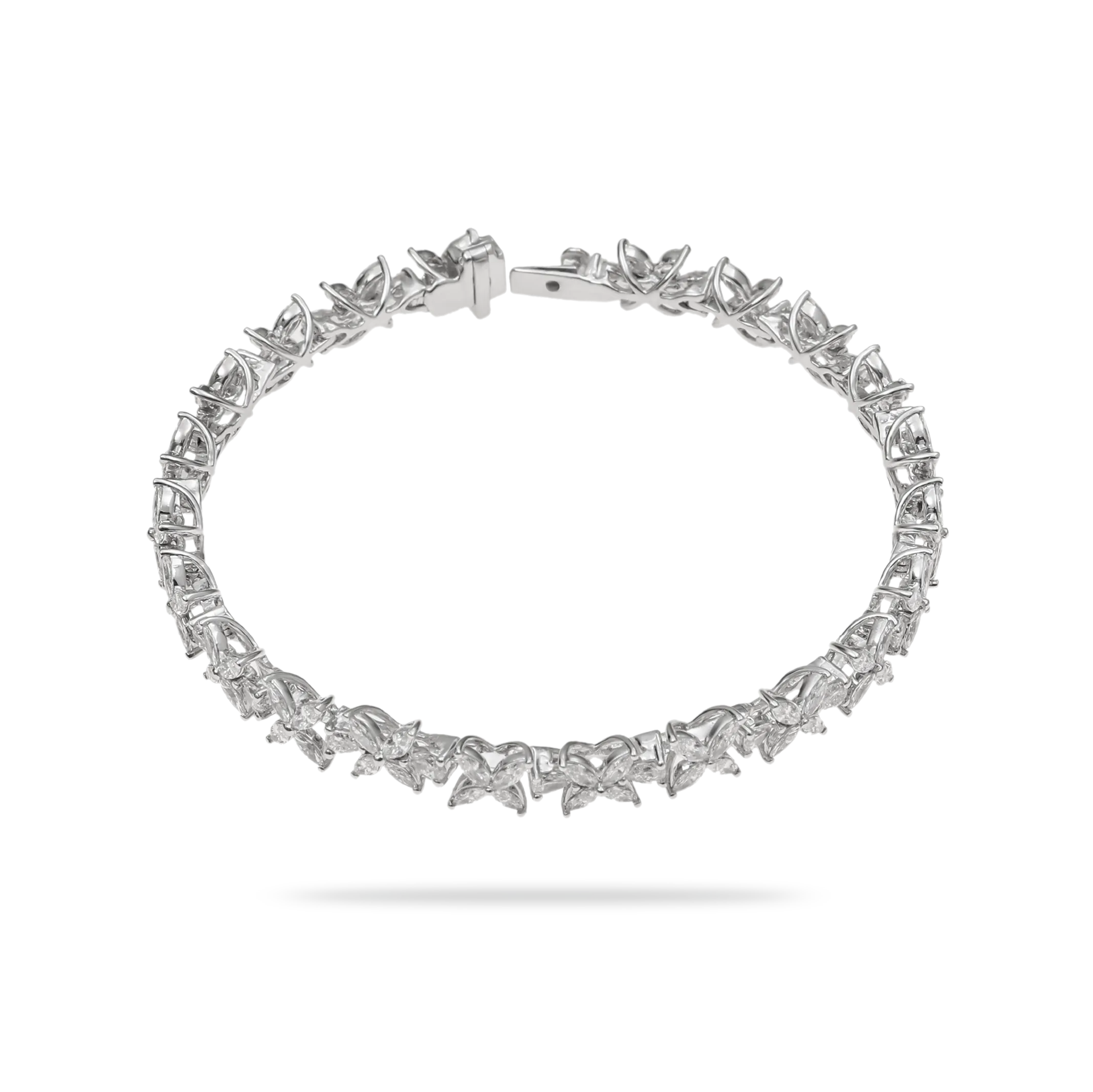
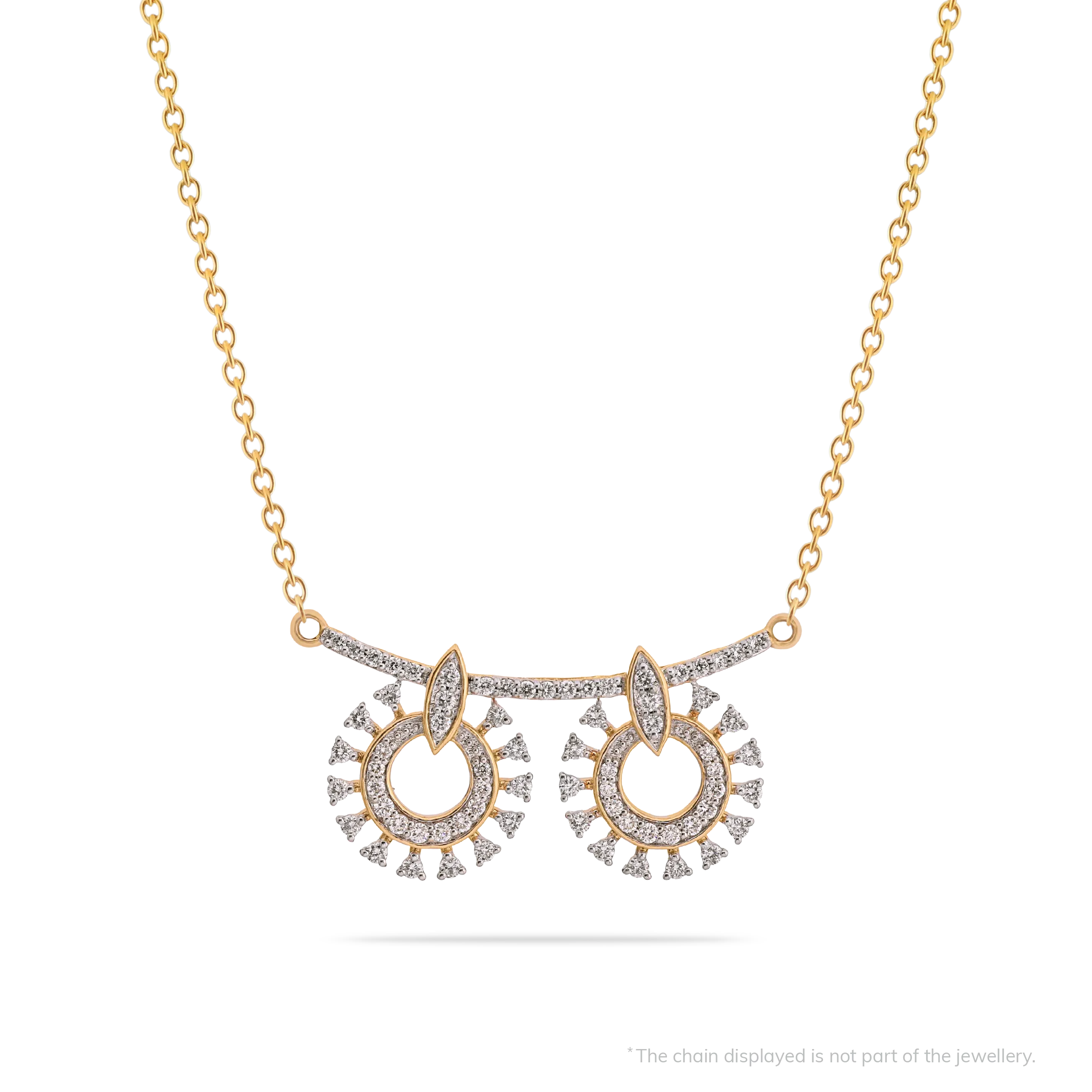
Wedding jewellery for traditional brides: A complete guide to choosing timeless bridal pieces
September 17, 2026 | 10 minutes read
Key Takeaways
Traditional bridal jewellery should feel rooted in heritage while still reflecting the bride who wears it. The best choices balance meaning, proportion, comfort, and long-term wear.
- Start with the wedding outfit’s neckline, fabric, and embellishment.
- Choose metals and gemstones for meaning, durability, and harmony.
- Build a balanced set instead of wearing every statement piece at once.
- Test weight, fit, and fastenings before the wedding day.
- Care for meaningful jewellery so it can be worn and passed down.
Understanding traditional bridal jewellery styles
Traditional bridal jewellery carries more than visual sparkle. Across cultures, pieces may mark family identity, blessings, prosperity, marital status, or a connection to regional craft. For many brides, the most satisfying look combines inherited customs with choices that feel natural rather than costume-like.
The cultural meaning behind bridal jewellery
Bridal jewellery often becomes part of the ceremony’s emotional language. A necklace may be chosen for its association with protection or prosperity, while bangles, rings, or hair ornaments can connect the bride to women in her family. Meanings differ between communities, so it is wise to ask relatives or a trusted jeweller about the traditions behind a piece rather than assuming one interpretation applies everywhere.
Personal meaning matters just as much as formal symbolism. A family pendant, a gemstone selected for its color, or a new piece bought to mark a shared milestone can all belong in a traditional bridal look. What makes the jewellery memorable is the story attached to it.
Classic pieces and what they symbolize
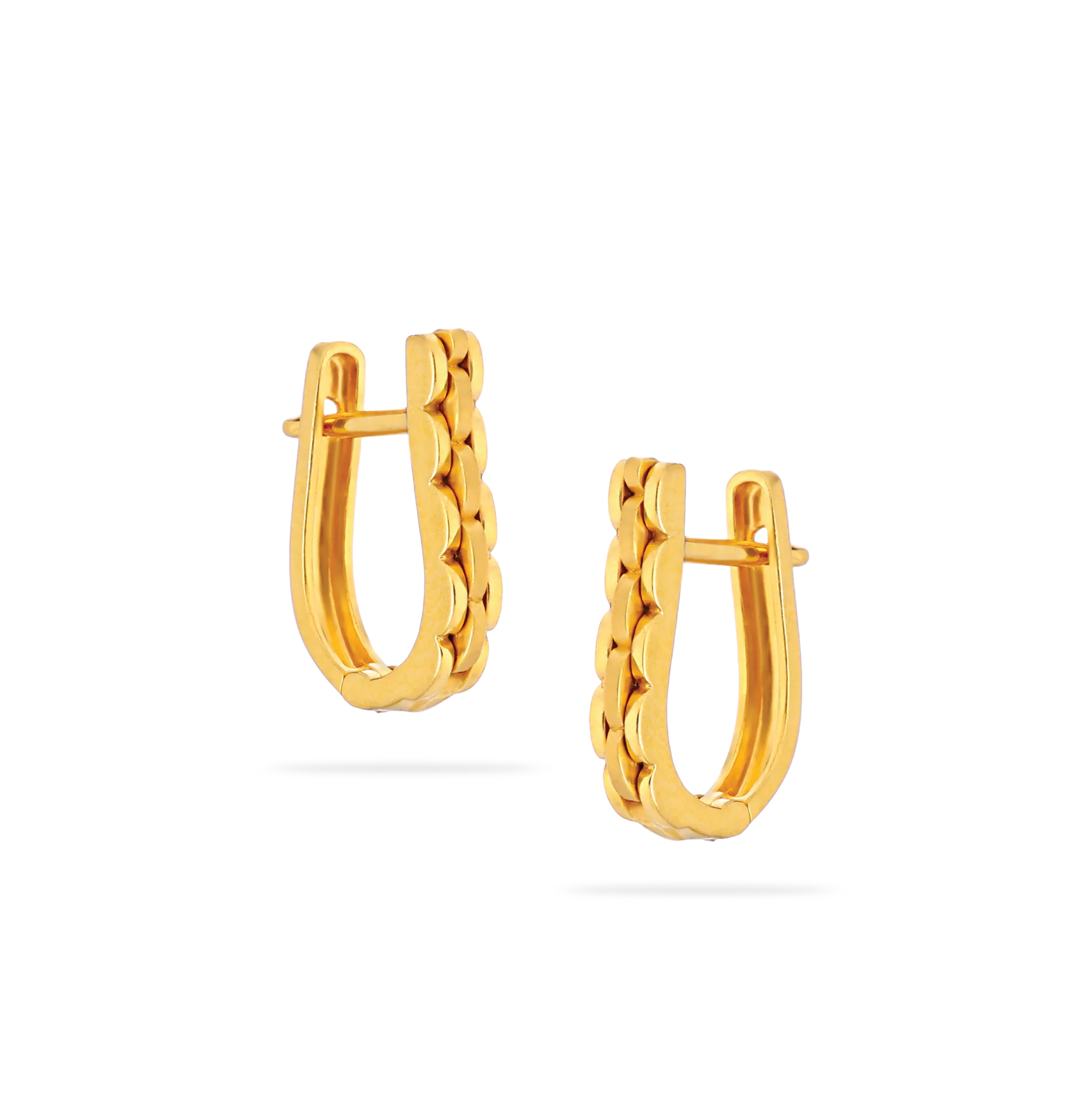
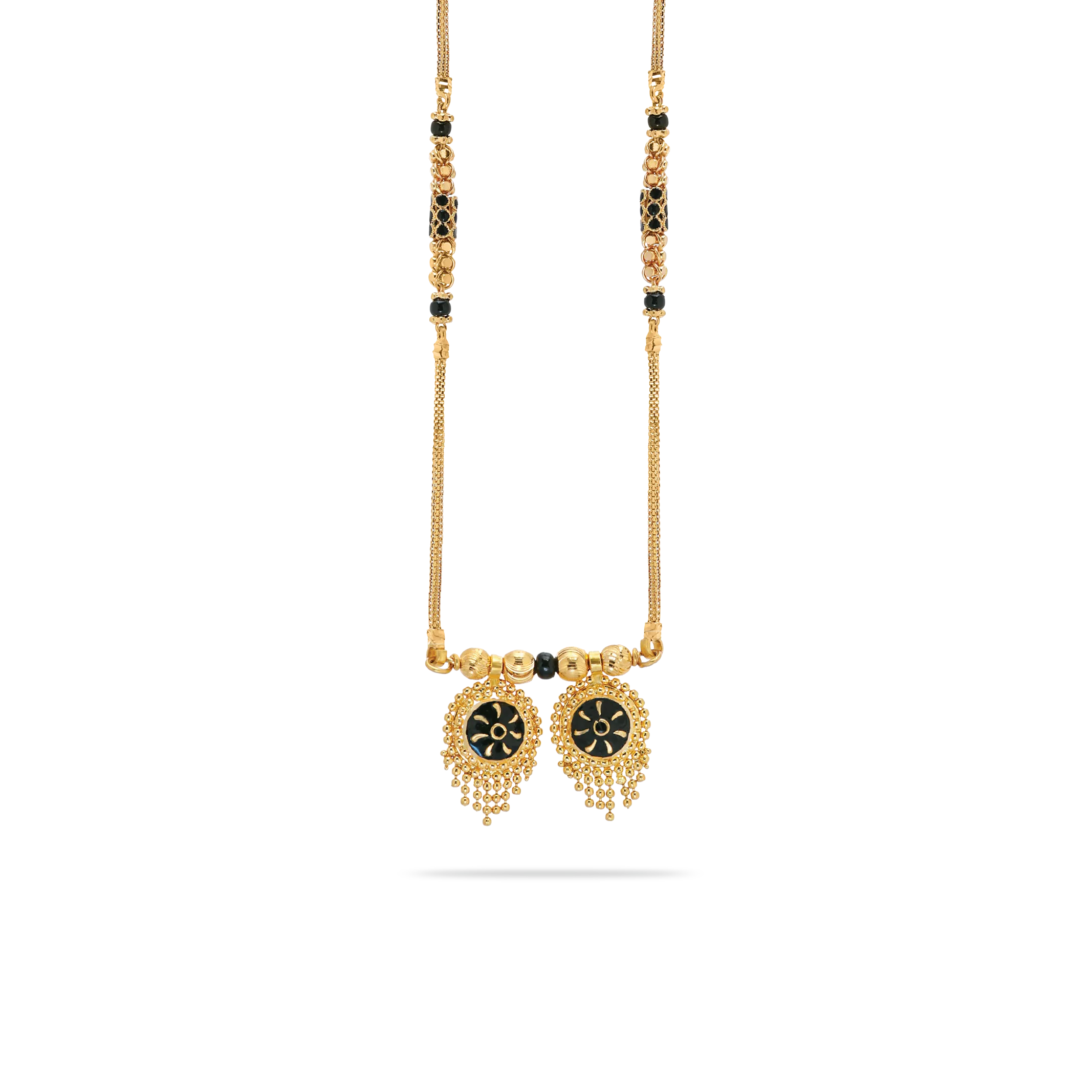
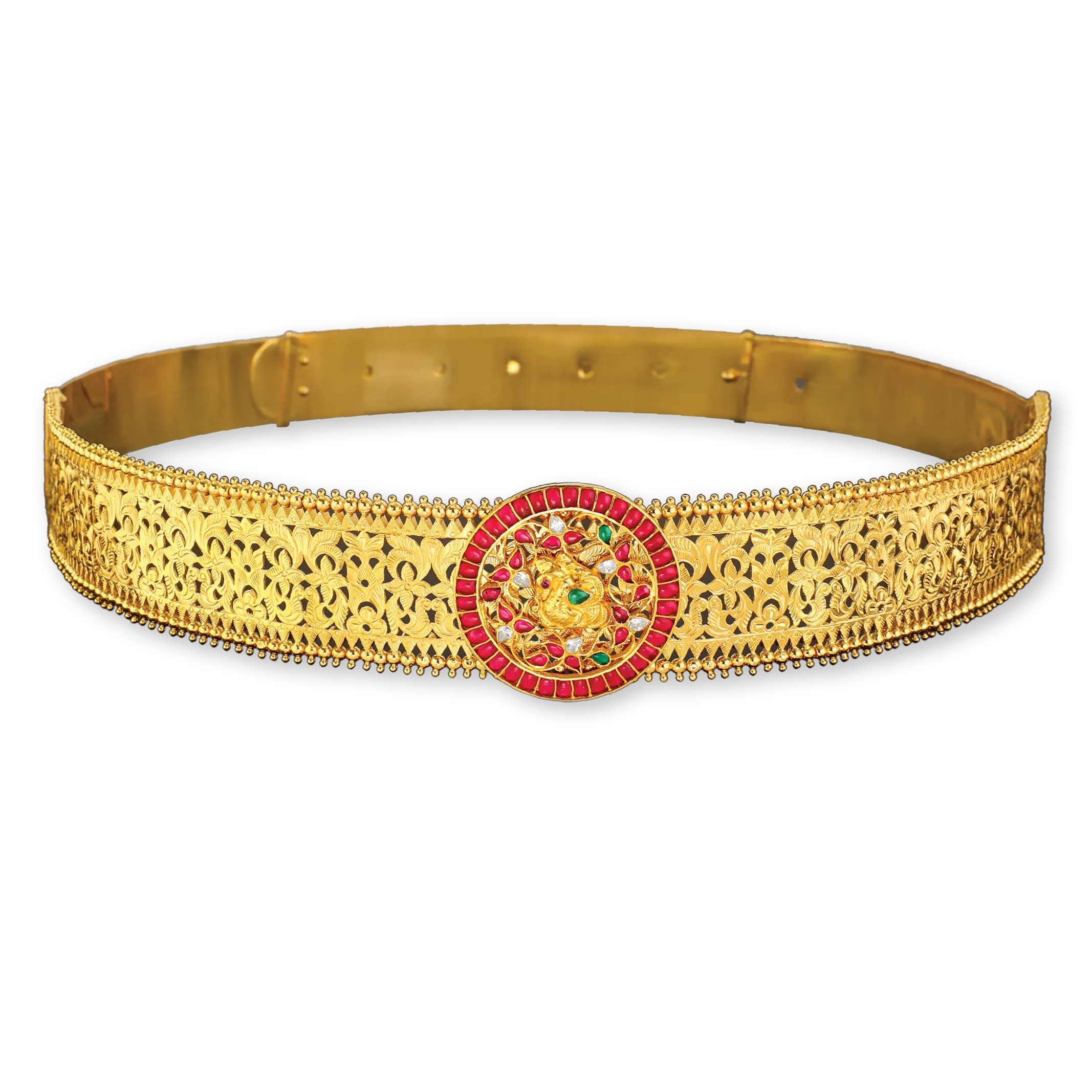
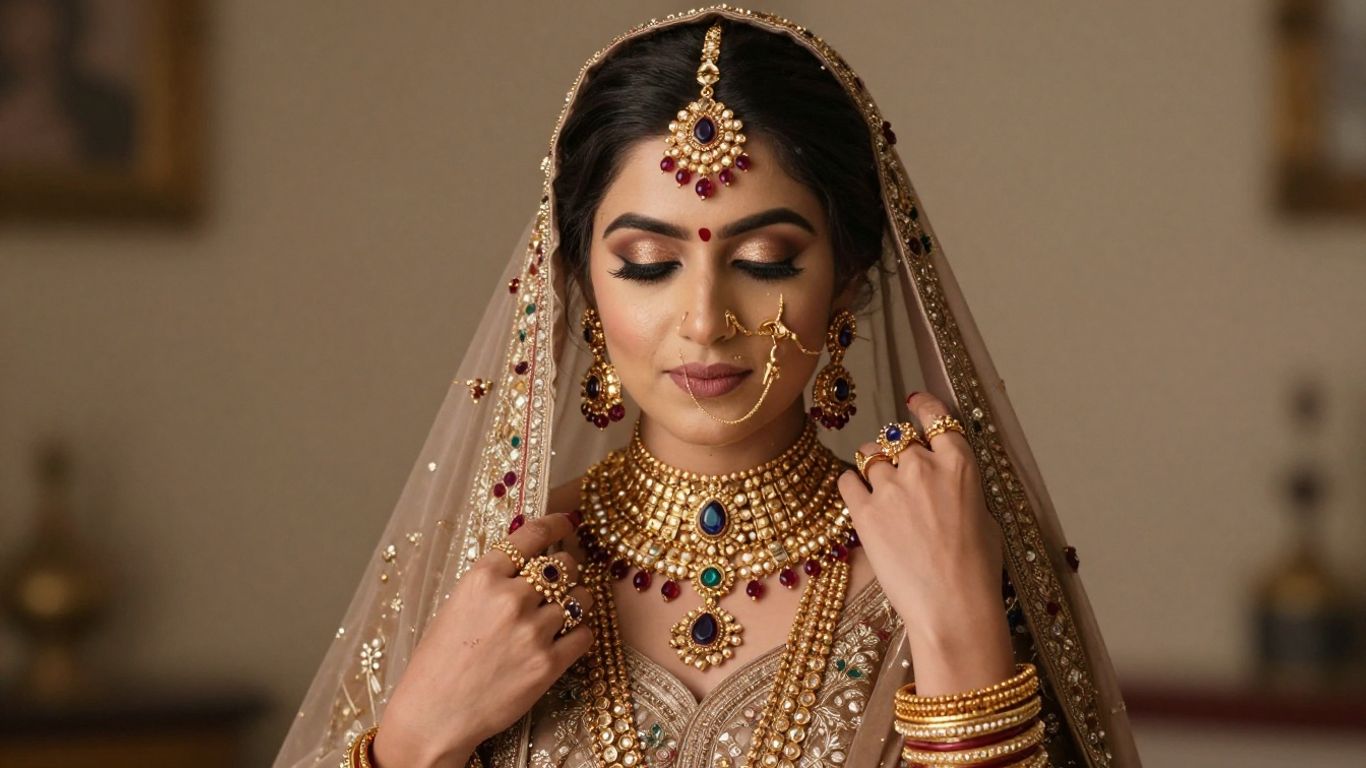
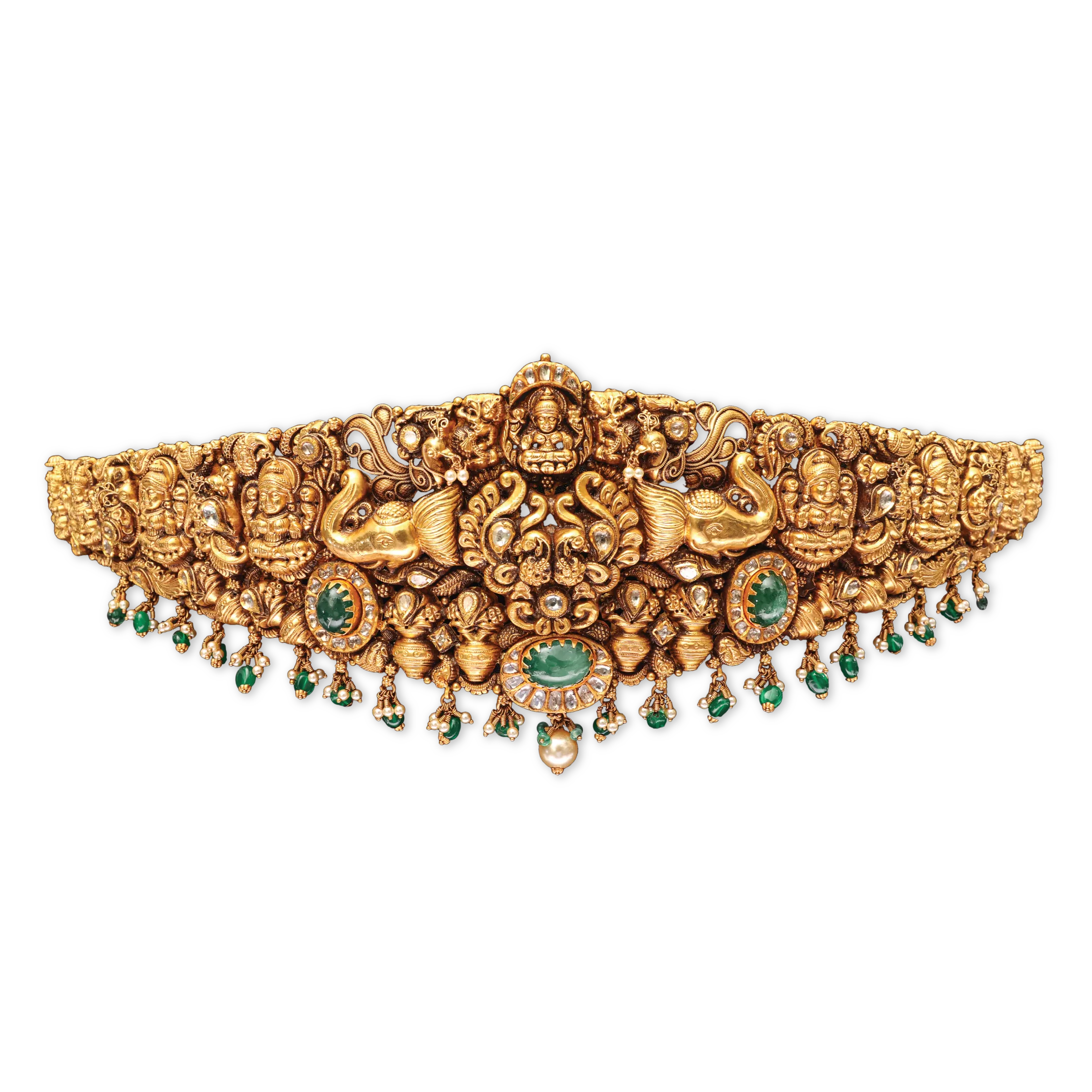
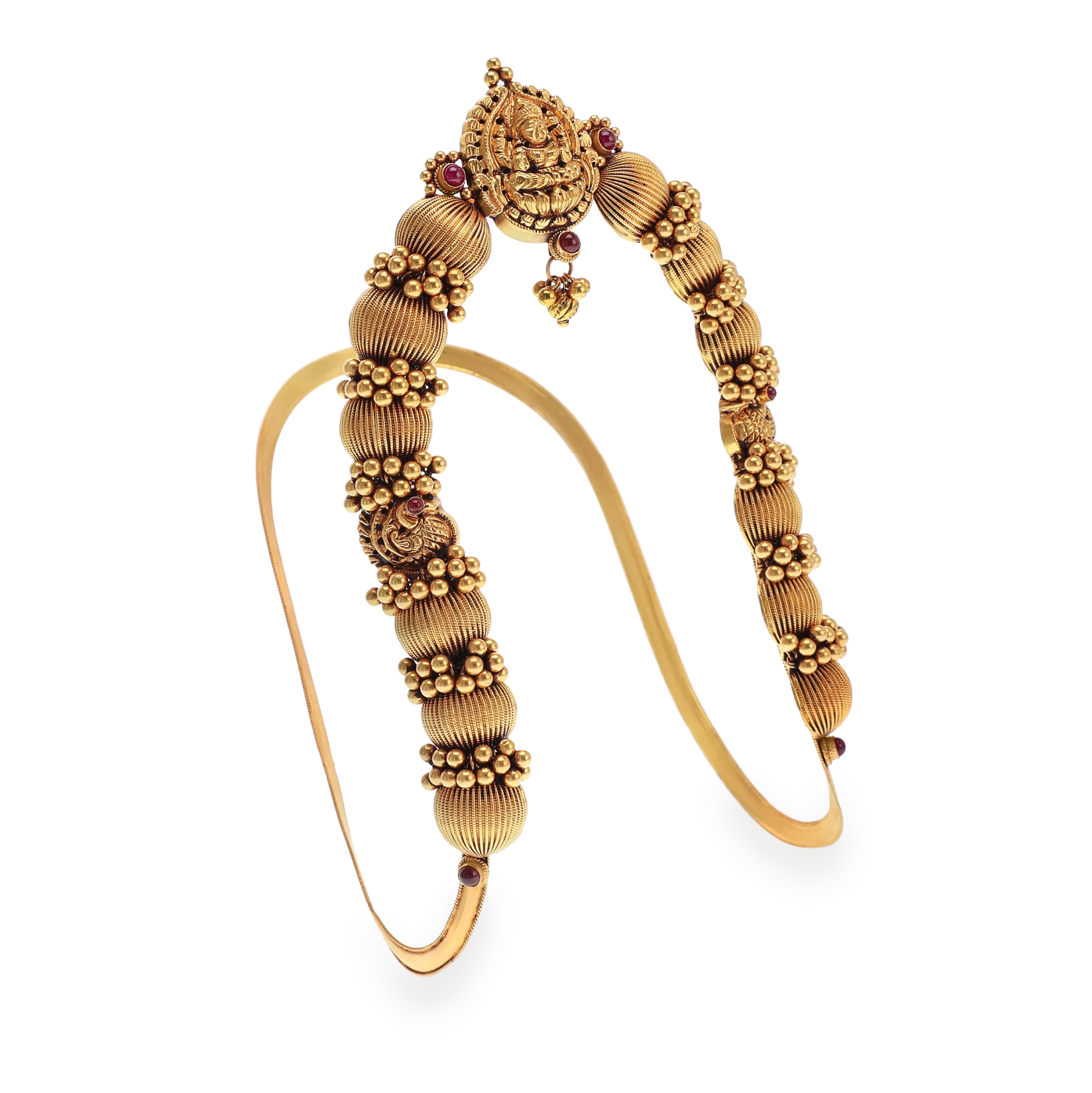
A traditional set may include a necklace, earrings, bangles, rings, and one or more hair ornaments. In some traditions, a nose ring, waist chain, anklets, or forehead jewel also forms part of the bridal ensemble. Each piece changes the rhythm of the look, so the set should be considered as a composition rather than a shopping list.
Some brides begin with a signature necklace and build outward, while others start with family bangles or a treasured pair of earrings. Either approach works. The most successful sets usually have one clear focal point and supporting pieces that repeat its metal, color, or shape.
Regional influences on traditional bridal looks
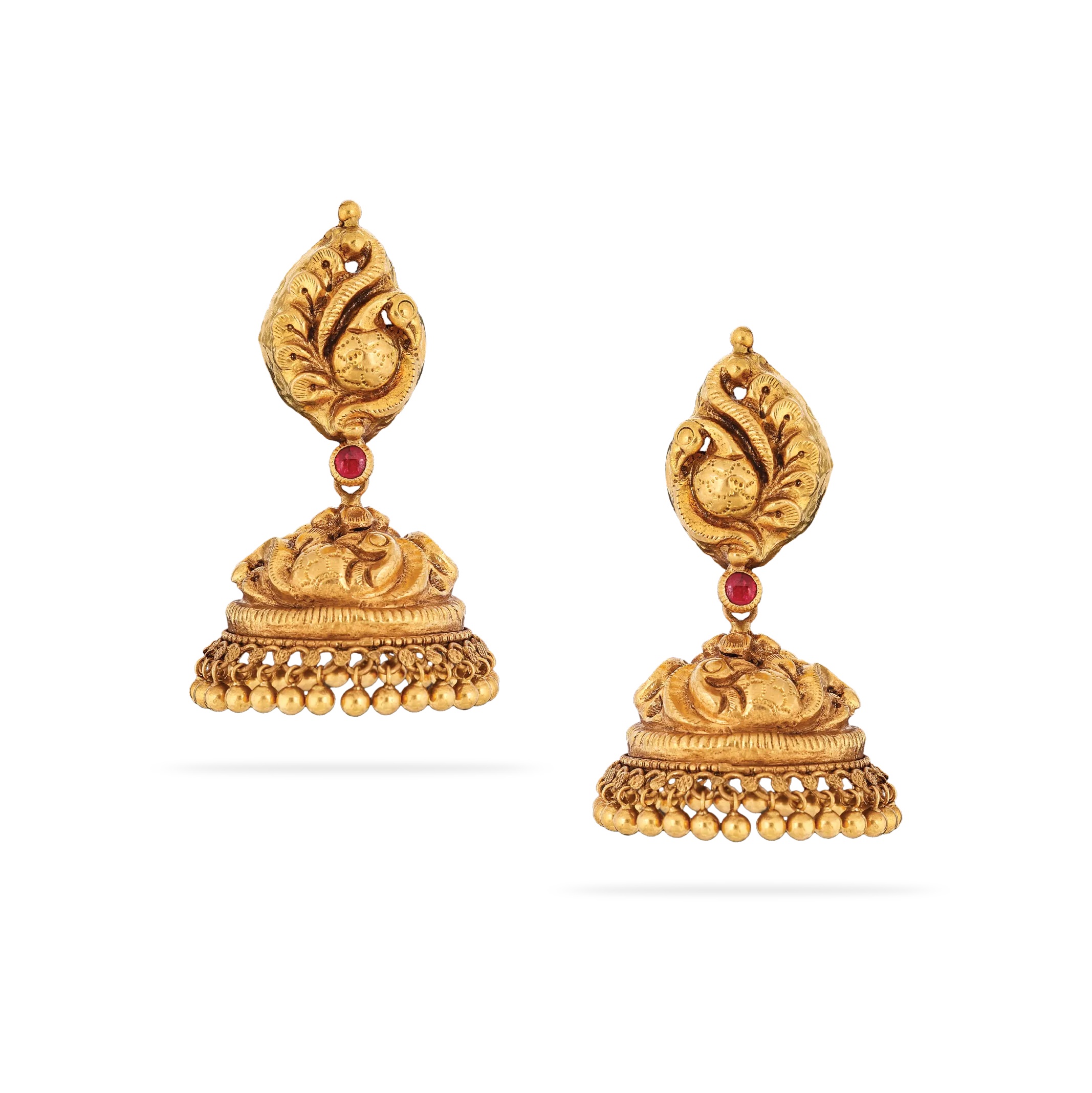
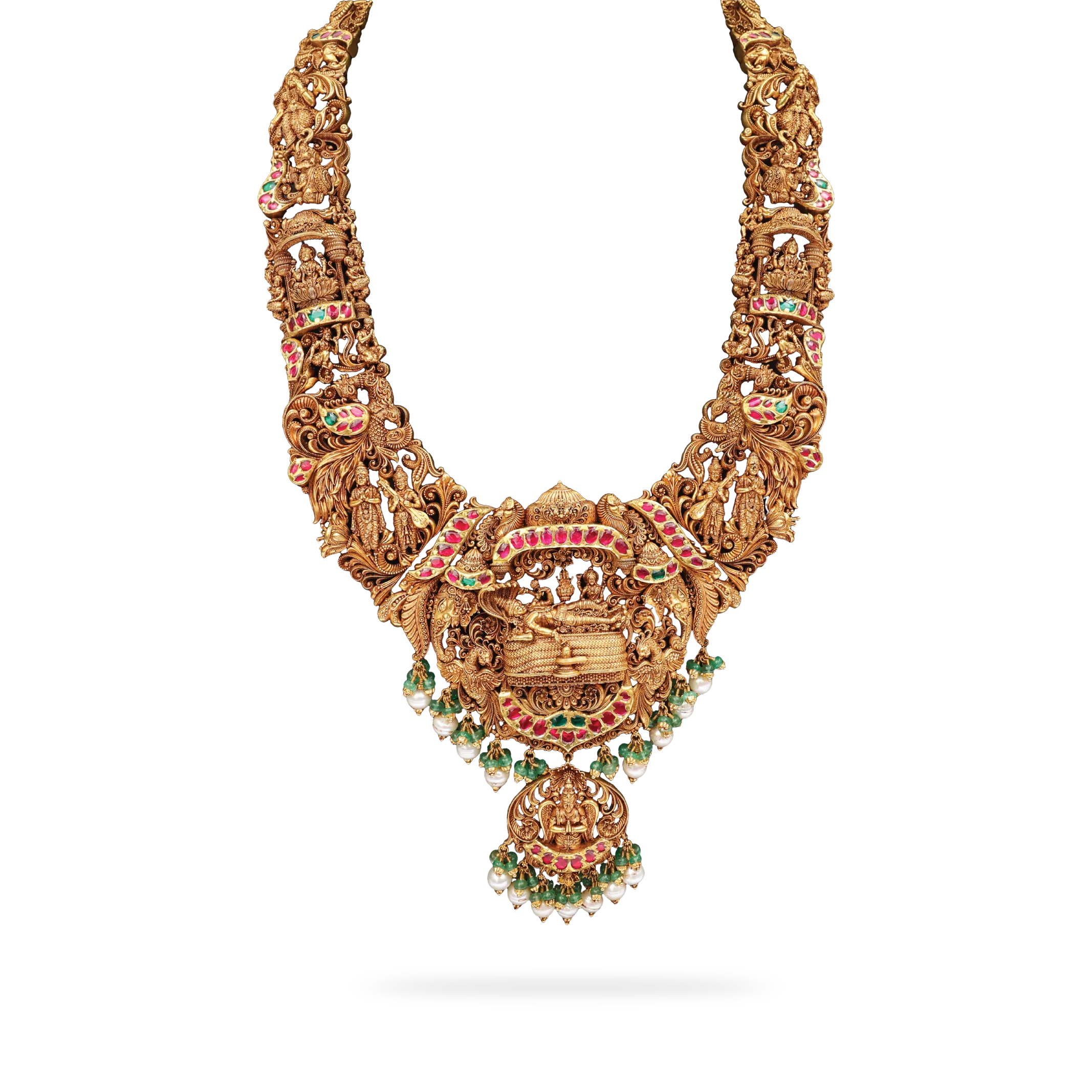
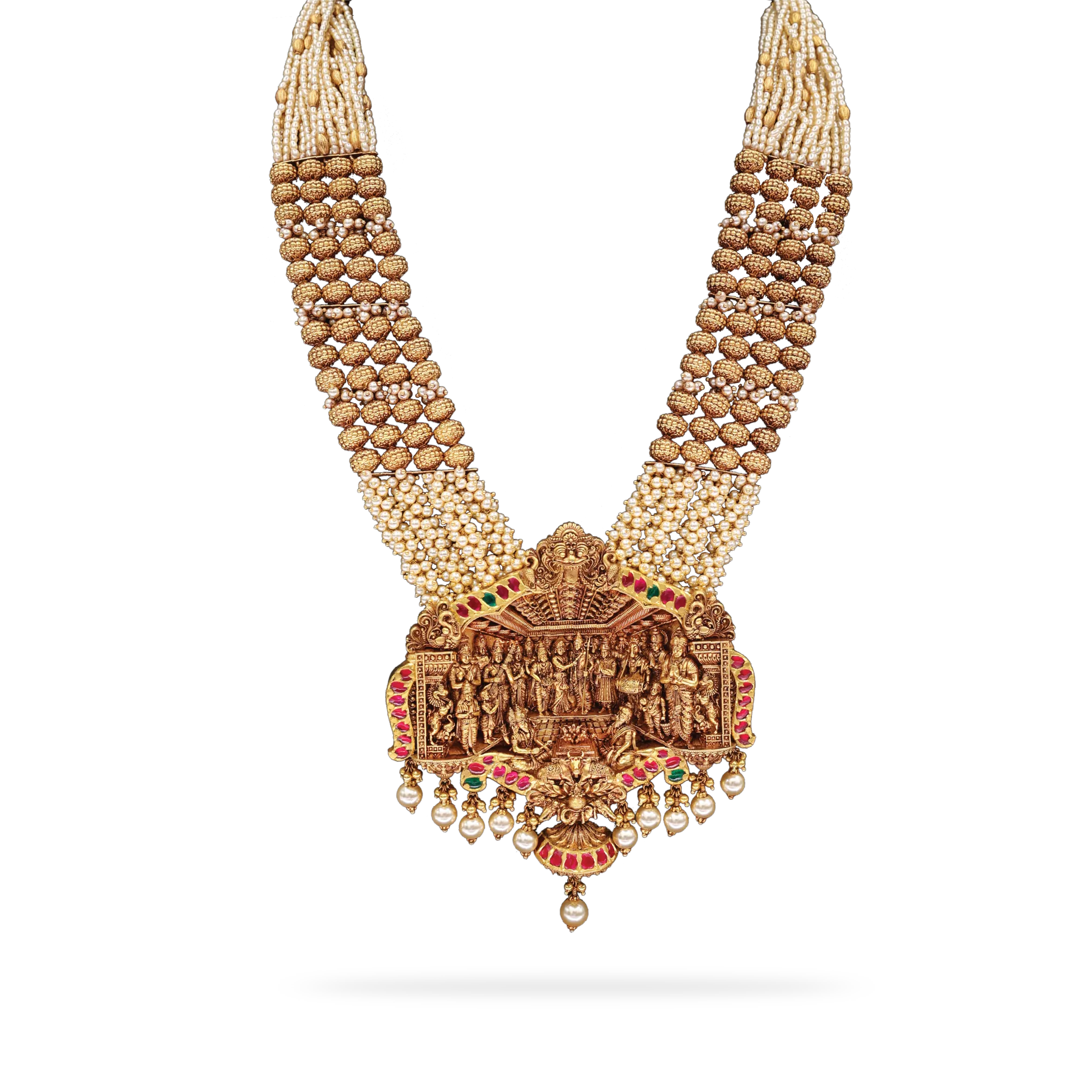
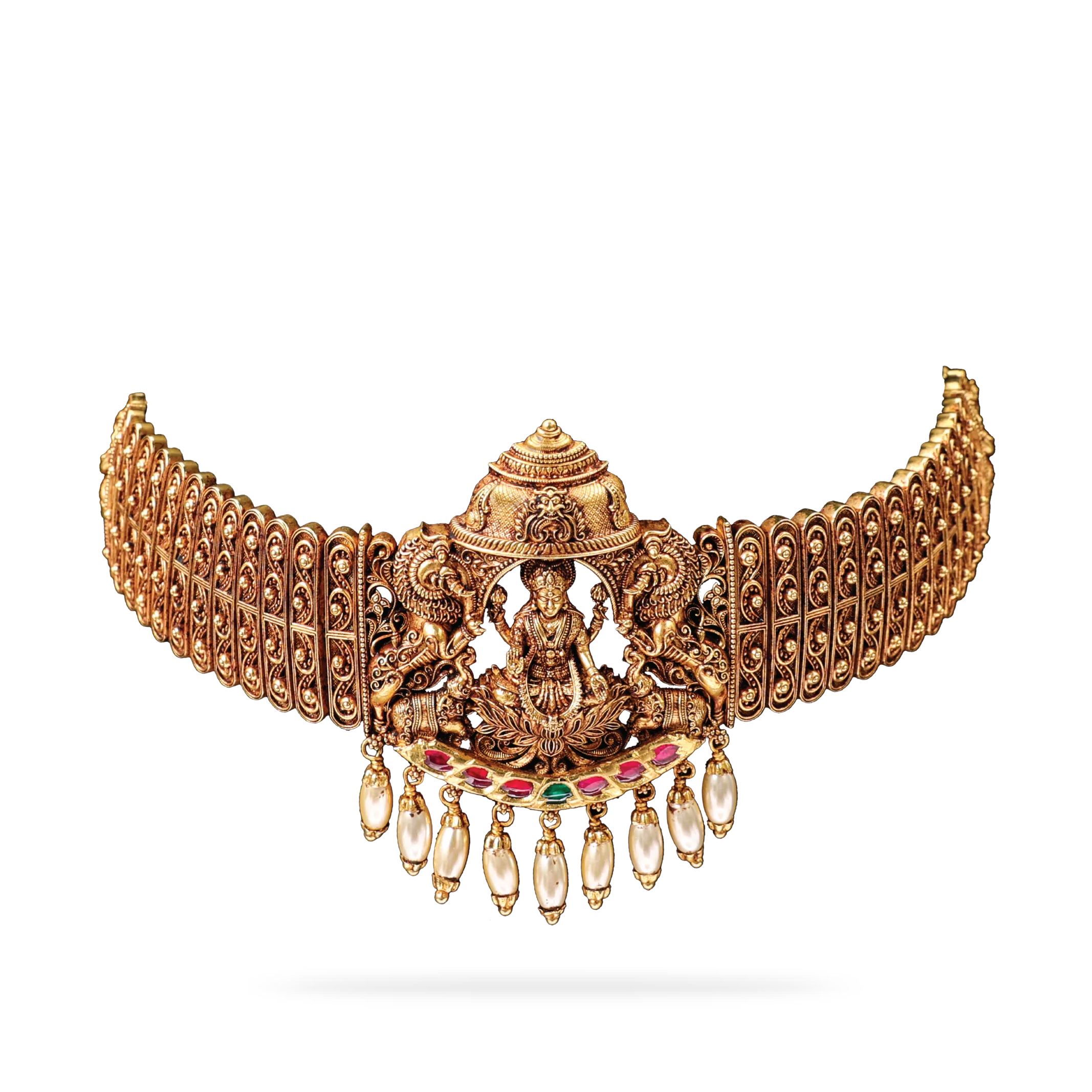
Regional design can influence scale, motifs, metal choice, and the way jewellery is layered. One bridal look may favor sculptural gold and elaborate temple-inspired details, while another may center on delicate filigree, colored stones, pearls, or a distinctive headpiece. Even within a single region, family customs and local craftsmanship can create considerable variation.
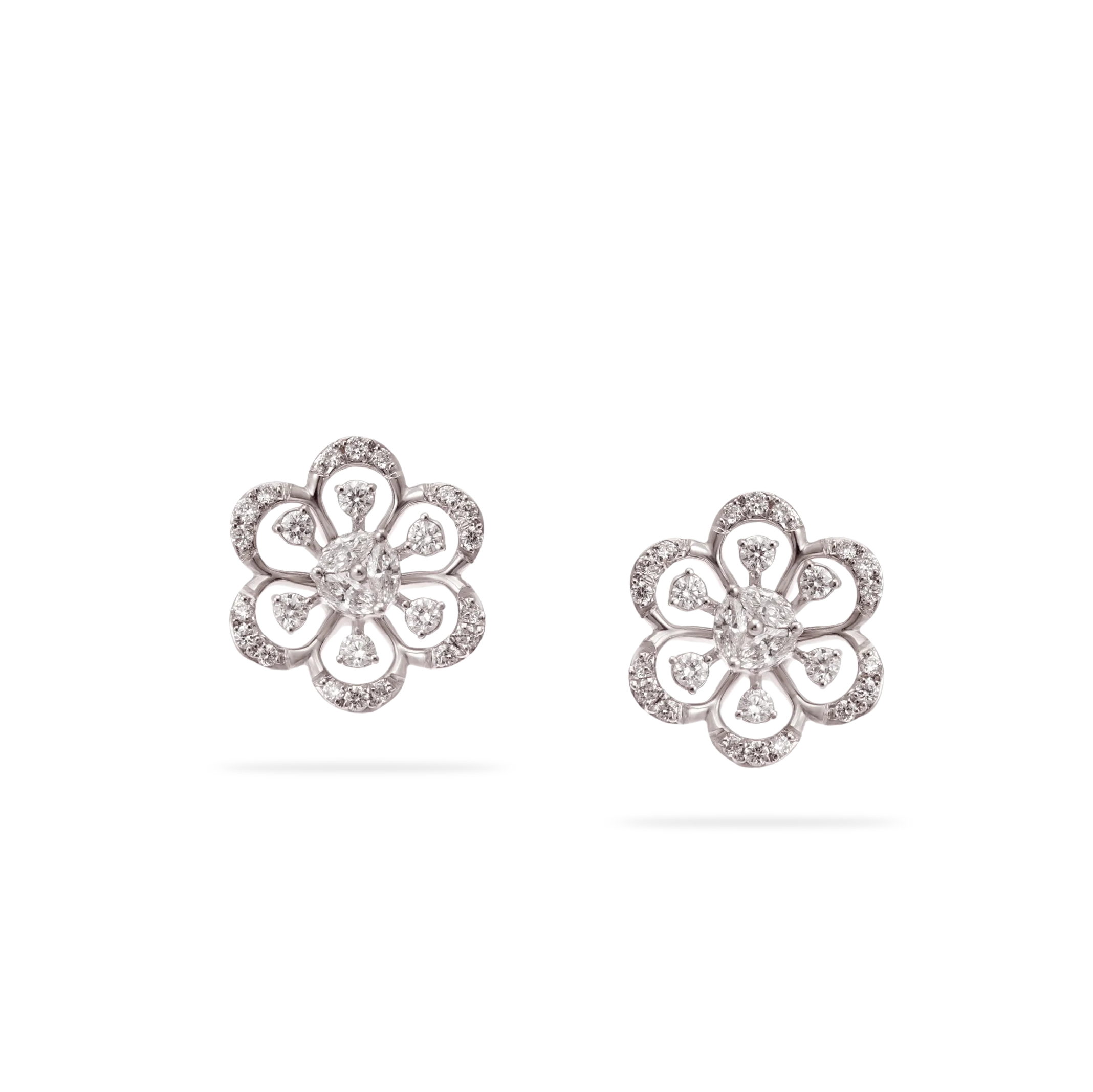
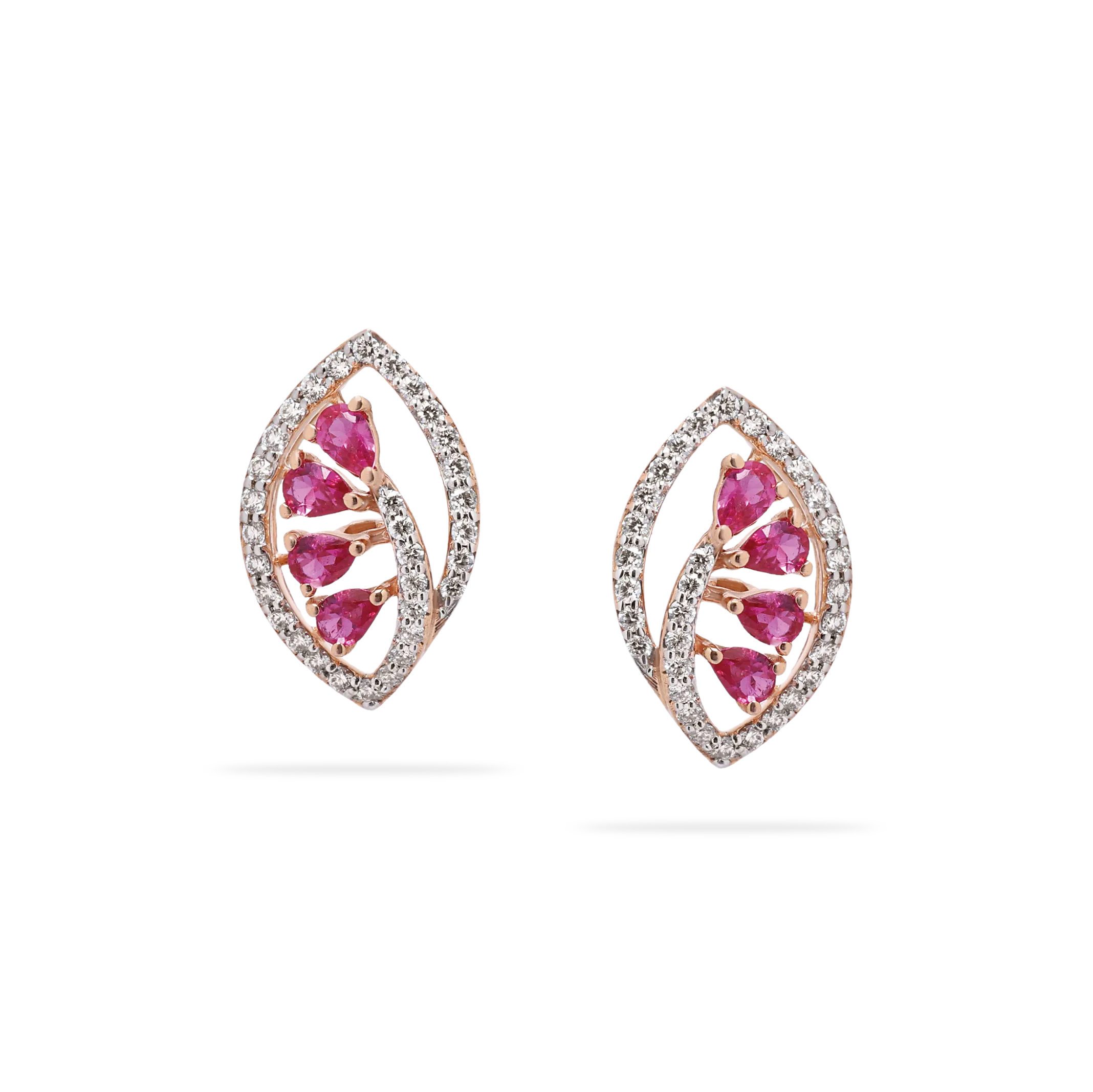
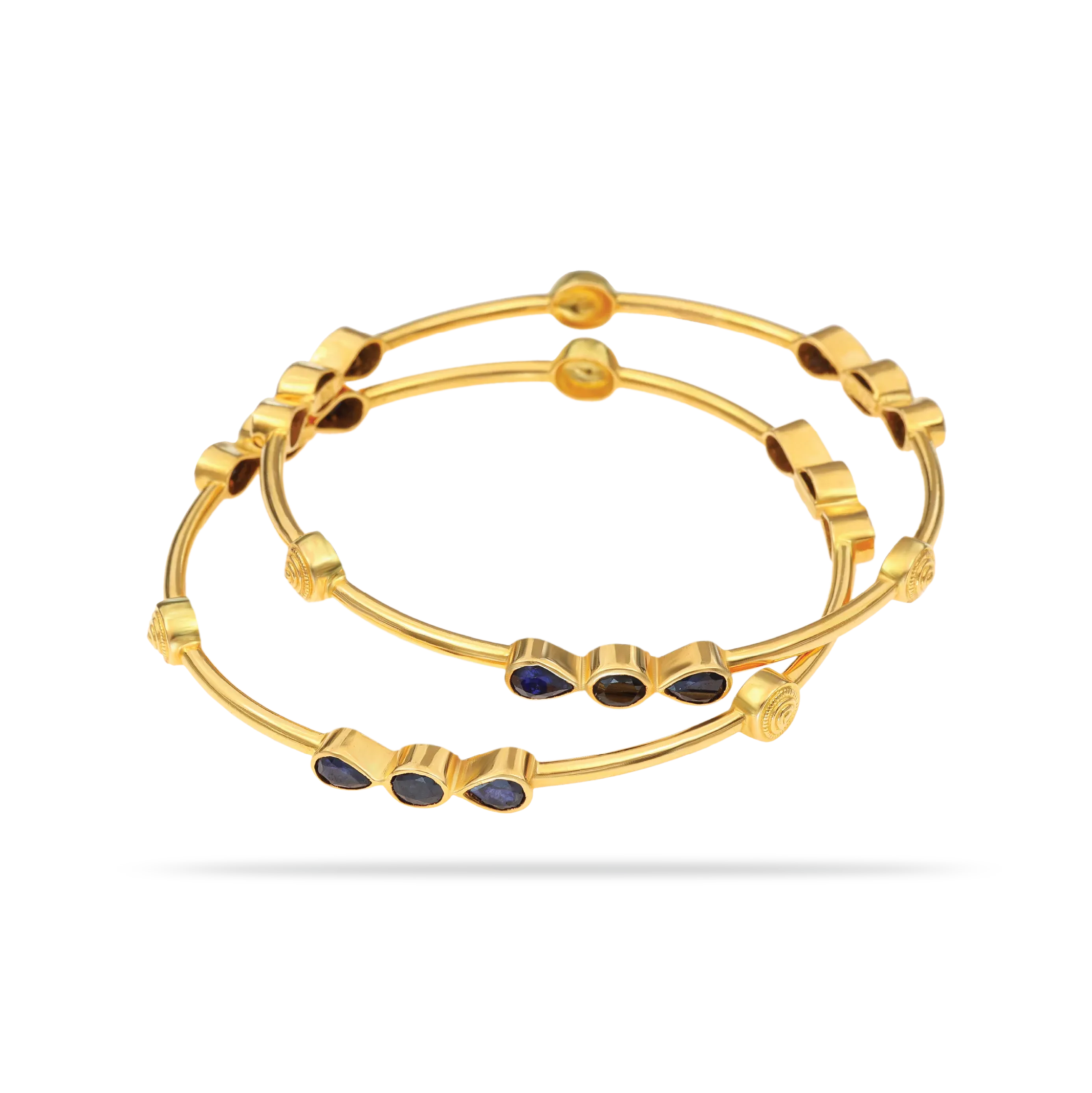
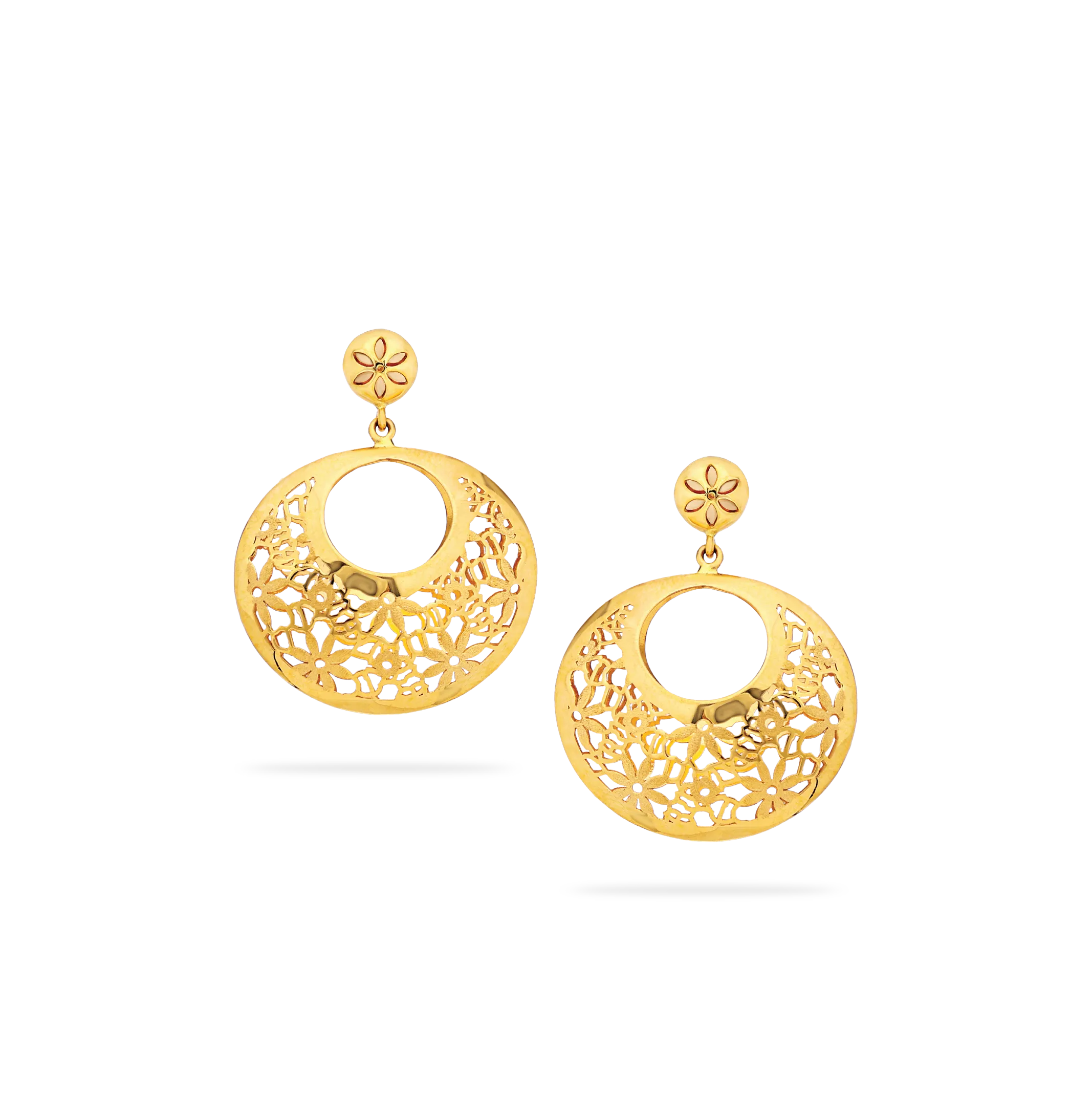
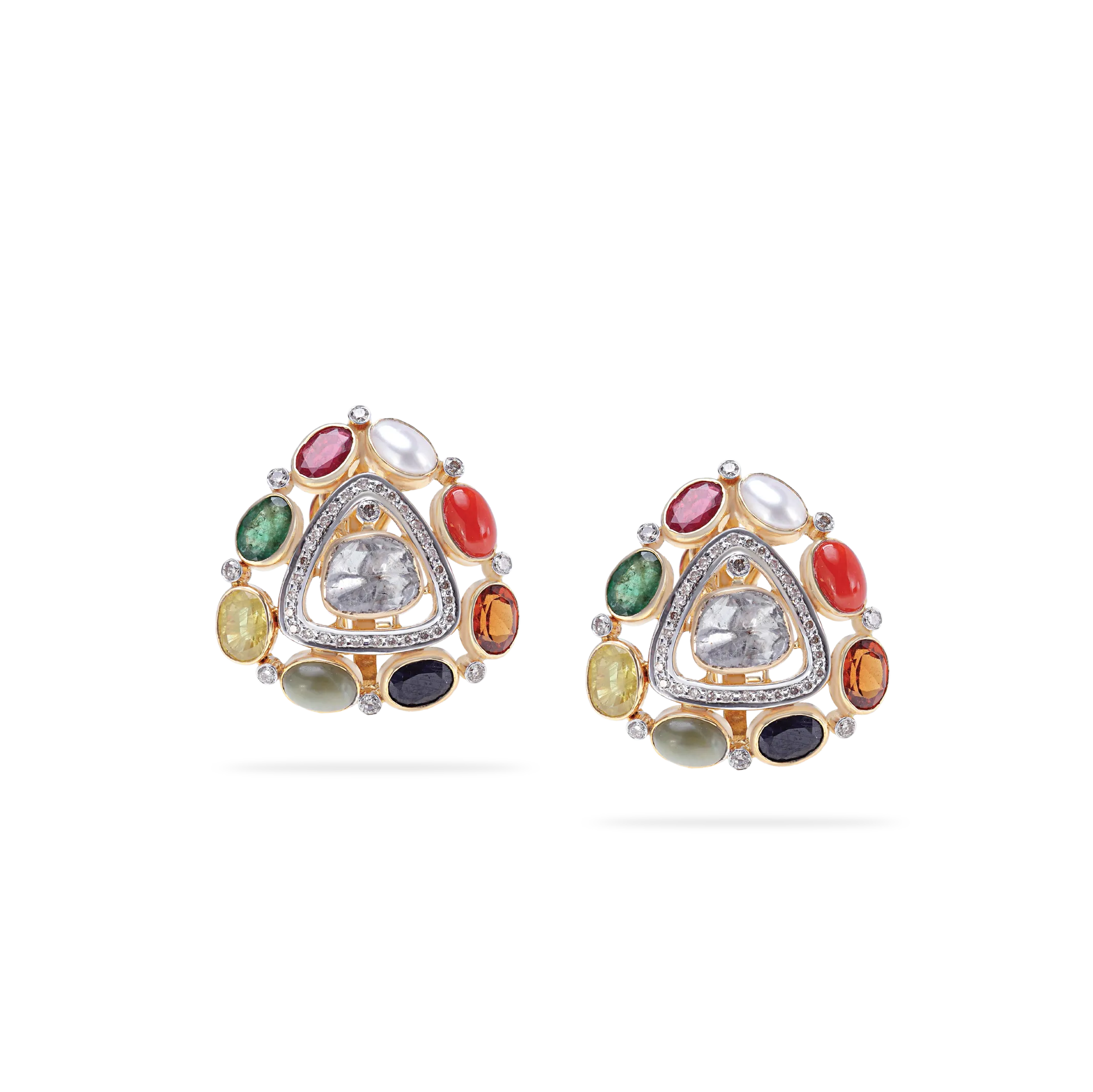
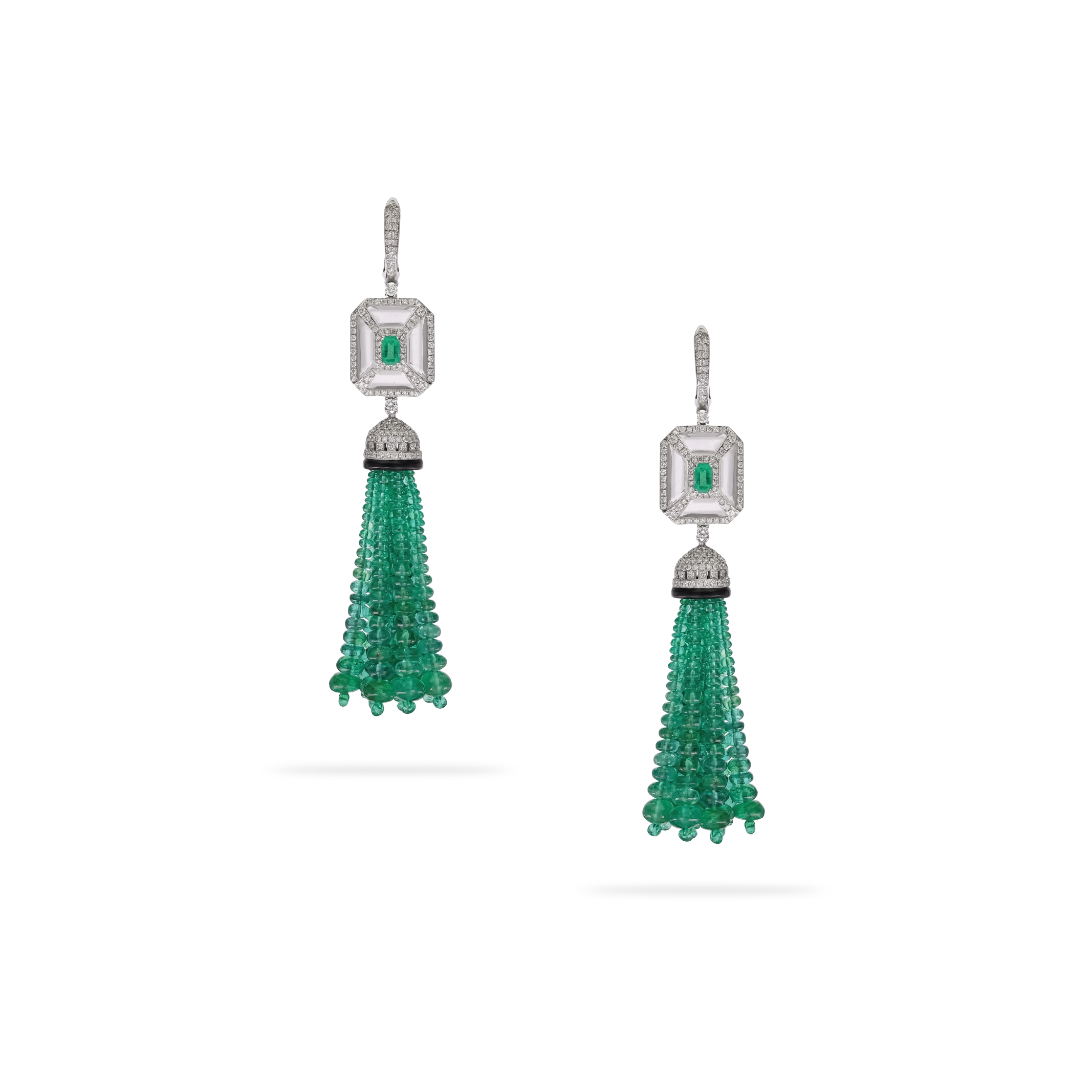
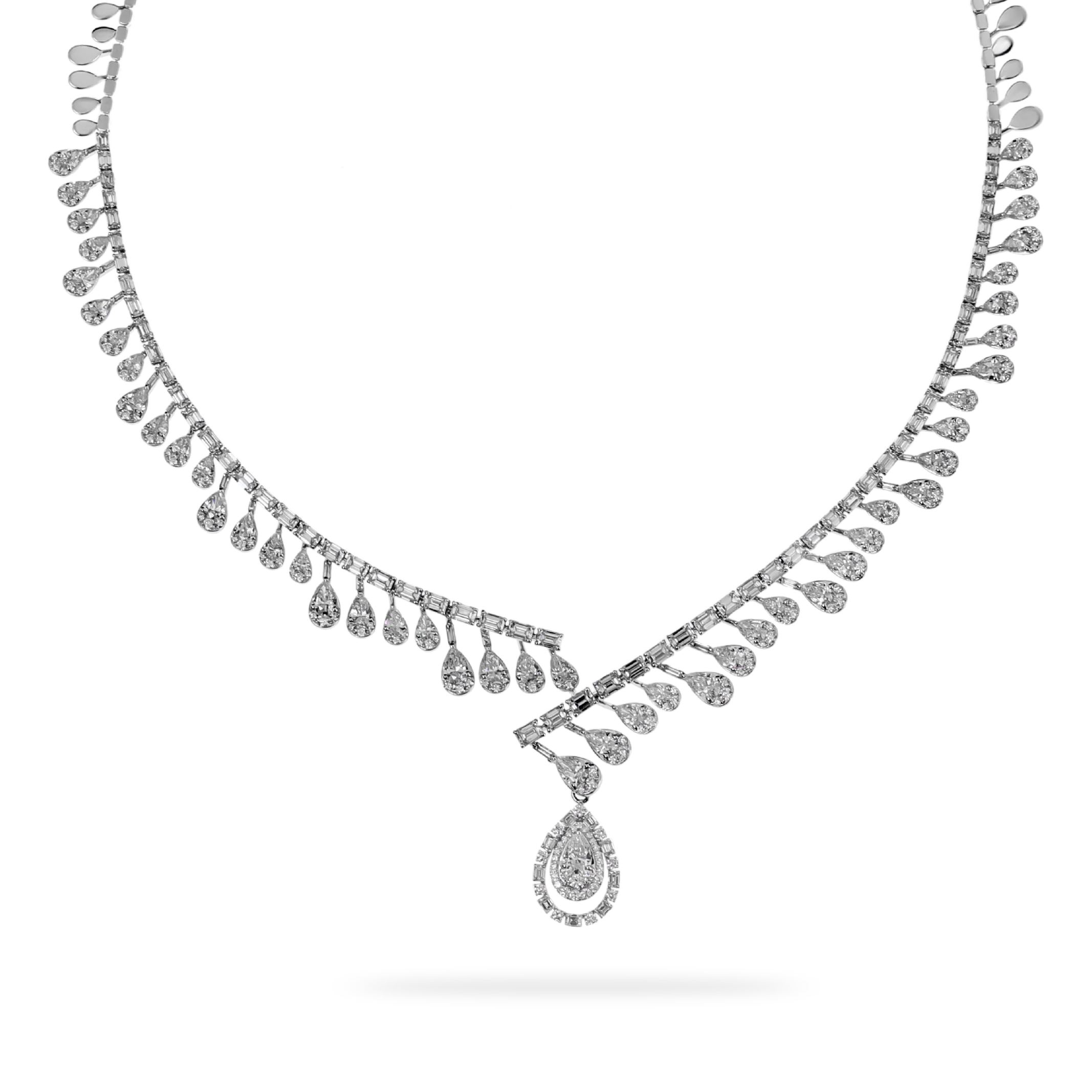
When researching a regional style, look beyond isolated motifs. Notice how the pieces are worn together, how much of the neck or hair they cover, and how the jewellery relates to the textile. Bridal jewellery inspiration can help you compare heritage gold, diamond pieces, traditional bangles, and other directions before settling on a set.
Balancing heritage with personal style
A traditional bride does not have to reproduce a look exactly as it appeared in an older family photograph. Keep the elements that feel significant and edit the rest to suit your dress, ceremony, and personality. A classic necklace with simpler earrings, or heirloom bangles with a modern ring, can feel more considered than a fully matched set.
A small mood board can make that balance visible. Gather photographs of the outfit, family pieces, preferred metals, and a few shapes you genuinely like. The goal is a coherent bridal story, not perfect uniformity.
Choosing jewellery for your bridal outfit
Jewellery should work with the outfit’s architecture, not compete with it. Start by looking at the neckline, sleeve detail, fabric weight, and placement of embroidery. Then consider where the eye should travel first: toward the face, the neckline, the hair, or a central motif on the garment.
Matching pieces to the neckline and fabric
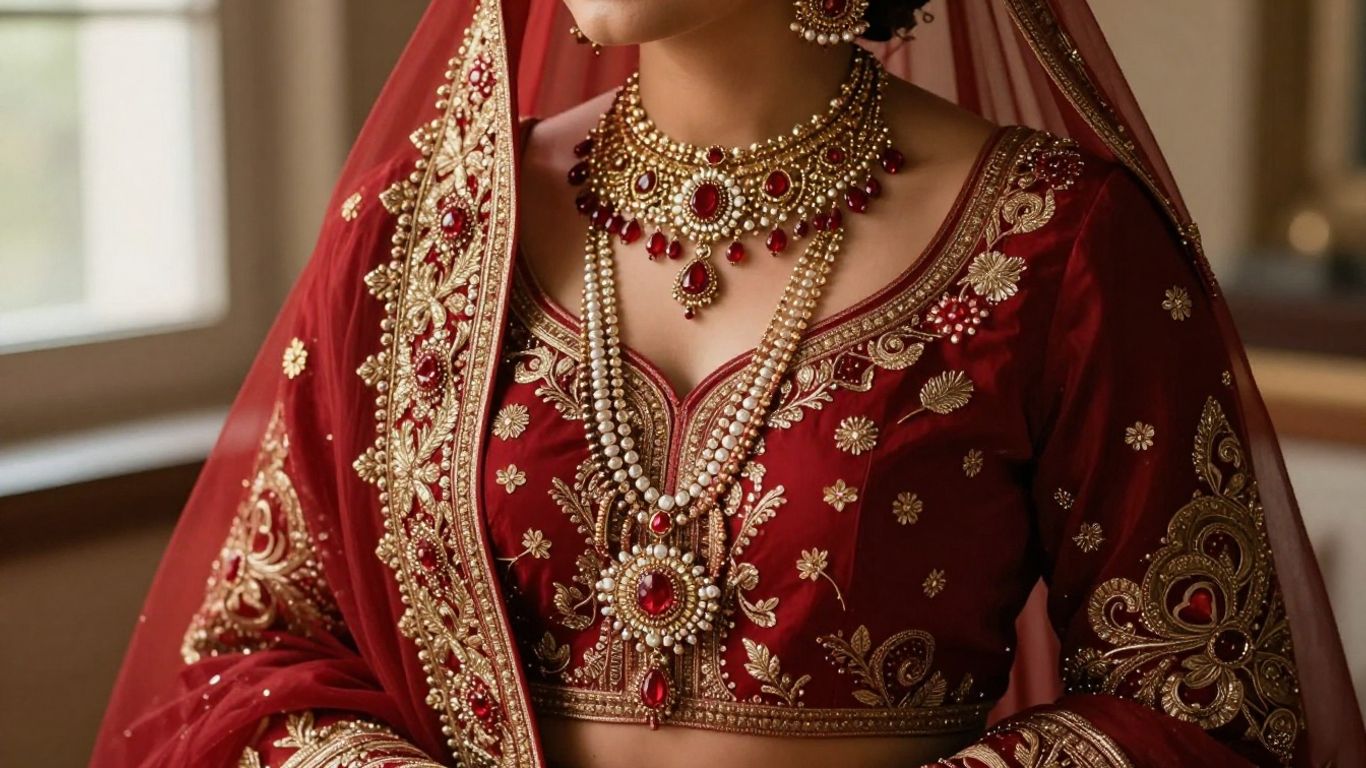
A high neckline may call for earrings and a shorter necklace, while an open neckline can accommodate a pendant, collar, or layered strands. Heavy silk, brocade, and densely woven fabrics can carry substantial jewellery; airy fabrics often benefit from more space around the neck and ears.
Try the outfit with approximate jewellery proportions before making a final purchase. A necklace that looks elegant against bare skin may disappear against a richly patterned bodice, while a large pendant may overwhelm a delicate neckline.
Coordinating jewellery with embroidery and embellishments
Embroidery offers useful clues about texture and scale. Repeated floral work can be echoed by stone shapes or softly curved metal, while geometric embellishment may pair well with clean, structured lines. Matching every motif exactly is rarely necessary; repeating one or two visual details is usually enough.
Also check the physical relationship between jewellery and trim. Earrings should not snag on a veil, and a necklace should not catch on raised embroidery. A short trial while walking, sitting, and turning can reveal problems that a mirror does not.
Selecting colors that complement the bridal outfit
Color can be coordinated through metal, gemstone, enamel, pearls, or even the subtle warmth of the fabric. Warm golds tend to sit comfortably with red, orange, coral, and cream, while white metals can sharpen cooler palettes. Rose gold can soften blush, mauve, and neutral tones, though the overall finish matters more than a strict color rule.
Use the outfit’s strongest color as a guide rather than trying to repeat every shade. If the garment already contains several colors, a restrained metal with one connecting gemstone may create a calmer result. For more color guidance, browse bridal jewelry styling ideas while keeping your own ceremony and clothing at the center.
Creating harmony between statement and delicate pieces
A statement necklace, dramatic earrings, or ornate headpiece can each anchor the look, but wearing all three at maximum scale may hide the bride. Decide which piece deserves attention and let the others provide support. The result should still feel festive from a distance and graceful in close photographs.
A practical sequence is to put on the largest piece first, then add only what improves the outline. If the face already has bold earrings, a fine chain or shorter necklace may be more effective than another heavy layer.
Selecting the right metals and gemstones
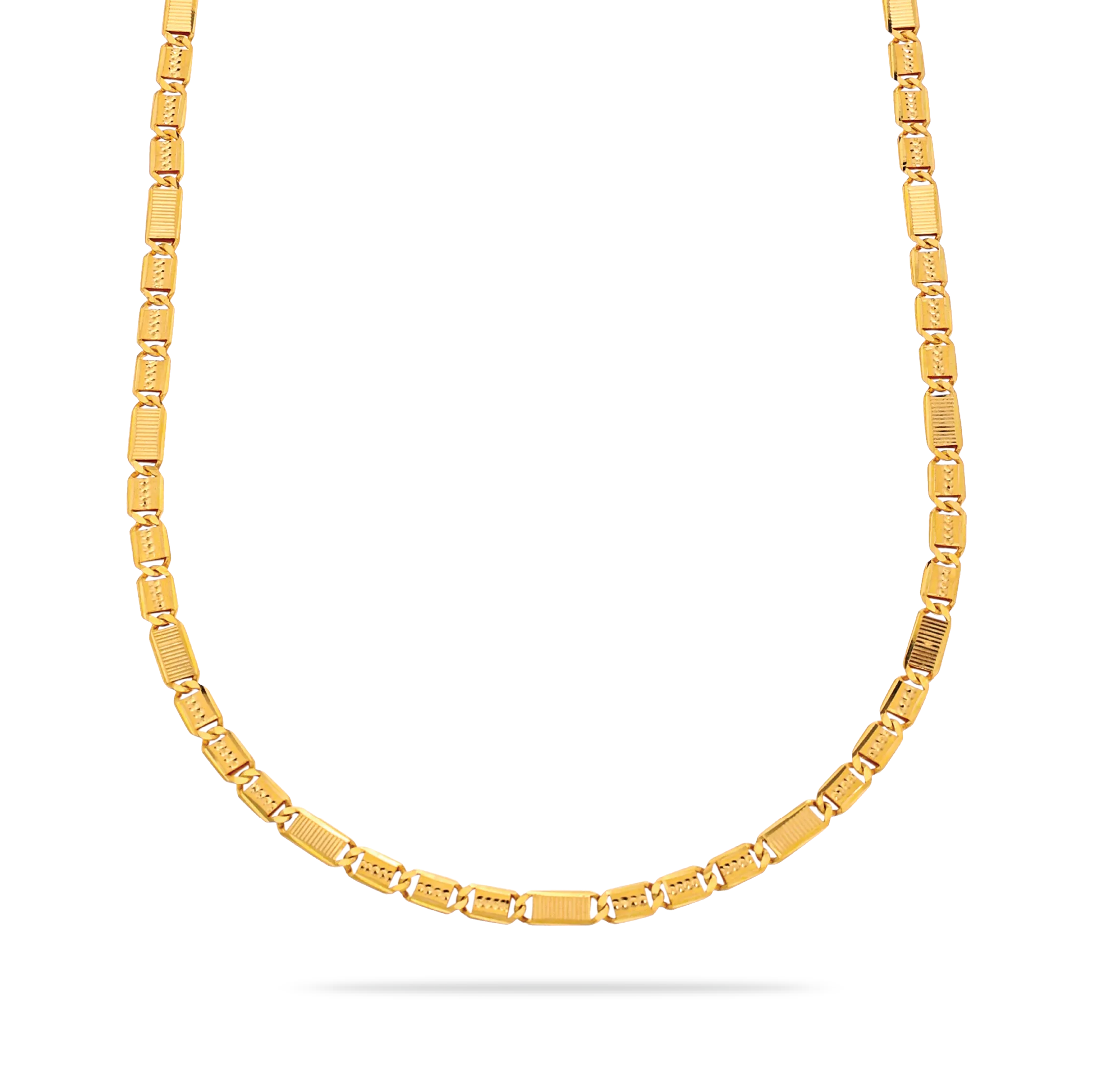
Metal and gemstone choices influence the look, weight, maintenance, and future usefulness of bridal jewellery. Traditional preference may point toward yellow gold , but personal taste, existing family pieces, and the outfit’s palette all deserve consideration. Think about how the set will look in daylight, indoor ceremony lighting, and photographs.
Comparing yellow gold , white gold , and rose gold
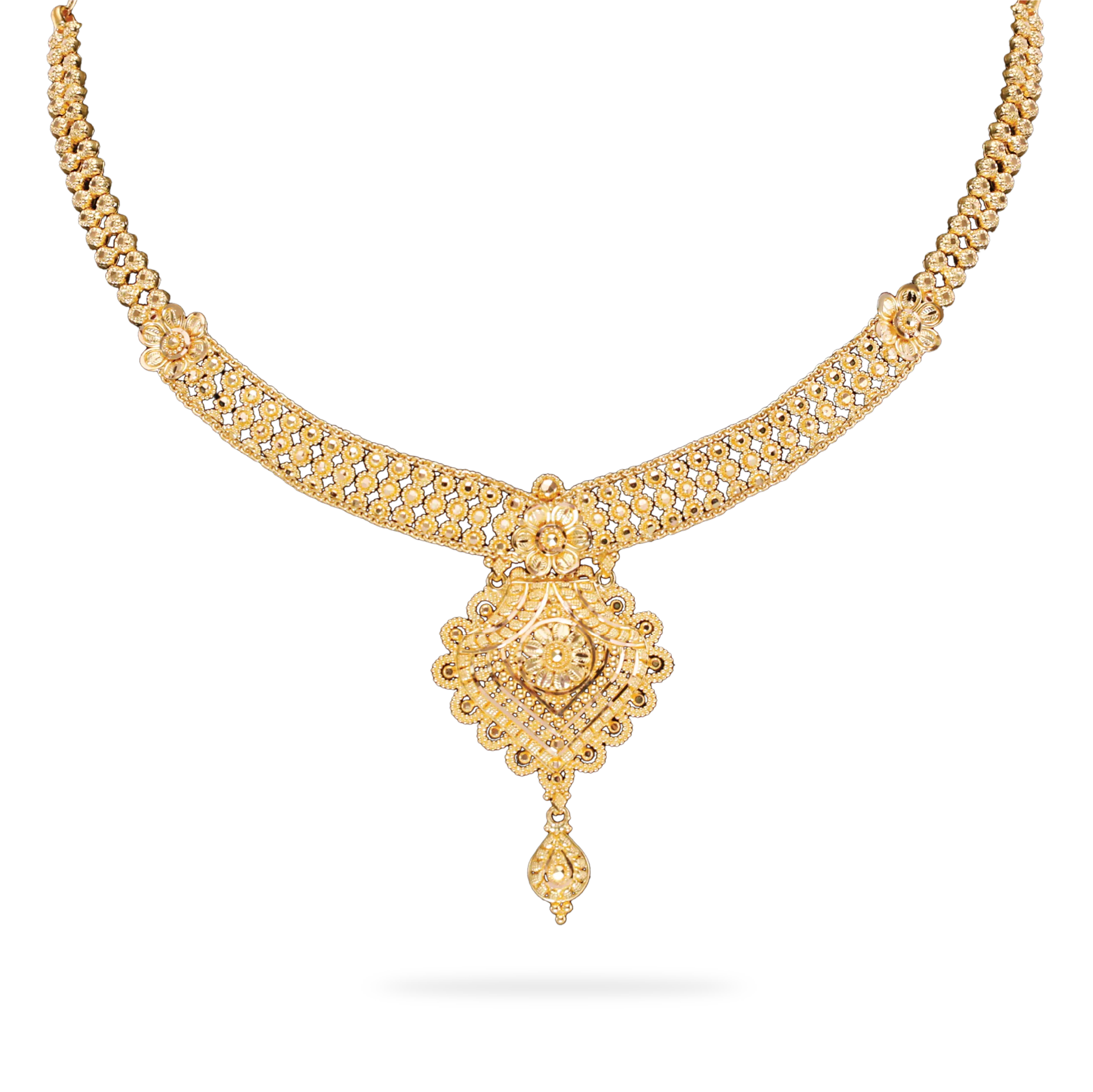
Yellow gold has a naturally traditional presence and can connect easily with heirloom pieces. White gold gives a cooler, cleaner effect and can sit quietly beside diamonds or pale stones. Rose gold brings a softer blush that can complement warm neutrals and romantic palettes.
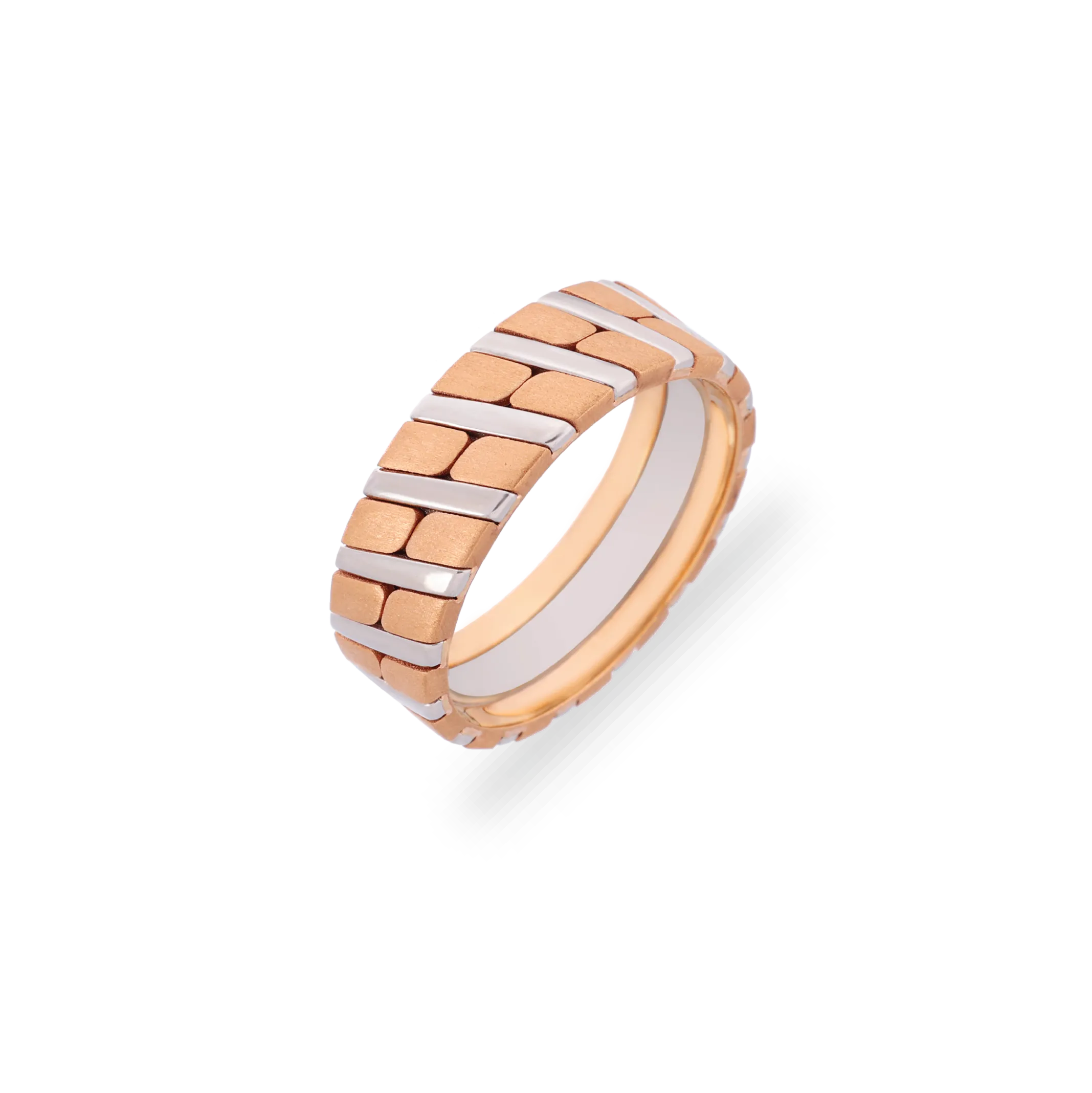
The finish changes the impression too. Highly polished surfaces reflect more light, while brushed or textured finishes appear quieter. If you are combining metals, repeat the combination deliberately in at least two pieces so it looks intentional rather than accidental.
Choosing gemstones with cultural or personal significance
Gemstones may be chosen for family tradition, symbolism, birth associations, or simply a color the bride loves. Ask about treatments, care requirements, and whether the stone is suitable for frequent wear. A meaningful stone is most useful when its setting protects it and its color works with pieces already in the set.
Do not feel pressured to select a stone only because it is considered traditional. A modest accent can carry more personal value than a large stone chosen without connection. Write down the reason for each important gemstone; that note may become part of its story later.
Evaluating diamonds, pearls, and colored stones
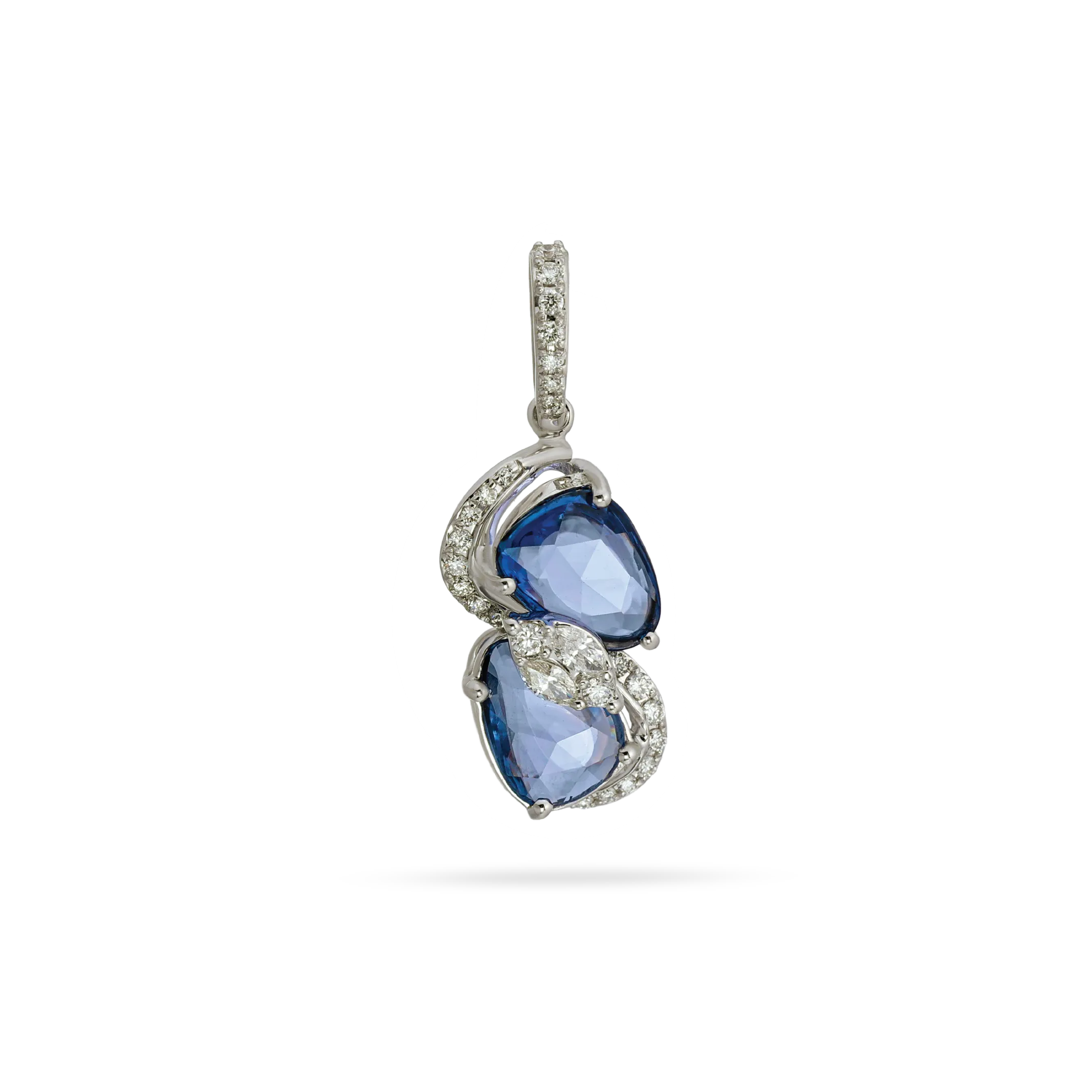
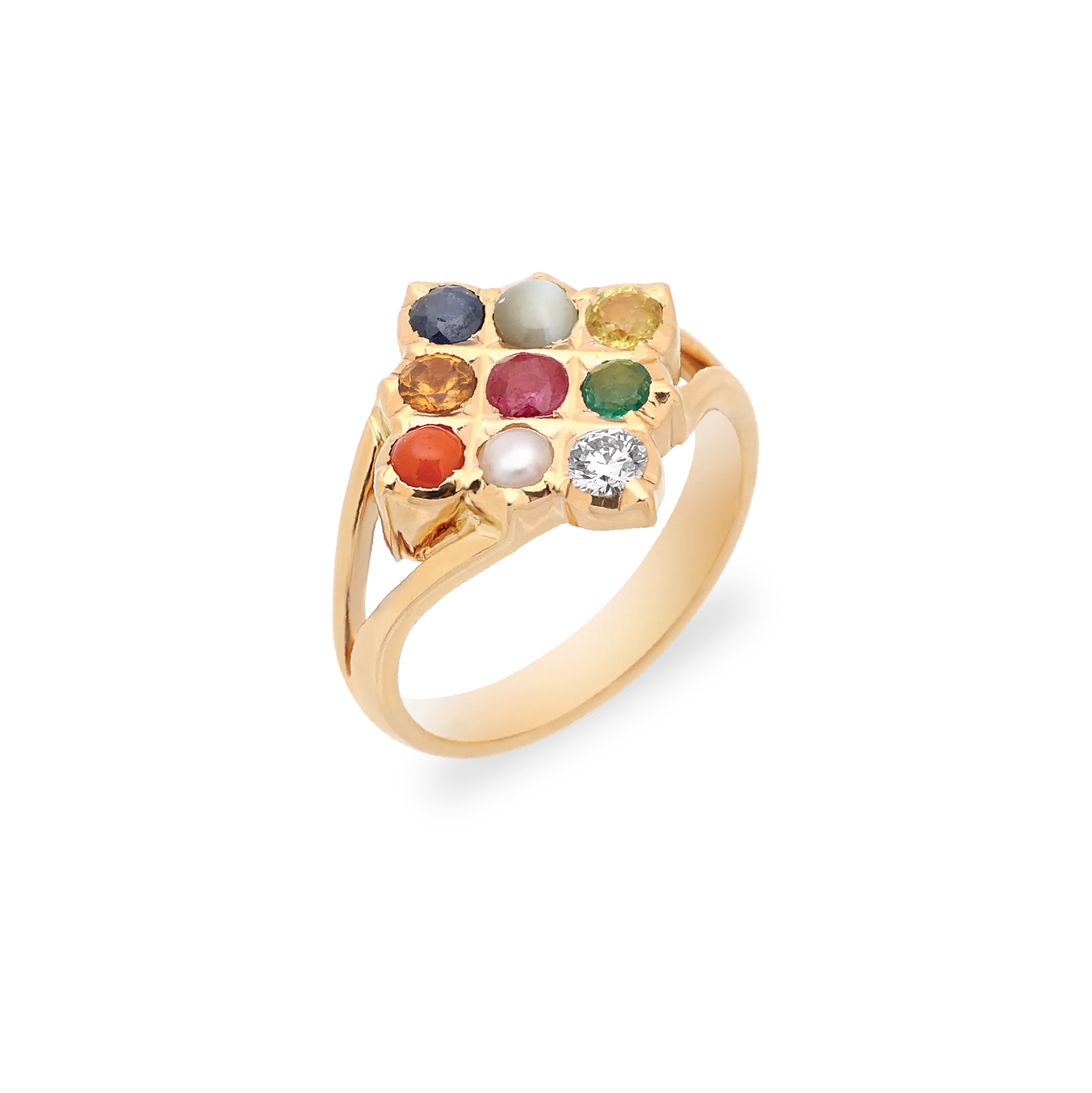
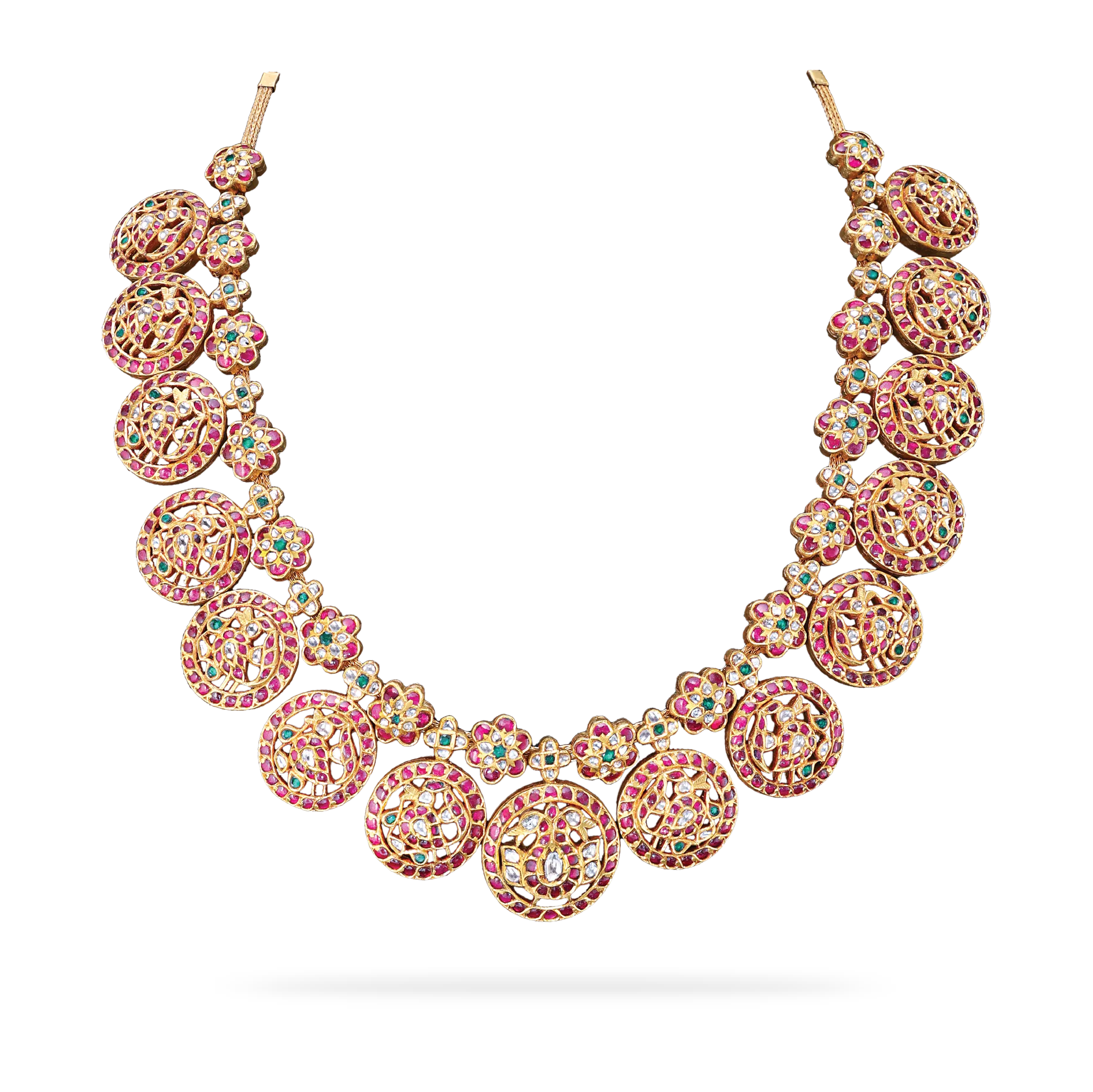
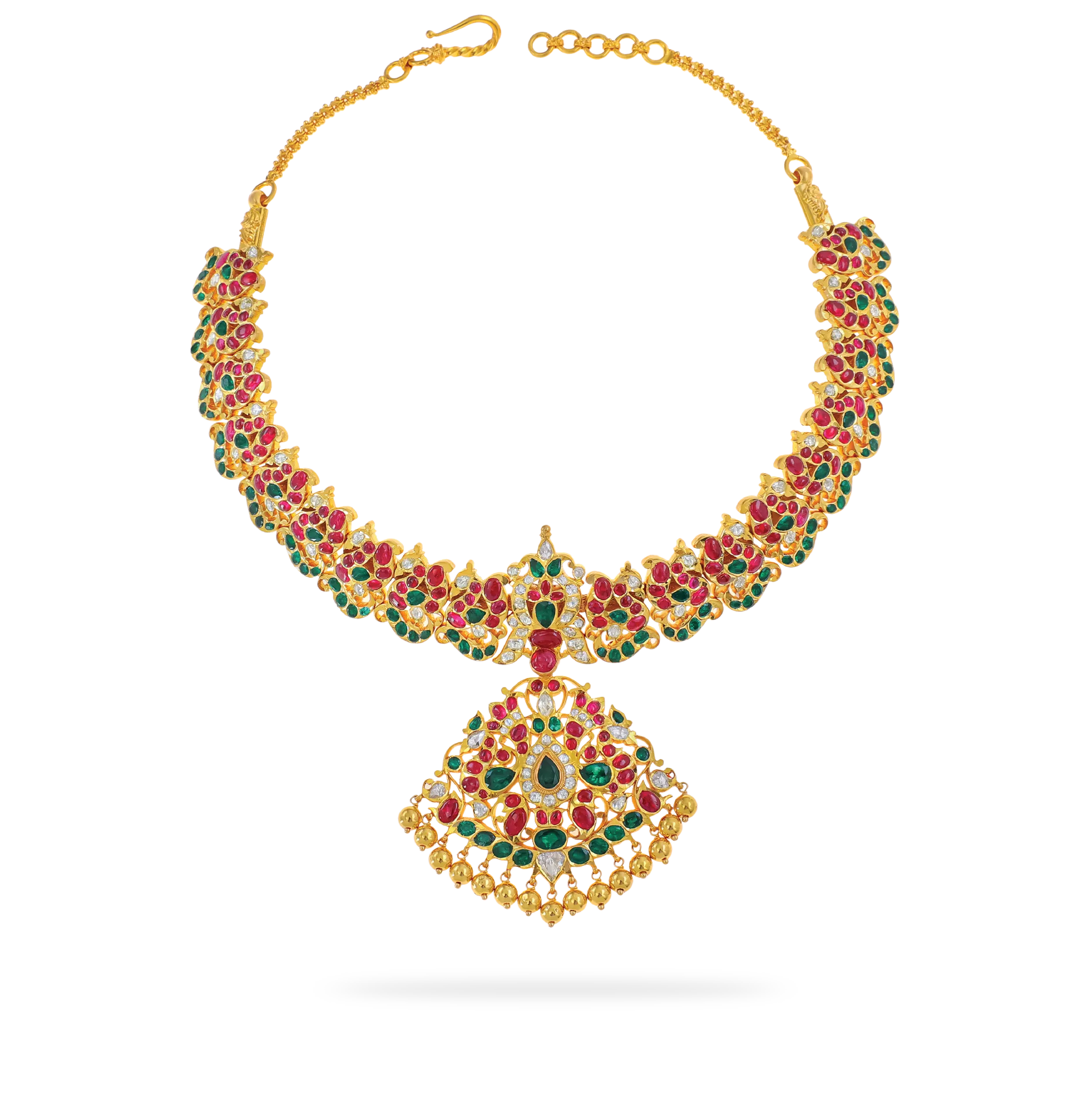
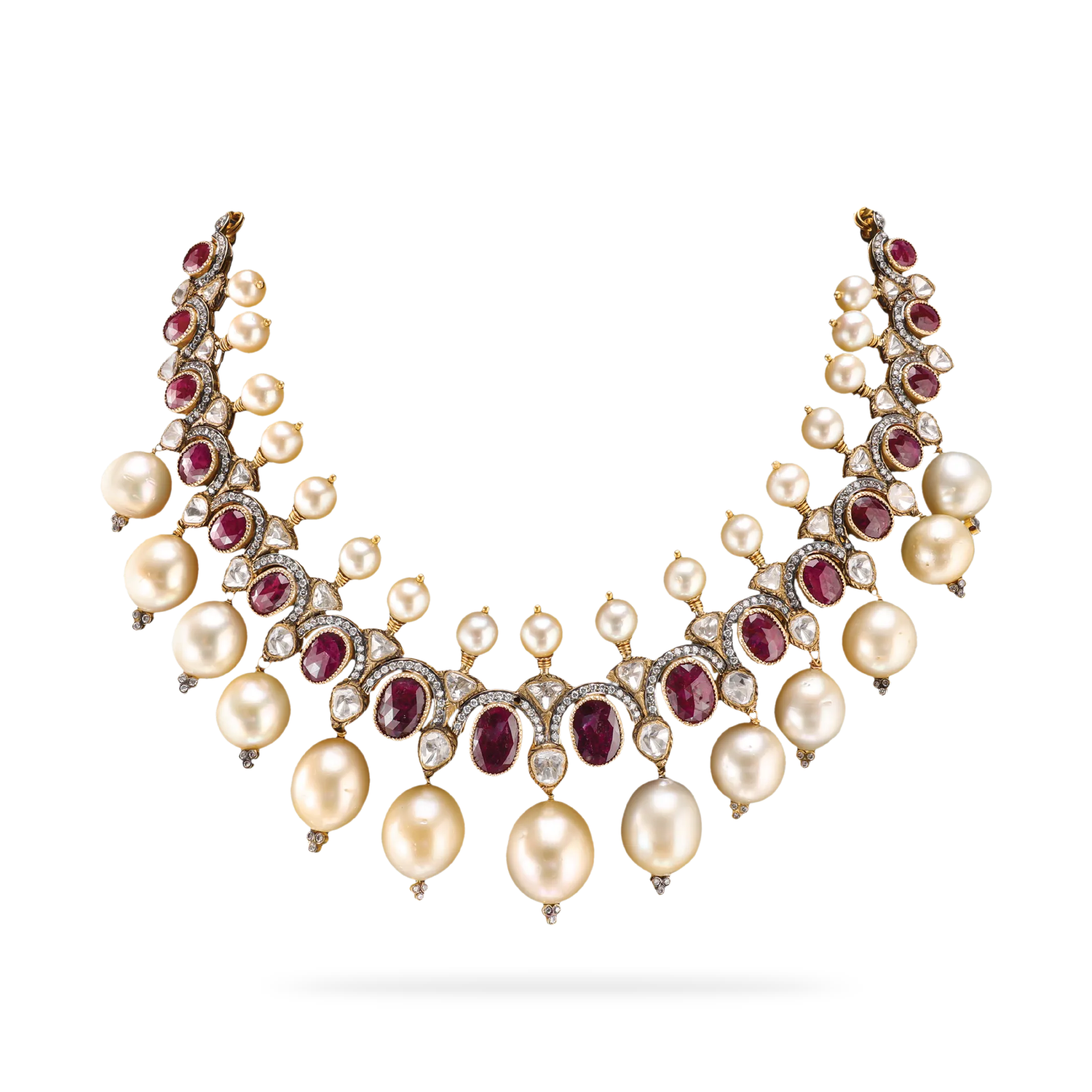
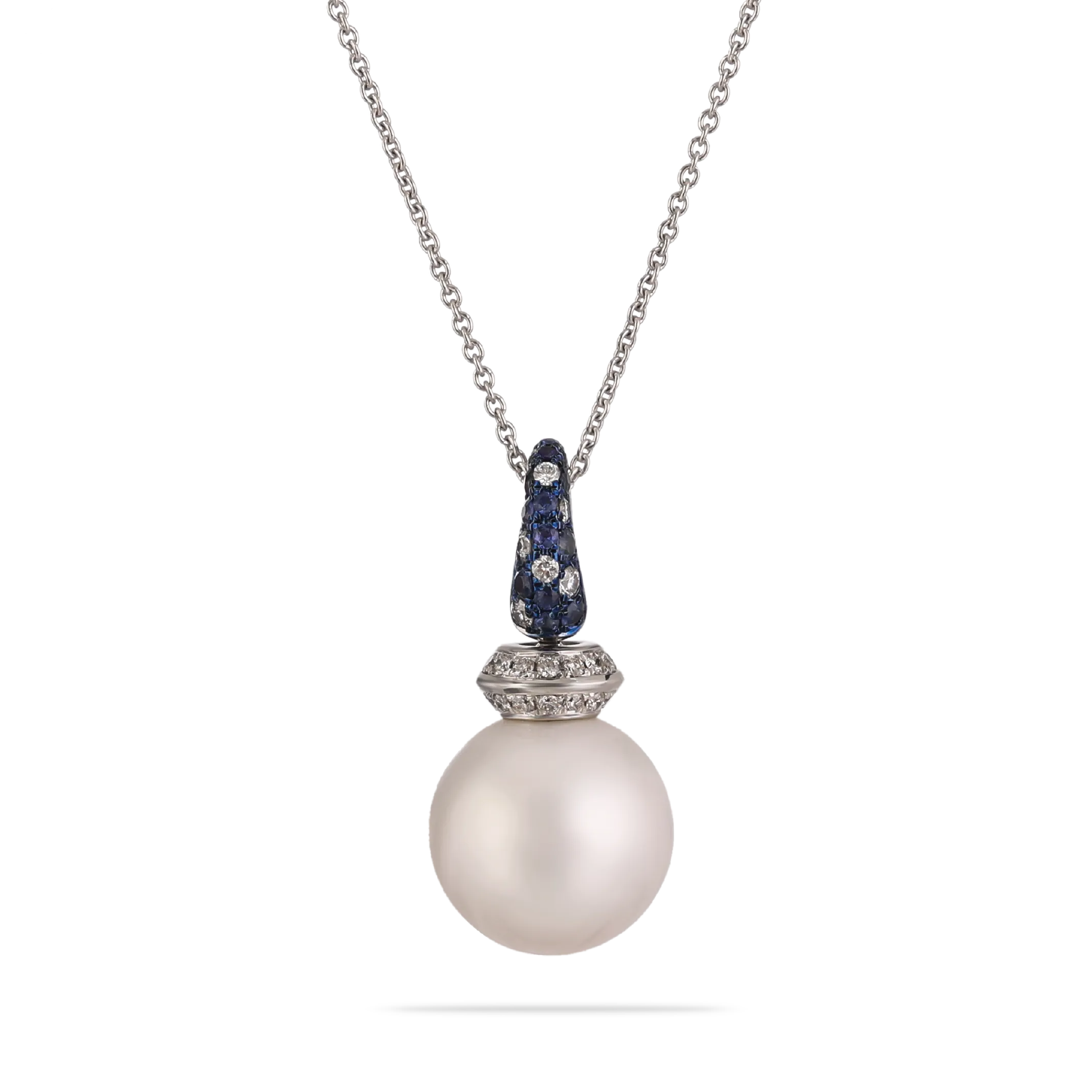
Diamonds can provide crisp sparkle, pearls offer softness and movement, and colored stones bring depth to gold or silver-toned settings. The right choice depends on the outfit and the role of the piece. Pearls may be especially effective when the garment is ornate but the bride wants a gentler finish, while colored stones can draw together a multicolored textile.
When comparing options, judge the whole piece rather than the stone alone. Consider setting security, symmetry, polish, and how the surface looks from several angles. A well-made setting can make a restrained stone feel remarkably special.
Considering skin tone, durability, and comfort
Metal color is a useful styling tool, but there is no universal rule for what suits a particular skin tone. Hold pieces against the skin in natural light and notice which finish makes the face look lively. Comfort and personal preference should outrank generalized color advice.
For jewellery that will be worn again, durability deserves equal attention. Ask how the piece should be cleaned, whether stones are vulnerable to impact, and how securely clasps and settings are constructed. These details matter more than a brief impression under showroom lighting.
Building a complete traditional bridal jewellery set
A complete set does not need to include every possible accessory. Begin with the pieces required by family or ceremony, then add items that make the outfit feel finished. The aim is visual rhythm: the eye should move naturally from the face to the neckline, hands, and hair without encountering competing focal points.
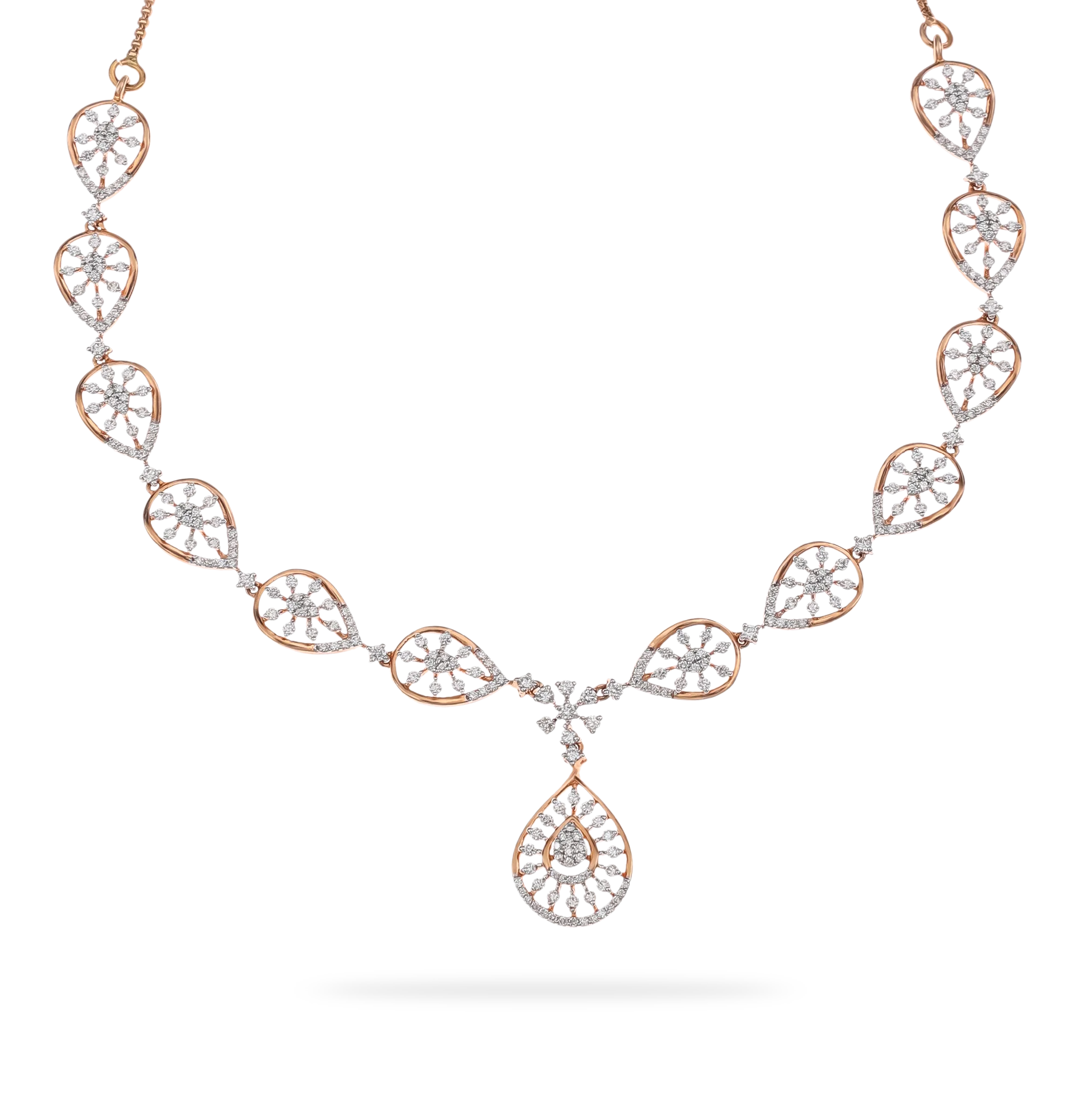
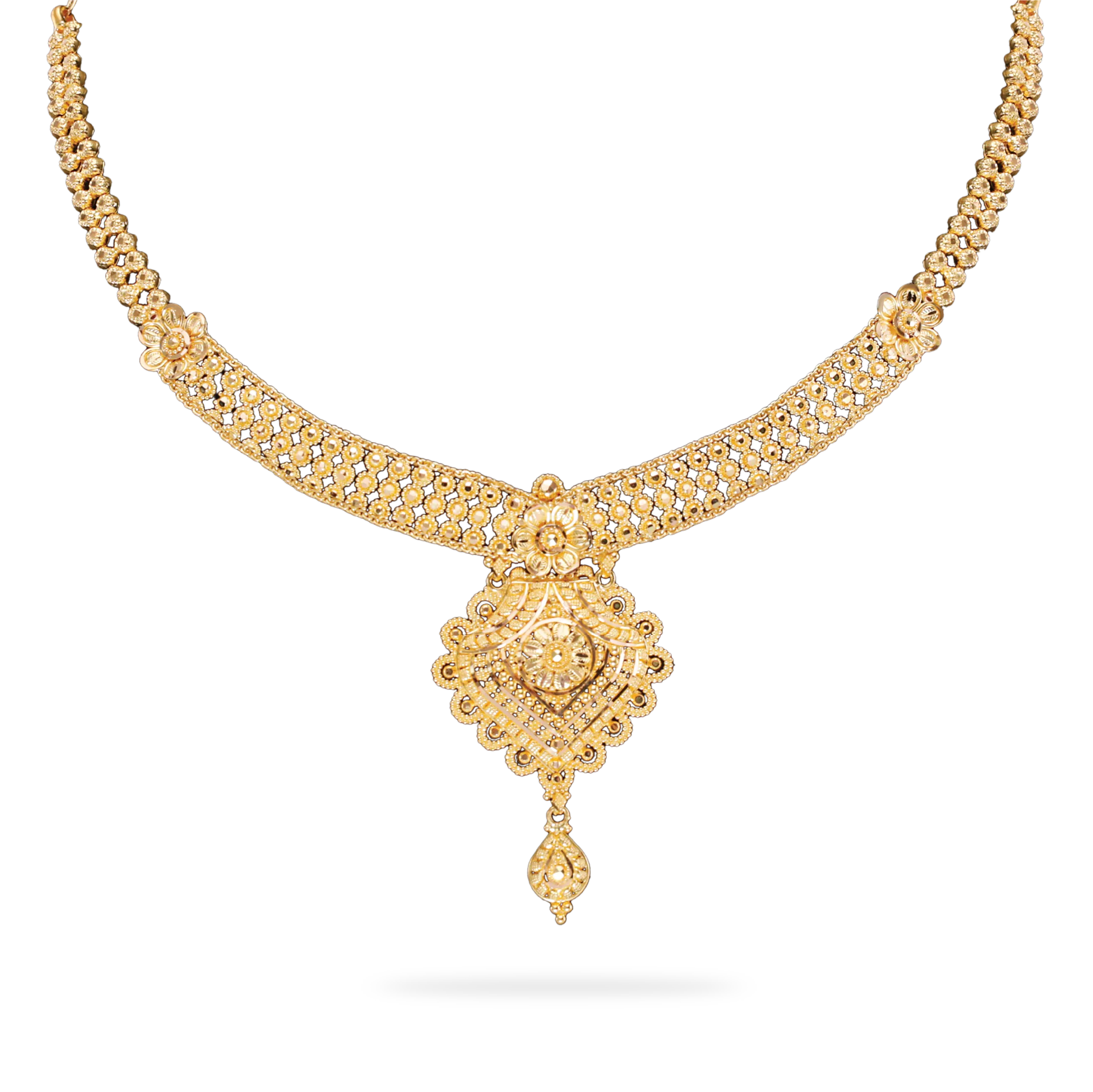
Deciding which necklace styles to wear
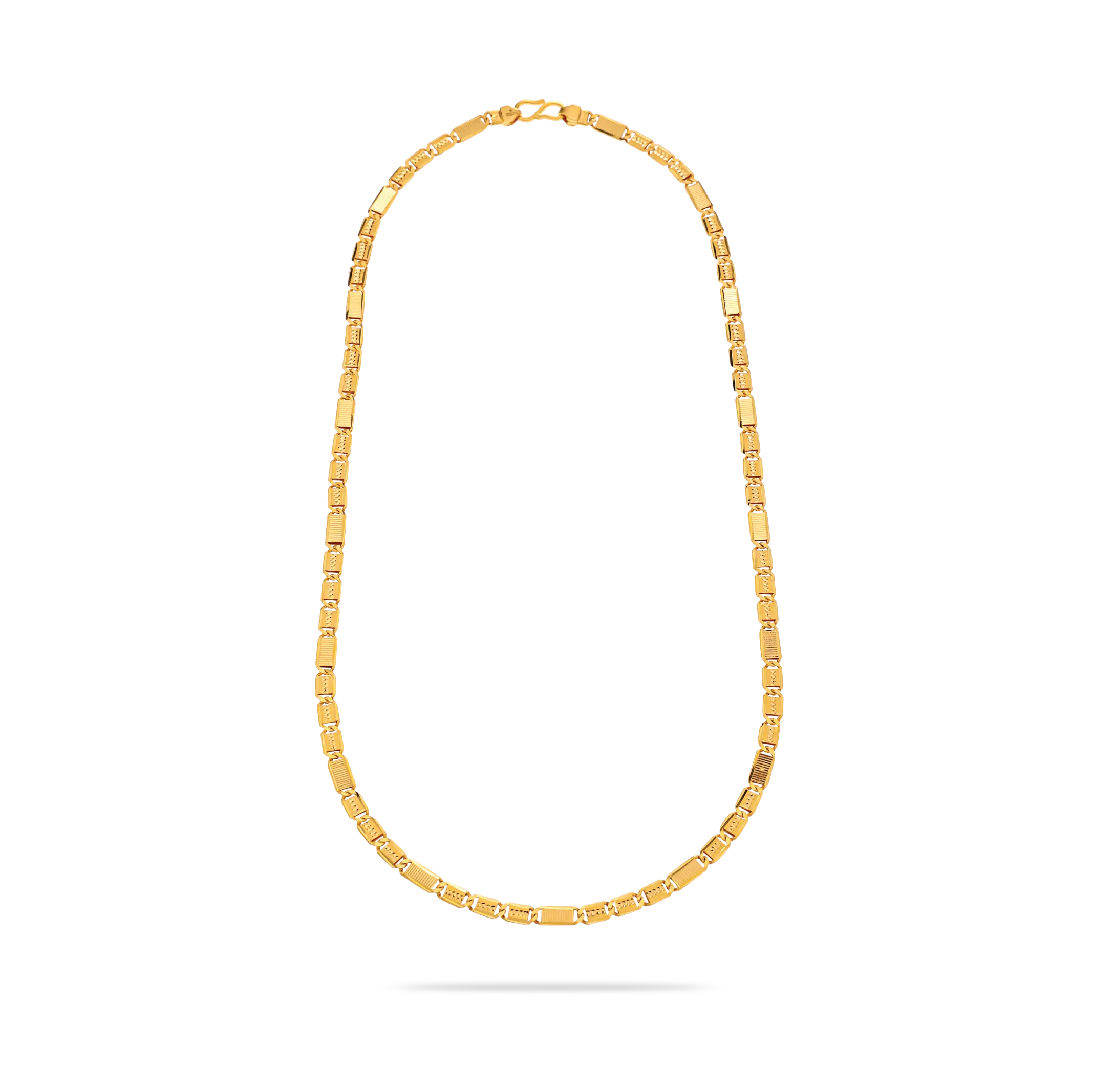
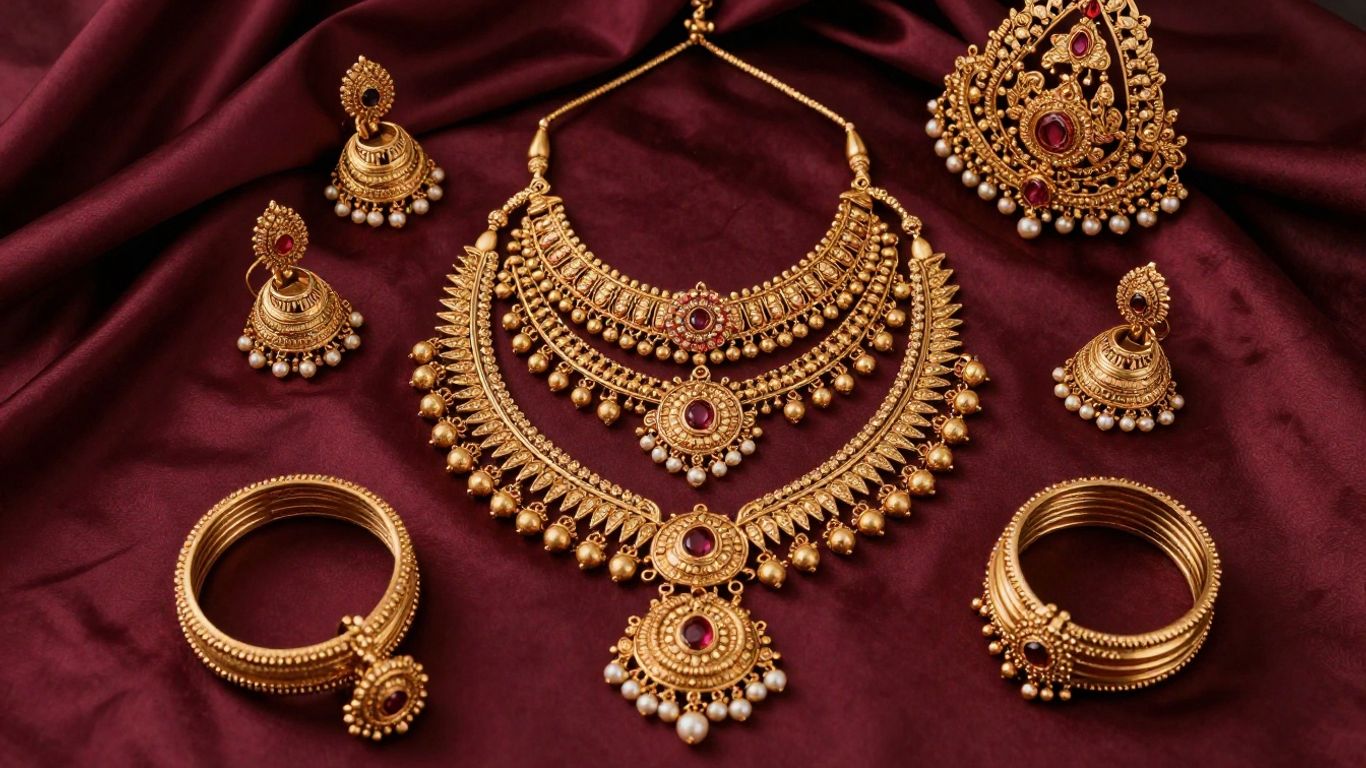
Choose a necklace based on neckline, length, and the scale of the other pieces. One substantial necklace may be enough for an embellished outfit, while layered necklaces can add richness to a simpler garment. If layering, vary length clearly so each piece remains visible.
Check the necklace from the side as well as the front. It should sit securely when the bride moves and should not press uncomfortably against the collarbone. A family necklace can serve as the anchor, with newer pieces selected to support rather than imitate it.
Choosing earrings that frame the face
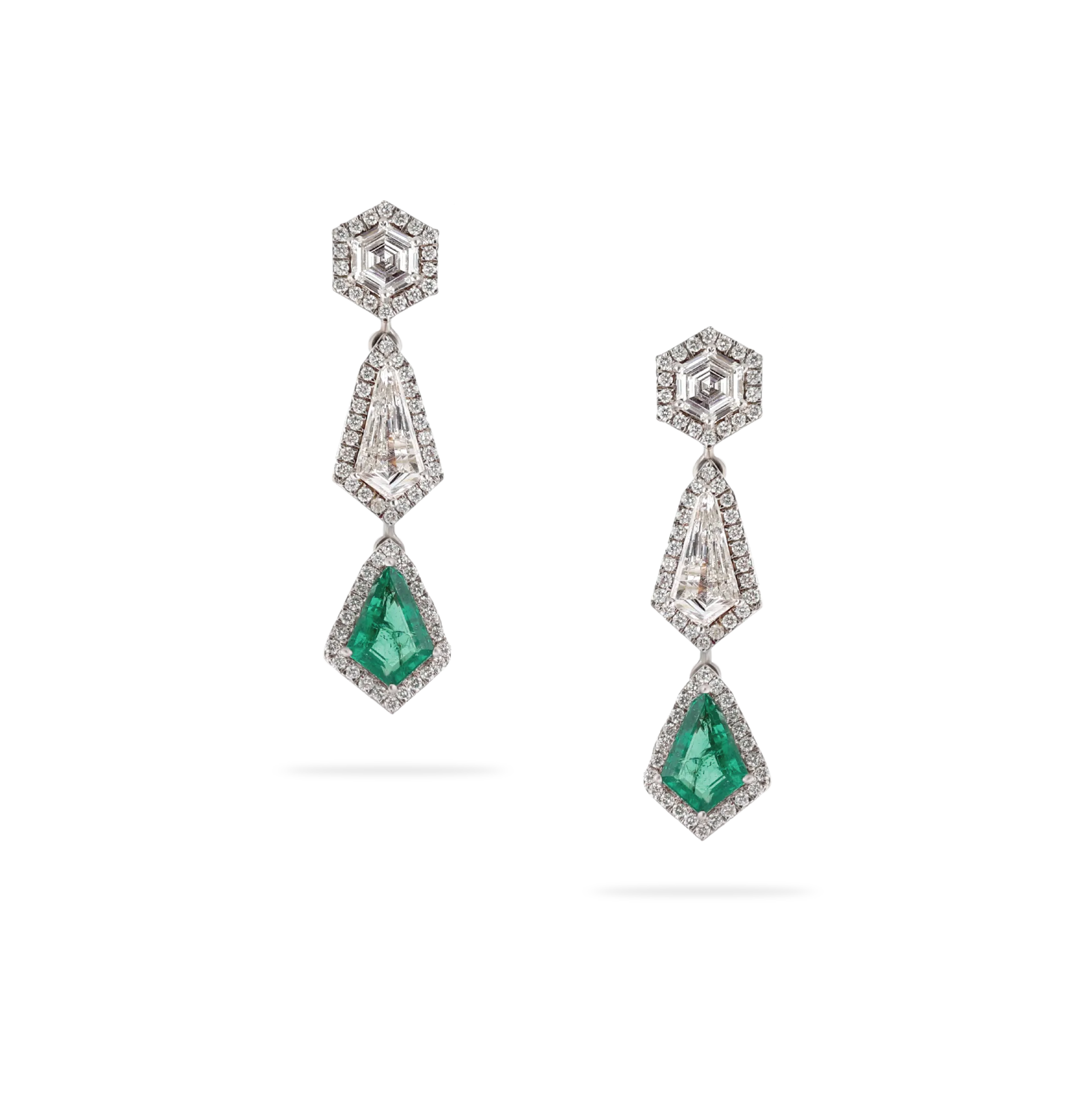
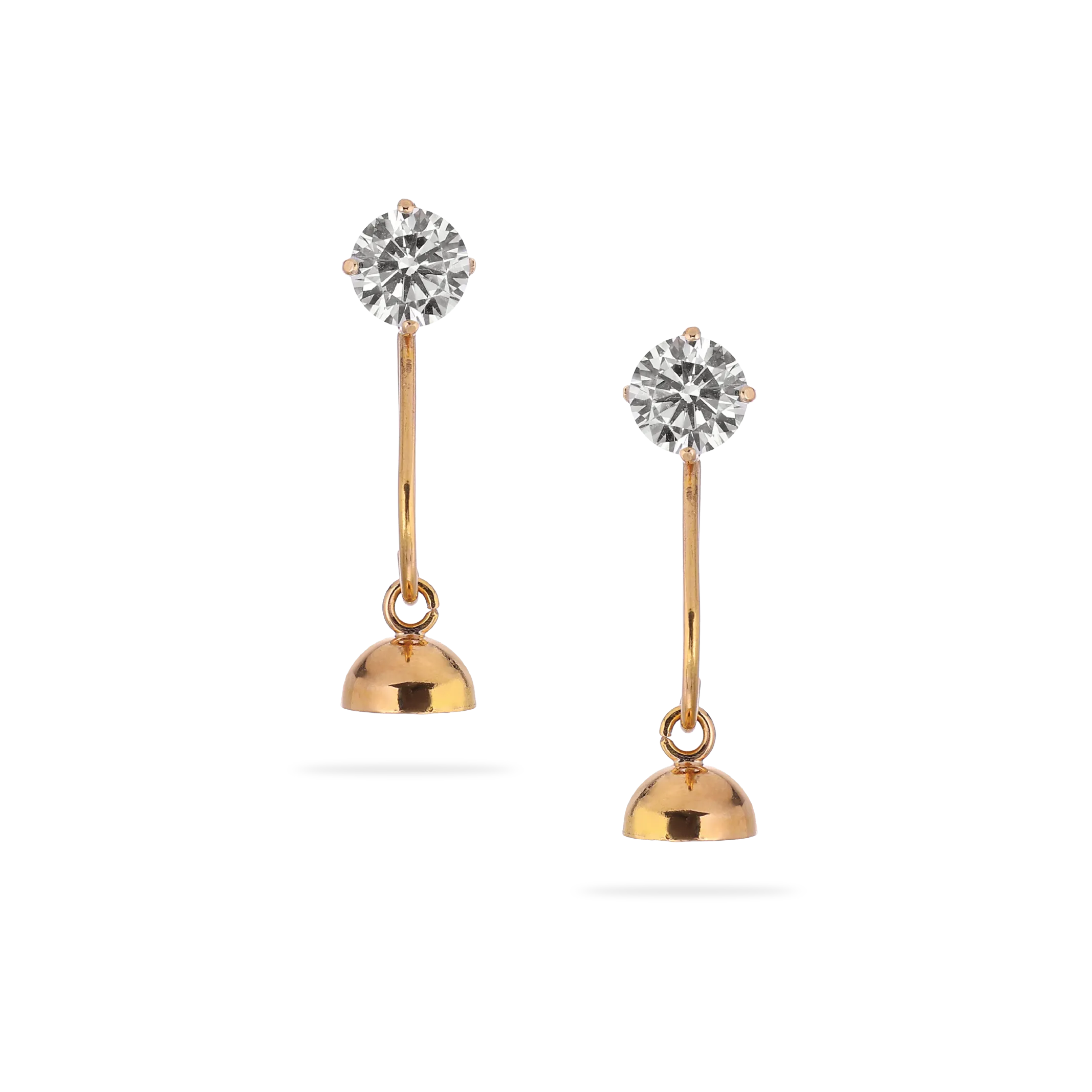
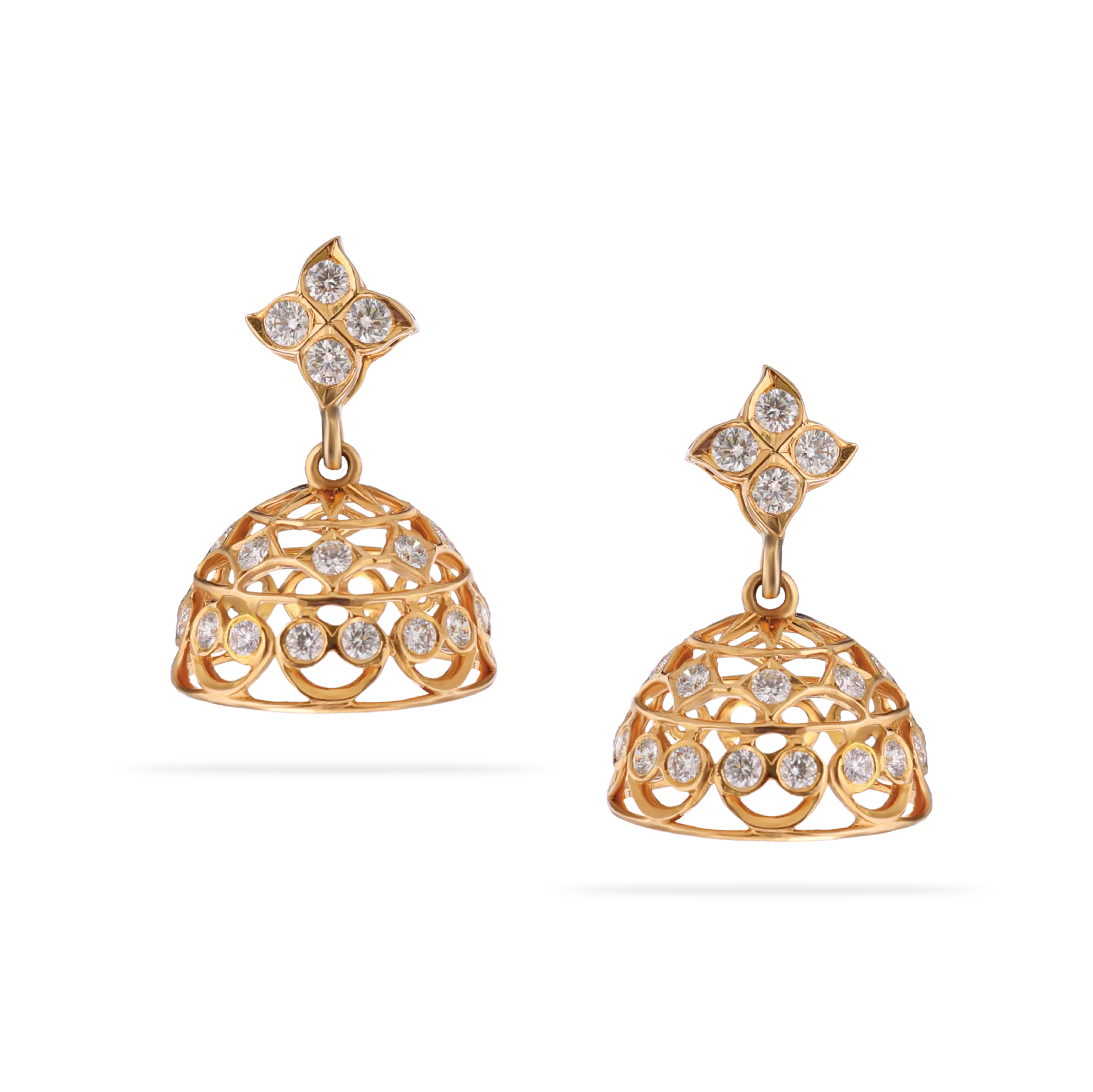
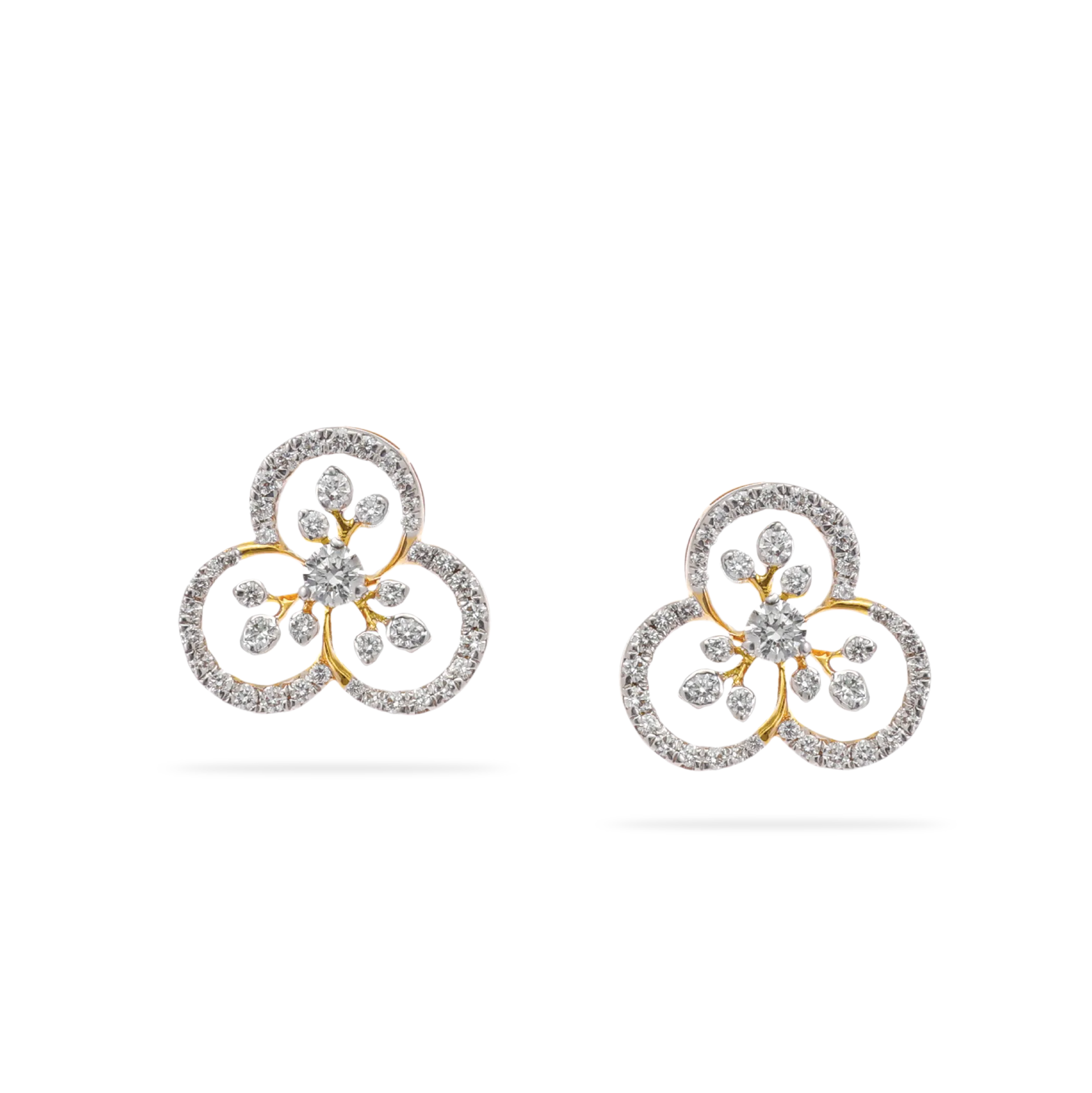
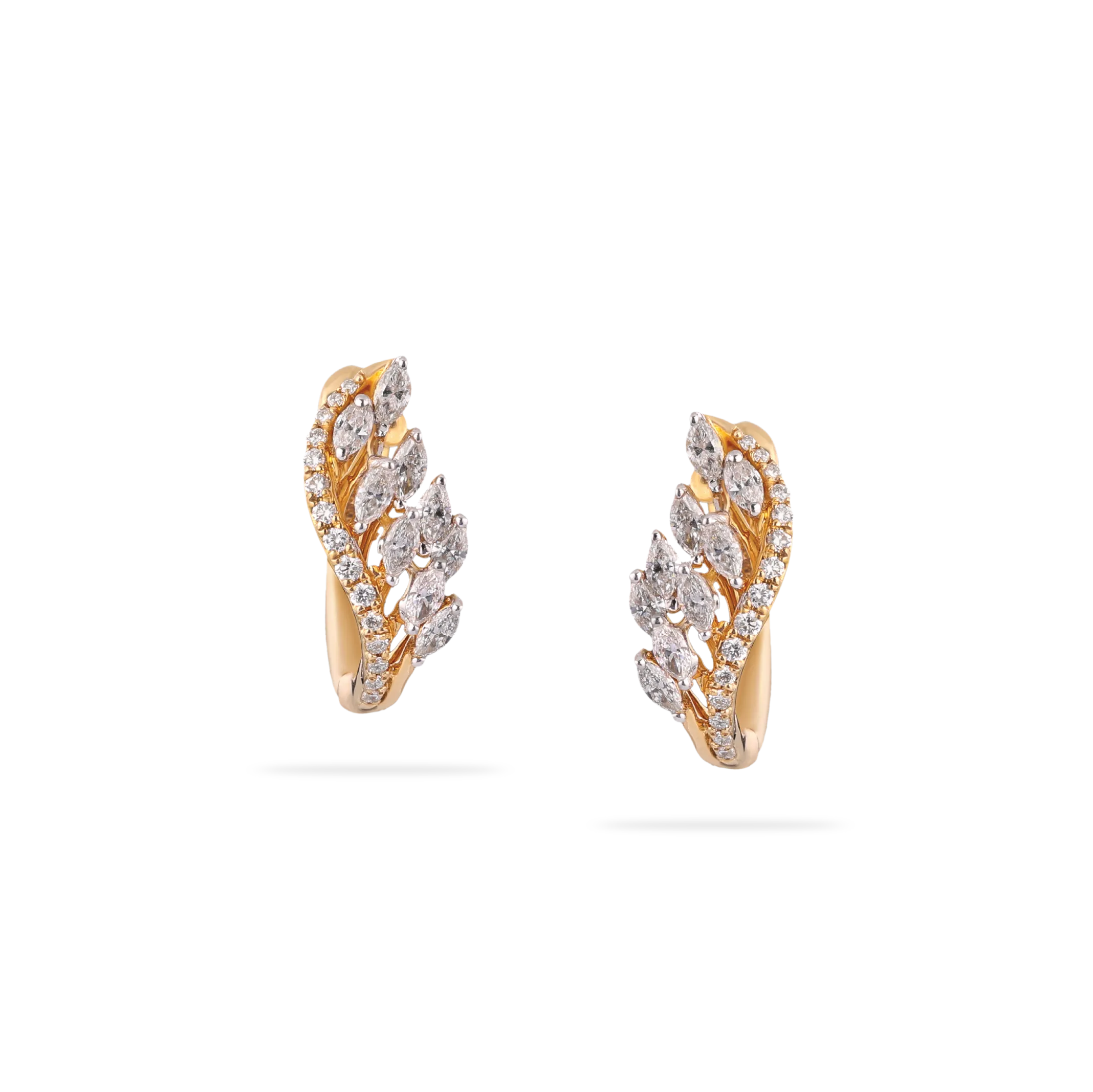
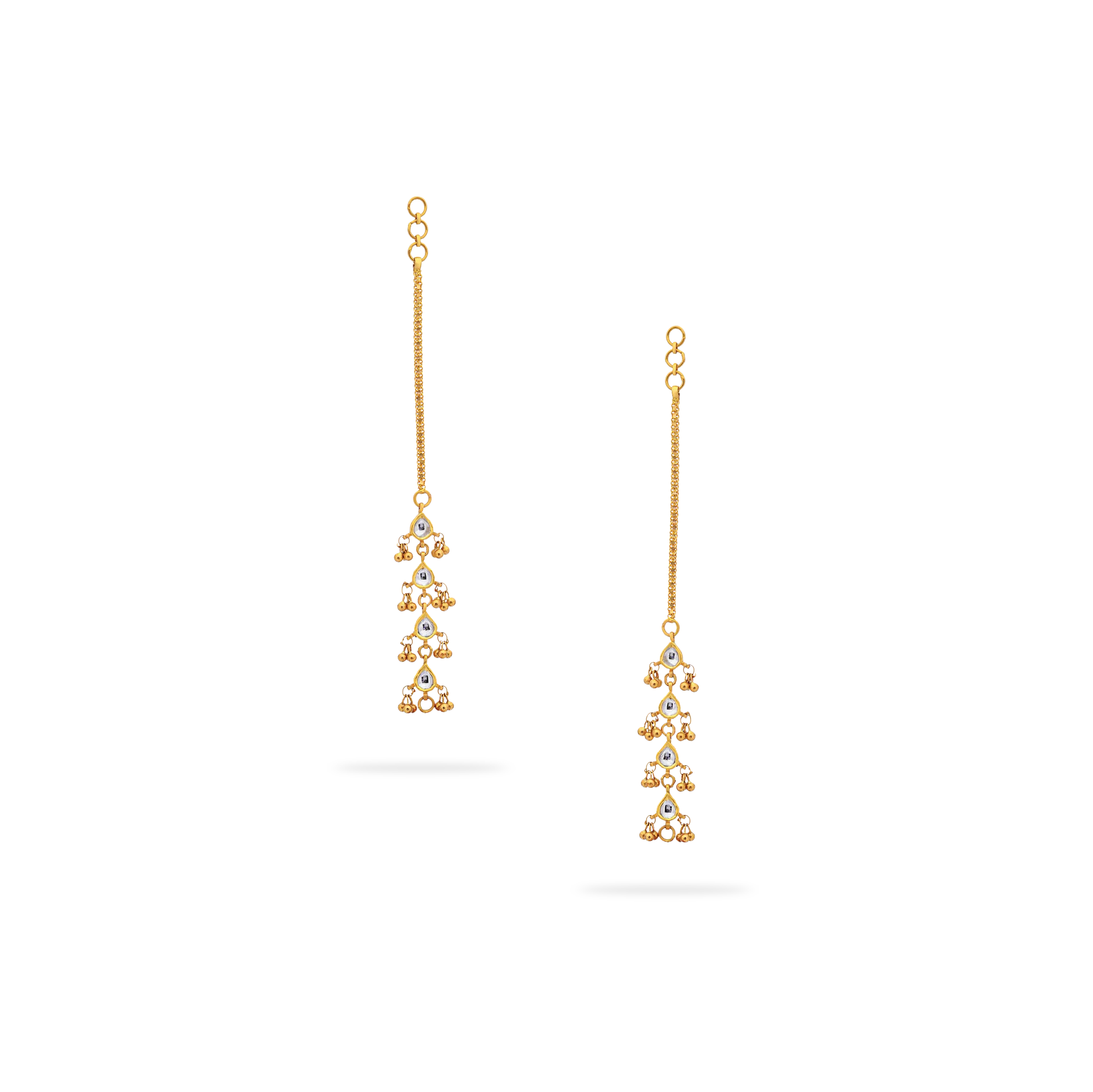
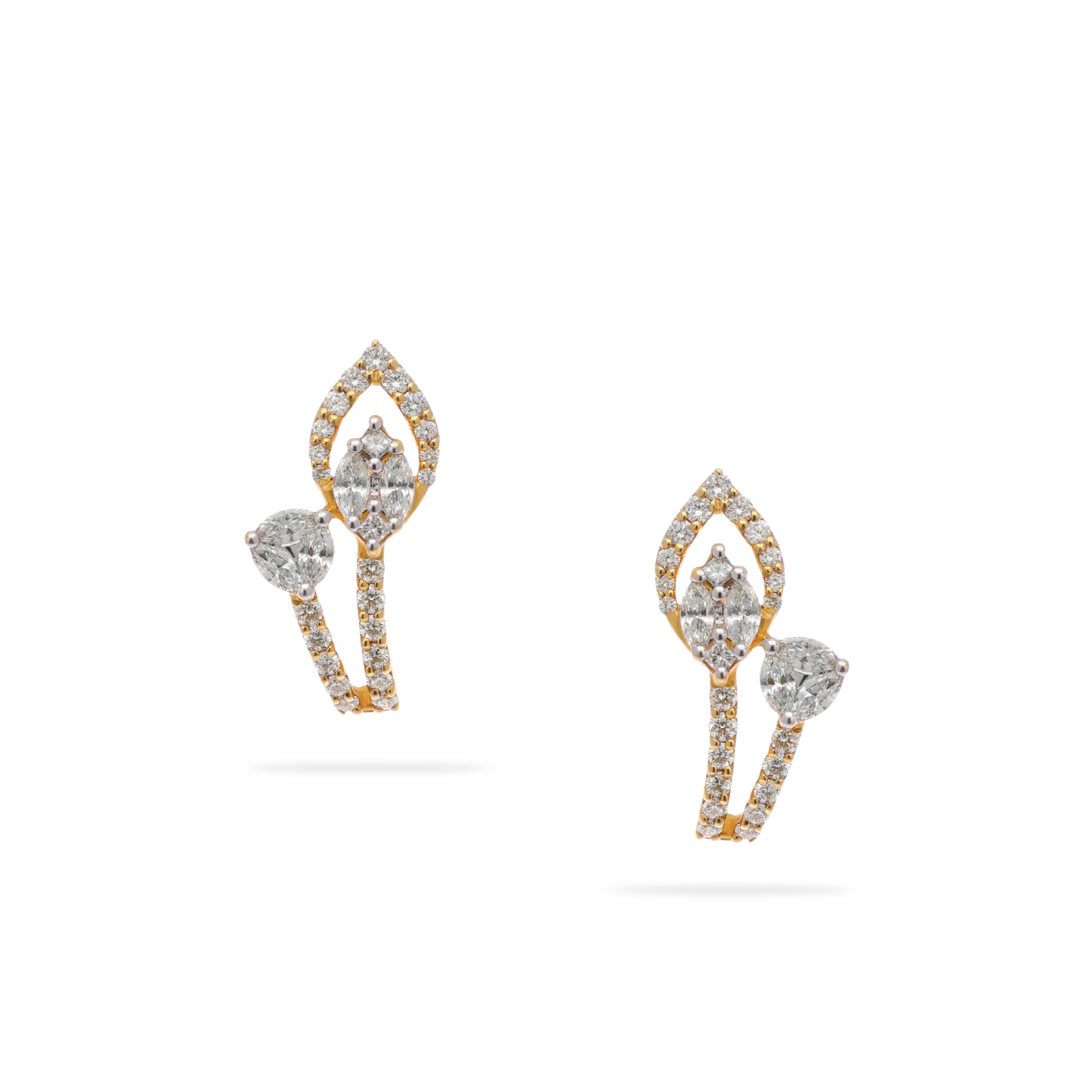
Earrings should work with the hairstyle, veil, and necklace. Drops can lengthen the visible line of the face, studs provide a quieter finish, and broad or rounded designs can add softness. Traditional shapes often have strong presence, so check their scale from several steps away.
Try them with the planned hairstyle and any headpiece. An earring that looks perfect with loose hair may disappear beneath an updo, while a long drop can compete with a veil border or shoulder detail.
Adding bangles, bracelets, and rings
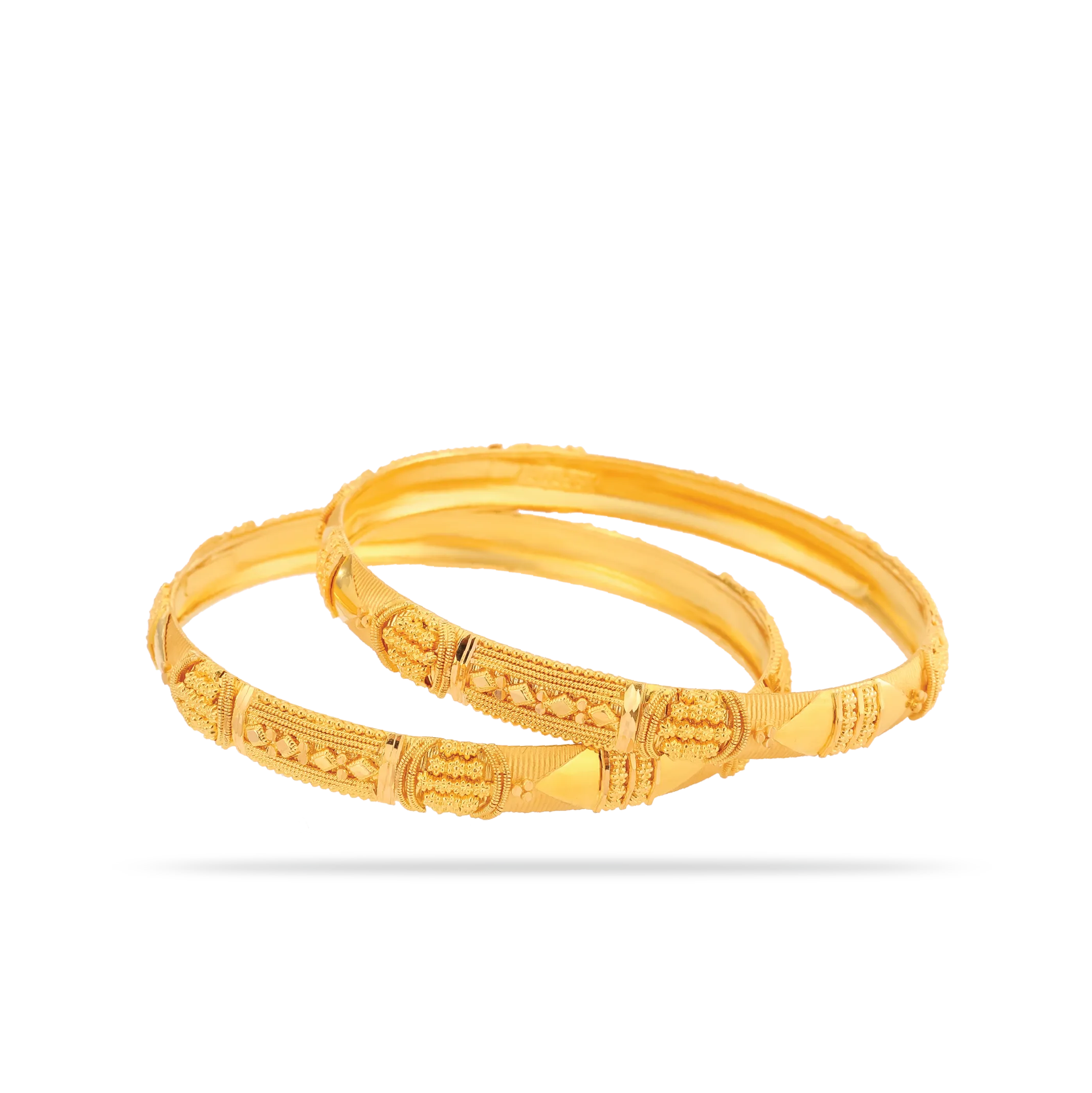
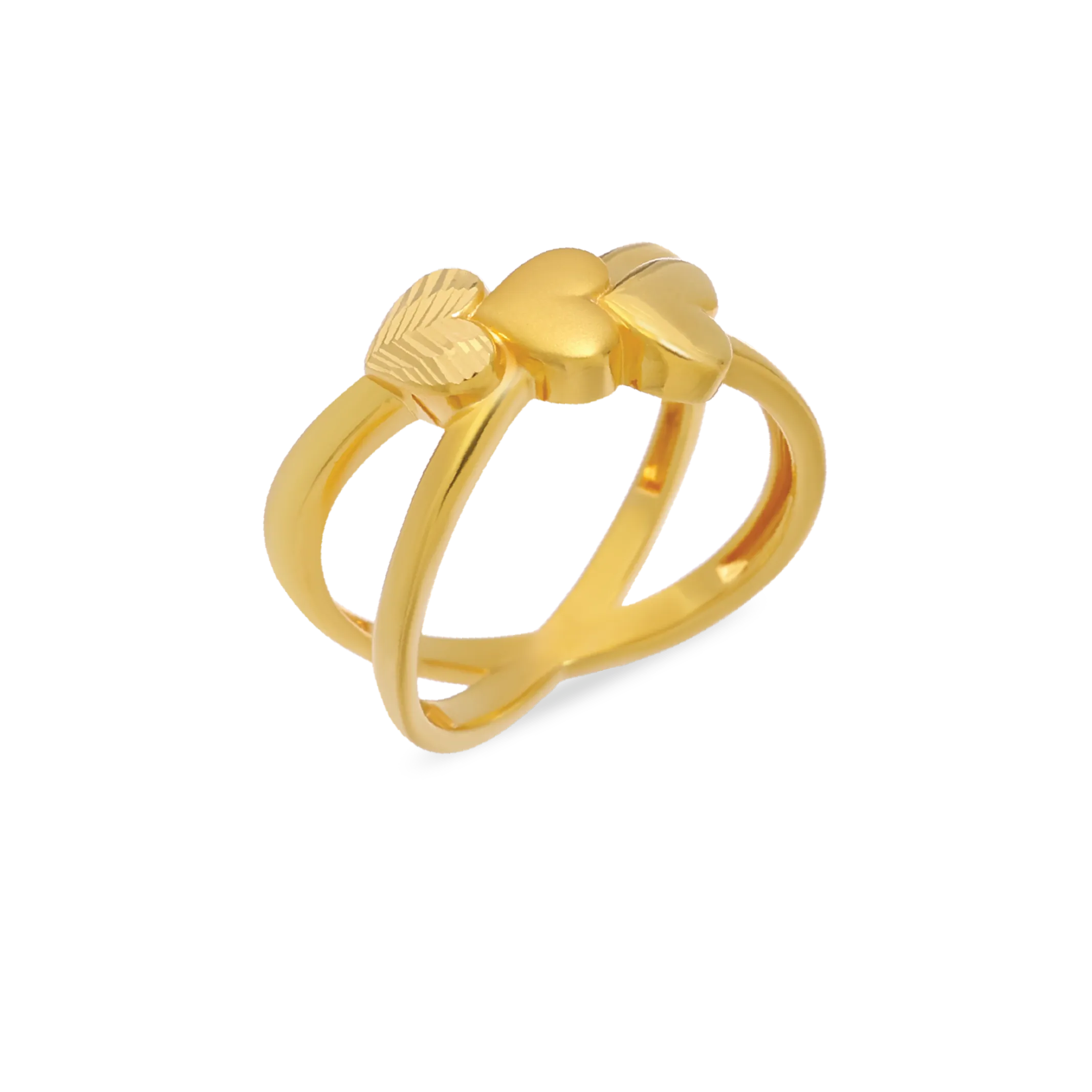
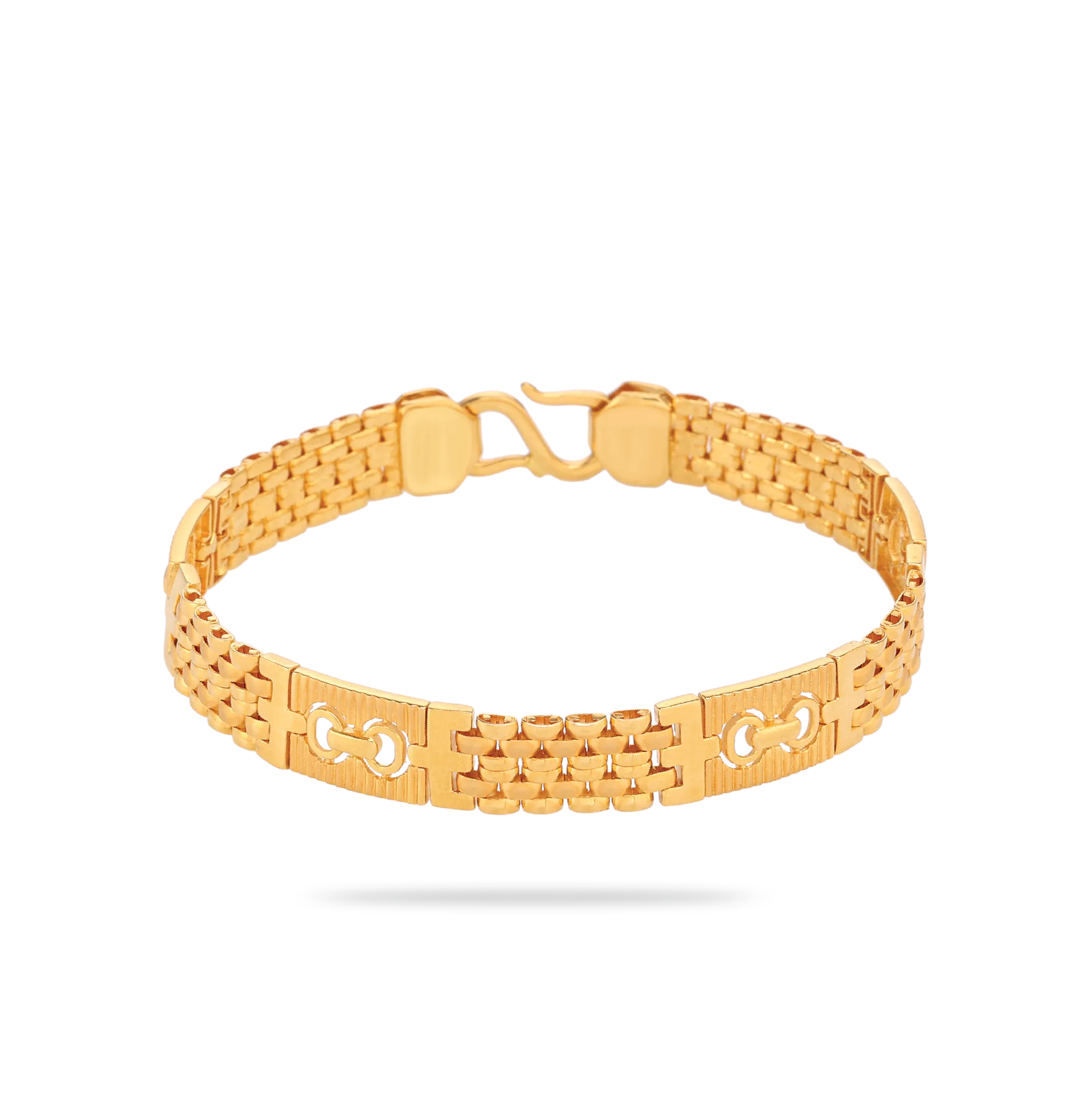
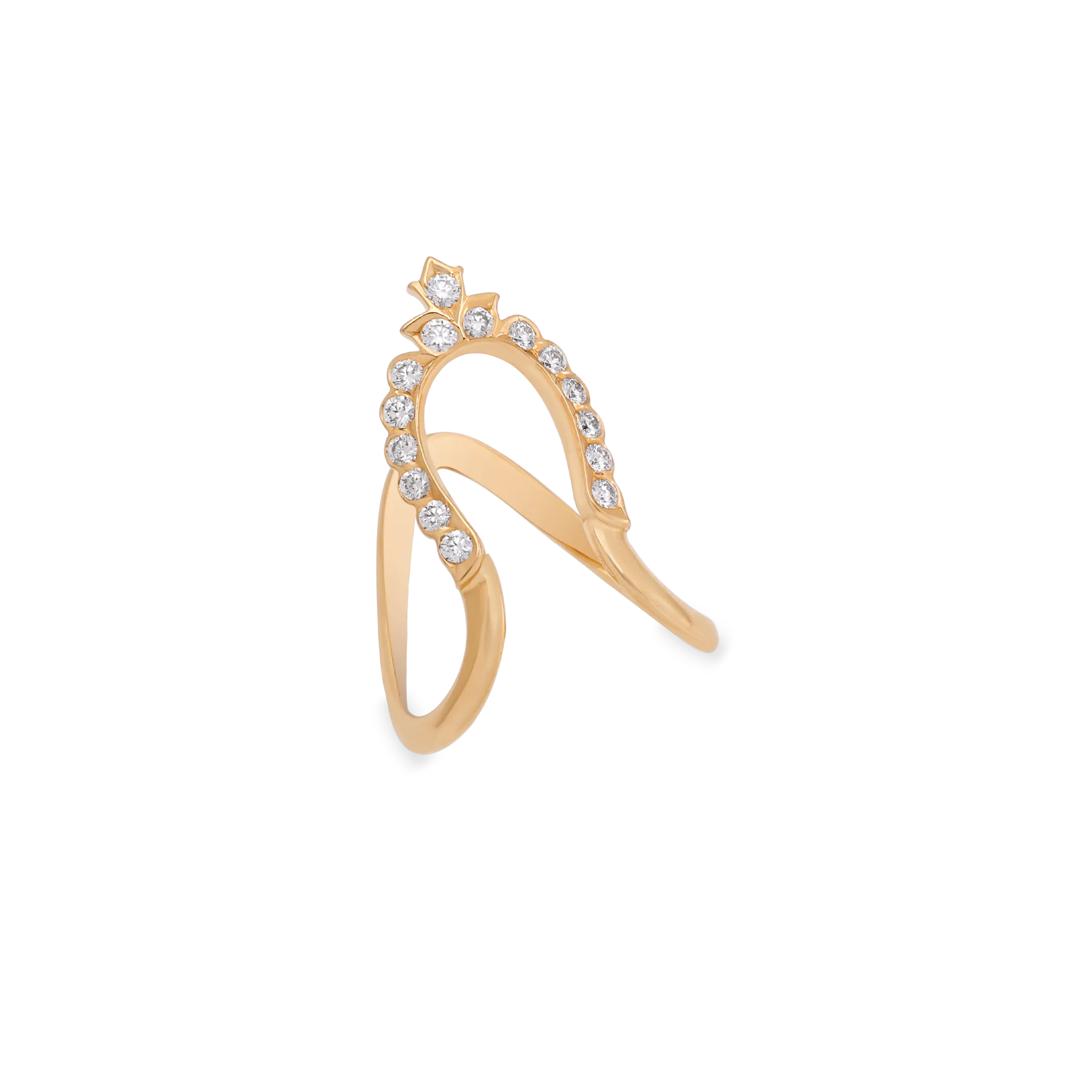
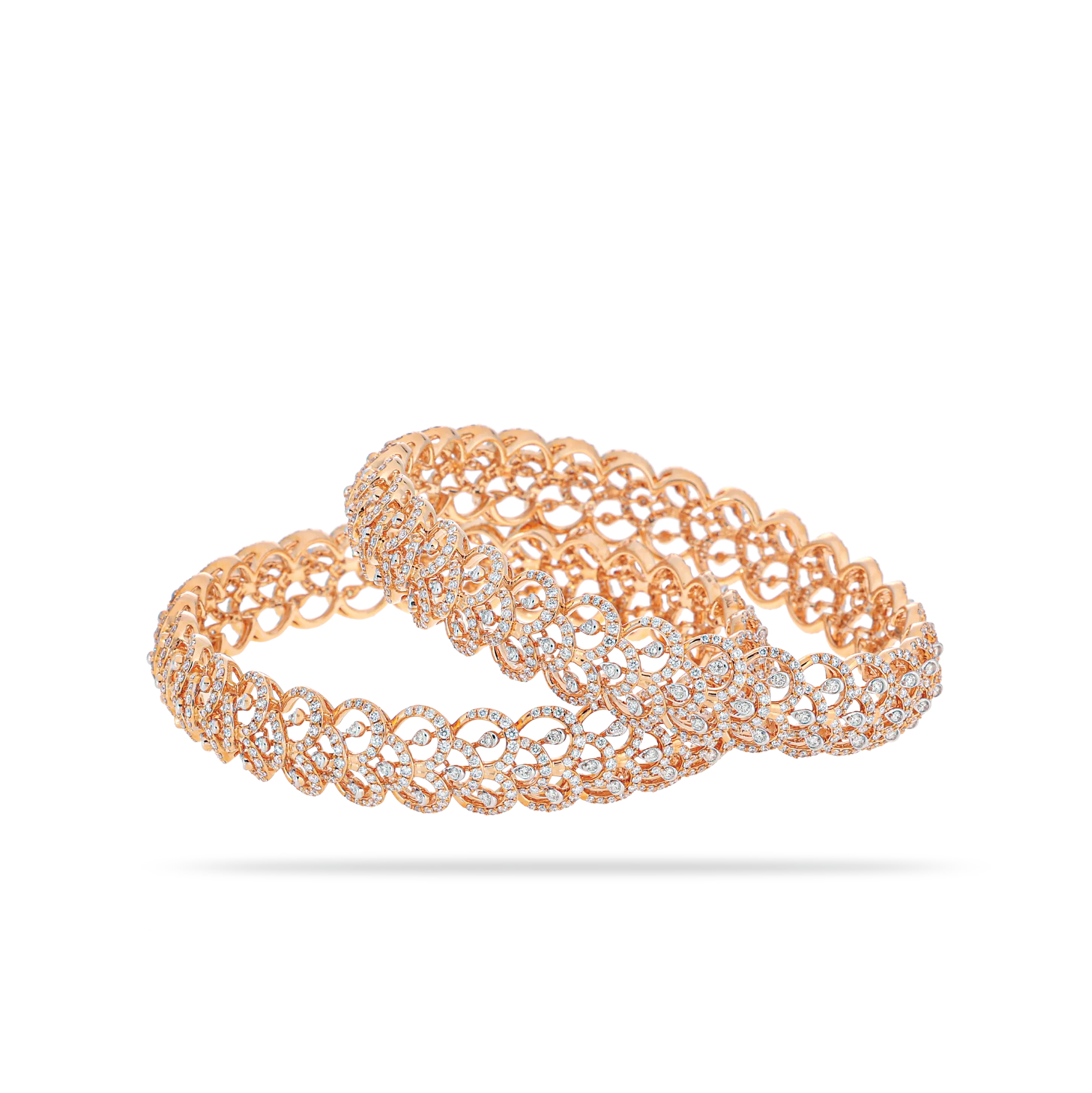
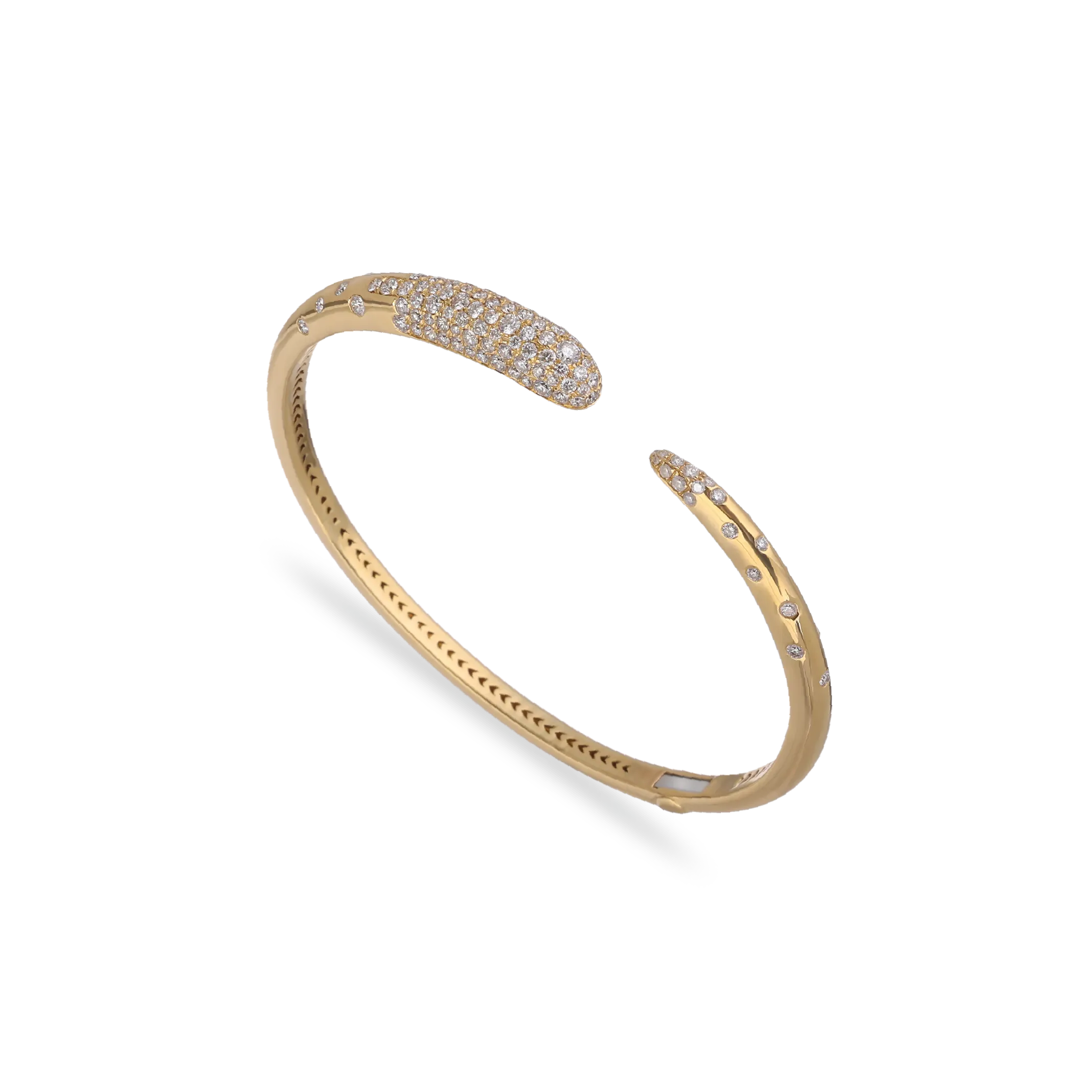
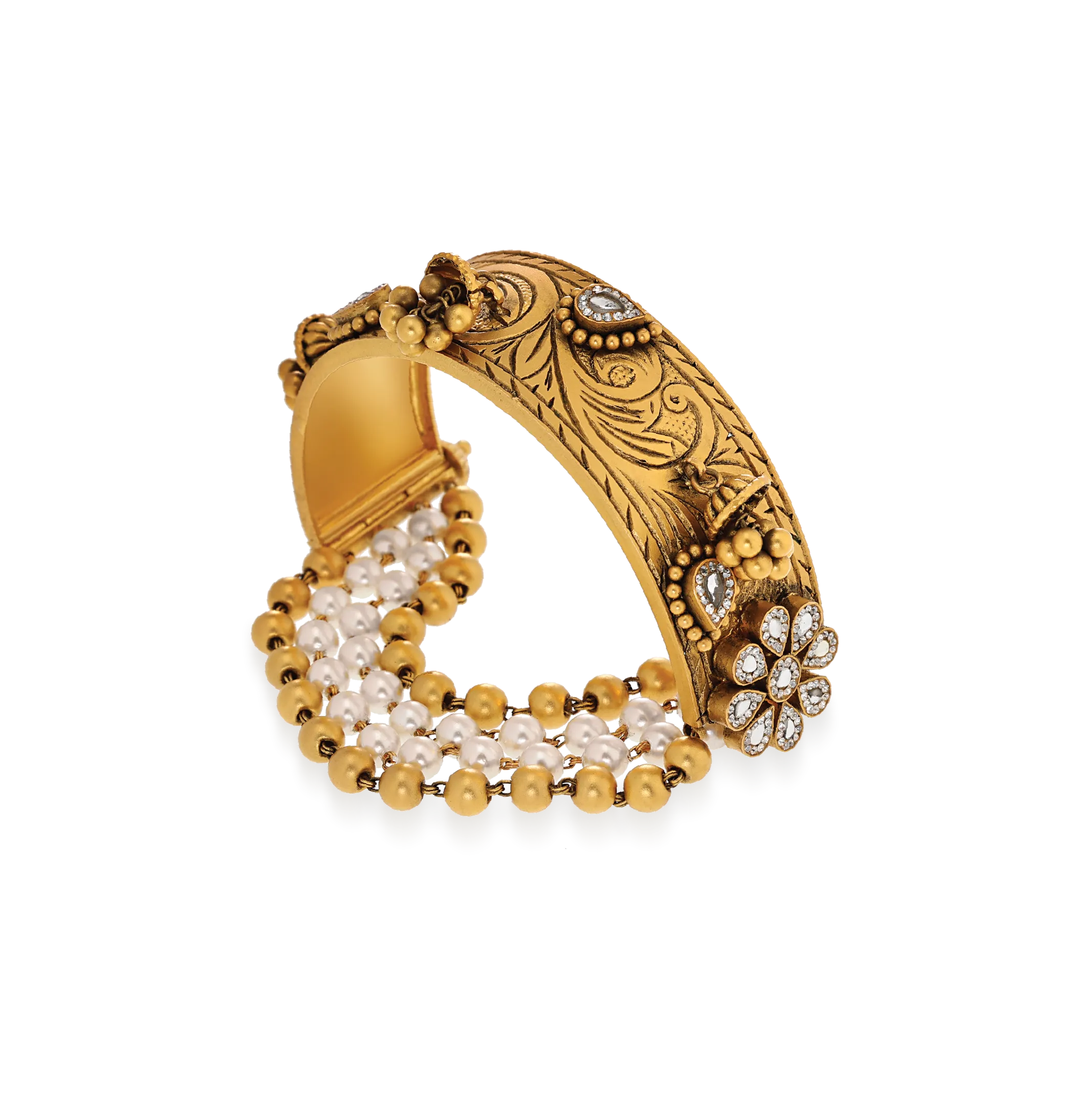
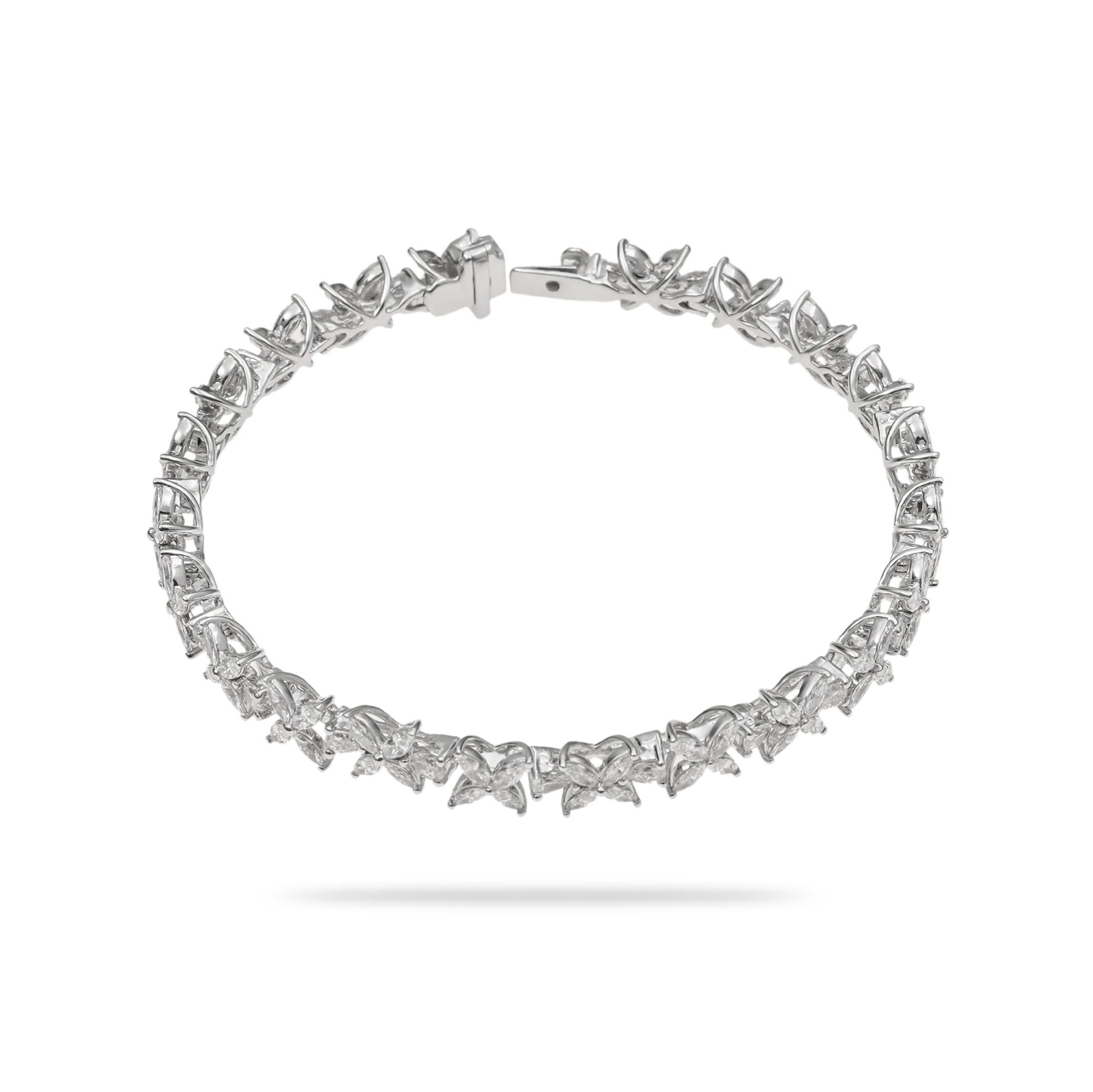
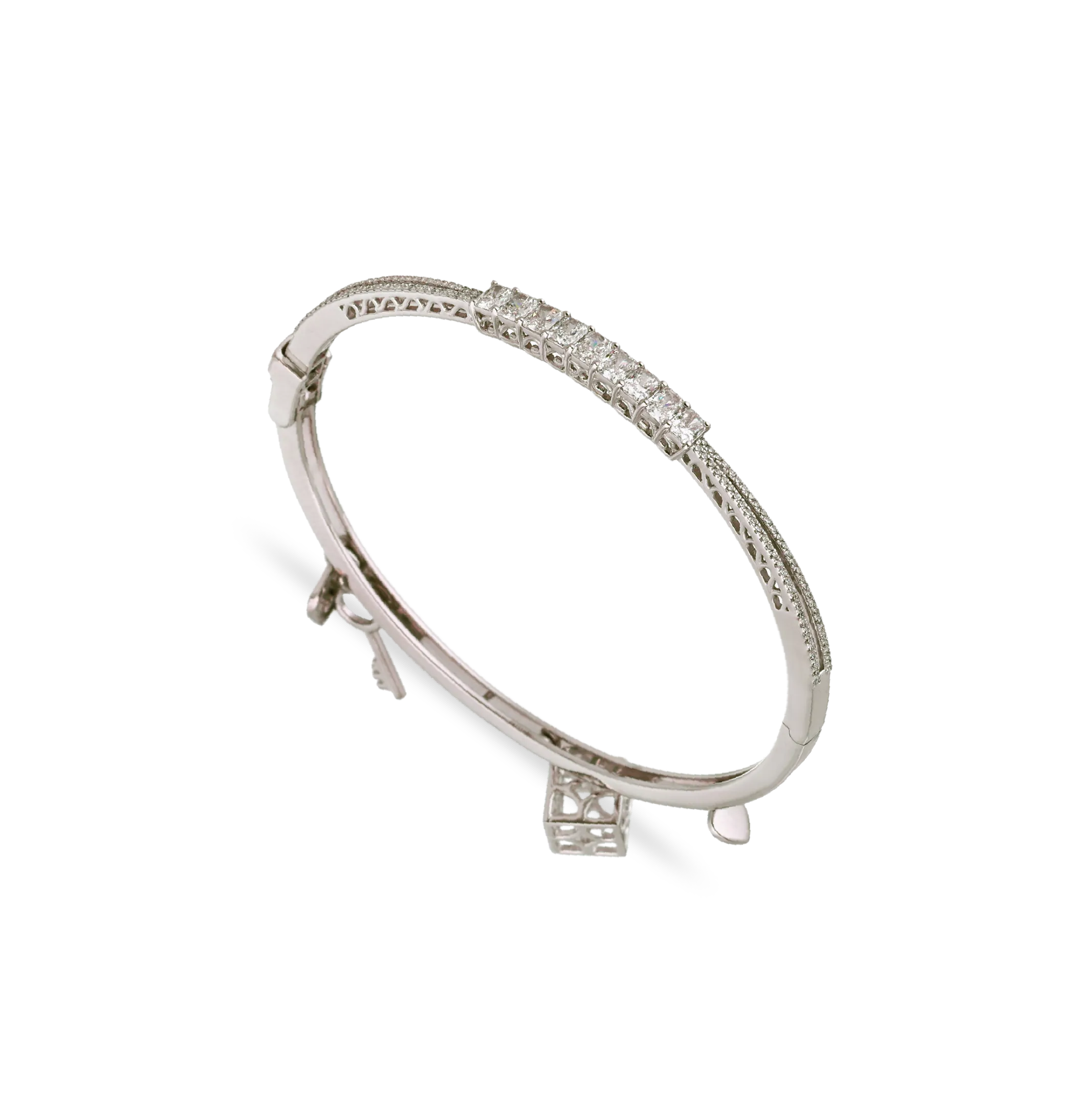
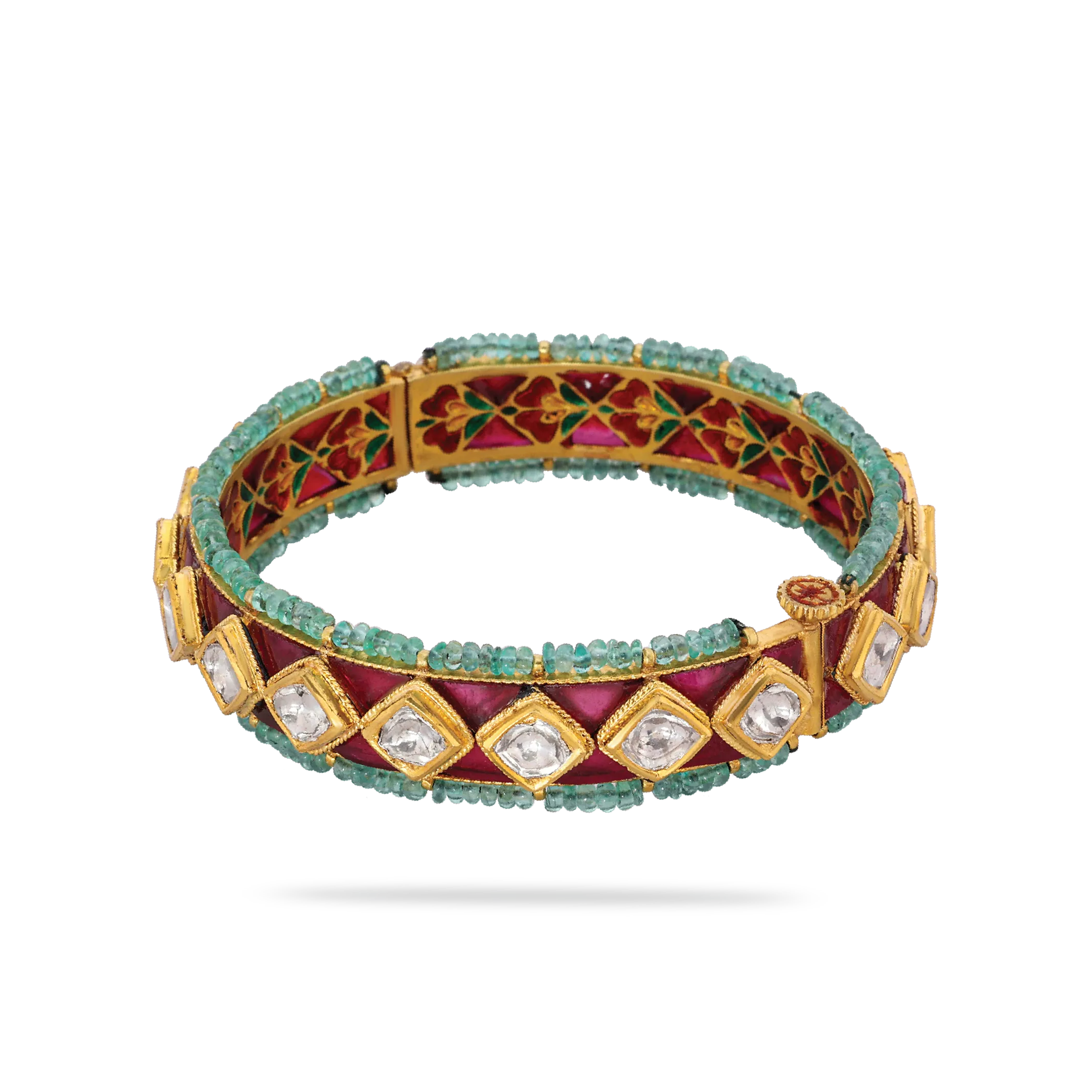
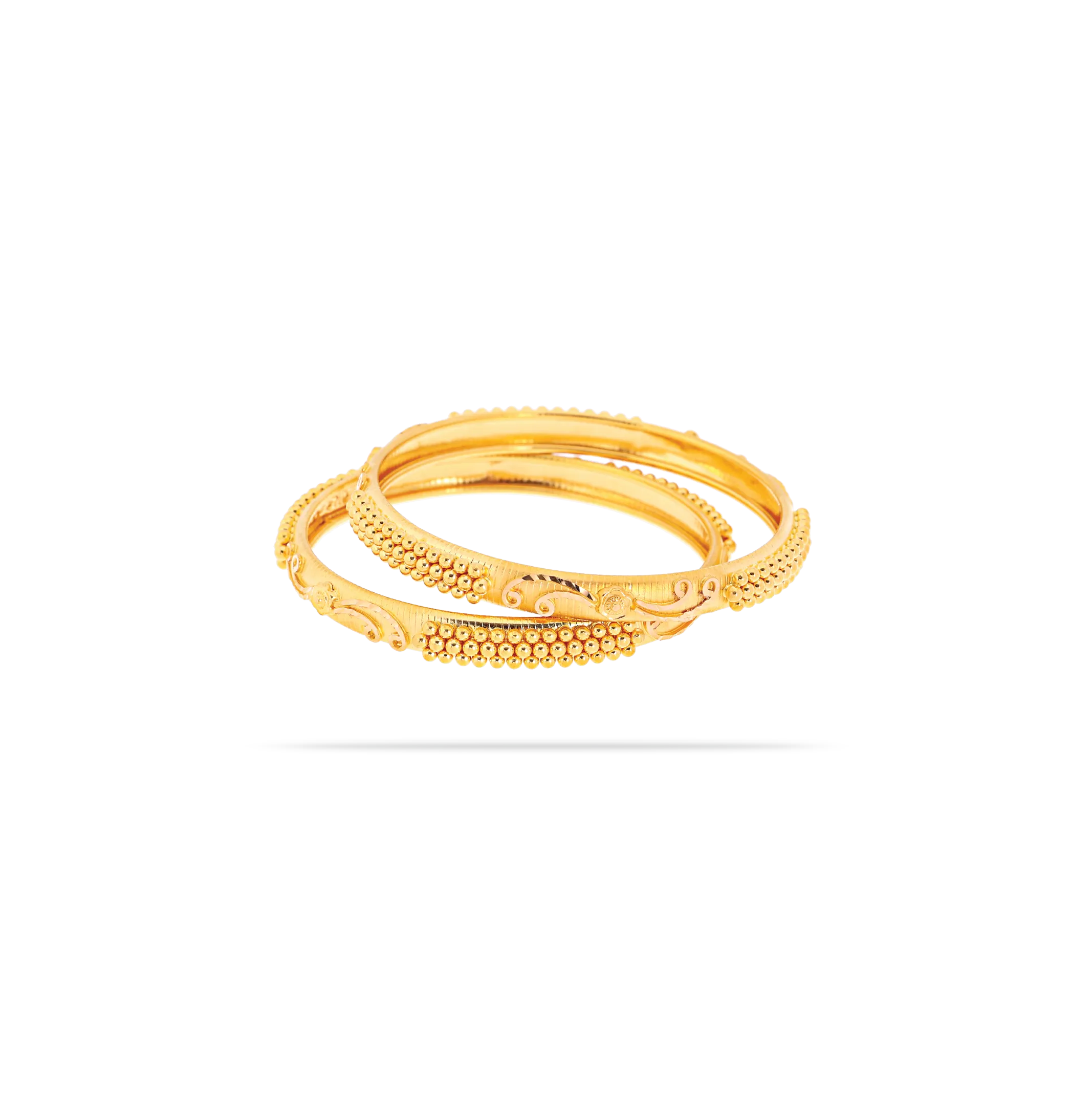
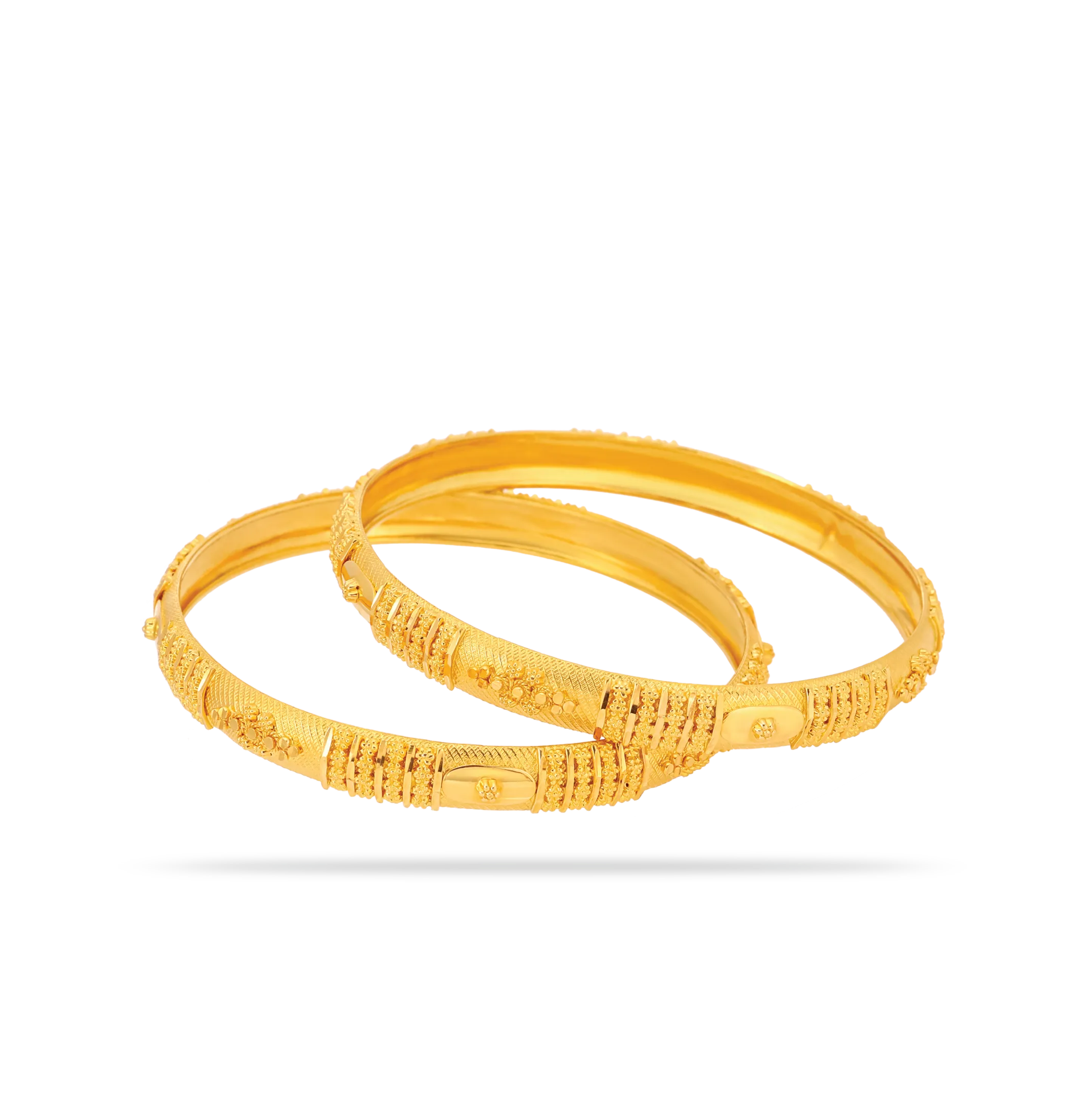
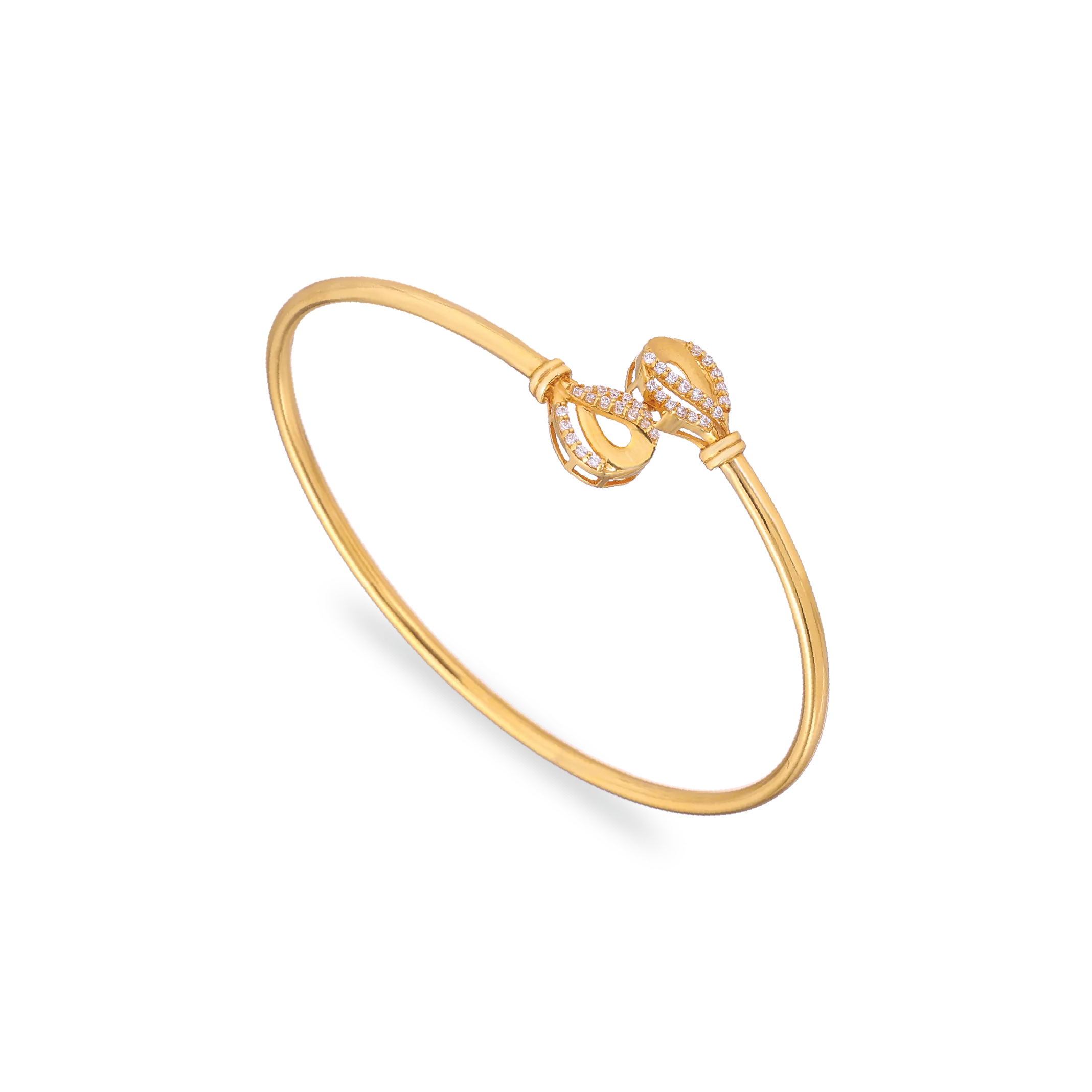
Hand jewellery is especially visible during rituals, photographs, and greetings. Bangles can create movement and sound, while bracelets offer a more controlled line. Rings should allow the bride to hold flowers, adjust clothing, and exchange rings without discomfort.
A useful way to edit the set is to group pieces by purpose:
- Choose bangles for color, tradition, or movement.
- Add a bracelet when the wrists need a quieter line.
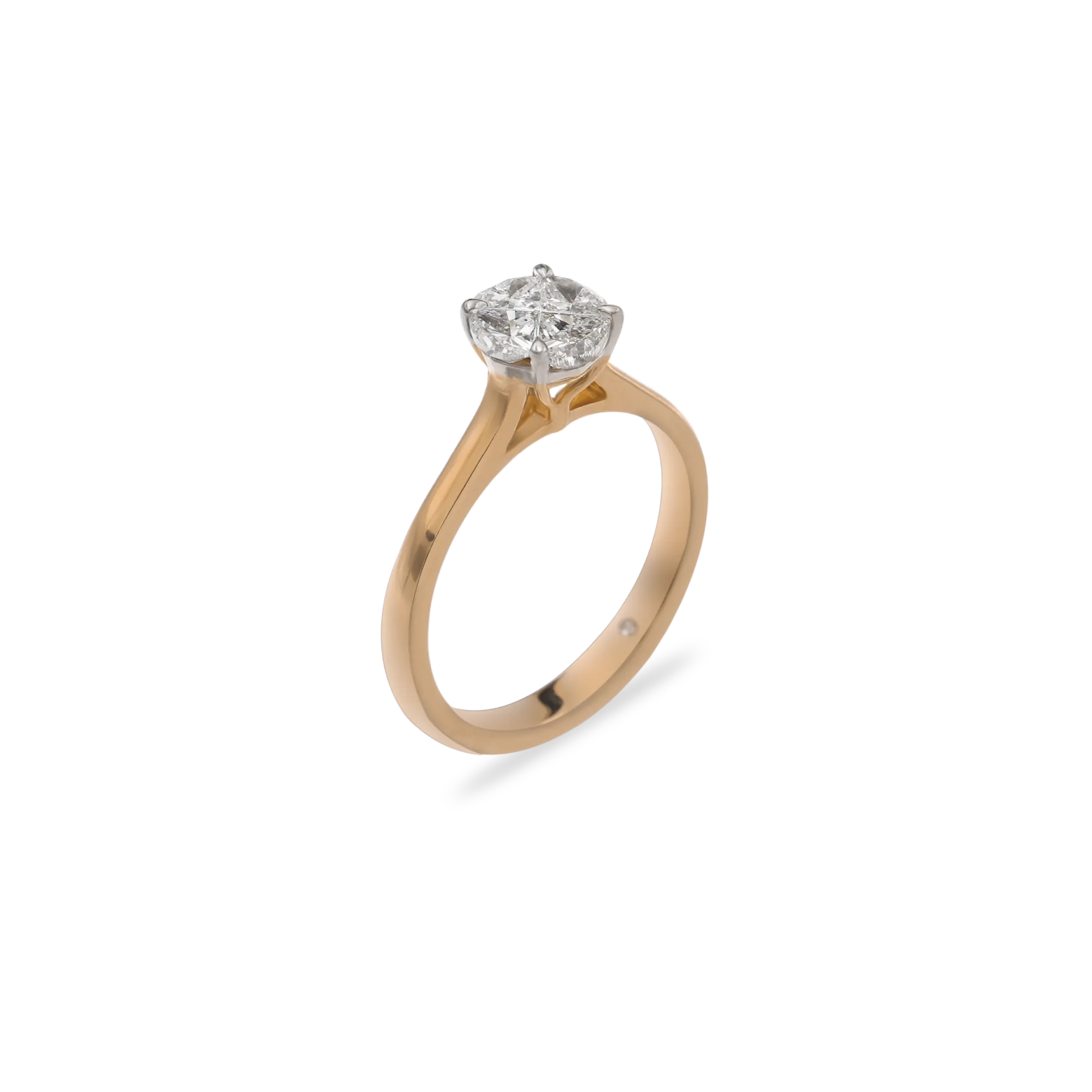
- Select rings that leave room for ceremony bands.
- Repeat one metal or stone to connect the hands to the necklace.
After trying these combinations, remove anything that catches, pinches, or distracts from the gesture of the hands. Jewellery should support the ceremony rather than become another task to manage.
Styling headpieces, nose rings, and other accessories
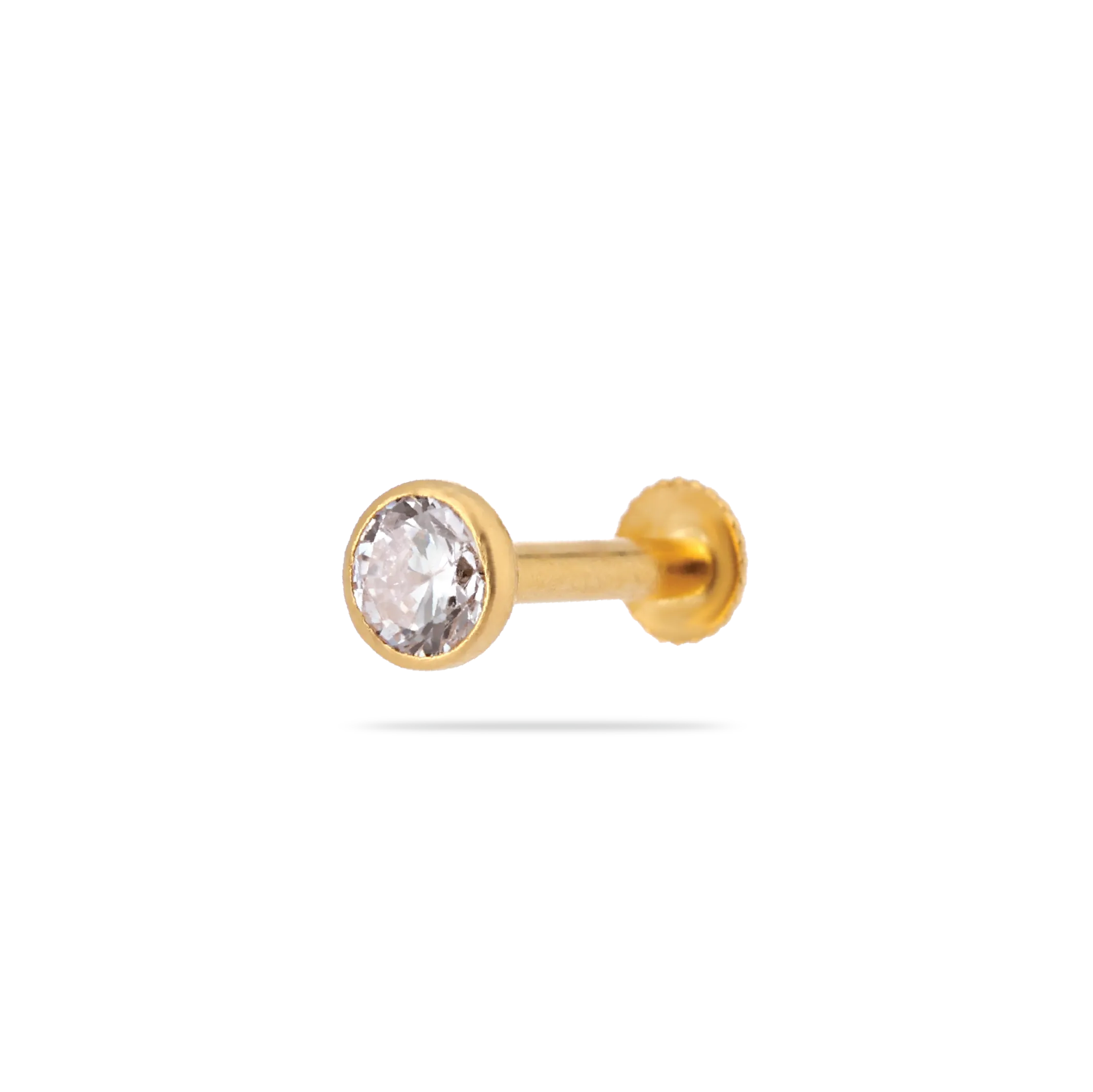
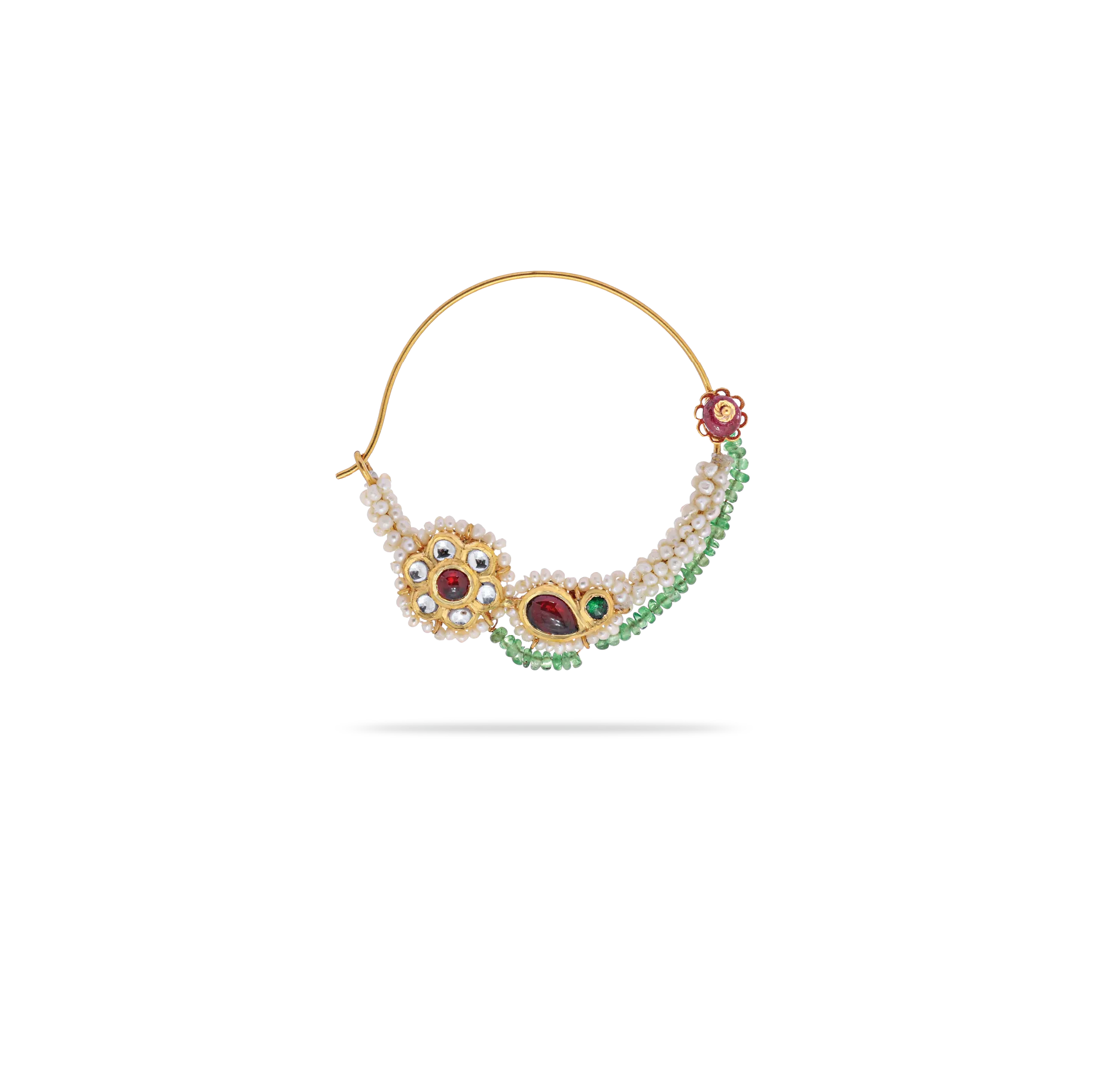
Headpieces, forehead ornaments, nose rings, waist chains, and anklets can complete a regional bridal look, but each adds weight and visual information. Introduce them one at a time and check how they interact with the veil, hair, and neckline. A delicate hair ornament may be enough when the necklace is already elaborate.
Fastening is particularly important for pieces placed near the hair or face. Ask the stylist to practice the complete arrangement before the wedding, including pins, chains, and any veil attachment. This rehearsal can reveal both comfort issues and proportion problems.
Finding jewellery that suits your features and comfort
A beautiful piece must remain wearable through a long ceremony, photographs, travel, and celebration. Face shape and body proportion can guide the first selection, but they should never become restrictive rules. The bride’s movement, hairstyle, clothing, and comfort are equally influential.
Using face shape to guide earring selection
Earring shape can balance the visible outline of the face. Long drops may add length to a rounder appearance, while rounded or wider designs can soften a longer outline. Angular shapes can introduce definition, and smaller studs can let the face and hairstyle remain the focus.
These are starting points, not requirements. Put on several silhouettes and photograph them from the angle guests will most often see. The best pair is usually the one that makes the bride look like herself, only more polished.
Proportioning jewellery to your height and body frame
Scale should feel intentional from head to toe. Very delicate pieces can disappear on a heavily embellished outfit, while oversized jewellery may dominate a smaller frame. Layer length, pendant size, and earring volume can all be adjusted without abandoning a traditional style.
Consider the visual weight of the clothing too. A structured, richly decorated garment can support stronger pieces than a narrow, fluid silhouette. Stand at least a few feet from a full-length mirror before deciding that a set feels balanced.
Managing weight, movement, and all-day wear
Weight becomes more noticeable as the day progresses, especially around the ears, neck, and wrists. Wear each important piece at home for a meaningful trial, not just for a few minutes in a shop. Move your head, raise your arms, sit down, and walk at a normal pace.
Pay attention to pressure points and shifting parts. If earrings pull, ask whether a support back is possible; if bangles slide, adjust the size or number. Comfort is not a compromise to tradition. It is what allows the bride to participate fully in the day.
Testing fit and fastening security before the wedding
Every clasp, hook, post, and chain should be tested before the final week. Have someone help with pieces that are difficult to secure and take a quick photograph after movement. This catches tilted pendants, loose hair ornaments, and earrings that do not sit evenly.
Keep a small repair kit with spare backs, soft thread, and a pouch for removals. A trusted family member or stylist can be assigned to check the jewellery between ceremony and reception, when pieces are most likely to shift.
Shopping for wedding jewellery with confidence
Bridal jewellery is an emotional purchase, which can make comparison difficult. Set priorities before visiting a showroom or ordering custom work: the pieces that carry family meaning, the pieces needed for the ceremony, and the pieces you expect to wear afterward. Clear priorities make a beautiful option easier to judge.
Setting a realistic bridal jewellery budget
Separate the total budget by category rather than treating jewellery as one large figure. Include the main set, alterations, insurance or storage if relevant, and any pieces for related events. Leave room for practical costs such as resizing, replacement backs, or professional cleaning.
A budget can also protect the design. When the maximum is known, a jeweller can suggest where to spend for craftsmanship and where a simpler detail will do. Avoid borrowing heavily for a piece that will not be comfortable or useful after the wedding.
Comparing custom, heirloom, and ready-to-wear pieces
Custom jewellery offers control over proportion, metal, and stones, but it needs more time and careful approvals. Heirlooms bring emotional depth and may only need cleaning or minor adjustment. Ready-to-wear pieces can be efficient, especially when the design and fit are already close to what you want.
Compare the full experience, not only the initial price. Ask about lead times, alterations, repair policies, documentation, and what happens if a stone or clasp needs attention. A trusted jeweller should be willing to explain the construction without making the decision feel rushed.
Checking gemstone quality, certifications, and craftsmanship
Request clear information about metal purity, gemstone treatments, and any available grading or certification documents. Inspect prongs, backs, soldered joins, polish, and the smoothness of edges. For pieces worn close to the skin, finish quality affects comfort as much as appearance.
Documentation should match the item being purchased, and the invoice should describe the important details accurately. If something is unclear, pause and ask for it in writing. Good records are useful for care, insurance, resale, or family history later.
Planning purchases, alterations, and final fittings
Start with the pieces that require custom work or family approval. Schedule a fitting with the actual blouse, neckline, hairstyle, and veil rather than relying on memory. Leave enough time for resizing and a second check after alterations.
For a more minimalist direction, intentional bridal jewellery choices offer a useful reminder to coordinate metal finishes, sparkle, and comfort instead of adding pieces automatically. The same principle works for a grand traditional set: every item should earn its place.
Preserving and styling your jewellery beyond the wedding
Wedding jewellery becomes more valuable when it continues to belong in ordinary life. Some pieces may return for anniversaries or festivals, while others can be separated into smaller combinations for dinners, family gatherings, and everyday wear. Planning that future use can help you choose designs with lasting relevance.
Caring for gold, gemstones, and delicate details
Follow the jeweller’s care instructions for each material, since stones and finishes do not all respond to the same cleaning method. Keep jewellery away from perfume, hairspray, lotions, pools, and harsh household chemicals. Wipe pieces gently with a suitable soft cloth after wear and arrange professional care when settings need inspection.
Do not scrub delicate details simply to make them look brighter. Filigree, enamel, pearls, and intricate settings may need specialized handling. A little restraint usually preserves more beauty than aggressive cleaning.
Storing pieces safely after the ceremony
Store pieces clean and completely dry, with delicate items separated so they do not scratch one another. Soft pouches, lined compartments, and individual boxes can prevent chains from tangling and stones from rubbing. Keep an inventory with photographs, descriptions, and purchase or appraisal records.
Choose a stable, dry location away from direct heat and humidity. Very valuable pieces may need additional security, while sentimental items benefit from being easy enough to access for occasional inspection.
Incorporating bridal jewellery into future occasions
Break a large set into smaller stories. A pair of earrings can accompany a simple outfit, a pendant can be worn alone, and selected bangles can mark a festival or family celebration. This approach keeps traditional jewellery active rather than reserving it permanently for one photograph.
For ideas on adapting meaningful pieces, jewellery for life after marriage offers a natural starting point, especially when you want tradition to sit comfortably alongside contemporary clothing. The key is to preserve the character of a piece while giving it room to fit your current life.
Passing down meaningful pieces as family heirlooms
A future heirloom needs more than monetary value. Record who chose the piece, when it was worn, what ceremony it belonged to, and any care instructions. Those details give the next wearer a connection to the jewellery beyond its materials.
If a set is too large or fragile for regular use, consider which pieces can be worn safely and which should remain protected. Discuss preferences with family members early, so the story and responsibility attached to the jewellery are understood rather than guessed.
Conclusion
The most enduring wedding jewellery for traditional brides brings together heritage, personal meaning, thoughtful proportion, and genuine comfort. Choose the pieces that support your outfit and your ceremony, test them in real movement, and care for them with the future in mind. A well-chosen set will not end with the wedding day; it will continue through celebrations, family stories, and the lives of those who wear it next.
Frequently Asked Questions
How much jewellery should a traditional bride wear?
There is no fixed number of pieces. Start with the traditions and ceremony requirements, choose one focal point, and add supporting jewellery that complements the outfit without hiding the bride.
Should all bridal jewellery be made from the same metal?
Matching metals create a unified appearance, but mixed metals can work when the combination is repeated deliberately. Consider the outfit, heirlooms, engagement ring, and overall finish before deciding.
How do I match jewellery to a heavily embroidered outfit?
Choose one or two details from the embroidery, such as color or shape, and echo them in the jewellery. If the clothing is already dense, a clearer silhouette or simpler supporting pieces may create better balance.
Are heirloom pieces suitable for the wedding ceremony?
They can be ideal when they fit securely and work with the outfit. Have them cleaned and inspected early, and allow time for resizing, repairs, or discreet support if needed.
How can I make heavy bridal jewellery more comfortable?
Wear it during a realistic trial, adjust the fit, use suitable supports where available, and remove unnecessary layers. A stylist or jeweller can often improve balance without changing the design.
What should I check before buying gemstones?
Ask about quality, treatments, durability, setting security, documentation, and care. Make sure the invoice accurately describes the metal and stones in the exact piece you are purchasing.
Can traditional bridal jewellery be worn after the wedding?
Yes. Wear individual pieces with simpler outfits, combine them with contemporary clothing, or reserve them for festivals and family events. Smaller combinations often make elaborate jewellery easier to enjoy regularly.
Wedding jewellery for minimalist brides: A complete guide to choosing timeless pieces
10 minute read
Wedding jewellery for modern brides: how to choose timeless pieces with contemporary style
10 minute read
Related blogs:
November 20, 2025
The Timeless Elegance of the Tennis Bracelet: A Comprehensive Guide
Read More
November 20, 2025
The Ultimate Guide to Styling and Wearing a Choker Necklace
Read More
November 20, 2025
Find Your Perfect Engagement Ring: A Comprehensive Guide to Styles and Diamonds
Read More
November 20, 2025
The Timeless Elegance of a Diamond Tennis Bracelet: A Buyer's Guide
Read More









.webp)
.webp)