Jewellery ideas for newly married women: A guide to choosing meaningful pieces for every occasion
September 16, 2026 | 10 minutes read
Key Takeaways
Jewelry for a new marriage can be beautiful without being overly formal or expensive. The best pieces fit your routines, carry a little meaning, and work with the clothes and occasions already in your life.
- Begin with versatile necklaces, earrings, bracelets, and rings.
- Let wedding customs guide your choices without limiting personal style.
- Match metals and colors to your wardrobe and undertone.
- Add meaning through gemstones, initials, dates, or engraving.
- Protect your investment with thoughtful shopping and regular care.
Start with the jewelry essentials for a new marriage
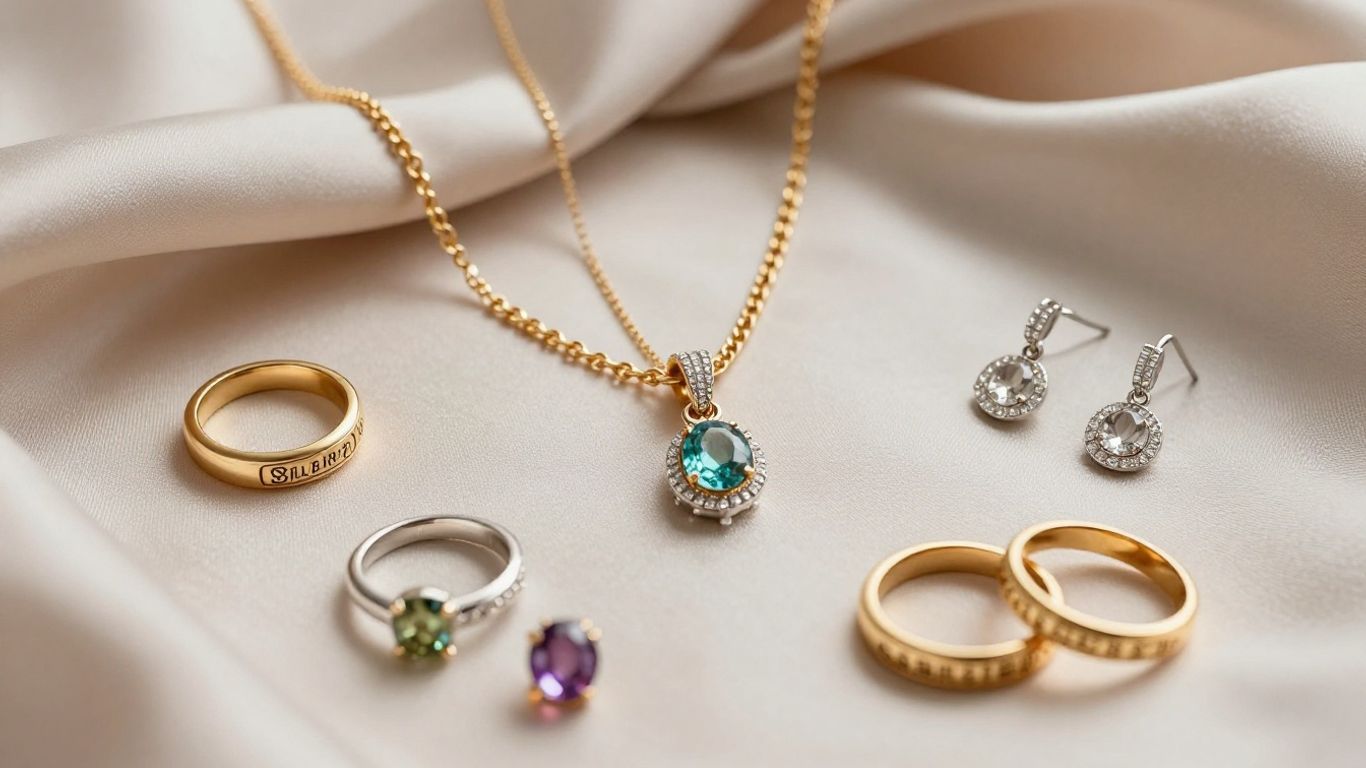
The first jewelry pieces you buy after getting married do not need to form a complete collection overnight. Start with designs you can wear often, then add more distinctive pieces as you learn what feels natural. A small, considered collection usually serves better than a drawer full of items that suit only one outfit. These are some of the most useful jewellery ideas for newly married women because they balance sentiment with everyday ease.
Choose an everyday necklace with personal meaning
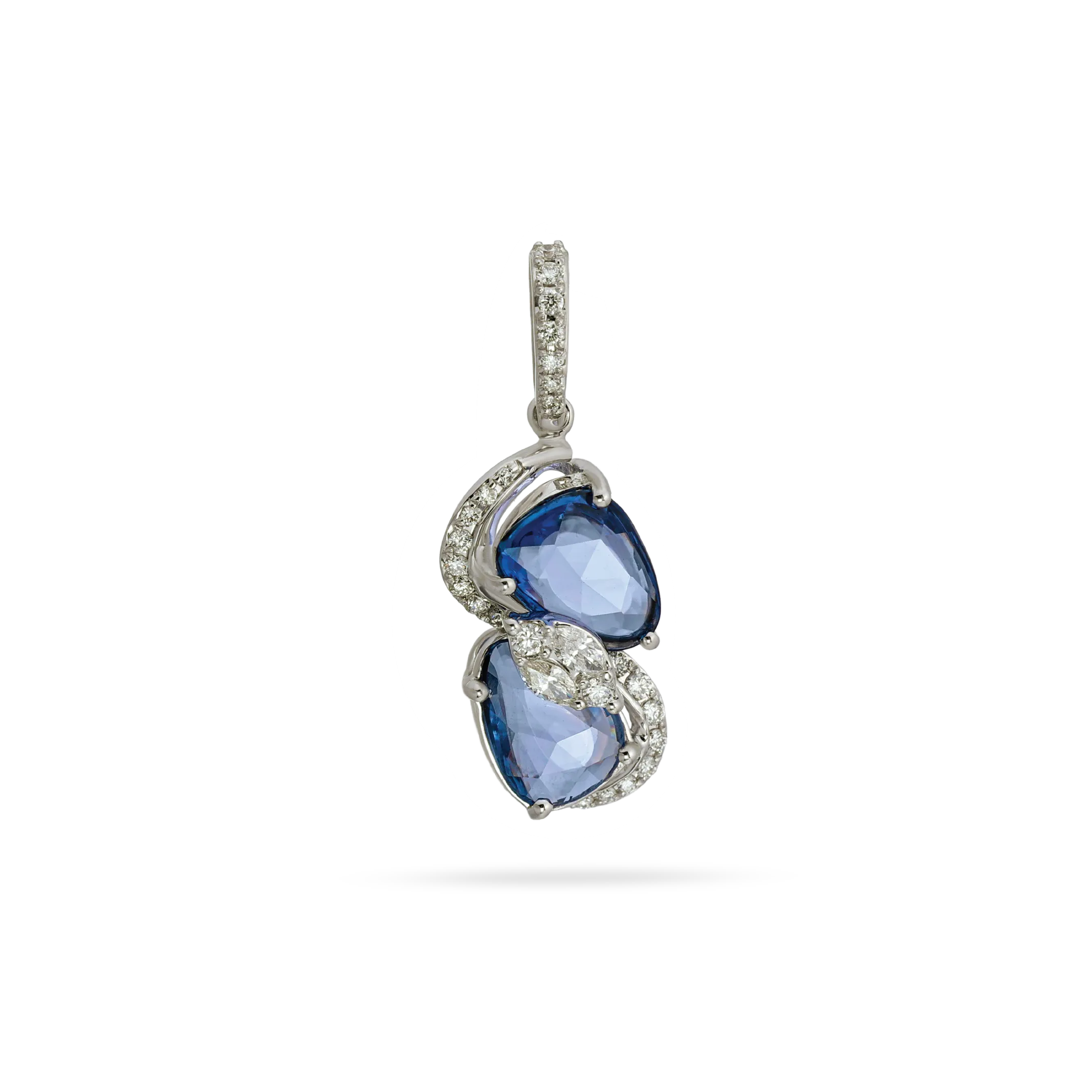
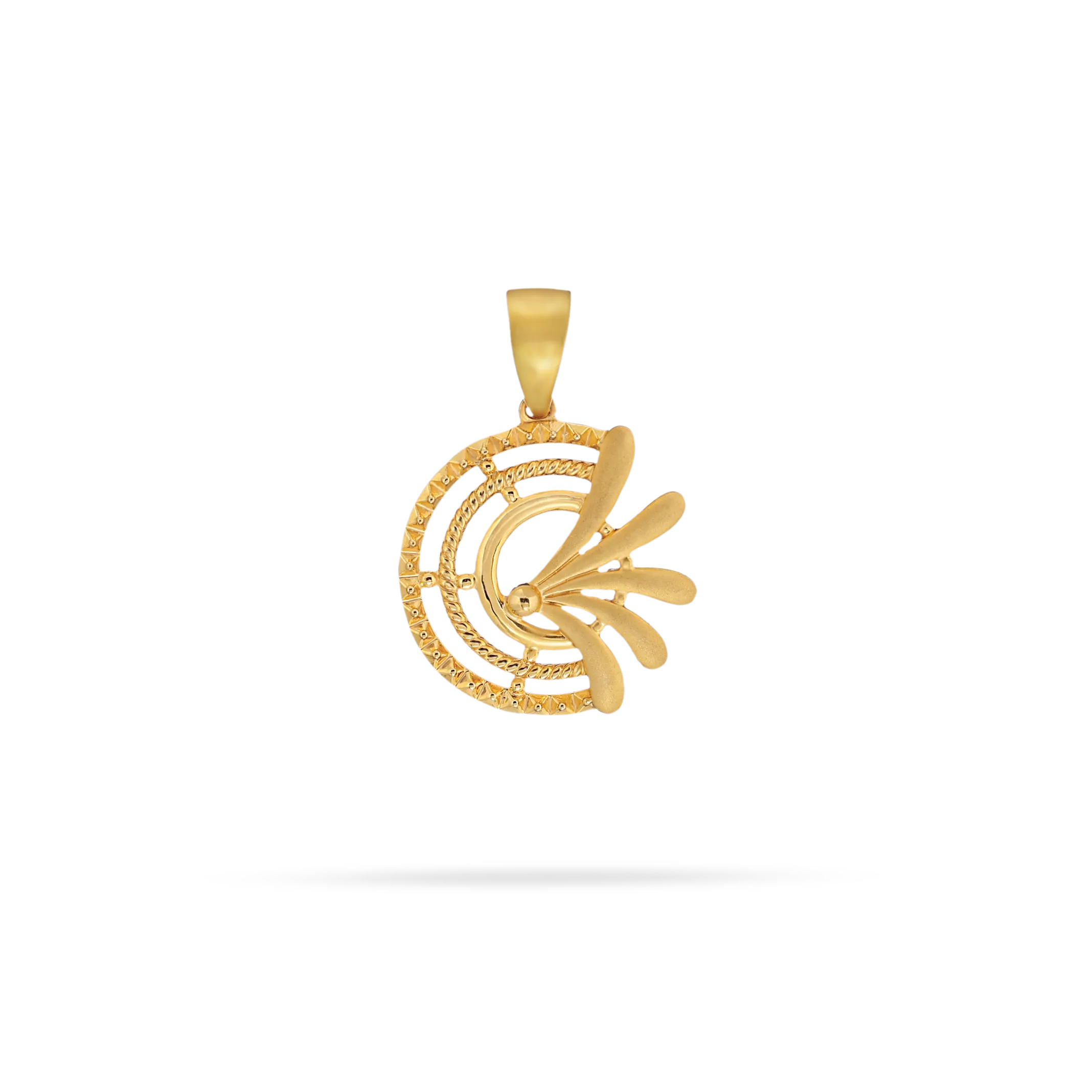
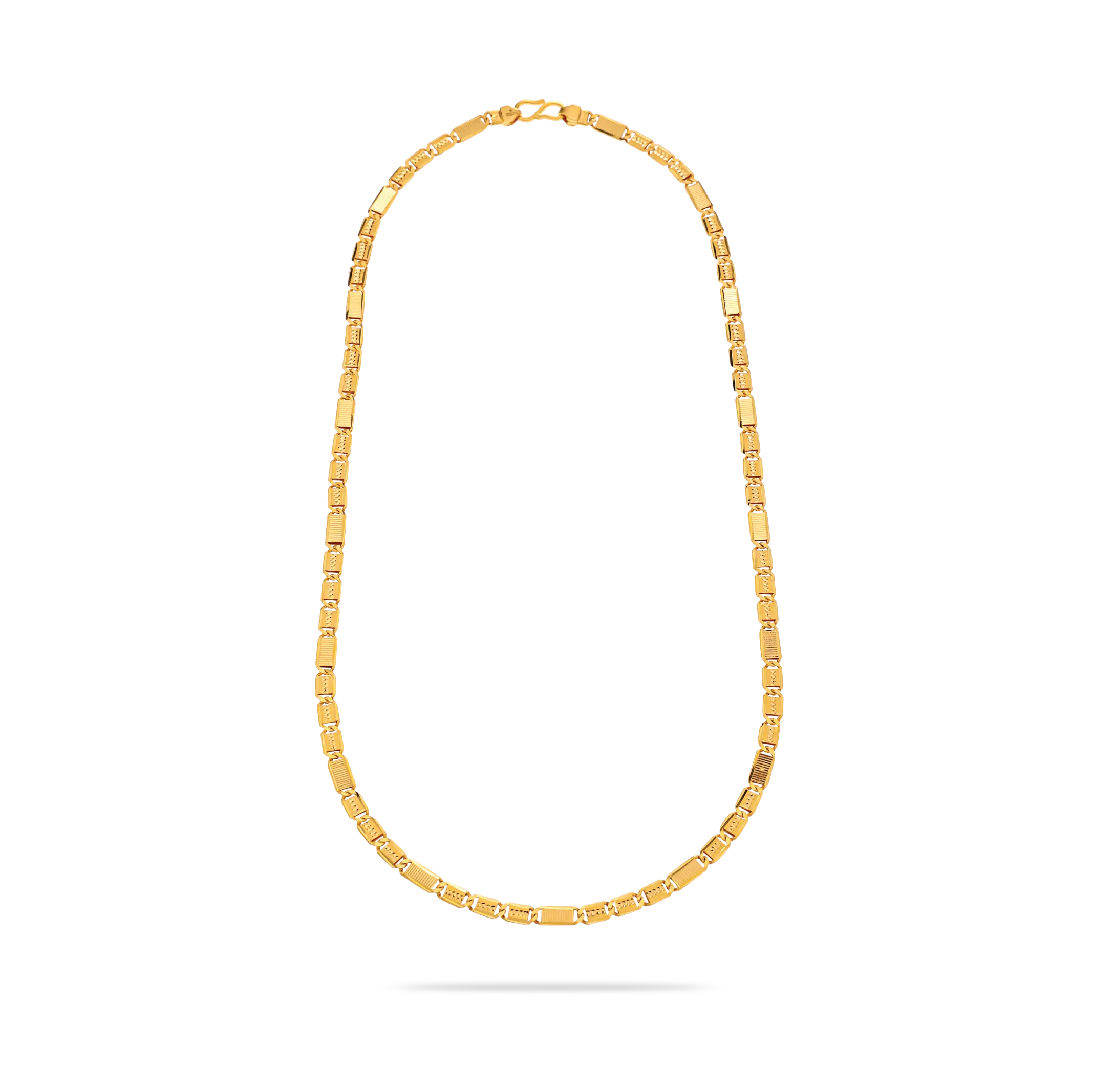
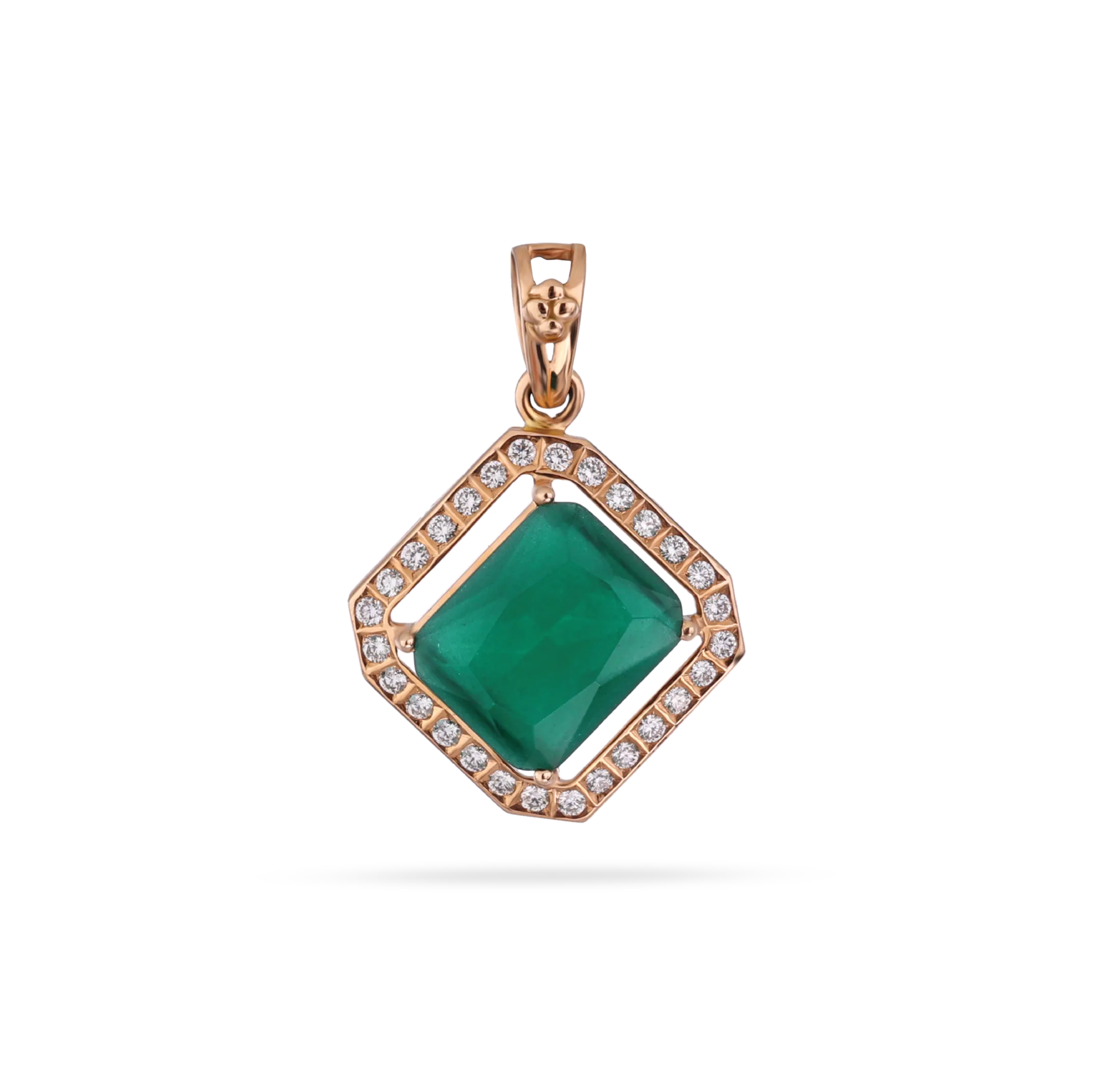
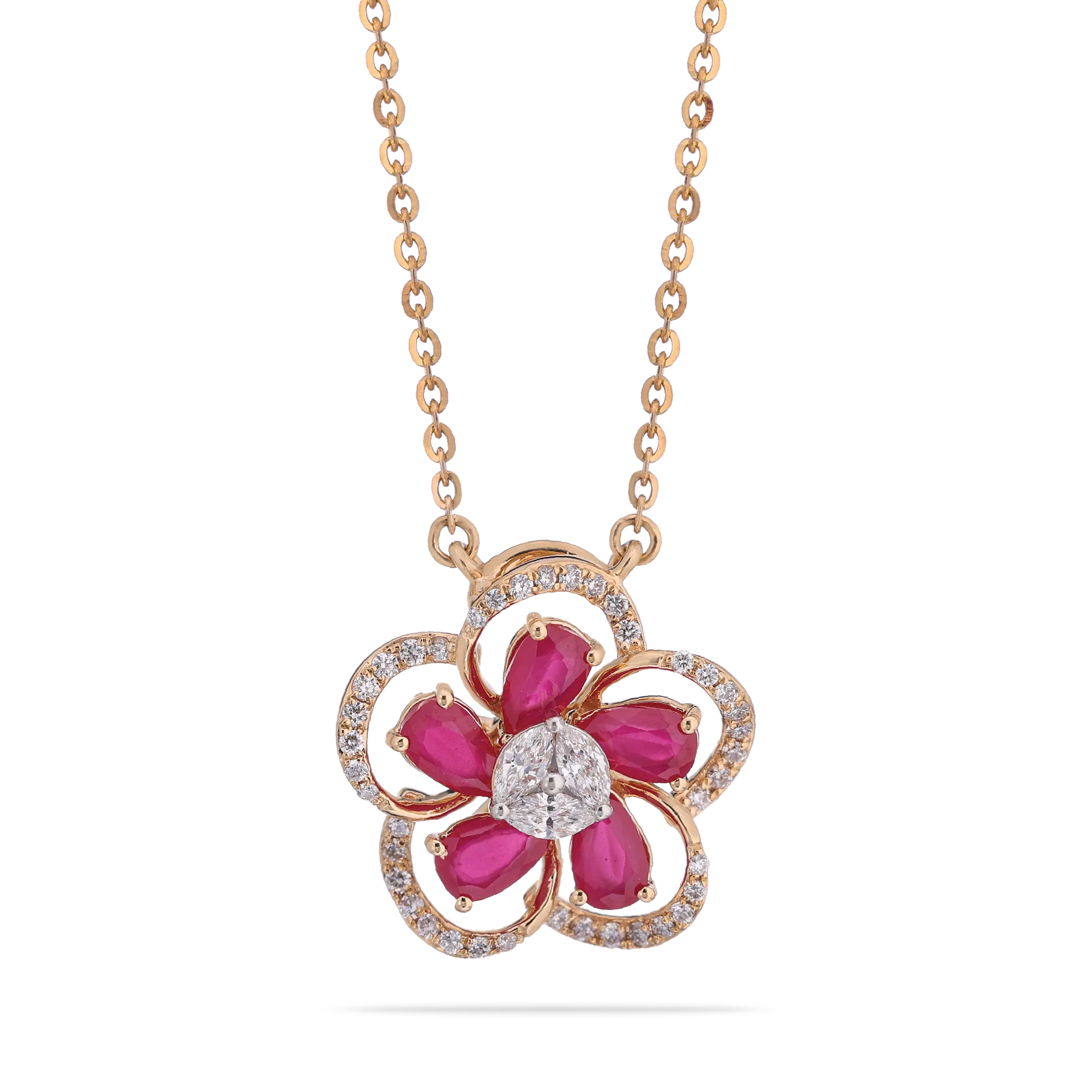
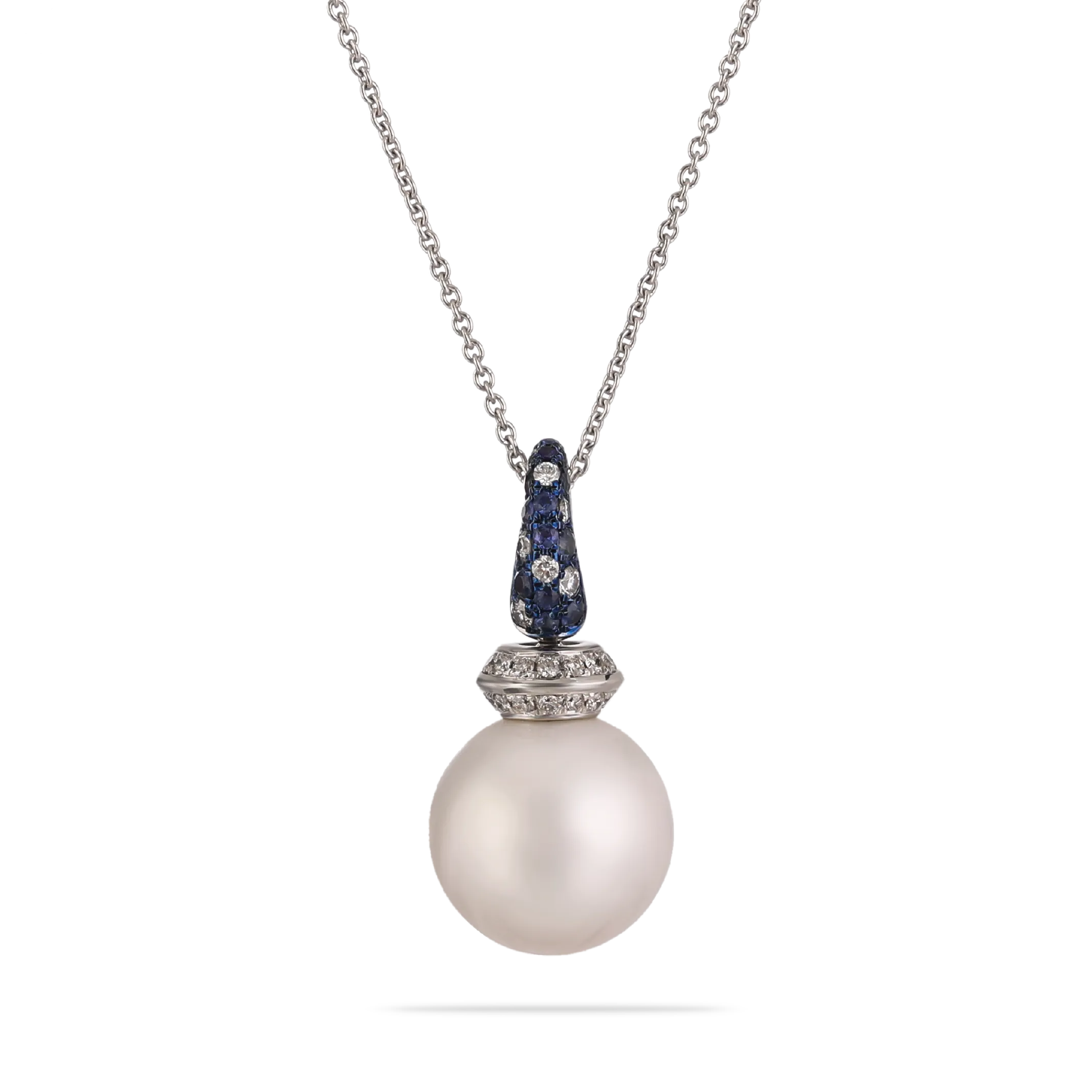
An everyday necklace can quietly mark a new chapter without looking reserved for a ceremony. Consider a fine chain with a small pendant, a disc engraved with a date, or a stone in a color you already wear. The length matters, too: a shorter chain works well with open necklines, while a longer pendant can sit neatly over a high-neck sweater. Choose something light enough that you will genuinely reach for it on ordinary mornings.
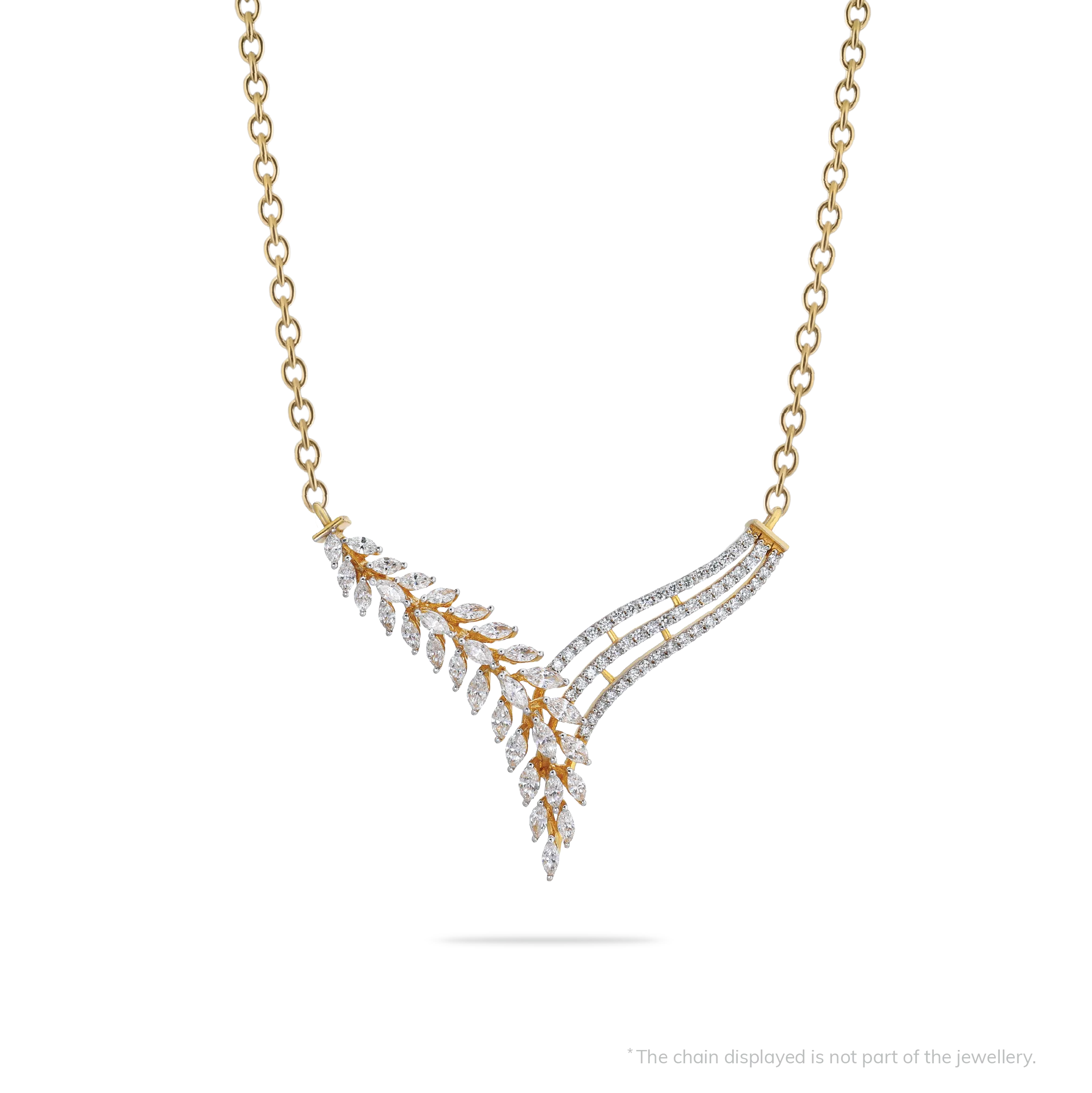
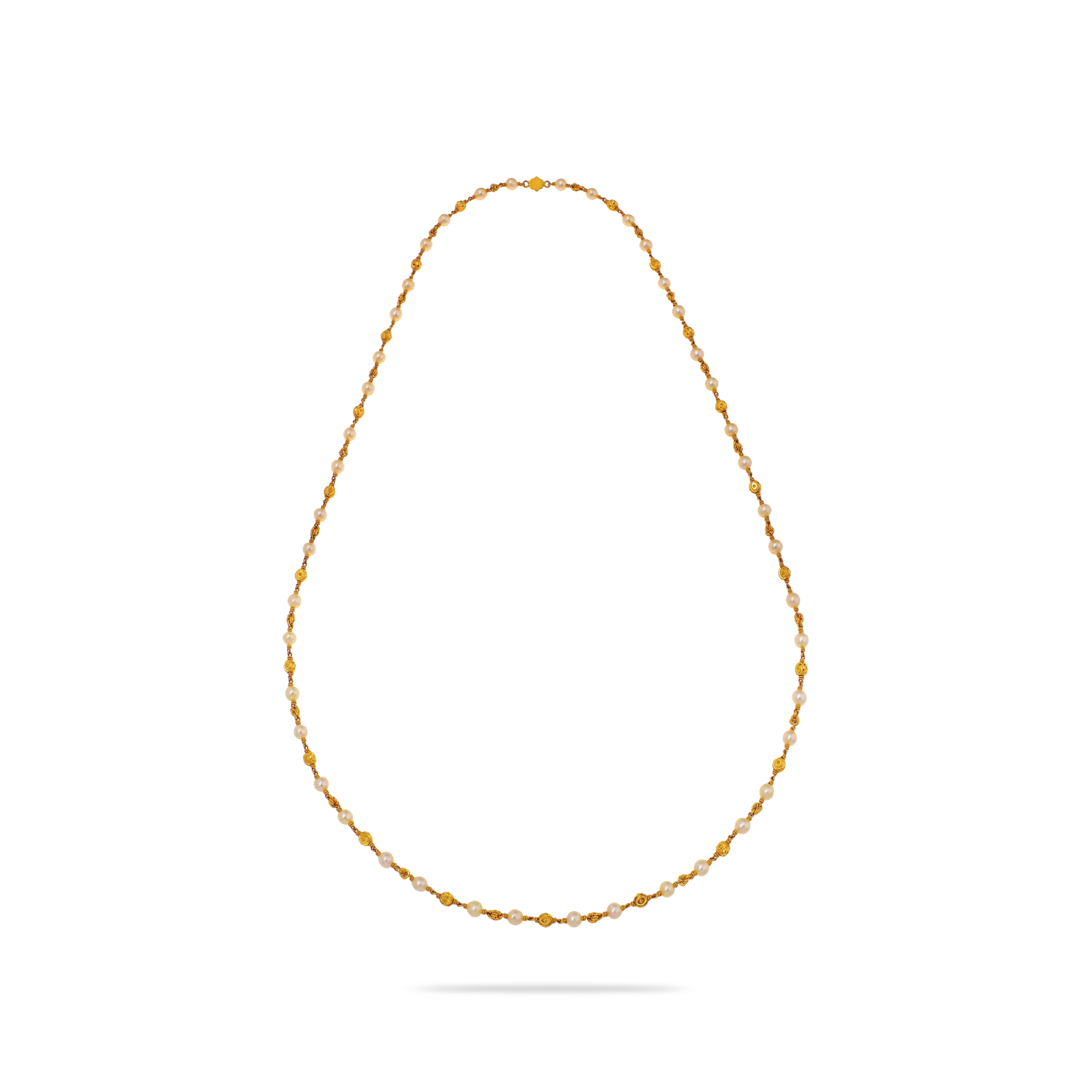
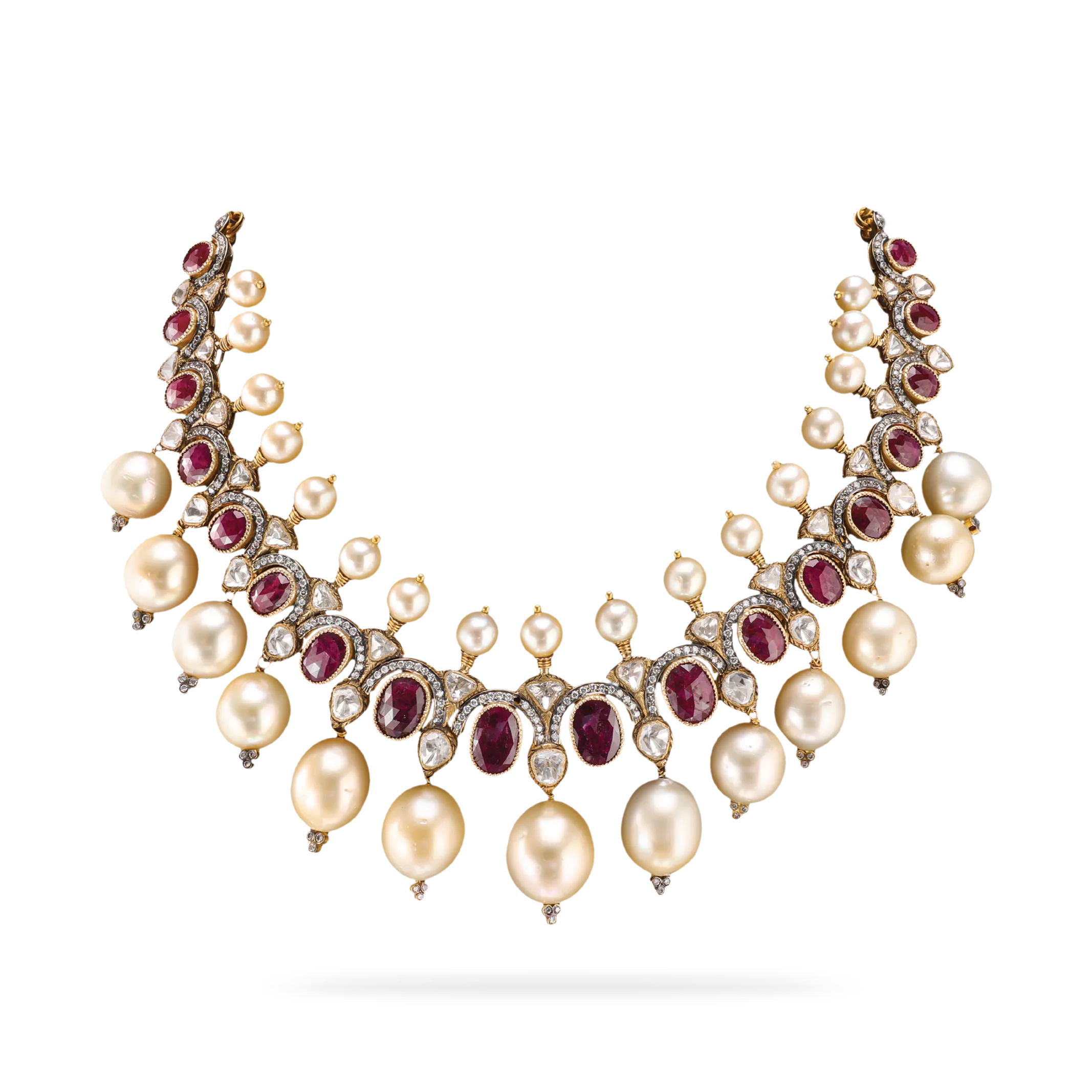
A meaningful necklace does not have to announce its story to everyone else. It may be connected to a wedding date, a shared place, or a family tradition that only you understand. If you are browsing bridal inspiration, CKC & Co offers a useful starting point for seeing how heritage gold and diamond pieces can sit alongside more everyday designs.
Build a versatile earring collection
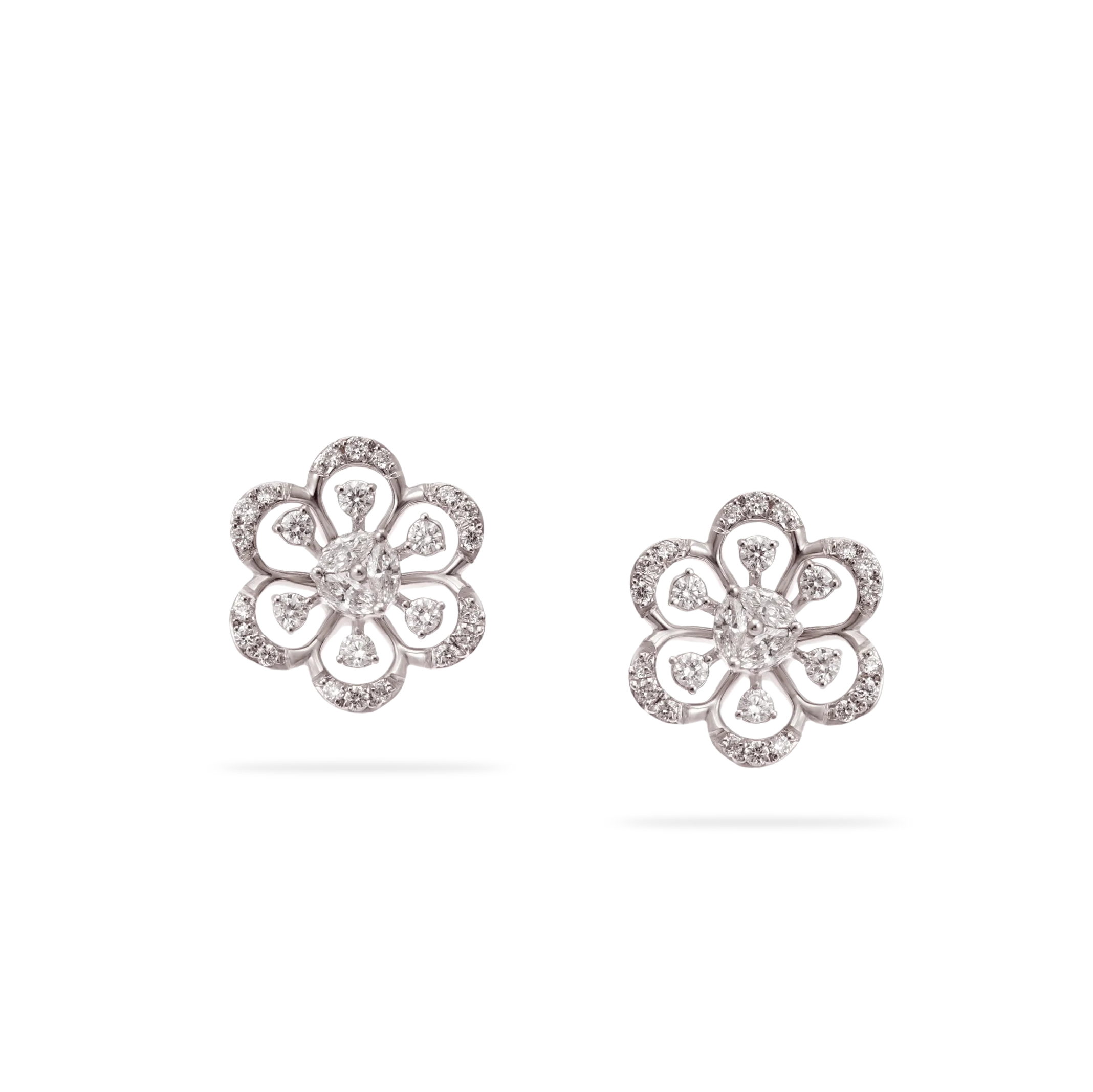
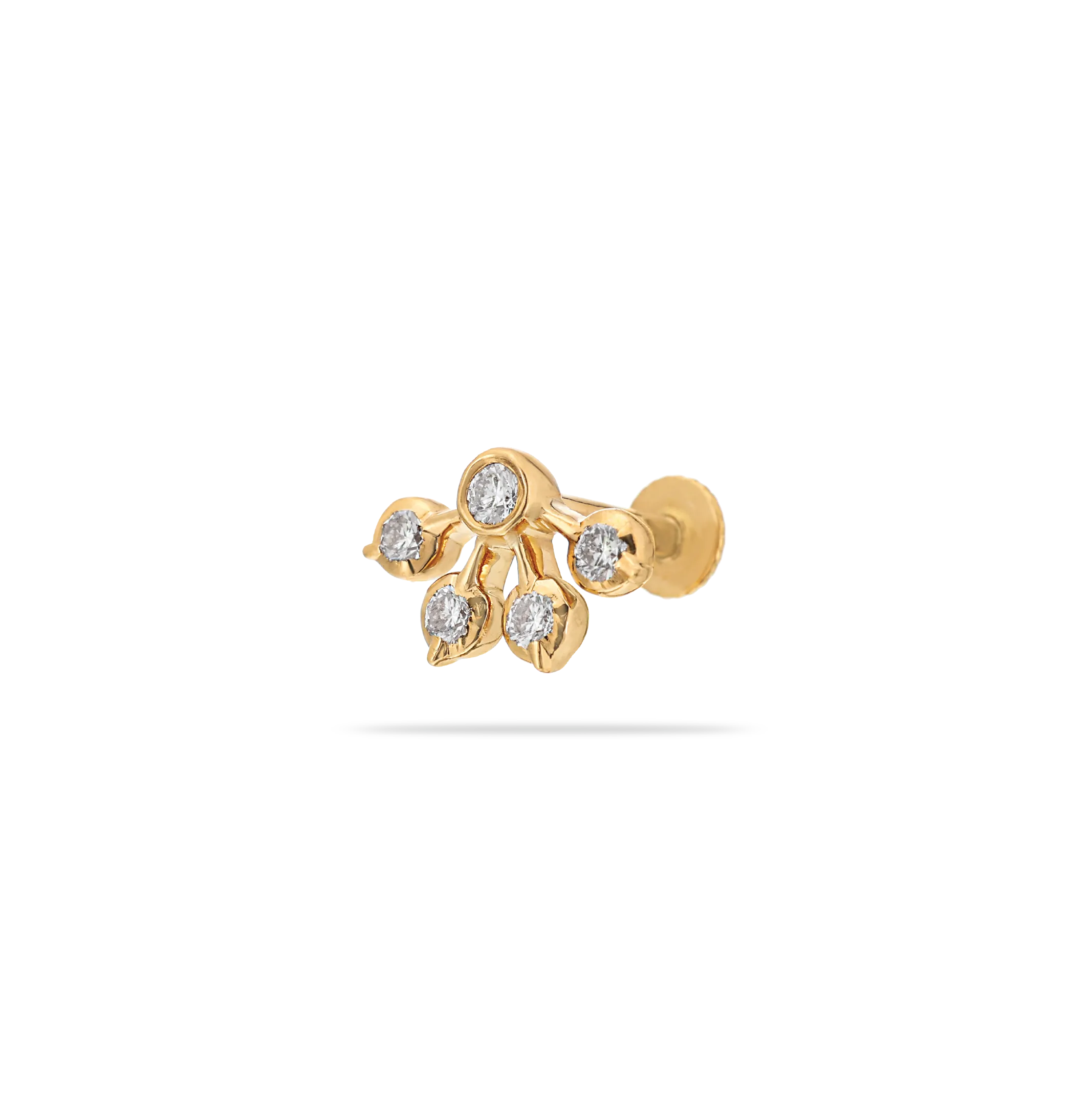
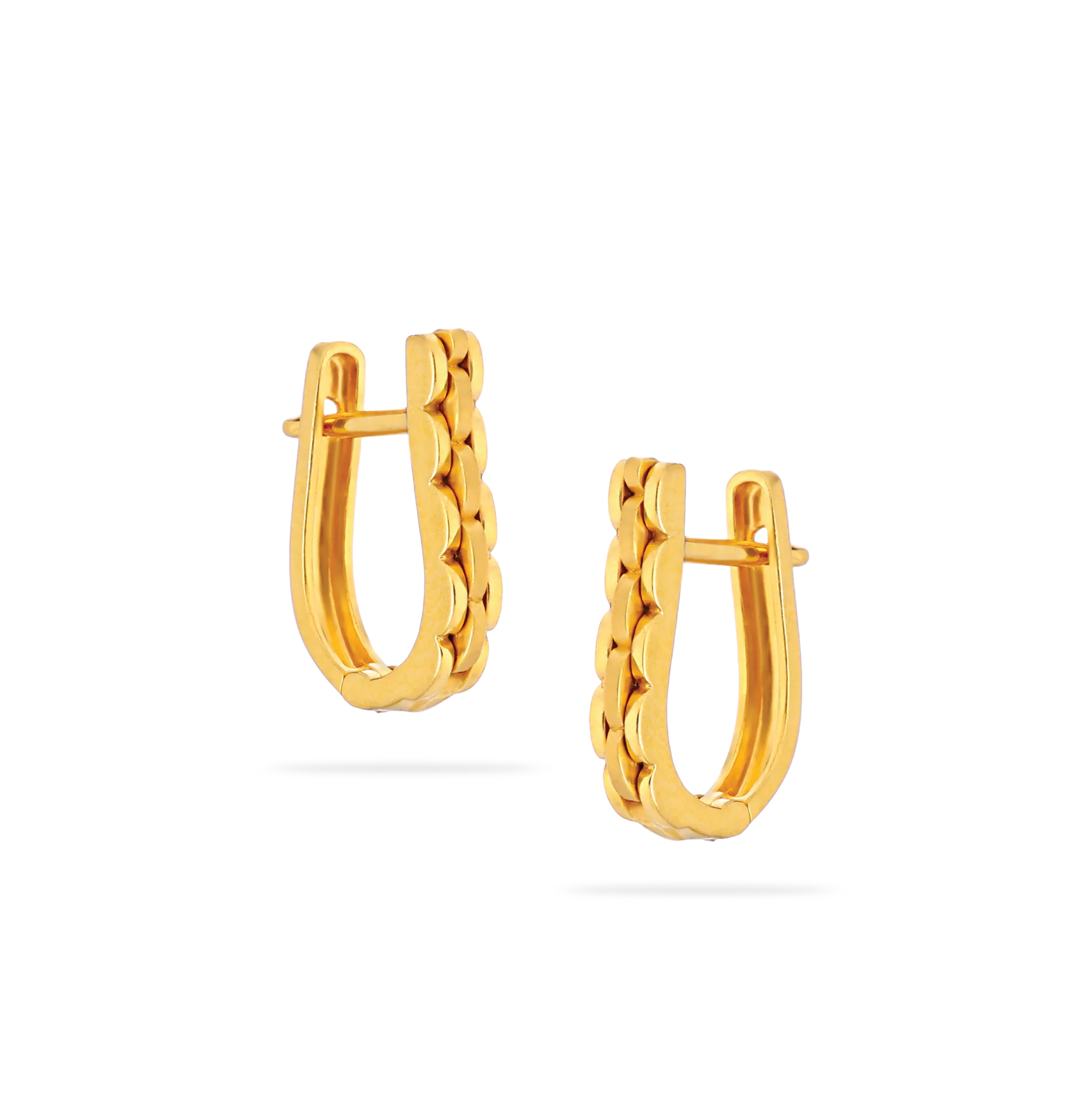
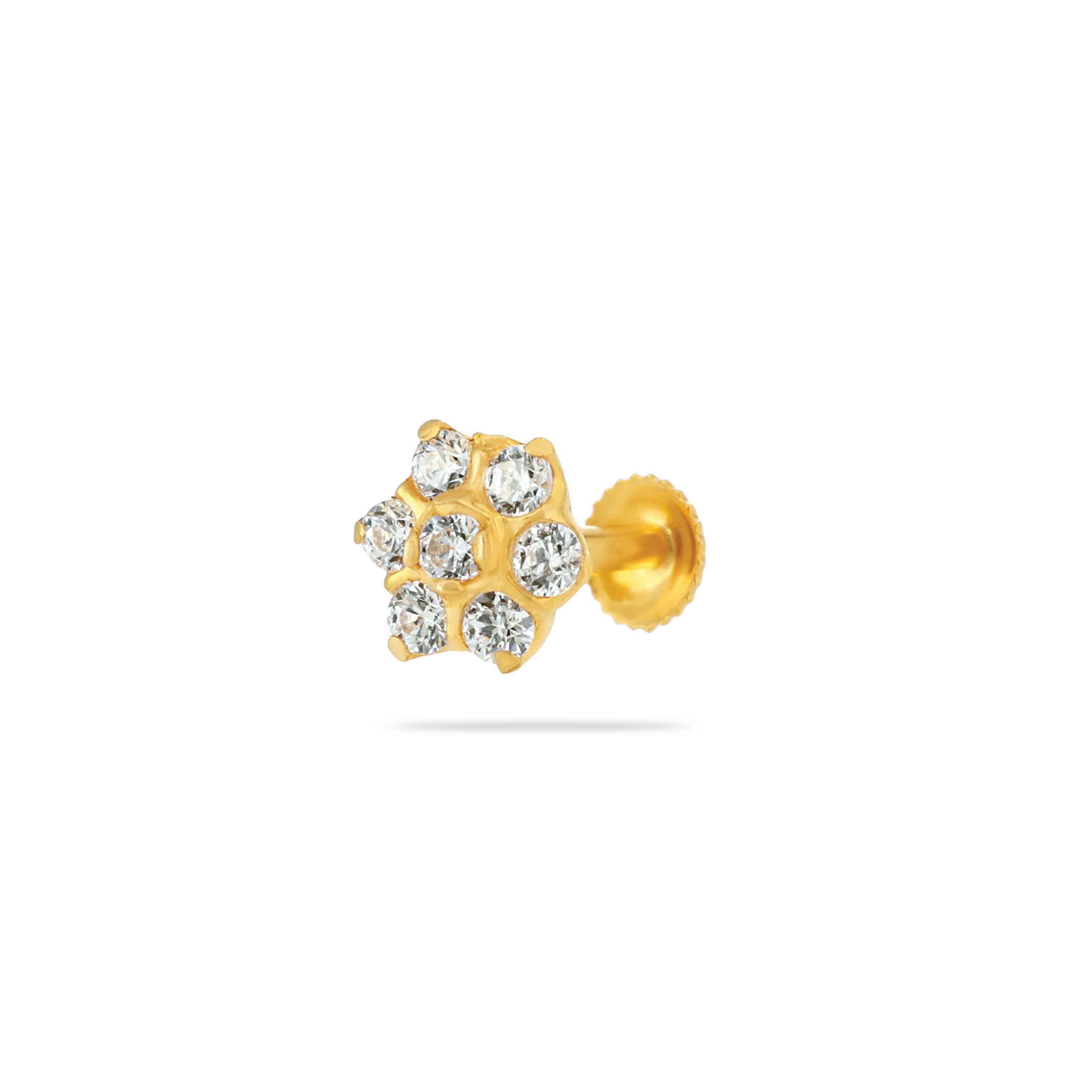
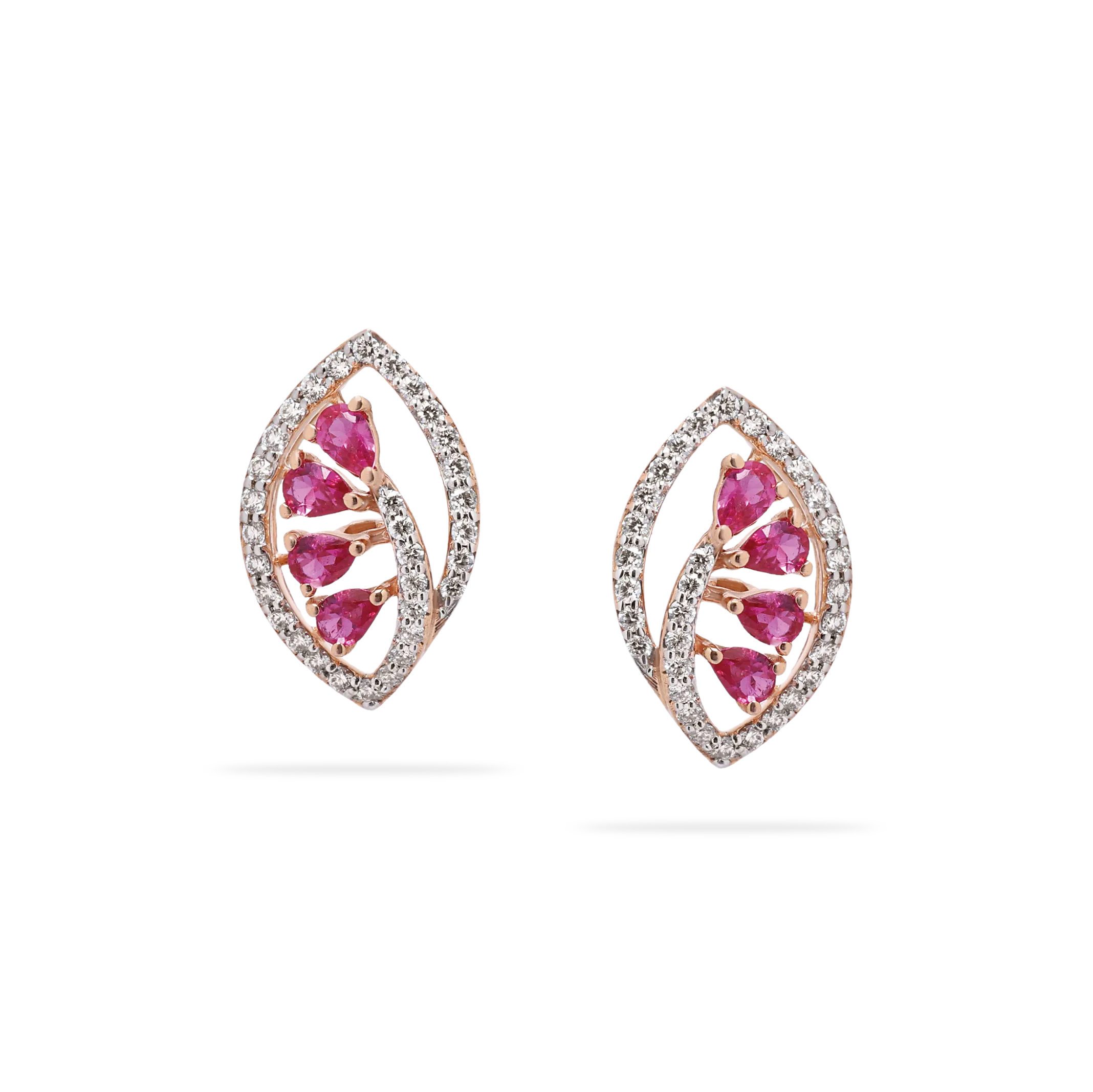
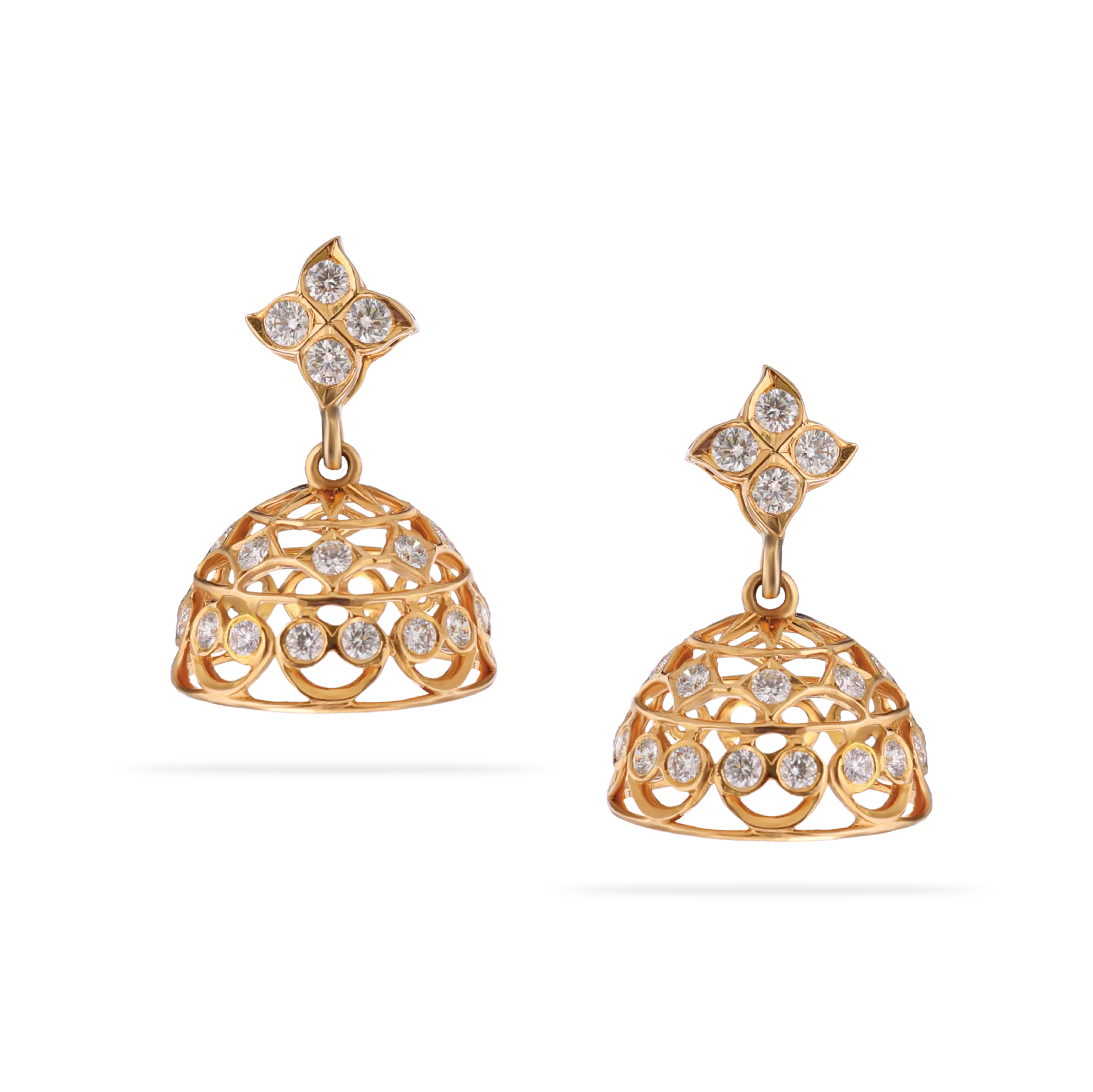
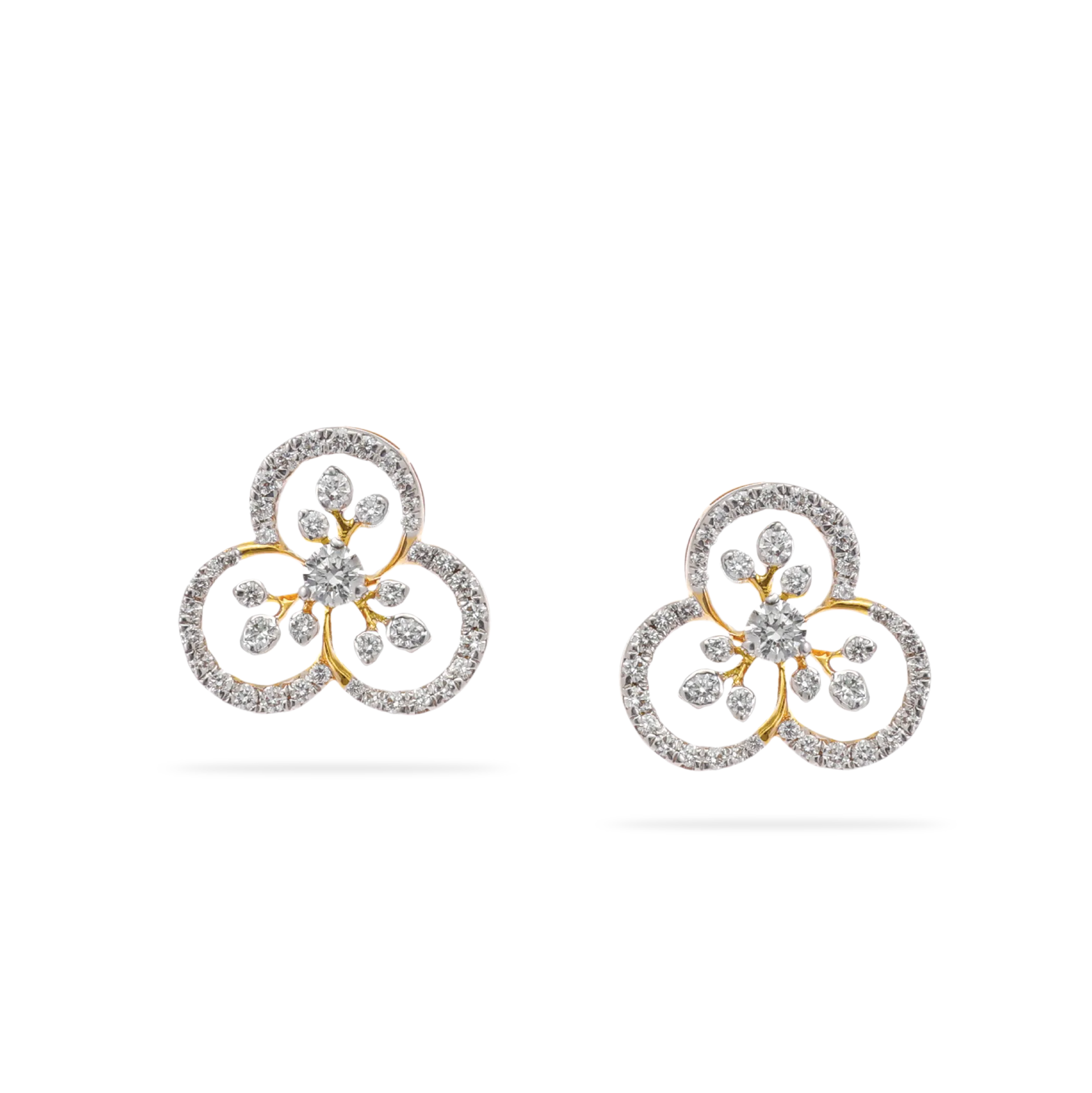
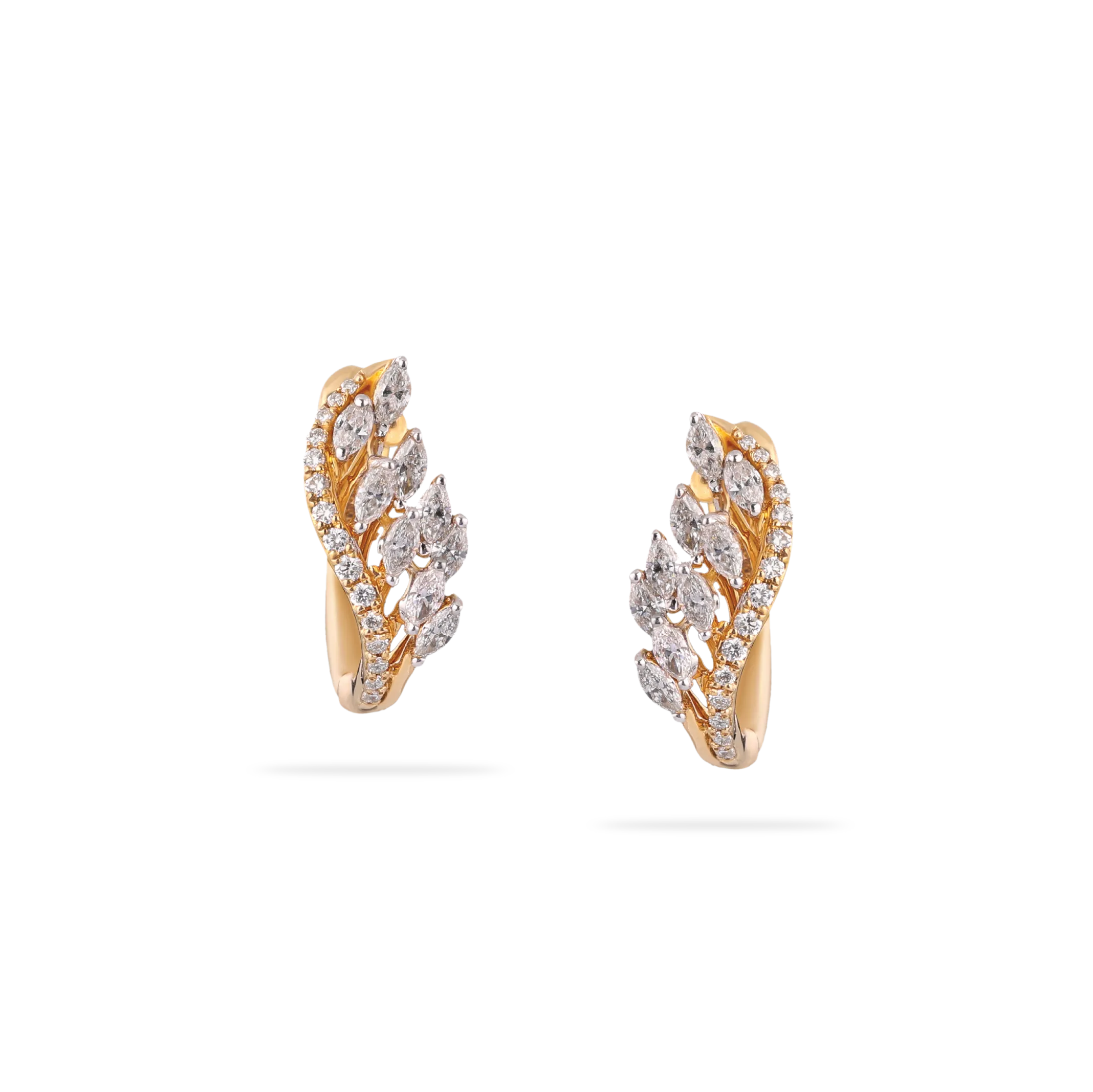
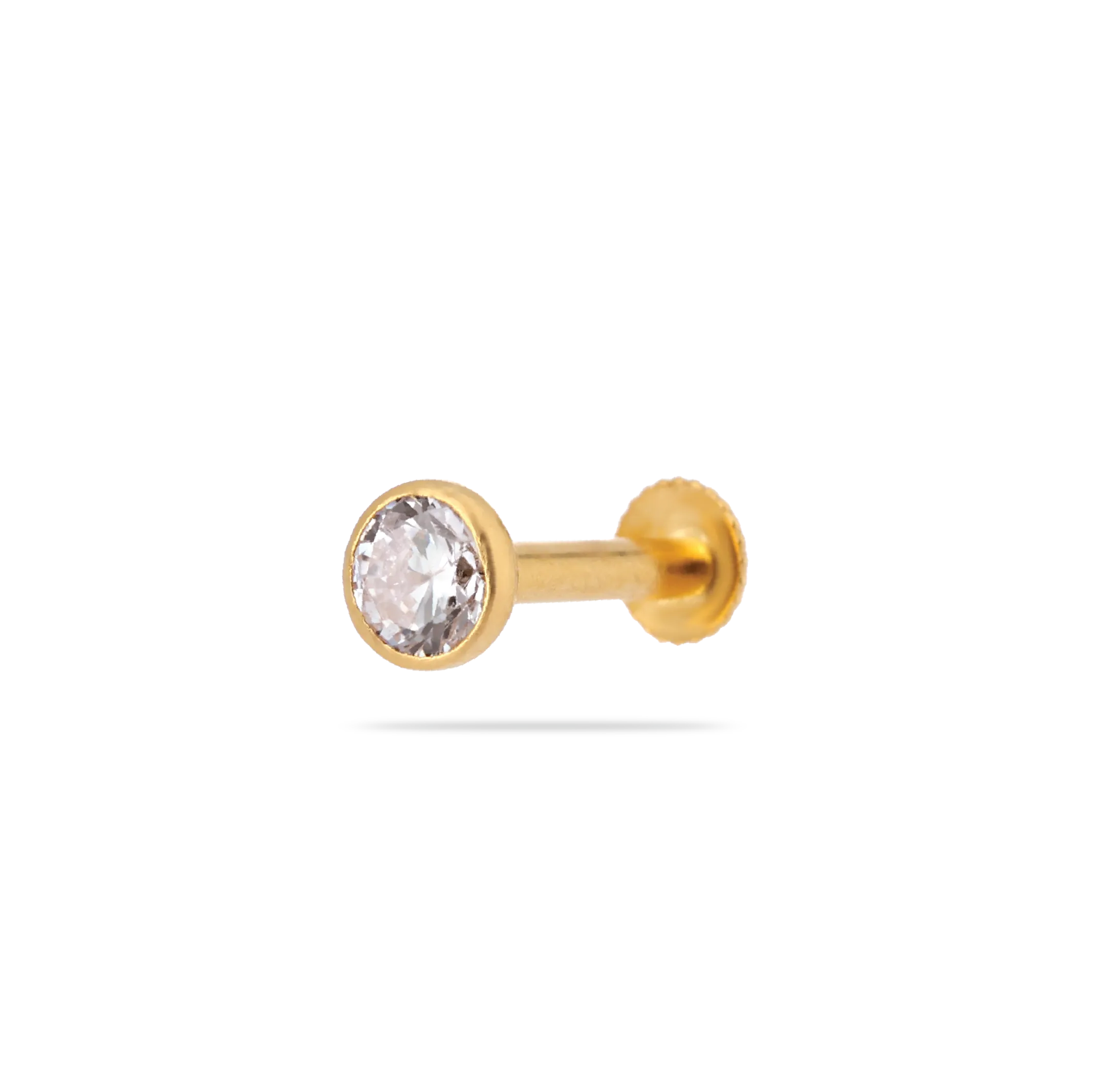
Earrings often give the quickest change to an outfit, so they are a sensible place to build variety. Begin with small studs or huggies for daily wear , then add a medium hoop and one graceful drop style for dinners or celebrations. Pearls, plain metal, and a single colored stone can all work as neutrals when the rest of your wardrobe changes frequently.
Think about comfort as carefully as appearance. Secure backs, moderate weight, and a shape that does not catch on hair or scarves will determine whether a pair becomes a favorite. A polished stud may be more valuable to your collection than a dramatic pair that stays in its box.
Add delicate bracelets and stackable rings
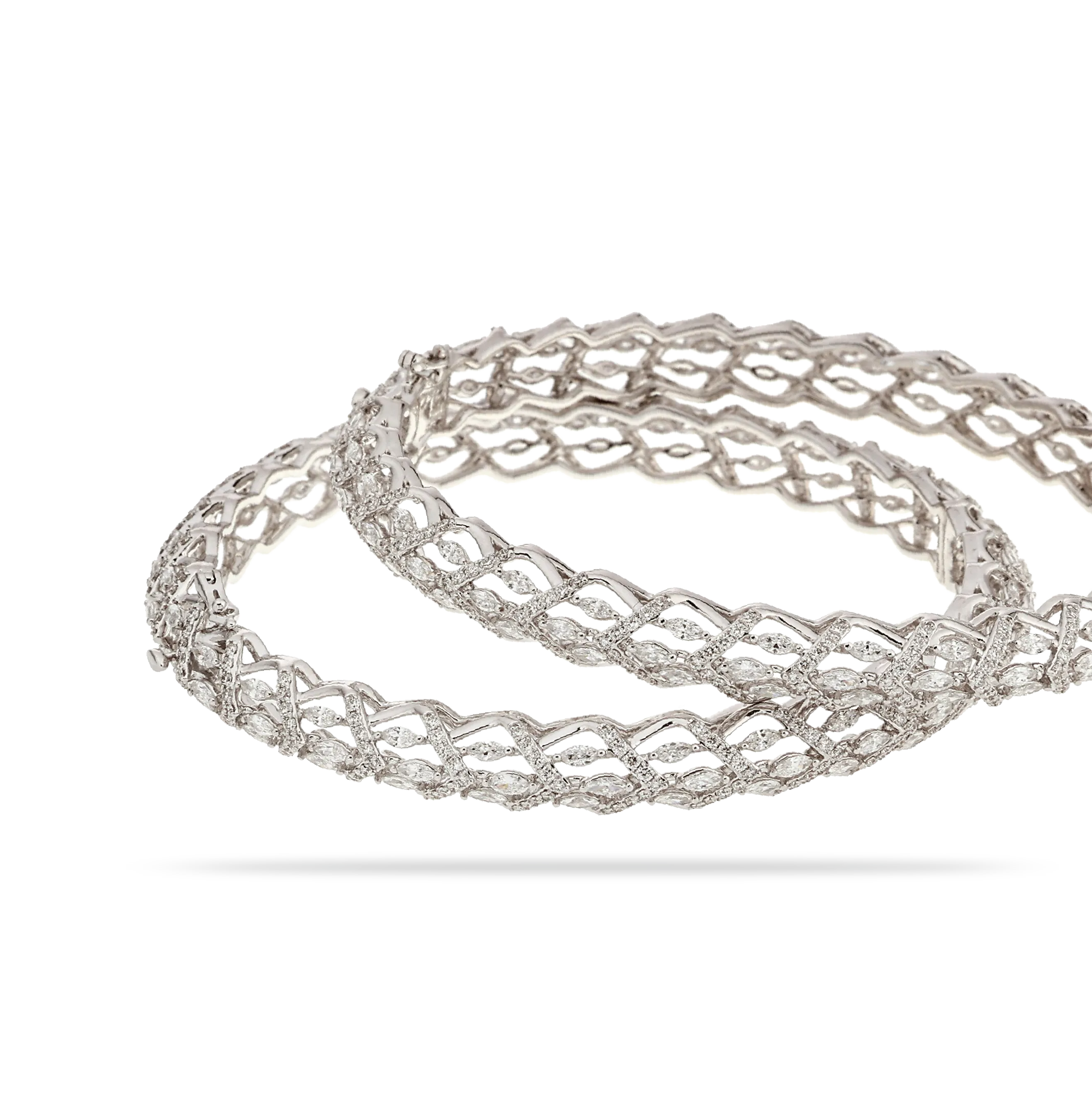
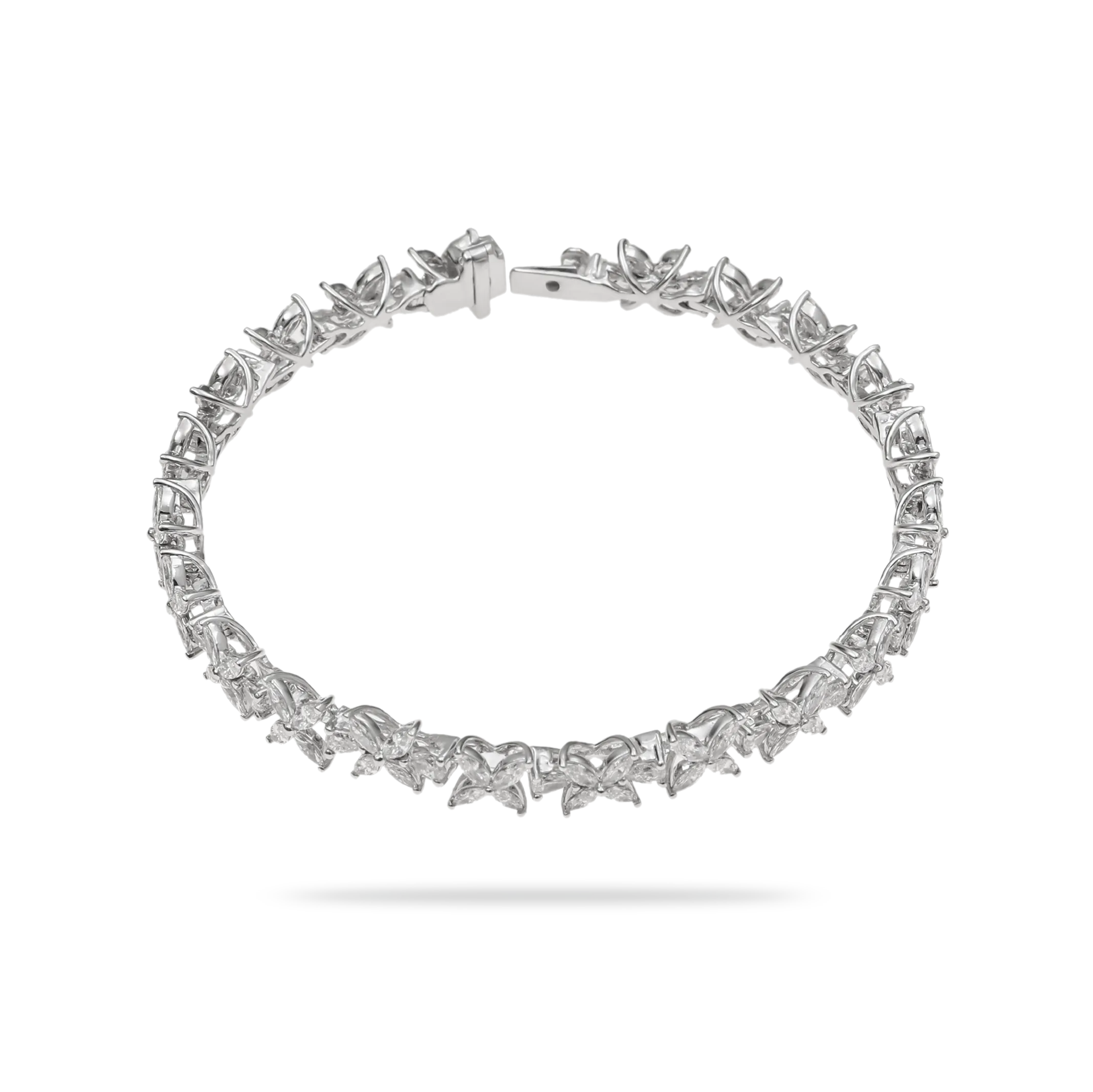
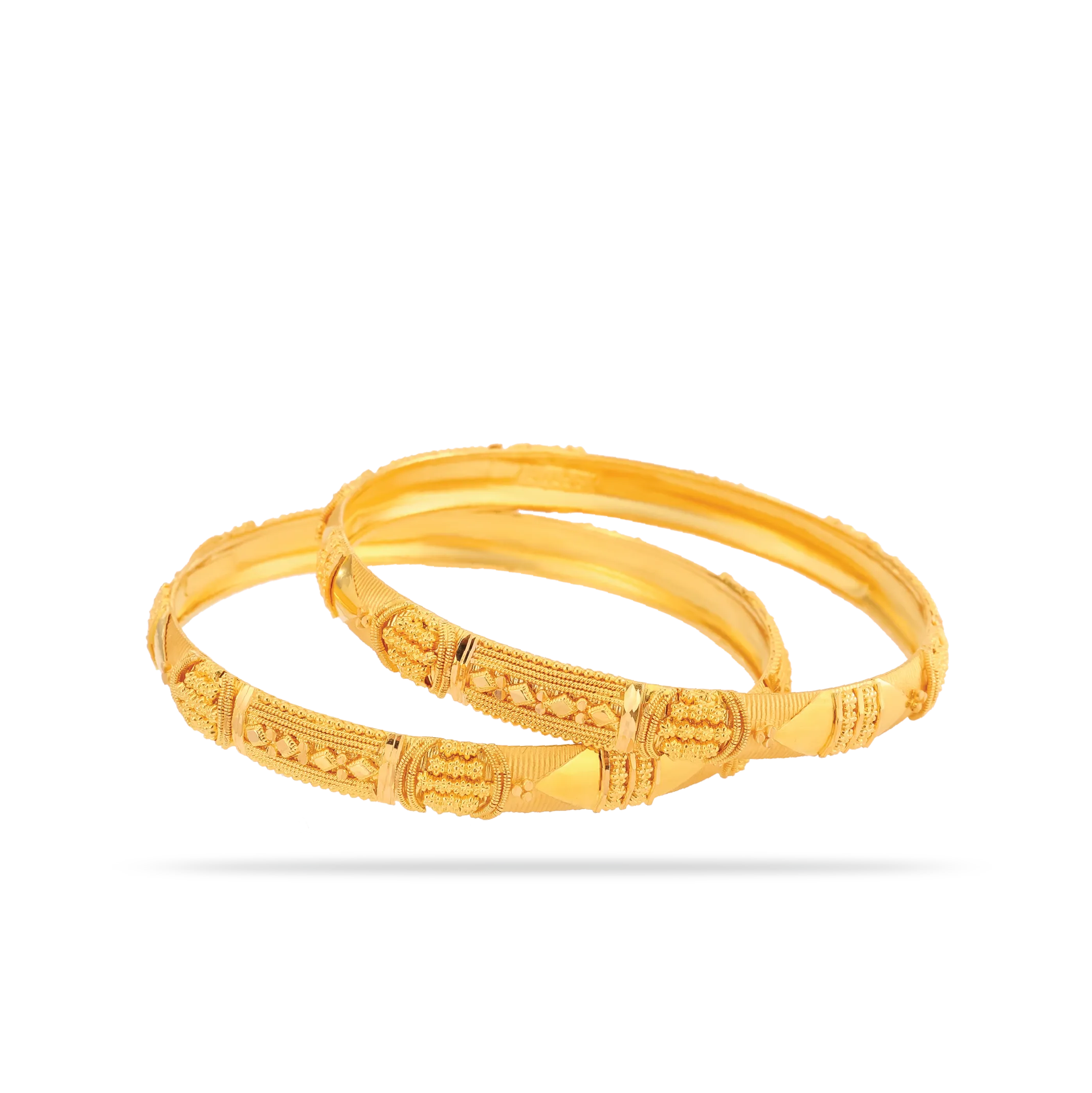
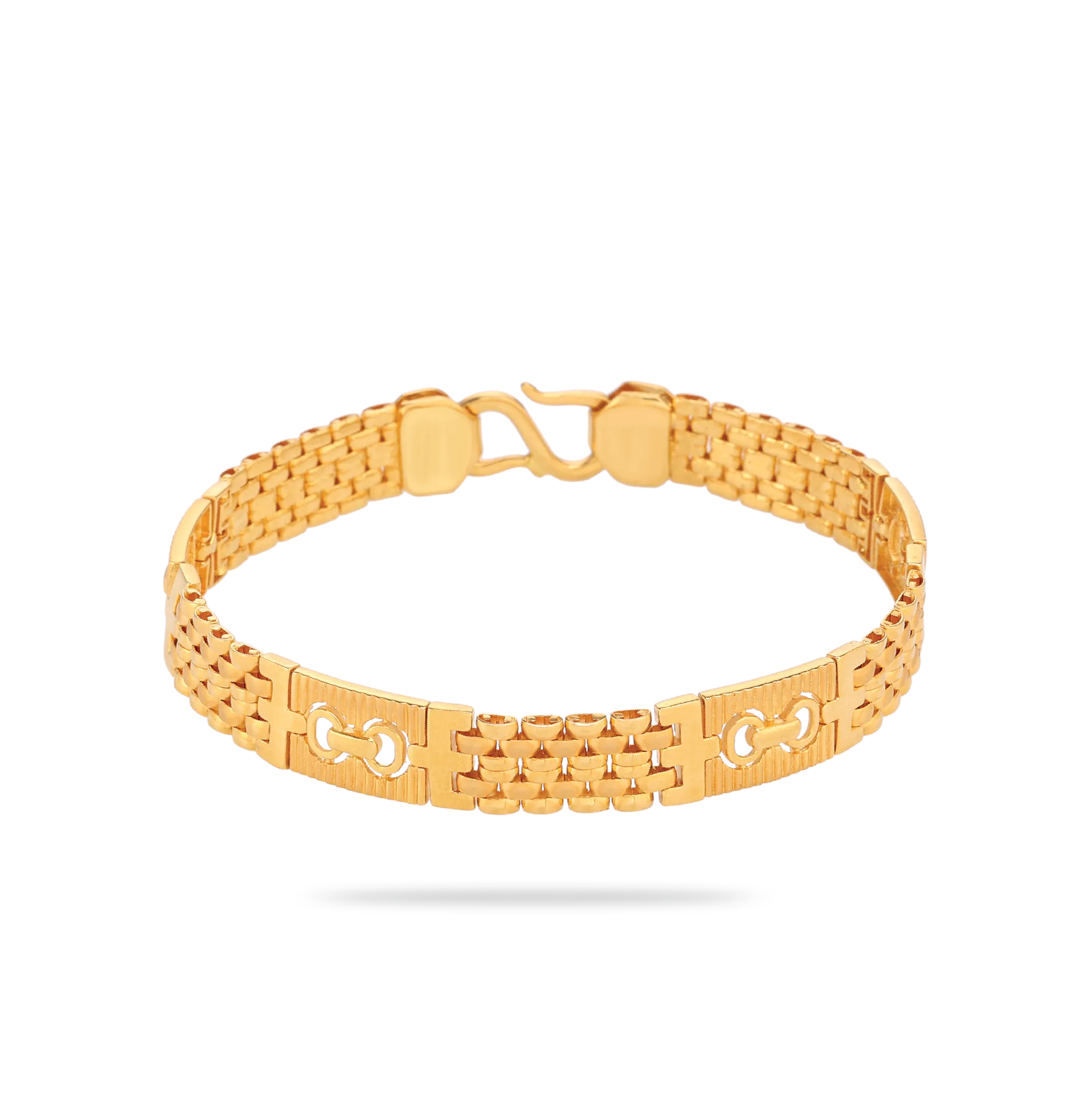
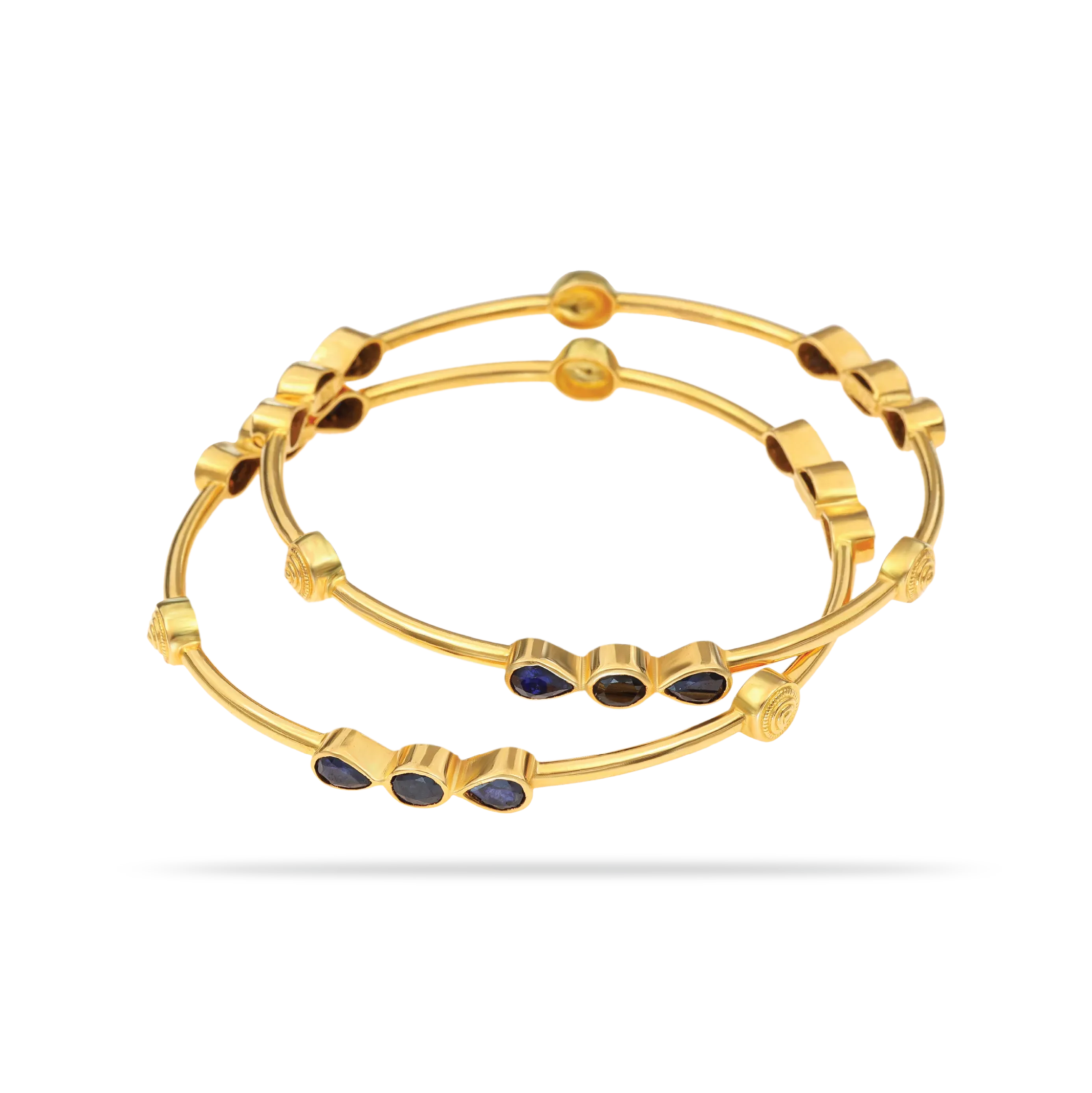
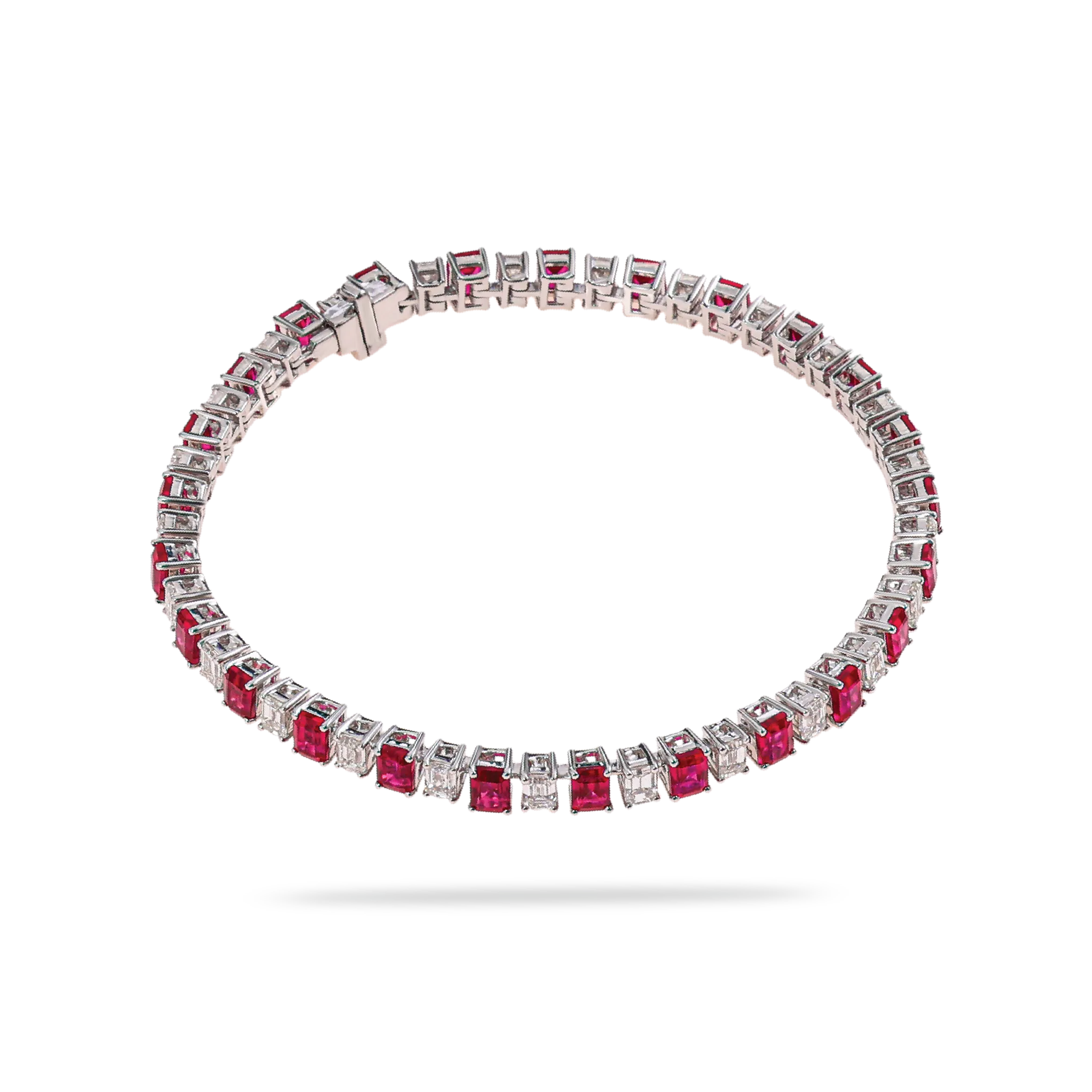
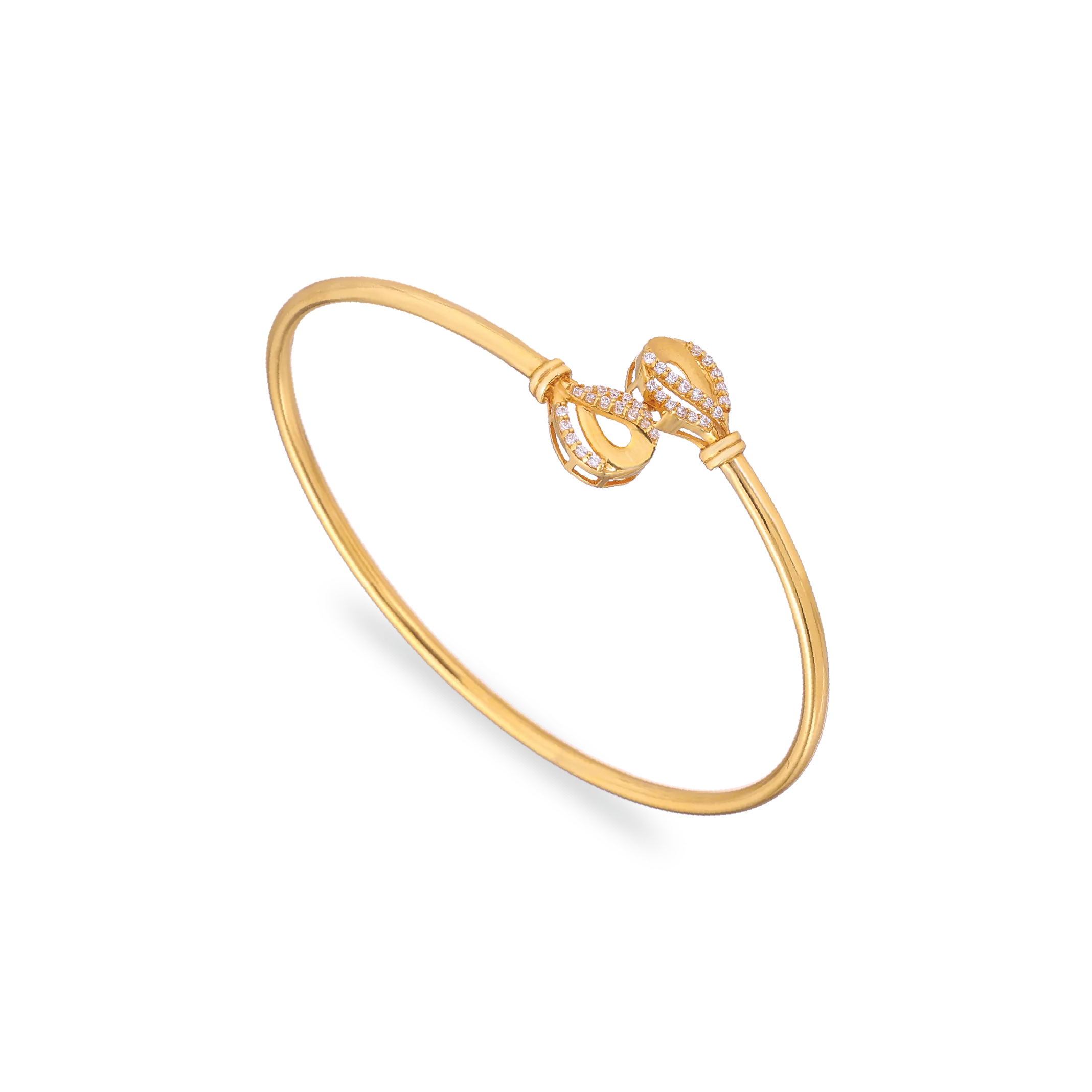
Bracelets and rings bring movement and texture, but they are easiest to wear when their proportions are restrained. A slim bangle, chain bracelet, or simple band can stand alone and can also combine with a sentimental wedding piece. When stacking rings, vary the widths slightly rather than placing several identical bands together.
Leave room for comfort around the knuckles and wrist. Jewelry that pinches, slides constantly, or catches on clothing will be worn less often, regardless of how attractive it looked in the store. One or two adaptable pieces are enough to begin; the collection can grow around them.
Select practical pieces for work and daily wear
Daily jewelry should fit the pace of your life. Smooth surfaces, modest profiles, and secure clasps are useful if you commute, type, care for children, or move between several settings during the day. Keep one small set near the place where you get ready so wearing it becomes effortless rather than another decision.
For work, a restrained combination of studs, a fine chain, and one ring usually looks finished without competing with your clothing. Comfort is part of elegance, especially when a piece is meant to stay on for many hours. Reserve fragile chains and elaborate settings for occasions where you can give them more attention.
Match jewelry to traditional and modern wedding customs
Marriage can bring new jewelry traditions into your life, from wedding bands and inherited ornaments to pieces associated with a particular community. You can honor those customs while still choosing shapes, metals, and proportions that feel like you. The goal is not to treat tradition and modern style as opposites. They can share the same jewelry box and often look best together.
Understand the meaning of wedding bands and rings
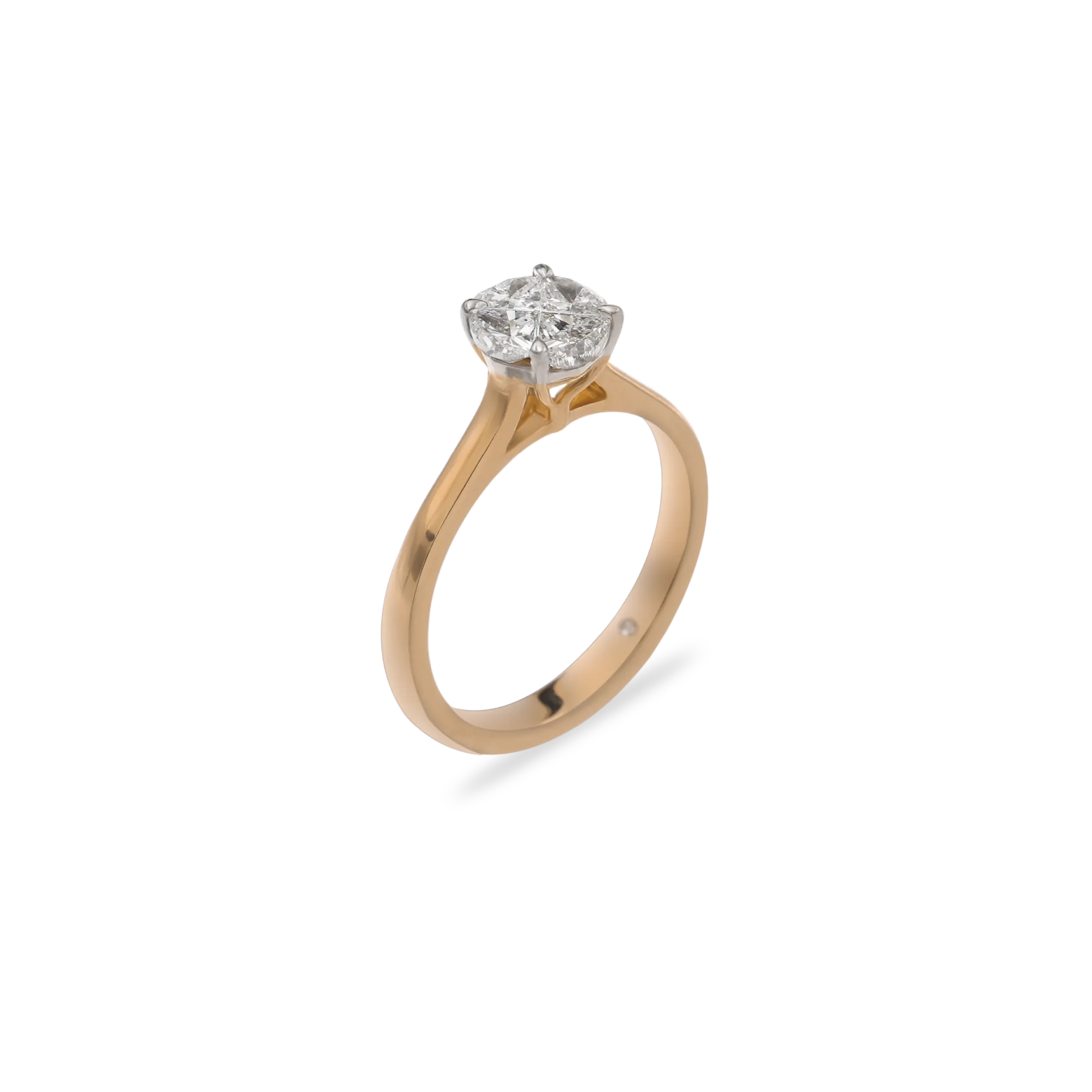
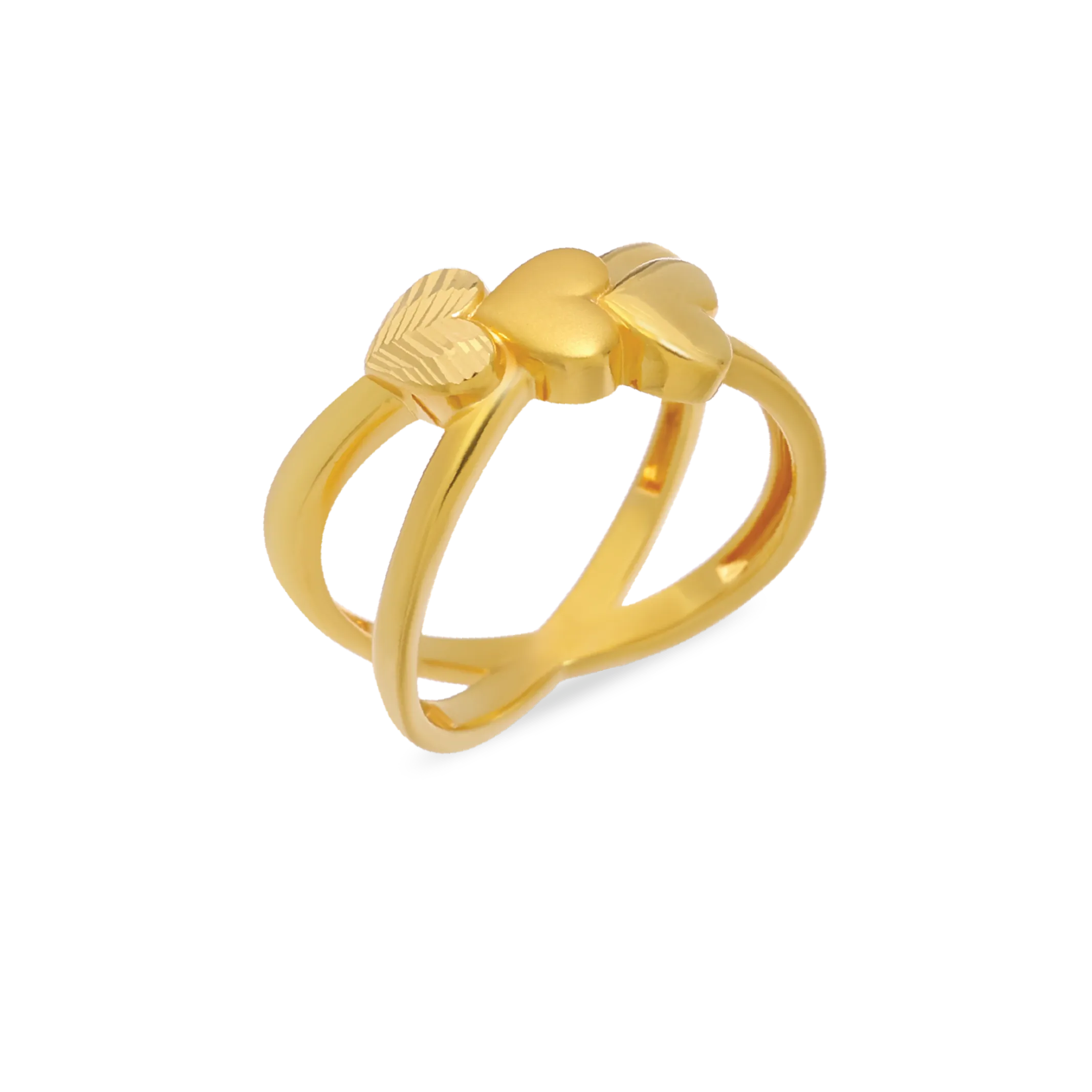
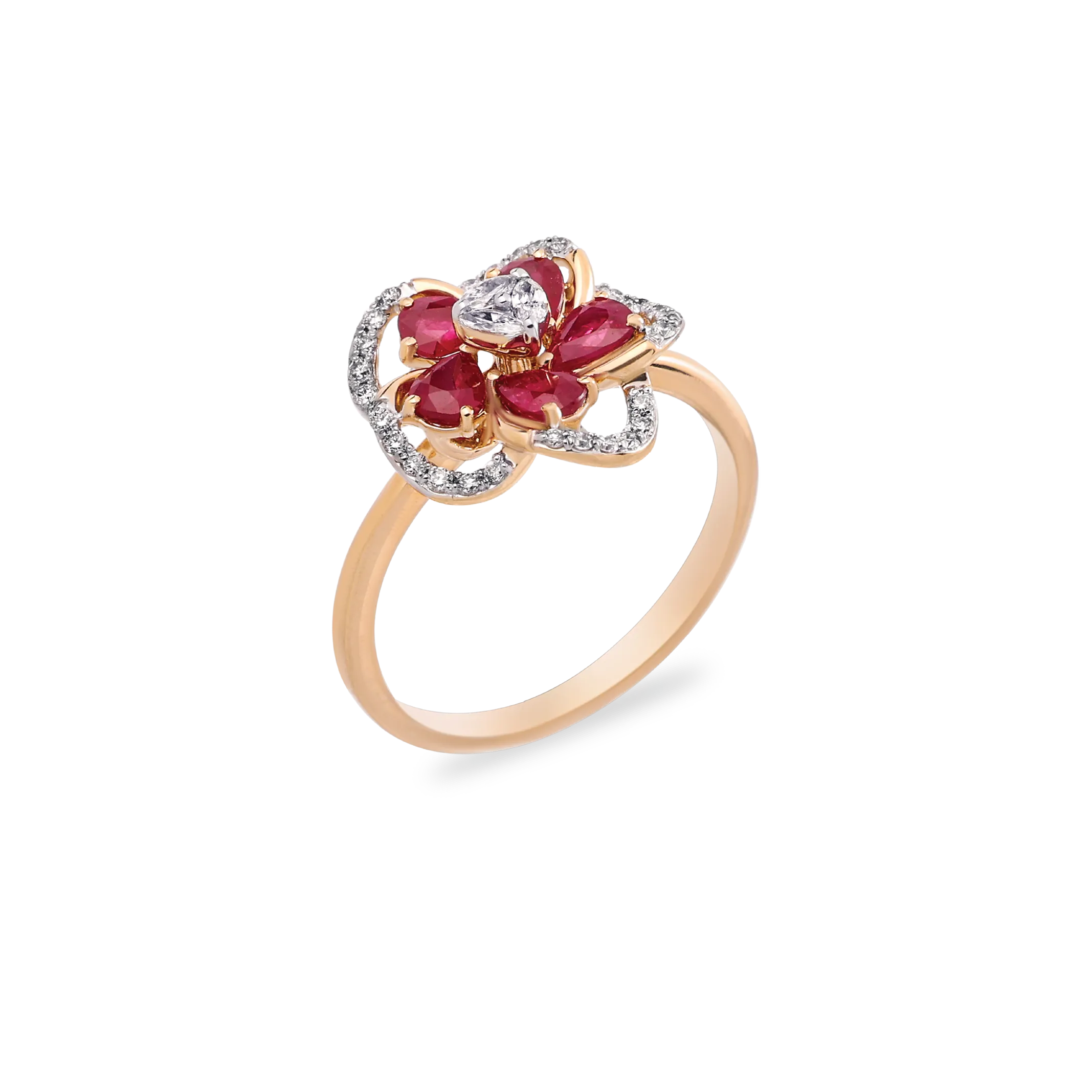
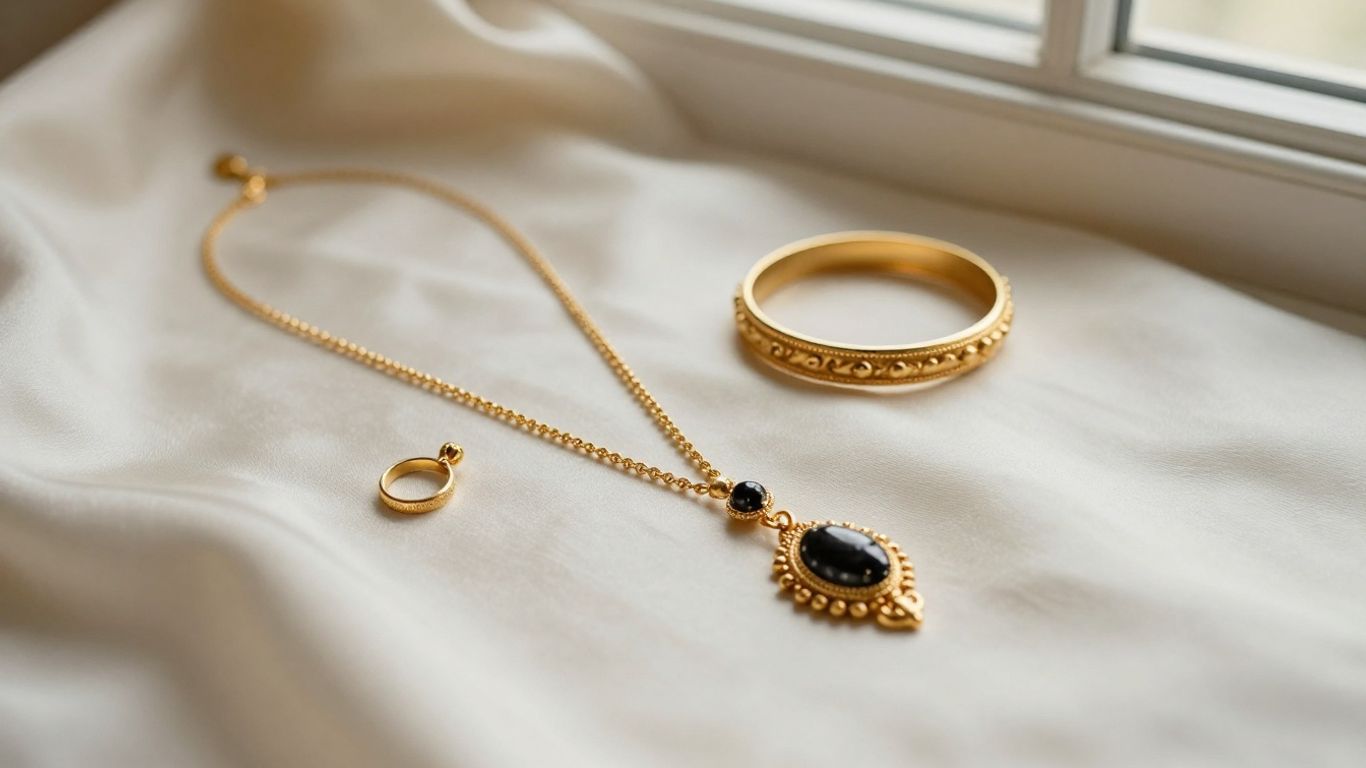
A wedding band is often the most visible daily reminder of a marriage, but its meaning does not depend on a particular width or metal. Some people prefer a plain band; others choose a textured surface, a small stone, or a ring that sits neatly beside an engagement ring. Practical details such as stacking comfort and snag resistance deserve as much thought as symbolism.
If you wear multiple rings, decide which one should remain the visual anchor. The other bands can be simpler, allowing the central piece to retain its presence. For a new purchase, check whether the profile works with rings you already own before committing to a new stack.
Style mangalsutra-inspired necklaces with contemporary outfits
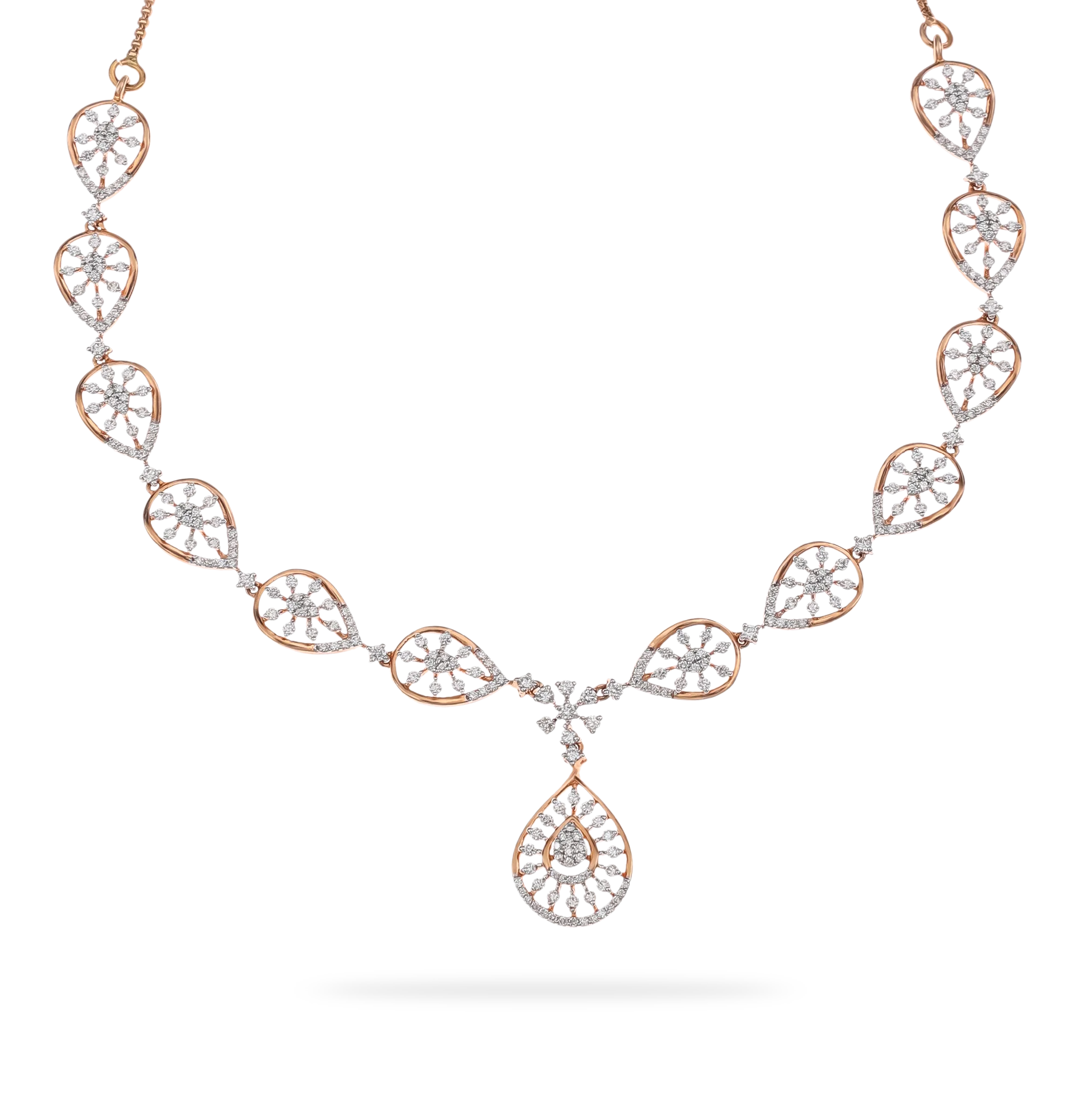
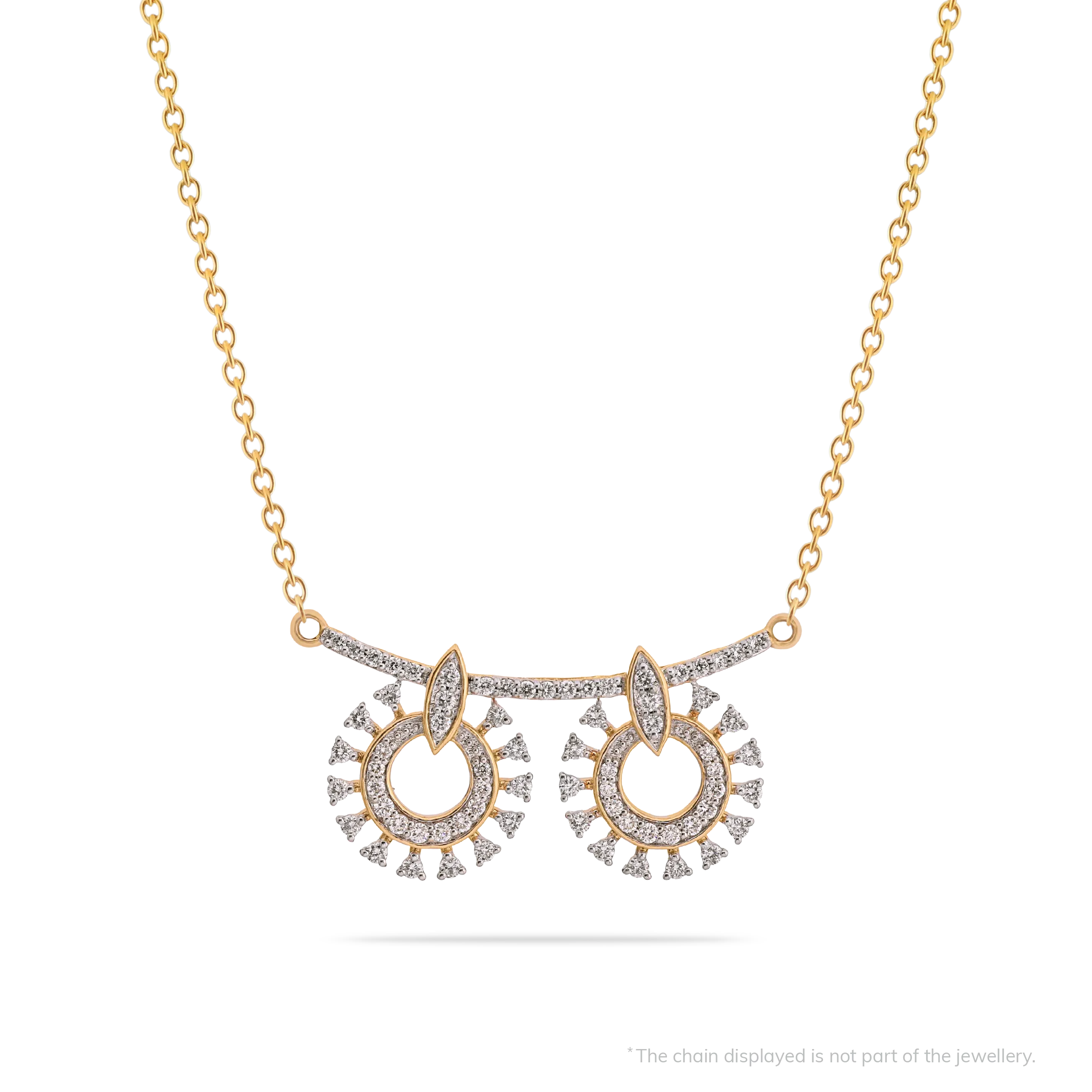
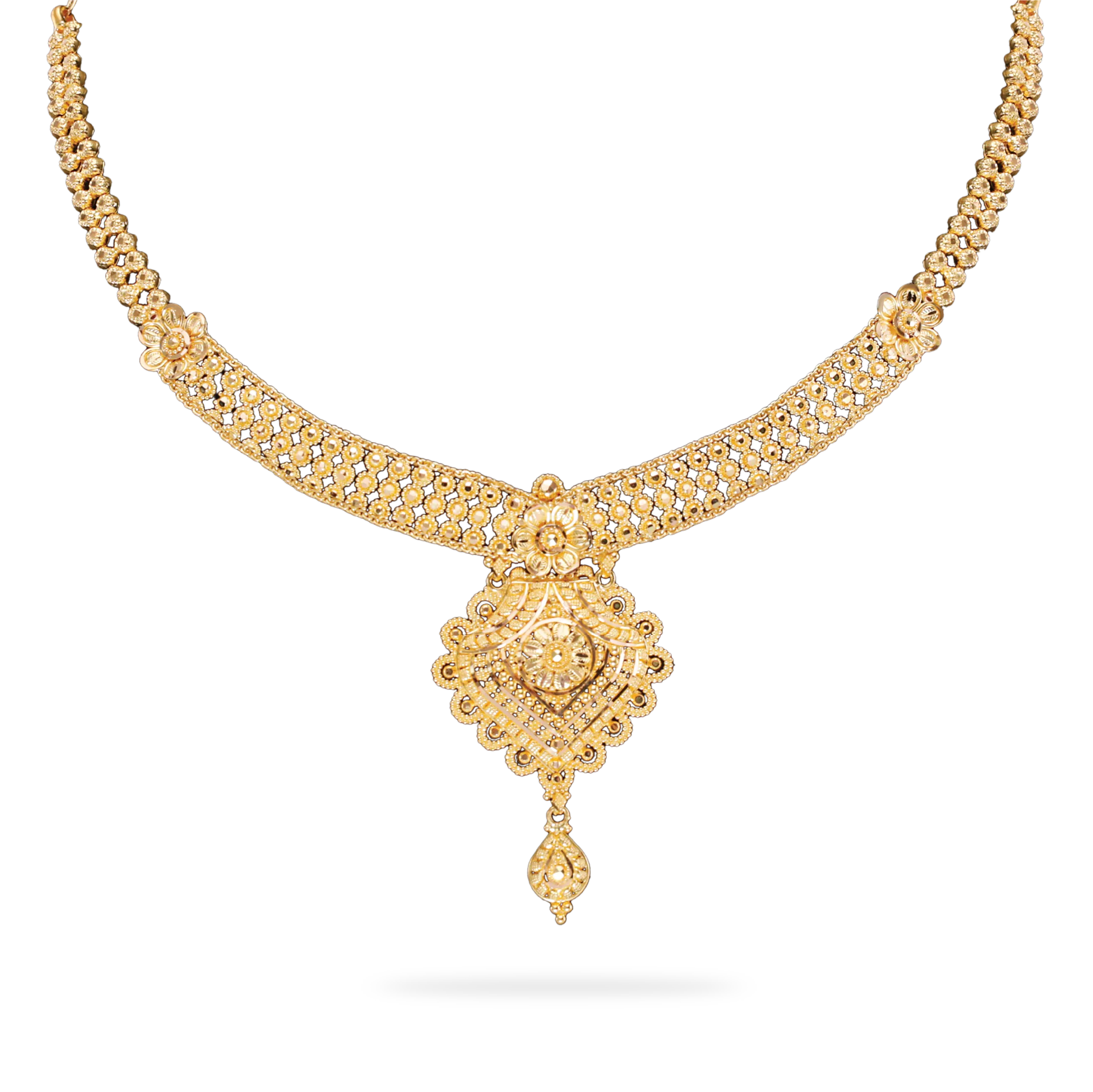
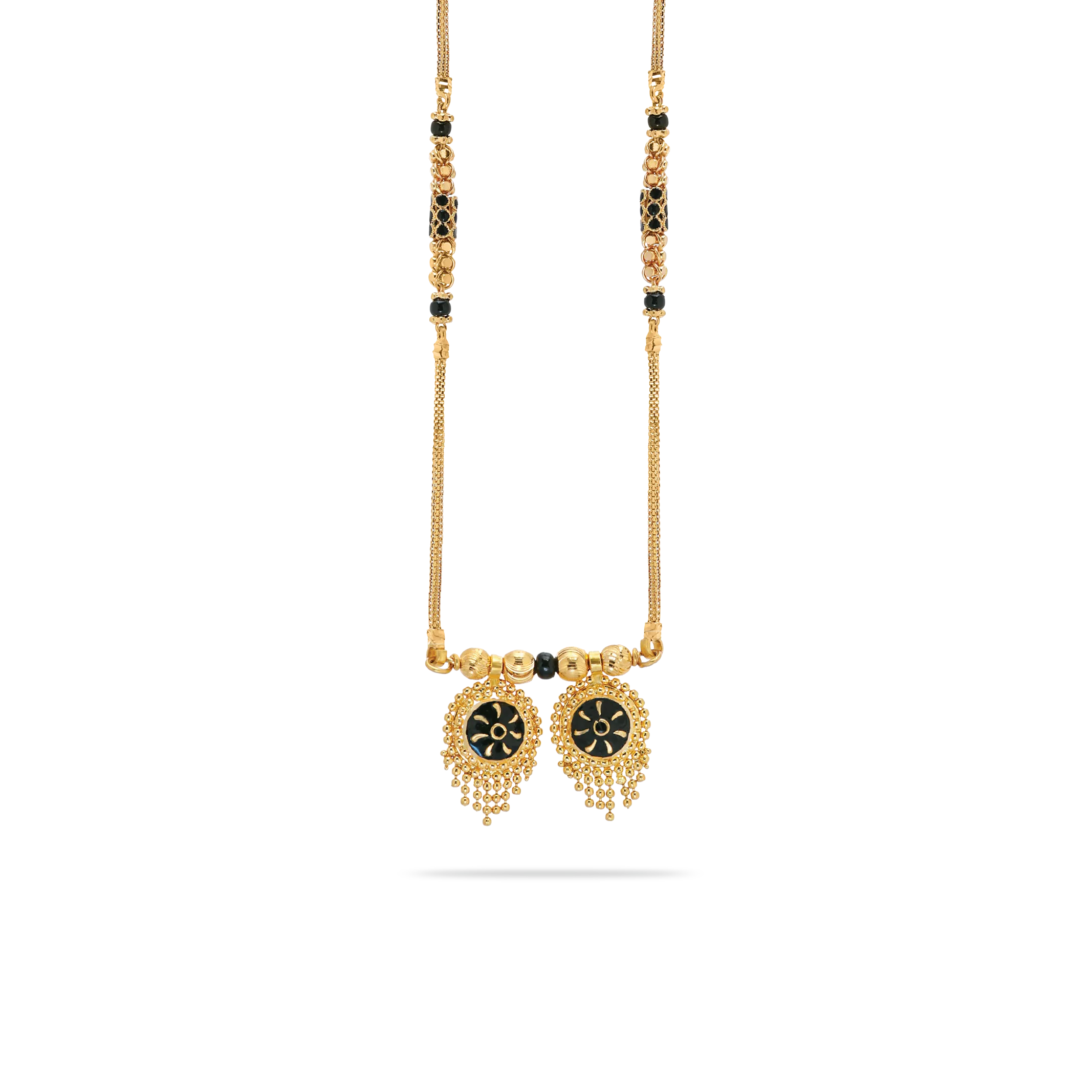
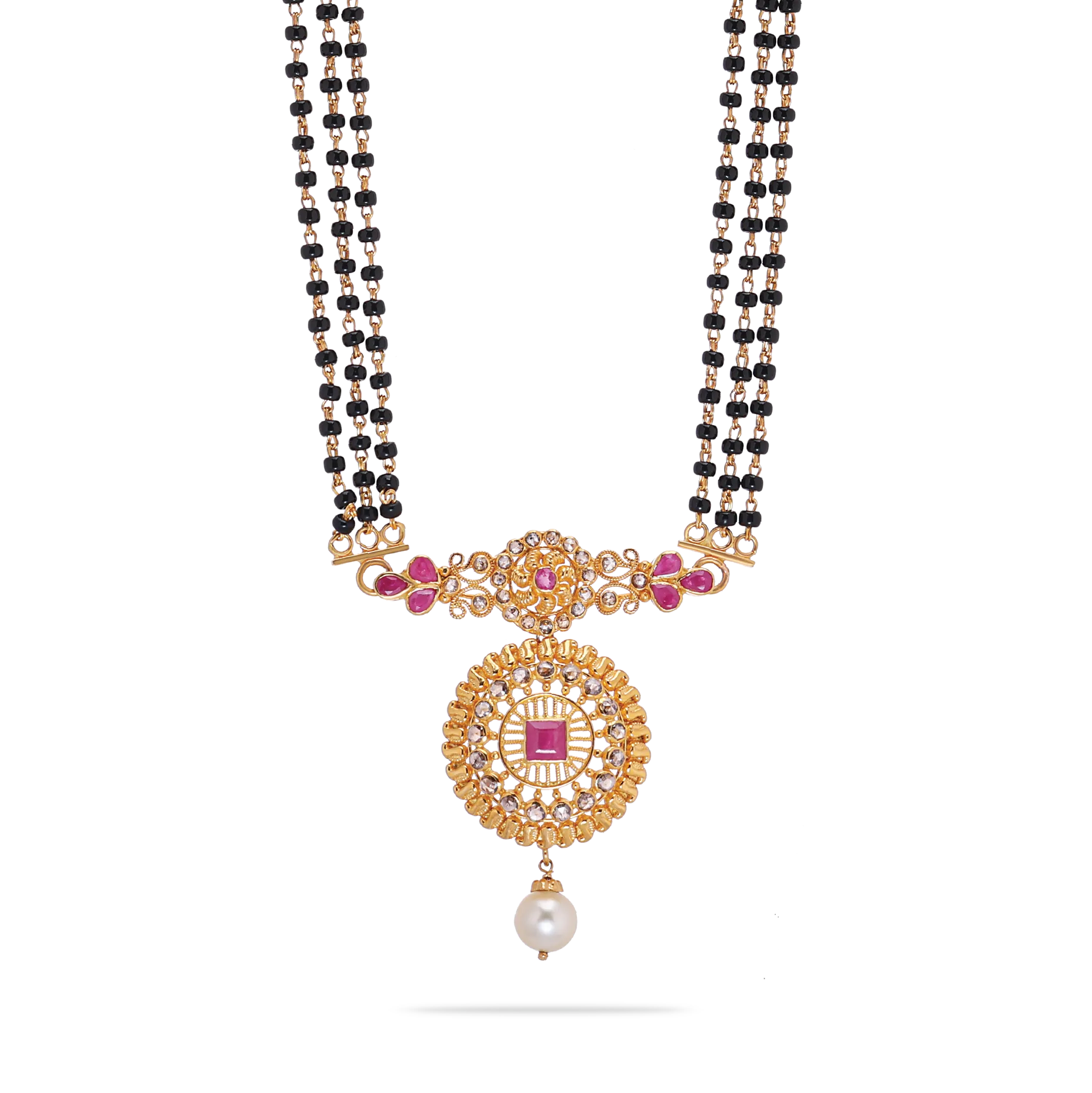
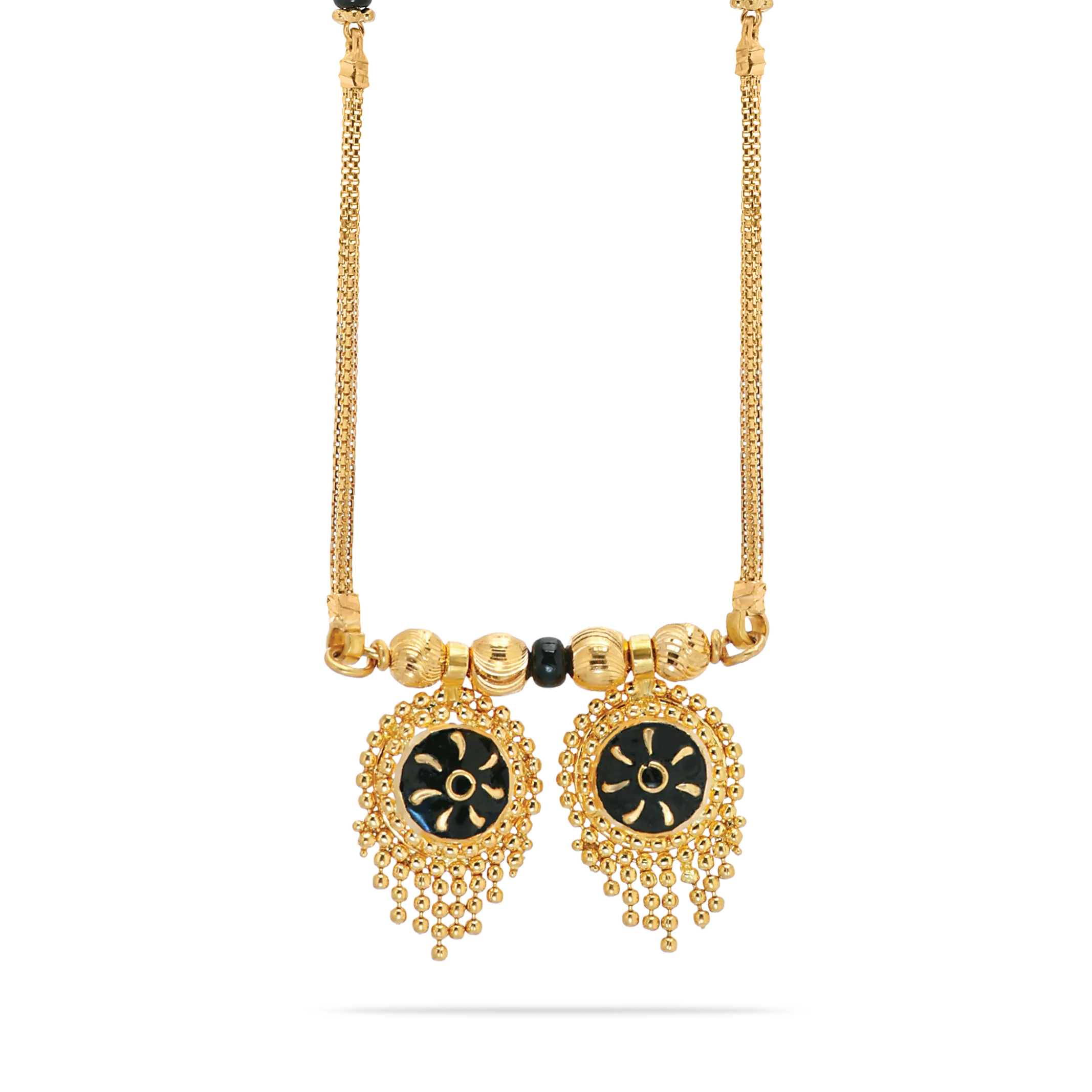
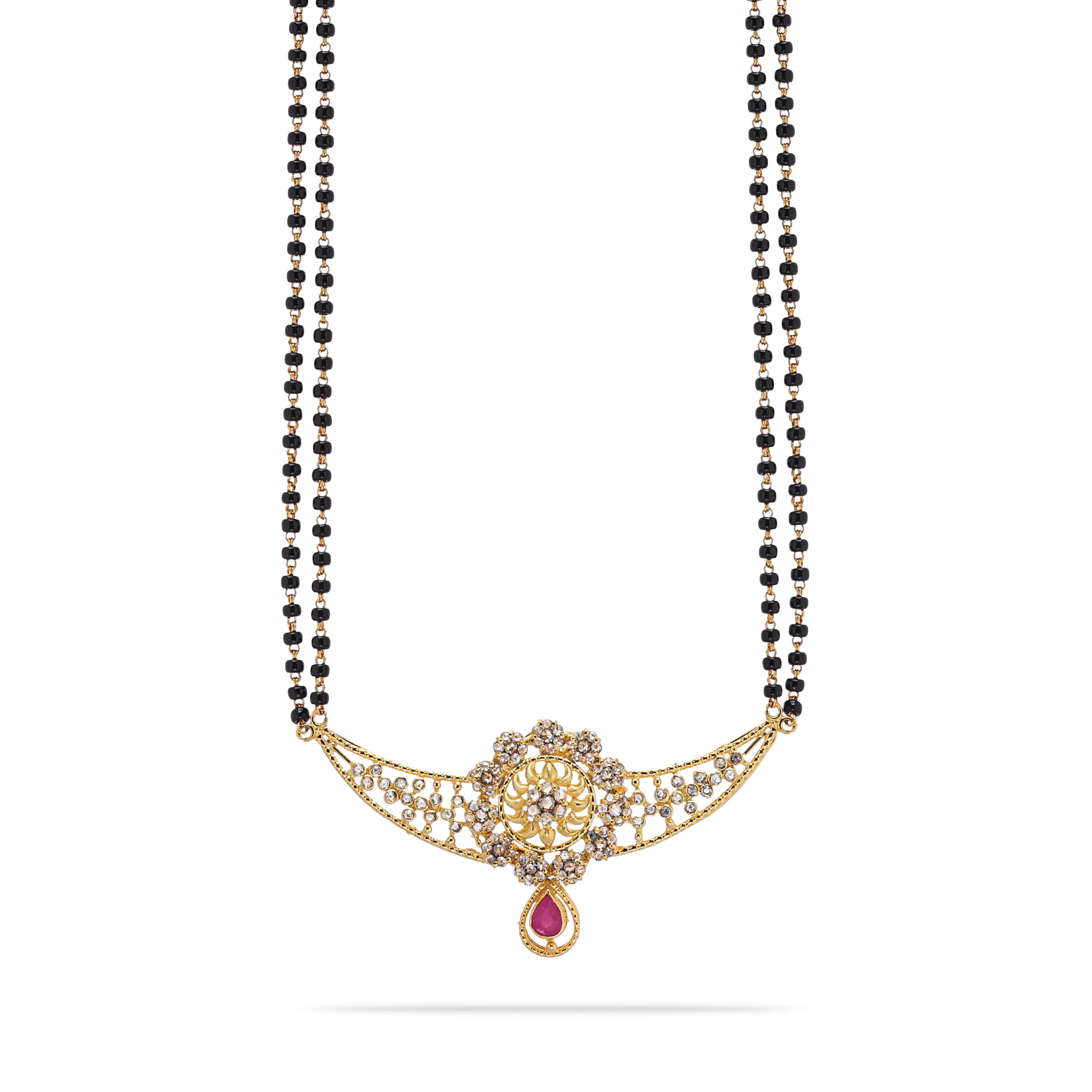
Mangalsutra-inspired designs can be styled in ways that feel personal rather than strictly ceremonial. A shorter, simplified version may work with a crisp shirt, while a longer design can sit over a plain dress or knit top. Pairing it with small earrings keeps the necklace central and prevents the outfit from feeling crowded.
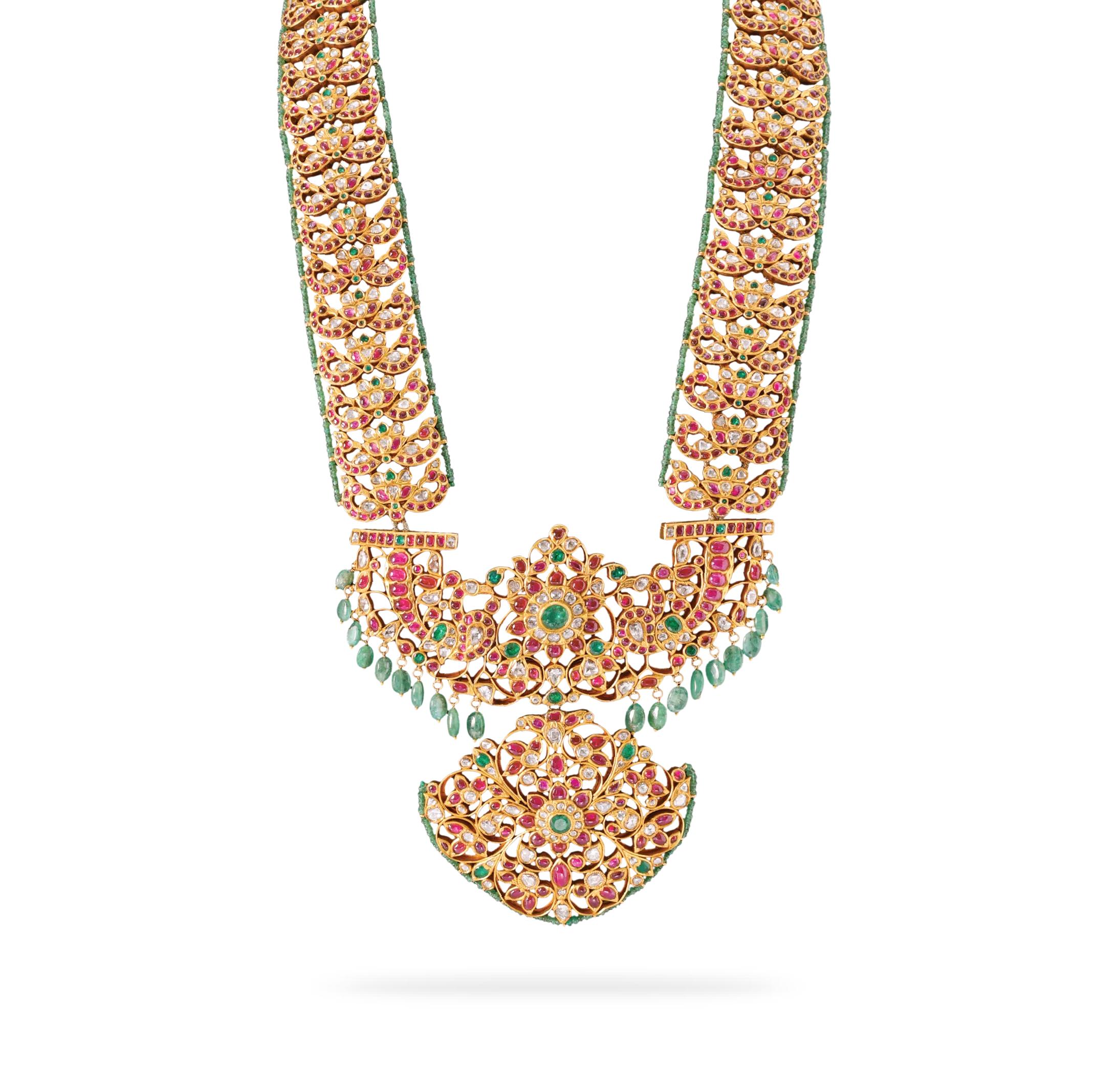
You can also separate the necklace from a heavily traditional look by choosing clean lines elsewhere. A tailored blazer, solid-color dress, or simple sari blouse gives the piece room to be noticed. Bridal style resources such as Tarinika can offer visual inspiration for moving between traditional Indian designs and contemporary combinations.
Wear culturally significant pieces with confidence
Culturally significant jewelry deserves to be worn with understanding, not anxiety. Learn the occasions, customs, and practical expectations connected to a piece, especially if it comes from your spouse’s family or has been passed down. Then consider how you can wear it in a way that respects its story and fits your own routine.
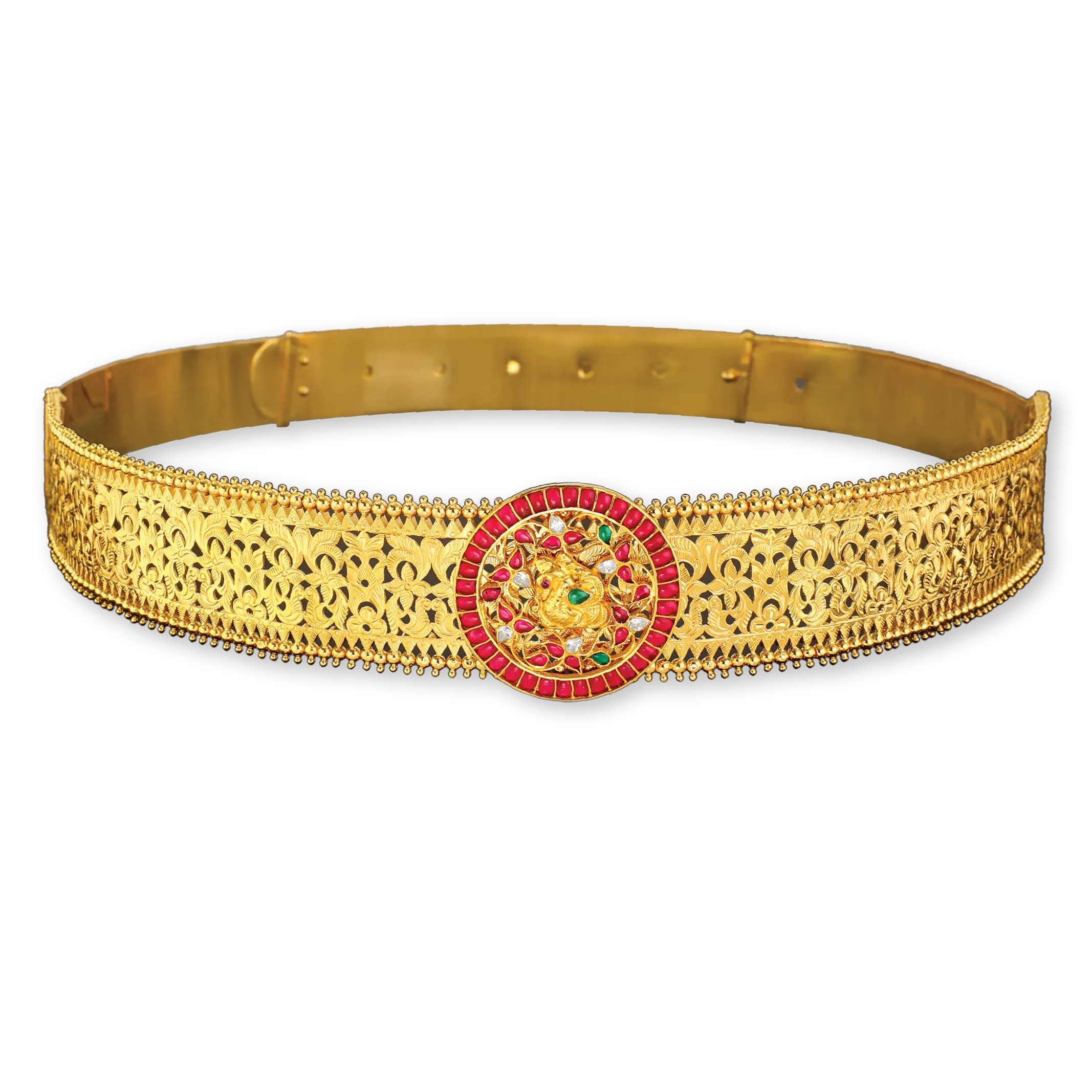
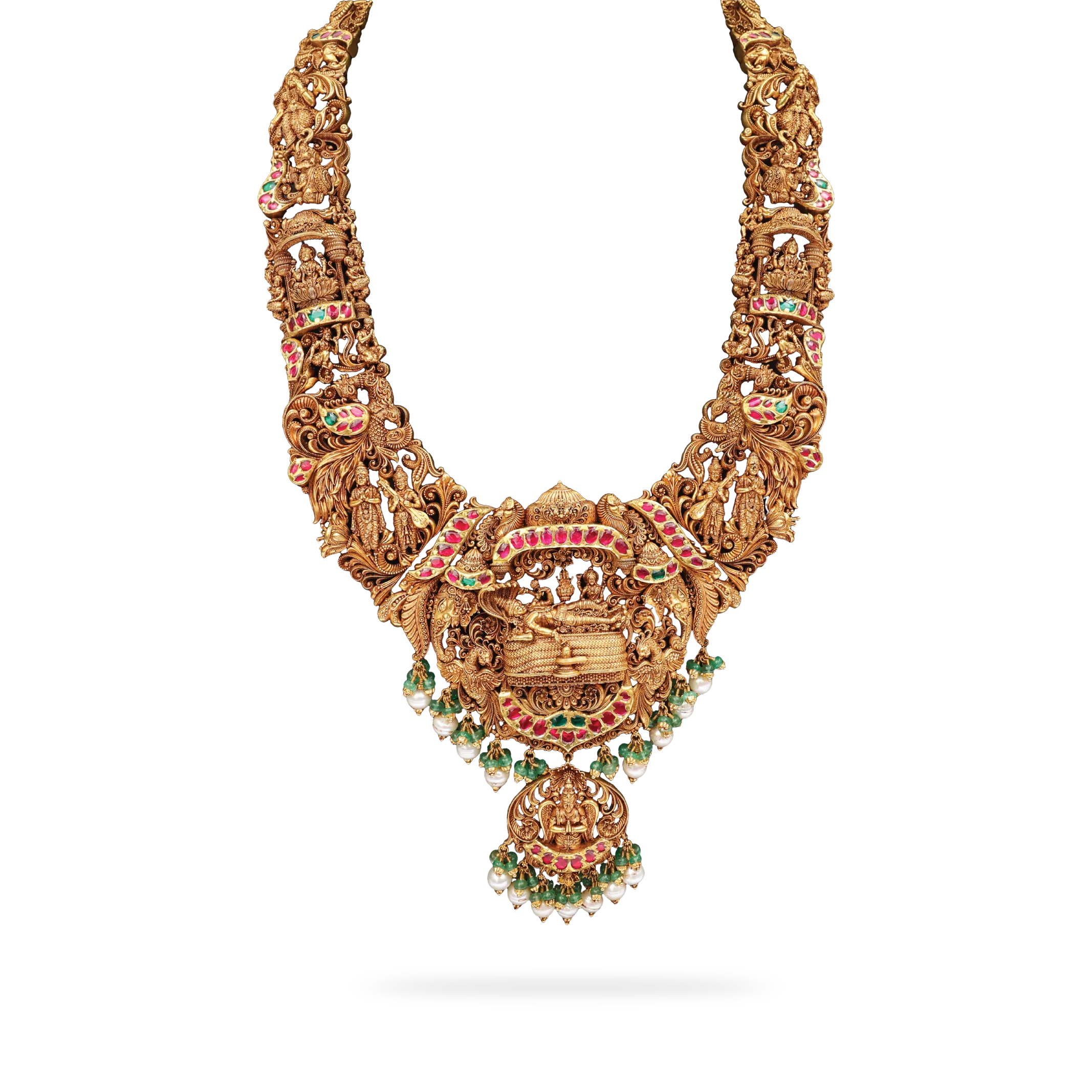
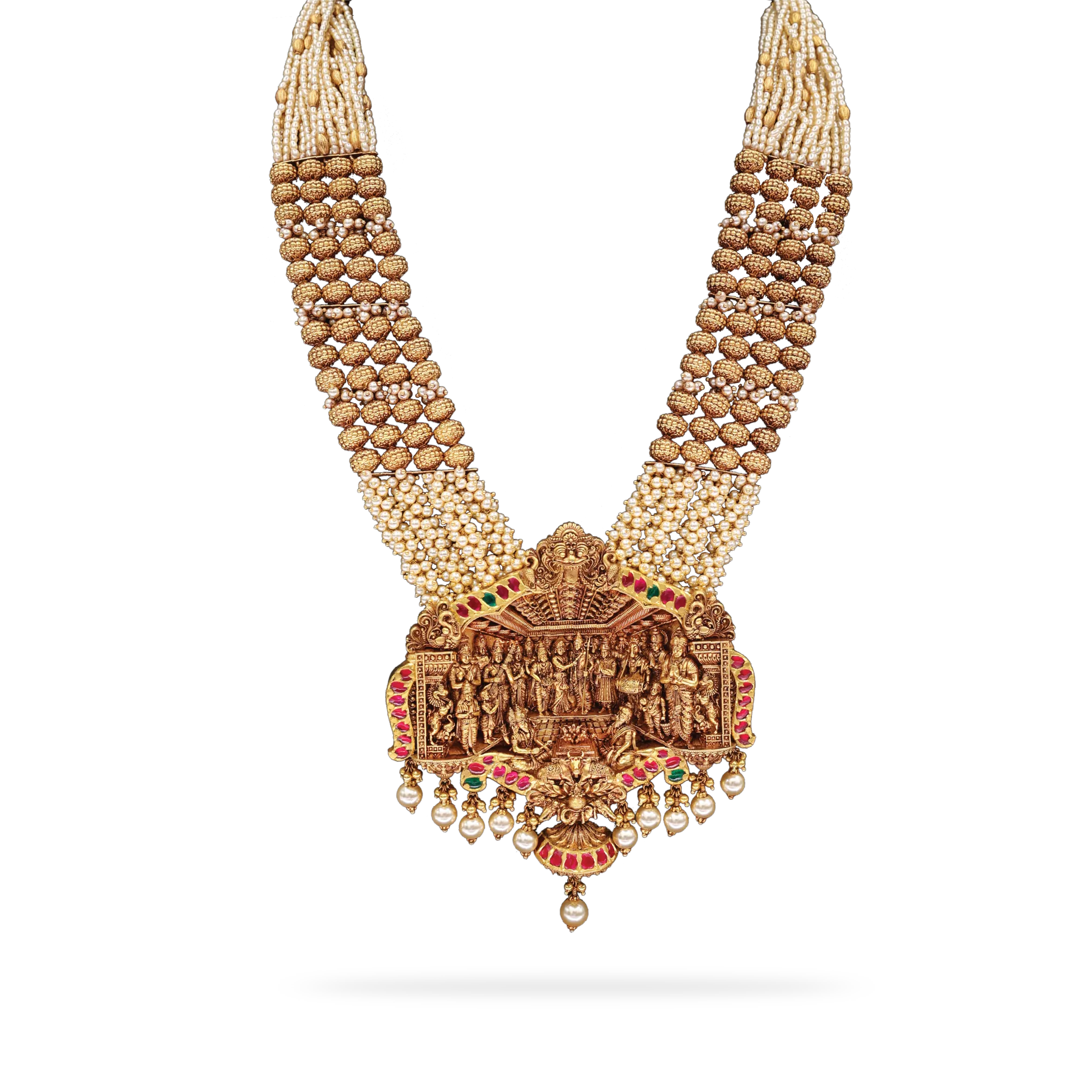
A traditional necklace may work with a sari, a plain kurta, or even a modern neckline when the proportions are balanced. There is no requirement to reproduce a bridal look every time you wear a meaningful ornament. Let the piece have a life beyond the wedding day.
Balance sentimental jewelry with personal style
Sentimental pieces can be emotionally important even when they are not your usual aesthetic. Rather than leaving them unworn, try changing the setting around them: combine ornate earrings with a simple outfit, or wear an heirloom pendant on a quieter chain. This lets the jewelry remain visible without asking it to define your entire look.
It is also reasonable to adapt a piece, provided the family or giver is comfortable with the change. A jeweler may be able to shorten a chain, adjust a clasp, or reset a loose stone while preserving the original character. Meaning grows through use, not only through careful storage.
Choose jewelry for different newlywed occasions
Newly married life can bring a steady stream of dinners, family visits, office days, festivals, and celebrations. One style cannot do every job well, and it is more useful to build a few clear categories than to search for one perfect set. Consider the mood of the occasion, the amount of movement involved, and how much visual weight your clothing already has. That approach keeps getting dressed enjoyable instead of complicated.
Find pieces for family gatherings and celebrations
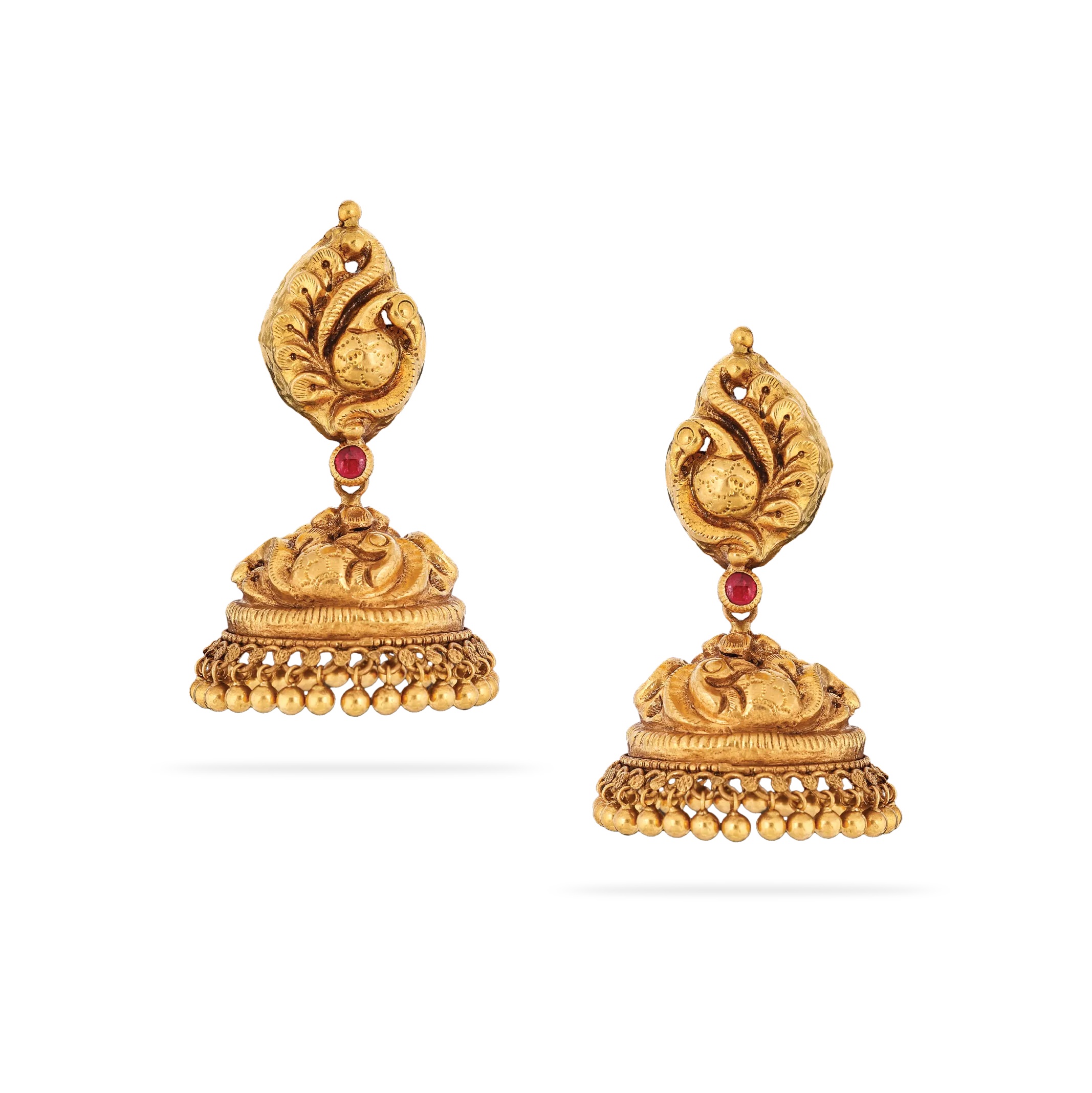
Family gatherings are a good setting for jewelry with warmth and a little more detail. Medium-size earrings, a textured bangle, or a necklace with a traditional motif can feel festive without looking like full bridal adornment. If several relatives will be present, a familiar style or inherited piece can also make conversation feel more natural.
Choose one focal point and keep the supporting pieces quiet. For example, a detailed necklace may need only small earrings and a single ring. This creates polish while leaving you comfortable through meals, visits, and photographs.
Select understated jewelry for the workplace
Workplace jewelry should support your presence rather than become the first thing people notice. Small hoops, polished studs, a narrow bracelet, and a modest pendant are dependable choices for most offices. If your clothing is patterned or brightly colored, metal-only pieces can provide a calm finish.
Consider your workplace rules and your actual schedule. Long drops may catch on headphones, while loose bangles can be distracting during meetings or hands-on work. A compact set that stays secure is usually more useful than a larger collection reserved for ideal conditions.
Style statement pieces for date nights
Date nights allow more room for personality, whether that means sculptural earrings, a colored gemstone, or a layered necklace. Pick the feature you want to remember and let the rest of the jewelry frame it. A bold earring often looks especially fresh with pulled-back hair and an otherwise simple neckline.
Do not confuse statement jewelry with maximum quantity. One distinctive piece can make jeans and a silk blouse feel intentional, just as easily as it can finish a dress. The most attractive choice is usually the one that lets you move, talk, and enjoy the evening without adjusting it constantly.
Pick elegant designs for festivals and formal events
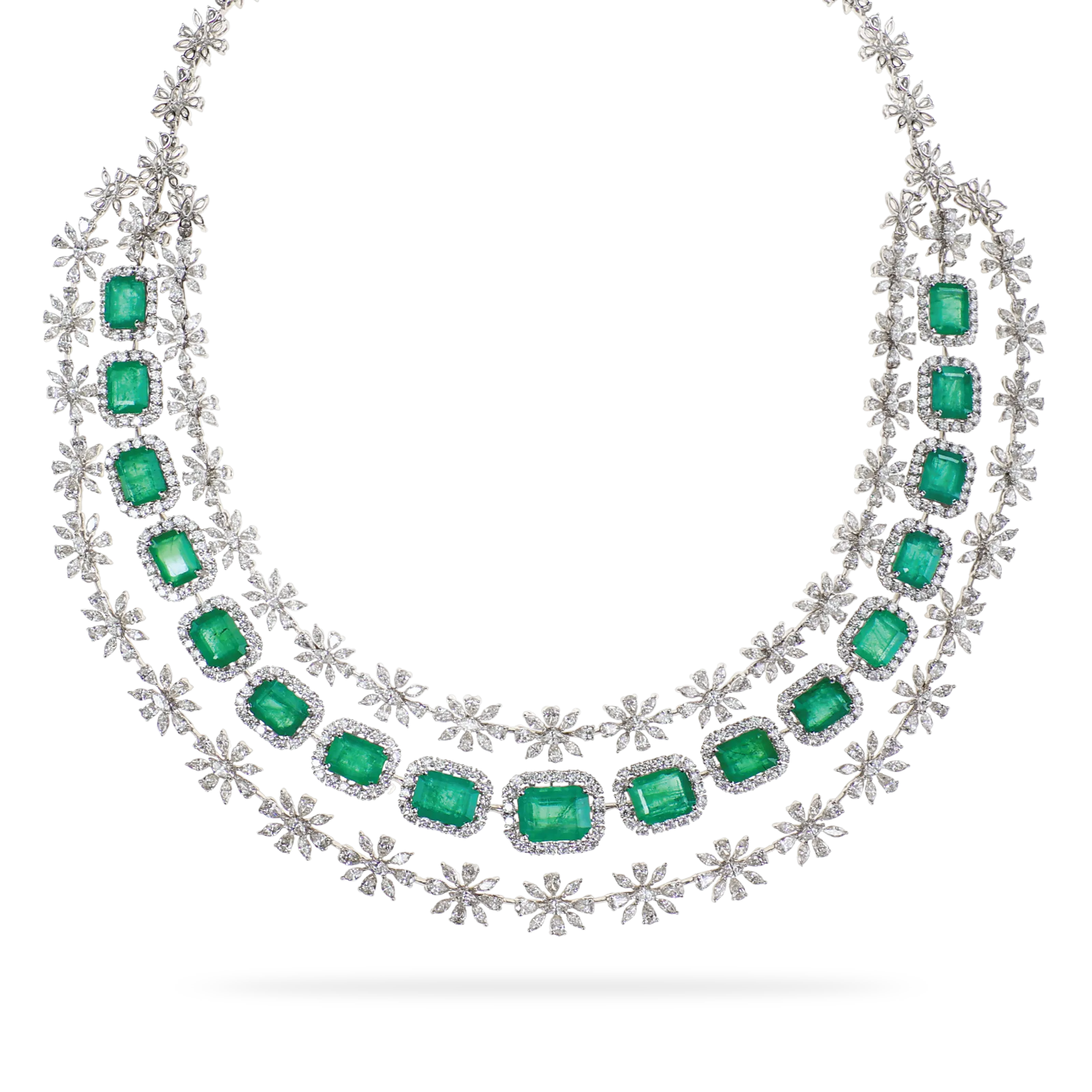
Festivals and formal events invite richer color, shine, and craftsmanship. Look for jewelry that complements the formality of the clothing, whether that means a long necklace with traditional dress or bright earrings with a restrained gown. Think about the event’s duration and venue before choosing very heavy pieces.
A coordinated set is not mandatory. Mixing a traditional bangle with modern earrings, or pairing a classic necklace with a newer ring, can make the look feel collected rather than overly matched. Try the full combination at home, including the shoes and neckline, before the event.
Coordinate jewelry with clothing and skin tone
Jewelry should relate to what you wear, but it does not need to match every detail exactly. Metal, scale, color, and neckline all affect how a piece reads. Your skin’s undertone can offer a helpful starting point, though personal preference remains the final judge. The most useful combinations are the ones you enjoy seeing in the mirror.
Match metals to warm, cool, and neutral undertones
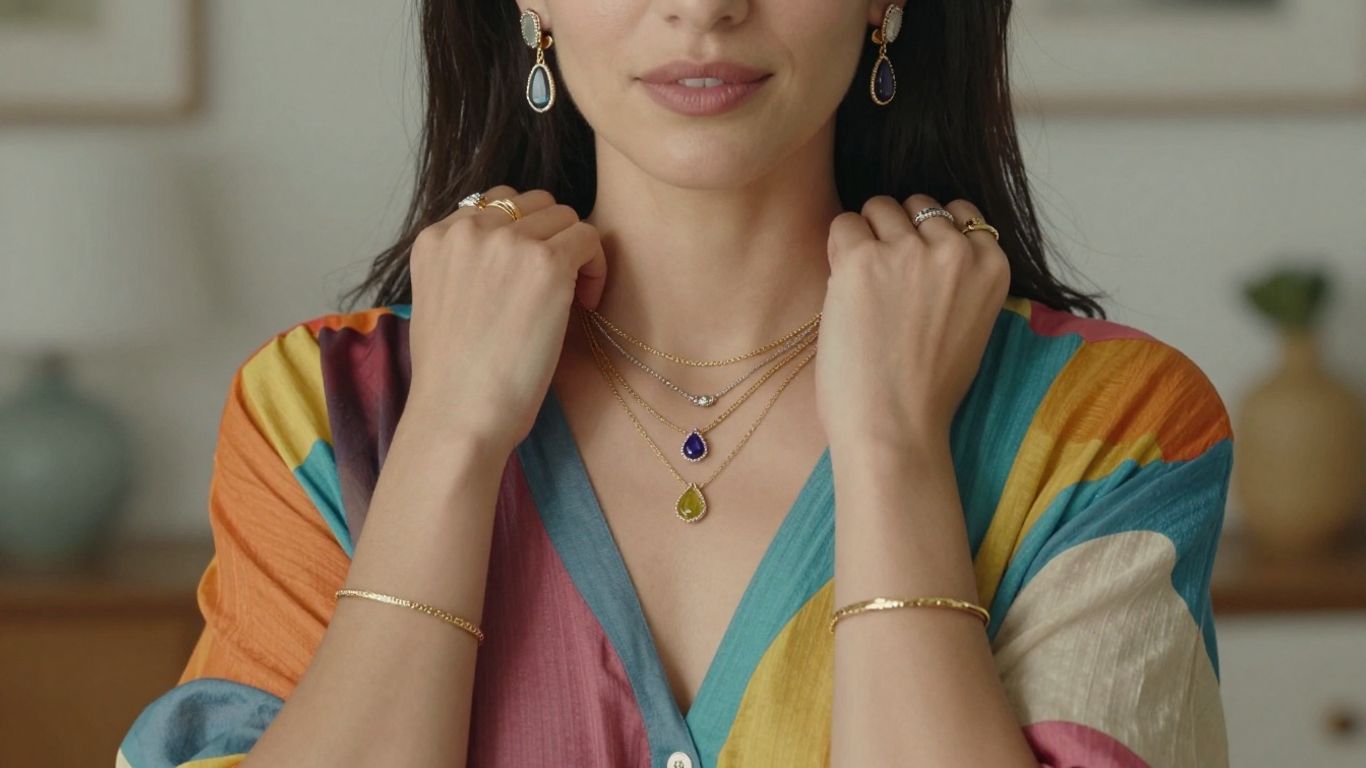
Warm undertones often sit comfortably beside yellow gold , bronze, and warmer rose-gold shades, while cool undertones may enjoy silver, white gold , and platinum-like finishes. Neutral undertones can move between both families with ease. These are guidelines rather than strict rules; contrast can be attractive, too.
If you are unsure, compare a few pieces near your face in natural light. Notice whether the metal makes your complexion look lively or leaves it appearing dull. Mixed-metal jewelry is another practical answer, especially if your existing collection already contains several finishes.
Pair jewelry with traditional outfits
Traditional clothing often provides strong color, texture, and ornament, so jewelry should respond to its visual weight. A heavily embroidered outfit may call for one clear necklace or earrings rather than several competing layers. With a plain sari, kurta, or lehenga, you have more freedom to let the jewelry supply the detail.
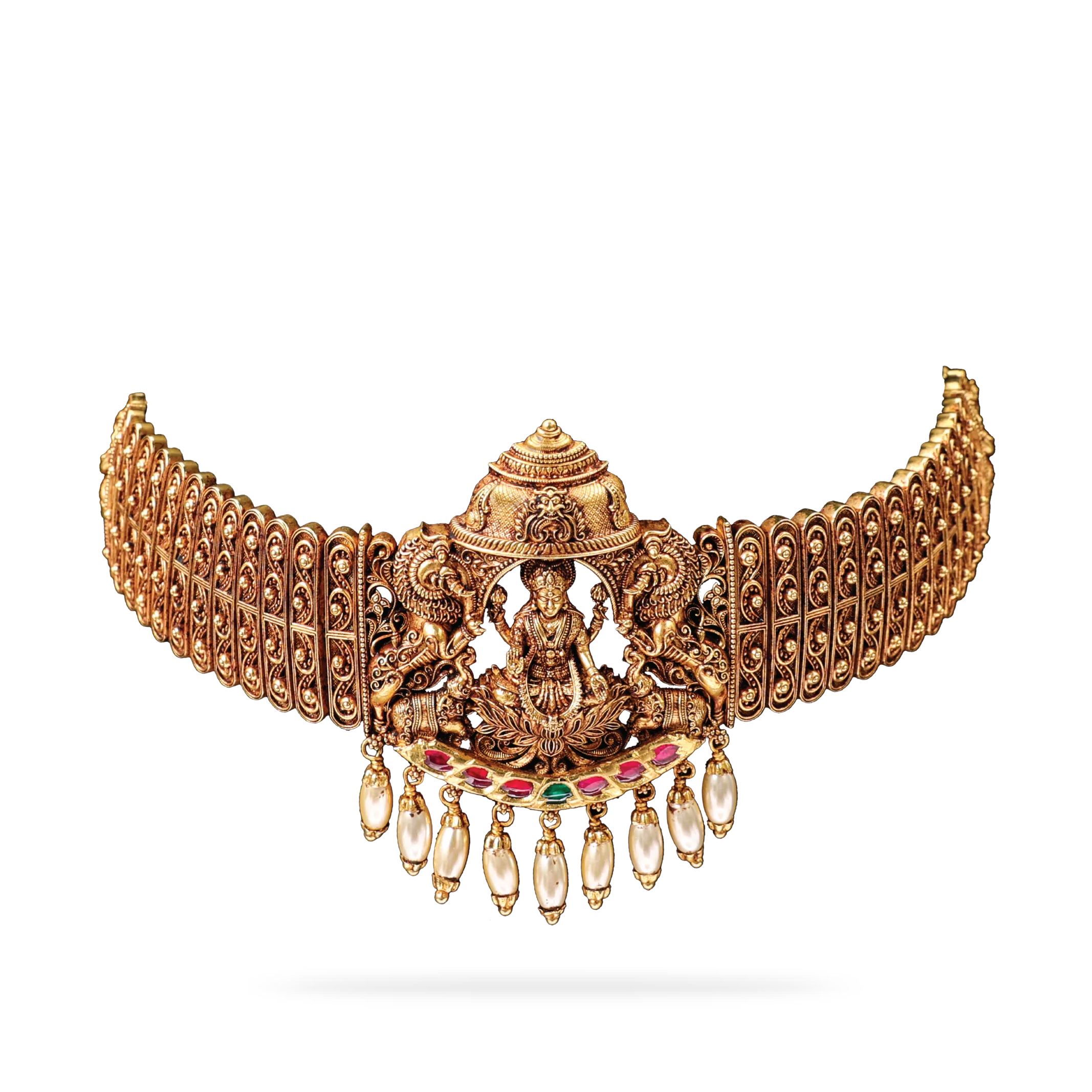
Use the neckline as a guide. Chokers and shorter necklaces suit open or broad necklines, while longer chains can balance a higher or simpler neckline. Hair and sleeve length matter as well, particularly when choosing large earrings or stacked bangles.
Style accessories with Western and casual clothing
Casual and Western clothing can make traditional jewelry feel surprisingly current. Try a delicate pendant with a T-shirt, a single bangle with a button-down shirt, or ornate earrings with a plain black dress. Keeping the clothing simple gives the jewelry a clear role without making the outfit feel costume-like.
Scale helps create balance. Fine jewelry tends to sit naturally with everyday fabrics, while a larger piece works best when the rest of the outfit has clean lines. The same necklace can look formal with satin and relaxed with denim, depending on what surrounds it.
Combine colors, gemstones, and clothing patterns
When an outfit already has a strong print, choose jewelry that repeats one color or stays within a quiet metal palette. With solid clothing, a gemstone can introduce the contrast that makes the look memorable. You can also vary texture: smooth metal against woven fabric, or a polished stone against matte cotton.
A simple planning table can make these decisions easier when you are dressing quickly:
| Clothing situation | Jewelry direction | Helpful balance |
|---|---|---|
| Bold print | Simple metal or one stone | Keep color repetition limited |
| Solid neutral outfit | Colored gemstone or layered chain | Add a focused point of interest |
| Embroidered traditional wear | One detailed focal piece | Reduce competing accessories |
| Casual denim or knitwear | Fine chain, hoops, or bangles | Mix polish with relaxed texture |
The table is not a set of rules, but a quick way to prevent visual competition. If the clothing and jewelry both feel busy, remove one element before adding another.
Explore meaningful gemstones and personalized details
Gemstones and personalization can turn a pleasant accessory into something that feels uniquely yours. Their meaning may come from a birth month, a family story, a color associated with a shared memory, or simply a design you chose together. Symbolism is most satisfying when it complements beauty rather than replacing it. Take time to decide which details you will still appreciate years from now.
Choose birthstones and anniversary gemstones
A birthstone can mark your own identity, your spouse’s birth month, or a month that matters to your relationship. Anniversary stones offer another route, especially if you prefer a yearly ritual of adding one small detail rather than buying a large piece at once. A discreet stone in a ring or pendant can carry the meaning without dictating the style.
Before buying, confirm the stone name, color, and care requirements. Some stones are more suited to occasional wear than to a ring worn through every task. If durability matters, place the stone in a setting that protects its edges.
Consider initials, names, and engraved messages
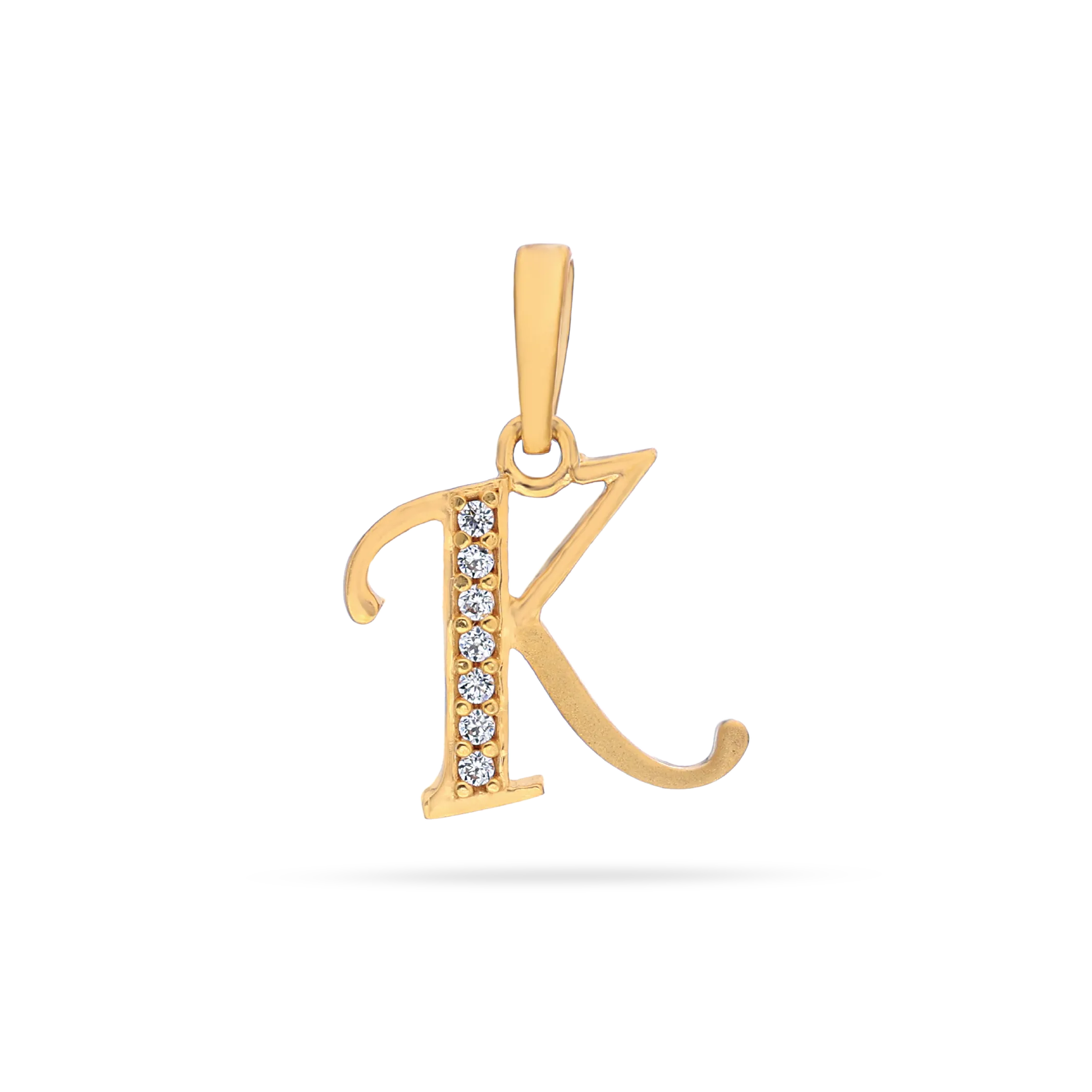
Initials and dates are often more wearable than a long message. A tiny engraving inside a band, on the back of a pendant, or along a bracelet can keep the sentiment private. If you are choosing a gift, confirm spelling, date format, and character limits before placing the order.
Personalization works best when the base design already suits the wearer. A meaningful inscription cannot make an uncomfortable chain or impractical ring become useful. For more inspiration, Merci Maman features personalized wedding jewelry gift ideas centered on hand-engraved keepsakes and important names or dates.
Select gemstones based on symbolism
People often associate gemstones with qualities such as calm, courage, protection, love, or clarity. These associations can guide a choice, but they are personal traditions rather than promises. Choose a stone because its color, story, and wearability appeal to you, not because it guarantees a particular outcome.
You can make symbolism subtle by selecting a small accent stone or a color that echoes a wedding flower, fabric, or place. That kind of connection tends to feel more genuine than choosing a stone only because it is fashionable for one season.
Decide between natural, lab-grown, and imitation stones
Natural stones form underground, lab-grown stones are made in controlled settings, and imitation stones are designed to resemble another material. The right choice depends on your budget, priorities, expected wear, and feelings about origin. Ask for clear information about what you are buying rather than relying on a vague description such as “diamond look.”
For any option, check the setting and overall construction. A beautiful stone is less useful if the prongs are weak or the piece is uncomfortable. Keep invoices and product details so you can remember the material and care instructions later.
Shop wisely for quality and value
A thoughtful purchase begins before you compare sparkle or price. Decide how often you expect to wear the piece, what clothes it must work with, and whether its meaning justifies a higher cost. Value is not simply the lowest number on a tag. It is the combination of materials, construction, comfort, service, and how often the jewelry earns its place in your life.
Compare gold, silver, platinum, and vermeil
Gold comes in different purities and colors, while silver is versatile and usually more accessible but may tarnish over time. Platinum is dense and durable, though its weight and price may not suit every budget. Vermeil generally refers to a layer of gold over sterling silver, so the thickness and care expectations deserve attention.
Ask what is solid, plated, or filled, and look for the relevant hallmark or material description. A piece for daily wear may justify a more durable metal, while an occasional fashion piece can make sense at a lower price. The best comparison is between pieces intended for the same role.
Check gemstone quality and authenticity
Look at the stone in good light and inspect the setting from more than one angle. The color, cut, clarity, and size all affect appearance, but so do the surrounding metal and the design of the piece. For higher-value gems, ask whether a recognized report or documentation accompanies the stone.
Do not hesitate to ask direct questions about treatments, origin information, and whether the stone is natural, lab-grown, or imitation. A reputable seller should explain the terminology clearly. If the answers remain vague, pause before purchasing.
Set a realistic budget for each jewelry category
A category-based budget can keep the collection balanced. You might reserve more for a daily necklace or ring, choose moderate-cost earrings for frequent rotation, and spend less on trend-led pieces. This prevents one emotional purchase from using the money meant for practical staples.
A simple starting plan could look like this:
- Choose one durable daily piece first.
- Set a smaller allowance for seasonal or trend-led designs.
- Keep a separate amount for resizing, repairs, and cleaning.
- Leave room for meaningful gifts or anniversary additions.
The point is not to follow a fixed percentage. It is to make space for maintenance and future choices, so the initial purchase does not become a financial strain.
Review warranties, certifications, and return policies
Read the terms before you buy, especially for customized items or pieces with gemstones. Check how long the warranty lasts, what it covers, whether resizing is included, and how returns work when an item has been engraved. Certificates and receipts should be stored somewhere secure, along with photographs of valuable pieces.
Also confirm delivery timing when the jewelry is needed for a particular celebration. A beautiful design is not a good purchase if it arrives too late or cannot be exchanged when the fit is wrong. Clear policies make the buying experience calmer.
Care for a growing jewelry collection
Jewelry lasts longer when care becomes part of wearing it rather than an occasional rescue project. Different metals and stones react differently to water, chemicals, friction, and heat. A little organization makes it easier to notice loose clasps or missing stones before they become serious problems. Treat everyday pieces gently, even when they are not especially expensive.
Store different metals and gemstones safely
Store pieces separately when possible so chains do not tangle and harder stones do not scratch softer surfaces. Soft pouches, divided trays, and closed boxes can protect jewelry from dust and friction. Keep silver in an anti-tarnish pouch, and avoid leaving pieces in humid bathrooms.
Fasten necklaces before storing them and lay heavier items flat when their weight could distort a chain. Keep an inventory for sentimental or valuable pieces, including photographs and purchase records. That simple habit helps with both organization and insurance conversations.
Clean everyday pieces without causing damage
Start with the least aggressive method: a soft, lint-free cloth and gentle handling. For pieces that can tolerate it, use lukewarm water with a small amount of mild soap, then rinse carefully and dry completely. Avoid assuming that every gemstone or plated surface can handle the same cleaner.
Remove jewelry before swimming, showering, exercising, or applying lotion when the material is sensitive. Chlorine, salt, cosmetics, and household chemicals can affect metals and settings. If you are uncertain, ask the jeweler for care instructions before soaking the piece.
Recognize when jewelry needs professional maintenance
A loose stone, bent prong, stretched chain, damaged clasp, or persistent discoloration is a reason to stop wearing the piece until it is checked. Small repairs can become expensive when a stone falls out or a weak link breaks. Annual inspections are sensible for rings and other jewelry worn every day.
Professional maintenance may include cleaning, polishing, tightening, restringing, or resizing. Keep a note of what was done and when, especially for pieces with delicate settings. Regular attention is less disruptive than an emergency repair before an important event.
Create a rotation system for frequently worn pieces
A rotation keeps daily jewelry from receiving all the wear and helps you remember what you own. Set aside a few combinations for the coming week, then return each piece to its proper place after wearing it. This is particularly useful for rings and bracelets that come into contact with water, desks, and clothing.
You can rotate by mood, metal, or occasion. For example, keep one subtle set for work, a colorful option for weekends, and a sentimental piece for family gatherings. Over time, the rotation will show which designs truly earn a permanent place in your collection.
Conclusion
The most enduring jewelry ideas for newly married women are personal, wearable, and suited to real life. Begin with a few dependable pieces, make room for tradition and self-expression, and choose meaning that feels natural rather than forced. With sensible shopping and gentle care, your collection can grow alongside your marriage and hold memories without becoming difficult to wear.
Frequently Asked Questions
What jewelry should a newly married woman buy first?
Start with one everyday necklace, comfortable earrings, a simple bracelet, and a ring or band that fits your routine. These pieces can form the foundation for workwear, casual outfits, and family occasions.
How can I wear traditional wedding jewelry after the ceremony?
Pair one traditional piece with simpler clothing and quieter accessories. Changing the neckline, hairstyle, or surrounding jewelry can make the same ornament feel appropriate for ordinary gatherings as well as celebrations.
Is it better to choose gold or silver for everyday jewelry?
Choose based on your preferred color, budget, lifestyle, and care habits. Gold may suit frequent wear in some designs, while silver offers flexibility and a different visual character but may need more attention to tarnishing.
How do I choose jewelry for my skin tone?
Use warm, cool, or neutral undertones as a starting point, then compare pieces in natural light. Personal preference and the colors you wear most often matter just as much as traditional undertone guidance.
Are personalized jewelry pieces good wedding gifts?
They can be meaningful when the recipient likes the design and the personalization is accurate. Initials, dates, and short private messages are often easier to wear than long inscriptions.
How should I store jewelry at home?
Keep pieces dry and separate, using pouches or divided compartments to prevent tangling and scratches. Store silver with tarnish protection and keep valuable items with their records and photographs.
When should jewelry be professionally inspected?
Have jewelry checked when a stone moves, a clasp weakens, a prong bends, or a chain shows damage. Everyday rings and other frequently worn pieces benefit from periodic professional inspection even when no problem is obvious.
Jewellery ideas for bride to be: how to choose the perfect wedding-day look
10 minute read
Wedding jewellery for minimalist brides: A complete guide to choosing timeless pieces
10 minute read
Related blogs:
November 20, 2025
The Timeless Elegance of the Tennis Bracelet: A Comprehensive Guide
Read More
November 20, 2025
The Ultimate Guide to Styling and Wearing a Choker Necklace
Read More
November 20, 2025
Find Your Perfect Engagement Ring: A Comprehensive Guide to Styles and Diamonds
Read More
November 20, 2025
The Timeless Elegance of a Diamond Tennis Bracelet: A Buyer's Guide
Read More









.webp)

.webp)