Wedding jewellery for minimalist brides: A complete guide to choosing timeless pieces
September 17, 2026 | 10 minutes read
Key Takeaways
Minimalist bridal jewellery works best when every piece has room to be seen. Start with your dress, ring, comfort, and the way you want to feel—not with a fixed rule about how little you should wear.
- Choose a clear style direction before shopping.
- Match metal, finish, and scale to your dress and ring.
- Keep earrings comfortable enough for the whole day.
- Use necklaces and bracelets selectively rather than automatically.
- Buy quality pieces you will genuinely wear after the wedding.
Define your minimalist bridal jewellery style
Minimalism does not mean plain or forgettable. It means editing the look so that each chosen detail feels intentional, from a fine chain to a single softly gleaming pair of earrings. For wedding jewellery for minimalist brides, the most successful approach is usually personal rather than prescriptive.
Choose between modern, classic, and organic minimalism
Modern minimalism often relies on clean geometry, slim lines, and a polished finish. Classic minimalism may look more like small pearls, a discreet diamond, or a simple gold hoop that would feel right decades from now. Organic minimalism introduces gently irregular shapes, botanical forms, or softly textured metal without becoming ornate.
Look at the shapes you already wear. If your wardrobe is tailored and monochrome, crisp forms may feel natural; if you prefer linen, soft tailoring, and natural textures, an imperfect or brushed piece may sit more comfortably with your style.
Decide how much sparkle feels right
Sparkle is a question of scale and placement, not a choice between glittering excess and no shine at all. One pair of diamond or crystal studs can catch the light beautifully while leaving the dress and face as the focus. If the gown already has beading, sequins, or a luminous fabric, a quieter finish may create a more balanced result.
Try pieces in daylight and under warm indoor light. A stone that feels subtle in a shop may become much more noticeable in photographs, especially near the face.
Match your jewellery to your wedding dress details
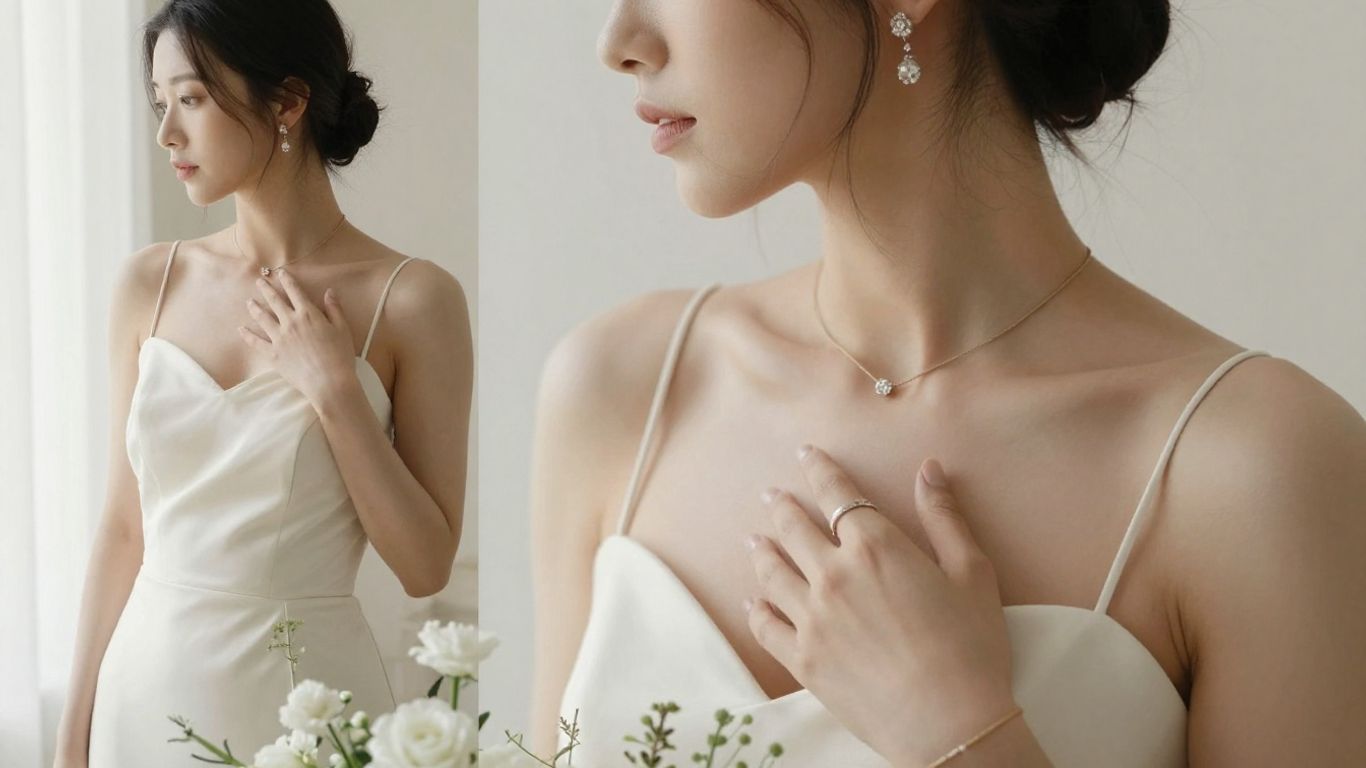
Let the neckline, fabric, and embellishment guide the jewellery rather than treating them as separate decisions. A high neckline may need only earrings, while a clean V-neck can accommodate a slim pendant. With a detailed bodice, a necklace can compete with the dress, so bare skin or a very fine chain may look calmer.
The same principle applies to sleeves and straps. Delicate bracelets can disappear against lace but look elegant against bare arms or smooth satin. Bring a photograph of the dress—or, better, try on jewellery while wearing it—to judge the whole composition.
Create a simple bridal mood board
A small mood board helps you notice patterns before you buy several pieces that do not belong together. Include a dress image, your ring, hairstyle ideas, bouquet textures, and a few jewellery references. Keep it visual and limited; too many ideas make a minimalist look harder to edit.
Pay attention to recurring details such as rounded versus angular shapes, warm versus cool metals, and glossy versus matte surfaces. A guide to bridal jewellery ideas can also help you compare necklaces, earrings, rings, and traditional accents without deciding that you need every category.
Select the right metal and finish
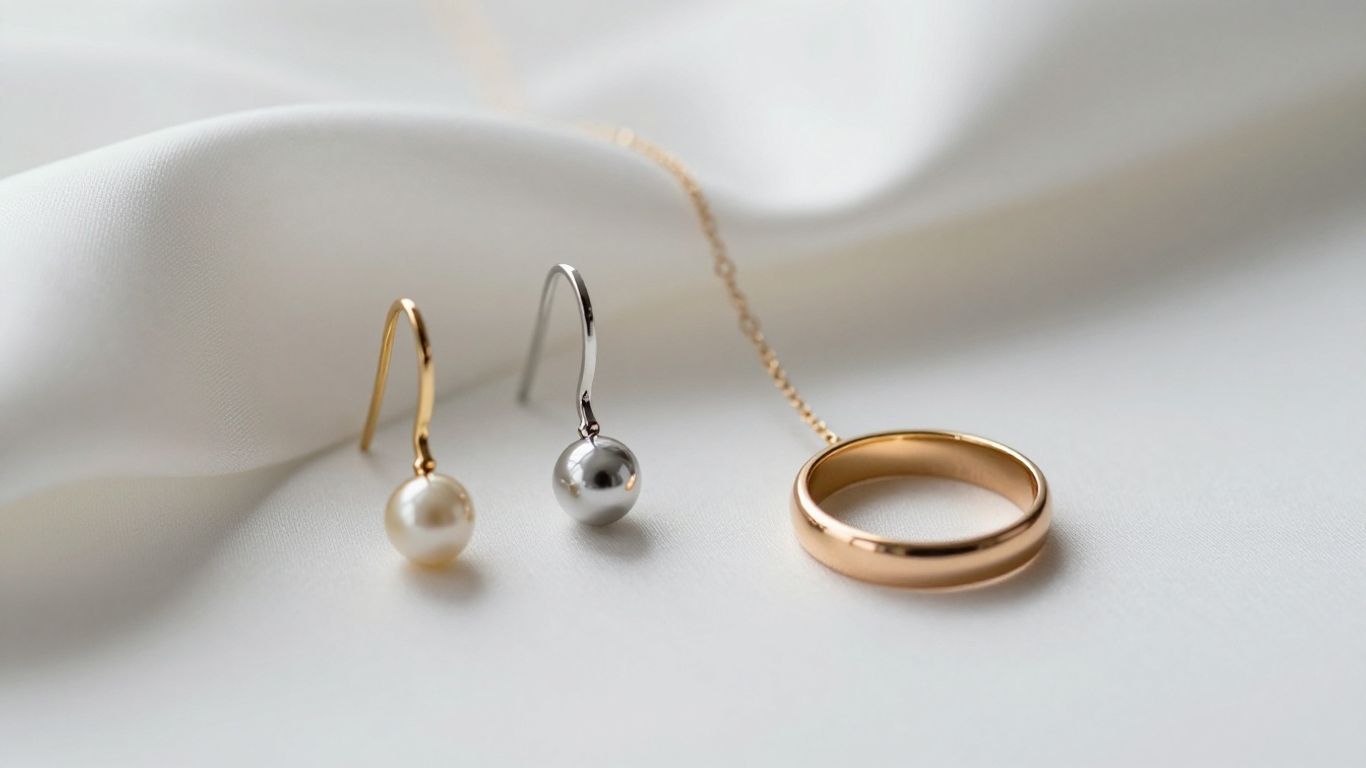
Metal changes the character of even the simplest piece. Yellow gold can feel warm and familiar, white gold and platinum can look crisp, and rose gold brings a softer blush. The finish matters too: polished surfaces reflect more light, while brushed or hammered textures give a quieter, tactile effect.
Compare yellow gold , white gold , rose gold , and platinum
Yellow gold tends to complement ivory, cream, and champagne fabrics, while white metals can look especially clean with bright white gowns. Rose gold can work beautifully with blush tones and warm skin tones, though it should still relate to the rest of your jewellery. Platinum has a naturally cool appearance and is often chosen for its substantial feel.
These are starting points, not rules. Hold samples beside the actual dress and ring, since fabric color and lighting can shift how a metal appears. The most convincing choice is usually the one that repeats a tone already present in your overall look.
Choose between polished, brushed, and hammered finishes
Polished metal is bright and reflective, which makes delicate pieces feel crisp and modern. Brushed metal has a soft, satin-like surface that can be easier to wear with understated fabrics. Hammered finishes add tiny variations that catch light gently and bring interest to an otherwise simple silhouette.
Avoid choosing a finish only from an online product image. Ask how it feels against the skin and whether the texture catches on lace, veil fabric, or hair. A finish that looks beautifully subtle may be less practical if it snags during dressing.
Consider your skin tone and existing jewellery
Skin tone can offer a useful starting point, but your existing jewellery is often an even better guide. Look at the pieces you reach for without thinking: their color, scale, and surface may reveal what feels most like you. If your engagement ring is inherited or already fixed, let it anchor the rest of the metal decisions.
For a broader post-wedding collection, consider how a new piece will sit with everyday jewellery too. Advice on jewellery for newly married women is useful when you want wedding purchases to remain versatile rather than becoming items worn once.
Check how the metal will look in photographs
Photography picks up reflections, shadows, and contrast that are easy to miss in a fitting room. Take front-facing and side photographs in natural light, then view them at normal size rather than zooming in on tiny details. Check whether the jewellery separates from your hair and dress or disappears completely.
Ask a trusted person to take a few candid images as well. A piece can look perfect in a posed close-up but feel too bright when it catches a flash during the reception.
Find understated bridal earrings
Earrings sit close to the face, so even a small pair can define the mood of the bridal look. Their scale should relate to your hairstyle, neckline, and the amount of detail already in the dress. Start by deciding whether you want them to frame your face quietly or provide the main point of light.
Match earrings to your hairstyle and neckline
Updos expose the ears and neck, making small drops or slender hoops more visible. With hair worn down, studs or huggies may provide enough polish without disappearing into the style. A strapless or open neckline can handle a little movement, while a high neckline often looks better with earrings that stay close to the lobe.
Consider the side view too. Earrings can appear in photographs taken during the ceremony, while greeting guests, or while turning toward your partner. A gentle drop gives movement, but it should not catch in curls or a veil.
Choose studs, drops, hoops, or huggies
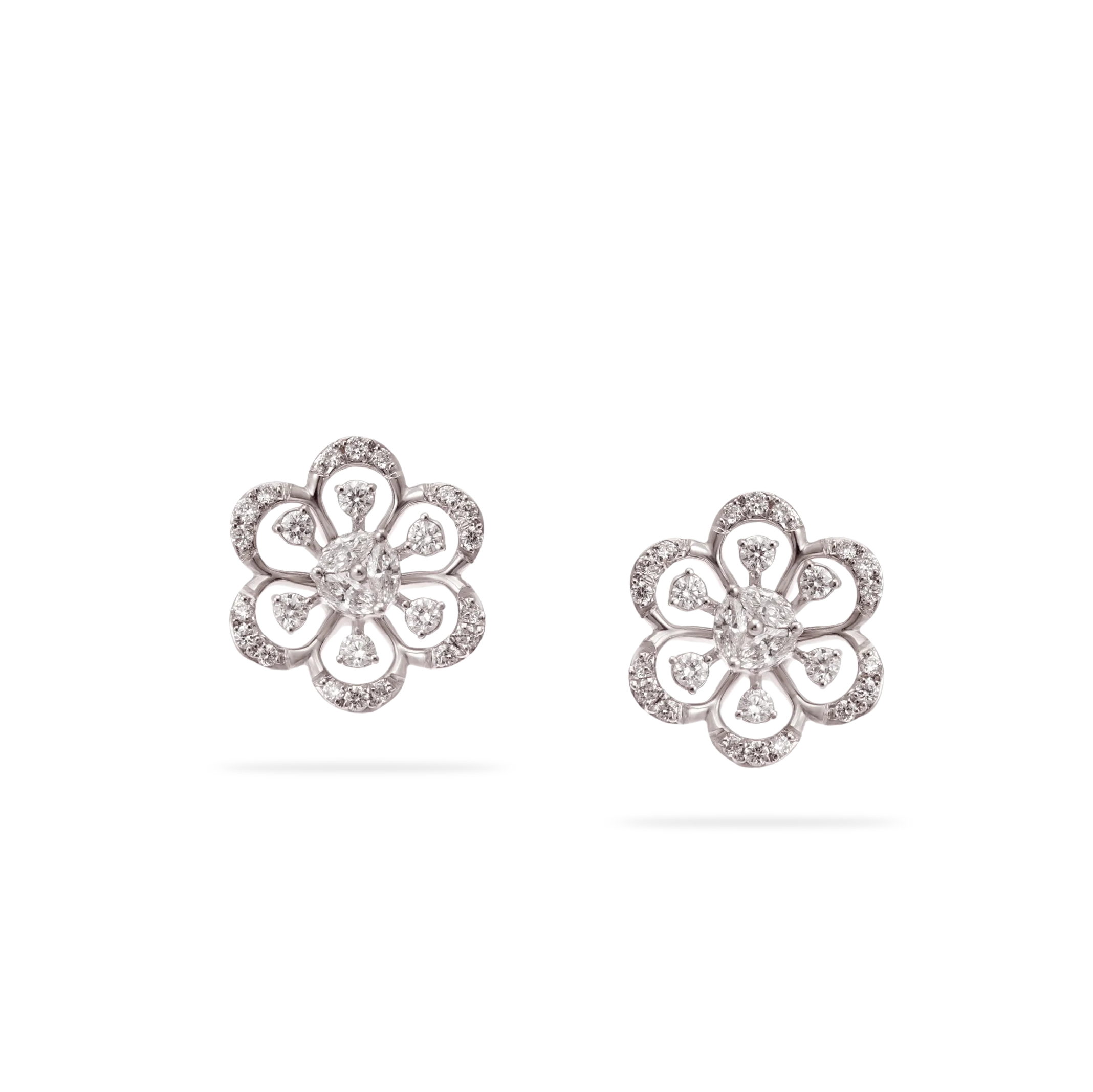
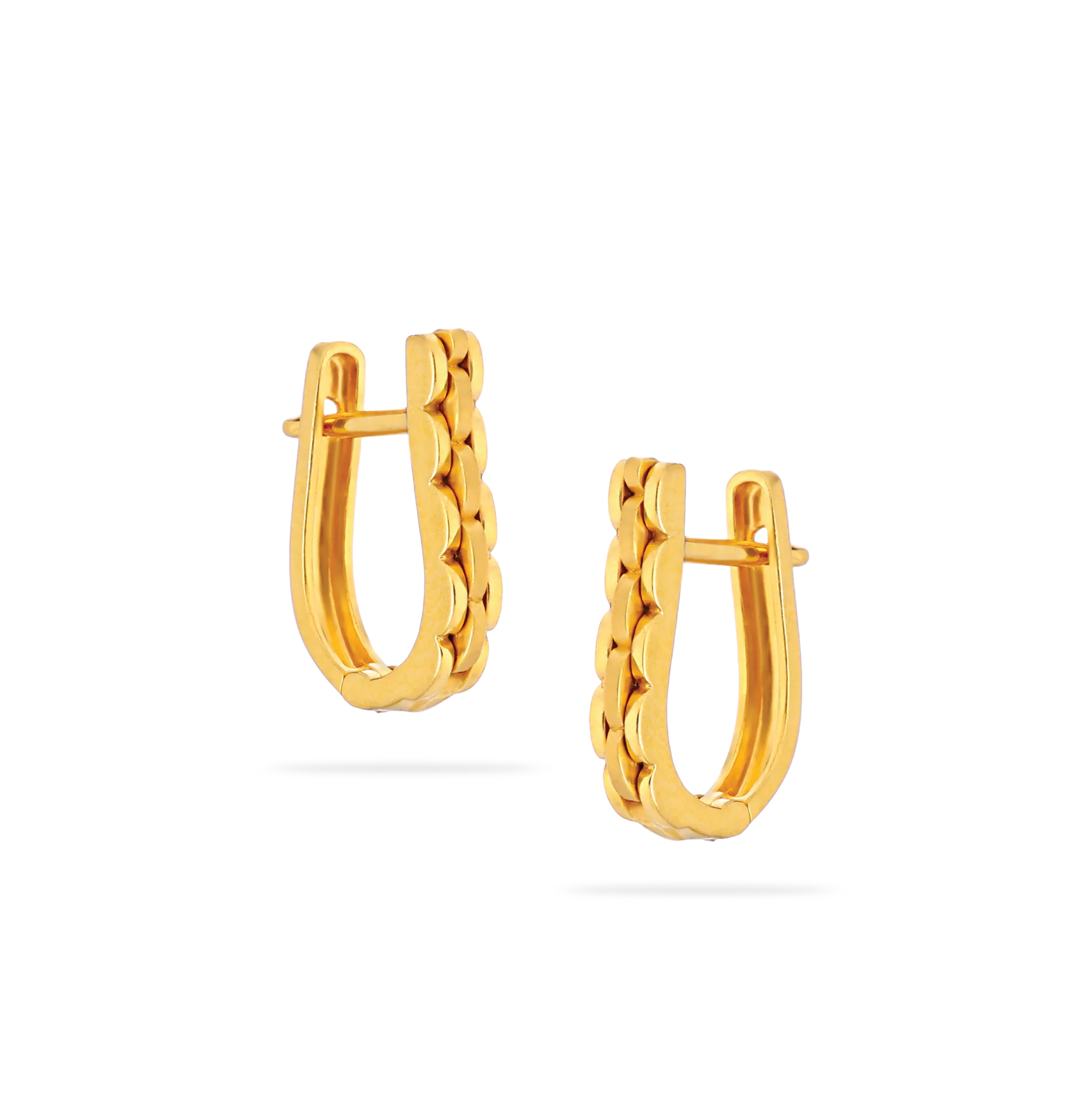
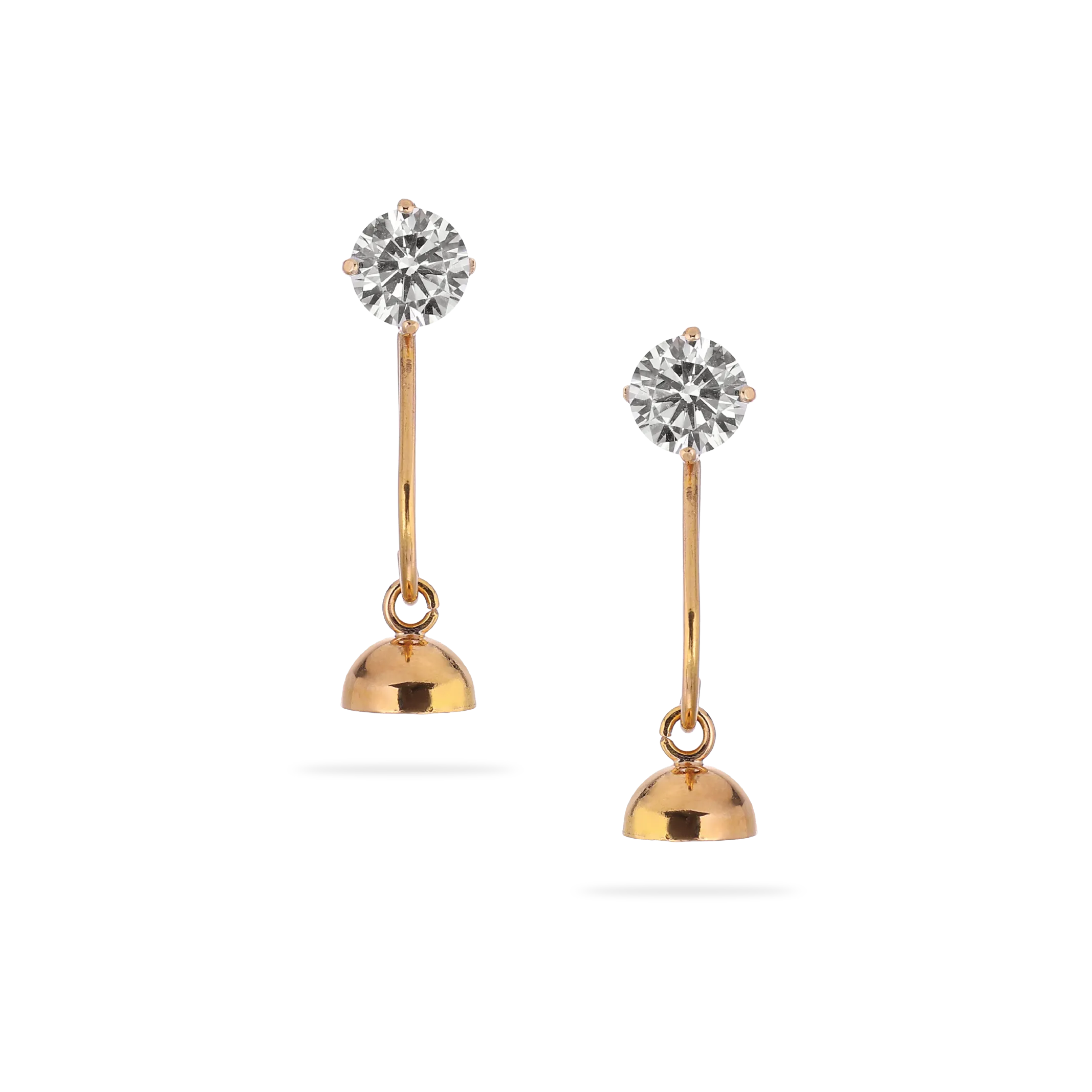
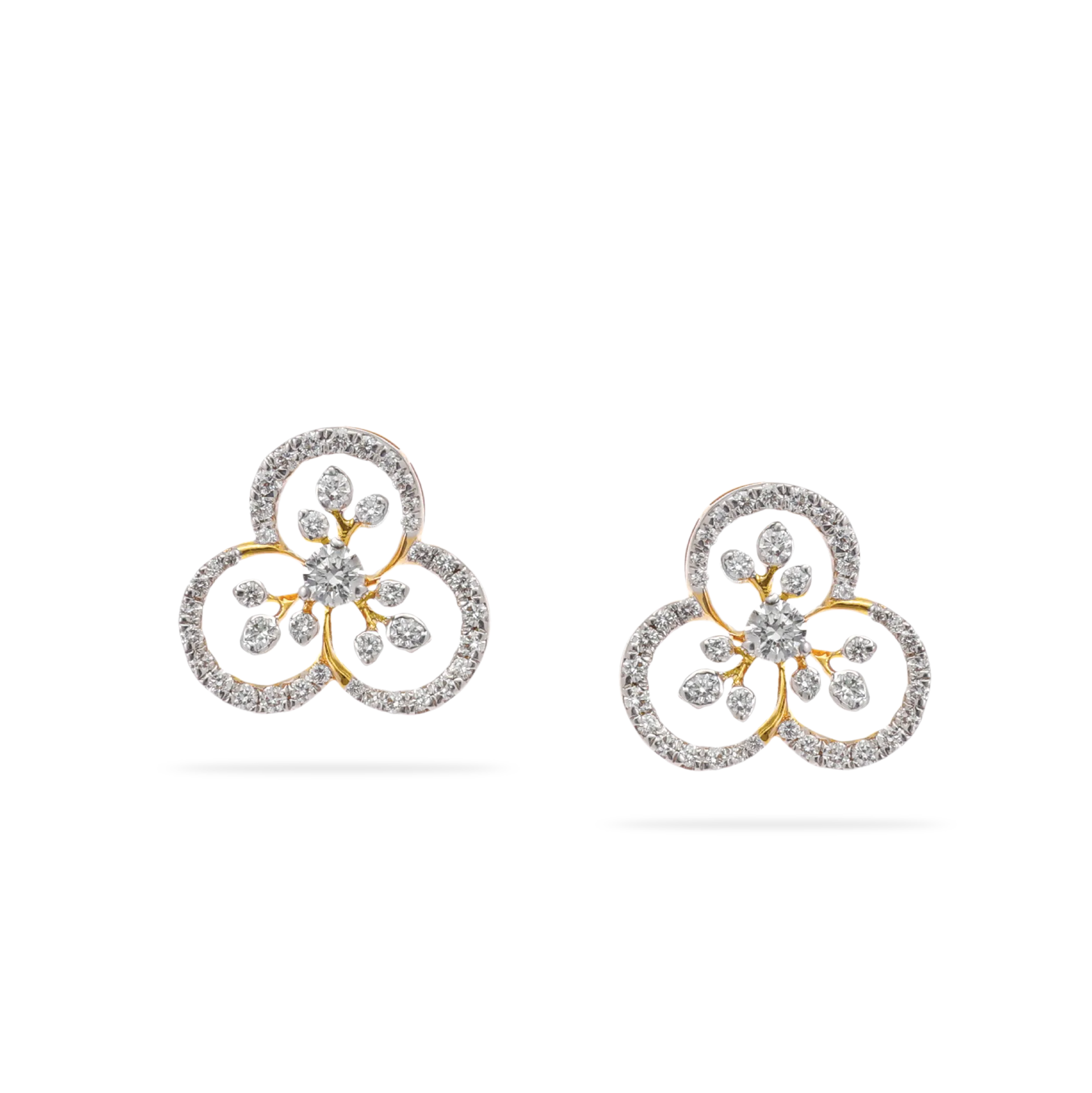
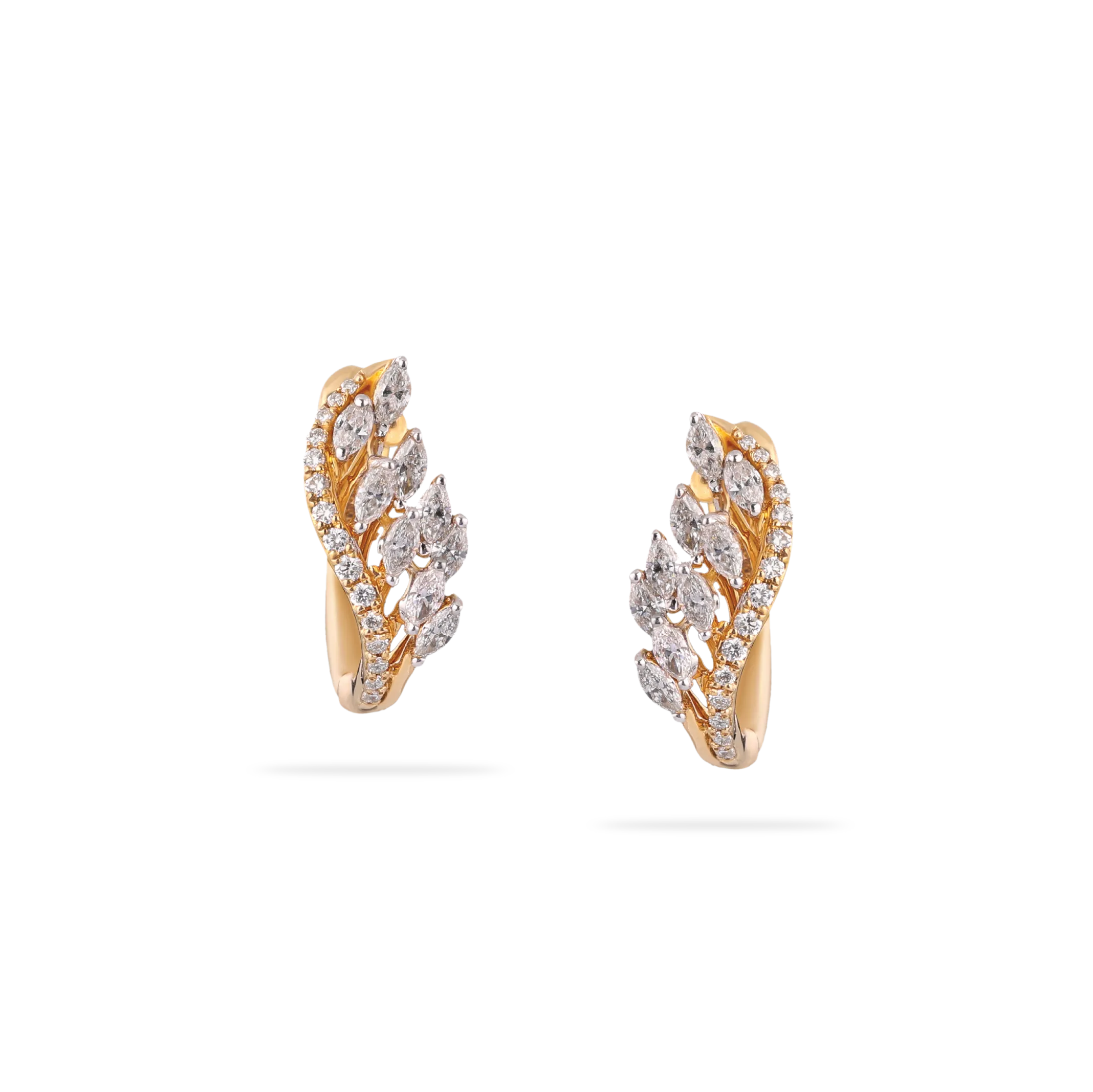
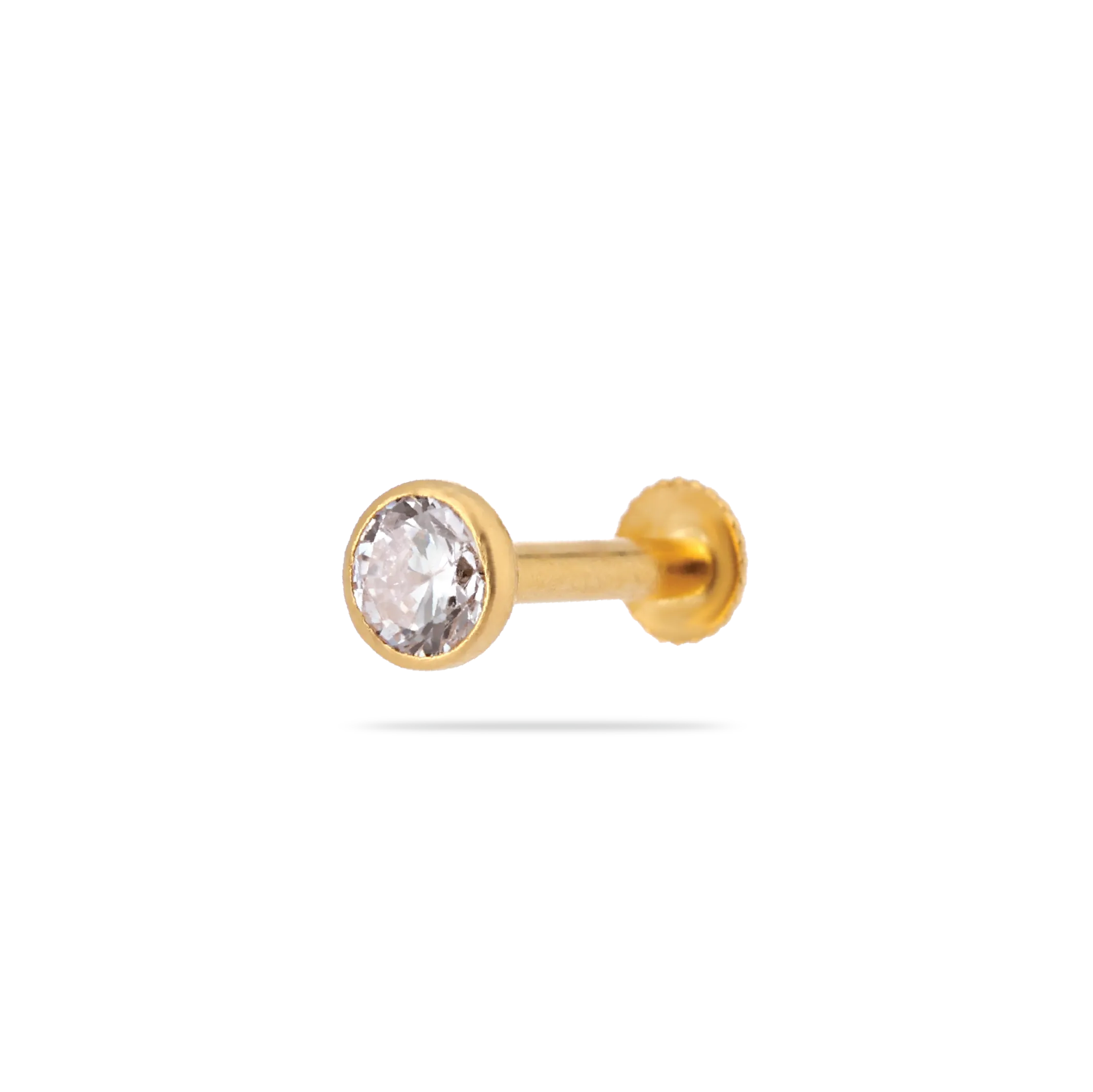
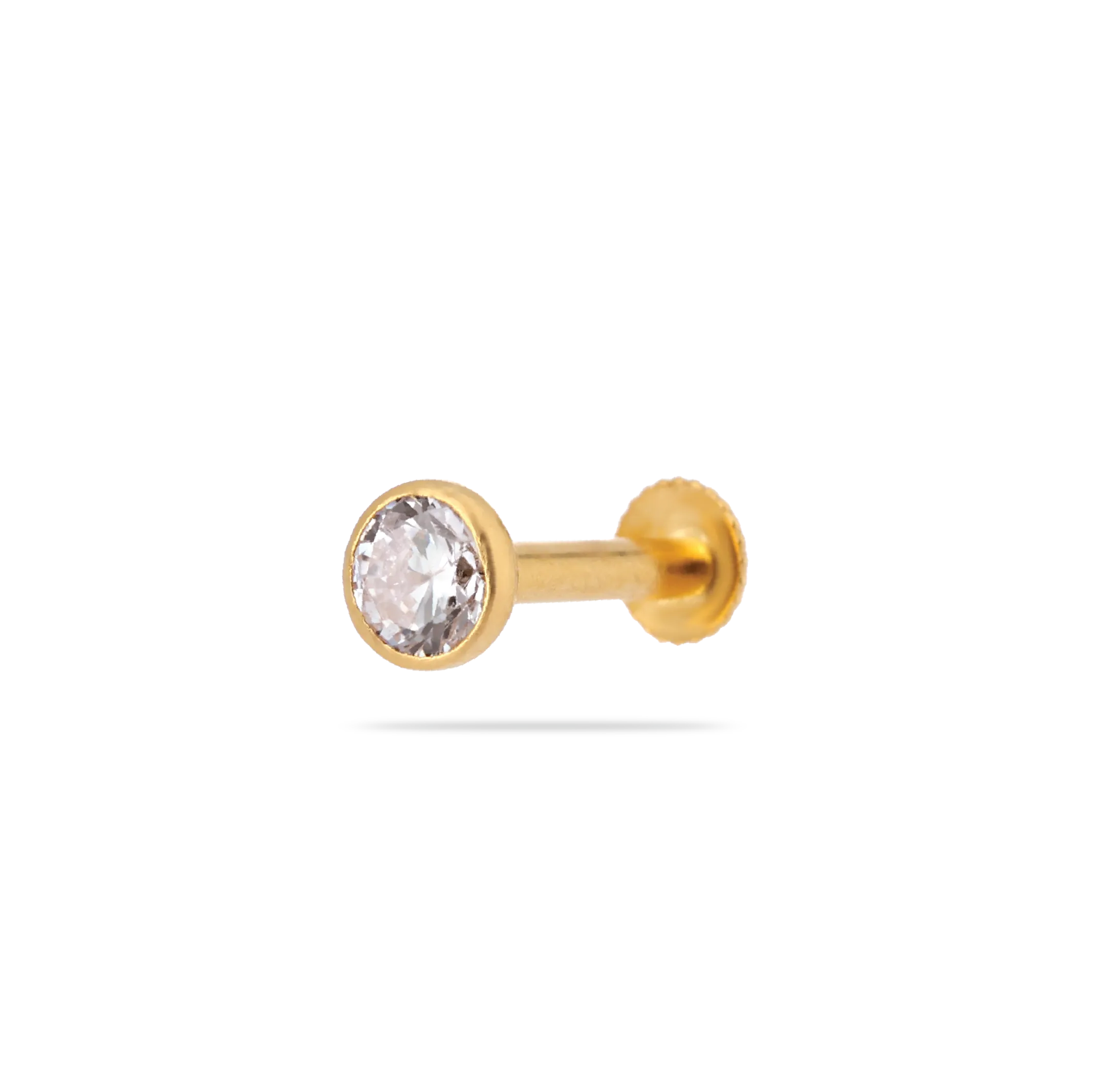
Studs are the easiest choice when the dress, veil, or hairstyle already carries visual interest. Drops add vertical length and a little motion, while small hoops feel contemporary and relaxed. Huggies sit close to the ear and are especially useful when you want a clean outline with no dangling element.
Try on each shape while moving your head, hugging someone, and testing the hairstyle you expect to wear. Jewellery should still look intentional when you are not standing perfectly still.
Balance pearls, diamonds, and alternative gemstones
Pearls bring softness and a gentle luster, while diamonds or clear stones create sharper points of light. Colored gemstones can add meaning or a restrained connection to the bouquet, wedding palette, or family jewellery. The stone does not need to match the flowers exactly; a muted tone is often more timeless.
Choose one dominant effect. If the earrings feature a noticeable colored stone, keep the necklace and bracelet quieter. If the ring already supplies the color, clear or unadorned earrings may create a more harmonious frame.
Keep comfort in mind for all-day wear
A beautiful earring is not successful if it becomes painful before the ceremony ends. Check the weight, post, backing, and balance of the design. Sensitive ears may need a metal choice you already know you can wear comfortably, and a secure backing is worth testing before the wedding day.
Wear the earrings at home for several hours before committing. This simple trial can reveal pressure points, loose closures, or a tendency to catch on hair that is difficult to notice in a short appointment.
Choose a minimalist necklace and bracelet
Necklaces and bracelets should support the dress rather than fill every available space. A minimalist set may include both, but it does not have to. Often the most polished result comes from choosing one delicate piece and allowing the ring, earrings, fabric, or bouquet to carry the rest of the look.
Know when to skip a necklace
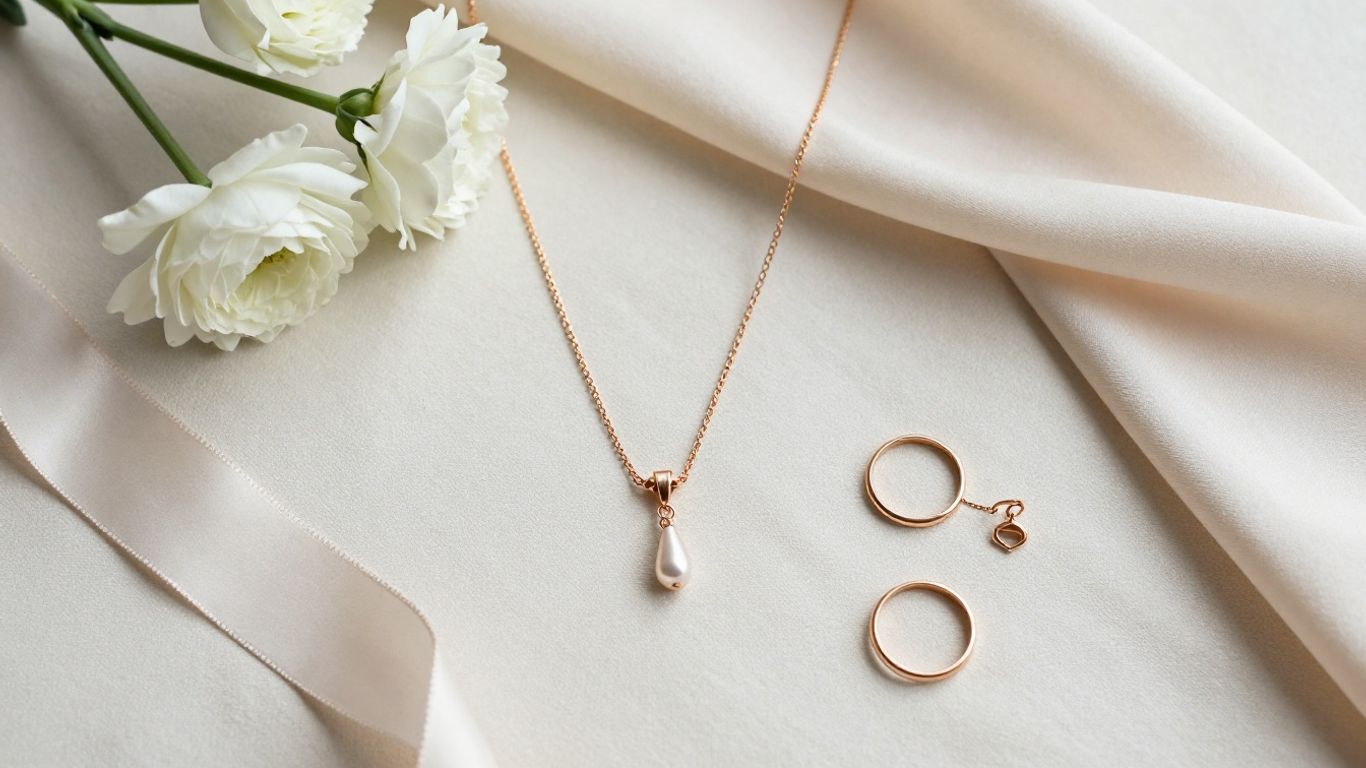
Skipping a necklace can be the most deliberate choice, especially with a high neckline, intricate lace, statement earrings, or a dress with a strong bodice detail. A bare neckline can make the whole outfit feel lighter and give the face more room. It also avoids an awkward chain sitting directly over embroidery or beading.
If the neckline feels unfinished without something there, try a very fine chain before moving to a larger pendant. Take a photograph from several distances; what feels bare in a mirror may look perfectly balanced in a full-length image.
Select delicate chains and meaningful pendants
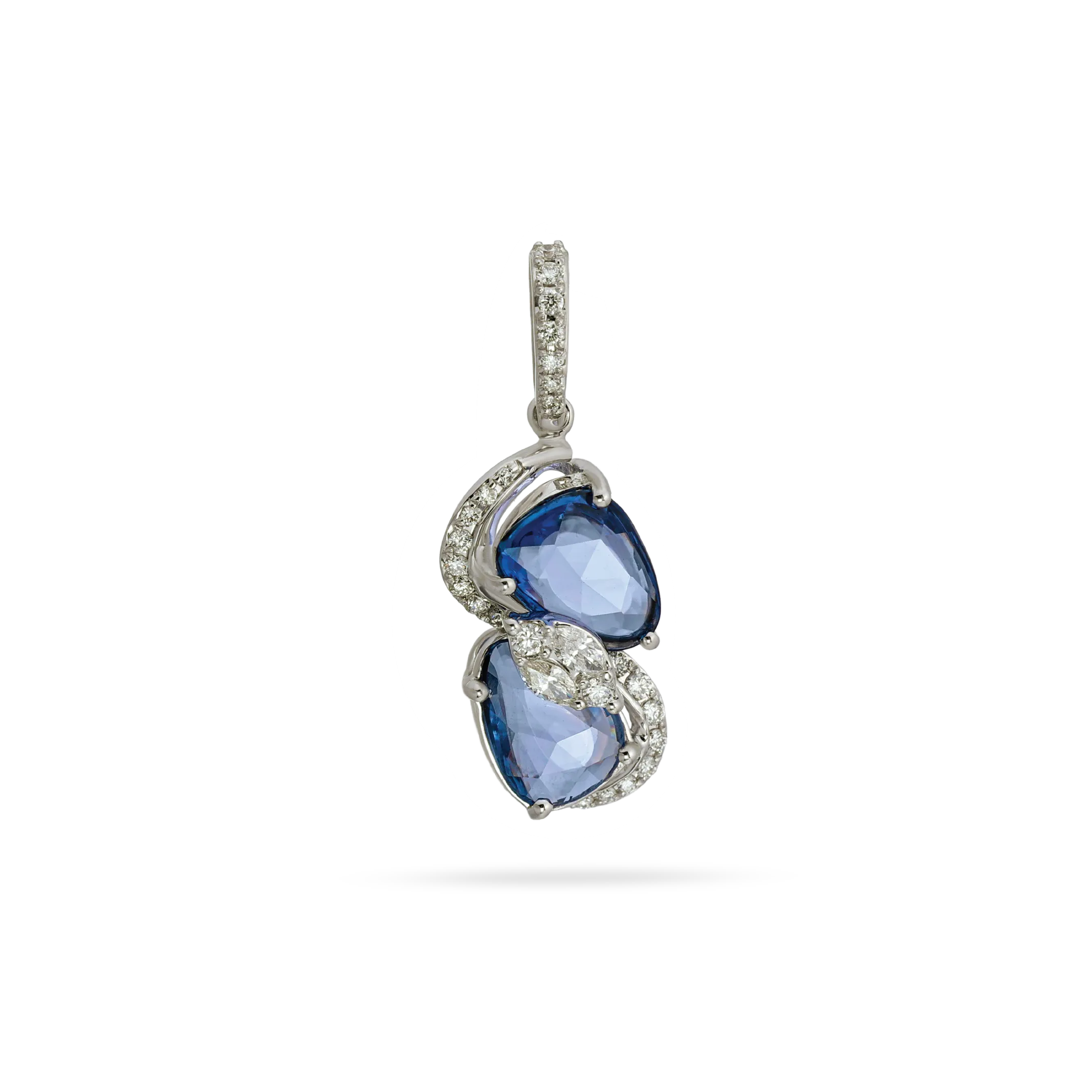
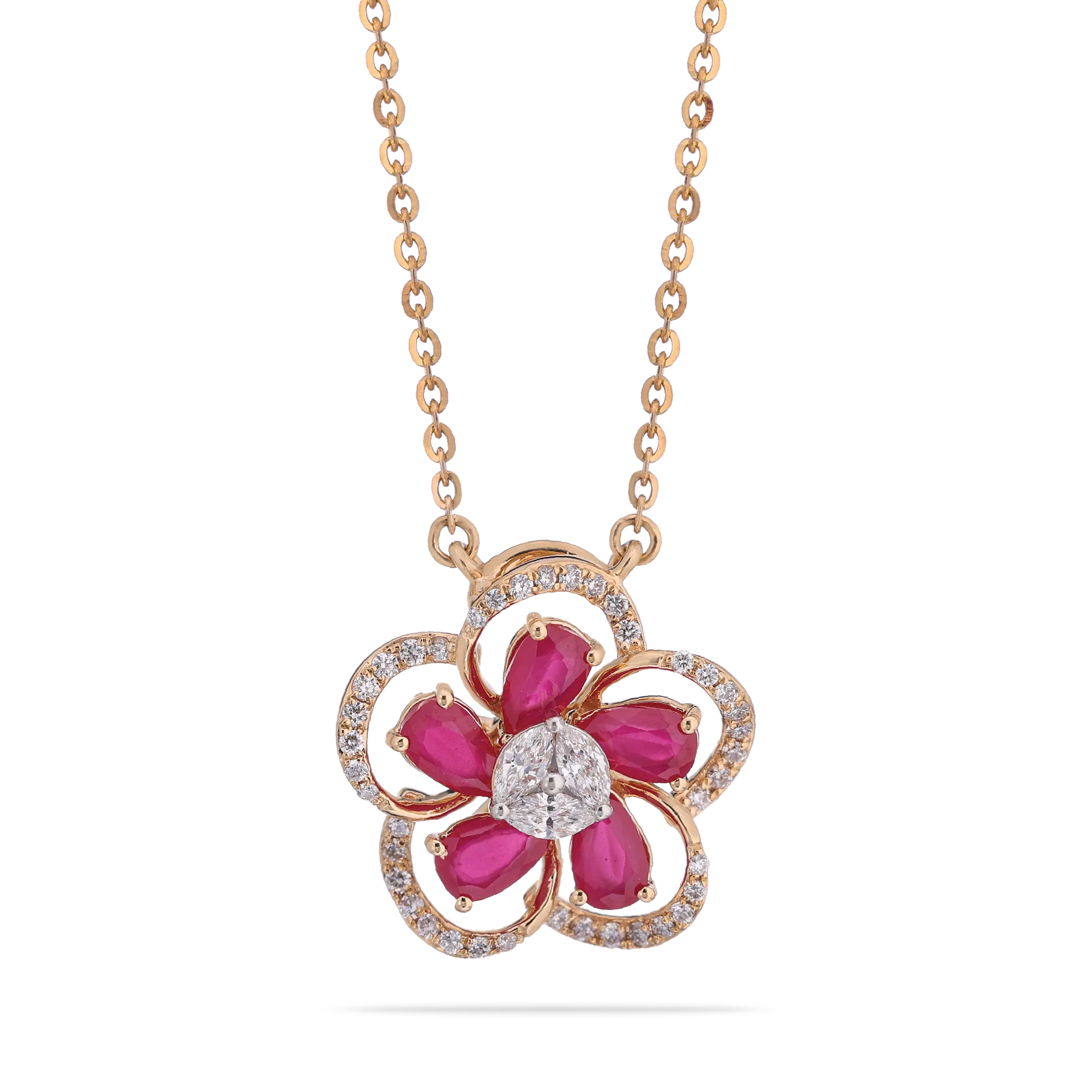
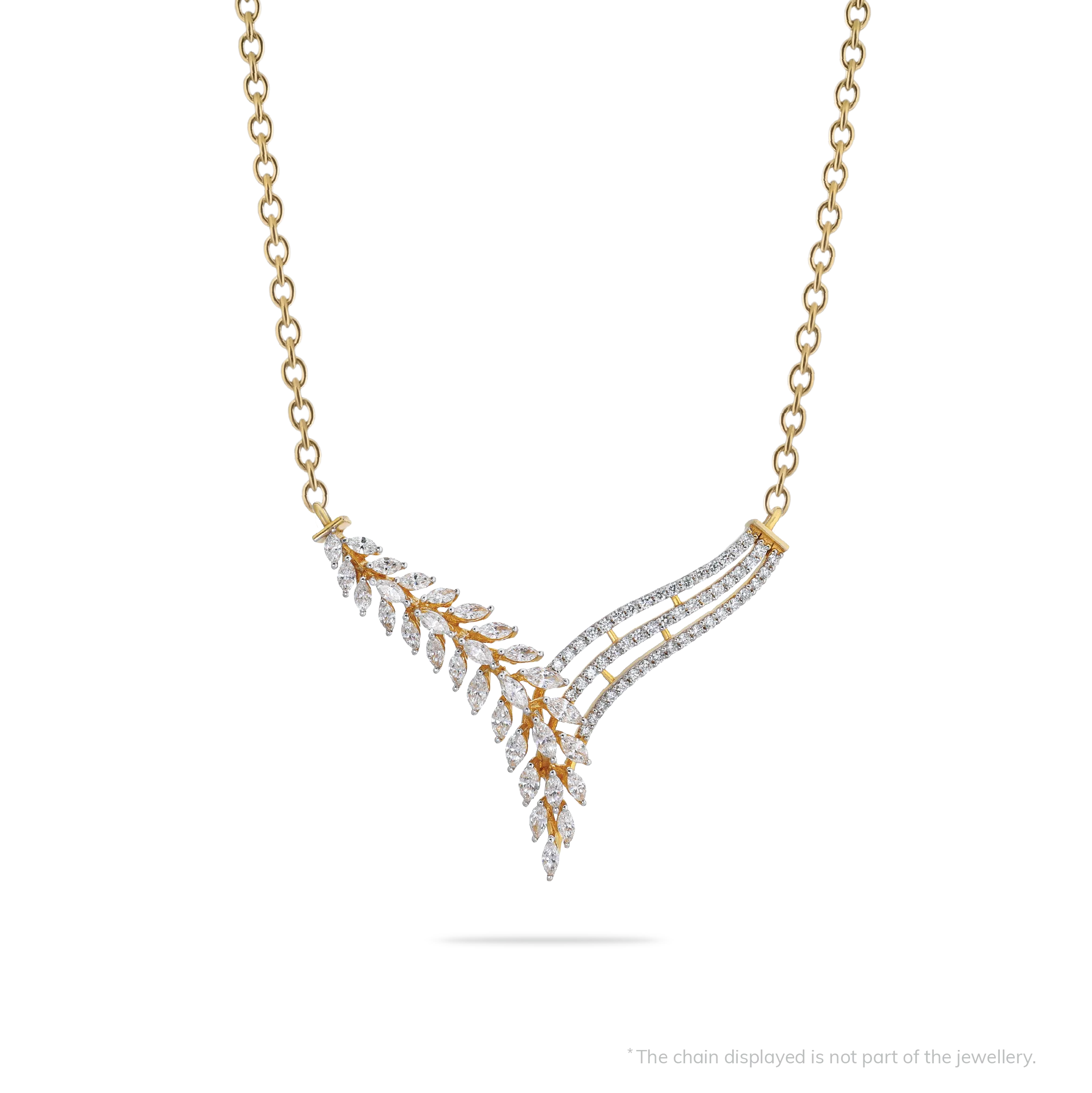
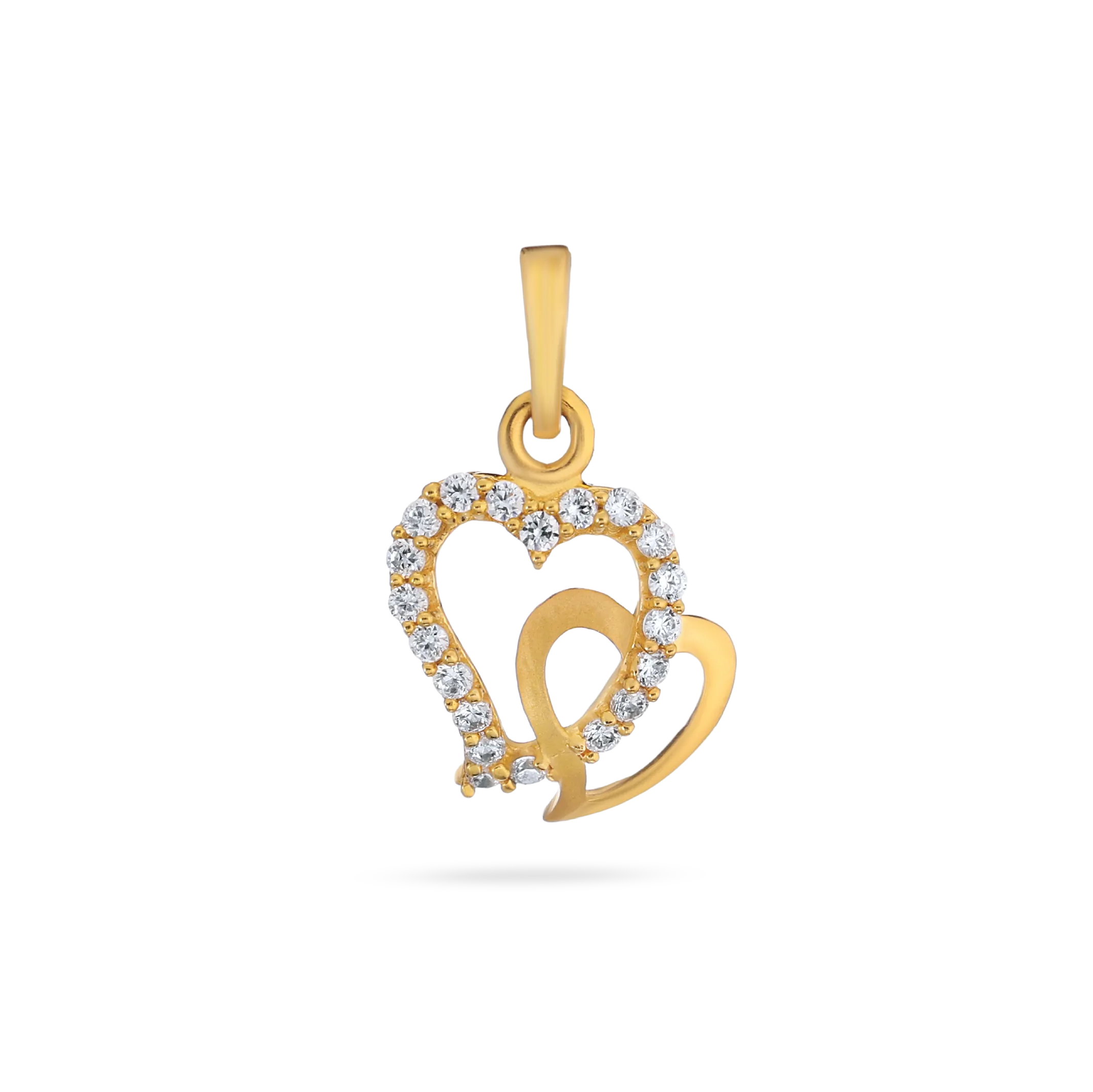
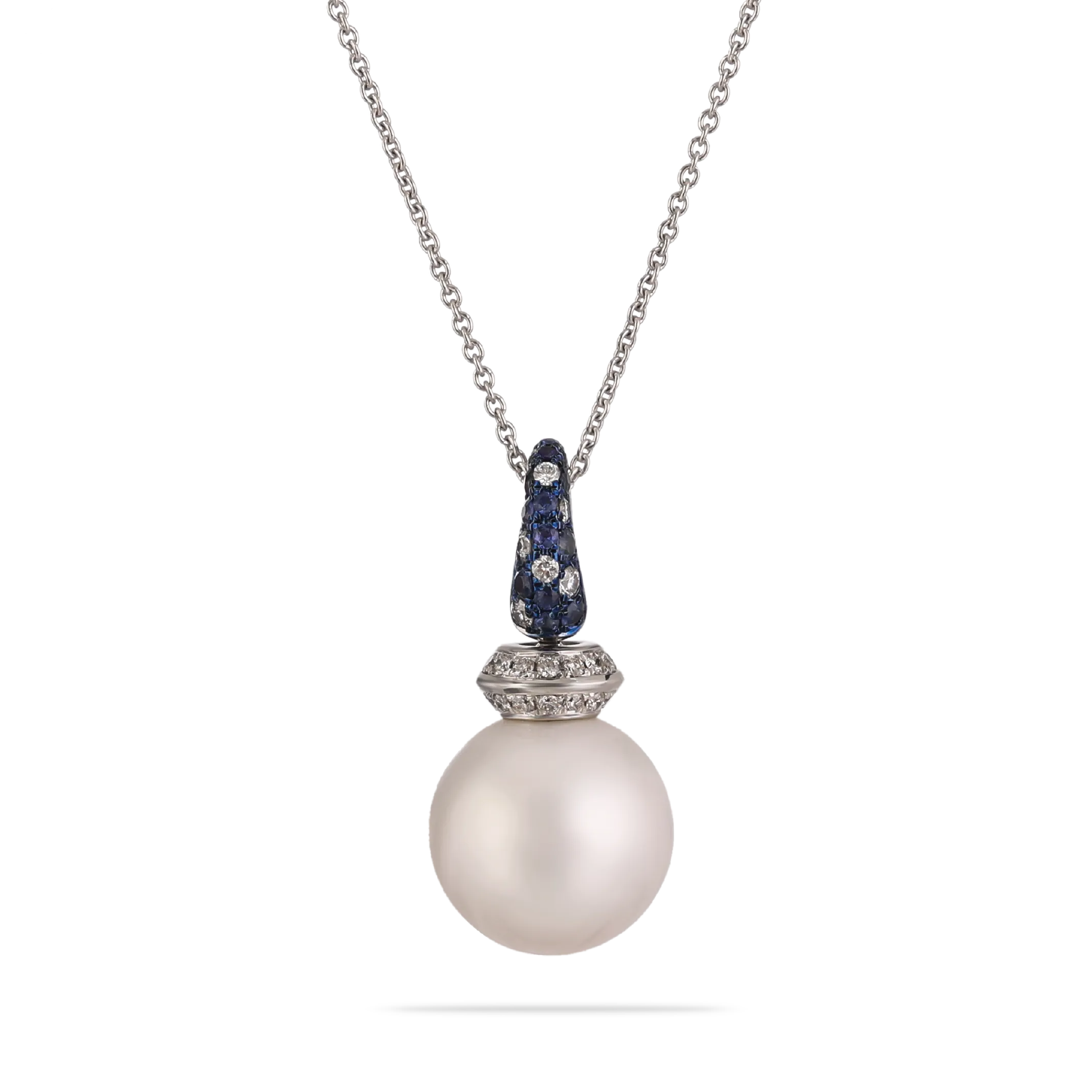
A slim chain works well with clean necklines and can be chosen in a length that follows the natural space above the dress. A small pendant may carry sentimental meaning—a birthstone, initial, or inherited charm—without becoming a focal point. Keep the pendant proportionate to the neckline so it rests neatly rather than competing with it.
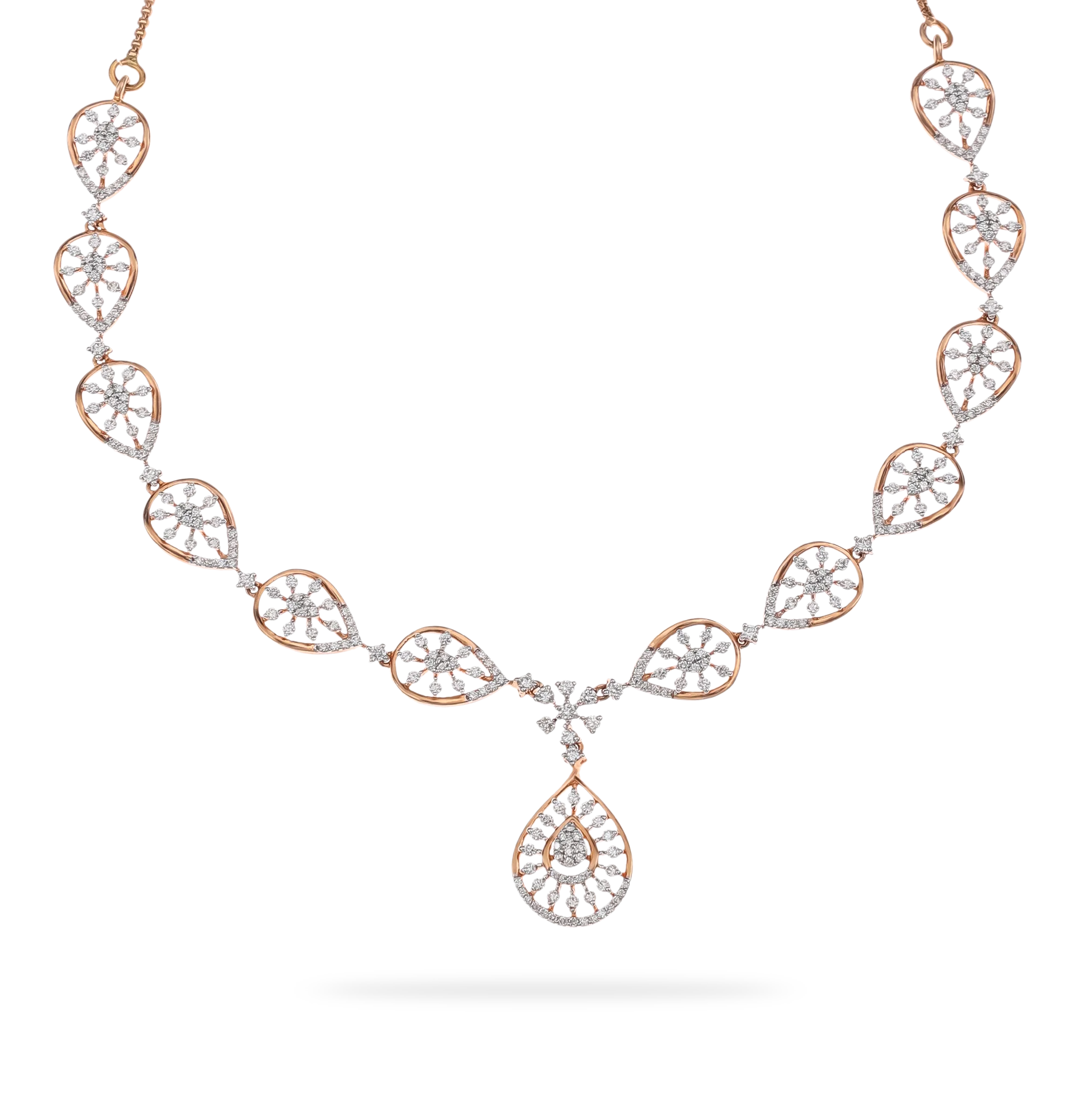
For more neckline-specific ideas, explore bridal necklace styles, then test the length with your actual gown. The right chain should stay in place as you walk, sit, and turn, not just look attractive when centered in front of a mirror.
Coordinate bracelets with sleeves and bouquet handling
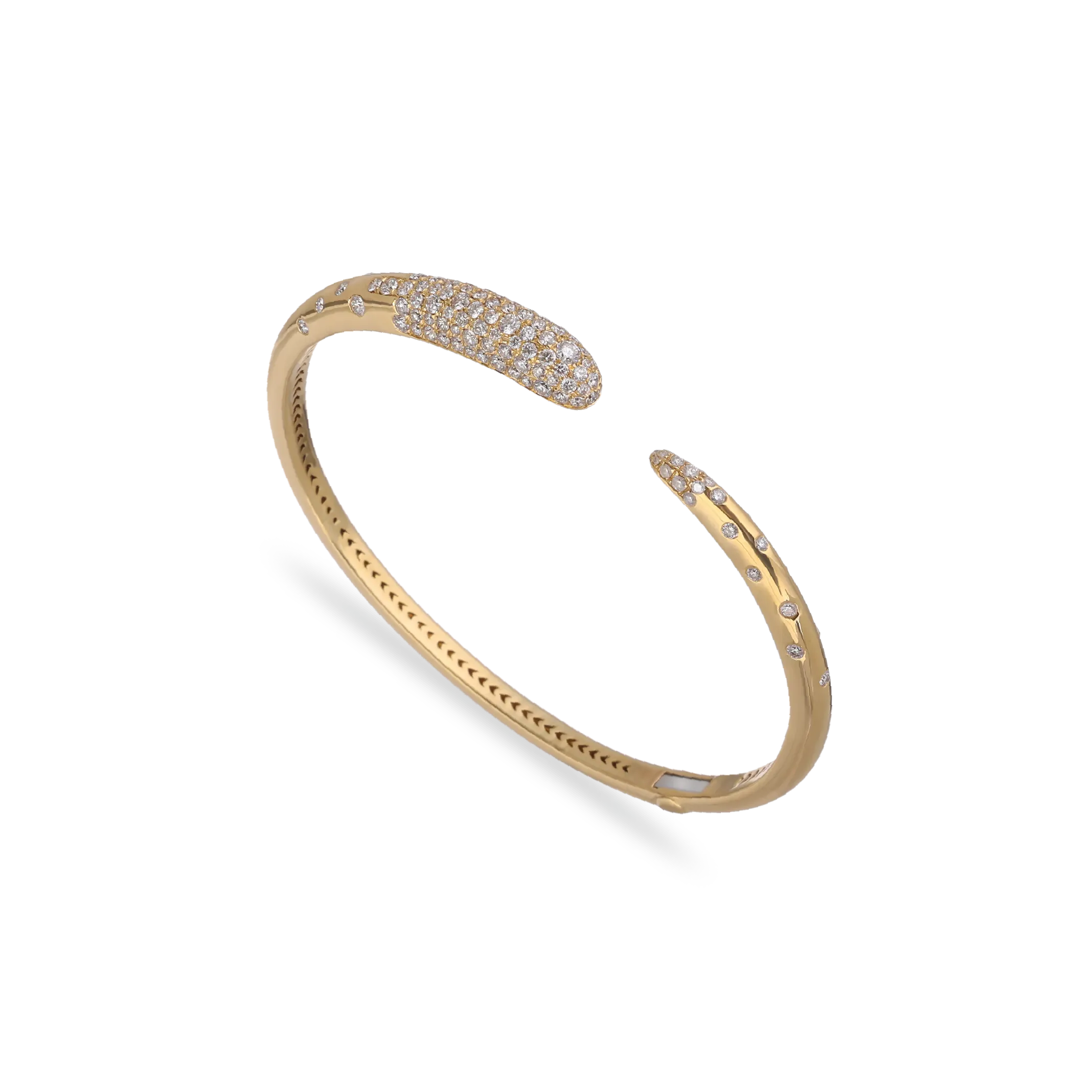
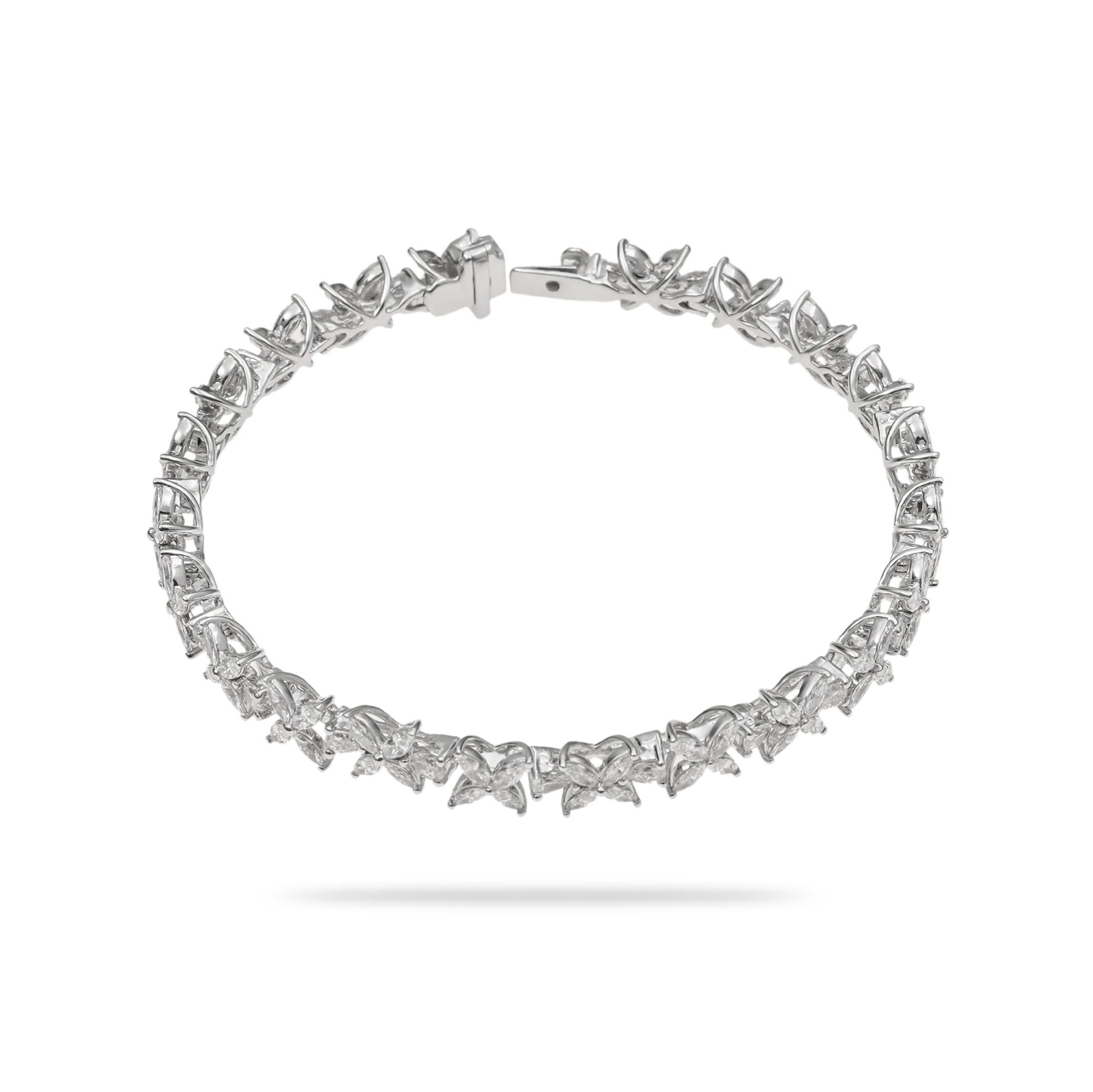
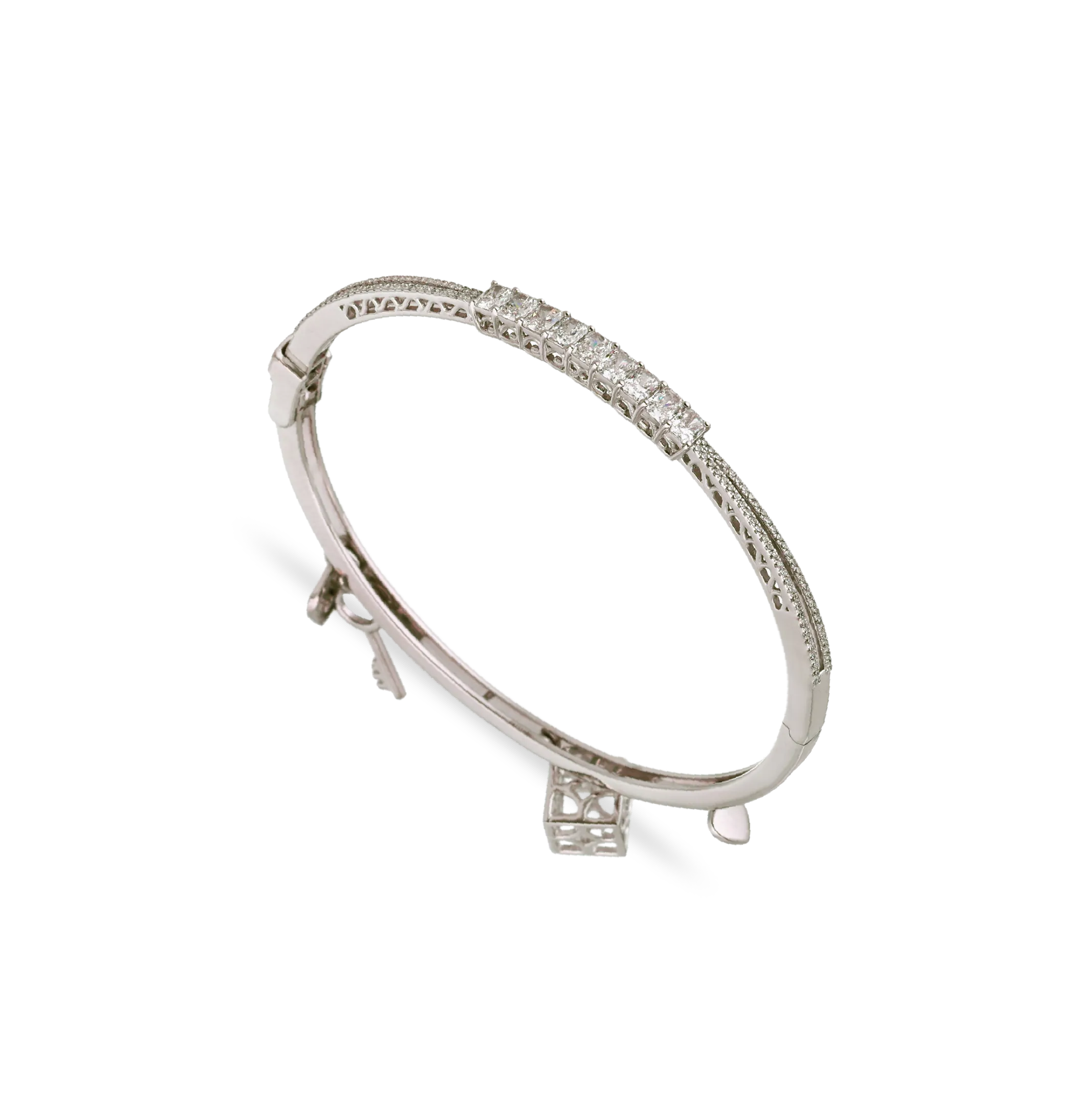
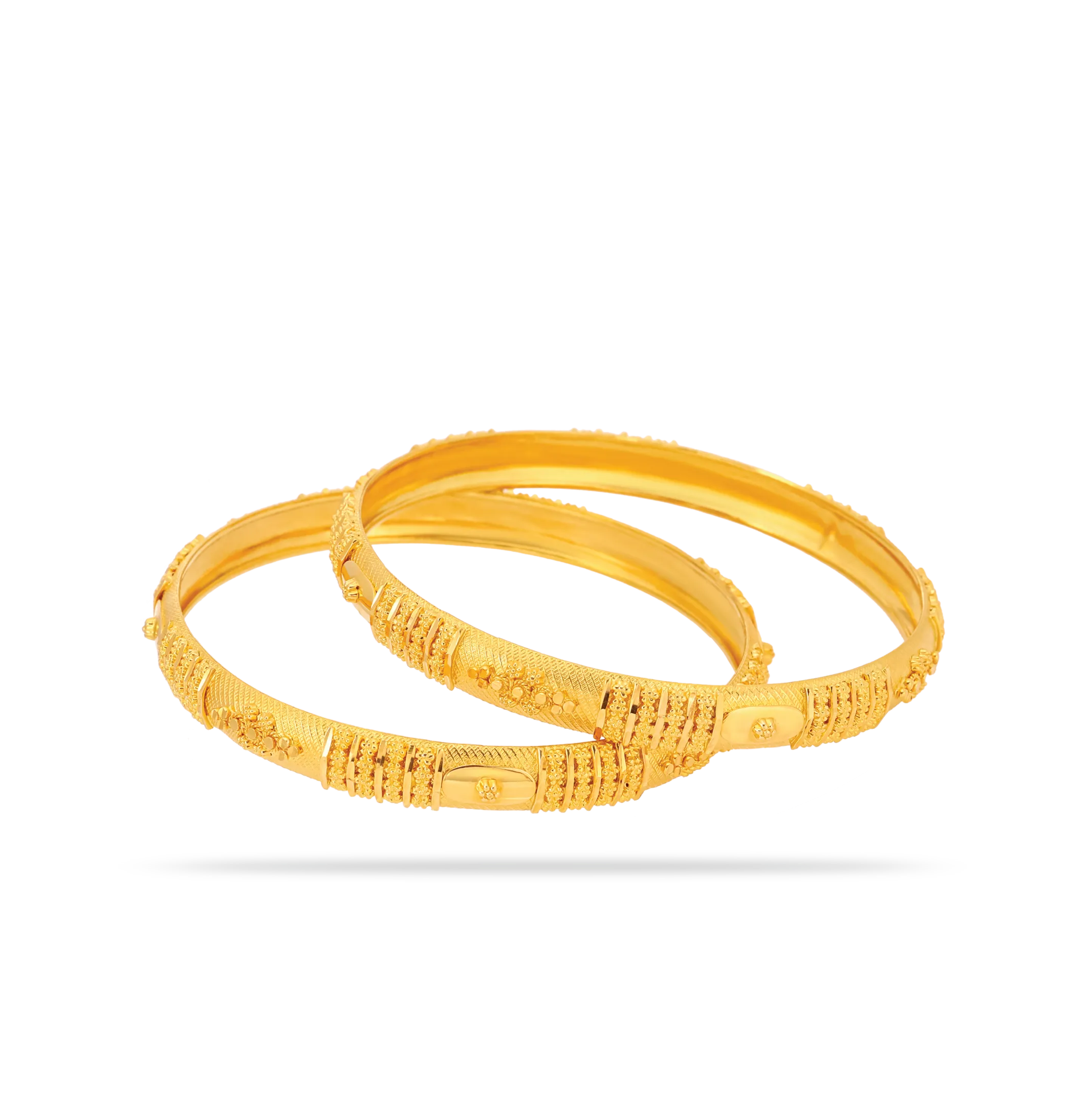
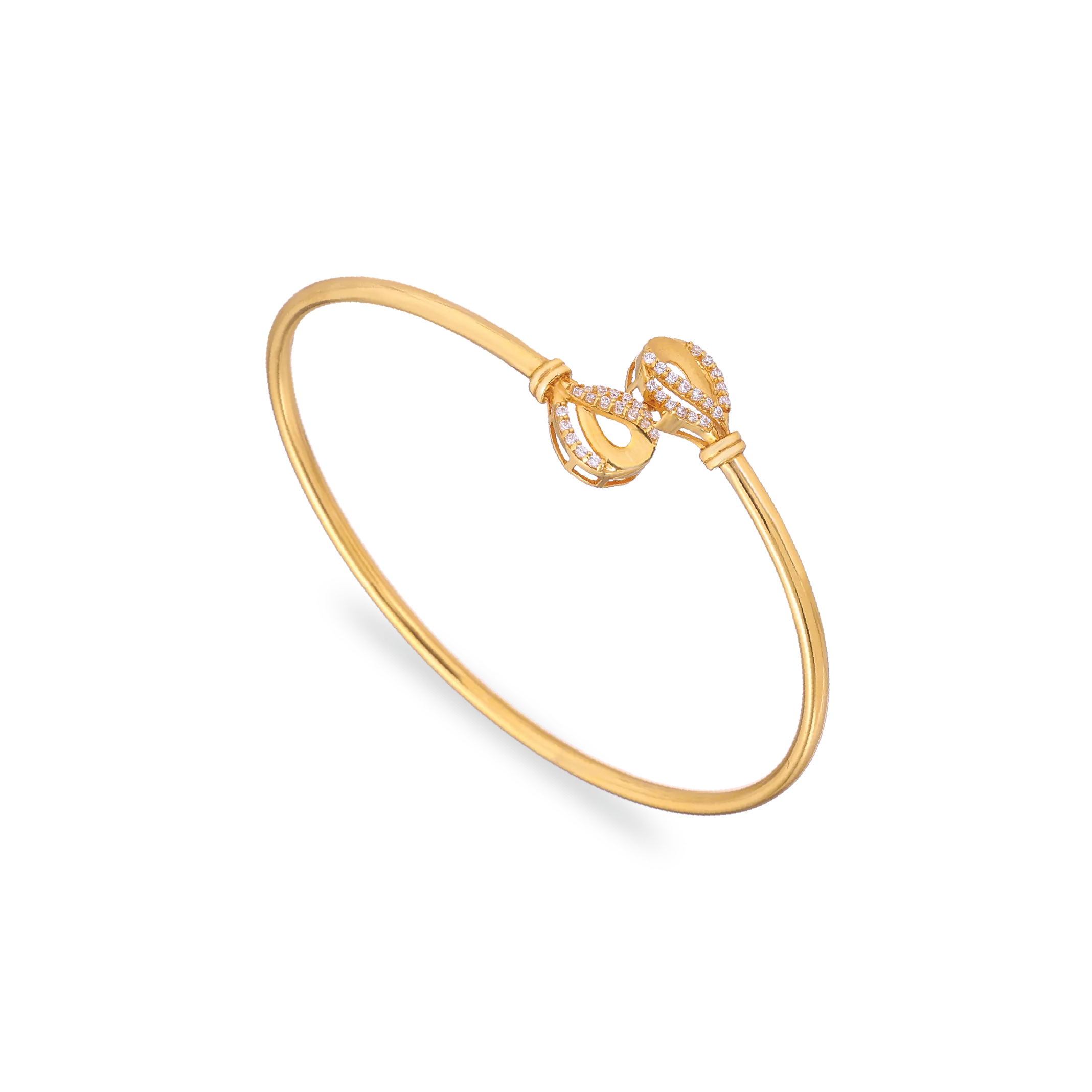
A bracelet should move easily with the hand that holds the bouquet, signs documents, or greets guests. Slim bangles and fine chains suit bare arms, while a single smooth cuff can stand out against a simple sleeve. With lace or beading at the wrist, skipping a bracelet may prevent snagging and visual clutter.
Test the clasp with one hand and wear the bracelet while holding a bouquet substitute. If it slides constantly or catches on the fabric, choose a closer fit or a simpler shape.
Layer pieces without overwhelming your look
Layering can still feel minimalist when the pieces share one clear relationship. Keep chains at distinct lengths, repeat the same metal, or vary texture while keeping the scale small. Two quiet layers usually read more intentionally than several nearly identical chains crowded together.
A useful edit is to remove one piece and take another photograph. If the look becomes cleaner without losing its meaning, the simpler version is probably the stronger one.
Coordinate wedding jewellery with your ring
Your engagement ring and wedding band will be in photographs throughout the day, making them the natural starting point for the rest of the jewellery. Consider their metal, profile, stone shape, and visual weight. The aim is not perfect uniformity but a sense that the pieces belong to the same person and occasion.
Match the jewellery metal to your engagement ring
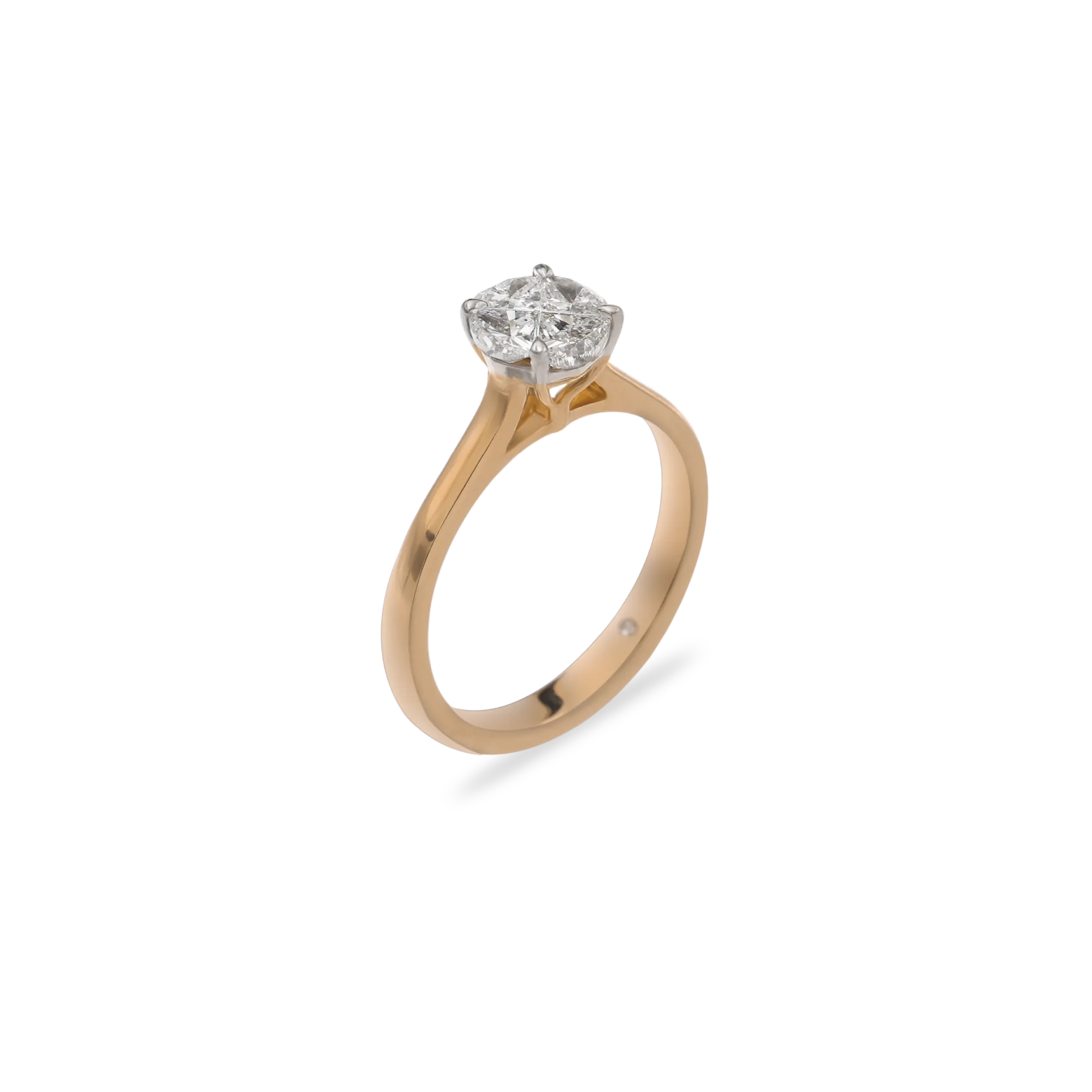
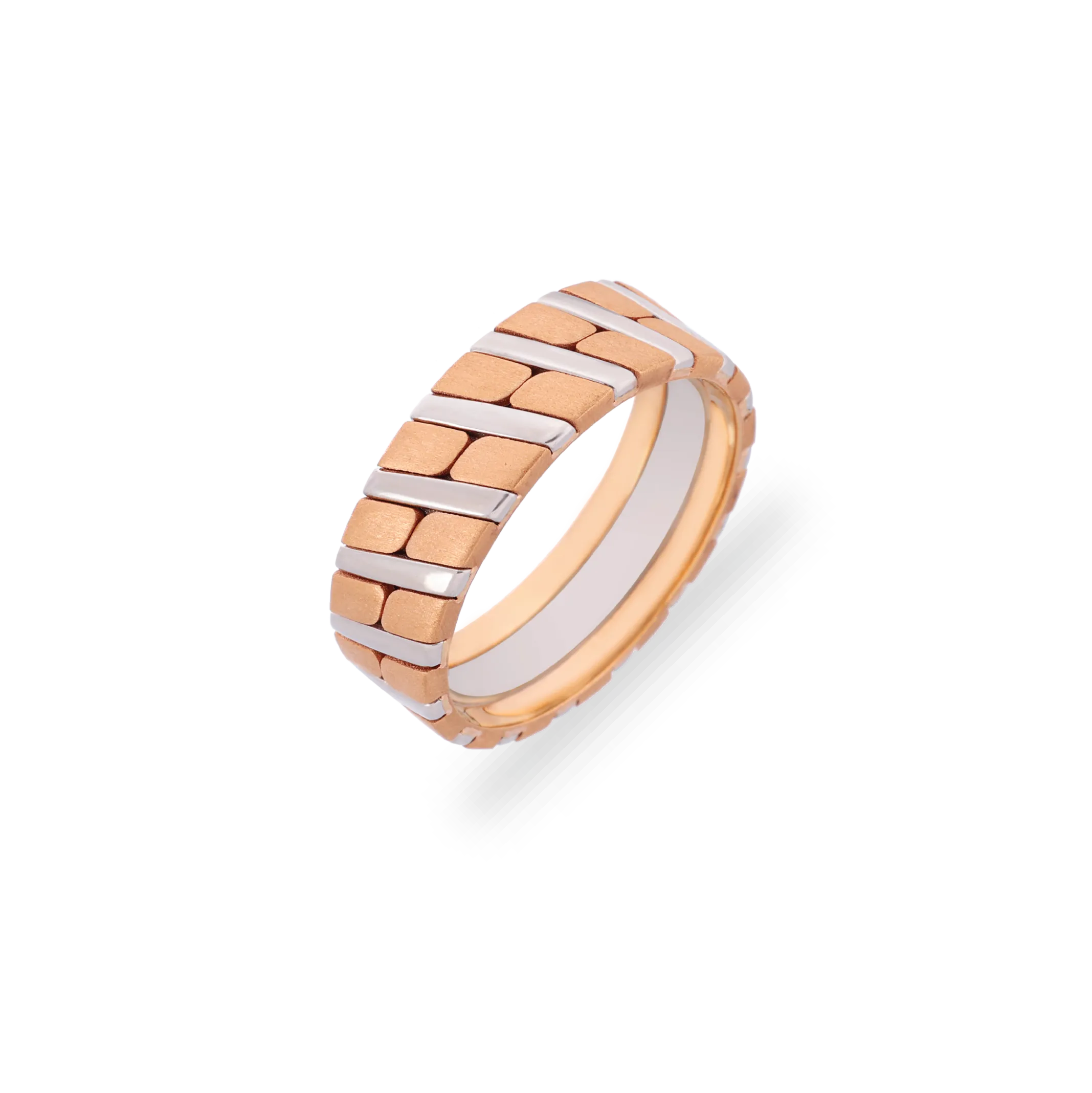
Repeating the ring metal in your earrings or necklace creates an easy visual line. It is particularly effective when the ring has a distinctive color or finish that would otherwise look isolated. If the ring is two-tone, you have more freedom: either metal can become the connecting thread.
Bring the ring to every appointment and view it beside candidate pieces. The comparison is more reliable than remembering its color from a photograph or assuming two labels such as “white gold ” will look identical.
Balance wedding bands with other accessories
A substantial band or a ring with a halo may already bring considerable detail to the hand. In that case, a bracelet with a simple line can echo the ring without competing with it. If the bands are slim and quiet, a slightly more distinctive earring or pendant may still feel balanced.
Look at the hand, wrist, face, and neckline together. Jewellery is distributed across the body, so the question is not whether every area has equal detail but whether one area feels unexpectedly heavy.
Decide whether to mix metals
Mixed metals can look modern and personal when there is a reason for the combination. A two-tone ring, a gold watch worn regularly, or a small connecting detail can make the mix feel intentional. Without that bridge, several unrelated colors may make a quiet outfit appear unsettled.
If you mix metals, repeat one of them at least once elsewhere. For example, a warm ring detail could be echoed in a tiny pendant while the main earrings remain cool and understated.
Avoid competing shapes and excessive detail
Minimalism depends on visual breathing room. A sharply geometric ring may be best with clean earrings, while a floral or rounded ring may pair more naturally with softly curved pieces. Avoid stacking several noticeable motifs simply because each one is attractive alone.
This is where one clear focal point helps. Choose whether the face, neckline, hands, or a meaningful stone should draw the eye first, then let the remaining jewellery support that decision.
Shop for quality, comfort, and value
A wedding piece earns its place through more than appearance. It should be secure, comfortable, and made well enough for repeated wear. Before buying, learn what the metal and stones are, how the piece is fastened, and what help is available if something needs attention.
Understand gemstone and metal quality
Ask whether a metal is solid, plated, or filled, and request the relevant hallmark or specification where appropriate. For gemstones, ask about the type, treatment, setting, and any documentation that comes with the piece. You do not need to become a gemologist, but you should understand what you are paying for.
Quality is also practical. Smooth settings, even finishing, secure clasps, and clean joins are signs that a piece has been considered beyond its first impression. Inspect the back and edges as carefully as the front.
Measure jewellery for a secure fit
Necklace length should be tested against the dress neckline, not selected from a standard size alone. For bracelets, measure the wrist and allow enough movement to stay comfortable without letting the piece rotate constantly. Earrings should sit securely without pulling the lobe downward.
Use these checks before ordering online or altering an existing piece:
- Measure the wrist at the point where the bracelet will sit.
- Test necklace length while wearing the actual dress or a similar neckline.
- Check clasps and backs with one hand if possible.
- Wear earrings for several hours before the wedding.
These small trials make fit a decision based on movement rather than appearance alone. They also give you time to arrange an adjustment before the final week.
Set a realistic bridal jewellery budget
Begin with the pieces you will wear most often after the wedding, then decide where a little extra quality matters. A simple pair of earrings may offer more long-term value than a larger set bought only to complete a photograph. Include alterations, delivery, insurance, and any cleaning or storage supplies in the budget.
A useful comparison is cost per wear, not just the ticket price. A necklace that works with work clothes, anniversaries, and everyday dinners may be a better purchase than a more elaborate piece that suits one dress and nothing else.
Review warranties, returns, and care services
Read the return window, resizing policy, repair terms, and exclusions before placing an order. Confirm whether custom or engraved pieces can be returned and how long a repair might take. Keep receipts, product descriptions, and any certificates together in a safe place.
Ask how the piece should be cleaned and stored, especially if it includes pearls, softer stones, plating, or delicate chainwork. Good care information is part of the value of the purchase, not an afterthought.
Build a cohesive wedding-day jewellery plan
The final step is to plan how the pieces will behave across the day. Ceremony lighting, outdoor portraits, dinner, dancing, and outfit changes may all place different demands on jewellery. A simple plan prevents last-minute decisions and keeps the look consistent without making it rigid.
Choose pieces for the ceremony and reception
Decide whether the same jewellery will work from vows through dancing. Usually it can, provided the pieces are secure and comfortable. If you want a reception change, make it small: remove a veil, switch studs for drops, or add one bracelet rather than replacing the entire look.
Place the chosen pieces together with the dress accessories and shoes. This reveals whether the overall styling is balanced and gives someone else a clear reference if they are helping you dress.
Coordinate with bridesmaids without matching exactly
Bridesmaids can share a metal, finish, or general level of simplicity without wearing identical pieces. A common metal with different earring shapes often looks more natural than a uniform set chosen without regard to each person’s style. If jewellery is a gift, choose something wearable beyond the wedding.
Keep the bride’s focal detail distinct through scale or placement. The group can feel coordinated while still allowing everyone to look like themselves.
Plan storage, cleaning, and last-minute adjustments
Store each piece separately in a soft pouch or lined box, especially chains that can tangle and stones that may scratch one another. Assign one trusted person to carry the jewellery on the wedding morning and keep a small repair kit nearby. A spare earring back, polishing cloth, and threader can solve minor problems quickly.
Do not clean every material in the same way. Follow the maker’s instructions, and avoid applying perfume, hairspray, or lotion directly before putting on jewellery. Put pieces away again before changing clothes after the reception.
Select pieces you can wear after the wedding
The most satisfying purchases continue to tell the story without requiring a bridal outfit. Fine hoops, small studs, slim chains, and simple bracelets can move easily into everyday wardrobes. A meaningful pendant may become an anniversary piece, while a ring or charm can be worn as part of a future stack.
Choose with your real life in mind. A piece that suits your work clothes, favorite neckline, and usual level of dressing is more likely to become part of your story rather than remain in a box.
Conclusion
The best minimalist bridal jewellery feels calm, considered, and unmistakably yours. Begin with the dress and ring, edit for comfort, and choose materials and shapes that will still feel right after the photographs are finished. When every piece has a purpose, a small collection can create a remarkably complete wedding-day look.
Frequently Asked Questions
What jewellery should a minimalist bride wear?
Choose one or two intentional focal pieces, such as refined earrings with a slim bracelet or a delicate necklace with simple studs. The right combination depends on the dress, ring, hairstyle, and your usual style.
Should minimalist brides wear a necklace?
Not always. A necklace can be skipped when the neckline, bodice, veil, or earrings already provide enough detail. If the neckline feels bare, begin with a fine chain or small pendant.
What metal is best for bridal jewellery?
There is no universal best metal. Compare yellow gold , white gold , rose gold , and platinum beside your dress and ring, then choose the color and finish that feel most natural with both.
How can I make bridal jewellery look timeless?
Favor comfortable proportions, clean shapes, quality construction, and pieces you would wear outside the wedding. Avoid buying a trend that feels disconnected from your existing wardrobe simply because it is popular.
Can I mix gold and silver bridal jewellery?
Yes, if the combination appears intentional. Repeat one metal in more than one place or use a two-tone ring or accessory as a visual bridge between the colors.
How do I keep bridal jewellery comfortable all day?
Test every piece for several hours before the wedding. Check earring weight, clasp security, bracelet movement, necklace length, and whether any texture catches on hair or fabric.
How should I store wedding jewellery after the ceremony?
Clean each piece according to its material, dry it fully, and store it separately in a soft pouch or lined box. Keep chains untangled and protect jewellery from moisture, perfume, and unnecessary friction.
Wedding jewellery for traditional brides: A complete guide to choosing timeless bridal pieces
10 minute read
Jewellery ideas for newly married women: A guide to choosing meaningful pieces for every occasion
10 minute read
Related blogs:
September 17, 2026
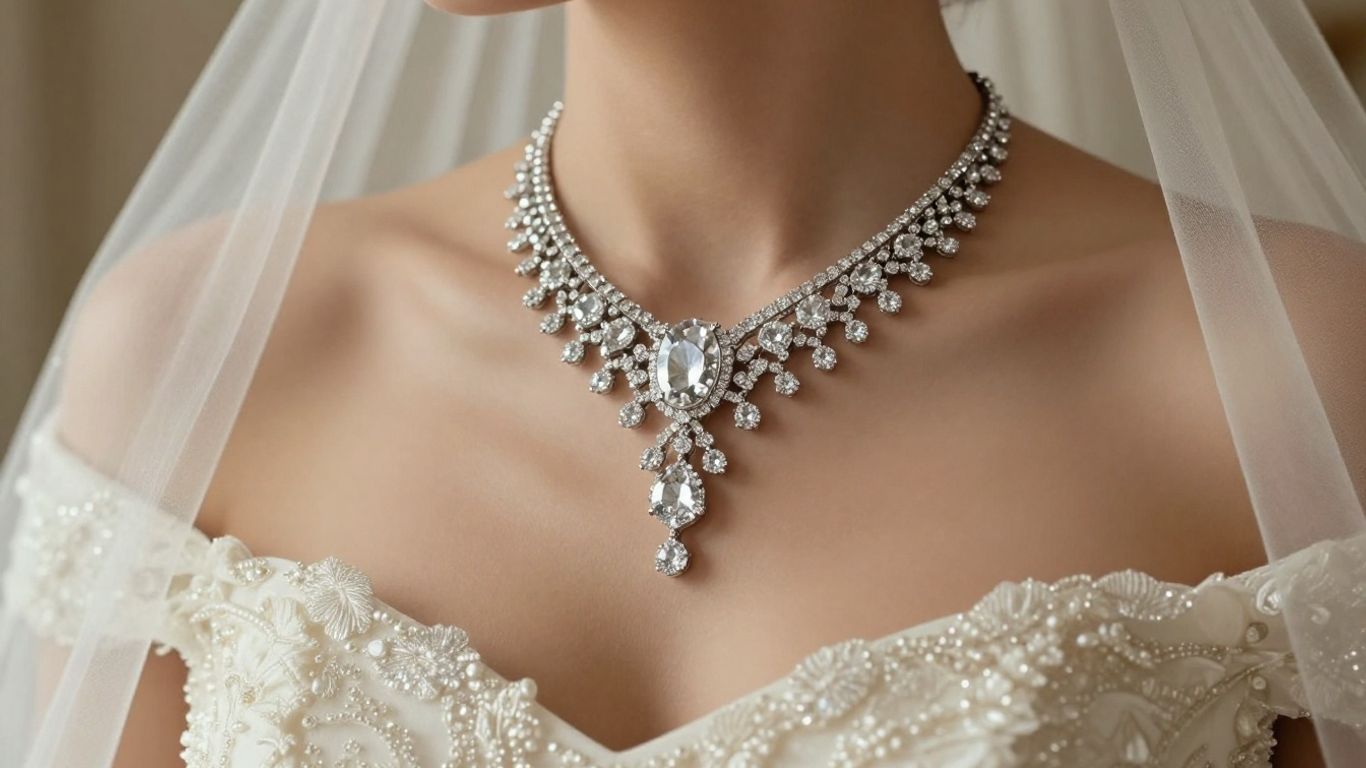
How to Choose the Perfect Diamond Necklace for Bride on Her Wedding Day
Read More
September 17, 2026
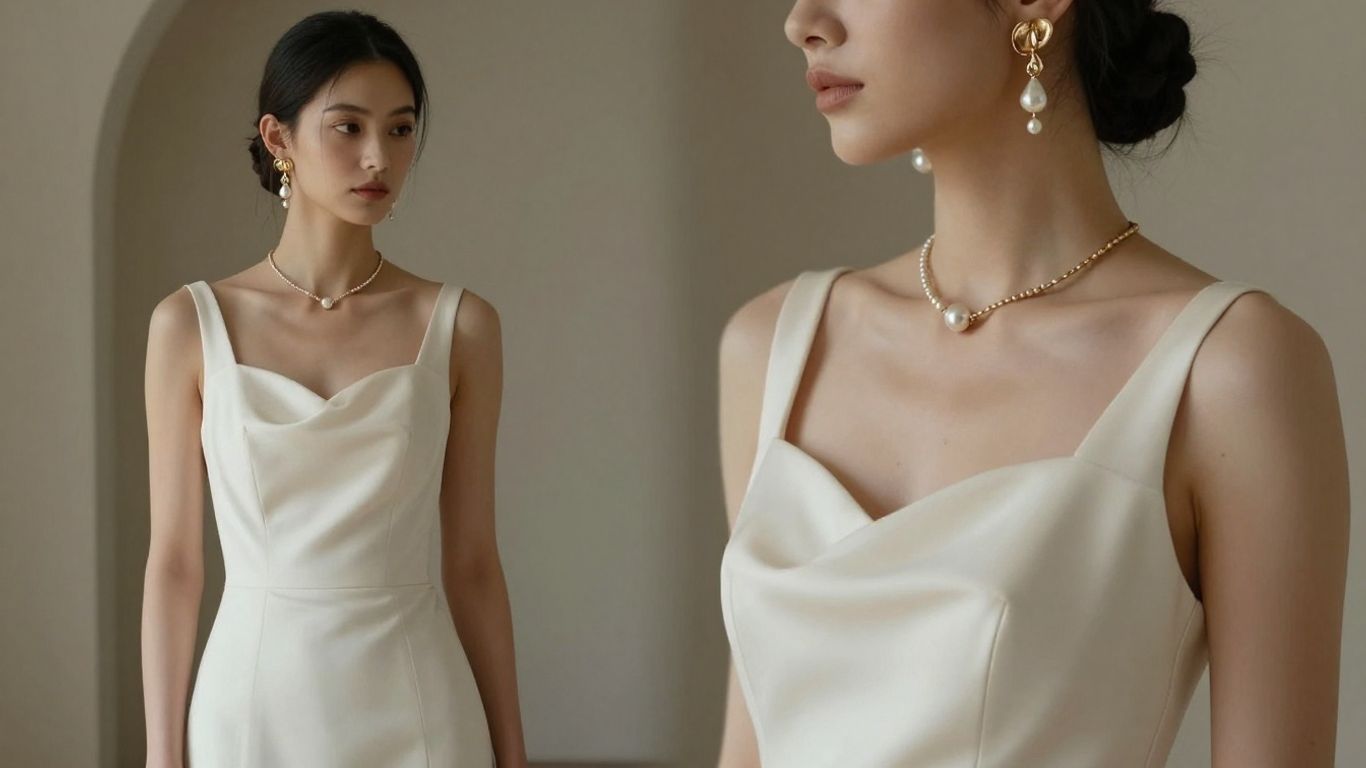
Wedding jewellery for modern brides: how to choose timeless pieces with contemporary style
Read More
September 17, 2026
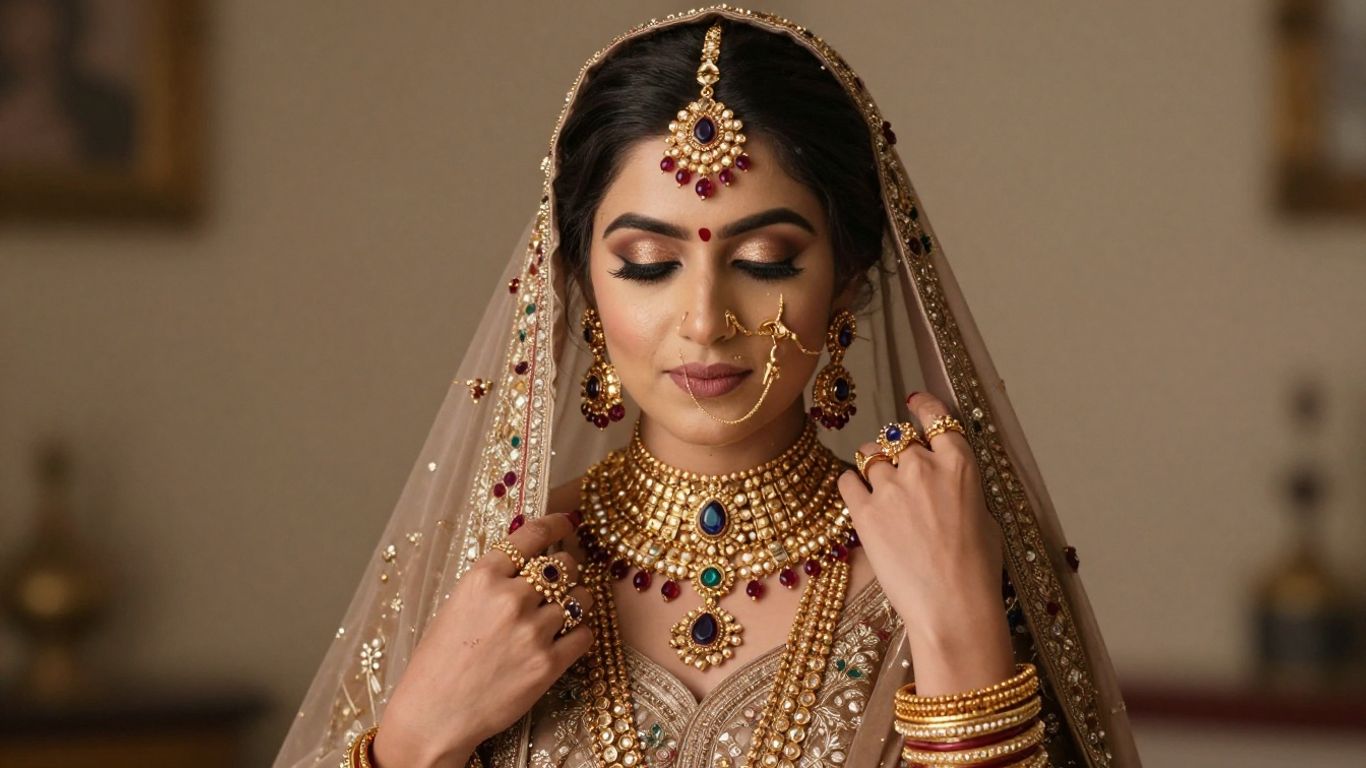
Wedding jewellery for traditional brides: A complete guide to choosing timeless bridal pieces
Read More
September 17, 2026
Wedding jewellery for minimalist brides: A complete guide to choosing timeless pieces
Read More









.webp)

.webp)