How to Choose the Perfect Diamond Necklace for Bride on Her Wedding Day
September 17, 2026 | 10 minutes read
Key Takeaways
The right necklace should feel like a natural part of the bride’s look, not an accessory chosen at the last minute. Dress shape, personal style, comfort, and long-term value all deserve a place in the decision.
- Match the necklace scale and shape to the dress neckline.
- Coordinate the necklace with the engagement ring, wedding band, and other jewelry.
- Compare diamond shape, quality, metal, and length before choosing a design.
- Set a budget that leaves room for craftsmanship and reliable policies.
- Plan fitting, care, storage, and future wear before the wedding day.
Understand the role of a diamond necklace in bridal styling
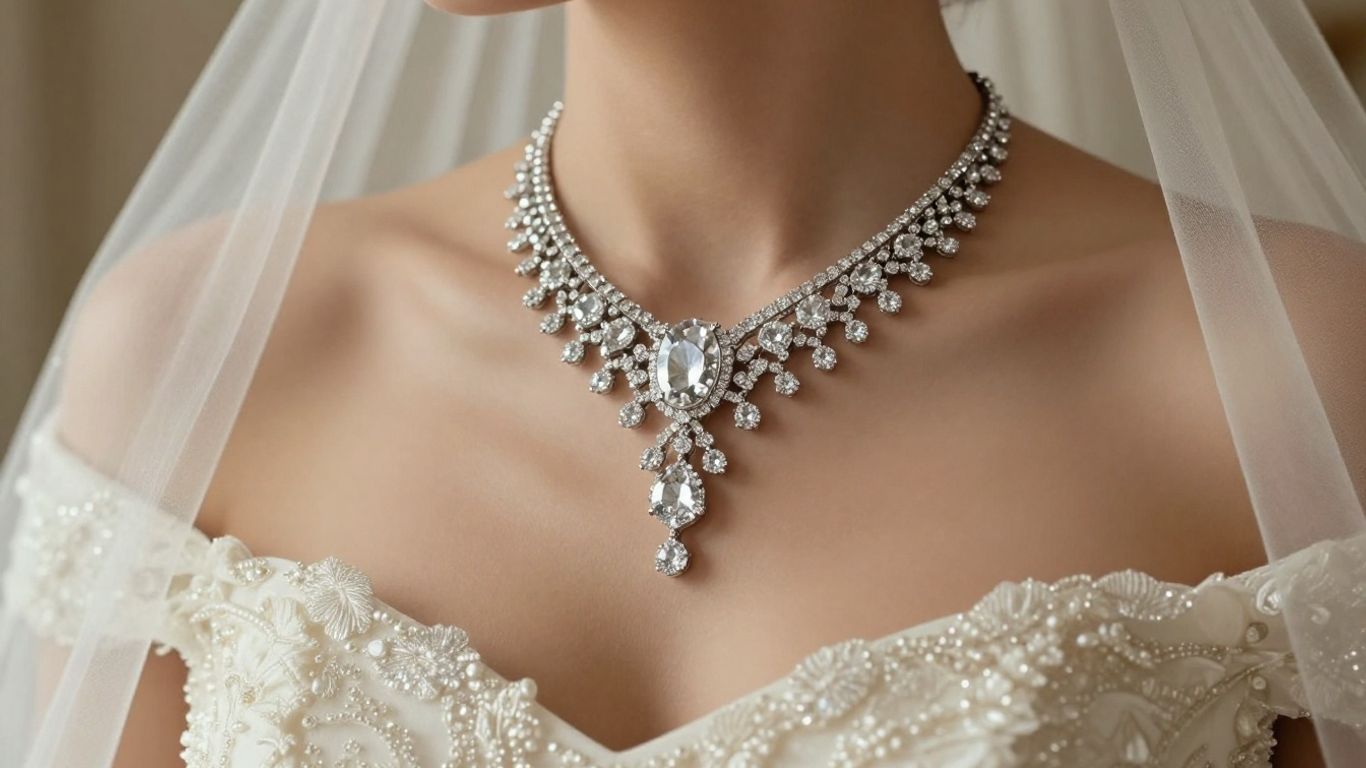
A bridal necklace frames the face and adds light around the neckline, but it should also support the dress rather than compete with it. The best choice usually comes from considering the entire outfit at once: gown, veil, hairstyle, earrings, and rings. A thoughtful bridal jewelry guide can offer useful inspiration when these details begin to overlap. Start with the visual balance of the look, then refine the choice according to the bride’s comfort and taste.
Match the necklace to the wedding dress neckline
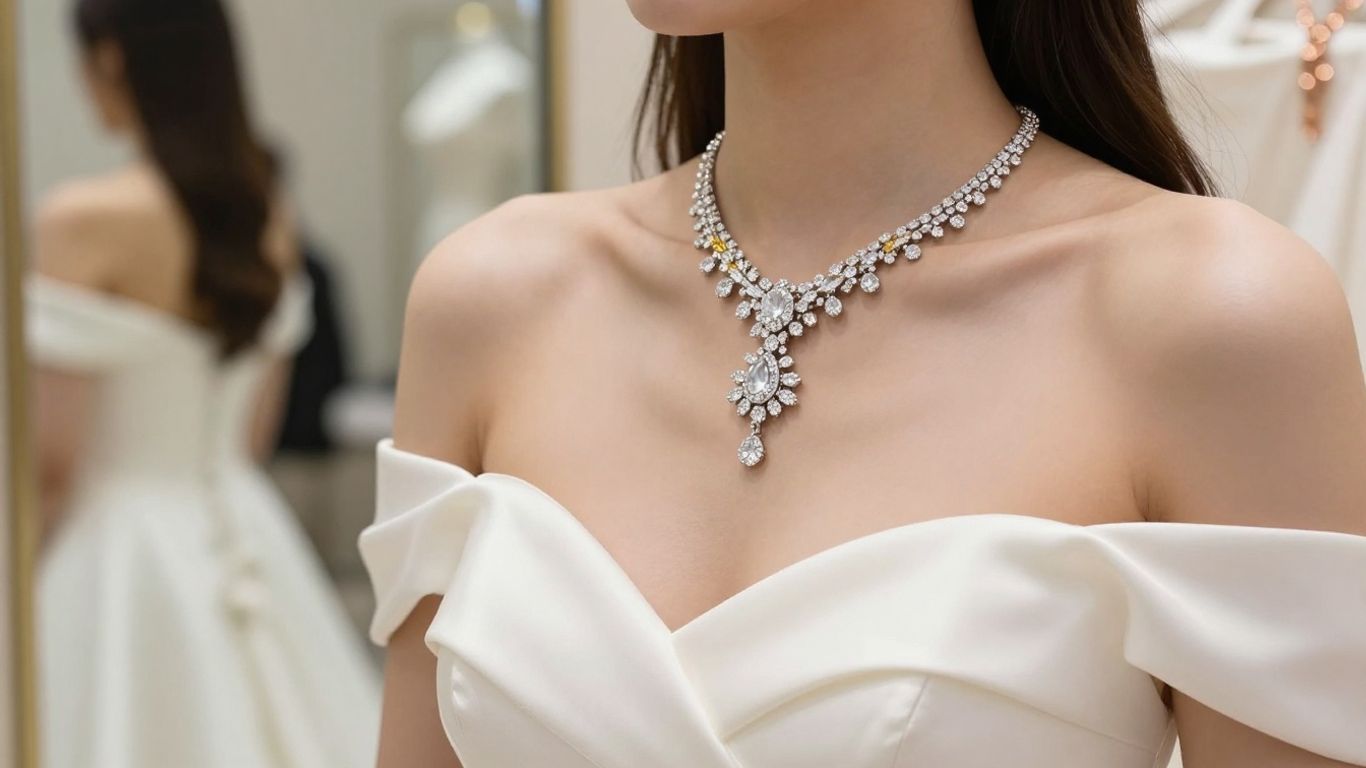
The neckline is the most useful starting point because it determines how much space the necklace has to occupy. A pendant can sit neatly within a V-neck, while a shorter necklace may echo a strapless or sweetheart shape. High necklines often work better with earrings or a longer pendant rather than a necklace that crowds the fabric. Try the gown, or a close approximation of it, before making a final decision.
Coordinate the necklace with the bride’s overall jewelry
A necklace should speak the same visual language as the rest of the jewelry. If the earrings are elaborate, a restrained pendant may create a calmer frame for the face; if the earrings are small, the necklace can take a more prominent role. Matching every piece exactly is not necessary, but repeating one element—metal tone, diamond shape, or setting style—usually makes the result feel intentional.
Balance sparkle with the wedding theme and venue
A necklace that glows beautifully in a ballroom may feel too formal for a small garden ceremony. Consider the lighting, time of day, décor, and degree of tradition in the celebration. Soft, delicate lines suit an intimate daytime setting, while a broader arrangement can hold its own under evening lights. The aim is not to match the decorations literally, but to keep the jewelry in proportion to the atmosphere.
Decide between a statement piece and a delicate design
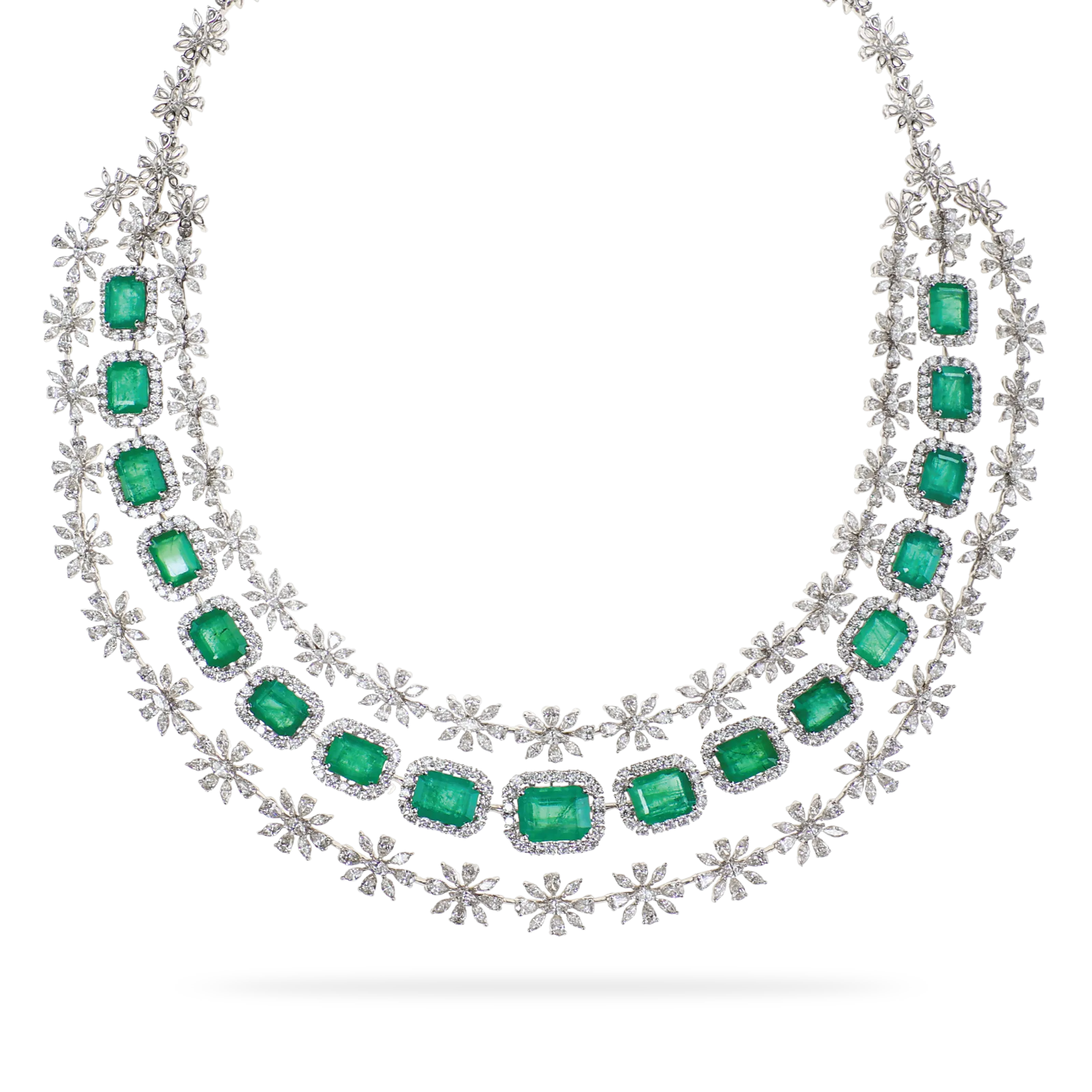
A statement necklace creates a focal point and can be especially effective with a simple gown, swept-back hair, and understated earrings. A delicate design leaves more room for lace, embroidery, a dramatic veil, or a meaningful heirloom. Personal comfort matters most because the bride will see and feel the necklace through photographs, conversations, and hours of movement. Choose the piece that still feels like her when the styling is complete.
Choose the right diamond necklace style
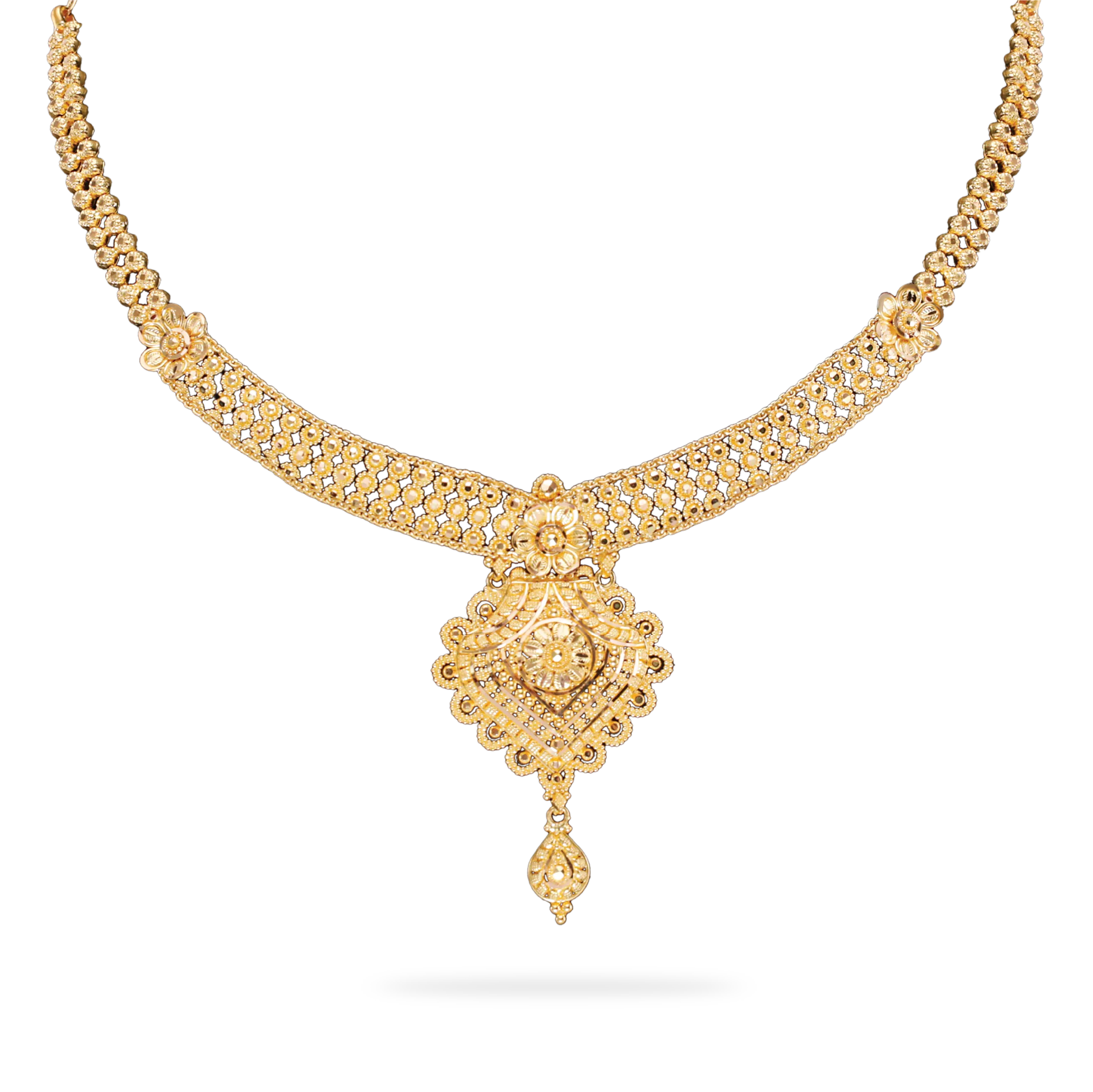
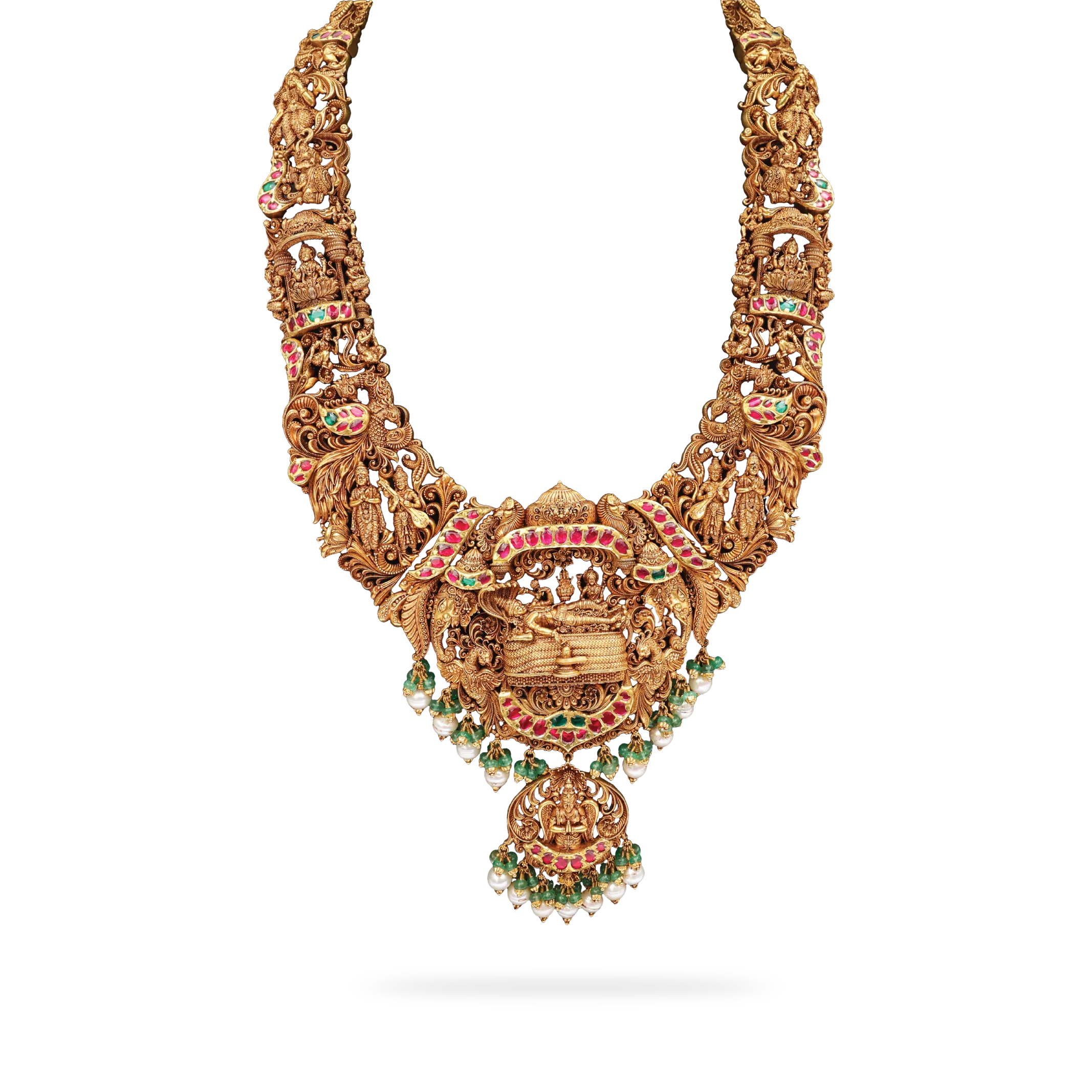
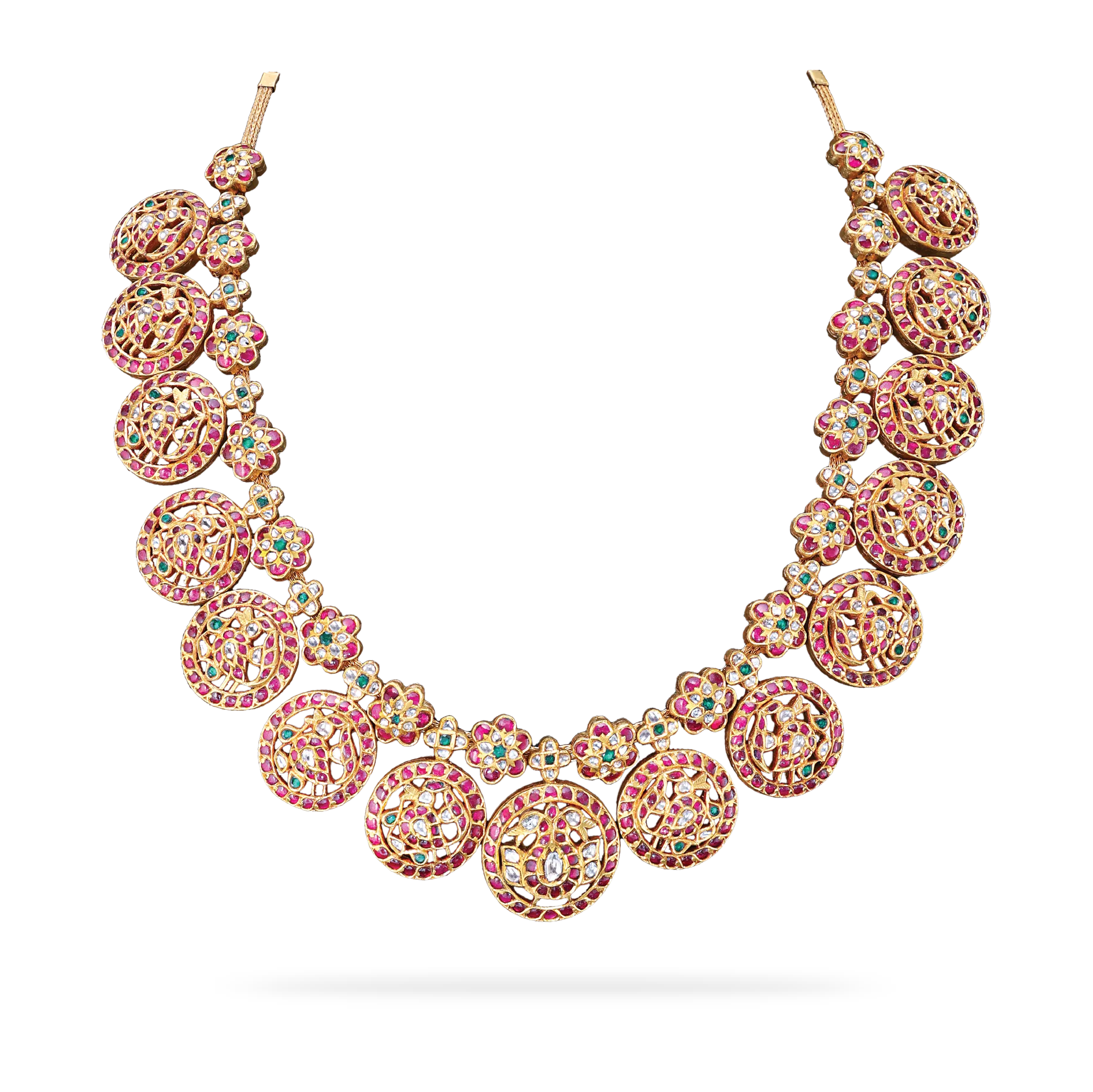
Necklace style affects the mood as much as the diamond itself. A simple pendant can feel intimate and modern, while a continuous line of stones reads as more formal and celebratory. Some brides want a piece that belongs only to the ceremony; others prefer jewelry that can return to their wardrobe after the wedding. Browse styles with that future use in mind, including the varied necklace designs for brides available in heritage and contemporary collections.
Explore solitaire, pendant, and tennis necklace designs
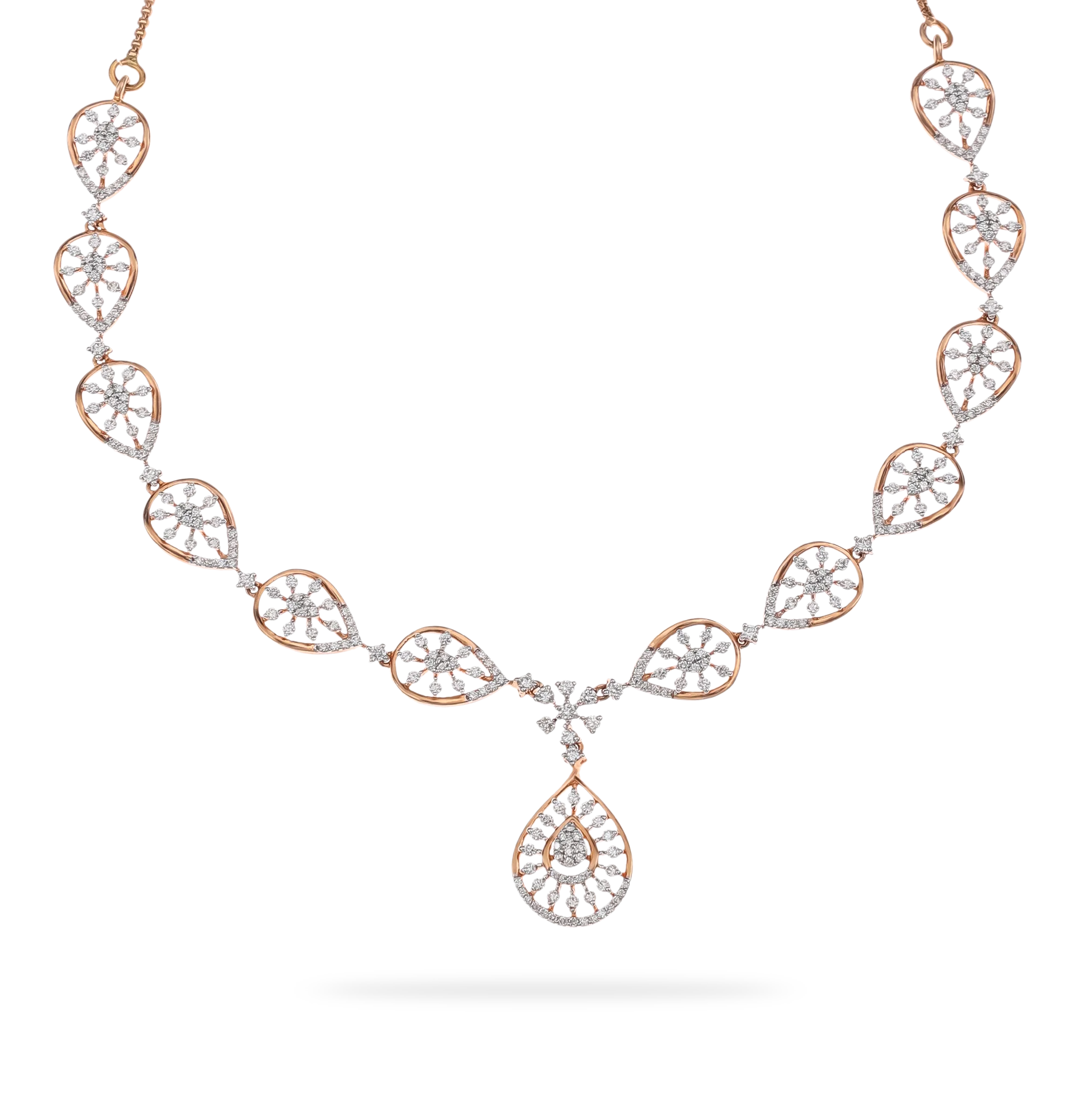
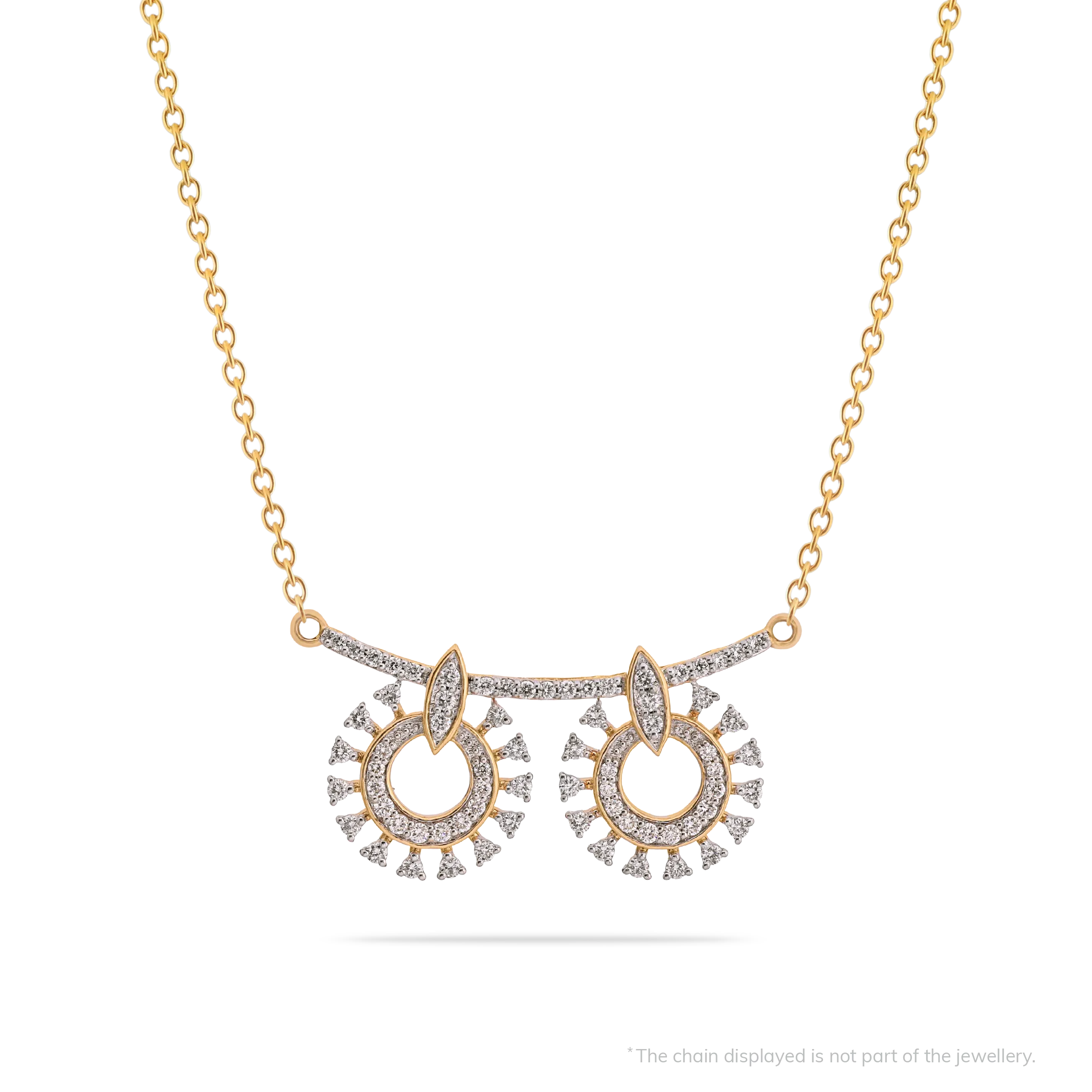
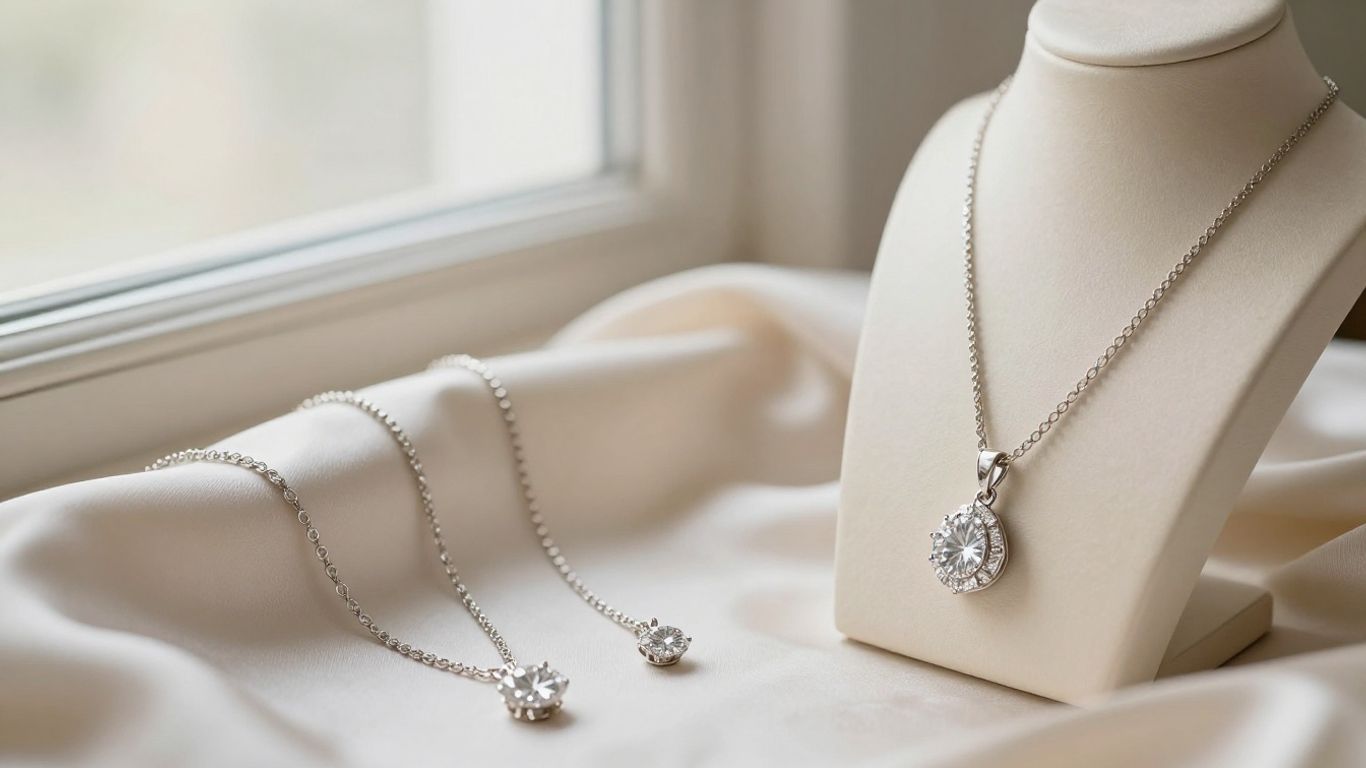
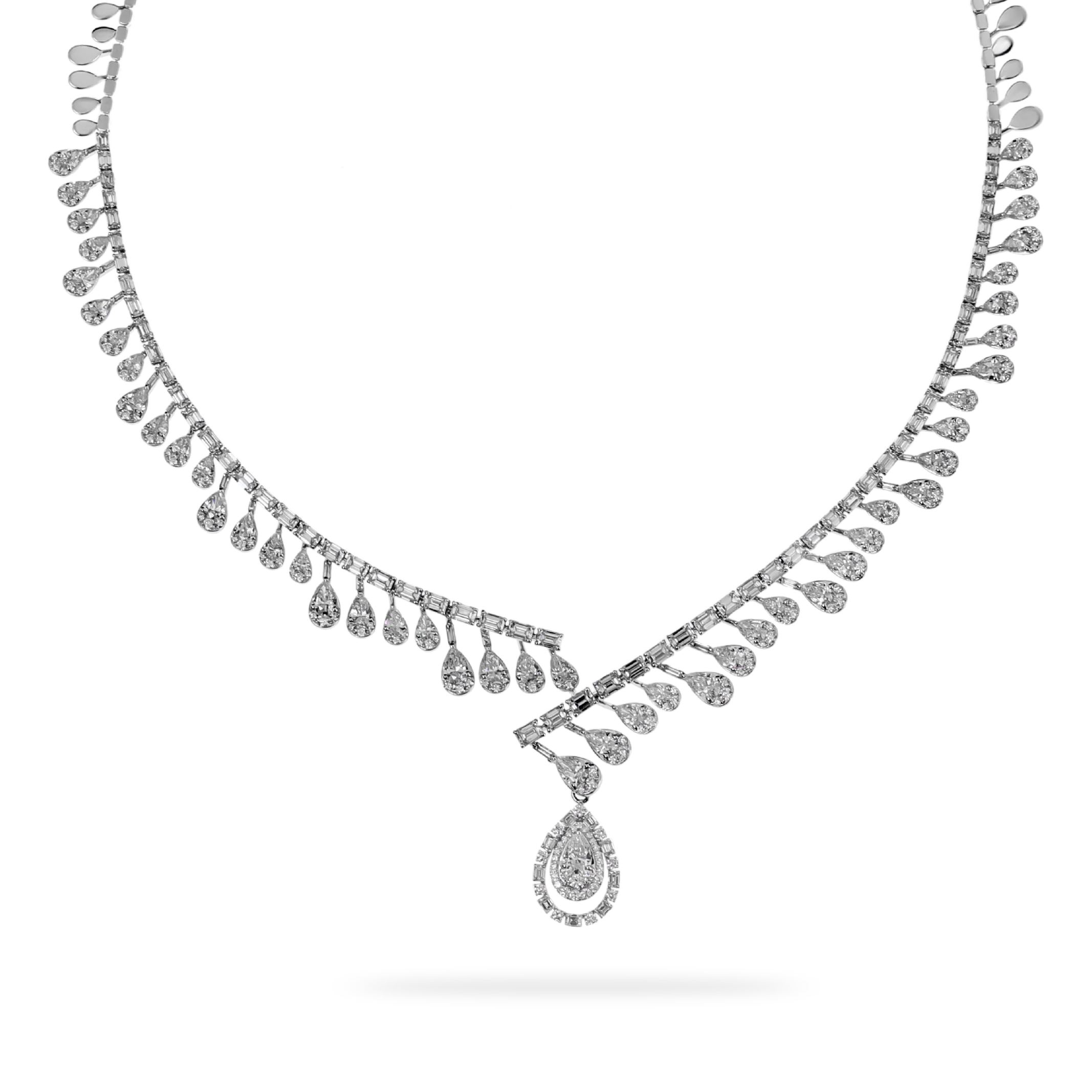
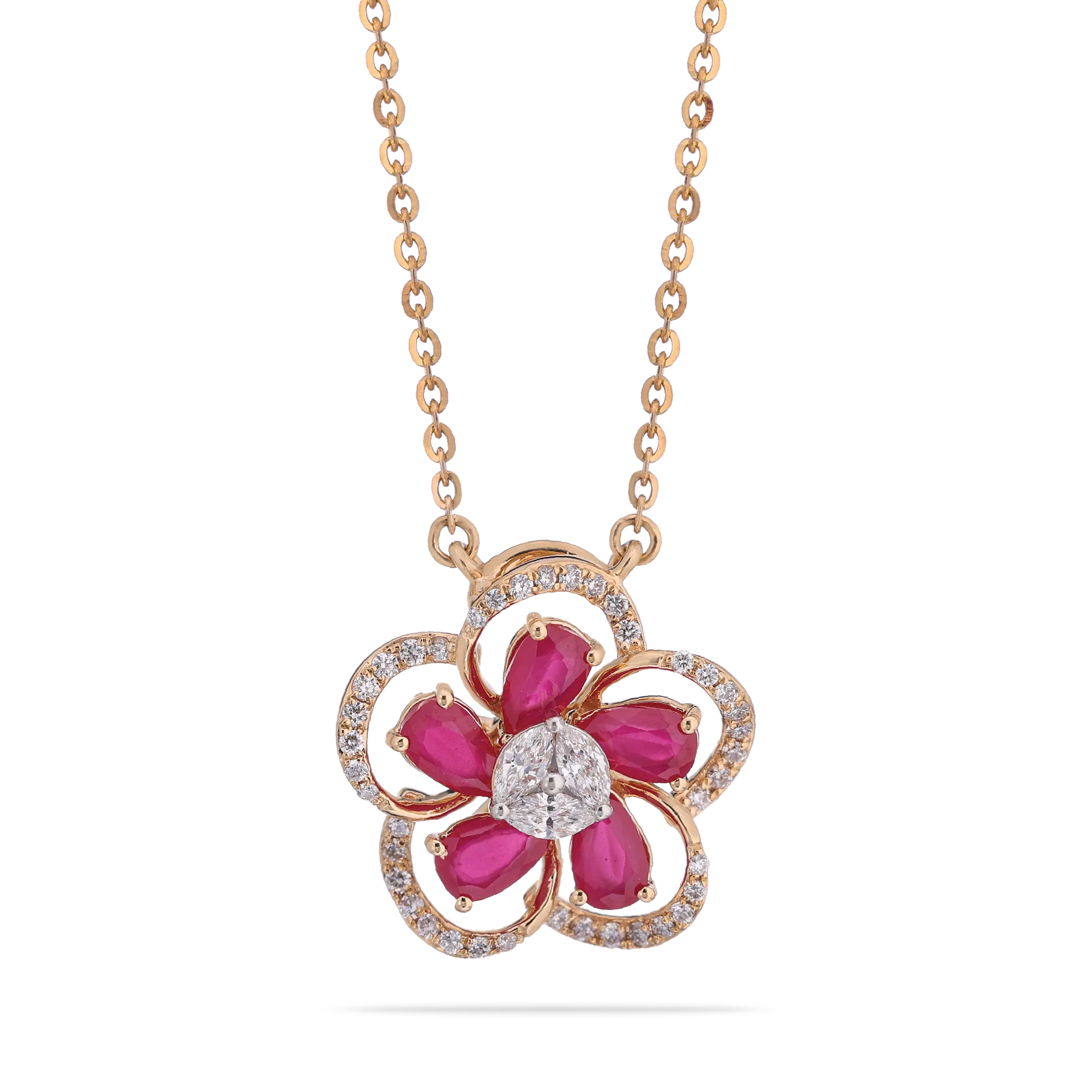
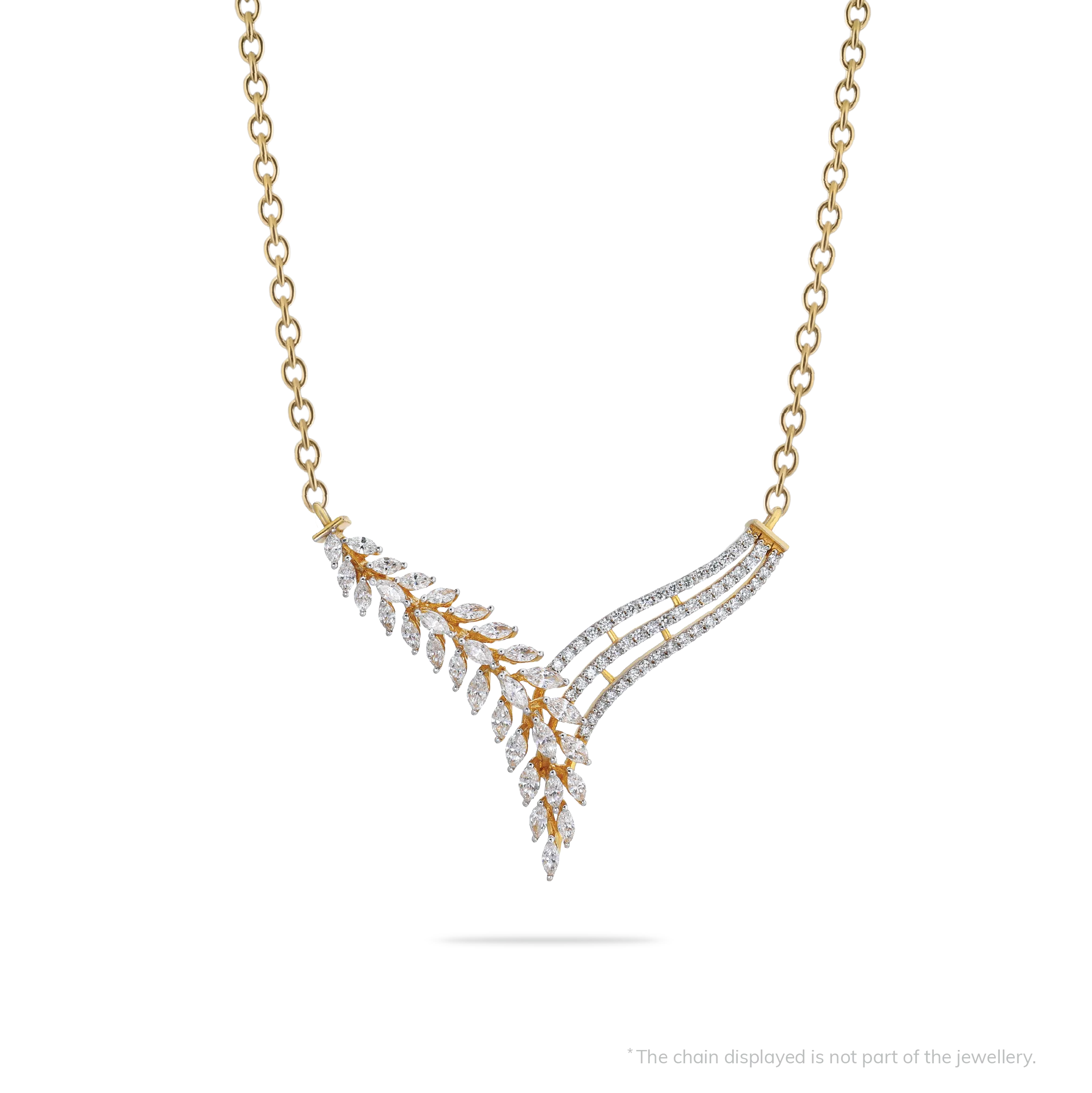
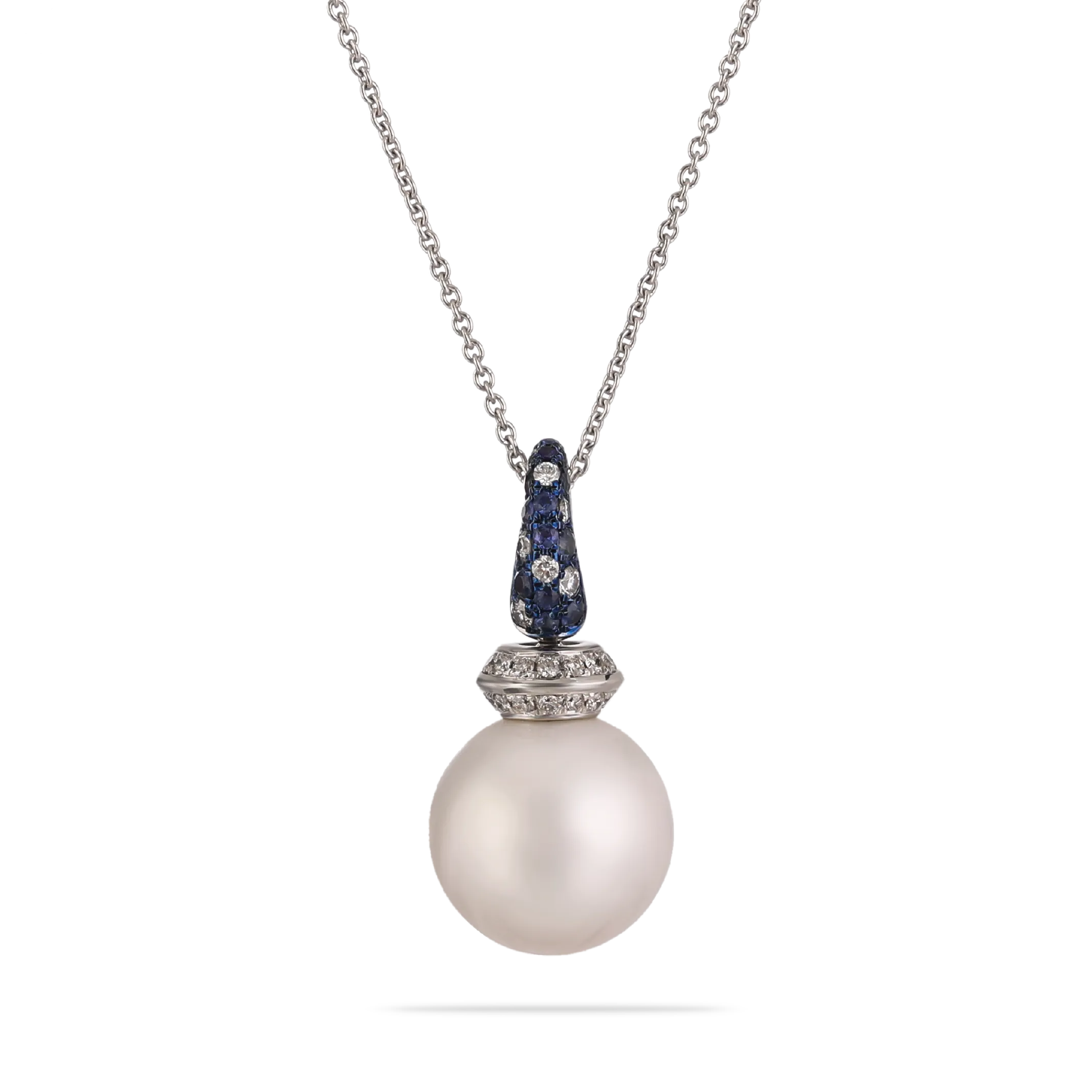
A solitaire necklace places attention on one central stone and works well when the bride prefers clean lines. A pendant may add movement or a distinctive outline without covering much of the neckline. A tennis-style necklace creates continuous sparkle and tends to look more formal, especially when paired with a plain gown. Look closely at the clasp and chain as well as the front design, since both affect daily comfort and security.
Compare graduated and uniform diamond arrangements
Graduated arrangements build visual weight toward the center, giving the necklace a natural focal point and a shaped silhouette. Uniform arrangements distribute sparkle more evenly and can feel balanced from every angle. A graduated necklace often suits a bride who wants a defined center detail, whereas an even row may be easier to wear with different necklines after the wedding. Consider how the necklace looks while standing, turning, and sitting.
Consider vintage, modern, and minimalist styles
Vintage-inspired necklaces may feature milgrain edges, ornate motifs, or a softer, heirloom-like rhythm. Modern designs often rely on crisp geometry, open space, and streamlined settings. Minimalist pieces use fewer details but can still look distinctly bridal when the proportions are right. A simple mood board of the dress, rings, hair, and venue can reveal which direction feels consistent rather than merely attractive in isolation.
Select a setting that complements the bride’s personal taste
Prong settings can allow more light to reach the stones, while bezel or halo details create a different outline and visual weight. The setting should suit how the bride normally dresses, not just the formality of the ceremony. If she rarely wears ornate jewelry, a refined pendant may feel more authentic than an elaborate bib necklace. Ask whether she would want to wear the piece on anniversaries, dinners, or other meaningful occasions.
Find the ideal diamond shape and quality
The stone’s shape and quality influence both sparkle and personality. Round diamonds are familiar and versatile, while oval, pear, emerald, and marquise shapes create different lines across the neckline. Quality should be considered as a group of factors rather than reduced to carat weight alone. A clear description of the stone, setting, metal, and certificate makes comparison much easier.
Compare popular diamond shapes for bridal necklaces
Round diamonds offer a classic outline that blends easily with many engagement rings. Oval and marquise shapes can create a longer, more elegant visual line, while pear shapes introduce a graceful drop. Emerald cuts favor clean facets and a quieter kind of polish. If the necklace includes several stones, check whether the shapes repeat the geometry of the ring or provide a deliberate contrast.
Understand cut, color, clarity, and carat weight
Cut generally has the strongest effect on how lively a diamond appears, especially in a necklace viewed under changing light. Color may be more or less noticeable depending on the metal, while clarity should be judged by what can be seen at the intended viewing distance. Carat weight describes size by weight, not automatically beauty or proportion. Compare stones side by side when possible and assess the necklace as a finished piece.
Choose between natural and lab-grown diamonds
Natural and lab-grown diamonds can both be considered when the bride’s priorities include appearance, origin, and price. Ask for clear information about what is being sold, how the stones are graded, and what documentation accompanies them. For shoppers specifically exploring lab-grown options, lab-grown bridal necklaces are described with IGI certification and a range of gold karats and finishes. Keep the decision tied to the bride’s values and the product details, rather than assumptions about one category.
Evaluate diamond certification and product details
Certification can help verify a diamond’s stated characteristics, but the product listing still deserves careful reading. Check the total carat weight, number of stones, metal purity, dimensions, clasp type, and whether the photographs show the exact style or a representative piece. Also confirm production and delivery timing, particularly for made-to-order jewelry. These practical details prevent an attractive design from becoming a stressful final-week purchase.
Select the right metal and necklace length
Metal changes the color temperature and overall character of a necklace. Length changes where the piece rests, how it interacts with the neckline, and whether it remains comfortable while moving. The most polished choice usually relates the necklace to the existing ring set and the dress rather than treating it as an isolated purchase. A try-on with fabric and accessories is more revealing than a product photograph alone.
Compare white gold , yellow gold , rose gold , and platinum
White gold and platinum create a bright, cool frame around diamonds, while yellow gold brings warmth and a more traditional presence. Rose gold can soften the look with a subtle blush tone. Platinum is often chosen for its dense, premium feel, while gold offers several karat and color options. Compare the actual finish and the bride’s existing jewelry, since screen images can make metal tones appear deceptively similar.
Choose a necklace length for different necklines
Shorter lengths tend to sit close to the collarbone and can work with open necklines when the design has enough breathing room. Medium lengths are flexible and often suit classic bridal silhouettes. Longer chains can complement plunging necklines or add movement to a simple dress, though they should not catch on lace or embellishment. The intended position of the pendant matters just as much as the measured chain length.
Match the metal to the engagement ring and wedding band
Repeating the ring metal is the safest route when the necklace is meant to look like part of one bridal set. Mixed metals can also be attractive when the transition is deliberate—for example, a small detail that appears elsewhere in the jewelry. Place the necklace beside the engagement ring and wedding band in natural light. This quick comparison often reveals whether the tones blend, contrast elegantly, or compete.
Consider durability, comfort, and skin sensitivity
The necklace should feel secure without pressing into the skin or pulling at the hair. Inspect the clasp, links, prongs, and back of the setting, especially if the design will be worn for many hours. Brides with sensitive skin may prefer to discuss metal composition and plating with the jeweler before ordering. Comfort is not a minor finishing touch; it affects how freely the bride can move and enjoy the day.
Set a budget and shop with confidence
A budget gives the search useful boundaries without deciding the result in advance. Set a total amount for bridal jewelry, then decide which element deserves the greatest emphasis: diamond size, craftsmanship, metal, or versatility. Prices can vary widely even when two necklaces appear similar in photographs. A clear comparison of specifications is more helpful than relying on visual drama alone.
Establish a realistic bridal jewelry budget
Begin with the amount the couple is comfortable spending, including taxes, alterations, shipping, insurance, and any matching pieces. It can help to set a preferred range and a firm ceiling before visiting stores or browsing online. If the necklace is a gift, keep the bride’s everyday style in view rather than assuming the most elaborate option will be the most meaningful. A considered purchase should feel joyful, not financially unsettling.
Compare value across diamond size, quality, and metal
When prices differ, identify exactly what changed. One necklace may have larger stones, another may use a higher metal purity, and a third may offer more intricate construction. The following comparison keeps the main trade-offs visible:
| Feature | What to compare | Why it matters |
|---|---|---|
| Diamond size | Individual and total carat weight | Changes scale and overall presence |
| Diamond quality | Cut, color, clarity, and grading | Influences appearance and documented value |
| Metal | Type, karat, weight, and finish | Affects tone, durability, and price |
| Craftsmanship | Setting, clasp, links, and symmetry | Shapes comfort, security, and longevity |
After reviewing these points, decide which differences the bride will actually notice and appreciate. Paying more for a feature that does not suit her style is not better value than choosing a simpler, better-balanced piece.
Review craftsmanship, warranties, and return policies
Read the purchase terms before placing an order, especially for personalized or made-to-order jewelry. Look for information about repairs, resizing or adjustments, warranty coverage, returns, exchanges, and inspection after delivery. Ask who pays return shipping and how long refunds take. A reliable policy gives the couple room to assess the necklace in person without rushing the decision.
Shop online versus visiting a jewelry store
Online shopping makes it easier to compare styles, measurements, metals, and prices in one sitting. A store visit allows the bride to test the clasp, feel the weight, and see how the necklace sits against her neckline. Either route can work when product details are complete and timing is realistic. If ordering online, use a trusted seller, save the listing, and allow time for an exchange if the proportions are not right.
Prepare and care for the bridal necklace
The wedding-day experience depends partly on preparation that happens well before the ceremony. A necklace should arrive, fit, and be stored securely rather than becoming another last-minute task. Build a small care plan around the clasp, chain, stones, and packaging. That preparation also makes it easier to enjoy the piece long after the photographs are finished.
Schedule the final fitting before the wedding
Try on the necklace with the actual dress, hairstyle, veil, and earrings several weeks before the wedding. Check its position while standing, sitting, walking, and turning the head. This is the right moment to adjust the length, reconsider competing accessories, or replace a clasp that feels awkward. Leave enough time for alterations, delivery, and a second try-on rather than scheduling the first fitting during the final days.
Store and transport the necklace safely
Keep the necklace in a lined jewelry box or soft pouch that prevents tangling and contact with harder pieces. Fasten the clasp before storing it, and avoid placing heavy jewelry on top of the chain. For transport, use the original packaging when it offers a secure fit and keep the box in a carry-on or another controlled location. Do not leave the necklace loose in a cosmetic bag where it can catch on fabric or tools.
Clean and inspect the necklace before the ceremony
Inspect the clasp, prongs, links, and stone settings under good light before the wedding day. Use only a cleaning method approved for the specific metal and stones; a soft, lint-free cloth is a cautious starting point for removing light surface residue. Avoid spraying perfume, hairspray, or cosmetics directly onto the necklace. A final check by a professional can be worthwhile if the piece is vintage, heavily worn, or structurally delicate.
Preserve the necklace as a lasting wedding keepsake
After the ceremony, clean and dry the necklace before returning it to its box. Keep its certificate, receipt, appraisal, and care instructions together in a safe place. If the necklace has emotional significance, record when it was worn and by whom, or pair it with a photograph from the wedding. With thoughtful storage and occasional inspection, the piece can become part of the family story rather than remaining a one-day accessory.
Conclusion
Choosing a diamond necklace for bride styling is really an exercise in balance: the necklace should flatter the dress, echo the bride’s personality, work with her existing jewelry, and remain comfortable from ceremony to celebration. When shape, quality, metal, budget, and care are considered together, the final piece feels both beautiful on the wedding day and meaningful afterward.
Frequently Asked Questions
What necklace style is best for a bride?
The best style depends on the dress neckline, the bride’s jewelry preferences, and how much visual focus she wants at the neckline. A delicate pendant suits a quieter look, while a broader or continuous design creates a stronger statement.
Should a bridal necklace match the engagement ring?
Matching the metal or repeating a design detail can create a cohesive appearance, but an exact match is not required. Mixed metals can work when the contrast is intentional and supported by another accessory.
What diamond shape looks most elegant in a necklace?
Round diamonds are versatile and classic, while oval, pear, marquise, and emerald shapes offer different lines and moods. The most elegant choice is the one that complements the necklace design and the bride’s proportions.
How long should a wedding necklace be?
Length should place the necklace comfortably within the open space of the neckline without touching or catching on the dress. Try the necklace with the gown or a similar neckline before deciding.
Are lab-grown diamonds suitable for bridal jewelry?
Lab-grown diamonds can be suitable when their appearance, documentation, origin, and price align with the couple’s priorities. Review the grading information and product details just as carefully as you would for any diamond purchase.
How can a bride keep her necklace secure during the wedding?
Use a well-fitting clasp, check the chain and settings before the ceremony, and ask a trusted person to inspect it during dressing. Avoid applying cosmetics or hairspray after the necklace is on.
Can a bridal diamond necklace be worn after the wedding?
Yes. A versatile pendant or moderate-length necklace can work with evening clothing, celebrations, and formal occasions. Choosing a style that already resembles the bride’s everyday taste makes future wear more likely.
Wedding jewellery for modern brides: how to choose timeless pieces with contemporary style
10 minute read
Related blogs:
November 20, 2025
The Timeless Elegance of the Tennis Bracelet: A Comprehensive Guide
Read More
November 20, 2025
The Ultimate Guide to Styling and Wearing a Choker Necklace
Read More
November 20, 2025
Find Your Perfect Engagement Ring: A Comprehensive Guide to Styles and Diamonds
Read More
November 20, 2025
The Timeless Elegance of a Diamond Tennis Bracelet: A Buyer's Guide
Read More









.webp)
.webp)