How to Choose and Wear Heirloom Jewellery for Weddings
September 25, 2026 | 10 minutes read
Key Takeaways
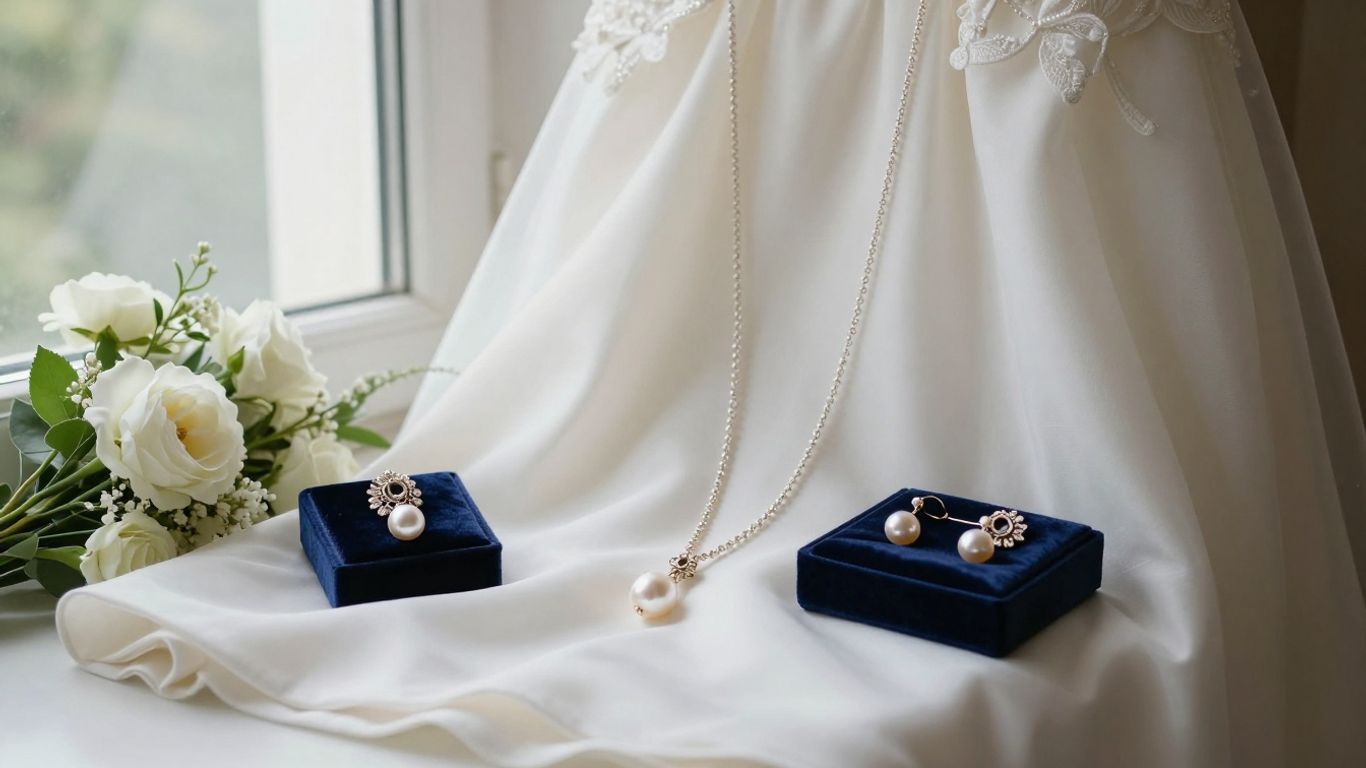
A family piece can bring personal meaning to a wedding look without needing to be worn from morning to midnight. A little conversation and preparation can help you enjoy it with care.
- Ask relatives about a piece’s history and any family customs attached to it.
- Match its shape, color, and scale to your outfit and the setting.
- Choose when and how long to wear it, especially if it feels delicate or heavy.
- Ask a qualified jeweler to assess fit, repairs, or possible adjustments.
- Arrange secure storage and a trusted person to look after the piece.
Start with the story behind each piece
An heirloom can carry a memory as clearly as it carries a design. Before deciding how to wear it, learn what you can about its past and how it has been cared for. That context may shape whether it belongs at the ceremony, at another wedding event, or simply close at hand.
Ask relatives about its history and meaning
Ask who owned the piece, when it was worn, and whether it has a story attached to a particular family occasion. You may hear a detail that changes how you think about wearing it—or learn that a relative would prefer it be handled gently. If several family members remember it differently, there is no need to force one definitive account. The conversation itself can become part of the piece’s place in your wedding day.
Identify its materials, age, and previous repairs
Look for any information already available, such as an appraisal, an old receipt, or notes from a previous repair. Avoid guessing at a stone or metal based on appearance alone, particularly when the piece is old or has been altered. A jeweler can assess its materials and condition and point out areas that may need extra care. A clear condition check gives you a more grounded basis for deciding whether to wear it.
Decide how to incorporate its story into your wedding look
Wearing an heirloom is one way to include its history, but it is not the only one. You might wear a brooch on a sash, tuck a small keepsake into a bouquet wrap, or reserve a necklace for a quieter part of the day. Talk with relatives about what would feel meaningful to them, then choose an approach that feels like you. The goal is not to make the piece carry the whole story; a thoughtful detail can be enough.
Match heirloom jewellery to your wedding style
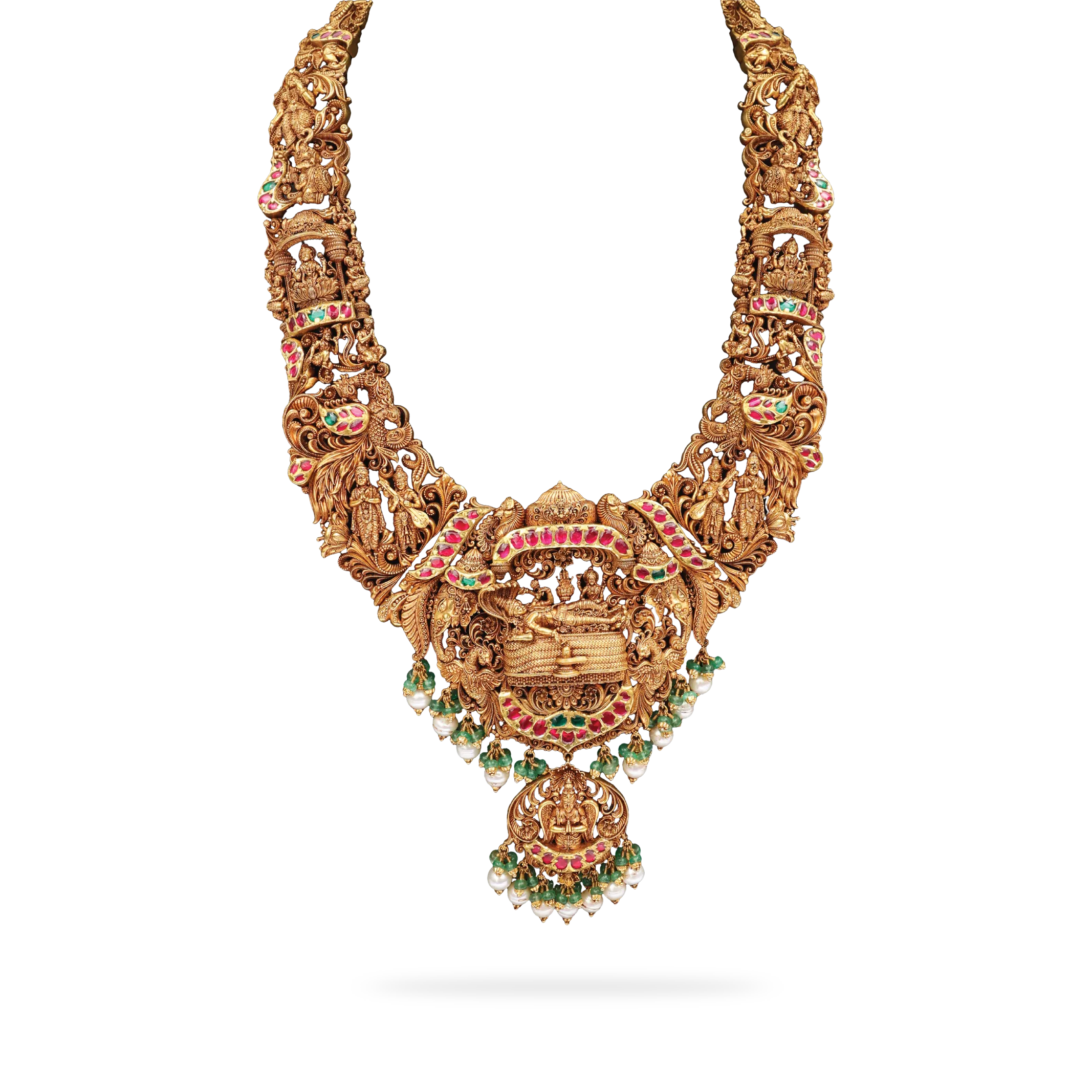
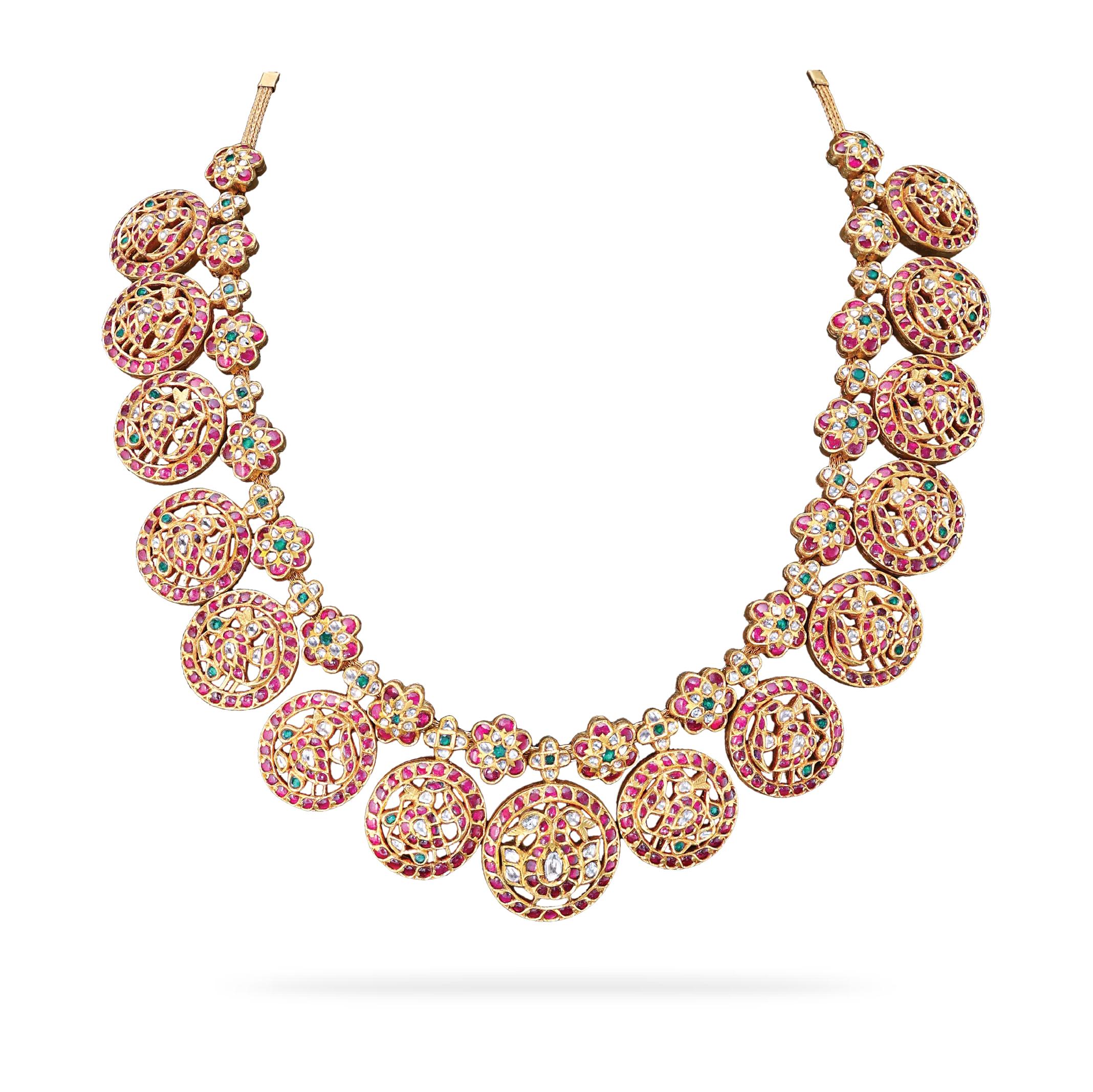
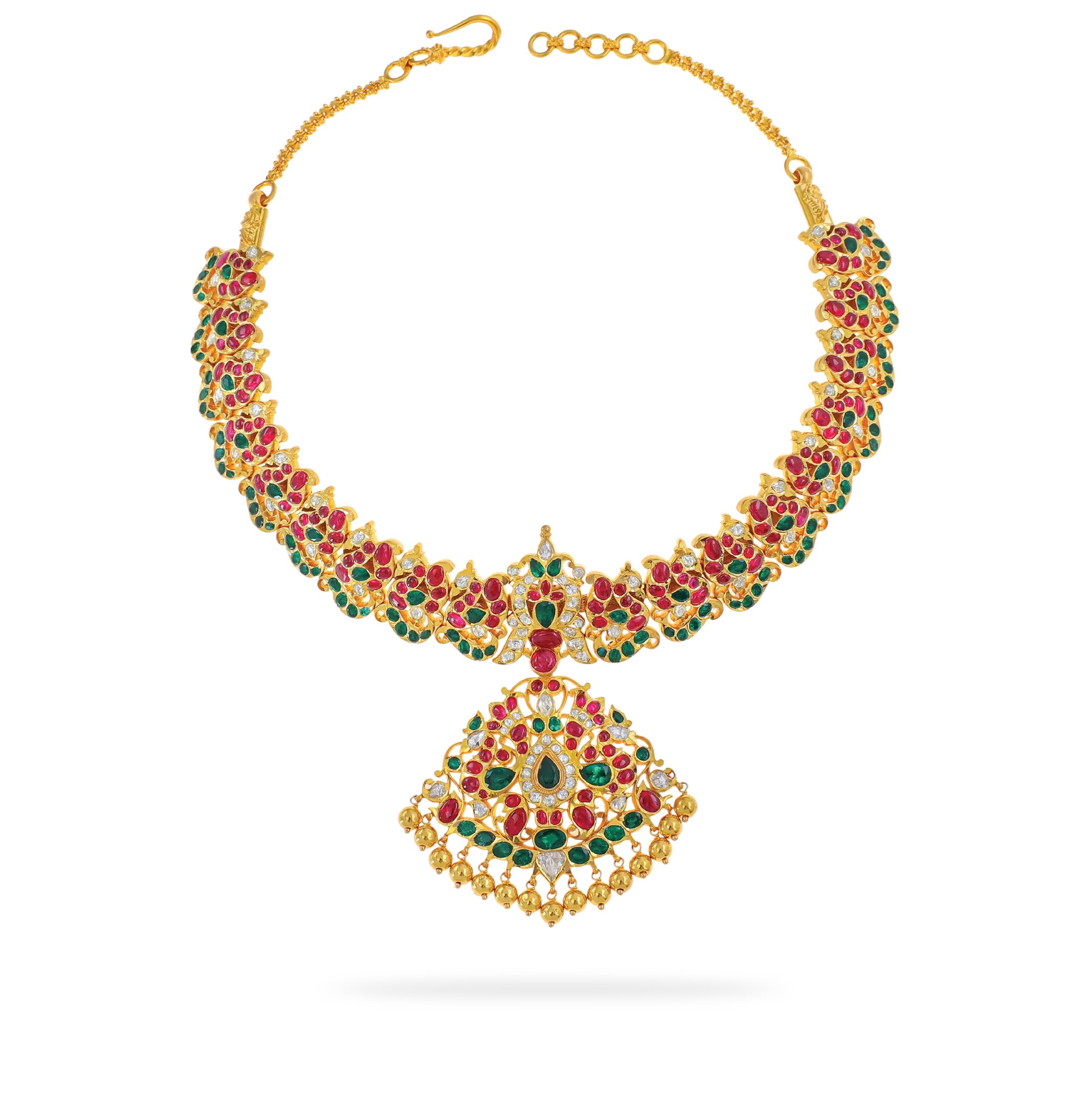
A sentimental piece does not have to dictate the rest of your outfit. Consider its scale, color, and visual texture alongside your dress, hairstyle, and venue, then give it room to feel intentional. Sometimes a single inherited piece is more striking than a full set of accessories. A wedding-day jewelry guide from C Krishniah Chetty & Co covers personal style and coordinating jewelry with a dress, hairstyle, and venue.
Coordinate pieces with your dress neckline and details
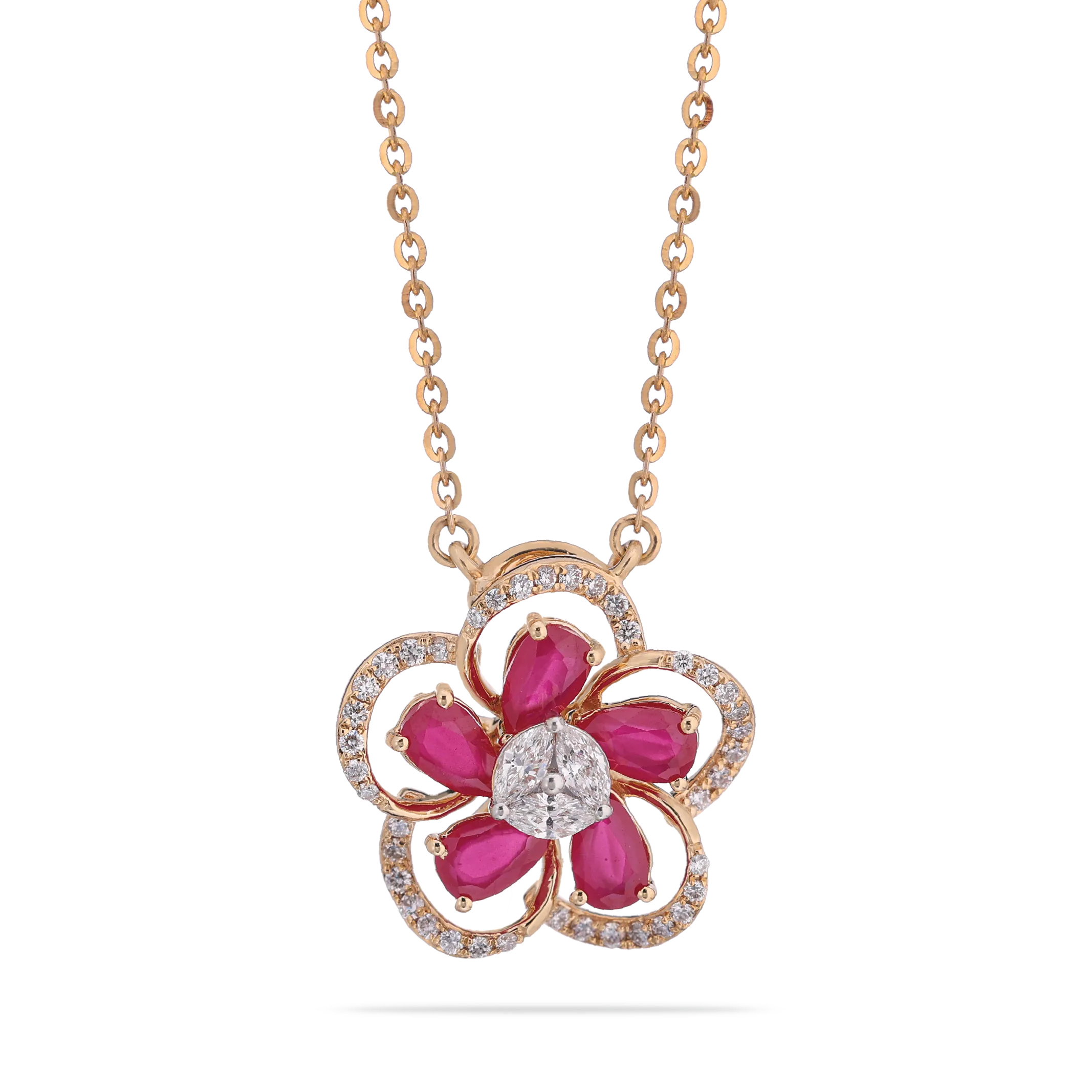
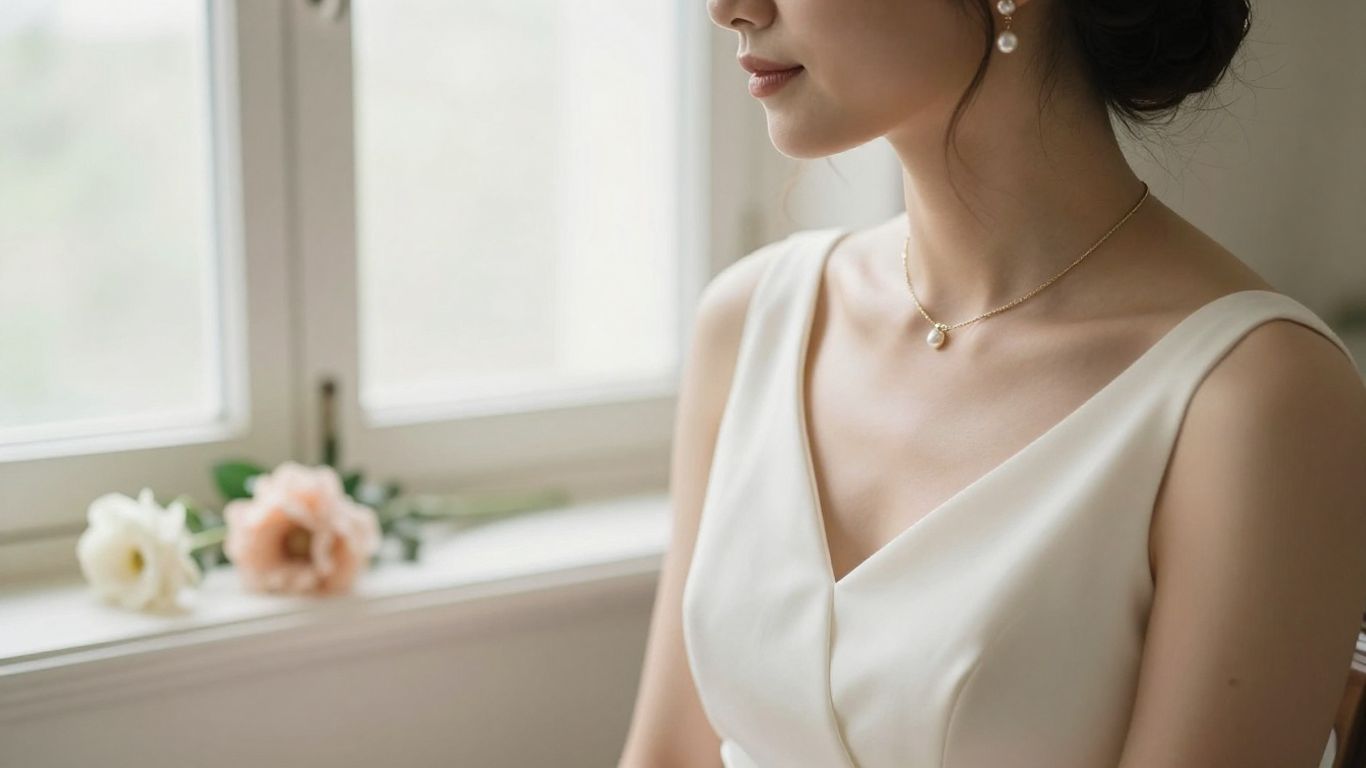
Start with the area of the outfit the jewelry will sit against. A necklace may compete with dense embroidery or a high neckline, while a pair of earrings can bring attention to the face without adding detail across the bodice. Think about the piece’s visual weight as well as its color. A useful comparison is to consider how different necklines leave room for a pendant, collar, or no necklace at all.
| Dress detail | Heirloom to consider | Styling thought |
|---|---|---|
| Open neckline | Pendant or short necklace | Keep the length comfortable and in proportion |
| High neckline | Earrings or a brooch | Let one detail draw the eye |
| Embellished bodice | Simple earrings | Avoid competing with existing decoration |
| Long sleeves | Earrings or a hair ornament | Keep wrist jewelry from catching on fabric |
This is a starting point, not a rulebook. Try the piece with the actual dress and hairstyle, and notice whether it feels balanced when you move. The vintage-inspired bridal accessories can offer another visual reference as you consider how a timeworn design might sit with your chosen look.
Consider the ceremony setting and overall aesthetic
A garden ceremony, a formal ballroom, and a small family gathering each create a different visual atmosphere, but none calls for a fixed kind of jewelry. Instead, consider how the heirloom’s finish and shape relate to the setting and your own taste. An ornate piece might feel at home with a richly detailed outfit, while a delicate chain can bring a quiet note to a simpler look. The bridal jewelry budget guide from C Krishniah Chetty & Co also discusses weighing personal preferences, comfort, and options such as borrowing heirlooms.
Balance sentimental pieces with other accessories
If the heirloom is the detail you most want to remember, let it lead. Pair a statement necklace with restrained earrings, or wear meaningful earrings without adding a second focal point at the neck. You do not need every metal or finish to match exactly, but consider the overall effect in the mirror and in photographs. A cohesive look often comes from choosing what to leave out as much as from choosing what to wear.
Choose pieces for each wedding event
A wedding day can stretch from early preparations to a late reception, and the most meaningful choice may not be the most comfortable one for every hour. You can plan different roles for different pieces instead of expecting a single heirloom to work throughout the day. Keep family meaning, comfort, and practical handling in view as you make the plan. That way, you can enjoy the piece without feeling obliged to wear it constantly.
Wear meaningful jewellery for the ceremony
The ceremony may be the moment when a family piece feels most significant, especially if it has been worn at weddings before. If you choose to wear it, try it with your full outfit beforehand and consider how it will feel through the ceremony’s movements. A meaningful piece can also be carried or attached to clothing if wearing it directly does not feel secure. Choose the option that lets you be present rather than preoccupied with keeping it in place.
Select lighter options for the reception
Dancing, greeting guests, and moving between tables can make heavier or delicate jewelry less comfortable. Think ahead about whether an heirloom might catch on clothing, shift while you dance, or feel tiring after several hours. A bridal bracelet guide from C Krishniah Chetty & Co addresses comfort and secure fit when choosing a bracelet for a wedding day. If you decide to change accessories, have a safe place ready for the original before the reception begins.
Carry heirlooms through the rehearsal dinner or other events
Not every meaningful piece needs to appear in the ceremony look. A rehearsal dinner, welcome gathering, or post-wedding brunch may offer a more relaxed setting for wearing a treasured item. If you want to include more than one family piece, spreading them across events can make each one feel distinct. Keep the schedule simple, though: fewer changes mean fewer chances for something to be misplaced.
Adapt a piece without losing its character
An heirloom may not fit your style or body comfortably as it is, but that does not mean you have to alter it beyond recognition. First decide which qualities matter most: its original setting, a particular stone, its shape, or the way it was worn in the family. Then discuss possible options with a jeweler who can inspect the actual piece. Small, reversible changes may be preferable when preserving its original form is a priority.
Explore removable settings or temporary alterations
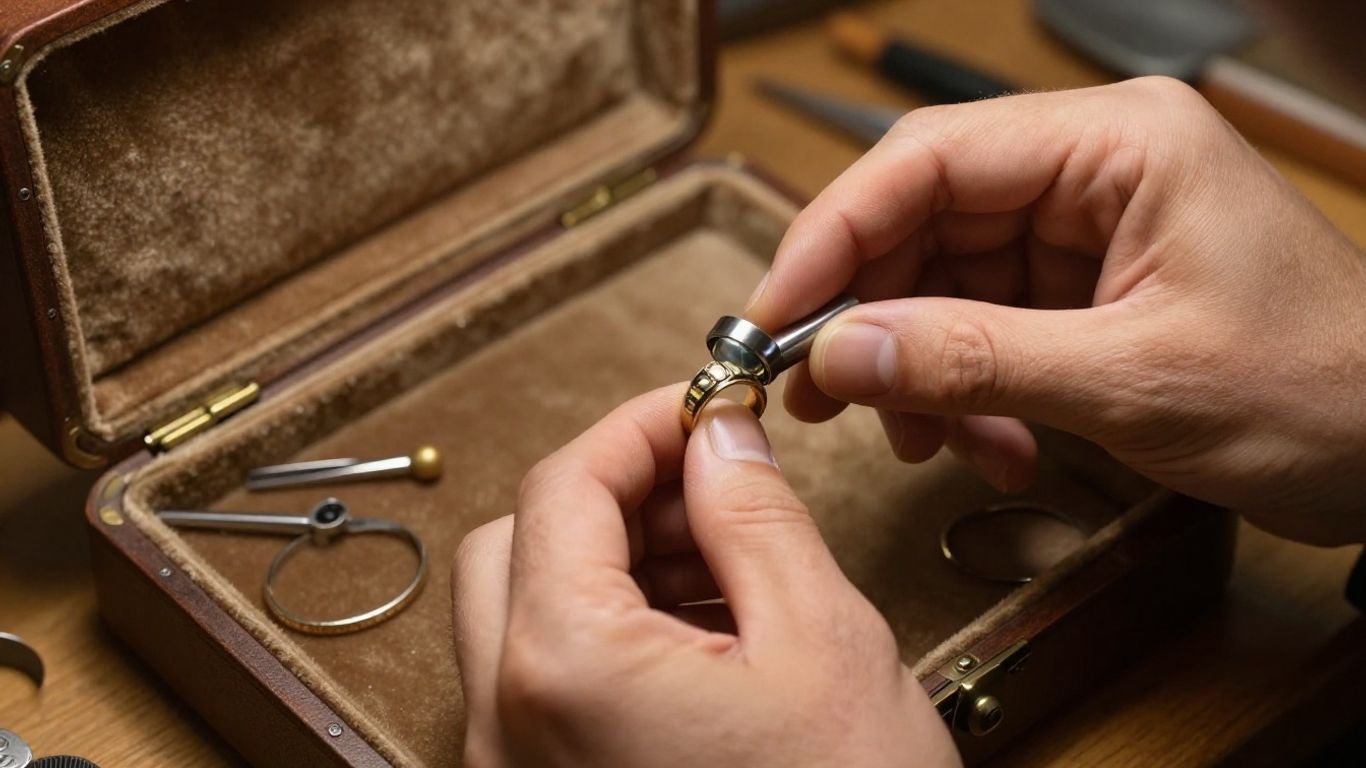
If the piece’s design allows it, ask whether a removable element or temporary adjustment could make it easier to wear. For example, a jeweler may be able to advise whether a brooch can be attached securely to a garment or whether a chain needs a different clasp. Do not assume that a change is reversible just because it sounds simple; ask how it works and what risks it carries. A careful conversation helps you protect the features that make the piece recognizable to your family.
Work with a jeweller to improve fit and secure attachments
A jeweler can inspect how a piece fits and whether its closures, settings, or attachments need attention before the wedding. Explain how and when you plan to wear it, and mention any known repairs or concerns. Ask what work is needed, whether it changes the appearance, and how soon it should be completed so there is time for a fitting. For bracelets in particular, the bridal bracelet guide discusses choosing a comfortable, secure fit.
Consider a replica if the original is too fragile to wear
If an expert advises against wearing the original, a replica or a different family keepsake may let you include the memory without putting the fragile item at risk. A jeweler can explain what reproduction would involve, though the right choice depends on the item and your family’s wishes. You might also carry the original in a secure case and wear another piece instead. The meaning does not depend on exposing the heirloom to a full day of movement.
Wear heirlooms safely on the wedding day
A little planning can prevent a treasured item from becoming one more thing to worry about. Check it well before the wedding, consider how it will behave during a long day, and decide who is responsible for it when it is not being worn. The details are practical, but they also make it easier to relax and enjoy the moment. If something feels uncertain, choose a safer way to include the piece.
Check clasps, prongs, and closures in advance
Try the piece on before the wedding and look for signs that a clasp is loose, a setting moves, or a closure does not catch securely. Do not wait until the day itself to find out that it needs attention. A jeweler can assess concerns and advise whether the item is suitable to wear. After any work, try it again with the outfit so you know how it feels and sits.
Plan for comfort and movement throughout the day
Wear the piece at home for a short stretch, and notice whether it pulls, rubs, snags, or shifts. Consider how it will feel when you sit, hug people, dance, or adjust a veil. For earrings, try the intended hairstyle and any veil together; for a bracelet, consider sleeves and how freely your wrist moves. Comfort is part of choosing well, not an afterthought.
Assign someone to keep track of pieces between events
If you plan to change jewelry, name one trusted person to look after each item and tell them where it should go. A small written plan can help everyone remember which piece is being worn, when it comes off, and where it belongs next. Keep the steps manageable:
- Use a separate, closed case for each piece.
- Choose one person to handle changes and storage.
- Agree on a specific handoff time and place.
- Check that each item is accounted for after the event.
A clear handoff is more reliable than placing jewelry on a nearby table and hoping to remember it later. Keep the cases together in a secure location, away from busy dressing areas.
Care for heirloom jewellery before and after the wedding
Care starts with understanding what the piece is made of and how it has been maintained. An heirloom may have delicate materials, past repairs, or age-related wear that make routine cleaning a poor choice. Make time for an assessment before the wedding, and plan how the jewelry will travel and return to storage. Treat the piece as something to preserve, not just an accessory for one day.
Get an expert assessment before cleaning
Before using a cleaning solution or cloth, ask a qualified jeweler to assess the piece and advise what care is appropriate. Materials that look similar can respond differently to cleaning, and older repairs may need special attention. Share any documentation or family knowledge you have, including previous work. When in doubt, leave the cleaning to an expert rather than trying a method at home.
Store each item securely during travel
Travel with each piece in its own closed case or padded compartment so it cannot knock against other jewelry. Keep the container somewhere secure and easy for the designated person to track, rather than loose among bags or toiletries. If the item is especially fragile, ask a jeweler for storage advice suited to its construction. Before leaving each location, check that the case has gone with the person responsible for it.
Document its condition and return it to safe storage
Before the wedding, take clear photographs of the piece and note any existing marks or repairs. After the event, inspect it in good light, record anything that seems different, and arrange an expert check if you have concerns. Then return it to its usual secure storage rather than leaving it in a travel case. A simple record can help the family keep track of its condition over time.
Conclusion
Heirloom jewellery can bring a family story into your wedding in a way that feels personal and unforced. Learn about the piece, choose when it belongs in your day, and take practical steps to keep it comfortable and secure. Whether you wear it for the ceremony or carry it close, its meaning can remain at the center of the choice.
Frequently Asked Questions
What counts as heirloom jewellery?
Heirloom jewellery is generally a piece passed down through a family or kept for its personal history. It may be valuable for its materials, its story, or both.
Do I have to wear an heirloom during the ceremony?
No. You can wear it at another wedding event, attach it to a bouquet or outfit, or keep it safely nearby if wearing it does not feel right.
How do I choose which family piece to wear?
Consider the piece’s meaning, condition, comfort, and how it works with your outfit. A conversation with the relative who knows its history may help guide your choice.
Should I have heirloom jewellery cleaned before the wedding?
Ask a qualified jeweler to assess it first. The right care depends on its materials, age, construction, and any previous repairs.
Can heirloom jewellery be altered to fit?
Sometimes, but the options depend on the piece and the changes being considered. Ask a jeweler what can be adjusted, whether the work is reversible, and how it may affect the item.
What if an heirloom is too fragile to wear?
You could carry it securely, wear another family piece, or discuss a replica with a jeweler. You can include its story without risking damage to the original.
How should I store heirloom jewellery after the wedding?
Return it to a secure place after inspecting it for any change in condition. Store it separately from other pieces and follow any care advice from a jeweler.
10 best bridal jewellery investment pieces for timeless style and lasting value
10 minute read
Related blogs:
November 20, 2025
The Timeless Elegance of the Tennis Bracelet: A Comprehensive Guide
Read More
November 20, 2025
The Ultimate Guide to Styling and Wearing a Choker Necklace
Read More
November 20, 2025
Find Your Perfect Engagement Ring: A Comprehensive Guide to Styles and Diamonds
Read More
November 20, 2025
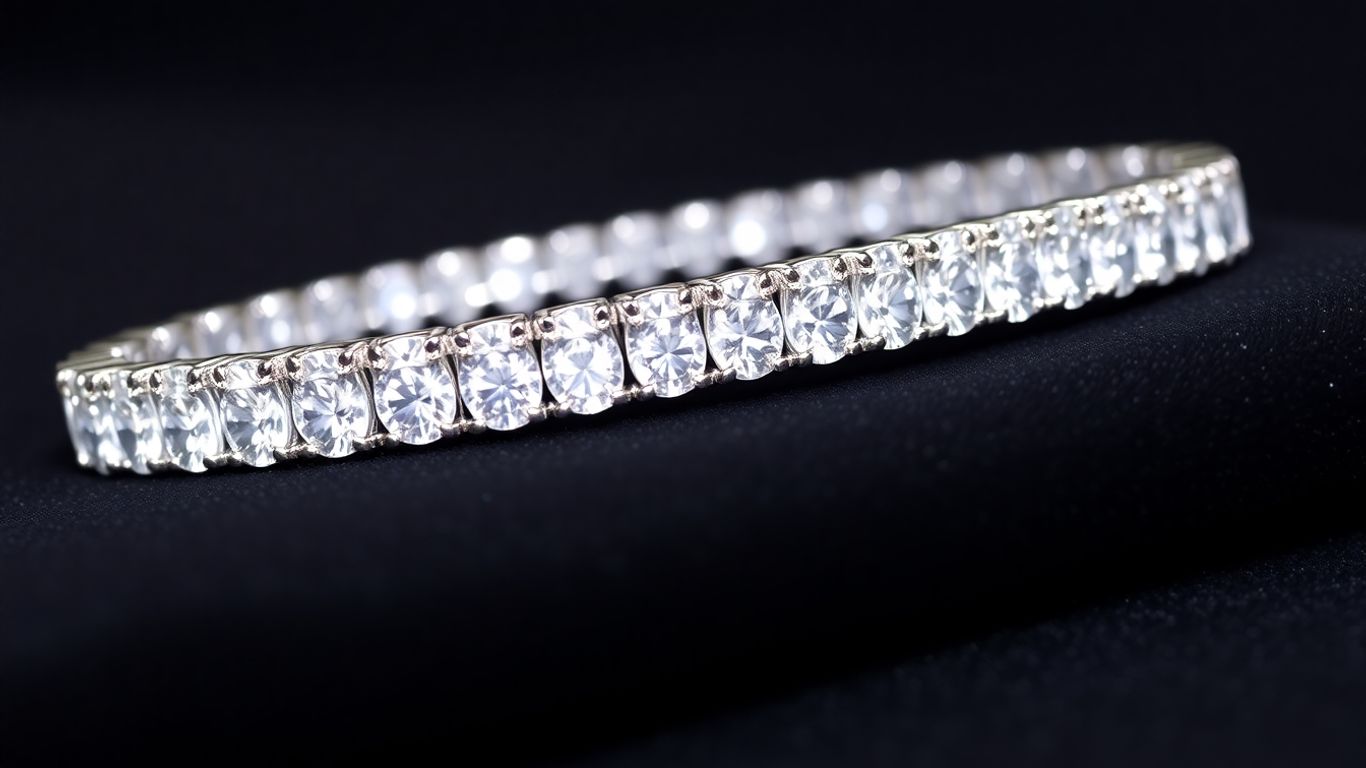
The Timeless Elegance of a Diamond Tennis Bracelet: A Buyer's Guide
Read More