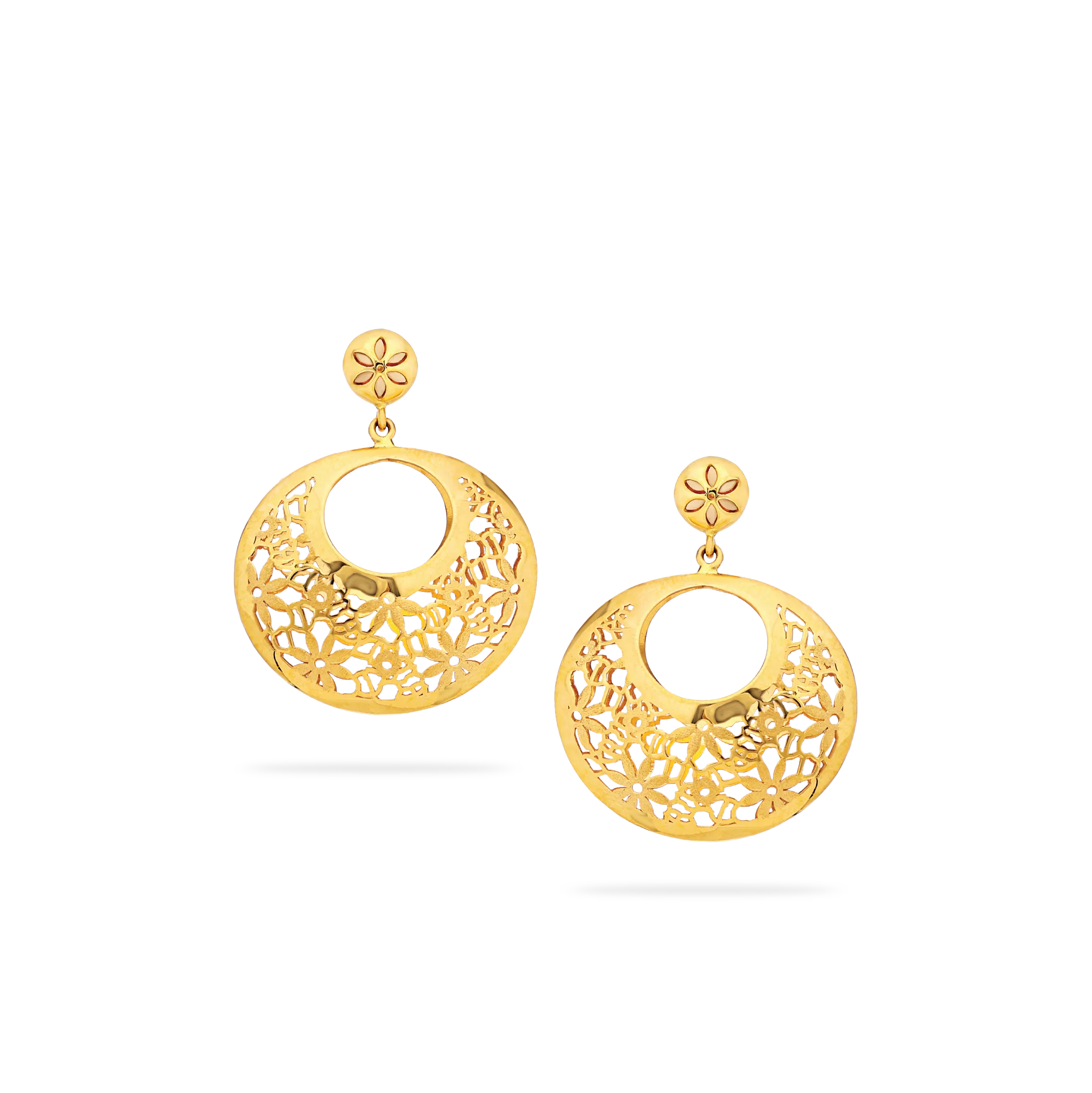
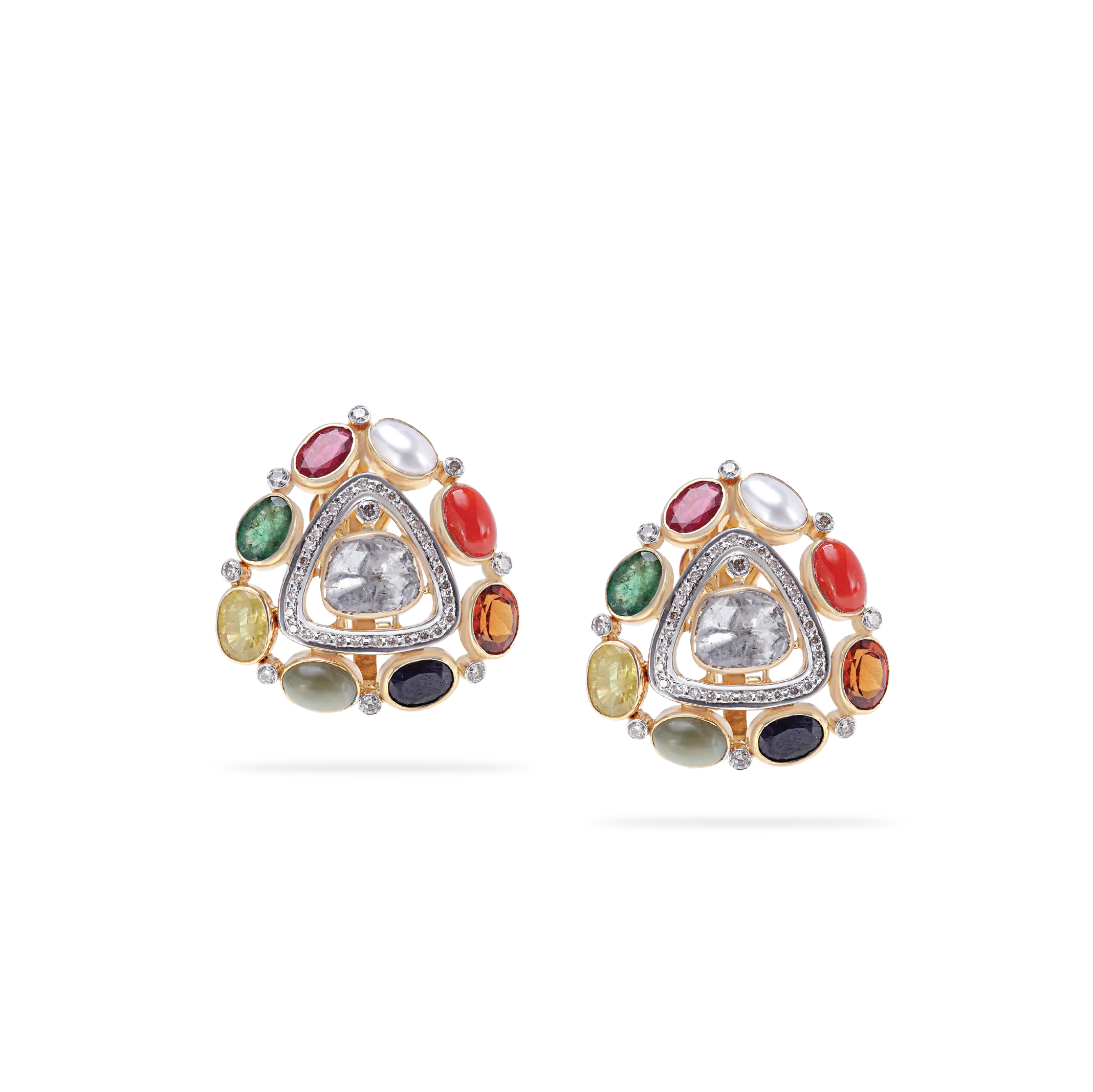
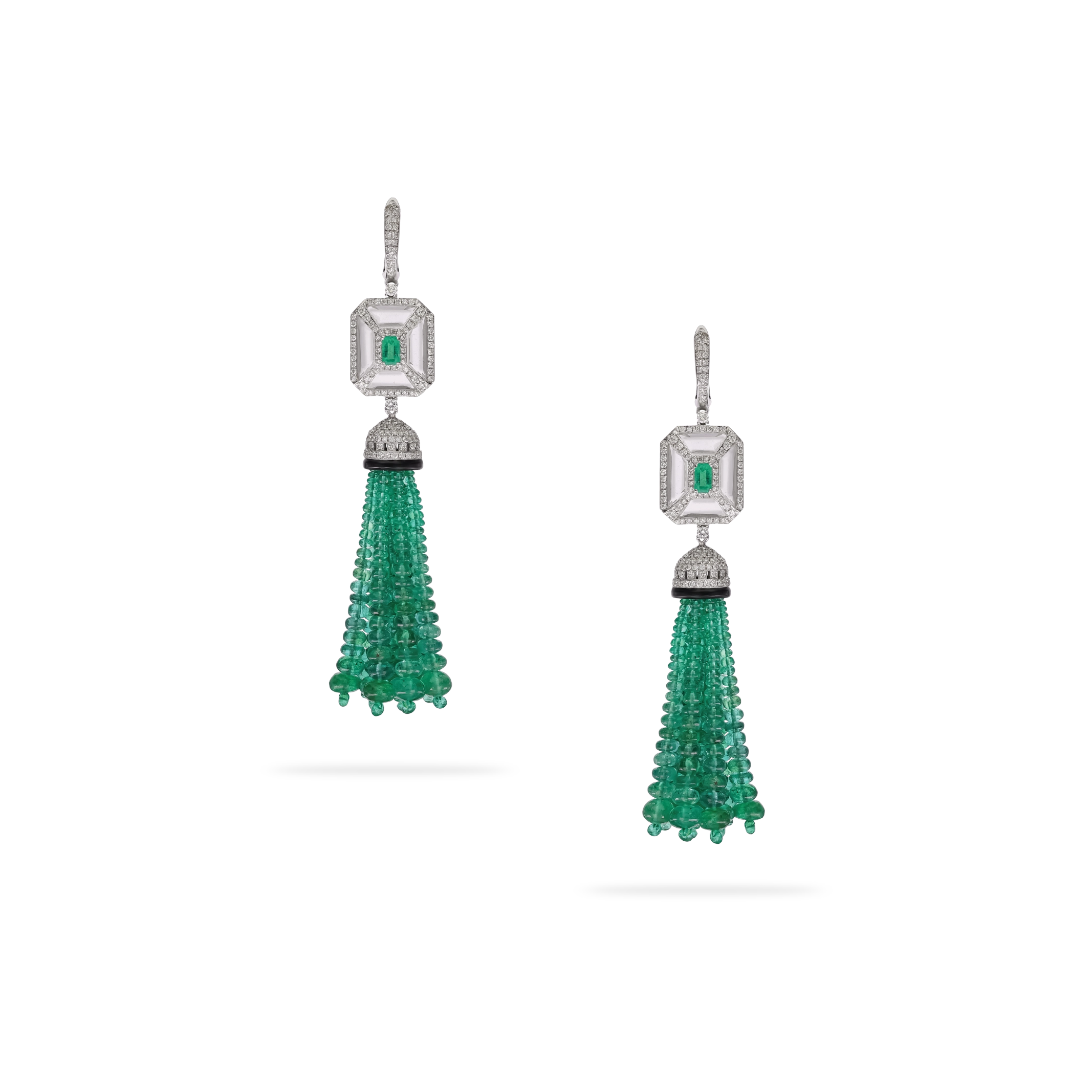
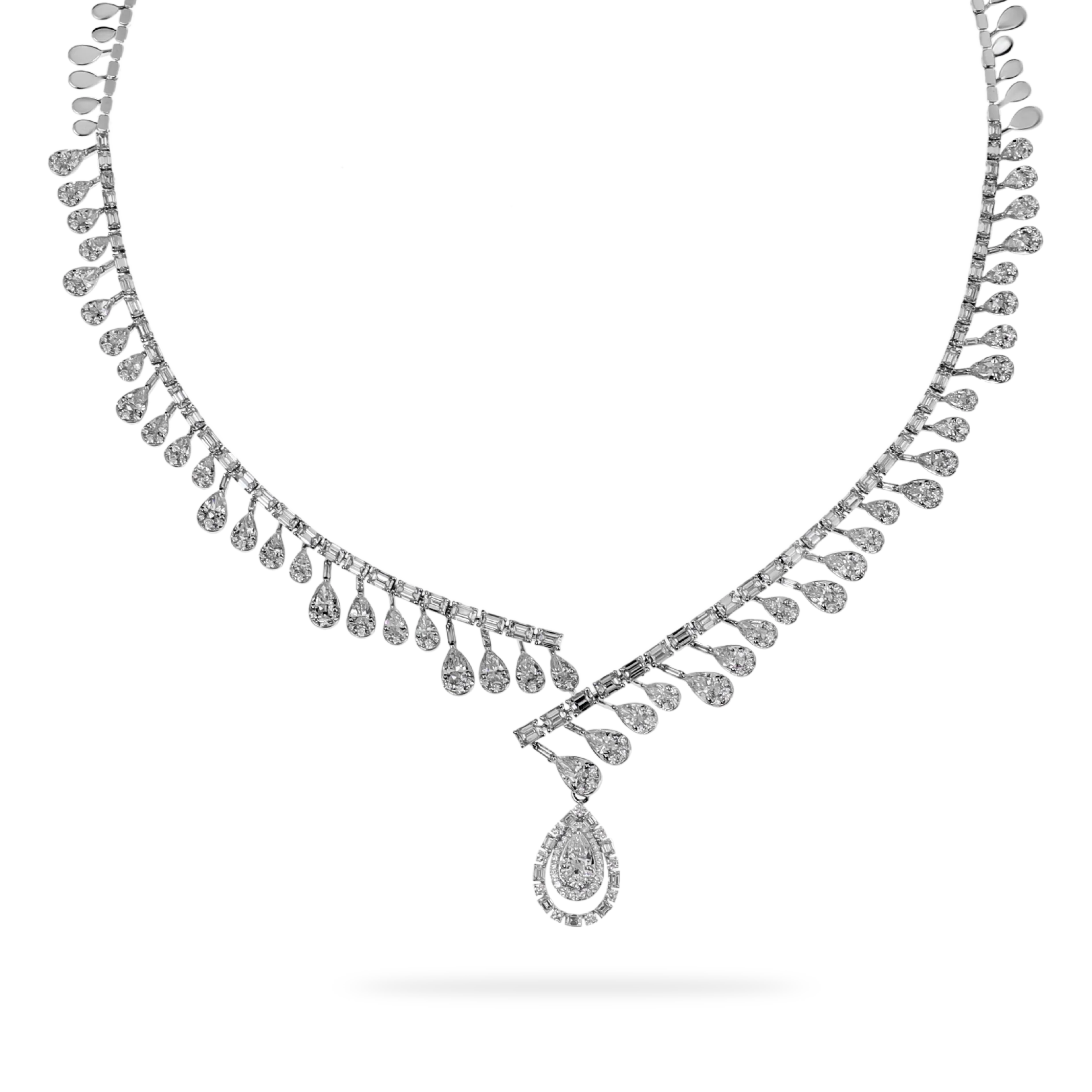
Luxury wedding jewellery shopping guide: How to choose pieces for your wedding day
September 24, 2026 | 10 minutes read
Key Takeaways
A thoughtful wedding jewellery look begins with what feels like you, then takes shape around your outfit, budget, and plans for wearing each piece.
- Start with your personal style and choose a focal piece before adding accents.
- Consider your neckline, dress details, hairstyle, and celebration when coordinating jewellery.
- Compare metals, gemstones, craftsmanship, and comfort rather than judging by appearance alone.
- Set a realistic budget and compare custom, designer, and vintage options on equal terms.
- Confirm fit, delivery timing, care needs, and documentation before the wedding day.
Define your style and shopping priorities
The best place to begin is not a shop window but a clear sense of what you want to feel like on your wedding day. Your jewellery can echo the mood of your clothes and celebration without looking like it was chosen from a separate rulebook. A luxury wedding jewellery shopping guide is most useful when it helps you make decisions that feel personal, not prescriptive.
Create a vision around your wedding look
Gather a few references for your dress, flowers, venue, and jewellery, then look for the details that keep recurring. Perhaps you gravitate toward clean lines, warm gold, or a touch of color; those patterns can become a simple guide when choices start to blur. A small mood board is useful because it helps you see the whole look together, rather than falling for one beautiful piece in isolation. For a contemporary approach that spans minimalist designs and more expressive accents, the timeless bridal style guide from C Krishniah Chetty & Co offers ideas for bringing personal taste into the selection.
Decide which pieces matter most to you
Choose one piece to lead, whether that is a meaningful pair of earrings, a necklace, or a ring you already wear every day. Then decide whether other pieces should quietly support it or whether you prefer a more layered look. A clear focal point makes it easier to avoid adding accessories simply because they are available. If you are uncertain, try the look with fewer pieces first; you can always add a bracelet or another accent once you see how the full outfit feels.
Set a shopping timeline that allows for custom orders
Begin early enough to compare options, arrange any adjustments, and leave room for a custom order if you choose one. Your schedule will depend on the pieces and the jeweller, so ask directly about production, delivery, and fitting dates rather than assuming everything can be handled at the last minute. A simple timeline can keep the process calm:
- Set a target date for choosing your main piece.
- Leave time to compare materials, finishes, and prices.
- Confirm any custom-order or sizing schedule with the jeweller.
- Plan a final try-on with your wedding outfit and accessories.
Once these steps are on the calendar, you can make considered choices without turning every shopping trip into a deadline. Keep a little flexibility, too; the right piece may take a few visits to find.
Match jewellery to your outfit and celebration
Jewellery is part of the outfit, so its shape and scale should work with the lines and details already in view. Think about the dress, veil, hairstyle, and setting as one composition rather than separate decisions. There are no fixed rules for every neckline or venue, but proportion and comfort are useful guides.
Coordinate pieces with your neckline and silhouette
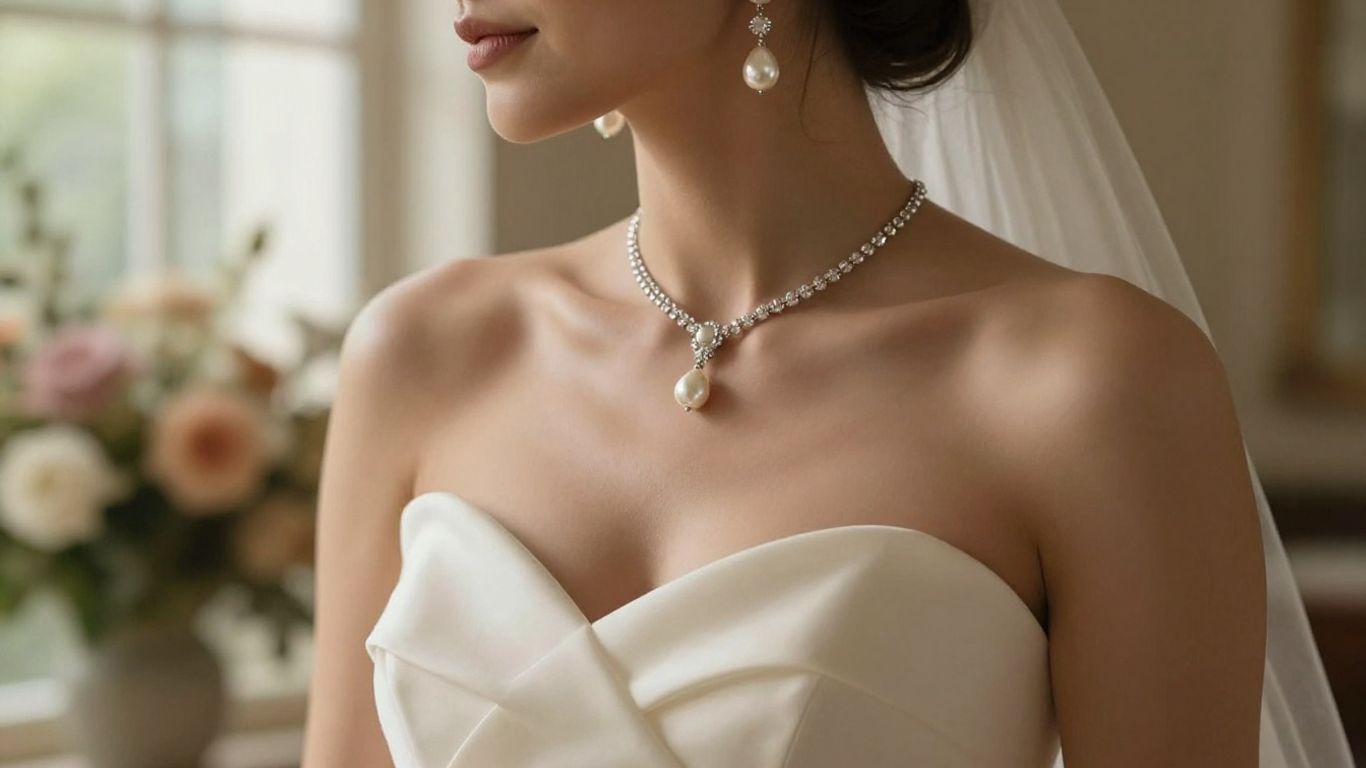
A neckline gives you a practical starting point for deciding whether a necklace belongs in the look or whether earrings should take the lead. The table below offers broad styling prompts, not strict formulas; the dress’s fabric and your own taste still matter. When comparing shapes, look at how the piece sits against the garment and whether it draws attention where you want it.
| Outfit detail | Possible direction | What to check |
|---|---|---|
| V-neckline | Pendant or fine necklace | Does it follow the neckline without competing with it? |
| Strapless or sweetheart | Short necklace or statement earrings | Does the overall balance feel intentional? |
| High neckline | Earrings or bracelet as the focus | Is there enough room for the piece to move comfortably? |
Use these pairings as a first try-on, then adjust based on the actual dress. A necklace that looks lovely on its own may feel crowded beside beading or lace, while a simple earring can bring focus to the face.
Consider your dress details, veil, and hairstyle
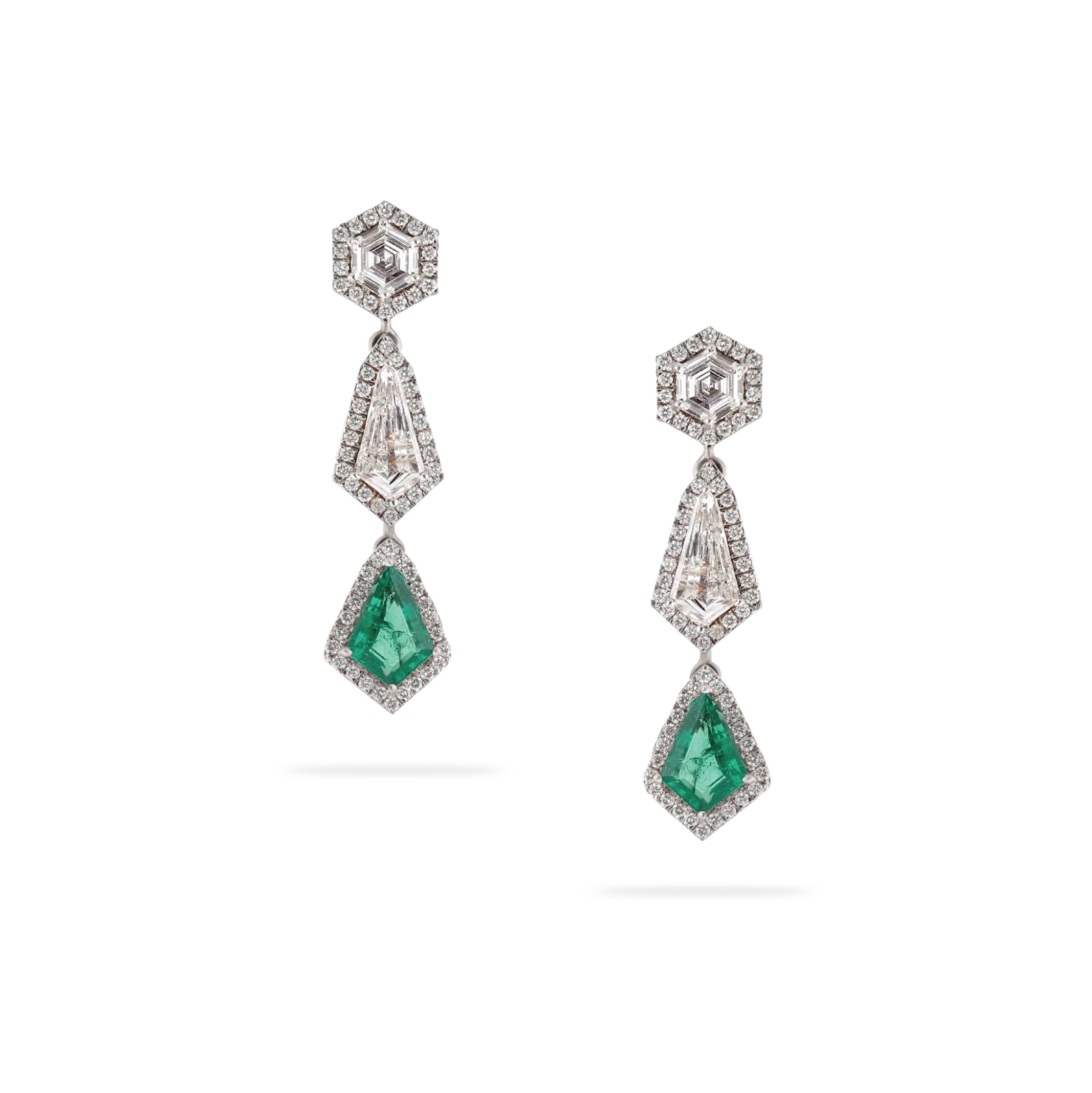
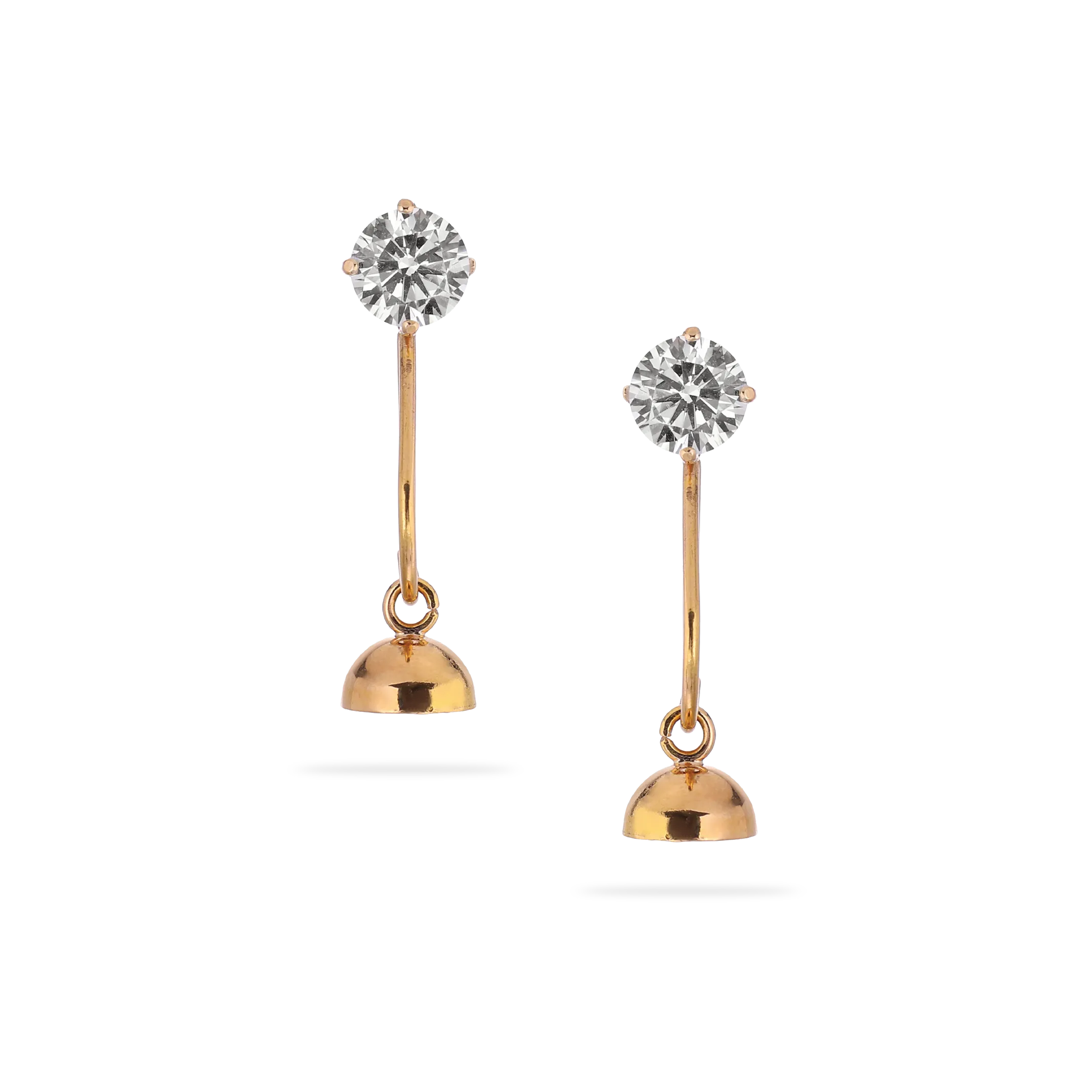
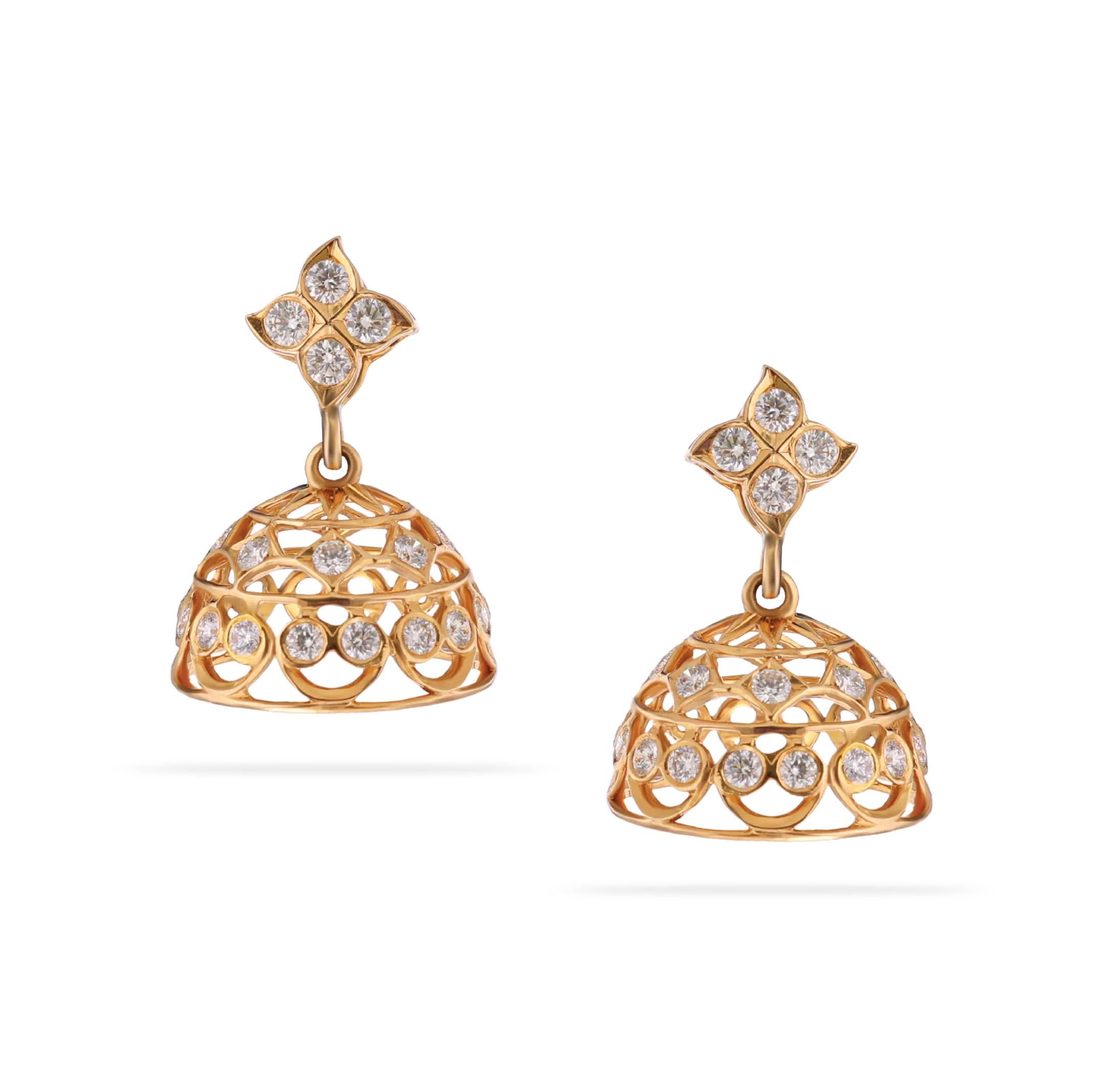
A heavily embellished bodice often benefits from jewellery with a lighter visual touch, while a simpler dress can leave room for a more noticeable piece. Your veil and hairstyle also affect what is visible: a low updo may leave the ears and neckline open, while loose hair can soften or partly cover earrings. Try everything together in natural movement, not just in a mirror pose. The bridal drop earring guide covers coordinating earrings with a gown and hairstyle, as well as thinking about comfort and secure wear.
Balance your jewellery with the venue and wedding style
A formal ballroom, an outdoor ceremony, and a small family gathering each create a different atmosphere, but the goal is still to feel at ease in your own look. Consider the visual weight of your pieces alongside the clothing and setting; a dramatic accessory can feel right when the rest of the styling is calm. For a quieter alternative, an editorial perspective on modern bridal jewellery discusses choosing pieces around personal style and future wear. Let the setting inform your choices, without letting it decide them for you.
Choose materials and gemstones
Materials affect how jewellery looks, feels, and holds up to regular wear. Comparing them is more useful than choosing by color alone: consider the finish, the way a piece sits on your skin, and whether it works with jewellery you already own. Gemstones bring their own color and character, while settings and construction influence how secure a piece feels.
Compare gold, platinum, and other precious metals
Metal choice is partly aesthetic and partly practical. Gold comes in different colors and purities, while platinum has a distinct appearance and feel; the right option depends on your preferences, budget, and plans for wearing the piece again. If you want your wedding jewellery to sit comfortably beside a ring you wear often, compare the tones and finishes together in person. The minimalist bridal jewelry guide from C Krishniah Chetty & Co offers guidance on defining a style and balancing sparkle while considering metal and finish.
Select gemstones for color, durability, and meaning
A gemstone can add a personal note through color, family history, or simply a shade you love. Before choosing, ask how the stone is meant to be worn and what care it may need; durability can vary by gemstone and by the way it is set. Pearls, diamonds, and colored stones each create a different look, so try them beside your dress fabric and other jewellery instead of choosing from a photograph alone. The best choice is one you enjoy wearing, not only one that fits a tradition.
Check quality details such as settings and craftsmanship
Look closely at the setting, closures, joins, and finish, especially if a piece will be worn for a long ceremony and reception. Ask the jeweller what materials are used and how the piece should be handled; clear answers help you understand both its construction and its care. If the item includes a gemstone, request the available documentation and make sure it matches the piece you are considering. These small checks are a practical part of buying something you hope to wear again.
Set a budget and compare value
A budget can give your search direction without narrowing it to a single price tag. Decide what matters most, then compare pieces by materials, workmanship, fit, and how often you expect to wear them. A lower price may be attractive, but the useful comparison is what each option includes and whether it suits your plans.
Allocate your budget across key pieces
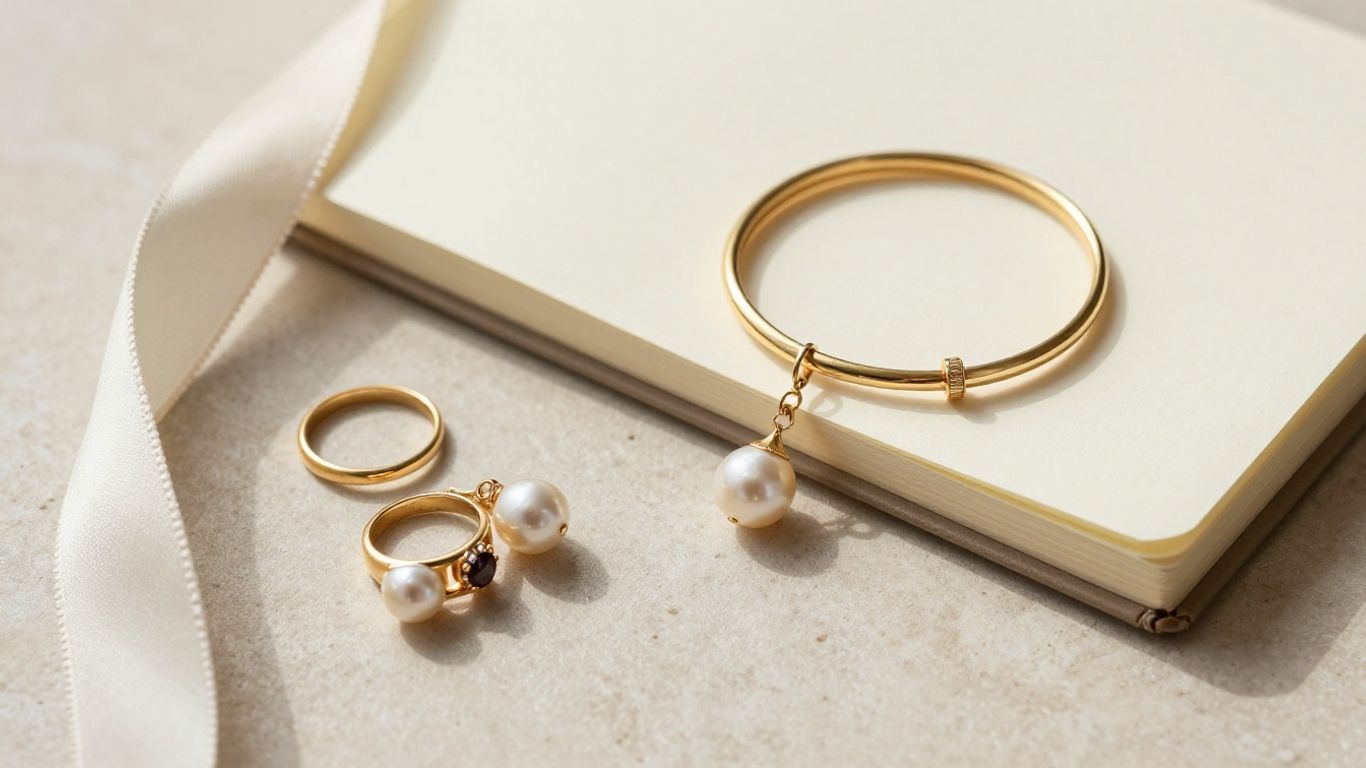
Start by setting a total amount you feel comfortable spending, then reserve the largest share for the piece that matters most to you. Leave room for sizing, repairs, or other costs that may come up, and avoid treating every accessory as equally essential. The bridal jewellery budget guide from C Krishniah Chetty & Co focuses on setting a realistic budget, prioritizing key pieces, and considering choices that fit a personal style. That approach keeps your priorities visible as you compare options.
Weigh designer, bespoke, and vintage options
Each route offers a different kind of value. A designer piece may appeal for its established aesthetic, bespoke work allows for a more tailored design, and vintage jewellery can bring age and character; price and condition still need careful comparison. Think through the questions below before you decide:
- Does the piece match the style and materials you have in mind?
- Is its condition and construction clear to you?
- Can it be sized or adjusted if needed?
- Will you want to wear it after the wedding?
The answers can reveal whether a piece is a good fit beyond the first impression. For vintage or custom jewellery in particular, ask what can and cannot be changed before committing.
Understand pricing, warranties, and return policies
Ask for an itemized explanation of the price and read the terms before paying. Check what a warranty covers, how returns or exchanges work, and whether resizing or maintenance is included or charged separately. Policies vary, so get the details in writing and keep them with your purchase records. A clear understanding up front is more reassuring than relying on assumptions after the wedding.
Shop with confidence
A beautiful piece should also come with information you can understand and verify. Give yourself time to ask questions, review the item closely, and compare what is promised with what appears on the paperwork. Thoughtful shopping is less about knowing every technical term than feeling comfortable with the answers you receive.
Research jewellers and verify credentials
Look for clear business information, transparent policies, and staff who can explain materials and construction without rushing you. Read independent feedback with care, and treat a polished photograph as a starting point rather than proof of quality. If possible, see the piece in person and inspect its finish, closure, and proportions. A jeweller who welcomes sensible questions makes it easier to decide at your own pace.
Ask about customization, sizing, and delivery dates
Before ordering, confirm what can be customized and whether a change might affect the price or schedule. Ask how sizing is measured, when the finished piece is expected, and what happens if adjustments are needed after it arrives. If the item is part of a set, check that the pieces will be compatible in color and finish. Written details help you keep the wedding timeline realistic.
Review certificates and purchase documentation
When documentation is available, check that the description corresponds to the piece you are buying. Keep receipts, certificates, care guidance, and any warranty or return terms together in a safe place. Ask the seller to clarify unfamiliar language rather than assuming every certificate covers the same details. Good records are useful for future cleaning, insurance discussions, or repairs.
Plan for fit, wear, and long-term care
The day itself will involve more than standing still for photographs, so jewellery should feel comfortable through movement, greetings, and hours of celebration. Try pieces with the clothes and shoes you plan to wear, and notice whether anything catches, shifts, or feels heavy. A little preparation makes it easier to enjoy the look instead of thinking about it all day.
Arrange a professional fitting before the wedding
If a ring, bracelet, or necklace needs sizing, arrange a fitting well before the ceremony and confirm when the finished piece will be ready. Bring your wedding outfit or a close equivalent when checking lengths and proportions, especially if a neckline or sleeve affects the fit. For earrings, try them on long enough to notice their weight. A small adjustment in advance can make a meaningful difference to comfort.
Test comfort and security before the big day
Wear each piece at home for a while and move naturally: turn your head, raise your arms, and sit as you will during the ceremony and reception. Check that clasps close properly and that earrings stay secure. If something pinches, snags, or feels distracting, ask about a practical adjustment rather than hoping it will be fine on the day. Familiarity with your jewellery is its own kind of reassurance.
Clean, store, and insure your jewellery for future wear
Follow the care instructions provided for each material and gemstone, since cleaning methods that suit one piece may not suit another. Store items separately when possible to reduce tangling and surface scratches, and keep paperwork with the pieces it describes. If you are considering insurance, ask your insurer what documentation they require and what the policy covers. With a little care, wedding jewellery can remain part of your wardrobe long after the celebration.
Conclusion
Choosing wedding jewellery is a chance to bring personal style, meaningful details, and practical comfort together. Give yourself time to compare pieces, try them with your outfit, and ask the questions that matter to you; the right choices will feel at home on the wedding day and beyond.
Frequently Asked Questions
When should I start shopping for wedding jewellery?
Start once you have a sense of your outfit and overall style, leaving enough time to compare pieces, arrange sizing, and account for custom orders or delivery schedules.
How many jewellery pieces should I wear on my wedding day?
There is no required number. Choose the pieces that feel comfortable and balanced with your outfit, and decide whether you want one focal accessory or several quieter accents.
Should my jewellery match my wedding dress exactly?
It does not need to match exactly. Look for harmony in color, scale, and detail, while making sure the pieces still feel like your own style.
How do I choose jewellery for my dress neckline?
Use the neckline as a starting point: try a necklace that follows its shape or let earrings take focus if the neckline is already detailed. Always test the combination with the actual outfit.
Is custom wedding jewellery worth considering?
Custom work may suit you if you want a particular design or adjustment. Ask about the cost, materials, approval process, and delivery timeline before placing an order.
What should I ask before buying a gemstone piece?
Ask about the materials, setting, care instructions, available documentation, return terms, and any warranty. The answers help you compare pieces and understand how to look after them.
How can I make sure my jewellery is comfortable all day?
Try each piece with your wedding outfit in advance and wear it for a while at home. Check for weight, movement, secure closures, and anything that catches or irritates.
How to find wedding jewellery under budget without compromising your style
10 minute read
Related blogs:
November 20, 2025
The Timeless Elegance of the Tennis Bracelet: A Comprehensive Guide
Read More
November 20, 2025
The Ultimate Guide to Styling and Wearing a Choker Necklace
Read More
November 20, 2025
Find Your Perfect Engagement Ring: A Comprehensive Guide to Styles and Diamonds
Read More
November 20, 2025
The Timeless Elegance of a Diamond Tennis Bracelet: A Buyer's Guide
Read More