10 best bridal jewellery investment pieces for timeless style and lasting value
September 24, 2026 | 10 minutes read
Key Takeaways
The best bridal jewellery investment pieces are the ones that suit your taste on the wedding day and still feel natural to wear years later. Prioritize quality, comfort, versatility, and careful upkeep over promises of resale value.
- Choose enduring shapes and materials you genuinely enjoy wearing.
- Consider how each piece will work with both bridal attire and everyday clothes.
- Check construction, fit, and care needs before you buy.
- Use colored gemstones, vintage details, or heirlooms to make a look personal.
- Treat long-term value as a possibility, not a guarantee of financial return.
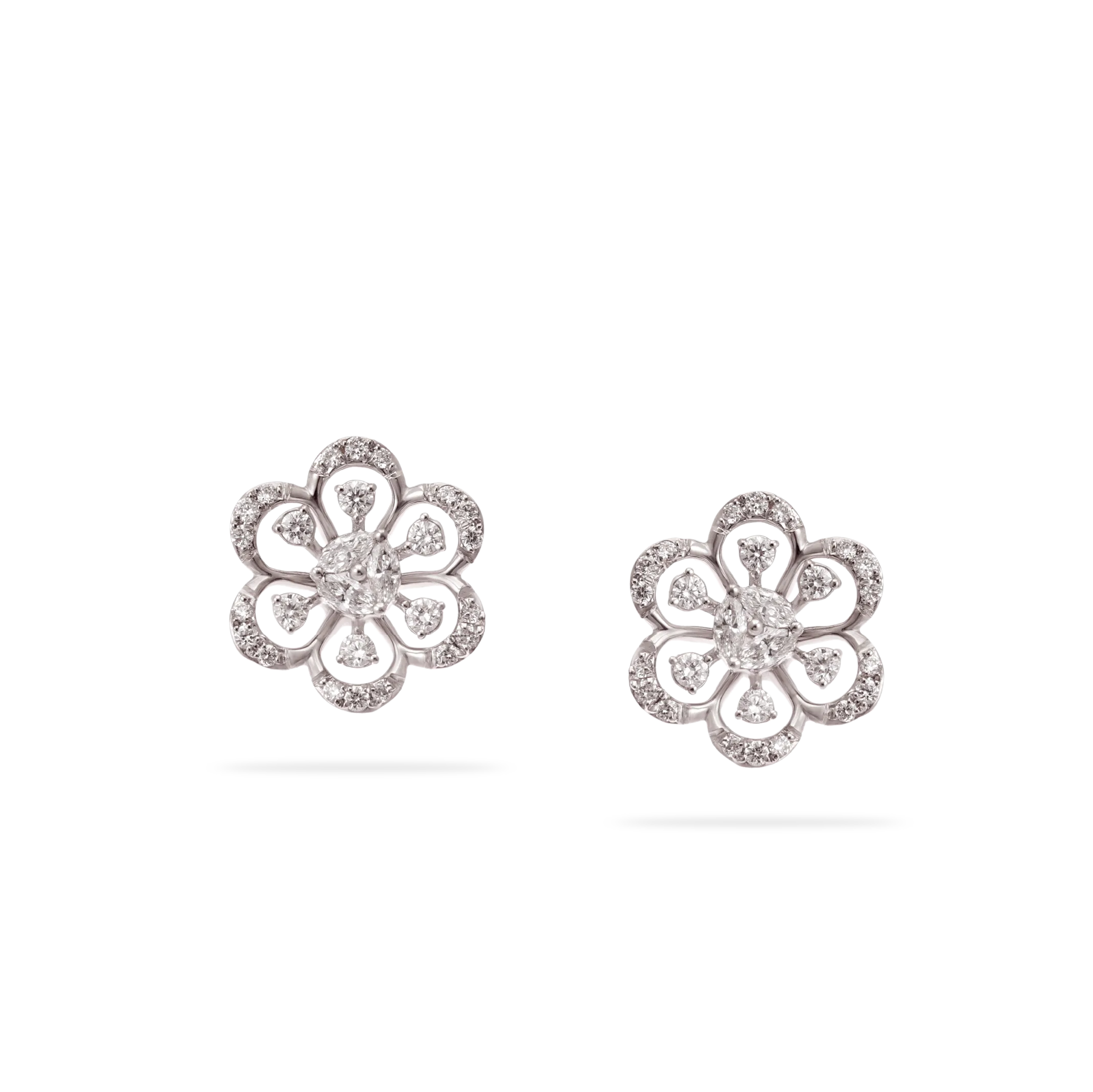
1. Classic diamond stud earrings
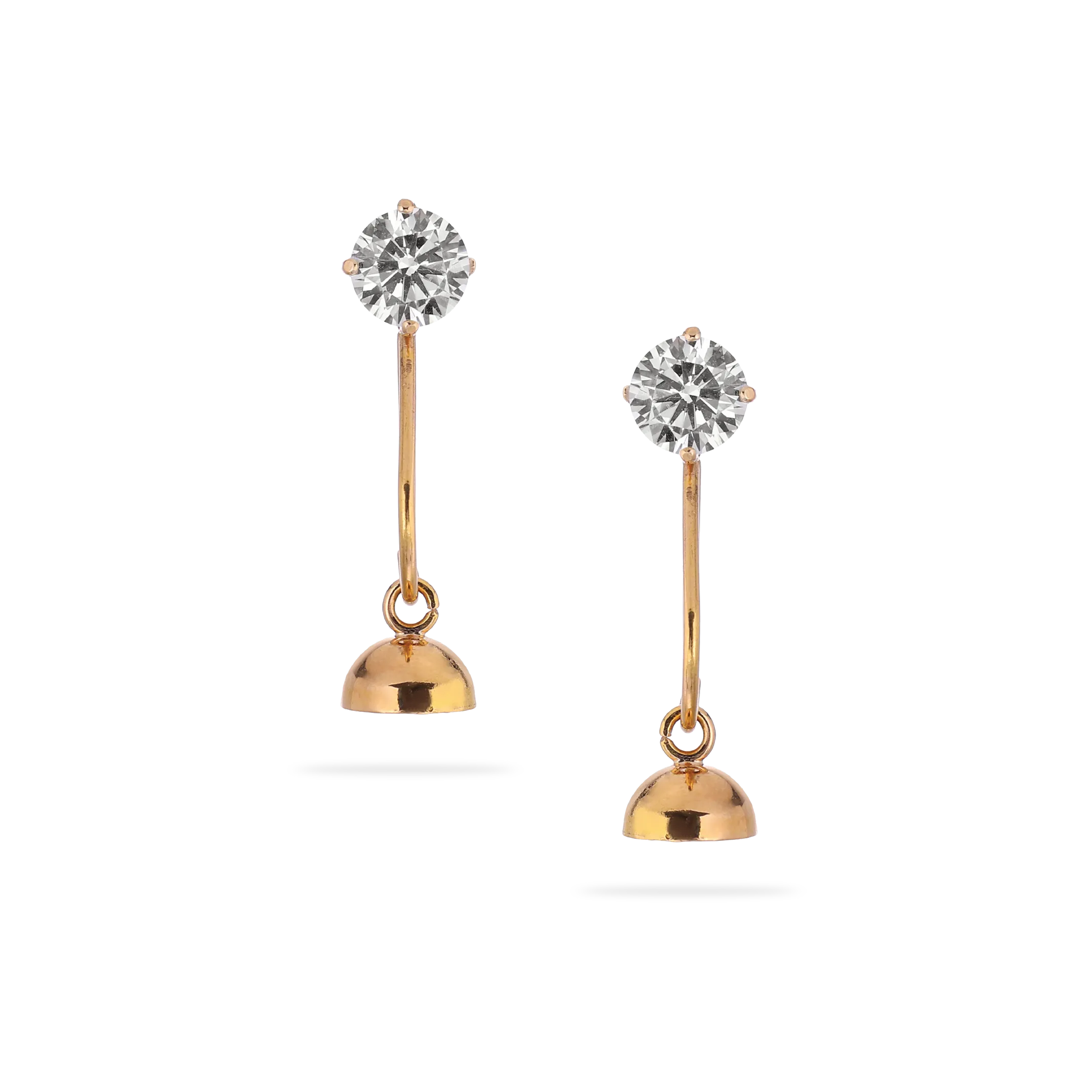
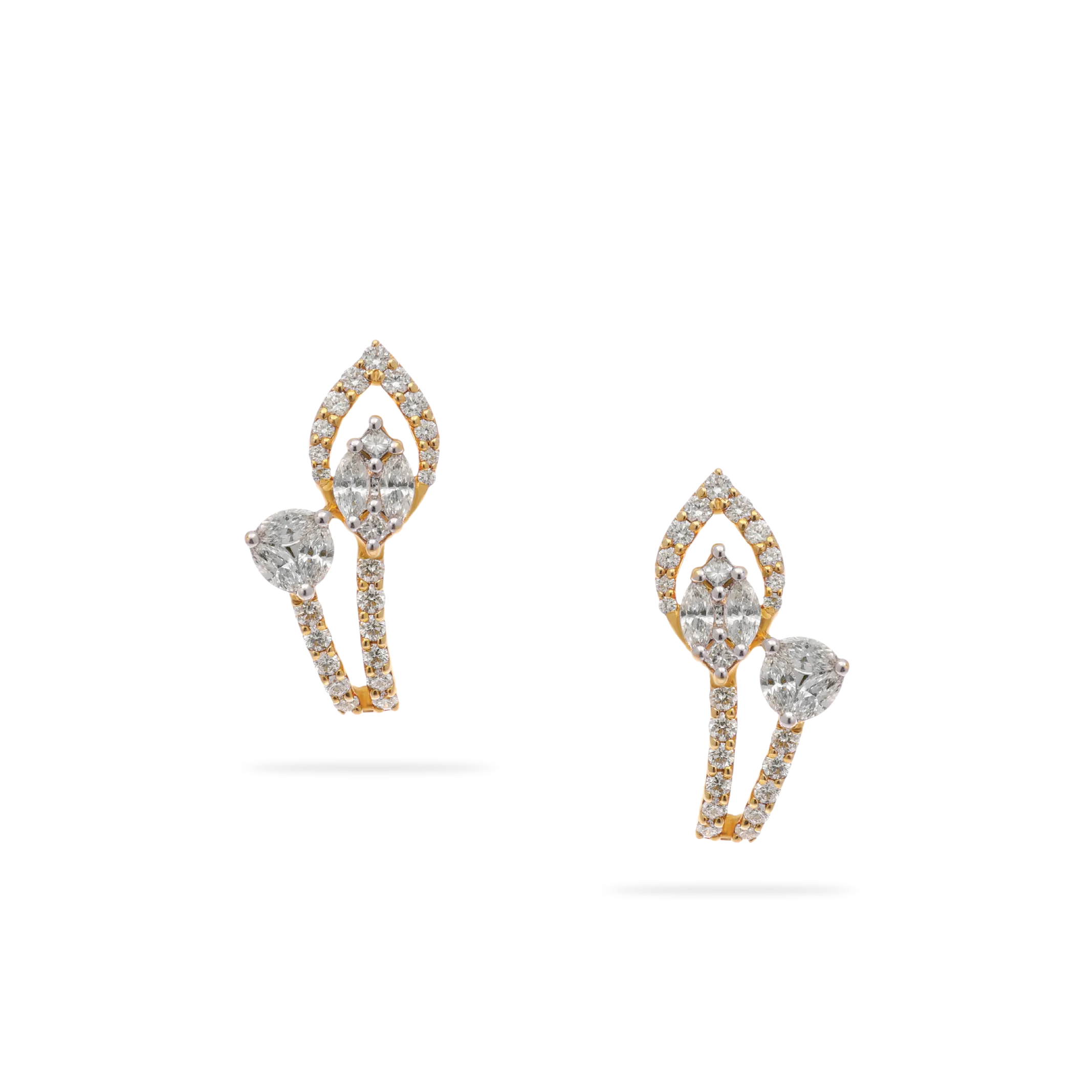
Classic diamond studs are an easy starting point because their clean shape sits comfortably with a wide range of wedding looks. They can bring a quiet point of light to a detailed gown, or feel polished beside a simple dress and an updo. For guidance on building a cohesive look without losing your own point of view, consider a considered bridal palette.
Think about proportion before carat weight alone: a modest pair that suits your face and feels comfortable may get far more wear than a larger pair that stays in its box. A secure setting and backs that feel reliable matter, especially on a long day with greetings, dancing, and photographs. Try them on with your hairstyle and veil, if you plan to wear one, so you can see how they look from the front and side.
As an investment, diamond studs are best understood as enduring personal pieces rather than guaranteed financial assets. Compare the stones and settings carefully, keep any purchase documentation, and ask what maintenance the earrings may need over time. The most satisfying pair is often the one that feels like you on an ordinary day, not just in bridal portraits.
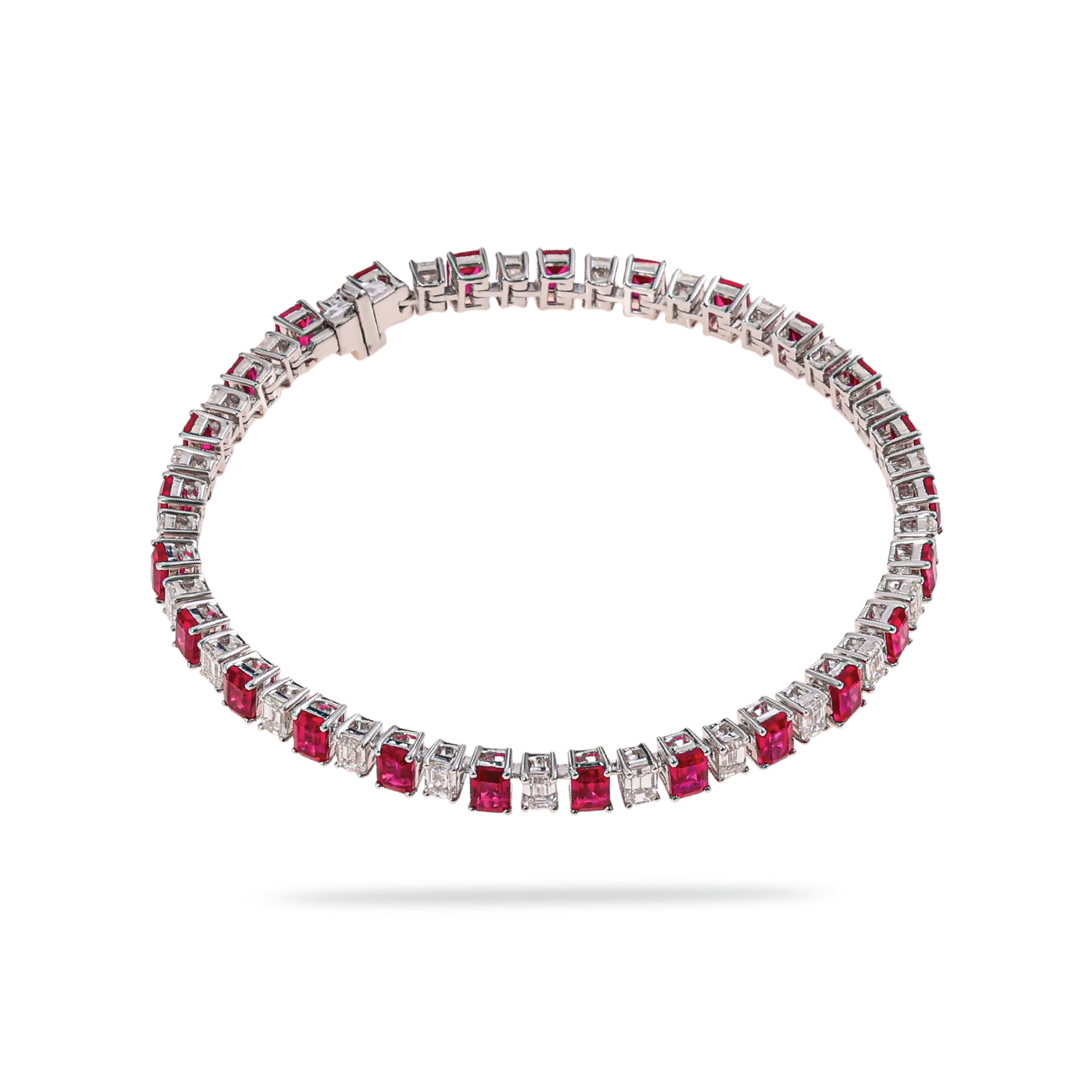
2. A diamond tennis bracelet
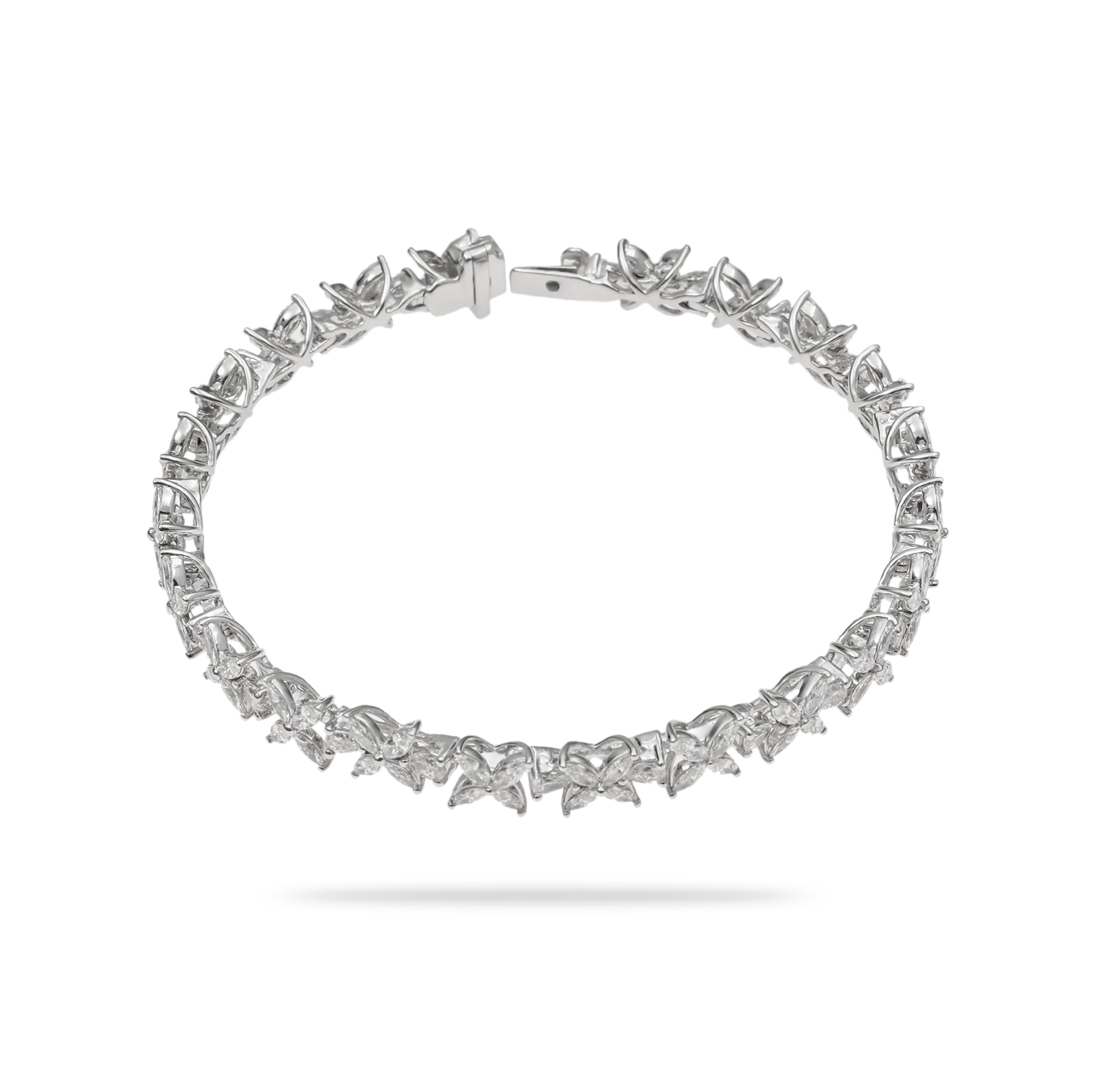
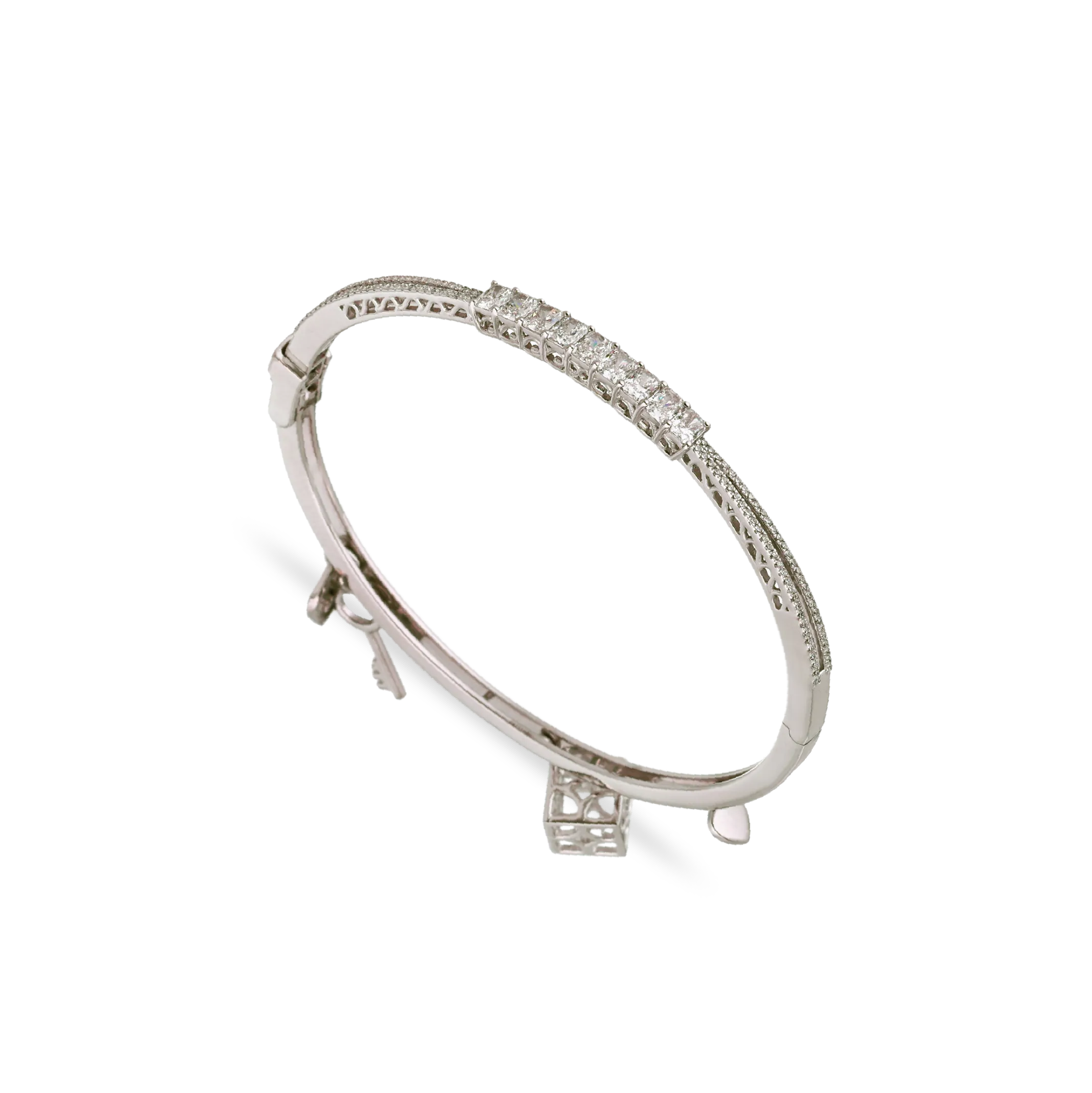
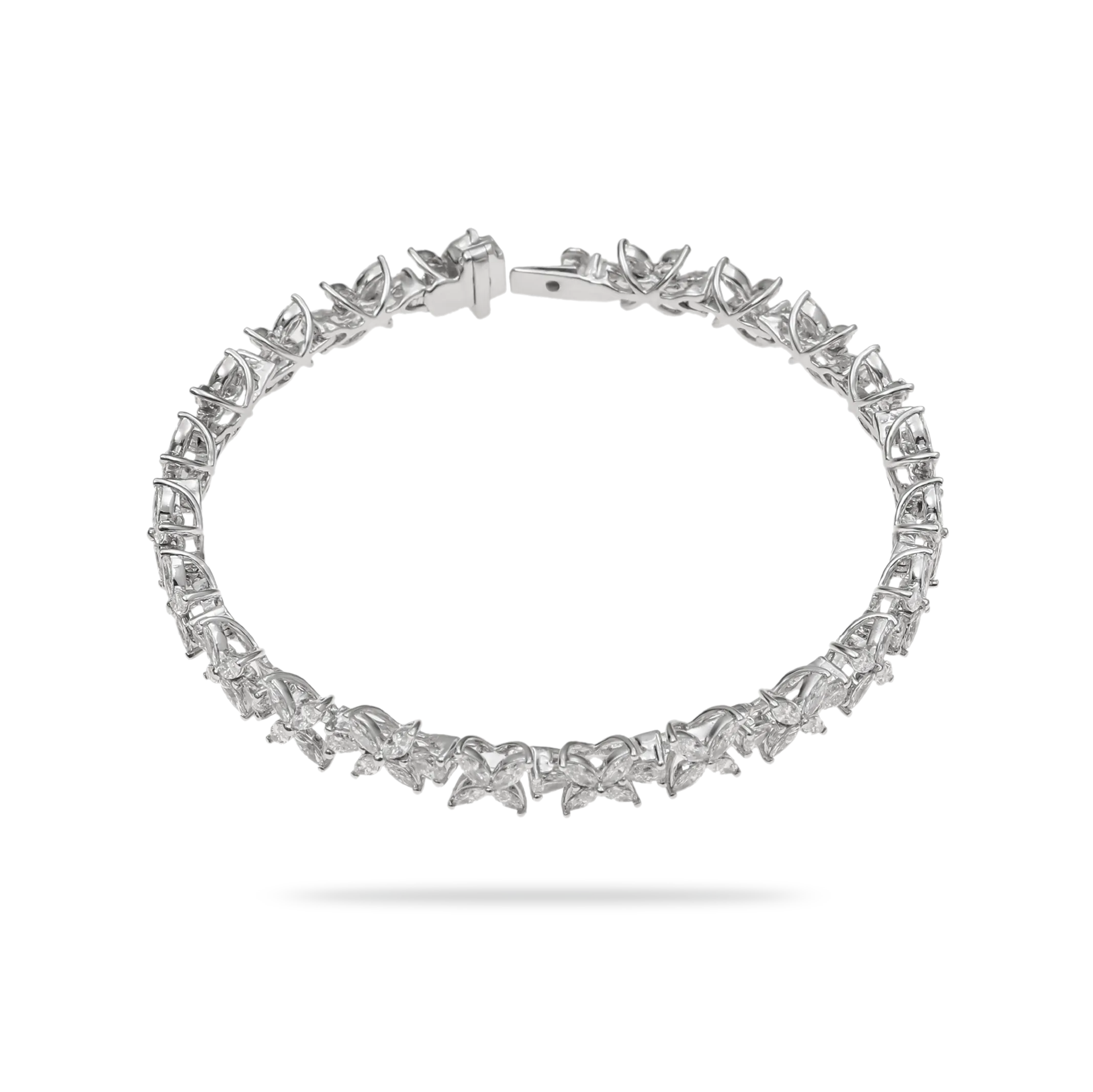
A tennis bracelet has a graceful, continuous line of sparkle that can sit neatly beside a watch or stand alone. Its movement adds a little light without demanding a particular neckline or hairstyle, which makes it easy to revisit after the wedding. Choose a design that feels balanced with your other jewelry, rather than assuming more brilliance will always improve the overall look.
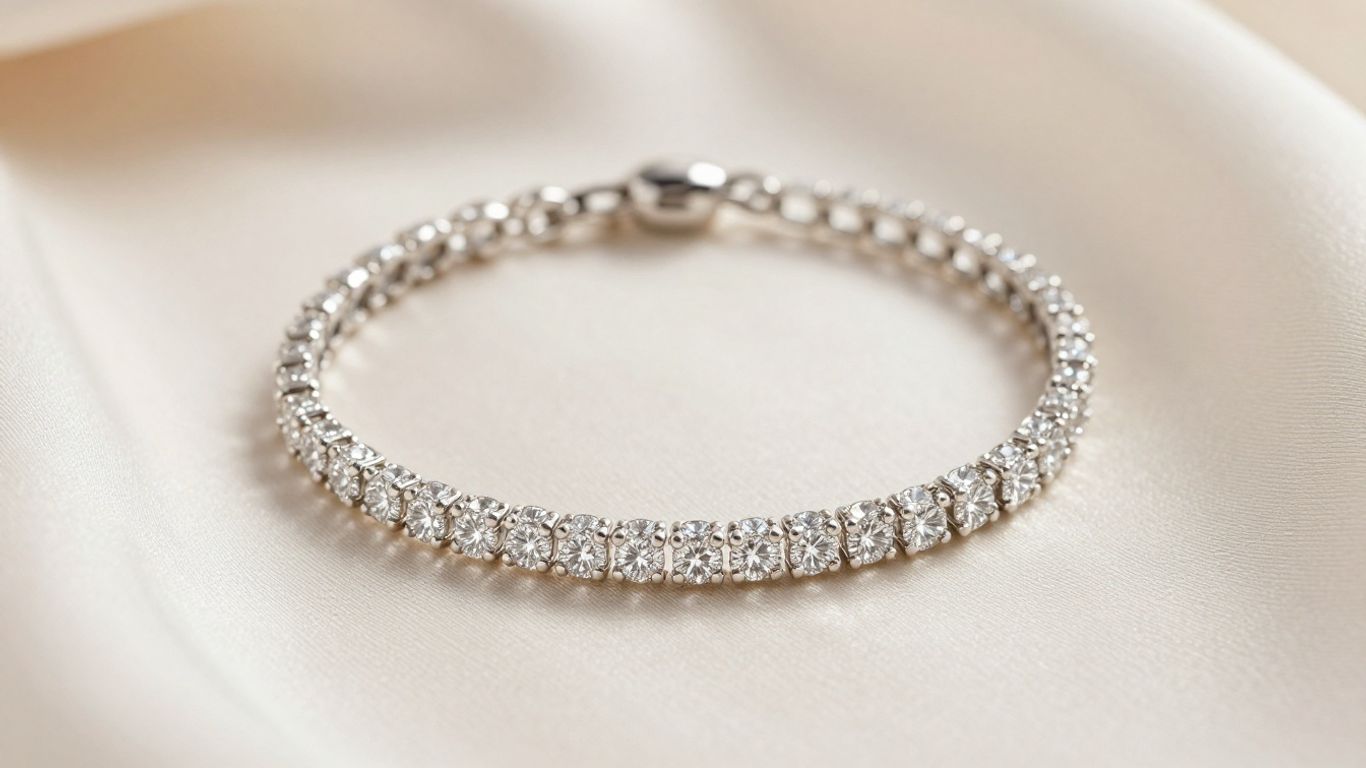
Fit is especially important for a bracelet that will be worn through a full event. It should move comfortably without feeling loose enough to catch on clothing, and the clasp should close securely. Look closely at the setting and ask a jeweler how to check it periodically; small stones and delicate links deserve attentive care.
For a bridal outfit, the bracelet can be the single bright accent when earrings and necklace are restrained. If your sleeves, cuffs, or other accessories are already embellished, a simpler wrist may feel more harmonious. A tennis bracelet can be a meaningful addition to a collection, but resale value is uncertain and depends on the specific materials, condition, and market at the time of sale.
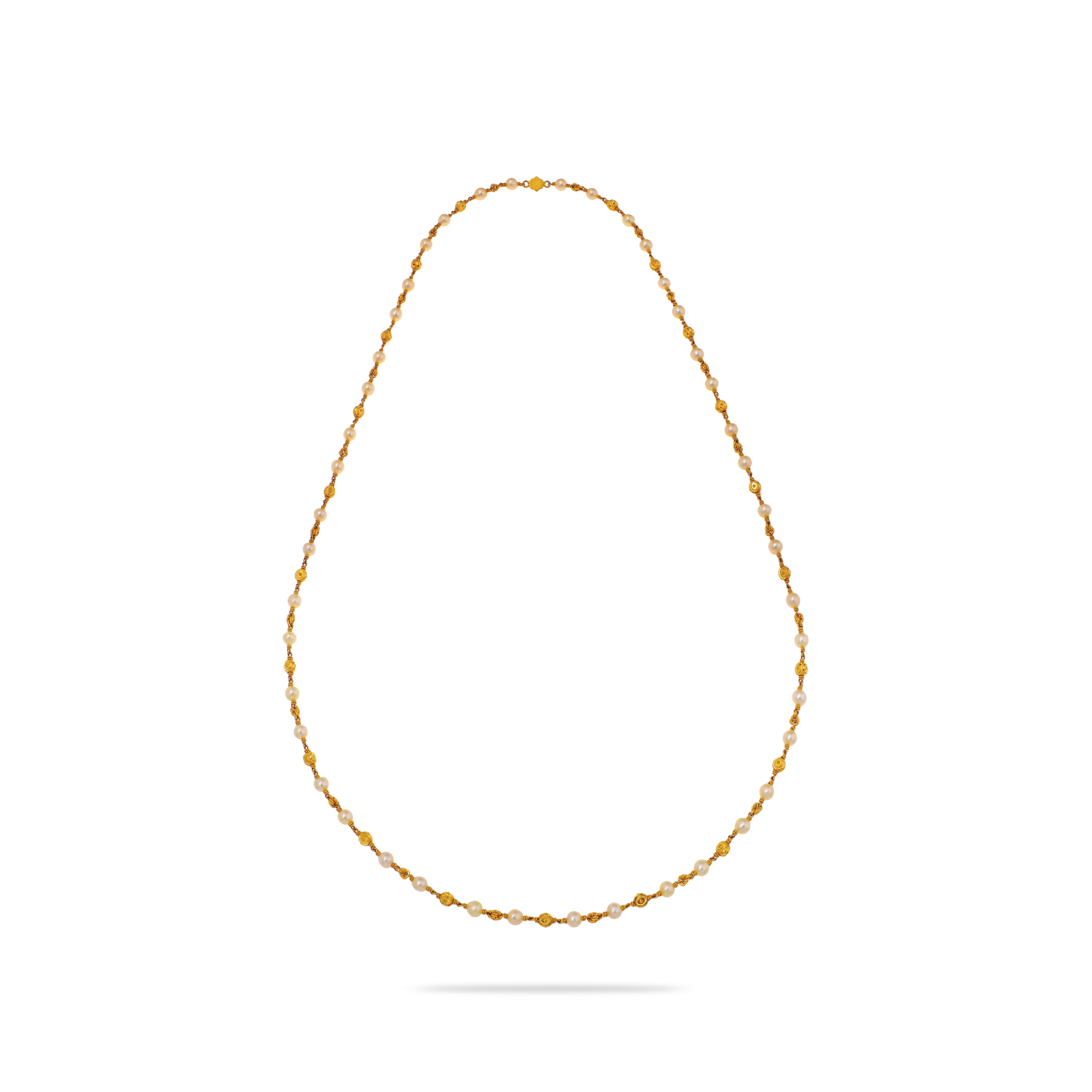
3. A strand of high-quality pearls
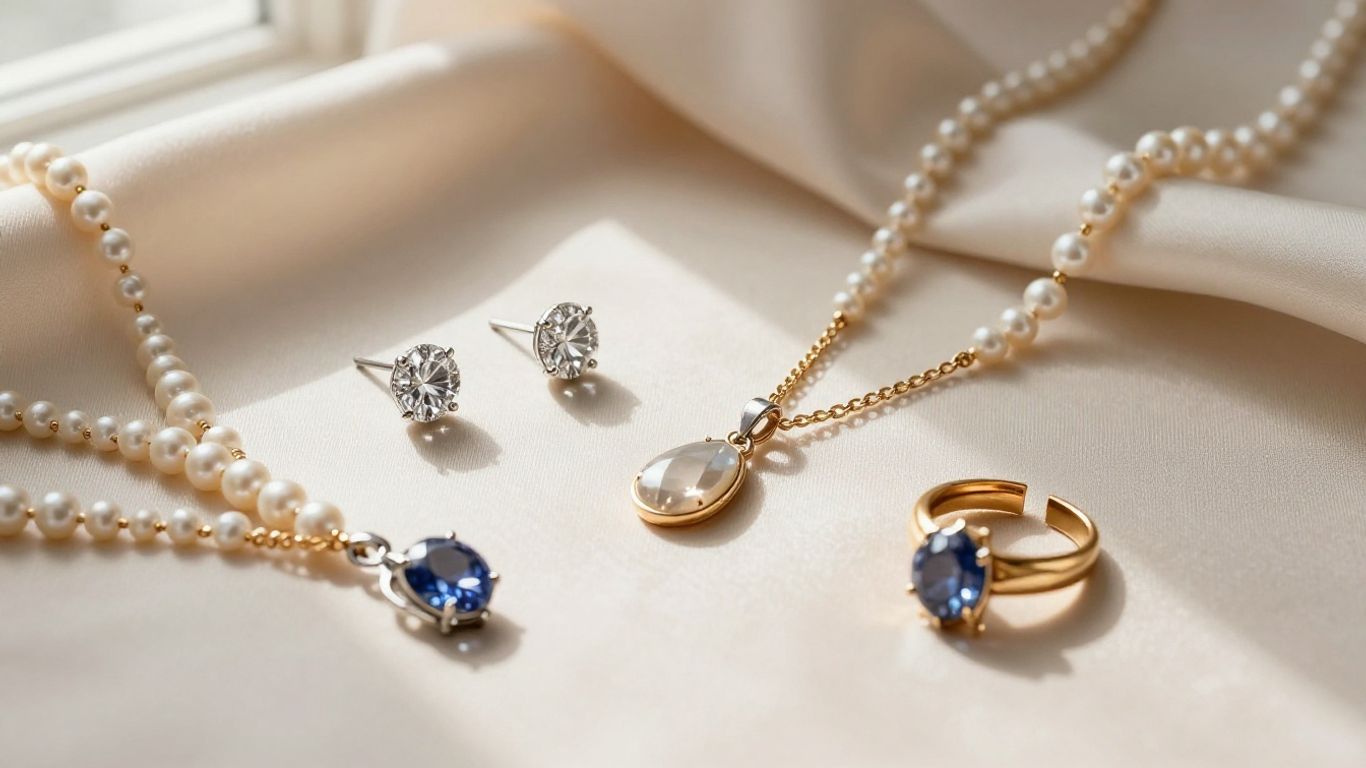
Pearls bring a softer kind of light than diamonds, and a well-chosen strand can feel equally at home with a wedding dress, a crisp shirt, or a special-occasion outfit. Their character comes from subtle differences in luster, surface, shape, and color, so it helps to compare several strands in natural light. The goal is not necessarily perfect uniformity; it is a strand whose overall look feels intentional and pleasing to you.
A few practical points can help make comparisons clearer, especially when strands have different lengths or pearl types. Use the table as a starting point for questions to ask, rather than as a rigid grading system.
| Detail to compare | What to look for | Why it matters |
|---|---|---|
| Luster | A clear, lively reflection | It shapes the strand’s overall presence |
| Surface | Visible marks and their placement | It affects the look at close range |
| Matching | Similarity in color, size, and shape | It creates a more even visual rhythm |
| Stringing | Knots, tension, and clasp condition | It influences wear and maintenance |
After choosing a strand, learn how it should be stored and cleaned; pearls need gentler handling than many hard gemstones. Put them on after fragrance and cosmetics, and wipe them with a soft cloth after wear. That small routine can help preserve the finish and keep a sentimental piece ready for future occasions.
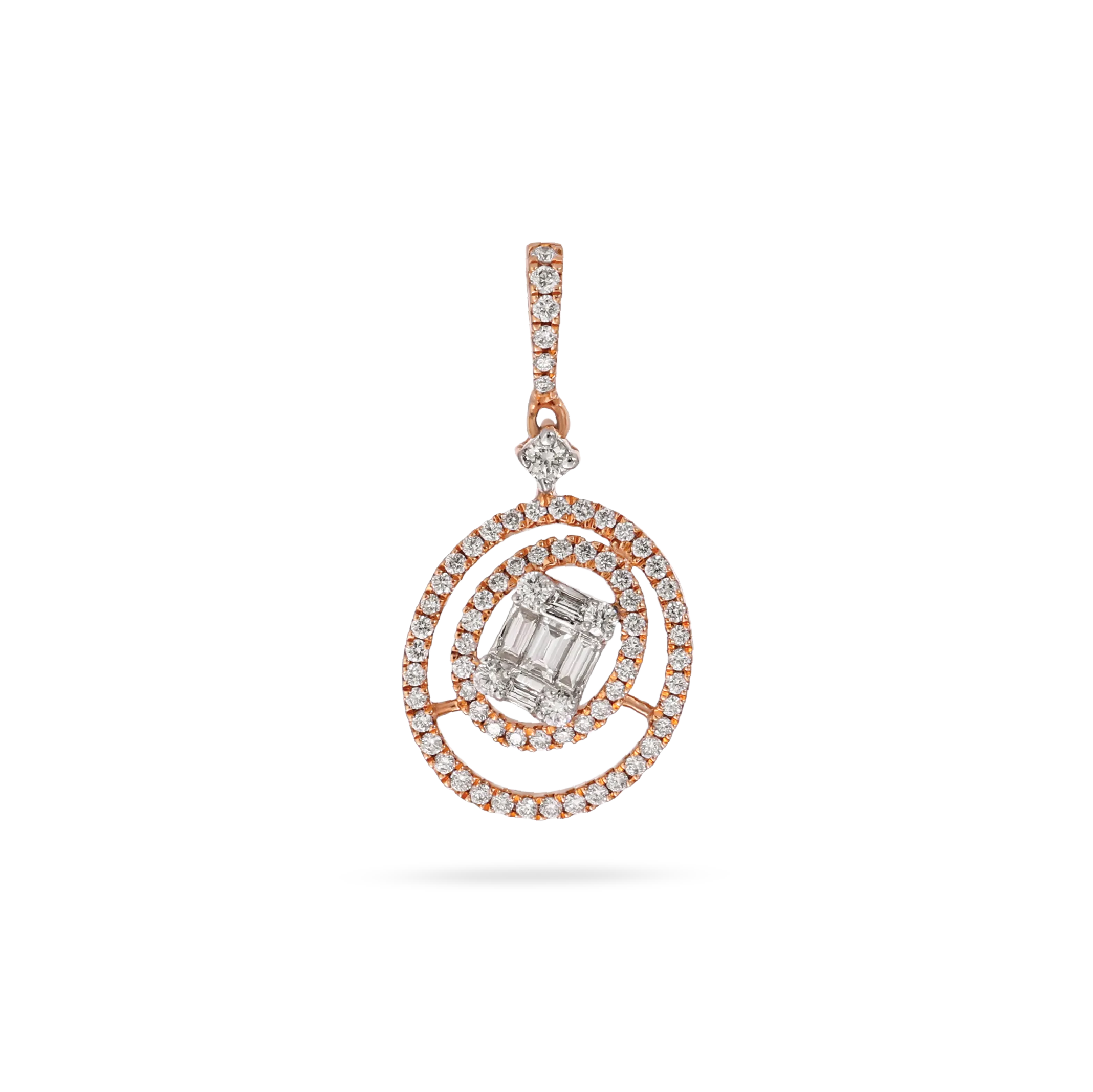
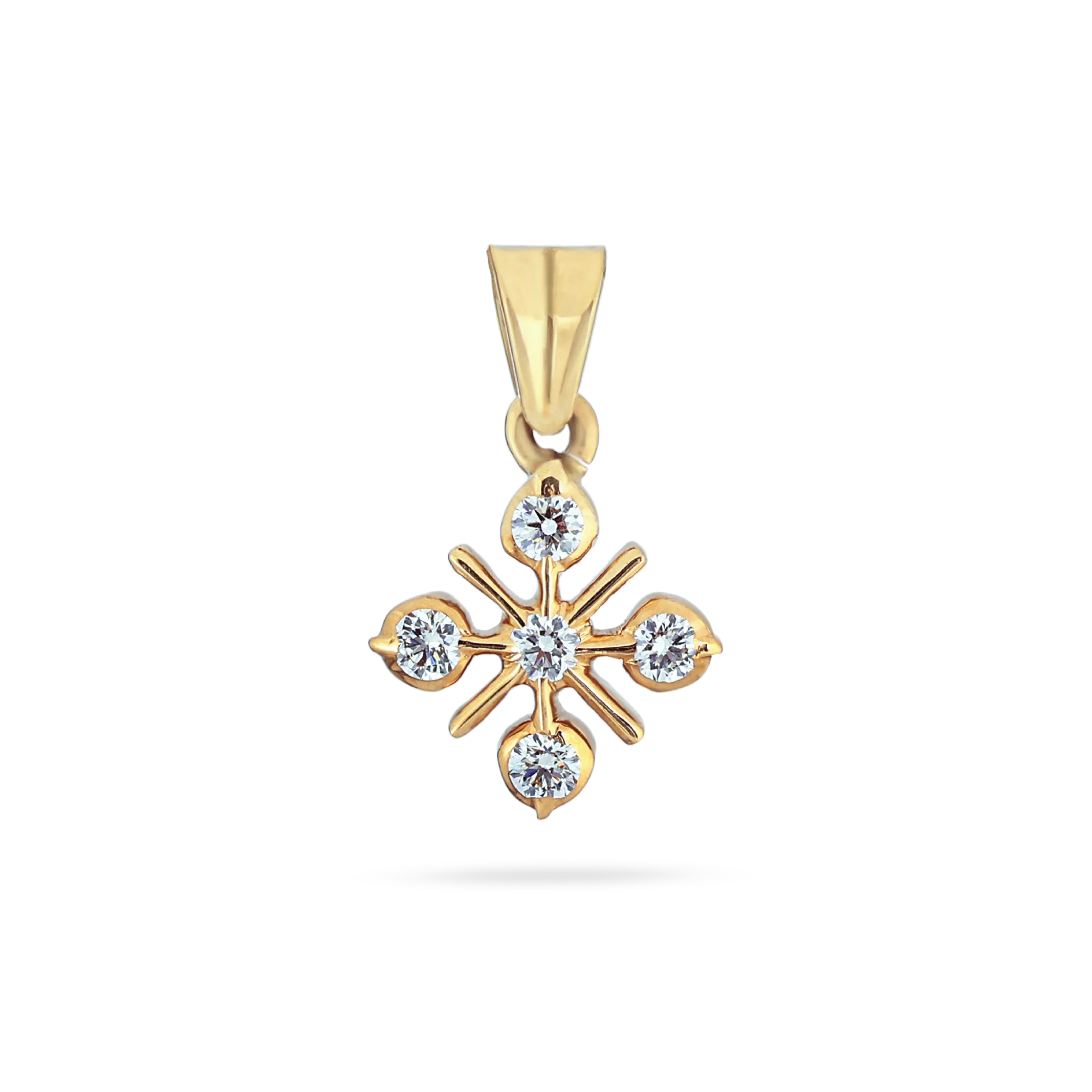
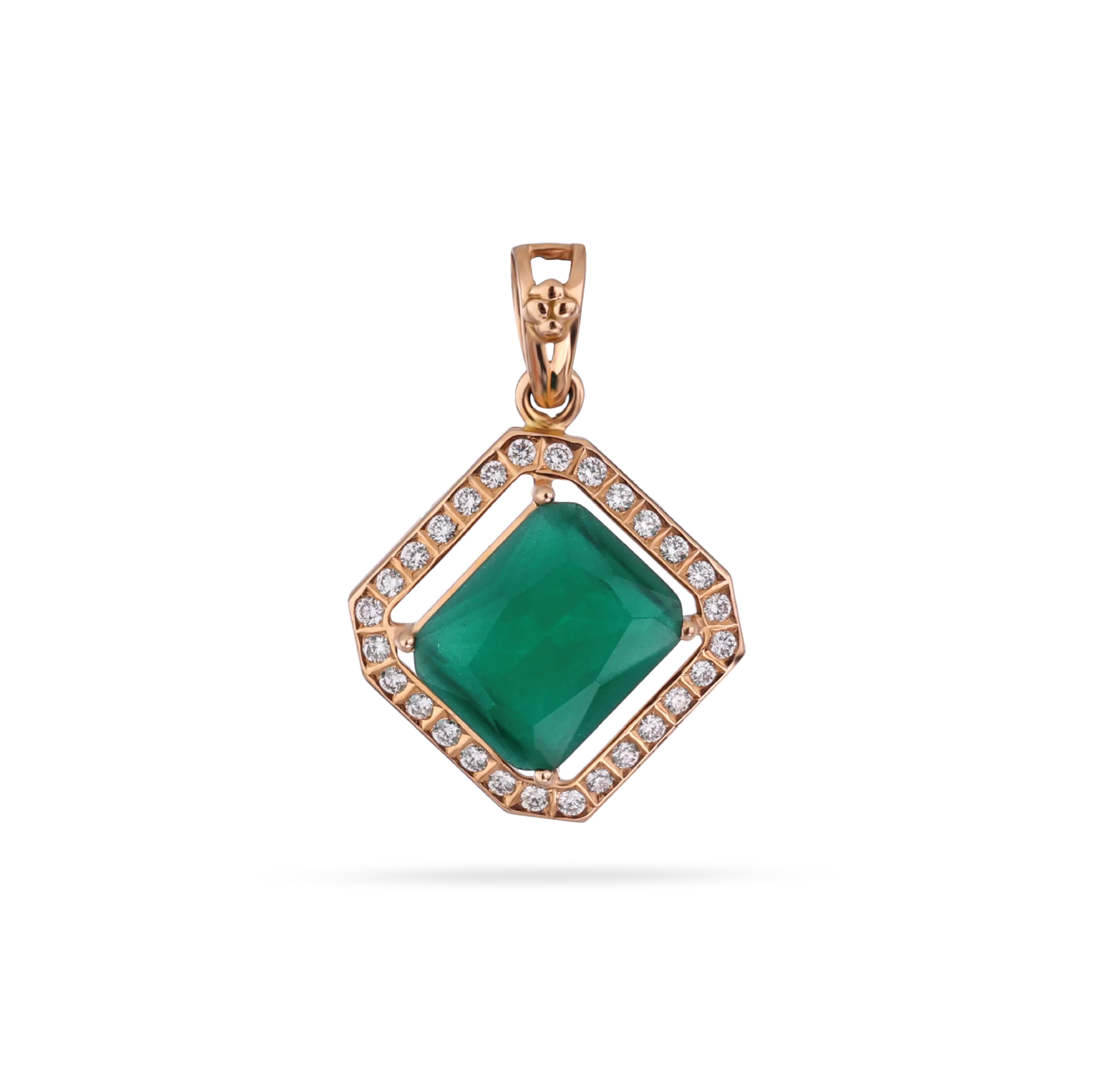
4. A timeless diamond pendant
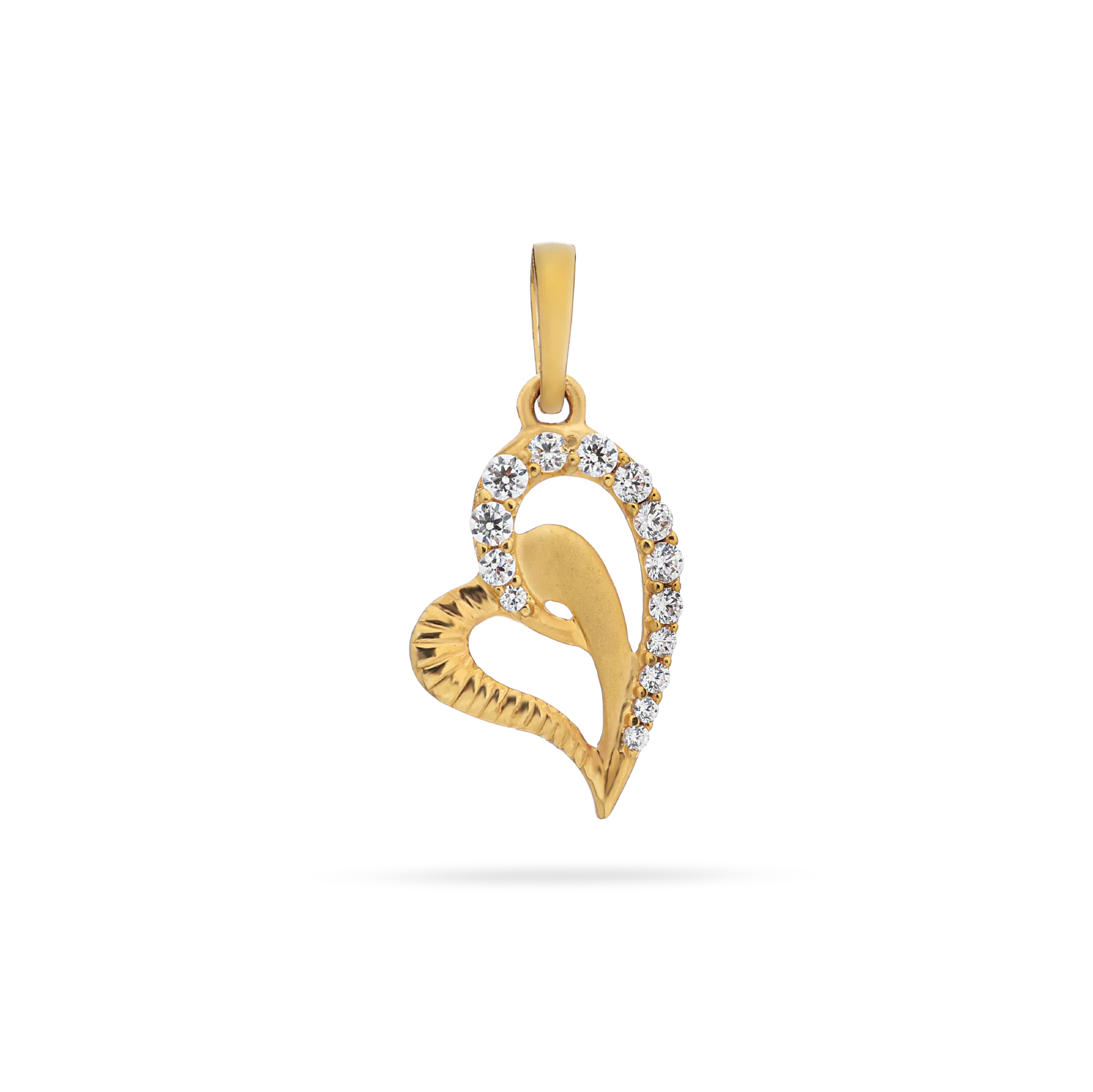
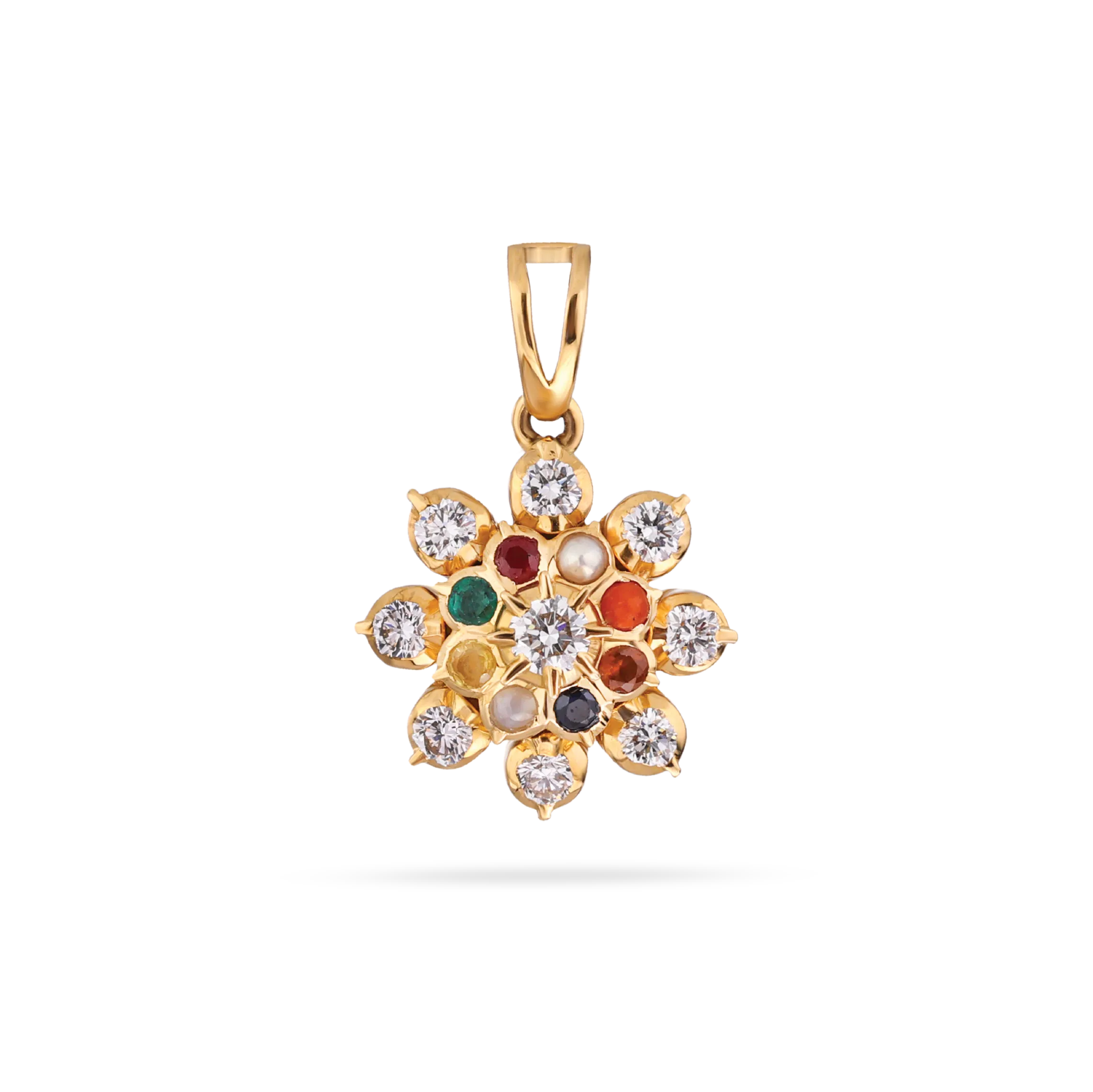
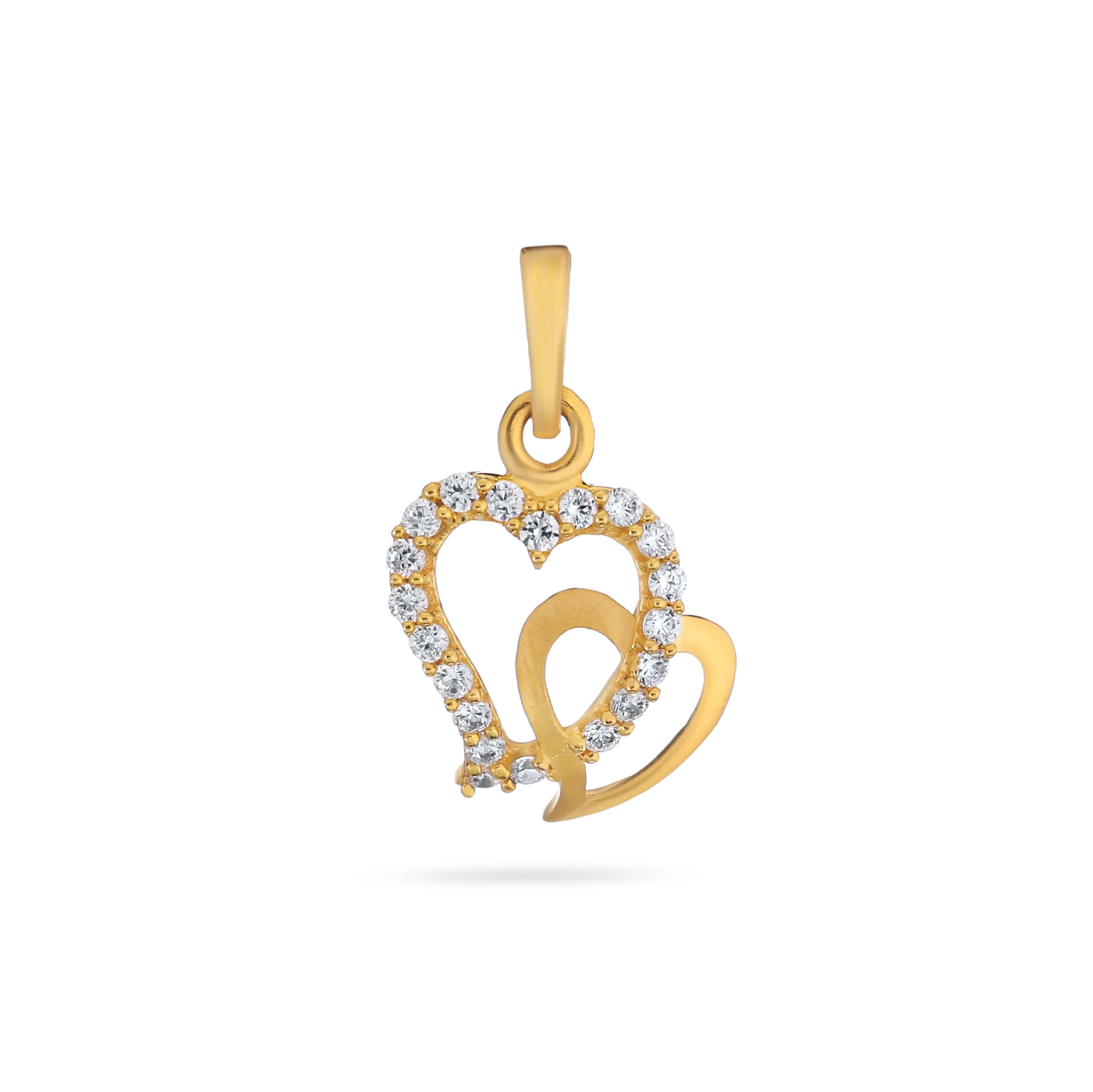
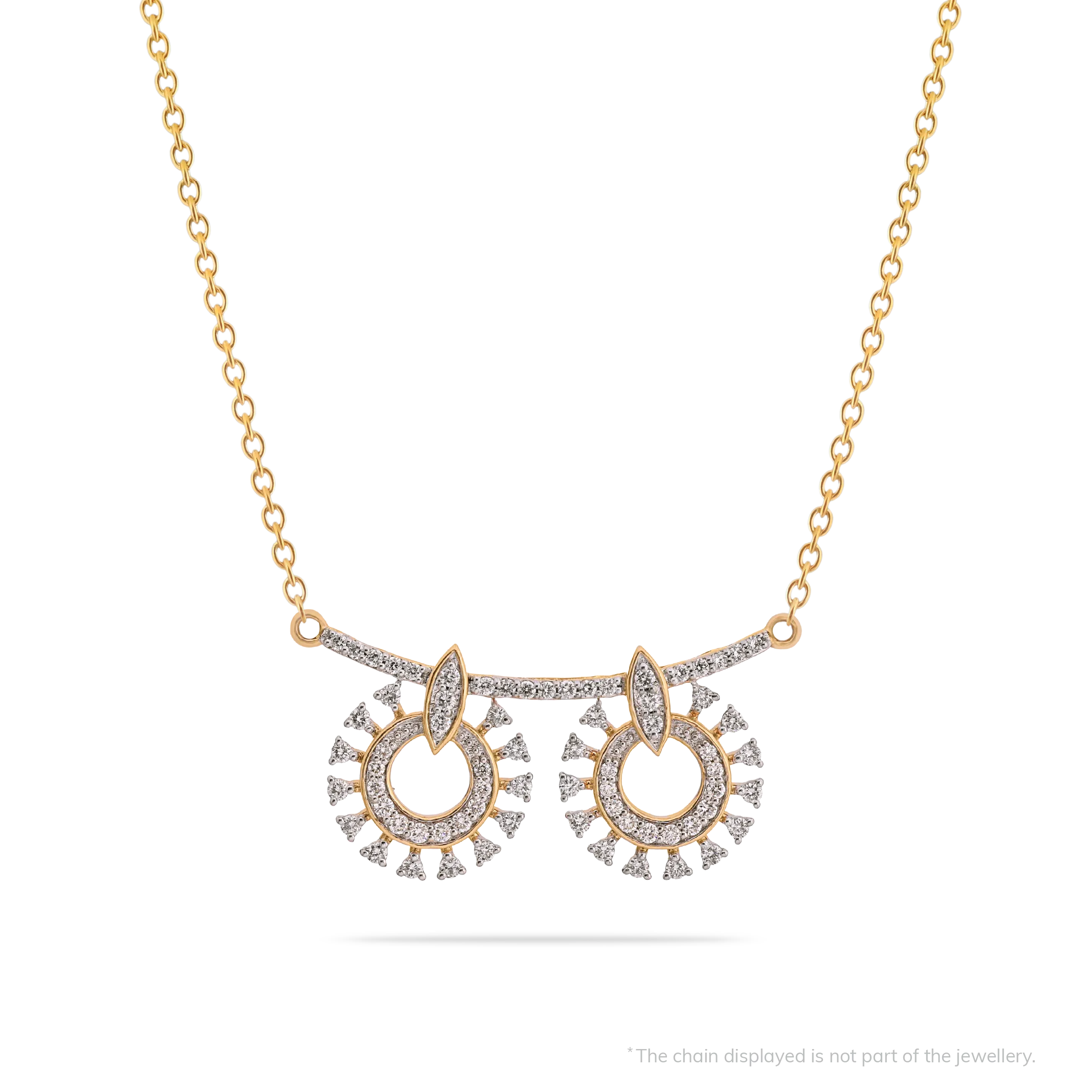
A diamond pendant can bring a clear focal point to an open neckline without competing with the dress. A simple solitaire design is especially adaptable, while a slightly more detailed setting can add personality without making the necklace feel tied to one particular trend. Consider the chain length alongside the neckline, and check that the pendant sits where you want it when you move.
For a wedding, try the pendant with the full outfit rather than judging it alone at the counter. Lace, embroidery, and a high neckline may call for a finer chain or no necklace at all, while a clean neckline can make a small pendant feel complete. The right balance often comes from choosing one focal point and letting the rest of the jewelry support it.
A timeless pendant earns its place through repeat wear, not simply through the stone’s size. Look at the setting from the side, ask how it is secured, and make sure the chain feels suitable for regular use. A thoughtful choice can become a familiar keepsake, though no design can promise a particular future market price.
5. Solid-gold hoop earrings
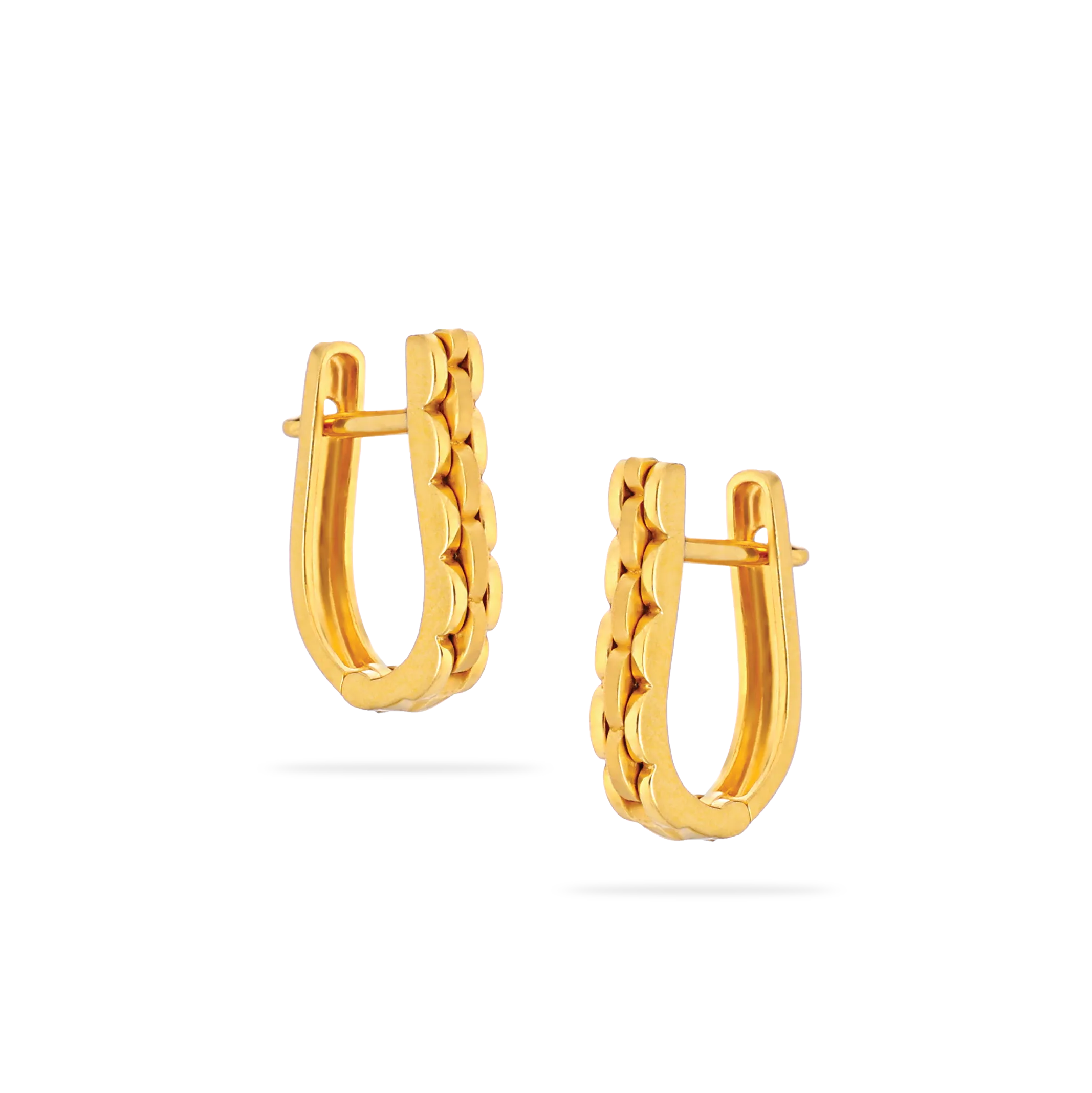
Solid-gold hoops offer a useful counterpoint to the more formal pieces often associated with bridal jewelry. Their shape can be delicate or sculptural, but even a simple pair adds definition around the face and works with many hairstyles. If you prefer earrings that do not rely on a gemstone, hoops can give a wedding look warmth and a little structure.
Weight and diameter deserve attention alongside the gold’s color. A pair that looks elegant in a display may feel heavy after several hours, so wear it long enough to assess comfort if possible. Check that the closure is secure and easy to manage, particularly if you expect to change earrings between the ceremony and reception.
Solid-gold hoops can be worn well beyond the wedding, which is one reason they may feel like a considered purchase. Choose a scale that suits your usual clothes and not only the bridal outfit; a versatile pair will have more chances to leave the jewelry box. Keep them separate from pieces that might scratch them, and follow appropriate care advice for the gold and finish.
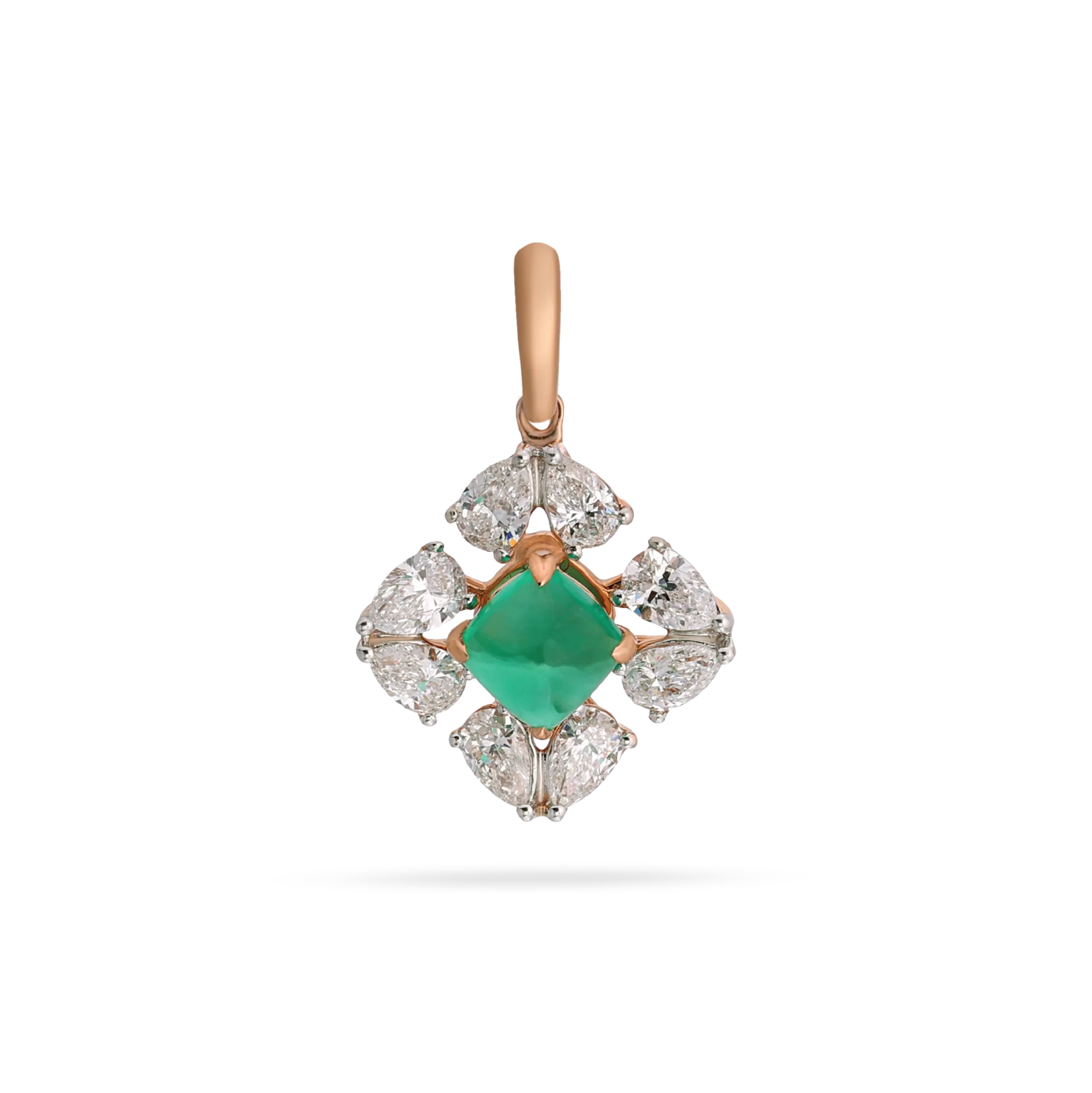
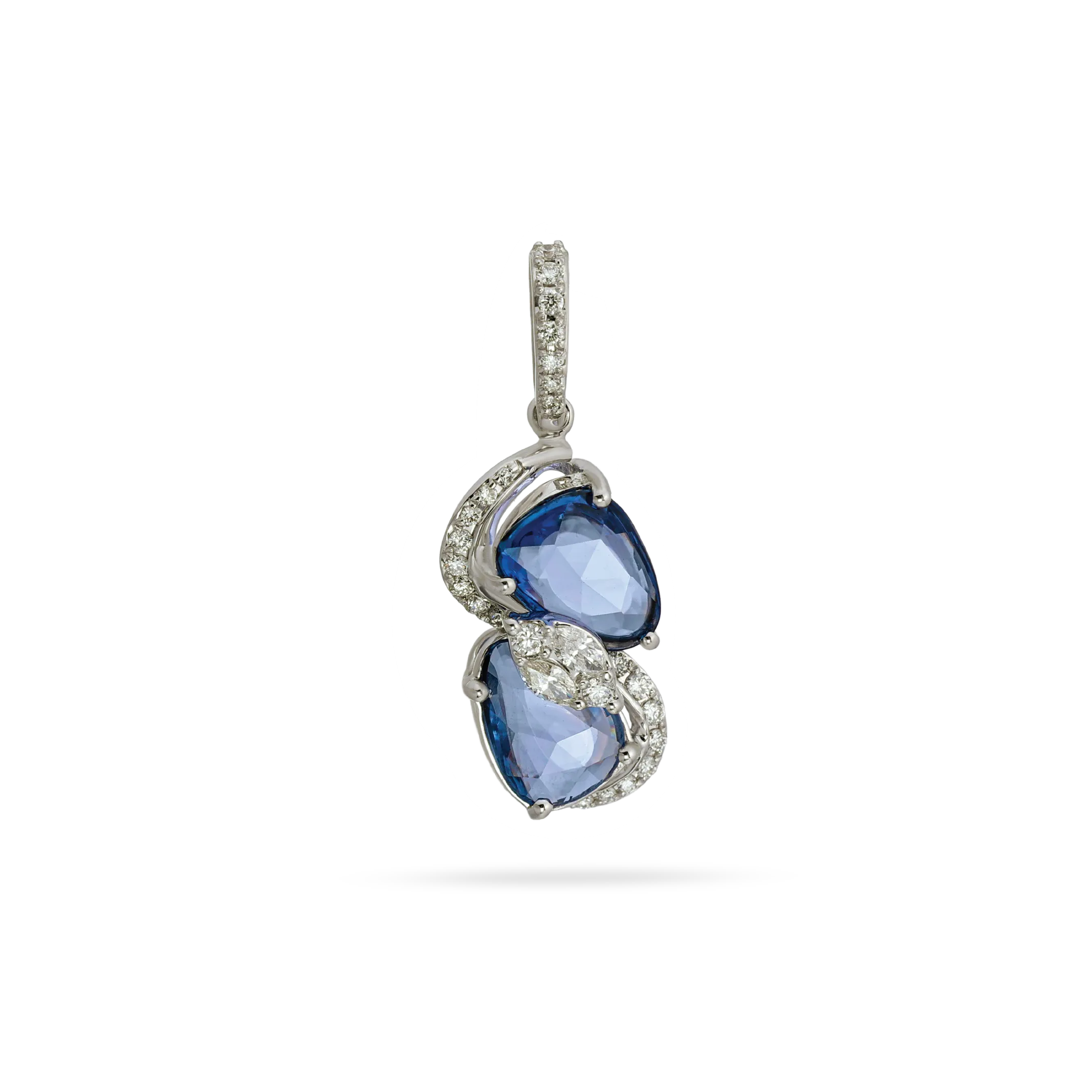
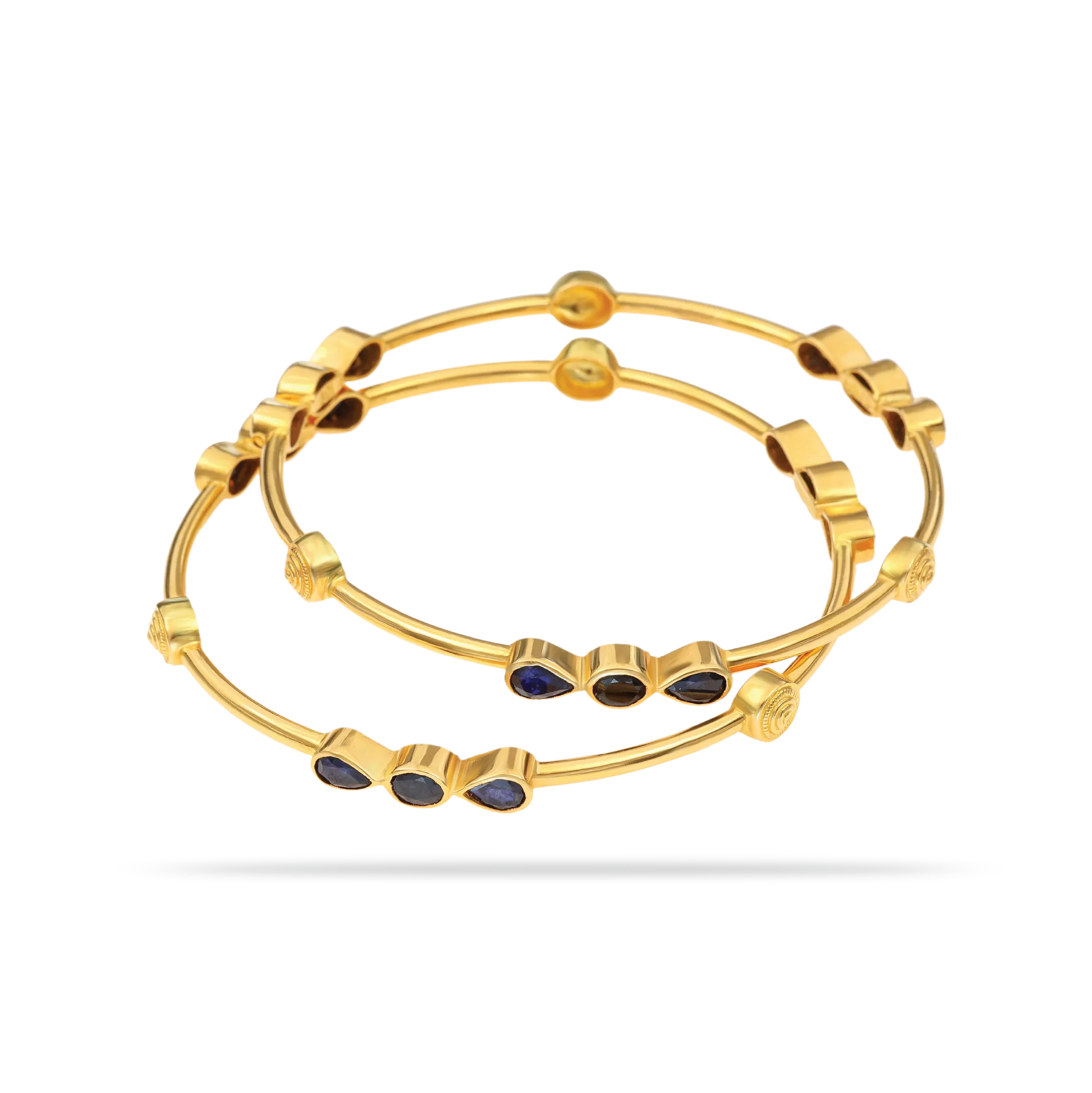
6. A sapphire statement piece
A sapphire piece can introduce color in a way that feels personal rather than overly coordinated. A ring, pendant, or pair of earrings may become the main accent, so first decide whether you want the color to lead or simply appear as a small detail. Its depth can look especially striking against ivory, white, or warm-toned fabrics.
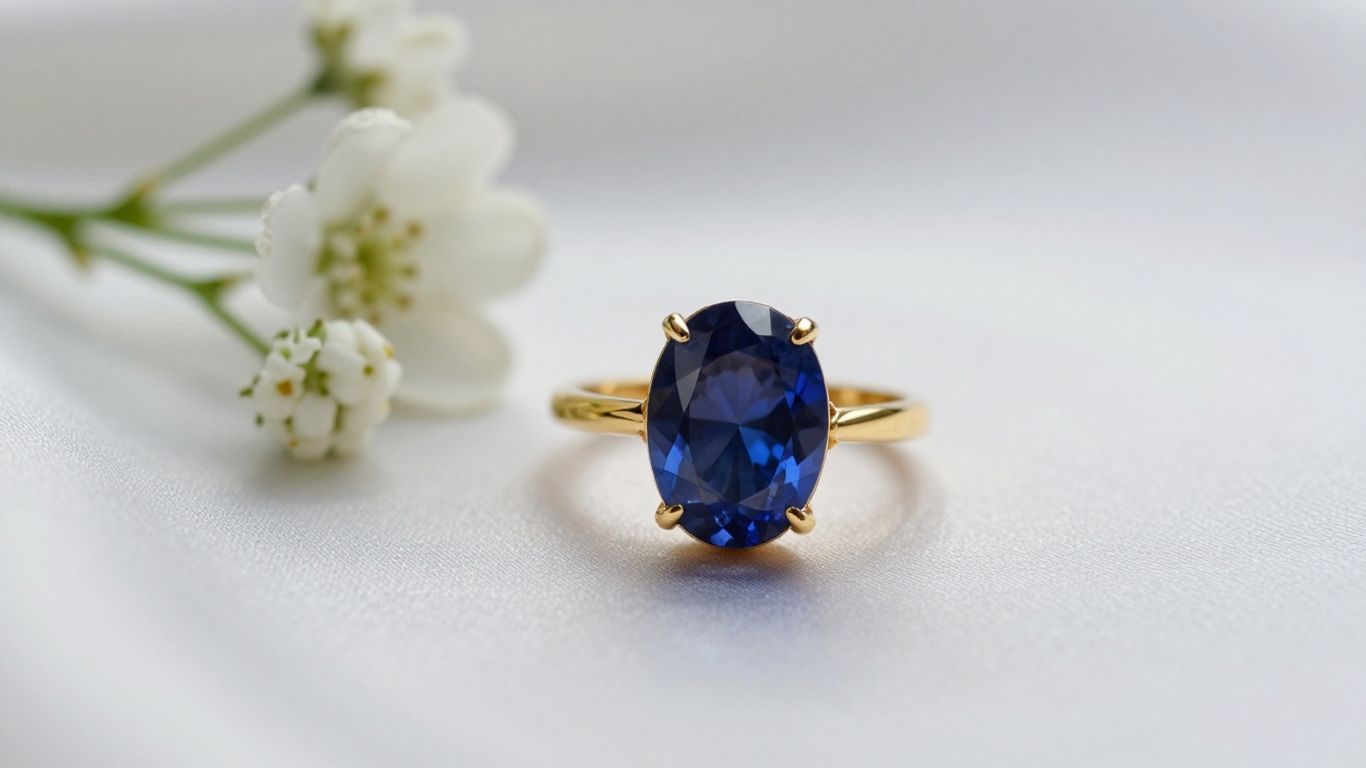
Sapphires vary in hue and appearance, so view the piece under more than one kind of light before deciding. Pay attention to the setting, how the color works with your skin tone and clothing, and whether the design feels comfortable for repeat wear. If the stone has special care requirements, ask about them before purchase rather than relying on a general cleaning routine.
A sapphire can carry personal meaning as well as visual appeal, but the pleasure of wearing it is a surer reason to choose it than hopes of appreciation. One way to keep the look cohesive is to let the colored stone take the lead and keep nearby jewelry simpler. For inspiration on wearing meaningful details beyond the ceremony, explore jewelry beyond the wedding day.
7. A vintage or antique brooch
A vintage or antique brooch brings a sense of history and individuality that a new, highly polished piece may not. It can fasten a wrap, accent a lapel, or add a discreet detail to a bouquet ribbon, depending on its shape and construction. Before falling for its character, think about where it will be worn and whether it can be attached securely without damaging delicate fabric.
Older pieces may show signs of age, and those details can be part of their appeal. Still, inspect the pin, clasp, stones, and setting, and ask a qualified jeweler about repairs or specialist care where appropriate. If a brooch is described as antique or contains precious materials, request clear information about its age and composition rather than relying only on appearance.
A family brooch can connect a wedding look to people and stories beyond the day itself. If you are buying one, choose it because you appreciate its design and are happy to care for it, not because an increase in value is assured. A small, well-placed brooch can also be worn later on coats, scarves, or occasionwear, giving it a life beyond the ceremony.
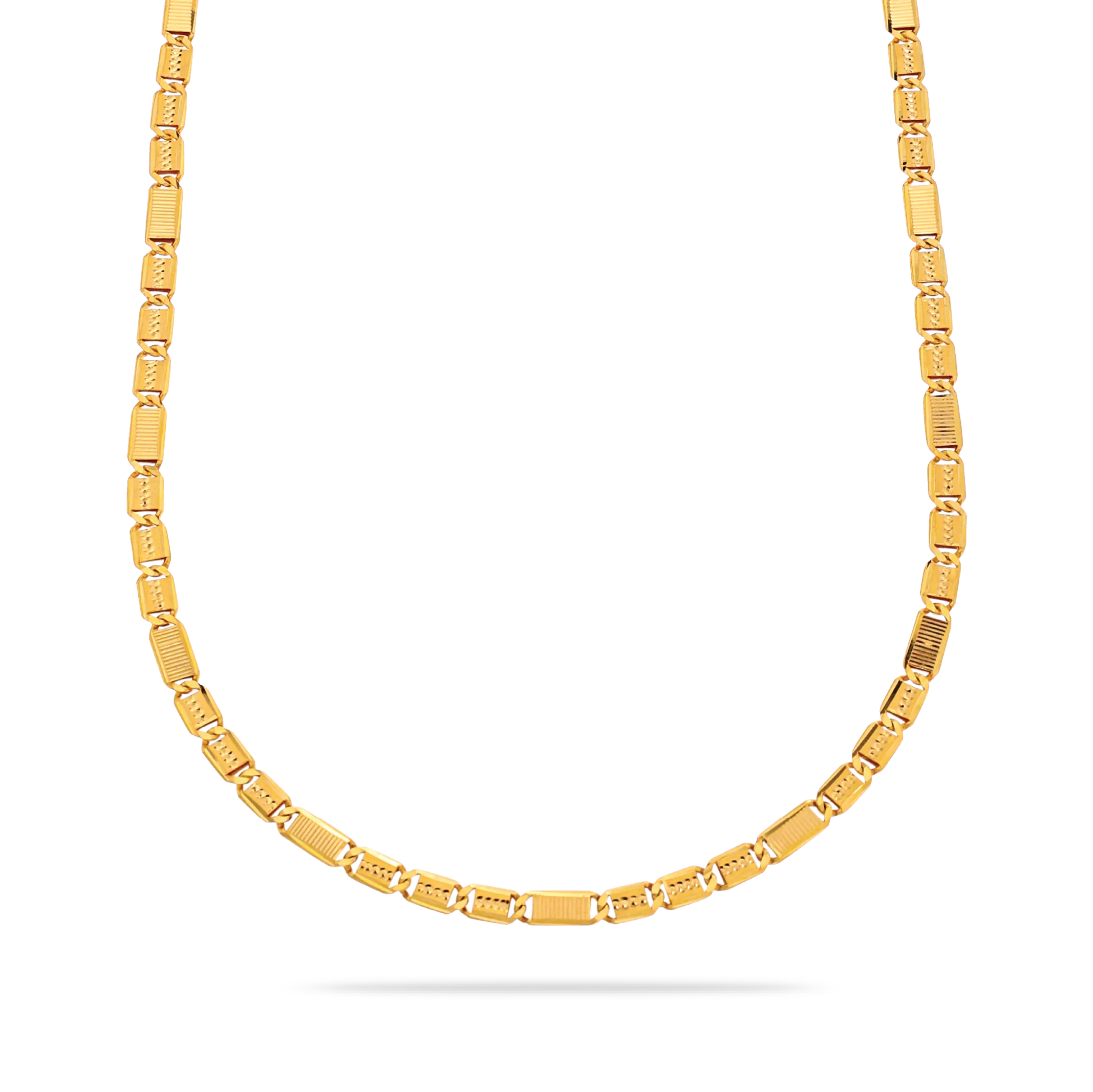
8. A substantial gold chain
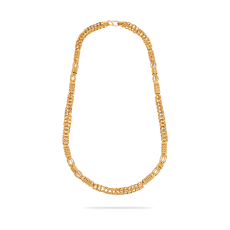
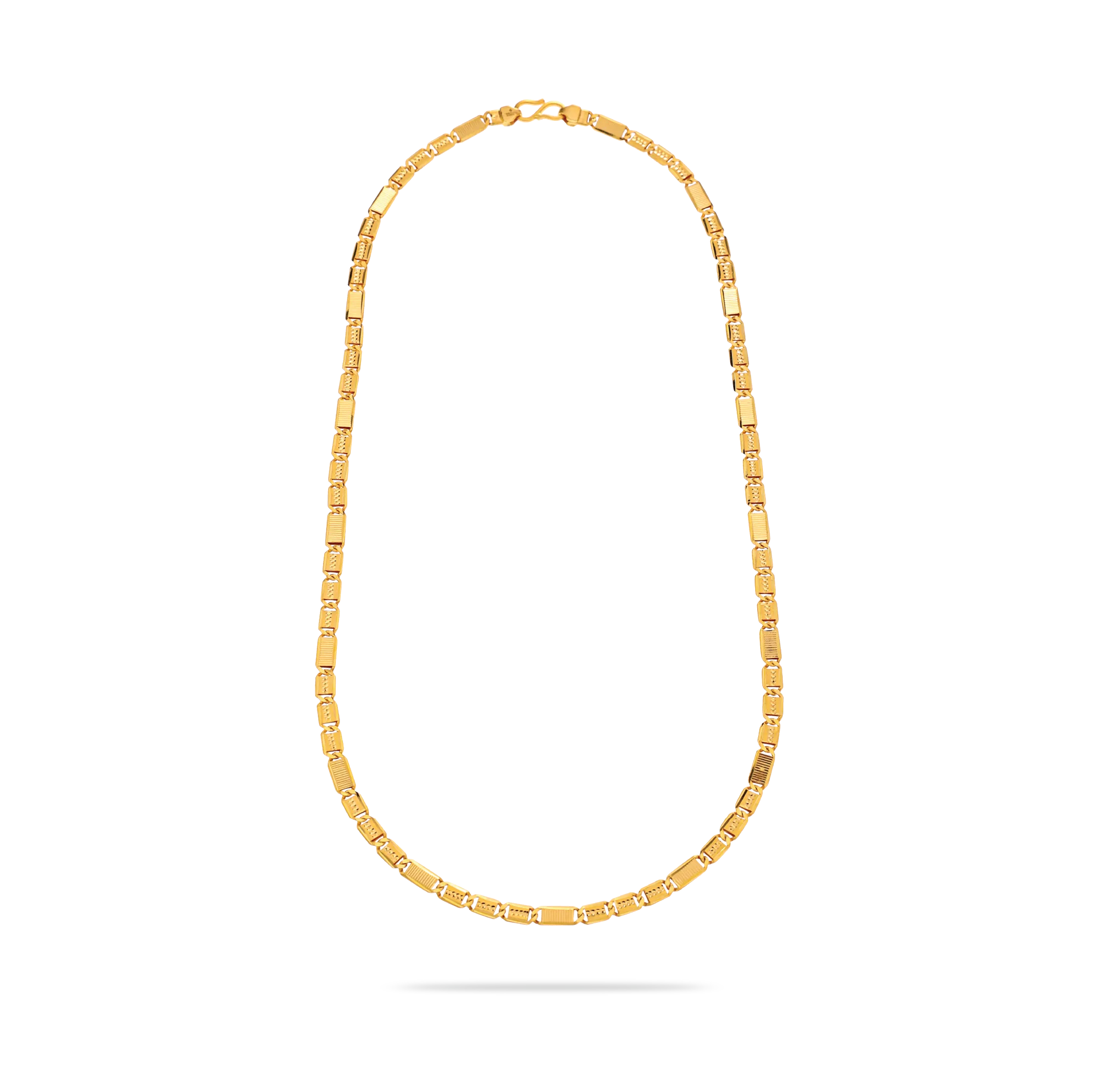
A substantial gold chain has enough presence to stand on its own, yet its simplicity can make it surprisingly adaptable. It may suit a minimalist wedding outfit or provide a strong line against a plain neckline. Consider how the chain’s length, link shape, and weight work together; a piece that feels substantial should still be comfortable for the way you intend to wear it.
Before buying, it helps to compare the details that affect both appearance and practical use. These checks are useful whether the chain is meant to be worn alone or layered with a pendant.
- Try the length with necklines similar to your wedding outfit and everyday clothes.
- Check the clasp and links for secure, even construction.
- Ask about the metal’s purity and any care needs for its finish.
- Consider whether its weight feels comfortable after several minutes of wear.
A chain that suits your everyday wardrobe may become one of the most frequently worn pieces in a bridal collection. Keep it stored so links do not become tangled or pulled, and have it inspected if you notice a weak clasp or damaged section. Gold’s market price changes over time, so a chain’s material value should not be mistaken for a guaranteed resale result.
9. A classic diamond wedding band
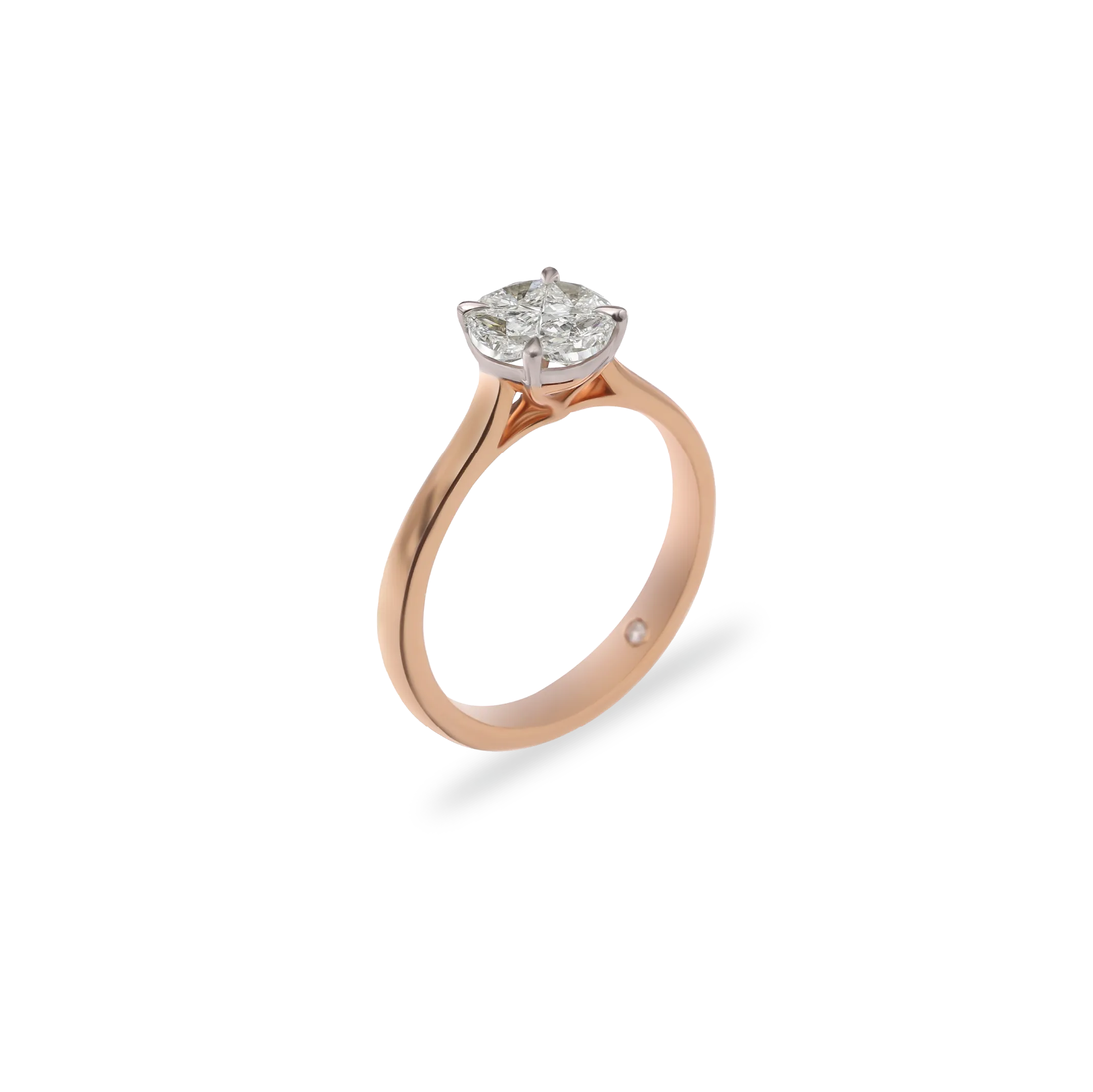
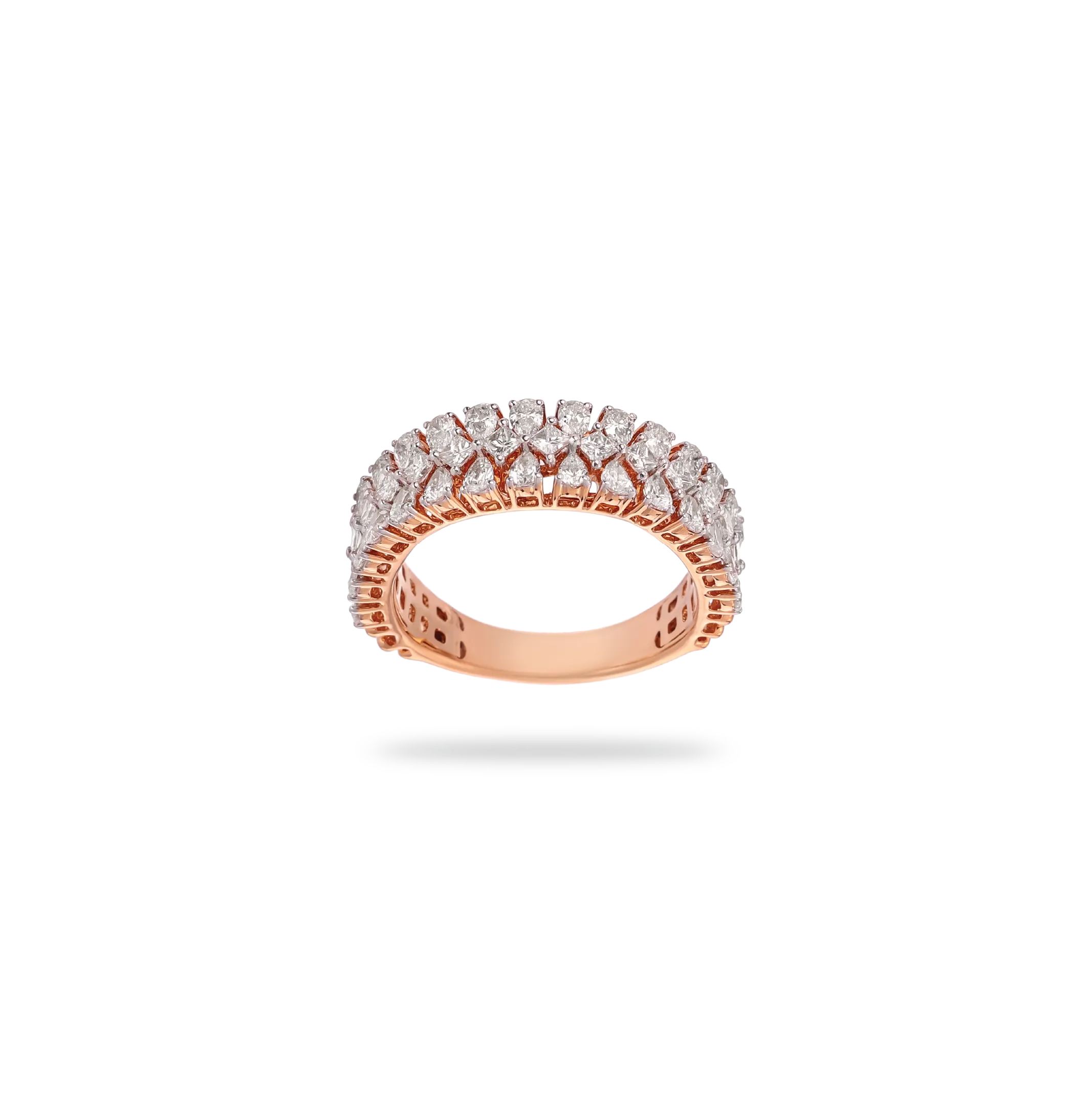
A diamond wedding band has a particular role: it needs to feel comfortable next to an engagement ring and on its own. A classic row of stones can add light while keeping a familiar outline, but the setting and profile affect how the band sits against other rings. Try on combinations in person when possible, since small differences in height or shape can change the fit.
Daily wear makes practical details especially relevant. Look for a comfortable interior, secure settings, and a design that suits your work and routines as well as the ceremony. If you plan to wear the band beside another ring, ask how the two pieces may rub against each other over time and what maintenance may be needed.
A wedding band is chosen for its meaning as much as its materials, and its lasting value may be emotional rather than financial. A restrained design can be easy to wear every day, while a more detailed band may feel like a better reflection of your style. Make the decision at a pace that lets you compare comfort, craftsmanship, and how the ring looks with the rest of your jewelry.
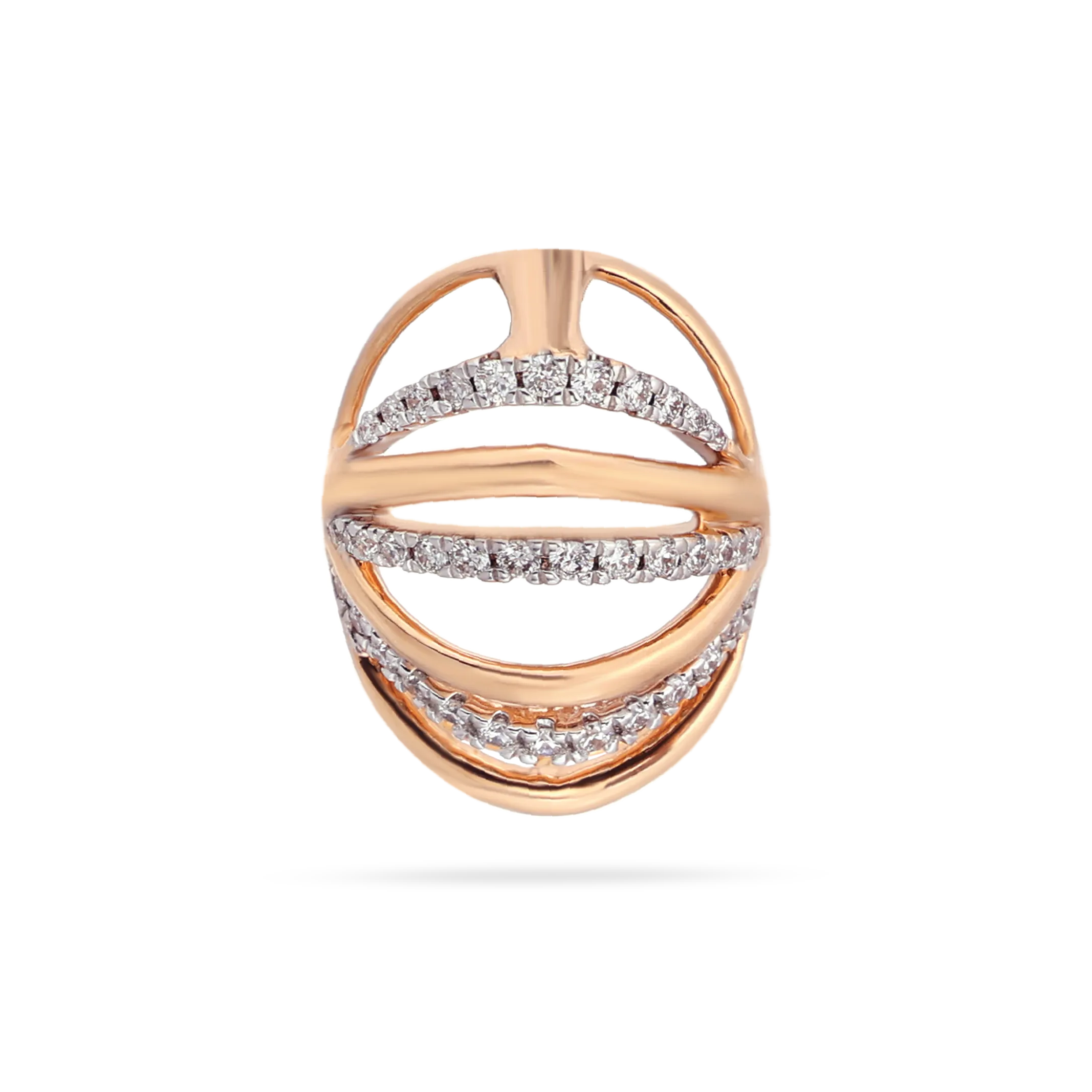
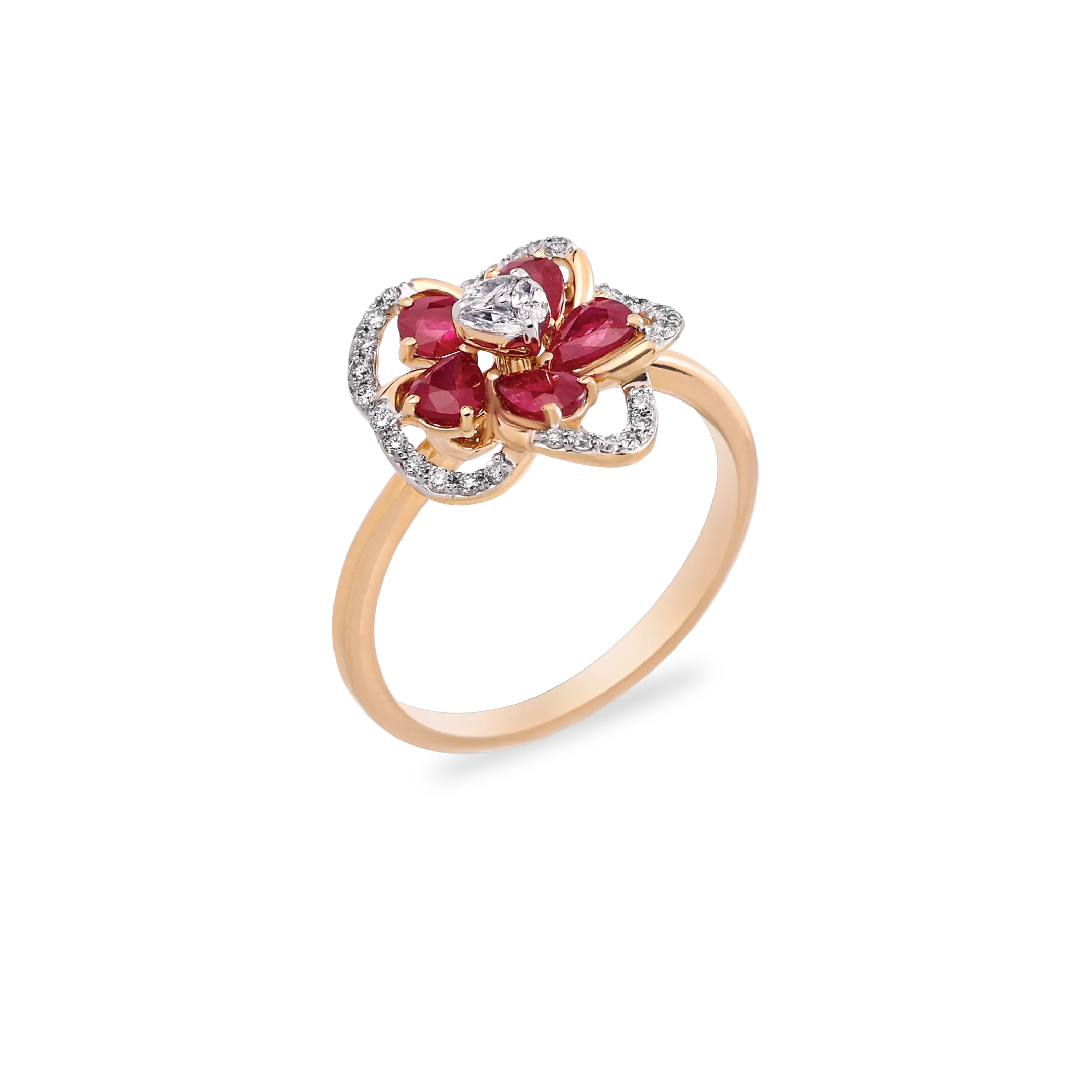
10. A versatile cocktail ring
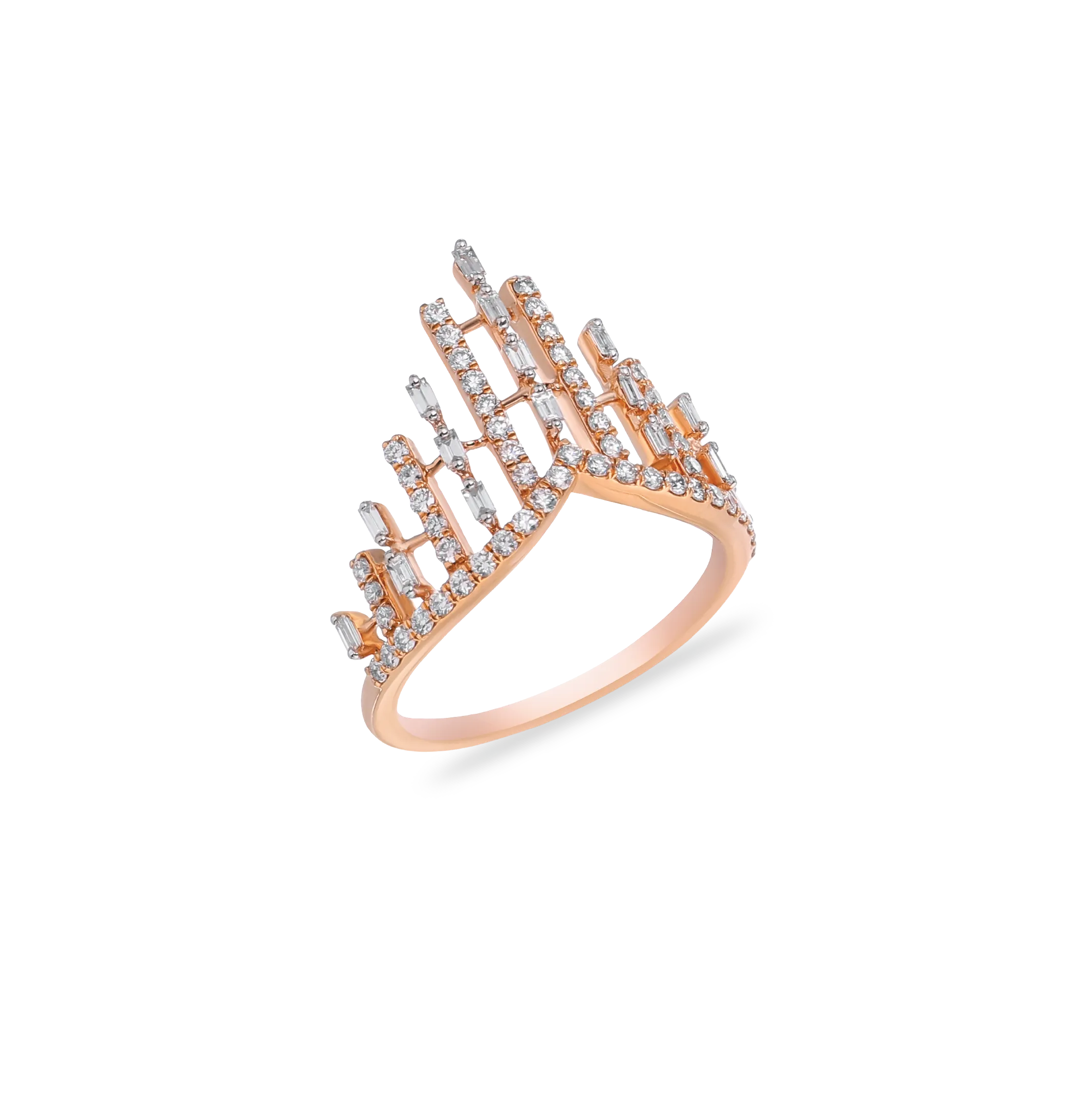
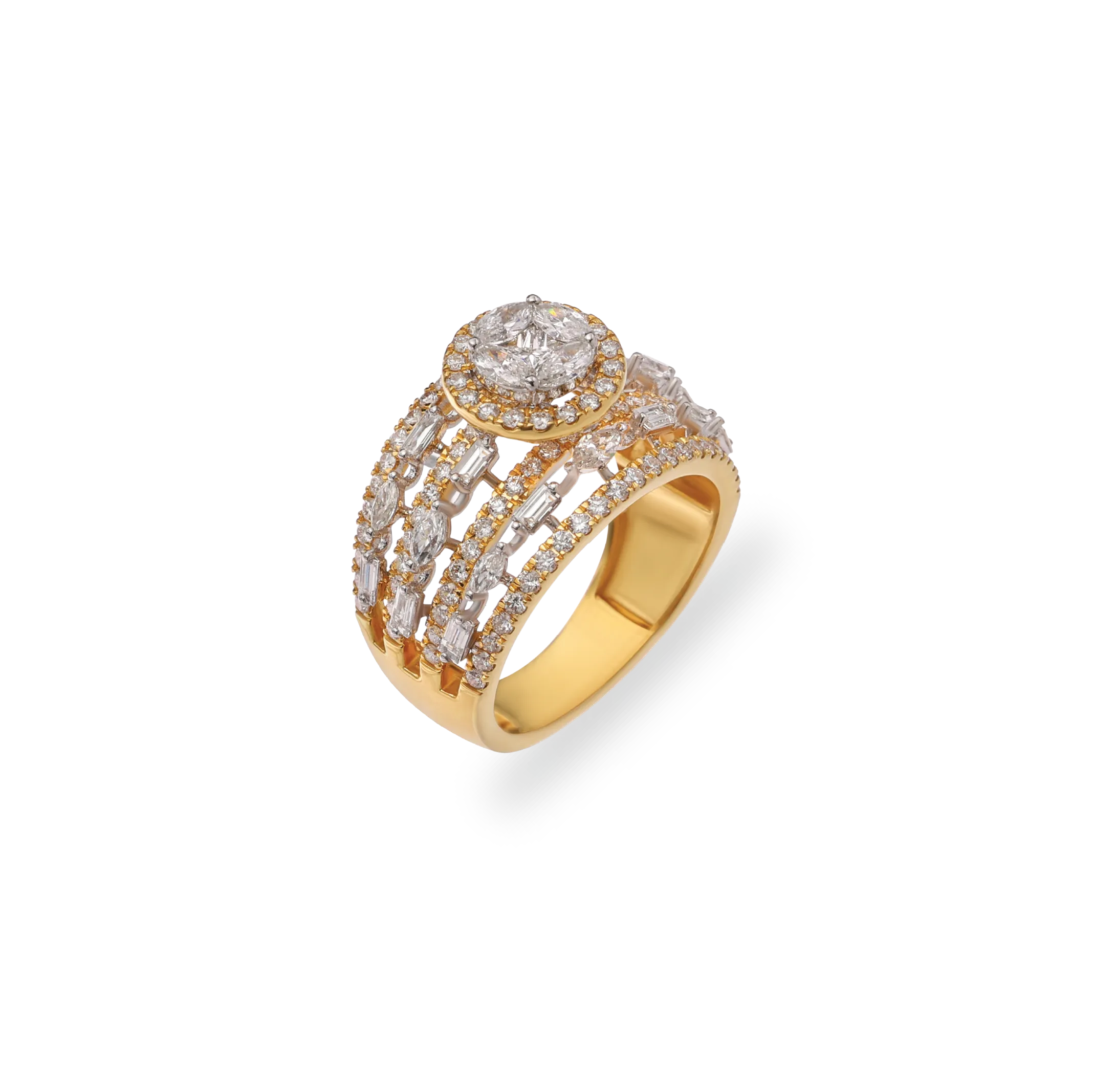
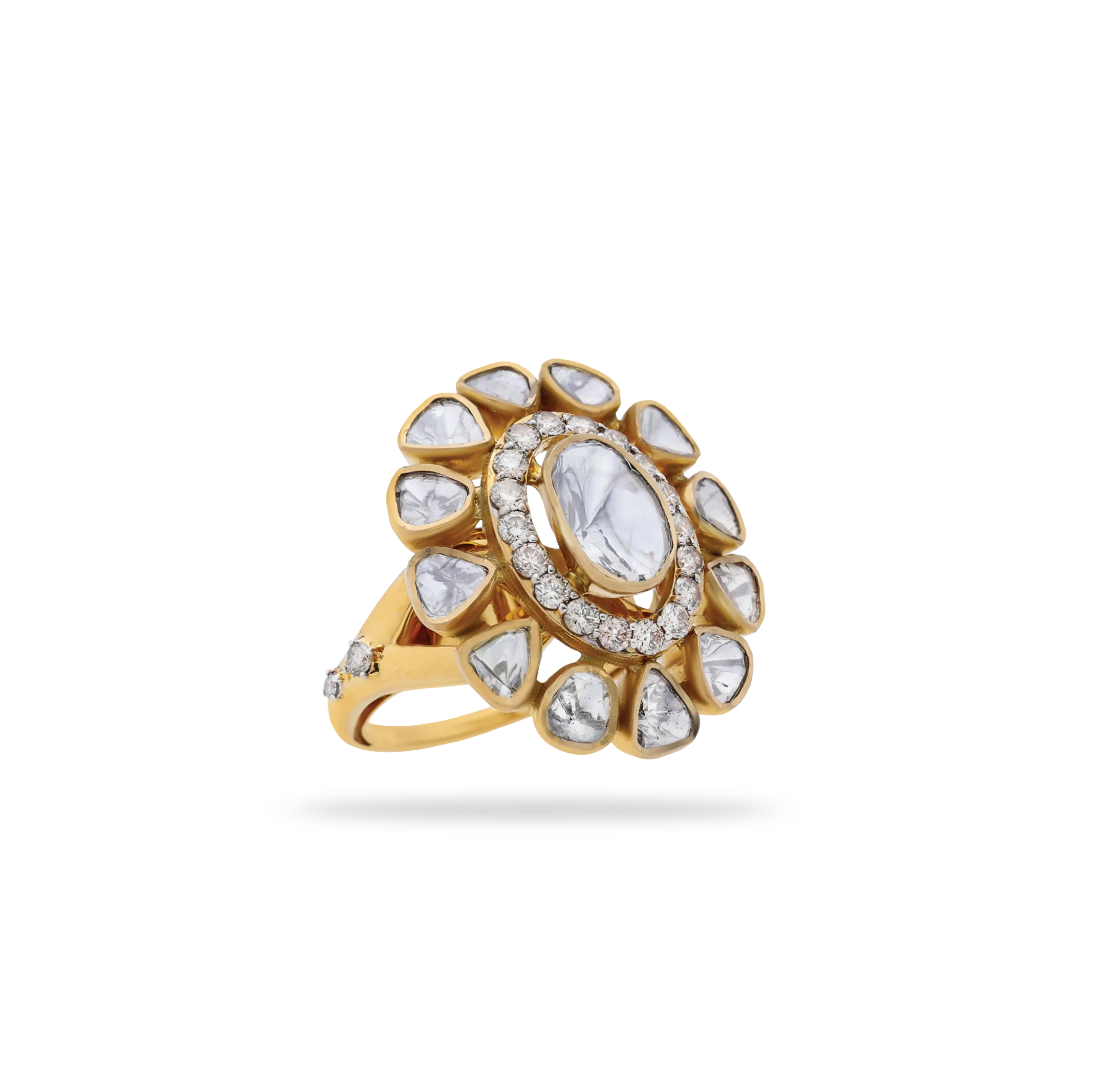
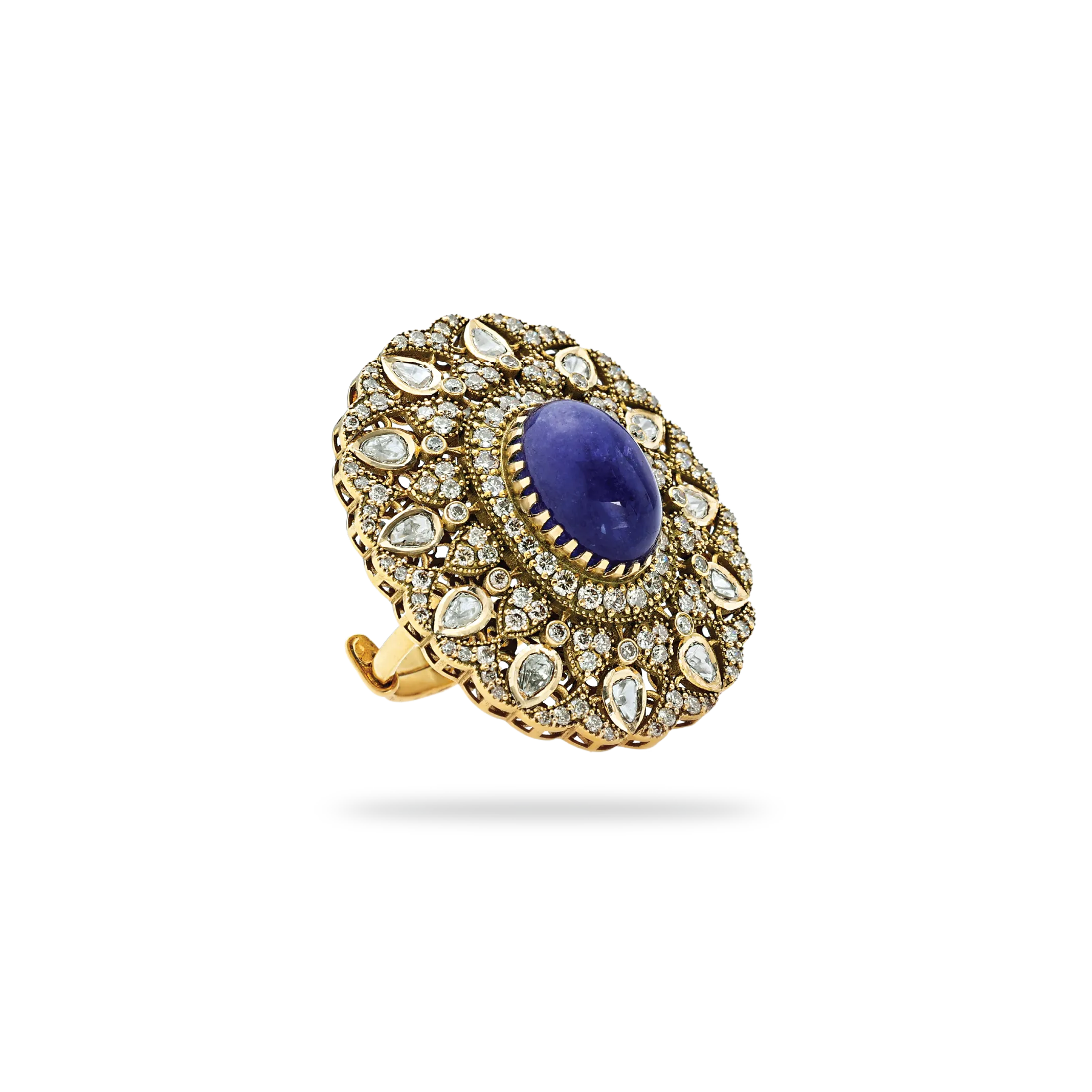
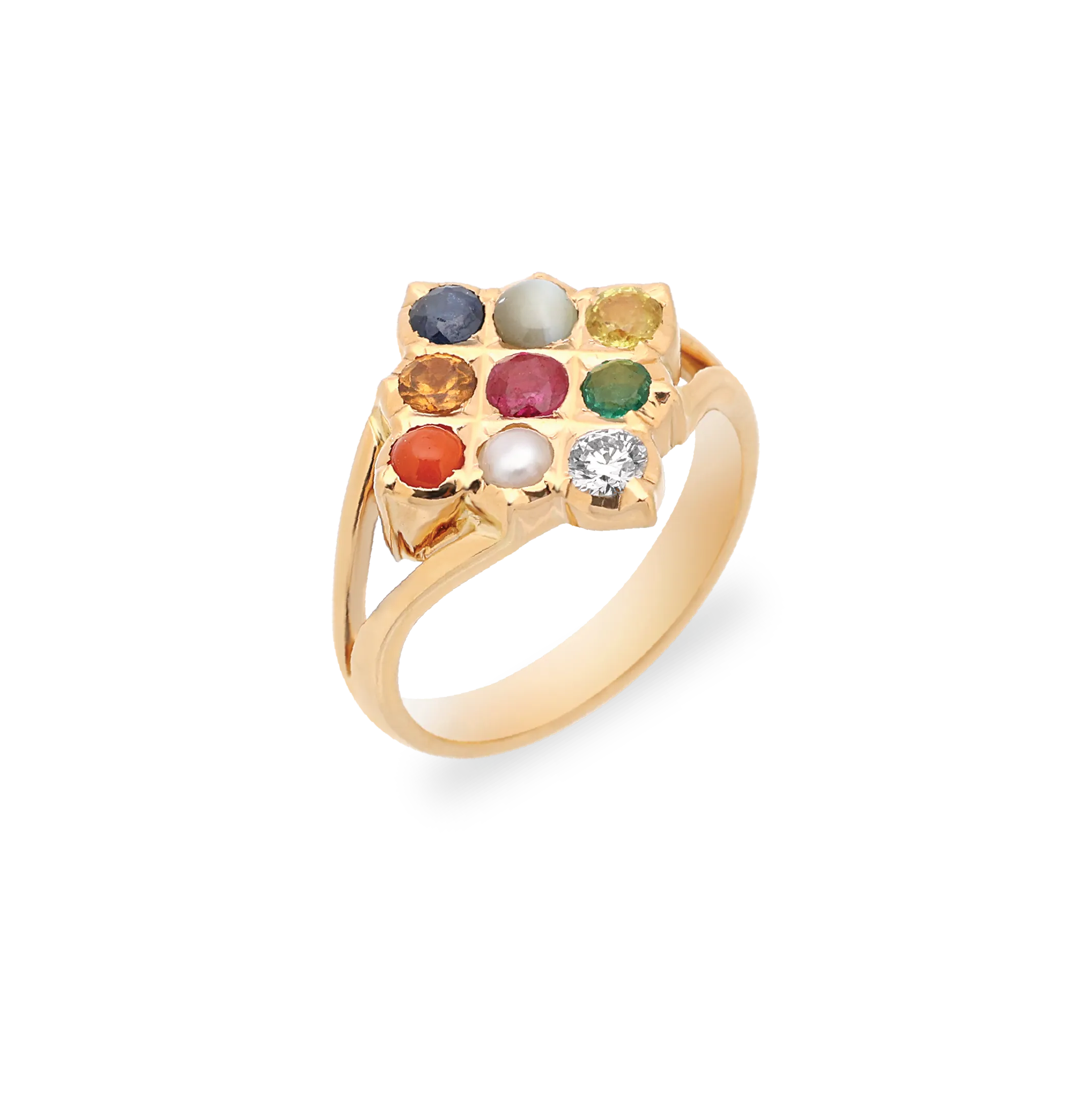
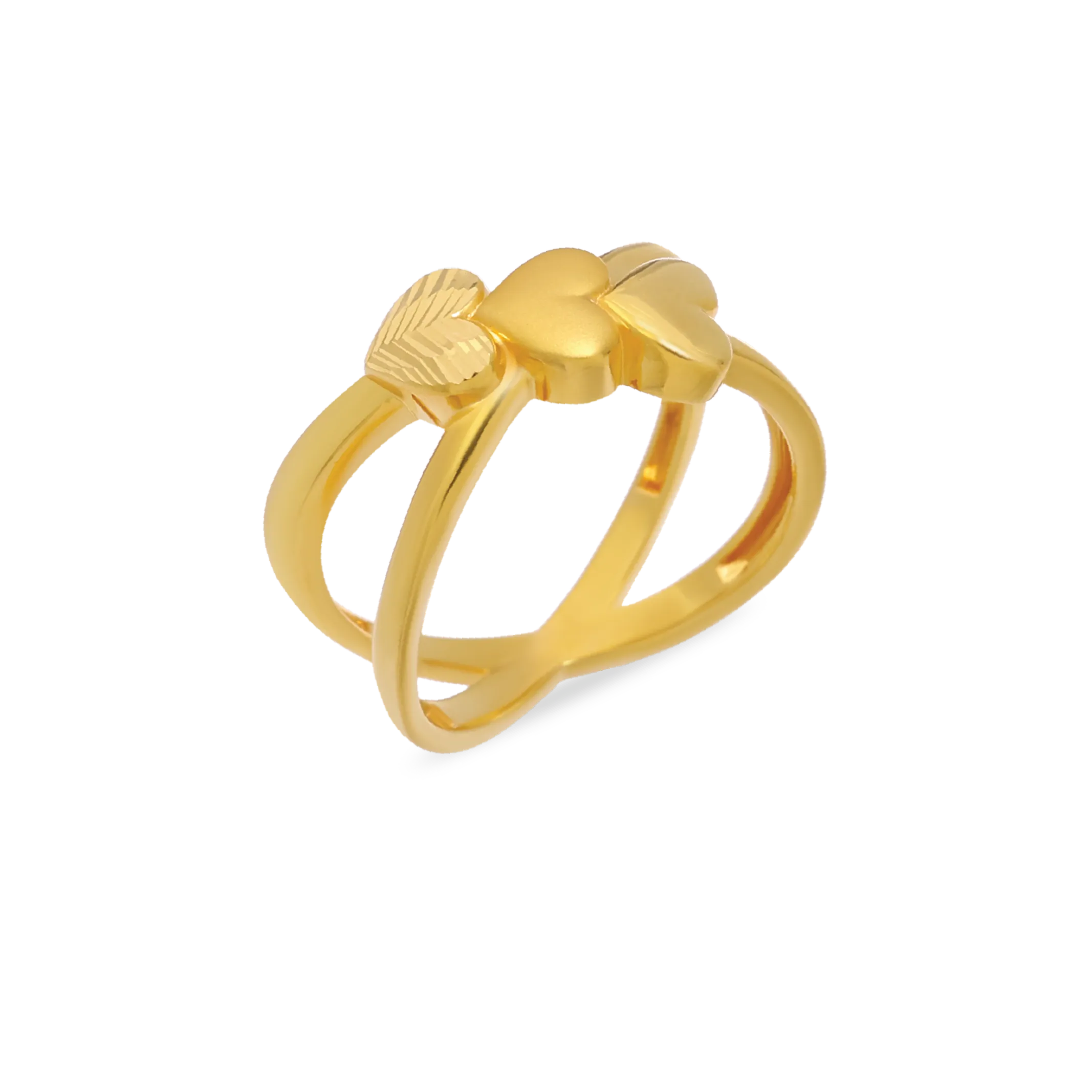
A cocktail ring can be the expressive piece that makes a bridal look feel unmistakably yours. It might feature a colored stone, a sculptural setting, or a more decorative arrangement of diamonds. Because it draws attention to the hand, consider how it works with your bouquet, manicure, and wedding band before settling on a design.
The best choice is one you can wear comfortably and safely. Check that the setting does not catch easily on fabric, that the ring feels secure on your finger, and that its height suits your daily habits. A bold piece need not be reserved for formal events; choosing a design that also works with simpler clothes can make it more versatile.
A cocktail ring may be less understated than the other pieces here, but that does not make it less timeless when the design genuinely suits you. Give it room to stand out by keeping other accessories uncomplicated, or wear it later as the focal point of an evening outfit. As with any fine jewelry purchase, value depends on the individual piece and the market, while the confidence and enjoyment it brings are yours to assess.
Conclusion
The best bridal jewellery investment pieces balance beauty, comfort, craftsmanship, and the likelihood that you will reach for them again. Choose with your own style in mind, ask clear questions about materials and care, and treat future resale value as uncertain rather than promised. A piece that feels at home in your life long after the wedding can become a lasting part of your story.
Frequently Asked Questions
What makes bridal jewelry an investment piece?
The term can refer to jewelry chosen for quality, versatility, and long-term personal use; it does not guarantee financial returns. Consider the materials, construction, care needs, and how often you expect to wear the piece.
Which jewelry is easiest to wear after the wedding?
Simple diamond studs, gold hoops, a pendant, or a comfortable chain can work with many everyday outfits. Your own wardrobe and preferences matter more than a general rule.
Should I buy a matching bridal jewelry set?
A matching set can create a coordinated look, but individual pieces may offer more flexibility for future wear. Choose the combination that feels balanced with your dress and personal style.
Are pearls suitable for a wedding day?
Yes. Pearls can complement both traditional and contemporary looks, and their soft luster pairs well with many fabrics. Check their condition and learn how to care for them before wearing them.
How can I make sure my jewelry is comfortable all day?
Try each piece on for more than a brief fitting, paying attention to weight, movement, clasps, and how it interacts with your clothing. Comfort is especially important for earrings and bracelets worn for many hours.
Is vintage jewelry a good choice for bridal wear?
It can be a personal and distinctive choice, especially when a piece has sentimental meaning. Check its condition and attachment points, and ask a jeweler about repairs or care before wearing it.
Does fine jewelry always increase in value?
No. Resale value depends on factors such as materials, condition, design, documentation, and market demand, and can change over time. Buy a piece primarily because you value and expect to enjoy it.
How to budget for bridal jewellery: A practical guide to setting your spend
10 minute read
Related blogs:
November 20, 2025
The Timeless Elegance of the Tennis Bracelet: A Comprehensive Guide
Read More
November 20, 2025
The Ultimate Guide to Styling and Wearing a Choker Necklace
Read More
November 20, 2025
Find Your Perfect Engagement Ring: A Comprehensive Guide to Styles and Diamonds
Read More
November 20, 2025
The Timeless Elegance of a Diamond Tennis Bracelet: A Buyer's Guide
Read More