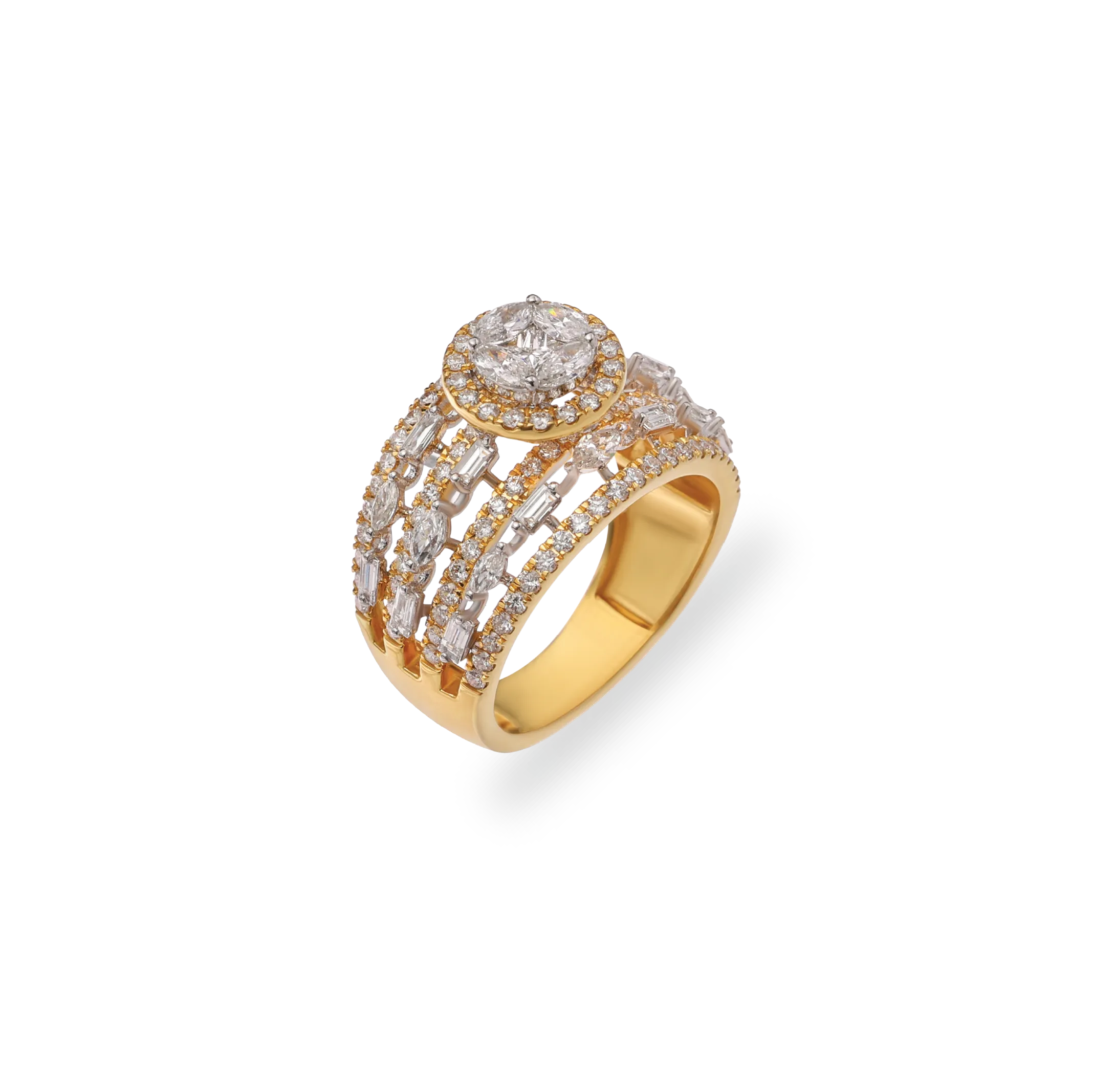
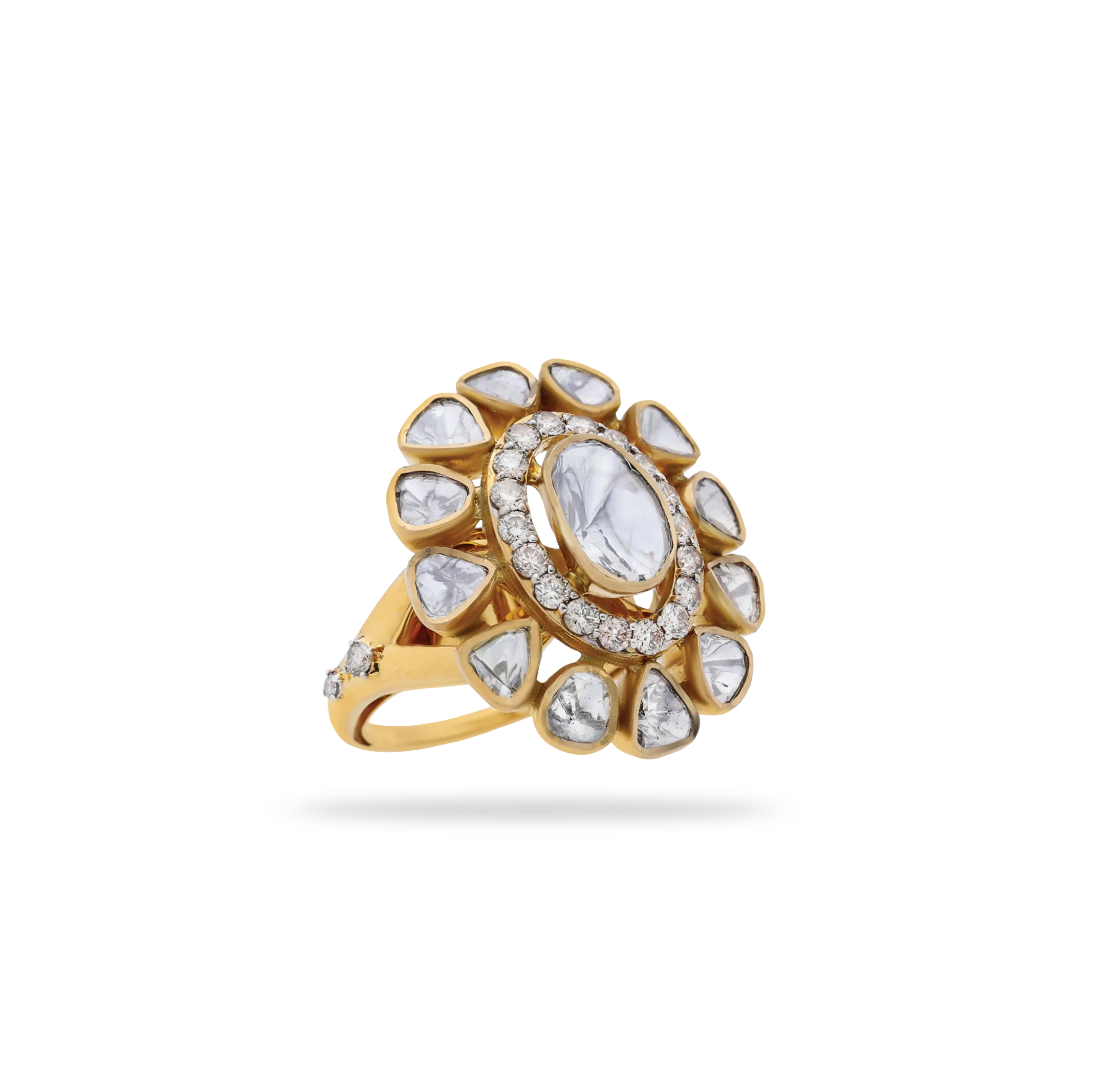
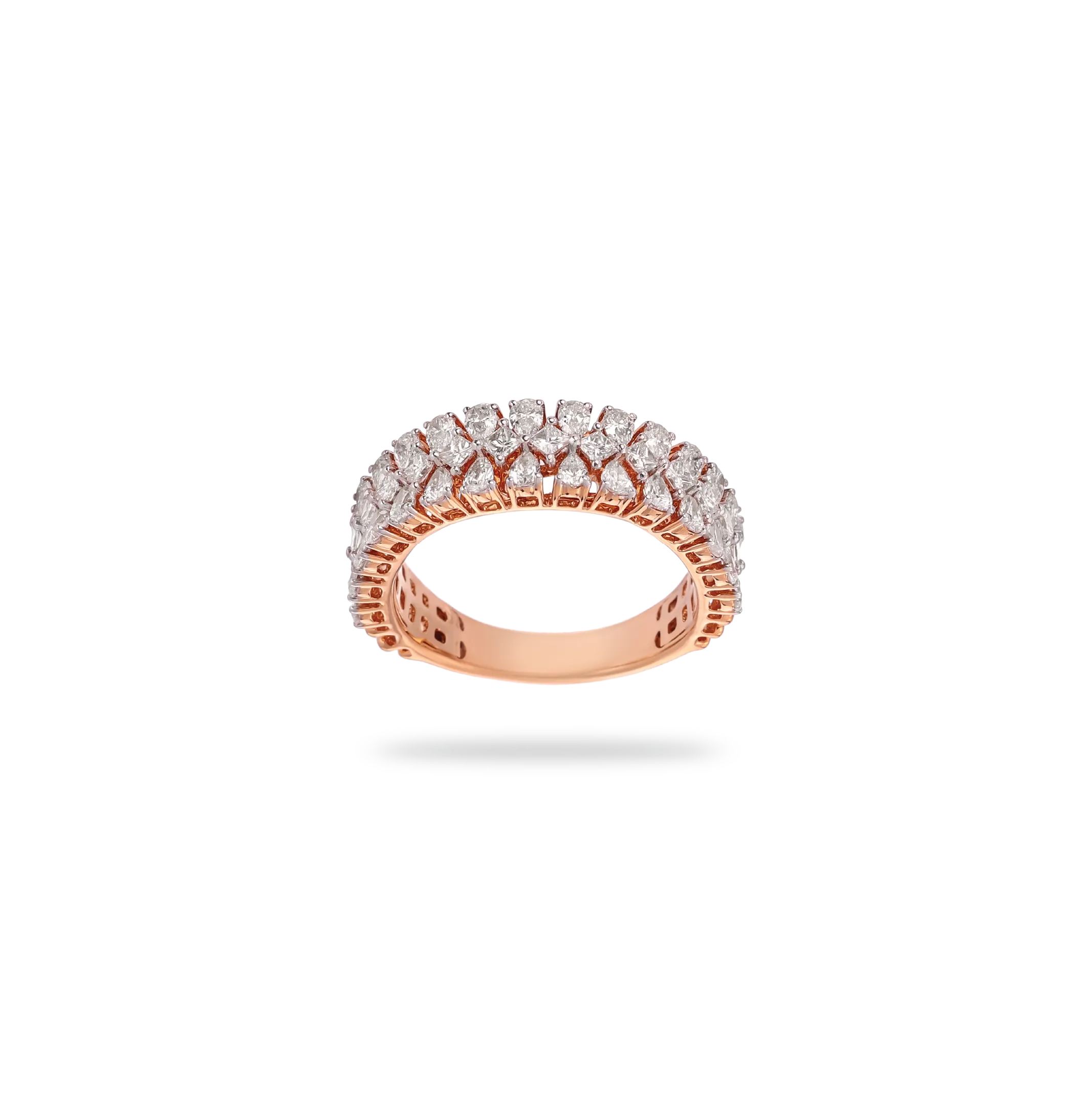
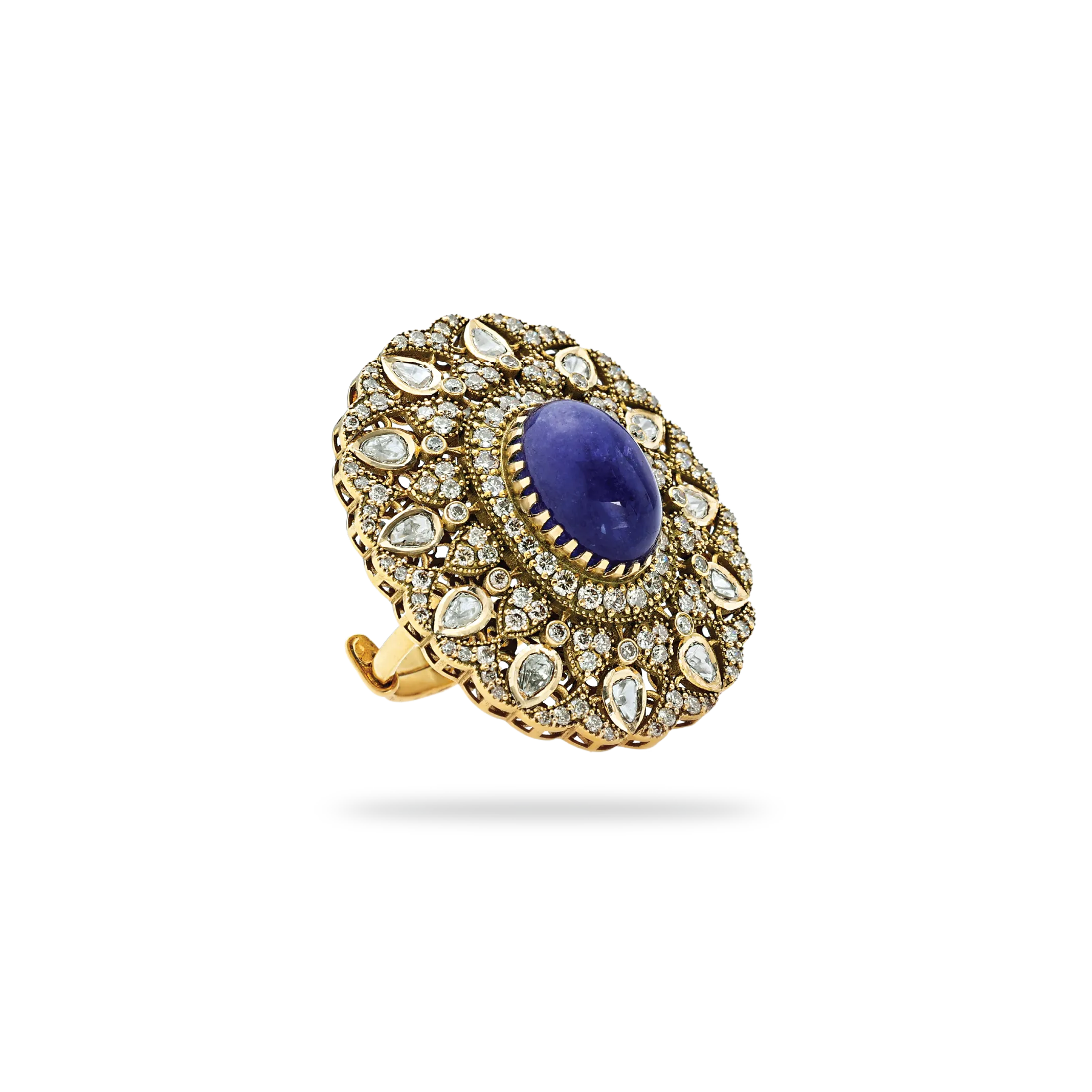
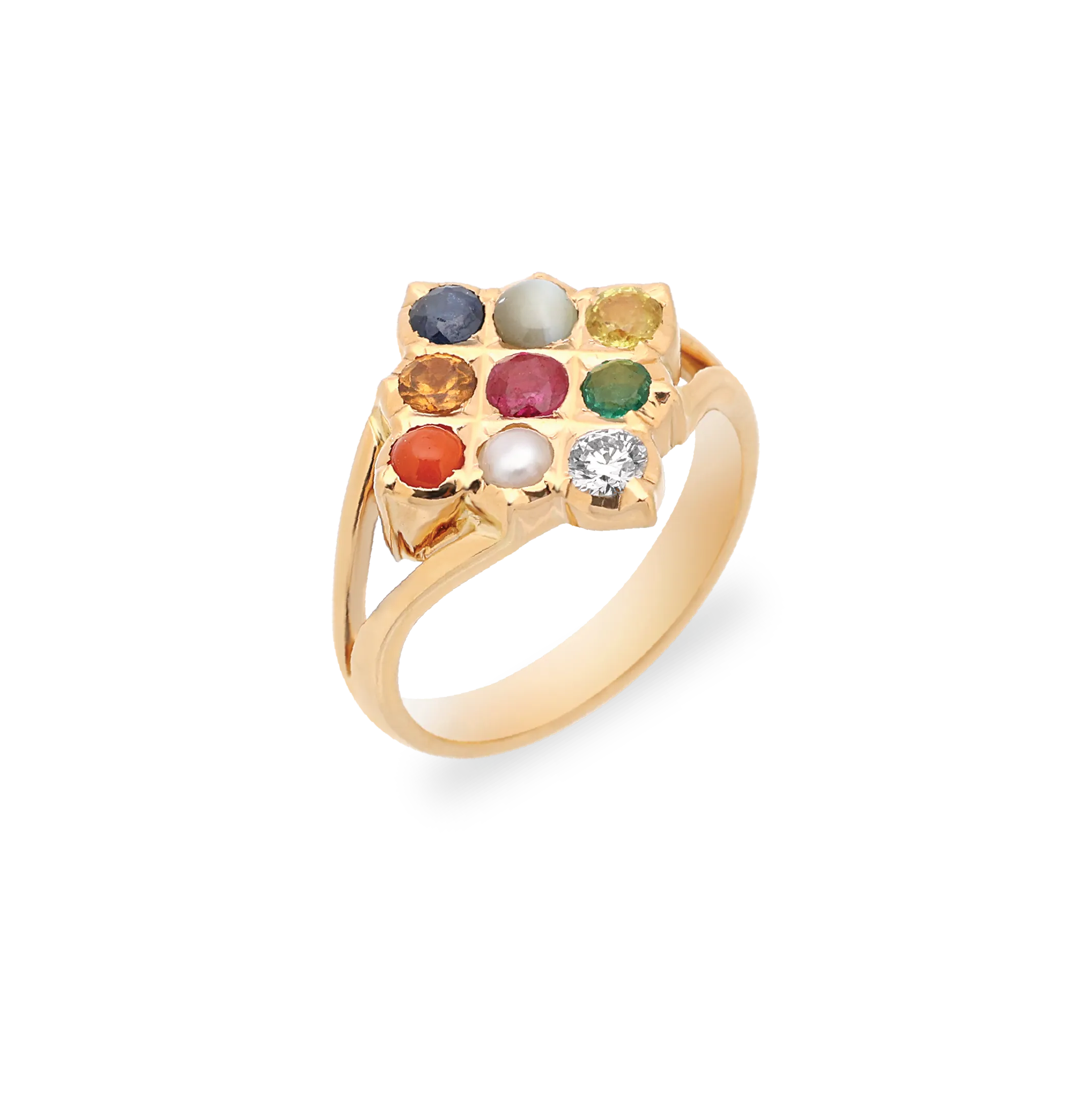
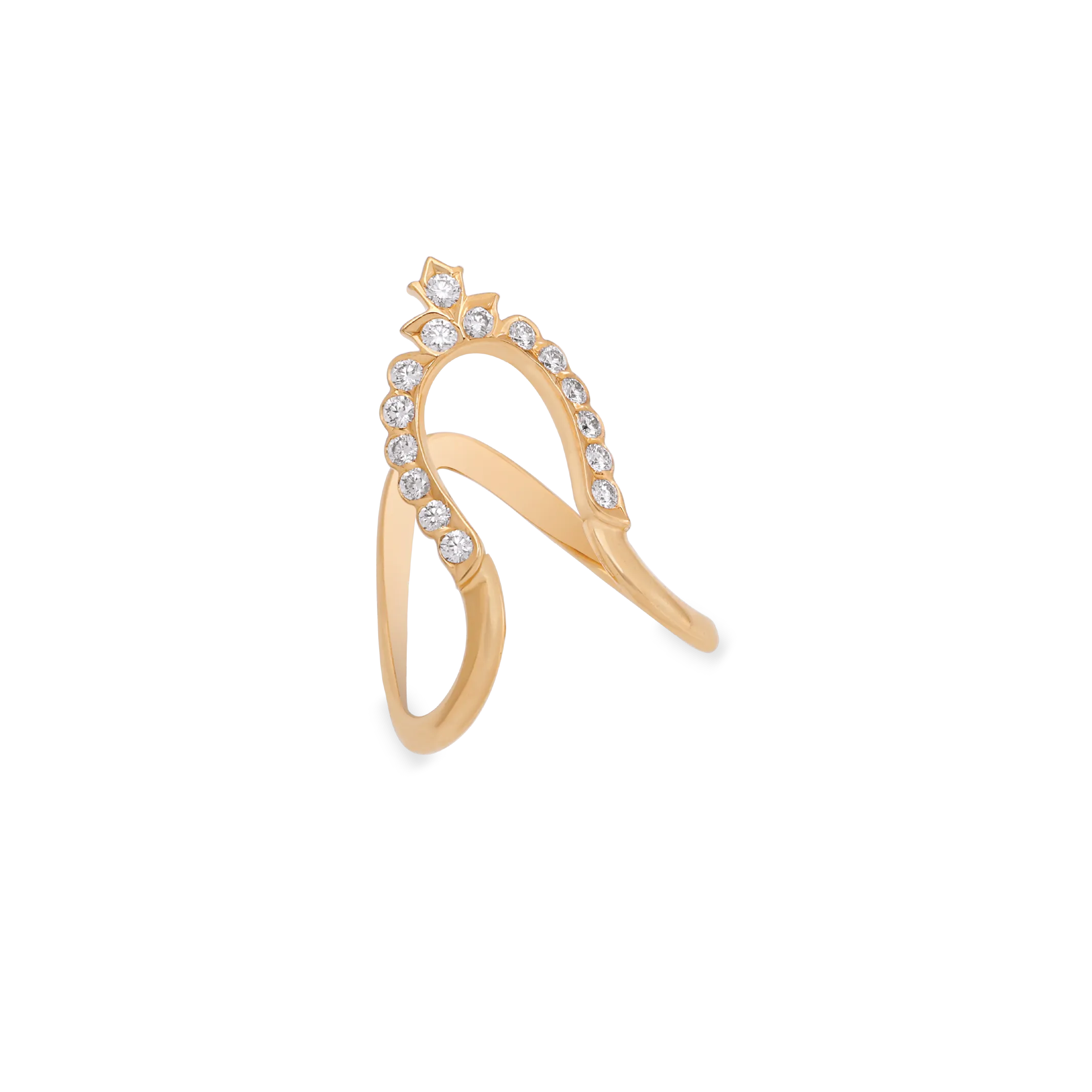
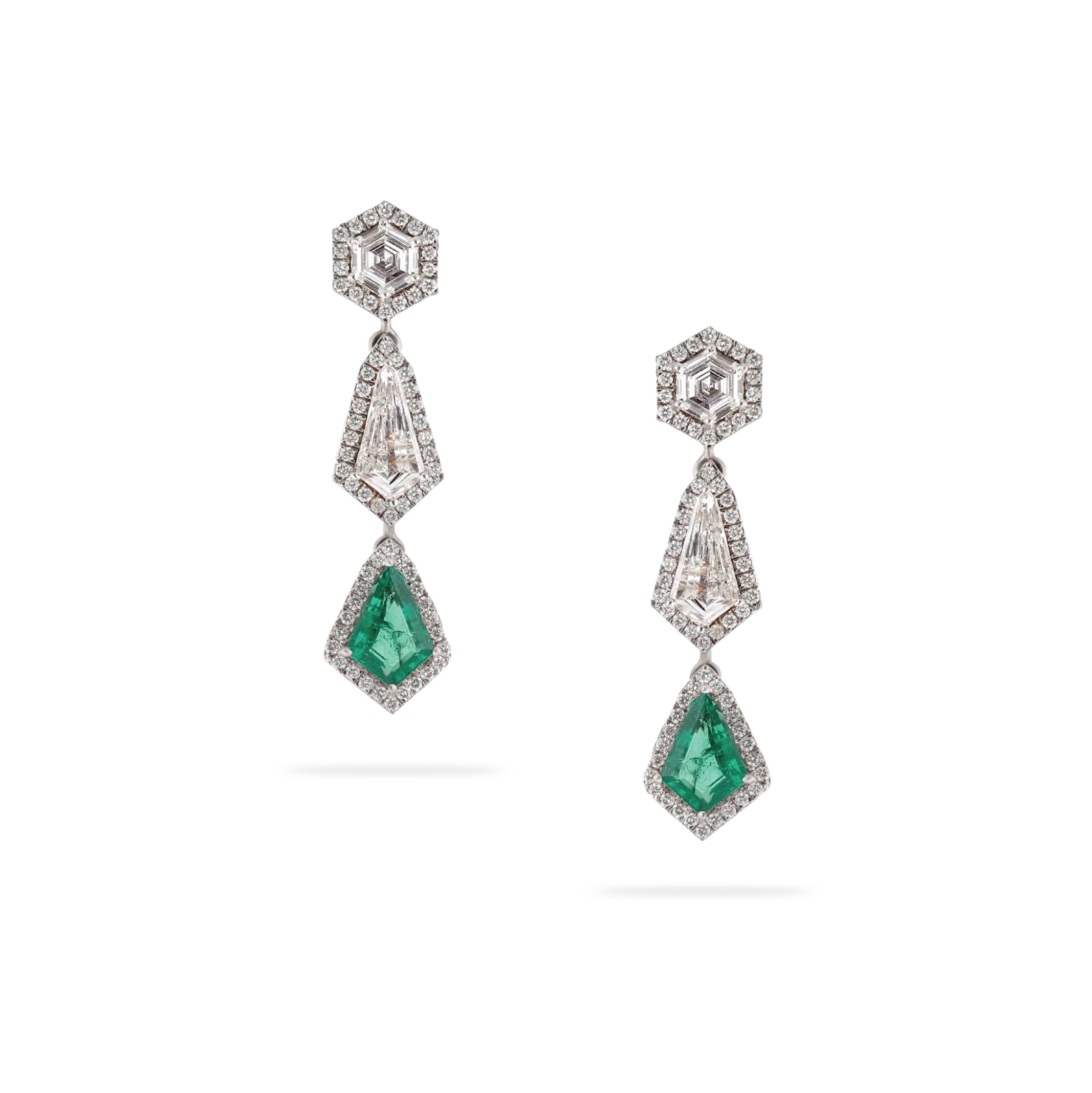
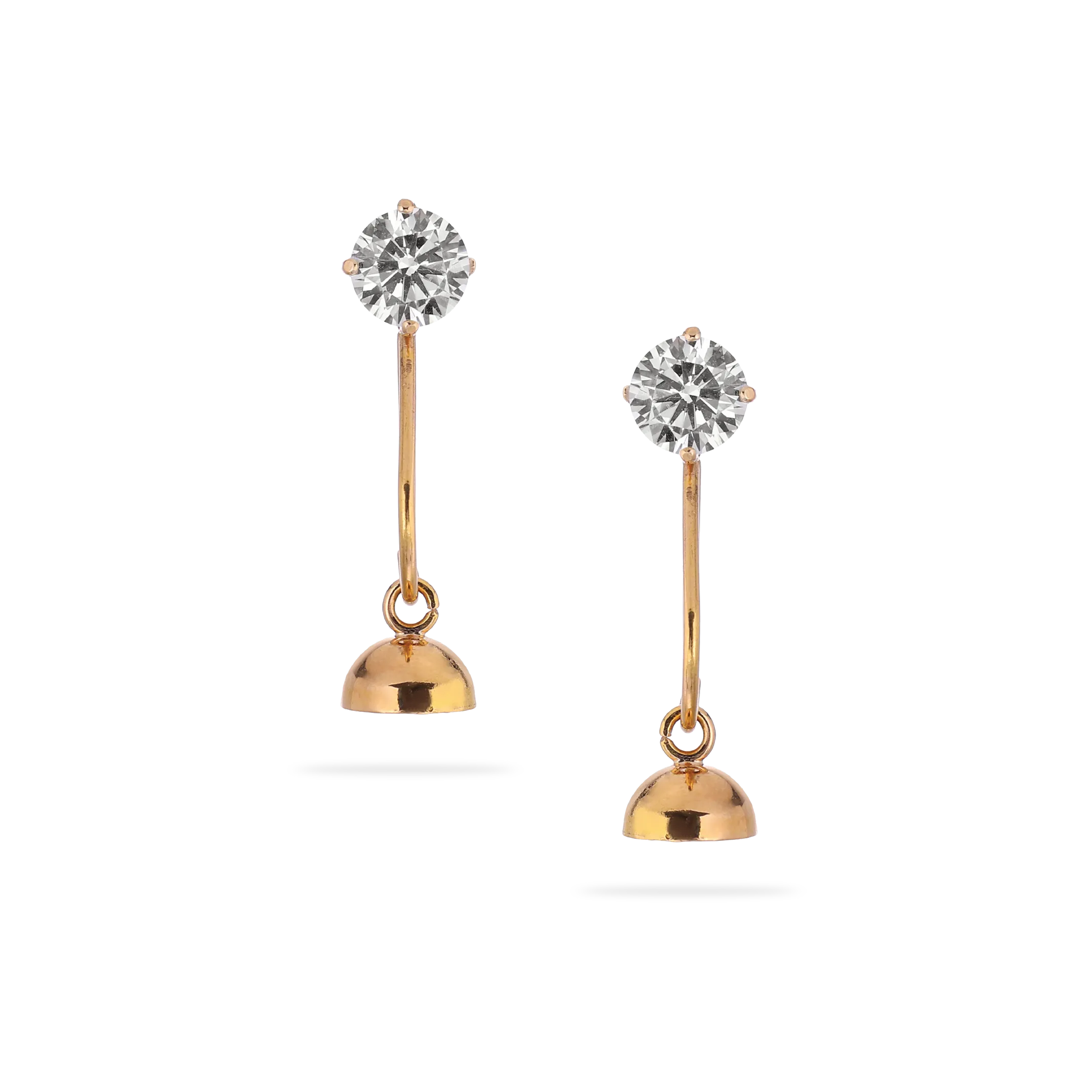
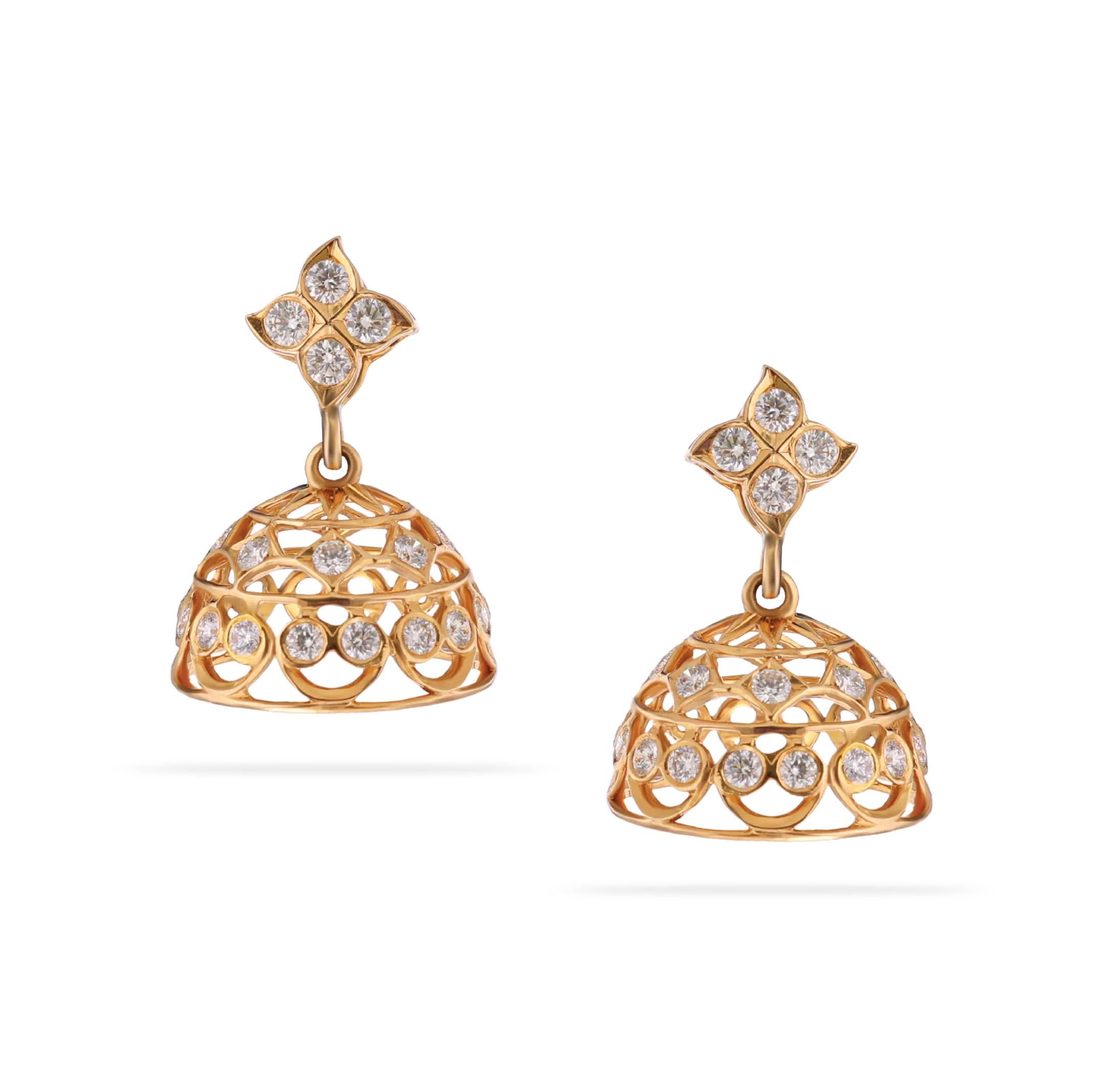
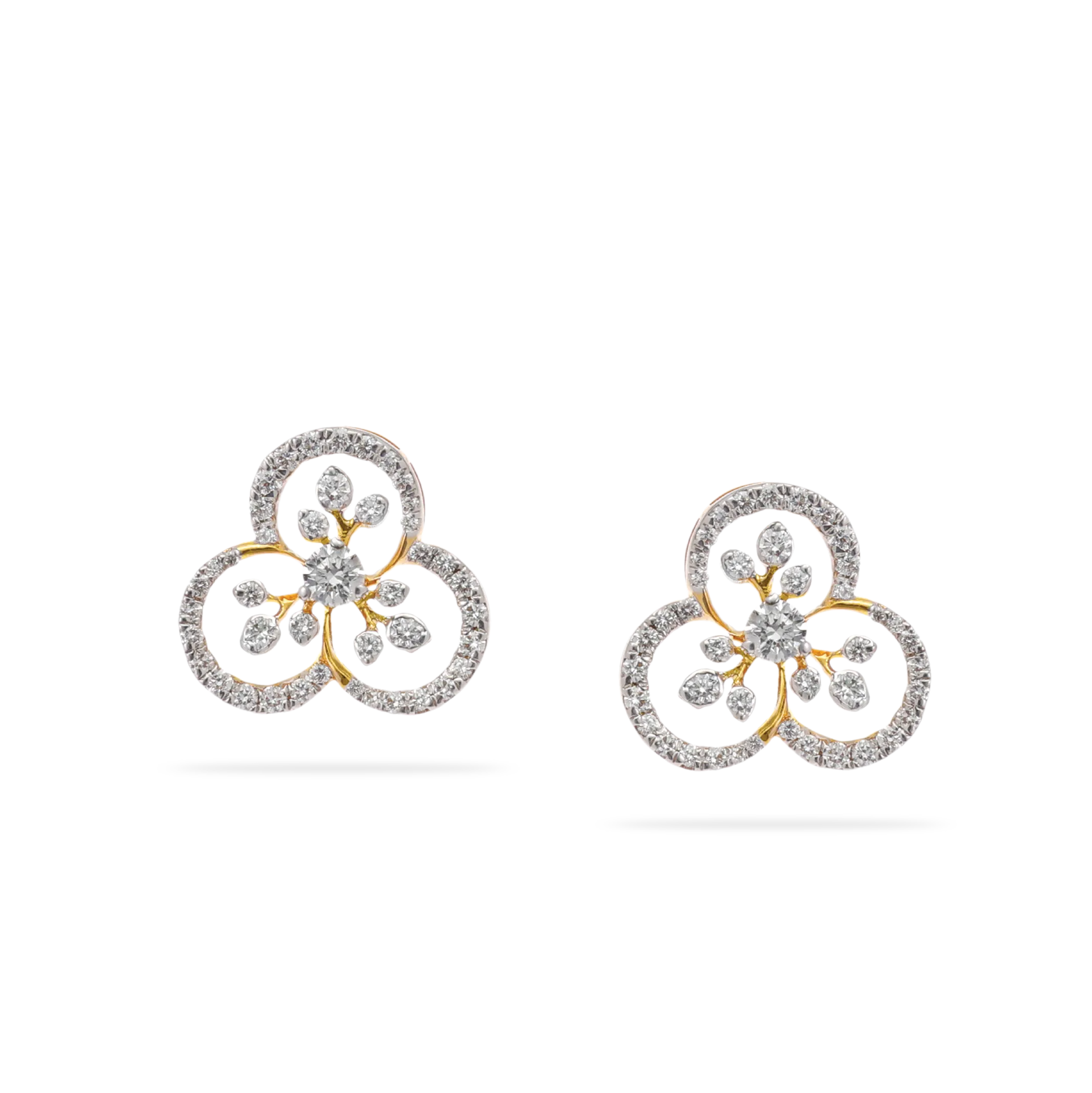
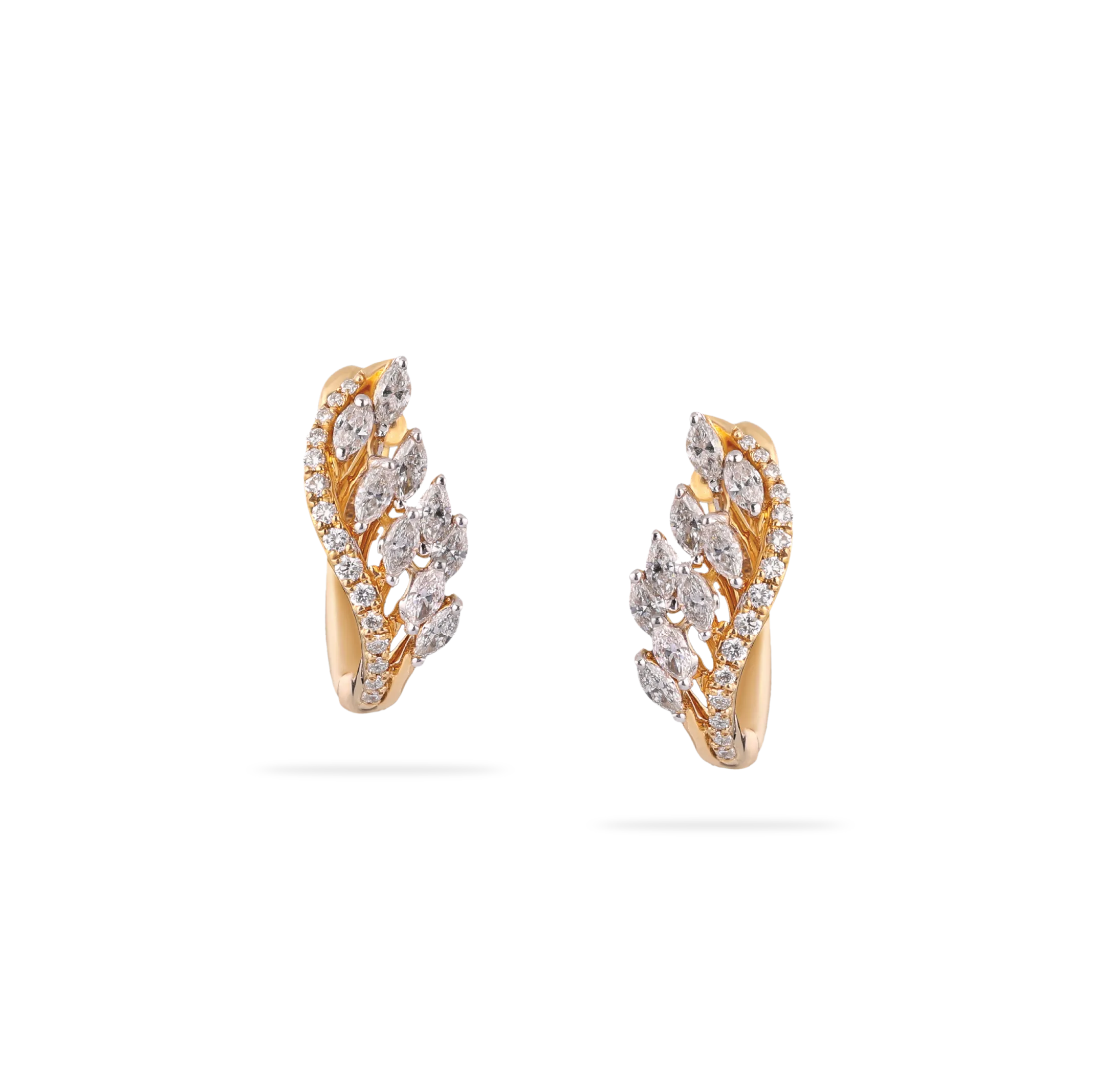
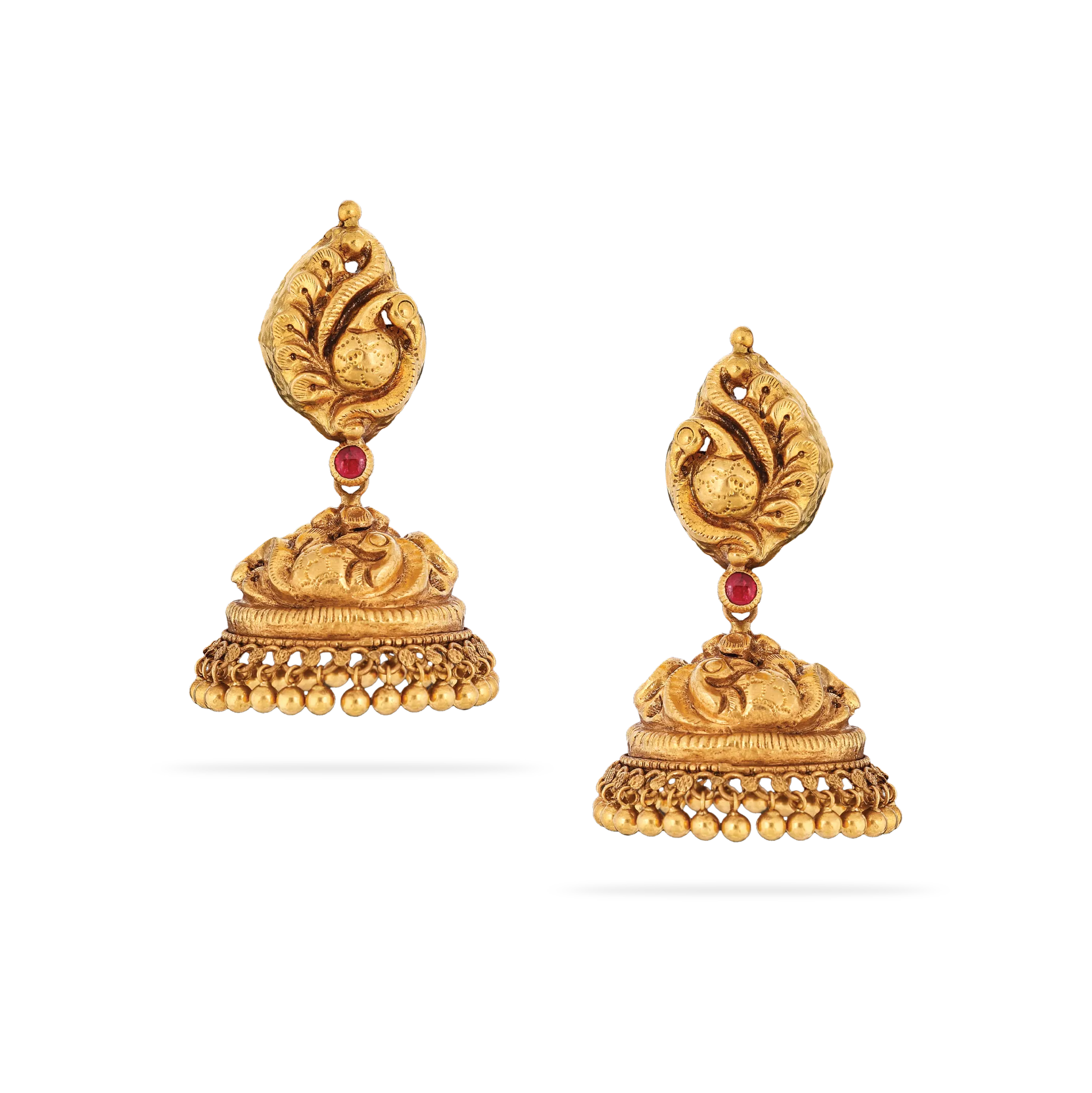
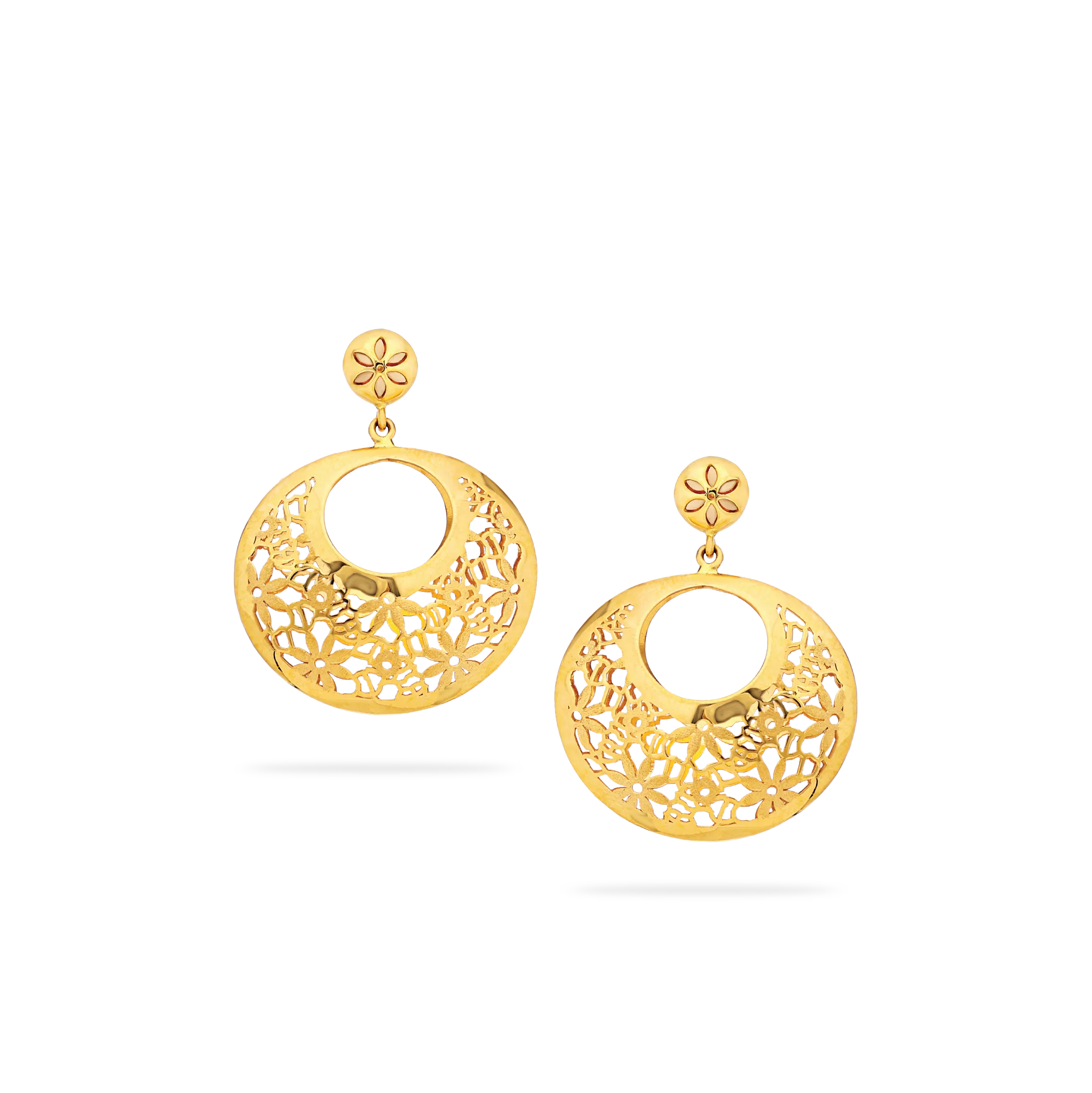
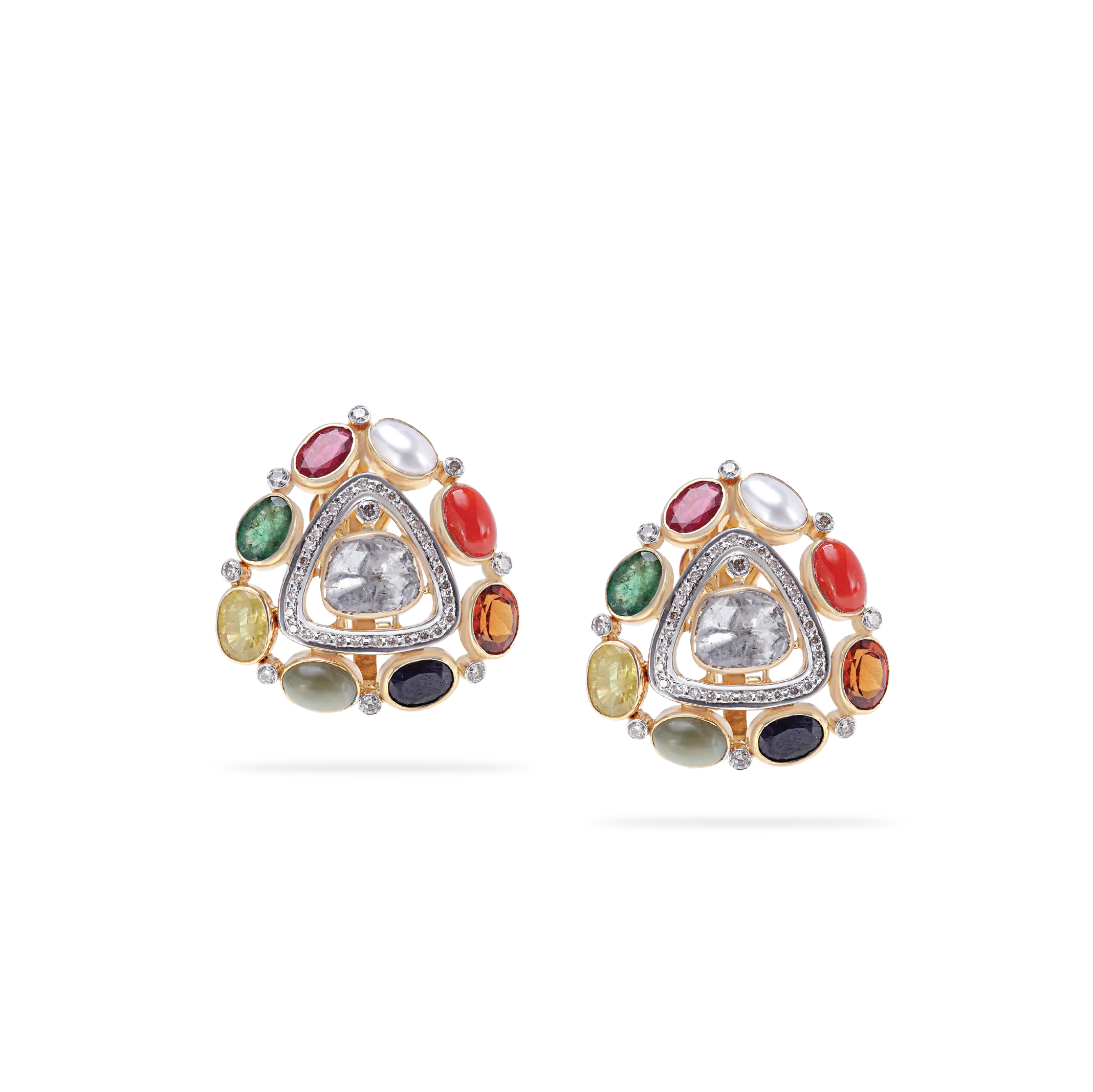
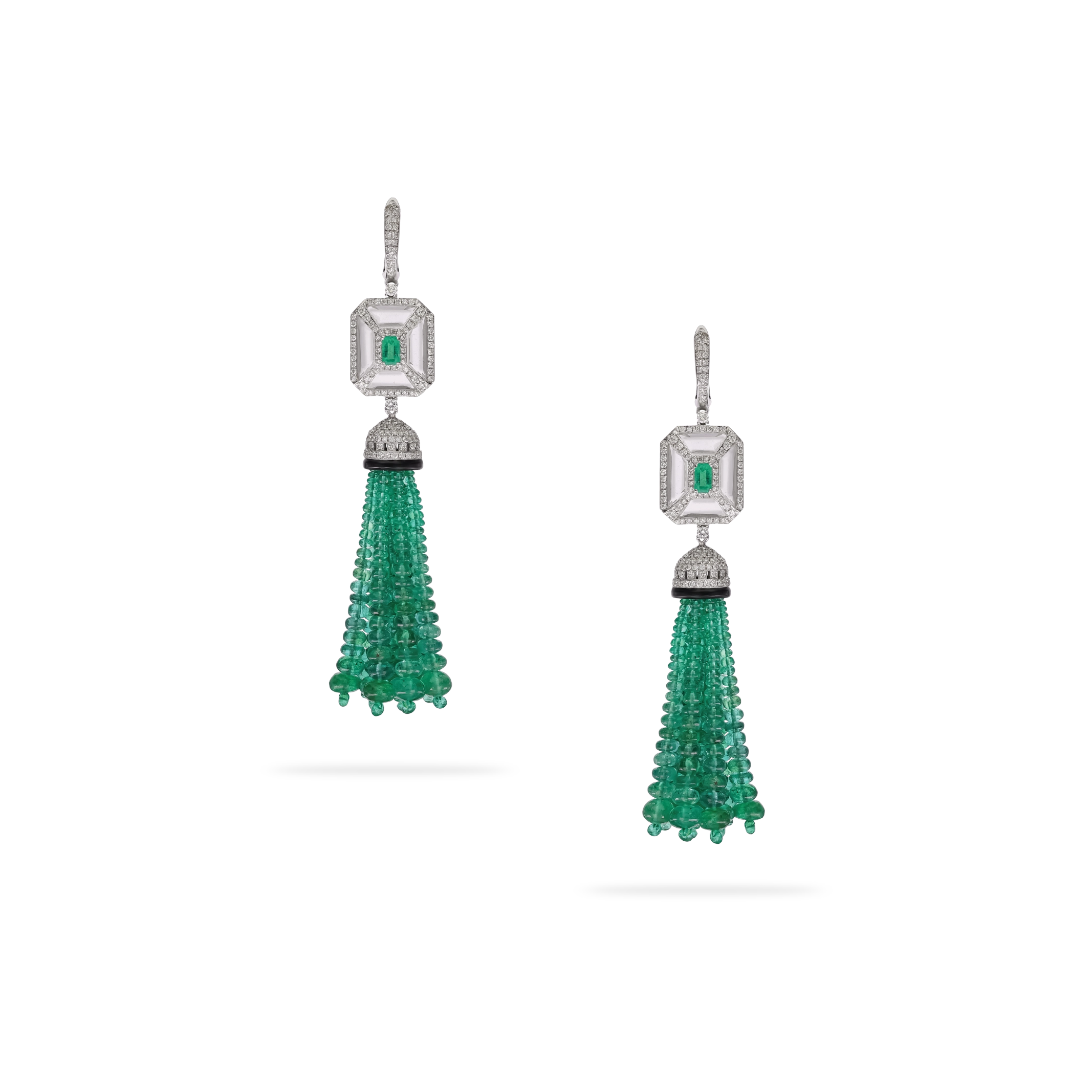
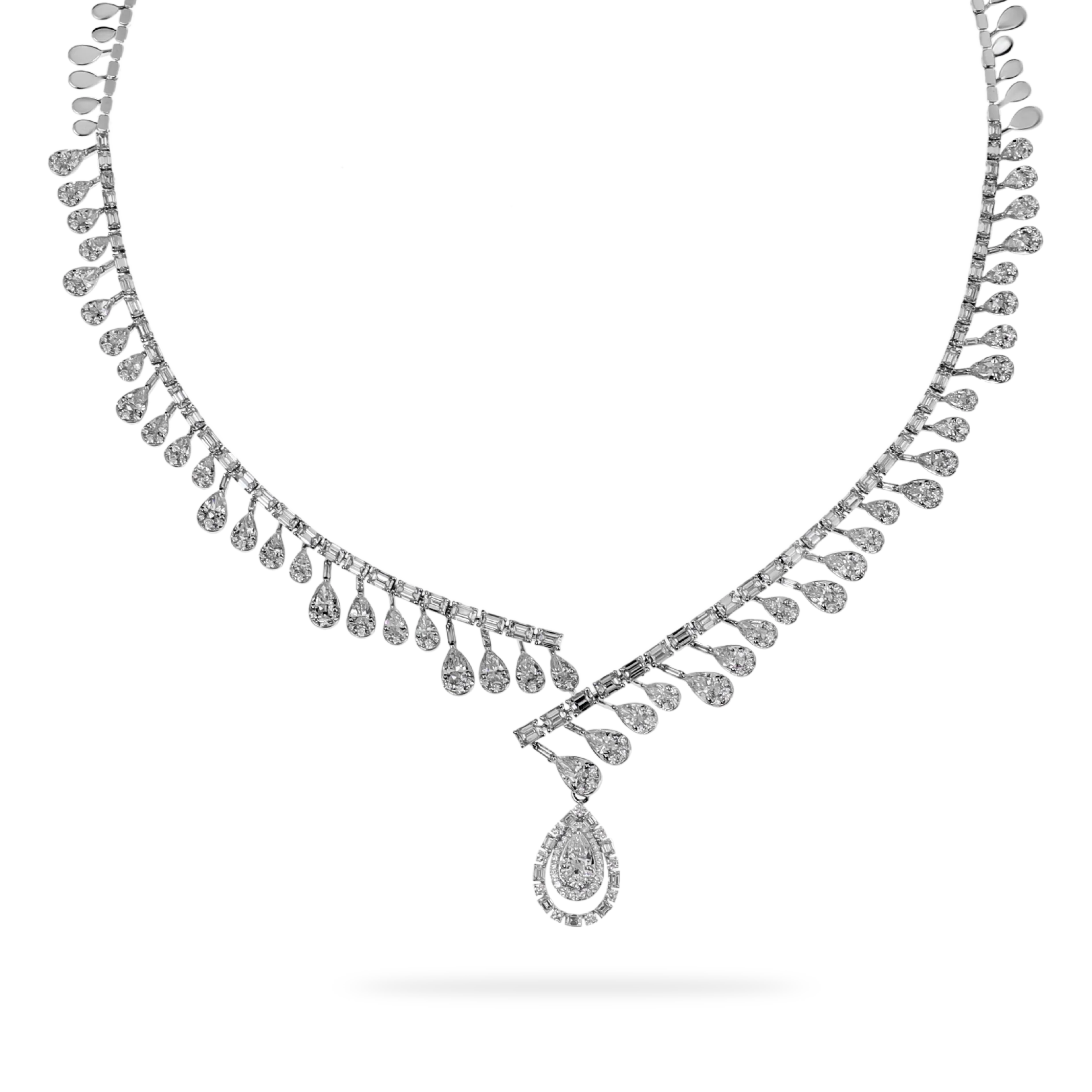
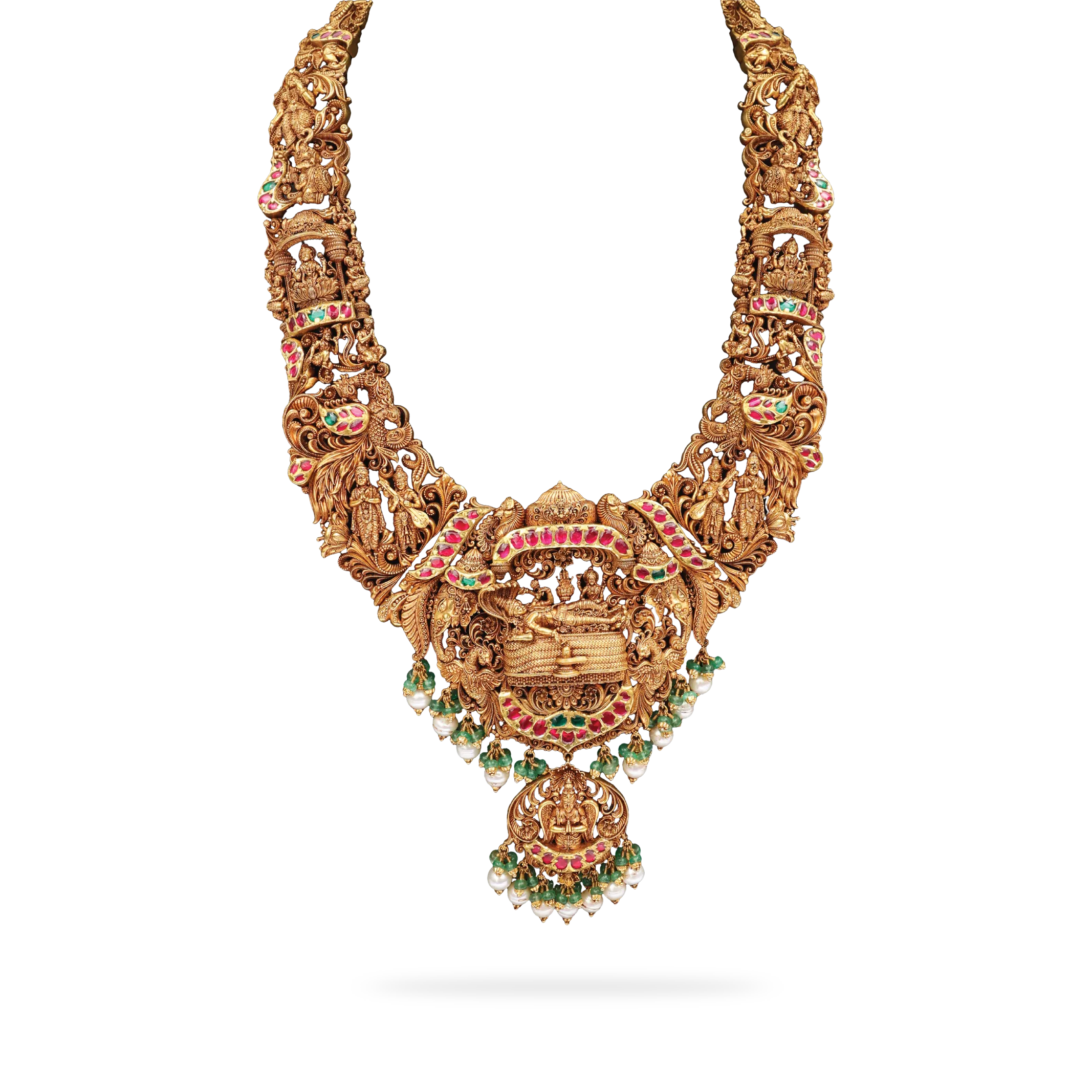
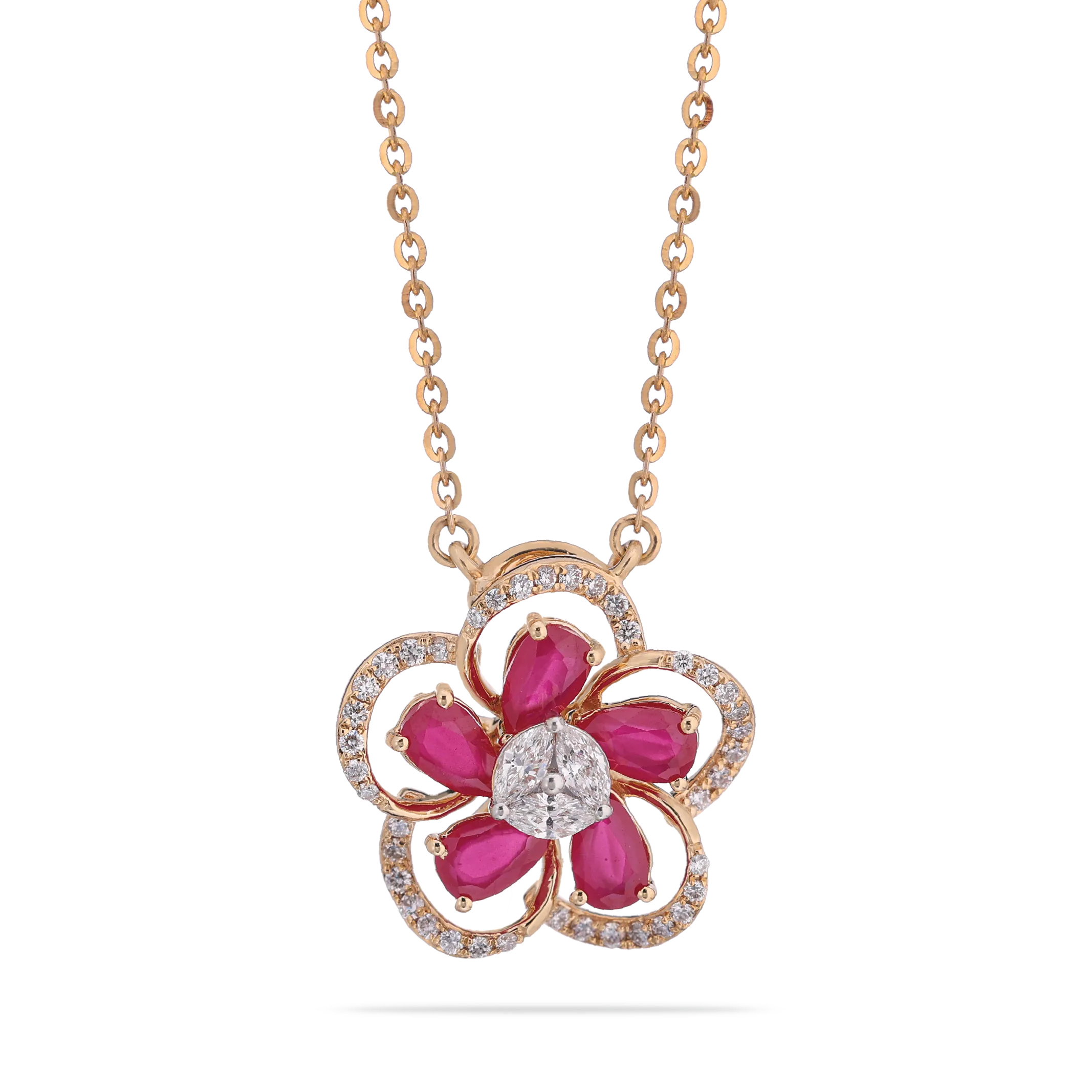
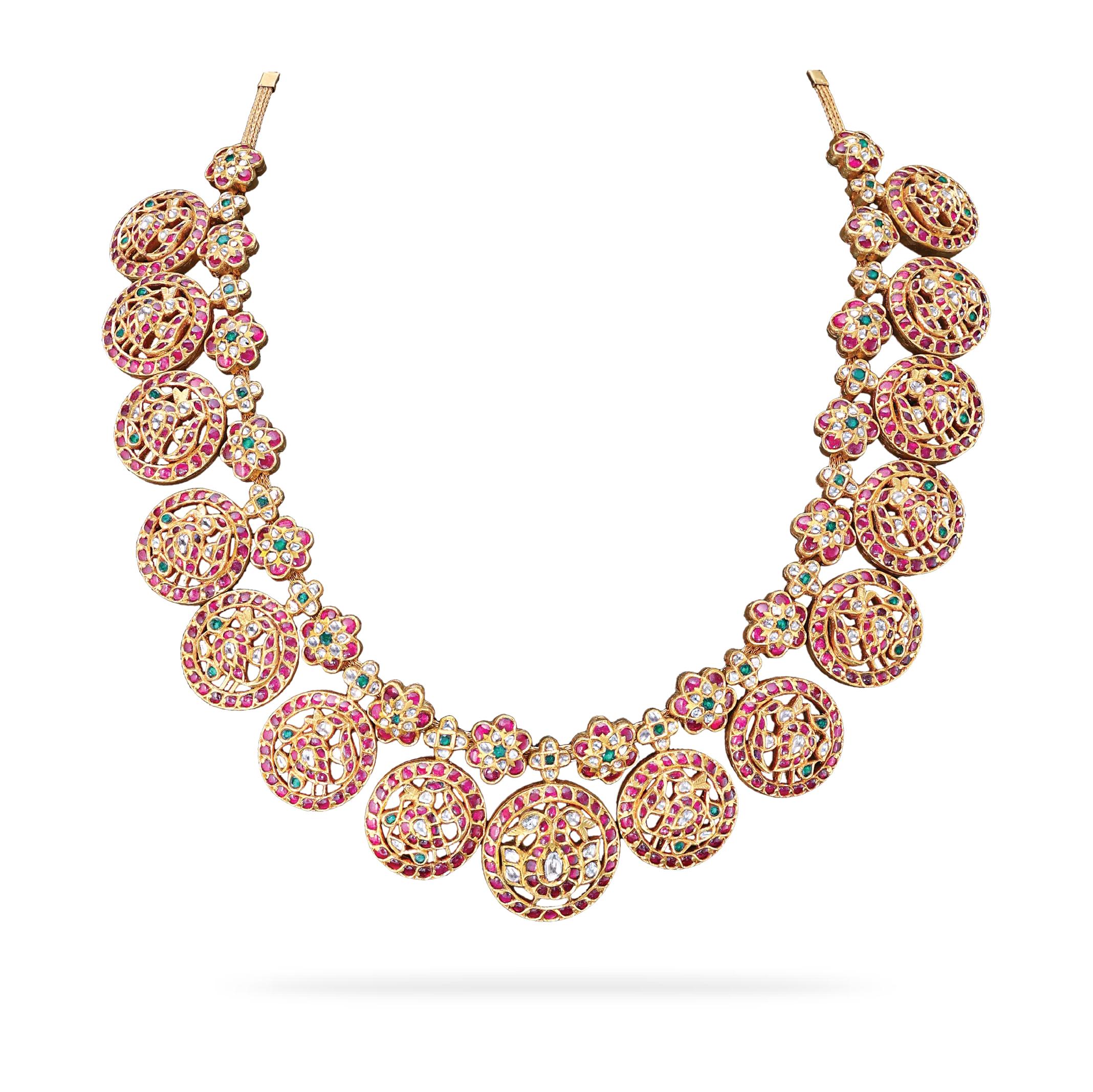
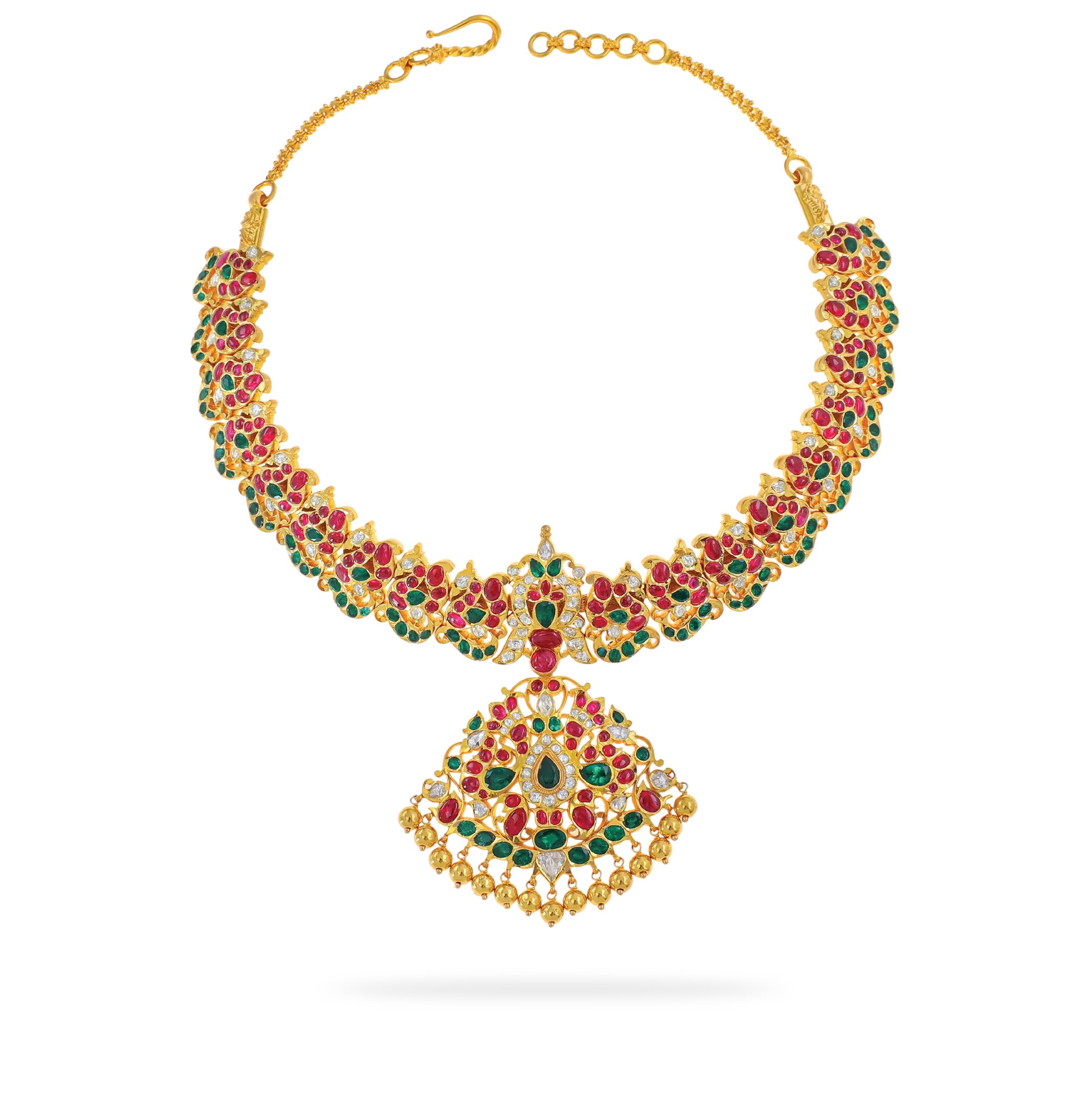
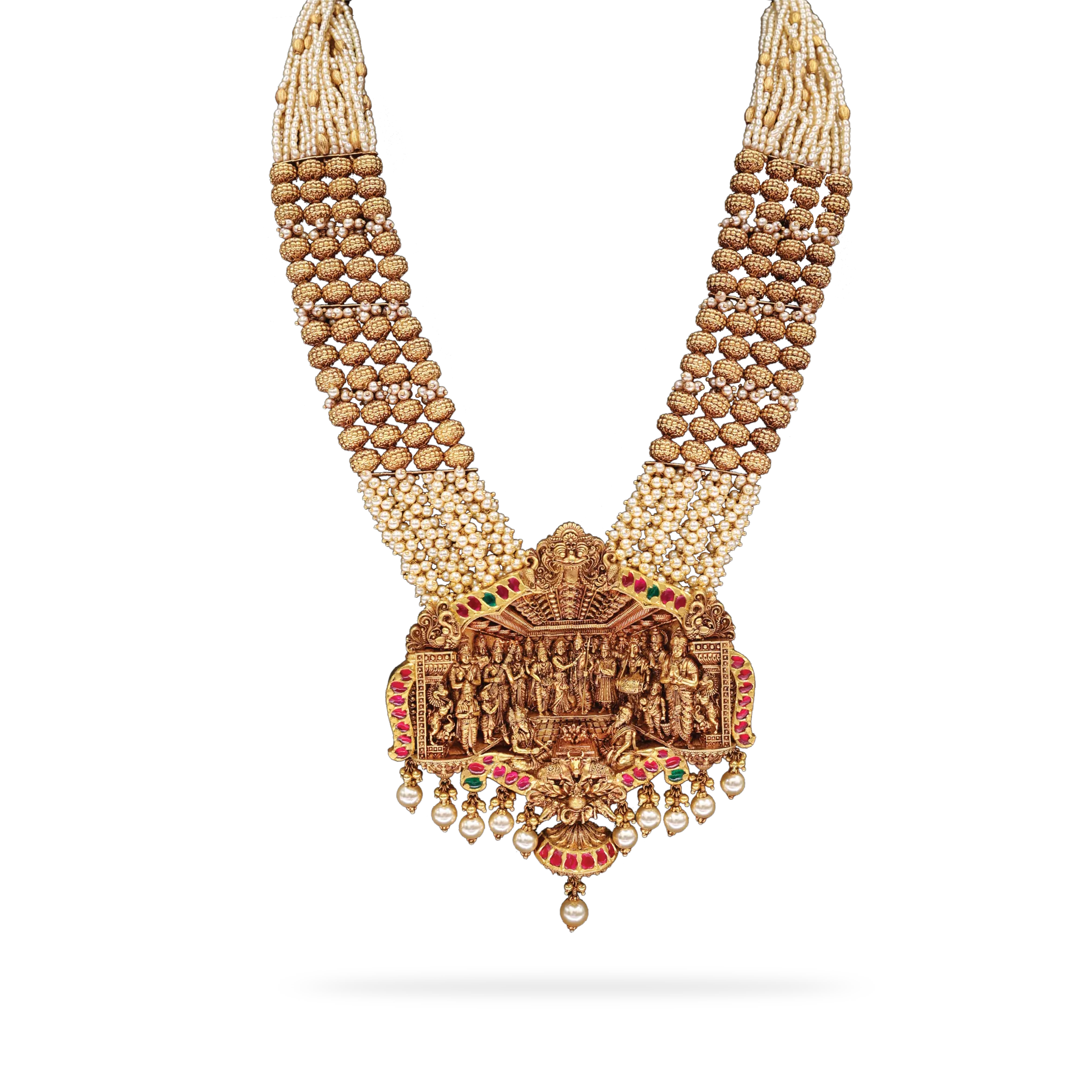
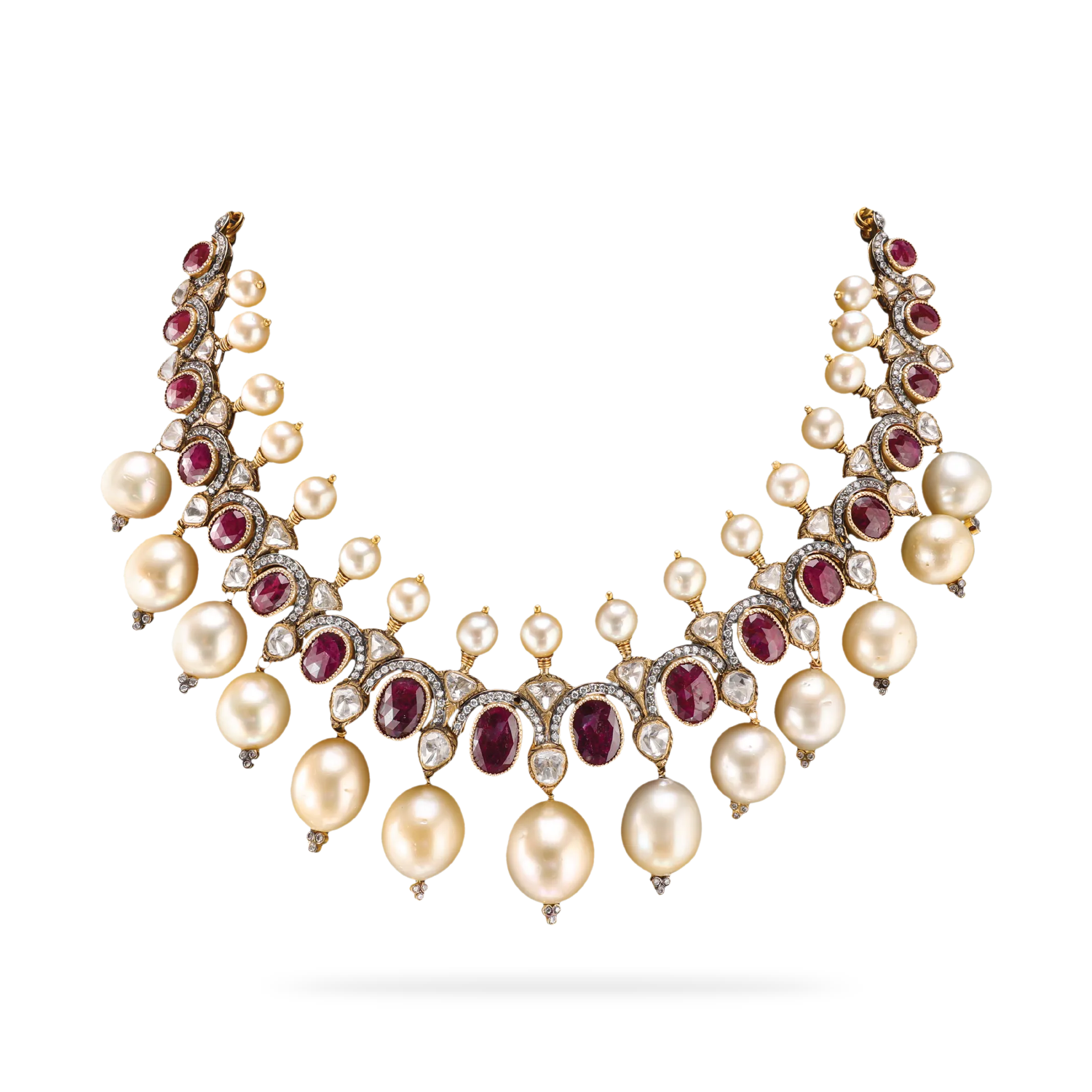
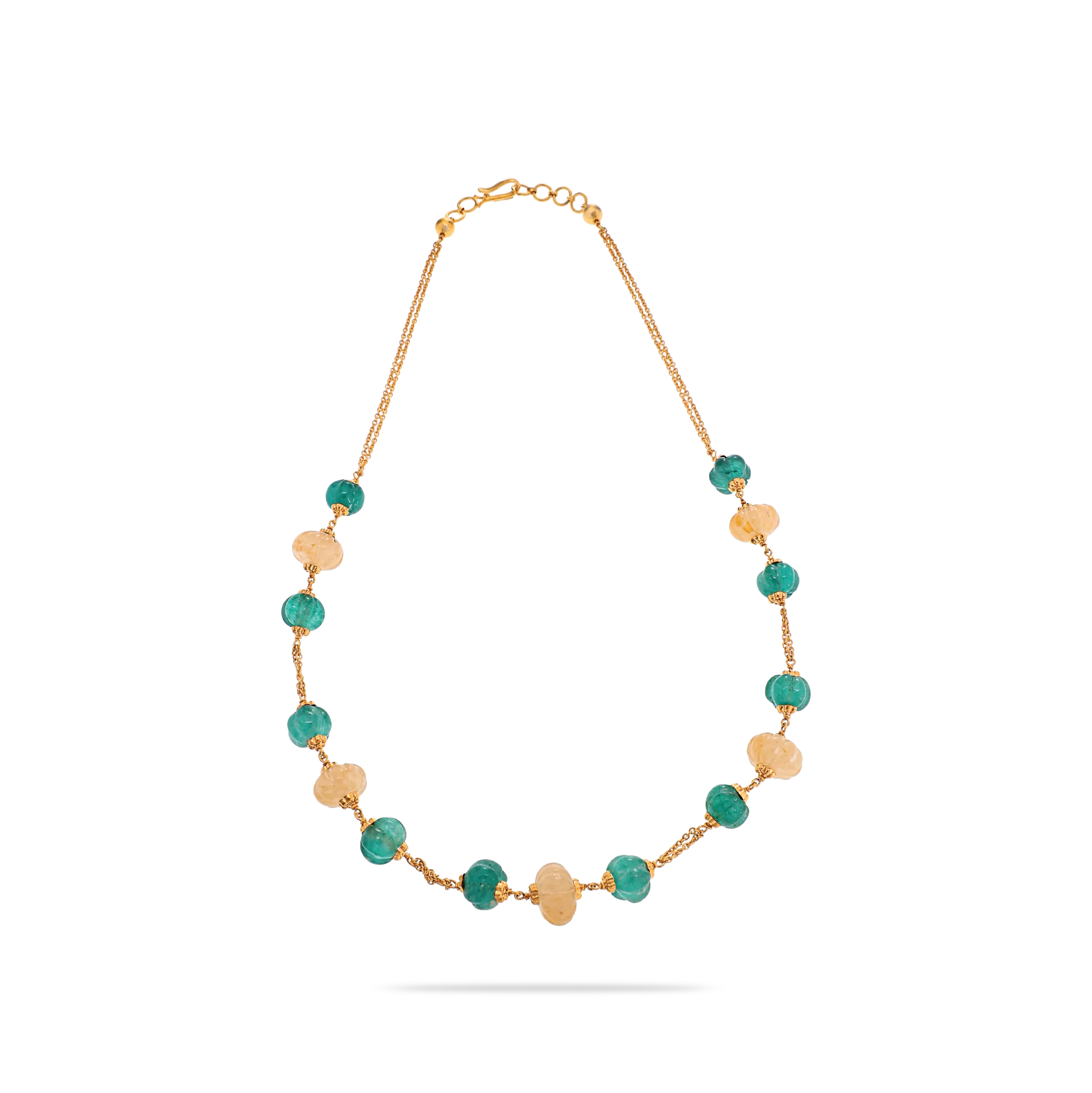
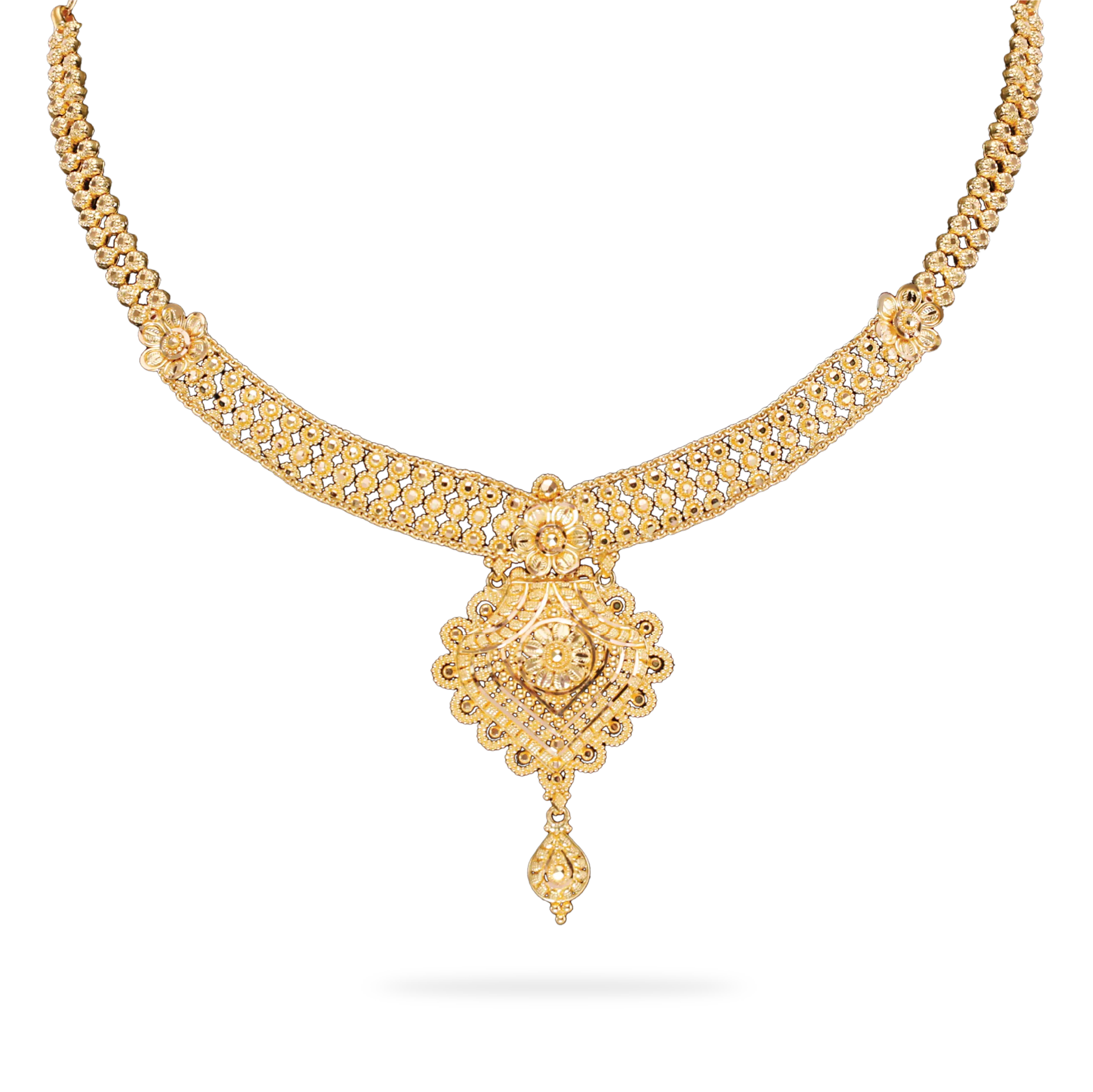
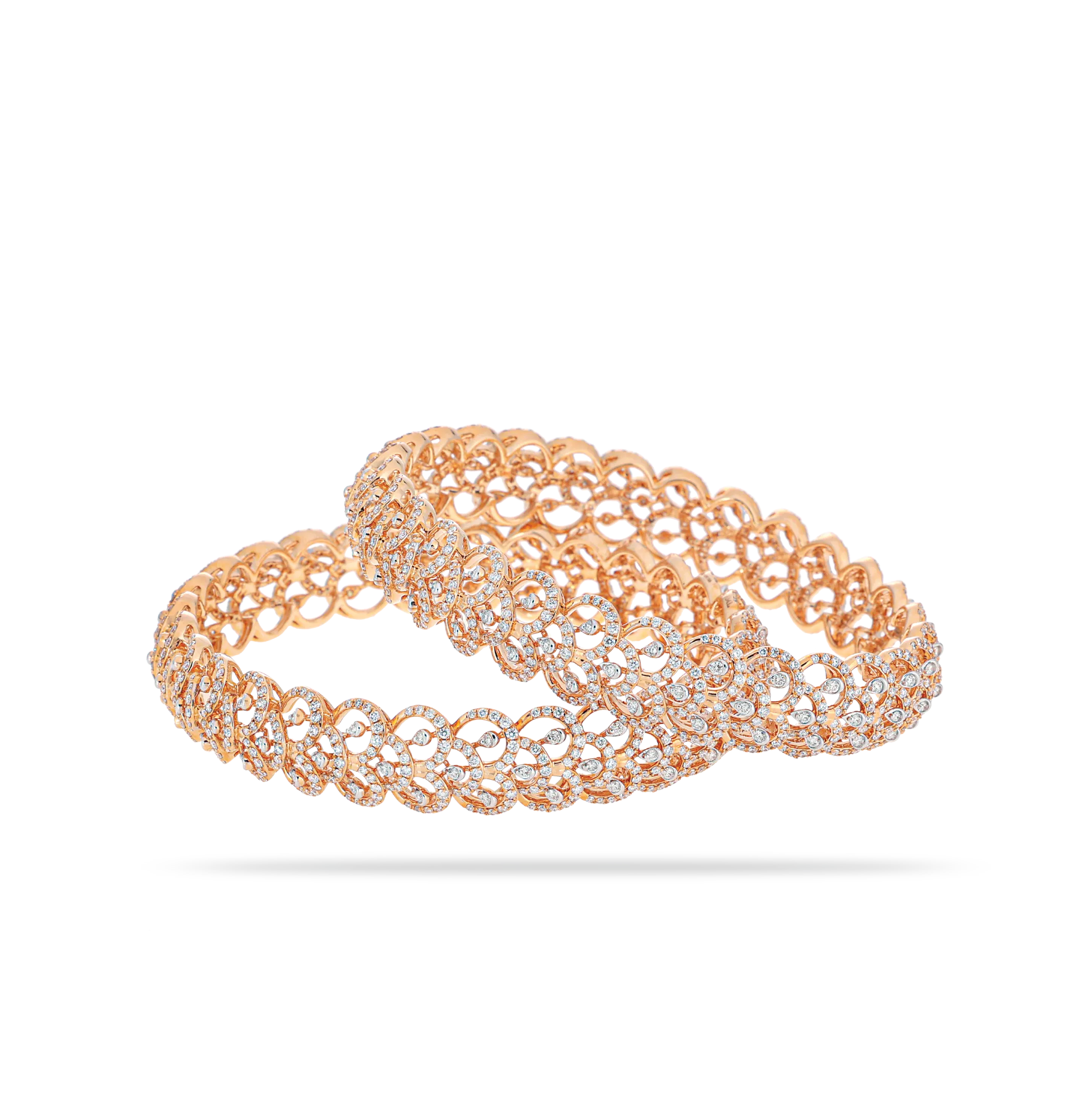
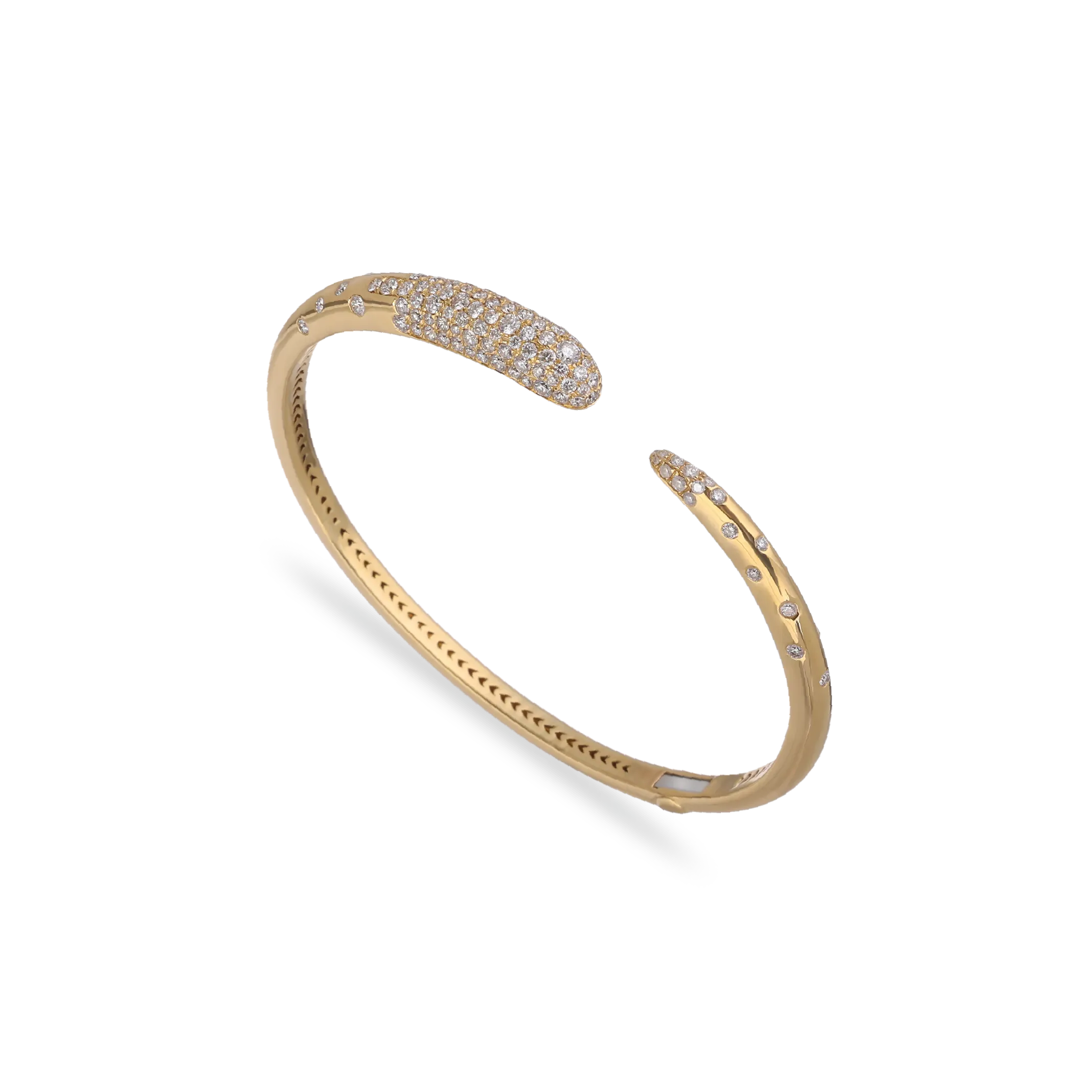
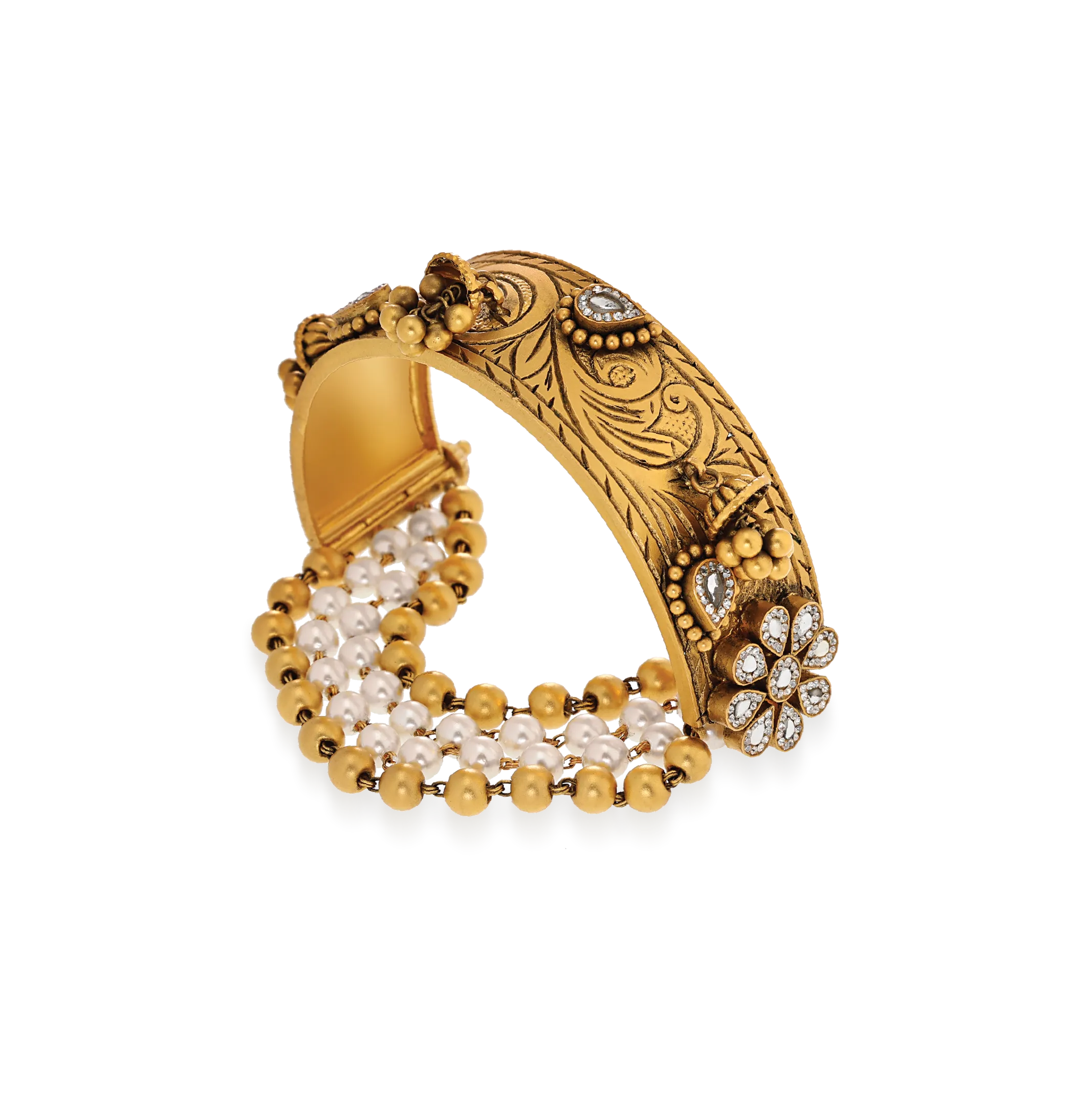
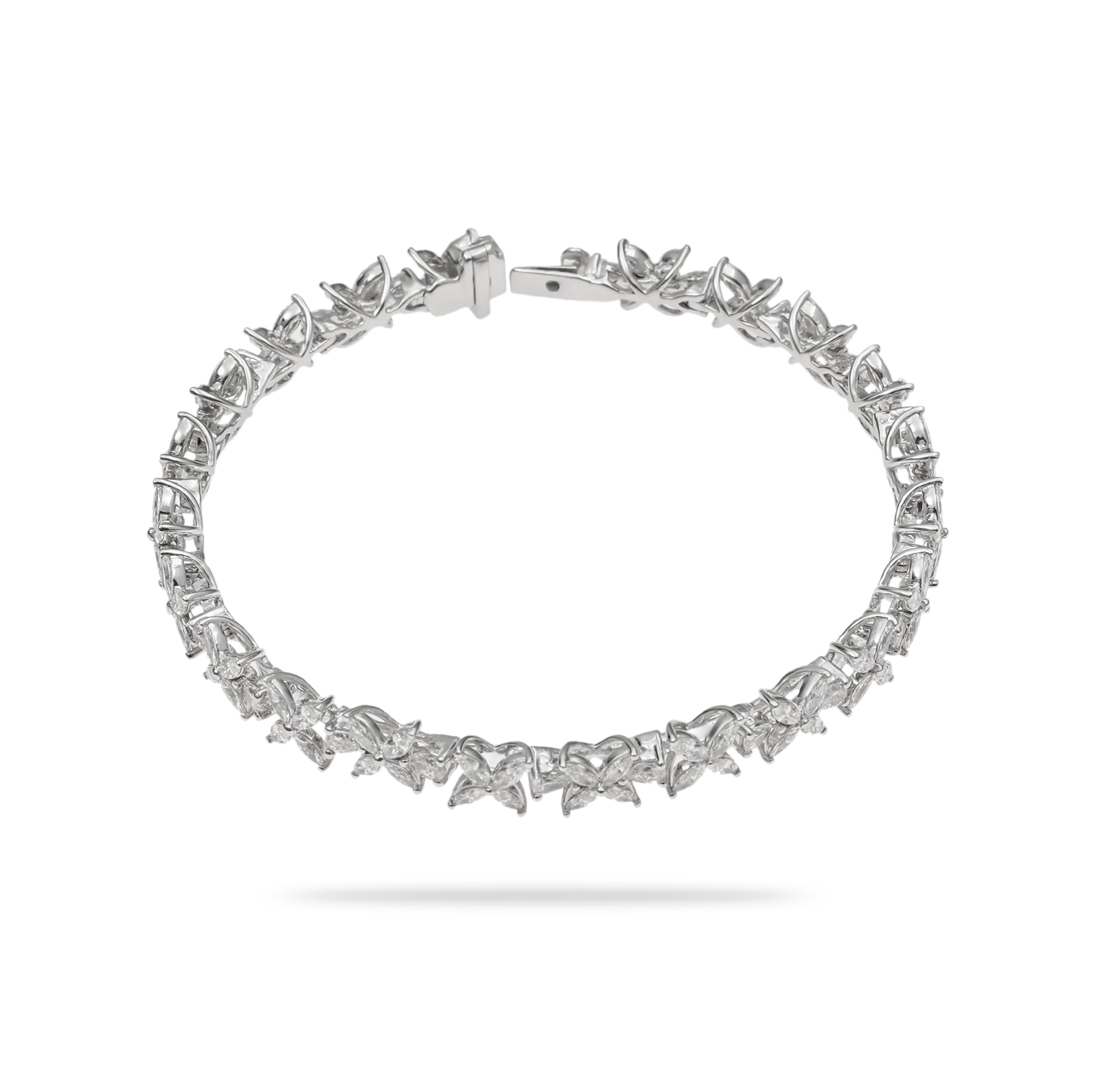
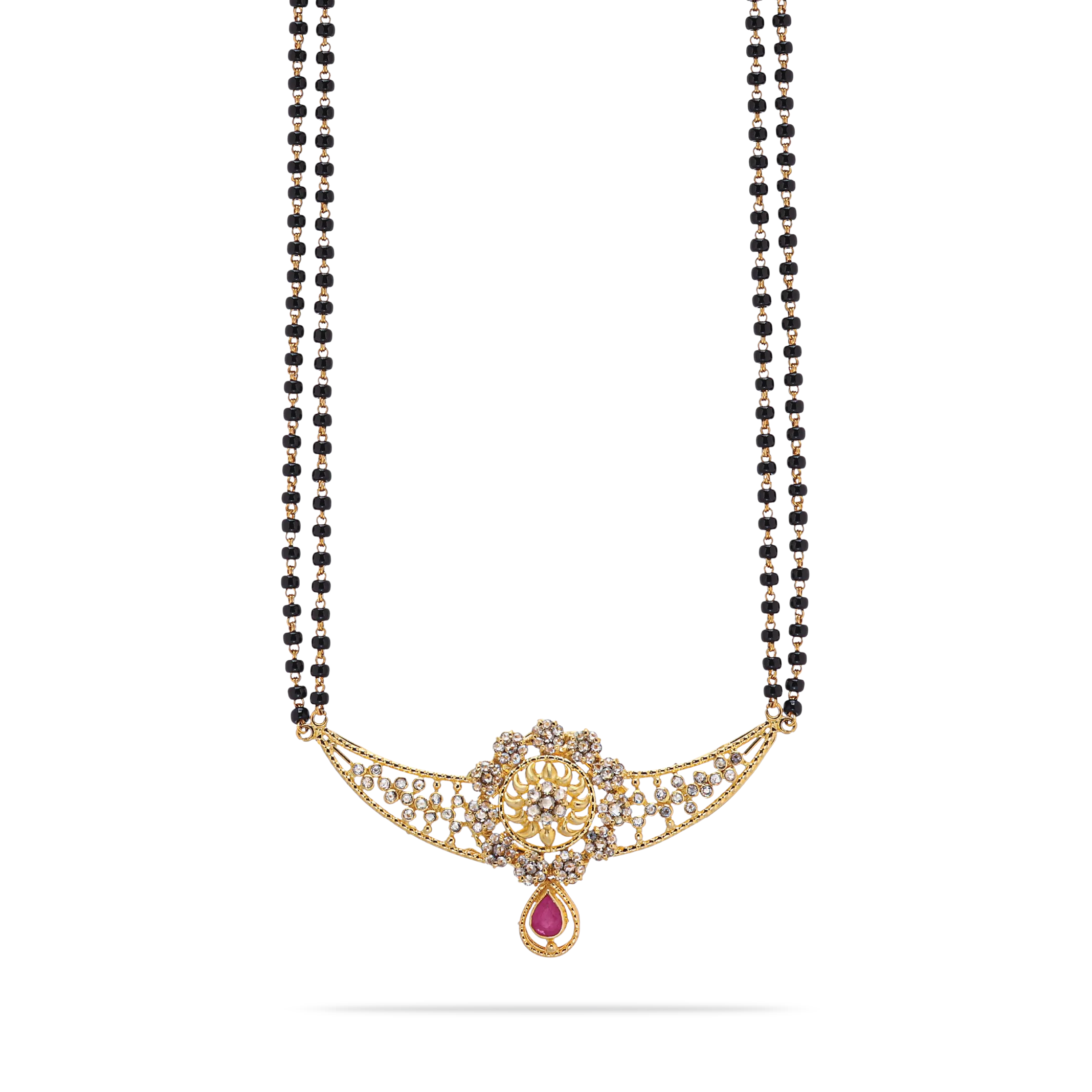
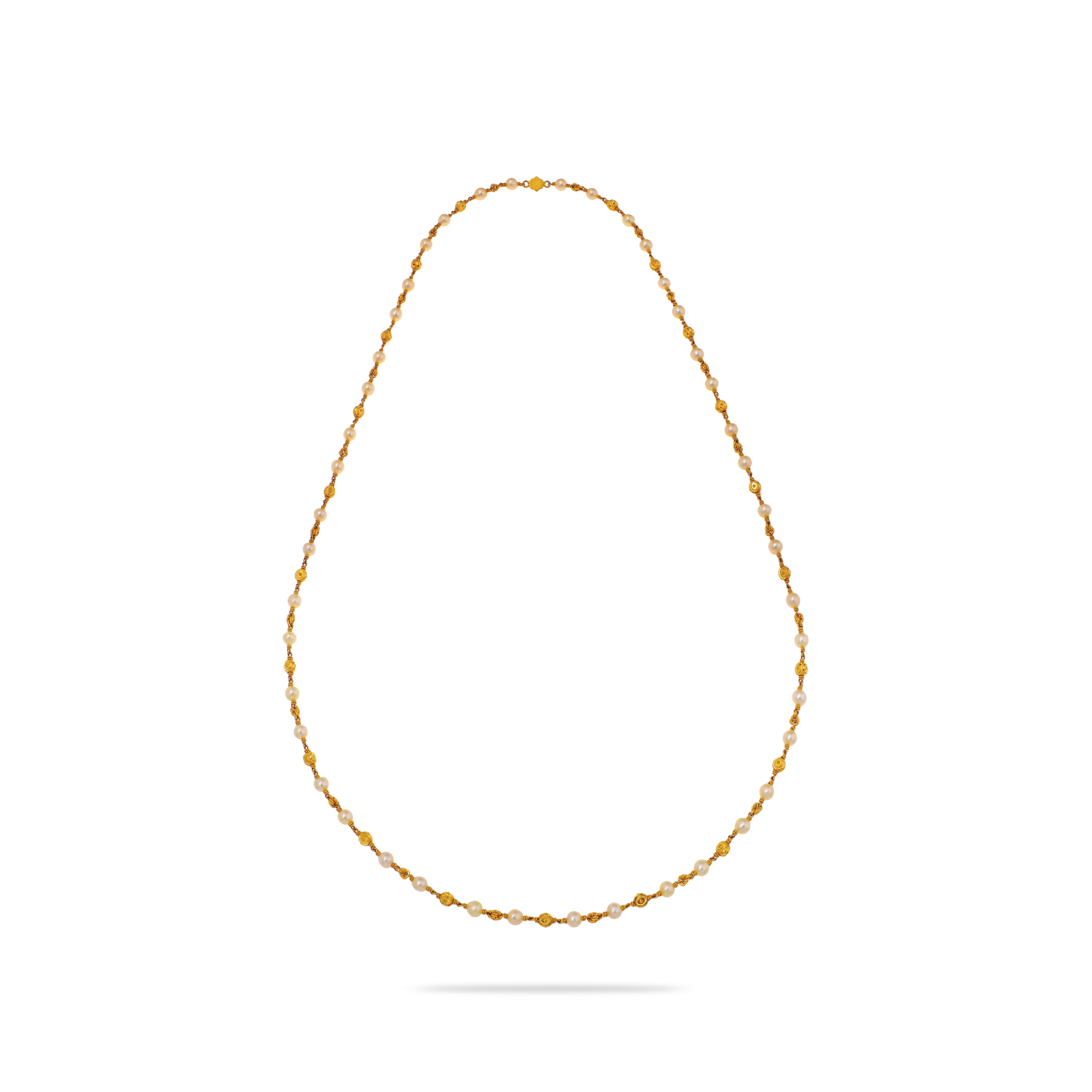
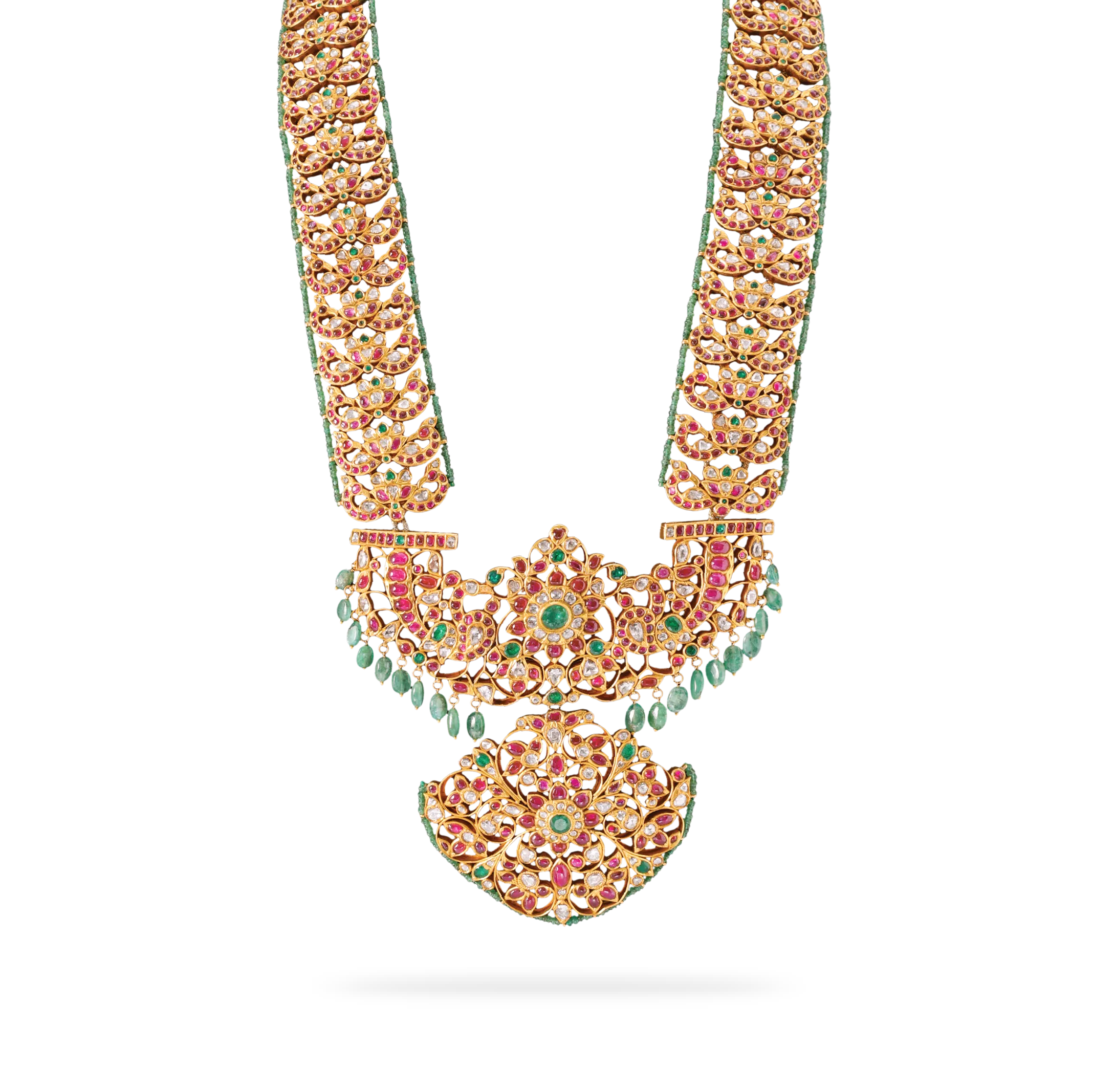
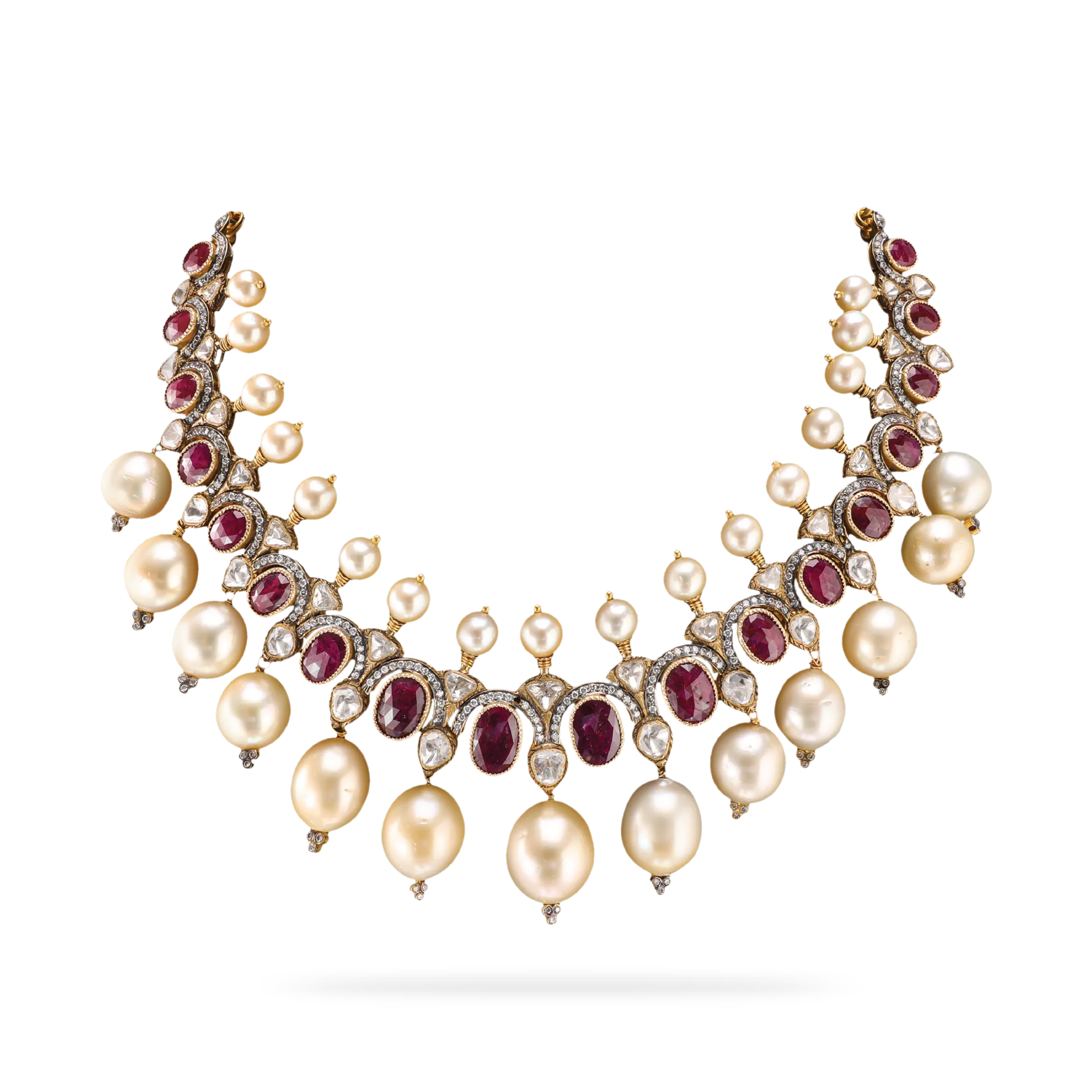
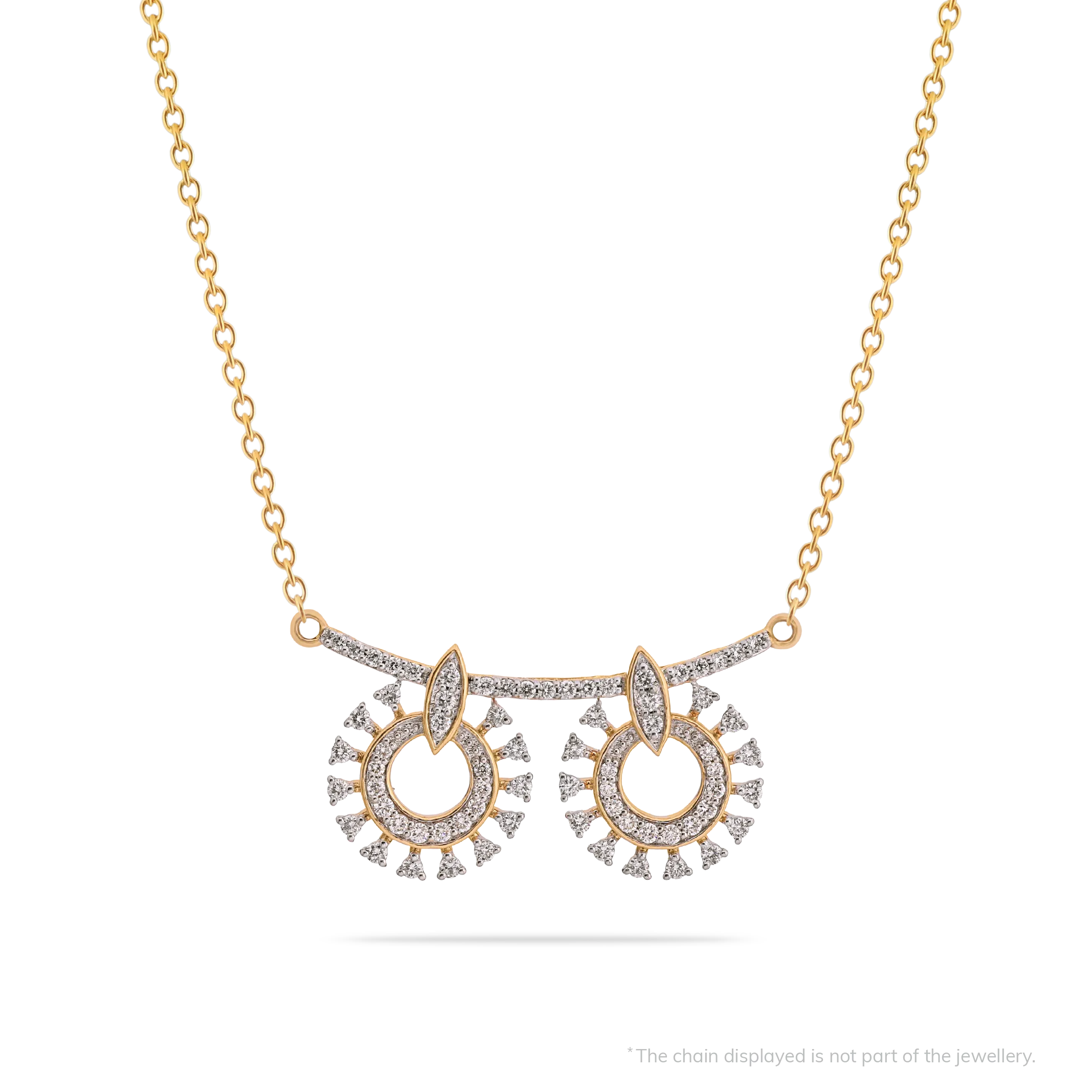
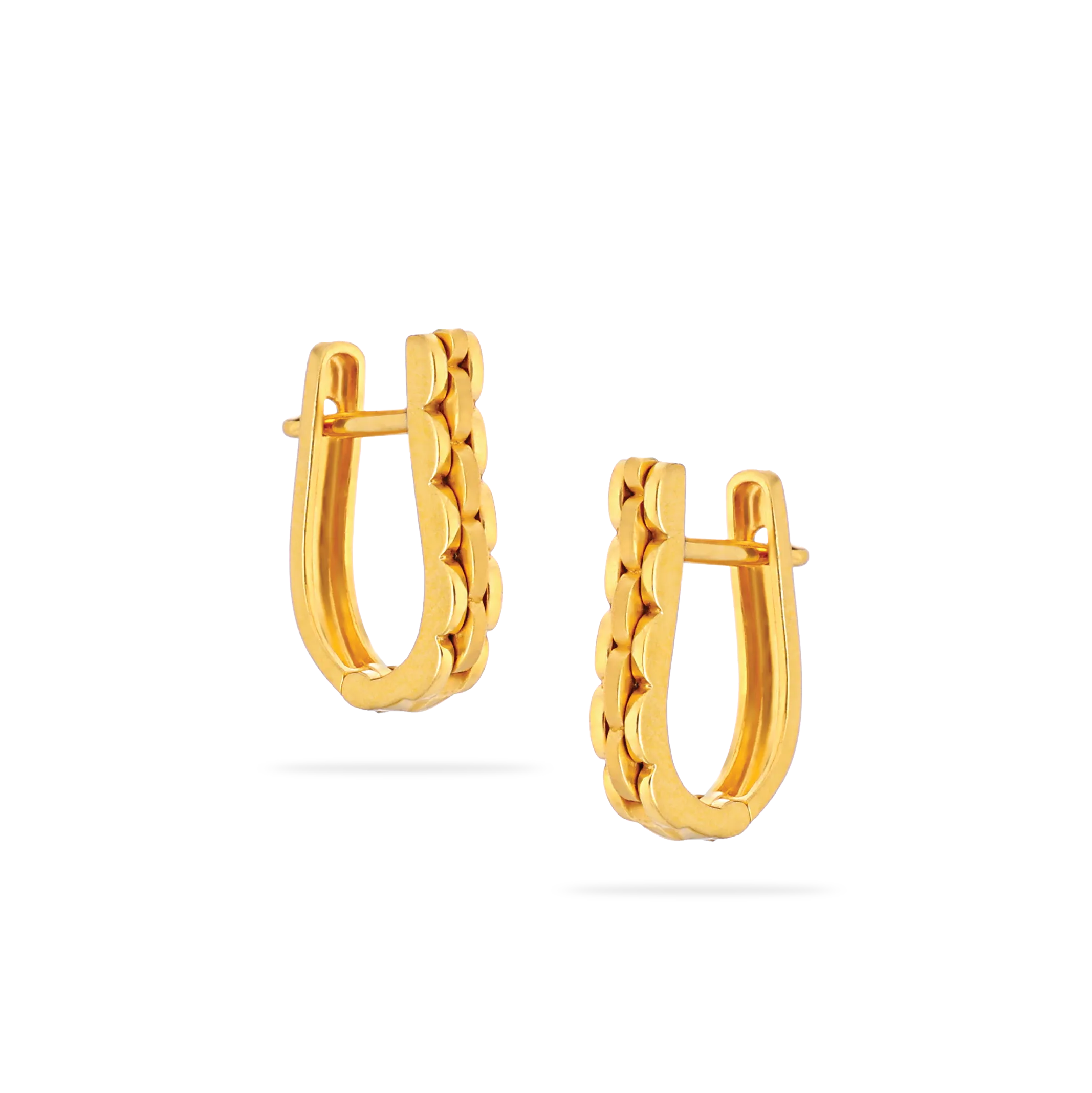
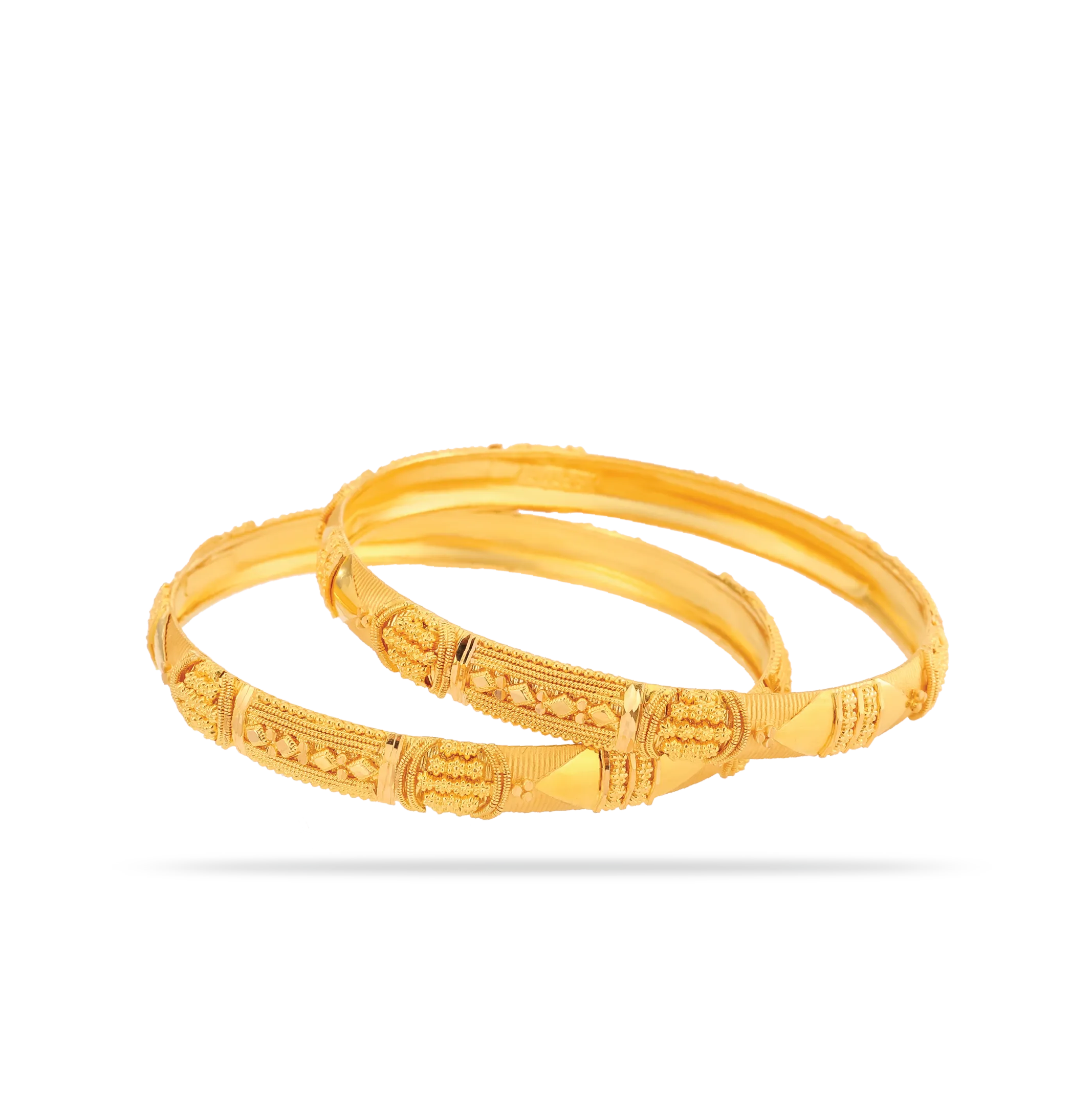
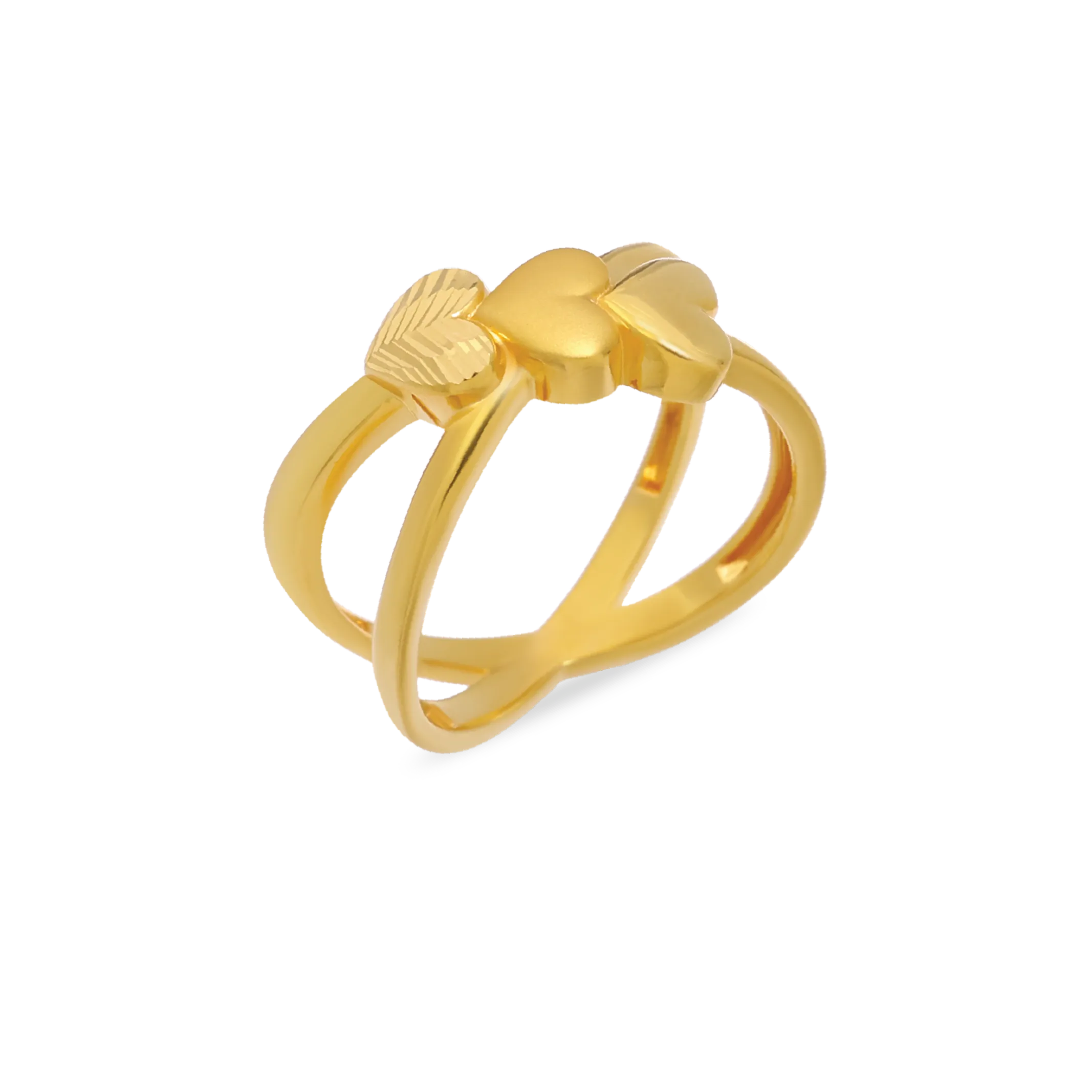
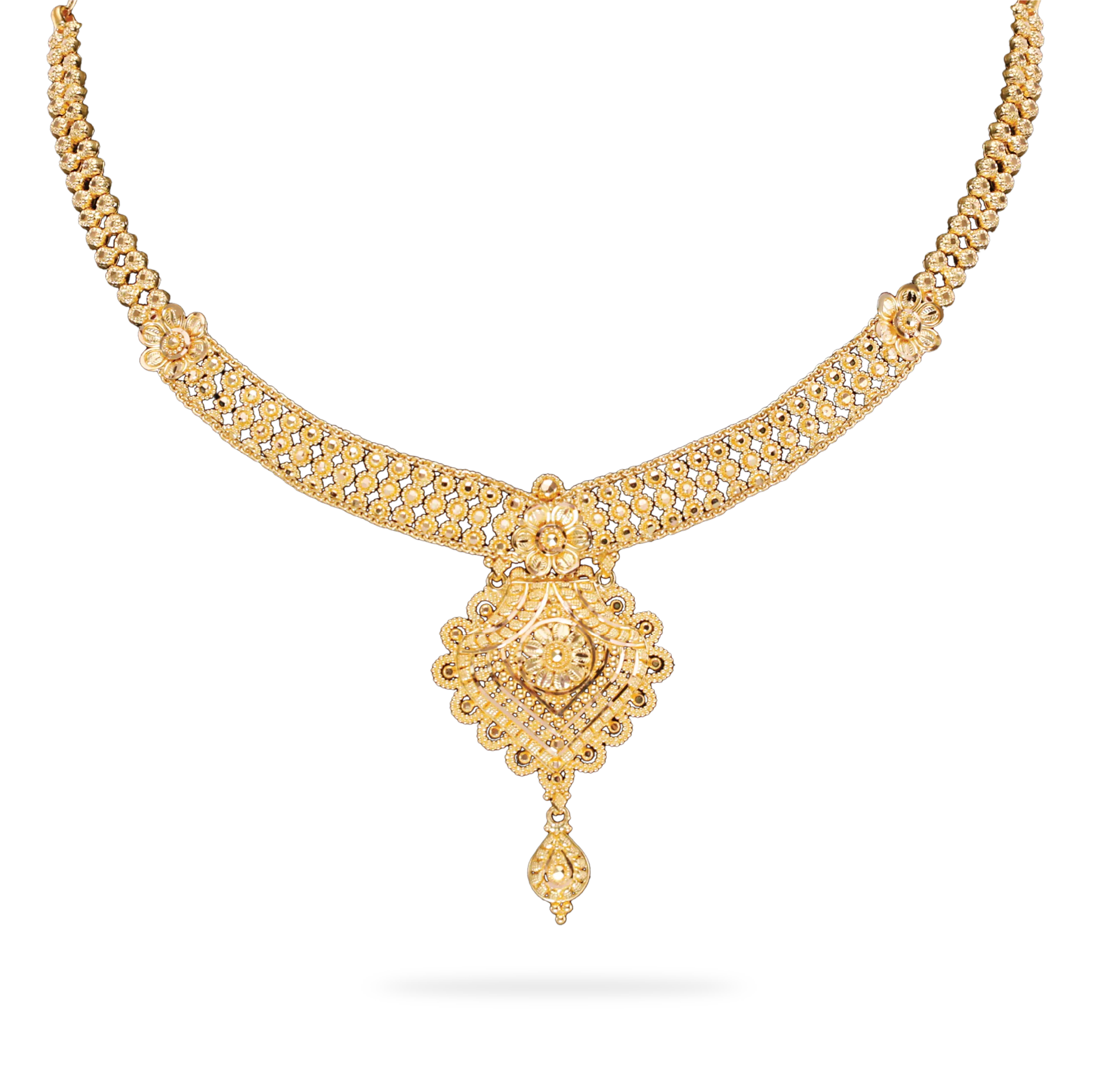
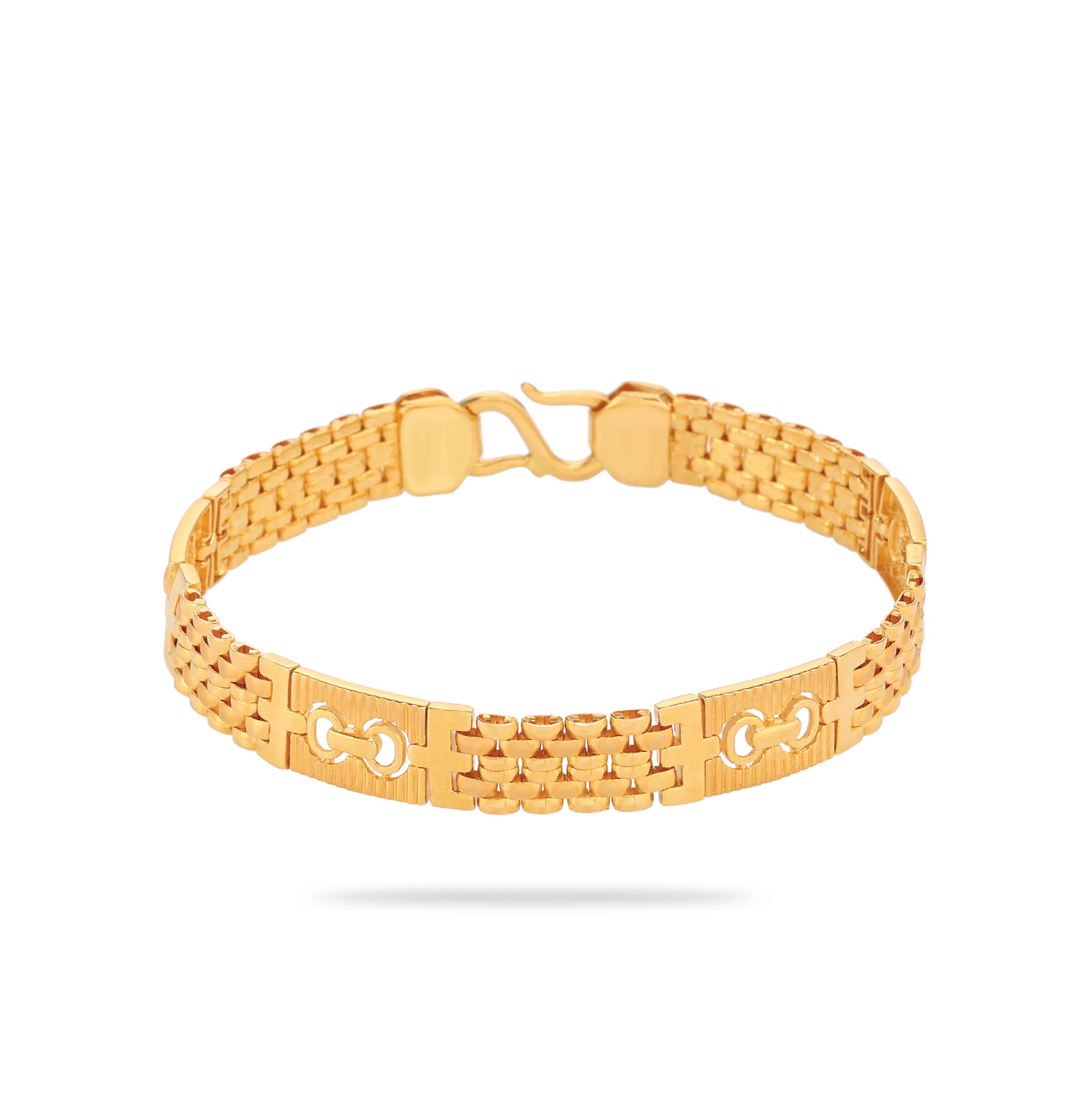
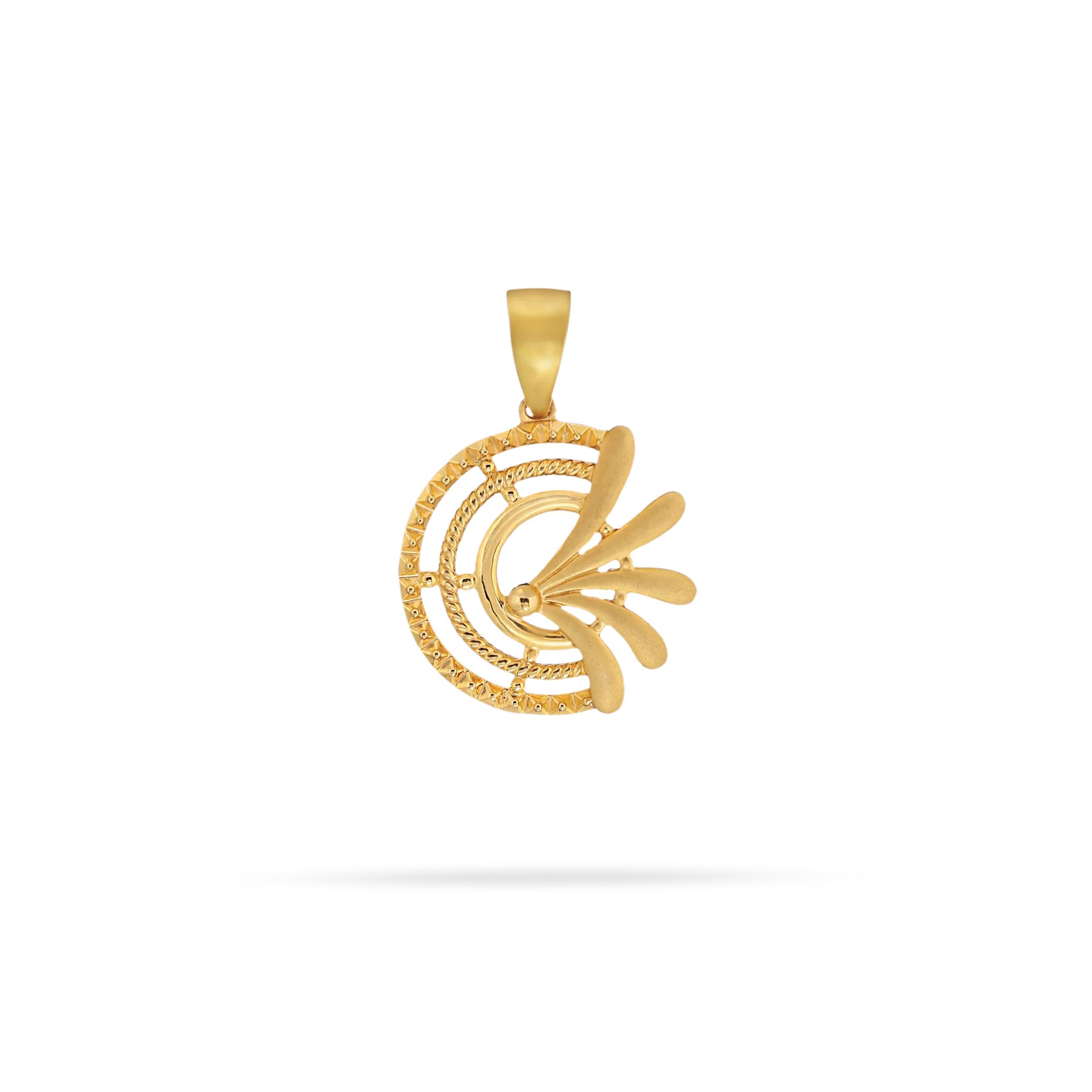
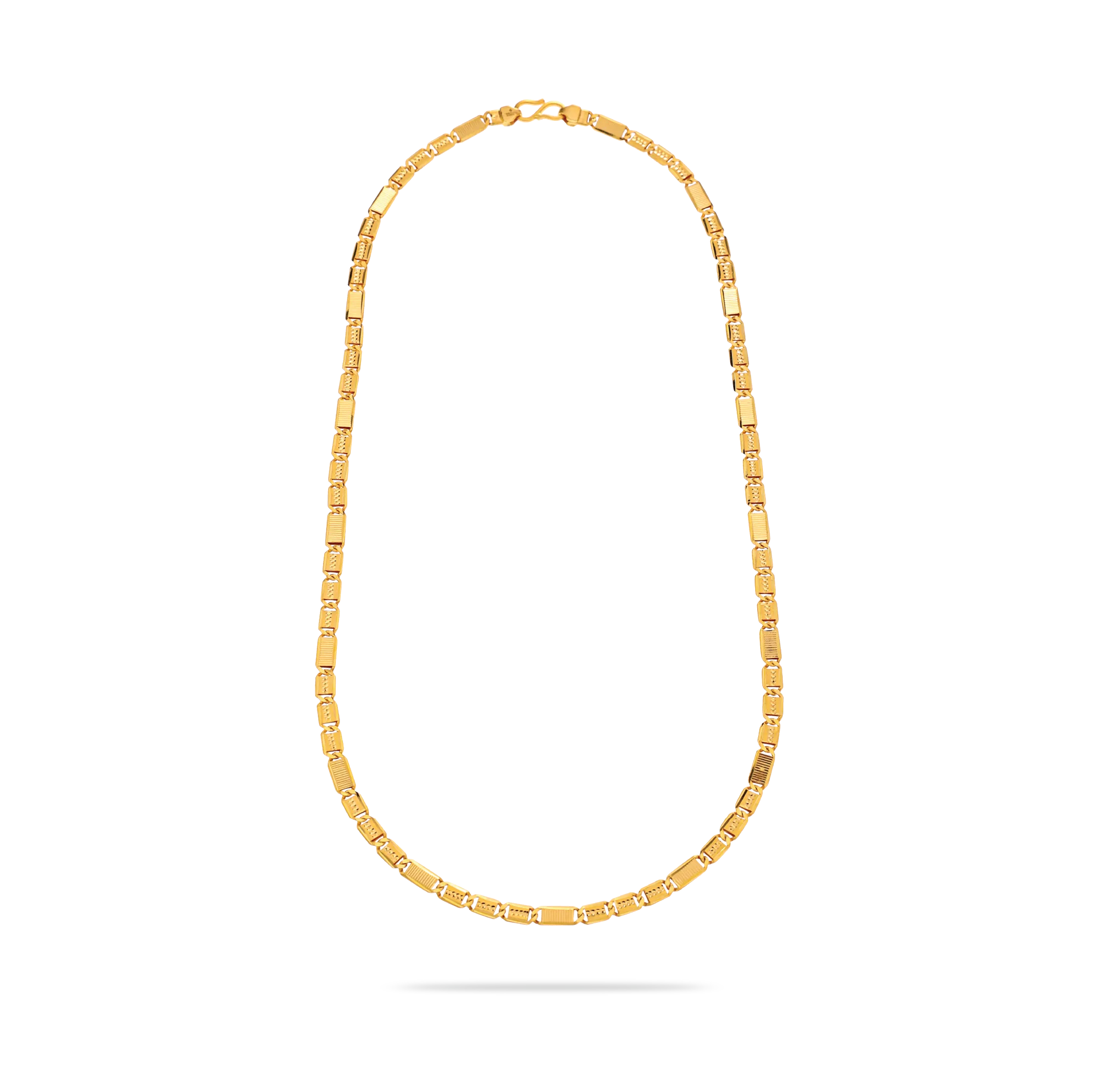
Custom bridal jewellery in Bangalore: a guide to designing your wedding look
October 20, 2026 | 10 minutes read
Key Takeaways
A bridal jewellery look comes together through thoughtful choices, not simply by adding more pieces. Start with your style and ceremonies, then make decisions that fit your outfit, budget, and comfort.
- Choose jewellery that feels like you and suits the occasions you will celebrate.
- Coordinate color, embroidery, neckline, hairstyle, and veil when planning each look.
- Compare materials, stones, and finishes with appearance and care in mind.
- Set priorities and ask for a clear breakdown of materials and craftsmanship.
- Allow time for design revisions, fittings, delivery, and safe storage.
Define your bridal style and occasion needs
Before choosing individual pieces, picture how you want to feel in your wedding look: unmistakably traditional, quietly modern, or somewhere between the two. Custom bridal jewellery bangalore searches can lead to many styles, but your own preferences and the ceremonies on your calendar make a better starting point than trends alone. Consider the whole set of events, not just the main ceremony, so each choice has a purpose.
Choose a look that reflects your personal style
Think about the jewelry you already enjoy wearing. If you usually reach for a few simple pieces, an elaborate set may feel less like you; if you love expressive accessories, a single bold element might be more satisfying than a restrained look. Bring those familiar preferences into the conversation, while staying open to a wedding-day version that feels special without seeming like a costume. For more ideas on building a look around your taste, explore bridal style choices.
Consider the traditions and ceremonies you’ll celebrate
Different events may call for different levels of formality, and family traditions can influence which pieces feel meaningful. Make a simple list of the ceremonies, outfits, and any heirloom items you hope to wear before settling on a design. If some pieces will be reused across events, note that too; comfort and versatility matter when a celebration lasts for hours. For another perspective on planning around traditions and outfits, see bridal jewellery planning.
Decide whether you want statement pieces or a coordinated set
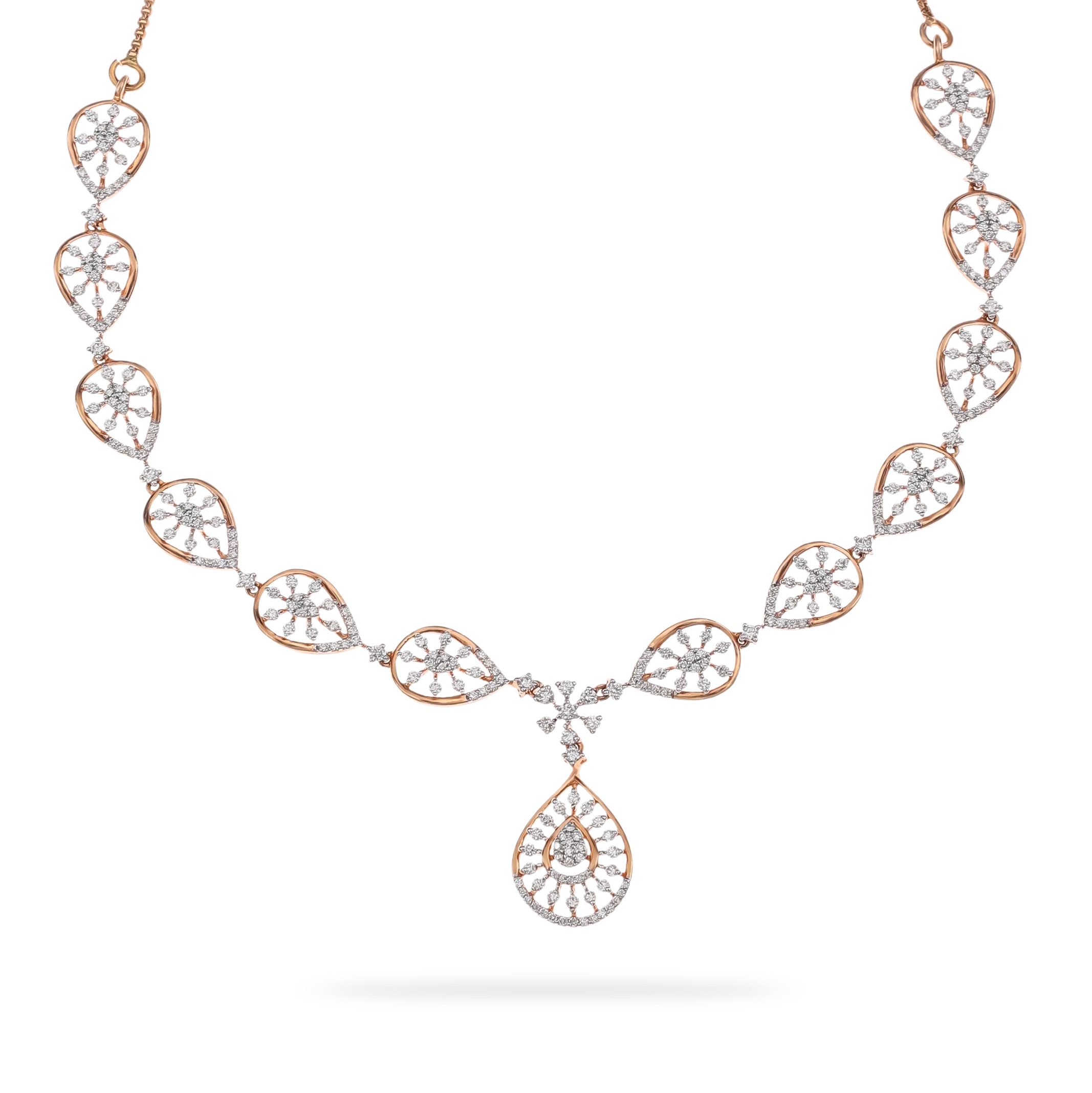
A statement necklace, a pair of distinctive earrings, or an ornate headpiece can each lead the look, but asking every piece to stand out at once can make the result feel crowded. Decide which item should draw the eye, then let the rest of the set support it through scale, color, or detail. A coordinated set can feel polished without requiring every piece to match exactly. The most memorable combination is often the one with a clear point of focus.
Match jewellery to your wedding attire
Your outfit gives the jewellery its setting, so consider fabric, color, embroidery, neckline, and the way the garment moves. A piece that looks beautiful on its own may compete with dense surface detail or disappear against a similar shade. Bring outfit photographs or a fabric swatch to design discussions, and look at the pieces together in more than one kind of light.
Coordinate pieces with your outfit’s color and embroidery
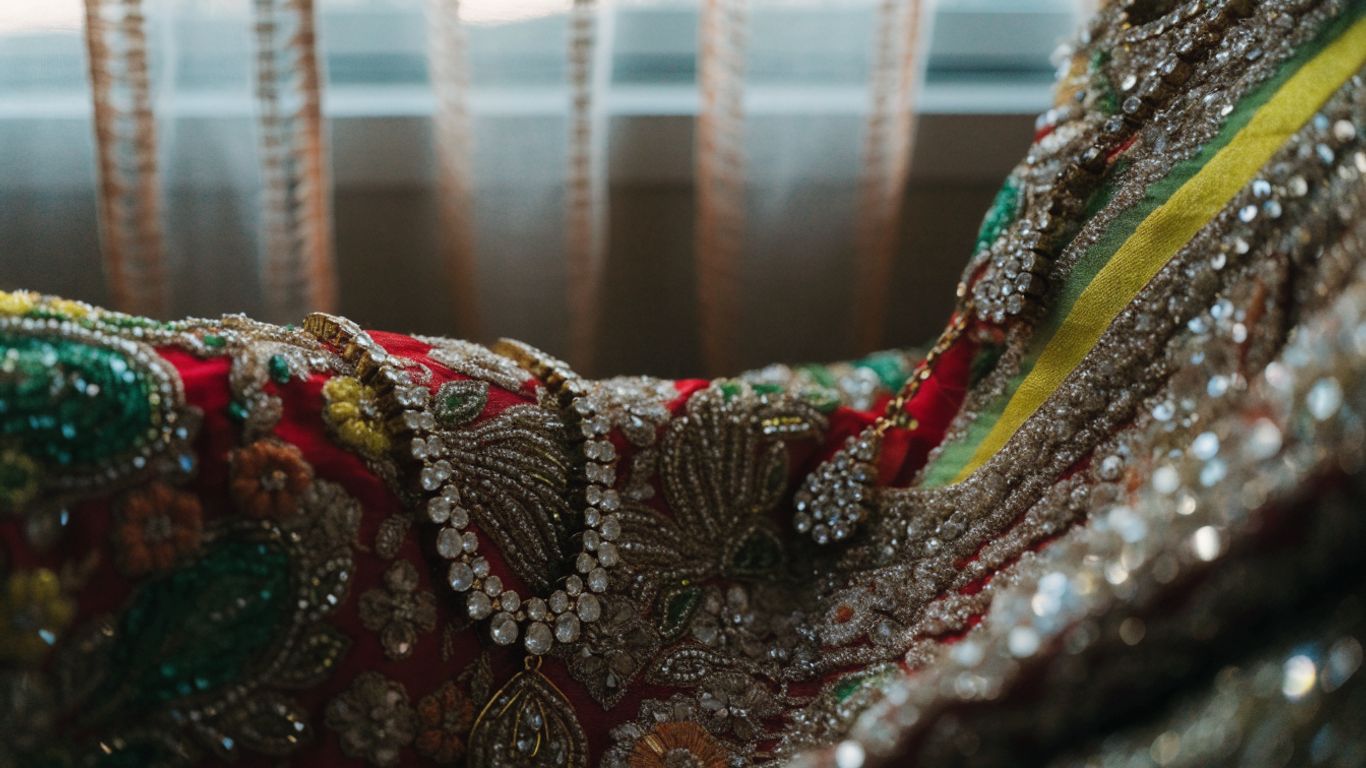
Start by noticing whether the outfit’s decoration is delicate, bold, geometric, or floral, then choose jewellery with a compatible level of detail. You do not have to repeat every motif; a small shared color or shape can be enough to make the pairing feel intentional. This comparison can help turn broad ideas into practical choices before a design is finalized.
| Outfit detail | Jewellery direction | What to check |
|---|---|---|
| Dense embroidery | A simpler silhouette | Whether the jewellery remains distinct |
| Fine, delicate work | Detailed or layered pieces | Whether the overall look stays light |
| Strong contrasting colors | A restrained palette | Whether the stones and metal feel harmonious |
| Subtle, mostly plain fabric | A more prominent focal piece | Whether its scale suits the outfit |
Use the table as a starting point rather than a formula. If you are choosing pieces for a saree, saree and jewellery pairings offers another way to think about fabric, embroidery, and neckline together.
Balance necklines with necklace length and shape
A necklace should sit comfortably within the space created by the neckline, rather than crowding it or seeming disconnected from it. Compare the necklace shape and length against the actual garment, especially if the neckline includes a border, collar, or heavy embellishment. Take a seated and standing view as well: the proportions can change once the outfit is draped and worn. For a closer look at pairing necklace shapes with a wedding outfit, browse wedding necklace styles.
Plan accessories for your hairstyle and veil
Hair accessories, earrings, and a veil share a small amount of visual space, so decide how they will work together before the styling trial. Updos can leave earrings more visible, while loose hair may soften their appearance or catch on a long design. Try the planned hairstyle with the veil in place, and check whether accessories feel secure without pulling or snagging. A practical trial can reveal issues that are hard to spot in a sketch.
Select materials, gemstones, and finishes
Materials affect how a piece looks, feels, and fits your budget, while the finish can change its character considerably. Compare options in person when possible, and ask what is known about the metal, stones, and care needs of each design. These choices should suit the look you want as well as the realities of wearing and storing the jewellery.
Compare gold, silver, and other metal options
Consider the metal color alongside your outfit and any pieces you already plan to wear. Ask about the stated purity or composition, how the piece is made, and what documentation accompanies it; a visual impression alone cannot answer those questions. Weight and construction can also affect comfort, so try a sample or a similar piece if one is available. A good choice is one you feel at ease wearing, not just one that photographs well.
Explore diamonds, colored gemstones, and traditional designs
Diamonds, colored stones, and traditional design details each bring a different kind of emphasis, and your choice can echo the outfit or provide contrast. If you are considering stones, ask for clear information about what is included and any relevant certification, rather than relying on appearance alone. Traditional motifs can also be adapted in scale or arrangement to suit your taste. Think about whether the piece should feel closely tied to one ceremony or remain easy to wear later.
Check how finishes may affect appearance and maintenance
A polished, matte, or textured surface can make the same design read differently, so compare finishes under natural and indoor light. Ask how the chosen surface should be cleaned and whether it needs particular care; small differences in maintenance can matter over time. If you expect to wear a piece often, factor its care into the decision rather than treating it as an afterthought. The finish should feel right both on the wedding day and in ordinary use.
Set a budget and prioritize your pieces
A budget is most useful when it helps you make choices, rather than narrowing every possibility before you have defined what matters. List the pieces you want, separate essentials from optional additions, and decide where design detail is worth the added cost. If you are weighing purchase against other options, rental jewellery options may also be part of your research.
Identify the items you’ll wear most often
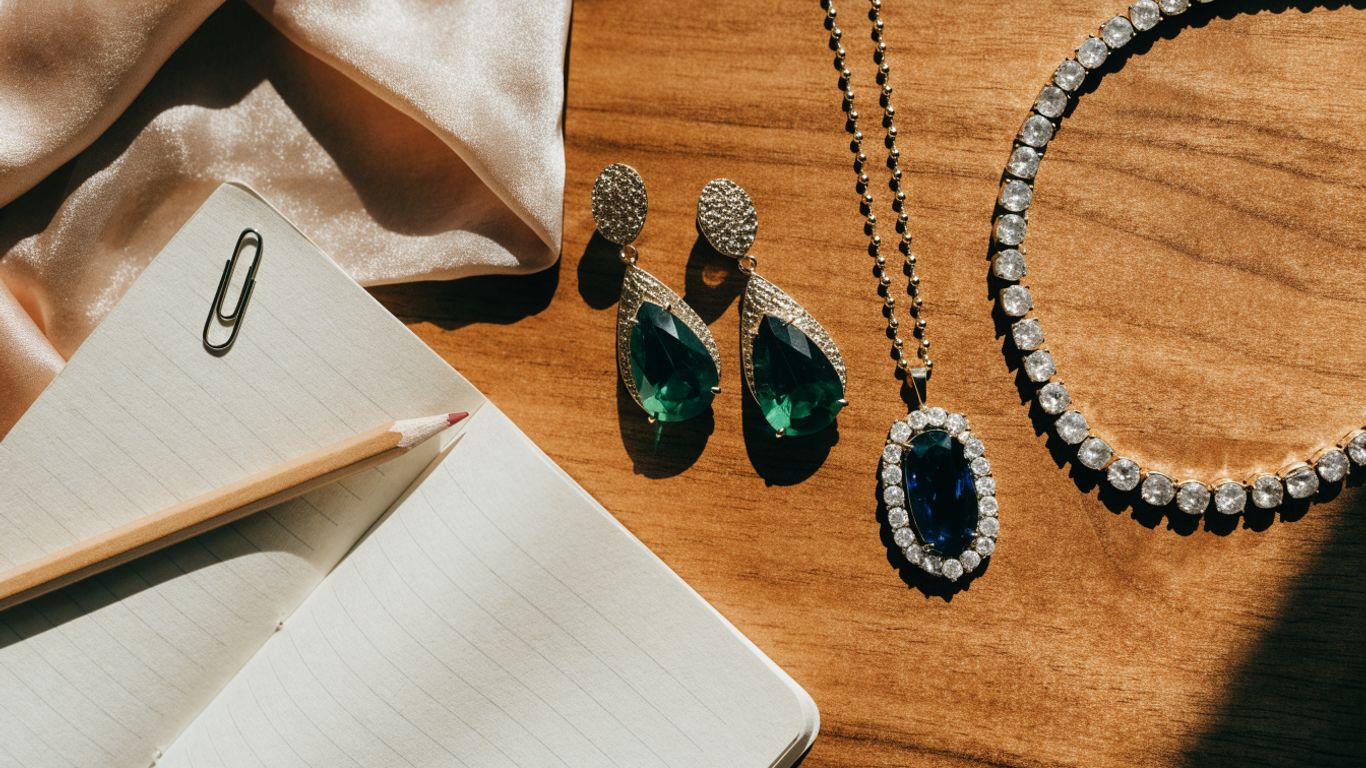
Begin with the pieces that matter most for the ceremony and the ones you can imagine wearing after the wedding. You might value a necklace for the main outfit, earrings that work with several looks, or a piece that incorporates a family heirloom. Write down your priorities before discussing versions and prices, so the conversation stays focused. This small exercise can make it easier to keep the design personal without adding pieces simply to complete a set.
Understand how design choices affect the final cost
Size, intricacy, material, stones, and the amount of handwork can all shape the final estimate. Ask how changing one element—such as scale or detail—would affect the design and price, and compare like with like when reviewing options. A more elaborate idea is not automatically the better one; the right choice is the one that fits your priorities and budget. Leave room for any agreed adjustments rather than spending the full amount on the first version.
Ask for a clear breakdown of materials and craftsmanship
A written estimate makes it easier to understand what the price includes and to compare design revisions fairly. Ask for a breakdown that separates materials from making charges and other listed costs, with the details that apply to the piece you are commissioning. It can help to keep a short checklist of what you want clarified before approving a design:
- The stated metal and its purity or composition
- The stones and any relevant documentation
- Craftsmanship or making charges
- Revision, payment, and delivery terms
Review the answers alongside the design, not as a separate administrative step. Clear details help you decide whether to simplify, proceed, or revisit a particular feature.
Work with a custom jewellery designer in Bangalore
A custom design process works best when you can explain what you like, what you need, and what is still undecided. Gather a few references that capture useful details without expecting one image to dictate the entire result. As you compare possible design partners, showroom selection considerations can help you frame questions about fit, quality, and support.
Prepare reference images, measurements, and preferences
Bring photographs of your outfit, examples of shapes or details you like, and notes about the ceremonies where each piece will be worn. Include preferences on scale, color, weight, and comfort, along with anything you already own that should coordinate. A concise set of references is often more useful than a large folder of images with conflicting directions. Explain what you like in each example so the designer can understand the idea behind it.
Review sketches, samples, and design revisions
Treat an initial sketch as a conversation starter: check proportion, placement, and how the piece relates to your outfit before approving details. Ask how revisions are handled and when a change might affect the estimate or delivery plan. If samples or comparable pieces are available, try them on and take a moment to move naturally rather than judging them only in a mirror. Keep a record of the version you approve so expectations stay clear.
Confirm craftsmanship, certification, and customization terms
Before committing, confirm which materials and stones are specified, what documentation will be provided, and what the agreed customization covers. Ask how the finished item will be checked against the approved design and what happens if a detail needs correction. These are sensible questions, not signs of distrust; a shared understanding gives both sides a clearer path from sketch to finished piece. Keep the written terms with your design notes.
Plan fittings, delivery, and long-term care
A beautiful design still needs enough time to be made, checked, and adjusted before the wedding. Work backward from the date and account for design approval, any revisions, fittings, and delivery rather than leaving everything to the final weeks. Build care into the plan too, especially if you hope to keep wearing the pieces after the celebrations.
Start the design process early enough for revisions
Begin with the date you need the jewellery, then agree on milestones for choosing materials, approving the design, and reviewing the finished work. Ask what the schedule depends on and which decisions need to be made early. A clear timeline gives you room to consider revisions without rushing them, while still keeping the work moving. Confirm any delivery date in writing.
Schedule fittings to check comfort and proportion
Try pieces with the intended outfit and hairstyle whenever possible, and check how they feel after wearing them for a little while. Notice whether a necklace shifts, earrings pull, or an ornament catches on fabric or hair. Look at the proportions from several angles and in photographs, not only straight on in a mirror. If something feels uncomfortable during a fitting, raise it before the final approval.
Learn how to store and maintain each piece
Ask for care guidance that matches the materials and finish of your jewellery, since one general cleaning method may not suit every item. Keep pieces stored separately in a dry, secure place, and use any care instructions provided with the finished design. If a piece includes stones or delicate components, ask whether it needs periodic inspection or professional attention. A simple storage routine can help protect both everyday pieces and heirlooms.
Conclusion
Designing bridal jewellery is a chance to bring personal taste, ceremony, and clothing into one thoughtful look. With clear priorities, a realistic budget, careful fittings, and enough time for decisions, you can create pieces that feel right for the wedding and remain meaningful afterward.
Frequently Asked Questions
How far in advance should I begin designing bridal jewellery?
Start as early as your schedule allows, leaving time for design discussions, approval, revisions, fittings, and delivery. Agree on a timeline with the designer based on the pieces and work involved.
What should I bring to a bridal jewellery consultation?
Bring outfit photographs or fabric samples, reference images, notes on your preferred style, and details about the ceremonies where you will wear each piece. Mention any heirlooms or existing jewellery you want to coordinate.
How do I choose jewellery for a heavily embroidered outfit?
Look at the scale and density of the embroidery, then decide whether the jewellery should complement its detail or provide a simpler counterpoint. Try the pieces with the outfit so you can judge the full effect together.
Should I choose a statement piece or a matching set?
Choose according to the look you want and the outfit’s level of detail. One focal piece can anchor a look, while a coordinated set can feel cohesive; either approach works when the proportions feel balanced.
What questions should I ask about materials and gemstones?
Ask what metals and stones are specified, what documentation is available, and how the piece should be cared for. Request a clear written estimate that explains the materials and craftsmanship included.
How can I make sure bridal jewellery feels comfortable?
Try it with your planned outfit and hairstyle, and wear it long enough to notice pressure, movement, or snagging. Raise any discomfort during the fitting so there is time to adjust the design.
How should I store bridal jewellery after the wedding?
Follow care guidance for the specific materials and finish, and store pieces separately in a dry, secure place. Ask whether any delicate components need special handling or periodic inspection.
Engagement ring shopping Bangalore: A complete guide to choosing the right ring
10 minute read
Related blogs:
November 20, 2025
The Timeless Elegance of the Tennis Bracelet: A Comprehensive Guide
Read More
November 20, 2025
The Ultimate Guide to Styling and Wearing a Choker Necklace
Read More
November 20, 2025
Find Your Perfect Engagement Ring: A Comprehensive Guide to Styles and Diamonds
Read More
November 20, 2025
The Timeless Elegance of a Diamond Tennis Bracelet: A Buyer's Guide
Read More