The ultimate guide to choosing the best jewellery for a bridal saree
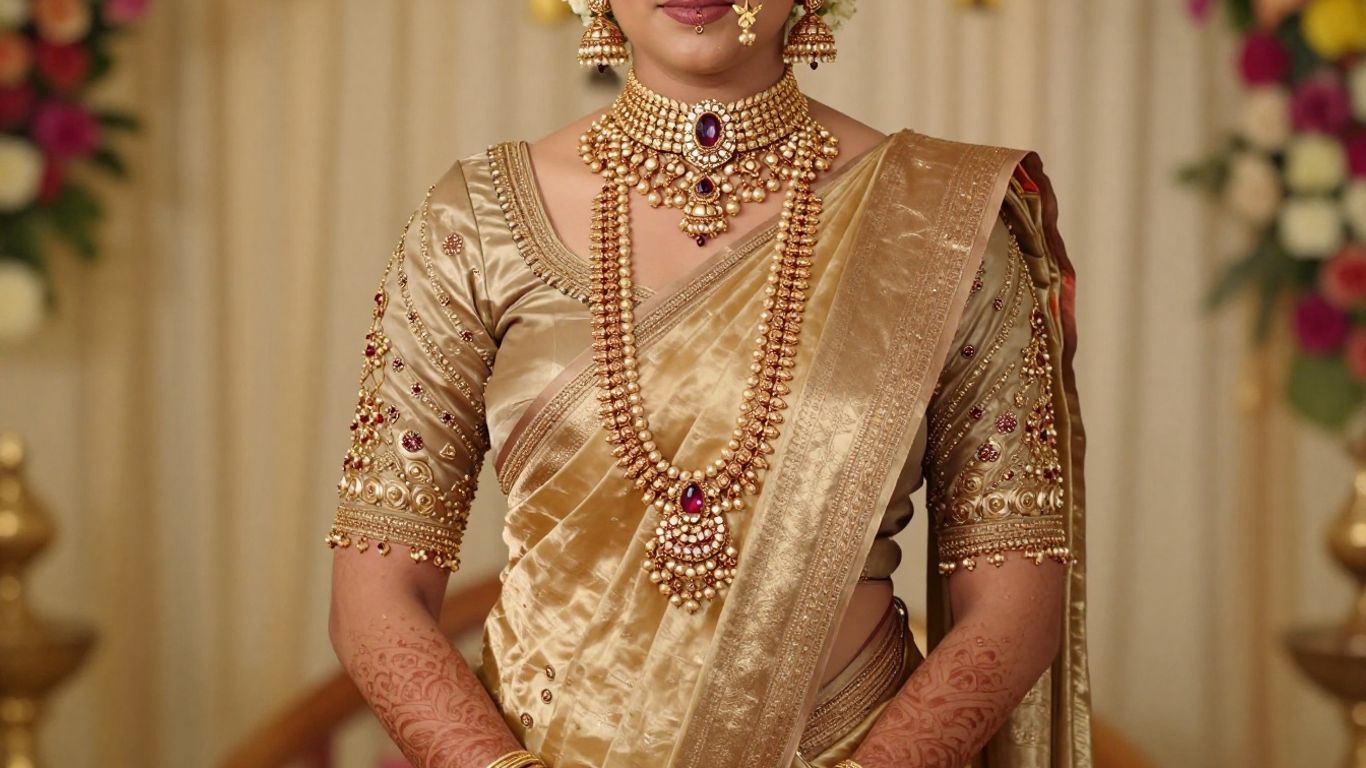
July 23, 2026 | 10 minutes read
Key Takeaways
Choosing the right ornaments for your wedding ensemble transforms your look into a timeless masterpiece. By considering fabric weight, necklines, and metal tones, you ensure every piece harmonious with your bridal vision.
- Match jewellery metal tones to the embroidery and thread work of your saree.
- Prioritize balance by pairing heavy chokers with minimal earrings for a structured look.
- Use the saree neckline to determine whether you need a statement neckpiece or an understated set.
- Consider the weight of your accessories to ensure comfort throughout long wedding ceremonies.
- Incorporate regional essentials like nose rings and waist belts to complete the traditional aesthetic.
Matching jewellery with different saree fabrics
Selecting the right adornments starts with understanding the texture and drape of your wedding saree. Different fabrics demand different levels of embellishment to maintain a cohesive and elegant appearance. The professionals at C Krishniah Chetty & Co often highlight that the saree fabric acts as the canvas for your overall bridal look.
Complementing traditional silk and Banarasi weaves
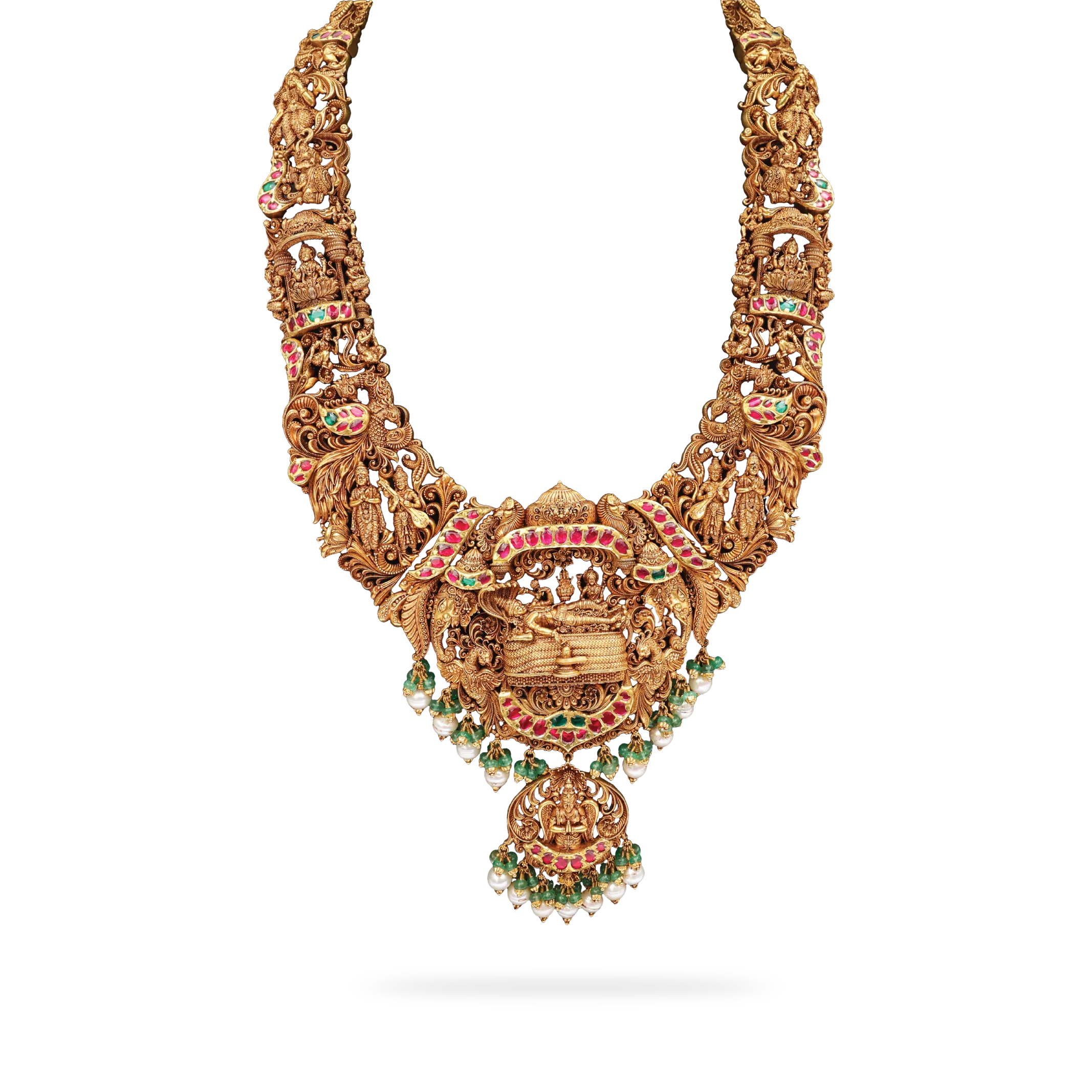
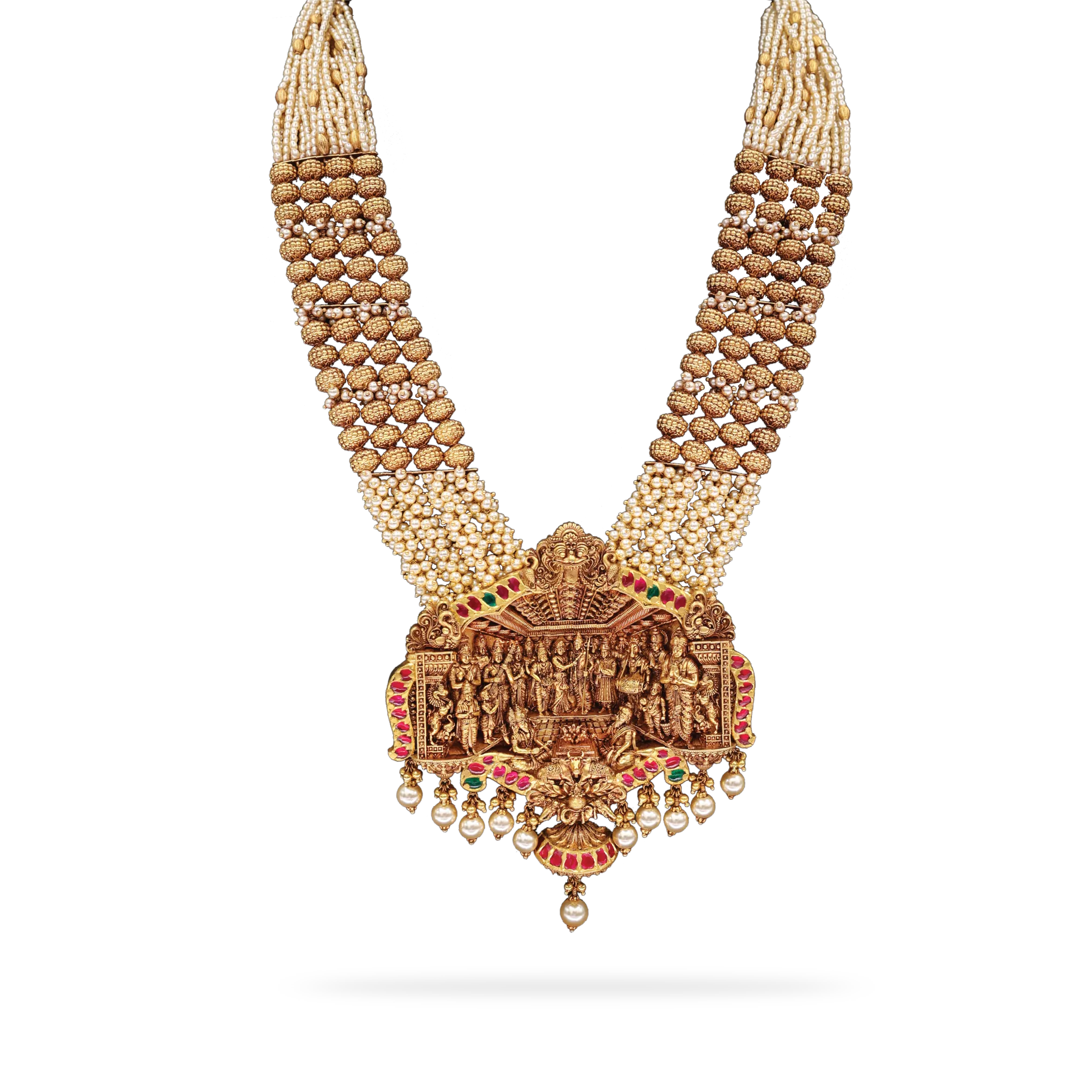
Traditional silk and Banarasi sarees are inherently rich, often featuring heavy zari work that shines with a golden luster. These weaves call for heritage-inspired pieces like temple jewellery or antique gold sets that mirror the regal nature of the fabric.
Styling contemporary chiffon and georgette sarees
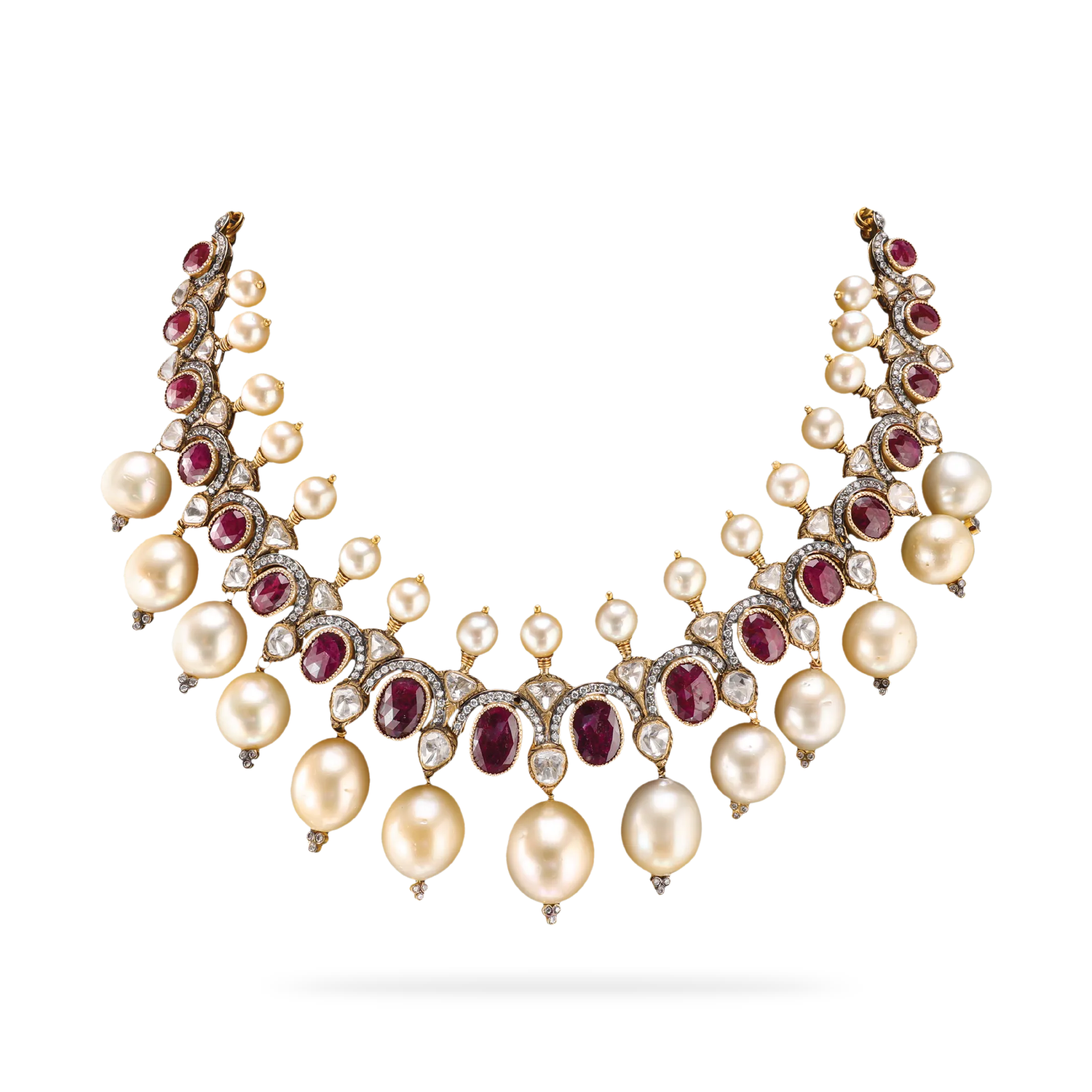
Lighter fabrics like chiffon and georgette offer a fluid drape that pairs beautifully with delicate, intricate jewellery designs. Because these materials are less textured, they allow for diamond or polki sets that add a layer of sophistication without overpowering the fabric's movement.
Selecting sets for heavily embellished net sarees
Net sarees with dense embroidery or heavy stone work require a more intentional balance to avoid a cluttered appearance. Opt for large, singular statement pieces rather than layered sets to let the craftsmanship of the saree remain the visual focal point.
Considering fabric weight in jewelry choice
Heavier fabrics provide more structural support for elaborate neckpieces, whereas lighter materials might sag or pull if you choose accessories that are too heavy. Always assess how your chosen jewellery sits against the fabric before finalizing your set.
- Heavy silk supports multi-layered necklaces and broad chokers.
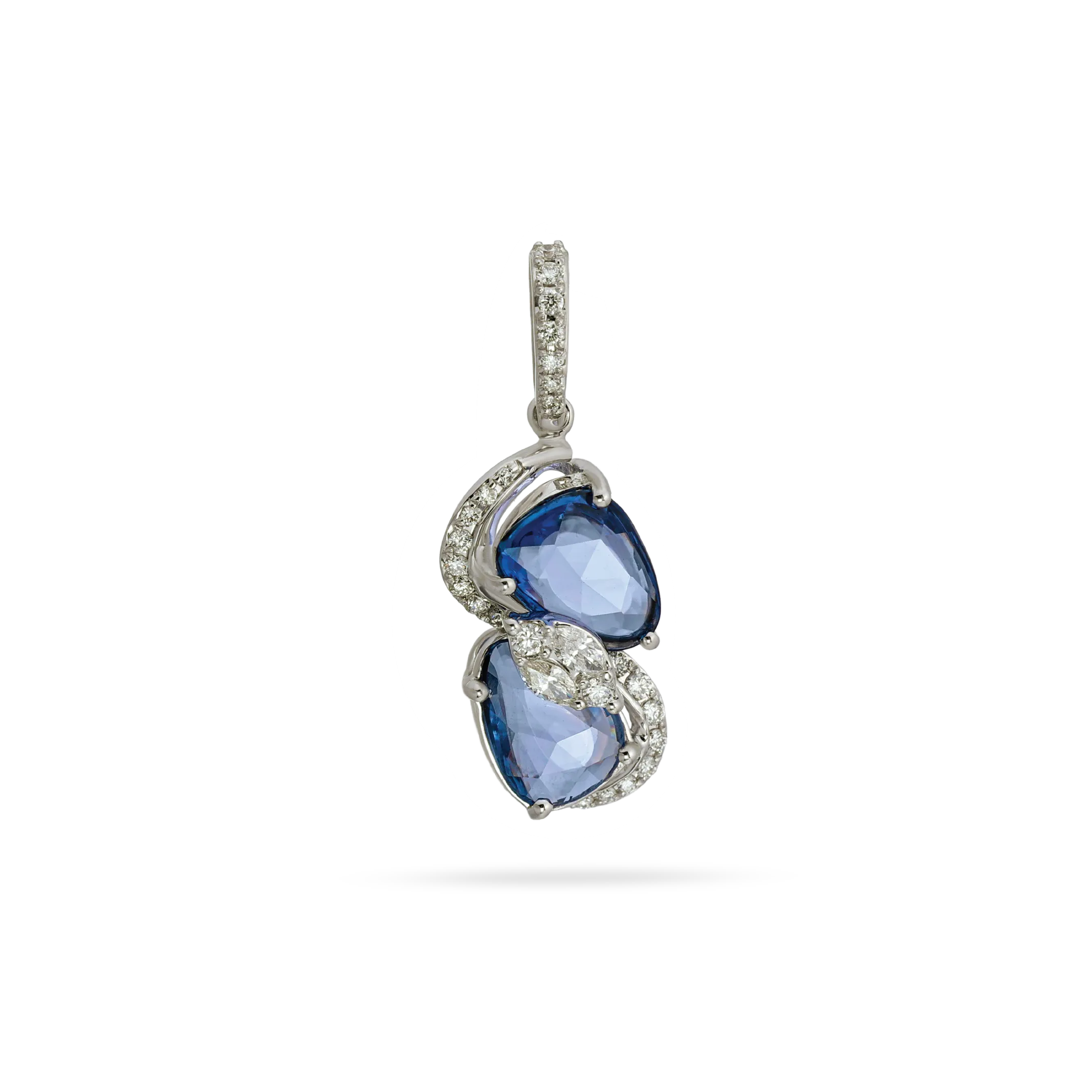
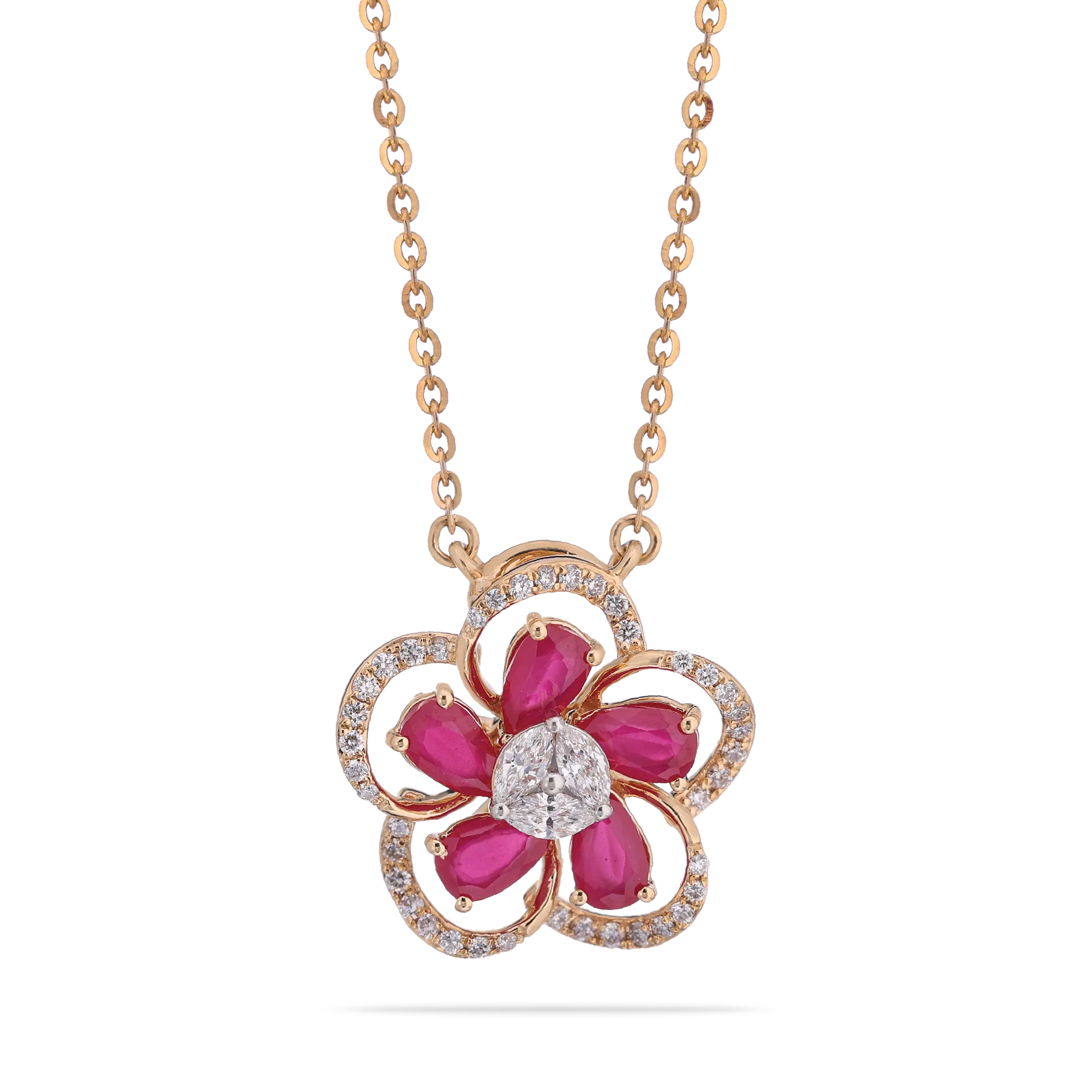
- Delicate georgette is better suited for pendant sets.
- Transparent net fabric allows you to emphasize earrings instead.
- Cotton and linen work best with minimalist oxidized silver.
Selecting neckpieces based on saree necklines
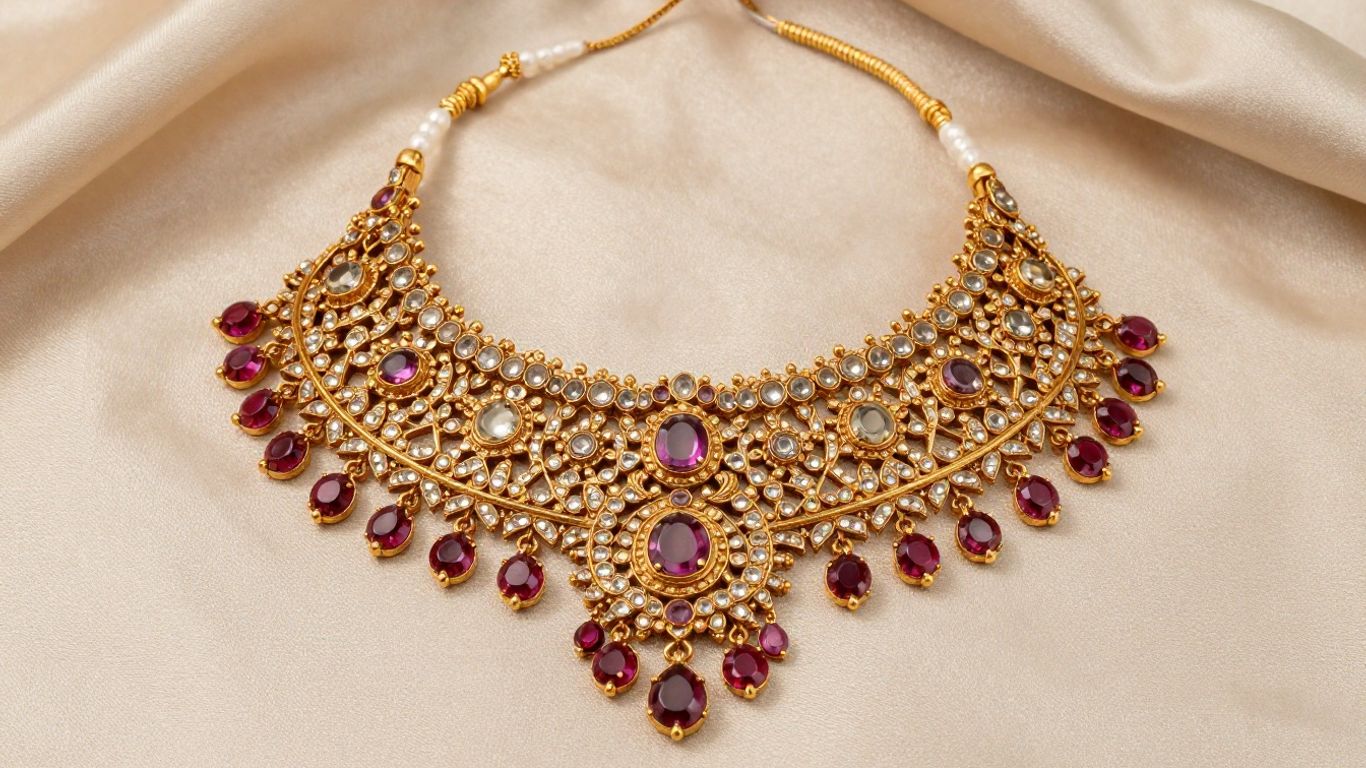
The neckline of your blouse is the primary guide for choosing your main neckpiece. A well-selected necklace should sit naturally against the skin without being obscured by the fabric or competing with the embroidery. As noted by C Krishniah Chetty & Co, the framing of your neck determines the overall visual impact of your jewellery.
Statement chokers for high-neck and closed collars
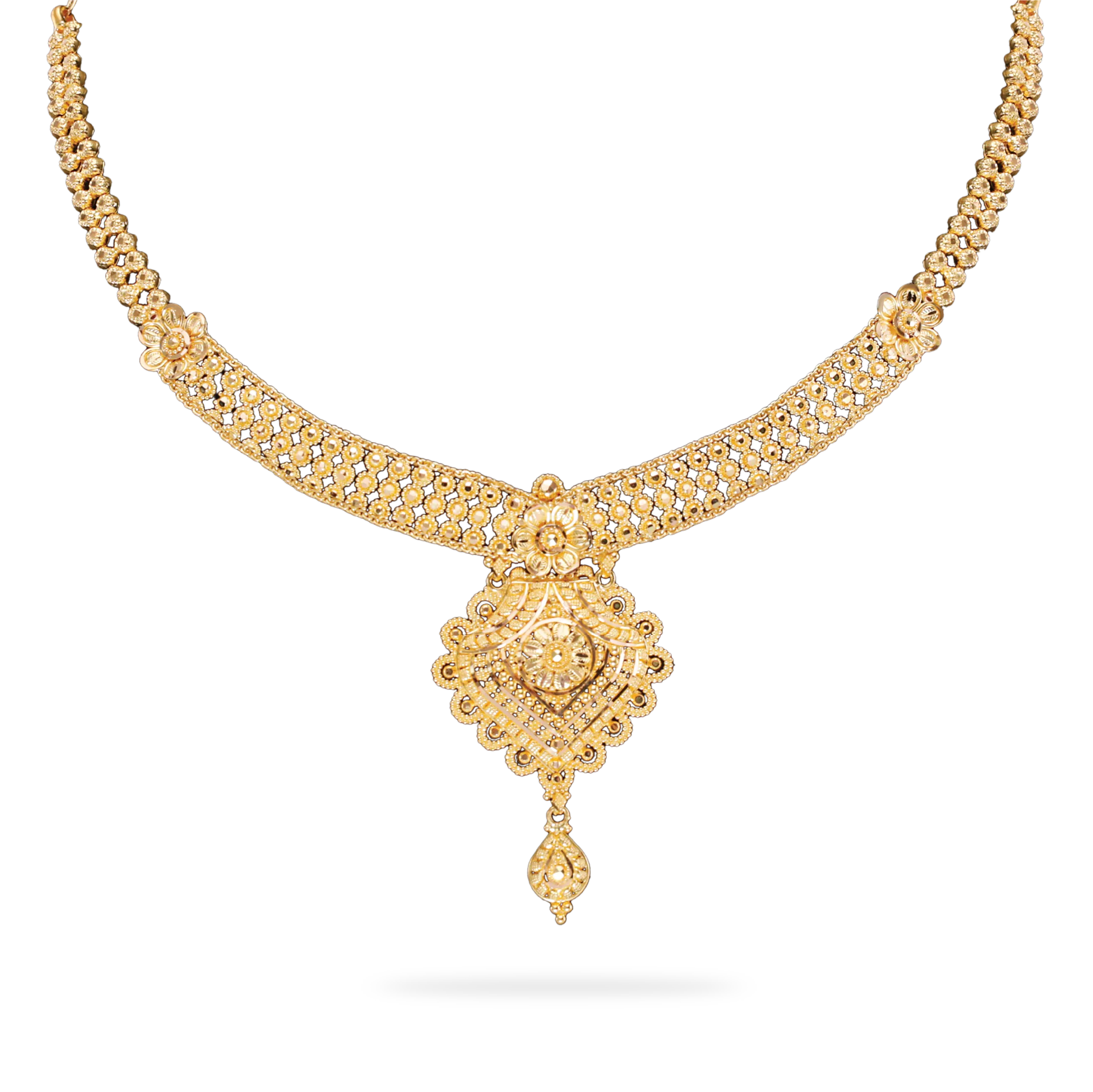
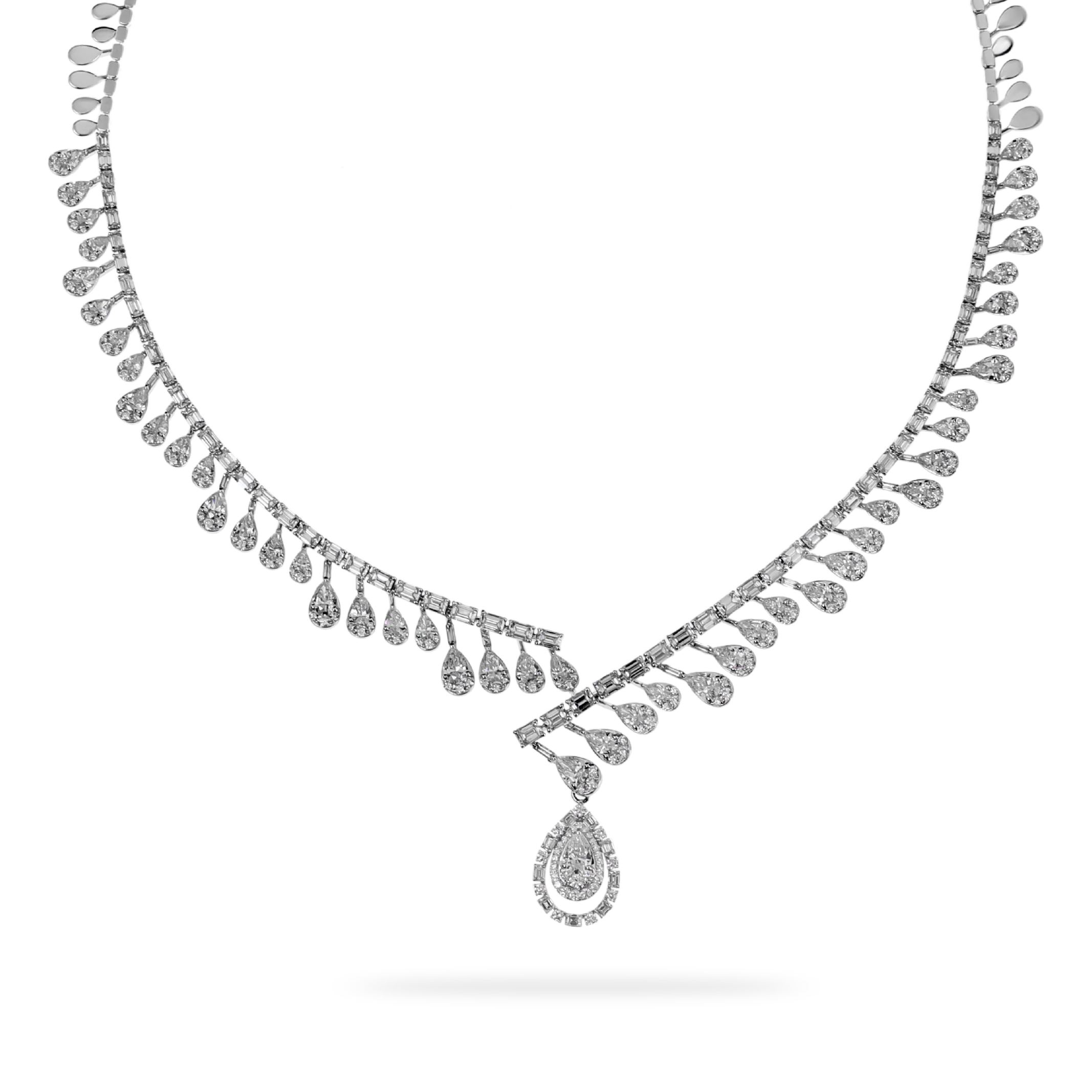
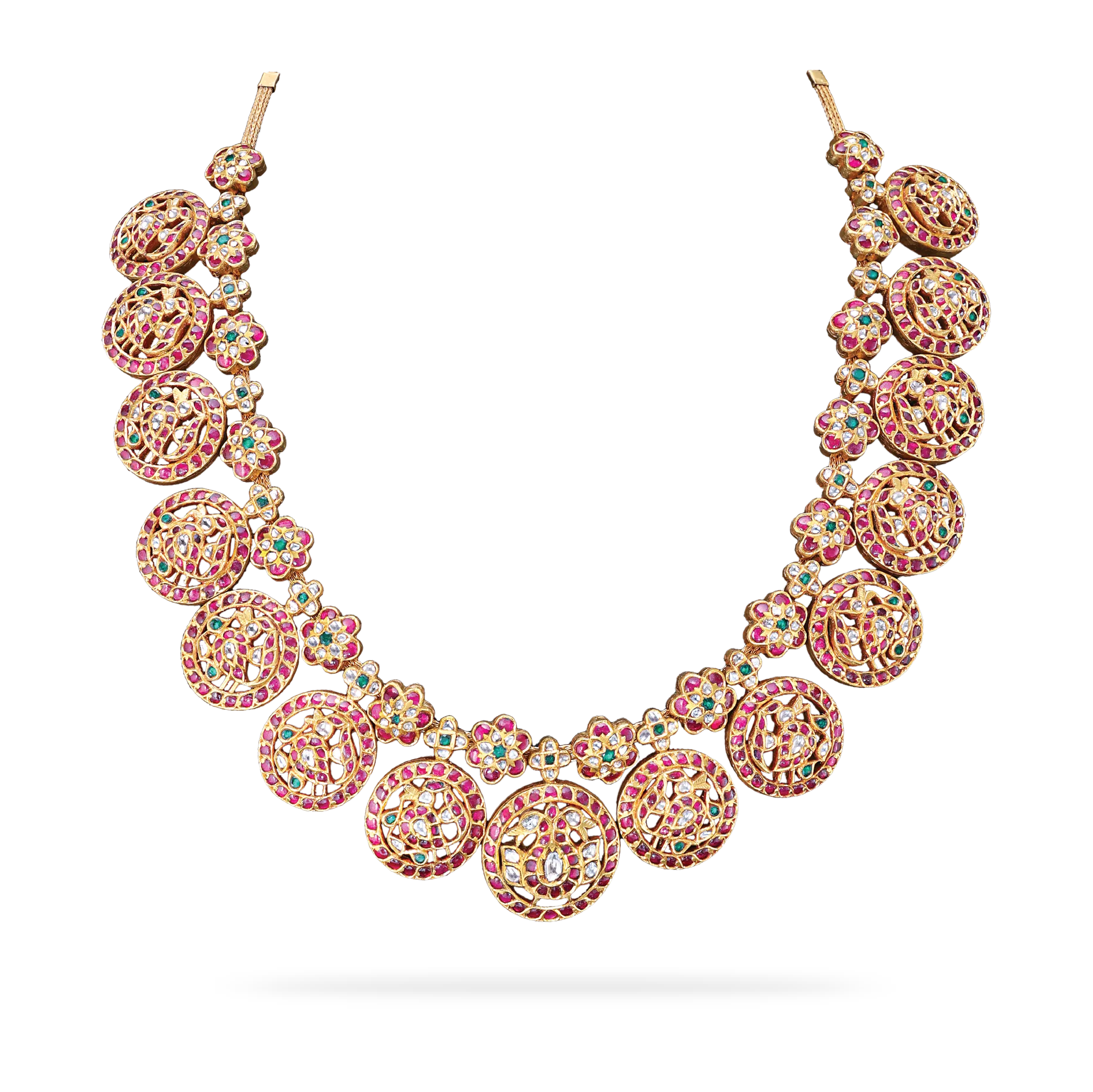
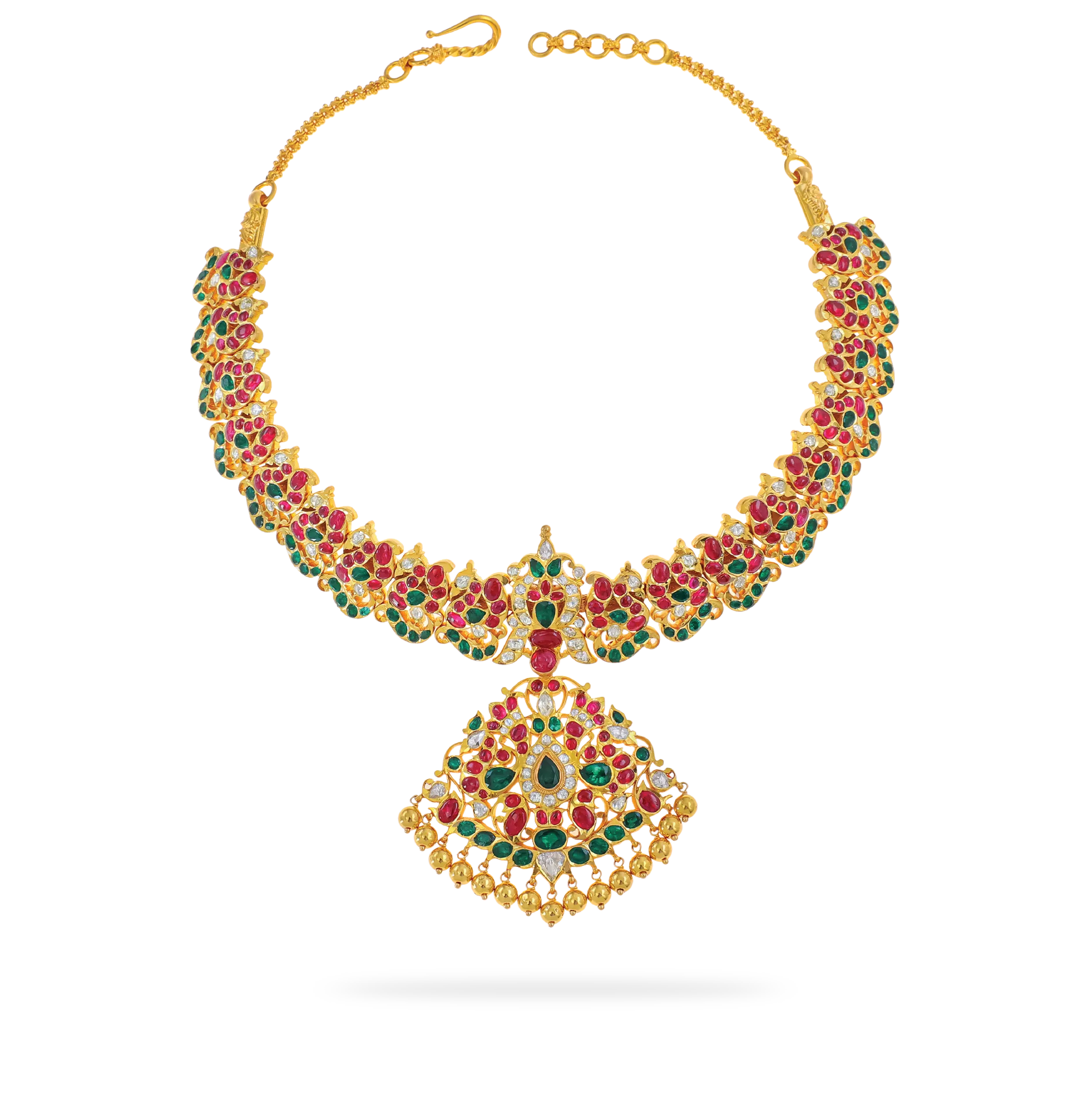
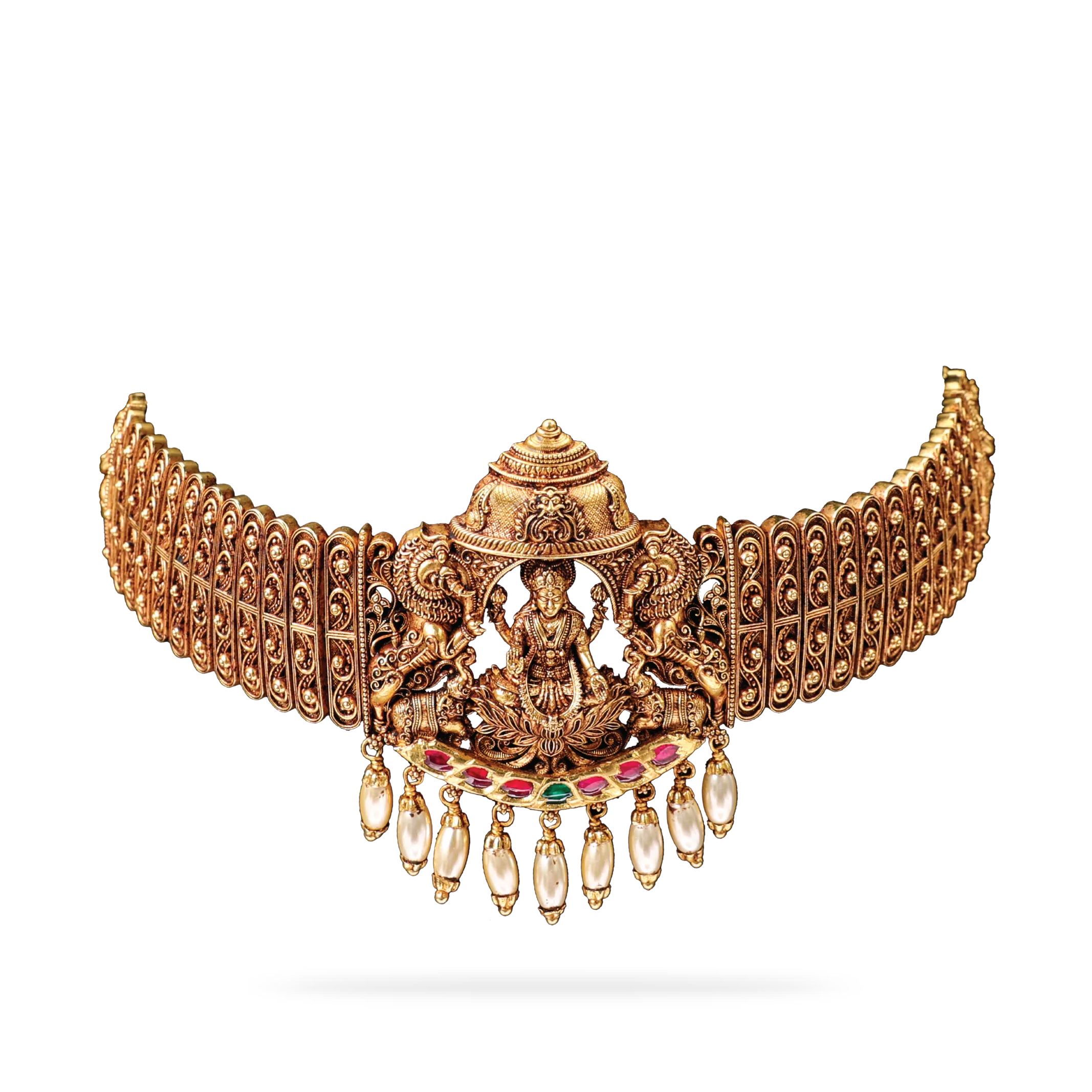
High-neck blouses often eliminate the need for long necklaces, making a bold, intricate choker the perfect accessory. These pieces draw focus to your features and create a sharp, intentional silhouette that feels effortlessly modern.
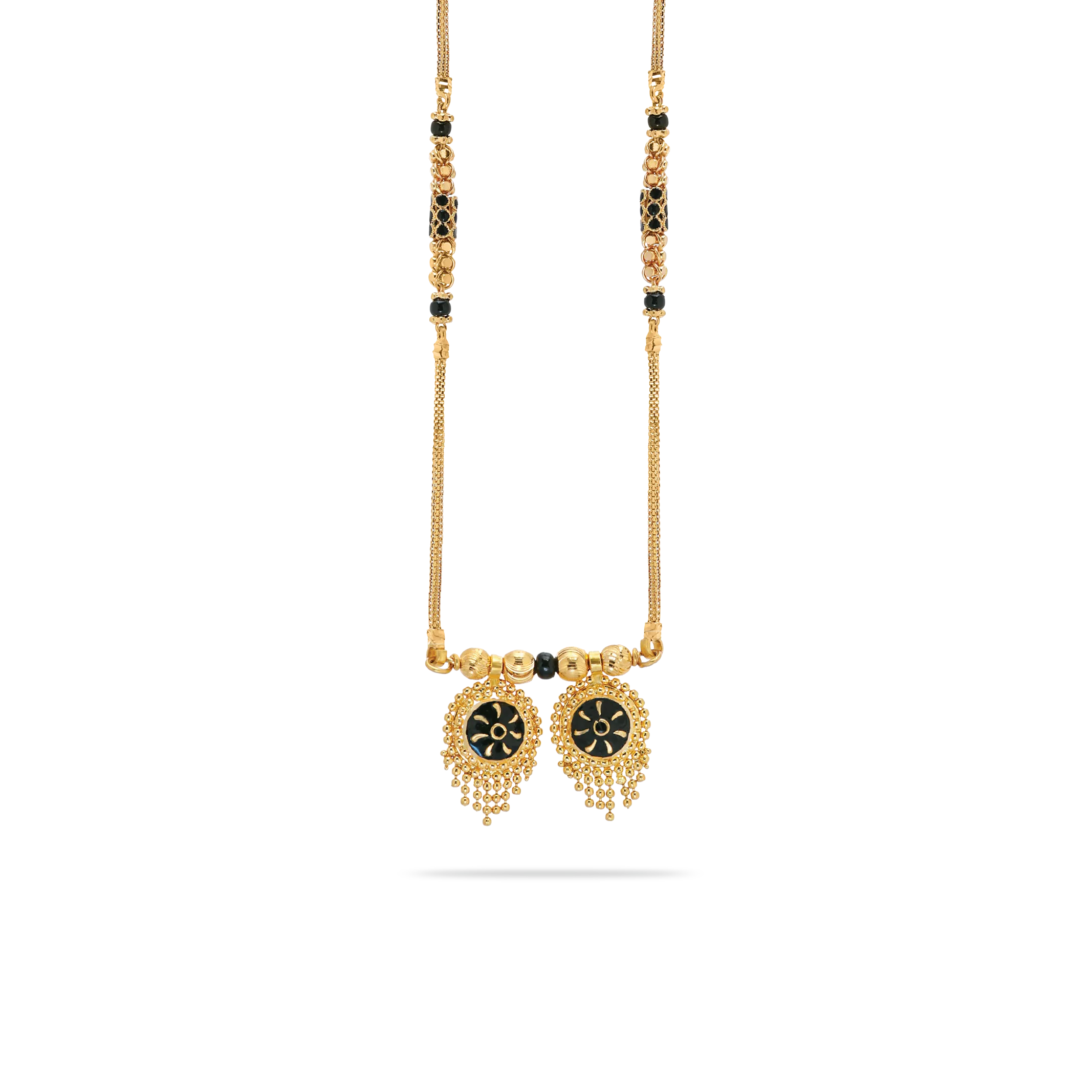
Long rani haars for deep-cut blouses
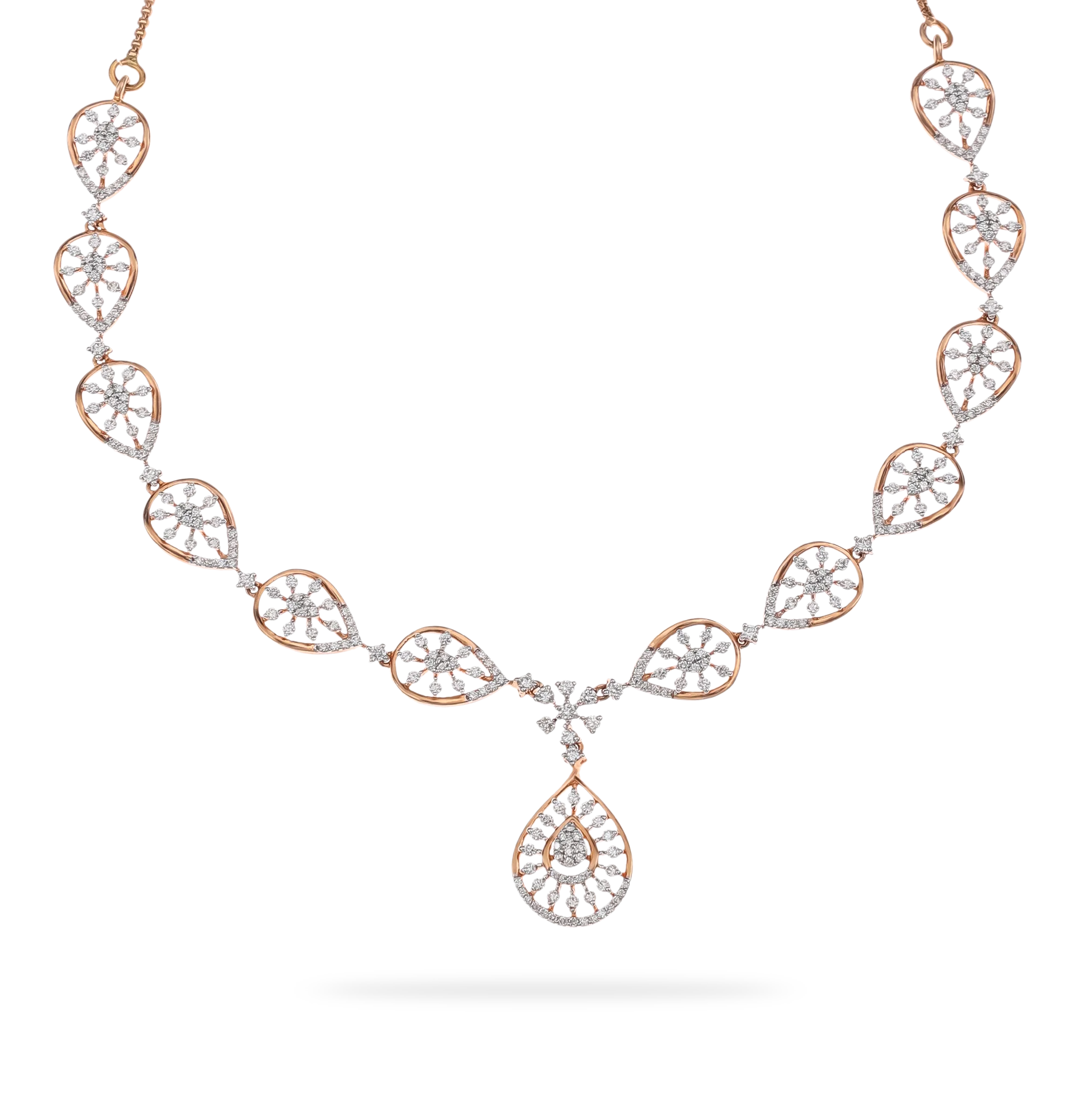
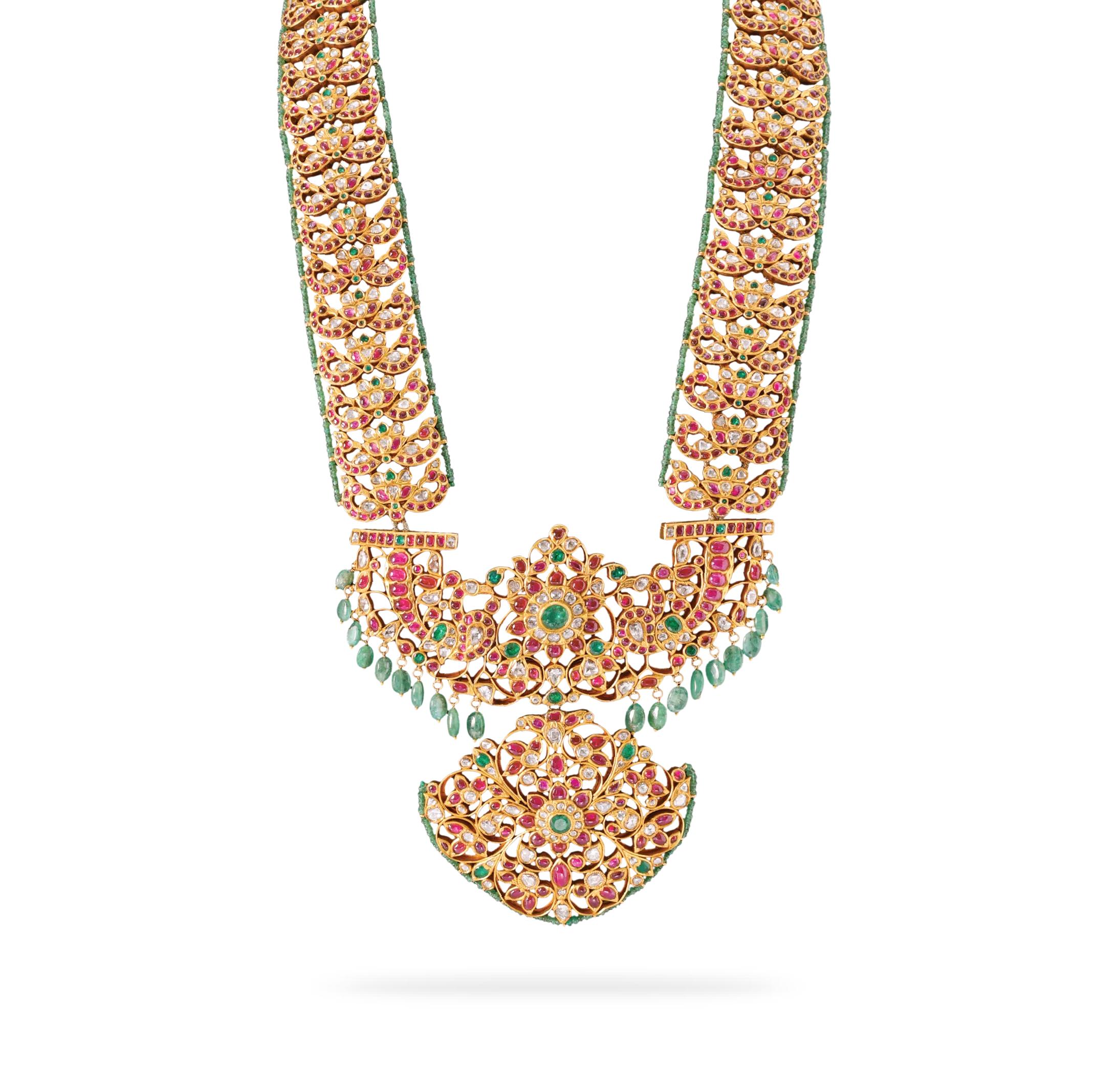
Deep-cut or plunging necklines provide the perfect opportunity to wear long, layered rani haars that fill the space with elegance. These pieces can be styled to cascade over the blouse, adding drama and depth to your ensemble.
Versatile pendant sets for sweetheart necklines
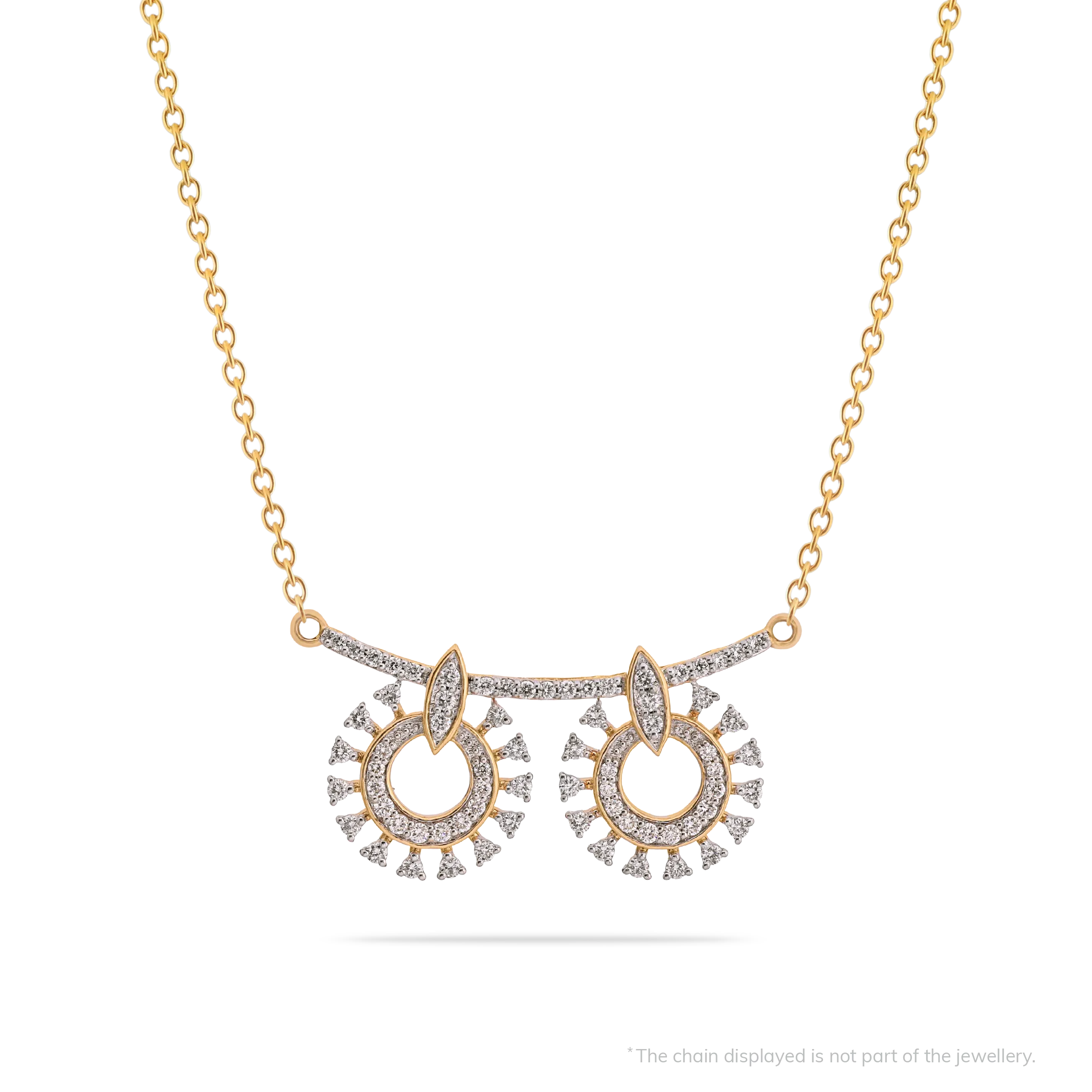
Sweetheart necklines create a classic, romantic frame that works beautifully with medium-length pendant necklaces. The perfect jewellery selection often relies on maintaining the balance between the curve of the neckline and the drop of the pendant.
Choosing necklace lengths to flatter your frame
Your height and neck length influence how different pieces sit against your body. Longer necklaces tend to elongate the frame, providing an elegant, statuesque effect that works well for taller brides.
Choosing accessories for your face shape
Understanding your facial structure helps in selecting pieces that highlight your best features while softening those you find less prominent. Your accessories should complement your natural bone structure to achieve a harmonious bridal image. Many experts, including the team at C Krishniah Chetty & Co, suggest focusing on earring drop and length to balance your appearance.
Earring styles for round and oval faces
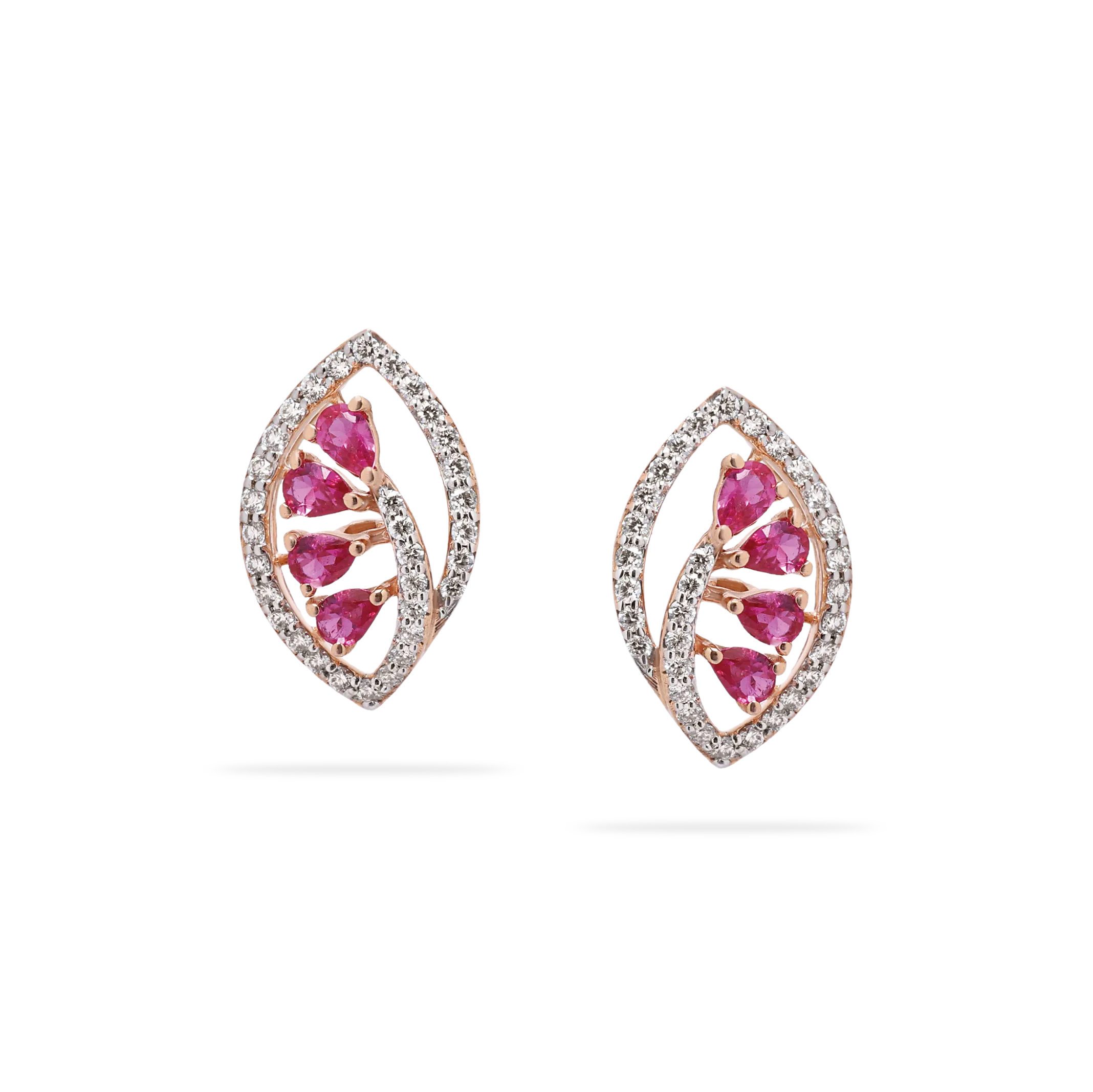
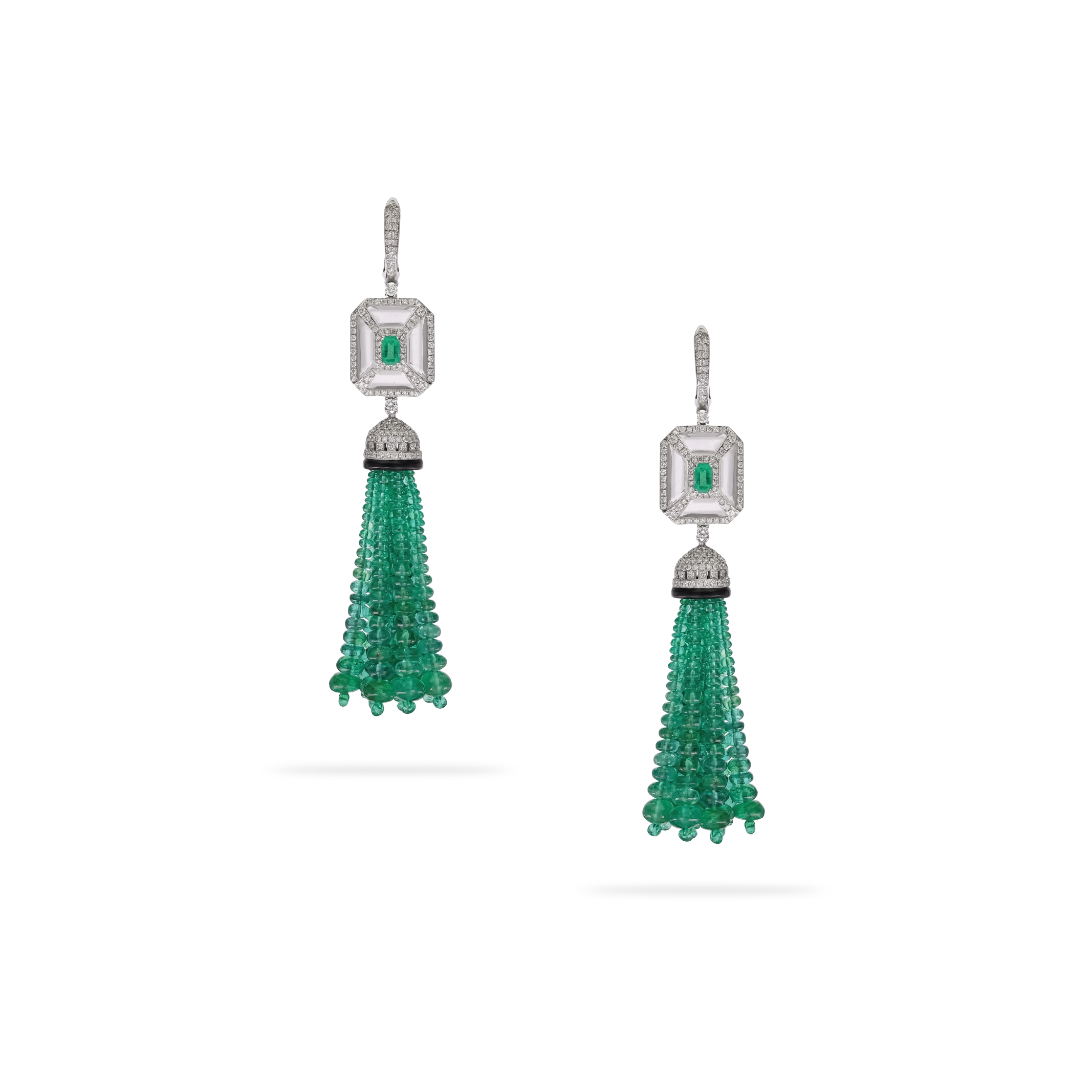
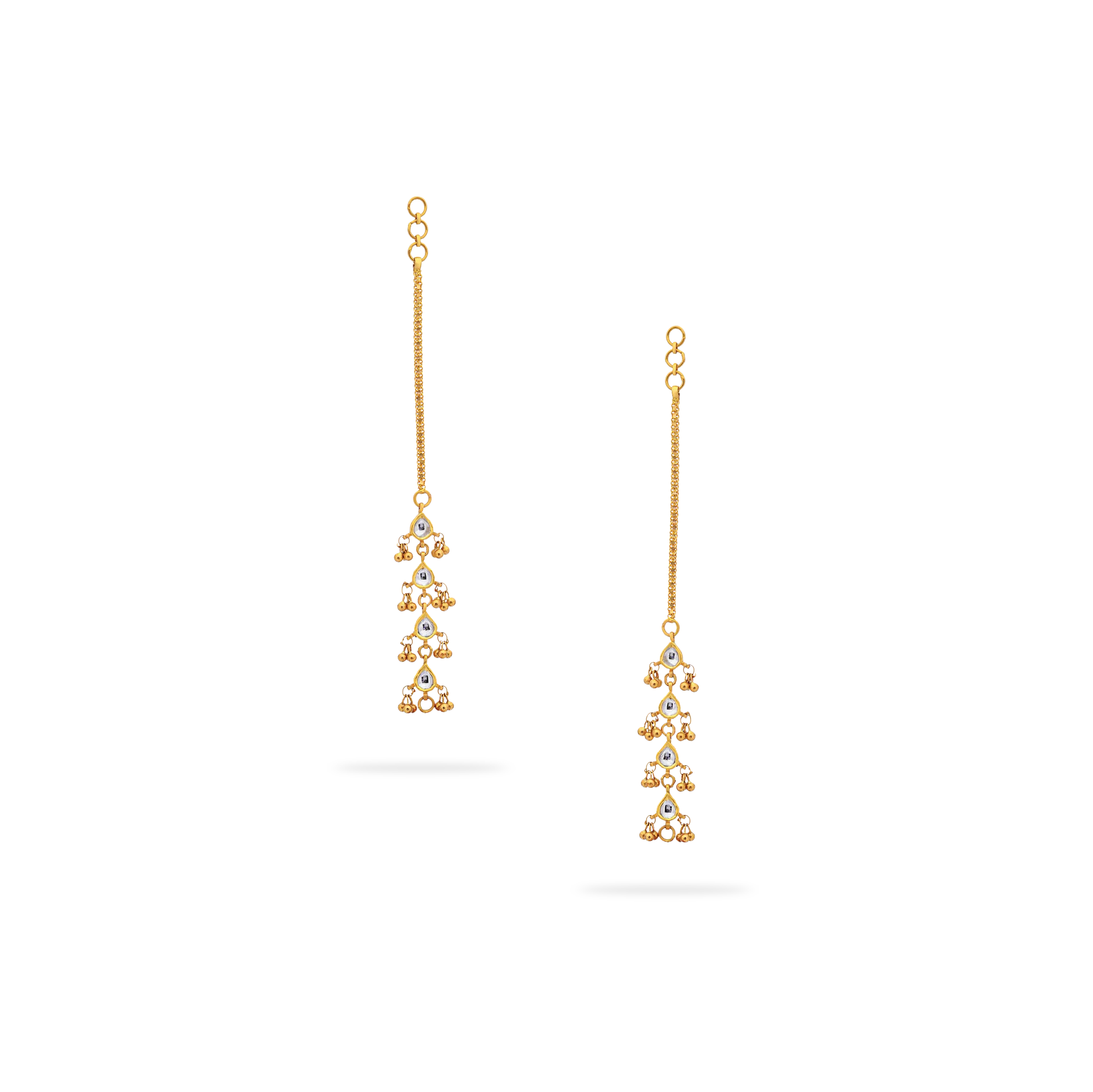
Round faces benefit from long, linear drop earrings that add a sense of vertical length, while oval faces have more versatility and can support almost any shape. The goal is to create contrast that avoids highlighting the natural width of the face.
Balancing angular features with soft jewelry designs
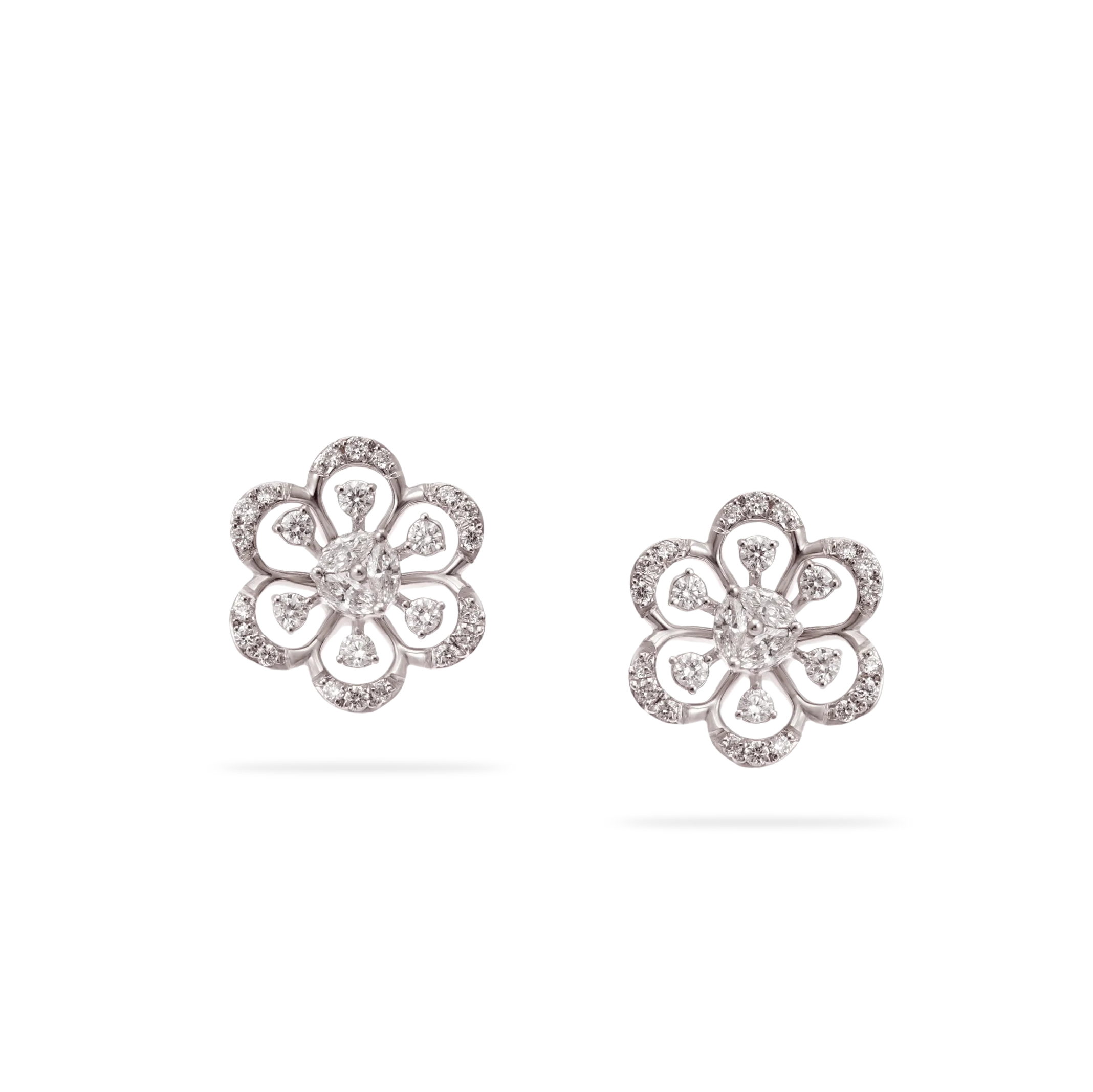
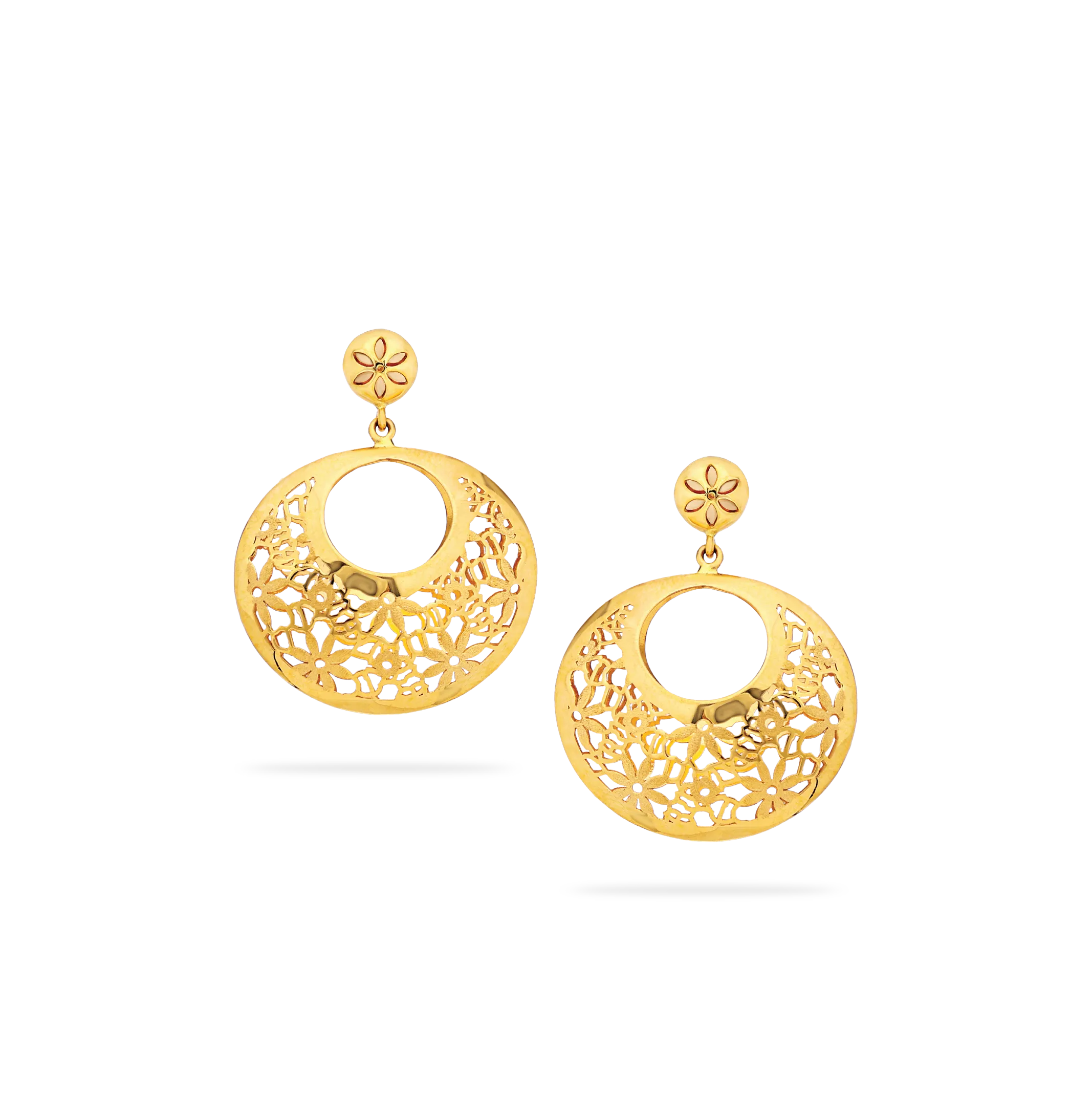
If you have a square or angular jawline, look for jewelry with soft, rounded curves or floral motifs to balance your features. Delicate pearls or teardrop stones are excellent at softening sharp lines and creating a more feminine aesthetic.
Enhancing heart-shaped faces with drop earrings
Heart-shaped faces often have a wider forehead and a narrower chin, which pair perfectly with earrings that have more volume at the bottom. Designs that widen toward the base of the ear will help draw the eye down and create a wider look near the jaw.
Tips for selecting maang tikka placement
The maang tikka acts as a focal point, drawing eyes to the center of your face. Choose a size that比例 with your forehead, ensuring it sits securely without causing discomfort throughout your event.
Coordinating metal tones with saree embroidery
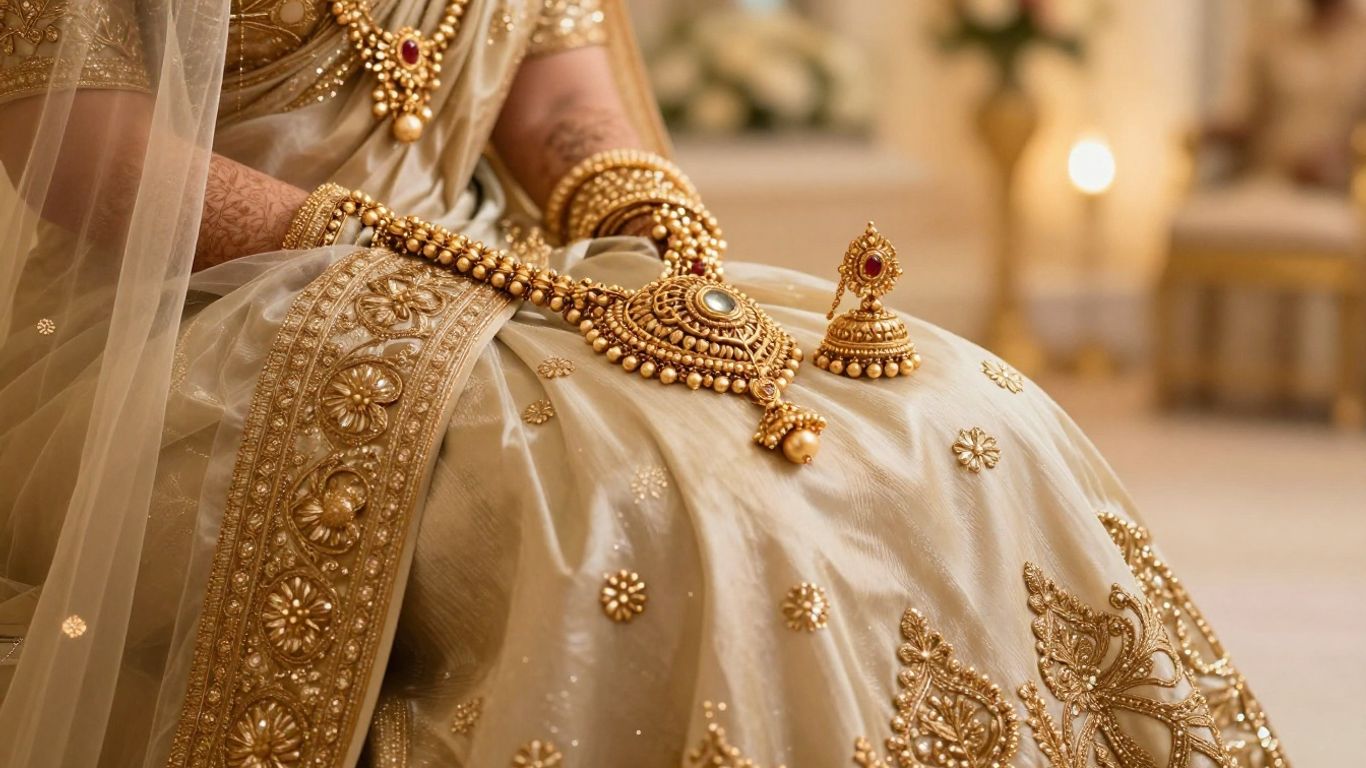
Metal coordination is arguably the most critical aspect of bridal styling, as it dictates the color palette of your entire look. When your jewelry matches the metallic thread work or embellishments of your saree, it creates a seamless transition between fabric and ornament.
Pairing gold with classic silk and red tones
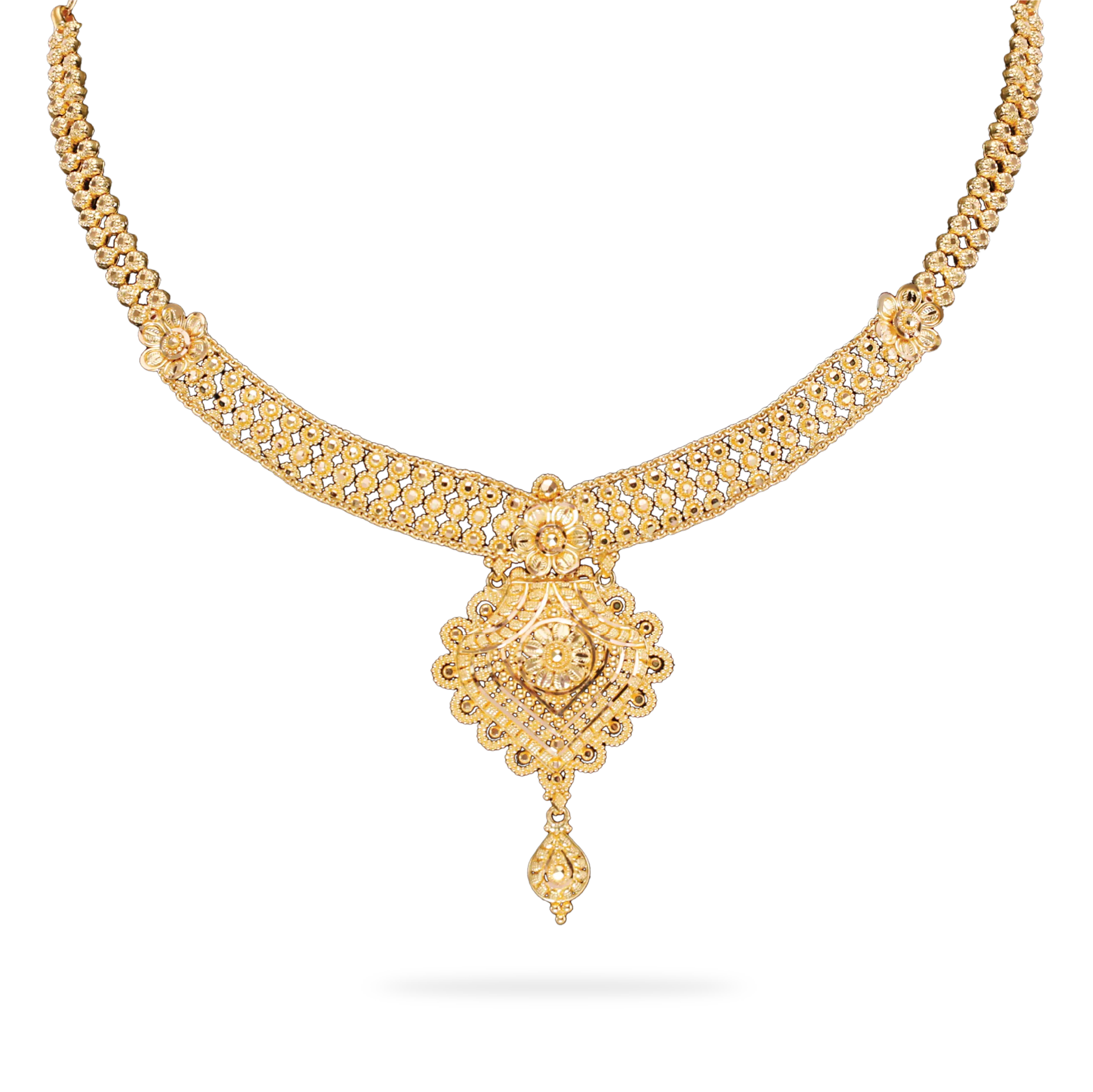
Classic yellow gold is the undisputed champion of traditional red and silk sarees, as it resonates with the warmth and richness of the colors. This combination offers a timeless, sophisticated appeal that feels deeply rooted in tradition.
Using silver and diamond tones for cool-colored sarees
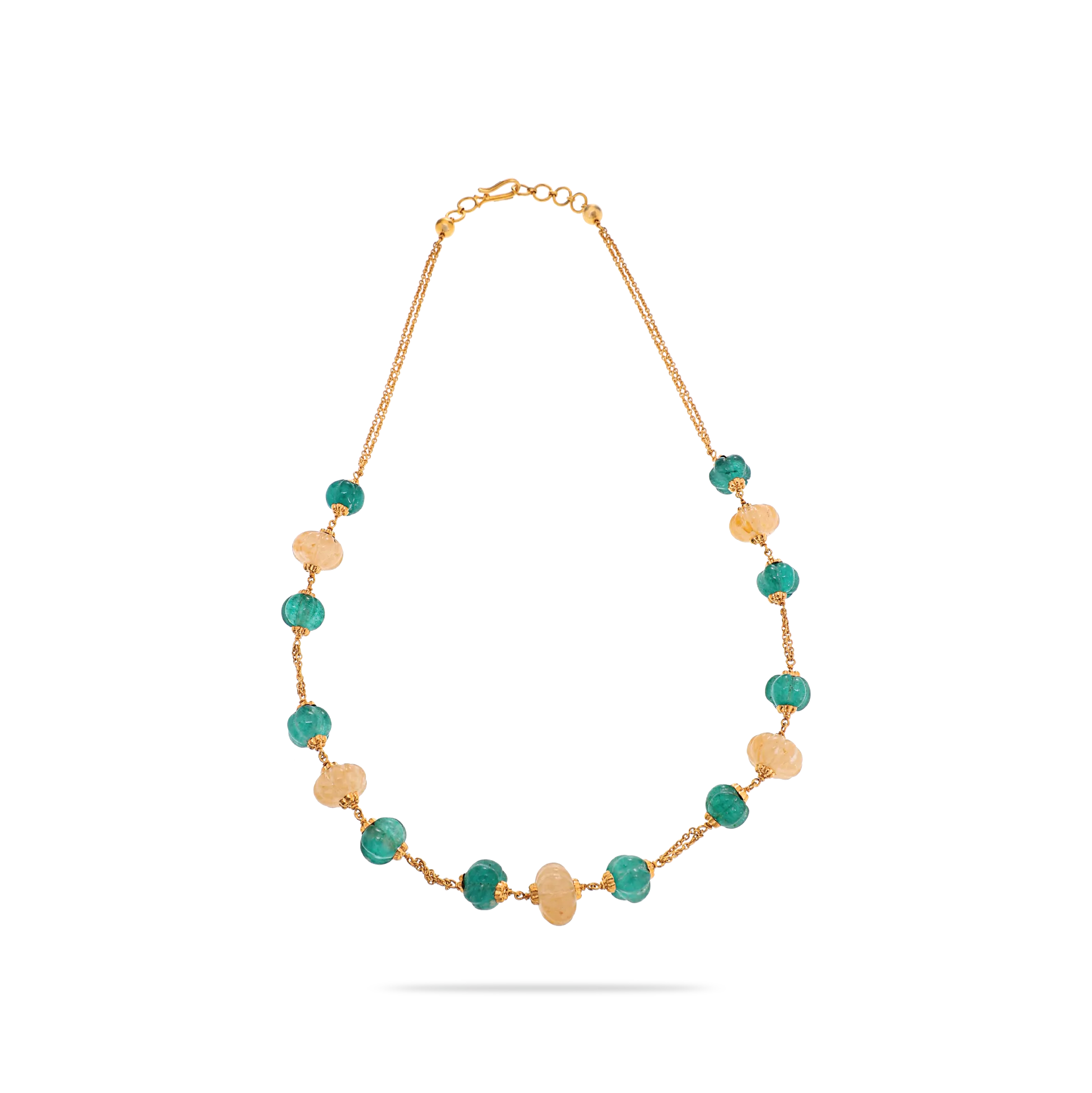
Cool-toned sarees in shades of blue, green, or silver thread work look stunning when paired with silver, white gold , or platinum jewelry. These metals bring out the crisp clarity of cool pigments, resulting in a fresh and contemporary look.
Mixing rose gold for modern bridal aesthetics
Rose gold acts as a subtle bridge in modern bridal aesthetics, working well with peach, blush, and other warm, muted saree tones. It adds a touch of softness to the ensemble that is less intense than yellow gold but more unique than standard white metals.
Coordinating jewelry polish with saree thread work
| Metal Tones | Best Saree Colors | Embroidery Style |
|---|---|---|
| Yellow Gold | Red, Saffron, Deep Green | Traditional Zari |
| White Metal | Navy, Cobalt, Silver | Resham & Beads |
| Rose Gold | Pastels, Blush, Champagne | Modern Sequins |
By referencing this chart, you can ensure your jewellery choice is grounded in the aesthetic requirements of your specific saree design.
Balancing heavy vs. minimal bridal jewellery
Striking the right balance between ornate pieces and minimalist accents prevents your look from becoming overwhelming. A thoughtful approach involves picking one or two dominant statement pieces and keeping the rest of your accessories understated to avoid visual clutter.
When to opt for a dramatic statement set
Choose a dramatic, heavy statement set when your saree is relatively plain or features minimal work. This creates a focal point that captures attention while the simplicity of the fabric serves as an effective backdrop.
Techniques for layering multiple necklaces
Layering is an art form that requires varying lengths and weights so that each piece is visible. Start with a tight choker and follow with a slightly longer piece, ensuring a cascade that celebrates the craftsmanship of both items.
Managing the weight of bridal accessories for comfort
Bridal ceremonies can be lengthy, making comfort an essential yet often overlooked factor. If you anticipate a heavy set, ensure the neckpieces have wide bands or distribute weight evenly across your collarbones to prevent strain.
Incorporating minimalist pieces for an elegant look
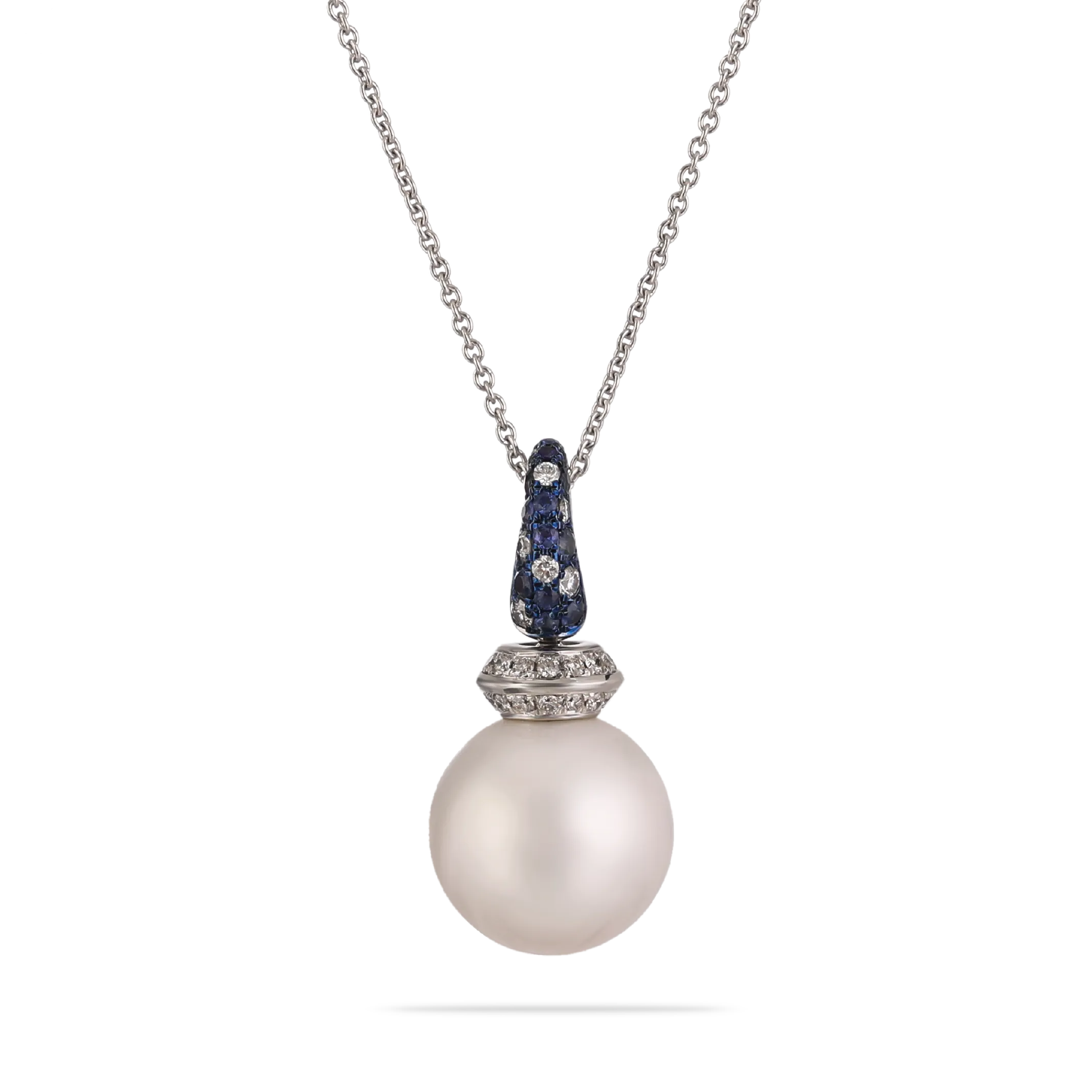
Minimalism is increasingly popular for modern brides who prioritize wearability beyond their wedding day. Simple gold pendants or delicate drop earrings can create a refined look that feels effortless and sophisticated.
Essential pieces for a complete bridal look
Completing your bridal look involves adding those final, symbolic touches that define traditional regional aesthetics. These essential pieces provide the finishing flair that ties your ensemble together.
Selecting the perfect maang tikka or passa
The maang tikka sits at the hairline, centering your look, while the passa adds an asymmetrical, regal element to one side. Selecting a size that matches your face shape ensures that these pieces framing your face work in tandem to highlight your features.
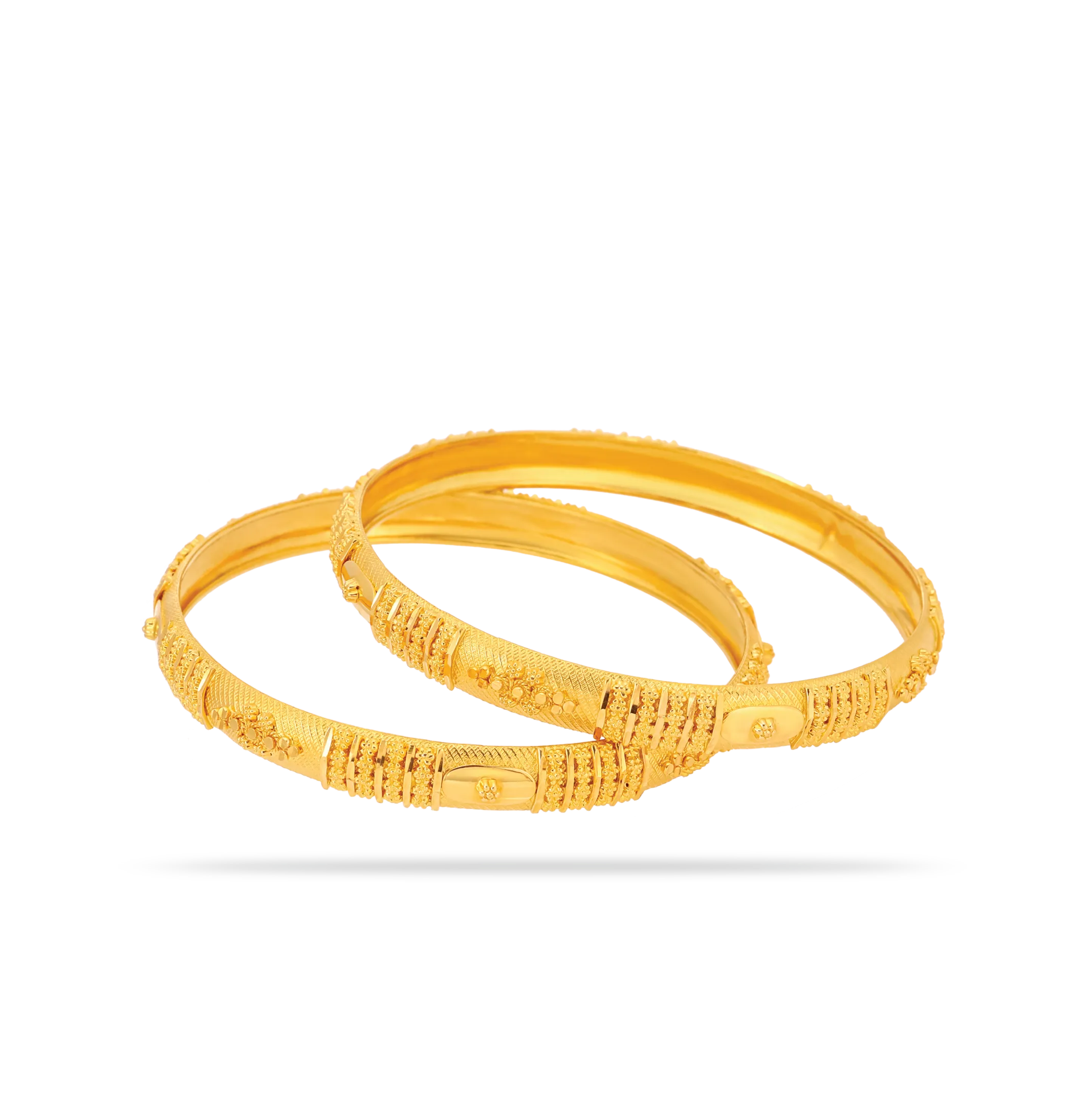
Choosing traditional bangles and haath phools
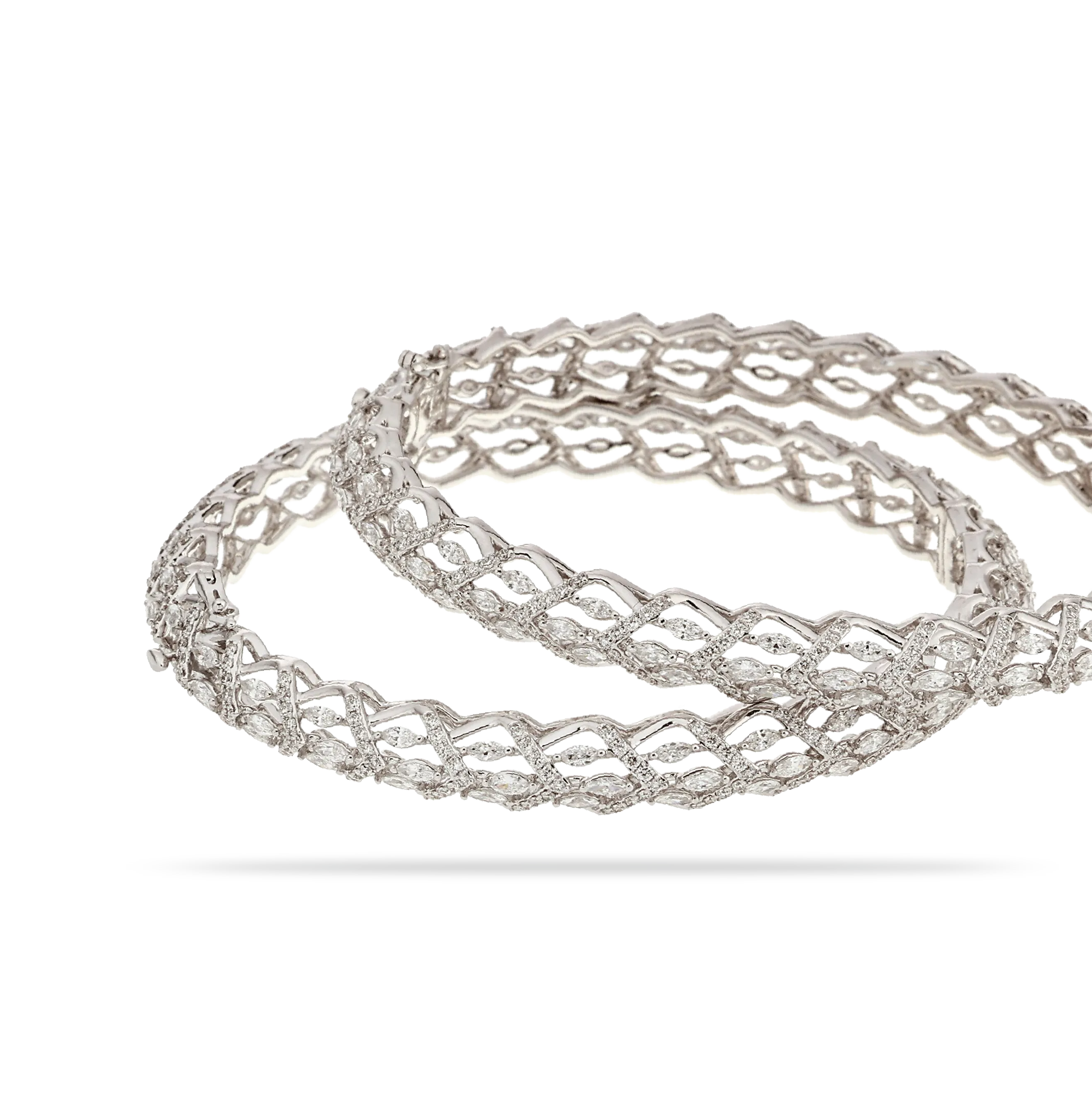
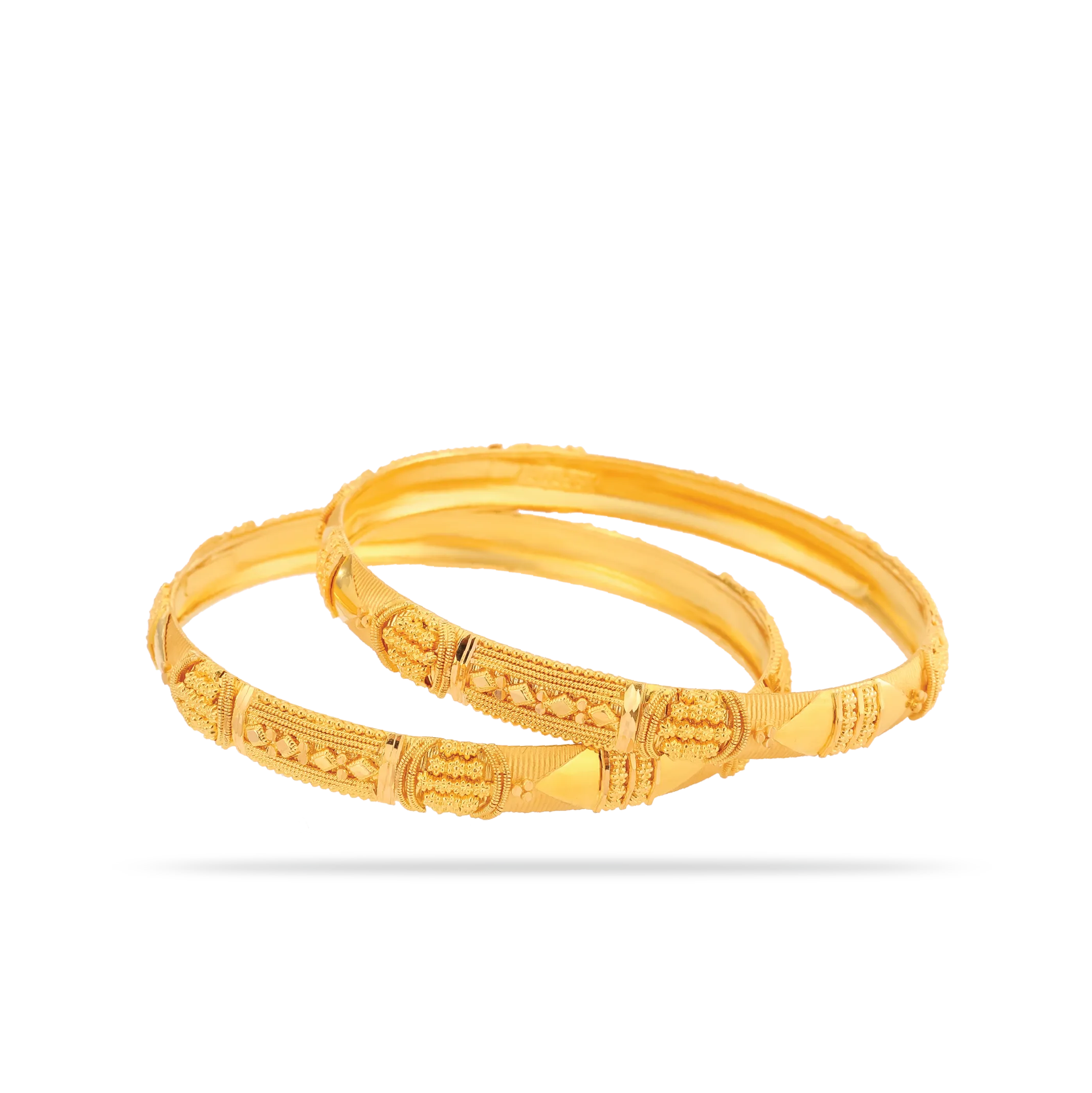
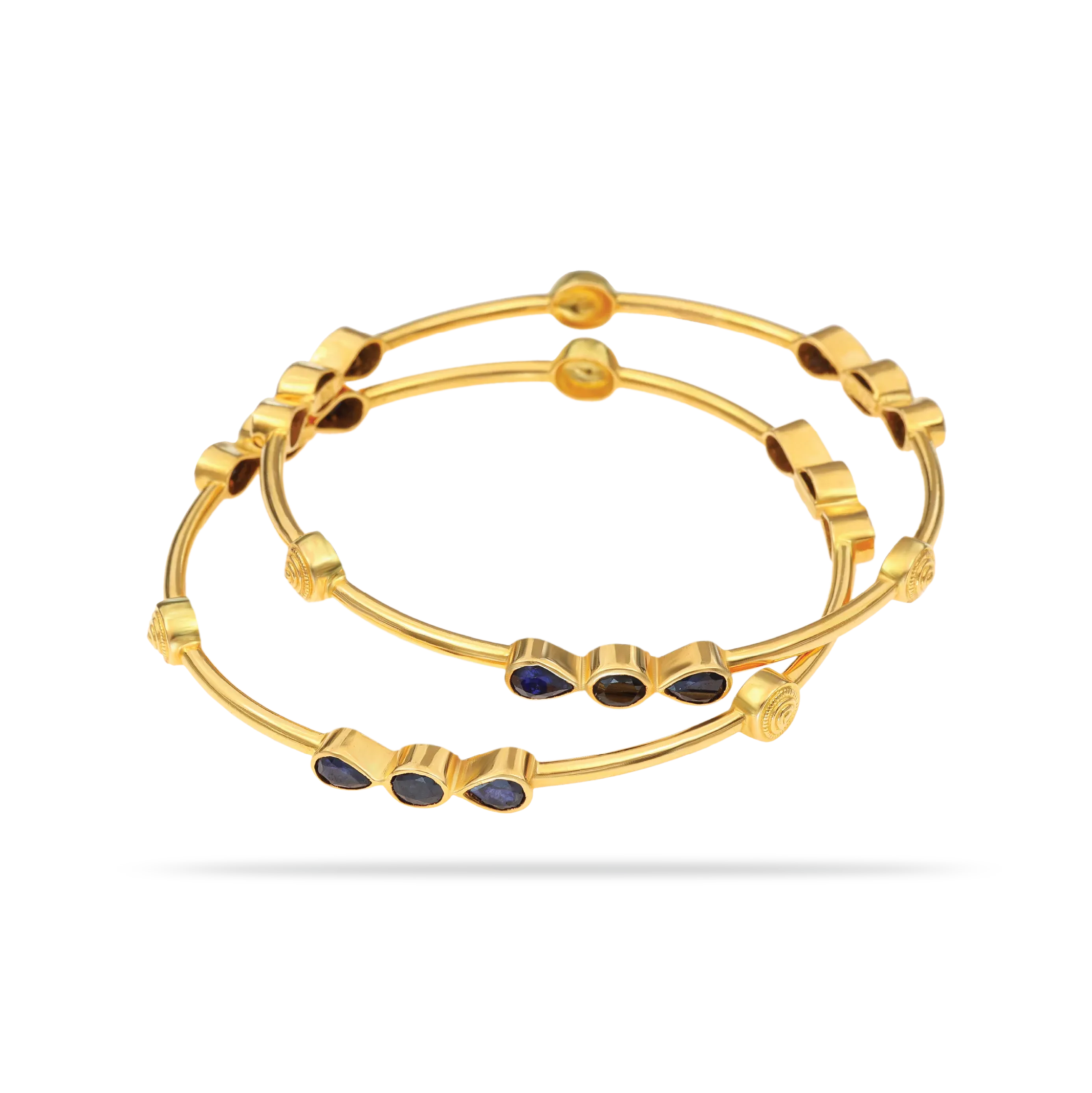
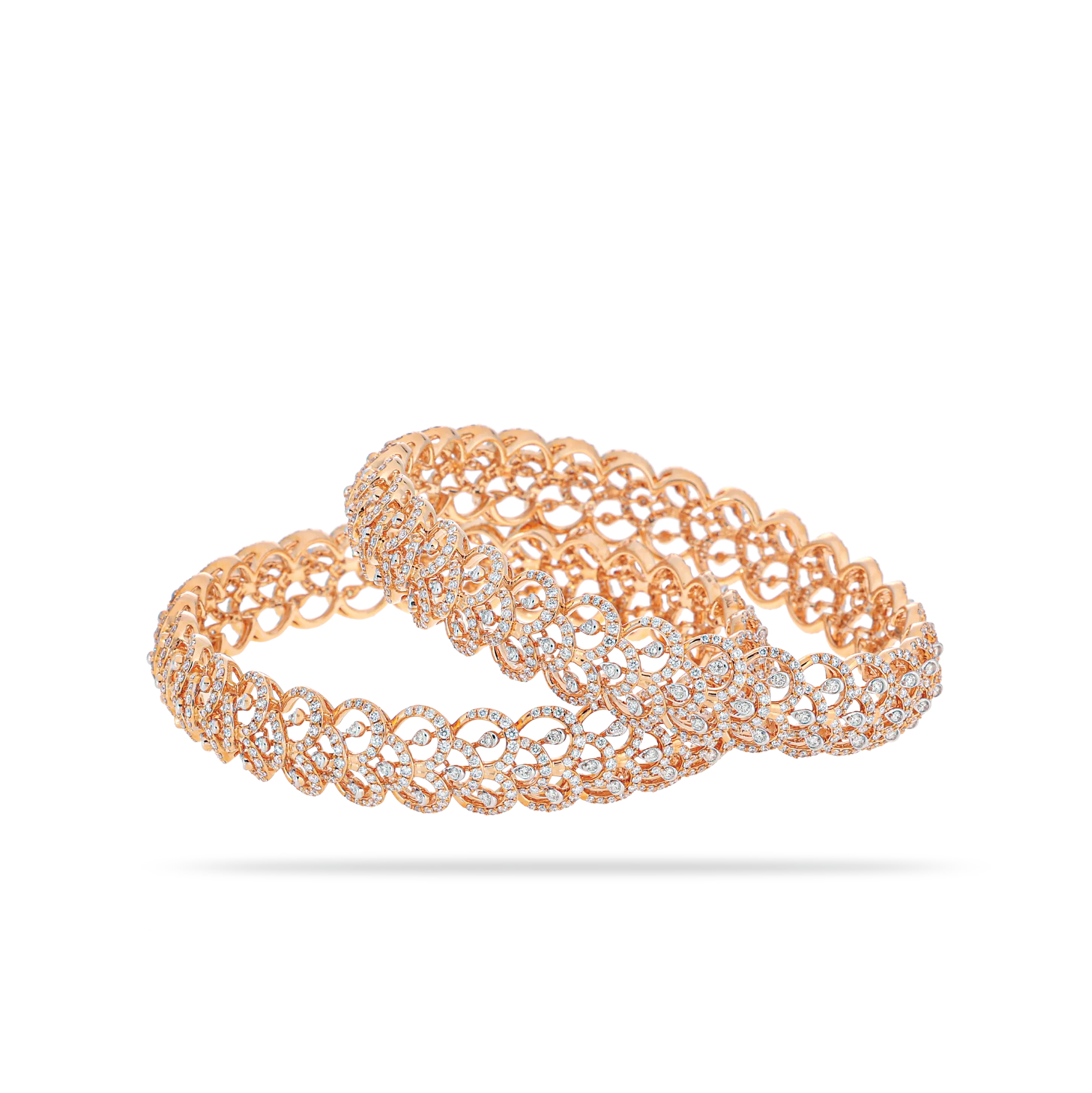
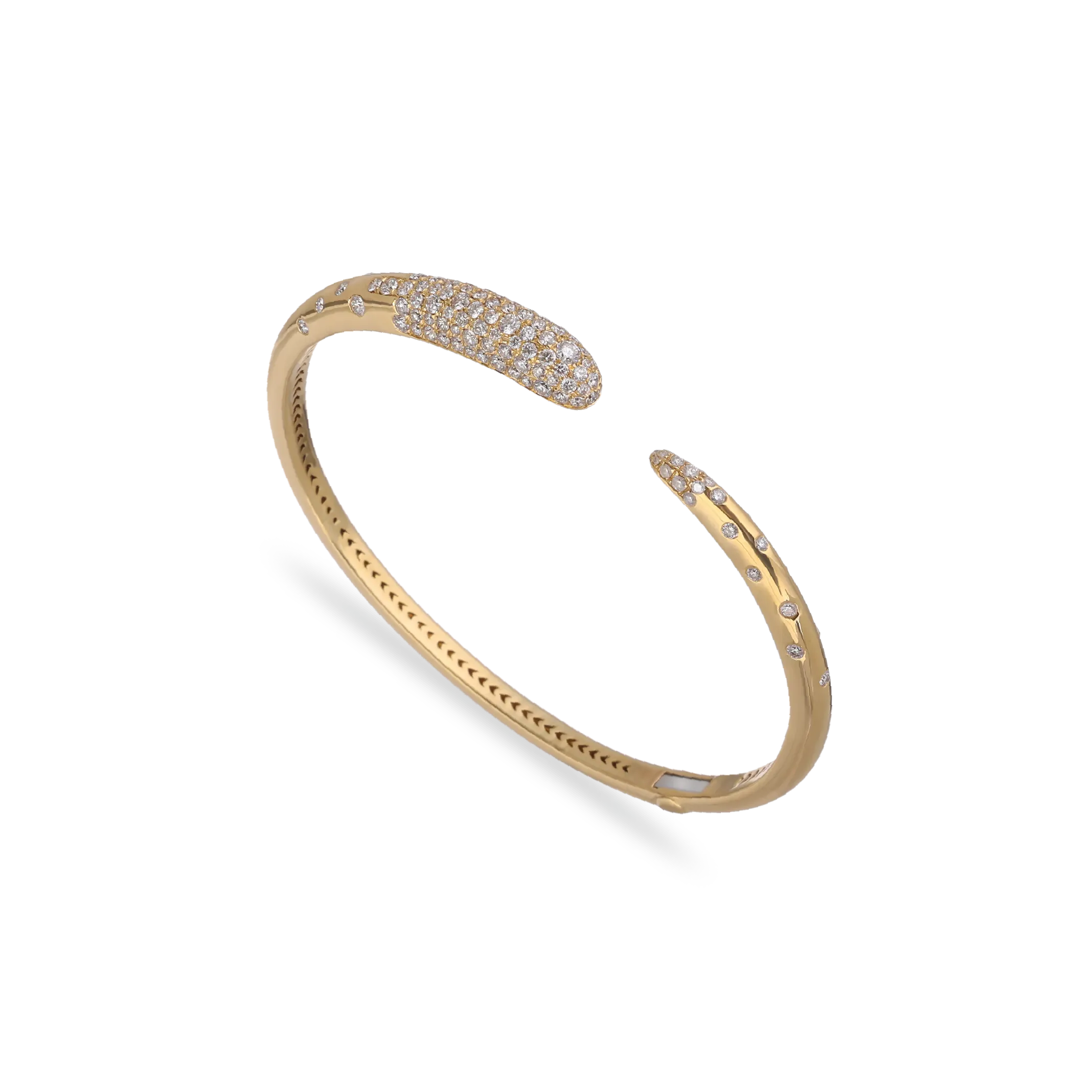
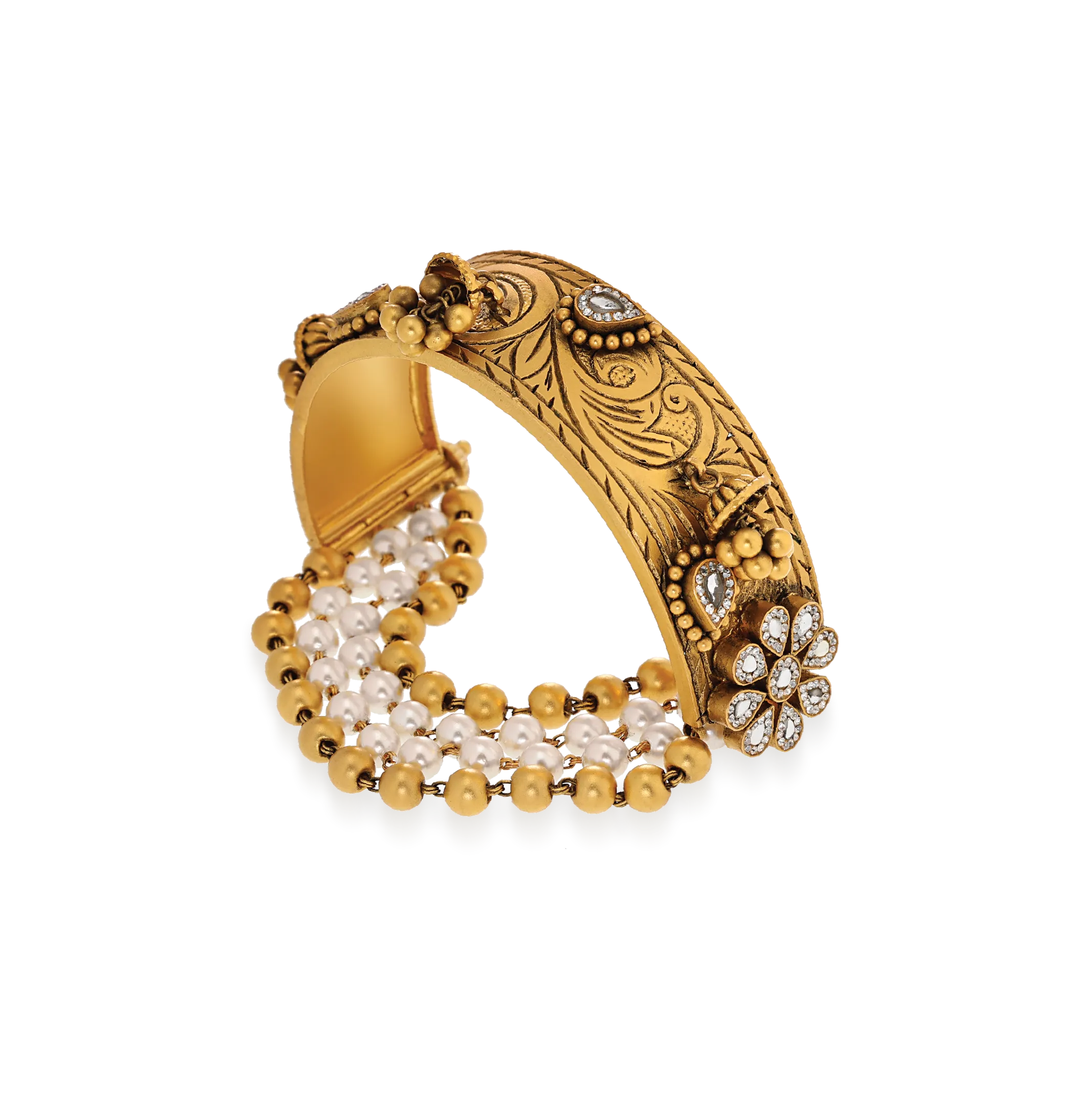
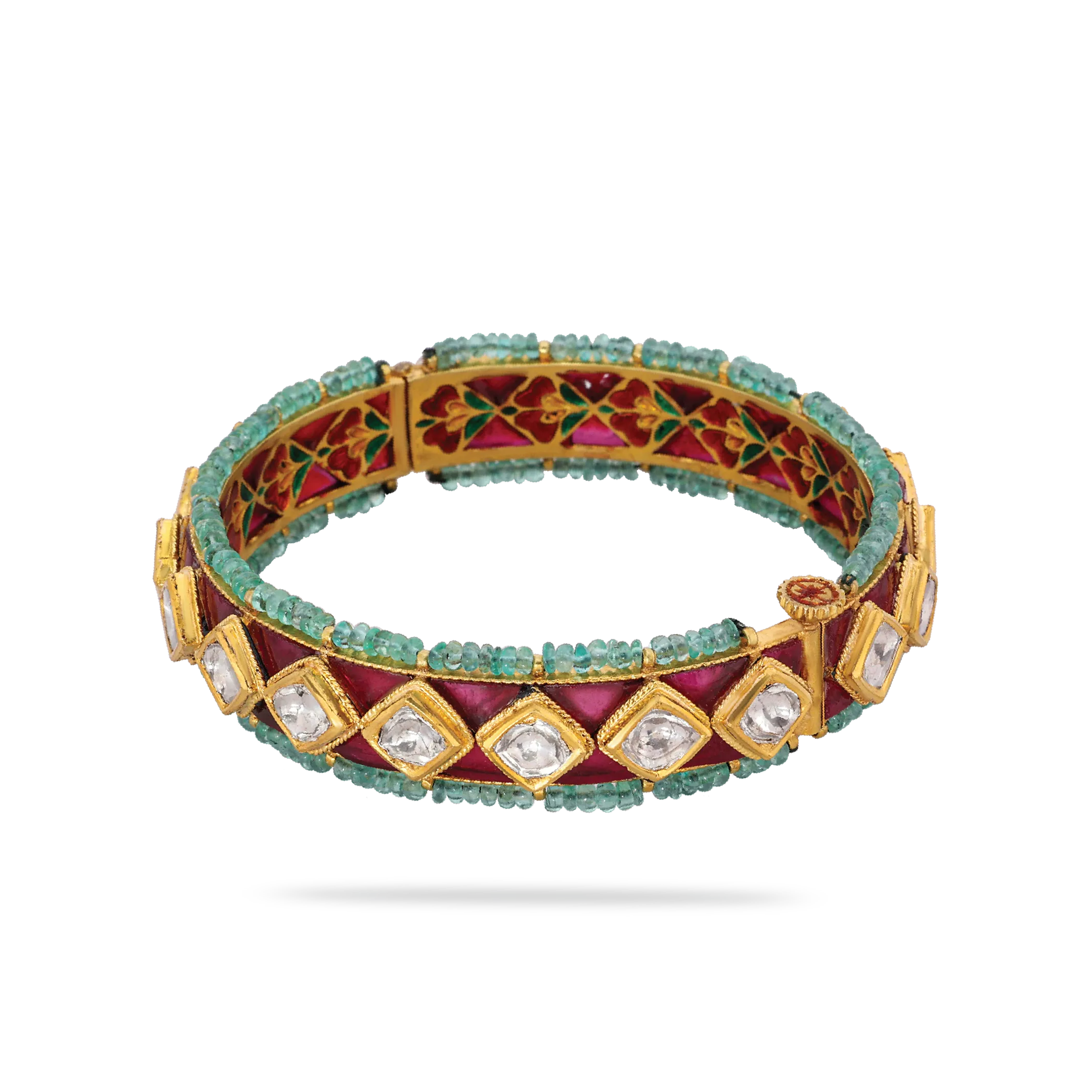
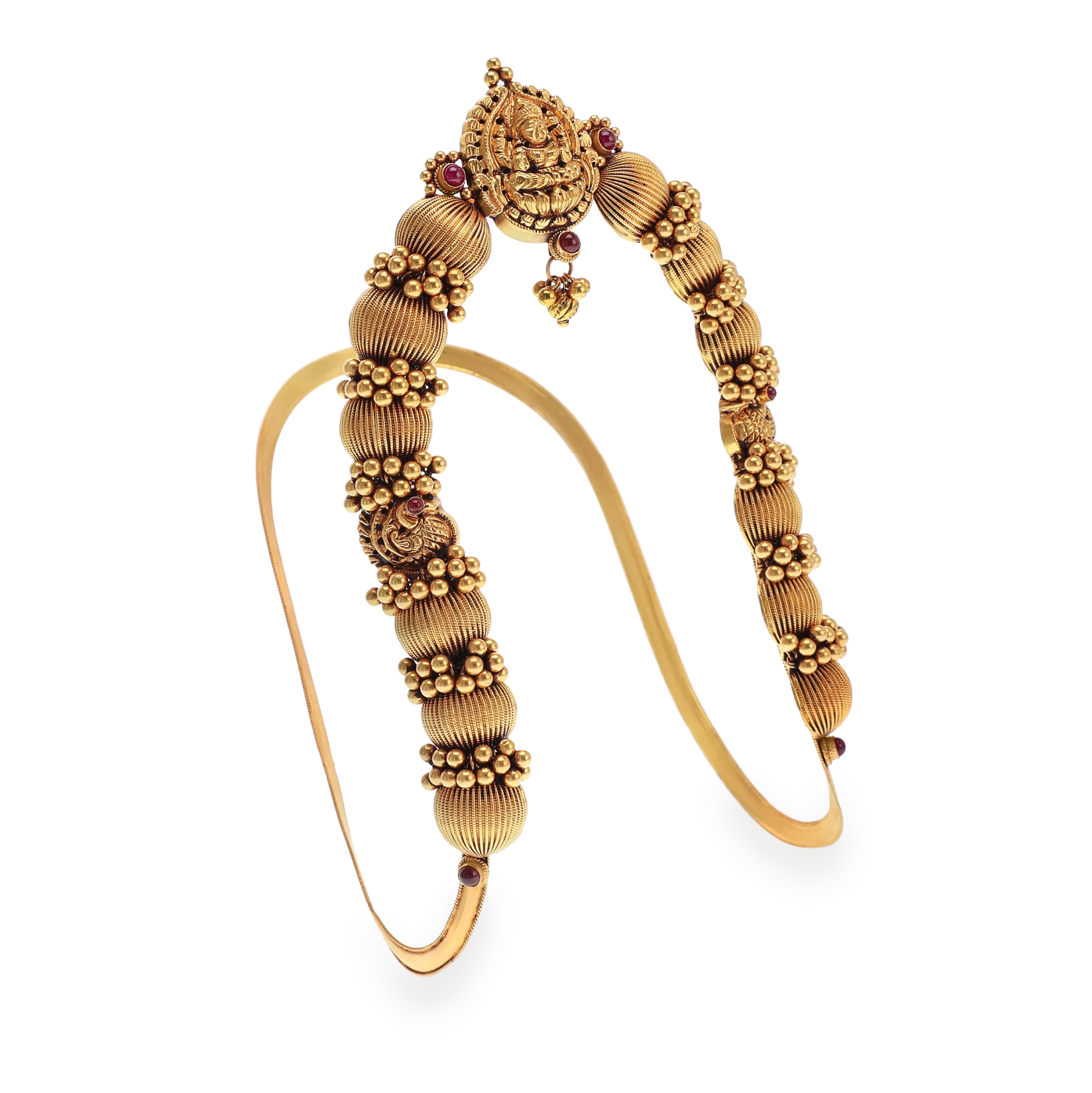
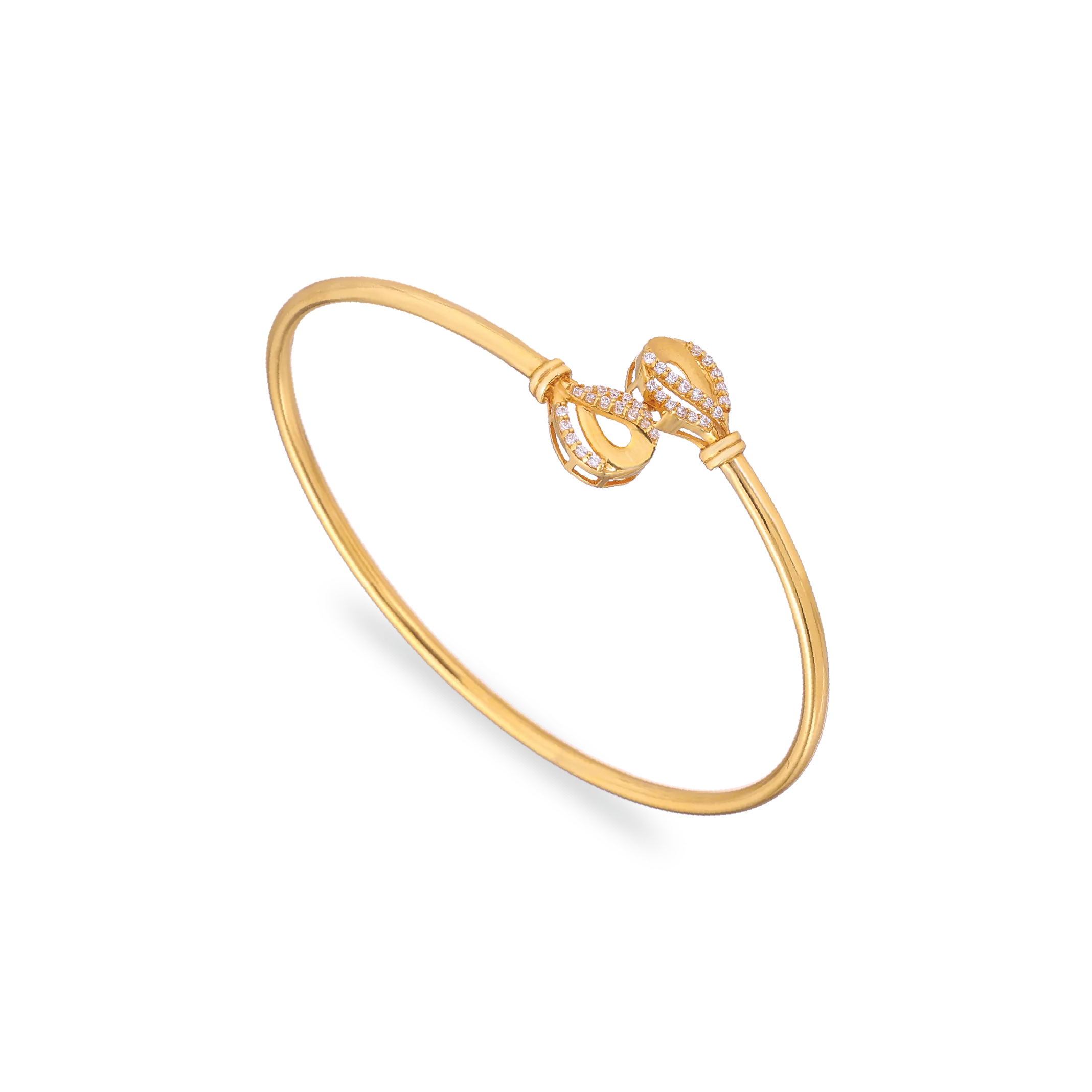
Bangles represent tradition and joy, while the haath phool acts as an extension of the jewellery to your hands. These accessories are perfect for highlighting your mehndi-laden hands and adding texture to your arms.
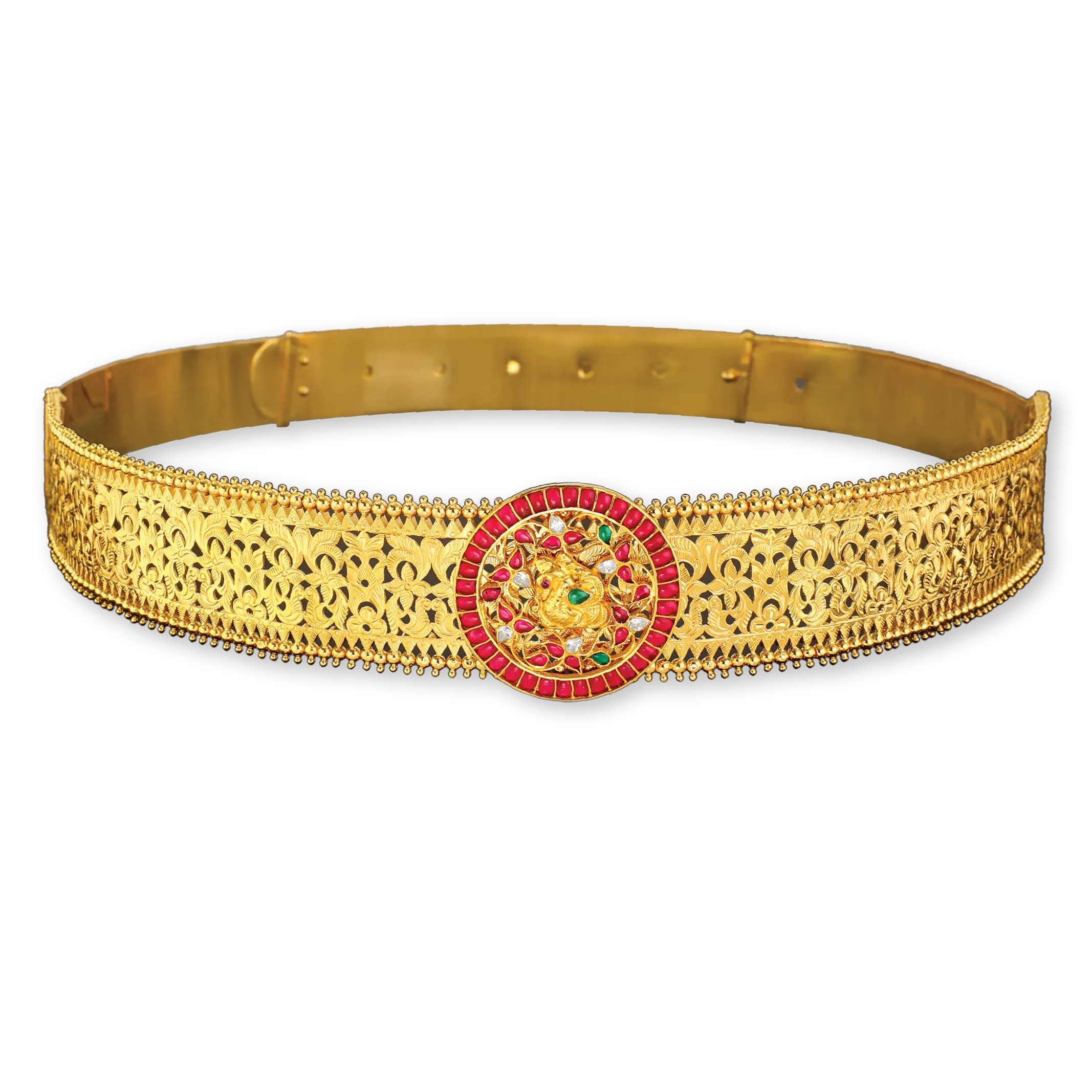
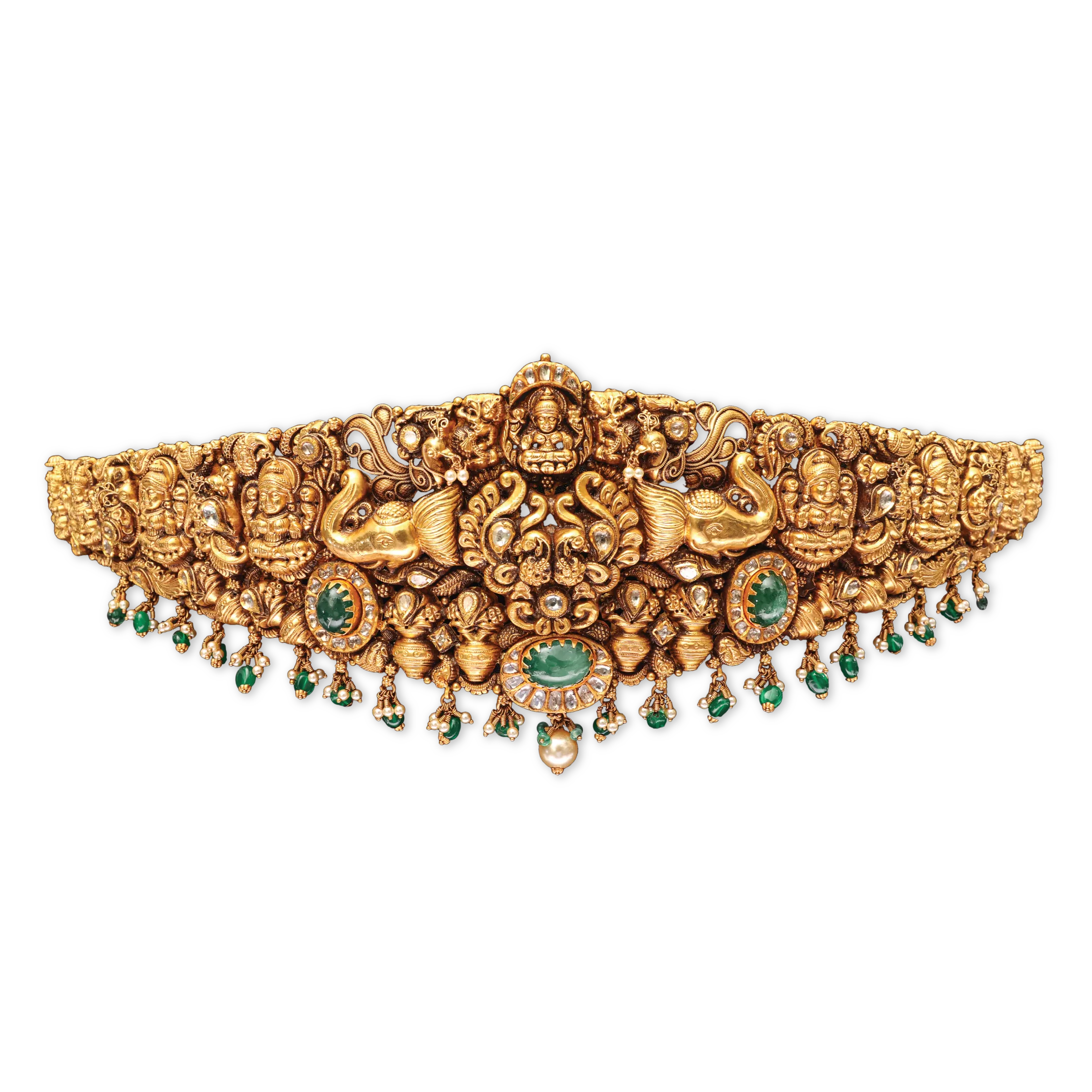
Adding waist belts (kamarbandh) to define the silhouette
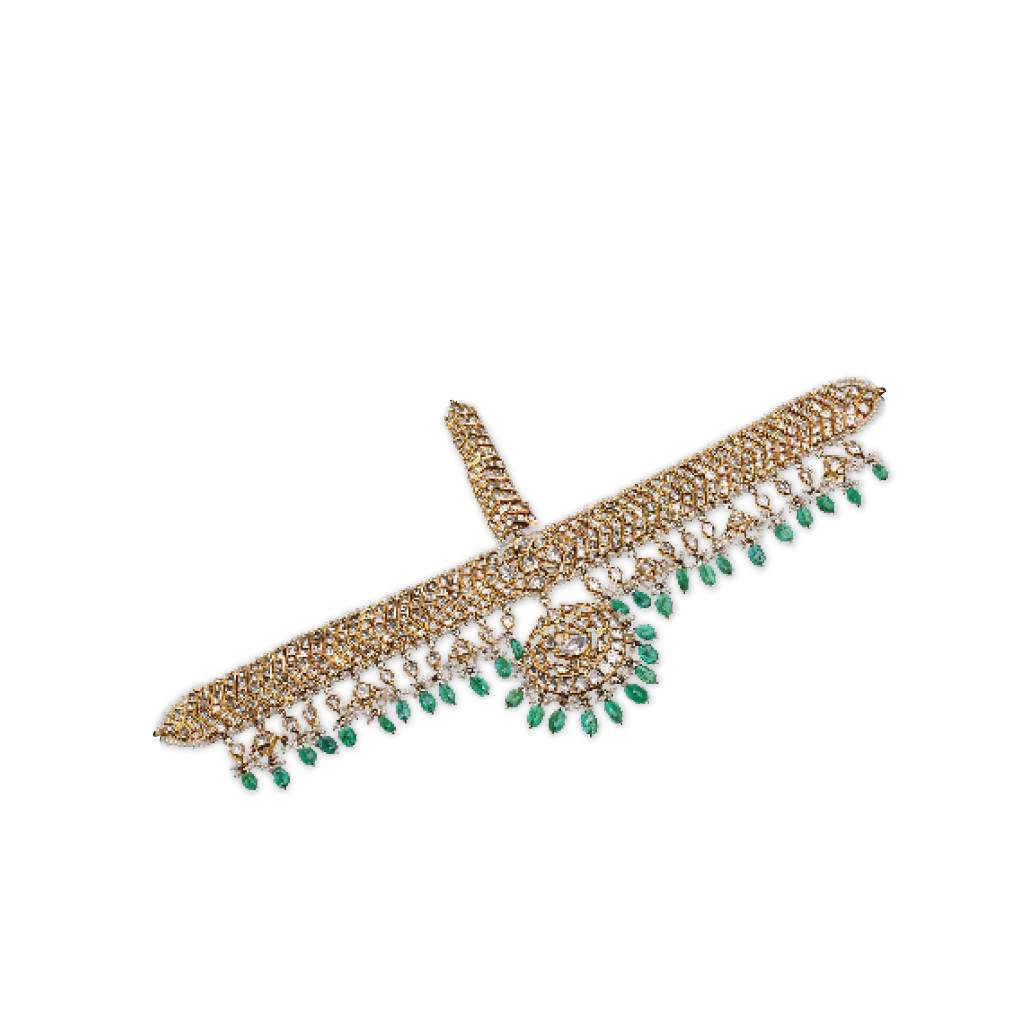
A kamarbandh or waist belt provides structural definition to your saree, nipping the waist and ensuring the drape stays secure. It is both highly functional and a beautiful decorative piece that draws the eye to your natural silhouette.
Importance of nose rings in regional bridal styles
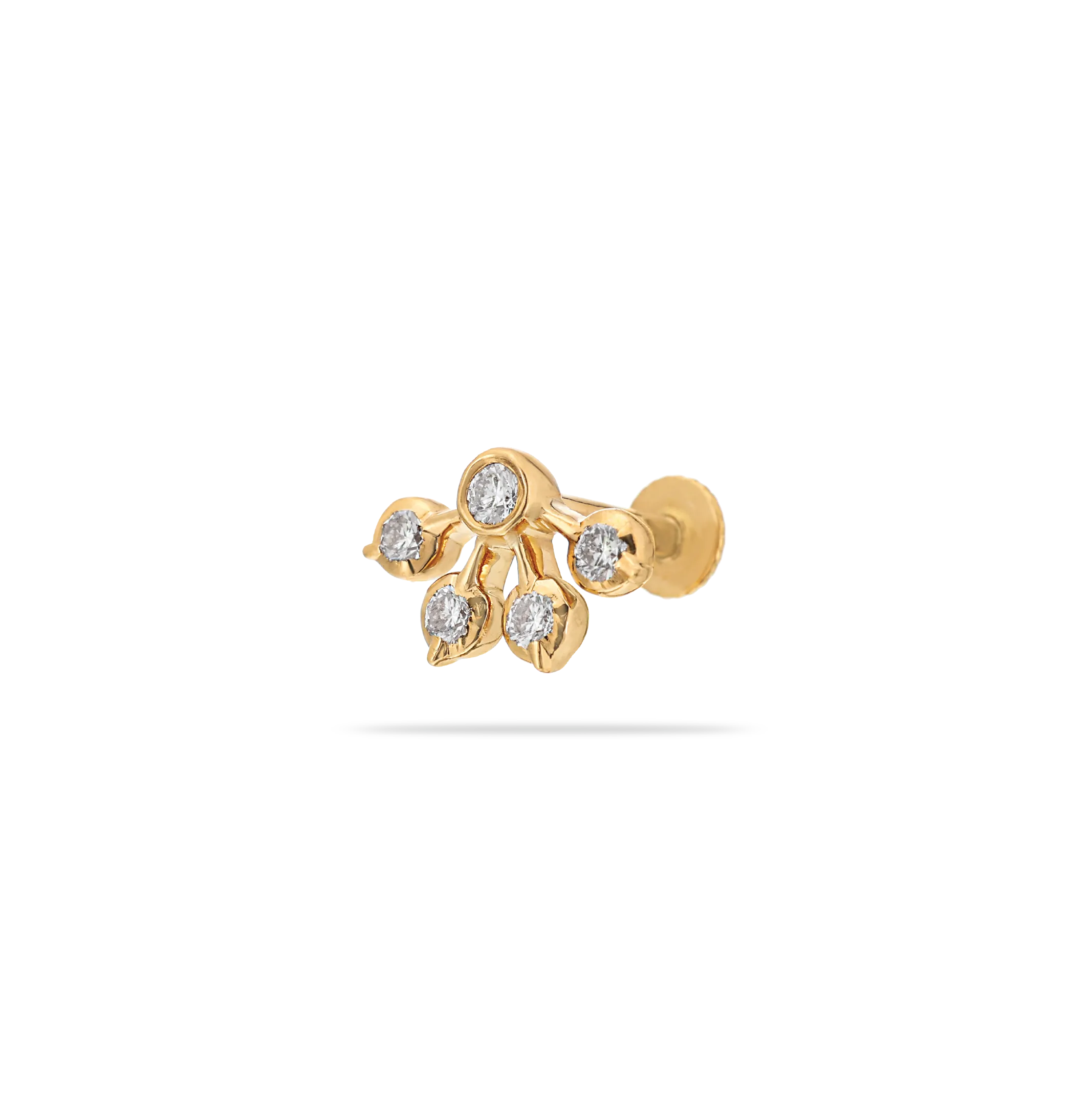
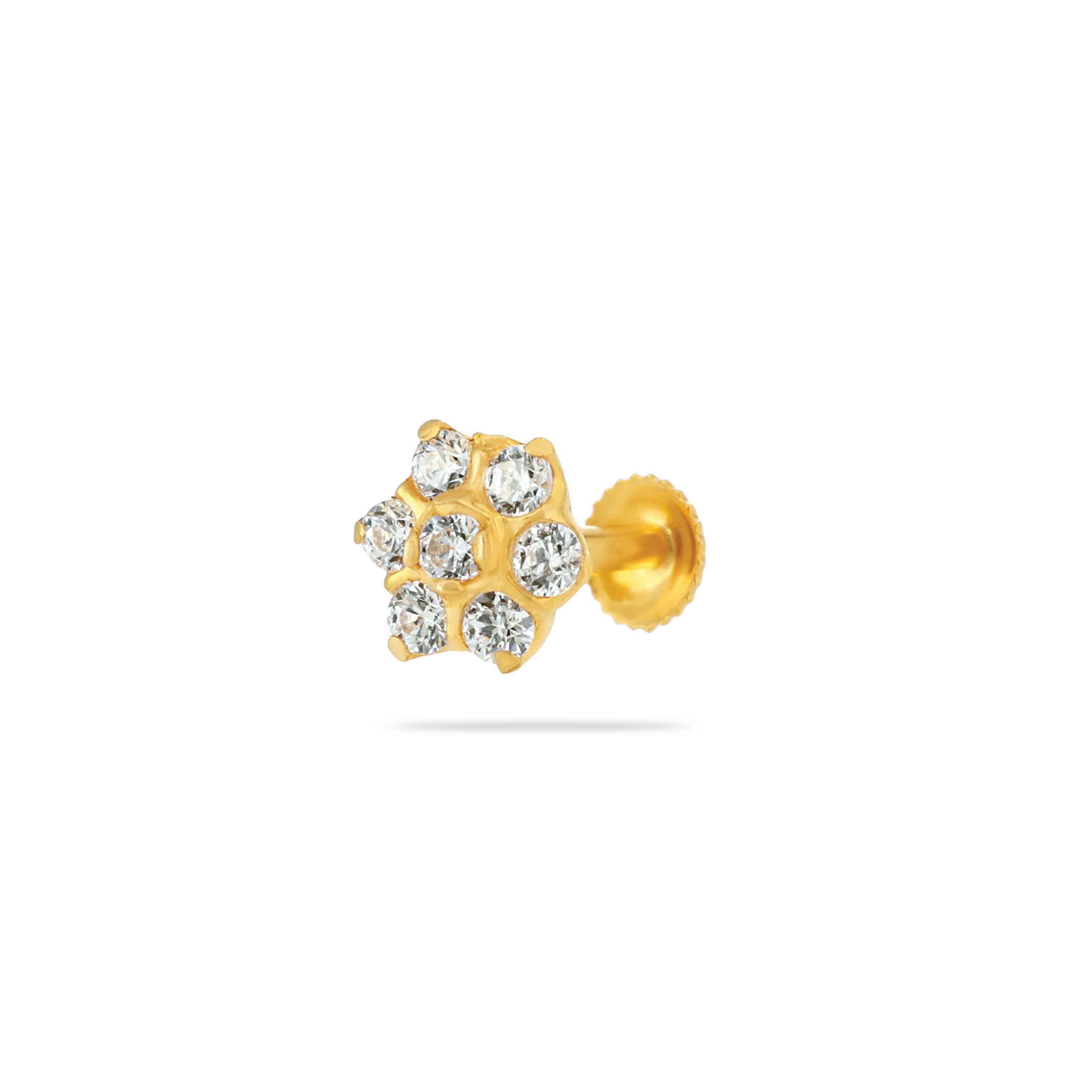
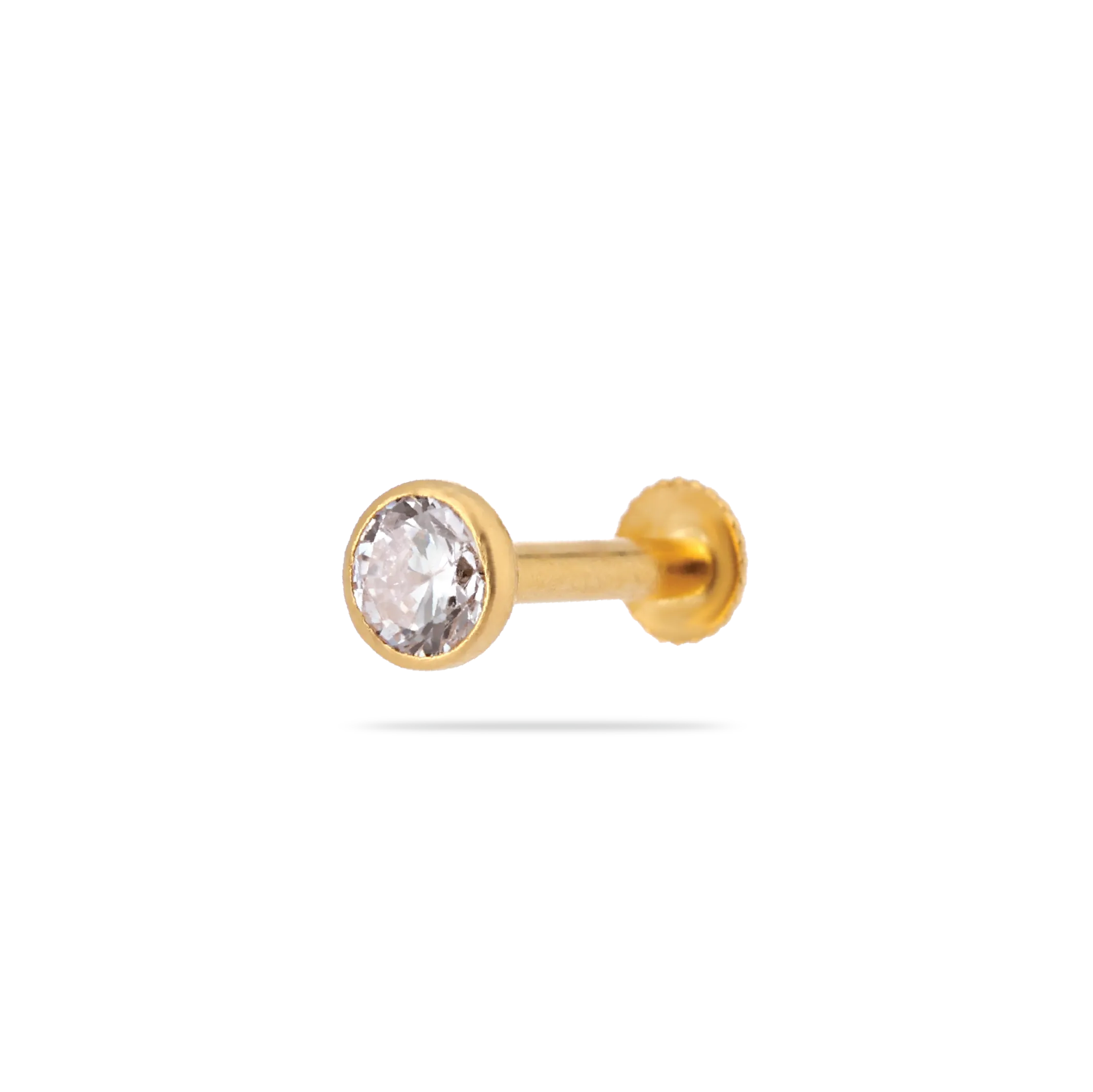
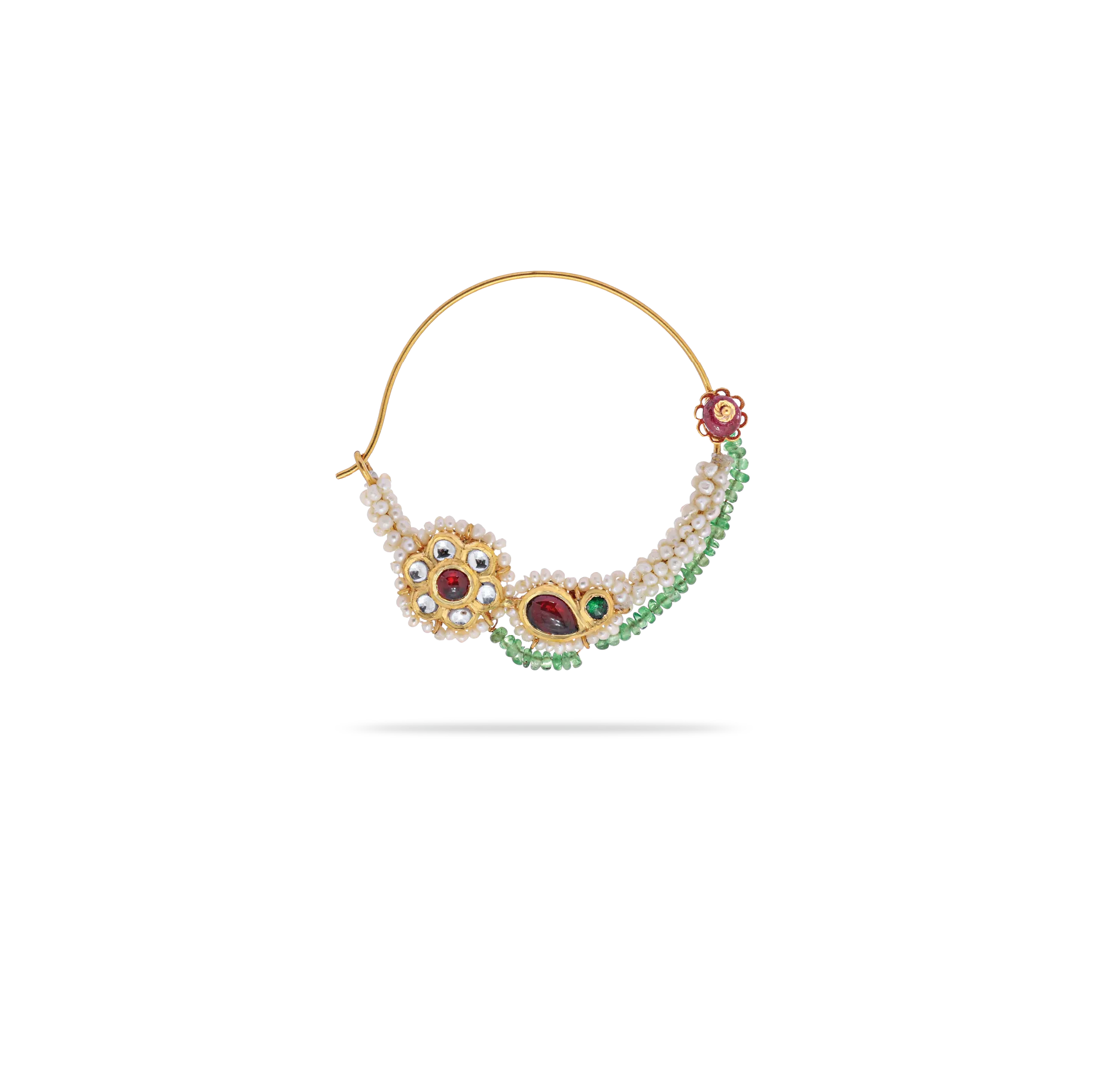
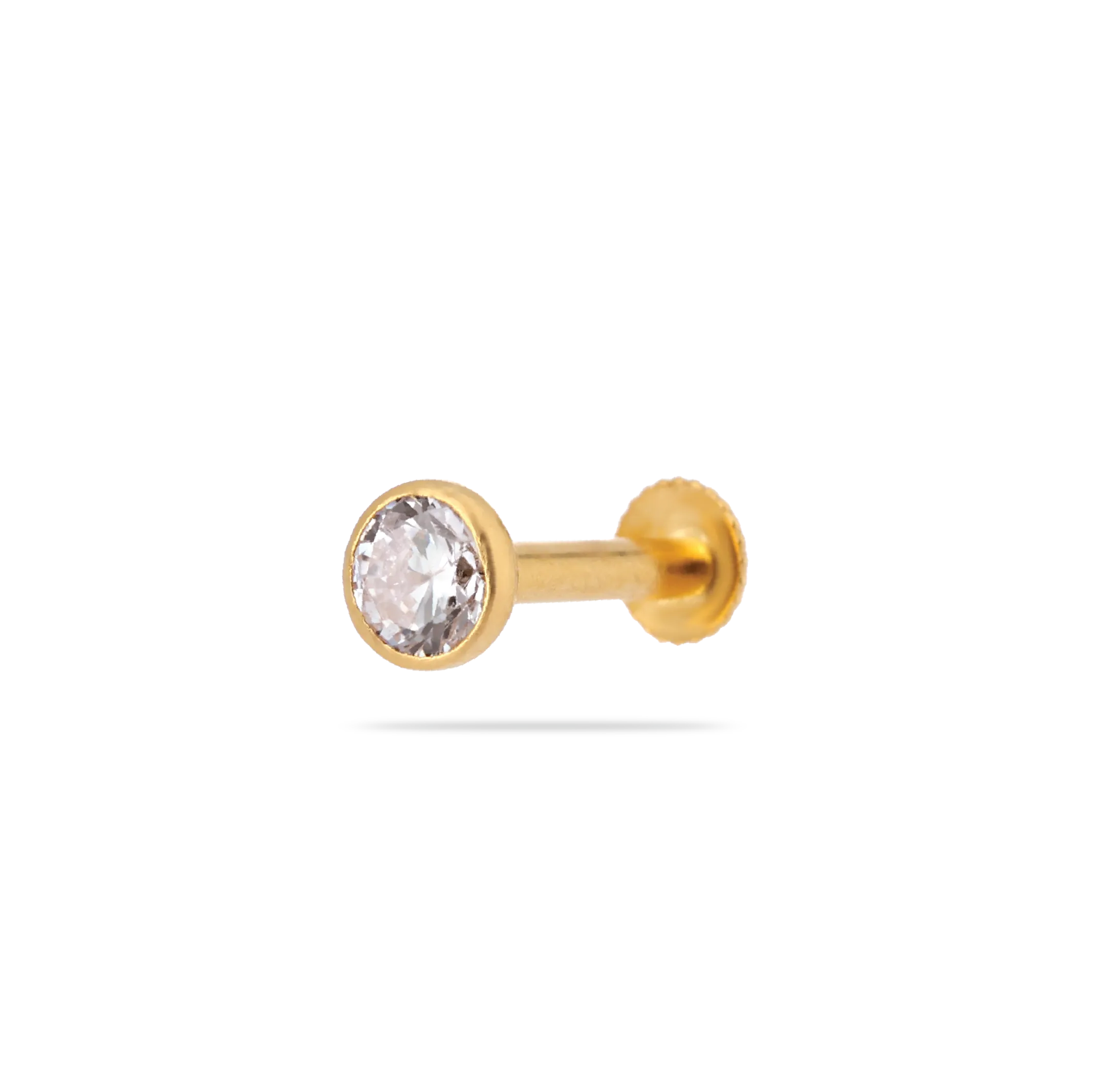
Nose rings vary significantly by region, from delicate studs to large, ornate hoops with pearl chains. They carry deep cultural significance and serve as a prominent part of your look, adding a unique, traditional touch that completes the bridal aesthetic.
Conclusion
Choosing the best jewellery for bridal saree designs is an exercise in personal storytelling that balances tradition, fabric, and individual style. By thoughtfully curating your pieces—from the metal tones that match your embroidery to the necklines that highlight your features—you create a look that feels authentic, comfortable, and undeniably radiant. Whether you lean toward heavy heritage sets or minimalist elegance, focusing on these harmonious details ensures that your jewellery complements your ensemble and makes your wedding day even more unforgettable.
Frequently Asked Questions
How can I make sure my jewellery will be comfortable for a full-day wedding ceremony?
Prioritize pieces that are well-balanced and distributed, and perform a "test-run" at home for a few hours before the actual day. You might also consider investing in lighter-weight versions of your statement pieces to ensure you can remain at ease.
Should I mix metals in my bridal jewellery?
Mixing metals is possible, but it requires a careful eye to ensure the tones still complement one another rather than appearing mismatched. It is generally safer to stick with one dominant metal tone to maintain a cohesive look, especially when coordinating with complex saree embroidery.
Can I wear diamond jewellery with a silk saree?
Yes, diamonds pair beautifully with silk, especially when the saree features modern colors or silver zari work. The contrast between the traditional fabric and the sparkle of diamonds can create a stunning and sophisticated bridal aesthetic.
How do I store my bridal jewellery after the wedding?
Store each piece in its own individual, acid-free pouch or velvet-lined box to prevent scratching and tarnishing. Keep your jewellery in a cool, dry place away from direct sunlight, and ensure you have it cleaned by a professional before long-term storage.
When is the ideal time to start shopping for bridal jewellery?
Starting your shopping at least six months before the wedding day allows enough time for customization, resizing, or sourcing specific pieces. This timeline prevents stress and ensures you have enough time to coordinate your jewellery with other wedding preparations.
What should I look for when buying hallmarked gold?
Always check for the official hallmark stamp, which indicates the purity of the gold as verified by a testing body. This ensures you are paying for the quality you expect and provides peace of mind regarding the authenticity of your purchase.
How do I pair jewellery with a floral print saree?
Floral prints are often busy, so pair them with simple, understated jewelry that doesn't compete with the patterns. Solid-colored stone earrings or a delicate layered chain often provide a cleaner look that balances the visual interest of the prints.
Related blogs:
November 20, 2025
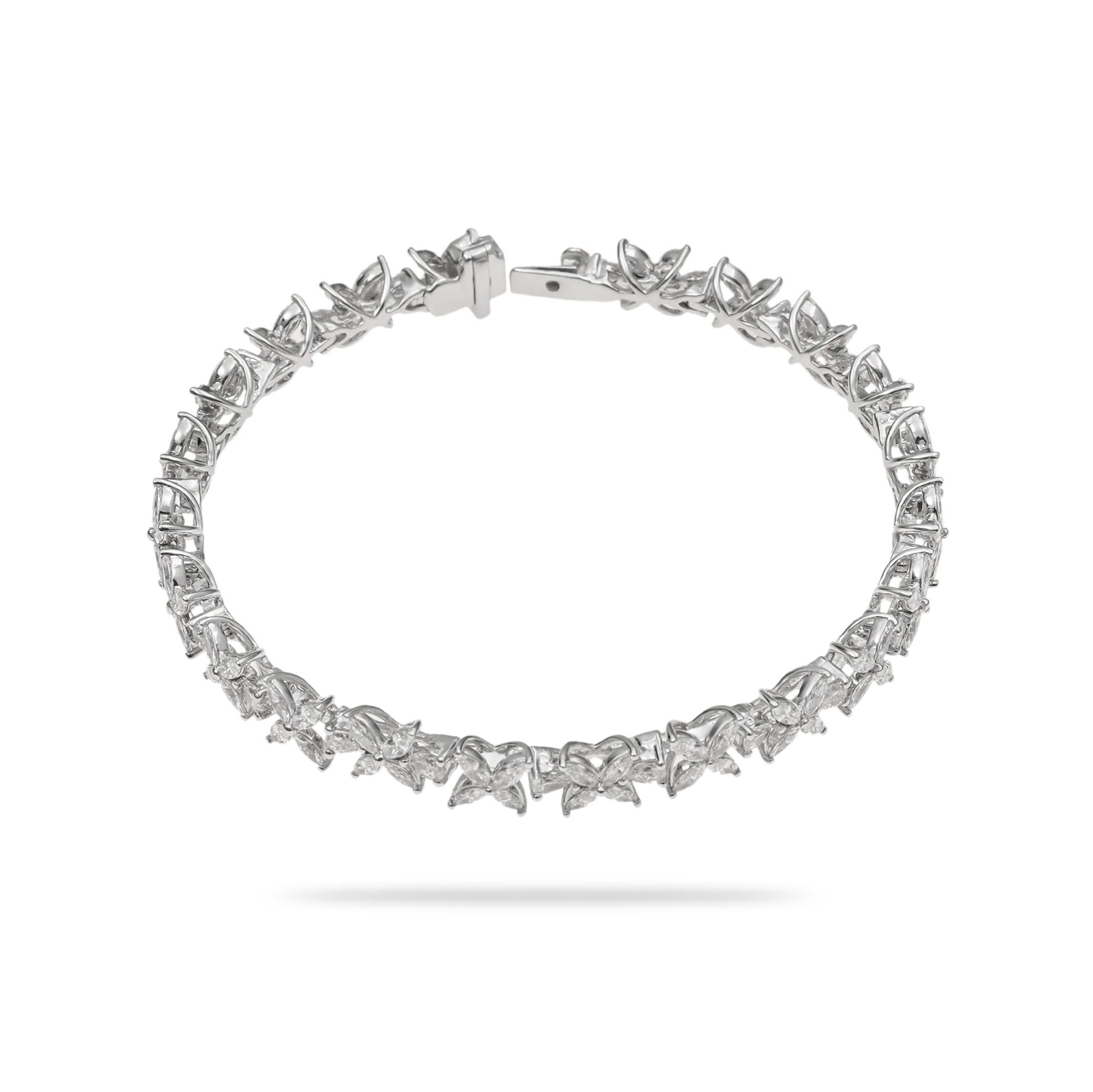
The Timeless Elegance of the Tennis Bracelet: A Comprehensive Guide
Read More
November 20, 2025
The Ultimate Guide to Styling and Wearing a Choker Necklace
Read More
November 20, 2025
Find Your Perfect Engagement Ring: A Comprehensive Guide to Styles and Diamonds
Read More
November 20, 2025
The Timeless Elegance of a Diamond Tennis Bracelet: A Buyer's Guide
Read More









.webp)

.webp)