Understanding Hallmarked Gold Jewellery: A Buyer's Guide
June 20, 2026 | 10 minutes read
Here are the main things to remember when you're looking to buy gold jewellery. Keep these points in mind to make sure you get the best value and quality.
Key Takeaways
- Gold purity is shown in karats (K) or fineness numbers (like 750 for 18K).
- The BIS hallmark on Indian gold jewellery certifies its purity and authenticity.
- The Hallmark Unique ID (HUID) is a 6-character code that helps trace each piece.
- 18K gold (750) is harder and better for jewellery with stones, while 22K gold (916) is softer and closer to pure gold.
- You can verify hallmarks using the BIS Care app or website, or by looking for specific marks and numbers.
Understanding Gold Purity Marks
When you're looking at gold jewelry, you'll notice little stamps on it. These aren't just random marks; they actually tell you how much pure gold is in the piece. It's pretty important stuff to know, especially since gold prices can be quite high. Think of these marks as a quick way to understand what you're actually buying.
Decoding Karat and Fineness Numbers
Gold purity is usually shown in two ways: karats (like 18K or 22K) and fineness numbers (like 750 or 916). They basically mean the same thing, just expressed differently. Karat tells you the proportion of pure gold out of 24 parts. Fineness is a three-digit number showing the parts of pure gold per thousand. So, 24K gold is 24 out of 24 parts pure gold, which is 99.9% pure. Its fineness mark is 999. Similarly, 18K gold is 18 out of 24 parts pure, meaning it's 75% gold, and its fineness mark is 750. It's good to know how these relate so you're not confused by different labels.
Here's a quick rundown:
- 24K (999): This is the purest form of gold, usually used for gold bars and coins, not typically for everyday jewelry because it's quite soft.
- 22K (916): This means 91.6% pure gold. It's a popular choice for jewelry in many parts of the world, offering a good balance of color and durability.
- 18K (750): This is 75% pure gold. It's a very common choice for fine jewelry, especially pieces with gemstones, because it's harder and more durable than higher karats.
- 14K (585): This is 58.5% pure gold. It's often used for more affordable jewelry and is quite durable for daily wear .
Understanding these purity marks is your first step to making a smart purchase. It helps you know the actual gold content and compare prices accurately.
The Significance of 24K, 22K, and 18K
When people talk about gold jewelry, 24K, 22K, and 18K are the most common purities you'll hear about. 24K is pure gold, but it's too soft for most jewelry. That's why you usually see it in bars or coins. 22K gold, often marked as 916, is about 91.6% pure gold mixed with other metals to make it stronger. It has a rich, yellow color and is a favorite for traditional Indian jewelry like bangles and necklaces. Then there's 18K gold, marked as 750, which is 75% pure gold. This is a really popular choice for engagement rings and other fine jewelry because it's tougher and holds up better to daily wear . It's also a great option if you're looking for hypoallergenic jewelry because it has less alloy metal, reducing the chance of skin reactions.
Understanding Lower Karat Gold
Beyond the popular 24K, 22K, and 18K, you'll also find gold jewelry in lower karats, like 14K and 10K. 14K gold is 58.5% pure gold (marked as 585), and 10K gold is 41.7% pure gold (marked as 417). These lower karats have more alloy metals mixed in. This makes them even more durable and often more affordable than higher karat gold. They are great for everyday wear, especially for pieces that might get knocked around a bit. However, because they have less pure gold, they also have less intrinsic value and a slightly different color compared to higher karats. It's important to know that marks like GP (gold plated) or GF (gold filled) mean the piece is not solid gold at all, just coated or layered, and these should be avoided if you're looking for genuine gold value. Always look for the karat or fineness mark to know what you're getting.
The Importance of Hallmarking Gold Jewellery
So, you're looking at a shiny gold necklace or a pair of earrings and wondering, "Is this the real deal?" That's where hallmarking comes in. Think of it as a stamp of approval for your gold. It's your assurance that the piece you're buying actually contains the amount of pure gold it claims to have. Without it, you're essentially taking a leap of faith, and honestly, who wants to do that when you're spending good money?
What a Gold Hallmark Certifies
A gold hallmark is more than just a tiny mark; it's a certification of purity. It tells you the exact percentage of pure gold in the item. This is super important because gold is rarely used in its purest form (24K) for jewellery. It's usually mixed with other metals to make it stronger and more durable. The hallmark confirms the ratio of gold to these other metals.
Here’s a quick look at what common hallmarks mean:
- 916: This means the gold is 91.6% pure, which is equivalent to 22 Karat (22K).
- 750: This indicates 75% pure gold, corresponding to 18 Karat (18K).
- 585: This signifies 58.5% pure gold, or 14 Karat (14K).
The Role of the Bureau of Indian Standards (BIS)
In India, the Bureau of Indian Standards (BIS) is the main authority when it comes to hallmarking gold. They set the standards and oversee the process to make sure everything is legit. Since June 2021, BIS hallmarking has been mandatory for gold jewellery sold in the country. This move was a big step towards protecting consumers and making the gold market more transparent. The BIS hallmark is your best bet for trusting the purity claims. You can even check out the BIS Care app to verify your jewellery.
Why Hallmarks Matter for Buyers
Honestly, hallmarking is a game-changer for anyone buying gold. It cuts down on the chances of getting ripped off. You know exactly what you're paying for, whether it's a delicate chain or a statement ring. It also helps when you decide to sell your gold later on; a hallmarked piece generally fetches a better price because its purity is officially recognized. Plus, it helps differentiate between genuine gold and items that are just gold-plated or filled, which often have markings like GP or GF.
When you see a hallmark, especially the BIS one, it means the piece has been tested and verified by an authorized centre. This process confirms the metal's purity and provides a unique identification code, making it traceable. It's a system designed to give you confidence and peace of mind with your purchase.
Without a hallmark, especially on more expensive items, you're really just guessing. It's always better to be safe than sorry, and a hallmark is the easiest way to do that. It’s like getting a certificate of authenticity for your gold.
Navigating the BIS Hallmark System
So, you've decided to buy some gold jewellery, and you're seeing all these little stamps on it. What do they actually mean? In India, the Bureau of Indian Standards (BIS) is the main body that sets the rules for hallmarking gold. Think of it as a stamp of approval, letting you know that what you're buying is the real deal when it comes to gold purity. It's pretty important because, since 2021, BIS hallmarking has been mandatory for gold jewellery sold here. This means you should be seeing these marks on pretty much everything.
The BIS Logo and Purity Numbers
The BIS hallmark isn't just one single stamp; it's usually a combination of a few things. The most recognizable part is the BIS logo itself, which looks like a triangle. Alongside that, you'll find a number that tells you the gold's purity. This number is based on the fineness system, where 24K gold is considered pure. So, for example, 22K gold, which is 91.6% pure, will be marked as '916'. Similarly, 18K gold, which is 75% pure, will be marked as '750'. It's a straightforward way to quickly see what you're getting. Knowing these numbers helps you understand the value, as different purities have different price points. For instance, 22K gold is generally more expensive per gram than 18K gold because it contains more pure gold.
Here's a quick rundown of the common purity marks:
- 24K (999): This is 99.9% pure gold, usually found in coins and bars, not typically in everyday jewellery.
- 22K (916): This means 91.6% pure gold. It's a popular choice for traditional Indian jewellery like bangles and necklaces.
- 18K (750): This is 75% pure gold. It's a bit harder and more durable, making it a great option for rings and pieces with gemstones.
Understanding the Hallmark Unique ID (HUID)
This is a newer addition to the BIS hallmarking system, and it's a pretty big deal for authenticity. Since late 2021, every hallmarked piece of gold jewellery is supposed to have a six-character alphanumeric code called the Hallmark Unique ID, or HUID. This code is unique to each piece. It's like a serial number that can be traced back to the jeweller who made it and the assaying centre that tested it. This HUID is your best bet for verifying the authenticity of your gold jewellery. It adds a layer of accountability and makes it much harder for counterfeit items to slip through the cracks.
Verifying Hallmarks with the BIS Care App
So, how do you actually check if that HUID is legit? BIS has made it pretty simple with their own app. You can download the BIS Care app on your smartphone. Once you have it, there's a section for 'Hallmark Verification'. You just need to enter the six-character HUID code that's stamped on your jewellery. The app will then pull up the details associated with that code, confirming the purity, the type of metal, and the registered jeweller. It’s a quick and easy way to get peace of mind right there and then. You can also do this verification on the official BIS website if you prefer.
The introduction of the HUID system is a significant step towards greater transparency in the gold market. It empowers consumers by providing a direct way to confirm the details of their purchase, moving beyond just trusting the jeweller's word.
Choosing Between 18K and 22K Gold
So, you're looking at gold jewelry and keep seeing '18K' and '22K' thrown around. What's the big deal, right? Well, it actually makes a difference, especially when you're trying to figure out what's best for you. Think of it like choosing between different types of wood for furniture – some are softer, some are harder, and they all have their own look and feel.
Durability and Wearability
When we talk about 18K versus 22K gold, we're really talking about how much pure gold is in the mix. 18K gold is 75% pure gold (that's what the '750' hallmark means), with the rest being other metals like copper or zinc. 22K gold, on the other hand, is 91.6% pure gold (often marked as '916'), with a smaller amount of alloys. This higher percentage of pure gold in 22K makes it softer and more prone to scratches or dents compared to 18K. If you plan on wearing your jewelry daily or are a bit rough on your accessories, 18K might be the more practical choice.
Here's a quick rundown:
- 18K Gold (75% Gold): More durable, better for everyday wear, holds up well against bumps and scrapes.
- 22K Gold (91.6% Gold): Softer, more susceptible to scratches, best suited for occasional wear or pieces that won't face a lot of friction.
The trade-off for 18K's toughness is that it has a slightly less intense yellow color than 22K. It's a subtle difference, but noticeable if you put them side-by-side. For those who want that deep, rich yellow hue, 22K is often the go-to.
Aesthetic Differences in Color
That higher concentration of pure gold in 22K gives it a distinctively rich, warm, and vibrant yellow color. It's the classic, almost buttery yellow that many people associate with traditional gold jewelry. 18K gold, while still beautifully yellow, has a slightly paler tone because of the added alloy metals. Some people prefer this lighter shade, finding it more modern or versatile. It really comes down to personal preference and the look you're going for. If you're eyeing a piece with gemstones, the color of the gold can really make them pop differently.
Suitability for Gemstone Settings
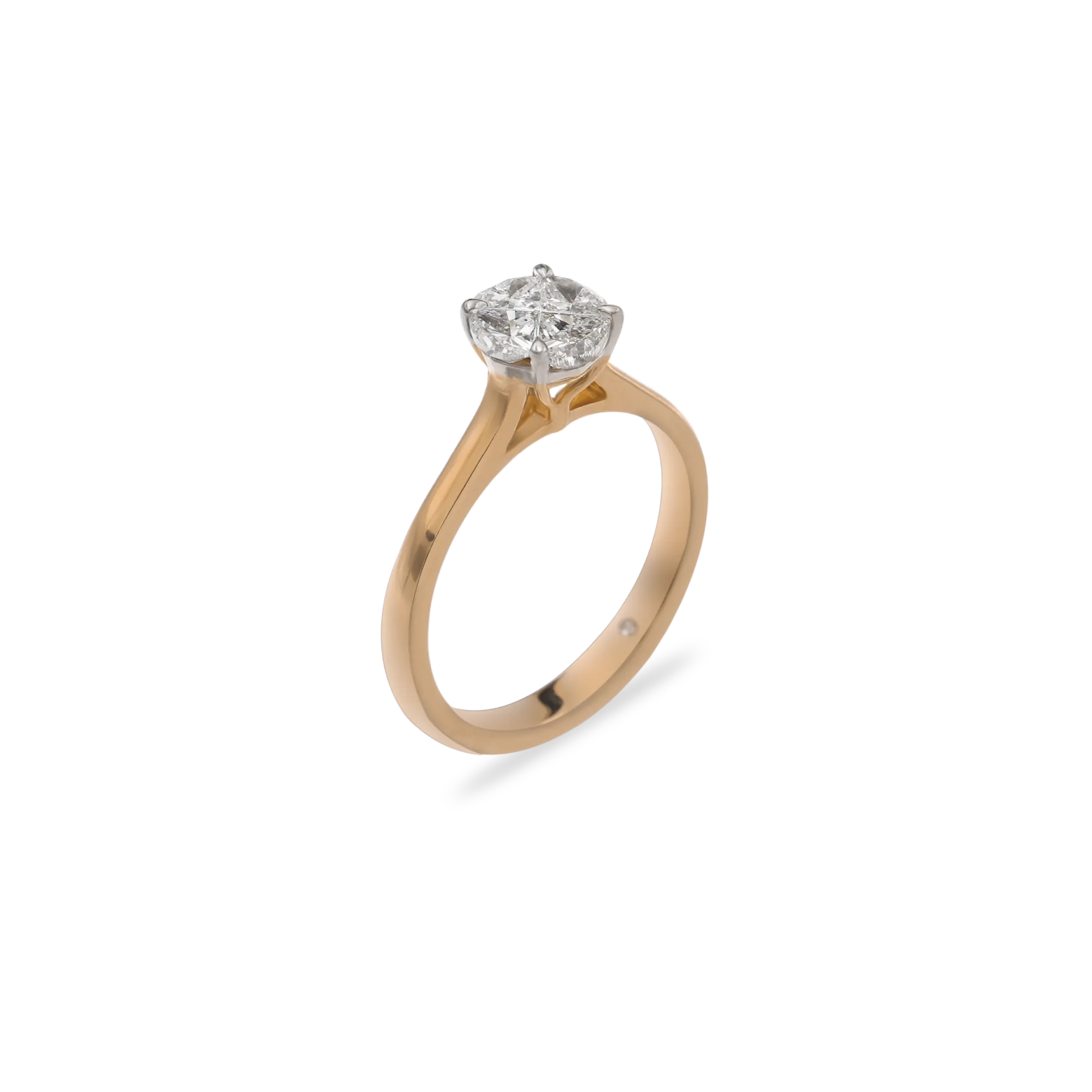
This is where the durability factor really comes into play. When you're setting diamonds or other precious stones , the metal needs to be strong enough to hold them securely. 18K gold, being harder, provides a more robust setting for gemstones. This means the prongs or bezels are less likely to bend or break over time, which is super important for keeping your stones safe. While 22K can be used for gemstone settings, it's generally considered less ideal for intricate or delicate work where security is paramount. For pieces featuring diamonds, especially, 18K is often the preferred choice among jewelers because it offers better security for the settings.
Verifying Hallmarks and Authenticity
So, you've got your eye on a beautiful gold piece, but how do you know it's the real deal? Checking the hallmarks is your first line of defense against getting duped. It's not just about the glitter; it's about knowing what you're actually buying. A genuine hallmark is your assurance of quality and purity.
Simple Home Verification Methods
Before you even think about taking a piece to an expert, there are a few things you can do right at home. It’s surprisingly easy to spot a fake if you know what to look for.
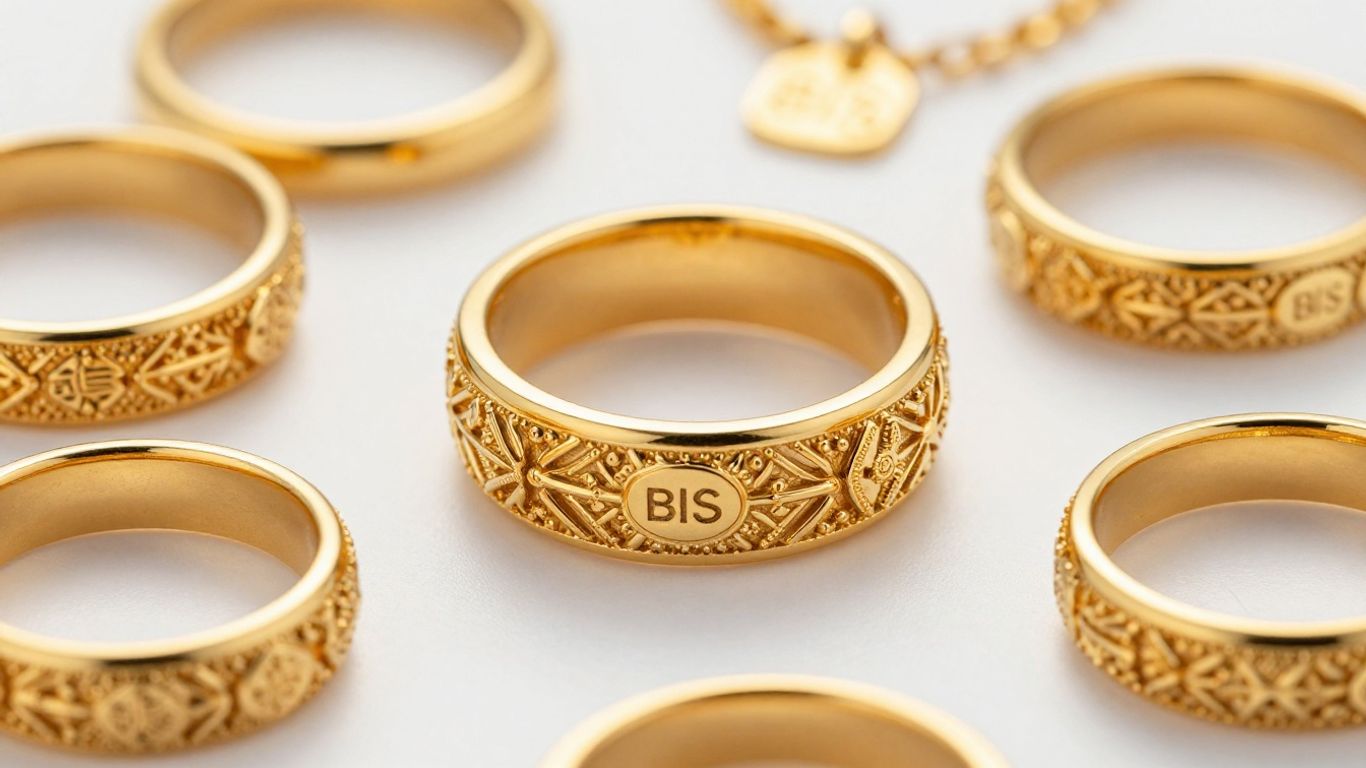
- The BIS Logo Check: Grab a magnifying glass. The Bureau of Indian Standards (BIS) hallmark includes a small, distinct triangle. If you can't find this symbol, it's a major red flag.
- Fineness Number Confirmation: Look for the number stamped alongside the BIS logo. For example, if the piece is supposed to be 22K gold, the hallmark should clearly show '916'. For 18K gold, it should be '750'. Make sure the number matches the purity you're expecting.
- Hallmark Unique ID (HUID) Verification: Since 2021, every hallmarked piece comes with a unique 6-character alphanumeric HUID code. You can easily check this code using the BIS Care app or the BIS website. This is probably the most reliable way to confirm authenticity.
Remember, these home checks are a good starting point, but they aren't foolproof. They can help you spot obvious fakes, but for absolute certainty, especially with high-value items, further steps might be needed.
When to Seek Professional Appraisal
While home checks are handy, sometimes you need a second opinion. If you're making a significant purchase, or if a piece seems a bit suspect despite passing your initial checks, it's wise to get it professionally appraised. An independent BIS-certified assaying centre has the equipment and expertise to test the gold's purity with precision. This is especially important if you're buying antique jewellery or pieces from less reputable sources.
Identifying Faux Gold Markings
Be aware of stamps that indicate gold plating or filling, rather than solid gold. These are often found on cheaper imitation pieces and should be avoided if you're looking for genuine gold value. Common markings to watch out for include:
- GP: Gold Plated
- GF: Gold Filled
- GE/HGE: Gold Electroplated
- RGP: Rolled Gold Plate
These markings mean the piece has only a thin layer of gold over a base metal, and its value is significantly less than solid gold. When you're investing in gold, you want the real thing, not just a coating. Understanding these distinctions helps you make a smarter purchase, especially when considering something like a gold engagement ring.
Factors Influencing Gold Jewellery Value
So, you've got your eye on a shiny new gold piece, but what exactly makes one bracelet worth more than another? It's not just about the shiny metal itself, though that's a big part of it. Several things come into play when figuring out the price tag.
Gold Purity and Market Rates
This is probably the most obvious factor. The higher the karat, the more pure gold is in the piece, and generally, the higher the price. You'll see numbers like 24K, 22K, 18K, and 14K. Remember, 24K is pure gold, but it's also quite soft. So, most jewelry uses lower karats mixed with other metals to make it more durable. The actual market price of gold fluctuates daily, influenced by global markets, inflation, and even what's happening in the news. So, the price of gold today might be different tomorrow. It's always a good idea to check the current gold prices in India before making a big purchase.
The Impact of Craftsmanship and Design
Beyond the gold itself, how the piece is made and what it looks like really matters. Intricate designs, detailed handiwork, or unique patterns all add to the cost. A simple band might be priced mostly on its gold weight, but a necklace with tiny, perfectly set stones or a complex filigree design will cost more because of the skill and time it took to create. Think about it like buying a painting versus a simple print – the artistry makes a difference. Some places are known for their superior craftsmanship, like Italy, which has a long history of goldsmithing.
Understanding Maker's Marks
Sometimes, you'll see small stamps on jewelry that aren't about the gold purity. These are maker's marks, indicating who made the piece. For well-known designers or brands with a reputation for quality, their mark can add to the value. It's like a signature that tells a story about the item's origin and maker. If you're looking at a piece from a luxury house or a respected artisan, that name recognition can influence the price. It's also a way to verify authenticity, as reputable makers will use specific hallmarks.
When you're looking at jewelry, remember that the price isn't just about the raw materials. The skill of the artisan, the uniqueness of the design, and the reputation of the maker all contribute to the final cost. It's a blend of material value and artistic value.
Here's a quick look at how different factors can stack up:
- Purity: Higher karat gold (like 18K or 22K) costs more per gram than lower karats (like 14K).
- Weight: A heavier piece of gold will naturally cost more than a lighter one of the same purity.
- Design Complexity: Intricate details, hand engraving, or detailed settings increase labor costs.
- Gemstones: The type, size, and quality of any stones set in the jewelry will significantly impact the price.
- Brand/Maker: Pieces from well-known luxury brands or respected artisans often command higher prices due to their name and perceived quality. You can often find great deals if you know where to look, especially when considering how to evaluate brands before you buy.
Conclusion
Gold hallmarks are your best friend when buying gold jewellery. They tell you exactly what you're getting. Always look for the BIS logo, the purity number, and the HUID code before you hand over your money. This way, you can be sure you're buying genuine, quality gold that's worth your hard-earned cash. Happy shopping!
Frequently Asked Questions
What does a gold hallmark actually mean?
A gold hallmark is like a stamp of approval. It's an official mark that shows the gold in your jewellery is pure and meets certain standards. Think of it as a guarantee from a trusted source.
Is it important to buy hallmarked gold jewellery?
Yes, it really is! Buying hallmarked gold jewellery means you know exactly what you're getting. You can trust that the purity is what the stamp says it is, so you won't be tricked into paying for more gold than you actually receive.
What's the difference between 22K and 18K gold?
Okay, so 22K gold is about 91.6% pure gold, making it softer and a bit more yellow. It's great for plain gold items. 18K gold is 75% pure gold, so it has more other metals mixed in. This makes it tougher and better for holding onto diamonds or other gems without them falling out.
How can I check if the hallmark is real?
You can check it yourself! Look for the BIS logo (a triangle shape), the purity number (like 750 for 18K), and the Hallmark Unique ID (HUID), which is a 6-character code. You can even use the BIS Care app on your phone to check the HUID and confirm everything.
Can a hallmark be fake?
While official hallmarking is reliable, sadly, fake marks can exist. That's why it's super important to buy from trusted jewellers and always check for the official BIS marks and the HUID. If something looks off, it's better to be safe and ask questions or check with another source.
What does the number 750 mean on gold?
When you see the number 750 stamped on gold, it means the piece is 18K gold. This number shows that 750 out of 1000 parts of the metal are pure gold, which is the same as 75% pure gold. It's a common way to mark 18K jewellery.
Understanding Certified Diamond Jewellery: What You Need to Know Before You Buy
10 minute read
Related blogs:
November 20, 2025
The Timeless Elegance of the Tennis Bracelet: A Comprehensive Guide
Read More

November 20, 2025
The Ultimate Guide to Styling and Wearing a Choker Necklace
Read More
November 20, 2025
Find Your Perfect Engagement Ring: A Comprehensive Guide to Styles and Diamonds
Read More
November 20, 2025
The Timeless Elegance of a Diamond Tennis Bracelet: A Buyer's Guide
Read More









.webp)



.webp)