Understanding Certified Diamond Jewellery: What You Need to Know Before You Buy
June 20, 2026 | 10 minutes read
When you're looking to buy diamond jewelry, understanding the certification is super important. It’s your proof of quality and value. Here are the main things to remember:
Key Takeaways
- Diamond certification is an independent report detailing a diamond's quality based on the 4Cs (Cut, Clarity, Color, Carat).
- Top grading labs like GIA, IGI, and AGS are known for their strict and reliable standards.
- Always check the diamond's certificate for details on the 4Cs, cut, clarity plot, and other features.
- Look for security features on the certificate, like holograms or unique numbers, to ensure it's real.
- When choosing, pick a diamond from a trusted lab, review the certificate carefully, and ask questions.
Understanding Diamond Certification
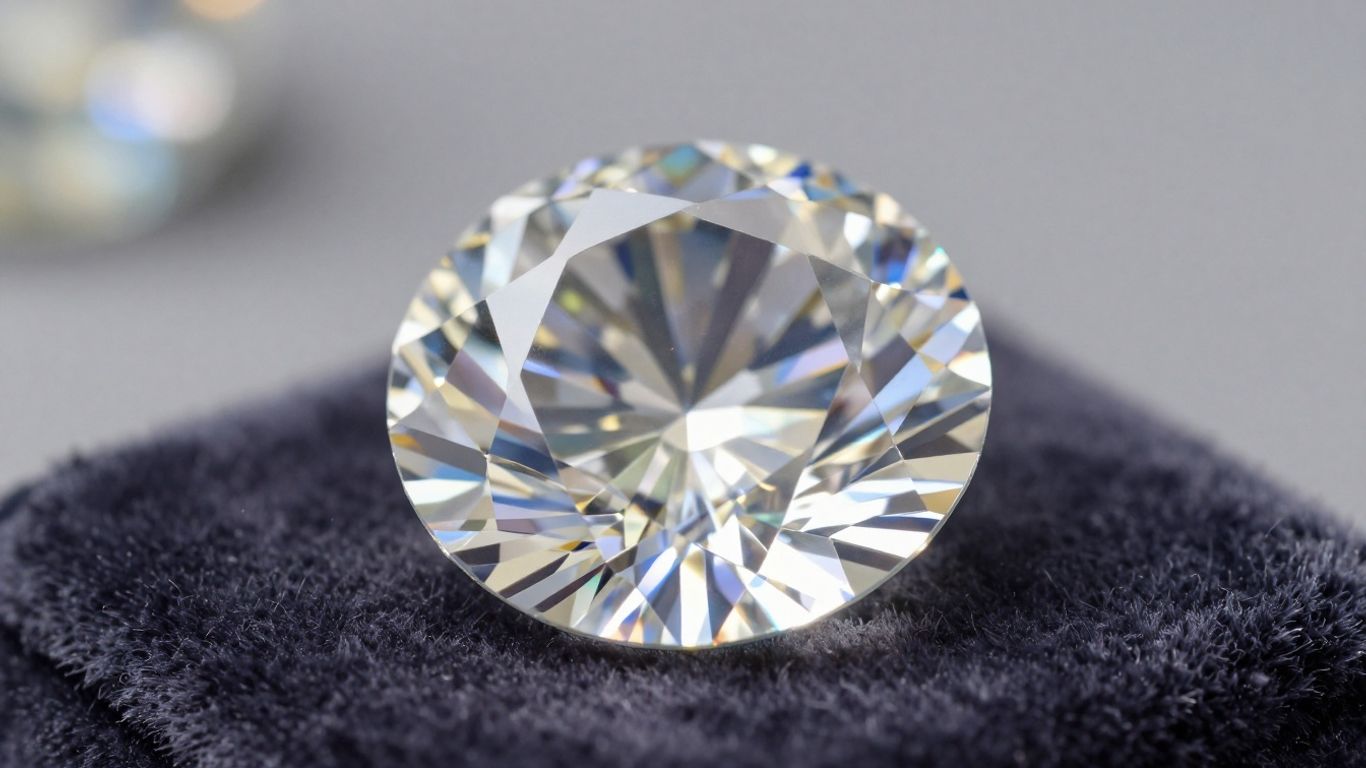
So, you're looking at diamond jewelry and you keep seeing the word "certified." What's that all about? Basically, a certified diamond has been looked at and graded by an independent lab. Think of it like a report card for the diamond. This report, called a certificate, details its quality based on a few key things, most importantly the "4Cs": cut, color, clarity, and carat weight. It's done by trained pros using specific tools and methods, so you know you're getting a consistent evaluation. Without this kind of official stamp of approval, it's pretty tough to know for sure what you're actually buying and if it's worth the price. It really takes the guesswork out of it.
What is Diamond Certification?
Diamond certification is essentially an independent lab's detailed report on a specific diamond. These labs are like the unbiased experts of the gem world. They examine the diamond using standardized procedures and equipment to determine its characteristics. The main things they look at are the famous 4Cs: cut (how well the diamond is shaped and reflects light), color (how colorless it is, on a scale from D to Z), clarity (how free it is from internal and external flaws), and carat weight (how much it weighs). The certificate confirms the diamond's quality and authenticity, acting as proof of its grade. It's a document that tells you exactly what you're getting.
Why Is Diamond Certification Important?
Having a diamond certificate is a big deal for a few reasons. First off, it gives you verified quality. You know that qualified gemologists have checked it out using industry standards, so you can trust the grading. This leads to buyer confidence – you're not just taking someone's word for it; you have a document that backs up the diamond's authenticity and value. It also makes comparing diamonds way easier. Since all the certificates use the same grading system, you can look at two different diamonds and know exactly how they stack up against each other. Plus, if you ever decide to sell your diamond, having a certificate from a reputable lab can really help with resale value because its quality is clearly documented. It's like having a detailed history of the stone. You can find out more about the different grading bodies here.
A diamond certificate is your best friend when making a purchase. It's the unbiased proof of what you're buying, ensuring you understand its quality and value before you commit. Don't skip this step!
Here's a quick look at why it matters:
- Verified Quality: Independent grading means you can trust the diamond's characteristics.
- Buyer Confidence: Removes doubt and uncertainty about authenticity and value.
- Easy Comparison: Provides a standard way to compare different diamonds.
- Resale Potential: A documented quality can lead to better value if you sell later.
The Most Authoritative Diamond Certification Bodies
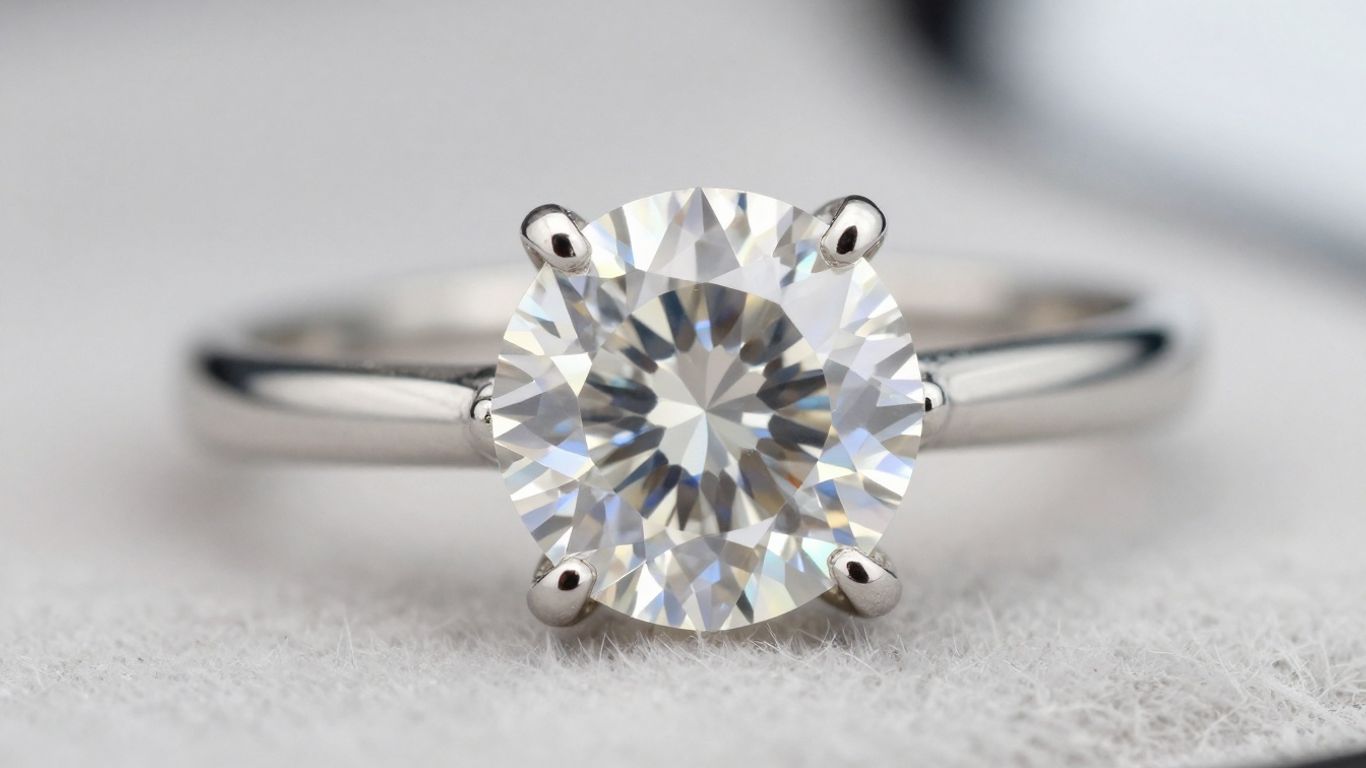
When you're looking at diamonds, especially for something important like an engagement ring, you'll want to know you're getting what you pay for. That's where diamond certification comes in. It's basically a report card for a diamond, created by independent labs that really know their stuff. These labs check out the diamond's quality using a standardized system, so you can compare different stones fairly. Not all labs are created equal, though, so it's smart to stick with the ones that have a solid reputation.
Gemological Institute of America (GIA)
The Gemological Institute of America, or GIA, is pretty much the gold standard when it comes to diamond grading. They've been around since 1931 and pretty much set the rules for how diamonds are evaluated worldwide. Their reports are known for being super consistent and accurate. If you see a GIA certificate, you can generally trust that the diamond has been graded with a very strict eye. They cover all the important stuff, like the 4Cs (cut, color, clarity, and carat weight), and their grading reports are widely respected in the industry. You can even check your diamond's report number on their website to make sure it's legit.
International Gemological Institute (IGI)
The International Gemological Institute (IGI) is another big player in the diamond certification world. They're known for being really thorough and are often the go-to for grading both natural and lab-grown diamonds. IGI reports are detailed and provide a good breakdown of a diamond's characteristics. They also have a strong global presence, so you'll see their certificates quite a bit. Like GIA, they use standardized grading practices, which is great for making sure you're comparing apples to apples when looking at different stones. It's always a good idea to check out the specific descriptive phrase on their website if you have questions about a particular stone.
The American Gem Society (AGS)
The American Gem Society (AGS) is also a highly respected name in diamond grading. They're particularly known for their detailed focus on diamond cut quality, which is a big deal for how much a diamond sparkles. AGS uses a slightly different grading scale than GIA, but it's still very rigorous. Their reports offer a lot of information, and they're a great choice if you're really focused on getting a diamond with exceptional brilliance and fire. They're a trusted source for accurate diamond assessments.
Other Leading Accreditation Agencies
While GIA, IGI, and AGS are the most commonly mentioned, there are other reputable labs out there. Some jewelers might work with other agencies, and it's worth knowing who they are. However, it's important to remember that the standards can vary. Some labs might be a bit more lenient in their grading, which could make a diamond seem better than it actually is. Always do a quick check to see if the lab has a good reputation for consistent and honest grading. For instance, if you're looking at a unique piece, maybe something with a yellow gold setting, the certification still matters just as much.
When you're looking at diamond certificates, remember that the lab's reputation is a big part of the picture. Sticking with well-known, respected organizations means you're more likely to get an accurate and reliable assessment of the diamond's quality. It's about peace of mind and making sure your investment is sound.
Understanding Your Diamond Certificate
So, you've got a diamond certificate, or you're looking to get one. What does all that information actually mean? It's not just a bunch of fancy words; it's the blueprint of your diamond. Think of it as the diamond's official ID card, detailing everything important about it. Without it, you're kind of buying blind, hoping for the best. But with a good certificate, you know exactly what you're getting.
4Cs Grading Features
This is the core stuff, the famous 4Cs that everyone talks about. They tell you about the diamond's basic quality and appearance.
- Cut: This isn't about the shape (like round or princess), but how well the diamond's angles and facets interact with light. A good cut makes a diamond sparkle. A bad one can make it look dull, even if the other Cs are great.
- Clarity: This looks at any tiny imperfections, called inclusions, inside the diamond, and blemishes on the surface. The fewer and smaller these are, the higher the clarity grade. Most inclusions are only visible under magnification.
- Color: For white diamonds, this scale goes from D (totally colorless) to Z (light yellow or brown). The closer to D, the rarer and usually more expensive the diamond. It's about how much color is absent.
- Carat Weight: This is simply how much the diamond weighs. One carat is equal to 0.2 grams. Bigger isn't always better; a poorly cut or colored large diamond might not look as good as a smaller, well-cut, colorless one.
Additional Information
Beyond the 4Cs, your certificate might list other details that affect how the diamond looks and performs. These can include:
- Polish: How smooth the diamond's surface is after it's been cut and faceted.
- Symmetry: How perfectly the diamond's facets align with each other. Good symmetry helps with light reflection.
- Fluorescence: Whether the diamond glows under ultraviolet (UV) light. Some people prefer no fluorescence, while others don't mind it or even like the effect it can have on certain colors.
- Inclusion Plot: A diagram showing the location and type of any significant internal flaws. This is super helpful for understanding the clarity grade.
Certification Number
Every certified diamond gets a unique identification number. This number is like a fingerprint for your stone. You can usually find it printed on the certificate itself and sometimes even laser-inscribed on the diamond's girdle (the edge). The best part? You can often check this number online on the grading lab's website. This lets you confirm that the certificate matches the actual diamond and see all its details. It's a great way to verify authenticity and make sure you're getting what you paid for. For example, you can check an IGI certificate this way.
Security Features
Labs know that certificates are important, so they add security measures to stop people from faking them. You might see things like:
- Holograms
- Special watermarks
- Microprinting (tiny text that's hard to see without magnification)
- QR codes that link directly to the diamond's report online
These features help make sure the certificate you have is the real deal and hasn't been tampered with. It adds another layer of trust when you're looking at a diamond.
When you're looking at a diamond certificate, don't just glance at the 4Cs. Take a moment to read through all the details. Sometimes, a diamond with a slightly lower grade in one area might be a better value or look just as good to your eye, especially if it excels in another. It's all about finding the right balance for you.
How to Choose Certified Diamond Jewellery
So, you've decided to go for a certified diamond. Smart move! It really takes a lot of the guesswork out of buying something as significant as a diamond. But with a certificate in hand, how do you actually pick the right piece of jewelry? It’s not just about the diamond itself, but how it fits into a setting and your overall style. Here’s a breakdown to help you make a solid choice.
Choose Trusted Labs
First things first, make sure the diamond you're looking at comes with a report from a reputable lab. We've talked about the big names like GIA, IGI, and AGS. Sticking with these means you're getting a grading report that's held to high standards. It’s like getting a report card from a well-respected school – you know it means something. Diamonds graded by less-known labs might seem like a deal, but their grading can be all over the place, making it hard to know what you're really getting.
Review the Certificate
Don't just glance at the certificate; actually read it. You'll want to pay close attention to the 4Cs: Cut, Color, Clarity, and Carat Weight. These are the main factors that determine a diamond's beauty and value. Understanding these will help you see how a specific diamond stacks up. For instance, a diamond with a slightly lower color grade might look just as white to the naked eye but cost significantly less. It’s all about finding that sweet spot for your budget and preferences. You can check out more about the 4Cs of diamond grading to get a better handle on this.
Compare Options
Once you've got a few certified diamonds in mind, it's time to compare them. Look at them side-by-side if possible. Sometimes, a diamond that looks great on paper might not have the same sparkle in person. Also, consider the setting. Are you looking at a classic solitaire, a halo, or something more unique? The metal choice matters too – yellow gold , white gold , or rose gold can change the whole feel of the piece. Think about how the diamond and the setting work together. For engagement rings, for example, you might want to consider how different cuts look in various gold ring styles.
Ask Questions
Never be afraid to ask the jeweler questions. A good jeweler will be happy to walk you through the diamond certificate and explain any details you're unsure about. Ask about the diamond's origin, any treatments it might have undergone, and how the grading on the certificate translates to its appearance. They can also help you understand the security features on the certificate, like the unique certification number that you can often verify online. It’s your money, and you deserve to know exactly what you’re buying.
Buying certified diamond jewelry is a big step, and it's totally normal to have questions. The certificate is your guide, but a knowledgeable jeweler is your best resource for making sure you're completely happy with your choice. Don't rush the process; take your time to find a diamond that truly speaks to you.
Conclusion
Getting a diamond with a certificate is a big deal. It’s like a report card for the stone, telling you all about its quality and making sure you know what you’re getting. This way, you can buy with more confidence and less worry. Knowing about the grading and the labs that check the diamonds helps a lot. It’s all about making sure your beautiful diamond is exactly what you expect it to be.
Frequently Asked Questions
What exactly is a certified diamond?
Think of a certified diamond as one that's been looked at and graded by a special, independent lab. This lab gives you a report, like a school report card, that tells you all about the diamond's quality. It covers things like its cut, how clear it is, its color, and how much it weighs.
Which diamond grading lab is the best?
The Gemological Institute of America, or GIA, is usually seen as the gold standard. They're known for being super strict and fair. Other good ones include IGI and AGS, which are also very respected and provide detailed reports.
How can I be sure a diamond certificate is real?
Most labs put a unique number on the certificate. You can usually go to the lab's website and type in that number to see if the diamond matches the report. Certificates also often have special marks like holograms or tiny writing to stop people from faking them.
Do all diamonds come with a certificate?
Nope, not all diamonds get certified. Usually, bigger or more expensive diamonds will have a certificate because it proves their quality. Smaller or less pricey ones might not come with one, but it’s always better if they do.
What are the '4Cs' on a diamond certificate?
The 4Cs are the main things that decide a diamond's quality and price. They stand for Cut (how well it's shaped to sparkle), Color (how white or yellow it looks), Clarity (how many tiny flaws it has inside or out), and Carat (how much it weighs).
Why should I care about diamond certification when buying jewelry?
It’s super important because the certificate is proof of what you're buying. It means you know the diamond's real quality and aren't being tricked. It helps you compare different diamonds fairly and gives you peace of mind that you're getting good value for your money.
Related blogs:
November 20, 2025
The Timeless Elegance of the Tennis Bracelet: A Comprehensive Guide
Read More

November 20, 2025
The Ultimate Guide to Styling and Wearing a Choker Necklace
Read More
November 20, 2025
Find Your Perfect Engagement Ring: A Comprehensive Guide to Styles and Diamonds
Read More
November 20, 2025
The Timeless Elegance of a Diamond Tennis Bracelet: A Buyer's Guide
Read More









.webp)
.webp)