The diamond jewellery gift guide: How to choose a meaningful piece for every occasion
August 3, 2026 | 10 minutes read
Key Takeaways
A diamond gift feels most personal when it reflects both the occasion and the person receiving it.
- Let the relationship and milestone guide the meaning of the gift.
- Match the design to the recipient’s everyday style and comfort.
- Compare diamond quality, sourcing, metal, and setting together.
- Spend thoughtfully by prioritizing the qualities most visible to the eye.
- Confirm fit, documentation, policies, and care requirements before wrapping the piece.
Start with the occasion and your relationship
The occasion gives a diamond gift its first layer of meaning, but your relationship gives it the rest. A piece for a partner may carry a different emotional weight from one for a parent, sibling, friend, or colleague. Start by considering what you want the gift to say, then choose something that feels natural rather than overly symbolic. This is the foundation of any thoughtful diamond jewellery gift guide.
Choosing a gift for an anniversary or milestone
Anniversaries and milestones invite a piece with staying power. A slim diamond band can mark years together without competing with an engagement ring, while a pendant or bracelet may feel more personal for a major birthday, promotion, graduation, or new chapter. Consider whether the recipient prefers jewellery that announces an occasion or quietly becomes part of their regular wardrobe.
For a ring, think carefully about whether it will be worn alone, stacked, or alongside existing jewellery. A necklace or pair of earrings is often easier to give as a surprise because sizing is less exact. The most successful choice usually connects to a shared memory, a familiar motif, or a style the recipient already reaches for.
Finding the right piece for a birthday
Birthdays are wonderfully flexible. You can choose a small pair of studs for someone who values practicality, a delicate pendant for a sentimental wearer, or a more distinctive design for a person who enjoys fashion and conversation-starting accessories. Age matters less than lifestyle: a busy professional may appreciate low-maintenance jewellery, while a collector may enjoy an unusual cut or setting.
Personalization can make a modest piece feel considered. An engraving, meaningful initial, or discreet birthstone detail may sit alongside the diamond without making the design feel crowded. A useful meaningful jewelry gift guide can also prompt ideas beyond a single type of stone or silhouette.
Selecting jewellery for an engagement or wedding
Engagement and wedding jewellery deserves a little more coordination than an ordinary gift. Look at the recipient’s existing rings, preferred metal, and usual level of sparkle before choosing a piece that will live beside them. If you are buying an engagement ring, the shape, setting height, band width, and ring size all affect comfort as well as appearance.
For wedding-day gifting, earrings, a bracelet, or a pendant can complement the outfit without duplicating the engagement ring. Bridal jewellery can be classic, vintage-inspired, modern, or richly detailed, so the dress neckline and hairstyle are useful reference points. A thoughtful bridal jewellery guide can help organize those decisions without taking away the personal element.
Giving diamonds for holidays and personal celebrations
Holiday gifts work best when they feel chosen for the individual rather than pulled from a generic list. A pair of earrings may suit someone who wears jewellery daily, while a charm, pendant, or personalized ring can mark a first holiday together, a family achievement, or a private tradition. If the gift is for a less formal relationship, keep the scale and symbolism warm but comfortable.
Sometimes jewellery is only one part of the moment. A handwritten note, shared meal, or planned activity can give the object a story of its own. For other kinds of thoughtful celebration ideas, an experience-first framework offers a useful reminder that the memory surrounding a gift can matter as much as the gift itself. A very specific Valentine’s Day gift collection may also inspire presentation ideas, even when your final choice is a diamond piece.
Match the jewellery style to the recipient
The best design is rarely the most expensive one; it is the one that looks as though it belongs to the person receiving it. Notice the scale of their current jewellery, the colors they wear, and whether their wardrobe is tailored, relaxed, romantic, or eclectic. If you can, observe what they wear repeatedly rather than what they choose for one special event.
Classic styles for timeless tastes
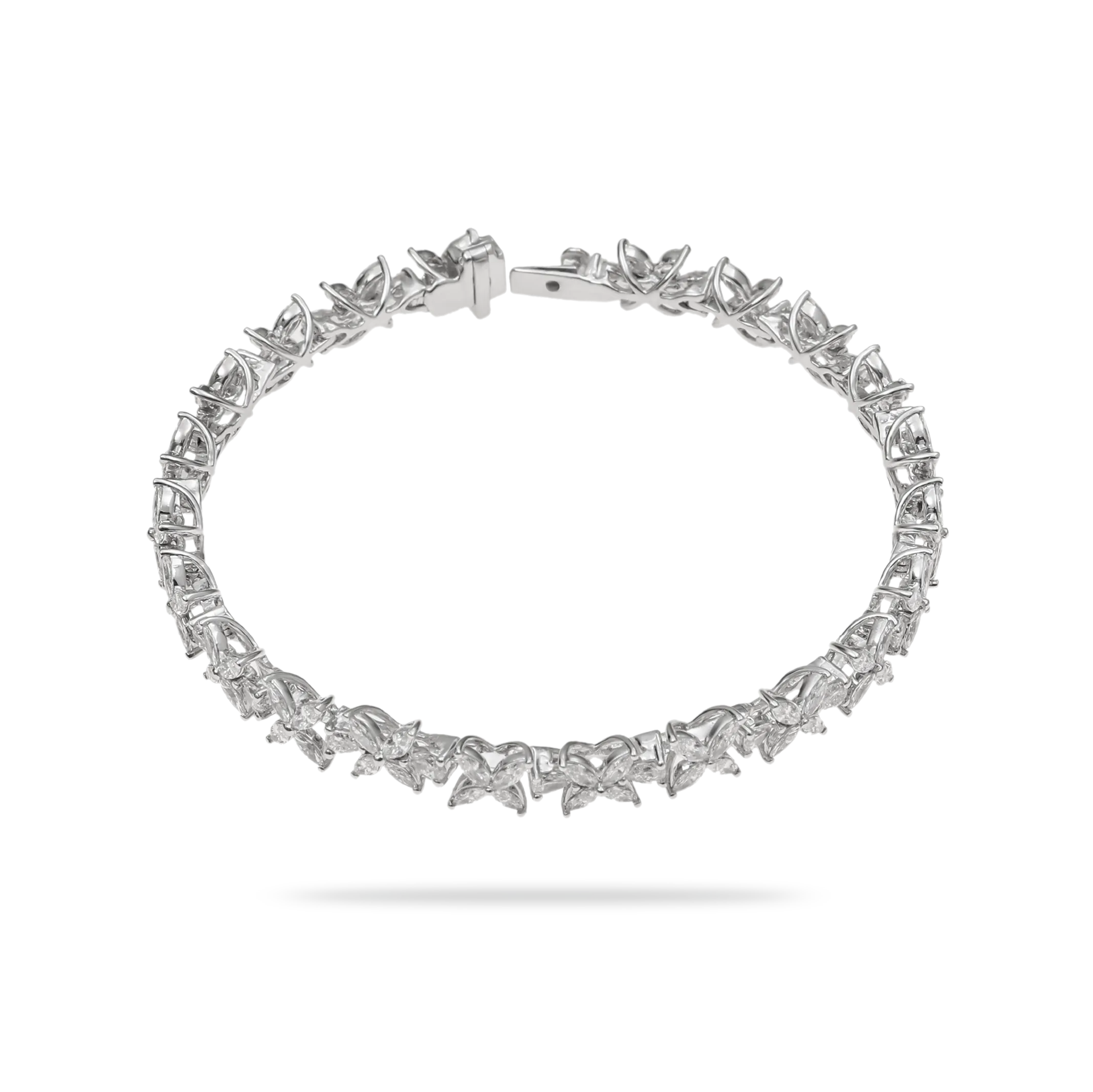
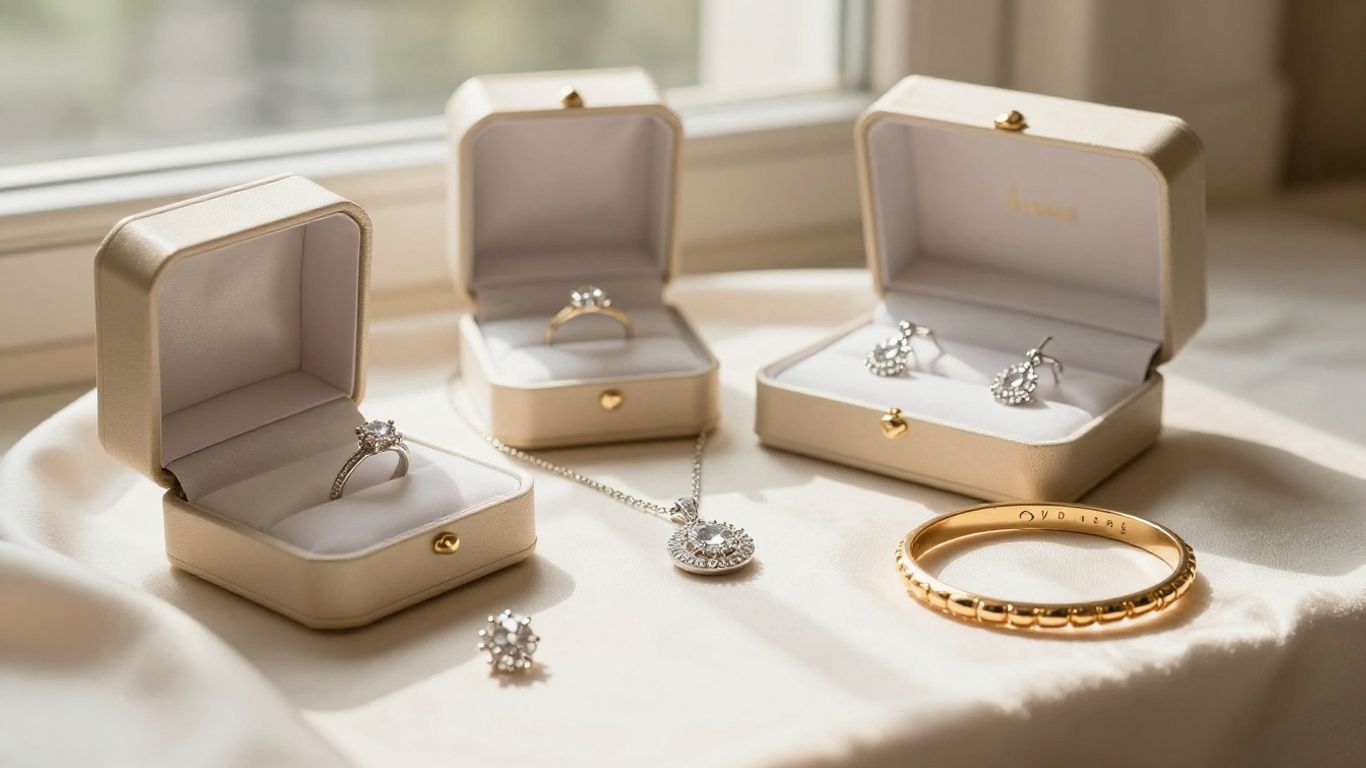
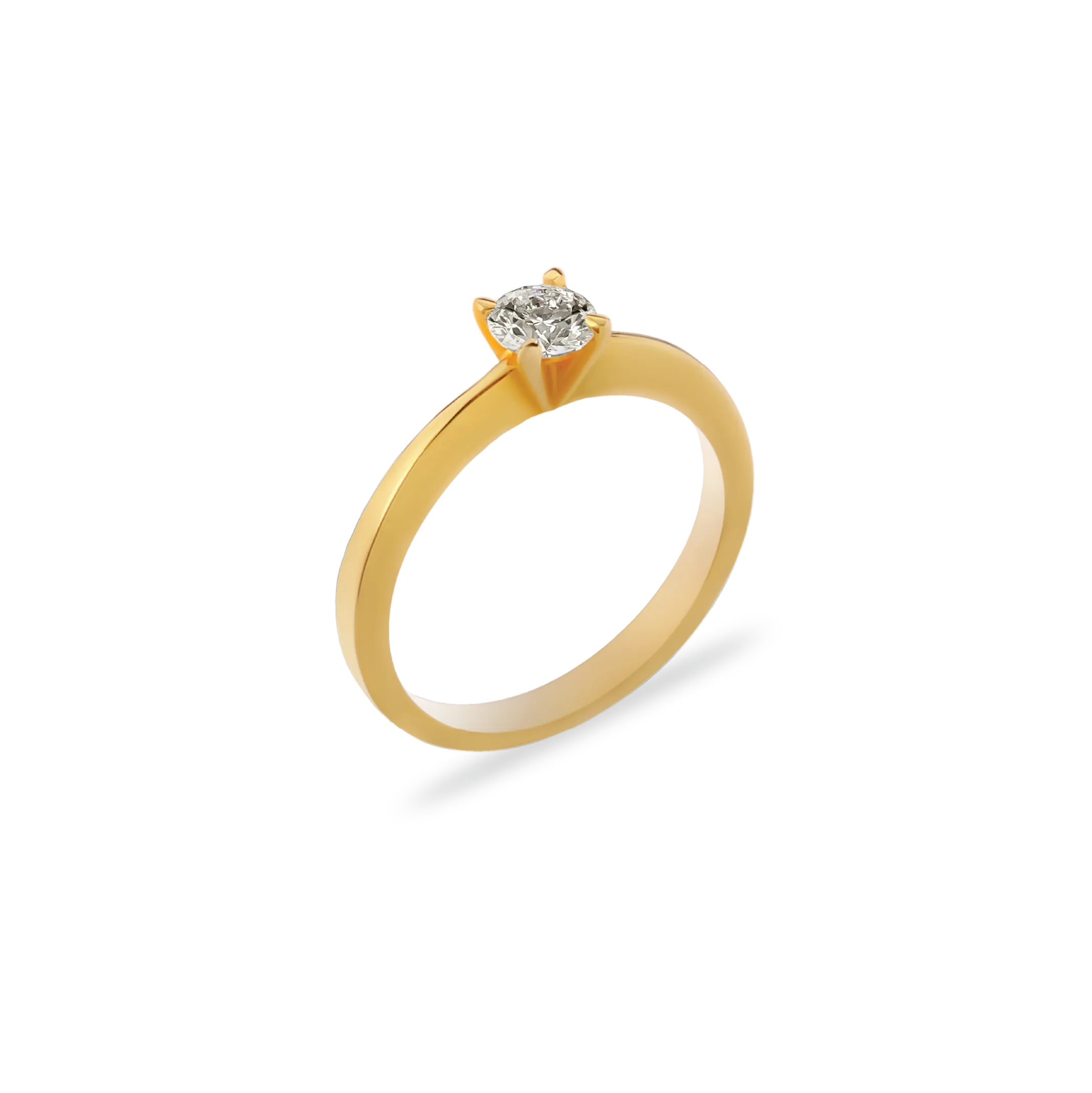
Classic jewellery relies on clean proportions and familiar shapes. Round brilliant diamonds, solitaire pendants, simple studs, and refined tennis bracelets tend to work well for someone who prefers pieces that remain relevant across changing trends. A classic design can still feel personal through the chain length, metal color, or a subtle detail in the setting.
Look for balanced craftsmanship rather than unnecessary decoration. Someone with a restrained wardrobe may value a single beautifully made piece more than a larger design with many competing elements. A guide to timeless diamond collections can be helpful when you want to compare enduring cuts, metals, and everyday staples.
Modern designs for trend-conscious wearers
A trend-conscious recipient may enjoy asymmetry, mixed metals, geometric settings, unusual diamond shapes, or jewellery designed for layering. The goal is not to predict the next trend perfectly. Instead, identify the design language they already use and choose a piece that adds something fresh without feeling disconnected.
Modern jewellery can be especially appealing when it has more than one styling option. A pendant that layers with existing chains or earrings that move from daytime to evening will earn more wear. Keep the construction practical, since an adventurous outline is less useful if it catches on clothing or feels uncomfortable after an hour.
Minimalist pieces for everyday elegance
Minimalist jewellery is defined by restraint, not by a lack of quality. Petite studs, a fine diamond line, a narrow band, or a small bezel-set pendant can become a dependable part of someone’s daily uniform. These pieces are suitable for recipients who prefer quiet polish and do not want to think too hard about coordinating accessories.
Pay attention to proportion and security. A small stone can look remarkably bright when it has a well-made setting and a flattering shape, while a delicate chain needs a clasp that feels dependable. For more practical inspiration, a daily wear jewellery guide explains why versatility, secure settings, and durable materials matter.
Statement jewellery for bold personal style
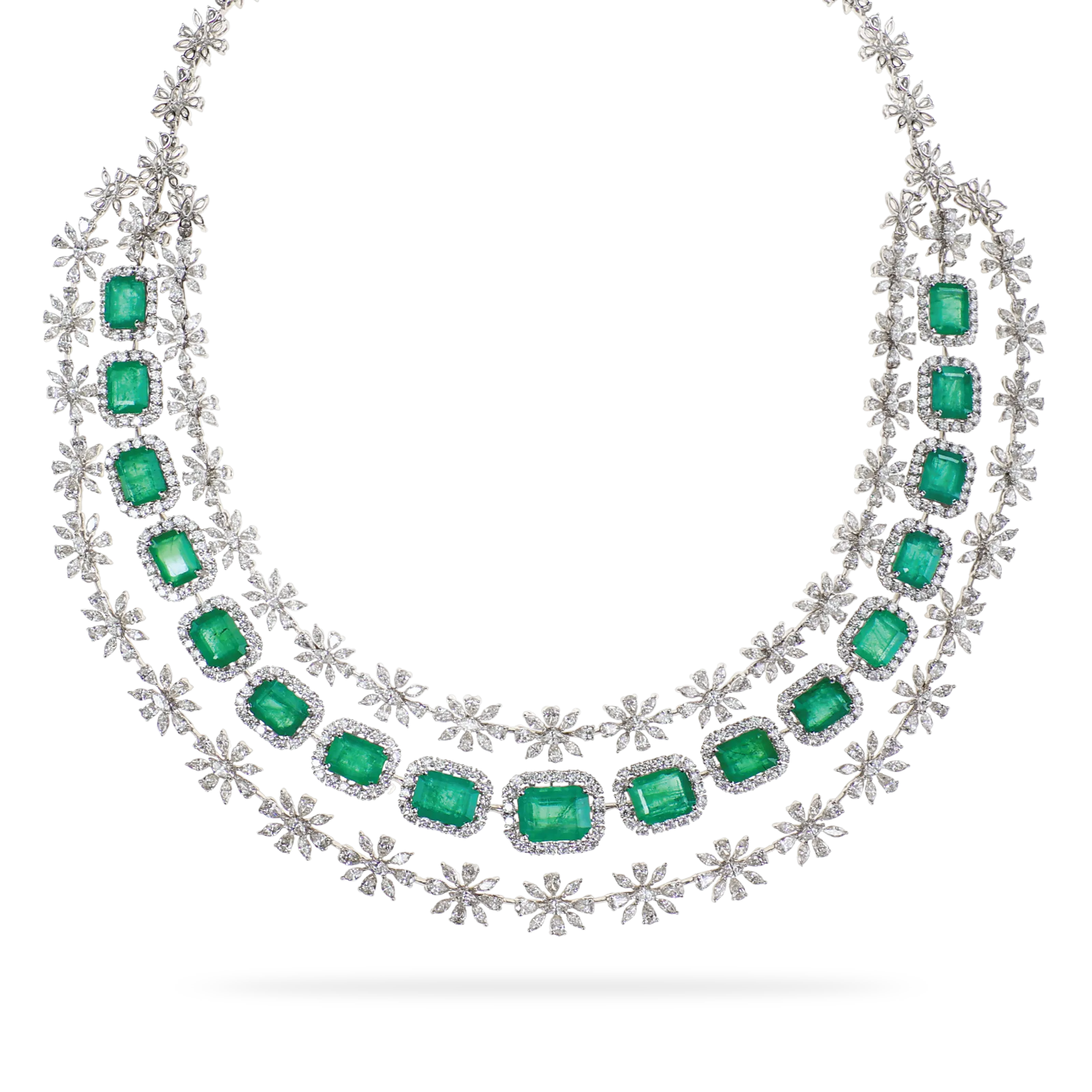
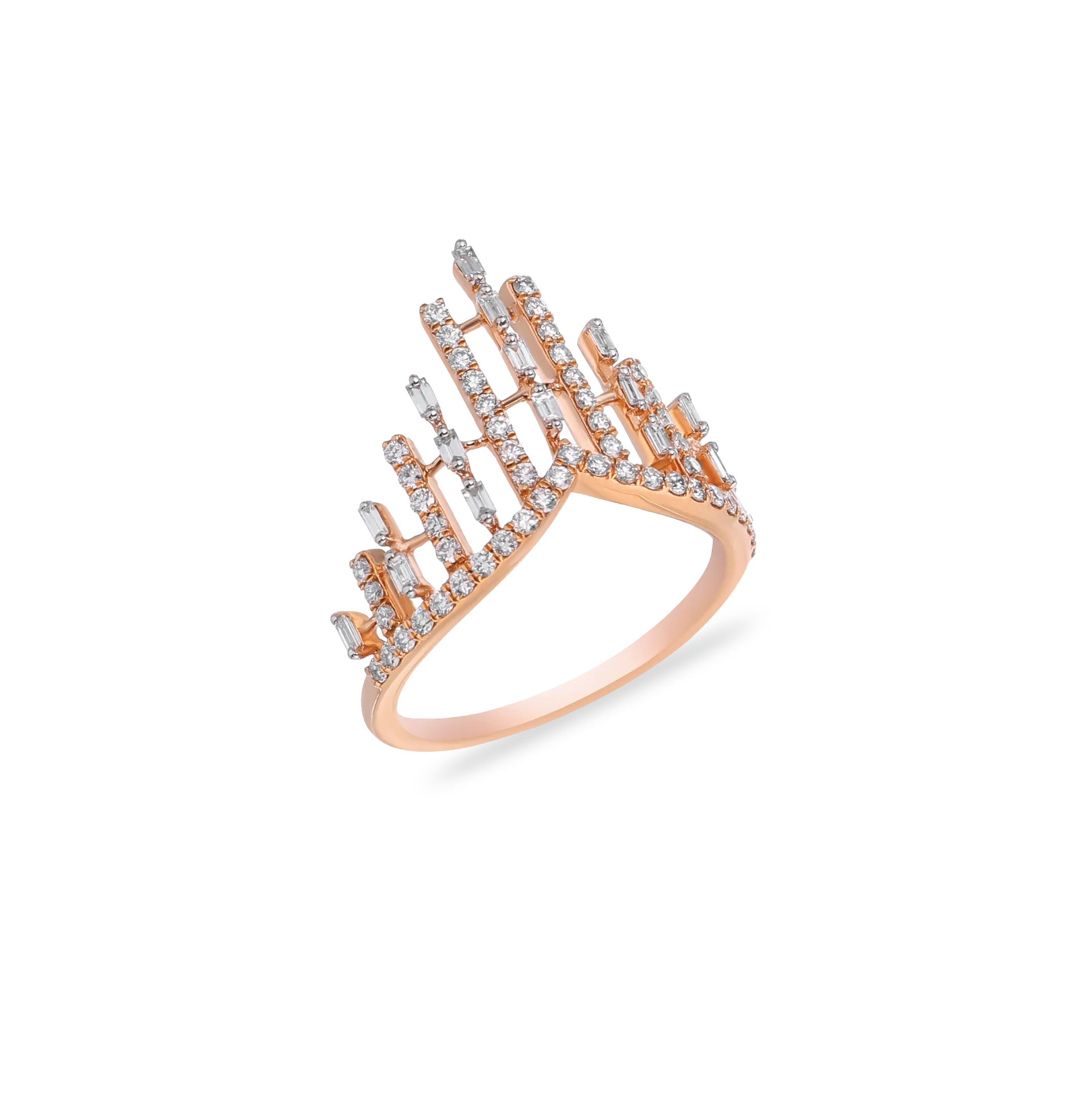
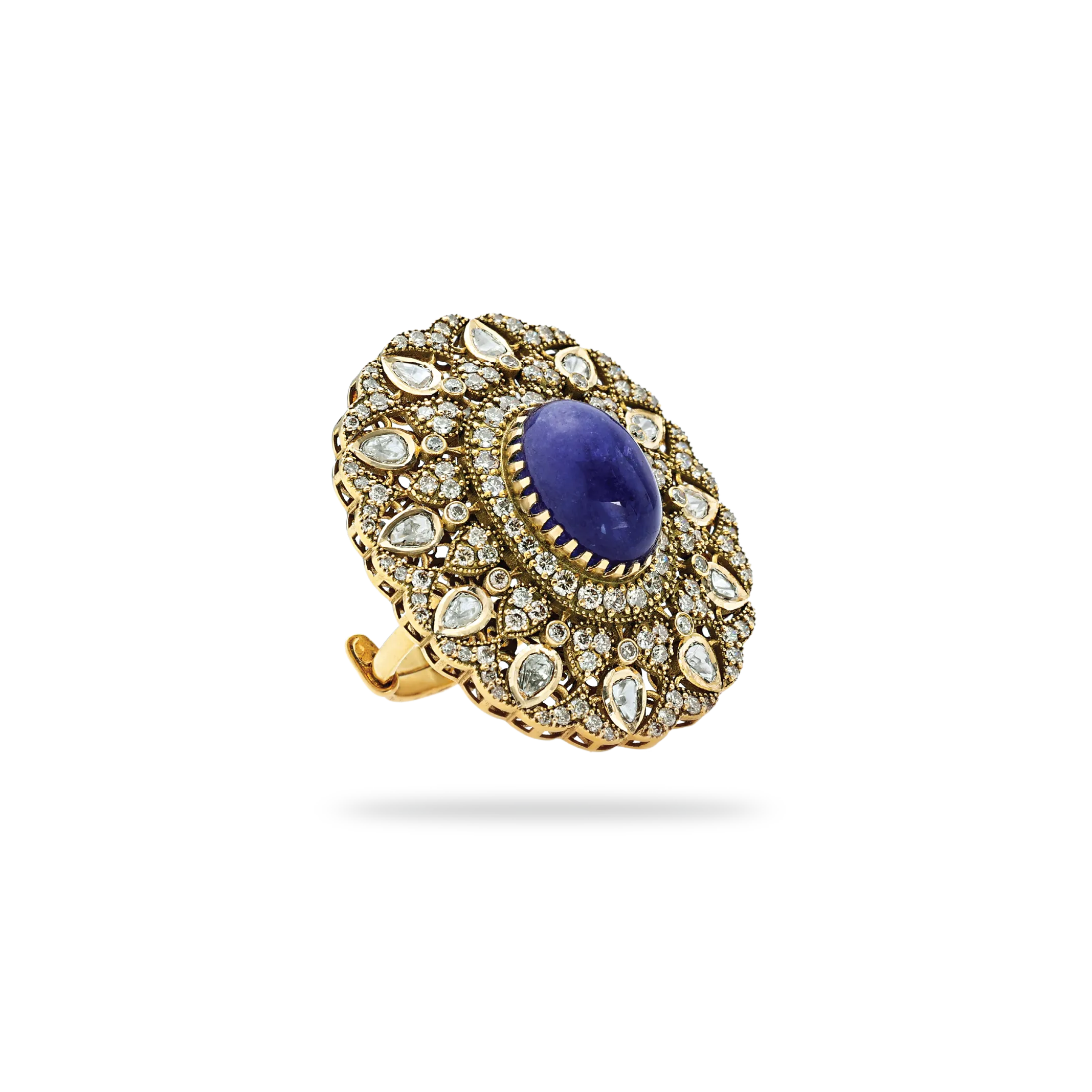
Statement jewellery should have presence, but it should still feel wearable. Look for a larger central stone, an expressive cluster, an architectural setting, or a bracelet with enough visual weight to anchor a simple outfit. The recipient’s existing accessories will tell you whether bold means colorful and ornate or simply oversized and sculptural.
When the design is dramatic, simplify the rest of the gift. A striking ring may not need a matching necklace, and bold earrings can be more effective when their shape is allowed to stand alone. Ask yourself where the piece will be worn and whether the recipient enjoys being noticed; that answer is as important as the carat weight.
Choose the right type of diamond jewellery
Jewellery type affects both symbolism and practicality. Rings can feel intimate and significant, necklaces sit close to the face, earrings fit easily into a daily routine, and bracelets bring movement to the wrist. Think about what the recipient already wears, how active they are, and which area of their wardrobe could use something new.
Diamond rings and the meaning behind them
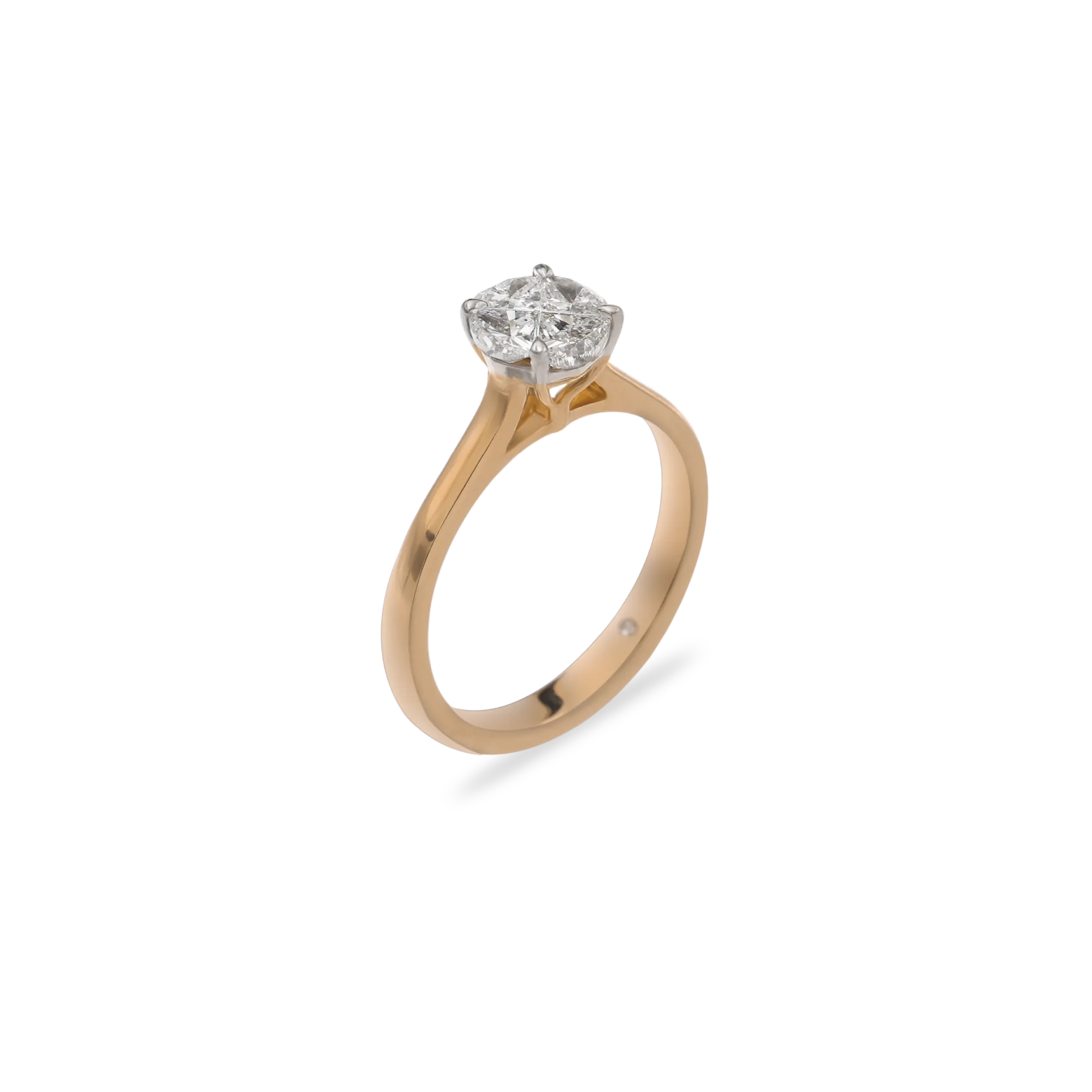
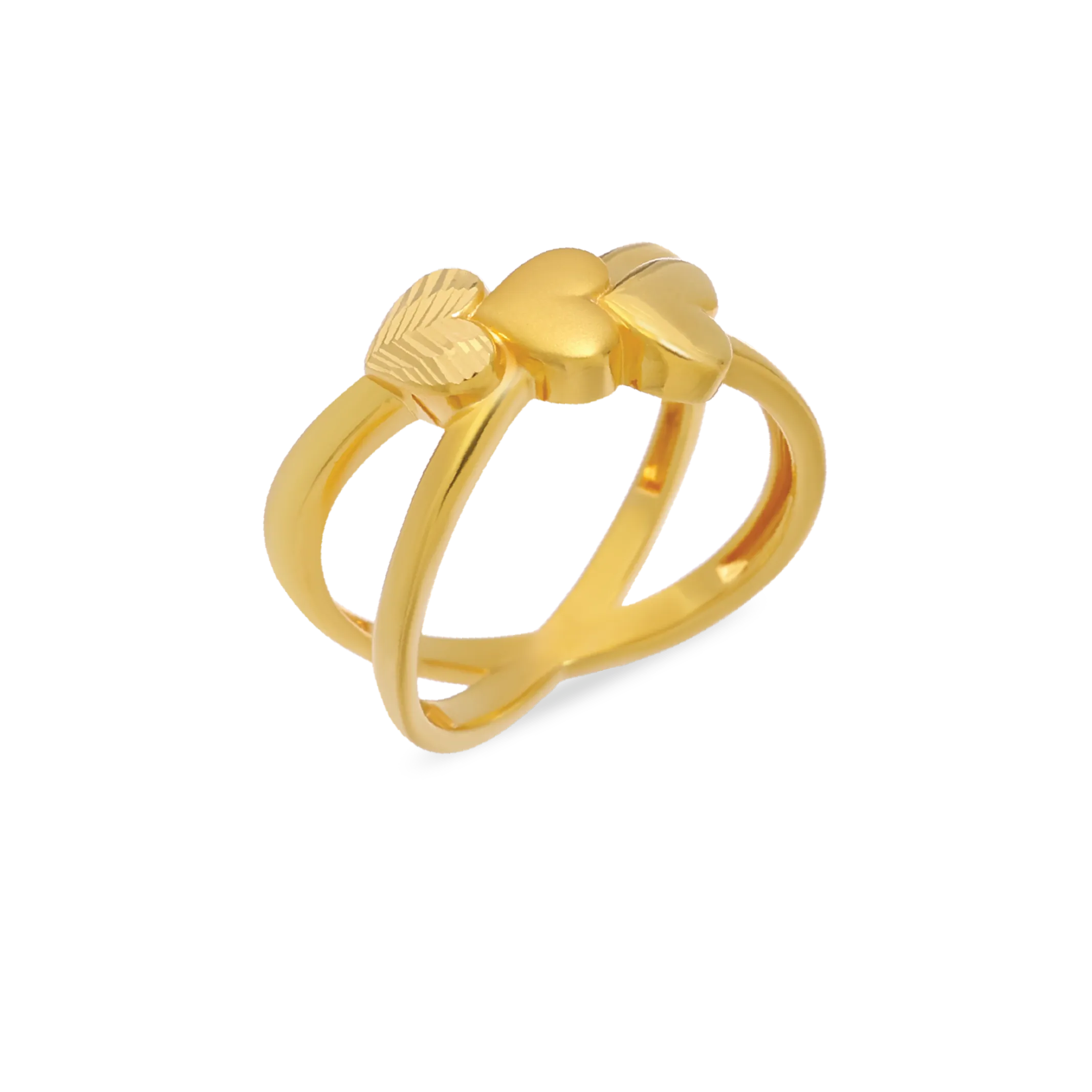
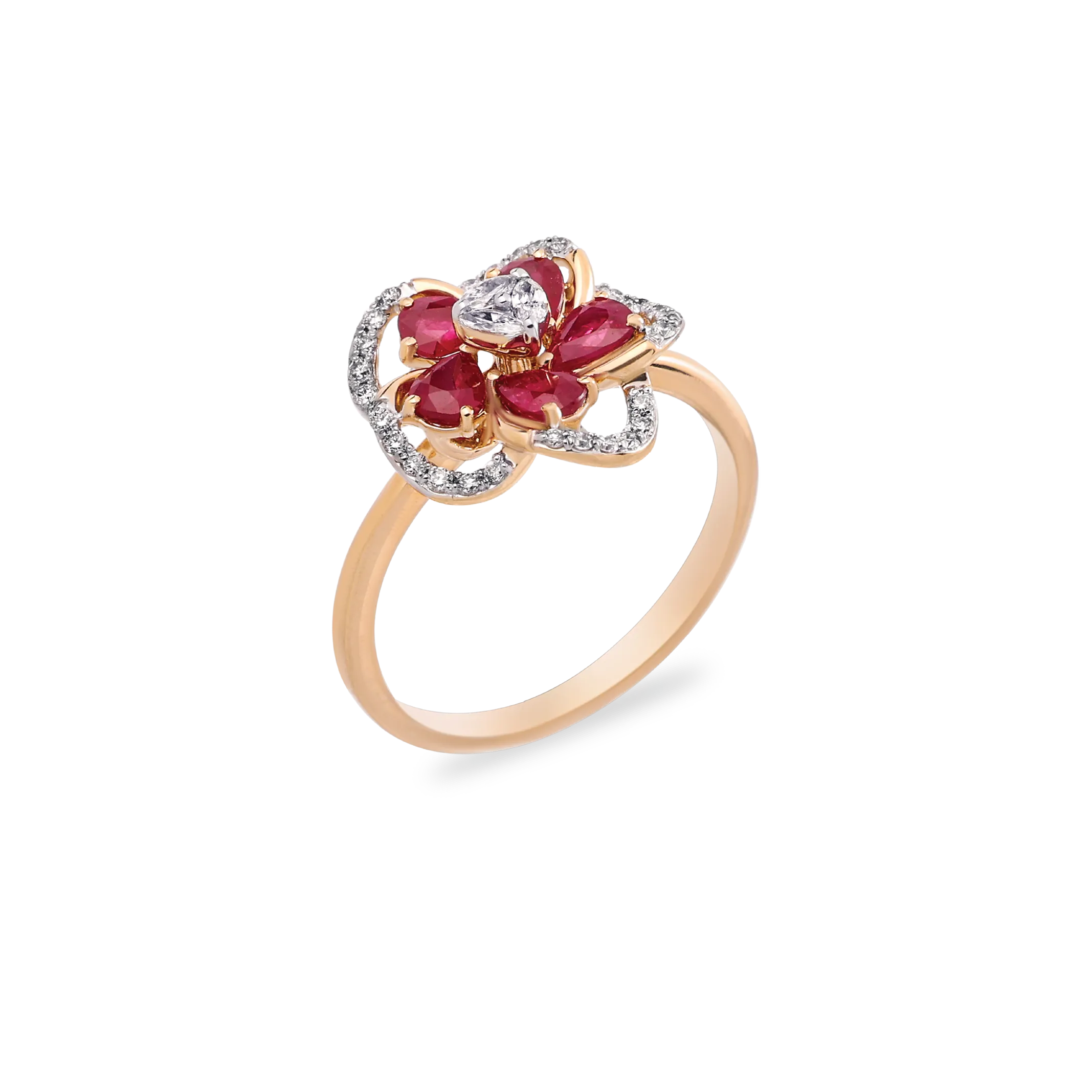
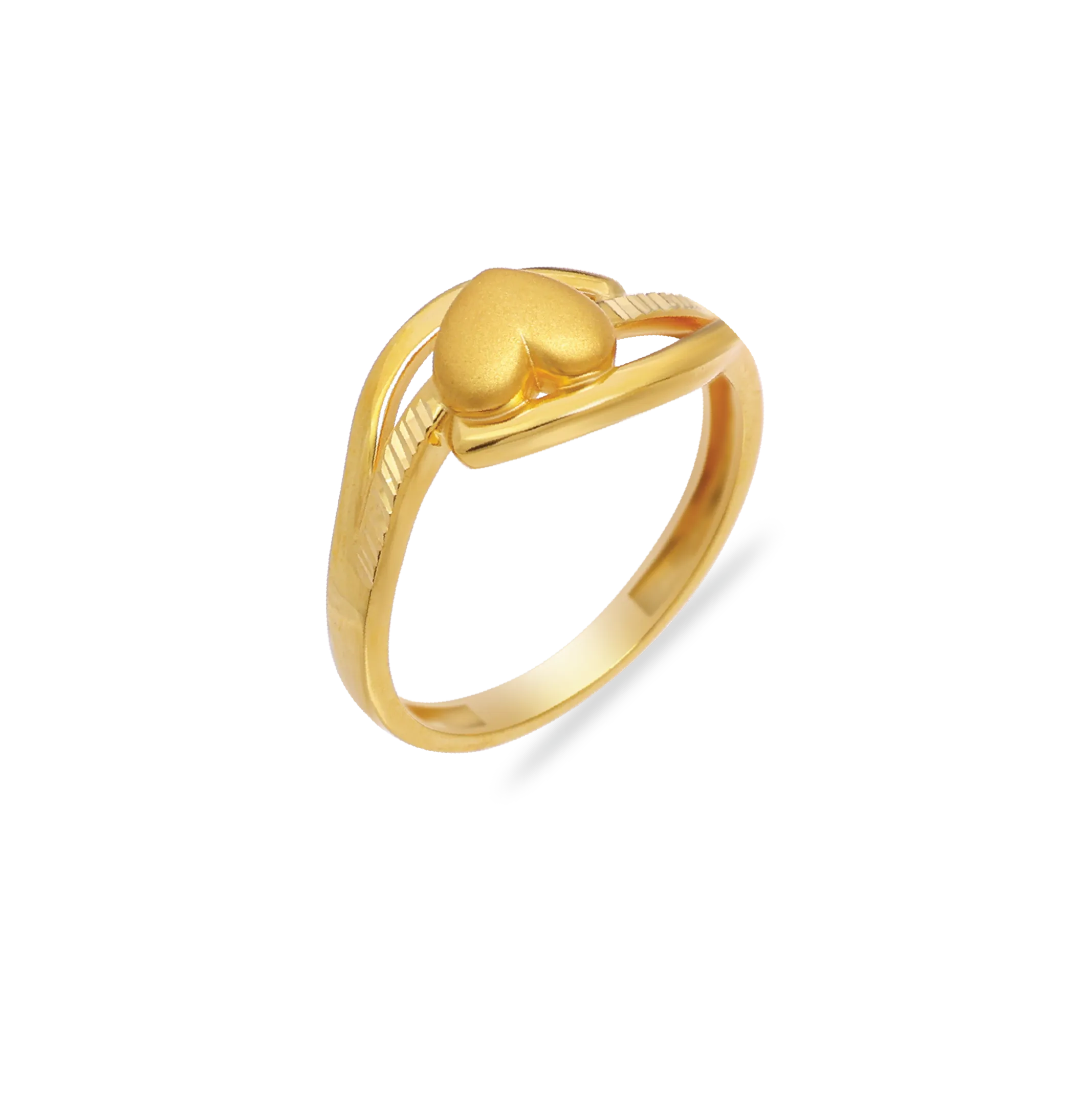
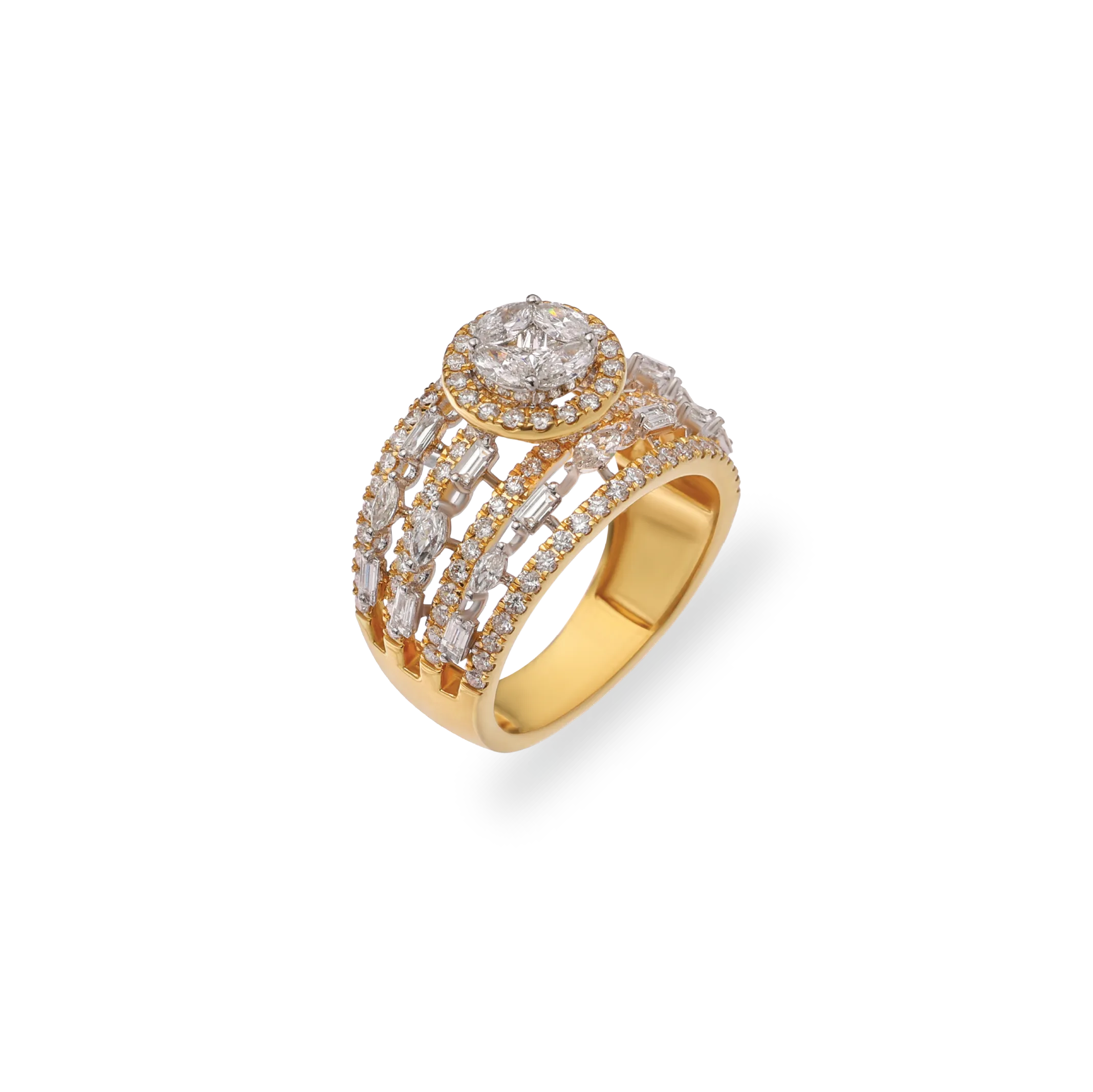
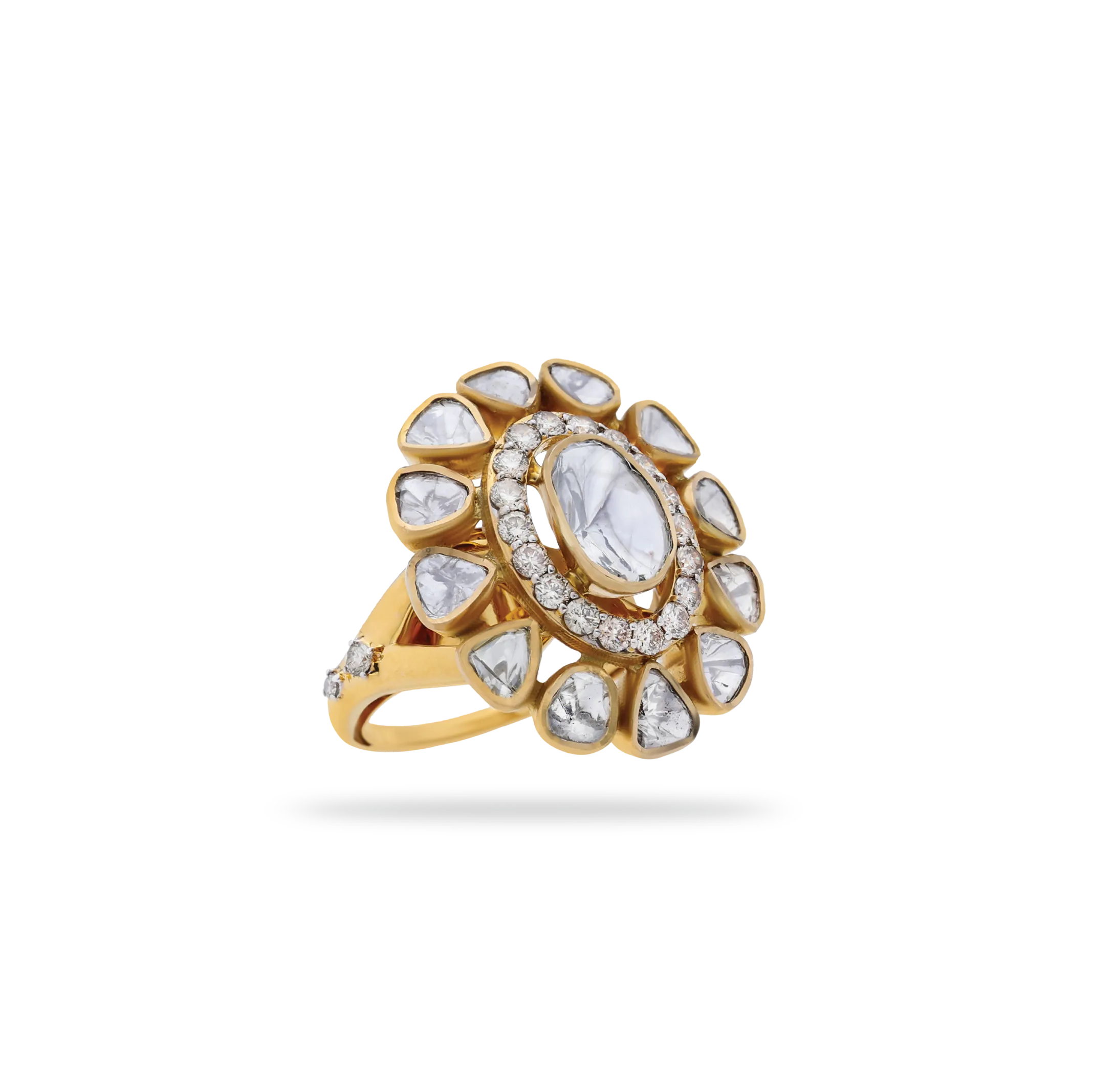
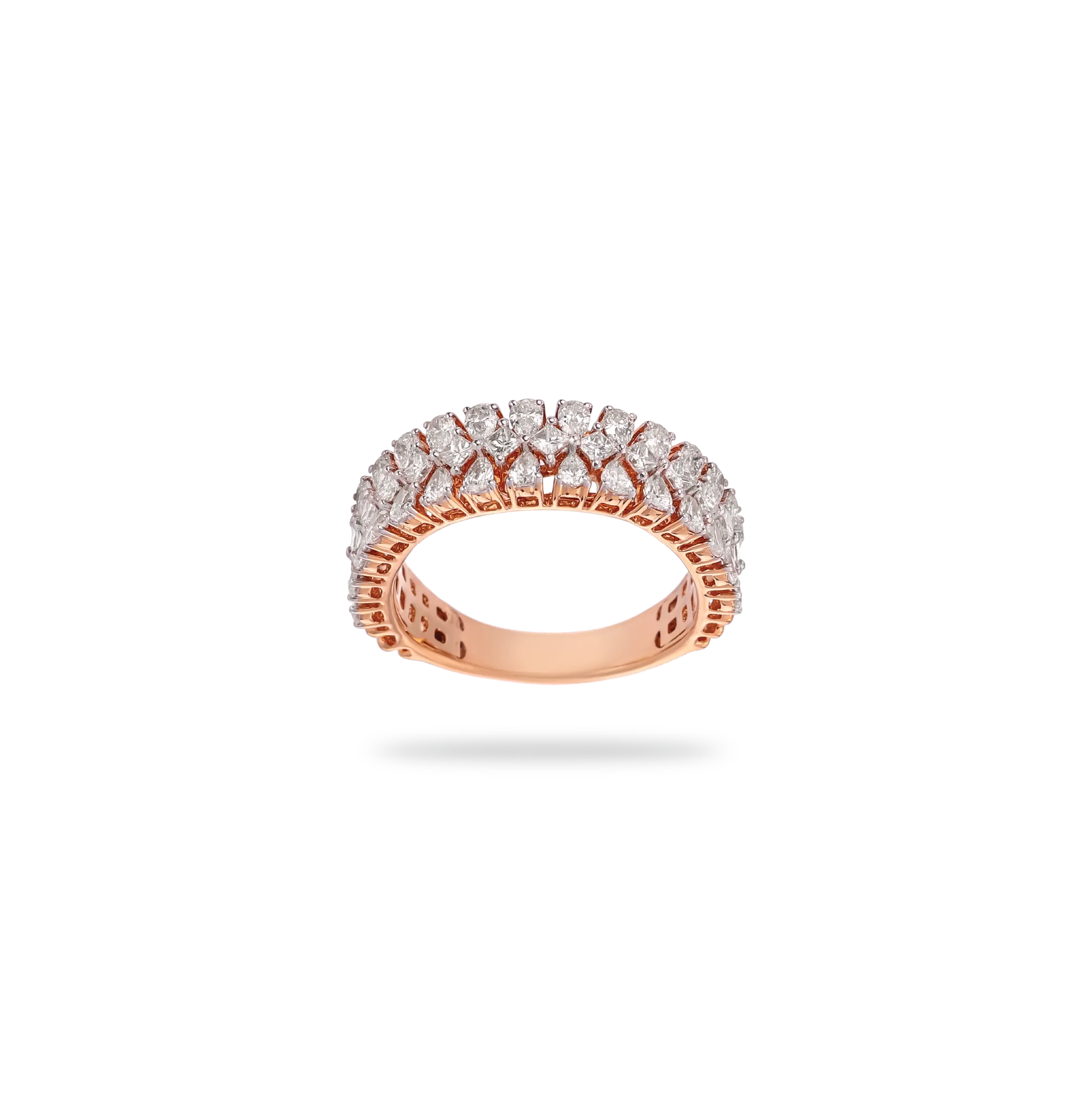
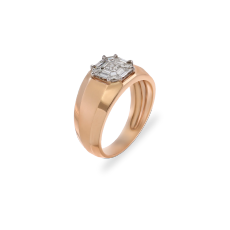
A diamond ring can mark commitment, achievement, family connection, or simply a beautifully chosen birthday. Because rings are so visible and size-sensitive, they deserve extra care. Pay attention to whether the recipient likes low-profile jewellery, stackable bands, romantic curves, or a more assertive design.
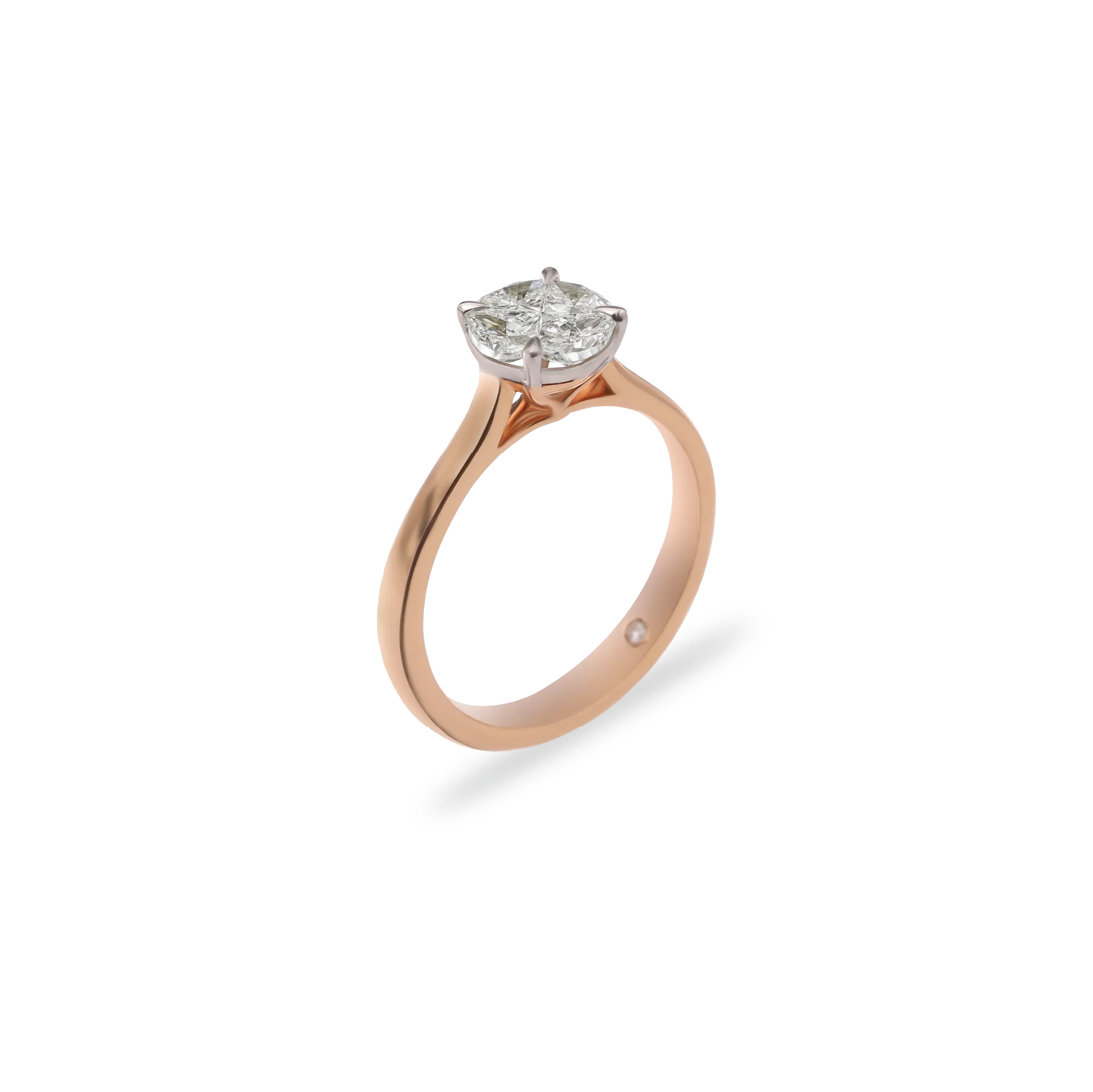
If you are choosing a ring for a partner, avoid assuming that a larger stone automatically feels more meaningful. The setting, band shape, and comfort may matter more over years of wear. A practical diamond ring style guide can help you compare shapes, settings, metal types, and sizing considerations.
Diamond necklaces for versatile gifting
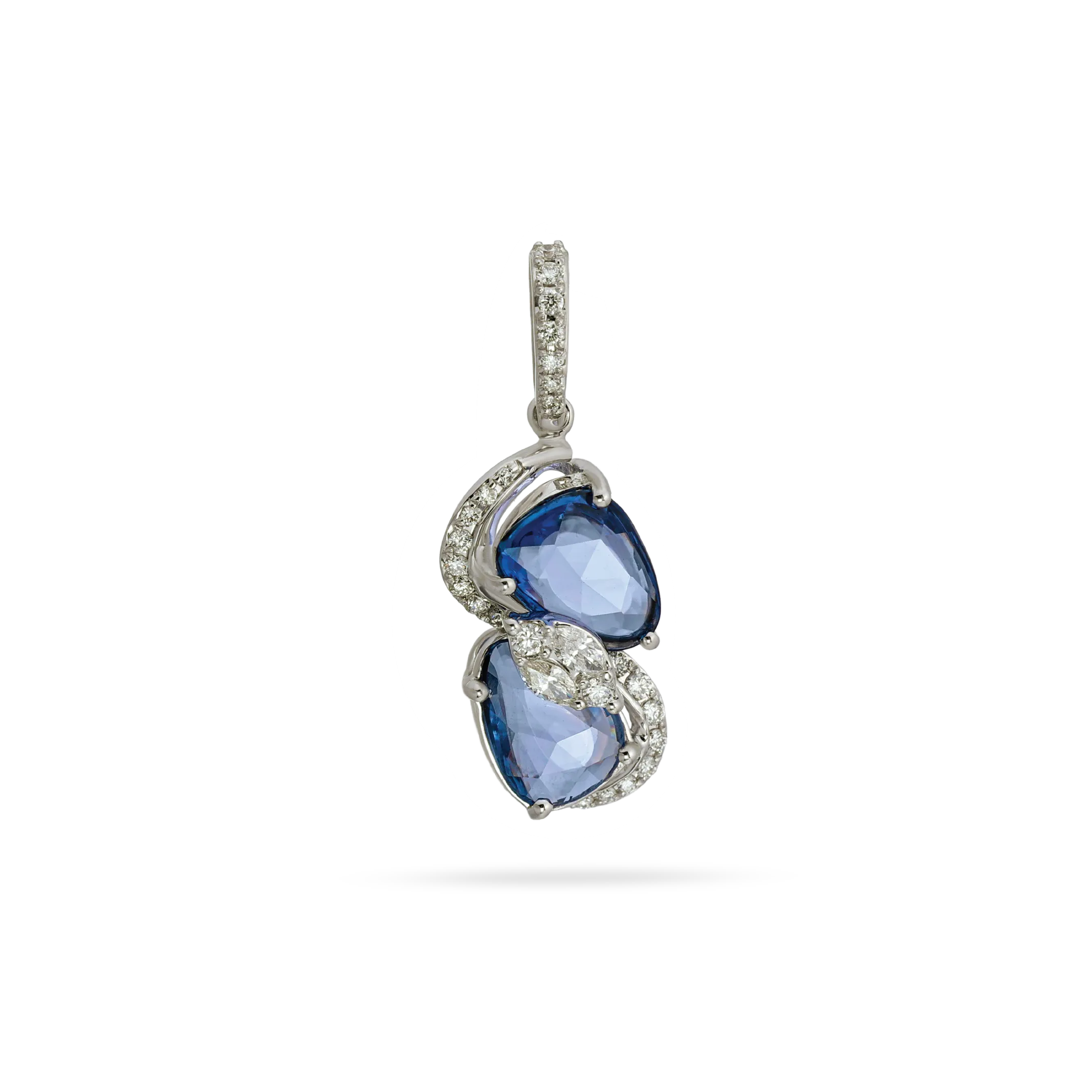
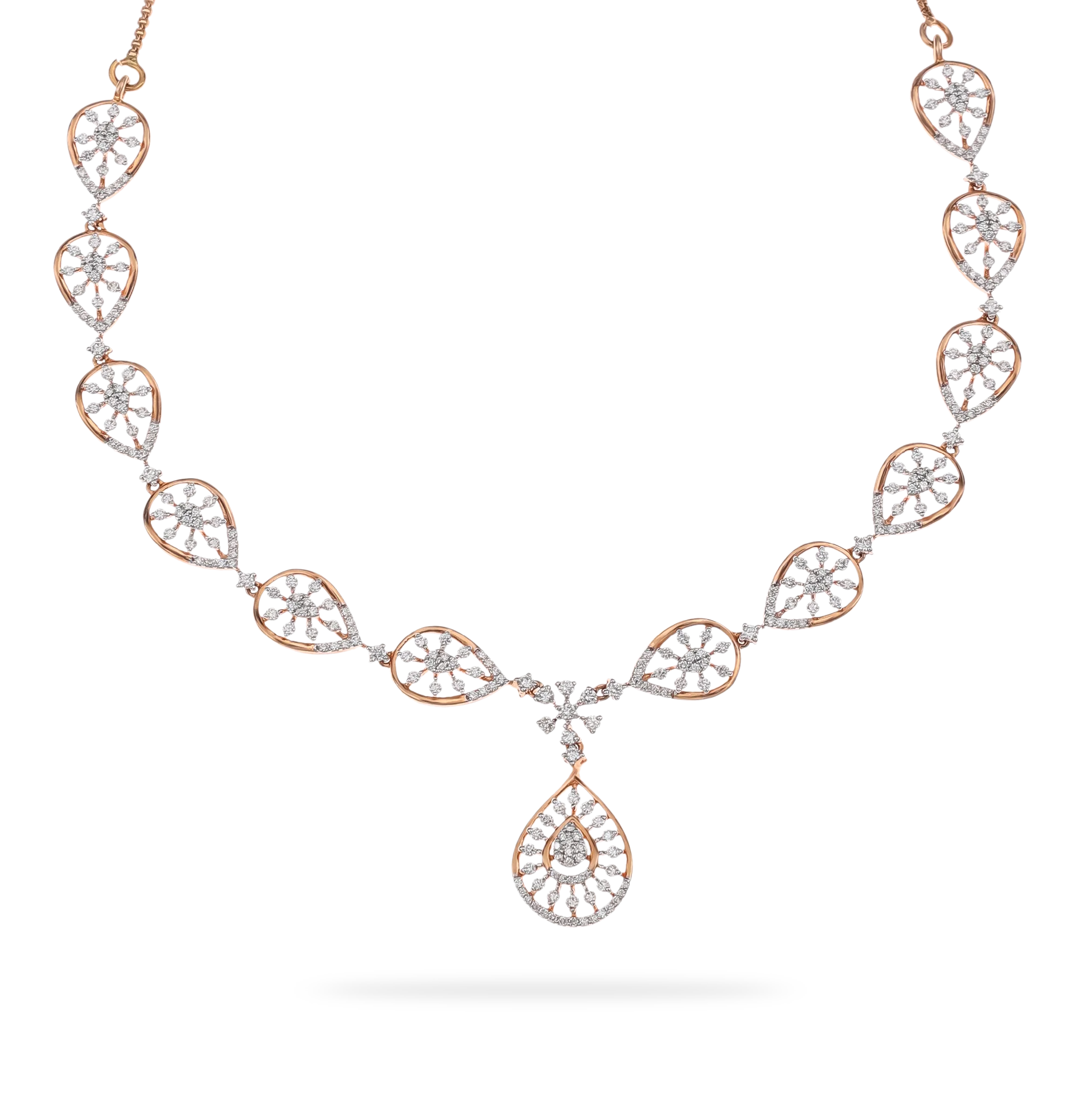
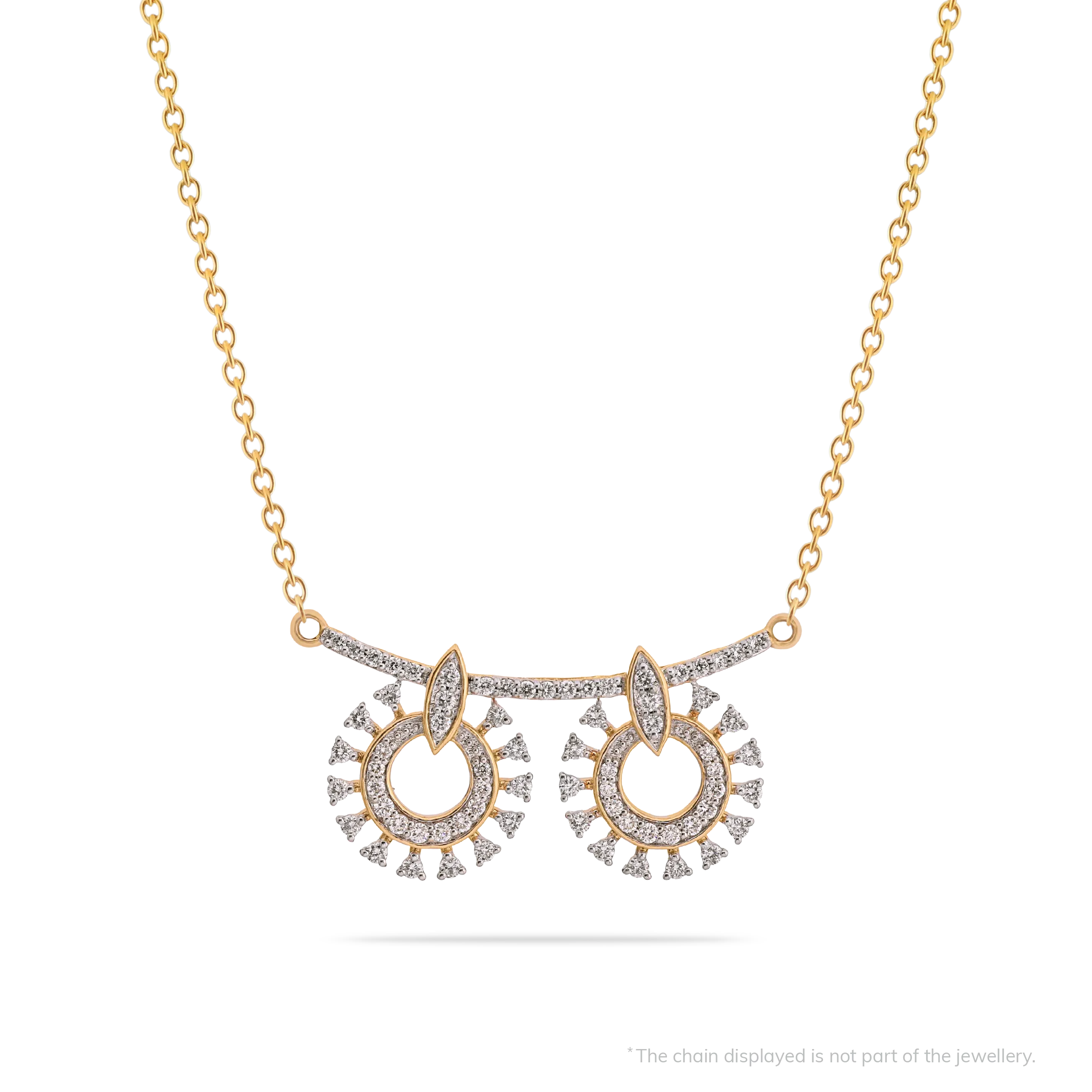
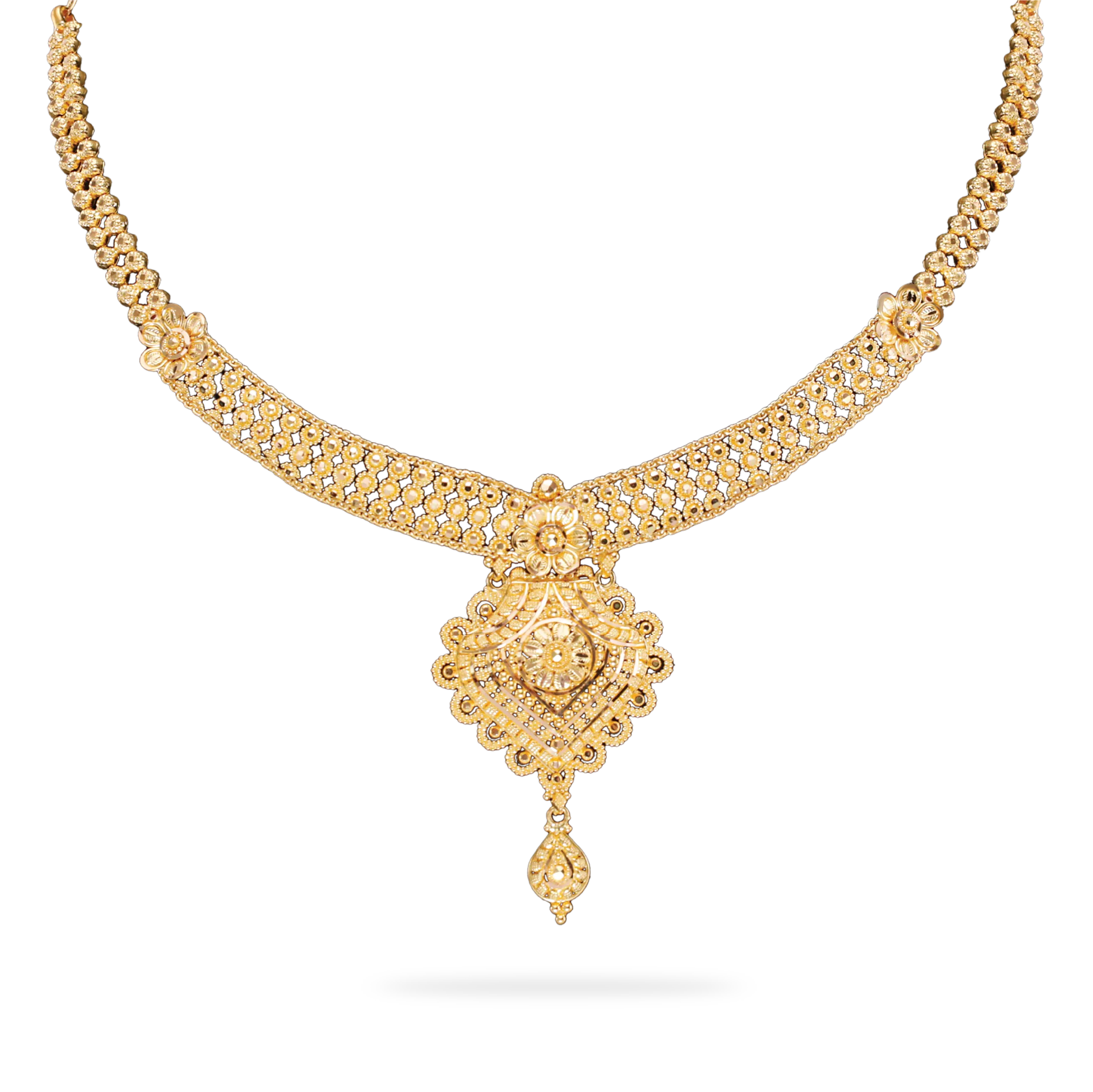
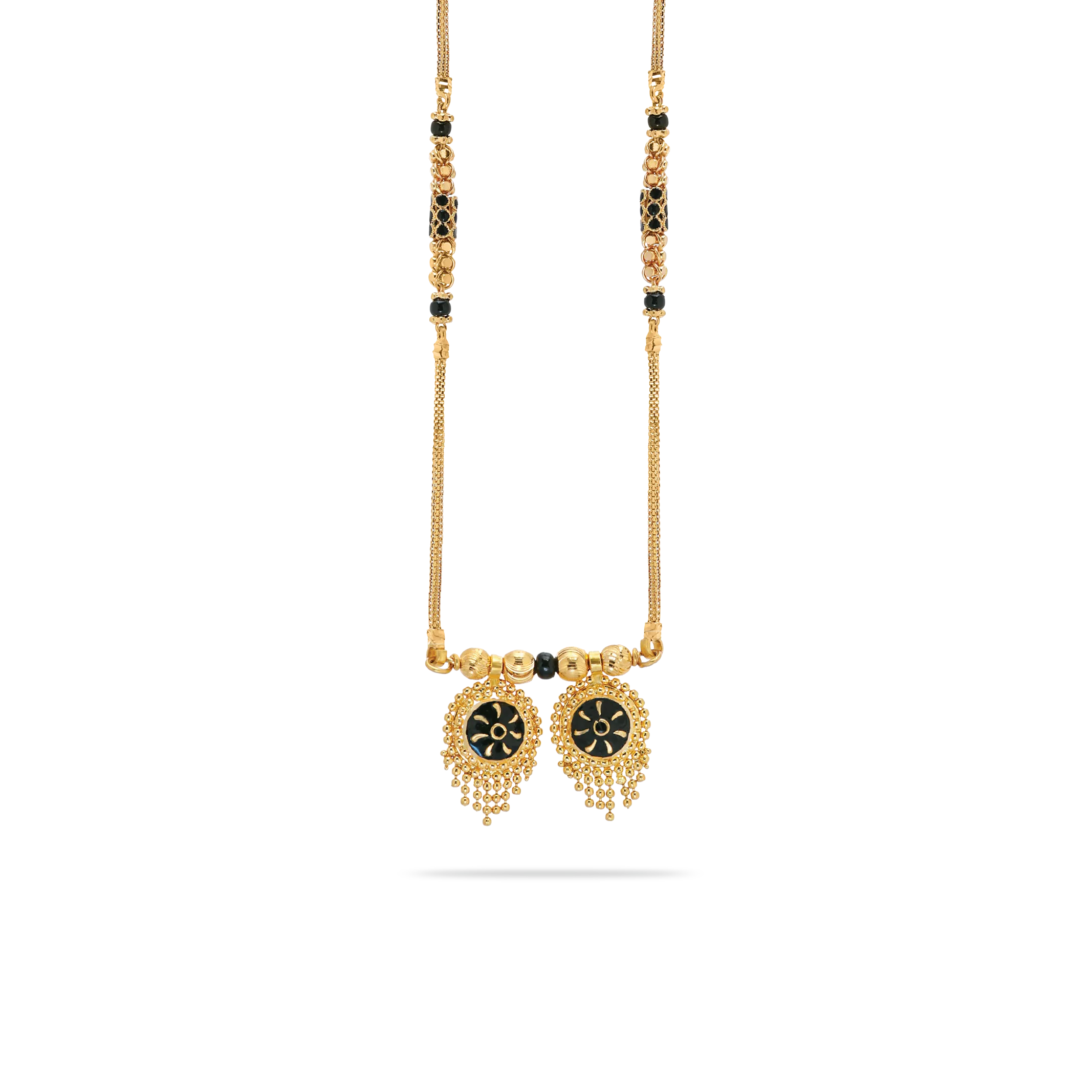
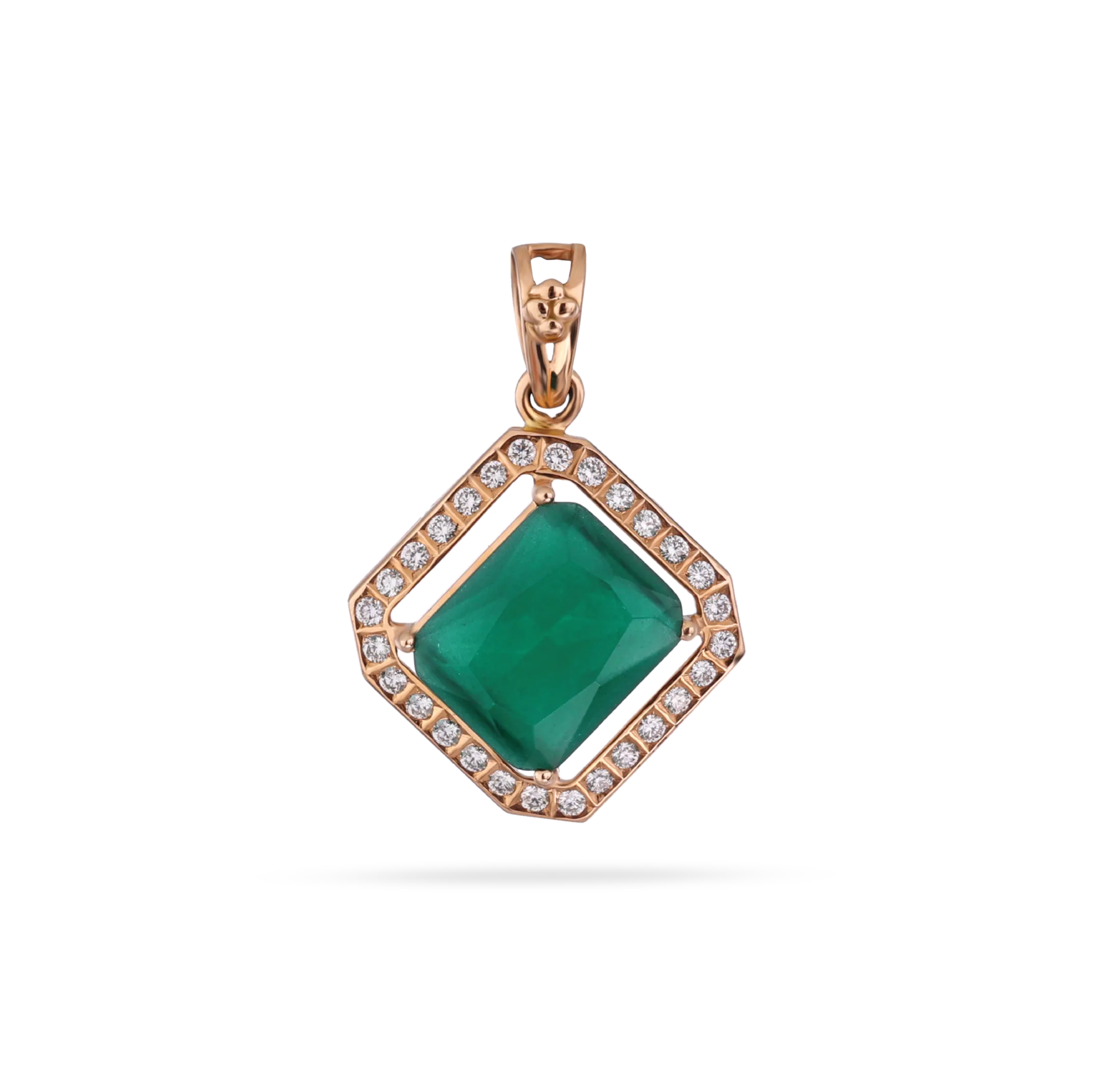
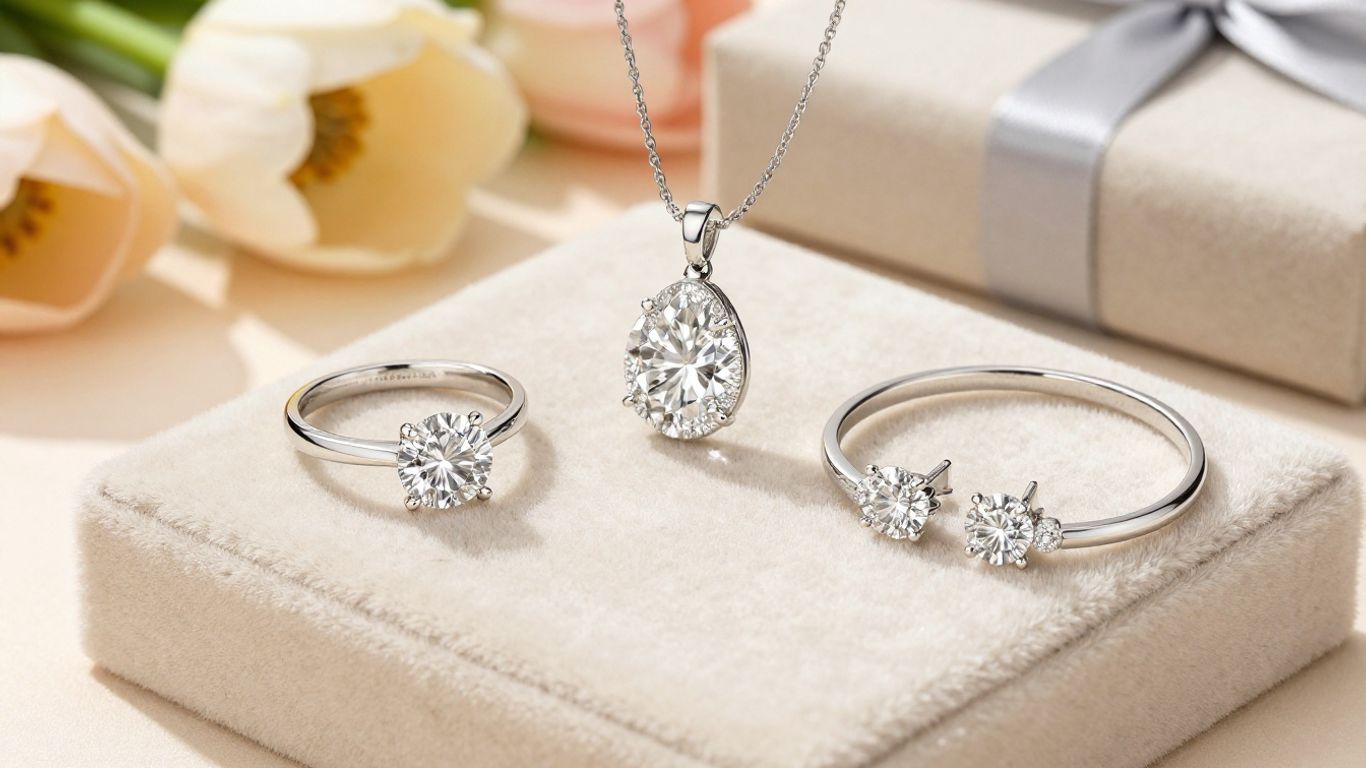
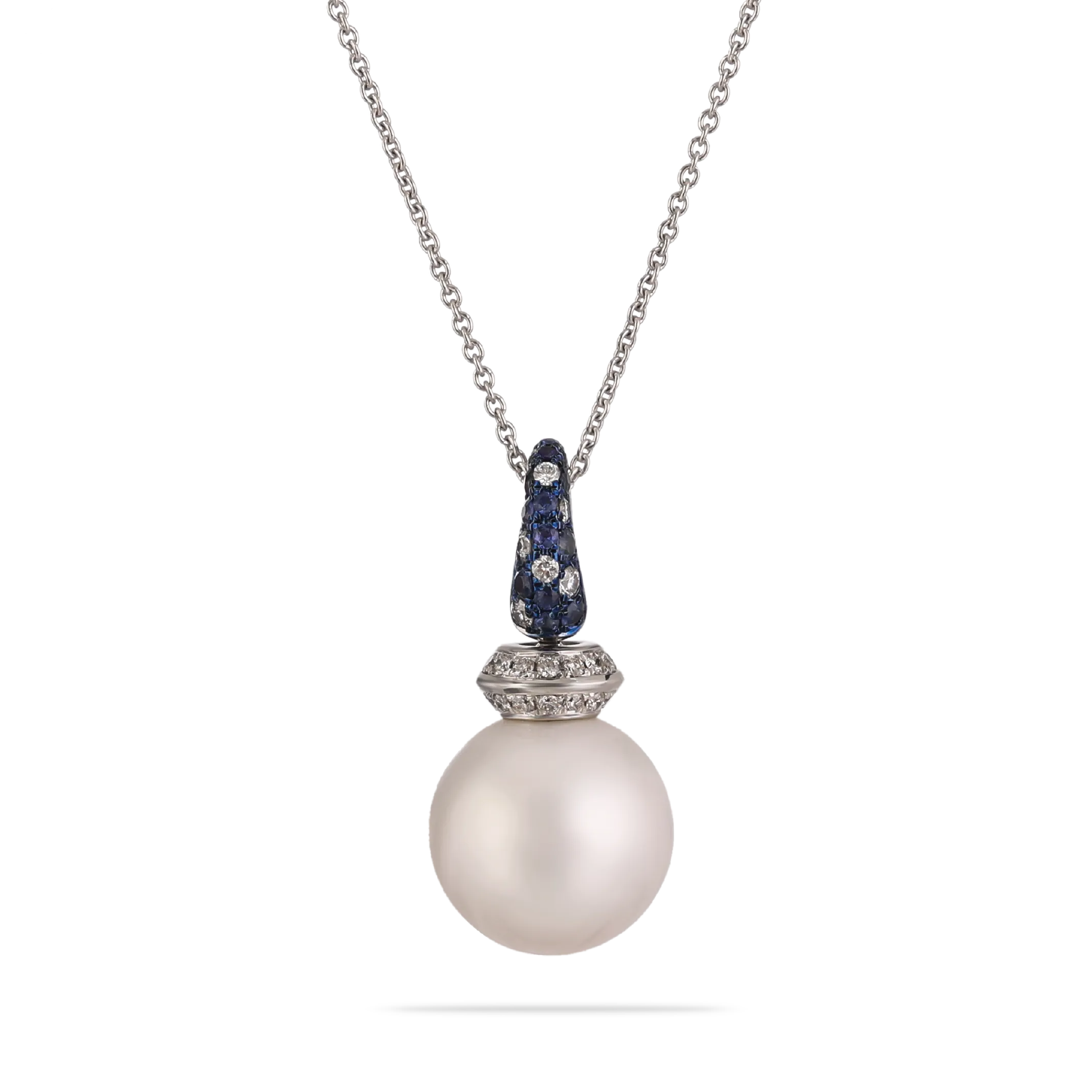
Necklaces are among the easiest diamond gifts to personalize. A small solitaire pendant can feel intimate and understated, while a halo pendant or layered design creates more visual presence. Chain length also changes the impression: shorter lengths frame the collarbone, while longer chains may work better over shirts and dresses.
Consider the recipient’s usual necklines and whether they likes layering. A simple pendant is often a safe choice for someone whose wardrobe changes frequently, while a distinctive motif can suit a person with a recognizable personal style. A secure clasp and a chain with appropriate weight are small details that make the piece easier to wear.
Diamond earrings for effortless everyday wear
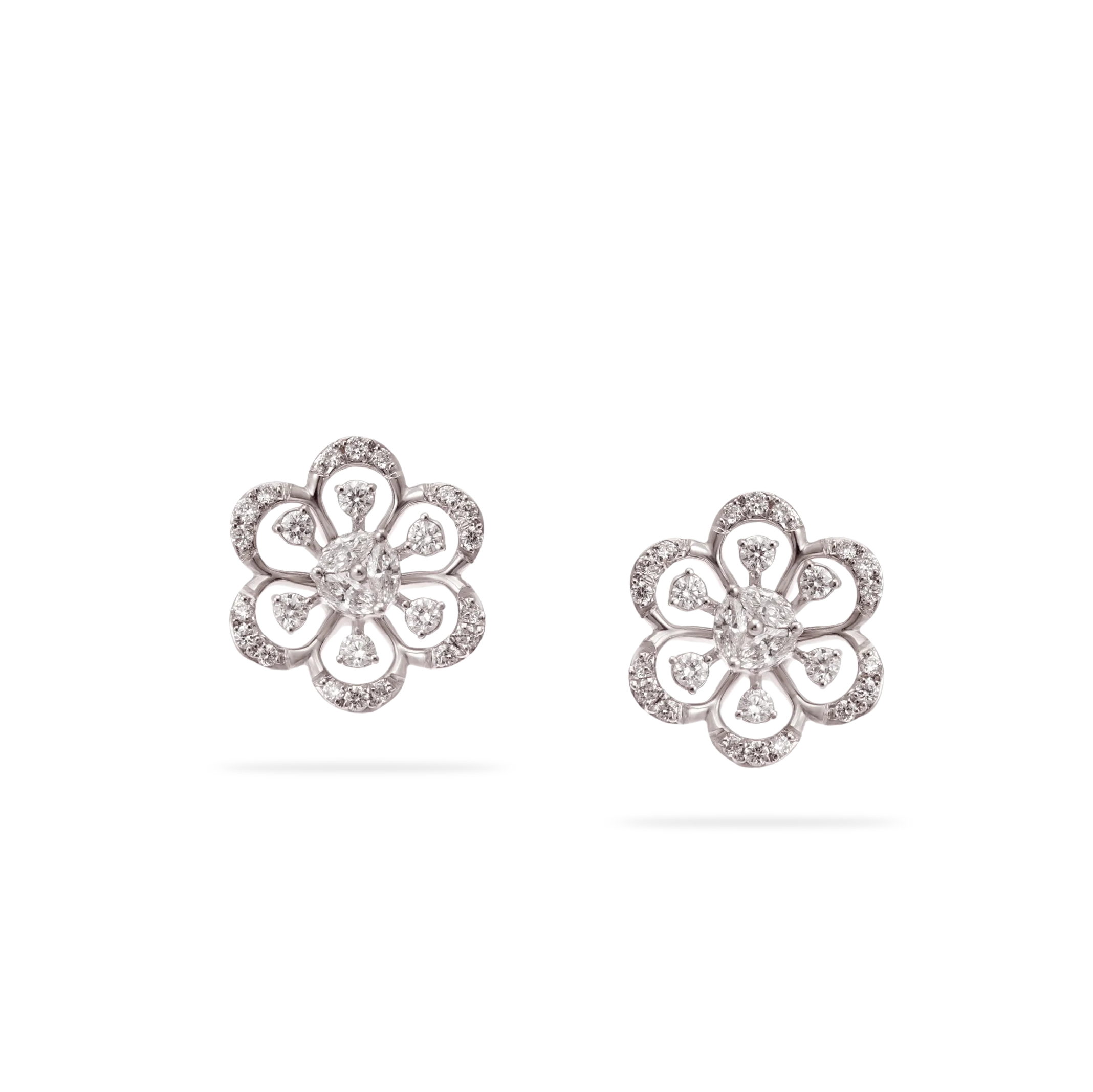
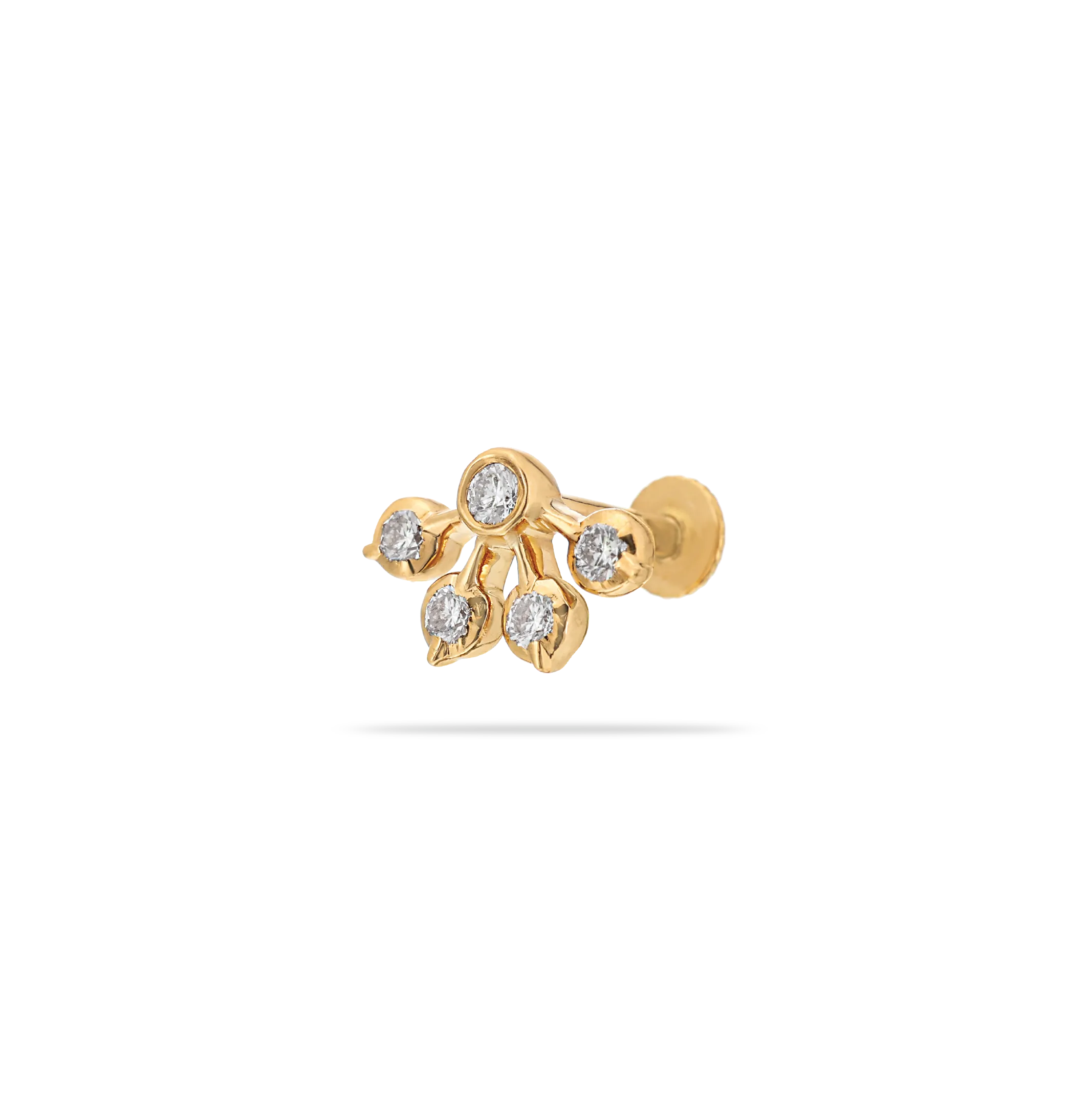
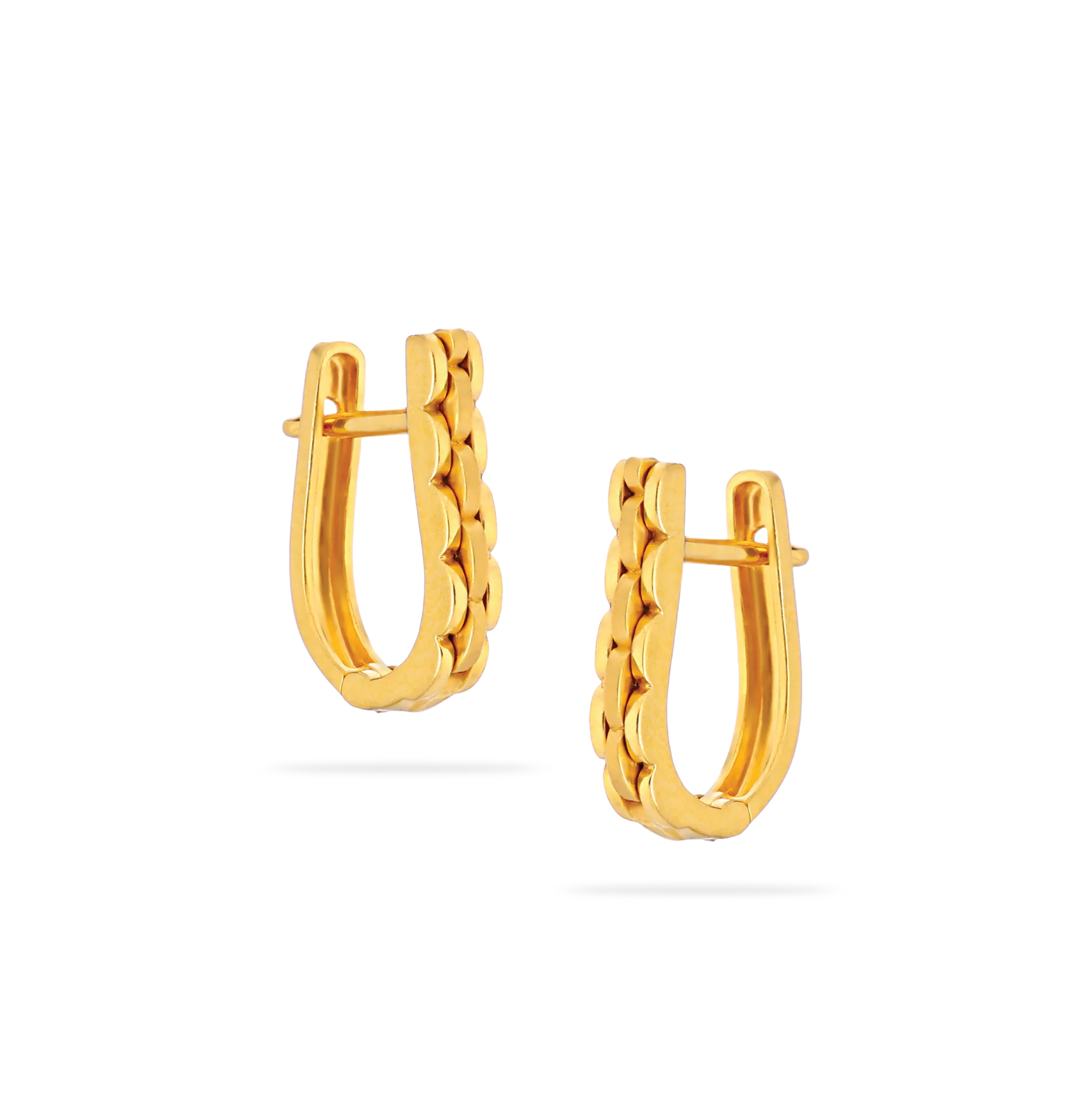
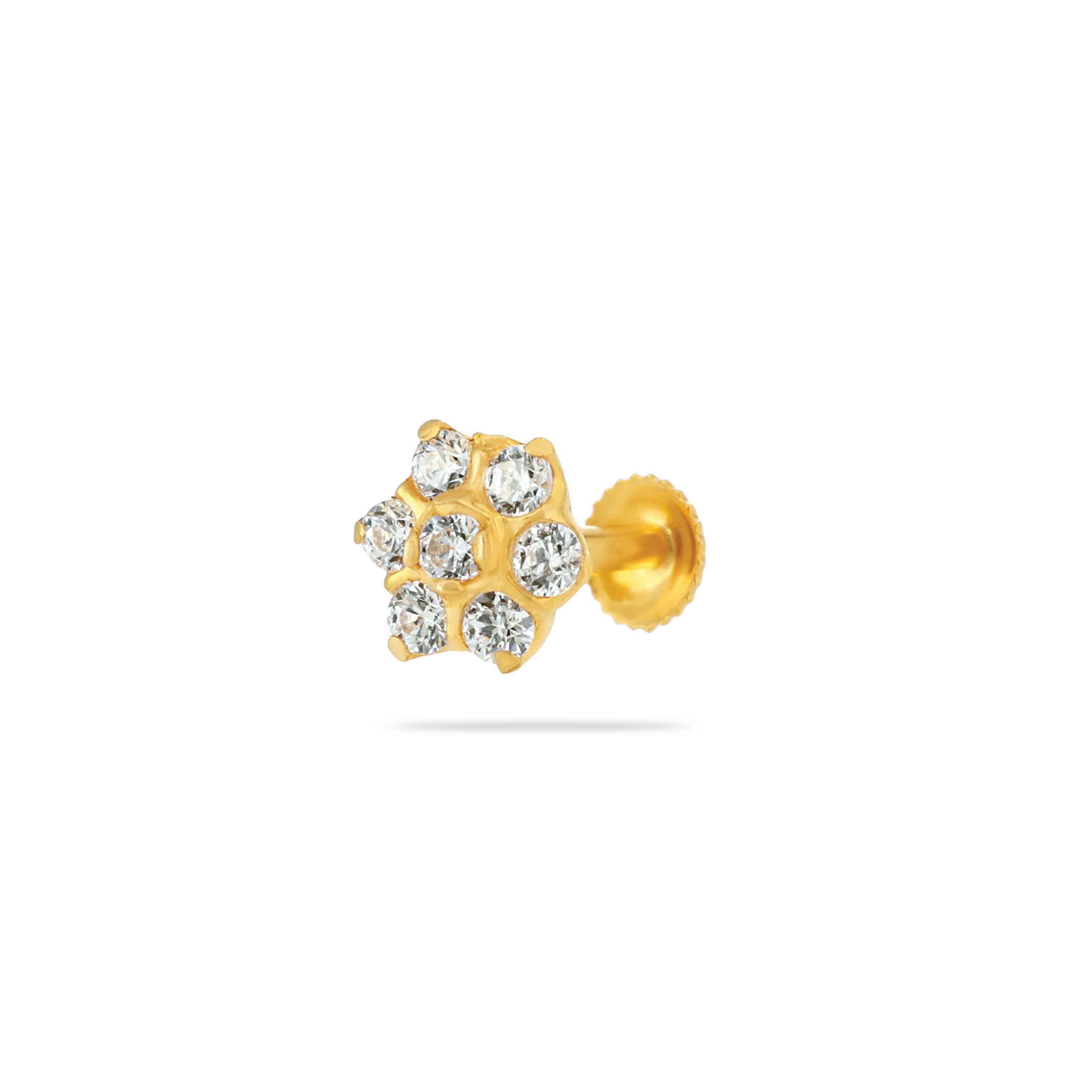
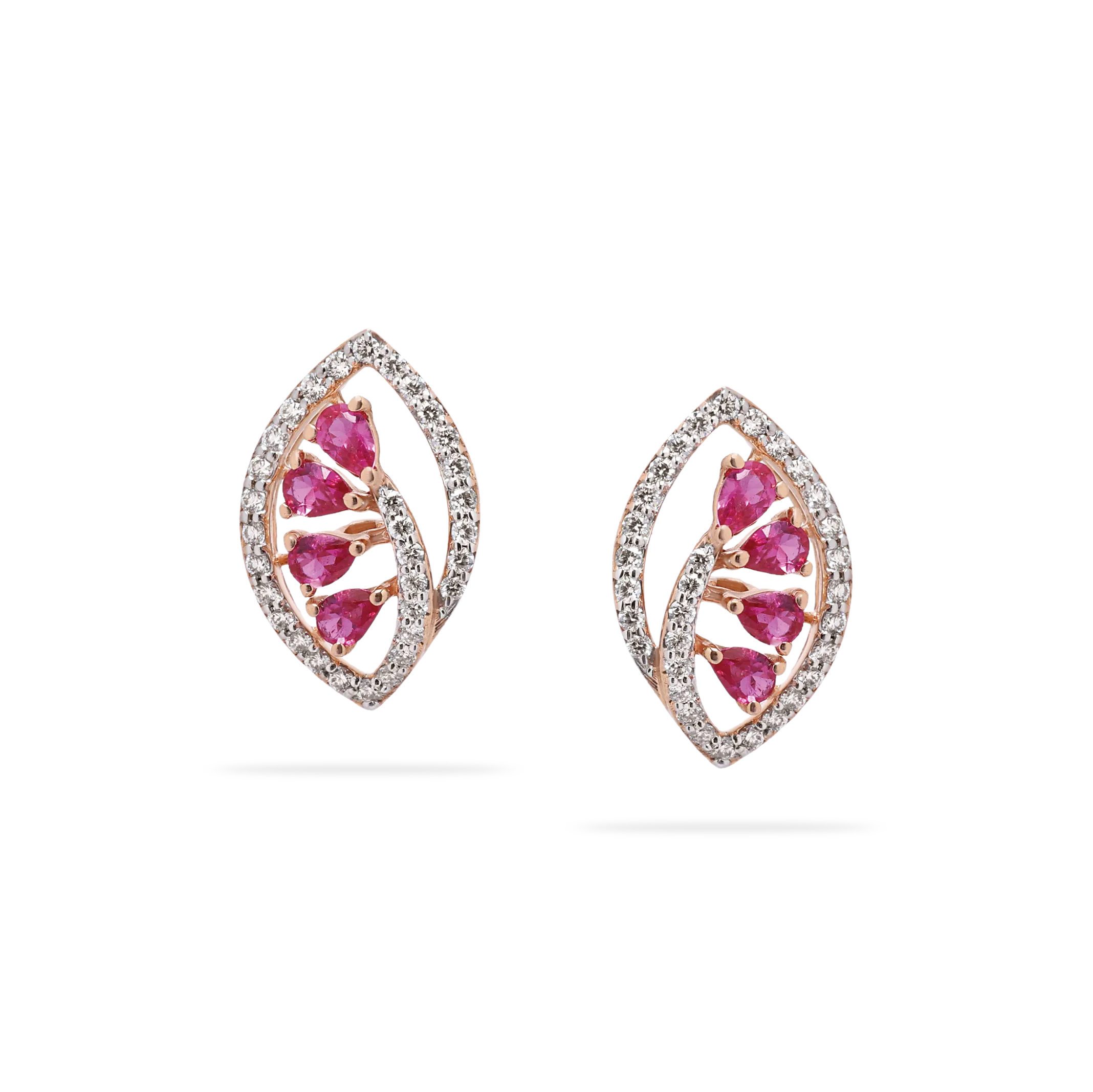
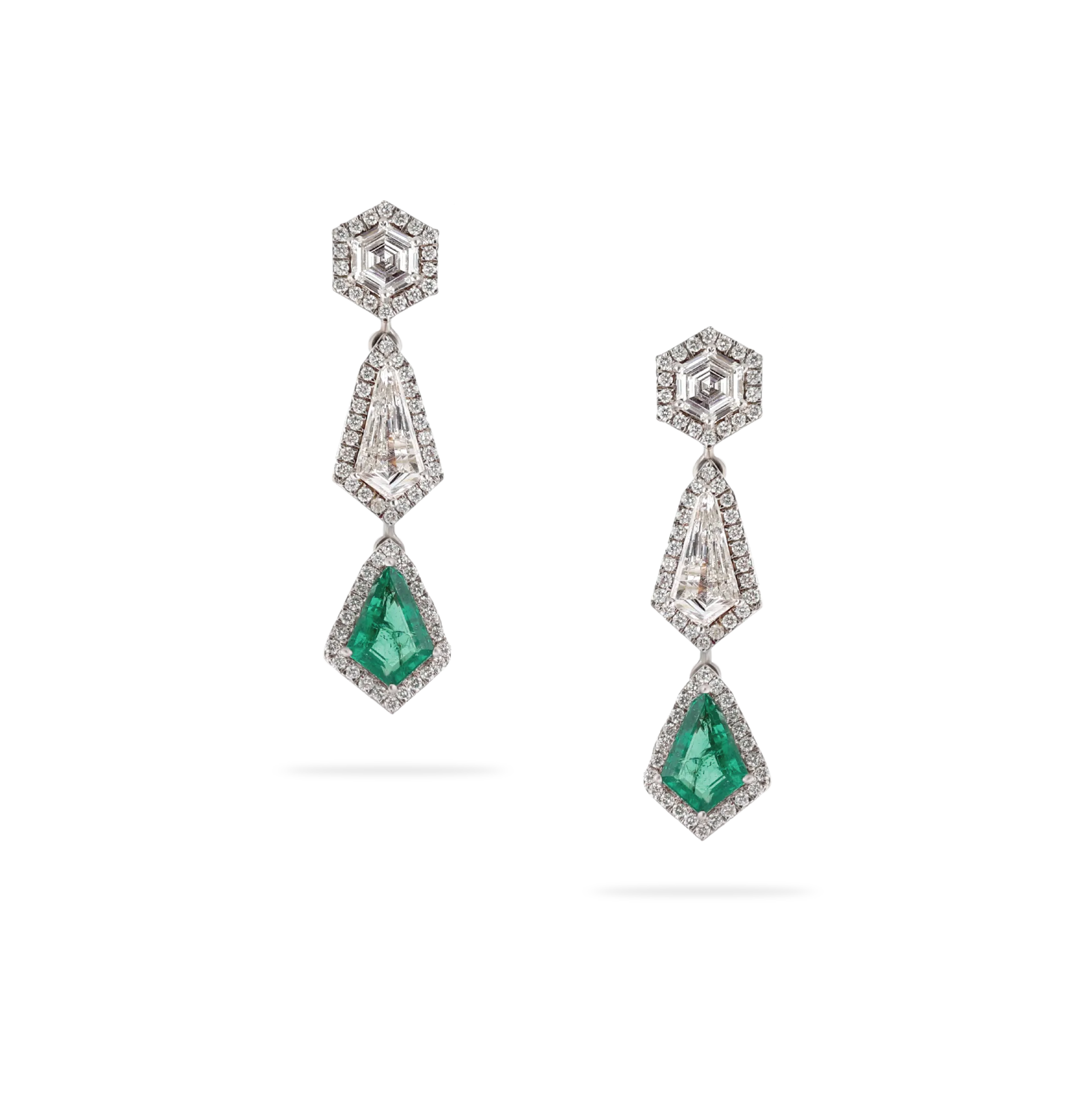
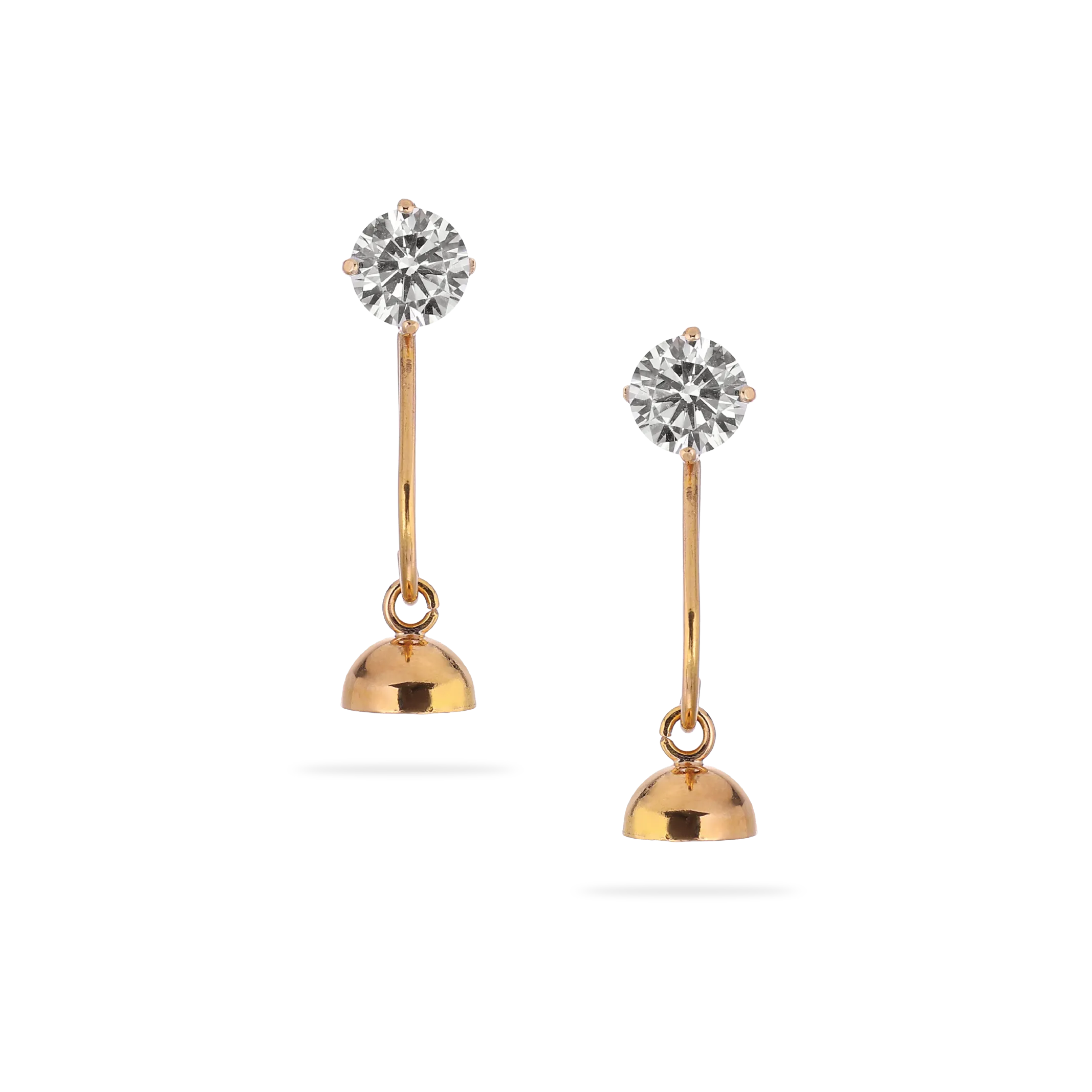
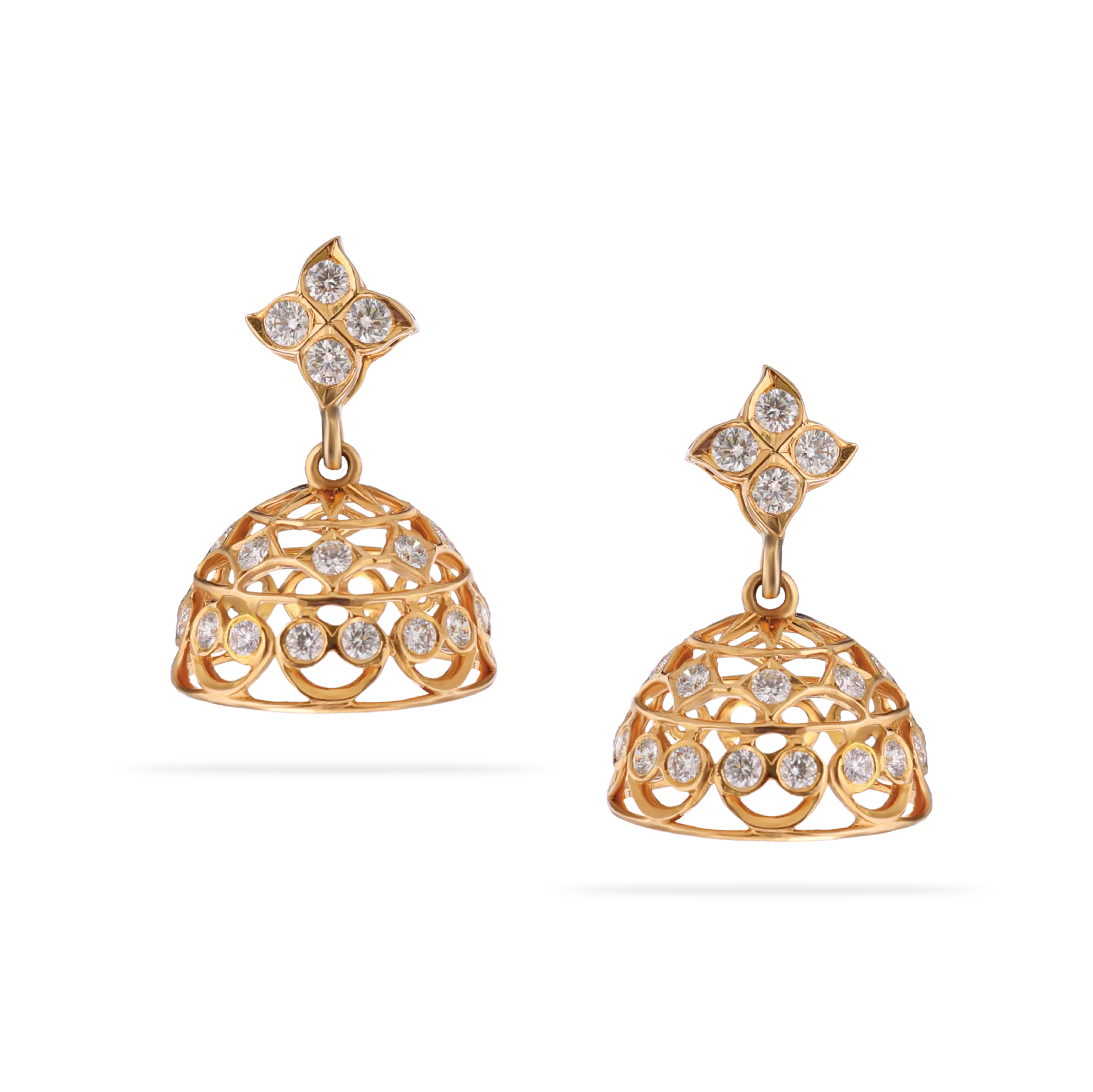
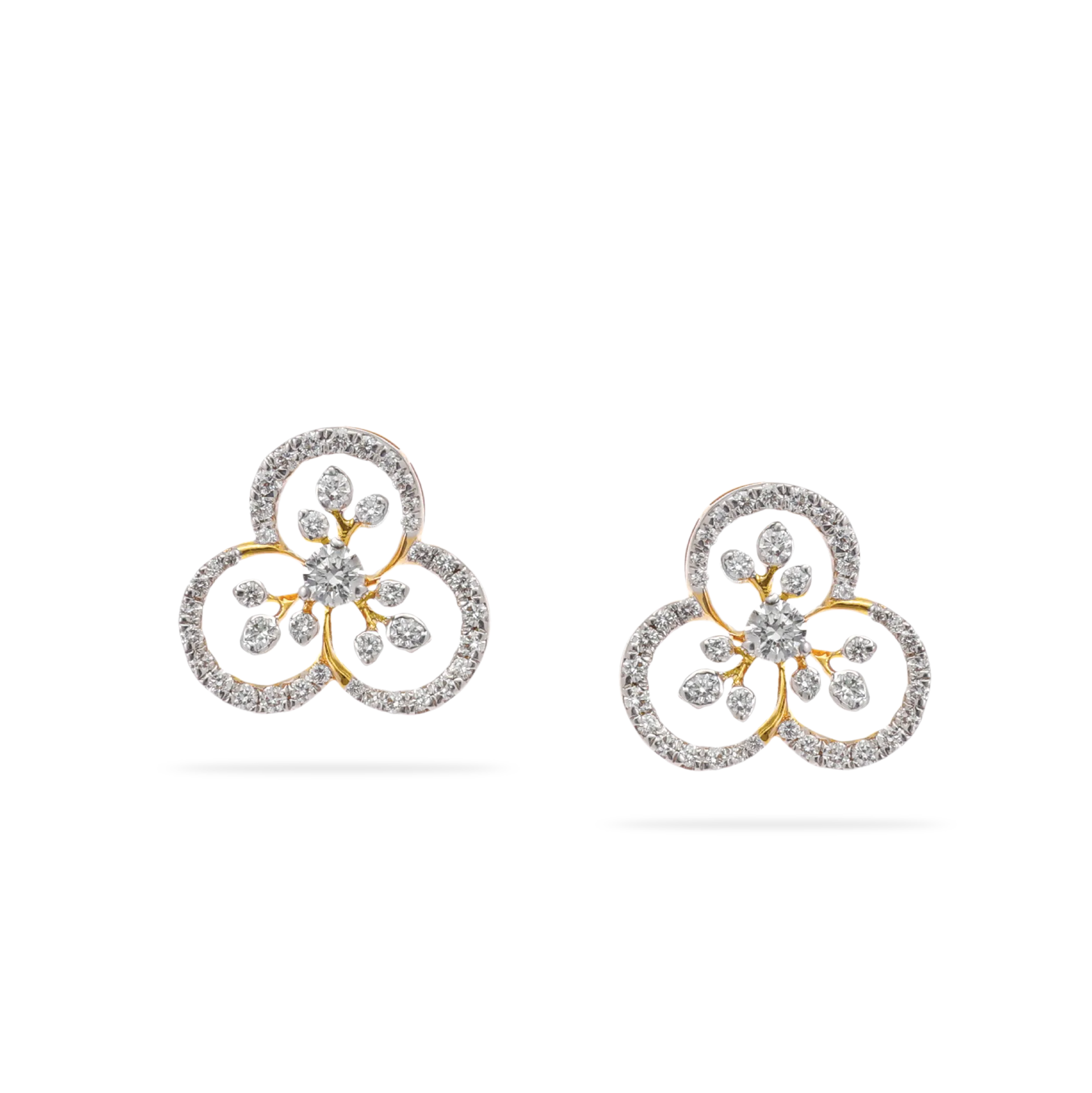
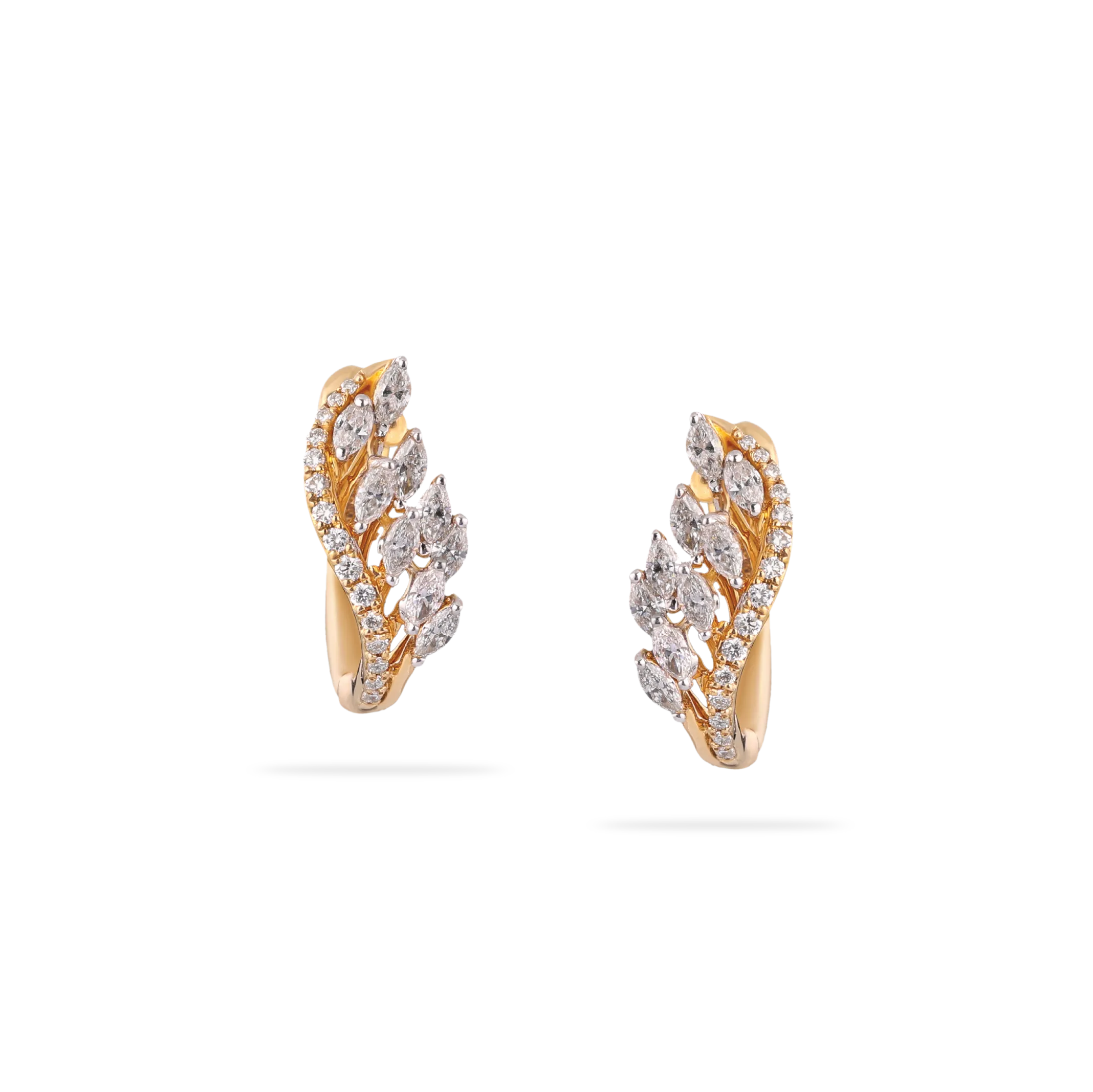
Earrings are a strong choice when you want an elegant gift without ring-size uncertainty. Studs offer maximum versatility, hoops add movement, and small drops can make an everyday outfit feel more finished. For daily wear , prioritize comfortable weight, secure backs, smooth edges, and a setting that is unlikely to snag.
Shape matters too. Compact silhouettes tend to suit active routines, while a slightly elongated drop may flatter the face and add evening appeal. These lightweight diamond earrings offer a useful starting point for thinking about comfort, proportion, and everyday styling.
Diamond bracelets for a distinctive finishing touch
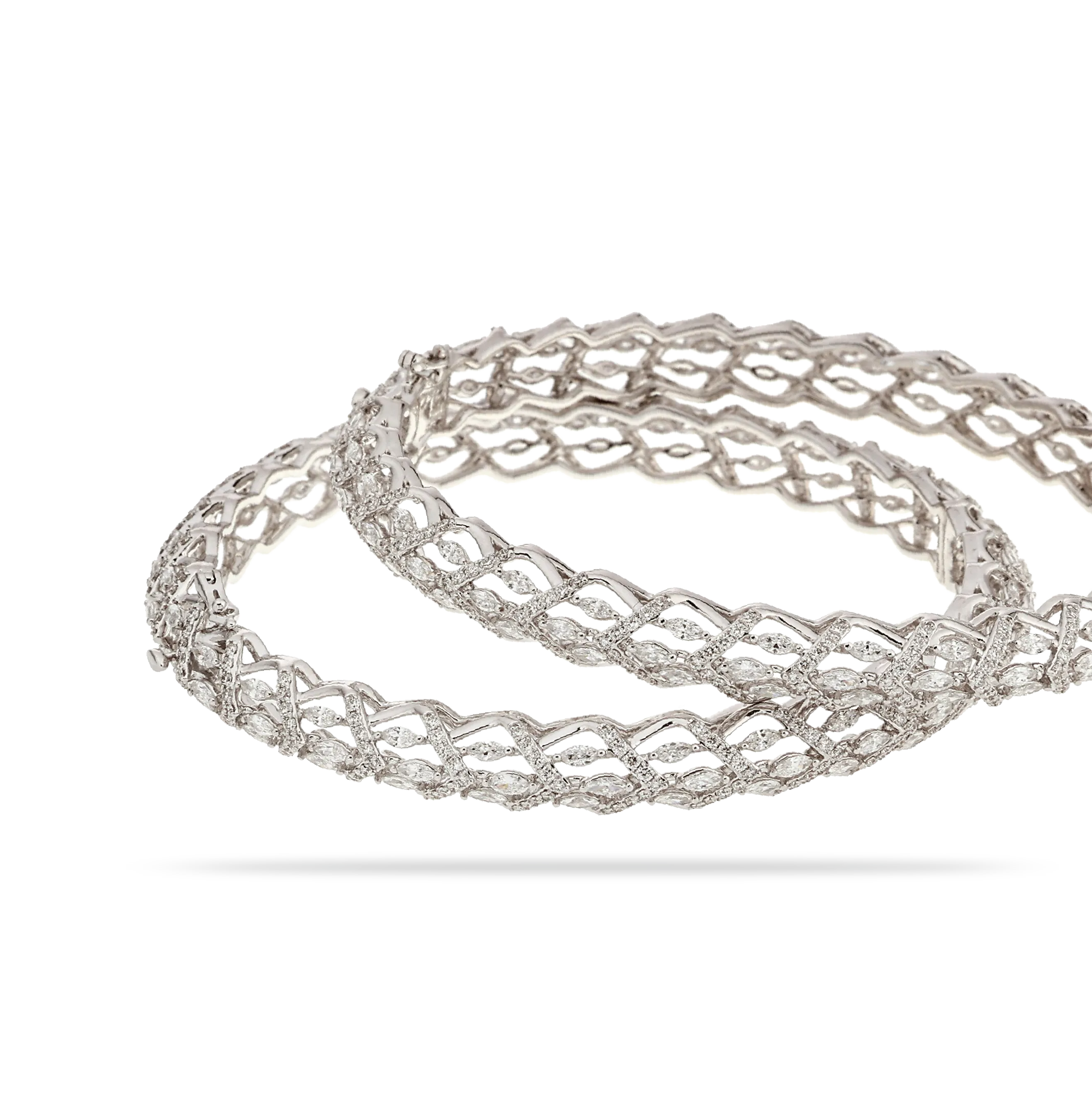
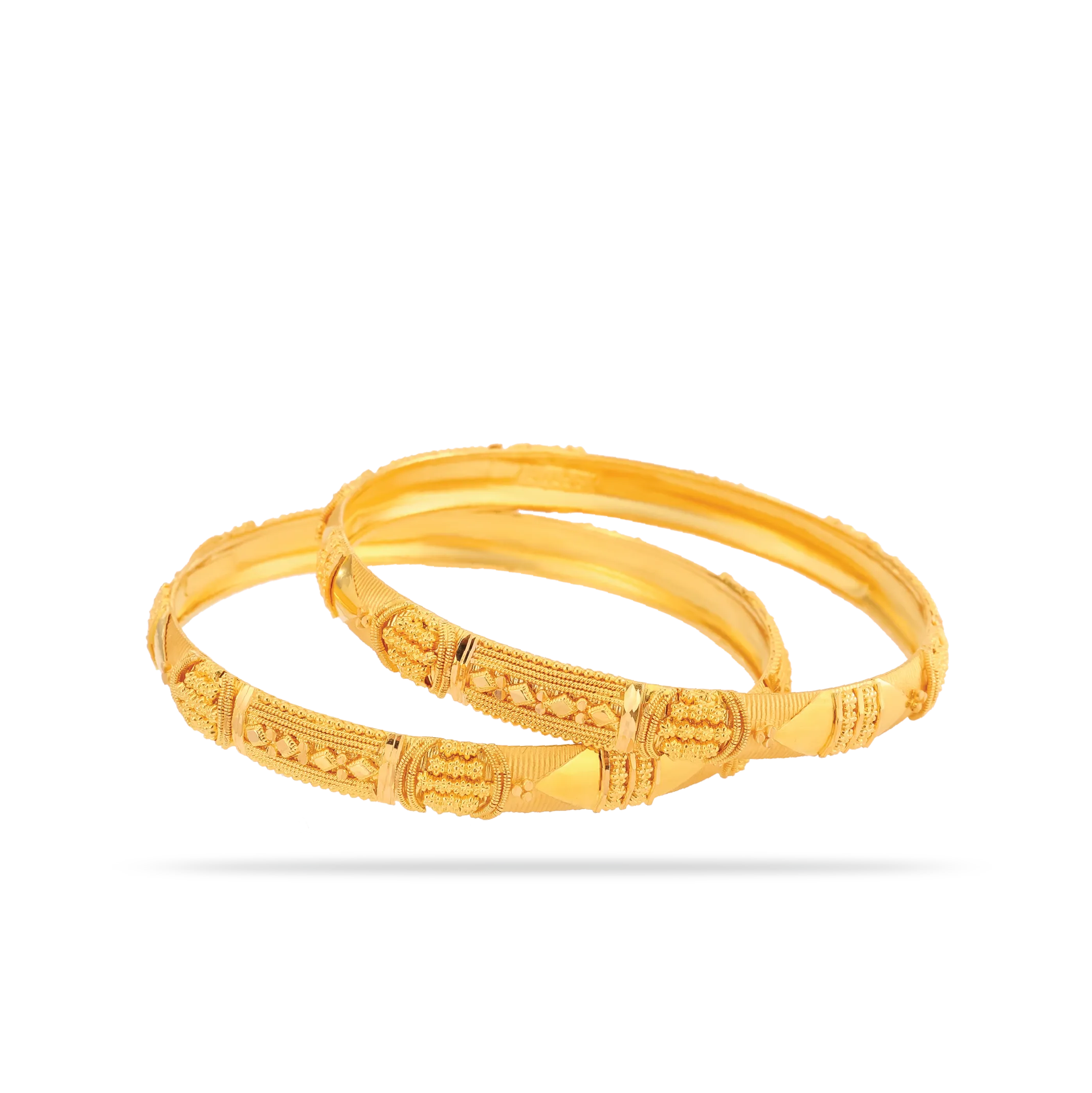
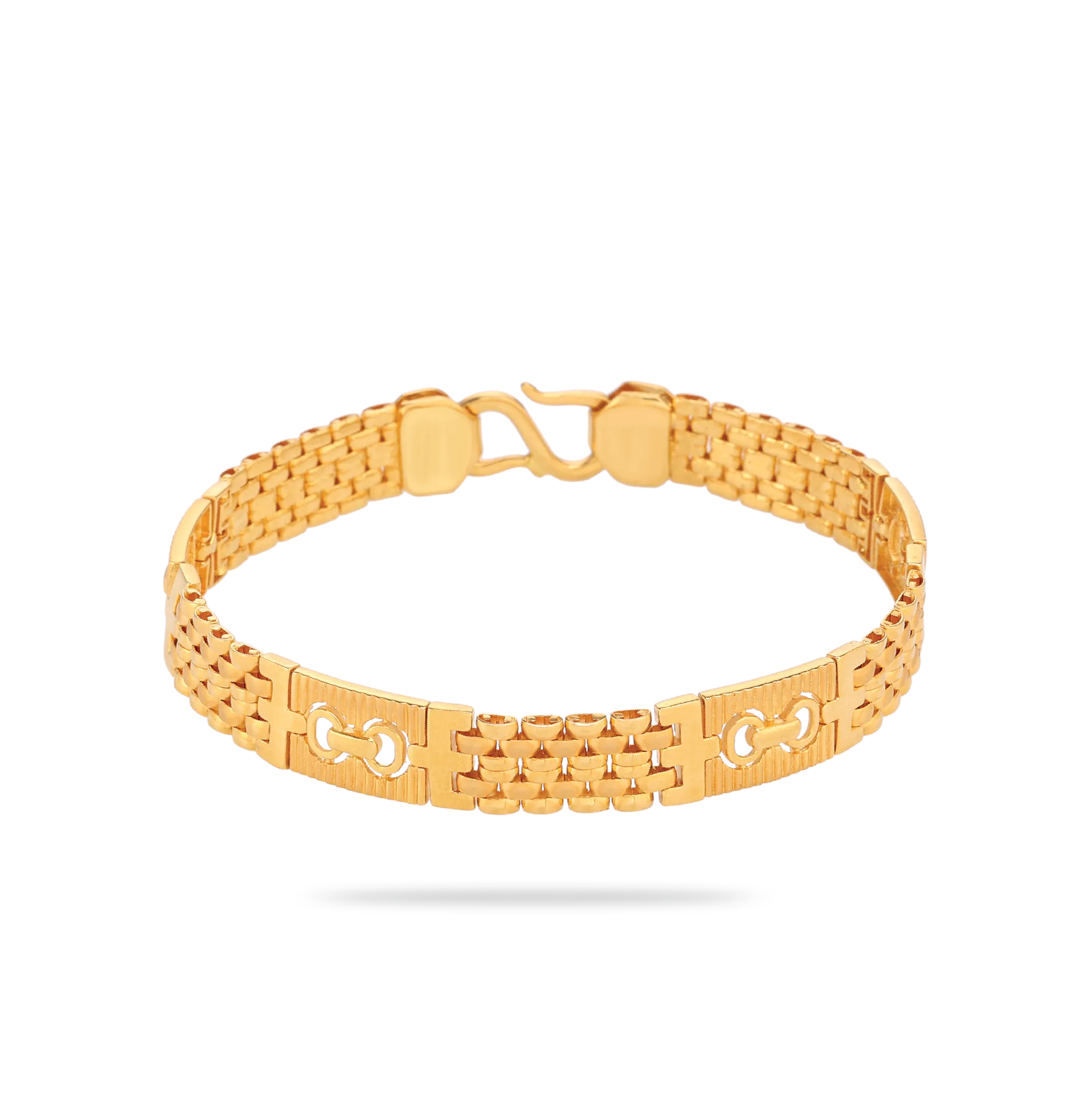
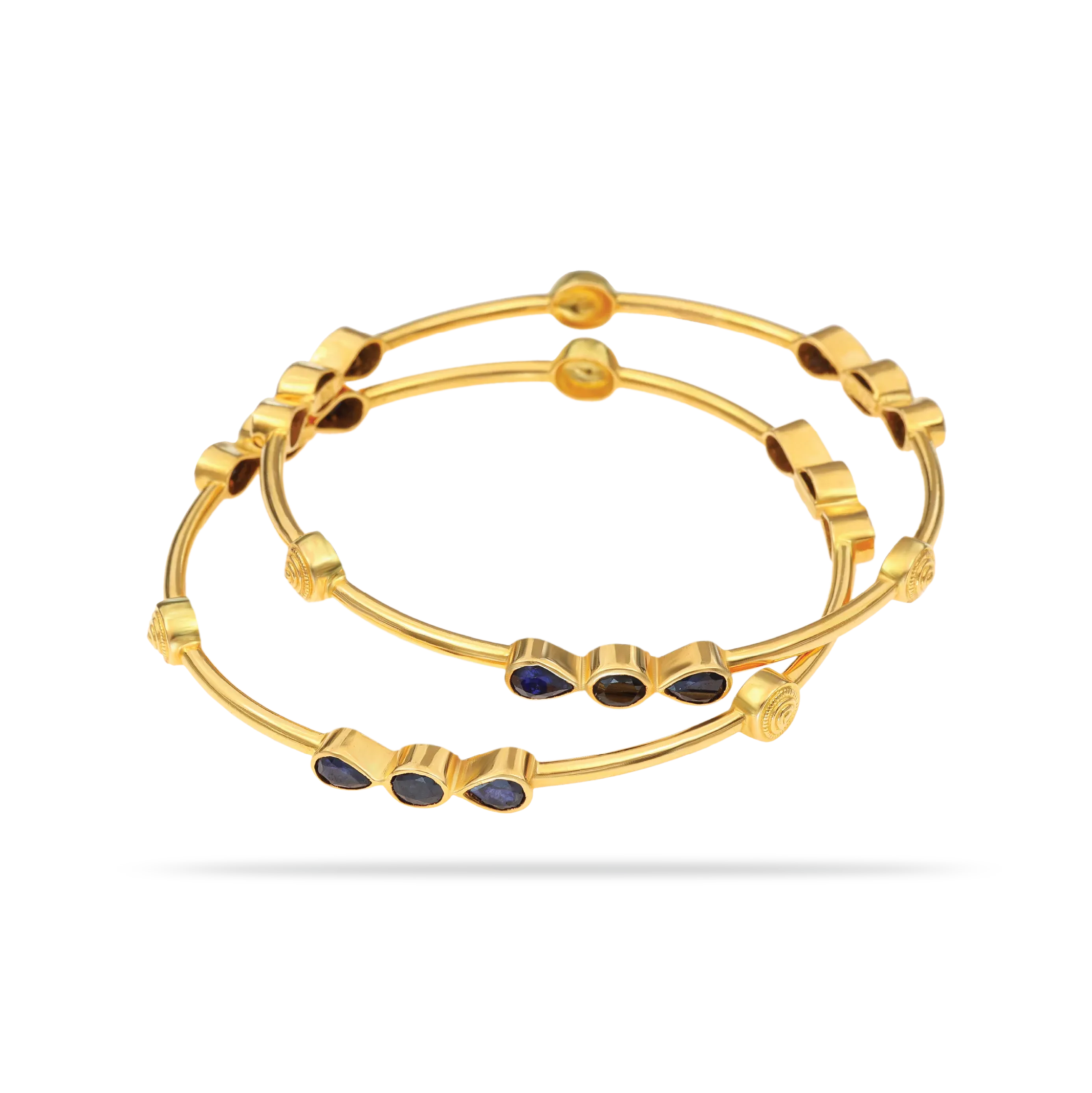
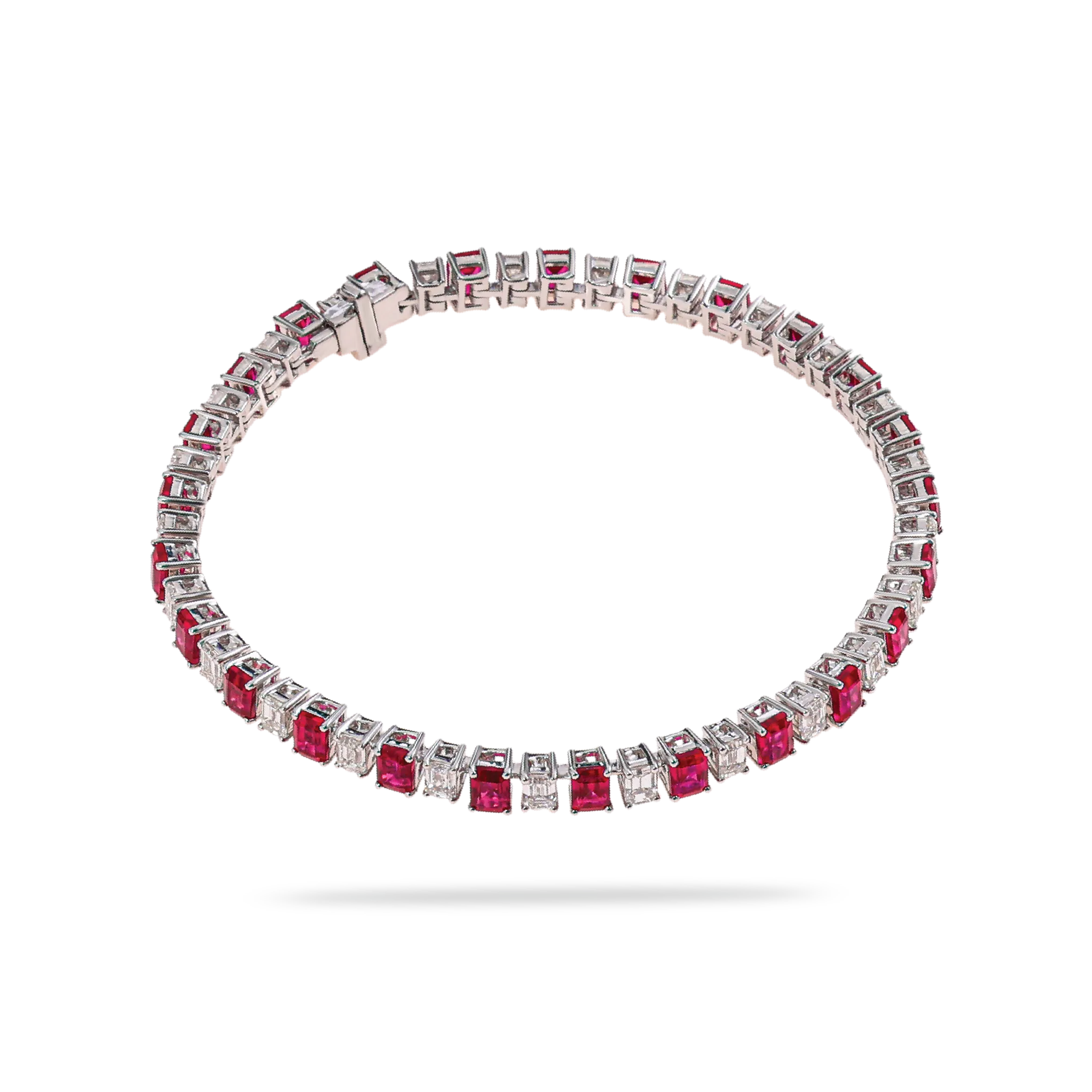
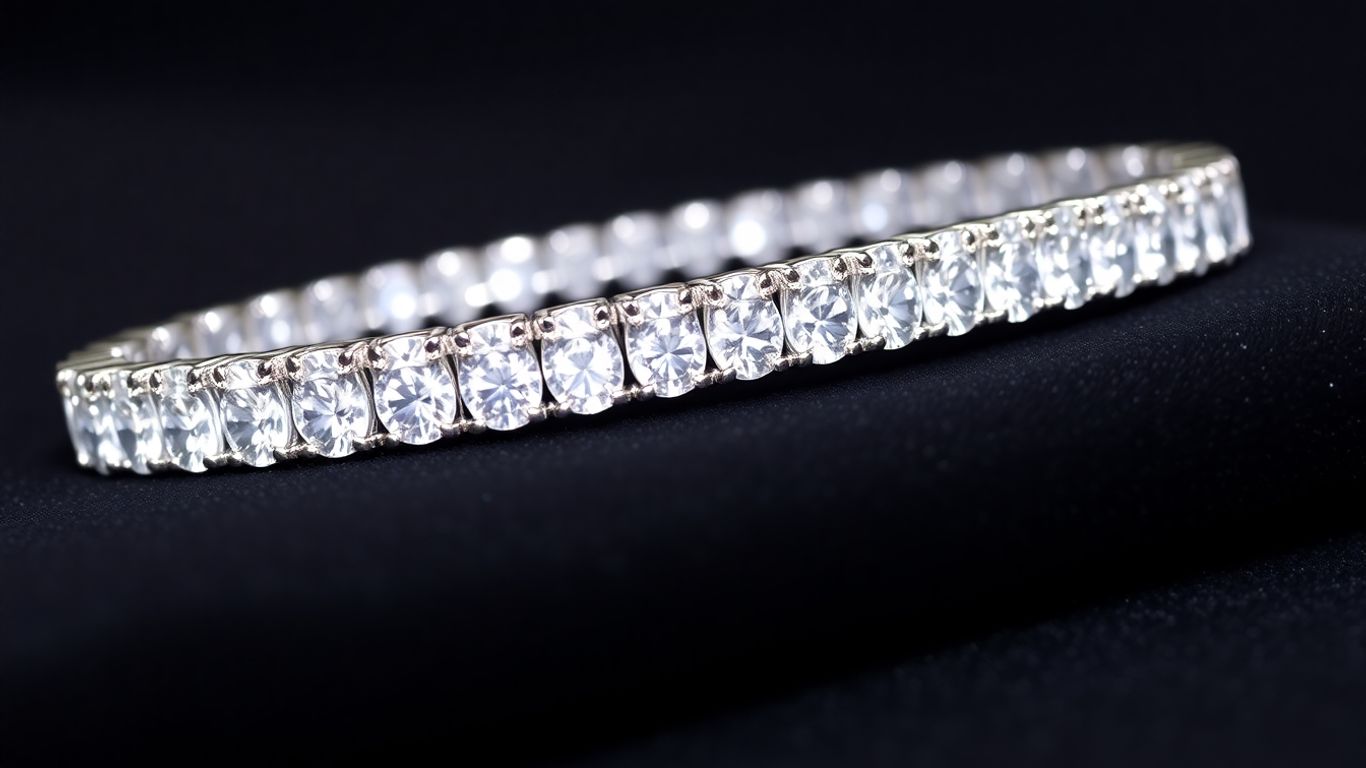
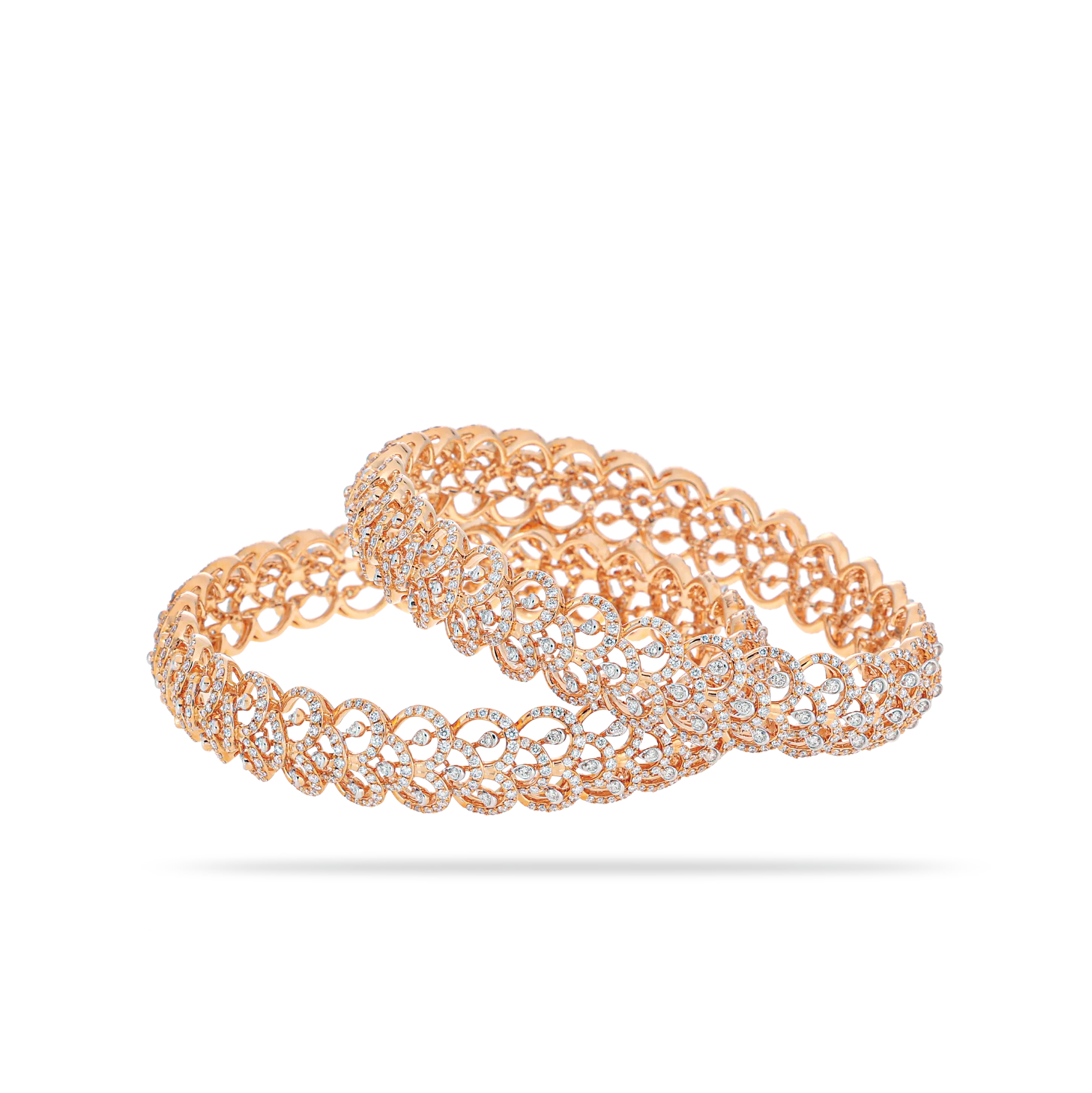
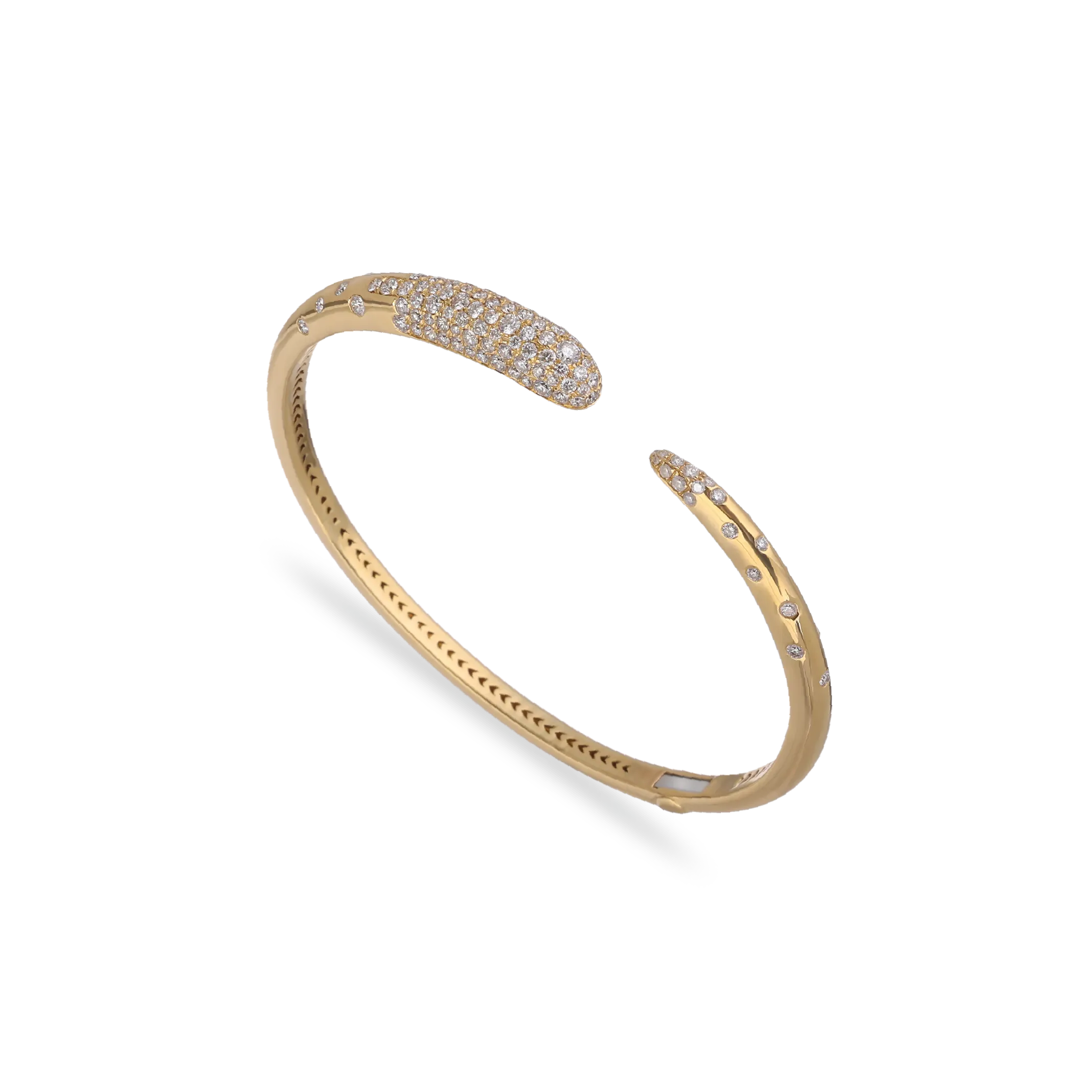
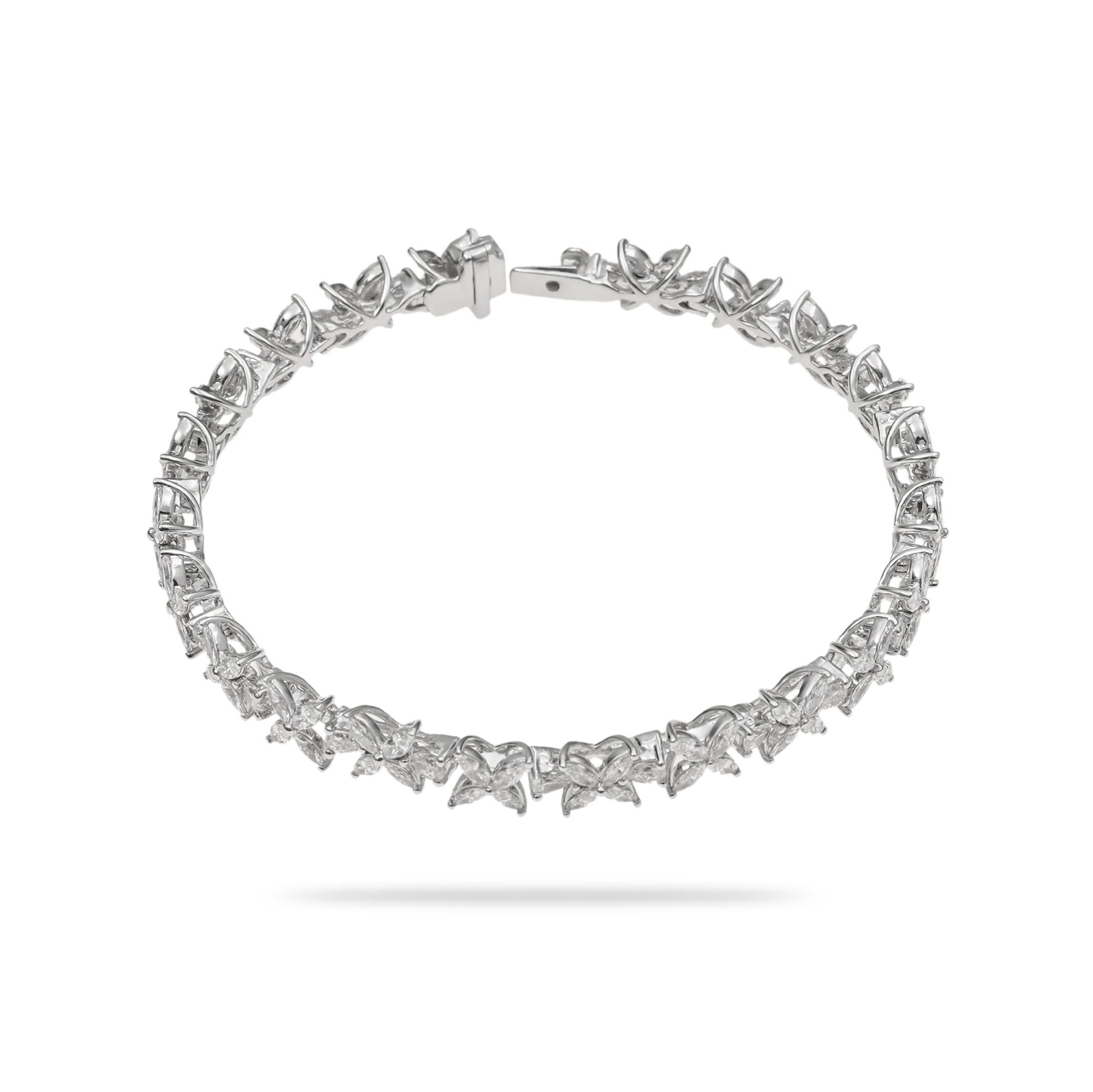
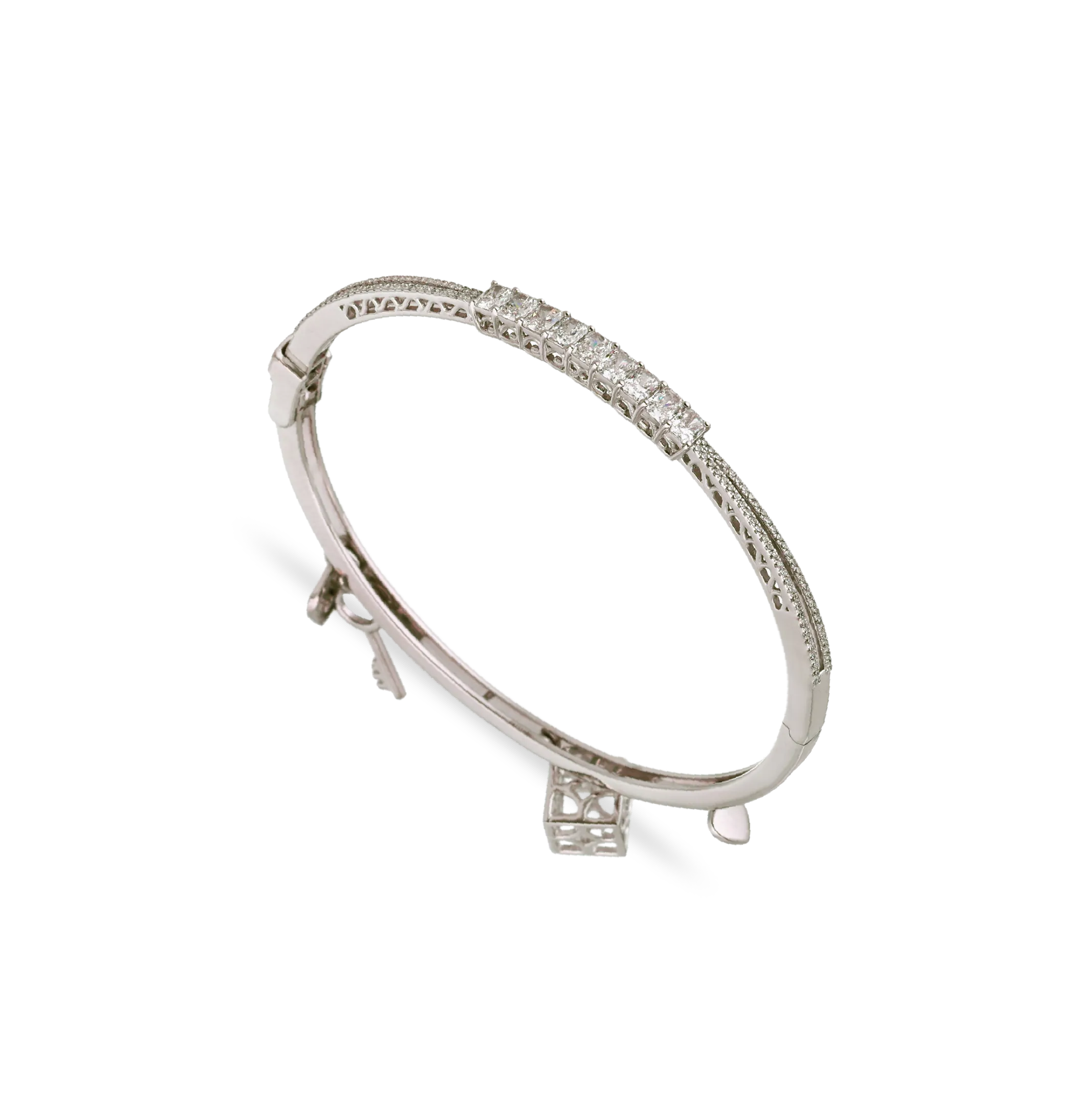
A bracelet can feel less expected than a ring or pendant, which makes it appealing for a recipient who already owns plenty of classic jewellery. Tennis bracelets offer continuous sparkle, while a diamond station bracelet or a slim bangle can be more discreet. The right choice depends on whether the wearer prefers movement, layering, or one polished accent.
Measure carefully and consider how the bracelet will sit during ordinary activities. A piece that is too loose may turn or catch, while one that is too snug can be uncomfortable. If the recipient stacks watches or bangles, select a design that can share space without rubbing against delicate surfaces.
Understand diamond quality and sourcing
Diamond quality is not a single number. Cut, clarity, color, and carat interact with the diamond’s shape, setting, and lighting, so a lower grade in one area may be perfectly sensible when the overall stone looks bright and balanced. Sourcing and documentation matter as well, particularly when the recipient cares about provenance or long-term value.
The four Cs and what they mean for value
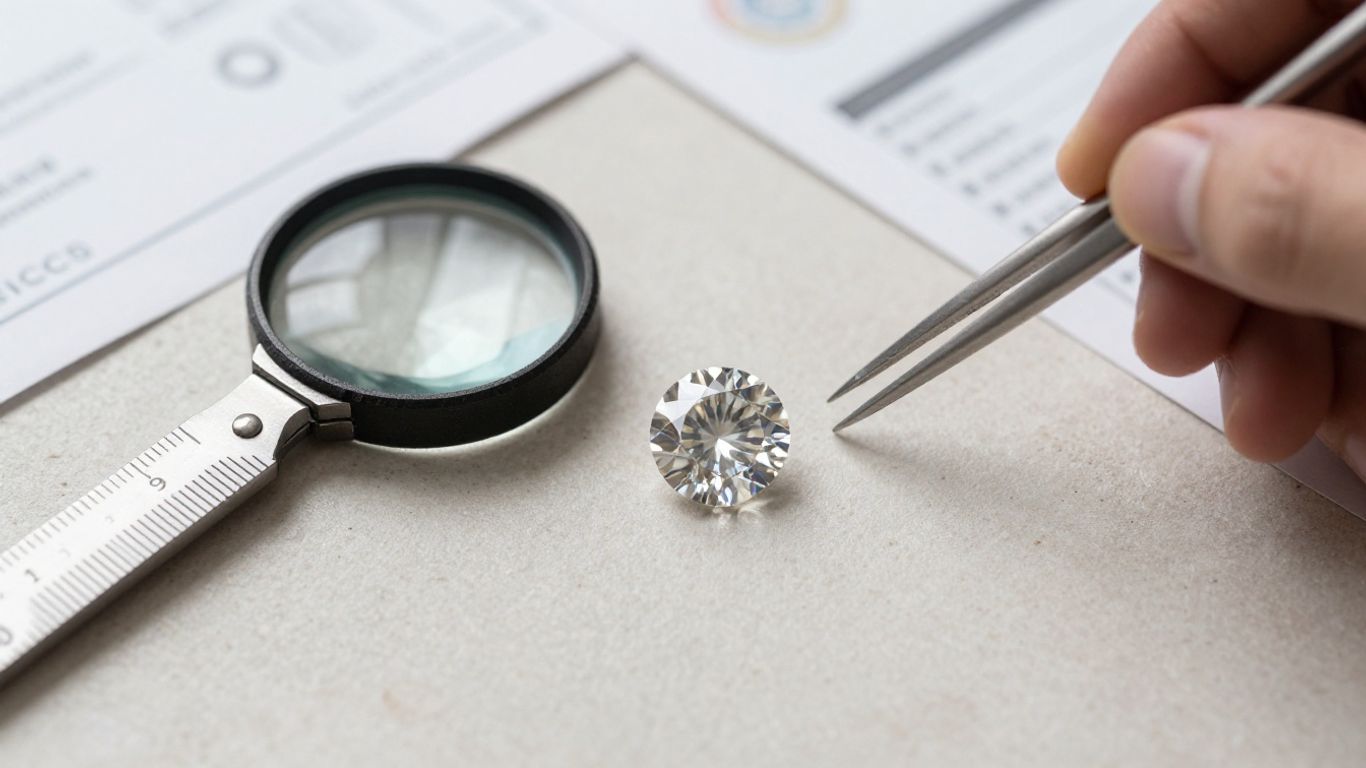
The four Cs are cut, color, clarity, and carat. Cut describes how effectively a diamond returns light; color concerns the presence of warmth in traditionally graded white diamonds; clarity refers to internal and external characteristics; and carat measures weight, not visual beauty by itself.
A diamond with excellent light return can appear more lively than a heavier stone with weaker proportions. Before comparing prices, ask to see the stones in consistent lighting and consider their face-up appearance. Independent grading documentation gives you a clearer basis for comparison, though it should support your eyes rather than replace them.
Natural diamonds versus lab-grown diamonds
Natural and lab-grown diamonds are both diamond material, but they differ in origin and often in price. A natural diamond forms through geological processes, while a lab-grown diamond is produced through controlled technology. The better choice depends on the recipient’s values, your budget, and the kind of story you want the gift to carry.
Be direct about the distinction when giving the piece. Clear information avoids awkwardness and lets the recipient appreciate the choice on its own terms. Whether natural or lab-grown, focus on the documented quality, the setting, and the design rather than treating origin as the only measure of desirability.
Ethical sourcing and certification considerations
Ask where the diamond came from, what documentation accompanies it, and which grading laboratory assessed it. A certificate should correspond to the stone you are buying, with matching identifying details where applicable. Ethical sourcing is a process of asking precise questions, not simply relying on broad language in a product description.
The same care applies to the setting and precious metal. Look for hallmarks, clear material descriptions, and a jeweller willing to explain the supply chain in plain language. When researching unrelated purchases, avoid confusing specialized claims: THCA Diamonds, for example, refers to a concentrated product rather than diamond jewellery, so it is not a substitute for gem certification.
How diamond shape affects appearance and price
Shape influences the way a diamond catches light, appears in size, and fits into a setting. Round stones are familiar and highly versatile, while oval, pear, emerald, princess, and marquise shapes each create a different visual rhythm. Some elongated shapes can look larger face-up for their weight, but proportions and cut quality remain decisive.
Choose the shape according to the recipient’s taste first. A vintage-minded wearer may love an emerald or cushion shape, while someone who favors clean modern lines may prefer a crisp princess or elongated oval. Shape can also affect price, so it is a useful place to explore alternatives without treating the final choice as a compromise.
Set a realistic budget without compromising quality
A sensible budget begins with the role the gift will play in your life, not with an arbitrary rule. Decide what you can spend comfortably, then compare complete pieces rather than diamond prices alone. Metal, craftsmanship, setting complexity, certification, and aftercare can all affect the final amount.
How to prioritize cut, clarity, color, and carat
For many buyers, cut is the first quality to protect because it has a direct effect on brightness and liveliness. After that, balance color and clarity according to the shape and setting. A diamond intended for a white-metal setting may invite closer attention to color, while a yellow-gold design can make slight warmth less noticeable.
Carat is easy to compare but should not dominate the decision. A well-proportioned stone that looks lively and suits the setting will usually feel more satisfying than a larger stone chosen only for its weight. Prioritize visible beauty first, then use the certificate and measurements to understand what you are buying.
When to choose a smaller diamond with better quality
A smaller diamond may be the wiser choice when it offers stronger light performance, a more attractive shape, or a setting that feels comfortable and refined. This is particularly true for earrings and daily-wear rings, where snagging, weight, and durability can matter more than size.
Think about viewing distance as well. Most jewellery is seen in motion and at conversational distance, not under a jeweller’s loupe. If the recipient values subtlety, a smaller stone can look intentional rather than underwhelming, especially when the design gives it enough space to sparkle.
Comparing precious metals and setting styles
Metal changes both appearance and maintenance. Yellow gold brings warmth, white gold has a bright neutral look, rose gold adds a soft blush, and platinum has a naturally pale tone with substantial weight. Settings also influence how much of the diamond is visible and how protected it is during wear.
Prong settings can maximize light exposure, while bezels offer more coverage and a smooth edge. Pavé settings create extra sparkle but may need more attention during cleaning and inspection. Compare the metal and setting as a pair, since their contrast or harmony can change the entire character of the piece.
Finding value in personalized and alternative designs
Value can come from thoughtfulness, not only from scale. An engraved detail, an unusual but wearable shape, or a design that connects several family members may feel more meaningful than a conventional solitaire. Choosing a style that matches the recipient’s habits also increases the chance that the piece will be worn often.
If diamond jewellery is not the right answer, keep the same principles in mind for other fine jewellery. A personalized present guide explores recipient style, jewellery type, metal tone, origins, and engraving, all of which are useful ways to make a gift feel deliberate.
Get the size, fit, and presentation right
Fit is where a beautiful purchase becomes a comfortable one. Rings need accurate sizing, bracelets need enough movement without slipping, and necklaces need a length that works with the recipient’s clothes. Presentation matters too, especially when the gift marks an occasion that deserves a little ceremony.
How to determine the correct ring size discreetly
If the gift is a surprise, borrow a ring the recipient wears on the intended finger and have a jeweller measure it. Be cautious about using a ring from another finger, since sizes can differ substantially. You can also ask a trusted friend or family member to gather the information naturally.
When none of those options works, choose a seller with a clear resizing policy and avoid guessing based on height or build. A ring that can be resized offers reassurance, but some settings and bands have limits. Preserve the packaging and paperwork until you know the fit is right.
Selecting necklace lengths and bracelet sizes
Measure a necklace the recipient already wears or compare it with the neckline of a familiar top. If you cannot measure, a versatile mid-length chain is often easier to style than an unusually short or long one. For bracelets, measure the wrist and add room according to whether the wearer prefers a close fit or visible movement.
Clasps deserve attention here. A secure clasp is especially valuable for a bracelet that will be worn frequently, while an adjustable chain gives more flexibility as styling preferences change. Comfort should guide the choice, not just the look of the piece in its box.
Choosing between yellow gold , white gold , rose gold , and platinum
Metal color is partly a style preference and partly a practical choice. Look at the recipient’s watch, rings, and favorite hardware for clues, but do not assume every piece must match. Mixed-metal styling can look intentional when the design is simple and the proportions are balanced.
Platinum is naturally pale and substantial, while gold alloys offer different colors and may vary in karat. White gold may require periodic finishing depending on its surface treatment. Ask about care before buying so the recipient knows what normal wear will involve.
Creating a memorable unboxing and gift experience
Good presentation does not need to be elaborate. Use a secure box, a handwritten note, and a moment when the recipient can enjoy the gift without being rushed. If the occasion has a shared story, mention that story rather than making the note a generic compliment.
A small detail can make the reveal feel complete: wrap the box in a color they love, include the certificate separately, or pair the jewellery with a photograph from the milestone. For more technical purchases, such as GMP guidance for gummy manufacturers, documentation is central to trust; with jewellery, clear paperwork and a thoughtful reveal serve a similar practical and emotional purpose.
Shop confidently and care for the gift
A confident purchase is one where the design, quality, paperwork, and aftercare all make sense together. Take time to compare like with like, and do not let urgency turn a meaningful gift into an unclear transaction. The jeweller should be able to answer straightforward questions without pressure.
Questions to ask a jeweller before buying
Ask about the diamond’s grading report, origin, measurements, treatment history, metal purity, and setting construction. Find out whether the piece is made to order, how long delivery will take, and whether sizing or customization changes the return terms. If the item is intended for everyday wear, ask which areas may need periodic inspection.
You should also ask what is included in the price. Appraisals, insurance documentation, cleaning, resizing, and delivery may be handled differently from one jeweller to another. Clear answers are part of the value of the purchase, not an inconvenience.
Reviewing warranties, appraisals, and return policies
Read the policy before paying, particularly for rings, personalized pieces, and made-to-order jewellery. A warranty may cover manufacturing defects but exclude ordinary wear, accidental damage, or lost stones. A return window may begin on the purchase date rather than the delivery date.
An appraisal can help with insurance, but it is not the same as a grading report or a guarantee of resale value. Keep digital and physical copies of every document. If the purchase is a surprise, understand whether trying on the piece affects eligibility for return or exchange.
Checking certification and authenticity documents
Match the report number, measurements, shape, and carat weight to the stone and finished jewellery whenever possible. For a mounted diamond, some details may be harder to inspect directly, but the jeweller should explain what has been verified. Hallmarks and metal descriptions should also be consistent with the invoice.
Do not accept vague assurances in place of documentation. If a seller cannot explain the laboratory, grading terms, or metal content, pause before buying. A properly documented piece gives the recipient confidence as well as a record for future care.
Cleaning, storing, and maintaining diamond jewellery
Diamonds are durable, but the jewellery around them still needs gentle treatment. Remove pieces before swimming, exercising, gardening, or using household chemicals, and check clasps and settings occasionally for looseness. Store each item separately in a soft-lined compartment so metal and stones do not scratch one another.
For routine cleaning, use lukewarm water, mild soap, and a soft brush, then rinse carefully and dry with a lint-free cloth. Avoid harsh chemicals and improvised tools. Schedule professional inspections when recommended, especially for pieces worn daily, and keep a record of cleaning and repairs.
Conclusion
A meaningful diamond gift brings together occasion, personality, quality, comfort, and care. Choose with the recipient’s real life in mind, ask direct questions, and let the design carry a sincere story rather than trying to make the price do all the talking.
Frequently Asked Questions
What is the best diamond jewellery gift for an anniversary?
A ring, pendant, bracelet, or pair of earrings can all work well. Choose according to the recipient’s style, existing jewellery, and whether the anniversary calls for a private symbol or an everyday piece.
Is a diamond necklace easier to gift than a ring?
Usually, yes, because a necklace does not require exact finger sizing. You still need to consider chain length, neckline preferences, and whether the recipient enjoys wearing layered pieces.
Should I choose a natural or lab-grown diamond?
Neither is universally right. Consider the recipient’s views on origin, your budget, the desired design, and the quality documentation available for the specific diamond.
Which of the four Cs matters most?
Cut often deserves close attention because it affects brightness and sparkle. The best balance depends on the diamond’s shape, setting, color, clarity, and the features that are visible when worn.
How can I find someone’s ring size secretly?
Borrow a ring worn on the intended finger and have it measured, or ask a trusted friend or relative for help. If you must estimate, buy from a jeweller with a clear resizing policy.
What metal is best for everyday diamond jewellery?
The right metal depends on style, skin sensitivity, durability needs, and maintenance preferences. Gold and platinum can both be excellent choices when the alloy and construction suit the wearer.
How should diamond jewellery be cleaned at home?
Use lukewarm water, mild soap, and a soft brush, then rinse and dry carefully. Avoid chemicals and have frequently worn pieces inspected periodically for loose settings or worn clasps.
Birthstone jewellery gifts: How to choose a meaningful personalized present
10 minute read
Gold jewellery gift guide: How to choose the perfect piece for every occasion
10 minute read
Related blogs:
November 20, 2025
The Timeless Elegance of the Tennis Bracelet: A Comprehensive Guide
Read More
November 20, 2025
The Ultimate Guide to Styling and Wearing a Choker Necklace
Read More
November 20, 2025
Find Your Perfect Engagement Ring: A Comprehensive Guide to Styles and Diamonds
Read More
November 20, 2025
The Timeless Elegance of a Diamond Tennis Bracelet: A Buyer's Guide
Read More









.webp)
.webp)