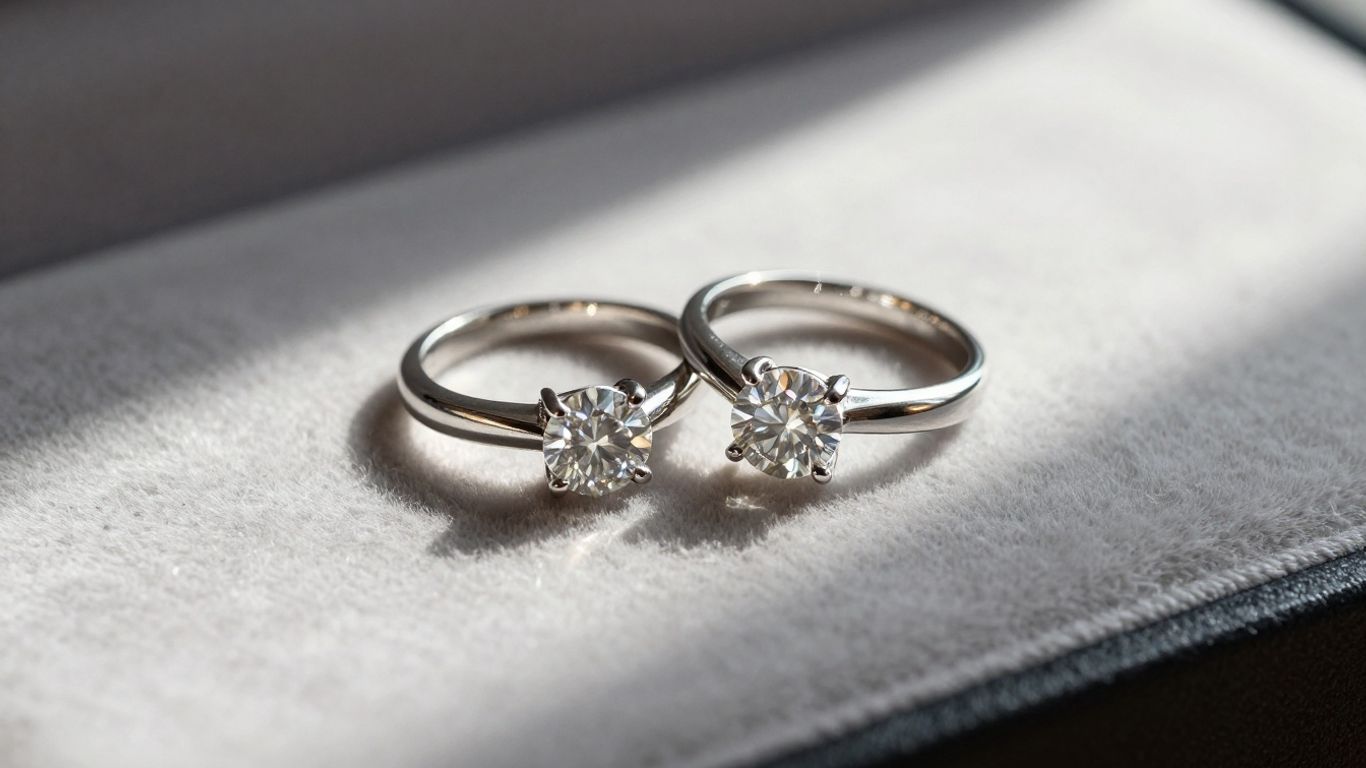
The ultimate guide to choosing diamond ring styles for women
July 27, 2026 | 10 minutes read
Key Takeaways
Choosing the perfect ring is a deeply personal journey that combines aesthetic preference with practical daily considerations. This guide helps you navigate the technical and emotional aspects of selecting a cherished symbol of love.
- Educate yourself on the core diamond shapes to define your preferred profile and sparkle intensity.
- Select a metal type that balances your personal color taste with the required material durability.
- Understand the function of different ring settings to protect your stone while enhancing its visual impact.
- Consider your daily routine when selecting a ring profile to ensure long-term comfort.
- Evaluate the differences between diamond origins to match your ethical values and financial budget.
Understanding diamond shapes and cuts
The brilliance of a finished ring begins with the rough stone's initial silhouette. While people often use shape and cut interchangeably, the shape refers to the stone's physical geometry while the cut describes how well the facets interact with light to produce sparkle.
The classic appeal of round brilliant cuts
The round brilliant cut is the gold standard for those seeking maximum fire and scintillation. This shape has evolved over decades to optimize light reflection from every angle, making it the most popular choice for traditional engagement rings today.
Exploring princess and cushion cut options
Princess cuts offer a modern, square-edged aesthetic that blends a contemporary look with plenty of sparkle. Cushion cuts provide a softer, romantic appeal with rounded corners that feel reminiscent of vintage heirlooms, often chosen for their unique blend of classic elegance and gentle geometry.
Modern trends in pear and marquise shapes
Elongated shapes like the pear and marquise are celebrated for their ability to create the illusion of longer fingers. These fancy cuts feel distinctly fashion-forward and are frequently featured by designers as unique engagement rings looking for a departure from traditional circular solitaires.
Vintage aesthetics of emerald and asscher cuts
Emerald and asscher cuts are defined by their step-cut facets, which create a hall-of-mirrors effect rather than intense fire. These shapes appeal to those who value understated sophistication and a clean, architectural appearance in their jewelry.
Choosing the right metal for your ring
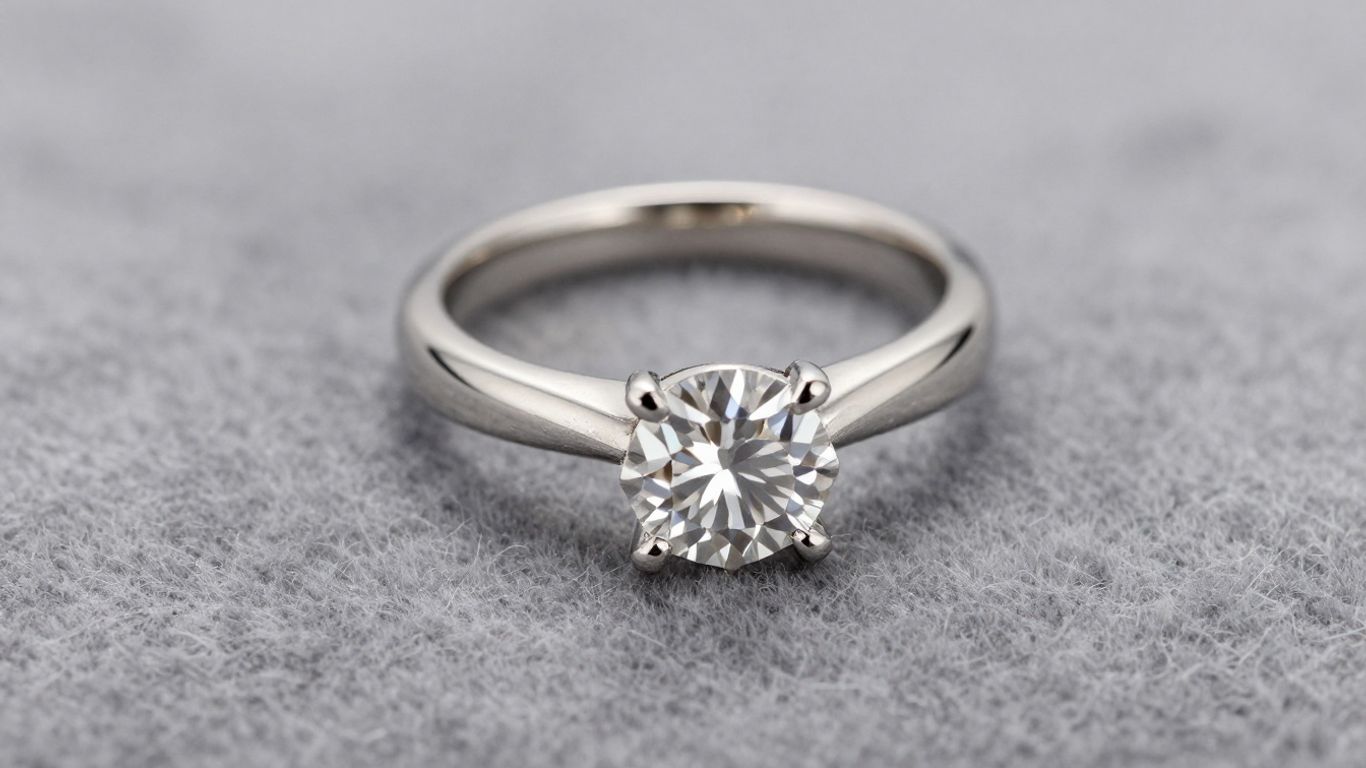
Selecting the right base metal is just as critical as choosing the stone itself. Your choice will influence both the structural integrity of the piece and its compatibility with your skin tone, so it pays to review your options before committing to a final design from a jeweler like C Krishniah Chetty & Co.
Durability and color profile of platinum
Platinum is widely revered for its density and natural white luster. It is an exceptionally strong metal that holds stones securely, and unlike white gold , it does not require periodic plating to maintain its crisp, cool silver color.
Warmth and tradition of yellow gold
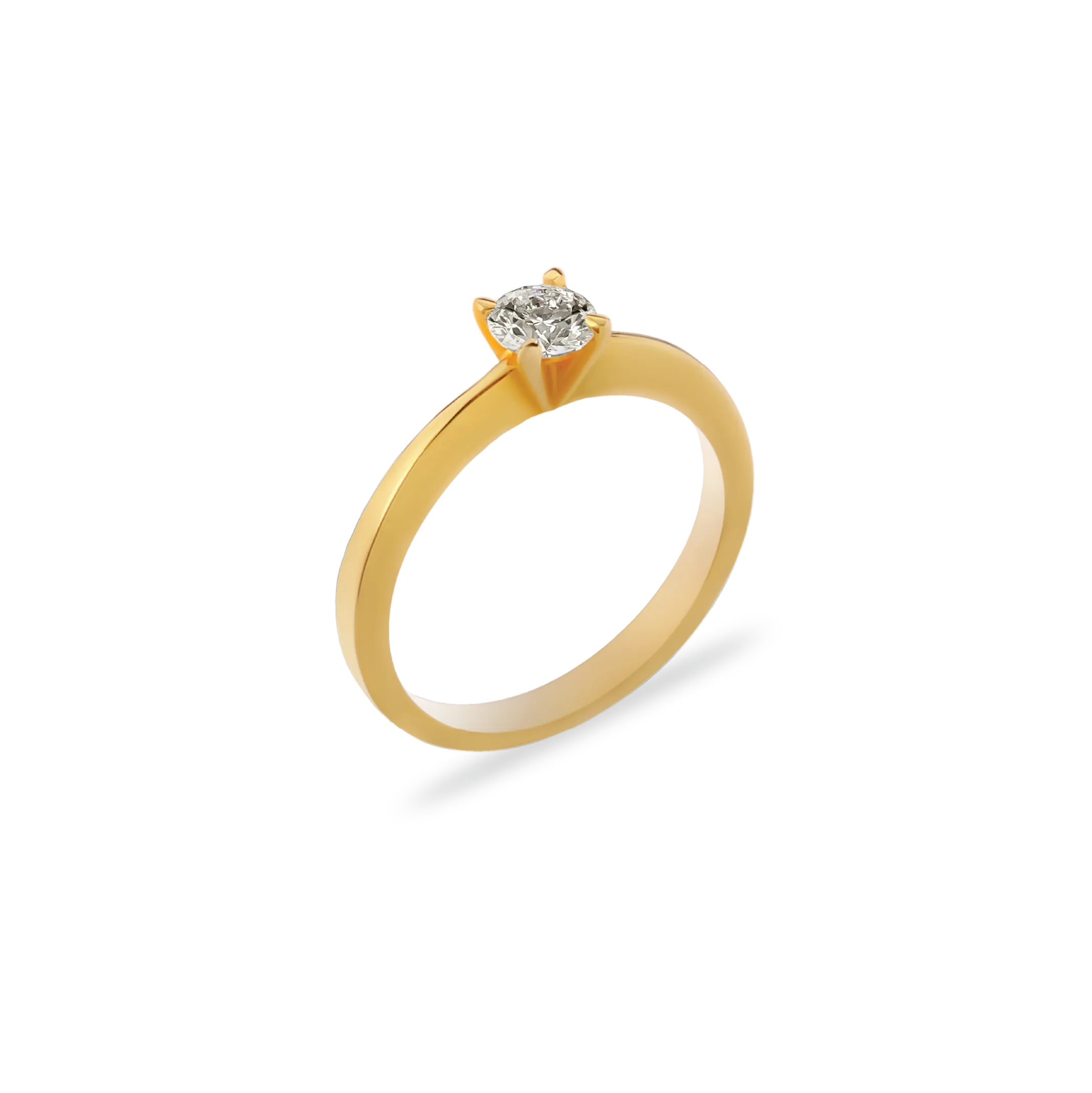
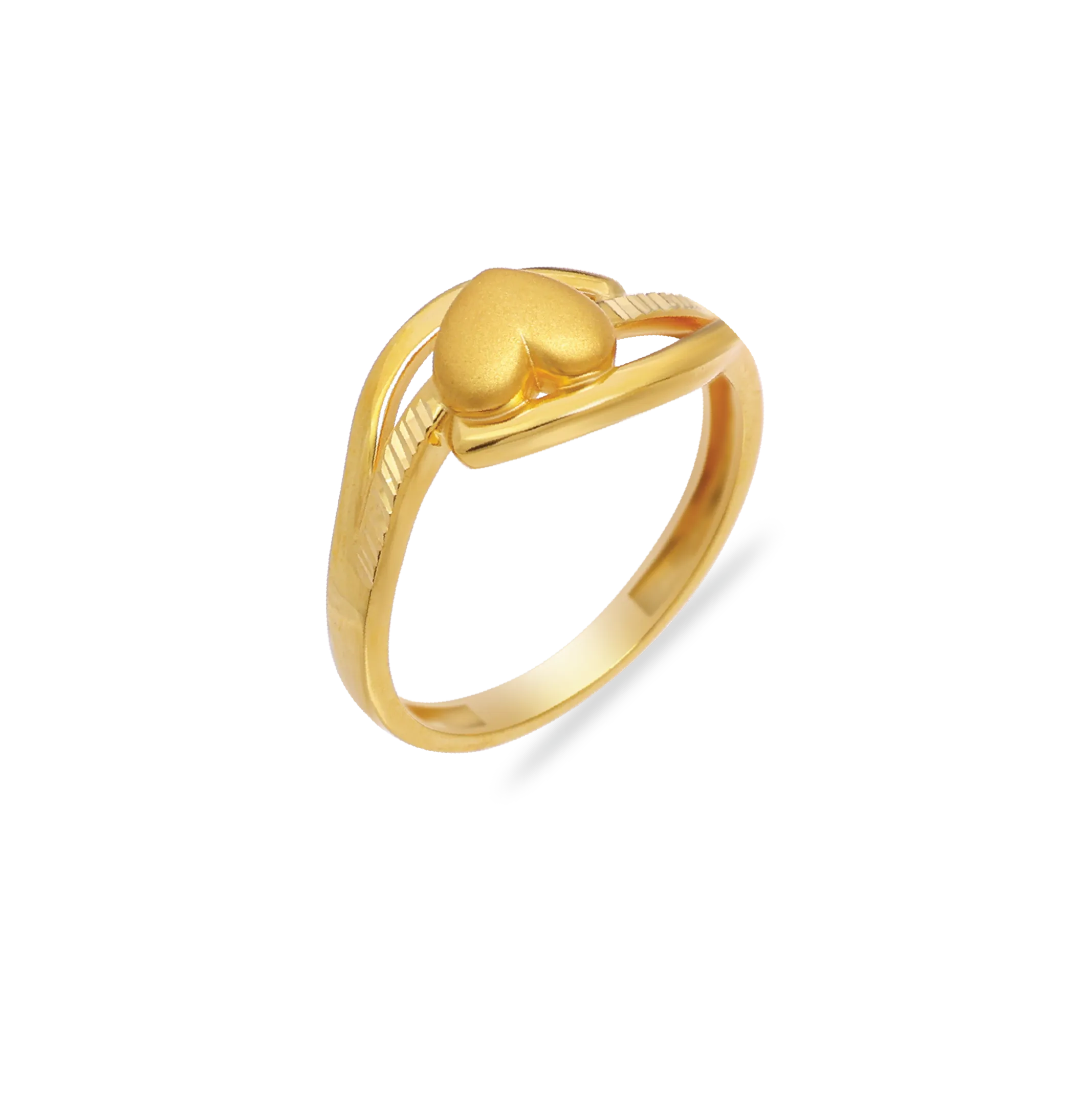
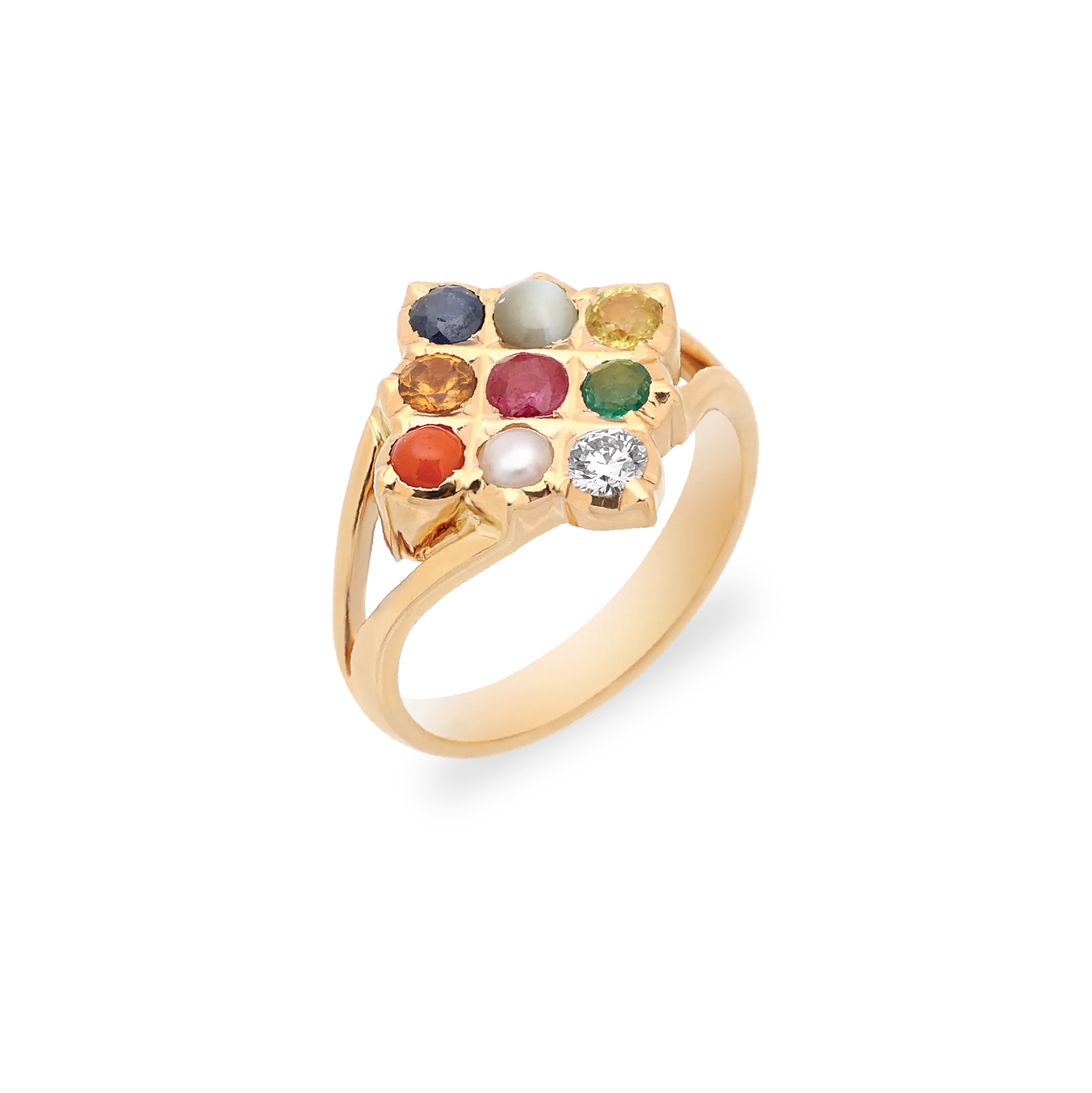
Yellow gold offers a timeless, high-contrast look that has been the standard for generations of couples. It provides a rich, warm glow that complements diamonds with slightly warmer color grades, making it a classic choice for traditional and vintage-inspired rings.
The romantic allure of rose gold
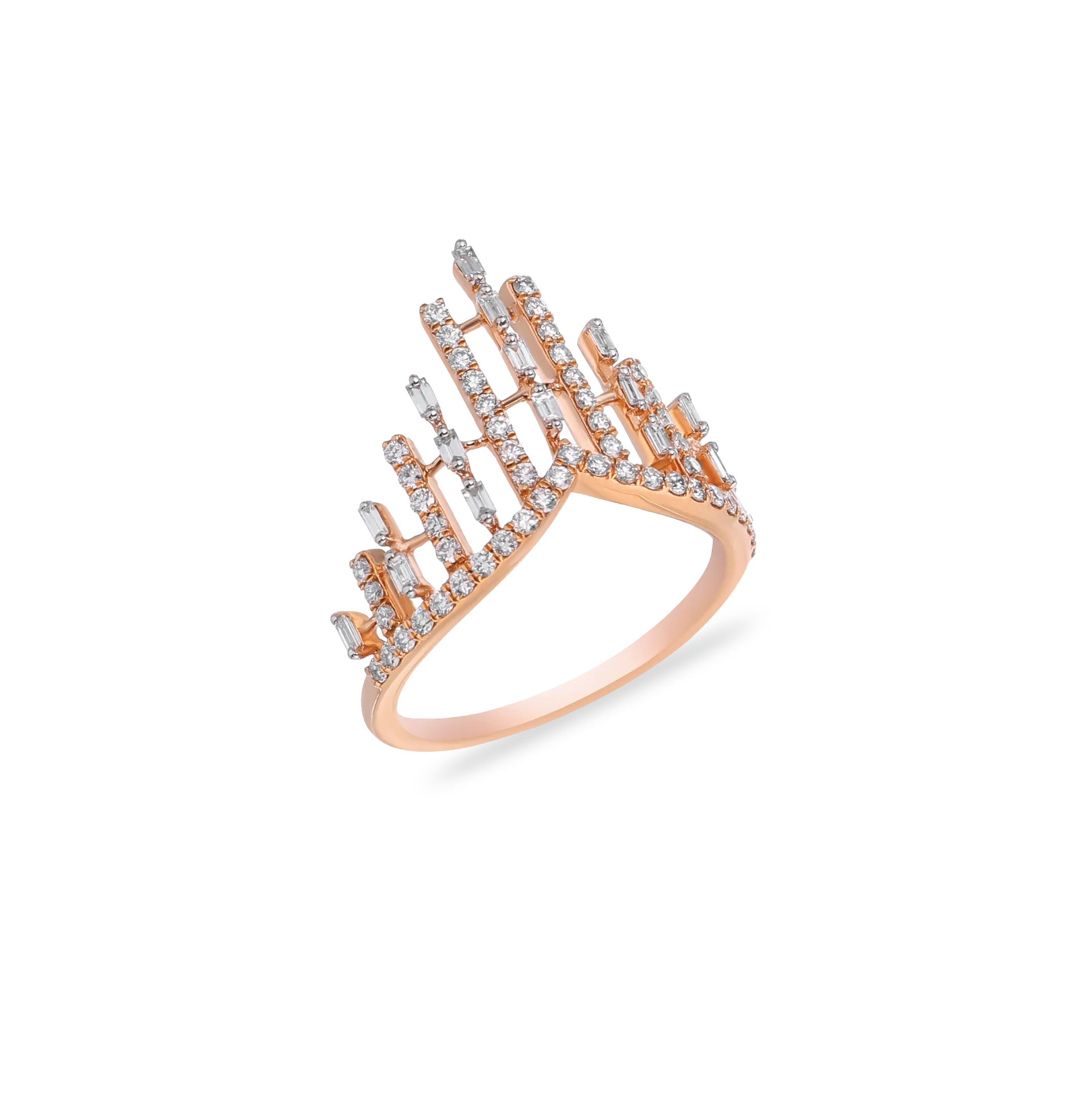
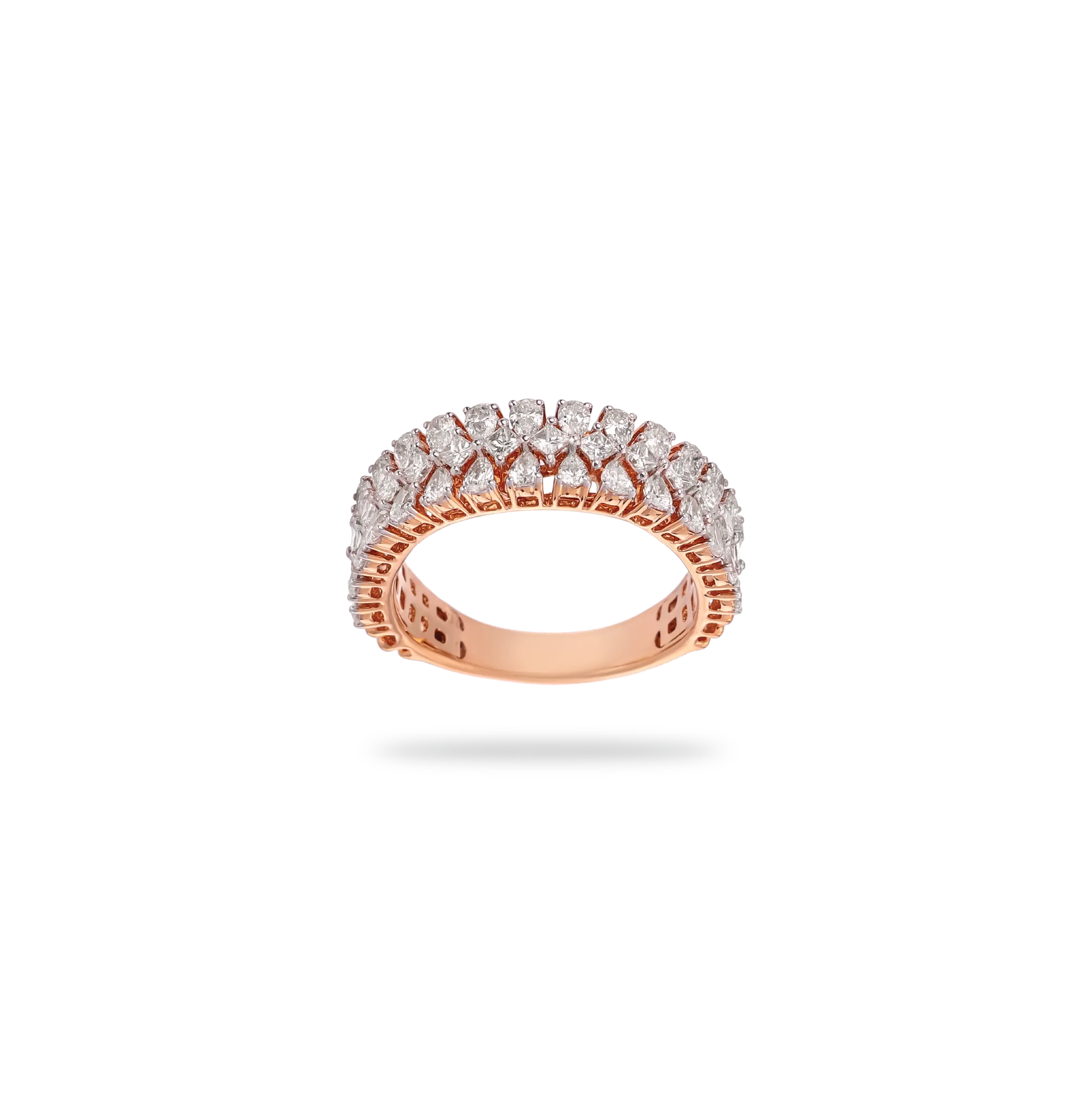
Rose gold is crafted by blending yellow gold with copper, resulting in a soft pink hue that feels romantic and feminine. This metal has surged in popularity for modern jewelry, providing a distinct alternative to the traditional cool tones of platinum or silver.
Modern affordability of white gold
White gold is achieved by mixing pure gold with white metals like nickel or palladium and coating it with rhodium. It offers the desirable white-metal appearance at a more accessible price point than platinum, though it may eventually need re-plating to keep it bright.
Exploring popular setting styles
There are various ways to secure a stone that significantly influence the ring's overall silhouette. Whether you are browsing Sarah O. Jewelry or looking for inspiration elsewhere, identifying your favorite setting type is a fundamental step in the design process.
The timeless elegance of solitaire rings
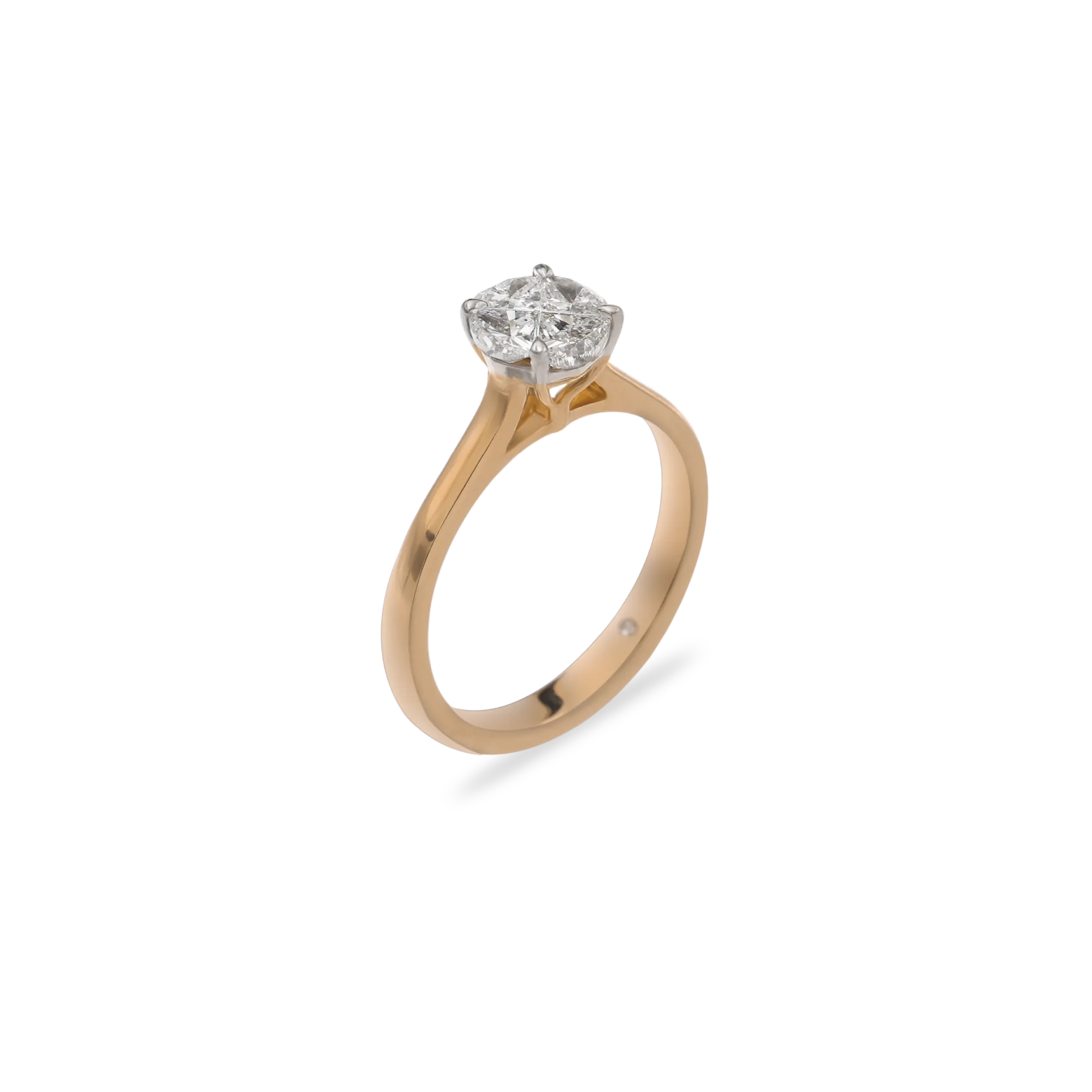
Solitaire settings keep the focus entirely on the center stone, utilizing simple prongs or bezels to elevate the diamond. This classic design is often favored for its clean lines and its ability to maximize the perceived size of the center gem.
Enhancing sparkle with halo settings
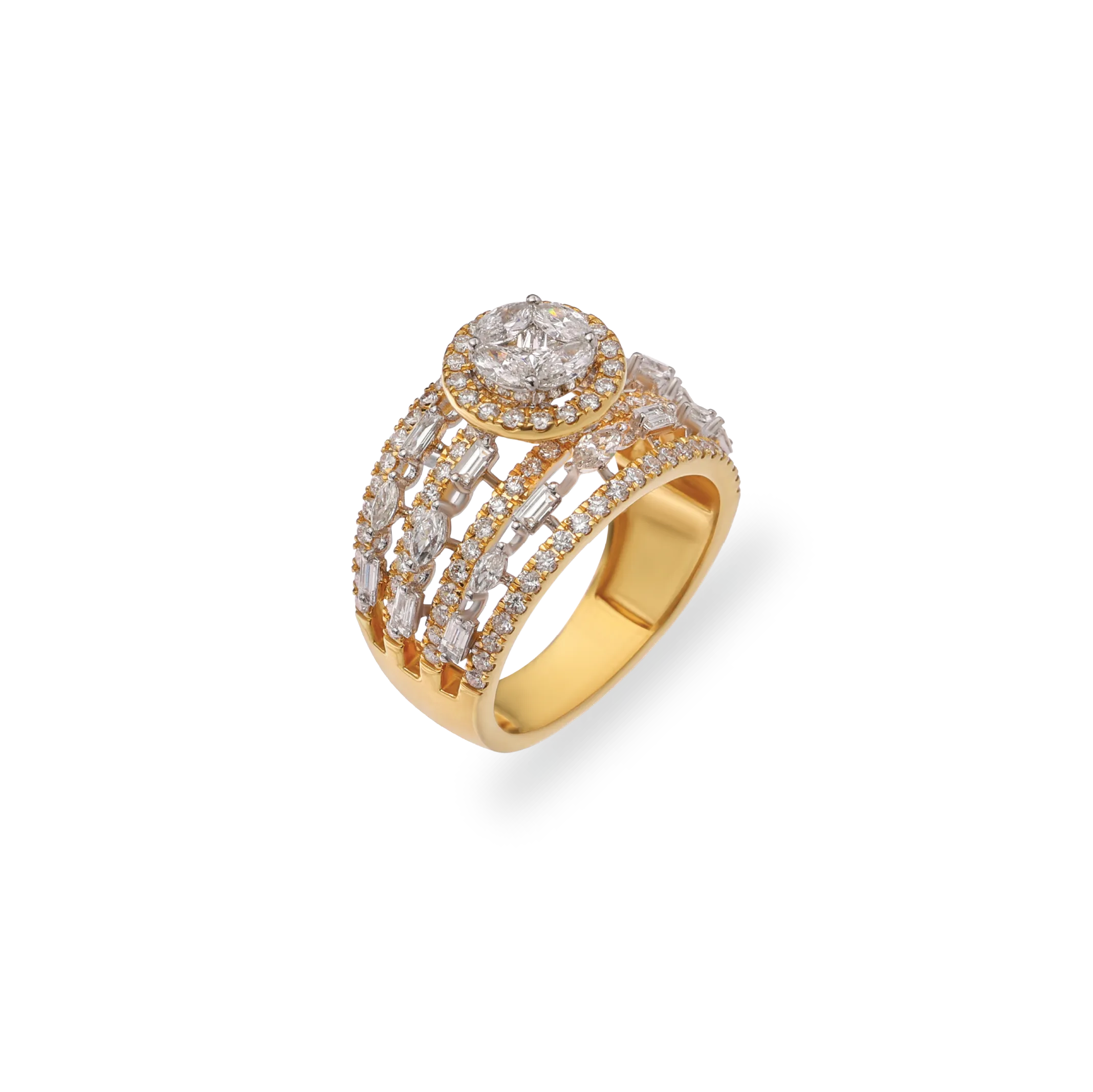
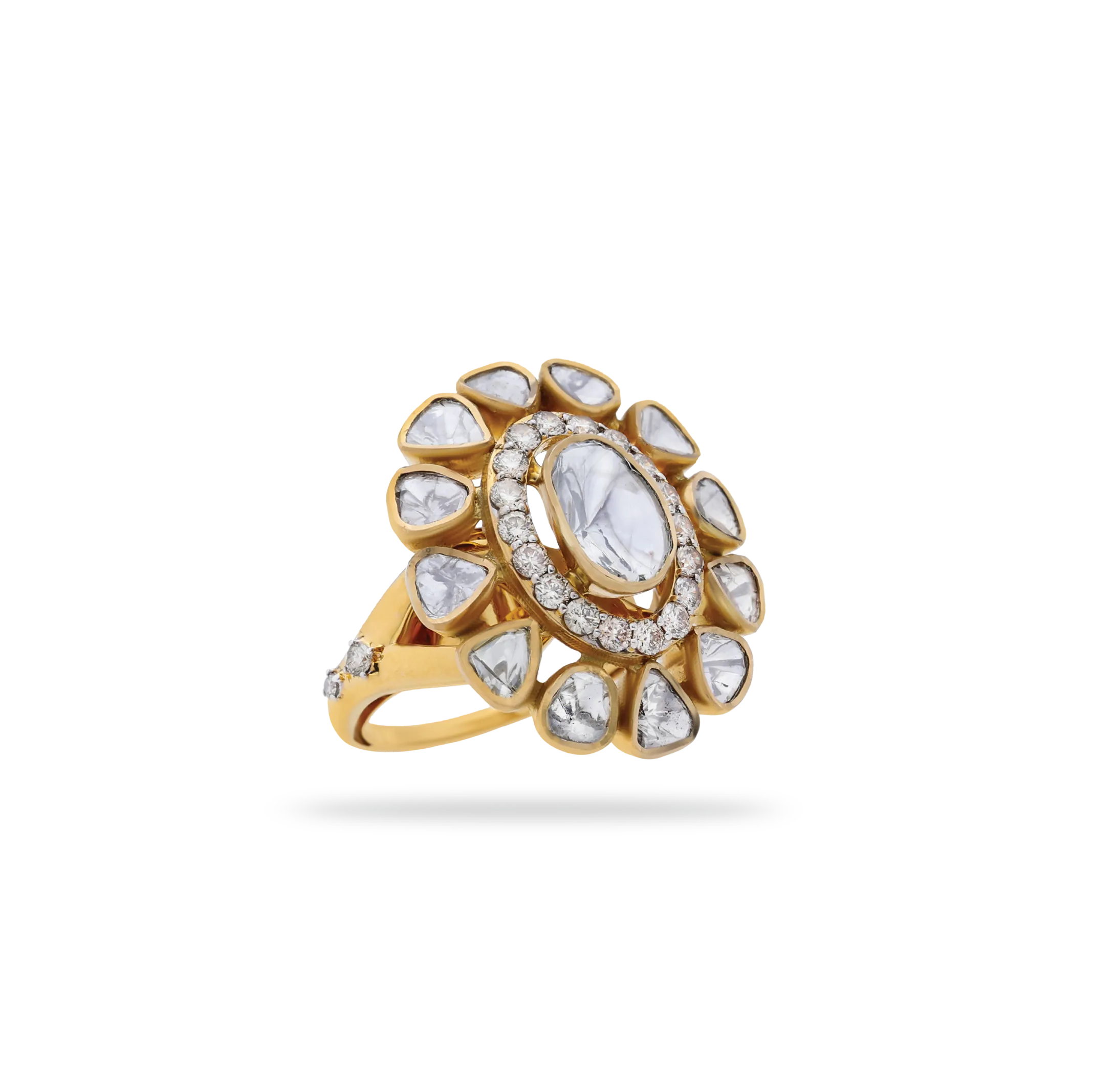
Halo settings add a ring of smaller diamonds around the center stone, which dramatically increases the surface area for light to bounce off. This technique can make a smaller center stone appear much more substantial, serving as an effective way to boost visual impact.
Intricate details in vintage-inspired bands
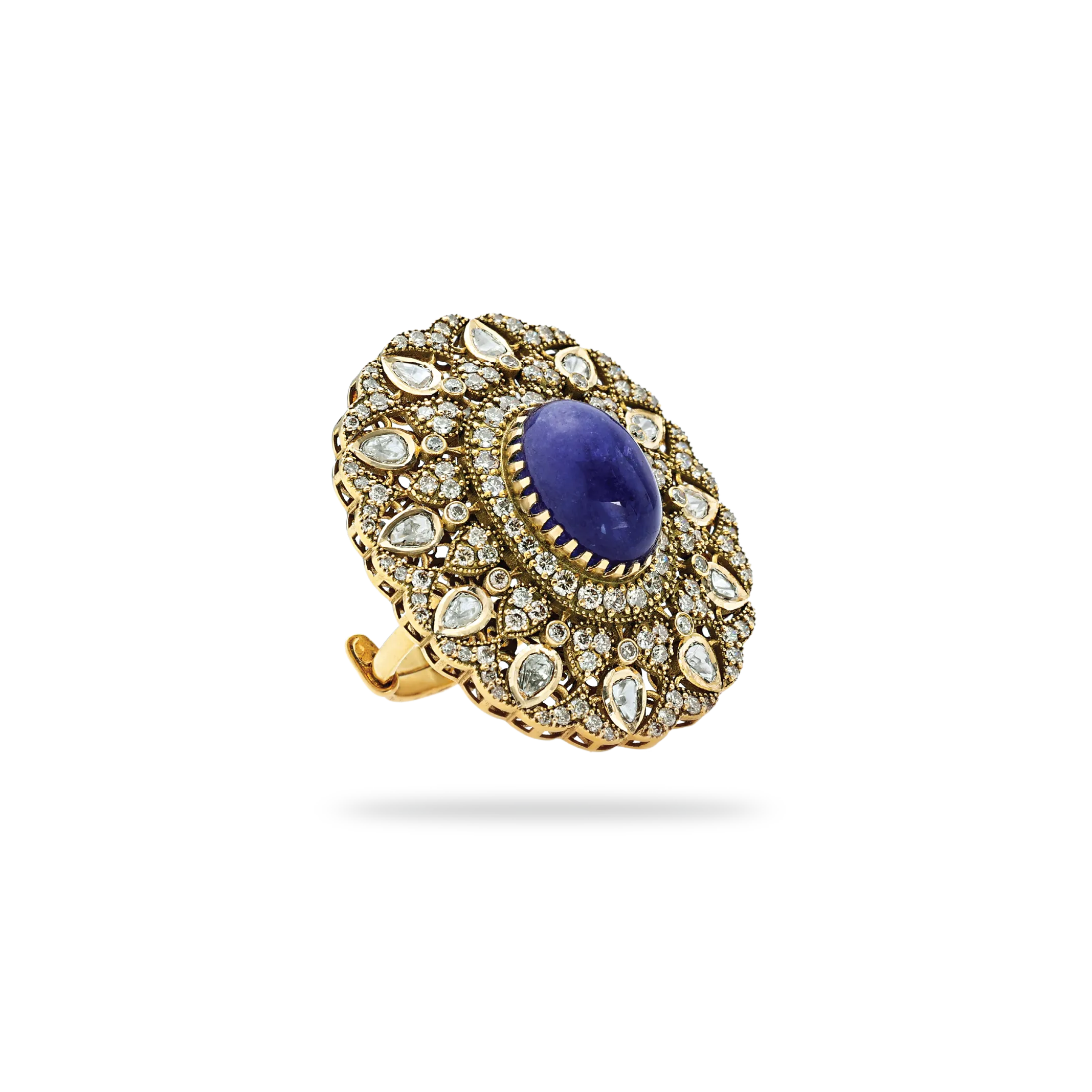
Vintage designs often utilize milgrain, filigree, or ornate engraving to create a sense of history and craftsmanship. These bands attract those who want a deeply personal ring that feels like an heirloom from a bygone era, distinguishing it from mass-produced minimalist styles.
Sleek profiles of tension and bezel settings
These modern settings prioritize stone security and a streamlined look. Tension settings give the illusion of a floating diamond, while bezels encircle the stone with a protective rim of metal, making them excellent for active hands that might bump jewelry against hard surfaces.
Matching styles to lifestyle and personality

| Setting Style | Best Lifestyle Match | Maintenance Level |
|---|---|---|
| Solitaire | Minimal/Office | Moderate |
| Halo | Occasional/Formal | High |
| Bezel | Active/Hands-on | Low |
When shopping for diamond ring styles for women, it is essential to consider how often the jewelry will be worn. Individuals with physically demanding jobs or busy lifestyles often prefer lower profiles that will not snag on clothing.
Low-profile options for active daily tasks
If you use your hands frequently during your day, opt for a lower-profile setting that keeps the diamond close to the band. This simple adjustment prevents the ring from getting caught on fabric or materials, allowing you to enjoy your jewelry without constantly removing it during work or leisure activities.
Statement designs for bold fashion interests
For those who see their jewelry as a primary fashion accessory, bold and unique designs are the way to go. These pieces often feature unconventional settings, mixed-metal bands, or unusual diamond arrangements that prioritize artistic expression over traditional symmetry.
Minimalist aesthetics for modern jewelry lovers
Minimalism is about clean lines, thin bands, and high-quality stones that speak for themselves without needing excessive decoration. This approach to design reflects a modern, uncluttered perspective that pairs perfectly with almost any wardrobe, serving as an ideal staple piece.
Romantic and delicate styles for everyday wear
Many people lean toward designs that feel light, airy, and feminine, often using mixed textures or intricate metalwork to create a delicate look. To find the right fit for your aesthetic, consider the following elements during your search:
- The width of the band matters for overall comfort on the finger.
- Side stones should complement the main diamond without overwhelming it.
- Hidden details like engravings add a secret, personal layer to the ring.
- Comfort-fit interiors make a significant difference for rings worn daily.
Comparing natural and lab-grown diamonds
Deciding between natural and lab-grown options is both a financial and philosophical choice. While they look nearly identical to the naked eye, the path they take before reaching your ring finger differs significantly.
Understanding geological origin and rarity
Natural diamonds are mined from the earth after billions of years of formation, representing a finite and rare resource. This historical depth is a primary driver of their market value and emotional status as traditional long-term investments.
Evaluating price points and market value
Lab-grown diamonds are typically more affordable than their natural counterparts because they are manufactured in a controlled environment. This allows jewelry buyers to prioritize larger carat sizes or higher clarity grades within a fixed budget without the pricing constraints of rarity.
Identifying identical physical and chemical properties
Both lab-grown and mined stones share the same crystal lattice structure, hardness, and light-refractive properties. A jeweler cannot tell the two apart without specialized equipment, ensuring that your choice of laboratory origin does not come at the expense of sparkle or durability.
Ethical considerations and environmental impact
Many consumers choose lab-grown stones due to questions regarding the environmental footprint of traditional mining. If transparency and sustainability are your priorities, exploring both options will help you decide which story you want your diamond to tell.
Essential tips for ring sizing and maintenance
Finding a ring that fits properly is the final, crucial step in ensuring you enjoy wearing it. A ring that is too loose can rotate on the finger or fall off, while one that is too tight can cause bruising or irritation during warmer months when skin tends to swell.
Determining the perfect band fit for comfort
Always get your finger professionally sized by a jeweler at different times of the day, as your body changes slightly with diet and temperature. Professionals can also suggest small modifications like sizing beads or specific inner band contours to guarantee the best fit for your unique hand shape.
Recommended cleaning routines for home care
Routine at-home cleaning keeps your ring sparkling without requiring harsh chemicals. You can maintain the brilliance by soaking the piece in a solution of mild dish soap and warm water for several minutes before gently using a soft-bristled brush to remove dust and lotion residue.
Regular care is the best way to prevent the buildup of oils that can dull a diamond's shine over time. Always rinse the ring thoroughly in a separate bowl rather than over an open drain to ensure the piece says safe.
Scheduling professional inspections and polishing
Even with regular home care, taking your ring to a professional every six to twelve months is necessary. A jeweler will check the prongs to ensure no diamonds are loose and can carefully re-polish the metal to remove small surface scratches that accumulate with daily wear .
Securing insurance for high-value jewelry pieces
Once you have invested in your dream ring, protect it with a specialized jewelry insurance policy. Unlike general contents insurance, these policies are designed to cover accidental loss or damage specifically, providing peace of mind so you can wear your ring everywhere without worry.
Conclusion
Choosing a ring is a foundational moment that blends your personal taste with practical needs, and there is no wrong answer when the piece truly reflects your style. By considering the interplay of shapes, metals, and settings, you can confidently select a symbol that celebrates your unique journey and brings you joy for years to come.
Frequently Asked Questions
How often should I have my ring professionally cleaned?
It is recommended to have your engagement ring professionally inspected and cleaned about twice a year. This allows a jeweler to check for loose settings and replenish the overall luster of both the metal and the diamond.
Can I wear my diamond ring while swimming or exercising?
It is best to remove your ring during strenuous activities or while swimming. Physical pressure can bend the band or damage the prongs, while chlorine and salt water can affect the metal and potentially even loosen delicate stones over time.
What is the difference between a diamond's shape and its cut?
Shape refers to the overall outline of the stone, such as round, oval, or square, while cut refers to the quality of the faceting. A high-quality cut is what allows the diamond to reflect light brilliantly, regardless of its shape.
Are lab-grown diamonds as durable as natural diamonds?
Yes, lab-grown diamonds have the exact same chemical and physical properties as natural diamonds. They rate a 10 on the Mohs hardness scale, making them perfectly suitable for daily wear and as long-lasting as mined stones.
Should I prioritize diamond color or clarity when shopping?
This depends on your personal preference and the shape of the diamond. Most people prioritize cut first for sparkle, but choosing a stone that is "eye-clean" regarding clarity is often more important than aiming for a higher color grade that the naked eye cannot perceive.
How can I make my center diamond look bigger?
Choosing a halo setting is the most common way to increase the visual footprint of a stone. Additionally, certain shapes like marquise or pear can look larger than round brilliant cuts of the same carat weight due to their elongated dimensions.
What should I do if my ring feels loose on some days?
It is normal for fingers to fluctuate in size. If a ring is slightly loose, a jeweler can add sizing beads or a spring insert inside the band for a more secure fit. Avoid forcing a ring onto a swollen finger, as it can cause discomfort and make the piece difficult to remove.
Related blogs:
November 20, 2025
The Timeless Elegance of the Tennis Bracelet: A Comprehensive Guide
Read More
November 20, 2025
The Ultimate Guide to Styling and Wearing a Choker Necklace
Read More
November 20, 2025
Find Your Perfect Engagement Ring: A Comprehensive Guide to Styles and Diamonds
Read More
November 20, 2025
The Timeless Elegance of a Diamond Tennis Bracelet: A Buyer's Guide
Read More









.webp)

.webp)