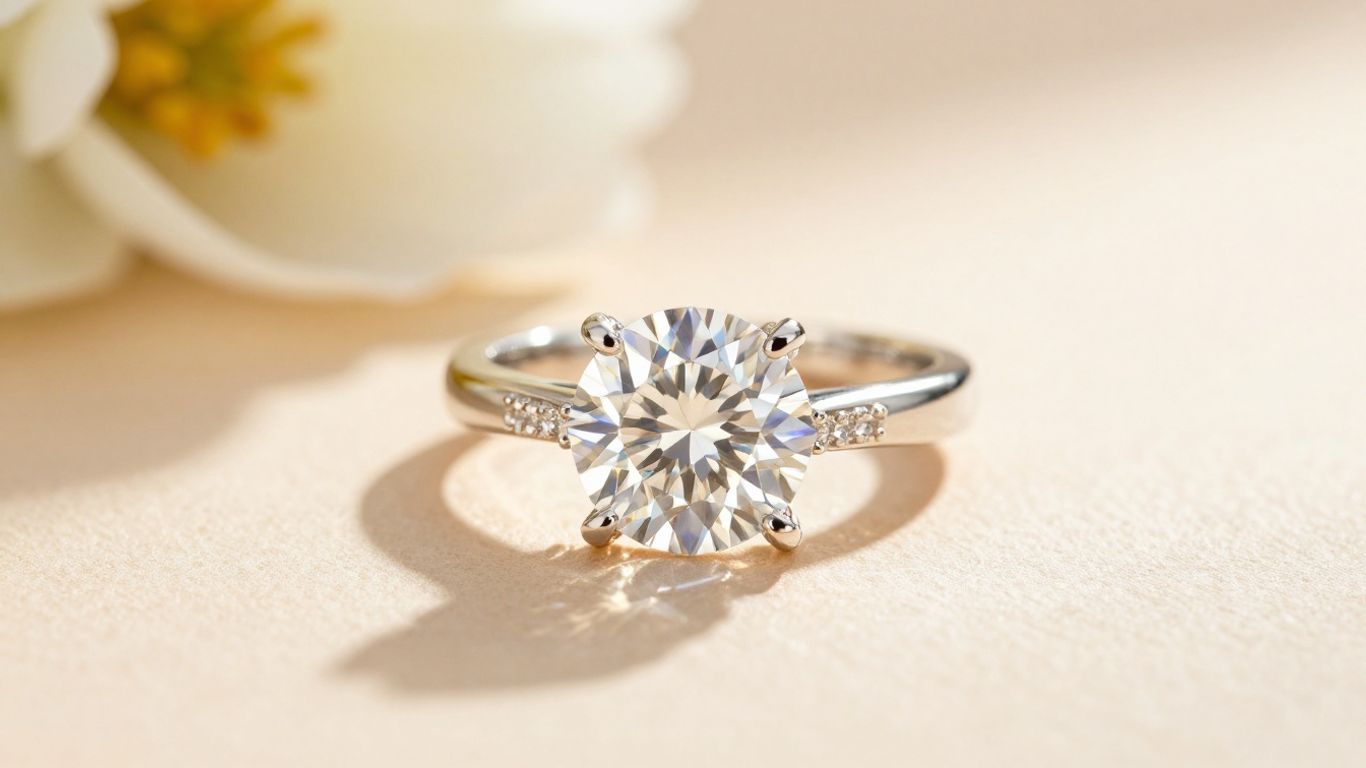
How to choose the perfect diamond shape for your engagement ring
July 27, 2026 | 10 minutes read
Key Takeaways
Finding the right silhouette for your ring involves balancing personal preference, practical durability, and optical physics. Understanding these fundamental variables ensures your selection remains a source of joy for decades.
- Shape refers to the literal outline, while cut dictates the facet arrangement and sparkle.
- Elongated shapes often create the appearance of longer, more slender fingers.
- Step-cut diamonds prioritize clarity and vintage elegance over intense light return.
- High-impact daily activities require secure, protective settings to prevent damage to fragile corners.
- Perceived size per carat varies significantly based on the diamond's spread and outline proportions.
Understanding the basics of diamond shapes
When you start your search, it is common to conflate the outline of a stone with its internal craftsmanship. While the two are linked through the faceting process, distinguishing them is vital when learning how to choose diamond shape. Recognizing these differences allows you to appreciate the artistry behind the C Krishniah Chetty & Co craftsmanship.
The difference between shape and cut
Shape is the physical outline of the stone, such as an oval or square, which defines its visual silhouette. The cut, however, describes how those facets are angled to interact with light, which is fundamental to diamond quality. A perfectly shaped stone can still appear dull if the facet angles do not maximize refraction, so prioritize both characteristics equally.
Popularity and trends in diamond geometry
Modern preferences shift frequently as fashion cycles evolve, but certain outlines remain timeless staples in global jewelry design. While some seek classic round brilliant stones, others prefer the refined aesthetics of modern shapes that reflect shifting beauty trends. Keeping an eye on current geometry trends helps you discern between ephemeral fads and designs that offer lasting appeal.
How shape affects light performance and brilliance
Different geometries create distinct light behaviors, ranging from the fiery scintillation of round stones to the calm, hall-of-mirrors effect of step cuts. Because light performance depends on how the facets direct rays back to the eye, some shapes naturally feel more radiant. Investing in high-quality stones makes these optical differences even more pronounced for the wearer.
Assessing your personal style and aesthetic
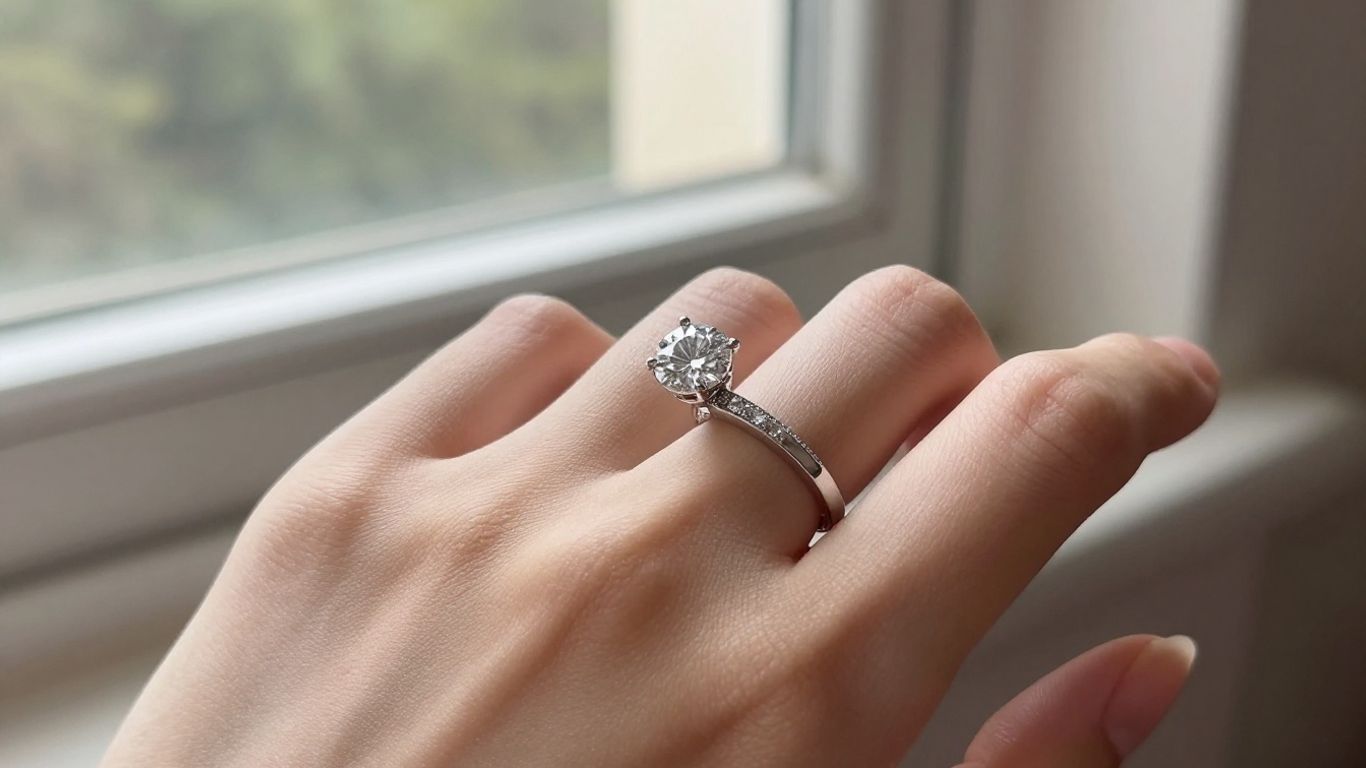
Choosing a ring that resonates with your personal identity involves looking at your current jewelry preferences and daily attire. Whether you gravitate toward timeless elegance or avant-garde flair, matching your ring to your collection creates a cohesive look. A well-considered piece from the C Krishniah Chetty & Co collection often serves as a foundational element of your style.
Classic versus modern preferences
Classic preferences usually favor the traditional round, emerald, or square shapes, which carry a sense of heritage and enduring grace. In contrast, modern sensibilities might lean toward striking shapes like the marquise or pear, which stand out as focal points. Both paths offer significant beauty when the stone choice aligns with your lifestyle.
Complementing your existing jewelry collection
Consistency in your accessory wardrobe makes styling easier, so consider the primary metal tones and stone shapes you already wear. For instance, if your collection is rich with colored stones or vintage pieces, a non-traditional shape might fit seamlessly. Think of these choices like managing your travel currency services abroad; you want a versatile asset that works globally across all your personal style circumstances.
Considering unique versus traditional profiles
Traditional profiles remain top choices, but the allure of a unique outline is undeniable for those who want a bespoke statement. Using the right techniques for maximizing ROI on your diamond investment applies here; choose a shape you personally love, not just one that is trending. This ensures the jewelry remains a cherished part of your life for years rather than a regret once trends fade.
Factoring in finger shape and hand size
Your hand anatomy plays a significant role in how a diamond shape appears on your finger. Proper selection can harmonize with your natural proportions to create a balanced, flattering aesthetic that enhances your hand's beauty.
Enhancing finger length with elongated cuts
Elongated shapes like the oval, pear, or marquise cut create the illusion of added vertical length and grace. This is particularly helpful for those who feel their fingers are on the shorter side, as the vertical orientation draws the eye upward. These shapes are often highly sought after for their ability to look slender and refined.
Creating visual width for slender fingers
Slender fingers benefit from shapes that bring width across the finger, such as the round, cushion, or radiant cuts. These fuller outlines provide a sense of substance and proportion that prevents the diamond from looking overwhelmed or lost on the finger. Selecting the proper balance is key to achieving a sense of scale that feels proportional for the individual.
Balancing proportion for shorter digits
For those with shorter digits, avoiding overly broad or heavy shapes can keep the hand looking balanced. A lean, elongated diamond can provide a beautiful aesthetic while ensuring the band proportions remain comfortable for daily wear . Below are common shape attributes for various finger profiles.
| Shape Type | Aesthetic Effect | Ideal Hand Profile |
|---|---|---|
| Round | Classic balance | All hand types |
| Oval | Elongates finger | Shorter, wider fingers |
| Emerald | Provides structure | Long, slender fingers |
Selecting a shape that complements your finger profile ensures that the piece maintains its intended beauty as a staple of your wardrobe.
Considering lifestyle and daily durability
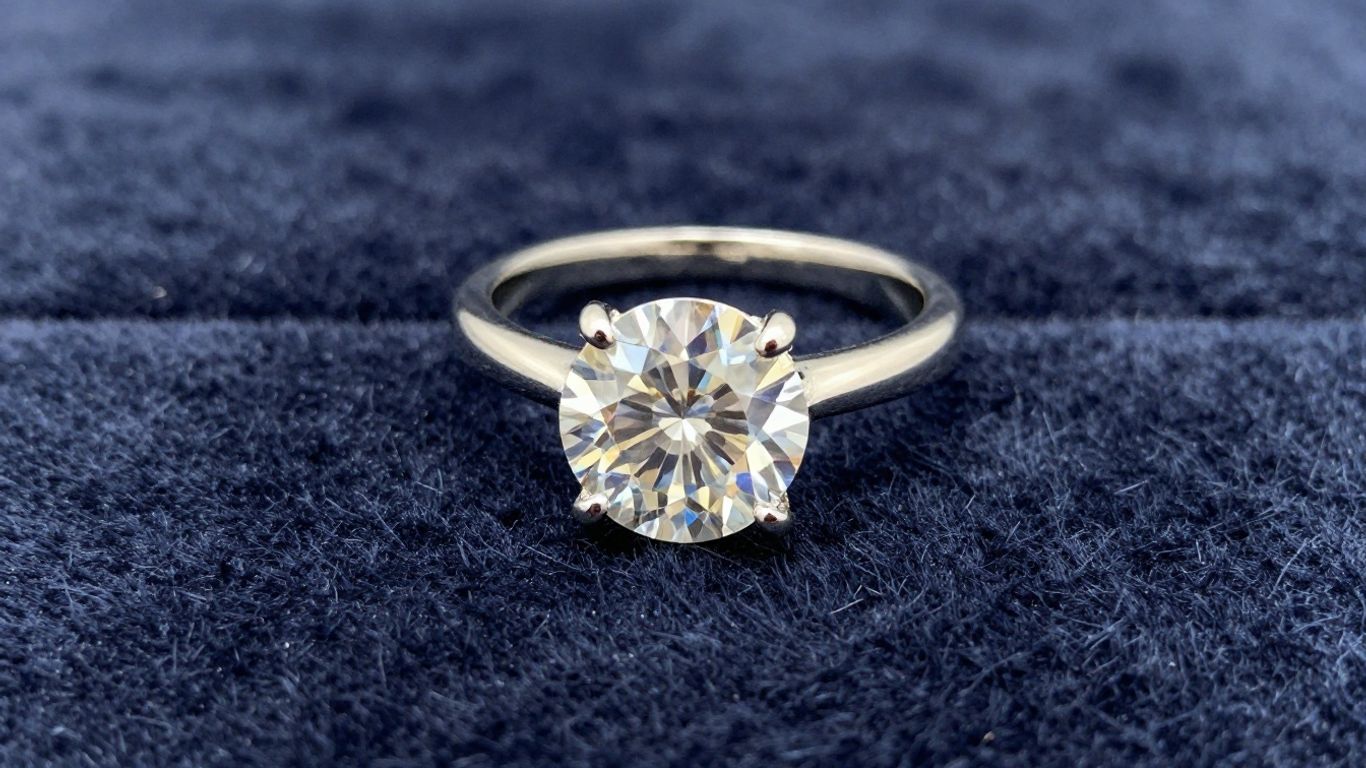
Active lifestyles necessitate considerations regarding how your ring will fare during everyday errands or hobbies. While you might consider high-tech supplements for hair to support physical vitality, your ring needs its own form of protection, specifically concerning the stability of the stone within its mounting.
Protecting vulnerable corners on sharp shapes
Shapes featuring sharp corners, such as emerald, marquise, or pear cuts, are technically more vulnerable to chipping or snagging if struck. You can mitigate this risk by selecting protective settings like a V-prong or a partial bezel that shields these delicate points. Because these edges are sensitive, they require a bit more vigilance during contact-heavy activities.
Selecting low-maintenance shapes for active lifestyles
Active individuals should prioritize shapes that are inherently more durable, such as the round brilliant. The lack of pointed corners makes it robust against everyday bumps and impacts, ensuring you spend less time worrying about securing your stone and more time enjoying it. The choice here is simple to understand: robust shapes lead to lower maintenance requirements.
Impact of setting style on edge security
The way a diamond is set is just as critical as the shape itself for ensuring long-term security. Here are essential tips for securing your center stone:
- Use full bezels for the most comprehensive protection of edges.
- Opt for six-prong settings in round stones to distribute pressure evenly.
- Verify that your daily routine includes occasional professional inspections.
- Avoid tension settings if you work with your hands frequently.
By matching the setting style to your activity level, you keep your investment secure regardless of the stone design.
Analyzing light performance and refraction
Light return determines the life and energy of your diamond, making it a critical component of the selection process. Whether you seek explosive fire or sophisticated calm, understanding the physics of light is paramount.
Brilliant cuts for maximum fire and scintillation
Brilliant cuts are engineered to reflect maximum white light and rainbow fire, making them incredibly lively. By focusing on facets that bounce light from every angle, these cuts create the hallmark sparkle associated with the C Krishniah Chetty & Co rings. This choice is ideal for anyone who values high-intensity visual output.
Step cuts for depth and clarity
Step-cut diamonds, such as Asscher or emerald shapes, feature long, parallel facets that provide a clean look. They emphasize clarity and precision over the blinding brilliance of other cuts, creating an sophisticated, elegant display. Because they act much like a mirror, they reward high-clarity stones with depth and character.
Balancing brilliance with visual personality
Your personal preference regarding sparkle versus subtlety often dictates the choice between brilliant and step cuts. You might prefer the quiet shimmer of a step cut or the energetic dance of a brilliant cut; there is no wrong answer. Finding this balance ensures your ring remains a true reflection of your personality.
Budgeting and size considerations
Financial planning for your engagement ring requires understanding how diamond shape influences pricing and perceived surface area. Not all shapes are priced identically even at the same carat weight.
Comparing price per carat across shapes
Shapes that require higher yields from the raw stone often command a premium, while others are more cost-efficient to manufacture. Round brilliant diamonds are usually the most expensive per carat due to demand and processing waste. Knowing this helps you allocate your budget for an online gaming aesthetic of luxury without overspending.
How surface area impacts perceived size
Some shapes, like marquise and oval, have a larger surface area than a round stone of the same carat weight. This means you can achieve a larger visual presence without paying for extra carat weight. This strategic choice helps you maximize the visual impact of your chosen stone.
Getting the most "spread" for your investment
Spread refers to how large the diamond appears from the top down. A shallow cut might appear larger but sacrifice brilliance, while a deeper cut might lose surface area. Focus on diamonds that offer a high spread ratio to ensure you get the absolute best value for your budget.
Conclusion
Selecting the perfect diamond shape is a deeply personal exercise that blends your unique aesthetic with the physical realities of the stone’s geometry. By carefully weighing how different outlines interact with your hand proportions, your lifestyle, and your budget, you set the stage for an engagement ring that serves as a timeless symbol of your story. Rely on the craftsmanship and expertise of professionals to guide your selection, ensuring that your final choice delivers the brilliance and security you desire for a lifetime of wear.
Frequently Asked Questions
Which diamond shape is the most durable?
The round brilliant cut is widely considered the most durable because it lacks sharp corners that are prone to chipping or snagging, making it a reliable choice for active lifestyles.
Does shape affect how big a diamond looks?
Yes, shapes like oval, pear, and marquise typically have more surface area or "spread" than a round diamond of the same carat weight, often making them appear larger on the finger.
Can any shape look good on a short finger?
Elongated shapes like the marquise, pear, or oval are often recommended for shorter fingers because their vertical outline creates the visual illusion of added length.
What is the primary difference between shape and cut?
Shape refers to the visible outline of the diamond when viewed from above, whereas the cut describes the arrangement and proportion of its facets, which directly determines how it reflects light.
Are step-cut diamonds less brilliant than brilliant-cut diamonds?
They appear less brilliant because they are designed to produce a sophisticated, hall-of-mirrors effect rather than the intense, fragmented light return characteristic of brilliant-cut diamonds.
Is it possible to find a unique diamond shape within my budget?
Many fancy shapes, such as the radiant or marquise, can be more price-efficient per carat compared to round brilliants, allowing you to prioritize size or quality without sacrificing your budget.
Should I choose a setting based on the diamond shape?
Yes, the setting is vital for the security of your stone, especially for shapes with delicate corners that require protective mounting styles to prevent damage during daily wear .
Related blogs:
November 20, 2025
The Timeless Elegance of the Tennis Bracelet: A Comprehensive Guide
Read More
November 20, 2025
The Ultimate Guide to Styling and Wearing a Choker Necklace
Read More
November 20, 2025
Find Your Perfect Engagement Ring: A Comprehensive Guide to Styles and Diamonds
Read More
November 20, 2025
The Timeless Elegance of a Diamond Tennis Bracelet: A Buyer's Guide
Read More









.webp)

.webp)