Your Essential Solitaire Buying Guide: Tips for Choosing the Perfect Stone
March 18, 2026 | 10 minutes read
So, you're looking to buy a solitaire diamond ring? It's a big decision, and honestly, it can feel a bit overwhelming with all the options out there. But don't worry, this solitaire buying guide is here to help break it all down. We'll go over the basics, from understanding what makes a solitaire special to picking the perfect stone and setting. Think of this as your friendly chat about finding that one ring that just feels right.
Key Takeaways
- A solitaire ring features a single, prominent diamond, making it a classic choice that never goes out of style.
- Understanding the Four Cs – Cut, Clarity, Colour, and Carat Weight – is key to assessing a diamond's quality and value.
- The cut of a diamond is the most important factor for its sparkle; aim for an excellent or very good cut.
- Consider your lifestyle when choosing a setting; secure settings are better for active individuals.
- Always look for a grading report from a reputable organization and buy from a trustworthy jeweler.
Understanding The Solitaire Diamond
Why Choose A Solitaire Engagement Ring?
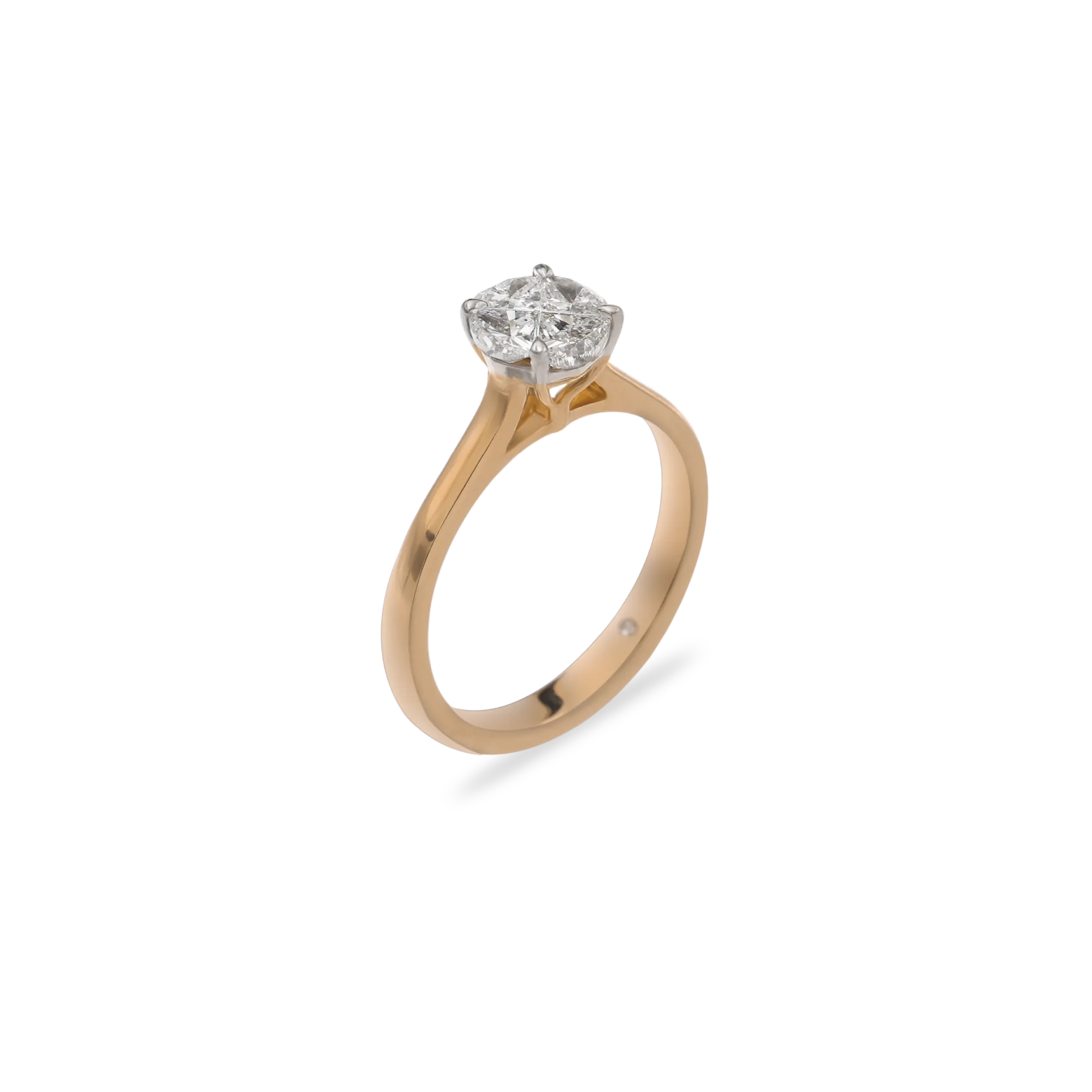
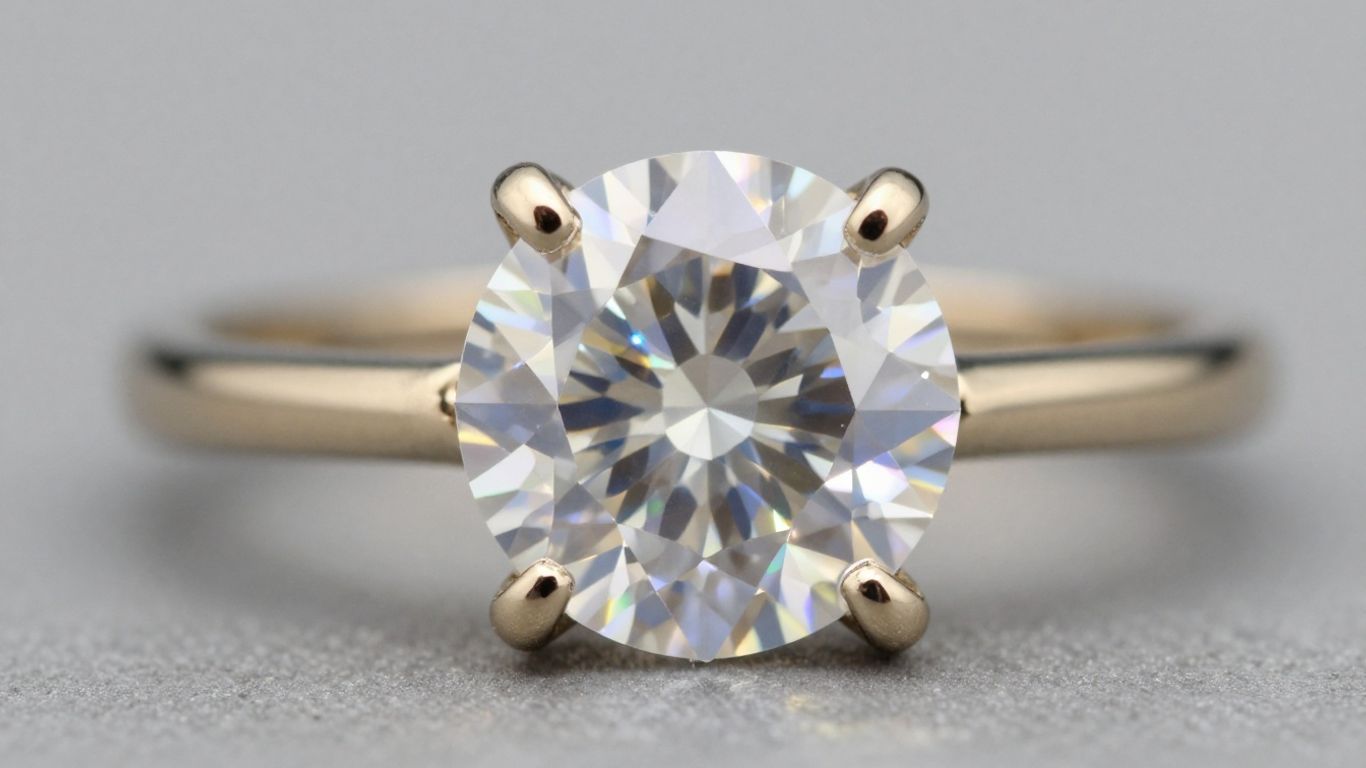
So, you're thinking about a solitaire engagement ring. That's a classic choice, and for good reason. A solitaire is essentially a single, prominent diamond set in a piece of jewelry. It's not about a cluster of smaller stones; it's about one star, shining on its own. This simplicity is where its power lies. It’s a design that has stood the test of time, symbolizing a singular, focused commitment. Think of it as the little black dress of the jewelry world – always elegant, always appropriate, and never going out of style.
The Enduring Appeal Of Solitaires
What makes a solitaire so special? It's that pure, unadulterated focus on the diamond itself. Unlike settings with multiple stones that can sometimes distract, a solitaire lets the single gem be the absolute hero. This makes it incredibly versatile; it pairs well with almost anything, from casual wear to formal attire. Plus, the symbolism is pretty powerful. It often represents a unique, one-of-a-kind love, a bond that stands alone. It’s a statement of individuality and enduring beauty. The history of solitaires is long, with the first recorded diamond engagement ring being gifted in 1477, showing just how deeply rooted this style is in romantic traditions.
Solitaire Vs. Other Diamond Settings
When you look at jewelry, you'll see all sorts of designs. You've got settings with multiple diamonds, intricate patterns, or stones of varying sizes all working together. That's great, and it has its own kind of beauty. But a solitaire is different. It strips away all the extras to put the spotlight squarely on one magnificent stone. This isn't to say one is better than the other; they just serve different purposes and appeal to different tastes. A solitaire is about purity and focus, while other settings might be about showcasing a variety of stones or creating a more elaborate look. It's like comparing a perfectly brewed cup of black coffee to a fancy, multi-layered latte – both are good, but they offer a very different experience.
Mastering The Diamond's Four Cs
So, you're looking at solitaire diamonds, and you've heard about the 'Four Cs'. What's the big deal? Basically, these are the four main things that determine how a diamond looks and how much it costs. Think of them as the diamond's report card. Getting a handle on the Four Cs – Cut, Color, Clarity, and Carat – is your ticket to picking a stone that really shines without breaking the bank.
The Importance Of Cut Quality
When we talk about a diamond's 'cut', we're not talking about its shape (like round or princess). Instead, it's all about how well the diamond has been proportioned, faceted, and polished. This is actually the most important C because a well-cut diamond reflects light beautifully, making it sparkle. A poorly cut diamond, even if it's big and clear, can look dull and lifeless. It's like having a fancy car with flat tires – it just doesn't perform.
Here's a quick rundown of what makes a good cut:
- Proportions: How the angles and dimensions of the diamond's facets relate to each other. This affects how light bounces around inside.
- Symmetry: How perfectly the facets are aligned. Misaligned facets can send light off in the wrong direction.
- Polish: The smoothness of the diamond's surfaces. Scratches or rough spots can dull its shine.
Basically, the better the cut, the more dazzling your diamond will be. Look for terms like 'Excellent' or 'Very Good' on grading reports for the best sparkle.
Balancing Clarity And Colour
Next up are Clarity and Color. These two can be a bit of a balancing act when you're trying to get the most bang for your buck.
Clarity refers to how many natural imperfections, called inclusions, and blemishes a diamond has. Most diamonds have some – they're like tiny birthmarks. The fewer there are, and the smaller they are, the higher the clarity grade. We usually recommend looking for diamonds in the 'Very Slightly Included' (VS) or 'Slightly Included' (SI) range. You often can't see these tiny flaws with the naked eye, but they make the diamond more affordable than a 'Flawless' stone.
Color in diamonds is graded on a scale from D (completely colorless) to Z (light yellow or brown). Colorless diamonds (D, E, F) are the rarest and most expensive. For most people, diamonds in the 'Near Colorless' range (G, H, I, J) look pretty much the same as colorless ones, especially when set in yellow or rose gold . You can get a bigger stone or a better cut by choosing a diamond that's a shade or two off from perfectly colorless.
It's easy to get caught up in chasing the highest grades for every single C. But for most buyers, finding a sweet spot where the diamond looks great to the eye without costing a fortune is the real win. A diamond that looks eye-clean and has a beautiful sparkle is often more impressive than one with a technically perfect but invisible flaw.
Understanding Carat Weight
Carat weight is probably the most talked-about C, and it's simply a measure of a diamond's mass. One carat is equal to 200 milligrams. It's important to remember that carat weight doesn't directly equal size. A diamond's cut can make it appear larger or smaller than its actual weight suggests. For example, a well-cut 1-carat diamond might look similar in size to a poorly cut 1.2-carat diamond, but the 1-carat stone might be more affordable and sparkle more.
When you're looking at carat weight, consider these points:
- Total Weight vs. Perceived Size: A higher carat weight doesn't always mean a bigger-looking diamond. The cut and shape play a huge role.
- Budget Impact: Carat weight has a significant impact on price. Prices jump considerably at certain 'magic' weights like 1.00, 1.50, or 2.00 carats.
- Shape Influence: Some shapes, like oval or pear, tend to look larger for their carat weight compared to round diamonds.
Don't just focus on hitting a specific carat number. Think about how the diamond will look overall, considering its cut, color, and clarity too. Sometimes, a slightly smaller diamond with a better cut can be a much more beautiful choice.
Exploring Diamond Shapes And Cuts
When you're looking at solitaire diamonds, the shape and how it's cut are a really big deal. It's not just about how big the diamond is; it's about how it looks, how it sparkles, and how it fits your personal style. Think of it like choosing a haircut – some styles just suit certain people better than others.
Classic Round Brilliant Cut
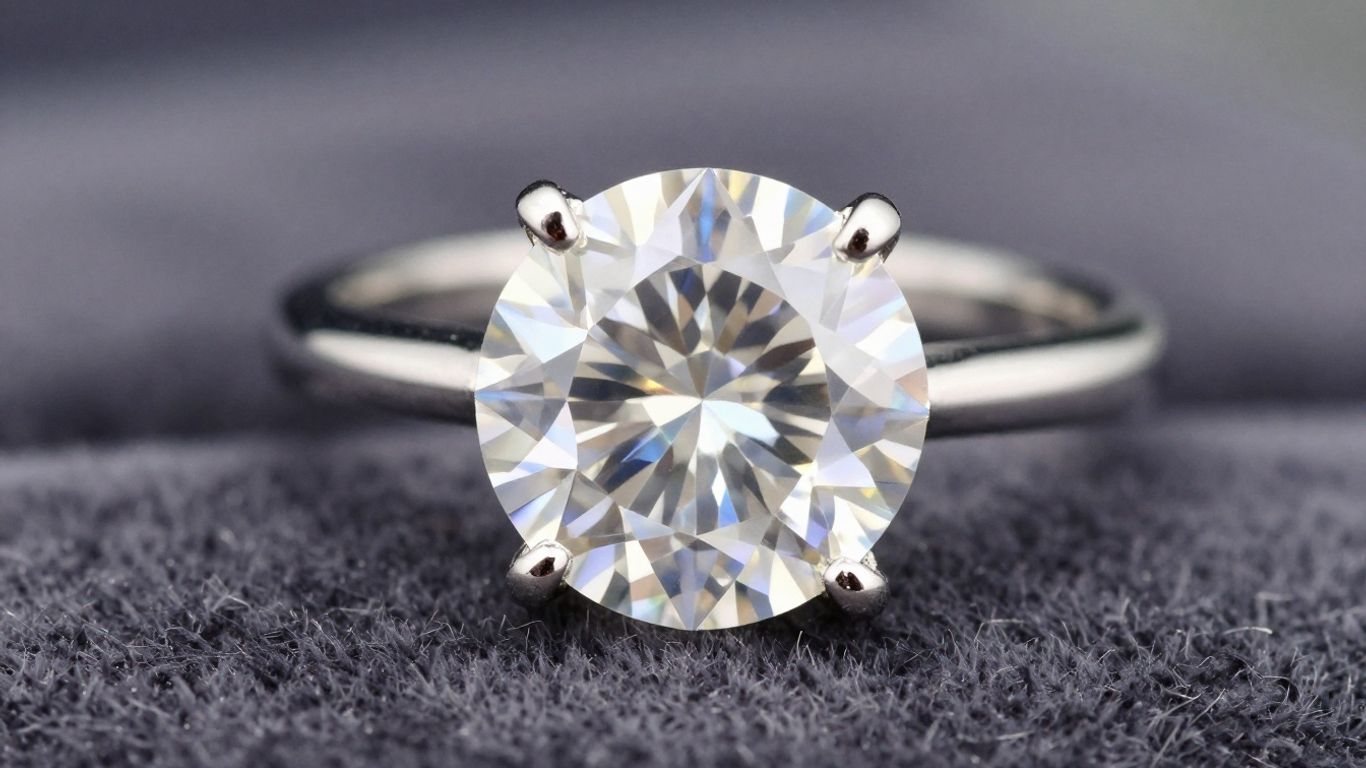
The round brilliant cut is, hands down, the most popular choice, and for good reason. It's designed to maximize sparkle. With its 58 facets (that's the little flat surfaces on the diamond), it reflects light like crazy, giving you that dazzling fire and brilliance everyone loves. It works with pretty much any setting and suits most people. If you want maximum shine and a timeless look, you really can't go wrong with a round brilliant.
Popular Fancy Shapes
Beyond the round, there's a whole world of "fancy" shapes. These are basically any diamond shape that isn't round. They can offer a unique look and sometimes even give you more diamond for your money compared to a round cut of the same carat weight. Here are a few you'll see a lot:
- Princess Cut: This is the second most popular shape. It's square or rectangular with sharp corners and lots of sparkle, kind of like a round brilliant but with a modern, geometric edge. It's a great choice if you like a clean, sharp look.
- Emerald Cut : This one is rectangular with cut-off corners, giving it an elegant, almost art deco vibe. It has fewer, larger facets, which means it shows off the diamond's clarity more. If you have a very clear diamond, an emerald cut can look stunningly sophisticated.
- Cushion Cut: Think of a pillow shape – that's a cushion cut. It has rounded corners and larger facets than a round brilliant, giving it a softer, romantic glow. It's a blend of old-world charm and modern style.
- Oval Cut: This is essentially an elongated round brilliant. It can make your finger look longer and slimmer, and it often has great sparkle. It's a good option if you like the brilliance of a round but want something a little different.
- Pear Cut: Also known as a teardrop shape, the pear cut is unique and eye-catching. It's wider at one end and tapers to a point at the other. It can be worn point-up or point-down, and it's a distinctive choice for someone who wants to stand out.
- Marquise Cut: This shape looks like a tiny boat or an eye, with pointed ends. It's known for maximizing carat weight, meaning a marquise can look larger than other shapes of the same weight. It also has a very flattering effect on the finger.
Choosing a Shape to Suit Style
So, how do you pick? Think about your personal style and what you want the diamond to say. Are you classic and traditional? A round brilliant or cushion cut might be perfect. Do you prefer something modern and bold? A princess or emerald cut could be the way to go. If you want something a bit more romantic or unique, an oval or pear shape might be calling your name.
The way a diamond is cut affects how it interacts with light. A well-cut diamond will have facets that line up perfectly, allowing light to enter, bounce around inside, and exit as brilliant sparkle. Poorly cut diamonds can look dull or lifeless, no matter how good their color or clarity might be. It's really the cut that gives a diamond its life.
Don't forget to consider how the shape will look on your hand. Some shapes, like oval and marquise, can create an illusion of length. Also, think about your lifestyle. If you're very active, you might want to avoid shapes with sharp corners that could snag on things, or opt for a setting that offers more protection.
Selecting The Perfect Setting
Enhancing Brilliance With Settings
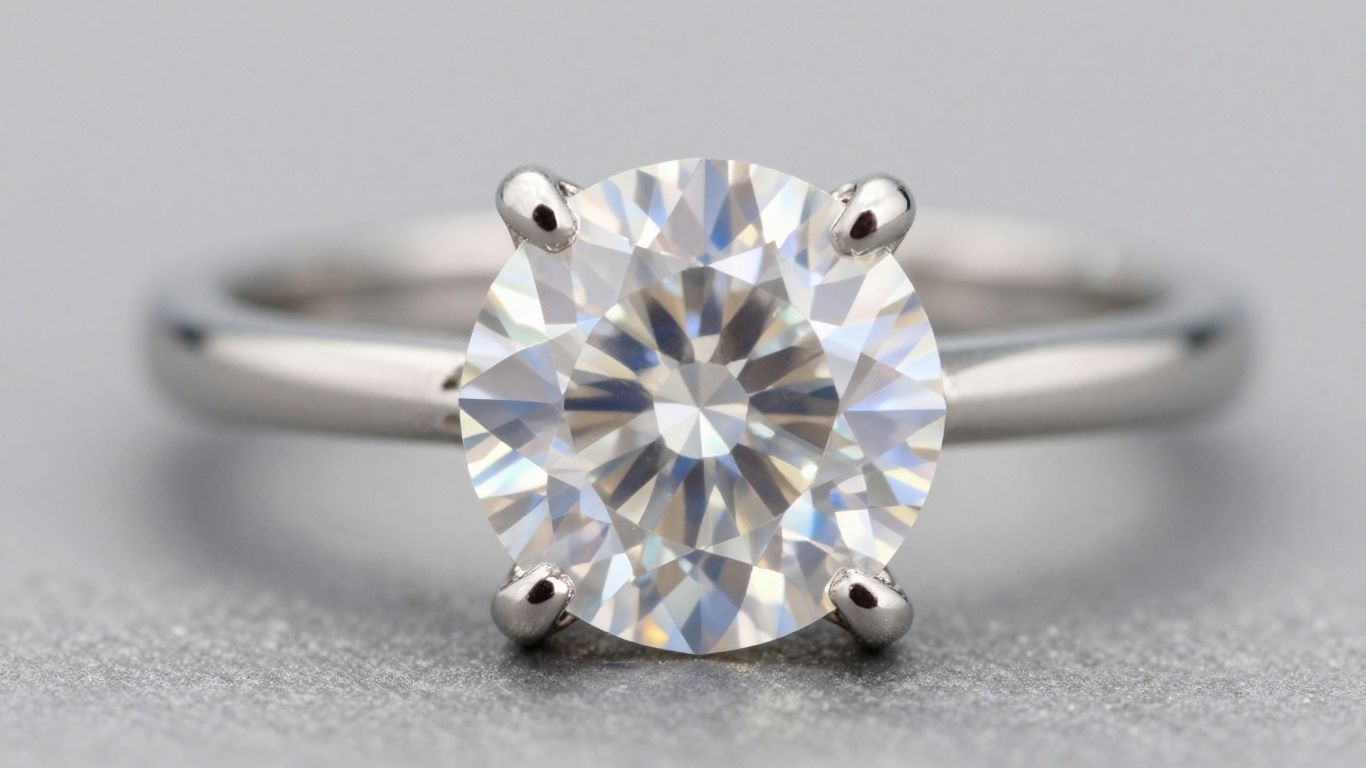
The setting is basically the metal structure that holds your diamond in place. It's not just about keeping the stone secure; it plays a huge role in how the diamond looks and sparkles. Think of it like a frame for a beautiful painting. A good frame can make the painting pop, and a good setting can make your diamond shine brighter. The way the metal is shaped and how it interacts with the light can really make a difference in the overall dazzle of your ring. Some settings are designed to let in as much light as possible, while others offer a more modern, sleek look.
Secure Settings For Active Lifestyles
If you're someone who's always on the go, maybe you work with your hands a lot or enjoy adventurous hobbies, you'll want a setting that's extra secure. You don't want to worry about your precious diamond getting knocked around or, worse, falling out. Settings that sit lower to the band or have more metal protecting the edges of the diamond are generally a safer bet. It's all about finding that balance between security and showing off your stone.
Prong Settings For Security And Sparkle
Prong settings are super popular for a reason, especially for solitaire rings. They use little metal claws, or prongs, to hold the diamond. The more prongs you have, the more secure the diamond generally is. A classic six-prong setting, like the iconic Tiffany style, is a great choice because it offers excellent security while still allowing a lot of light to hit the diamond from all angles. This maximizes its sparkle. However, if you're worried about prongs snagging on things, you might want to consider a four-prong setting or look into other options.
Here's a quick look at some common setting types:
- Prong Setting: Uses metal claws to hold the diamond. Lets in lots of light for maximum sparkle. Very common for solitaires.
- Bezel Setting: A metal rim completely surrounds the diamond. Very secure and has a modern feel. Good for active lifestyles.
- Channel Setting: Diamonds are set in a row within a metal channel. Smooth and sleek, often used for bands.
- Pave Setting: Tiny diamonds are set closely together along the band, creating a carpet of sparkle.
When choosing your setting, think about your daily routine and what kind of look you're going for. A setting should complement your diamond without overpowering it, and it needs to be practical for your life.
Budgeting And Value Considerations
Finding The Sweet Spot For Affordability
Okay, so you've got your eye on a solitaire, which is awesome. But let's talk brass tacks: money. It's easy to get lost in the sparkle and forget about your wallet. The first thing you really need to do is set a budget. Seriously, before you even look at a single diamond, decide how much you're comfortable spending. This isn't about being cheap; it's about being smart and finding a diamond that fits your life, not the other way around. You want to find that sweet spot where you get a beautiful stone without going into debt. For many, a popular price point for a solitaire often falls in a range that balances size and quality, typically featuring diamonds around 0.4 to 0.6 carats with good color and clarity ratings. This approach helps you find the best value engagement rings.
Prioritizing Quality Over Size
It's tempting to go for the biggest diamond you can find, right? But here's a little secret: a smaller diamond with a fantastic cut can actually look more brilliant and impressive than a larger one with a mediocre cut. Think about it – a poorly cut stone just won't sparkle the way you want it to, no matter how many carats it boasts. So, when you're looking, really pay attention to the cut quality. A diamond that's cut well reflects light beautifully, making it look bright and captivating from every angle. It's often better to get a slightly smaller stone that's top-notch in terms of cut, clarity, and color than a huge one that's lacking in those areas. You're looking for a well-balanced combination of the 4Cs to get a stunning diamond with great value.
Understanding Hidden Costs
Beyond the price tag of the diamond itself, there are a few other things that can add up. Don't forget to factor in the cost of the setting. Some settings, especially custom ones, can add a significant amount to the total price. Also, some jewelers might charge extra for certification fees, or you might need to pay for insurance to protect your new treasure. It's always a good idea to ask about these potential extra costs upfront so there are no surprises later on. You want to know the full picture before you commit.
When you're shopping for a solitaire, remember that the setting plays a big role in how the diamond looks and how secure it is. A simple setting can make the diamond itself the star, while a more elaborate one can add extra flair. For active lifestyles, a secure setting with protective prongs is a smart choice to keep your diamond safe. Always consider how the ring will fit into your daily life.
Here's a quick look at what influences the price:
- Cut Quality: This is probably the most important factor for sparkle. An excellent or very good cut will make a diamond shine.
- Carat Weight: Bigger isn't always better, but it does affect price. A well-proportioned stone looks better regardless of size.
- Clarity: How many imperfections are inside the diamond? Fewer is better, but some tiny ones might not even be visible to the naked eye.
- Color: Diamonds are graded on a scale from D (colorless) to Z (light yellow or brown). Colorless diamonds are rarer and more expensive.
- Setting: The metal and design of the ring itself add to the cost.
Ensuring Authenticity And Trust
The Role Of Diamond Grading Reports
When you're looking at diamonds, especially online, you'll see a lot of talk about grading reports. Think of these reports like a diamond's birth certificate and report card all rolled into one. They come from independent labs, and the most respected ones are GIA (Gemological Institute of America), AGS (American Gem Society), and IGI (International Gemological Institute). These reports detail all the important stuff about the diamond – the 4Cs (cut, color, clarity, and carat weight), but also things like fluorescence and any minor imperfections. A good grading report from a reputable lab is your best friend in making sure you know exactly what you're buying. It helps you compare diamonds fairly and protects you from buying something that isn't what it seems. It's not just about the numbers, though; different labs might grade the same diamond slightly differently, so sticking to the top labs is usually a good bet.
Choosing A Reputable Jeweler
Finding a jeweler you can trust is just as important as the diamond itself. Whether you're shopping online or in a physical store, do a little digging. Look for jewelers who have been around for a while, have good reviews, and are transparent about their practices. Some jewelers might be members of professional organizations, which can be a good sign. It's also smart to check their return policy and any warranties they offer. Don't be afraid to ask questions – a good jeweler will be happy to explain things and won't pressure you into a sale. Remember, you're making a big purchase, and you want to feel confident in the person or company you're buying from.
Ethical Sourcing And Conflict-Free Diamonds
Nowadays, a lot of people care about where their diamonds come from. The term 'conflict-free' means the diamond wasn't mined in a war zone and used to fund conflict. Many countries and organizations have systems in place to track diamonds and make sure they're sourced responsibly. Look for jewelers who are upfront about their ethical sourcing policies. Some might even use technologies like blockchain to trace a diamond's journey from the mine to your finger. Choosing a diamond that's ethically sourced means you're supporting fair labor practices and minimizing environmental impact. It's a way to make your beautiful stone feel even better.
Here's a quick rundown of what to look for:
- Reputable Grading Labs: Always ask for a report from GIA, AGS, or IGI.
- Jeweler's Reputation: Check reviews, ask for recommendations, and look for professional affiliations.
- Transparency: A good jeweler will be open about diamond origins and ethical practices.
- Clear Policies: Understand return policies, warranties, and insurance options.
Buying a diamond involves more than just picking out a pretty stone. It's about making an informed decision, trusting your source, and feeling good about your purchase. Taking the time to understand grading reports, vet your jeweler, and consider ethical sourcing will lead to a more satisfying and secure buying experience.
Your Solitaire Journey
So, you've made it through the guide. Picking out a solitaire might seem like a big deal, and honestly, it is. It's more than just buying a pretty stone; it's about finding something that feels right for you and the person you're giving it to. Remember those 4Cs we talked about? They're your map. Don't forget to think about how the ring will actually be worn – a busy lifestyle means a tougher setting, for example. And always, always buy from someone you trust. In the end, the perfect solitaire isn't just about the sparkle, it's about the story it will tell for years to come. Happy hunting!
Frequently Asked Questions
What exactly is a solitaire engagement ring?
A solitaire engagement ring is a ring that features one single, beautiful diamond or gemstone as the main focus. It's all about letting that one special stone shine without any distractions.
Why are solitaire rings so popular for engagements?
Solitaires are super popular because they're classic and simple, which means they never go out of style. They look great with any outfit, can be worn every day, and are a perfect symbol of commitment. Plus, they pair really well with other rings, like wedding bands.
What are the most common diamond shapes for solitaire rings?
The round brilliant cut is the most loved shape because it sparkles the most! But other popular choices include princess cuts (which are square), oval, emerald, and pear shapes. Each shape has its own unique look, so you can pick one that really fits your personal style.
Should I focus more on the diamond's size or its quality?
It's a bit of a balancing act! While a bigger diamond might seem more impressive, a smaller diamond that has a better cut and is clearer will actually sparkle much more and look more beautiful. It's often better to get a slightly smaller, high-quality stone.
What are the 'Four Cs' and why do they matter?
The Four Cs stand for Cut, Clarity, Colour, and Carat Weight. These are the main things that determine how good a diamond is. The cut affects how much it sparkles, clarity is about how free it is from tiny flaws, colour looks at how clear it is (or if it has a tint), and carat is the diamond's weight. Understanding these helps you find a great diamond for your budget.
How can I make sure I'm getting a real and good quality diamond?
Always ask for a diamond grading report from a trusted lab, like the GIA. This report tells you all about the diamond's quality. Also, buy from a jeweler you can trust. They should be able to explain everything clearly and offer ethical, conflict-free diamonds.
Related blogs:
November 20, 2025
The Timeless Elegance of the Tennis Bracelet: A Comprehensive Guide
Read More
November 20, 2025
The Ultimate Guide to Styling and Wearing a Choker Necklace
Read More
November 20, 2025
Find Your Perfect Engagement Ring: A Comprehensive Guide to Styles and Diamonds
Read More
November 20, 2025
The Timeless Elegance of a Diamond Tennis Bracelet: A Buyer's Guide
Read More









.webp)
.webp)