Your Ultimate Gemstone Buying Guide: Essential Tips for Smart Shoppers
March 18, 2026 | 10 minutes read
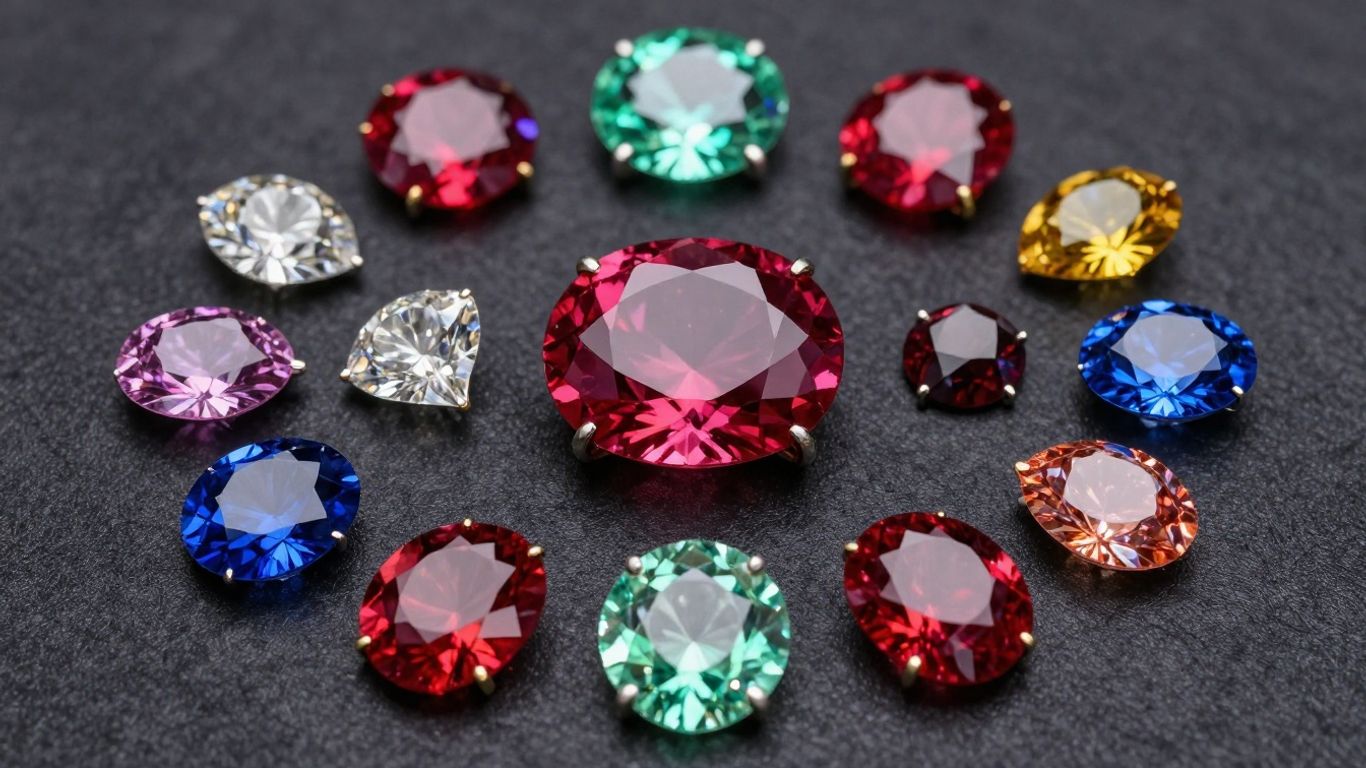
When it comes to buying gemstones, the choices can feel overwhelming. From dazzling sapphires to vibrant garnets, each gem has its own story. But how do you pick the perfect one? This gemstone buying guide is here to help make your shopping experience easy, informative, and meaningful. Whether you're new to gemstones or adding to your collection, follow these steps for smart shopping.
Key Takeaways
- Understand the 4Cs: Color, Clarity, Cut, and Carat Weight are the basic factors that determine a gemstone's quality and value.
- Know about treatments: Many gemstones undergo treatments to improve their appearance or durability; understanding these is important for value.
- Check for certification: Always get a gemstone certified by a reputable lab to confirm its authenticity and quality.
- Consider personal style and durability: Choose a gemstone that not only looks good but also suits your lifestyle and how often you'll wear it.
- Set a realistic budget: Decide how much you want to spend beforehand, and explore options like lab-grown stones if natural ones are out of reach.
Understanding The 4Cs For Your Gemstone Buying Guide
When you're looking to buy a gemstone, whether it's for a special piece of jewelry or just because you love them, there are a few key things that really matter. Think of them as the gemstone's report card. These are often called the "4Cs": Color, Clarity, Cut, and Carat Weight. Getting a handle on these will help you figure out what makes one stone different from another, and why some cost more than others. It's not just about picking something pretty; it's about understanding what gives a gemstone its beauty and its worth.
Color: The Heart Of A Gemstone's Appeal
Color is probably the first thing you notice about a gemstone, right? It's the main attraction. When we talk about color, we're looking at three main things: the basic hue (like blue for a sapphire or green for an emerald), how intense that color is (is it a deep, rich blue or a pale, washed-out one?), and how light or dark it is. The most vibrant and evenly distributed colors are usually the most sought-after and can make a gemstone much more valuable. Sometimes, a little bit of a secondary color can actually make a gem more interesting, but generally, a pure, strong color is what people look for.
Clarity: Assessing A Gemstone's Inner Purity
Next up is clarity. This is all about what's going on inside the gemstone. Most natural gemstones have tiny imperfections, called inclusions, or surface marks, called blemishes. These are like the gemstone's birthmarks. Some inclusions are barely visible, even under magnification, while others are quite obvious. For many gemstones, like diamonds or sapphires, fewer inclusions mean a higher value because they look cleaner and let more light pass through, making them sparkle more. However, for some gems, like emeralds, certain types of inclusions are expected and can even add character. So, clarity isn't always a simple 'more is better' situation, but it's definitely something to pay attention to.
Cut: Enhancing Brilliance And Form
The cut of a gemstone is how it's been shaped and faceted by the jeweler. This is super important because a good cut can make a gemstone look its absolute best. It affects how light bounces around inside the stone and comes out as sparkle and brilliance. A poorly cut stone might look dull or lifeless, even if it has great color and clarity. There are tons of different cuts out there – round, oval, princess, pear, and many more. The right cut can really bring out the stone's natural beauty and make it pop.
Carat Weight: Size And Its Impact On Value
Finally, we have carat weight. This is simply how much the gemstone weighs. One carat is equal to 0.2 grams. Generally speaking, larger gemstones are rarer than smaller ones, so the price tends to go up quite a bit as the carat weight increases. However, it's not just about size. A large gemstone with poor color or clarity won't be as valuable as a smaller one that's top-notch in those areas. It's a balance – you want a size that works for you, but you also need to consider the other Cs to get the best value.
Understanding these four factors – Color, Clarity, Cut, and Carat Weight – is your first big step in becoming a smart gemstone shopper. They work together to determine a gem's overall beauty and worth.
Navigating Gemstone Treatments And Origins
The Impact Of Treatments On Gemstone Value
So, you've found a gemstone that really catches your eye. Before you get too attached, it's smart to know if it's had any work done. Many gemstones go through treatments to make them look better, and this can really affect their price and how you should care for them. It's not always a bad thing, but you definitely need to be in the know.
Think about heat treatment, for instance. It's super common for gems like rubies and sapphires. Heating them can make their colors pop and clear up some internal flaws. It's a pretty standard practice, but a natural, untreated ruby with a fantastic color will usually cost a lot more than one that's been heated. The same goes for emeralds; they often get oiled to fill in tiny cracks and make them look clearer. This oil can dry out over time, so re-oiling might be needed down the road.
Then there are treatments like dyeing, often used on stones like black onyx or turquoise to give them a more uniform color. These are usually less expensive gems to begin with, and dyeing doesn't add much value, if anything. Lead glass filling is another one, used to fill fractures in stones like diamonds or sapphires. It makes them look much cleaner, but it's a delicate treatment that can be damaged by harsh cleaning.
Here's a quick look at some common treatments:
- Heat Treatment: Used on rubies, sapphires, aquamarines. Can improve color and clarity. Generally leads to a moderate decrease in value compared to untreated stones. Avoid extreme heat when cleaning.
- Oiling: Common for emeralds. Fills fractures to improve clarity. Value impact is moderate, but re-oiling might be necessary over time.
- Dyeing: Applied to stones like black onyx, turquoise. Often results in a lower value. Avoid harsh chemicals during cleaning.
- Lead Glass Filling: Used for diamonds, rubies, sapphires. Improves clarity by filling cracks. Moderate value increase, but keep away from abrasives.
Knowing about these treatments is key. It helps you understand what you're really paying for and how to look after your gem properly. Always ask questions and look for documentation.
Understanding Gemstone Origins And Rarity
Where a gemstone comes from can be just as important as its color or clarity, especially when it comes to value and rarity. Think about it – a ruby from Myanmar (formerly Burma) often fetches a higher price than a similar ruby from another location, simply because of its historical reputation for exceptional color and quality. This is true for many gemstones; certain mines or regions are famous for producing stones with specific, desirable characteristics.
This is where rarity comes into play. Some gemstones are naturally scarce, making them more precious. For example, tanzanite is only found in one small area in Tanzania, making it inherently rarer than, say, quartz, which is found all over the world. The combination of a gem's beauty, its durability, and its natural abundance (or lack thereof) all contribute to its overall desirability and price.
When you're looking at a gemstone, especially a more significant purchase, asking about its origin is a good idea. While not all origins will drastically change the price, for certain well-known gem types, it can be a significant factor. Reputable sellers should be able to provide this information, and it's another piece of the puzzle that helps you appreciate the unique story and value of your chosen stone.
Ensuring Authenticity With Gemstone Certification
Buying a gemstone can feel like a big step, and you want to be sure you're getting the real deal. That's where gemstone certification comes in. Think of it as a passport for your stone, proving what it is and where it comes from. It's not just about avoiding fakes; it's about knowing exactly what you're paying for.
Why Gemstone Certification Is Crucial
So, why bother with a certificate? Well, it gives you peace of mind. A report from a reputable lab tells you all about the gemstone's characteristics – its color, clarity, cut, and weight. It also details any treatments the stone might have undergone. This information is super important because treatments can affect a gemstone's appearance and, yes, its value. Without a certificate, you're essentially taking someone's word for it, and that can be risky, especially with valuable stones.
Here’s a quick rundown of what a good report covers:
- Identification: Confirms the type of gemstone.
- The 4Cs: Details Color, Clarity, Cut, and Carat weight.
- Treatments: Notes any enhancements like heating, dyeing, or filling.
- Origin (sometimes): May indicate where the gemstone was mined.
Relying solely on a seller's description can lead to misunderstandings. A third-party certification offers an unbiased assessment, protecting your investment and helping you understand the true nature of your gemstone.
Trusted Laboratories For Gemstone Verification
Not all labs are created equal, so it's smart to stick with well-known, respected institutions. These labs have the equipment and the trained eyes to properly examine and grade gemstones. Some of the most recognized names in the business include the Gemological Institute of America (GIA) and the American Gem Society (AGS). There are also excellent regional labs that provide reliable reports, such as those found on Advance Gem Research Lab.
When you're looking at a gemstone, always ask for its accompanying report. If a seller can't provide one, or if the report is from an obscure or unverified source, it's a good idea to be cautious. A certificate from a trusted lab is your best bet for confirming authenticity and quality, making your gemstone purchase a confident one.
Choosing A Gemstone That Reflects You
Aligning Gemstones With Personal Style
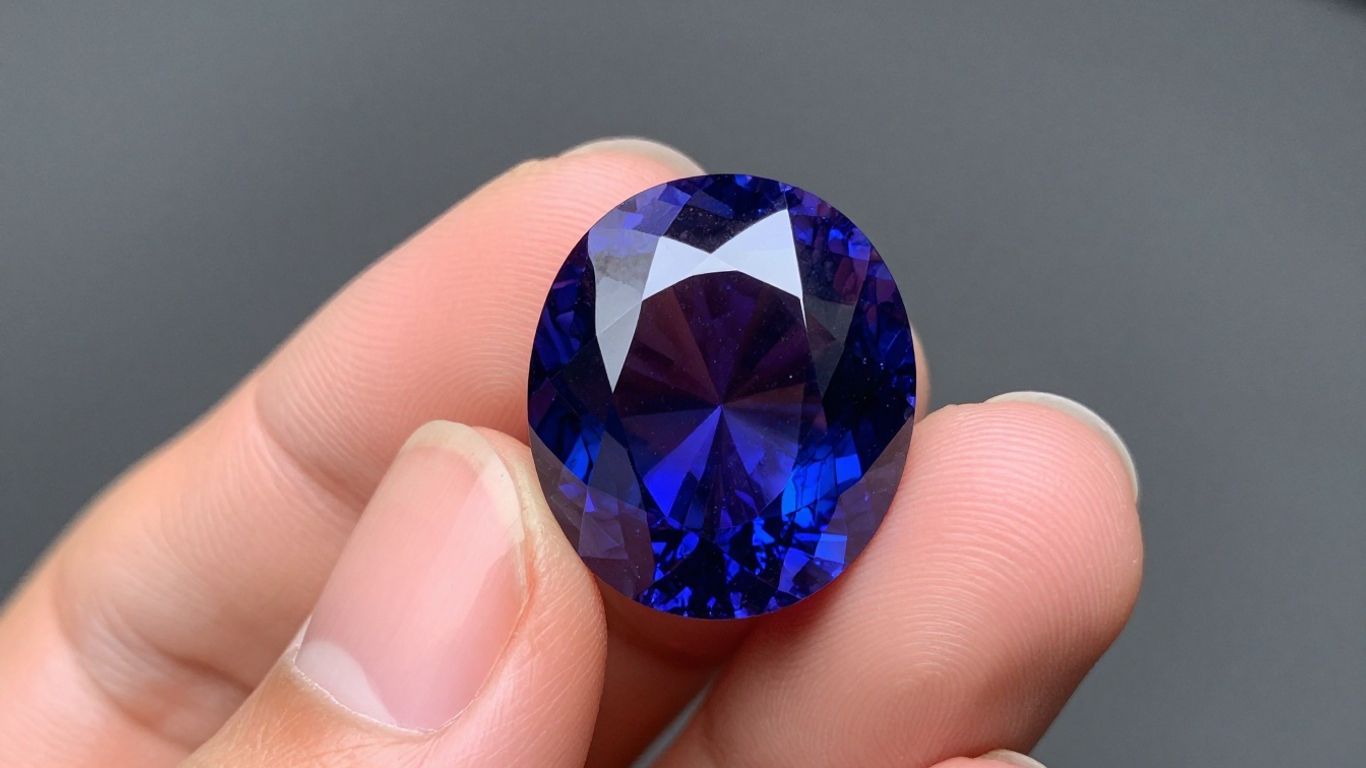
Picking a gemstone isn't just about picking a pretty rock; it's about finding something that speaks to you, your life, and your look. Think about your everyday style. Do you lean towards classic, understated pieces, or do you prefer bold statements? If you love a timeless vibe, maybe a diamond or a sapphire is your jam. For those who appreciate a touch of drama and deep color, a ruby or an emerald might be the way to go. It’s about finding a stone that feels like a natural extension of who you are.
Here's a quick look at some popular stones and what they often represent:
- Diamonds: Known for their hardness and sparkle, often symbolizing everlasting love and commitment.
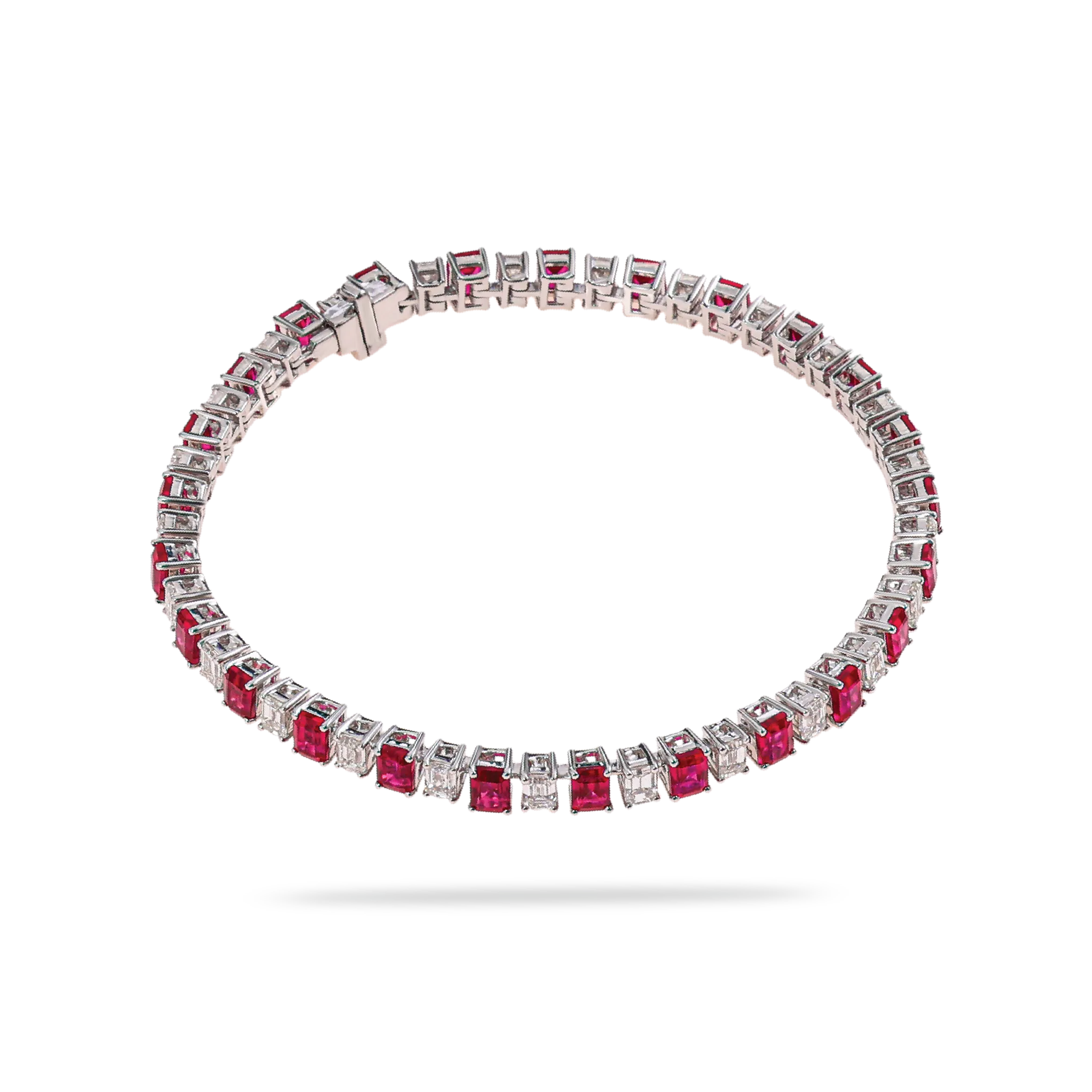
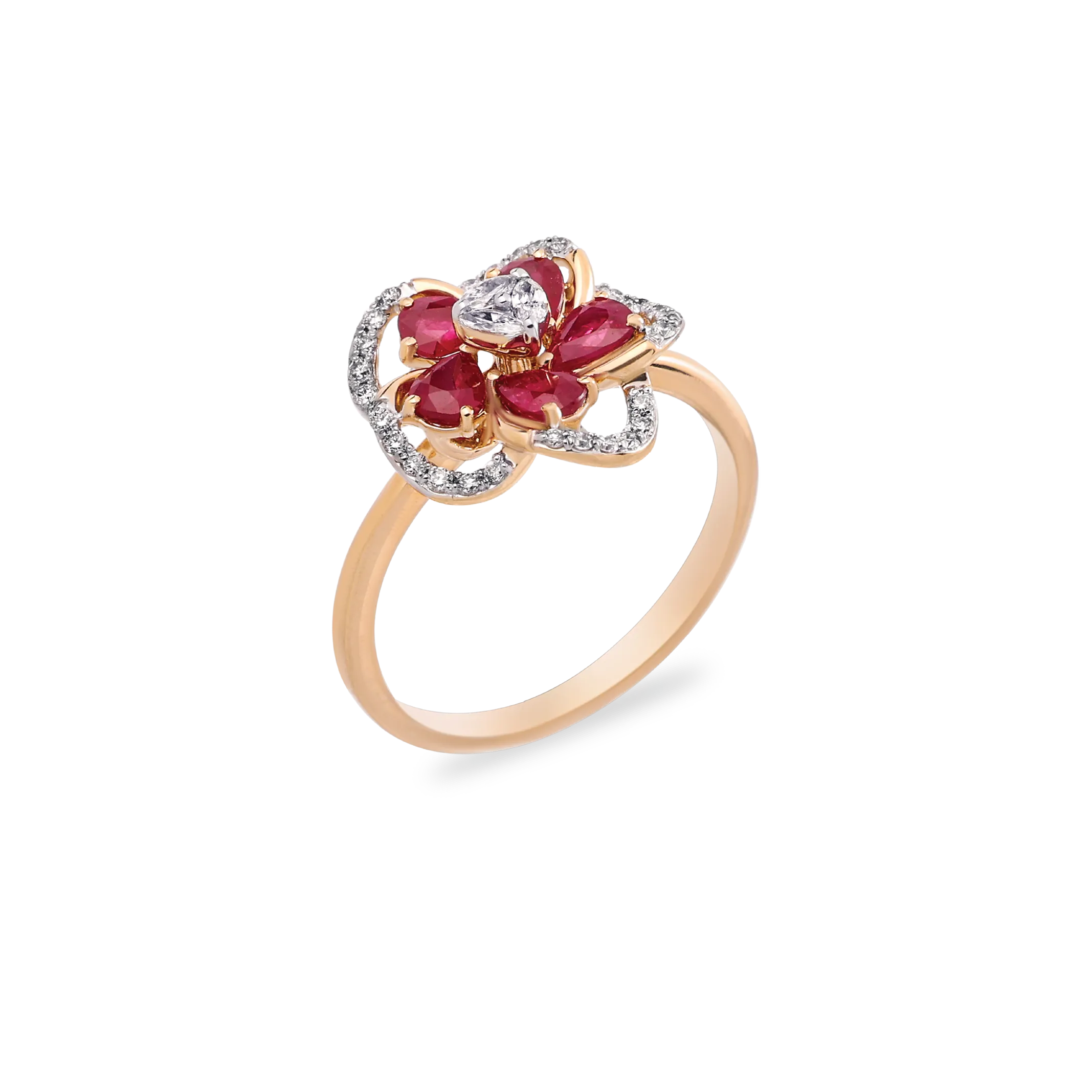
- Rubies: Famous for their rich red color, representing passion, courage, and vitality.
- Sapphires: Beloved for their deep blue (though they come in other colors too!), often associated with wisdom, loyalty, and nobility.
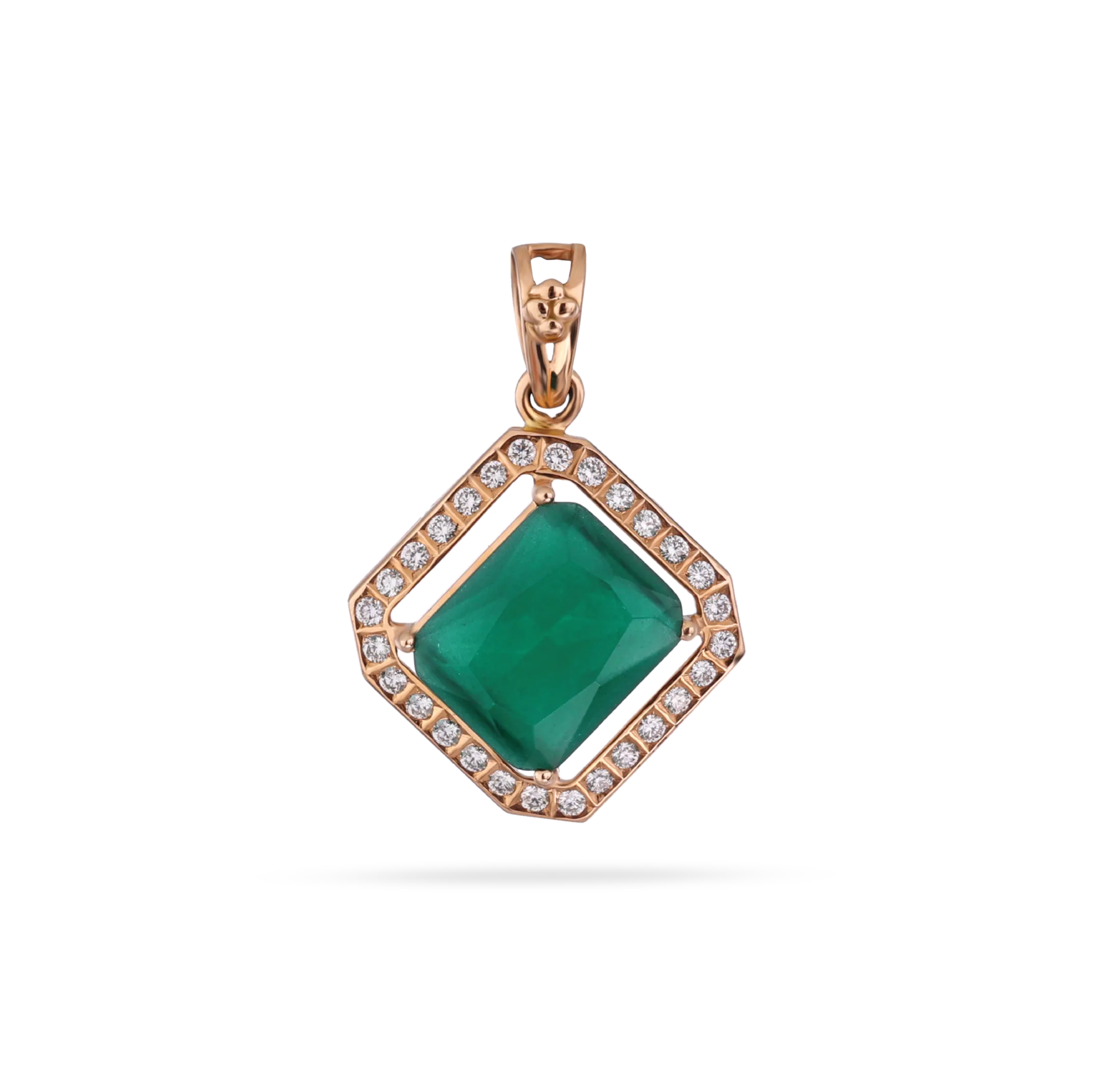
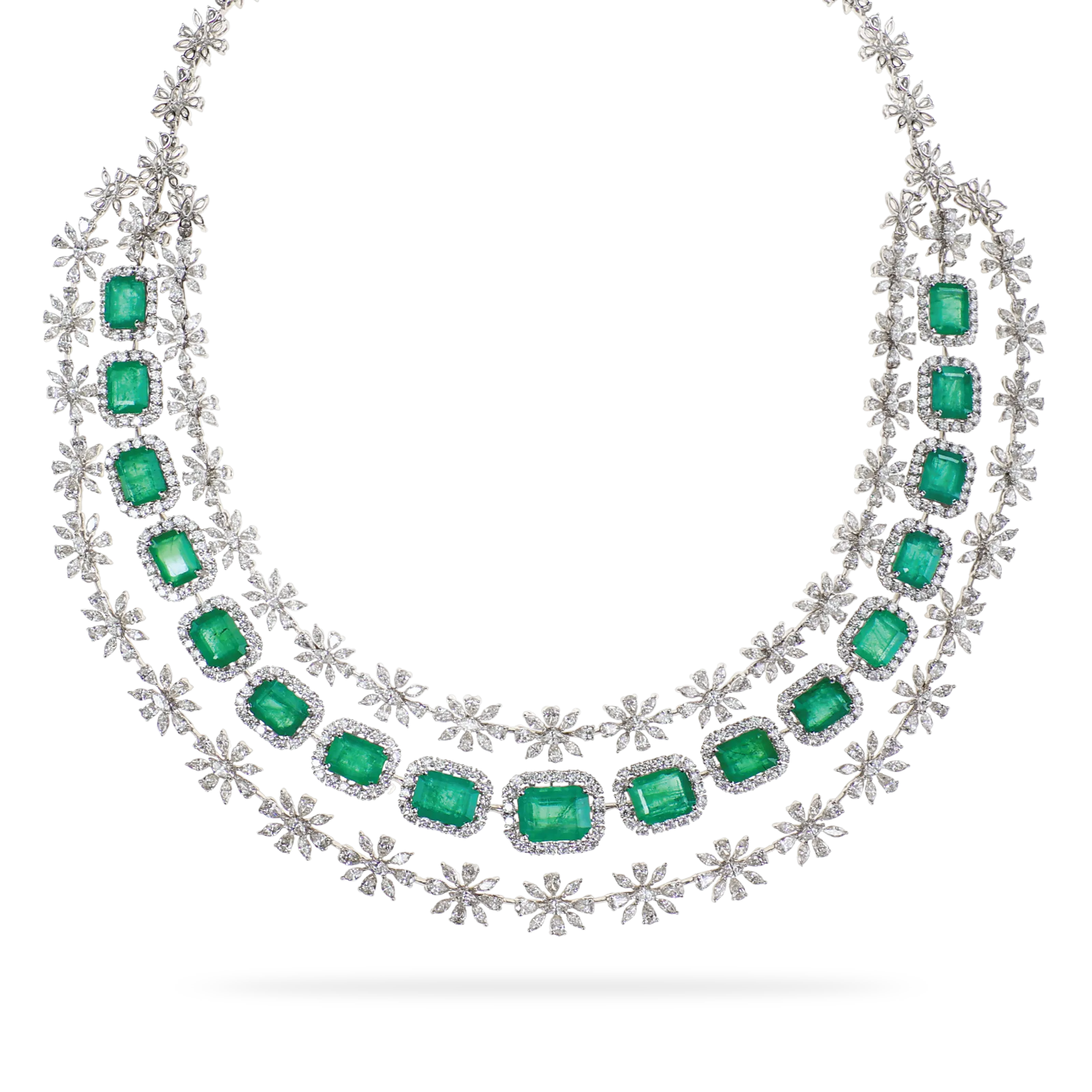
- Emeralds: Cherished for their vibrant green, symbolizing growth, renewal, and good fortune.
Ultimately, the best stone is the one that makes you feel good when you wear it. Don't be afraid to go against the grain if a certain color or type of gem just calls to you.
Exploring Astrological And Healing Properties
Beyond just looks and personal style, many people choose gemstones based on their perceived astrological or healing qualities. It's a practice that's been around for ages, and for good reason – it adds another layer of meaning to your chosen stone. For instance, amethyst is often linked with promoting calm and spiritual awareness, while rose quartz is frequently associated with emotional healing and self-love. If you're curious about this angle, talking to a jeweler who specializes in these aspects can be really helpful. They can guide you toward stones that align with specific intentions you might have, whether it's for peace, energy, or something else entirely.
While the scientific backing for these properties can vary, the personal significance and comfort a gemstone can bring are undeniable. It's about what feels right and adds a positive element to your life.
Considering Durability For Everyday Wear
When you're picking out a gemstone, especially if it's going to be part of your daily jewelry, you've got to think about how tough it is. Some stones are super hard and can handle bumps and scrapes pretty well, while others are more delicate and need a bit more TLC. This is where the Mohs scale of hardness comes in handy. It's a simple way to gauge a stone's resistance to scratching.
Here’s a general idea:
| Gemstone | Mohs Hardness | Notes |
|---|---|---|
| Diamond | 10 | Extremely durable, ideal for daily wear |
| Sapphire | 9 | Very durable, excellent for everyday use |
| Ruby | 9 | Very durable, excellent for everyday use |
| Emerald | 7.5-8 | Moderately durable, needs careful wear |
| Amethyst | 7 | Can scratch more easily, best for less active wear |
If you're active or tend to be a bit rough on your jewelry, opting for a harder stone like a diamond, sapphire, or ruby is usually a smart move. For softer stones, you might want to consider a protective setting or reserve them for special occasions. It’s all about finding that sweet spot between the look you love and a stone that can keep up with your lifestyle.
Setting Your Budget For Gemstone Purchases
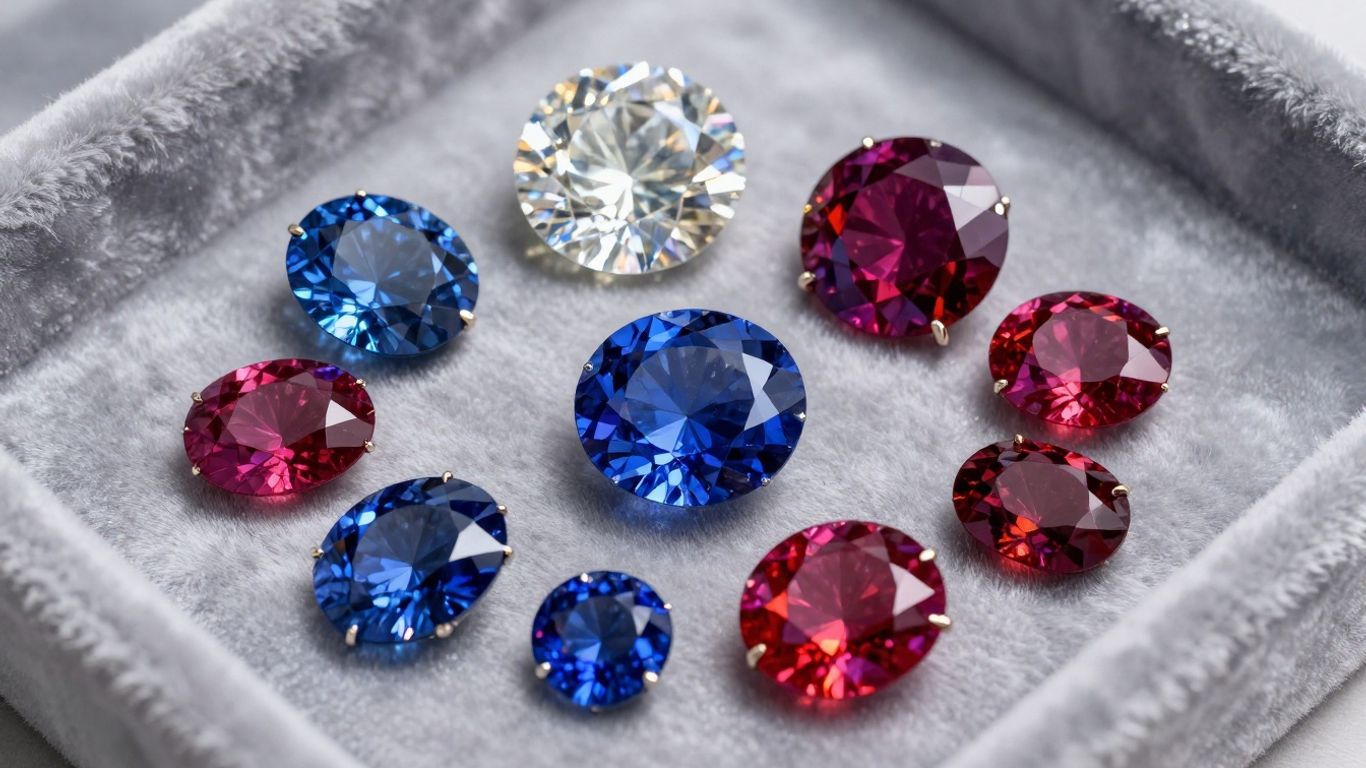
Okay, so you've got an idea of what you like, maybe you've even started looking at some pretty stones. But before you get too carried away, let's talk about the big one: money. Gemstones can cost anything from a couple of hundred bucks to, well, a whole lot more. It’s super important to figure out what you can comfortably spend before you fall head over heels for a gem that's way out of reach.
Budget Tiers For Different Gemstone Aspirations
Think of gemstone prices like a ladder. You can start on the lower rungs and still find something beautiful, or you can aim for the top if your wallet allows. Here’s a general idea of what you might find at different price points:
- Entry-Level (Under $500): This is where you'll find lovely semi-precious stones like amethyst, citrine, peridot, or garnet. You might also find smaller, good-quality diamonds or colored stones. Lab-created stones also fit nicely here, offering great sparkle for less.
- Mid-Range ($500 - $5,000): Stepping up, you can get larger or higher-quality versions of semi-precious stones , or smaller, but still very nice, precious stones like sapphires or emeralds. This range is great for engagement rings or significant gifts.
- High-End ($5,000+): This is where you'll find top-quality precious gemstones – think large, flawless diamonds, vibrant rubies, deep blue sapphires, or rich green emeralds. Rarity and exceptional characteristics really drive prices up here.
Remember, these are just rough guidelines. The actual price of a gemstone depends on a lot of factors, including its 4Cs (color, clarity, cut, and carat weight), treatments, and origin. Always do your homework!
The Value Of Lab-Grown Gemstone Alternatives
Now, let's talk about lab-grown gemstones. These aren't fake; they're real gemstones, just made in a lab instead of dug out of the ground. They have the same chemical, physical, and optical properties as their natural counterparts. The big win here? They're usually much more affordable. For example, a lab-grown diamond can be significantly less expensive than a natural diamond of the same size and quality. This makes them a fantastic option if you're looking for a larger stone or a precious gem like a sapphire or ruby but need to stick to a tighter budget. Plus, many people feel good about choosing lab-grown because it can be a more environmentally friendly option. It's definitely worth considering if you want maximum sparkle for your dollar.
Caring For Your Gemstone Investment
So, you've picked out a stunning gemstone, maybe for a special occasion or just because. That's awesome! But now what? Keeping that sparkle alive and making sure your gem lasts is actually pretty straightforward, though it does take a little attention. Think of it like taking care of a plant – give it what it needs, and it'll thrive.
Essential Cleaning Tips For Gemstones
Cleaning is probably the most important thing you can do. Different stones have different needs, so it's not a one-size-fits-all situation. For most durable stones like sapphires, rubies, and quartz varieties (think amethyst or citrine), a simple wash with mild soap and warm water usually does the trick. Just use a soft brush, like an old toothbrush, to gently scrub away any grime. Rinse it well and pat it dry with a soft cloth.
However, some gemstones are a bit more delicate. Stones like pearls, opals, coral, and turquoise are softer and can be damaged by harsh chemicals or even just too much water. For these, a gentle wipe with a slightly damp cloth is often best. It's also a good idea to put on your jewelry after you've applied makeup or perfume, as those products can sometimes cause damage.
Here’s a quick rundown:
- Durable Gems (Sapphire, Ruby, Diamond, Quartz): Mild soap, warm water, soft brush.
- Softer Gems (Pearl, Opal, Turquoise, Amber): Damp cloth, gentle wipe.
- Emeralds: Be extra careful with solvents; they can affect fracture fillings.
Always avoid using abrasive cleaners or putting your gemstones in ultrasonic cleaners unless you're absolutely sure the stone can handle it. Some stones, especially those with natural inclusions or treatments, can be fragile.
Proper Storage Solutions For Longevity
Where you keep your gemstones when you're not wearing them matters a lot. The biggest enemy here is scratching. You know how a diamond can scratch glass? Well, harder gemstones can scratch softer ones. So, it's best to store each piece separately. A jewelry box with individual compartments or soft pouches is ideal. This is especially true for softer stones like lapis lazuli, malachite, or amber, which can get scratched pretty easily.
Also, keep an eye on where you store them. Some gemstones, like amethyst, citrine, and smoky quartz, can fade over time if they're exposed to direct sunlight for long periods. Opals also don't like extreme heat or direct sun, so find a cool, dark spot for them. Protecting your jewelry is key to keeping it looking great.
When To Seek Professional Gemstone Care
Sometimes, you just can't do it yourself, and that's perfectly okay. If you have a valuable piece, or a stone that's particularly delicate or has complex treatments, it might be time to call in the pros. A qualified jeweler can handle more intricate cleaning, repairs, or even re-polishing if needed. They can also check if the settings on your rings or pendants are still secure, which is super important for preventing accidental loss.
Don't hesitate to ask for help if you're unsure about how to clean or store a specific gemstone. Getting a professional opinion can save you a lot of heartache and keep your investment looking its best for years to come.
Wrapping It Up
So, we've gone through a lot, haven't we? From figuring out why you even want a gemstone in the first place to understanding what makes one sparkle more than another, it's quite a journey. Remember those 4Cs – color, cut, clarity, and carat weight – they really do matter when you're looking at a stone. And don't forget about treatments or where the gem comes from; that can change things. Setting a budget is super important too, so you don't end up with buyer's remorse. Whether you're drawn to a gem for its beauty, its meaning, or even its supposed healing powers, the main thing is to find something that feels right for you. Take your time, do a little homework, and don't be afraid to ask questions. Happy gem hunting!
Frequently Asked Questions
What are the 4Cs and why do they matter when buying gemstones?
The 4Cs stand for Color, Clarity, Cut, and Carat weight. Think of them like a gemstone's report card. Color is about how vibrant and beautiful the gem's shade is. Clarity tells us how clean the stone looks inside, with fewer specks or lines being better. The Cut is how the gem is shaped to make it sparkle the most. Carat weight is simply how much the gem weighs, and bigger usually means more expensive. Understanding these helps you know what you're getting and if it's a good deal.
Are treated gemstones less valuable than natural ones?
Sometimes, yes. Many gemstones are treated, like heating them to make their color richer. While this can make a gem look more appealing, it can also lower its value compared to a similar gem that hasn't been treated. It's important to know if a gem has been treated and how it affects its price.
Why is it important to get a gemstone certified?
Getting a gemstone certified, usually by a trusted lab like the GIA (Gemological Institute of America), is like getting a stamp of approval. This certificate confirms that the gemstone is real, describes its qualities (like the 4Cs), and notes any treatments it has undergone. It gives you confidence that you're buying a genuine stone and helps protect you from being fooled.
How do I pick a gemstone that's right for me?
Choosing a gemstone is personal! Think about your own style – do you like bold colors or subtle sparkle? Also, consider how you'll wear it. If it's for everyday jewelry, pick something tough like a sapphire or diamond. Some people also choose gems based on their birth month or what they believe the stone's special powers are, like amethyst for calm.
What's the difference between natural and lab-grown gemstones?
Natural gemstones are formed deep within the Earth over millions of years. Lab-grown gemstones are made in a laboratory, but they are chemically and physically the same as natural ones. Lab-grown gems are often less expensive and a great choice if you want the look of a natural stone without the higher price tag.
How should I take care of my gemstones?
Gemstones need a little TLC! For most, a gentle cleaning with mild soap and warm water using a soft brush works well. However, some softer stones need extra care and should avoid harsh chemicals or even ultrasonic cleaners. It's also smart to store your gemstones separately in pouches or jewelry boxes to prevent them from scratching each other.
Your Essential Solitaire Buying Guide: Tips for Choosing the Perfect Stone
10 minute read
Related blogs:
November 20, 2025
The Timeless Elegance of the Tennis Bracelet: A Comprehensive Guide
Read More
November 20, 2025
The Ultimate Guide to Styling and Wearing a Choker Necklace
Read More
November 20, 2025
Find Your Perfect Engagement Ring: A Comprehensive Guide to Styles and Diamonds
Read More
November 20, 2025
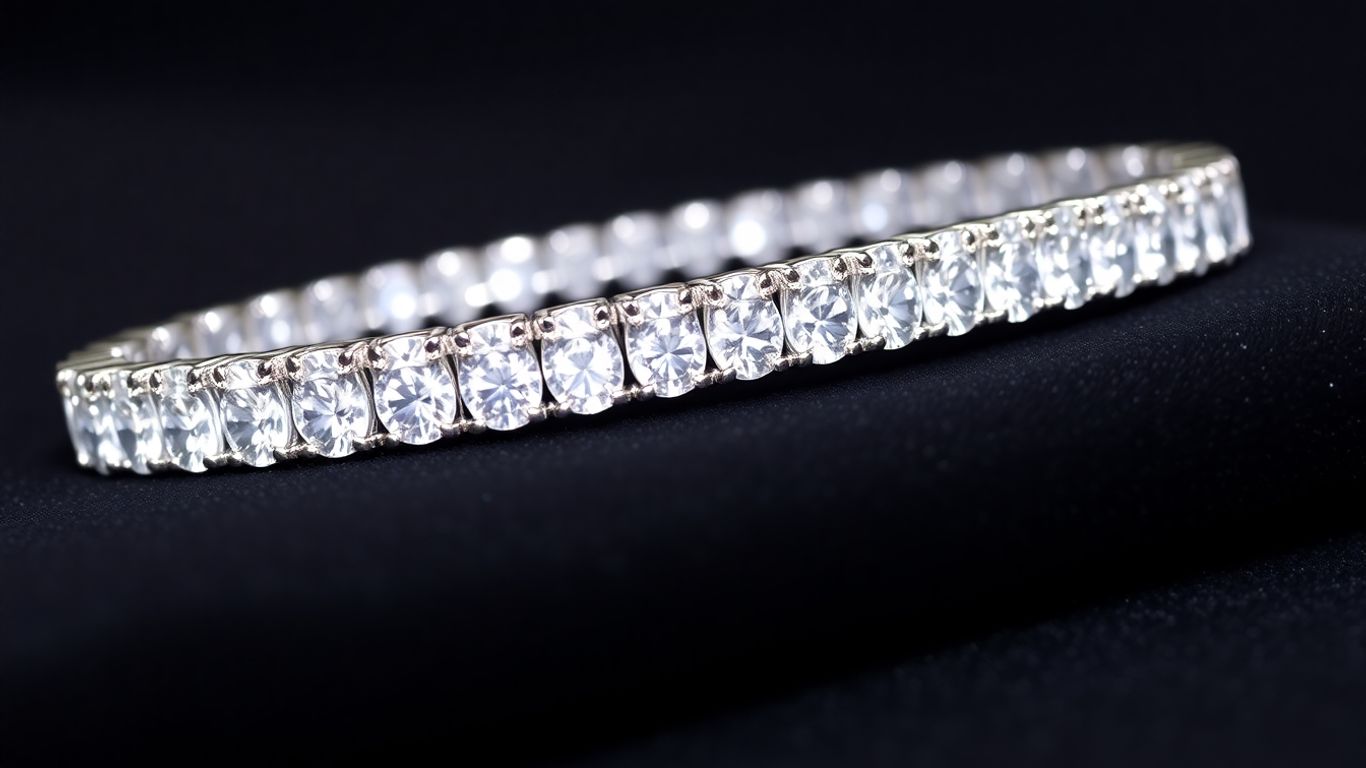
The Timeless Elegance of a Diamond Tennis Bracelet: A Buyer's Guide
Read More









.webp)

.webp)