Your Ultimate Gold Jewellery Buying Guide: Tips for Smart Shoppers
March 18, 2026 | 10 minutes read
Thinking about buying some gold jewelry? It can be a bit much to figure out what's what, especially when you're looking online. There are so many options, and you want to make sure you're getting something real and worth your money. This gold jewellery buying guide is here to help you sort through it all, from understanding the little stamps on the metal to knowing if a deal is actually as good as it seems. We'll cover how to check for quality, where to shop, and what questions to ask so you can feel good about your purchase.
Key Takeaways
- Know your gold karats: 24K is pure but soft, while 14K or 18K offer a better balance of purity and durability for everyday wear. Look for stamps like 14K, 18K, or numbers like 585 and 750.
- Spotting quality online means checking detailed photos and videos. Look for smooth finishes, secure stone settings, and strong clasps. Don't forget to check the gram weight listed in the description.
- Be wary of prices that seem too low. Real gold has a market value. Unbelievably cheap deals might mean the item is plated, hollow, or not as described.
- Trustworthy sellers are transparent. They provide clear product details, good customer reviews, and fair return policies. Check their reputation before buying.
- Consider the whole picture: think about ethical sourcing and if the piece might be a good resale or investment item. Pre-owned or vintage gold can be a great option.
Understanding Gold Karats and Purity: Making Sense of What You Buy
When you're looking at gold jewelry, you'll see numbers like 10K, 14K, 18K, and 24K. These aren't just random labels; they tell you how much pure gold is actually in the piece. Think of it like this: pure gold is super soft, almost like butter. You can't really make a ring or a necklace out of it without it bending or scratching way too easily. So, jewelers mix it with other metals – like copper, silver, or zinc – to make it stronger and more durable for everyday wear. This mixture is what gives us different karat levels.
What Gold Karats Mean for Quality and Value
The karat system is basically a way to measure gold's purity. It's based on a scale of 24 parts. So, 24K means the jewelry is 100% pure gold. That's the most valuable and has that really rich, deep yellow color. But again, it's very soft. Most of the jewelry you'll find is usually 14K or 18K. Here's a quick rundown:
- 24K Gold: 99.9% pure gold. It's the highest purity, but very soft and expensive. You mostly see this in gold bars or some special cultural jewelry.
- 18K Gold: This means 18 out of 24 parts are gold, so it's 75% pure gold. It has a lovely color and is still quite pure, often used for engagement rings or finer pieces.
- 14K Gold: With 14 out of 24 parts being gold, this is 58.3% pure. It's a really popular choice because it's more durable than 18K and holds up well to daily wear . It's a good balance between purity and toughness.
- 10K Gold: This is 10 out of 24 parts gold, making it 41.7% pure. It's the most durable and affordable option, but the gold color is less intense, and it contains more alloy metals.
The higher the karat number, the more pure gold is in the piece, and generally, the higher its value. But remember, durability is also a factor. For everyday wear, 14K or 10K might actually be a more practical choice. Understanding these gold karats measure the purity of gold is the first step to making a smart purchase.
How to Identify and Read Gold Stamps
Good news: you don't have to guess the purity of gold jewelry. Most legitimate pieces will have a tiny stamp, often called a hallmark, somewhere on them. You might find it on the inside of a ring band, on the clasp of a necklace or bracelet, or on the back of a pendant. These stamps are your quick guide to the gold's quality.
Here's what to look for:
- Karat Marks: These are usually numbers followed by a 'K', like 14K or 18K. Sometimes, you'll see numbers that represent the percentage of gold. For example, 750 means 75% gold (which is 18K), and 585 means 58.3% gold (which is 14K).
- Manufacturer Marks: Sometimes, you'll also see a maker's mark or a brand logo. This can tell you who made the piece and might indicate a certain level of quality control.
- Assayer Marks: In some cases, especially with higher-end pieces, you might see a mark from an independent testing lab (an assayer) that has verified the gold's purity.
Always check these stamps carefully. If a piece doesn't have a stamp, or if the stamp looks smudged or unclear, it's a good reason to be cautious. It might mean the piece isn't solid gold or wasn't made to high standards.
When you're shopping, especially online, pay close attention to the product descriptions. They should clearly state the karat of the gold. If it's vague or missing, that's a potential red flag. Don't be afraid to ask the seller for clarification if you're unsure about the markings.
Solid Gold vs. Gold-Plated and Vermeil Jewelry
This is where things can get a little tricky, and it's super important to know the difference to avoid disappointment. Not all
Gold Jewellery Buying Guide: Evaluating Price, Value, and Market Trends
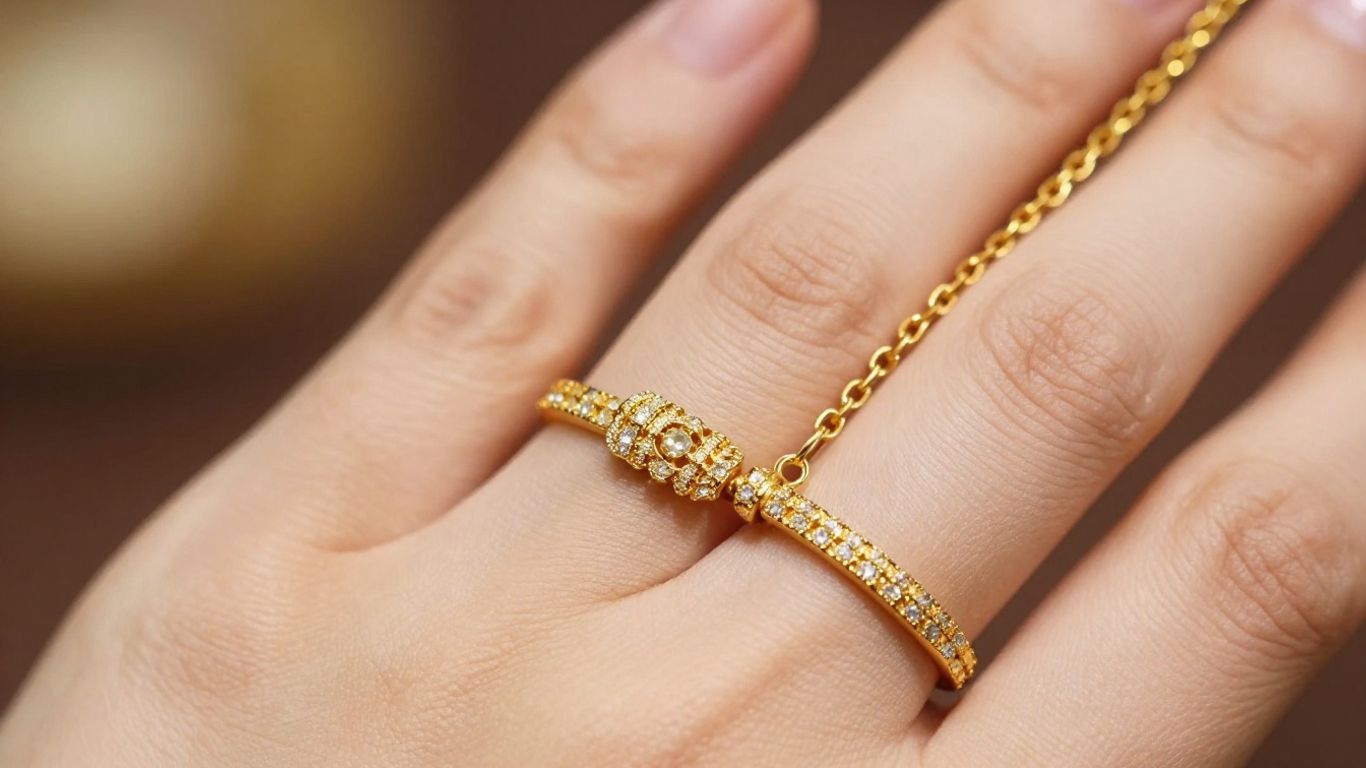
When you're looking to buy gold jewelry, especially online, it's easy to get caught up in the sparkle and forget about the practical stuff. But understanding how price, value, and market trends play a role can save you from making a costly mistake. It's not just about how pretty it looks; it's about what you're actually getting for your money.
Decoding Gold Pricing: Why Cheap Isn’t Always Best
Gold itself has a market value that fluctuates daily. This is often referred to as the 'spot price'. When you see jewelry prices, they're usually based on this spot price, plus the cost of craftsmanship, design, and the retailer's markup. If a piece of gold jewelry seems way cheaper than you'd expect, especially for a significant weight or higher karat, it's a big red flag. It might mean the piece is hollow, heavily plated, or not made of the gold it's claimed to be. Always remember that pure gold is quite soft, so jewelry is usually mixed with other metals to make it durable enough for everyday wear. This is where karats come in, and they directly affect the price.
Here's a quick look at karat purity:
- 24K: 99.9% pure gold. Very soft, usually for investment pieces or bullion, not everyday jewelry.
- 18K: 75% pure gold. A good balance of gold content and durability, often used for high-end pieces and diamond settings.
- 14K: 58.3% pure gold. Very common in the US, durable for daily wear , and a popular choice for its balance of price and quality.
- 10K: 41.7% pure gold. The most durable and affordable, but with the lowest gold content.
The price you pay for gold jewelry is a mix of the gold's intrinsic value and the skill that went into making it. A simple, machine-made chain might be priced closer to the gold's market value, while an intricately hand-engraved pendant will cost significantly more due to the labor involved.
Market Value vs. Craftsmanship Costs
Think of it like this: a plain gold band and a detailed gold filigree bracelet might weigh the same amount and be the same karat. However, the bracelet will almost certainly cost more. Why? Because the craftsmanship involved in creating intricate designs takes much more time, skill, and effort. Jewelers factor in the designer's vision, the artisan's labor, and the complexity of the techniques used. Sometimes, a piece might be made with a lower karat gold but have such exceptional artistry that its value is still very high. It's a balance between the material's worth and the human touch.
Spotting Unrealistic Deals and Red Flags
Be wary of deals that seem too good to be true. If a seller is offering a heavy 14K gold necklace for the price of a thin 10K one, something's off. Common tactics to watch out for include:
- Vague Descriptions: Sellers might use flowery language but avoid specific details like gram weight, exact dimensions, or clear karat markings. Always look for precise information.
- Hollow Construction: Some cheaper pieces are made with hollow sections to appear larger or heavier than they are. This significantly reduces their value and durability.
- Misleading Photos: Photos can sometimes be enhanced or taken from angles that hide flaws or make the piece look more substantial.
- Lack of Hallmarks: Reputable gold jewelry should have stamps indicating its purity (like 14K or 750 for 18K). If these are missing, it's a warning sign.
Always do your homework. Compare prices from different reputable sources, read descriptions carefully, and if something feels off, it's probably best to walk away. Your gut feeling is often your best guide when shopping for something as significant as gold jewelry.
Inspecting Craftsmanship and Authenticity Online
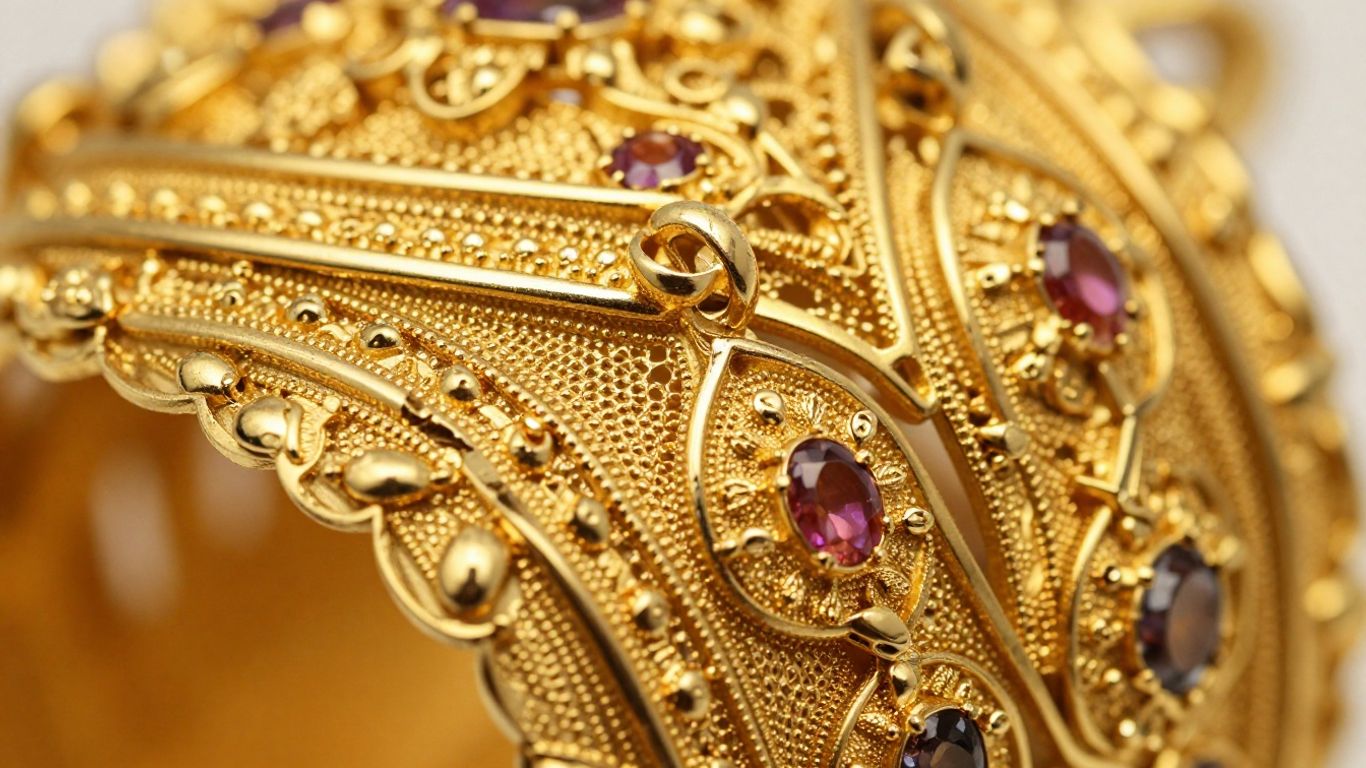
Shopping for gold jewelry online is super convenient, right? You can browse from your couch, compare prices, and find unique pieces. But, let's be real, you can't actually touch or feel the jewelry before you buy. That's why knowing how to check the craftsmanship and authenticity from just pictures and descriptions is a total game-changer. It’s about being a smart shopper and not getting stuck with something that looks good online but falls apart in real life.
What High-Quality Craftsmanship Looks Like
When you're looking at jewelry online, pay close attention to the details. High-quality pieces are made with care. You'll notice things like smooth, even finishes all over, with no rough spots or weird pitting. If there are stones, check how they're set. The prongs should look neat, all the same size, and hold the stone securely. Loose stones or uneven settings are a big red flag. Also, look at the connections between different parts of the jewelry. Are the jump rings (those little loops) properly closed? Does the clasp feel sturdy and work smoothly? These small things really show if the piece was made to last. A well-made piece of jewelry feels substantial and looks polished from every angle.
Using Product Imagery and Video to Your Advantage
Good sellers will give you lots of high-resolution photos. Don't just glance at the main picture. Zoom in! Look at the jewelry from different angles – the front, the back, the sides. If they offer videos, watch them. Videos are great because they show how the jewelry moves, how it catches the light, and give you a sense of its true size and weight. Sometimes, seeing a piece on a model helps a lot with scale. If a seller only has one or two blurry photos, that’s a sign to be cautious. You want to see every little detail, like the markings on the clasp or the way a chain links together. It’s like getting a virtual inspection before you commit.
Examining Clasps, Settings, and Gram Weight
These are the nitty-gritty details that tell a story about quality. The clasp is super important; it's what keeps your jewelry safe. A flimsy or hard-to-use clasp is a pain and can be a sign of lower quality. For rings or pieces with stones, the setting is key. Are the prongs neat and secure? Do they look like they'll snag on things? And then there's gram weight. Many descriptions will list how much the piece weighs in grams. For a given size and karat, a higher gram weight usually means more solid gold, making it more durable and valuable. It's a good way to compare pieces, especially if you're looking at solid gold necklaces.
When you can't physically inspect an item, you have to rely on the information provided. Look for clear, detailed descriptions that include specific measurements, karat, and gram weight. If the description is vague or uses a lot of flowery language without facts, it might be hiding something. Always check for hallmarks, which are tiny stamps indicating the gold's purity and often the maker's mark.
Smart Strategies for Online Gold Jewelry Shopping
Shopping for gold jewelry online can be super convenient, letting you browse from your couch. But it also means you can't exactly touch and feel the piece before buying. So, how do you make sure you're getting the real deal and not some shiny imposter? It all comes down to being a savvy shopper and knowing what to look for.
Reading Product Descriptions Like a Pro
This is where you get the nitty-gritty details. Don't just skim! A truly great product description will be packed with specific information. You want to see the exact karat weight (like 14K or 18K), the total gram weight of the piece, its dimensions, and if there are any gemstones, you'll want to know their specifics too. If a description is full of flowery language but light on facts, that's a bit of a warning sign. Think of it like this: would you buy a car without knowing its engine size or mileage? Probably not. The same applies here.
Understanding Sizing and Measurement Tools
Getting the right fit is a big deal, especially with rings. The best online stores will offer tools to help. Look for printable ring sizers you can download and use at home, or clear instructions on how to measure your finger with a ruler or string. For necklaces and bracelets, they should give you the exact length and maybe even show the piece on a model so you can get a sense of how it hangs. If you're unsure, take a moment to measure yourself accurately. It's way better than dealing with a return.
Leveraging Customer Reviews and Seller Policies
Customer reviews are your best friends when shopping online. Don't just look at the star rating; actually read what people are saying. Are there consistent comments about the quality of the gold, the accuracy of the descriptions, or the customer service? Pay attention to how the seller responds to negative feedback – a good seller will address issues professionally. Also, make sure you understand the seller's policies. What's their return policy like? Do they offer any warranties? Knowing this upfront can save you a lot of hassle later.
When you're buying gold online, think of the product description and customer reviews as your virtual inspection. They're the closest you'll get to examining the piece yourself before it arrives at your door. Don't skip over these details; they're there to help you make a confident purchase.
Vetting Retailers: Ensuring Trust and Security in Your Purchase
Buying gold jewelry online means you can't always see or touch the piece before you buy. That's why picking the right seller is super important. You want to make sure you're dealing with someone honest and reliable. It’s not just about the pretty pictures; it’s about the whole experience and knowing your purchase is safe.
Assessing Retailer Credibility and Transparency
When you're looking at a website, take a moment to check them out. Do they have an "About Us" page that tells you who they are? Are their contact details easy to find? A business that's upfront about itself is usually a good sign. Also, look for independent reviews. Sites like Trustpilot or even just a quick Google search can tell you a lot about how other people have been treated. Pay attention to what people say about the quality of the jewelry and the customer service.
- Look for clear contact information: A physical address and phone number are good indicators.
- Check for social media presence: Active accounts can show engagement, but look at the comments too.
- Search for independent reviews: Don't just rely on testimonials on their own site.
A seller who is open about their business practices and has a history of positive customer interactions is generally a safe bet. It shows they care about their reputation.
The Importance of Certifications and Appraisals
For pricier items, especially those with gemstones, certifications can be a big deal. Reputable sellers will often provide details about independent lab reports, like those from GIA or AGS, if there are diamonds or colored stones involved. For solid gold pieces, a detailed appraisal might be included, which gives you an idea of the item's value and can be helpful for insurance purposes. If a seller doesn't mention these things for high-value items, it might be worth asking why.
Return Policies, Warranties, and Customer Service
This is where you can really tell if a retailer stands behind their products. A good return policy means you have a window to send something back if it's not quite right, no questions asked (within reason, of course). A warranty against manufacturing defects is also a plus. And how easy is it to get in touch with them if you have a problem? Do they respond quickly to emails or calls? A seller that makes returns easy and offers good support is usually one you can trust.
Here’s a quick rundown of what to look for:
- Return Period: How many days do you have to return an item?
- Return Conditions: Are there any restocking fees? Who pays for return shipping?
- Warranty Details: What exactly does the warranty cover, and for how long?
- Customer Service Channels: Phone, email, live chat – are they available and responsive?
Balancing Ethics, Sustainability, and Investment Value
Buying gold jewelry isn't just about how it looks or how much it costs right now. It's also about where it came from, how it was made, and what it might be worth down the road. Thinking about these things can make your purchase feel even better.
Ethical Sourcing and Conflict-Free Gold
Gold mining can sometimes be linked to serious problems, like funding conflicts or causing environmental damage. When you're shopping, especially for higher-priced items, it's good to ask about the gold's origin. Many jewelers are now more open about their supply chains. They might work with mines that have better labor practices and environmental standards. Some certifications exist to help identify gold that's sourced responsibly, though they aren't as common or standardized as those for diamonds. Looking for retailers who are transparent about their sourcing is a smart move.
The Resale and Investment Potential of Gold Jewelry
Gold itself holds value, and high-quality gold jewelry can be a decent investment. Unlike fast fashion, a well-made gold piece, especially in higher karats like 18K or 22K, often retains a good portion of its material value. This means if you ever need to sell it, you're likely to get back a significant percentage of what you paid, based on the gold's weight and current market price. The craftsmanship and any gemstones can add to this value, but the gold content is the baseline. It's not a get-rich-quick scheme, but it's certainly more stable than many other purchases.
Here's a rough idea of how resale value can work:
| Gold Karat | Typical Purity | Potential Resale Value (as % of Gold Value) |
|---|---|---|
| 24K | 99.9% | 95-98% |
| 22K | 91.7% | 90-95% |
| 18K | 75.0% | 85-90% |
| 14K | 58.3% | 70-80% |
Note: These percentages are estimates and can vary based on market conditions, the buyer, and the condition of the jewelry.
Considering Pre-Owned or Vintage Pieces
Buying pre-owned or vintage gold jewelry is a fantastic way to be more sustainable and often get more unique pieces for your money. It reduces the demand for new mining and gives beautiful older items a new life. Vintage pieces can have incredible craftsmanship that's harder to find today. Plus, they often come with a history and character that new items just don't have. Many reputable dealers specialize in vintage and estate jewelry, and they can be a great source for finding quality items. It's like a treasure hunt, but with a much higher chance of finding something truly special and valuable.
When you choose gold jewelry, you're making a decision that goes beyond personal style. You're also making a statement about the kind of world you want to support. Thinking about ethical sourcing, the long-term value, and the environmental impact can guide you toward purchases that are not only beautiful but also responsible.
Happy Shopping!
So, there you have it. Buying gold jewelry online doesn't have to be a guessing game. By keeping these tips in mind – checking those hallmarks, really looking at the pictures, and making sure the seller is on the up-and-up – you're way more likely to end up with a piece you'll love for years. It’s all about being a little bit savvy and knowing what to look for. Now go forth and find that perfect piece of gold that makes you feel amazing!
Frequently Asked Questions
How do I know if the gold jewelry I’m buying is real?
Check for hallmarks or stamps on the jewelry, like '14K' or '18K,' which show the gold’s purity. You can often find these marks on the inside of rings or near the clasp on chains. Also, buy from trusted sellers who give clear product details and have good customer reviews.
What’s the difference between solid gold, gold-plated, and gold vermeil jewelry?
Solid gold jewelry is made completely of gold mixed with other metals for strength. Gold-plated jewelry has a thin layer of gold on top of another metal, which can wear off over time. Gold vermeil is similar to gold-plated but uses sterling silver as the base and has a thicker gold layer, making it more durable than regular gold-plated pieces.
Why are some gold jewelry pieces so much cheaper than others?
If a gold piece is much cheaper, it might not be solid gold. It could be gold-plated, hollow, or made with less gold. High-quality gold has a set market value, so very low prices can be a warning sign that the piece isn’t what it seems.
How do I choose the right size when buying gold jewelry online?
Use the sizing guides or printable tools many online stores offer. Measure your finger, wrist, or neck with a ruler or string at home, then compare your measurement to the store’s size chart. Always double-check the product’s exact measurements before buying.
Is it safe to buy gold jewelry online?
Yes, if you shop from trustworthy retailers. Look for stores with transparent return policies, clear product descriptions, and lots of customer reviews. Make sure they offer secure payment methods and good customer service.
What should I look for to make sure my gold jewelry is ethically made?
Check if the seller talks about ethical sourcing, conflict-free gold, or recycled materials. Some stores offer certifications or information about where their gold comes from. You can also look for vintage or pre-owned pieces, which are more sustainable options.
Related blogs:
November 20, 2025
The Timeless Elegance of the Tennis Bracelet: A Comprehensive Guide
Read More
November 20, 2025
The Ultimate Guide to Styling and Wearing a Choker Necklace
Read More
November 20, 2025
Find Your Perfect Engagement Ring: A Comprehensive Guide to Styles and Diamonds
Read More
November 20, 2025
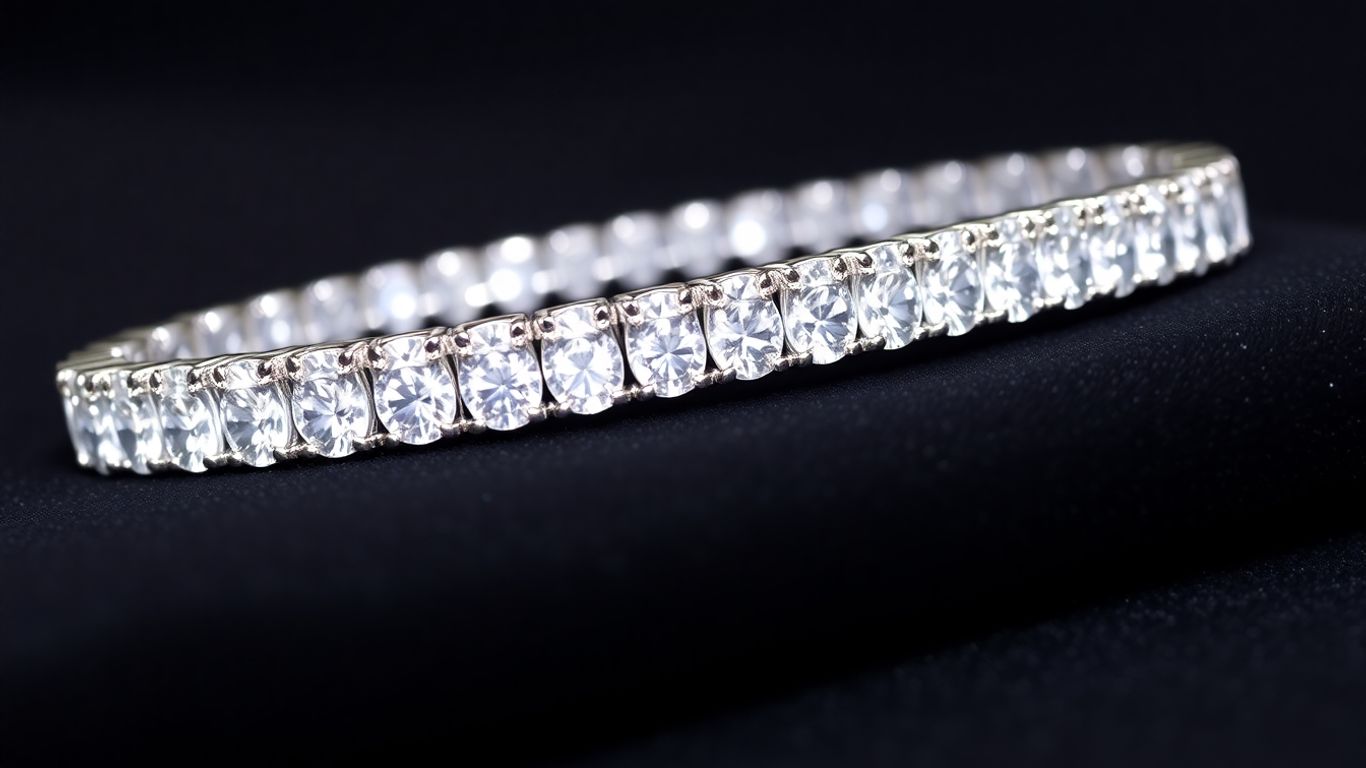
The Timeless Elegance of a Diamond Tennis Bracelet: A Buyer's Guide
Read More









.webp)
.webp)