Your Ultimate Diamond Buying Guide: Navigating the 4 Cs with Confidence
March 17, 2026 | 10 minutes read
Shopping for a diamond can feel a bit overwhelming at first. There’s a lot of talk about the 4Cs—cut, color, clarity, and carat—and it can seem like you need a science degree just to keep up. But honestly, once you break it down, it’s not as complicated as it sounds. This diamond buying guide is here to help you understand what really matters so you can pick a diamond that fits your style, your budget, and what you actually want. Whether you’re looking for an engagement ring or just something special, knowing the basics will make the whole process a lot less stressful.
Key Takeaways
- The 4Cs—cut, color, clarity, and carat—are the main things to look at when buying a diamond.
- Focusing on an excellent cut usually gives you the most sparkle for your money.
- Near-colorless diamonds (grades G–J) often look great and can save you some cash compared to the top color grades.
- You don’t need perfect clarity; if a diamond looks clean to your eye, it’s usually good enough.
- Think about what matters most to you—sparkle, size, or something unique—and use the 4Cs to help you find the right balance.
Understanding the Foundation: The 4Cs of Diamond Quality
What Are the 4Cs and Why Do They Matter?
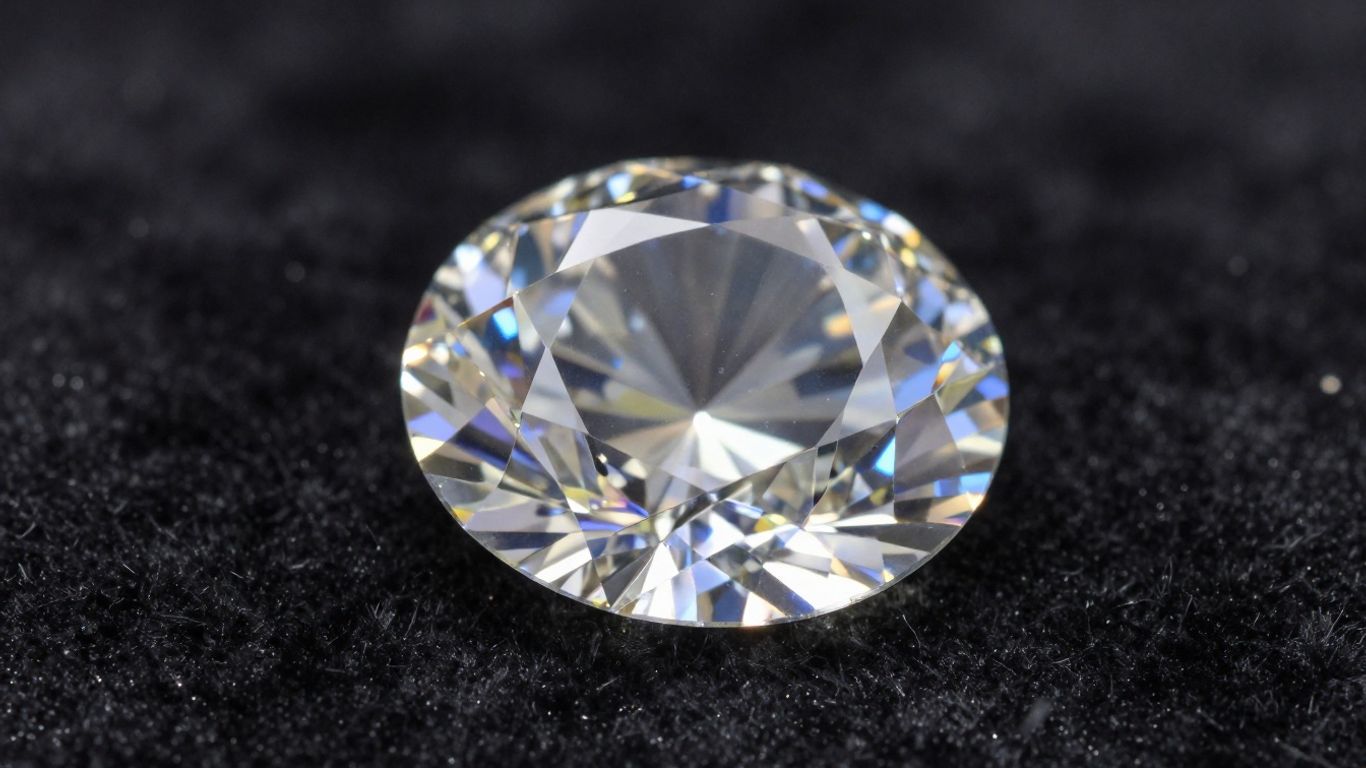
So, you're looking at diamonds. It can feel a bit overwhelming, right? All those sparkly stones, and you want to make sure you're getting something truly special without getting ripped off. That's where the 4Cs come in. They're basically the universal language jewelers and gemologists use to talk about diamonds. Think of them as the building blocks for understanding what makes one diamond different from another, and why some cost way more than others.
The 4Cs stand for Cut, Color, Clarity, and Carat weight. They were really standardized by the Gemological Institute of America (GIA) back in the 1940s. Before that, describing diamonds was a bit like trying to describe a sunset using only vague poetry. Jewelers might say a diamond was 'flawless' or 'like water,' and buyers just had to take their word for it. Only carat weight had a real measurement. The GIA created the 4Cs to bring some order to the chaos, making it easier for everyone to compare diamonds fairly.
Understanding these four things is super important because they directly affect how a diamond looks, how rare it is, and ultimately, its price. It's not just about picking the biggest or the brightest; it's about finding the right balance for you.
The Gemological Institute of America's Standard
The GIA is pretty much the gold standard when it comes to grading diamonds. They developed the system that most of the diamond world follows today. It's a way to take something as unique and natural as a diamond and give it a consistent, objective score. This means that a diamond graded by the GIA in New York should be described the same way by a jeweler in Antwerp or a buyer online. It takes a lot of the guesswork out of the process.
Here's a quick look at what each 'C' generally covers:
- Cut: This isn't about the shape (like round or princess), but how well the diamond's angles, facets, and finish work together to reflect light. A good cut makes a diamond sparkle.
- Color: For white diamonds, this refers to the absence of color. The less color a diamond has, the rarer and usually more valuable it is. The scale runs from D (totally colorless) to Z (light yellow or brown).
- Clarity: This looks at any natural imperfections (inclusions) inside the diamond or surface flaws (blemishes). The fewer and less noticeable these are, the better.
- Carat: This is simply the diamond's weight, measured in metric carats. One carat is equal to 200 milligrams. It's often mistaken for size, but it's really about mass.
A Universal Language for Diamond Evaluation
Having this standardized system is a game-changer. It gives you, the buyer, the power to ask specific questions and understand the answers. You're not just relying on a salesperson's description; you have a framework to evaluate the diamond yourself. It means you can shop with more confidence, knowing that you're comparing apples to apples, or in this case, diamonds to diamonds.
Before the 4Cs, buying a diamond was a leap of faith. You had to trust the seller's word, and there was a lot of room for misunderstanding. The 4Cs changed all that, making the process more transparent and giving consumers the tools they need to make smart choices.
Think of the 4Cs as your cheat sheet. They help you understand the trade-offs. Maybe you can get a slightly larger carat weight if you're okay with a tiny bit less color, or perhaps a fantastic cut will make a diamond with slightly lower clarity still look amazing. It’s all about finding what matters most to you within this established grading system.
Mastering Diamond Cut: The Key to Brilliance
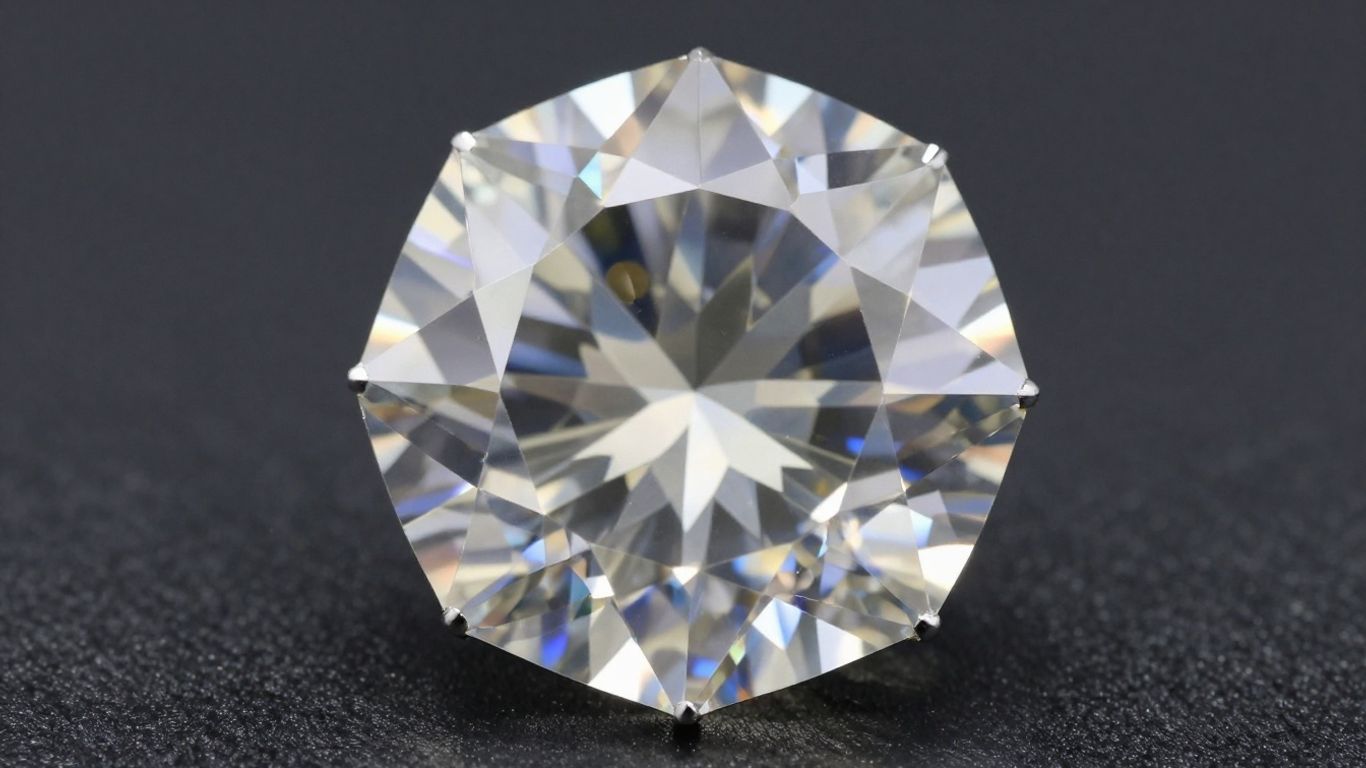
When you're looking at diamonds, you'll hear a lot about the 4Cs: cut, color, clarity, and carat weight. But if you ask me, and a lot of gemologists agree, the cut is really where the magic happens. It's not just about how sparkly a diamond is; it's about how it interacts with light. Think of it like this: a diamond can be the most perfect color and have zero flaws, but if it's cut poorly, it'll just look dull. It’s the cut that really makes a diamond come alive.
How Cut Affects Sparkle, Fire, and Scintillation
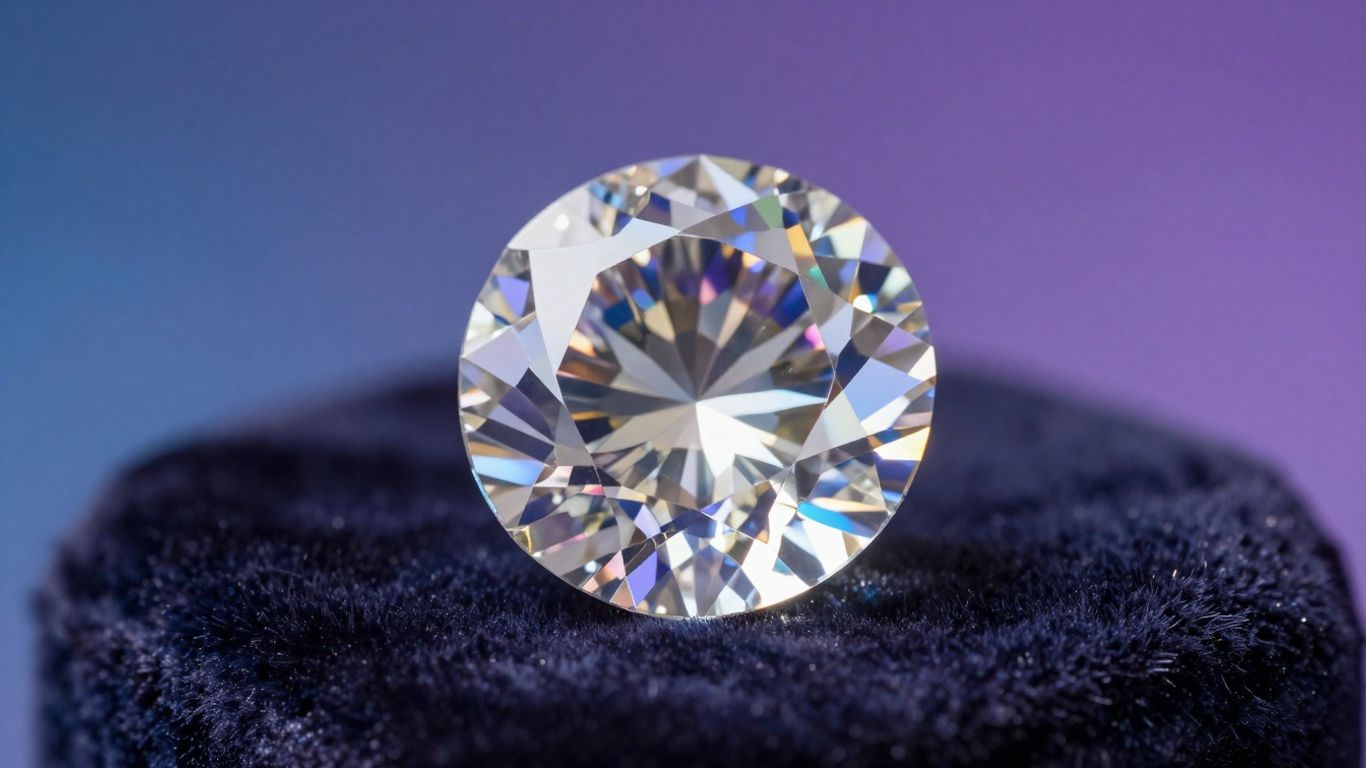
The way a diamond is cut determines how it reflects light. A well-cut diamond will send light bouncing around inside, and then back out to your eye. This creates three main effects:
- Brilliance: This is the overall white light that reflects back. It's the main sparkle you see.
- Fire: These are the flashes of color, like little rainbows, that you see when the diamond moves. It's caused by light breaking into different colors.
- Scintillation: This is the play of light and dark areas, the twinkle and flash you get when the diamond, or the light source, moves. It's what makes a diamond look lively.
A diamond's cut is the most important factor in its overall beauty. Even a diamond with a lower color or clarity grade can look amazing if it has a fantastic cut. It’s all about how well the diamond is proportioned and polished to return light effectively.
The precision involved in cutting a diamond is incredible. It's a delicate balance between maximizing the stone's size and ensuring it performs brilliantly. Every facet, every angle, is planned to make the diamond look its absolute best. It's a true art form.
Proportions, Symmetry, and Polish Explained
When we talk about a diamond's cut, we're really looking at three specific things:
- Proportions: This refers to the angles and dimensions of the diamond's facets. The exact angles determine how light enters and exits the stone. If the proportions are off, light can escape through the bottom or sides, making the diamond look less bright.
- Symmetry: This is about how precisely the facets are aligned. Are the tiny little surfaces of the diamond lined up perfectly? If they're not, light can be misdirected, affecting the sparkle.
- Polish: This is the smoothness of the diamond's surface. A well-polished diamond will have a clean, bright shine. Any roughness or imperfections on the surface can dull the sparkle.
Prioritizing Cut for Maximum Visual Appeal
So, how do you make sure you're getting a great cut? The Gemological Institute of America (GIA) grades diamond cuts on a scale from Excellent to Poor. For most people, aiming for an Excellent or Very Good cut is the sweet spot. These grades mean the diamond will have fantastic brilliance, fire, and scintillation. While a round brilliant is the most popular diamond shape, the principles of good cut apply to all shapes. Don't get too caught up in the exact numbers; focus on how the diamond looks to you. If it's dazzling and you can't stop looking at it, that's a good sign you've found a well-cut stone.
Exploring Diamond Color: Subtle Hues, Significant Value
When you think about diamonds, you might picture that super bright, icy white sparkle. And sure, that's definitely a look! But the truth is, diamond color is a whole spectrum, and for the most common 'white' diamonds, the real story is about how much color is absent. The less color a diamond has, the rarer it usually is, and that often means a higher price tag. It's not just about being white; it's about the subtle differences that make each stone unique.
The GIA Color Grading Scale: D to Z
The Gemological Institute of America (GIA) came up with a standard way to grade diamond color, and it's pretty much the industry norm. They use a scale that runs from D all the way to Z. Think of D as the absolute best – totally colorless. As you move down the alphabet towards Z, you start seeing more and more yellow or brown tints. It's a pretty precise system, and even small shifts between grades can make a difference in price, though it's often hard for the average person to spot without a trained eye and the right conditions.
Here's a quick rundown:
- D-F: These are the top dogs, completely colorless. They're super rare and have that icy brilliance. If you want the absolute whitest diamond, this is your range.
- G-J: This is the 'near-colorless' zone. You might see a tiny hint of warmth if you look really closely, especially in larger stones, but set in a ring, they often look just as white as the D-F grades to most people. This is a really popular spot for value.
- K-M: Here, you'll start to notice a bit more color. It's still pretty subtle, and some people actually like this gentle warmth, especially in certain settings.
- N-Z: Diamonds in this range have a more noticeable color. While they might not be what most people think of as a 'white' diamond, they can still be beautiful, and often come with a much friendlier price tag.
Remember, diamonds are graded for color while looking at them face-down. This is done so that the diamond's sparkle doesn't trick the grader into thinking it's more colorless than it really is. The color you see when it's set in a ring (face-up) can sometimes look different, especially with a good cut.
Near-Colorless Diamonds: A Smart Choice
Honestly, for most people, the sweet spot is in the near-colorless range (G-J). Why? Because you get a diamond that looks beautifully white to the naked eye, especially once it's set in a ring, but you don't pay that premium price for the absolute top grades. It's like getting 95% of the look for maybe 70% of the cost. A well-cut diamond in this range will still have amazing sparkle and fire, which can actually help mask any slight warmth. It's a really practical way to get a stunning diamond without breaking the bank.
When Color Adds Character
Now, let's talk about the diamonds that do have noticeable color – the fancy colored diamonds. We're talking about natural pinks, blues, yellows, and even greens. These are graded differently, not on the absence of color, but on the intensity and richness of the color itself. A vivid pink diamond, for example, is incredibly rare and can be worth way more than a colorless diamond of the same size. These stones are unique, and their color tells a story about their journey from deep within the Earth. While they're outside the D-Z scale, they represent a different kind of beauty and rarity that many people find incredibly appealing.
Assessing Diamond Clarity: Nature's Unique Signatures
If you look closely at almost any diamond, you’ll spot tiny marks, lines, or even cloud-like patches—they’re part of what makes your diamond one-of-a-kind. These are what gemologists call inclusions and blemishes. Diamond clarity is all about how visible these features are, both to the naked eye and under magnification. Some folks get obsessed with the idea of "flawless" stones, but honestly, most inclusions are so small that you’ll never see them in your daily wear .
Inclusions and Blemishes: What to Look For
Not all imperfections are equal. Here are some of the most common marks you might encounter:
- Inclusions: These are internal features, like tiny crystals, feather lines, or wisps, formed inside the diamond during its long creation underground.
- Blemishes: These show up on the surface—think scratches, nicks, or natural pits.
- Position matters: An inclusion right in the center might be easier to spot than one tucked near the edge.
Some inclusions can affect how your diamond reflects light, but many are impossible to find without a jeweler’s loupe. If you’re buying in-person, tilt the stone and see if any marks catch your eye in normal lighting.
Eye-Clean Diamonds: Value and Beauty
People talk about wanting an “eye-clean” diamond—a stone that looks perfect to the naked eye, even if there are minor flaws only visible under magnification. Here’s a quick breakdown of how the popular clarity grades often stack up:
| Clarity Grade | Eye-Clean? |
|---|---|
| Flawless (F) | Yes |
| Internally Flawless (IF) | Yes |
| VVS1, VVS2 | Yes |
| VS1, VS2 | Almost always |
| SI1 | Usually |
| SI2 | Sometimes |
| I1, I2, I3 | Rarely |
- "Eye-clean" stones in the VS and SI1 range can be smart picks—they look beautiful but cost much less than higher grades.
- There’s no lab-defined rule for “eye-clean”—opinions can vary, so always check for yourself or ask your jeweler to confirm.
- Many inclusions vanish once the diamond is set, especially in round or cushion cuts.
Even if a report lists some inclusions, they might never bother you in real life. Focus more on what you can see, rather than chasing the perfect paperwork.
Understanding Clarity Grades for Your Budget
GIA (Gemological Institute of America) uses a clarity scale with 11 grades. Here’s how the main ones are spaced out:
| Grade | Description |
|---|---|
| Flawless (F) | No flaws seen under 10x magnification |
| Internally Flawless (IF) | No internal flaws; only minor surface marks |
| VVS1, VVS2 | Extremely hard-to-spot inclusions under the loupe |
| VS1, VS2 | Minor inclusions, hard to see, even with a loupe |
| SI1, SI2 | Noticeable inclusions under the loupe; can be seen by eye in SI2 |
| I1, I2, I3 | Obvious inclusions, may affect sparkle or strength |
Here’s what to consider as you set your clarity priorities:
- Decide if clarity or size matters more. You can pick a larger diamond with slightly lower clarity, as long as it looks clean to the eye.
- Different shapes show inclusions differently. Step cuts (emerald, Asscher) show off flaws more easily, so it often makes sense to pick a higher clarity. Brilliant shapes (round, oval, cushion) hide inclusions better, so you might get away with SI1 or even SI2.
- No two diamonds are identical—even ones with the same grade may look different. Always judge with your own eyes when possible.
You probably don’t need a "perfect" diamond for it to look incredible on your hand. Most people settle somewhere in the VS or SI range. It’s about balance: get a stone that pleases your eye—not just a certificate that impresses on paper.
Navigating Diamond Carat Weight: Beyond Size
It's easy to think carat is all about how big the diamond looks, but that's not quite it. Carat actually measures weight, not size. One carat equals 200 milligrams—about the weight of a small paperclip. Because carat is precise, jewelers can describe diamonds to the hundredth of a carat (like 0.76ct), and these tiny differences can mean big jumps in price. What's wild is that two diamonds with the same carat can actually look very different on your hand, depending on how they're cut. Check both carat and millimeter measurements online to get a real sense of visual size, as explained in this summary of how carat relates to diamond size.
How Carat Weight Impacts Price
Carat weight makes a big difference in how much a diamond costs, but it doesn't work like you'd expect. The price per carat usually goes up as the weight increases. Those "magic" weights (like 1.00ct or 2.00ct) especially push up the price. For example, a 0.98ct diamond might look just like a 1.00ct, but cost a lot less. Here’s a rough table to show how carat weight translates to face-up size in round brilliants:
| Carat Weight | Approx. Diameter (mm) |
|---|---|
| 0.25ct | 4.1 |
| 0.50ct | 5.2 |
| 0.75ct | 5.9 |
| 1.00ct | 6.5 |
| 1.50ct | 7.4 |
| 2.00ct | 8.2 |
Strategic Carat Choices for Value
If you want the best value for your money, it pays to be clever about carat. Here are some real-world tips:
- Go for "just under" a magic weight (like 0.98ct instead of 1.00ct) to save money, with no real difference in look.
- Pick an elongated shape (like oval or pear) since these tend to look bigger for the same carat weight.
- Try a halo setting or a thin band—these tricks make the center diamond seem larger than it is.
- Focus on cut! A smaller, well-cut diamond almost always looks better (and bigger) than a heavier one with a bad cut.
When you’re choosing carat, don’t obsess over the number—how the diamond actually looks and sparkles is what really matters. Most people can’t tell the difference between a 0.90ct and a 1.00ct unless they’re side-by-side, but your wallet definitely will.
Balancing the 4Cs for Your Perfect Diamond
Choosing a diamond that feels just right means making a few trade-offs. The 4Cs—cut, color, clarity, and carat—don’t always fit neatly into one perfect package, especially when you’re working with a real budget. The good news? You can still find something beautiful when you know which parts to flex on and which to stand firm.
Prioritizing Your Preferences: Cut, Color, Clarity, or Carat?
Cut should almost always come first because it has the most impact on how your diamond actually sparkles. If you want a diamond that catches the light from across the room, target an excellent or very good cut. Once you’ve found stones with top-tier cut, decide if you care more about size (carat), colorless appearance, or minimal inclusions.
- For maximum sparkle: Focus on excellent cut and near-colorless color (G–J grades).
- For larger size: Be flexible on clarity and color within reason.
- For absolute rarity: Insist on colorless (D–F) and high clarity (VS1+).
- For a unique look: Maybe inclusions or a warm color feel right—sometimes personality matters most.
It can help to remember cut is what gives a diamond life, while the other Cs shape its presence and price.
Finding the Best Value Within Your Budget
Price jumps quickly as you tick up each C, so balancing them is key. Here’s a straightforward table showing how most shoppers get the most sparkle for their money:
| Priority | Ideal Grade | What to Flex On |
|---|---|---|
| Sparkle | Excellent Cut | Lower carat, SI1-SI2 clarity |
| Bigger Size | Good Cut, J-K Color | More inclusions |
| No Flaws | VS1+ Clarity, D-F Color | Lower carat, Good cut |
| Balanced | Excellent Cut, G-H Color, VS2-SI1 Clarity | Carat weight |
You’ll usually get a much prettier diamond by letting carat weight be the adjustable factor rather than sacrificing cut. As many jewelers will confirm, a G-J color grade and a cut that’s made as well as possible can look absolutely stunning—even at a slightly smaller size.
When to Be Flexible and When to Stand Firm
Every diamond decision comes down to personal taste and what actually matters to you (or the person wearing it):
- If you’re set on size, you may need to relax a little on color or clarity.
- If you’re worried about visible flaws, look for "eye-clean" diamonds rather than perfect clarity grades.
- If brilliance is your thing, don’t go below the best cut grades you can afford.
The right diamond isn’t always the biggest or the rarest—it’s the one you can’t stop looking at, that feels uniquely yours. Trust what catches your eye, and don’t let grades alone make the final call.
Balancing the 4Cs doesn’t mean settling—it means picking a stone that feels special to you and makes the most of every dollar you’re spending. Knowing where to hold steady and where to stretch a little is the real key to buying with confidence.
Beyond the 4Cs: Additional Diamond Buying Considerations
The Impact of Diamond Shape
So, you've got a handle on the 4Cs, which is fantastic! But there's more to consider than just cut, color, clarity, and carat. Think about the shape of your diamond. It's not just about looks; the shape can actually influence how the diamond appears in terms of size and even how well it hides imperfections. For instance, a round brilliant cut is known for maximizing sparkle, but other shapes like the oval or marquise can appear larger for their carat weight. Some shapes, like emerald or Asscher cuts, tend to show inclusions more readily because of their step facets, so you might need to aim for a higher clarity grade in those. It's a bit of a balancing act, really.
Here's a quick look at how different shapes can play with perception:
- Round Brilliant: The classic choice, designed for maximum sparkle. Generally appears true to its carat weight.
- Oval: Can look larger than a round diamond of the same carat weight due to its elongated shape.
- Marquise: Similar to the oval, its length can create an illusion of greater size.
- Emerald & Asscher: These step-cut diamonds have a more geometric look and can highlight clarity characteristics more visibly.
- Princess & Cushion: Often have a bit more fire and brilliance than step cuts, and can sometimes hide inclusions well.
Ethical Sourcing and Origin
These days, where your diamond comes from matters to a lot of people. It's not just about the beauty of the stone anymore; it's about the story behind it. You'll hear a lot about ethically sourced diamonds, which means they're mined and processed in ways that respect human rights and the environment. This can involve everything from fair labor practices to minimizing ecological impact. Some buyers feel really strongly about this, and it's definitely something to look into if it's important to you. You can often find diamonds with certifications that speak to their responsible origins. It’s good to know that your beautiful stone didn't come with a hidden cost.
The journey of a diamond from the earth to your finger is complex. Understanding the ethical considerations involved, such as fair labor and environmental impact, allows for a more conscious purchase. Many jewelers are transparent about their sourcing, offering peace of mind alongside the sparkle.
Utilizing Grading Reports and Expert Advice
So, you've got your eye on a diamond, and you're looking at its report. What does it all mean? A grading report, usually from a reputable lab like the Gemological Institute of America (GIA), is like a diamond's passport. It details all those 4Cs we've talked about, plus other characteristics. Don't just glance at the grade; read the details. Sometimes, a diamond might have a great overall grade but a specific characteristic that might not appeal to you. It's also super helpful to talk to a jeweler or a gemologist. They've seen thousands of diamonds and can point out things you might miss, like how a diamond looks in different lighting or how it might perform in a specific setting. They can help you understand lab-created diamonds and natural ones, too, making sure you get exactly what you're looking for within your budget.
So, What's the Takeaway?
Alright, so we've gone through the whole 4Cs thing. It might seem like a lot at first, but really, it just gives you a solid way to look at diamonds. Remember, the 4Cs are your guide, not some strict rules you have to follow. Think about what's most important to you – maybe it's that amazing sparkle from a great cut, or perhaps you're okay with a slightly warmer color if it means getting a bigger stone. Don't forget that sometimes, a diamond just has that 'it' factor, that something special that catches your eye. Use what we've talked about to feel good about your choice, and at the end of the day, pick the diamond that makes you happy.
Frequently Asked Questions
What are the 4Cs of diamonds and why are they important?
The 4Cs stand for Cut, Color, Clarity, and Carat. They are the main ways to judge a diamond’s quality and value. Knowing about the 4Cs helps you understand what makes one diamond different from another and helps you pick the best one for your needs and budget.
Which of the 4Cs should I focus on the most when buying a diamond?
Most experts say Cut is the most important because it affects how much the diamond sparkles. Even if a diamond has good color, clarity, and carat, a poor cut can make it look dull. If you want a diamond that really shines, always look for an Excellent or Very Good cut.
What does 'eye-clean' mean when talking about diamond clarity?
‘Eye-clean’ means any flaws or marks inside the diamond (called inclusions) or on the outside (called blemishes) can’t be seen without a magnifying glass. An eye-clean diamond looks perfect to the naked eye, even if it isn’t totally flawless under a microscope.
How does carat weight affect the price of a diamond?
Carat is how much a diamond weighs. Bigger diamonds are rarer, so the price goes up a lot as carat weight increases. But two diamonds of the same carat can look different if one is cut better. Sometimes, a slightly smaller diamond with a better cut will look just as big, but cost less.
Is it better to choose a near-colorless diamond instead of a colorless one?
Yes, for most people, a near-colorless diamond (like G–J on the color scale) looks almost the same as a colorless one (D–F) but costs less. Unless you put them side by side, you probably won’t notice the difference, so it’s a smart way to save money.
Are there things to think about besides the 4Cs when buying a diamond?
Yes! You should also think about the shape of the diamond, where it comes from, and if it was sourced in an ethical way. It’s also smart to check for a grading report from a trusted place like the GIA, and to ask a jeweler or expert for advice if you have questions.
Your Ultimate Wedding Jewellery Guide: From Engagement Ring to Bridal Sparkle
10 minute read
Related blogs:
November 20, 2025
The Timeless Elegance of the Tennis Bracelet: A Comprehensive Guide
Read More
November 20, 2025
The Ultimate Guide to Styling and Wearing a Choker Necklace
Read More
November 20, 2025
Find Your Perfect Engagement Ring: A Comprehensive Guide to Styles and Diamonds
Read More
November 20, 2025
The Timeless Elegance of a Diamond Tennis Bracelet: A Buyer's Guide
Read More









.webp)
.webp)