Birthstone jewellery gifts: How to choose a meaningful personalized present
August 3, 2026 | 10 minutes read
Key Takeaways
Birthstone jewellery gifts feel most personal when the gemstone, design, and presentation all suit the recipient. Start with meaning, then consider wearability, quality, personalization, and the practical details that make a gift easy to enjoy.
- Learn the traditional and modern stones associated with each birth month.
- Match the jewellery style to the recipient’s habits and relationship to you.
- Compare gemstone origins, metal choices, durability, and craftsmanship.
- Add personal details without making the piece difficult to wear.
- Allow time for sizing, delivery, returns, and thoughtful presentation.
Understand the meaning behind each birthstone
Birthstones give a present a natural starting point, but they do not have to dictate every decision. The most familiar associations can guide you toward a color or mood, while the recipient’s taste should make the final call. A beautiful stone becomes more meaningful when it feels chosen rather than assigned.
January through April birthstones
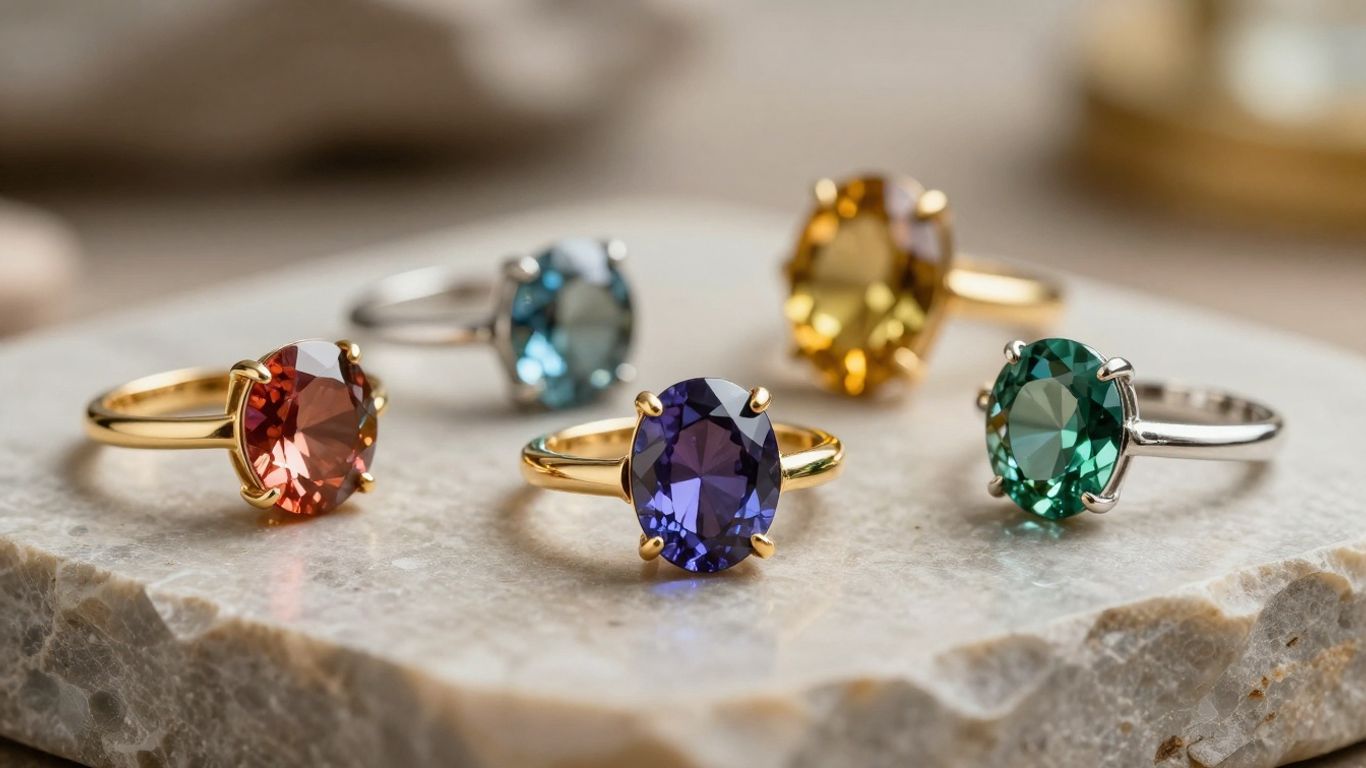
January is commonly associated with garnet, February with amethyst, March with aquamarine, and April with diamond. Their deep red, violet, pale blue, and clear brilliance offer very different visual directions. If the recipient prefers quiet color, aquamarine or amethyst may suit them better than a literal interpretation of the month.
May through August birthstones
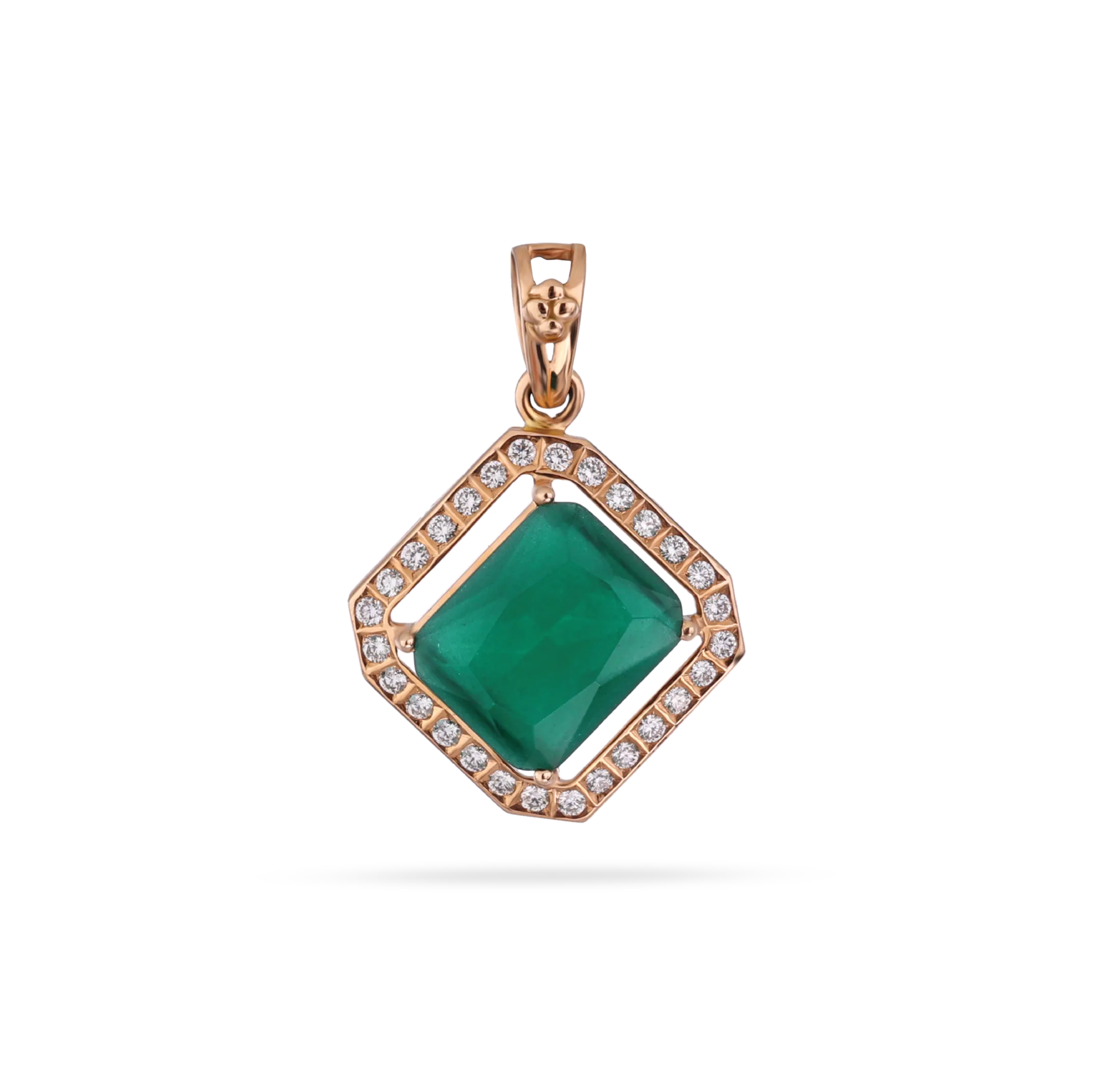
Emerald is linked with May, pearl with June, ruby with July, and peridot with August. This group ranges from saturated green and red to luminous white and fresh yellow-green. Consider whether the wearer enjoys bold color, soft neutrals, or a small accent that can blend into an existing jewellery collection.
September through December birthstones
September’s sapphire, October’s opal, November’s citrine, and December’s turquoise or blue topaz offer another varied palette. Sapphire can look polished and classic, while opal brings an changing flash of color and citrine adds warmth. December is especially useful for comparing traditional and newer choices before settling on one stone.
Traditional, modern, and alternative birthstones
Birthstone lists can differ by tradition, retailer, or jewellery organization, particularly for months with several accepted options. A modern or alternative stone may be more affordable, more durable, or simply closer to the recipient’s favorite color. Check the listing carefully so you know whether the stone is natural, lab-created, simulated, or an alternative birth-month choice.
Choosing a gemstone based on symbolism and personality
Symbolism is best treated as a prompt for thought, not a rulebook. Someone drawn to calm, oceanic colors may love aquamarine even if another stone is the more familiar choice; a person who prefers vivid drama may welcome ruby or garnet. The strongest gift combines the month’s story with something you already know about the wearer.
Match the gift to the recipient
The relationship helps determine how personal, decorative, or practical the gift should be. A partner may appreciate a private reference or significant date, while a grandparent may enjoy a design that brings several family members together. Look for the emotional meaning first, then choose a scale and style the recipient can genuinely wear.
Birthstone jewellery gifts for partners
For a partner, consider a pendant, ring, or bracelet that recalls a shared place, anniversary, or family moment. A single stone can feel intimate and restrained, while two stones can mark both people without making the design overly literal. Choose a style that works with the jewellery they already wear, rather than one that demands a whole new wardrobe.
Thoughtful options for mothers and grandparents
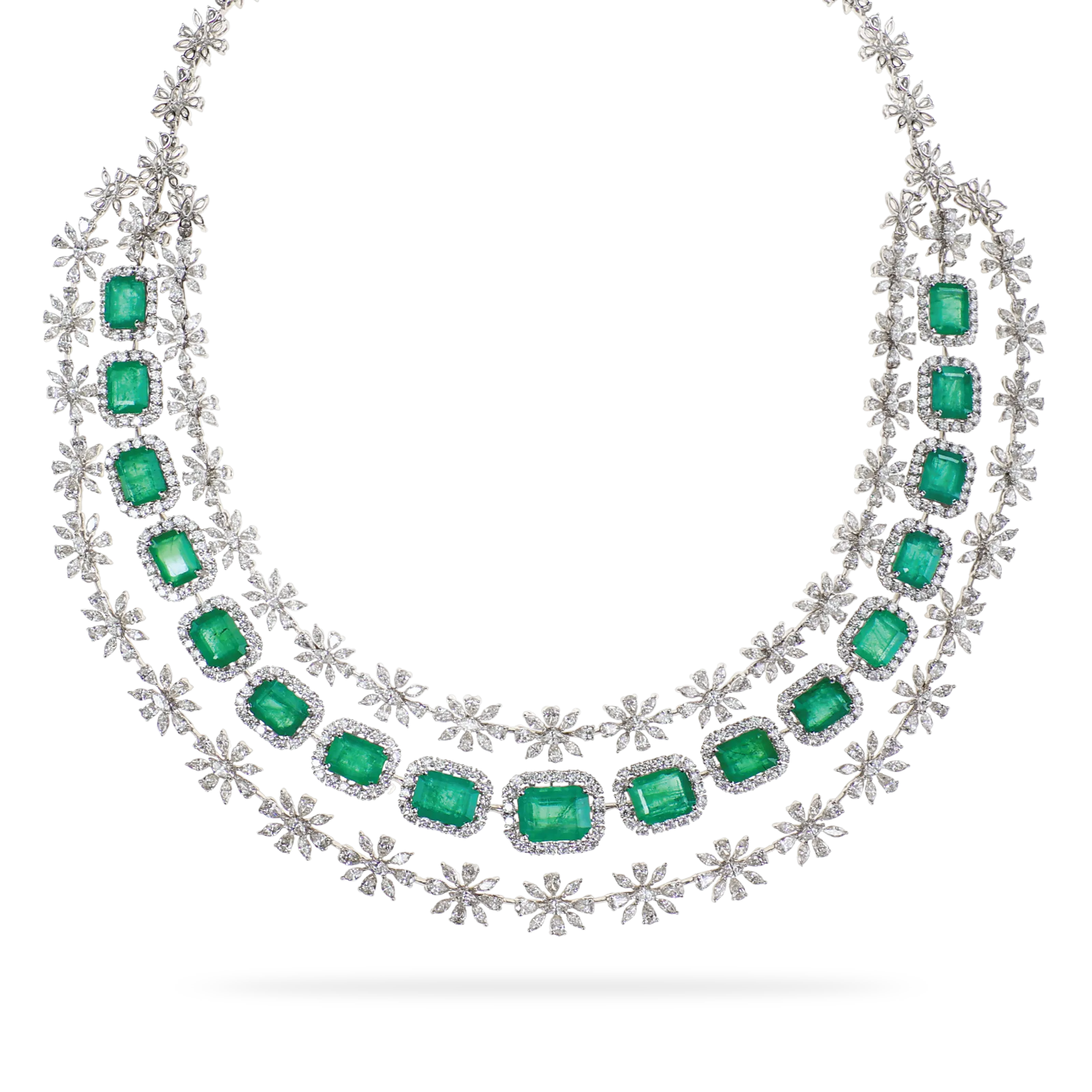
Mothers and grandparents often suit designs that gather several birthstones, especially when each stone represents a child or grandchild. A cluster pendant, charm bracelet, or graduated necklace can tell that family story gently. Keep the layout legible and balanced; too many tiny details can make a sentimental piece look busy.
Birthday gifts for friends and siblings
For a friend or sibling, a birthstone gift can be warm without feeling formal. Earrings, a small charm, or a slim stacking ring usually offers an approachable balance of personality and everyday usefulness. If you are unsure of their exact taste, choose a simple setting and let the stone provide the color.
Jewellery ideas for new parents and children
A new parent may appreciate a piece featuring the baby’s birthstone, perhaps alongside the parent’s own stone. For children, prioritize smooth edges, secure clasps, and proportions that will not feel cumbersome. A keepsake pendant or charm can also be bought slightly ahead of the child’s current size, provided the design remains safe and wearable later.
Choosing a piece for someone with multiple birthstones
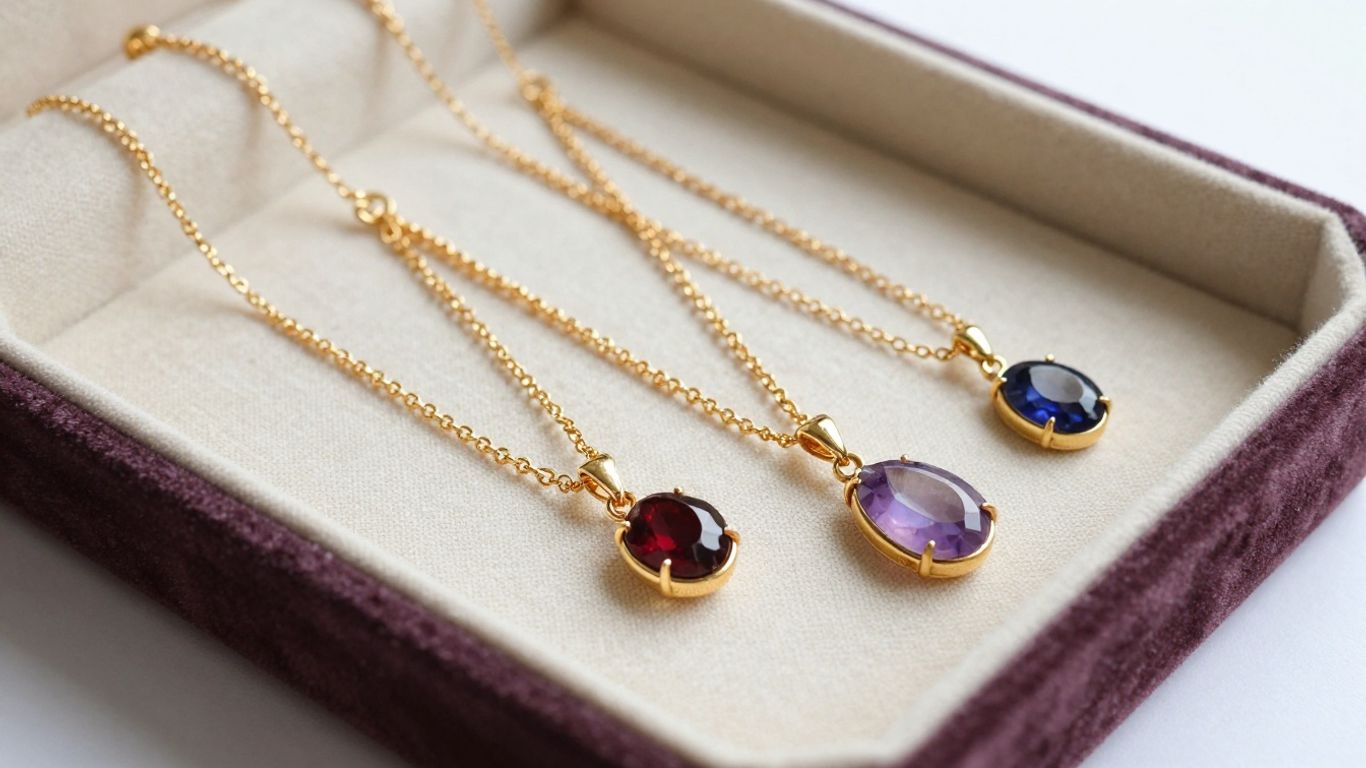
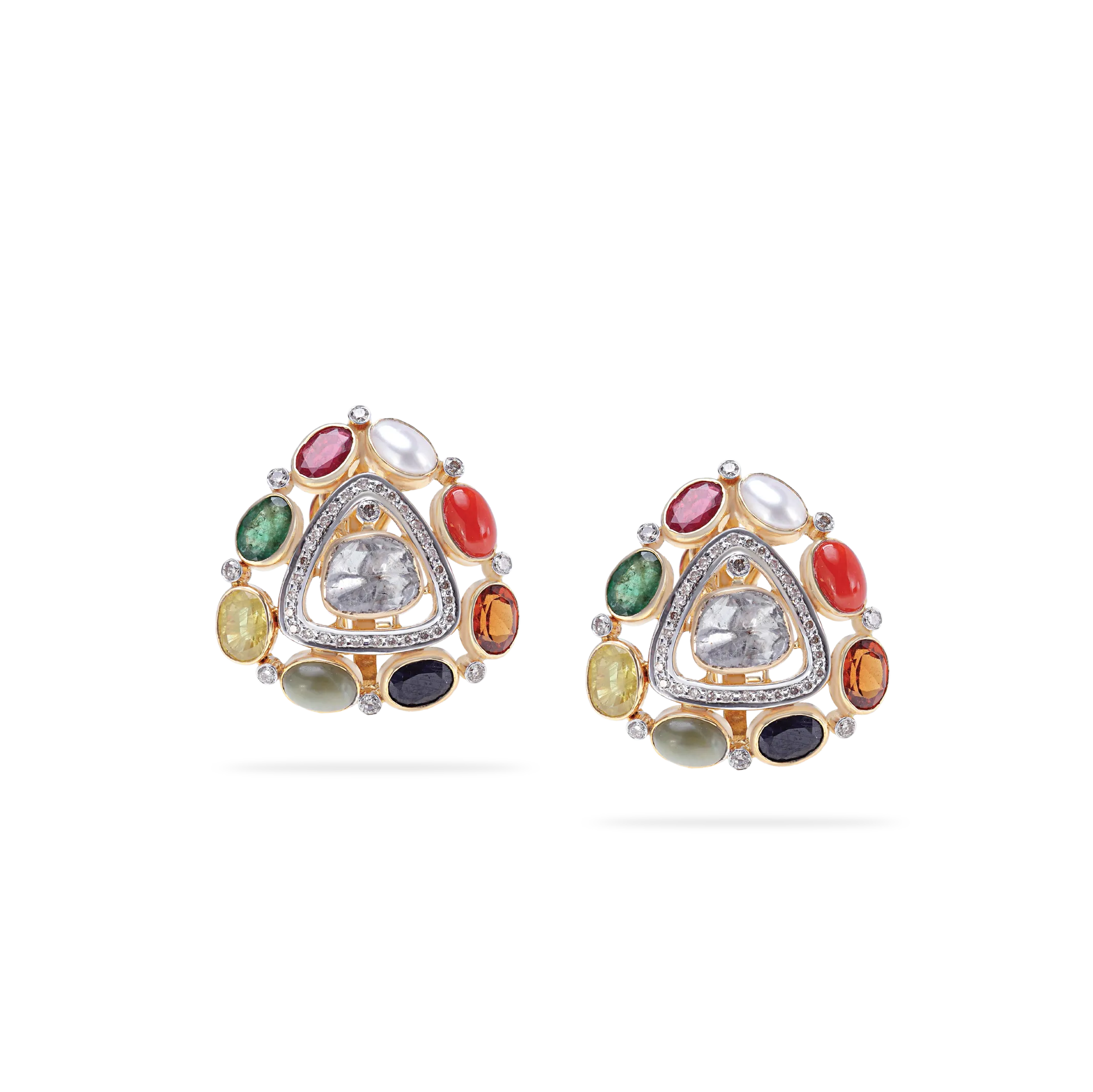
When someone has several relevant months in their family, decide whether the design should display every stone or focus on one central relationship. A mixed-stone piece can be colorful and expressive, whereas a main stone with smaller accents often looks more refined. A birthstone jewellery collection can help you compare these arrangements before committing to one format.
Choose the right type of jewellery
The best piece is not necessarily the most elaborate one. Think about how the recipient moves through an ordinary day, whether they layer jewellery, and which pieces they reach for without thinking. Everyday comfort matters as much as the symbolism when a gift is meant to become part of a regular wardrobe.
Necklaces and pendants for everyday wear
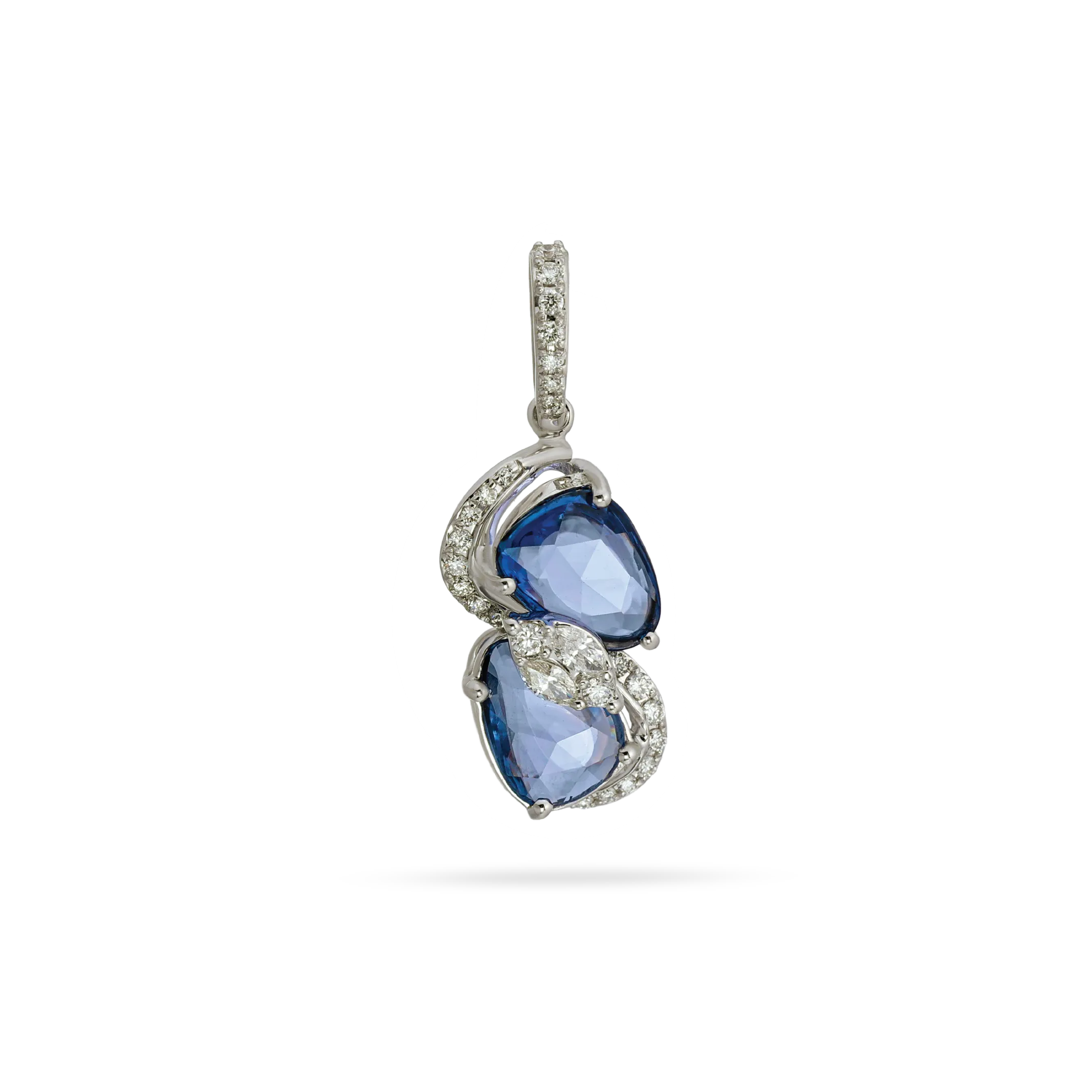
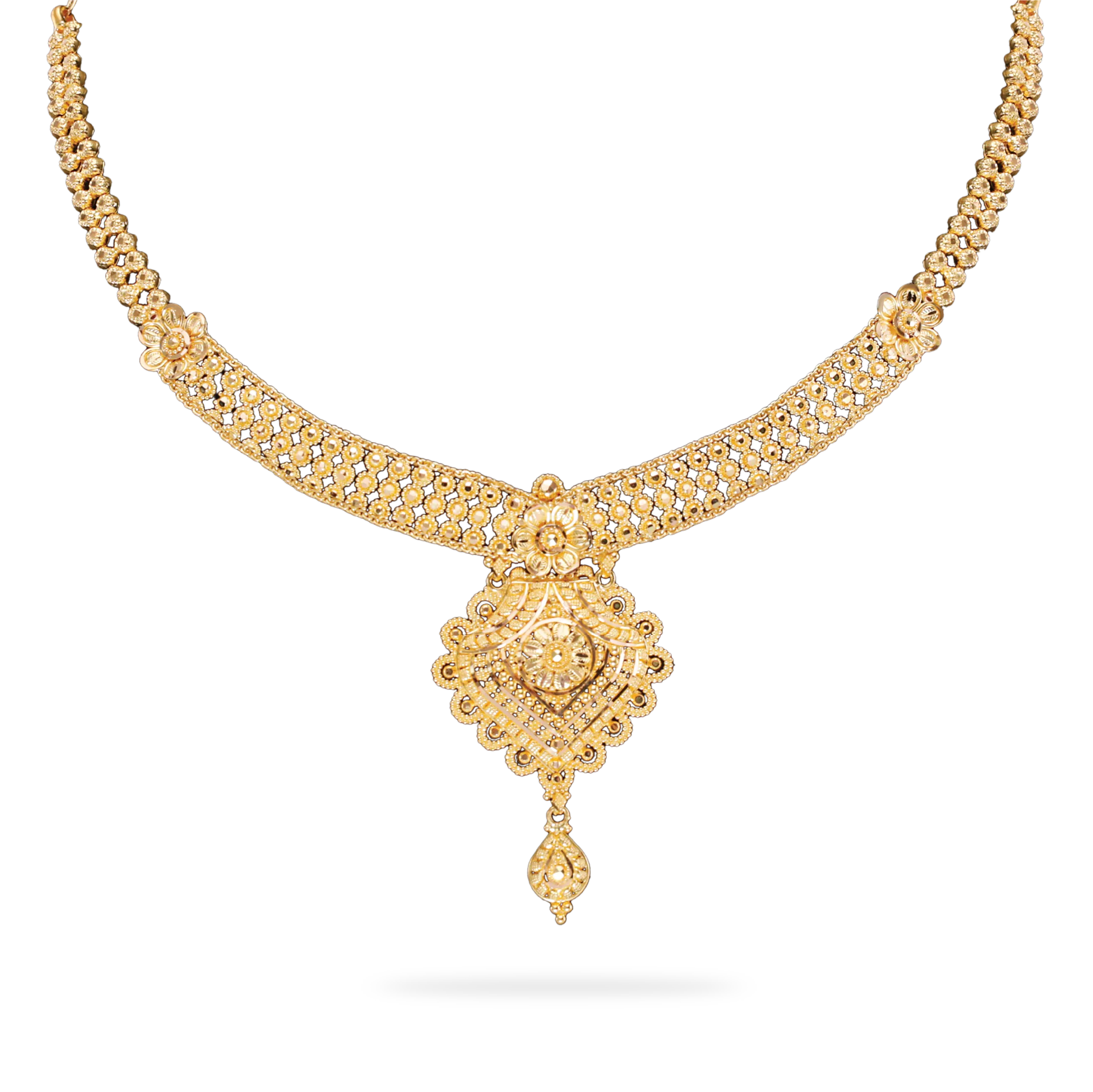
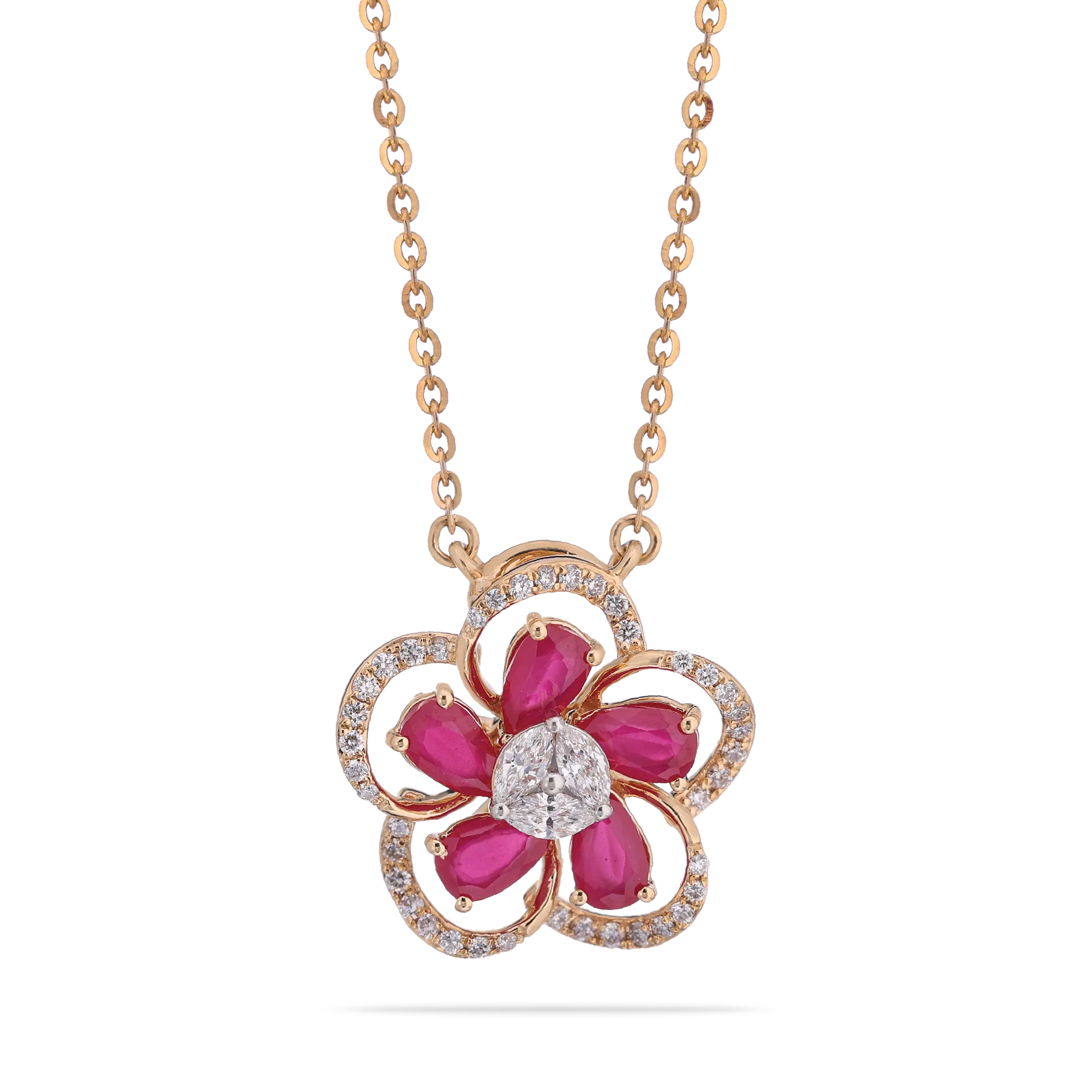
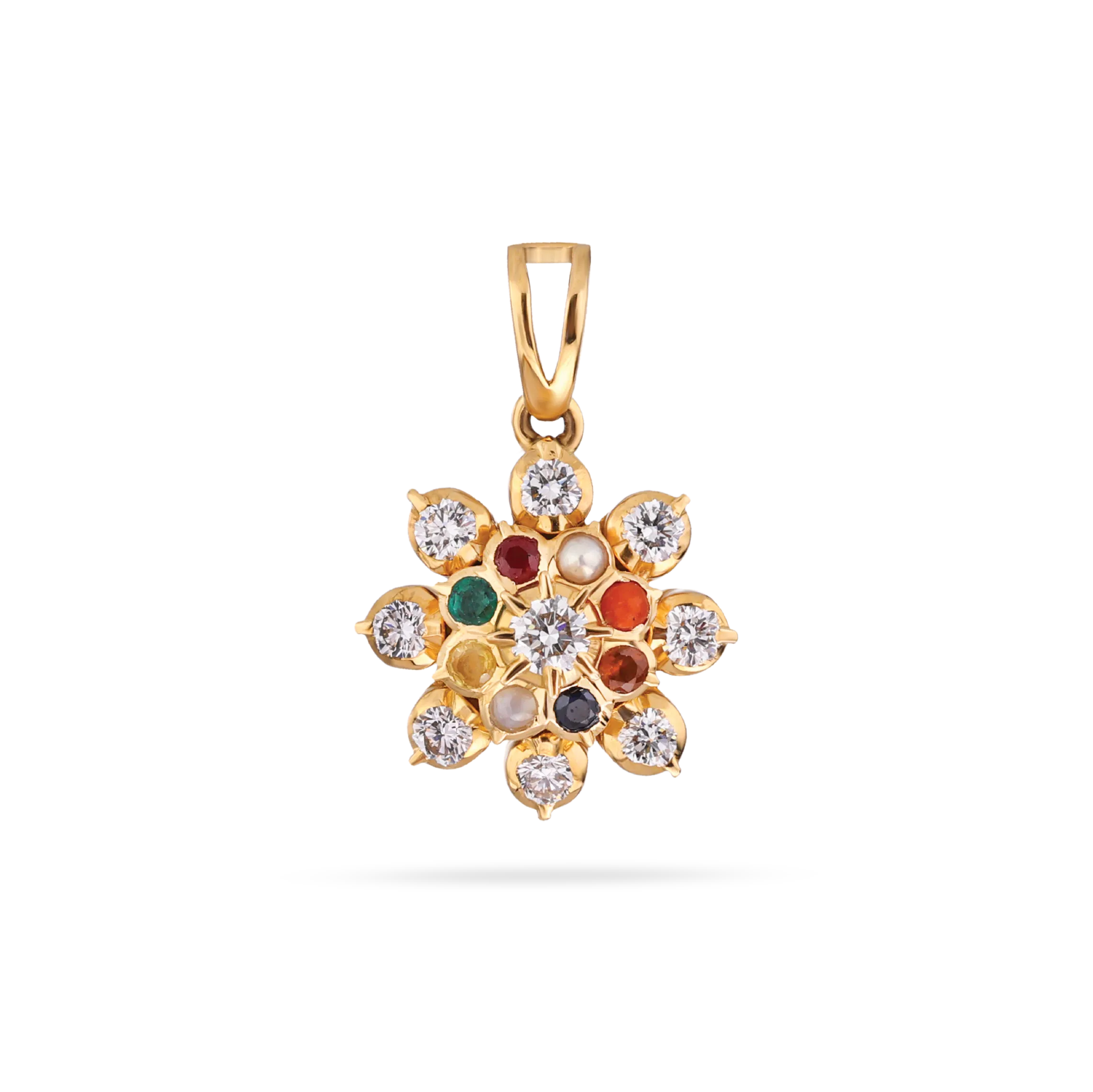
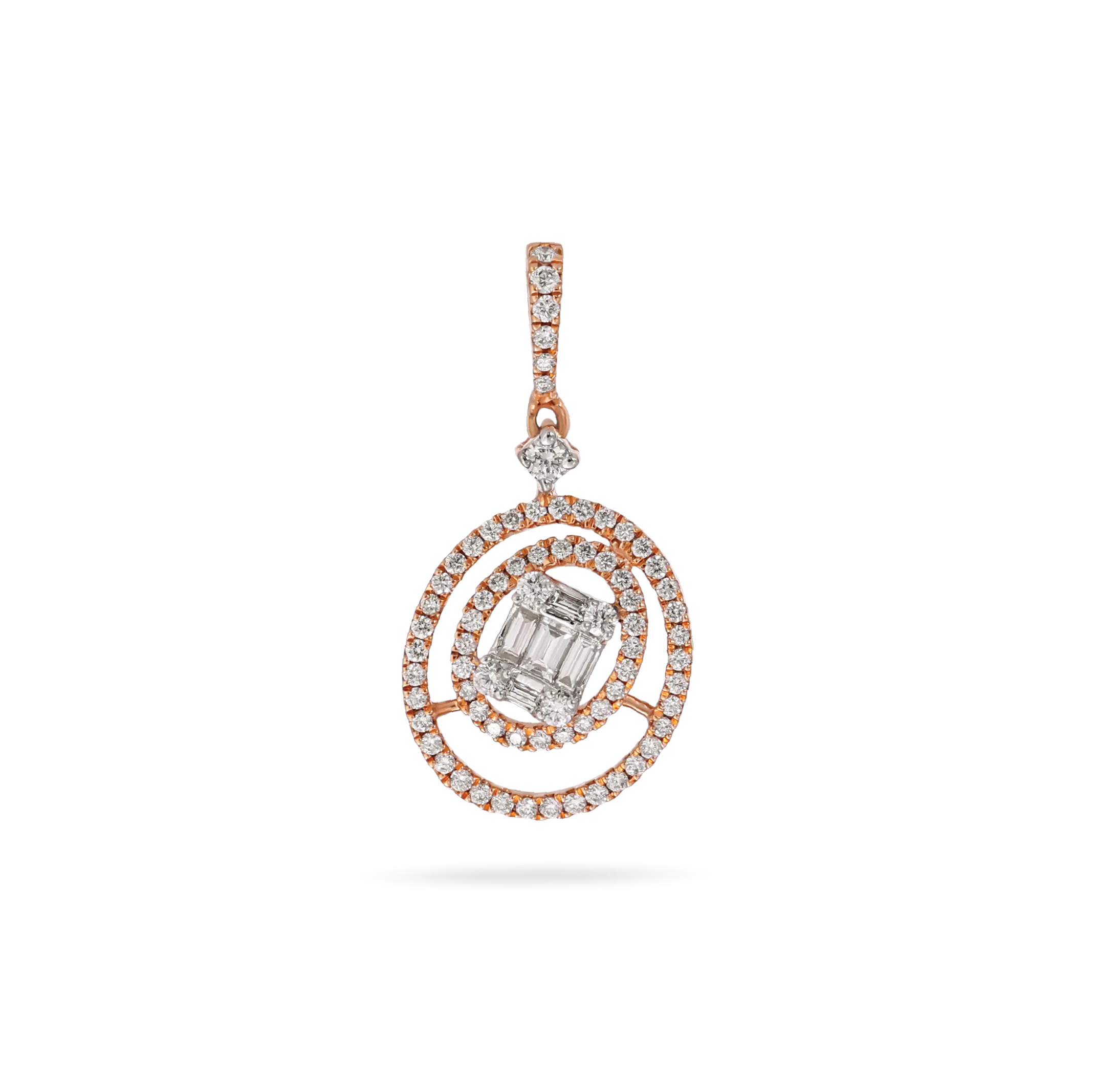
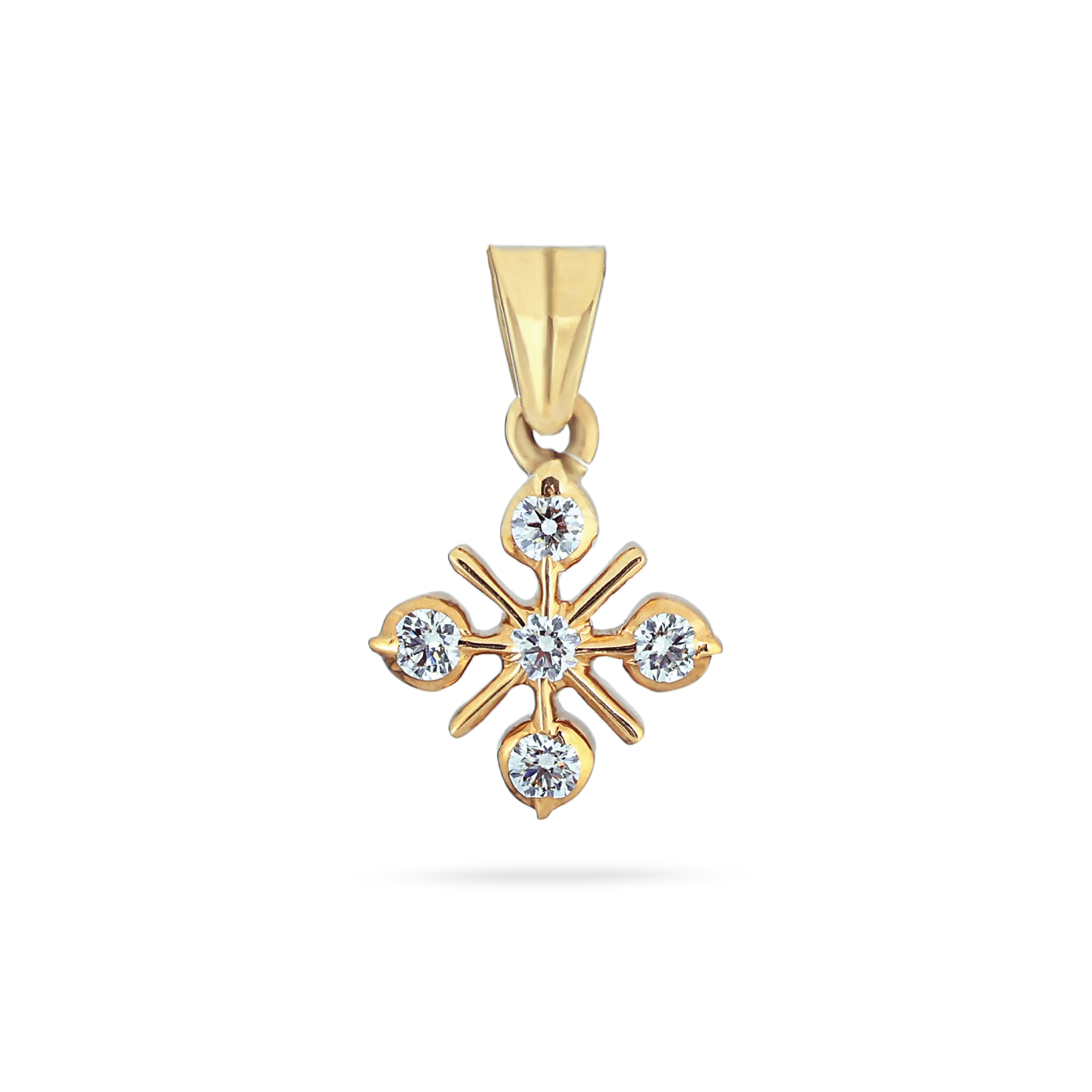
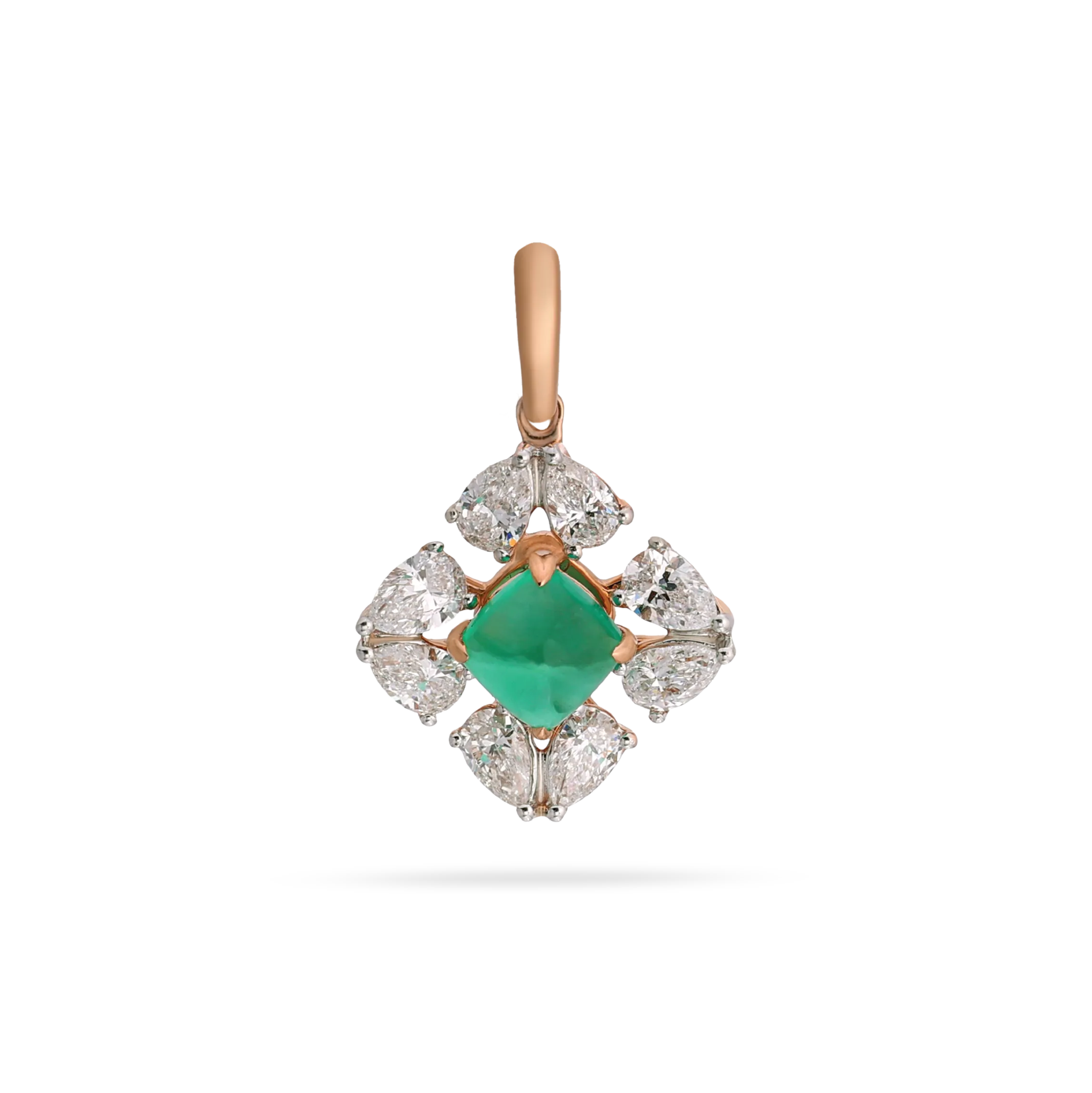
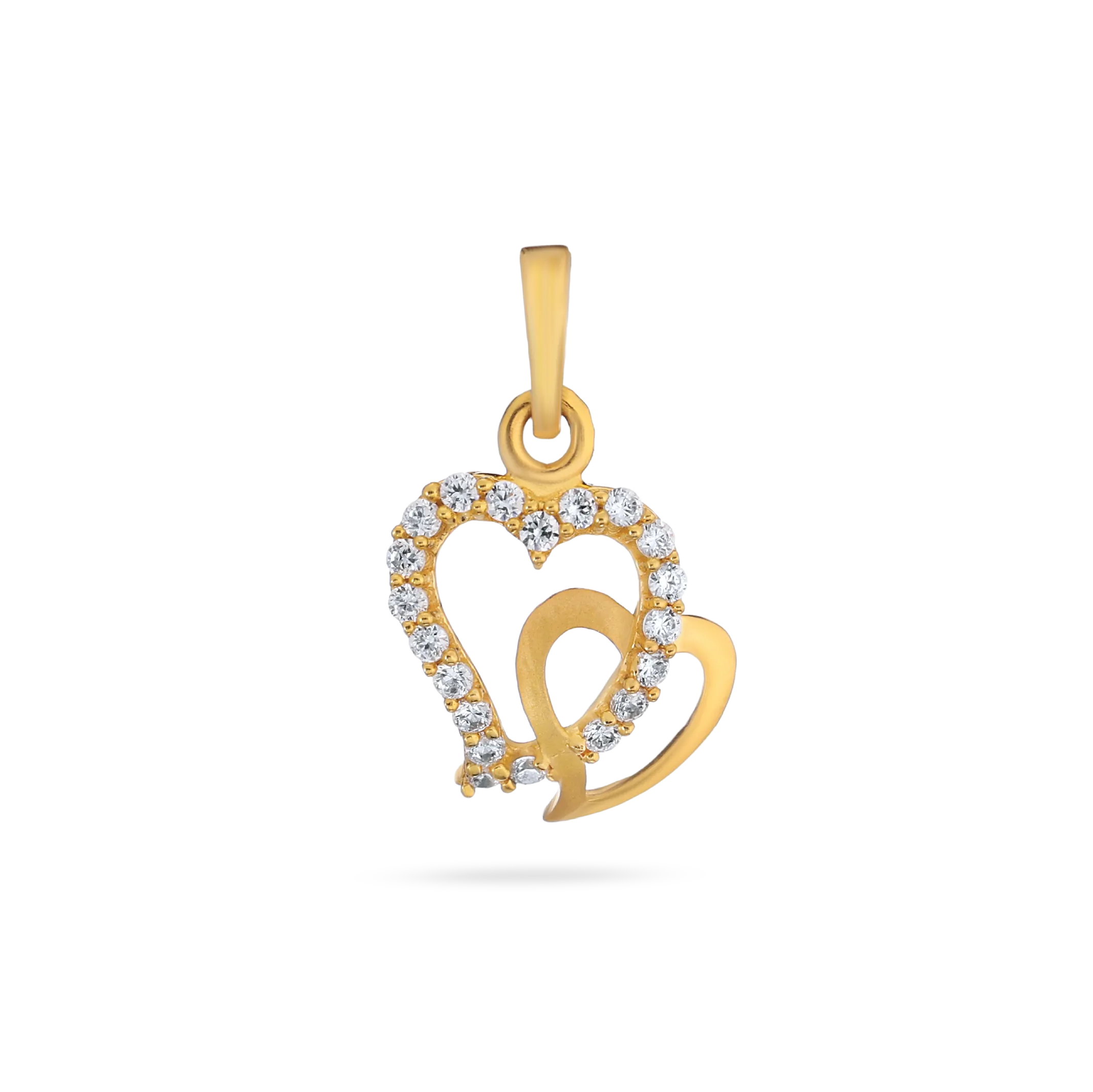
Necklaces are often the safest choice when you do not know a recipient’s ring size. A pendant can sit close to the heart, mark a birth month discreetly, or become the focal point of a layered look. Check chain length and pendant weight, since both affect whether the piece feels comfortable with shirts, sweaters, or work clothes.
Rings for milestones and personal celebrations
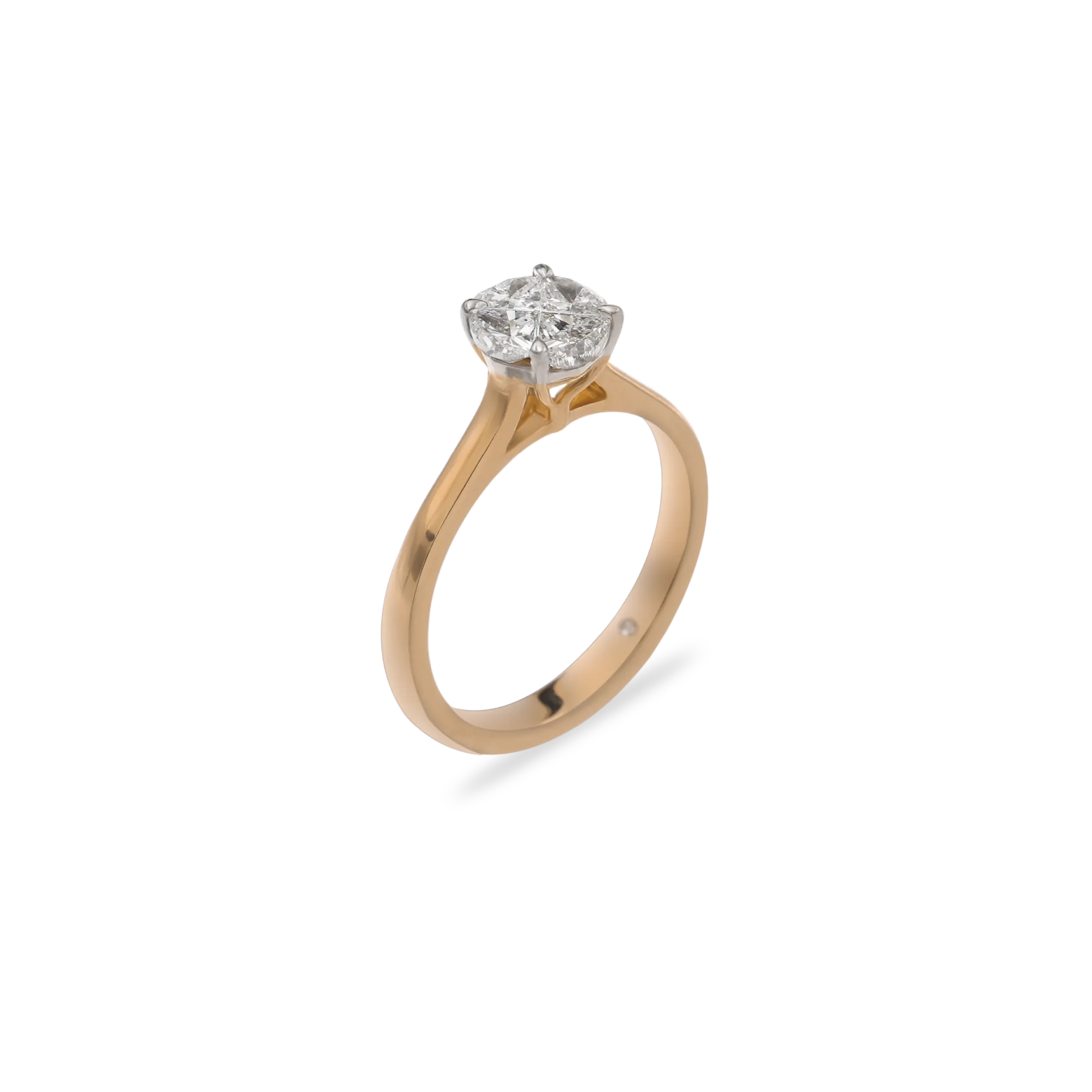
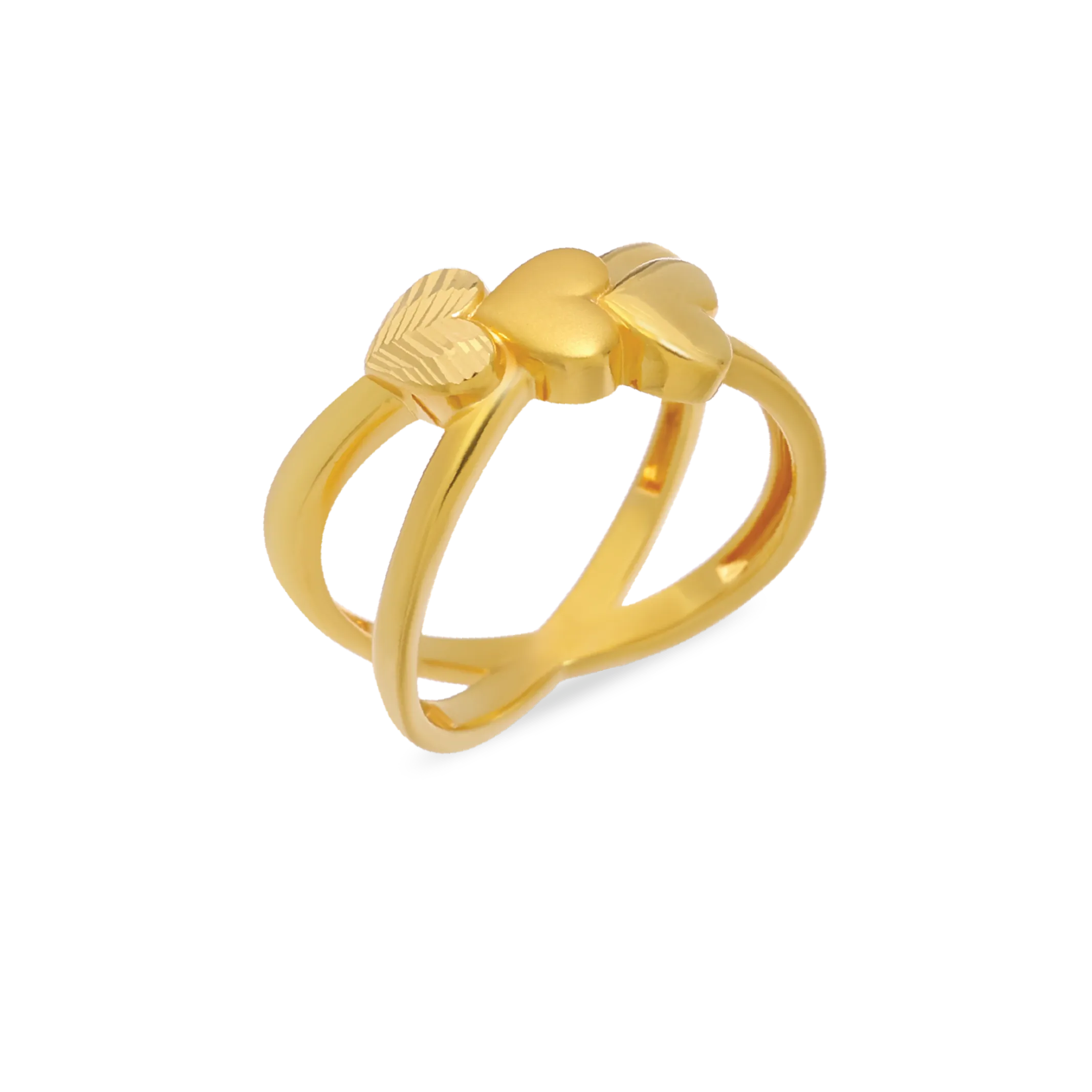
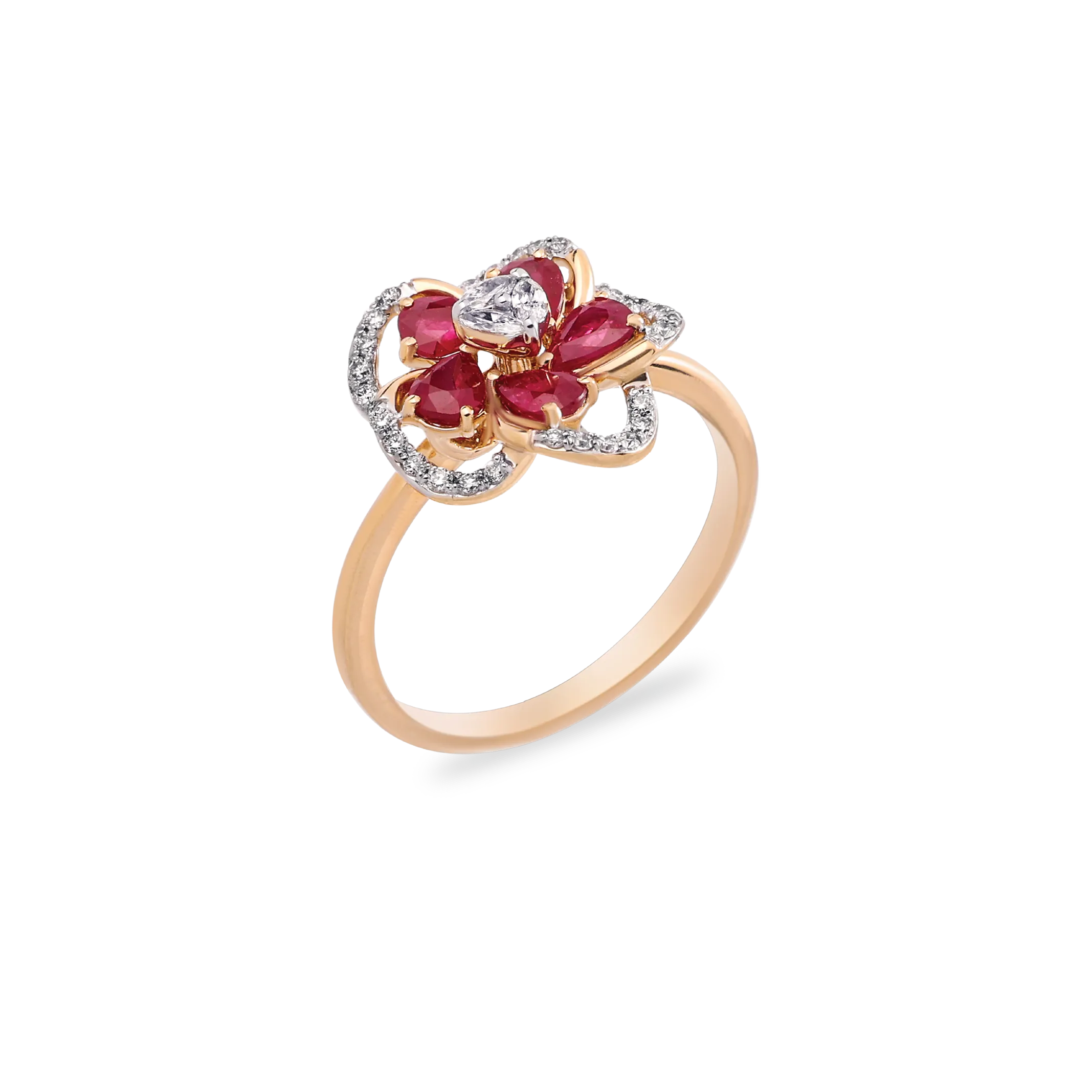
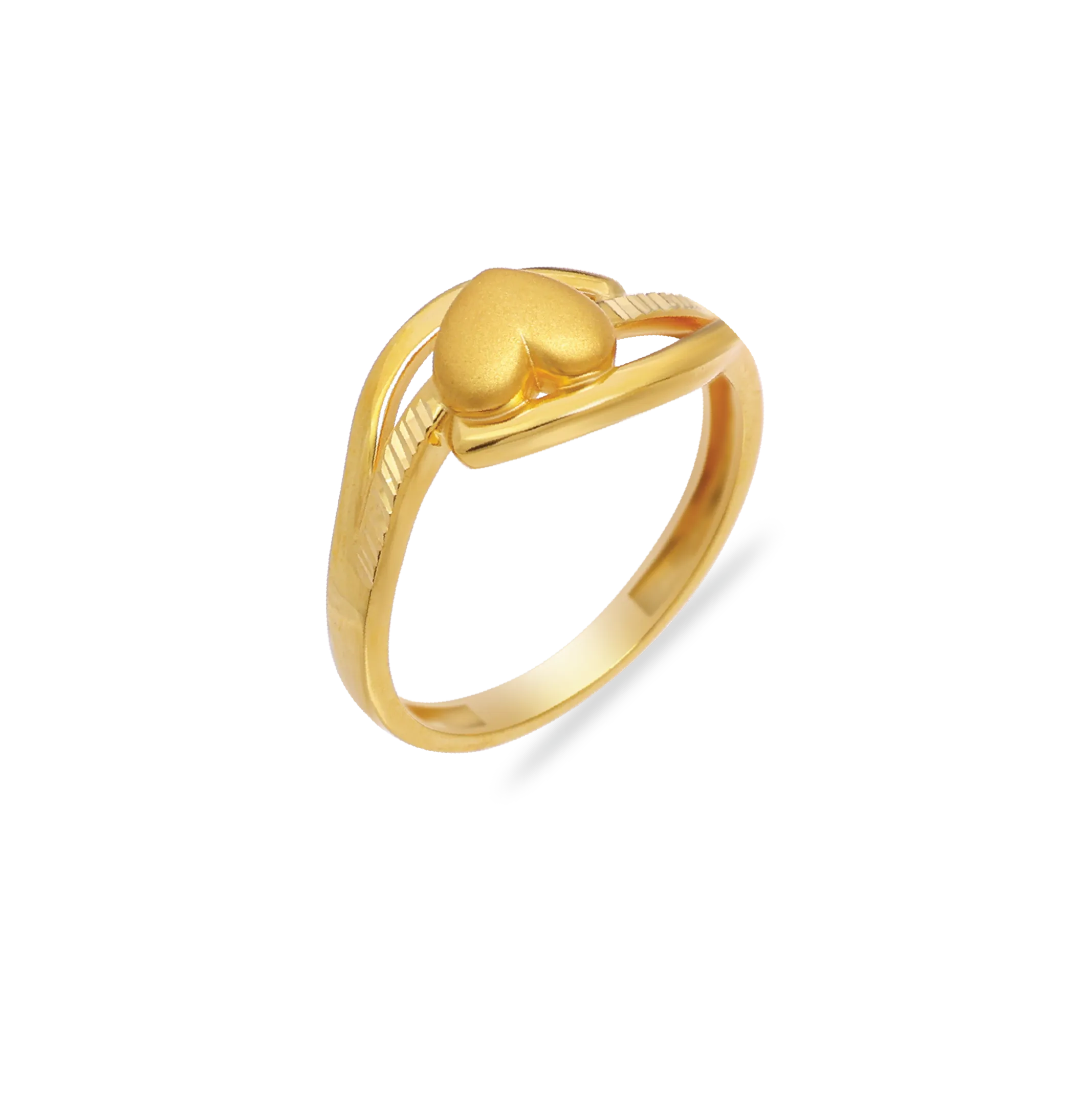
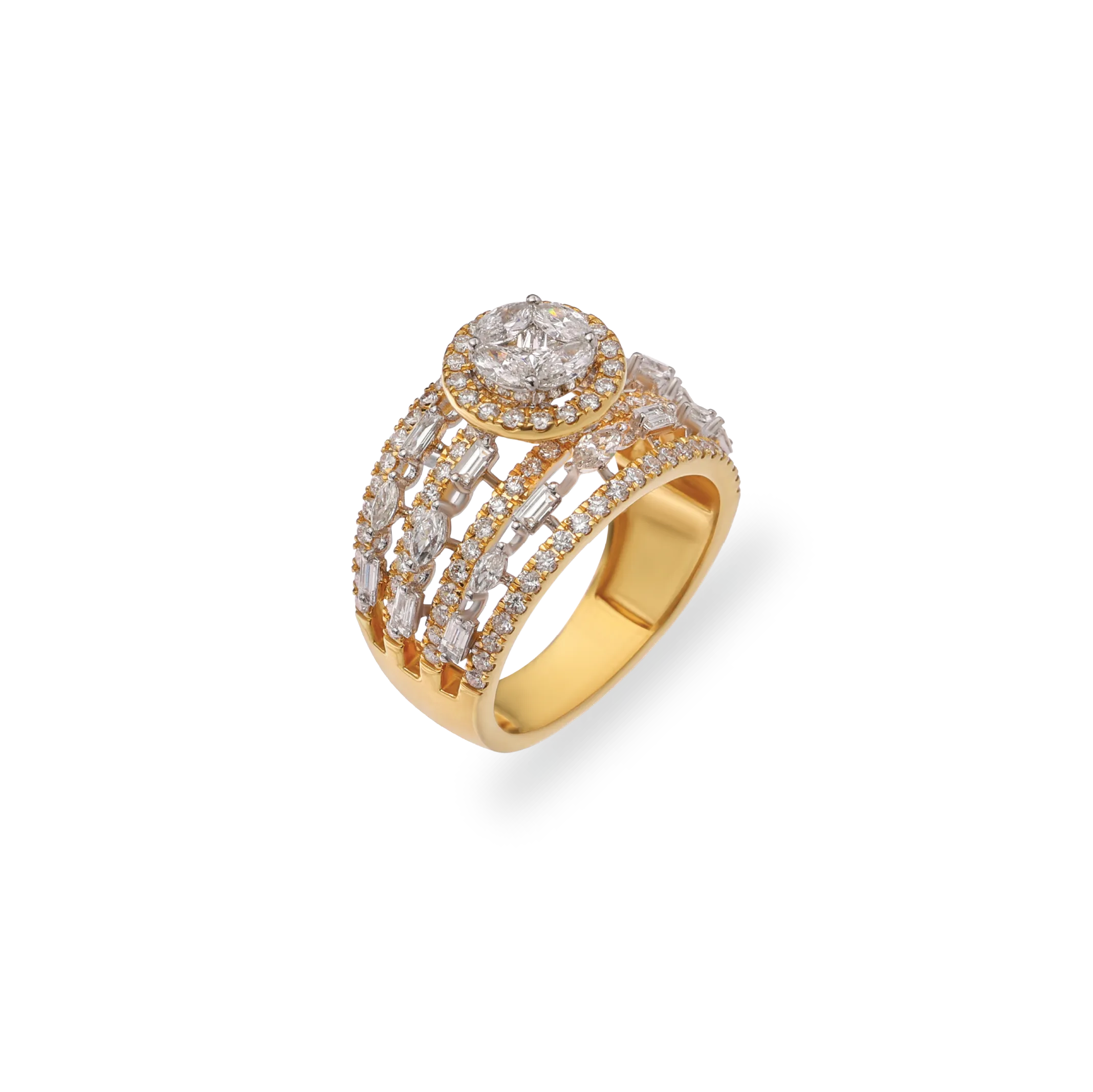
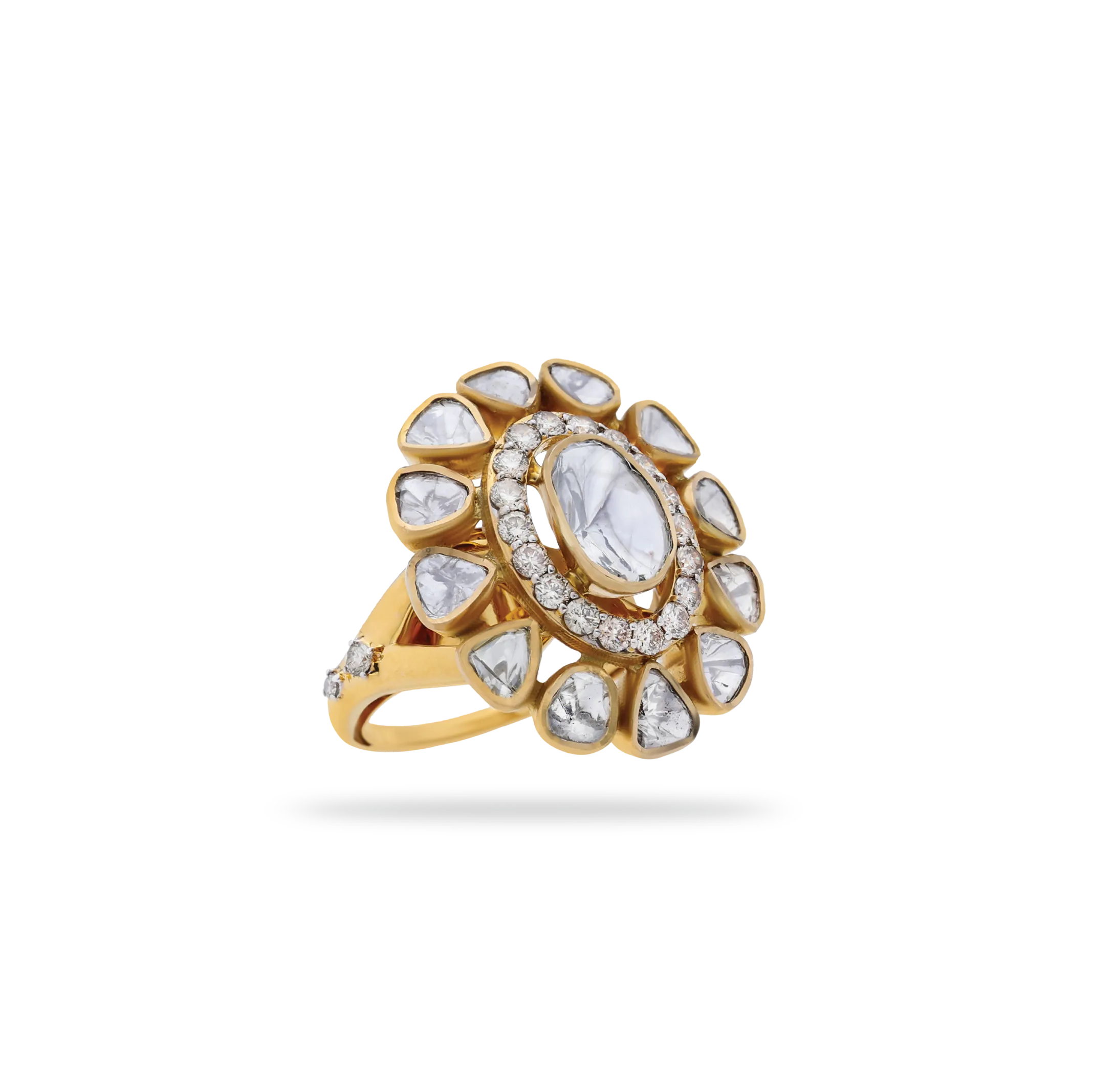
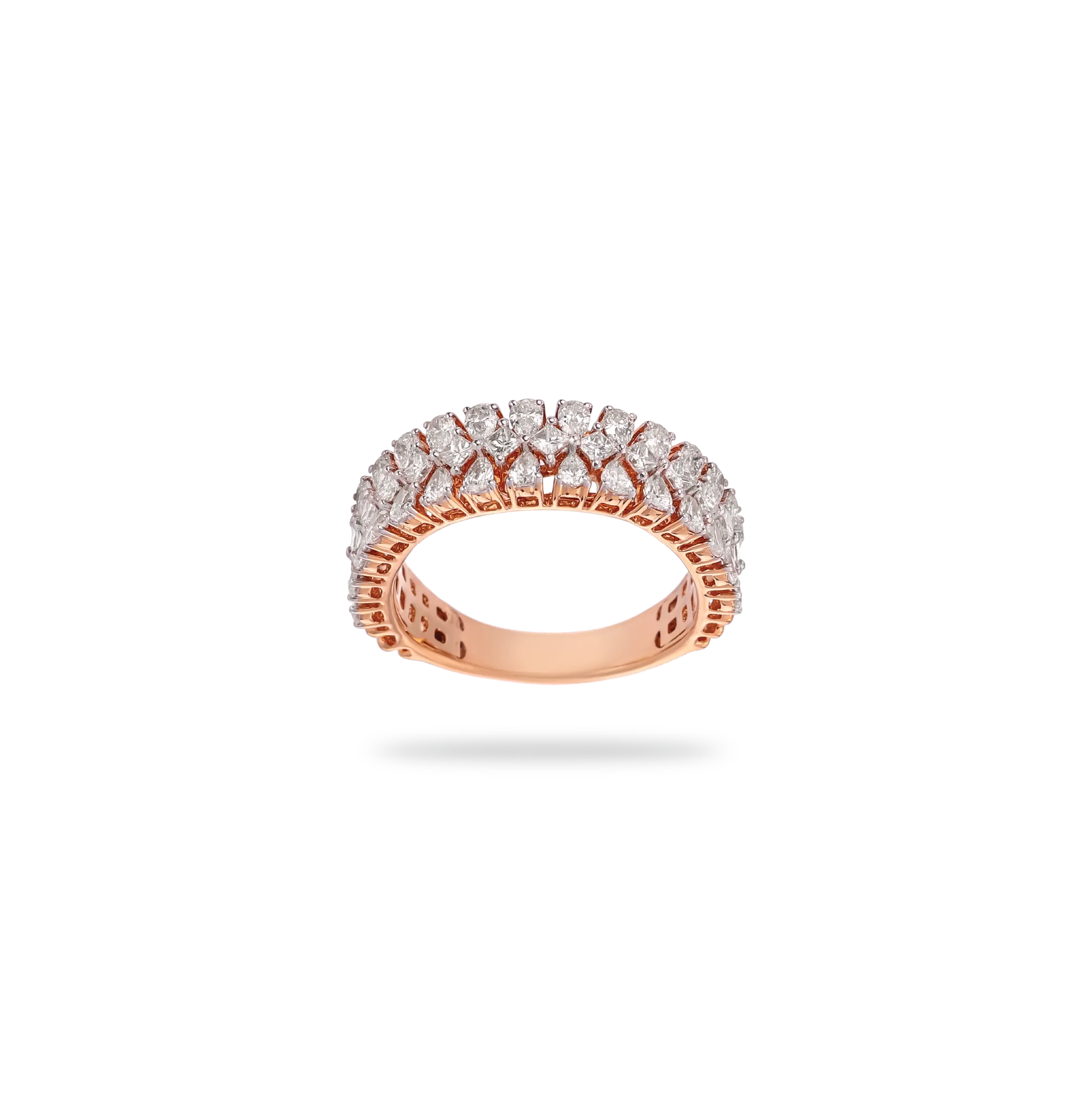
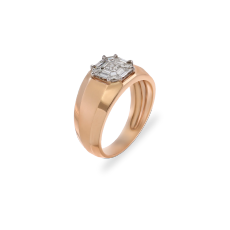
Rings can carry strong associations with commitment, achievement, or a new chapter, so they work well for milestone gifts. A birthstone ring does not have to look like an engagement ring; an open band, signet-inspired setting, or small stacking style may feel more natural. Confirm the size discreetly, and remember that wider bands can fit differently from delicate ones.
Bracelets for layering and customization
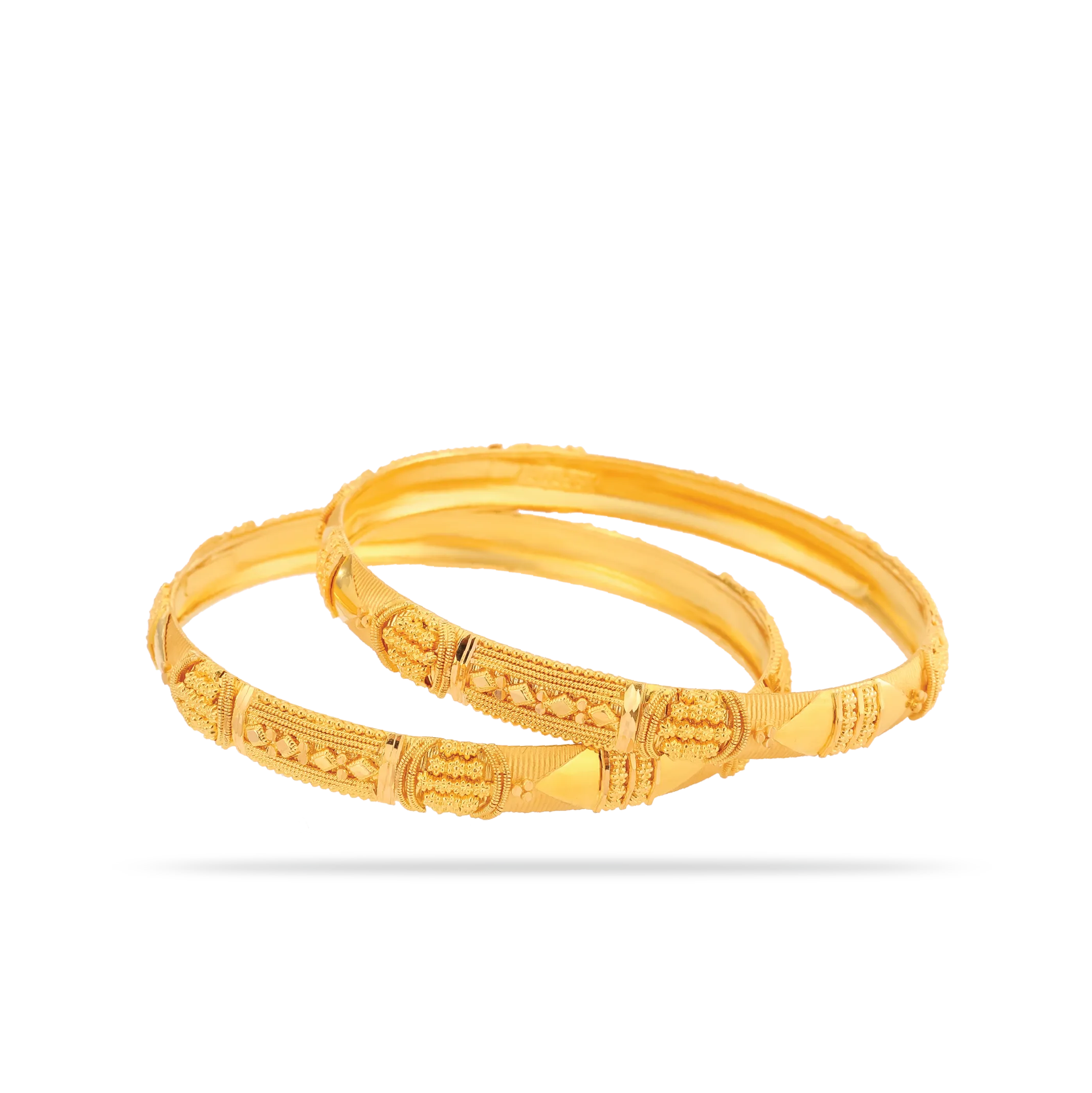
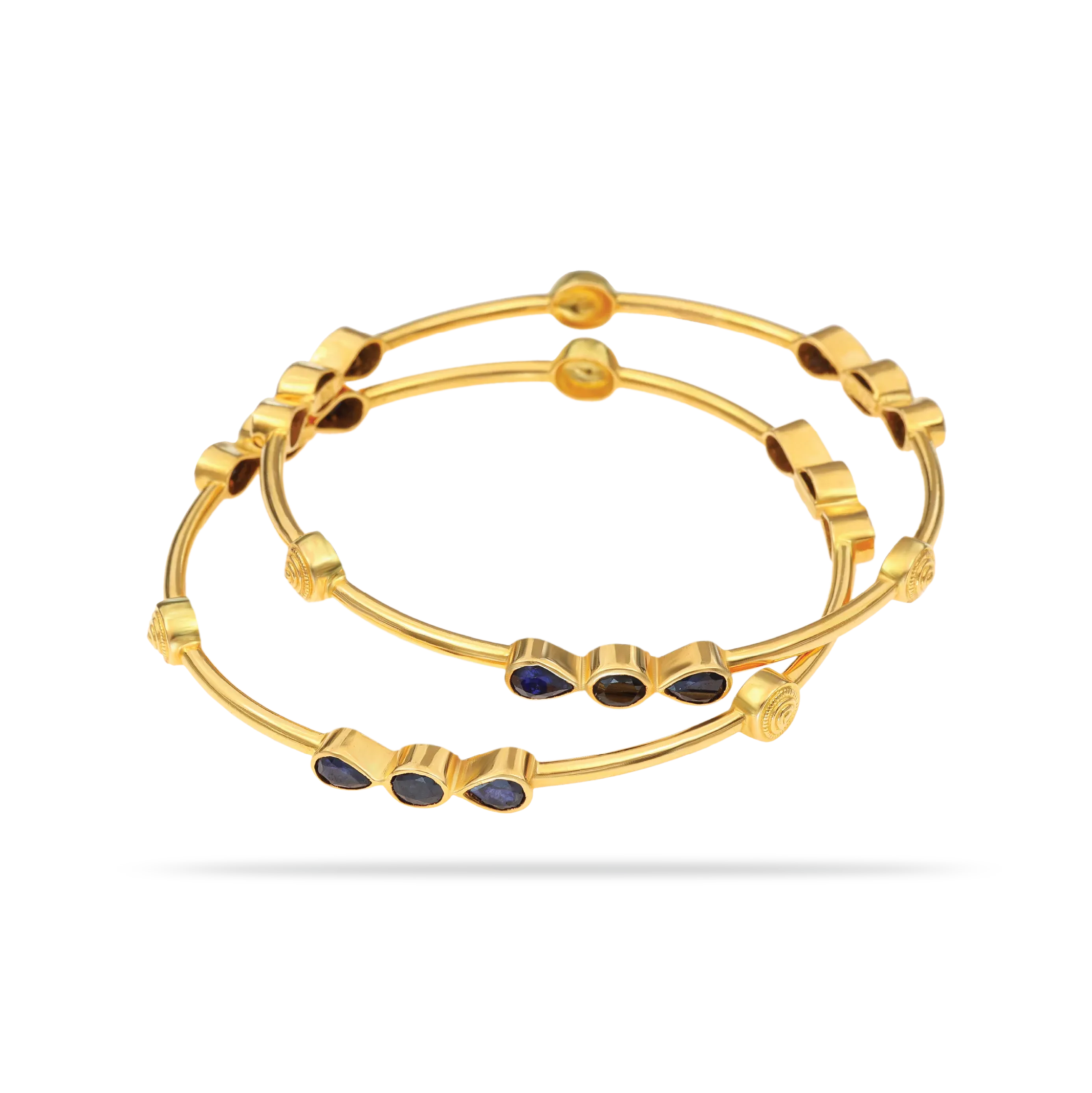
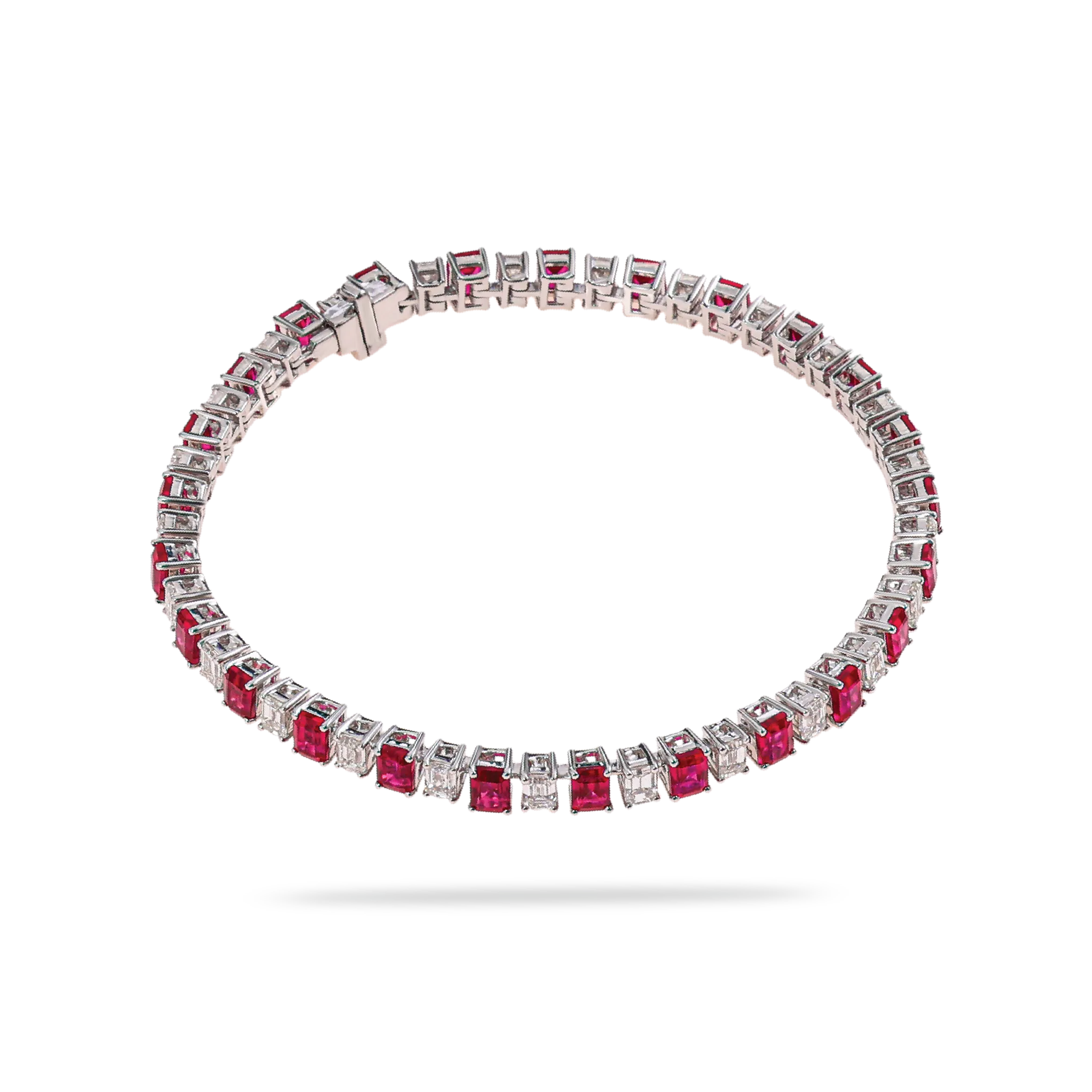
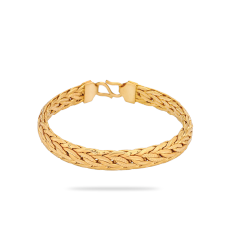
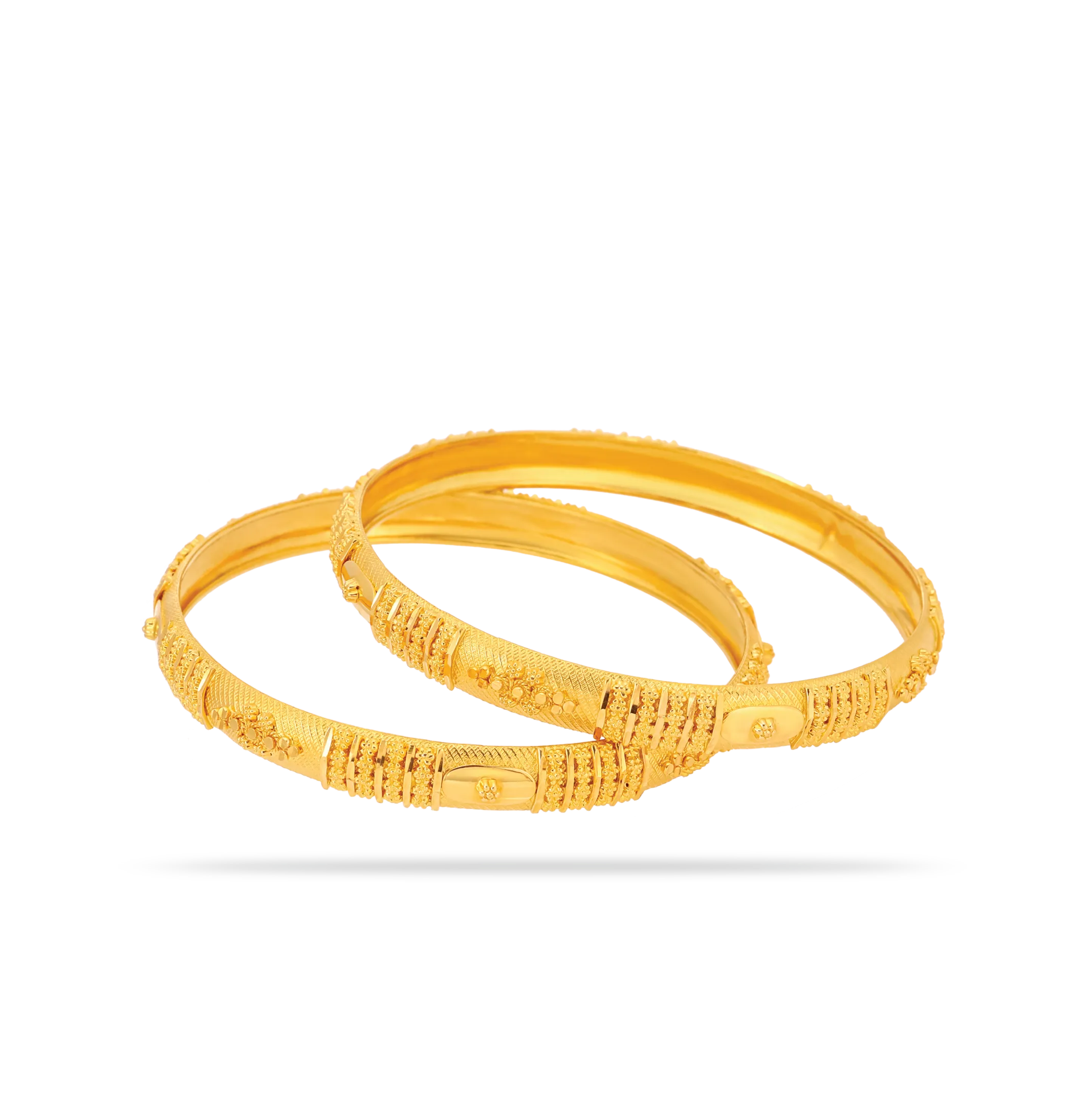
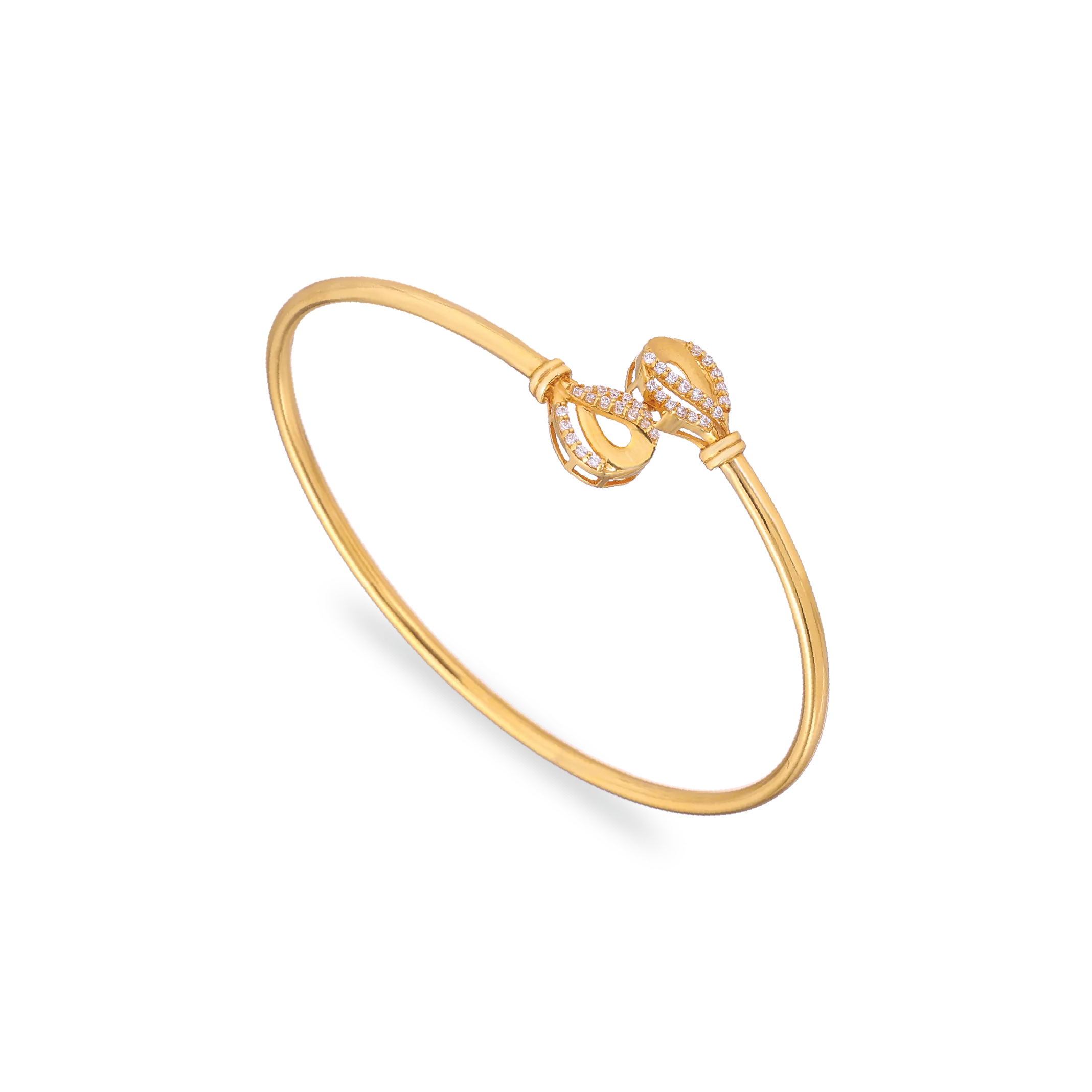
Bracelets invite small additions over time, making them a good choice for family stories or recurring celebrations. Charms, initials, and several stones can be added gradually if the clasp and chain are designed for it. Make sure the bracelet is not too loose, especially when the centerpiece could catch on clothing.
Earrings for subtle, versatile style
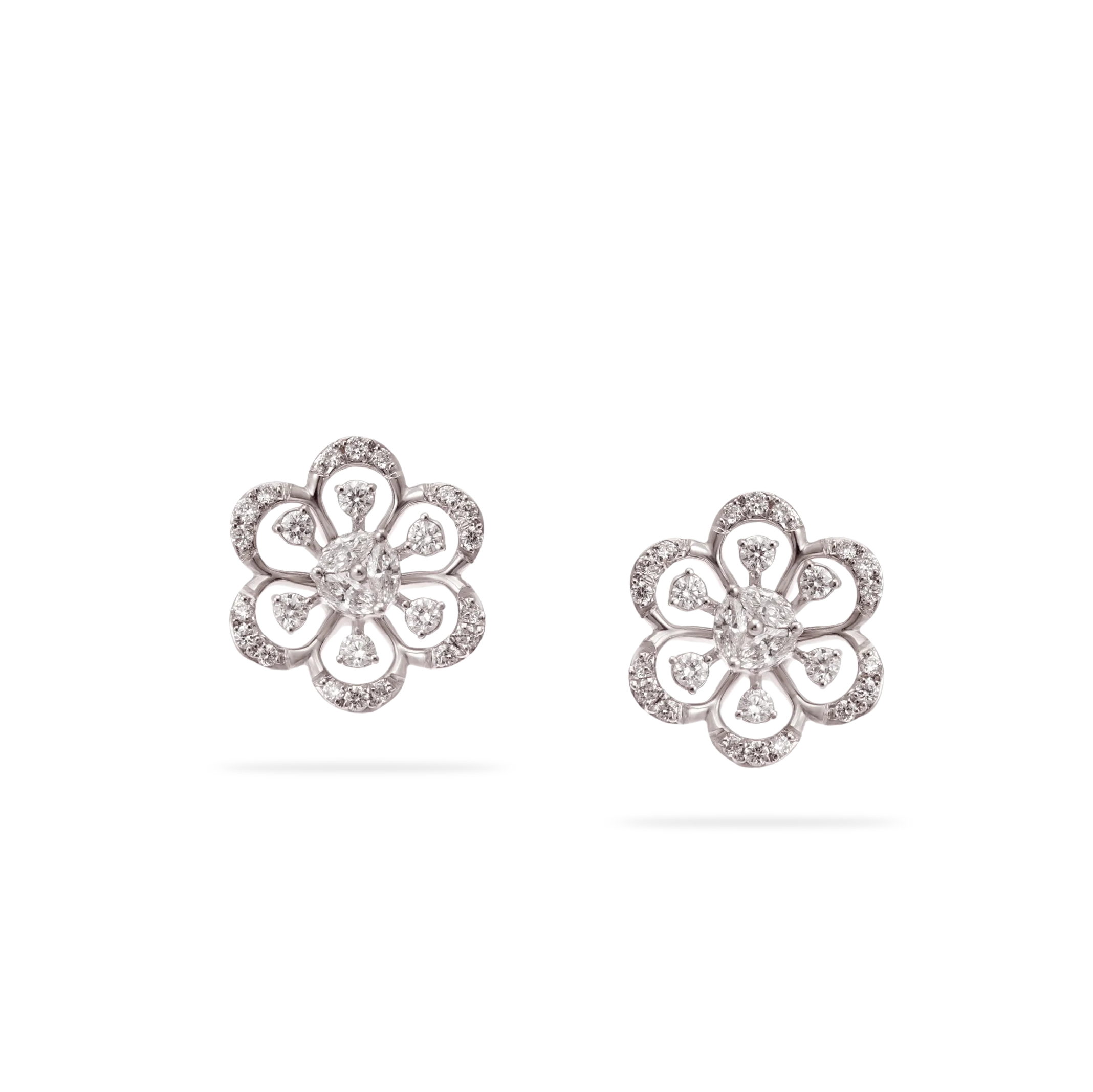
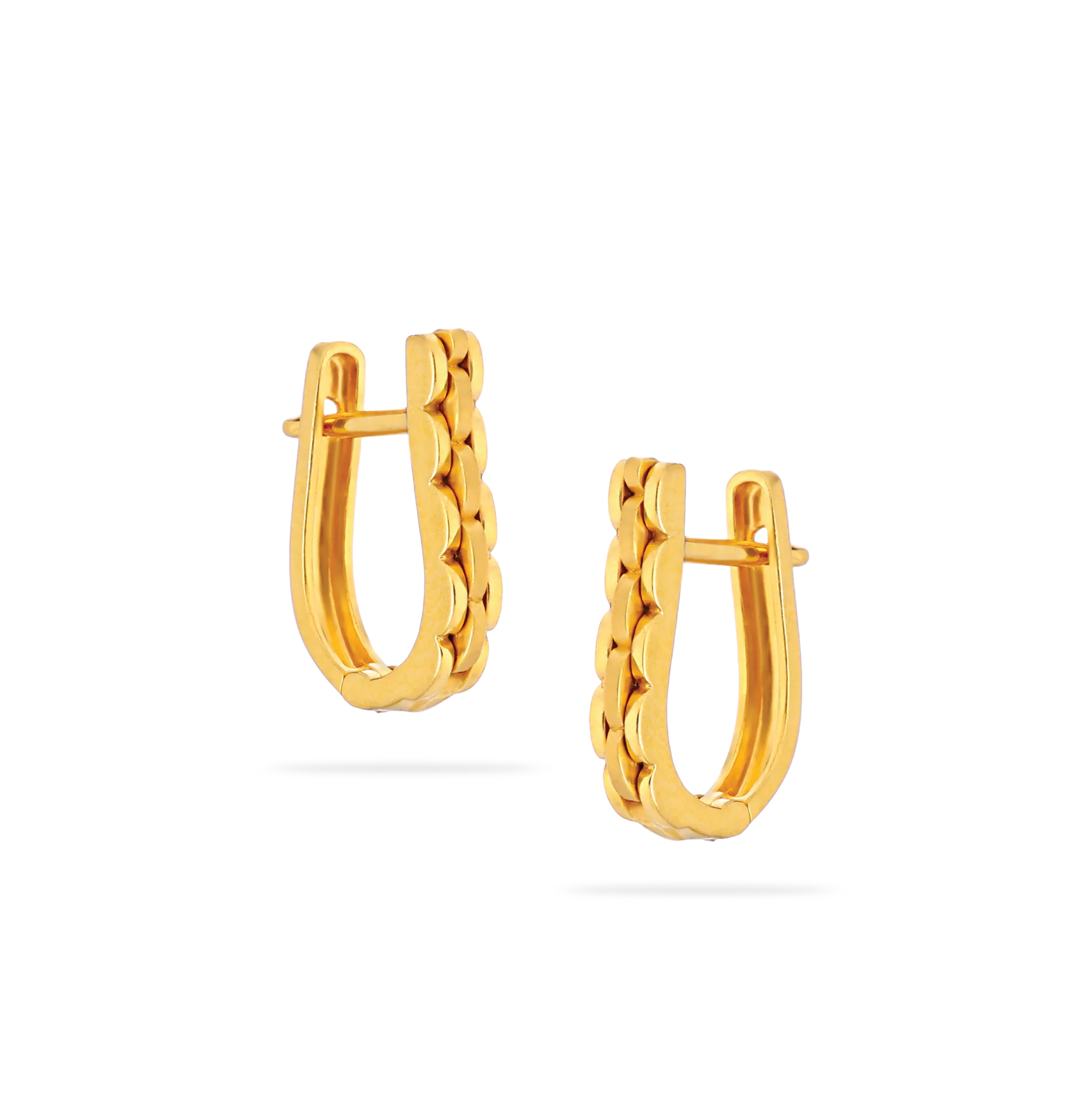
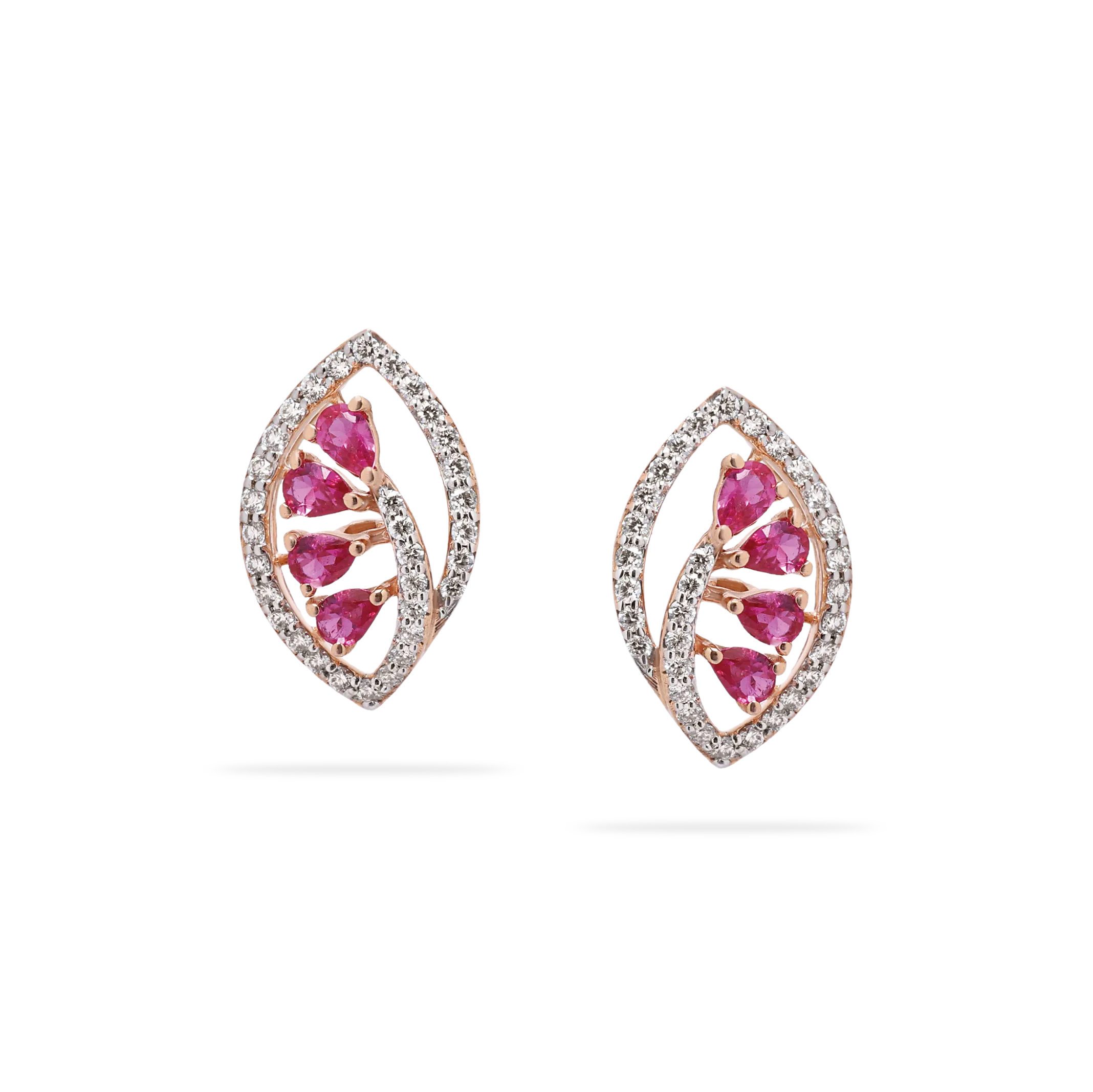
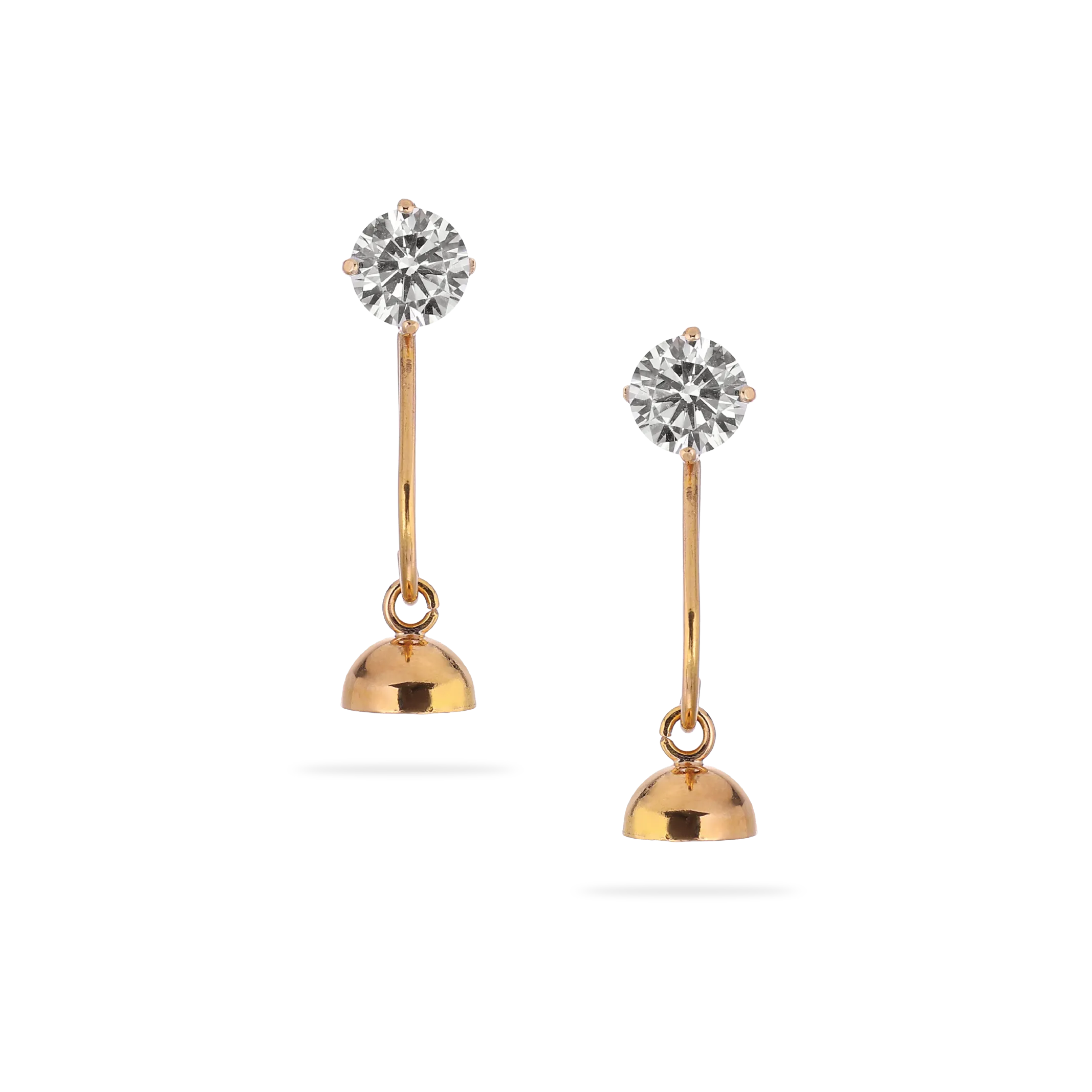
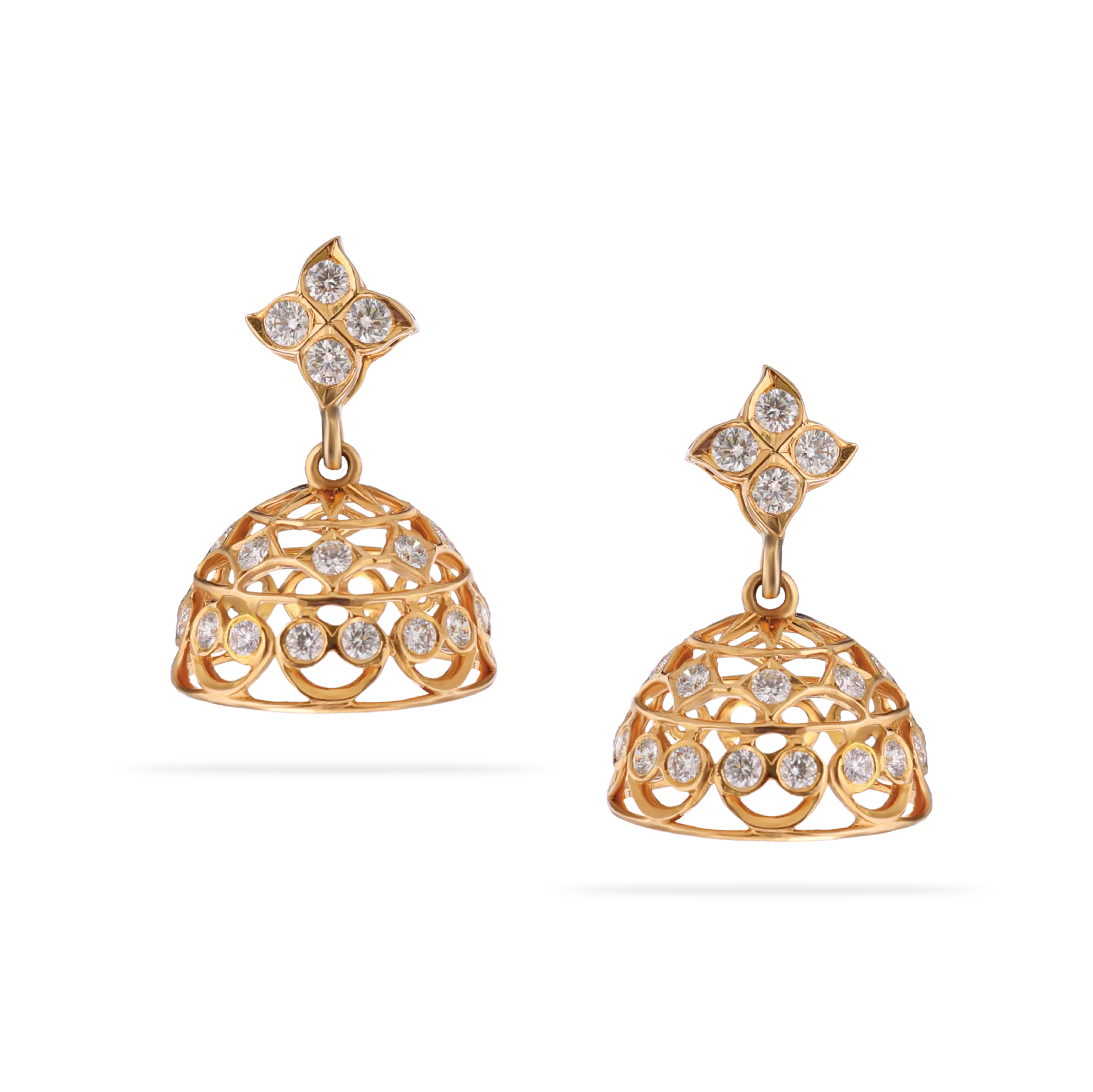
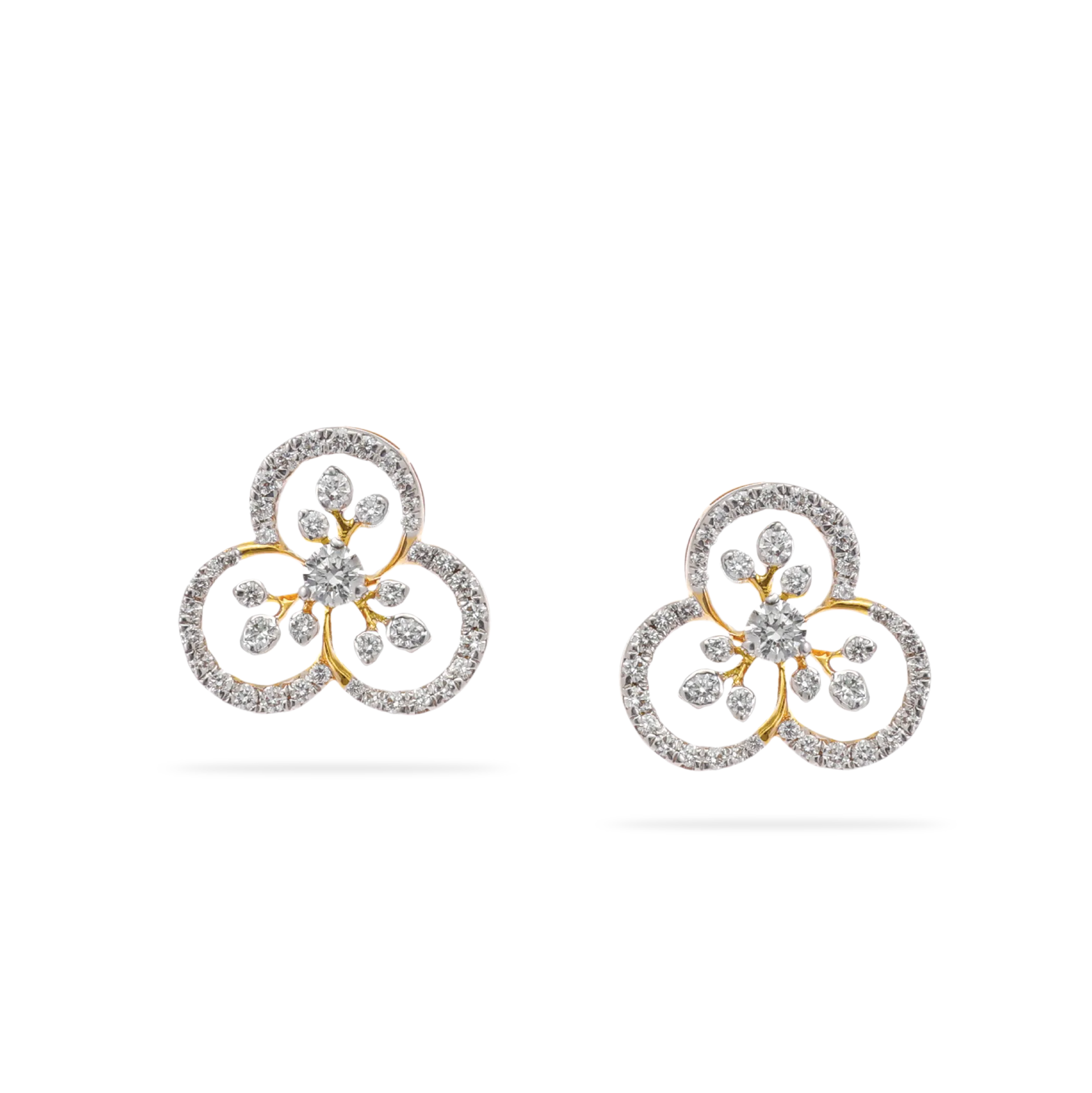
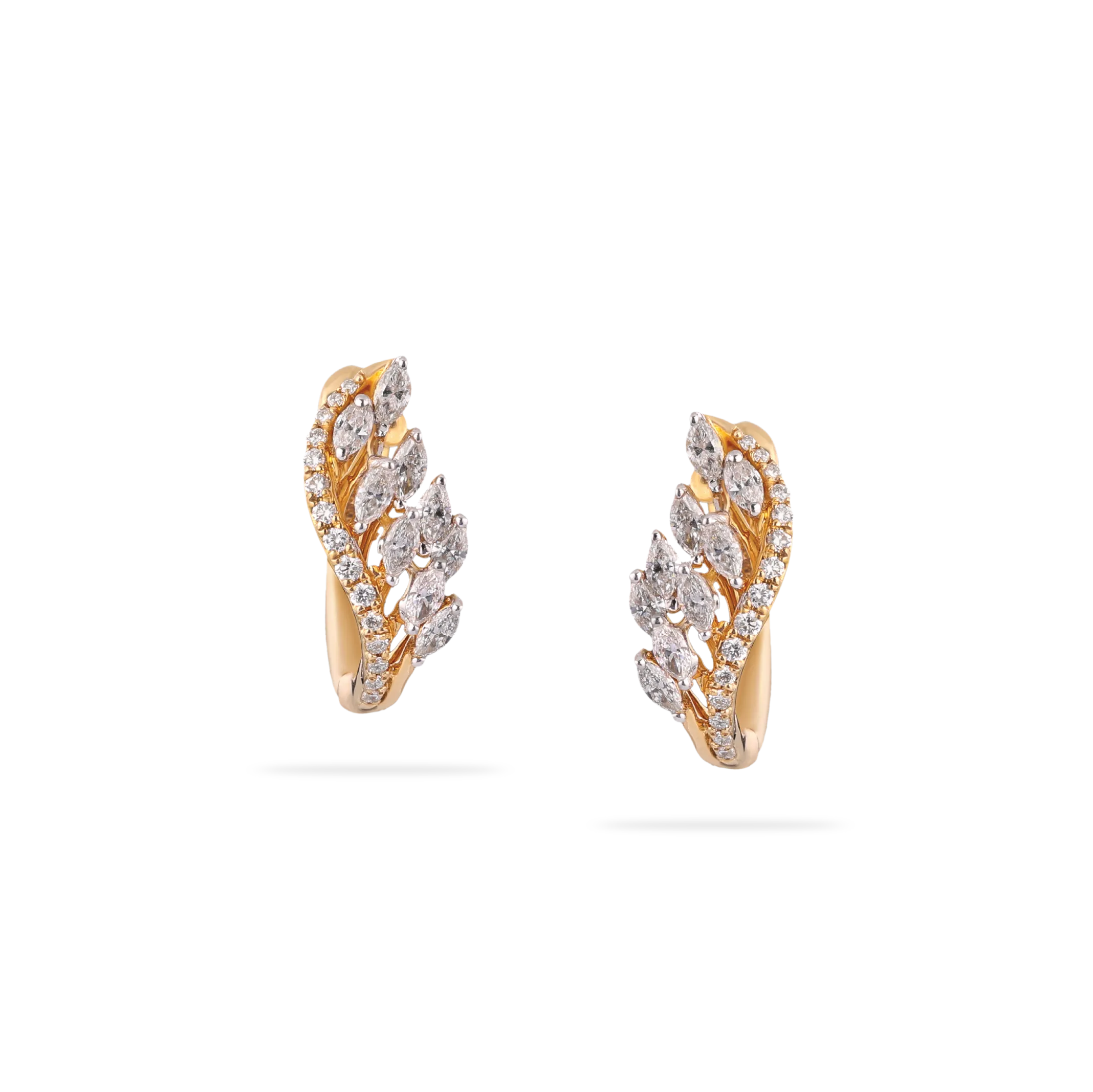
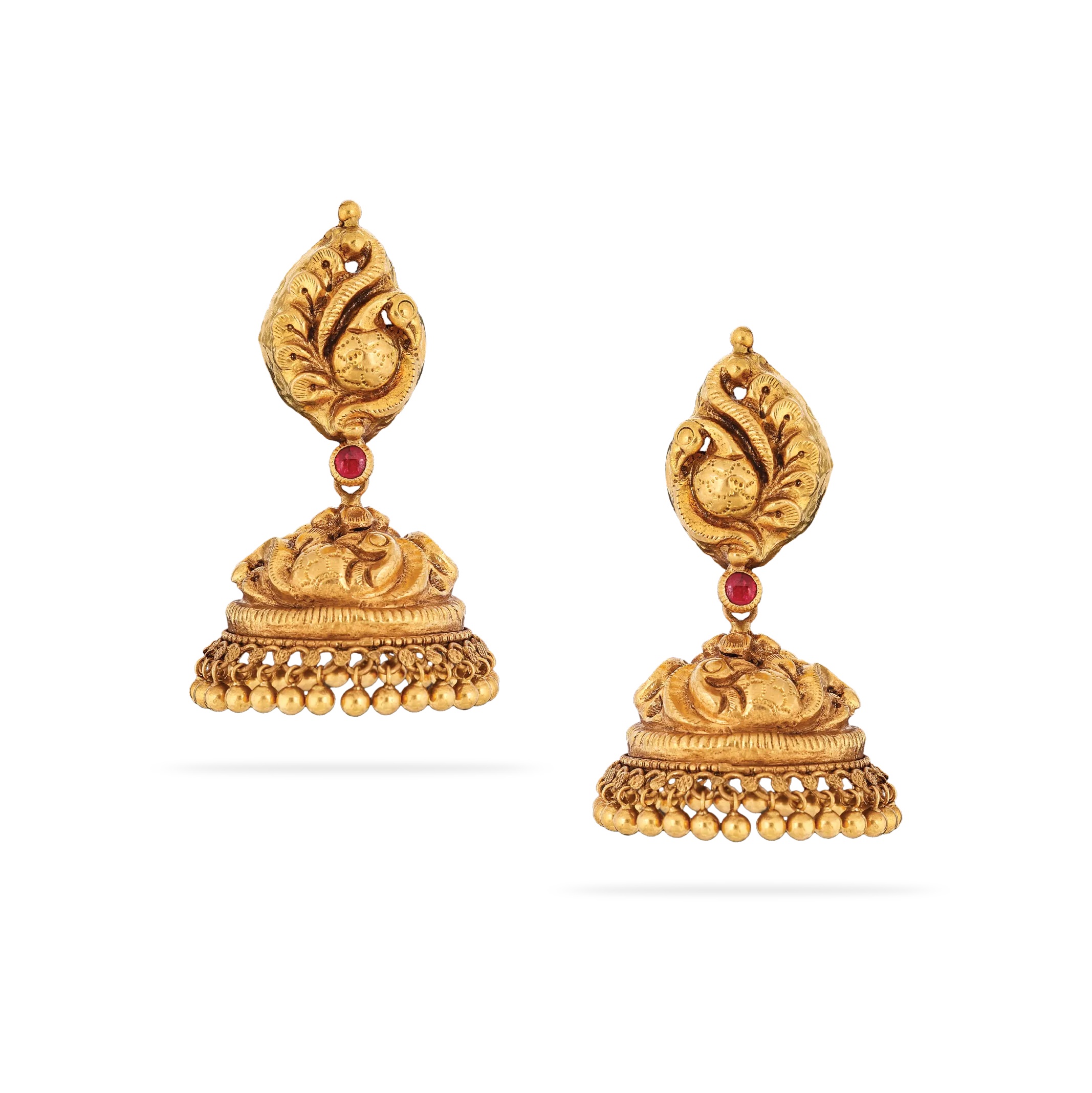
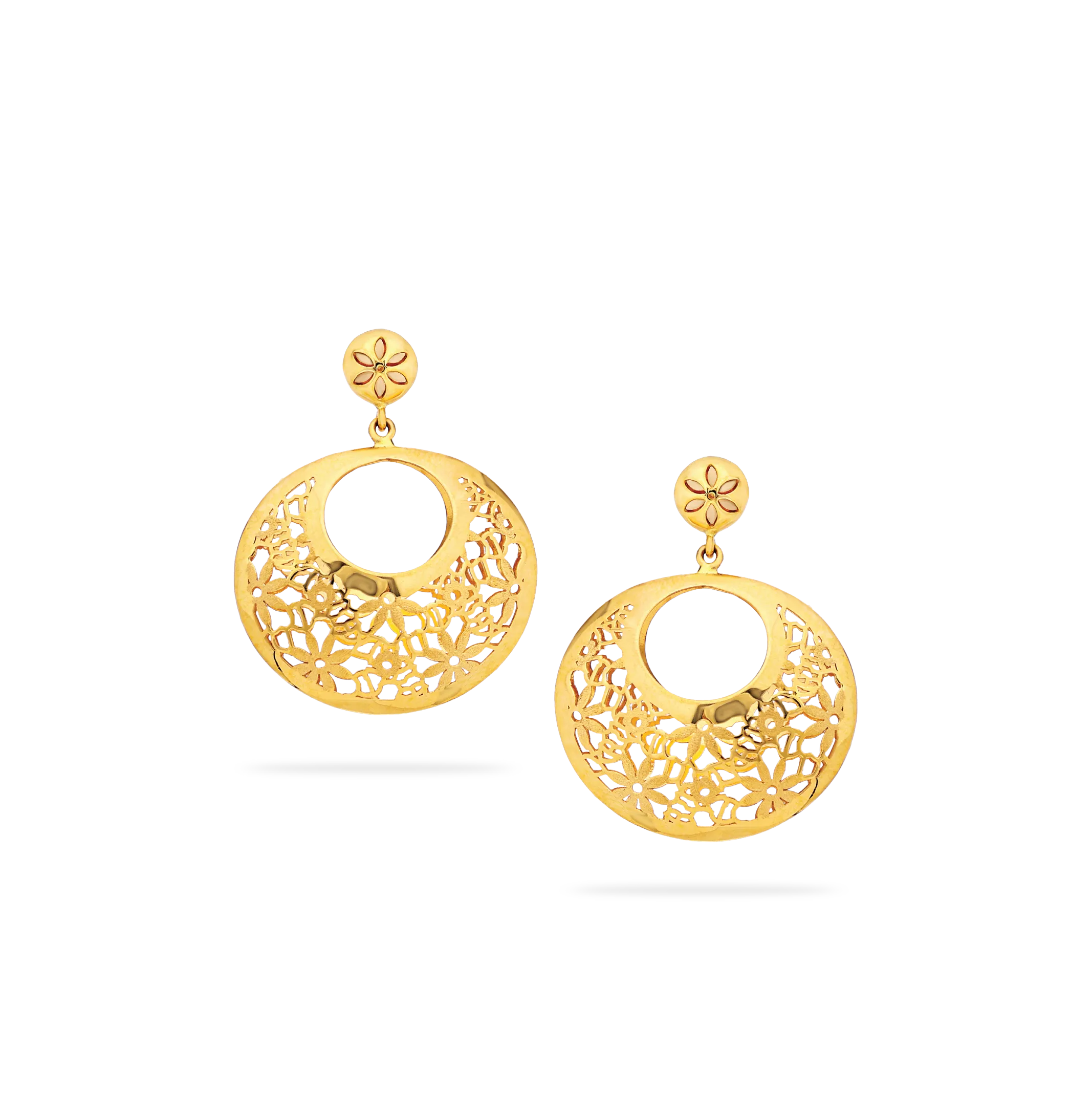
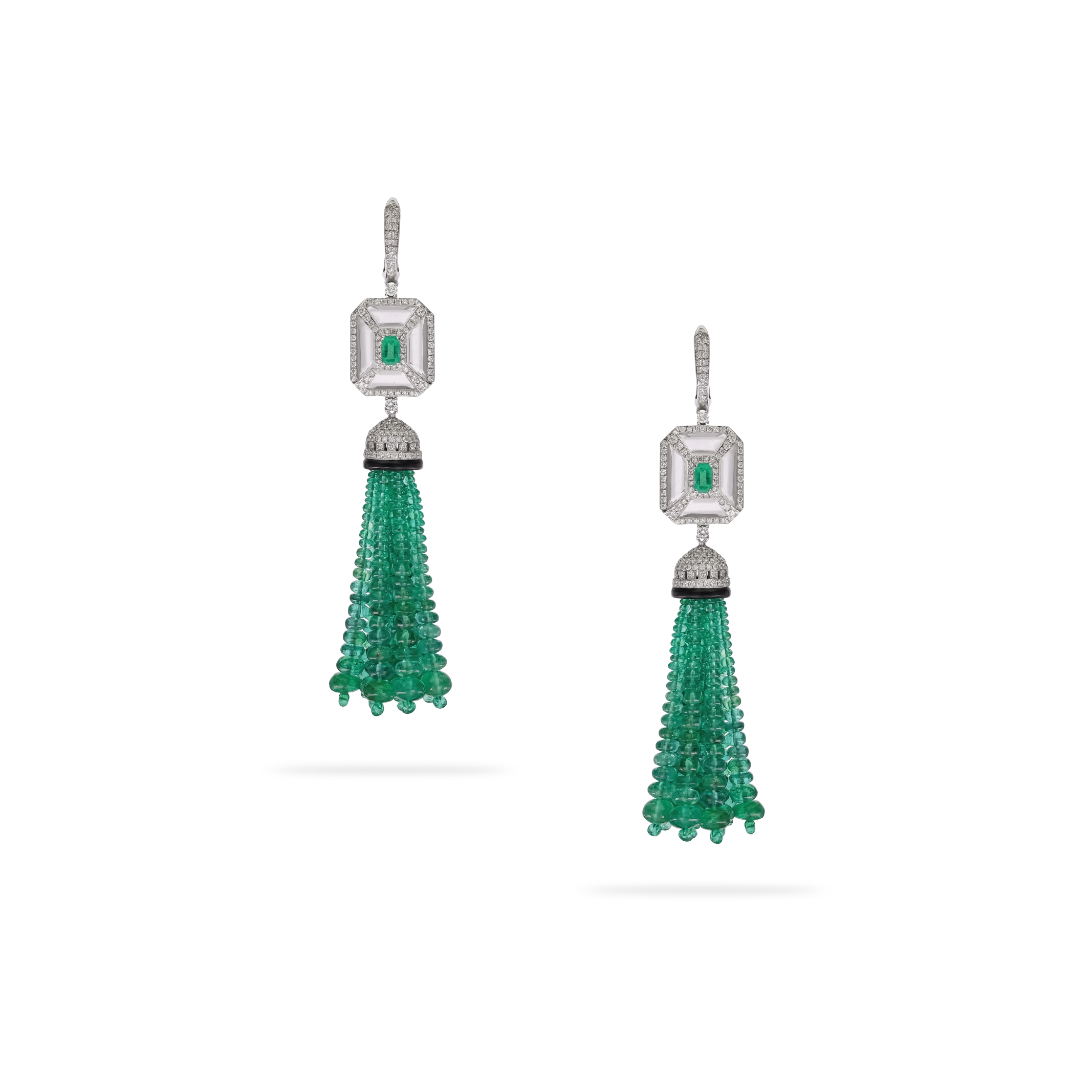
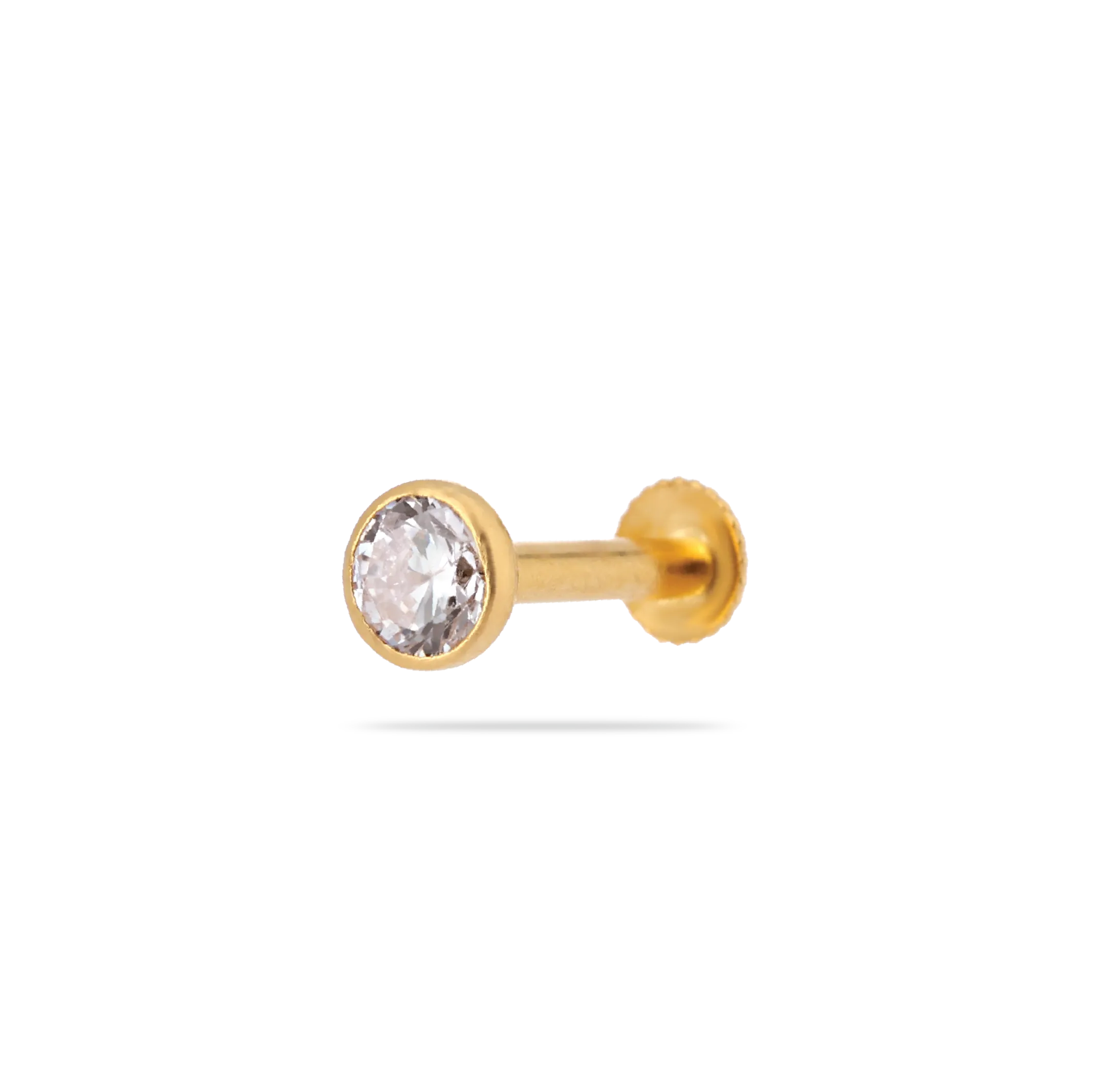
Studs and small drops allow the birthstone to show without dominating an outfit. They can be especially useful for recipients who rarely wear rings or necklaces. If buying for someone with sensitive ears, inspect the metal specification rather than assuming that a precious-metal appearance means the posts are suitable.
Selecting a practical design for the recipient’s lifestyle
A person who works with their hands may prefer a close-set pendant or low-profile studs, while someone who dresses expressively might enjoy a larger cocktail-style stone. Consider exercise, childcare, travel, and whether the recipient removes jewellery at night. Practical questions often reveal the right design more clearly than a generic idea of what looks luxurious.
Compare gemstones, metals, and quality
Two pieces can use the same birthstone and still differ considerably in appearance, longevity, and price. Ask what the stone is, how it is set, and what the metal marking means before comparing the numbers on a product page. Clear specifications make it easier to choose with confidence.
Natural, lab-created, and simulated birthstones
Natural stones formed in the earth can have inclusions and subtle variation, which many people value as part of their character. Lab-created stones may offer similar chemical and visual properties under controlled production, while simulated stones are materials that resemble another gemstone. The right choice depends on budget, preference, and how clearly the retailer describes the item.
Gold, silver, platinum, and alternative metals
Gold is available in different karats and colors, silver has a bright, accessible finish, and platinum is dense and naturally pale. Alternative metals may offer a particular appearance or practical benefit, but their care requirements vary. Read the alloy information and consider whether the recipient prefers warm yellow tones, cool white tones, or mixed metals.
Evaluating gemstone color, clarity, and durability
Color should look attractive in the setting and in the lighting where the piece will usually be worn. Clarity matters differently from stone to stone: some gems are valued for transparency, while others are loved for internal pattern or optical effects. Durability is equally important, especially for rings and bracelets exposed to knocks.
A compact comparison can clarify the trade-offs without turning the purchase into a technical exercise:
| Choice | Strength | Best suited to |
|---|---|---|
| Natural gemstone | Individual variation | Someone who values rarity and organic character |
| Lab-created gemstone | Consistent appearance | A style-conscious buyer with a defined budget |
| Simulated stone | Accessible color | Occasional wear or a fashion-led design |
| Durable setting | Better protection | Rings, bracelets, and active daily routines |
Use the table as a starting point, not a substitute for the specific product description. A stone’s cut, setting, and treatment can change how it looks and wears, so compare like with like before deciding.
Matching metal tones to personal style and skin undertones
Warm gold can complement earthy wardrobes and warm undertones, while silver, white gold , and platinum often suit cooler palettes. These are useful suggestions, not rigid rules; many people look wonderful in mixed metals. The recipient’s existing watch, rings, and favorite accessories are usually a better guide than undertone theory alone.
Checking craftsmanship, settings, and sizing
Look for even finishing, a secure setting, smooth edges, and a clasp that appears proportionate to the piece. Product photographs should show the jewellery from useful angles, while specifications should identify dimensions and metal content. For rings and bracelets, sizing information and a clear adjustment or return policy can prevent a thoughtful gift from becoming stressful.
Personalize the gift beyond the birthstone
The birthstone creates the connection, but a few carefully chosen details can make the gift unmistakably personal. Personalization works best when it supports the design rather than competing with it. Before adding anything, imagine how the piece will look when worn, not just how meaningful every possible detail sounds.
Engraving names, dates, and meaningful messages
A date, initial, or short phrase is usually easier to wear than a long inscription. Consider the underside of a pendant, the back of a charm, or the inside of a ring for a private message. Check character limits and proofing options, since engraved mistakes are difficult to correct.
Combining multiple birthstones in one design
Several stones can represent children, siblings, parents, or a shared milestone. They may be arranged in a row, grouped around a central stone, or distributed across separate charms. Keep color balance in mind, and choose one visual structure so the piece feels intentional rather than crowded.
Adding initials, symbols, and custom charms
Initials can identify people without requiring full names, while symbols such as stars, hearts, or meaningful motifs add another layer of reference. A charm also makes future additions possible. Choose details that the recipient will recognize and enjoy, rather than symbols included only because a customization menu offers them.
Choosing a style that reflects the recipient’s story
A minimalist pendant may suit someone whose story is private and understated; a colorful charm bracelet may fit a person who enjoys collecting memories in public view. You can also look beyond jewellery for inspiration: an Experience First Framework approach to gifting places connection and personal story ahead of simply acquiring another object. The same idea applies here—let the piece recall something real.
Balancing personalization with timeless appeal
A timeless base gives sentimental details room to change meaning over the years. Simple shapes, quality chains, and restrained engraving are less likely to date quickly than a heavily themed design. If the recipient’s taste is uncertain, personalize one element and keep the rest clean.
Plan the purchase and presentation
A good choice can lose some of its pleasure if it arrives late, fits poorly, or comes without useful care information. Give yourself time to compare details and ask questions before ordering. The purchase should feel considered from the first search through the moment the box is opened.
Setting a realistic budget
Set a total budget that includes the stone, metal, engraving, shipping, taxes, and possible resizing. A smaller piece in a well-chosen setting can feel more thoughtful than an expensive design that does not suit the wearer. Decide which feature matters most—stone quality, metal, size, or personalization—and spend there first.
Choosing a reputable jewellery retailer
Look for clear product descriptions, contact information, customer service, and photographs that match the written specifications. It can help to compare a focused Personalized Birthstone Jewelry Collection with broader catalogues, especially when you want engraving or several jewellery formats in one place. Treat unusually vague descriptions or pressure-heavy sales language as reasons to pause.
Reviewing sizing, shipping, returns, and warranties
Read the return window before placing a custom order, since engraved or made-to-order pieces may have different terms. Confirm dispatch times, delivery tracking, ring or bracelet sizing, and what the warranty covers. Save the receipt and product details so an exchange or repair is easier if needed.
Verifying ethical sourcing and product certifications
Ask whether the retailer explains gemstone sourcing, metal origin, treatments, and any relevant certifications. Certification does not automatically answer every ethical question, but it can provide useful documentation about a particular stone or material. If the information is unclear, choose a retailer willing to answer directly rather than guessing.
Presenting birthstone jewellery in a memorable way
Presentation does not need to be elaborate. A handwritten note can explain why you chose the month, color, or engraving, and a small photograph or memory can give the recipient a story to keep with the piece. For wider gift inspiration, a thoughtful gift guide can suggest ways to make a present feel indulgent without losing its personal character. Even a simple box becomes memorable when the words inside are specific.
Some searches will lead far from jewellery, from HR and L&D paths to an IPTV service or Natural Escort listings, so keep your criteria visible when comparing results. The useful question remains whether the item fits the recipient, the occasion, and the promises made on the product page.
Conclusion
Birthstone jewellery gifts are most successful when they connect a month, a person, and a wearable design. Choose symbolism as a starting point, check the practical details carefully, and add only the personal touches that feel true to the recipient. A thoughtful note and a well-chosen piece can turn a small gemstone into a lasting memory.
Frequently Asked Questions
What is the best birthstone jewellery gift for someone whose style I do not know?
A simple pendant or small pair of studs is usually a safe choice because it can be worn with many outfits. Choose a restrained setting and a metal tone similar to the jewellery the recipient already owns.
Can I choose an alternative birthstone?
Yes. Many months have traditional, modern, or alternative stones, and the best option may depend on color, durability, availability, or budget. Explain the choice in your note so the personal reasoning is clear.
Are natural gemstones better than lab-created stones?
Neither is automatically better for every buyer. Natural stones offer individual geological variation, while lab-created stones can provide consistency and value; the important point is that the listing describes the material accurately.
Which jewellery type is easiest to give as a surprise?
Necklaces and earrings generally avoid the sizing problem associated with rings and fitted bracelets. You should still check chain length, earring materials, and the recipient’s usual style before ordering.
How many birthstones should a family jewellery piece include?
Include as many as the design can display clearly without becoming uncomfortable or visually crowded. A central stone with smaller accents, or separate charms, can keep a larger family story balanced.
What should I check before buying personalized jewellery?
Review the spelling, character limit, dimensions, metal content, production time, return terms, and sizing instructions. Custom pieces may not be returnable, so confirm every detail before submitting the order.
How can I make the presentation feel more personal?
Add a short handwritten explanation of what the stone or engraving means to you. A shared memory, meaningful date, or small photograph can make the opening moment feel personal without requiring expensive packaging.
The diamond jewellery gift guide: How to choose a meaningful piece for every occasion
10 minute read
Related blogs:
November 20, 2025
The Timeless Elegance of the Tennis Bracelet: A Comprehensive Guide
Read More
November 20, 2025
The Ultimate Guide to Styling and Wearing a Choker Necklace
Read More
November 20, 2025
Find Your Perfect Engagement Ring: A Comprehensive Guide to Styles and Diamonds
Read More
November 20, 2025
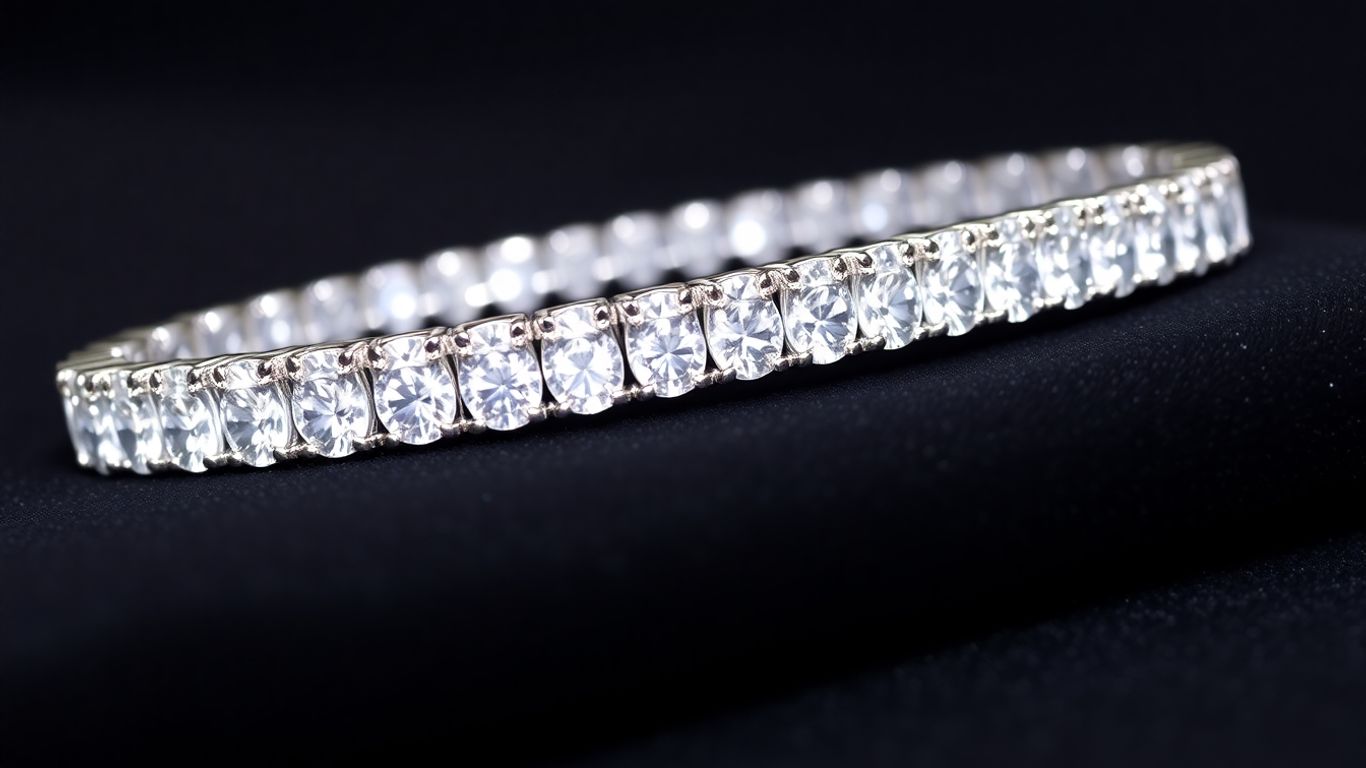
The Timeless Elegance of a Diamond Tennis Bracelet: A Buyer's Guide
Read More









.webp)
.webp)