How to Choose Wedding Rings in Bangalore: A Complete Buying Guide
October 23, 2026 | 10 minutes read
Key Takeaways
Choosing wedding rings is easier when you consider style, daily wear , budget, fit, and aftercare together.
- Decide whether you want coordinated rings or designs chosen individually.
- Compare metals and finishes with everyday durability and maintenance in mind.
- Ask for a clear price breakdown, including metal, stones, and making charges.
- Check a retailer’s documentation and policies before placing an order.
- Confirm sizing, customization details, and delivery timing well before the wedding.
Explore wedding ring styles for both partners
Wedding rings can be simple, expressive, or somewhere in between. Start with what each person enjoys wearing, then consider how the rings will sit alongside other jewelry and fit into everyday routines. Couples searching for wedding rings bangalore can use the same approach whether they prefer a neighborhood jeweler or a more appointment-led visit.
Classic bands, contemporary designs, and statement rings
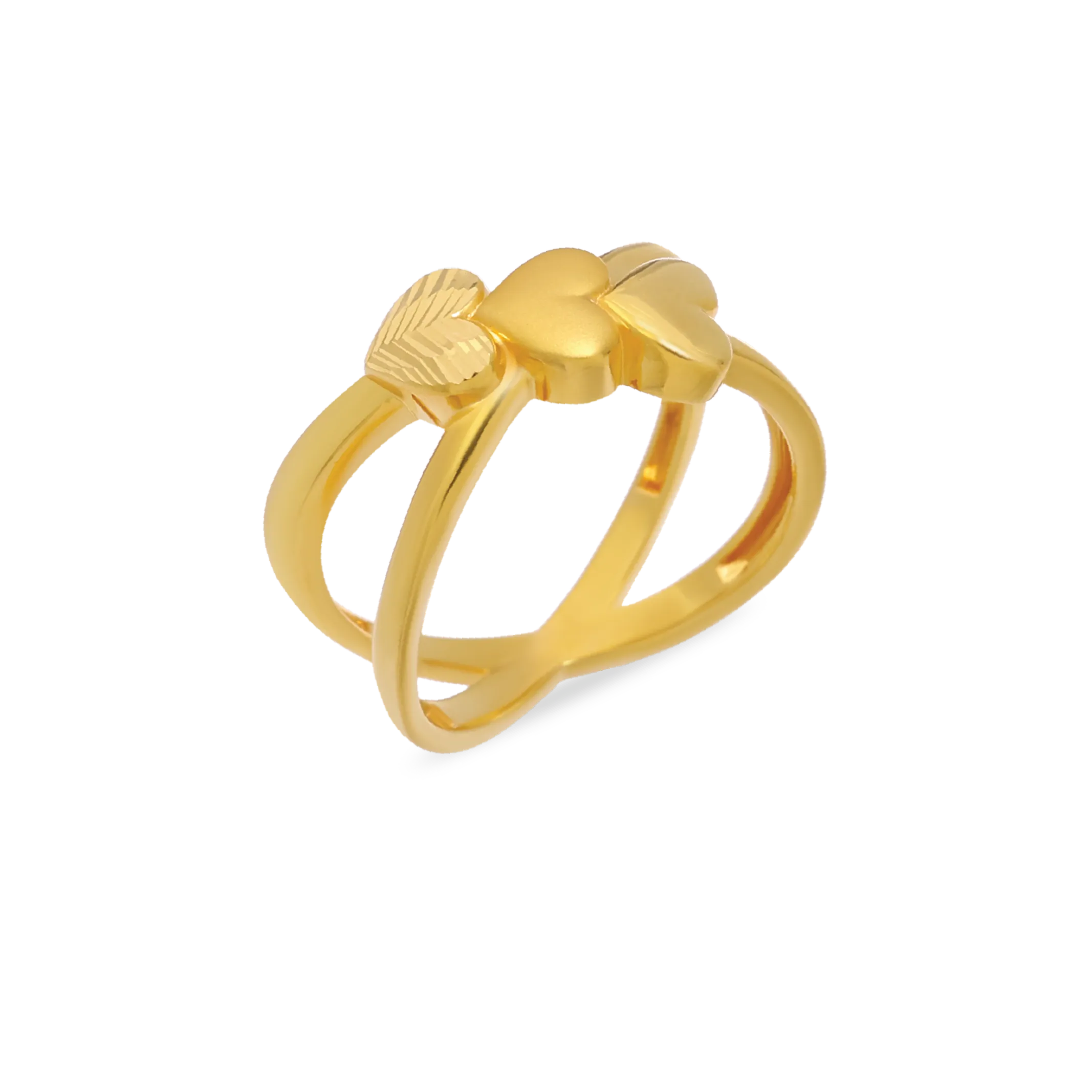
A plain band has a quiet, enduring look, while a contemporary ring might use a sculpted profile, contrasting finishes, or an unusual setting. Statement rings can include larger stones or more pronounced detailing, but they should still feel comfortable on the hand. Try several silhouettes rather than judging a design from a display case alone; small differences in width and height can change how a ring feels.
Matching sets versus individually chosen rings
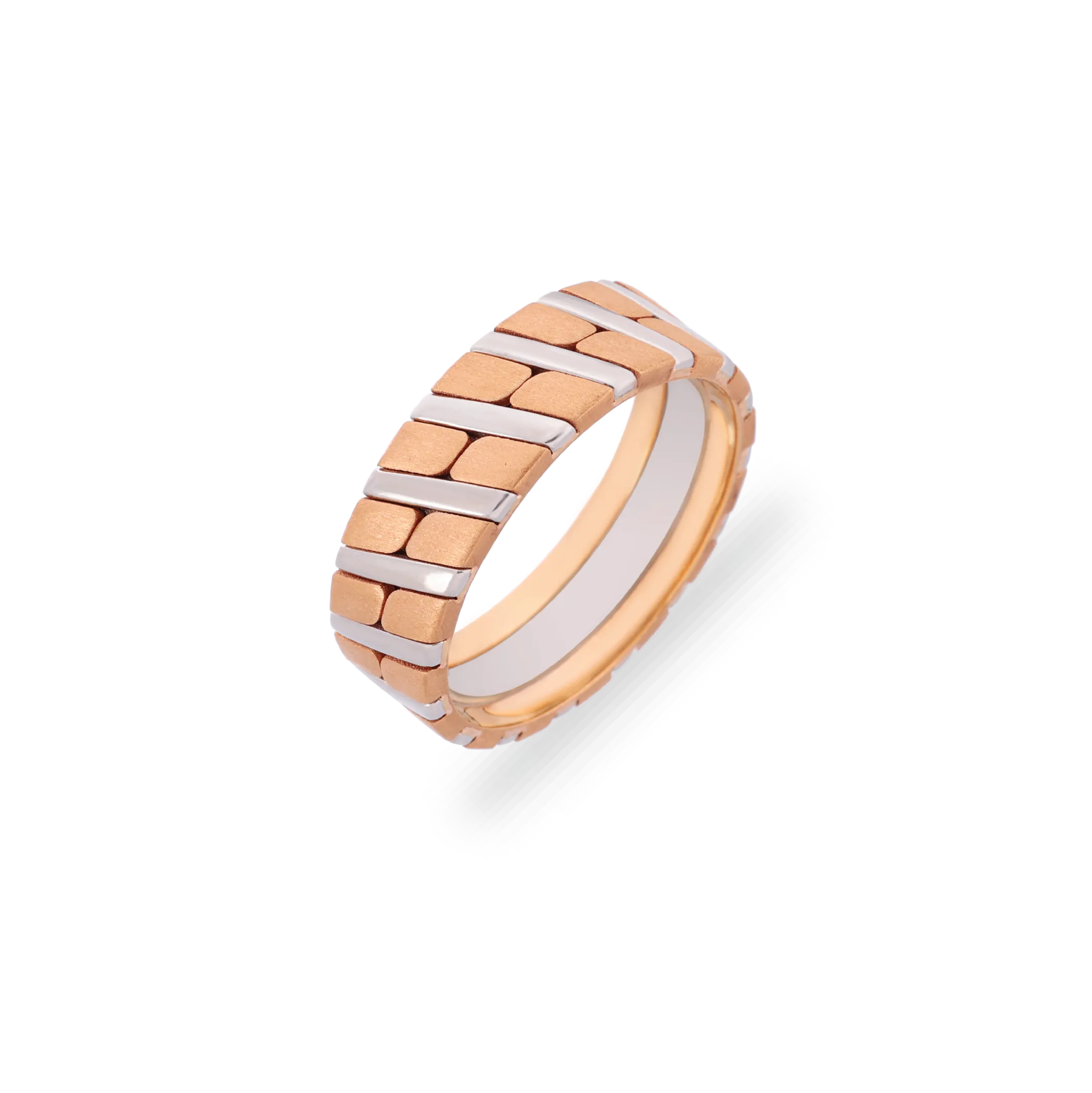
Matching rings offer a visible connection, but they do not have to be identical. A shared metal or finish can tie two different designs together, while individually chosen rings let each partner prioritize personal taste. It can help to agree on one common element first, then let the rest of each design reflect the wearer.
For background on how the tradition has changed across cultures, this history of wedding rings offers useful context. That perspective can be a starting point, not a rulebook: what matters most is that both people feel at home in their rings.
How lifestyle can influence ring design
A ring worn every day needs to work through ordinary routines, not only look striking on the wedding day. Someone who works with their hands may prefer a lower profile and fewer projecting details, while someone who removes jewelry often may value a design that is easy to store safely. Comfort through daily wear is worth weighing alongside appearance, especially when comparing wider bands or raised settings.
Choosing details such as engraving and gemstones
Engraving can make a simple band feel personal, whether it carries initials, a date, or a short phrase. A small gemstone can add color or meaning, though it also brings questions about setting security and care. Decide which details matter enough to preserve in the final design, and confirm any character limits or stone options before approving an order.
Compare metals, finishes, and durability
The metal influences a ring’s color, feel, and care needs, so it is worth comparing options in person when possible. Ask to handle rings with similar widths and profiles to the design you are considering. The same shade can look different under store lighting, daylight, and against your skin.
Gold colors and karat options
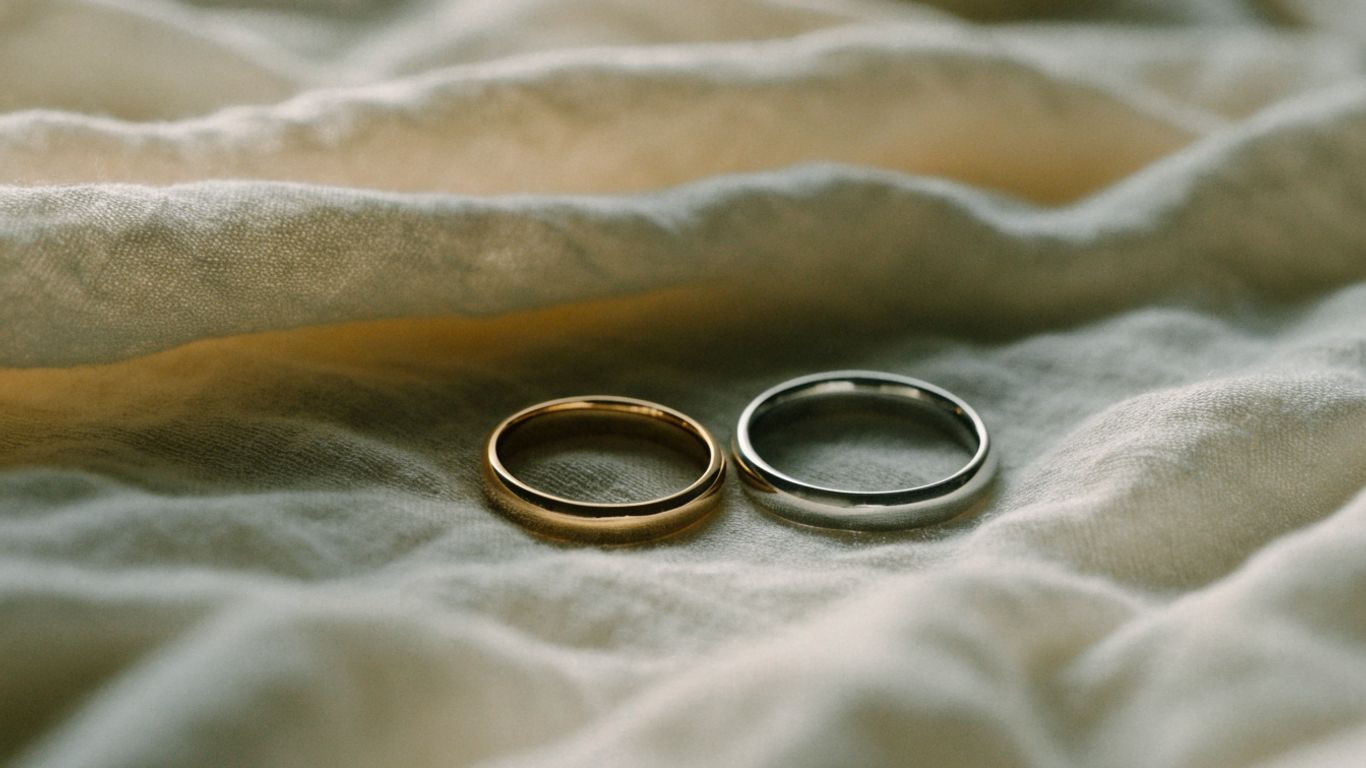
Yellow, white, and rose gold each create a different impression, while karat indicates the proportion of gold in an alloy. A higher karat means a greater share of gold, but the final choice should account for the intended wear and the jeweler’s guidance on the specific piece. Ask for the karat to be stated clearly in the quote and on the invoice.
Platinum and other metal alternatives
Platinum and gold differ in color, weight, and price, and alternative metals may be available depending on the retailer. A simple comparison helps keep the conversation practical; ask how each option behaves in the particular design rather than relying on broad assumptions about durability.
| Option | What to compare | Useful question |
|---|---|---|
| Gold | Color and karat | What karat is this ring? |
| Platinum | Weight and quoted price | Is the price based on the finished ring’s weight? |
| Other metals | Available designs and services | Can this material be resized or repaired here? |
| Mixed metals | Construction and finish | How should the two tones be cared for? |
These questions are not a substitute for trying the ring on, but they can reveal important differences between otherwise similar designs. Ask for details about the exact ring and its care rather than assuming every piece in a metal behaves alike.
Polished, matte, and textured finishes
A polished finish reflects light and can look crisp, while matte and brushed surfaces give a softer appearance. Textured finishes add detail without necessarily adding gemstones or extra height. Finishes can change with wear, so ask whether the retailer can restore or refresh the chosen surface and what that service involves.
Maintenance needs for different materials
Every ring benefits from sensible care: remove it when a task could expose it to impact or harsh chemicals, and store it separately to reduce scratches. Ask the retailer what cleaning method suits the metal and any gemstones. A clear maintenance plan can make a more intricate design feel manageable, while a simpler ring may suit someone who prefers minimal upkeep.
Set a budget and compare pricing
A useful budget is a range, not just a single number. Decide what matters most to each partner before comparing designs, then ask retailers to quote comparable options. Prices can reflect metal, weight, gemstones, design work, and services, so a low headline figure may not describe the full cost.
Decide what to prioritize in your budget
Talk through the features you would be happiest to keep if you needed to adjust the price: metal choice, stone size, finish, or custom details. A short priority list can make trade-offs easier and keep the purchase grounded in what you will actually value over time.
- Set a comfortable total budget for both rings, if you are buying them together.
- Choose the design or material features that matter most.
- Leave room for any confirmed customization or resizing charges.
- Compare like-for-like quotes before deciding.
Once the priorities are clear, it becomes easier to tell whether a higher quote reflects a meaningful difference or simply a different design choice. Keep the list handy when you visit stores so the conversation stays focused.
Understand how metal weight and purity affect price
Metal weight and purity can influence the quoted price, and a wider or thicker band may use more material than a slim one. Ask whether the estimate reflects the finished ring or a current metal rate, and whether the weight is final or approximate. That distinction helps you understand what could change between the initial quote and the invoice.
Compare gemstone, design, and making charges
Gemstones can change the price according to their type and specifications, while detailed settings or custom work may affect making charges. Request a breakdown rather than relying on a single total. For a diamond ring, a solitaire buying guide from C. Krishniah Chetty & Co. covers choices such as diamond quality, settings, metals, and budgeting; those are useful topics to raise when comparing a ring’s price.
Check what is included in the quoted price
Confirm whether the quote includes taxes, the stone, engraving, resizing, and any certificates or documentation that apply to the piece. Ask how long the price is valid and whether the final amount could shift if the ring’s weight changes. A fine-jewelry buying guide also points readers toward checking hallmarks, diamond grading, rates, and making charges before buying.
Find wedding ring retailers in Bangalore
Bangalore offers different ways to shop, from established jewelers to designer studios and online catalogs. A shortlist can save time, but the visit itself matters: compare how clearly a retailer answers questions and whether the ring can be assessed in the materials and size you want. For a separate showroom-shopping perspective, C. Krishniah Chetty & Co. has a showroom selection guide for people considering a solitaire or diamond ring.
Compare local jewelers, designer studios, and online stores
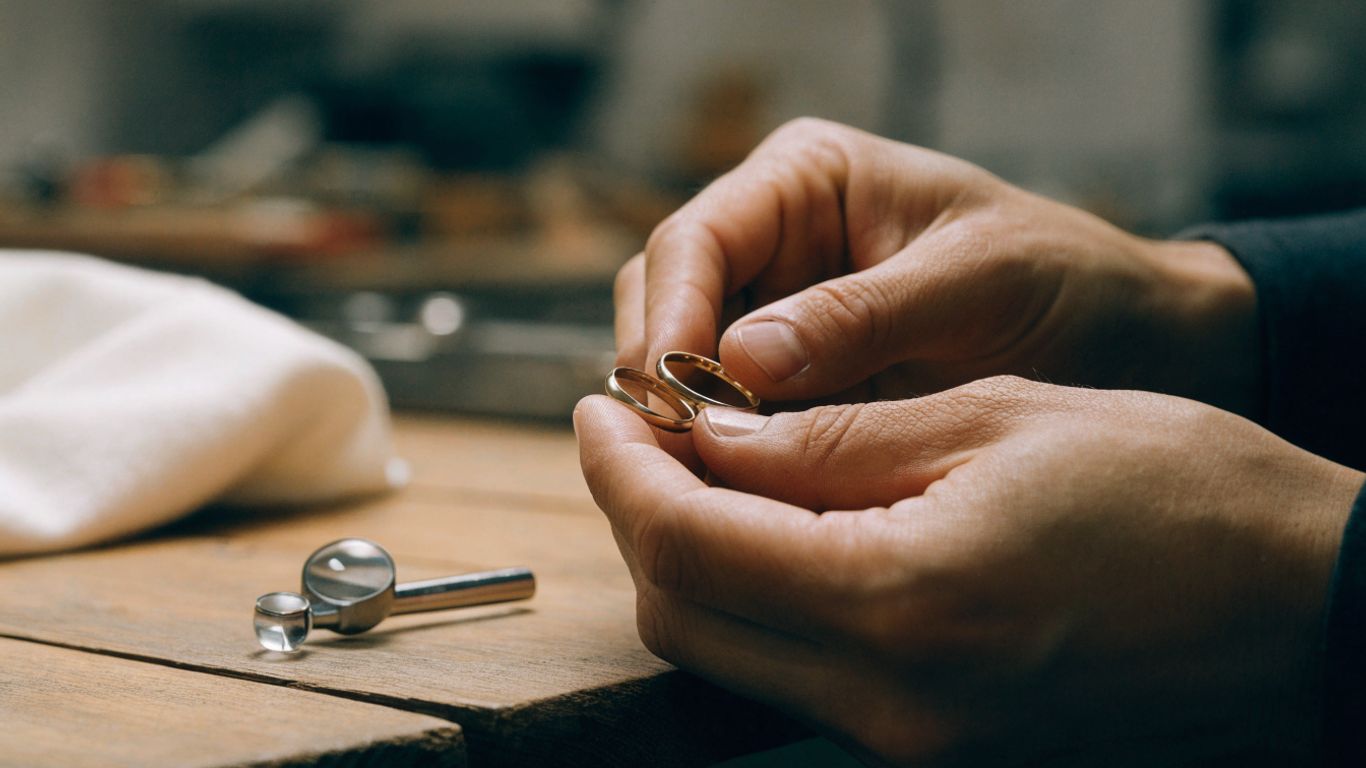
A local store makes it easier to inspect color, finish, and fit in person, while an online store can make browsing more convenient. A designer studio may be useful if you want to discuss a more individual design. Whichever route you choose, check what the return, exchange, and service process looks like before paying, especially if you cannot try on the exact ring in advance.
Assess craftsmanship and design customization options
Look closely at joins, stone settings, symmetry, and how the band feels against the neighboring fingers. If you are considering a custom change, ask what can be altered without compromising the design and whether you will see a drawing or sample first. C. Krishniah Chetty & Co. also publishes an engagement-ring guide that explores ring styles and choosing a design, a useful reference when discussing preferences with a jeweler.
Ask about hallmarking, invoices, and authenticity
Request an itemized invoice and documentation relevant to the ring, including details of metal purity and any gemstone certification. Check that the description on the paperwork matches the piece being purchased. If something is unclear, ask for an explanation in writing rather than relying on a verbal assurance.
Review resizing, repair, and exchange policies
Policies can vary, so ask what happens if the ring is the wrong size or needs attention later. Clarify whether resizing is possible for the design, how long service usually takes, and whether charges apply. A bridal jeweler comparison guide from C. Krishniah Chetty & Co. includes considerations such as craftsmanship, hallmarks, and after-sales support that can help shape those questions.
Get the fit and sizing right
A ring should feel secure without pinching or needing effort to remove. Sizing is especially worth checking when you are ordering a band with a different width or profile than the rings you already wear. Build in time to confirm the fit before the wedding, rather than leaving measurement and any adjustment until the final days.
Measure ring sizes accurately
Have the intended finger measured by a jeweler, and ask how the sizing method relates to the ring’s width and profile. If you are ordering remotely, check whether the retailer provides a sizing guide or recommends an in-person measurement. Measure more than once if the result seems uncertain, and confirm which finger and hand the size refers to.
Account for band width and comfort-fit designs
A wide band can feel snugger than a narrow one, and a comfort-fit interior may sit differently against the finger. Try on a ring with a similar width and shape to the one you plan to buy. If the exact design is unavailable, ask the jeweler how that difference might affect the size you should choose.
Consider seasonal changes and everyday wear
Finger size can vary with temperature and activity, so a measurement taken at one moment may not tell the whole story. Make sure the ring slides over the knuckle but does not feel loose once it is in place. If you notice a strong change in fit over the day, mention it when you are measured.
Plan ahead for resizing and engraving
Some designs are easier to resize than others, especially when stones or detailed patterns extend around the band. Confirm the resizing options before finalizing the ring and before adding engraving. If sizing might need an adjustment, ask whether engraving should wait until the fit is settled.
Choose custom, ethical, and diamond options
Custom details and diamond choices can add meaning, but they also call for clear decisions and documentation. Start by separating what you want from what is simply available; that helps keep the design personal rather than unnecessarily complicated. If you are considering a diamond, compare the information supplied for each stone and ask questions until the terms are clear.
Decide whether a custom-made ring suits your needs
Custom work can be a good fit when you have a specific design in mind or want to combine details that are not available in a ready-made ring. It typically requires more decisions and coordination, so ask what stages need your approval and what changes are possible later. A standard design may be the simpler choice if timing or flexibility is more important.
Compare natural and lab-grown diamonds
Natural and lab-grown diamonds can be compared by their documented characteristics, appearance, and price. Ask for the grading information and documentation for the specific stone, and make sure you understand how the retailer distinguishes the two. A diamond-ring guide from C. Krishniah Chetty & Co. discusses natural and lab-grown diamonds alongside style, budgeting, and aftercare.
Ask about gemstone sourcing and product documentation
Ask what documentation accompanies a gemstone and what it confirms. If sourcing information or ethical standards are important to you, request details that apply to the specific stone rather than relying on broad wording. Keeping the paperwork with the invoice makes it easier to refer back to the ring’s stated specifications.
Confirm design approval and delivery timelines
Before production begins, review the final design details, including size, metal, finish, stone, and engraving. Get the expected delivery date and any approval deadlines in writing. Leave a buffer for a fitting or adjustment, particularly if the ring is being made to order.
Conclusion
The right wedding rings bring together personal style and the practical details of fit, materials, budget, and care. Compare a few well-matched options, ask specific questions, and allow enough time for sizing or custom work; a thoughtful process is more valuable than rushing toward a particular look.
Frequently Asked Questions
How early should we shop for wedding rings?
Start several months before the wedding if you are considering custom work, engraving, or a design that may need adjustment. Ready-made rings can take less time, but it is still wise to leave room for sizing and service.
Should wedding rings match?
They can match exactly, share one design detail, or be completely different. Choose an approach that feels comfortable to both partners and suits how each person wears jewelry.
Which metal is best for a wedding ring?
There is no single best option for everyone. Compare appearance, weight, price, care, and service possibilities for the specific ring you are considering.
How can we make sure a ring fits?
Have the intended finger measured and try a ring with a similar width and profile. Check that it can pass over the knuckle but feels secure once in place.
What should a wedding ring quote include?
Ask for an itemized breakdown that explains the metal, gemstones, design or making charges, taxes, and any included services. Confirm what documentation will accompany the purchase.
Are custom wedding rings worth considering?
Custom rings may suit couples who have a clear idea or want particular details combined. Consider the extra decisions, approval stages, timing, and potential changes before choosing that route.
What documents should we ask for when buying a ring?
Request an itemized invoice and applicable details about metal purity and gemstone grading or certification. The paperwork should correspond to the exact ring you receive.
Related blogs:
November 20, 2025
The Timeless Elegance of the Tennis Bracelet: A Comprehensive Guide
Read More
November 20, 2025
The Ultimate Guide to Styling and Wearing a Choker Necklace
Read More
November 20, 2025
Find Your Perfect Engagement Ring: A Comprehensive Guide to Styles and Diamonds
Read More
November 20, 2025
The Timeless Elegance of a Diamond Tennis Bracelet: A Buyer's Guide
Read More