How to choose ring size for engagement: A practical guide to a perfect fit
September 23, 2026 | 10 minutes read
Key Takeaways
Choosing an engagement ring size is a balance of measurement, comfort, design, and flexibility. A careful process gives you a strong starting point without taking all the romance out of the surprise.
- Measure the correct finger when it is comfortably warm.
- Compare more than one method before choosing a size.
- Account for knuckle shape, band width, and stacking.
- Use discreet clues when the proposal is a surprise.
- Confirm resizing terms before completing the purchase.
Understand what makes an engagement ring fit correctly
A well-sized engagement ring should feel secure without becoming distracting. It needs to pass over the knuckle, sit comfortably at the base of the finger, and stay in place during ordinary movement. The right fit is personal, but it should never rely on pain or constant adjustment.
How a properly fitted ring should feel
A properly fitted ring slides over the knuckle with modest resistance and rests comfortably without pinching. It may turn slightly when the hands are cold, but it should not spin freely during normal activity. If you can forget you are wearing it after a few minutes, you are usually close to a practical fit.
Signs the ring is too tight or too loose
A ring may be too tight if it leaves a deep mark, causes throbbing, or becomes difficult to remove after ordinary wear. A ring that is too loose may rotate repeatedly, catch on clothing, or slide toward the fingertip when the hand points downward. Swelling, numbness, or persistent discomfort calls for removal and professional advice rather than simply accepting the fit.
Why knuckle size and finger shape matter
Finger size is not perfectly uniform from the base to the knuckle. Someone with a prominent knuckle may need a ring that clears the widest point while remaining comfortable below it. A jeweler can compare both areas and suggest a size that balances security with the ability to remove the ring.
Choosing between a snug fit and easy removal
A snug fit reduces slipping, but it should still allow removal without soap, force, or panic. Consider how the ring will be worn in ordinary conditions, including work, exercise, and warm weather. Comfort should guide the final choice, because a ring that fits beautifully on one quiet morning may feel very different after a long, active day.
Measure the ring finger accurately
Measurement is most useful when treated as an estimate to verify, not a single magic number. Use the finger that will actually wear the engagement ring, and pay attention to temperature and time of day. For a broader overview of the buying process, this engagement ring sizing guide places measurement alongside style, quality, and resizing considerations.
Measuring at the right time of day
Hands can change size with temperature, activity, and fluid retention. Measure when the fingers are warm and relaxed, preferably later in the day rather than immediately after waking. Avoid measuring just after exercise, exposure to cold, or unusually salty food, since those conditions can temporarily alter the result.
Using a printable ring sizer correctly
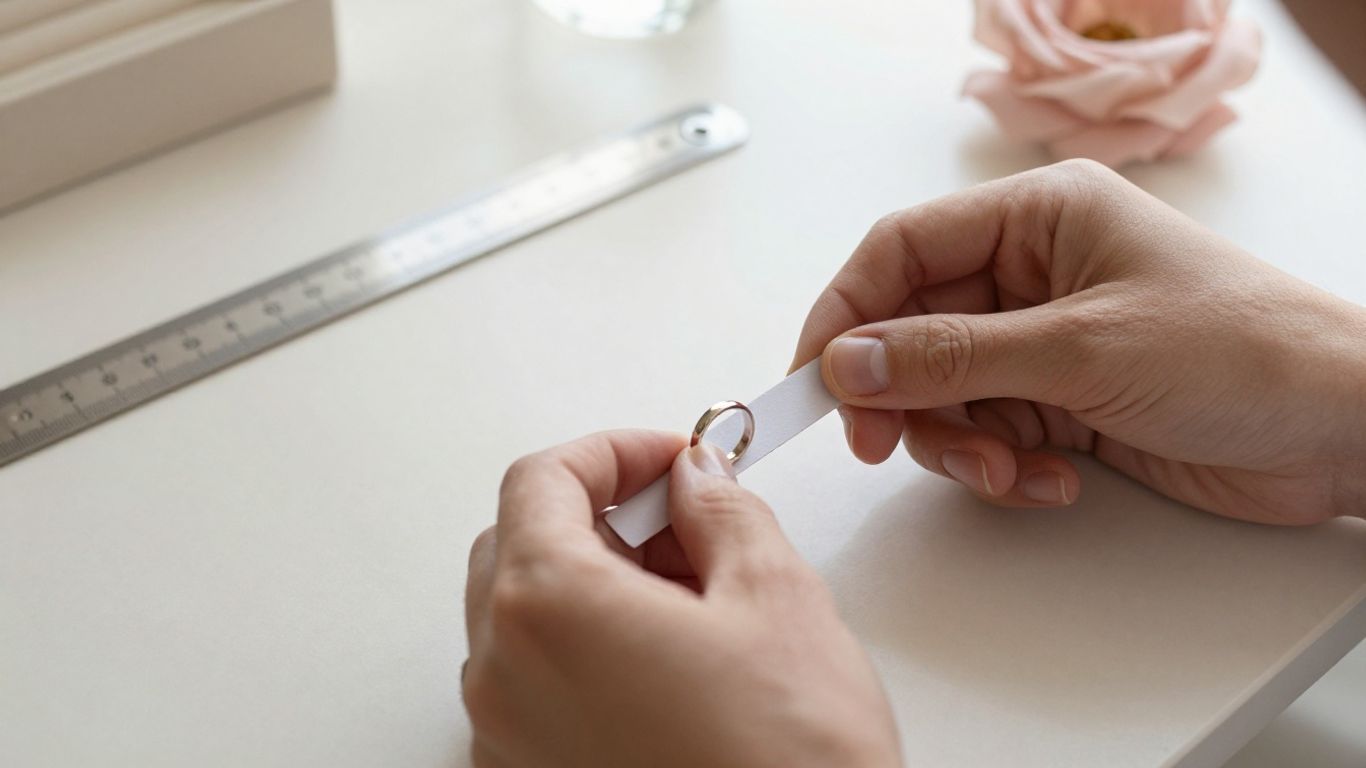
A printable sizer can be useful if it is printed at its stated scale. Check the page against a ruler before placing the strip around the finger, and make sure the strip lies flat rather than twisting. It should feel secure but not tight; if the paper leaves a mark, repeat the measurement more gently.
Measuring with a strip of paper or string
A narrow strip of paper is generally easier to read than soft string, which can stretch or curl. Wrap it around the base of the finger, mark the meeting point, and measure the length against a ruler in millimeters. Keep the strip level and test whether the marked circumference would still pass over the knuckle.
Repeating measurements for a more reliable result
Repeat the process several times, ideally at different points in the day. If the results vary slightly, record the range instead of forcing one number to look exact. These small checks are useful because a measurement taken under one set of conditions may not reflect everyday wear.
Find the right size without spoiling the surprise
A surprise proposal makes direct measuring difficult, but it does not make the task impossible. Existing jewelry, trusted people, and ordinary errands can provide useful clues. The key is to identify a ring worn on the intended finger rather than assuming every ring in the jewelry box has the same size.
Borrowing a ring they already wear
Borrowing a ring can be one of the most practical options when it is worn on the same finger and hand. Take note of how it fits before removing it, and return it promptly so its absence does not raise questions. A ring from another finger can still offer a rough clue, but it should not be treated as an exact answer.
Tracing the inside of an existing ring
If you can borrow a ring briefly, trace its inside edge on paper with a fine pencil. Several clean tracings are better than one heavy, uneven outline. Bring the ring itself or the tracing to a jeweler when possible, because tiny differences in the inner diameter can affect the suggested size.
Asking friends or family for discreet help
A close friend or family member may already know the person’s ring size, or may be able to ask naturally during a conversation about jewelry. Give them the intended finger and explain that a rough estimate is still helpful. Their information should be checked against another clue rather than accepted without question.
Using a jeweler’s measurement as a cover story
A casual jewelry-shopping trip can create an opportunity for everyone to try on sample rings. You might frame it as browsing gifts or comparing styles, then notice which sizes feel comfortable. This approach works best when it feels natural and does not turn the outing into an obvious investigation.
Convert measurements into the correct ring size
Once you have a circumference or inside diameter, convert it using the retailer’s own chart whenever possible. Charts can differ slightly in rounding and international conventions. The broader ring size measurement advice also reinforces the value of checking fit, knuckles, temperature, and repeated measurements together.
Reading a US ring size chart
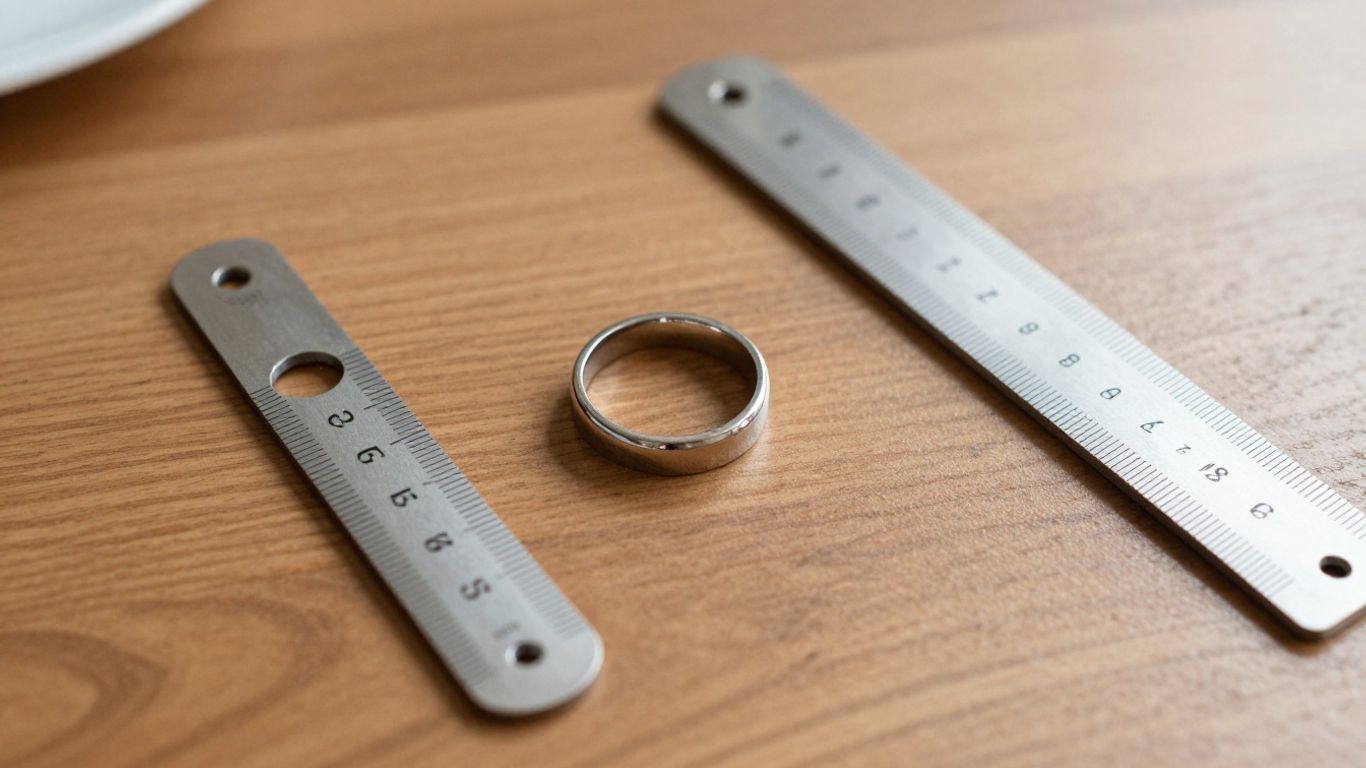
US ring sizes usually increase in small increments, with half sizes commonly available. Find the measured diameter or circumference in the chart, then identify the closest listed size. Do not read across a chart too quickly: confirm whether its measurements refer to the inside of the ring or the finger itself.
Comparing diameter, circumference, and size
Diameter measures straight across the inside of a ring, while circumference measures around the finger or inner edge. They describe related dimensions but are not interchangeable without a conversion chart. This simple comparison can help catch an error before you order:
| Measurement | What it describes | Best use |
|---|---|---|
| Inside diameter | Distance across the ring interior | Measuring an existing ring |
| Finger circumference | Distance around the finger | Paper-strip or sizer method |
| US ring size | Standard size label | Ordering from a US retailer |
| International size | Regional sizing convention | Comparing overseas charts |
After identifying the closest size, compare the result with how the reference ring actually feels. A number that looks right on paper still needs to account for the knuckle, band width, and intended design.
Handling half sizes and quarter sizes
Half sizes can provide a helpful middle ground when a whole size feels noticeably loose or tight. Some jewelers offer quarter sizes, while others recommend choosing the nearest standard size and adjusting the fit later. Ask before ordering rather than assuming every retailer stocks the same increments.
Checking international ring size conversions
International systems may use letters, numbers, or measurements in millimeters. Always use the chart supplied by the retailer or maker, especially when the ring is being shipped across borders. A conversion table is a starting point, not a substitute for confirming the measurement system used in the order form.
Account for the engagement ring design
The ring itself can change how a size feels. A narrow band, wide band, high setting, and future wedding band may all affect comfort even when the finger measurement remains the same. For broader style context, this wedding ring design guide discusses band width, stacking, finger shape, and seasonal changes alongside fit.
How wide bands affect the ideal size
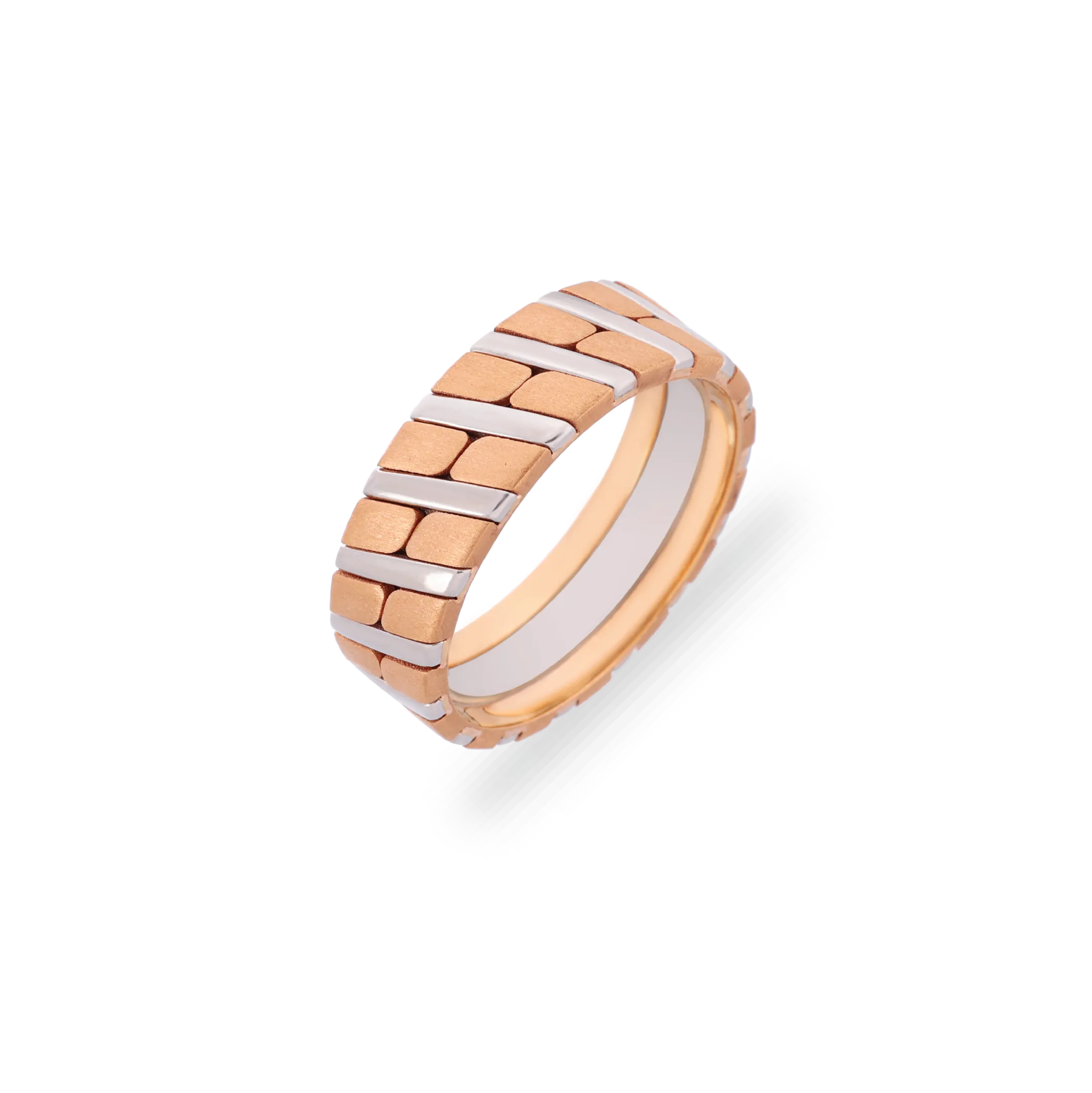
Wide bands cover more of the finger and often feel snugger than narrow bands in the same nominal size. If the engagement ring has a substantial band, try a similar width when measuring or ask a jeweler whether a slight adjustment is appropriate. The goal is not to enlarge automatically, but to match the test ring to the final design.
Adjusting for stacked wedding and engagement rings
If the engagement ring will eventually sit beside a wedding band, think about the combined fit. Two rings can feel tighter than either one alone, particularly when both have broad profiles. Trying a temporary stack of similar widths can reveal whether the chosen size leaves enough room without making the engagement ring unstable on its own.
Considering gemstones and setting comfort
A large or raised gemstone can affect balance, causing the ring to tip or rotate even when the size is correct. Prongs, bezels, and low-profile settings may also feel different against neighboring fingers. When comparing styles, focus on how the setting moves and rests, not only on the beauty of the stone.
Choosing a fit for seasonal finger changes
Hands may feel smaller in cold weather and fuller in heat. A ring should accommodate ordinary seasonal variation without becoming dangerously loose or painfully tight. If the proposal is planned for one season but the ring will be worn year-round, leave room for professional advice about the most stable fit.
Avoid common ring-sizing mistakes
Most sizing problems come from a small mismatch between the method and the real wearing situation. People measure a different finger, trust a stretched piece of string, or compare a partner’s size with their own. Slowing down and documenting what was actually measured can prevent an avoidable exchange.
Measuring the wrong finger
The ring finger on one hand may not match the ring finger on the other, and neighboring fingers can differ even more. Confirm the intended hand and finger before recording a size. If the proposal ring will later move to another hand, measure again before making that change permanent.
Relying on a single inaccurate method
A single paper strip, blurred tracing, or hurried measurement can produce a misleading result. Use two compatible methods, such as an existing ring and a professional sizer, when circumstances allow. If the results disagree, investigate the method rather than averaging numbers blindly.
Guessing from height, weight, or shoe size
Body measurements do not provide a dependable ring size. Two people with similar height or shoe size can have very different fingers, knuckles, and preferred fits. These guesses may be tempting when planning a surprise, but an actual ring clue is much more useful.
Confusing a partner’s ring size with your own
A familiar size from your own jewelry is not a reliable substitute for your partner’s measurement. Finger proportions, hand dominance, and comfort preferences vary widely. Keep any personal ring-size information separate from the clues gathered for the engagement ring.
Confirm the size and plan for adjustments
Even careful home research may leave some uncertainty, and that is normal. A professional can assess the ring design as well as the finger, while the retailer can explain what happens if the first size is not ideal. This final stage turns an estimate into a manageable purchase decision.
Verifying the size with a professional jeweler
Bring an existing ring, a tracing, or your recorded measurements to a professional jeweler when possible. They can compare the evidence with physical sizing tools and consider the ring’s width and setting. If the proposal must remain secret, ask what can be assessed without revealing the full plan.
Checking the retailer’s resizing policy
Read the resizing policy before paying, including time limits, fees, shipping responsibilities, and whether the first adjustment is included. Check whether the policy applies to sale items, custom work, engraved rings, or altered designs. Written terms are more useful than a casual promise made during a busy purchase.
Understanding when resizing may not be possible
Some rings cannot be resized easily because of their construction, stone placement, eternity-style settings, intricate patterns, or limited available metal. A jeweler may recommend an exchange, a remake, or a different size instead. Ask about these limits before choosing a design that leaves little room for correction.
Planning for resizing after the proposal
If the ring is slightly off, keep the proposal moment separate from the fitting problem. Note where and when the ring feels uncomfortable, then have it assessed rather than filing or stretching it at home. A short-term temporary solution may be possible while the jeweler confirms the best permanent adjustment.
Conclusion
The best answer to how to choose ring size for engagement is a measured, flexible process: identify the correct finger, gather more than one clue, account for the ring’s design, and confirm the retailer’s adjustment terms. A near-perfect first estimate is helpful, but thoughtful follow-up can make the final fit feel just as personal as the proposal itself.
Frequently Asked Questions
How should an engagement ring fit?
It should pass over the knuckle with modest resistance, sit comfortably at the base of the finger, and remain secure without pinching or causing numbness.
Should an engagement ring feel tight at first?
It can feel gently snug, especially when sliding over the knuckle, but it should not cause pain, deep marks, throbbing, or difficulty with removal.
Is it better to size up or down?
Neither choice is automatically best. Compare the knuckle and finger base, consider the band width, and ask a jeweler to assess the ring’s specific design.
Can I measure ring size at home?
Yes. A printable sizer, paper strip, or existing ring can provide a useful estimate, but repeat the measurement and verify the result when possible.
Does ring size change during the day?
Finger size can vary with temperature, activity, and swelling. Measuring when the hand is comfortably warm and repeating the process can give a more realistic result.
What if I do not know my partner’s ring size?
Look for a ring worn on the intended finger, ask a trusted friend or relative for help, or arrange a casual opportunity to try sample rings without making the proposal obvious.
Can every engagement ring be resized?
No. Some settings, patterns, stone arrangements, and construction methods limit resizing. Always ask the retailer or jeweler about the specific ring before purchase.
Related blogs:
November 20, 2025
The Timeless Elegance of the Tennis Bracelet: A Comprehensive Guide
Read More
November 20, 2025
The Ultimate Guide to Styling and Wearing a Choker Necklace
Read More
November 20, 2025
Find Your Perfect Engagement Ring: A Comprehensive Guide to Styles and Diamonds
Read More
November 20, 2025
The Timeless Elegance of a Diamond Tennis Bracelet: A Buyer's Guide
Read More