10 best ring styles for proposal: Find the perfect match for your partner
September 23, 2026 | 10 minutes read
Key Takeaways
The best proposal ring balances personal style, everyday comfort, and a design that still feels meaningful years from now.
- Notice the jewelry, colors, and proportions your partner already wears.
- Match the setting to their lifestyle as well as their taste.
- Consider classic, vintage, sculptural, and colorful styles before choosing.
- Confirm ring size discreetly and leave room for professional guidance.
- Choose the ring that feels connected to your shared story, not just current trends.
1. Classic solitaire ring
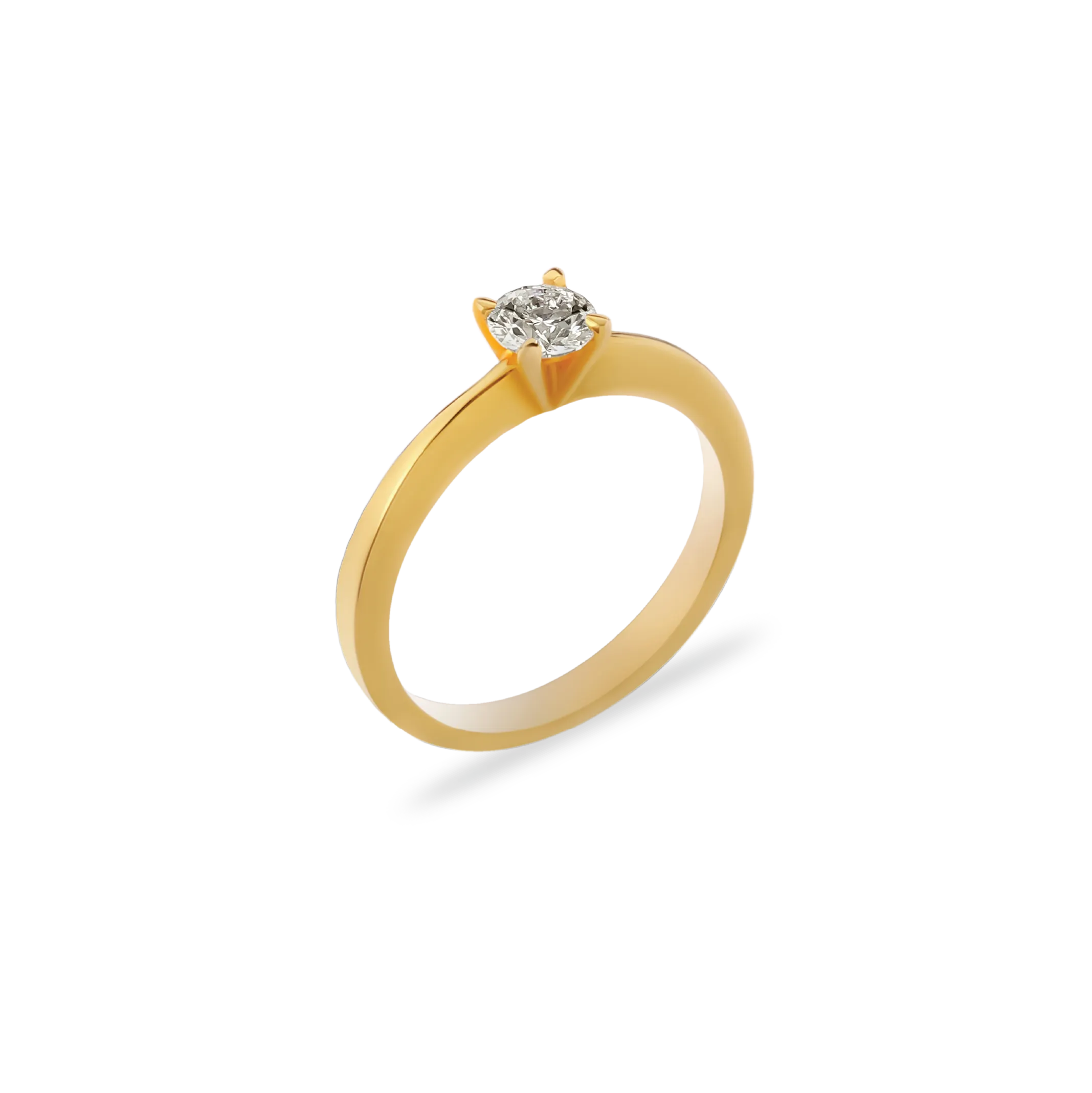
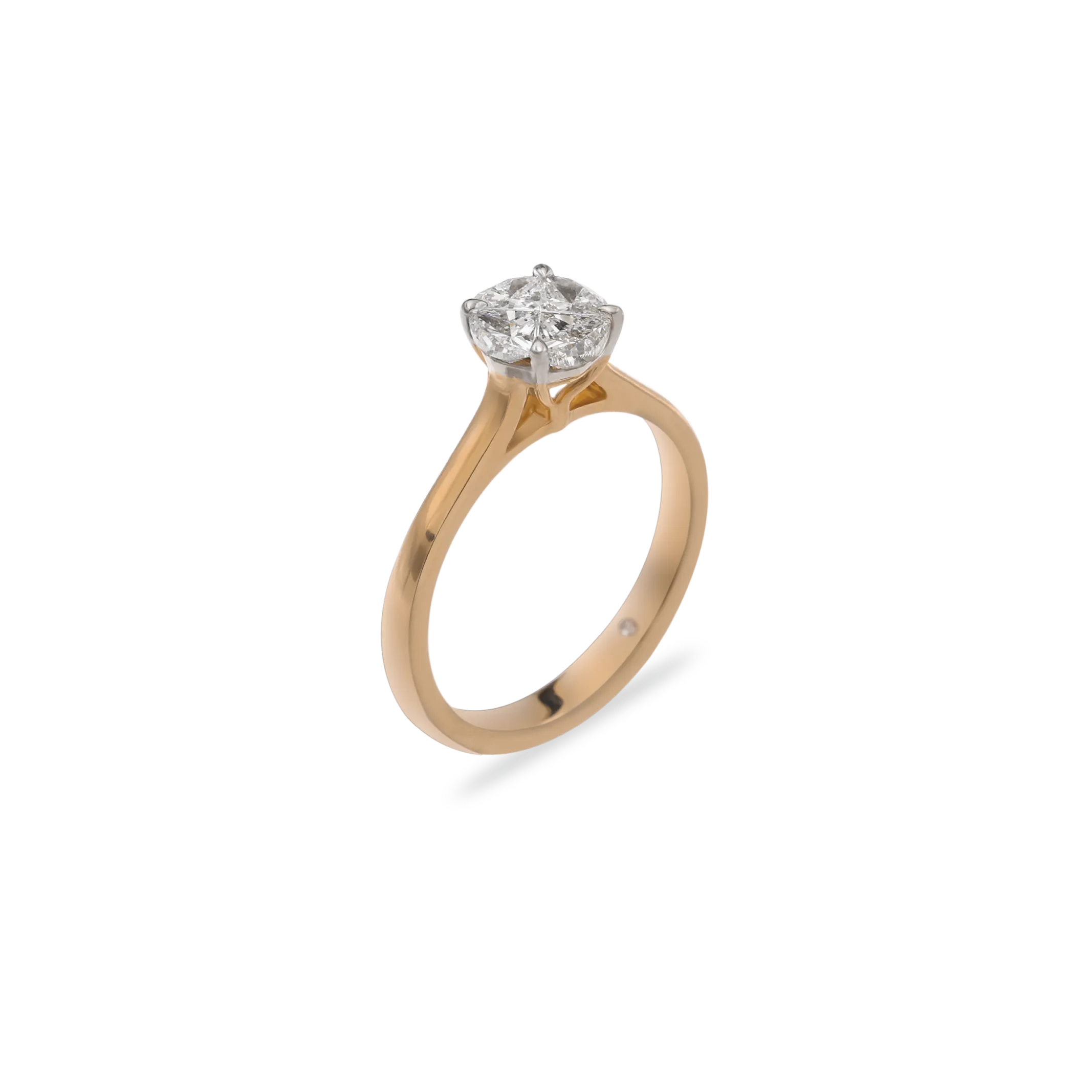
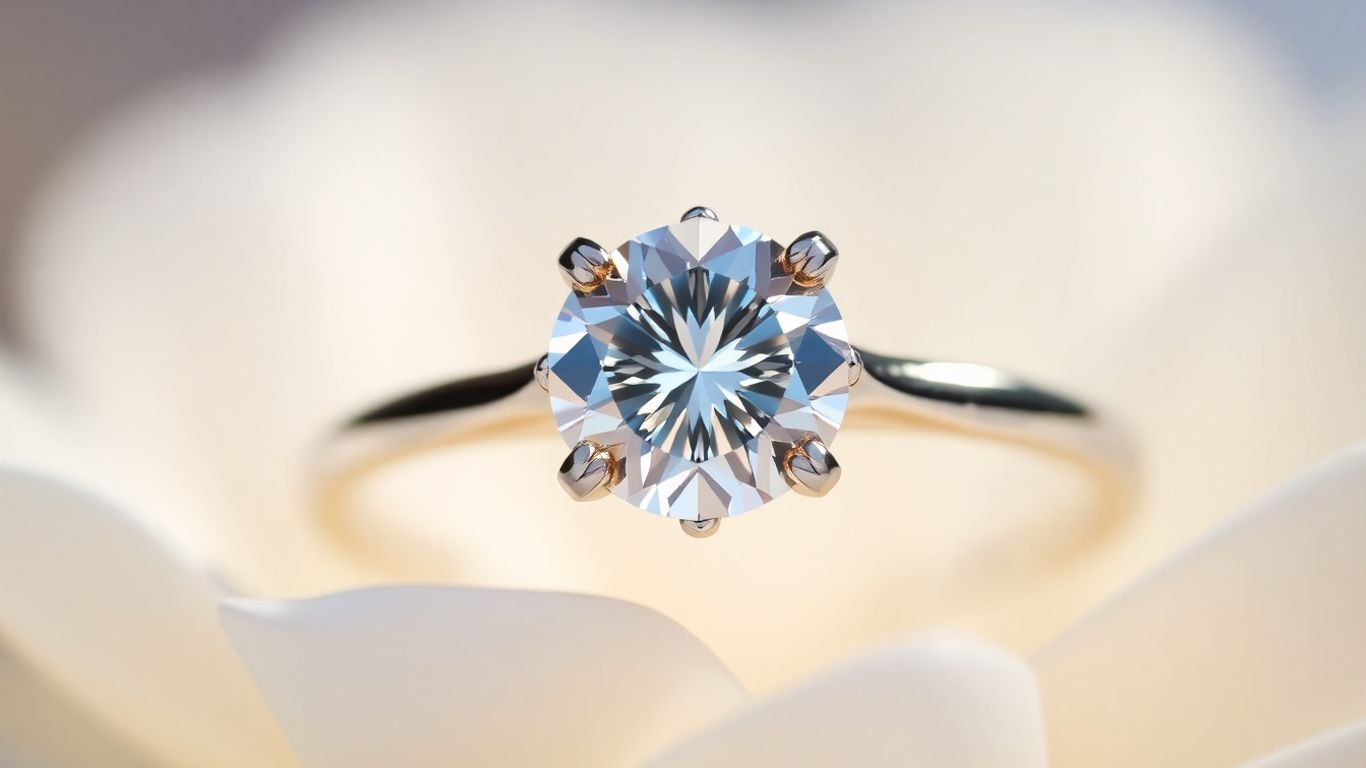
A classic solitaire places one center stone at the heart of the design. With little competing detail, the shape, cut, and setting of that stone become the focus. It is a calm, confident choice for someone whose style leans elegant rather than ornate.
The appeal is also practical. A simple band is easy to wear, pair with a wedding ring, and reinterpret over time, while the center stone can make the design feel distinctly personal. Metal color and band width quietly change the mood, from bright and contemporary to warm and traditional.
Before choosing one, look at the jewelry your partner wears most often. A classic solitaire guide can help you think through proportion, setting height, metal choices, and the way a ring will fit into daily routines. The right solitaire should feel refined, not generic.
2. Halo engagement ring
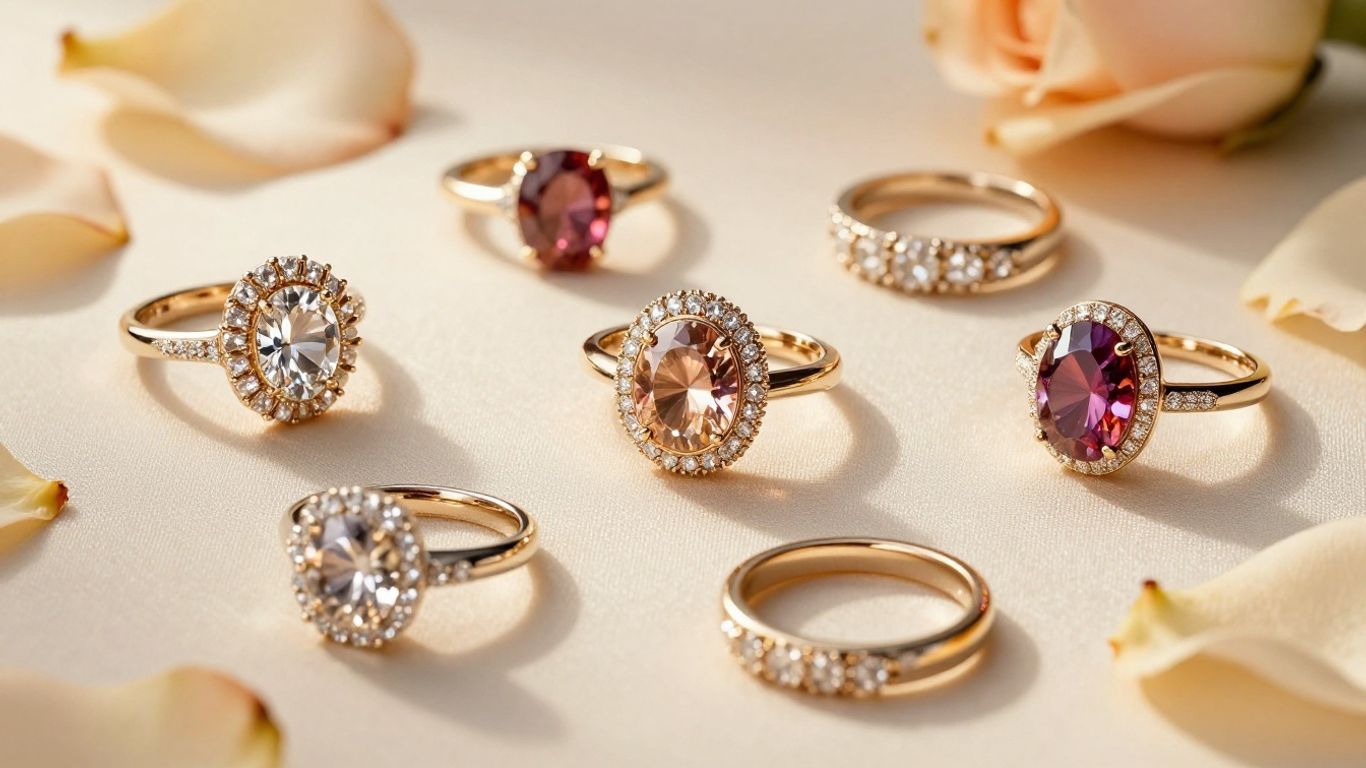
A halo engagement ring surrounds the center stone with a border of smaller stones. That frame adds shimmer and gives the ring a fuller, more decorative outline. It suits someone who enjoys noticeable sparkle but still wants the center stone to remain the visual anchor.
Halo designs come in many moods. A close, rounded halo can feel romantic and traditional, while a geometric outline or contrasting metal can make the same idea feel sharper. Pay attention to the overall scale, since a larger silhouette may be beautiful but less comfortable for someone who prefers understated jewelry.
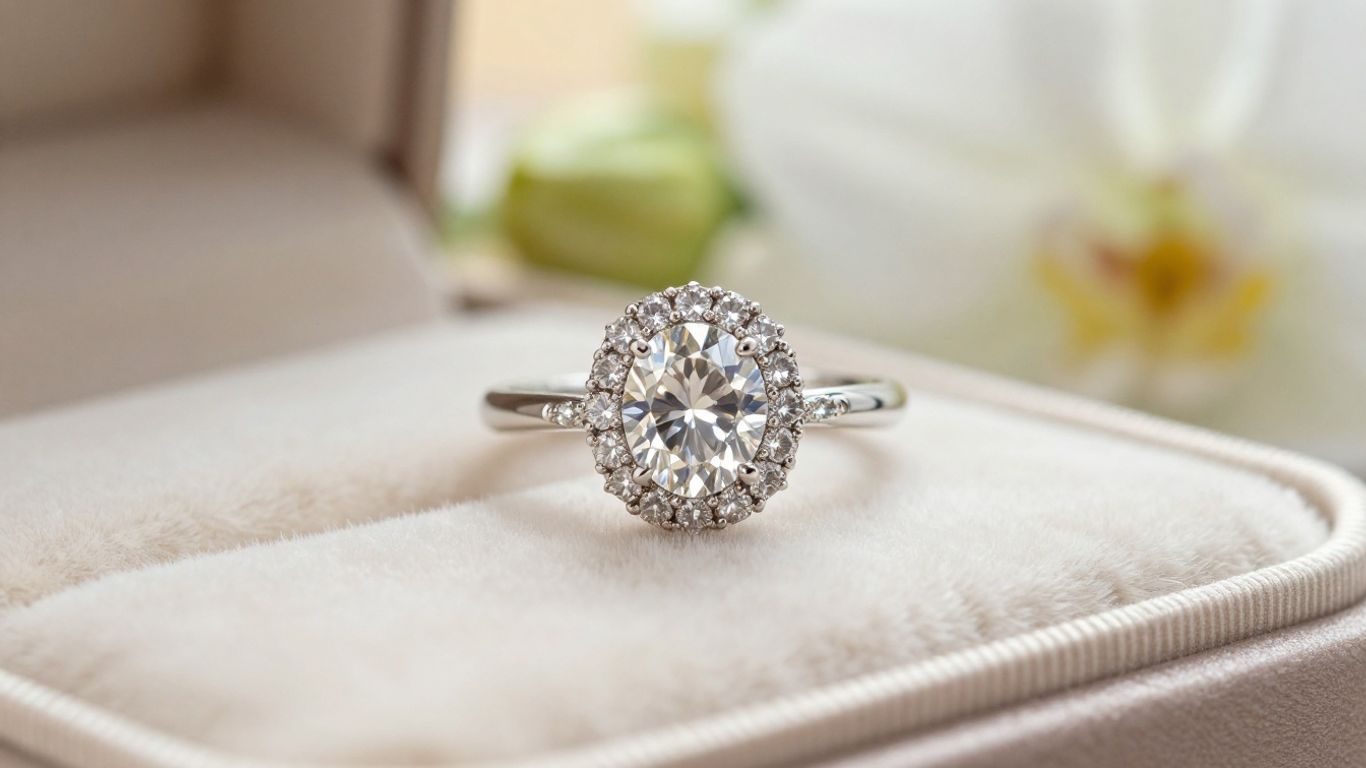
For a useful outside perspective, this proposal ring style guide discusses matching a ring with personal taste, existing jewelry, and lifestyle. Those clues matter more than choosing a halo simply because it photographs brightly.
3. Three-stone ring
A three-stone ring gives the design a natural sense of balance. The center stone is framed by two companions, creating a wider silhouette and a clear visual rhythm across the finger. It can feel especially meaningful for couples who want the ring to carry a sense of shared history.
The stones do not have to be identical in size or shape. A prominent center with smaller side stones feels traditional, while closely matched stones create a more symmetrical look. The setting and spacing also affect how easily the ring sits beside a wedding band.
A quick comparison can clarify the character you prefer:
| Design choice | Overall impression | Best suited to |
|---|---|---|
| Larger center stone | Traditional focal point | Someone drawn to classic balance |
| Similar-sized stones | Symmetrical and distinctive | Someone who likes visual order |
| Mixed shapes | Artistic and individual | Someone with an expressive style |
| Low-profile setting | Subtle and practical | Someone who wears jewelry constantly |
Think about the story you want the ring to suggest, but also test its proportions against your partner's hand and existing jewelry. Meaning works best when the ring remains comfortable enough to become part of everyday life.
4. Pavé ring
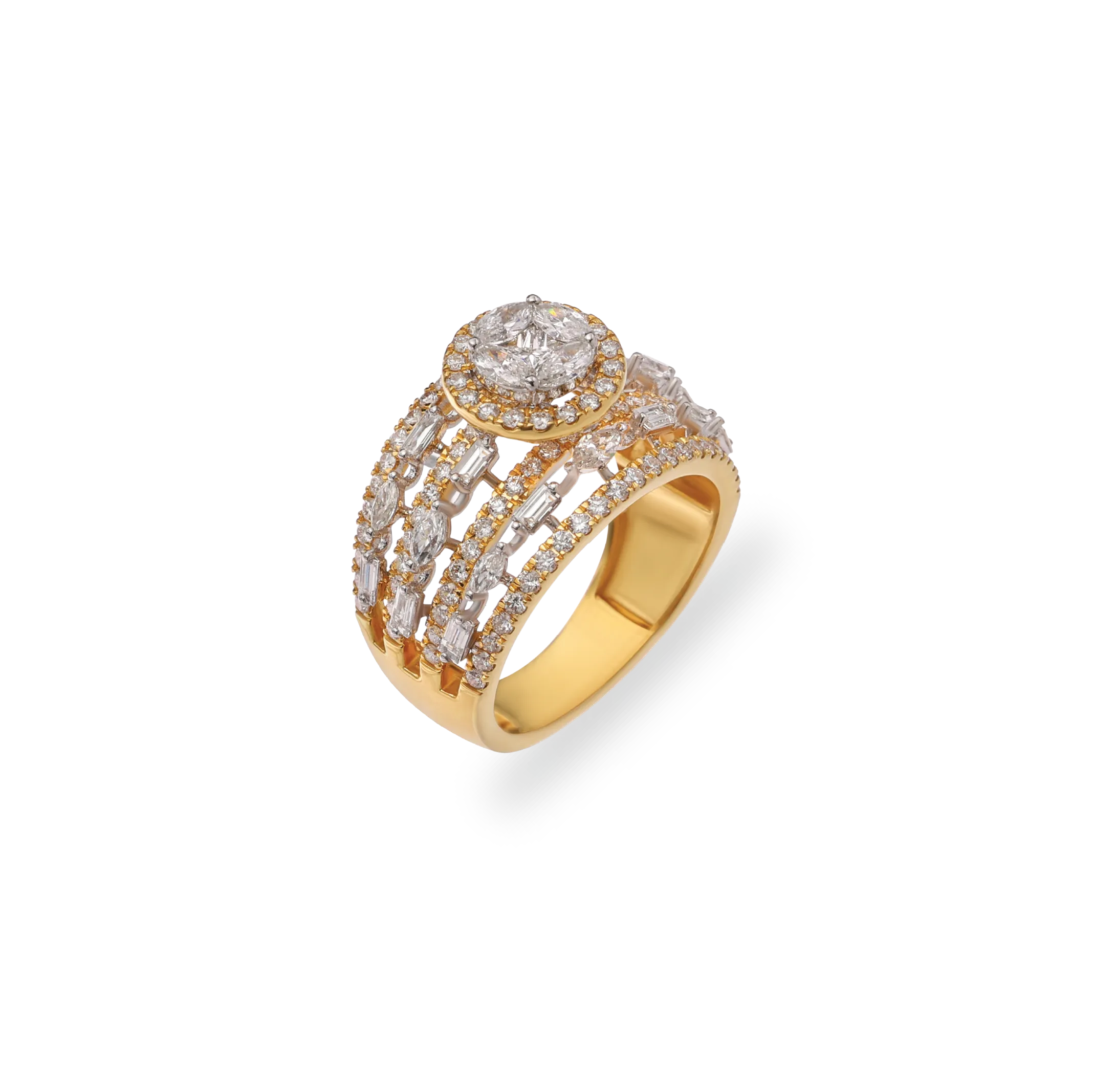
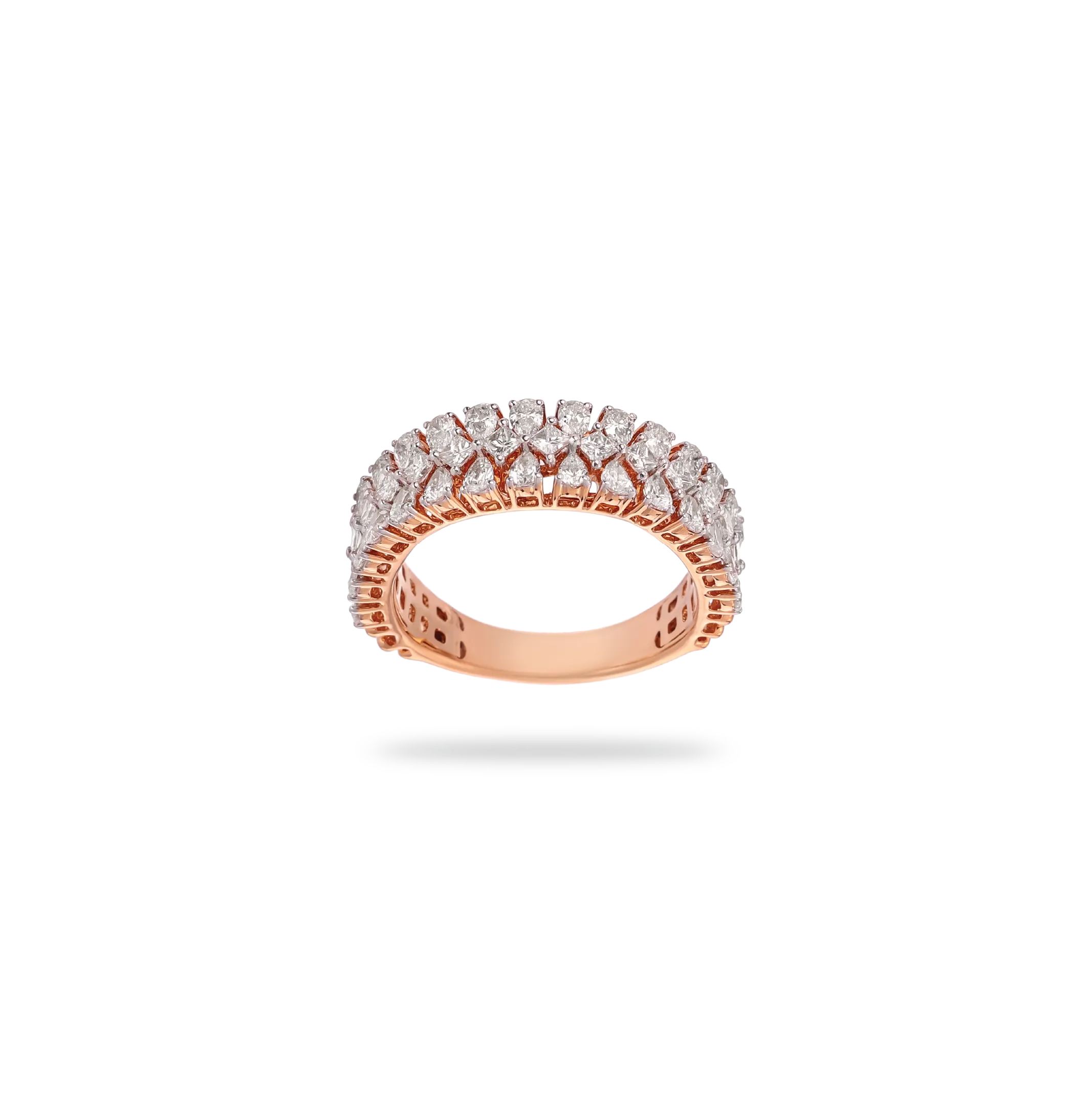
A pavé ring uses closely set small stones along the band, creating a continuous field of sparkle. The effect can be delicate or highly luminous depending on the width of the band and the amount of coverage. It is a strong match for someone who likes detail extending beyond the center stone.
Because the band carries so much visual interest, the center setting can remain relatively clean. A round center stone gives the design a classic finish, while an elongated or angular shape introduces contrast. Try to view the ring from the side as well as from above, since height and comfort are easy to overlook in photographs.
Pavé also deserves a little lifestyle thought. Someone who works with their hands or prefers low-maintenance jewelry may want a simpler band or a more protected setting. Someone who enjoys a bright, layered look may appreciate how pavé coordinates with a wedding band and other fine pieces.
5. Vintage-inspired ring
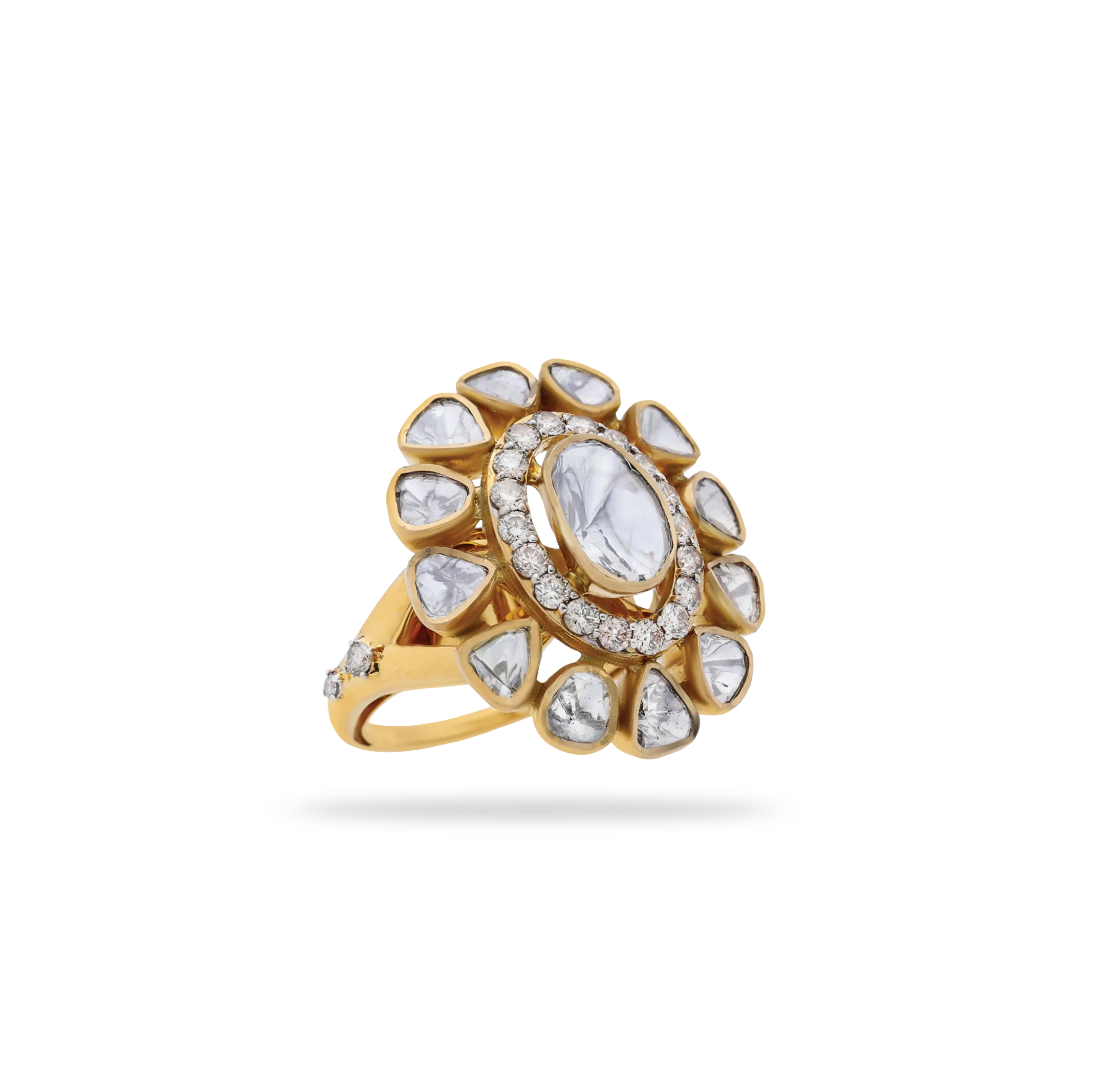
A vintage-inspired ring borrows visual cues from earlier eras without needing to be an antique. Milgrain edges, engraving, floral details, filigree, and old-fashioned proportions can give the design a sense of depth. The result feels chosen for its character rather than its familiarity.
This style is particularly appealing to someone who enjoys heirlooms, historic architecture, or jewelry with a slightly romantic irregularity. It can be delicate and intricate, or bold and sculptural. Look closely at how decorative details are finished, because craftsmanship makes a major difference when a design depends on fine lines.
A vintage mood does not require matching every accessory. Pairing an ornate ring with a plain band can let its details breathe, while a more decorative wedding band creates a collected look. If you are unsure, choose one period-inspired feature and let the rest of the ring stay restrained.
6. Hidden halo ring
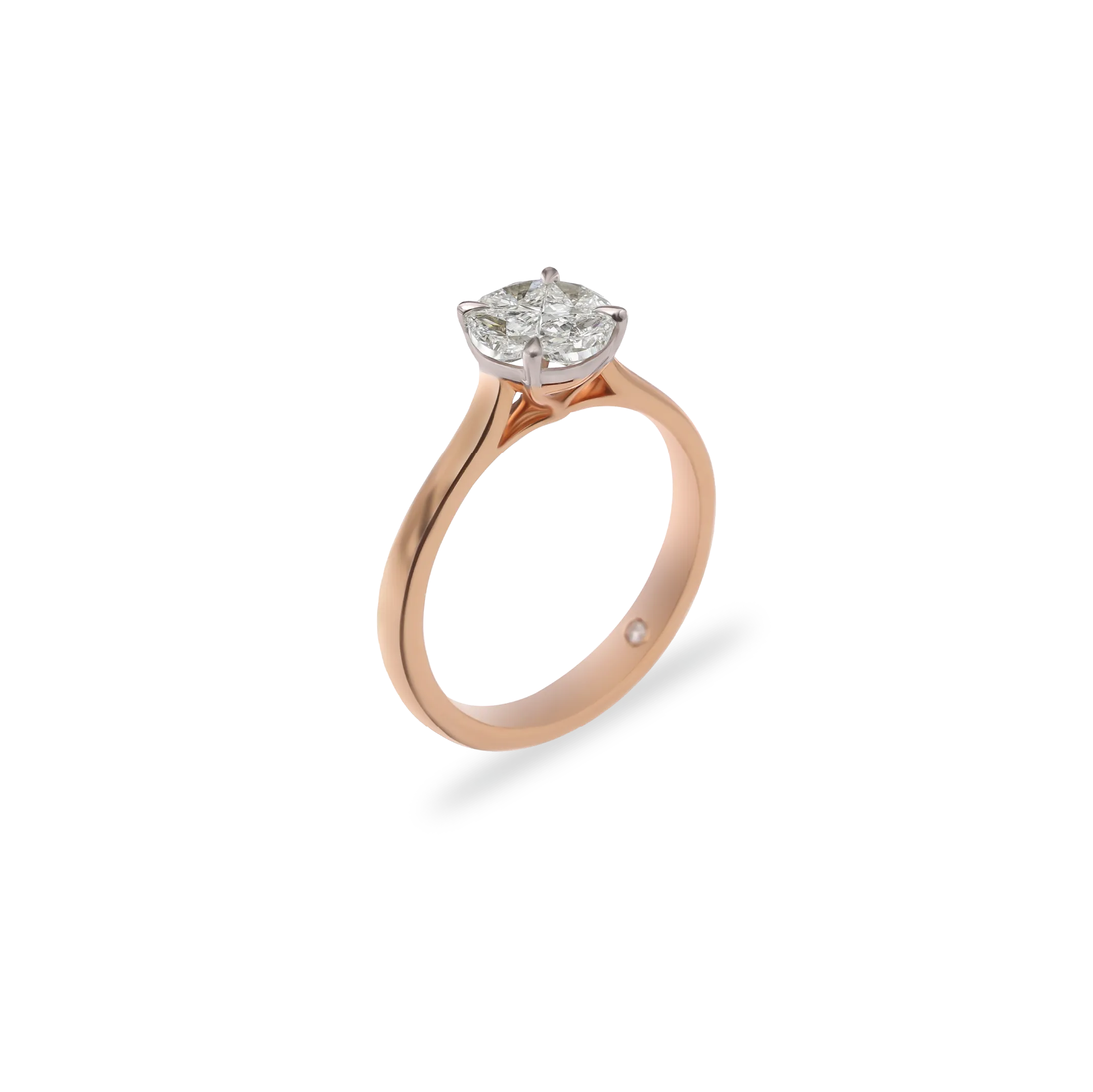
A hidden halo ring keeps its extra stones beneath the center stone's main rim rather than placing them prominently around the top. The detail is discovered from an angle, giving the ring a private flash of decoration. It is a thoughtful option for someone who likes design details that are not immediately obvious.
From above, the ring can look clean and relatively classic. From the side, the hidden stones add texture and a sense of surprise. This balance works well for a partner who wants something personal and distinctive without a large, overtly ornate silhouette.
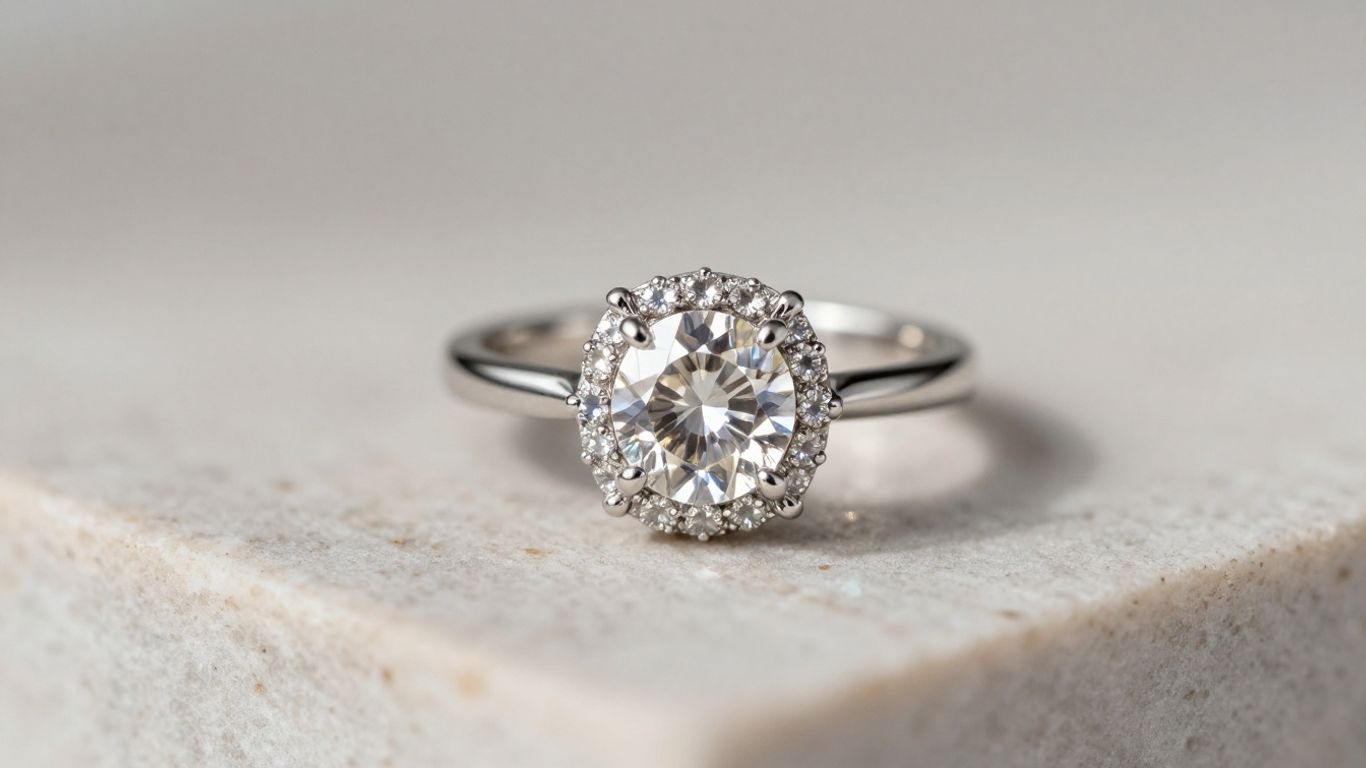
The setting's profile deserves close attention before you buy. Consider how it feels against neighboring fingers, whether a wedding band can sit comfortably beside it, and whether your partner tends to favor visible embellishment or small discoveries. A hidden halo is strongest when that quiet detail genuinely suits their personality.
7. Bezel-set ring
A bezel-set ring surrounds the center stone with a rim of metal. The look is smooth, modern, and neatly defined, with fewer exposed edges than a traditional prong setting. It can appeal to someone who prefers architectural jewelry or a ring that feels visually secure and streamlined.
The bezel also changes the way the stone meets the hand. A low profile can feel practical for active routines, though the exact height depends on the design. Metal color matters here because the rim becomes part of the stone's outline rather than disappearing into the setting.
When narrowing the choices, consider these everyday questions:
- Does your partner prefer a low or elevated ring profile?
- Do they usually choose clean lines or decorative details?
- Will the ring sit comfortably beside a future wedding band?
- Would a smooth edge suit their work and weekend routines?
These questions keep the design grounded in the person who will wear it. A bezel ring does not need extra decoration to feel special; its appeal often comes from proportion, finish, and the clarity of its shape.
8. Oval-cut ring
An oval-cut ring has an elongated outline that can create a graceful, finger-lengthening effect. Its softened edges feel less formal than a sharp geometric shape, while the extended silhouette gives the ring presence. It is a versatile choice for someone who likes classic jewelry with a gentle point of difference.
The length-to-width relationship changes the character of an oval dramatically. A fuller oval appears softer and more substantial, while a slimmer one feels elegant and understated. Look for even visual balance and consider how the stone aligns with the band rather than judging it only from a single image.
For more focused guidance, this oval solitaire resource explores shape, setting, and the details that affect the look of an oval design. Whether the final ring is diamond or gemstone, the setting should support the outline without overwhelming it.
9. Colored gemstone ring
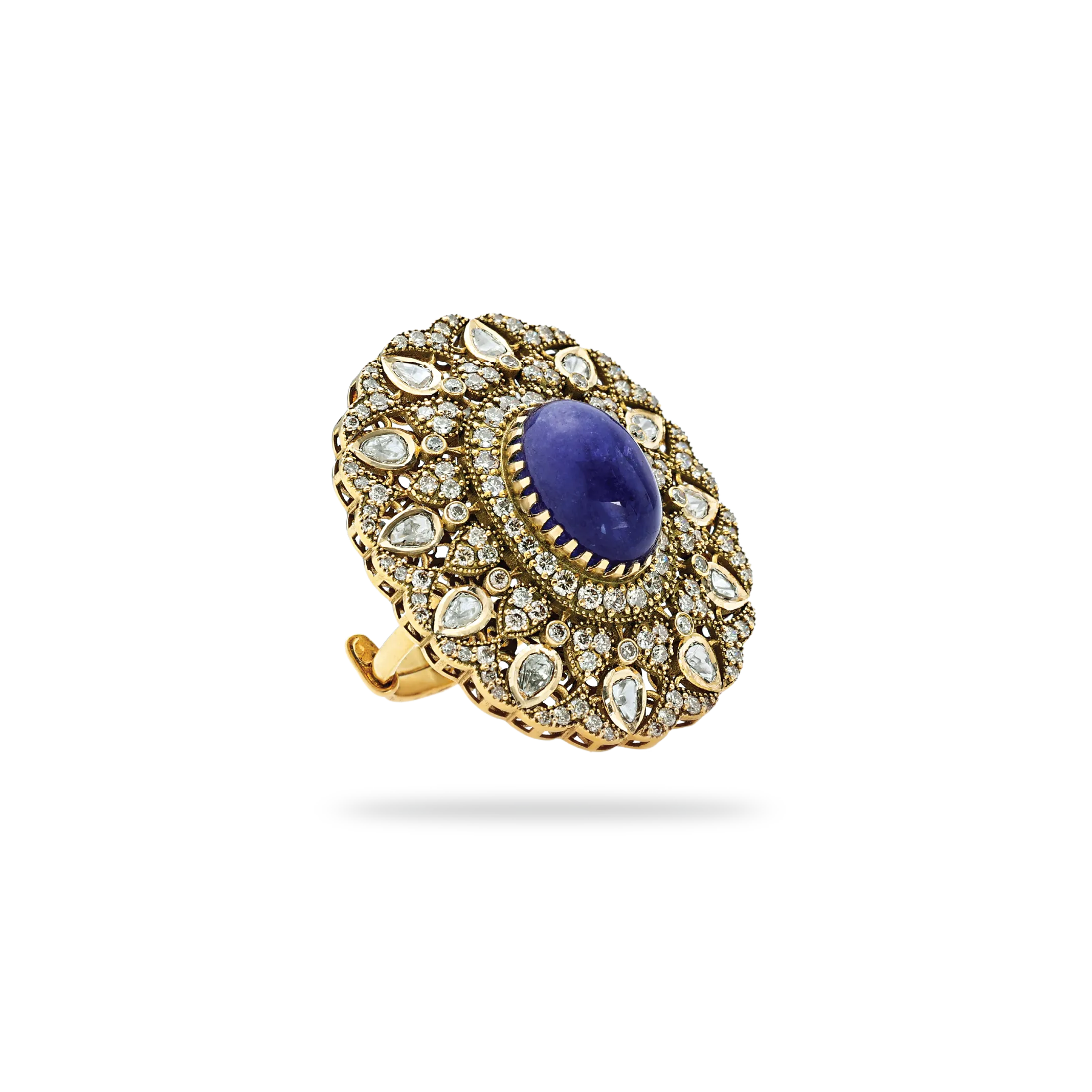
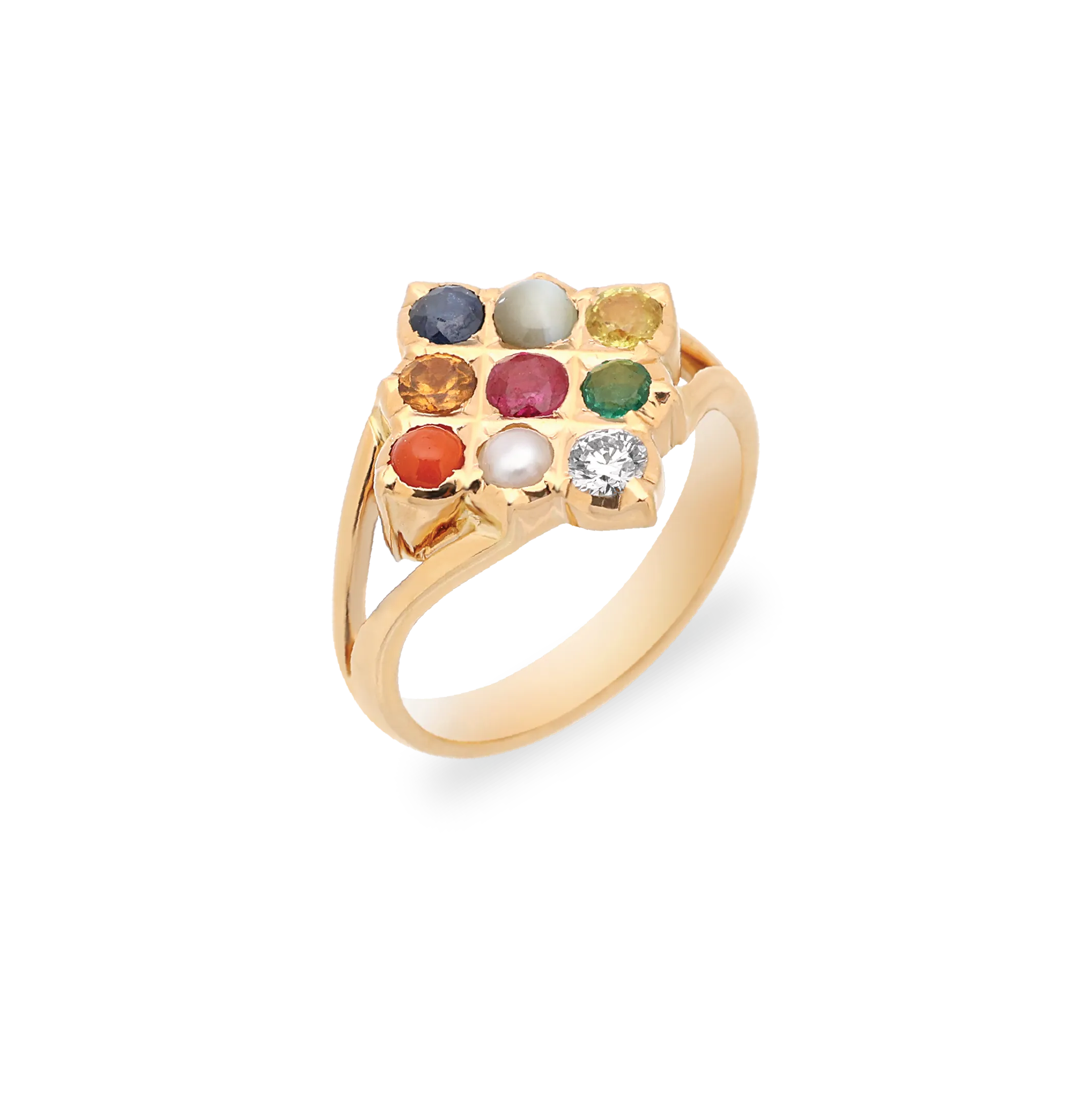
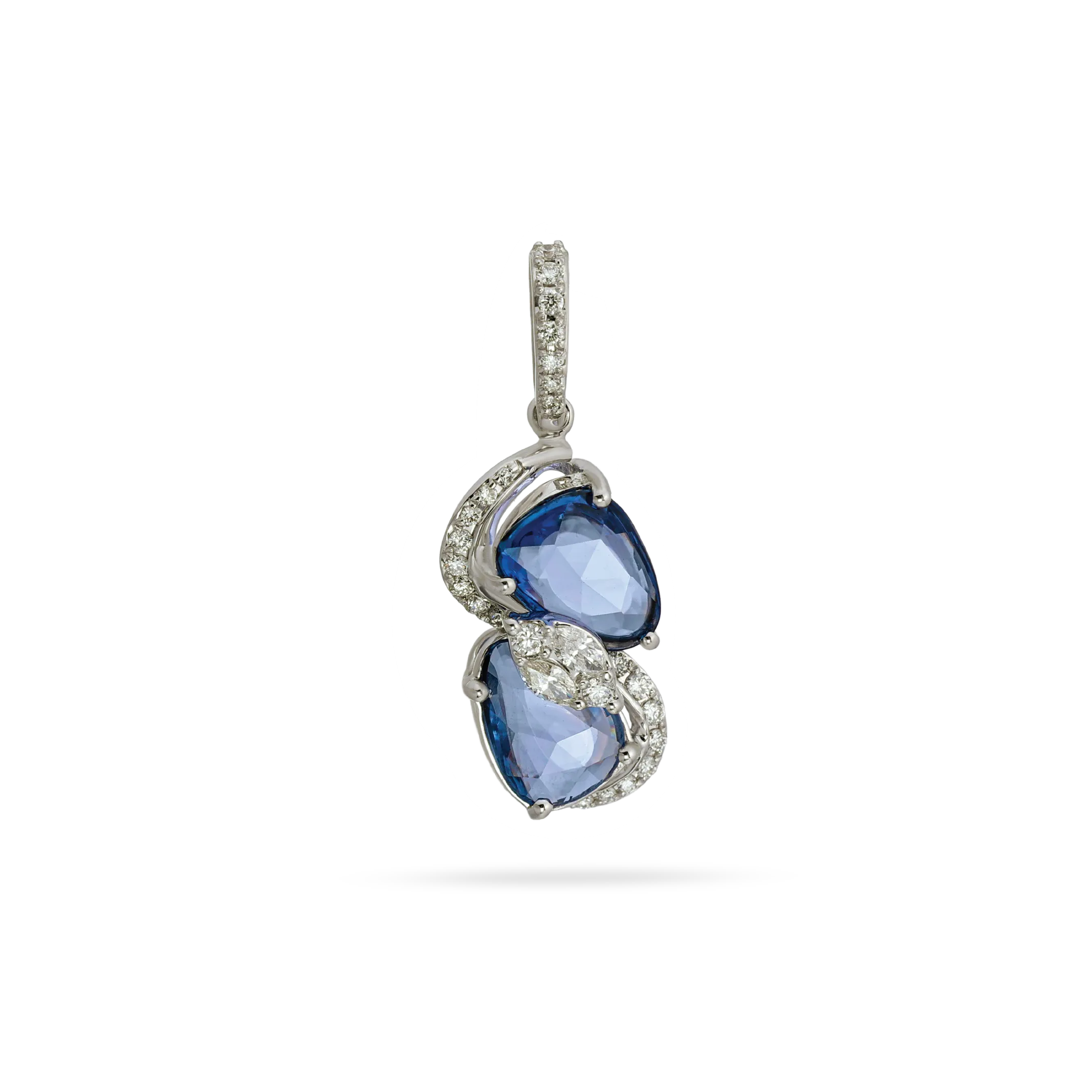
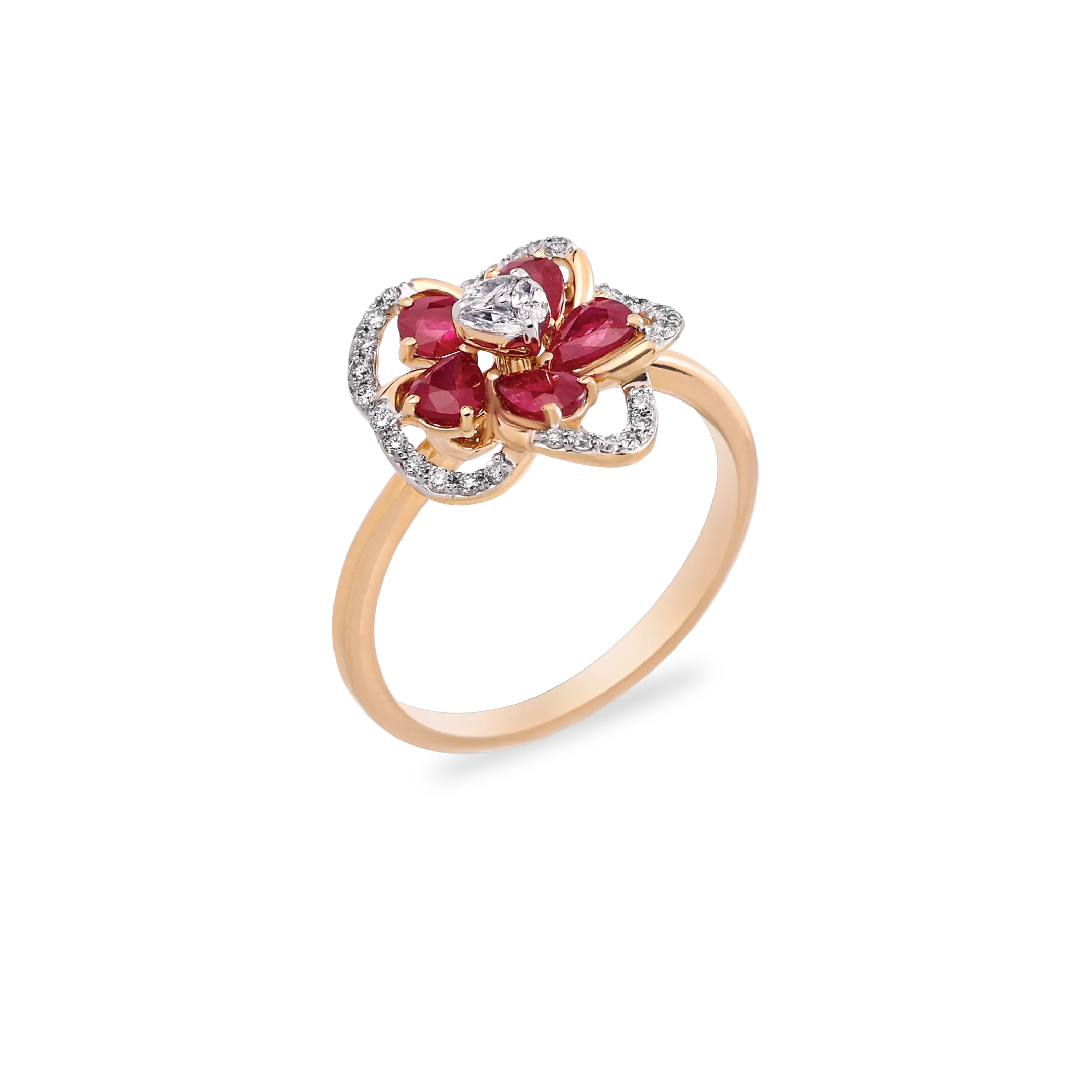
A colored gemstone ring makes the center stone the clearest expression of personality. Sapphire, ruby, emerald, and other colored stones can bring depth and individuality to a proposal, especially when your partner already wears color in clothing or jewelry. The choice can feel joyful without being overly elaborate.
Color should be considered alongside durability and daily wear . Some stones are better suited to constant use than others, and a protective setting may be sensible for an active wearer. Metal tone also shifts the mood: yellow gold can warm a saturated stone, while white metal often creates a cooler contrast.
A colored center does not have to stand alone. Small clear stones, a plain band, or a subtle halo can frame it without taking away its character. Notice which colors your partner repeats, then choose a shade that feels like a natural extension of their wardrobe rather than a surprise in isolation.
10. Toi et moi ring
A toi et moi ring features two principal stones set together, creating a paired composition. The design feels intimate and unmistakably distinctive, with each stone holding its own visual weight. It suits someone who likes symbolism expressed through form rather than through engraved words.
The two stones can match for a balanced appearance or differ in shape and color for a more expressive effect. Their angle, spacing, and height are especially important because they determine whether the ring feels graceful or crowded. Try to imagine the profile as well as the view from above.
This style is a good reason to slow down and compare proportions in person whenever possible. The ring should echo the idea of partnership while still fitting comfortably into daily life. If your partner tends toward unusual silhouettes, a toi et moi design may feel more personal than a familiar single-stone arrangement.
Conclusion
The best ring styles for proposal are not defined by one universal winner. The strongest choice reflects your partner's habits, existing jewelry, sense of proportion, and the details that make your relationship feel like yours. Start with those clues, then let comfort and craftsmanship guide the final decision.
Frequently Asked Questions
How do I choose a proposal ring style?
Start by observing the jewelry your partner already wears, including metal colors, stone shapes, band widths, and how decorative each piece tends to be. Their daily routine can help narrow the setting and profile.
Which ring style is the most timeless?
A solitaire is often considered especially timeless because its clean structure works with many center stones, metals, and wedding bands. A simple three-stone or refined halo can also remain elegant when proportions are carefully chosen.
Is a halo ring too flashy for everyday wear?
Not necessarily. Halo rings range from delicate and close-fitting to wide and highly decorative. The size of the halo, the band, and the setting height determine whether the overall effect feels subtle or statement-making.
What ring style is best for an active lifestyle?
Lower-profile designs with smooth edges can be comfortable for active routines. A bezel setting is one possibility, though the right choice depends on the stone, construction, work habits, and how the wearer normally uses their hands.
Are colored gemstones suitable for engagement rings?
Many colored gemstones can work beautifully in an engagement ring, but durability and care requirements vary. Consider the stone's suitability for daily wear and choose a setting that offers appropriate protection.
How can I find my partner's ring size discreetly?
Borrowing a ring they wear on the intended finger, asking a trusted friend or family member, or tracing the inside of a ring can provide clues. A jeweler can help interpret those clues, but sizing may still need adjustment later.
Should the engagement ring match the wedding band?
It does not have to match exactly. Similar metal tones, complementary proportions, or a shared design detail can create harmony while allowing each ring to retain its own character.
How to choose ring size for engagement: A practical guide to a perfect fit
10 minute read
Related blogs:
November 20, 2025
The Timeless Elegance of the Tennis Bracelet: A Comprehensive Guide
Read More
November 20, 2025
The Ultimate Guide to Styling and Wearing a Choker Necklace
Read More
November 20, 2025
Find Your Perfect Engagement Ring: A Comprehensive Guide to Styles and Diamonds
Read More
November 20, 2025
The Timeless Elegance of a Diamond Tennis Bracelet: A Buyer's Guide
Read More