Bridal finger rings: How to choose the perfect ring for your wedding
September 20, 2026 | 10 minutes read
Key Takeaways
Choosing bridal finger rings becomes easier when you decide what the ring must feel like, how it will be worn, and which details matter most to you. Start with the overall shape, then refine the materials, fit, styling, and budget.
- Decide whether you want a single ring, a coordinated set, or a layered combination.
- Let your everyday style guide the setting, scale, metal, and gemstone choice.
- Prioritize accurate sizing and comfort, especially for rings worn every day.
- Coordinate the ring with your engagement ring, wedding clothes, and cultural traditions.
- Compare craftsmanship, documentation, policies, and long-term value before buying.
Understand the different types of bridal finger rings
Bridal finger rings can mean much more than one engagement ring or wedding band. Some couples prefer a carefully matched set, while others build a collection gradually around one meaningful piece. Before comparing details, consider how many rings you want, when you will wear them, and whether the design should feel understated or celebratory.
Engagement rings, wedding bands, and bridal sets
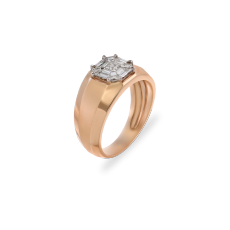
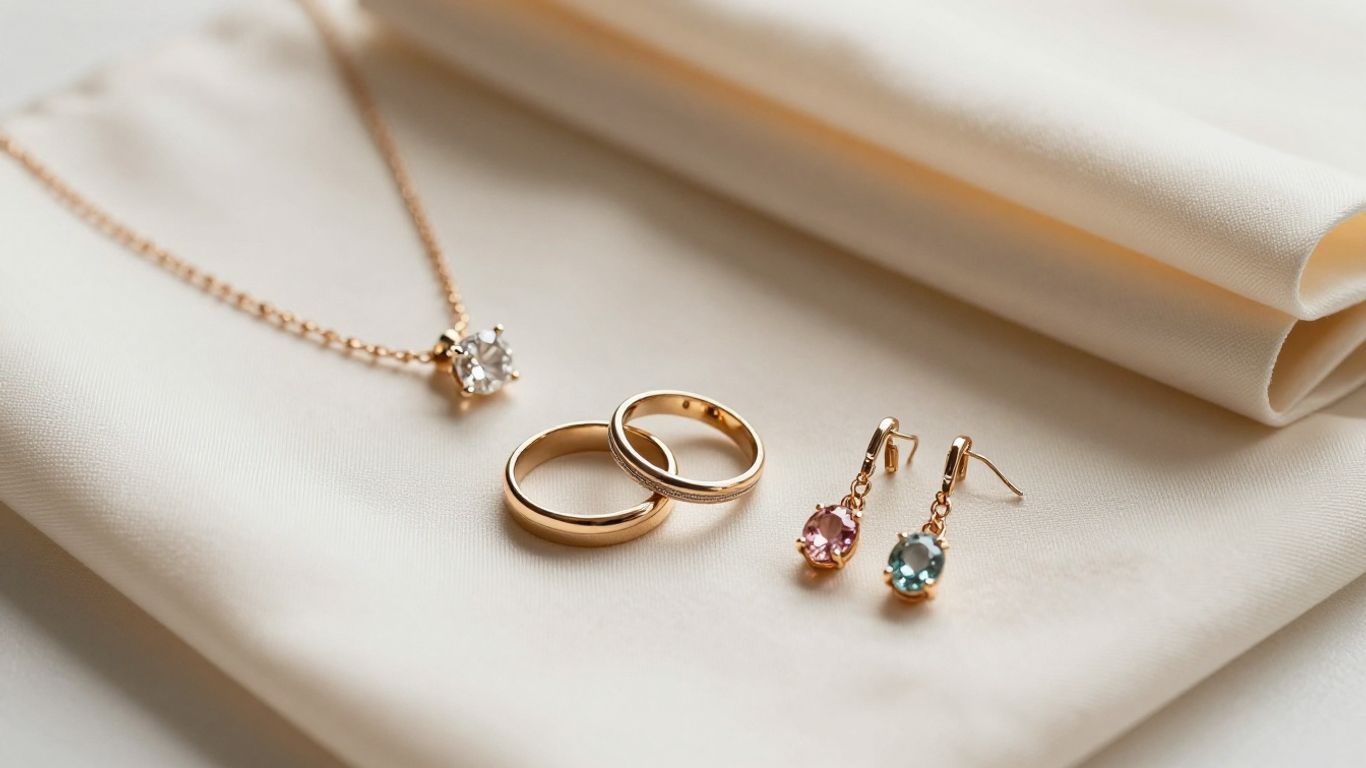
An engagement ring usually has a central stone or a distinctive setting, while a wedding band may be a simple metal circle or include a restrained line of stones. A bridal set brings coordinating rings together from the start, which can make proportions and finishes feel intentionally connected. If you are still deciding between the options, this wedding set guide offers a useful way to think about coordinated style, fit, and gold purity.
The best choice is not necessarily the most elaborate one. A slim band may be ideal for someone who wants the engagement ring to remain the visual focus, whereas a shaped or embellished band can make the whole arrangement feel more complete.
Statement rings and stacking rings
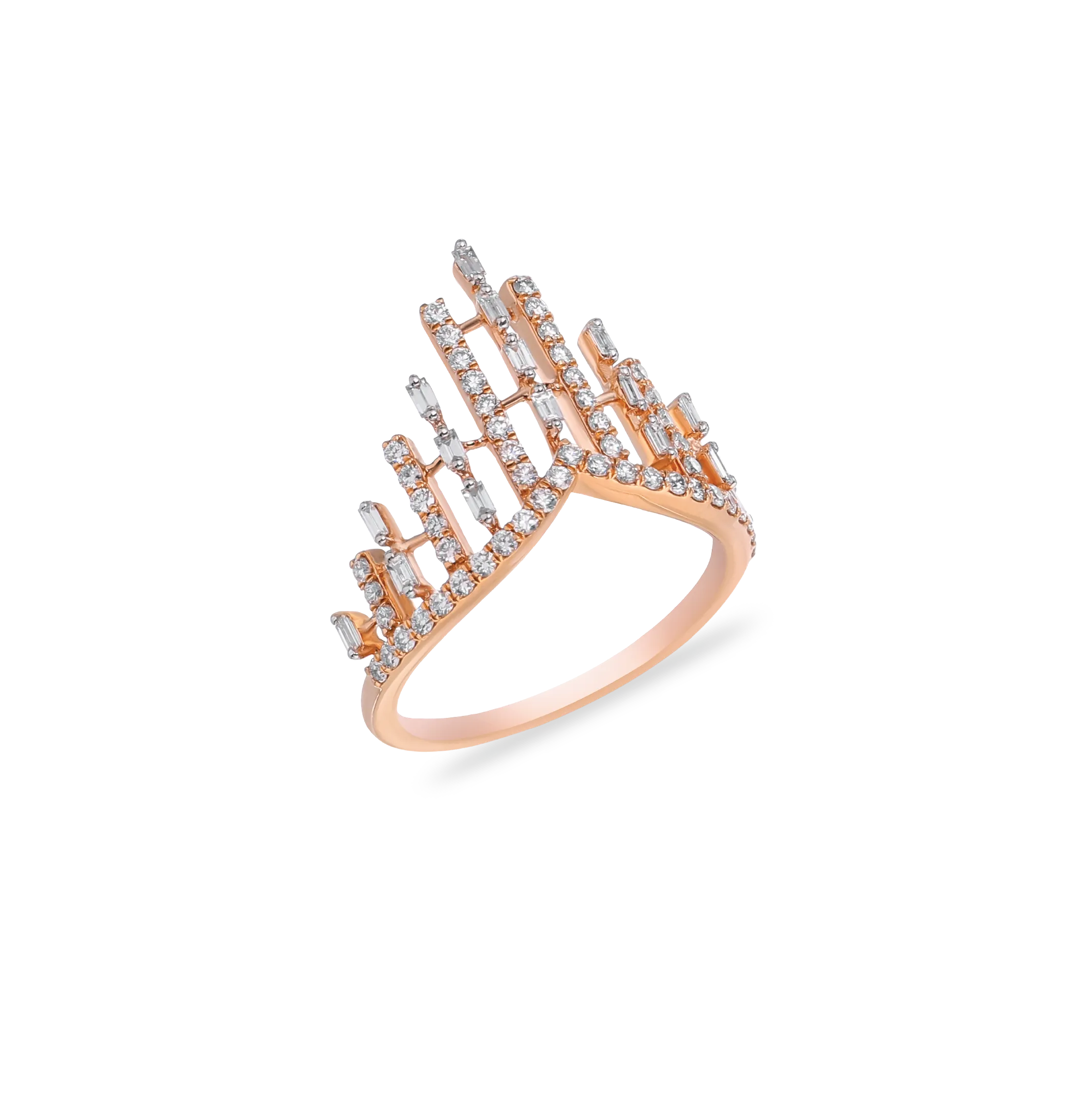
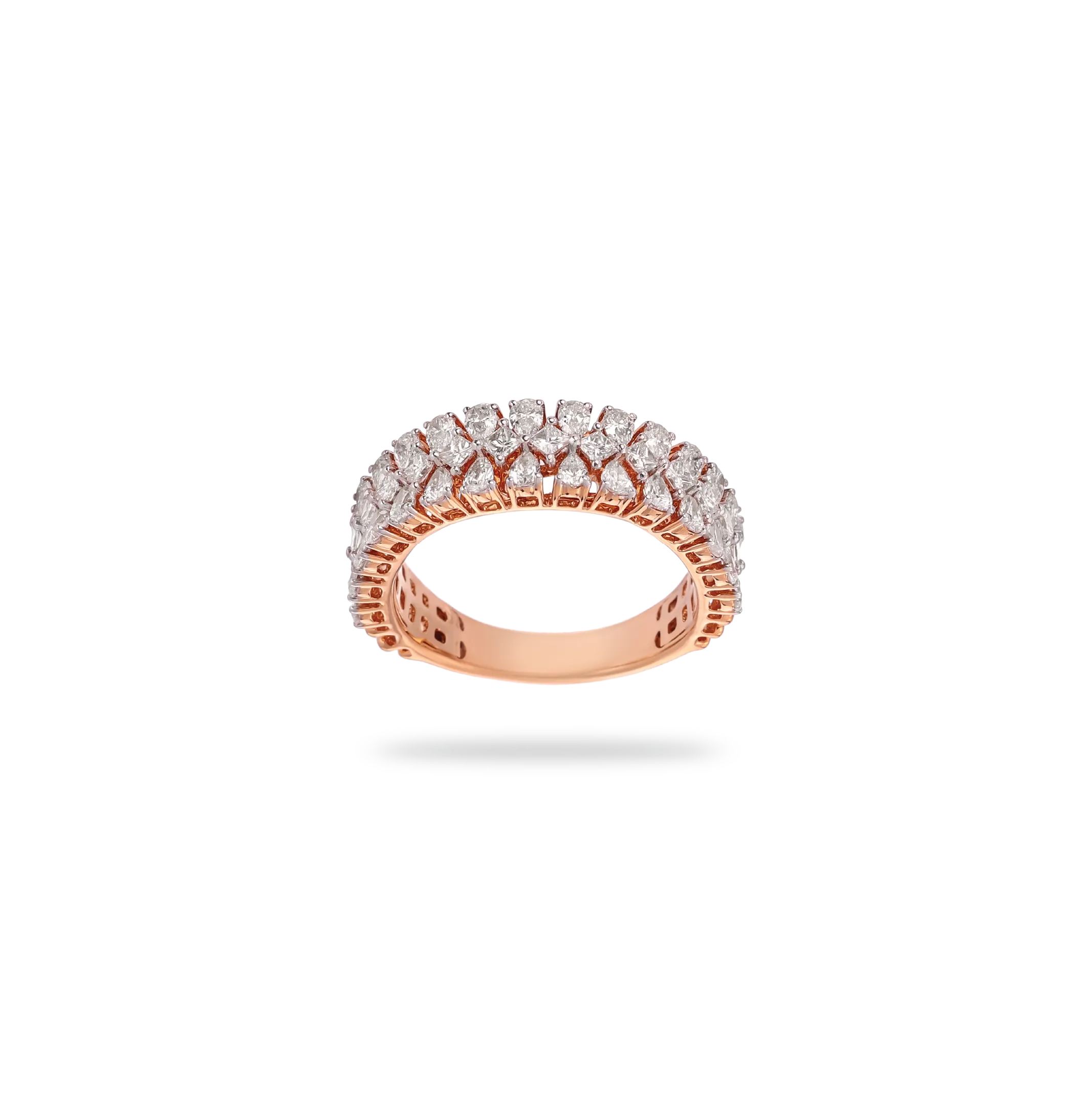
A statement ring makes its presence known through scale, color, an unusual setting, or a generous arrangement of stones. Stacking rings take a more flexible approach: several narrow bands can be worn together, separated, or rearranged for different occasions. This is appealing if you want your bridal jewelry to evolve rather than remain fixed on one prescribed combination.
Think about the practical side of layering. Rings with very different edges can rub against one another, and multiple raised settings may catch on clothing. Try the proposed stack together before the wedding, not just one ring at a time.
Traditional and contemporary designs
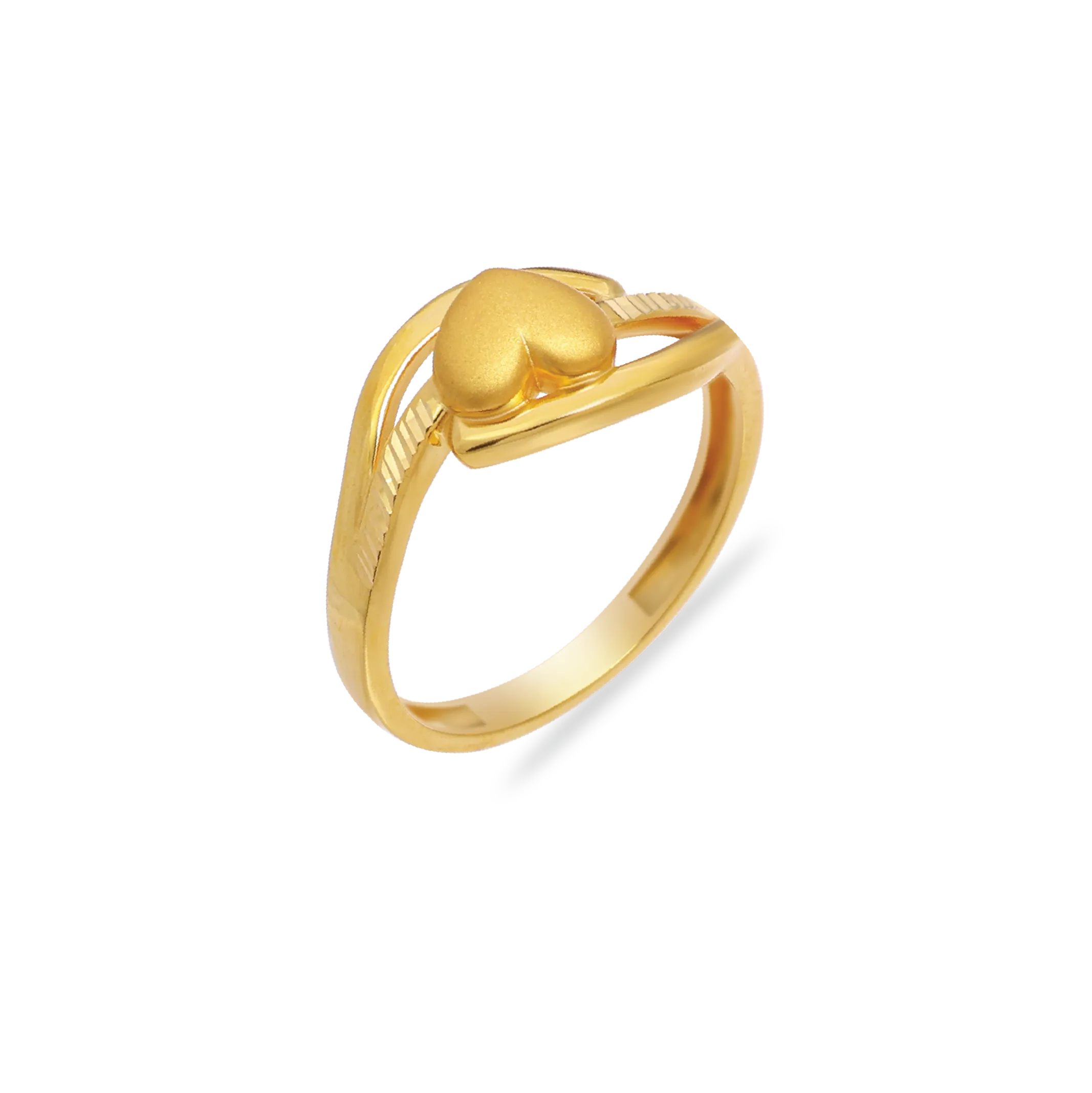
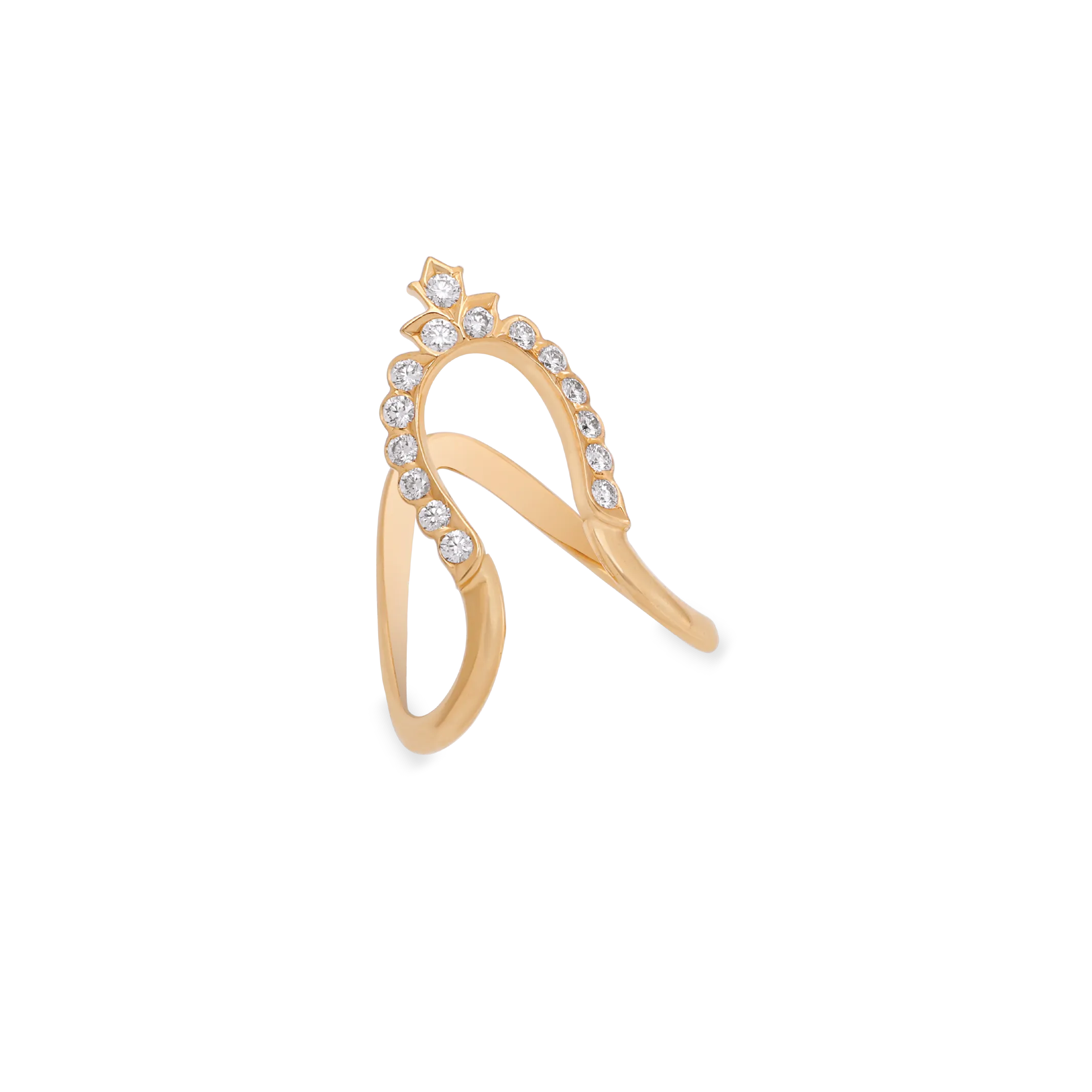
Traditional designs often draw their character from familiar silhouettes, warm gold, detailed metalwork, or motifs with family and cultural meaning. Contemporary rings may use clean lines, unusual proportions, mixed finishes, or a less expected stone shape. Neither direction is more bridal by default; the right one is the design that still feels like you when the ceremony is over.
A ring can also bridge both worlds. A classic band with a modern profile, or a traditional gemstone in a streamlined setting, gives you continuity without making the piece feel dated.
Matching rings for couples
Matching rings do not have to be identical. A shared metal, engraving, texture, or architectural detail can connect two rings while allowing each person to choose a comfortable width and personal silhouette. There is also no universal rule about which hand or finger a couple ring must use; personal meaning and local tradition often matter more than convention, as explained in this couple ring finger guide.
Discuss what “matching” means to both of you before shopping. The strongest pairings usually share one or two deliberate details rather than copying every feature exactly.
Choose the right ring style for your personality
Your preferred ring style often mirrors the way you dress, accessorize, and make decisions. Someone who wears the same watch every day may love a restrained solitaire, while someone drawn to layered textures may prefer a more expressive setting. Browse widely, but notice which designs keep attracting your eye after the first impression fades.
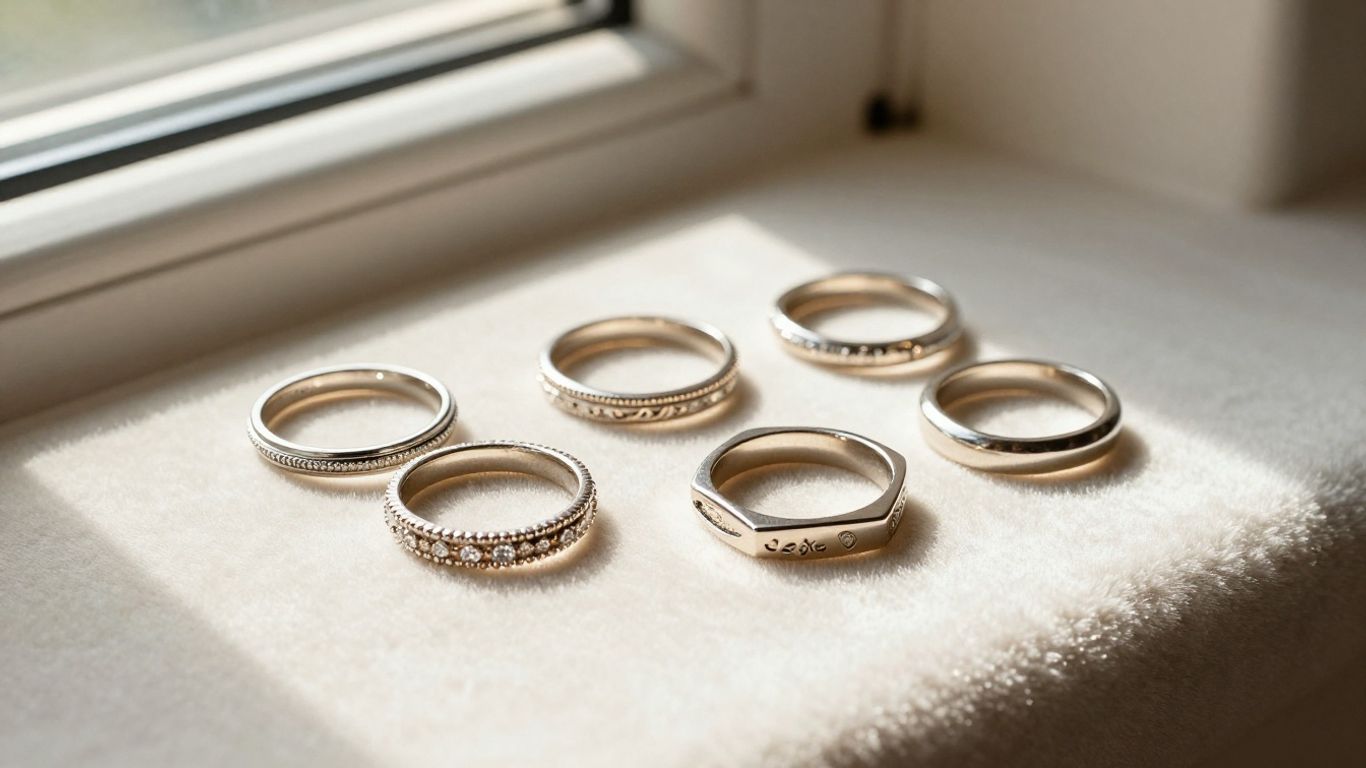
Classic solitaires and timeless designs
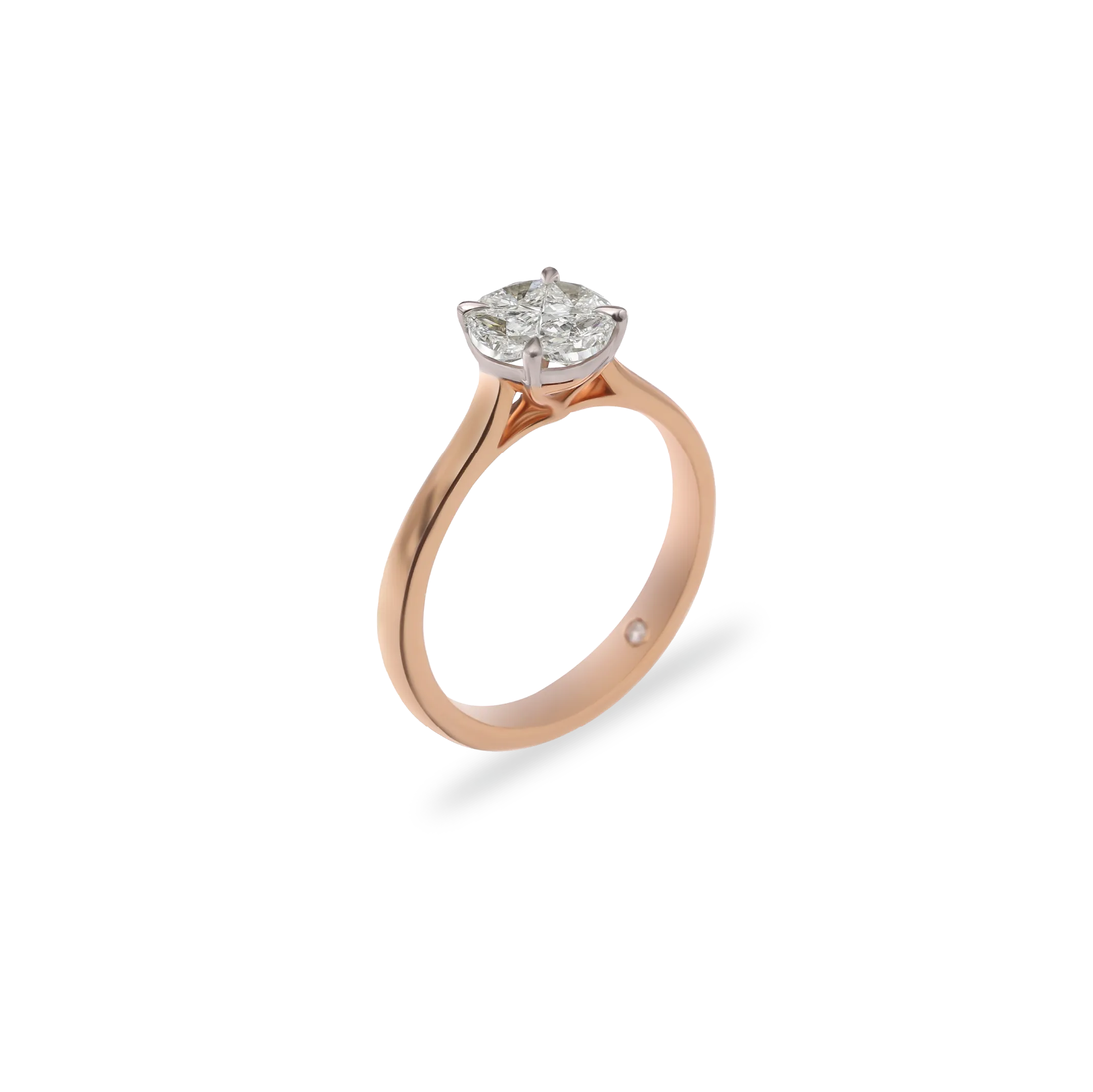
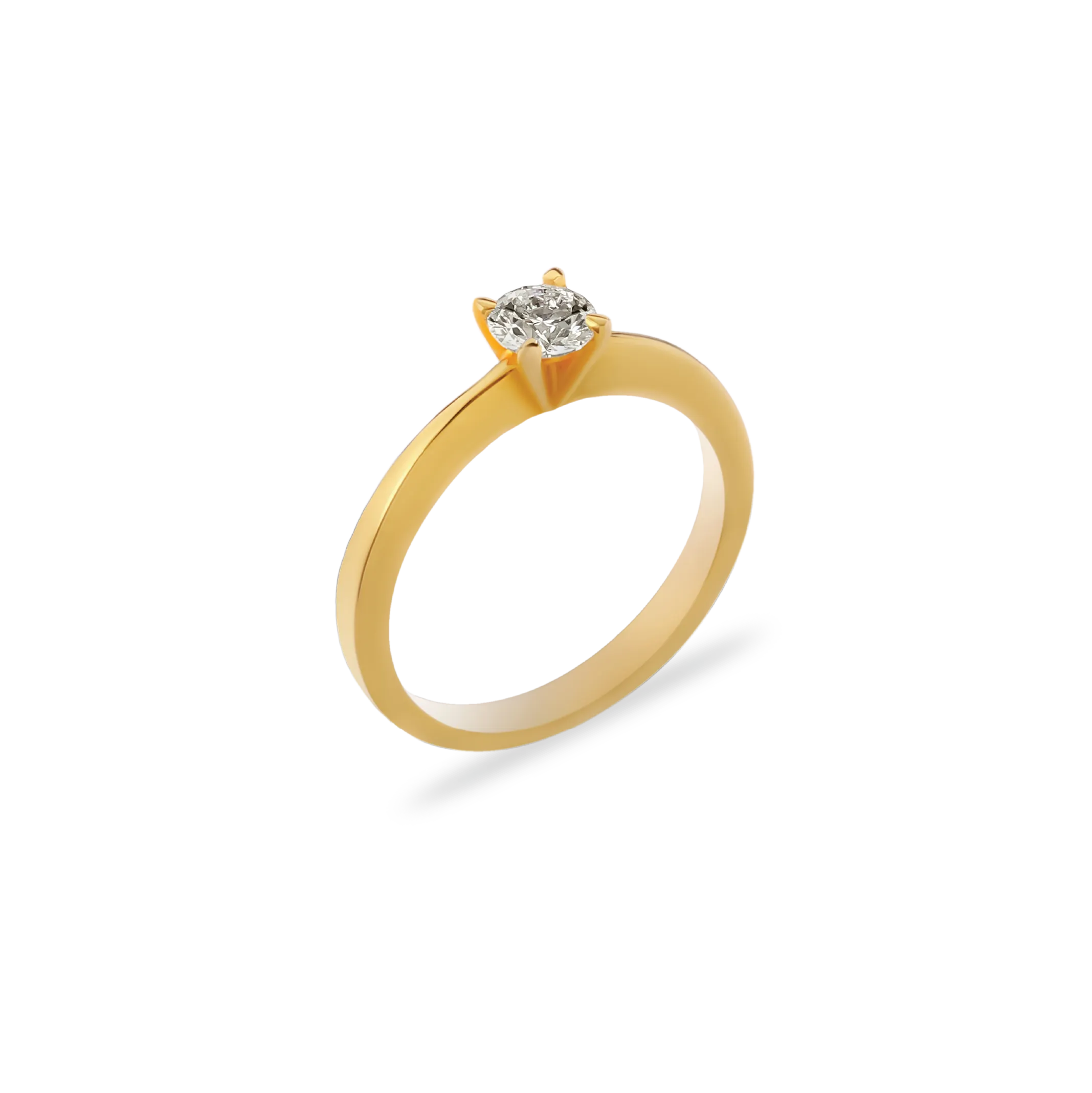
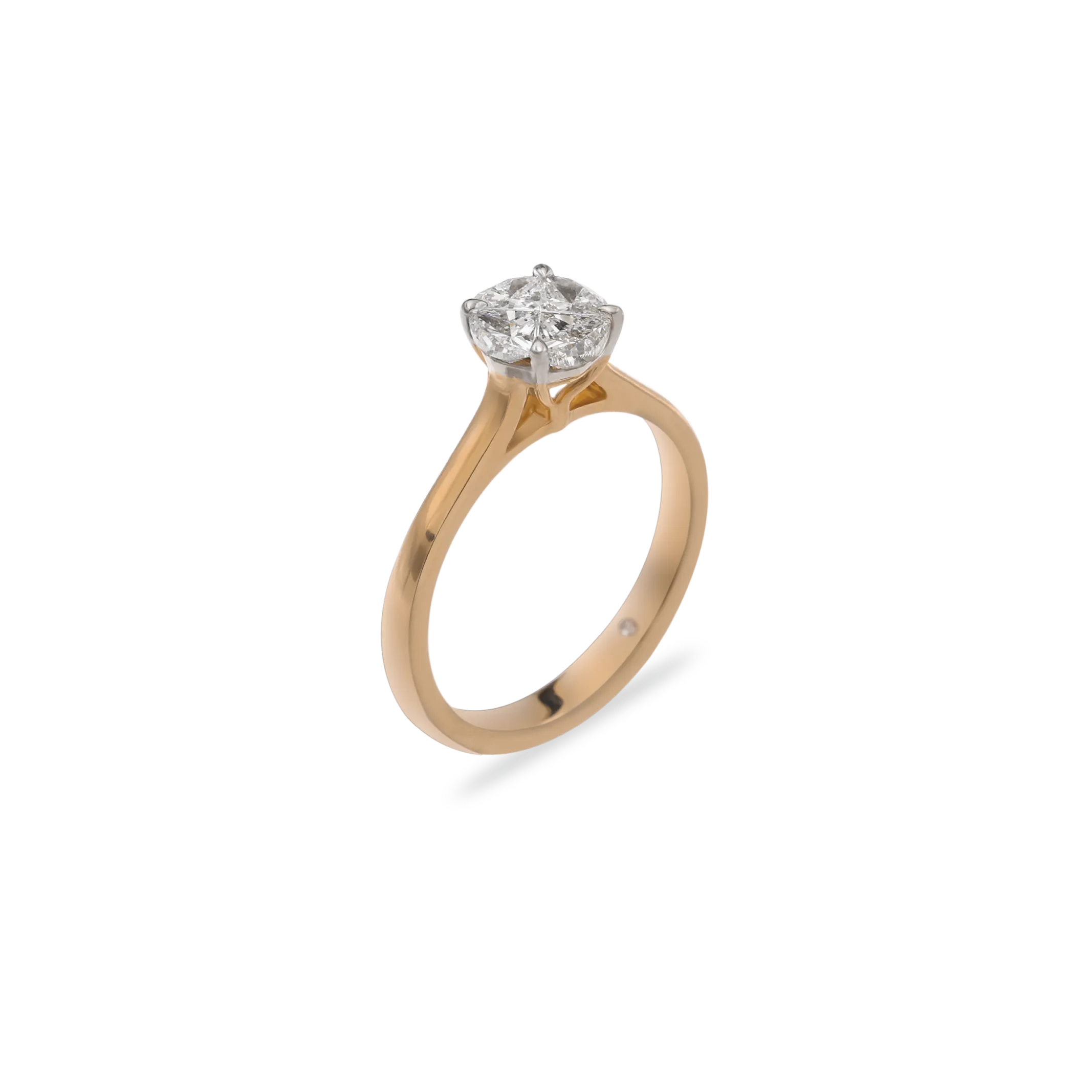
A solitaire places visual attention on one central stone, making the shape, proportion, and setting especially significant. It can look refined with a narrow band or more substantial with a sculpted shank. Timeless does not have to mean plain; subtle shoulders, a distinctive prong style, or a softly rounded band can make a familiar outline feel personal.
Choose this direction if you want a ring that will work easily with changing wardrobes and future jewelry. Its simplicity also makes small changes in metal, stone shape, or band profile quite noticeable.
Halo, three-stone, and cluster settings
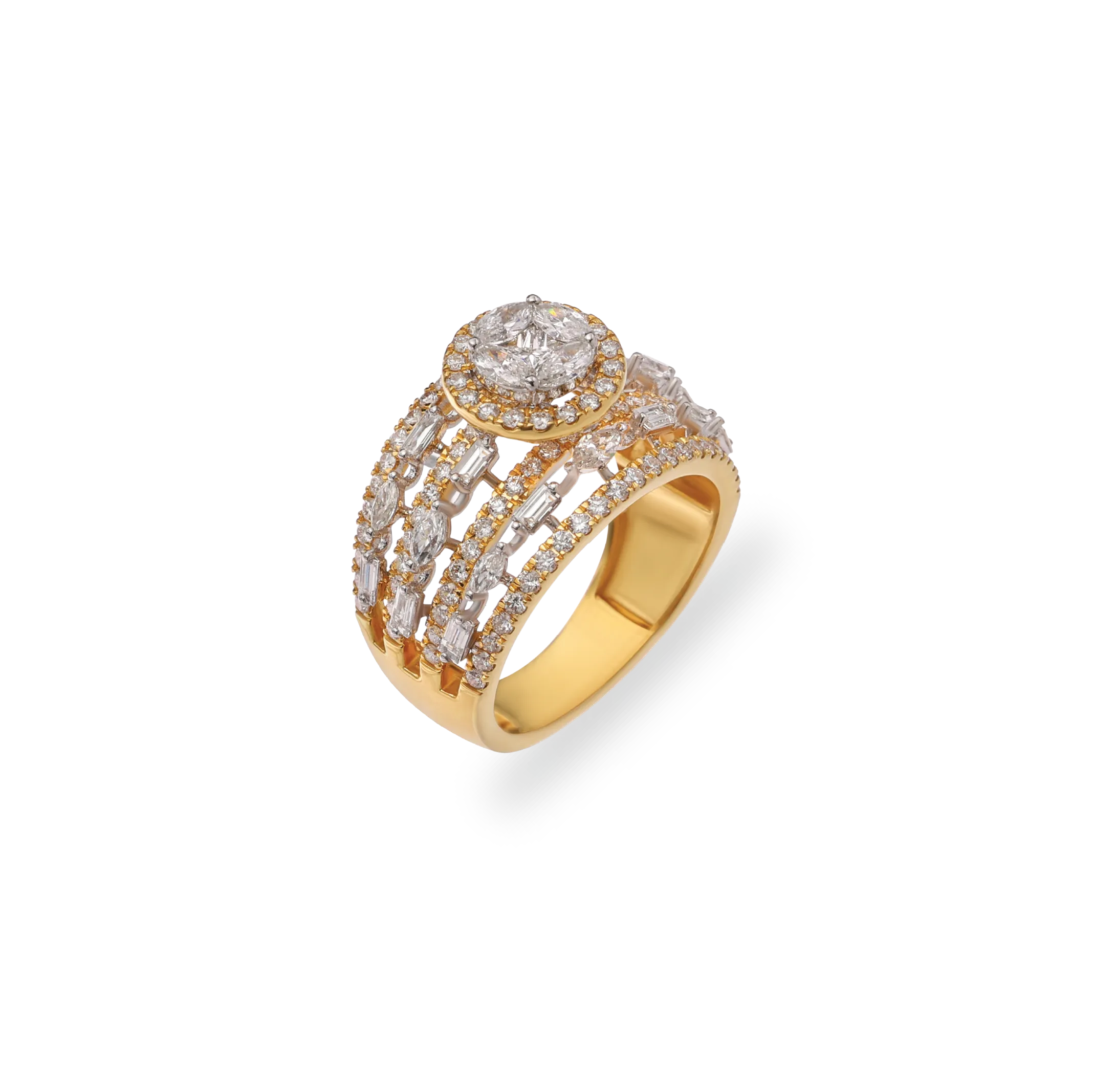
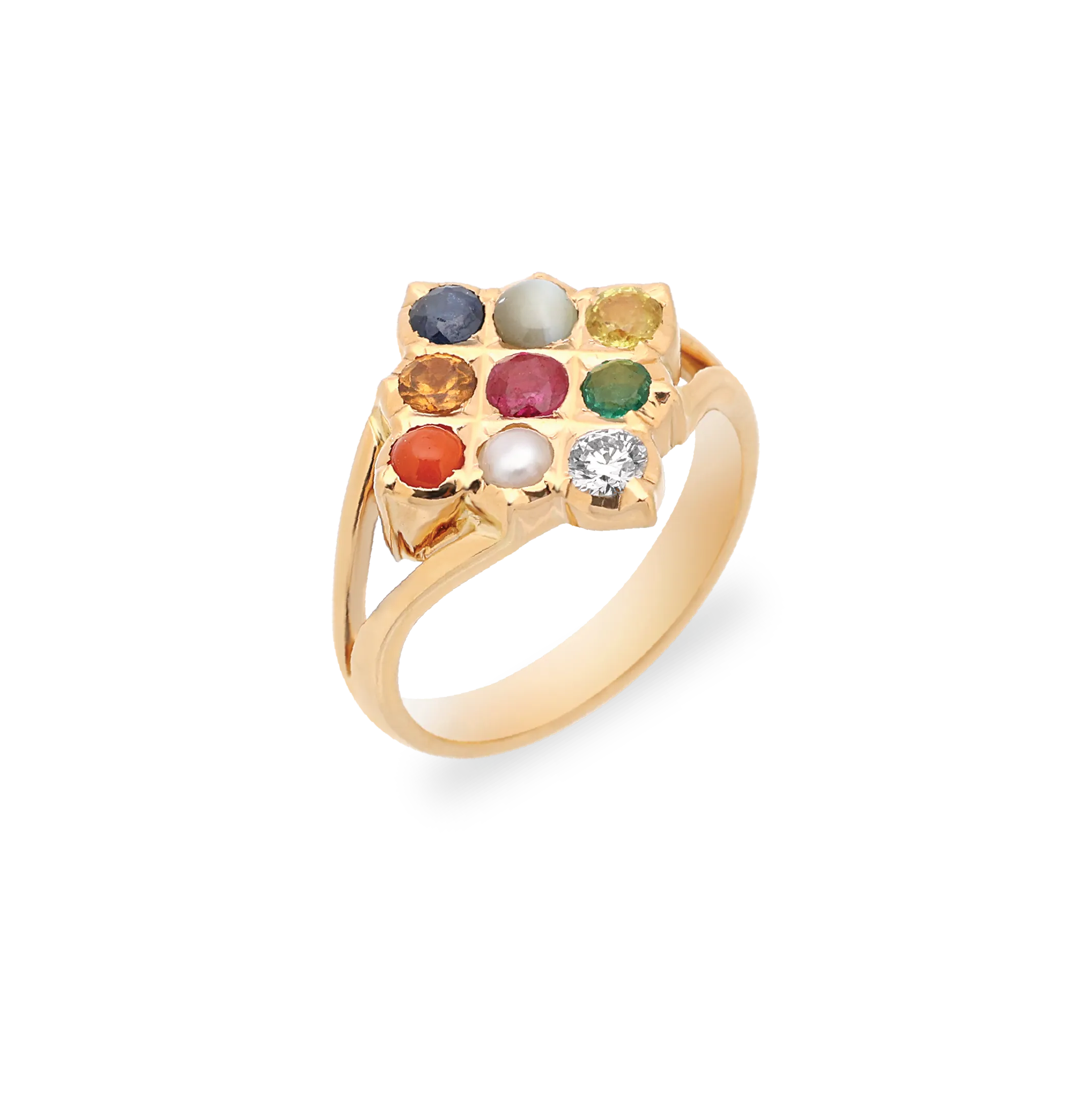
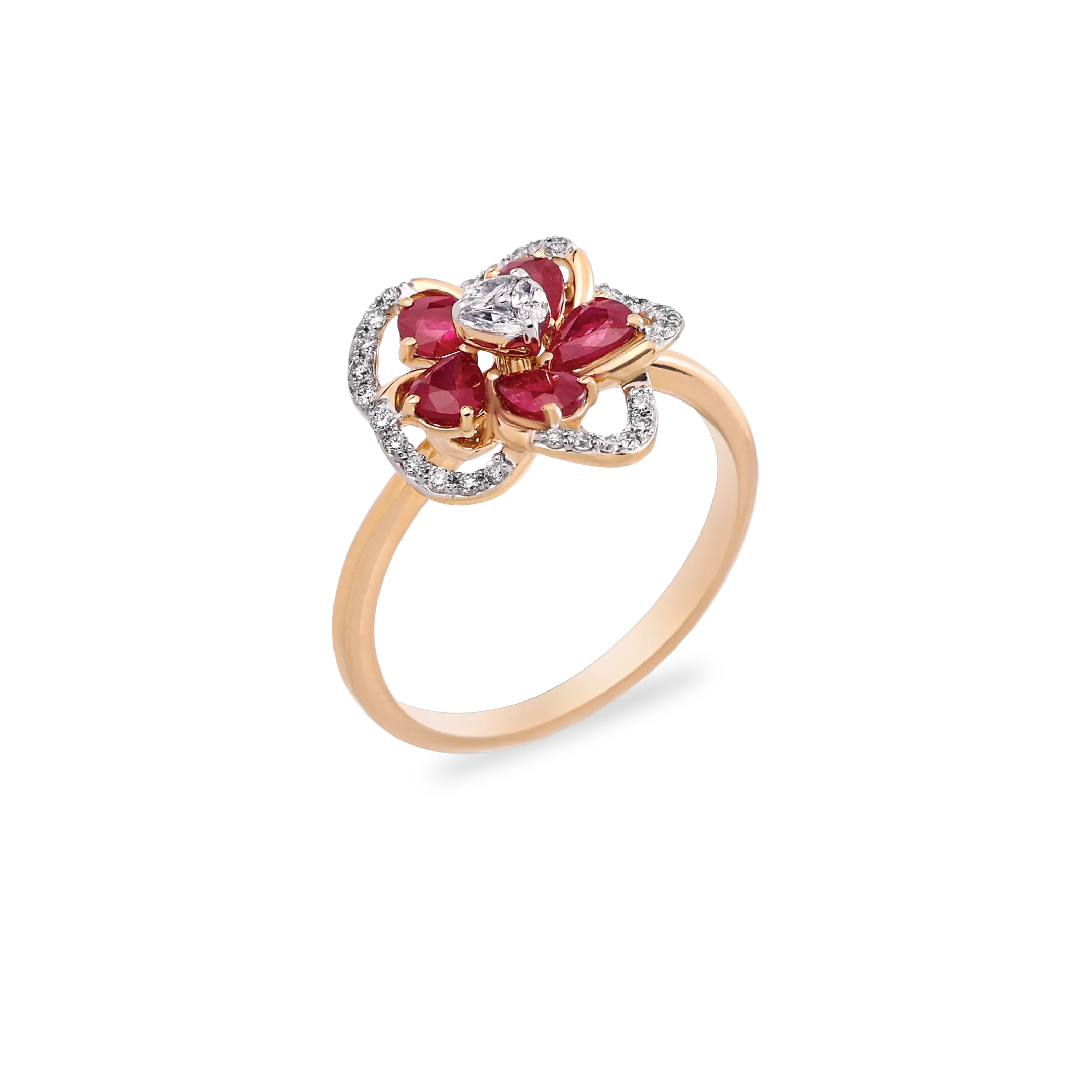
Halo settings surround a central stone with smaller stones, creating a fuller outline and a bright, gathered look. Three-stone designs use a trio of focal stones, while cluster settings arrange several stones into a more textured composition. These styles suit someone who enjoys visible sparkle and a ring with presence from every angle.
Pay attention to the ring’s actual dimensions, not only its face-up appearance. A wide setting can affect how the band sits beside it and may require a contoured wedding ring or a deliberate gap.
Vintage-inspired and nature-inspired details
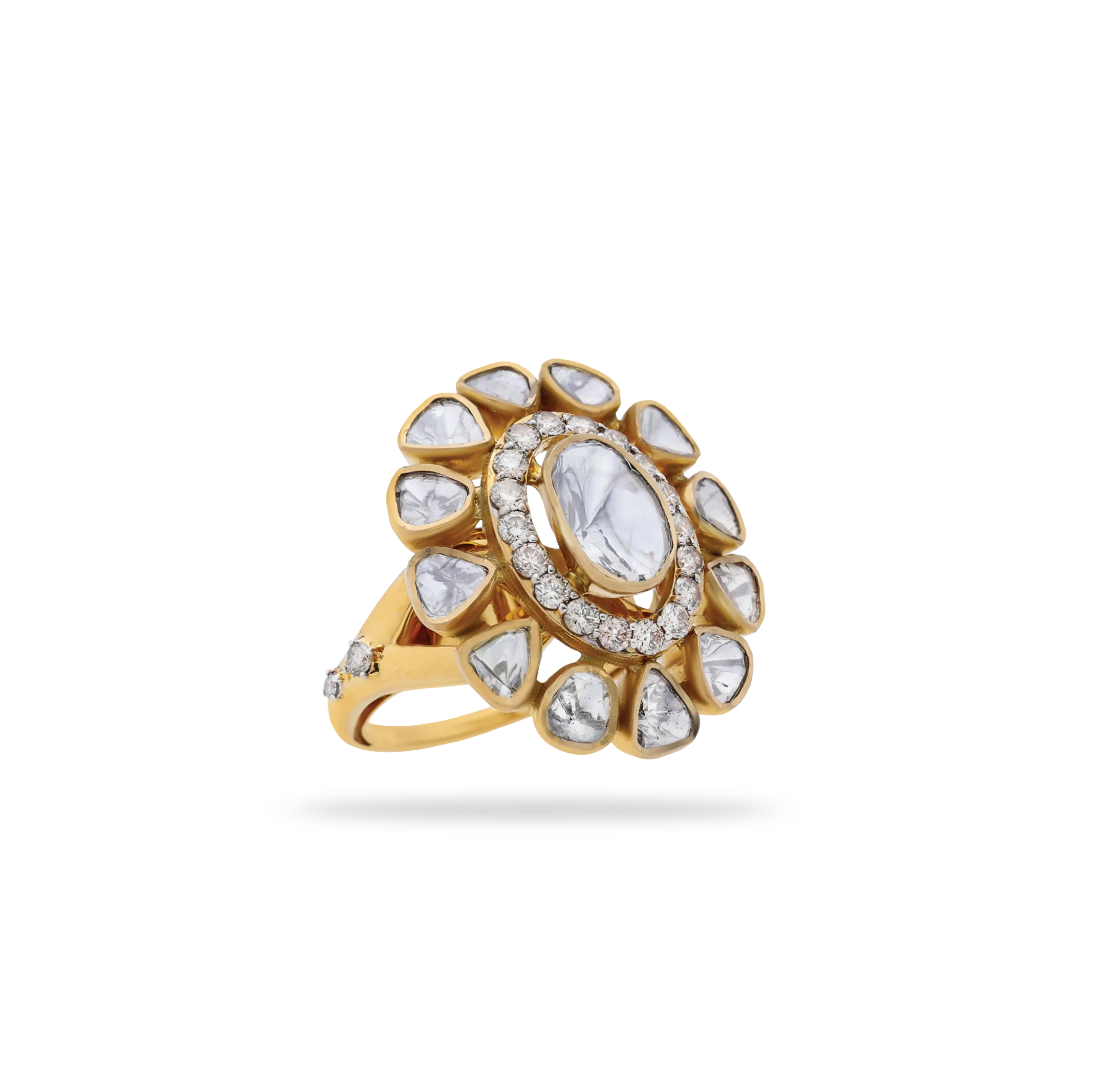
Vintage-inspired rings may borrow milgrain edges, engraved shoulders, filigree, or unusual stone cuts from earlier periods. Nature-inspired designs can introduce leaves, petals, branches, or organic curves without becoming costume-like. These details work especially well when they connect to a family heirloom, a meaningful place, or the textures already present in your wedding plans.
Look closely at how the detail is made. Fine decoration should remain legible and secure, with no sharp edges that could snag hair, lace, or a veil.
Modern minimalist and unconventional styles
Minimalist rings rely on proportion, negative space, and a clean finish rather than abundant decoration. Unconventional styles may use asymmetry, geometric forms, mixed metals, or a stone placed away from the center. They are a good fit for someone who wants bridal jewelry to feel current without following a familiar template.
A useful test is to imagine the ring with an ordinary outfit. If it still feels natural with a sweater and jeans, it is more likely to become a piece you reach for long after the wedding.
Select the ideal metal and gemstone combination
Metal and gemstone choices influence the ring’s color, weight, maintenance, and relationship with the rest of your jewelry. They also affect how a setting looks in different light. Rather than choosing each element separately, consider the whole combination and how it will wear during an ordinary week.
Comparing gold, platinum, and alternative metals
Gold offers several color directions and can suit both traditional and contemporary designs. Platinum has a naturally pale appearance and a substantial feel, while alternative metals may appeal to shoppers seeking a particular color, weight, or price point. Ask about alloy composition, surface finish, resizing possibilities, and care before making a decision.
Gold purity is another consideration, especially for culturally significant pieces. The right balance is the one that gives you the color and symbolism you want while remaining practical for your routine.
Choosing between diamonds and colored gemstones
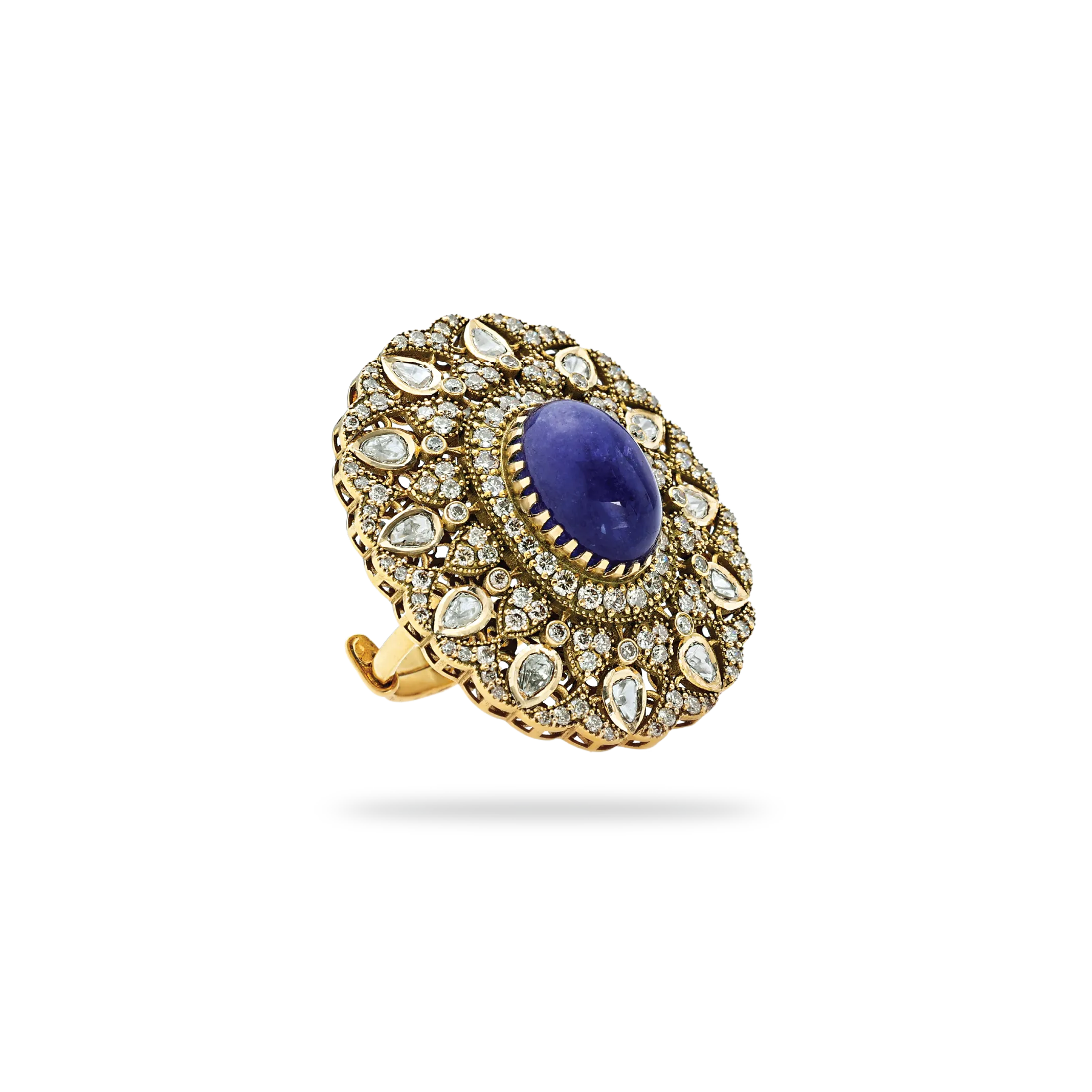
Diamonds are prized for their light return and familiar bridal language, but colored gemstones can make the ring more personal. Sapphire, ruby, emerald, and other stones each bring a different hue and visual character. You might choose a colored center stone, use color as an accent, or keep the main stone neutral and add color through a hidden detail.
Consider how the stone’s color works with your wardrobe and existing jewelry. A vivid gem can be wonderfully distinctive, but a softer tone may be easier to wear across many occasions.
Understanding gemstone durability for everyday wear
A ring worn every day needs more than visual appeal. The gemstone, setting, and band should suit the activities you regularly do, from commuting and cooking to exercise and hands-on work. Ask a jeweler about hardness, brittleness, exposed edges, and the security of the setting rather than assuming every beautiful stone is equally suitable.
The following quick comparison can help organize the conversation, although the specific cut and setting still deserve individual attention.
| Choice to compare | What it influences | Useful question to ask |
|---|---|---|
| Metal purity | Color, feel, and wear characteristics | Is this alloy suited to daily use? |
| Gemstone type | Color, durability, and maintenance | What care does this stone require? |
| Setting height | Snagging, protection, and profile | Will it catch on clothing? |
| Band width | Comfort, presence, and proportion | How will it sit beside my other ring? |
Use the answers to narrow the field, not to rush the decision. A slightly less dramatic stone in a secure, comfortable setting will usually serve you better than a fragile design that stays in its box.
Matching the ring to existing jewelry
Your ring does not need to match every piece you own, but a shared undertone can make your collection feel considered. Compare the color of your everyday watch, bracelets, necklaces, and earrings, then decide whether you want harmony or intentional contrast. The broader advice in this contemporary wedding jewelry guide can also help when you are balancing minimalist, vintage-inspired, and sculptural preferences.
Mixed metals can look effortless when one metal is clearly repeated or when the difference feels deliberate. Avoid adding contrast simply because you feel obliged to coordinate; your comfort with the combination matters more than a strict rule.
Find the correct ring size and comfortable fit
A beautiful ring will not feel beautiful if it pinches, spins constantly, or catches whenever you move your hand. Sizing is affected by width, temperature, finger shape, and the way neighboring rings sit together. Treat fit as part of the design process, not a final administrative detail.
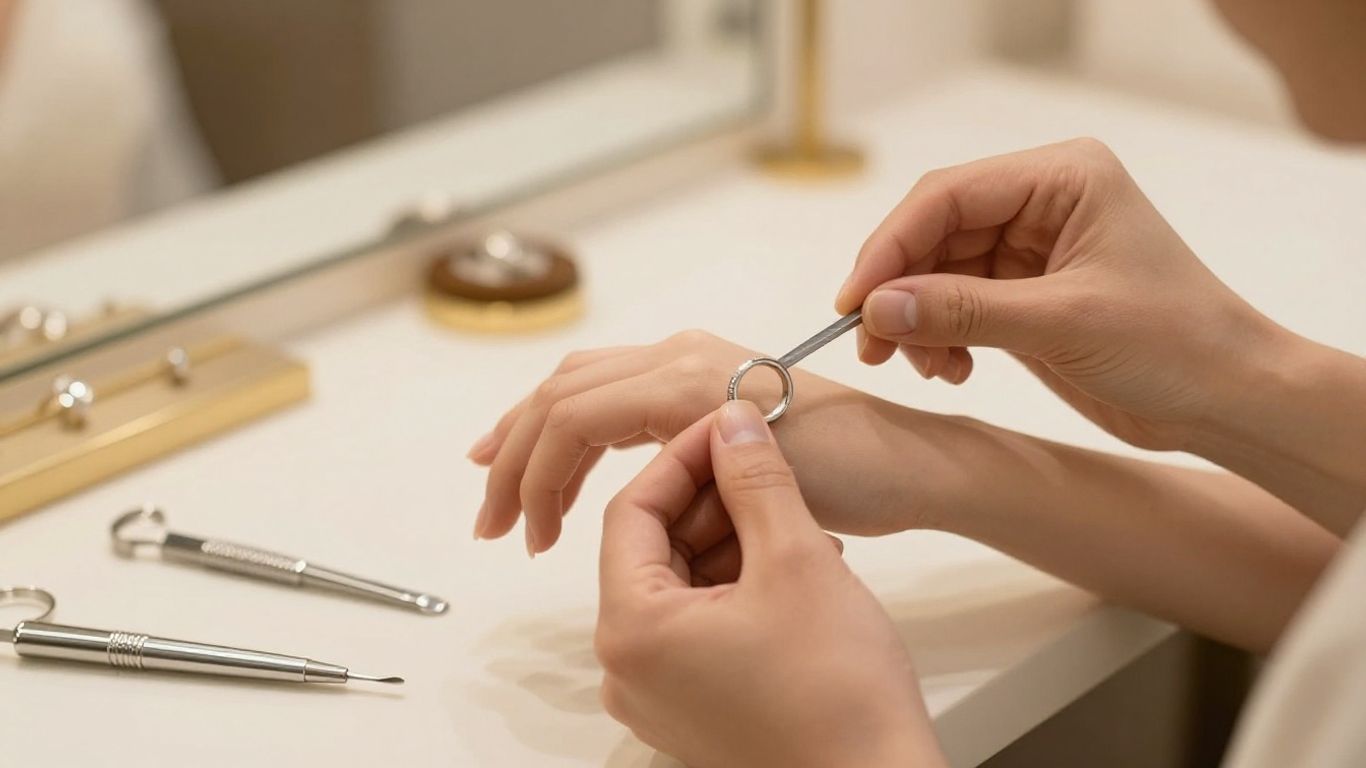
Measuring your finger accurately
Have your finger measured by a professional when possible, ideally more than once and at a comfortable room temperature. The ring should pass over the knuckle with gentle resistance but rest securely at the base of the finger. If you are ordering remotely, use the seller’s own sizing instructions rather than relying on a generic printable guide.
Measure the finger on which the ring will actually sit. Left and right hands are not always the same size, and the finger can change subtly over the course of a day.
Accounting for seasonal changes and finger shape
Hands may swell in heat, after exercise, or following a salty meal, while cold weather can make fingers temporarily smaller. Knuckle size matters too: a ring that fits the base may feel difficult to pass over the joint. A jeweler can help you find a compromise that feels secure without becoming uncomfortable during normal fluctuations.
Pay attention to whether your finger tapers toward the tip. A ring that spins on a tapered finger may need a different profile or a small fit adjustment rather than simply being made tighter.
Choosing between slim and wide bands
Slim bands tend to feel light and leave more visual space around the finger. Wide bands make a stronger statement and can feel reassuringly substantial, but they may require a slightly different size because more surface area touches the skin. When trying one on, wear it for several minutes and move your hand naturally.
For a stack, add the widths together mentally and physically. Three delicate bands may occupy more space than expected, while a wide engagement ring may need a slimmer wedding band to keep the combination balanced.
Balancing comfort, security, and appearance
Comfort comes from several small choices: a smooth inner edge, a suitable width, a secure setting, and enough room for normal movement. Appearance still matters, but a ring that looks perfect only when your hand is still will become frustrating. Comfort should guide beauty, not compete with it.
Before committing, make a short practical checklist for trying on the ring:
- Bend your fingers and make a loose fist.
- Slide the ring beneath a sleeve or light fabric.
- Pair it with the engagement ring if you have one.
- Notice pressure at the knuckle and along the inner band.
These small tests reveal problems that a quick mirror glance can hide. Give yourself permission to choose the profile that feels easiest to live with, even if it is not the first style you admired.
Coordinate bridal finger rings with your wedding style
The ring is part of the wedding look, but it should not be forced to carry the entire visual story. Consider the dress, accessories, ceremony traditions, flowers, and venue as a group of related choices rather than a strict theme. A restrained ring can anchor an ornate look, while a more expressive design may suit a simple dress beautifully.
Pairing rings with the engagement ring
Start by examining the two profiles side by side. A straight band may sit neatly beside a low solitaire, while a high setting or unusual stone shape may call for a curved, notched, or intentionally spaced band. Matching metal is one option, but matching scale and finish can be just as effective.
Wear the pair together for a few minutes before deciding. Look at the stack from above and from the side, since a combination that seems balanced face-on may feel crowded along the finger.
Creating a cohesive bridal jewelry look
A cohesive jewelry look usually has a clear focal point and supporting pieces that do not compete with it. If the rings are detailed, you might keep the bracelet or necklace quieter; if the rings are minimal, earrings or a necklace can provide more of the celebration. This bridal bracelet guide is useful when you are considering proportion, metal coordination, and all-day wearability beyond the ring itself.
Repeat one visual idea across the set, such as a warm metal, a pearl accent, or a rounded shape. Repetition makes different pieces feel connected without requiring a formal matching set.
Matching rings to the wedding dress and accessories
The neckline, sleeve detail, embroidery, and fabric sheen can all influence the ring’s ideal scale. A heavily embellished dress may pair well with clean ring lines, while a simple silk gown can make a detailed setting stand out. Think about photographs too: contrast helps the ring remain visible, but excessive sparkle everywhere can flatten the overall look.
Coordinate with the accessories you will actually wear, including hair pieces, earrings, bangles, and shoes. The goal is not uniformity; it is a sense that every choice belongs to the same person and occasion.
Coordinating with cultural and family traditions
For many couples, a ring carries family history, regional customs, or a ceremony-specific meaning. Those traditions may influence the hand, finger, metal, gemstone, or whether a new ring is worn alongside an heirloom. A ring that honors those details can feel more significant than one chosen only for its current fashion appeal.
Talk with family members early if an heirloom or customary design is involved. Practical questions about sizing, repair, timing, and daily wear can protect the sentiment while allowing the final choice to suit your life.
Set a budget and shop with confidence
A ring budget should reflect your wider wedding plans, financial priorities, and the amount of wear you expect from the piece. Price alone does not tell you whether a ring is right, and a higher cost cannot compensate for an awkward fit or unsuitable design. Decide which features matter most before a sales conversation begins.
Establishing a realistic ring budget
Start with a total amount you can pay without creating stress, then divide it mentally among the center stone, setting, band, customization, taxes, and possible resizing. Leave room for care or insurance if those costs are relevant to your plans. A clear ceiling makes it easier to compare options with similar priorities.
It can help to make two lists: features you consider essential and details you would enjoy but could release. That distinction keeps an attractive upgrade from quietly changing the entire budget.
Comparing craftsmanship, materials, and pricing
Compare rings by construction as well as by carat weight or visual size. Look at the quality of the finish, the security of the setting, the thickness of the band, the symmetry of the design, and the clarity of the materials being offered. Two rings that look similar in a photograph may differ considerably in how they are made and maintained.
Ask for an itemized explanation of the price. This makes it easier to understand what you are paying for and whether a change in metal, setting, or accent stones would meaningfully improve the ring for you.
Checking certifications, warranties, and return policies
Before paying, read the paperwork rather than relying on a verbal summary. Confirm what documentation accompanies the gemstone, what the warranty covers, how inspections or repairs are handled, and whether resizing affects the policy. A return period is especially important when the ring is ordered without an in-person fitting.
Keep receipts, certificates, measurements, and photographs together after purchase. Good records simplify future care and give you a clear reference if the ring needs adjustment.
Customizing a ring without overspending
Customization does not have to mean redesigning every element. You might change the band profile, choose a different finish, add a discreet engraving, or select a less costly accent arrangement while preserving the central idea. Small, intentional changes often make a ring feel personal without pushing the price beyond what feels sensible.
Ask which details have the greatest visual effect before approving the final design. Sometimes a modest adjustment to proportion or setting does more for the ring than adding extra stones.
Conclusion
The perfect bridal finger rings are the ones that bring together personal style, lasting comfort, meaningful tradition, and a budget you can live with. Take time to compare the whole experience of wearing a ring—not just its appearance in a display case—and the final choice will feel naturally yours.
Frequently Asked Questions
How many rings are usually included in a bridal set?
A bridal set commonly includes an engagement ring and a coordinating wedding band, though some sets include additional bands or stacking pieces. The right number depends on your preferred look, comfort, and how much layering you want.
Should the wedding band match the engagement ring?
It can match the metal and finish, but it does not have to be identical. Similar proportions, a shared detail, or a complementary shape can create a balanced pairing while preserving individuality.
Which metal is best for an everyday bridal ring?
The best metal depends on your preferred color, lifestyle, skin sensitivity, maintenance expectations, and budget. Ask about alloy composition, durability, resizing, and care before choosing.
Are colored gemstones suitable for bridal rings?
Many colored gemstones can work well in bridal rings, but suitability depends on the stone’s durability, cut, setting, and your daily activities. A jeweler can explain the care needed for the specific gemstone.
How tight should a wedding ring feel?
A ring should pass over the knuckle with gentle resistance and rest securely without pinching. It should allow normal movement and remain comfortable when your fingers swell slightly.
Can bridal rings be worn on either hand?
Hand and finger traditions vary across families, cultures, and countries. Wear the ring according to your ceremony customs and personal preference, provided the fit is comfortable and secure.
When should I order my wedding rings?
Order early enough to allow for design decisions, production, shipping, fitting, resizing, and any needed repairs. A jeweler can recommend a timeline based on whether the ring is ready-made, customized, or made to order.
Statement bridal rings: How to choose a bold, beautiful ring for your big day
10 minute read
Related blogs:
November 20, 2025
The Timeless Elegance of the Tennis Bracelet: A Comprehensive Guide
Read More
November 20, 2025
The Ultimate Guide to Styling and Wearing a Choker Necklace
Read More
November 20, 2025
Find Your Perfect Engagement Ring: A Comprehensive Guide to Styles and Diamonds
Read More
November 20, 2025
The Timeless Elegance of a Diamond Tennis Bracelet: A Buyer's Guide
Read More