Engagement ring buying checklist: 7 steps for choosing the right ring
September 22, 2026 | 10 minutes read
Key Takeaways
A thoughtful purchase balances personal style, practical details, and long-term protection. Use this engagement ring buying checklist to move from an initial idea to a confident decision.
- Set a budget that leaves room for taxes, resizing, insurance, and everyday priorities.
- Choose a setting, shape, and metal that suit the wearer’s taste and lifestyle.
- Compare the center stone by quality, appearance, origin, and value.
- Confirm sizing, documentation, retailer policies, and delivery timing before paying.
- Inspect the finished ring and keep every important record in a safe place.
1. Set your engagement ring budget
A budget gives the search useful boundaries without reducing the ring to a price tag. Start with what feels comfortable for your finances, rather than relying on a fixed rule about how much an engagement ring should cost. The right figure should leave room for the rest of your plans together.
Define a comfortable spending limit
Review available savings, regular expenses, debt, and near-term goals before browsing specific rings. Decide whether the budget covers only the ring or also includes the center stone, setting, wedding band, proposal-related costs, and future care. A clear upper limit makes it easier to compare appealing options without drifting into an uncomfortable purchase.
Account for taxes, resizing, and insurance
The displayed price may not be the final amount you pay. Add sales tax where applicable, possible resizing charges, appraisal costs, and the premium for insuring the ring. Custom work can also affect the total, so leave a modest cushion rather than spending the entire budget on the initial design.
Compare financing and payment options
If financing is available, read the full terms instead of focusing only on the monthly payment. Check the interest rate, promotional period, fees, due dates, and consequences of a missed payment. Paying in full may be simplest, but the best option is the one that keeps the purchase manageable after the excitement has passed.
2. Choose the right engagement ring style
Style decisions are personal, but they also have practical consequences. Consider what jewelry the wearer already reaches for, how active their daily life is, and whether they prefer a quiet classic or something more distinctive. A useful engagement ring style guide can provide inspiration, but the final choice should feel individual.
Match the setting to personal taste
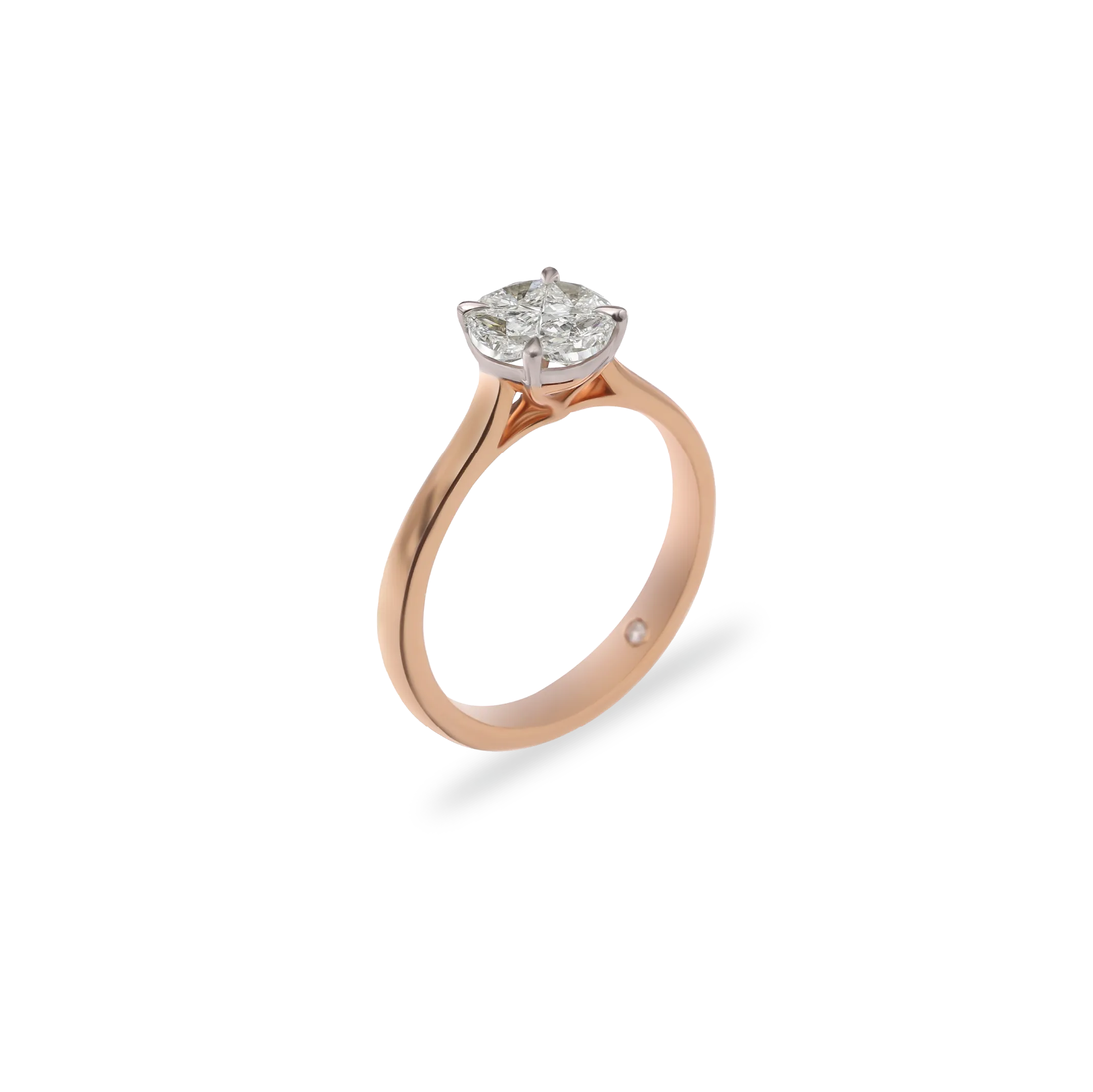
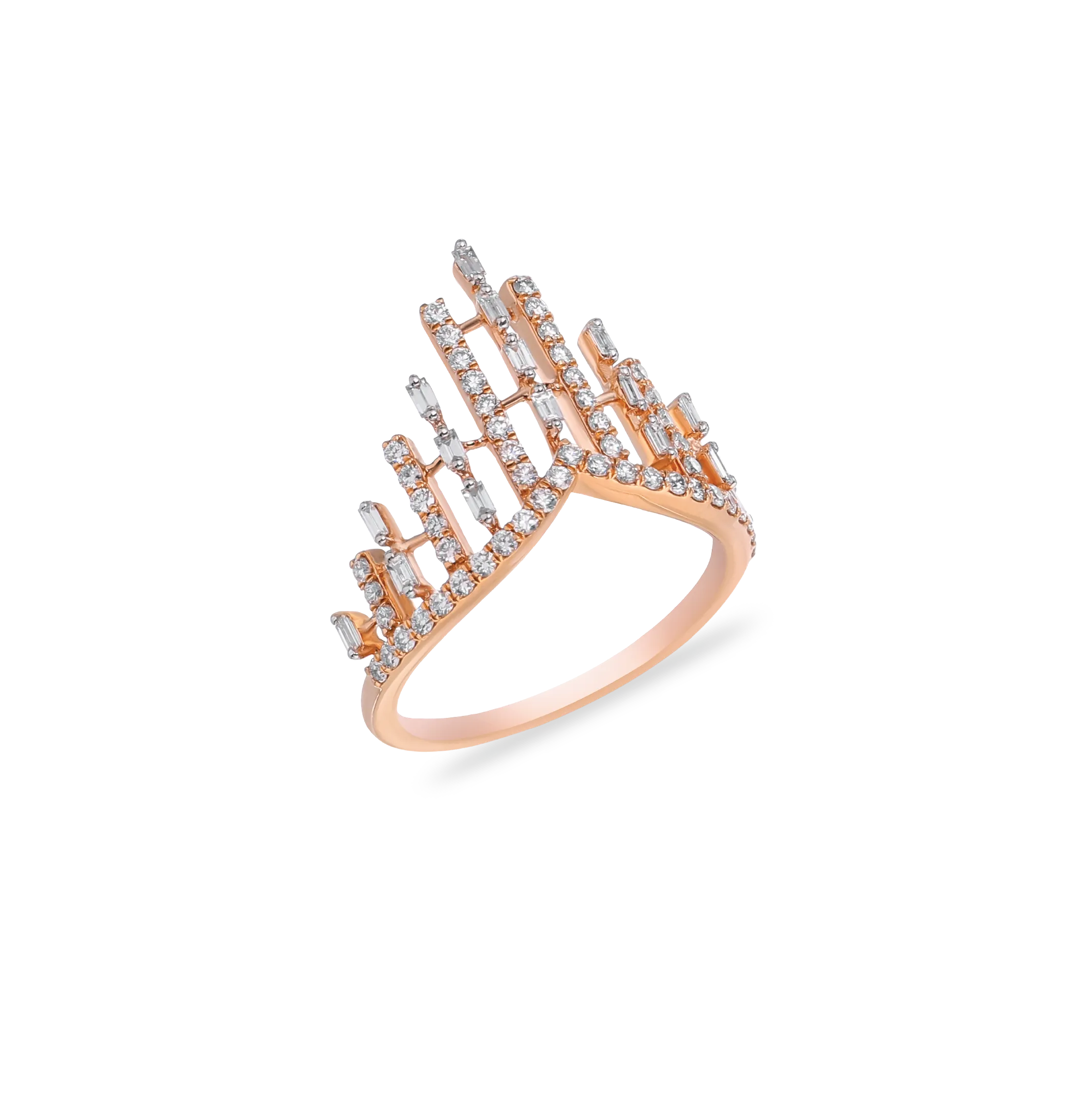
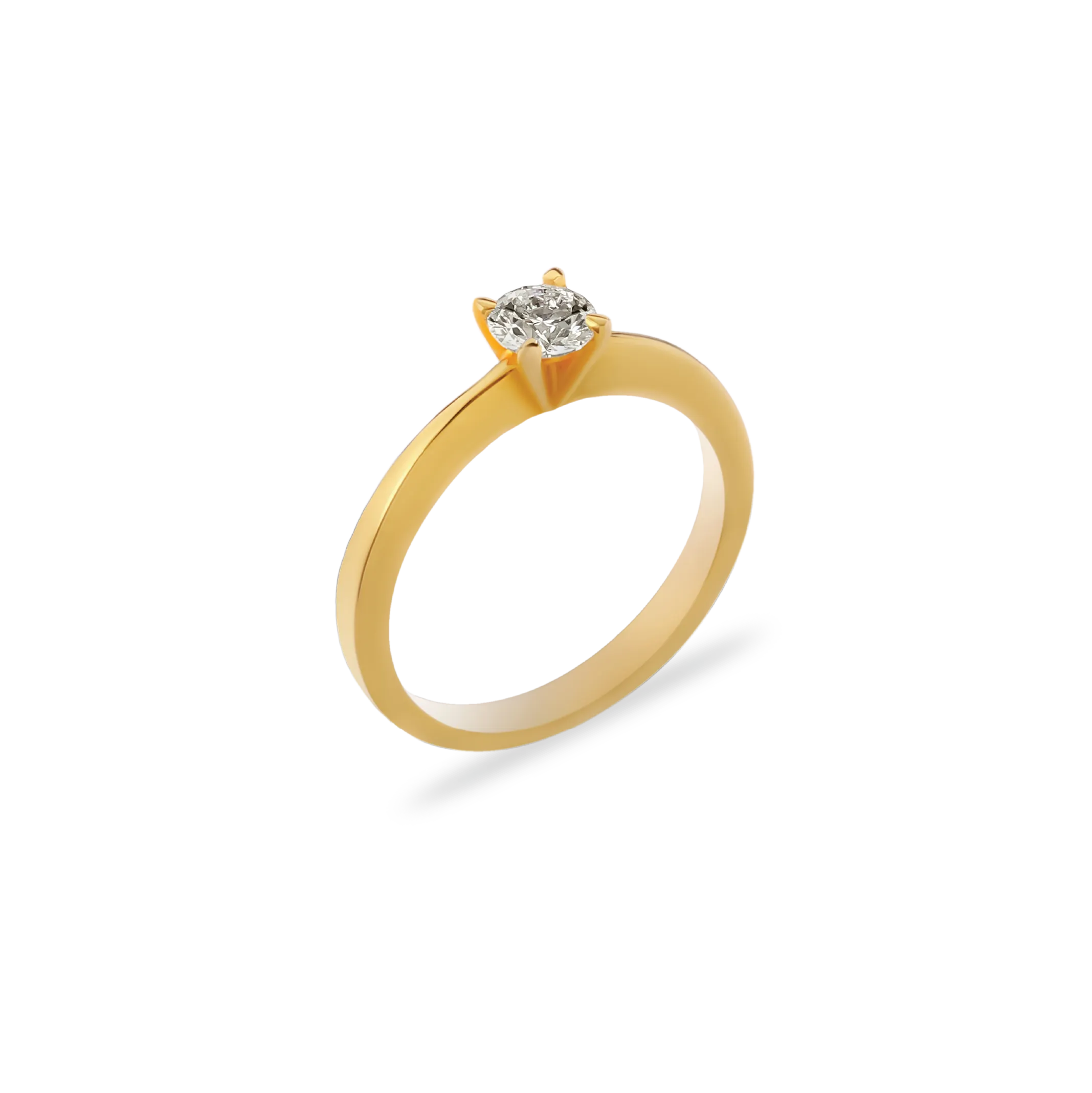
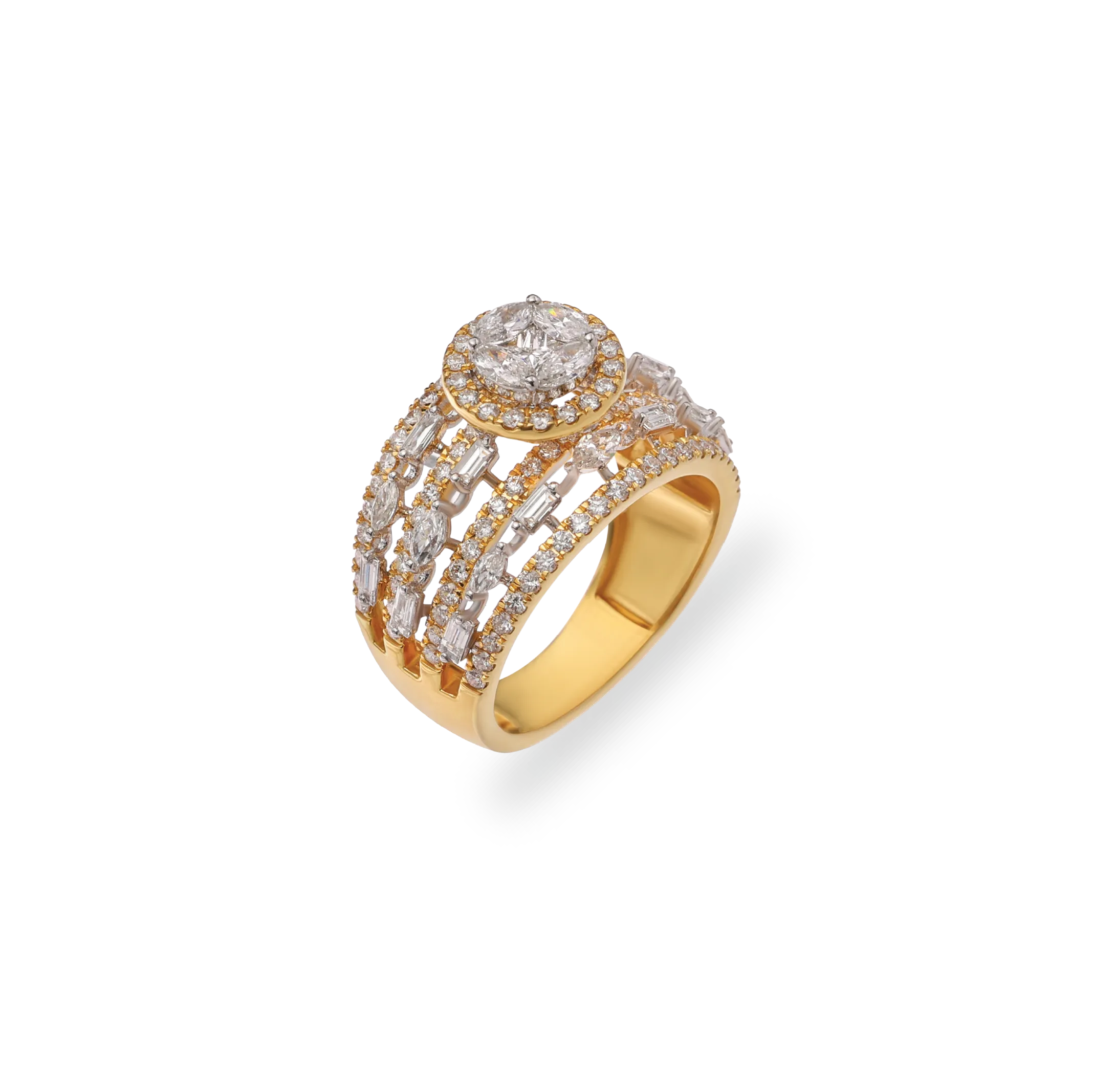
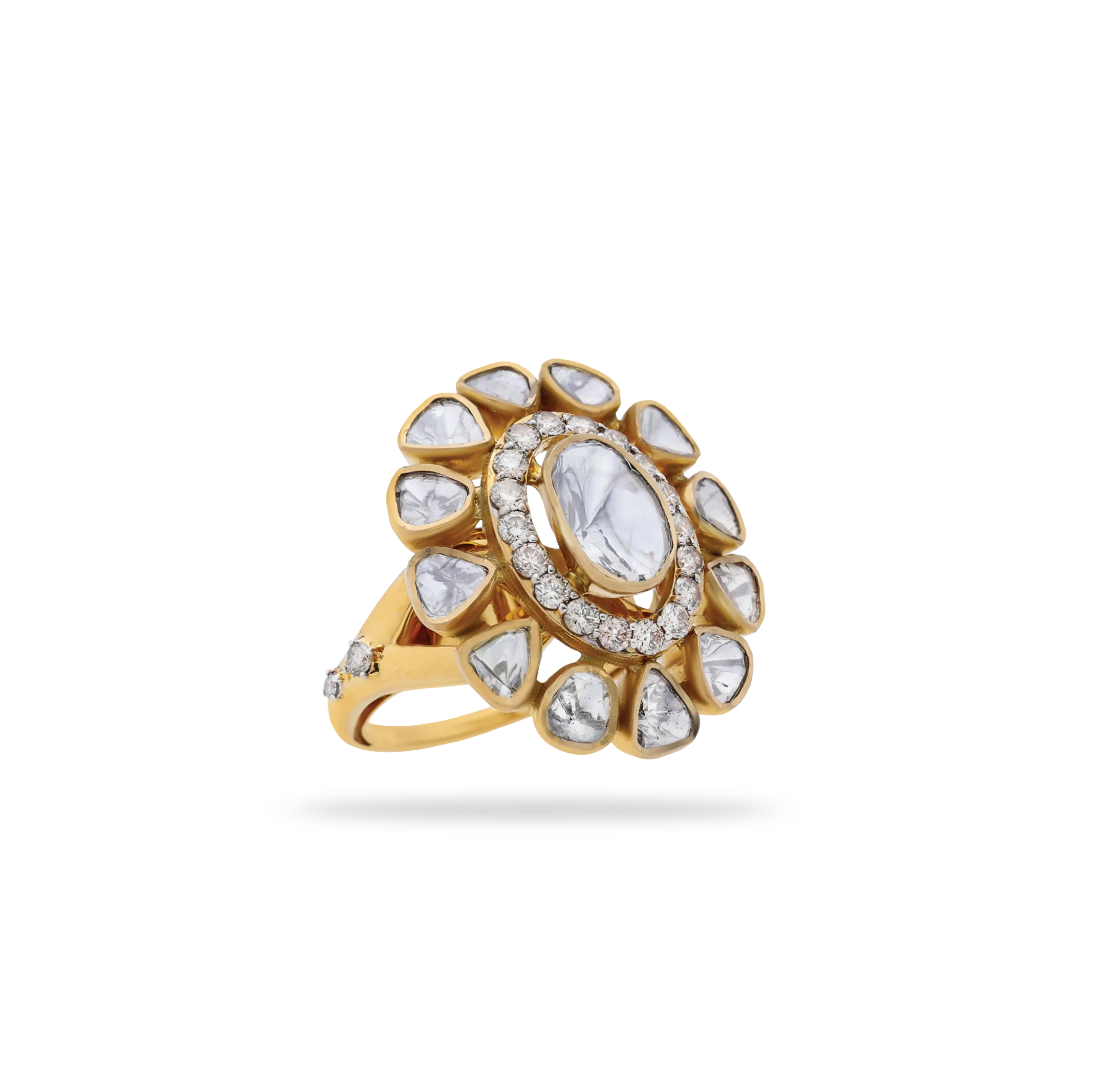
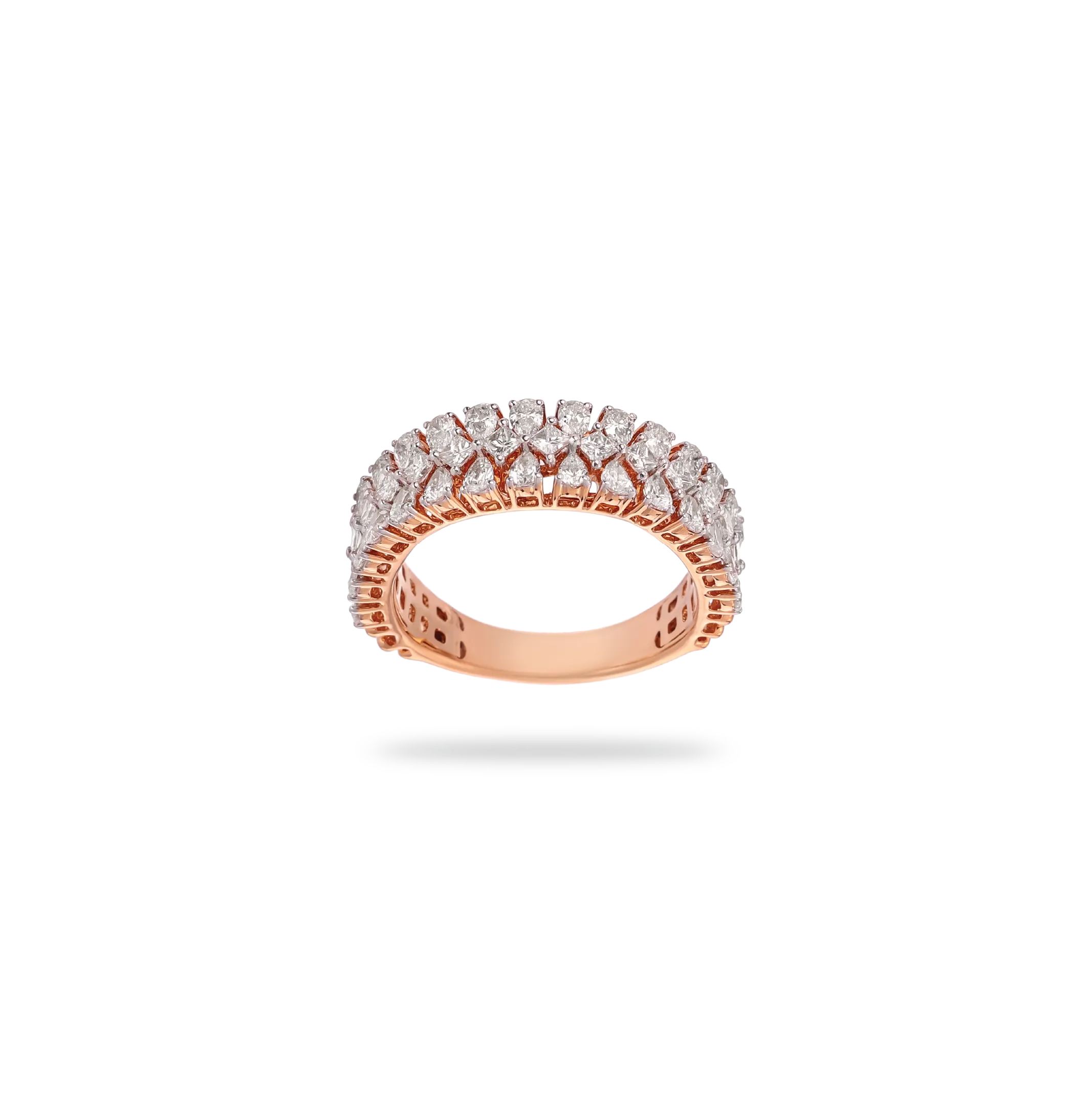
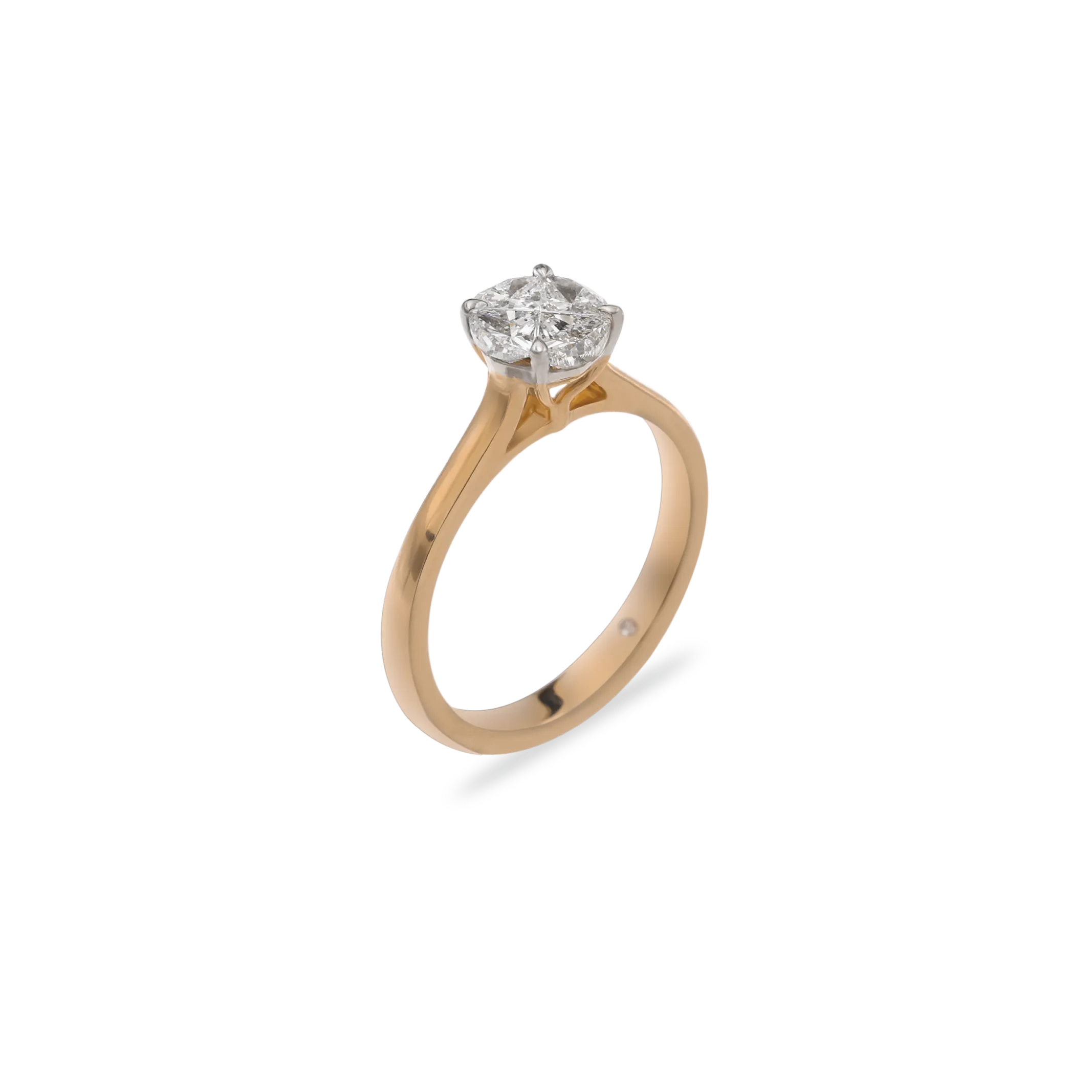
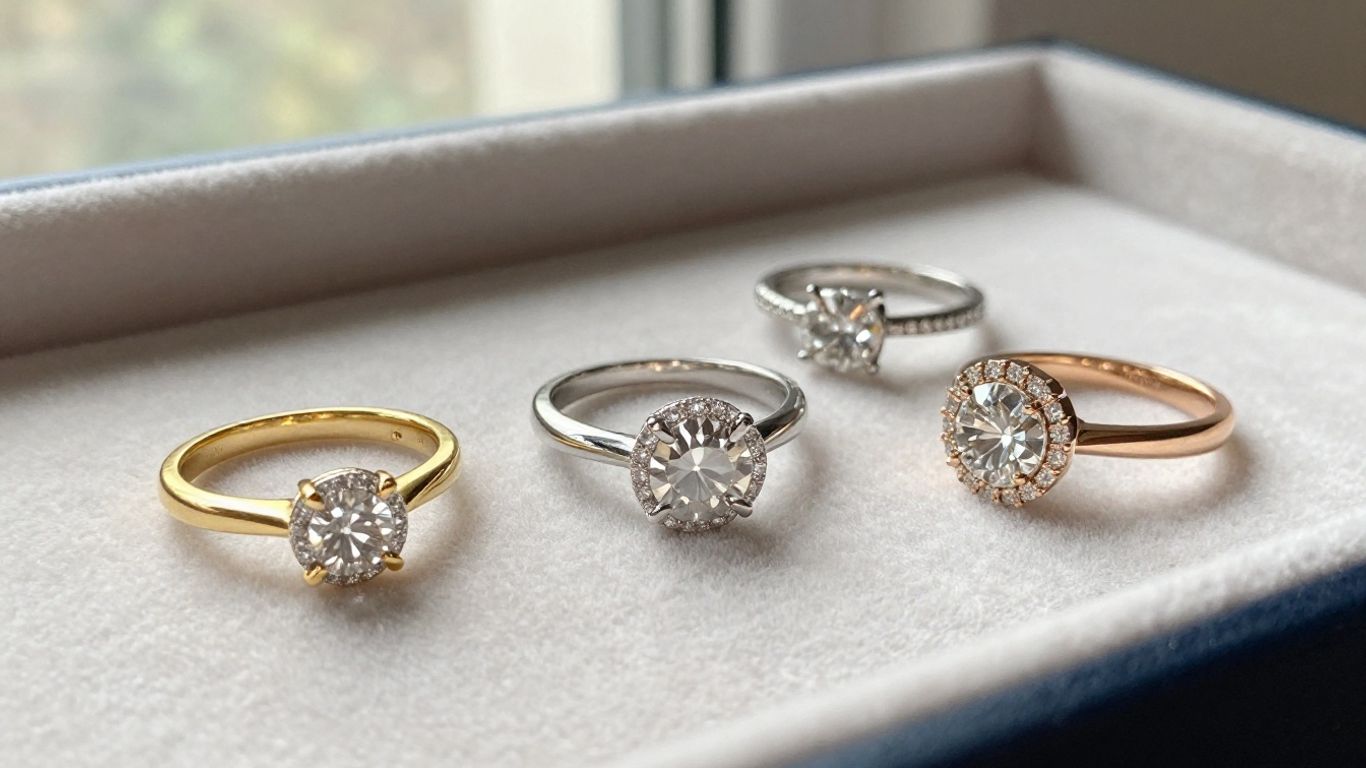
A solitaire keeps attention on one center stone, while halo, three-stone, and pavé designs add more visible detail. Look at the proportions of the band, the height of the setting, and how easily the ring might catch on clothing. Existing earrings, necklaces, or everyday rings can reveal whether the wearer favors delicate, architectural, vintage-inspired, or substantial designs.
Compare popular diamond shapes
Round stones are familiar and highly versatile, while oval, pear, marquise, emerald, and cushion shapes create different visual impressions. Elongated shapes can make the finger appear longer, whereas step-cut styles often have a quieter, mirror-like look. Compare actual rings or clear images rather than choosing from a shape name alone.
Consider metal color and durability
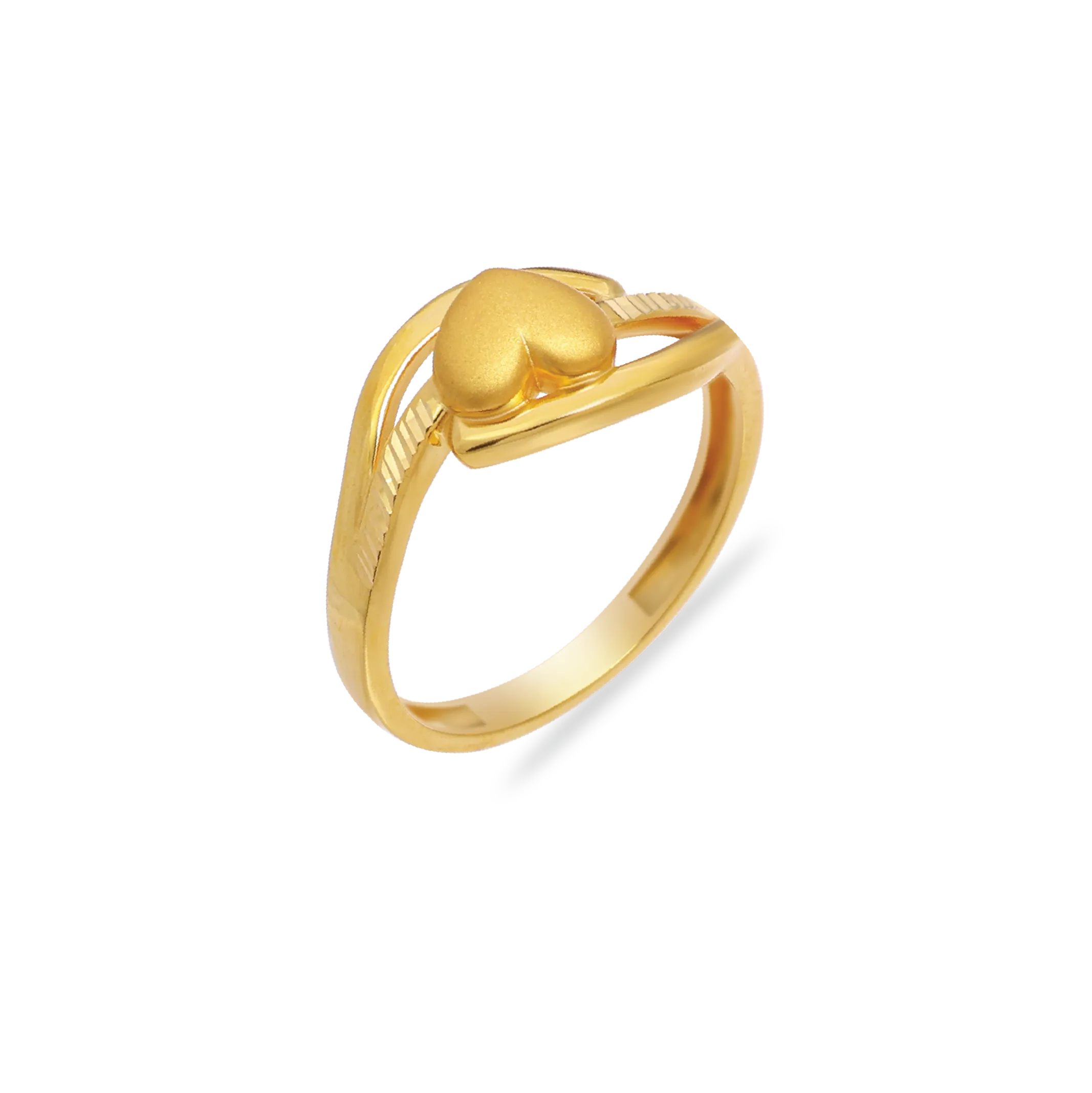
Yellow gold , white gold , rose gold , and platinum each change the ring’s overall character. Metal choice should coordinate with existing jewelry, but durability and maintenance matter too. Think about work, hobbies, handwashing, and whether the wearer prefers a metal that develops a patina or one that keeps a brighter finish.
Balance timeless and trend-driven details
A classic foundation can make a ring easier to wear for many years, while a distinctive detail can give it personality. You might choose a traditional setting with an unusual band texture, or a familiar stone shape with a less expected metal color. The most successful design usually has one clear point of interest rather than competing embellishments.
3. Select the center stone
The center stone often drives both the ring’s appearance and its price. Diamonds remain a popular choice, but they are not the only meaningful option. Compare stones in person when possible, paying attention to how they look in ordinary lighting rather than judging solely from a grading description.
Compare natural and lab-grown diamonds
Natural and lab-grown diamonds are both diamond material, but their origins and pricing can differ. Ask how each stone was produced, what documentation accompanies it, and how the choice fits the buyer’s priorities. Comparing similar size, cut, color, and clarity makes the value conversation more useful than comparing carat weight alone.
Understand the 4Cs of diamond quality
The 4Cs—cut, color, clarity, and carat weight—offer a shared vocabulary for comparing diamonds. Cut strongly affects brightness and pattern, while color and clarity describe characteristics that may be subtle in everyday viewing. Carat weight measures weight, not simply visible size, so consider the stone’s measurements and proportions as well.
Evaluate diamond shape, cut, and sparkle
Shape is the outline you see, while cut describes how the stone’s facets interact with light. Two diamonds with the same shape and carat weight can appear quite different because of their proportions and finish. Tilt the stone gently, view it from several angles, and look for lively reflections rather than chasing a single number.
Consider gemstones and alternative center stones
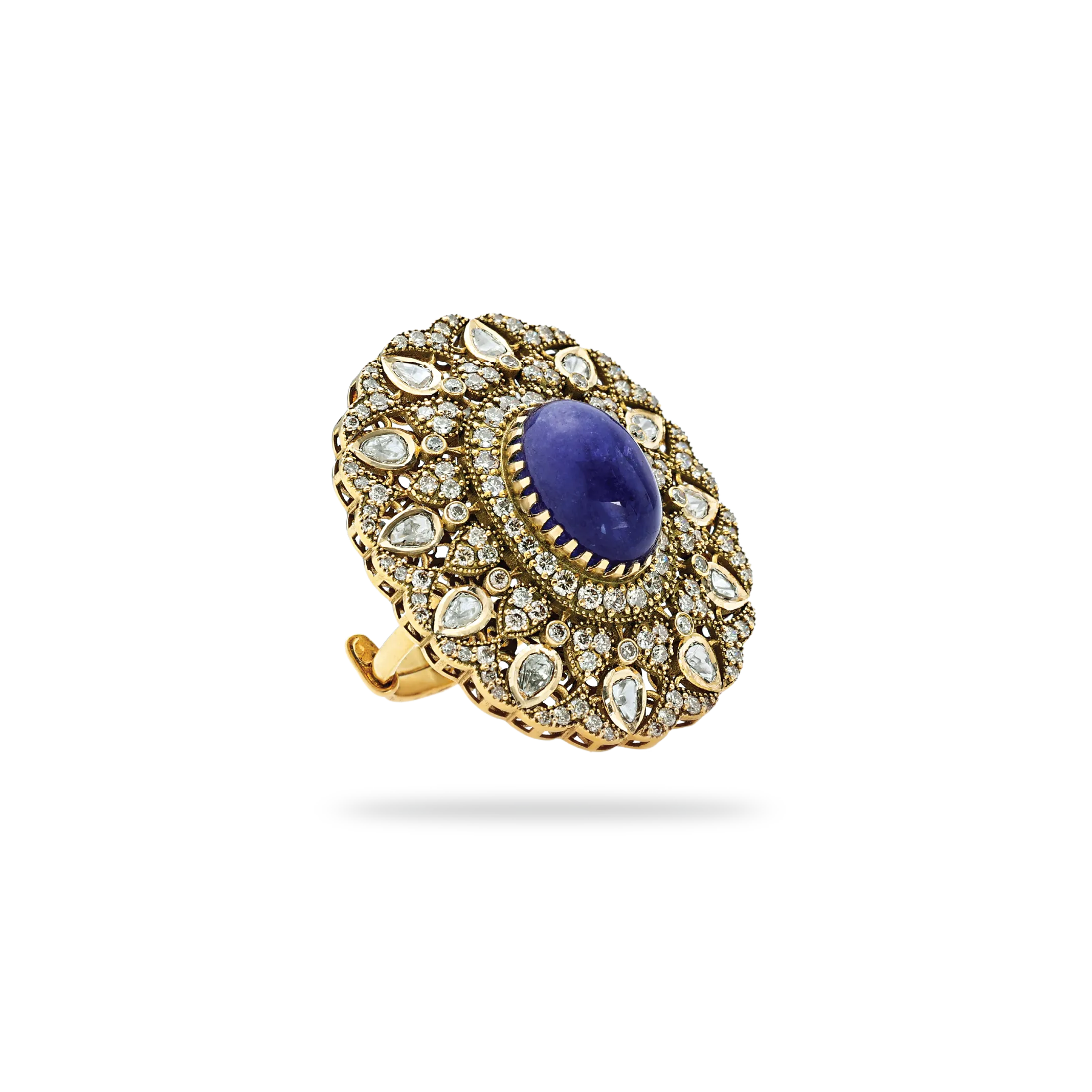
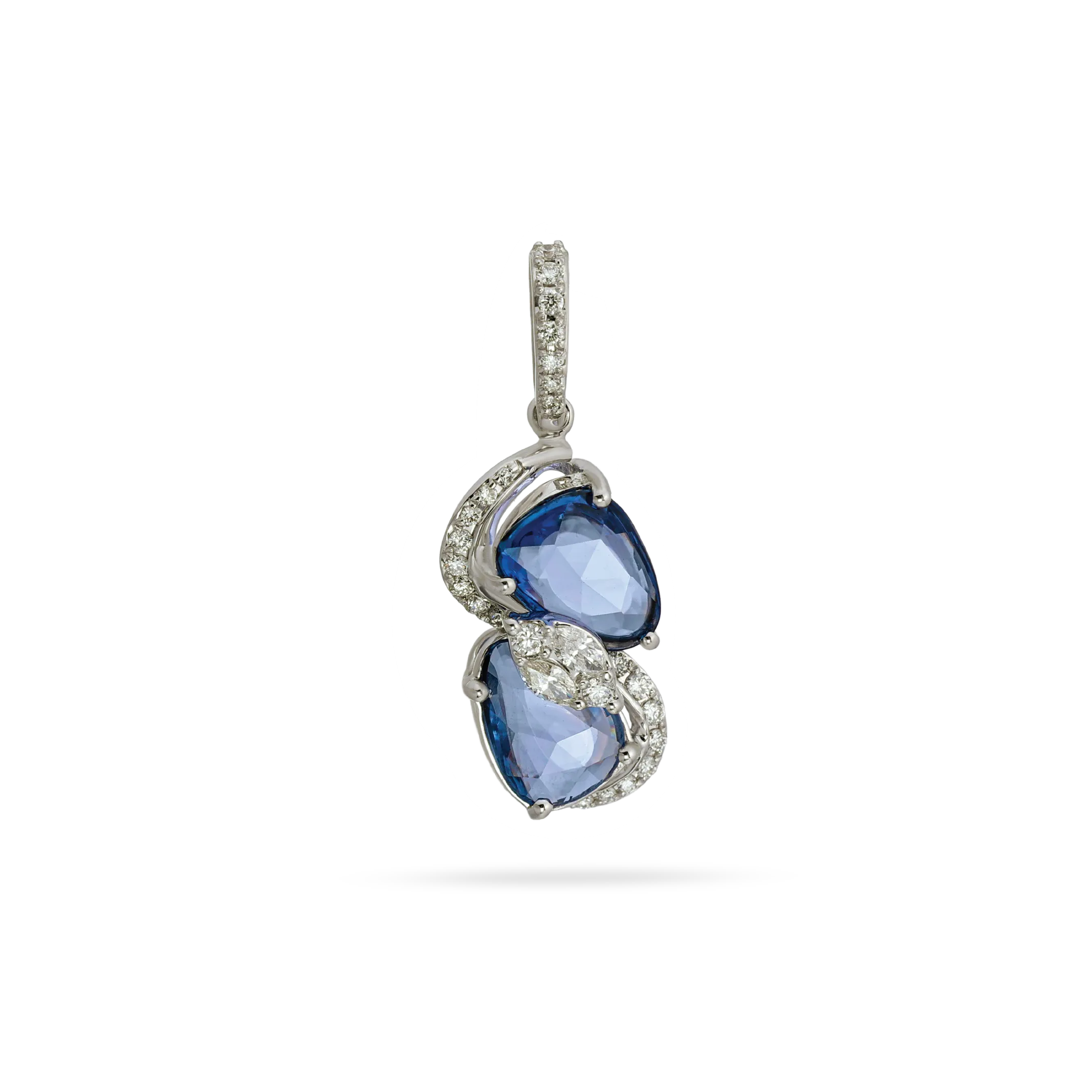
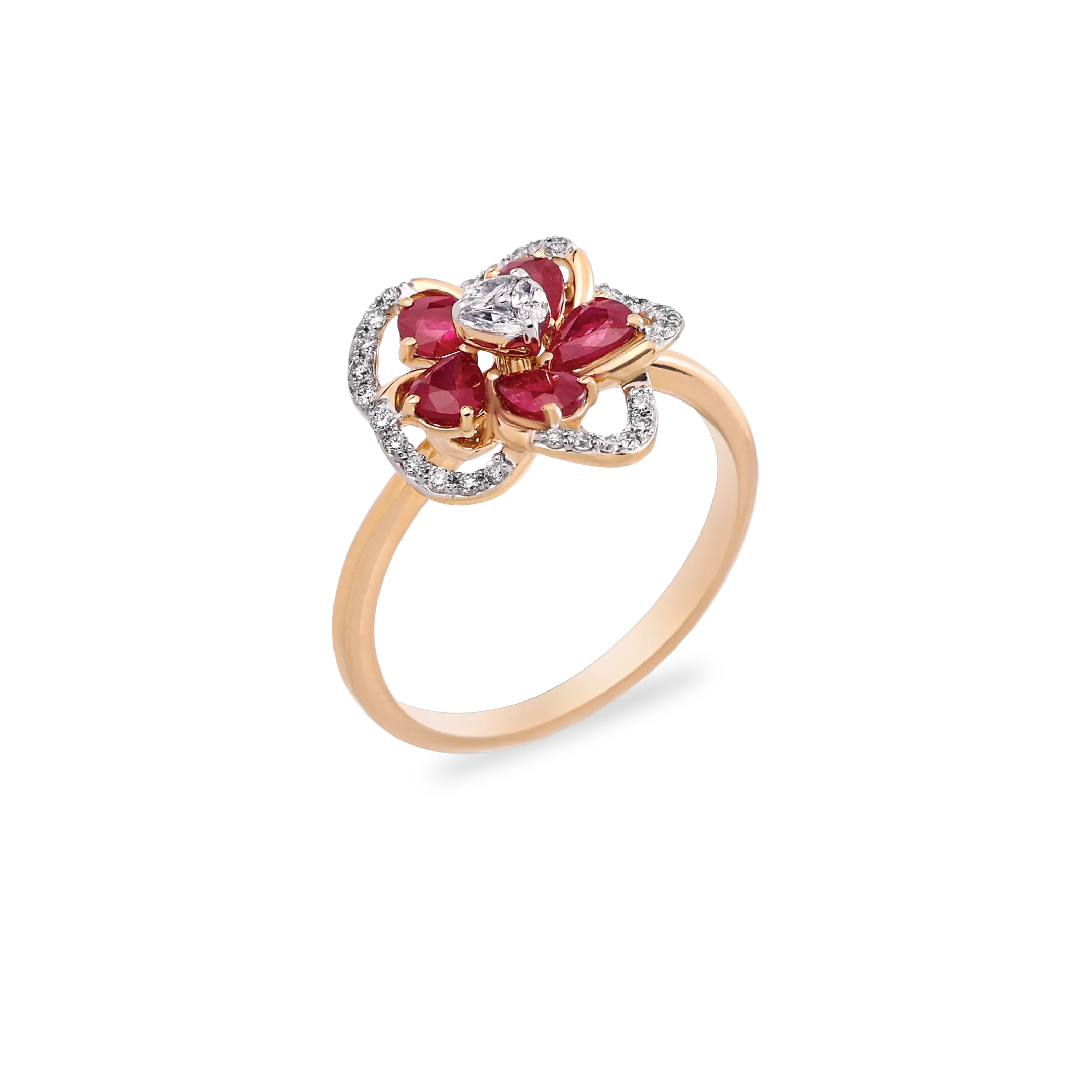
Sapphires, rubies, emeralds, and other gemstones can make the ring more colorful and personal. Their hardness, treatment, care requirements, and durability vary, so ask how suitable each option is for frequent wear. An alternative stone can be beautiful, but it deserves the same careful evaluation as a diamond.
4. Get the ring size right
Sizing is easy to overlook when the design and stone receive most of the attention. A ring should feel secure without pinching, and the correct fit can change with temperature, time of day, and band width. Treat the size as a practical specification, not a guess to make at the last moment.
Find the correct finger measurement
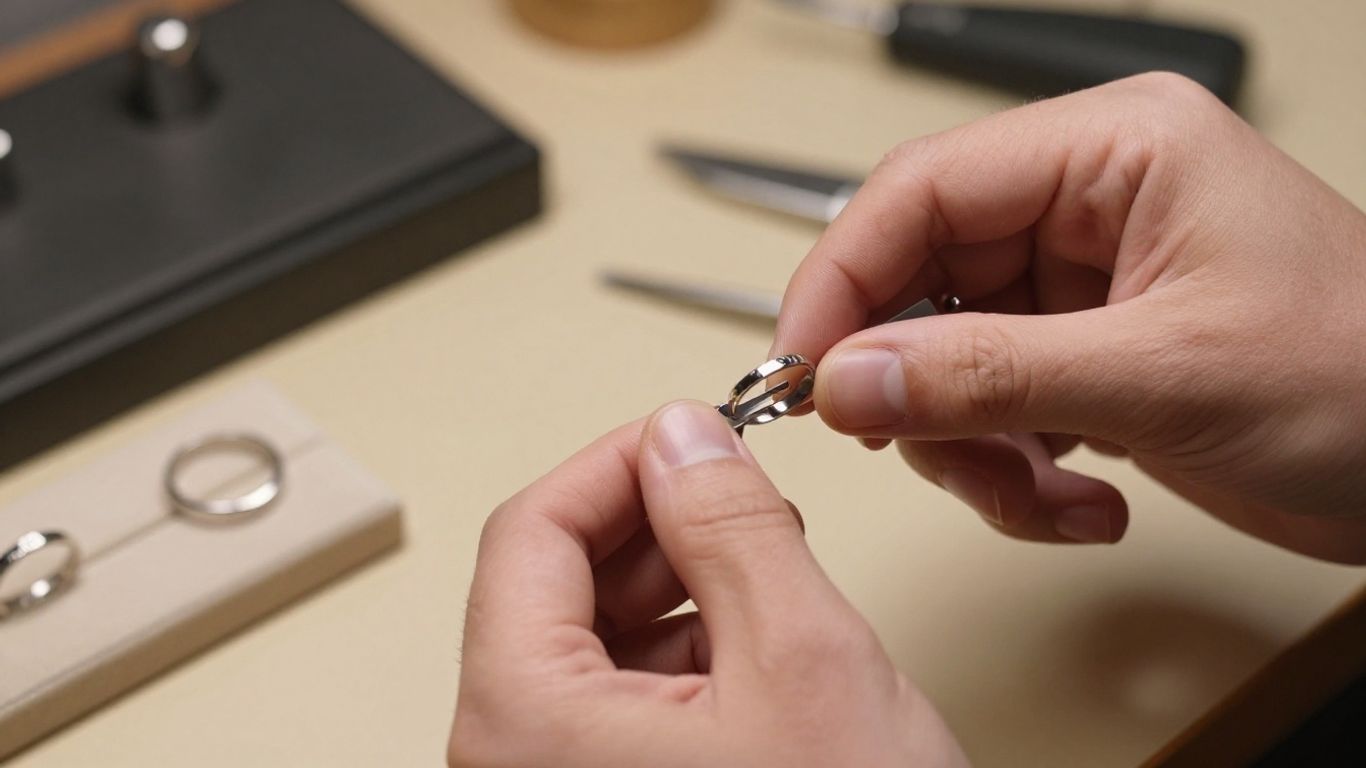
Have the intended finger measured by a professional if possible, preferably more than once. Fingers can swell in heat and shrink in cold, so a single quick measurement may not tell the whole story. Also mention the desired band width, since a wide ring can feel tighter than a narrow one in the same nominal size.
Use an existing ring as a sizing guide
An existing ring can help if it is worn on the same finger and fits comfortably. Trace its inside edge or take it to a jeweler for comparison, but do not assume a ring from another finger will provide a reliable match. The shape of the finger and the ring’s width both affect how useful the reference is.
Plan for discreetly confirming the size
If the proposal is intended to be a surprise, ask a trusted friend or family member to help only if they can do so accurately. You can also borrow a ring briefly for professional measurement, provided it is returned exactly where it was found. When uncertainty remains, prioritize a design that can be resized reasonably.
Understand resizing limitations
Some rings can be adjusted easily, while eternity bands, intricate patterns, tension settings, and certain alternative materials may have limited options. Ask about the likely sizing range before ordering. It is better to know the limitation in advance than to discover after delivery that a seemingly small change would alter the design.
5. Check the ring’s quality and certification
A beautiful photograph cannot reveal every construction detail. Before purchasing, review the stone’s documentation, examine the setting, and confirm that the seller’s policies are clear. This is where patience pays off: documentation protects your decision long after the proposal.
Review the diamond grading report
For a diamond, confirm that the grading report belongs to the exact stone being offered. Match identifying details, measurements, shape, and grading information with the stone and the invoice. Read the report as one piece of evidence, not a substitute for seeing the diamond’s appearance and checking whether it fits your priorities.
Inspect the setting and prongs
Look closely at how the stone is held, whether the prongs appear even, and whether the band has a smooth, finished surface. The center stone should sit securely, with no obvious movement or sharp edges. Ask how the setting is checked during routine maintenance and what signs of wear should prompt a repair.
Verify the retailer’s policies and reputation
Read the return window, exchange rules, warranty terms, and repair conditions before placing the order. Confirm who pays for return shipping and whether custom or resized pieces are excluded. Independent reviews can add context, but the written policy is the document that should guide your expectations.
Look for ethical sourcing documentation
Ask for clear information about the stone and metals, including any available origin or sourcing documentation. Vague language should prompt more questions rather than immediate reassurance. If responsible sourcing is central to the decision, make sure the seller can explain what its documentation covers and what it does not.
6. Review customization, delivery, and protection
The purchase is not finished when you choose a design online or at a showroom. Engraving, made-to-order work, shipping, returns, and insurance can all affect the experience. Write down the promised details so that the final order reflects what you understood.
Compare engraving and custom design options
Engraving can add a private message, date, initials, or another small detail, but it may affect returns and production time. Custom proportions, stone arrangements, and metal choices may also change the price. Ask to approve a rendering or specification sheet before work begins when the design is being made specifically for you.
Confirm the production and shipping timeline
Separate the expected production period from the shipping time. Ask whether the quoted date is a guarantee or an estimate, and find out how holidays, stone sourcing, approval delays, or resizing could affect it. Build in extra time if the ring is needed for a particular proposal date.
Understand returns, exchanges, and warranties
Read the conditions for returning, exchanging, repairing, or resizing the ring. Custom engraving and made-to-order designs may have different rules from ready-to-ship pieces. Keep a copy of the policy that applied when you ordered, since website wording and promotions can change.
Arrange appraisal and engagement ring insurance
An appraisal can document the ring’s characteristics and replacement value, while insurance can help with covered loss, theft, or damage. Compare the policy’s exclusions, deductible, coverage limits, and requirements for routine inspections. Do not assume a homeowners or renters policy automatically provides enough protection.
7. Finalize the purchase with confidence
The last review should feel calm and methodical. Return to the choices you made at the beginning: budget, style, stone, size, timing, and protection. A general engagement ring buying guide can offer another broad review, but your own written checklist should remain the final reference.
Compare the final ring against your checklist
Check the finished design against the saved images, measurements, stone details, metal, size, engraving, and agreed-upon specifications. Look for small differences between the original selection and the item being delivered. If anything is unclear, pause and ask before accepting the order as final.
Confirm the total price and included services
Review the invoice line by line, including tax, shipping, engraving, resizing, appraisal, and any care or inspection service. Confirm that discounts or deposits were applied correctly. The amount charged should match the terms you agreed to, not merely the headline price shown during browsing.
Inspect the ring when it arrives
Open the package in good light and photograph the ring, packaging, and documents before wearing it extensively. Check the stone, prongs, finish, engraving, and size, then contact the seller promptly if something does not match the order. Keep the ring secure while you complete any inspection or return period.
Store receipts and certification documents safely
Save the invoice, grading report, appraisal, warranty, insurance policy, correspondence, and photographs in both a physical and digital location. These records support future repairs, claims, resale questions, or family history. Once everything is organized, the ring can take its place in the moment it was chosen for.
Conclusion
The right engagement ring is not defined by one stone size, setting, or price point. It is a considered match between personal taste, daily life, financial comfort, and the meaning the couple wants it to carry. Take the process one decision at a time, ask direct questions, and keep the records that make the purchase easier to trust.
Frequently Asked Questions
How much should I spend on an engagement ring?
Spend an amount that fits your income, savings, obligations, and shared priorities. There is no universal rule that makes one spending level correct for every couple.
What should I choose first, the ring setting or the center stone?
Either can be a sensible starting point, but compare them together before deciding. The setting affects the stone’s appearance, security, and final proportions.
Are lab-grown diamonds suitable for engagement rings?
Lab-grown diamonds can be suitable when their origin, documentation, appearance, and price align with the buyer’s preferences. Compare them using the same quality factors used for other diamonds.
How can I find a partner’s ring size discreetly?
Borrow a ring worn on the correct finger for professional comparison, or ask a trusted person who knows the size. If uncertainty remains, choose a design with practical resizing options.
Is a diamond grading report the same as an appraisal?
No. A grading report describes a diamond’s characteristics, while an appraisal generally estimates value for a particular purpose, such as insurance.
Should an engagement ring be insured?
Insurance can be worthwhile because an engagement ring may be costly and difficult to replace. Review coverage, exclusions, deductibles, and documentation requirements before choosing a policy.
What should I do if the ring does not fit when it arrives?
Avoid wearing it until you understand the seller’s return and resizing rules. Contact the seller promptly, keep the packaging and documents, and confirm whether resizing could affect the design.
Cushion cut diamond ring: How to choose the right style, cut, and setting
10 minute read
Related blogs:
November 20, 2025
The Timeless Elegance of the Tennis Bracelet: A Comprehensive Guide
Read More
November 20, 2025
The Ultimate Guide to Styling and Wearing a Choker Necklace
Read More
November 20, 2025
Find Your Perfect Engagement Ring: A Comprehensive Guide to Styles and Diamonds
Read More
November 20, 2025
The Timeless Elegance of a Diamond Tennis Bracelet: A Buyer's Guide
Read More