How to choose an anniversary gift diamond ring that feels personal and timeless
August 4, 2026 | 10 minutes read
Key Takeaways
An anniversary ring feels most lasting when it reflects the couple, not just the calendar. Use tradition as a starting point, then let your partner’s style, daily routine, and shared history guide the final choice.
- Choose a milestone theme only if it feels meaningful to both of you.
- Prioritize a well-cut diamond and a setting suited to everyday wear.
- Build the budget around the whole purchase, including resizing and insurance.
- Match the new ring thoughtfully with jewelry your partner already wears.
- Make the presentation personal, and plan simple care from the beginning.
Match the ring to your anniversary milestone
An anniversary gift diamond ring can mark a specific year, renew a promise, or simply celebrate the life you have built together. Some couples enjoy traditional themes, while others prefer a design tied to a place, a date, or a private joke. There is no single correct ring for a milestone. The best choice gives the occasion a little ceremony without making the gift feel borrowed from a list.
Traditional anniversary themes by year
Traditional anniversary themes can offer a helpful first filter. Diamonds are commonly associated with major milestones such as a 10th, 25th, or 60th anniversary, while other years may suggest metals or colored gemstones. These associations vary by source and culture, so treat them as inspiration rather than rules.
A traditional idea becomes more personal when you translate it into a design your partner would actually wear. A diamond band might suit someone who favors simple jewelry, while a three-stone ring could better express a relationship with a long shared history. Browse a year-by-year anniversary guide if you want prompts before narrowing the choice.
Choosing between a diamond ring and an anniversary band
A diamond ring usually has a central stone or a more sculptural setting, making it feel like a distinct piece of jewelry. An anniversary band tends to be easier to wear beside an engagement ring and wedding band, especially when it has a low profile or a uniform row of stones. Think about whether the gift should stand alone or become part of an existing stack.
Try to imagine the ring in ordinary moments, not only in a velvet box. A narrow band may be more practical for someone who works with their hands, while a larger center stone may suit a partner who enjoys a noticeable statement. The decision is ultimately about wearing habits as much as symbolism.
When to honor a shared memory instead of a tradition
A private reference can carry more emotional weight than a conventional anniversary gemstone. Consider the color of a place where you first traveled together, the shape of a flower from your wedding, or the number of stones needed to mark an important family moment. A subtle detail is often more moving than an obvious motif.
Write down a few memories and look for a design connection among them. That exercise can reveal whether the ring should include an engraving, a particular metal, or a shape that echoes something meaningful. It also keeps the purchase from becoming a generic milestone gesture.
Balancing symbolism with your partner’s personal style
The ring should belong to your partner’s wardrobe, not only to the anniversary story. Look at the jewelry they reach for without prompting: clean lines or ornament, warm or cool metals, delicate pieces or bold silhouettes. Their existing choices are usually more reliable than assumptions about what an anniversary ring ought to look like.
A meaningful gift can still be understated. If your partner rarely wears rings, a smooth band with a small, well-positioned diamond may feel more natural than an elaborate halo. For broader guidance on choosing a meaningful jewelry gift, see this diamond jewelry gift guide, then return to the details that are specific to your relationship.
Set a realistic budget for the ring
Start with a number that feels comfortable rather than a formula tied to income or the number of years married. Diamond prices can vary widely even when two stones have the same carat weight. The setting, metal, craftsmanship, certification, and retailer policies all affect the final price. A calm budget makes it easier to compare rings without turning the celebration into a financial strain.
Key factors that influence diamond ring prices
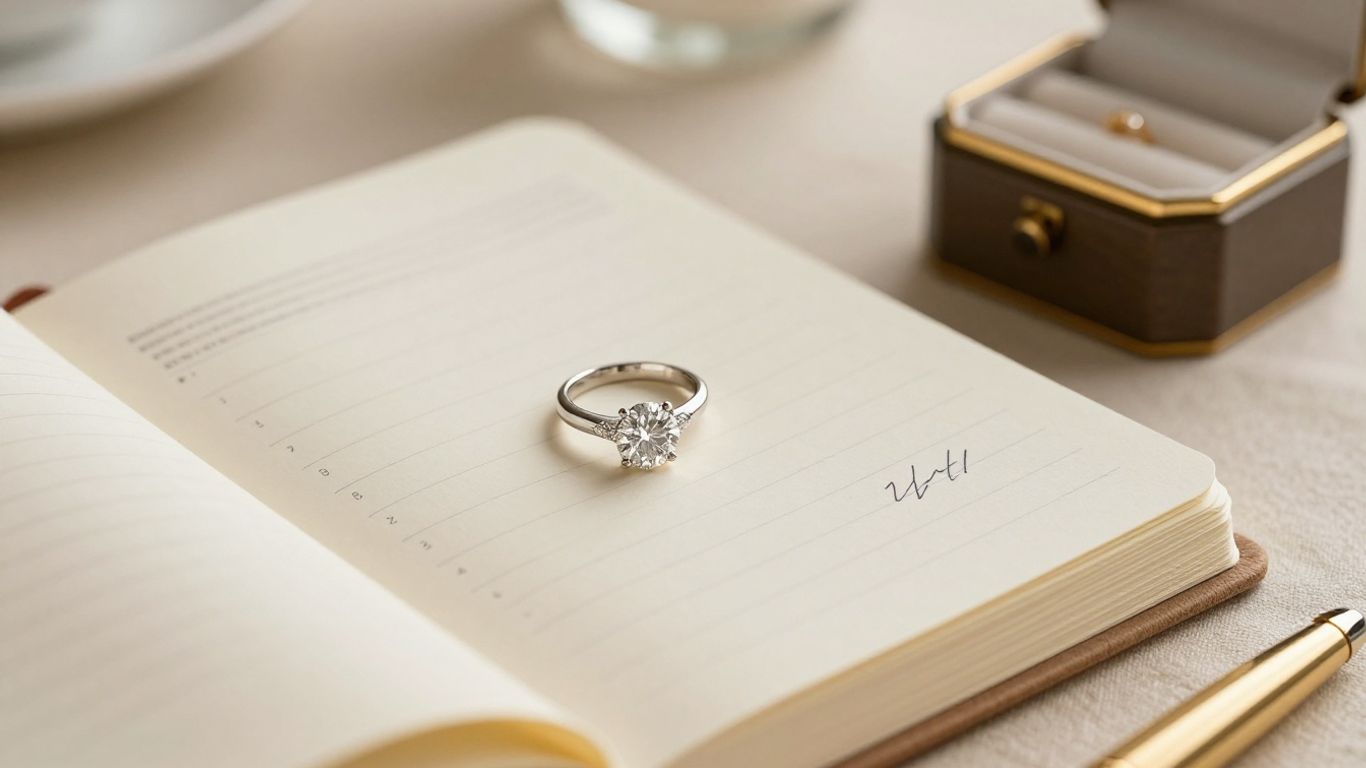
Carat weight is visible, but it is only one part of the price. Cut quality, color, clarity, diamond origin, shape, and the amount of metal and labor in the setting can all move the total. A simple solitaire and a detailed pavé design may contain similar diamond weight yet have very different costs.
Ask for an itemized quote before comparing pieces. Include the ring, taxes, shipping if relevant, resizing, engraving, and any service plan. That fuller figure is the useful budget number, not the price printed beside the diamond alone.
How to prioritize cut, carat, color, and clarity
For many buyers, cut is the best place to protect the budget because it strongly affects how a diamond returns light. After that, choose a size that feels appropriate, then consider color and clarity according to the shape and setting. Some inclusions or color are difficult to see without magnification, while others may be more apparent in larger or step-cut stones.
A practical order of attention might look like this:
- Begin with the best cut quality available within the budget.
- Choose carat weight by proportion and daily comfort, not status.
- Compare color in the actual shape and metal you prefer.
- Check clarity at a normal viewing distance as well as under magnification.
This approach leaves room for trade-offs without treating any one grading letter as a guarantee of beauty. Your eyes, the proportions of the stone, and the finished setting still matter.
Comparing natural and lab-grown diamonds
Natural and lab-grown diamonds are both diamond options, but their origins and pricing structures differ. A natural diamond forms in the earth, while a lab-grown diamond is produced through a technological process. Decide which origin fits your values, budget, and expectations before spending time on individual stones.
Ask how the stone is identified and what documentation accompanies it. Compare like with like—shape, cut quality, color, clarity, and carat—rather than assuming a lower price means a poor-looking ring. The right choice is the one you can explain honestly and feel good giving.
Planning for taxes, resizing, and insurance
Leave a cushion in the budget for costs that appear after the initial selection. Sales tax can be substantial, and resizing may not be possible for every eternity or intricate band. Insurance is also worth discussing, particularly for a ring that will be worn often or has a high replacement value.
Before purchase, ask whether the quoted price includes sizing and whether an appraisal or grading report is supplied. Keep receipts, photographs, and documentation in a secure place. These small administrative steps make future repairs or a claim much less stressful.
Choose the right diamond quality and shape
Diamond quality is not a single ranking from good to bad; it is a combination of visual performance, proportions, and personal preference. Shape changes how large a stone appears, how it reflects light, and how well it fits the intended setting. Start by deciding what your partner notices first: sparkle, outline, size, or an unusual silhouette.
Why cut quality often matters most
Cut describes how successfully a diamond’s facets interact with light, rather than whether it is round, oval, or another shape. A well-proportioned stone can appear lively and bright, while a poorly cut larger stone may look dull. This is why a smaller diamond with strong light performance can feel more impressive than a heavier one with weak proportions.
Look for brightness, contrast, and an even face-up appearance as you view the diamond. For fancy shapes, compare several stones because grading terminology and visual patterns can differ. A jeweler should be willing to show the stone from multiple angles and explain what you are seeing.
Popular diamond shapes and their visual appeal
Round diamonds are familiar and highly versatile, while oval and pear shapes can create a longer-looking outline on the finger. Emerald and Asscher cuts have broad, orderly facets with a quieter kind of reflection. Cushion, radiant, and marquise shapes each bring a different balance of softness, brilliance, and presence.
The setting should support the shape rather than compete with it. A clean solitaire lets an unusual outline speak clearly; a halo can add visual scale and a more decorative feel. Consider also whether pointed ends need protective prongs for the way the ring will be worn.
Selecting a diamond size that suits everyday wear
The right size is a relationship between the stone, the finger, the setting, and the wearer’s routine. A low-profile ring may be easier to live with than a tall setting, even if the center diamond is smaller. If your partner cycles, cooks, works with tools, or prefers minimal jewelry, practicality deserves equal weight with visual impact.
Try on comparable proportions when possible, not just different carat weights. A slender band can make a center stone feel larger, while a substantial band can balance a more prominent diamond. The goal is a ring that looks intentional and feels comfortable after the novelty fades.
Understanding certification and grading reports
A reputable grading report records a diamond’s characteristics, including its shape, measurements, color, clarity, and carat weight. Check that the report number corresponds to the stone and that the document comes from an independent, recognized laboratory. The report supports comparison, but it does not replace seeing the diamond in person or through clear imagery.
Keep the report with the purchase records and ask what happens if the stone is exchanged or reset. A timeless jewelry collection also benefits from independent certification guidance, especially when you are comparing stones from different sellers. Documentation is part of buying confidently, not an afterthought.
Select a style, setting, and metal
Style determines how the ring sits on the hand and how it will age alongside other jewelry. The setting protects the diamond while shaping the ring’s personality, and the metal affects color, weight, maintenance, and cost. Think in terms of the whole object rather than choosing a diamond first and making every other decision afterward.
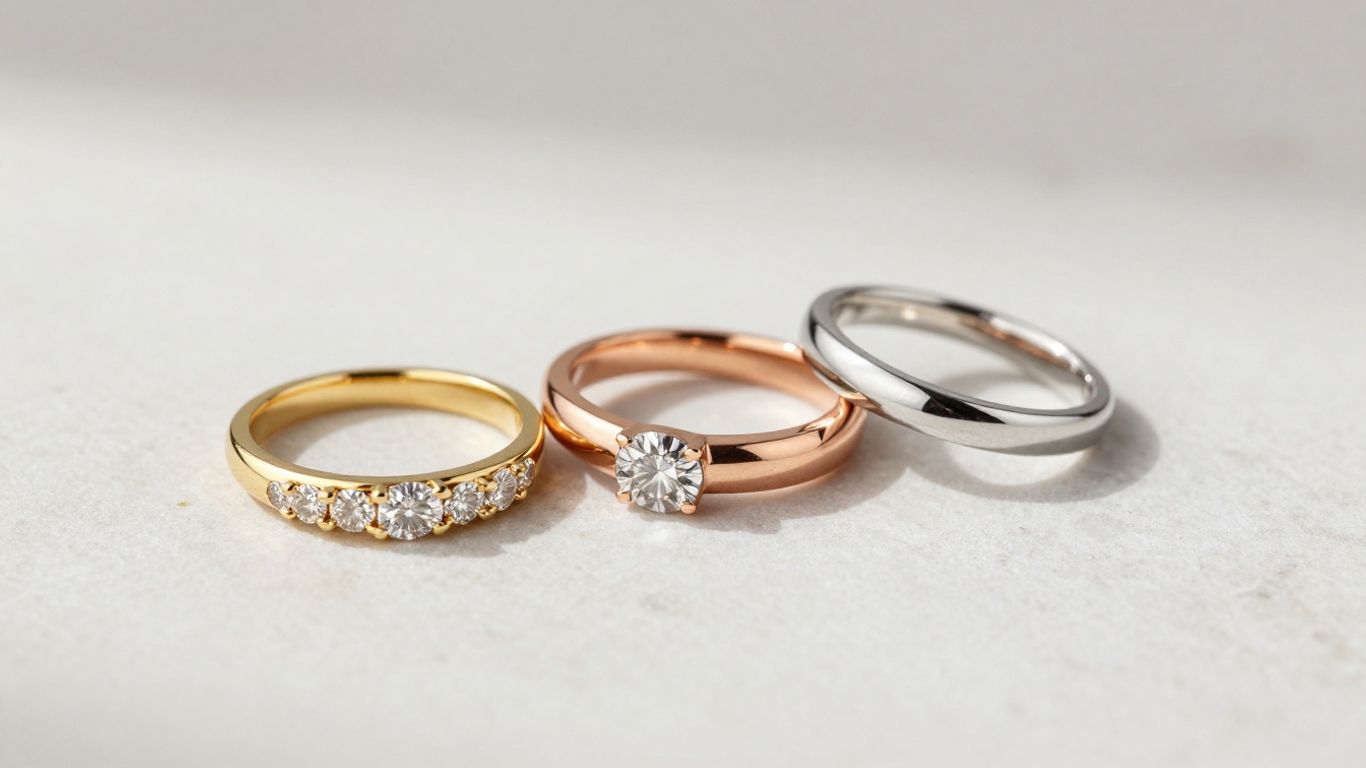
Classic solitaire, halo, and three-stone designs
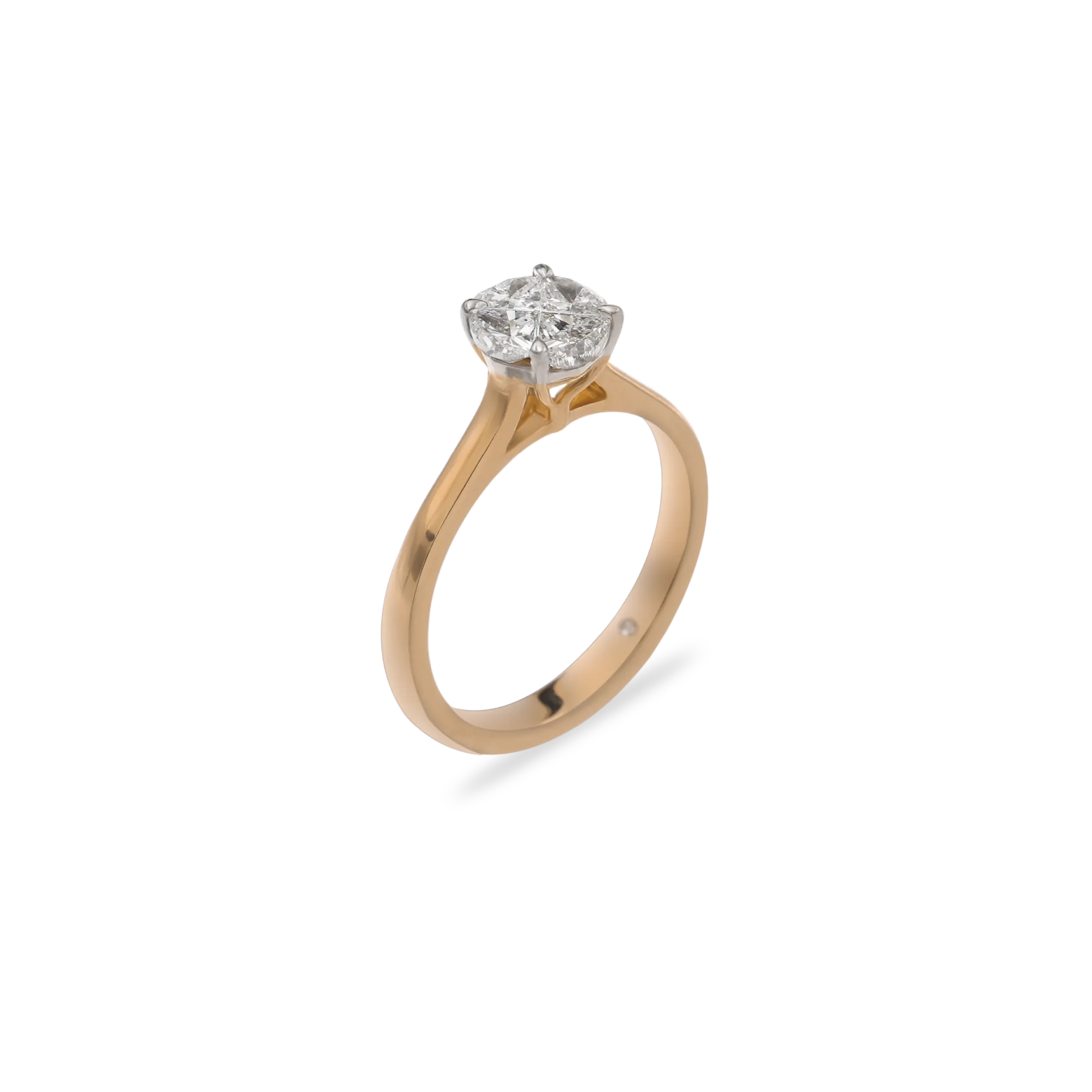
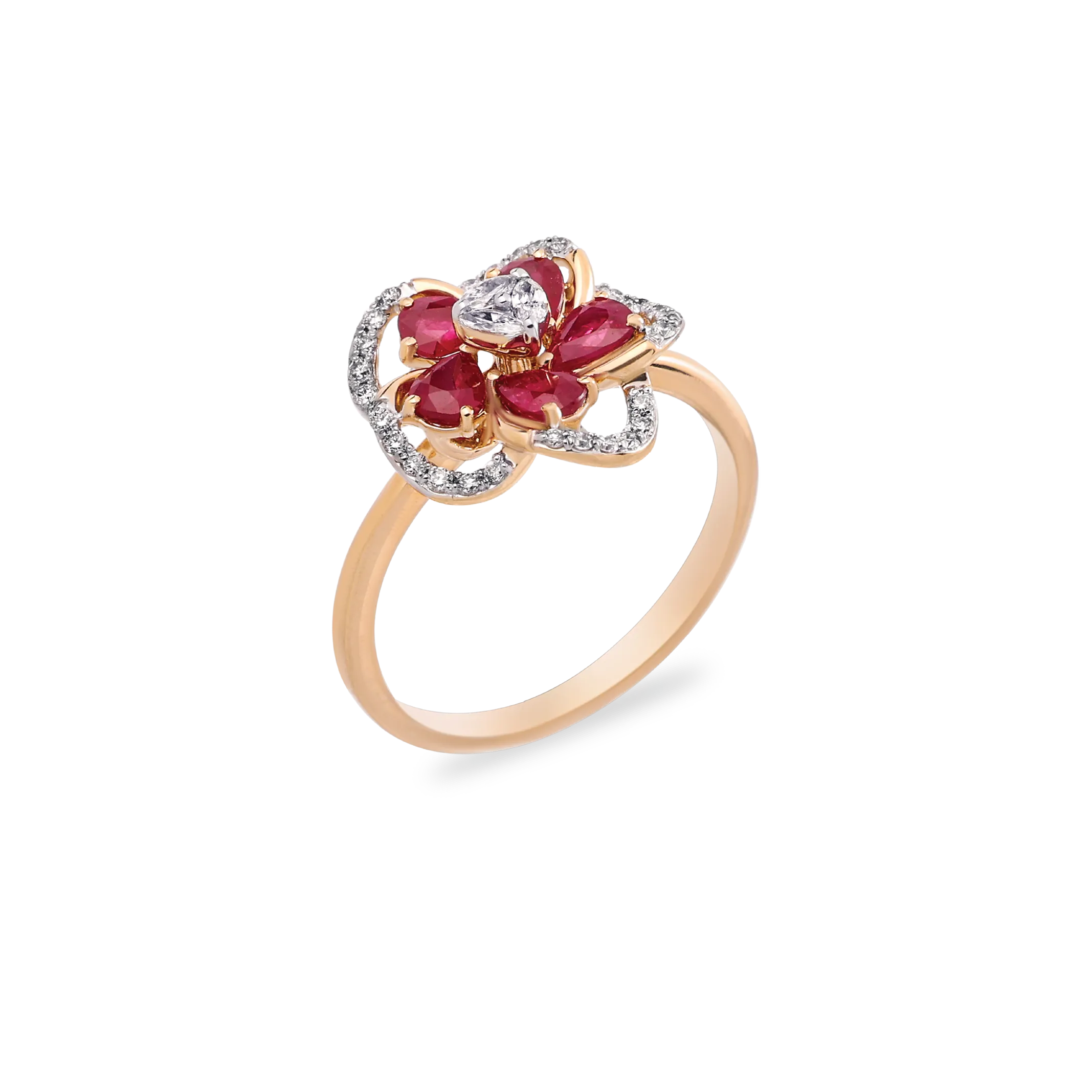
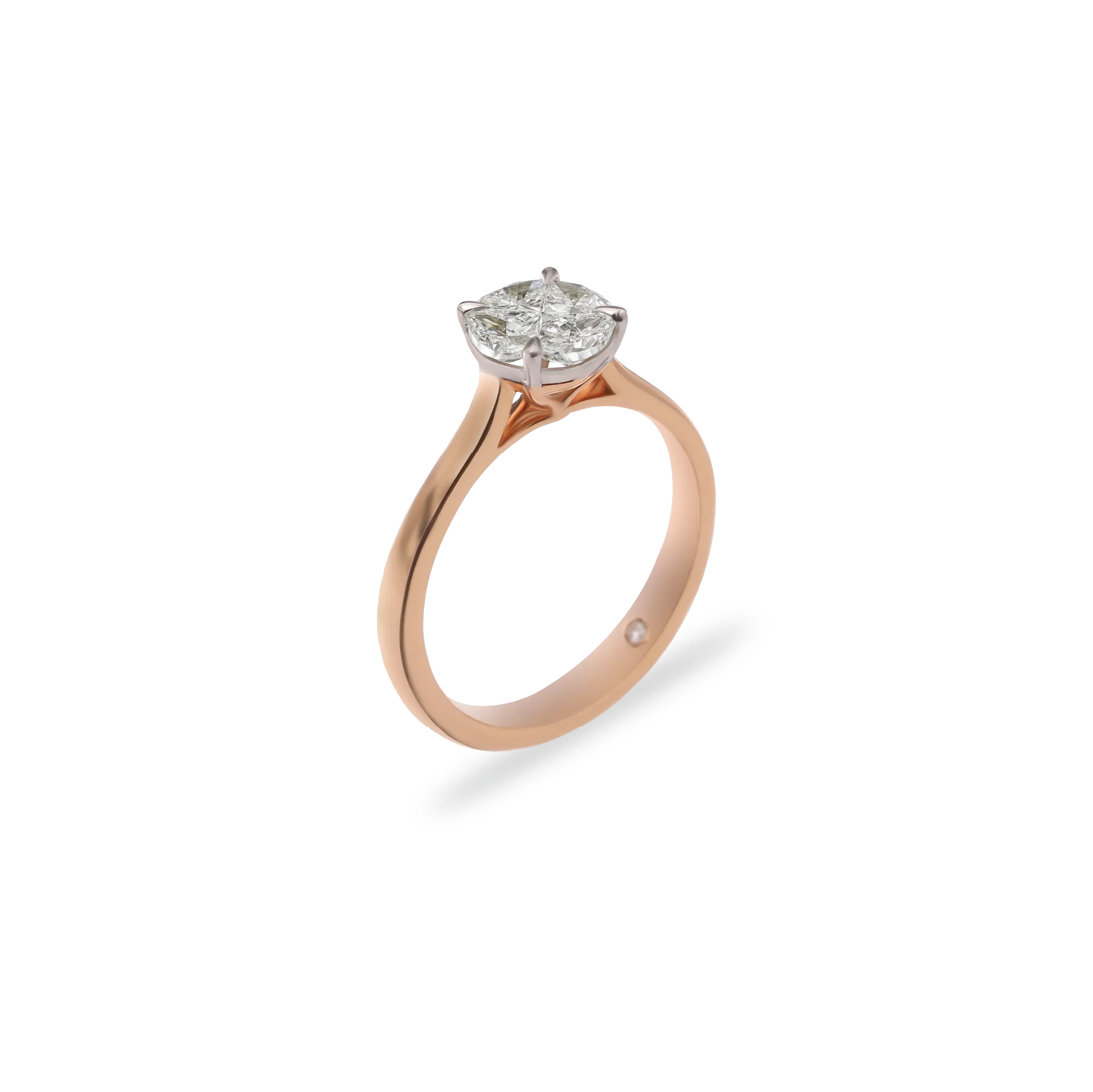
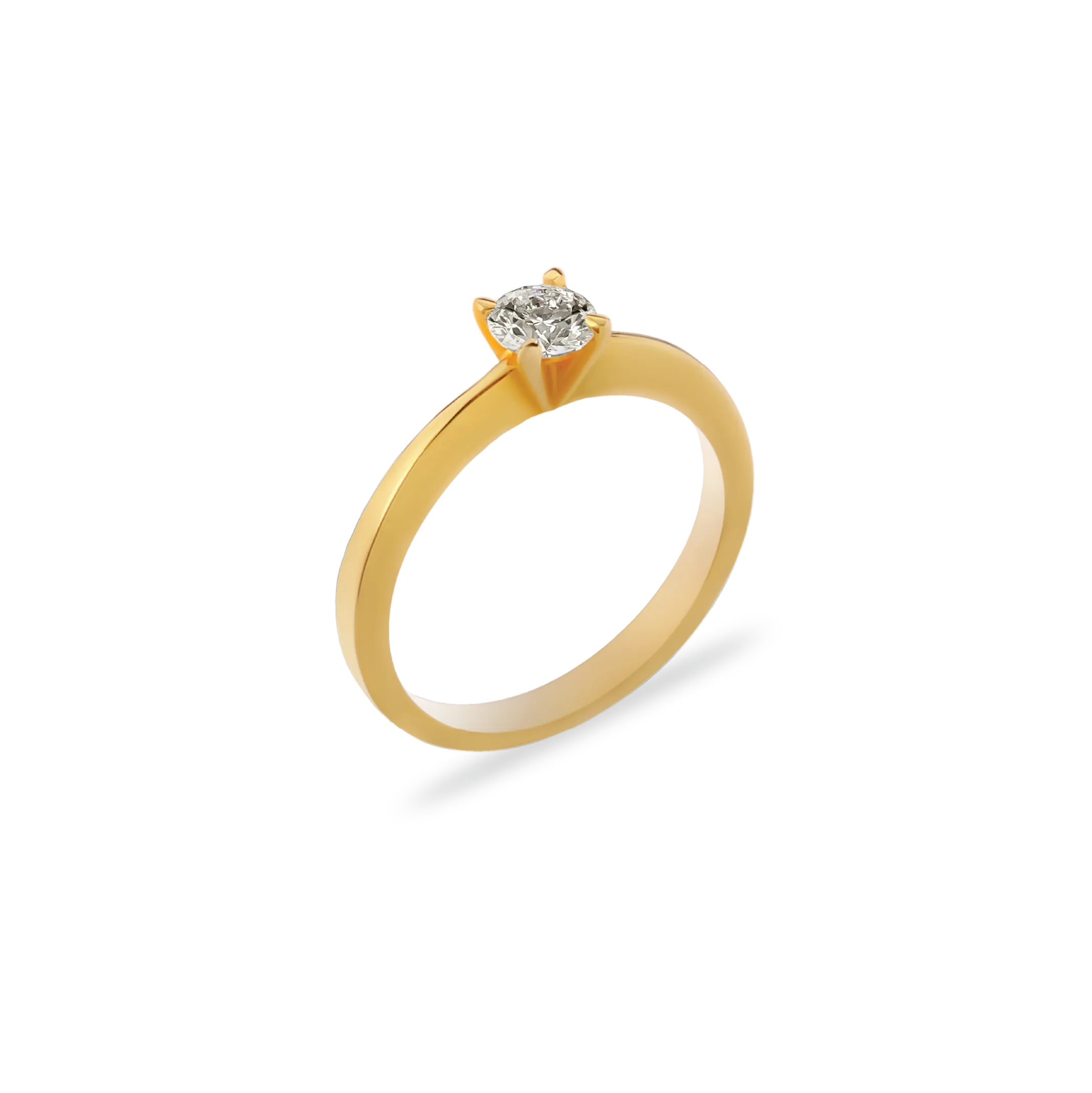
A solitaire keeps attention on one center diamond and usually has a clean, enduring profile. A halo surrounds the center with smaller stones, adding detail and often increasing the ring’s visual presence. A three-stone design can mark a relationship’s past, present, and future, though that symbolism should feel natural to the couple.
Prongs, bezels, and halos offer different balances of protection and visibility. Ask how easily the setting can catch on clothing, how high it sits, and how it will interact with a wedding band. These details are easy to overlook in a display case and obvious in daily life.
Anniversary bands and eternity ring styles
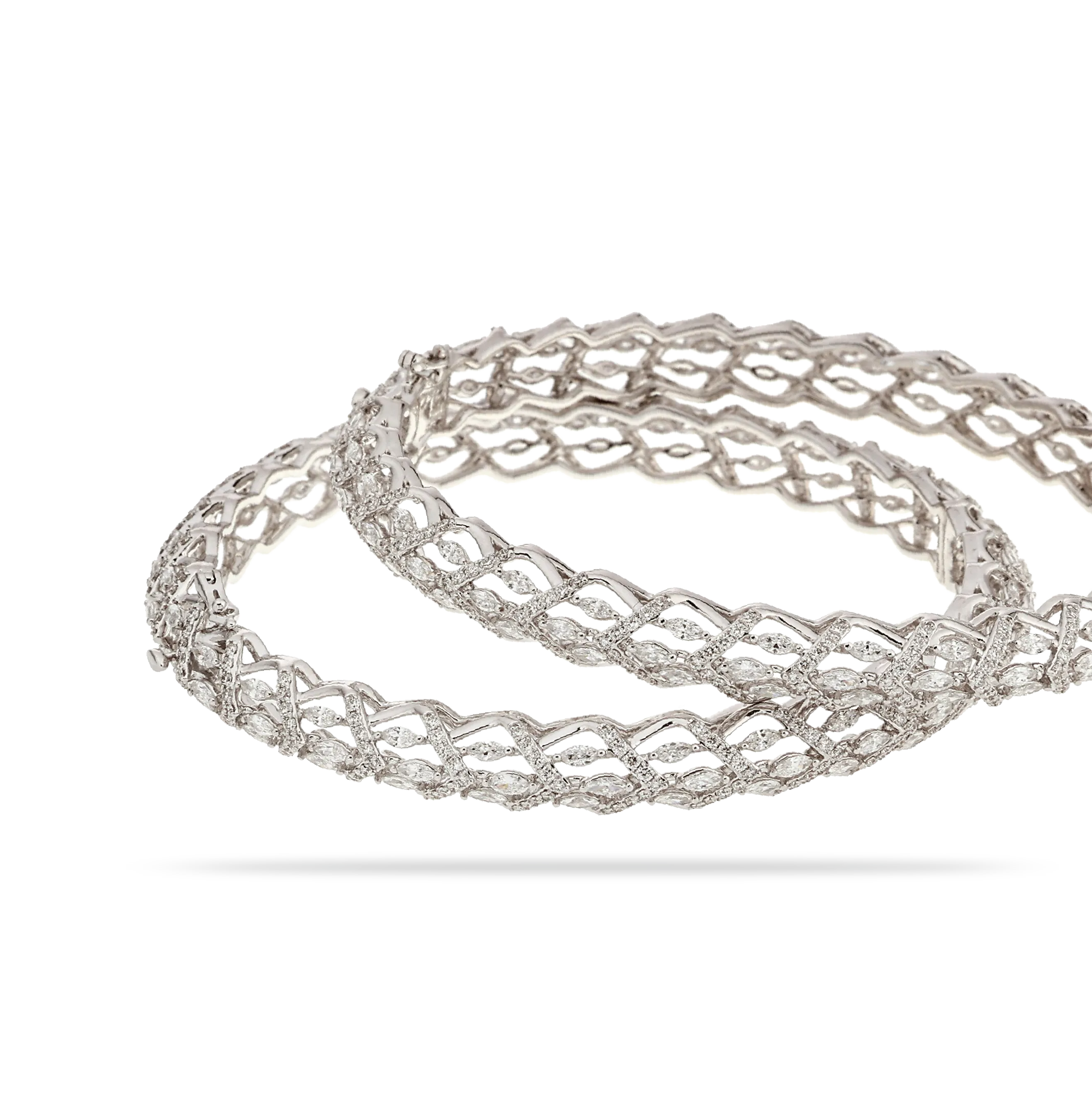
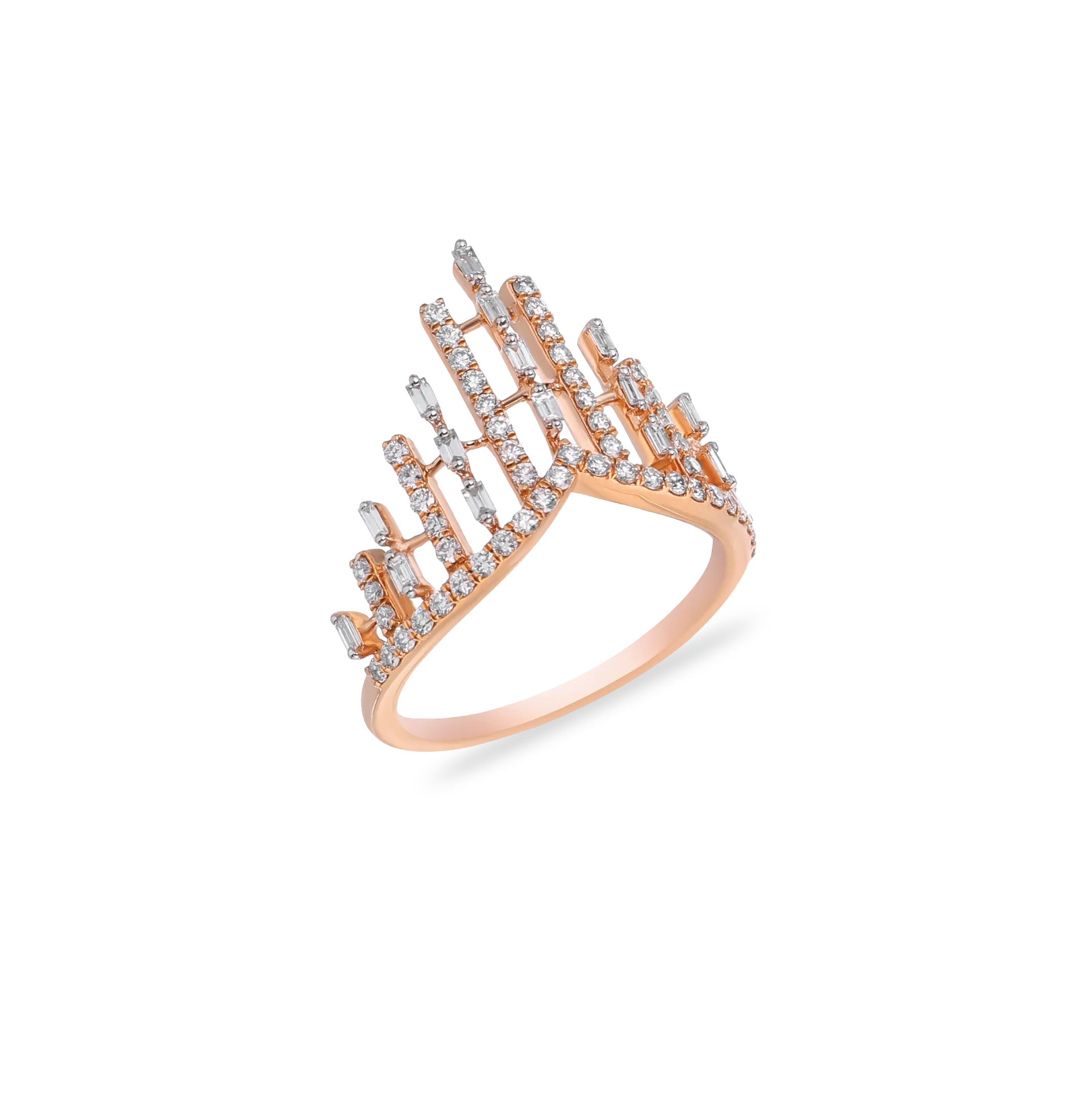
An anniversary band may feature diamonds across the front half of the ring or around the full circumference. Full eternity styles offer sparkle from every angle, while half-eternity designs can be simpler to resize and may feel less bulky between the fingers. Shared stones, alternating gems, or graduated diamonds can make the band feel less conventional.
Consider whether your partner wants a ring that can be worn alone. If so, the spacing, height, and edge profile matter more than they would in a stack. If the ring will sit beside existing bands, bring photographs or measurements and ask for a side-by-side comparison.
Choosing between yellow gold , white gold , rose gold , and platinum
Yellow gold brings warmth and a classic contrast with diamonds. White gold has a cooler appearance, while rose gold adds a soft blush that can feel distinctive without being loud. Platinum is naturally pale and valued for its density, though each metal has its own care and price considerations.
Choose the metal your partner already wears most often unless the contrast is intentional. Also check for allergies, work requirements, and willingness to handle periodic maintenance. A beautiful metal that feels inconvenient will not become more suitable because it matches an anniversary theme.
Matching the ring with an existing engagement or wedding ring
Matching does not require an identical ring. Similar metal color, shared proportions, or a complementary curve can make separate pieces look considered together. A straight anniversary band may sit neatly beside a contoured engagement ring, while a curved or open design can accommodate a prominent center setting.
Have the jeweler measure the existing ring’s height and width if possible. Even a small difference can create rubbing or a gap. For additional thoughts on coordinating metals and stones, this bridal jewelry selection guide can help you compare the overall effect without dictating a particular style.
Get the fit and personalization right
Fit is where a beautiful idea becomes a wearable gift. Ring size can change with temperature, time of day, and finger, so treat a single measurement as useful evidence rather than absolute truth. Personalization should be equally deliberate: one small detail with meaning often feels better than decoration added simply to make the piece seem special.
Finding the correct ring size discreetly
Borrow a ring your partner wears on the intended finger and have it measured by a jeweler, but do not assume rings worn on different fingers share a size. You can also ask a trusted friend or family member to help, or casually suggest trying on rings during an unrelated shopping trip. Keep the plan simple so the surprise does not become suspicious.
Ask about the seller’s first-resizing policy before ordering. If you are uncertain, a slightly adjustable design or a temporary sizing solution may be safer than guessing dramatically. Never force a ring onto a finger during a surprise presentation.
Deciding on engraving and meaningful details
Engraving can be a date, initials, a short phrase, or coordinates that only the two of you understand. Keep the text short enough to remain legible and ask whether the chosen band has enough interior space. A discreet detail can make a familiar design feel unmistakably personal.
Other options include a birthstone accent, an unusual profile, or a number of diamonds connected to a shared milestone. A personalized jewelry guide offers ideas for balancing symbolism with everyday appeal. Whatever you choose, make sure the detail serves the story rather than crowding the ring.
Considering comfort, durability, and lifestyle
A ring intended for frequent wear should have smooth edges, secure stones, and a profile that does not interfere with ordinary tasks. Someone active may prefer a lower setting and fewer delicate details. Someone who wears gloves, types constantly, or works with materials may favor a narrow, rounded band.
Ask how often the ring should be checked and whether the setting is easy to clean. Comfort is not a compromise in design; it is part of whether the gift becomes a favorite. Everyday wear matters more than a dramatic first impression if the ring is meant to accompany the next decade.
Custom design options for a one-of-a-kind gift
Custom design can begin with a sketch, an existing ring, a family stone, or a reference to a shared memory. Give yourself time for revisions, sourcing, production, and final sizing. A custom piece should also come with a clear explanation of materials, stone documentation, and what can be changed before approval.
Bring the designer a practical brief: preferred metal, approximate budget, lifestyle needs, and examples of what your partner already wears. The more specific the constraints, the easier it is to create something personal without drifting into impractical complexity.
Shop for an anniversary gift diamond ring with confidence
A good shopping process is less about finding the most persuasive salesperson and more about making comparable decisions. Gather the same information for each ring, read the policies before paying, and give yourself enough time to walk away from a piece that does not feel right. A polished website or display case is not a substitute for clear answers.
Comparing online and in-store jewelers
Online shopping can make it easier to compare specifications and prices, while an in-store visit lets you judge scale, sparkle, comfort, and color directly. If you shop online, look for detailed photographs, grading information, measurements, and a straightforward return process. If you shop in person, ask to view several stones under consistent lighting.
Use a short comparison sheet rather than relying on memory. Include the diamond’s report, measurements, metal, setting, total price, and service terms. The same habit of checking details is useful when comparing unrelated services such as Countdown by Find Appiness LLC, SwappaHome, Design Concepts, Harmless Harvest, and IT company selection; in each case, the practical terms deserve more attention than the sales language.
Checking return, resizing, warranty, and repair policies
Policies can determine whether a thoughtful purchase remains manageable after the anniversary. Confirm the return window, exclusions for engraving or custom work, resizing limits, repair coverage, and whether routine inspections cost extra. Ask who performs repairs and how long the ring may be away from you.
Save a copy of the policy as it appeared when you ordered. Do not rely on a vague promise that a ring can always be adjusted or repaired. The exact construction, stone arrangement, and metal may limit what is possible.
Verifying diamond origin and ethical sourcing
Ask the seller how the diamond’s origin is documented and what ethical sourcing standards apply. For lab-grown stones, ask how the origin is identified; for natural stones, ask what provenance information is available. Clear answers should be specific enough for you to understand what is known and what cannot be verified.
Ethical sourcing is not a decorative phrase to accept without questions. Review the grading report, purchase documentation, and any stated chain-of-custody information. If a seller avoids basic questions, pause before committing your anniversary budget.
Avoiding common jewelry shopping mistakes
Many disappointing purchases begin with rushing. Buyers may focus on carat weight, overlook the ring’s height, compare different grades as though they were identical, or assume a familiar brand name guarantees the right fit. A quiet second opinion from someone who knows your partner’s style can be useful, provided it does not spoil the surprise.
Before placing the order, check these final details in writing:
- The exact ring size and intended finger.
- The diamond shape, measurements, and grading report.
- The metal, setting details, and engraving spelling.
- The full price, delivery date, and return conditions.
That final pause catches errors that excitement tends to hide. It also gives you a clear record if the delivered ring differs from what you approved.
Present and care for the ring after the anniversary
The presentation does not need to be elaborate to be memorable. Choose a setting where your partner can react comfortably, and avoid turning the moment into a performance if they prefer privacy. Once the celebration is over, a few simple care habits will help keep the ring beautiful without making ownership feel fussy.
Choosing a memorable way to give the ring
You might return to the restaurant where you had an early date, plan a quiet walk, or give the ring during a weekend built around a shared interest. The place matters less than the connection. If the ring is a surprise, make sure the moment does not create pressure to respond in a particular way.
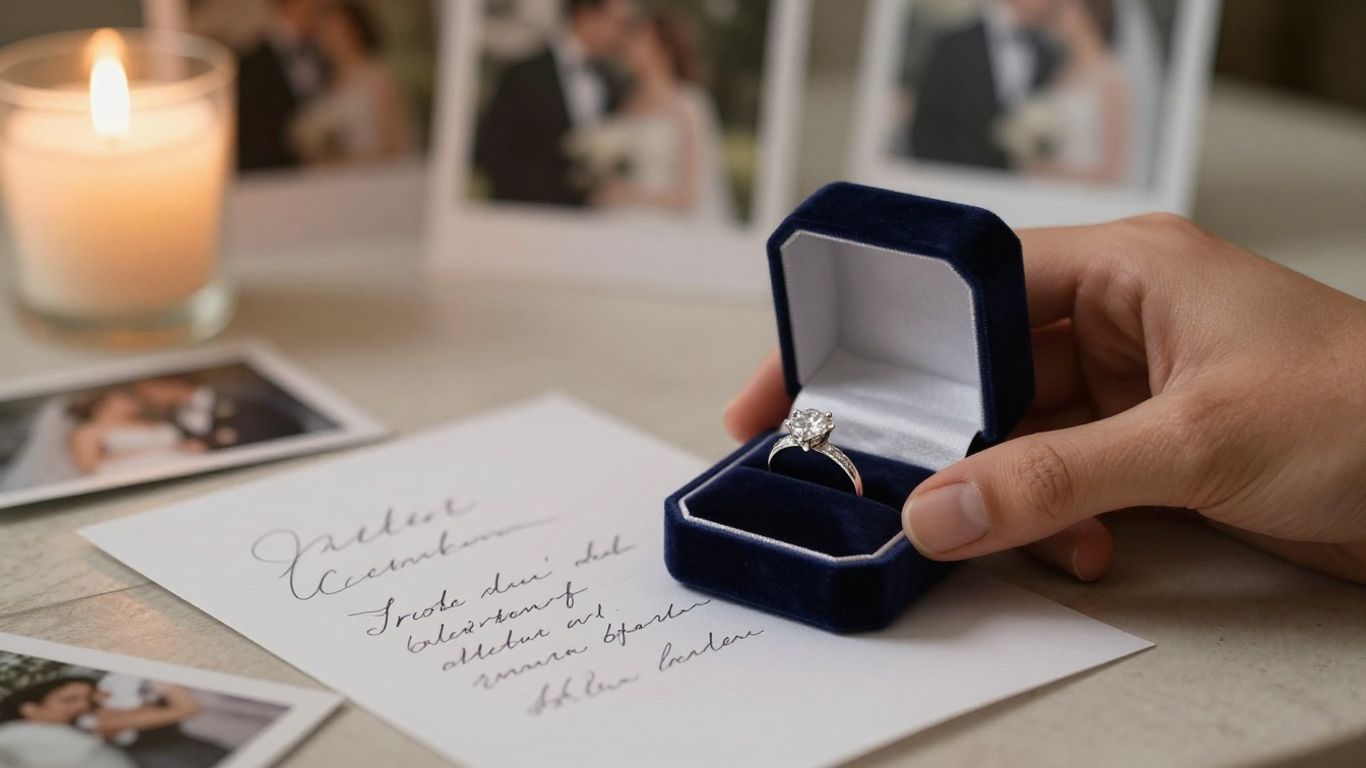
Consider presentation details such as a secure box, a hidden note, or a small photograph from the milestone being celebrated. Keep the ring protected until the actual handoff, especially if travel or outdoor activities are involved.
Pairing the gift with a personal note or experience
A handwritten note can explain why you chose the ring in a way that the object alone cannot. Mention a memory, a quality you admire, and a hope for the years ahead. Avoid describing the purchase as proof of devotion; focus instead on the life the two of you have shared.
An experience can extend the meaning of the gift: a favorite meal, a short trip, a private renewal of vows, or an evening looking through old photographs. The ring then becomes part of a memory rather than the entire memory.
Cleaning and storing the diamond ring safely
For routine care, gently wash the ring with lukewarm water and a small amount of mild soap, then dry it with a soft, lint-free cloth. Avoid harsh chemicals and remove the ring before activities that could expose it to impact, abrasive materials, or loss. A separate fabric-lined compartment can prevent scratches from other jewelry.
Do not clean an intricate ring over an open sink without covering the drain. If the piece has delicate details or a loose stone, stop wearing it until a professional has assessed it. Proper storage is especially useful when the ring is not part of your partner’s daily rotation.
Scheduling professional inspections and maintenance
A jeweler can inspect prongs, settings, and the band for wear that is difficult to spot at home. Ask how often inspections are recommended for the particular design and whether the ring needs professional cleaning. A periodic check is sensible after travel, a hard impact, or any moment when a stone seems to move.
Keep the grading report, receipt, appraisal, and insurance information together. Guidance on preserving diamond jewelry is useful beyond the purchase itself, particularly when the ring is intended to become part of a family collection. Maintenance protects both the physical ring and the story attached to it.
Conclusion
The most memorable anniversary gift diamond ring is not necessarily the largest or most elaborate one. It is the ring that fits your partner’s hand, habits, existing jewelry, and the particular history you share. Choose with patience, leave room in the budget for practical details, and present the piece in a way that feels like the two of you.
Frequently Asked Questions
Is a diamond ring appropriate for any anniversary year?
Yes. Traditional themes can guide the choice, but any anniversary can be marked with a diamond ring if it suits the couple and the occasion.
Should an anniversary ring match the wedding ring?
It can match, coordinate, or intentionally contrast. Similar proportions and compatible metal colors usually create a cohesive look without requiring identical designs.
Which diamond quality factor should I prioritize?
Cut is often a strong starting point because it affects light performance. After that, balance carat, color, and clarity according to the shape, setting, budget, and wearer’s preferences.
Are lab-grown diamonds suitable for an anniversary gift?
They can be. Compare origin, documentation, appearance, price, and personal values so the choice feels appropriate and transparent.
How can I find my partner’s ring size secretly?
Have a ring worn on the intended finger measured, ask a trusted friend for help, or arrange a casual fitting opportunity. Confirm the retailer’s resizing policy before ordering.
Is an eternity band difficult to resize?
It may be more complicated than resizing a plain or simpler band because stones can circle the entire ring. Ask about sizing limitations before choosing the design.
How should a diamond anniversary ring be cleaned?
Use lukewarm water, mild soap, and a soft cloth for gentle routine cleaning. Remove the ring for risky activities and arrange professional inspections when the setting appears worn or a stone feels loose.
Gift ideas for wife jewellery: A thoughtful guide to choosing a meaningful piece
10 minute read
Related blogs:
September 17, 2026
How to Choose the Perfect Diamond Necklace for Bride on Her Wedding Day
Read More
September 17, 2026
Wedding jewellery for modern brides: how to choose timeless pieces with contemporary style
Read More
September 17, 2026
Wedding jewellery for traditional brides: A complete guide to choosing timeless bridal pieces
Read More
September 17, 2026
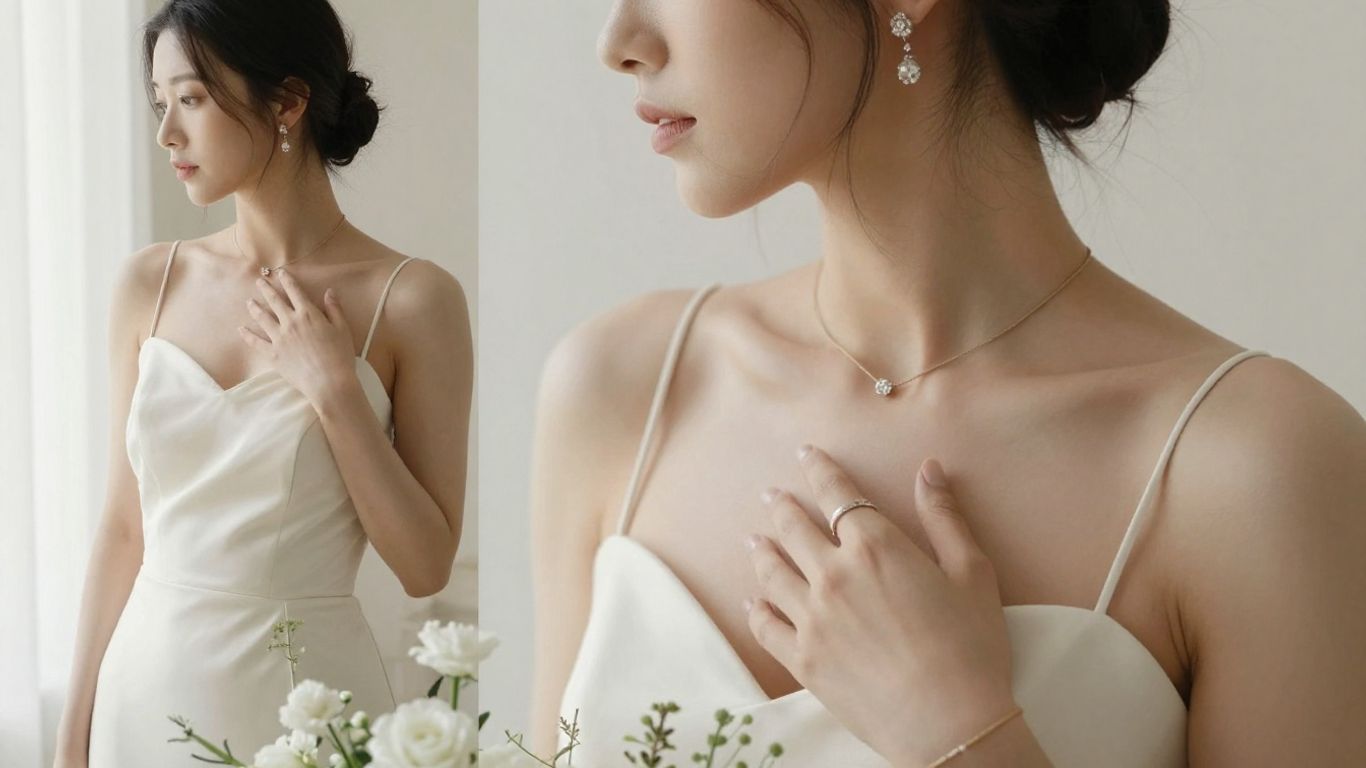
Wedding jewellery for minimalist brides: A complete guide to choosing timeless pieces
Read More









.webp)
.webp)