How to choose a diamond ring: A complete buyer's guide
June 24, 2026 | 10 minutes read
Key Takeaways
Choosing a diamond ring is a significant milestone that requires balancing technical specifications with personal style. Understanding key quality factors and shopping strategies will help you secure a beautiful piece within your budget.
- Prioritize cut quality to ensure maximum brilliance and sparkle.
- Research GIA or AGS certification to verify stone authenticity.
- Consider your partner's metal preference and daily wear lifestyle.
- Set a firm budget early to navigate jeweler options effectively.
- Obtain professional insurance to protect your investment long-term.
Understanding the 4 Cs of diamond quality
Selecting a diamond involves navigating the Four Cs: cut, color, clarity, and carat. These factors work together to determine the stone's appearance and price, yet they are often misunderstood by new buyers.
The importance of cut quality for brilliance
The cut is arguably the most vital factor because it dictates how light travels through the diamond, producing the desired sparkle. A poorly cut stone will look dull even if it has high clarity. Conversely, a well-cut diamond reflects light effectively, exhibiting fire, brilliance, and scintillation regardless of its other grades.
Deciphering color grades for different metals
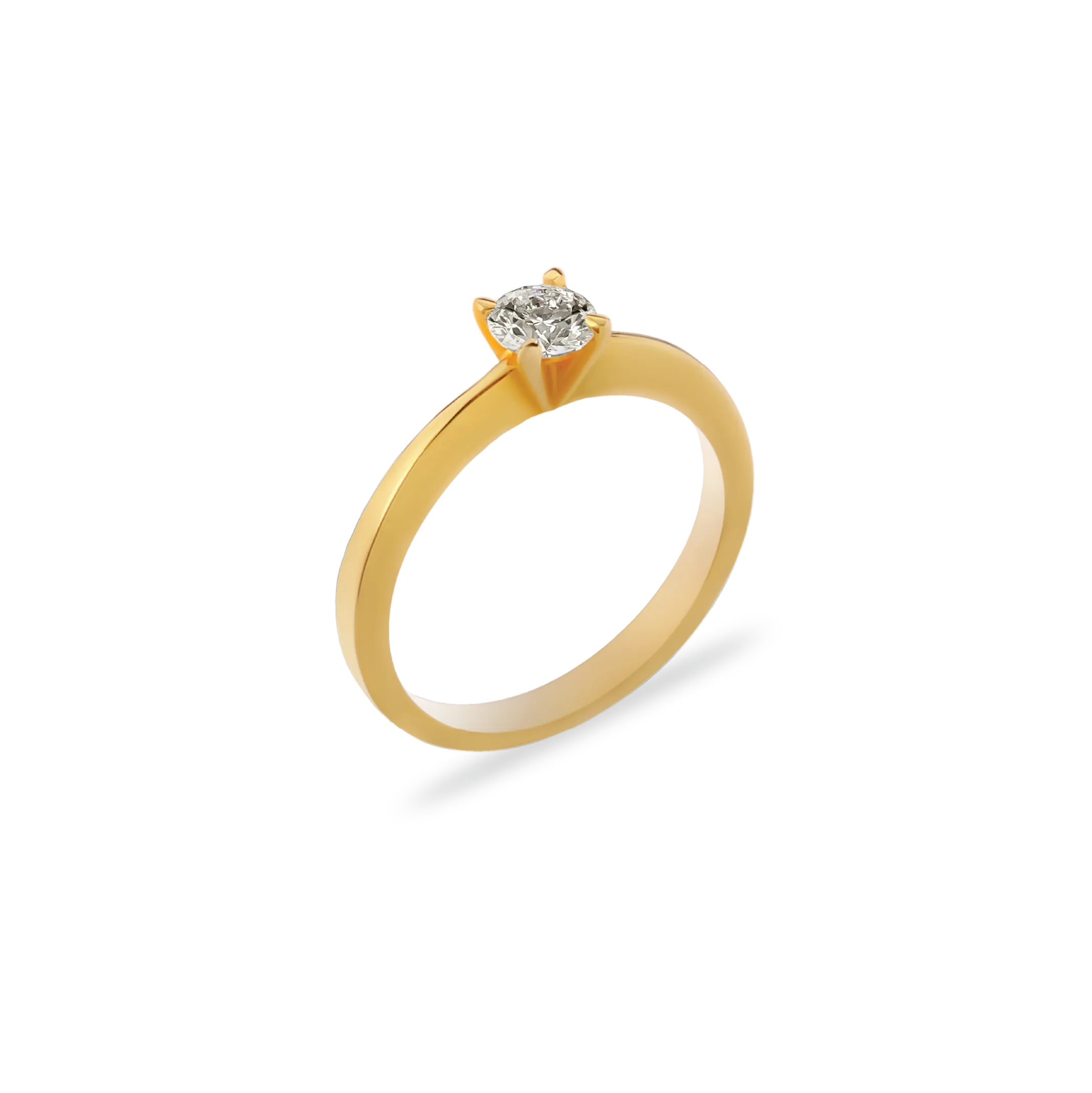
Color grades range from D (colorless) to Z (light yellow). When you browse the C Krishniah Chetty & Co collections, you might notice that specific metal settings pair well with certain color grades. For example, a slightly warmer diamond may look perfectly colorless when mounted in a yellow gold band, whereas white metals typically demand higher color grades to avoid a yellowish tint.
Balancing clarity characteristics within your budget
Clarity evaluates the presence of internal and external inclusions. Many people believe they need a flawless stone, but there is often no visual difference to the naked eye between very high grades and lower ones. You can often find excellent value by choosing a stone with minor inclusions that are invisible without magnification.
Managing carat weight expectations versus visual size
Carat weight measures how heavy a stone is, but it does not directly correlate to how large it looks. Some shapes, like ovals or marquise, look larger than a round diamond of the same carat weight due to their elongated dimensions. When searching, focus on the physical measurements rather than just weight to find the size you desire at a price point you can afford.
Selecting the right diamond shape
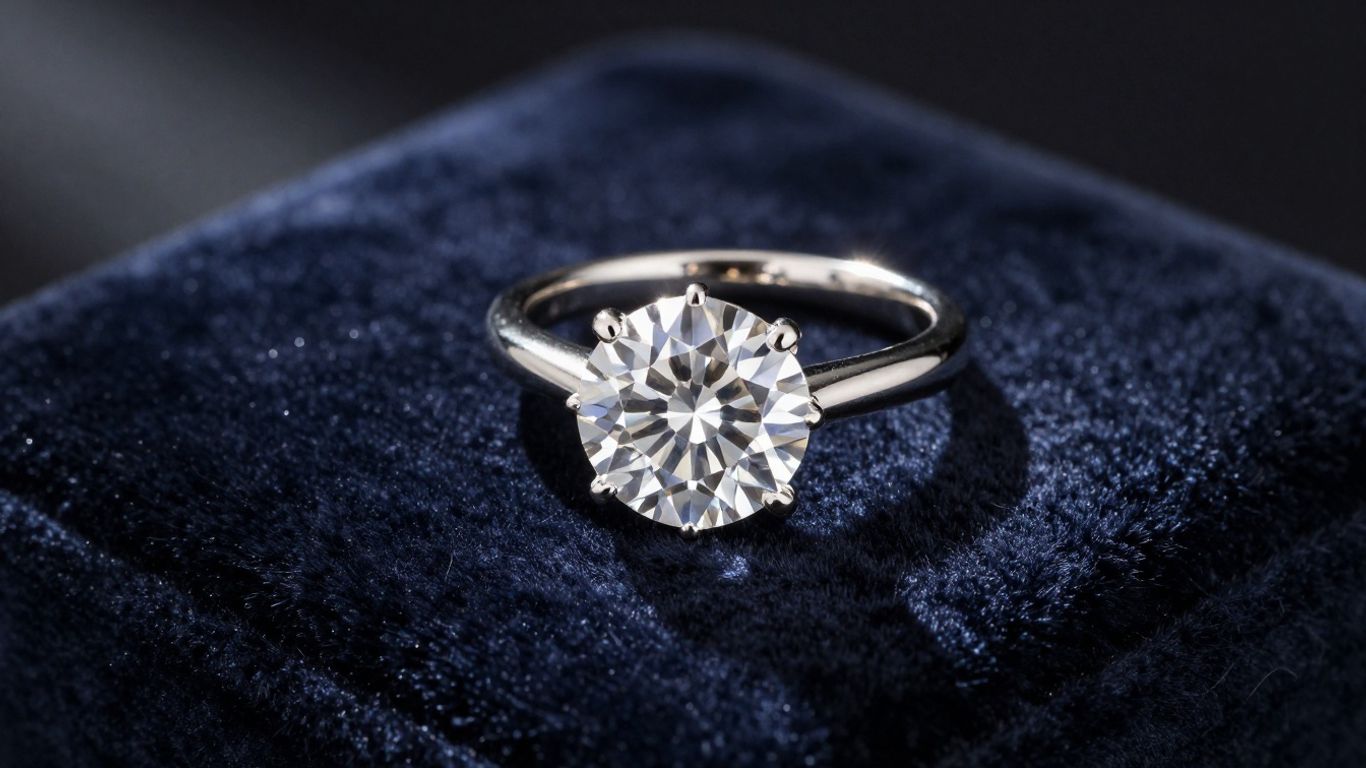
The silhouette of your diamond will be the most prominent feature of the finished ring. Selecting the right diamond shape is deeply personal and should reflect the preferences of the wearer.
Timeless appeal of round brilliant diamonds
The round brilliant cut remains the most popular choice due to its unmatched light performance. Its symmetrical design maximizes the return of light to the eye, offering classic appeal that never goes out of style for those who value traditional elegance.
Popularity of elongated shapes like oval and pear
Elongated shapes are currently trending because they create the illusion of longer, more slender fingers. These cuts are sophisticated and offer a modern twist on the classic engagement ring profile.
Unique allure of cushion and emerald cuts
Cushion and emerald cuts provide a distinctive look that sets them apart from the classic round. The following table compares these styles to help you understand their light performance differences:
| Cut Shape | Sparkle Type | Visual Character |
|---|---|---|
| Emerald Cut | Hall of Mirrors | Sophisticated and linear |
| Cushion Cut | Soft and Chunky | Romantic and vintage |
| Round Cut | Intense Brilliance | Traditional and vibrant |
Each of these shapes offers a different visual experience that should be considered based on your partner's jewelry personality.
Matching shape to your partner's finger proportions
Choosing a shape involves understanding finger anatomy. For example, wider fingers might look best with more substantial shapes that don't get lost, while those with shorter fingers might benefit from elongated ovals. Before you finalize your choice, try to observe their current jewelry pieces to see what they naturally prefer.
Evaluating metal types and setting styles
Beyond the center stone, the metal and setting define the durability and style of the piece. Selecting the right materials ensures the ring survives daily rigors while looking its best.
Choosing between white, yellow, and rose gold
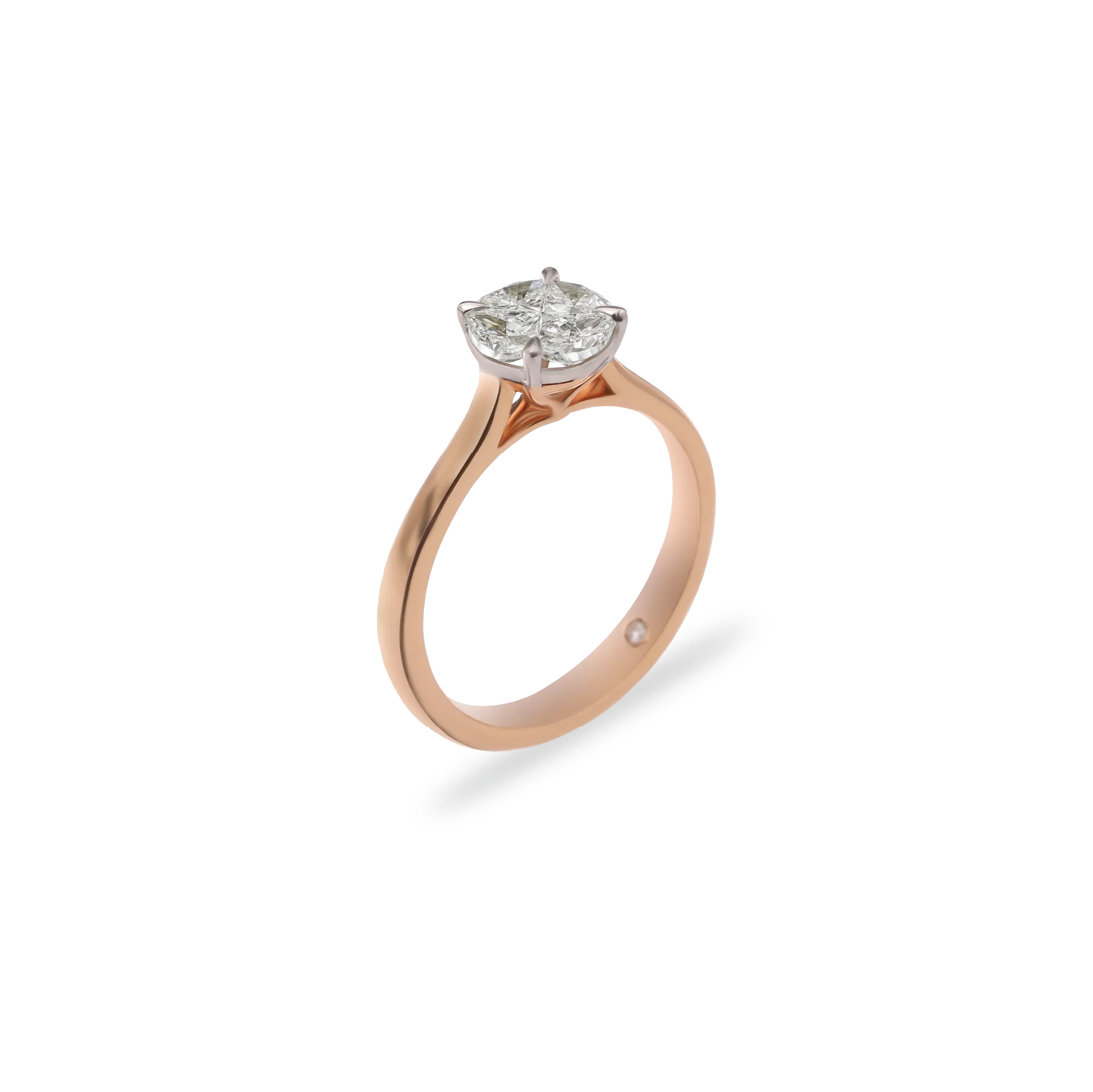
Your choice of gold reflects personal aesthetic. White gold offers a modern, cool tone, but requires periodic rhodium replating to maintain its brilliance. Yellow gold is classic, while rose gold delivers a romantic blush, often chosen for those who enjoy distinctive and warm jewelry hues.
Durability benefits of platinum for everyday wear
Platinum is naturally hypoallergenic and incredibly dense, making it denser than gold. Its strength makes it an excellent choice for complex designs where security is paramount, as the metal holds fine details better over time without wearing down as quickly as precious gold alloys.
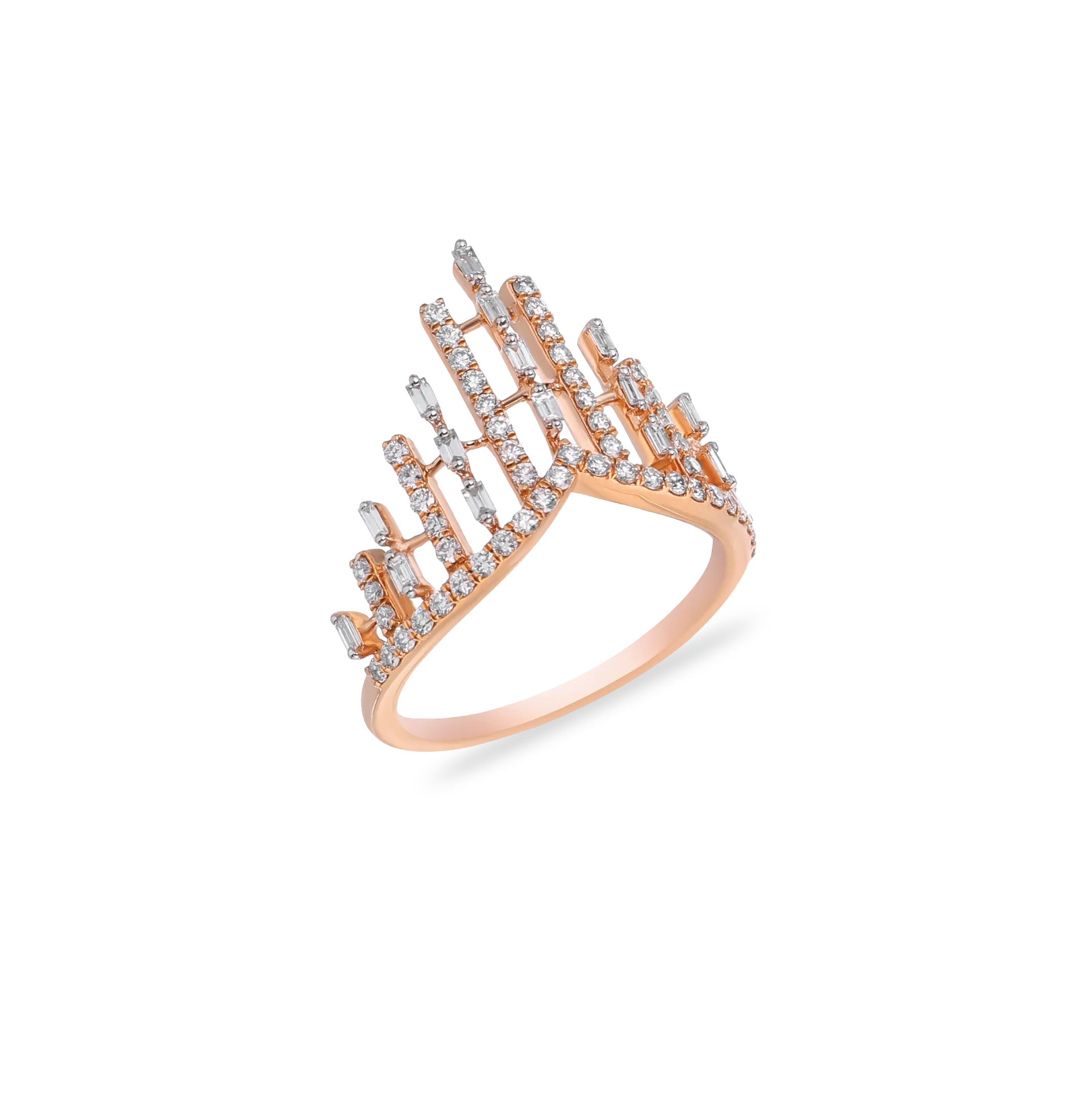
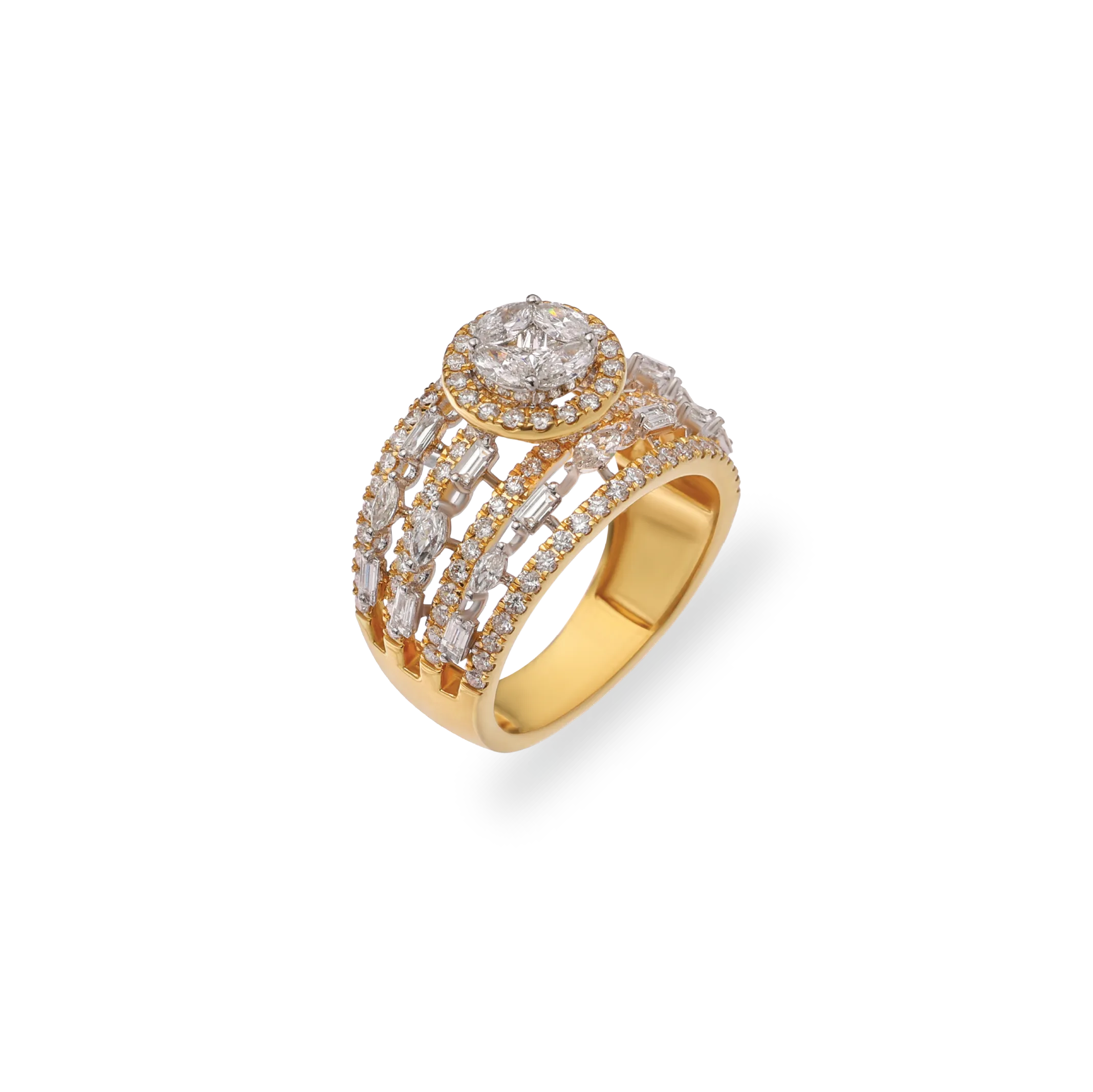
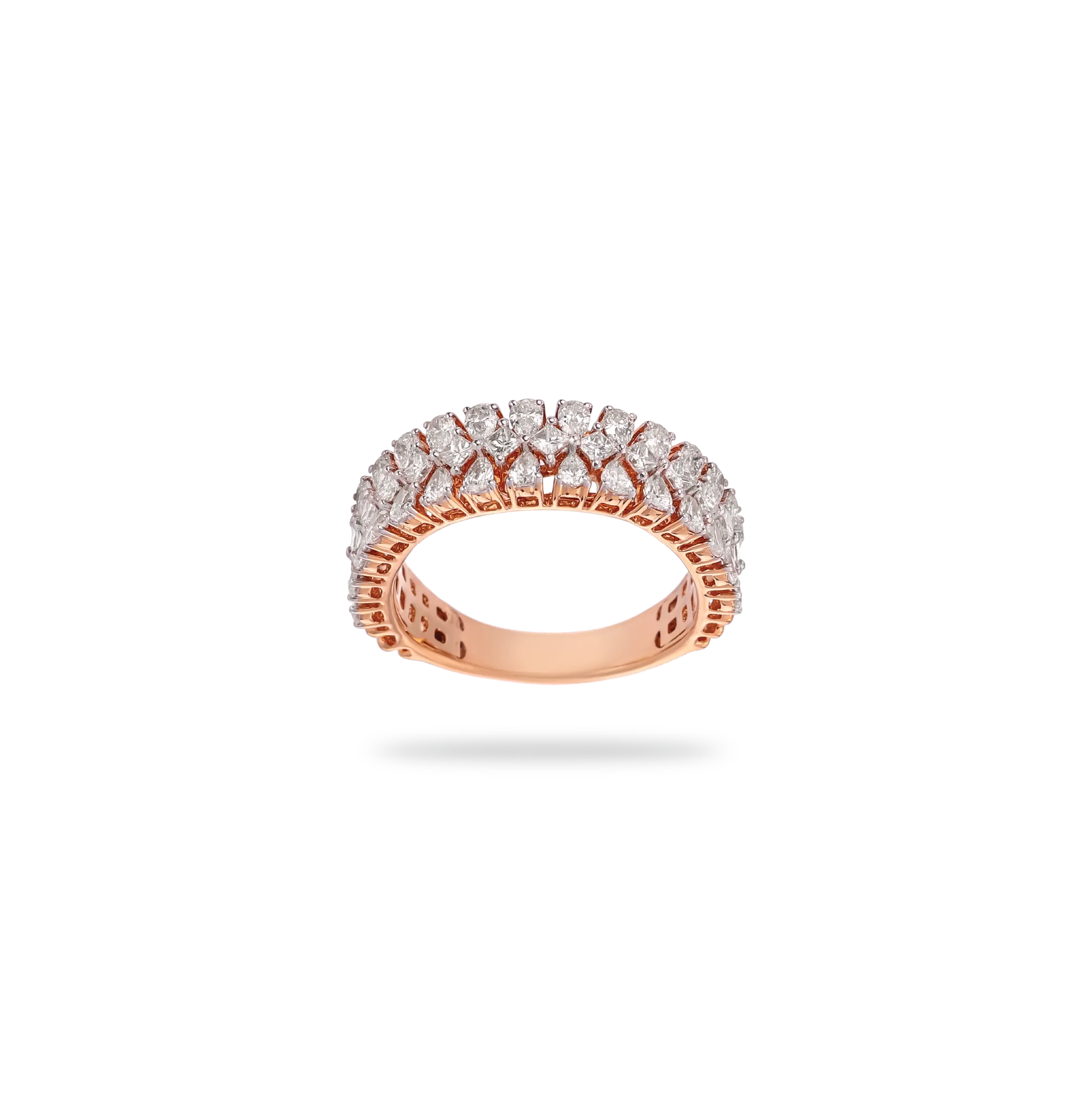
Comparing minimalist solitaire versus intricate pavé settings
Solitaire settings highlight the diamond as the center of attention. In contrast, pavé settings use tiny diamonds along the band to increase the shimmer of the ring. You should consider the following factors when deciding between a simple or detailed mounting:
- Maintenance routines like deep cleaning.
- Daily activity levels such as sports or heavy lifting.
- Potential for accidental damage to side stones.
- Style consistency with other pieces of fine jewelry.
Integrating these considerations will help you pick a design that truly fits.
Security features of halo and bezel mountings
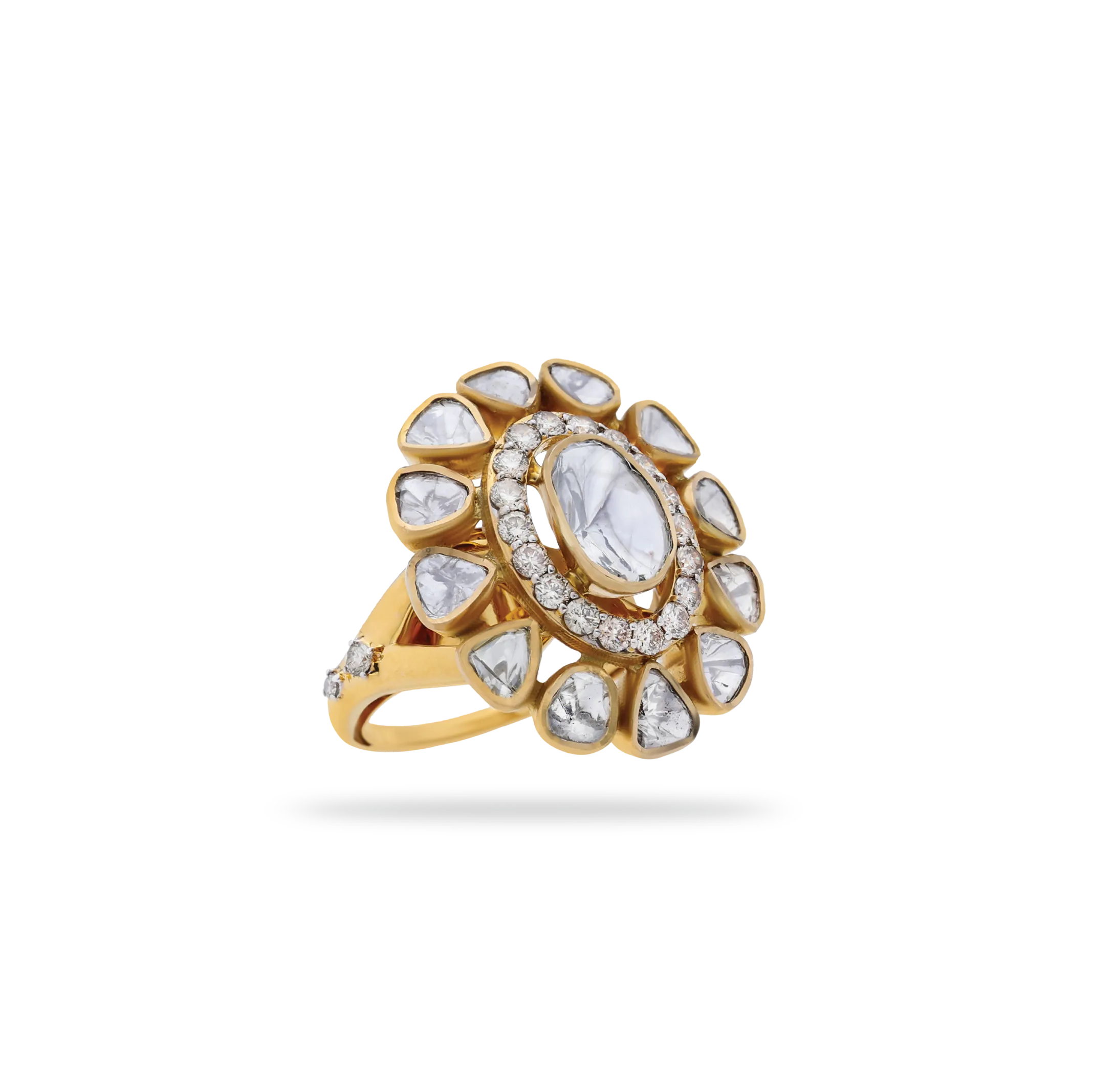
Halo mountings frame the center stone in smaller diamonds to give it a larger appearance while adding protection. Bezel settings, which wrap the stone in metal, are the most secure option for those with active lifestyles, protecting edges from potential impact.
Setting a realistic budget and shopping strategy
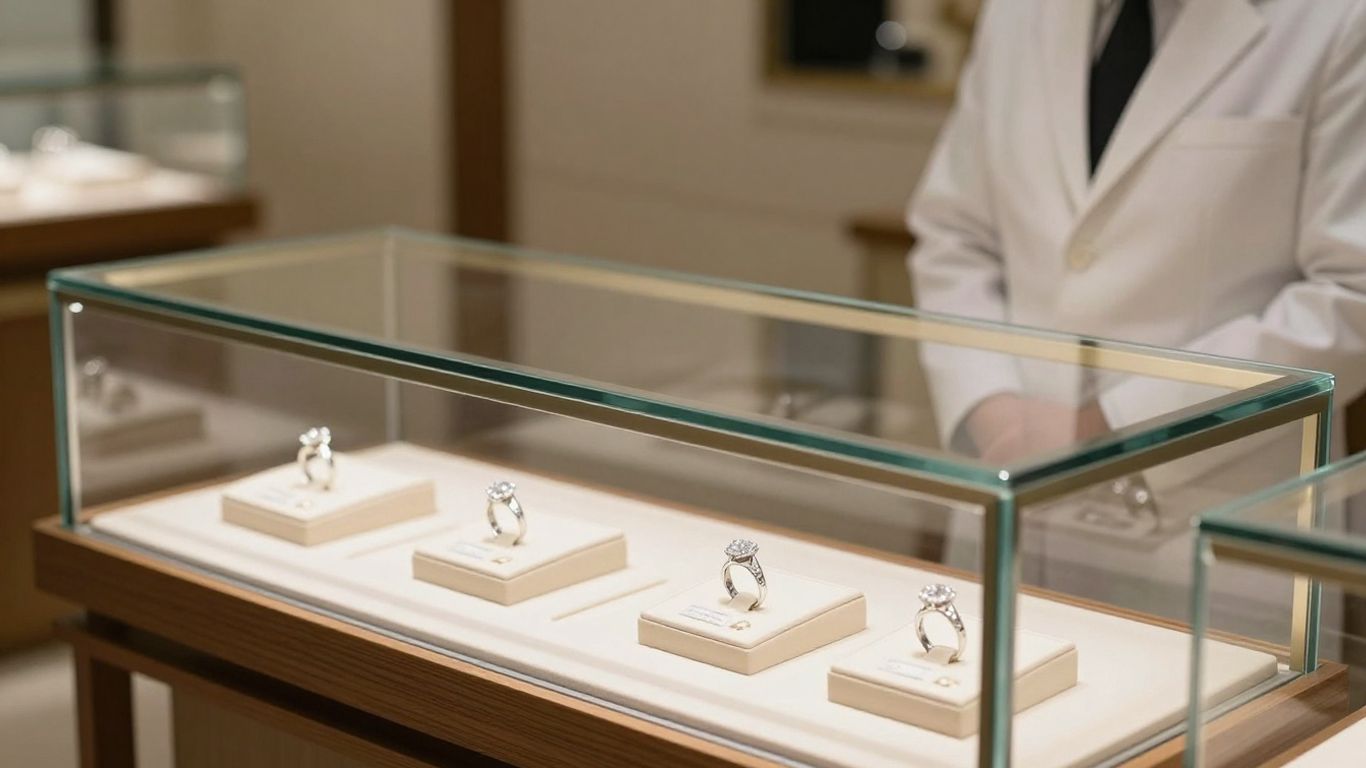
Navigating the market requires a clear financial plan. By using resources like this expert guide, you can avoid common traps that lead to overspending on features you don't actually need.
Determining your comfortable spending range
Deciding your budget before looking at stones is the most critical step to avoid emotional spending. Aim to select a range that allows you to secure a high-quality stone while leaving room for the perfect setting choice.
Comparing online retailers to traditional brick-and-mortar jewelers
Online retailers often offer a wider inventory and more predictable pricing models. However, visiting a local boutique provides the advantage of seeing a diamond in different lighting, which is vital for confirming its personal appeal before you finish a purchase.
Recognizing the necessity of GIA or AGS certification
Never buy a significant stone without a grading report from GIA or AGS. These are the gold standards in the industry, ensuring your diamond is evaluated objectively. If you are looking for specific diamond brilliance, check out the inventory available at Whiteflash to see how they utilize these strict laboratory standards.
Avoiding common pitfalls that lead to overspending
Many buyers fall for marketing terms that don't change the beauty of the diamond. Focus on the actual grading report instead of paying premiums for brand names on loose stones. By prioritizing the quality criteria you value, you can save significant money.
Personalizing the ring to your partner's aesthetic
Personalization transforms a store-bought item into a meaningful symbol. By focusing on your partner's preferences, you elevate the ring from a standard purchase to a cherished heirloom.
Analyzing their current daily jewelry collection
Look at pieces they already wear frequently. Do they prefer cool tones or warm metals? Are their pieces minimalist or ornate? These subtle clues are the best indicators of what they will love to wear for decades.
Discerning between minimalist and statement piece preferences
Recognize whether your partner values function or fashion. A minimalist person might prefer a simple design that doesn't snag, whereas someone who wears statement jewelry might love intricate details that draw the eye.
Incorporating meaningful custom details into the design
Consider hidden elements like meaningful engravings or side stones that honor a shared memory. Customizing elements is a way to make the ring unique to your relationship, setting it apart from mass-produced designs.
Balancing modern trends with long-term heirloom quality
While following trends can be fun, consider which elements you will still love in twenty years. A timeless design often feels more rewarding down the line than one heavily influenced by fleeting fashion aesthetics.
Protecting your purchase and ensuring longevity
Ensuring your ring stays beautiful requires ongoing care and vigilance. From insurance to regular cleaning, proactive maintenance is the key to enduring quality.
Importance of obtaining professional ring insurance
Insurance is a non-negotiable step after purchase. It protects you against loss, theft, or damage, providing peace of mind so you can wear your ring daily without constant anxiety about its safety.
Establishing a regular maintenance and cleaning schedule
Jewelry naturally accumulates oils and dirt. A professional inspection every six months at your jeweler can detect loose prongs or bent metal before a stone is ever lost. At home, gentle cleaning with a mild soap and a soft brush can restore surface luster.
Understanding warranty terms and manufacturing guarantees
Ensure you know exactly what your jeweler covers regarding craftsmanship defects. While typical wear and tear isn't covered, finding a reputable humidifier installation service is unrelated to ring care, but finding a trusted jeweler provides similar confidence in your long-term relationship.
Implementing secure storage and safe handling practices
When you are not wearing the ring, store it in its original box or a padded jewelry case. Avoid wearing delicate rings during chores that involve chemicals or heavy lifting to prevent accidental damage to the prongs or the metal finish.
Conclusion
Selecting the perfect diamond ring is a journey that blends careful research with a deep understanding of your partner's heart. By focusing on quality factors like cut and certification, while keeping their personal style at the forefront, you will successfully navigate the complexities of this purchase. Remember that the ultimate value of the ring lies in its role as a lasting testament to your commitment, making the time you spend choosing it truly worthwhile.
Frequently Asked Questions
Does the shape of a diamond affect its price?
Yes, and it is usually due to the percentage of the rough stone that must be discarded to achieve the final shape. Round diamonds often carry a premium because they waste significantly more material during the cutting process than fancy shapes do.
How often should I have my ring professionally cleaned?
It is generally recommended that you visit a jeweler for a professional cleaning and prong inspection at least every six months. This ensures your piece stays bright and allows for the early detection of any loose mountings.
What does the term brilliance refer to?
Brilliance is the white light that is reflected back to the observer from the diamond. It is the most visible aspect of light performance and is largely dependent on the precision of the diamond's cut.
Is it safer to buy a diamond online?
Buying online is completely safe provided you only consider vendors who provide independent grading reports from recognized institutions like GIA or AGS. These reports allow you to verify the quality of the stone before finalizing the purchase.
Why are some diamonds cheaper with the same carat weight?
Diamond prices are determined by the combination of all four Cs. A diamond might have lower color or clarity grades, which significantly reduces the price even if the carat weight matches a higher-grade, more expensive stone.
Can I wear my diamond ring every day without damage?
Diamonds are incredibly hard, but the metal setting and side stones require care. To ensure longevity, avoid harsh chemicals and remove your ring during tasks that could cause physical impact or excessive vibration to the setting.
What is a pave setting?
A pavé setting involves placing small diamonds very close together along the band of the ring. This technique makes it appear as though the band is paved with sparkles, adding elegance and increasing the total visual shine of the design.
Related blogs:
November 20, 2025
The Timeless Elegance of the Tennis Bracelet: A Comprehensive Guide
Read More
November 20, 2025
The Ultimate Guide to Styling and Wearing a Choker Necklace
Read More
November 20, 2025
Find Your Perfect Engagement Ring: A Comprehensive Guide to Styles and Diamonds
Read More
November 20, 2025
The Timeless Elegance of a Diamond Tennis Bracelet: A Buyer's Guide
Read More









.webp)

.webp)