How to buy a solitaire ring: A comprehensive guide for First_Time buyers
June 25, 2026 | 8 minutes read
Key Takeaways
Starting your journey to find the perfect ring involves careful research and clear planning. These essential points summarize how to navigate the process effectively:
- Prioritize the stone quality based on the 4 Cs to maximize brilliance and value.
- Understand that your choice of metal and setting style significantly impacts daily durability.
- Balance your budget by considering both natural and lab-grown options to get the desired look.
- Ensure accurate sizing and future flexibility by accounting for band design.
- Always vet your jeweler by checking their reputation and specific return policies.
Understanding the basics of solitaire rings
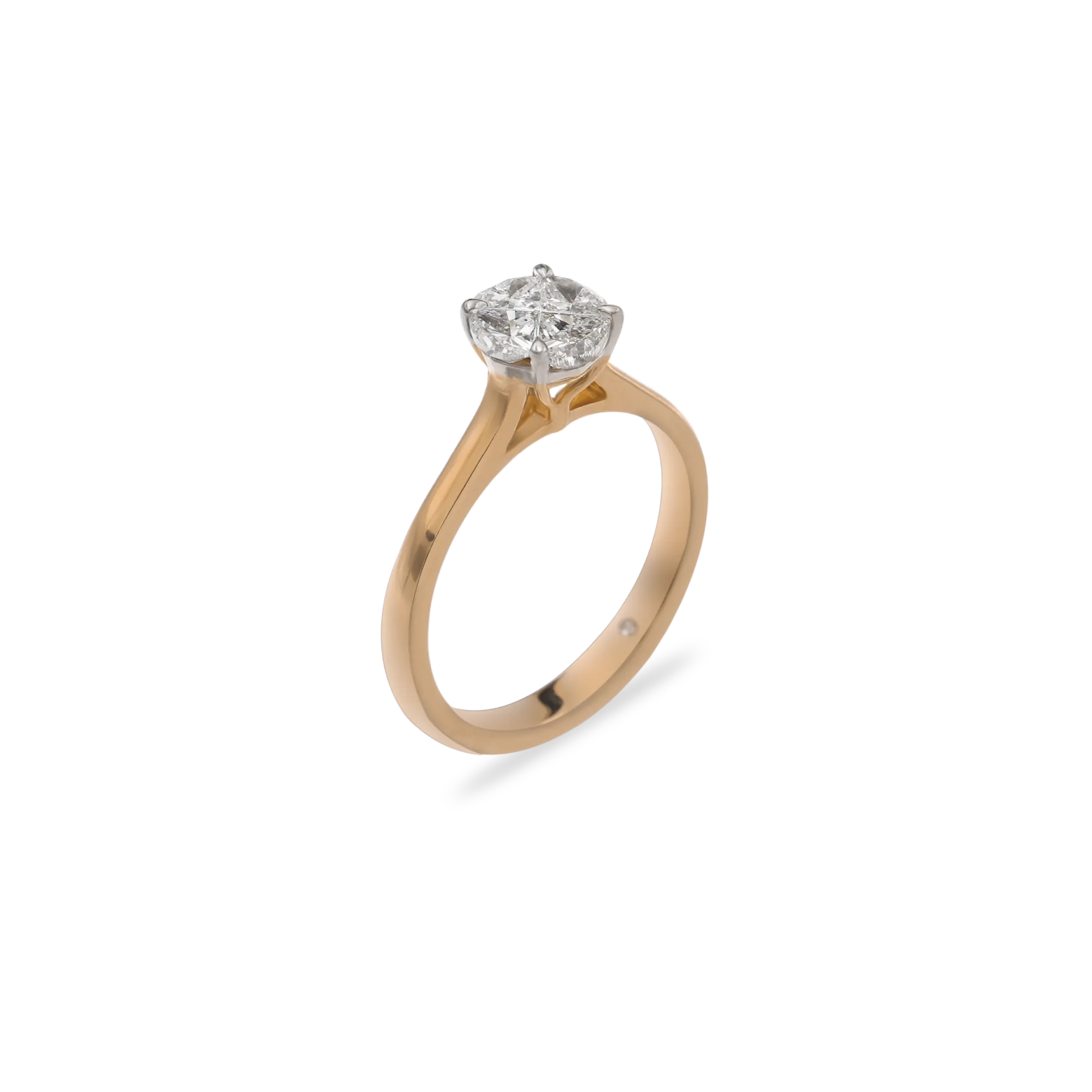
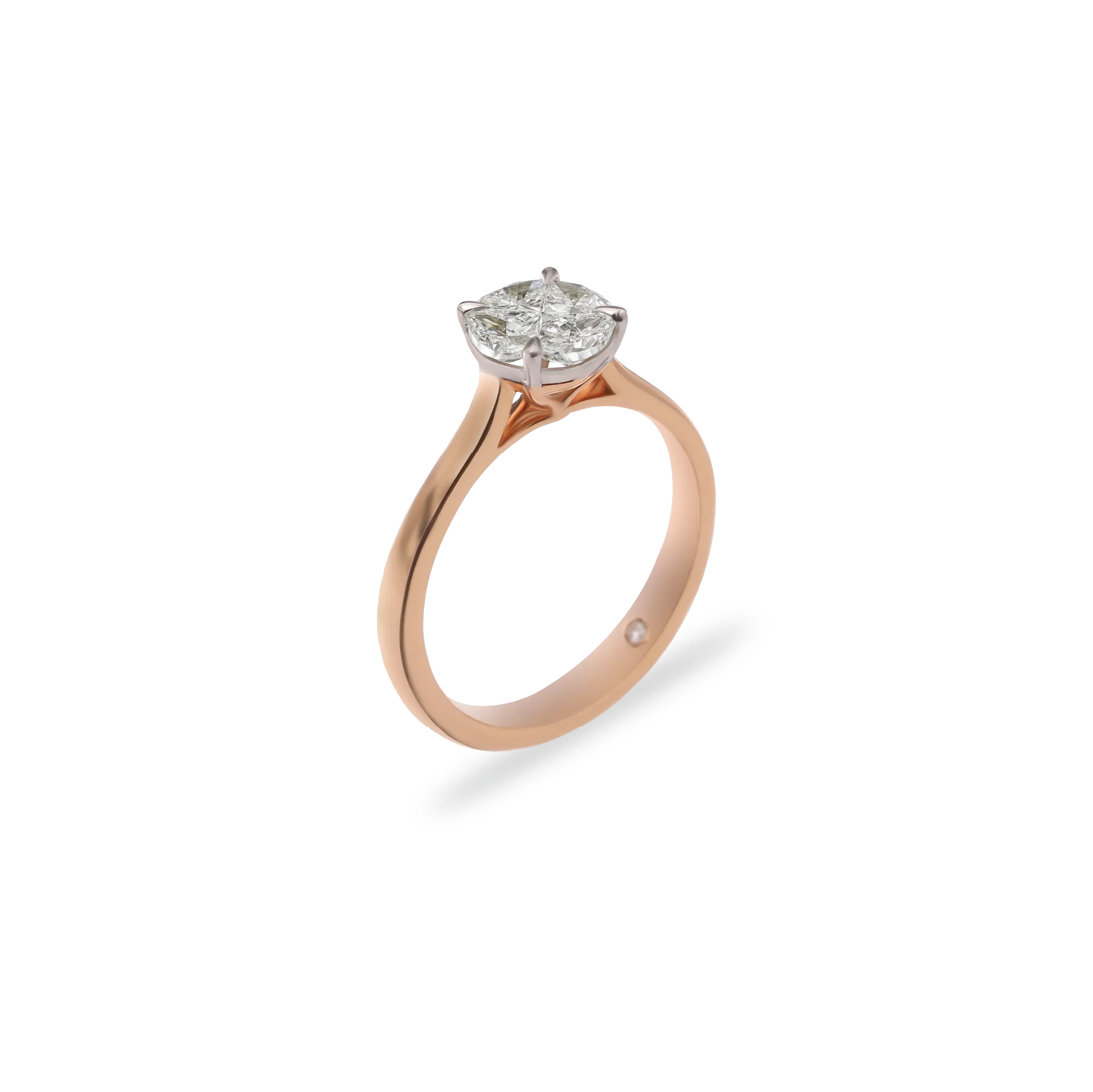
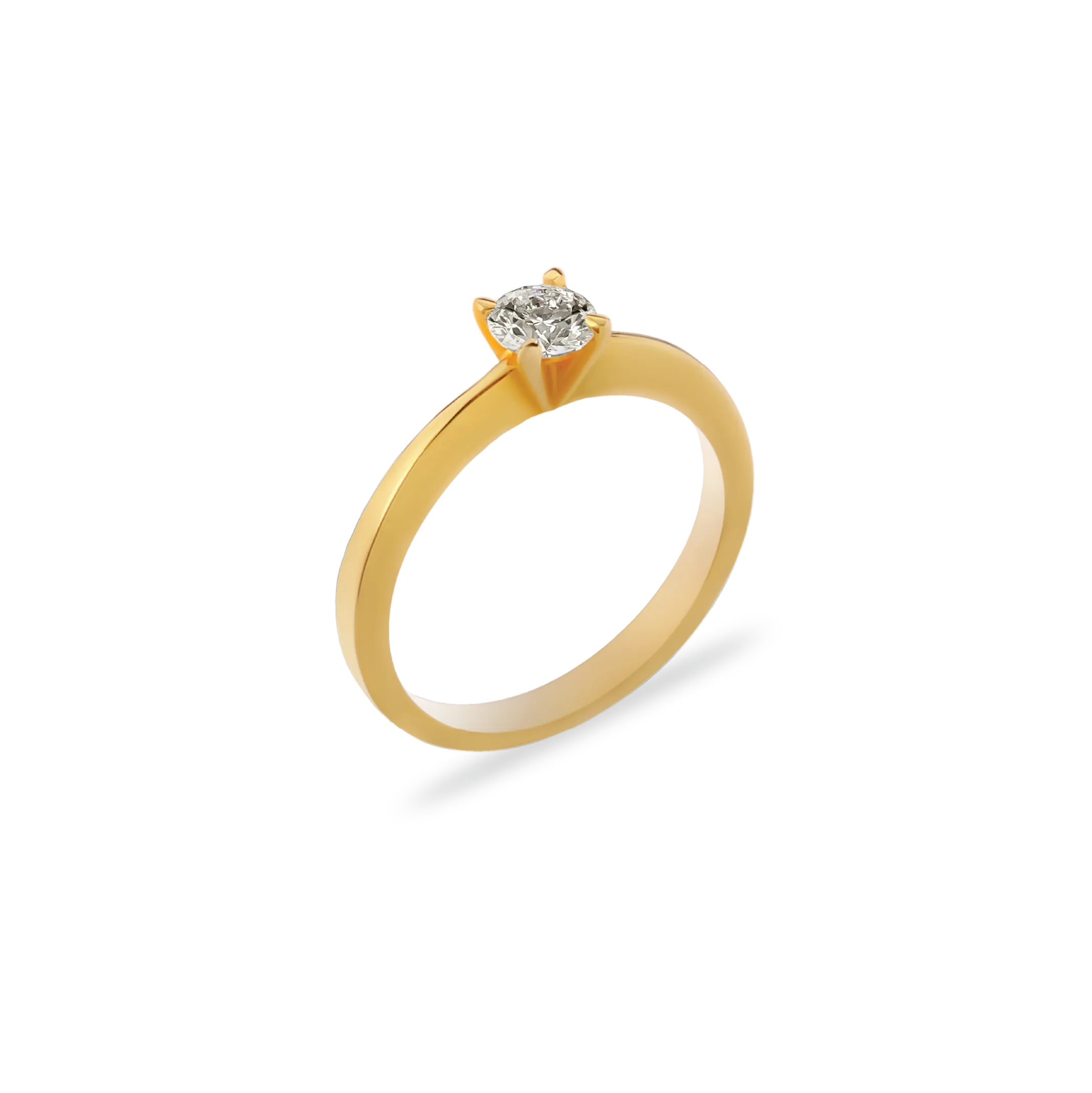
Learning how to buy solitaire ring designs begins with recognizing their enduring appeal. These rings consist of a single, central gemstone set on a plain or decorative band, stripped of distracting side stones or halos. This creates a focused, striking aesthetic that has remained a classic symbol of commitment for generations.
Defining the solitaire design
The solitaire is defined by its intentional simplicity, serving as a clean canvas for a lone, high-quality gemstone. Whether the setting uses minimal prongs or a protective bezel, the design ensures the center stone commands full attention. By removing structural clutter, the focus remains entirely on the character of the gem itself.
Why the single stone remains an iconic choice
Many couples choose this style because it captures a sense of timeless elegance that avoids the trap of fleeting fashion cycles. When you explore the timeless meaning of solitaire rings, you realize that its minimalism symbolizes the purity and strength of a singular relationship. This consistency makes it a versatile choice that pairs easily with diverse wedding band styles throughout the years.
Differences between solitaire and side-stone settings
While solitaire settings emphasize a single gem, other designs like halos or three-stone settings add extra stones for depth. Choosing one over the other often comes down to personal taste and how much visual weight you want on the finger. Solitaires tend to provide a taller, cleaner silhouette that is significantly easier to clean and maintain than more complex configurations.
Assessing diamond quality and the 4 Cs
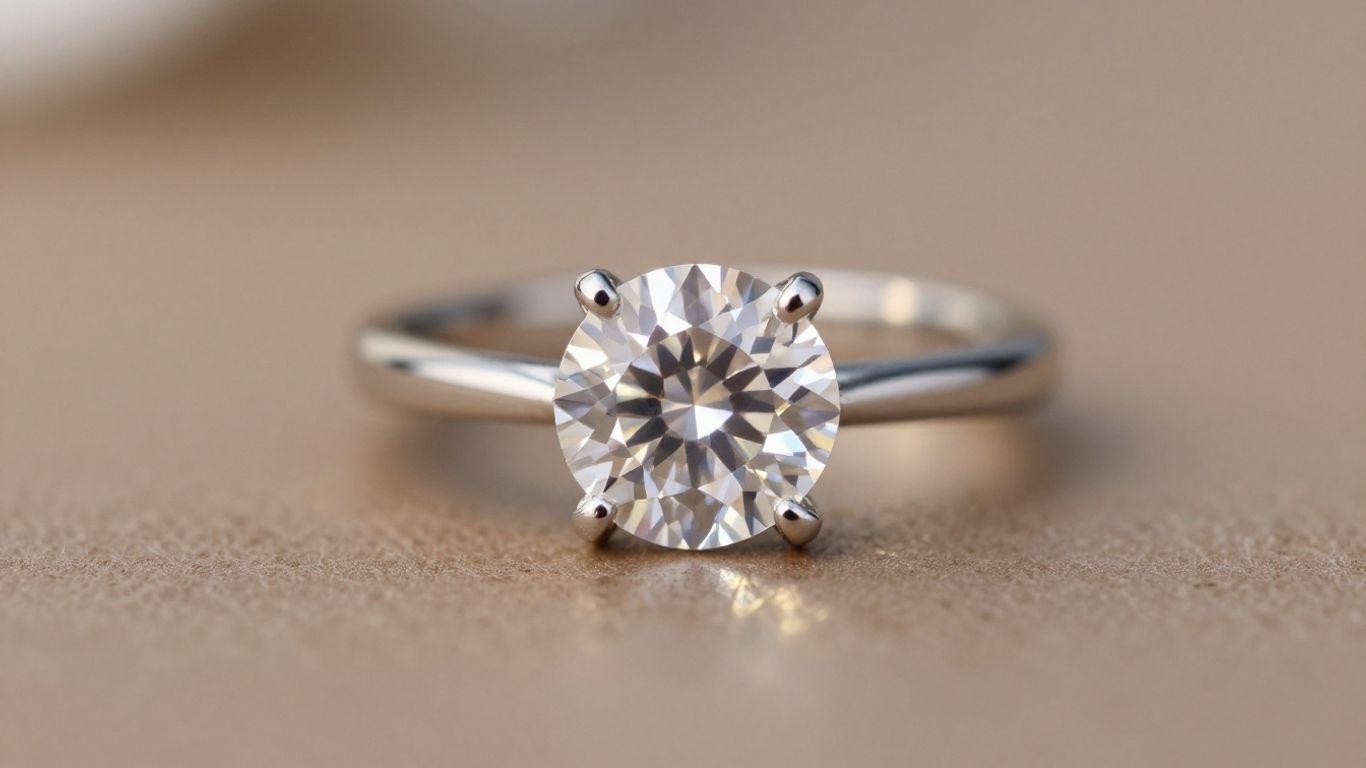
Evaluating the foundation of your ring requires a deep dive into the industry-standard metrics known as the 4 Cs. Cut, color, clarity, and carat weight work together to determine the ultimate beauty and cost of the diamond. Understanding these factors will help you make a decision that feels right for the next chapter of your partnership.
Navigating cut, color, clarity, and carat weight
The cut is perhaps the most important factor, as it dictates how well the stone reflects light to create fire and brilliance.
| Feature | Influence on Appearance | Recommended Range |
|---|---|---|
| Cut | Determines light return | Excellent or Ideal |
| Color | Detects subtle yellow tints | G to H (Near Colorless) |
| Clarity | Indicates internal imperfections | VS1 to SI1 (Eye-Clean) |
Selecting a stone involves analyzing how these metrics interact to satisfy your specific aesthetic preferences regarding light reflection and size.
Prioritizing your budget across the 4 Cs
Most buyers find success when they prioritize the cut grade, as it ensures the stone remains lively even if they compromise slightly on clarity or color. Exploring the Solitaire Diamond Engagement Rings available can show you how different combinations of these grades affect the price point. By shifting funds toward a better cut, you gain significantly more visual performance for the same total investment.
Importance of gemstone certification reports
An independent grading report is your only objective verification of the stone’s quality. These documents detail exactly what you are paying for, identifying specific flaws or color grades that are not immediately obvious to the naked eye. Always insist on seeing a report from a reputable laboratory before finalizing any purchase to ensure long-term value.
Choosing the right metal and setting style
Selecting the right material, such as an engagement gold ring, dictates both the comfort and the longevity of your piece. Metals vary in their hardness and reactive qualities, which can impact how often you need to visit a jeweler for routine cleaning or tightening.
Comparing platinum, white gold , and yellow gold durability
It is important to consider how your chosen metal suits your lifestyle and preference for maintenance.
- Platinum is incredibly dense and durable but may show a patina finish over years of wear.
- Yellow gold offers a classic, warm glow and remains easy to resize for most professional jewelers.
- White gold provides a modern, silvery-white finish but requires periodic rhodium plating to keep its bright sheen.
Discussing these attributes allows you to pick a metal that matches your routine activities while ensuring the ring holds its structural integrity.
Exploring prong configurations for security and visibility
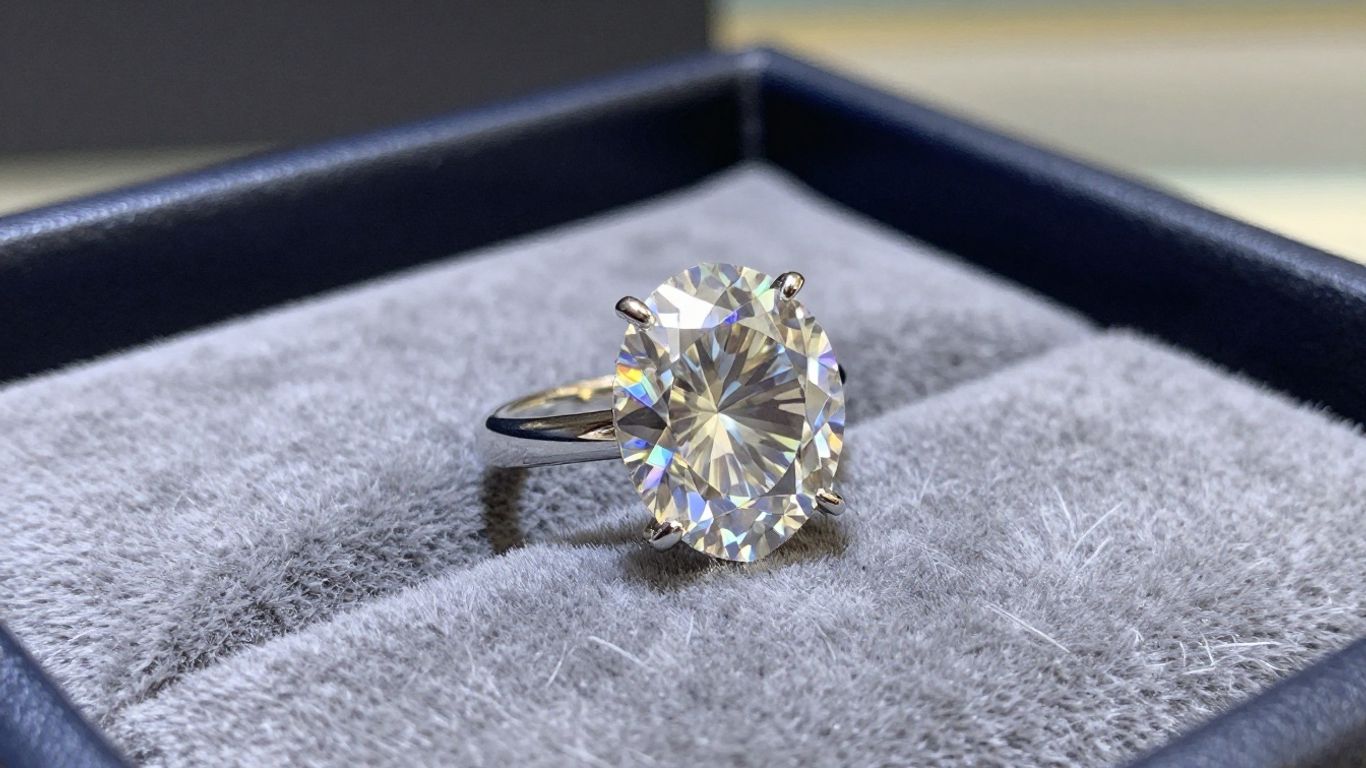
Prongs are the structural mechanical components that hold your diamond in place, and their number impacts the security of the stone. A four-prong setting maximizes the visibility of the diamond's facets, while a six-prong setup provides a more secure grasp for larger stones. Evaluating the profile of these prongs ensures you feel confident in the ring's ability to protect the central gem during daily tasks.
Identifying ring band profiles for comfort
Band design goes beyond aesthetics, as the interior shape of the band significantly affects how it feels against the skin. A knife-edge band creates a sharp look but might feel slightly restrictive, whereas a comfort-fit band features a rounded interior that allows for easier movement on the finger. Exploring these details is akin to researching the high standard provided by professional waxing services, where attention to the smallest details of service quality ensures a far more comfortable, long-term experience.
Balancing budget and value
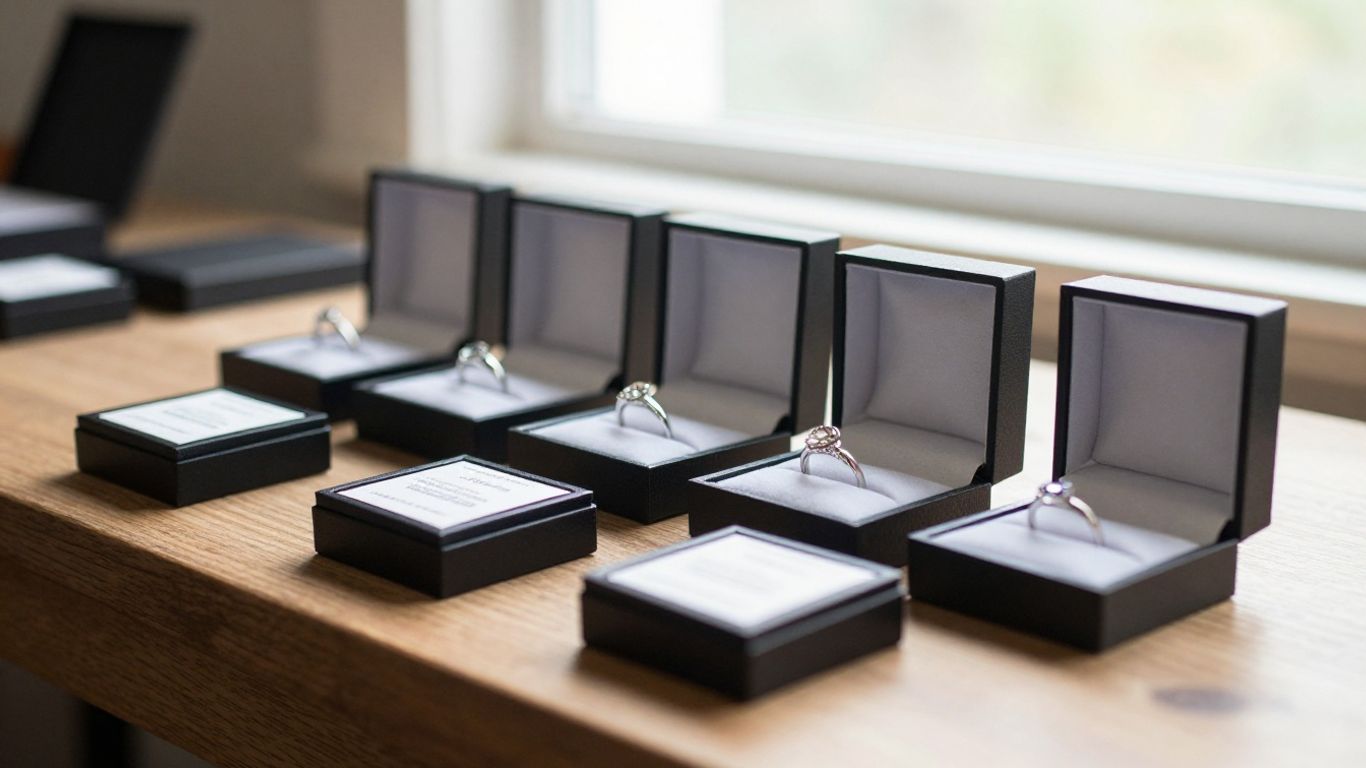
Finding the right balance between price and prestige often feels like a challenge, but modern alternatives make it easier than ever to reach your goals. By looking at various stone origins and weighing long-term commitments, you can make a purchase that fits your lifestyle without compromise.
Understanding natural versus lab-grown diamond premiums
Lab-grown options have changed the market by providing a way to get high-quality stones at a more accessible price point. When you preview Lab Grown Diamond Solitaire Rings, you see that they possess the same chemical and physical properties as mined diamonds. This allows many couples to upgrade their carat size or quality grade while remaining within their original financial scope.
Shopping for carat weight just below industry milestones
Prices often jump significantly at weight milestones like one full carat or two full carats. Smart shoppers often look for stones weighing just slightly less, such as 0.90 or 1.90 carats, as these are virtually indistinguishable from their round-number counterparts to the naked eye. This slight deviation can save you a noticeable amount without sacrificing the visual impact of your ring.
Factoring in long-term maintenance and insurance costs
A beautiful ring requires ongoing care to stay in its best condition. Beyond the initial purchase price, remember to set aside funds for annual inspections and professional polishing services. Securing home or specialized jewelry insurance is also a vital way to protect your important financial investment against potential loss or accidental damage over the lifespan of the piece.
Selecting the right ring size and fit
Getting the size right is essential for daily wear , as a ring that is too loose can rotate on the finger. Finger size often shifts slightly throughout the day due to temperature or hydration, so taking multiple measurements at different times is highly recommended.
Methods for accurately measuring ring size
Professional sizing tools are always the most accurate method, though printable online guides can offer a quick estimate. If you decide to measure at home, do so when your hands are at a neutral, average temperature to avoid errors caused by swollen or constricted blood vessels. Comparing your results across a few different times will help find the sweet spot for a comfortable, secure fit.
Accounting for band width and finger physiology
Thicker bands tend to fit more snugly than thin, delicate ones, so the width of the ring matters as much as the internal diameter. If you are ordering a wider band, you may typically need a slightly larger size to ensure it slides on comfortably. Working with a jeweler who understands these physiological nuances will save you from needing expensive adjustments later.
Considerations for resizing a solitaire band later
Most bands can be resized, but the extent of the adjustment is limited by the band’s thickness and any decorative engravings. If you think you might need to change the size in the future, opt for a solid, simple metal band rather than one with intricate patterns or stones wraped around the circumference. Simple bands remain the easiest to resize without compromising the structural integrity or the finish of the ring.
Finding a reputable jeweler
Choosing the right partner for your purchase is just as critical as choosing the ring style itself. A great jeweler should act as an educator, guiding you through the complexities of diamond grades and band styles without pressure. Look for someone who is willing to answer your technical questions thoroughly and transparently.
Vetting retailers through reviews and transparent sourcing
Start by exploring local and online customer reviews to gauge the quality of service provided to past buyers. Transparent retailers will often provide clear details about their supply chain and the origin of their diamonds. A history of satisfied clients and consistent ethical standards are excellent indicators that a store cares about the long-term satisfaction of their customers.
What to look for in a store's return and lifetime warranty policy
Always review the warranty terms to understand exactly what is covered, such as prong maintenance or accidental stone loss. A solid return policy also provides a safety net if the ring does not meet your expectations upon arrival or inspection. Transparency in these policies demonstrates that the store is confident in their craftsmanship and dedicated to providing a positive experience.
Benefits of local boutiques versus online retailers
Local boutiques provide the advantage of interacting with a jewelry professional in person, allowing you to try on various styles to see how they look on your hand. Online retailers, conversely, often offer a larger, searchable inventory and competitive pricing due to lower overhead costs. Both options can provide excellent rings, so your choice should depend on whether you prioritize the tactile experience of trying items on or the convenience of a vast digital catalog.
Conclusion
Buying your first solitaire ring is a rewarding process that combines personal style with careful technical research. By focusing on the quality of your diamond, selecting a durable metal, and choosing a reliable retailer, you ensure that this symbol of your love is both beautiful and built to last. Stay clear about your needs as you shop, enjoy the hunt for the perfect design, and take heart that the effort you put in now will result in a cherished piece that marks this special time in your life perfectly.
Frequently Asked Questions
How long should I spend researching rings before buying?
Most buyers benefit from two to four weeks of casual research to identify their preferred style and learn the basics of diamond quality before making their final commitment.
Can I wear a solitaire ring every day without damaging it?
Yes, provided you choose a durable metal like platinum or 14k gold and remove the ring for high-impact activities such as heavy lifting or gym workouts.
Is a round brilliant cut the only option for a solitaire?
While round brilliant is the most popular due to its intense light reflection, shapes like oval, pear, and emerald are excellent alternatives that offer a more unique look.
How often should a solitaire engagement ring be cleaned?
It is generally recommended to clean your ring using mild soap and warm water every few weeks while having a professional jeweler check the prongs once or twice a year.
What if the stone size I want is too expensive?
Consider opting for a slightly lower color or clarity grade that remains eye-clean, or explore lab-grown alternatives to get the desired carat weight without compromising your budget.
Is it normal to have the ring resized later?
Resize adjustments are quite common as body size naturally changes, so choosing a simple, solid metal band is a wise way to ensure seamless service down the road.
How do I know if an online jeweler is trustworthy?
Trustworthy online jewelers provide detailed documentation for their stones, clear communication channels, transparent return policies, and a strong history of positive customer testimonials.
A comprehensive bridal jewellery guide: how to style your wedding day look
10 minute read
Related blogs:
November 20, 2025
The Timeless Elegance of the Tennis Bracelet: A Comprehensive Guide
Read More
November 20, 2025
The Ultimate Guide to Styling and Wearing a Choker Necklace
Read More
November 20, 2025
Find Your Perfect Engagement Ring: A Comprehensive Guide to Styles and Diamonds
Read More
November 20, 2025
The Timeless Elegance of a Diamond Tennis Bracelet: A Buyer's Guide
Read More









.webp)


.webp)