Bridal mangalsutra styles: A guide to choosing the perfect design for your wedding
August 18, 2026 | 10 minutes read
Key Takeaways
The best bridal mangalsutra is one that respects your traditions while feeling natural to wear. Use symbolism, proportion, comfort, and craftsmanship as your guide rather than choosing by appearance alone.
- Consider the customs and symbolism connected to your wedding.
- Compare long, short, pendant-focused, and layered designs.
- Choose metals and stones that suit your wardrobe and budget.
- Check the pendant proportion, chain length, clasp, and overall comfort.
- Buy from a trusted jeweler and care for the piece gently.
Understanding the meaning behind bridal mangalsutra styles
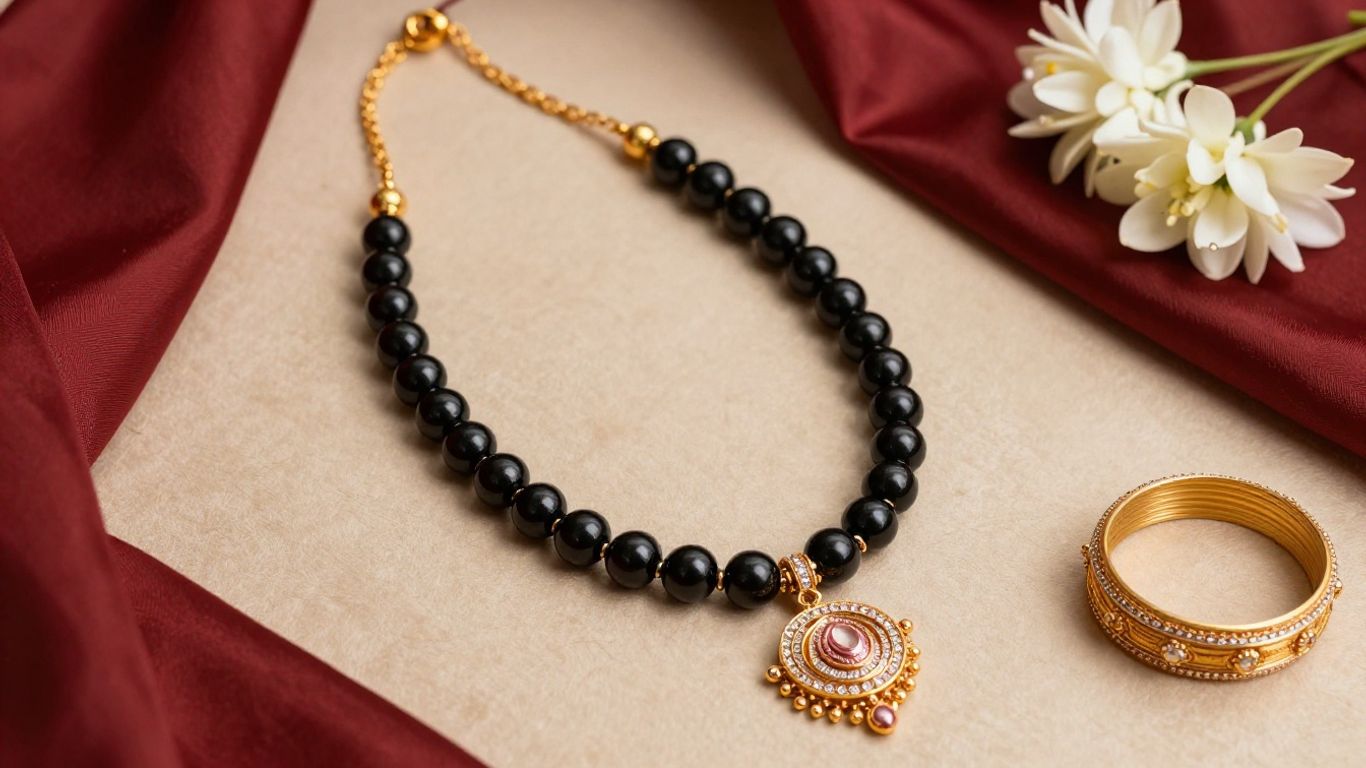
Bridal mangalsutra styles carry more than decorative appeal. They often bring together family traditions, regional details, and a bride’s own sense of beauty. The right choice can feel both ceremonial on the wedding day and comfortable enough for years afterward.
The traditional symbolism of black beads and gold
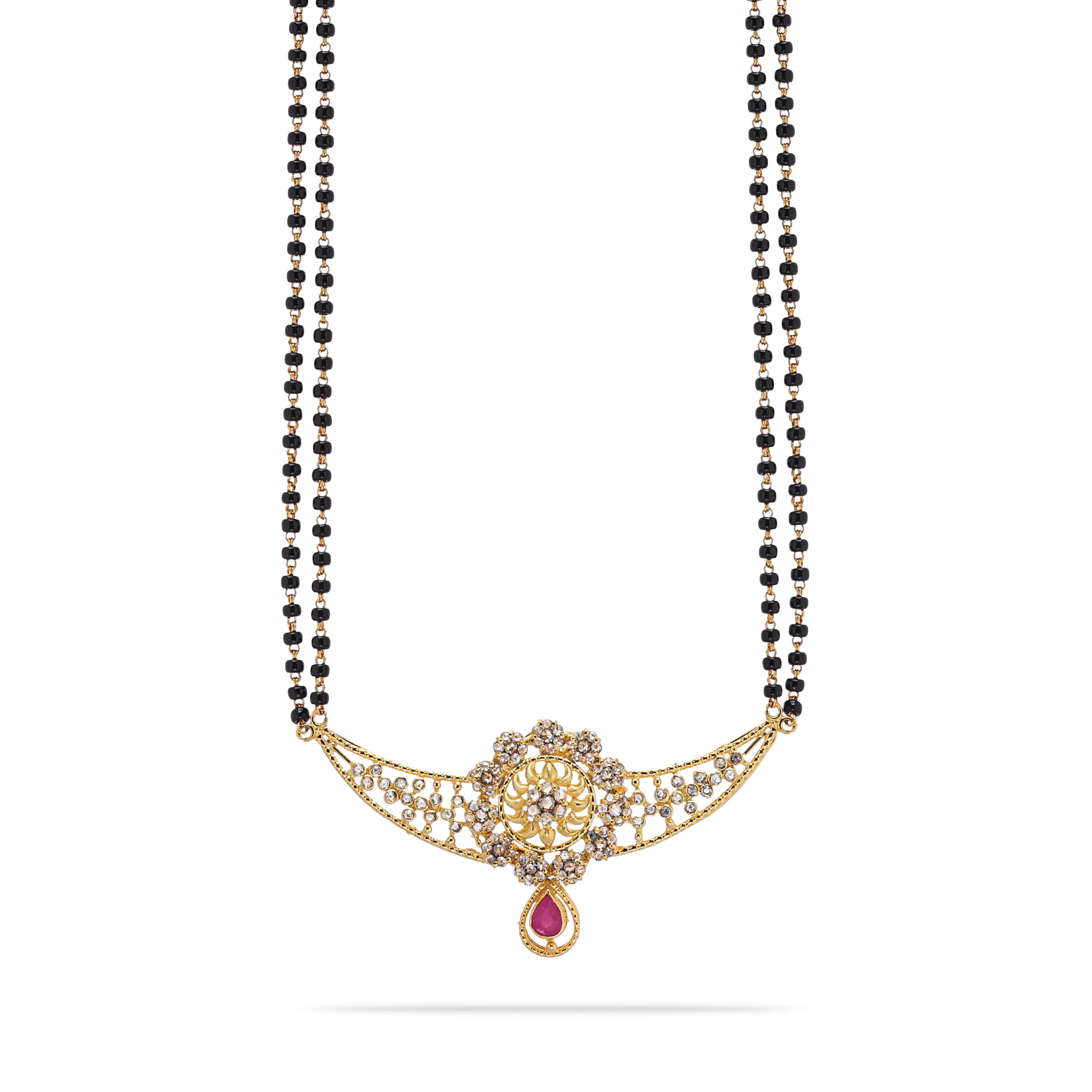
Black beads and gold are commonly associated with the mangalsutra’s traditional identity. The black beads are often understood as a protective element, while gold brings associations of prosperity, warmth, and auspiciousness. Their contrast also gives the necklace a distinctive visual rhythm. For many brides, the emotional meaning matters most, even when the design is updated with a smaller pendant or a lighter chain.
How regional traditions influence mangalsutra designs
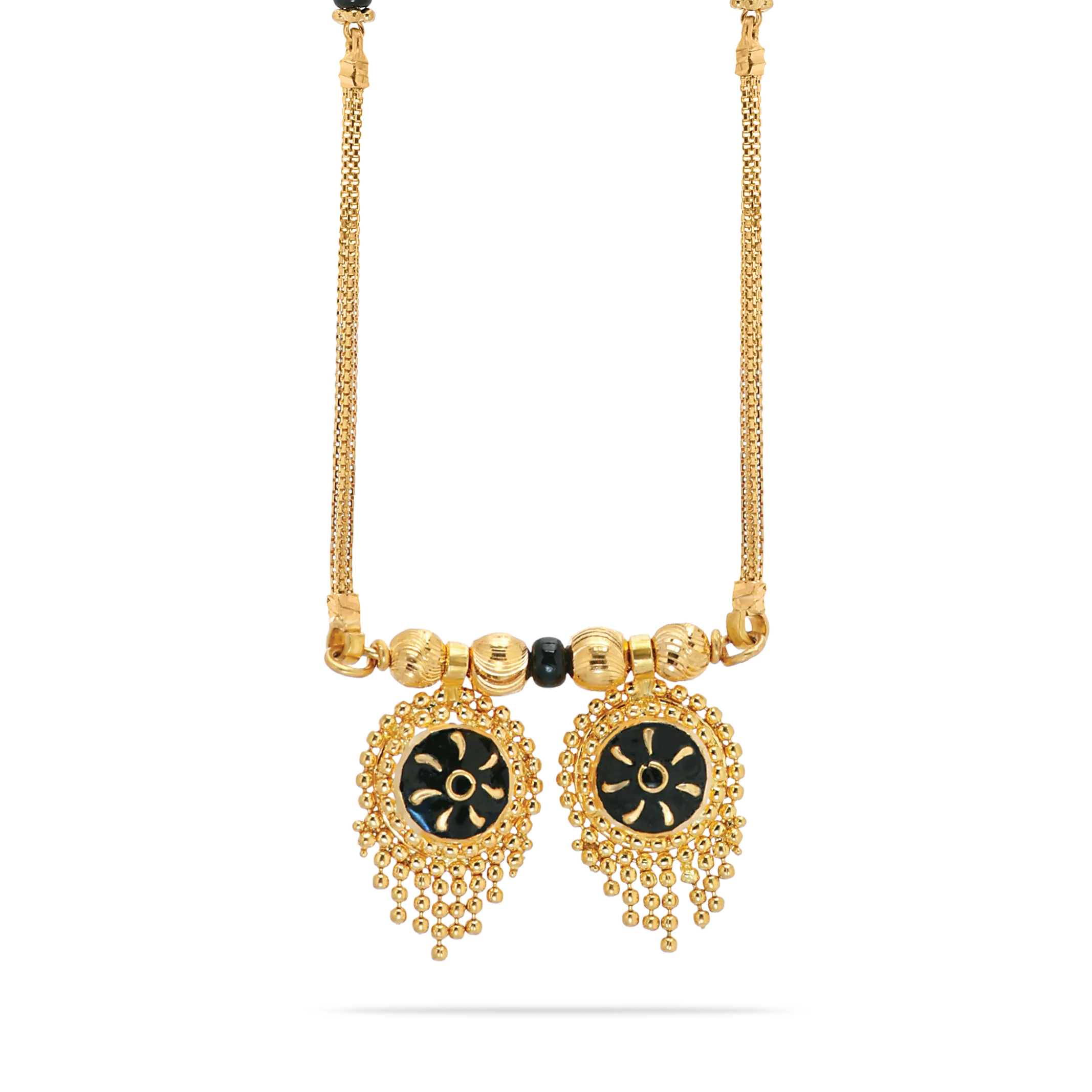
Mangalsutras vary considerably across Indian communities. The number and arrangement of beads, the shape of the central pendant, the use of a thaali or vati, and the way the necklace is tied may all reflect regional customs. Some families prefer a substantial traditional form, while others choose a more delicate style for daily wear . Discussing expectations with family members before shopping can prevent uncertainty later.
Balancing cultural significance with personal style
Tradition does not require every bride to choose the heaviest or most elaborate necklace. A bride who usually wears fine jewelry may prefer a slim chain with a meaningful pendant, while someone drawn to heirloom pieces may want a bolder silhouette. Modern mangalsutra ideas can offer useful inspiration for combining cultural elements with minimalist shapes and contemporary proportions.
Choosing a design that suits your wedding customs
Start by identifying which details are essential to your ceremony. Ask whether the mangalsutra must follow a particular bead arrangement, pendant form, knotting practice, or length. Then decide where you have creative freedom. This approach keeps the selection respectful without making the process feel restrictive.
Exploring popular bridal mangalsutra styles
Once the cultural foundation is clear, compare the main design families. Length, pendant scale, bead density, and layering can change the entire impression of a mangalsutra. Looking at these categories side by side makes it easier to describe what you like to a jeweler.
Classic long mangalsutra necklaces
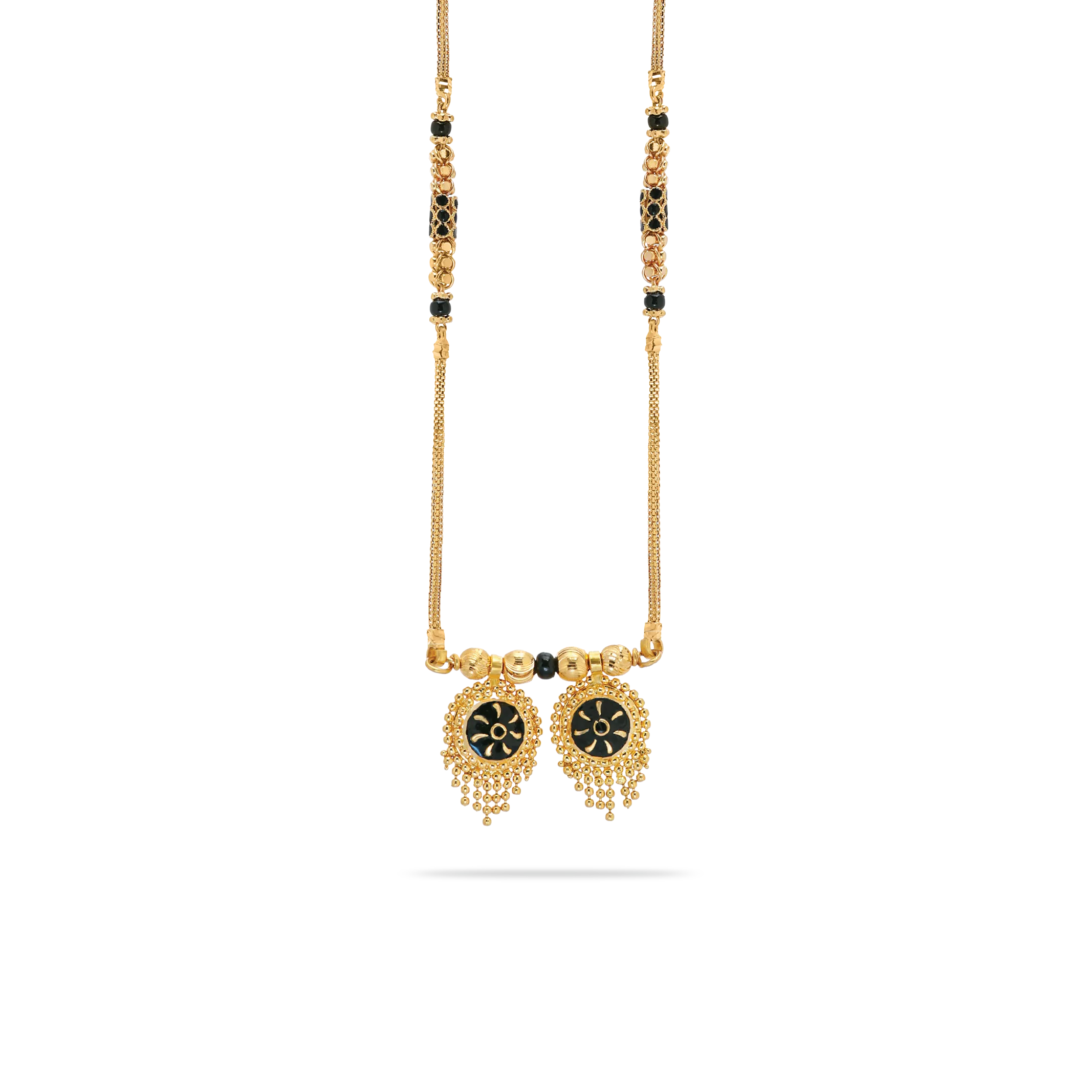
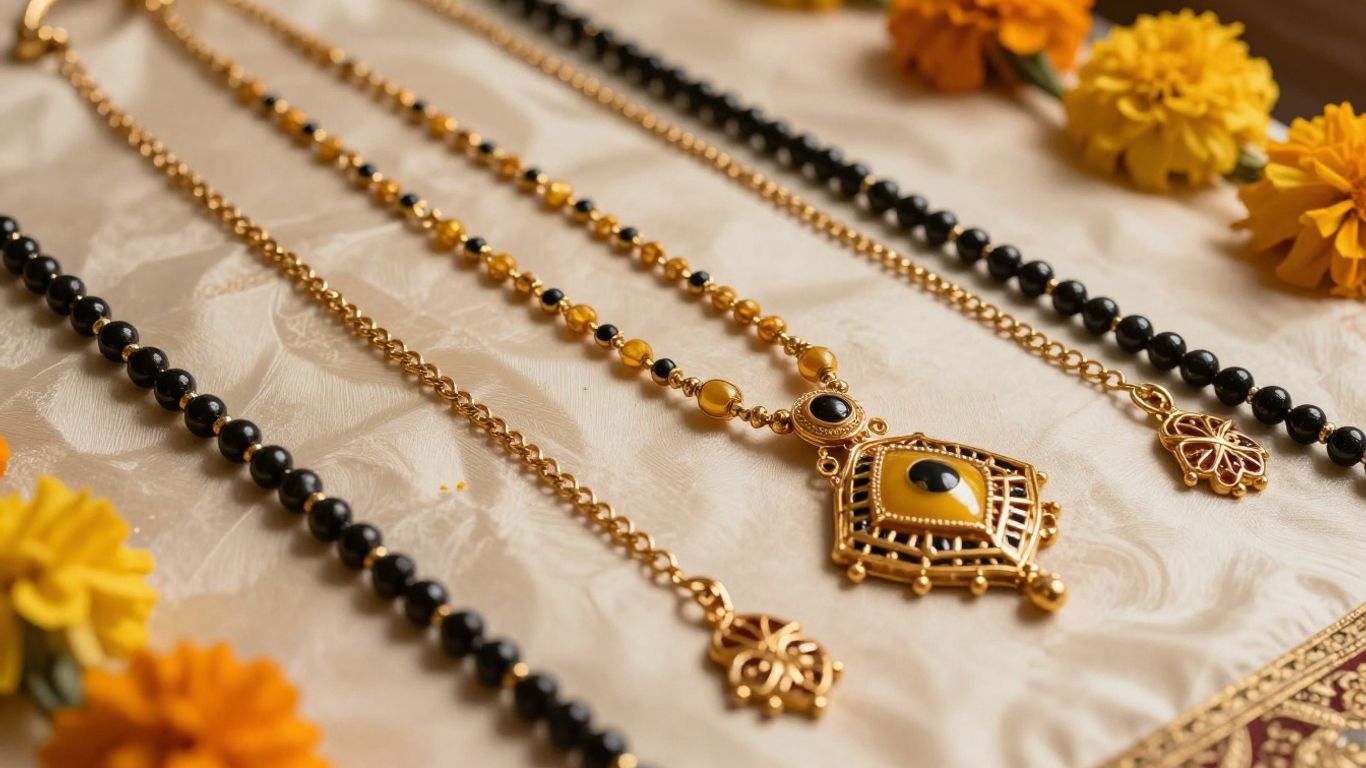
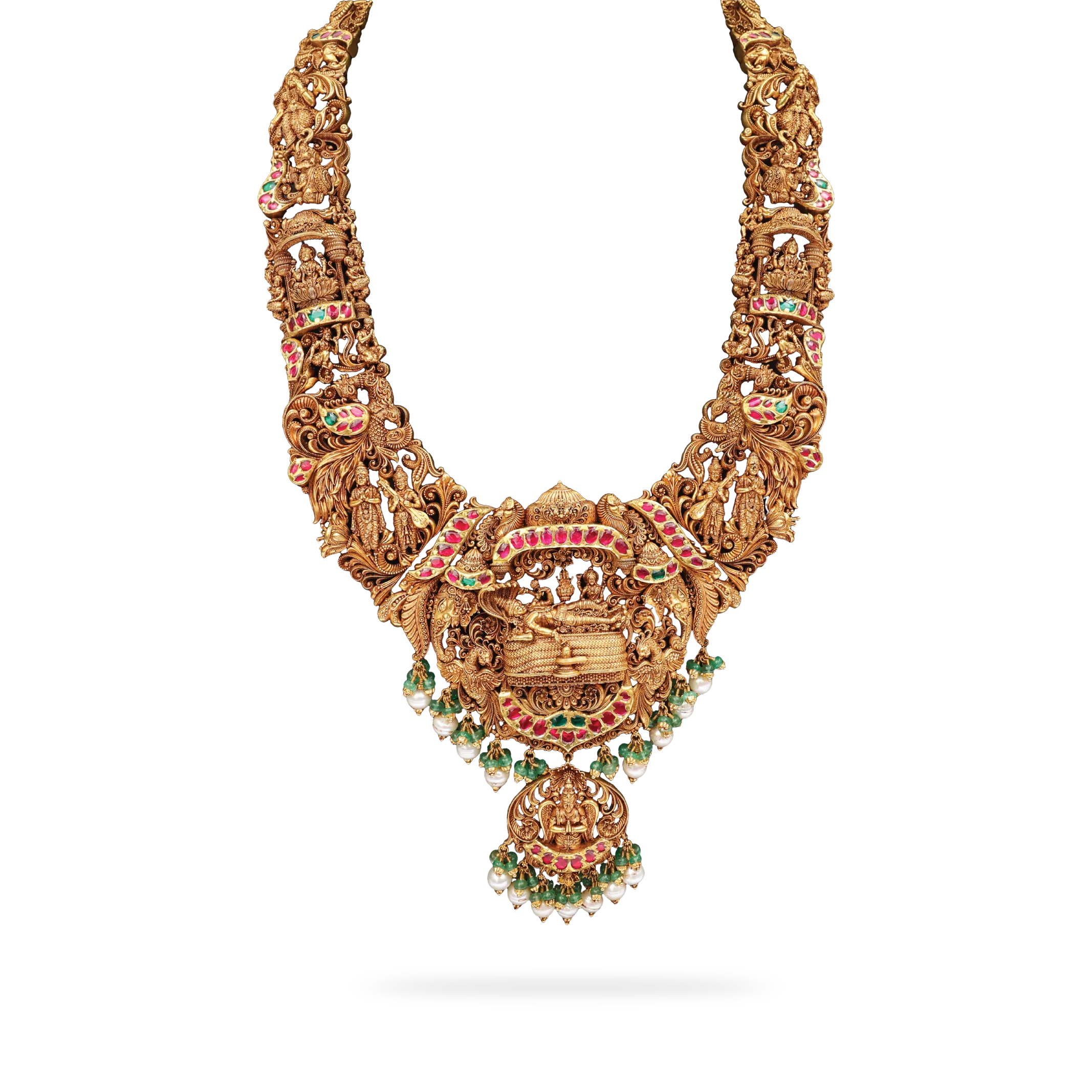
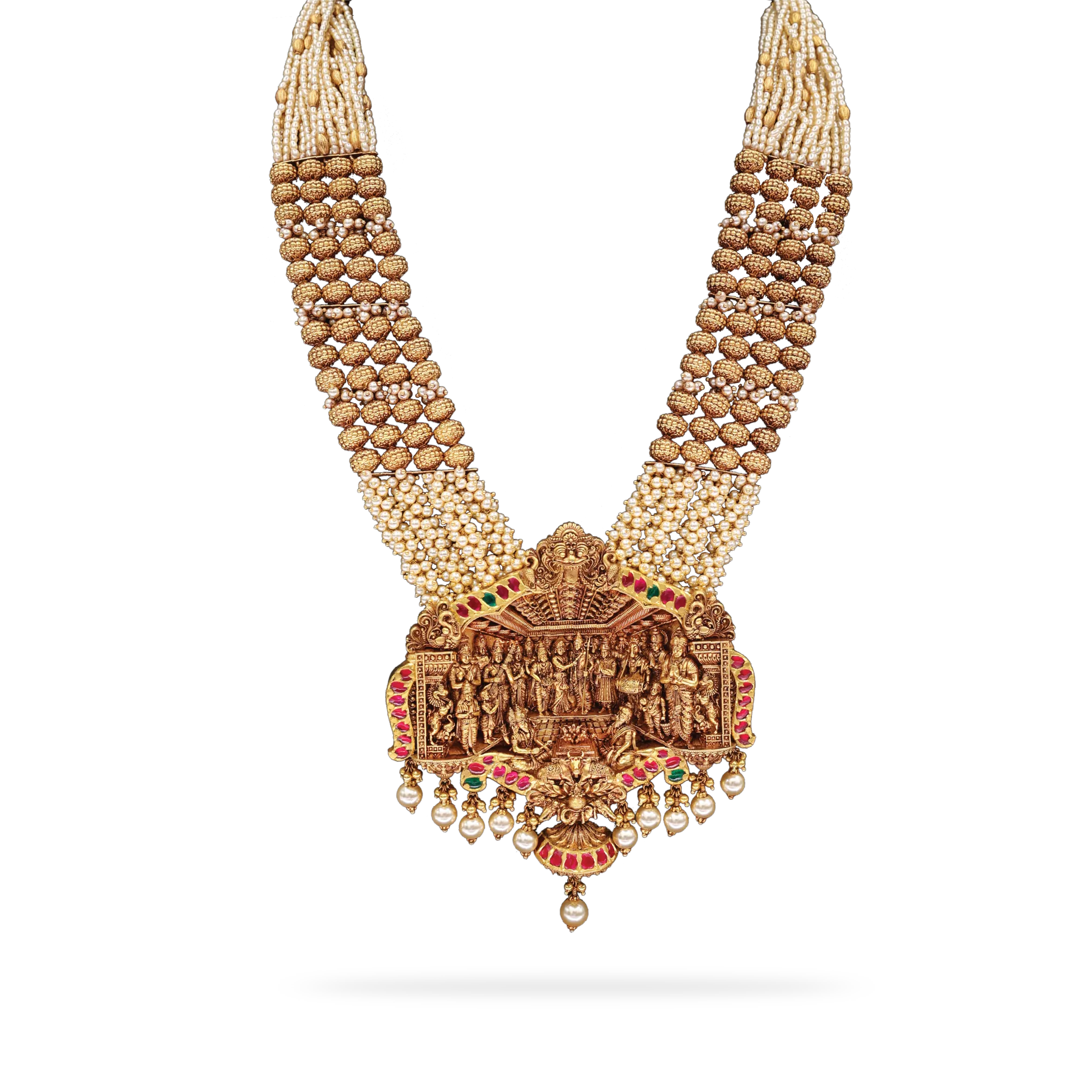
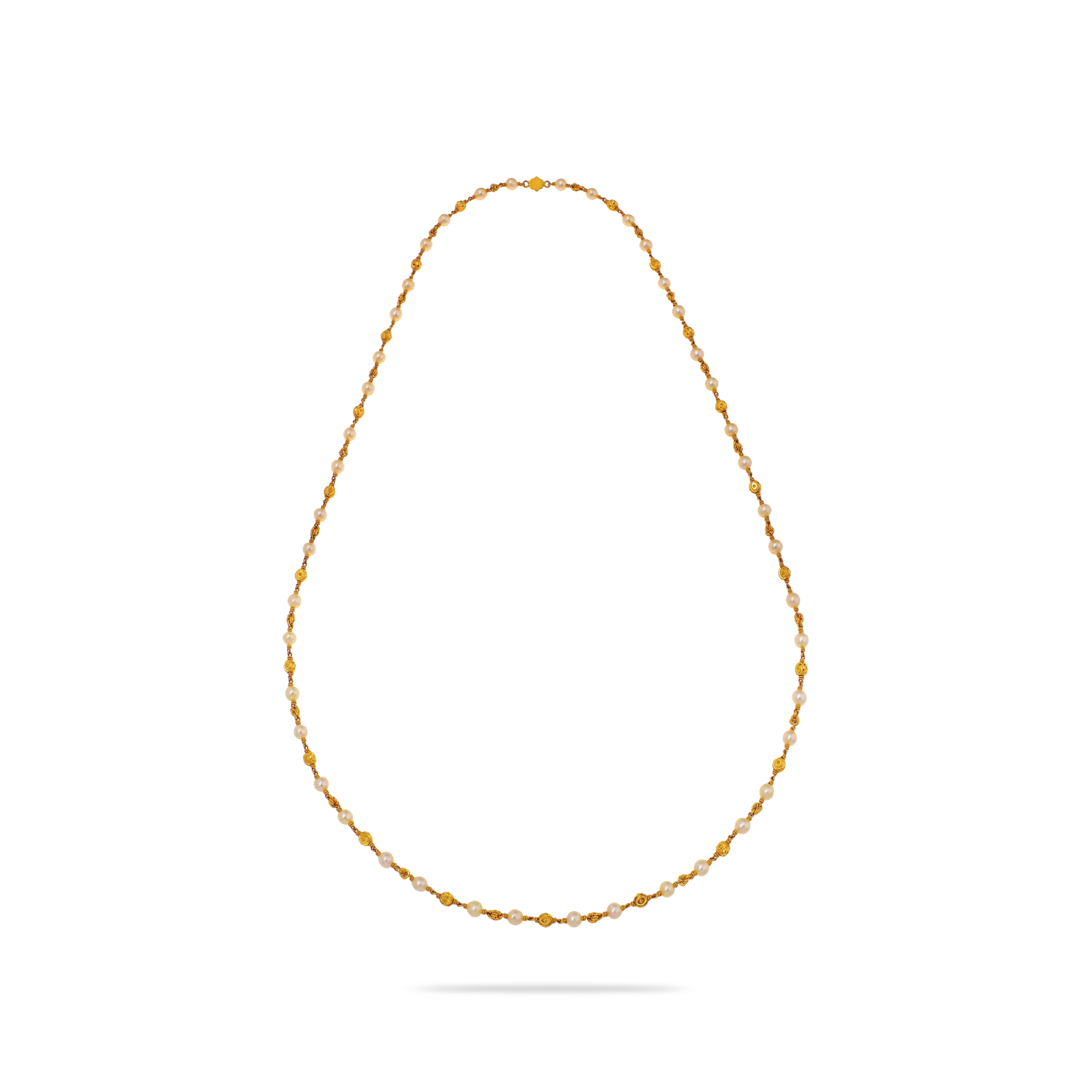
Long mangalsutras have a graceful, traditional presence and can sit prominently over a saree or lehenga blouse. They may include repeated bead sections, gold links, and a central pendant that draws the eye downward. This format works especially well when the wedding attire has a rich border or a classic drape. Check that the necklace does not compete with other long necklaces in your bridal set.
Short and contemporary mangalsutra chains
Short chains offer a lighter, cleaner look and usually sit closer to the collarbone. They can be practical for brides who expect to wear the mangalsutra regularly after the wedding. A compact design also pairs easily with western clothing and simpler Indian outfits. The smaller scale should still leave enough room for the pendant and bead pattern to be clearly seen.
Pendant-focused bridal designs
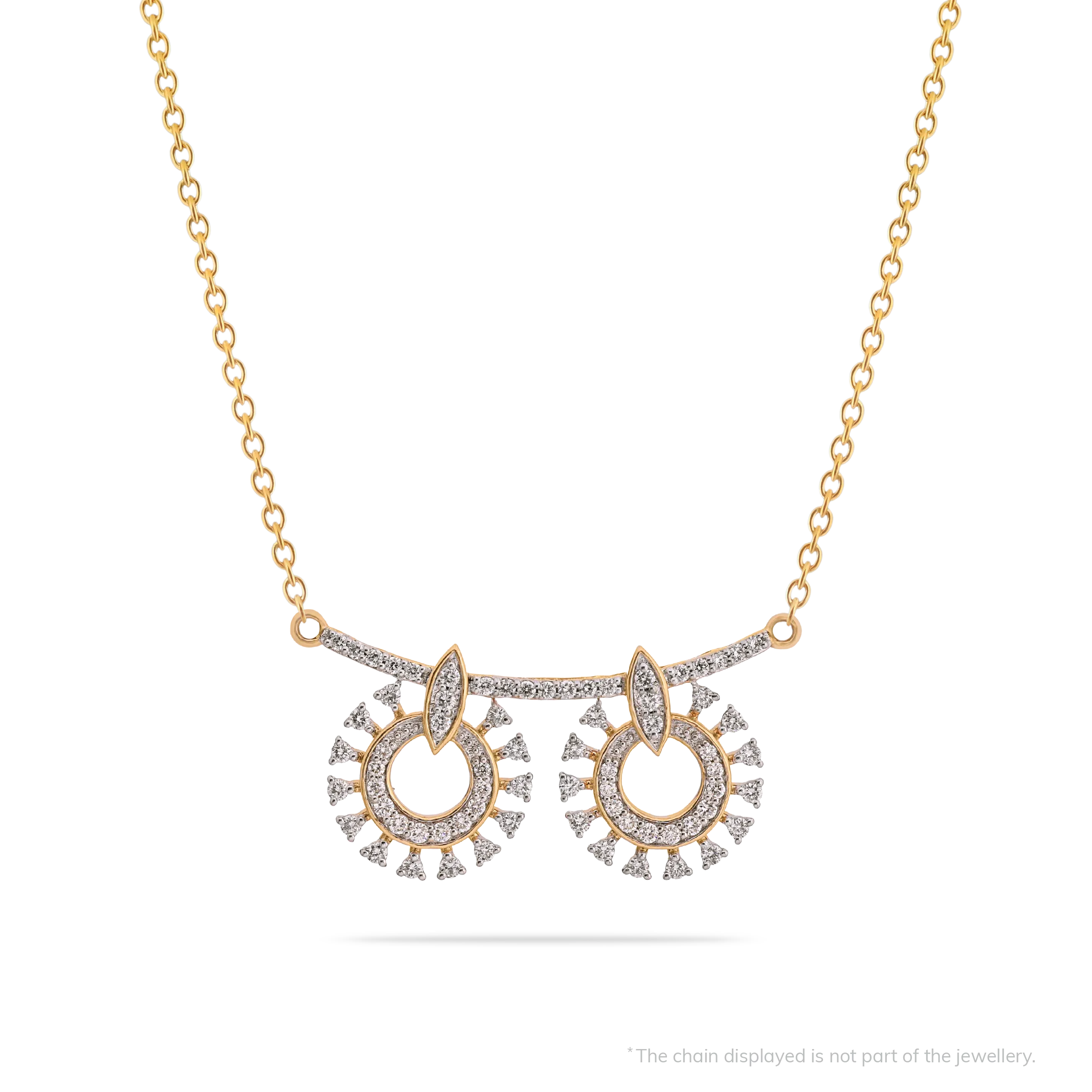
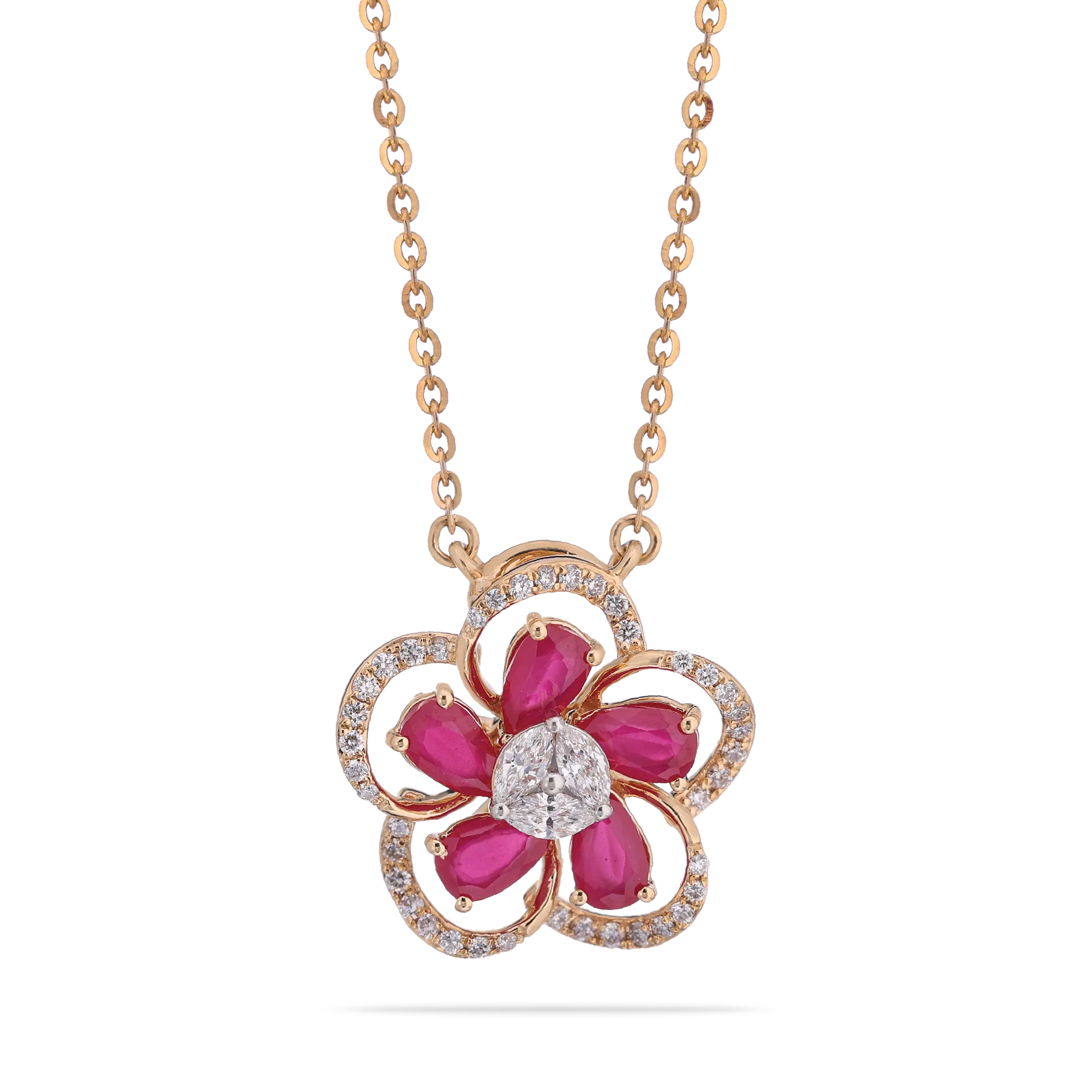
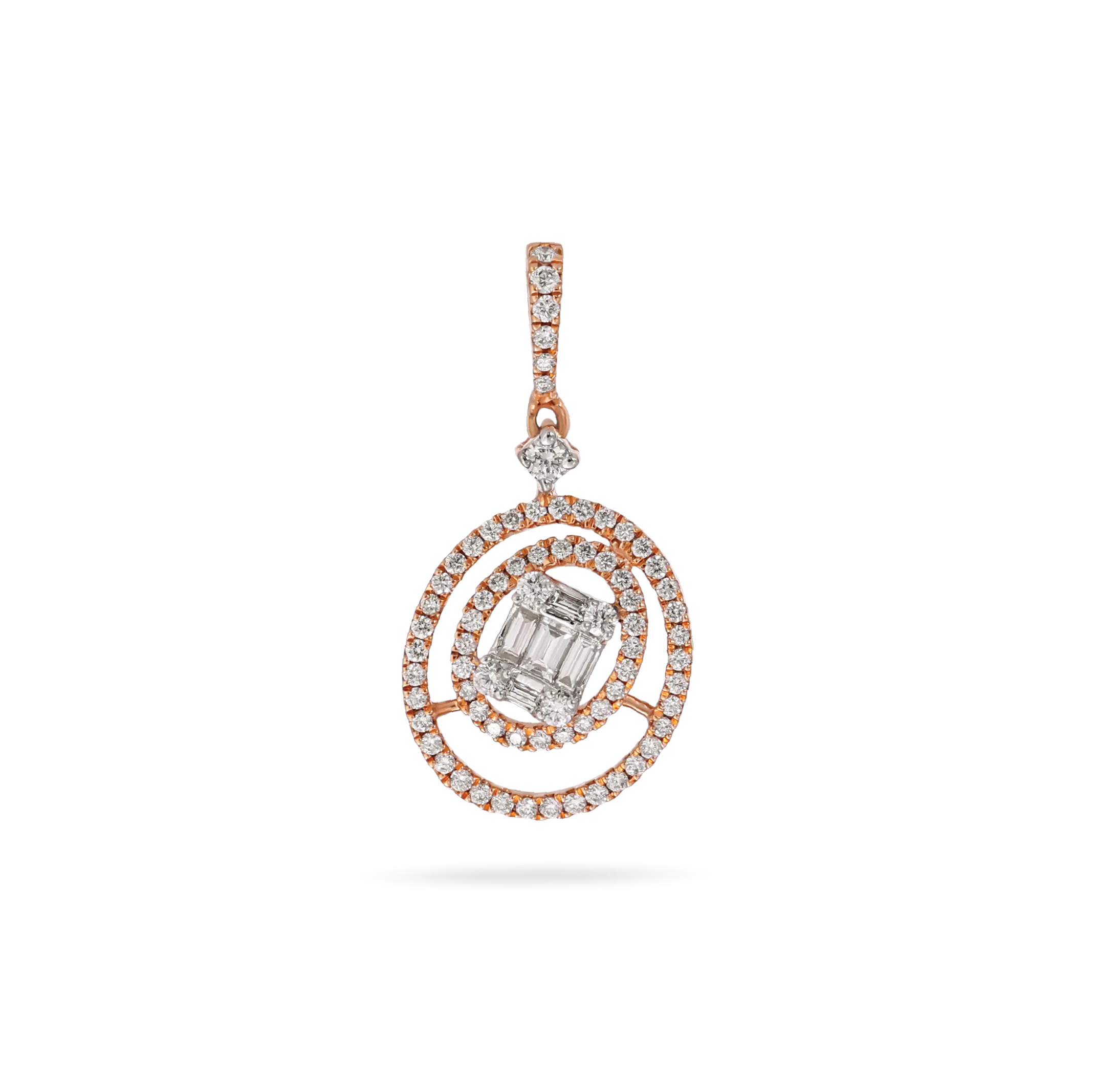
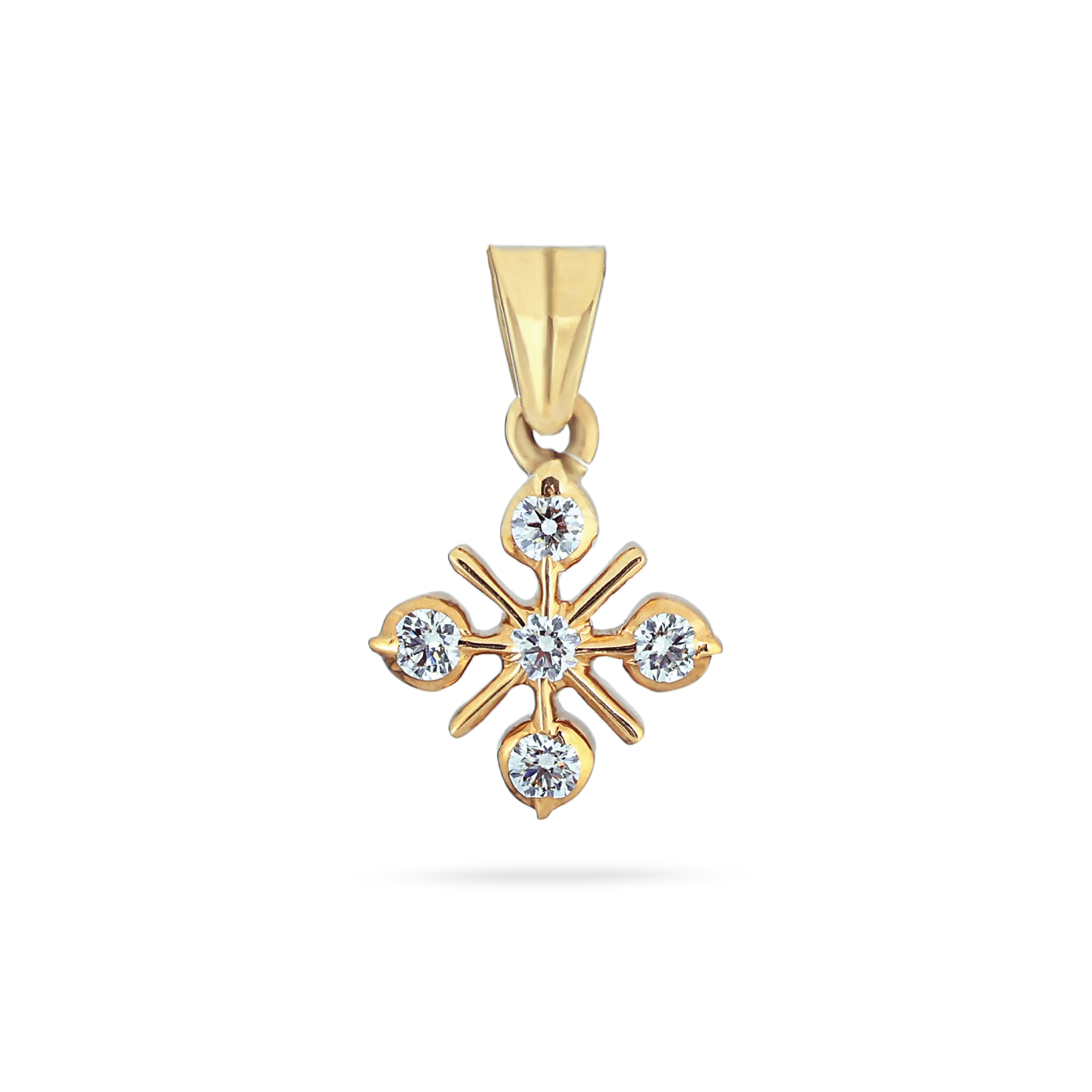
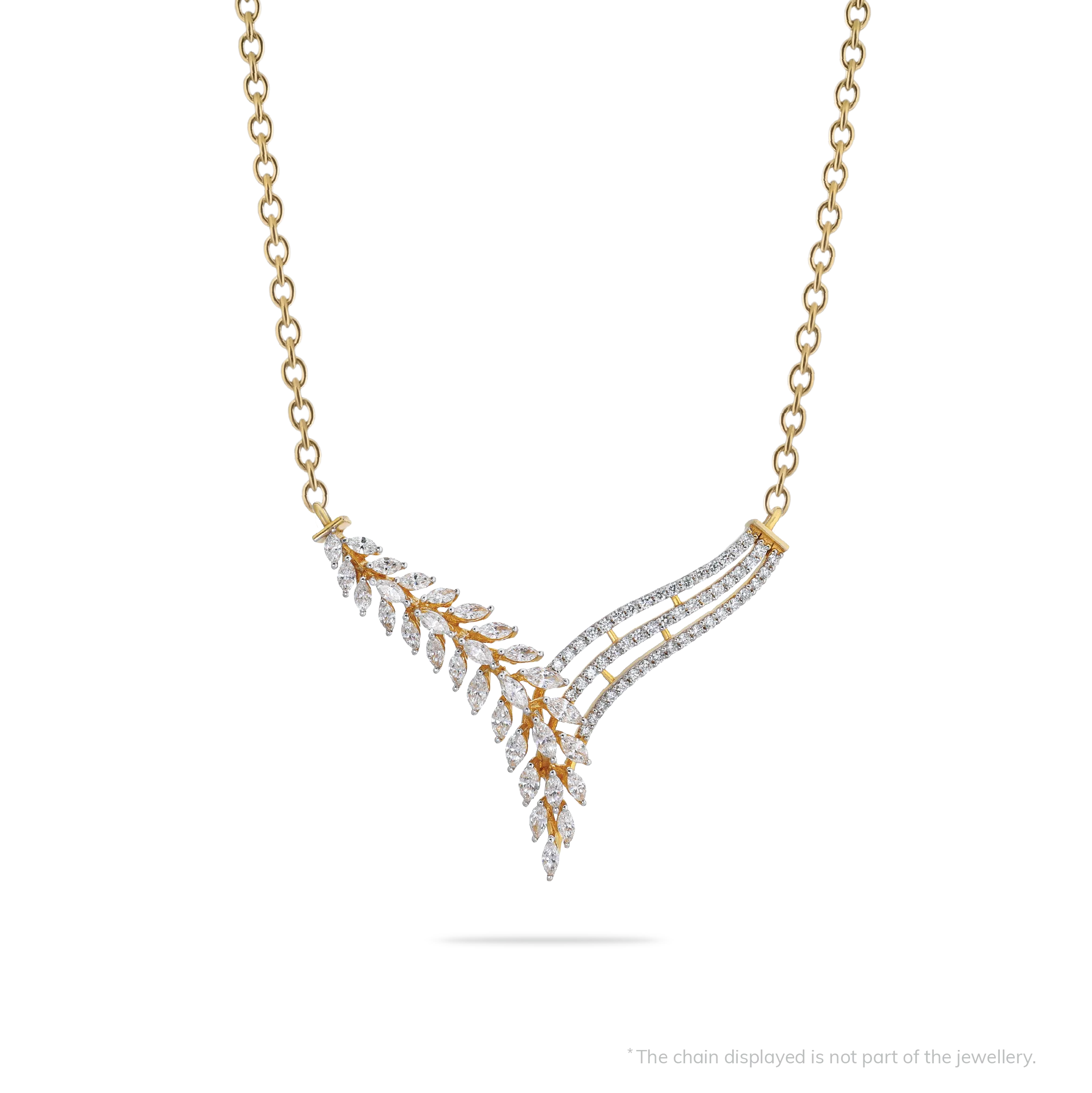
In a pendant-focused design, the central motif does most of the visual work. Popular directions include circular, geometric, floral, abstract, and solitaire-inspired shapes. When the pendant is distinctive, the chain can remain relatively restrained so the necklace feels polished rather than crowded. A pendant can also become the easiest element to personalize.
Layered and statement mangalsutras
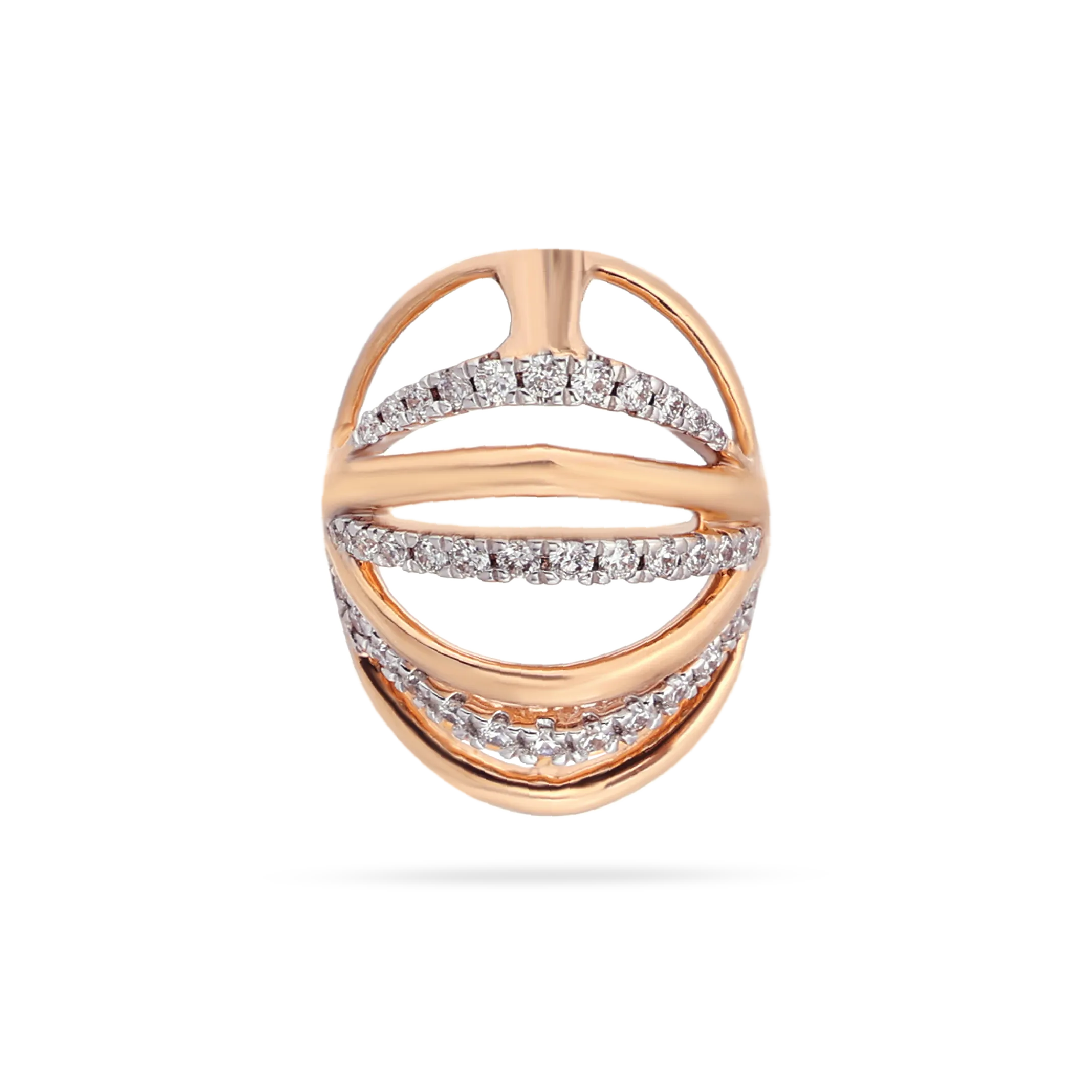
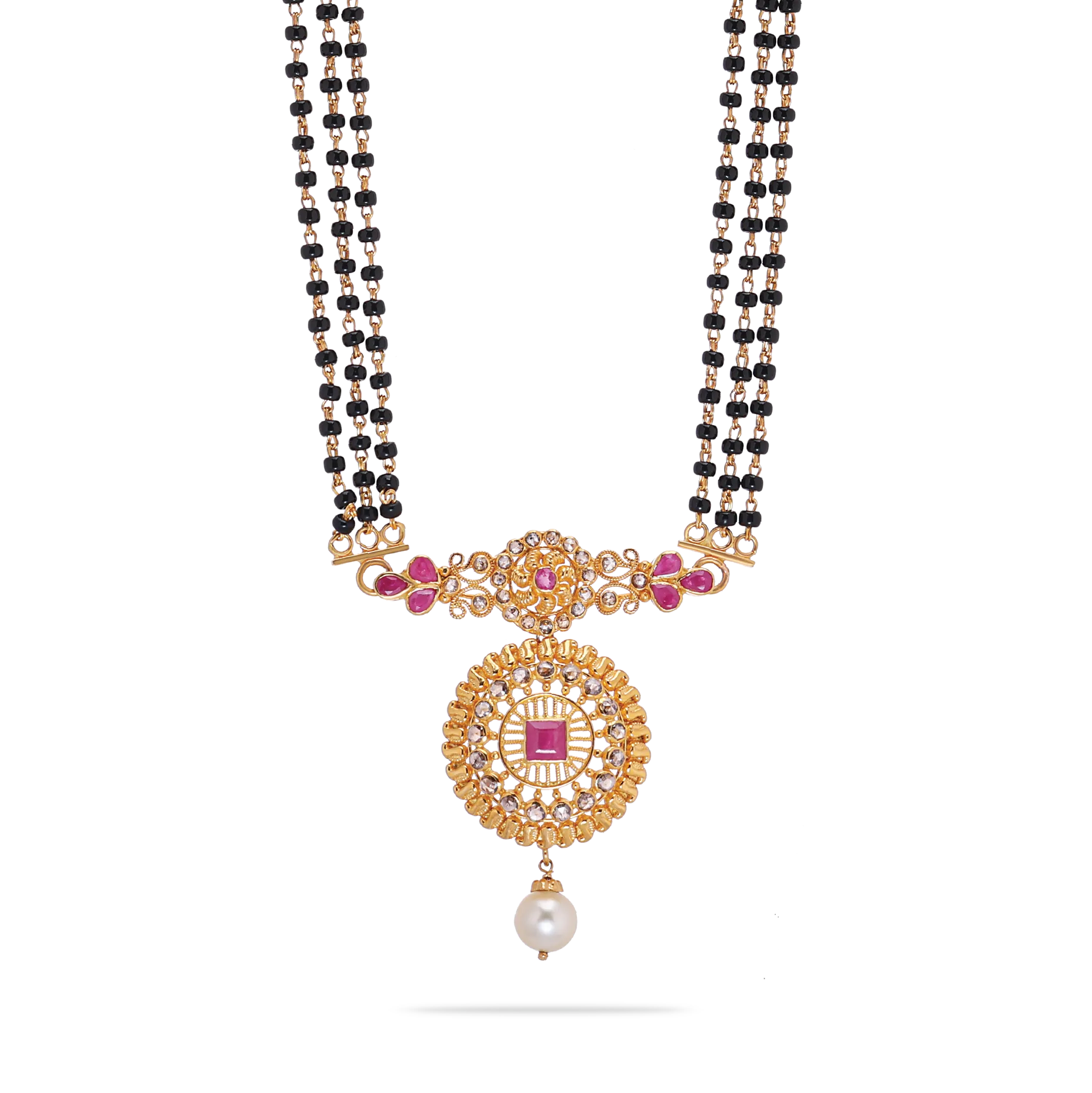
Layered mangalsutras create a fuller bridal effect through multiple strands, graduated lengths, or a substantial central ornament. They suit richly embellished clothing and formal wedding portraits, but they need careful coordination with necklaces, chokers, and other ceremonial jewelry. Contemporary mangalsutra inspiration can help you explore statement proportions without losing the familiar black-and-gold character.
Choosing the right metals, gemstones, and finishes
Material choices affect appearance, durability, price, and the way a mangalsutra works with the rest of your jewelry. Gold purity is only one part of the decision; the alloy, stone setting, surface finish, and bead construction matter too. Before choosing, consider whether the necklace is mainly for the ceremony, regular wear, or both.
Comparing 22K and 18K gold for bridal jewelry
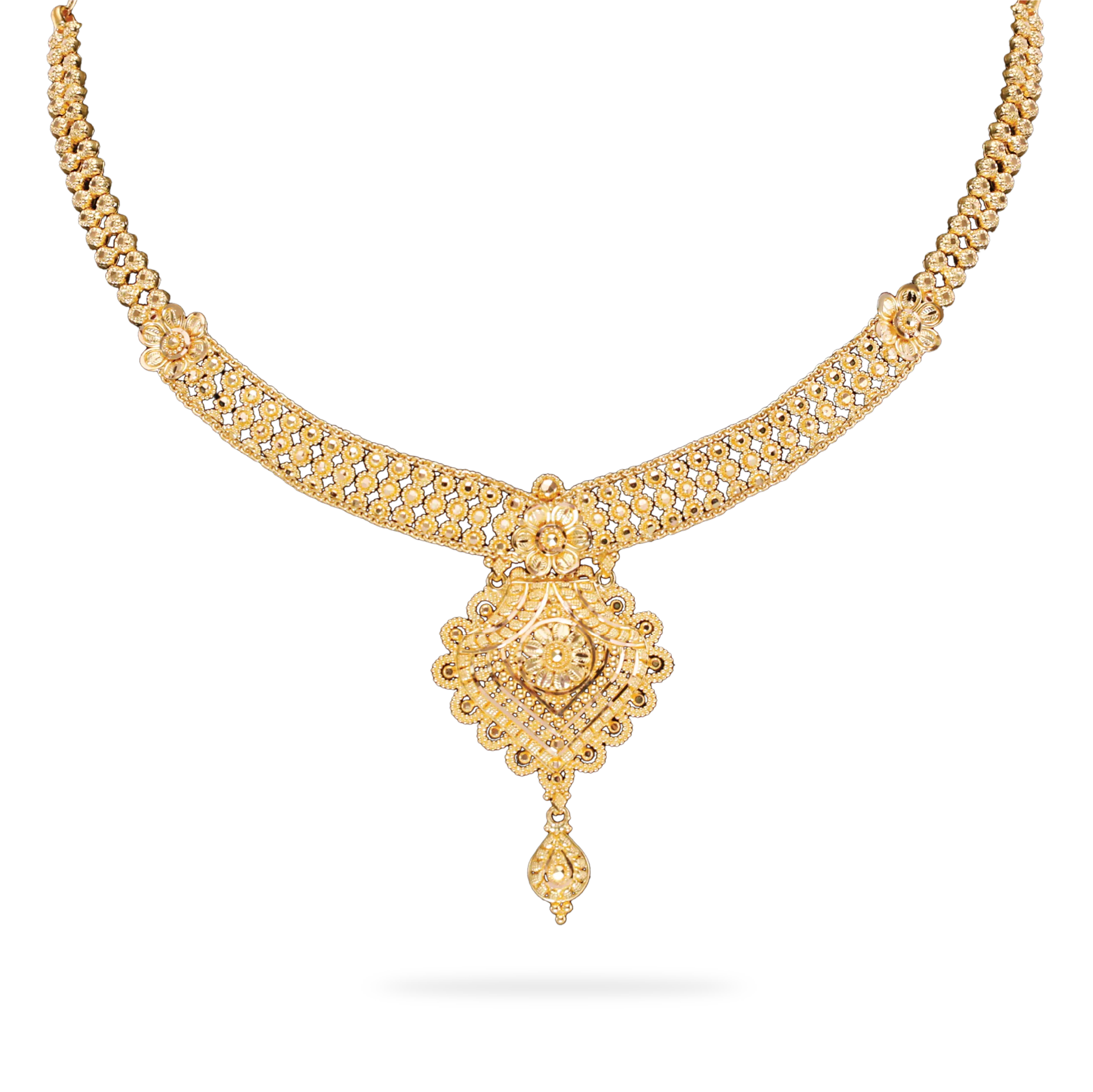
22K gold has a rich yellow color and a strong connection with traditional Indian bridal jewelry. Because it is relatively soft, very fine details and delicate settings may need extra care. 18K gold contains a higher proportion of alloy, which can make it a practical choice for designs requiring greater structural strength and varied colors. The best option depends on the design, wearing habits, and the jeweler’s construction methods.
Diamond, gemstone, and enamel pendant options
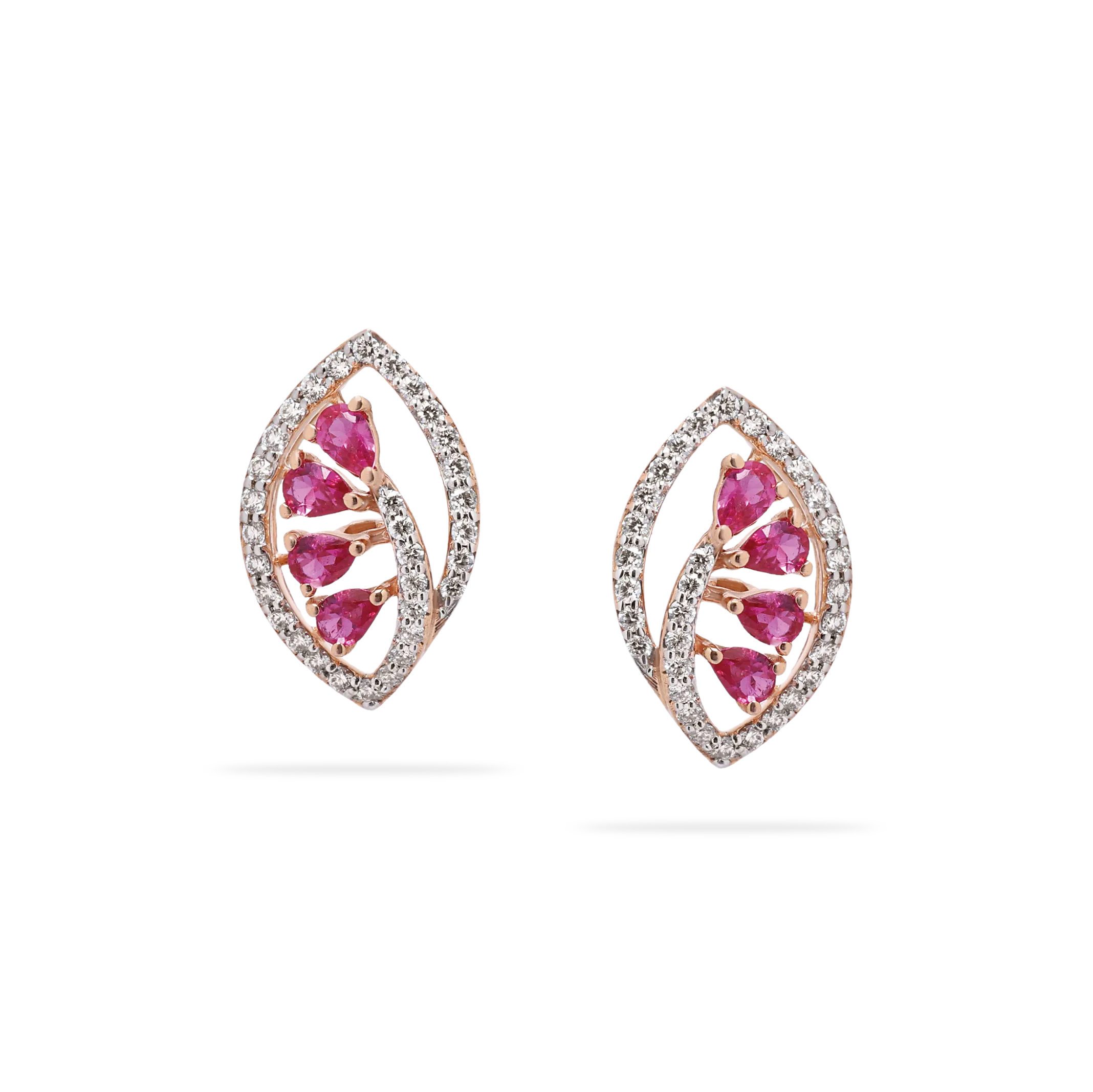
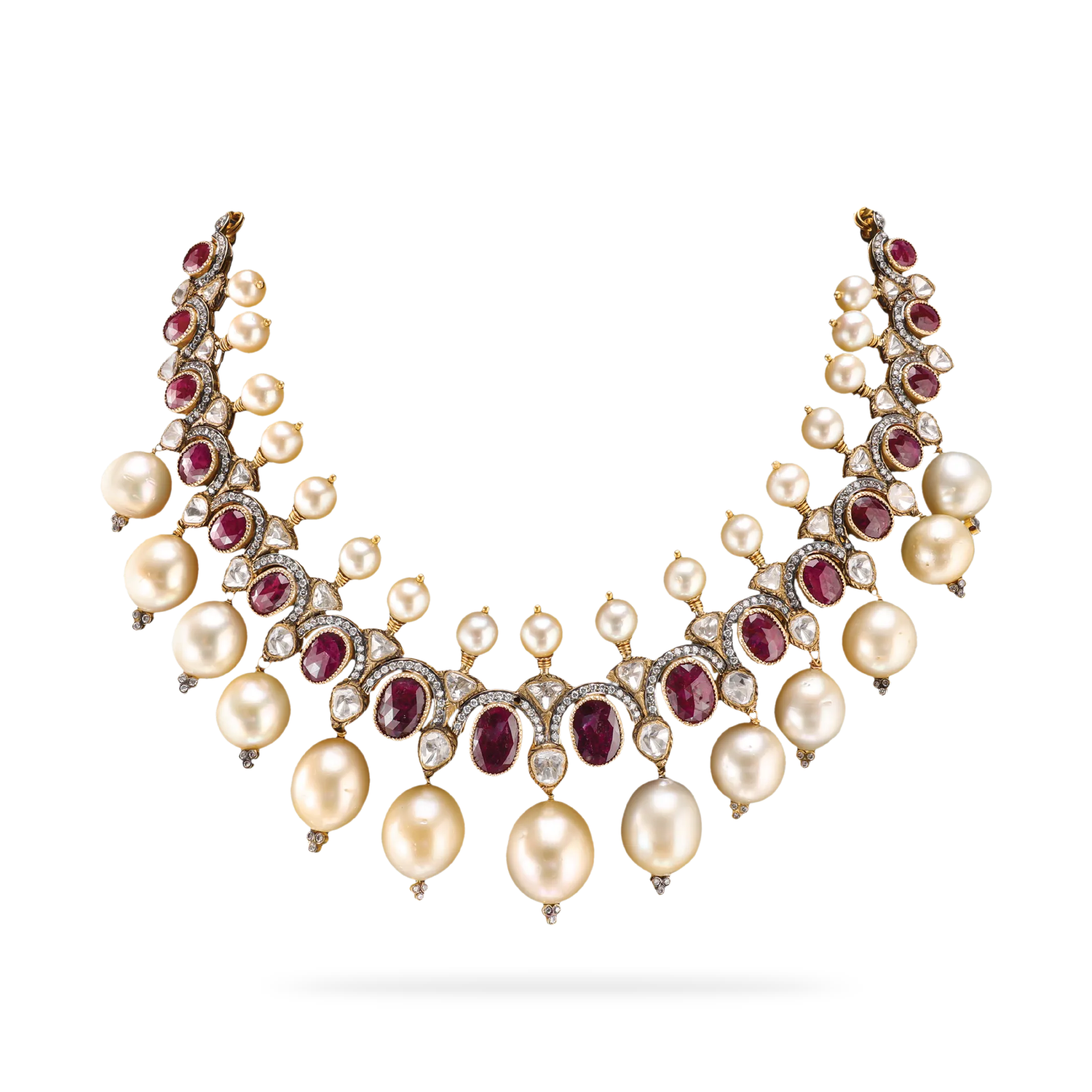
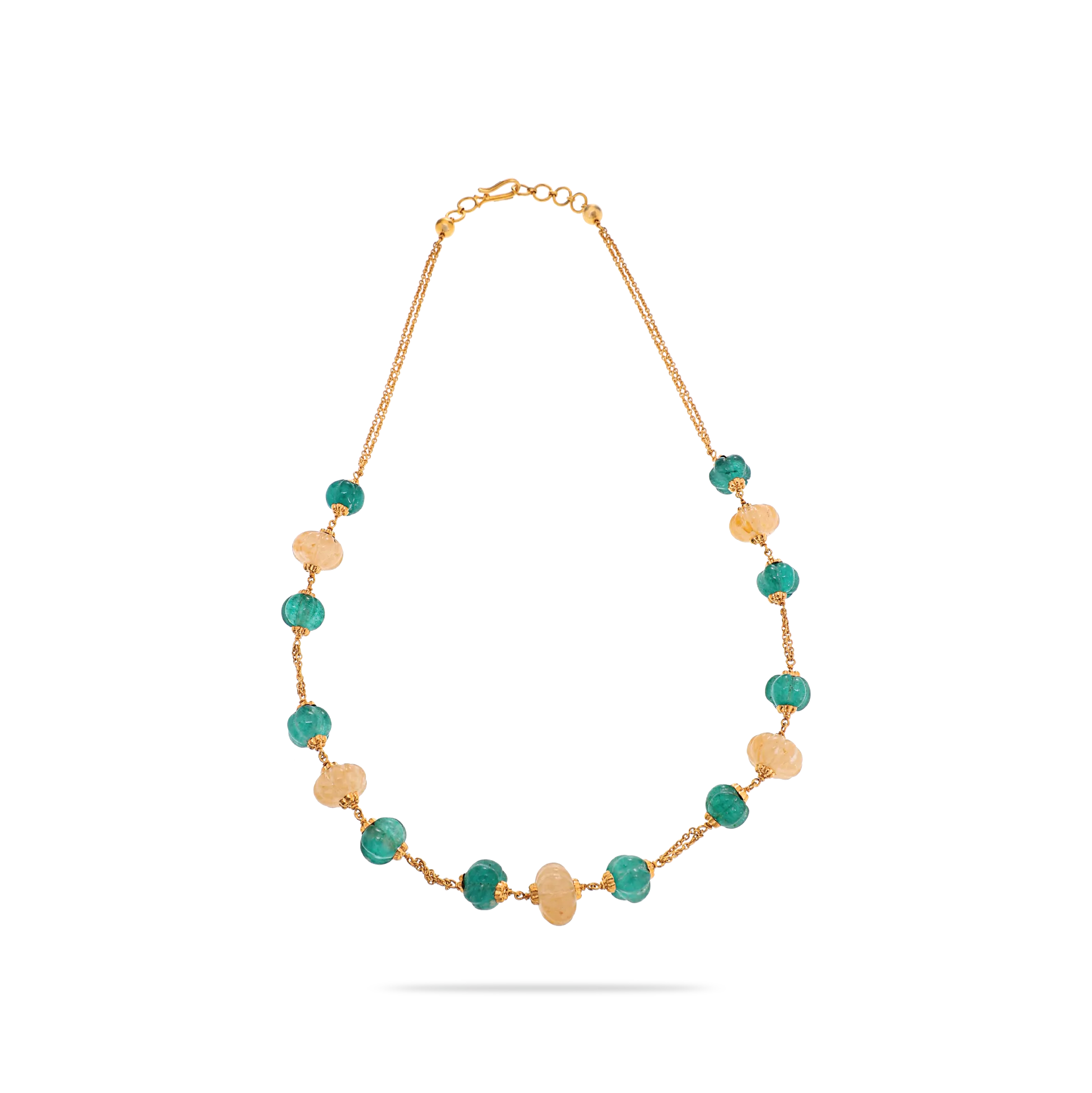
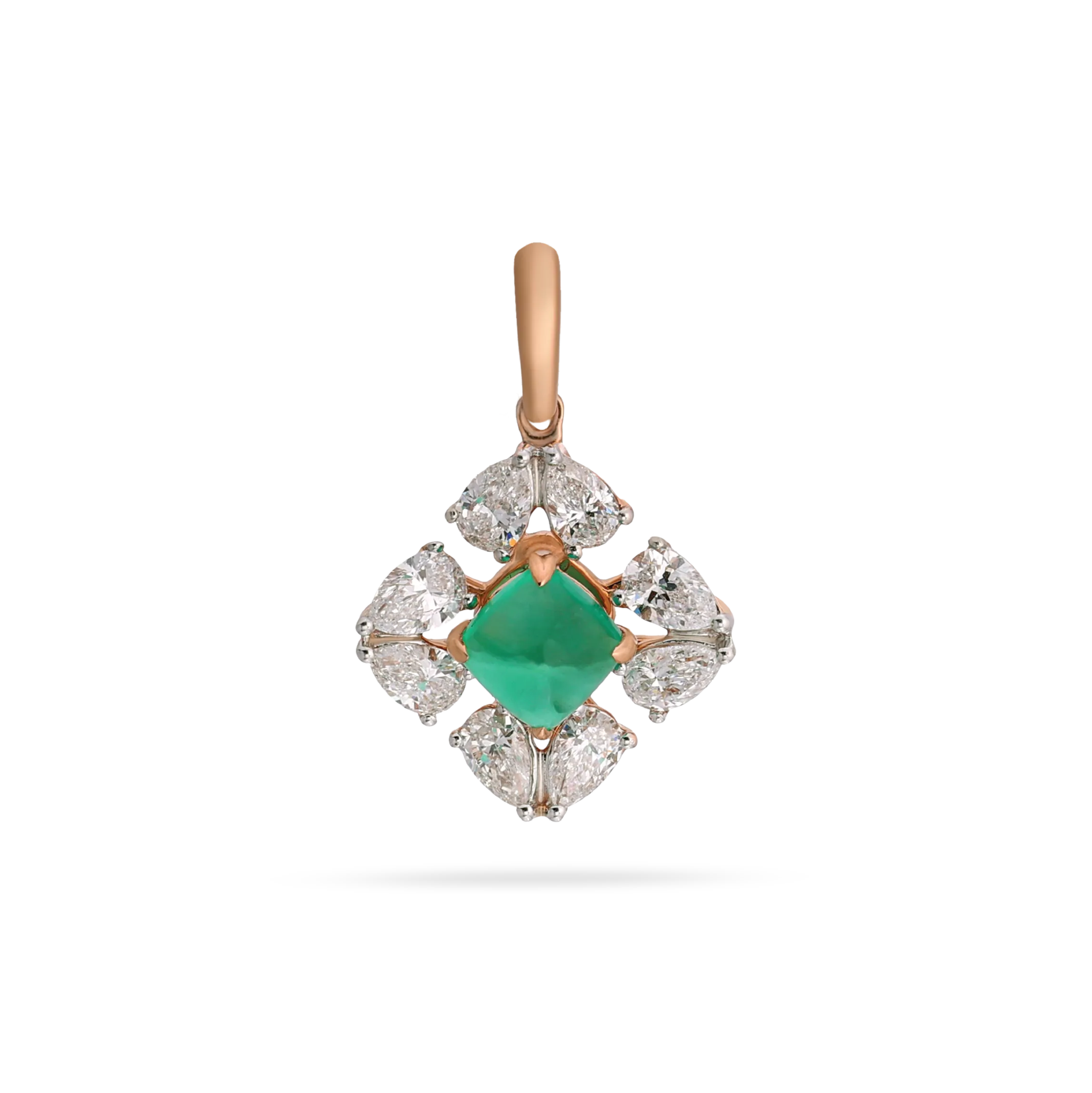
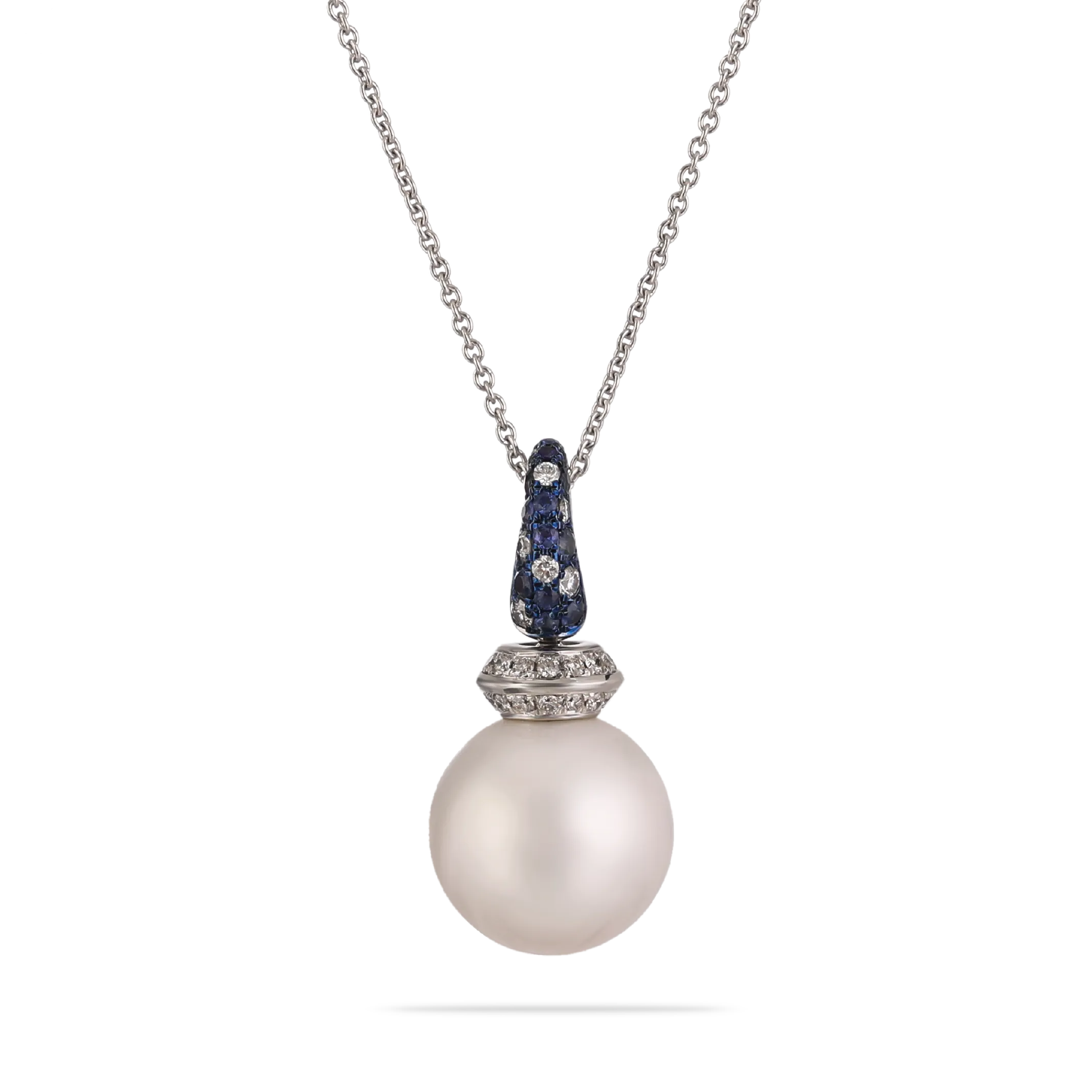
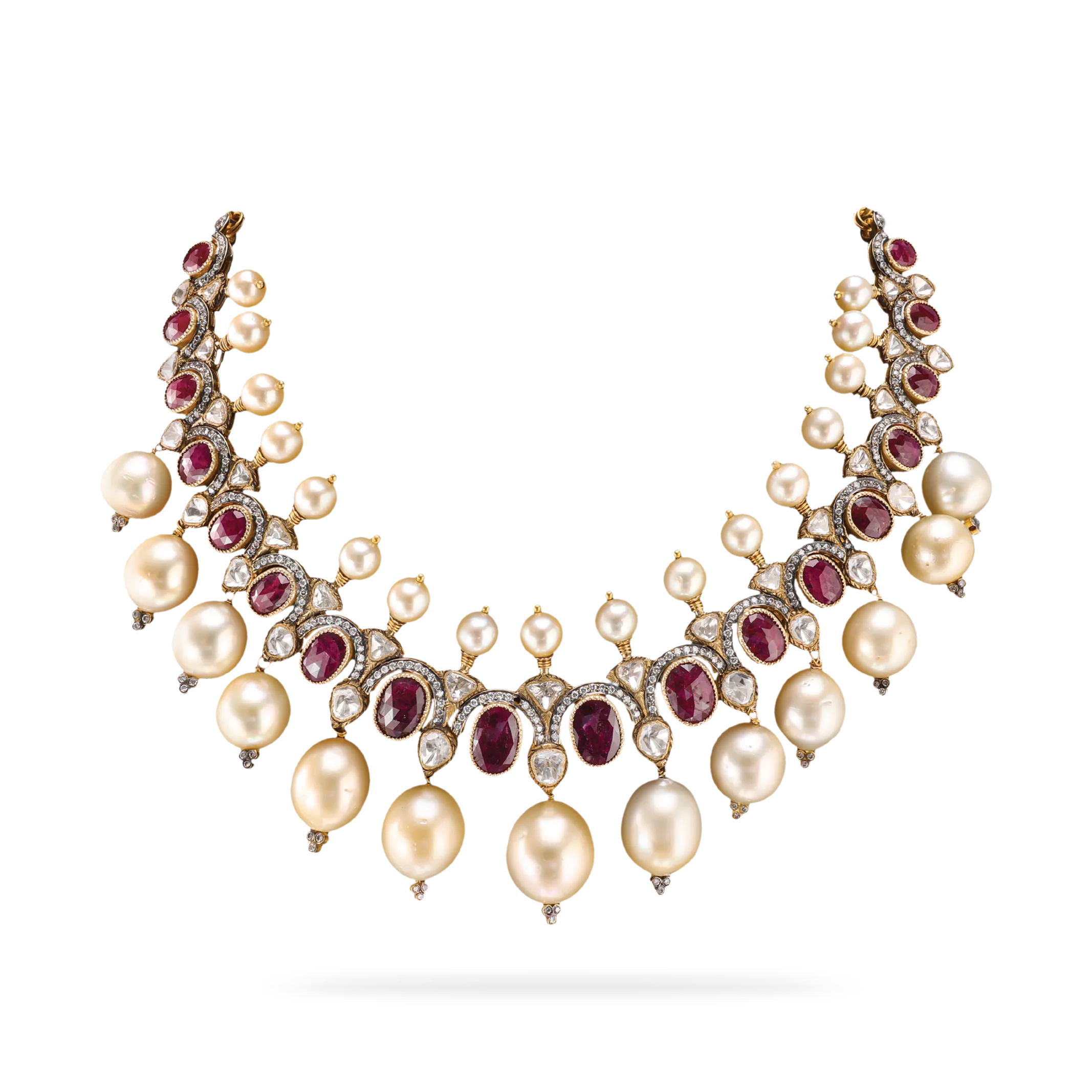
Diamonds give a crisp, luminous finish and can keep a pendant feeling refined even when its shape is traditional. Colored gemstones add personality and can echo the shades in a bridal outfit, while enamel introduces saturated color and a more crafted appearance. Ask how securely stones are set and whether the pendant will be exposed to frequent impact before choosing a detailed design.
Yellow, white, and rose gold combinations
Yellow gold offers the most familiar contrast with black beads. White gold can make diamonds appear especially bright, and rose gold brings a softer, warmer note. Two-tone or three-tone combinations can connect a mangalsutra with mixed-metal bangles, rings, or earrings. A coordinated palette usually looks more intentional than matching every piece to exactly one shade.
Selecting bead patterns and finishing details
Bead spacing, bead size, polished surfaces, and textured gold sections all change how formal or understated the necklace feels. When comparing pieces, consider the details that will remain comfortable against the skin and hold up to repeated wear. A useful comparison can be organized by the design’s visual and practical qualities:
| Design detail | Visual effect | Practical question |
|---|---|---|
| Bead size | Delicate or bold rhythm | Will the beads feel comfortable every day? |
| Pendant scale | Subtle or statement appearance | Does it suit the neckline and other jewelry? |
| Gold finish | Bright, satin, or textured surface | How easily will marks show? |
| Stone setting | Clean, ornate, or colorful look | Can the setting be checked and maintained? |
After comparing these details, handle or try on the necklace if possible. The most attractive finish on a display tray may not be the one that feels easiest to wear for several hours.
Matching a mangalsutra to your bridal look
A mangalsutra should belong to the complete bridal composition rather than sit apart from it. Fabric, neckline, embroidery, hairstyle, and the scale of the other jewelry all influence the right choice. Bring a fabric swatch or a photograph of the outfit when visiting a jeweler if the full ensemble is not available.
Coordinating the design with your wedding saree or lehenga
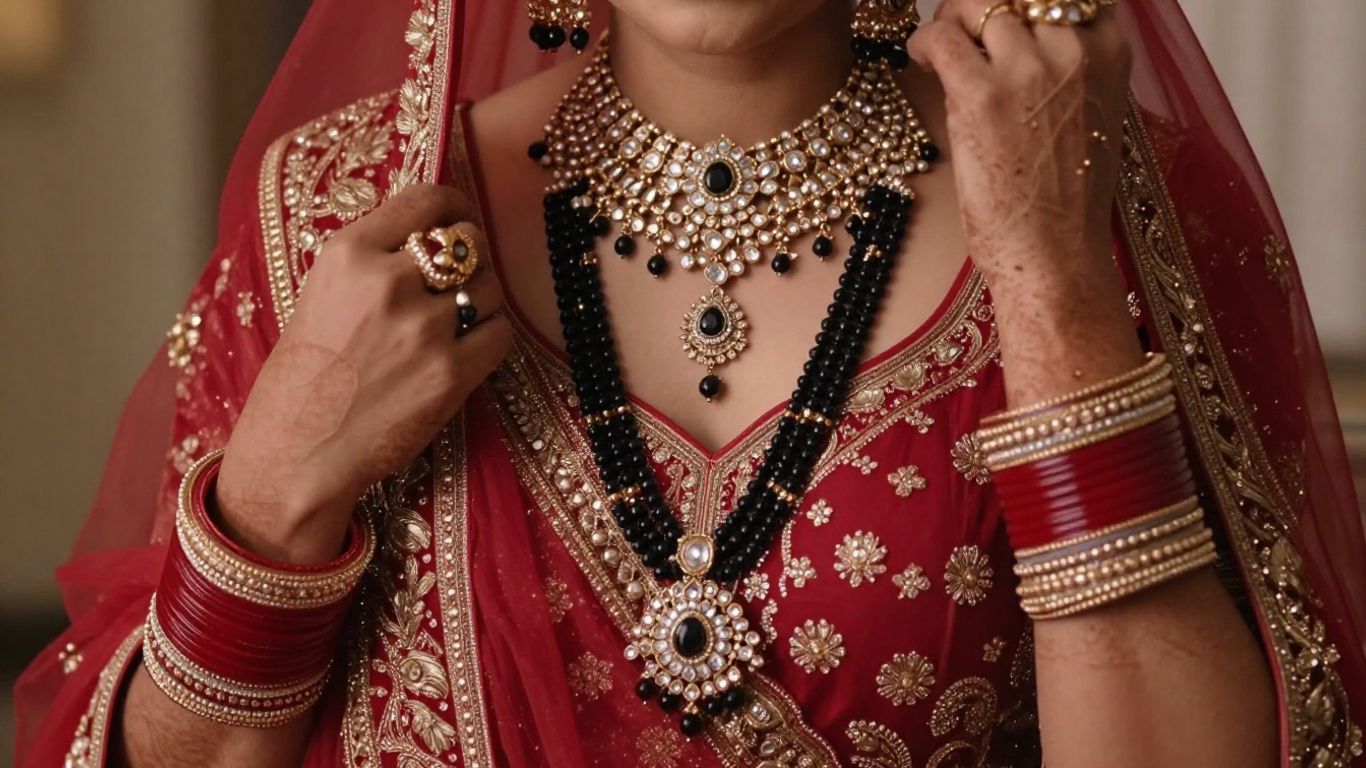
A heavily embroidered saree or lehenga can support a stronger pendant and a more visible bead pattern. With a lighter outfit, a delicate chain or a refined solitaire-style pendant may create better balance. Pay attention to the outfit’s dominant metal tone and border color, but do not feel obliged to match every detail. Contrast can be elegant when it is repeated elsewhere in the look.
Choosing a pendant for your neckline
The neckline determines where the pendant rests and how much of it remains visible. A high neckline often works with a longer drop or a pendant that sits below the collar, while an open neckline may suit a compact design closer to the base of the throat. Try the piece with the actual blouse if possible. Small changes in length can make a large difference in proportion.
Pairing the mangalsutra with other bridal jewelry
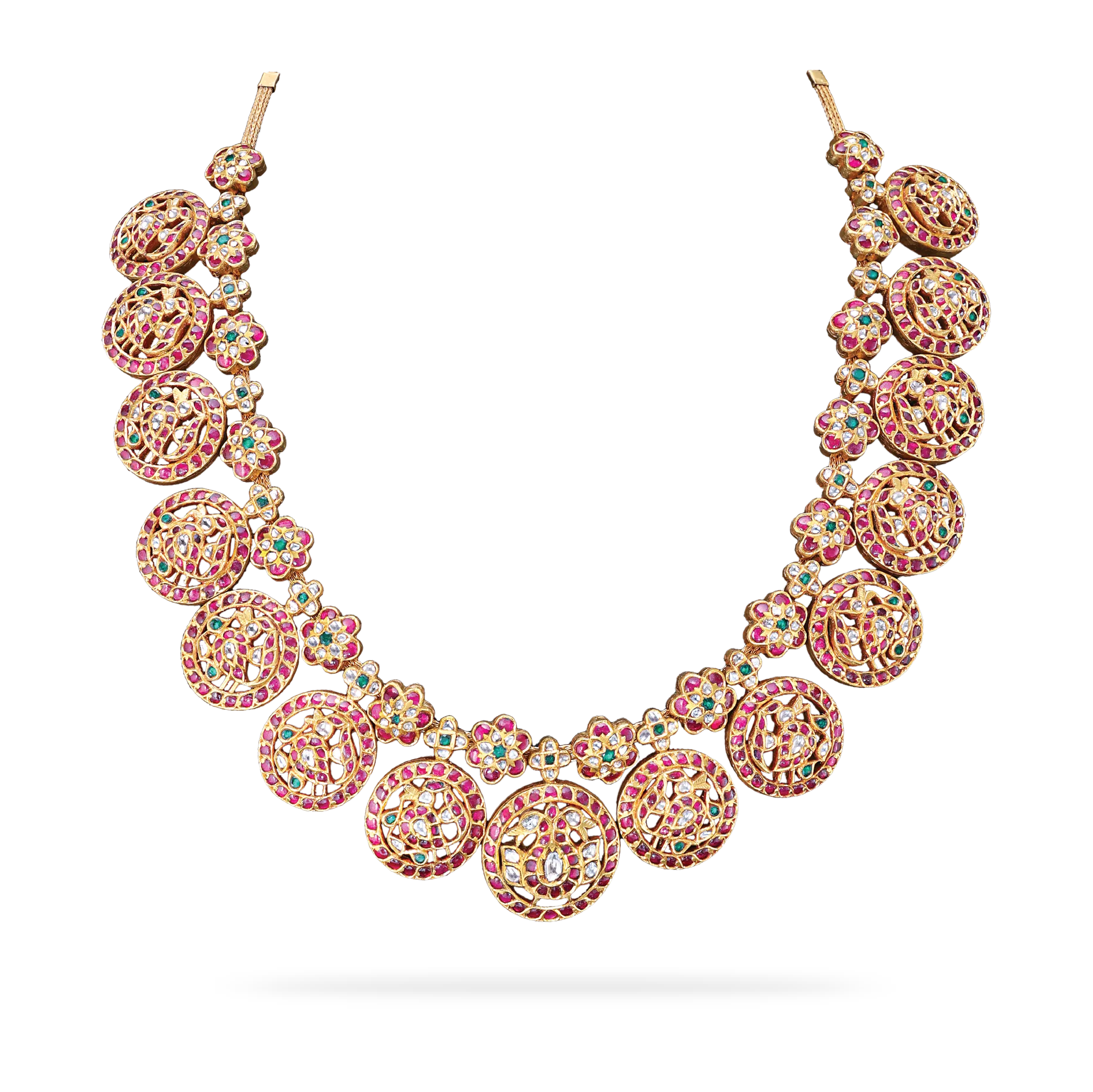
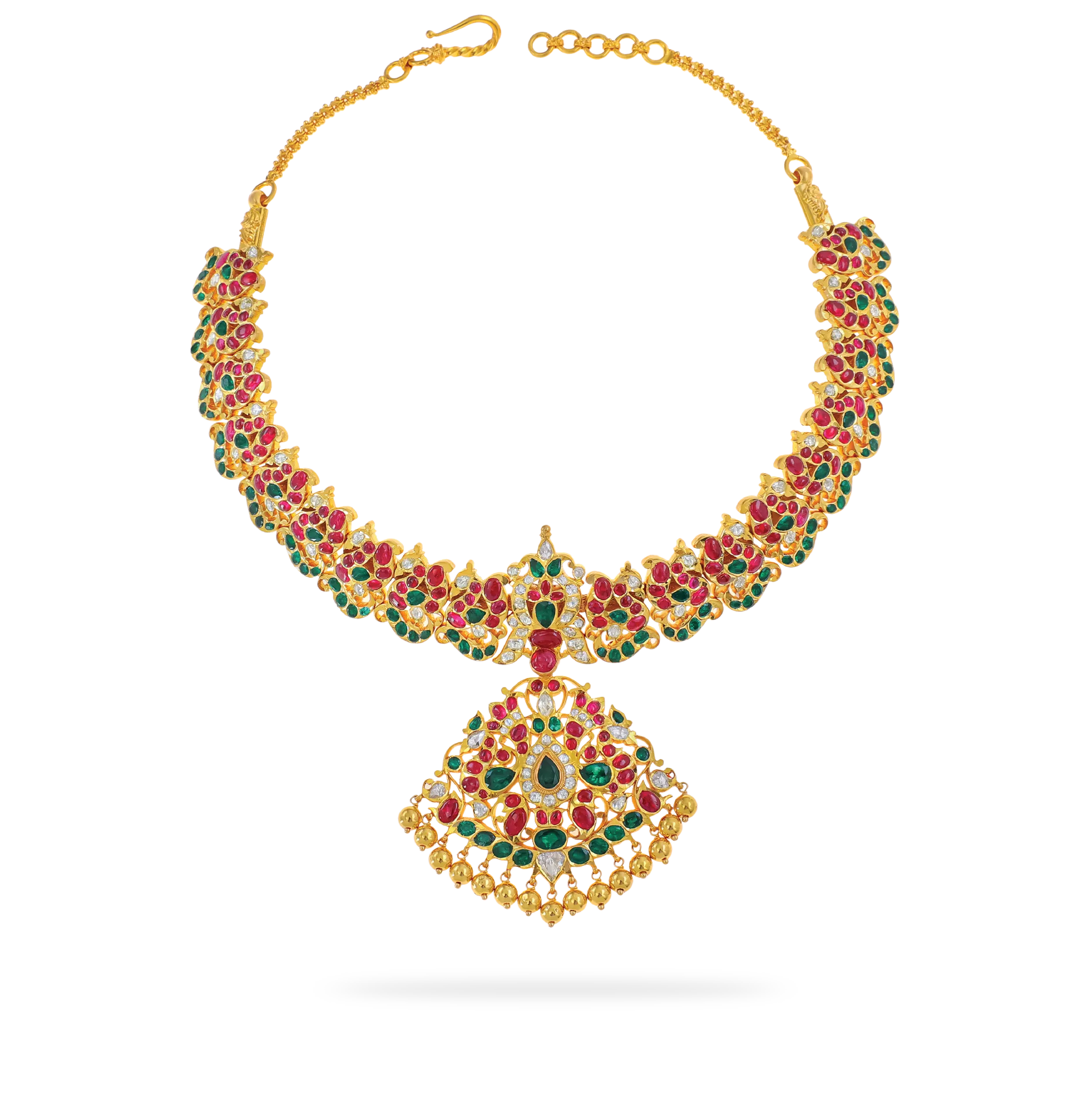
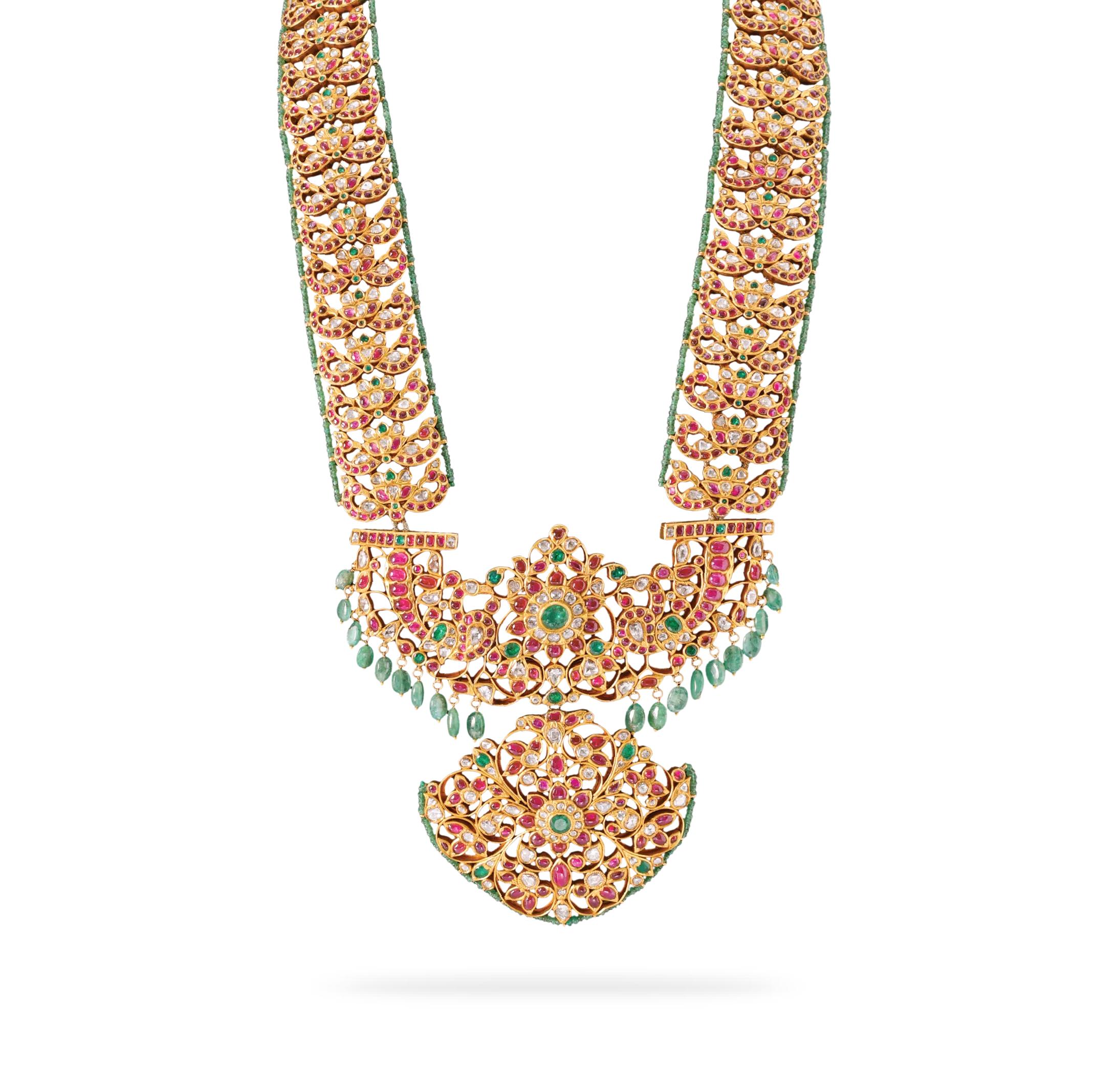
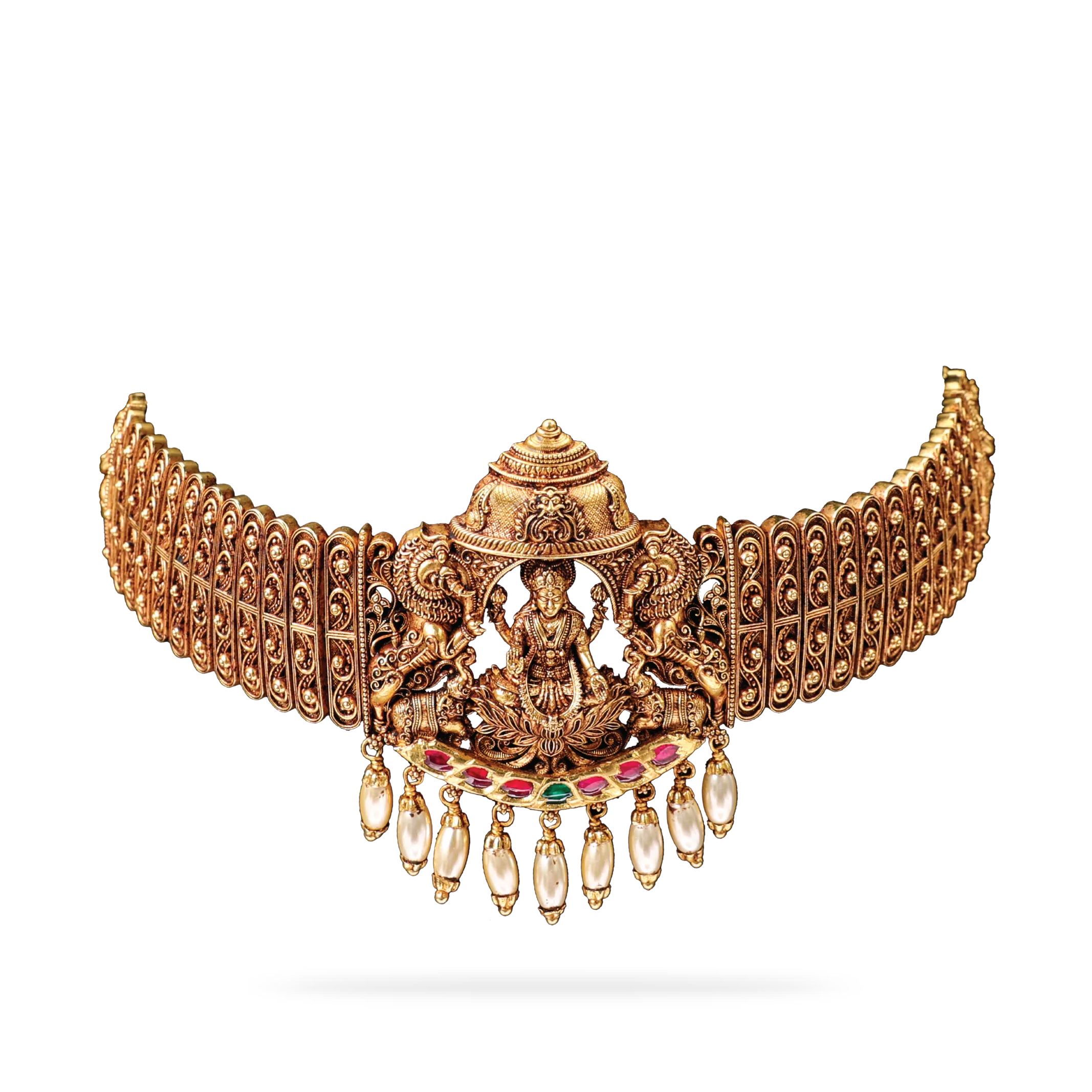
If you are wearing a choker , keep the mangalsutra’s pendant and chain from creating too many competing focal points. A long necklace may work better with shorter earrings, while a small mangalsutra can sit comfortably alongside a more elaborate haar. Wedding jewelry styling guidance is useful when you are coordinating bridal pieces with bridesmaid or family jewelry as part of the wider celebration.
Adapting the style for the wedding day and beyond
Some brides choose one substantial design for the ceremony and a lighter version for everyday use. Others select a single versatile piece that can move from wedding photographs to office clothing with only small styling changes. Think about the clothes you actually wear, how often you travel, and whether you prefer jewelry that stays understated. Practical versatility can make a meaningful purchase feel even more worthwhile.
Personalizing your bridal mangalsutra
Personalization can make a traditional necklace feel distinctly yours. It may be subtle, such as a small engraved detail, or more visible, such as a pendant designed around a meaningful shape. The most successful custom pieces usually begin with a clear idea of what should remain traditional and what can be reinterpreted.
Adding initials, names, or meaningful symbols
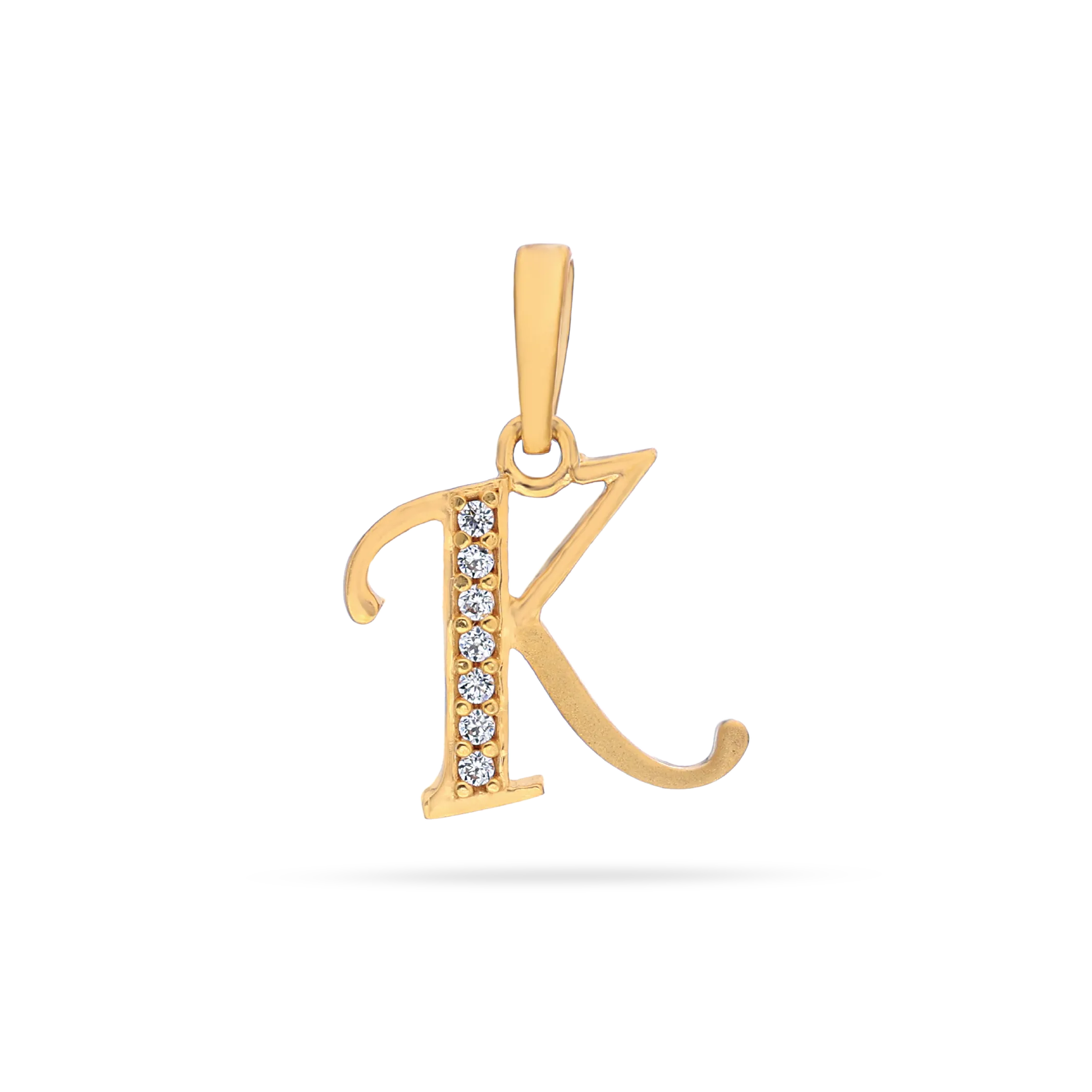
Initials, dates, initials worked into a motif, and symbols connected to family or faith can all give the pendant a private story. Keep the detail legible at the chosen scale and ask how engraving will affect the surface over time. A discreet mark often feels more enduring than adding several personal elements at once.
Customizing pendant shapes and proportions
A custom pendant should be proportionate to the bride, the chain, and the clothing it will accompany. A broad pendant creates presence, while a narrow vertical shape can lengthen the visual line of the necklace. Request a sketch or scale reference before approving the final piece. This is especially helpful when a design includes several stones or an intricate border.
Creating a traditional-modern design blend
A modern-traditional blend might retain black beads and a familiar central motif while using clean geometry, a lighter chain, or mixed gold colors. It could also place a classic symbol inside a streamlined frame. Personalized modern mangalsutra designs offer a starting point for thinking about contemporary materials and styling while keeping the necklace connected to its cultural role.
Selecting a length and clasp for everyday comfort
Comfort depends on more than necklace length. The clasp should be easy to secure, strong enough for the necklace’s weight, and positioned where it will not irritate the neck. Ask whether the chain can be adjusted and whether replacement components are available. A design that is simple to put on is much more likely to become part of your regular wardrobe.
Buying and caring for a bridal mangalsutra
A bridal mangalsutra is both an emotional purchase and a fine-jewelry investment. Take time to compare construction, documentation, fit, and aftercare rather than focusing only on the first impression. A thoughtful buying process also gives you clearer expectations about repairs and maintenance.
Setting a realistic budget for gold and gemstones
Set a total budget before becoming attached to a particular design. Include the gold weight, stones, workmanship, taxes, customization, and any future resizing or repair needs. If the budget is limited, adjust pendant complexity or stone size before compromising on a secure clasp and sound construction. Gold jewelry trend guidance can help place different metal and design choices in a broader jewelry context.
Checking purity, certification, and craftsmanship
Ask for written details about gold purity, gemstone identity, and any applicable certification. Examine the bead threading, soldered joins, pendant back, stone settings, and clasp. The necklace should feel balanced, with no sharp edges or loose components. Keep the invoice, certificate, and repair policy together from the day of purchase.
Finding the right fit and chain length
Measure with the blouse or neckline you expect to wear most often, not only with a bare neck. Sit, bend, and turn while trying on the necklace to see whether the pendant stays in place. A jeweler can often adjust the chain or suggest an extender. When comparing 22K and 18K options, gold mangalsutra necklace details can also help you think through traditional and two-tone possibilities.
Cleaning, storing, and maintaining the design over time
Remove the mangalsutra before swimming, bathing, exercising, or applying perfume and hair products. Wipe it gently with a soft, dry cloth after wear, then store it separately in a fabric-lined box so the chain and pendant do not rub against harder jewelry. Have the clasp, bead threading, and stone settings inspected periodically. If the necklace becomes damaged, stop wearing it until a qualified jeweler has assessed it.
Conclusion
Choosing among bridal mangalsutra styles becomes easier when tradition, personal taste, outfit coordination, comfort, and craftsmanship are considered together. Select a design that feels meaningful at the ceremony but also natural in the life you will lead afterward, and it can become a treasured part of your jewelry wardrobe.
Frequently Asked Questions
What is the traditional meaning of a mangalsutra?
A mangalsutra is traditionally associated with marriage, commitment, and auspiciousness. Its black beads and gold details may carry different meanings across families and regions.
Should a bridal mangalsutra be long or short?
Choose the length that suits your wedding customs, neckline, body proportions, and intended use. Long designs feel ceremonial, while short styles are often easier to wear regularly.
Is 22K or 18K gold better for a mangalsutra?
Neither is universally better. 22K gold offers a rich traditional color, while 18K gold may suit designs that need additional structural strength or a different gold tone.
Can a mangalsutra include diamonds or gemstones?
Yes. Diamonds, colored gemstones, and enamel can be used in the pendant or other gold sections, provided the setting is secure and fits the wearer’s lifestyle.
How should a mangalsutra match bridal clothing?
Coordinate its scale, metal color, and pendant placement with the outfit’s neckline, embroidery, and other jewelry. It does not need to match every detail exactly.
Can a bridal mangalsutra be worn every day?
Many can be, especially when the chain is comfortable, the pendant is practical, and the clasp is secure. Remove it for water exposure, exercise, and activities that may cause damage.
How often should a mangalsutra be cleaned or inspected?
Wipe it gently after wear and arrange occasional professional inspections, particularly for the clasp, bead threading, and gemstone settings. More frequent checks may be sensible for a heavily worn piece.
Diamond mangalsutra for modern brides: A guide to choosing the perfect design
10 minute read
Related blogs:
November 20, 2025
The Timeless Elegance of the Tennis Bracelet: A Comprehensive Guide
Read More
November 20, 2025
The Ultimate Guide to Styling and Wearing a Choker Necklace
Read More
November 20, 2025
Find Your Perfect Engagement Ring: A Comprehensive Guide to Styles and Diamonds
Read More
November 20, 2025
The Timeless Elegance of a Diamond Tennis Bracelet: A Buyer's Guide
Read More









.webp)

.webp)